
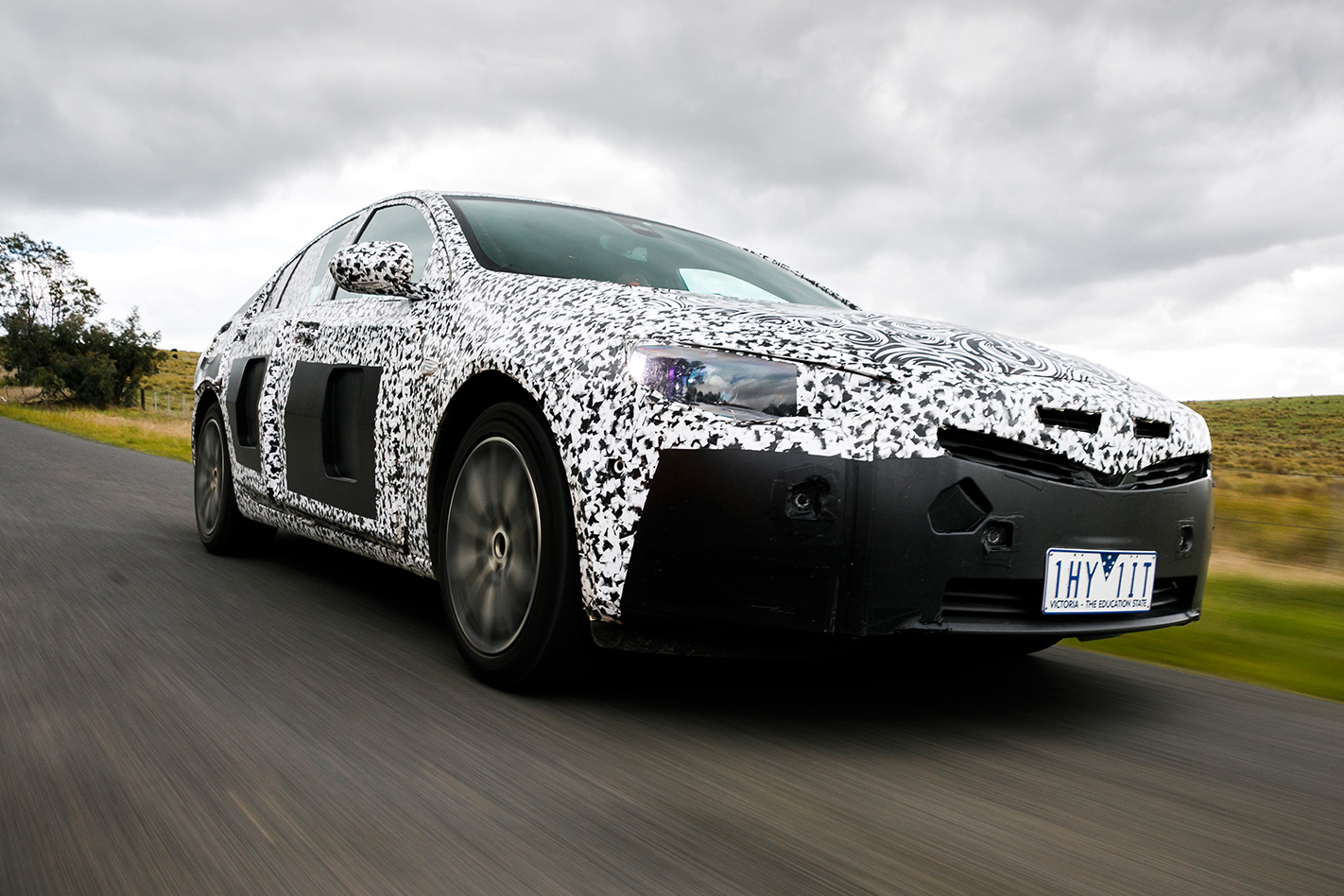
Okay, so the news that Holden has confirmed the Opel Insignia as the basis for the next Commodore is not the earth-shattering kind.
As in, we all suspected as much and, when the official announcement was made, nobody started waving their hands in the air shouting ‘Hold the front page!’ Of course, about the same time as the Insignia was named as the next Commy, news also broke that (French government-owned) Peugeot Citroen (PSA) had just purchased General Motors’ European-based brands.
That would be Vauxhall and, in case you haven’t been paying any attention at all, Opel. At which point the Insignia-as-Commodore announcement suddenly threw up more questions than it actually answered.
Not the least of those is what the hell happens now the PSA deal has gone through and General Motors no longer owns the Opel and Vauxhall brands or their production facilities? For its part General Motors is saying very little about future model sourcing plans, but that’s nothing new in this game.
For me, though, it sounds an awful lot like Indian giant Tata’s commitment to continue British production of Jaguar, which is not necessarily a bad thing given this proven success. Indian money plus Brit Jaguar-ness equals a reborn, revitalised brand with interesting, worthy product. But I don’t think it’s PSA that we have to watch here.
Rather, it’s GM that will make the final decisions on what we get and when. Don’t forget, it’s GM that owns Holden, not the French government. Now, shoot me down in flames, but I can’t see a company like General Motors buying cars off a rival manufacturer to rebadge as Holdens.
I could be wrong, but I just can’t see it. Not since the days of the Button Plan in this country where Nissan Patrols were badged as Ford Mavericks and Toyota Corollas were sold as Holden Novas, has the landscape seemed so surreal. So where does that leave us?
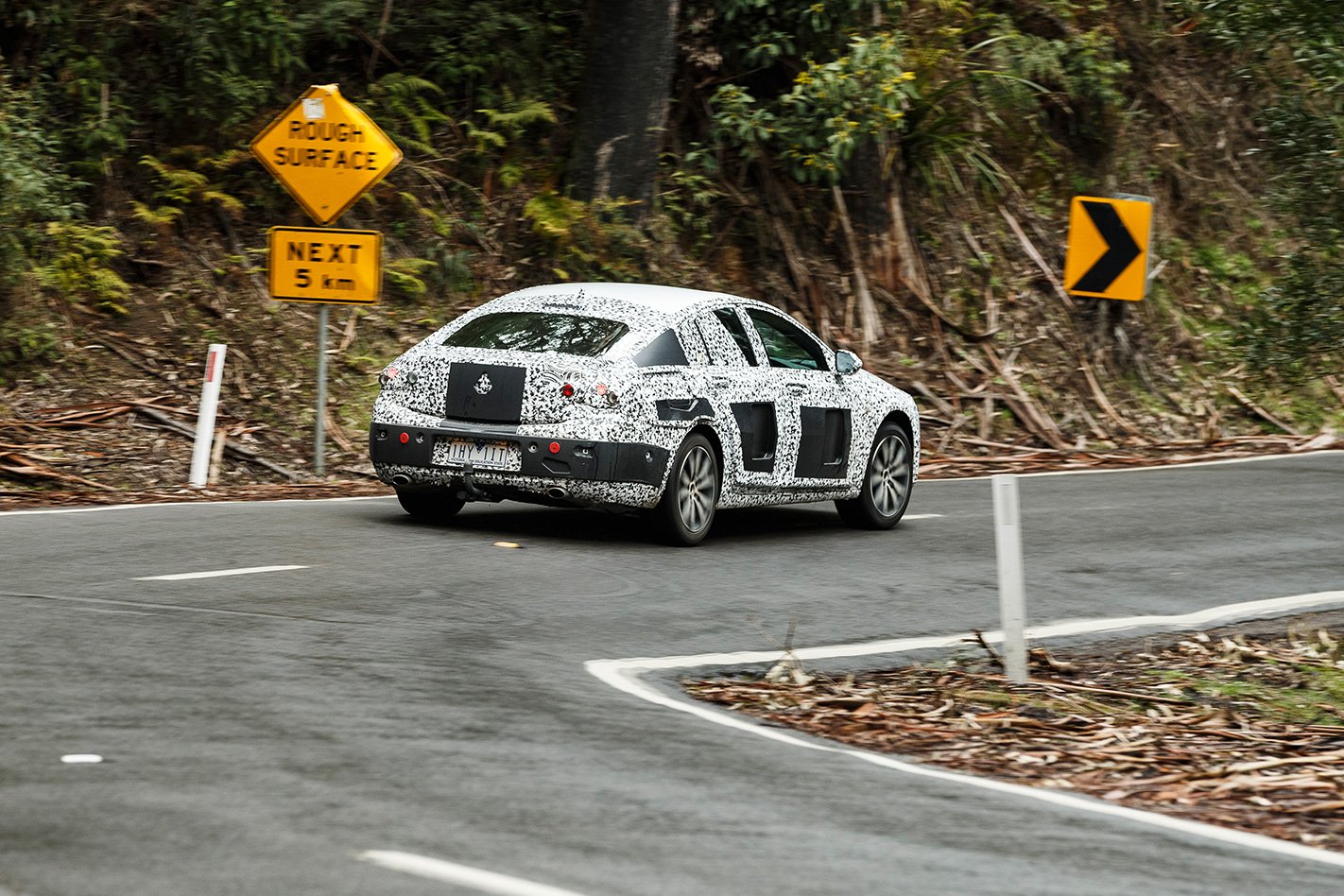
For blokes like me, however, the biggest question thrown up by all this paper-shuffling arrives when I finally decide to put down my coin on a 2018 Commodore. At which point, the elephant in the room is: Have I just bought an instant orphan?
If the next-gen Commo really is likely to be a one-model deal, isn’t it going to be just as on the nose come trade-in time as a one-term president? Look, I know it was never Holden’s intention for the next Commodore to be a stop-gap model, but I can’t help but think that’s how it’s shaping up.
Holden’s 10 best performance Commodores
From where I sit anyway. Maybe I really am the wrong demographic here in the first place. I mean, I’ve said all along I probably don’t want a Commodore that isn’t built here. But as a bloke whose age and cultural vital stats would seem to place him smack-dab in the centre of the buyer profile of the current Commodore, maybe I am that guy.
And if I am, I’m going to hedge my bets as long as I can. Because you can bet your bottom shekel that things ain’t ever gonna be the same around here. Just how much not-the-same is the $64,000 bugger.
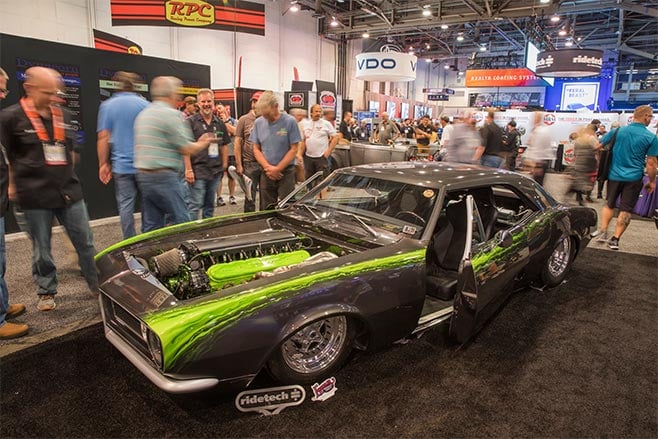
With a huge annual contribution to the US economy, the SEMA organisation’s yearly trade show once again filled the gigantic Las Vegas Convention Centre, even spilling out across multiple car parks and alleyways around the site.
A four-day sensory overload for car enthusiasts, the trade-only show features all manner of modified vehicles, new technology and celebrity appearances, though its core is to support the worldwide automotive aftermarket.
SEMA 2017: Hennessey Venom F5 revealed
A large part of the show is the New Product Showcase, which is a sought-after section to be featured in as these new technologies and components are showcased to worldwide buyers. Haltech even won two prestigious product design awards for their Elite 950 ECU, launched at the 2017 SEMA show, which is designed to make converting old V8s to EFI easier than ever.
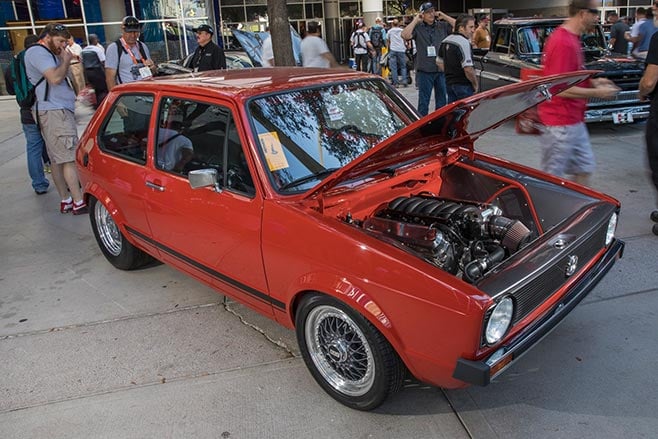
If you’re a member of the automotive industry the SEMA Show is a red-hot item for your bucket list – for those who couldn’t make, here’s a taste!
With 303kW per tonne, the Lotus Exige Cup 430: Unlimited Edition claims to be a bona fide supercar killer.
Its new engine, a 3.5-litre V6, scores 321kW/440Nm thanks to the assistance of an Edelbrock supercharger.
That’s 63kW/40Nm more than the Exige 350, and it even weighs 32kg less at just 1093kg.
It also comes hooked up to a 6-speed manual. There is no other gearbox option.
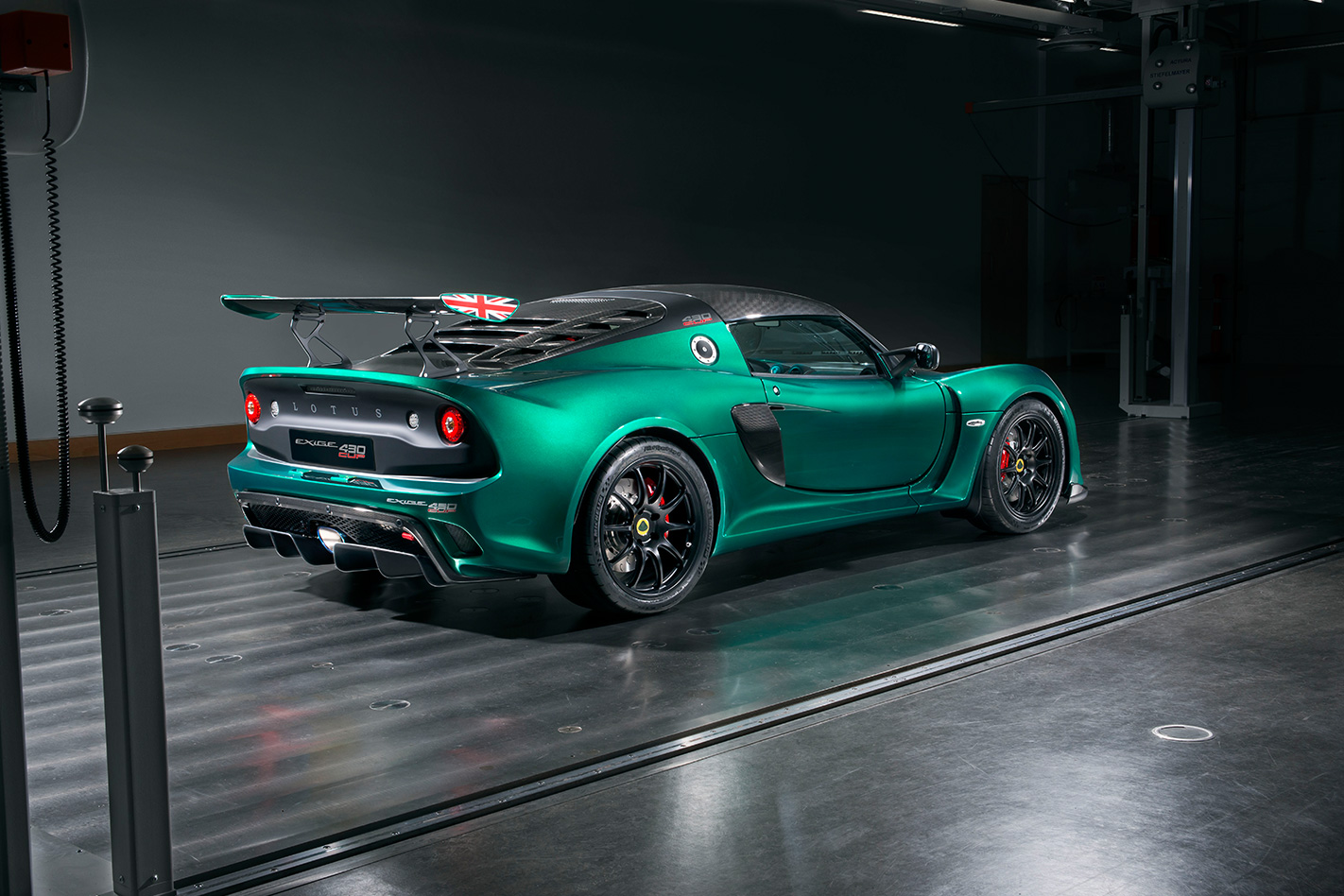
It reaches 100km/h in a claimed 3.3 seconds, with a lightweight Lotus ‘precision shift aluminium mechanism’ helping keep gear changes fast.
Its body is made from lightweight aluminium and is fitted to a riveted high-stiffness chassis, with unequal length double wishbone suspension underneath.
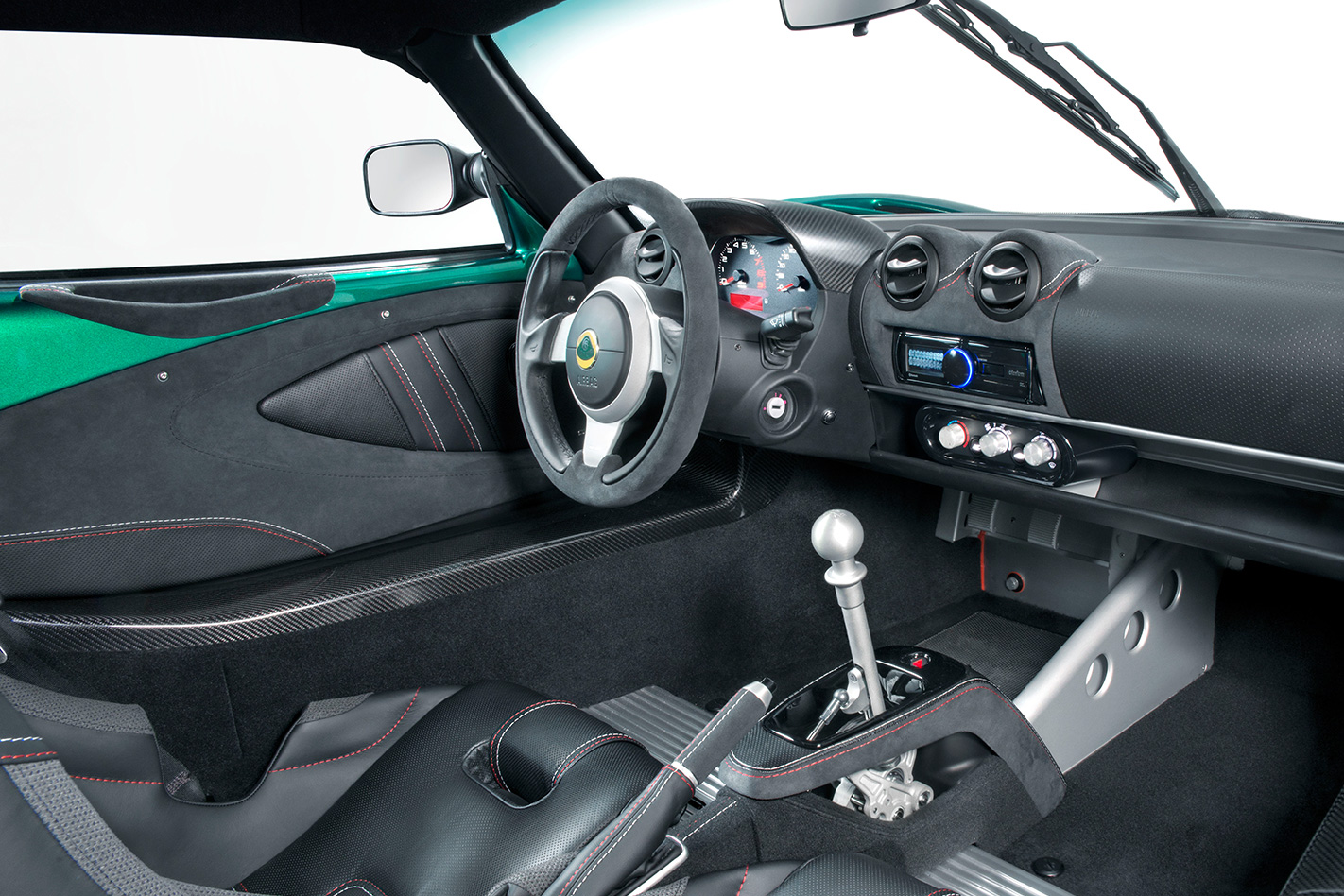
“This is the car that we have always wanted to build, and I am sure that all Lotus enthusiasts will be delighted with the end product,” Gales says.
Geely Holding Group to buy Lotus
“As well as a significant power hike, the Cup 430 has benefited from extensive development in areas essential to Lotus’ DNA, in order to ensure that the full potential of the Exige’s incredible chassis can be exploited.
“This car has no rivals – inside or outside of its price bracket – and it’s no exaggeration when we say that nothing can keep up with this Exige on the road or track.”
OPEL’S new owners have flagged big changes are coming for the German brand, including big cost-cutting, fewer engines and platforms – signalling big changes are potentially in store for the Holden Commodore.
PSA Group, which bought the loss-making Opel from cash-strapped General Motors earlier this year, overnight announced how it would reduce the number of Opel platforms to just two – PSA’s CMA (compact modular architecture) and EMP2 (efficient modular platform 2) – as it wholly absorbs the German car maker.
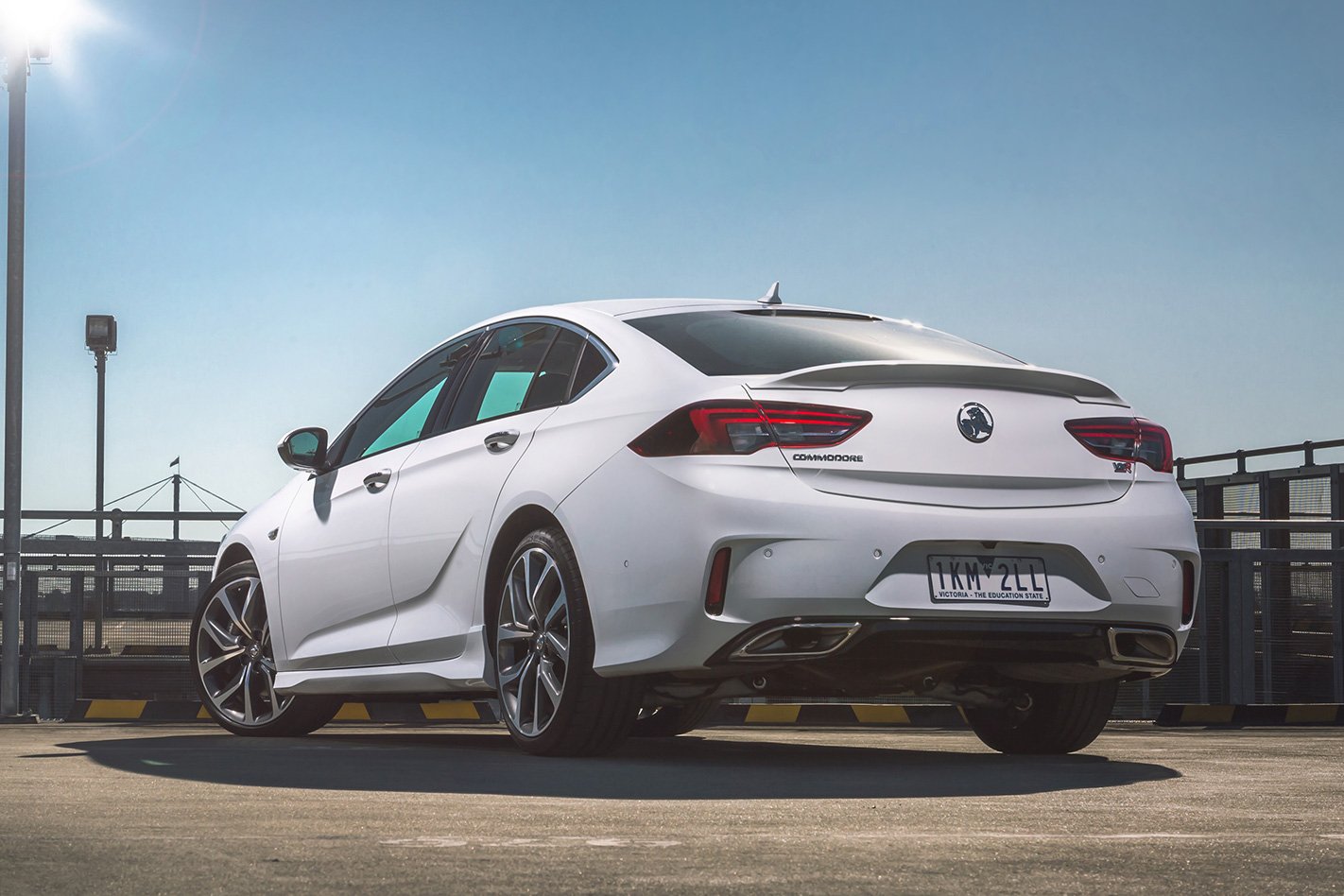
The Opel Insignia arrives in Australia from early next year rebadged as a Holden Commodore. PSA Group, the French owner of brands Peugeot and Citroen as well as Opel, is building the Commodore for Australia, although it is tweaked to suit local conditions. But there’s a subtle hint of what’s potentially to come.
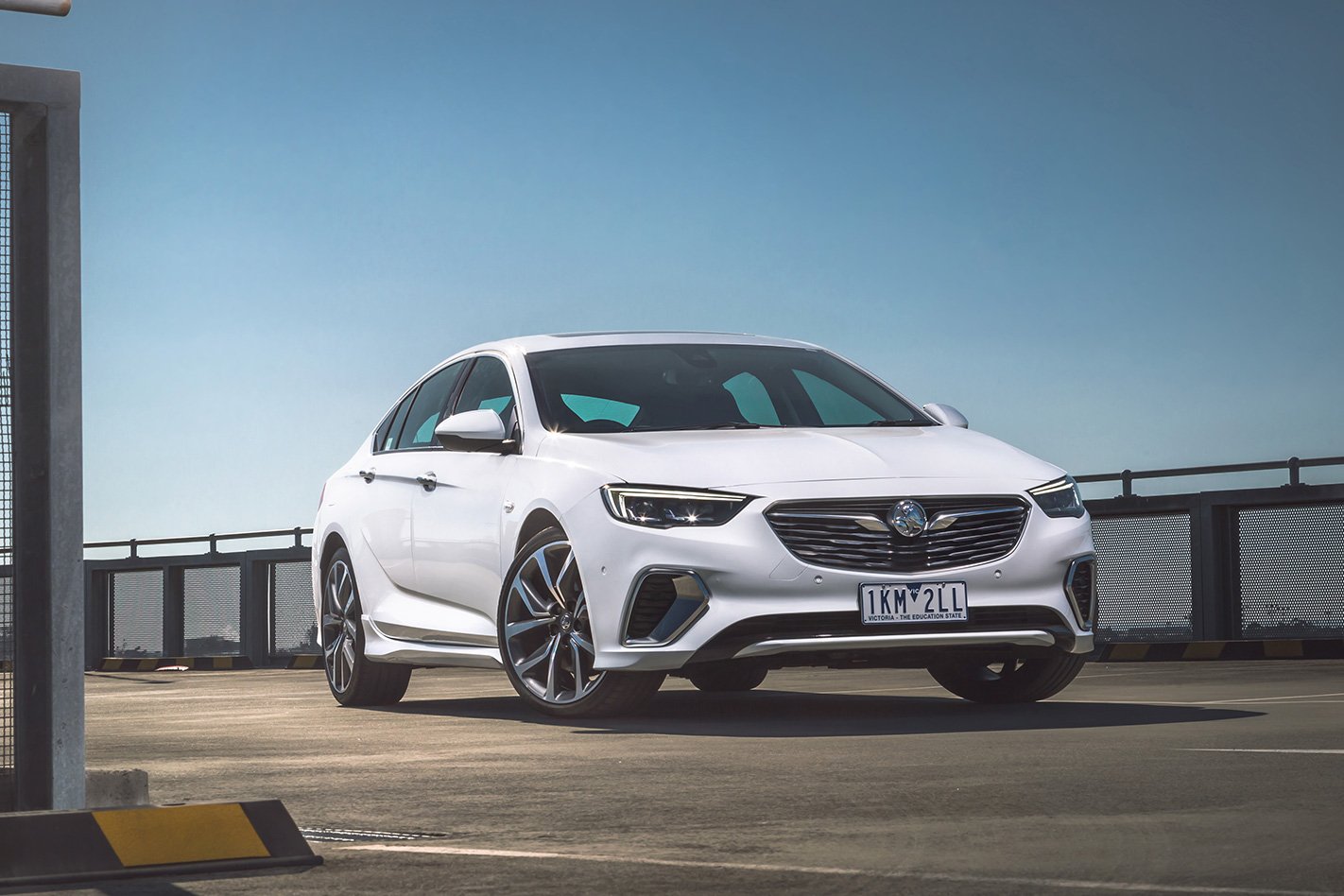
But here’s the clincher: “The two Groupe PSA platforms, CMP and EMP2, will be localised in all Opel/Vauxhall plants. To start with, an EMP2-based SUV is planned for Eisenach in 2019; and an EMP2-based D-segment vehicle is coming to Russelsheim,” it said.
2018 Holden Commodore: Where to next?
Why is that important? The new Commodore, a D-segment vehicle, will be built on GM’s Delta II platform using crated-in engines at Opel’s plant in, you guessed it, Russelsheim. The parallels are all there suggesting the next Commodore will move from Delta II to PSA’s EMP2 platform.
But there are more changes flagged, with Opel’s new owner saying the number of engines it stocked had to fall, from the current 16 to just four. “The allocation of new powertrains in Opel/Vauxhall manufacturing sites will accompany the shift from GM to Groupe PSA engines and transmissions,” it said.
“First areas of expertise are identified, e.g. fuel cells, certain automated driving technologies and driver assistance developments,” it said. “This will further guarantee German engineering quality and affordable innovations.”
PSA Group said Opel’s transition to the French car maker’s platforms needed to happen “faster than originally expected”. “From 2024 onwards, all Opel/Vauxhall passenger car models will be based on joint Groupe PSA architectures. Next to come are the Combo in 2018 and the next generation of the best-selling Corsa in 2019. This course will be steadily continued with one major launch per year.
“Counting every body style, Opel/Vauxhall will launch nine new models by 2020. This line-up will enable to increase the pricing power of Opel/Vauxhall brands and reduce the gap against benchmark by four points.”
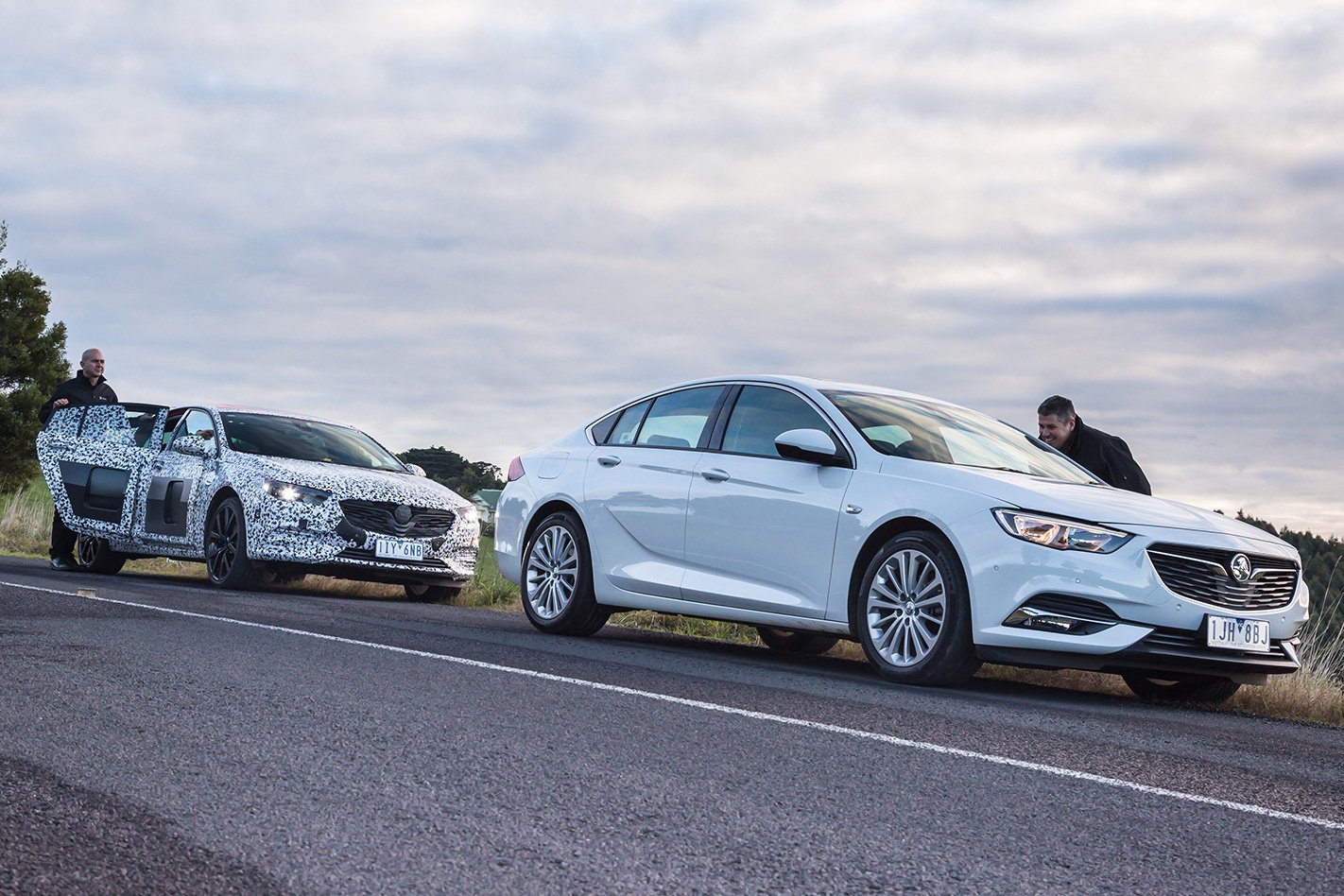
That loosely guarantees Australia will continue to take the German-built, Opel-sourced Insignia liftback sedan, wagon and Tourer soft-roader for about the next five years.
Electric cars: where are we at?
PSA Group said Opel would become a European CO2 leader. “By 2024, all European passenger car lines will be electrified – offering a pure battery electric propulsion or plug-in hybrid version alongside efficient internal combustion engines,” it said.
“By 2020, Opel/Vauxhall will have four electrified carlines on the market, including the Grandland X PHEV and the next generation Corsa as a fully electric vehicle.”
Both these vehicles – a mid-size SUV and Europe’s equivalent of the Holden Barina – are currently not slated for Australia.
The TV ad for the Lexus LC500 has been banned for the second time after the Advertising Standards Bureau (ASB) received complaints due to its depiction of “speeding and rapid acceleration.”
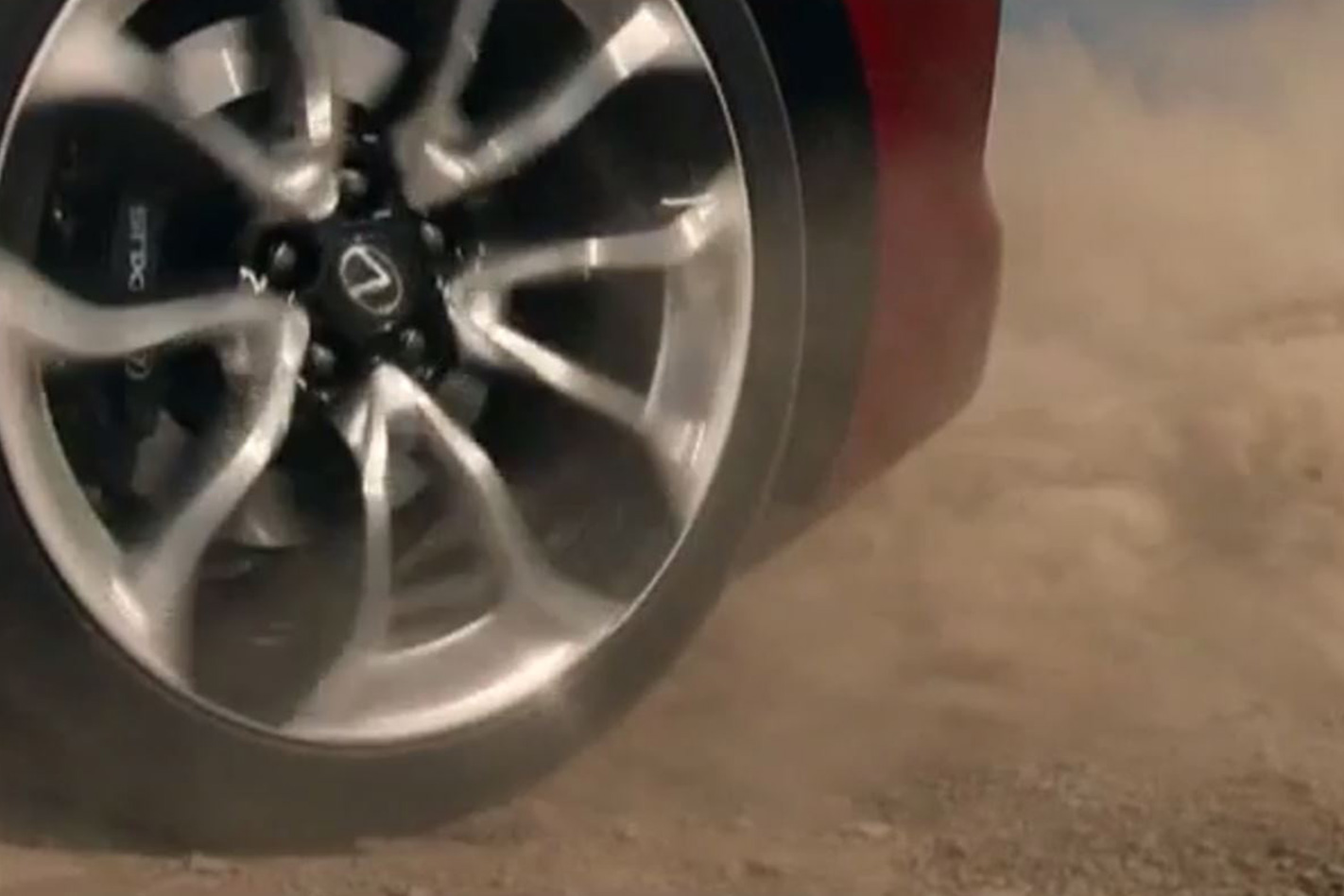
The ad was first aired with shots featuring rear wheels spinning momentarily as the LC500 took off on an unsealed road, and shots of the car appearing to drive quickly along empty highways.
The original complaint published and upheld by the ASB says:
“The ad clearly depicts speeding and rapid acceleration which is illegal, dangerous and against the advertising code.
“The advertisement was all about the power and speed of the vehicle. It had no regard to the fact that speed and motor vehicles kills people.
VIDEO: Lexus LC500 reveals V8 bellow
“As a former police I have put people in body bags after accidents and it is not pleasant. How about preventing advertisements that encourage speeding.”
Lexus responded by removing the shot of rear tyres on gravel and slowing down two sections of footage that depicted highway driving, though another complaint was lodged after the alterations were made.
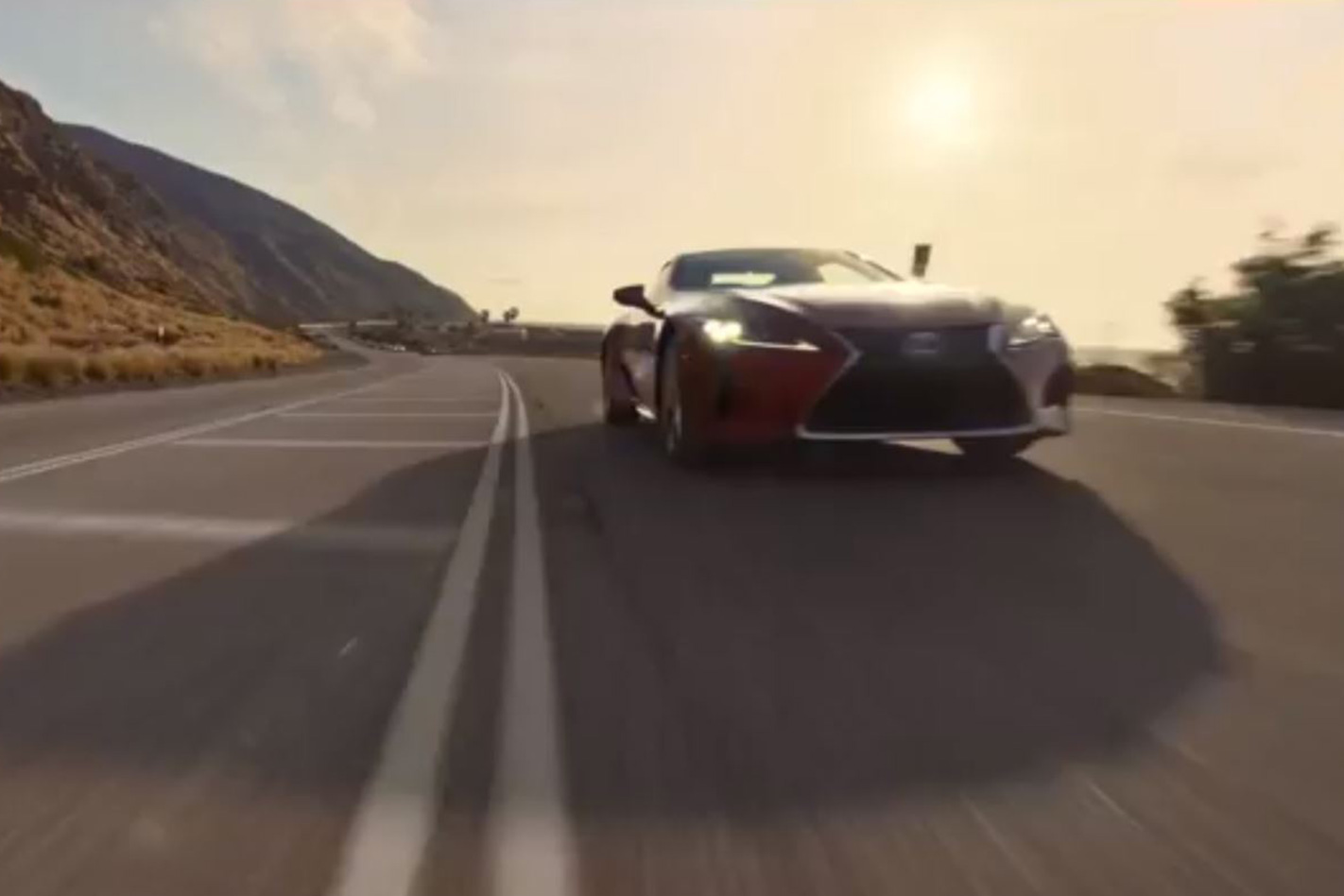
“Please tell me what is the point of all this? If the rules are broken they are broken if I don’t stop at a stop sign and get fined by the police I can’t appeal that a rule is a rule no grey area a stop sign means I must bring the car to a stop an ad brakes a rule it must stop how did it get back on the air?”
Lexus responded, again:
“Lexus feel [sic] confident that modifications made addressed the concerns raised by the ASB.
“Further, Lexus notes the following:
i. the Advertisement last aired on free-to-air television on 23rd September 2017;
ii. at this point in time there is no further media scheduled for the Advertisement.
“In acknowledgement of the Complaint, Lexus are prepared to make modifications to the advertisement prior to the purchase of any further air time.”
Visuals in the ad are paired to audio of a promotional review by bestselling fiction author James Patterson commissioned by Lexus.
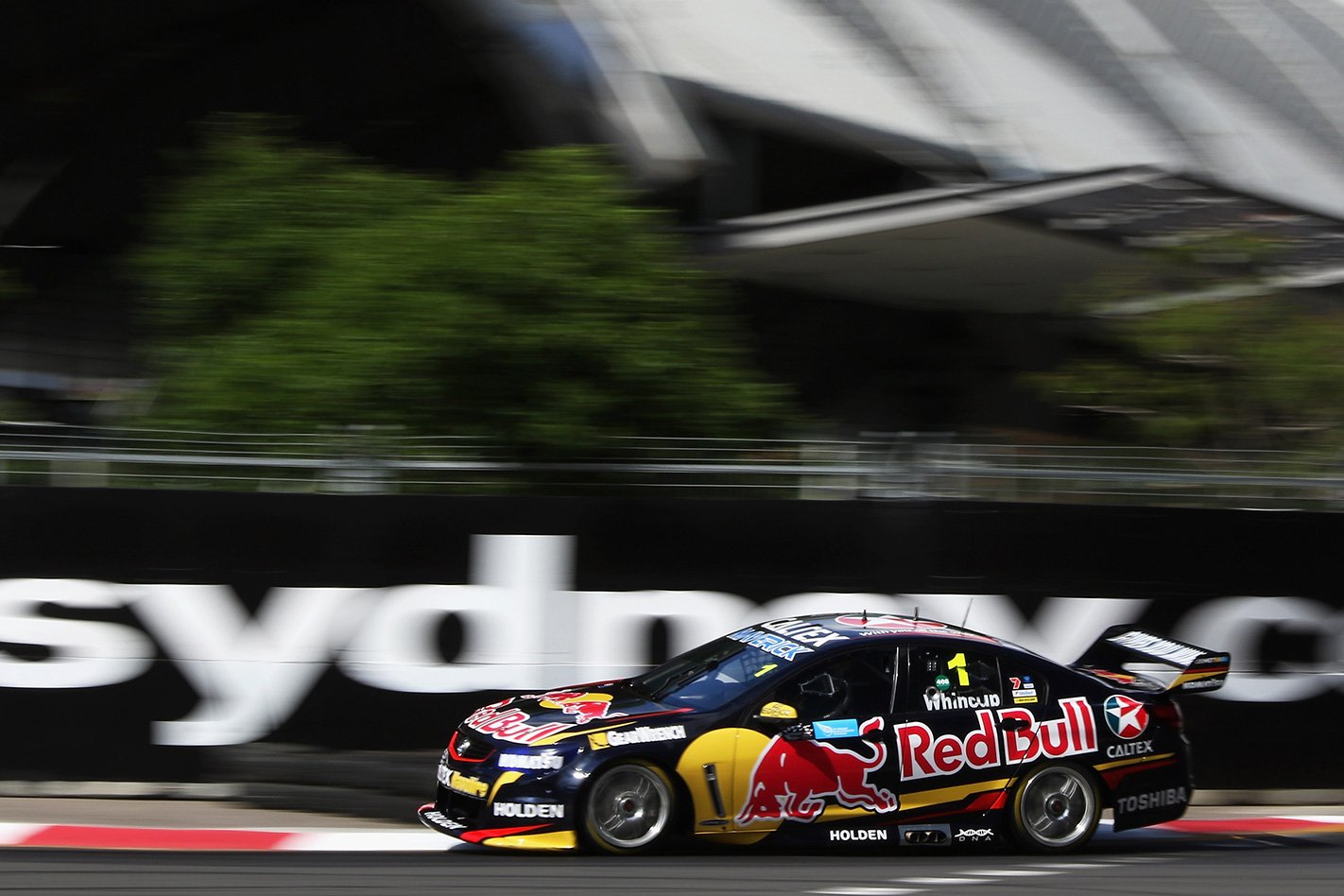
The VF Commodore V8 Supercar that took Jamie Whincup to his 2013 and 2014 Supercars championship victories is up for sale.
Most recently driven by teenaged racer Jake Kostecki in the Super2 development series at Sandown this year, the car currently wears a different livery to its former Red Bull gear.
But the listing, found on V8Sleuth, says it could be put back to its former #1 livery.
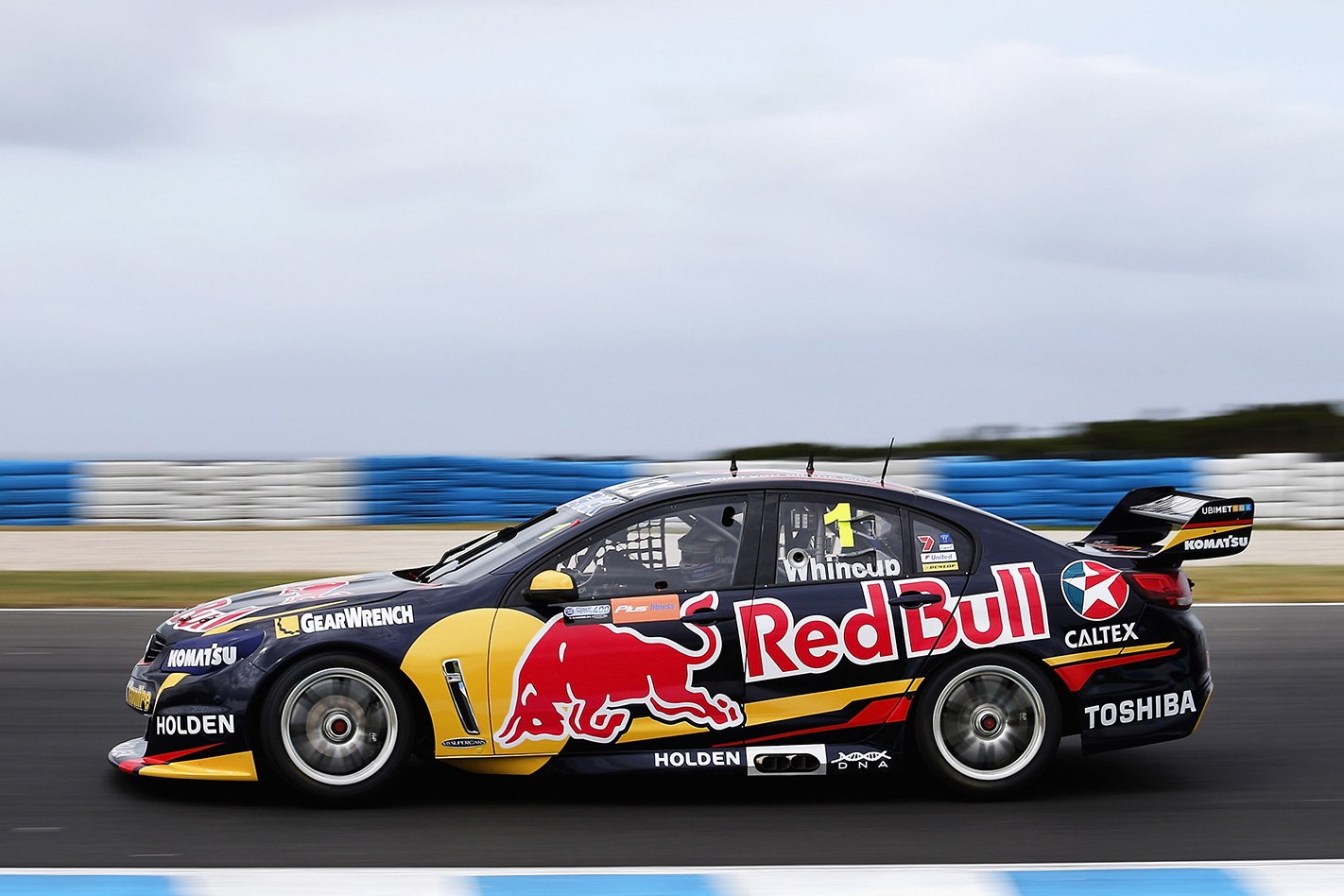
Its win count of 22 races is topped only by Whincup’s VEII Commodore in which he took out 28 races, and the Stone Brothers Falcon driven by Marcos Ambrose to 25 wins.
It’s also got two Sandown 500 wins under its belt and a Bathurst pole position on its record.
Opinion: Supercars should remain ‘the V8s’
It has since been a Dunlop Super2 car.
The listing has its price set as ‘POA’, but Steven Kostecki told MOTOR he wouldn’t consider any offers below $500K.
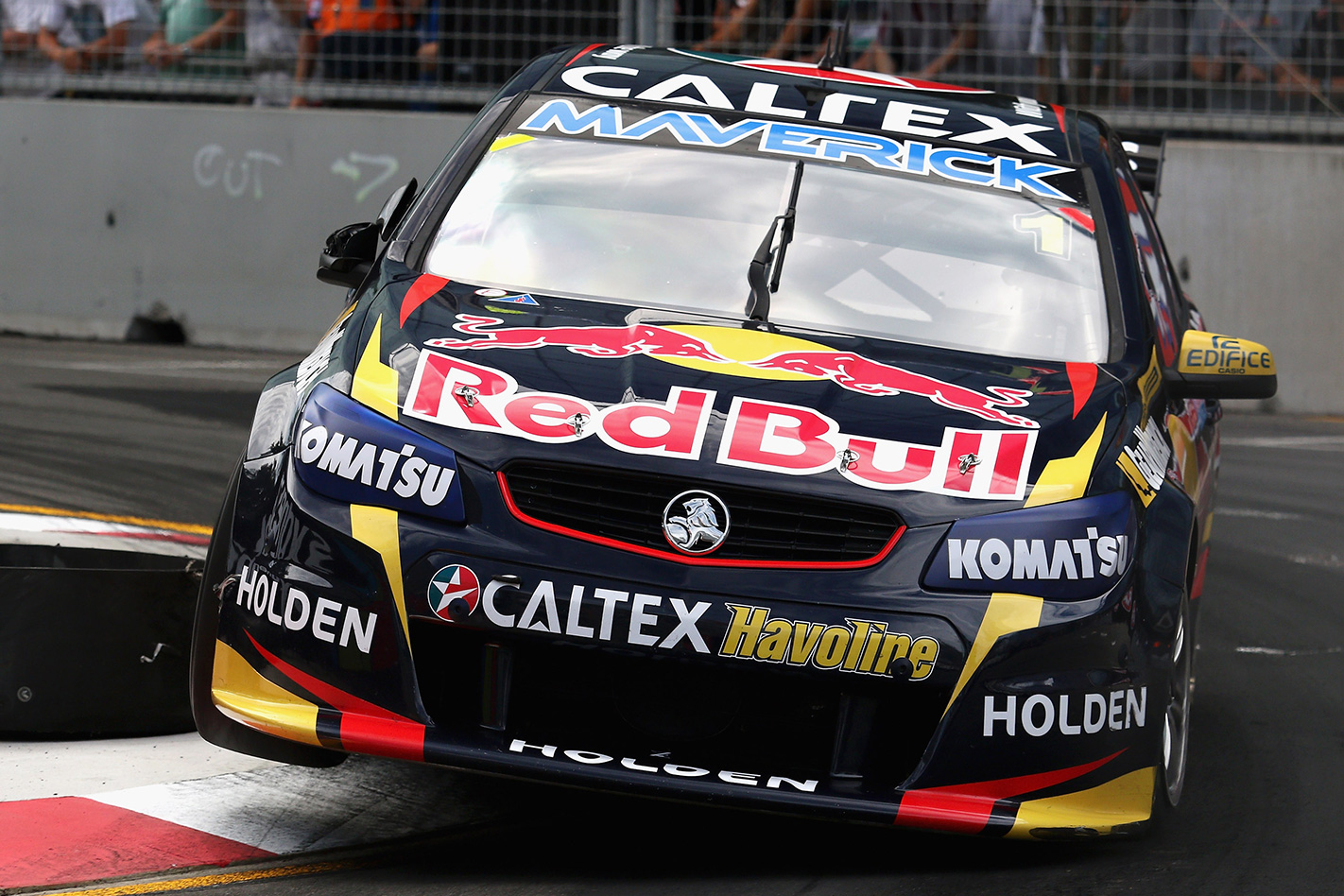
The car that helped Whincup break the record for most Supercars championship wins is definitely going to prove valuable, if not only in sentimentality.
The Mercedes-Benz X-Class will launch in Australia carrying about a $15,000 premium over more workmanlike trade utes such as the Ford Ranger and Toyota Hilux, the German luxury car maker has announced.
The initial 13-strong, all diesel range will launch in April next year, featuring a 2.3-litre four-cylinder engine, a 1.1-tonne load capacity and a 3.5-tonne towing capacity. The entry-level, six-speed-only rear-drive X220d cab chassis version will go on sale priced from $45,450. If you want Mercedes-Benz to supply a style-side tray for the Nissan Navara-based German, the cheapest version is priced from $46,400 for the rear-drive six-speed manual version, with optional 4Matic all-wheel-drive, which you’ll need to engage, adding $4000 to the cost. A V6 version arrives later in the year.
The X220d “Pure” range aimed at “classic robust use” will use a 120kW/403Nm tune that outperforms both the entry level Ford Ranger’s 110kW/375Nm 2.2-litre engine and the Toyota Hilux’s 110kW/400Nm 2.4-litre unit. However, the all all-wheel-drive X250 range will use an uncorked version of the 2.3-litre four-pot that produces 140kW/450Nm – that outperforms Toyota’s base 2.8-litre’s 130kW/420Nm (but not the 130kW/450Nm tune used for the range-topping SR), but falls short of the 3.2-litre five-cylinder Ranger’s 147kW/470Nm.
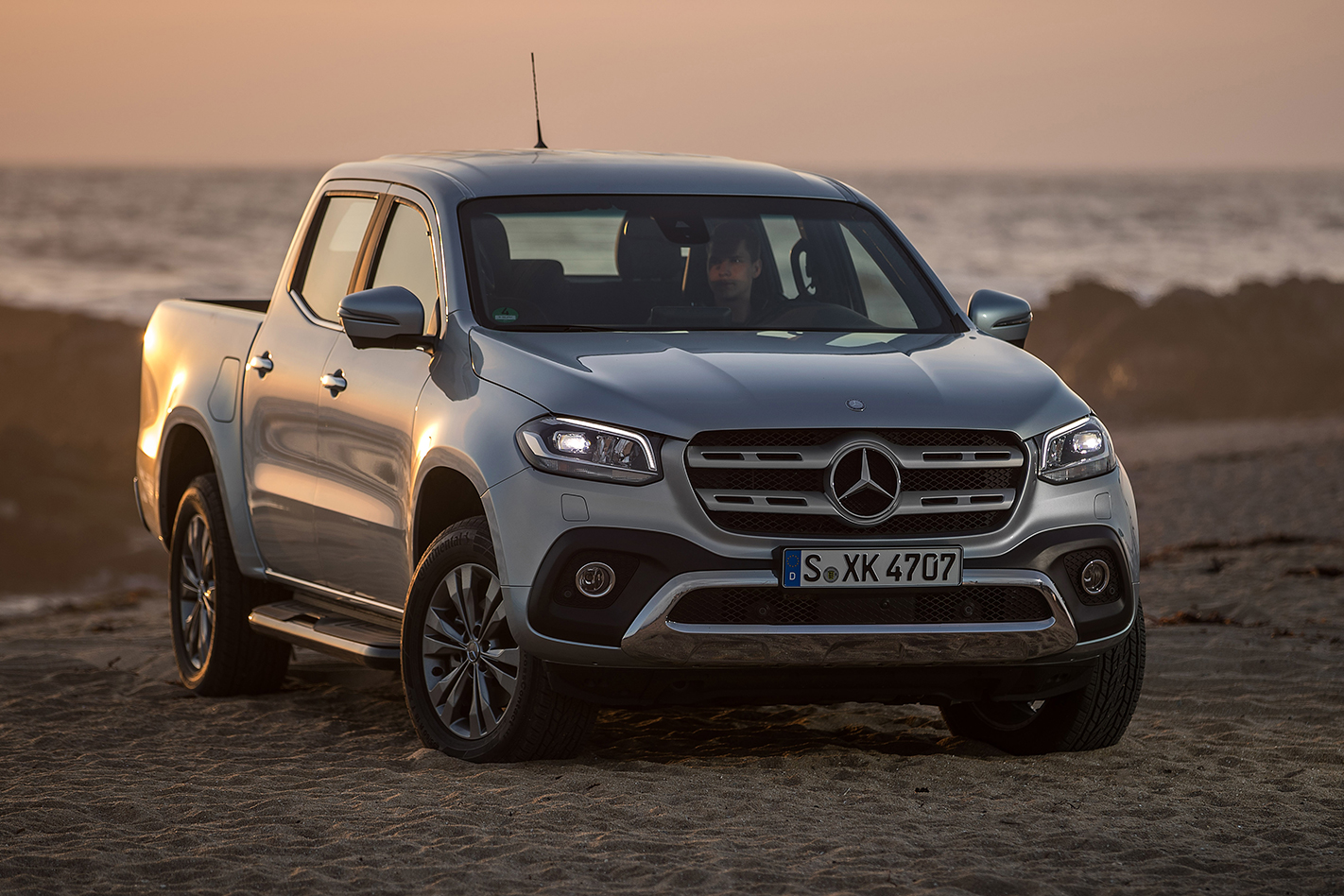
It’s equipped like an entry-level trade ute, sitting on 17-inch steel wheels and with cheap black front and rear bumpers that help to cut down on the cost of running repairs. Buy it with the benz-sourced tub and you get a reversing camera, sit on black cloth seats, the floor is trimmed in plastic, and the audio system has only two speakers. But it gets a seven-inch touchscreen, halogen headlights, a tyre pressure monitor, airconditioning and a lane-keeping assistant as standard.
The X250d Progressive, priced from $53,950 for a cab chassis, meets what Mercedes-Benz says are “higher requirements in terms of quality feel and comfort”. The 17-inch wheels swap to alloy, the bumpers become body-coloured, and the windscreen adds heat insulation. The seats remain black cloth and manually adjusted, but the floor is covered in carpet instead of plastic. The audio system jumps to eight speakers, wipers turn themselves on, leather lines the steering wheel and handbrake and gearshift boots, sat-nav is standard, the rear-view mirror automatically adjusts to reduce dazzle, and the door sills feature aluminium inserts.
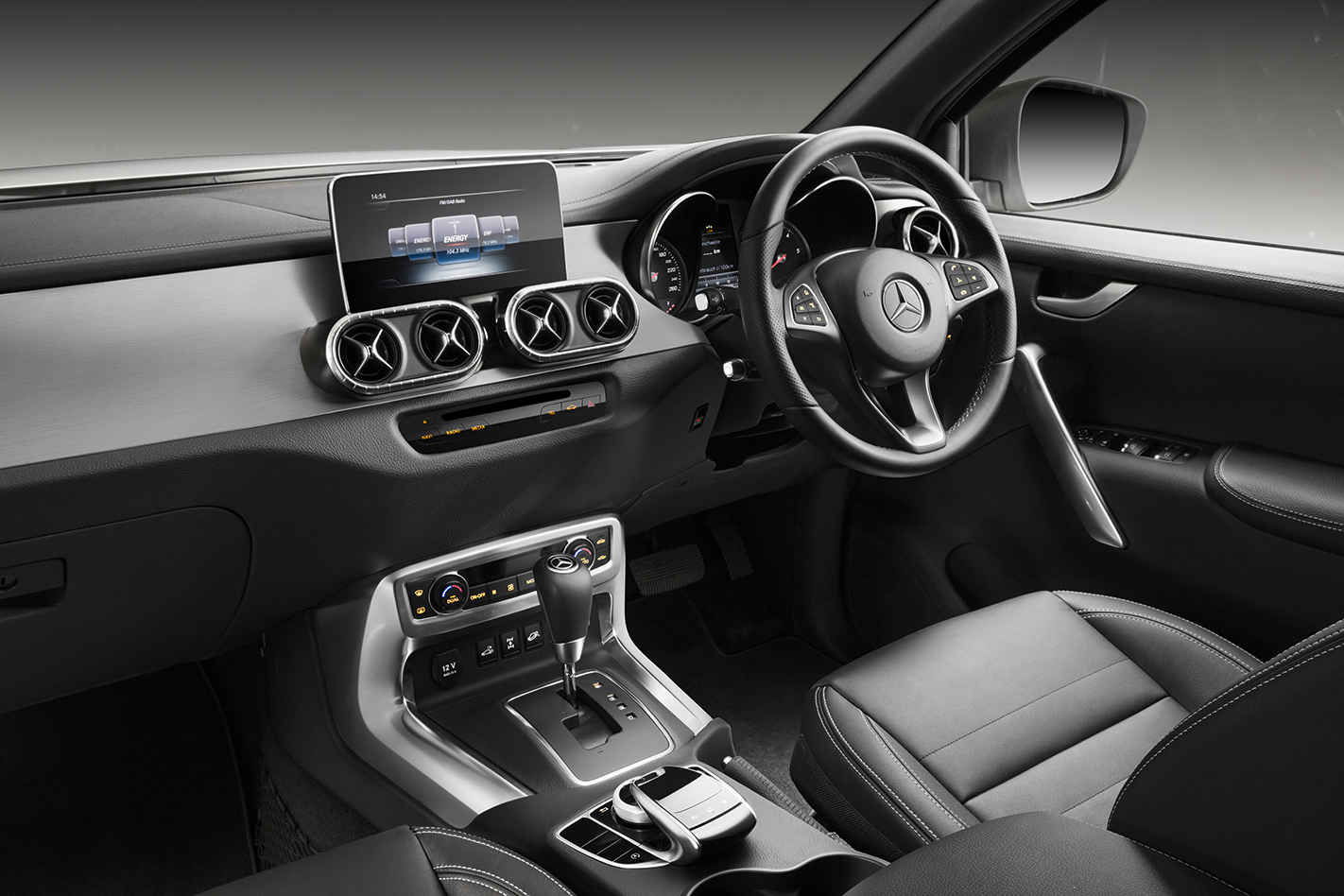
The two-variant “sports and leisure” Power range is priced from $61,600 with a tub on the back. It includes chrome-look exterior trim, classier-look synthetic leather trim, the “Comand” multimedia interface used in Merc’s passenger car line-up, a surround camera system, digital radio, keyless entry and start, and parking sensors. Once again, a Style package is offered, featuring an electric rear window, tinted rear windows, running boards, roof rails and 19-inch alloys.
A $590 Winter package is offered across all three model grades, featuring heated seats and warmed windscreen washer nozzles.
Pricing for the V6, which will include permanent all-wheel-drive – which will make the X-Class a direct competitor to the V6-engined Volkswagen Amarok – is expected to be announced closer to that model’s November arrival.
Based on the Bentley Continental GT road car, the new Continental GT3 race car is a sharper, harder, lighter version of the British luxo-GT.
With a kerb weight of “significantly less than” 1300kg and a race-ready weight distribution, the GT3 version of the Continental should prove to ditch the ‘big and heavy’ tags attached to the road car.
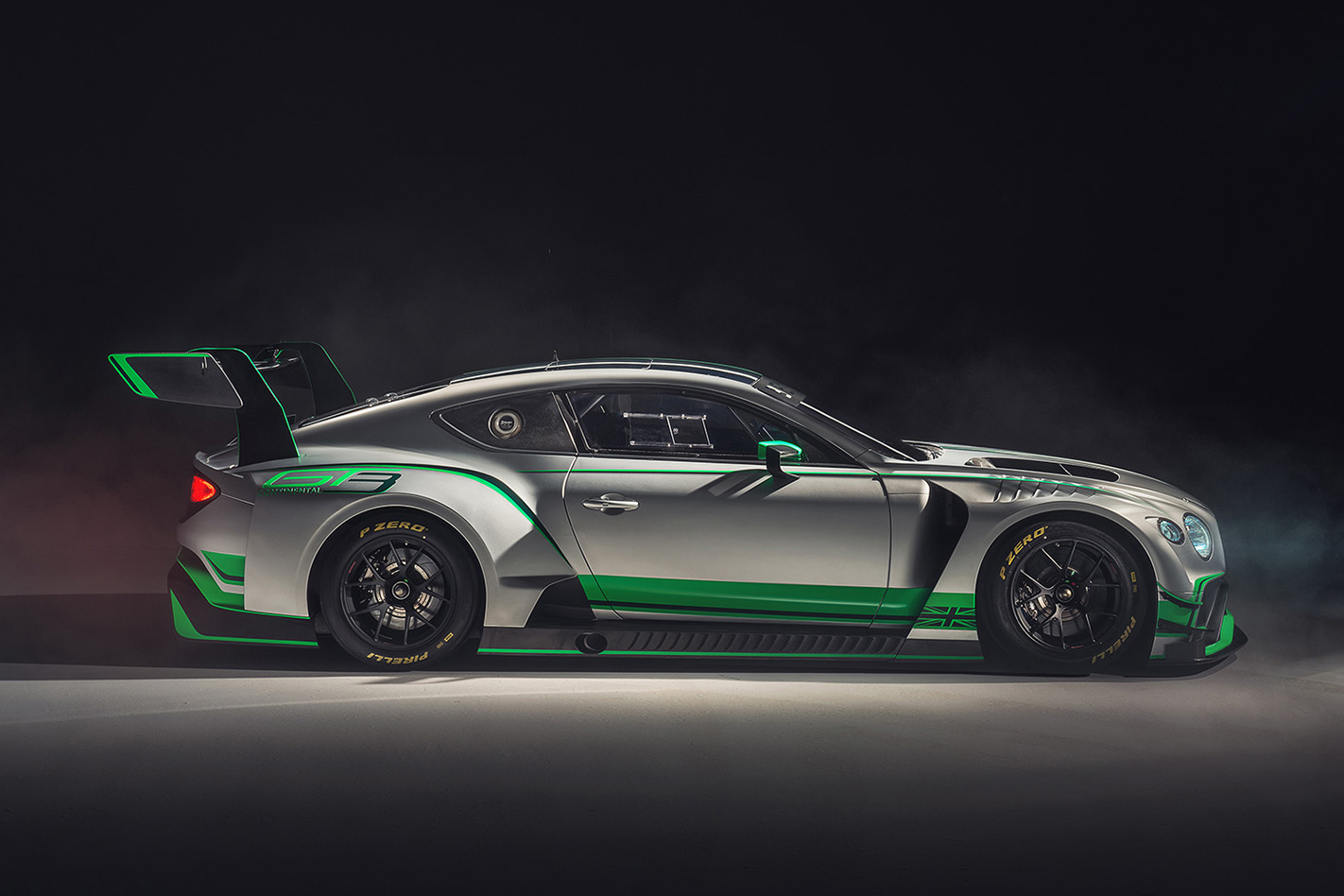
Designed by a mix of in-house staff at Bentley Motorsport and its partner M-Sport, the Continental GT3 will be available to customers in 2018.
Bentley Motorsport director Brian Gush says the Continental’s previously successful DNA runs through this car, though with changes everywhere to improve upon its base.
“After four years of success with our Continental GT3, we’re excited to reveal our second-generation car,” Gush says.
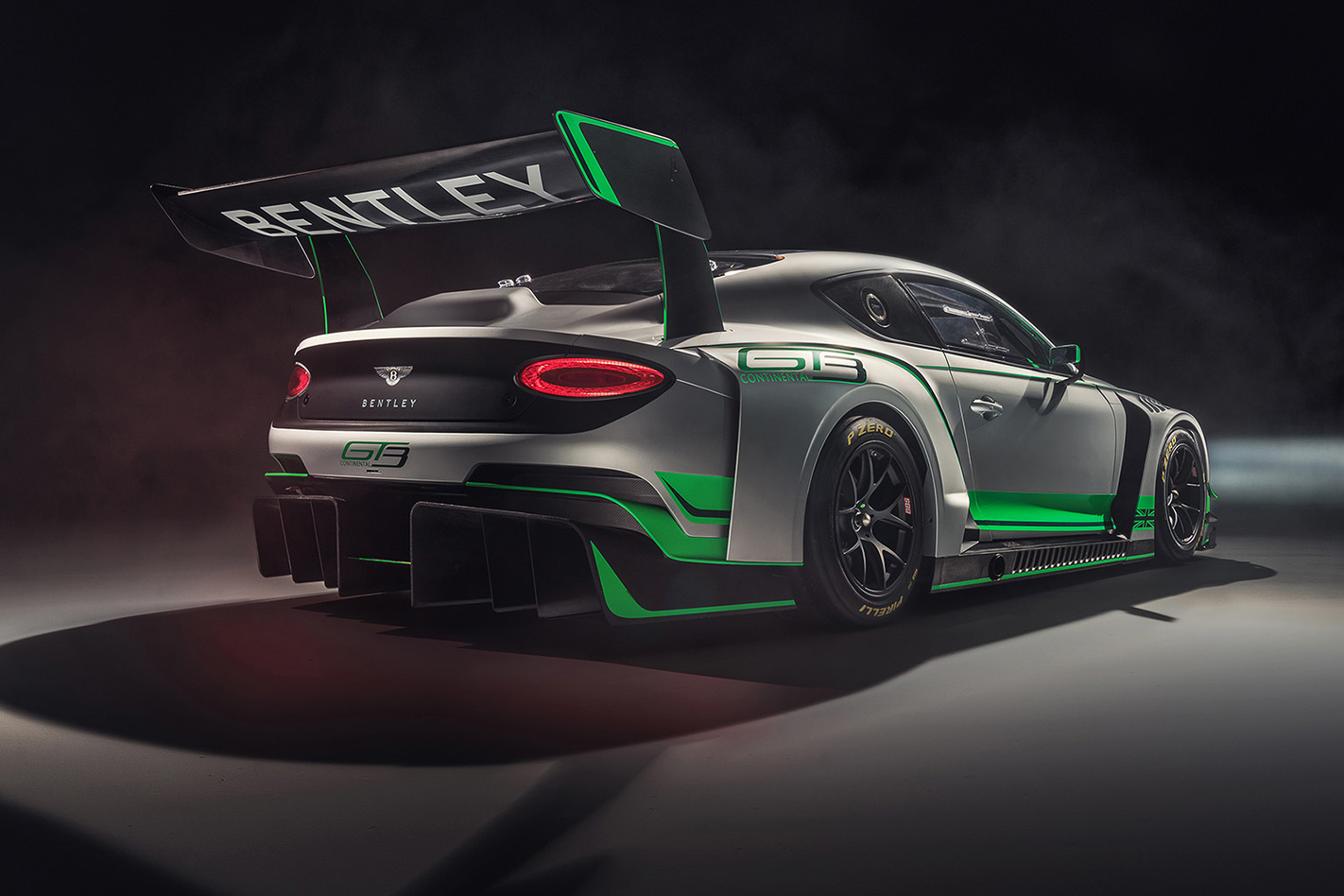
“The new Continental GT road car has proved to be a great starting point for the development of a new racer, and the engineering development work is true to Bentley’s impeccable standards.”
Bentley Continental GT rally car sells for $69K
Bentley adds the new car has already begun a six-month test programme to ensure development of the GT3 car has gone to plan.
The new Bentley Continental GT3 car will make its race debut at 2018 Blancpain GT Series Endurance Cup at Monza
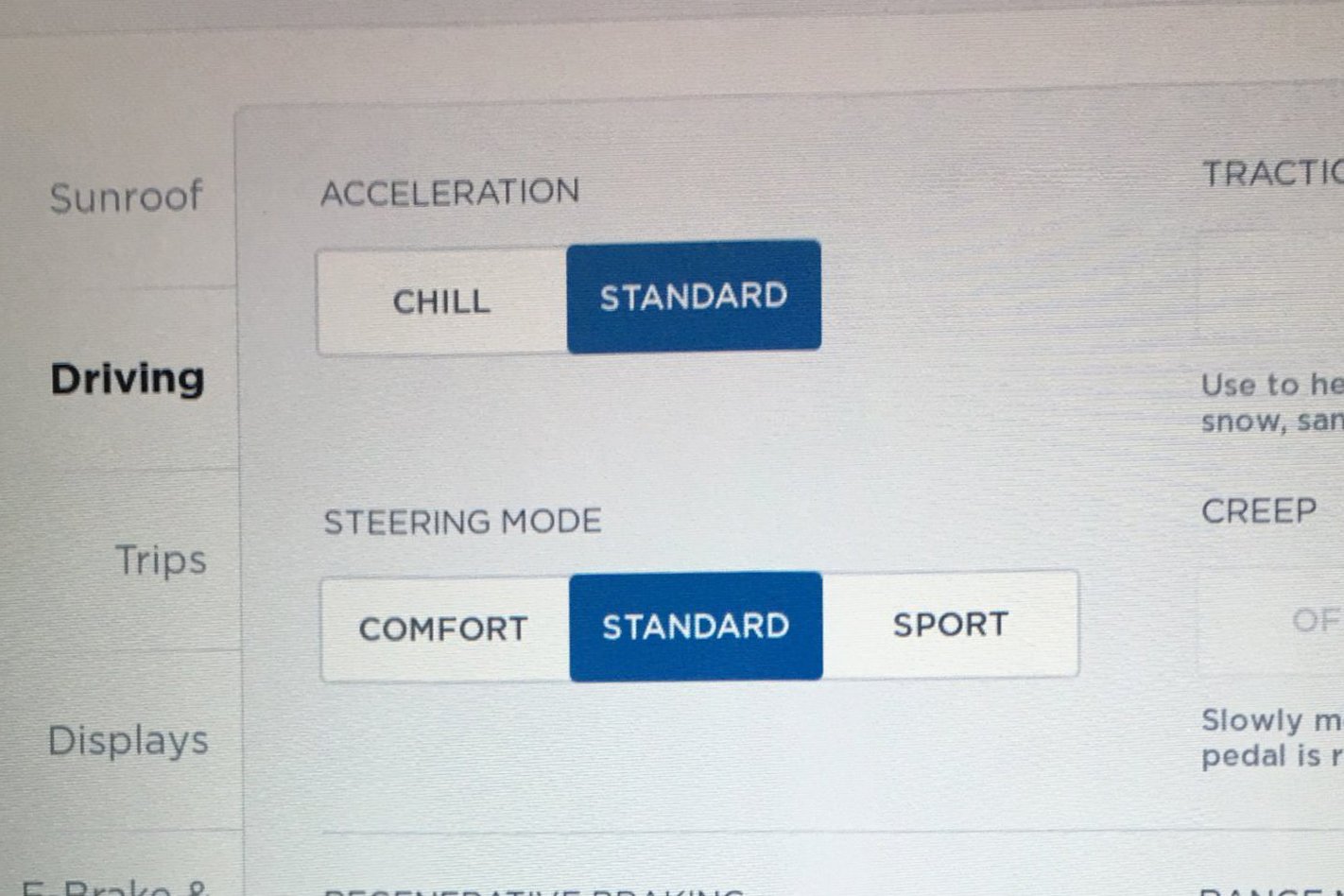
TESLA has rolled out a “Chill” mode as part of its latest software release revealed overnight, the complete antithesis to the wild “Ludicrous” mode developed for its most powerful cars.
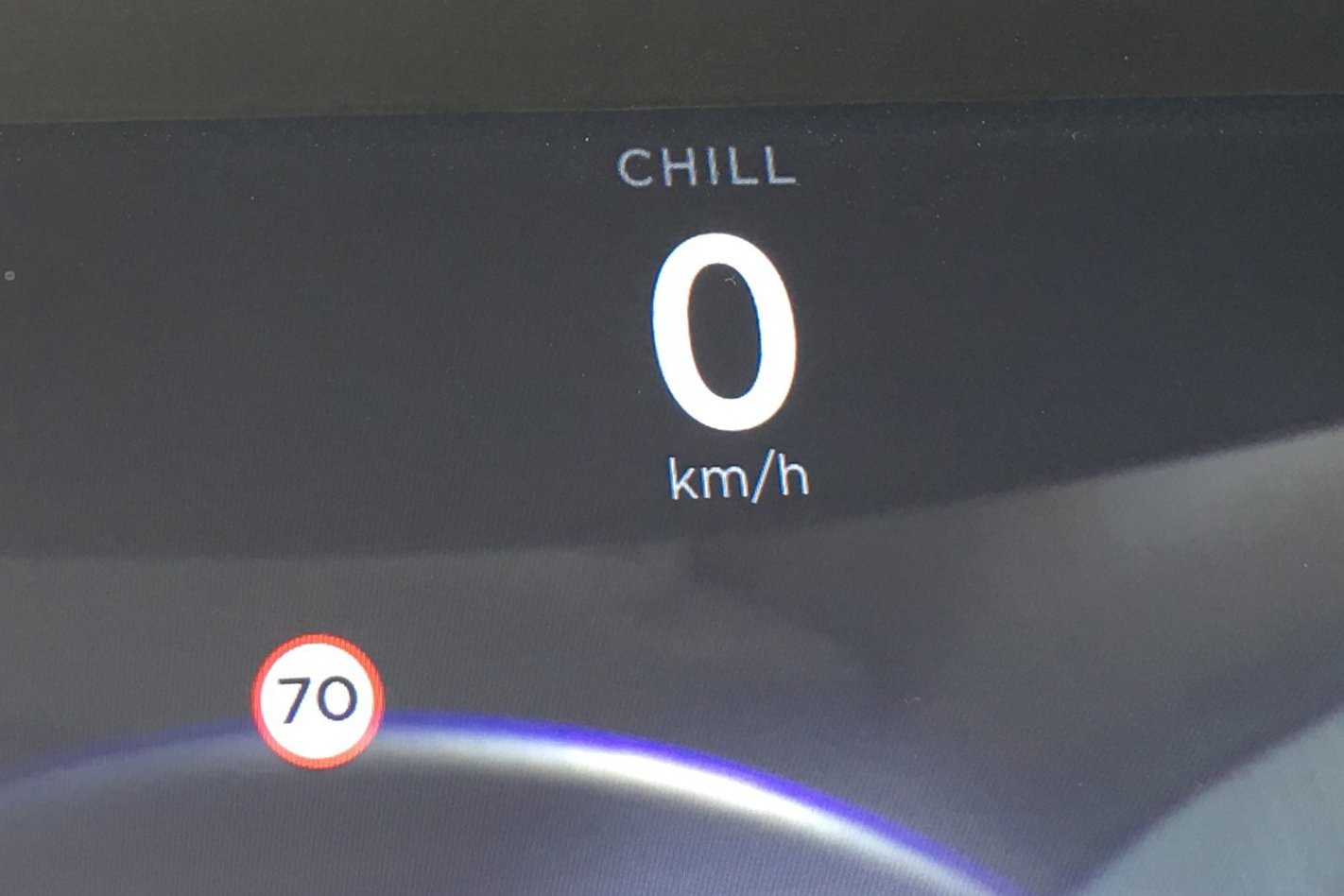
Under the title of “Chill: a new acceleration option”, Tesla’s explanation of the over-the-air feature roll-out says the “2017.44” software release will update the car with two driving modes, either Standard or the new eco-focussed Chill. “Chill makes acceleration more gradual – ideal for smoother driving and a gentler ride for your passengers,” it said.
As well, the cars will add an “easy entry” mode that tilts up and retracts the steering wheel into the dash, as well as moving the driver’s seat back a bit to open up more space to get out of the battery-fuelled car. The seat and steering wheel then move back to their original position when the driver jumps back in.
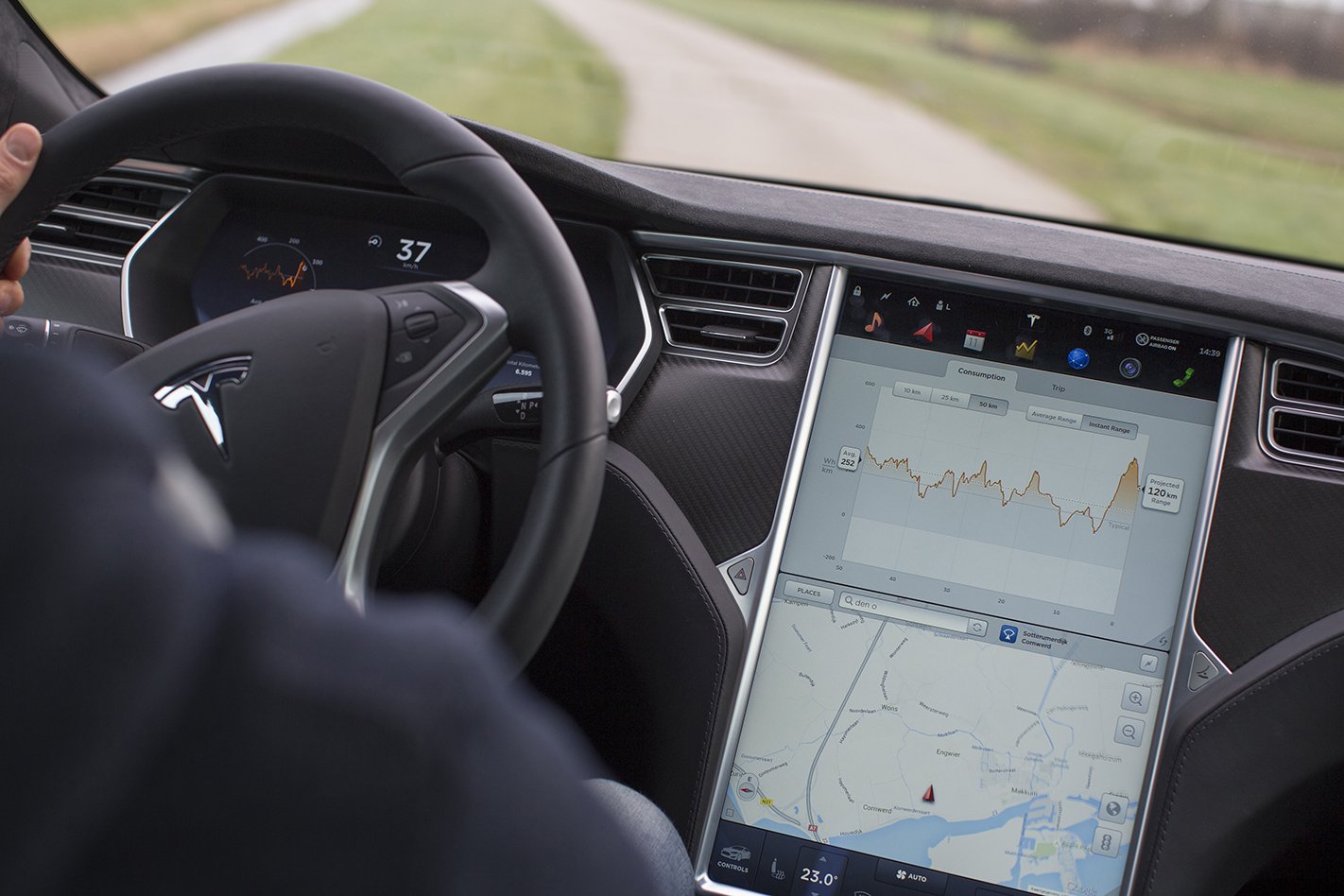
It also adds what is essentially an economy mode to the Tesla cars, a feature widely used in conventionally engined vehicles to save fuel by dulling the accelerator pedal’s responsiveness and tuning the automatic gearbox to grab higher gears in the interest of reducing engine revs. That said, Tesla’s update doesn’t say if the Chill mode tips more range back into the battery, but owners are reporting the model also takes some of the edge off the regenerative braking process, the bit that converts energy normally lost during braking into electricity that can top up the battery banks. However, owners in the US are reporting significantly slower acceleration times more than double that of the normal mode.
That switched on a number of previously unused features – Tesla builds its cars with all the technology they need for fully autonomous driving, but leaves some of it unplugged via software – including a function that lets the car creep in and out of tight parking spaces without a driver behind the wheel, upping the speed of the cars’ self-steering systems to 150km/h, and enhancing their ability to read what was happening to the traffic around them.
Tesla’s Autopilot system, which includes a number of driver-assist technologies that are yet to make their way into more mainstream car brands, is still in its beta testing phase. In Australia, it is still illegal for a driver to remove their hands from the steering wheel, meaning cars that feature self-steering systems need to keep checking if the driver is still in control of the vehicle.
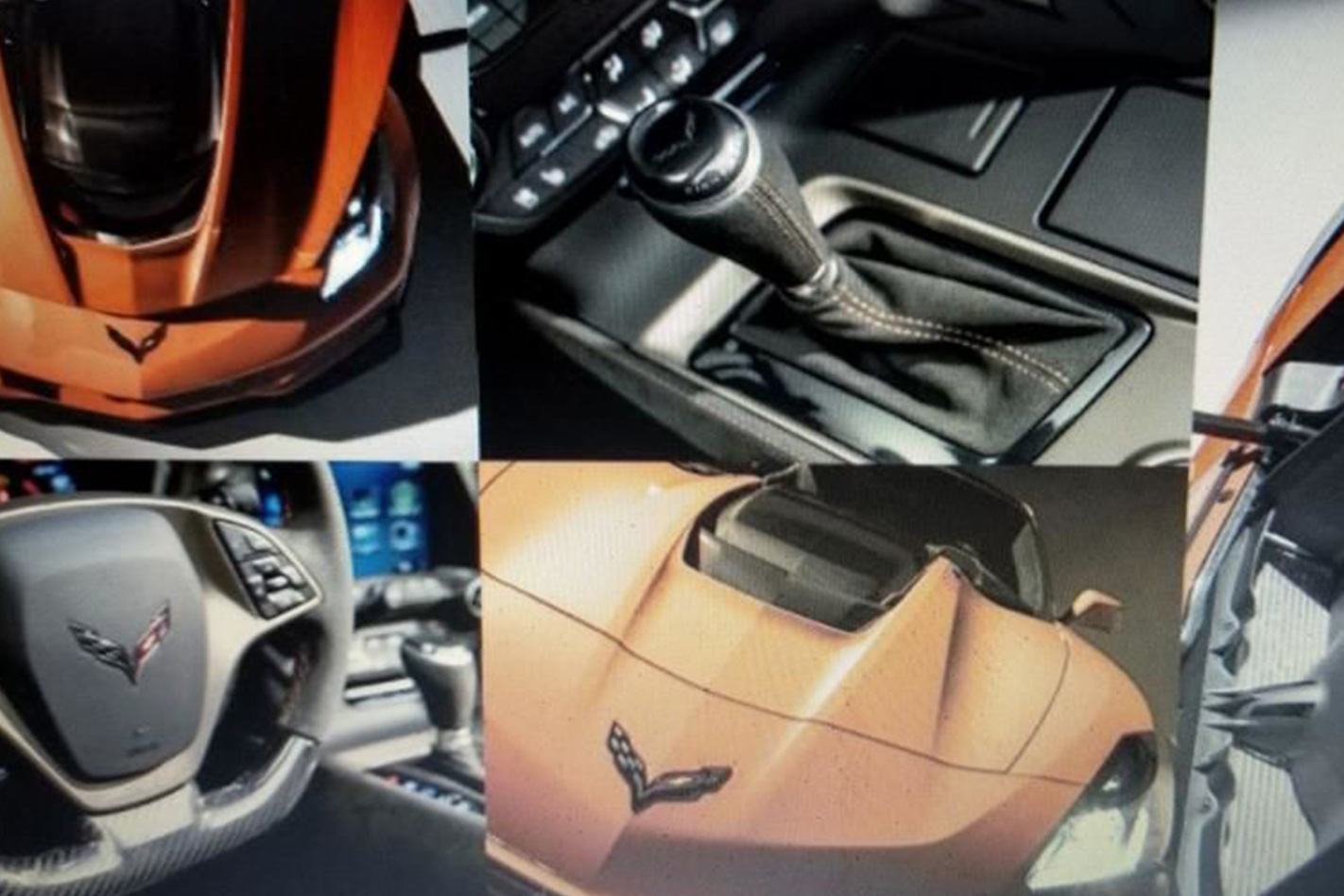
Leaked images of the next super ‘Vette have surfaced online thanks to Corvette owners’ forums and an overseas publication’s digital assets.
U.S outlet Car and Driver will feature the upcoming Chevrolet Corvette ZR1 on its next issue’s cover, but readers have been given access to the digital mag already – seemingly by accident.
And that’s good for ZR1 fans who have been hanging out for any new details to emerge – there are now a few more.
C&D reports that the ZR1 will have a huge 559kW and 922Nm of torque, the kinds of numbers you don’t usually see before a car has visited an aftermarket tuner.
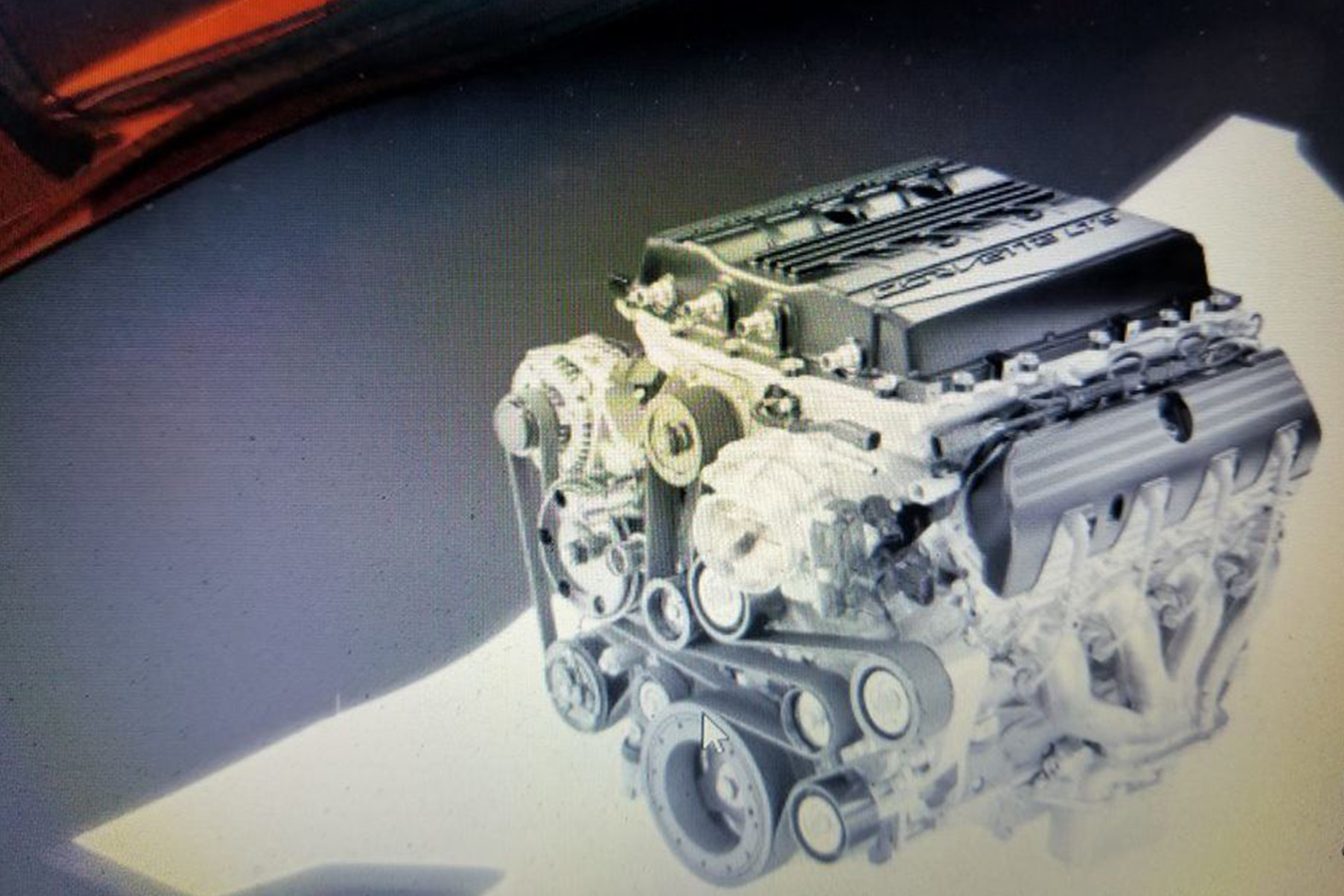
This is thanks to its new 6.2-litre LT5 V8, which is fed masses of air via an Eaton supercharger. The ‘charger reportedly puts through 52 per cent more air than the one fitted to the Z06, and is also 2.9-inches taller.
This means its hood it too tall for the car to be sold in Europe.
But most importantly, the Chevrolet Corvette ZR1 is going to be able to shoot flames from its exhaust. Flames. From the factory.
Chevrolet Camaro coming to Australia
This all sounds promising, but the likelihood of seeing many, if any, ZR1s in Australia is minimal.
Still, we’ve already had a taste of the thing on track when spy footage emerged of its Nürburgring testing session.
Rumours are that the ZR1 will be revealed at a Chevrolet event in Dubai on the 12th of November, or in two days.
