
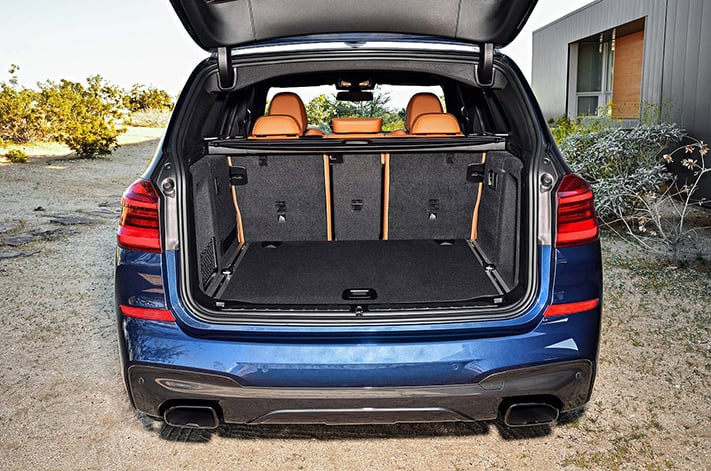
BMW has announced local pricing and specifications for the all-new X3 medium-SUV which is arriving in showrooms this month
The third-generation X3 will be priced from $68,900 and will initially be available in one petrol and two diesel AWD variants, the XDrive30i, xDrive20d and xDrive30d.
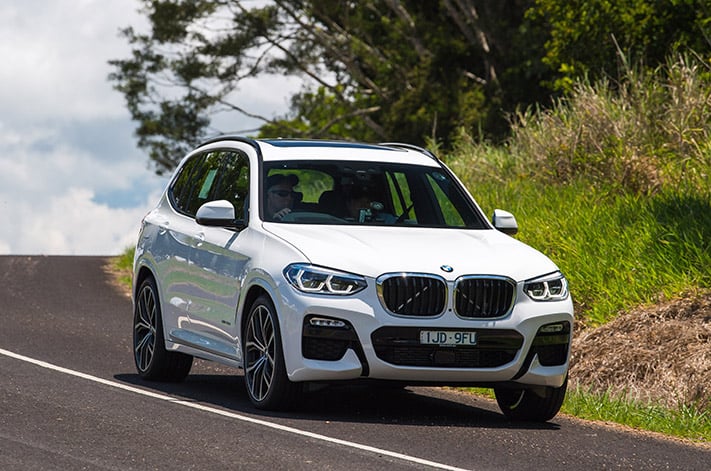
The turbo-petrol xDrive30i is expected to be the biggest seller of the trio with its 185kW/350Nm 2.0-litre engine capable of pushing it from 0-100km in 6.3 seconds.
The xDrive20d is powered by a 140kW/400Nm 2.0-litre four-cylinder turbo-diesel engine with 8.0-second 0-100km/h performance, while the range topping xDrive30d’s 3.0-litre straight six produces 195kW and 620Nm; 5kW/60Nm more than the current model resulting in a 0.4-second quicker sprint time of 5.8 seconds.
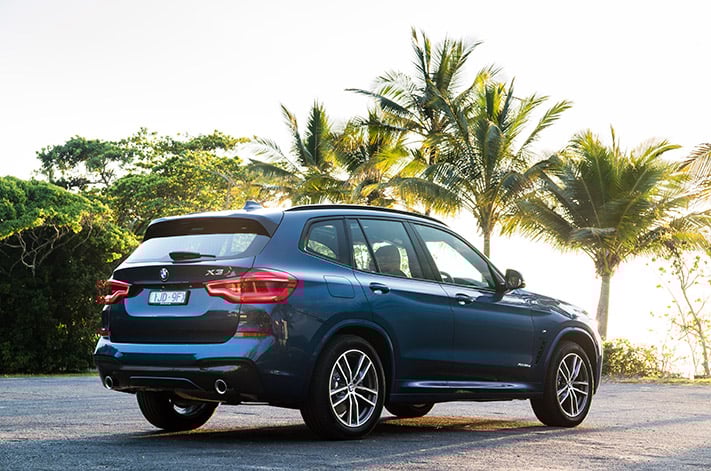
The launch trio will be joined by additional models in 2018 which should include the much vaunted M40i variant, powered by a 3.0-litre turbo inline six engine producing 265kW and 500Nm and able to accelerate to 100km/h in 4.8 seconds.
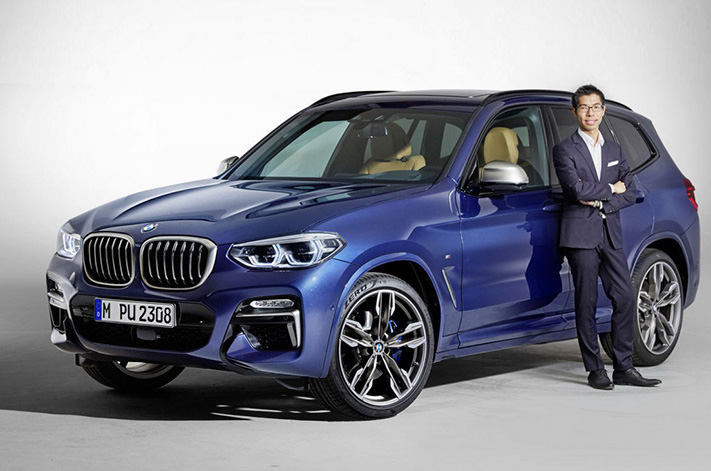
The 2018 BMW X3’s exterior design was penned by Australian automotive designer Calvin Luk (pictured) who managed to combine city chic with off-road presence in a package that looks neat despite the pronounced shoulder lines and wheel arches, sculptured door and hood elements and a striking front end featuring bold lower bumper dominated by three air intakes.
Despite the low-profile rubber – 245/50R19 run-flats on the 20d and 20i models and 245/45/20 and 275/40/20 front/rear combo on the x30d – the X3 will lap up the dirt thanks to 204mm ground clearance, 25.7-degree approach angle and 500mm wading depth.
BMW Australia CEO Marc Werner says the all-new X3 sets a new bar in the medium luxury SUV segment.
“With an intelligent lightweight design, leading-edge infotainment systems and a spacious, family-friendly cabin environment, we expect the BMW X3 to be at the forefront of our brand for many years.”
2018 BMW X3 pricing
- X3 xDrive20d – $68,900
- X3 xDrive30i – $75,900
- X3 xDrive30d – $83,900
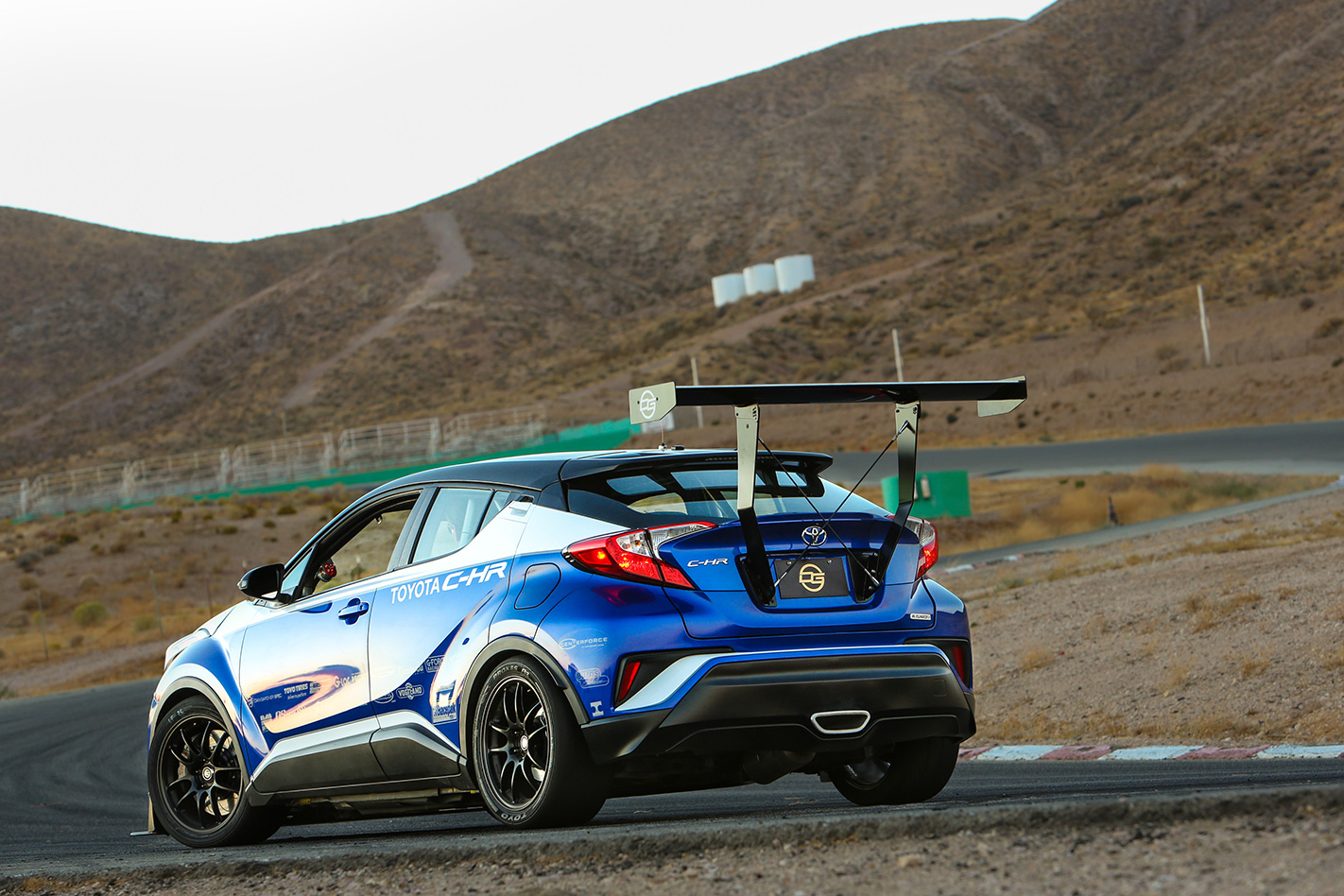
This is the 447kW Toyota C-HR R-Tuned.
While most C-HRs will be confined to the Woolies car park or the street outside the gym, this one gets to hit the track – fast.
In fact, Toyota took it to Willow Springs International Raceway in California, where it apparently beat the lap times of “all but five production cars” on the ‘Big Track’ with a 1:25.22.
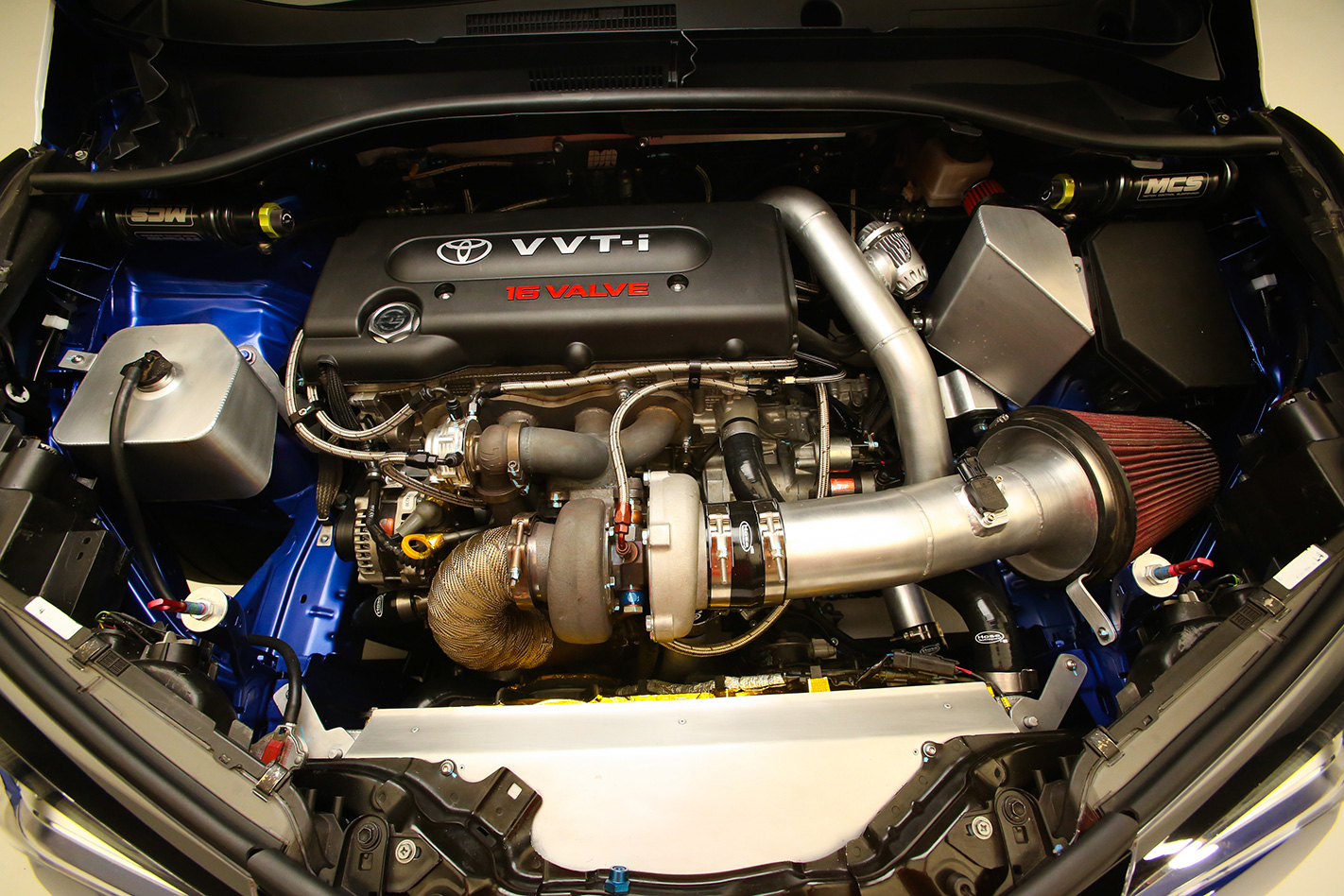
Under the bonnet is a 2.4-litre 2AZ-FE and a custom Garrett turbo system built by DG-Spec, the workshop that built the car.
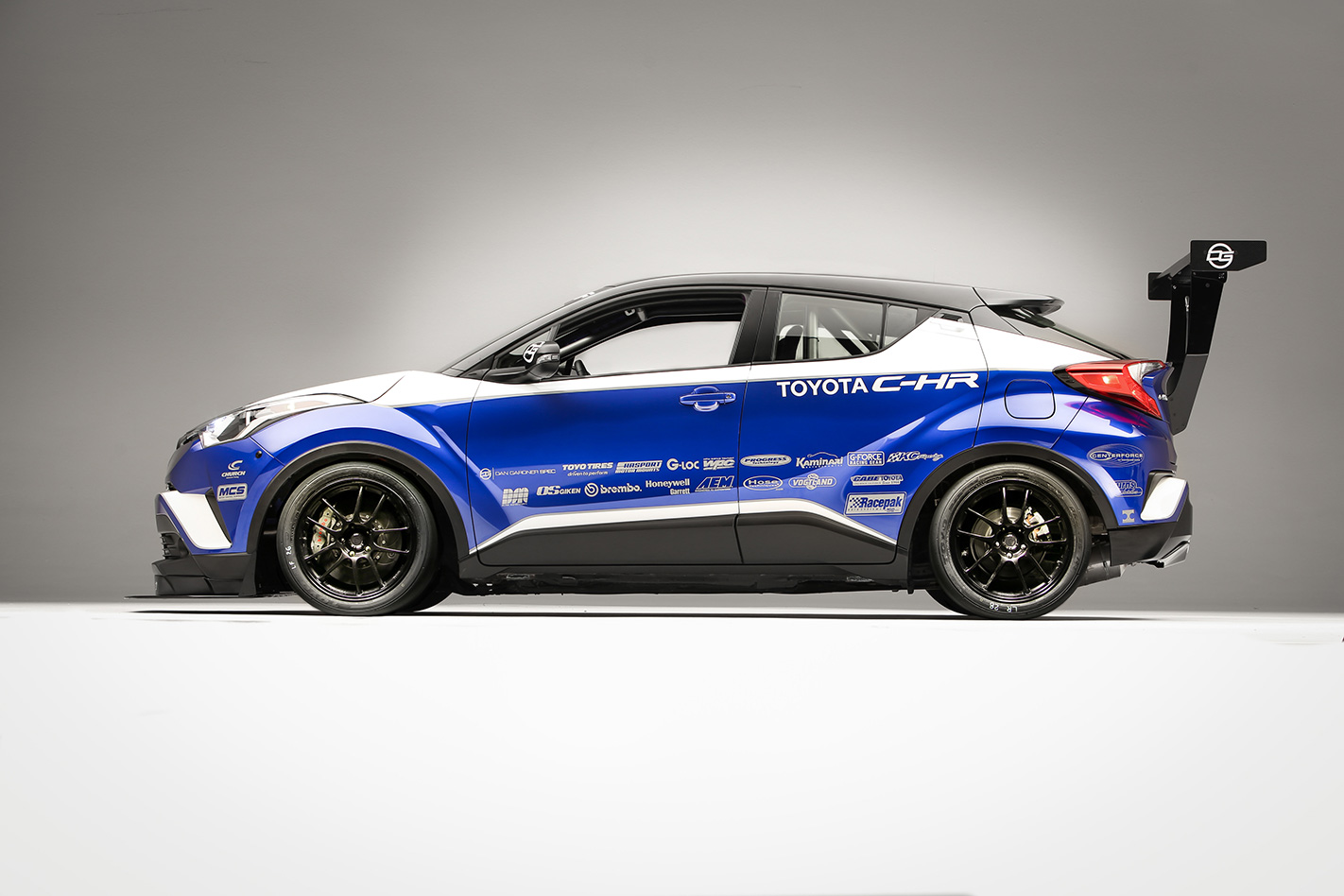
To help it stop and corner, Brembos with 14-inch rotors and DG-Spec Motion Control Suspension motorsport dampers can be found underneath the C-HR.
Toyota media and marketing vice president Steve Curtis says the C-HR R-Tuned follows on from the Sienna Toyota revealed at a previous SEMA.
“The Sienna R-Tuned we showed two years ago at SEMA redefined the perception of what a family minivan could become with a bit of racing inspiration,” Curtis says.
DG-Spec owner Dan Gardner says the C-HR has probably gone through more track testing than most cars shown at SEMA.
“The C-HR R-Tuned has been to the track every month since we started the project late last year.
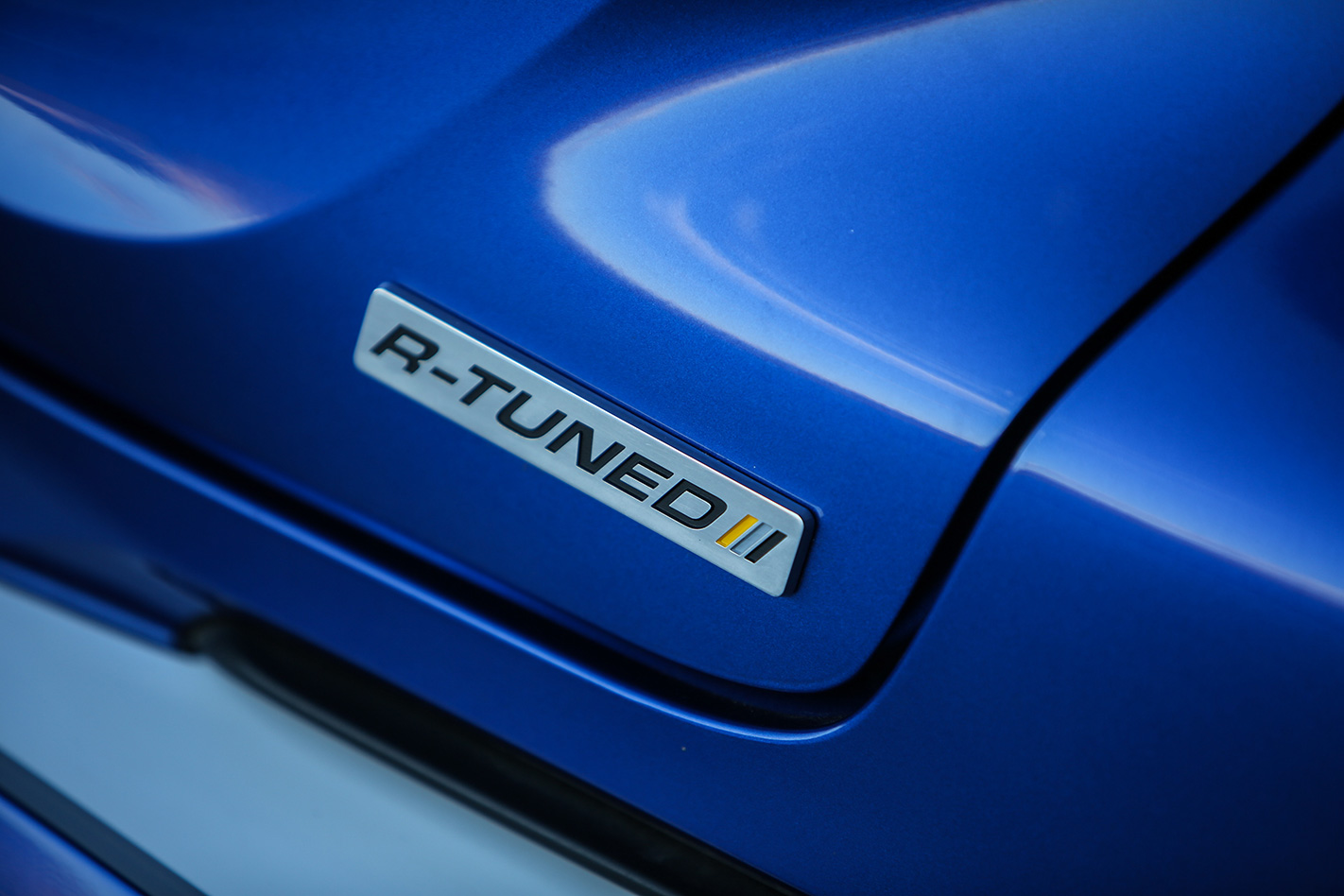
“It’s not just a show concept but a track-worthy performance vehicle, and I can’t wait to see what people at SEMA and beyond think!”
You might have already seen ‘STINGER VS SS’ written on the cover of our December issue, which goes on sale today.
That’s because this is the issue in which we answer one of the biggest questions for Aussie motorists for 2017 – can the Kia Stinger replace the Holden Commodore?
We’ll let you read the comparison and find out for yourself but, in the meantime, have a scroll below to see what else MOTOR’s December issue can offer you.
HYPE OR HERO? – STINGER VS SS: Morley investigates the twin-turbo Kia Stinger against the Holden Commodore SS-V Redline.
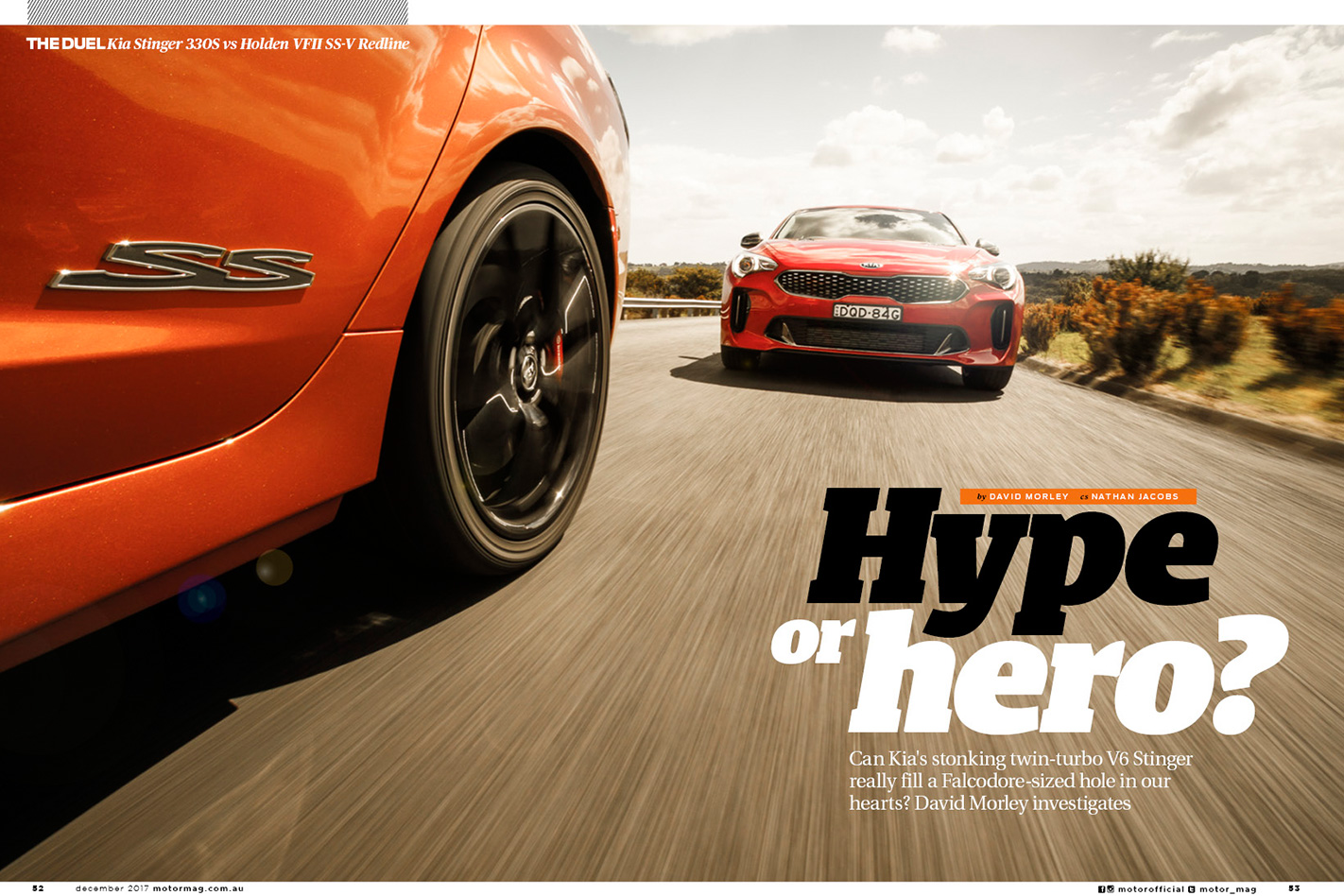
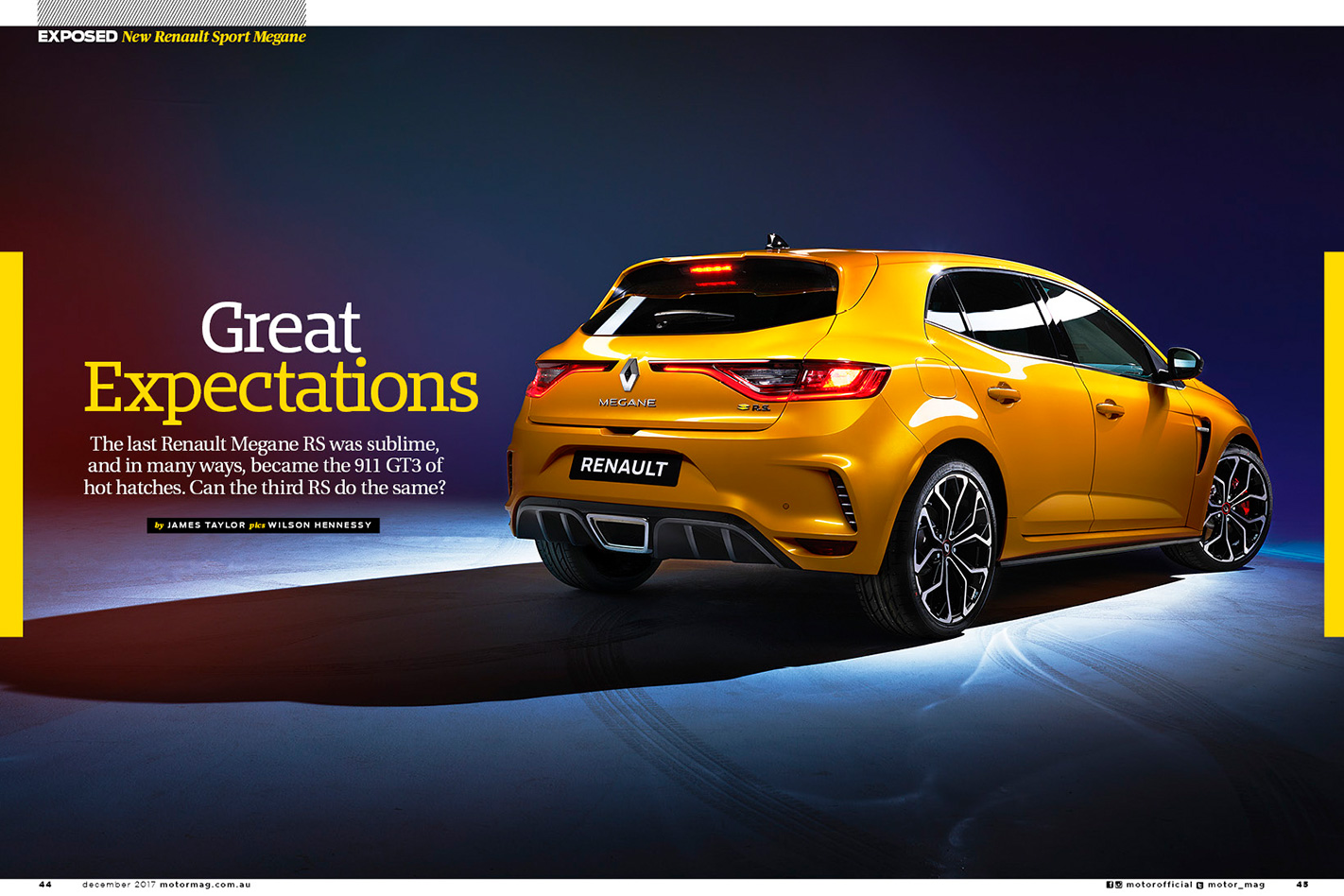
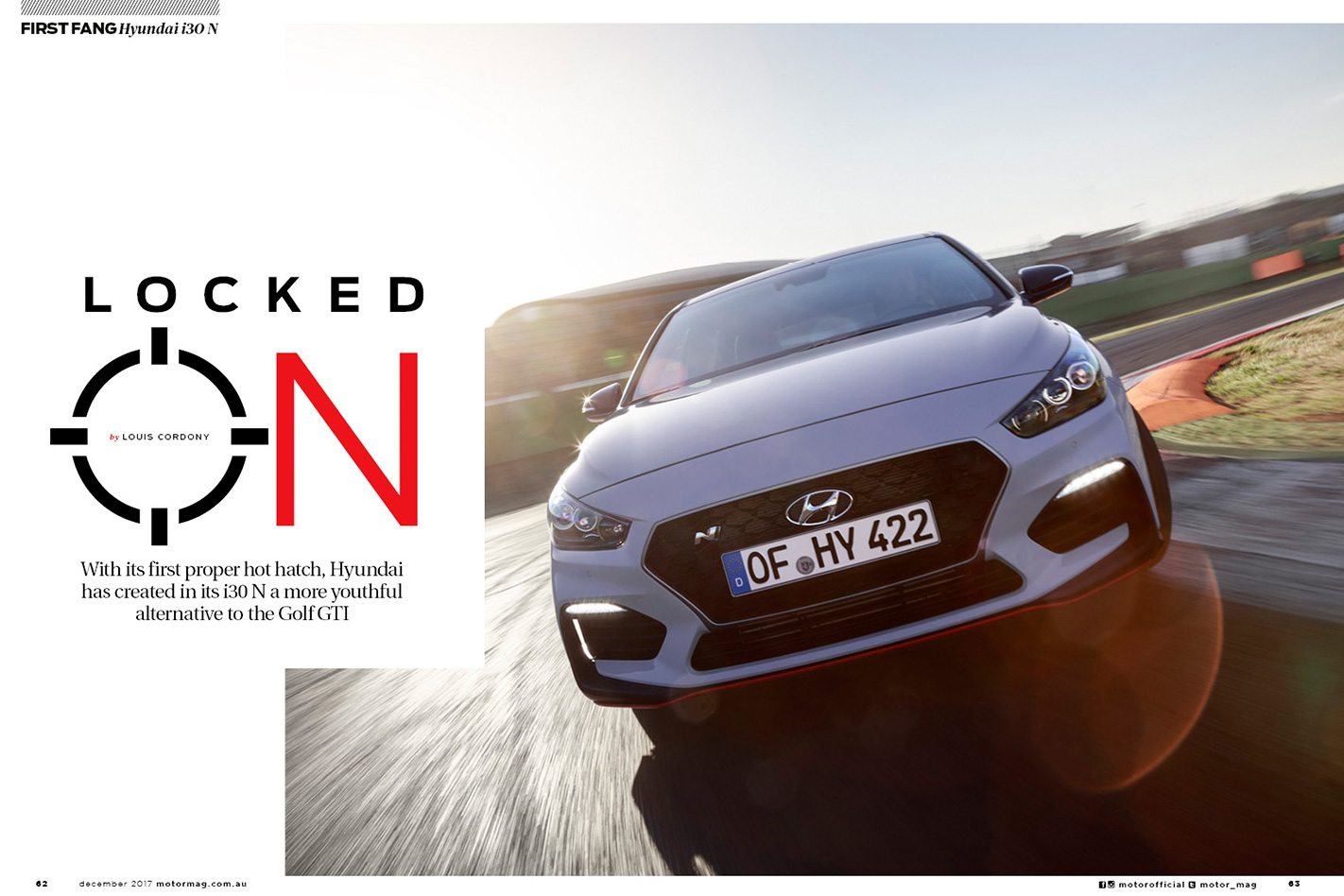
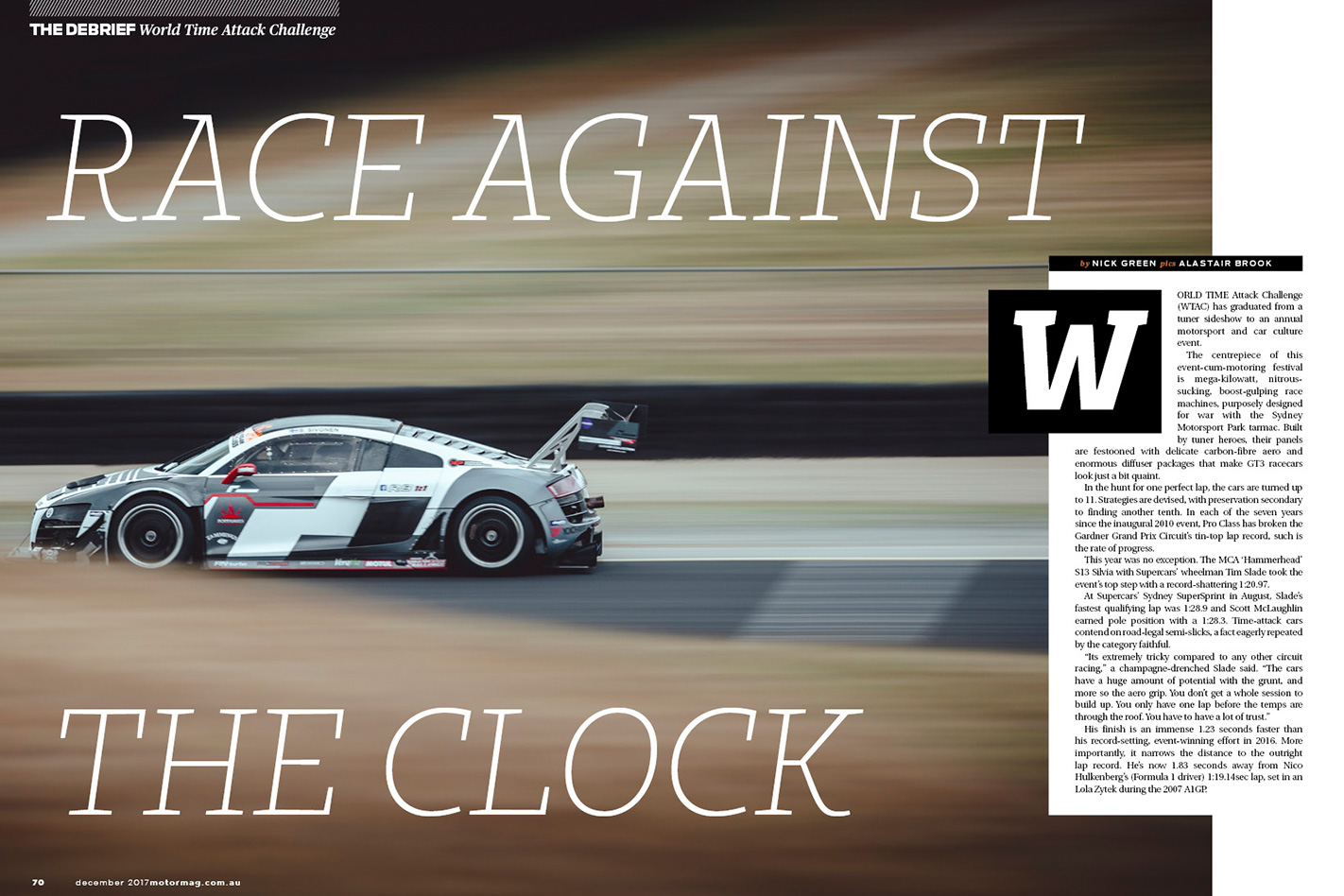
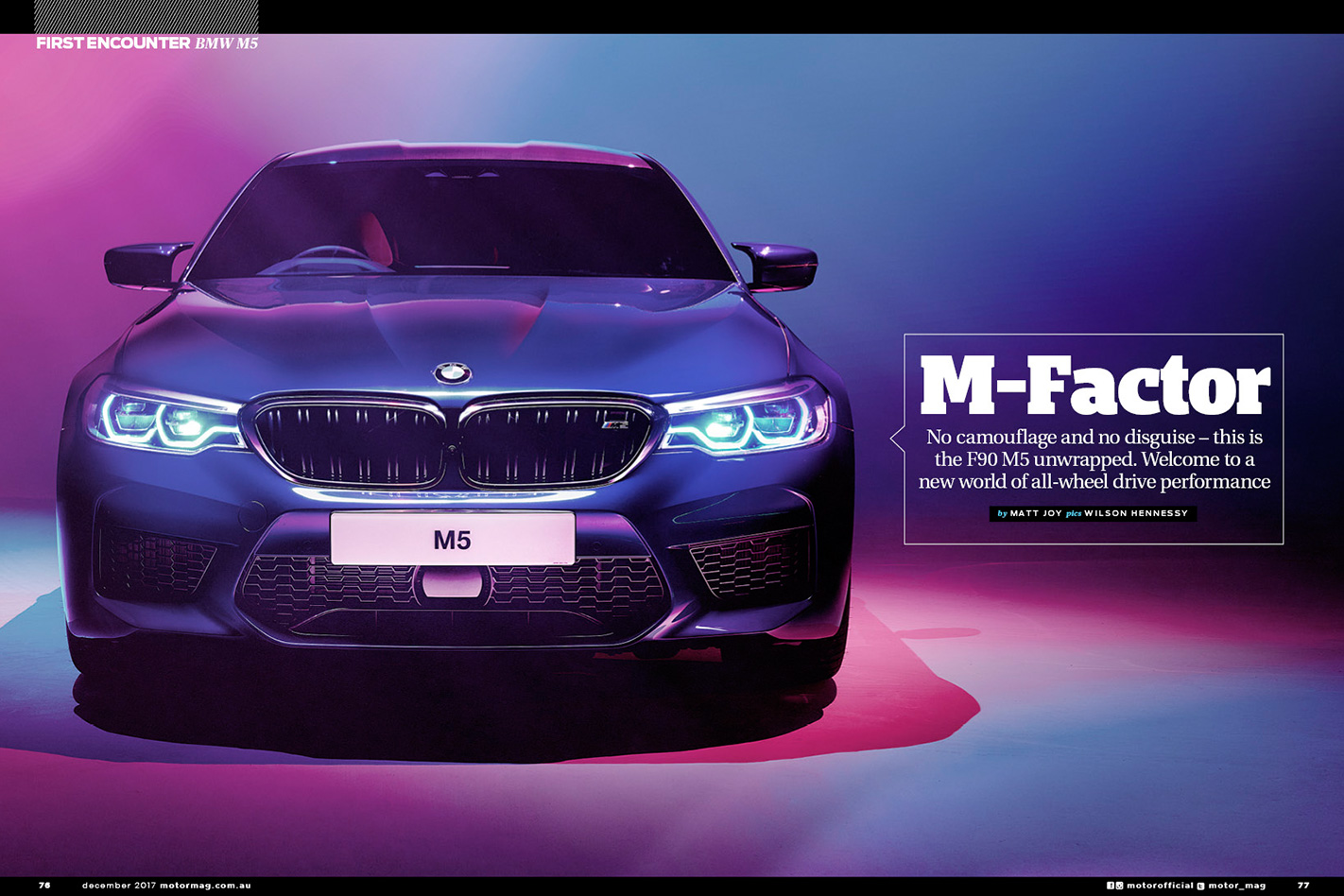
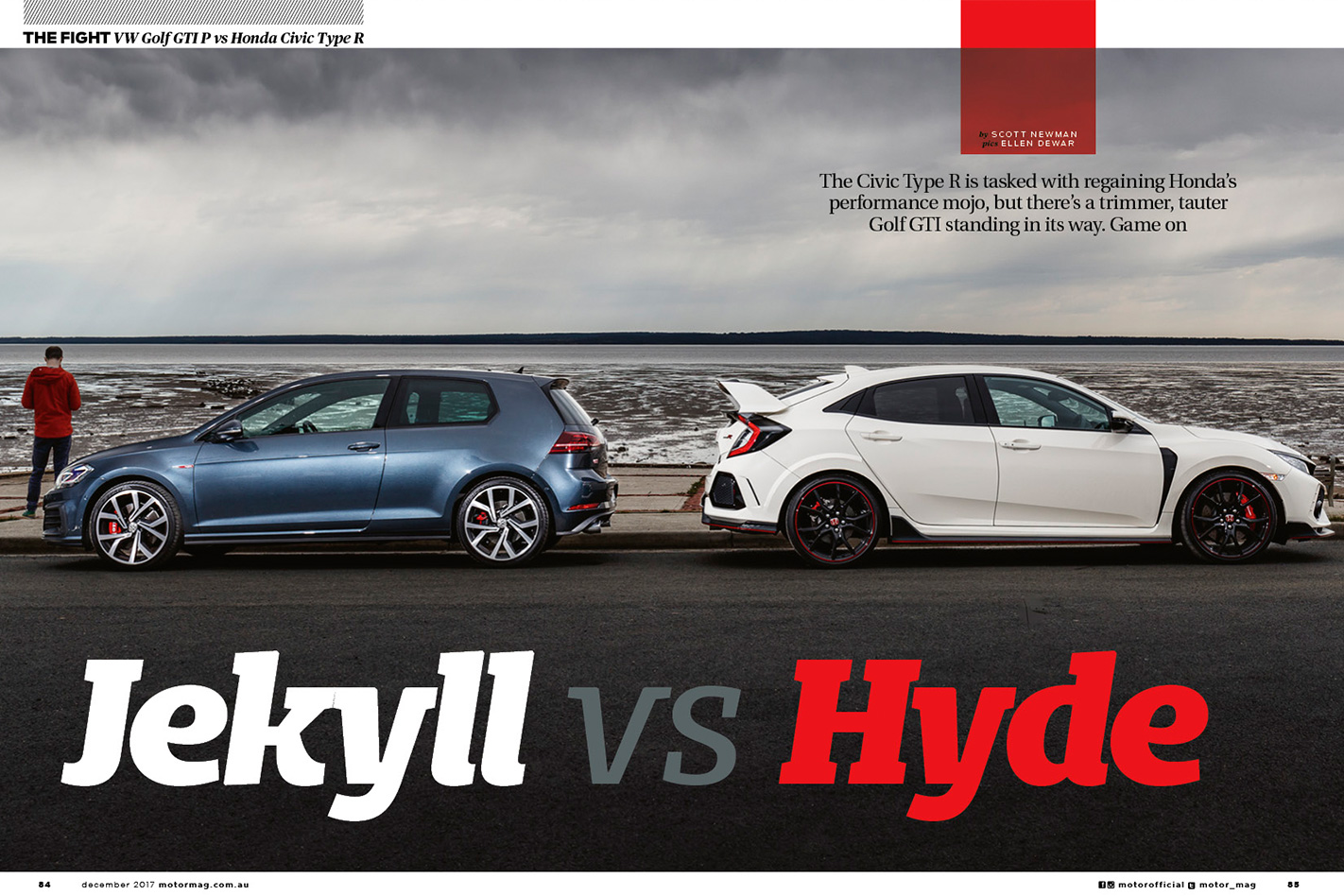
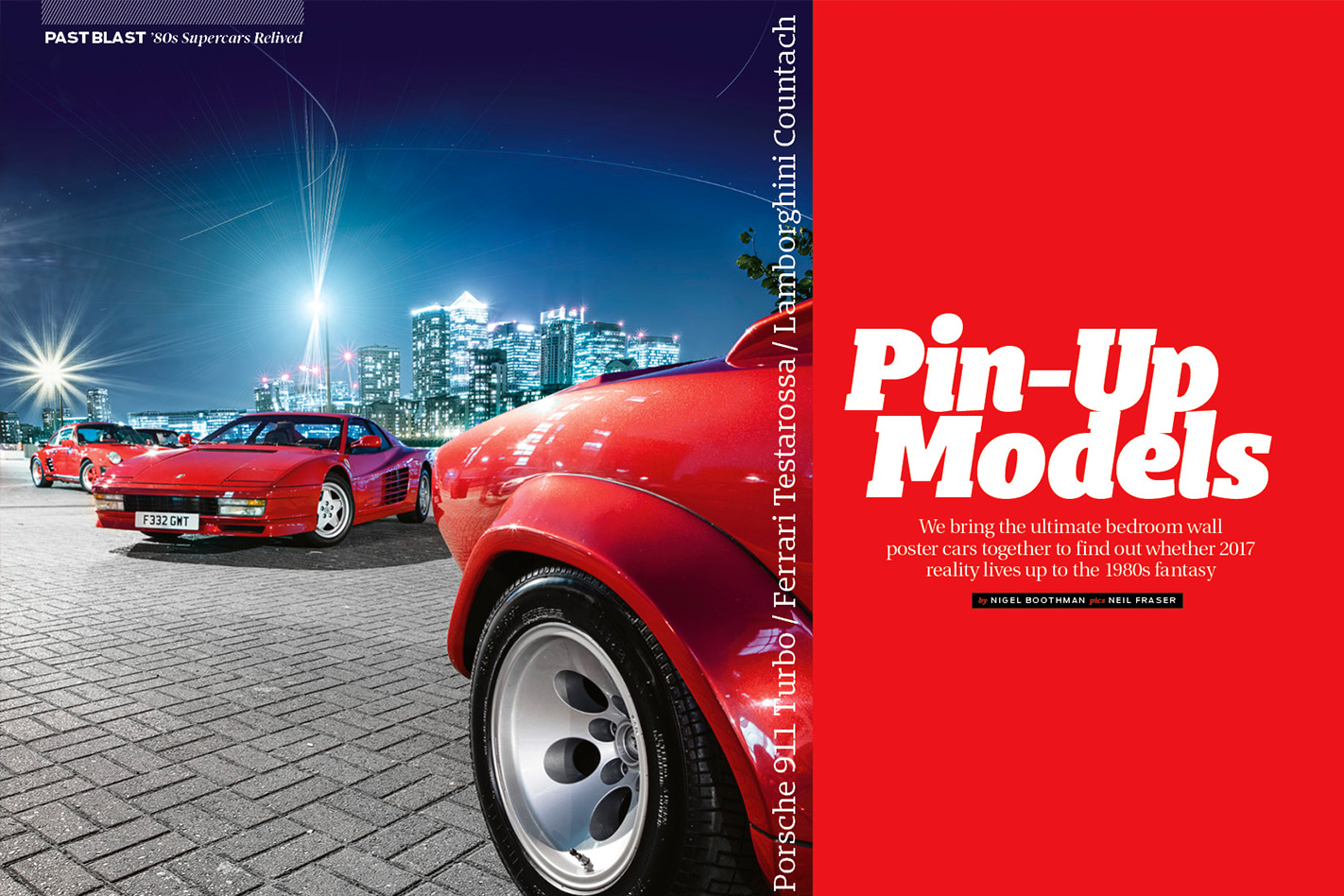
BMW has done it.
It would be too cliché to say the M4 CS is the car the M4 always should’ve been, so instead we’ll say the CS package has finally unlocked the potential that’s felt to lurk inside the M4 package.
Always ferociously fast and capable, the F80/F82 M cars have too often felt to need steel nerves and lightning reflexes to drive quickly, particularly on a bumpy road and/or in tricky conditions.
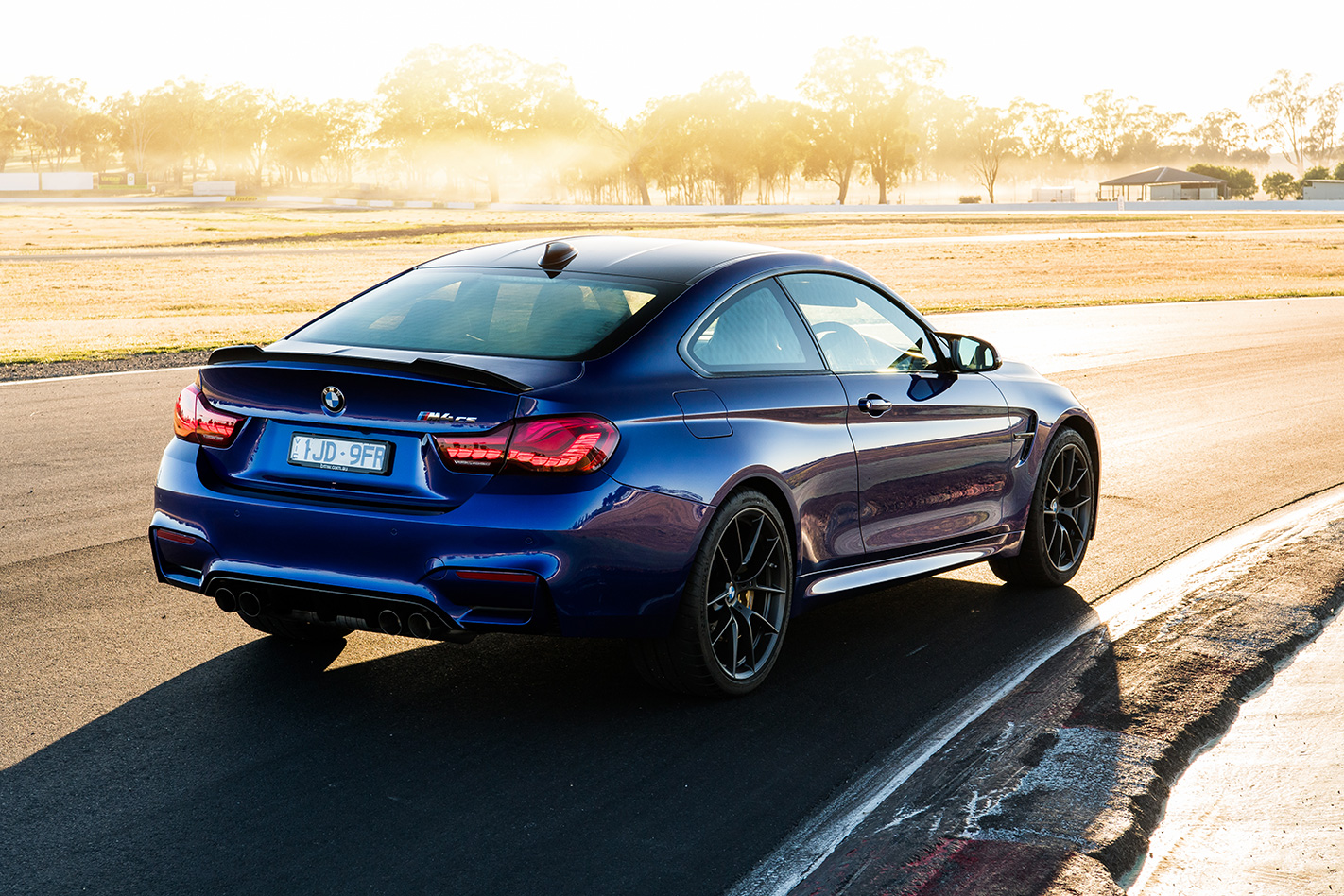
Lifted from the M4 GTS and wrapped around staggered lightweight rims measuring 19 x 9.0-inch and 20 x 10.0-inch front and rear respectively, the trick rubber (265/35 front; 285/30 rear) enhances every aspect of the M4’s performance.
Patience is needed to build temperature – more road-focused Michelin Pilot Sport 4S tyres are available as a no-cost option – but once hot the Michelins stick to the road like glue.
Despite an extra 7kW/50Nm from the 3.0-litre twin-turbo straight-six, the CS has traction like no M4 before it, deploying all 338kW/600Nm to the tarmac and catapulting out of second-gear hairpins where a standard car would be scrabbling and sliding once the boost arrived.
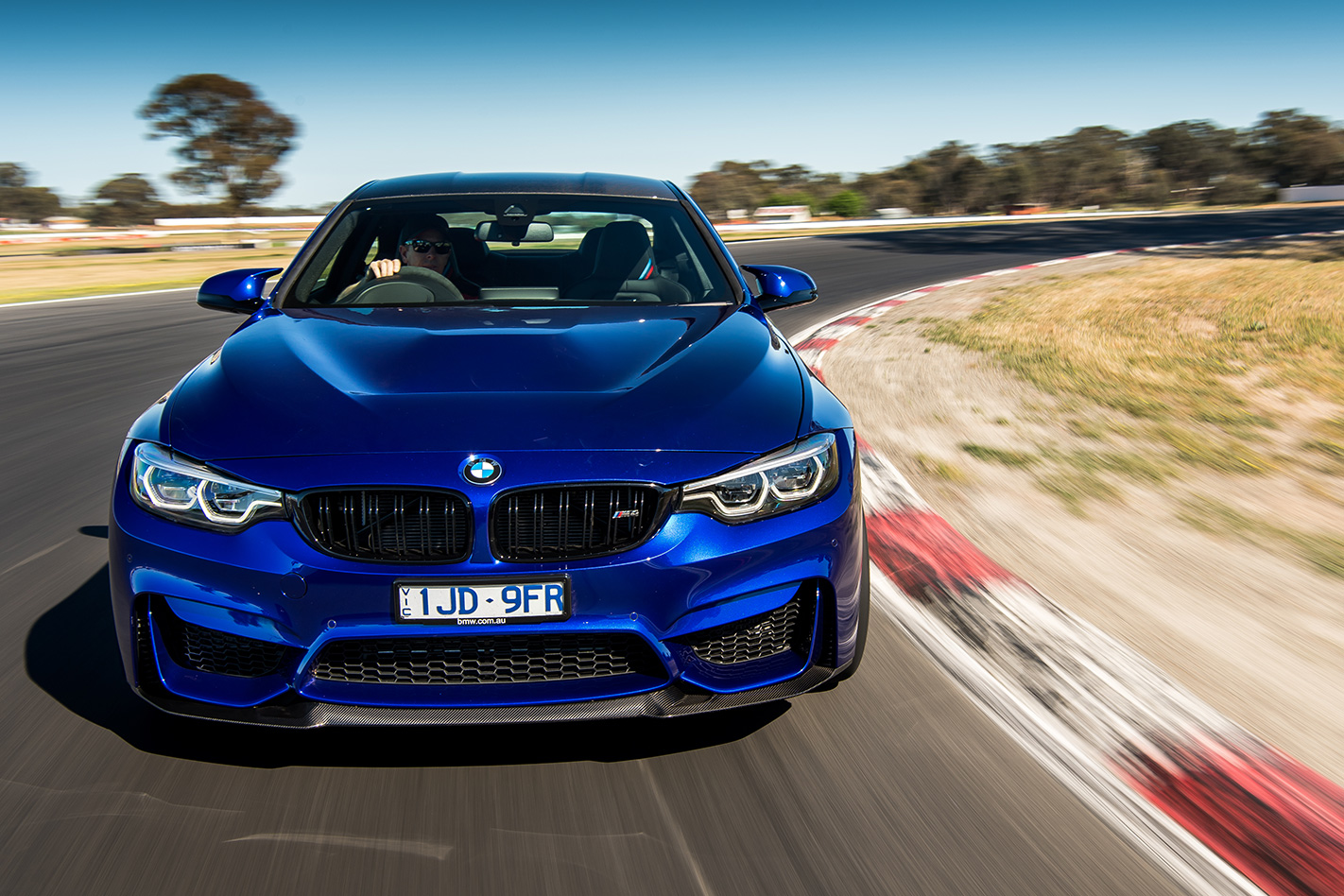
The engine still isn’t exactly the most sonorous unit around, but it does sound harder and angrier than the standard car and, unlike the hardcore GTS, there’s no need to fill a water tank in the boot to access the extra urge.
Where the sticky Michelins really earn their keep, though, is in the bends. The CS brakes are the same as the standard M4’s, however, the extra grip slashes the 100-0km/h stop to just 30.42m, one of the best results we’ve ever had from a standard production car.
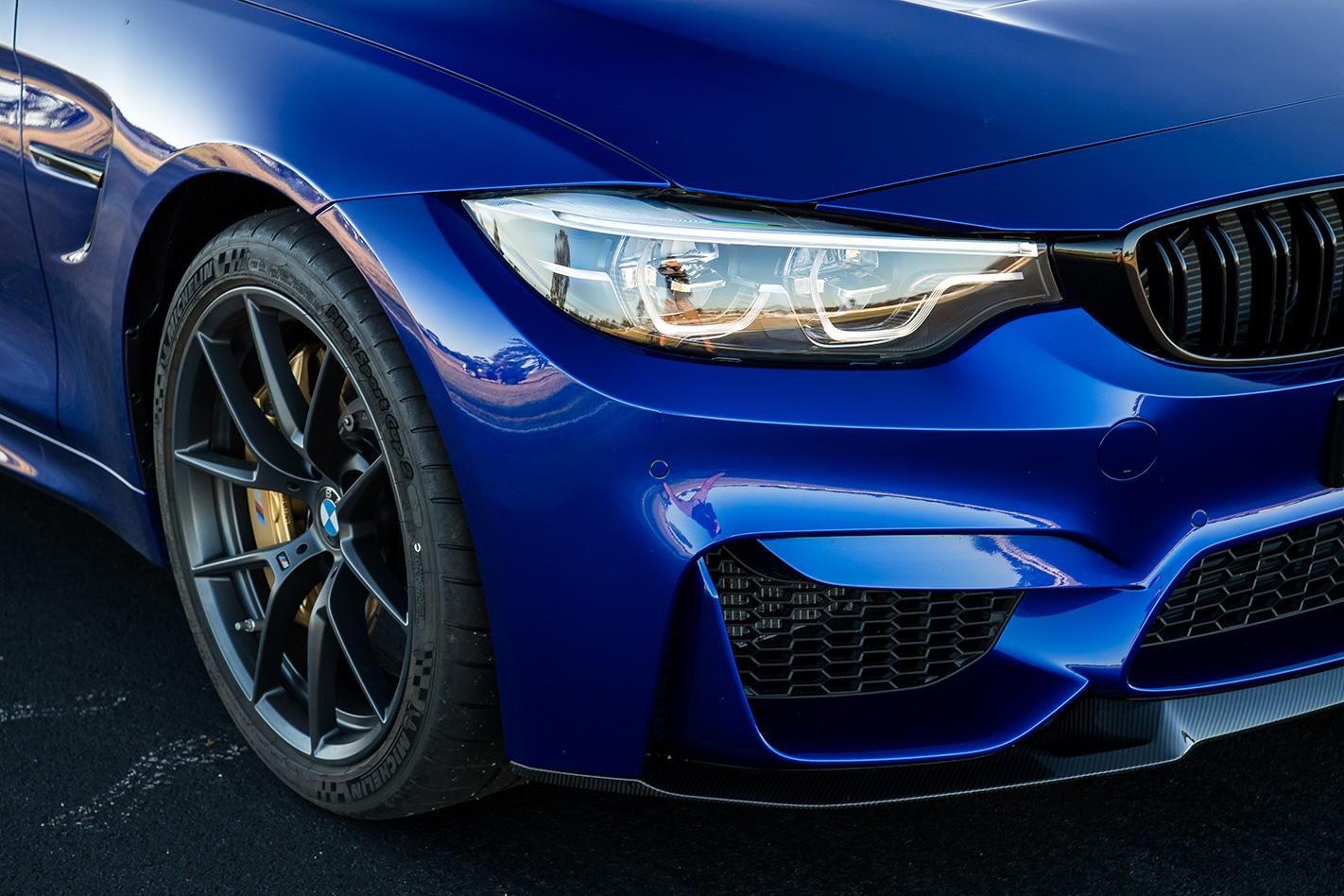
The change in demeanour is such that it seems unlikely that it’s down to the tyres alone, but sadly BMW doesn’t provide any information on the suspension changes beyond “a fresh round of revisions over the M4 Competition Package in terms of spring/damper settings.”
The rear-end can still hop over bumps, but there’s now greater control and the MDM stability control mode allows greater flexibility. It’s an intoxicating drive.
Unfortunately, the M4 CS has a couple of severe blots on its copybook. The first of which is the lightweight interior lifted from the GTS. It may very well save a few kilograms, but it also eradicates virtually all storage space, leaves you with cheap-looking single-zone climate control and door trims that look like a kindergarten arts and crafts project.
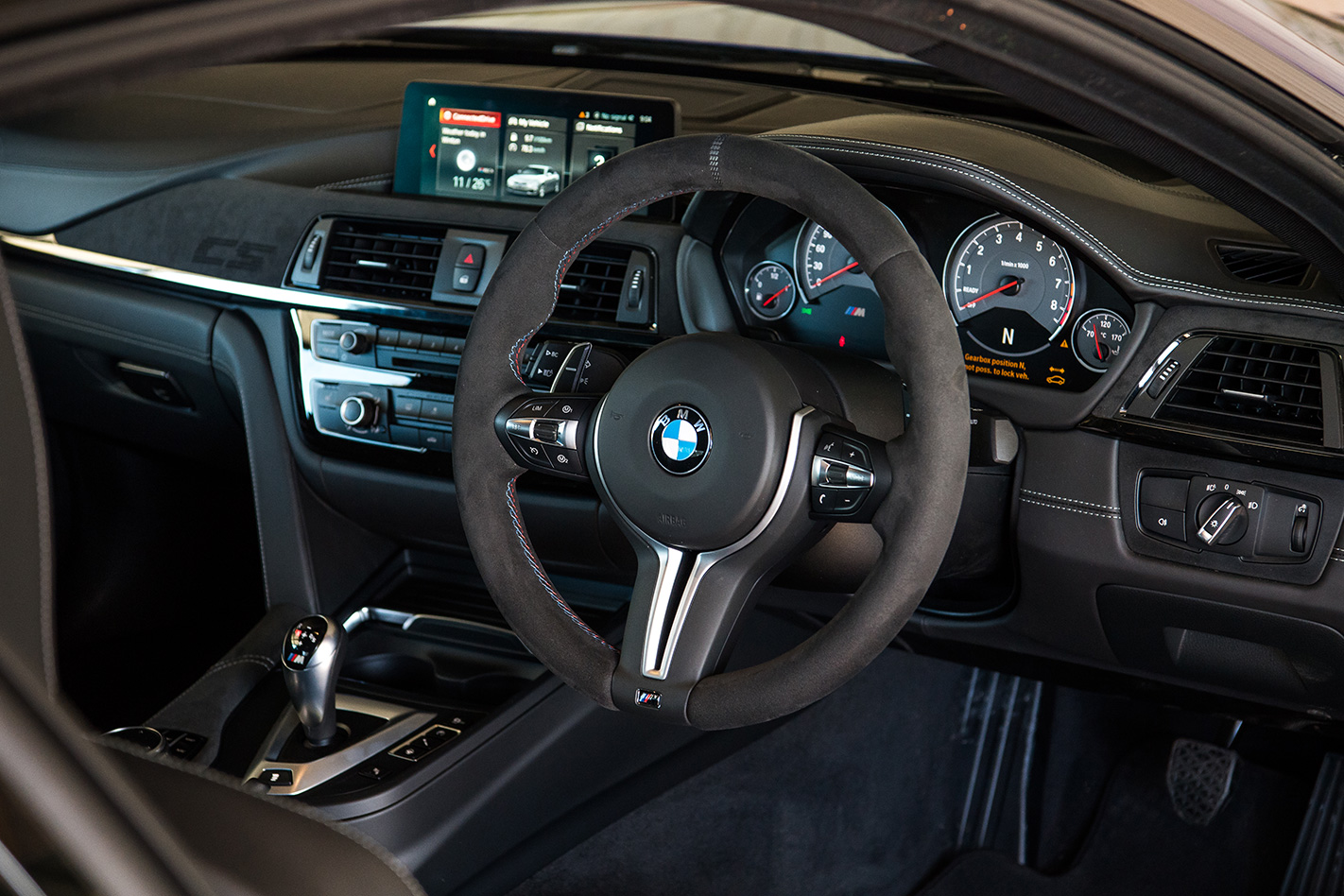
The M4 CS is an awesome machine and looks fantastic, with its sexy black 10-spoke wheels and sculpted carbon bonnet, front splitter and subtle lip spoiler, but when you can fit an M4 Pure with carbon brakes and Cup tyres and have change from $160,000, there’s simply no way the CS can justify an extra $50K, improved though it is.
If money is no object, the CS is the best M4 there is in terms of outright ability, but it’s mostly a case of right car, wrong price.
4 stars out of 5 Likes: Brilliant dynamics; looks awesome Dislikes: Ordinary interior; crazy price tag
2017 BMW M4 CS Specs Engine: 2979cc inline-6cyl, DOHC, 24v, twin-turbo Power: 338kW @ 6250rpm Torque: 600Nm @ 4000-5380rpm Weight: 1580kg 0-100km/h: 3.9sec (claim) Price: $211,610
Jeep has revealed images of its all-new JL Wrangler featuring subtle aesthetic differences which will keep the seven-slot-grille purists happy and it says provides a modern take on the iconic original.
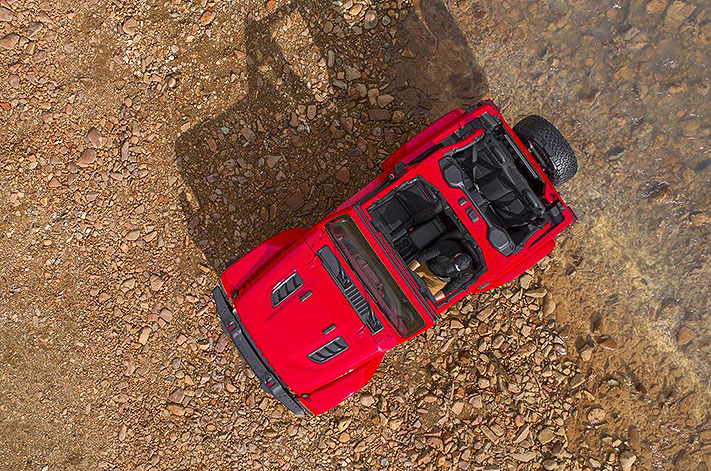
The images of the short-wheel-base Rubicon and four-door wagon were released almost a month before its November 29 launch at the Los Angeles Motor Show. They show unmistakable Wrangler elements such as the keystone grille, round headlamps and fold-down windscreen for open top variants.
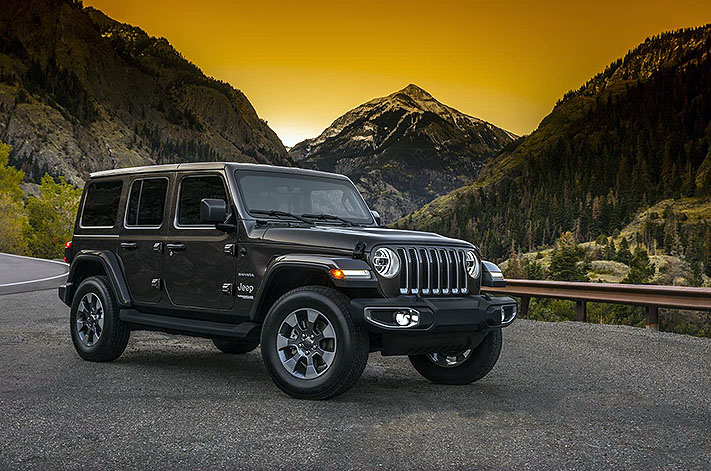
Under the skin, Jeep promises the new Wrangler will have even better off-road capability, advanced fuel-efficient powertrains and a host of new technology and safety features. Beyond that, Jeep is keeping its cards close to its chest until the show reveal, although a few teasers are expected to trickle out in the build-up.
What we do know is the new Wrangler is built on an all-new JL platform, which will support short, and long-wheelbase models including a dual-cab pick-up, possibly dubbed the Scrambler named after the 1980s single-cab ute – it looks like we’ll have to wait till the end of the month to see that.
It’s likely the Wrangler range will have three engine options – an updated 3.6-litre Pentastar V6 from launch, with a 2.0-litre four-cylinder turbo petrol and 3.0-litre turbo-diesel V6 arriving in late 2019. Transmission options are expected to include a six-speed manual and eight-speed automatic.
An automatic 4WD system is also rumoured to feature for the first time in the car’s history, with Jeep’s Selec-Trac 4WD system to be an optional extra for the top of the line Sahara trim Wrangler, over the traditional manual transfer case.
KIA has joined the growing number of mainstream manufacturers choosing to exhibit fresh metal at the SEMA show, with not just one, but two modified high-performance Stinger sedans on display at the Las Vegas show.
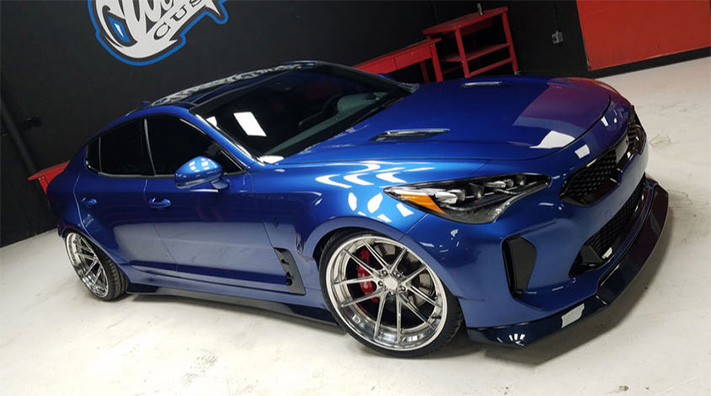
The first was handed over to renowned tuner and bespoke vehicle modifier West Coast Customs for a makeover that added meat to the Stingers wheel arches, dropped its ride height by more than 30mm, bolted on a set of 21-inch wheels and threw a selection of carbonfibre aero bits at the body.
Fans of the more muscular Stinger in custom blue hue could recreate a similar machine with a deep pocket and accommodating bodyshop, but the second of two showcars is perhaps more relevant to Australian owners looking for more instant gratification.
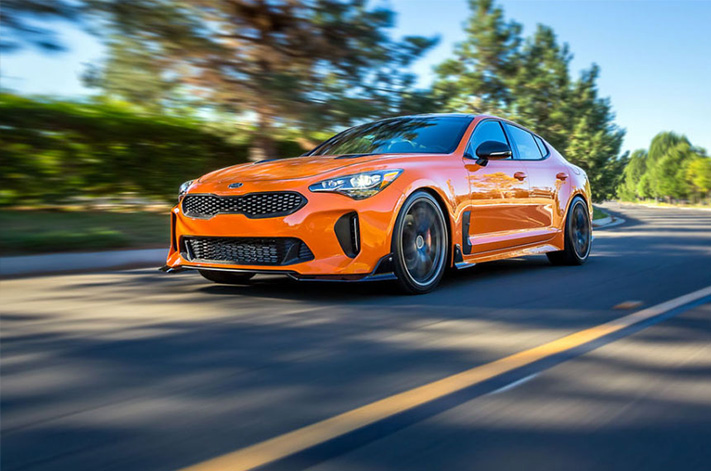
Under its bonnet the Kia Stinger GT Federation has a pair of K&N air filters in place of the standard airboxes for a more show-and-shine look, while adding 8kW to the standard 272kW output.
Underneath, a set of Eibach springs stiffen the ride for a more involving ride, complemented by thicker anti-roll bars and a 20-inch set of TSW Sprint wheels.
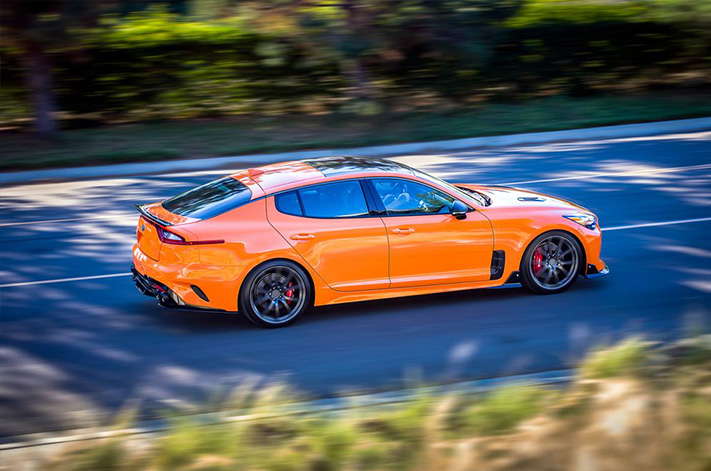
Kia has well and truly answered the question ‘how much can we modify the Kia Stinger?’
Quite a bit, apparently.
The Kia Stinger GT Federation is Kia’s attempt to show the world that it can build its own aftermarket following, and to showcase the Stinger’s capabilities to tuner enthusiasts.
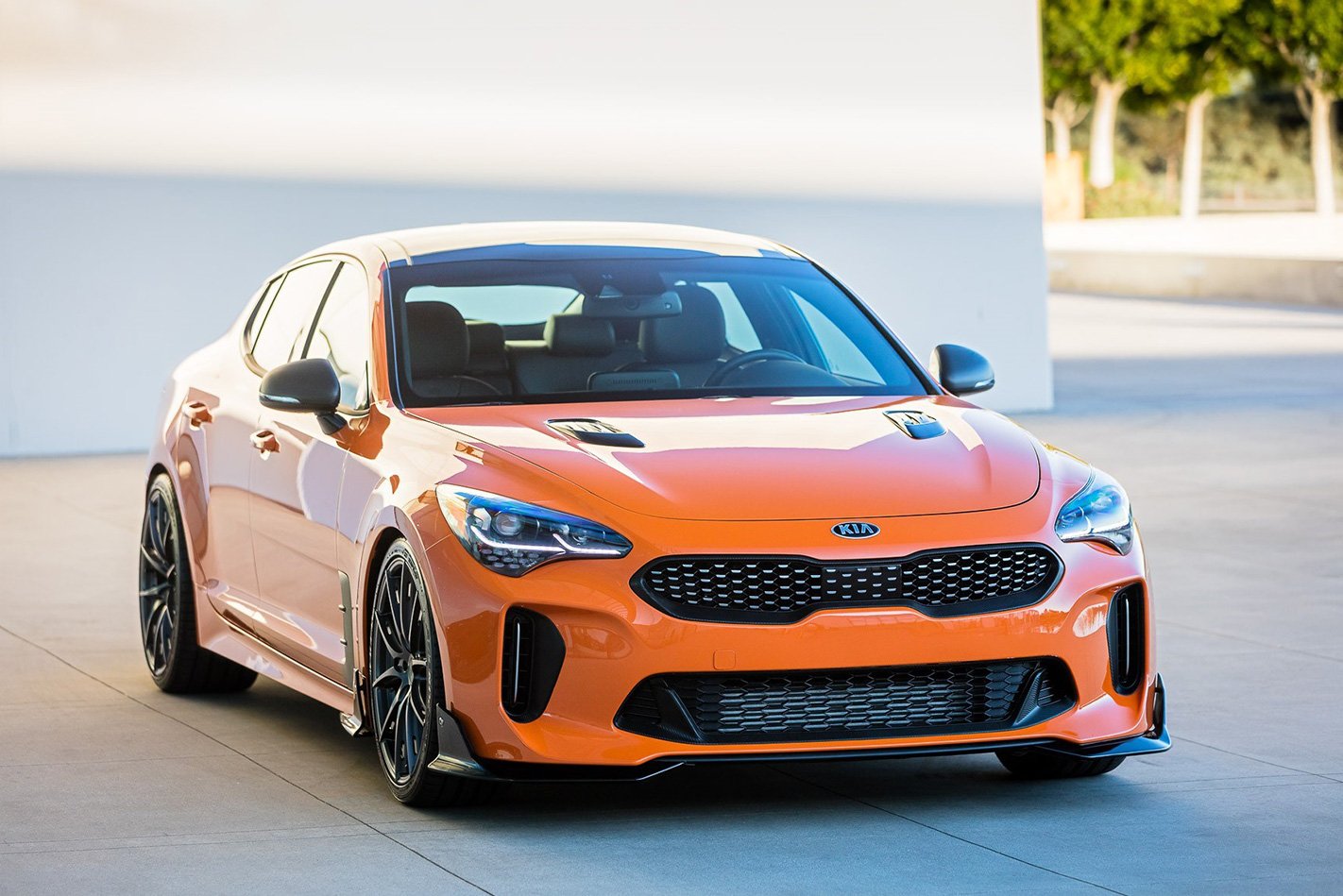
The Federation has proven exiting to fans of the Stinger as it’s not just a visual change, but it also gets a slight performance boost.
A K&N cold-air intake and a low-restriction quad-tipped Borla exhaust are the only mods the drivetrain is affected by, but alone they provide an extra 11kW. Not massive, but it does bode well for the engine’s tuning potential.
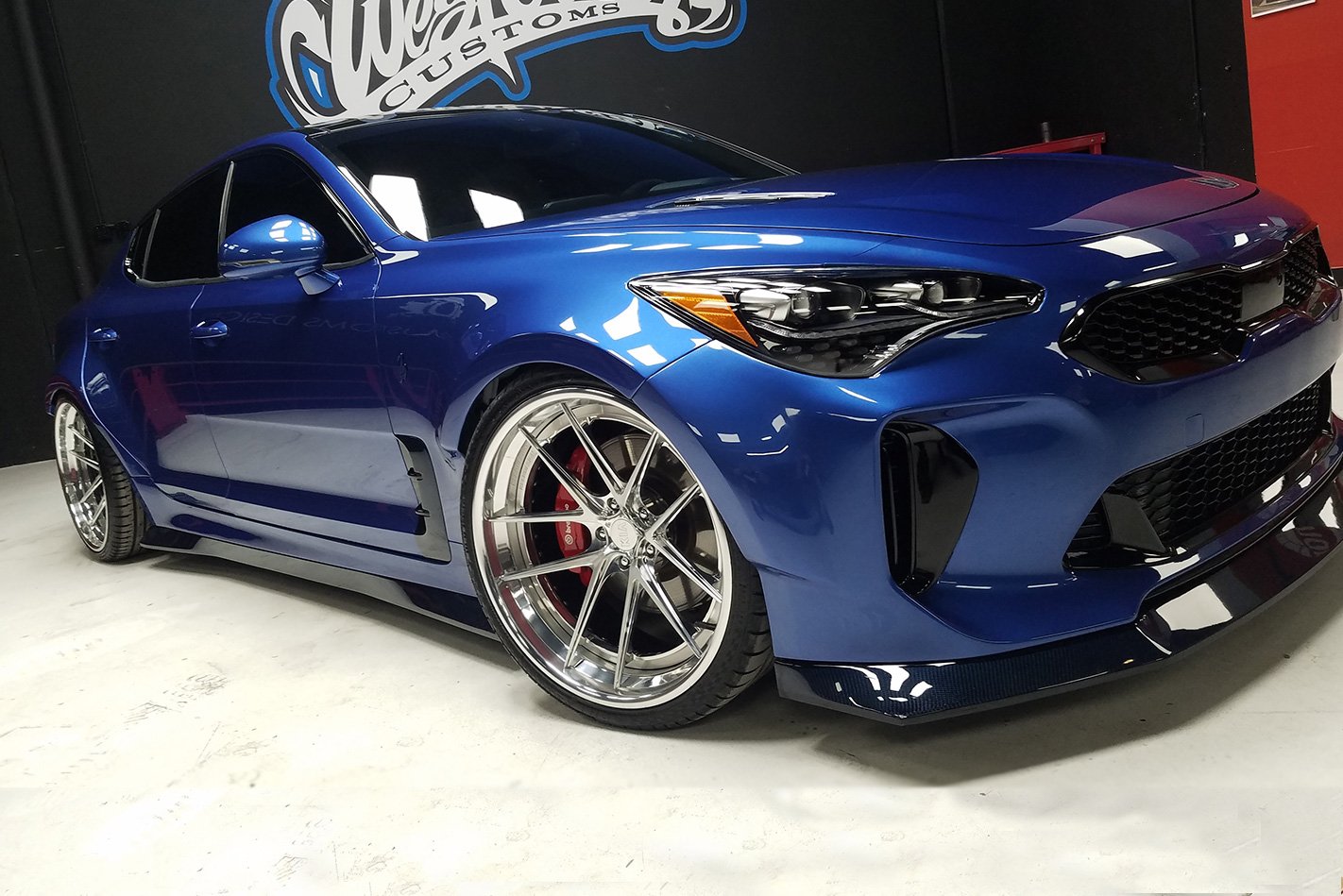
The other Stinger joining the GT Federation was the Kia Stinger GT Wide Body, built by West Coast Customs of Pimp My Ride fame.
With no Xzibit in sight, we don’t know how many TV screens the low-and-wide Stinger has, but we do know it rides on 21-inch forged wheels, performance tyres, and scores a lightweight carbon fiber aero kit.
It does, however, have a 630 watt Harmon Kardon sound system with integrated subwoofer. Consider this ride pimped.
IF YOU are a fan of Toyota’s popular C-HR compact crossover, but wished it had a little more punch then you’re in for a treat. The Japanese car maker has skipped tuning stages one through 10 and created a monstrous SEMA show car that can embarrass pedigree supercars on their race track home turf.
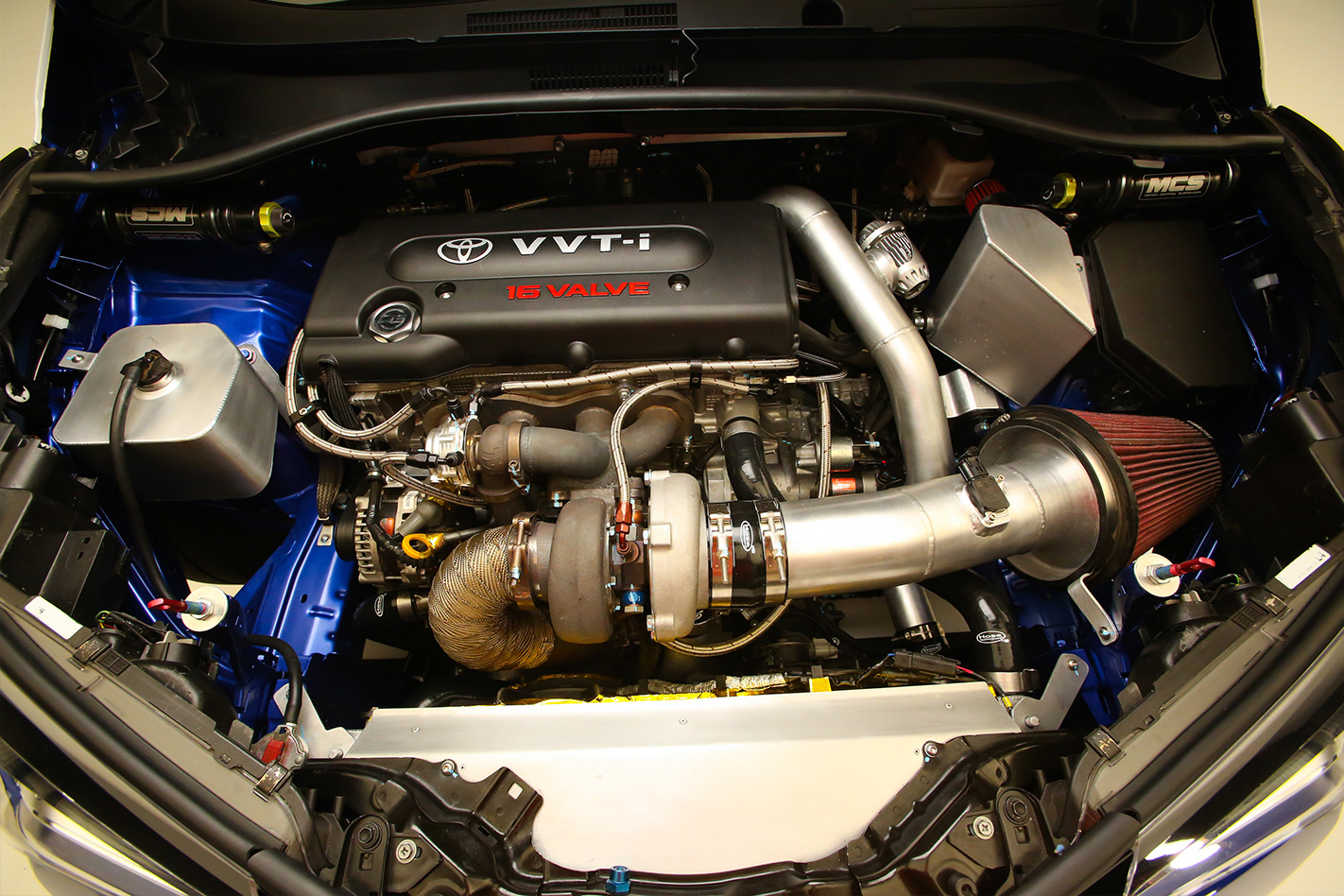
The newest addition to Toyota’s line-up is ordinarily powered by a modest 1.2-litre 85kW turbo petrol that is enough for hauling four people or perhaps a boot of groceries, but the R-Tuner show car that was unveiled in Las Vegas this week has swallowed the 2.4-litre donk from the Camry plus a turbo for more than 447kW.
Engine internals were upgraded with titanium and Inconel valve-train components and forged pistons and conrods to handle the elevated temperatures, while the single Garret turbo boosts induction with 23psi.
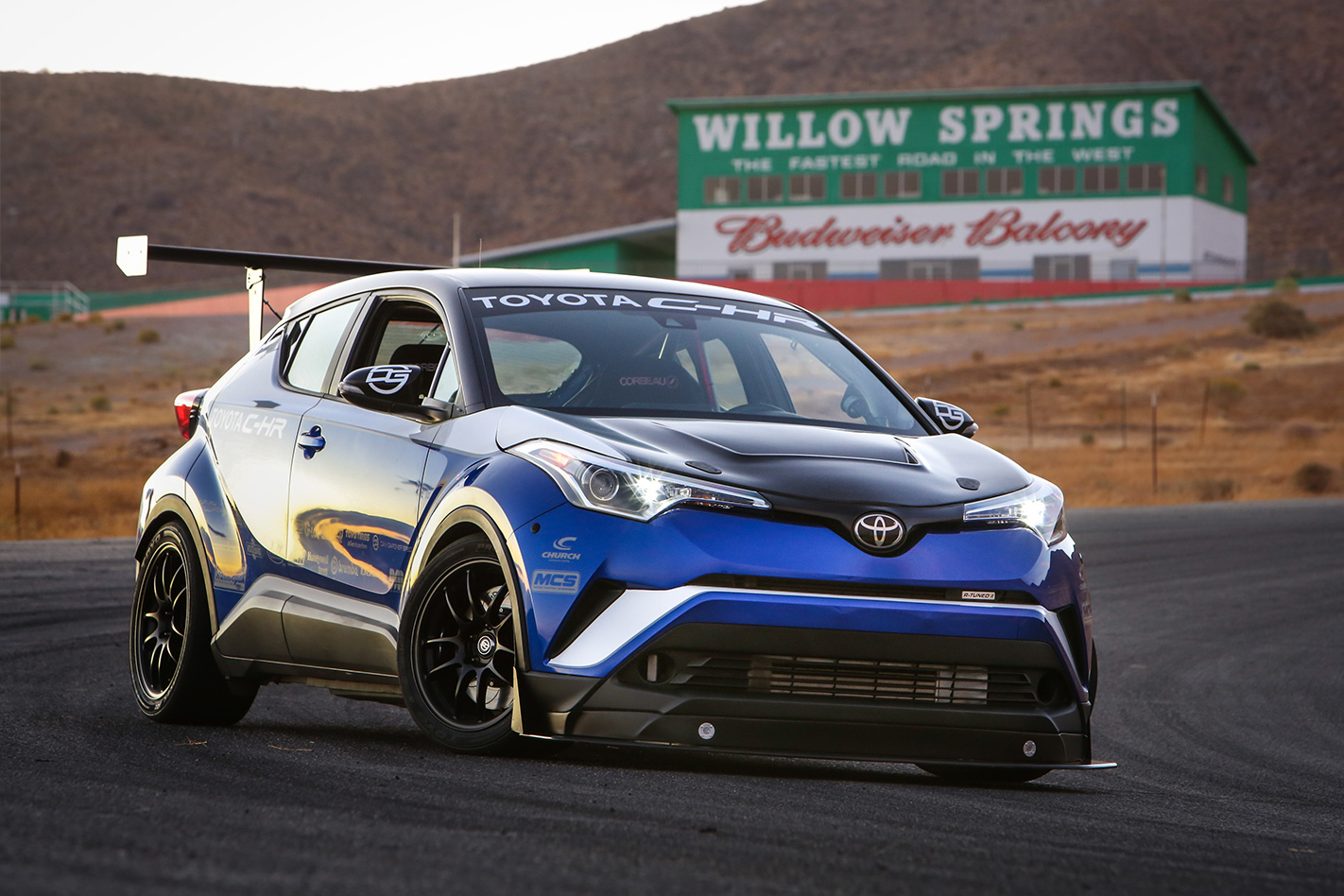
But the R-Tuned C-HR is not a drag racer and has been designed to rule the racetrack with triple-adjustable Motion Control Suspension, motorsport dampers and some serious aero attention.
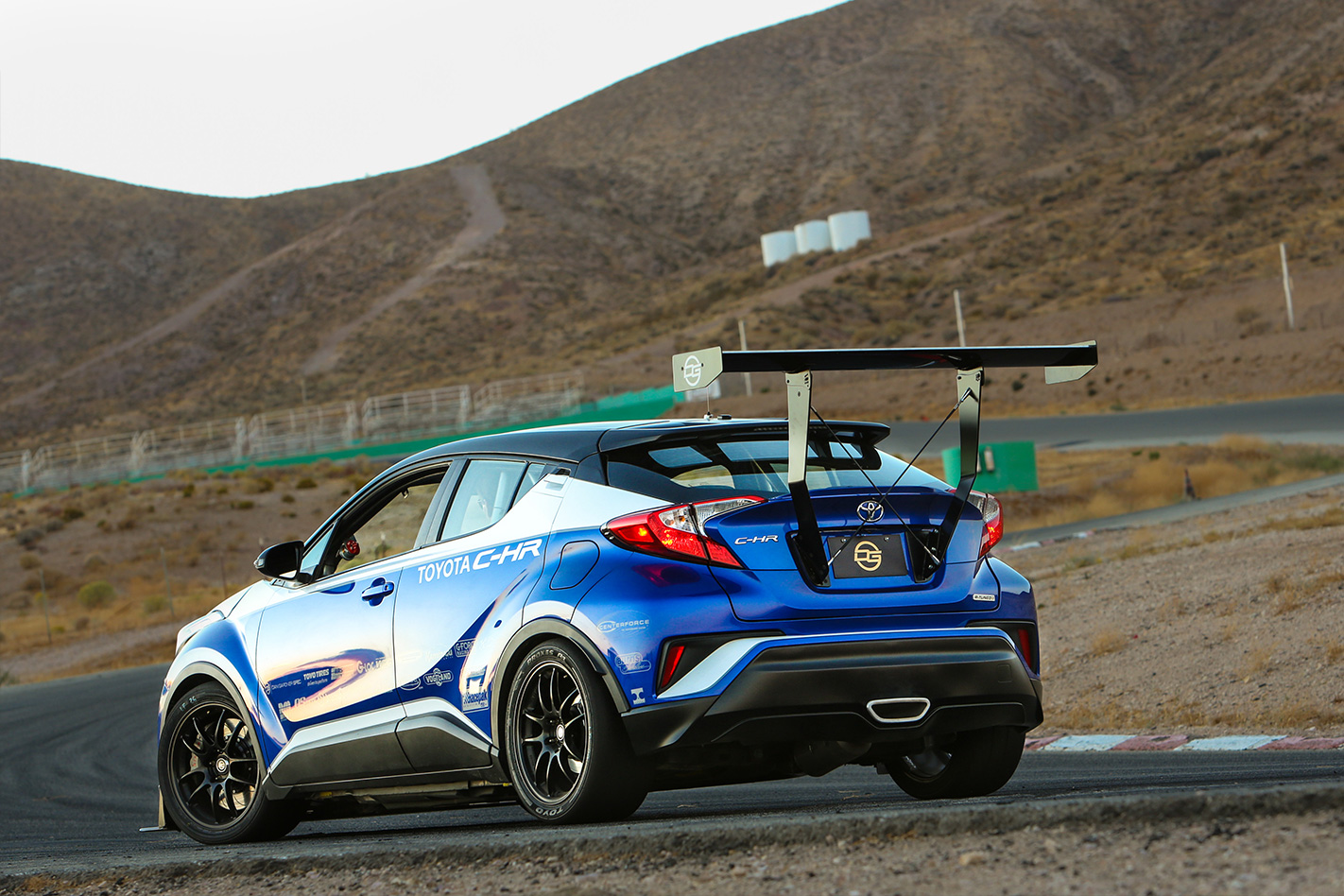
The result? A full-noise attack of the Willow Springs track in California returned a lap time of 1:25.22, which has only been improved on by a handful of serious supercars including the Porsche 911 GT3, Nissan GT-R Nismo and McLaren 650S Spyder, says Toyota.
On the inside, most of the standard interior has been binned to shed kilos, while a carbon fibre bonnet cuts even more weight. Toyota has not revealed how the R-Tuner C-HR tips the scales after its crash diet but says it weighs ‘hundreds of pounds’ less than the showroom version.

“The C-HR R-Tuned has been to the track every month since we started the project late last year,” said Gardner. “It’s probably been subjected to more real-world tests than just about any car built for SEMA. It’s not just a show concept but a track-worthy performance vehicle, and I can’t wait to see what people at SEMA and beyond think”.
‘F5’ is the highest rating for Tornado wind speed on the Fujita scale, at over 200mph (322km/h). But the Hennessey Venom F5 will be even faster than that.
With a predicted top speed of 484km/h, the Venom will be a proper supercar, and proof that Europe doesn’t have a monopoly on the category.
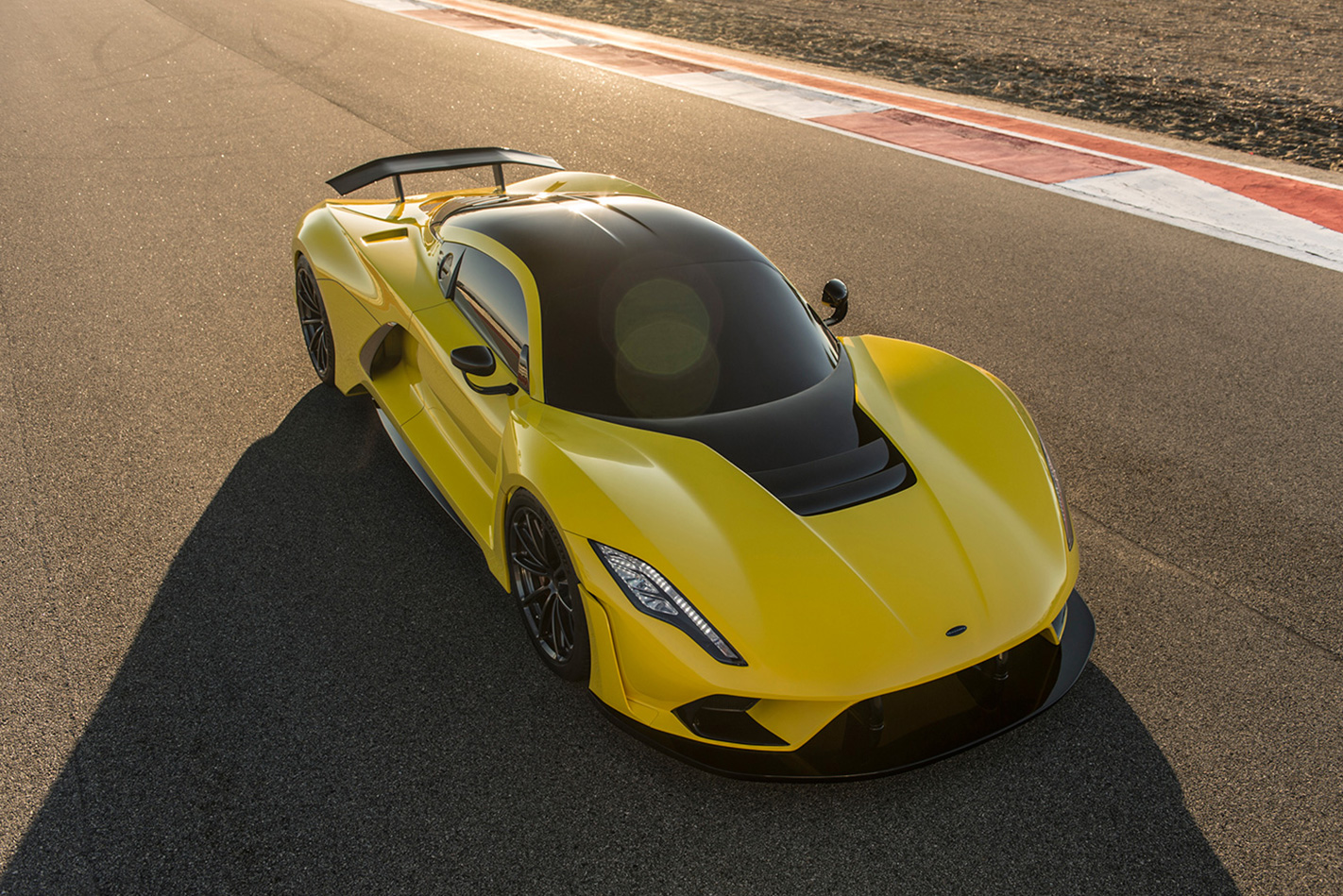
To 400km/h? Hennessey says less than half a minute.
With a ridiculous 1193kW twin-turbo V8 hauling a rear-drive car along that quickly, you have to wonder how stable it’d be.
Hennessey claims the F5’s aero parts give it an impressive drag coefficient of just 0.33. A Bugatti Chiron’s drag is 0.35 in its fastest mode.
Additionally, the F5 boasts a kerb weight of just 1338kg, giving it an insane power-to-weight ratio of 892kW per tonne.
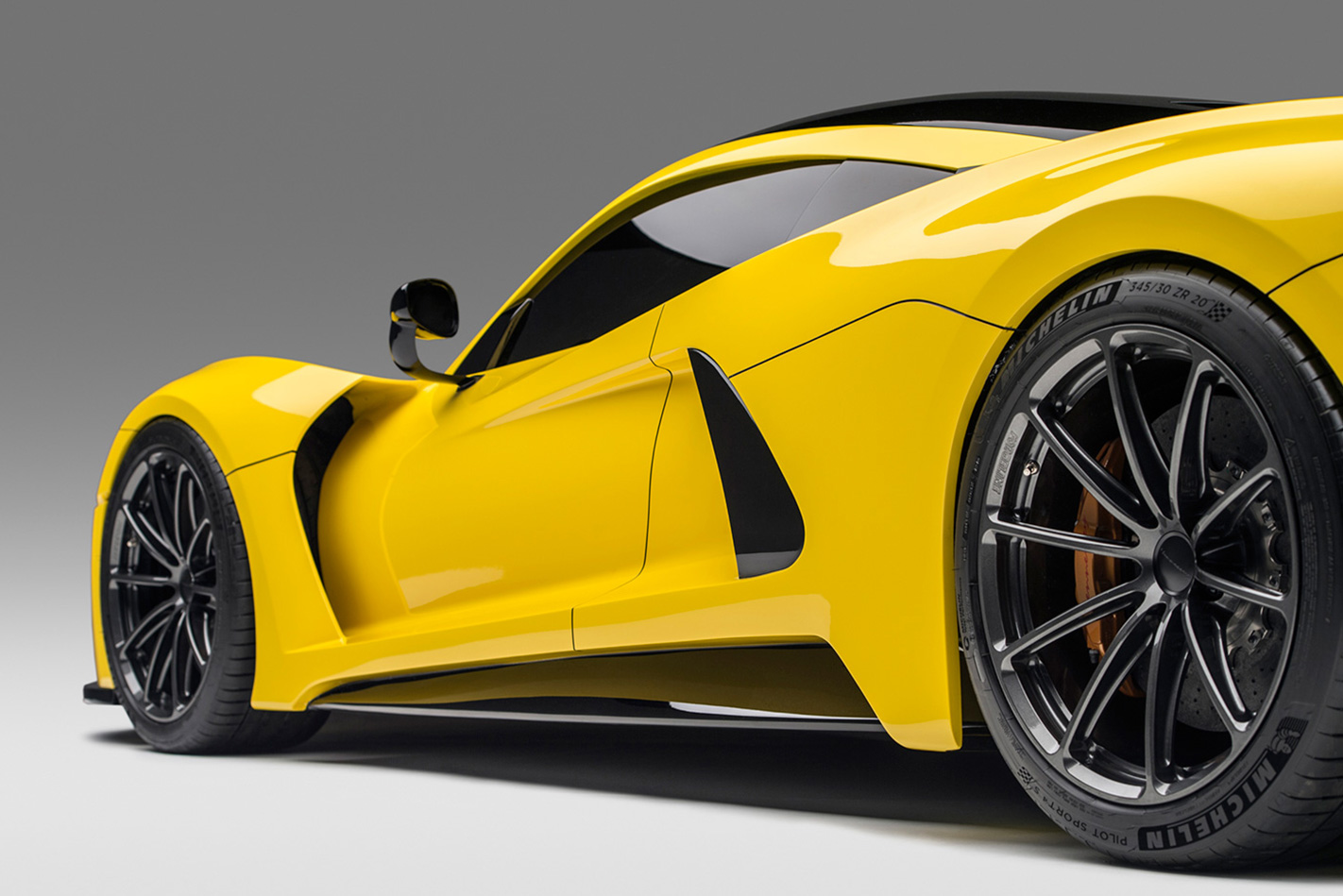
“The F5 is an all new car, designed and built from the ground up, from the engine to the chassis. We expect the Venom F5, named for the most powerful tornado speed winds on the Fujita scale, to be the first road car capable of achieving more than 300 mph and have worked closely with Pennzoil to get us across the finish line.”
Hennessey plans to build only 24 Venom F5s, and sell them at a base price of $1.6 million USD, or $2,080,200 AUD.
Yes, this is a review of a gearbox, but the rationale for this is twofold.
Firstly, it allows us to spend more time behind the wheel of the new Mk7.5 Golf R, which David Morley recently discovered (October 2017) is A Very Good Thing.
Secondly, it’s all too easy to say the manual is the true enthusiast’s choice, but in these times of launch control and super-slick self-shifting gearboxes, is that still the case?

On the road, this shortfall matters not a jot. The revised EA888 – new injectors, variable cam lift and an electronically controlled turbo wastegate – now makes 213kW/380Nm; this is 8kW down on Euro cars due to Australia’s ‘hot climate’ but you won’t miss them, as this boosted four delivers masses of shove regardless of where the (now digital) needle is on the tacho.
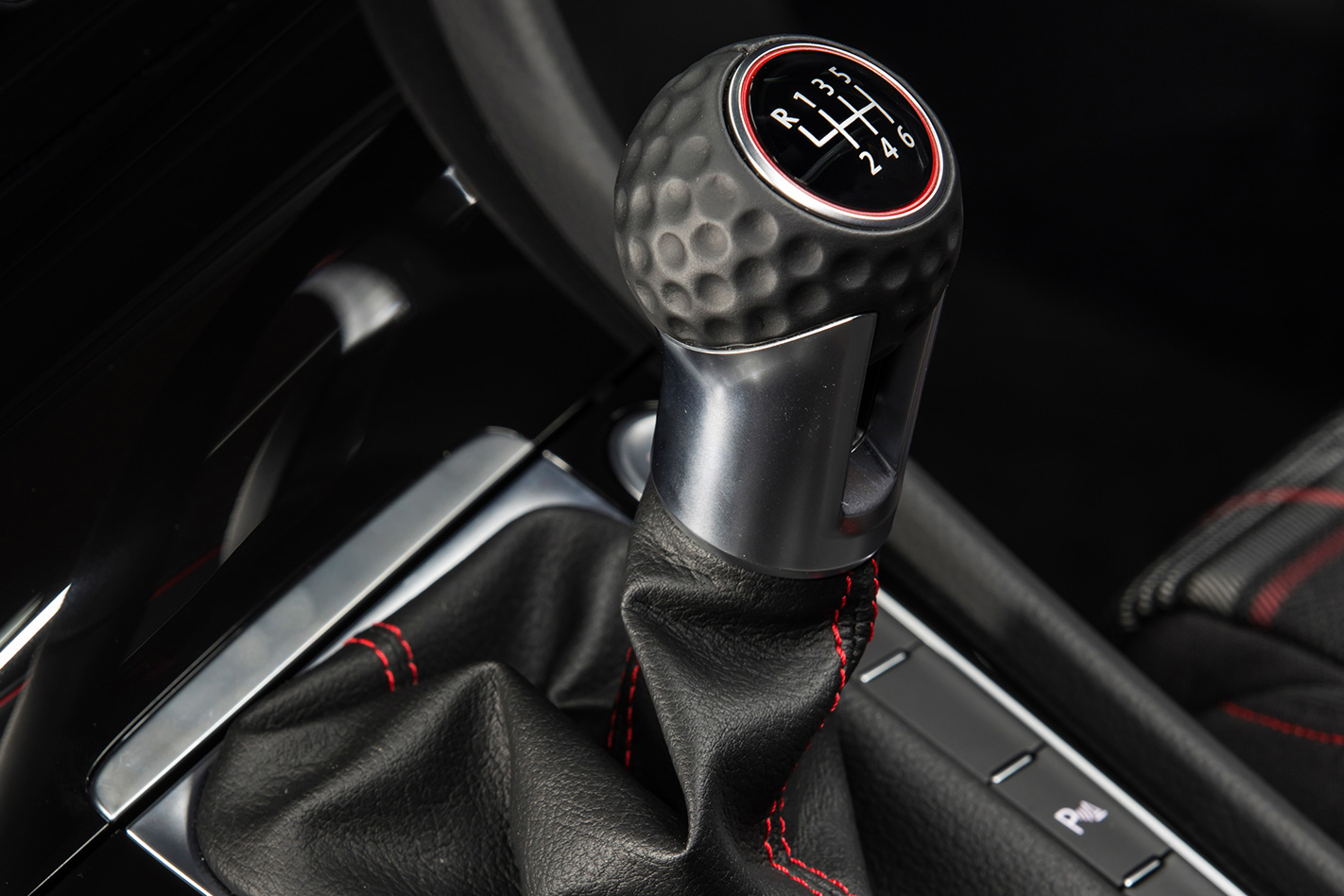
The clutch is light, pedals well-spaced for heel-and-toe work and if you fluff it and stall simply jab the clutch pedal again and the engine automatically re-fires. Further benefits of the manual version include a 21kg weight saving, though some of that will be negated by the extra $2500 in your pocket.
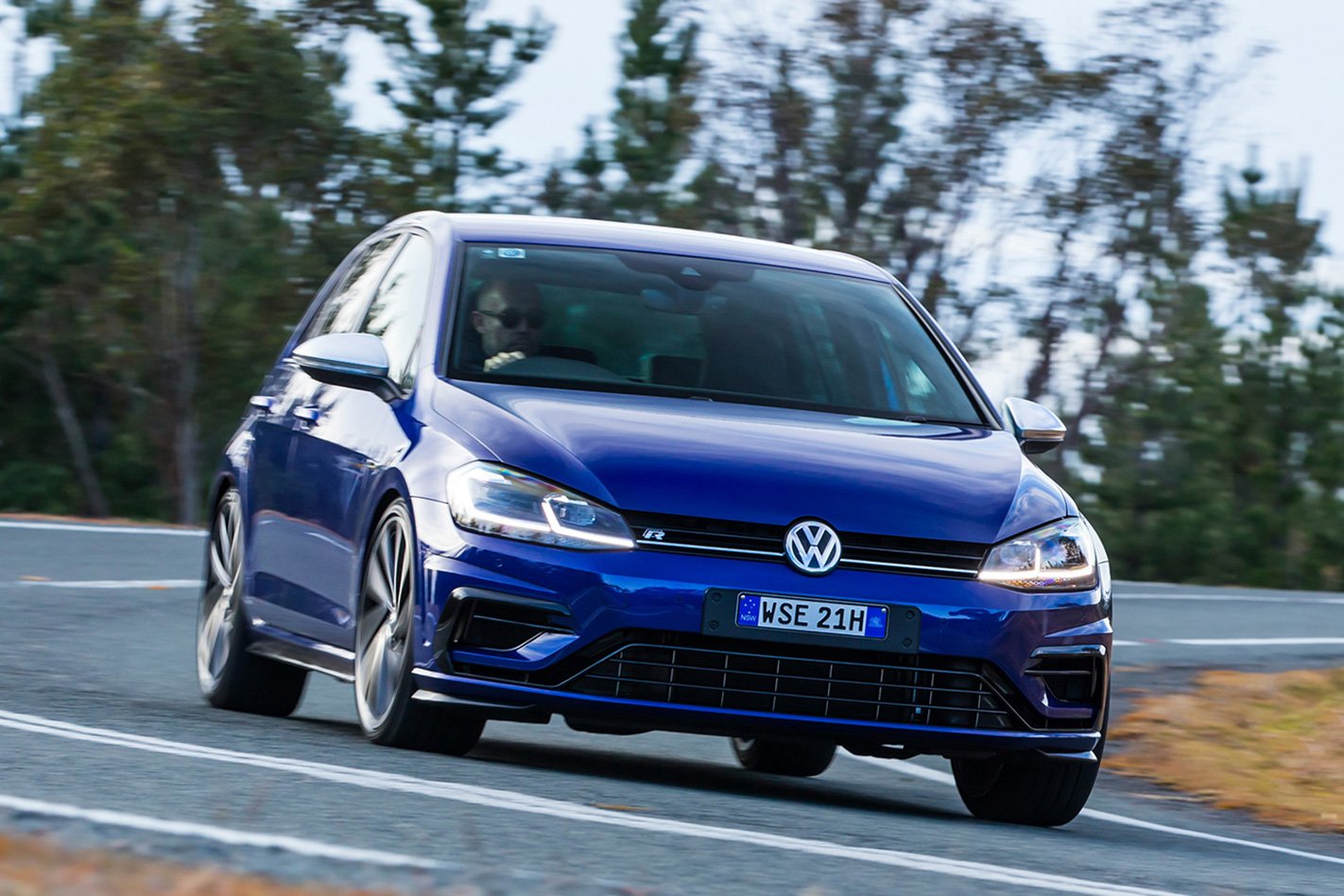
It’s not as raw or playful as a Focus RS, but it’s only too willing to move its rear mid-corner, allowing you to play with the balance constantly. The all-wheel drive traction and ability to eliminate electronic interference (unlike in the front-drive GTI) makes it a more rewarding car to drive hard, yet it retains a level of refinement that nothing in its segment can approach.
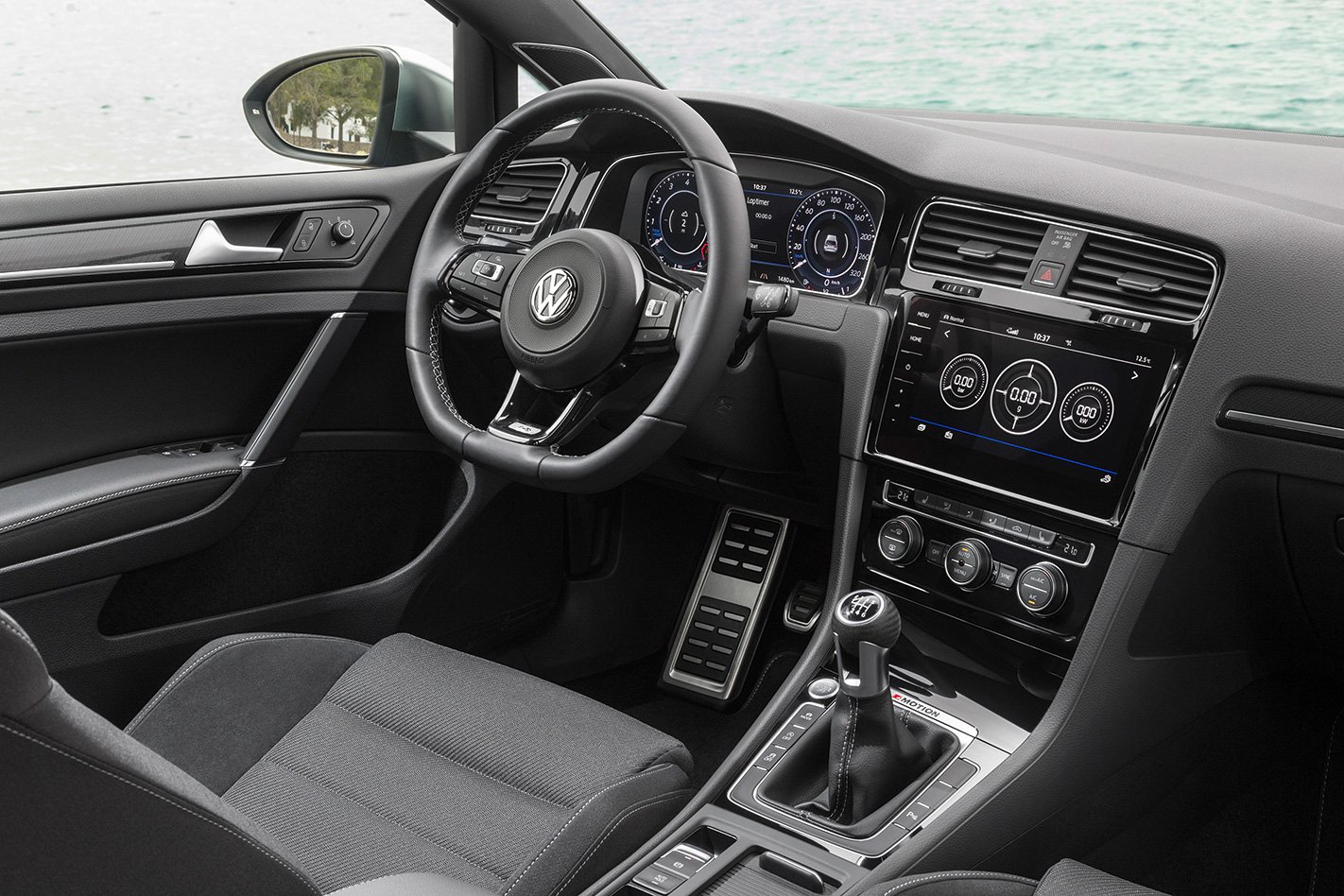
And yes, unless you spend your life in gridlock hell we’d take the manual. Golf R? It should be called the Golf Goldilocks.
4.5 stars out of 5 Likes: Monster engine; great chassis Dislikes: Not much… a little lacking in aggro?
2017 Volkswagen Golf R manual specs: Engine: 1984cc inline-4cyl, DOHC, 16v, turbo Power: 213kW @ 5400-6500rpm Torque: 380Nm @ 1850-5300rpm Weight: 1429kg 0-100km/h: 5.2sec (claimed) Price: $52,990
