
It’s been a long time between drinks for Mazda’s RX-8.
This Performance Car Of The Year article was first published in MOTOR Magazine November 2008.
Following the fanfare that surrounded the long-awaited revival of rotary power back in 2003, and the praise lavished on the RX-8’s suave dynamics and its innovative layout, virtually nothing has happened since. An MPS-badged RX-8 with a larger-capacity rotary never eventuated, leaving Mazda’s freestyle-doored sports coupe to languish in a box marked ‘unfulfilled potential’.
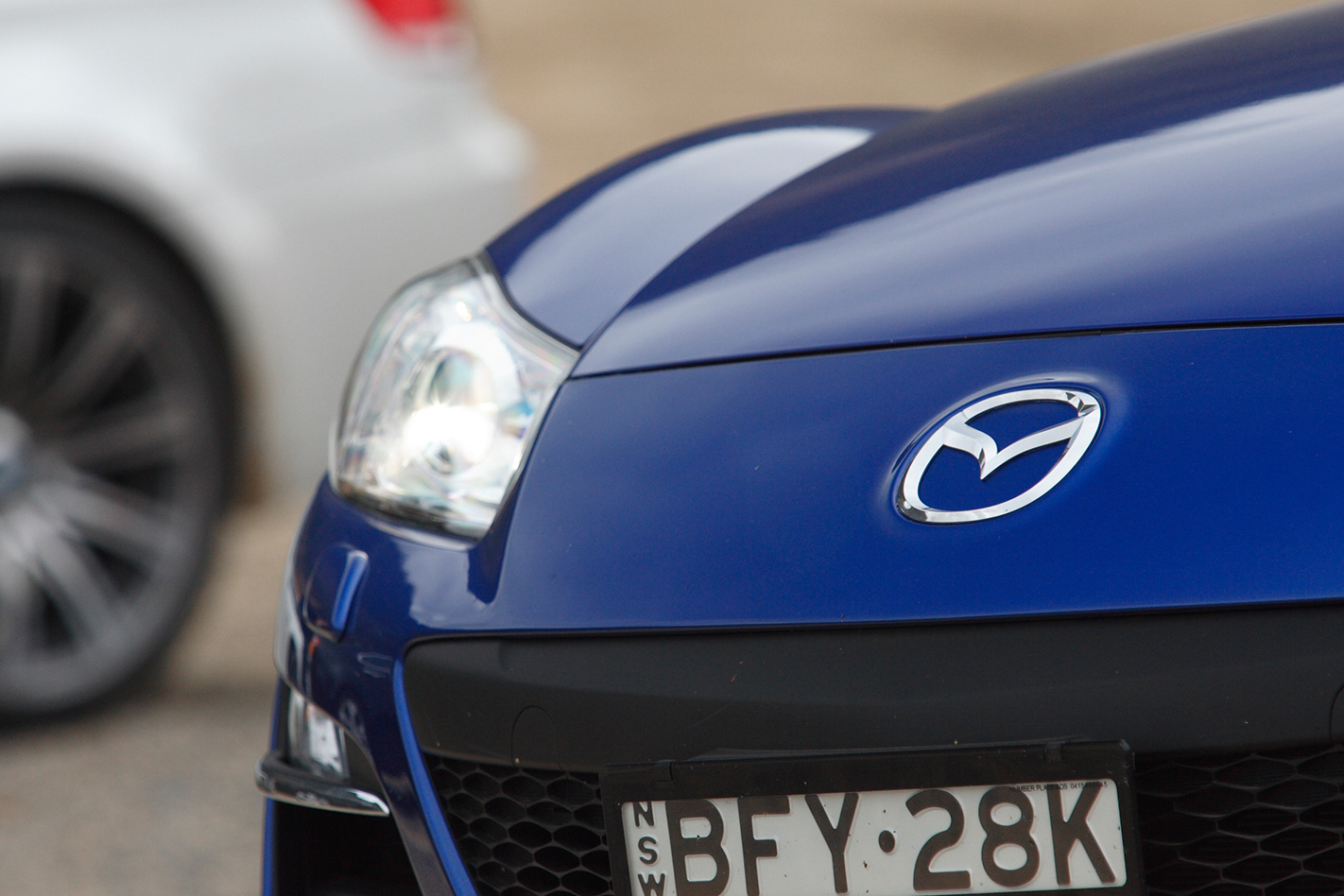
The original RX-8 was already blessed with perfect 50/50 weight distribution and arguably the world’s best electric steering, and the GT simply takes that great basis and runs with it.
Or at least it tries to. Despite the Renesis 13B having been tweaked for more low- to mid-range torque, the 7kW it lost back in 2006 has done the RX-8’s acceleration no favours, and it still needs 5500rpm on board to properly liven up. Even in isolation, it doesn’t feel particularly quick, and the GT’s mediocre performance at Cootamundra airport proved as much.
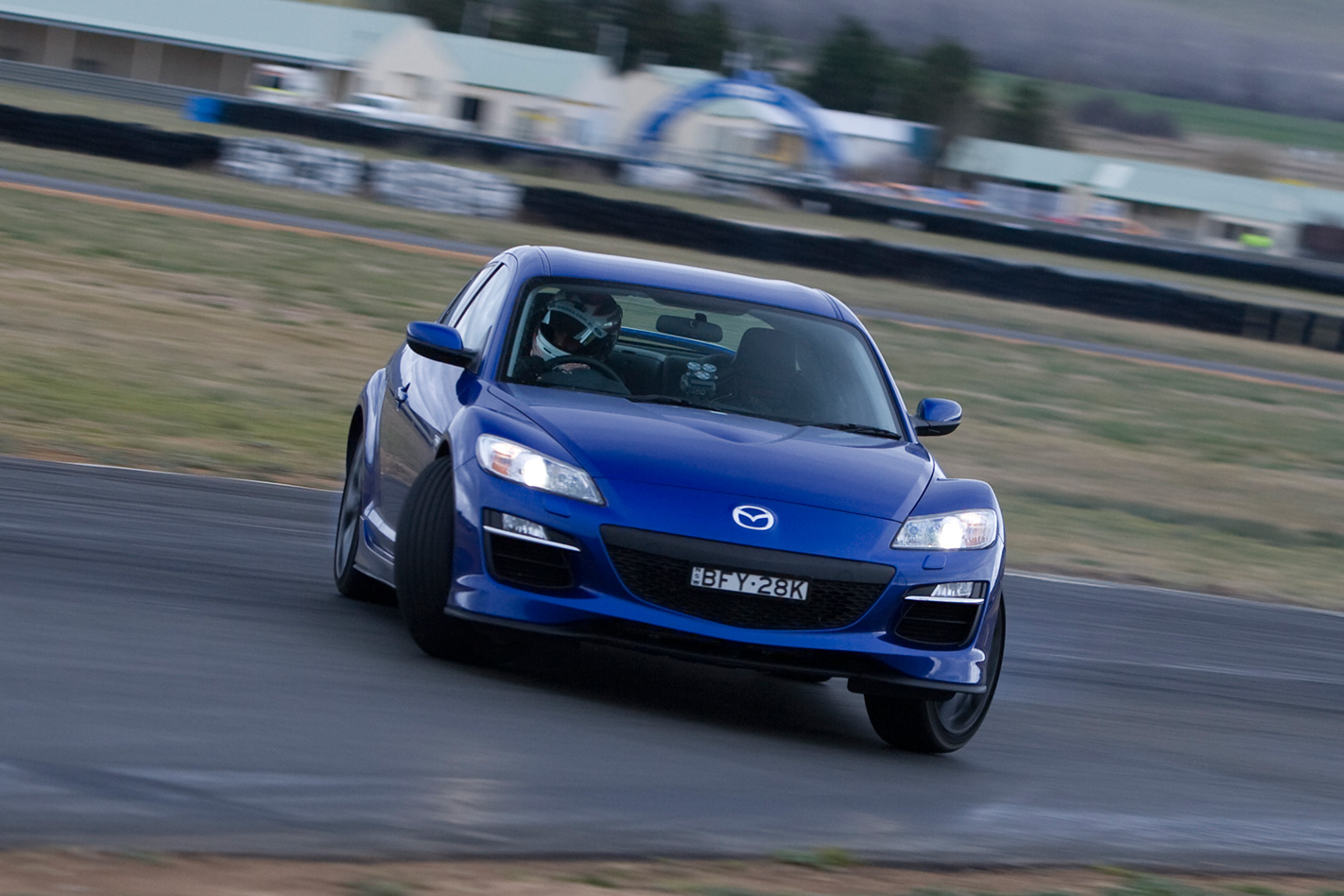
The old 177kW RX-8 manual could comfortably clock 14.8sec to 400m, but this 170kW GT – even with its shortened ratios – struggled to nail a 15.35 (at just 148.7km/h – two kays slower than the Clio).
Indeed, the only increment where the RX-8 did beat the Clio in a straight line was terminal speed at 1000m (190.2km/h v 188.7), making it both the slowest of all 11 cars, and several tenths adrift of Performance Car of the Year’s supposed sub-15-second quarter-mile qualifying time. And we thought the Clio could use more poke…
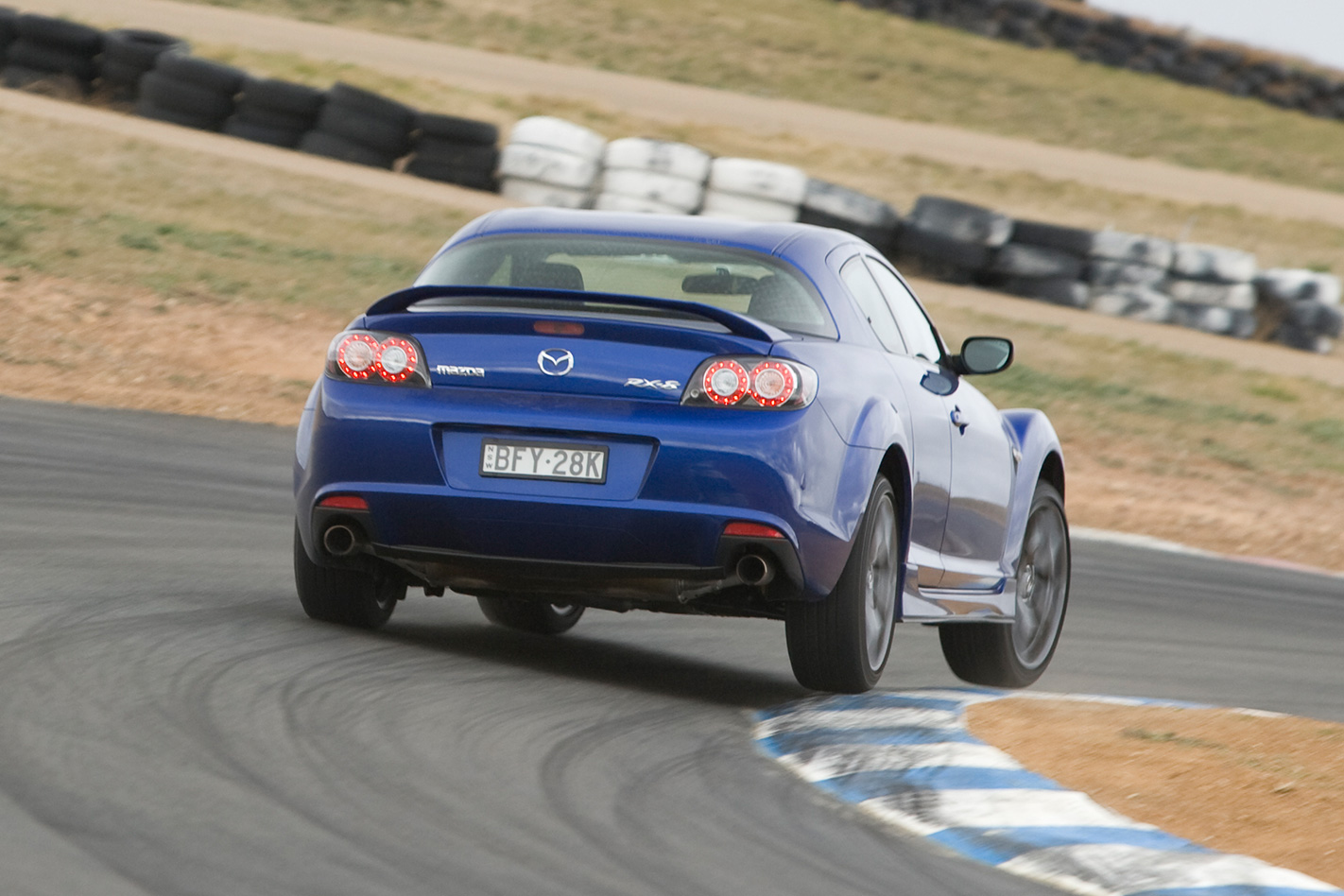
Even with its power deficit, the RX-8’s LSD-equipped rear drifts subtly through corner exits and its handling balance is faultless. Combine all this with figure-hugging Recaro buckets and an excellent electric-steering set-up, and it’s no wonder the RX-8 GT featured so prominently in the corner-speed rankings at Wakefield. If only its brakes didn’t turn mushy and add stopping distance when under pressure.
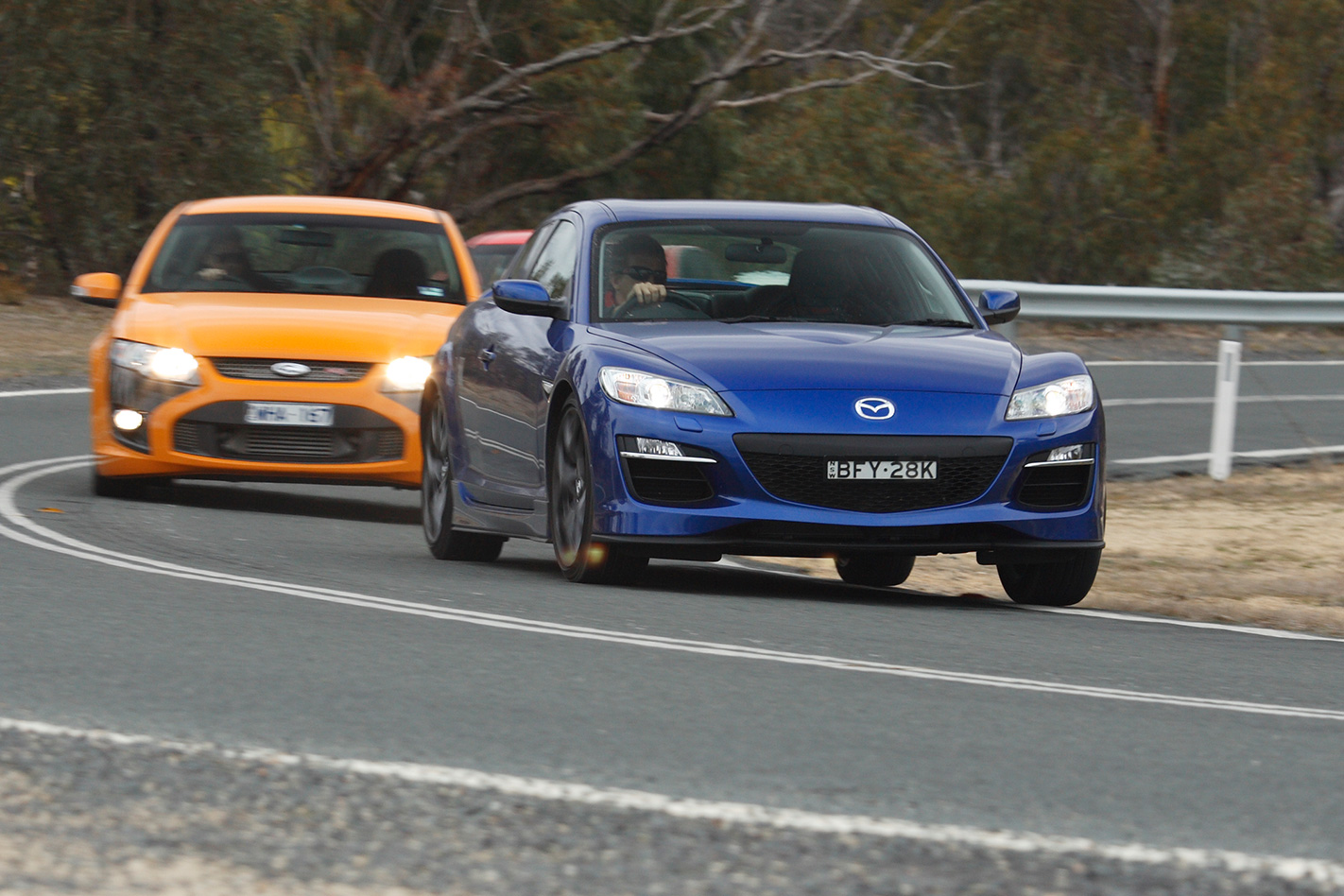
If the test GT performed to expectation, the outcome might have been different, but instead it felt flat and wilted against very strong competition.
The RX-8 is a better car for being a rotary, and the world is certainly a more interesting place with the RX-8 in it, but what Mazda really needs is a new-generation RX-7.
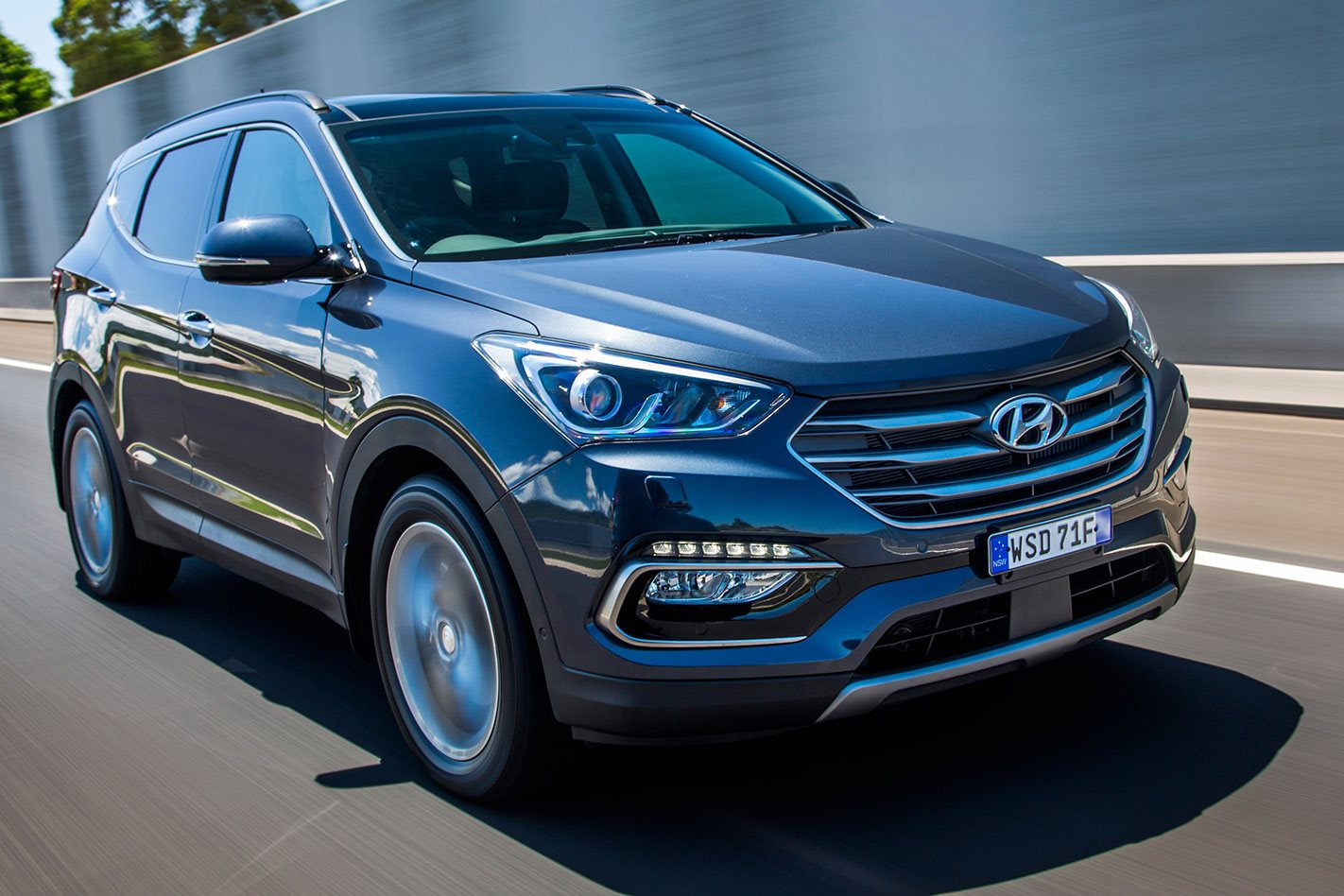
A new J.D. Power survey has revealed Hyundai owners are the most satisfied car buyers in the country among mass market brands.
The news comes on the back of J.D Power Australia’s Sales Satisfaction Index (SSI) study, which surveyed 2779 Australian new vehicle owners and their ownership experience.
Of a maximum 1000 points up for grabs, Hyundai scored 827 and was subjected to assessments in six key areas.
Survey participants were asked questions regarding the salesperson, the deal, delivery timing, delivery process, the dealer facility, and finally the sales initiation.
Second in this year’s J.D Power ranking was Kia, three points below Holden, with Holden in third place. Ford, Toyota, and Mitsubishi were the only other manufacturers to rank above the industry average.
Hyundai’s J.D. Power survey win follows a strong result for the South Korean brand in Gold Star Cars – Wheels Magazine’s best value car awards.
Gold Star Cars assesses which vehicles offer the best value for money, breaking down a number of different contributing factors in 20 different classes.
Hyundai won three classes outright, and finished on the podium in and additional three.
The award is the most comprehensive of its kind in Australia, with the ongoing costs of car ownership, including servicing and depreciation taken into account.
Hyundai was rapt with its win in the J.D Power rankings, which have now run for two years in Australia.
“It is testament not only to our product but also to the Hyundai dealer staff behind this result,” Hyundai Motor Company Australia’s Chief Operating Officer, Scott Grant, said.
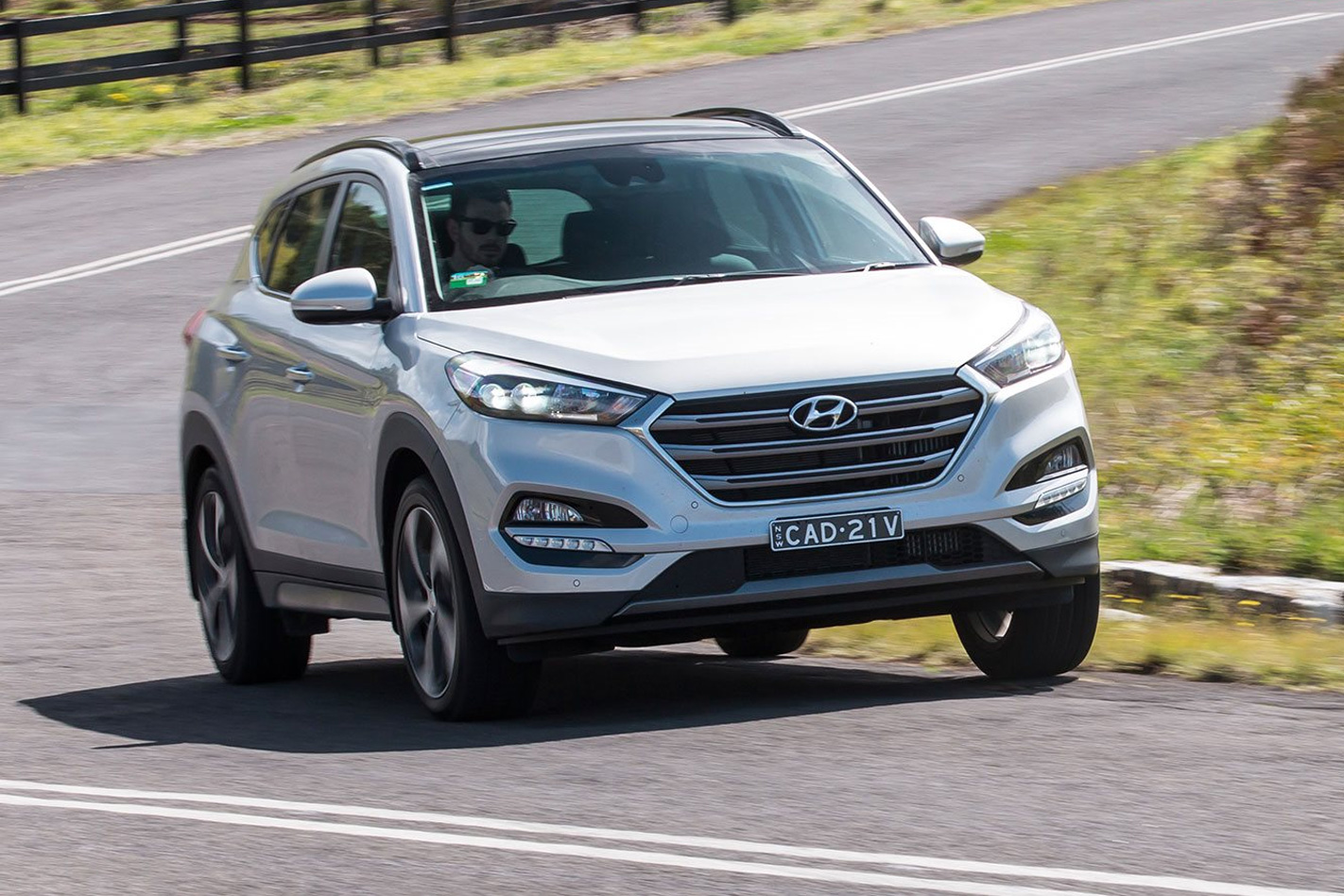
“We know we have an extremely good model range that is continually being improved upon and we know the quality of our vehicles is outstanding. Now, more than ever, our customers are showing their great satisfaction with our national dealer network and the overall sales experience.
“Obviously, we’re thrilled with J.D. Power Australia’s findings from this all-important study. If our customers are happy with the dealership experience it shows our dealers are doing a terrific job.”
BMW Australia has confirmed the 6 Series Gran Turismo (GT) is coming to Australia, with a starting price of $123,500.
The 6 Series GT will be available in just two variants; 630i GT, and 640i GT.
The Gran Turismo body is new for the 6 Series, having previously only appeared on 3 Series, and 5 Series models. Its unique styling sits somewhere between a wagon and traditional sedan, with a sloping rear roofline and a hatch opening for extra haulage space.
The entry-level 630i GT will cost $123,500, while the flagship 640i xDrive GT will set you back an additional $25,400, at $148,900.
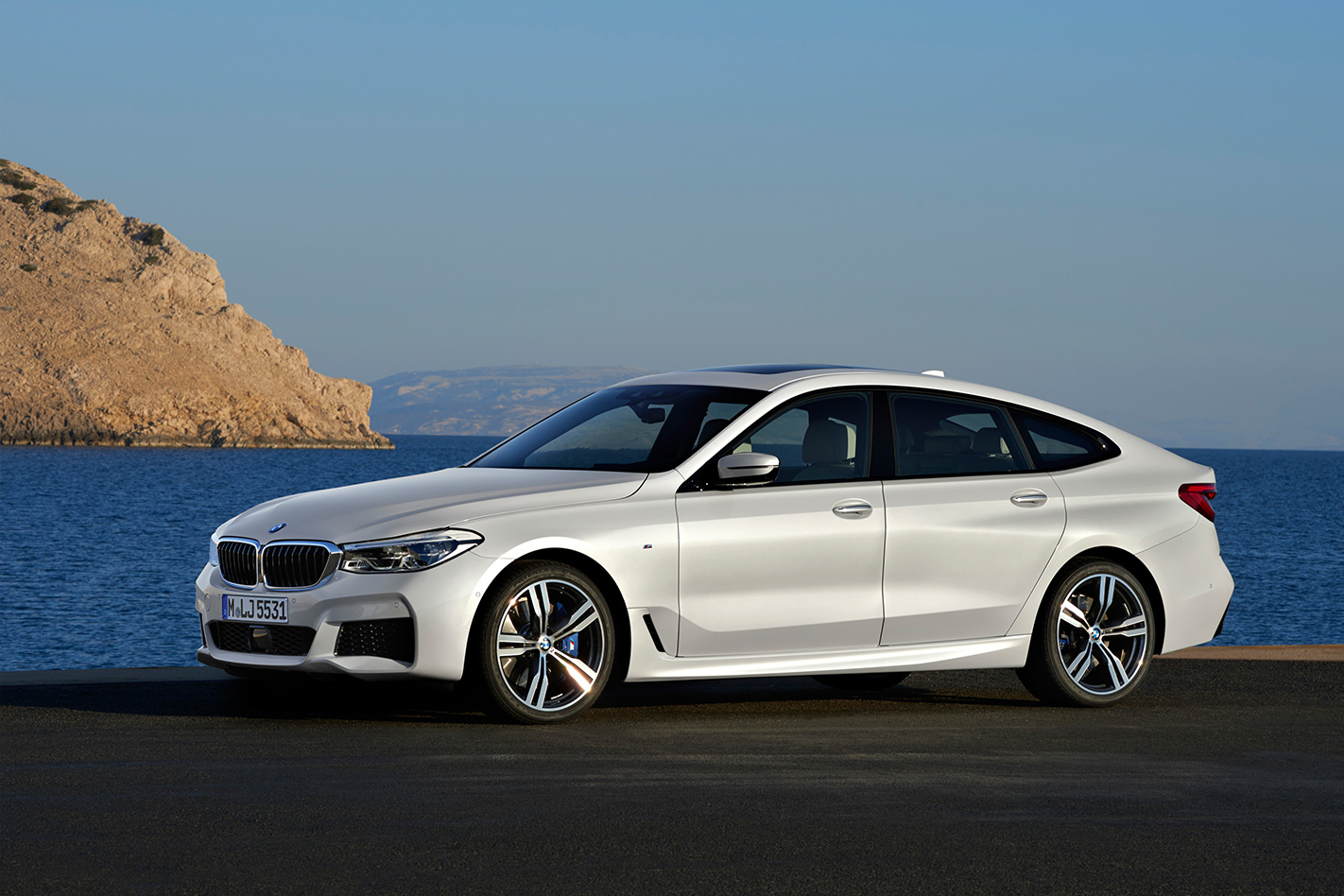
The 630i is powered by a 2.0-litre four-cylinder turbo-petrol engine, sending 190kW and 400Nm to the rear wheels, and giving the car a 0-100km/h time of 6.3 secs.
The 640i has a 3.0-litre inline six-cylinder turbo-petrol engine, sending 250kW and 450Nm to all four wheels, reducing the 0-100km/h sprint to just 5.3 secs.
BMW has never before offered xDrive as a standard feature on an Australian delivered passenger car outside the M-Performance range.
A signature of the Gran Turismo is the liftback boot aperture, which has an automated tailgate. The 40:20:40 split rear seats can be folded down in order to boost luggage capacity.
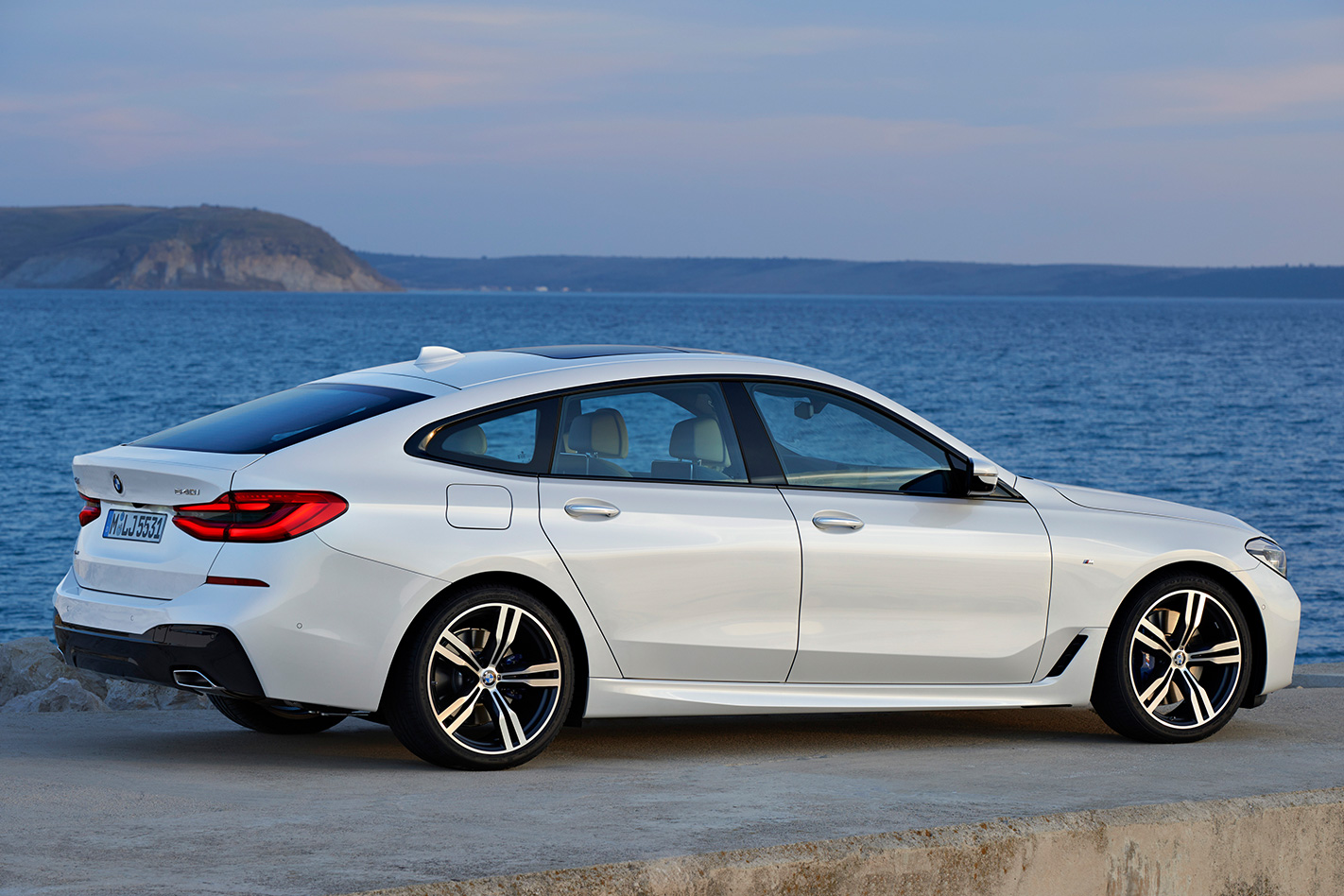
Adaptive air suspension is fitted as standard across the 6 Series GT range, with three different driving settings – Eco Pro, Comfort, and Sport. The latter lowers the ride height by 10mm. In addition, the 6 Series GT can increase its ride height by 20mm for slow-speed manoeuvres up to 35km/h.
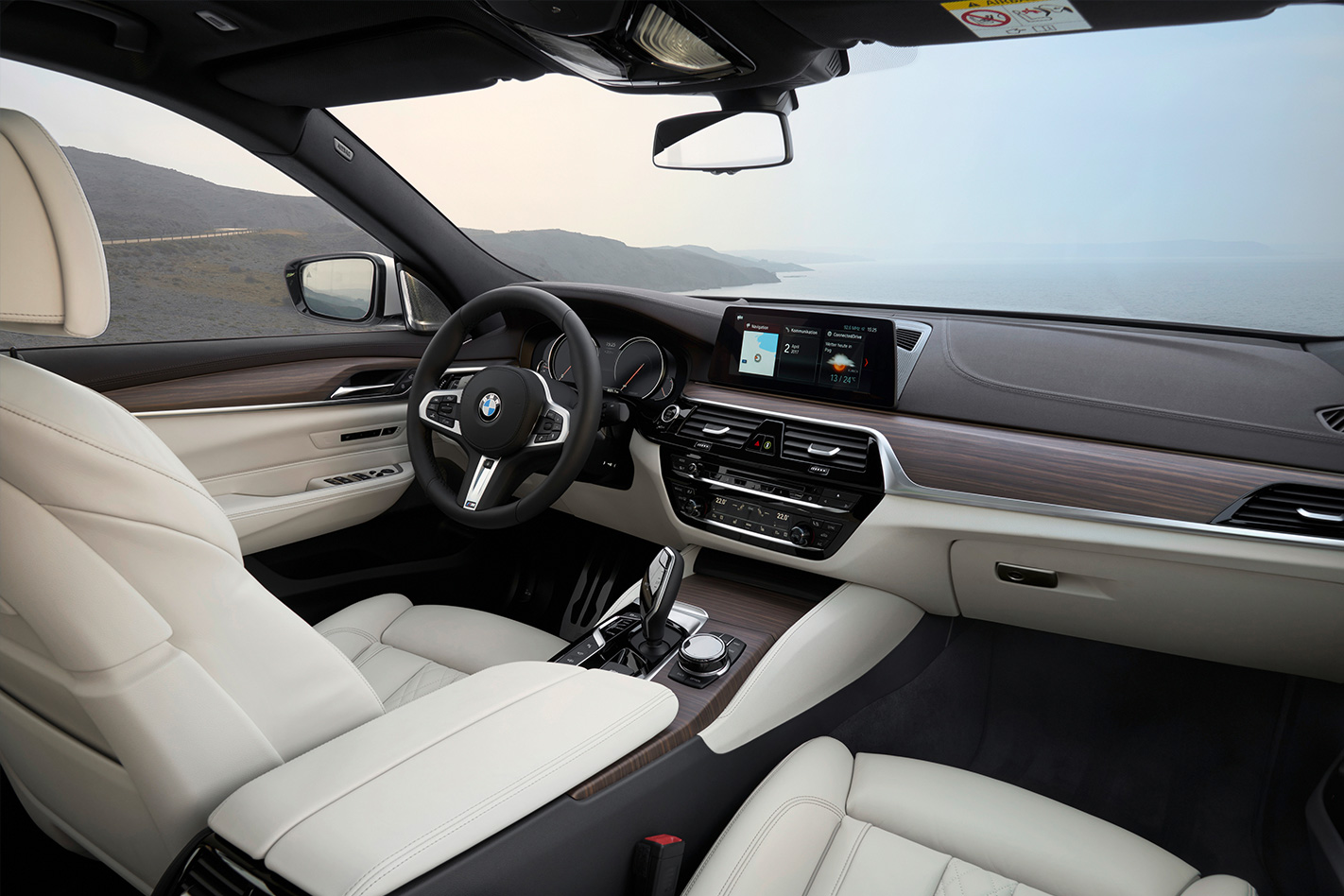
Wireless phone charging, BMW’s iDrive 6 infotainment operating system, a large range of semi-autonomous driving features, and a panoramic glass sunroof are all standard features on the GT.
A Luxury Line optional package is available at no extra cost, bringing with it a suite of interior and exterior cosmetic changes.
“The new BMW 6 Series Gran Turismo features a lot of technology we have seen rolling out in the BMW 5 Series and 7 Series in recent times,” said BMW Group Australia CEO, Marc Werner.
“With a fresh take on exterior styling that is lower and longer, a generous and comfortable interior, leading-edge connectivity and high standard specification, the 6 Series Gran Turismo is a fantastic family proposition.”
Renault Australia has revealed the local specs and pricing of its upcoming updated 2018 Renault Clio RS Trophy, and says it goes on sale immediately.
With uprated engine outputs of 162kW/280Nm (available at 6050rpm and 2000rpm respectively), the new Clio Trophy will be faster and rortier than its siblings.
But it’ll also be pricier, from $42,990 drive away, which is approaching $10K more than a Sport or Cup. There’s still no manual option.
A lower body (by 20mm at the front and 10mm at the rear) and springs and dampers which are 40 per cent stiffer highlight differences in stance and dynamics.
Riding on Michelin Pilot Super Sport 205/40R18 tyres wrapped around 18-inch black Renault Sport alloy wheels, the Trophy looks a little meaner than the Cup and Sport variants.
Additionally, the Trophy scores an RS differential which Renault says helps counter understeer.
Renault Australia senior model line manager Elena Woods says the all-round appeal of the Clio RS Trophy is why Renault spends such effort on it.
With its lowered stance and more powerful engine, the Clio Renault Sport Trophy is a track-day champion you can use in the daily rat-race,” says Woods.
“The Trophy is the pinnacle of performance for Renault Sport in the ultra-competitive high-performance end of the light car segment, and Renault has always acquitted itself with honour here. The new Trophy will continue to be the torch-bearer for high excitement in a compact package.”
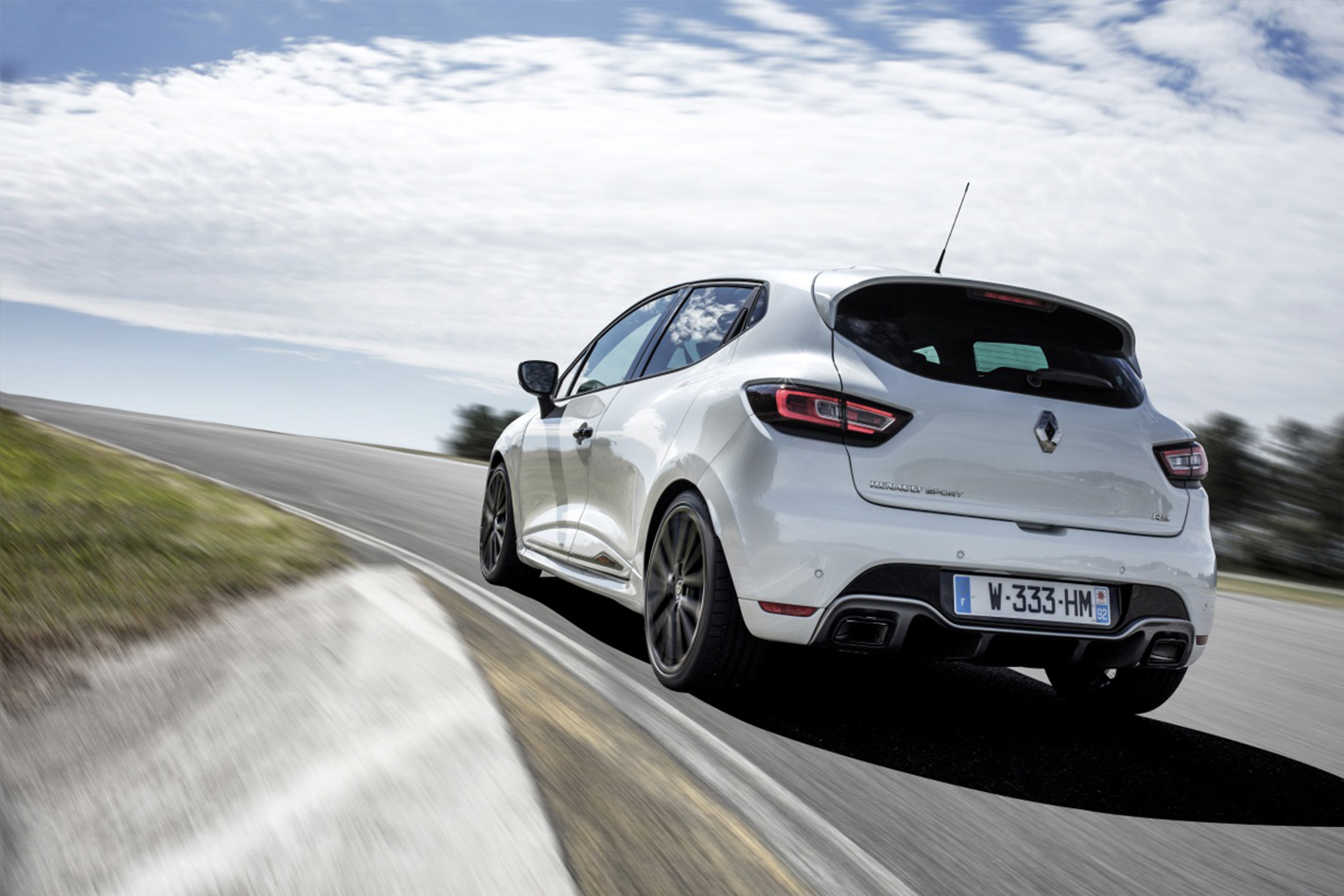
Renault has refreshed the angriest version of its baby hot hatch, the Clio RS Trophy, adding signature LED lighting and announcing drive away pricing of $42,990.
The Trophy is the faster, louder, and angrier version of the standard RS, packing 162kW and 260Nm. Torque raises by another 20Nm through a ‘Torque Boost’ feature in fourth and fifth gear.
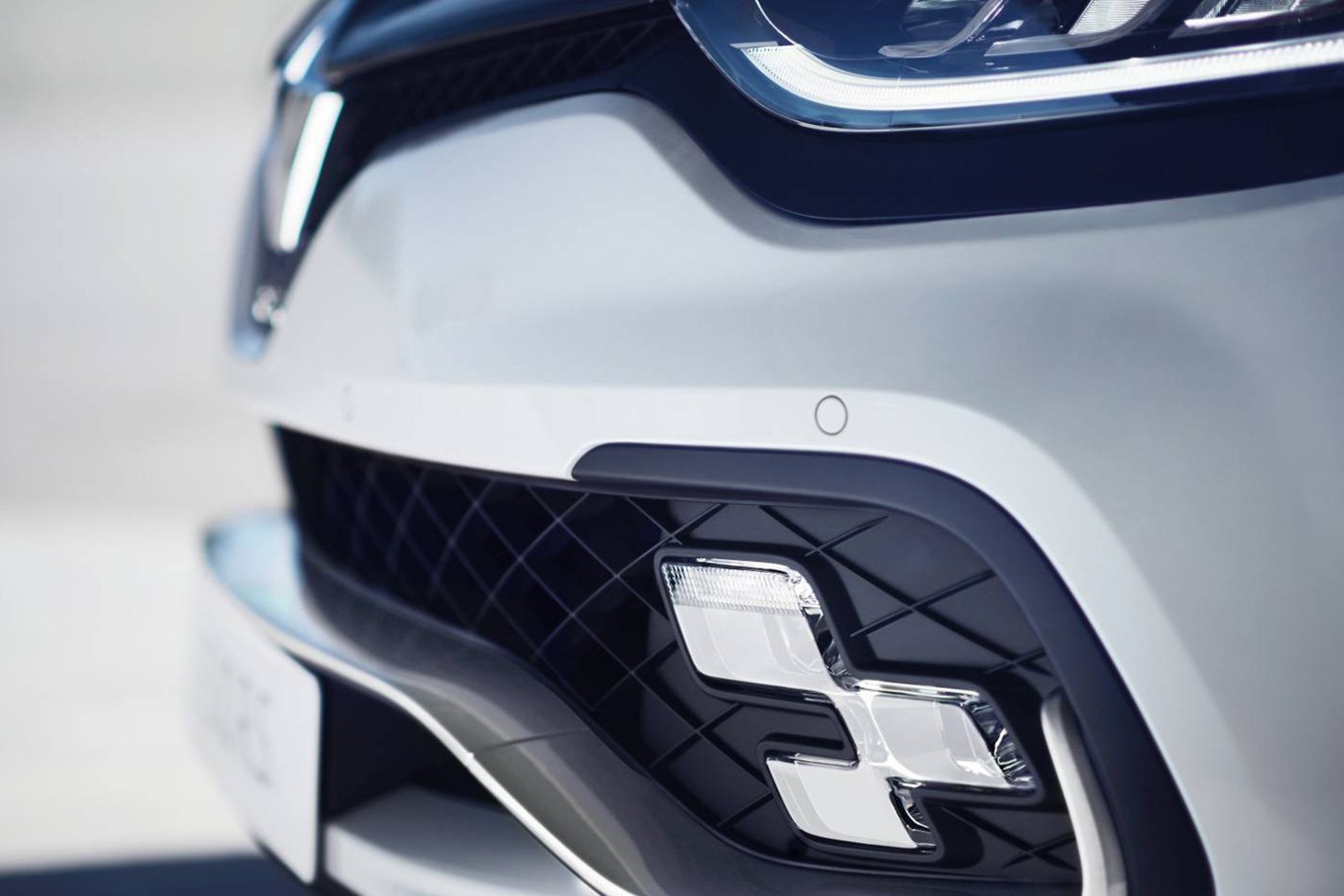
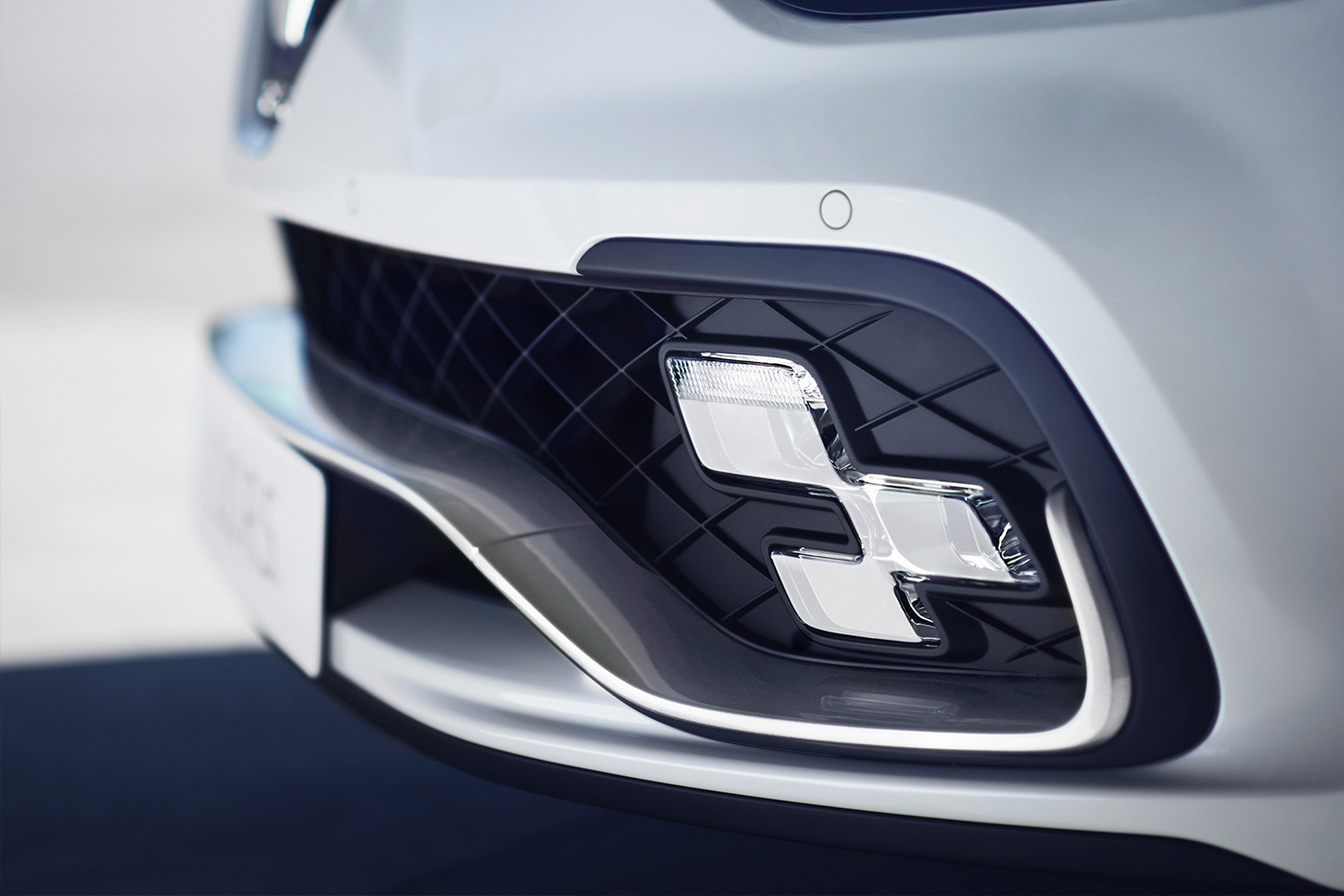
For 2018 it has received the same updates as the RS and RS Cup, highlighted by chequered flag LED lighting features originally seen on the RS16 concept car.
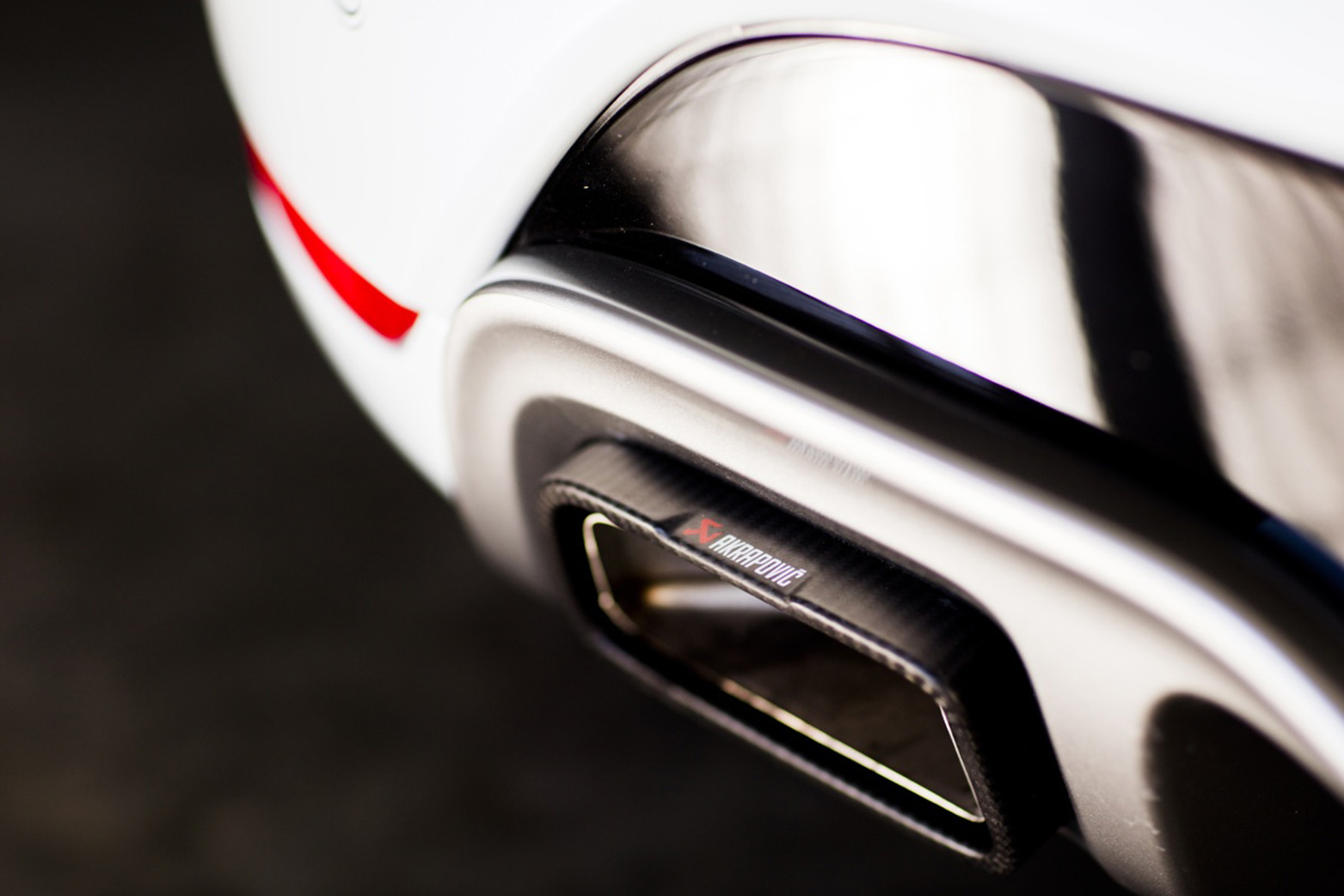
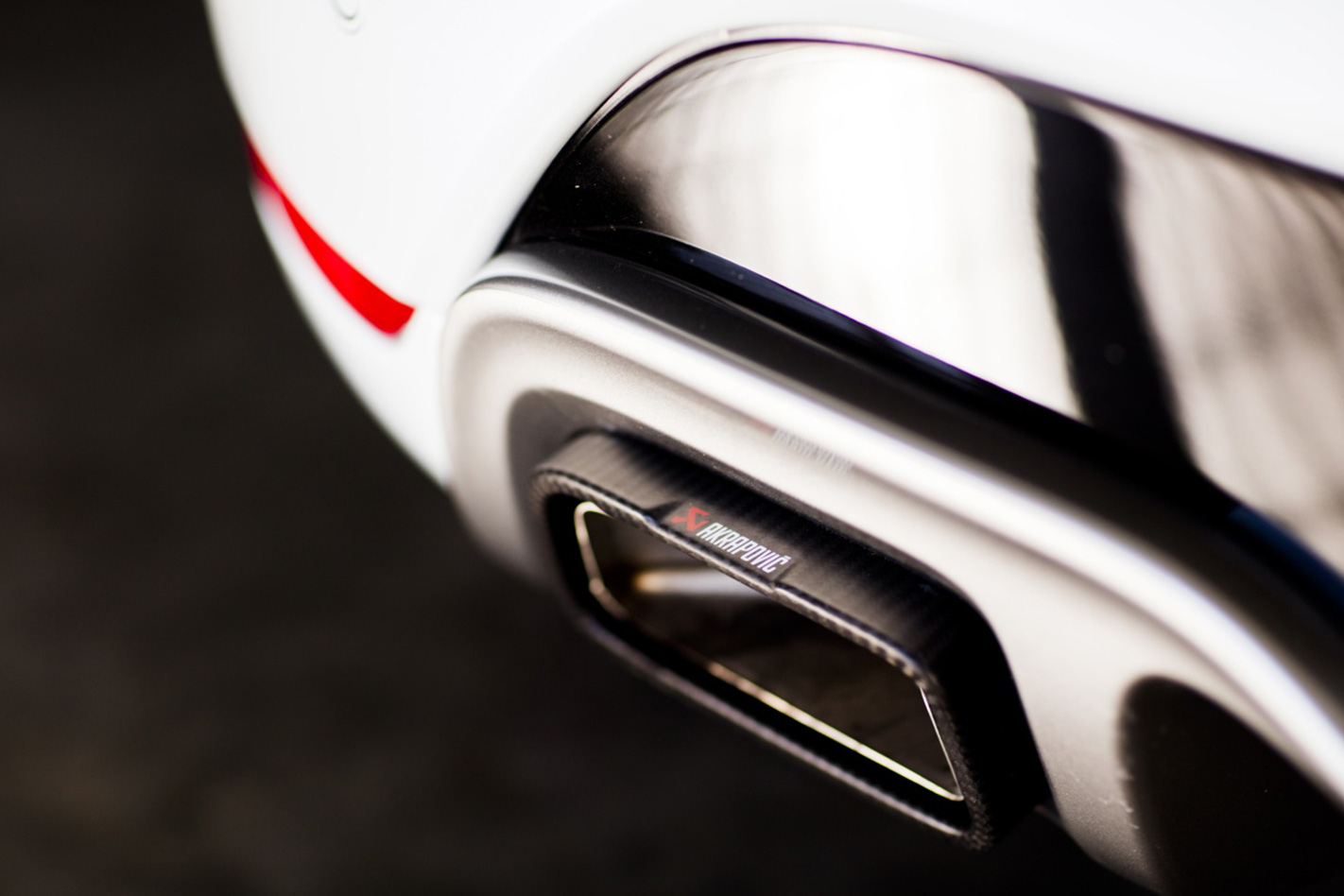
Ear-pleasing features fitted as standard include a Bose sound system and titanium Akrapovic exhaust, which you’ll be able to hear scream up to a rev limit of 6800rpm.
Turbo boost pressure has been given a … boost … over the standard RS from 14psi to 15psi. Zero to 100km/h acceleration improves by a tenth, dropping to 6.6sec thanks to a launch control function.
All power is sent to the front wheels via a six-speed dual-clutch automatic, with three different driving modes providing unique engine mapping.
The Trophy’s big point of difference to other Clio RS models is its chassis tune. Its suspension is lower (-20mm at the front and -10mm at the rear) and stiffer, and its steering rack 10% faster. It is a more focused machine with more immediate response, including shift paddles with 30 percent shorter travel for a snappier feel.
At each corner 18-inch Renault Sport alloys are wrapped in sticky Michelin Pilot Super Sport rubber.
Inside, the cabin has black leather sports seats with red stitching, which are heated and cooled up front. There’s also a Bose sound system so you can pump your favourite tunes while having a back road blast.
“With its lowered stance and more powerful engine, the Clio Renault Sport Trophy is a track-day champion you can use in the daily rat-race,” Elena Woods of Renault Australia said.
“The Trophy is the pinnacle of performance for Renault Sport in the ultra-competitive high-performance end of the light car segment, and Renault has always acquitted itself with honour here. The new Trophy will continue to be the torch-bearer for high excitement in a compact package.
“Our engineering changes and improvements run through the entire engine package, including an entirely revised Akrapovic exhaust system that is bolted to a new exhaust manifold. The exhaust note has been tuned to match that of the Megane Renault Sport Trophy-R.”
The Clio Renault Sport Trophy is available now.
Sales of 4×4 utes continued to boom last month, showing defiant growth in a period of declining overall vehicle sales compared with this time last year.
New car sales data released today shows an 11 percent increase in sales of pick-up and cab-chassis 4×4 utes during September 2016, bucking the trend of slowing sales for the industry as a whole, which is down 2.4 percent year-on-year to 100,200 vehicles.
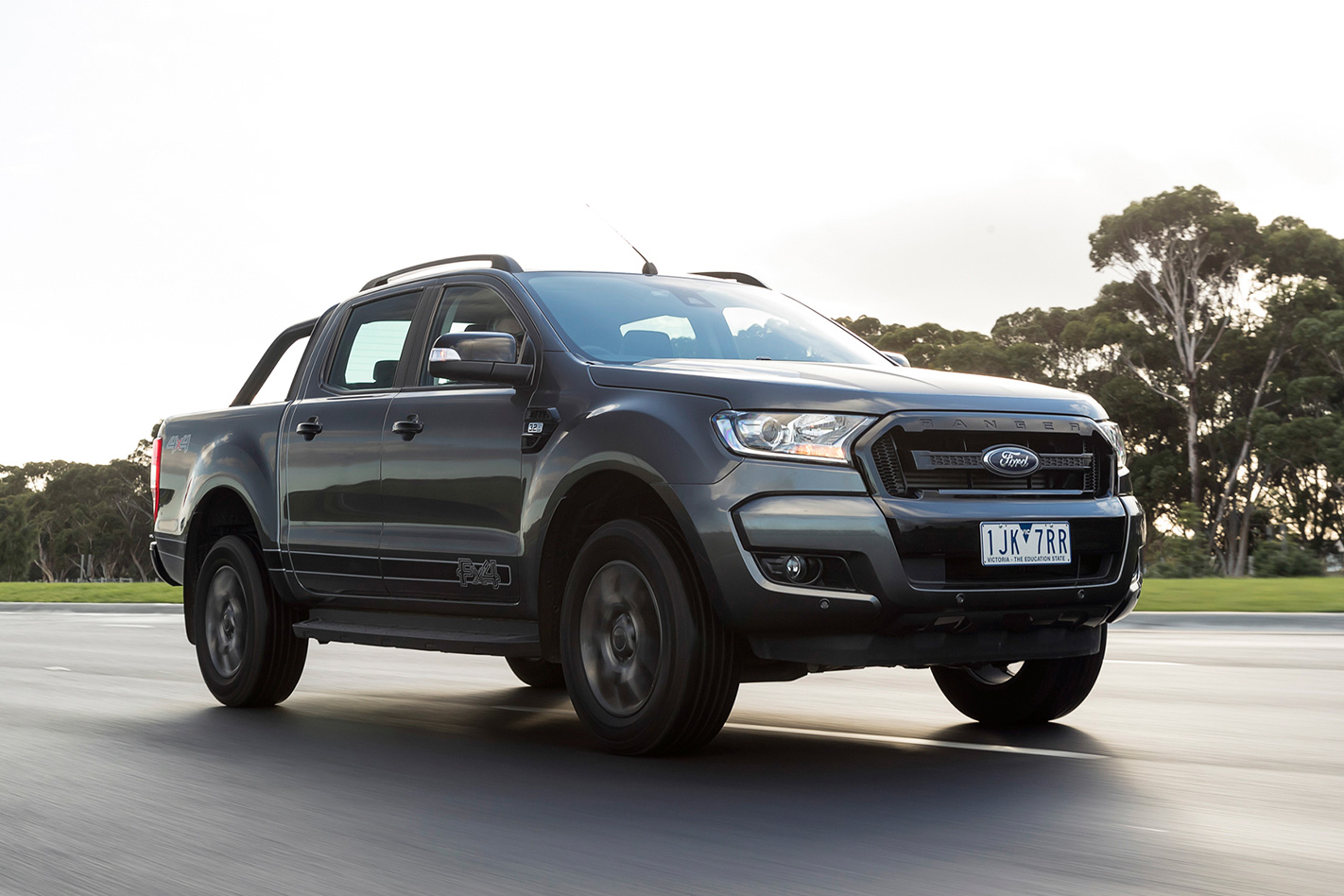
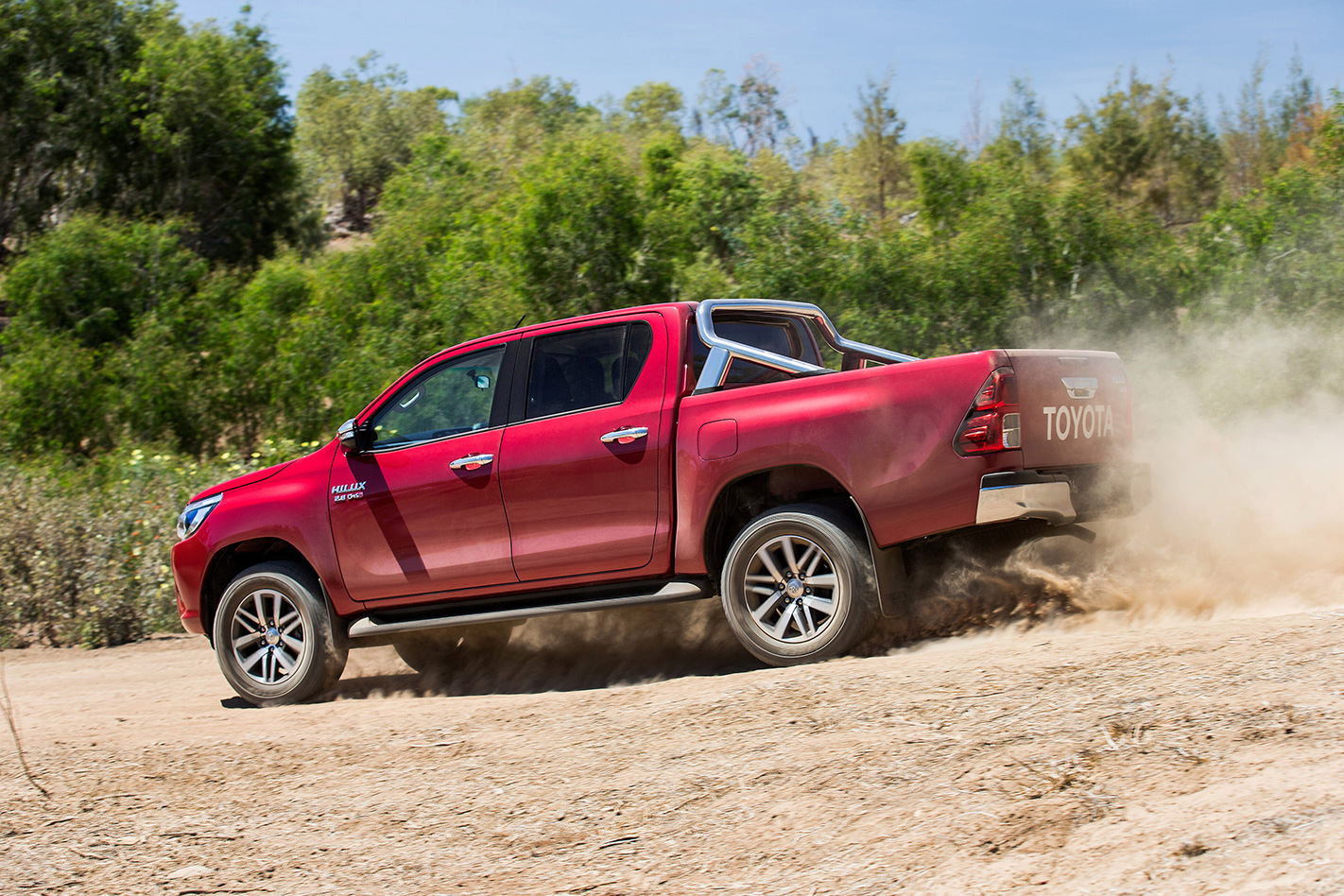
Australia’s two best-selling vehicles overall were the Ford Ranger (4318) and Toyota Hilux (3822). Diesel engines are by far the most popular in the light commercial market, with a 10.5 percent lift in uptake last month to both private and business customers.
Here’s how the top selling utes stack up overall, and also how each performs when separated into 4×4 and 4×2 variants.
TOP 5 BEST-SELLING UTES OVERALL
Ford tops not only the best-selling utes table, but the overall new vehicle sales charts for September with its dominant Ranger. Hilux still leads the Ranger for year-to-date sales in 2017 so far, but this intriguing battle between Ford and Toyota will go right down to the wire.
Top 5 utes September 2017
- Ford Ranger – 4318
- Toyota Hilux – 3822
- Mitsubishi Triton – 1732
- Isuzu D-Max – 1470
- Holden Colorado – 1039
- Toyota Hilux – 35,229
- Ford Ranger – 32,620
- Mitsubishi Triton – 17,351
- Holden Colorado – 14,869
- Isuzu D-Max – 12,469
TOP 5 BEST-SELLING 4×4 UTES
Ford asserted dominance in 4×4 sales to stretch its lead over the Hilux by another 862 units in September and put it 1987 in front year-to-date.
Top 5 4×4 September 2017
- Ford Ranger – 3769
- Toyota Hilux – 2907
- Mitsubishi Triton – 1532
- Isuzu D-Max – 1076
- Holden Colorado – 910
- Ford Ranger – 28,026
- Toyota Hilux – 26,039
- Mitsubishi Triton – 14,827
- Holden Colorado – 13,142
- Nissan Navara – 9867
BEST SELLING 4×2 UTES
Toyota leads the way in rear-drive ute sales, with the largest volume for September and almost 30 percent market share for its 4×2 Hilux year-to-date putting daylight between it and the Ford Ranger in second.
Top 5 4×2 September 2017
- Toyota Hilux – 915
- Ford Ranger – 549
- Mazda BT-50 – 520
- Holden Commodore Ute – 437
- Isuzu D-Max – 394
- Toyota Hilux – 9190
- Ford Ranger – 4594
- Mazda BT-50 – 4009
- Isuzu D-Max – 3394
- Holden Commodore Ute – 3062
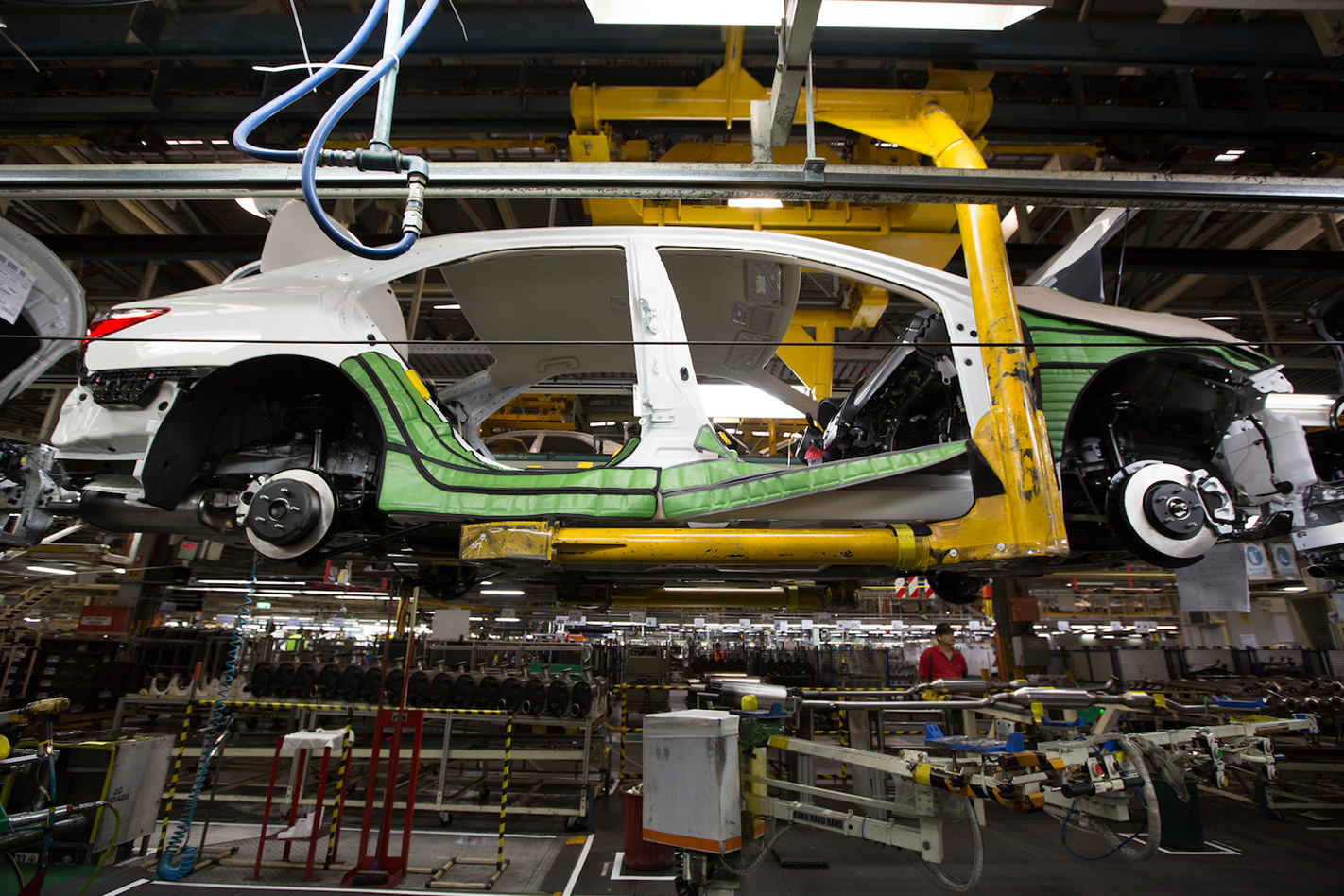
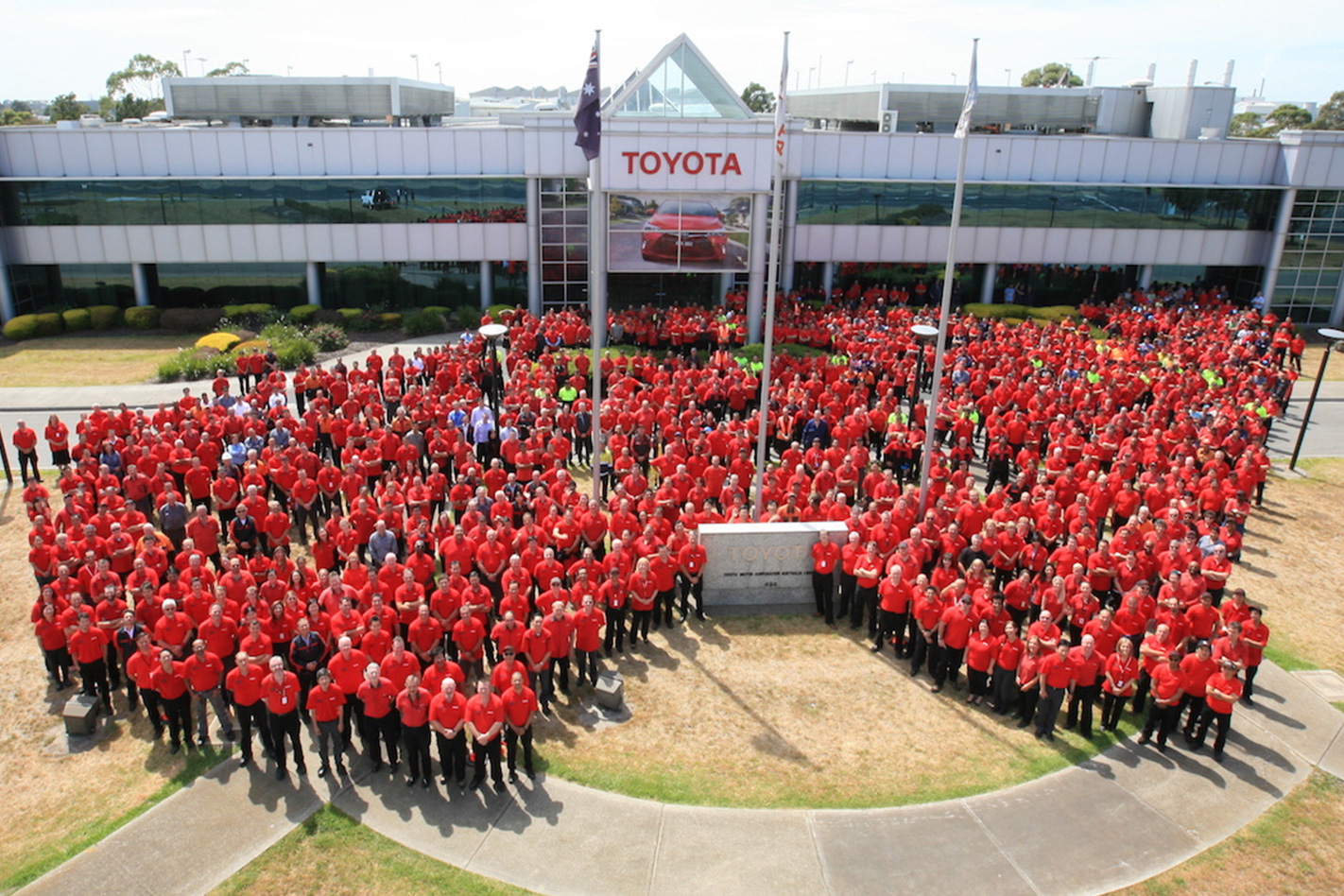
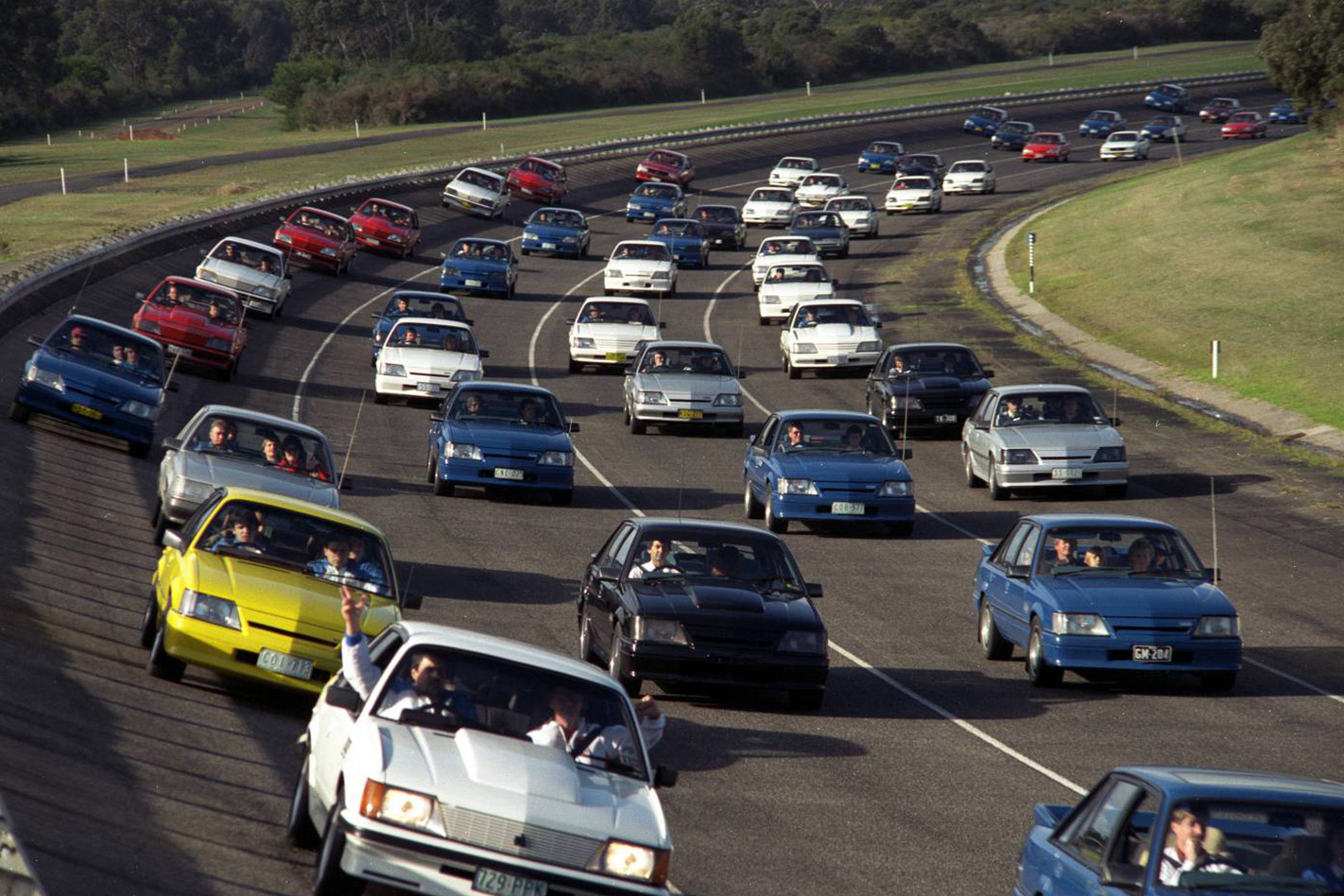
Australian prime minister Malcolm Turnbull has blamed local buyers for the demise of the local car industry, following Toyota’s Melbourne factory closure yesterday after 54 years in operation and less than three weeks before Holden shutters its Adelaide facilities.
Mr Turnbull claimed yesterday that “changes in market taste” led Holden and Toyota to call it quits on local manufacturing, adding that “people stopped buying the sedans being made in Australia” and distancing the Federal Government from blame.
“The manufacturers who’ve progressively closed their operations in Australia have made it clear it’s not because of failure of government subsidies,” he told local media.
In 2013 then-Holden managing director Mike Devereux announced the brand would build a new Commodore and also a medium SUV – now revealed to be the forthcoming Equinox – at the Adelaide plant. It would contradict Mr Turnbull’s assertion that manufacturers only wanted to build sedans locally, given that Holden already had an SUV prepared.
“The consequences of Malcolm Turnbull and Tony Abbott’s determination to close Australia’s automotive industry are plain to see,” Mr Carr said in a statement.
“Their actions show the only jobs they’ve ever cared about is their own. This disaster did not have to happen. The car makers are closing because the Liberal Government goaded them to leave, not because the industry was unviable.”
Australian Bureau of Statistics (ABS) data has further shown a reduction of 30,000 jobs in the manufacturing sector over nine months to August 2017, including most recently the sale of seat manufacturer Futuris – Australia’s largest single automotive supplier – to a US buyer and the relocation of its headquarters from Melbourne to Detroit.
MOTOR understands that while Holden executives did not publicly blame the Federal Government for a lack of interest in saving local manufacturing, the General Motors brand did require additional government co-investment in order to continue its plan to build the Commodore and Equinox in Adelaide until 2022.
Mr Hockey later in parliament made his feelings clear: “There has been no shortage of money that has been going to the motor manufacturing industry, and if all those assistance measures have worked so well in the past, why have Ford and Mitsubishi left Australia?”
“There would be a hell of a lot of other businesses and foreign-owned businesses that would love to remit taxpayers’ money to head offices in Detroit or London or Tokyo or anywhere else,” he also said.
Following Toyota’s closure of its manufacturing operations yesterday, Holden will shutter its factory on October 20.
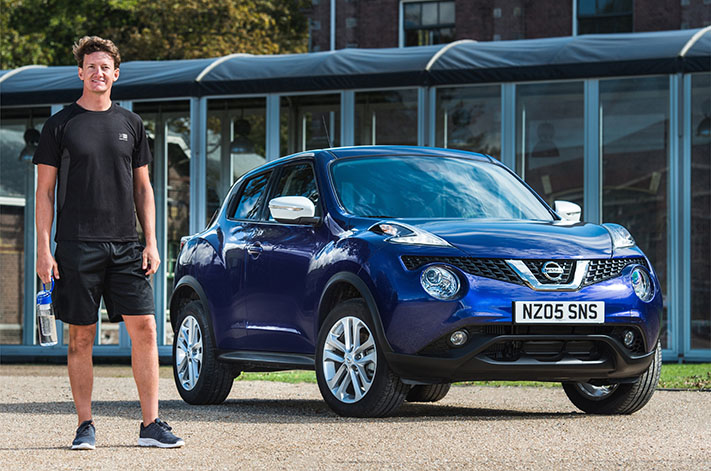
Nissan has created a steering wheel and seats that change colour if a driver is dehydrated based on their sweat.
The sweat-sensitive surfaces have been installed in the Nissan Juke SOAK concept, built in conjunction with Dutch conceptual design firm Droog, in response to a 2015 UK study that found driving while dehydrated is as dangerous as drink driving.
The study, funded by the European Hydration Institute and carried out by Loughborough University, discovered that:
- Drivers who had consumed only a sip of water (25ml) per hour made more than double the number of mistakes on the road than those who were properly hydrated
- The number of errors was equivalent to those displayed by people with a blood alcohol content of 0.08 percent
- Mistakes included late-braking, drifting within a lane and even crossing lane lines
In the Juke, the SOAK seats and steering wheel turn yellow if they detect dehydration and blue if you’re sufficiently rehydrated.
While SOAK doesn’t do much for the car’s interior aesthetics it’s more obvious than natural symptoms of dehydration such as a dry mouth and tiredness, headaches and nausea – which the study found was ignored by two thirds of drivers.
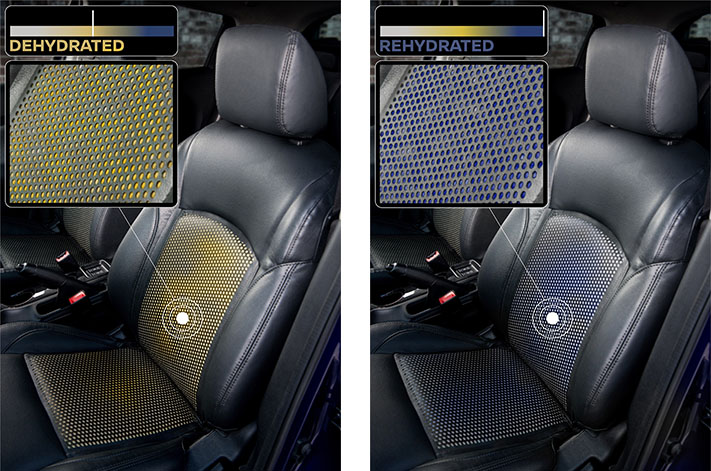
While the SOAK steering wheel has merits, it’s unlikely the sweaty seats will be high on anyone’s option list. To that end Nissan has no plans to introduce them to production models, however, it hopes they’ll help raise awareness about the dangers of driving while dehydrated.
As part of that campaign it has produced a video with Nismo racing driver Lucas Ordonez showing how the Nissan Juke SOAK works straight after a workout.
How to stay hydrated while driving
- If you don’t drink and drive, you’re a bloody idiot. So fill those cupholders with water bottles and sip regularly. Don’t wait to feel thirsty as that’s a sign you’re already dehydrated.
- Avoid sugary drinks and food and caffeine before and during the drive as they’ll speed up dehydration.
- Wear light-coloured comfortable clothing to avoid sweating.
- Use moisturiser to help prevent fluid evaporating through your skin.
- Take regular breaks
- Snack on fruits with high water content such as watermelon.
Entry-grade versions of the Honda Jazz now have new entry-level drive away pricing, putting the on-the-road cost of Honda’s compact hatch just a tenner under $16,000.
The 2017 Jazz is available in three variants, all powered by a 1.5-litre four-cylinder engine making 88kW and 145Nm. However, it’s just the base VTi which has the benefit of new pricing.
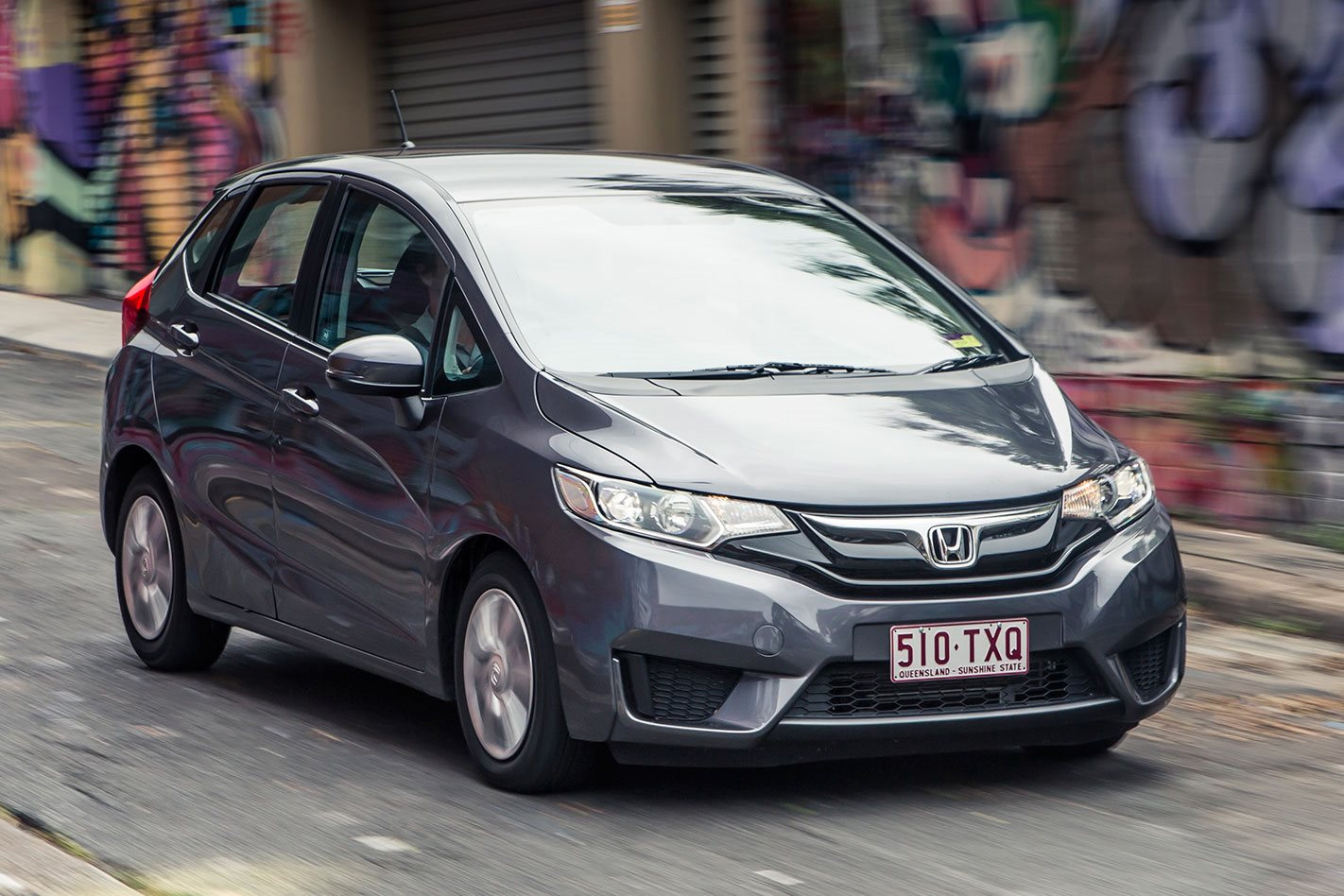
The entry level VTi with a manual gearbox will be $15,990 drive away, just $1000 more than the current sticker price.
The CVT automatic adds a $2000 premium
Pearlescent and Metallic paint is an optional extra, costing $495.
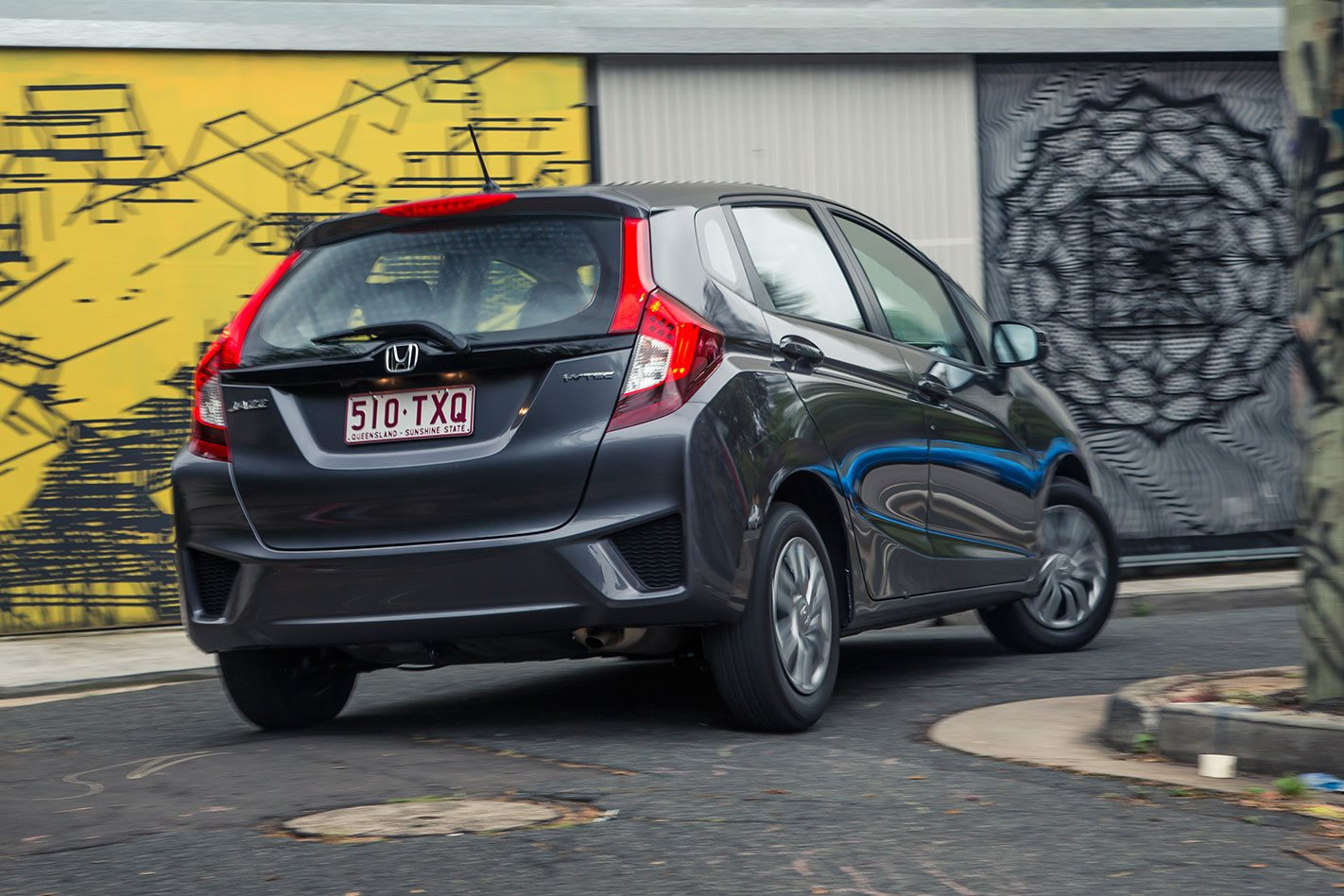
The Honda Jazz VTi-S meanwhile wears a retail sticker of $19,990, while the range-topping VTi-L costs $22,990. Both are only available with a CVT transmission.
New pricing for the VTi will only last while model year 2017 stock lasts.
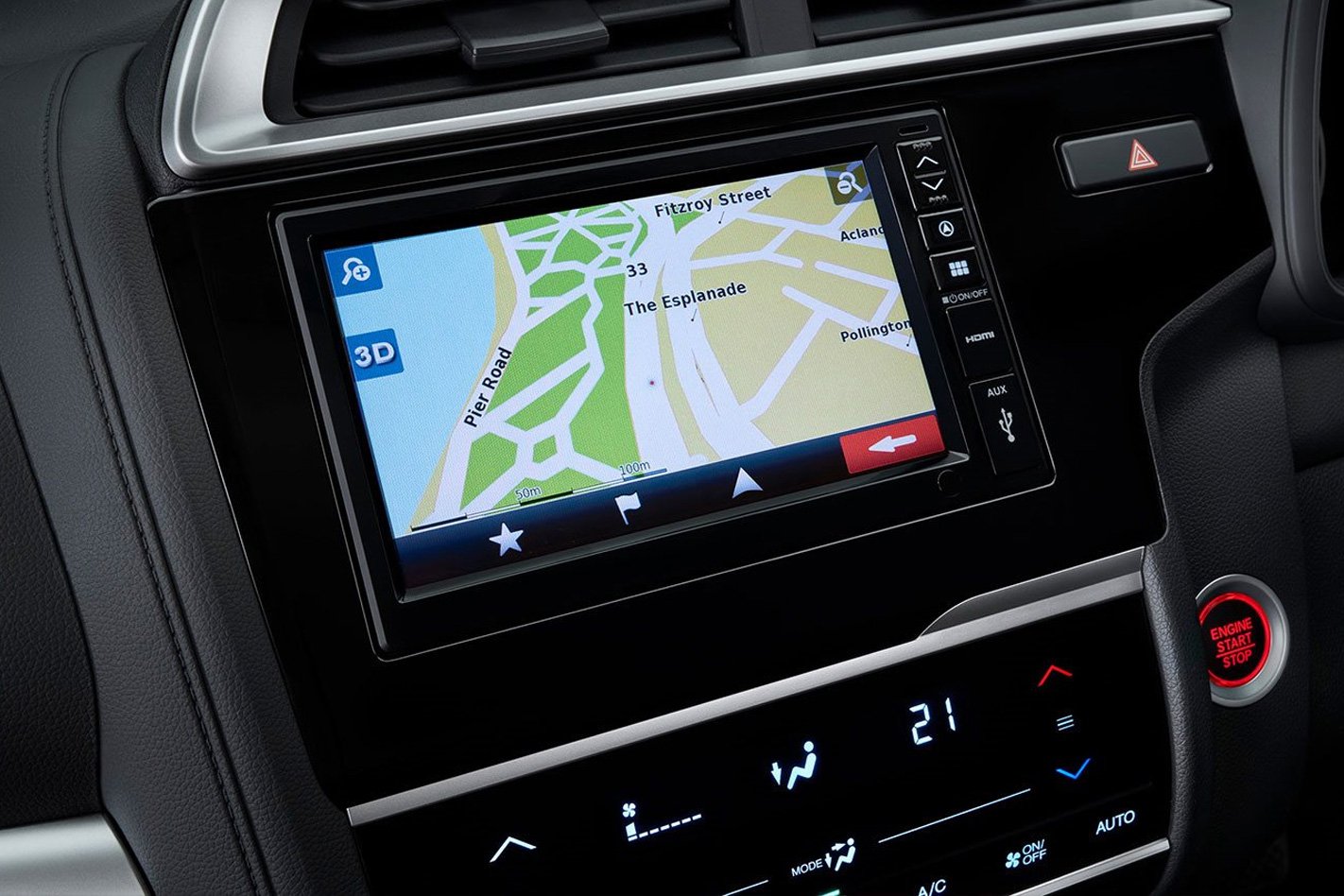
All Jazz variants feature Honda’s ‘magic seats’ feature allows the Jazz to have 18 different rear seat combinations to maximise luggage space for the owner’s individual desires. Not only does the rear backrest fold down, but the rear seat base can flip up as well to expand the carry capacity of the Jazz.
The Jazz pricing rejig follows Honda’s recently announced five year, unlimited kilometre warranty for all cars in its range.
“Over the years, the Honda Jazz has earned a solid reputation as a spacious and fuel-efficient hatch with standard features customers desire and value; so we’ve really sharpened the deal for those new-car buyers cross-shopping in the segment,” Honda Australia Director, Mr. Stephen Collins, said.
“This level of cargo-carrying versatility makes it a leader in the segment and even challenges some larger rivals.”
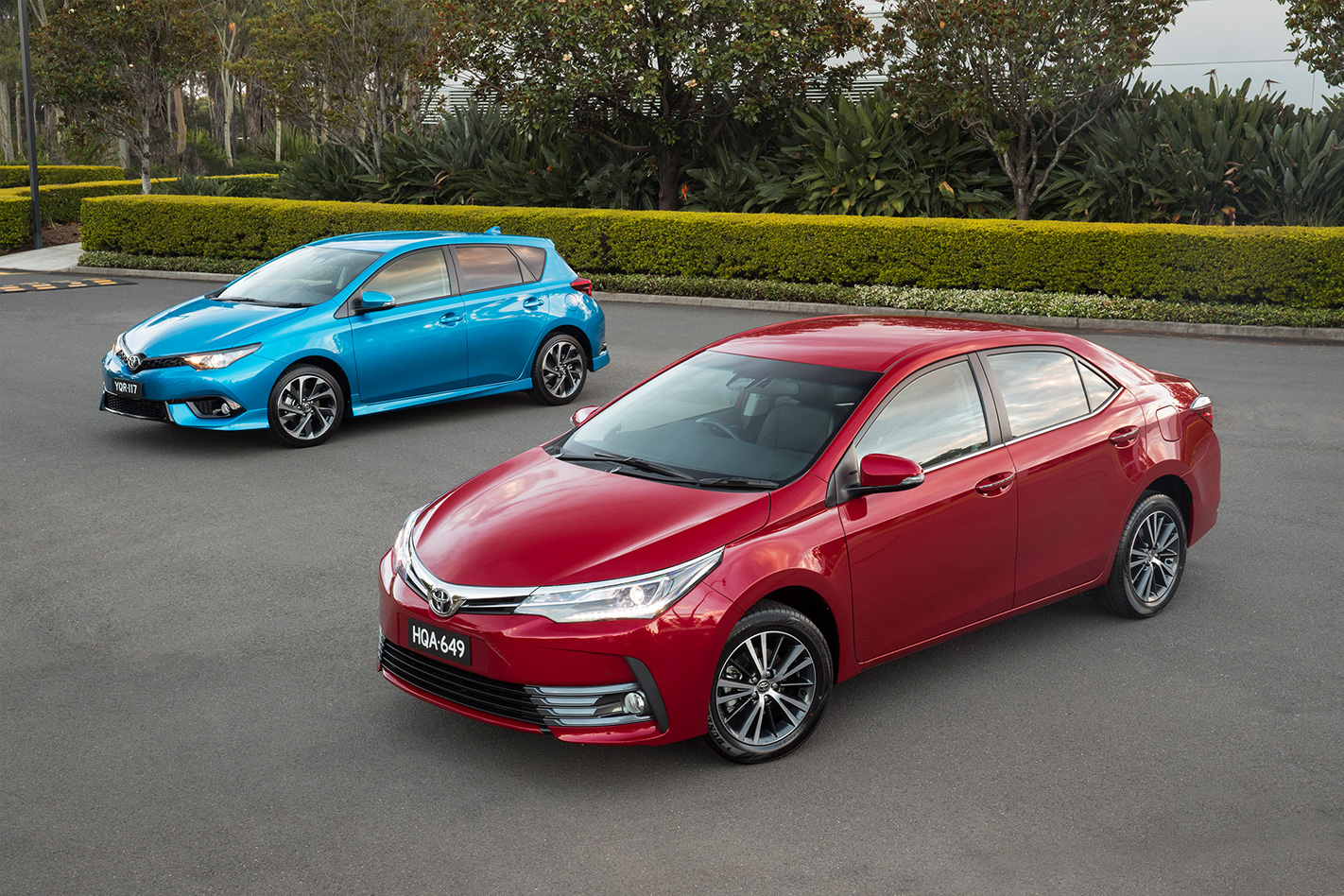
The Toyota Corolla is the best-selling passenger vehicle in the country for the month of September, but its tally has dipped compared with the same point in 2016.
Toyota’s Corolla pipped the Mazda3 for the top spot, with 3055 examples of Toyota’s hatch rolling off showroom floors compared with Mazda’s 2776. However, both cars are down on numbers from the same month last year where they recorded 3423 and 3491 sales respectively.
The Holden Commodore ranks third in its final full month of sales before local production ceases on October 20.
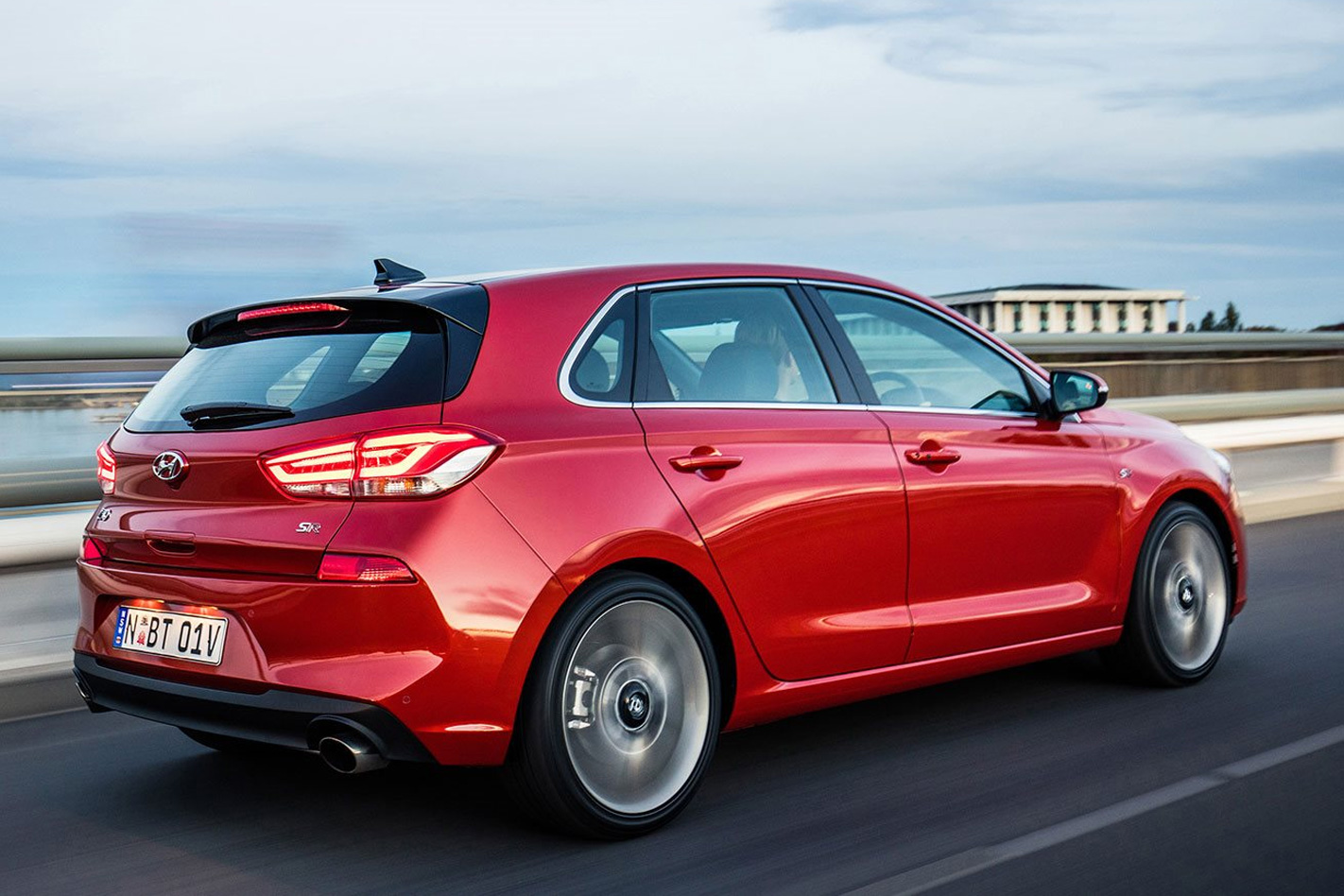
Next is the Hyundai i30 with 2300 registrations, while the Toyota Camry rounds-out the top five with 2251.
In sixth place is Hyundai’s Accent with 1763 finding Australian homes, ahead of the new Volkswagen Golf, Kia Cerato, Honda Civic, and Mazda2.
Of the top 10 passenger cars for the month, the Commodore, Camry, Golf, Cerato, and Civic were the only vehicles to register an increase year on year.
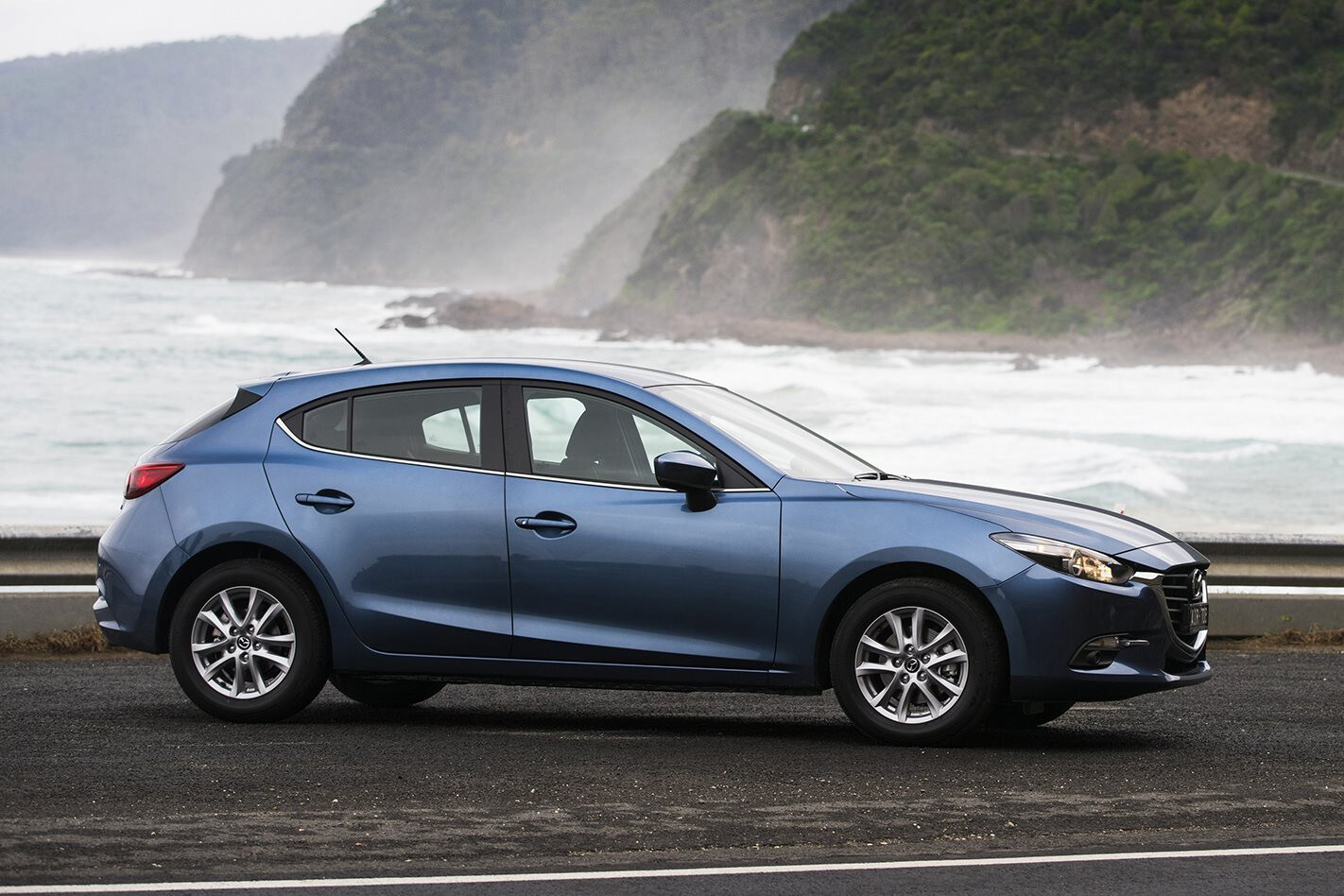
Toyota, Mazda, and Hyundai can claim extra honours for having two models each in the top 10.
1. Toyota Corolla – 3055
2. Mazda3 – 2776
3. Holden Commodore – 2547
4. Hyundai i30 – 2300
5. Toyota Camry – 2251
6. Hyundai Accent – 1763
7. Volkswagen Golf – 1592
8. Kia Cerato – 1588
9. Honda Civic – 1497
10. Mazda2 – 1312
