Vehicle-to-vehicle (V2V) communication will soon become a mainstay of our roads, but our cars could soon after be talking to traffic lights and buildings.
Wheels delves into the What? How? and Why? in this edition of Explained.
What is it?
An evolution of vehicle-to-vehicle (V2V) wireless communication that enables cars to share information with buildings, road signs, and traffic signals, as well as other vehicles.
Why does it matter?
A functioning V2X network is one critical element in the infrastructure required to support high-level autonomous driving. Without it, self-driving cars must rely on relatively limited information from their own sensors, but a vehicle-to-X network allows a car’s awareness of its surroundings to be extended with almost unlimited scope.
Ahead of the arrival of autonomous cars, V2X systems will start to improve the safety of road users by providing the driver with supplementary information including warnings of heavy traffic, hazards, and weather updates, before encountering them.
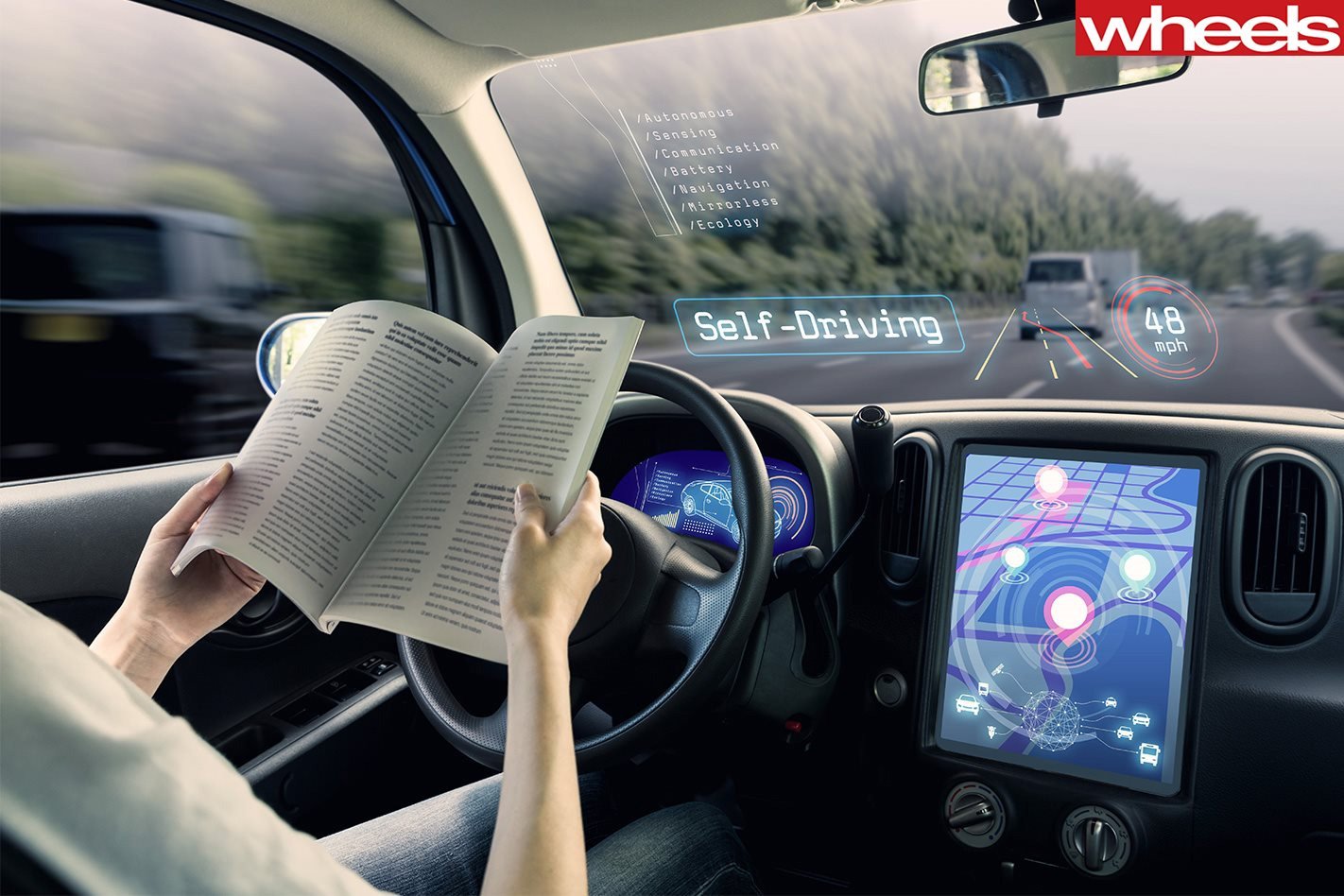
A V2X network is also the technology required to allow vehicles to ‘platoon’ – a convoy that maintains a constant speed and safe gap when using freeways.
How does it work?
Participating vehicles are equipped with a dedicated wireless local area network (WLAN) radio transmitter which uses a standardised language to talk to other vehicles and infrastructure within a certain range, regardless of the manufacturer.
If there is no connected infrastructure, vehicles can still communicate with one another to convey important messages such as if a vehicle ahead has performed an emergency stop, for example.
When in range of V2X infrastructure however, the vehicles benefit from a larger network of communication and extra information. A traffic light might inform vehicles when the next red light is due allowing the car to safely approach a signal without jumping the red or having to brake aggressively.

Even though an individual vehicle or item of road furniture has a limited range of broadcast, information can be transmitted larger distances by relaying across the network of connected devices, where necessary. The larger the network, the better it works and, theoretically, a vehicle could be warned of a problem anywhere in the world.
Feeding the machine
As more vehicles join the network, future systems will allow cars to ‘learn’ from each other by sharing information from centralised servers.
Stored information about how vehicles deal with unusual scenarios can be plugged back into autonomous vehicle control programs, resulting in more self-sufficient cars that relyon the network less.
In a win for Aussie car enthusiasts manufacturers are falling over themselves to offer new or updated models with temptingly sharp price tags.
Leading the way is Nissan. In order for it to introduce the 370Z NISMO at a competitive $61,490, Nissan has slashed the price of its ageing sports car to an unheard-of $49,990 for the six-speed manual coupe, the seven-speed automatic adding another $2500.
The Roadster drop-top starts from $60,990. It may have been around since Kevin Rudd was Prime Minister (the first time!), but it’s also a hairy-chested rear-driver powered by an atmo V6 that once demanded you hand over almost $70K for the privilege. Frankly, a sub-$50K sticker paints it in a whole new light.
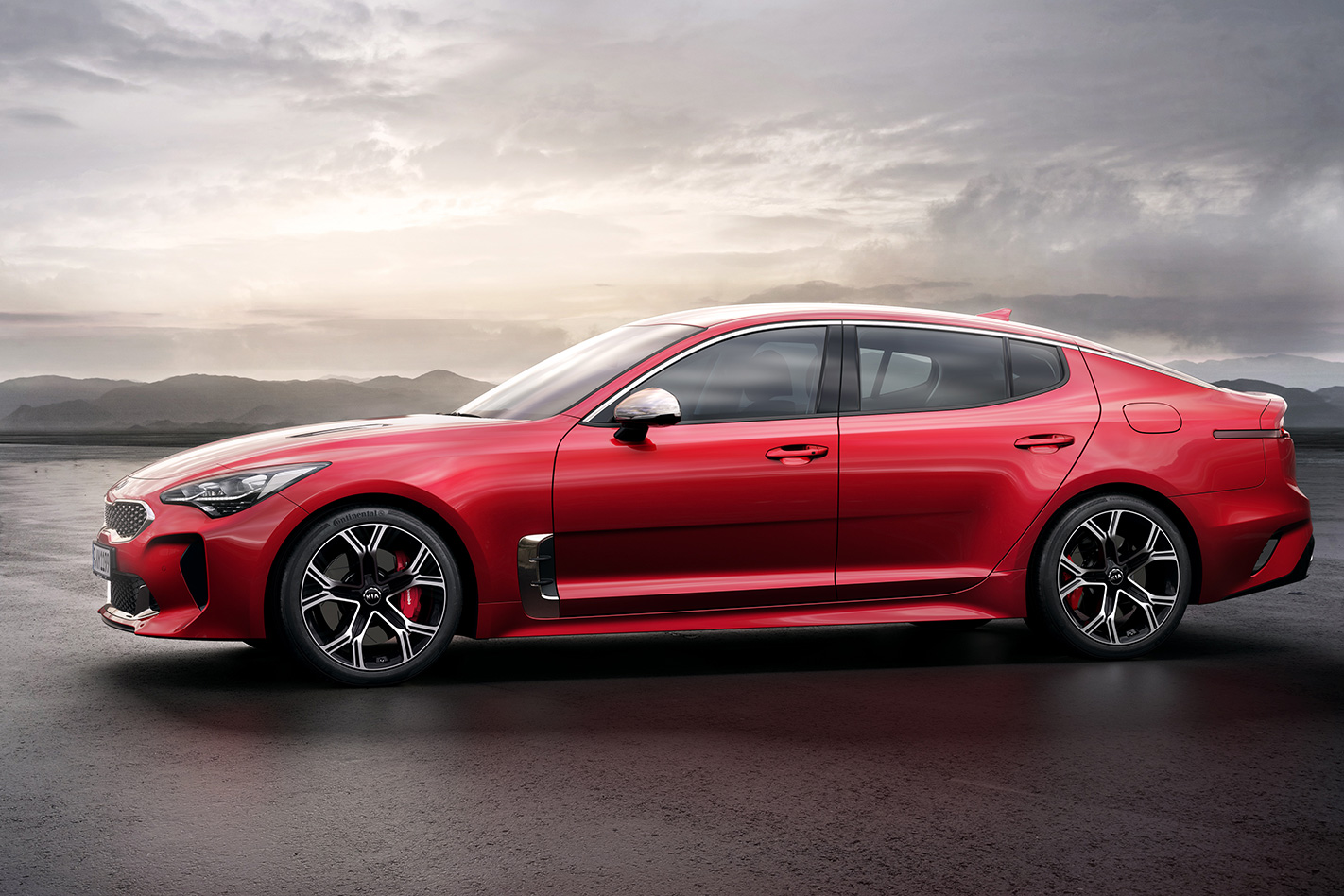
MOTOR has outlined the features that distinguish each variant, but all will feature 272kW/510Nm, Brembo brakes, a limited-slip diff and 4.9sec 0-100km/h potential. Last, but certainly not least, VW has announced a pair of cut-price performance Golfs to join its line-up in the near future.
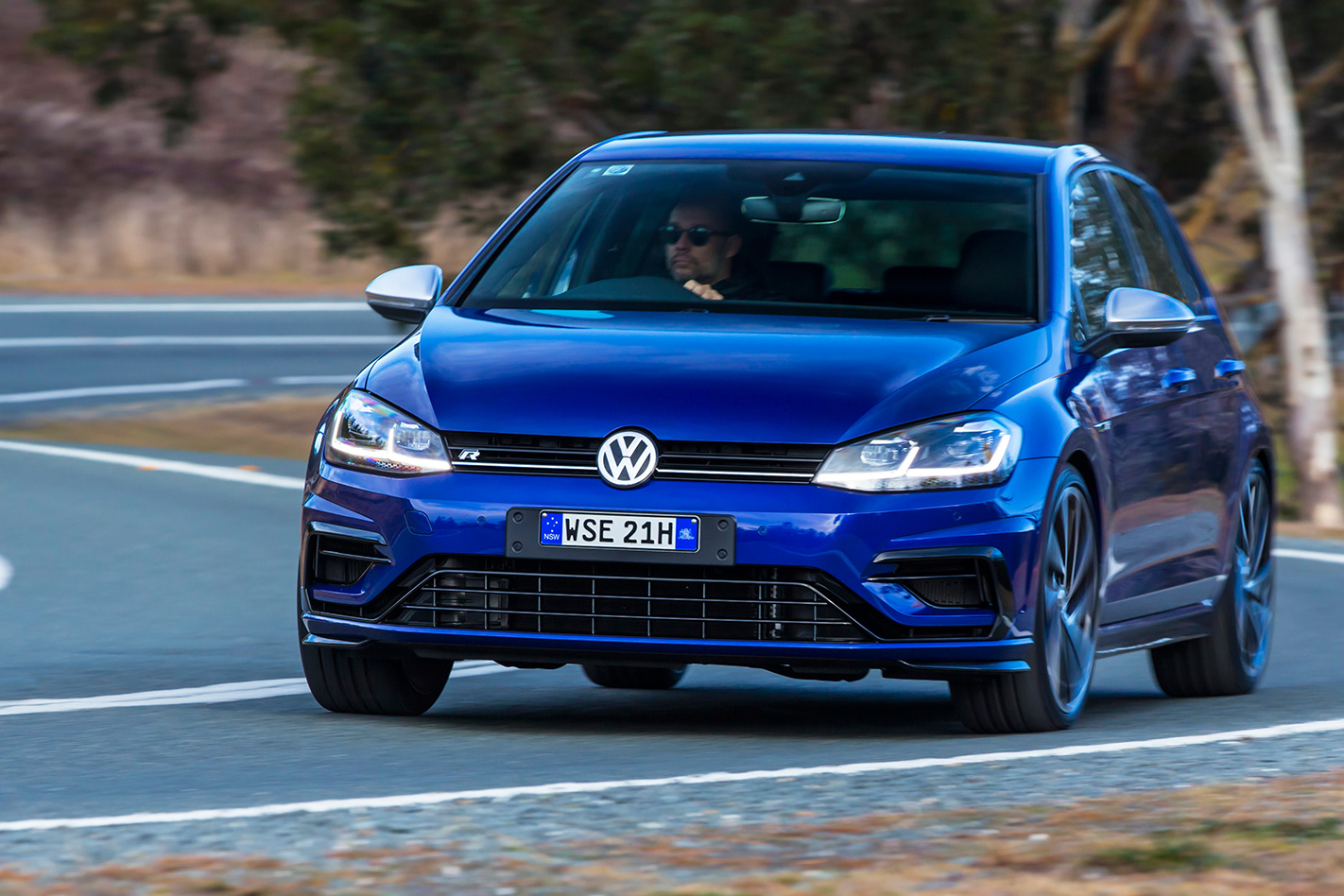
Consider yourself a certified beanie-wearer if you can name the car that won the 1981 World Rally Championship.
This was the year before rallying was re-written by both Group B and the all-wheel drive Audi Quattro … The 1981 drivers’ title was won by Ari Vatanen in the legendary Ford Escort RS – but few remember that the manufacturers’ championship was won by a square-cornered hatchback, the Talbot Sunbeam-Lotus.
The Talbot brand had come with PSA-Peugeot’s 1978 purchase of Chrysler Europe; the Sunbeam was a tough, rear-drive hatch.
The 2.2-litre Lotus-developed rally variants, driven by Guy Frequelin and Henri Toivonen, scored only one win but several podiums to nab the WRC constructors’ title.
Some key elements here – the Talbot’s small size and serviceability, and Frequelin’s co-driver, Jean Todt – would surface again in the Peugeot 205 Turbo 16, the car that would out-Quattro the Quattro.
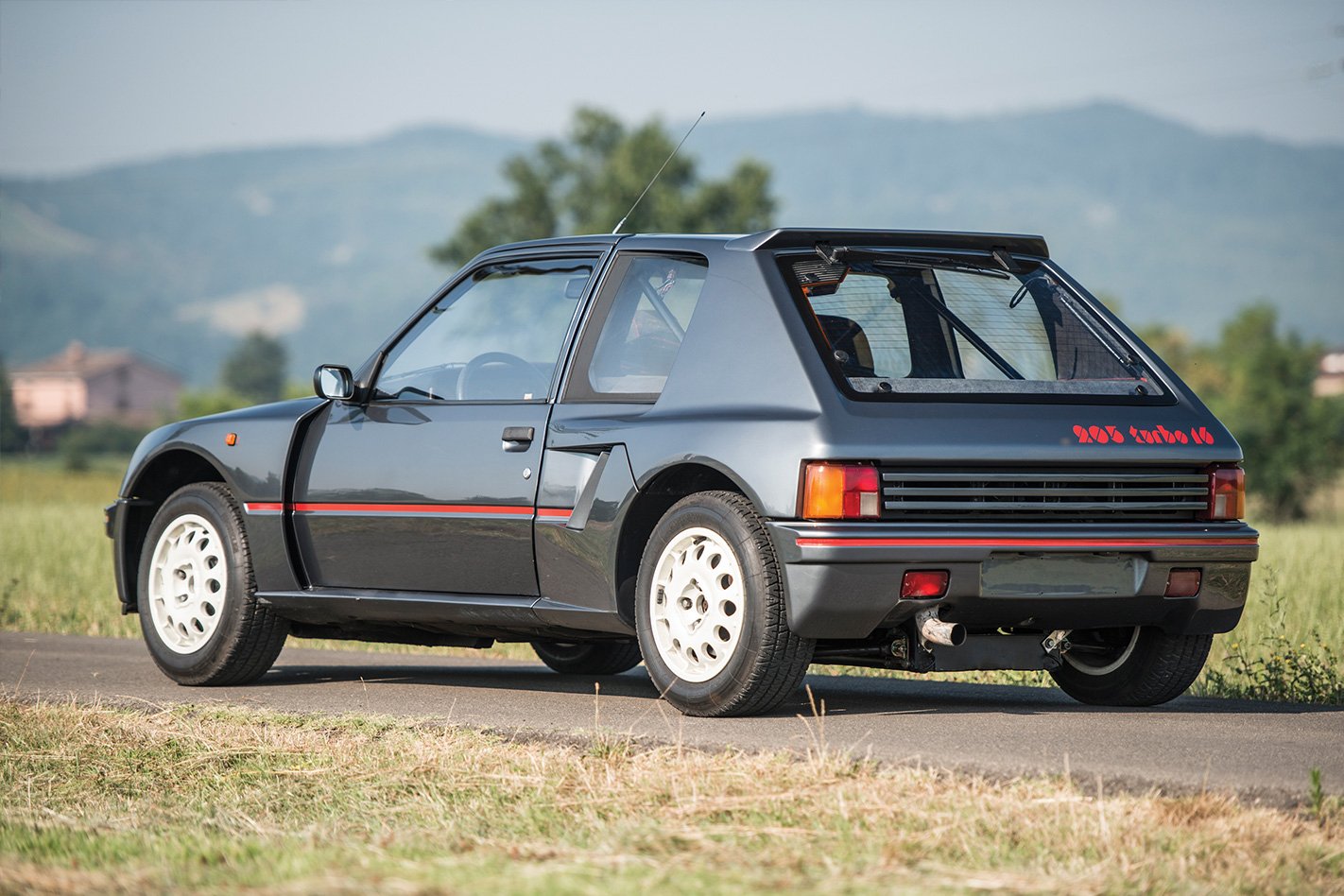
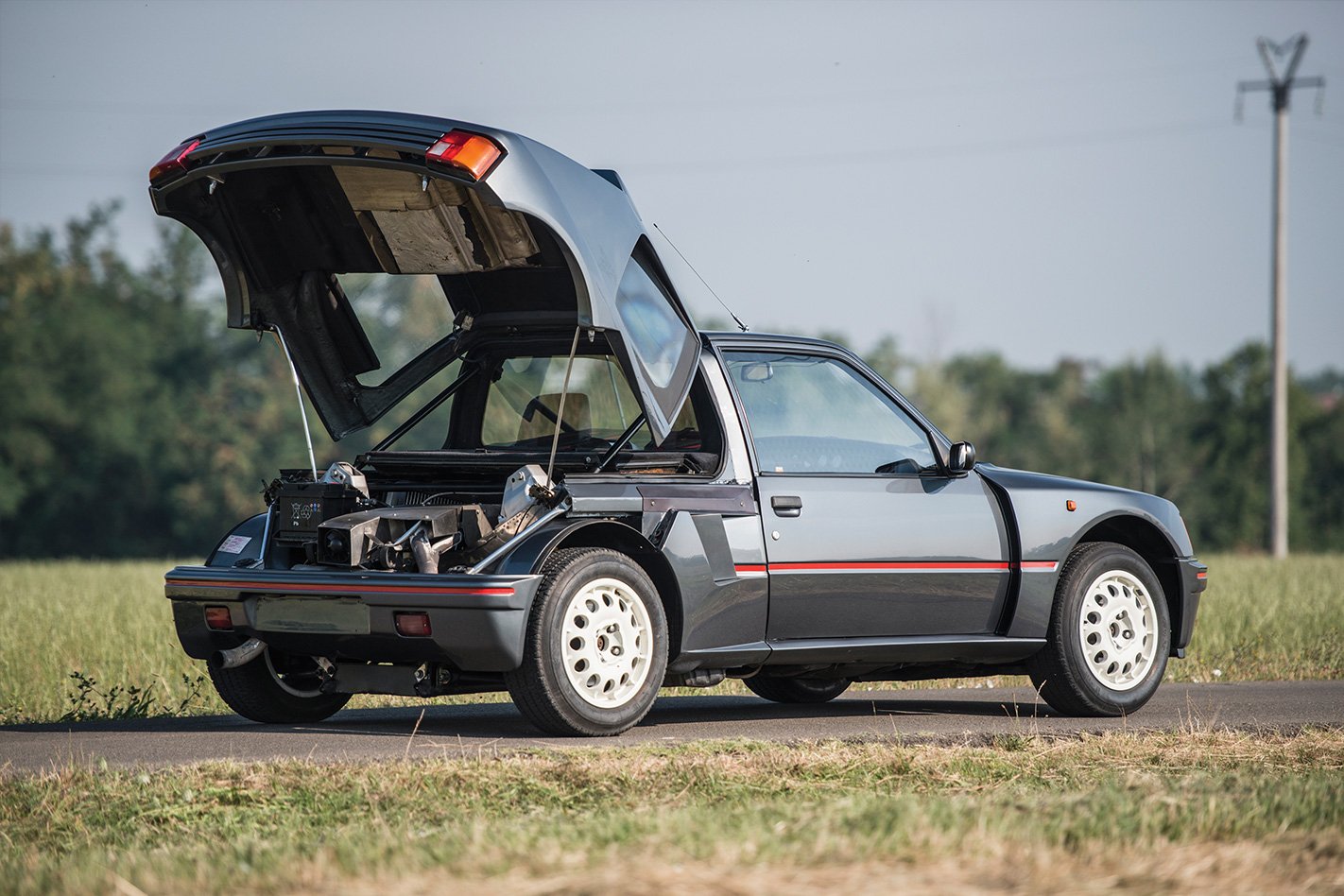
Mid-rally servicing access was paramount, with the upper rear half of the bodywork a single, hinged clamshell. The front of the engine was behind a removable panel, ahead of the right-rear wheel.
Crucially, Todt insisted that the T16’s ‘evolution’ competition spec be fully developed prior to production of the 200 road-going homologation cars. The Group B papers were lodged in August 1983 and the 200 road cars built in just eight months. Homologation was granted in April 1984.
Being effectively hand-built ‘evolution’ cars themselves, the road cars were expensive – equivalent to the Ferrari 308 GTB and Porsche 911 of the day – though with only a laggy 147kW, not especially quick. But its rallying twin was destined to be the most successful car of Group B, with 16 WRC victories and swooping both drivers’ and constructors’ titles in 1985 and 1986.
A total of 241 road-going T16s were built.
Low Blow
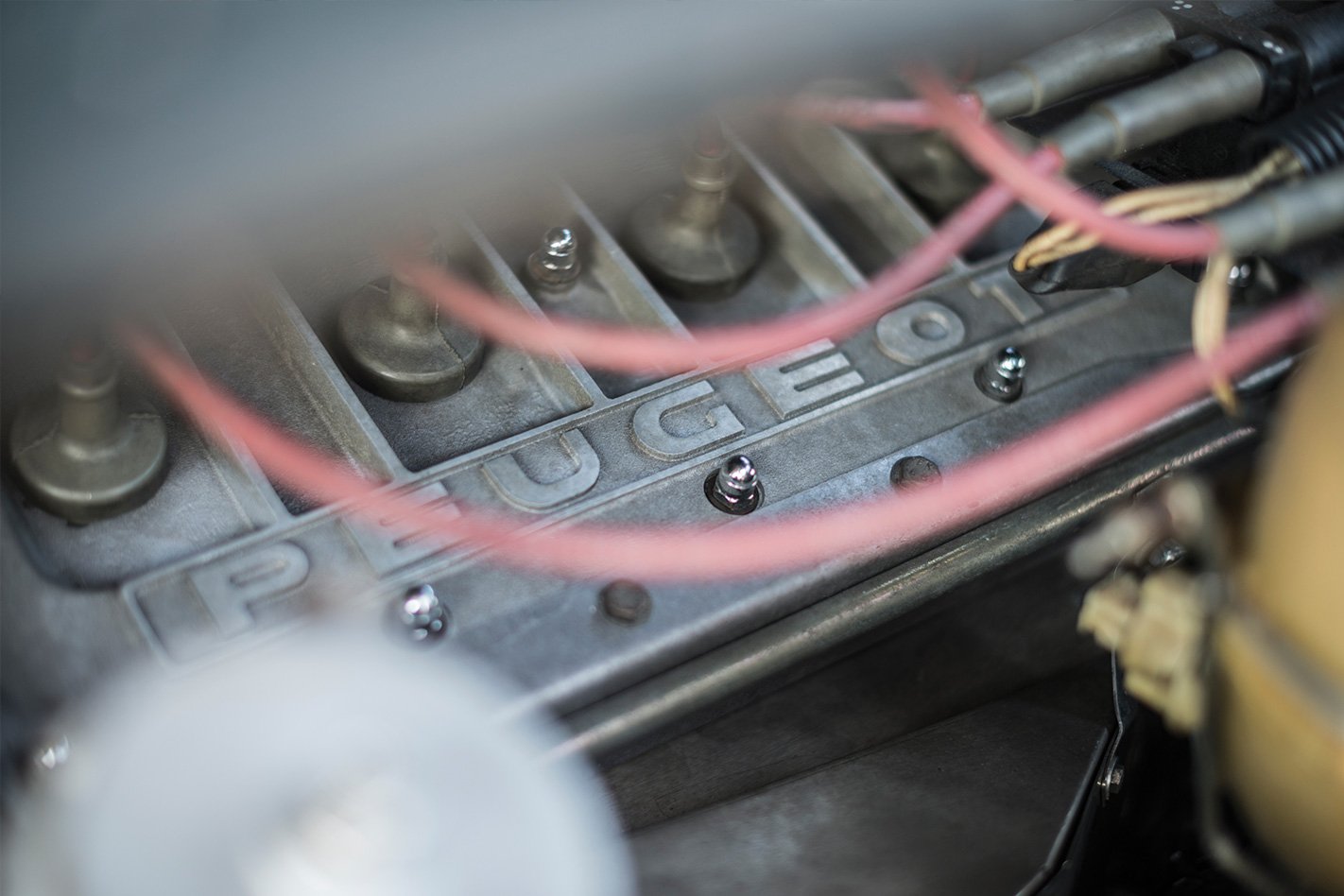
The T16’s 1775cc four-cylinder XU8T engine was based on Peugeot’s XU production family, but with a dohc 16v head and KKK K26 turbo with intercooler. Road cars claimed 147kW and 255Nm; Pikes Peak version made 410kW, on 3.0 bar boost.
Access all areas
The transverse engine/gearbox was about accessibility and weight distribution, the latter ending up at 47/53 percent front/rear. The T16’s wheelbase was slightly longer than the FWD hatch (2540mm vs 2418mm).
This little piggy
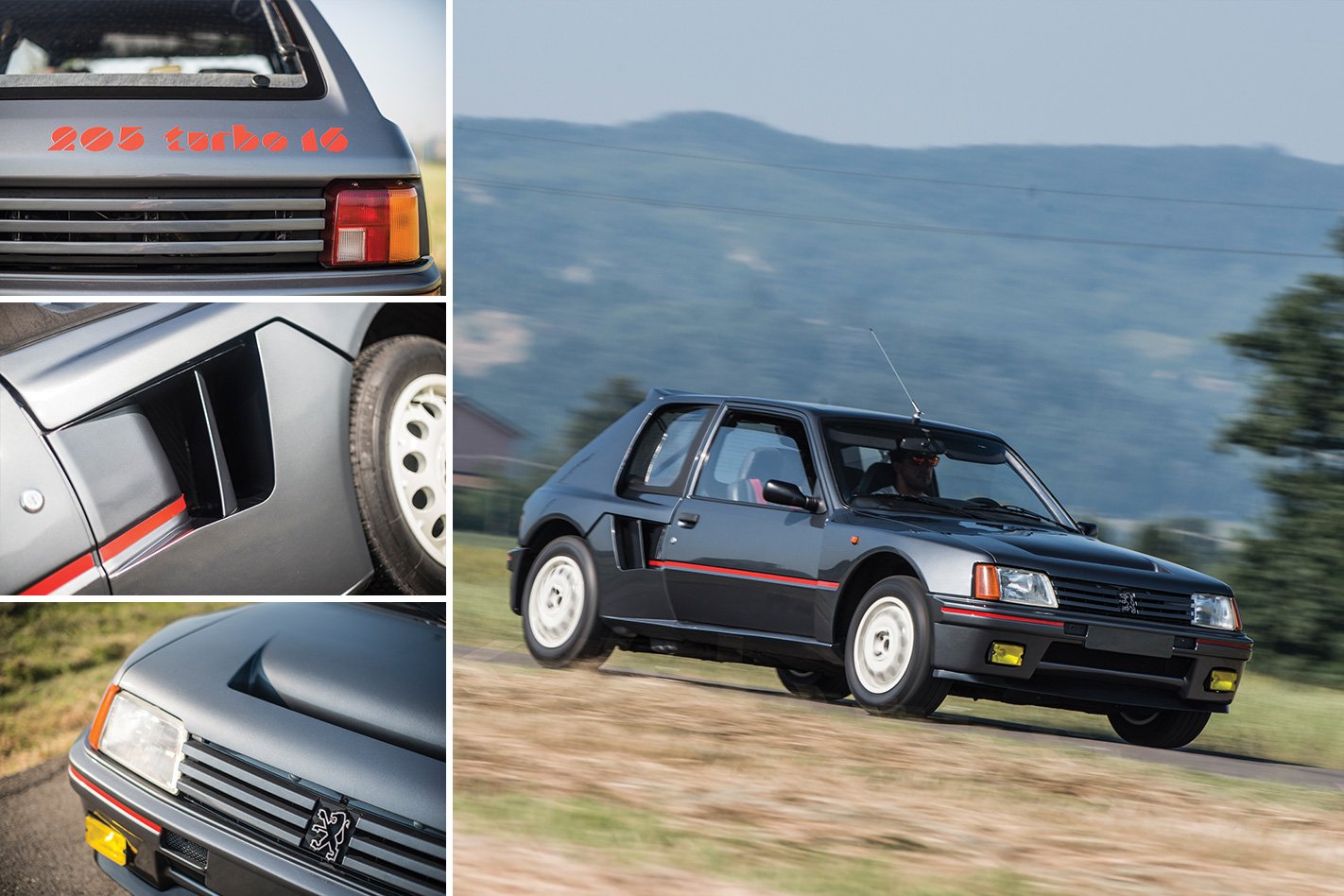
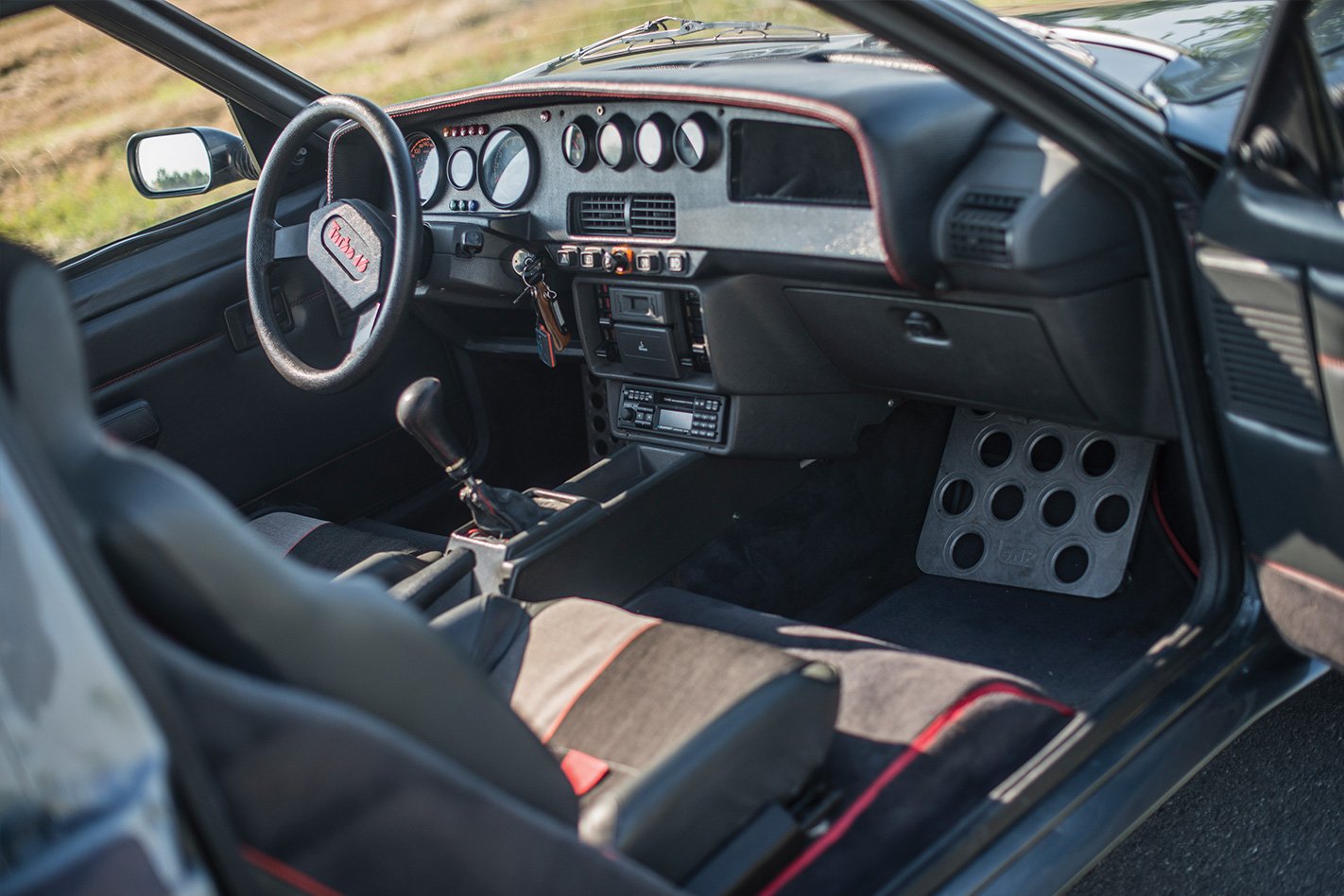
Any colour you like, so long as it’s gunmetal grey… To save time in the eight-month homologation build, the 205 T16 was built no differently from the works racers, but fitted with a slightly up-specced GTI interior.
 Turbo Titans
Everything you’ve ever wanted to know about the humble turbocharger and its miraculous power-boosting abilities.
Mercedes-Benz is offering a Mercedes-AMG inspired edition of its C-Class sedan with some extra bling with a lower than normal drive-away price.
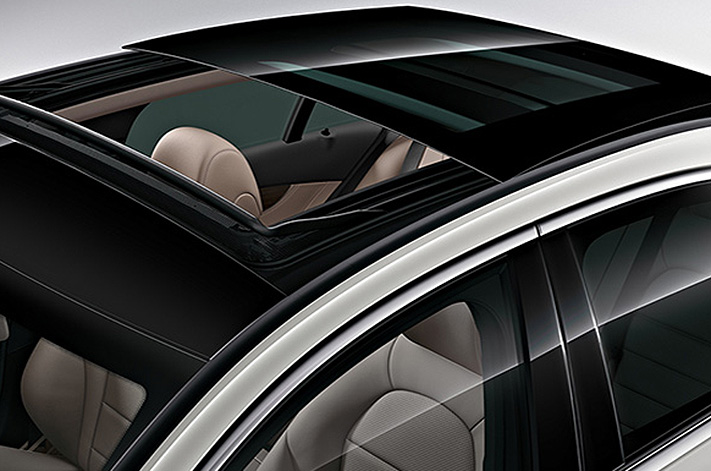
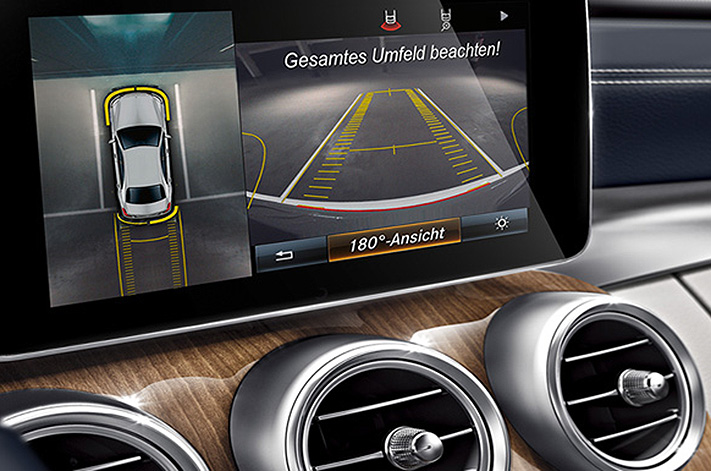
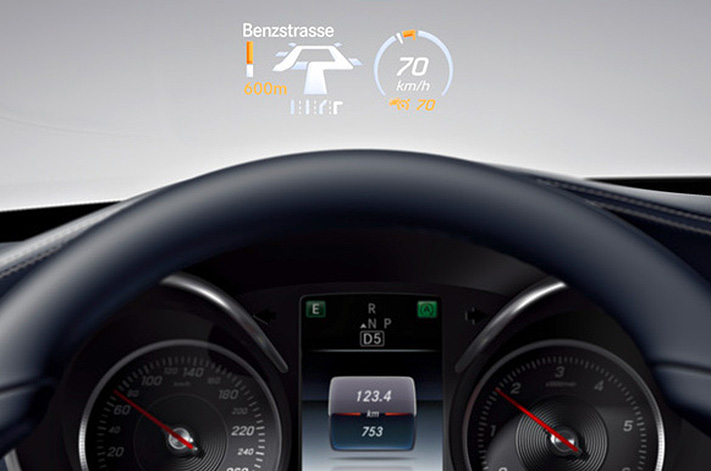
The Mercedes C200 Sport Edition comes plenty of extra kit, including AMG body styling, 19-inch AMG alloy wheels, panoramic sunroof, head-up display and 360-degree parking camera.
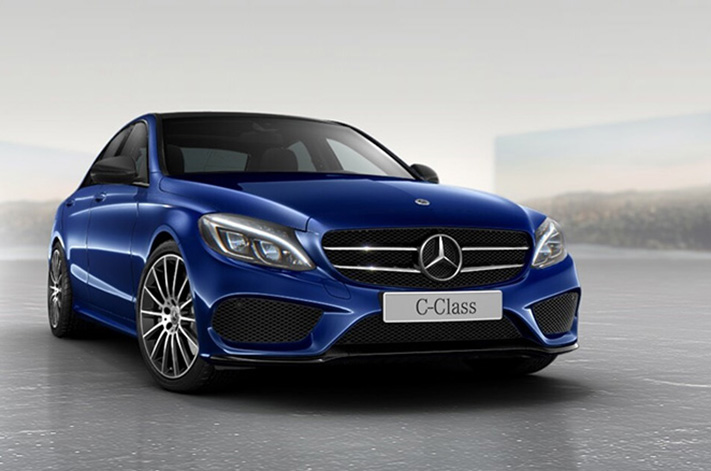
This represents around $8000 worth of value though it’s priced at $66,800 drive away which is actually about $1000 less than the drive-away cost of the standard C200.
The C200 Sport Edition retains the standard 135kW/300Nm 2.0-litre four-cylinder petrol turbo engine of the standard model coupled with a nine-speed automatic transmission.
While it’s not AMG powered it still provides an enjoyable ride with four driving modes including Eco, Comfort, Sport and Sport + and paddle shifters.
The C200 Sport Edition also comes with the usual standard features including:
- Dual-zone climate control
- Front and rear parking sensors
- Active parking assist
- Satellite navigation
- Touchpad control for the 7.0-inch colour screen
- Power-adjusted front seats with lumbar support
- Leather-trimmed steering wheel
- LED dusk sensing
- Automatic windscreen wipers
- Cruise control.
- Agility Control suspension
The Mercedes-Benz C200 Sport Edition offer is available until September 30.
Shannons’ upcoming Melbourne auction is set to see three Japanese performance legends go under the hammer at no reserve.
Representing Subaru is arguably the most desirable of the three cars.
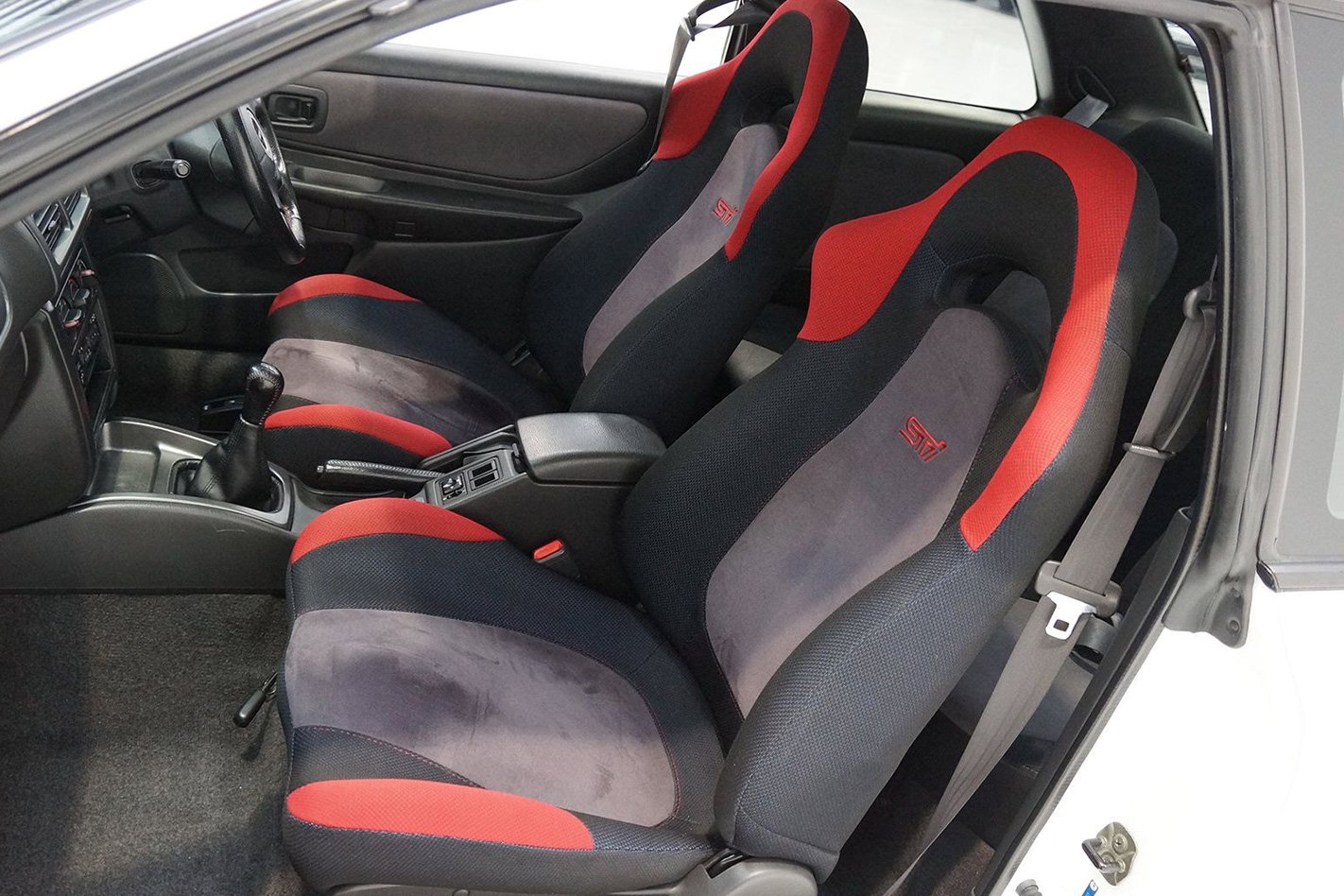
To the uninitiated it’s just a WRX, but this 1999 Subaru WRX STi Version V is one of only 399 coupes delivered to Australia. It’s perhaps the most desirable of these because it’s in almost immaculate condition, even with a well run-in 102,610km reading on the odometer.
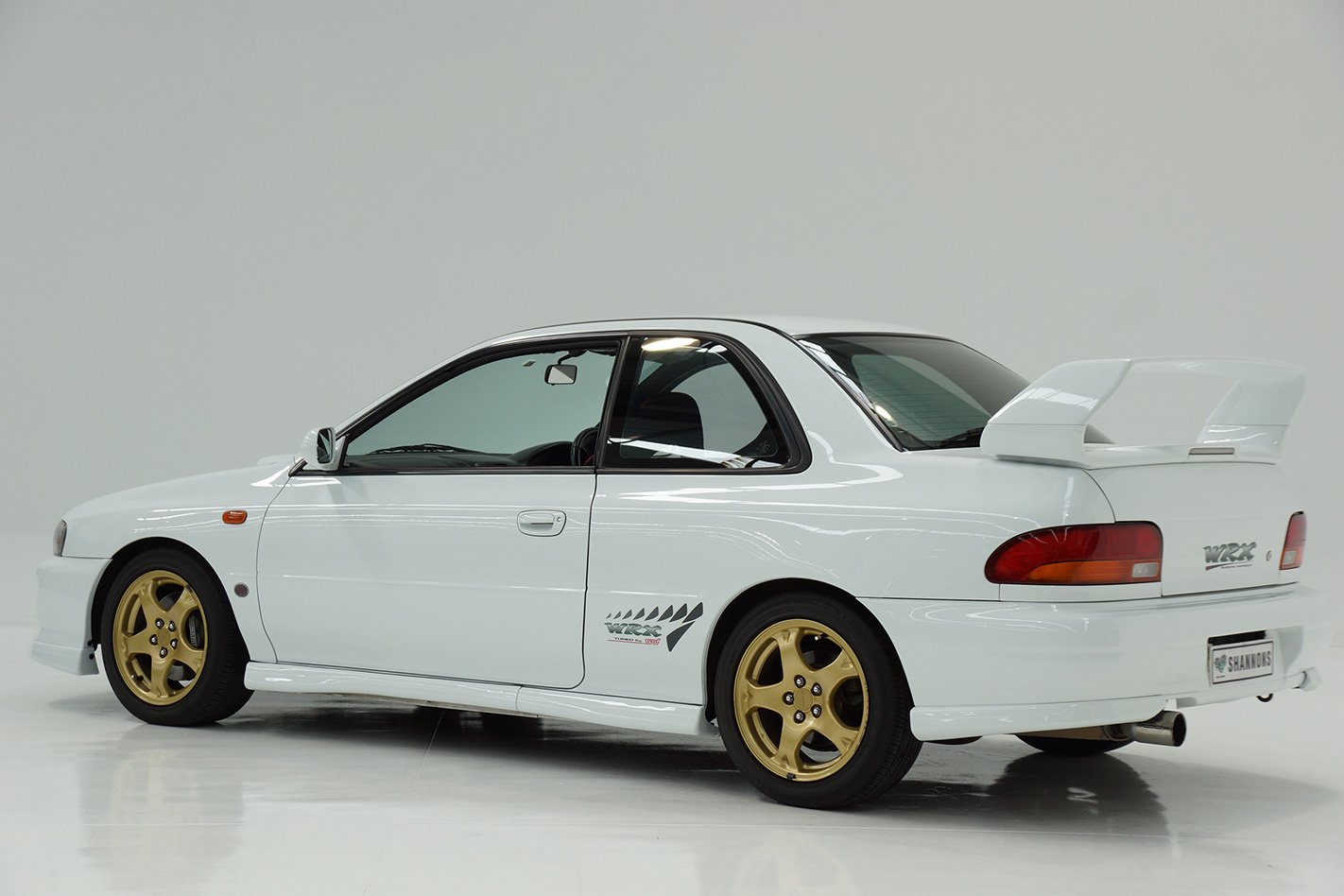
The 2.0-litre flat four under the bonnet does however put out a respectable 206kW, the same as that of the 22B.
The Version V being offered is estimated to sell between $30,000 and $38,000, though it could end up being a no reserve bargain.
With a slightly less pristine paintjob and what looks to be just over 147,000km on the odometer, the 1990 Toyota Celica GT-Four currently awaiting what is likely its third owner has quite a tale to tell.
Reportedly gifted to Channel 9 personality Richard Wilkins (the one who reported on national television that Jeff Goldblum was dead – he wasn’t) by Toyota, this turbocharged coupe puts out about 149kW, which is just a few kW shy of the brand’s current 86.

Lastly, one for the old school.
A 1979 Mazda RX-7 Series 1 in purely original survivor condition is set to find a new home, showing only 48,125km on the odometer.
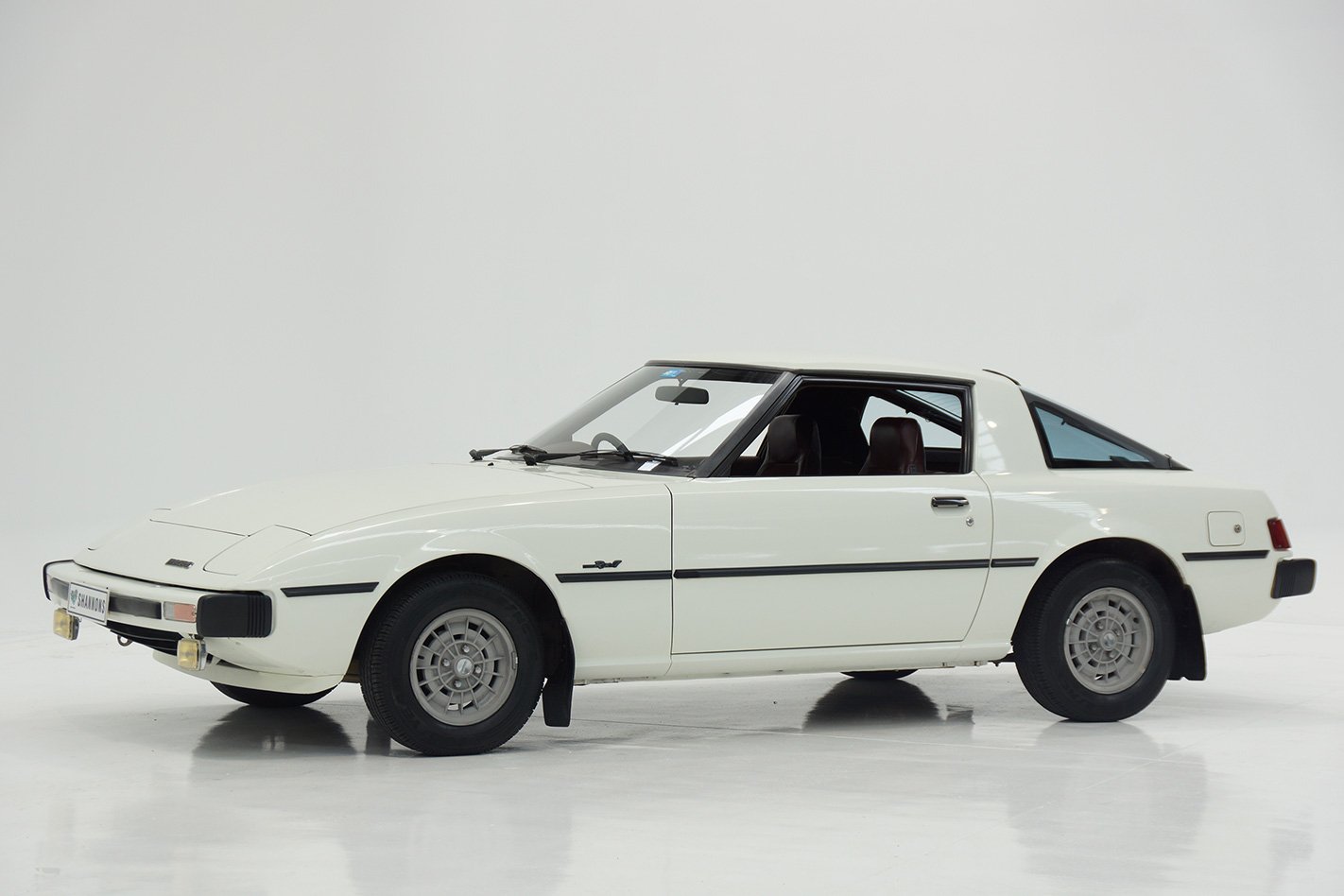
The auction takes place in Melbourne on September 25.
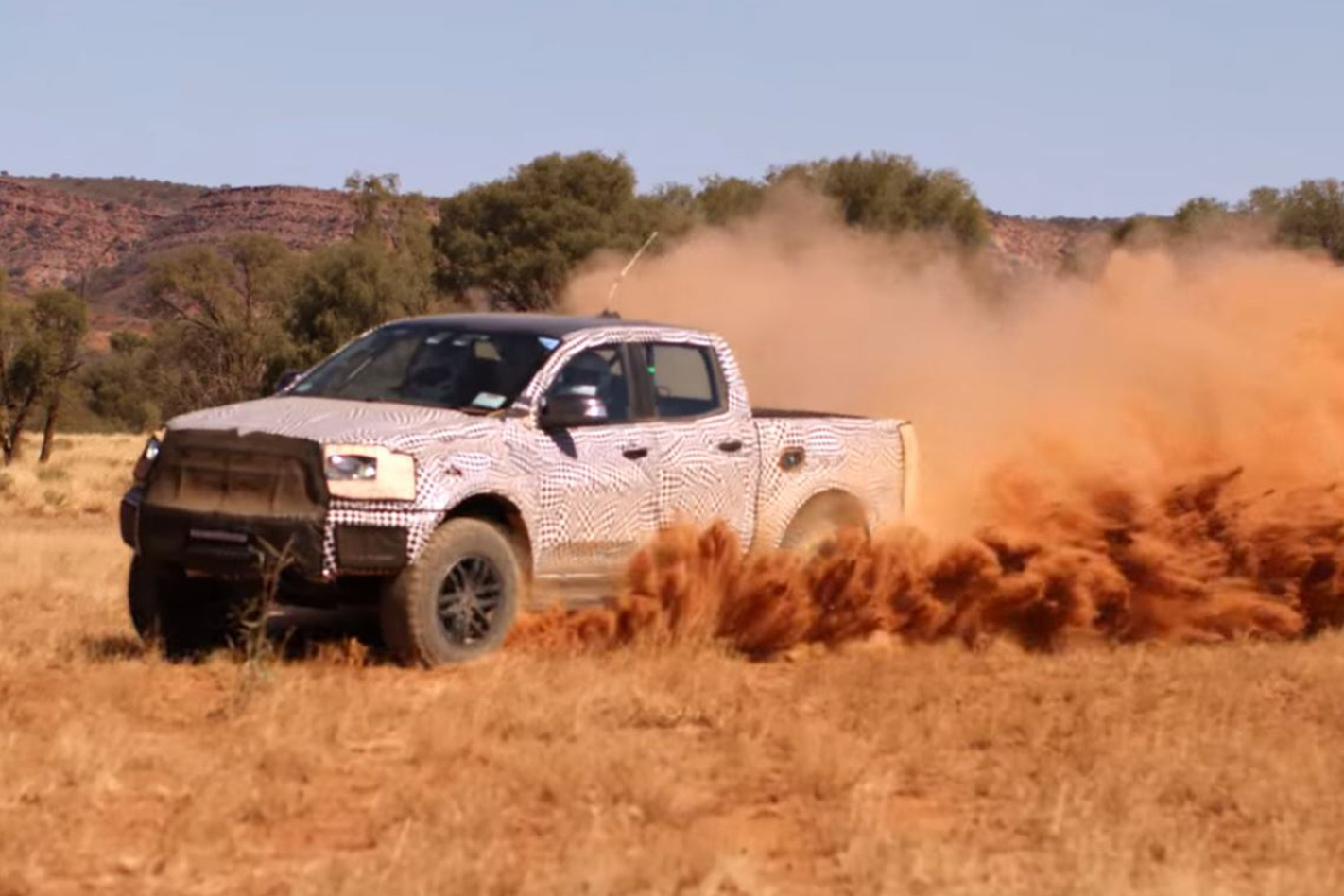
The Ford Ranger Raptor has the potential to be the first true high-performance full-size ute offered in Australia.
Ford Australia is keeping its mouth tightly shut on any specifics at this stage, but judging by the teaser video it has produced it’s almost certain the car will receive wider, more aggressive bodywork, uprated heavy-duty suspension and larger brakes.
The big question, however, is what will reside under the bonnet. Again, it’s important to state this is purely unconfirmed speculation at this point, but a reliable source has told MOTOR three engines were at least considered during Raptor Ranger development.
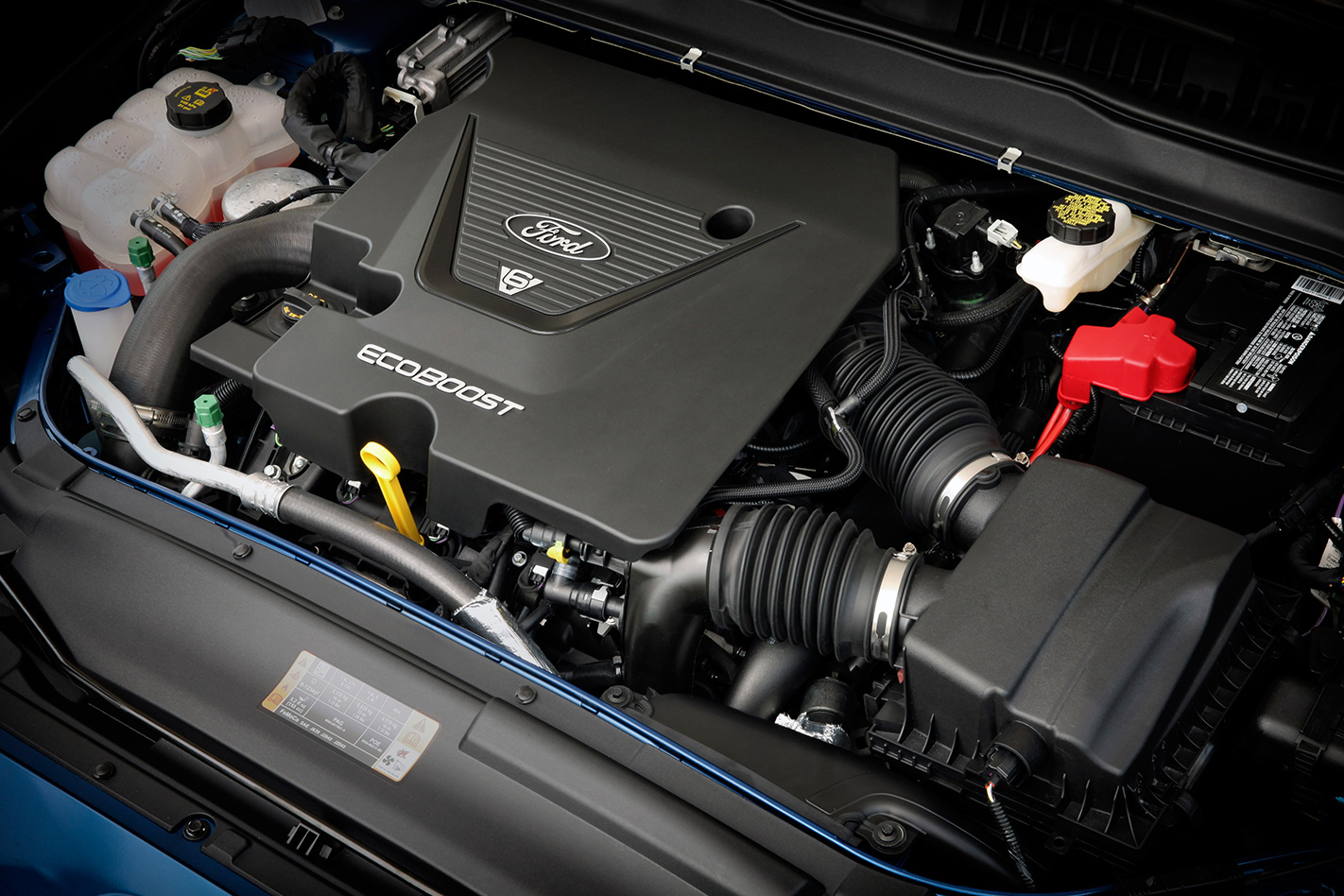
Option two is reportedly the 2.7-litre twin-turbo V6 which can be found in the Ford Fusion V6 Sport and produces 242kW/515Nm. Last but certainly not least, MOTOR is informed the 257kW/440Nm 2.3-litre four-cylinder from the Focus RS was also trialled; an intriguing if slightly unusual prospect.
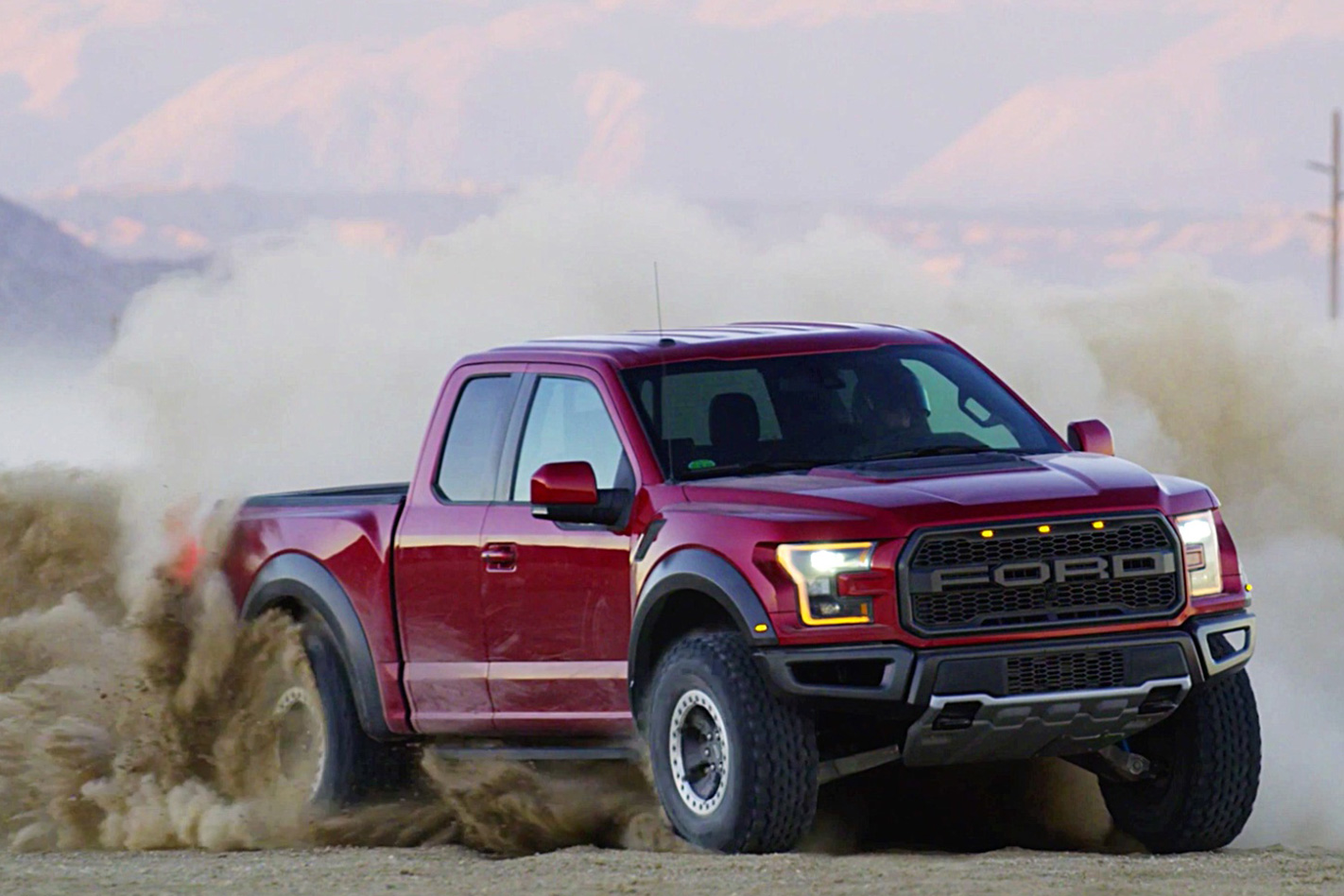
The bad news for Aussie enthusiasts is that we’d be extremely surprised if the petrol engine was made available here. The Ford Ranger is returning to the diesel-averse United States for the 2019 model year and a 2.7-litre twin-turbo V6 Ranger Raptor would be the perfect little brother for the 336kW/690Nm 3.5-litre twin-turbo V6 F150 Raptor.
Personally, we’d go for the Miami 5.0-litre supercharged V8, or perhaps a custom V12 built from two Barra sixes mated to a common crankshaft?
MUCH has been made of the flexibility and modularity of Jaguar’s new Ingenium petrol engine family.
The company has stressed the scalability of the powerplant family in the past, but during a recent visit to the company’s engine manufacturing plant in Wolverhampton, UK, we saw concrete evidence that JLR is working on a 1.5-litre three-cylinder Ingenium petrol engine.
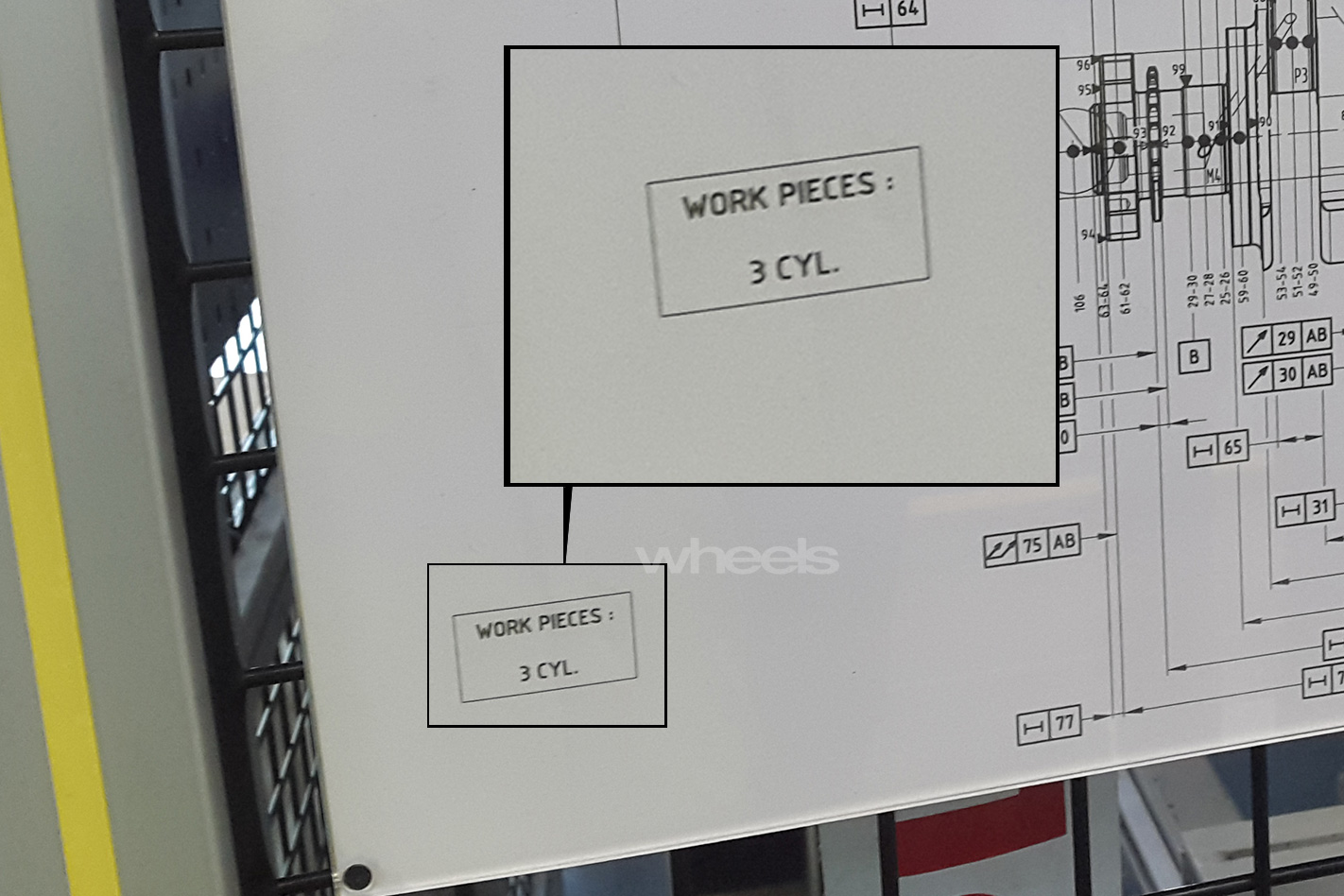
Nobody was willing to go on record to confirm where the 1.5-litre engine would end up, but a turbocharged version would appear a solid fit with the E-Pace, providing an attractive entry-level sticker price for a car that’s expected to do a lot of Jaguar’s volume work.
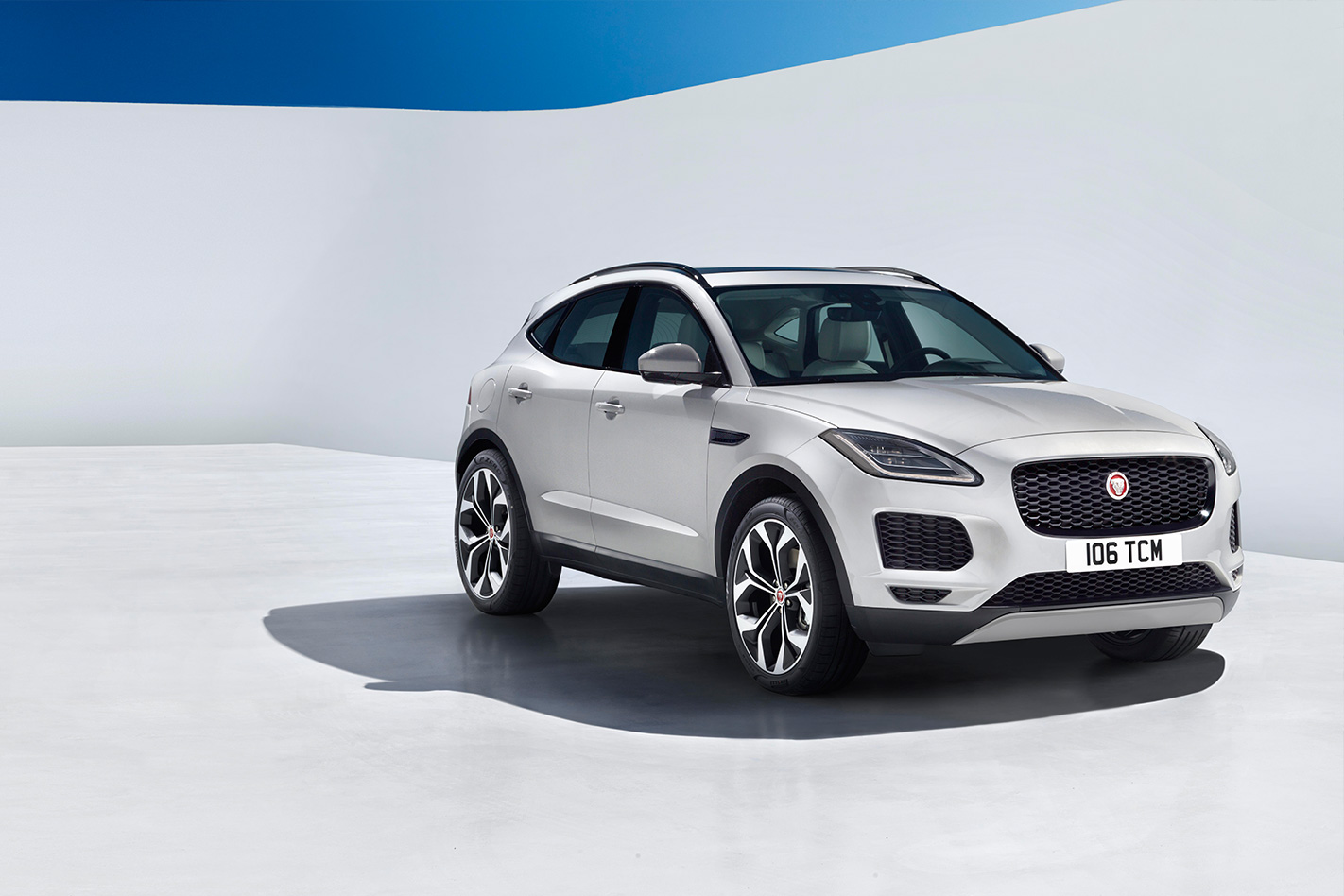
JLR’s chief engineer of the Ingenium engine family, Paul Whitwood, also backed up that assertion. “We work on a core 500cc combustion system in the engine,” he said. “That’s important to avoid the need to continually go through this long-winded and expensive development process. It’s just scalable.”
When Wheels asked a Jaguar spokesman which vehicle the three cylinder application would be best suited for, there was an initial denial that anything was known about this engine. Quickly thereafter came, “How did you hear about that?”
Post the plans up for a group of car journalists to walk past and this sort of thing tends to happen. For what it’s worth, it sounds a logical development and any broadening of the excellent Ingenium petrol range gets a big thumbs up in our book.
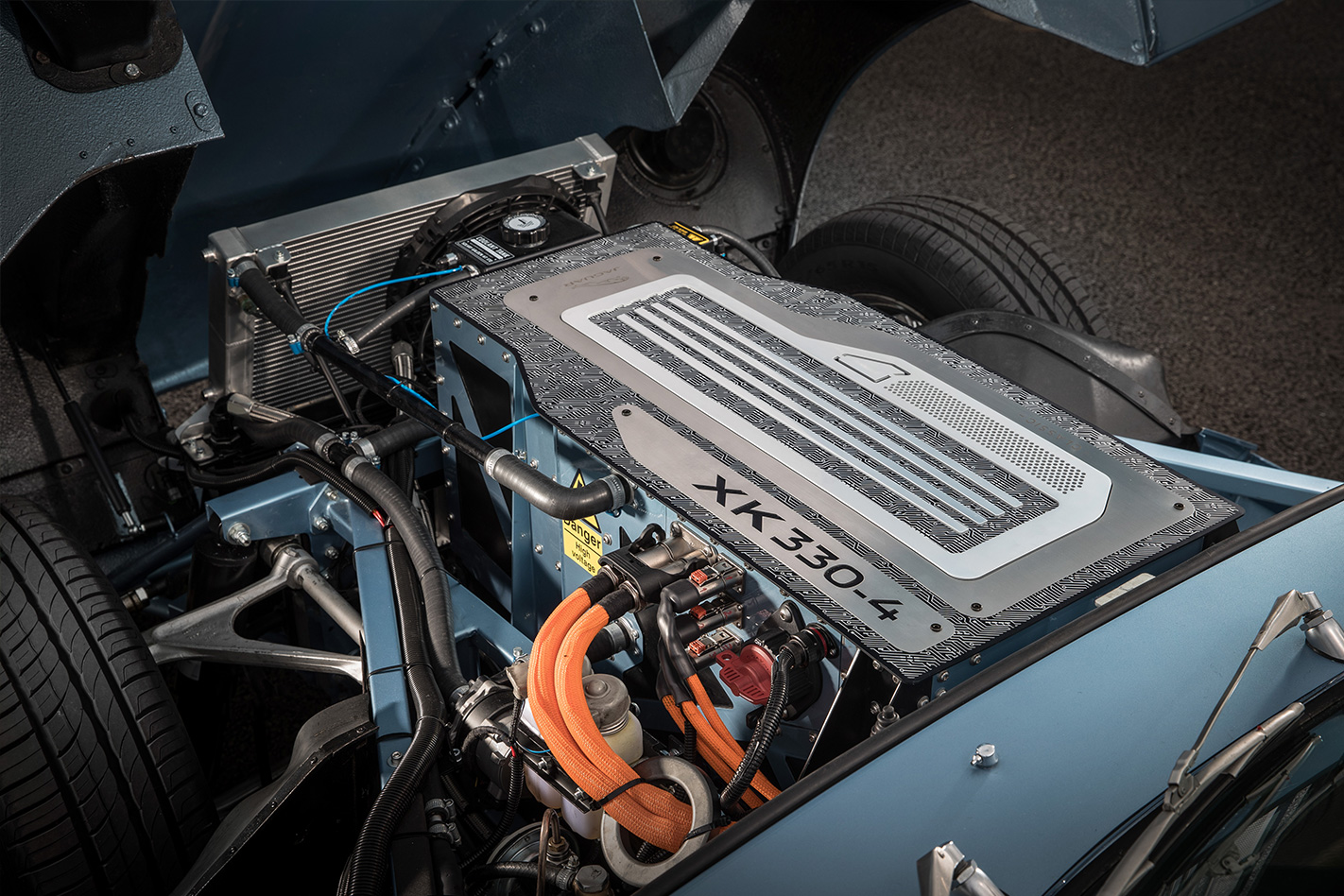
“WE STARTED out calling it Project Marmite,” chuckles Tim Hannig, Jaguar‘s director, Classic Business as he contemplates the E-Type Zero, an Opalescent Silver Blue Series 1.5 from 1968 that ditches its six-pot powerplant for an electric motor instead.
“But then we changed it to Project Dylan. It seemed more apt. Bob Dylan swapped his acoustic guitar for an electric one in the Sixties and that caused a bit of a stir too,” he admits.
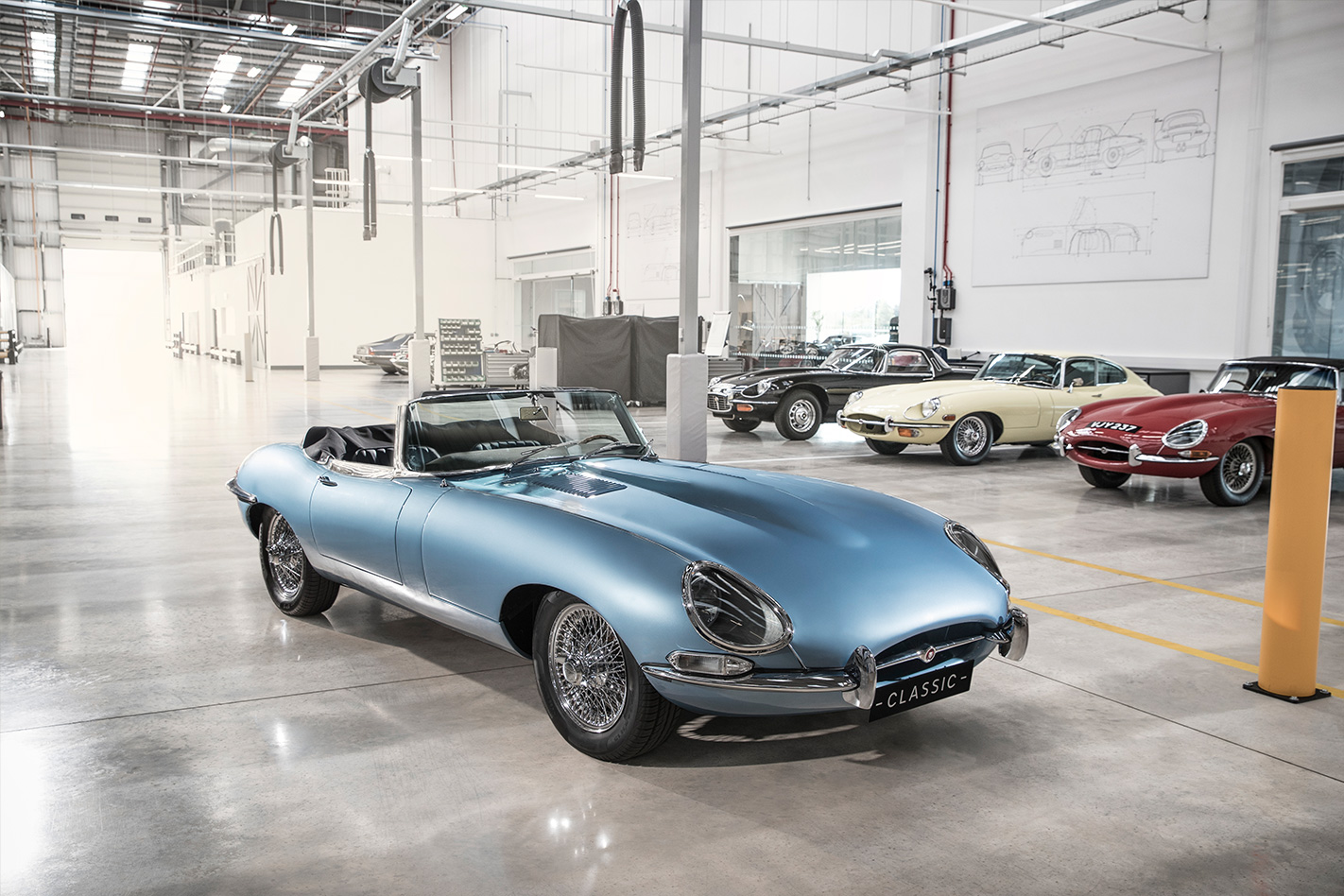
“We bought the car because it was very solid. We stripped it and did a partial restoration to make it a good base to start from. We disassembled the transmission and we were determined not to cut into anything structural, so all the brackets are exactly as they were,” he explains. “We’ve then designed the transmission so that it fits into the existing envelope of the structure.”
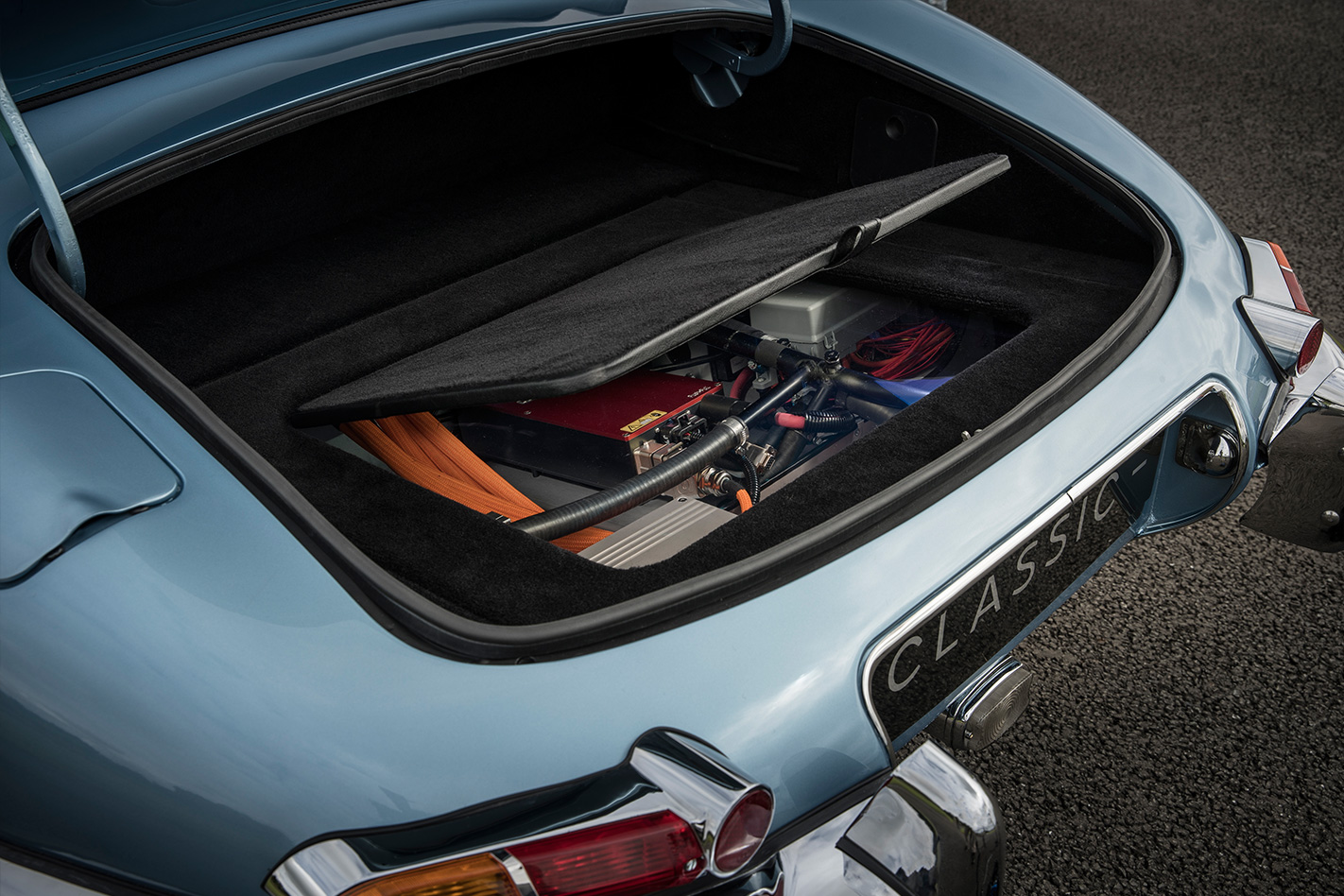
Indeed, there were some in the business who wondered whether these were feasible goals. “We had a debate as to whether this was technically possible,” says Hannig. “There was no debate that ‘if we could do it, would it make sense?’ It actually turns out much better than we expected,” he smiles.
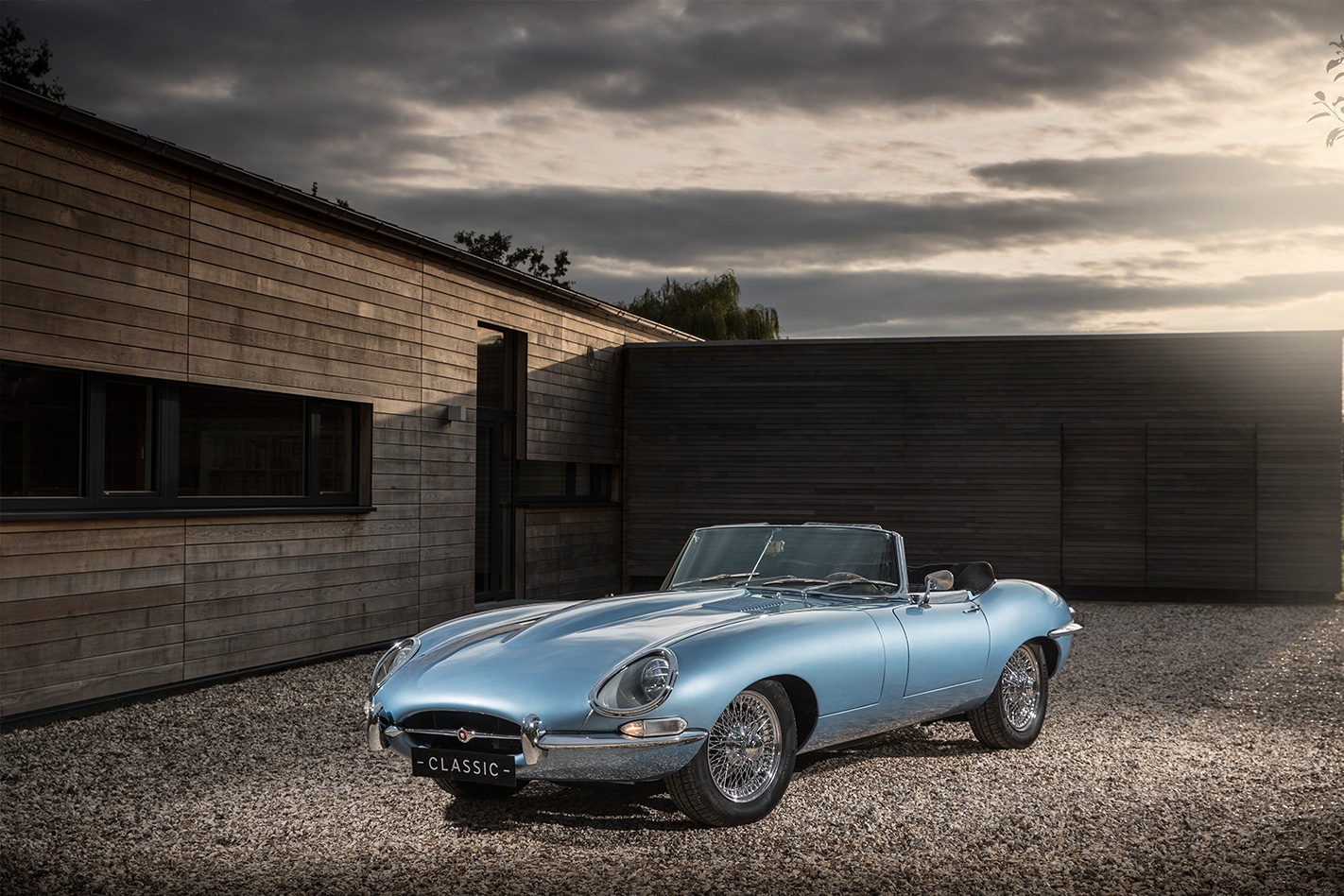
“We’re trying to be sensible about it, gauge feedback and find out how big this opportunity is. There’s no data on this on which to form a decision because nothing like this exists,” he shrugs. But the installation as we see it here could have applications beyond E-Type.
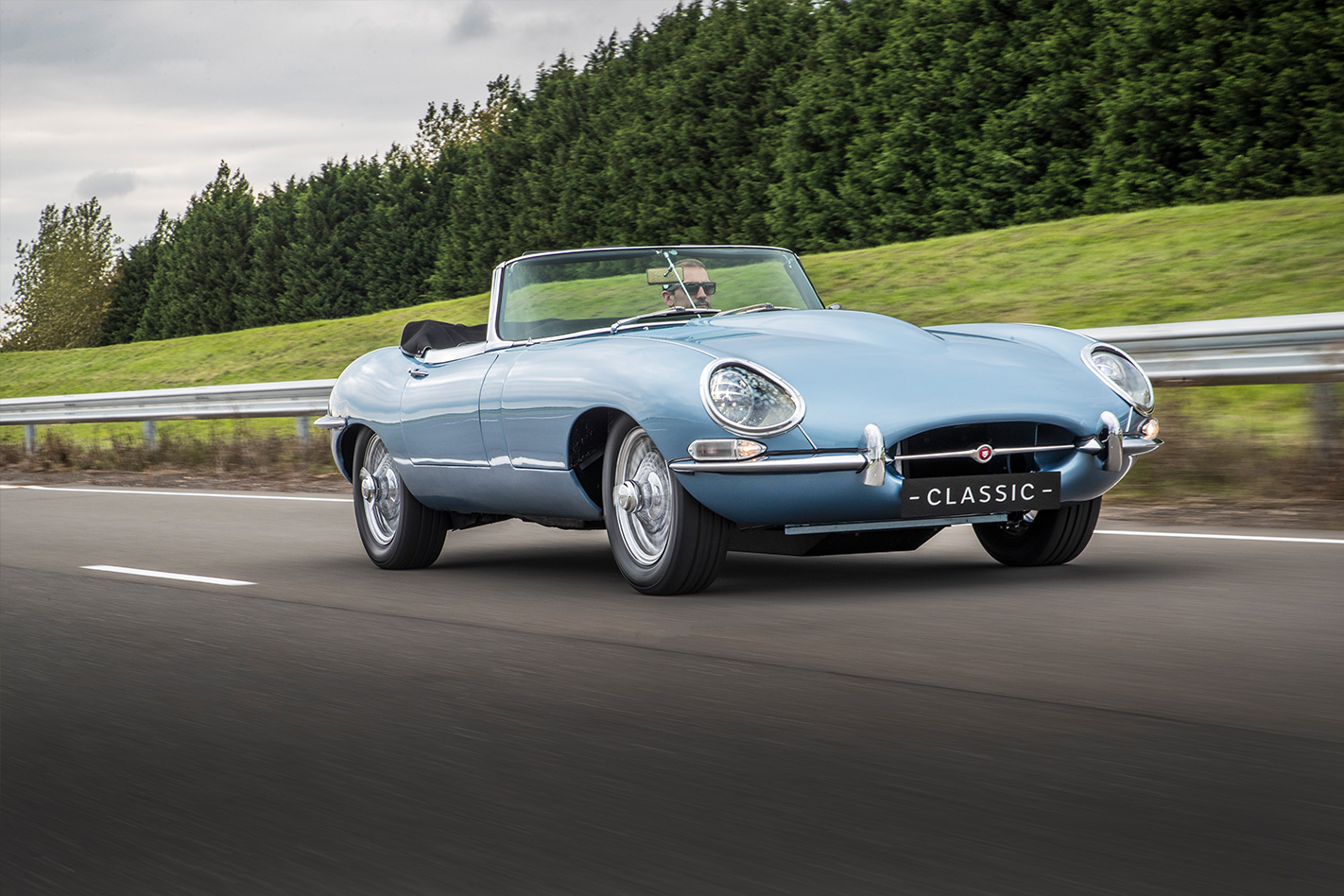
“It was not only trying to build one car. That was relatively easy. We wanted to create a system of components that we could electrify on a relatively easy and affordable scale, that is a different task,” he says.
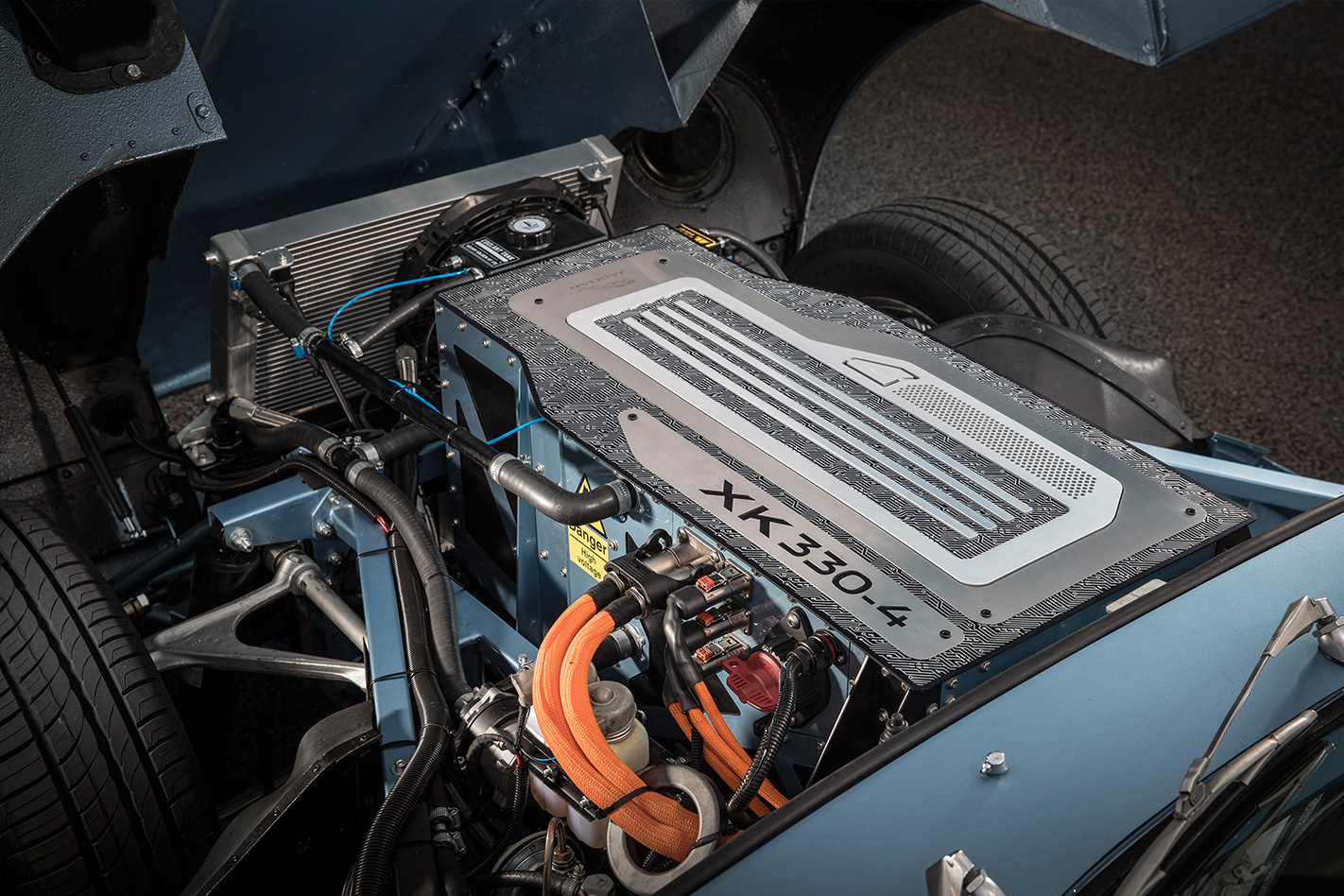
It’s not going to be cheap to buy though. If you were to ask for a car built from scratch, Hannig reckons you’d be looking at a bill for more than GBP300,000 (A$486,000). He does highlight a cheaper way of joining the club. “If you bought a Series 2 that is lower in price then that would come to GBP130-140,000. Which is still a lot of money.”
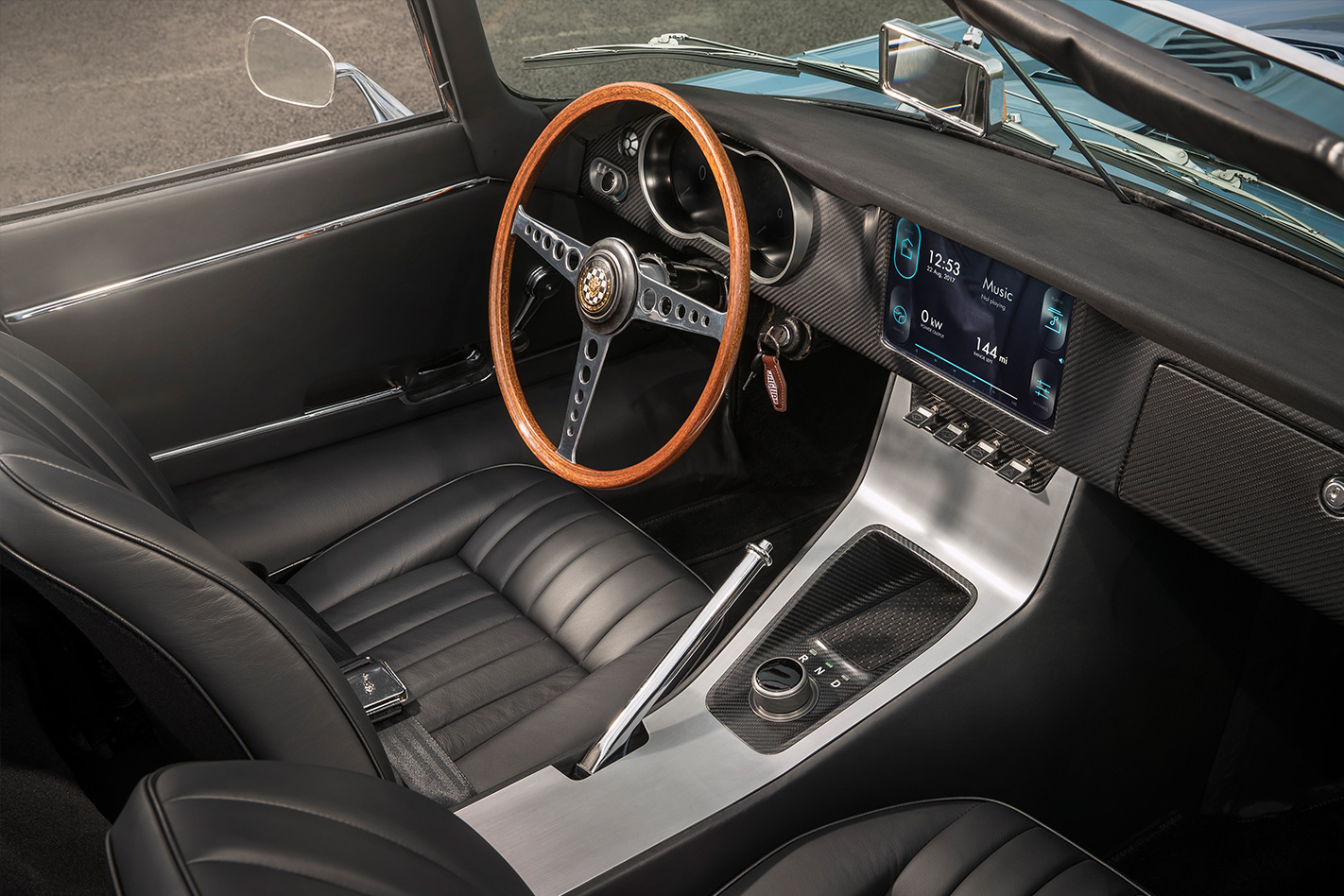
This is not an ordinary AMG E63 S. In fact it’s not really a Mercedes anymore, it’s a Brabus 700.
Brabus, the mad tuner that recently revealed its Brabus Rocket 900 (now the world’s most powerful four-seater convertible), has announced a tuned-up version of AMG’s super sedan belter.
The Brabus 900 takes the E63 S’s formidable 450kW/850Nm, and gives it an extra 65kW and 100Nm of torque to bring a 515kW/950Nm version of AMG’s 4.0-litre twin-turbo V8 to life.
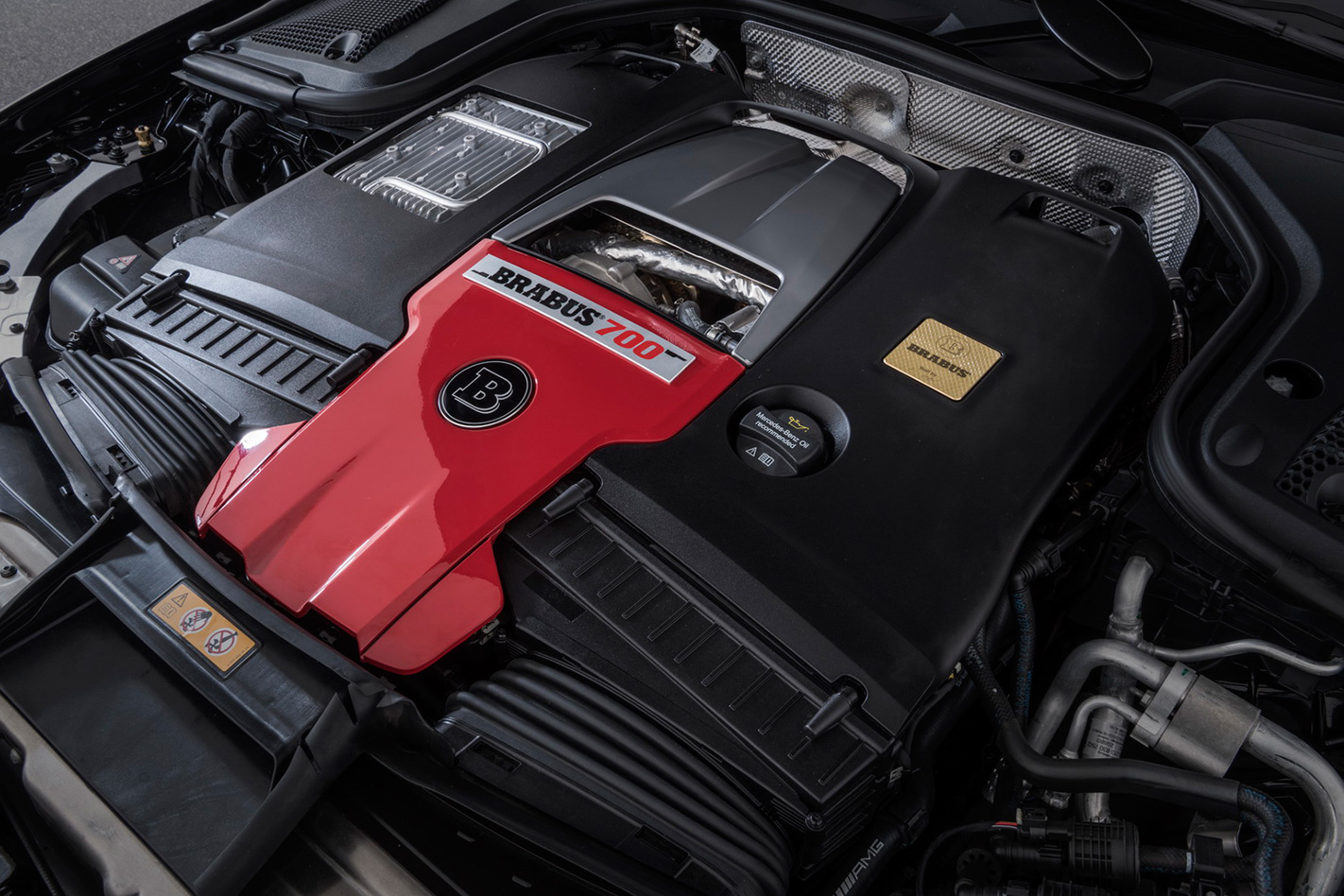
MOTOR clocked the E63 S at 3.75s.
Perhaps the best part about this reveal is that Brabus has said it will also build a 700 Wagon that’ll make the run to 100km/h in 3.3 seconds, just a tenth slower than the sedan.
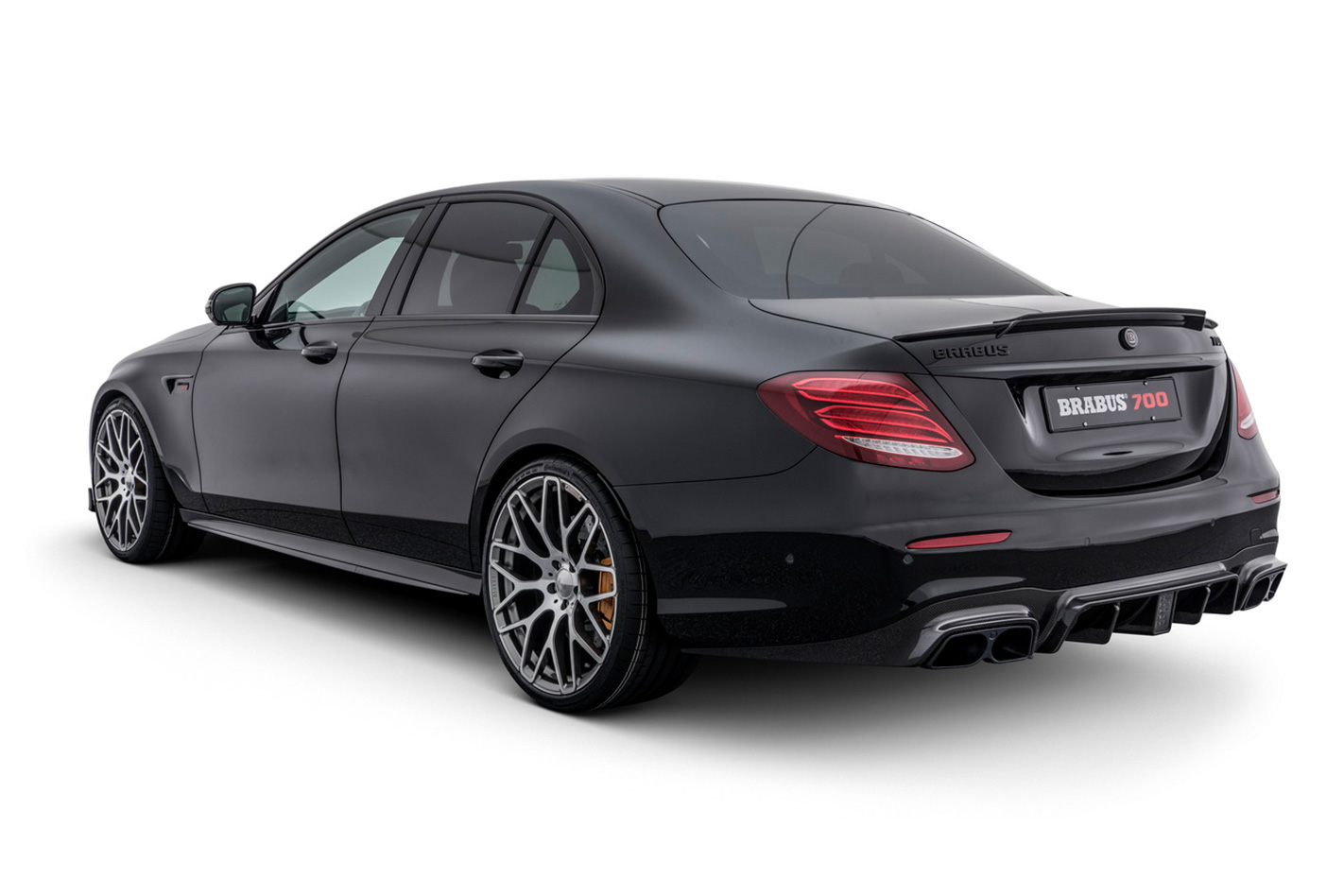
As well as upping the Merc’s grunt capability, Brabus had to implement new aero parts to ensure a stable ride. These include a new front spoiler lip, a rear spoiler, and a diffuser insert for the rear bumper.
Tailor-made Brabus wheels of diamteters up to 21-inches can be had for the 700, the most prestigious of which are the Brabus Monoblock “Platinum Edition” forged wheels.
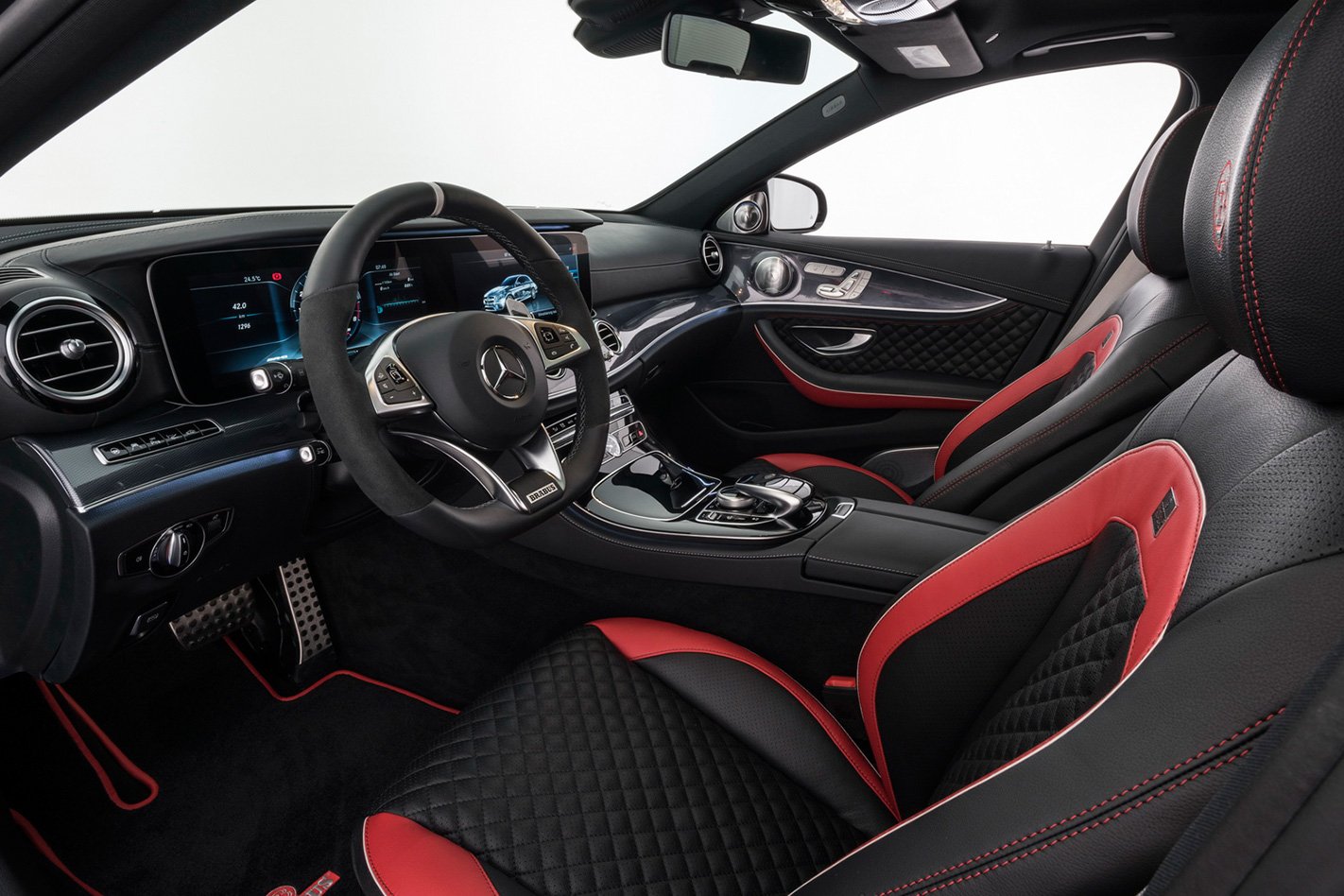
Brabus says the 700 can be ordered as an already-built car, or it can convert a current Mercedes E 63 to Brabus 700 spec in stages or completely.
Jaguar Land Rover has followed the lead of other manufacturers, such as Volvo, by announcing its entire range will be electrified from 2020.
Like Volvo’s decision, this doesn’t mean the end of the combustion engine. It just means the line-up will mostly include hybrids and mild hybrids, the latter of which only uses its electric motor to assist the engine without actually being able to propel the car on its own at any point.
Jaguar Land Rover CEO, Dr Ralf Speth said electrifying every new model from 2020 will give its customers more choice.
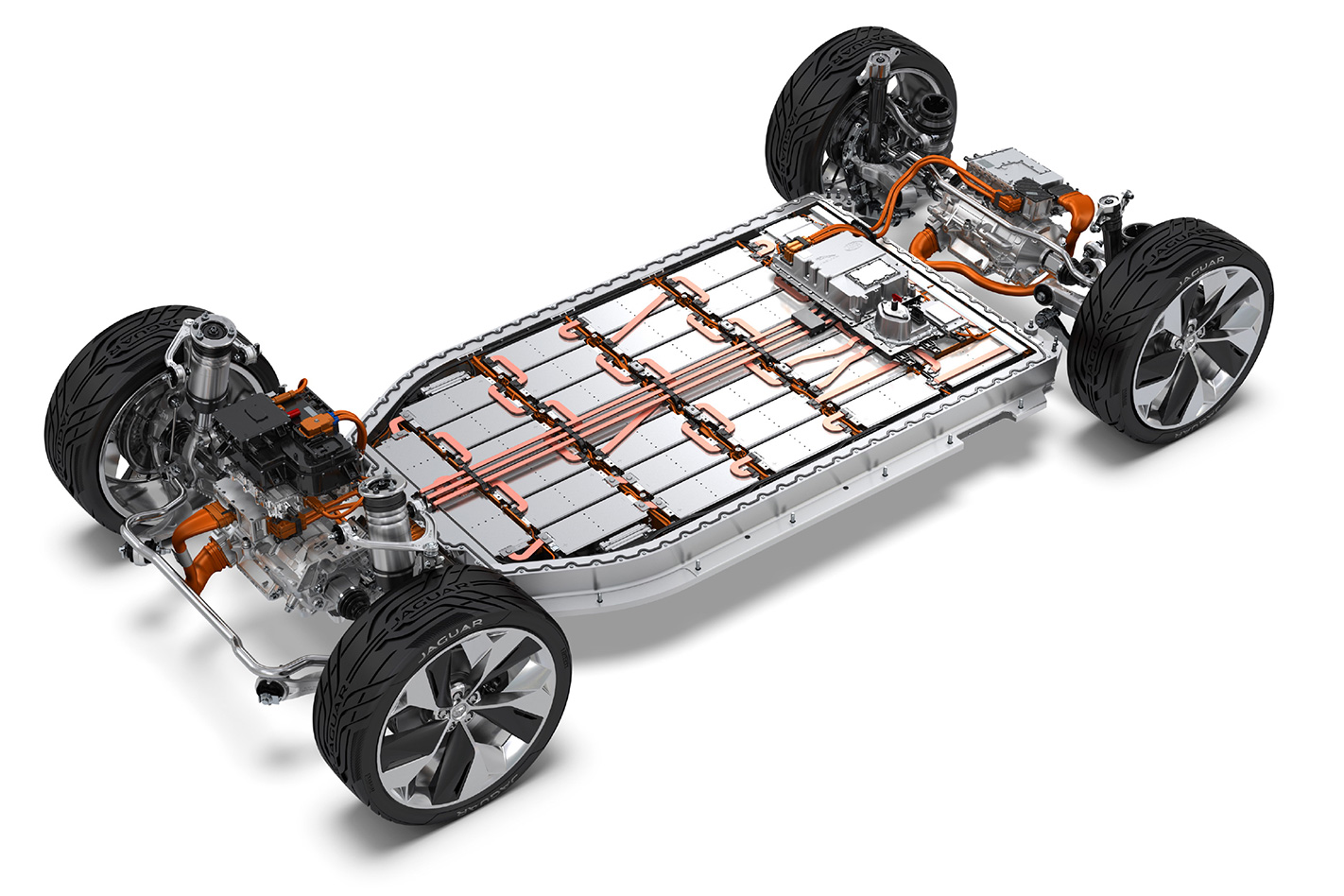
“We will introduce a portfolio of electrified products across our model range, embracing fully electric, plug-in hybrid, and mild hybrid vehicles. Our first fully electric performance SUV, the Jaguar I-PACE, goes on sale next year.”
Like all other manufacturers going down the all-electrified path, the decision and timing is mostly to comply with new Euro7 emission laws from 2020 that will limit average new-car CO2 emissions at 95g/km, making combustion-only model ranges untenable.
However it is a significant step towards driving genuine electrification, as demonstrated by the I-Pace.
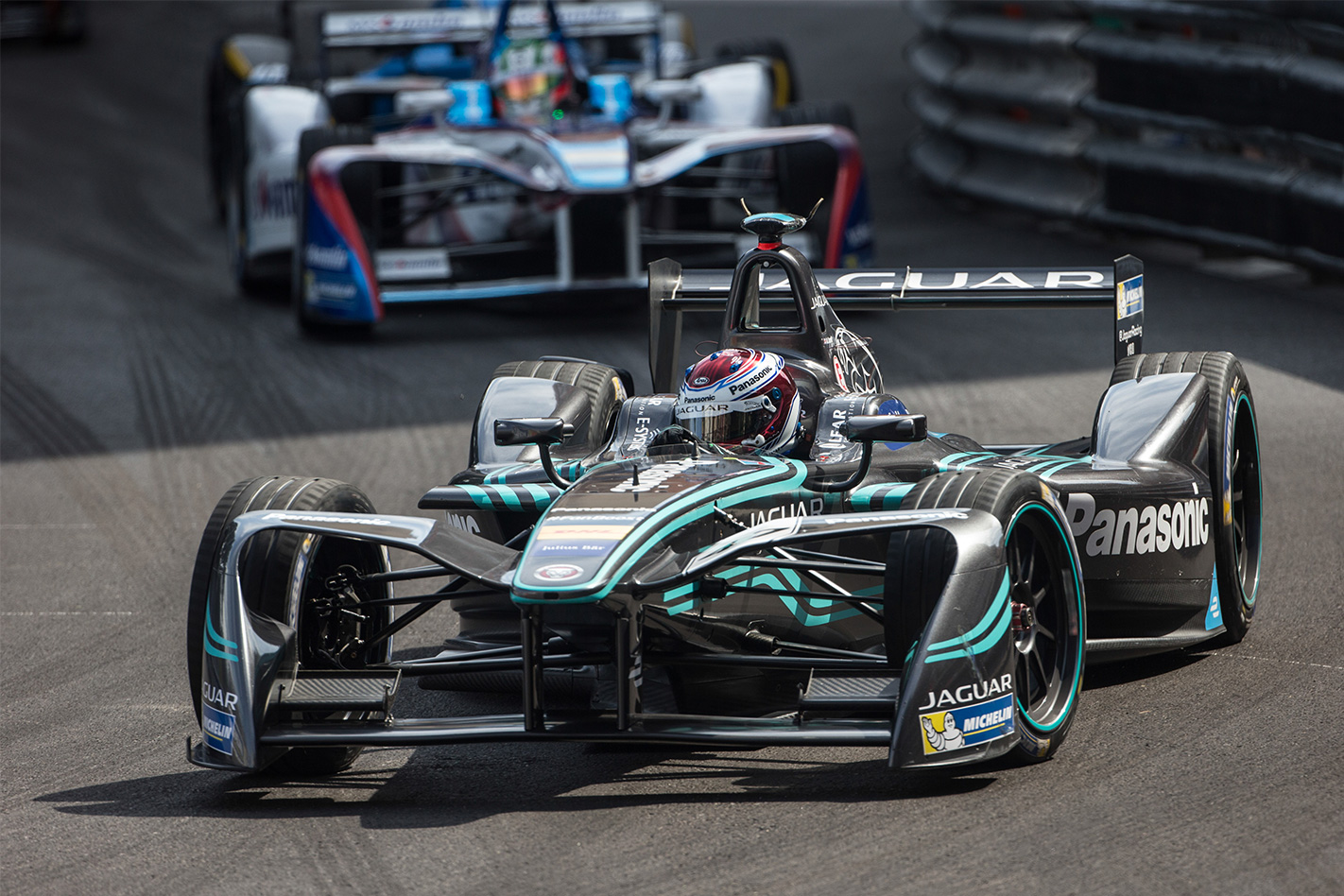
Jaguar is also a key participant in the Formula E all-electric motor racing series, which Speth said will help it develop more production electric vehicles.
Jaguar has even looked back to the future by retrofitting an iconic 1968 Series 1.5 E-Type Jaguar roadster with a cutting-edge electric powertrain that achieves 0-100km/h in 5.5 seconds, which is a couple of seconds quicker than the time achieved with the E-Type’s original 3.8-litre inline-six, whose heavy iron block under its lengthy bonnet being swapped out for batteries.