
Australia’s excited for Kia’s Stinger GT. Really excited. But some of us are highly suspect of one thing, its engine.
Power isn’t in question, with 276kW/510Nm the twin-turbo V6 makes enough to humble your uncle’s Commodore SS or Falcon XR6 Turbo.
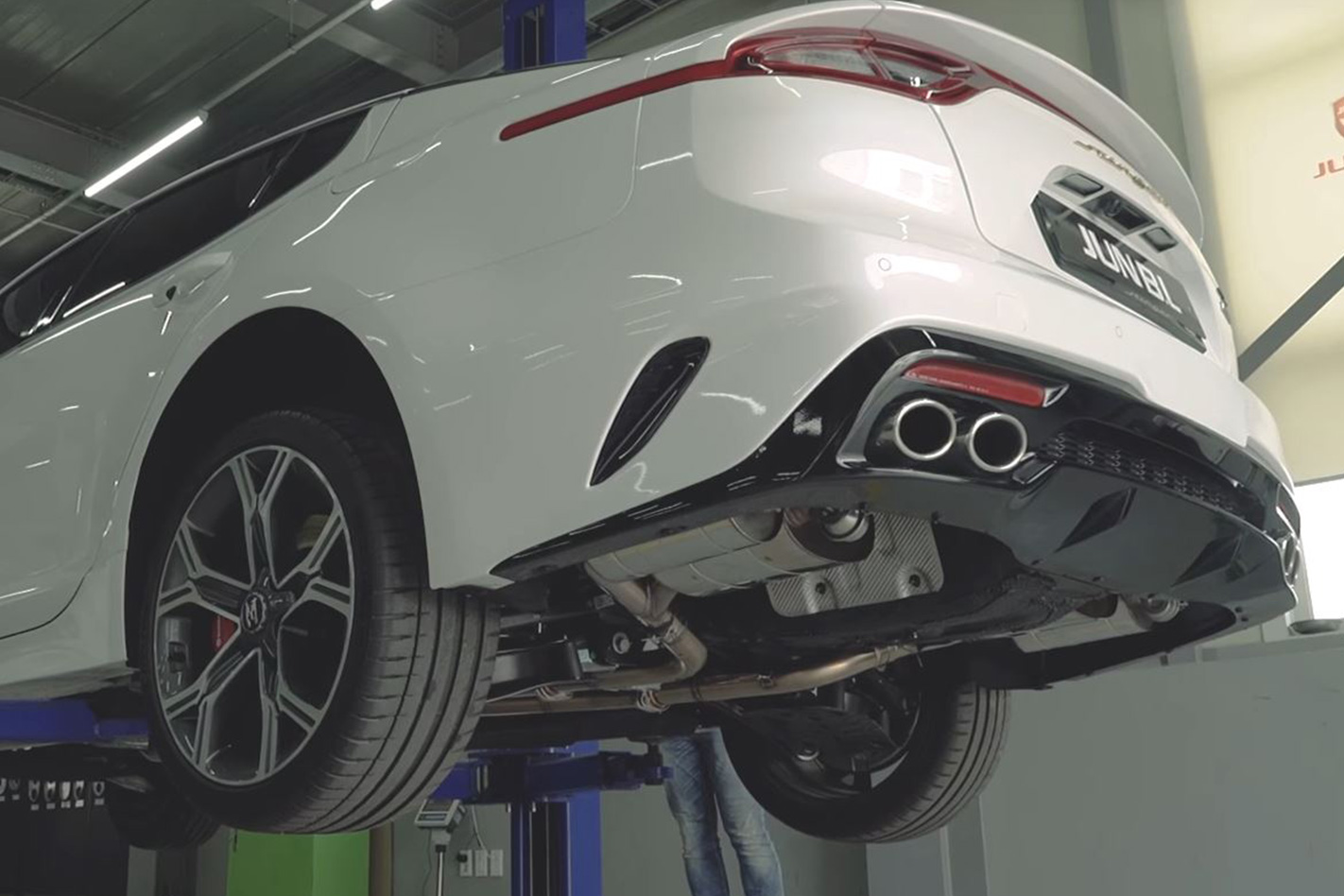
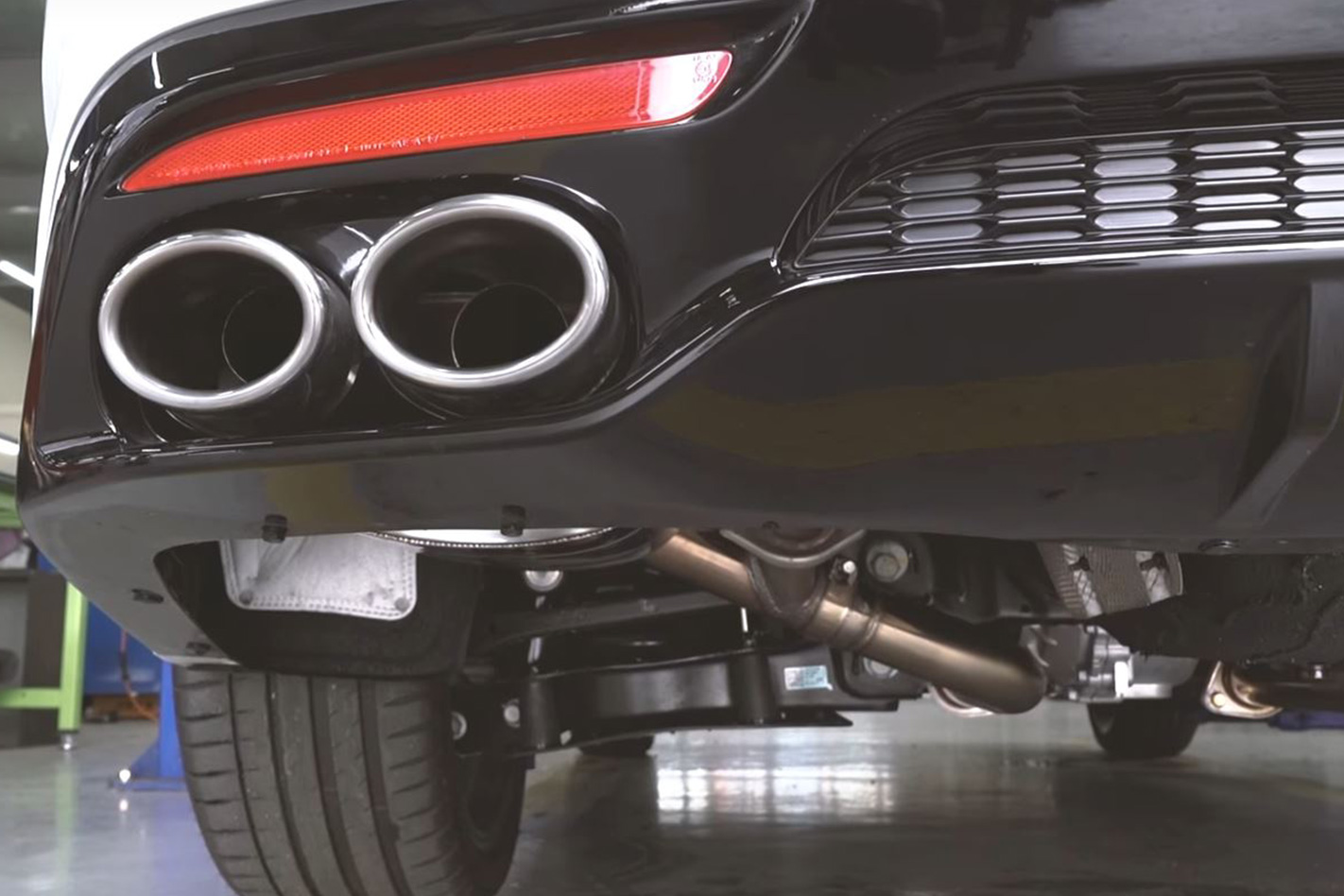
The issue’s so rife Kia Australia has vowed to beef up the Stinger’s bark with a bi-modal exhaust designed by HSV’s contract exhaust gurus.
While tests on a prototype are happening in Melbourne until Kia are happy, Australia waits in suspense to know whether a burly tune can be extracted from the refinement-focused Stinger.
In Korea, however, exhaust specialists JUN B.L have proven there’s nothing to worry about if you turn to the aftermarket.
The shop has released video of a Stinger GT fitted with its aftermarket exhaust. And it reveals the 3.3-litre V6 definitely has a bark. A proper, gurgly one at that.
The system looks to start from the cat back and, with some revs, helps the Stinger mimic an AMG C43’s howling six.
Kia’s promised a rear-drive, four-door sedan that can clip 100km/h in under six seconds, and everything we’ve seen or driven so far says it’ll deliver.
Should it near the JUN B.L system’s rort, we’re sure Aussies will feel much more comfortable laying down $55K of their hard earned.
Source: JUN B.L systems
Ever since the first batch of 400 WRX STI Version Vs landed in Australia in 1999, each new model has had to justify itself.
This article first published in MOTOR, April 2008.
The MY99 STI moved the goalposts for affordable sports cars, delivering supercar performance for a fraction of their cost. But in 2008, the freshly hatch-backed STI means a great deal more to the Impreza family.

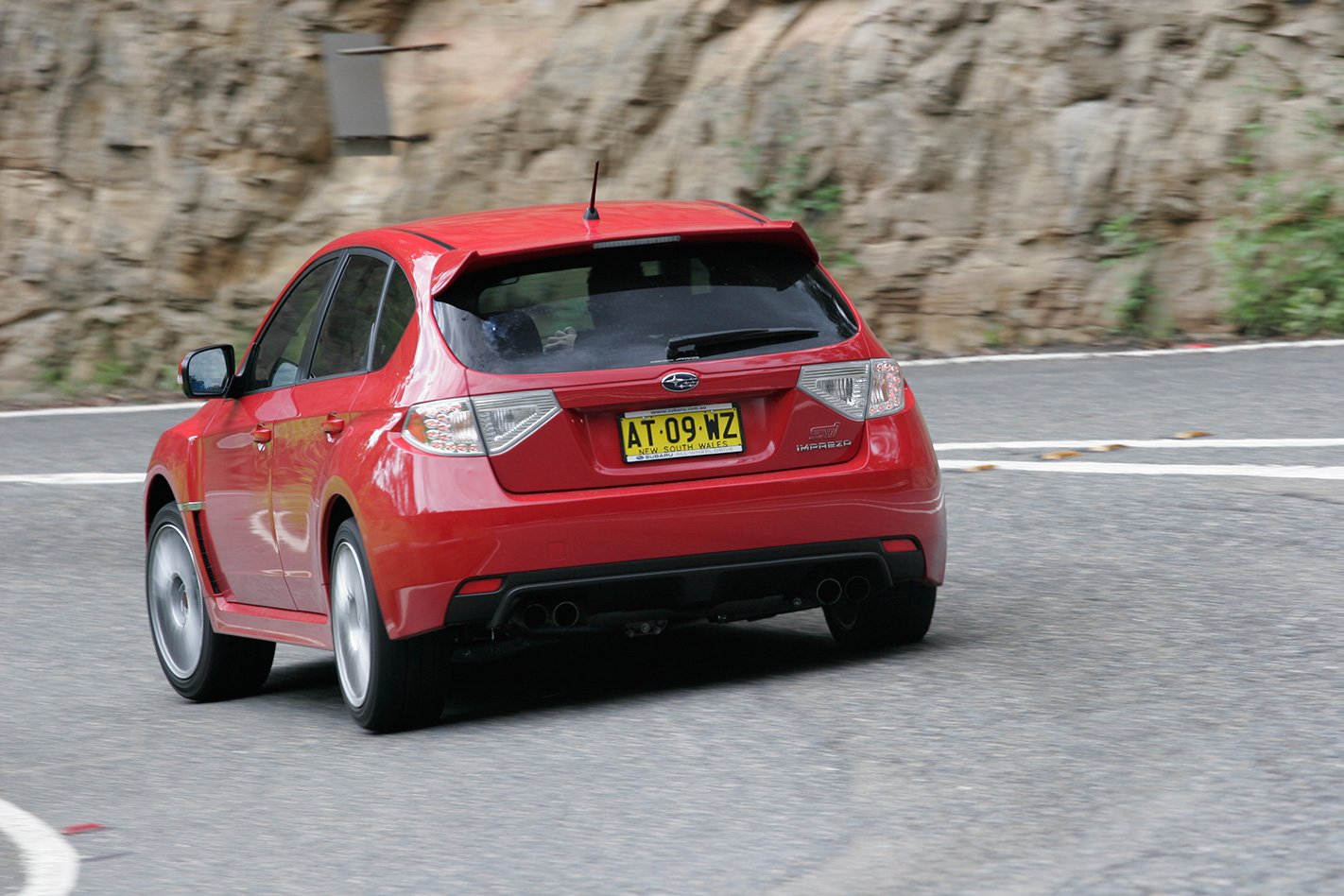
Well, you’d hardly dare call the STI’s look effeminate. The flared guards, wider tracks, 18-inch wheels and aggressive stance shout intent. The STI shares only its roof, bonnet and front doors with the standard WRX in order to sculpt a zero-lift aerodynamic design, but also to clearly stamp it as the hero car of Subaru’s range.
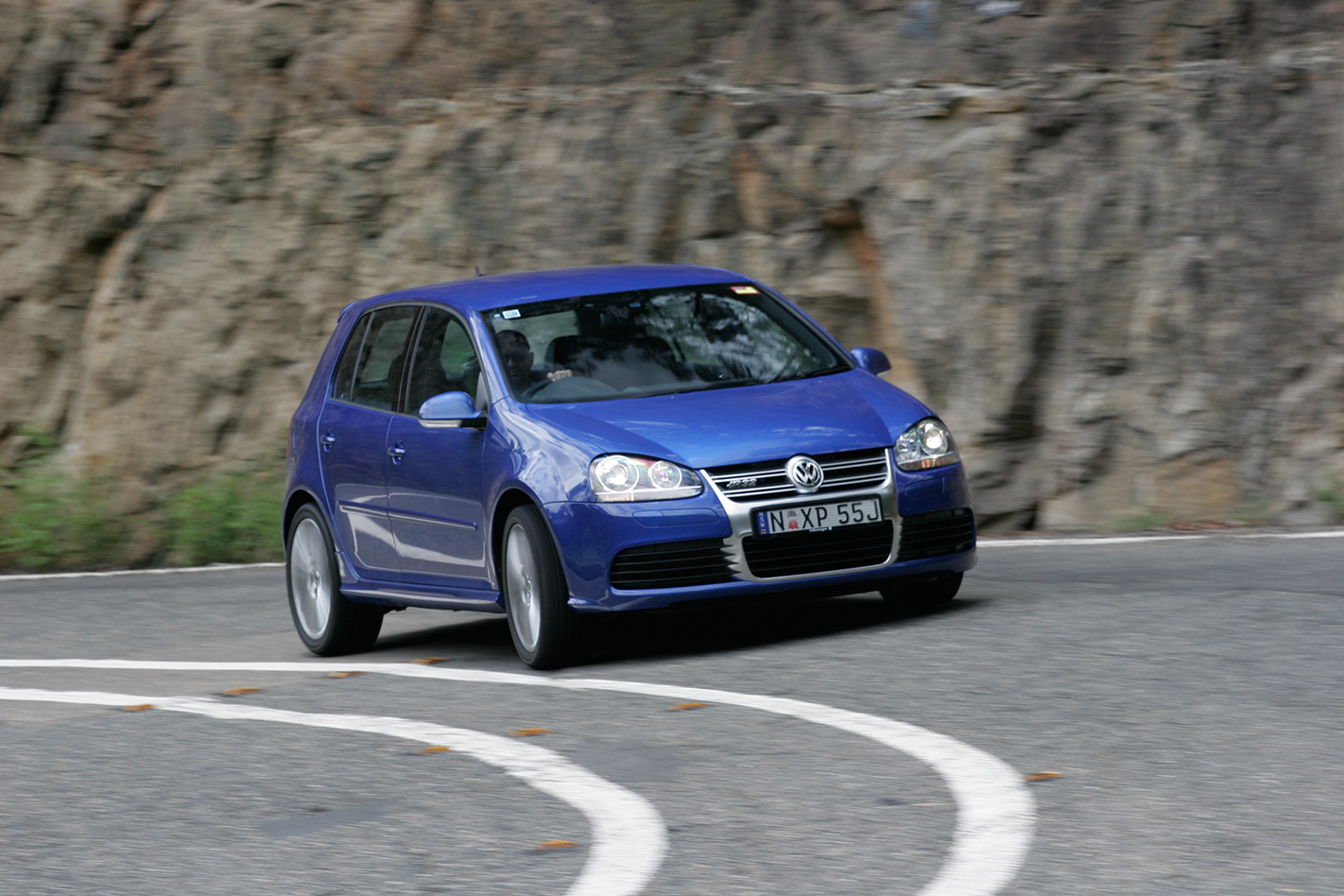
That’s something Volkswagen’s Golf R32 doesn’t have to contend with. The R32 models its attractive figure on the already-shapely Golf. A few splashes of chrome, some shiny 18-inch alloys and subtle skirting and piping amount to one of the most handsome hot hatches around, especially in Deep Blue.

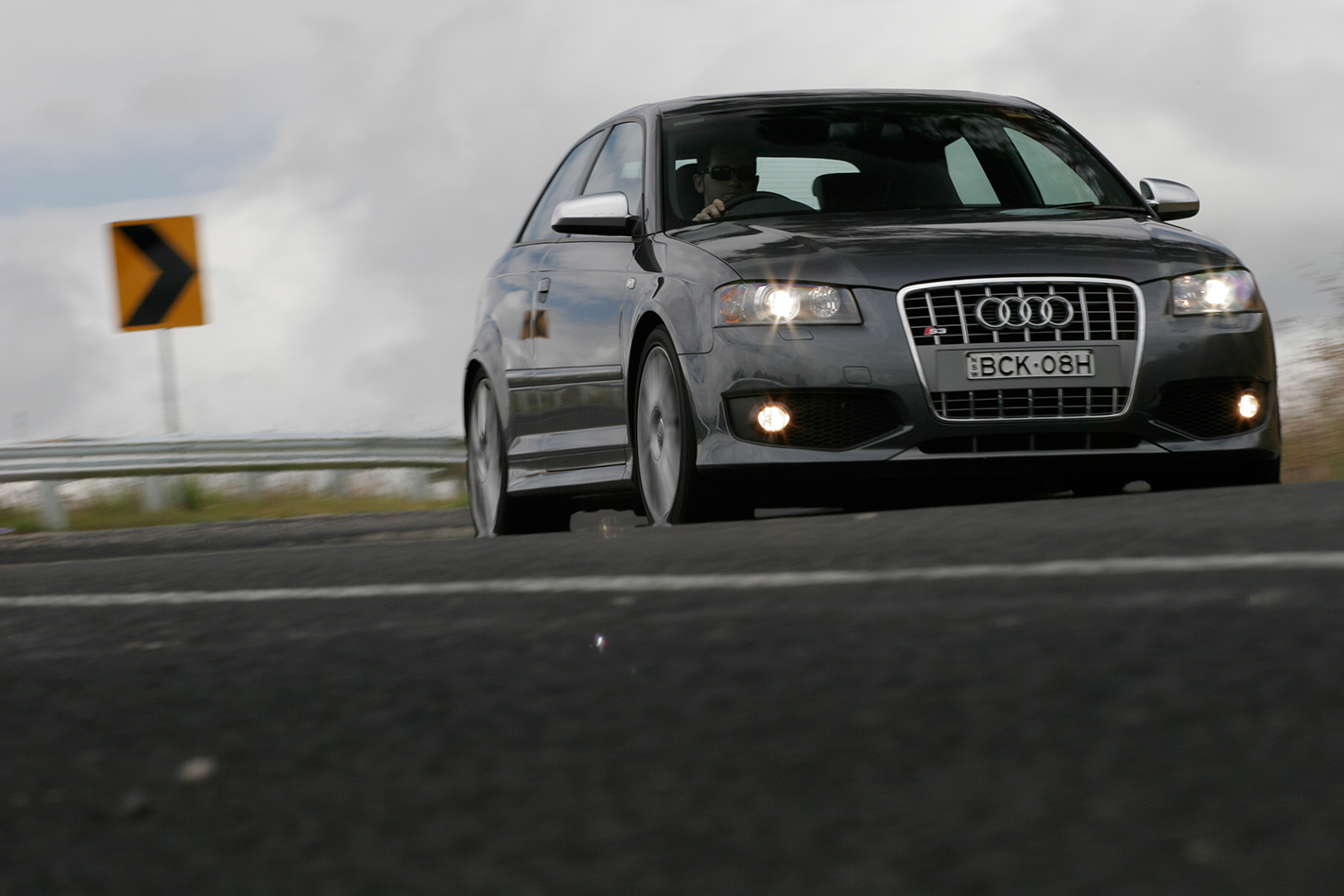
Even a trained eye could easily mistake the understated S3 for a garden variety A3, which is a bit of a problem given its $20K premium. Aluminium mirrors, 18s and two red badges are among the few hints to its firepower. If you prefer low-key dinner parties and only ever wear black, here’s your car.
Well you can decide, but there’s bugger-all of the guttural, hard-edged thrum that Subaru boxers are inherently capable of. The R32, on the other end, has one of the raspiest exhaust blares you can buy from off showroom floor.
With the windows down, it’s surprisingly loud and gives the lie to the often-spun line (are you listening, Subaru?) that hushed exhaust notes are the victims of noise regs. As the R32 proves, time spent on the acoustics can make a car’s character.
The S3’s note sits somewhere in between: refined and purposeful, underscored by the turbo’s unflustered whistle as the revs increase. You don’t need big revs on board to get the S3’s 2.0-litre turbo engine pulling, though. All 330Nm are hauling within a fat 2500-5000rpm band, with a peak power of 188kW arriving at six grand.

Fuel economy is admirable, too, consuming just 11.1L/100km on our test loop, compared to the R32’s 14.0L/100km and STI’s 14.6.
While the R32 V6’s biggest drawcard is clearly is fruity exhaust note, the reality is it’s more about noise than numbers. Despite packing 184kW (just four down on the S3) and a similar torque figure to the Audi, the R32 is the slowest in a straight line.
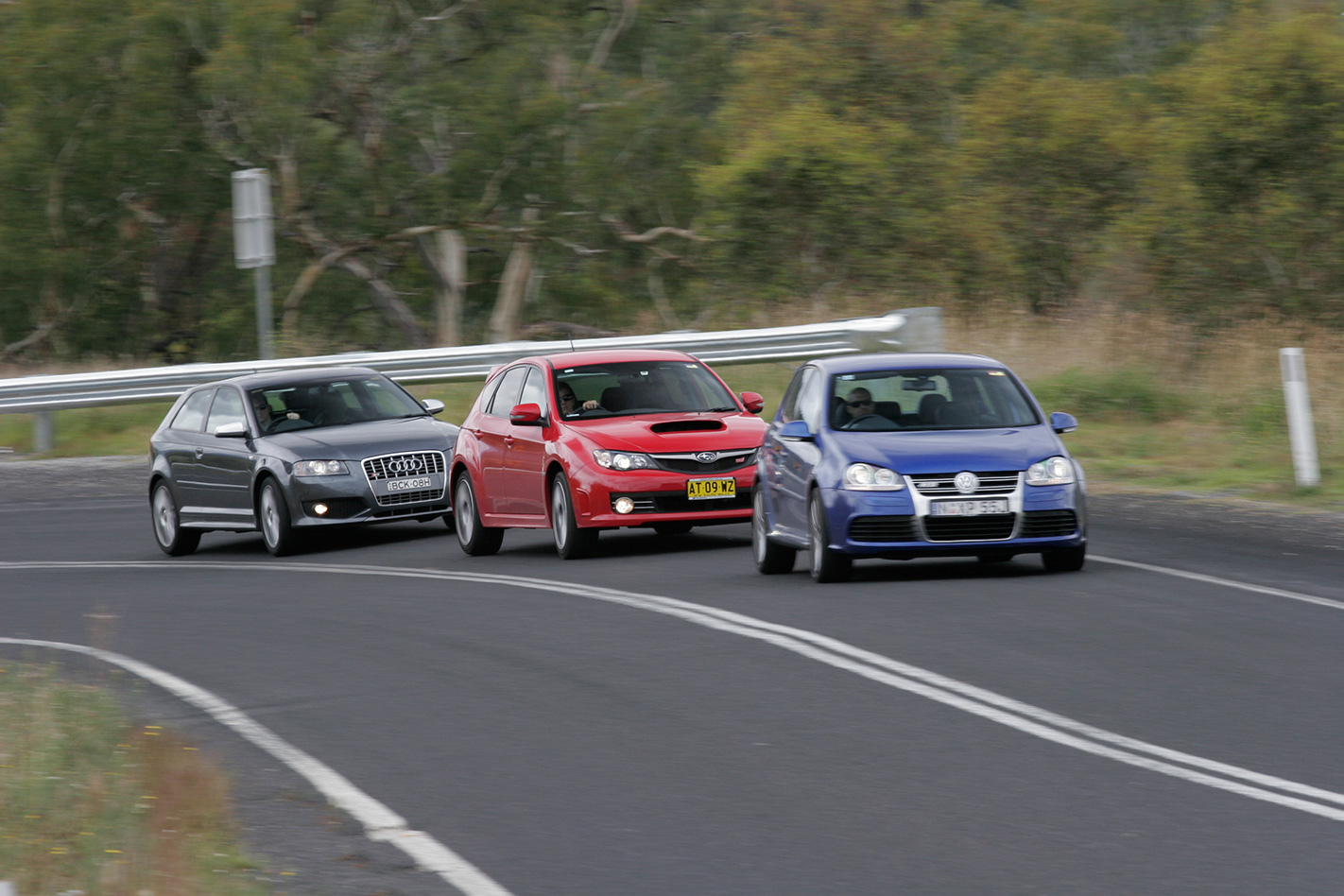
Either way, the STI is hands-down the fastest thing here in a straight line, clocking 0-100km/h in 5.6 seconds and the standing quarter in 13.7; over half a second faster than the second-placed S3 and a full second ahead of the leisurely R32.
Both Germans seem to bog down slightly after the initial scramble away from launch (and may benefit from a slightly looser surface than Oran Park’s main straight), but the STI blazes out of the starting blocks like it’s being hit with a tazer. The fastest Subey remains one of the most savage launchers that we’ve come across, surging forward cleanly, and with greater ferocity, than the old car.
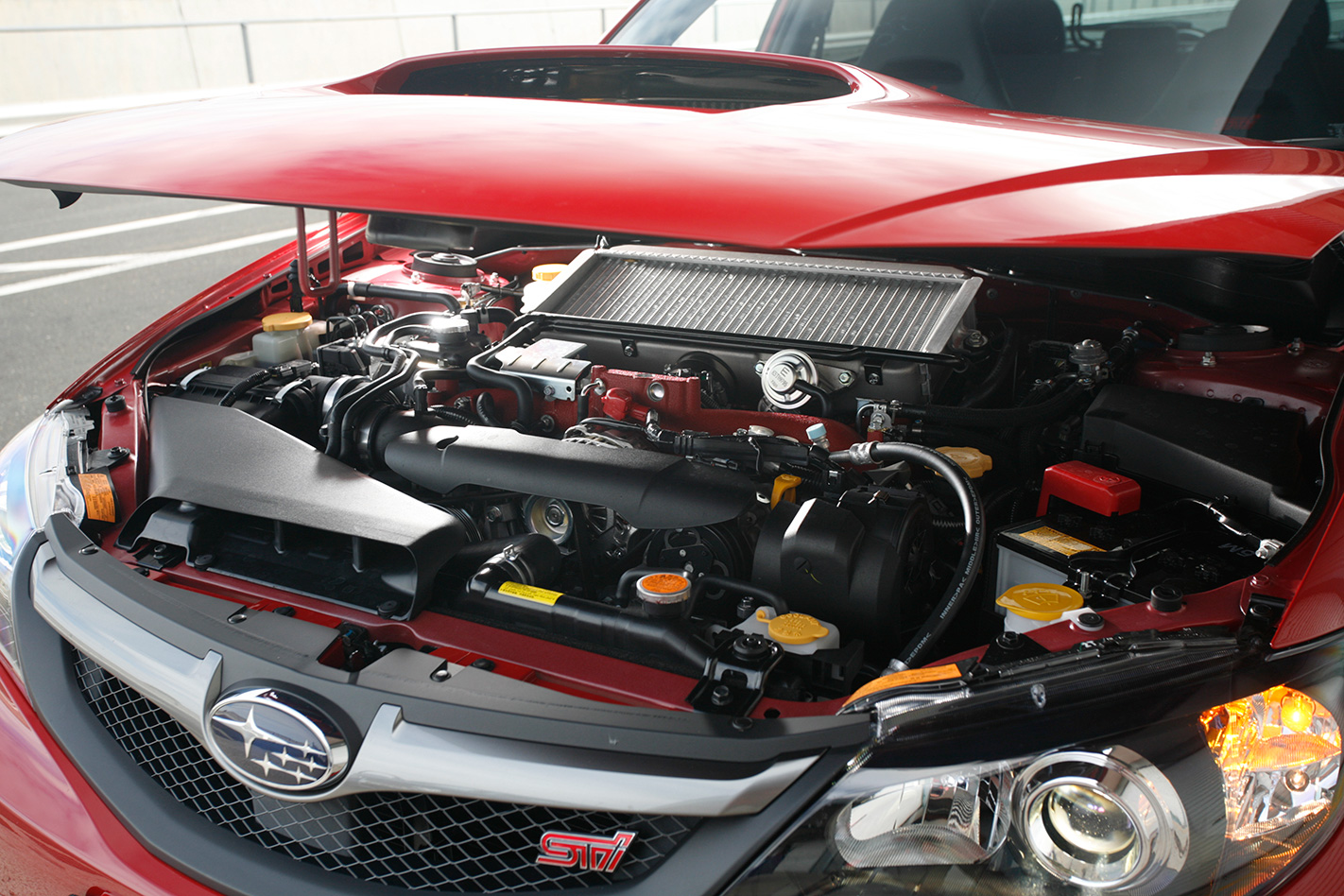
Below 2500rpm, you’re wasting your time if you’re trying to haul in the other two with your right foot flat, though in light-throttle work around town, the new STI’s effortless tractability is vastly superior to its predecessor. Remain committed above 3000rpm, however, and you’ll make very rapid progress.
The STI can be frustrating if you’re snaking through tight corners and you’re caught in the wrong gear – waiting and waiting for the turbo to spool up before surging headlong into the 7000rpm rev limiter – but in the right ratio, surfing 3000-7000rpm, it’s ballistic.
The S3 and the R32 share the same six-speed gearbox, right down to the ratios and even final drive. They both slot through each gear change with the beautifully light action that every VW Group manual seems to do so well.
But while light-and-easy is nice for changing gears, it’s not so hot for proper steering feel, and it’s this affliction that ails both the S3 and STI. We’ve spoken at length before about Audi’s fetish for vacant steering that transmits little genuine communication to the driver.
The S3 is markedly better than previous models, but it’s still nothing on the meaty conversation delivered by an RS4.

It’s hydraulic steering is also noticeably lighter and markedly quicker than the electro-hydraulic S3 and R32’s shared set-up.
This makes it all the more surprising, then, that VW can get the steering so right, when the S3 falls short with the same hardware. Building on the Golf GTI’s excellence, the R32’s steering is solidly weighted and reasonably feelsome. Its aggressively contoured wheel is also the best of the lot. The Subaru’s is simple, but tactile and attractive, while the flat-bottomed S3’s (shared with the TT) looks neat, but it’s squared-off design can be off-putting.
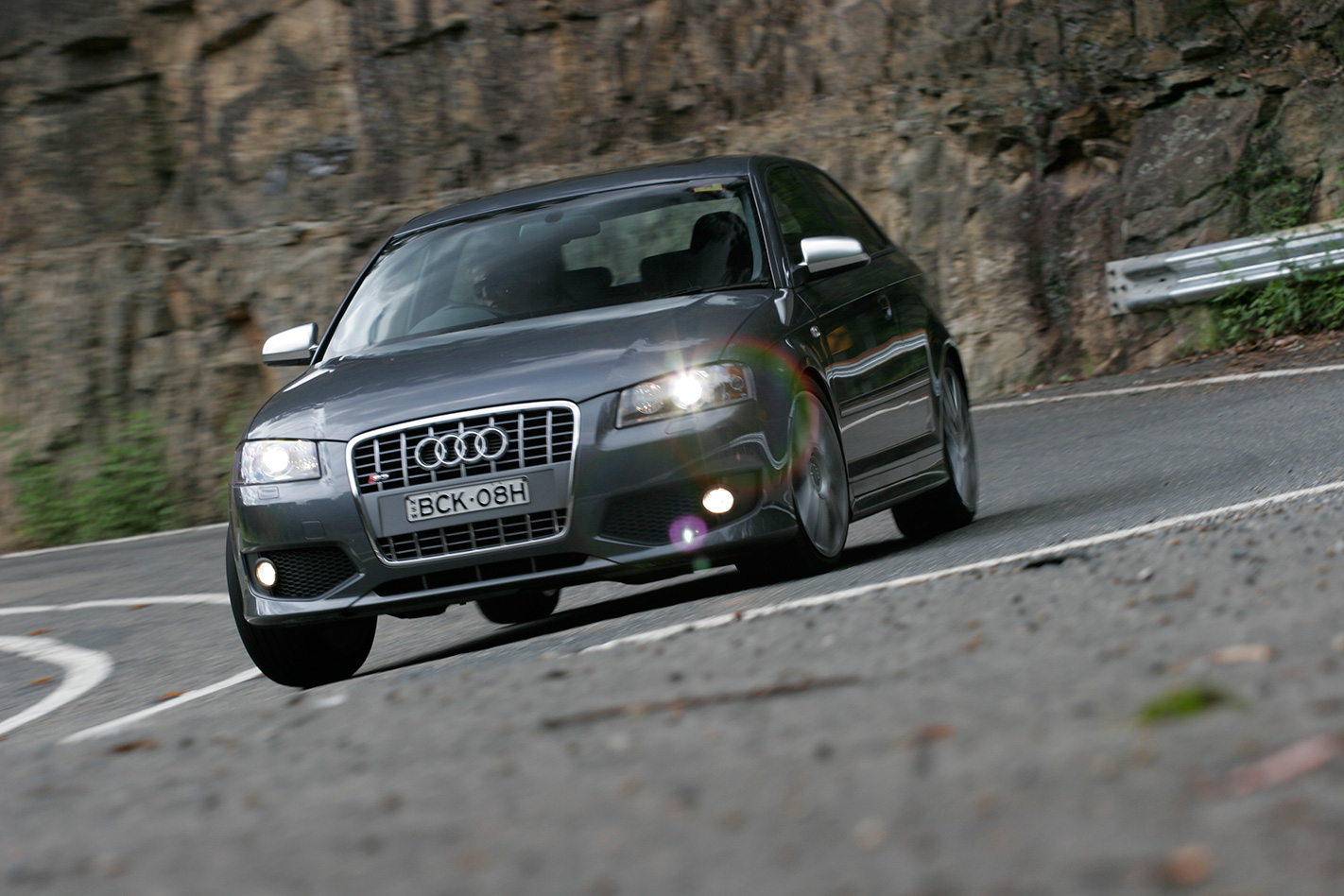
Patience and prudent throttle modulation drive you around a bend fastest, as will setting the car up properly on turn-in by trail-braking and using the S3’s moderate adjustability. But ultimately, it doesn’t have the same lateral grip as the STI and R32, even though it wears the same tyres as the latter.
That’s because it sits the flattest of the three under hard cornering and seems to be more reliant on the tyre’s adhesive grip than the chassis’ actual poise.

It feels better balanced than the S3, but also seems more planted on the road and feels more obviously four-wheel driven, where the S3 seems to drive more from the front and constantly threatens to wash wide if you’re too little keen on the throttle.
The R32 isn’t transmitting as much torque through its wheels, but due it’s more fluid chassis and better balance, the Golf corners every bit as quickly as the S3.
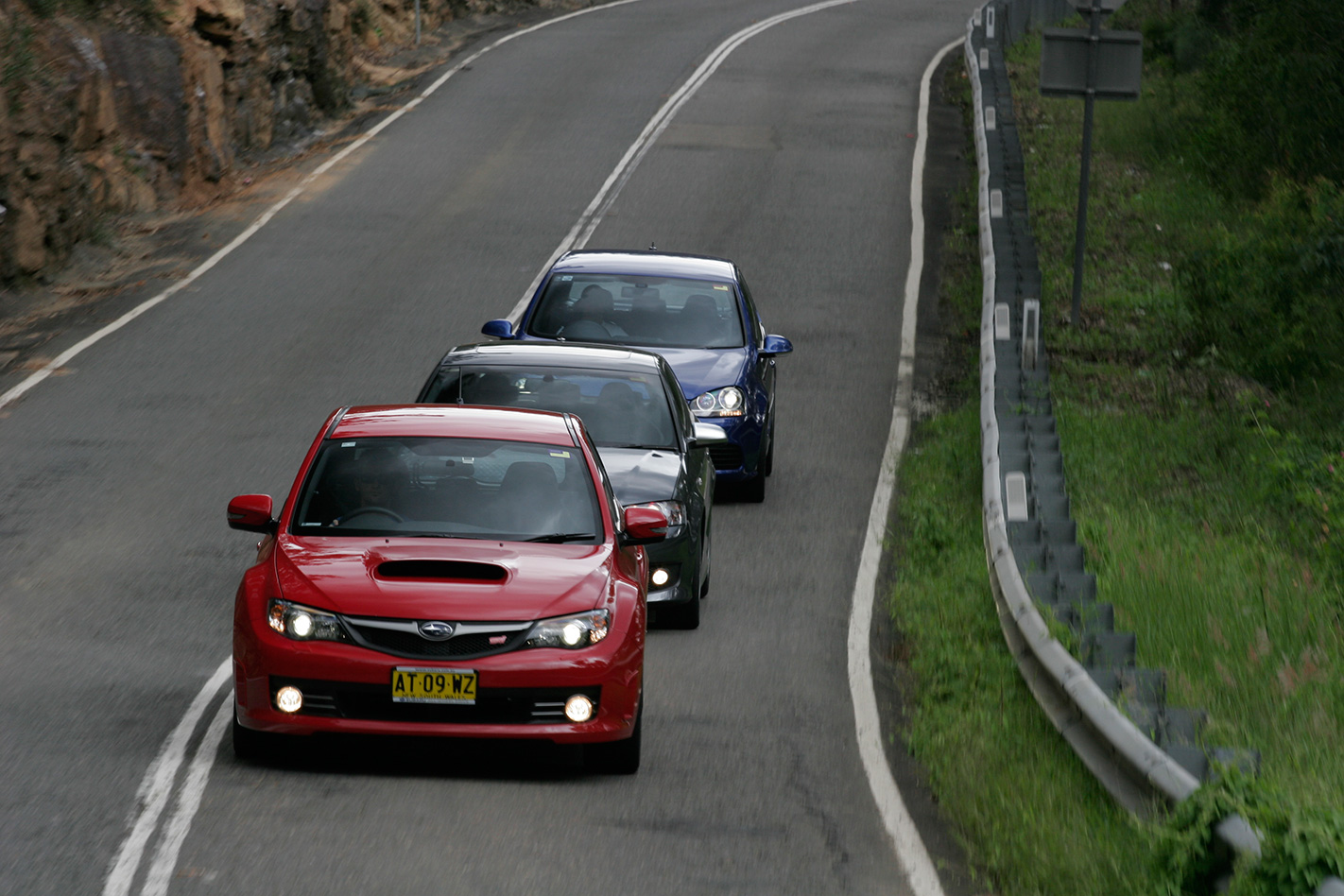
If you don’t treat it mean and venture beyond it’s remarkable stability, you won’t appreciate just how good the new-generation Impreza’s chassis and drivetrain combination really is.
Charge at any medium- to low-speed corner and be sure to brake liberally as you slew the STI at the apex. When it almost – but not quite – looks like it’s going to glance said apex, nail the loud pedal and feel the diff punt drive to the rear.
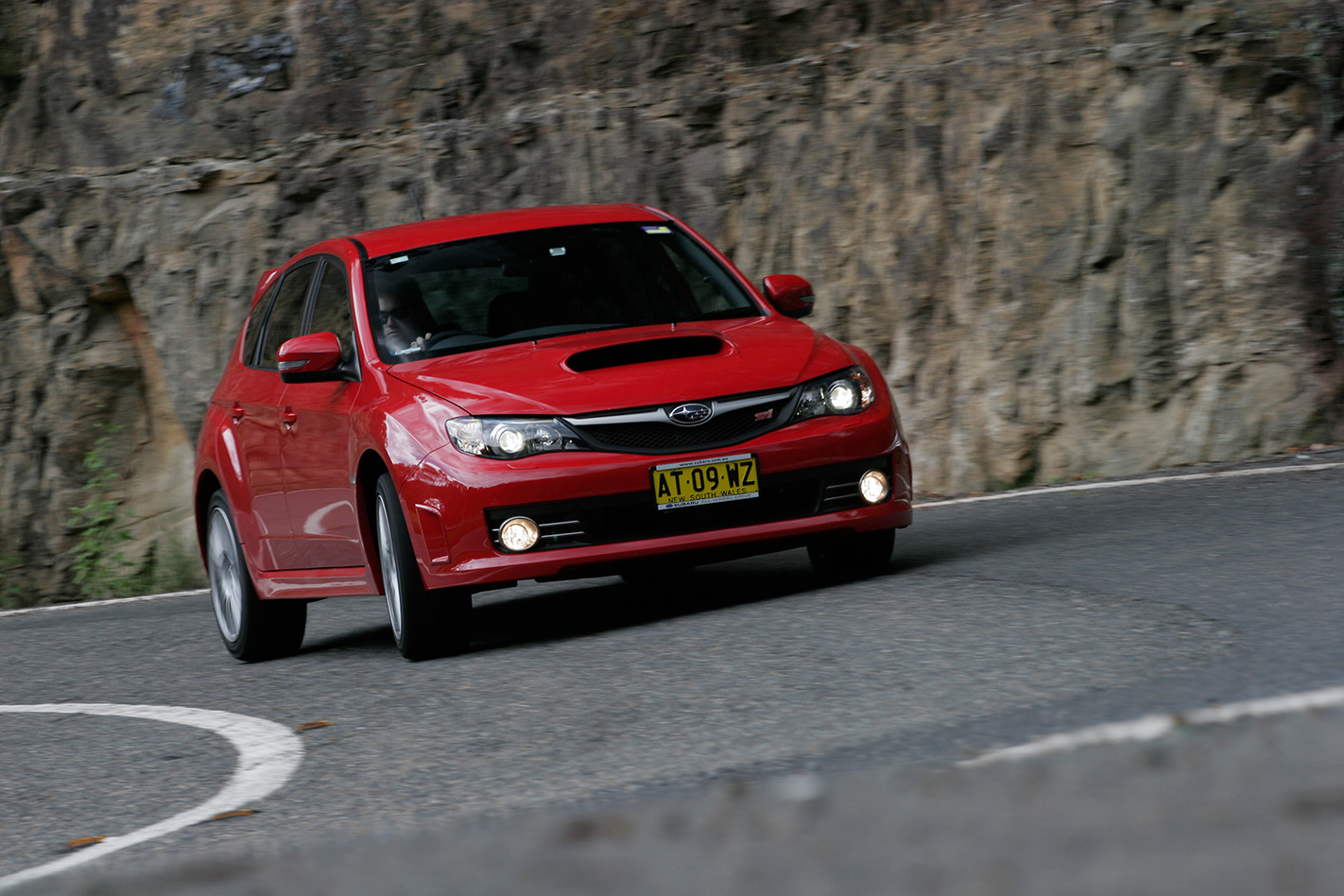
Because of this, the STI will flatter an average driver, where the S3 requires smoothness and judicious inputs to get the best out if it. The STI can just be driven hard and the active diff will make you feel fast by adjusting drive to suit.
But don’t be fooled – if you throw caution to the wind and mash the throttle before it’s sane to do so, you’ll still get bags of understeer as you head for an earlier-than intended corner exit. The R32 can also be driven with verve, but it simply doesn’t have the power of the other two to straighten up and haul you out as hard.

The STI’s pedal placement is best, as are its big disc brakes with four-piston Brembo front callipers. Ride comfort is also a consideration, and the Golf exhibits the best of the three, being firm but compliant. The Audi’s is firmer, and its body control is excellent with four people on board.
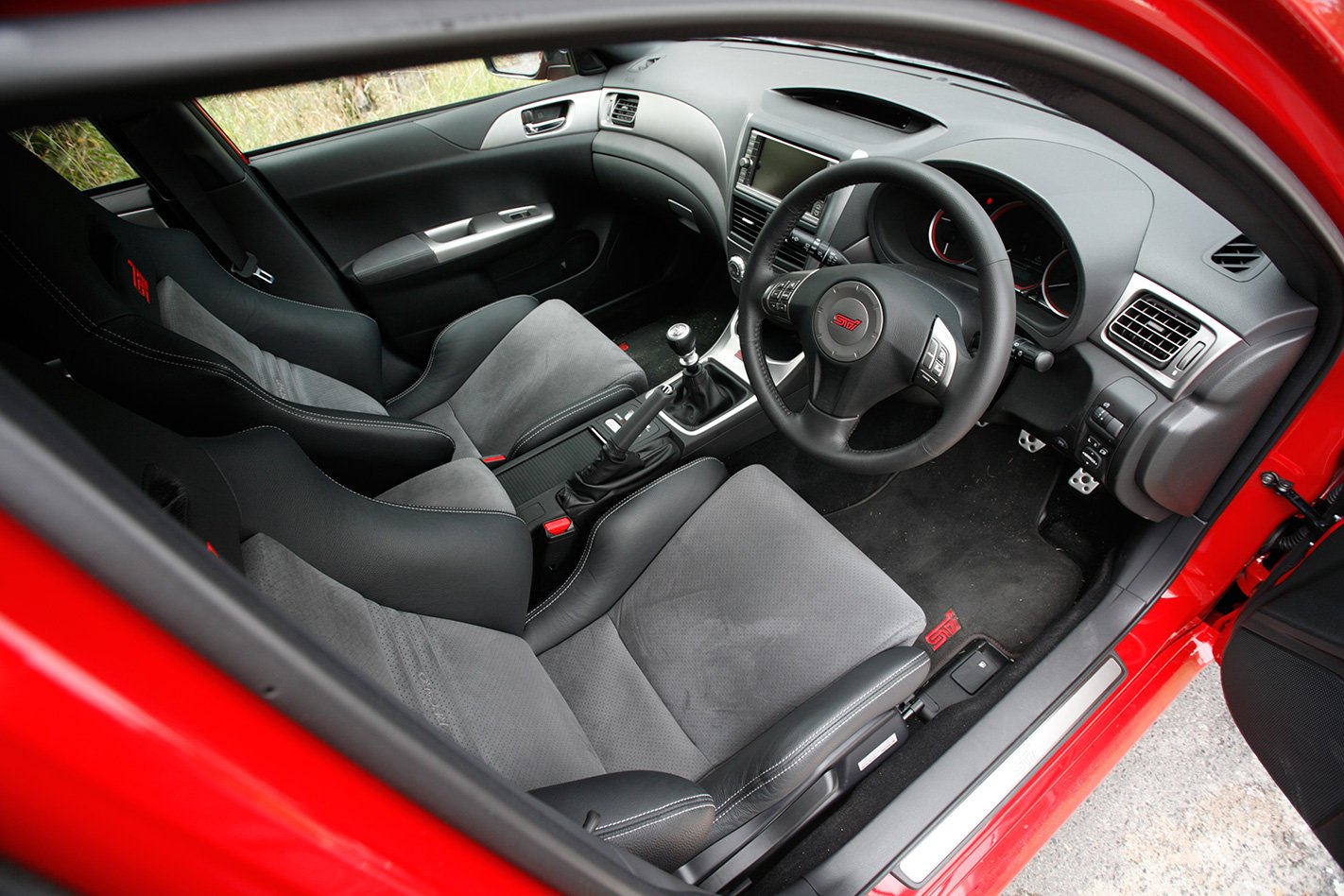
The Subaru’s ride is the harshest of, admittedly, a solid group, but it’s noticeably more supple than previous STIs. For seating comfort, the STI Spec R wins with fabulously supportive Recaro front seats, and a superb rear pew. But beware: big bastards may find them less than flattering.
But there can only be one winner of this comparo and it isn’t the S3. Priced at $65,500, has a fantastic engine, but at that price, most punters will want a little show to go with their car’s go. It works with its driver to a point, but you’ll find out all there is to know about it in your first decent strap.
The $56,490 R32 is a great choice if you want an incredibly practical hatch that is also packed with character. It doesn’t have the weaponry of the other two, but it’s heaps of fun and can be pressed much harder than its grown-up demeanour might suggest.
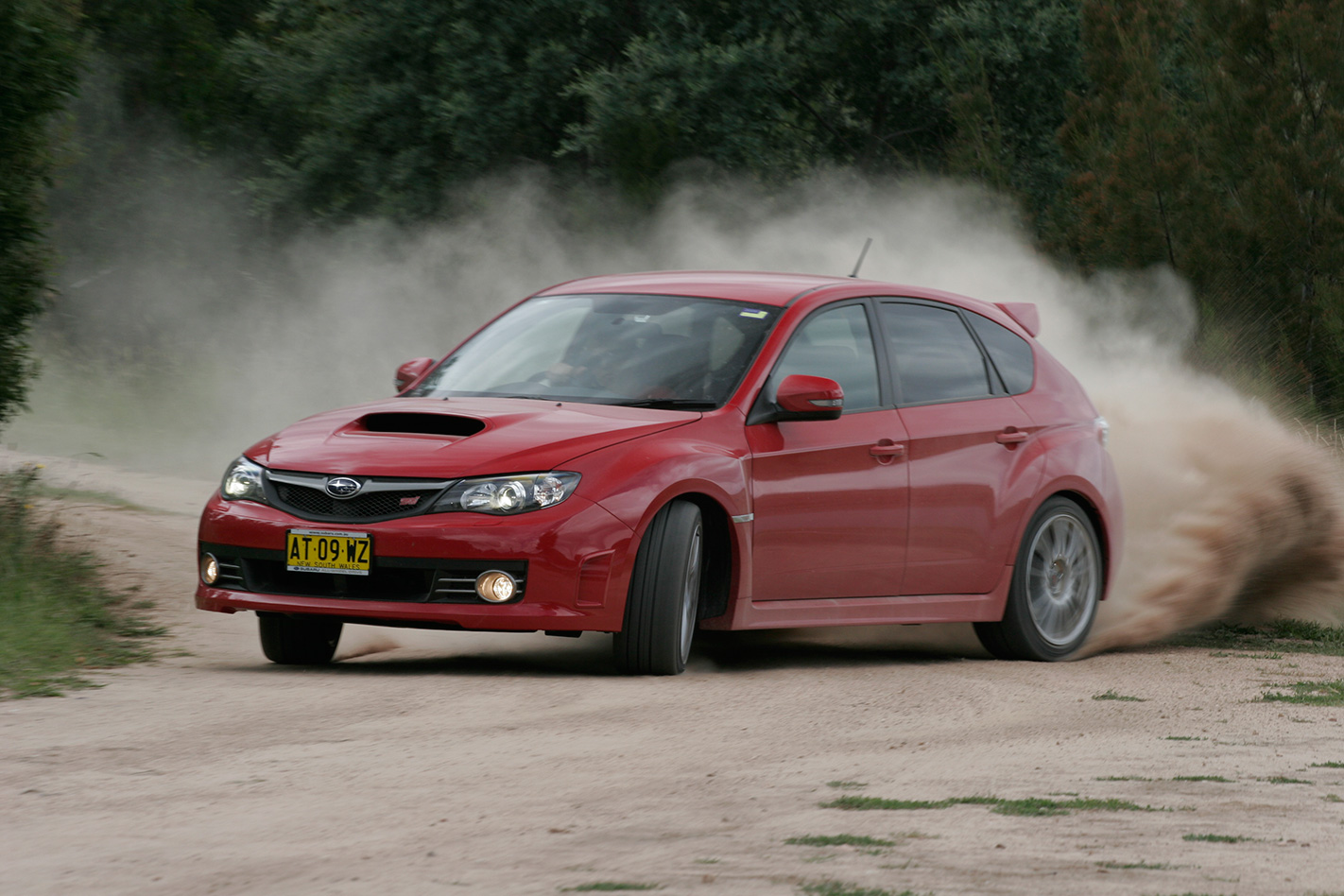
But show it some curling bitumen and you’ll agree the new STI is every inch the mischievous rascal we wanted it to be.
The list of vehicles affected by the on-going Takata airbag recall continues to grow, with three high-selling models from Mazda and two BMW SUVs being recalled due to defective airbag inflators that could potentially kill.
The Mazda vehicles affected were built between November 15 2006 and April 30 2013, and include 19,557 Mazda6 models, 14,080 CX-7s and 21,450 CX-9s. These vehicles are in addition to Mazda vehicles that have already been recalled – concerned owners can check whether their VIN is on the list by going here.
For BMW, it’s the previous-generation E70 X5 and E71 X6 that join the recall, with 21,649 of the luxury SUVs affected in Australia. BMW – like Mazda – will be contacting affected owners, but specific VINs can be looked up here.
The X5 and X6 models subject to the recall notice were sold between January 1 2007 and 31 December 2012.
The recall concerns the inflator modules at the centre of the airbag units, with suspect units being recalled over concerns that degradation due to moisture absorption affects the rate at which propellant is generated to fill the airbag in a crash. Multiple cases have seen faulty inflators explode violently, sending metal fragments from their housings into the cabin – and causing injury or death.
The addition of more Mazda and BMW models to the Takata tally sees the total number of affected vehicles soar above the 2.3 million mark, and comes just weeks after a police report blamed a defective Takata airbag for the death of a man in Sydney who was driving a recalled – but unrepaired – vehicle.
Globally, more than 11 million vehicles are affected by the recall, and Takata, the Japanese component manufacturer at the centre of the controversy, which is now the largest vehicle recall in history, has filed for bankruptcy as a result.
WhichCar urges anyone unsure whether their car is affected to follow this link for the full listing of vehicle makes and models that are subject to the recall.
The end of the year is fast approaching, and with it, some of the most exciting new metal destined for Australia.
Although there are only a handful of months remaining in 2017, there is still an abundance of cool, fast, and exciting new vehicles to be launched. To keep you hyped for what has already been a solid year for new cars, we have put the best new incoming cars into the who’s who of 2017’s second half.
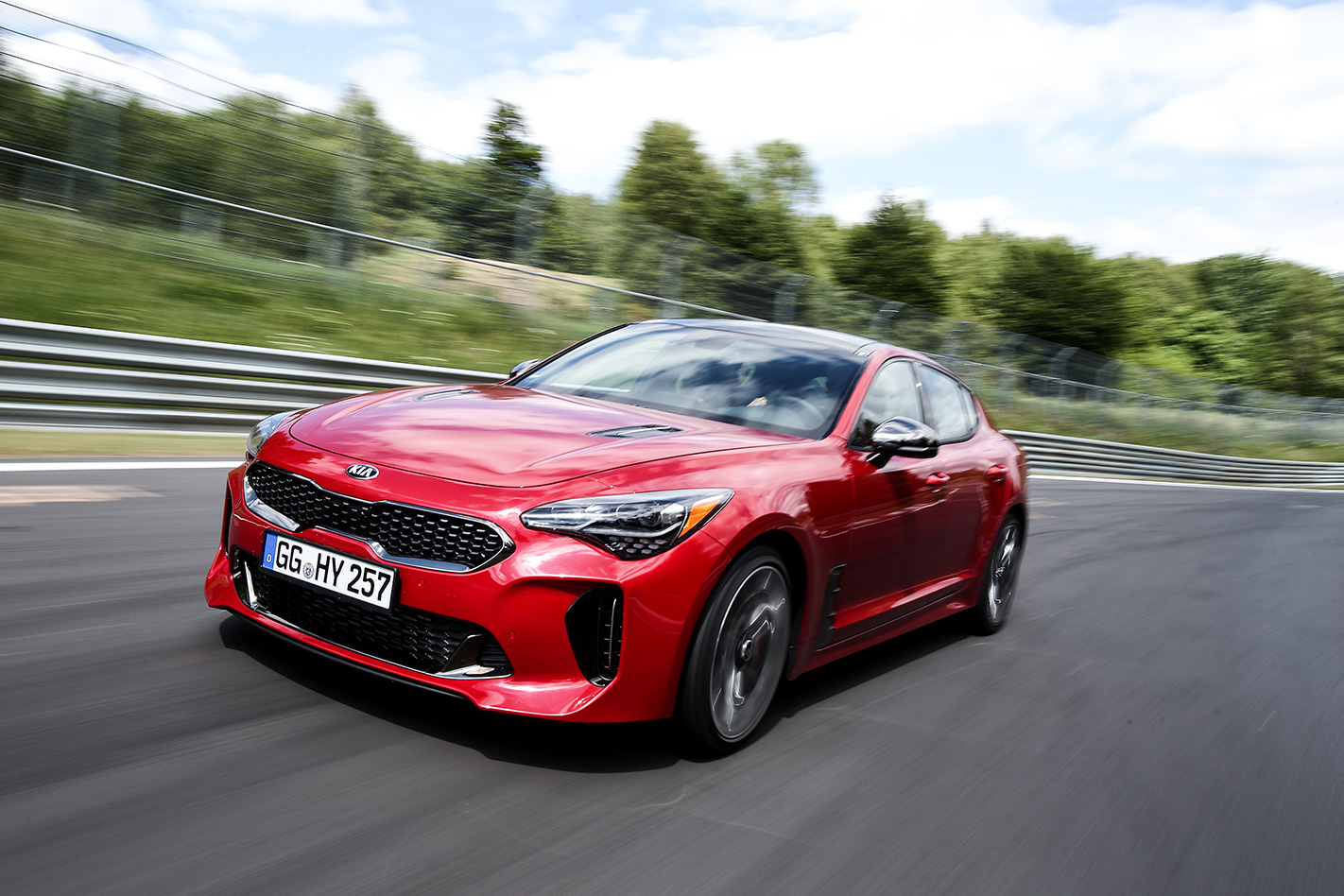
Kia Stinger GT
It could be argued the Kia Stinger GT may be the most hotly anticipated vehicle of the year (although the HSV GTS-R W1 might want to have something to say about that). The V6 twin-turbo sedan sends power to the rear wheels, and fills a hole soon to be vacated by the Holden Commodore, and abandoned by the Ford Falcon last year. A brief drive on the Nurburgring is our only taste so far, so anticipation is high for a local drive.
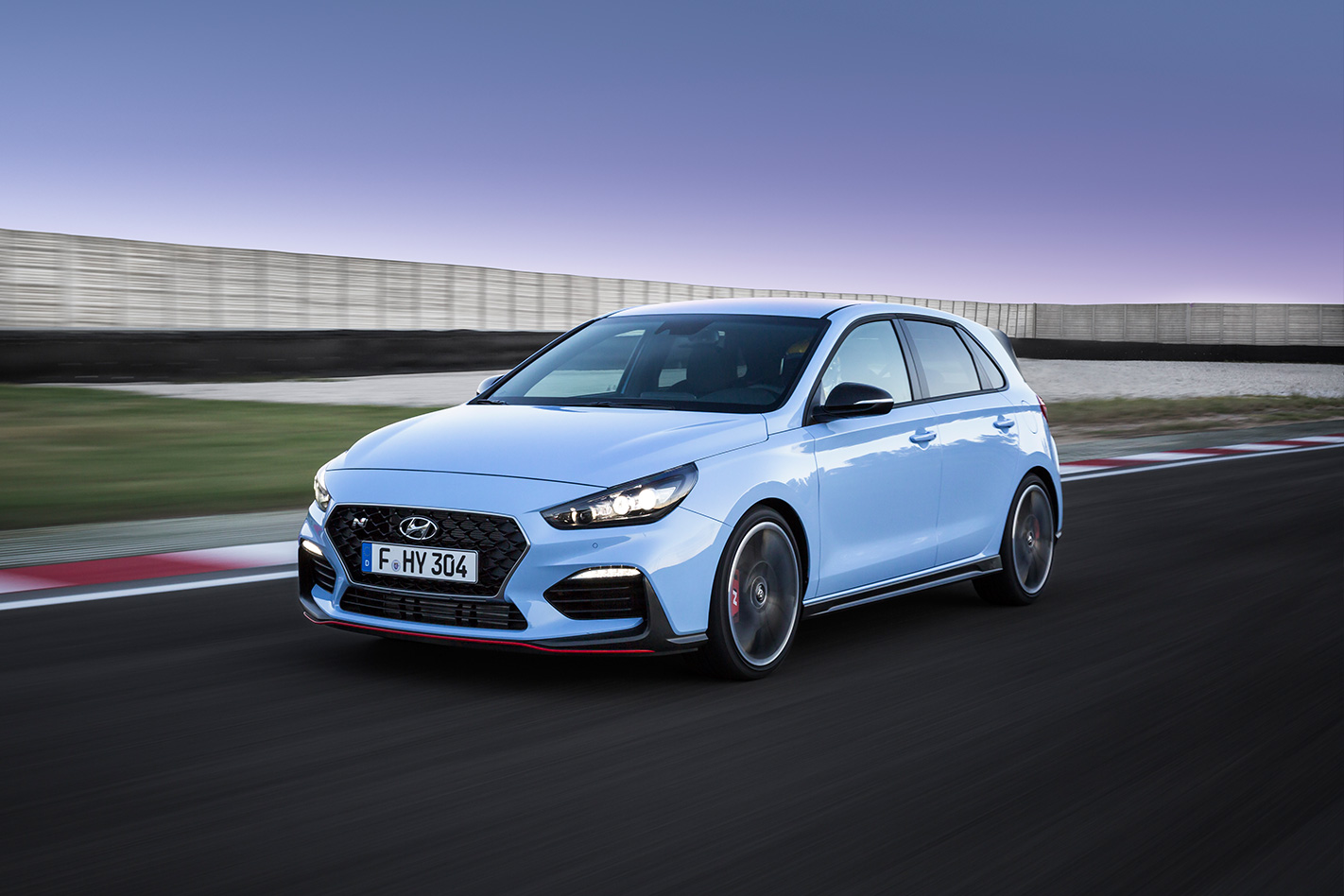
What can be said about the i30 N that hasn’t already been written? It’s due to arrive later this year, with a 202kW 2.0-litre turbocharged four-cylinder engine. The i30 N represents Korea’s first proper crack at a hot hatch, and debut’s Hyundai’s N badge, which will adorn a fleet of performance models. From our drive of a pre-production model, you can expect it to be a hoot!
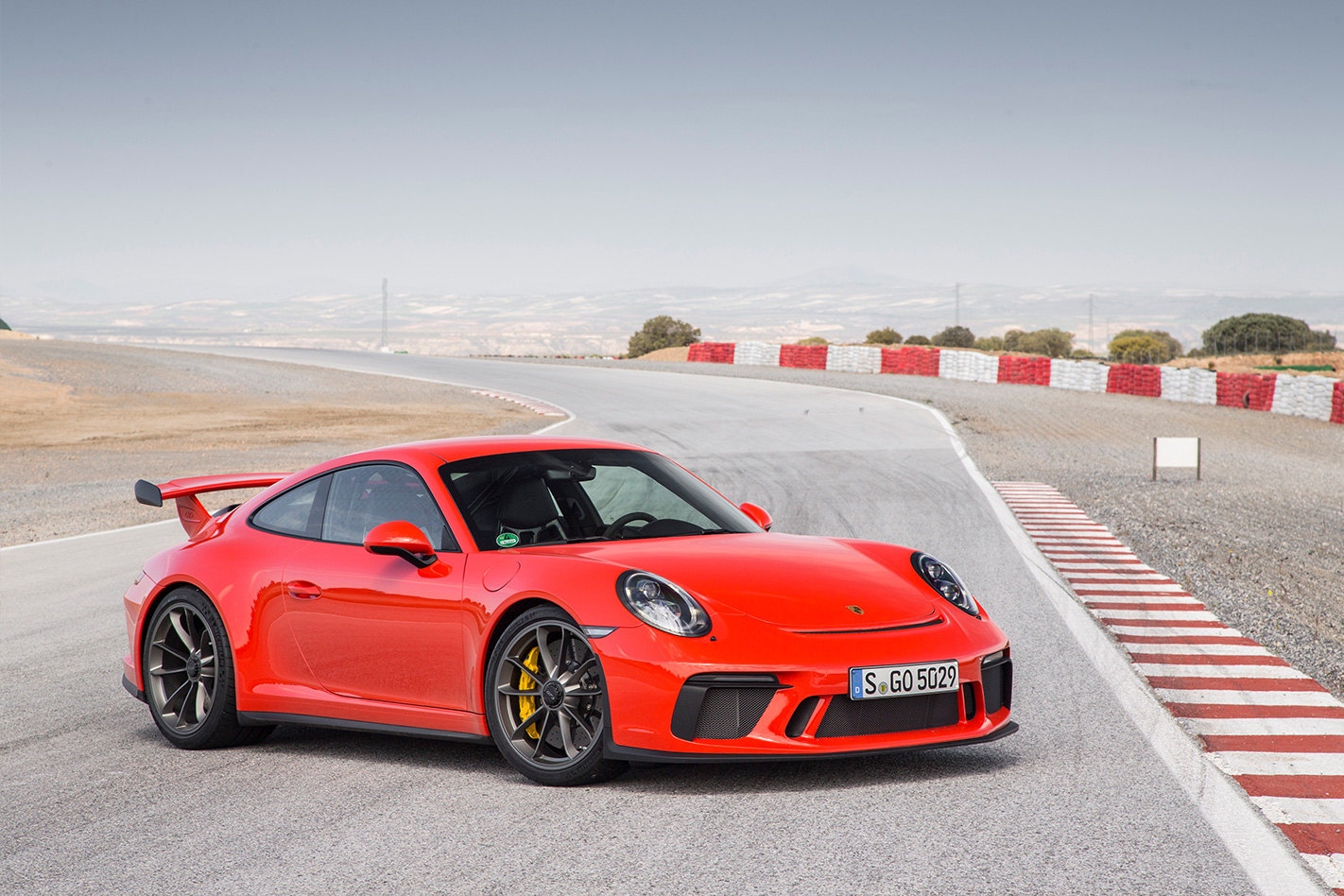
It has a 4.0-litre naturally-aspirated flat six mounted behind the rear wheels, and a traditional manual gearbox. What’s not to get excited about?
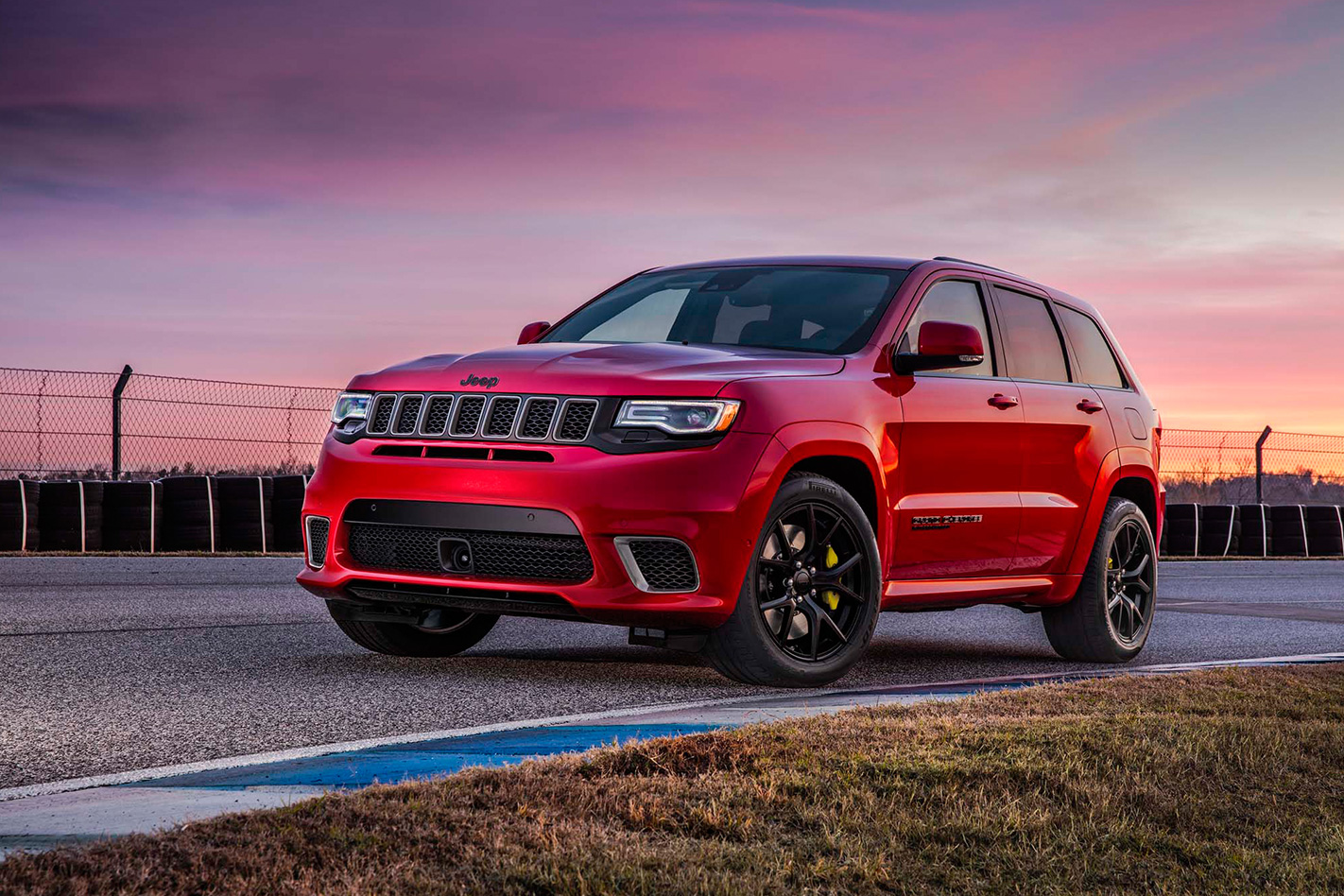
Australians have been pining for the 527kW ‘Hellcat’ engine since it was first introduced in America. The 6.2-litre supercharged Hemi is shoehorned under the bonnet of three models in the US – the Challenger SRT Hellcat (and Demon), Charger SRT Hellcat, and Grand Cherokee Trackhawk. Finally, Australians will be able to have a taste of that American muscle when the latter lands Down Under later this year. As a fun side note, the Trackhawk’s arrival will make it the most powerful V8-powered car in the country.
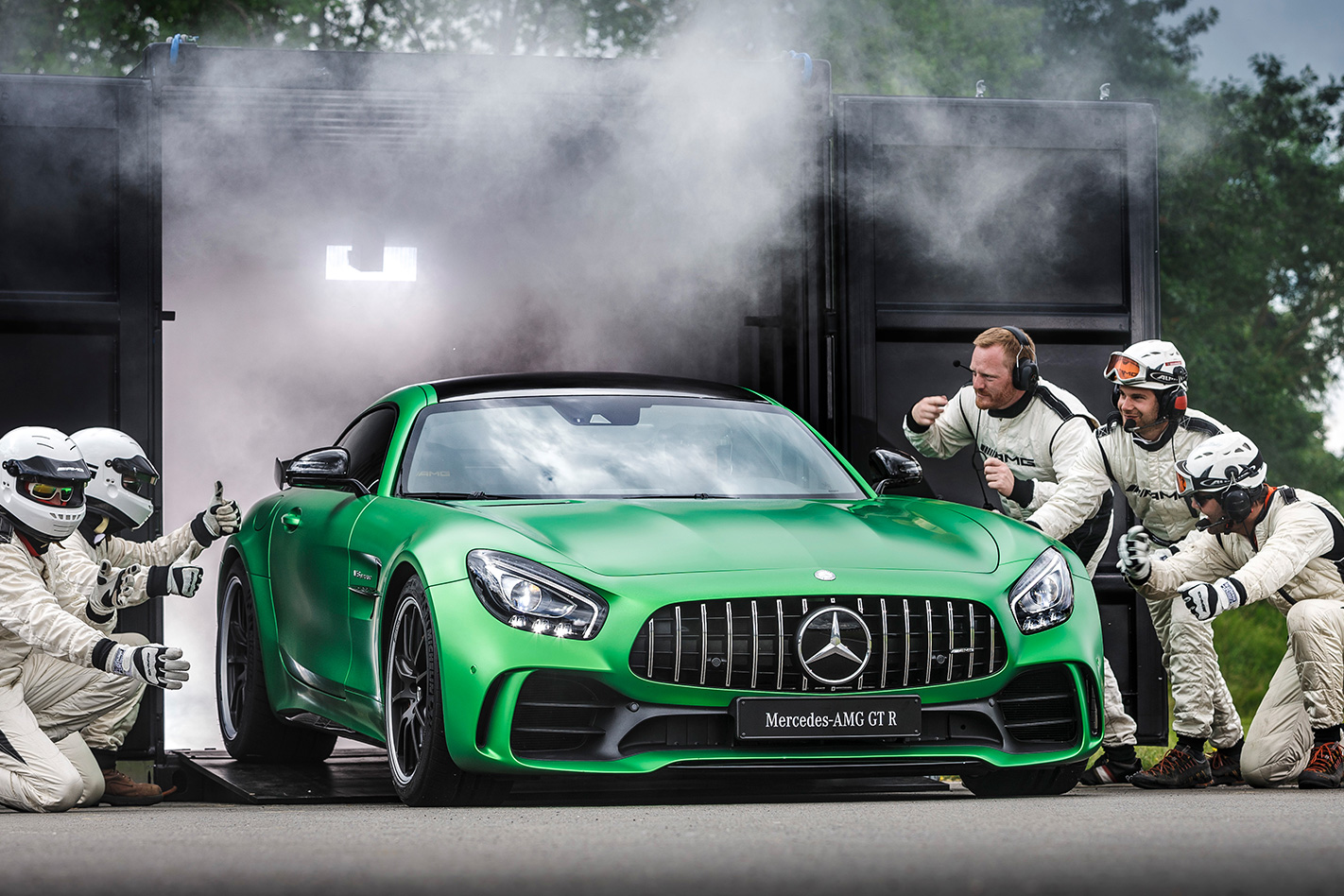
The halo of Merceds-AMG’s performance coupe is scheduled to arrive in Australia later this year, but a left-hand drive model has already visited our fine shores, claiming the production car lap record at Mount Panorama. Joining the GT R, will be the GT C coupe, and a pair of drop-tops for all your V8-powered Summer cruising needs.
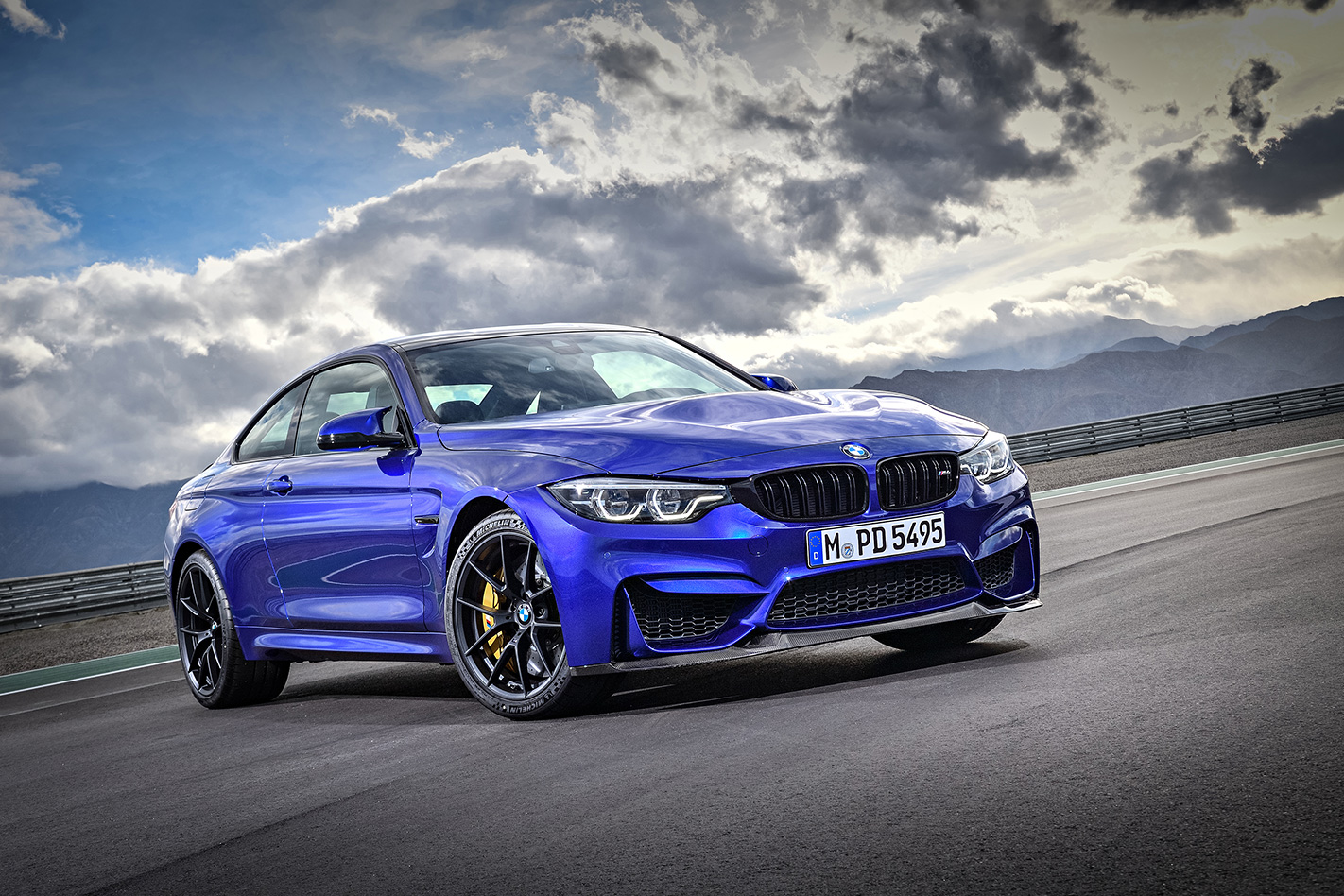
Bridging the gap between the sold-out hardcore M4 GTS, and M4 Competition, the CS adds some go-faster goodies to the M4 range at a premium. The cost per kW ratio had some on social media up in arms, but with the way Australians devour anything with an M badge, BMW won’t be struggling to find customers.
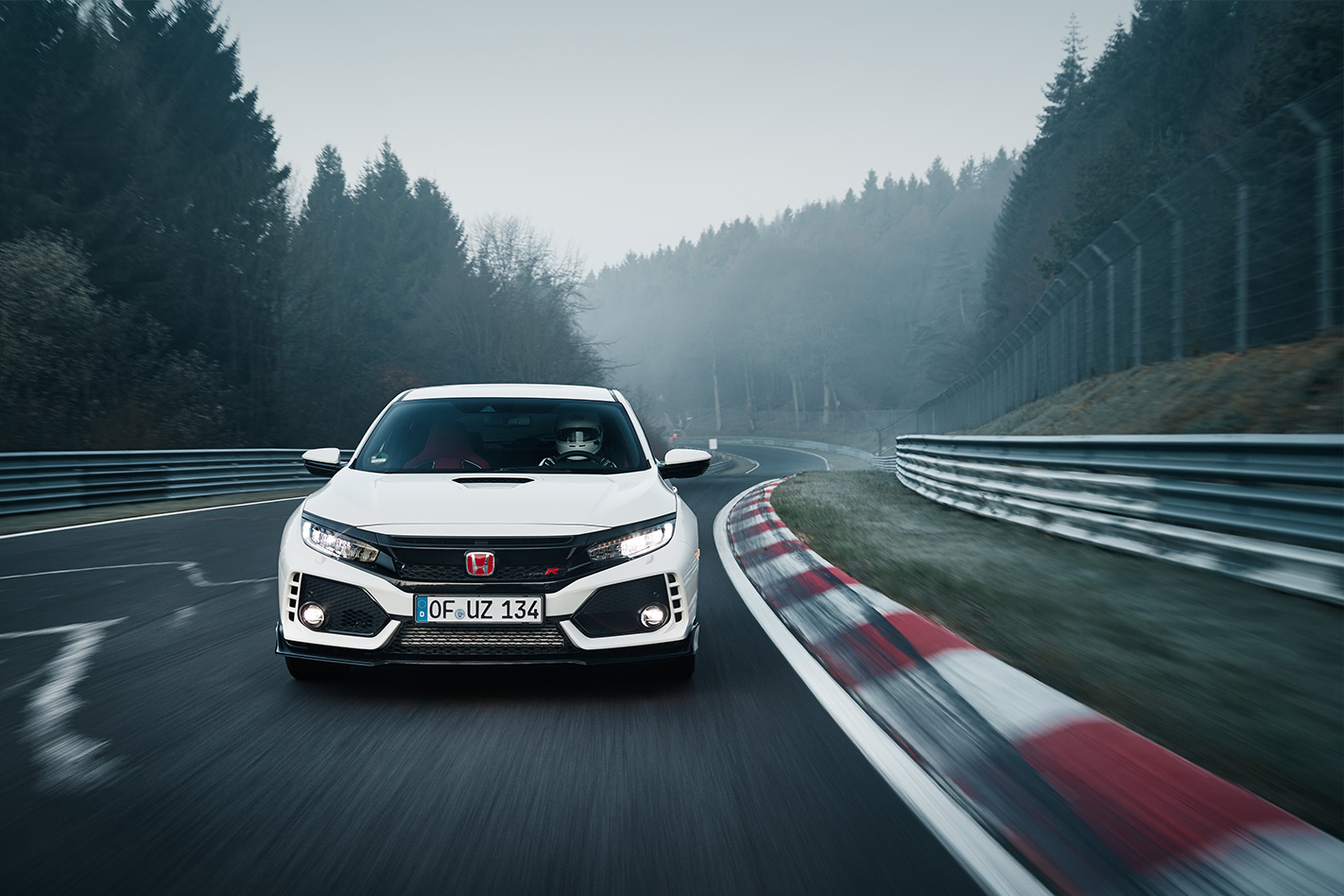
Japan’s heavy-weight in the hot hatch war is set to arrive soon, and comes armed with 228kW and 400Nm of 2.0-litre four-cylinder Vtec turbo goodness. We’ve driven it in Europe, and are excited to see how it performs on Aussie roads.
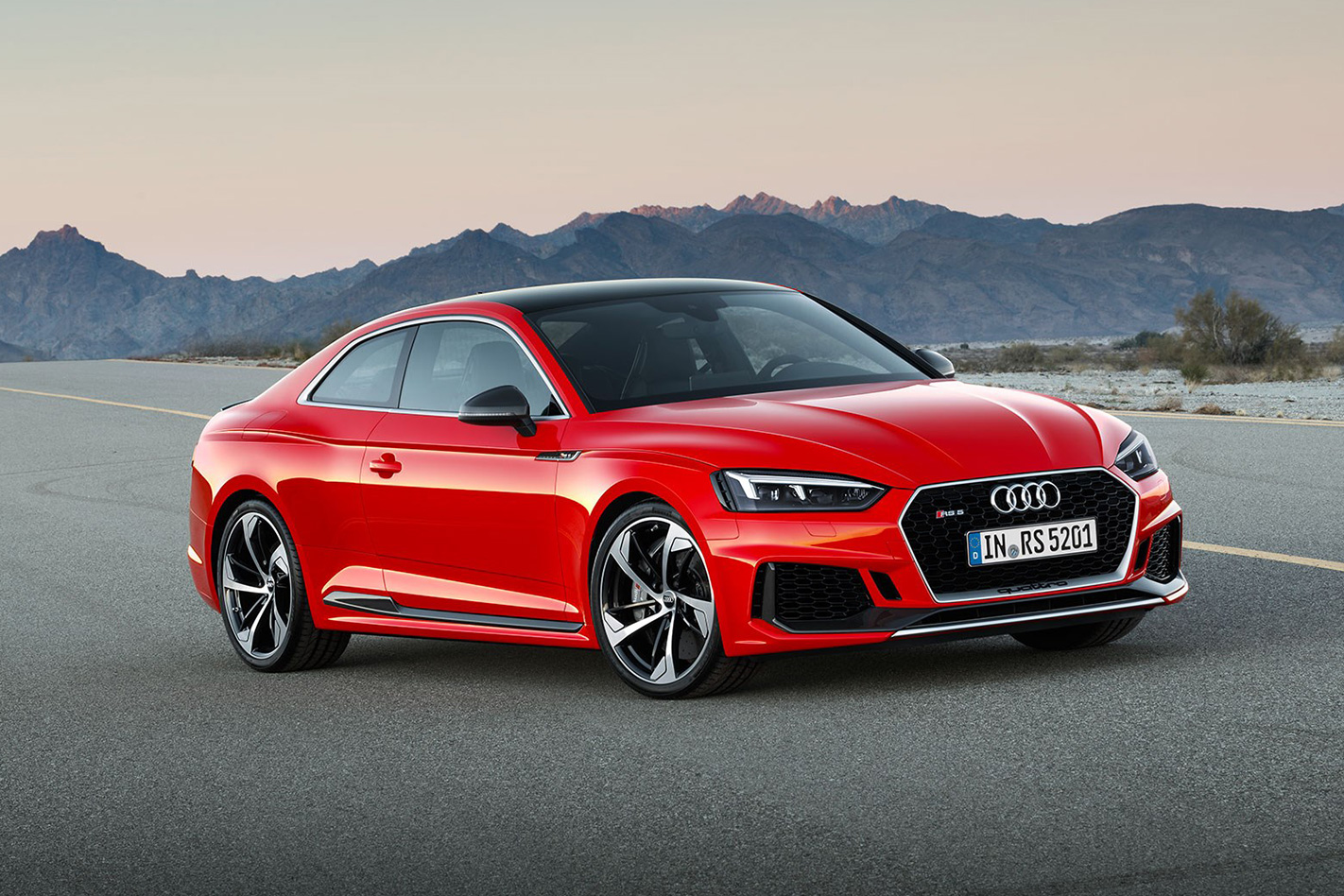
Gone is the old V8, in is a twin-turbo V6 sending 331kW to all four wheels. If the Audi A5/S5 is anything to go by, the RS model should be a corker.
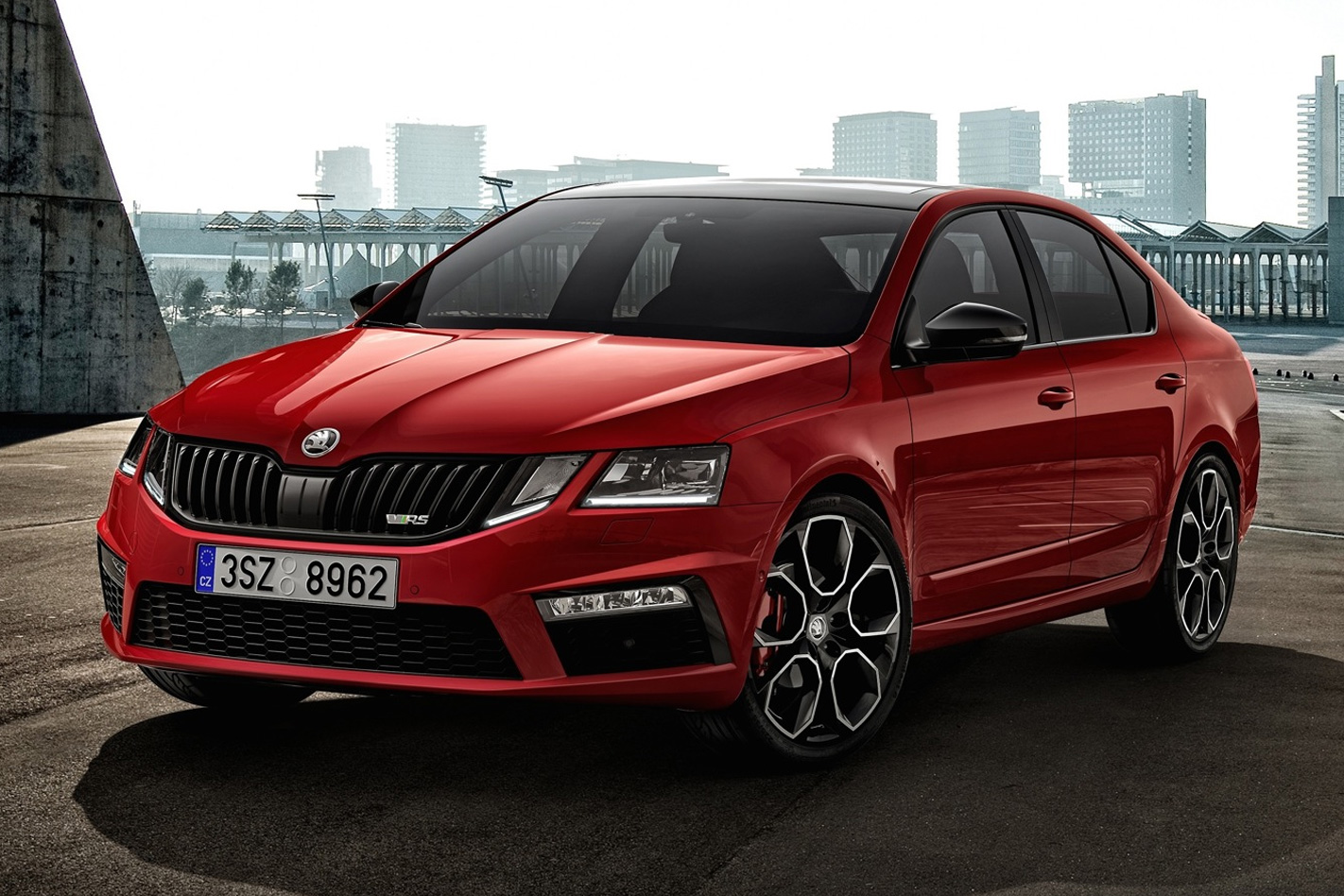
When the Octavia RS245 arrives, it will be the most powerful model in the Octavia range. It will be available as both a manual and automatic. Powered by a 2.0-litre four-cylinder turbo engine, making 180kW/370Nm, it would make a handy family vehicle with a sporting bent.
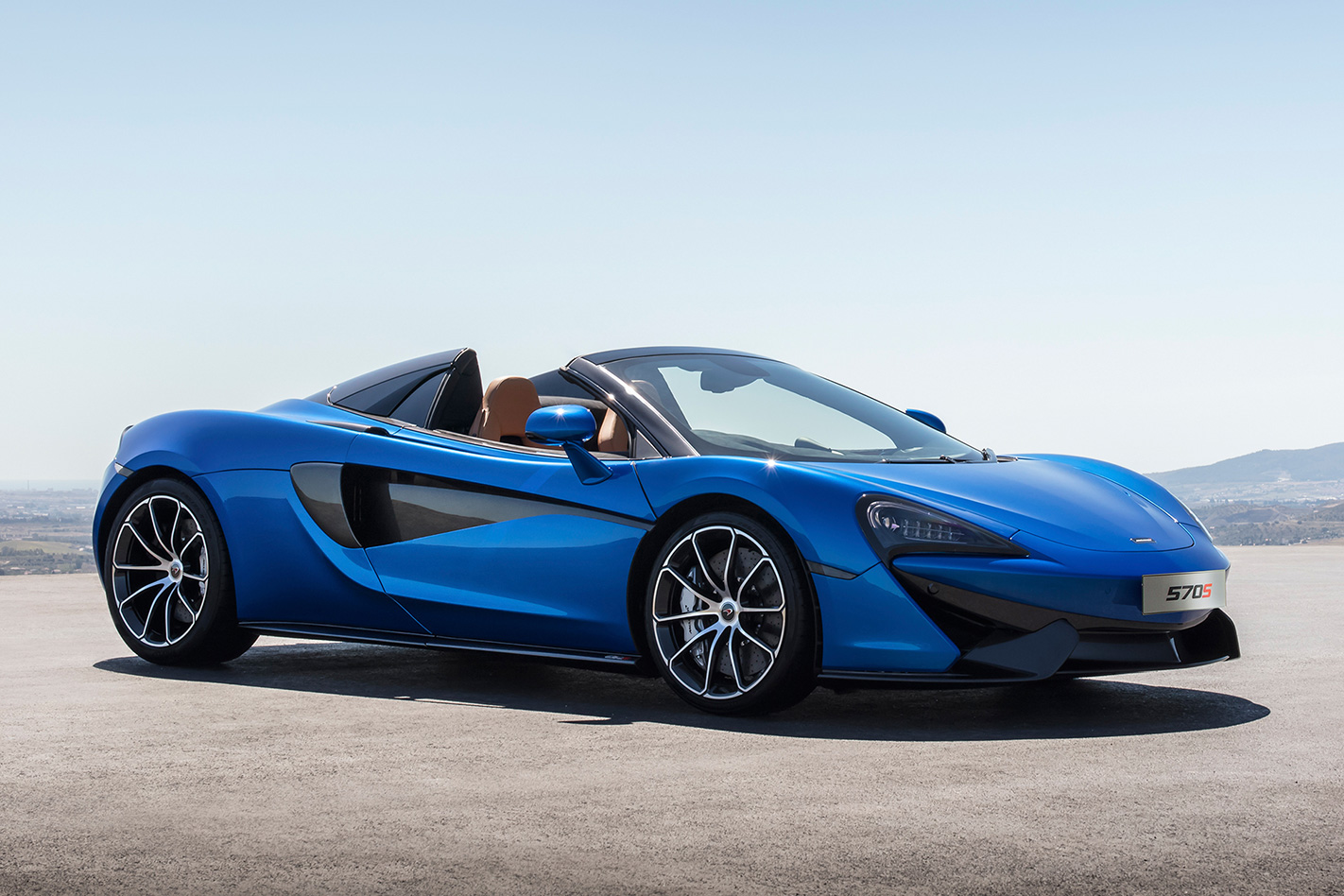
A drop-top supercar that can be used every day. Do we really need to say more than that? Oh, we do? How about 0-100km/h in 3.2 seconds and a the ability to cruise past 200km/h in 6.4? We thought so as well.
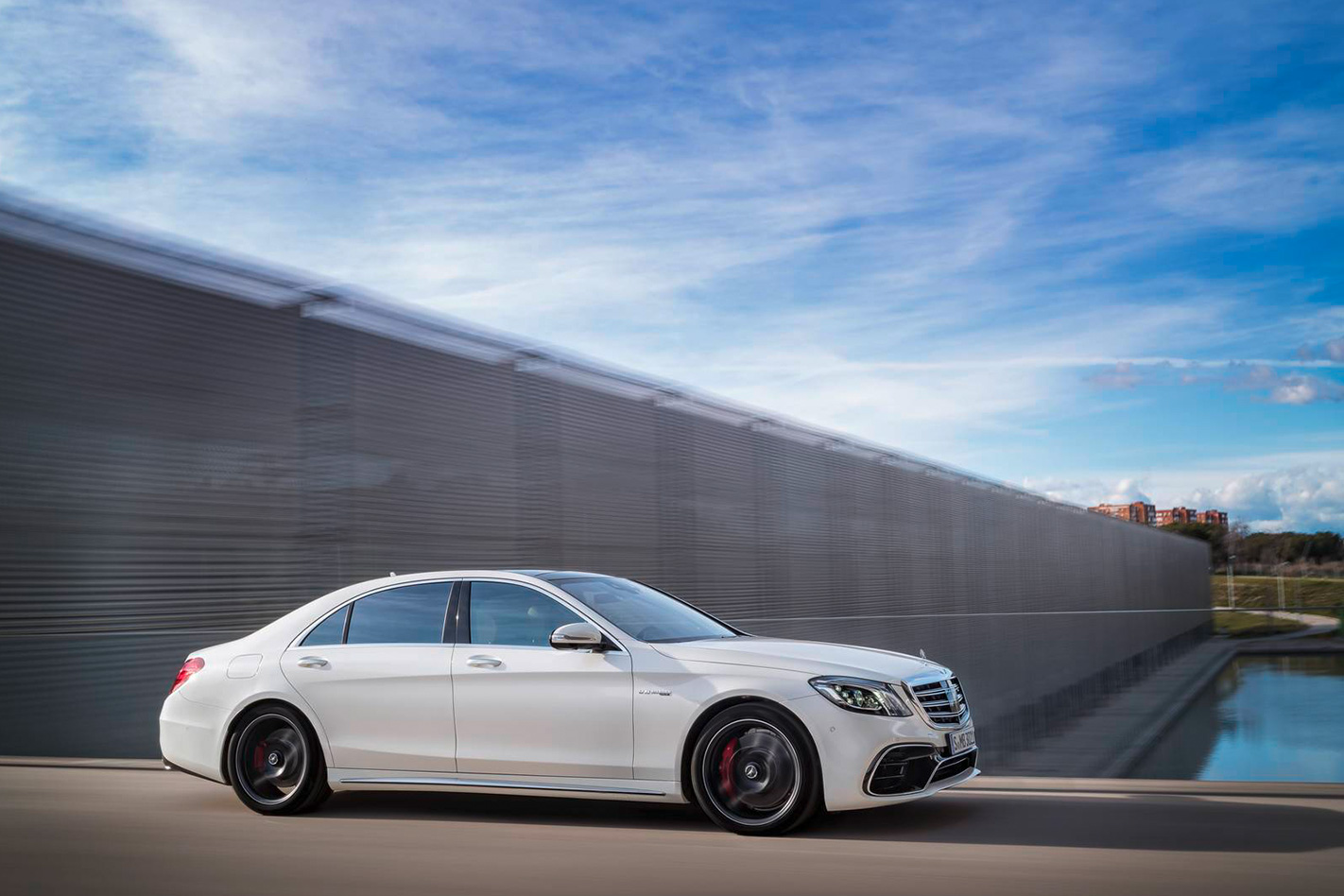
The S-Class will usher in a new level of autonomous capabilities for Mercedes-Benz products. However, the S63,with its twin-turbo V8 engine, means drivers won’t have to give up having fun behind the wheel of the flagship saloon.
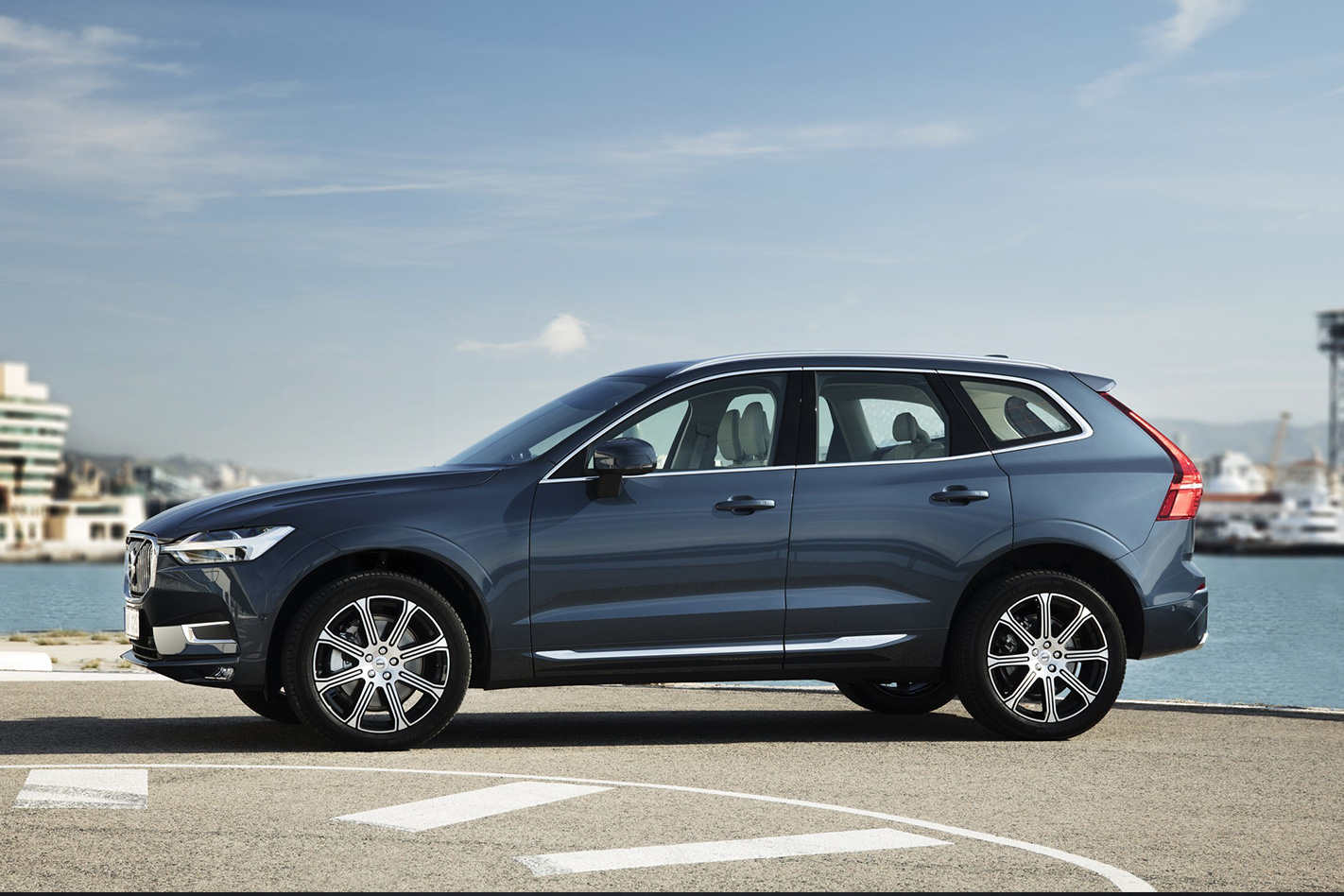
The XC60 is Volvo’s all-new medium SUV, and is poised to take on the fresh Audi Q5, and last year’s COTY finalist the Volkswagen Tiguan. Riding on a new platform, introducing new tech for the company, and with typical Swedish safety features, it’s a car that will be right in the mix for the segment.
Jaguar has finally introduced a wagon to the Australian market with the new XF Sportbrake arriving in showrooms in November.
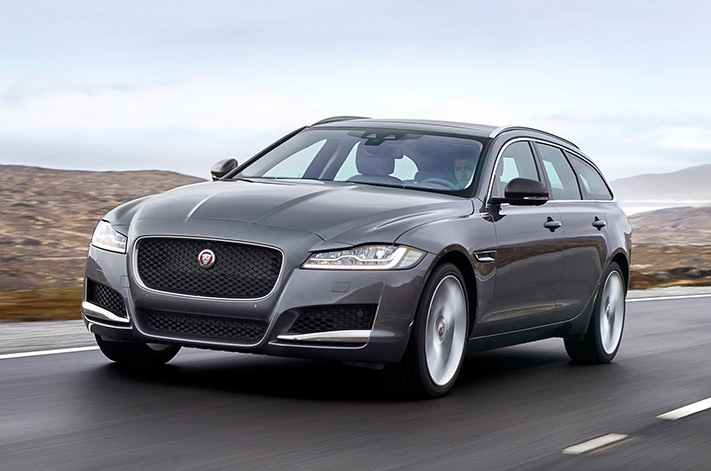
Priced from $90,400, the Jaguar XF Sportbrake will be available in four variants with a choice of the four-cylinder Ingenium turbo diesel or petrol engine, and the torquey 221kW/700Nm 3.0-litre twin-turbo V6 diesel. The XF Sportbrake variants are as follows:
- XF R-Sport 20d, with a 132kW/430Nm turbo diesel – $90,400
- XF R-Sport 25t, with a 184kW/365Nm turbo petrol – $91,400
- XF S 30D, with a 221kW/ 3.0-litre twin-turbo V6 diesel – $123,450
- XF S First Edition, with a 221kW/ 3.0-litre twin-turbo V6 diesel – $137,300
The diesel wagons incur a $1646 premium over their sedan counterparts, while you pay $1885 more for the petrol wagon over the sedan.
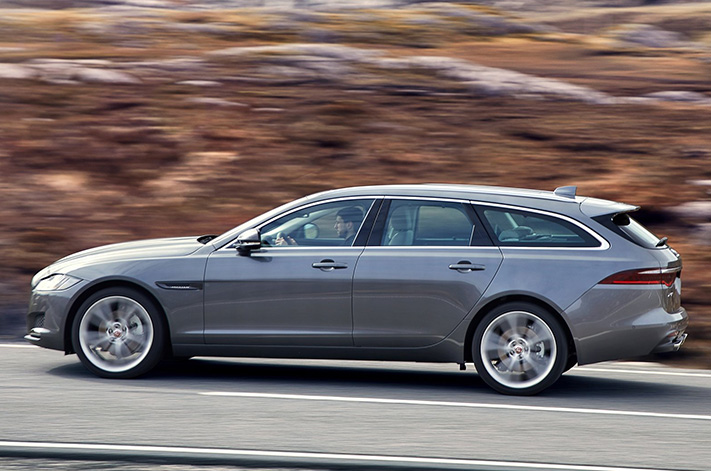
The 2018 XF Sportbrake range is topped by the XF S First Edition ($137,300), which is similar to the XF S Sedan but is powered by the big torque V6 instead of the supercharged petrol V8.
All drivetrains are paired to an eight-speed automatic gearbox that sends power to the rear wheels.
At 1705kg, the Sportbrake weighs 110kg more than the sedan, though it loses little in terms of performance with 0-100km/h times less than a second slower across all variants with combined fuel efficiency around 0.5L/100km more.
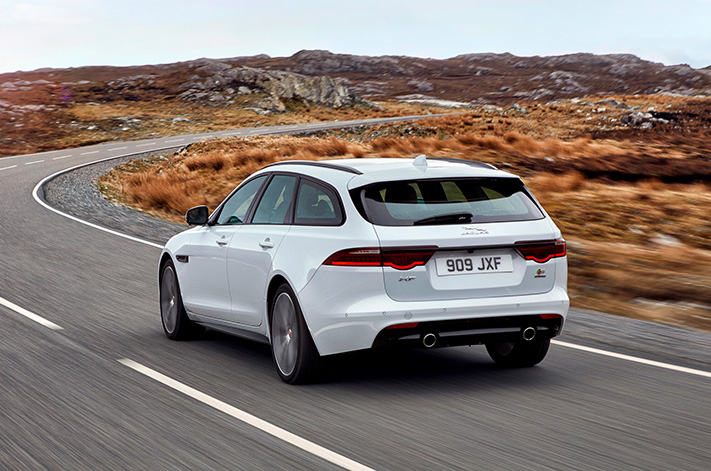
With a length of 4955mm, the new XF Sportbrake is 6mm shorter than the previous model, but the wheelbase has been lengthened by 51mm to 2960mm, which means that it has more legroom than its predecessor. Its wagon body boosts its boot volume to 565 litres, 60-litres more than the sedan, which can be expanded to 1700 litres with the 40:20:40 split rear seats folded down.
Exterior-wise the Sportbrake retains the sedan’s distinctive lines, but has its own sleek silhouette that is shaped by an elegant extended roofline with a spoiler-capped forward pitched tailgate.
The single piece polymer powered tailgate opens to a 1061mm aperture and features LED puddle lamps to light up the area directly behind the vehicle when the boot is open.
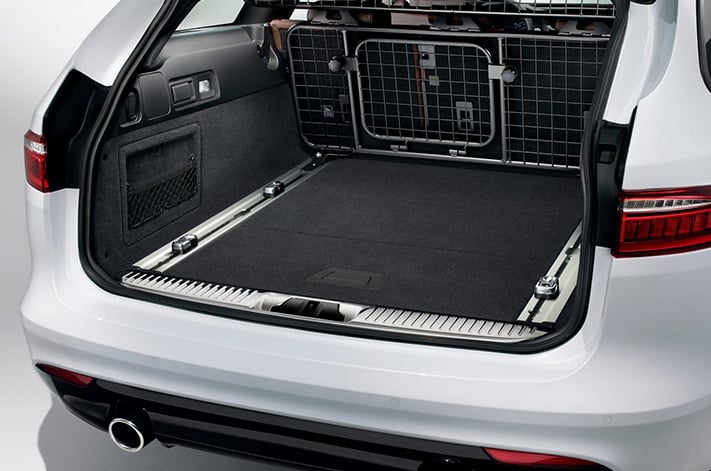
The tailgate can be opened automatically using foot gesture control or via sensors that detect the key when you get close to the car.
Owners can also pre-set height limits for the tailgate opening when parking in areas with restricted height clearance, such as a garage or an underground parking.
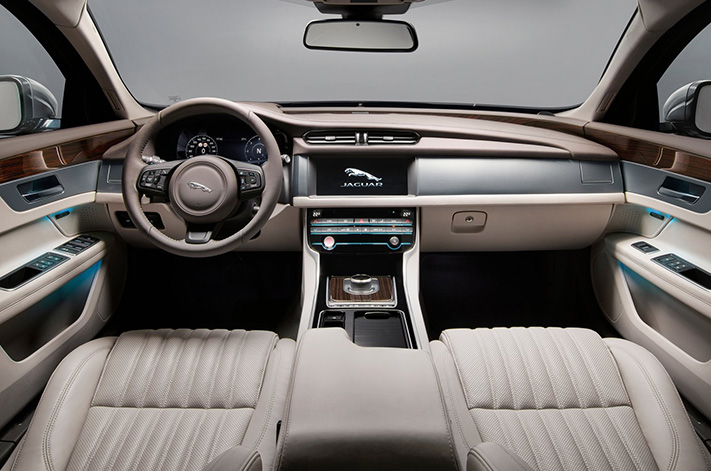
Standard features in the R Sport Sportbrake models are similar to sedan, and include 19-inch alloys, Xenon LED headlights, powered tailgate, keyless Entry, leather seats, 10-way powered front seats, and a Meridian sound System.
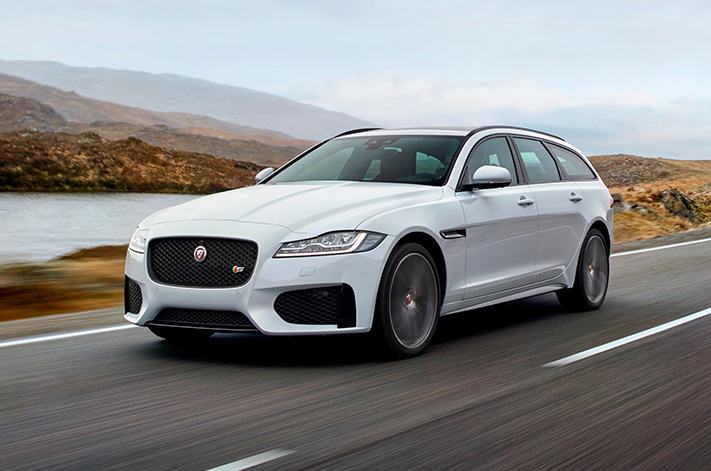
S models gain an S body kit, which includes a sports front bumper, gloss black side sills, rear valance and roof rails, head-up display, surround camera & 360-degree parking aid, and adaptive LED headlights with daytime running lights.
The Jaguar XF Sportbrake will be launched in Australia on November 1.
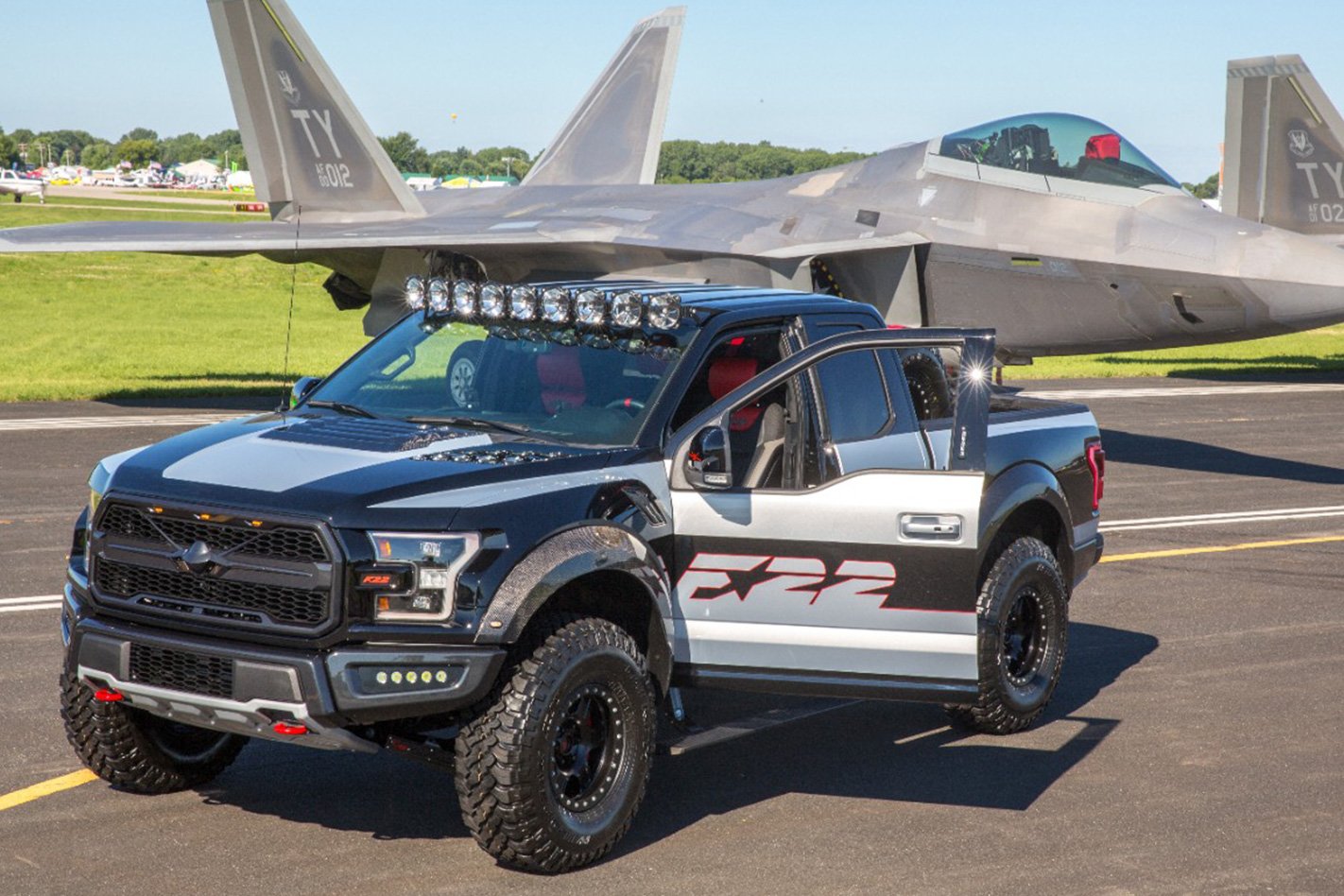
Ford has built a 1-of-1 special edition F-150 Raptor as a tribute to the fighter jet it shares a name with, the Lockheed Martin F-22 Raptor.
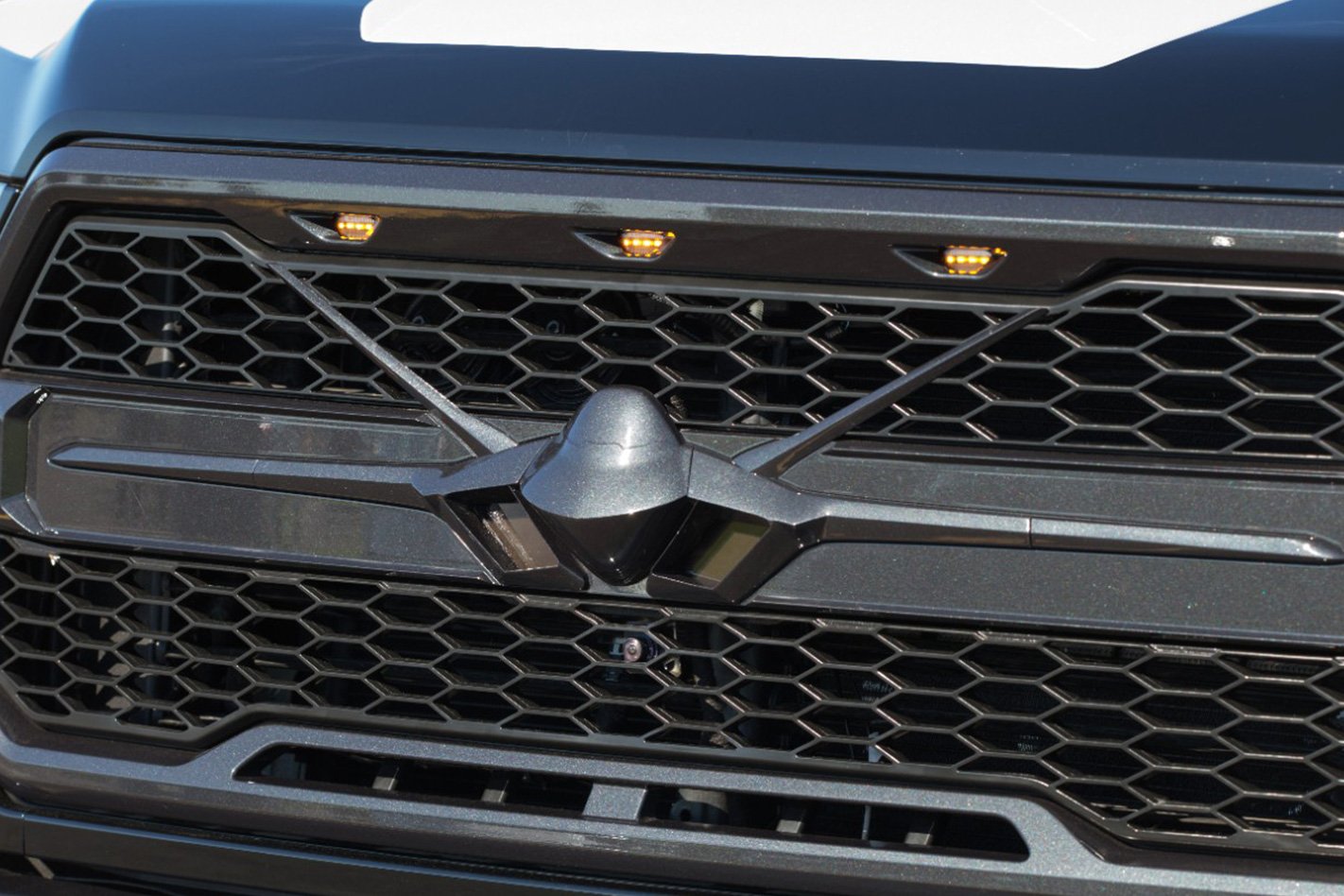
The 406kW/895Nm truck, which has been named the F-22 F-150, shares absolutely no visual similarities with its namesake, save for a jet badge on the grille and some on the mirrors.
Appropriately, the buyer is an honorary commander and ambassador for the United States Airforce’s F-22 Squadron at Nellis Airforce Base in Nevada.

Ford design manager Melvin Betancourt says the intention of the F-122 F-150, just as the jet it’s based on, is to intimidate the opposition. That’s a big call, as we’ve seen some pretty menacing Chevrolet pre-runners.
“The simple, extreme functionality of the cockpit alone proved inspiring, prompting the team to create matte finishes, purposeful gauges, controls for ready proximity and dramatic LED lighting for the instrument panel.”
Drawing parallels between jets and trucks is an interesting approach, but it seems to have worked in this instance. We have to admit, the F-22 F-150 Raptor does look more like it could fly than most off-roaders.
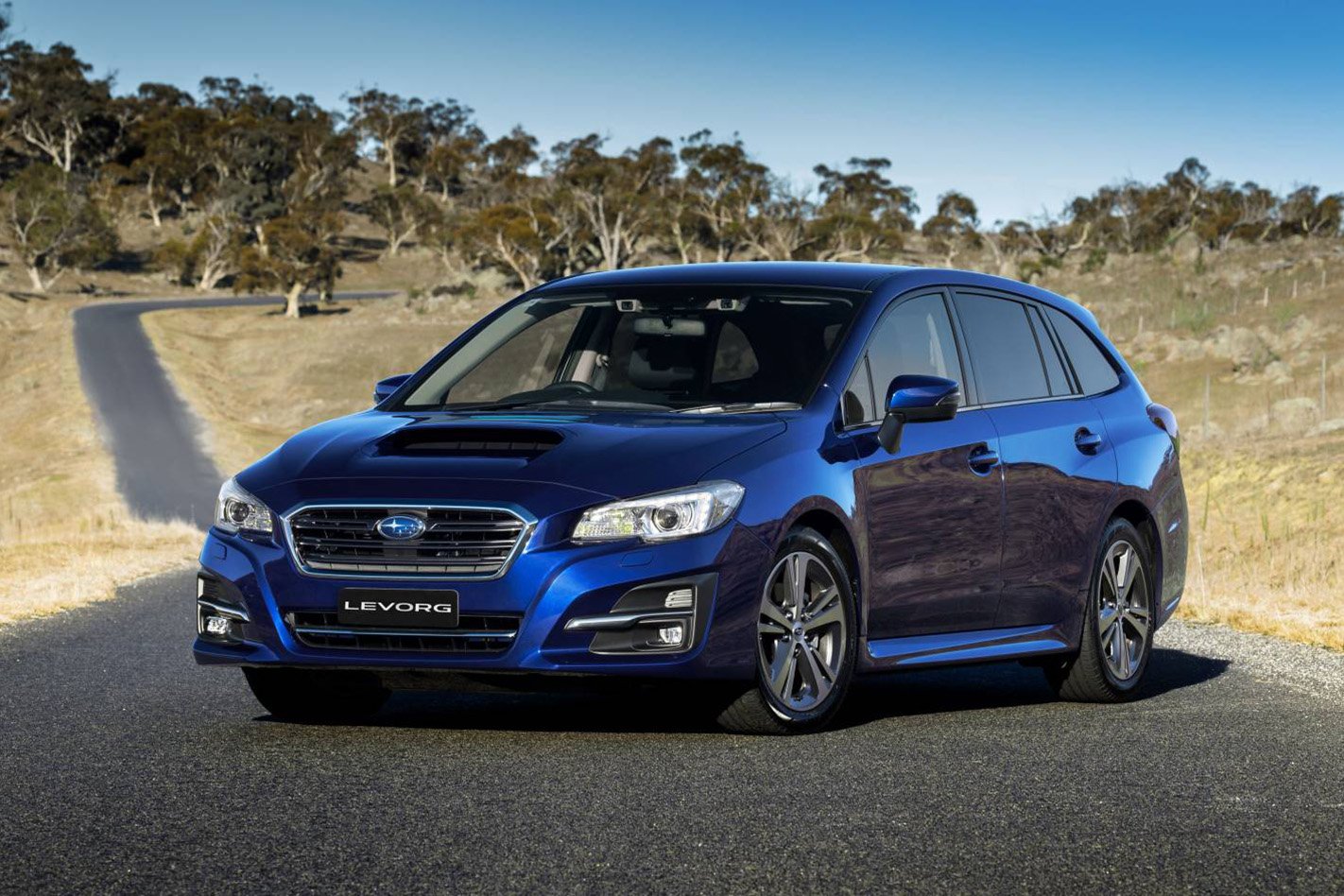
WINNER: SUBARU
A year-on-year increase of 27 percent is impressive for any manufacturer that’s a regular in the top 10 brands by sales, and that’s exactly what Subaru did in July. Its famous Impreza nameplate registered a 196 percent increase on July 2016, though last year’s 306 units was somewhat of an anomaly for the small car. No doubting the immediate success of the (related) next-generation XV, wth 1138 examples of the compact SUV driving out of showrooms compared with 605 in the same period last year. The main negative for the Japanese brand was the Levorg wagon, which dropped 74 percent as it cleared showroom stock for a facelifted model due later this month. Year-to-date sales sit at 10 percent growth.
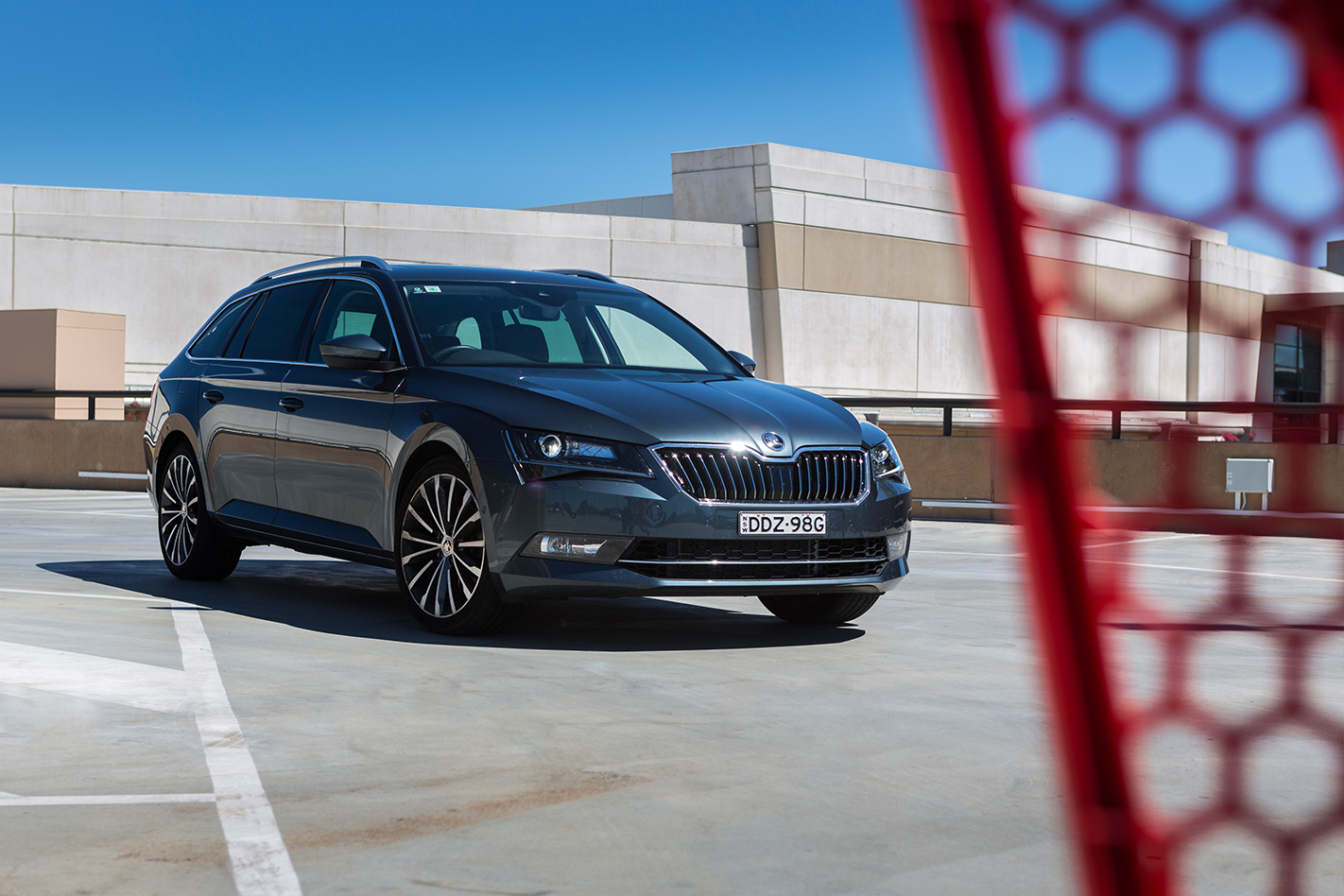
WINNER: SKODA
The Czech brand crossed the 500-sales barrier in July, a notable 38 per cent jump (or an extra 368 vehicles) on the same month last year. Star performers were the Fabia city car (up 107 percent), Rapid small car (up 110 percent) and Superb large car (up 74 percent). Overall sales have now surpassed 3000 units so far this year, thanks to an 11 percent increase.
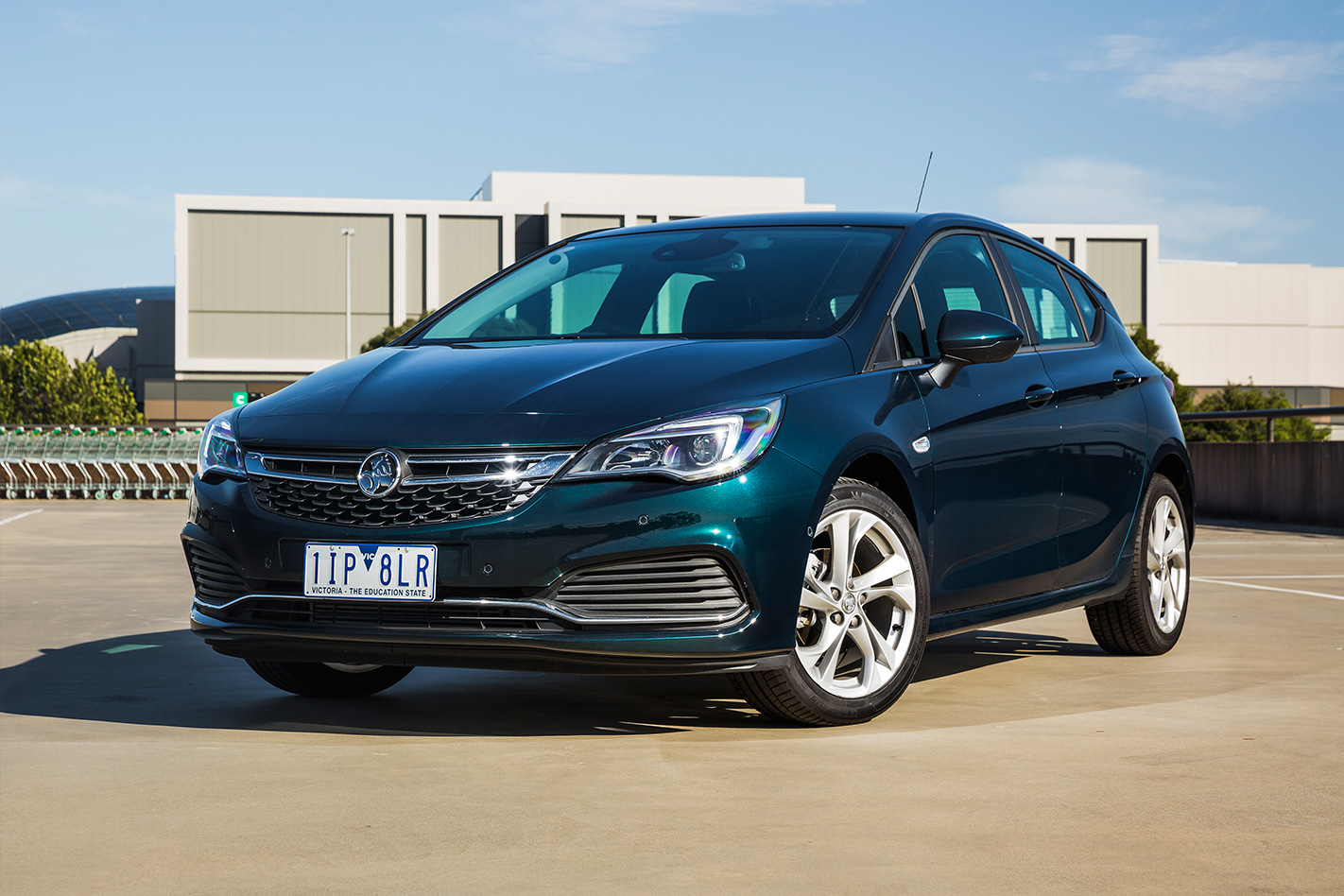
WINNER: HOLDEN ASTRA
One of Australia’s most well-known nameplates seems to be finally hitting its stride after it returned seriously with a five-door model in December 2016. Astra posted its second consecutive month of 1000-plus sales, with July’s 1125 following June’s 1580. The line-up was recently bolstered by a sedan variant priced from $21,990 driveaway; a Sportswagon variant joins at the end of the year.
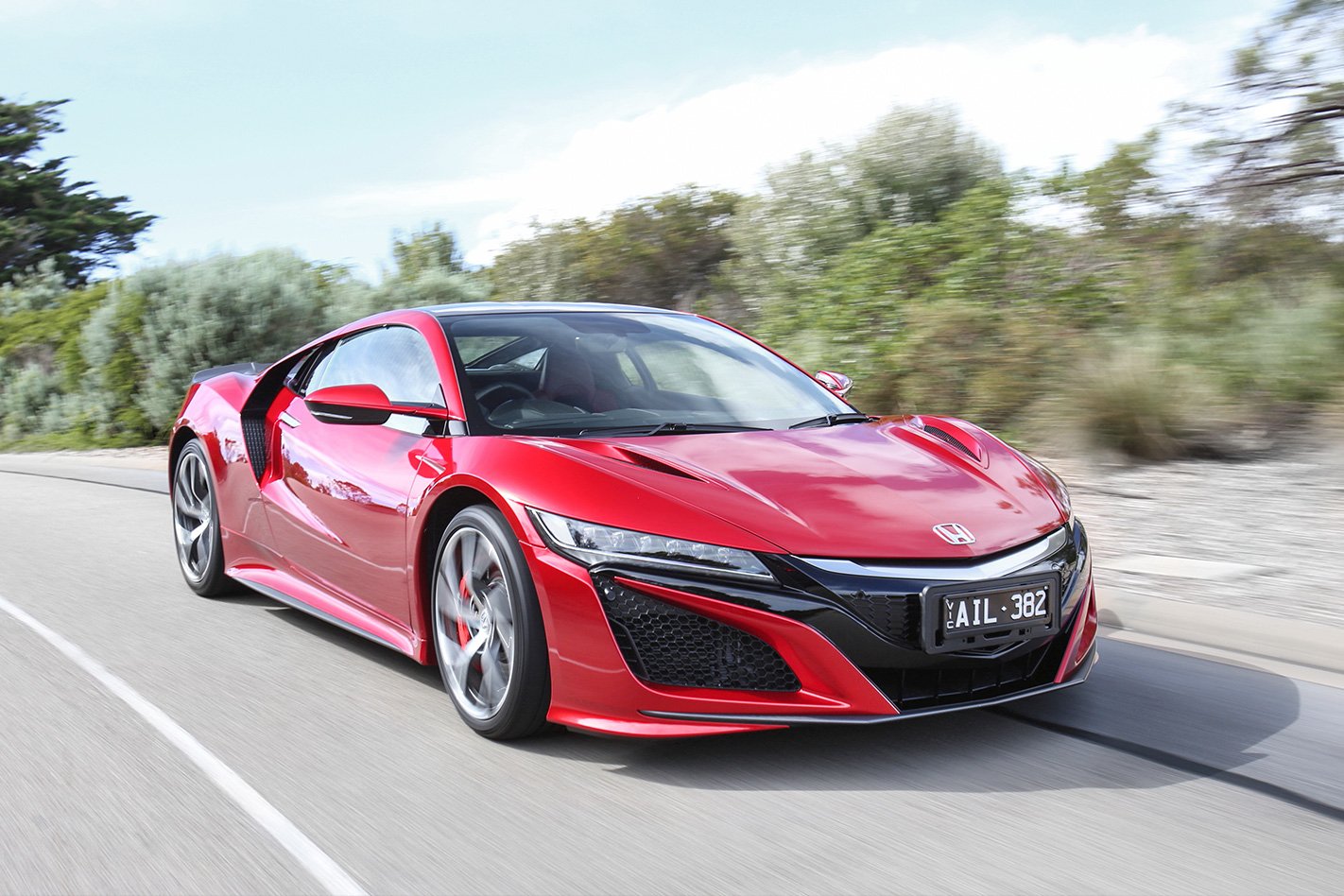
WINNER: HONDA NSX
The belated successor to Japan’s legendary supercar of the 1990s secured its first private sale of 2017, adding to the first sale in late 2016. With limited supply – and not forgetting a $420,000 price tag – Honda Australia did say the new NSX would be rarer on Aussie roads than the equivalent Lamborghini!
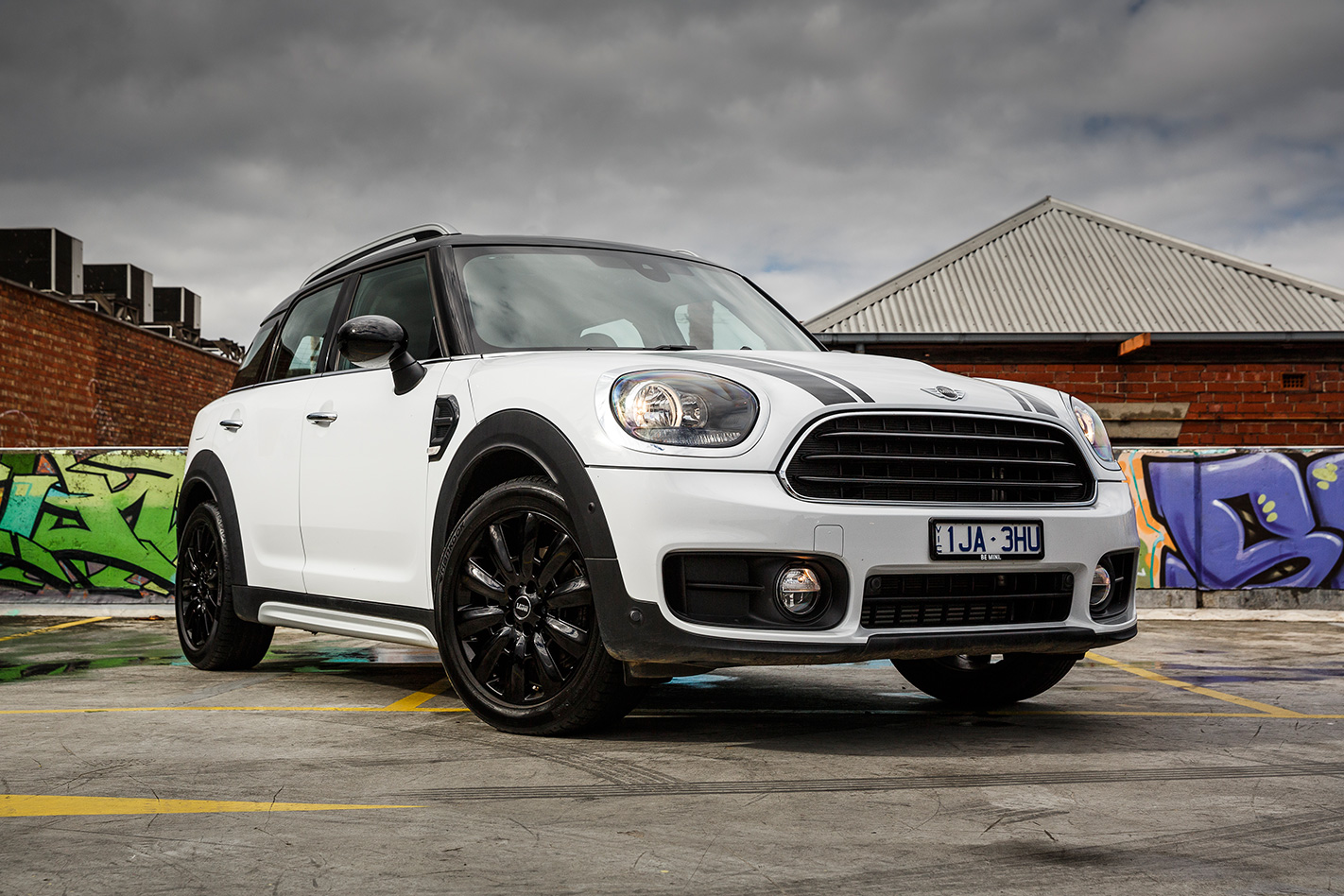
WINNER: MINI
BMW’s valuable British brand went big in July with 29 per cent year-on-year growth – selling 379 cars last month compared with 293 in 2016. The Countryman SUV registered the largest increase of all models, with 68 percent; the new Clubman chipped in (up 19 percent); and even the most popular Mini, the hatch, jumped 32 per cent. July doubled Mini’s year-to-date growth, increasing from three percent after June to six percent.
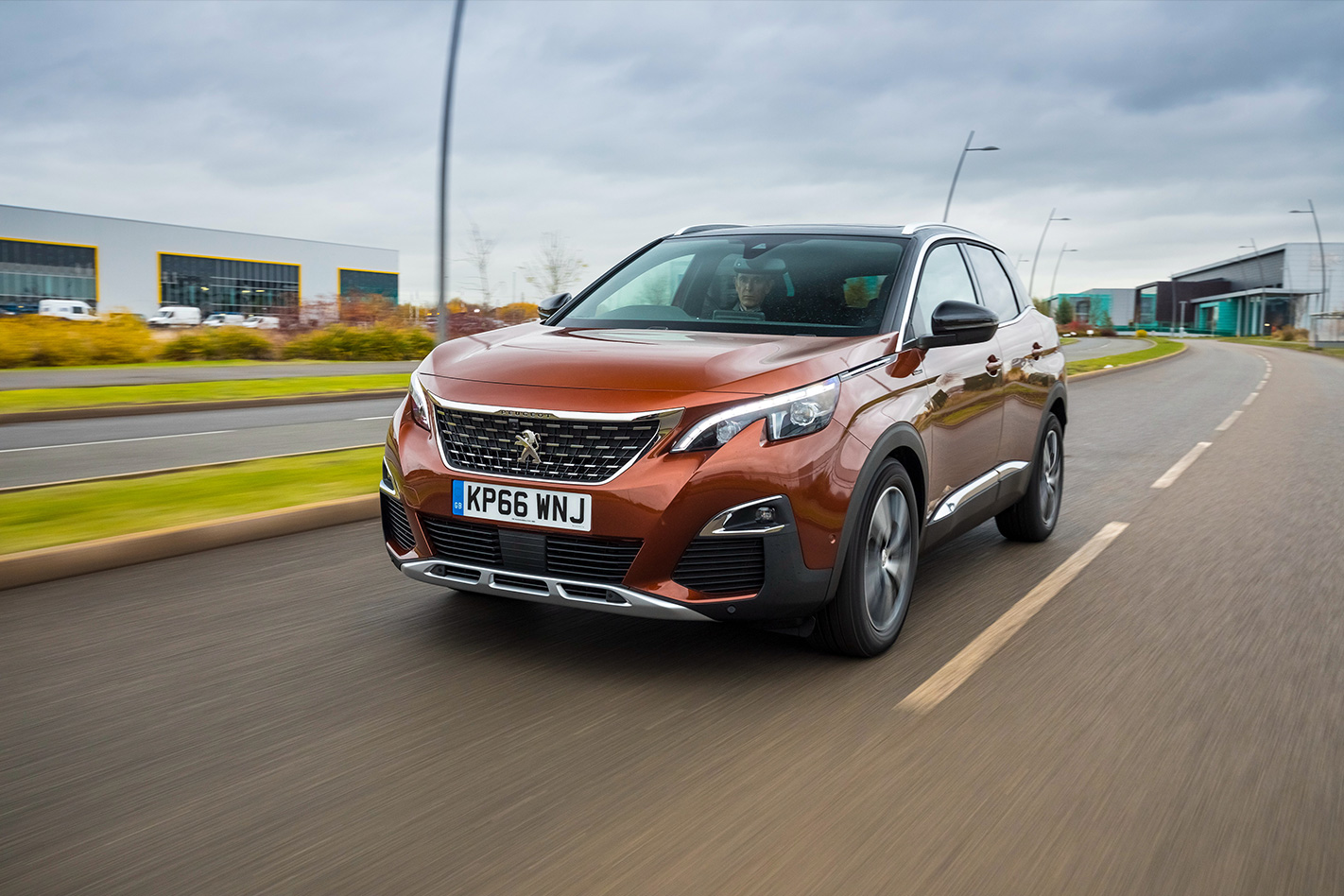
LOSER: CITROEN AND PEUGEOT
If local distributor Inchcape would have been delighted with its Subaru Australia sales in July, the month would also have reinforced the tough task it has with French sister brands Peugeot and Citroen – acquired recently from Sime Darby. Just 23 Citroens were sold last month, equating to a 70 percent slump compared with July 2016; its top-selling model was the Berlingo van. Peugeot’s year-on-year figure didn’t fare much better – a 62 percent reduction reflecting 106 sales this year versus 277 last. The PSA twins both sit at minus 48 percent year-to-date.
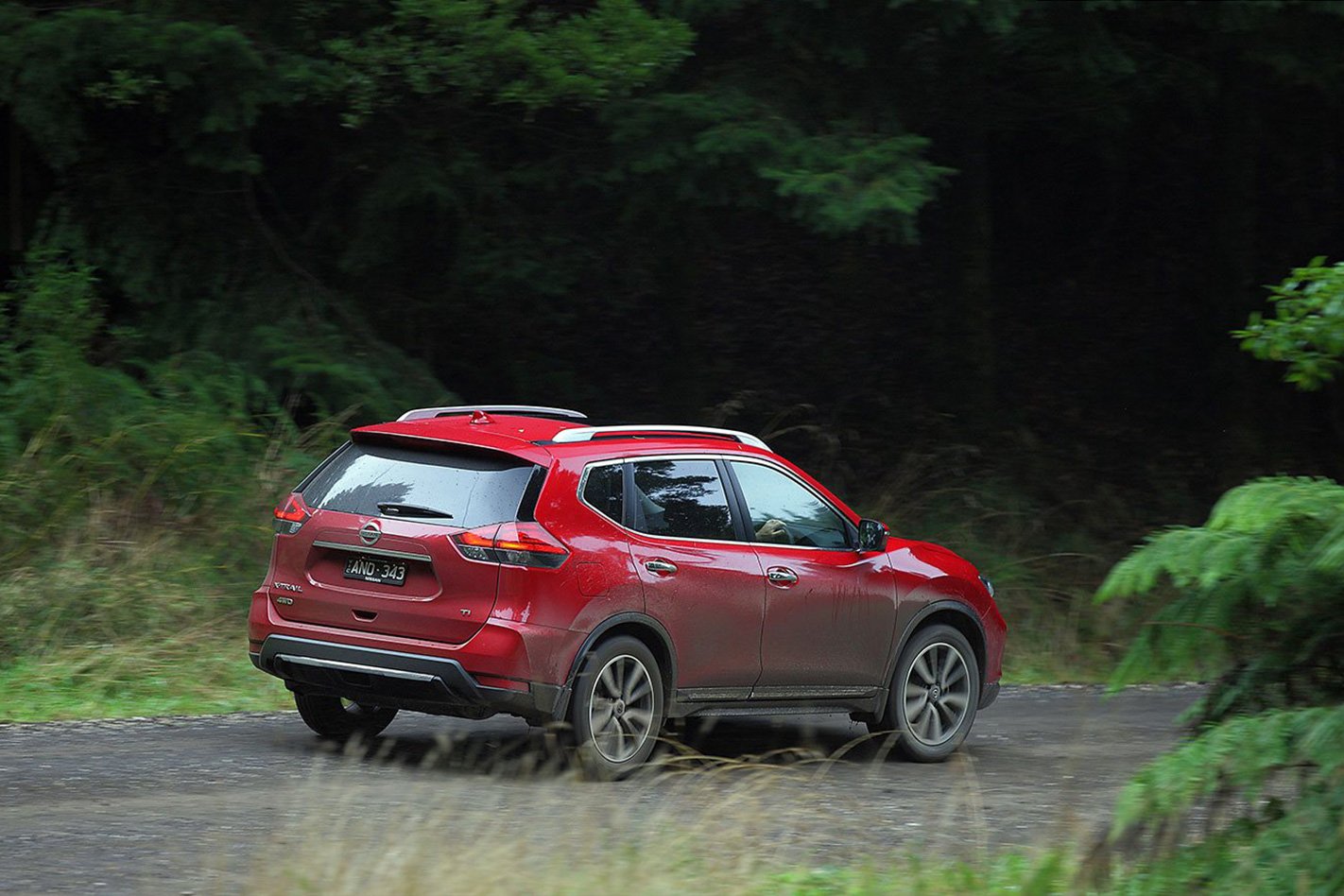
LOSER: NISSAN
Nissan’s bold decision to drop the Pulsar small car, and to a lesser extent the Altima medium car, means the Japanese brand is losing some notable sales, and in July a 23 percent decrease in sales meant Nissan fell to ninth in the list of top 10 brands in Australia when it’s usual position is closer to mid-table. Comparing July 2017 and with the same month last year sees a difference of 1210, more than half of which are accounted for by the discontinued Pulsar (646 units last year). Nissan has said it’s looking to focus on upcoming new products, though the Qashqai and X-Trail twins both provided some relief last month – up 17 and 48 percent, respectively.
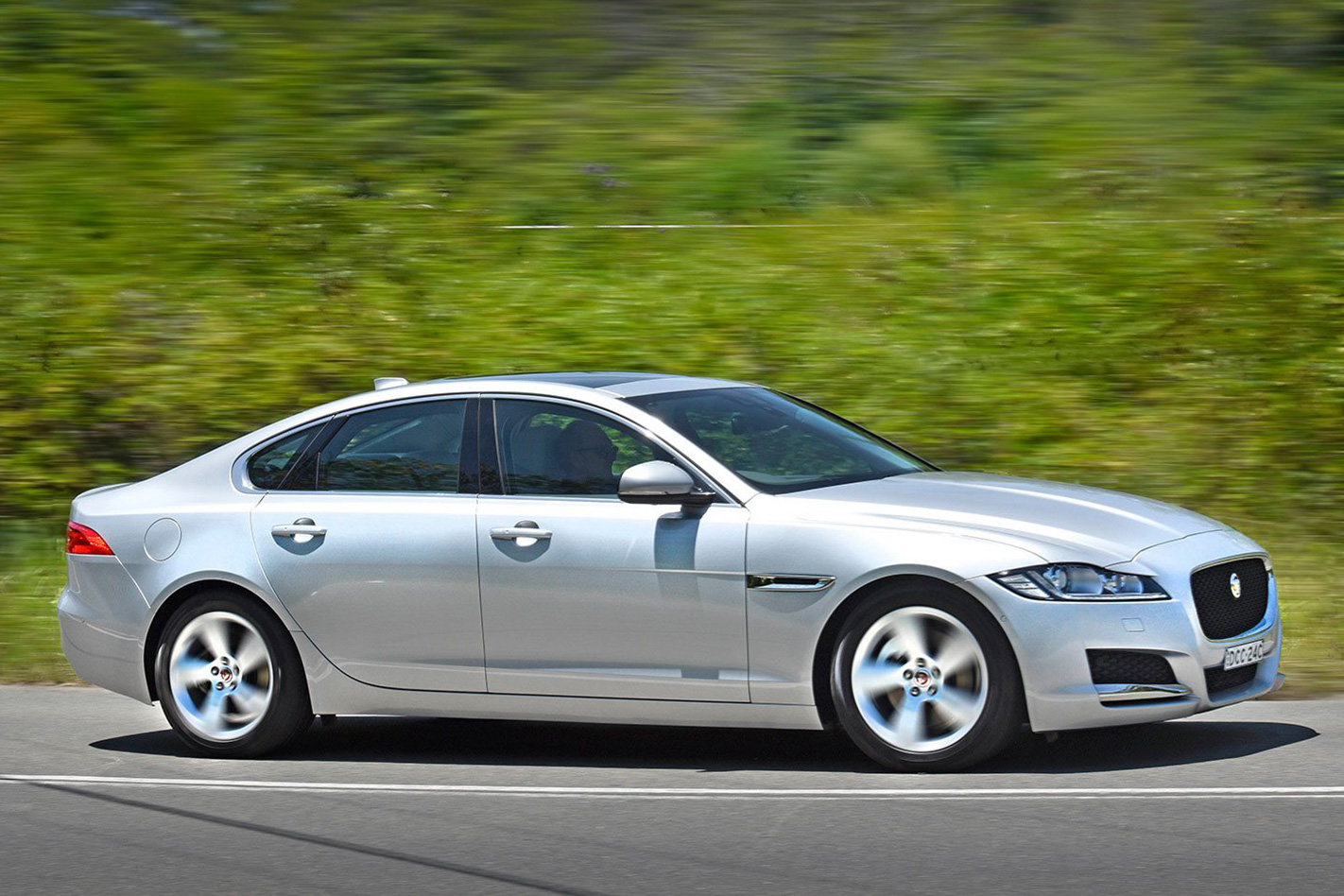
LOSER: JAGUAR
The posh Brit brand’s fortunes were boosted with the introduction of the F-Pace last year, though even the SUV couldn’t prevent July’s sales falling by a fifth compared with this time last year. Chief culprits were the XE compact sedan and XF large car, down 35 and 47 percent respectively compared with July 2016. One bonus was a 300 percent month-on-month leap for the XJ limo – up from one sale to four.
LOSER: MERCEDES CARS AND SUVS
Mercedes-Benz has been a virtually unstoppable force in the market this year, though splitting the German brand’s cars and commercial vehicles in the industry VFACTS sales figures in July did reveal a small blip. Where Mercedes Vans increased 22 percent in July, Mercedes Cars fell five percent. The Stuttgart brand’s local outfit will hardly be fretting, however. Not only did it still beat Audi and BMW in July, it continues to be a number of autobahn kays ahead of its traditional rivals in year-to-date figures: 21,945 versus 14,995 (BMW) and 12,816 (Audi).
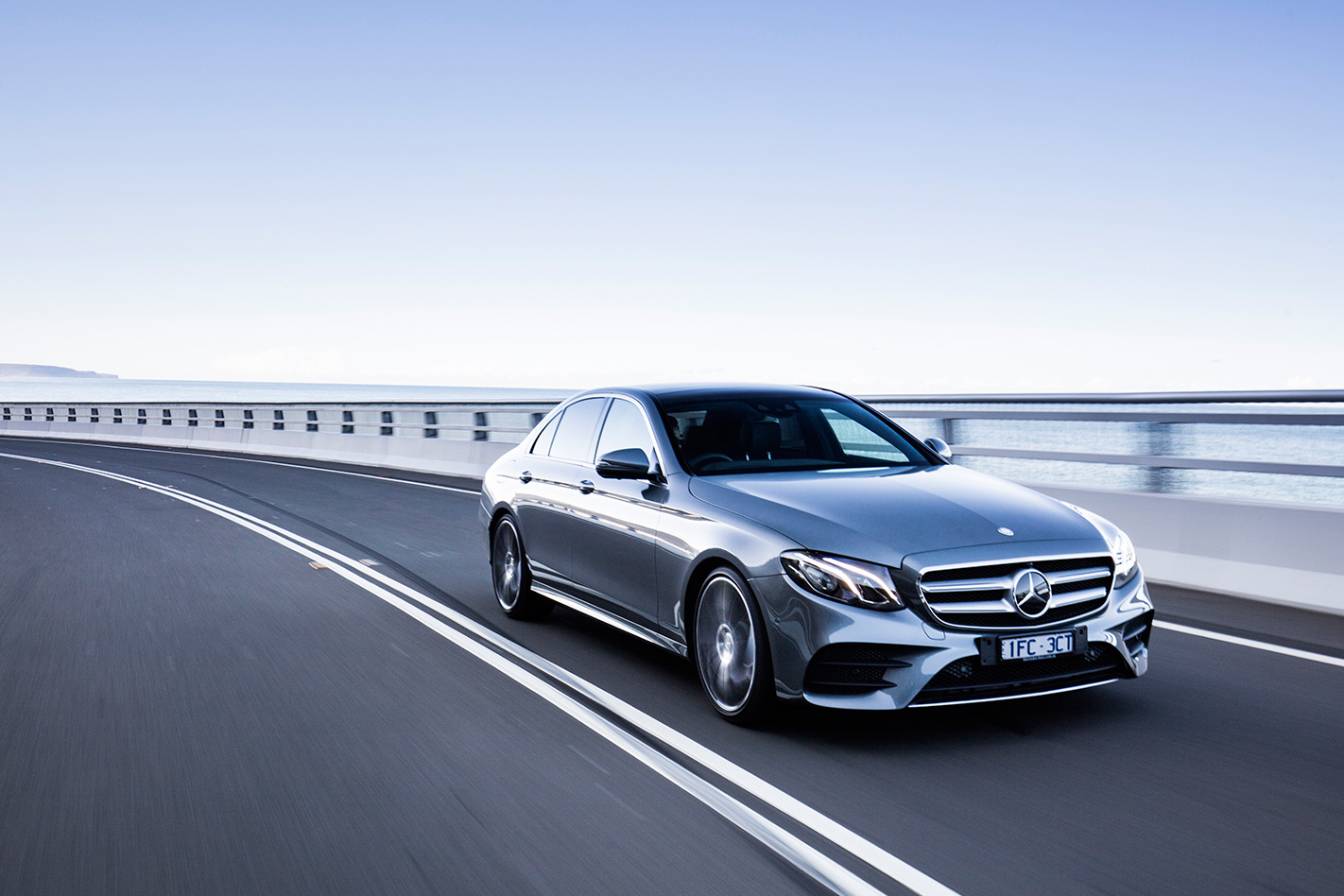
LOSER: VOLVO
The Swedish car maker has been hurting a bit while it awaits key new product, and July’s sales revealed a 26 percent drop – or 392 versus 529 vehicles – over the same month last year. The flagship XC90 struggled (down 70 percent), though a run-out phase for the nine-year-old XC60 SUV contributed to a 22 per cent gain. It remains Volvo’s best-selling model, making it understandable why the company can’t wait to release the replacement model shortly. Volvo is also set to reveal its smallest SUV, the XC40, in the very near future, though it won’t reach Australia until 2018.
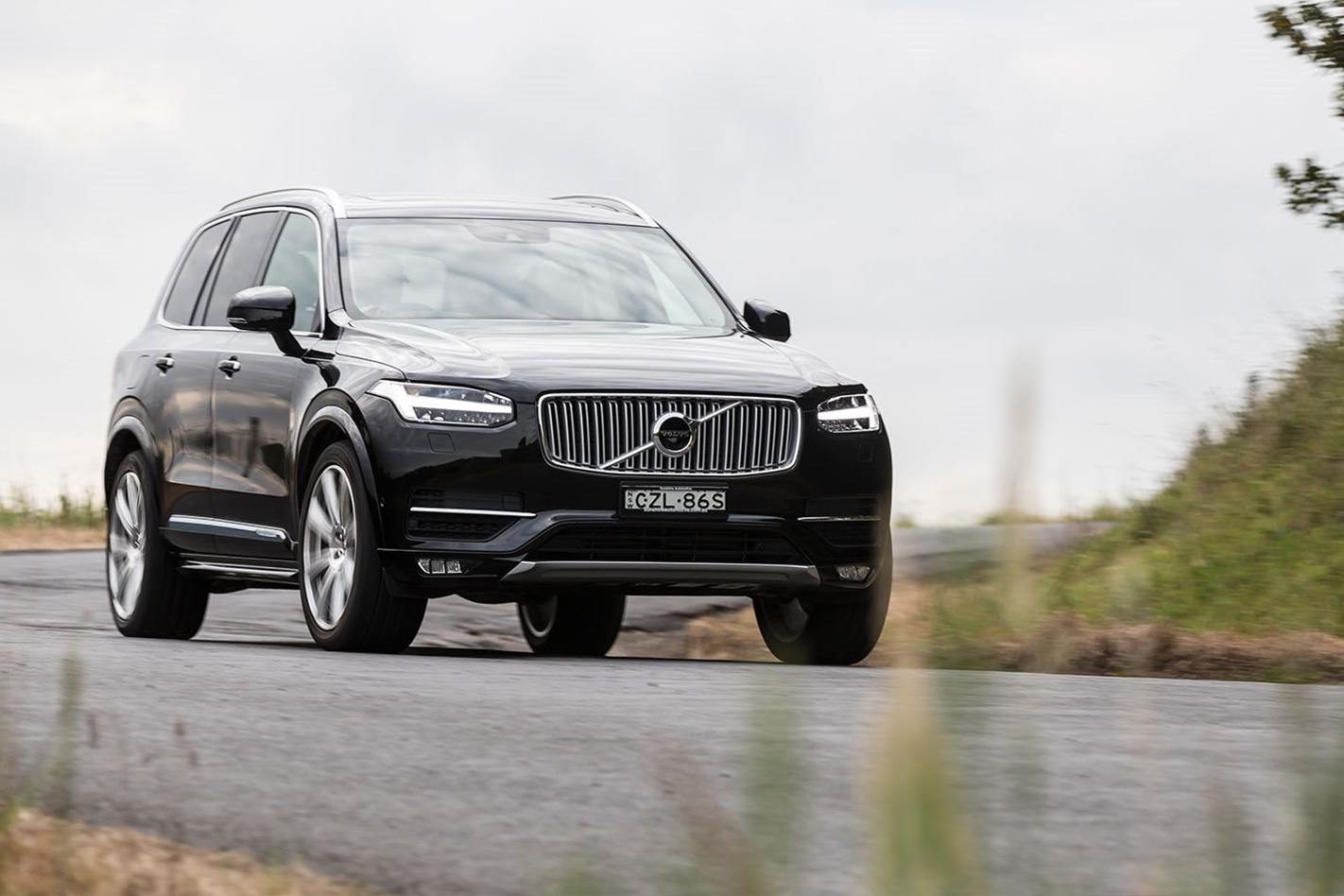
Formula 1’s summer break is here, meaning the Singapore night race is close!
Here’s what you may not know about the GP under lights; the one that’s as eagerly anticipated by fans as it is by one Aussie in particular…
1min47.187
That’s all Australian Formula 1 driver Daniel Ricciardo needed last year to cover Singapore’s stunning 23-turn, 5.065km Marina Bay Street Circuit in his Red Bull Racing RB12, setting the timing screens alight as the race’s fastest lap.
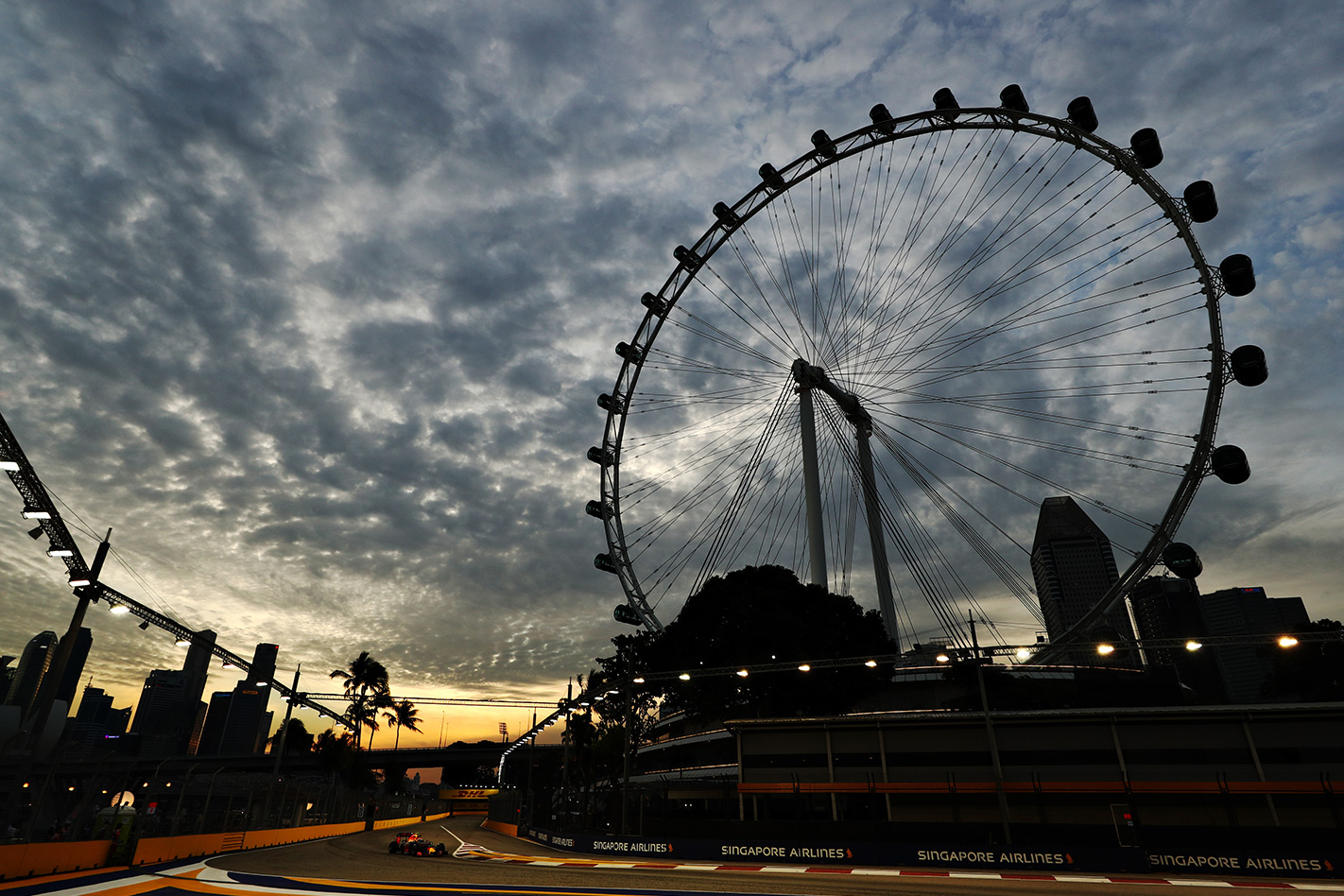
But for that to happen, a dedicated crew of over 4,000 worked around the clock for 22 weeks to set-up the temporary facilities featuring 2608 concrete barriers, nine grandstands and numerous hospitality facilities, nine entertainment stages and 1600 lighting projectors throughout the 799,000sqm Circuit Park.“Everything must be ready for the 250,000 spectators coming through the gates and the global TV audience of hundreds of millions,” says Australian Jonathan Giesecke, Senior Project Manager at Faithful+Gould, Official Engineering Project Manager for the Formula 1 Singapore Grand Prix.
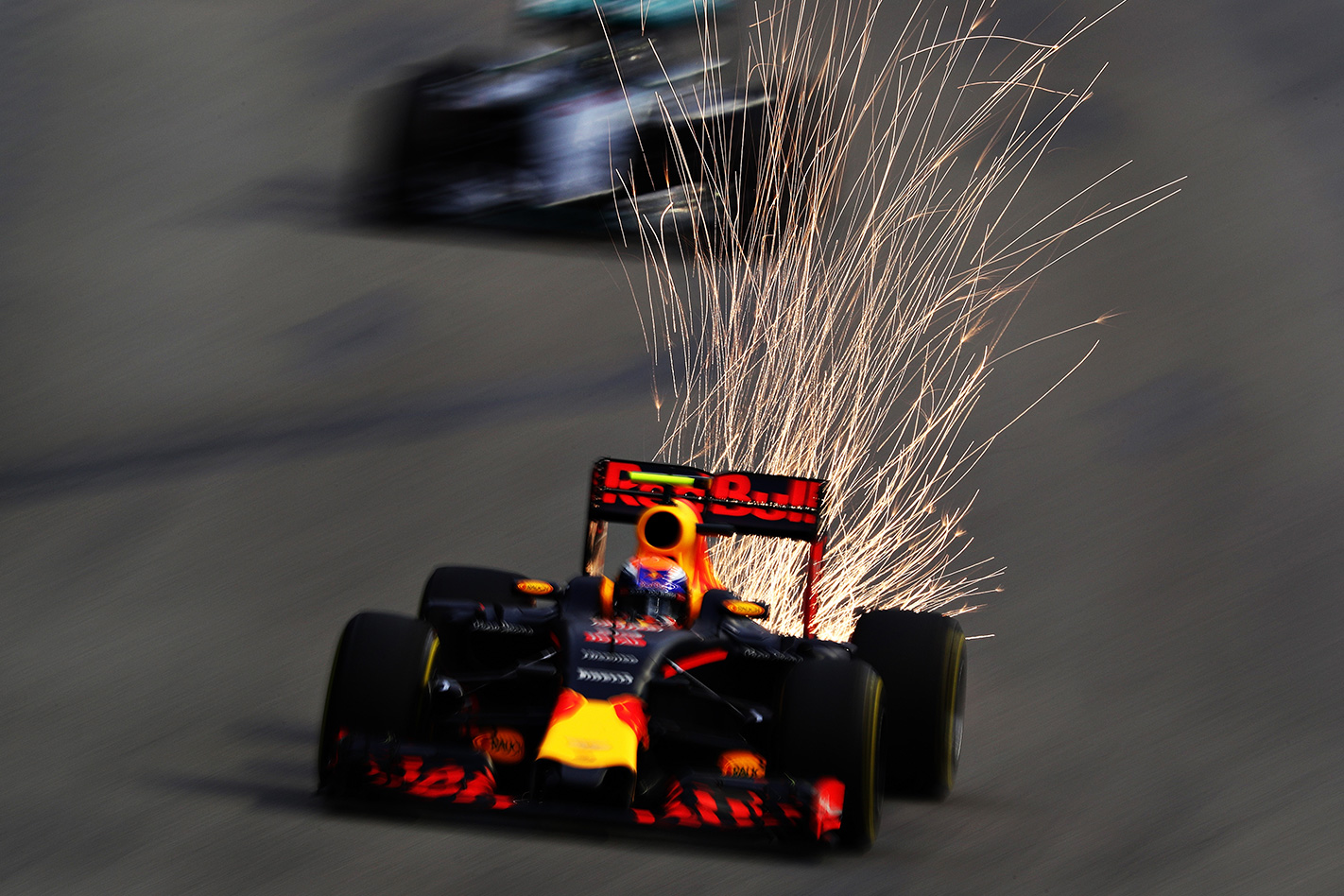
For 308km of F1 on Sunday, and which usually hits the maximum two-hour time limit. Of course, discovering the best places to watch the cars thread the barriers is all part of the experience, especially with the action so close in Singapore.
A slew of new ticketing offerings were introduced for this year, such as single day tickets for selected grandstands and the Premier Walkabout ticket category to allow fans to customise their experience over the weekend. This is in addition to a new junior ticket for all Zone 1 grandstands, Super Pit ticket category as well as three new Combination packages, which provides flexibility to explore all of the different parts of the Circuit Park over the weekend.
“There’s also a new Empress Grandstand which will offer spectacular views of the cars slowing down between Turns 11 and 12 of the Marina Bay Street Circuit before they cross the historical Anderson Bridge,” says Michael Roche, Executive Director, Singapore GP.

That’s the amount of lighting projectors needed to create one of the greatest spectacles in world sport. The bespoke, state-of-the-art system from Italian lighting specialists DZ Engineering has not only delivered optimal visibility for night racing conditions since 2008, but also wowed fans all over the world as the track is lit up against the city backdrop.
The lighting projectors are strategically positioned around the track, ensuring that the drivers can attack the racing line with minimal glare and reflections from a wet surface or spray from other cars.
Setting up the system is not the work of a moment with the 1600 light projectors requiring 108.4km of power cables, and 240 steel pylons. But, to reduce timeframes the power cables are housed within aluminium trusses – similar to light fittings at concerts – safely and securely well-above ground level.

The number of plates of incredible edibles served in the Formula 1 Paddock Club throughout the event, by celebrity chef Jean-Georges Vongerichten, whose new restaurant The Dempsey Cookhouse & Bar will be one of the highlights of Singapore’s famed Formula 1 Paddock Club, which takes hospitality to new levels every year.
The Formula 1 Paddock Club is where royalty, captains of industry and rock stars rub shoulders in a super-exclusive enclave, designed to not only put them at the heart of the sport, but immerse them in luxury. It is, absolutely, the finest way to enjoy the pinnacle of international motorsport.
Other hospitality options include the new industrial-themed Apex Lounge located opposite the podium, the luxurious Sky Suites, directly across from the F1 team garages, Club Suites and the Green Room on the main pit straight, and the Turn 3 Premier Grandstand for a fantastic view of the opening corners (1-3) and the action that happens there lap-after-lap.
That’s the sheer weight (in tonnes) of Formula 1 cargo, which is flown into the city-state on seven jumbo jets. This precious cargo from the teams, weighing the equivalent of 280 African elephants, includes the all-important cars. Shortly after which the teams’ advanced parties arrive to set up the garages.
However, all of the teams stay on European time to ensure they’re razor-sharp for the night racing – with drivers, mechanics and engineers going to bed in the early hours of the morning and getting up around lunchtime to start their days.
“The flights actually work out in our favour in that respect, because we arrive in the evening, the guys get there and can have a big night if they like for their first night in Singapore and they don’t actually have to go to bed until 6 or 7 o’clock in the morning,” says Red Bull Racing team manager Jonathan Wheatley.
The number of Grammy Award winners who have performed at the event since 2008. This year’s line-up includes Calvin Harris, pop superstar Ariana Grande, synth-pop veterans Duran Duran, US pop rockers OneRepublic, American DJ duo The Chainsmokers, British singer-songwriters Seal, and Lianne La Havas, and spoken word performer George the Poet.
Naturally, organising a bigger and better entertainment line-up each year is a challenge.
“We have a mountain of work to do once any artist is confirmed – as it’s not just the one act. We try to balance our entertainment offerings between the younger music acts and the evergreen acts to cater to fans of all age groups,” says Michael Roche, Executive Director, Singapore GP.

This is the amount of fluid lost by drivers during the Formula 1 Singapore Grand Prix, in which they’re under maximum physical stress, the cockpit temperatures soaring to 55 degrees at racing speeds.
To ensure the drivers retain concentration over the race distance, and keep cool under pressure – they put the hard yards in pre-event, with more heat training once on the ground. And it pays off.
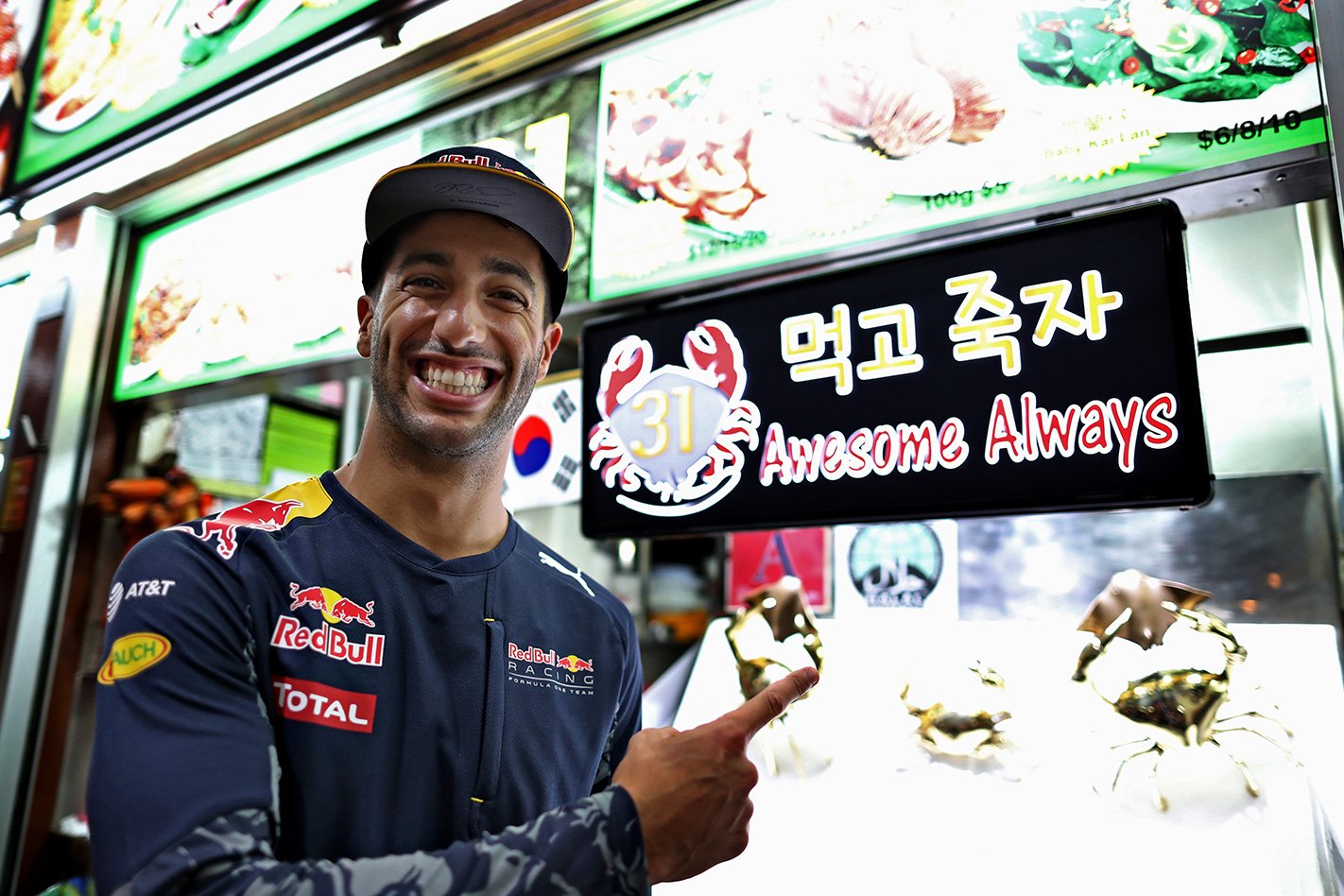
“The last few years I’ve put emphasis on Singapore with my training, and I think the results have shown. I’ve been on the podium three years in a row there,” says Red Bull Racing’s Daniel Ricciardo, who knows the faster, more furious F1 cars this year will provide an even bigger test.

This is the number of accredited media who head to Marina Bay every year to cover the event across broadcast, print and digital. The 23-turn street circuit generally makes for great racing, and normally at a crucial point in the World Championship – with this year’s edition set to be a white-hot battle between Mercedes’ Lewis Hamilton and Ferrari’s Sebastian Vettel.
The FIA International Media Centre is where it all happens, above the F1 team garages, with journalists and photographers working long into the night to get the latest news from the paddock to the eyes of the world. The sport normally stays on European time to ensure perfect concentration at night, so it’s a mid-afternoon start going through to early morning.
“We have received great reviews amongst the international press, with many regarding Singapore as a must-visit destination on the Formula 1 calendar. This is certainly a feather in our cap,” says Mr Colin Syn, Deputy Chairman of Singapore GP.

That’s the average number of spectators heading to Marina Bay Street Circuit every year, spreading out across the 799,000sqm Circuit Park – equivalent to approximately 80 soccer fields. Hugely popular, a ticket to the Formula 1 Singapore Grand Prix not only offers fans a night of fantastic racing and international artists.
For the family, there’s so much to see and do. On track the action never stops – with F1 and fantastic support categories in Ferrari Challenge Asia Pacific, and Porsche Carrera Cup Asia.
Off-track, kids young and old can join fun interactive activities like the Pit Stop Challenge, where you can challenge yourself against the Singapore GP off track pit crew by changing a tyre. You can even get behind the wheel of a race simulator, for a few laps of the Marina Bay Street Circuit.

This is the exact duration of the now-traditional post-race fireworks display. It’s a performance that has to be timed to perfection, triggered as the winner crosses the line to take the chequered flag. Check out the podium celebration after that –before heading on to the Padang stage for the Calvin Harris concert.
But as the race weekend begins, the Formula 1 Singapore Grand Prix organisers are planning the pack-down, and dismantling of the circuit – for its return to city streets with minimal disruption to traffic and businesses.
“Nothing is left to chance with over 25,000 crew members working around the Circuit Park,” says Michael Roche, Executive Director, Singapore GP. “To ensure a smooth delivery of the event, all activities are planned down to the finest detail, and every department relies on a minute-by-minute guide.”

Sergio Marchionne, the CEO of Fiat Chrysler Automobiles has never been a fan of hybrid cars.
In 2014, he urged customers not to buy the Fiat 500e because the company lost $17,500 on every one they sold.
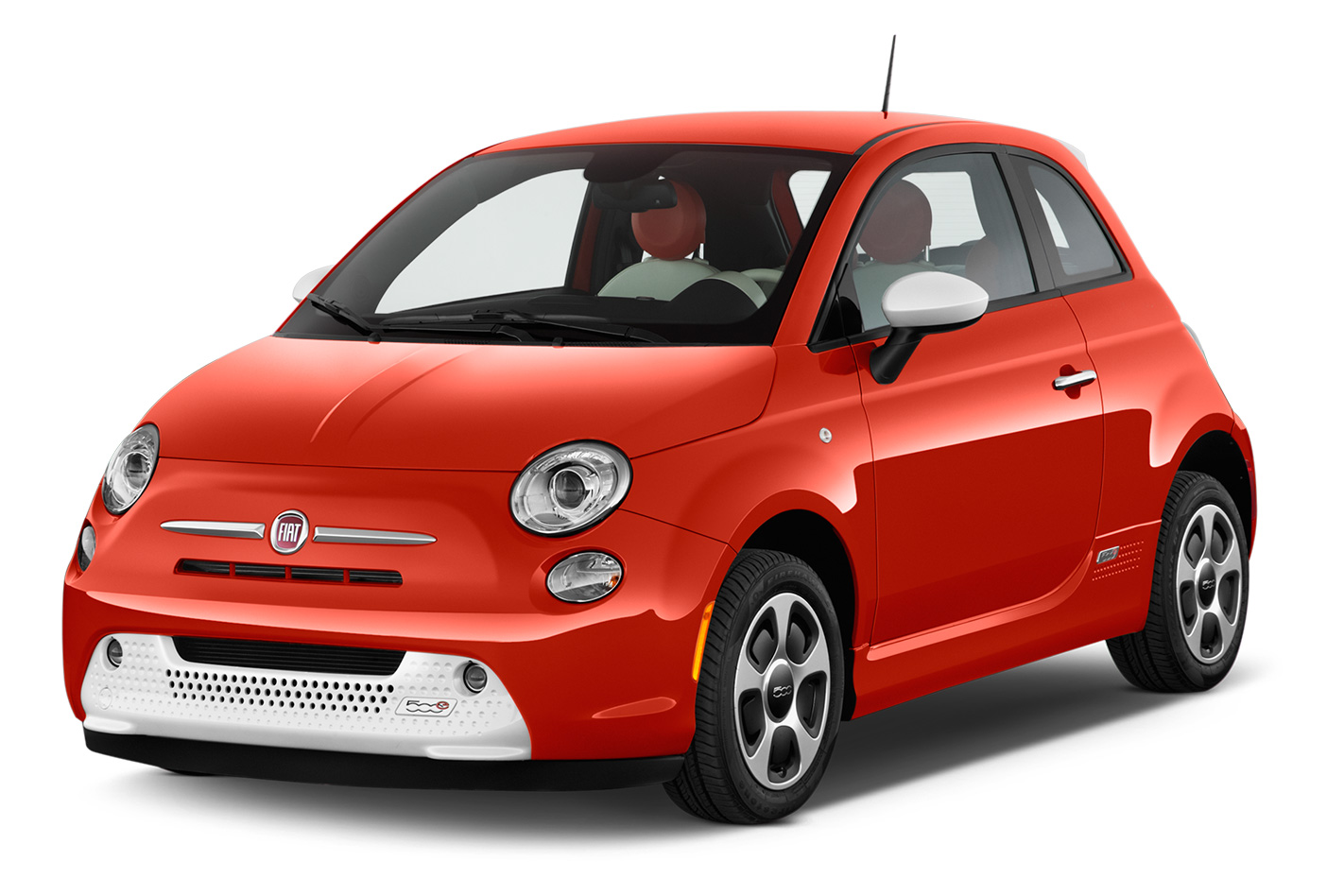
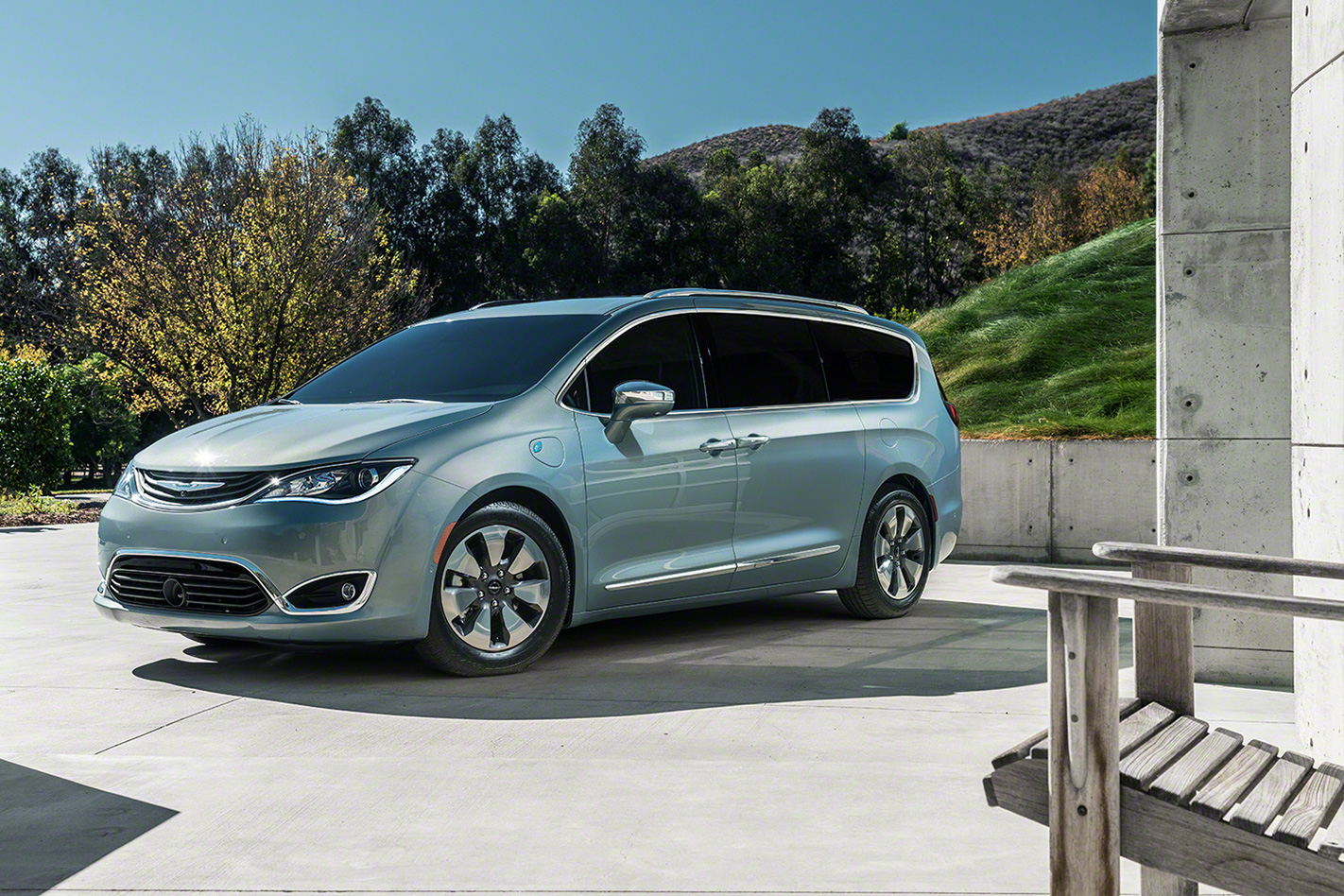
Let’s put that in perspective. FCA’s current ‘electrified’ roster of production cars comprises the reviled Fiat 500e and the Chrysler Pacifica plug-in hybrid. If you’re charitable you could add the LaFerrari to that list. That’s it. Marchionne hands over the reins to his successor in two years’ time, so he won’t be around to see the fruits of his labours. He’ll still be in charge at Ferrari until 2021, whereupon he’ll launch the SUV, but in the meantime, much of his attention will be devoted to the other Italian exotic marque in his charge, Maserati.
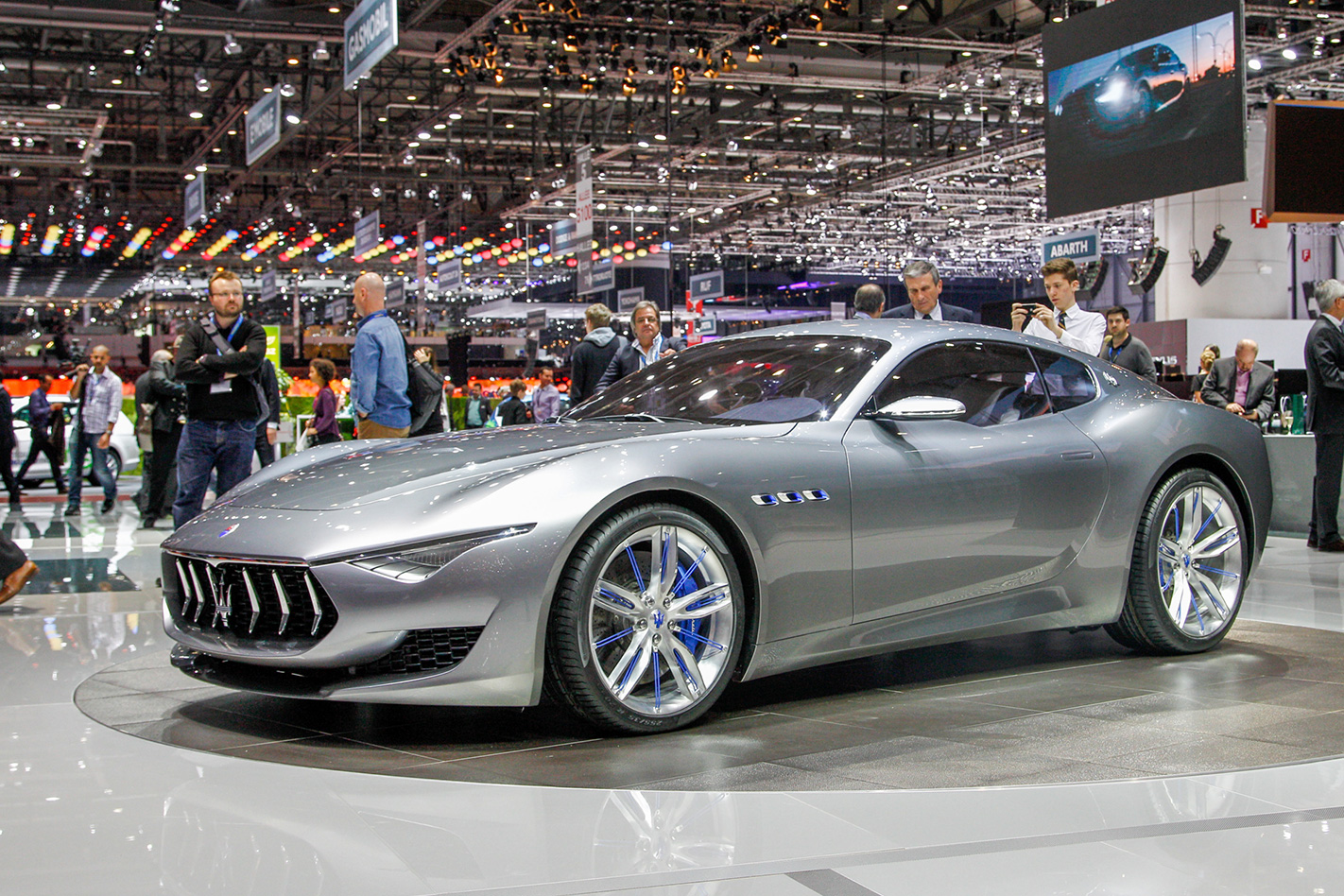
As part of FCA’s surge to electrification, Maserati is acting as its spearhead, with half of its wares being fast-tracked for electrification. So, it looks as if the Alfieri coupe is due to cop a hybrid drivetrain and future iterations of the Levante SUV will also follow suit. “Post-2019, [Maserati] will start launching vehicles which are all electric and which will embody what we consider to be state-of-the-art technology,” he said. By 2023 half of Maserati’s vehicles will be electrified in one form or another.
“We have been reluctant to embrace that avenue until we saw clearer the path forward,” he admitted.
There are notable pitfalls ahead. Petrol-electric hybrids serve as a stop-gap measure that will help car makers retain access to many highly-regulated markets, but the road to full electrification is anything but straightforward. “If the cost of batteries doesn’t come down, there will be a huge increase in pricing in 2022, and that will cause shrinkage in demand,” Marchionne told investors. Asked if there was scope for FCA to bring battery production in-house, Marchionne was adamant that this was a non-starter. “Given the level of knowledge and depth of that knowledge that sits with other people in the industry, what right do I have to enter that space? None.”
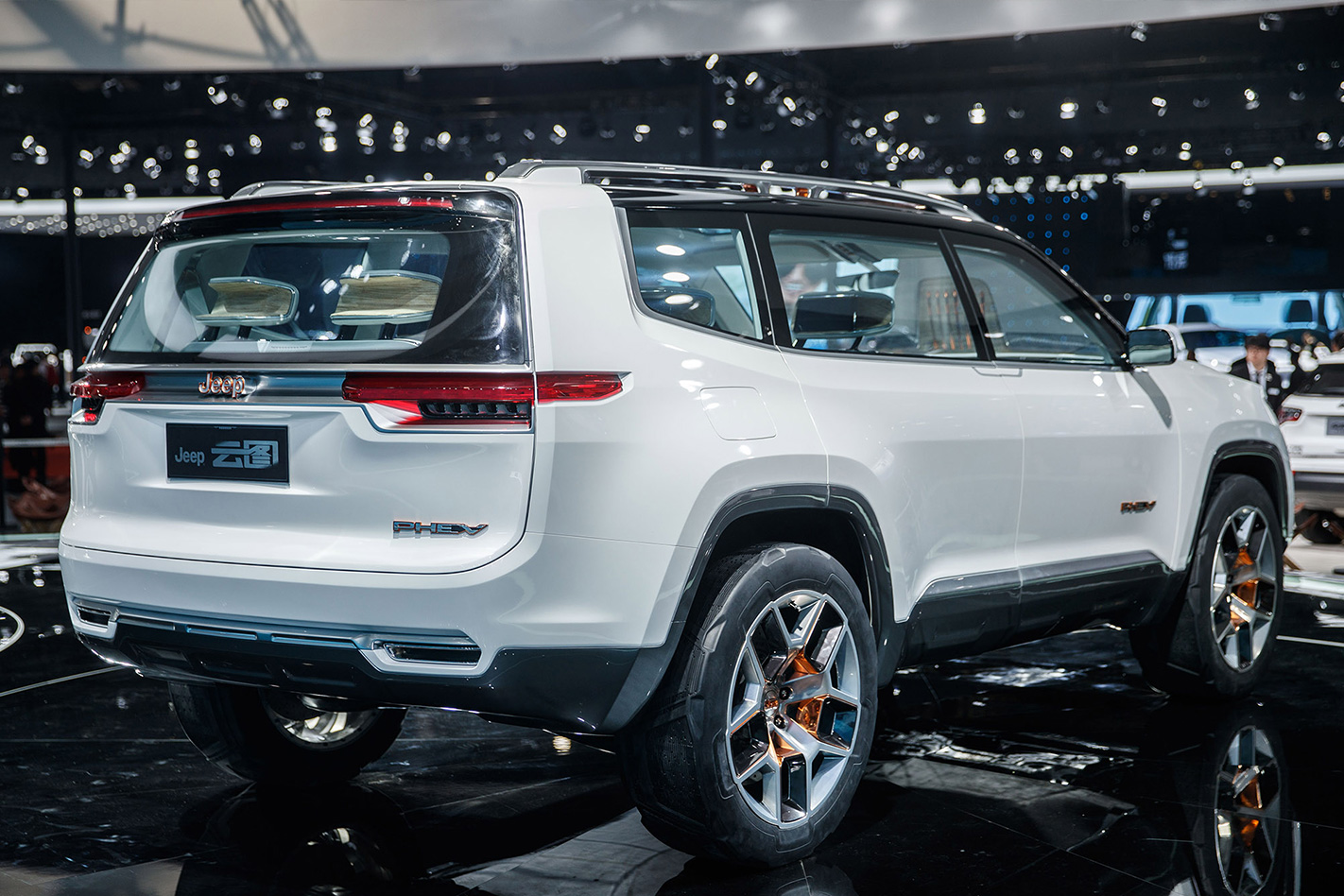
The next FCA vehicle destined for the hybrid treatment is likely to be the next-generation Jeep Wrangler, but it remains to be seen how FCA rolls out the strategy on the volume part of its product range. Jeep and Fiat comprise nearly 60 percent of FCA’s sales. In order to hit the 50 percent target, those brands are where Marchionne’s going to get the biggest impact. Jeep’s 3-row Yuntu concept was unveiled in China in April in plug-in hybrid guise. It seems an impossible target, but FCA has set itself some lofty targets before, with some even being attained. It’s possible that Marchionne’s aims have been taken out of context and that a clarification will arrive.
One thing’s for sure though. Marchionne might see electrification as a necessary evil but the die is now cast. We doubt he’ll be issuing any more ‘do not buy’ requests.
***UPDATE 04/08/17***
FCA’s head office has issued a statement suggesting that Marchionne’s words have been widely misconstrued. He is on record as saying “it’s an integral part of the development of the group and I think it’s an integral part of a broader strategy on electrification which will see more than half of its fleet by the time we hit the conclusion of the plan in 2022, it will see more than half of its fleet incorporate electrification.” The use of the word group suggested that he was talking about FCA as a whole. The subsequent FCA clarification indicates that he was referring solely to the Maserati brand.
Brand | 2013 | 2018 | % Growth |
Chrysler | 350,000 | 800,000 | 128.6% |
Dodge/SRT | 431,882 | 600,000 | 38.9% |
Ram | 463,000 | 620,000 | 33.9% |
Fiat Professional | 431,000 | 600,000 | 39.2% |
Jeep | 732,000 | 1,900,000 | 159.6% |
Fiat | 1,500,000 | 1,900,000 | 26.7% |
Maserati | 15,000 | 75,000 | 400.0% |
Ferrari | 7,000 | 7,000 | Capped |
Alfa Romeo | 74,000 | 400,000 | 440.5% |
GRAND TOTAL | 4,003,882 | 6,902,000 | 72.4% |
Three-fifths of the way through this planning period, it’s fairly clear that without a radical restructuring, FCA isn’t about to hit its global sales targets of 6.9m vehicles by 2018. Its annual report for 2016 shows that during that year its global sales were pegged at 4.7m, which is the same as 2015 and 100,000 down on 2014. In other words, it’s flatlining in what is a growth market overall.
Of its big brands, Jeep’s coming the closest to making the numbers, shifting just over 1.6m vehicles in 2016 and with new products coming on stream, it may well achieve the 1.9m ask. Ferrari’s already across the line, selling just over 9000 cars last year, with the proposed SUV rumoured to be capable of lifting sales to around 15,000 per year by 2021. Maserati sold close to 40,000 vehicles last year but Alfa Romeo remains the problem child, with little growth evident since 2013. That may well change with the introduction of the very strong Giulia and Stelvio products, but it needs a breakout year in the USA in 2017 to justify the big investments and the ambitious stretch targets.
THE AUSTRALIAN car industry is celebrating record sales for July with deliveries up almost 1500 compared to the time period last year, according to VFACTS figures released today.
The 92,754 vehicles sold takes yearly sales to 692,308, up 0.4 percent from up to the same period in 2016.
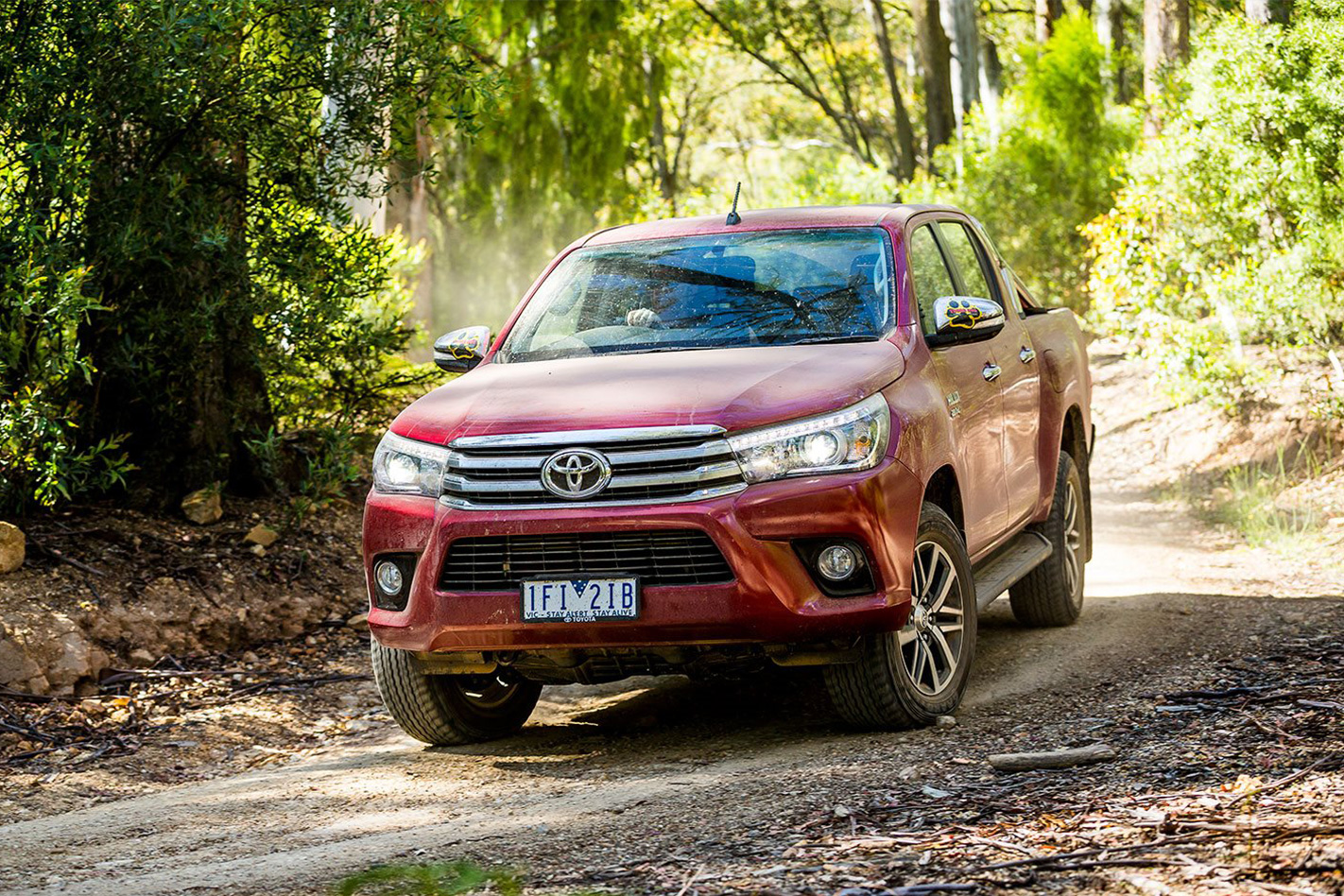
The record July sales came despite many individual models selling in considerably smaller numbers than they did in June, when dealers offered final end-of-financial-year inducements.
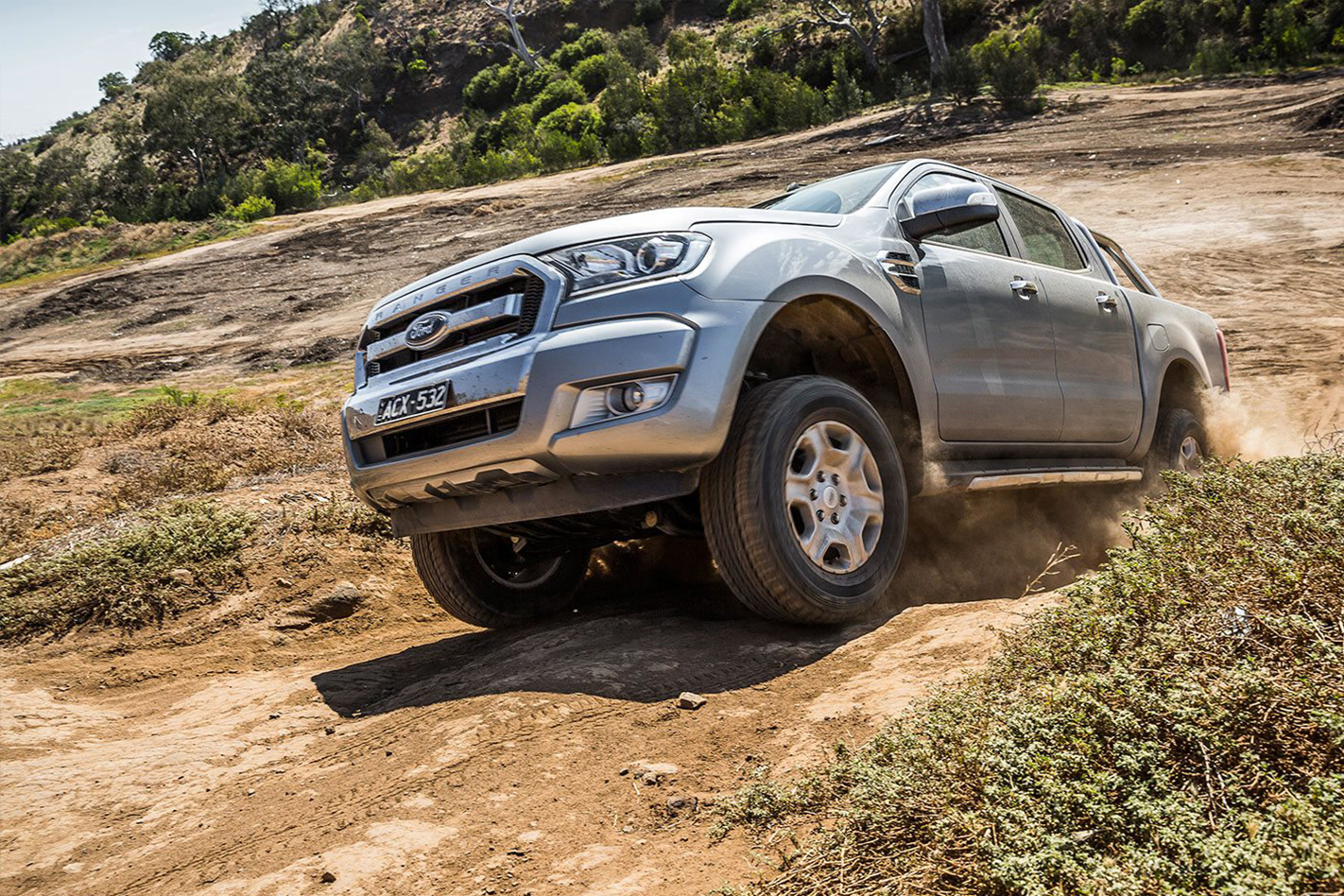
Mazda 3 reclaimed fourth spot from the Hyundai Tucson, which shot up the rankings in June thanks to some generous cash-back deals, while the Toyota Camry rounded out the top-five with just a few months to go before Australian-built models are replaced by pricier imports.

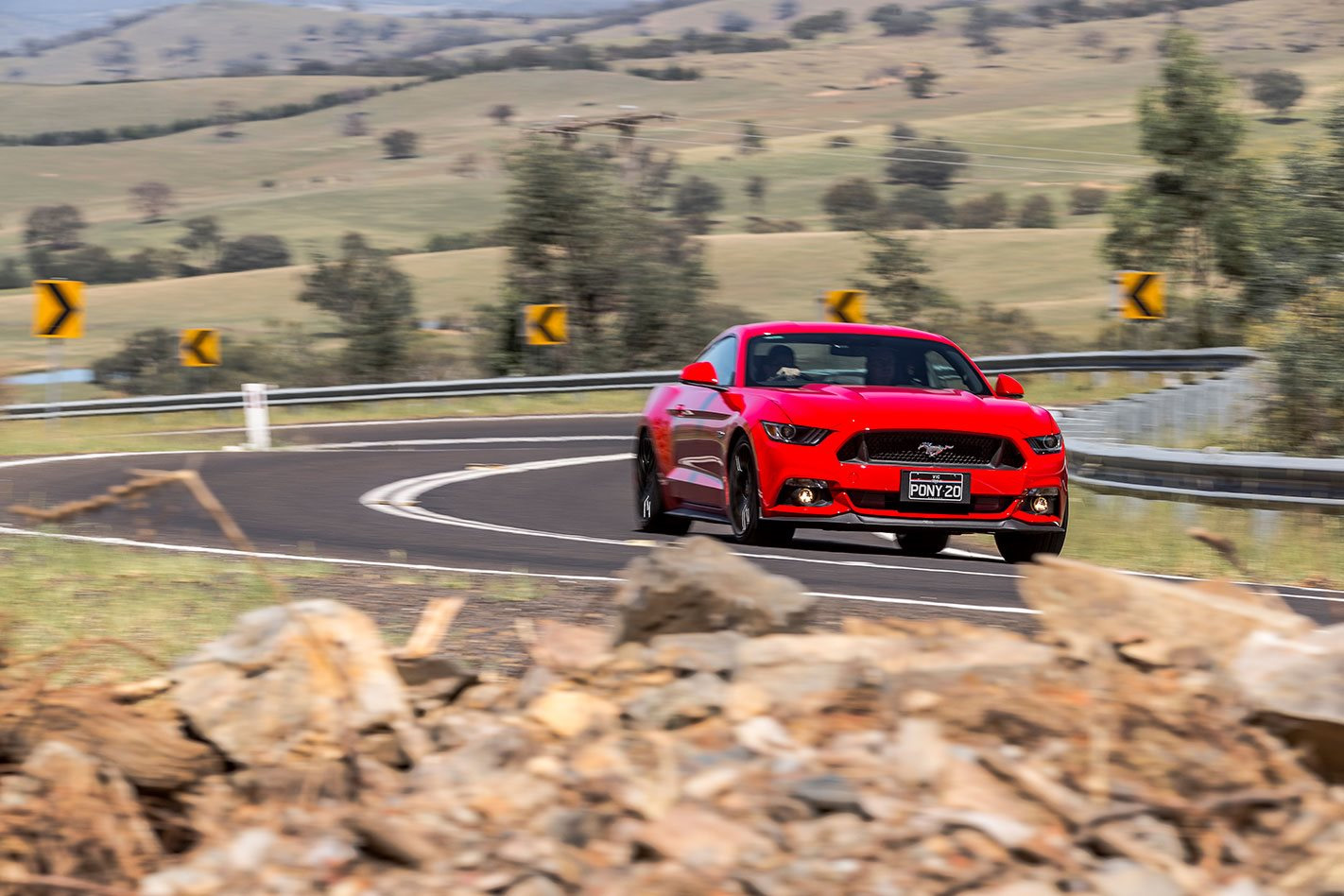
Strong performers outside the top five include the Ford Mustang, which continues to benefit from shorter waiting periods to see sales increase by 300 vehicles versus July last year, to 919 last month.
The all-new Subaru XV crossover (1138) also had a good month, almost doubling sales over the car it replaced from last July and coming in fourth in the highly competitive small-SUV segment, leap frogging the Honda HR-V.

And in what must be its last gasp, the Ford Falcon accounted for just two sales after disappearing from the company’s sales website, while 92 Ford Territories were sold.

Toyota, Mazda and Hyundai remained our top three brands while further down the list Skoda edged out Volvo to sneak into the top-20.
Top 10 vehicles, July 2017
1. Toyota Hilux – 3742 2. Toyota Corolla – 3208 3. Ford Ranger – 3076 4. Mazda 3 – 2466 5. Toyota Camry – 2385 6. Mazda CX-5 – 2305 7. Hyundai i30 – 2123 8. Toyota RAV4 – 1736 9. Hyundai Tucson -1719 10. Hyundai Accent – 1642
Top 10 brands
1. Toyota 17,931 2. Mazda 9528 3. Hyundai 7501 4. Holden 6467 5. Ford 6270 6. Mitsubishi 6020 7. Kia 4266 8. Subaru 4265 9. Nissan 4094 10. Volkswagen 3803
