
THE Holden Commodore remains Australia’s most theft-friendly car, with all models accounting for about one in every 10 vehicles stolen in the 12 months to March 31, statistics show.
The latest National Motor Vehicle Theft Reduction Council data reveals that the late 2000s-era VE accounted for most of the thefts – 986 of them worth a staggering $12.9 million.
Those stealing a Commodore-badged Holden didn’t worry too much about age. Not far behind is the late 1990s-era VT Commodore with 633 thefts worth $2.3 million, while the 2000-era VX (571 worth $2.5 million) and 2002-era VY (541 worth $3.0 million) rounded out the numbers.
The most stolen single model was the N15 Nissan Pulsar, a drab, conservative mid 1990s-era hatchback that 1023 car thieves found attractive. Their combined value? About $2.1 million, according to the council.
The most stolen Ford model for the year was the 2002-era BA Falcon, with 598 going missing, touting an estimated worth of $3.3 million.
The Toyota Hilux was also a popular choice, with the decade-old model (679 worth $9.3 million) being the pick of the underworld. Examples of the Toyota utes built between 1998-2004 (440 worth $2.2 million) and 2012-15 (406 worth $11.2 million) were also very popular.
Criminals who wanted something other than a Hilux badge fell for a late-model version of the Nissan Navara, with 446 – worth a combined $8.6 million – going missing.
Some trends have emerged, with the four-door Holden VZ Crewman ute (77 stolen worth $572,000) and VY version (32, worth $189,000) proving popular. Early models of BMW’s X5 SUV (68 worth $734,000) and the Audi A5 (66 worth $3.1 million) also stood out, as did the E-Series HSV GTS (also 66, worth $2.1 million).
Performance cars are scattered through the list. Aside from the HSV GTS, the W204 version of the Mercedes-Benz C63 AMG was the most coveted ‘bahn-stormer, accounting for 29 losses worth an estimated $2.4 million. Its slightly bigger sibling, the W212-based E63, accounted for just four thefts worth $431,000.
Showing that some car thieves have no taste, 16 second-gen Volkswagen Beetles worth just over $101,000 were removed from their owners.
Spare a thought for the big end of town, too. At least a couple of Maserati Ghiblis worth $264K, two Audi S8s ($122K) and RS4s ($181K), a single Audi R8 ($119K), an RS6 ($218K), an early model Bentley Continental ($159K), and a late-model Jaguar F-Type ($149K) were all listed as stolen.
The NMVTRC is an industry lobby group that aims to reduce the number of vehicle thefts in Australia. In the 12 months to March 31, there were 46,509 vehicle thefts throughout Australia worth more than $574 million.
AUSTRALIA’S first suspected death relating to the Takata airbag recall has prompted the consumer watchdog to urge owners to speed up their replacement – and for carmakers to do the right thing.
The call comes after a 58-year-old man died in a car crash in Cabramatta last week after a small piece of metal became lodged in his neck after the airbags fired. Police say they strongly believe the driver’s injury was related to the airbag.
Police confirmed the Honda CR-V in which the driver died was part of the worldwide airbag recall for both the driver’s and front passenger airbags. The death has been reported to the NSW Coroners Court to determine if an inquest is necessary, police said.
The Takata faulty airbag recall involves around 2.3 million vehicles in Australia, with about two thirds of them believed to still have the potentially lethal devices fitted.
The airbags are in 60 makes of cars sold in Australia, including Honda, Toyota, Mitsubishi, Subaru, Jeep, Nissan, Chrysler, and Dodge. It has even scooped up luxury brands BMW, Lexus and Ferrari.
The recalls are believed to have affected 31 million cars worldwide since the problem was first discovered in 2008, with more likely to be added. In the US, the faulty airbags have been linked to at least 11 deaths and more than 180 injuries.
“Do not ignore or delay responding to a letter from your car’s manufacturer or retailer asking you to have your car’s airbag replaced,” Australian Competition and Consumer Commission chairman Rod Sims said.
According to the ACCC, the carmakers now have sufficient stock of replacement airbags to fix the 1.5 million vehicles that continue to drive around with the dangerous ones.
However, it has warned that some of the replacement airbags will need to be replaced again in about six years’ time to ensure they also did not suffer the same failures.
“Car manufacturers and retailers must let consumers know when they are having their car’s airbag replaced, what type of airbag it is being replaced with, and if it is likely to be the subject of another recall down the track,” Sims said.
The problem with the airbags rests with the ammonium nitrate propellant used for the airbags, made by Japanese manufacturer Takata. The chemical absorbs moisture from the air over time, which makes it unstable.
That means instead of filling the airbag with gas, the ammonium nitrate explodes inside its canister, shooting sharp pieces of metal shrapnel into the cabin, potentially tearing the airbag and harming occupants.
“We’re seeking information from the Department of Infrastructure and Regional Development as to exactly what information it is requiring car manufacturers and retailers to give consumers about their car’s airbag, including the likelihood of the airbag being replaced again,” Sims said.
“We would have very serious concerns if manufacturers were found to be misleading consumers about their car’s safety in breach of their obligations under consumer law.”
The alleged fatality linked to the Takata recall follows on a similar incident in Darwin in April where a woman was seriously injured after the steering wheel airbag in her Toyota RAV4 filled the car’s cabin with shrapnel.
THEM Duke Boys won’t know what hit ’em, thanks to a new police vehicle released by Ford, that’s based on the latest incarnation of its iconic F-150 truck.
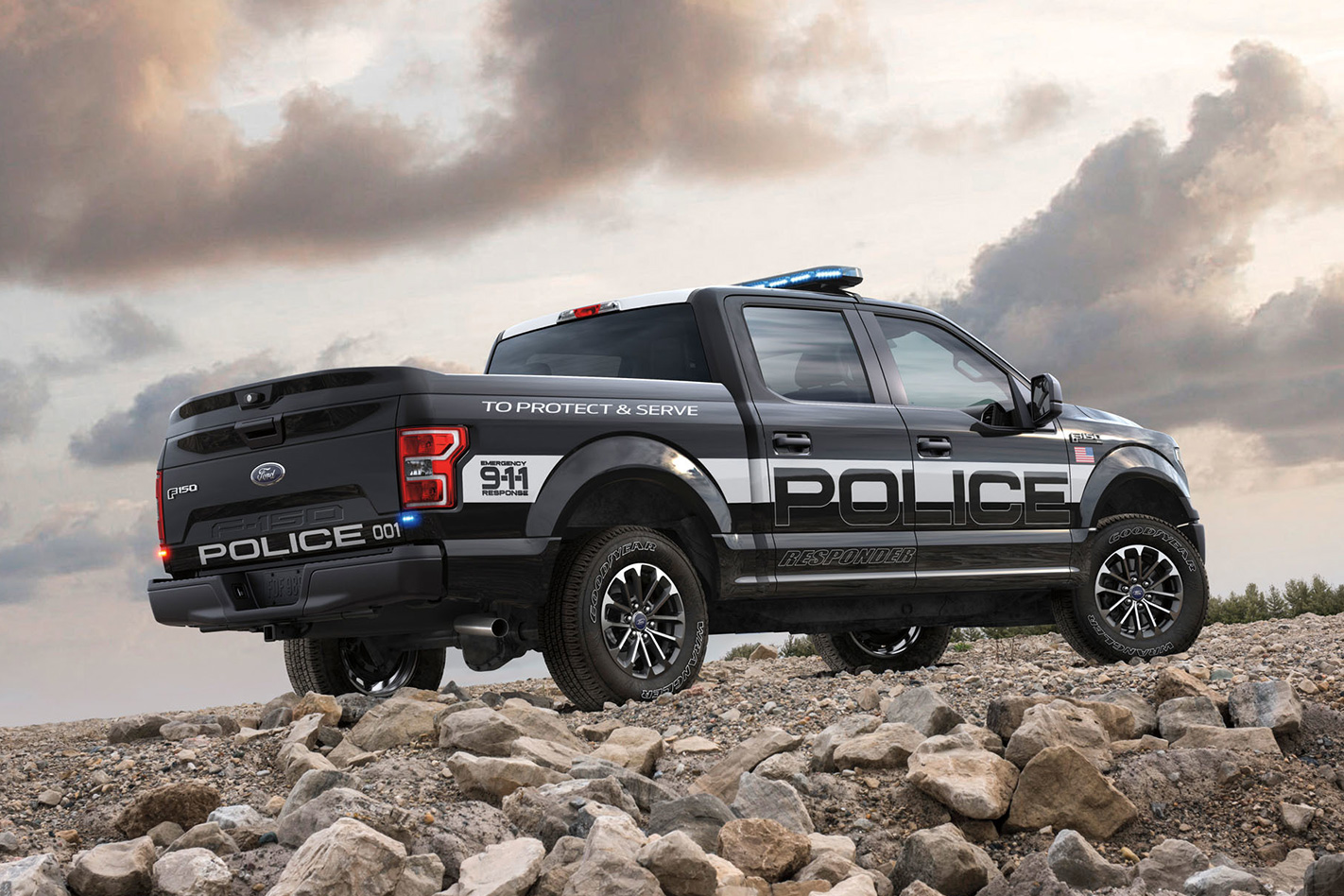
Built for the good ol’ US of A (where else?), the 2018 Ford F-150 Police Responder is the first “pursuit-rated” pick-up truck the Blue Oval has ever produced.
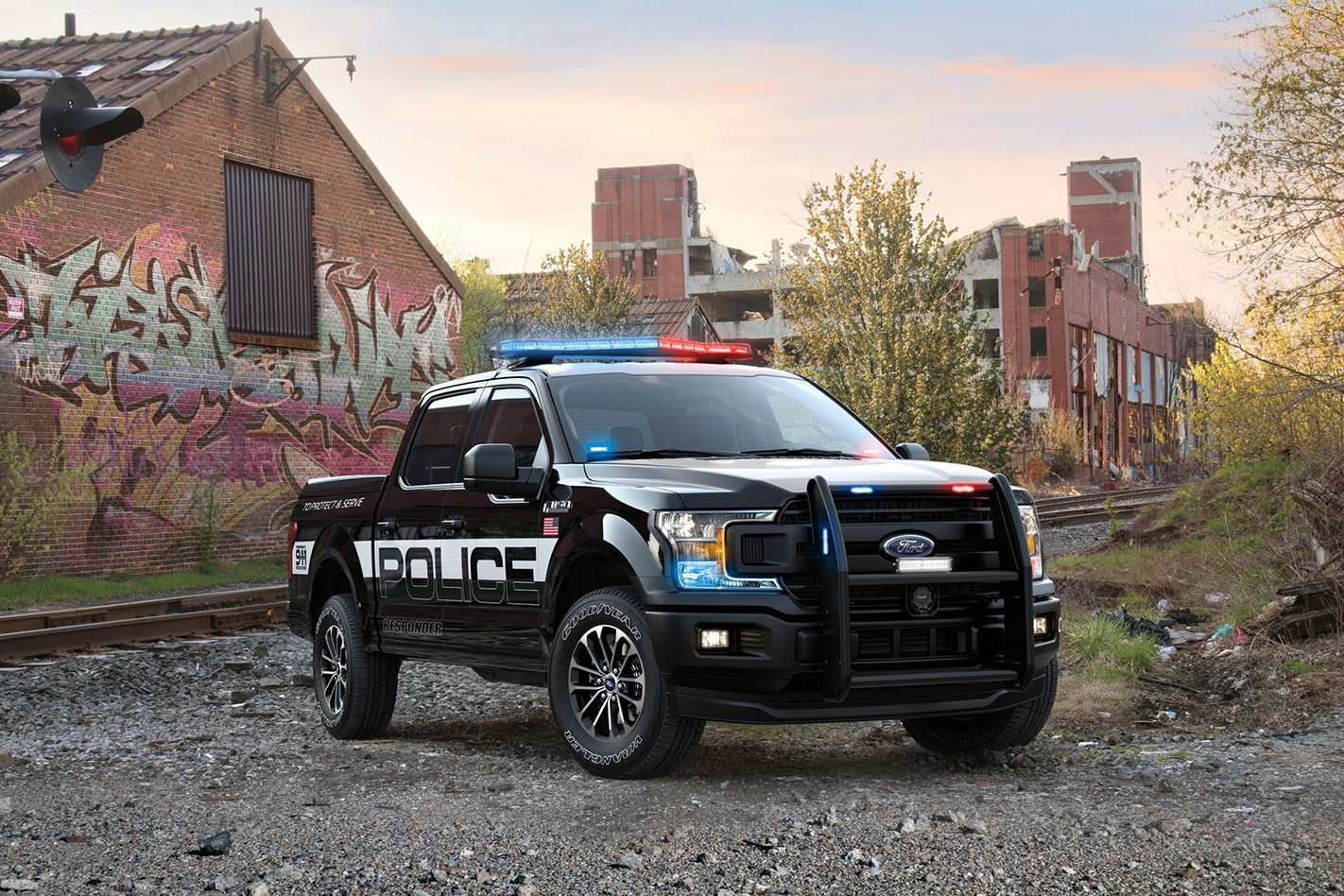
Under the bonnet is a 3.5-litre twin-turbo EcoBoost V6, making 280kW and 635Nm, mated to a 10-speed automatic transmission with part-time four-wheel-drive system and a low-range transfer case.
2018 Ford Ranger Raptor spied in the wild
The Police Responder isn’t limited to sealed highways though, with off-road suspension and underbody skid plates enabling it to stay pinned on the perp’s tail even when the bitumen turns to dirt.
“Ford’s 2018 F-150 Police Responder is the perfect all-terrain law enforcement vehicle,” said Ford’s police brand marketing manager Stephen Tyler.
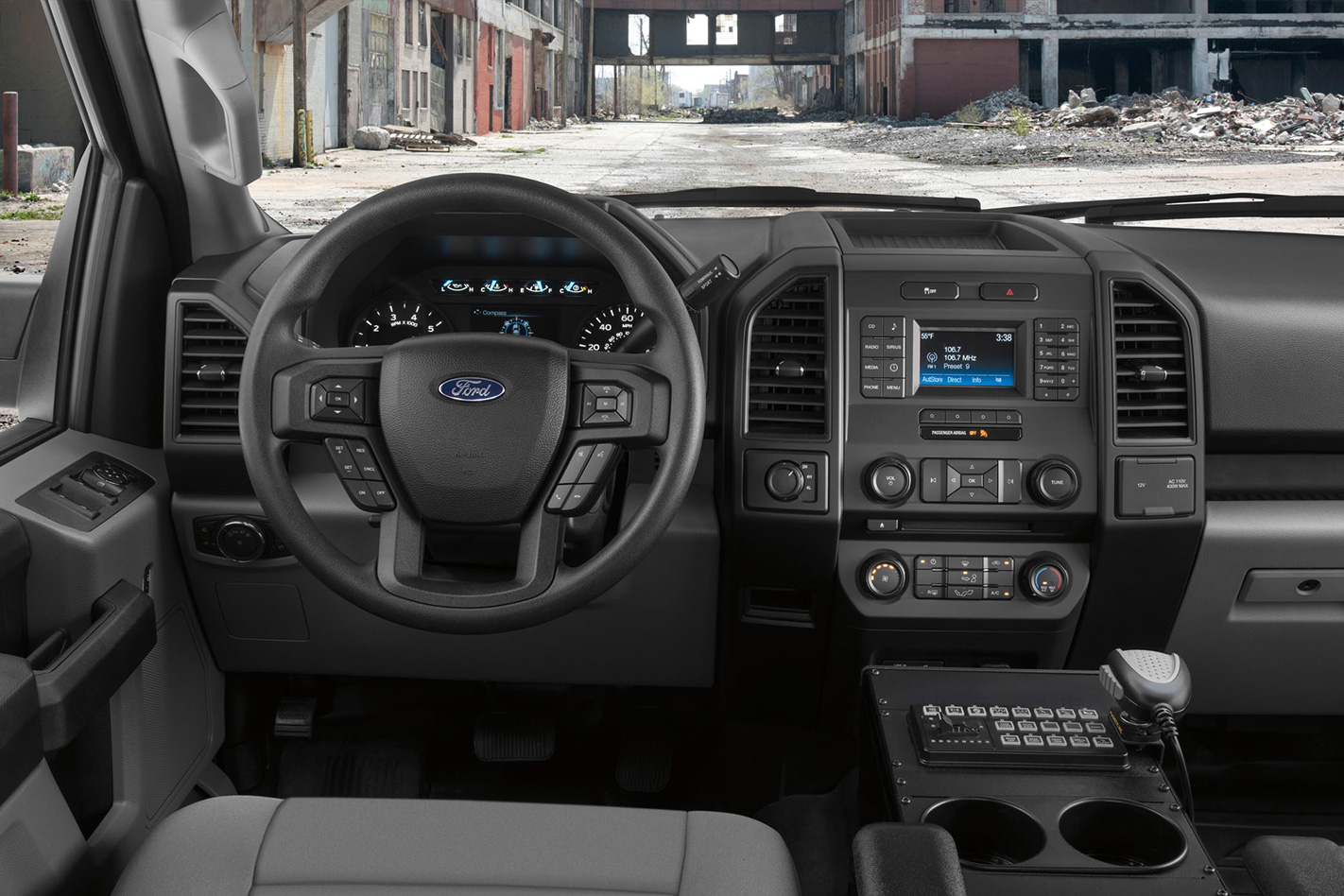
Along with all the police trimmings, the F-150 pursuit vehicle still has an impressive 3175kg payload and towing capacity. This is the biggest of any pursuit-rated police vehicle in the US, of course.
Needless to say, if this comes up in your rear-vision mirror with the lights on, it’s advised to pull over quick-smart.
TWO THINGS happened on a recent trip to Italy that confirmed a suspicion I’ve held for a while: That Australia hates the car.
Or to be more precise, it hates the car enthusiast.
I was in the land of hand gestures and olive oil to test the new Lamborghini Huracan Performante and, having spent the morning hot-lapping Imola, I pointed the Huracan’s nose towards the twisting tarmac beyond the circuit to see how the car performs on the road.
Things were going well – the sun was shining, the roads were challenging – until I robustly rounded a sharpish turn and happened upon a blue Alfa Romeo 156 wagon, its flanks emblazoned with ‘POLIZIA’!
I don’t think I was speeding, yet with the Alfa’s occupants clearly alert and gesticulating in my direction, I did the only thing I could think of: I waved.
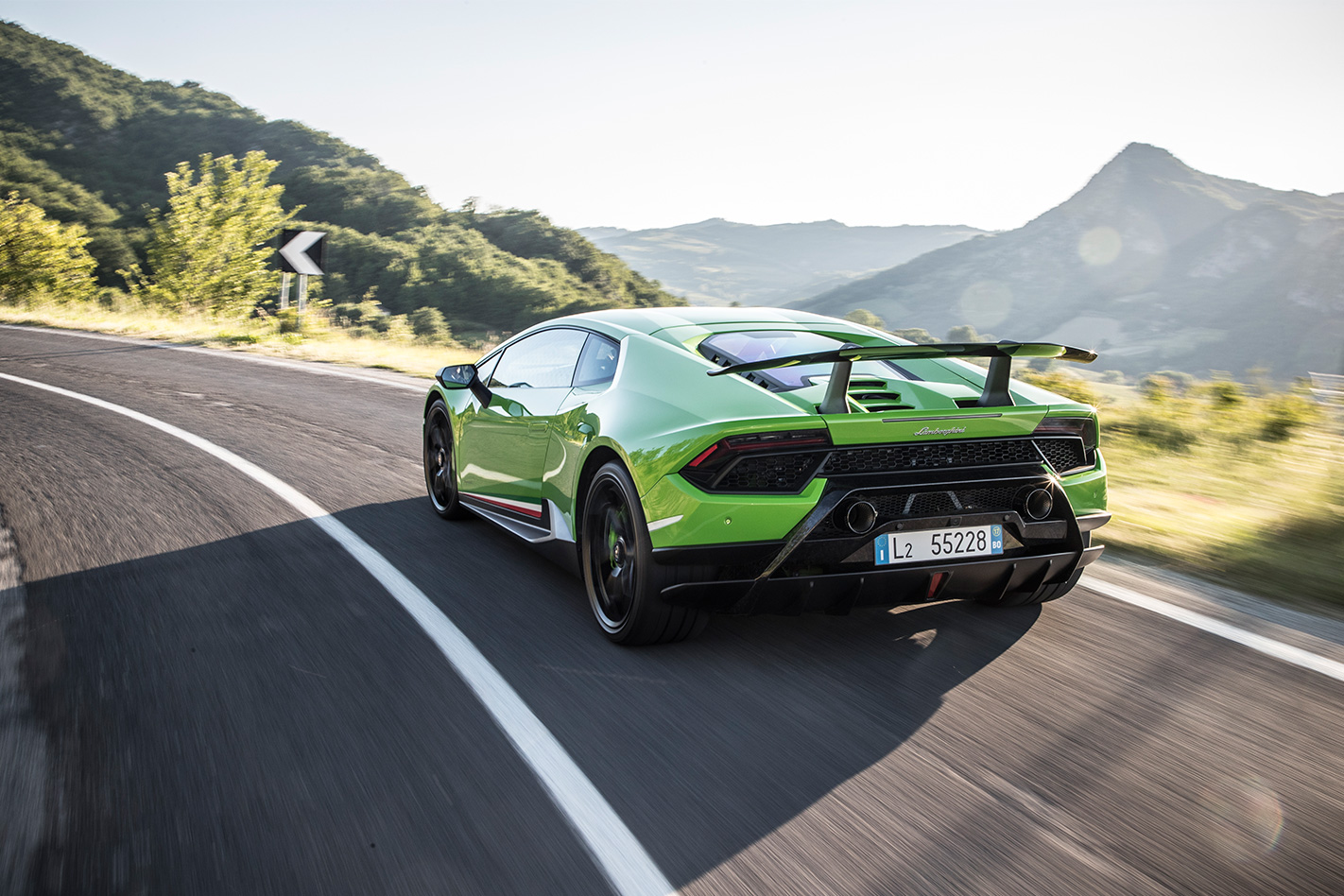
In reply, the officer didn’t reach for a radar gun or twitch for his infringement pad, but thrust his fist through the open window and gave me a long thumbs up. It was such an emphatic gesture of solidarity that it practically carried an exclamation point.
The second example of this enlightened attitude occurred a few minutes later.
Having seen, or perhaps heard, my approach from behind, the driver of a small farm truck hurriedly pulled over to watch me cruise by, his joy at seeing a bright green Lamborghini so boisterous that he actually leapt from his cabin and chased after me, his arms wind-milling like a madman.
Can you imagine either of these things happening in Australia? I can’t.
In fact, a video that recently circulated the Wheels office showed the stark contrast we face Down Under.
In the clip, camouflage-clad highway patrol officers carry out a sting on unsuspecting drivers from a sniper-style bunker hidden in the mountains.
And don’t hold out hope that a more holistic approach to road safety is on the horizon either. A recent Wheels investigation showed that instead of questioning why the single-minded, speed-driven approach to curbing our rising road toll isn’t working, the solution offered by the experts is an even greater focus on speed, even more fines and, alarmingly, even lower speed limits.
When I drove up a one-way street the wrong way in Italy, other drivers were so polite they climbed out of their cars and helped me reverse to ensure I didn’t damage the Lambo. In Australia I’d have been labelled a “wanker” before I’d the time to apologise.
All this meant that as I landed in Melbourne and spent the drive home scanning for police lurking in clock towers, I began to ponder what needs to be done to turn the tide.
Wheels is well advanced in its attempts to foster a wider-ranging road-safety debate with our recent investigation into the road toll and an imminent look into mobile phone use in cars, but the real power lies with you – our readers.
Collectively, and with the help of grass root political movements or by writing to your local member to oppose anti-motoring policies, your voice can foster change.
Wheels has some ideas here too. Stay tuned.
IT IS usual approaching the business end of the Formula One season to see an abundance of tales in the motorsport media relating to likely/possible/certain driver moves for the coming year.
During this mid-season break in F1 hostilities, such stories are cranking up, many it seems generated by fertile imaginations.
For many Teutons, the idea of a German in a car has brought forth suggestions that Sebastian Vettel may swing across to Mercedes next season.
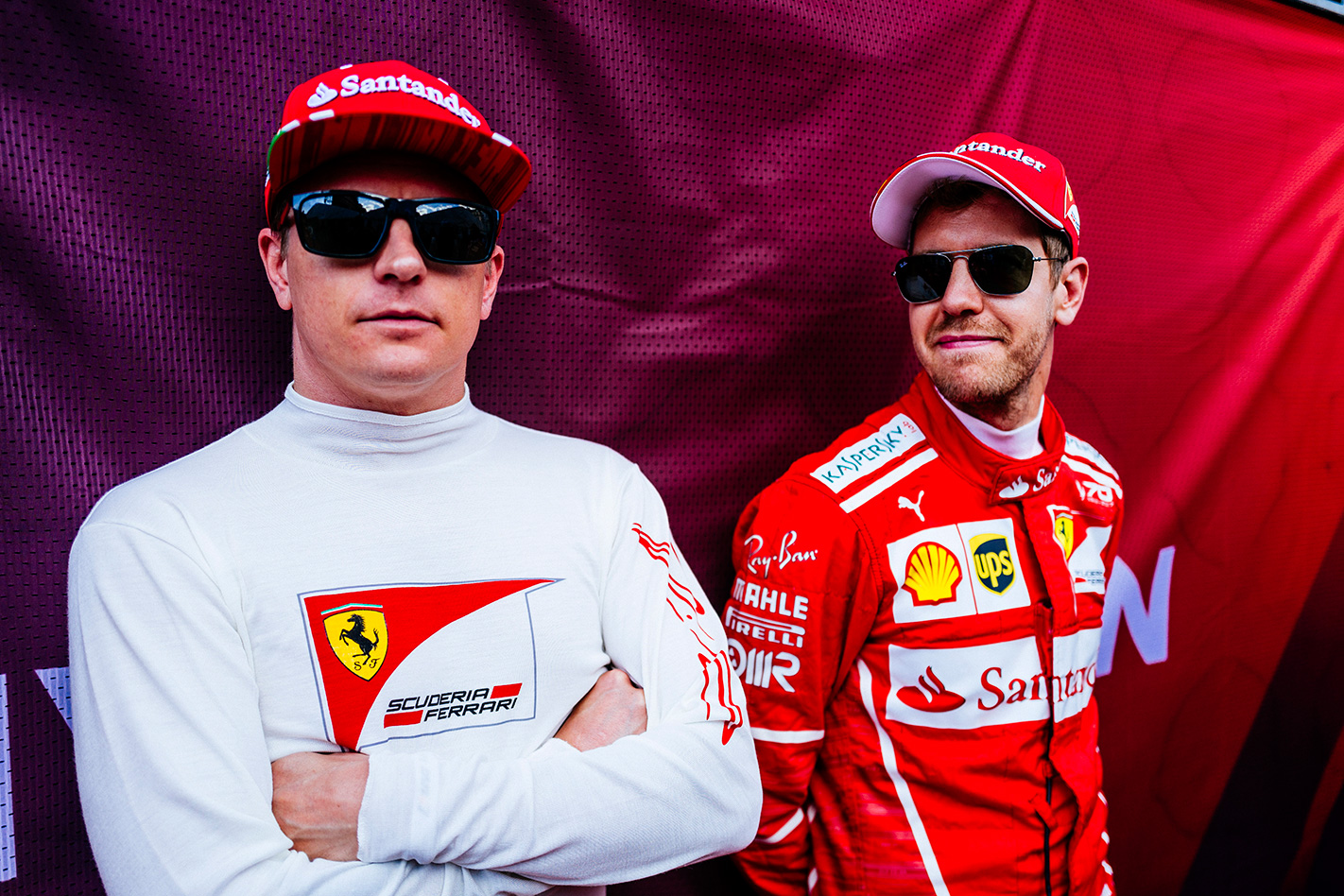
Other playful media people have speculated that should Vettel jump to Mercedes, Lewis Hamilton could switch to Ferrari next season.
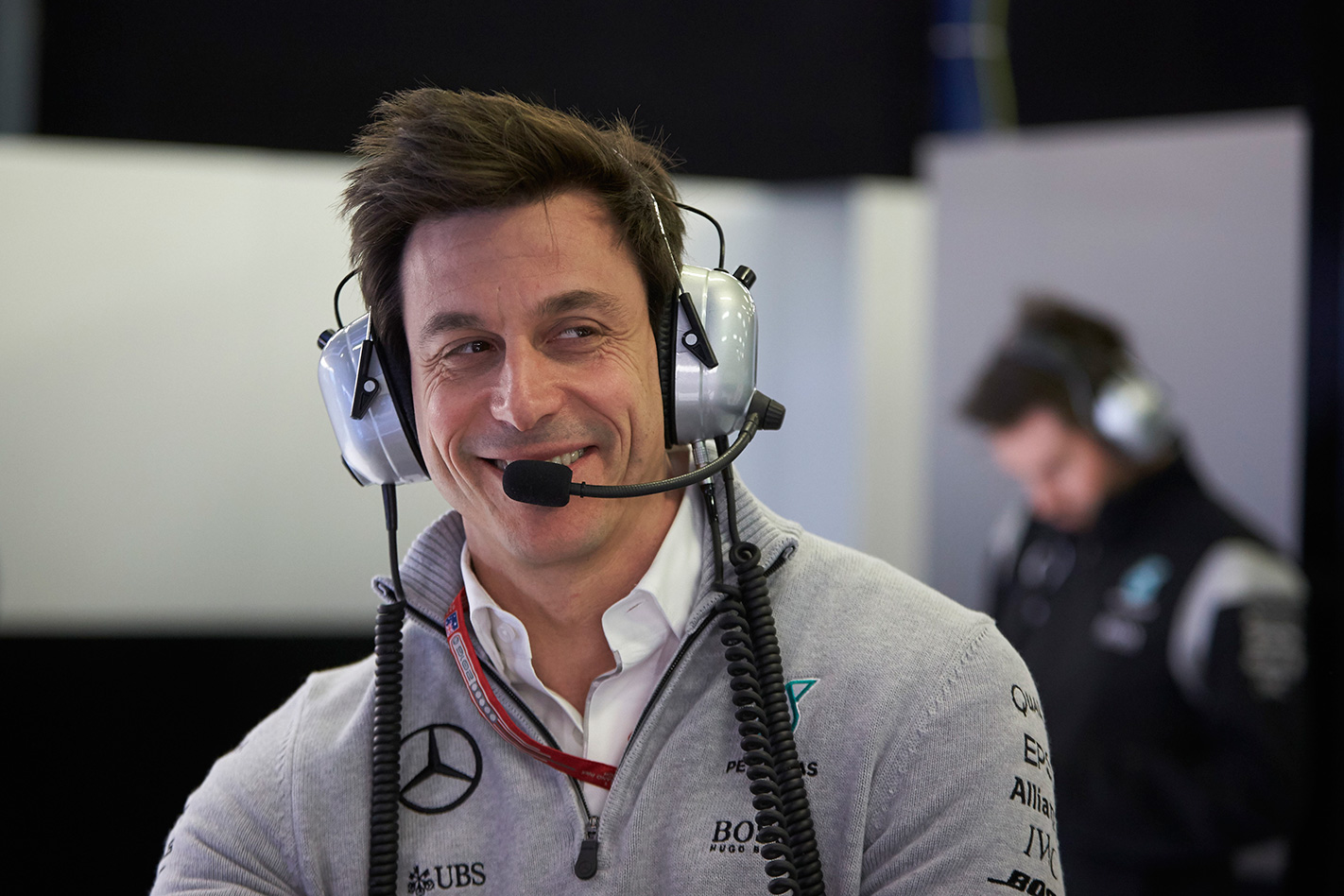
Mercedes chief Toto Wolff was quick to dismiss speculation that Hamilton could switch to Ferrari next season and that his main world championship rival Sebastian Vettel might move the other way.
Wolff quickly hosed down such talk, insisting Hamilton would stay put to serve the remaining 18 months on his contract.
In a drivers’ market dictated only to a certain degree by contractual arrangements (who insisted that contracts are made to be broken or at least negotiated out of?), the other two hot properties are Max Verstappen and Daniel Ricciardo, both under contractual lock-and-key at Red Bull.
Red Bull Racing team principal Christian Horner is tired of reciting the mantra that neither is going anywhere.
Of course, one who might be available is the hapless Fernando Alonso, but both Ferrari and Mercedes have declared he won’t be returning to their operations.
Okay, so may I be a little naughty now and suggest this scenario: the availability of Alonso and the addition of a pile of money encourages Red Bull to lose Verstappen to Ferrari…
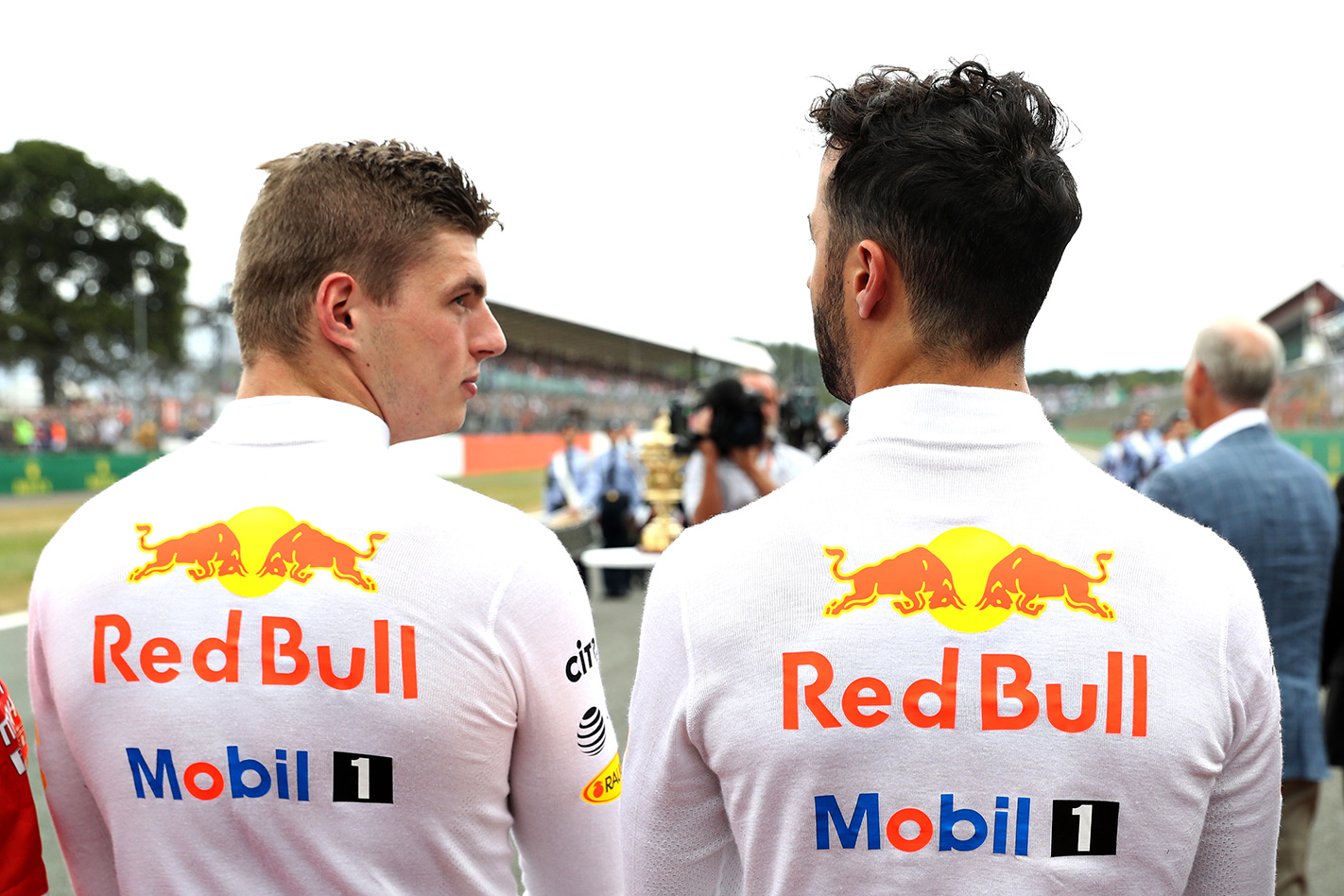
Just a silly thought…
Then there is the crazy engine conjecture, with McLaren working hard behind the scenes to find a solution to its desperate need for a fast and reliable power unit (and one that doesn’t have the Honda name on it).
At Silverstone, the upgraded Honda was about 20 horsepower stronger with the next step reportedly taking it up a promised further 30 horses, meaning it is only 40 horsepower away from the dominant Mercedes.
But McLaren seems well over promises, and the Honda’s unreliability. But getting out of the arrangement is not easy. The contract is watertight, so Honda would need to agree to a split.
Oh how McLaren wishes it should walk away as easily as Sauber, which is now pulling out of its deal with Honda for 2018 (it had only signed a letter of intent, which is breakable) and will chose either Ferrari or Mercedes power for next season.
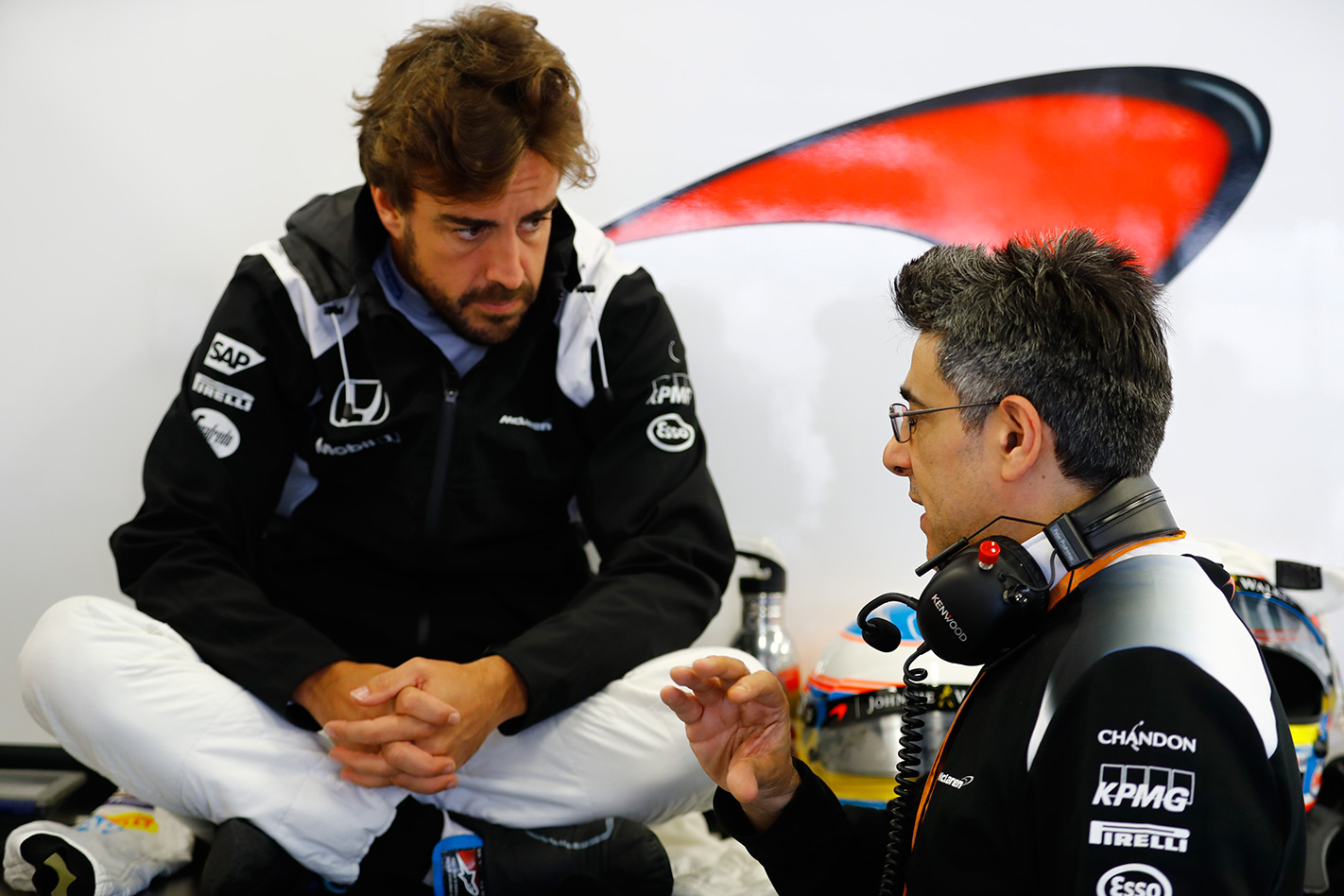
Neither Mercedes nor Ferrari will supply McLaren with engines unless forced to under the FIA regulations.
This leaves the Renault V6 as the only viable alternative, but the French giant already supplies Red Bull, Toro Rosso and its own team.
The best solution which doesn’t include loss of face would be for Honda to have its own team. Maybe it could buy Toro Rosso.
F1: Silverstone’s shaky F1 future
The viability of the British Grand Prix at Silverstone has been an ongoing bone of contention for many years, with no end of threats from either side – track promoter and Formula One’s powerbrokers – to terminate F1, which has been running there since it hosted the very first world championship race in 1950.
Track owner, the British Racing Drivers’ Club, long complained that the annual fee demanded by Bernie Ecclestone in the past – which began at £11.5 million in 2010, jumping by five per cent every year, meaning it will cost all of £26m by the deal’s end in 2026 – was way too onerous.
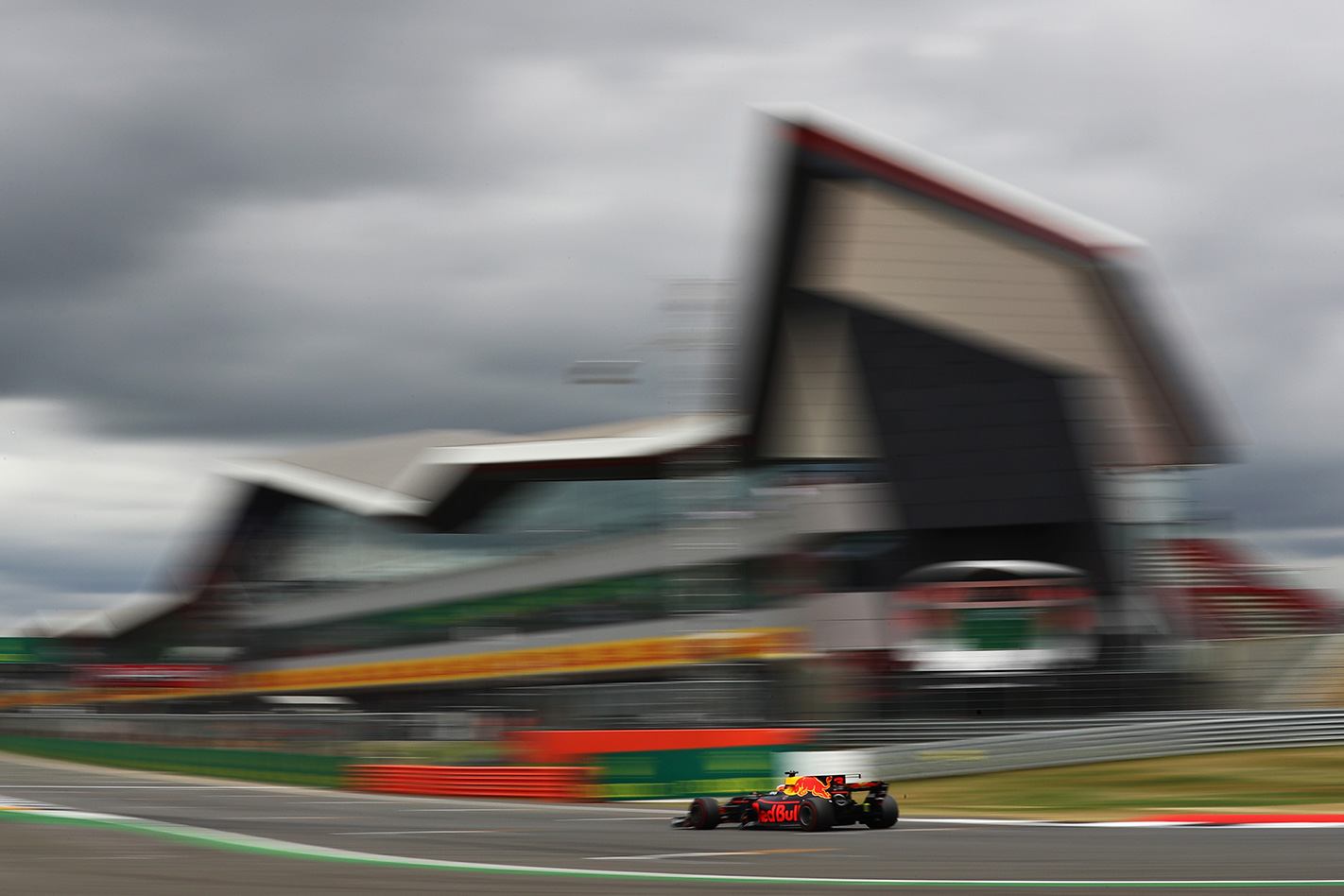
While Ecclestone has been pushed out of F1, the arrangement sticks and just before the recent british GP the BRDC triggered a break clause in its contract, indicating it will not run the race under the current deal beyond next year.
It’s clearly a game of bluff, but it may yet backfire. Yes, it is true that F1’s new owner, Liberty Media, has indicated it wants to retain the traditional races like the British GP on the calendar it is also more than keen to hold a GP in London.
Liberty also offered to run the British Grand Prix event at Silverstone for five years if given use of the circuit free for three weeks.
This won’t happen as the BRDC claims it would burn £20,000 a day under such an arrangement, presumably in lost revenue from daily track hire.
After this year’s highly entertaining British GP and the glee of the emotional and passionate British fans when Hamilton won, Chase Carey and the Liberty media chaps must surely think that Silverstone needs to remain locked on to the F1 calendar.
Talking through the very excitable British media, both sides have been making some extraordinary claims.
Only days after the BRDC invoked the break clause, club president and former driver Derek Warwick told British TV that Silverstone should continue to host the British Grand Prix. Confusing? Yes, somewhat.
Liberty’s Carey struggles to accept that the grand prix, which claimed an attendance of 350,000 across the three days last year, can be such an economic train wreck.
It’s highly unlikely Liberty Media would consider lowering its fee. Such a move would have all other GP hosts lining up for a discount. The BRDC’s best hope is for Liberty to make commercial concessions which may open other income streams to supplement ticket sales.
WRC: Could the Yaris win its first Finland rally?
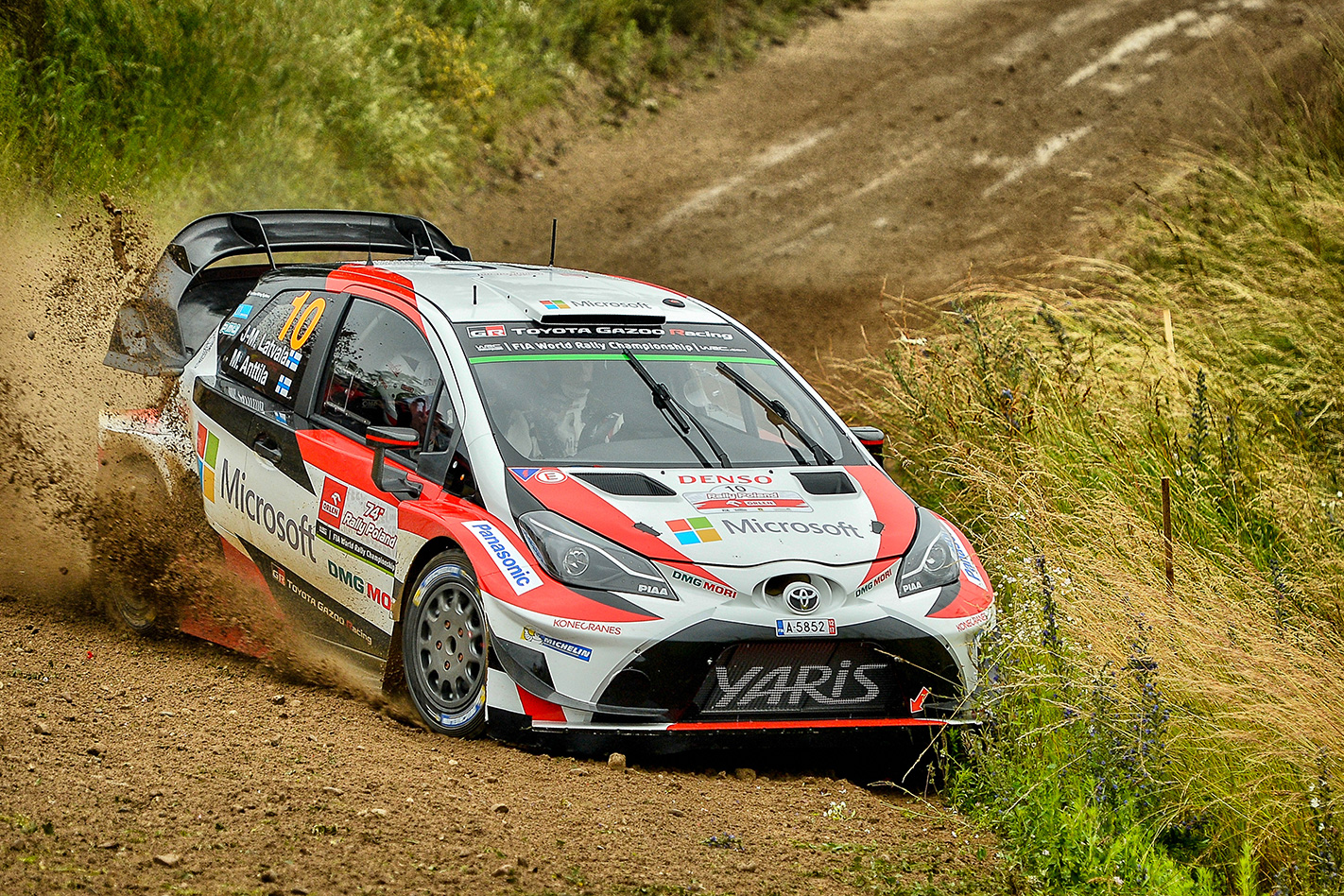
With local knowledge a big boost on the fastest event on the World Rally Championship calendar, a trio of Finnish rally drivers and their Toyotas are optimistic about their chances of cracking a victory for the Yaris when the WRC moves to their homeland this week.
Lead Toyota driver Jari-Matti Latvala, a three-time winner in Finland, is aiming to match the exploits of current team principal and former WRC star Tommi Mäkinen’s four victories on their native soil.
Rally Finland is famed for its smooth, fast dirt roads punctuated by spectacularly large jumps. Last year’s event was the fastest rally in WRC history.
Placed third in the driver’s championship, Latvala is confident about his prospects while expecting a tough four days.
“There’s pressure to do well, but it’s a positive pressure. No doubt about my target: victory.”
Even with a home advantage, winning is a tall order against the rival Ford, Citroen and Hyundai squads.
Probably the most surprising outcome of the new-look WRC in 2017 has been how closely-fought it is.
All four manufacturers scored a win with their new cars inside the first four events, and five different drivers have claimed victory in the eight rounds held so far.
M-Sport Ford’s Sébastien Ogier holds a narrow 11-point advantage over Hyundai’s in-form Thierry Neuville heading to Finland.
But M-Sport’s Rally Finland pre-event test ended early and abruptly when Ogier crashed heavily on Thursday afternoon. The Frenchman was on his final run when he hit a substantial rock he’d flicked onto the road on a previous run through the stage.
Spearing into the bend in sixth gear, Ogier hit the rock which broke the suspension and sent him flying into a tree. He stepped out unharmed.
Also in the mix for rally Finland are the rapid Ott Tänak (Ford Fiesta), Hayden Paddon (i20) and the returning Kris Meeke (who was benched by Citroen for the last round in Poland).
Latvala has demonstrated the pace of the Toyota Yaris WRC car on fast gravel roads with three stage victories four weeks ago in Rally Poland.
The Toyota World Rally Team, which is based in Finland, will also be represented by Esapekka Lappi and Juho Hänninen in its three-pronged attack.
Rally Finland, the ninth round of this year’s championship, has 23 stages with 315.63km of competition.
Meanwhile, here in Australia, a Yaris with at least 300hp (224kW) will be the new mount for emerging rally star Harry Bates when he completes his challenge for this year’s Australian Rally Championship (ARC).
Neal Bates Motorsport is building the Yaris to AP4 regulations at its Canberra-based motorsport facility.
Compared with the S2000 Corolla that has served the young Bates so well, the Yaris – in compliance with the category rules – will be turbocharged instead of naturally aspirated and offer more suspension travel and a lower centre of gravity.
“Having a new rally car will be amazing – I expect it to be faster than the current car,” said Harry, who is leading this year’s championship by three points.
“Even so, I have a steep learning curve with the new car, so I’m not expecting to jump in and be up to speed right off the bat.
“However, by Rally Australia in November, I’d expect to be in a good position to fight for the championship in the new car.”
What stands out?
Suzuki’s compact Swift is good looking and brings an enviable reputation for reliability. A responsive and efficient engine and well-tuned steering and suspension make the 2015-2016 Swift a lively drive, and it feels good inside.
What might bug me?
Battling to get that last bag of shopping into the Swift’s small boot.Driving at less than 80km/h on the space-saver spare, until you can fix your full-sized flat tyre.Wishing you had a spare tyre, if you own the most expensive Swift, the Sport. It is supplied with only a tyre repair kit.
What body styles are there?
Five-door hatchback.The Swift drives its front wheels, and it is classed as a light car, lower priced.
What features do all versions have?
Air-conditioning, cruise control, a leather trimmed steering wheel, cloth seat trim, power windows, and power-adjusted exterior mirrors.A CD/radio audio system with USB and Bluetooth connectivity. Buttons on the steering wheel for operating the audio system and the cruise control.Seven airbags: two directly in front of the driver and front passenger; one alongside each front occupant to protect the upper body; a curtain airbag on each side to protect the heads of front and rear occupants; and a knee protection airbag for the driver.Electronic stability control, which can help the driver to control a skidding car. All new cars must have this feature.Every Suzuki Swift carries a three-year, 100,000 kilometre warranty.
Which engine uses least fuel, and why wouldn’t I choose it?
That’s a trick question in this case. If you want a manual gearbox, the 1.4-litre four-cylinder offered in all Swift versions except for the most expensive (the Sport) is the most fuel efficient engine. It uses 5.5 litres/100km on the official test (urban and country combined).The 1.4 is a good engine that offers a great balance of acceleration and fuel economy.However, in automatic form, it is rated at 6.2 litres/100km.Which means that if you want an automatic Swift, the 1.6-litre engine in the Sport model is just as good on fuel – while endowing the car with about 30 per cent more verve in most driving conditions.What makes the difference here is the Sport’s more sophisticated automatic gearbox. All other Swifts have a conventional automatic with just four fixed ratios, whereas the Sport has a continuously variable transmission (CVT) that is more efficient.The Sport also has a different manual gearbox from the other models – it has six ratios, where the others have five. Notwithstanding the extra ratio, the manual Sport uses slightly more fuel than either automatic.
What key features do I get if I spend more?
The least costly Swift, the GL, rolls on 15-inch steel wheels. Spend more for the GL Navigator and you get a 6.1-inch colour touchscreen with satellite navigation and a voice command function, as well as front foglights.Spend more again for the GLX Navigator and you get in addition keyless entry and start, which allows you to unlock and start the car while the key remains secure in your pocket or bag. The air-conditioning maintains a set temperature, and the steering wheel adjusts for reach. Rear disc brakes replace drum brakes, bringing a small increase in braking power. The GLX also has LED daytime running lights, and larger, nicer looking, 16-inch aluminium alloy wheels. Tyres are wider and lower in profile, which quickens steering response and adds grip.Sport versions of the Swift have the more powerful, 1.6-litre engine, with the extra ratio in manual gearbox versions and paddle gear-shifters on the automatic. The Swift Sport looks sharper, with 17-inch wheels mounting yet wider tyres, a rear spoiler, body side skirts, a different front grille design, dual exhaust pipes, and very bright high intensity discharge headlights. It also has firmer suspension, and deeper front seats with red stitching and ‘Sport’ logos.
Does any upgrade have a down side?
The Swift Sport’s 17-inch wheels bring a small reduction in ride comfort as a result of their lower profile tyres, because there is less air between the wheel and the road. The firmer, ‘sports tuned’ suspension also diminishes comfort. The bigger wheels increase the minimum turning circle by about 80cm, because they can’t turn left and right quite as far.Only white is a standard colour on the Swift. The other five shades available carry an additional charge of about $500.
How comfortable is it?
The Swift is among the more comfortable light cars available. It doesn’t quite ride with the polished absorbance of the Volkswagen Polo, but it feels smoother than a Toyota Yaris, for example.Occupants are well isolated from tyre, suspension and wind noise, which makes the Swift a good proposition for longer trips.The seating position in the front offers good vision, and there’s manual seat height adjustment for the driver.While the cabin is relatively plain, and largely made from hard plastics, the design is neat and functional and it appears well put together. The standard leather steering wheel feels satisfyingly sporty.
What about safety?
Every Suzuki Swift attains a safety rating of Very Good.The driver’s knee airbag, and the voice recognition system on versions above the entry-level GL, count towards the Swift’s rating, and are items not found on some alternative light cars.No Suzuki swift offers active safety aids such as city-speed automatic emergency braking.The Australasian New Car Assessment Program (ANCAP) awarded the Suzuki Swift its maximum five-star rating for safety.
I like driving – will I enjoy this car?
Yes, you will enjoy driving the Suzuki Swift. The Sport is especially rewarding to drive, but all versions are fun to drive.The Swift’s electrically assisted power steering responds precisely and is quick and communicative, which conveys confidence in a variety of driving conditions.The Swift turns eagerly into corners and flows smoothly through them, the suspension delivering a pleasing balance between the front and rear wheels.Tyres on versions other than the Sport are biased more towards fuel economy than handling – they are made from a harder rubber than high-performance tyres, which means a bit less grip. However this will only bother enthusiastic drivers, who can choose the Sport instead.The basic engine does a good job of accelerating the Suzuki, especially with the manual transmission.The extra power of the 1.6 in the Sport adds enjoyment. Its CVT automatic can be manually shifted through seven steps using paddles behind the steering wheel, which makes it more fun than other automatic Swifts.
How is life in the rear seats?
The Swift’s wheelbase – the distance between the front and rear axles – is among the shortest for light cars, but the rear seat is well designed. The Swift will be cramped in the back only for particularly tall passengers, who won’t have enough knee or head room.The rear seat cushion is well angled and the cloth trim in all versions is comfortable and seems hard-wearing.Vision out from the rear seat of a Swift is more restricted than from some similar cars because the lower edges of its side windows taper upwards towards the rear of the car, which makes the windows quite small.The seat can carry three passengers, with lap and sash belts for all.
How is it for carrying stuff?
If you will often have passengers in the back, the Suzuki Swift is not great for carrying stuff. Light cars all offer fairly small boots, but the Swift’s is among the smallest.Suzuki quotes a cargo bay volume of 210 litres with the rear seatbacks upright and luggage loaded up to the parcel shelf.With the 60/40 split fold rear seatback lowered, cargo volume increases to 533 litres loaded to the window line, or 900 litres loaded to the roof – which is plenty, provided there are only two of you.
Where is it made?
The Suzuki Swift is manufactured in Japan.
What might I miss that similar cars have?
The effortless low-speed accelerator pedal response of turbocharged light cars such as the Renault Clio and Volkswagen Polo, if you’ve ever test-driven them.Six forward gears in both manual and automatic versions of non-Sport Swifts. Many other light cars offer six-speed gearboxes, to the benefit of responsiveness, fuel economy and cruising quietness.The latest active safety features, such as automatic emergency braking, are not available on the Swift. The Mazda2 offers low-speed auto braking as an extra-cost option.The Renault Clio and Kia Rio have longer warranties, at five and seven years respectively.Other light cars worth considering include the Ford Fiesta and Honda Jazz.Among smaller alternatives are the Fiat 500 and Holden Spark. The Spark allows you to view and control compatible smartphone apps from its central touchscreen, via Apple CarPlay and Android Auto.
I like this car, but I can’t choose which version. Can you help?
Certainly. The Swift GL is our pick of the line-up, either standard or in Navigation form – which adds about $1500. The GL is quite well equipped. If you want to spend more than this, there are excellent alternatives to consider.
When did Suzuki update this Swift?
This Suzuki Swift arrived in Australia in 2011. An all-new Swift replaced this car in June 2017, bringing more serene but still very sharp handling, more space inside, better smartphone connectivity, auto emergency braking, and the option of an effervescent turbocharged engine.
Shifting gears yourself is almost becoming a bit of a lost art. A couple of months ago, we compiled a list of sports cars with manual transmissions and it was seriously short, and will get shorter when the VFII Commodore shuffles into retirement.
If you still relish the art of the perfect manual gearshift, what are your best options? A few years ago, there was a huge range of choices available, but finding one now requires a little more research. So we did, and we’ve narrowed the list down to five of the best, presented here in no particular order.
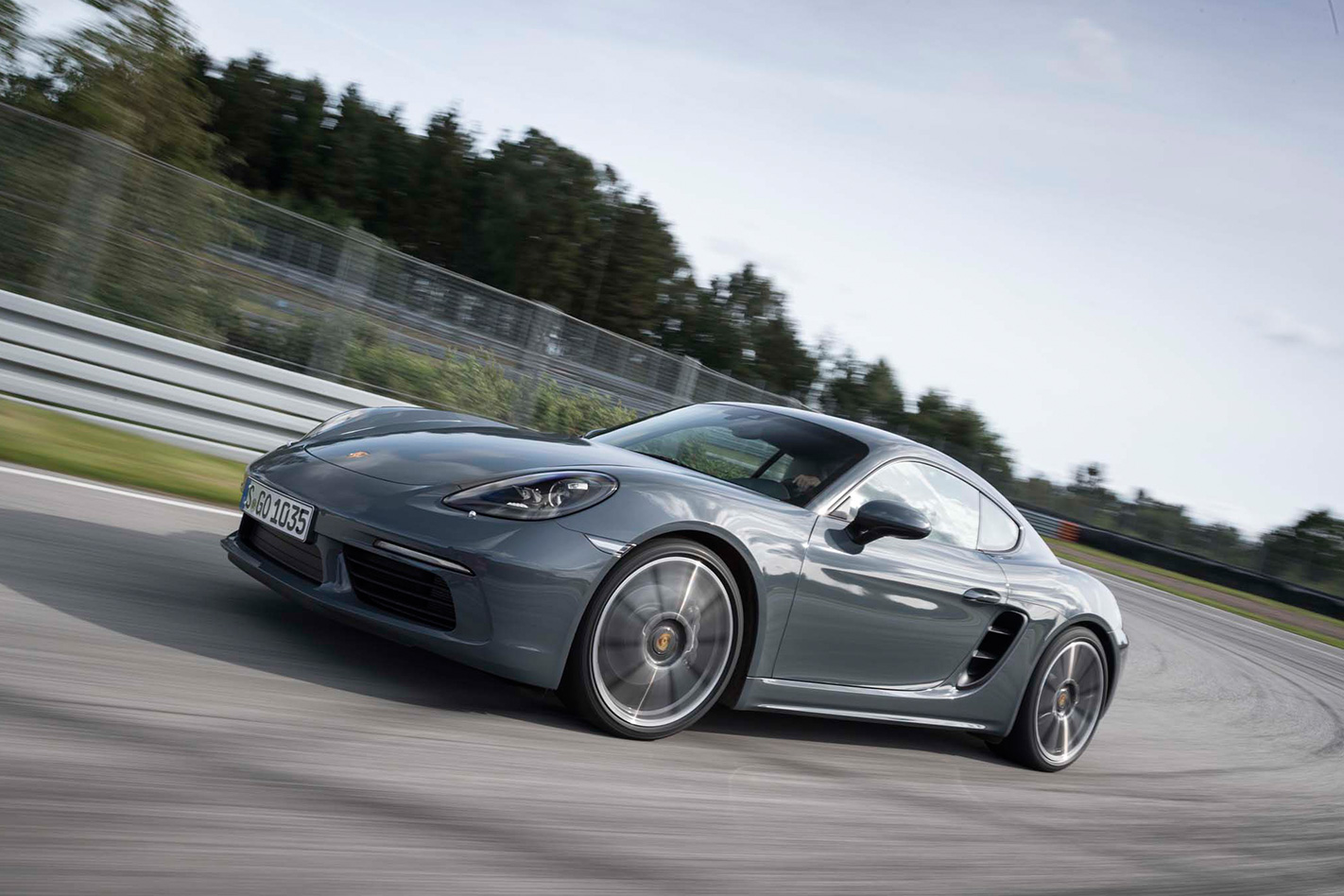
1. Porsche 718 Cayman/Boxster
That thing about no particular order? That was a lie. This is the best three-pedal combo you can buy right now. And yes, before you ask, the six-speed manual in the 718 Boxster and Cayman is a better transmission than the seven-speed unit that 911 buyers tend not to choose. All of the key ingredients for a lovely shift are here.
The lever is tactile and relatively short of throw. Pedal placement is perfect for heel-and-toe downshifts. There’s a lovely consistency of control weighting that makes you feel utterly in tune with the car. Perfection? Not quite. The turbocharged 718 engines don’t quite offer the zingy response and aural feedback to the perfect throttle blip. But that’s about the only criticism that can be levelled.
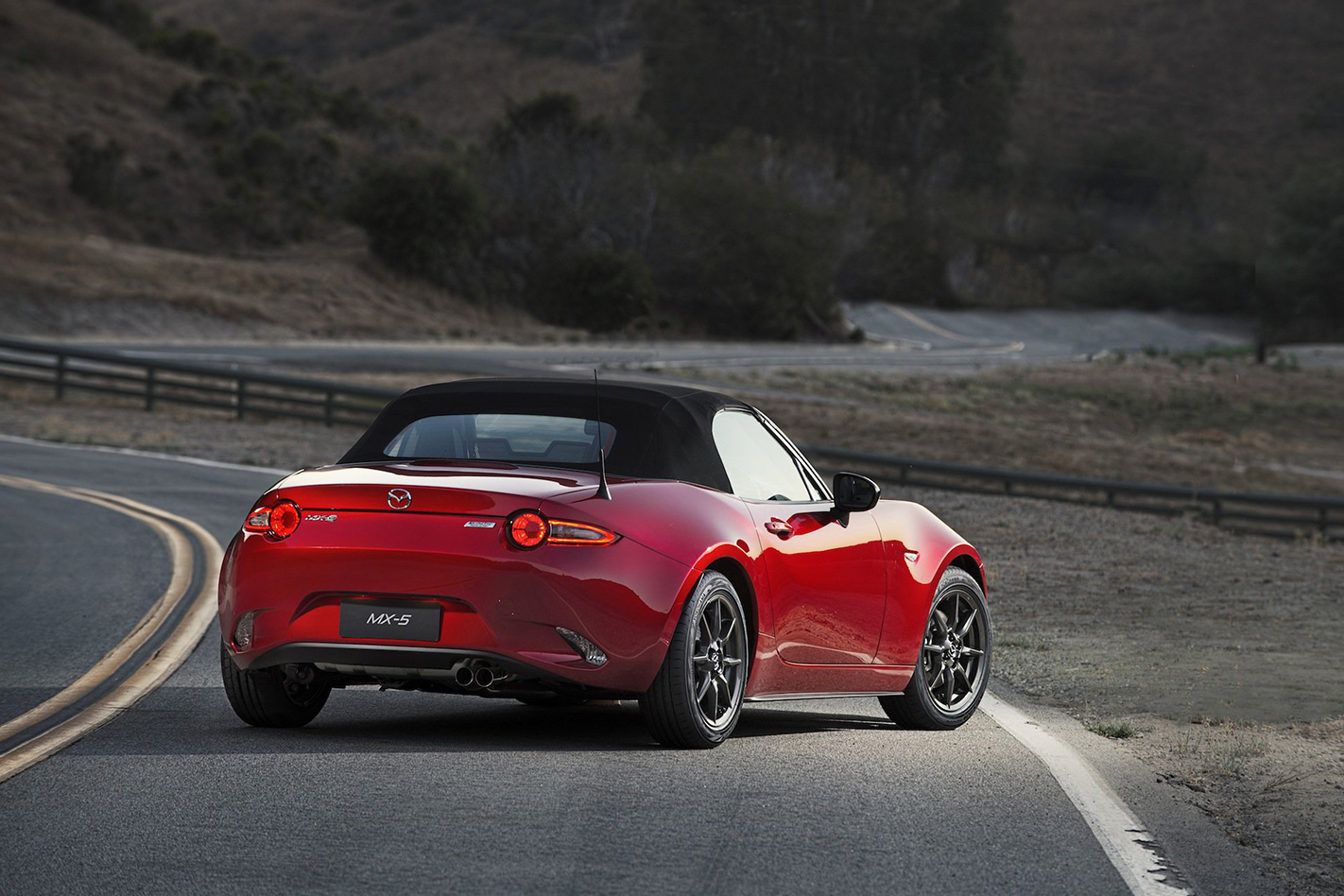
One of the best things about the current crop of great manual ‘boxes is that they tend to be bolted onto cars that don’t cost an arm and a leg to purchase. The Mazda MX-5 is a case in point. Everything about this shift is light and well-oiled in feel. You’ll find yourself guiding the lever across the gate and feeling a smidgeon of resistance as it eases into the next gear.
It’s a subtle piece of engineering that rewards a certain mechanical sympathy, an understanding of the car’s rhythmic weight transfers. Get it right and everything seems to work with you, the pace of your downshifts unweighting the car’s rear wheels with unbelievable delicacy. It’s a bit special.
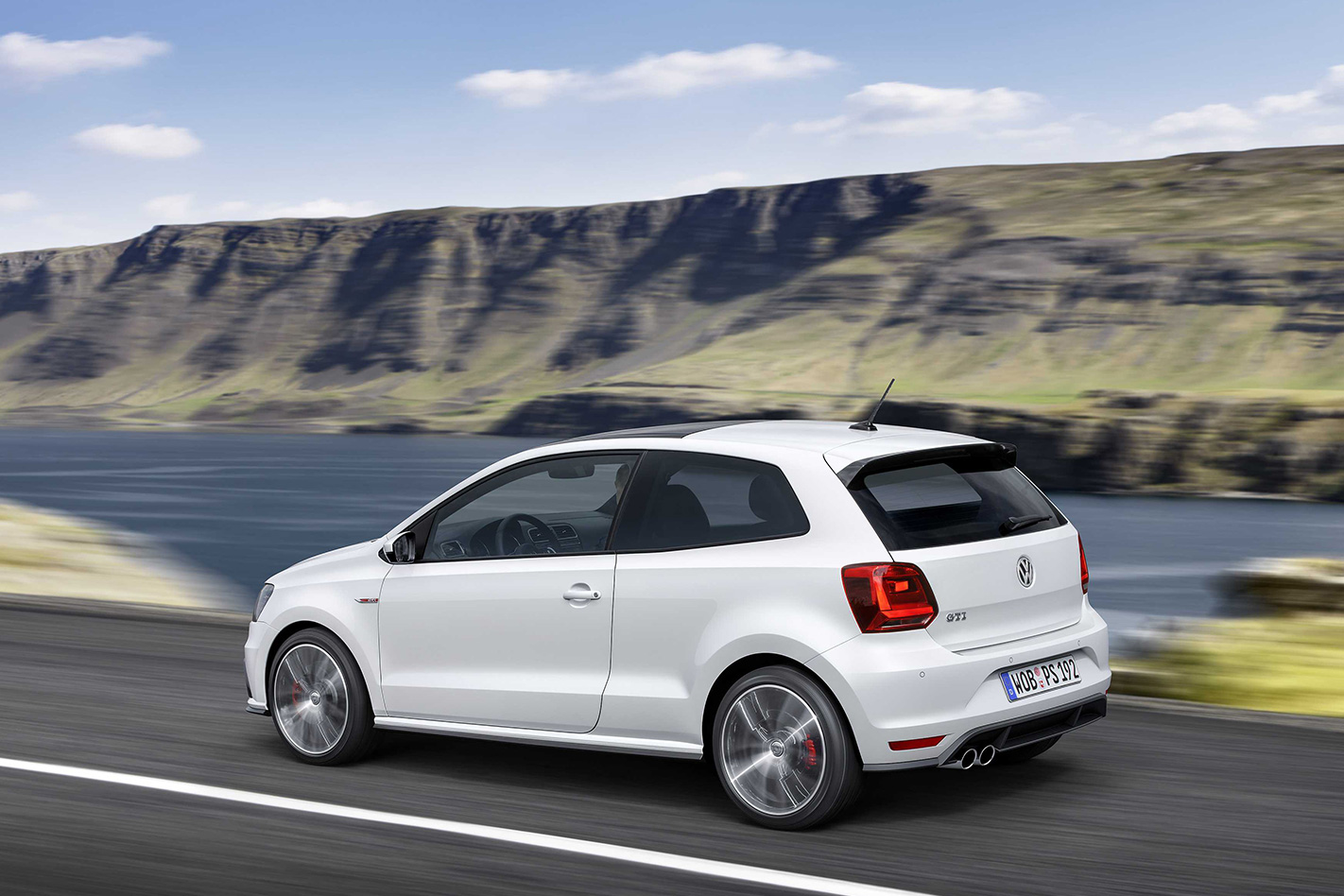
Where the Mazda is all liquid fluidity, there’s a pleasantly mechanical precision to the Polo GTI’s shift. No, we’re not going to wheel out and dust down the ‘rifle bolt’ cliché because the Volkswagen’s shift isn’t like that, but there is a very Germanic reassurance to the way the lever thunks home into the next gear.
Its feels both quick and indestructible, which are two qualities that aren’t often synonymous with manual shifts. The pedal placing is well considered and, like the Mazda, you can have a lot of fun on track in a Polo GTI before the brake pedal goes long and ruins downshift precision.
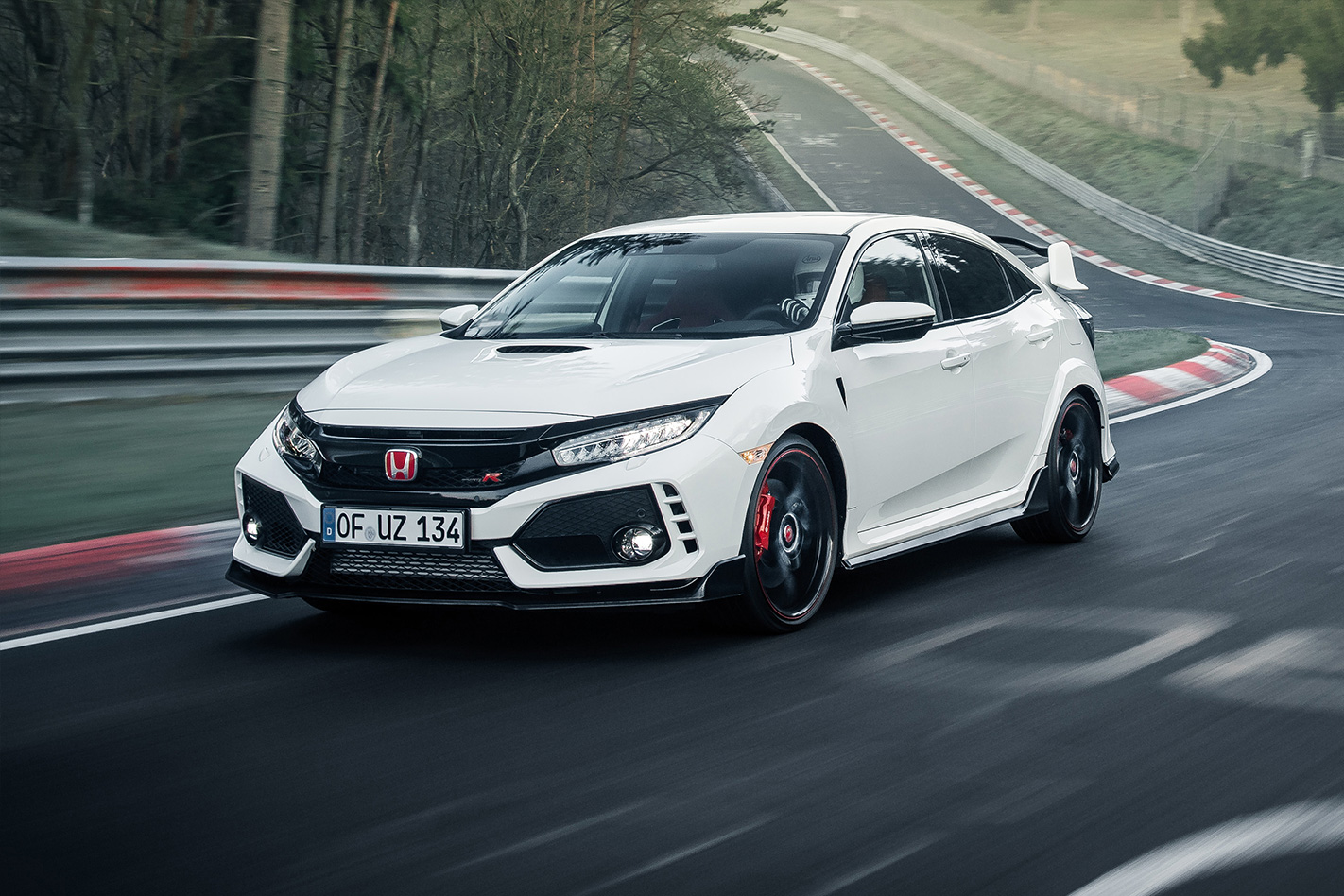
If this list were a list of best manual gearboxes of all-time, the tie for first place could well have been between an EP3 Civic Type R and an S2000. Honda has form when it comes to fantastic manual gearshifts, and while the shift on the latest CTR isn’t quite up there with the old stagers, our reporters claim that it’s good for a modern car and you do get the titanium gear knob that will freeze/cremate your palm during extreme weather events.
Despite being a turbocharged unit, the Civic’s 2.0-litre lump requires frequent stirring with the stick to keep it on the boil, which is how we like our Hondas. Yes, there is a rev-matching function for downshifts but if you pride yourself on your footwork, you can override it.
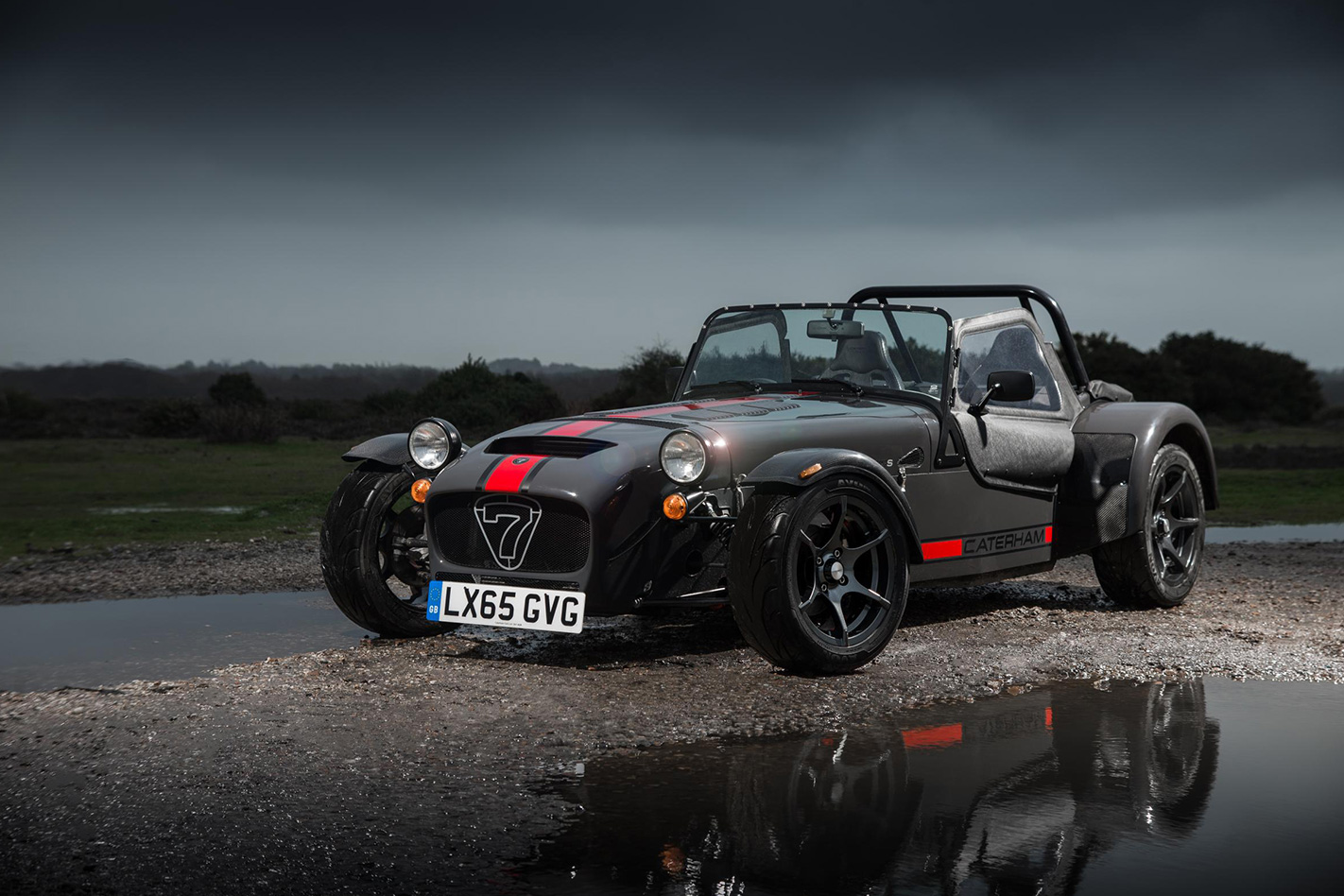
The prize for the most extreme manual shift has to go to the Caterham Seven. The stubby gear lever requires some serious muscle to shift it about two millimetres up the gate and into the next gear, but that physicality matches the feel of the car, which requires heft to steer.
The pedal box is unforgiving of clodhopping feet, but the flipside of that is that the brake pedal tends to drop too low to finesse a textbook heel-and-toe, which is where a size 12 and a certain ankle flexibility can come in handy. There’s little that’s more satisfying than wringing a Caterham out on track, smashing the shifts like a pool break and listening to its 177kW 2.0-litre lump get all shouty. Old’s cool.
It seems obvious that you should wash your car whenever it gets dirty. However, it’s a good idea to wash regularly to prevent dirt, grime and other contaminants settling on the paintwork in the first place.
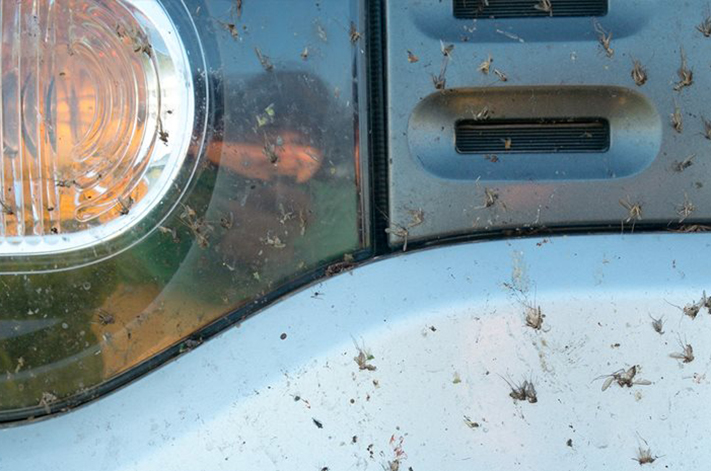
Your car is also exposed to things that aren’t as obvious to the eye as dirt and grime such as tree sap, chemicals and the remnants that squashed bugs leave on a car that can damage the paint and be harder to remove later if left unchecked.
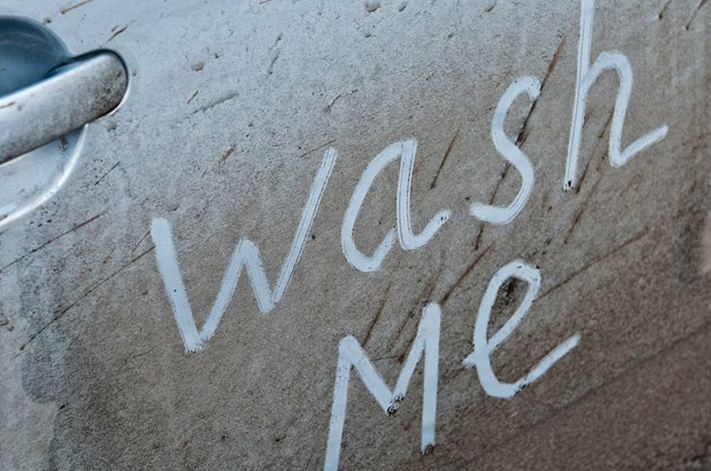
According to James Kennedy, co-owner of Mothers Polish, the frequency between washes generally depends on “where you go and how many kays you drive and where you store your car”.
“If you live by the beach or do 1000 kilometres a week, or if it stays outside, you’re going to have to do it more regularly. It’s a matter of keeping an eye on it,” Kennedy says.
As a rule you want to wash your car once per week, particularly if your car is exposed daily to the following conditions when parked or driving:
- Industrial and construction areas
- Seaside areas (salt in the air can cause rust)
- Dusty areas
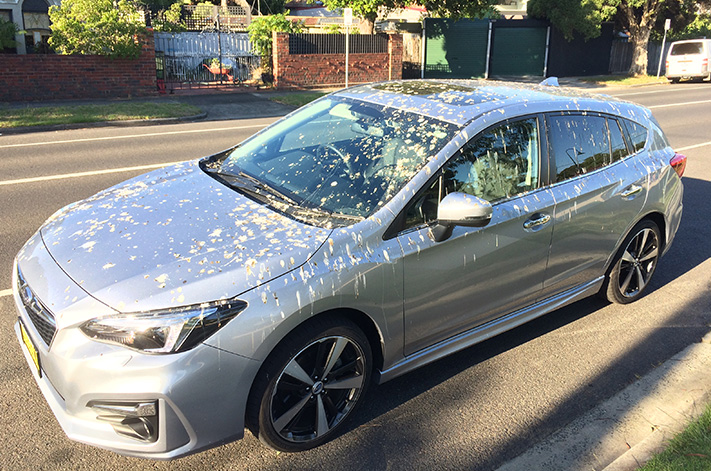
- Parked outside all the time, particularly under or near trees where leaves, sap and bird poo do their worst
- Inclement weather including rain, heat, snow and wind (no season is safe)
As well as keeping your car looking good, regular light washing will protect the paint and reduce the number of times you’ll need to wax your car.
How to wash your car: Dos and Don’ts
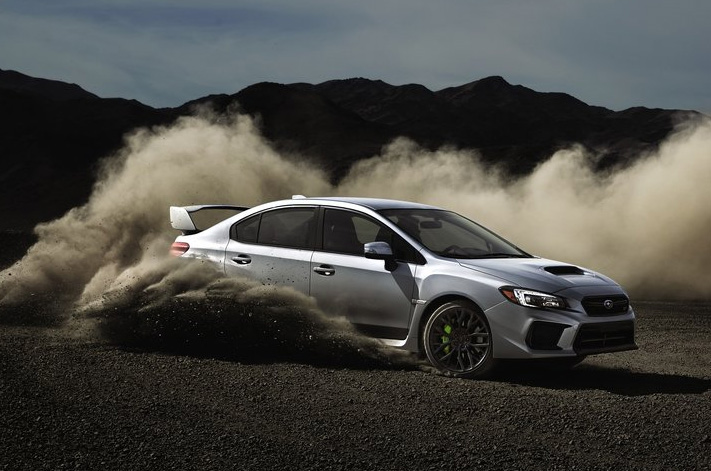
Subaru WRX and STI (August)
Updates to Subaru’s all-paw turbo hotshots are set keep the gen-four fresh alongside new-gen mainstream versions. The update will bring ride, handling and steering tweaks, new 18- (WRX) and 19-inch (STI) wheels, a redesigned front bar and LED headlights, and additional safety and driver-assistance kit
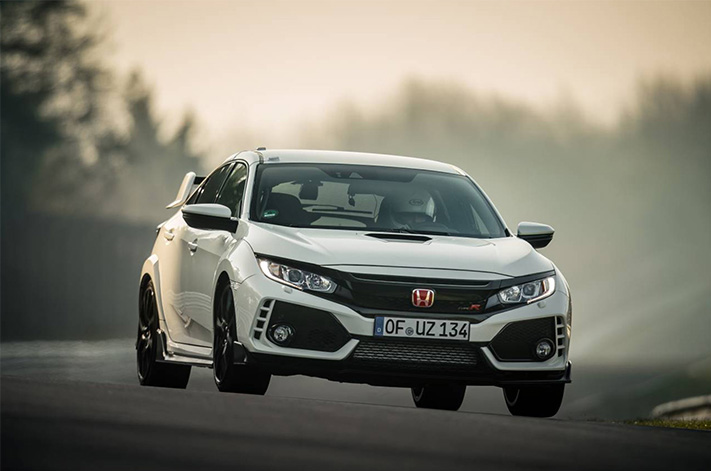
Honda Civic Type R (October)
Honda’s Nurburgring record setting Civic Type R is set for an October 1 on-sale, circa $50K. Highlights include a 2.0-litre VTEC turbo four-cylinder, six-speed close-ratio manual gearbox with rev-matching function and helical LSD.
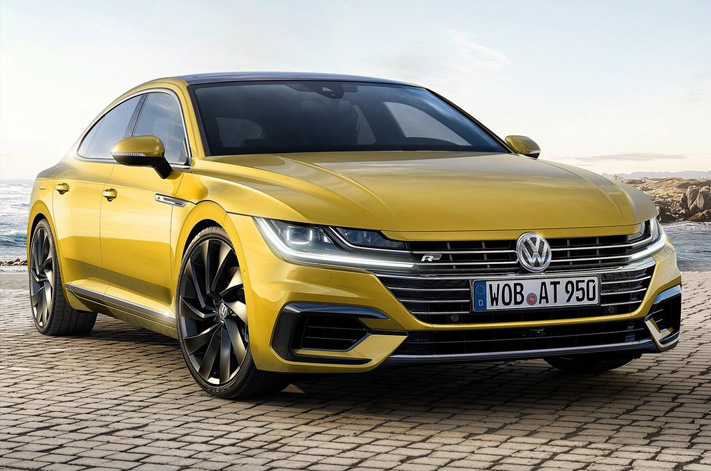
Volkswagen Arteon (October)
Wolfsburg’s four-door coupe CC successor is coming in highly equipped 206TSI R-Line spec featuring a powered liftback, dynamic indicators, 19in alloys, 4Motion AWD and a raft of standard safety equipment.
Cars releasing in July and August 2017
- AUDI Q5
- AUDI SQ5
- BMW 530e iPerformance
- HYUNDAI Sonata facelift
- JEEP Grand Cherokee Trailhawk
- MERCEDES-BENZ E-Class All Terrain
- MERCEDES-BENZ GLA facelift
- MINI Countryman JCW
- SKODA Octavia
- SKODA Octavia RS
- SKODA Scout facelifts
- SUBARU WRX and STI facelift
- VOLKSWAGEN Golf 7.5 hatch
- VOLKSWAGEN Golf 7.5 wagon
- VOLKSWAGEN Golf 7.5 Alltrack
- VOLKSWAGEN Golf 7.5 GTI and R hatches
IF YOU weren’t aware of its significance, the Phantom Black Holden Commodore that rolled down the Elizabeth production line on May 5, 2017 would have looked like any other.
Sporting a Chevrolet badge, it was destined for export to the US. But peel back its carpets and you’ll discover an underbody covered in the signatures of the people that made it. The reason? It’s the last car Holden will build in Australia for sale overseas.
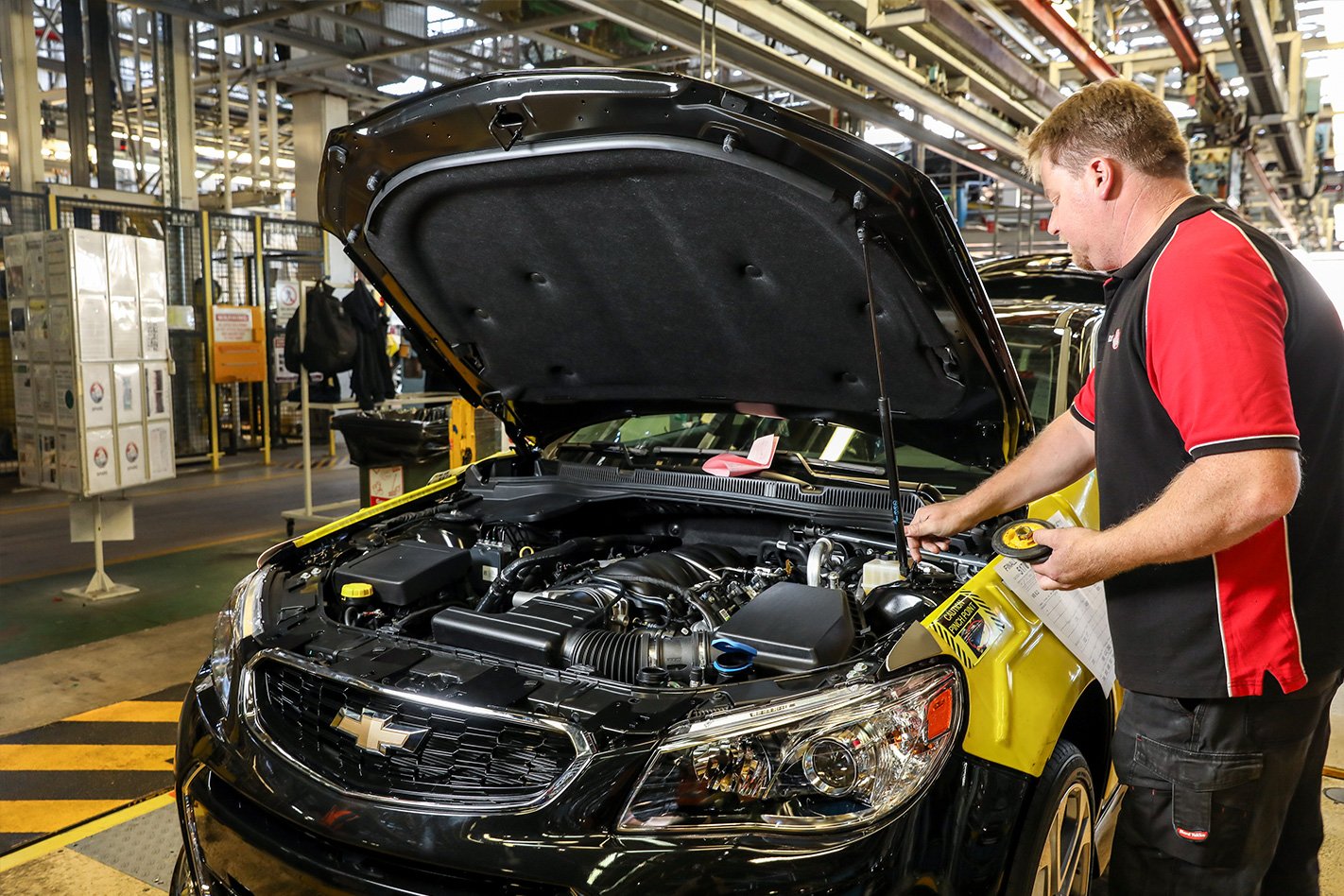
In time, Holden-built cars would sell in countries as far-flung as Finland, Nepal and Ecuador.
Holden’s left-hand-drive program started with a shipment of FB sedans to Hawaii in 1960. The HQ’s arrival in the 1970s produced Holden’s best decade, with 197,288 shipping overseas and seven plants worldwide building them from parts freighted in to avoid heavy taxes on entire cars. In 1981, engines cast at Port Melbourne were added to export earnings.
A turning point was 1984’s introduction of the Button Plan, a scheme that tore down much of the car industry’s tariff protection and forced Holden to build vehicles attractive to export markets.

By the late 1990s, exports of the Statesman/Caprice outnumbered domestic sales for the first time. The 2003 departure of Peter Hanenberger – the former Holden chief credited with transforming the car maker back into a profitable business – heralded a change in strategy that would also aim to boost export earnings.
Holden’s great hope, the 2001 Monaro, failed to fire in the US. Mike Simcoe, Holden’s former design chief who now heads up GM’s global studio, believes it would have done much better had it worn a Chevrolet rather than a Pontiac badge. Then the global financial crisis hit, killing off Holden’s most lucrative markets almost overnight.
However, Holden, which builds its last Commodore on October 20, won’t be the last to sign off on its export program. Rival carmaker Toyota (see bottom) will have that honour.
Have a look at five stand-out exports that defined us as a global market.
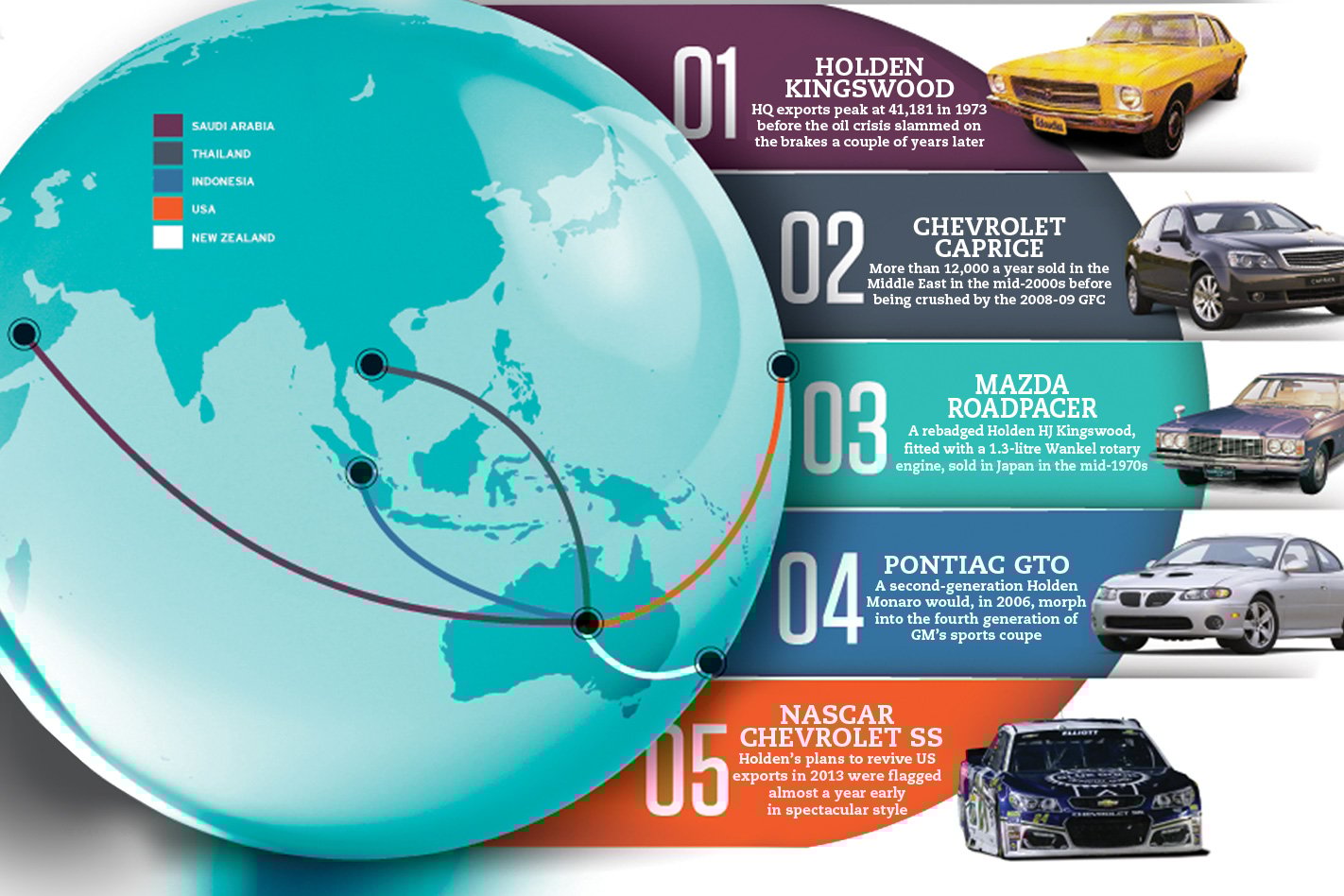
Toyota, which plans to build left-hand-drive Camrys right up to its October 3 deadline, will go down in history as Australia’s most prolific exporter.
In 2013 it pegged a million export sales, overtaking Holden’s then-tally of about 907,000 cars.
Ford Australia, which switched the tap off local production in October last year, has exported about 250,000 mainly Falcon and Territory-badged cars, although in the early 1990s it built and exported 55,808 left-hand-drive Ford Capris to the US.
All up, Australia will have exported about 2.25 million cars.
