
There’s no stopping the advance of vehicle technology.
Except, ironically, for braking systems, which have remained based predominantly around hydraulics since the birth of the motor car.
By-wire systems have long been prominent in the aerospace industry, and throttle-by-wire and shift-by-wire are now common in the automotive world. Nissan/Infiniti even gave us steering-by-wire more recently.
Yet pushing electrical pulses rather than hydraulic fluid with a brake pedal is an approach that’s struggled to achieve wide adoption beyond Toyota/Lexus hybrids, despite brake-by-wire development beginning in earnest in the ’90s.
Mercedes-Benz tried to move the game on in 2001, when it introduced the first brake-by-wire system on a road car with the R320 SL. But the German car maker ended up deleting Sensotronic from other models such as the E-Class in 2006 – reverting to traditional brakes – after countless customer complaints and a recall of nearly two million vehicles.
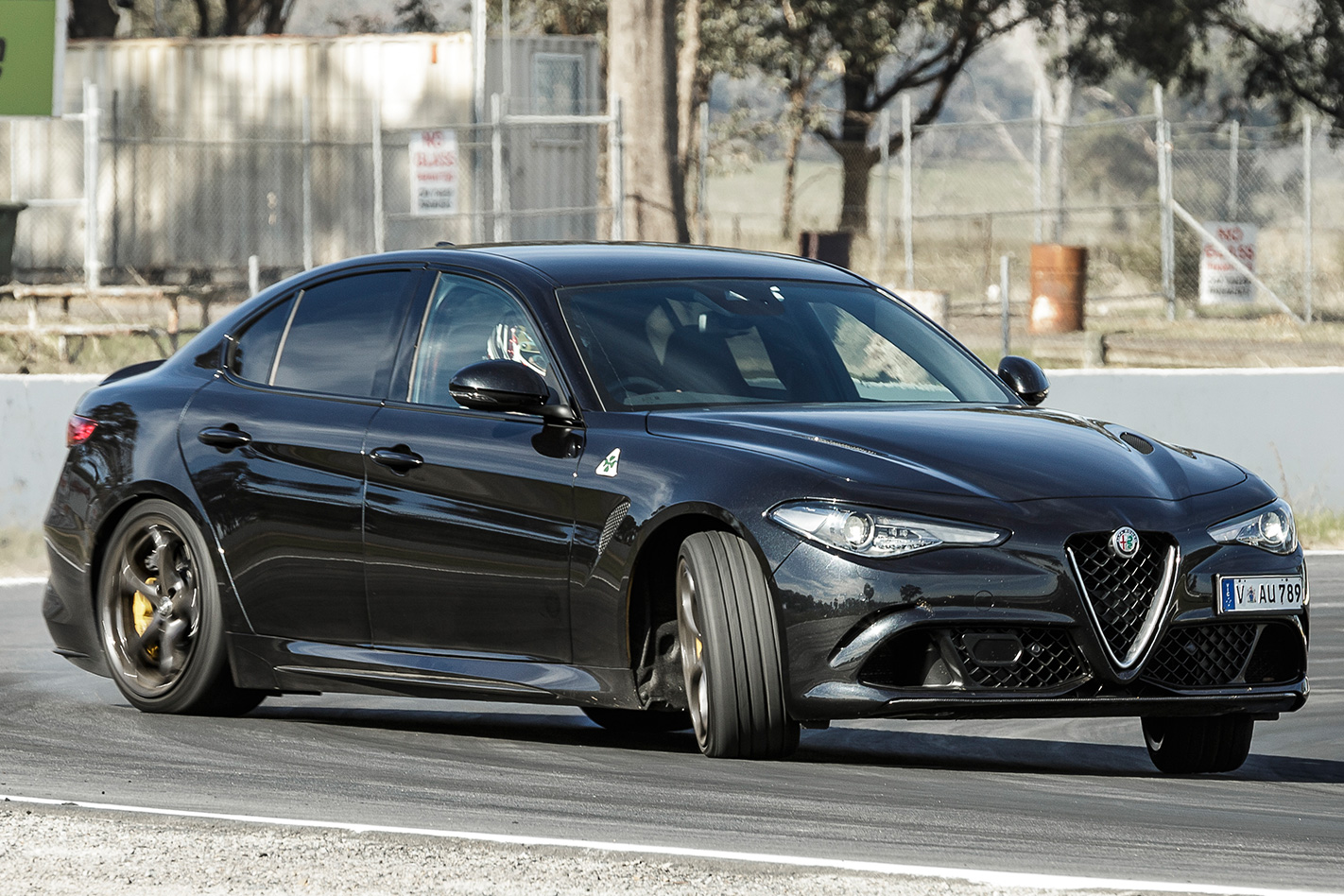
As with Sensotronic, but with reduced cost and complexity, IBS severs the mechanical link between the brake pedal and master cylinder – instead using a compact, lightweight digital module to interpret how hard and quick the driver has pressed the pedal for every application.
Multiple advantages are spruiked. Firstly, in an industry obsessed with light-weight, the system saves a useful three to four kilos by dispensing with traditional braking components such as a vacuum brake servo.
It also builds brake fluid pressure notably faster, and combined with the ESC that can react in less than 10 milliseconds, IBS is claimed to shorten brake distances significantly.
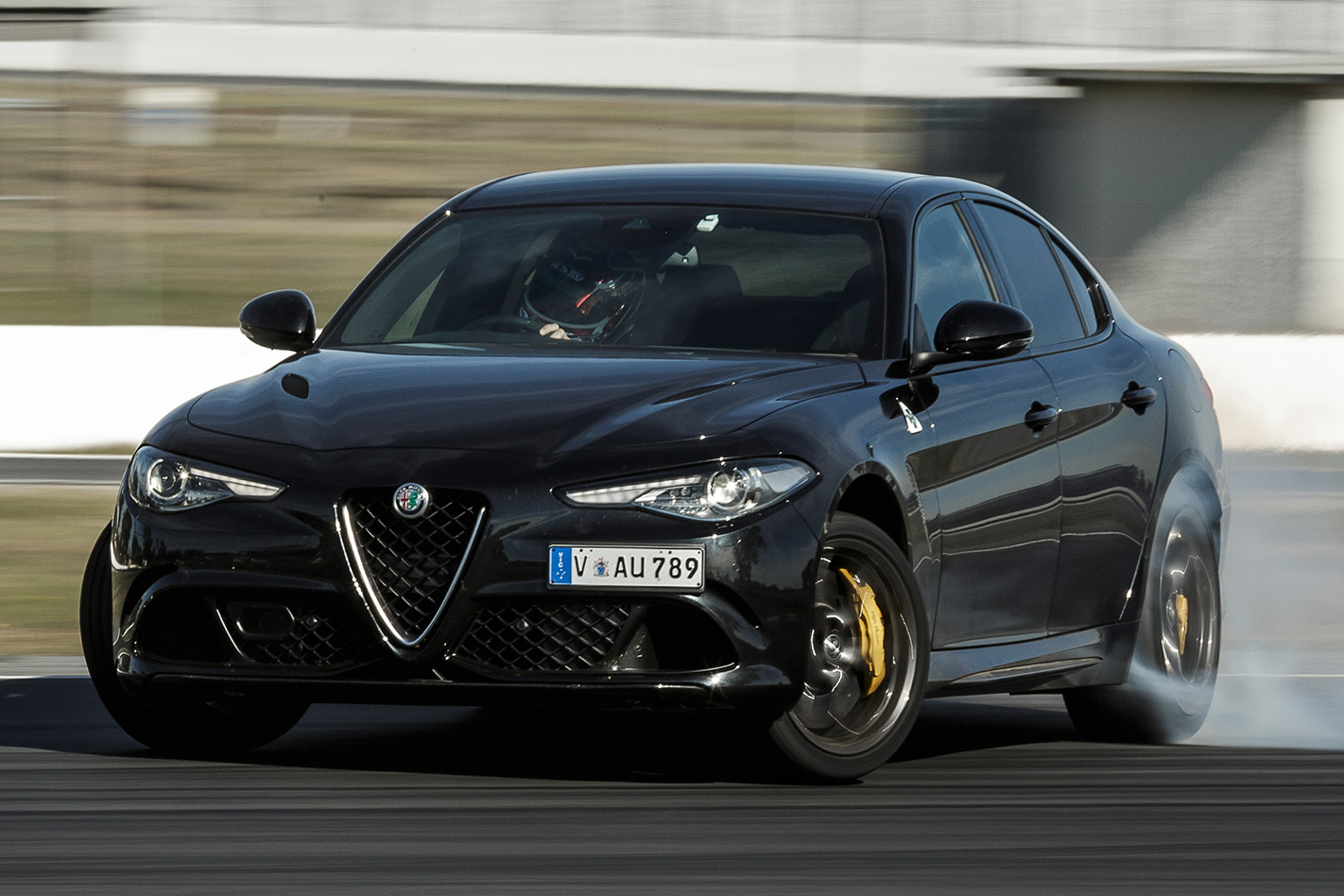
How long the Alfa remains distinctive among conventionally powered cars remains to be seen.
Technology giant Bosch, which worked with Daimler on Sensotronic, is having another crack with its iBooster braking system, though it’s primarily designed for hybrids and EVs.
It also retains a direct link between the pedal and master cylinder, and essentially would act as a replacement for vacuum-based boosters.
So, no one’s brave enough yet to bleed hydraulics out of the equation. Watch this space.Alfa’s integrated Braking system 1. ALL IN ONE IBS dispenses with the separate master cylinder, vacuum brake booster and stability control hardware, integrating ESC, ABS, brake booster and brake actuation into a single device. Physically, this Franken-unit marries a patchwork of components including both electrical and hydraulic assemblies, brushless DC motor driving a ball screw to create the required hydraulic pressure, and brake fluid reservoir.
2. NATURAL FEEL The brake pedal is still linked to a traditional tandem pump, though this piston doesn’t directly push brake fluid into the lines as with a conventional system. Instead the computer’s sensors read the driver’s input. A load simulator cylinder is designed to provide the driver with natural pedal feedback, while a linear actuator aims to make pedal feel consistent and predictable. The tandem pump’s connection to the pedal allows it to serve as a sufficient back-up in the case of a system failure (with a similar feel to a traditional system with no vacuum assistance).
3. LACK OF PULSE Because the system separates the pressure of the brake pedal from the slowing wheels, IBS removes the pulsing effect commonly associated with anti-lock braking.
4. PIPE MASTERS Hydraulic brake fluid is still distributed to each wheel’s calipers via brake lines – but capable of performing the process significantly faster. IBS developer Continental – which calls the system MK C1 – says full brake pressure for a two-tonne vehicle can be applied after just 150 milliseconds.
5. FIND THE RIGHT MODE Variable pedal feel and actuation can be tailored via software, and can be programmed differently not just between manufacturers, but also different vehicle modes. Selecting Dynamic on the Alfa Giulia Quadrifoglio’s DNA Pro vehicle setting system, for example, introduces a sharper, more direct braking response than in Normal.
TWO laps of the Nurburgring made for a high intensity European speed date with the greatly anticipated Kia Stinger. Is this the future of accessible four-door performance?
WHAT IS IT? Kia’s all-new, sporty flagship that’s set to land in Oz later this year with two turbocharged four-door variants to choose from. Stinger’s timing is perfect, but it has to be brilliant to take over the performance sedan mantle from Australia’s fallen natives.
WHY WE’RE TESTING IT Back in January, Kia offered selected media a preview drive of the Stinger in pre-production guise at its proving ground in South Korea. It impressed, and so it was impossible to ignore the opportunity to sample the most recent revisions at the world’s most famous racetrack, and the home of its development.
THE WHEELS VERDICT
As an all-new car in relatively uncharted territory for the brand, Stinger is a promising showing that should be cause for concern inside the headquarters of the German heavyweights as a sign of things to come. The chassis is the real star, and with local knowhow still to maximise it for Oz, this Kia could find a place in the hearts of Aussies.
PLUS: Rear-drive chassis is excellent; Oz cars promise even more of everything MINUS: Engine not charismatic; lack of exciting soundtrack; AWD dulls handling
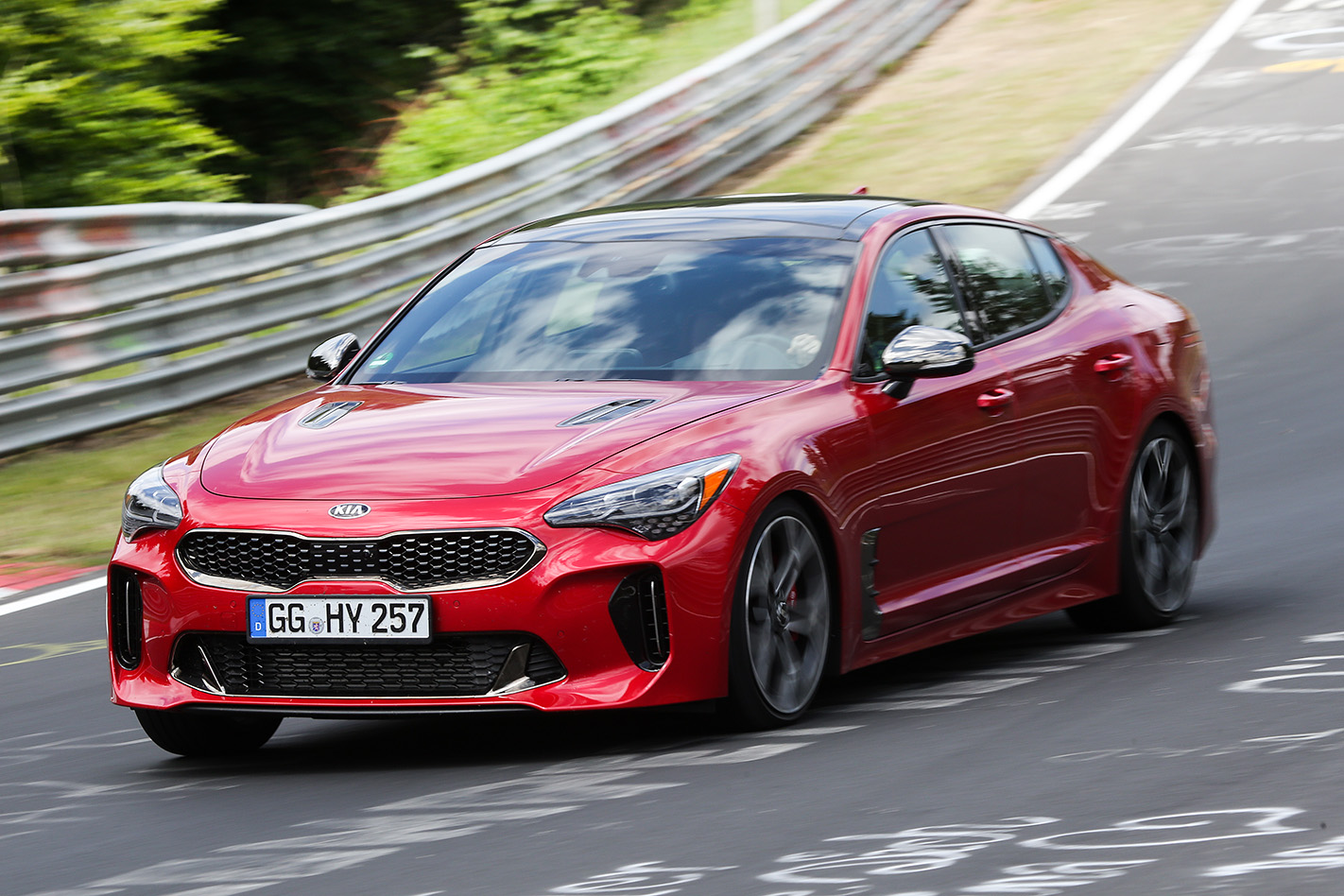
He’s the bloke who broke the eight minute production car record here in a Nissan R33 Skyline 20 years ago. And judging by his pace on what is supposed to be the sighting lap, someone forgot to tell him he got it in the bag. Two laps, and less than 20 minutes later (even Dirk couldn’t manage an eight in the Stinger), we’re back in the pits and summarily ejected from the car. Wait, what just happened?
What just happened is Kia took a swipe at the rear-drive establishment, and managed at the very least a glancing blow. Having caused a world of pain to mainstream European and Japanese brands, the Koreans have set their sights higher.
Likely to be priced in the mid-$40K bracket when it arrives here in September, the Stinger is bigger, roomier, better equipped and more distinctive than some of its established premium targets, though some of the USA-aimed detailing is a bit fussy.
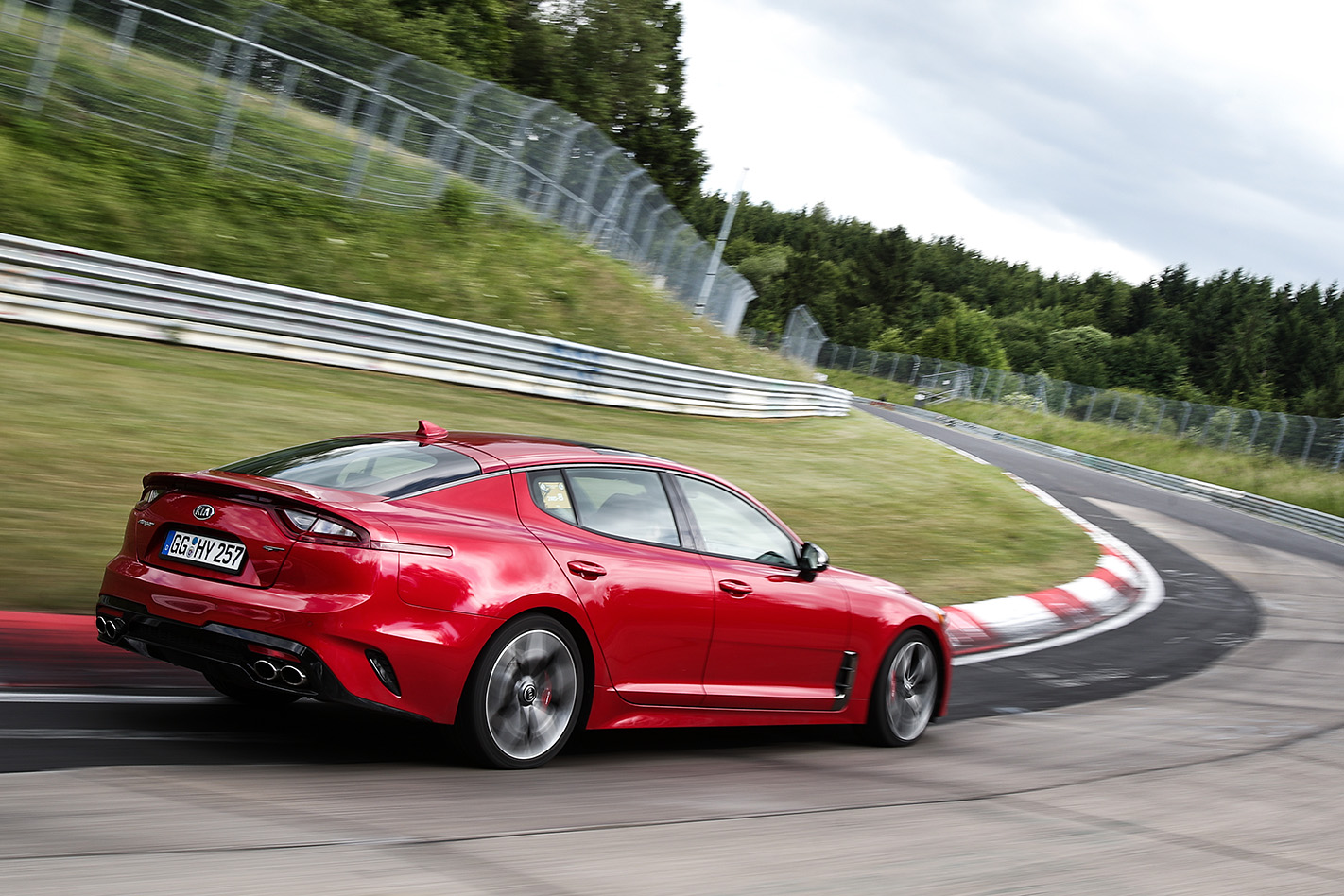
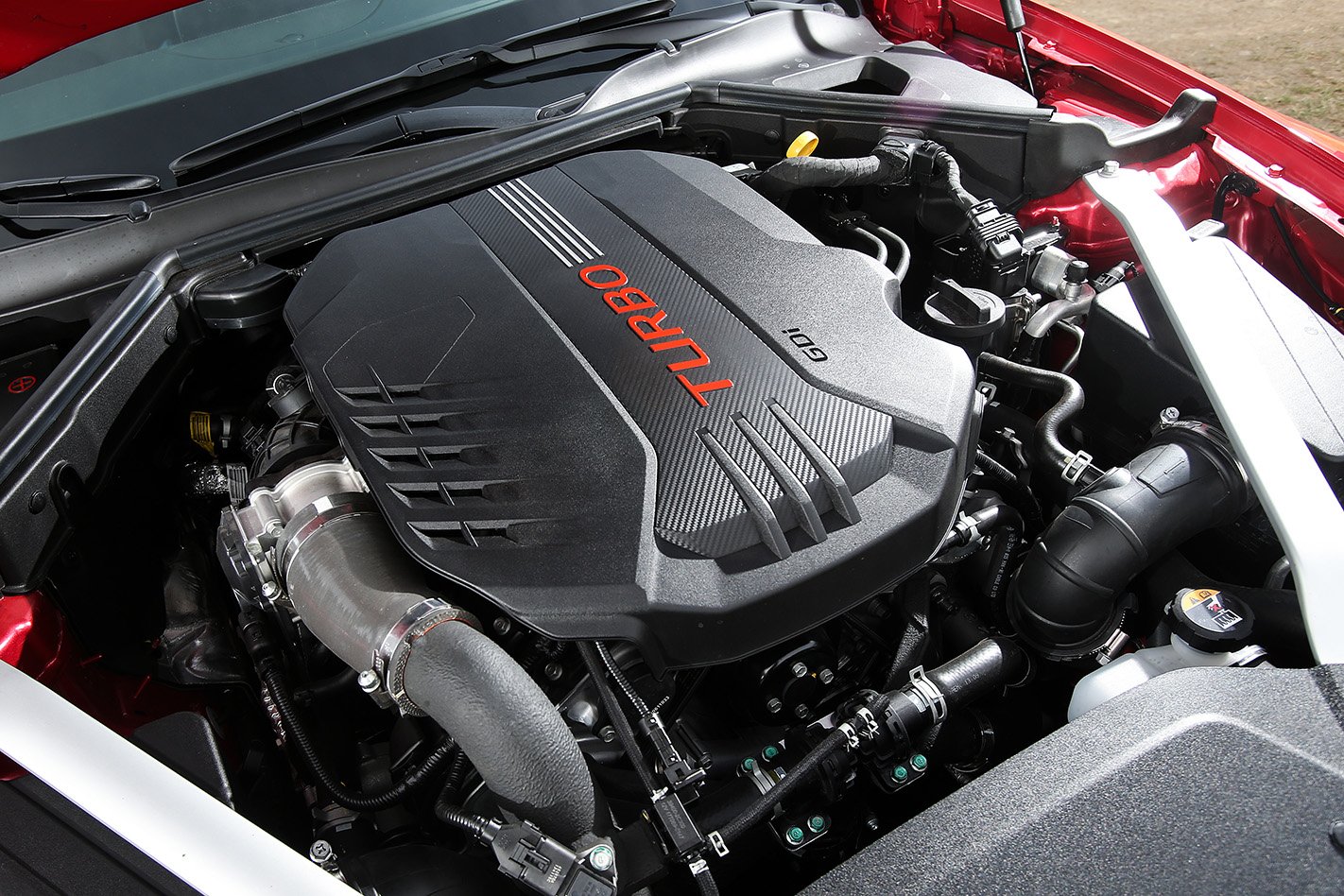
The V6 GT is the car we’re driving today, and likely to be the bigger seller in Oz. A $55,000 twin-turbo missile that seems set to fill the rear-drive void left by Commodore later this year, the GT’s 272kW V6 pushes it to 100km/h in a claimed 4.9sec and on to a 270km/h top speed. This makes it the fastest production Kia yet, and gives it a marketing boost over German rivals pegged to 250km/h by their limiters.
You can’t argue with those numbers, or with the push in the back you feel, but it’s not the most charismatic engine. The note is fairly muted and flat, however Kia Australia is promising a fix with the option of a bimodal exhaust (see sidebar, below.)
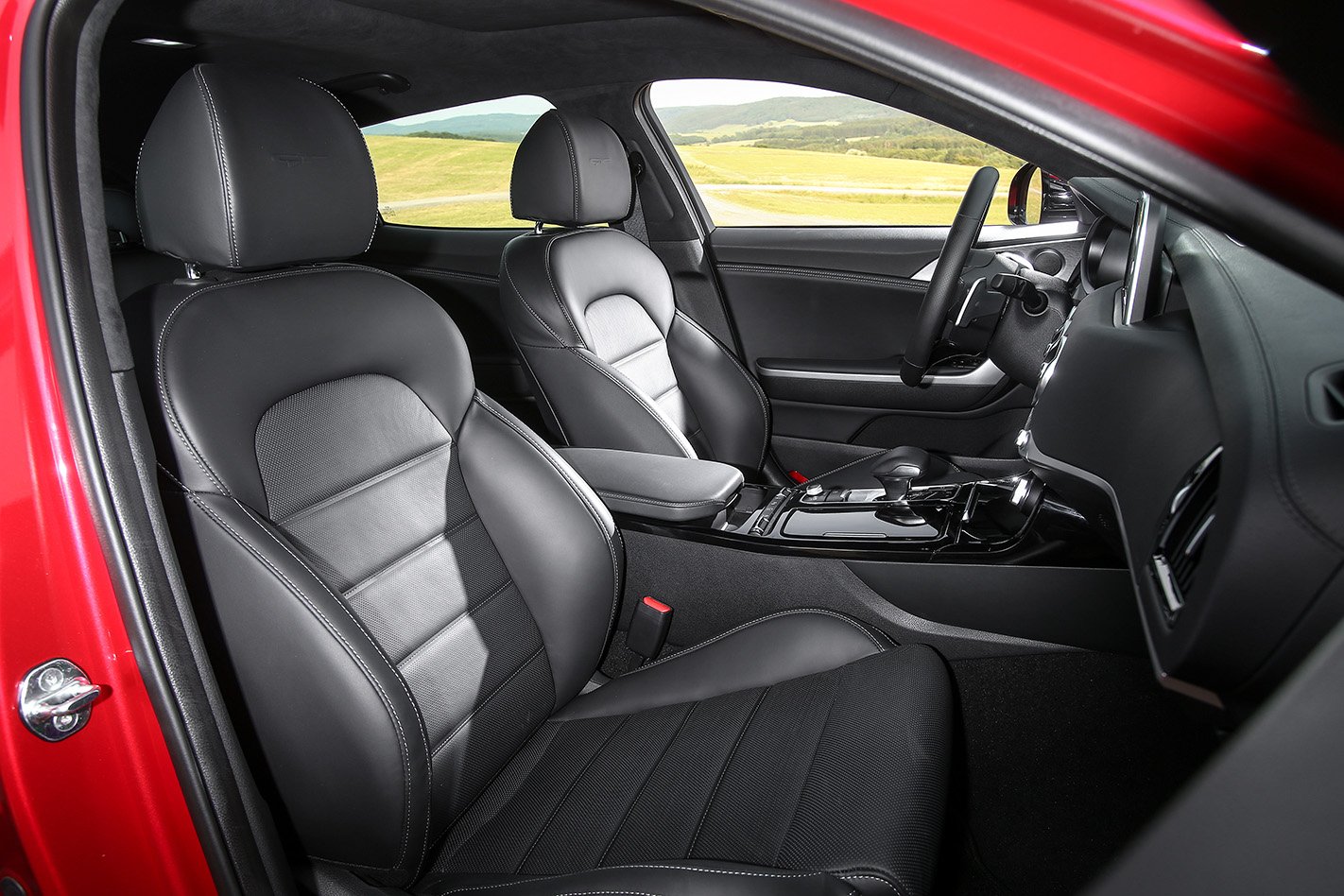
Its interior features brushed aluminium, Nappa leather, a chunky, masculine steering wheel and Alcantara-style microsuede on the A-pillars. The materials feel expensive, but the design is conservative. Up front its seats are comfortable, though lateral support isn’t great meaning the Stinger feels better suited to touring rather than performance driving. Ergonomics and general functionality all gets high marks, however.
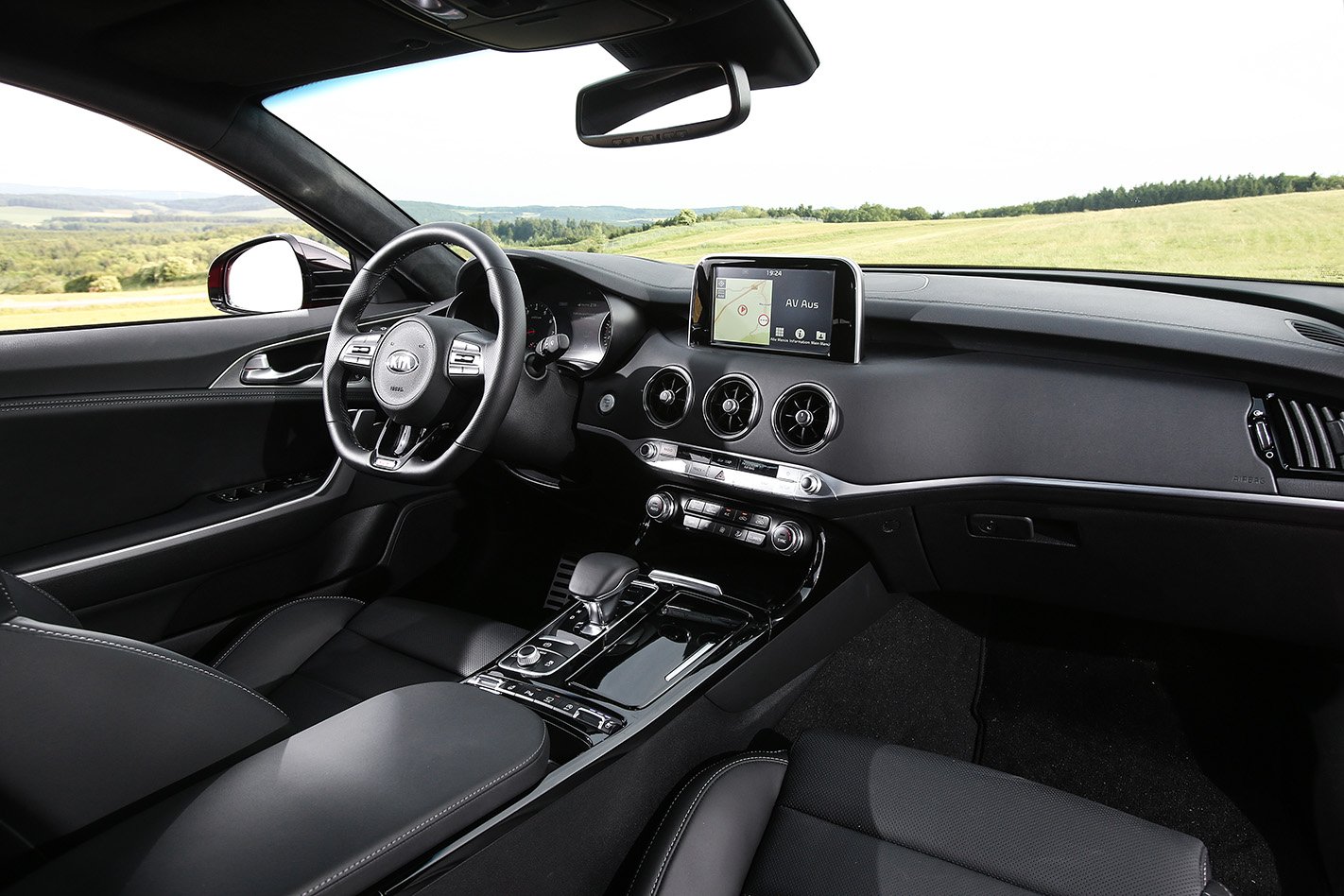
The chassis is the real star, and justifies this whole slightly nuts Nordschleife caper. Former BMW engineering guru Albert Biermann has done a fine job with this car. Some markets get the choice of rear- or four-wheel drive, but only the rear-driver is coming to the Australia, and that’s fine with us. We drove both and the all-paw is noticeably stodgier, feeling duller both on turn-in and exit, despite the supposed rear torque bias.
Wheels for Australian cars will be either 18s or 19s running Continental rubber. Brakes are from Brembo, featuring 350mm discs up front and six-piston calipers, and stopping power is excellent.
Considering its circa-1750kg kerb weight, the rear-drive car has great body control, accurate, natural-feeling steering and the balance to let you hook up the mechanical limited-slip diff and drift the tail out of the circuit’s slower corners. An electronic diff will come later, but this is already a fun steer, provided you accept it’s not meant to be a full-blown sports sedan.
We’ll have to wait until later this year, when we’ll get more than 20 minutes behind the wheel, and in versions tuned for Australia to know just how good the Stinger is. But there’s real promise here, and the Germans have cause to be concerned, if not by this car then the cars that will follow.
Kia’s local chassis expert Graeme Gambold has again been tasked with tuning the two Stinger variants for local conditions, and will deliver an Oz-specific tune that features revised springs, dampers, anti-roll bars and power-steering calibration.
Kia Oz was also underwhelmed by the standard car’s exhaust note, and will offer an optional bimodal exhaust system for an expected price of around $2000.
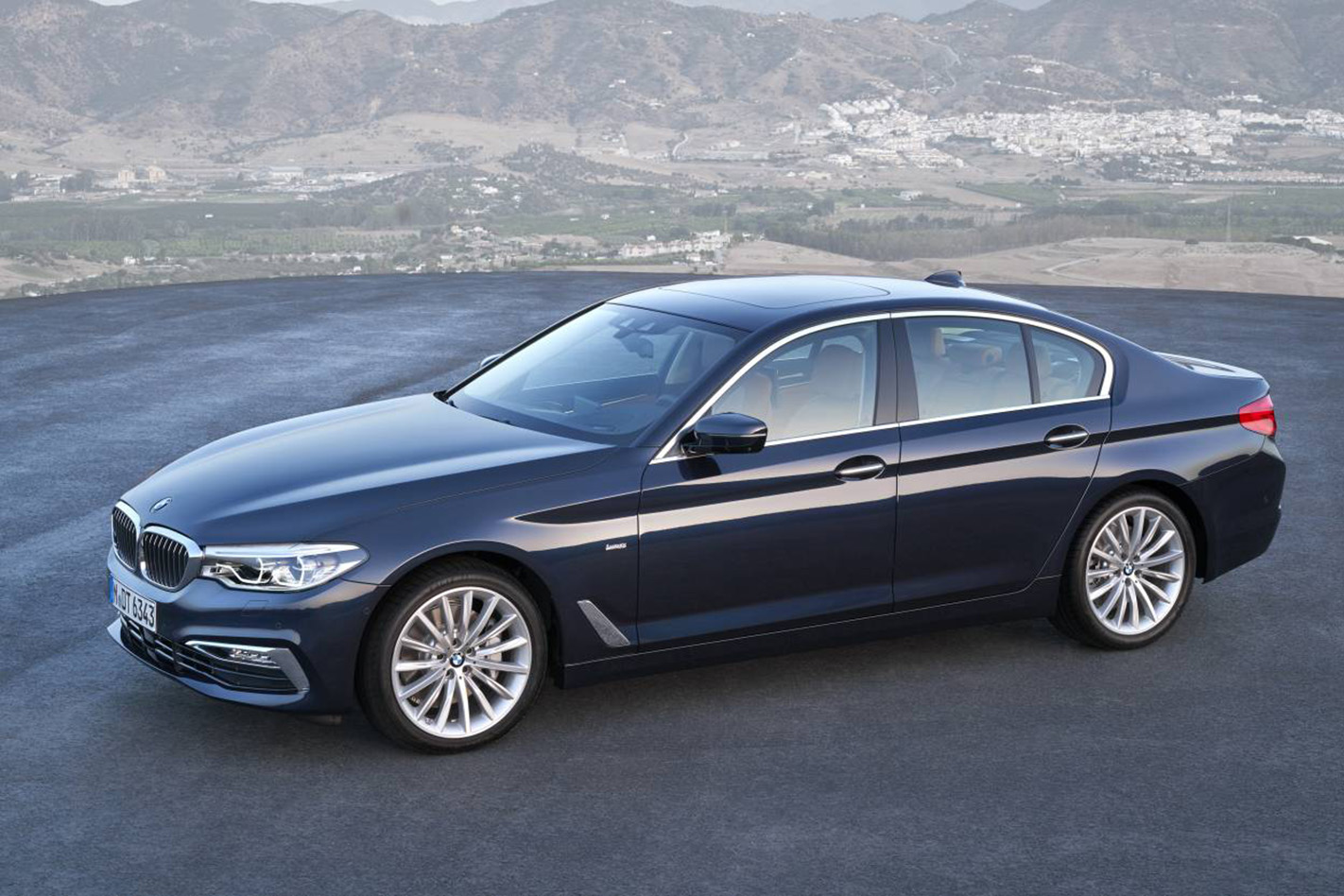
The BMW 5 Series range has been bolstered by the addition of a new range-opener, with the 520i sedan entering local showrooms bearing a retail price of $92,200.
Priced $1000 more affordable than the previous entry model, the diesel-engined 520d, the 520i makes 135kW and 290Nm from its 2.0-litre turbocharged inline four and retails for a whopping $16,700 less than the 530i – which uses a higher-output version of the same petrol engine making 185kW/350Nm.
And for the 520i, that engine will provide it with enough power to hit 100km/h in 7.8 seconds and consume an average of 6.2L/100km. An eight-speed automatic is the sole gearbox on offer, with all power going to the rear wheels.
BMW’s Luxury Line trim level will be standard, with leather upholstery, BMW’s high-end infotainment system, a 10.2-inch touchscreen display, 12-speaker audio with DAB+ tuner, LED headlamps, power-adjustable steering column, active cruise control and a colour head-up display being standout features on the standard equipment list.
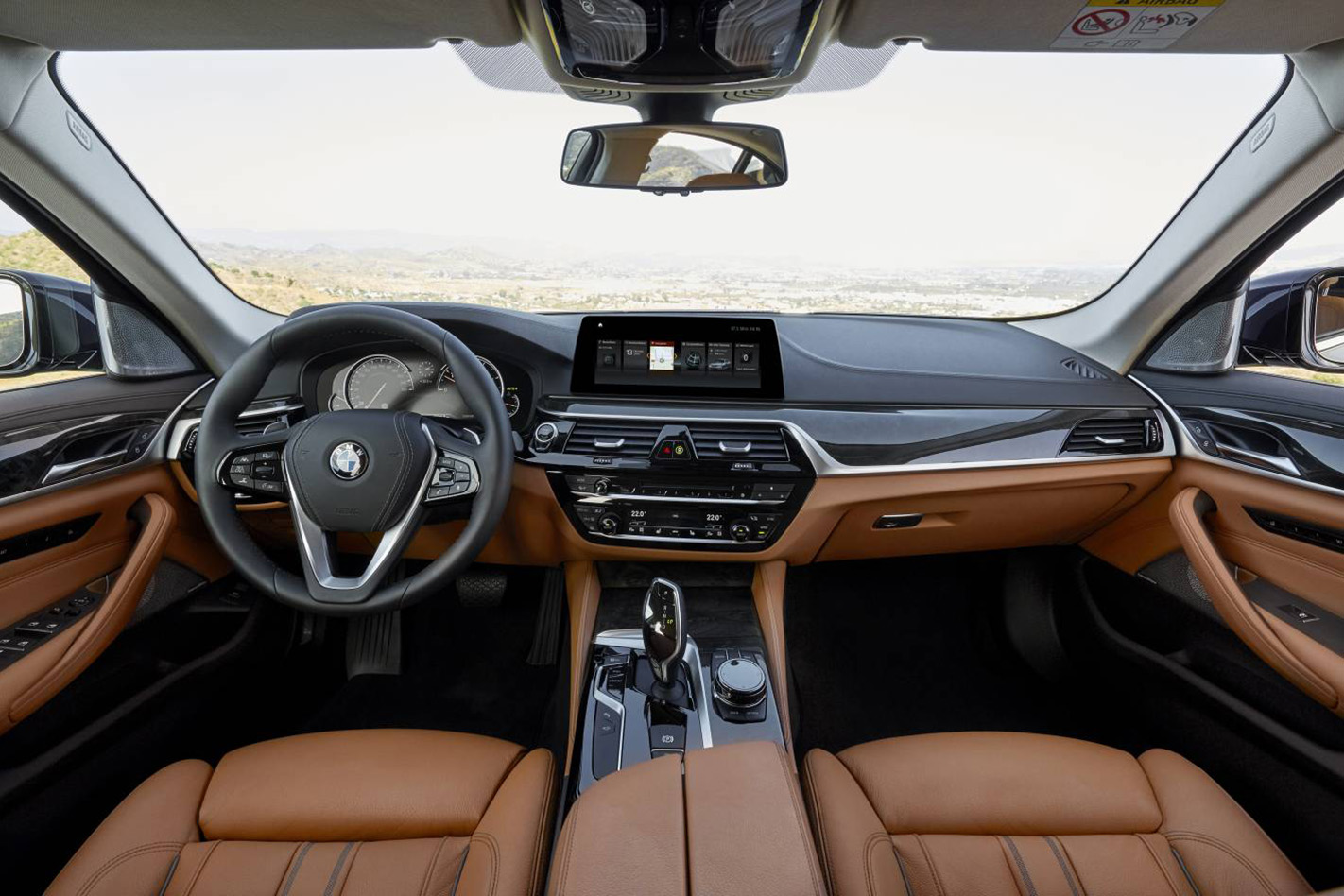
BMW will also offer a value-added Launch Edition, priced at $99,900 driveaway. In Luxury Line configuration, the 520i Launch Edition will pack the following enhancements over the regular 520i:
- 19-inch alloys
- Nappa leather upholstery
- Power bootlid
- Dynamic damper control
- Comfort front seats with heating
- Black headlining
- High-beam assist
- M Aerodynamics package
- Trapezoidal chrome exhaust outlets
- M Sport suspension
- Sport front seats
- M badging on fenders, door sills and steering wheel
- M leather steering wheel
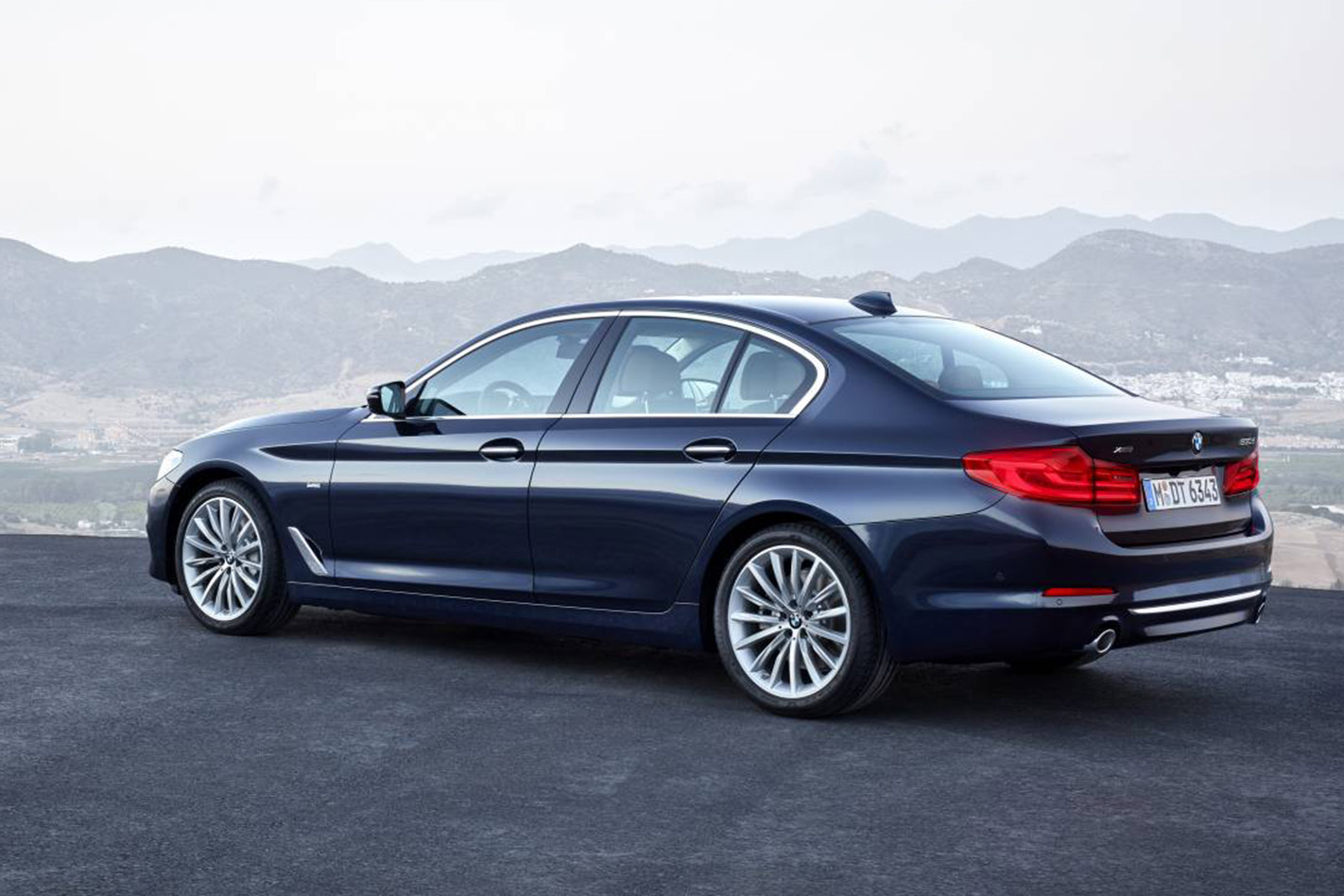
PRICING
The BMW 5 Series range in Australia now swells to six models in total – not including the bigger 5 Series GT.
- 520i sedan: $92,900
- 520i Launch Edition sedan: $99,900
- 520d sedan: $93,900
- 530d sedan: $119,900
- 540i sedan: $136,900
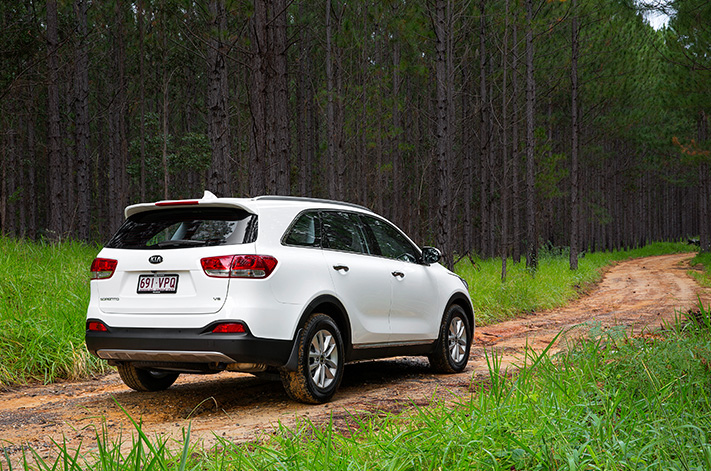
Price & Equipment – Winner: Skoda Kodiaq
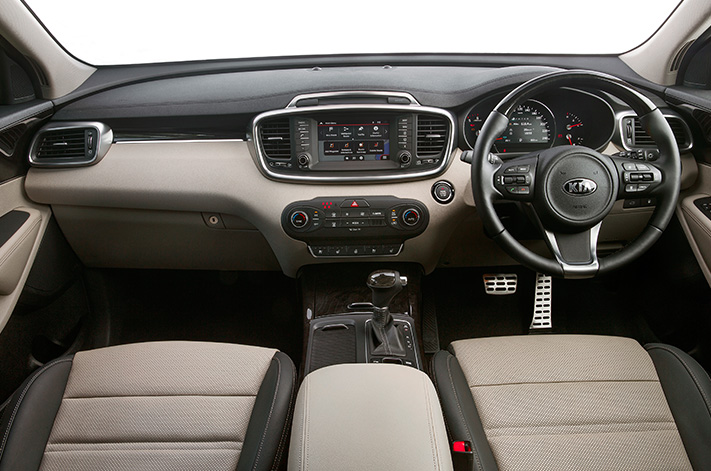
The $45,990 Sorento SLi petrol boasts front and rear parking sensors, leather trim, an eight-way powered driver’s seat and a crisp, TFT instrument cluster. You get a smart key and pushbutton start, but not a powered tailgate like the Skoda, and the infotainment system’s 7-inch colour touchscreen is an inch smaller than that in the Czech wagon.
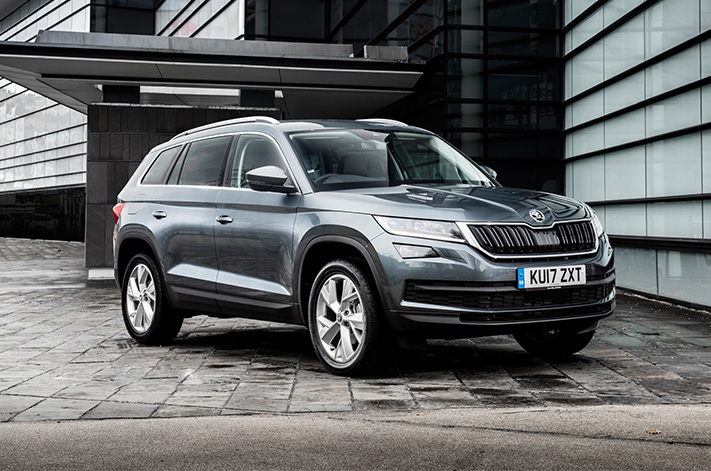
The Skoda Kodiaq is a few grand cheaper than its Korean rival, but that’s just the beginning of its superior value case. It levels with the Sorento for key equipment, and then adds extra safety headlined by a city emergency braking system and three extra airbags, and it also boasts adaptive cruise control, and a nifty door-edge protection system.
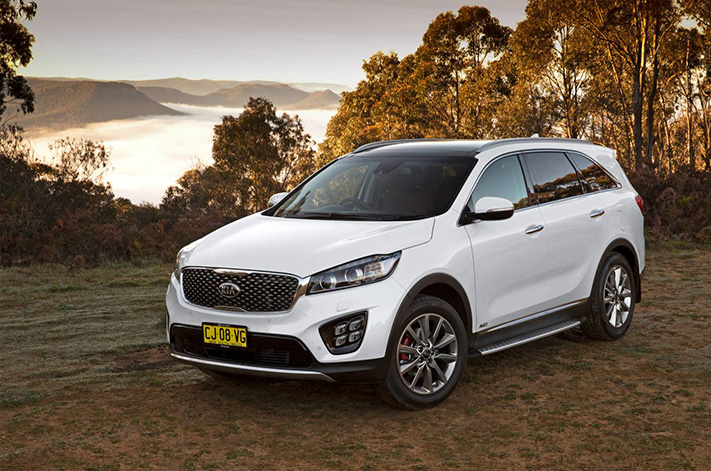
Interior & Versatility – Winner: Skoda Kodiaq
The Sorento’s dash layout is intuitive and the cabin nicely finished. Seat comfort and ergo are great up front, but third-row accommodation isn’t so spacious. Still, the second row is on runners which helps apportion legroom. The luggage bay is only 142 litres behind the third row, but there’s a generous 605 litres behind the second row.
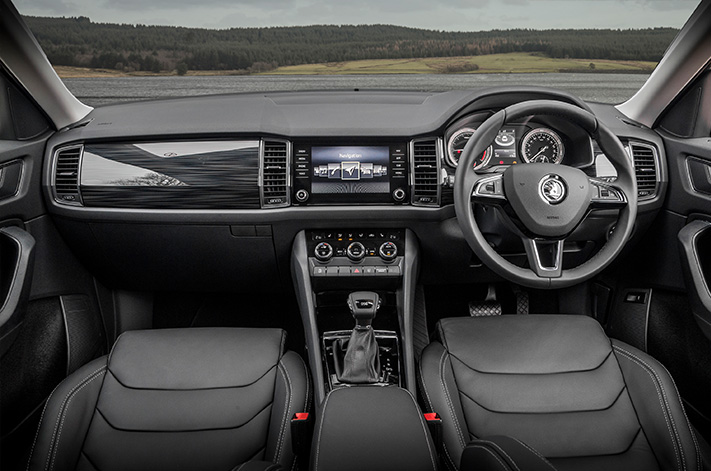
The Kodiaq’s Alcantara/leather interior is a classy and practical place chock with surprise and delight, including umbrellas in the front doors and an LED torch in the cargo bay. Second-row runners and an adjustable backrest angle are other highlights. There’s 270 litres of luggage space behind the third row; 630 litres behind the second.
Performance & Economy – Winner: Skoda Kodiaq
The Sorento’s 3.3-litre petrol V6 has proven economical among atmo rivals, yet at 9.9L/100km it’s significantly thirstier than the turbo Skoda. Good thing the tank is 11 litres bigger, at 71L. The hearty six is gruntier than the Kodiaq’s turbo four, but needs revs to do its best work via a six-speed auto and front-drive.
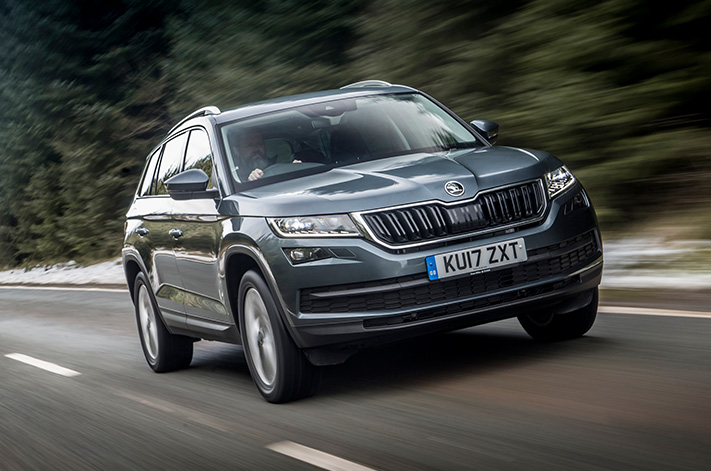
The Skoda’s 2.0-litre turbo, seven-speed dual-clutch and AWD make it more responsive at low speeds, similarly accelerative, easier on fuel, and better at putting the power down on slippery surfaces than its rival. At 7.6L/100km it officially uses 23 percent less fuel than the Kia, and we’d expect a similar margin in the real world.
Ride & Refinement – Winner: Skoda Kodiaq
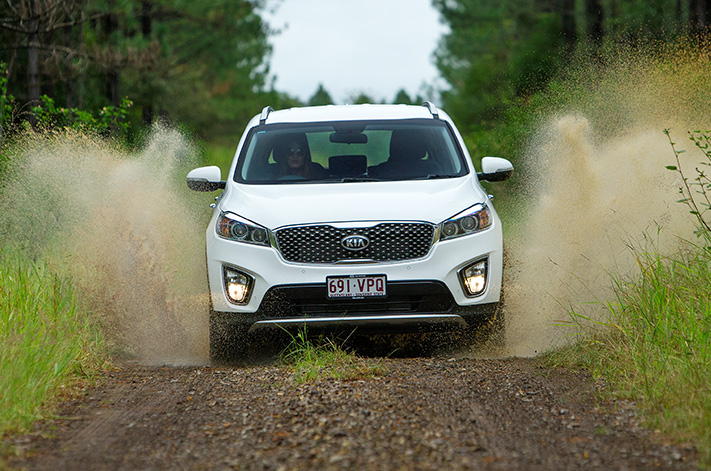
The Sorento’s Oz-tuned suspension features unique springs, dampers and anti-roll bars and delivers good ride absorbency. The localisation also adds extra sound deadening, much of it between the engine and cabin, which contributes to a quiet, vibration-free ride and a ticking of the refinement box that’s a family wagon must.
Fine primary ride and a hushed cabin contribute to a hugely refined drive. The launch pack’s adaptive dampers bring a relaxed gait in normal mode, the only intrusion coming over sharp bumps at suburban speeds courtesy of big 19-inch wheels/tyres. But on the highway (and a decent surface) this is a tautly comfortable touring wagon.
Steering & Handling – Winner: Skoda Kodiaq
The Sorento turns into corners and holds its line keenly. The locally tuned suspension contributes to tidy dynamics but the grunty V6 and the relatively modest grip of the standard-issue tyres can undermine the fundamentally good poise and balance. Still, mum’s unlikely to punt it particularly hard on the school run.
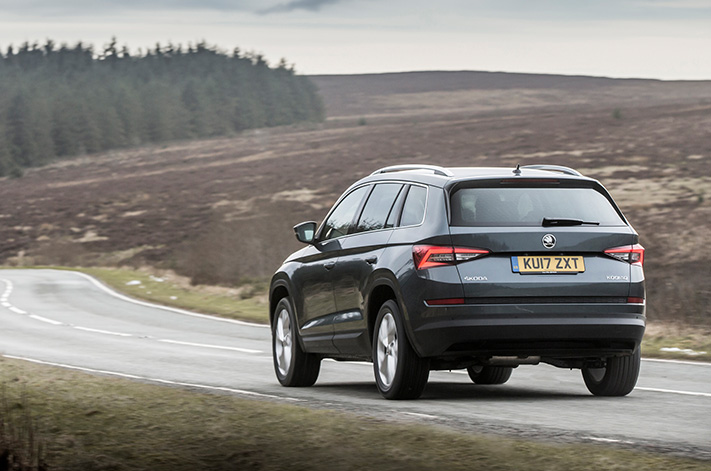
Flicked into ‘sport’, a tensing of the adaptive dampers gives the Kodiaq’s well-sorted suspension an extra dose of discipline. The steering is smooth and accurate, if not particularly engaging, and is weighted up in sport mode, though we found it more natural with an individual setting dialled to bring sports damping with normal steering.
Verdict – Winner: Skoda Kodiaq
As a former SUV-comparo winner, and a podium-getter in our last seven-seater megatest, the Kia Sorento is a realistic cross-shop for Skoda’s new seven-seater SUV. From brands on the rise, with long warranties and broad appeal, these wagons have plenty in common.
They’re also similarly proportioned (the Sorento is a bit longer) and are smaller than a Mazda CX-9, which could be hand if your garage is on the tight side. Yet substantial drivetrain departure sees the Kodiaq take an early lead.
A smaller, turbo engine and an extra ratio help it achieve better economy, and AWD makes it an all-surface proposition (but not an off-roader). The Skoda also impresses immensely with its standard safety, convenience and surprise and delight inclusions to seal a clear victory.
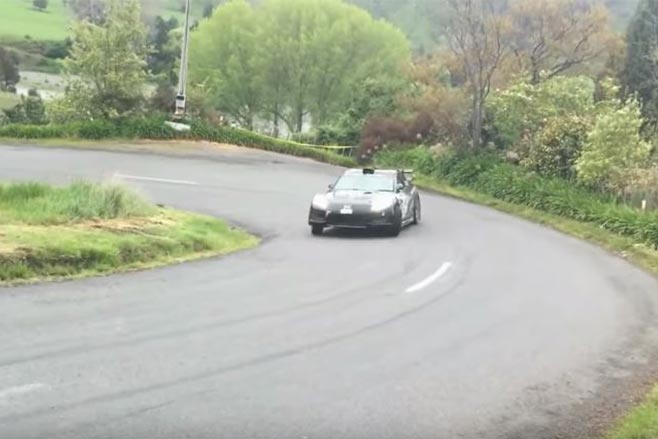
It doesn’t get much better than the sound of a ballistic Mazda rotary coupled with the visual treat that is a rally-ready RX-8.
New Zealand’s rally-friendly gravel roads have proven a good place to get the thing sideways too, with driver Marcus Van Klink having no qualms with flicking the tail out.
His RX-8 houses a 275kW three-rotor 20B, which is very similar to the 13G used in the Mazda 757 Le Mans beast from the mid-eighties.
That’s not a huge surprise coming from the rotary-obsessed Land of the Long White Cloud.
As well as the RX-8, Van Kling steers an early RX-7 complete with light bar and cracking soundtrack.
A bit of digging also uncovered a better look at the car from the outside, and from every angle.
Nothing like a little bit of dust to remind everyone that they’re probably standing too close.
In an interview with A Little Bit Sideways, ‘Klinky’ gives some good advice to aspiring rally drivers in terms of the best approach to learning.
“I think a lot of people make the mistake of jumping straight into a 4wd without learning the basics first,” he says.
“They would be a much better driver in the long run if they started off in a 2wd car first. Miles, and more miles, is the key. Nothing will make you go faster than more miles.”
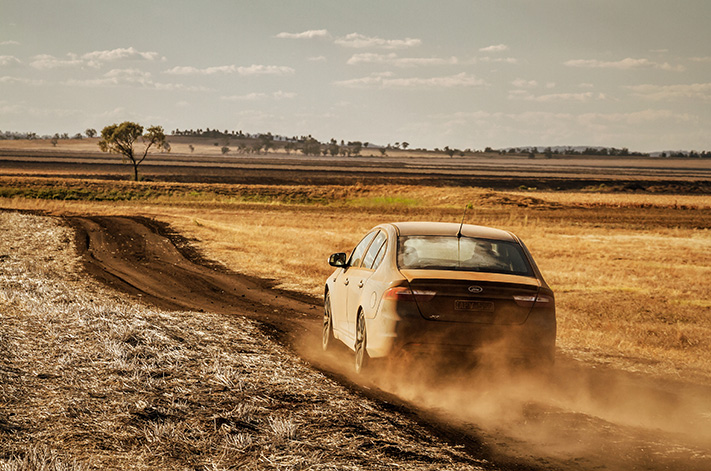
THE Ford Falcon has fallen from the carmaker’s front page on the internet as sales of the iconic large car slow to an inevitable trickle.
Instead, Falcon fans will have to navigate to the Ford website’s history page to catch up with the last in the line for the sedan and ute range.

Ford Australia would not be drawn on revealing how much stock of the Falcon remained almost nine months after the last batch of cars made their way of the company’s now decommissioned Broadmeadows production line.
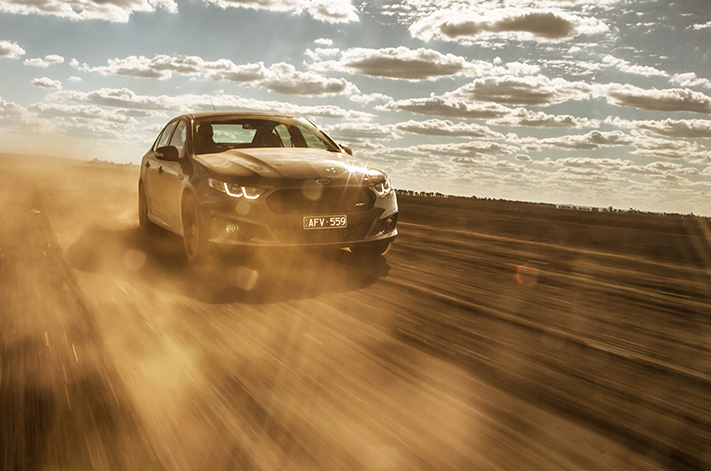
Ford was the first house of cards to fall in Australia’s car manufacturing decline after announcing in 2012 it would end almost six decades of local production in 2017. Holden and Toyota, which will both cease manufacturing in October, followed soon after.
However, both Ford and Holden will retain global design and development centres established here as part of their new-vehicle development programs.
Peace has broken out in the looming conflict between two rival Australian Formula 5000-inspired retro open-wheeler categories, with local race legend John Bowe taking a proactive role in brokering a sensible solution.
The original plans for two potentially parallel Australian F5000-style race car projects have now moved to a sensible resolution with the announcement that both projects are now fully integrated and aligned.
Chris Lambden, who was first to go public with his Formula Thunder 5000 prototype, says he is now very optimistic about the future, which was certainly clouded by the arrival of a rival Super 5000 car from wealthy Supercars sponsor Brian Boyd and supported by some Supercars Australia executives.
Though both parties had never met, they were keen to explore possibilities of resolving the issues and solving a potentially ruinous and costly denouement.
Bowe, who knows and respects Lambden and Boyd, assisted in facilitating the introductions.
Though both were working on two very different cars, clearly they were motorsports people focussed on the dream of bringing dynamic, exciting open-wheeler racing back to motorsport in the region.
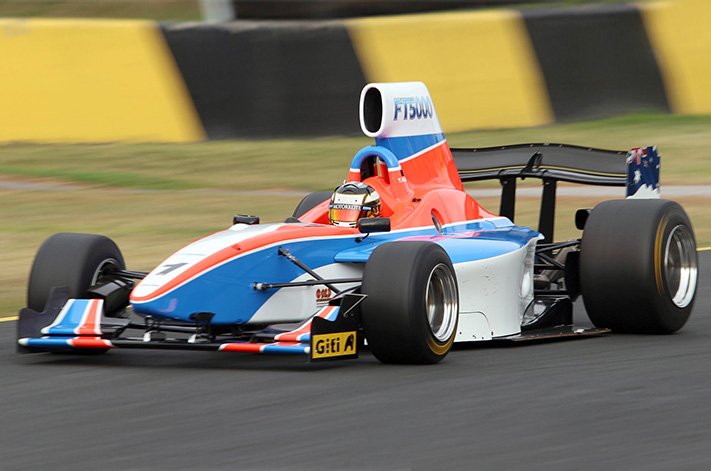
They have confirmed that they will incorporate beneficial technical elements from the FT5000 and S5000 to create a single ‘5000-style’ car, ensuring rapid progress towards the spectacular V8 open-wheeler category that both originally set out to achieve.
Work has already started on the merged project under the overarching S5000 project umbrella, with further testing and development planned for both chassis as part of a detailed technical evaluation.
Moving forward swiftly, it is anticipated a combination of elements of both projects, along with some new enhancements, will result in a revised final technical spec which will be revealed in the coming months.
There will now be one combined concept that draws upon the best elements available.
This should quieten a group of Supercars owners led by Triple Eight’s influential Roland Dane who were vehemently opposed to Supercars becoming involved directly in the S5000 open-wheeler project.
Supercars will also hope that the sensible resolution quells strident criticism of the category for what was perceived by many as a copy-cat venture and a big organisation attempting to rough up a little guy.
It is expected that a field of cars will contest a series of key feature races from mid-2018.
“This is the significant step forward which will allow the concept of a modern 5000-style race car and series to actually happen, and happen well, which is what we both started out to do,” said Lambden, who thanked Bowe for his role.
Lambden said Bowe arranged an initial meeting with John McMellan (from Boyd’s company Wilson). Lambden went on to say that McMellan’s encouraging reaction was to declare in essence: “Let’s just get this sorted and find the solution to work together.”
“This outcome will result in a 5000-style race car and series that will be well worth coming to see,” Lambden insisted.
McMellan was also positive about the outcome, and the future, complementing all the parties for their vision and flexibility.
McMellan said he believed the collaboration must result in a better outcome both commercially and technically, as well as for the sport.
“The project team will take the best elements of both designs and thinking along with some other new thoughts to ensure we have a stand-out category that results in exciting, fast and action-packed open-wheeler racing.”
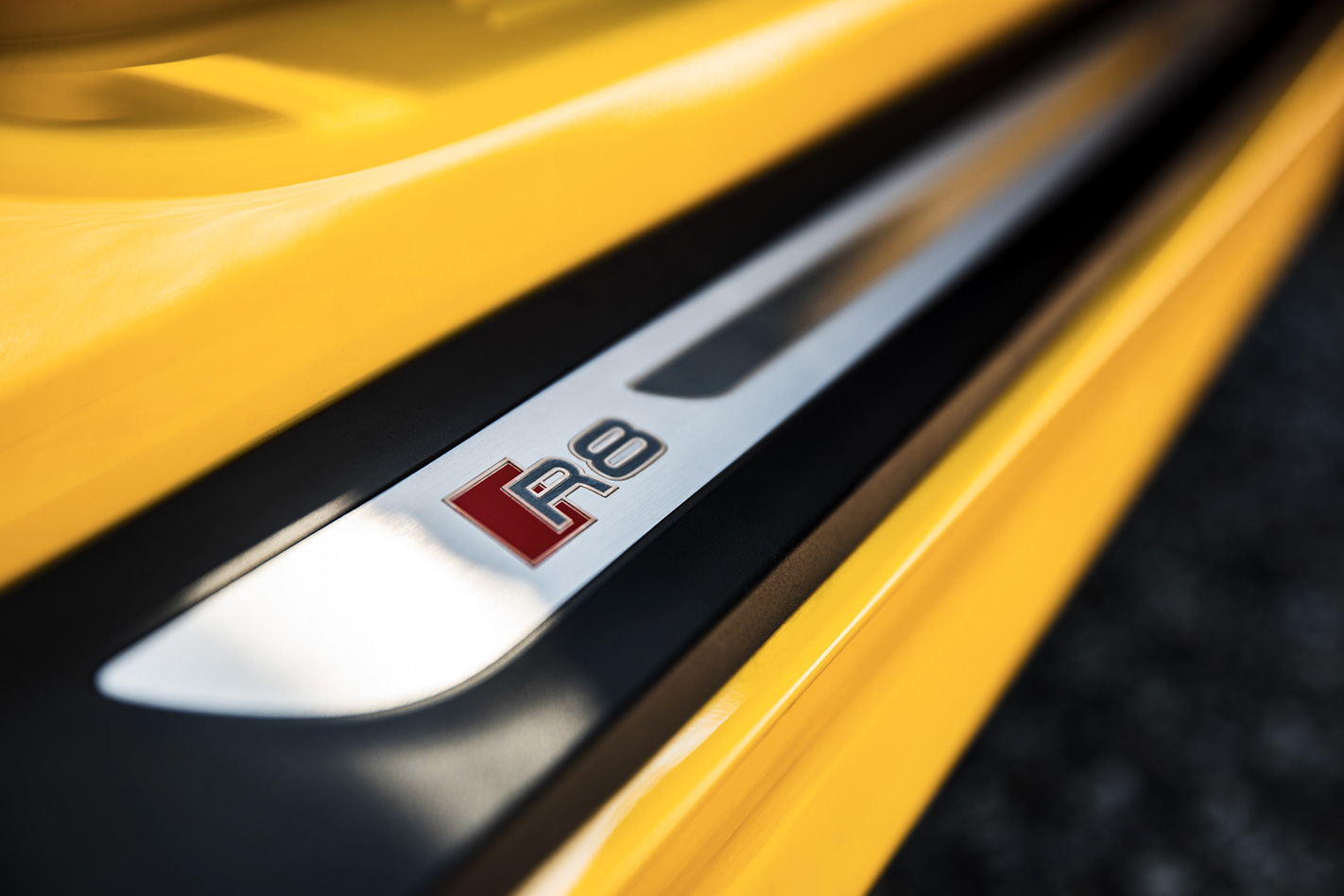
Audi has confirmed it will not only produce a high-performance electric vehicle in 2020, but will also create a hybrid or solely battery-powered version of every model it produces from that time onwards – leaving the next-generation TT and R8 set for some extra spark.
The announcement came at the inaugural Audi Summit held in Barcelona, Spain, this week, a sort-of four-ringed motor show where the all-new A8 was unveiled. The Ingolstadt brand confirmed that a Tesla Model X-rivalling E-Tron large SUV will arrive in 2018, with an E-Tron Sportback in 2019 and another sports EV in 2020; sans any mention of an SUV bodystyle.
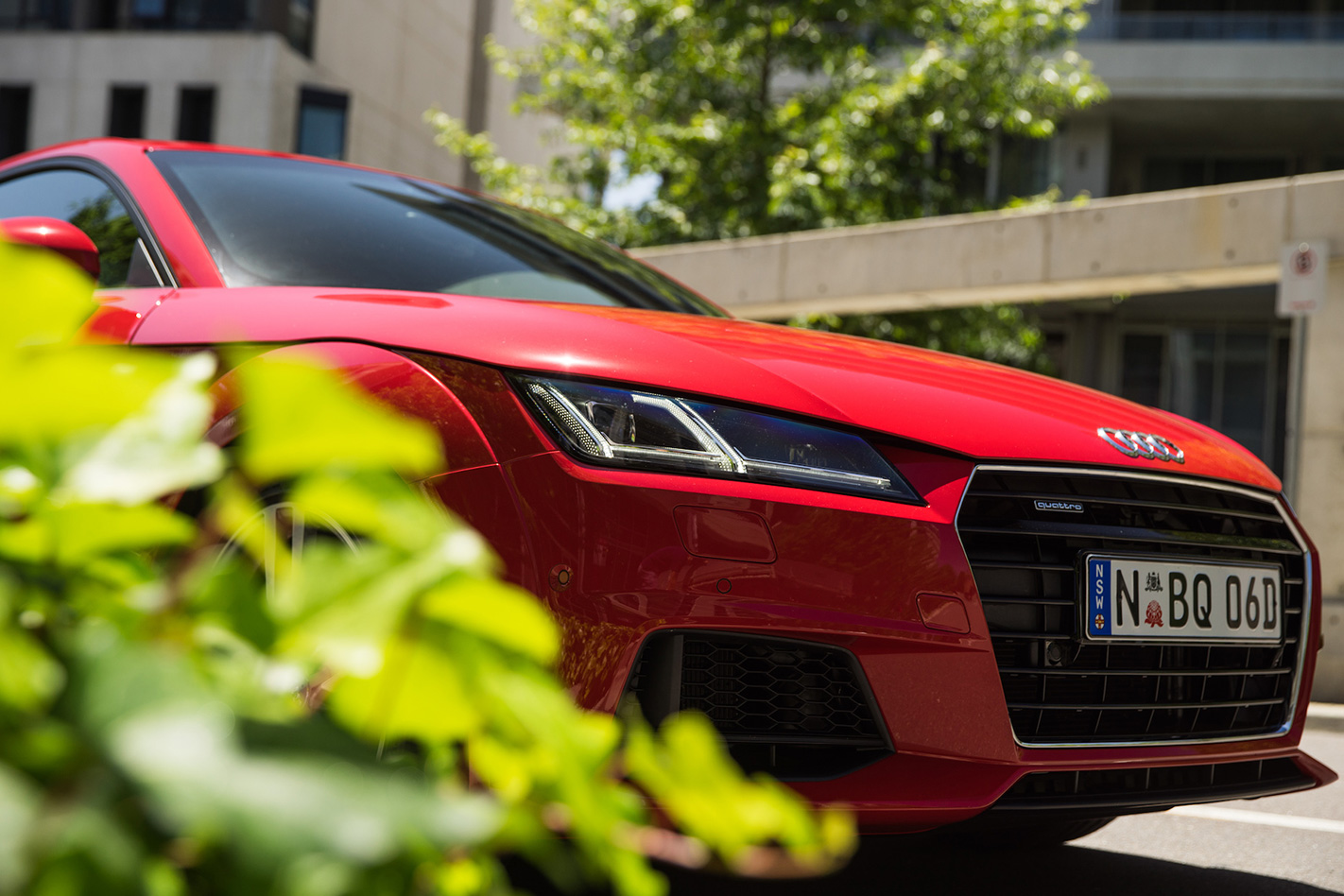
“Subsequently after that, we will electrify all our vehicle series, all our models including hybrid solutions.
“Audi is so committed to the electrification of our vehicles in fact, we’re planning by the middle of the next decade to have one-third of vehicles electrified.”
The announcement followed the spruiking of the two SUV models Audi intends to bring to market, and while it is unclear what shape the third EV model could take, the brand intends to increasingly share components between models to reduce costs – and with the large SUV market covered, a powerful drivetrain in a smaller or sportier model could be enticing.
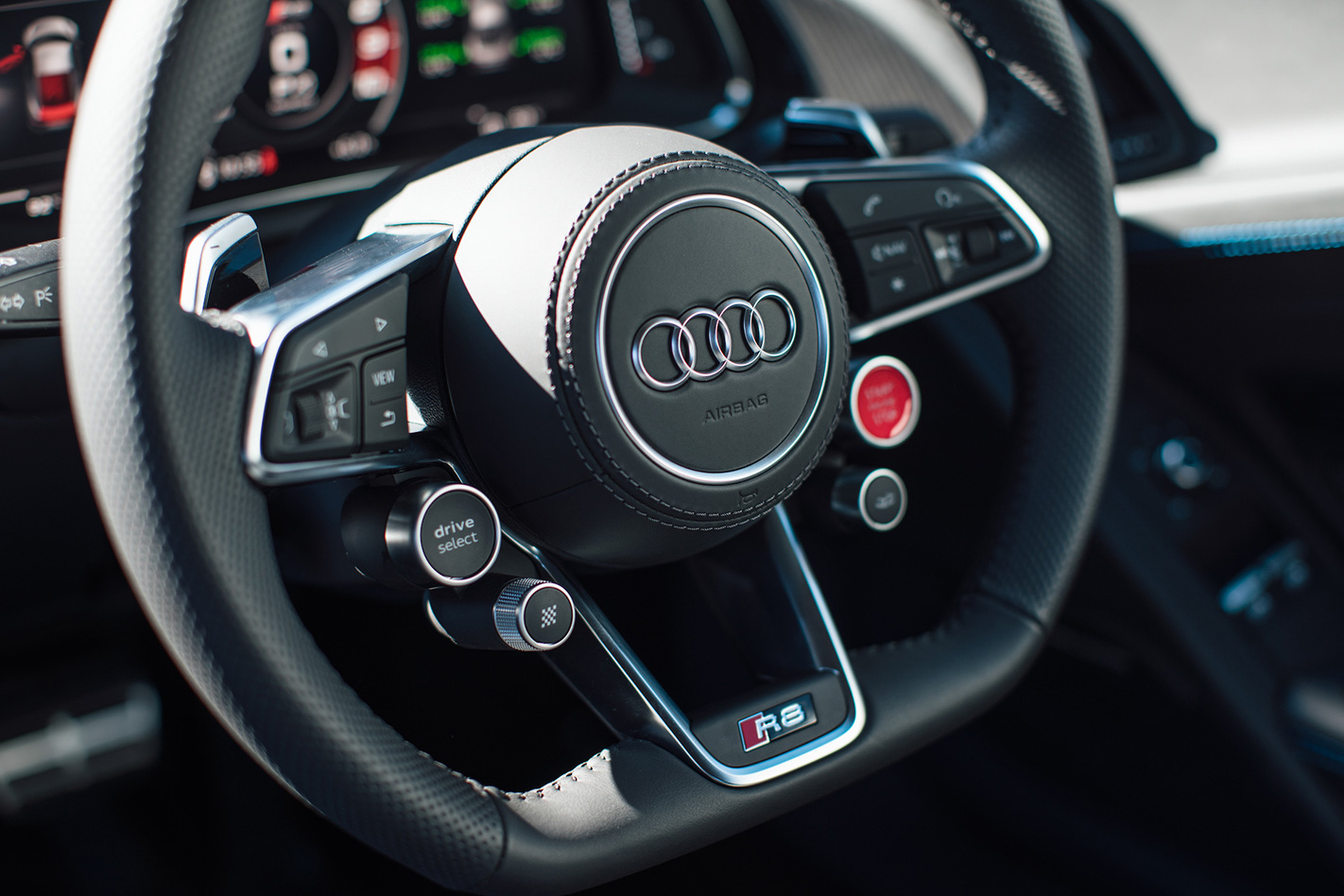
“In 2019, so one year later already, we’ll introduce our E-tron Sportback. [Again] high-performance, all electric.”
New generations of the TT and R8 are not, however, due until well into the next decade. For now, Audi AG chairman of the board of management Rupert Stadler confirmed that next year the brand would debut five fresh generations of existing models, plus the E-Tron.
“The Audi A7 and A6, the Q3, the A1 and … the Audi E-Tron, which raises electric mobility to the next level. This is the starting point of a large product initiative.”
Electric turbocharging as seen in the SQ7, and autonomous driving seen in the A8, is set to greet at least the sportier versions of the new A6/A7 thanks to an advanced 48-volt electrical system expected to trickle down the Audi lineup. Bring on RS6/RS7, we say…
Two Melbourne luxury car dealers are each selling one of the rarest Mercedes-Benz models in Australia.
Lorbek Luxury Cars and Dutton Garage each have a 2009 Mercedes-Benz SL65 AMG Black Series for sale, and both cars have been confirmed as one each of seven delivered to Australia and New Zealand.
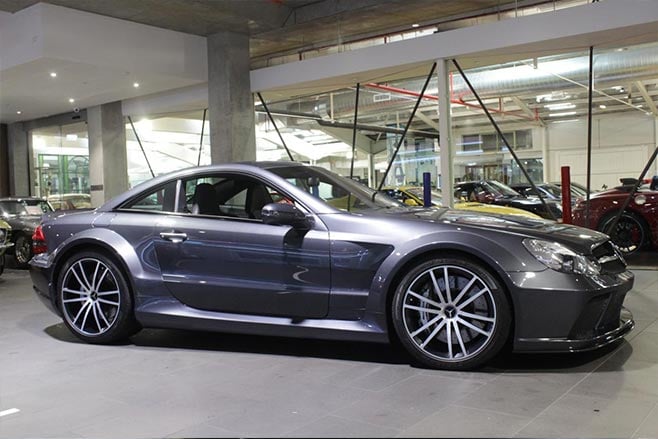
Sans-limiter, Mercedes says the engine would have made 1200Nm. That would have been plenty for a car that weights 1870kg, though that’s 250kg lighter than the non-Black series SL65 AMG.
The two cars are both presented in tip-top condition according to the dealers, though one appears to have slightly more prestige attached.
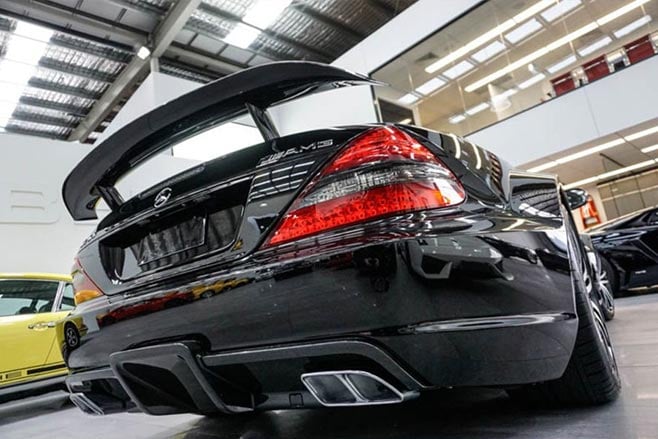
With a total of only seven Black Series having been delivered across Australia and New Zealand, it’s not often you’ll have the chance to weigh up two examples before a purchase.
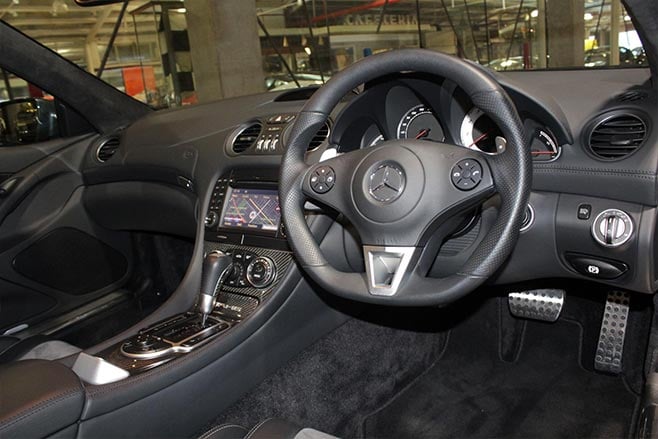
Go nuts, you financially-overburdened torque-aholics.
It doesn’t matter what kind of car you drive there are few parts more important than the few inches of rubber in contact with the road.
Maintenance of your tyres will not only keep you safer but will save you money by helping to save fuel and prolonging the time before you have to shell out for new ones.
Here are a few tips for extending the life of tyres:
Check tyre condition
Like the airline pilot who kicks his aircraft’s tyres, walk around the car from time to time to check for early signs of tyre stress or damage. Some damage can be repaired if found early enough.

Check tyre pressures
Flat tyres can overheat, and they result in more rubber on the tarmac both of which increase wear and tear. On the other hand, over inflate them and you’ll have less contact with the road and uneven wear.
Check the pressure of your tyres at least once a month and before a long trip. If you don’t have your own tyre pressure gauge use one at a petrol station once every four times you fill up. Also look or feel for signs your tyres need a top up, such as obviously underinflated tyres that are bulging at the bottom or sluggish turning and handling.
Your tyres should be at the pressure as recommended by your car’s manufacturer. You’ll generally find that information in the owner’s manual or on a placard inside one of the front door jambs or the glovebox. Don’t forget to check the spare tyre as well.
It’s always best to do this when your tyres are relatively cool so the air hasn’t expanded enough to provide an inaccurate reading.
Rotate your tyres
As a rule you should have your tyres rotated about every 10,000kms or when you notice uneven wear on one or more tyres.
However with some tyres only designed to run in one direction, or only at the front/rear, so it’s important to ensure yours can be rotated. You car’s handbook will usually have this information, though as a rule there’s a standard sequence of rotation depending on the type of tyres fitted to the vehicle.
Check wheel alignment
You’ll generally know when a wheel alignment is needed, such as when you notice uneven tyre wear, or the car doesn’t stay true when pointing the steering wheel straight. When that happens, or if you hit something hard like a kerb with your front wheel, take it to a tyre fitter for a wheel alignment and ask them to rotate the tyres while they’re at it.
Avoid driving at high speed
The faster you drive the more chance tyres have of being damaged by poor road surfaces, objects on the road or heat build-up.
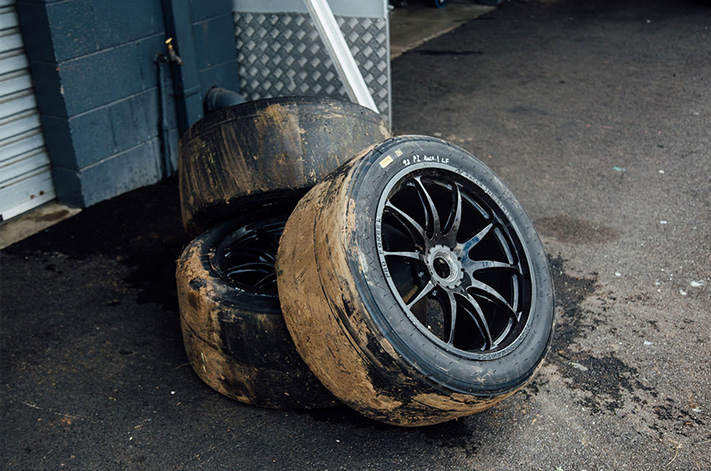
Don’t overload your car
Do not exceed the load capacity relative to the tyre’s load index, which is stated on the placard that displays appropriate tyre pressures. Overloaded tyres can build up excessive heat resulting in their destruction, which is why you often see people with trailers on the side of the road.
