It’s hard to imagine that modern cars will appreciate like the classics have.
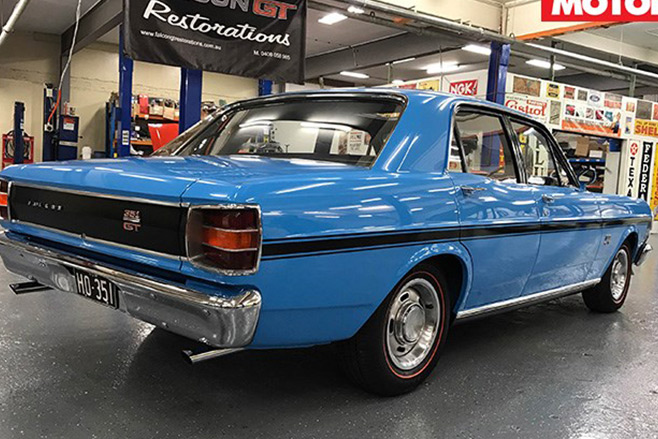
They don’t make nostalgia like they used to. You probably read about that barn-find XW Falcon GTHO which some clever – and lucky – sonofagun restored and auctioned off for more than half a million. Who exactly forgets about buying a car, let alone a GTHO? I’ve forgotten about cars before, once or twice, but those were loaners, review cars, not something I’ve paid my own money for; and it was always when I had something more exciting to drive to distract me.
Aussie ‘barn find’ car worth millions
I think I once had a Mazda6 sitting forgotten in a garage somewhere, and it would probably still be there now, lurking like a barn-find waiting to happen, except I found the keys in my desk drawer while I was looking for some aspirin.
Opinion: Progress is Overrated
Finding an i3 under a tarp decades from now would be like finding an old Nokia brick in the crap drawer in your kitchen – you’d think “Hey, look at that, I remember that old thing”, and you think about turning it on just for a giggle, but you can’t find the cord that charges it and, now you think about it, you probably threw the plug away in that box that also had a broken Wii and a Furby in it.
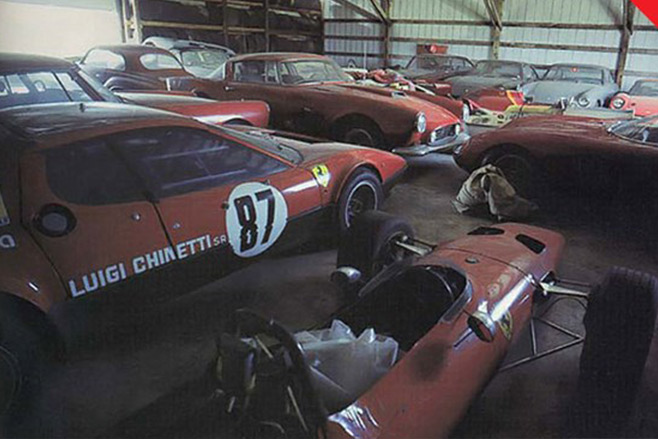
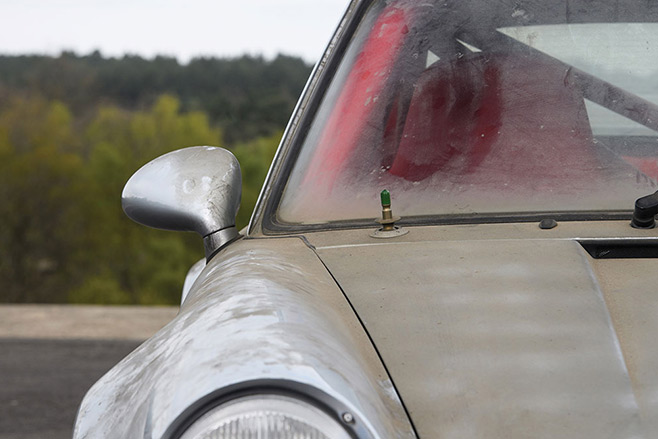
Old cars age like, well, not like a fine wine – more like a fine T-bone, which is to say, in all but the rarest conditions they start to fall apart into a rancid mess, which means in time they become scarce, and thus valuable. Modern cars age like a McDonalds cheeseburger – they just sit there, wilfully not biodegrading, just getting dusty and a little wrinkled, and then one fine day you stumble across it in essentially pristine condition and realise its cousin is probably in a similarly untouched state somewhere in your lower intestine. Or maybe that just happens to me.
Opinion: Are Australian speed limits correct?
The era of the barn-find might be almost over.
And besides all that, the way developers are turning old farms into new suburbs, 20 years from now there won’t be any barns left. When it comes to vintage rubber, gentlemen, smoke em if you got em.
Subaru Australia will update its Levorg medium sedan in July, with a substantial model-year change that’s set to bring in lower-cost mainstream versions powered by a 1.6-litre turbocharged engine , as well as an STI-badged performance flagship.
Since its local debut 11 months ago, the Subaru Levorg has only been available with a single engine/transmission configuration and a starting price of $43,240.
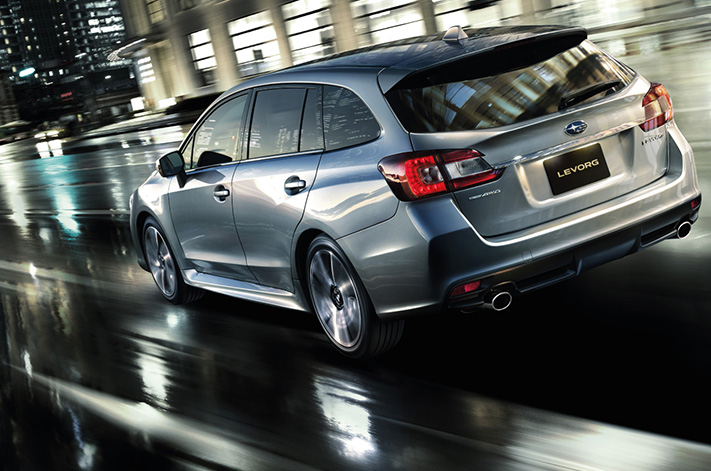
With the 197kW/350Nm 2.0-litre turbo four of the WRX under its vented bonnet, the current Levorg 2.0GT and 2.0GT-S is too powerful and costly to be considered a direct rival to garden-variety medium wagons like the Hyundai i40 and Mazda 6. Rather, it’s slanted more toward enthusiasts than regular drivers.
That will change in July with the arrival of the Levorg 1.6GT and 1.6GT-S, which are both expected to be equipped to a similar level as their two-litre stablemates, but priced in the $30-40k bracket to improve their mainstream appeal.
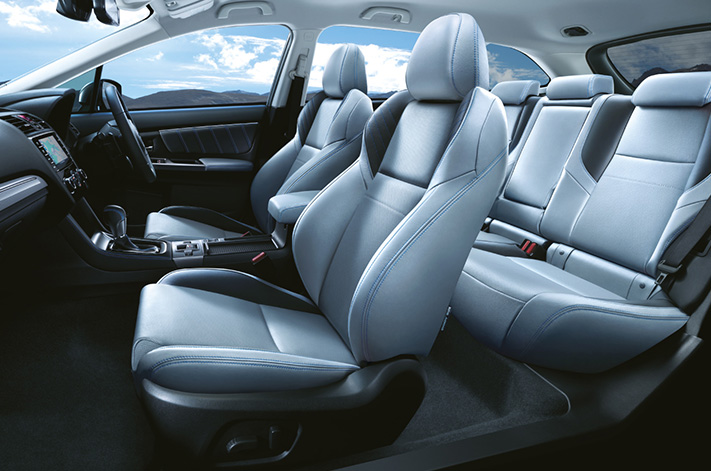
The 125kW 1.6-litre turbocharged flat-four engine that’s already available in Japanese- and European-market Levorgs is a key part of keeping that cost of entry down, with an added side benefit of reduced fuel consumption. Like the 2.0-litre variants, the sole transmission will be a CVT automatic and power will be channelled to all four wheels – 17-inch items on the 1.6GT and 18-inches on the 1.6GT-S.
Australian pricing is still under wraps, but it wouldn’t be unreasonable to expect the 1.6-litre Levorg to begin in the low $30k range, thus making it an easy step up from the range-topping Impreza.
A flagship Levorg 2.0 STI Sport will also join the range in July, applying a range of cosmetic – and potentially some mild chassis enhancements – to the 2.0GT-S variant.
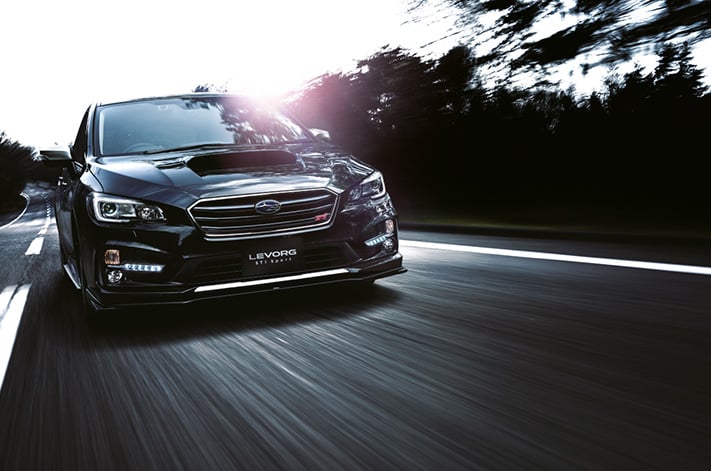
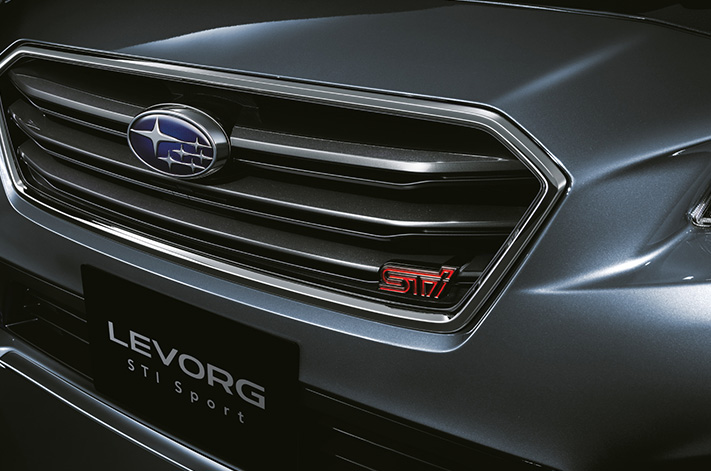
With prominent STI badging in its front grille and on its tailgate, the STI Sport will be one for enthusiasts who also demand a practical wagon body style, though performance stats are expected to be identical to the regular 2.0-litre models.
Power for Levorg 2.0s isn’t expected to deviate from the current model’s 197kW and 350Nm, and a CVT automatic is expected to continue to be the only transmission offering across the range.
Expect full details and pricing to be revealed closer to the 2017 Subaru Levorg’s local launch in July.
THE INDIANAPOLIS 500 is known as the largest single-day sporting event in the world. For its 100th running last year, the entire event was sold-out, with crowd figures north of 300,000.
However, this year the Indy 500 is attracting more international attention than it has during the past several years, due in no little part to the attendance of Spanish two-time Formula 1 world champion Fernando Alonso.
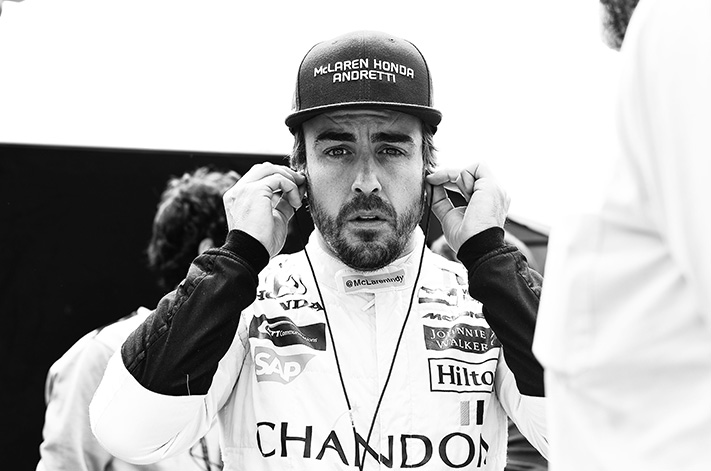
How long is the race? Well without stating the obvious, it’s 500 miles, or 804 kilometres. However, unlike our Supercars endurance races such as the Bathurst 1000 and Sandown 500, this race is completed by one driver, non-stop.
The excessive speeds means the race is completed in around three hours. The fastest ever race was in 2013, with Tony Kanaan completing the 200 laps in 2 hours, 40 minutes, and three seconds. His average speed for 500 miles was a whopping 187.43mph (301.64km/h).
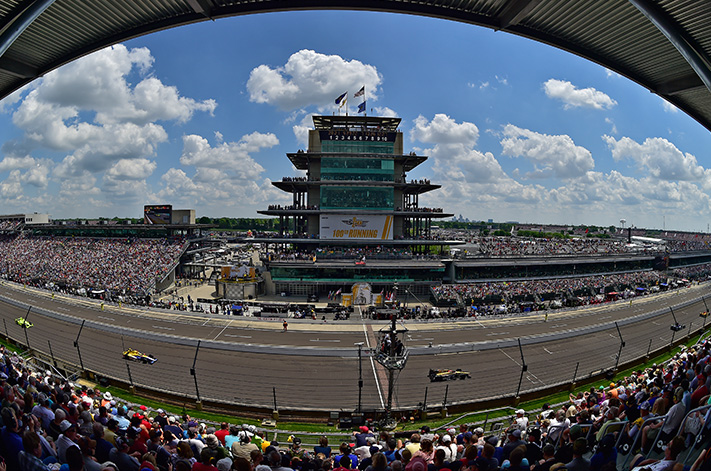
In short, fast. For an extended explanation – bloody fast.
It needs to be noted lap records are conveyed in average speed, instead of time, with the fastest ever being 236.10mph (379.97km/h). That frankly bonkers lap was achieved by Eddie Cheever Jr in 1990.
Modern cars achieve lap times in the 225mph (362km/h) range, with last year’s race winner Alexander Rossi (who was a rookie at the time), also claiming the 2016 fast lap with a 225.23mph (362.47km/h) tour of the track.
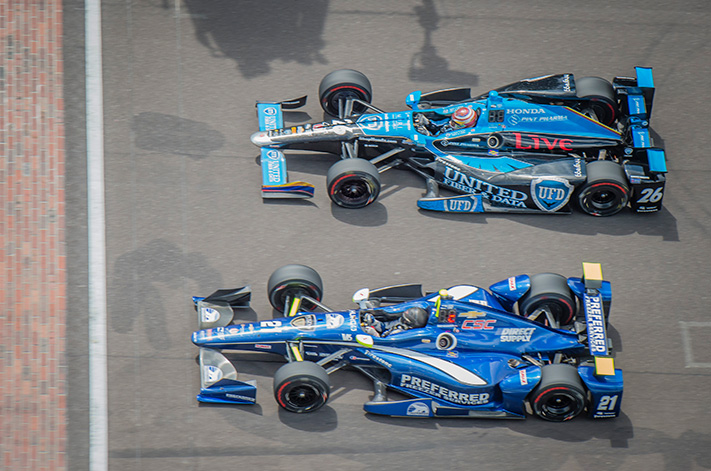
If you have some mates around for the race, here’s some info to help you sound like an Indy veteran.
- Al Unser holds the record for the most race laps led, at 644.
- Unser shares the most wins record with A.J Foy, and Rick Mears. The trio have four wins a piece as drivers.
- Roger Penske has the most victories as a team owner, with his squad winning the race 16 times. The next closest in the record books is Lou Moore with a comparatively scant 5 victories for his team.
- Statistically, starting from pole gives you the best chance at victory, with the polesitter winning the race on 20 different occasions. Brisbane-born Kiwi Scott Dixon will lead the field to the green flag on race day this year.
- Of the 100 Indianapolis 500 races held, a rookie has won on 10 different occasions. Helio Castroneves went one better and won the race in his first two attempts. The record for most consecutive victories is two, with five drivers, including Castroneves, achieving the feat.
- The narrowest margin of victory was when Al Unser Jr beat Scott Goodyear in 1992 by just 0.033 of a second.
- The all-time lap record is a 239.26mph (385.05km/h) tour by Arie Luyendyk in 1996.
- The oldest race winner is that man Al Unser who won at 47 years and 360 days old in 1987, while the youngest is Troy Ruttman when he claimed victory at 22 years and 80 days old in 1952.
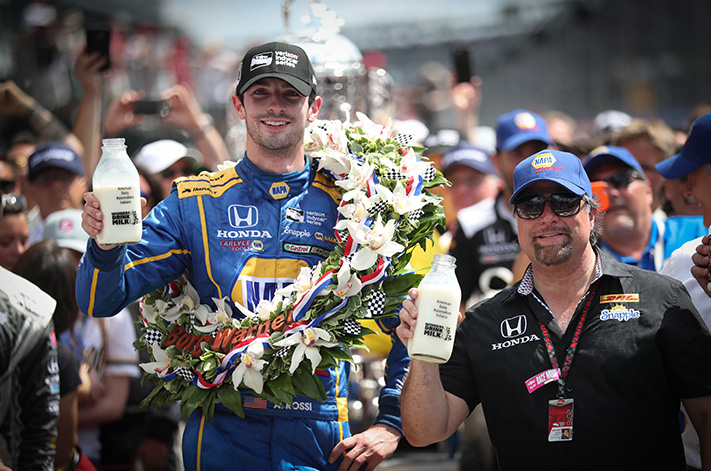
How much do you get for winning? Being the most prestigious event in the IndyCar calendar, it also carries the biggest prize purse. Exact numbers for 2017 aren’t known yet, but judging from previous years, the total prize pool could be in excess of $13 million, with the winning driver in line to receive more than $2.5 million.
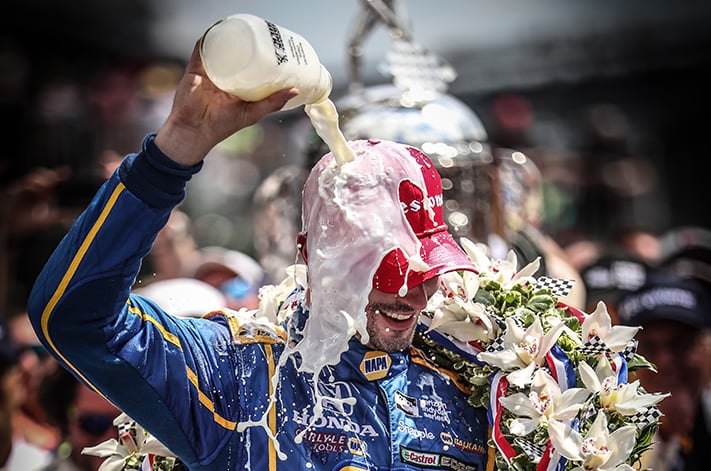
The Indianapolis 500 is a part of what is known as the Triple Crown of Motorsport.
The Triple Crown is made up of the biggest events in the racing world – Indy, the Monaco Grand Prix (being held on the same weekend), and the 24 Hours of Le Mans.
Graham Hill is the only man in history to have won all three events.
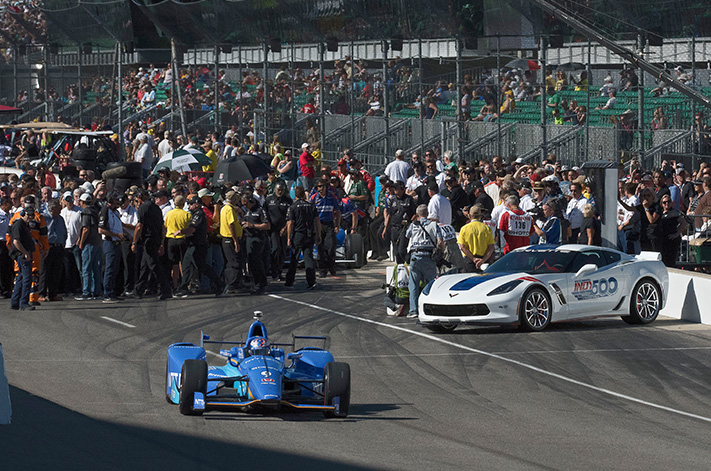
Juan Pablo Montoya is the only active driver to have won two of the three events, with wins at Monaco and Indy.
Alonso’s participation is linked to the Triple Crown, with the Spaniard having two Monaco victories already. His assault on the Indianapolis 500 is the next step of achieving his Triple Crown dreams.
A group of Volkswagen apprentices have spent almost nine months developing the first GTI to feature electric propulsion, the GTI First Decade concept.
With 312kW at its disposal, it has almost twice the power of a regular 162kW GTI, as well as being able to operate in three drive modes, front-wheel, rear-wheel, and all-wheel.
This is due to the configuration the designers came up with in that the battery powers the rears (and can be used as the only propulsion in slow or stop-start traffic), while the engine powers the front (as per normal).
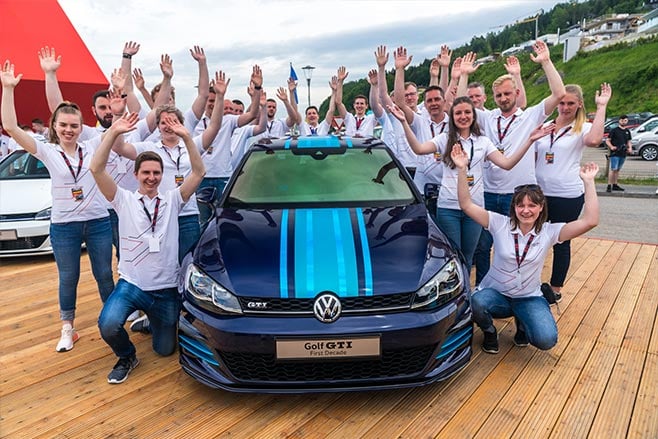
The Primary engine accounts for 300kW of the 312 kW total, with the electric motor contributing the other dozen kilowatts.
Peter Christ, head of automotive technology training in Wolfsburg says the challenges the apprentices (all about 20-years-old) encountered will help make them more aware of what is and is not yet possible in the area of automotive innovation.
“This is why we choose our strongest talents and offer them the opportunity to learn from experienced instructors and experts from the entire company at an early stage,” Christ adds.
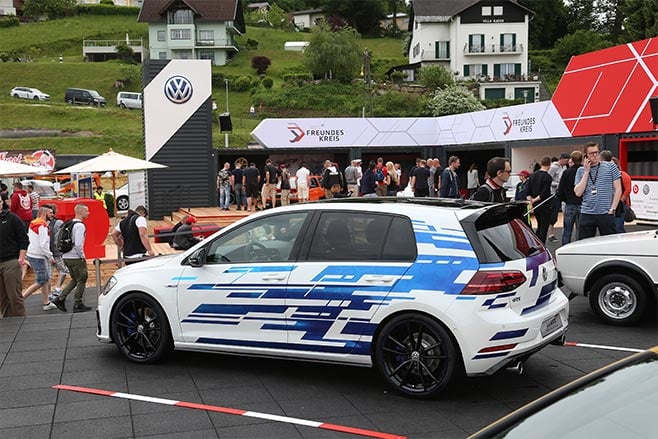
Another premiere at Wörthersee was the Golf GTE Performance concept car (above), a higher performance version of the hybrid GTE.
Instead of the GTE’s normal 150kW, the plug-in hybrid drive system of this concept car develops 200kW. Torque also increases from 350 to 450Nm.
The Mitsubishi ASX offers great value and an opportunity to get into a reasonably equipped SUV at small-car prices – mainly because it’s one of the oldest models on sale in Australia. The budget pricing does come at the expense of refinement so it pays to make sure you’re choosing an ASX model that you’ll continue to be happy with once the new-car smell wears off.
Variants
There are four main ASX variants with the price range primarily set by their type of engine, transmission and drivetrain. All variants come with reversing camera and rear parking sensors, climate control air-conditioning, a 6.1-inch colour touchscreen with infotainment including DAB+ digital radio, hill start assist and alloy wheels.

The ASX range starts at $24,990 with the front-wheel-drive LS with five-speed manual gearbox, while for an extra $2000 you can have the same car with CVT auto. Next up the range is the CVT/FWD-only XLS [pictured] which adds keyless entry, leather seats that are heated and power adjustable at the front, automatic windscreen wipers, auto headlights, panoramic sunroof and a larger 7-inch touchscreen. The LX and XLS models are powered by a 2.0-litre petrol engine.
The LS 4×4 and XLS 4×4 are essentially the same as their FWD namesakes but with four-wheel traction, a better six-speed automatic gearbox and a 2.2-litre turbo diesel engine that delivers the same power, but considerably more torque and better fuel efficiency.
- ASX LS petrol manual – $25,00
- ASX LS petrol CVT – $27,000
- ASX XLS petrol CVT – $31,500
- ASX LS diesel 4×4 auto – $32,500
- ASX XLS diesel 4×4 auto – $37,000

Our pick
A big reason the ASX is a big seller for Mitsubishi is the value the LS models present so we recommend the LS CVT. The CVT-auto performs reasonably well and while the petrol engine isn’t as fuel efficient as the turbo diesel, it is a lot cheaper to buy and service. If you have more money to spend it’s a good idea to shop around as the ASX doesn’t quite hold up to its newer opposition once you go beyond $30,000.
Available options
Premium paint (all colours but white) – $590
SUBARU Australia will bring an STI-badged halo model to the Levorg range in July – but more power and a manual transmission sadly won’t be part of the deal.
Rather, the Levorg 2.0 STI Sport will follow the template set by the Forester tS, with a range of cosmetic enhancements from the STI catalogue adding visual tinsel to the existing 2.0-litre turbo mechanical package. That means no changes from the current car’s 197kW/350Nm outputs, nor the availability of a six-speed manual in lieu of the standard car’s CVT auto.
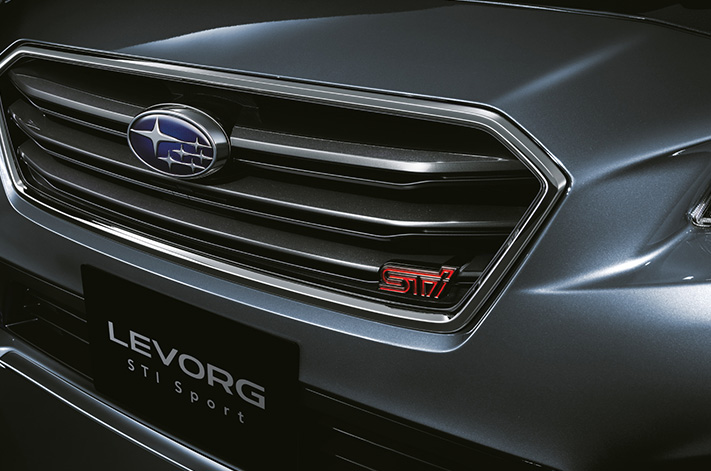
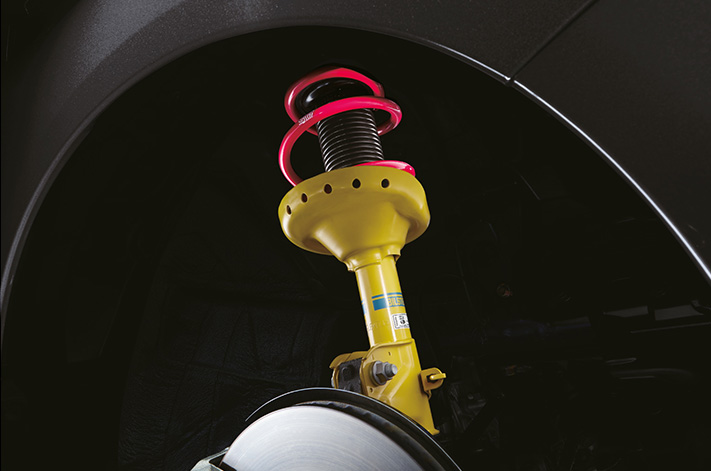
In the Japanese market, the Levorg 2.0 STI Sport benefits from some light chassis fettling by way of additional frame reinforcements and unique damper settings, but it’s unclear whether those changes will make their way into Australian cars. Don’t expect that JDM car’s 220kW/400Nm engine for this one, either, as it hasn’t been homologated for Australian conditions.
Notching up a respectable 420 sales year to date, it’s apparent that Subaru’s local operation reckons the time is right to make a mainstream play with its mid-size wagon, bringing more budget-friendly, lower output models to Australian showrooms.
But an STI flagship isn’t the only treat Subaru Australia has in store for the Levorg. Joining it in July as part of the wagon’s model year update will be a pair of 1.6-litre turbocharged variants – the 1.6GT and 1.6GT-S.

With 125kW of power and 250Nm of torque, the turbo 1.6 exists at a healthy midpoint between the 115kW/196Nm 2.0-litre naturally aspirated engine of the Impreza family and the Levorg 2.0GT’s 197kW powerplant.
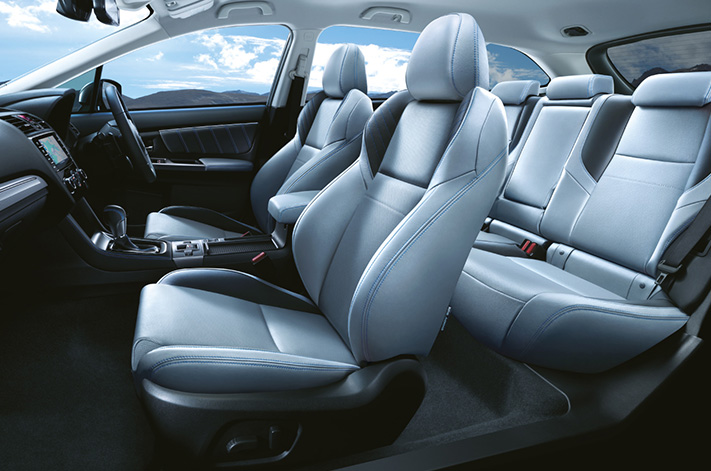
The existing Levorg 2.0GT and 2.0GT-S will carry over with minimal mechanical changes to their WRX-sourced 197kW 2.0-litre turbo four-cylinder.
Subaru will release full specifications and pricing for the 2018 Levorg range closer to its July launch.
In our Fast Facts series, WhichCar delves deep into the history of automotive brands to bring you fascinating facts and intriguing information. Here we focus on Lotus, the British sports car brand that was founded by engineering genius Colin Chapman and transitioned from building kit cars for budget club racers to creating revolutionary, championship-winning Formula 1 racers and road-car legends such as the Elan and Esprit.
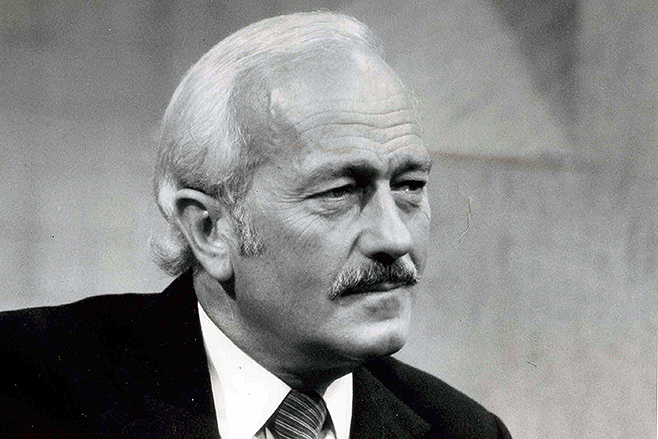
TRIALS BEGIN In 1948, British engineering school graduate Colin Chapman modified a 1928 Austin Seven and started winning several trials races. The car is retrospectively called the Mark I as Chapman continues building further racers, and by 1952 Lotus Engineering Consultancy is formed.
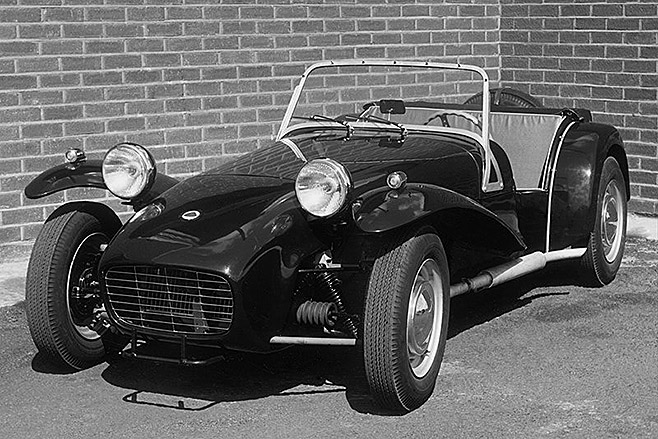
SEVEN UP Lotus’s first production car was the Mark VI, sold in kit form for club racers who then just had to acquire an engine. It was the successor model, however, that truly put the brand on the car-maker map. The Lotus Seven [or Lotus 7] introduced in 1957 – again intended for affordable club racing – featured a tubular spaceframe chassis covered with a stressed-aluminium body with no doors. Most owners chose to install a Ford engine for power.
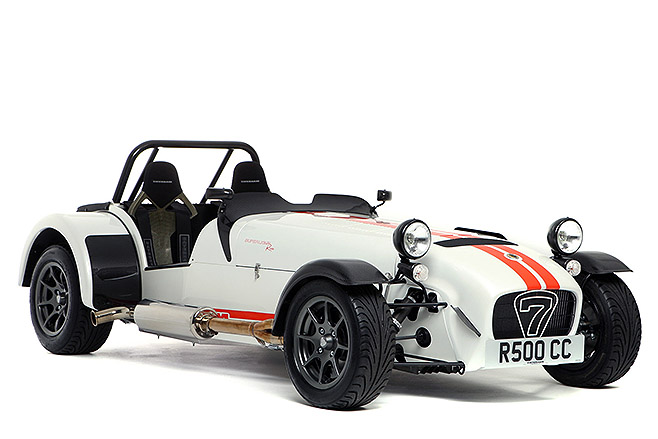
CATERHAM The ‘S3’ evolution of the Lotus Seven is still manufactured today, by Caterham Cars – and known as the Caterham Seven. Caterham was a Lotus dealer that purchased the design rights to the Seven after Chapman was prompted to exit the kit-car market by the UK’s introduction of VAT (value added tax) in 1973. (An update in 2000 that allowed taller drivers to fit was crucial to get the Seven past Australian Design Rules regulations.)
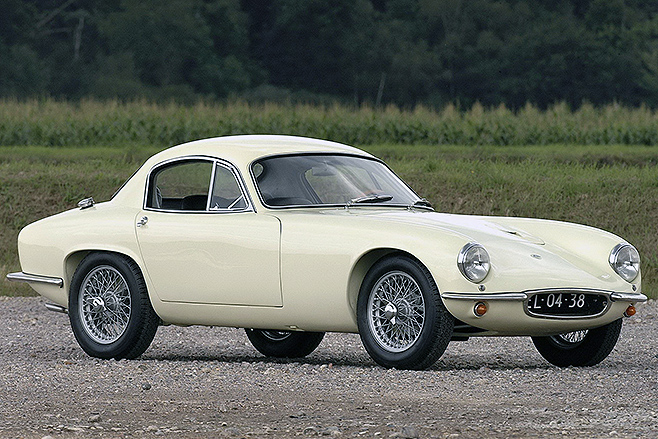
JOINING THE ELITE Chapman decided to produce a road car to help finance his racing ambitions and it materialised in 1959. The Elite was a compact, rear-wheel-drive sports coupe distinctive for its world-first fibreglass monocoque construction. It also started a trend for the names of all Lotus road cars to begin with the letter E.
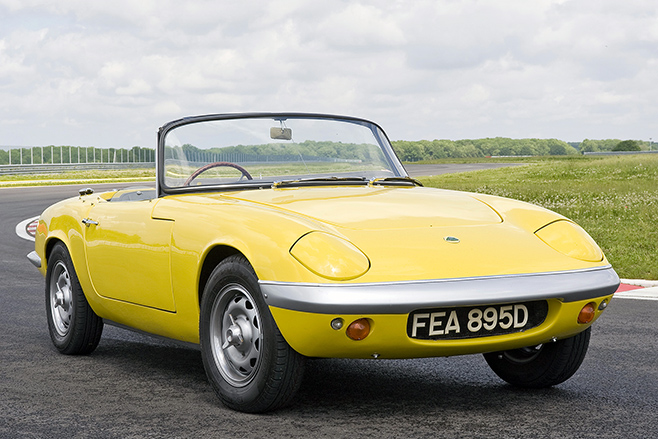
ELAN Lotus’s reputation for world-class sports cars took off with 1962’s Elan, a two-seater roadster that was eventually joined by a coupe variant. It borrowed some parts from elsewhere – the steering rack was from Triumph and the gearbox and engine foundation were from Ford – but the key to superb ride and handling was the company’s chassis expertise and lightweight-construction ethos.
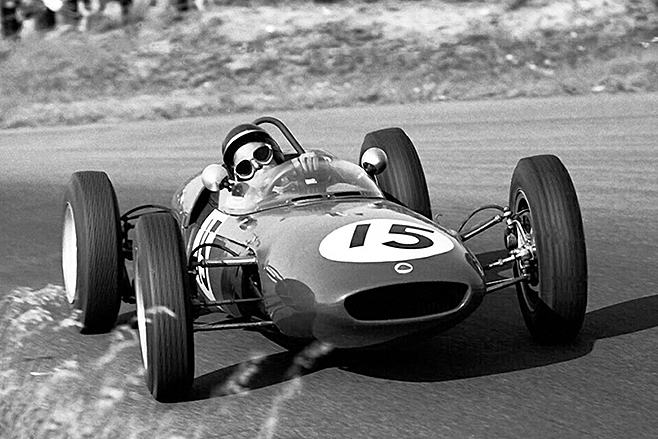
TEAM LOTUS The company’s motorsport activities had been moved under the separate Team Lotus banner in 1954. It competed in various Formulas before Chapman decided to compete in the pinnacle of grand prix racing. Team Lotus’s first win came in the 1961 US GP, and across the 1960s and 1970s it would win seven constructors’ titles and six drivers’ championships – including two with British legend Jim Clark. Team Lotus was the first F1 team to introduce prominent aerodynamic appendages such as rear wings and bargeboards.
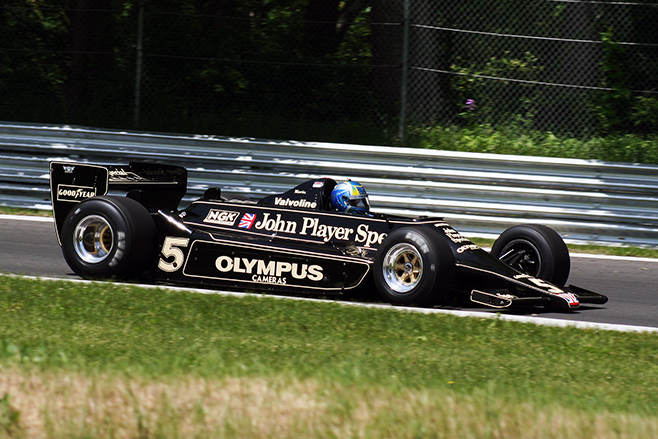
GROUND-EFFECT ERA Lotus’s last F1 success came in 1978 with the 79, when it won half of the season’s 16 races to collect the constructors’ championship while its American driver Mario Andretti won the individual honours. The key was Lotus’s pioneering ‘ground effect’ aerodynamics – a term applied to how the car’s underfloor and side skirts were specially designed to behave in an opposite fashion to an aircraft’s wings and suck the car to the floor for higher cornering speeds. Ground effect aero was eventually banned in 1983 on safety grounds.
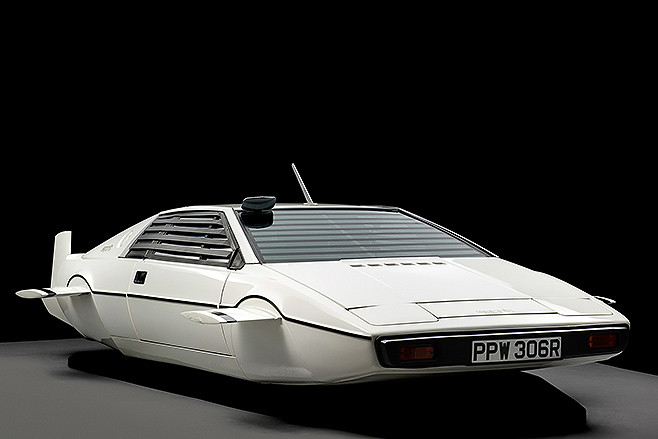
THE SPY WHO LOVED LOTUS Lotus achieved a marketing coup for its 1976 Esprit when it appeared in 1977’s The Spy Who Loved Me with the late, great Sir Roger Moore. Still widely regarded as one of the best James Bond films, it also served up one of the franchise’s best car chases when Moore’s 007 is forced to out-run baddies trying to take him out with an armed helicopter and rocket-propelled sidecars. When the white Series 1 Esprit splashed into the Mediterranean and transformed into a mini-submarine, it completed the Lotus’s position as arguably the most memorable Bond car of all time.
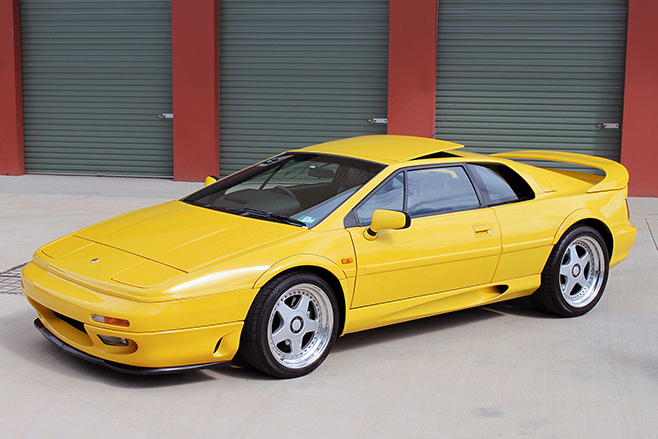
LONGEST-RUNNING LOTUS If you don’t include the Seven, the Esprit lasted in production longer than any other Lotus road car – not retiring until 2005. It evolved over time, of course – joining the band of turbocharged cars in the 1980s, and gaining a twin-turbo V8 in the 1990s in a bid to keep up with Ferraris and Lamborghinis of the time.
CHAPMAN DEATH Colin Chapman died of a heart attack in 1982, aged 54. A high court judge suggested he might otherwise have faced jail time for his links to the early-1980s DeLorean (of Back to the Future fame) scandal that involved drugs and embezzlement. Lotus was acquired by General Motors in 1986 but sold to Italian entrepreneur Romano Artioli, who also owned Bugatti, seven years later. Malaysian car maker Proton then assumed control in 1996, before itself becoming owned by Malaysian conglomerate DRB-Hicom in 2012. In the same week this article was published, Chinese car maker Geely – also owner of Swedish brand Volvo – had agreed to purchase a majority [51 percent] stake in Lotus [along with a 49 percent stake in Proton].
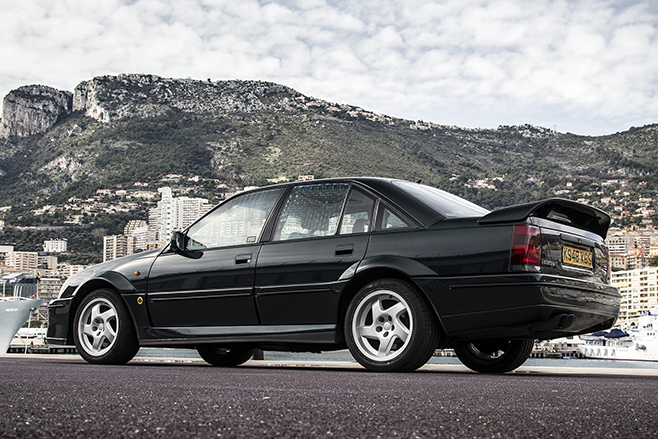
LOTUS VAUXHALL CARLTON Lotus had already demonstrated its ability to modify mainstream cars with its 1963 Lotus [Ford] Cortina, but it caused a greater stir 26 years later with its high-performance version of the Vauxhall Carlton/Opel Omega large family car. Equipping the Carlton’s General Motors six-cylinder with dual turbochargers and advanced electronic engine management, Lotus’s tweaks gave the sedan a prodigious 281kW. It accelerated faster than a Ferrari Testarossa and could reach a top speed of 283km/h – causing some controversy when the likes of Porsche, BMW and Mercedes had agreed to cap their vehicles at 250km/h with engine limiters.
GM’S ‘LOTUS’ The General Motors-Lotus link didn’t stop at the Carlton/Omega. When the US car giant determined in the 1990s that it needed a sexy sports car to boost its image in Europe, it teamed up with the British company again to create the 2000 Opel Speedster (or Vauxhall VX220 as it was known in Britain). It was based on the chassis of Lotus’s Series II Elise and was built alongside it at the company’s Hethel headquarters, though the Opel/Vauxhall roadster twin featured a longer wheelbase, wider rear track, and GM engines (including a turbo version).
TOYOTA POWER Various manufacturers have contributed engines to Lotus cars over the decades, and the latest is Toyota. The entry-level Elise borrows the Japanese company’s 1.8-litre four-cylinder (with higher-spec models featuring a supercharged version of the engine), while the more hardcore (and hard-topped) Exige and the two-plus-two Evora GT are powered by Toyota’s 3.5-litre V6 – familiar to any Toyota Aurion owners, though featuring Lotus modifications.
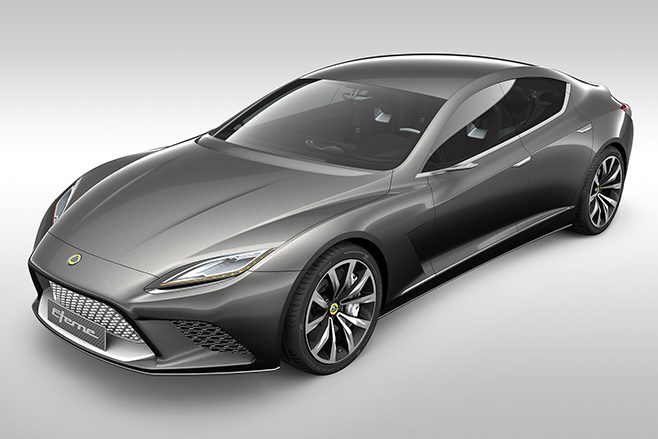
MULTI-CONCEPT SHOCK IN PARIS At the 2010 Paris motor show, Lotus stunned media by presenting as many as five concept cars – including a potential next-generation Esprit. It was a bold move as part of then Lotus CEO Danny Bahar’s so-called Recovery Plan for the brand, though he would be sacked two years later by new owners DRB-Hicom who questioned spending of both the business and personal nature. Bahar’s case for unfair dismissal resulted in an out of court settlement.
LOTUS’S FIRST SUV Brand new owners Geely Holding Group has promised to “unleash the full potential of Lotus Cars and bring it into a new phase of development by expanding and accelerating the rolling out of new products and technologies”. Geely is likely to remain committed to a new Lotus SUV already planned for release around 2022, which would be a major departure from any Lotus built since 1948.
Question: Keeley
I don’t know which small SUV to get; the Mazda CX-3 Maxx, Mitsubishi ASX or Honda HR-V. I mainly drive to work and back and sometimes on the freeway. I have a tumour so need the height of the SUV for ease of getting in and out.
Budget: $25,000
Answer: Alex
Hi Keeley,
You’re shopping in a popular and highly competitive section of the market, so you should be able to haggle a good deal.
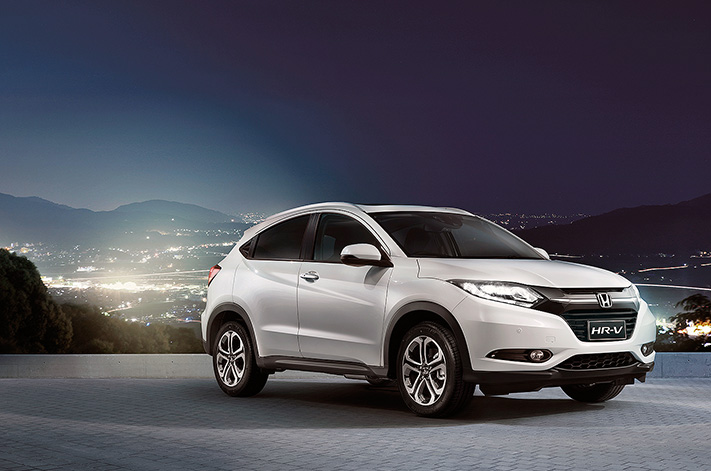
As for which of this trio you should purchase, I’d recommend the Honda HR-V most. It strikes the sweetest blend of strong value, ample standard equipment and well-sorted handling. It also boasts an eye-catching design, and is bigger outside, roomier inside and has a taller seating position than the Mazda CX-3, so it should suit your needs for easy entry and egress. Its interior also has Honda’s clever ‘magic seats’, which can fold and move in clever ways to help improve its practicality and load carrying ability.
The Mitsubishi ASX is similar in size, and offers the same level of ease when it comes to getting in and out, however it is a much older SUV than the Honda. You feel this inside with a dated interior, and the ASX’s handling can’t match the Honda’s either.
However, the Mitsubishi has a stronger five-year warranty (against Honda’s three-year) and excellent equipment levels. Plus, given its age, the ASX is very competitively priced. Make sure you haggle hard to secure a sharp deal.
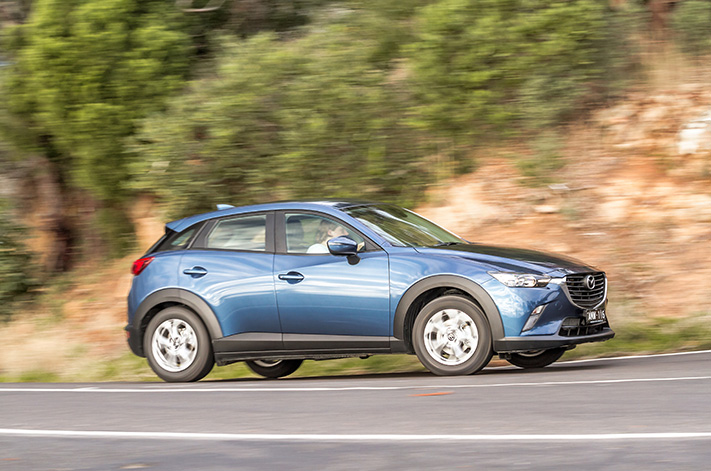
The Mazda CX-3 is the best-handling SUV in this class, and its seats are actually more comfortable than the Honda’s, however its interior is more compact.
WhichCar has recently compared these three models so have a read if you’d like more detail.
READ NEXT: Honda HR-V Range Review READ NEXT: Mazda CX-3 Range Review READ NEXT: Mitsubishi ASX Range Review
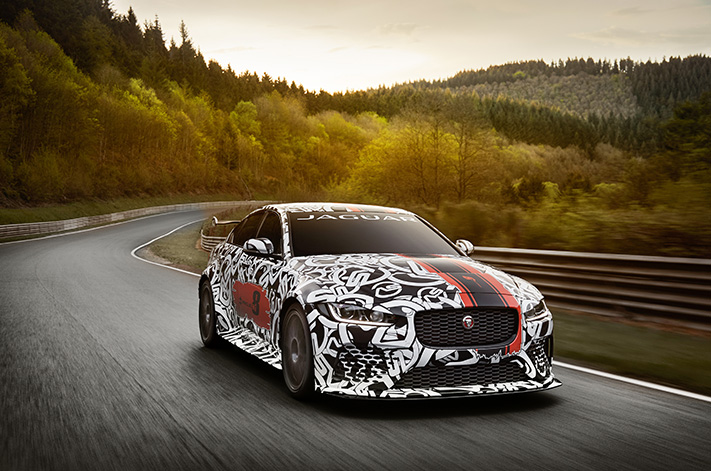
The most powerful road-legal Jaguar in history is not an F-Type, but an XE.
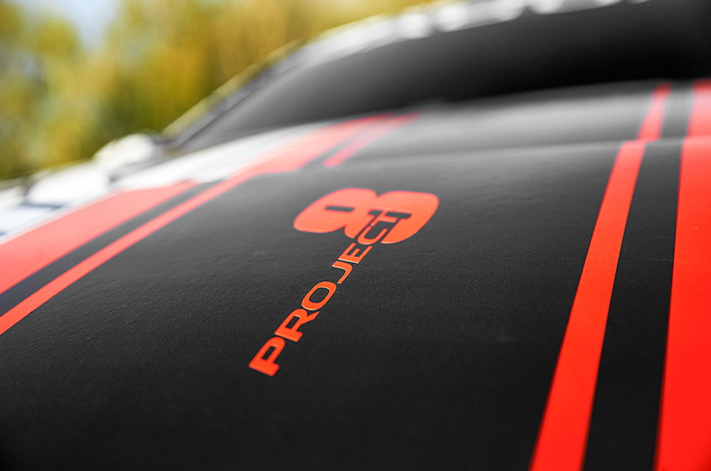
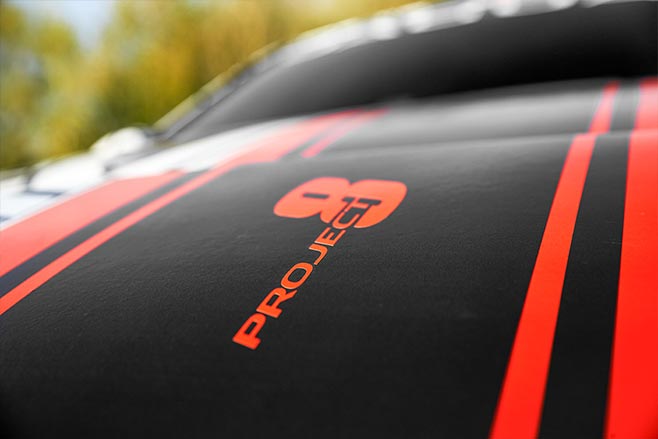
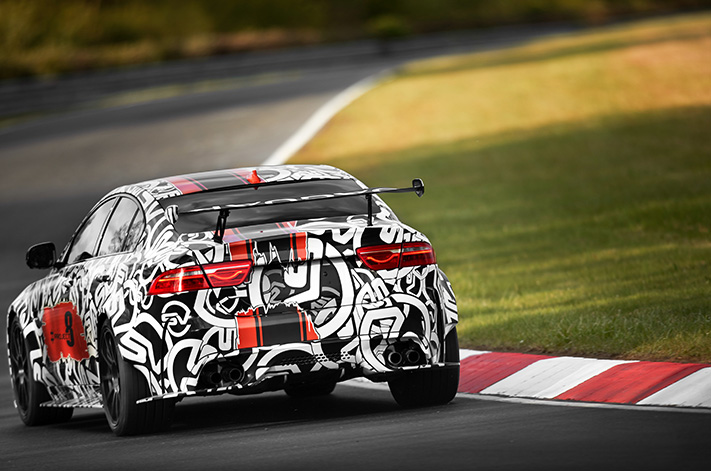
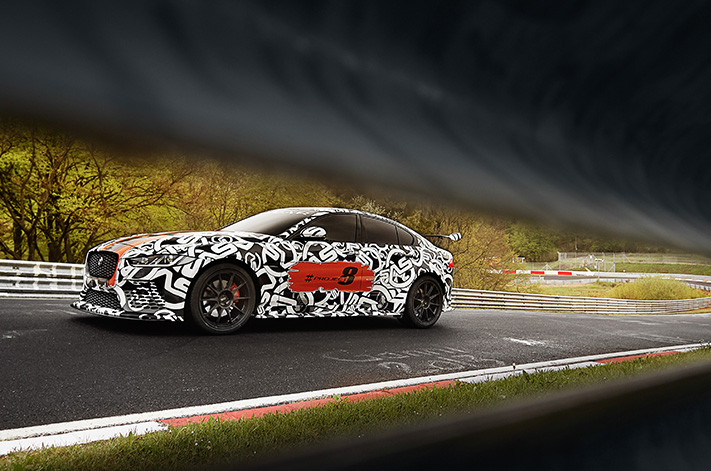
The Jaguar XE SV ‘Project 8’ was built by Jaguar Special Vehicle Operations and cops a 5.0-litre supercharged V8 in the snout. It’s capable of a mental 441kW, about 20 more than the already wild enough F-Type V8 SVR.
To let the Brit prototype sedan stretch its legs, Jaguar took it to the Nurburgring Nordschleife for testing.
Production numbers are set with only 300 to be sold worldwide, though all will be hand-assembled at SVO’s Technical Centre in Coventry.
Special operations managing director at Jaguar Land Rover John Edwards says the project builds on the success of the F-Type Project 7.
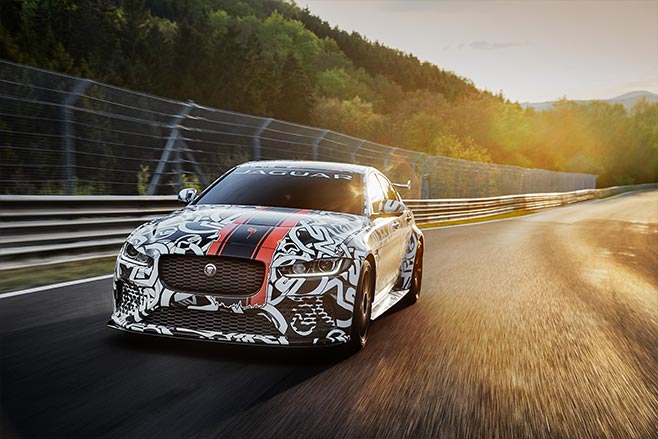
The new XE SV Project 8 takes aerodynamics and performance engineering to another level – it is conceived for enthusiasts and the most discerning collectors.
“The price for such an extreme performance sports car available in strictly limited numbers will reflect that.”
Full specification details for the Jaguar XE SV Project 8 will be revealed on 28 June 2017 ahead of its official debut at the 2017 Goodwood Festival of Speed.
Jaguar’s Special Vehicle Operations fast-car skunkworks has jammed a supercharged 5.0-litre V8 into the snout of the middle-management-spec XE sedan, creating what it says will be the most “extreme performance” of any road-going Jaguar ever.
And that’s quite a claim, given the Project 8 has to follow in the footsteps of the lithe F-Type Project 7, a 423kW hard-core interpretation of Jaguar’s 911-hunting coupe capable of leaping to 100km/h in 3.9 seconds. The Project 7’s all-wheel drive sibling, the F-Type SVR, is even faster still with a 3.7-second zero-to-hundred stat.
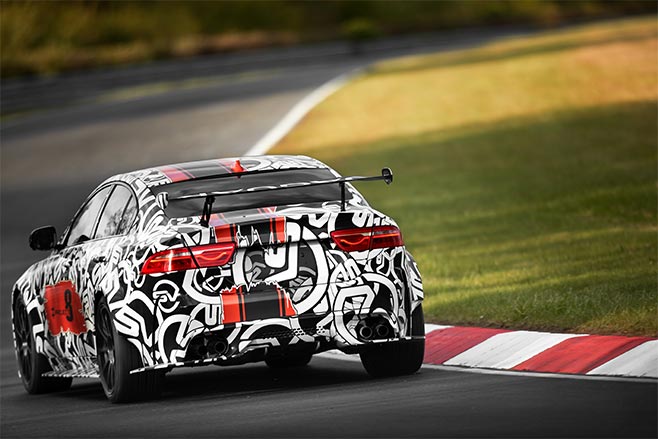
It’ll have the aero too, courtesy of a very uncouth wing sprouting out of the bootlid and a lift-reducing bodykit on the front, sides and rear. Expect similarly track-oriented componentry on the Project 8’s brakes and suspension, and an engine, gearbox and suspension calibration honed on the fearsome Nurburgring Nordschleife.
In other words, expect to pay significantly more than the current XE S range-topper, which retails for $105,065 in Australia. As a reference, only 10 of the similarly-exclusive F-Type Project 7 came to our shores with an eye-watering $339,610 pricetag.
Will Jaguar follow up the Project 8 with a more accessible V8 powered XE R to go up against the BMW M3, Mercedes-AMG C63, and the the upstart Alfa Romeo Giulia QV? At this point the crystal ball is a little murky, but the Project 8 at least sets a very powerful precedent.
Full specifications of the XE SV Project 8 will be announced on June 28, two days ahead of its in-the-flesh public debut at the Goodwood Festival of Speed in the UK.