
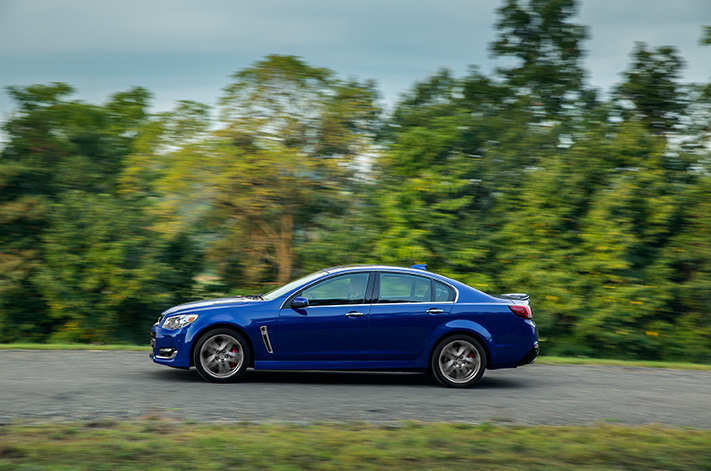
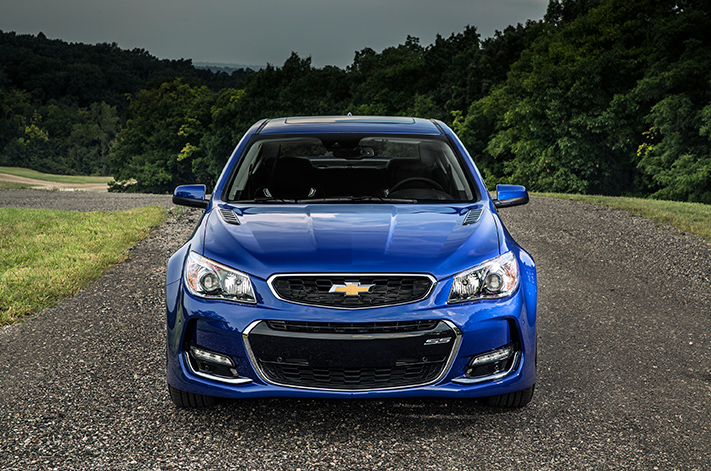
HOLDEN’S Commodore would have muscled into the top five best-selling vehicles in March – if you include the biggest jump in US sales the car has ever encountered.
Order books close on Holden’s US export Commodore
Previously, SS sales in the US have bumped around the low hundreds, and even into double digits, with the previous peak coming in April last year when the brand sold almost 600 of the LS3-engined left-hand-drive Commodores in that month.
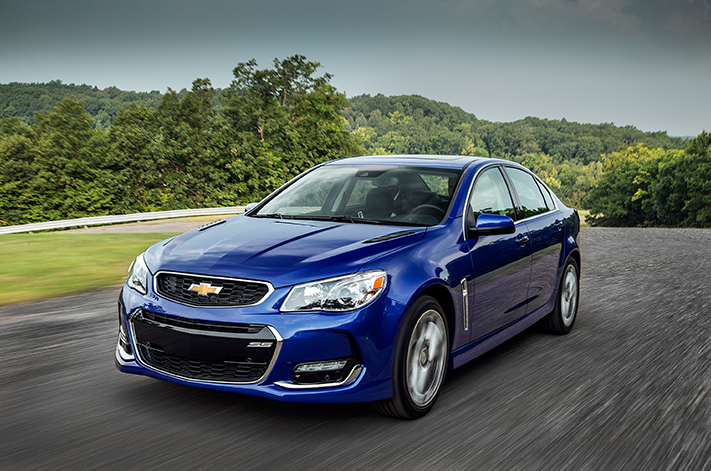
2018 Holden Commodore Tourer revealed
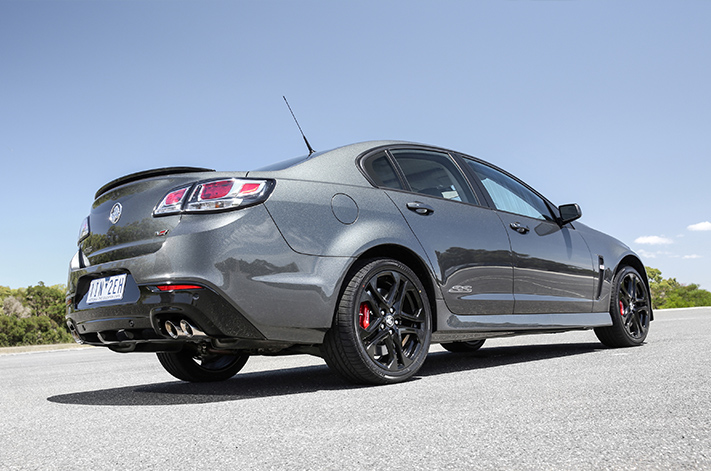
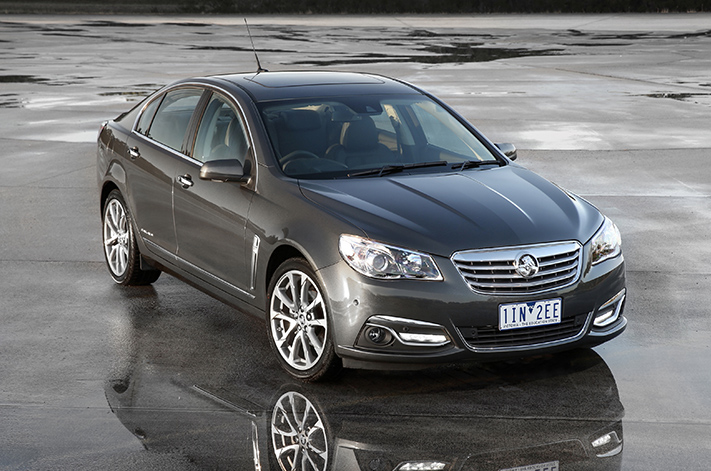
Holden announced last year that it had received an order for an extra 1000 Chevrolet-badged Commodores that would help the carmaker meet an anticipated ramp-up in US demand for the rear-drive, four door sports car as buyers realised that come October, they won’t be made any more.
The carmaker had planned to sell about 3000 Chev-badged Commodores in the US as it worked up to the October 20 deadline that will mark the end of almost 70 years of Australian manufacturing, and the end of the industry as a whole.
It has already sold more than 1500 cars in the US in the first three months of this year.
Mercedes-Benz Australia has dropped the entry price to AMG E63 ownership by $40,000 on the switch to the all-new all-wheel drive model now only months away from launch.
A two-pronged attack on the super sports sedan segment will see both the Mercedes-AMG E63 and E63 S arrive, priced from $209,900 and $239,900 plus on-road costs respectively. Initially only the top model was expected to arrive, given historically there has been a preference for the most powerful, most expensive version among Australian buyers.
2017 Mercedes-AMG E63 S: Everything you need to know
The 4.0-litre twin-turbocharged V8, nine-speed automatic-equipped duo split their $30K price difference in the areas of both power and equipment. The ‘base’ E63 delivers 420kW from 5750rpm until 6500rpm and 750Nm between 2250rpm and 5000rpm; the E63 S makes 450kW and 850Nm over the same revs.
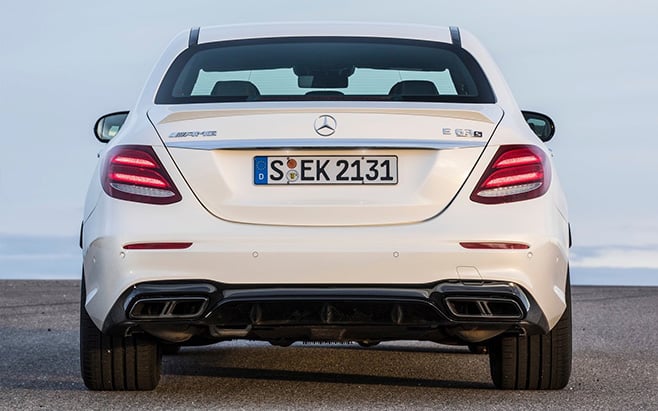
Standard kit includes AMG 20-inch five-twin-spoke alloy wheels, a mechanical rear limited-slip differential (LSD), chrome exterior design elements and tri-zone climate control. The E63 S adds matte-black forged alloys, ‘night package’ darkened exterior theme, performance seats, Nappa leather dashboard, digital TV tuner and wireless charging.
Other chassis changes to the E63 S include an electronically activated mechanical LSD, a Race setting that can drop the front driveshaft and power only to the rear wheels in concert with a Drift Mode, active engine mounts, switchable exhaust and red-painted brake callipers.
For all that, the E63 S is just 5kg heavier than the base model, at 1955kg. It will also arrive in Australia first, in June 2017, while standard E63 deliveries will start in December 2017.
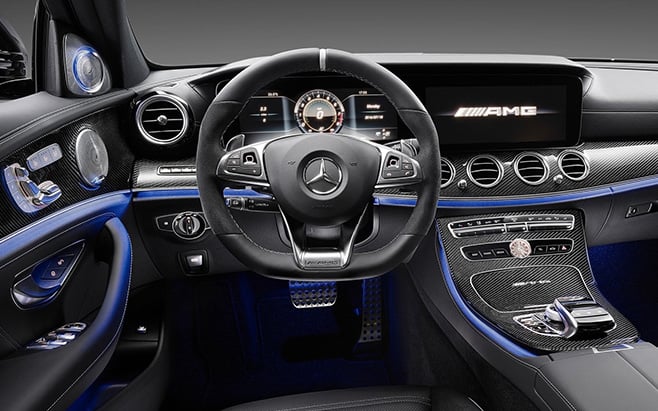
Mercedes-Benz Australia public relations manager Jerry Stamoulis admitted that while most buyers will continue to go for the E63 S, the E63 reduced the pricing gap from the $159,900 Mercedes-AMG E43 and could tempt punters out of the $189,615 Mercedes-AMG GLE 63.
“Realistically, we see this as three [E-Class] AMG models, the E43, E63 and E63 S,” he told MOTOR.
“Historically buyers of E63 models have leaned towards the top-end model especially from launch, and we expect that to continue with this model. In the previous car [E63] when we had a performance package, we saw that the non-performance package car was 20 per cent of the volume. So we’re not expecting huge numbers from the E63.
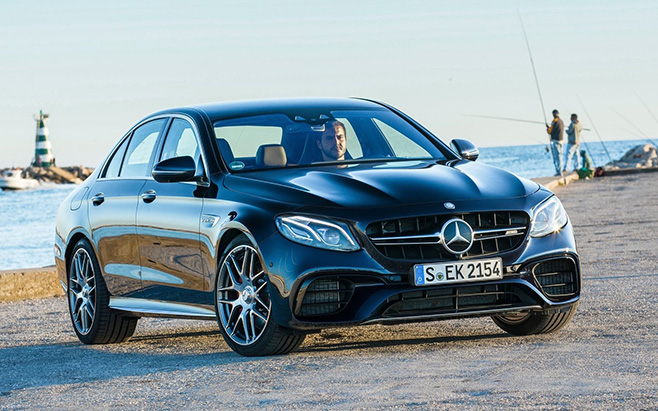
With the ageing, formerly $189,900 BMW M5 Pure almost out of the picture, and the Audi RS6 Avant wearing a $245,116 sticker, Stamoulis argued that even with the base E63, “the performance figures put it on a segment on its own.”
Sadly, though, the E63 and E63 S Estate continue to be ruled out for Australia, with the local public relations manager citing extremely low volume of the previous-generation load lugger that made its inclusion in the range impossible to justify.
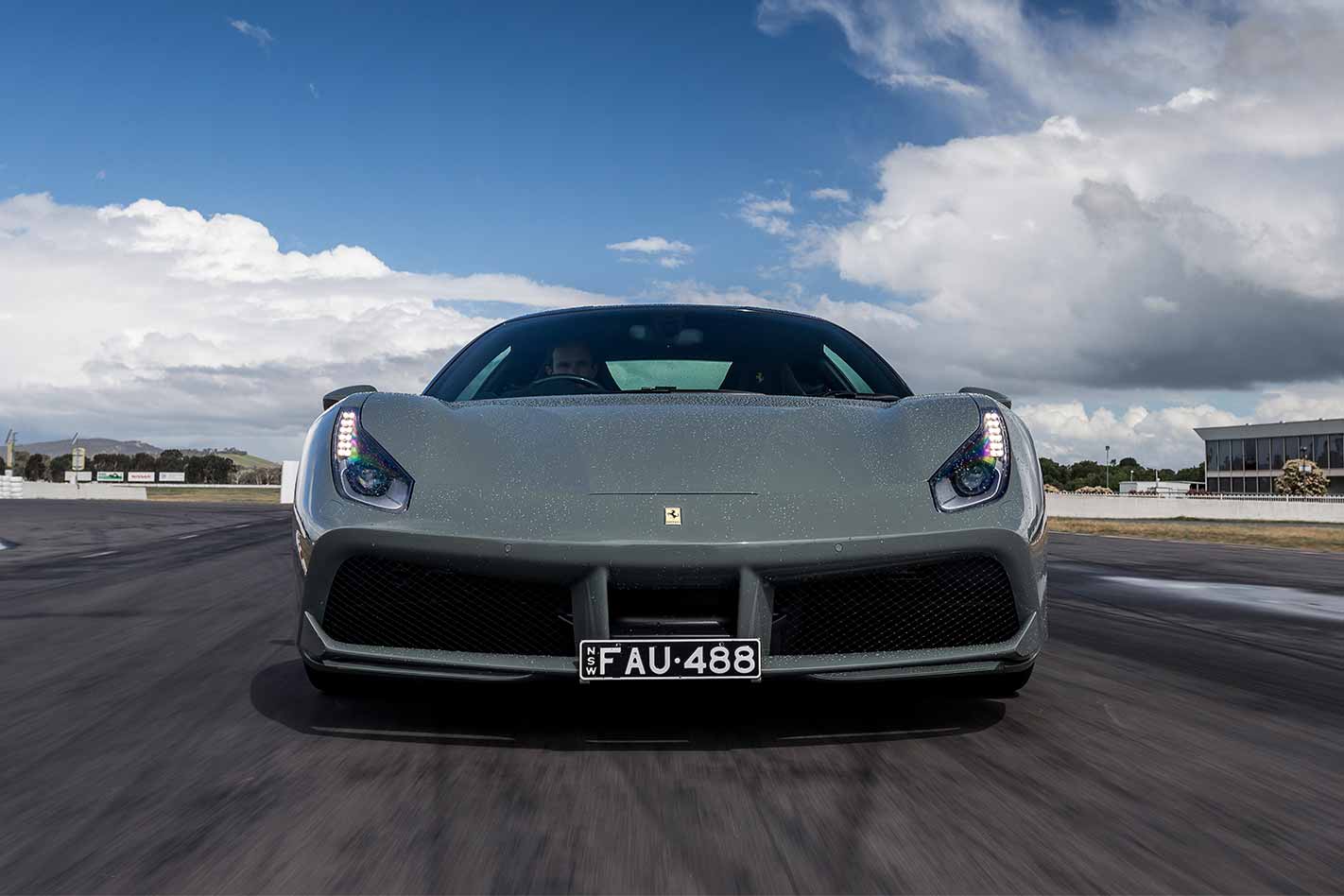
Ferrari traditionally doesn’t do comparison tests, and it certainly doesn’t allow independent performance testing of its cars.
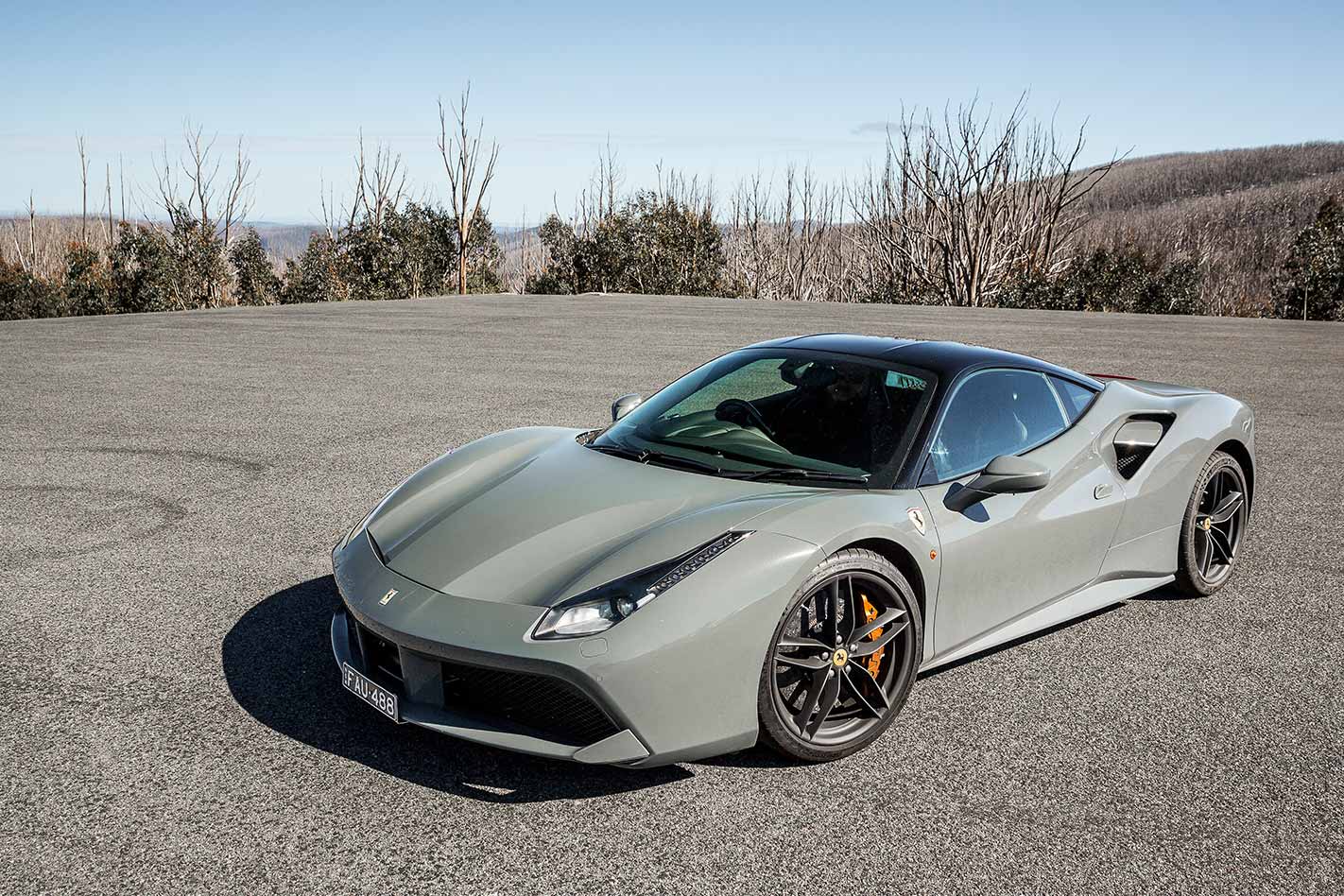
Nonetheless, we extended an invitation to Ferrari for the 488 GTB to compete in Performance Car of the Year 2017 and were delighted when it accepted. And why wouldn’t it? The 488 is one of the fastest and finest cars MOTOR has ever driven.
Our condition was that the car would complete every aspect of the competition, including straight-line and track testing, so MOTOR became one of the only publications in the world to conduct independent performance testing on a 488.
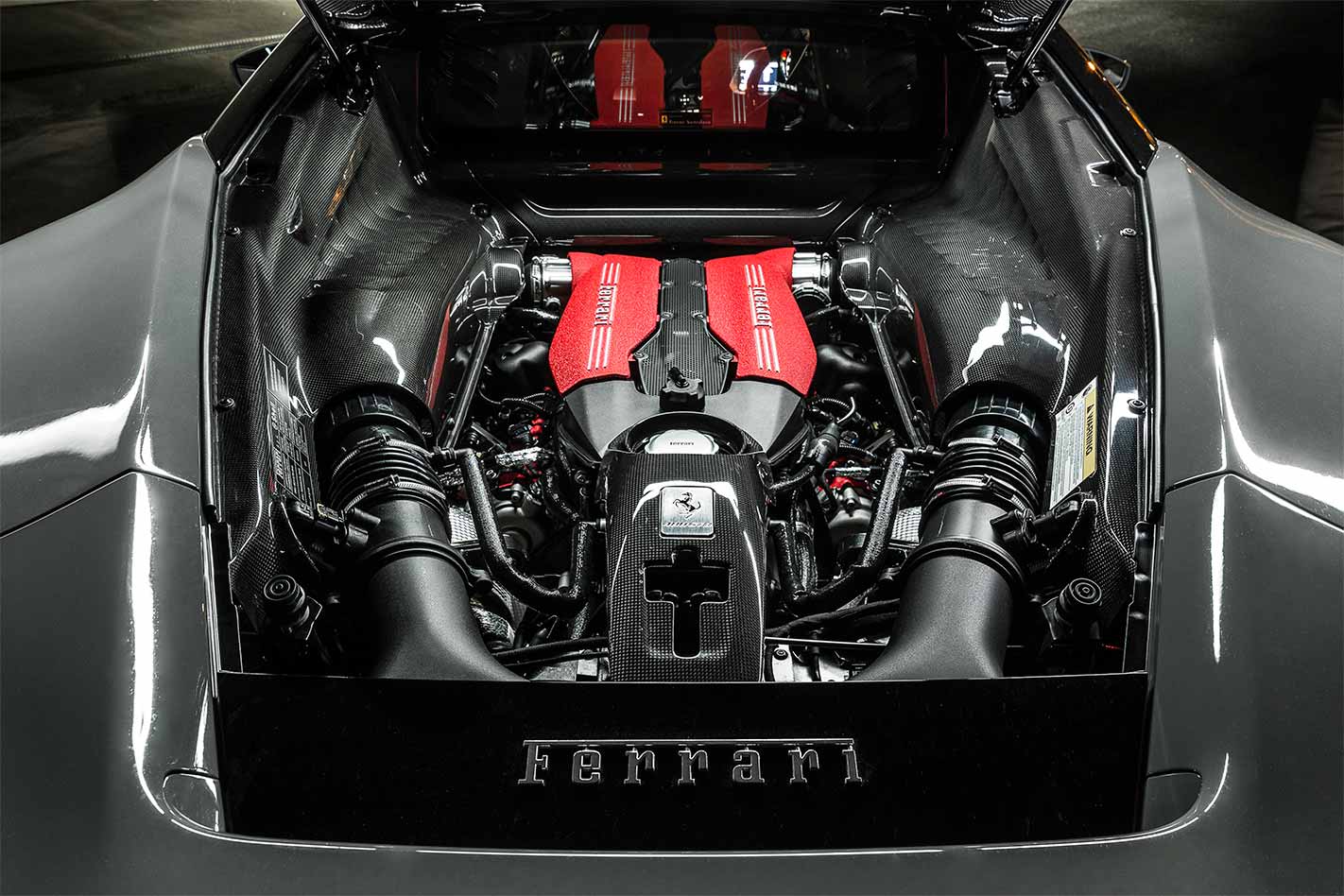
This lent a little extra excitement to the process, especially as the 492kW/760Nm 488 GTB’s acceleration claims are fairly eye-opening: 0-100km/h in 3.0sec, 0-200km/h in 8.3sec.
By way of comparison, the fastest four-door we’ve ever tested, the Audi RS7 Performance, clocked 0-100km/h in 3.37sec and 0-200km/h in 10.95sec, so we’re talking next-level speed here.
The venue was the strip of tarmac running up the middle of Winton Raceway, launching backwards down the track from Turn 11.
The temperature was cool following heavy rain earlier in the day, but the track surface was clean, dry and smooth, if a little colder than ideal for the 488’s Michelin Pilot Sport Cup 2 tyres. The driver was, er, me, and I weigh around 62-63kg for reference.
With so much torque from the 3.9-litre twin-turbo V8 it simply set off a furious battle between the engine and electronics, wasting precious tenths in the process, with the ESC light continuing to flash even in fourth gear.
The end result was 0-100km/h in around 3.8-3.9sec and 0-200km/h in the low-10sec range – impressive in isolation but a long way off the claims.
Attempting to use launch control with ESC deactivated was even worse (though more fun) with the V8 immediately slapping the limiter and the rear tyres spinning furiously.
After consulting with the Ferrari people present on the day, in case there was a mode or technique I wasn’t aware of, the only option left was to can the electrics and go it alone.
Getting the 488 off the line cleanly is a delicate balancing act between applying enough throttle to engage the clutches and accelerate quickly without breaking into wheelspin.
Even so, when the engine hits boost the rear tyres immediately over-rotate, though only slightly, and once into second gear traction is absolute, the 488 devouring the ratios as each gear unleashes an extra helping of torque.
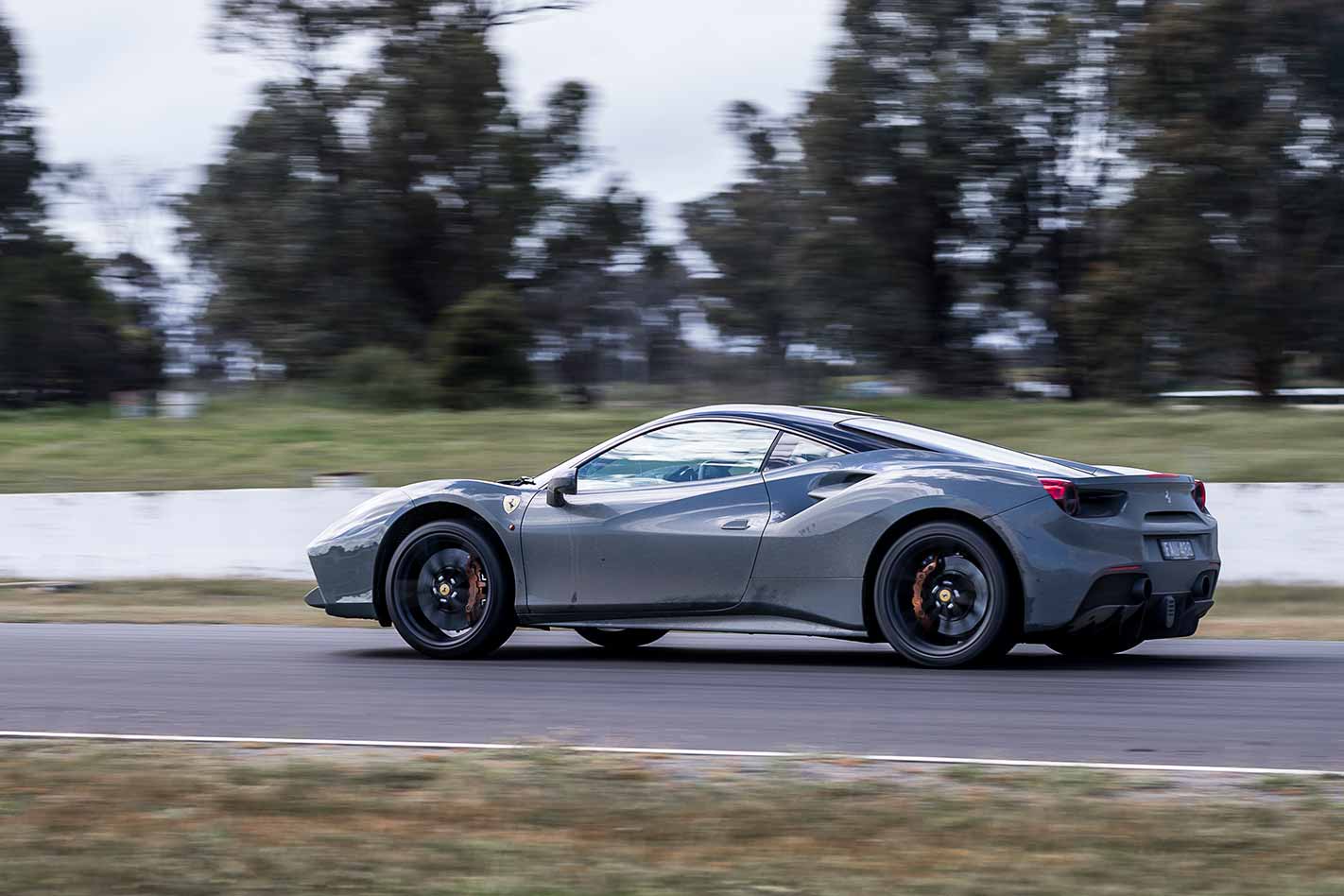
The human approach paid dividends, as after a number of runs experimenting with shift points and trying to minimise the first-gear wheelspin the 0-100km/h time was shaved to 3.3sec, 0-200km/h in 9.6sec and a quarter-mile effort of 11.0sec at a massive 214.4km/h.
The last number shows the true extent of the Ferrari’s speed, as crazy-fast cars like the Lamborghini Huracan and Audi R8 V10 Plus are 5km/h slower across the quarter and something like a Nissan GT-R almost 15km/h slower.
Nonetheless, the 488’s numbers are disappointing, especially the 0-200km/h time, which is 1.3sec slower than claimed.
All absolutely true, and the 3.0sec 0-100km/h is certainly feasible under perfect conditions. However, between 100-200km/h there are a lot fewer variables at play – simply keep your foot flat and pull the up-change paddle at the right time – and Ferrari says this increment takes 5.3sec, whereas our testing says 6.3sec. A one-second difference is a lot.
Does this discrepancy matter? In the grand scheme of things, no. It doesn’t make the 488 any less brilliant to drive, and it’s already so fast it’ll make your head spin. In fact, it’s almost too fast already, so were it actually a second faster to 200km/h it would be borderline terrifying.
However, it does show why we go to the trouble of independently performance testing cars wherever possible, whether it be a Ford or a Ferrari.
Got loads of stuff to move but want more comfort than a truck? A properly engineered right-hand-drive Dodge Ram may be the answer.
WHAT IS IT? A US-market light truck imported to Australia by HSV’s licence-holder, Walkinshaw, and converted into right-hand drive via a properly engineered, factory approved process. You buy it from the Walkinshaw subsidiary that does the conversion, American Special Vehicles.
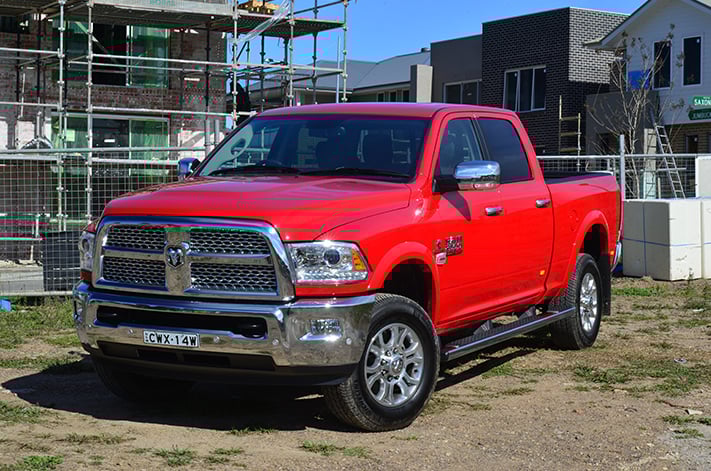
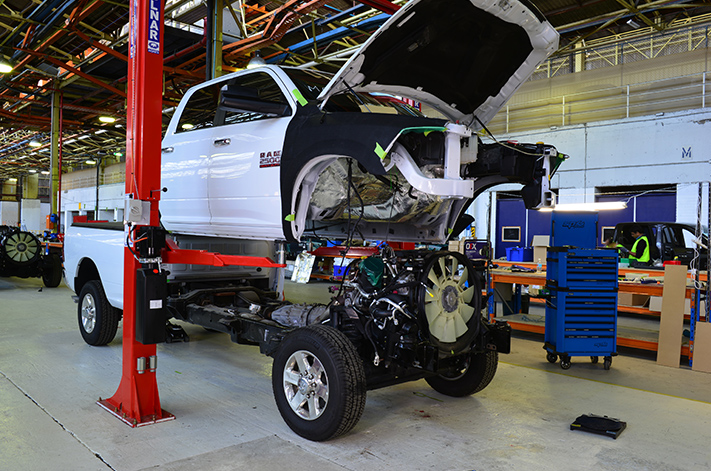
THE WHEELS VERDICT It’s a truck, and drives like one. But it looks sharp, inside and out, and carries enough creature comforts – and metal for the money – to justify the price tag. You don’t want to drive it every day, though.
PLUS: Stonking performance; massive tow ability; comfortable and well-equipped cabin; decent metal for the money MINUS: Rough unladen ride; high fuel use; not made for the shopping centre car park
THE WHEELS REVIEW THE zombie apocalypse has just dawned and what’s left of your next door neighbour is clawing at the front door. In front of you are two options for escape: the key to a conventional crew cab trade ute, and the other a key to one of the most beastly behemoths to ever ply Aussie roads, the rootin’, tootin’ Ram 2500 Laramie. Yeah, I’d grab the Ram keys too.
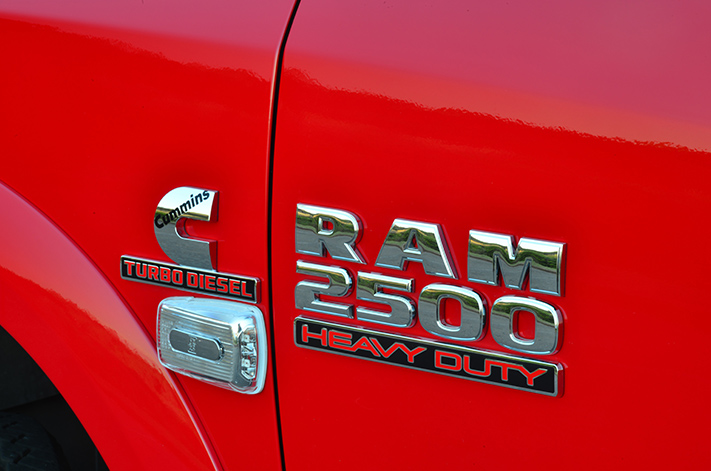
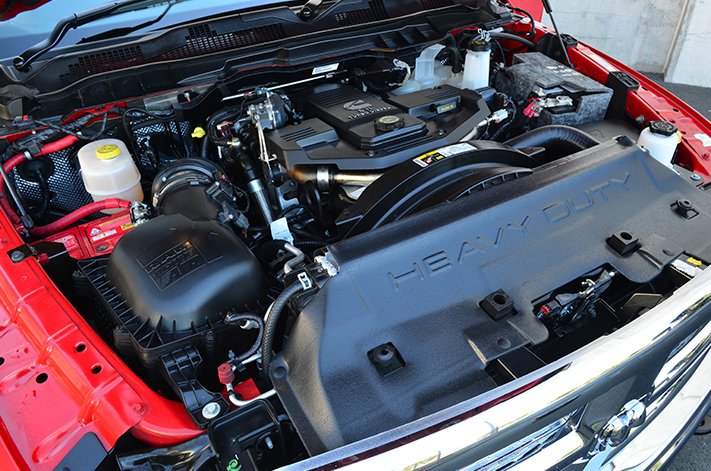
We can verify it barks quite a pleasant, neighbourhood-unfriendly “BAAAAAAAAARP” on downhill runs.
Despite its bulk the Ram’s tray can barely cart a tonne, so if carrying capacity is key buy a Mercedes-Benz G-Professional. The Ram’s forte is pulling stuff; with an ordinary towball it’s rated at 4.5 tonnes for a braked trailer (that’s a tonne more than a boggo trade ute), but with a truck-like pintle hitch that number steps up to a spit roast shy of 7.0 tonnes.
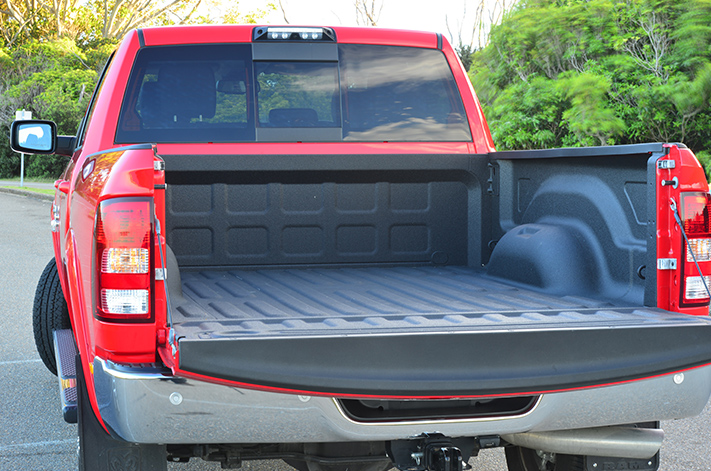
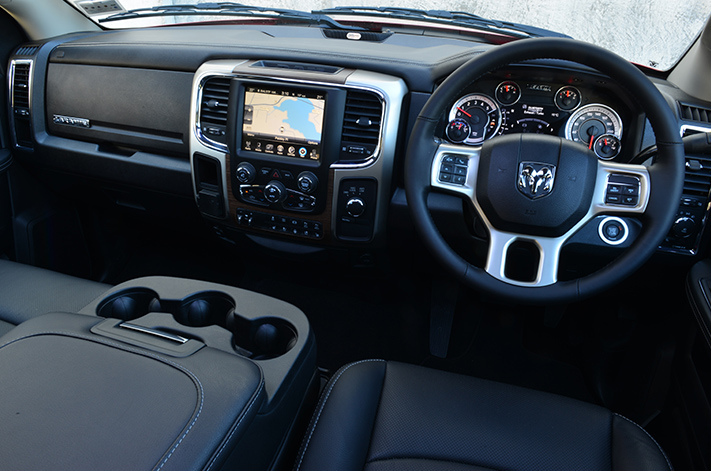
It also has dusk-sensing headlights and the huge spa-sized tub includes a night light and load space camera.
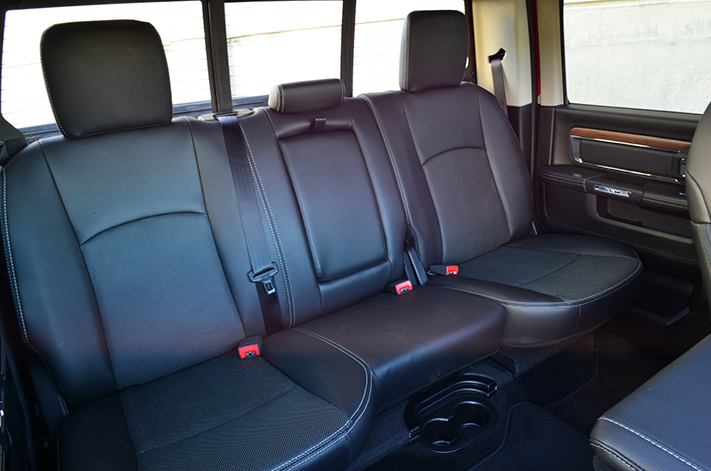
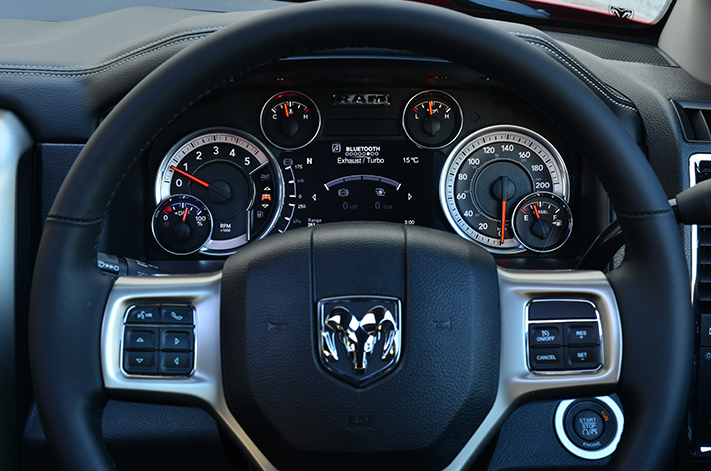
Bumps at low speeds seem to oscillate around about a 5.0 on the Richter scale, and on the freeway it steps up to about a 7.0. It skipped so badly that at one point it felt as though none of the four load-rated Michelins wrapped around the smart-looking 18-inch alloys were in contact with the ground – we’ll call that a 9.0.
We took the Ram over test roads that have been used to rate everything from sports cars to vans. The immediate feeling is one of disconnection, much like driving a car in a video game while seated on a rollercoaster. Body roll is well controlled but the centre of gravity shifts sharply under the driver’s arse, and the six-speed automatic keeps the big diesel in its torquey hot-spot most of the time.
2017 Volkswagen Amarok V6 review
There’s only a single rev figure given for that peak torque – just 1600rpm – because after that it’s on a long, slow slide downhill. It means there’s really no point to hustling the Ram; progress is better served slowly.
No doubt the Ram will settle down with a load on board, so testing it unladen isn’t seeing the truck at its best.
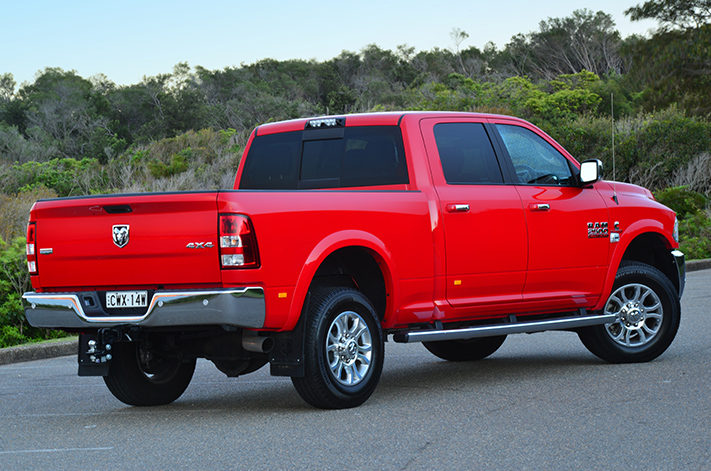
The fuel use wasn’t great, either; he averages around 24.0L/100km fully loaded, while the Ram drank an average of about 16L.0/100km – unladen – on test, its 110-litre tank emptying alarmingly quickly on the freeway.
Yep, so the Ram 2500 Laramie is more about presence. It’s that hauler for the polocrosse horse float, race car transporter or fifth-wheeler caravan rather than the excavator, bobcat or that three cubic metres of brickie’s sand on a tandem axle.
And hot damn Mary-Anne, it will look nice doing it.
SPECS Model: Ram Laramie 2500 Engine: 6690cc in-line 6cyl, ohc, 24v, turbo-diesel Max power: 276kW @ 2800rpm Max torque: 1084Nm @ 1600rpm Transmission: 6-speed automatic Weight: 3577kg 0-100km/h: N/A Price: $139,500 On sale: Now
MERCEDES-BENZ will reveal a more advanced and easier-to-use version of its Drive Pilot autonomous car technology with the debut of the facelifted S-Class at the Shanghai motor show later this month.
And significantly, the cutting edge systems will not be reserved for the prized S-Class, but also added to the Mercedes-Benz C-Class as part of a mid-life update expected sometime in 2018. The trickle-down time for high-tech features is getting awfully short, but Benz is obviously keen to its latest driver-assistance gear on the fast track to the production line.
Benz’s most sophisticated, production-ready driver assistance programs are referred to internally as Generation 4.5, and build upon the Generation 4 systems currently seen in the W213 E-Class.
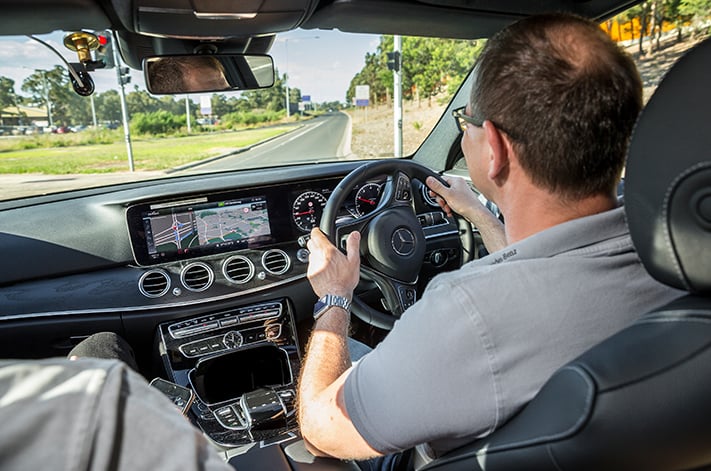
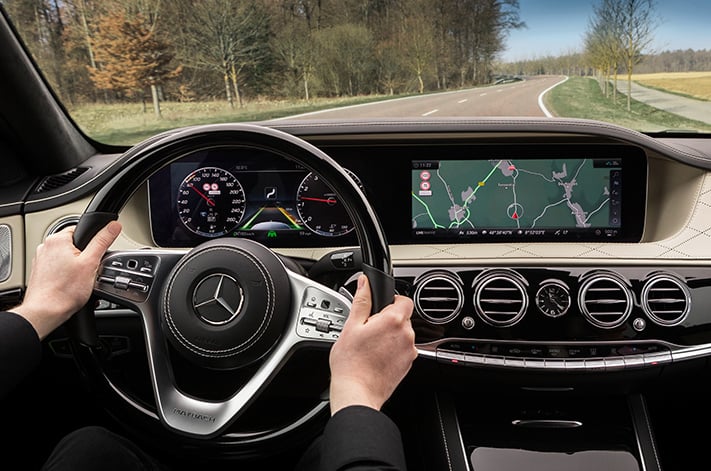
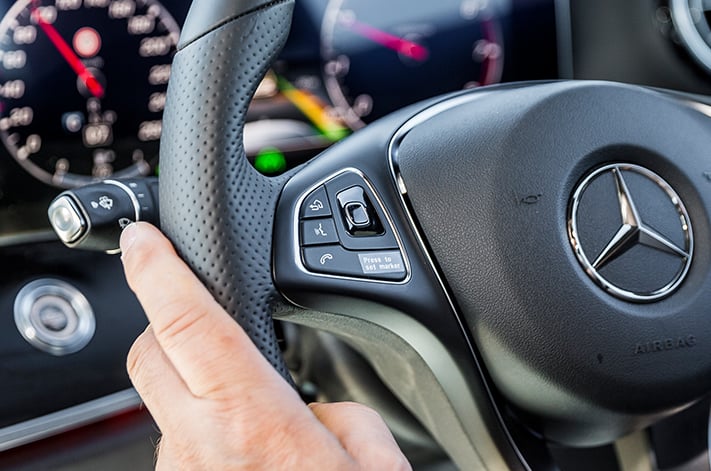
For its Gen 4.5 system, Benz’s Distronic control stalk, currently tucked behind the steering wheel of models equipped with the tech, will be removed and its buttons relocated to the front face of the steering wheel to make them easier to access and use.
Mercedes-Benz autonomous cars will keep human controls
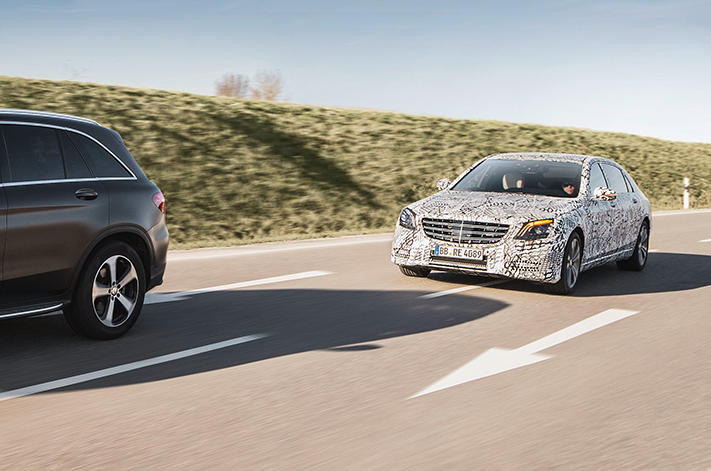
In essence, the next S-Class and C-Class will automatically control their speed based on traffic conditions and the road ahead, as well as change their set speed by reading road signage. Is it the all-singing, all-dancing autonomous driving capability that is often touted as being ‘just around the corner’? Not quite, but it’s definitely the next step toward a future of completely robotic cars.
Wheels was afforded an exclusive local preview with manager of field validation for Mercedes-Benz assistance systems, Jochen Haab. Using an otherwise standard E-Class fitted with the updated control unit, Haab demonstrated the new capabilities of the half-step generation change.
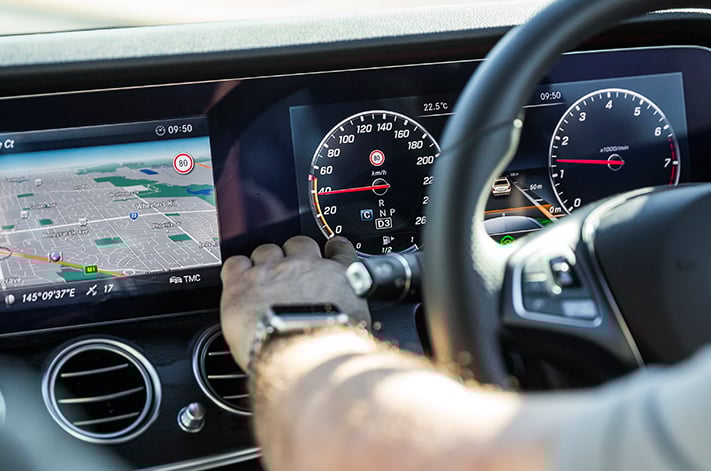
Active Distance Assist interprets GPS map data to autonomously brake the car to an appropriate speed for intersections, roundabouts and corners, and then return to the sign-posted speed when the road is clear.
Mercedes-Benz to test autonomous cars in Australia
Updates to the user interface within the new S-Class and C-Class will show more detailed information about speed limits, upcoming intersections and road conditions in both the main display screen and a head-up display, where fitted. Periodic map updates rolled out quarterly keep road data up to date overseas, though Benz envisages an ‘over the air’ model for immediate updates in future.
An Active Speed Limit function scans for speed signs in all environments, offering a set-and-forget assistance mode that manages speed accordingly. Gen 4.5 cars will detect signage from a distance of up to 400m, and the system will determine the difference between fixed roadside signs and speed warnings posted on the backs of trucks and buses. Cameras will also read temporary signs set up for roadworks.
Hardware fitted to the future S- and C-Class models will mirror that of the current E-Class and include three multimode radars – one at the front, two at the rear – which can ‘see’ at different angles and ranges within the same sensor. Each radar assesses the situation at 100Hz (100 times per second).
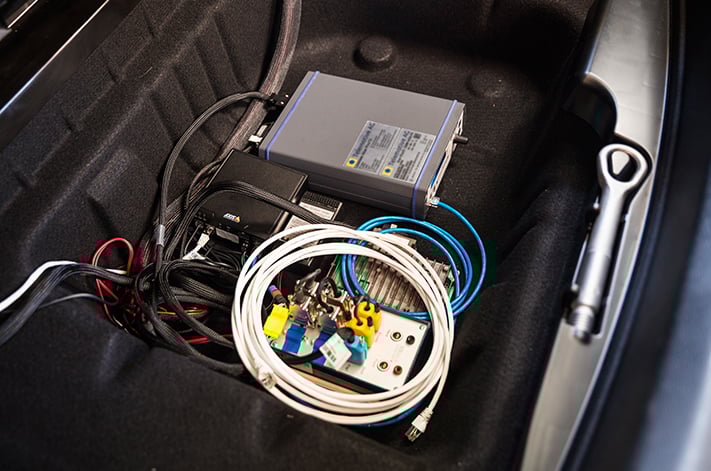
Two additional radars are fitted up front for Benz’s Pre-Safe collision system, but aren’t used for the assistance systems.
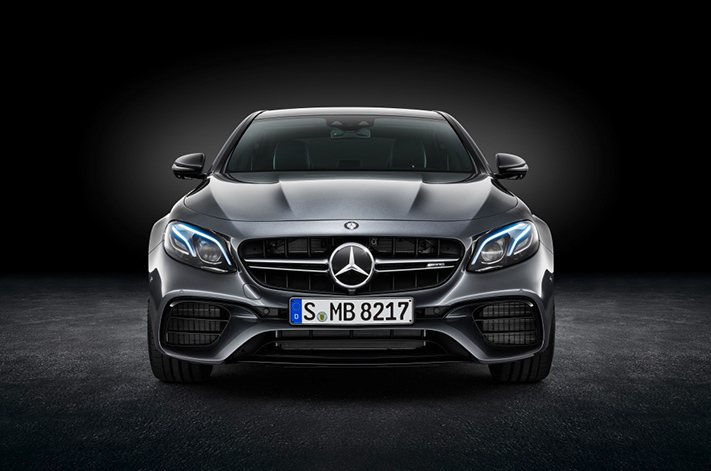
THE super saloon genre is set to get a serious shake-up with the arrival of the Mercedes-AMG E 63 S in Australia.
But how much is entry into this high-powered club going to cost you? If you want to be driving the wild 450kW/850Nm twin-turbo 4.0-litre V8 E63 S; you’re going to have to budget $239,900 – before on-roads.

So what do you get in the E63 S over the ‘standard’ car, aside from the power hike of course? There are 20-inch cross-spoke forged alloy wheels for starters where the E63 rolls on heavier cast 20-inch alloys. AMG’s Night Package is standard, there are minor external styling touches and a performance exhaust system, performance seats, a steering wheel wrapped in Nappa leather, red brake calipers, a digital TV tuner, and a wireless charging pad.
An Edition 1 pack is available for both cars, priced at $18,900. This adds selenite grey magno paintwork, ceramic composite brakes, AMG decals, a DINAMICA microfiber steering wheel with yellow topstitching, carbon fibre trim elements, and yellow stitching throughout the cabin.
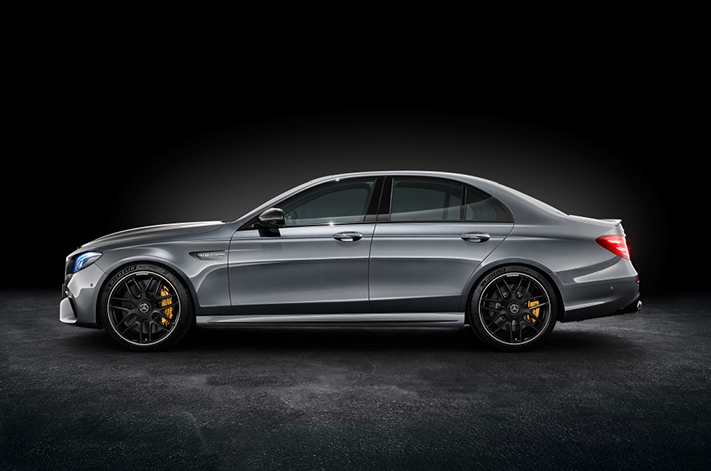
Rivals to the E 63 S include the yet-to-arrive BMW M5, Audi RS6 Avant ($245,116), and Lexus GS F ($151,490). Or if you are quick enough, a HSV GTSR W1 for $170,000.
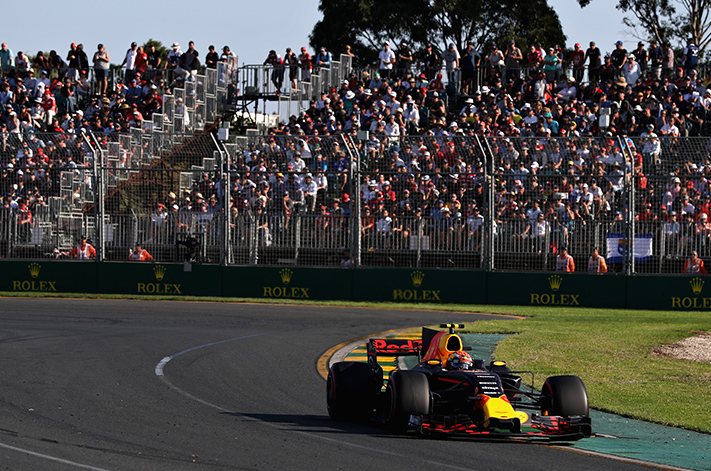
Formula One, Supercars, NASCAR…nearly everywhere we look, motorsport crowds and television audiences – often both – are on the slide.
While attendances at the Australian Grand Prix in Melbourne were pleasing to organisers, they fell short of the 100,000-plus race day crowds of some years ago.
The fans didn’t stay at home to watch on free-to-air TV or Foxtel either – audiences in front of the box were down too in a trend symptomatic of much of motorsport.
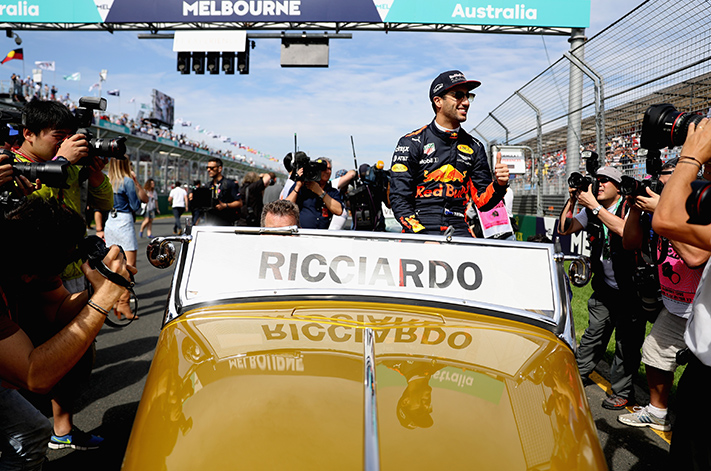
Final-day crowds have plunged by almost 30,000 in just two years, with the total four-day numbers the lowest since 2004. Some of drop may be attributable to the inventive crowd figures popularised by the-then V8 Supercars Australia hierarchy back in the day. But eyes cannot lie. Spectator areas and stands are not as populous.
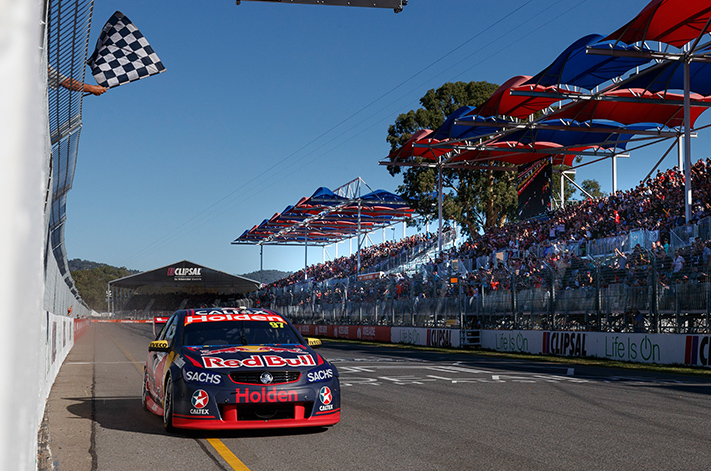
Tourism minister Leon Bignell said the lack of a big music concert at the track was possibly the main factor in the decline. Surely, though, motorsport shouldn’t need frippery to stand tall?
Maybe too, motorsport fans are suffering race fatigue. I can’t be the only one who believes there is simply too much big-ticket motor racing and certainly way too much televised motor sport in the modern era. Cable TV is quite voracious in its appetite for local and international sport. On pay TV locally is F1, WRC, MotoGP, World Motocross, World Endurance Championship, United Sports Cars, Supercars, Formula e, World Superbikes, IndyCars, NASCAR, World Speedway Grand Prix, et al…
It seems too, that today’s motor sports spectators are often oldies and that many younger people are not in any hurry to secure their driving licences. It follows then that they are not drawn to motorsport.
The steady advance of automotive technology is also hurting. Formula One has become slot-car racing on a grander scale. How long do we need to complain about the paucity of overtaking, the lopsided competition, and the absence of evocative exhaust sounds?
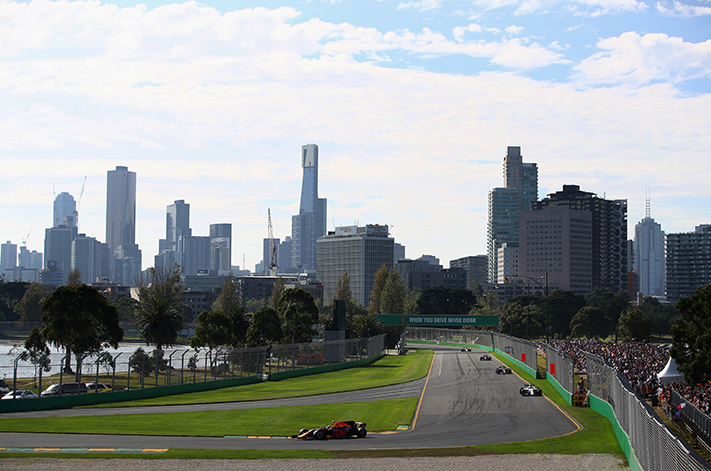
Not necessarily. But Sam Michael, the former McLaren F1 sporting director and now consultant with Triple Eight Race Engineering, suggests the role of engineers in the sport is by its very nature counterproductive in a pure entertainment sense.
“The job of engineers is to make everything predictable and therefore boring to those watching,” Michael told Wheels.
“Engineers are paid to eliminate the unpleasant surprises. This is diametrically opposed to what spectators and the commercial side of F1 yearns for.”
Rallying, sprint cars, MotoGP and stand-alone events like the Dakar remain as the last few still-spectacular, primal and usually unpredictable contests in motor sport.
Across the Pacific, NASCAR is feeling the pinch too.
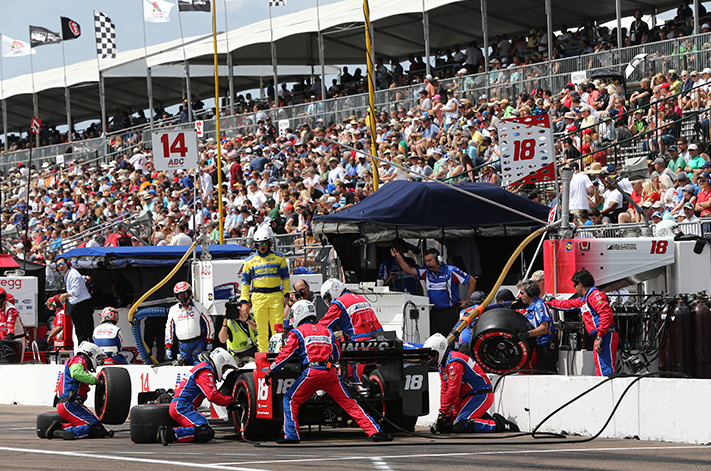
The racing has been exceptional with lead changes heading to the chequer. Or checker, if you need to hear and American accent.
The on-track action has also been spiced up by a fight between Kyle Busch and Joey Logano, a March 12 fracas at Vegas that attracted media attention outside the specialist outlets.
No one was punished. That’s the NASCAR way of allowing the square- off to happen on track.
Parity isn’t an issue among the participating brands. Chevrolet, Ford and Toyota all have wins this season.
It’s not the stale old names winning either. Like the situation in Australian Supercars, the emergence of talented younger drivers has been welcomed. But maybe the losses of the retired Jeff Gordon and Tony Stewart are too hard to cover.
Critics accuse NASCAR of having a tired format, with races simply too long in this era of short attention spans. Most of the excitement takes place during the last couple of laps.
Yet locally no-one is suggesting the Bathurst 1000 be abbreviated to two Bathurst 500km races. Or four 250km contests.
But social media has been percolating with suggestions why Supercars is on the wane.
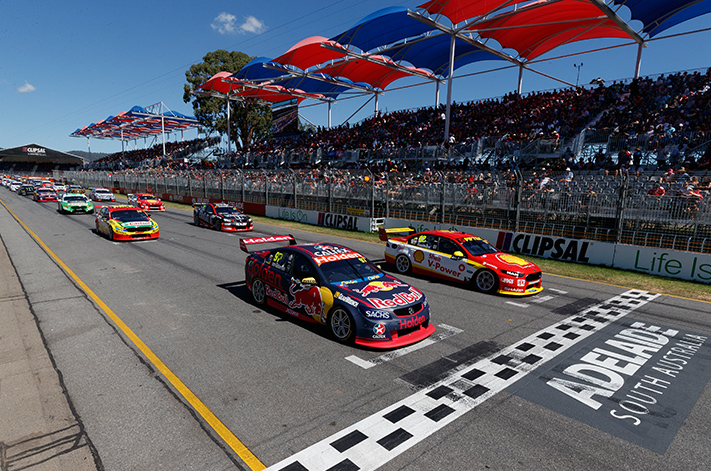
It doesn’t help that today’s drivers are generally hidden away under full-face helmets in wrap-around seats. In-car cameras have opened up their workplaces to TV viewers, but at racetracks, fans get a 250km/h blur.
The current breed of Supercars drivers is generally lively and articulate. Funny even. But because they are representing their sponsors and team, many are understandably reticent to say anything too cheeky or controversial.
When David Reynolds did remove self-censorship from his observation in 2015 about two female drivers in a team car – the “pussy wagon” – he was hit with a $25,000 fine.
The sport shouldn’t accept outrageously sexist slurs but, c’mon now, it needs to give its more out-there drivers some licence to not to suppress their personalities and at the same time actually generate publicity.
Or continue to wonder why more people are bored into staying away and switching off.
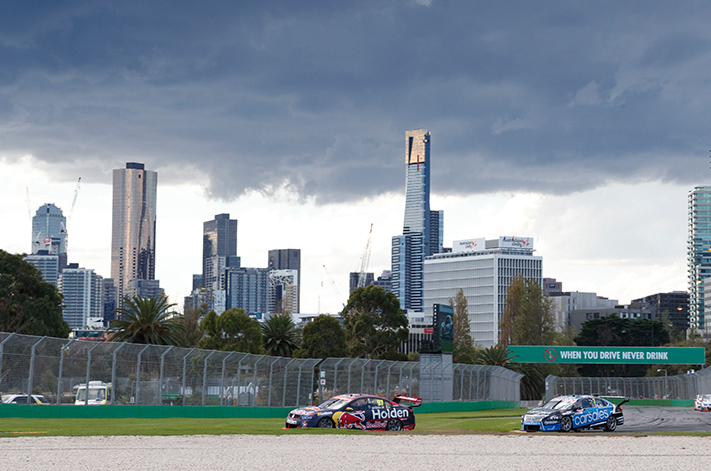
But Warburton accepts that “the structural change in media consumption is leading to a general FTA decline in overall audience in general and sport is not immune to that trend”.
Offsetting the slide in FTA, he continues, is the rise and rise of the digital streaming and digital content which in general continues to grow at staggering rates.
He says the breadth and extent of the media platform with Supercars’ partners Fox Sports, Ten, Foxtel and News Corp, including the digital and social assets, has seen growth in 2015 and 2016.
One event with positive audience and television trending is the Bathurst 12 Hour, a situation even brighter, Warburton suggests, because the digital streaming numbers (including international) were double the TV numbers.
But Warburton knows Supercars has a battle. “We need to work harder with our calendar, our formats and as a sport in general to fight for our share of awareness in an extremely competitive market.”
Hennessey says its new Exorcist Camaro ZL1 is “built to cast out the Demon”. Prepare for one of the greatest muscle car rivalries ever.
With a Chevrolet 6.2-litre supercharged LT4 V8 tuned to produce a whopping 745kW/1310Nm to pull it along, the Exorcist is sounding bad enough to strangle Dodge’s newest monster.
Just a bit better than the standard ZL1’s 485kW/881Nm.
The Exorcist’s name is no coincidence, nor is the music used in its reveal video. If it’s on the Highway to Hell, it’s got a few days to get there before the Demon comes out to play.
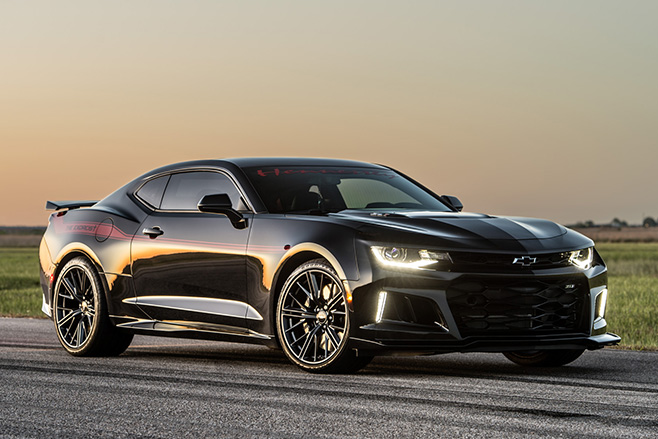
Founder and president, John Hennessey says the Exorcist will deliver 0-100km/h times under 3 seconds, and run the quarter in less than 10.
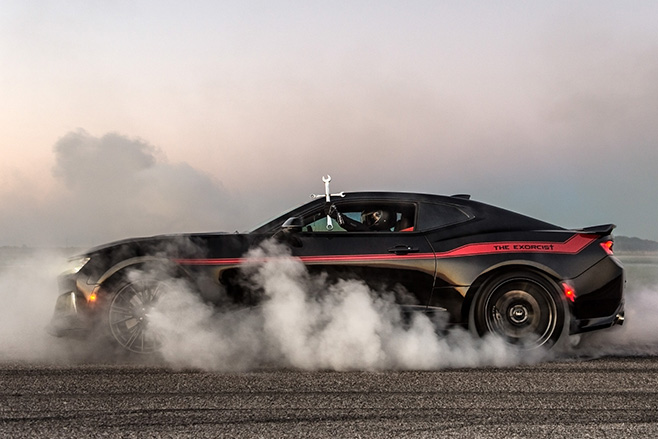
It wouldn’t be the first time an exorcist has seen a demon’s head spin around.
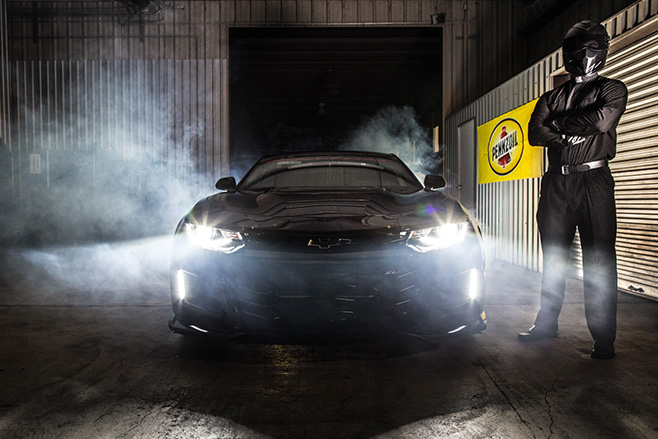
But GM fans with cash to burn will likely be happy to drop the cash if it means showing up Dodge at the strip.
It might be the last laugh for Australian sports sedan buyers who have been fobbed off by European car snobs – the humble Holden VE Commodore is largely outperforming performance BMW offerings from the same era, according to the used-car market.
Given that October 20, 2017, is the day that Holden’s rich local manufacturing history comes to a close, it’s no surprise that the company immediately sold its final Motorsport, Director and Magnum limited editions, and has banned discounting all V8 VF Series II models.
VE Commodore prototype for V8 Supercars hits market
But it also appears that the 2006-2013 VE Commodore – arguably even more ‘Aussie’ than the VF generation – is experiencing a resurgence of values, at least with V8 versions.
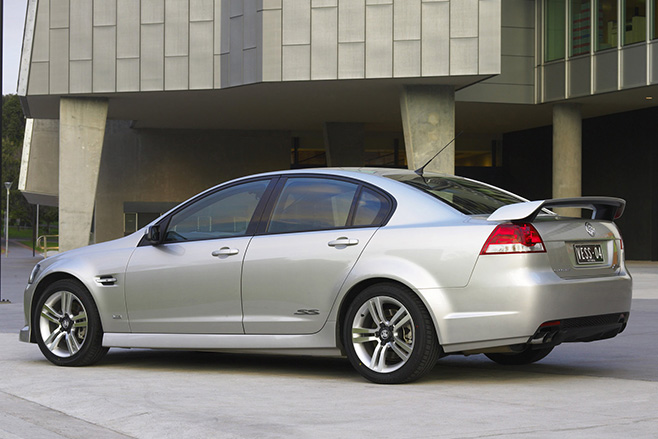
While three 6.0-litre V8-powered SS models each built between 2006 and 2009, and with 125-150,000km on the clock, are currently advertised from $13,000 in the classifieds, low-kilometre examples are asking more than twice that price.
Another trio built in the same period, but with between 2900km and 37,500km showing, are asking between $27,000 and $35,000 online.
Compare the humble Holden, which retailed from $45,290 in manual trim in January 2009, to the likes of the BMW 135i and 335i, at more than 50 per cent the price new, or $79,644 and $115,450 respectively.
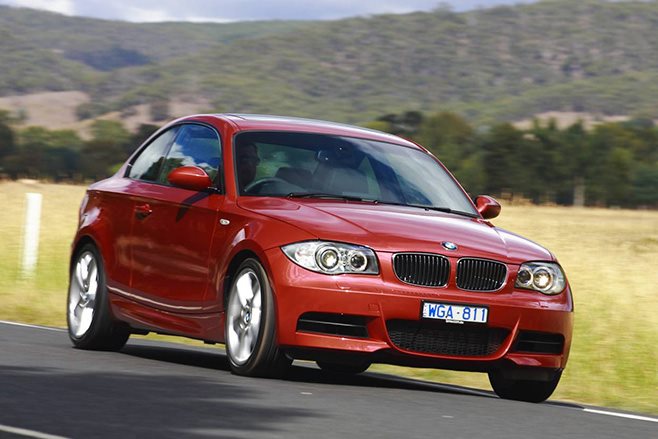
A 2009 135i manual with 67,000km is asking $25,000 – just $5K beyond the SS manual at the dealership, of the same year and identical kilometres. In the same year a 135i automatic with 48,000km is asking $32,000 – right in the ballpark of the equivalent SS.
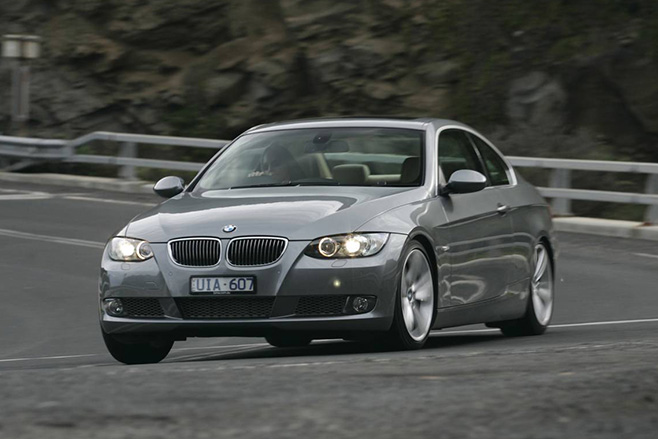
Both Munich maulers used a 3.0-litre twin-turbocharged six-cylinder engine with 225kW/400Nm, the 135i claiming a 5.3-second 0-100km/h while the 335i needed 5.7sec. The Commodore SS of the era used a 6.0-litre naturally aspirated V8 with 270kW/530Nm, with a MOTOR as-tested time of 5.2sec.
So, BMW value or pay a premium for a Holden? Bet you haven’t heard that one before.
Tyres are the only object between your car, all who sail upon her and the road’s surface so they have a huge responsibility and a big part to play in making sure driving is safe, fuel efficient and – for some – fun.
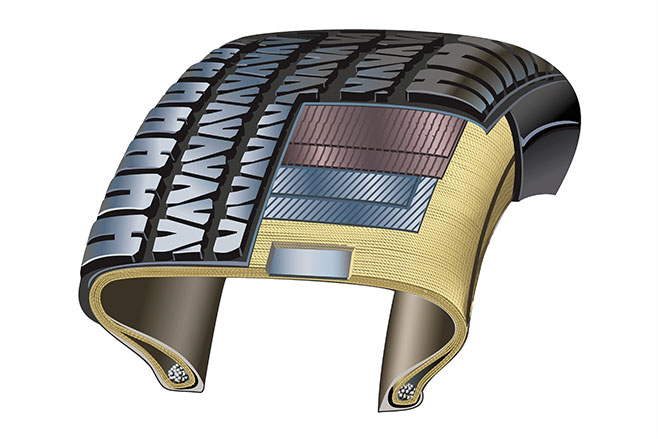
Put simply, they are an ultra-durable matrix of many complex components encased in moulded rubber, the net result of which provides a grippy surface on the outside for holding onto a variety of surfaces, with a void on the inside that is filled with compressed air for good ride comfort.
You’ve probably heard the adage that the actual contact patch of a tyre on the road is about the size of the palm of your hand, which highlights their remarkable job of controlling the thousand-odd kilos of the average passenger car. So how do they do it?
Whether you treat yourself to top-quality European hoops or a budget set of boots, all tyres adopt the same basic construction.
On the outside, the visible rubber part of a tyre does not actually include much natural rubber at all and is comprised of about 70 per cent synthetic butadiene and polybutadiene rubber, which has similar sticky properties to natural rubber but offers far better durability.
Tread patterns vary enormously and are often the most obvious way a tyre manufacturer can apply a recognisable brand to its products, but it’s all a balancing act.
At one end of the spectrum there are deep knobbly treads that will offer the best traction in wet mud and loose surfaces but at the other end there are near-slick tyres that have almost no tread for optimum grip on a dry race track – and everything in between.
Unless you are an off-road weekend warrior or Daniel Ricciardo it is unlikely you have either of the extreme examples fitted to your car. Rather, regular road tyres are a little less specialised.
In some ways, the average all-rounder tyre has a harder challenge though, and has to offer an acceptable level of grip in all conditions, over tens of thousands of kilometres and accommodating of all driving styles.
While the role of the tread is to offer some mechanical grip on uneven asphalt and some slippery surfaces, its main job is to clear water in wet conditions and allow the rubber to stay in contact with the road.
Aquaplaning is when a tyre is travelling so fast enough over water that it effectively skis on top of the puddle rather than displacing the water and staying in contact with the road, and it feels similar to driving on ice – not good. Steering and braking control disappear, and an accident is often the result.
The complex tread pattern of high-quality tyres gives that water an emergency exit from the contact pathc, preventing the vehicle riding up onto the water’s surface and maintaining control.
Water is a very effective lubricant of rubber and even when there is only a small amount of water on the road it can still present a hazard. The rubber on your tyre is a carefully blended formula to offer the best grip when wet and works in partnership with the mechanical grip of the tread pattern.
Look even closer and you’ll often see smaller slits in the tread called sipes. These tiny heroes give water somewhere to go if it can’t be syphoned out of the tread pattern by the larger channels, boosting wet weather performance.
On a snow tyre, the sipes serve a different purpose and operate on the principle that the most tractive substance on snow is more snow. As the tyre rotates, the sipe opens up and grabs a tiny handful of snow which then sticks to the snow covering the road. As the tyre continues to roll, the sipe opens up again and throws the snow behind the vehicle. Cool.
You might have also noticed that the pattern of tread blocks is never symmetrical in the direction of rotation. Why? A perfectly spaced spread of blocks creates a noticeable whine when rolling, but with a variable block pattern the pitch patterns constantly change and are less intrusive than a single note.
But the bit you can’t see is arguably the hardest-working part.
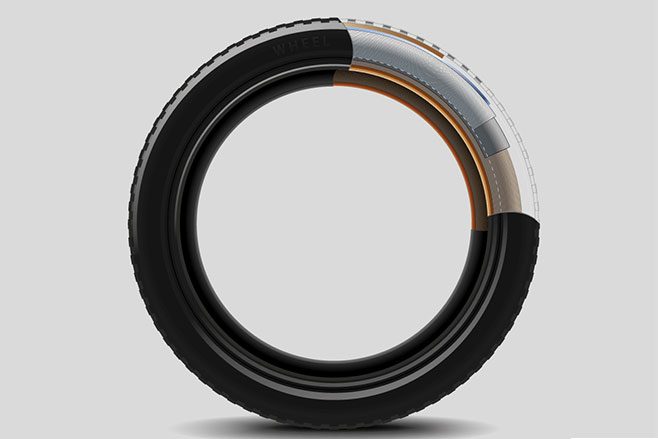
Wrapped up in the outer black layer is a complex structure of layers that maintain the tyre’s shape even when heavily loaded, carving corners at speed or under heavy acceleration and braking.
The ‘carcass’ forms the basic doughnut shape of the tyre with nylon – or sometimes Kevlar – plies, while a stiffer matrix of steel wire and nylon fibre belts strengthen and flatten the section under the tread pattern.
In some tyres, the stiff belts are extended into the sidewall of the tyre and can support the weight of the vehicle for a limited time even when punctured. These special safety tyres are often called ‘run-flats’ even though they don’t actually go flat when the pressurised air leaks out.
But, if you can make a tyre that runs safely without air in it, then what is the point of conventional pneumatic technology that hasn’t changed in basic principle for more than 100 years?
Despite the efforts of many manufacturers, no alternative to pressurised gas inside a tyre has provided the same ride comfort, lifespan or performance as the original idea.
