
THERE have been shocking scenes in Albert Park, with Nick Percat and Lee Holdsworth being involved in a scary crash.
The incident took place late in the first Supercars race of the weekend at the Grand Prix circuit.
Percat pitched his car to the inside of the track at the end of the main straight with what appeared to be a brake failure. He then crossed the track at the first chicane backwards, spearing an unawares Lee Holdsworth.
Despite the large impact occurring at an estimated speed of 250km/h, both drivers walked away from the crash.
The incident was reminiscent of James Courtney and Alex Premat’s crash at Phillip Island in 2013, where Courtney suffered a fracture to his tibia, and a tear in the quad muscle.
Percat’s ‘Support Equality’ Brad Jones Racing Holden VF Commodore collected the rear driver’s side of Holdsworth, sending the Charlie Schwerkolt Racing car spinning.
A safety car was called, and the final laps were completed under safety car conditions. Scott McLaughlin was the winner of the non-championship race, the first victory of DJR Team Penske in the Supercars championship.
AUDI SPORT chief Stephan Winkelmann says the writing is on the wall regarding emissions, and the company responsible for all fast Audis will need to follow suit with a new generation of electrified powertrains.
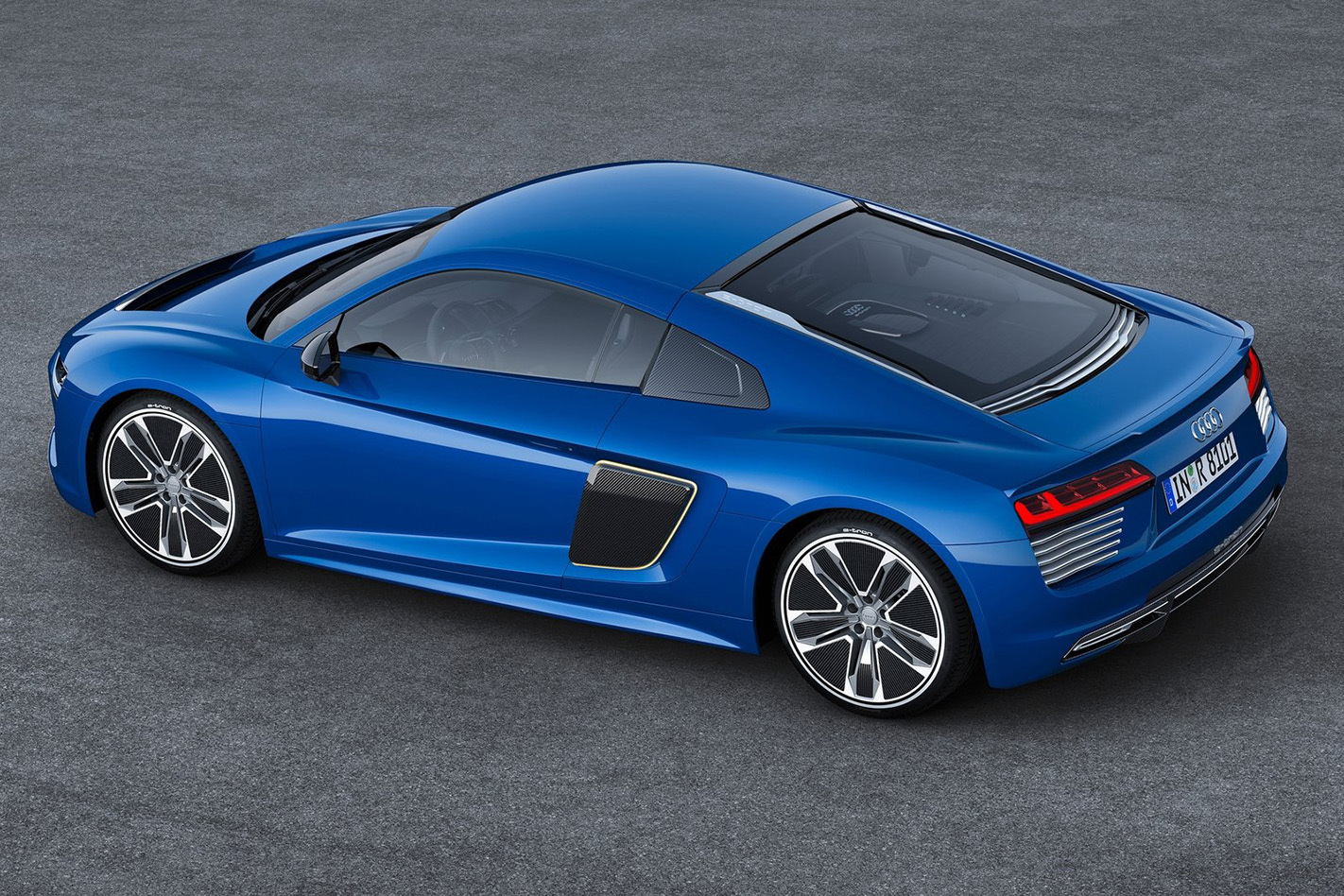
But though Audi Sport has already dipped its toe in the water with the all-electric 2015 R8 e-tron, that model was only produced in very low numbers. It was also notable for being the only product of Quattro GmbH with fewer than four driven wheels – not exactly on-brand.
Though Audi’s parent company Volkswagen is bullish on all-electric cars right now, it seems that EV enthusiasm hasn’t quite spread to Audi just yet – and that includes Audi Sport, the brand’s performance arm.
Speaking to Wheels at the launch of the RS3 Sedan, Audi Sport boss Stephan Winkelmann said that though pure electric cars had strong performance credentials, the prospect of a successor to the R8 e-tron popping up in the foreseeable future is slim. That said, its precise future powertrain strategy has yet to be locked in.
“I think it would be foolish to compare the last generation of combustion engines with what is coming up in electrification,” Winkelmann said.
“It has to be a new interpretation of what “sportivity” is all about, and we have to define this for ourselves before we go public.
“What we have to do is achieve the shift between sportivity combined with sustainability – and this has to be credible. So whatever we do, if it’s going into electrification it’s about replication of 0-100km/h, top speed, weight, handling.”
It’s about compromise, in other words. Batteries add weight, and weight is the enemy of the performance car. Figuring out whether a smaller battery pack and a petrol-electric powertrain is preferable to a heavier battery pack and pure-electric motor setup is Audi Sport’s dilemma right now.
And like it or not, electrification is in Audi Sport’s future. Winkelmann was clear that emissions laws were forcing his hand – and that the long-term outlook would ultimately favour EVs as the energy density of batteries (the amount of kilowatt hours squeezed into each kilogram of battery mass) improved.
“We’re working on these things because legislation is moving us into this direction,” he said.
“If I had enough money, I would do everything [pure EV and hybrid]. If I have to choose, at the time being is going half-way [with petrol-electric hybrid] the right way or is it better to wait and get it done in one step?
“This is what we’re working on and where we have to understand which is the better way to go, and where to invest the money.”
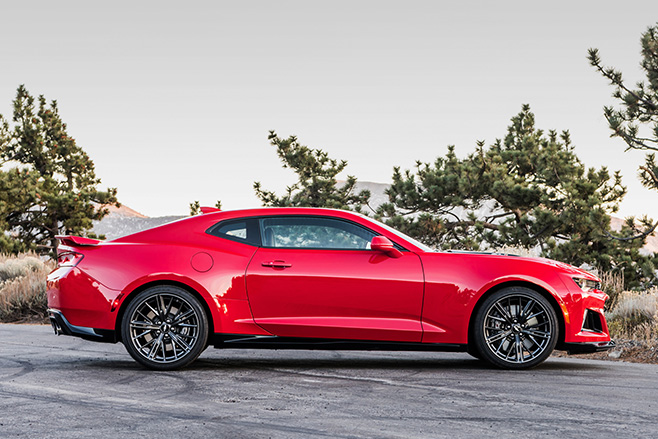
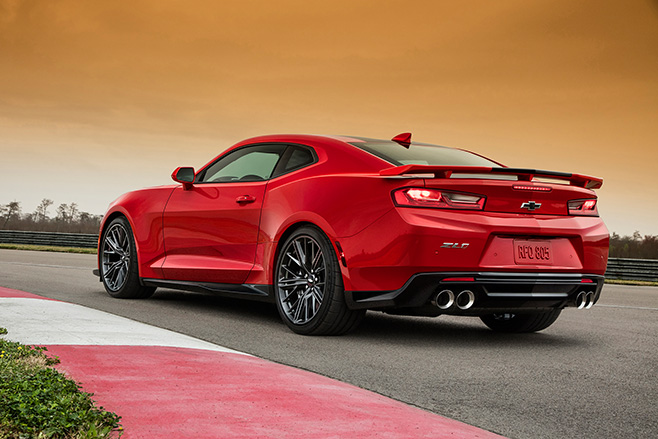
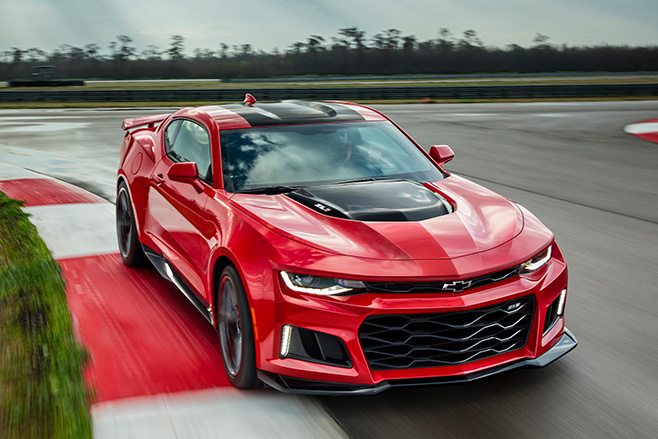
For around the price of a farewell HSV GTS-R W1 punters can now welcome its newer coupe cousin onto their driveway – the Chevrolet Camaro ZL1.
As we prepare to say goodbye to the VF Series II and Gen-F2 range on October 20 and General Motors refuses to produce a factory right-hand drive Camaro, Melbourne-based Crossover Car Conversions (CCC) has revealed it can import the scary-fast ZL1 and swap the steering wheel and pedals to the correct (ahem, right) side for around $150K all told.
According to CCC shipping adds $5000 to the price while our five per cent import tariff nabs another $3000, Luxury Car Tax (LCT) a further $6209 and GST an additional $8200.
With strict regulations surrounding personal imports, CCC also takes care of the purchase and importation of the vehicle. The company reckons the conversion process will take eight to 10 weeks as part of a complete six-month process.
A TEASER showing what is believed to be Skoda’s first-ever electric vehicle has appeared ahead of next month’s Shanghai Motor Show.
The single image shows the profile of what appears to be a four-door coupe – inspired by crystal art glass, according to Skoda – that looks like it may be the Czech brand’s spin on sister brand Volkswagen’s Arteon, a replacement for the VW Passat-based CC.
An accompanying press release talks about design language, craftsmanship and powerful contours leaving us none the wiser as to what the car could be.
But a recent interview with Skoda chief executive Bernhard Maier supports the theory it is a concept car showcasing plans to enter the EV market with an all-new vehicle.
Maier recently told Auto Express that the company had an ‘electric shock’ in store for the Chinese show in late April.
In the exclusive interview with the British motoring publication, he said: “In Shanghai we will show a surprise. It will give an outlook of what electrical mobility at Skoda will look like.
“We will first come up with a plug-in hybrid Superb in 2019 and the first purpose-built pure-electric vehicle will come right afterwards, currently planned to be on the market in 2020.”
The car in the teaser image has similar front and rear lamps to the Superb so the coupe shape could simply be to make the concept a more sleek modern appearance or the outline of an all-new purpose-built model.
| Skoda Australia increases warranty to five years
As part of the Volkswagen Group it was only a matter of time before Skoda joined the EV club, though Maier said a Skoda electric vehicle would have to fill a specific brief.
“By this time [2020] the infrastructure will be better prepared for electric mobility. Skoda does not have to be the leader of every new technology that comes on the market.
“We analyse what is helpful for our customers, what is suitable, what they are asking for, and of course whether it is accessible for them.”
Skoda’s parent company has flagged plans to introduce as many as 30 battery-powered models built off a bespoke platform over the next decade. It has also announced plans to introduce a new “MEB Modular Toolkit” that will allow it to fit either standardised electric or plug-in hybrid powertrains to its vehicles.
In its decade of existence, the S5 coupe has been a partnership of alluring engine and slinky sheetmetal that never quite managed to get into bed with the sexiest chassis.
It made for an enjoyable but not wholly satisfying fling.
Audi’s latest S5, like its S4 sedan/wagon twins, knows it needs to vie harder for affection in a niche group that now features an AMG-badged model in the form of the Mercedes C43.
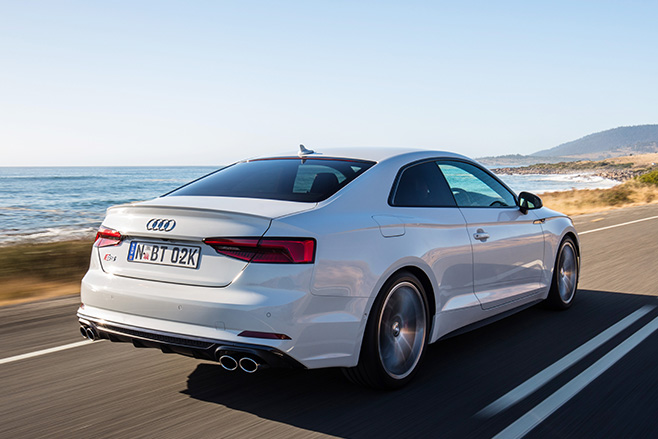
Audi was there first with the performance all-wheel-drive approach, of course, and its philosophy hasn’t changed.
After the sonorous 4.2-litre V8 and sweet-revving 3.0-litre supercharged V6, the S5’s two axles are now served by another 90-degree-angled six-pot – this time with a turbo rather than a blower nestled between the banks.
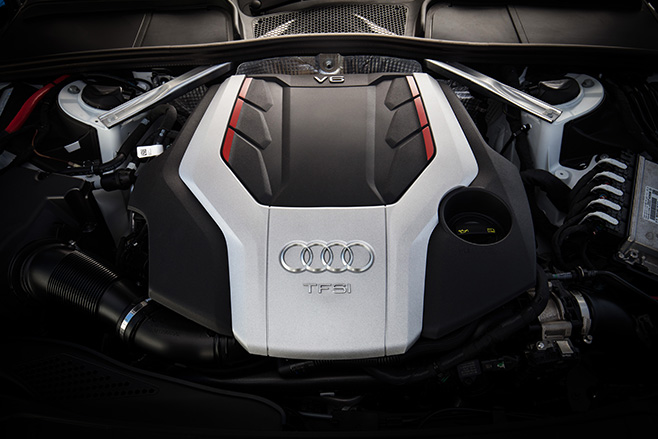
That’s only a couple of tenths off the outgoing RS5, so this is one quick car.
The turbo V6 doesn’t have the instant low-rpm response of the old supercharged six but it avoids boosty sensations to build momentum in similarly linear fashion – riding on an even wider torque curve stretching from just 1370rpm to 4500rpm.
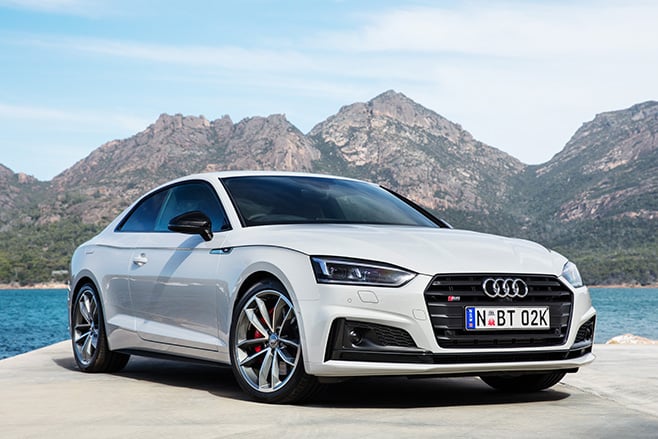
Use the paddles to hold a gear to redline, though, and you’re left wondering whether you forgot to press a dedicated Exhaust button. The gurgling V6 sounds more characterful than the A5 TFSI quattro’s 185kW four-cylinder turbo but its volume dial seems to be stuck on 6 when, on a good road, you’re yearning for an ear-assaulting 10.
You’ll need to divert your attention to a rear-drive BMW 440i if you want the most playful chassis, yet there’s much to admire about the relative equilibrium of the S5’s dual-axle approach.
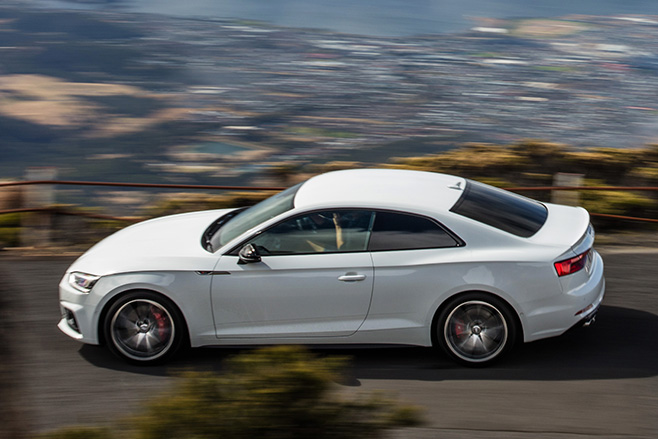
Audi’s optional ($2950) Sport diff returns to dole out more grunt to the outside rear wheel, and combined with a set of sticky 19-inch rubber the S5 carves with satisfying speed.
With light and direct steering also in the mix, the S5 has a nimbleness that makes it feel lighter than the front-drive A5 base model that actually registers 195kg less on the scales.
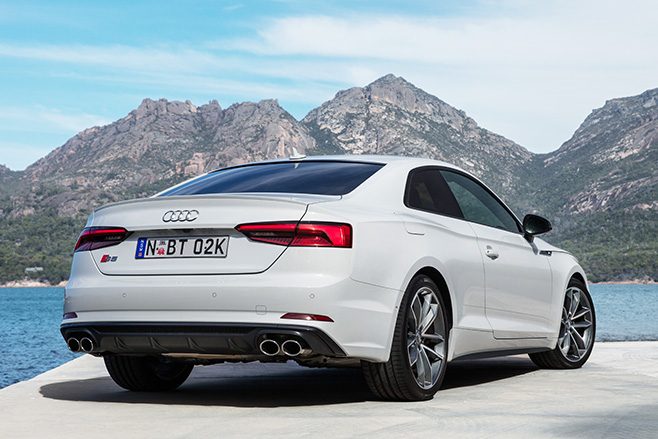
And it’s the bigger coupe that is more resolved dynamically. On its newly standard adaptive dampers that adds even more value, the S5 offers a compliance on typical Australian roads that the more iconic two-door lacks.
More unexpected is a ride that’s also superior to regular versions of the A5 not fitted with optional adaptive dampers, considering the S model’s stiffer suspension tune. The S5, in fact, is at its best in Dynamic mode, where a deft balanced between disciplined body control and suppleness makes for a terrific grand tourer.
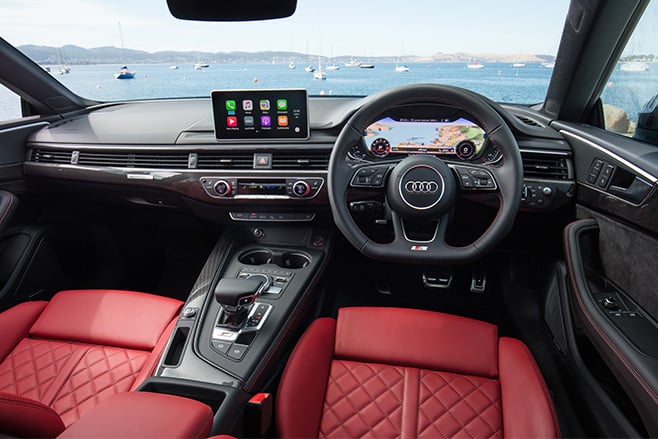
Audi’s excellent Virtual Cockpit configurable digital instrument cluster is also standard on the S5, which differs from A5s by giving drivers the option of making the tacho rather than speedo dominant in the centre.
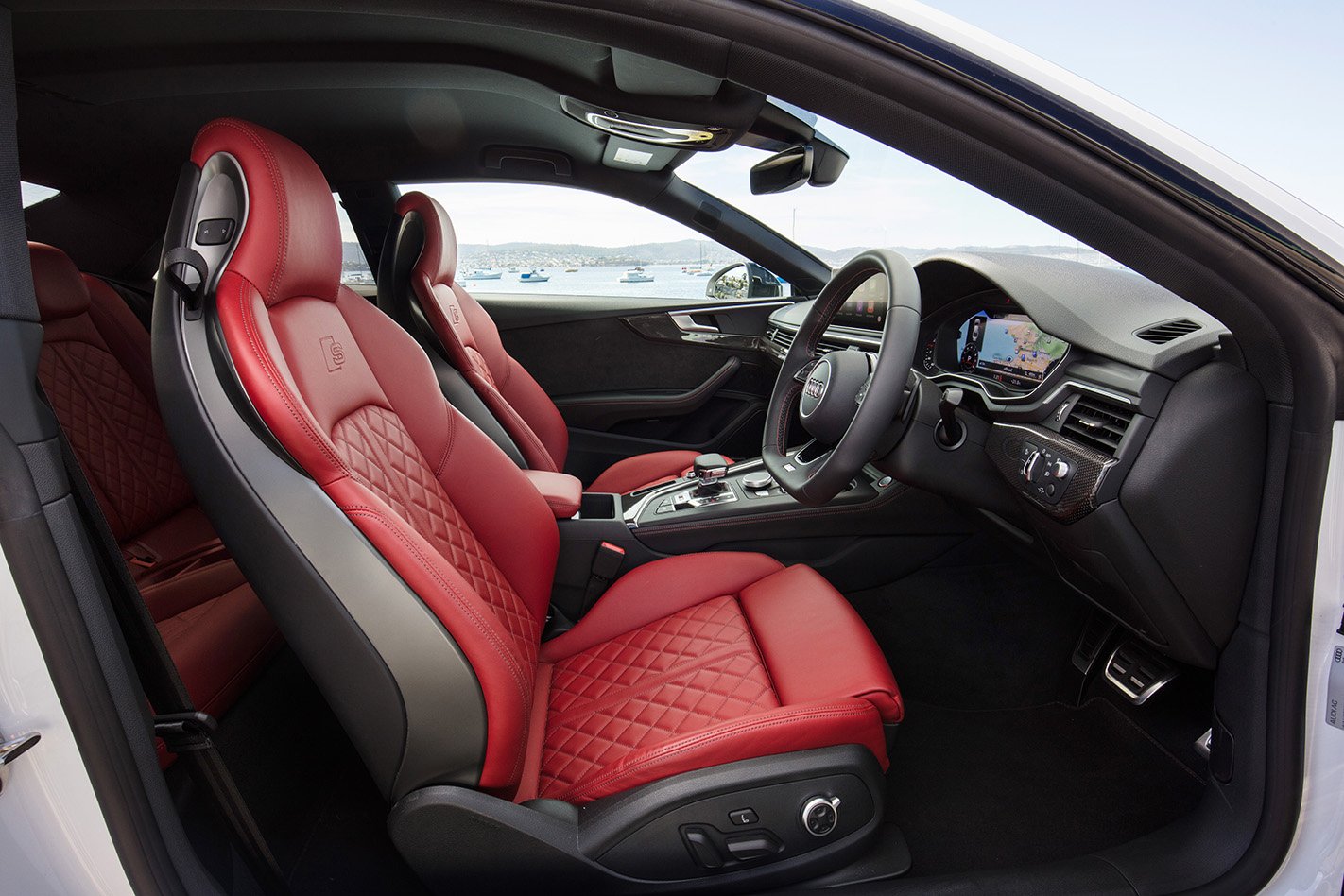
The display itself is central to the cabin’s sophisticated design that has a clinical beauty about it. And the diamond-patterned seats are a well-judged compromise between bolstering and pampering.
A similarly well-struck balance between sportiness and comfort marks this as the best S5 coupe yet. If it doesn’t necessarily bode well for the C43 Coupe, it does for the new RS5 due at the end of the year.
4/5
Pros Brilliant grip and traction; ride compliance; creamy, torquey V6; sophisticated interior
Cons Numb steering; V6 too muted; lower redline than before; awkward Drive Select button placement
Specs Engine: 2995cc V6, DOHC, 24v, turbo Power: 260kW @ 5400-6400rpm Torque: 500Nm @ 1370-4500rpm Weight 1615kg 0-100km/h: 4.7sec (claim) Price: $105,800
FORD has started fitting top-spec cars sold in the US with cloth seats after discovering buyers in hot climates don’t like searing ther arses on sun-kissed leather.
The first model to introduce the new “downgraded” seats is the Ford Edge,a five-seat SUV that will arrive in Australia early next year as a replacement for the locally made Ford Territory.
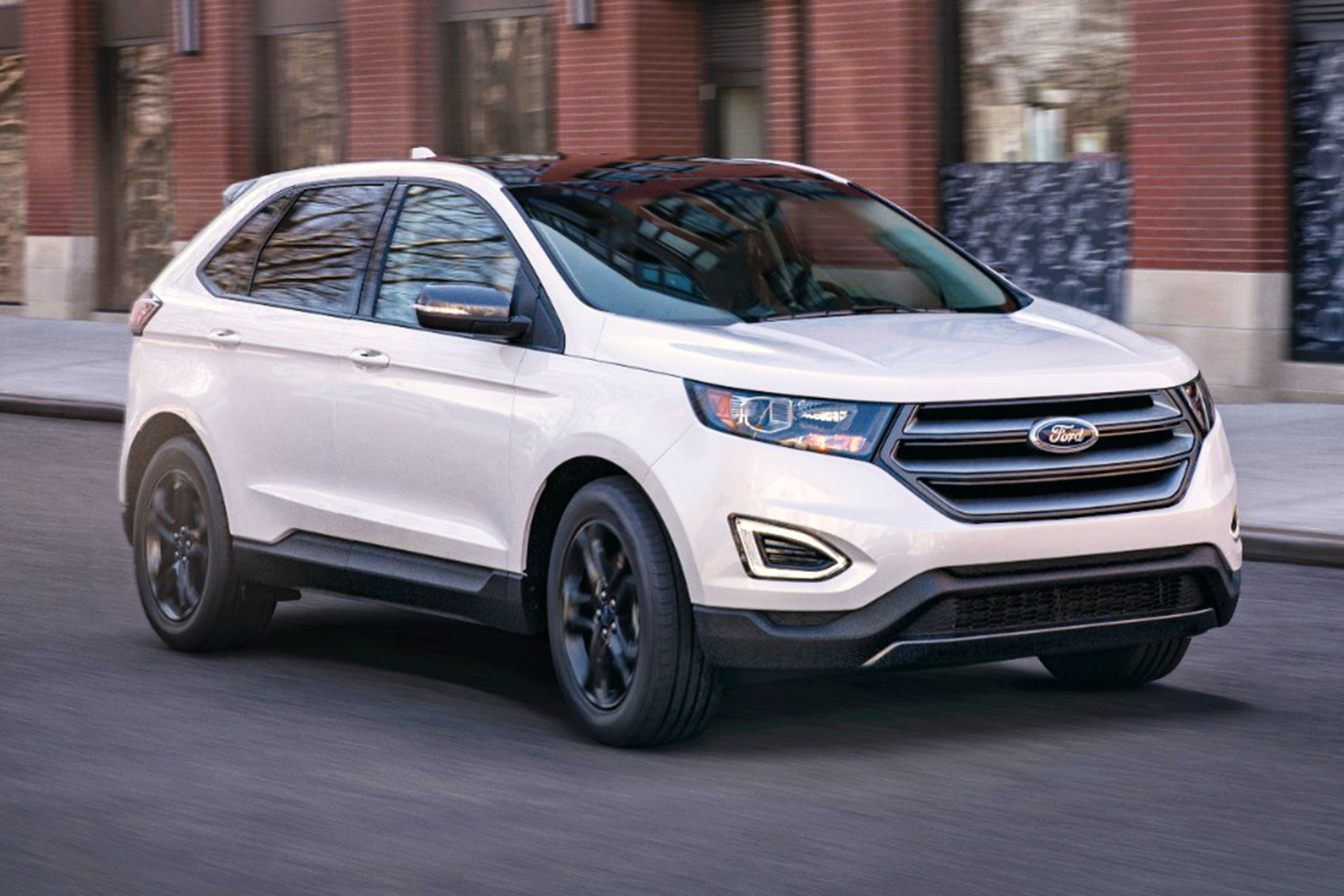
“Dallas averages more than 230 sunny days a year, and because cloth seating materials tend to be more comfortable in the heat, Edge sells about five percent more non-leather seats in Dallas than the national average.
“With the Edge SEL Sport Appearance Package, customers no longer have to choose between leather-bound comfort and technology,” it said.
Dallas temperatures range between an average of about 14 degrees Celsius in winter, and around 36 degrees in the height of summer.
The cloth-seated Edge comes well equipped, featuring a dark-accented exterior, 19-inch 10-spoke wheels, grille, mirror caps and rear spoiler. Inside, it gets grey fabric seats with contrasting suede-like fabric inserts that Ford says stay cooler in the heat.
Is this something Ford Australia would like to offer here with the all-new Edge due on sale next year? WhichCar has asked the question.
WHAT IS IT?A long-overdue update to the circa-2013 fourth-generation Nissan Pathfinder, aiming to spice up its disappointing dynamics and vanilla styling, while enhancing the petrol V6’s already abundant power and performance.
WHY WE’RE TESTING IT?To investigate whether the MY17 Pathfinder’s sharpened attire, fuller equipment list, more complete safety package and enhanced driver satisfaction are enough to improve its mediocre sales position in the large SUV class. Toyota Kluger, Holden Captiva, Hyundai Santa Fe, Jeep Grand Cherokee, Mitsubishi Pajero Sport, and even Ford’s now-dead Territory outsold the Pathfinder in 2016.

THE WHEELS VERDICT
Proof that feedback does occasionally make it back to the people that matter, this second take at a more car-like Pathfinder studiously addresses some of the bigger complaints that circled the outgoing moDel. It still feels a touch off the best in class, but it looks better, drives better and it’s safer than ever before. Plus, it will now keep you and your brood entertained with better in-car technology across the line up. Our drive was too brief and too rural to make a definitive verdict on the Pathfinder’s dynamic improvements, but early signs are positive for the big Nissan.
PLUS: Strong V6 engine; better in-cabin technology; more engaging handling MINUS: Non-hybrid thirstier than competitors; still a little off the pace dynamically; safety equipment missing on entry-level model
THE WHEELS REVIEW
While there’s no shortage of good things to have emerged from the USA (think the internet, Ken Block videos and all things “medicinal”), Nissan’s big and bloated Pathfinder wasn’t one of them.
The brand’s overhauled seven-seater arrived in Australia in 2013 promising much – having shifted from a body-on-frame to a car-like monocoque set-up – but failing to deliver. Reviewed on these very pages, our guys lamented a suspension tune so soft and American it was like its springs had been replaced with cans of Easy Cheese, an on-board entertainment system lacking Bluetooth streaming, and vague steering that was slower than your average Trump voter.

Any parent who’s driven further than their own letterbox with a car full of brats knows the value of distraction, and the updated Pathfinder adds some critical tech to maintain some decorum. It makes amends for any previous entertainment-system misgivings with a Bluetooth-equipped 8.0-inch multimedia touchscreen paired with six speakers in the entry ST grade, or a 13-speaker Bose stereo in ST-L and Ti models. Better still, the top-spec car gets seatback screens for second-row passengers, with each able to play a different video.
We unleashed the MY17 Pathy on roads that seemed custom-made for the big Nissan – wide, smooth and sweeping tarmac surrounding the NSW snowies – and early signs are good. The new suspension set-up, including firmer spring and damper rates, and new rebound springs at the front, is firm enough to allow the occasional jolt to enter the cabin, but the trade-off is a heap more composure when tackling bends or changing direction quickly.
Even in the tighter and twistier stuff – the kind of corners that would have had the old Pathfinder listing like a post-iceberg Titanic – this new model remains relatively calm, with only the high-pitched squeals from its tyres alerting you to the fact you’re probably pushing it a touch too hard. The steering feels faster and more direct, too, and while the wheel can jiggle in your hands over rough road surfaces, it does at least feel loosely connected to the road below.

The Pathfinder is still big and feels it, and it’s still a tad off the pace when it comes to dynamics, but after a brief open-road spell we’re confident in reporting the updates have improved the Pathy to purchase.
Model Nissan Pathfinder Ti AWD Engine 3498cc V6 (60°), dohc, 24v Max power 202kW @ 6400rpm Max torque 340Nm @ 4800rpm Transmission CVT automatic Weight 2070kg 0-100km/h 8.0sec (estimated) Economy 10.1L/100km Price $66,190 (4WD) On sale Now
WHAT IS IT?
An elaborately titled ‘Series 2’ makeover, altering about as much as a model-year update. Dual-cab Navaras with the five-link coil-sprung rear (a class exclusive) get retuned dampers while a rugged new SL model grade (sitting below ST) combines a hose-out interior and 16-inch steelies with the full-fat twin-turbo-diesel engine and coil-sprung suspension.
WHY WE’RE TESTING IT
To see whether tweaking the suspension has been able to achieve some much-needed finesse in Nissan’s dual-cab, dual-purpose load lugger, without compromising its ability to haul.
MAIN RIVALSToyota Hilux, Ford Ranger, Holden Colorado, Mitsubishi Triton, Mazda BT-50, Volkswagen Amarok and, within the next couple of years, the Renault Alaskan and Mercedes-Benz X-Class, each sharing the Navara’s core body structure and underpinnings.
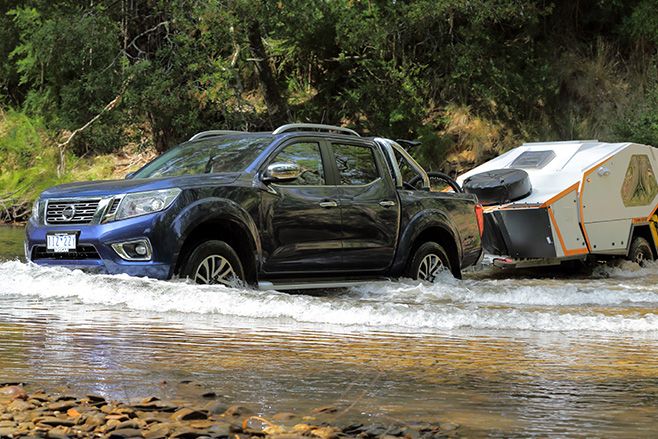
THE WHEELS VERDICT
PLUS: Frugal, sophisticated diesel engine with plenty of grunt in either single- or twin-turbo guises; class-leading interior layout with plenty of kit in ST and ST-X models MINUS: Limited forward visibility a victim of the ‘V-Motion’ styling and low seating position; ride quality is much improved but still not a match for key competitors
VERDICT
The 2017 Nissan Navara might look the same as before, but suspension revisions have made a big difference to coil-sprung versions of this popular ute. Despite minimal changes elsewhere, improvement in this area is worthy of a ‘Series 2’ moniker. While the 2017 Navara is not perfect, it’s a hell of a lot better.
MAIN
There was a lot riding on the 2015 Nissan Navara NP300. A well-loved nameplate in 4×4 circles, as well as the commercial back blocks, many were expecting much of this new Navara iteration. In a year that saw many of the major players launch new dual-cab workhorses, Nissan’s blue-collar mainstay made a splash with its good looks and very un-commercial interior, along with a much-touted coil-sprung rear end.
Unfortunately, the new-gen Navara’s more modern rear suspension never quite achieved what its on-paper sophistication promised. The rise of the ‘Bloke’s SUV’ over the last few years has seen increasing demand for these dual-cab utes to be civilised enough to achieve second-car status with families, yet the NP300 Navara was neither car-like enough on-road when empty, or particularly good when carrying a load. Chocked full, the outgoing Navara’s tray had a tendency to plummet to the pavement.
This ‘Series 2’ version of the Navara (which drops the NP300 badge – ‘NP’ standing for Nissan Pick-Up) aims to address all those dynamic shortcomings with a tighter undercarriage. Front and rear dampers are now firmer, and, importantly, the rear rebound dampers have been revised. The result is much tighter suspension control. Unladen, the Navara has lost much of its blacktop booty-wiggle, as well as its tendency to buck from both ends, and it actually steers better too.
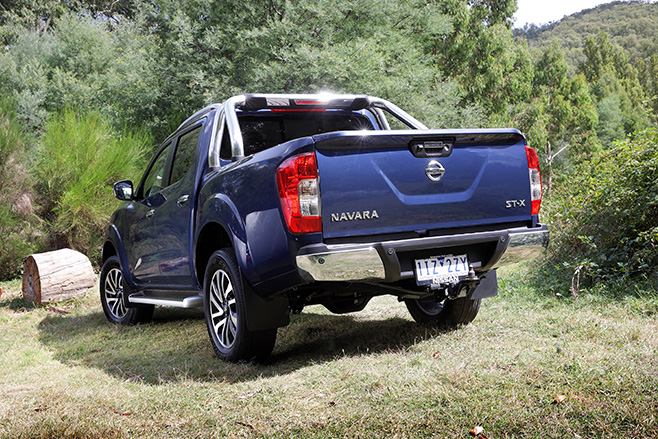
Besides a tweaked chassis, the other main change to Navara Series 2 is a new dual-cab SL variant, slotting in below the ST grade and combining a dirt-friendly workplace with the top-spec 140kW/450Nm twin-turbo-diesel engine. It gets a ‘hose-out’ vinyl floor and 16-inch steel wheels, but also LED running lights and the coil-sprung rear end. Lower spec, leaf-sprung Navaras carry over their suspension tune and use a single-turbo 120kW/403Nm version of the Renault-sourced 2.3-litre diesel four.
The twin-turbo powerplant remains a perky performer, while the seven-speed auto ’box (a six-speed manual is also available) is intuitive under load and delivers slick shifts. This is a pretty sophisticated drivetrain for a light commercial vehicle.
Inside, Series 2 Navara still offers a layout that would be equally at home in a family wagon or SUV, especially the top-shelf ST-X with its leather appointments. The sunroof that was previously standard equipment on the ST-X is now an option, while the ST gains standard sat-nav.
This running-change update may not wow the boys on the worksite with its styling changes, but the Series 2 Nissan Navara has newfound appeal as both a school-run warrior and boat-ramp hero.
Model Nissan Navara ST-X 4×4 Engine 2298cc 4cyl, dohc, 16v, TTD Max power 140kW @ 3750rpm Max torque 450Nm @ 1500-2500rpm Transmission 7-speed automatic Weight 1924kg 0-100km/h 10.5sec (estimated) Economy 7.0L/100km Price $54,490 On sale Now
Ingolstadt replaces the sleek Audi S5 with a brawnier second generation car that improves the original in virtually every objective regard. Whether you find it prettier or more charismatic is a decision you’ll need to make.
WHAT IS IT
A 260kW all-wheel drive coupe with a huge breadth of talent, the latest Audi S5 will put its German rivals on notice. It’s a smart munition delivered straight to the crosshairs of its target market. The only people likely to be disappointed are those hoping it to be a cut-price BMW M4.
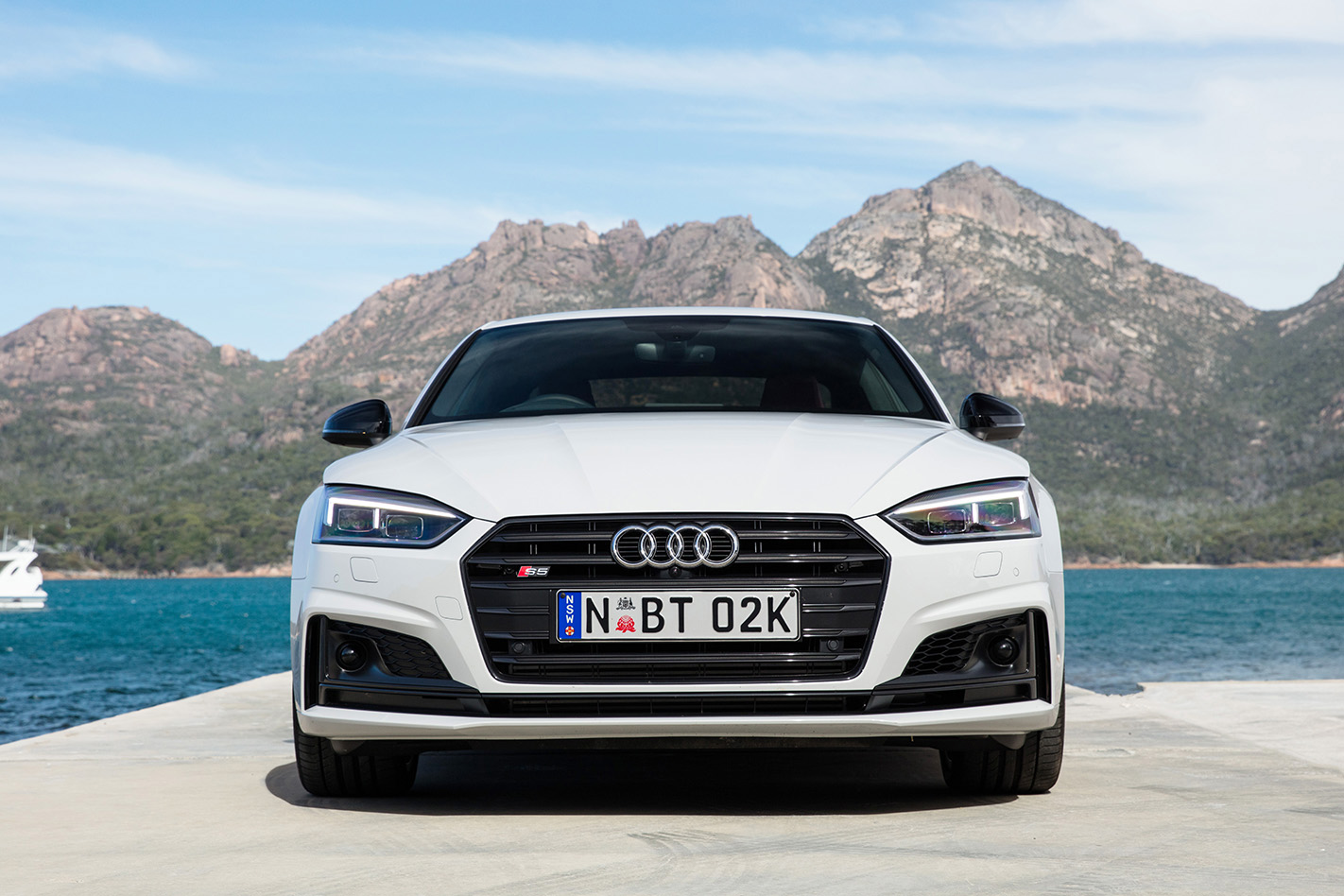
With some of the more tortuous bits of the Targa Tasmania route on hand, it’d be remiss of us not to treat the S5 to the most demanding test Australian roads can deliver. Audi also had the A5 coupe range to add some welcome perspective.
MAIN RIVALS
BMW 440i, Lexus RC 350, Mercedes-AMG C43 Coupe,

Audi is intimately acquainted with the customer base for the S5. It’s a clientele with an affinity for quality, design and a gnawing weakness for one-upmanship, for which this latest generation car unerringly hits the mark. Fast, composed, and beautifully built with a refreshingly discreet technology package, it’s a strong offering. Cutting $17k off the old car’s price to bring it into line with the Mercedes-AMG C43 coupe isn’t going to hurt the S5’s chances either.
PLUS: Pace, grip, composure, build, practicality, smart gadgetry MINUS: Sports diff needs to be standard, engine lacks aural fizz, off-key carbon-fibre fascia
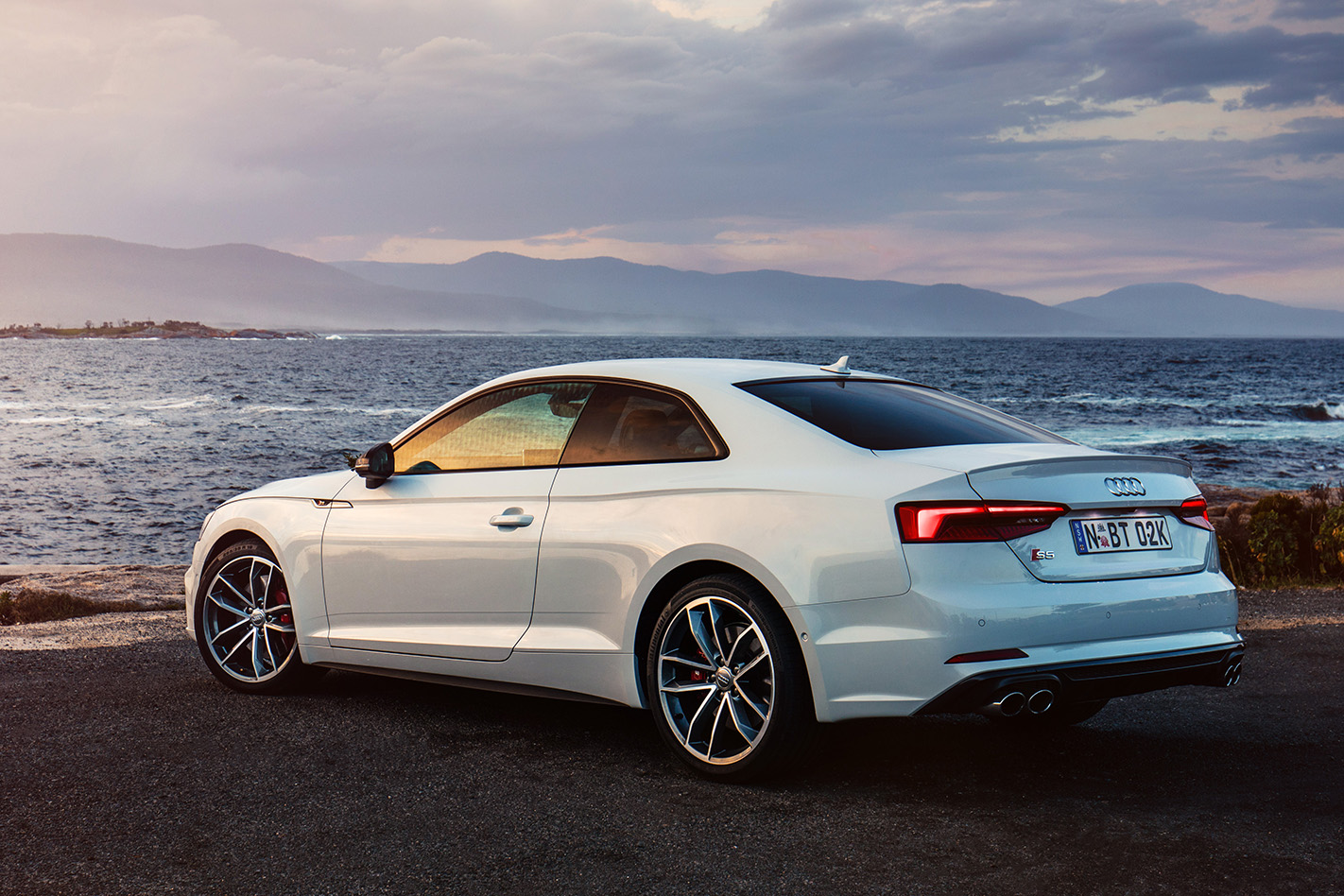
Appreciating the Audi S5 requires but one thing and that is to accept that this 260kW all-wheel drive sports coupe doesn’t give its best when scruffed through a corner at ten-tenths.
Nobody who buys an S5 will drive it like this, yet legions of journalists have used its unconvincing impression of a Mitsubishi Lancer Evo as a means to pigeonhole the old car as something less than the real deal. The latest S5 demonstrates that Ingolstadt understands its target market and has clinically engineered a smart weapon to surgically part people from $105,800 of their hard-earned.
The styling is evolutionary, taking Walter de Silva’s magnum opus of lantern-jawed loveliness and chamfering a few curves into edges while implanting a few more Y chromosomes. It’s an in-house effort described by Audi designer Jakob Hirzel as “not exuberant.”

That engine certainly cranks out some impressive numbers. Delivering 500Nm from just 1370rpm via an eight-speed ZF automatic, it’ll punt the S5 through 100km/h in 4.7 seconds yet somehow there’s the unwelcome taint of responsibility about it. Audi will quote a fuel economy figure of 7.5L/100km – marginally better than our test figure of 16.9L/100km – but you’ll still struggle to resist boring your passenger witless about how the old 4.2-litre V8 was more fun.

A lot of work has clearly gone into polishing the all-new five-link suspension of the S5, with genuinely impressive ride quality even when the adaptive dampers are switched into their most aggressive Dynamic mode.

The optional $2950 Audi sport differential was fitted to all test cars and should be a standard fit item, delivering extra grip out of corners to the rear wheel best able to deploy it. The S5’s nominal torque split is 40:60 front/rear, and in the event of slip, up to 85 percent of drive can be directed forward or 70 percent aft.

Siting the Drive Select switch on the fascia low and to the far left is evidence of a lazy right-hand drive sign off and while the quality of materials was excellent, every S5 we tested fitted with the optional Bang and Olufsen 3D stereo system suffered from rattling door speakers.
Compared to the original, the crooks stole $35m worth of gold versus $4m, it ran for 111 minutes as opposed to 99, it grossed far more at the box office and many, many more bloody doors were blown off. It was an objectively superior exercise in virtually every regard. Yet the magic had gone, and the same accusation can be levelled at the judiciously effective S5. Despite that, Audi is unflinchingly confident that S5 buyers don’t believe in magic.
It may well be right.

SPECS
Model: Audi S5 Engine: 2995cc V6 dohc 24v turbo Max power: 260kW @ 5400-6400rpm Max torque: 500Nm @ 1370-4500rpm Transmission: 8-speed automatic Weight: 1690kg 0-100km/h: 4.7sec Economy: 7.5L/100km (claimed) Price: $105,800 On sale: Now
AUDI has announced that its all-new 2017 S5 will carry a retail price of $105,800 plus on-roads, slashing nearly $17k from the asking price of the outgoing $122,615 model.
In addition to this, Ingolstadt also claims to have built in around $10,000 of extra value over its predecessor. Coupled with an extra 15kW shot in the arm from its turbocharged V6, this lighter, fitter S5 will take the fight to BMW and Mercedes-AMG.
It needs to as well. The peak sales year for the S5 range was 2010, since then orders have steadily decayed, despite a significant product improvement in 2012. This price cut comes on the heels of Mercedes-AMG announcing a $105,615 sticker price for its 270kW C43 coupe.
Audi Australia points to around $10k of extra standard equipment built into the latest S5 including Virtual Cockpit featuring Google Earth, as well as Audi Connect wifi functionality and robotic height-adjustable seatbelt feeders among a host of trim upgrades. Audi also expects strong take-up of the S5’s $5600 Technik package which adds Matrix LED headlights, a 19-speaker Bang and Olufsen 755w stereo and a head-up display.
With the absence of BMW’s 440i xDrive from the Australian market, the S5 remains the only all-wheel drive sports coupe in this particular sector, but it’s debatable whether the evolutionary nature of the latest turbocharged model would have been enough on its own to generate a marked uptick in sales. This major price realignment could have the required effect, although it’ll require the introduction of the S5 Sportback model, due in the middle of 2017, to fully flesh out Ingolstadt’s market assault.
