
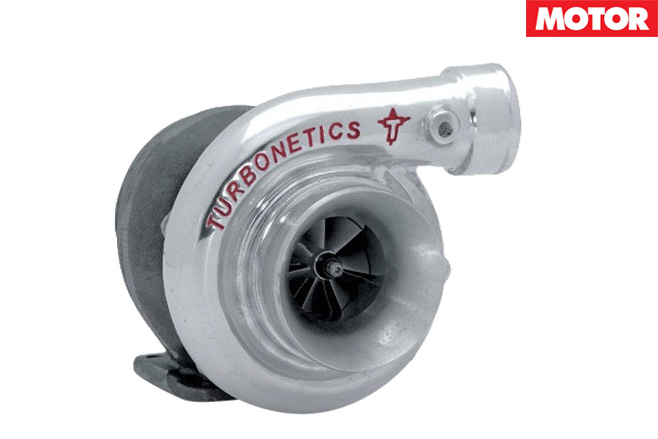
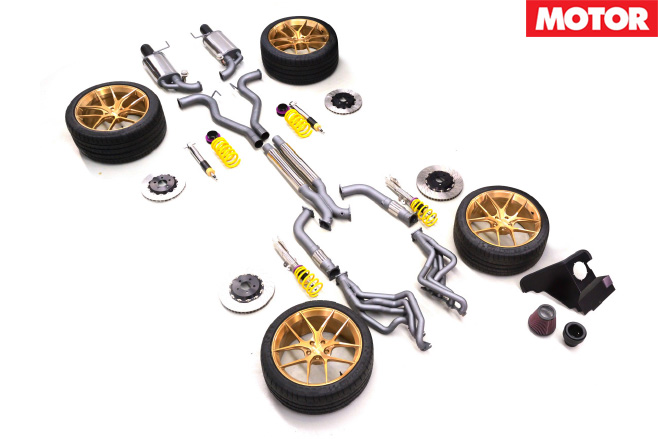
So you’ve got a brand new Ford Mustang and some leftover coin ripe for ‘investment’ – here’s some gear that’ll turn your foal into one wild filly.




QUESTION – ANTHEA, NSW We are looking at purchasing either a BMW 1-Series or an Alfa Romeo Giulietta, do you have a preference on either of these?
Typical duties will be mainly for work, driving around the city, nothing off-road. No specific requirements aside from something reliable and comfortable that’s a bit fun, cool.
Happy to consider other brands but quite like the sexiness of a European brand. And/or can you recommend anything else in the same category? Something that looks good but is small and zippy. We will be using it daily in the city mainly.
BUDGET $35,000
ANSWER – NATHAN: Given predominantly city use, I’ll assume you’re looking for an automatic and not a manual.
I ran a base-model Alfa Giulietta test car for 7 months back in 2014 and absolutely loved it. Timelessly beautiful styling, great seats, nice ride, perky engine, excellent economy… however it was a six-speed manual. The 2016 Giulietta Super six-speed manual is currently $29,990 driveaway and would totally fit your needs, but that’s only if you don’t mind shifting gears yourself…
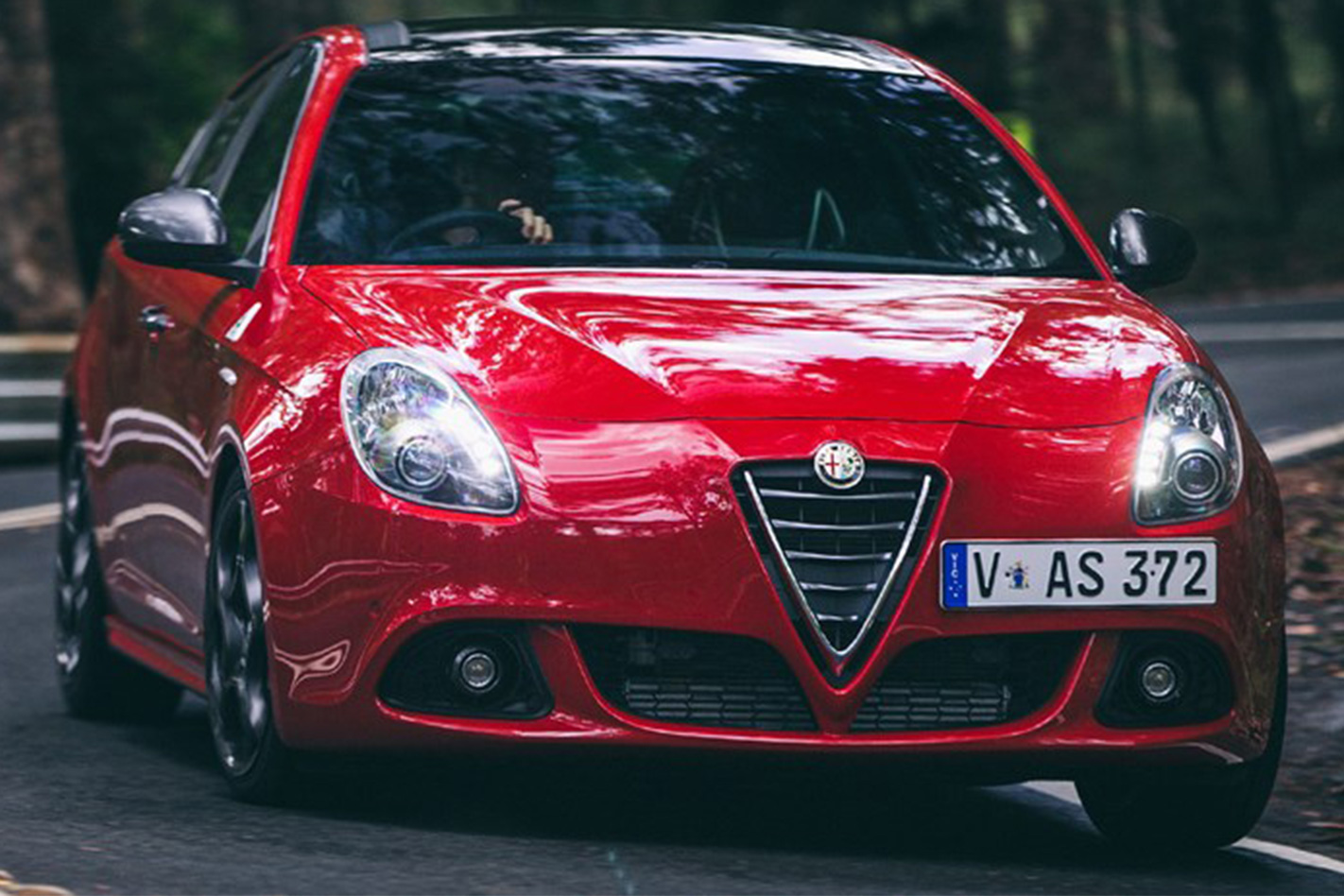
Alfa Romeo’s two-pedal alternative – called TCT, or what is commonly known as a dual-clutch transmission – has a more powerful engine than the Super manual, and a bit more equipment too, but it isn’t as sweet to drive. And while Alfa Romeo’s warranty is 3 years/150,000km, plus 3 years 24-hour roadside assistance, if the Giulietta Super TCT is really what you like, then I’d try and wrangle extended-warranty coverage… and make sure it covers the transmission! It’s also $34,900, not including on-road costs, so would be right at the top end of your budget (unless you haggle a deal, which is definitely possible).
If a dual-clutch transmission (most commonly used by Volkswagen and Audi, but also Mercedes-Benz, Ford, Hyundai, among others) becomes problematic, it can be expensive to fix, hence making sure any extended warranty covers it.
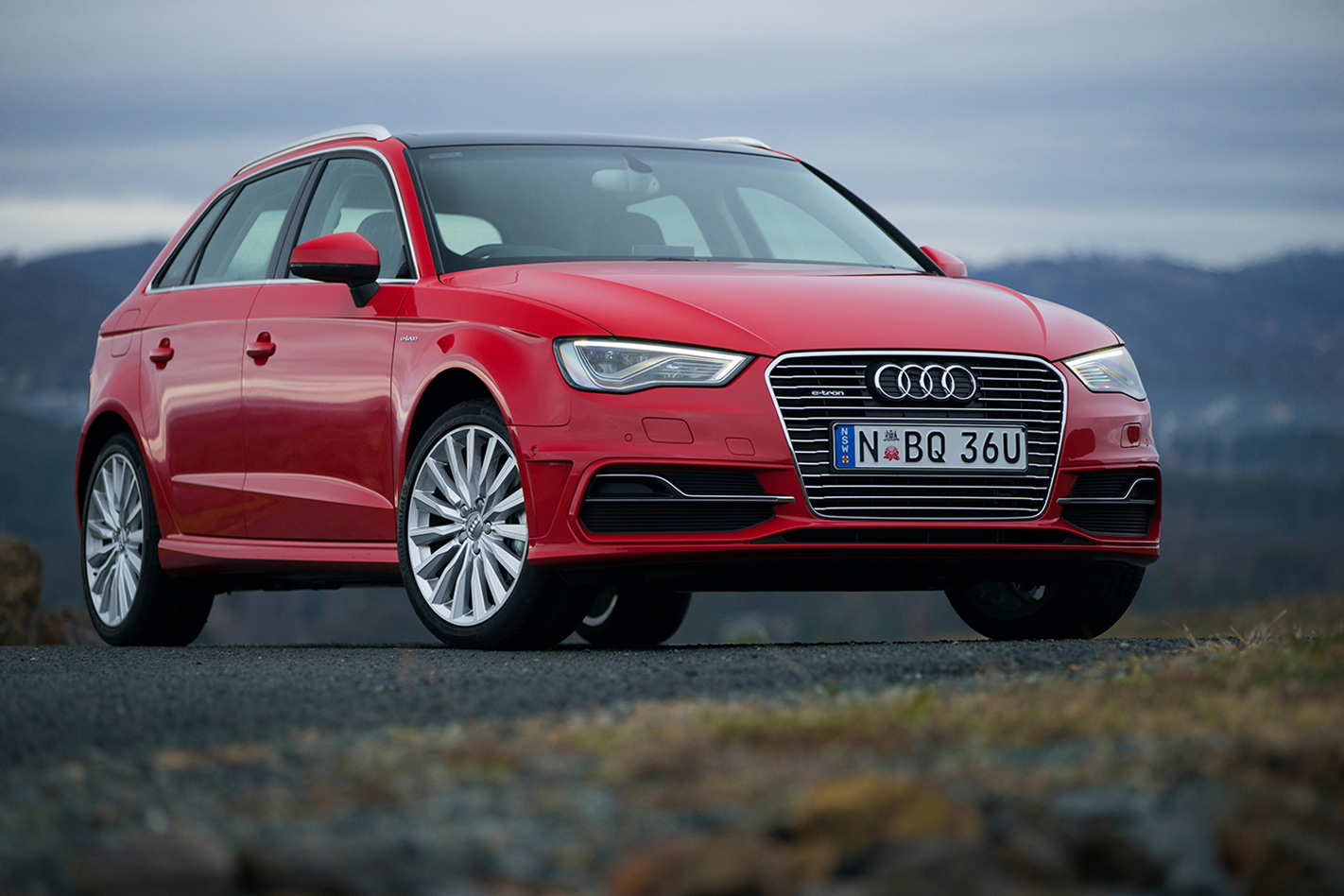
That concern over warranty coverage would also apply to the Volkswagen Golf and Audi A3, both of which are dual-clutch and can be had for your $35,000 budget. While near-identical under the skin, the Audi is the sportier of the two, but also much more expensive. That said, the A3 is about to be updated (December) so you might be able to score a deal on a superseded one. The RRP of a base A3 1.4 TFSI (without on-road costs) is $36,500…
Which brings me to the BMW 118i, whose RRP is $36,900, and that’s before you start adding options (which you’ll need to if you want the 1 Series to have a funky, luxury look and feel – it’s rather austere in standard form).
Same goes for the Mercedes-Benz A180, which starts at $37,200. Both will be way above $40,000 before you get one that’s looking and feeling like its price.
Best option, then, is to shop just below the mainstream premium Euro brands (Audi, BMW, Mercedes-Benz). This might be hard to believe but you’ll get a better car, with more equipment, for way less money.
Besides the aforementioned VW Golf (which is super-slick, but perhaps a bit too conservative and common…), we’d go for a Peugeot 308 hatch. It’s the French brand’s renaissance car, was European Car of the Year in 2014, and finished runner-up in our COTY award the same year. It’s a brilliant little thing – fun to drive, with terrific engines, a great ride, superb efficiency and a fabulous interior. It’s a much more fun and funky car than the daggy base-model Germans, and it has personality!
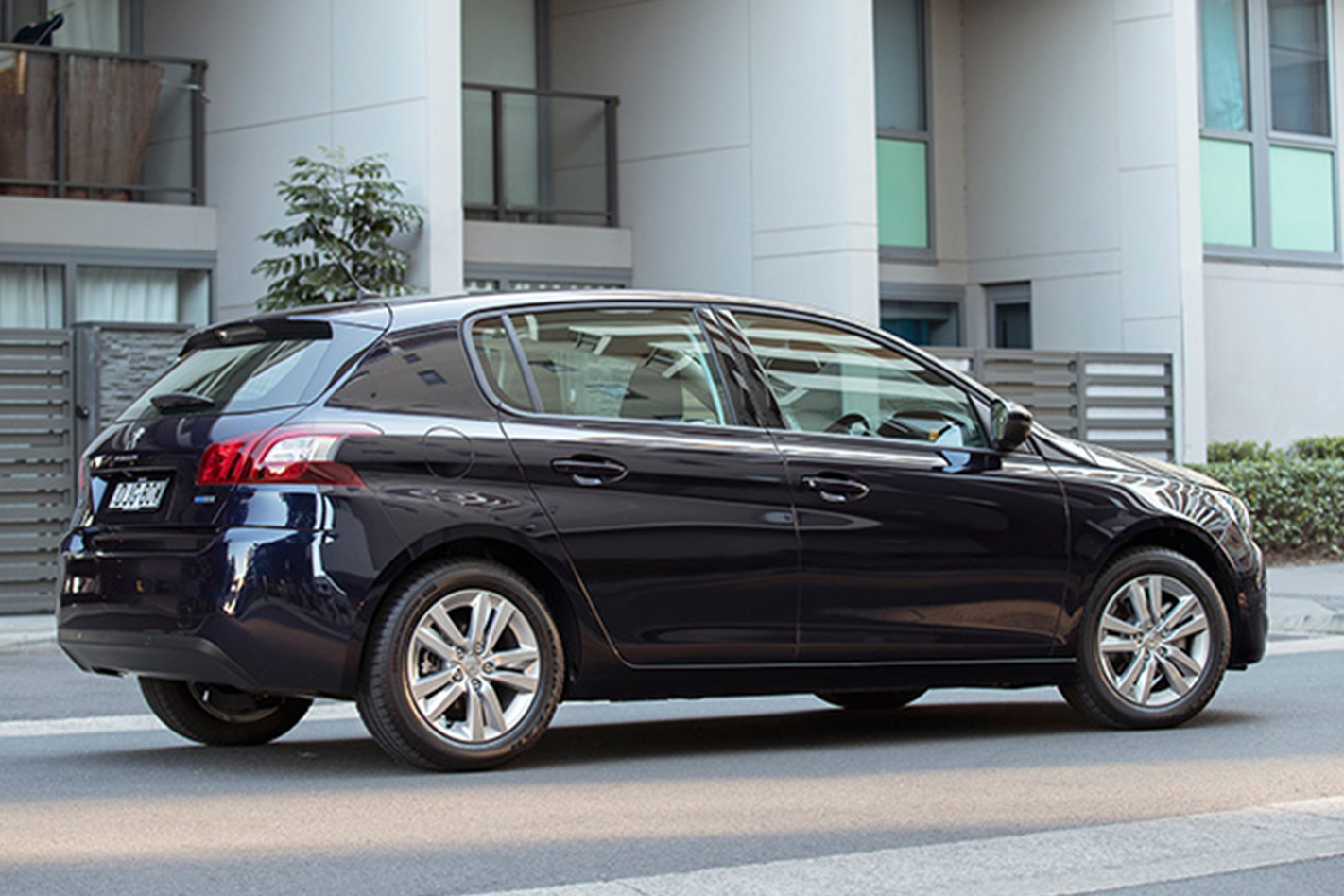
The best model is the 308 Active 1.2-litre turbo-petrol auto. Its three-cylinder engine is amazingly smooth, punchy and charming, yet incredibly efficient, and the soon-to-launch MY17 model gets standard sat-nav and rear-view camera for $27,990 RRP. The still-great MY16 entry-level 308 Access is currently $23,990 driveaway for an auto, but it doesn’t get the aforementioned equipment, or a centre touchscreen.
At the upper end is the 308 Allure. It’s just under $32,000 RRP but adds quite a lot of extra gear (safety and comfort/styling extras) and a more powerful 1.6-litre turbo-petrol four-cylinder engine. The engine doesn’t sound as charming as the smaller 1.2, and it isn’t as efficient, but the 308 Allure is where it’s at in terms of funky looks and persuasive equipment.
Finally, Peugeot’s warranty and servicing coverage is pretty solid. While the basic warranty is only average (3 years/100,000km, plus the same in roadside assistance), the 308 has a 12-year anti-corrosion warranty and offers 5 years/75,000km fixed-price servicing.
YES, YOU could call this gong the We Were Wrong To Have Low Expectations Award but it doesn’t quite roll off the tongue and makes a terrible acronym.
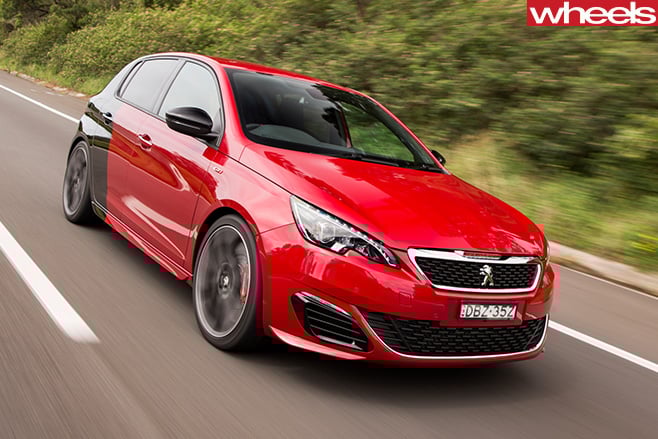
Yet for a car to surprise, we’re sorry to say one must have had a reasonably-formed and not-necessarily-flattering idea in his or her mind prior to getting behind the wheel. This was true for us with the Peugeot 308 GTi.
We blame the 308 GT. Yeah, it’s not bad, but to call it a hot hatch is a bit of a leap. We imagined the 308 GTi to be a version of that with more boost and bigger rubber. That was true, but it was more than that. Much more.
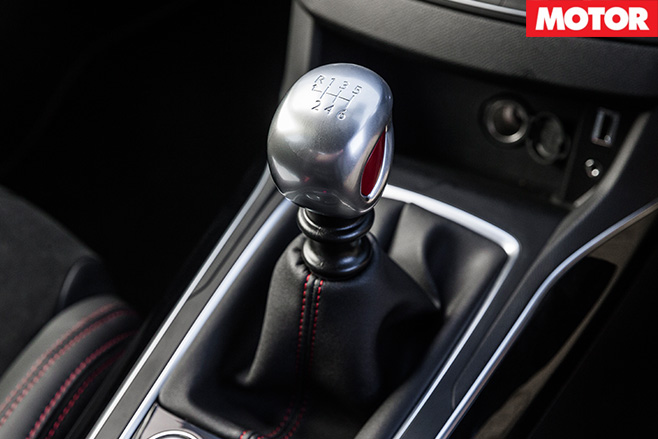
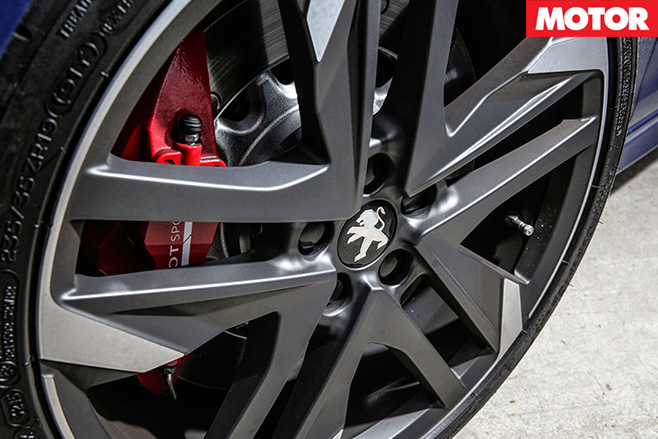
We’re talking about the more senior 270 version, too. Peugeot didn’t even bother sending this variant to our Bang For Your Bucks event this year, confident enough in the more junior 250 (pictured) which packs less grunt and less gear. An element of strategy may have been involved as you can option the 250 with the 270’s 19-inch wheels and very grippy Michelin Pilot Super Sport tyres and keep under $50K. And so the 308 GTi 250 came to BFYB, saw, and surprised both objectively and subjectively.
Think a 1:40.1sec lap around Winton – quicker than a Falcon XR6 Sprint. That’s what’ll happen when you put a 184kW/330Nm turbo 1.6-litre four-banger in a car that weighs 1205kg (just 8kg more than a Ford Fiesta ST). We can only imagine how the more potent 200kW 270 version might’ve gone with the big, 380mm four-pot front brakes and proper diff, which was missed around Winton’s tighter corners. Indeed in a separate test the 270 banged out a decent 6.09 seconds 0-100km/h. The thing’s mad.
It’s plush inside, makes a good noise in Sport mode (even if a little artificial – it gets a bit of help via the stereo) and while unlike a Megane RS the chassis takes some provocation to come unstuck, thanks to that diff it can get up a tight, twisty road at a rate that’ll keep you more than paying attention. WWWTHLE indeed.
Honourable mention: Ford Mustang GT. American performance cars have earned themselves a reputation for looking good, making a fab noise and going hard in a straight line – aaaand that’s about it.
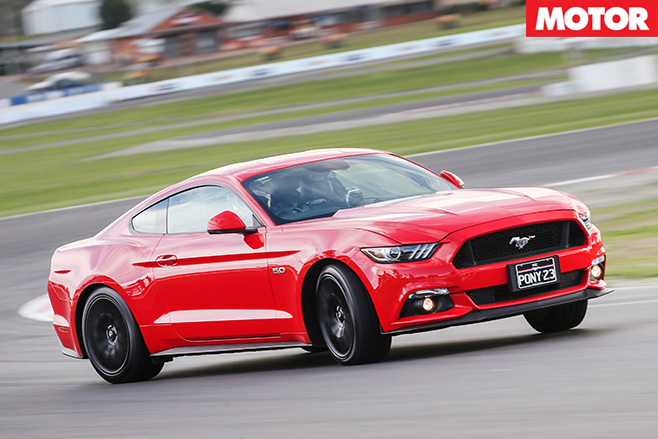
An American car, who would’ve thought? Not us, we were wrong. And happy to be.
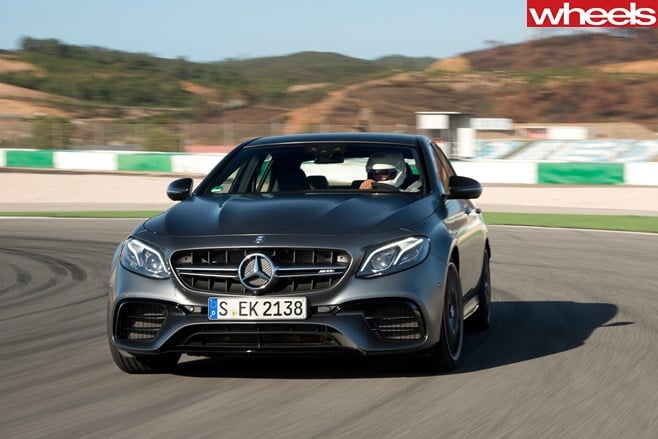
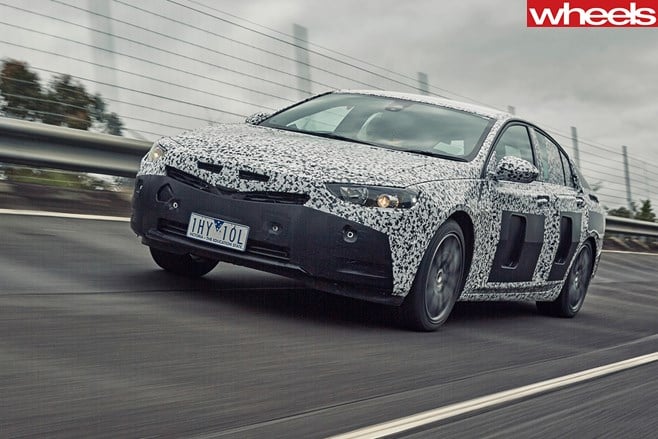
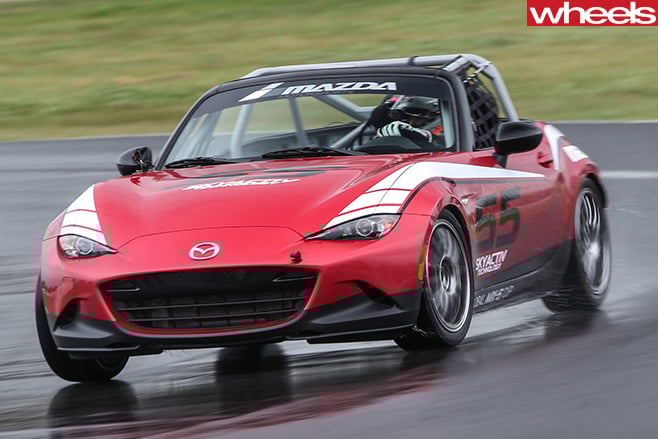
All the best reviews and first drives from the year that was, including the Peugeot 308 GTi, AMG E63 S, 2018 Commodore prototype and MX-5 Cup edition.
2016 Peugeot 308 GTi
2017 Mercedes-AMG E63 S
2018 Holden Commodore prototype
2016 Mazda MX-5 Cup edition
WITH summer holidays in full swing, it’s time to put your feet up, whip out that new iPad, and enjoy some of the best stories from Wheels’ expansive line-up of stories.
Here we have the first instalment of a two-part series recounting our favourite throwbacks and classic stories published during 2016. And remember, if any of these features tickle your fancy, our massive collection of more than 25 years of the best car content is now available online!
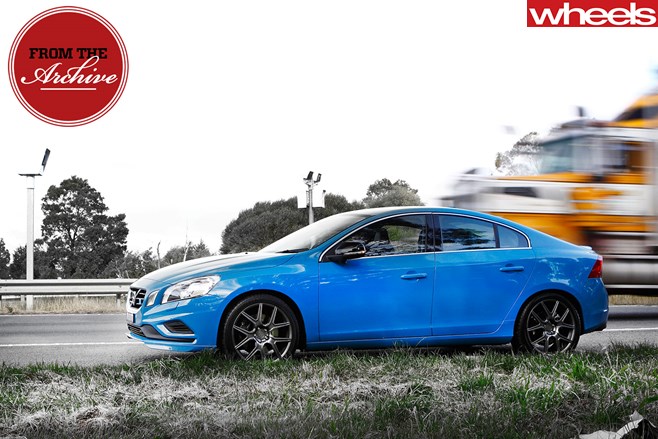
We drove the Hume Highway at 130km/h and didn’t get booked
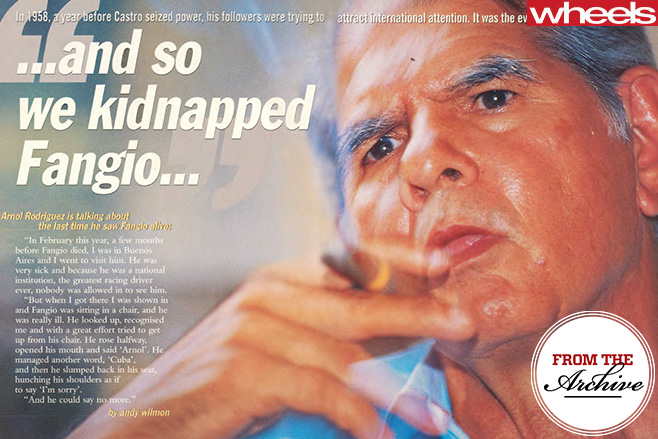
The man who kidnapped Fangio
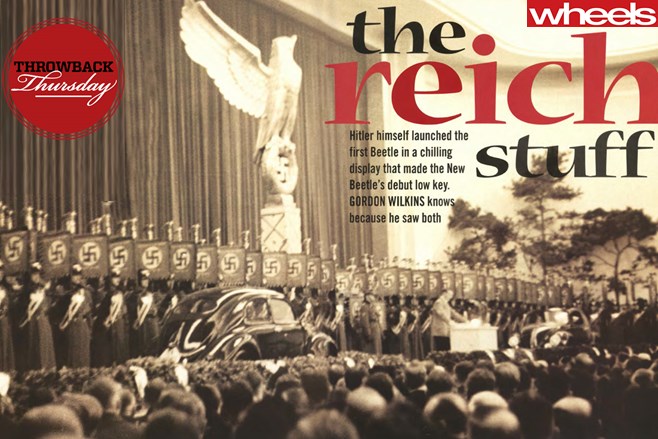
The Volkswagen Beetle and Adolf Hitler’s car for the people
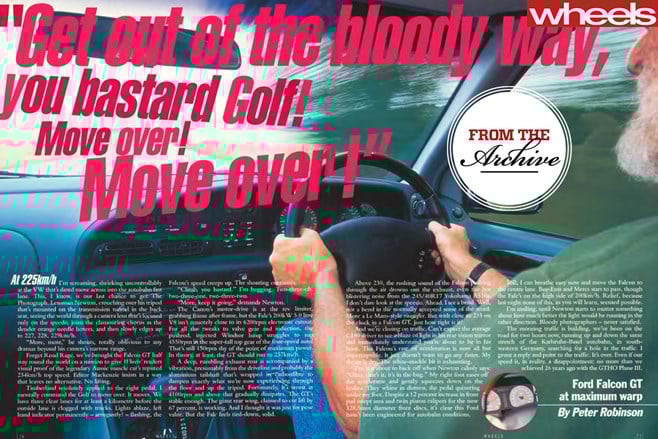
Ford Falcon GT on the autobahn at 235km/h
FASTER vehicle development and improved autonomous testing will be two outcomes of a $500 million investment in Ford’s Australian product development capability.
Comprising $50 million for capital works and $450 million for product research and development, the investment was announced yesterday by the company’s global chief Mark Fields at the official opening of its new Asia Pacific Product Development Centre headquarters in the Melbourne suburb of Broadmeadows.
Ford is hyping the investment as a sign of its continued support for the Australian automotive industry, just six weeks after closing its local manufacturing plants and ending production of the Falcon and Territory.
The $50 million includes the refurbishment of the Broadmeadows building which was formally the company’s Australian headquarters, an expansion of the design studio on the same ‘campus’, and upgrades at the You Yangs development facility and emissions laboratory. Spending started in mid-2016 and will be finished by 2018.
The $450 million spend in 2017 is a 50 percent boost over 2016 and signals development of generation two Ranger and Everest is cranking up, as well as the arrival of new responsibilities for Australia such as the born-again Bronco, which Wheels believes will be based on the T6 architecture for which the Melbourne PDC is the homeroom.
“This really signals our long-term investment in Australia,” Fields said yesterday. “It (Australian PDC) has important responsibilities today and I think you can tell from the amount we are growing the R&D expenditure … [that] clearly shows that we want Australia to shoulder a bigger part of our product development efforts around the world as we grow our business and as we grow our model line-up.”
Once Holden and Toyota end local production by the end of 2017, Ford claims it will be Australia’s biggest automotive employer and the only company based here capable of developing a vehicle from scratch – but not building it.
The Victorian Ford product development facilities – which also include a Geelong-based R&D centre – are part of Ford’s Asia-Pacific product development hub that also includes outposts in China and India.
One of three such hubs globally – the others are in Europe and North America – it is run by Shanghai-based Australian Ford veteran Trevor Worthington.
“Whenever a company makes the decision to increase its spending year over year by 50 percent, that is a pretty big commitment,” Worthington told Wheels.
He said that the new investment signaled the introduction of a new generation of Ford’s Global Product Development System – or GPDS.
“We are expanding particular groups to be able to do particular work faster,” he said. “To some extent what we are doing is manning up to deliver a much faster, much more comprehensive system that is going to deliver a much better outcome for customers.
“The thing about customers is they are always very, very demanding and they expect the latest thing tomorrow. So, it’s one thing to say ‘it takes five years to develop that – see you in five years’, they have moved on by then.”
Worthington highlighted investment at the You Yangs to improve autonomous testing as one example of how the Australian PDC was being boosted with.
Autonomous vehicles are a cornerstone of Ford’s global commitment to turn itself from an auto company to a “mobility” company.
“There is a path of driver-assist features that are on the way to that (full autonomy) and full Level Two is in our future,” said Worthington. “We are putting facilities in that will make it much easier for us to verify full Level Two semi-autonomous capability.
“We are not planning to be the core engineering centre, but as those features are deployed into programs that are in our cycle plan we want to make sure we can fully validate them and feed those lessons back to the global team.”
Level Two is where the automated system executes accelerating, braking, and steering. The automated system can deactivate immediately upon takeover by the driver.
There are already Level Three vehicles in Australia, such as the Tesla Model S and Mercedes-Benz E-Class, which allow the driver to turn their attention away from driving tasks when conditions are right.
It has garnered more column inches than any other car feature this year, so there’s a great irony that in reality the Focus RS’s much hyped ‘Drift Mode’ is, well, a bit poo.
Anyone with visions of hitting a button and revelling in smokey slides will be sadly disappointed. With an empty car park and someone else’s tyres at your disposal, Drift Mode offers some cheap laughs, but it has little to do with the traditional art of oversteer. However, while Drift Mode doesn’t automatically make the Focus RS drift, the good news is a super-adjustable chassis means it is capable of sliding just fine in its regular modes.
Best Option of 2016: Lamborghini Huracan LP580-2 adaptive dampers
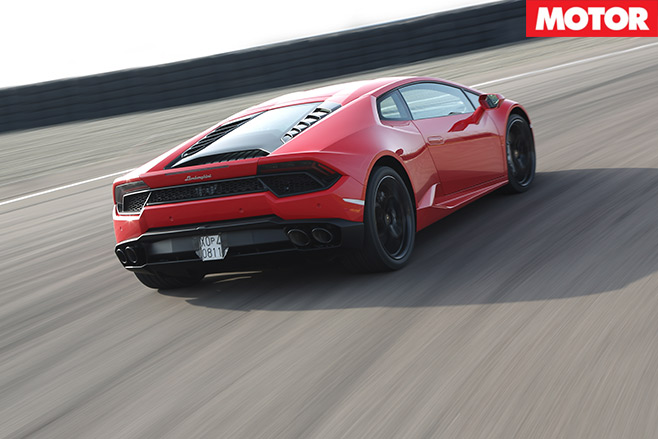
One way to take it even greater levels, and that’s by opting for $5000 worth of MagneRide dampers. That might seem like a lot of cash, but hey, parking sensors cost $5700. And we’re talking in the context of a $379K car here.
They lend a couple of personalities: in Strada mode, the ride is comfortable and relatively cosseting, but things ratchet up in both Sport and Corsa. The top two are close in feel, but there’s more leniency for controlled lunacy in the middle setting. In all, it’s five grand well spent.
The addition of a manual gearbox alone probably qualifies the updated VW Polo GTI for this award. This not only added a layer of interaction to a car that has previously lacked a bit of fire, but also allowed VW engineers to unlock an extra 70Nm from the 1.8-litre turbo.
This extra grunt turns the Polo GTI in a right pocket rocket, capable of giving its Golf GTI big brother a black eye in a straight line, but it was the MY16 addition of adaptive dampers that really added extra spice to the Polo package, improving its ride but also sharpening its cornering skills.
Most Disappointing Car of 2016: MINI John Cooper Works
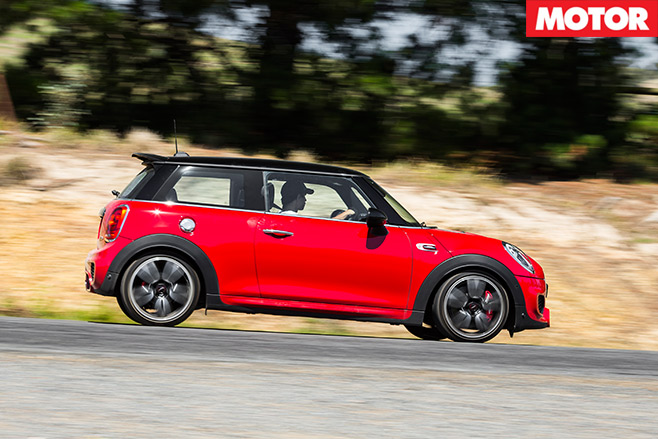
The new MINI JCW is a better all-round car, but not a better performance car. The engine is potent enough but the handling feels oddly artificial, the steering a bit unfinished and it doesn’t tempt you to keep driving it anything like the rip-snorting old one. We live in hope of improvement – presumably a GP version is still to come and with it, hopefully redemption.
Hot weather is particularly cruel on cars so it’s a good idea to get it serviced before you go, check that all fluids are topped up the car’s cooling and air-conditioning work well. Also ensure the tyres are in good order and properly inflated.
Don’t just go with the fastest route. Think about meal and rest breaks, attractions to see and which towns and facilities can be useful if you have kids, pets or other passengers with certain needs in tow. Things to consider in summer include confirming what places are open over holiday periods, and finding shady places to picnic. There are plenty of things that can happen beyond your control such as roadworks, bushfires and weather conditions, but you can get a heads up on them via a relevant organisations’ websites and apps. Digital maps and satellite navigation are great but have a paper map or road atlas in the car as a backup. Sometimes it’s great to just go with the flow – whether your next destination is determined by following a random sign or tossing a coin, it’s still a good idea to take a bit of time to learn what to expect ahead.
DON’T SET ARRIVAL TIMES
How many times on road trips as a kid did you hear your dad say “we’re making good time …” only for him to stress out when slowed by caravans or roadworks? What’s the rush? Whether it’s a day trip or a holiday drive, don’t set any time targets and go with the flow. If there are reasons to be somewhere at a particular time, such as Christmas lunch or setting up camp before nightfall, try and leave with plenty more time than the journey would normally take. Let the drive be a relaxing part of your break rather than a stressful means to get there.
Try travelling on back roads instead of major highways even for a small segment of your journey. The scenery is always better, you can discover country towns and attractions and the driving is usually a lot more enjoyable.
Things to have handy in your car and easily accessible for a summer road trip, as well as the usual necessities, include: • Radiator coolant • Drinking water (stay hydrated) • Snacks • Hat • Swimming togs, even if you don’t intend to swim • Rain/shade umbrella. • Phone charger cable • Insect repellent • Sun cream • Favourite pillow • An orange plastic tarpaulin (if travelling to remote areas) which does everything from creating shade, help gather water in rain or by evaporation and can be used to signal aircraft.
PACK LIGHT
Pack as lightly as possible for the convenience and fuel economy. If travelling for more than a day, use soft bags rather than cases are they’re easier to squeeze into the boot with other things. Limit everyone to one bag each.
STAY IN TOUCH
Update your nearest and dearest of your intentions while you travel so they’re not worried if they can’t get in touch with you.
ENTERTAINMENT These days it’s a lot easier to have your entire music and video collection with you in the car. If you don’t want your passengers to be in their own space with headphones on, rotate DJ duties. If you’re travelling with kids encourage them to take pictures so they take in the surroundings – perhaps set them (or your travel mates) a photographic scavenger hunt. Also remember things to keep you occupied for when you stop.
OLD WORLD COMMUNICATION Avoid phone calls while driving long distances. Even with a hands free kit you can be distracted by conversation. Besides, you’re on a road trip to escape the daily grind – that goes for texts and emails, even if you’re a passenger. They’ll still be there when you stop.
KEEP AND EYE ON THE GAUGES Monitor everything your car tells you from the speed (it’s summer the speed cameras and patrol cars will be out there) to your fuel status. Keep an eye on the engine temperature, too. Trip computers provide plenty of useful information such as fuel range and tyre pressures. If you’re in a new or hire car familiarise yourself with the trip computer’s menus and how to access them before you leave so you can do it while concentrating on the road.
NEED SOME INSPIRATION? Check out a scenic alternative to the Hume Highway if doing a Sydney to Melbourne run or some of Australia’s romantic drives.
We look at the best features we’ve put together in 2016. In part 2 we go to Bathurst and Le Mans, delve into the Mercedes inner sanctum, chat to Ferrari’s design boss, drive a princely Bentley and analyse Alfa’s five billion dollar baby.
Alfa Romeo’s revolutionary gamble in development
Five billion Euro is a lot of money to spend on a car. It seems especially so when that car is built on a flexible architecture platform that has been dubbed (when translated from Italian) ‘George’. The platform is set to underpin a brand new generation of Alfa Romeos, starting with the much hyped Giulia. The brand is looking to claw back credibility, with the Giula to play a pivotal role. How? By retaining that quintessential Alfa DNA and achieving “ultimate driving satisfaction” while finally lifting build quality. The first target once the Giulia goes on sale? BMW’s 3 Series.
Ford Focus RS visits Ford GT at Le Mans
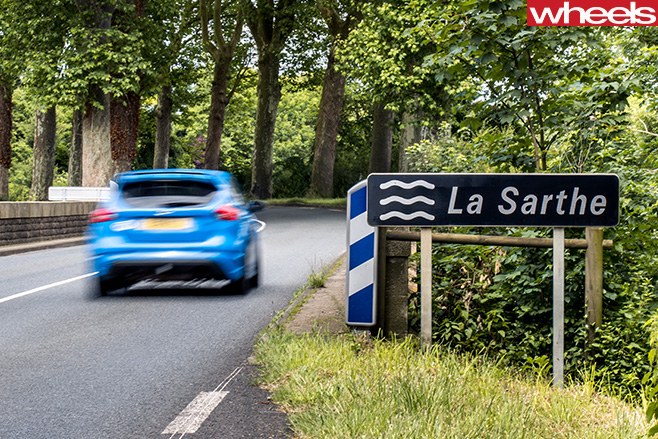
Mike Duff gets all sentimental with the Ford Focus, taking it to the home of endurance racing fifty years after the blue oval dominated Ferrari with a 1-2-3 finish with the GT. The rain is relentless for most of the journey to La Sarthe, and the bucket seats uncomfortable. The only respite then, it would seem, is to go faster and the RS certainly achieves that.
Inside Mercedes-Benz’s top-secret car bunkers
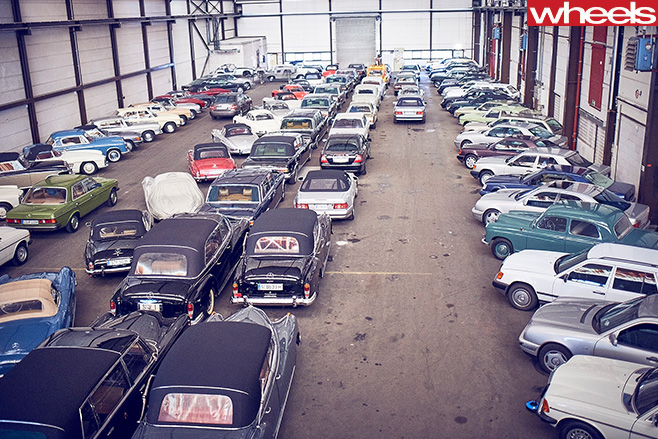
In September, Peter Robinson gained entry to a facility that is basically as exclusive as Area 51. Well maybe not quite that secretive, but Merc’s secluded storage facility in a German industrial estate is certainly a sight to behold. The eleven bunkers hold what is arguably the most incredible car collection in the world, with access granted only to those fortunate enough to gain an invite from Mercedes themselves. The facility is known as the Holy Halls and features 1000 cars from the brand’s past and present.
Bentley Bentayga: Fit for a prince
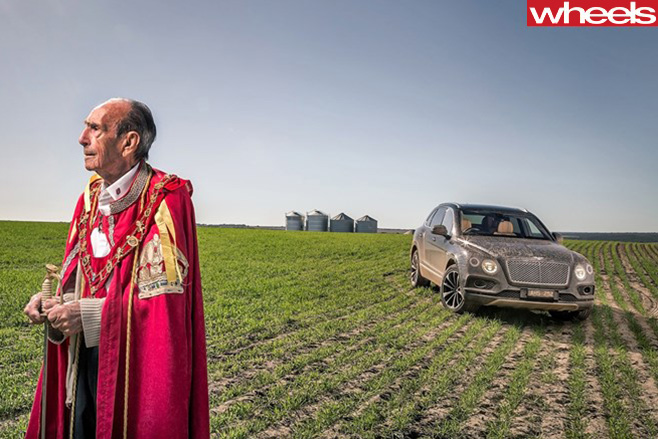
There’s something artistic, poetic and hilarious about the coming together of a Bentley and a group of well-spoken, self-described ‘princes’ in capes, on a remote piece of outback Oz. The group are known as the Principality of Hutt River, based out of a small corner of rural Western Australia. We found it fitting then that we deliver the Principality its official state vehicle in the form of the megabuck Bentley Bentayga.
2016 HSV Clubsport R8 Track Edition to the Bathurst 1000
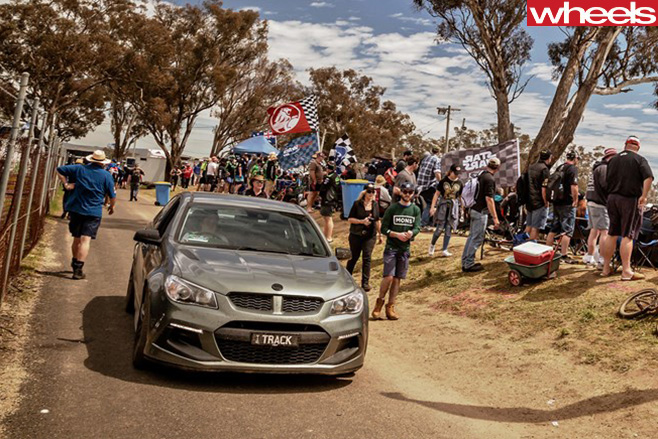
Roadtrips are part of Aussie culture. Generations have embarked on the trek to the Mountain in the latest Commodore or Falcon, for one of the greatest races in the world. Wheels scribe Cameron Kirby thought he had better give it a go while he still could, at the wheel of the mighty HSV Clubsport Track Edition. Departing from Melbourne, Cam and snapper Thomas Wielecki took to the back roads of the Hume Highway for a poignant voyage to the Mecca of Aussie motorsport.
Ferrari design boss Flavio Manzoni interview
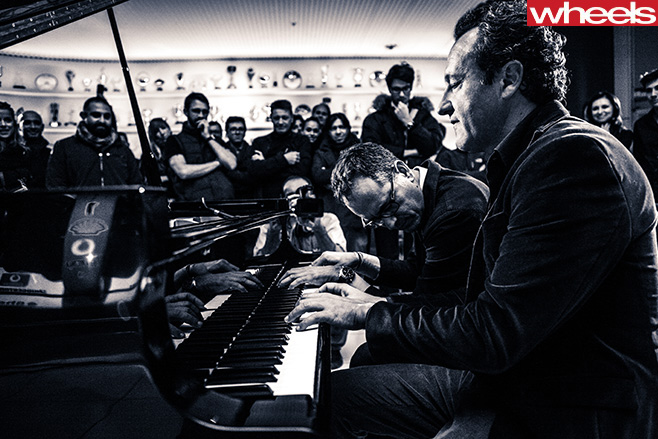
A perfectly-designed Ferrari is like a symphony of jazz music, according to the Prancing Horse’s top designer. Flavio Manzoni sits down with Stephen Corby to talk music, inspiration, natural connection, soul and enthusiasm. This is the way the team go about their work to create a new Ferrari – with typical Italian emotion rather than calculated German efficiency. Beauty is always the outcome. Just don’t ask him about SUVs.
