
Peter Robinson took the quickest Falcon to Britain and drove it against the home market. The Poims had never seen it, but now they want it.
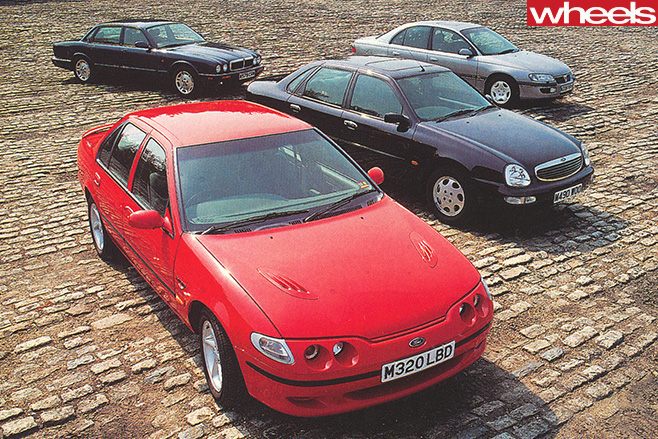
The two lads hurried across Helmsley’s Market Place, trying not to spill their pints. They could hear a crisp, snarling exhaust note and didn’t want to miss whatever was making it. So they tottered out of the Feathers Hotel just in time to see a crimson, four-eyed snout appear, followed by the longest, widest body they’d ever seen on a Ford.
First published in the July 1995 issue of Wheels magazine, Australia’s most experienced and most trusted car magazine since 1953.
They took in the big five-spoke alloys and the winged tail, and noted the XR6 badge. In Britain, XR on a Ford means Serious Perfomance. Yet only the blue oval trademark was familiar. The rest – alien, angry and unsubtle- was a mystery.
“What kind of Ford is that, then?” asked the taller Yorkshireman, unable to stop gawking. “I’ve never seen one before and I work for the local Ford dealer. Is it some special Mondeo, then?”
“We heard it before we saw it,” said his mate, “Doesn’t it sound great?”
When it became clear they didn’t have a clue, we let them in on the secret. “Australian? You’re kidding! Why can’t we buy a Ford like this, then?”
Their questions were repeated wherever the Falcon went in Britain. Nobody, but nobody, knew this Ford’s pedigree. All were surprised to learn it was Australian. “You mean Ford design and builds cars in Australia?” they said, as if the Colonials still drove Austin Freeways and Triumph Dolomites.
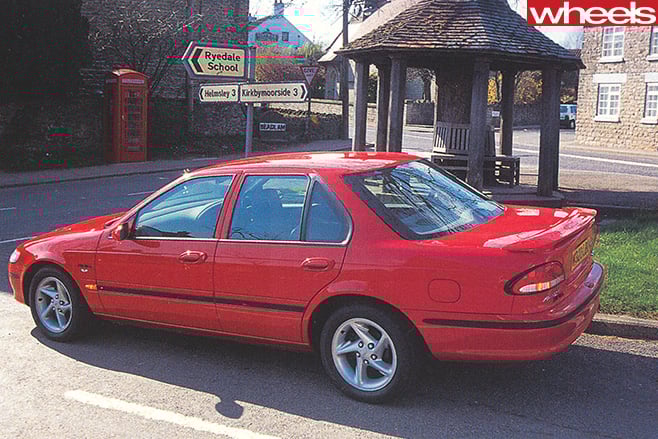
The Falcon they couldn’t understand. Tell them it’s often Australia’s best-selling model (and therefore comparable in one sense with a puny $11,995 1.6-litre midrange Escort LX), that it’s priced from only £12,475, and bigger and faster than a Scorpio, and they want to know why.
They want to know why Australians can buy so much car for so little money. Why the base engine is a “wow, that’s big” 4.0 litre straight six. Why the standard Falcon engine delivers 210hp, and why petrol is half price in Australia. We quickly learned. No Ferrari could hope to match the interest created by an unknown Ford sporting XR badges, wearing legitimate British registration and bearing no prototype disguise.
From the moment Mr Editor MacKenzie discovered that Tickford engineer David Morgan planned to use a Ford Falcon XR6 as his company car, a Euro-comparison involving the Falcon was a foregone conclusion.
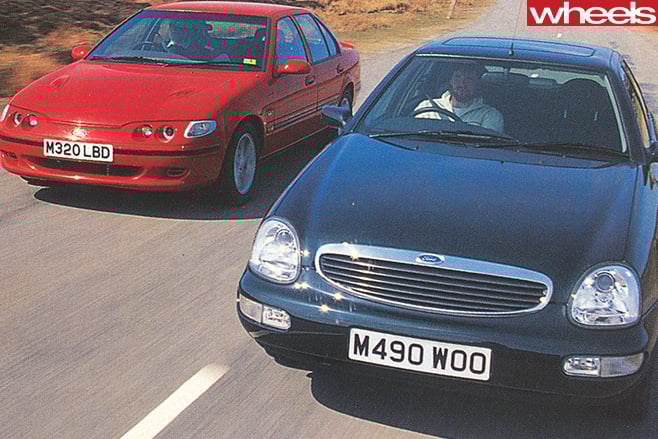
What European rivals? Searching through British new car price lists, it soon became apparent that the XR6 – or any Falcon – offers an unmatched performance/size/dollar, (or pound, since we’re in Britain) relationship.
Ideally, we wanted cars of a similar size, performance and comparable price with a parallel technical layout: front engine/rear drive. And since it was the five-speed XR6, they needed a sporting bias.
Trouble is, neither Ford nor Vauxhall (GM) offer quite such a combination. They did, but the new generation models the new Omega was launched in early 1994 and the facelifted Scorpio late in the year – confom to growing customer preferences in this class and exclude overtly sporting sedans, preferring instead to push a luxury image in their quest to take on BMW and Mercedes-Benz.
Vauxhall lists a manual transmission as a no cost option for GM’s new 24 valve 3.0 litre V6, yet neither GM’s British nor German operations were able to supply us with a test car. Lack of customer and press demand, apparently. Ford doesn’t even bother to offer a manual version of its Cosworth-tweaked 24 valve 2.9 litre V6 in the Scorpio. There were other reasons to make the Omega and Scorpio’s inclusion mandatory, however, even as automatics.
The Scorpio, as Europe’s big Ford, presents a significant cultural dilemma for FoMoCo. Eventually, if Ford is true to its plan to standardise the platfoms of models of a similar size around the world, the Scorpio and Falcon must be replaced by the same car. At least, under the skin.
Comparing Scorpio with the true-blue Falcon righty provided the perfect opportunity to understand what led Ford Australia to reject the European model when it came to choosing a new Falcon for 1988. The Falcon and Scorpio driven here represent the latest versions of models launched in the mid-’80s and heavily facelifted (only the doors are carried over) along similar lines last year with the aim of extending their model cycles while Detroit makes up its mind about the future of both.
One of the alternatives under serious consideration by Ford is to drop the Scorpio altogether and use a new Jaguar – remember the cat is now wholly owned by Ford – to take on the European establishment. A fancy Ford, like equivalent Vauxhalls, has never commanded the same magnetism as its German rivals and Ford sees this as very much Jaguar’s future task.
Why no BMW or Mercedes? Easy, there are totally new Mercedes-Benz E class and 5 Series models just months from launch. Four cars, then. Two Fords from opposite ends of the world, a Jaguar and a Vauxhall.
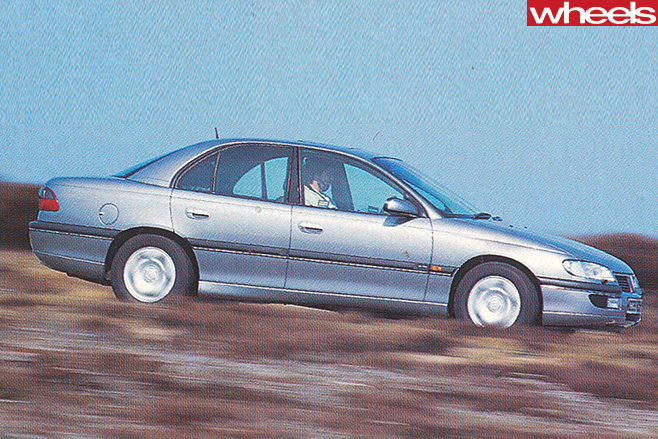
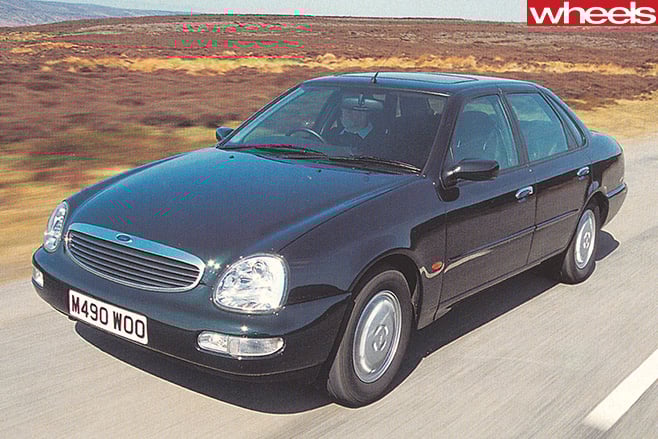
Design? The Omega, polished in typical GM fashion, is contemporary and rounded, handsome rather than beautiful and certainly unlikely to offend potential buyers. Which is more than can be said for the European Ford. It’s hard to understand how the Scorpio wriggled through the checks and balances of Ford’s design system. The compromises of the narrow Sierra platfom are obvious: that bulbous nose and fat, cumbersome tail are quite alienated from a glasshouse that remains essentially unaltered. The Scorpio looks as if one designer took the front, another the rear and the two parts were connected to the centre without reference to the whole. It’s not even particularly slippery, having a drag coefficient of 0.33. People certainly notice what Ford calls ”distinctive” stying, and talk about it, but that doesn’t necessarily mean they’re going to turn into customers.
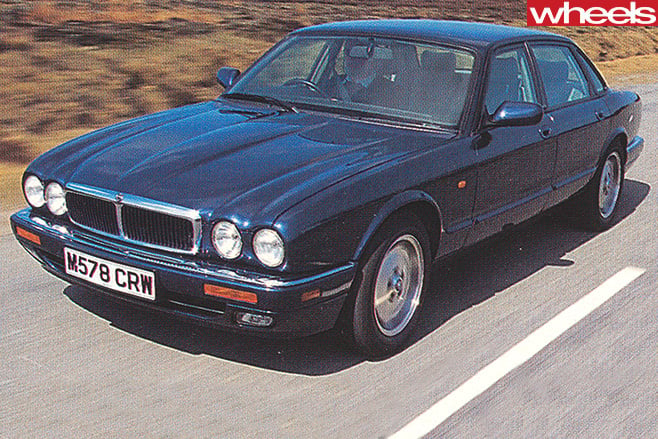
The Falcon’s facelift is far more predictable and successful. Only the retention of the side body crease lines through the carry-over doors dates the car. The Jaguar is, well, a Jaguar. More Jaguar like than the previous model since the revival of traditional design cues that give the car a more graceful appearance but a Cd figure of only 0.37.
All four are front engine/rear-drive, but have clear engineering distinctions that begin with the engines. While Ford Australia sticks with an in-line six, Europe seems intent on switching to vees. Ford and GM are already converts, Jaguar and Mercedes-Benz are soon to follow, leaving only BMW and Volvo as adherents.
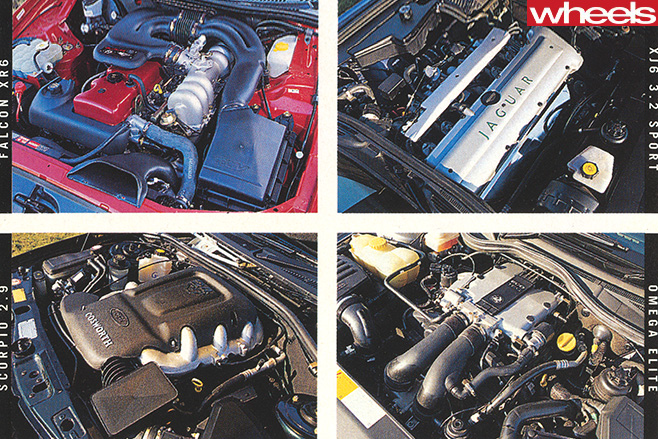
By Australian standards, it’s a brilliant high-revving topend performer, yet almost lethargic at low revs and lacking the grunt of instant engine response from idle that you take for granted from a Commodore or Falcon. Peak torque of270 Nm is developed at a high 3600 rpm and not even a torque converter and super smooth auto tranny can disguise the need to kickdown for maximum acceleration. From 3000 rpm to the 6750 rpm redline this engine spins effortlessly and powerfully. The refinement is obvious and no Ford or, as it turned out, Jaguar six is going to equal its finesse.
Ford’s ageing 2. 9 litre Cologne V6 benefits enormously from the Cosworth development that brought twin overhead camshafts and four valves per cylinder a couple of years ago and in its latest form gets a variable-length induction tract. Even so, the Scorpio’s 152 kW can’t quite match the Vauxhall’s 155 kW and it, too, has a peaky torque curve developing 281 Nm at a lofty 4200 rpm. But Ford’s A4LDE fourspeed automatic doesn’t shift as fluently or quickly as GM’s tranny, while coming on and off the power quickly induces a mild jerk that also spoils the Jaguar’s driveline refinement.
Despite the advances of a single overhead camshaft and modem electronic multipoint fuel injection system, the Aussie Ford’s basic engine dates back to the original 1960 144 cu in compact Falcon. Yes, 35 years later and the bore centres are the same. But the ancient long-stroke six has enough additional capacity, even over the Jaguar, to give it a small edge in power and a massive advantage in torque.
Combine the least weight with 366 Nm developed at a humble 3150rpm and a manual gearbox, and it’s easy to see why the Falcon’s quickest here.
Few Europeans have firsthand experience of such an engine. A lowly 5500 rpm redline and all that torque should demonstrate that this engine has an aversion to high revs. The fact is, the Xlt6 seldom needs more than 3500 rpm, is remarkably responsive from 1000 rpm even in the tall fifth gear, and in fourth feels strong enough to climb a mountain. Push it and, despite that stiffer 12 counterweight crankshaft, the engine strains and grows harsh above 4500 rpm
The Borg-Warner T5 gearbox still drones on the overrun just as the cliff still whines but, believe me, after years of driving relatively small, high-revving European engines, there’s a hell of lot to be said for a big, lazy six and a flat torque curve that requires only tiny throttle openings. There obviously isn’t the same need to change gears, yet the Falcon’s shift is light, quick and precise, the huge gap between fourth and fifth serving merely to emphasis the engine’s pull.
The paradox of the Falcon comes through a chassis set-up that’s more overtly sporting, even, than Jaguar’s so-called XJ6 Sport. Both rely on firmer springs and dampers. Bigger anti-roll bars and fatter tyres – those on the XR6 we drove are admittedly the optional 225/50 16s- than the standard equipment.
Yet, in spite of its comparatively low-tech engine, the Falcon is easily the most sporting sedan in this group. It’s as if, outside the mega-dollar M5 BMW, the AMG Meres and Volvo’s front-drive T5, Europe has given up building large, four-door sedans for people who want an aggressive chassis and gusty performance at an affordable price.
But the Falcon is the only car here to cling to a live rear axle; occasionally the tricky undulations of the lumpy moor roads catch the rear end out so that it skips sideways or spins the inside rear wheel out of a hairpin. Yet the ride is never uncomfortable and the suspension feels bullet-proof tough, with travel enough to absorb bumps that cause the Jaguar to bottom out.
Up to eight-tenths, the XJ6 Sport feels to have the handling/ride compromise perfectly sorted. The steering offers more weight and feel than the Sovereign and seems more direct – though the 2.8 turns lock to lock needs to be seen in the light of a huge 12.1m turning circle. While the body stays flat, the ride is still supple enough to suppress bumps, and the handling seems neutral. Push beyond this and, just where the Falcon welcomes the change, the Jaguar’s weight becomes becomes apparent; the body begins to float and heave, understeer intrudes and steering demands more lock.
Neither the Omega nor the Scorpio have sporting pretensions, yet so well developed are their respective suspensions that both are far more capable than their images suggest. Ultimately, it’s the more firmly sprung Omega that is closest to rivalling the Falcon’s driving appeal. The Scorpio lacks the body control and, unlike the Falcon, never manages to hide its bulk. When it runs out of grip, the Euro-Ford behaves predictably and, while the Servotronic power steering is quick enough to make the car wonderfully manoeuvrable at low speeds, it can become nervous in crosswinds.
As motorway transport the refinement of the Europeans becomes obvious, yet the Falcon remains a contender, not least because it is easily the highest geared. Still, there is a constant if mild tremor through the wheel and more road and wind noise than the others produce. All four have excellent brakes, but it’s the Falcon’s progressive and instantly responsive pedal action that we preferred.
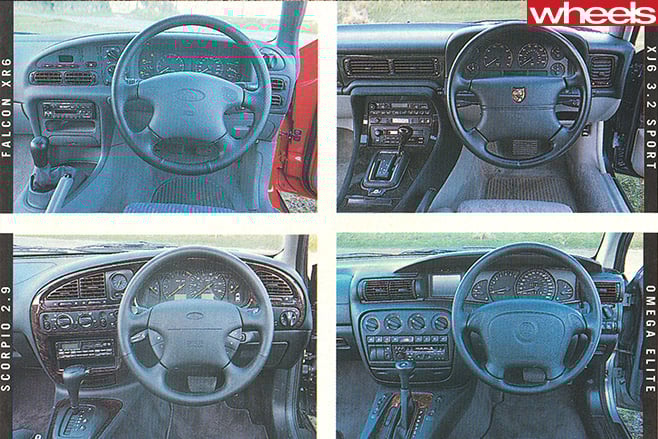
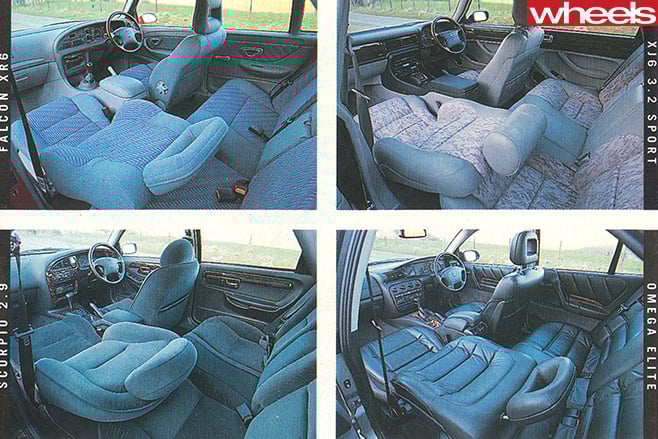
Cabin space is a joke in the Jaguar and the rear seat a nonsense in terms of comfort, visibility and roominess. Yet the driver who enjoys being cossetted will love the club atmosphere of its interior and ignore the pleas from tall rear seat passengers. The Omega is spoiled for the driver by a non-adjustable steering wheel, though it is otherwise superbly equipped and comfortable for four adults. Likewise the Scorpio, at least if you like mock wood interiors.
The Falcon is far less pretentious. The driving position is a vast improvement over previous Falcons don’t reach and rake steering wheel adjustment and a console-mounted handbrake make a difference to your perception of a car’s driving affinity? – and it’s still the only car capable of carrying five large adults in any comfort.
The interior, which is light and airy, occasionally betrays its age in not having adjustable seatbelt anchorage points.
Subtle it’s not, but there’s no denying the XR6 is astonishingly effective. Those who drove , the Falcon greatly enjoyed the experience. Neither American nor European, Ford’s Australian car has evolved into something quite unique. Uncomplicated and simple it may be, but it’s never raw and the honesty of its character shines through.
Yes, Europeans expect a sedan of this size to be more civilized, but in creating greater refinement some of the driving ease and pleasure, and certainly the ruggedness, has undoubtedly been lost.
The Toyota Hilux has nudged aside its longstanding rival, the Ford Ranger, to win the trade ute sales race in July, the latest sales figures show.
The Hilux finished the month with 3136 sales, slightly ahead of the Ford Ranger on 2874. Both had daylight on the number three bestseller in the segment, the Holden Colorado, on 1692 sales.
Rounding out the top five are the Nissan Navara on 1537 sales, and the Mitsubishi Triton on 1345.
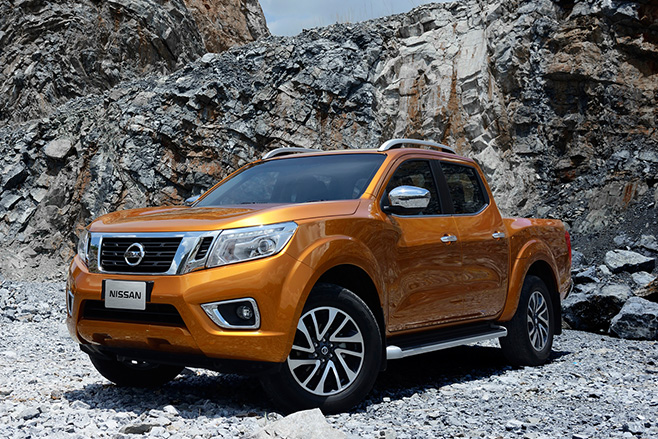
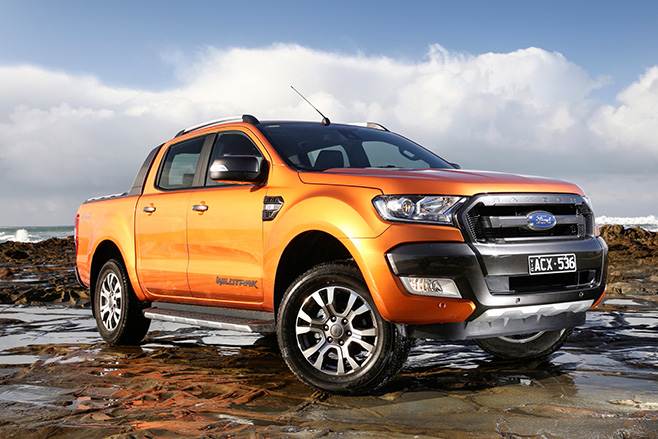
The Ford Ranger is bouncing back in the sales race after receiving a makeover introduced to the range last month. This includes a reversing camera and reversing sensors introduced as standard across the range – important if the vehicle swaps its weekday workboots for weekend family duties – while models higher up the range add bits including upgraded smartphone connectivity called SYNC3, front parking sensors and standard six-speed automatic transmissions.
The range-topping Ranger Wildtrak adds adaptive cruise control, a drowsy driver monitor, automatic high beam dipping, and a lane keep assist and departure warning system as standard.
The all-new Toyota Hilux arrived late last year featuring an all-new diesel engine.
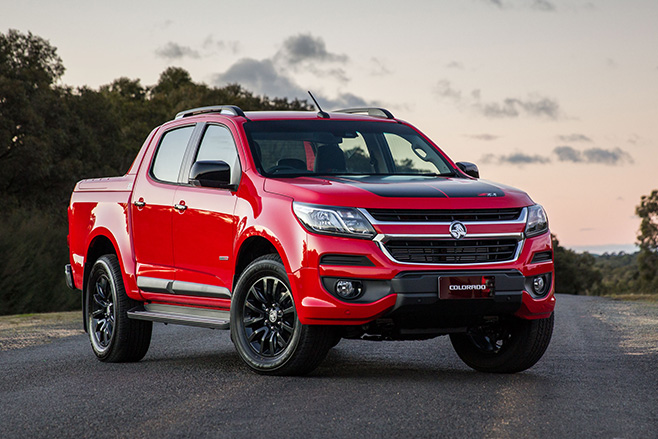
The Holden Colorado is due for a significant makeover soon, including a rebranding of the closely related Colorado 7 seven-seat wagon which will be renamed the Trailblazer – in line with the global branding given to the Holden-badged version of the large off-roader.
Nissan’s Navara, also introduced as an all-new model to the Australian market last year, nudged out the Mitsubishi Triton, one of the oldest utes to remain on sale.
Trade utes including the Isuzu D-Max, Mazda BT-50 and the Volkswagen Amarok are all soon to receive significant makeovers as part of efforts to keep them looking fresh in the eyes of buyers.
Meanwhile, the Toyota Landcruiser has had significant engineering changes made to it to help improve a poor crash test record.
Top 10 trade utes for July
| Rank | Model | Sales (July u201816) |
| 1. | Toyota Hilux | 3136 |
| 2. | Ford Ranger | 2874 |
| 3. | Holden Colorado | 1692 |
| 4. | Nissan Navara | 1537 |
| 5. | Mitsubishi Triton | 1345 |
| 6. | Isuzu D-Max | 1336 |
| 7. | Mazda BT-50 | 697 |
| 8. | Toyota Landcruiser | 555 |
| 9. | Volkswagen Amarok | 441 |
| 10. | Holden Ute | 348 |
The Toyota Corolla returned to the top of the sales charts in July, while there was a shock for the rival Mazda 3 that made a rare exit from the top 10.
Corolla’s 3427-unit total for the month ended the Hyundai i30’s four-month winning streak and closed the gap to the Korean hatch in the battle for the 2016 title of Australia’s best-selling model.
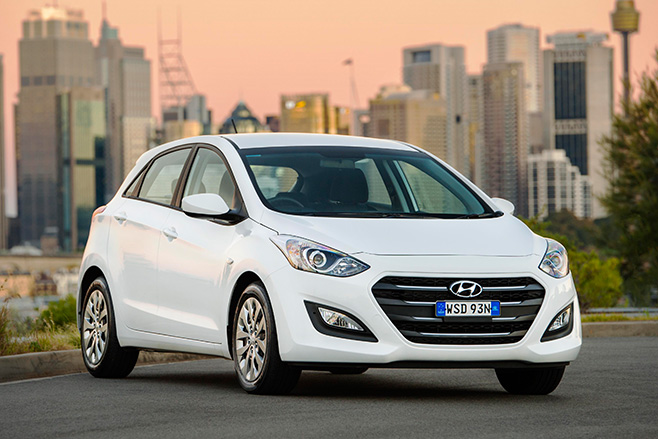
The i30 registered 2216 in comparison – down 20 percent year on year – though the Mazda 3 suffered more last month with a relative low figure of 1501 as buyers waited for a significant August 1 update for the perennially popular Japanese small car.
Toyota locked out the front row of the July grid with the HiLux achieving 3136 sales. The ute remains second in the year-to-date race, with its 24,307 total to July trailing the i30 by 766 but ahead of the Corolla by just 36 units in the tight three-way battle.
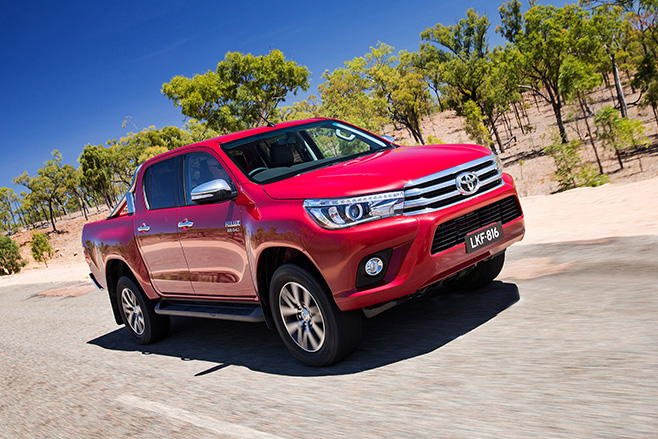
Ford’s Ranger ute (below) knocked the i30 off the podium in July with 2874 sales, continuing an impressive run that sees it remain in Australia’s top 5 vehicles overall.
Toyota’s Camry medium car had its best July in four years to finish 5th (2172 sales), and Mazda could take solace from its CX-5 (6th, 1933) and CX-3 (9th, 1744) SUVs that both finished in the top 10.
The RAV4’s 1825 units ensured Toyota occupied four of those positions, and Holden took two with the Commodore (7th, 1874) and Colorado (10th, 1648).
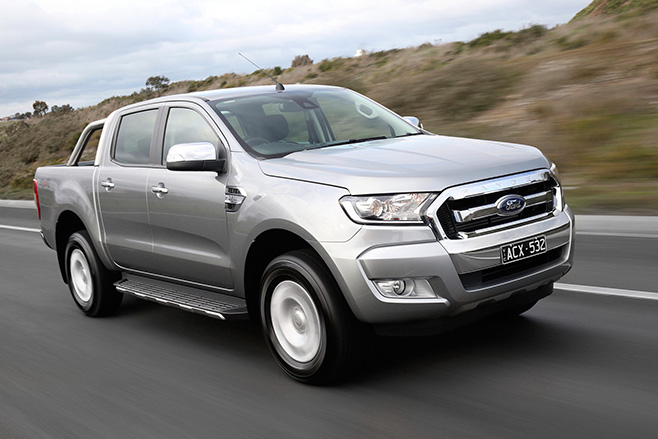
July’s total market of 91,331 fell 977 vehicles (-1 percent) short of last July’s figure – only the second negative month of 2016. (March sales were half a percent down on March 2015.)
The Australian new-car market is still on course for a record year – up nearly 3 percent compared with the same period last year: 689,471 v 670,735.
July 2016: Top 10 Vehicle Sales
| Rank | Model | Sales |
| 1. | Toyota Corolla | 3427 |
| 2. | Toyota Hilux | 3136 |
| 3. | Ford Ranger | 2874 |
| 4. | Hyundai i30 | 2216 |
| 5. | Toyota Camry | 2172 |
| 6. | Mazda CX-5 | 1993 |
| 7. | Holden Commodore | 1874 |
| 8. | Toyota RAV4 | 1825 |
| 9. | Mazda CX-3 | 1744 |
| 10. | Hyundai Accent | 1726 |
Race for 2016’s No.1 Sales Spot (at end of July 2016)
| Rank | Brand | Sales |
| 1. | Hyundai i30 | 25,073 |
| 2. | Toyota HiLux | 24,307 |
| 3. | Toyota Corolla | 23,971 |
| 4. | Mazda 3 | 21,589 |
| 5. | Ford Ranger | 21,073 |
AUSTRALIA’S new-car market tapped the brakes slightly in July, falling slightly compared with the same month last year, figures released today show.
The Toyota Corolla, with 3247 sales, nudged the Hyundai i30 (2216 sales) out of the way to take over top spot in individual model sales. The Corolla was followed by two utes competing in one of the hottest parts of the new-car market, the Toyota HiLux (3136) and Ford Ranger (2874), followed by the i30 and the only Australian-made model to make it into the top five, the Toyota Camry (2172).
However, while our appetite for shiny new metal has waned, it hasn’t stopped us escaping to the allure of the Ford Mustang, with the two-door muscle car snaring 619 sales – its second-best monthly result since launch.
Overall sales for July came in at 91,331 vehicles, 1.1 percent down on July 2015’s figure. Despite the slight slowdown in car sales, the total market is still on a path to eclipse last year’s sales figures with year-to-date sales currently sitting at 689,471 – 18,736 cars more than this time last year.
And though the market as a whole slowed down in July (down from June’s record-smashing figure of 128,569), the SUV segment maintained its growth. A total of 256,210 SUVs were sold to the end of July 2016, a massive increase of 10.3 percent against 2015’s numbers.
The Ford Mustang was the third highest-selling model in Ford showrooms last month. The only models to outsell it last month were the Ranger and Focus, with the gap between Mustang and Focus coming down to 86 cars. The Mustang even managed to outsell 2WD variants of the popular Ranger ute, while a substantial slide in Territory volume has put Ford’s large family hauler 113 cars behind Mustang.
Year to date, the Mustang is still the fourth highest-selling model in Ford’s stable with 3118 cars delivered since its December arrival, behind the Ranger, Territory and Focus. Mustang GT Coupe automatics account for the lion’s share of Mustang orders with 1054 cars delivered to the end of June, though the GT Coupe manual isn’t far behind with 828 cars sold over the same period.
Looking at the broader new car market, Australia’s love affair with high-riding SUVS and crossovers continued, with buyers steadily marching out of passenger cars.
Despite the slight slowdown in car sales, the total market is still on a path to eclipse last year’s sales figures with year-to-date sales currently sitting at 689,471 – 18,736 cars more than this time last year.
And though the market as a whole slowed down in July (down from June’s record-smashing figure of 128,569), the SUV segment maintained its growth. A total of 256,210 SUVs were sold to the end of July, an increase of 10.3 percent against 2015’s numbers.
Though all VFACTS SUV categories – encompassing small, medium, large and upper-large – grew, the bulk of the SUV sales push came from mid-size SUVs such as the Mazda CX-5, Toyota RAV4 and Hyundai Tucson, which are currently the top three players in the segment.
As SUV sales soar, passenger car sales have slumped. The small car segment under $40K has fallen 3.8 percent year-to-date while light car sales below $15K have slipped by 17.2 percent over the same period.
The only winners have been luxury cars in the light and small segments, which have both grown sales this year. All other passenger car segments – both mainstream and premium – have fallen. The only other exception is the upper-large luxury car segment, which has grown by 23.9 percent largely thanks to the successful introduction of the all-new 7 Series range.
Toyota retains its dominant position in the market with 17,465 sales in July, up 3.7 percent compared to the same month last year. Mazda, Hyundai and Ford follow with 8460, 7603 and 7071 sales respectively, though those brands all recorded fewer sales than they did in 2015.
Ford followed with 6894 sales, with a huge 20 percent growth figure based on bigger numbers from Ranger, Mustang and Mondeo.
Top 10 vehicles in July
| Rank | Model | Sales |
| 1. | Toyota Corolla | 3427 |
| 2. | Toyota Hilux | 3136 |
| 3. | Ford Ranger | 2874 |
| 4. | Hyundai i30 | 2216 |
| 5. | Toyota Camry | 2172 |
| 6. | Mazda CX-5 | 1993 |
| 7. | Holden Commodore | 1874 |
| 8. | Toyota RAV4 | 1825 |
| 9. | Mazda CX-3 | 1744 |
| 10. | Hyundai Accent | 1726 |
Top 10 brands in July
| Rank | Brand | Sales |
| 1. | Toyota | 17,465 |
| 2. | Mazda | 8460 |
| 3. | Hyundai | 7603 |
| 4. | Holden | 7071 |
| 5. | Ford | 6894 |
| 6. | Mitsubishi | 5412 |
| 7. | Nissan | 5304 |
| 8. | Volkswagen | 4193 |
| 9. | Kia | 3555 |
| 10. | Subaru | 3356 |
Renault still down on power compared to Mercedes and Ferrari
But Red Bull optimistic it will soon be in terms with rivals in the power battle
Red Bull boss Christian Horner has conceded that despite recent updates this year his team’s Renault power unit still lags about 35kW behind the benchmark Mercedes.
Horner expects this gap to shrink as Renault inexorably refines its current hybrid design.
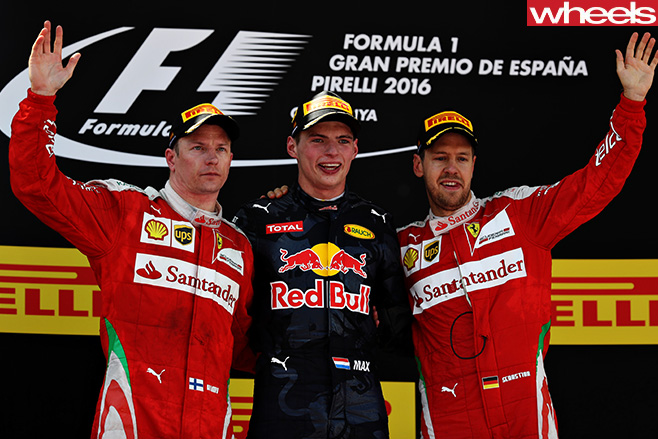
The stronger engine and Red Bull’s acknowledged best-on-grid chassis has propelled Daniel Ricciardo and Max Verstappen past the Ferraris to a point where it is generally regarded as second-quickest after the Mercs.
Horner has praised his engine partner – a very different approach from the regular bollocking he delivered in Renault’s direction last season, but senses the Mercedes will be hard to match in output terms, which he puts at about 35kW in electrical energy output.
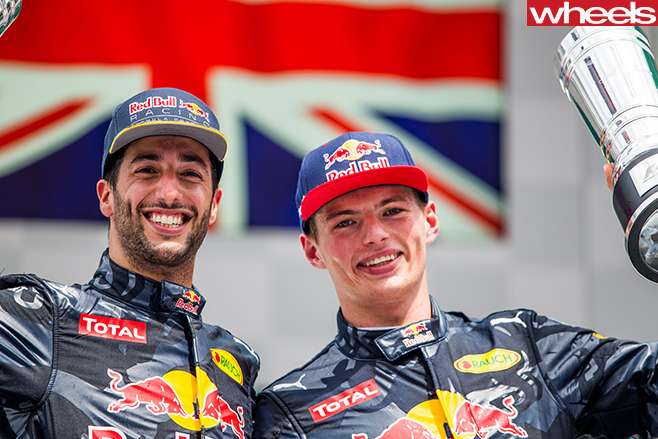
Horner reinforced the target of ensuring the engine works in harmony with the Red Bull chassis.
Ferrari drifts back to its status quo – a touch of chaos
Departure of technical director is sign of the old Ferrari volatility.
Okay, key engineering and design people are never absolute fixtures at F1 teams. The striving for competitiveness and the inevitable clash of egos and big personalities (and ideas) does means the occasional parting of the ways.
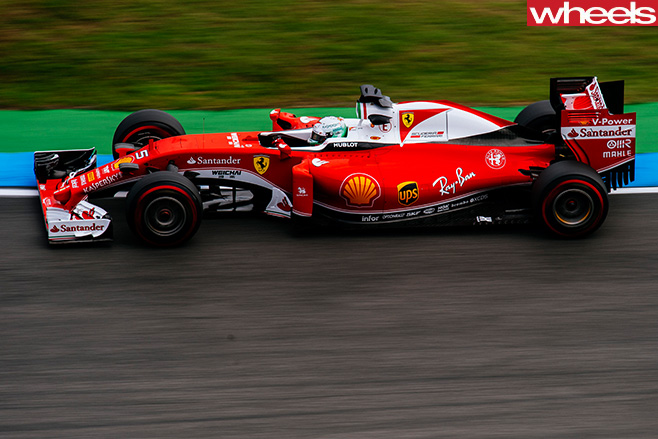
The parting of the ways with technical director James Allison has been described as a “joint decision”. Though it is known he wants to spend more time with his family following the death of his wife earlier this year, some have suggested his exit bears some signs that the highly rated Briton was shoved out the door on the back of a winless (so far) 2016. Last year Ferrari scored three wins and optimism was rampant.

Sebastian Vettel is unhappy. He disparagingly questioned the team’s undercut strategy in Germany.
Allison, 48, rejoined Ferrari three years ago as part of a major restructure to return to winning ways. Previously he was also at Ferrari as head of aerodynamics during the Schumacher era, before returning to Renault where he was deputy technical director when Fernando Alonso won drivers’ titles in 2005 and 2006.
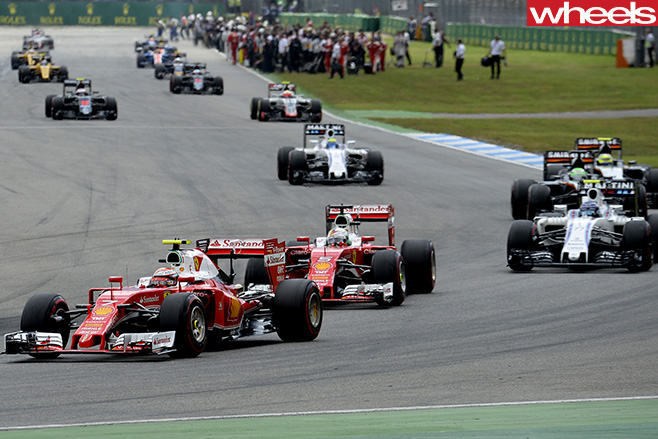
The shove out the door of their chairman, Luca di Montezemolo in 2014 has been followed by two changes of team principal in 12 months before the arrival of Maurizio Arrivabene.
Sometimes change is a very good thing. Only sometimes.
Few cars generate more discussion in the MOTOR office than the latest M3 and M4.
We’ve driven both a few times over the past two years and every time come away impressed with their capabilities, but ultimately disappointed with how difficult it can be to exploit them.
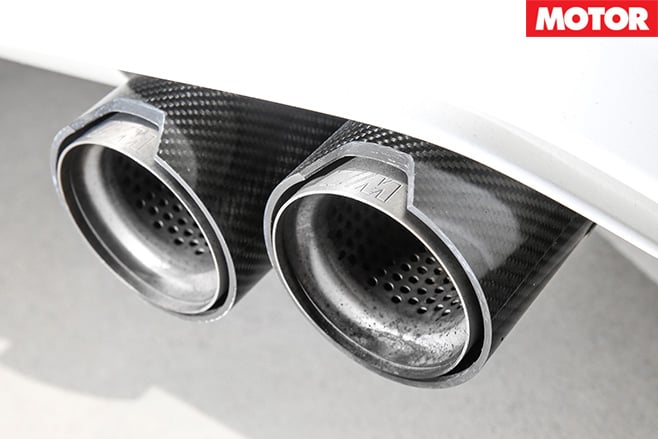
On the face of it, a swathe of cosmetic enhancements and a shoutier exhaust should do little to alter this, however the M4 ‘M Performance’ does alter the car’s character enough to give pause for thought and the feeling that perhaps a fresh outlook is needed.
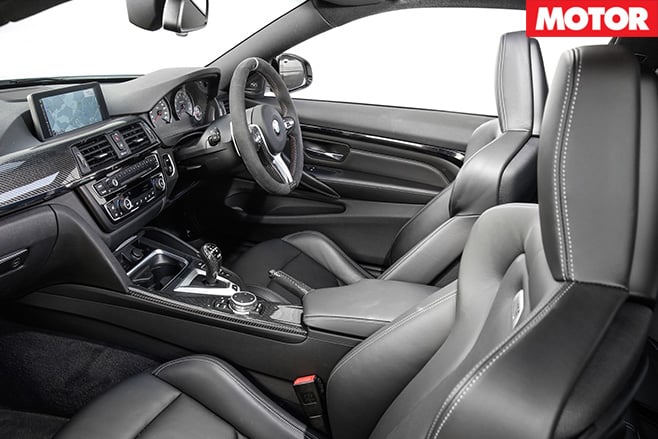
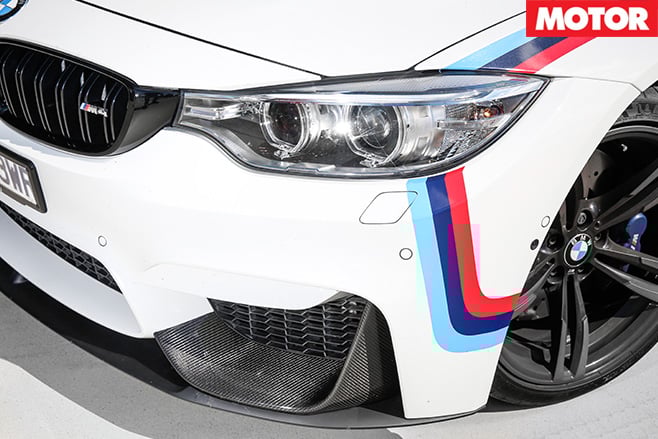
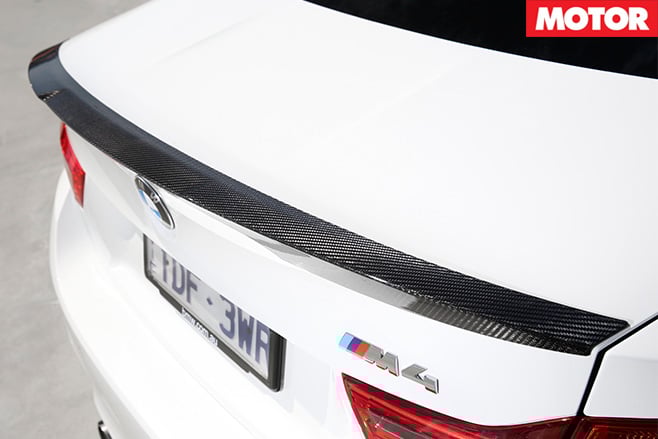
The exterior mods seemed to be an acquired taste. I loved them, the bodykit giving the M4’s steroidal stance even more aggression and the stripes adding some ’70s M-car cool. Some found it garish, but I couldn’t walk away from it without stealing a backwards glance.
It probably liberates a little extra power, too, but to be honest that’s not something the M4 is lacking. The spec sheet says 317kW/550Nm, but it feels much, much stronger than that, with enough torque to have the rear end squirming in the first four gears on cold tyres.
Combine this behaviour with enormous amounts of turbo torque and the experience can leave you feeling a bit frazzled. It’s a marked departure from previous M cars, which have traditionally been friendly and exploitable at the limit. This partly explains our disappointment with the current crop, however, viewed another way, attempting to tame them is undoubtedly thrilling.
We’ll find out next issue.
4 OUT OF 5 STARS
LIKE: Sensational looks; incredible speed; added character DISLIKE: Tricky on cold tyres; extras are expensive
SPECS Engine: 2979cc inline-6, DOHC, 24v, twin-turbo Power: 317kW @ 5500-7300rpm Torque: 550Nm @ 1850-5500rpm Weight: 1537kg 0-100km/h: 4.1sec (est) Price: $167,610
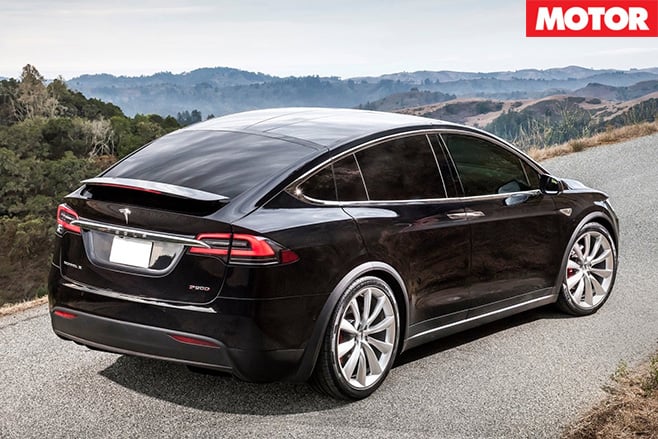
Watch out BMW X5 M and Benz GLE 63 because the Tesla Model X P90D is arriving with seven seats and a 3.4-second 0-100km/h claim priced from $201,072 plus on-road costs.
The sticker of the all-electric Californian-built SUV comes in just above the $185,510 X5 M and $189,900 GLE 63, both of which claim a 4.2sec sprint. However, it lists significantly below the $287,500 Porsche Cayenne Turbo S and $423,600 Bentley Bentayga that each only wipe another tenth off that time.
Think of it as an ‘overboost’ function.
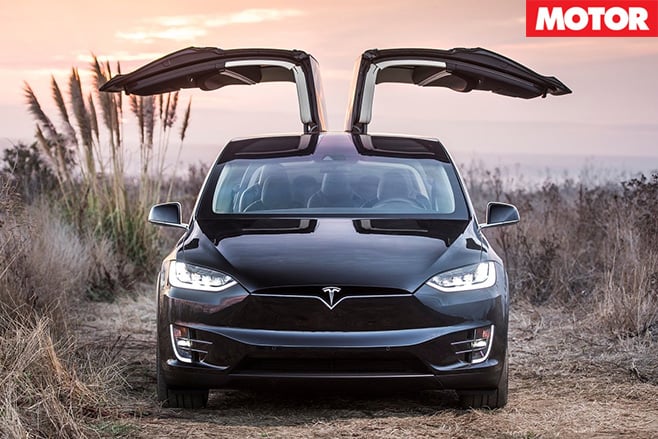
Equipment levels and options pricing have not yet been detailed, but the Model X is available to order now through Tesla showrooms ahead of the first vehicles arriving between October and December this year.
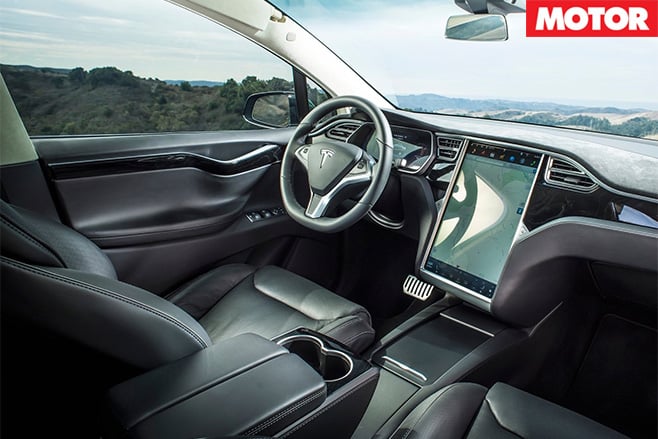
In an SUV-loving Australian market, Tesla isn’t hiding its intention to significantly boost local sales beyond that of the existing sedan-only range. The Model S and Model X will be joined by the BMW 3 Series-sized Model 3 either next year or in early 2018, with a corresponding ‘Ludicrous’ version expected to rival M3 and C63 S with, er, electrifying performance.
In case you hadn’t heard, the XXXI Olympiad kicks off in Rio de Janeiro this weekend. In the spirit of that celebration of human physical achievement we thought we’d hold an automotive Olympics of our own, pitting production cars sold in Australia against each other across a number of disciplines.
Let the games begin!
0-100km/h SPRINT
Motoring’s blue-ribbon event features a very tight field including the Lamborghini Aventador Superveloce, the Nissan GT-R, Porsche’s 911 Turbo S, the Ferrari 488 GTS and an all-electric upstart called the Tesla Model S with a performance-enhancing boost from Tesla’s Ludicrous Mode upgrade.
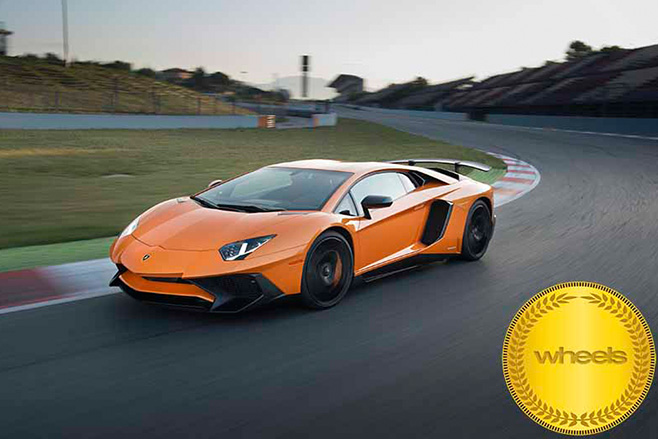
Once the starter’s pistol fires it’s just 2.8 seconds before the Aventador breaks the ribbon, a tenth of a second ahead of the Porsche and two tenths ahead of both the 488 and Model S.
- GOLD: Lamborghini Aventador Superveloce – 2.8secs
- SILVER: Porsche 911 Turbo S – 2.9secs
- BRONZE: (tie) Ferrari 488 GTS and Tesla Model S – 3.0secs
The Lamborghini Aventador Superveloce is the Usain Bolt of the Motoring Olympics, backing up its 0-100km victory by winning the coveted quarter mile sprint just a bee’s appendage ahead of the McLaren 650S.
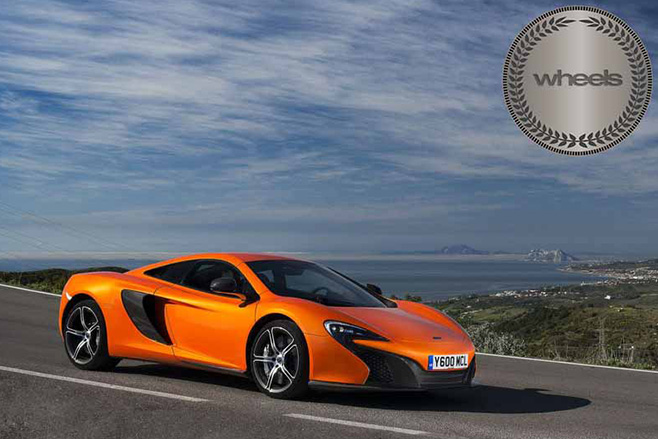
- GOLD: Lamborghini Aventador Superveloce – 10.4secs
- SILVER: McLaren 650S – 10.5secs
- BRONZE: (tie) Lamborghini Huracan and Audi R8 Plus – 10.6secs
Ferrari is king of the power stakes, but not surprisingly the Lamborghini Aventador Superveloce is up there, sandwiched between the V12-powered Ferrari F12 tdf and V8-propelled Ferrari 488 to win silver.
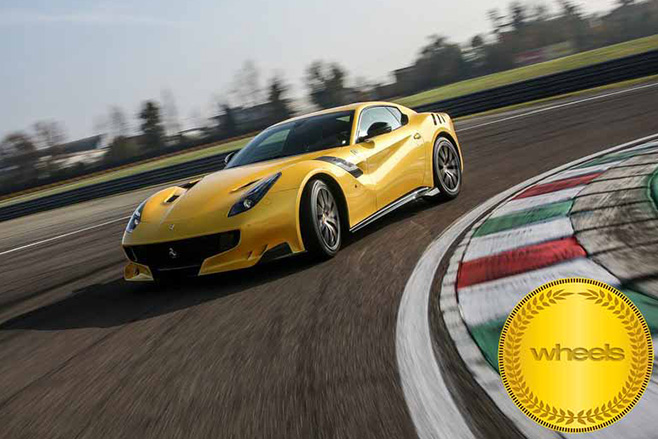
- GOLD: Ferrari F12 tdf – 574kw
- SILVER: Lamborghini Aventador Superveloce – 552kw
- BRONZE: Ferrari 488 – 492kw
Motoring’s tug of war saw the 6.8-litre V12 of the Bentley Mulsanne take the honours over the brutish V12 of the Mercedes AMG S65. The Tesla Model S again showed that electric motors are nothing to be sneezed at either, snaring third place.
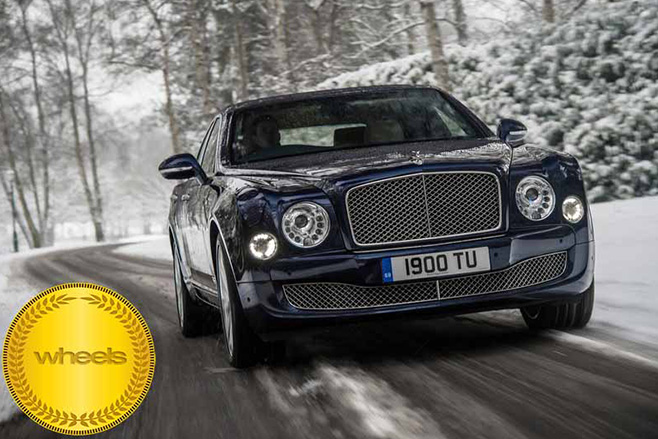
- GOLD: Bentley Mulsanne – 1020Nm
- SILVER: Mercedes AMG S65 – 1000Nm
- BRONZE: Tesla Model S – 967Nm
Petrol
The motoring marathon is a great chance for the little guys to shine, and in the petrol category it was the tiddly two-cylinder turbo Fiat 500 Lounge that took top spot with its impressively restrained fuel consumption figure.
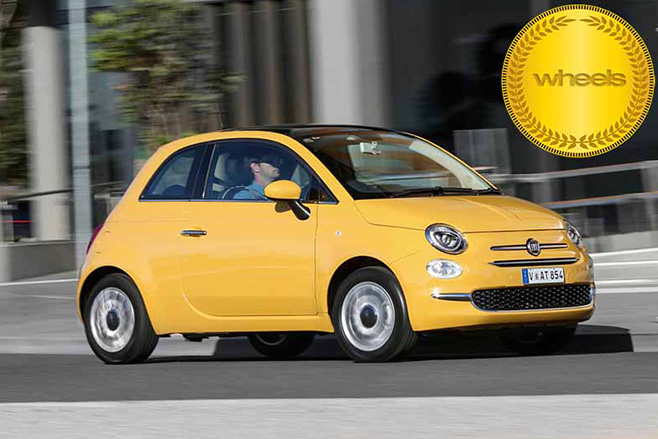
Downsized turbo engines appear to be a recipe for success in this category too, with the Audi’s frugal three-cylinder 1.0 litre coming in second and the Cactus’ 1.2-litre three pot following close behind.
- GOLD: Fiat 500/500C Lounge – 3.9l/100km
- SILVER: Audi A1 Sportback 1.0 TFSI – 4.2l/100km
- BRONZE: Citroen C4 Cactus – 4.3//100km
The Citroen C4 Cactus did incredibly well in the petrol category but it’s the diesel variant which will head the ticker tape parade after beating similarly efficeint competition.
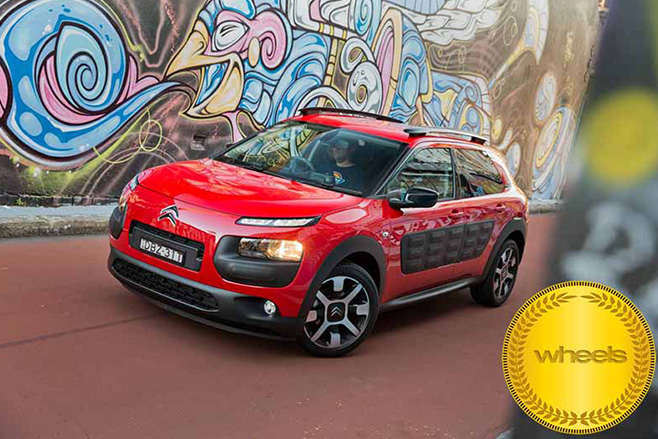
- GOLD: Citroen C4 Cactus – 3.4L/100km
- SILVER: Mini 5 Door Cooper D – 3.7L/100KM
- BRONZE: BMW 118d – 3.8l/100km
BMW owns hybrid economy and with the i3 REX locking in the gold medal early the battle for silver was always going to be more interesting. The BMW i8 and 330e both sip the same but the latter takes the second step on the podium because of its heavier kerb weight.
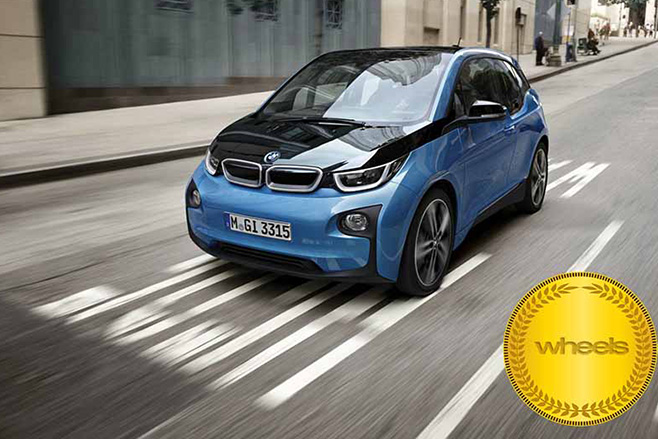
- GOLD: BMW i3 – 0.6l/100km
- SILVER: BMW 330e – 2.1l/100km
- BRONZE: BMW i8 – 2.1l/100km
In this new event there was always going to be significant amounts of daylight between the Tesla Model S and its electric and hybrid competitors. Expect the competition to heat up in coming years as battery technology improves.
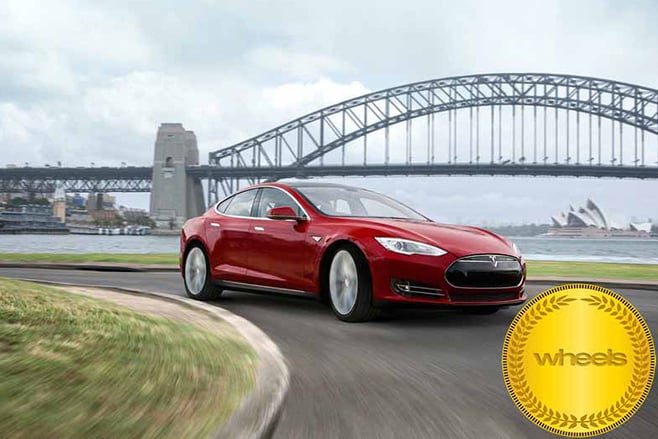
- GOLD: Tesla Model S – 386km
- SILVER: Nissan Leaf – 172km
- BRONZE: BMW i3 130km
FORD Australia has confirmed the much-speculated Ford Edge mid-size SUV will plug part of the hole left in showrooms once the locally made Territory ends production – although it will arrive 18 months after the last Territory is built.
Ford Territory production is expected to end around October 7, the date on which the last Falcon is expected to roll off Ford’s Broadmeadows production line.
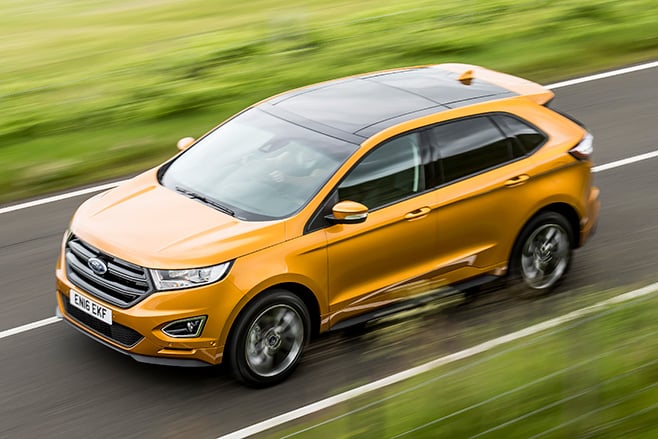
However, stocks of the Aussie-made SUV are expected to take about six months to clear Ford showrooms. With Ford Australia confirming this week – after much speculation – that it will bring the Edge here in early 2018, it will leave Ford with a gap of about a year before it has another five-seat soft-roader to slot in between the empty nester-friendly Kuga and the towing-oriented Everest. It will also leave Ford without a direct competitor to take the fight up to the likes of the Toyota Kluger, Mazda CX-5 and the Hyundai Santa Fe.
“It [the Ford Edge’s arrival in Australia] will be about a year after we finish selling the Territorys, and for us that was the best, most opportune time to procure the vehicle and launch it into the market,” Ford Australia president Graeme Whickman said.
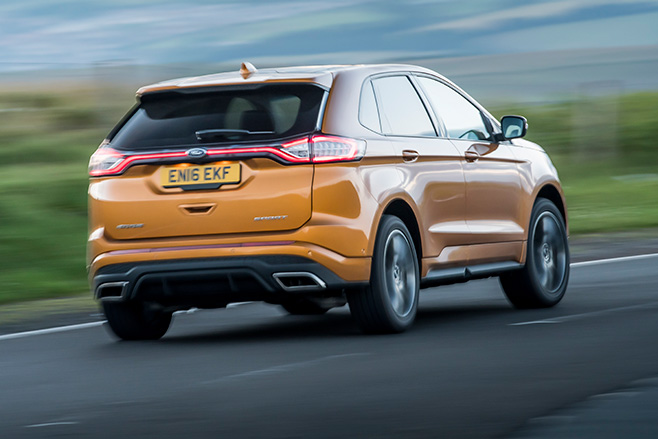
Ford Australia’s decision to hold out on the Edge, a vehicle that has already launched in left-hand-drive markets in 2014, is also curious given that a Canadian-built five-seat right-hand-drive version of the SUV is already on sale in Britain.
However, the carmaker is believed to be sitting on the Edge so that it can potentially launch it here with a fresh mid-life update to what will be a four-year-old vehicle, as well as adding a seven-seat spin-off of the vehicle (pictured, below) that is currently only made for, and sold in, China.
When pressed, Whickman declined to say Ford was waiting for a seven-seat version to arrive before launching the Edge.
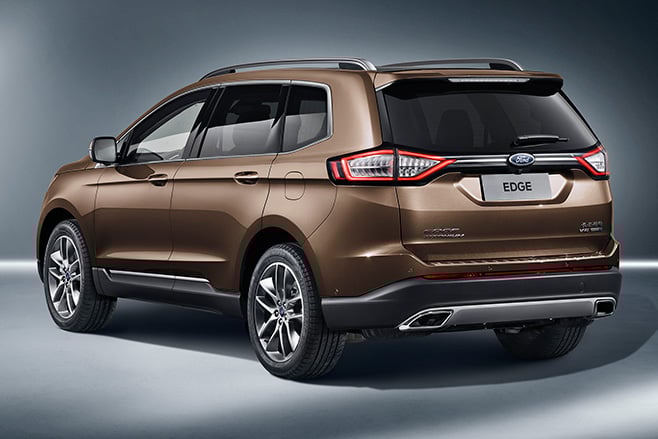
“Other than confirming that the vehicle is coming as an all-new SUV, based on the Ford global Edge, the opportune time is to ensure we’ve got a vehicle that we are happy with in the market, that is tailored to the market and one that has broad appeal to the Australian consumer demands,” he said.
According to Whickman, the Australian SUV market has shifted from when the Territory was launched in mid-2004. Ford’s main focus, he said, was now on global nameplates such as Edge. Smaller SUVs such as the Ford Ecosport and Kuga were finding more buyers among empty nesters, while customers needing towing capacity were shopping higher up the Ford range with vehicles such as Everest.
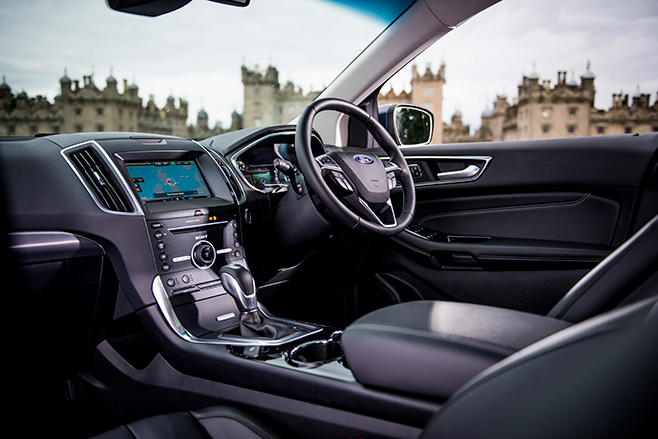
The loss of the Territory will cost Ford about 7000 sales in 2017 at the current rate they are moving out of showrooms – enough to potentially drop it behind rival brand Nissan in the 2016 sales race. However, Whickman says it aims to bring Everest’s price down – potentially below $50,000 – by offering a five-seat, rear-wheel-drive version of the Ranger-based SUV.
Hydrogen fuel cell vehicles are ‘the ultimate goal’ according to Hyundai.
Australia’s two most popular car brands have joined forces in an effort to jump start the rollout of hydrogen infrastructure in Australia, as well as a renewed push for government incentives for environmentally friendly vehicles.
Collaboration between Hyundai and Toyota has strengthened in recent weeks following the local delivery of three Toyota Mirai fuel cell vehicles (FCVs) and a mobile hydrogen refuelling station arriving later in the year.
“We had the enemy in our building this week,” joked Hyundai spokesman Bill Thomas.
“Government can’t be seen to show any sort of favour to a single manufacturer, so it’s important we make a unified representation together.”
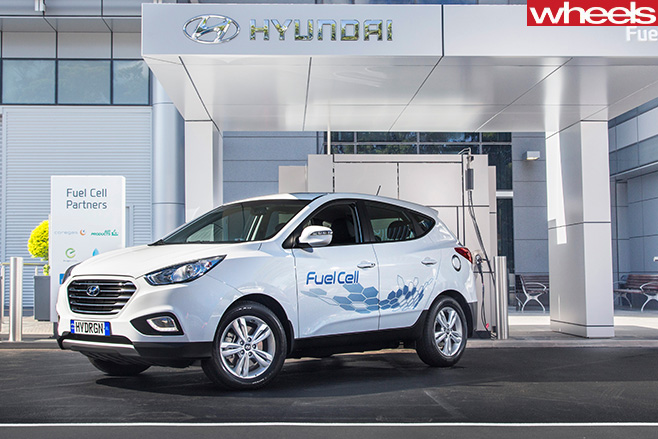
“From a car manufacturer point of view we see hydrogen fuel cell as the ultimate goal – the range, the practicality, the refuelling time – we’re all used to going to a petrol station, filling up in three minutes then driving away and doing 600kms. Fuel cell gives you the best comparison to petrol.”
Nargar says working with Toyota is critical to getting widespread recognition for hydrogen as a viable alternative to fossil fuels.
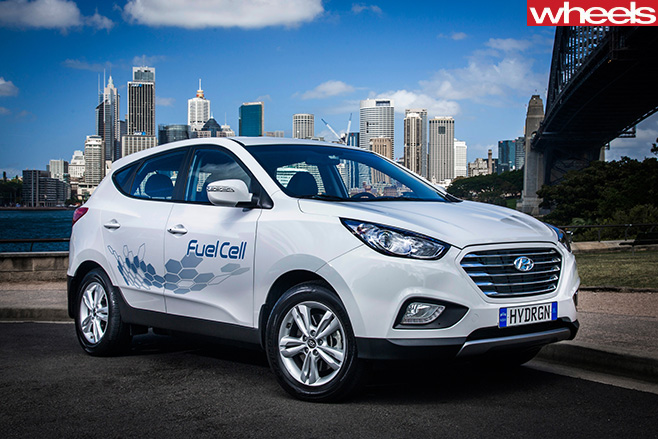
“We’re working very closely at local government level, state and federal government level.
“The industry is preparing for what needs to happen in the future and it’s all based around the vehicle emission regulation and what the government announces.”
Hyundai introduced its first FCV to Australia on 30th June 2014, a left-hand drive ix35 engineering demonstrator. A single hydrogen fuel station at the Hyundai headquarters in Macquarie Park, NSW, was commissioned in December 2014.
“It’s been pretty tough having only one vehicle here, but now Toyota has arrived with their three vehicles in right-hand drive. It’s a great thing and we welcome it,” says Nargar.
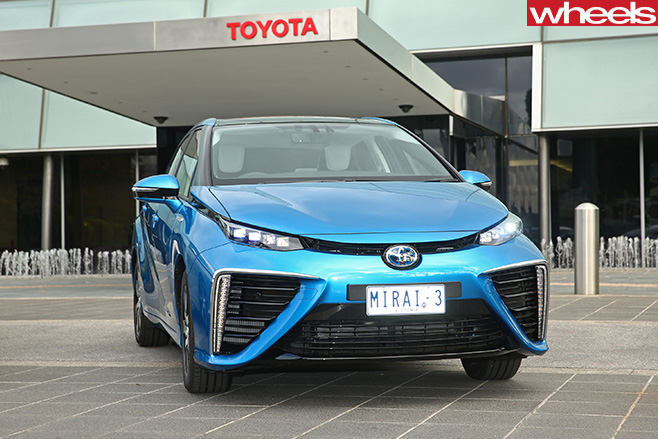
Toyota will be dipping its toes in the water over the next three years with its small fleet of Mirai FCVs.
“We are extremely interested in fuel cell technology, but we need the relevant infrastructure in place before we can sell these vehicles in Australia,” said local Toyota boss Dave Buttner.
“Fuel cell technology is expected to play a key role in the future and we do not want Australians to miss out on this.”
Hyundai and Toyota regularly top the list of best-selling cars Down Under though it seems the rivalry has taken a backseat where hydrogen is concerned.
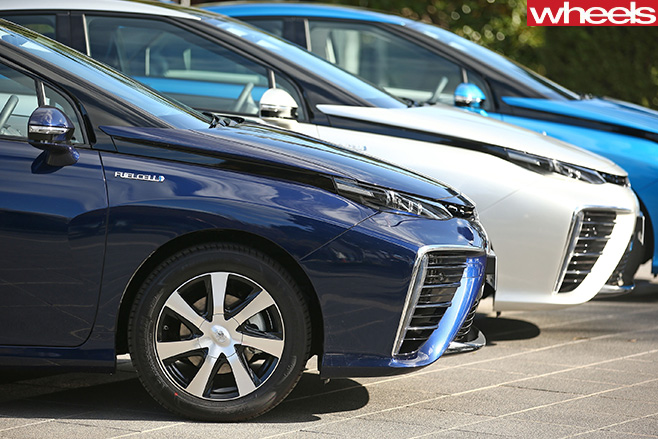
“We’re a car company, we don’t want to own hydrogen filling infrastructure. That’s why we’re talking with people like Caltex with 1200 sites across Australia.
“We’re about ten years behind Europe and North America. If we don’t start deciding where the first stations are going to be we’re going to be twenty years behind.”
Industry circles sometimes joke that hydrogen is the fuel of the future… and always will be. It’s a cynical view of the current state of play where hydrogen has failed to break into the mainstream for decades. Nargar says constant technological improvements have us closer than ever to the tipping point.
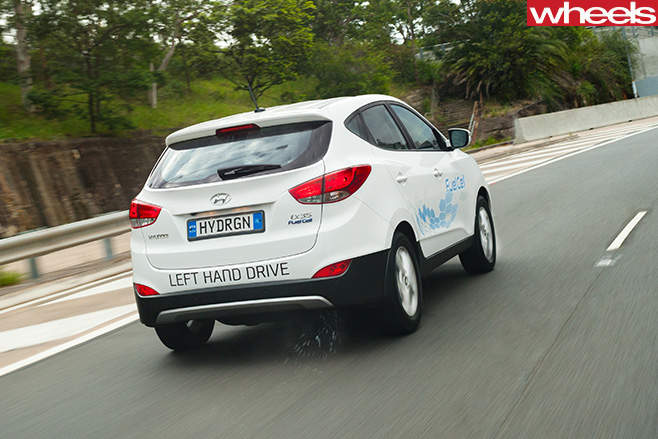
“We’re excited about what that’ll be. It’ll be a right hand drive vehicle and it’ll be an SUV platform again. I have seen it, and I’m really happy. It’s not a standard-looking ix35 or Santa Fe, it’s a standalone chassis within its own unique design. It’s a very premium and prestigious-looking design.”
Doubters may accuse Hyundai of putting the cart before the horse, though the company itself is stanchly confident.
“I’ve got no fear we’ll have the customers ready to roll when these vehicles arrive,” says Nargar.
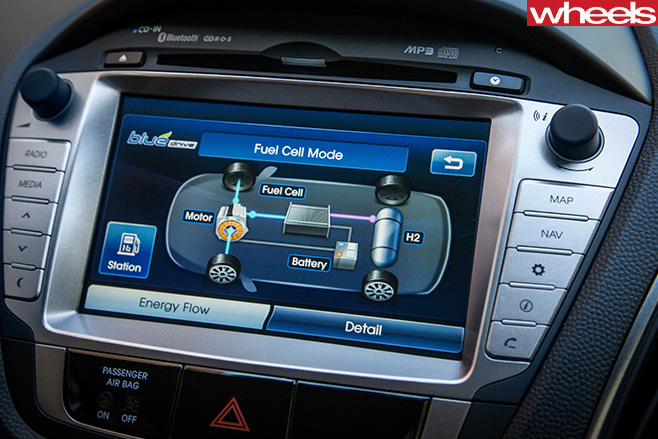
The average cost of hydrogen at stations in Europe is about AU$15 per kilo, but can drop as low as AU$9-10 per kilo where there is competition between stations. A full tank of hydrogen in the ix35 is 5.4kg – roughly AU$48-$81.
“The benefit of hydrogen is we don’t have to make it at a refinery and transport it. You can plug in green power whether that be off the grid or solar panels, then plug in water and you’ll make hydrogen on site. And that’s the thing that’s going to drive down the costs.
“There are some really switched on companies in Australia looking at distributed refuelling. Why can’t we be refuelling cars at home, or at our local shopping centres or schools? Or having a refueller setup at apartment blocks? We’ll support any of that.”
