
Here’s hoping you never have to actually see your car upside-down. But if you could flip your car over and have a really good look at what makes it roll (pun intended), you may have a greater appreciation for the sheer marvel of the automobile, and how it turns an explosion of fuel and fire into spinning cogs and rotating wheels. Plus, knowing at least the basics of how a car is put together; what makes up its moving parts and what on earth the mechanic is talking about at your next service aint necessarily a bad thing either…
POWERTRAIN
If the chassis is the skeleton, the powertrain is the musculature system. The powertrain encompasses every component that converts the engine’s power into movement.
This includes the engine, transmission, the driveshaft, differentials, axles; basically anything from the engine through to the rotating wheels.
DRIVETRAIN
The drivetrain, as the name suggests, is the name given to the group of components that drive the wheels – but unlike the powertrain, it typically refers to everything that comes after the engine (and some will argue it does not include the transmission, either). So all the bits in between the engine and wheels that produce, develop or assist drive are what make up the drivetrain.
Drivetrains for front, rear and all-wheel-drive and 4WD vehicles are all quite different, due to the need to send the engine’s power out to the wheels in different ways.
TRANSMISSION
The transmission is the gearbox and clutch, which transmits and converts power from the engine into twist (rotational force) for the wheels.
The clutch engages or disconnects the turning engine from the gears as they are shifted up, down, or into neutral. This is particularly important when coming to a stop to keep the engine idling – if you didn’t have a clutch, the engine’s rotation locked to the gear would wind down to a shuddering halt, and stall. We’ve all done that more than once…
Gears are the way of best harnessing and optimising the engine’s power no matter what speed you are travelling. A low gear (first or second) produces more force at lower speeds, i.e. to get you off the line, while a high gear produces less force at higher speeds to keep you rolling along rapidly.
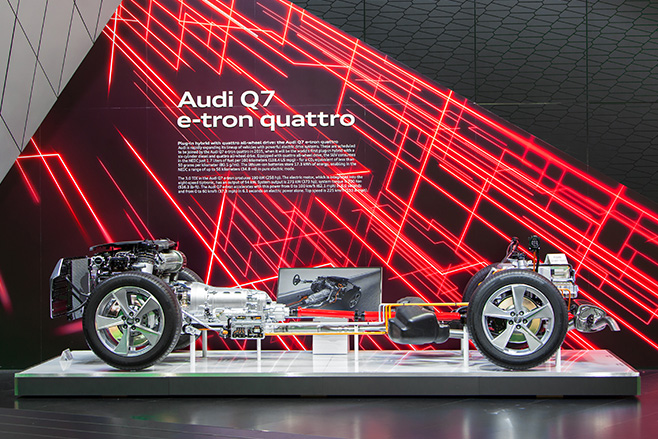
There are basically four types of transmissions. The original and still the simplest type of transmission is the manual, named for its need for manual selection of the gears via the stick shift and operation of the clutch by the driver’s left foot.
A conventional automatic transmission uses a complex set of gears controlled by the car’s computer to take the manual selection process away from the driver. Automatic transmissions have no conventional clutch – the device that does this particular chore is called a torque converter.
Semi-automatic and dual-clutch transmissions are a mix of both manual and auto. In a semi-auto, gears can still be selected by the driver, but there is no clutch pedal; this is instead handled by the car’s computer. Essentially, it’s a cheat: driving a manual without the step of engaging a clutch. This explains its other moniker, the ‘clutchless manual.’ A Dual-Clutch Transmission uses a separate clutch for the odd and even gears, which means that while one gear is in use, the next gear – be it higher or lower – is always ready to go at a moment’s notice. This equates to super-fast shifts.
The Continuously Variable Transmission (CVT) does away with gears altogether and instead employs a pulley system controlled by the car’s computer, aiming to offer the optimum gear ratio for any given driving situation.
DRIVESHAFT
Also called a propeller (prop) shaft, this is a long rotating shaft that runs all the way down the centre of the vehicle, bridging the gap between engine/transmission and the wheels by sending twist to the waiting rubber. Front-engined, front wheel drive cars don’t need to send power down the line like this; instead they compact the transmission and diff into one unit, called a transaxle.
DIFFERENTIALS (DIFFS)
The differential allows the driven wheels to rotate at different speeds, increasing grip. Without a differential, the driven wheels would be locked together and forced to spin at the same speed. This isn’t a problem on the straights, but on corners – particularly when they are tight or taken with some haste – it would leave one wheel spinning uselessly. As it also helps split the power out into the two wheels, it gives a whole new meaning to the phrase ‘split the diff’.
AXLES
A wheel won’t turn unless it’s connected by an axle. The axle is the shaft on which a wheel or a gear rotates.
And we arrive – and finish – at the wheels.
Ever since one-time tractor manufacturer David Brown (DB) bought Aston Martin for £20,500 in 1947, the British sports car builder’s claim to fame has been exclusive fast cars with power, panache, and prestige.
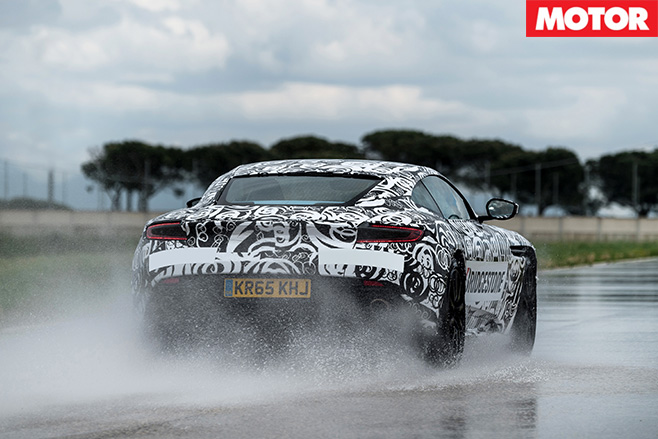
In stark contrast, cabin space has been a scarce commodity in cars from Newport-Pagnell, so to be flat out in Aston’s new 320km/h DB11 two-plus-two at an Italian test track and have decent elbow and head room is an unexpected pleasure. But not as pleasurable as Aston’s first twin-turbo V12.
Inside the DB11 there is room enough up front for wide-hipped millionaires and their coiffured companions to travel first class, but although the second row is no longer a leather-clad bench for contortionists, it still helps to be born small to sit there. The cabin’s extended inner dimensions are not only due to a 65mm wheelbase stretch but also to the redesigned, extruded, bonded-aluminium body structure that replaces the ageing VH matrix introduced with the Vanquish MkI in 2001.
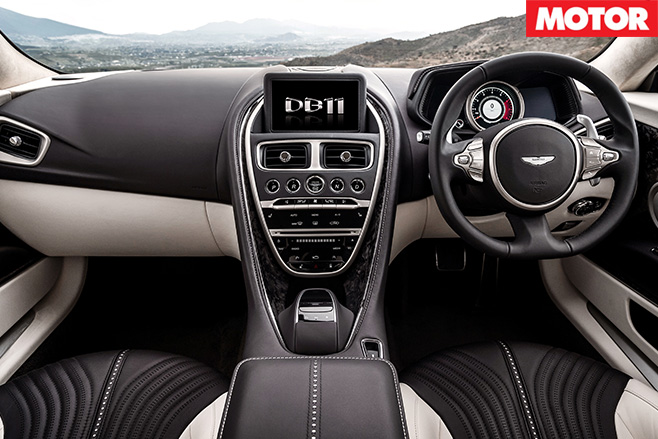
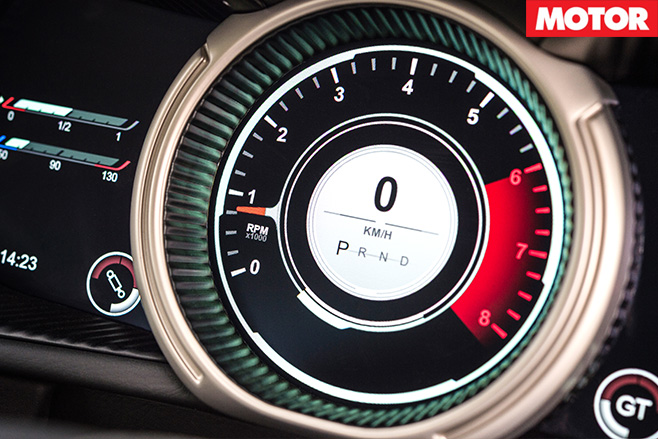
Instead, the dash is now dominated by a colour LCD readout which changes graphics in sync with driving modes labelled GT, Sport and Sport Plus. It’s a modern layout, but the digits are quite small and the whole assembly is still no match for a good head-up display. Above the centre air vents, an LCD monitor fed with software provided by tech partner, Mercedes-Benz.
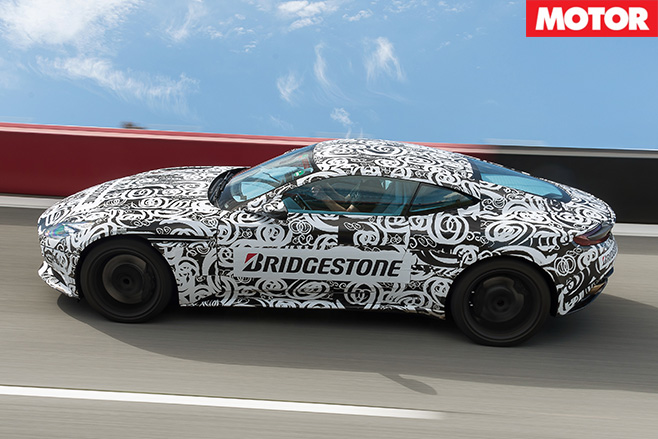
Although our early muletto has been shrink-wrapped in monochromatic camouflage film, the interior is quite close to the production version, with baby-blue leather combining contrasting wave-stitching with an antique brogue surface pattern, and matte open-pore ash wood trim. It’s a classy, if psychedelic, driver environment.
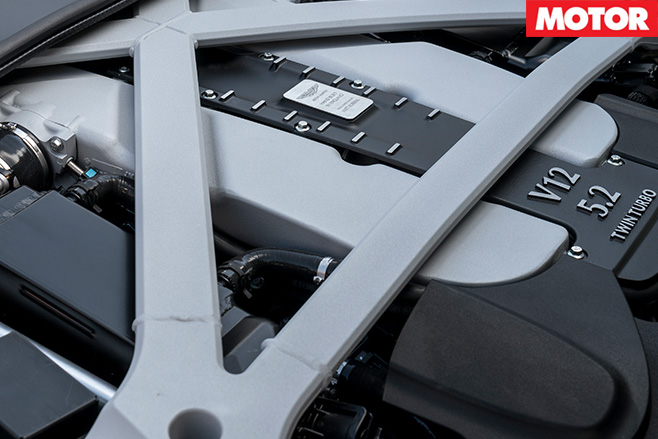
Aston’s archaic normally-aspirated 6.0-litre unit has finally been dethroned by a smaller displacement, twin-turbo 5.2-litre powerplant that can slam up to 447kW and 700Nm in the direction of the beefed-up eight-speed automatic. This mighty engine, built in Cologne, sings a different aria for each driving program. In GT, it’s a rumbling baritone; in Sport it compresses three octaves into a dark-voiced bass; and in Sport Plus it bellows like a baritone at top of his range. Too loud for comfort? Stab the quiet button and the DB11 slips into gear near-noiselessly, like a well behaved hybrid.
But noiseless is definitely the wrong byword for today’s test. We’re at Bridgestone’s European Proving Ground in Aprilia, Italy, and today’s opera is that favourite road test classic: how to destroy a set of tyres in 24 laps. The victims – appropriately codenamed S007, James – come in two different sizes: 255/40R20 up front and 295/35ZR20 at the rear and, assisted by a torque-vectoring limited-slip differential, the Italo-Japanese rubber is sticky enough to fast-forward the 1770kg coupé from 0-100km/h in a sensational 3.9 seconds.
While ‘hands-off’ automatic mode is useful in stop-go traffic, even the most phlegmatic motorist will be tempted to reach for the shift paddles when tackling a twisting road, athough shift timing is crucial because the paddles are partly concealed by the cumbersome wheel. More accessible are three steering wheel- mounted controls that tweak the car’s character.
A button on the left is linked to engine and transmission and scrolls through the three driving modes. The button on the right tunes the steering and adaptive dampers and a small thumbwheel next to it selects the preferred stability control setting. At this point there is no individual mix-and-match option.
To protect all that beautifully-shaped precious metal, Aston fitted the DB11 with no fewer than twelve proximity sensors, which must be a new world record. In addition, several cameras – including one with a bird’s eye view – help to avoid contact with parked vehicles and kerbs.
While it is reassuring to know that the new Aston Martin can top 320km/h, the car’s explosive mid-range thrust is more impressive in real life. In Sport Plus, the lightning fast throttle response is addictive and physical. As soon as hard longitudinal acceleration meets a significant G-force, the DB11 grabs your emotional equilibrium and pulls it through bends with a determined hand on your collar.
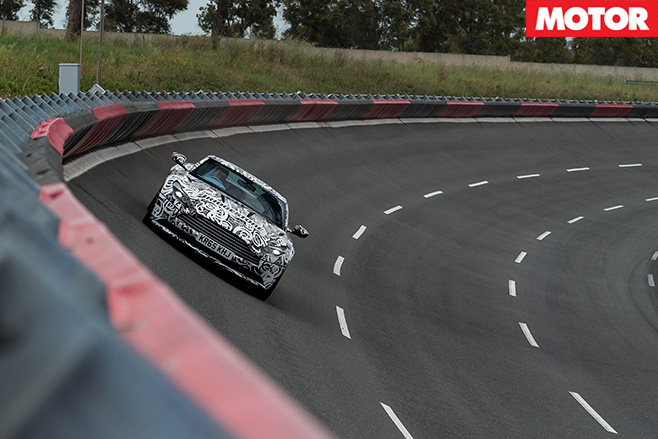
In readiness for future assistance systems, including autonomous driving, Aston abandoned its world-class hydraulic steering in favour of an electrically-assisted system which has a commendably tight turning circle.
On the circuit, the variable rate rack-and-pinion device feels reassuringly accurate with 2.4 turns from lock-to-lock, but on the man-machine interaction scale the DB11 scores only an eight compared to the Rapide’s solid 10. That said, our eye-straining mule was clearly in need of more electronic integration work, which should include a clearer differentiation between the three pre-programed steering calibrations.
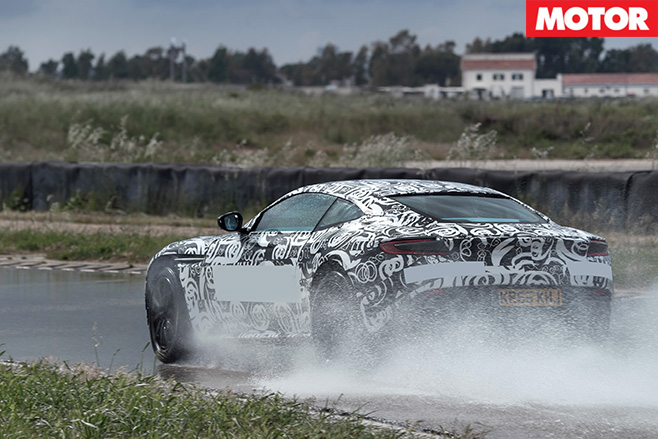
Predictably, there is more electronic wizardry going on under the skin of this beautiful Marek Reichman-designed machine. ‘AeroBlade’ venting with an almost vertical spoiler that pops up reduces high-speed lift; engine start-stop alternatively idles cylinder banks if the driver feels like improving his ‘green’ credentials, another chip controls emergency brake assist (not be confused with automatic cruise control), and active torque vectoring operates across the three driving modes.
Even in Sport Plus, adjustments are so subtle that you only notice the result, never the intervention. The only obvious power-operated downside is the fiddly transmission tunnel-mounted seat controls that are hard to reach.
Despite its ability to challenge the fastest kids on the supercar block, Aston’s latest is more about confidence and compliance. The DB11 is not a car that will be rolled out of multi-car garages in leafy suburbs to chase lap records, or waste time winning traffic light grands prix against almost any poseur who pulls up next to it.
You’ll need around $380,000 and a pile of extra cash to tick all the boxes on the options list, but what you will get in return is a car that doesn’t imperiously impose the driving rhythm it deems best for the driver, but will graciously adjust to the pace of the person at the wheel. Whether that is crawling along the Cote d’Azure or storming continents and using the shift paddles or not.
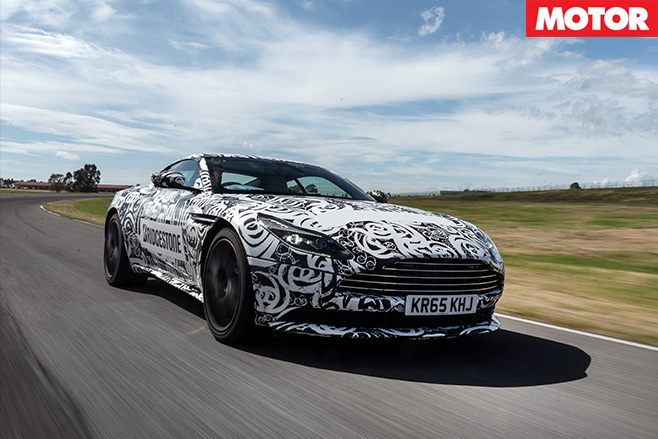
4 OUT OF 5 STARS
SPECS Body: 2-door, 2+2-seat coupe Drive: rear-wheel Engine: 5204cc V12, DOHC, 48v, twin-turbo Bore/stroke: N/A Compression: 9.3:1 Power: 447kW @ 6500rpm Torque: 700Nm @ 1500-5000rpm Power/weight: 252kW/tonne Transmission: 8-speed automatic Weight: 1770kg Suspension(f): double A-arms, adaptive dampers, coil springs, anti-roll bar Suspension(r): multi-links, adaptive dampers, coil springs, anti-roll bar L/W/H: 4739/1940/1279mm Wheelbase: 2805mm Tracks: 1657mm/1624mm (f/r) Steering: electrically-assisted rack-and-pinion Brakes(F): 400mm ventilated discs, 6-piston calipers Brakes(R): 360mm solid discs, 4-piston calipers Wheels: 20 x 9.0-inch (f), 20 x 11-inch (r) Tyre sizes: 255/40 ZR20(f), 295/35 ZR20 (r) Tyre: Bridgestone S007 Price as tested: $380,000 (est) PROS Stonking new V12; more spacious interior; upgraded electronics CONS Slight loss of steering feel; awkward shift paddles
WHAT STANDS OUT
The Holden Spark is a fun and easy to drive tiny five-door hatchback. Its size is one of its greatest features, making it easy to park, fun to steer and comfortable on city roads. And if you’re wondering how this three-door looking city runabout is classified as a five-door, you wouldn’t be alone. Holden have cleverly hidden the back door handles here to give it a ‘sportier, micro effect’.
The all-new Spark also comes with excellent connectivity with Apple CarPlay and Android Auto included in the package.
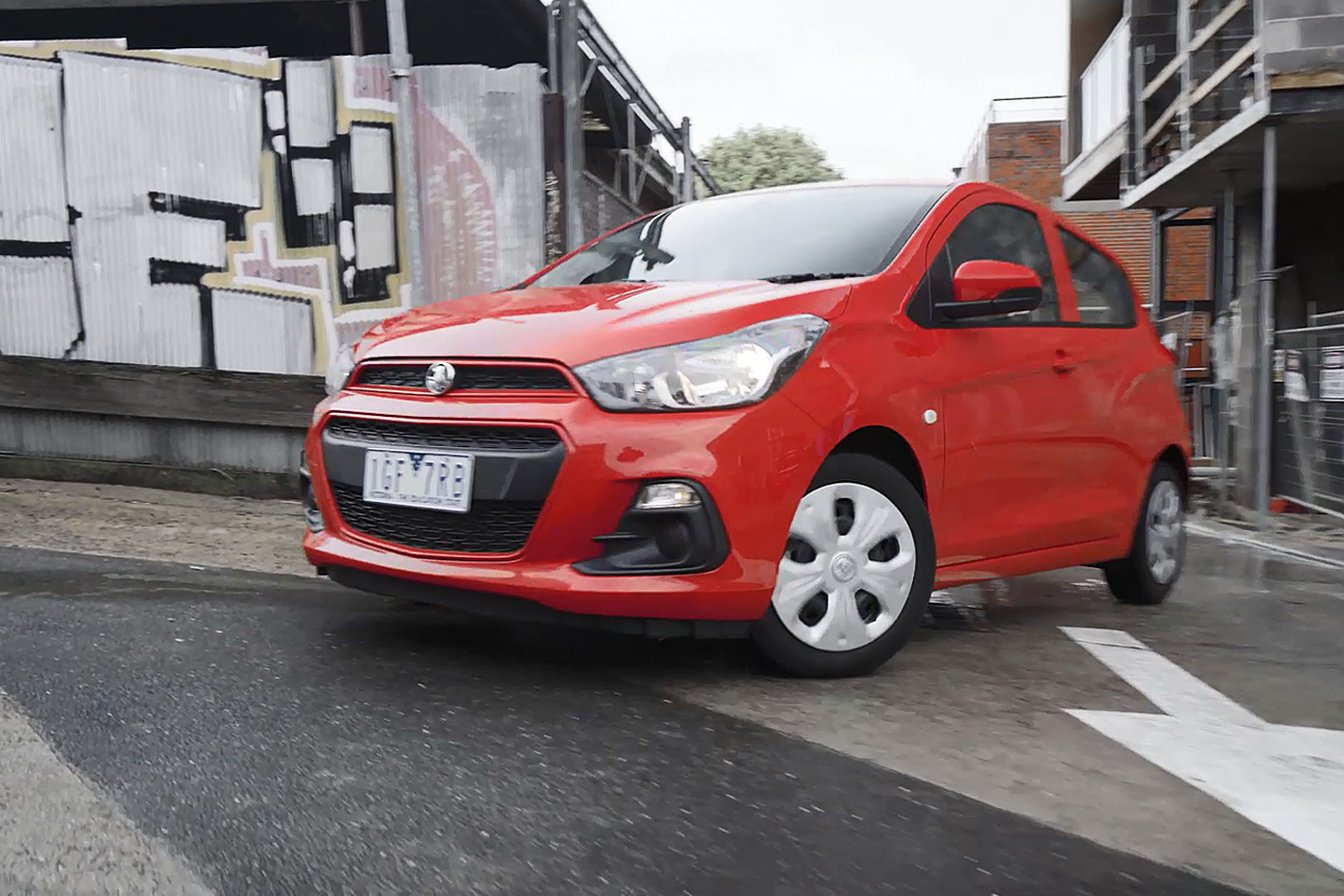
WHAT’S INSIDE
Inside the Spark you’ll find a 7.0 inch touchscreen, Aux and USB inputs, Bluetooth connectivity and Holden MyLink software which includes Apple CarPlay and Android Auto. This technology allows you to use your smartphone via the touchscreen… so you can access messages, music, maps and other apps without even touching your phone.
The mini Holden also includes hill-start assist, which makes it easier for you to drive uphill from rest and really comes in handy when you’re in a manual. Then there’s the standard safety package – the Spark comes equipped with stability control and six airbags.
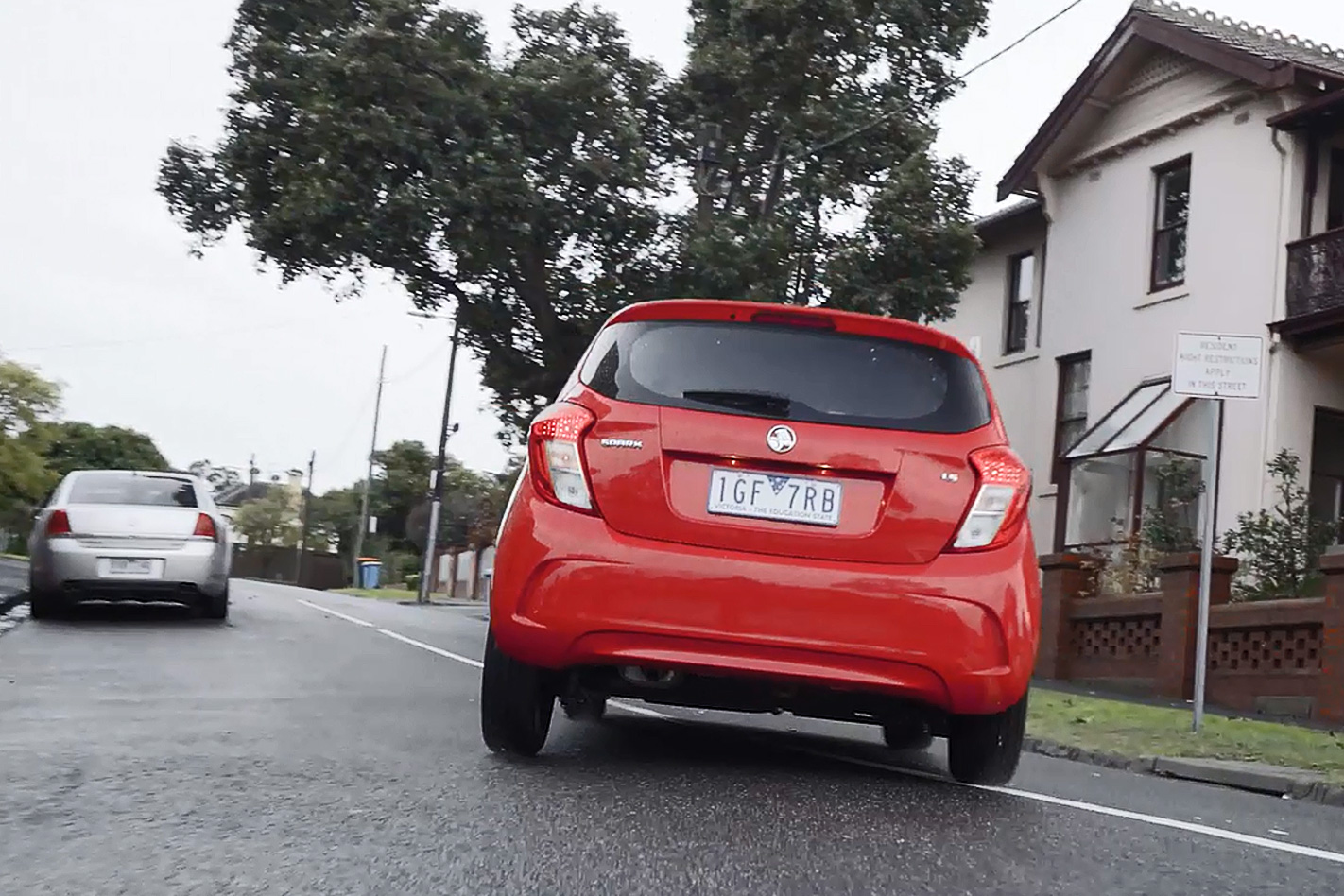
Unfortunately in the base model Spark LS, a reverse camera and cruise control don’t come standard, but they’re an optional expense with the Driver Assistance Pack which also includes parking sensors. The only other spec available, the LT, has these as standard.
The Spark also only comes with a space saver spare wheel, which limits you to 80km/h when replacing a normal tyre.
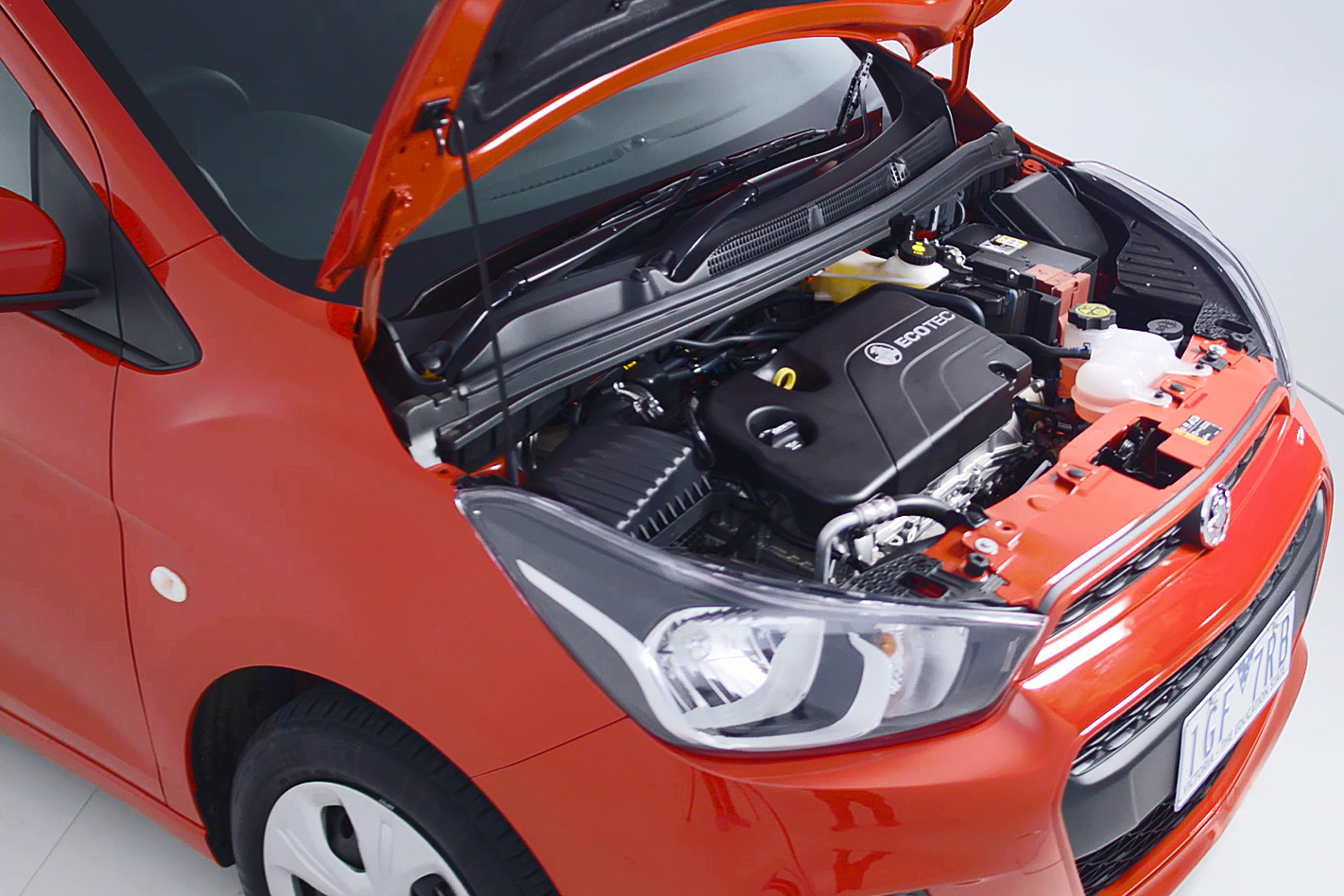
The Spark’s 1.4-litre engine is miles ahead of its predecessor, making this little car produce more power and clock better fuel efficiency than before.
While there’s no questioning the Spark is small, there’s reasonable legroom and headspace for a micro-car, although we wouldn’t suggest you throw you 6-footed friends in the back for long journeys. The boot is, on the other hand, tiny. Even with a small space-saver spare tyre, the cargo area can hold just 185-litres, making it smaller than several class-competitors.
CHOOSING YOURS The Spark line up is a simple one. The LS is the best value, and even without cruise control and a reversing camera, it makes a pretty good choice for those who will stick to urban roads. The Driver Assistance Pack is always an option if you decide you can’t live without those features.
The Spark LT will cost more, but you’ll get faux-leather seats, nicer looking 15-inch aluminium alloys and the Driver Assistance Pack’s features as standard. It also includes keyless entry, leather steering wheel and power-operated rear windows.
SUMMING UP
The Holden Spark has taken a giant step forward from the previous generation Barina Spark, giving new car buyers a better offering in drivability and connectivity. The cutesy Holden targets mainly females in their 20s, but its offering makes it a decent option for new-car buyers looking for a simple but effective city run-about.
LEARNER drivers should be introduced to the growing number of technologies designed to assist them so that once it steps in to help them in the real world, they’re not taken by surprise.
Mercedes-Benz’s new E-Class will soon launch in Australia and features some of the most advanced driver aids ever featured on a car sold here. This includes the ability to nudge the car back into its lane before it strays out, steer safely through a gentle bend, help the driver change lanes correctly, shuffle in and out of a tight parking space and even swerve around a pedestrian that might accidentally step in front of the car.
According to Mercedes-Benz vehicle engineer Jochen Haab – who is working on the next generation of the carmaker’s driver assistance systems as it prepares for its next steps towards the driverless car – drivers needed to know what these systems do so that when they are needed, drivers know what’s going on.
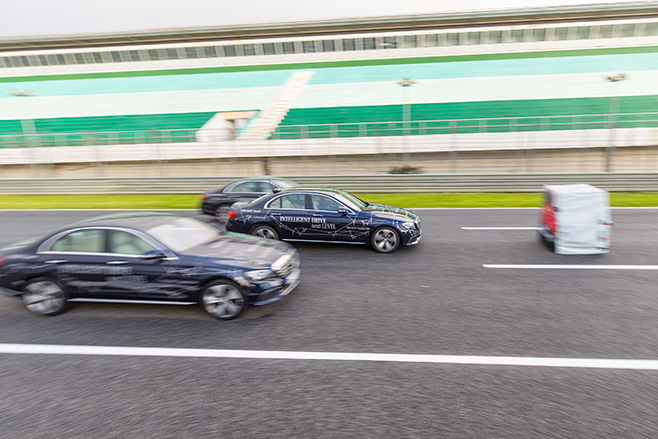
“I think that we need to start training drivers using assistance systems as well,” Haab says. “Probably starting to drive will get easier because you have the support, but on the other hand I think those systems need to be explained well.”
He likens the experience to the introduction of electronic stability control, the technology introduced by the carmaker in the 1980s that can help a car recover from an uncontrolled skid and now compulsory on every new passenger car sold in Australia.
“I mean, nobody changed [the way they were] driving because we had ESP (electronic stability control),” Haab says.
“But driver training makes a lot of sense and you can experience ESP for what it is and where the limitations are.”
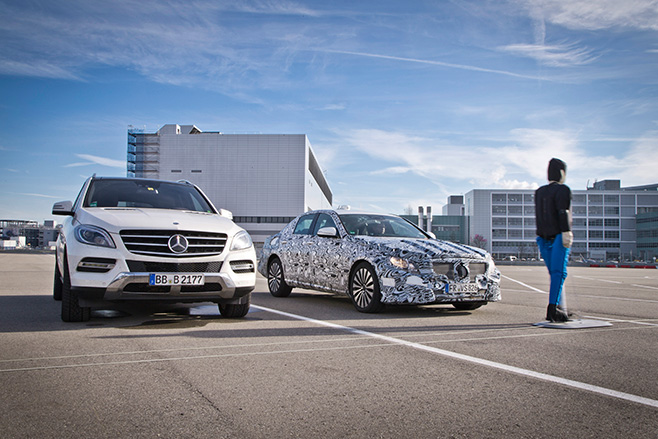
He said helping new drivers understand what the systems could do, and their limitations, would be good for inexperienced drivers – and more for when the technology didn’t work.
“There might be a reason [the system fails]. You may have had a minor accident, you might have, I don’t know, a very dirty car; it will tell you ‘I can’t’, but then you might still want to park,” he says.
“I think they should still be able to do it [all the things drivers do when they don’t have assistance systems switched on] because there might be a reason one day why it doesn’t work.
“Maybe then you don’t take that narrow a parking space, you just take a more comfortable one.”
A successor to the fabled McLaren F1 could emerge in 2018 – 25 years after the original started a decade of dominance as the world’s fastest production car.
The UK’s Autocar is reporting a new F1 will be built by McLaren’s Special Operations division and feature nods to the original, including its distinctive three-seater layout, upward-swinging doors and roof-mounted air intake.
There’s said to be a different brief for F1 MkII, however, with plans for it to be positioned as a “hyper-GT” car that places as much emphasis on luxury and refinement as it does performance. That means the F1 should continue to live up to its name and retain pole position in McLaren’s multi-supercar line-up.
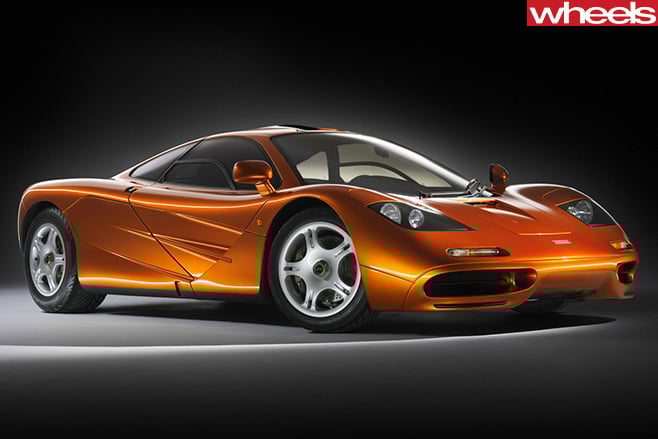
A top speed in excess of 320km/h means it would fall short of the 372km/h the 1993 McLaren F1 achieved to break records of the time.
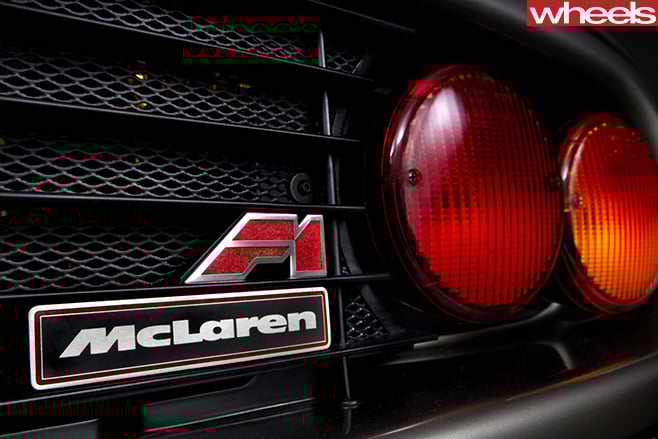
Apart from the seating layout with its central driving position flanked by two offset passenger seats, the cabin will pay homage to the interior of the 1990s supercar while using more contemporary materials.
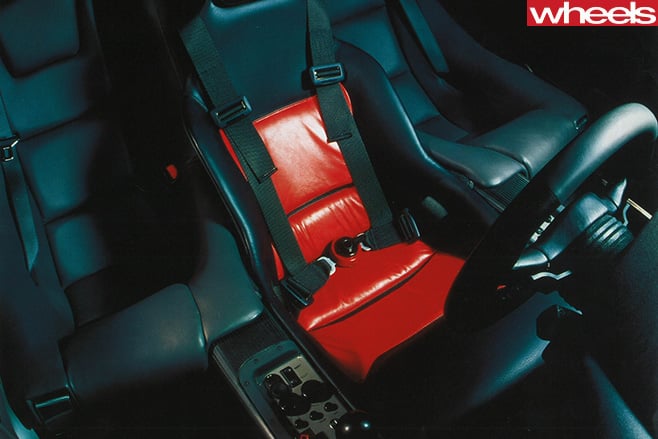
Carbonfibre would naturally play a crucial role in the car’s construction, with McLaren’s supercars continuing to be inspired by the carbon monocoque of the original (which itself was inspired by McLaren’s 1980s Formula One cars).
Despite appearances, this isn’t something out of an episode of Doctor Who or a CGI alien from a sci-fi/horror film.
This is Graham, and he is helping spread the word about driver safety.
Designed by Victoria’s road trauma authority; the Transport Accident Commission, Graham is a redesigned human being that now has the best possible chance of surviving a car crash which would kill you or I.

Graham was designed with the help of road trauma specialists, engineers, and an artist to visualise what we know about the effects of road trauma on humans. The TAC developed the idea to show the human body isn’t designed to withstand much trauma, despite what we may think.
The result is striking. Graham has an enlarged fat-lined head, since head, neck and brain injuries are among the biggest killers on the road. His brain is also surrounded with fluid gaps to absorb the energy of the impact.
The alien-like facial structure is the result of losing his nose (which can often be broken in airbag deployment), as well as a reinforced, thickened neck.
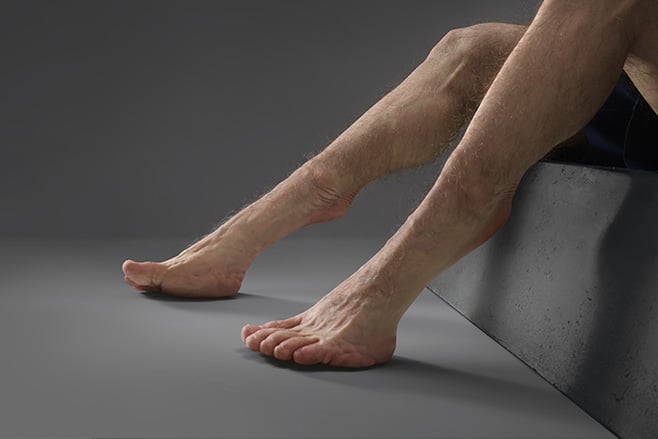
Graham’s ribcage is heavier, thicker, and is designed to be shock-absorbing to better cope with impact forces. His thick skin isn’t just to deflect nasty comments about his appearance, it is designed to reduce cuts and bruises suffered in a crash.
“Cars have evolved a lot faster than humans and Graham helps us understand why we need to improve every aspect of our roads system to protect ourselves from our own mistakes,” TAC chief executive Joe Calafiore said.
Melbournians will be able to view Graham in person at the State Library of Victoria, before he goes on a state-wide tour. If you live outside of Victoria, you can get a close-up look at Graham through the TAC’s interactive website; Meet Graham.
Ford has finally released its highly anticipated RS-badged five-door Ford Focus to the Australian market with a $50,990 price tag.
Despite a retail price lower than its predecessor, the latest iteration of the Blue Oval’s hot hatch boasts more power, more features and a more sophisticated electronics package to create a car which Ford Australia says has already sold out its first allocation.
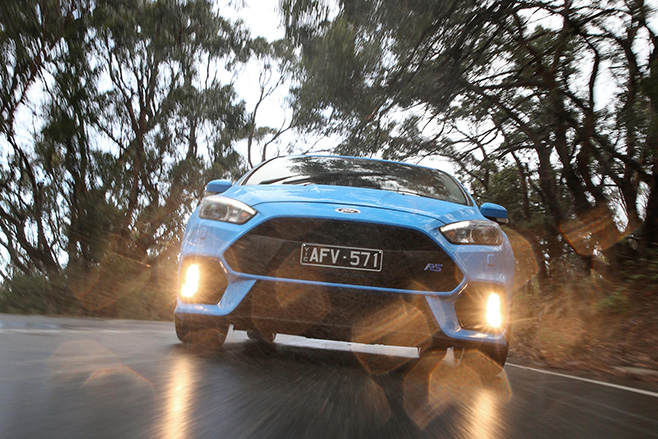
RS – which, for the trivia buffs, stands for Rallye Sport – denotes the brand’s performance-oriented models and the Focus is the latest of 12 models Ford’s Performance arm will release globally between now and the end of 2020.
As you’d expect, the interior is more sport than luxury, but the newest Ford Focus RS appears to blur the line pretty well. As well as bolstered sports seats, chrome pedals and a flat-bottomed steering wheel, there’s the firm’s voice-activated SYNC infotainment system — equipped with satnav and a rear-view camera — which uses a full-colour eight-inch touchscreen.
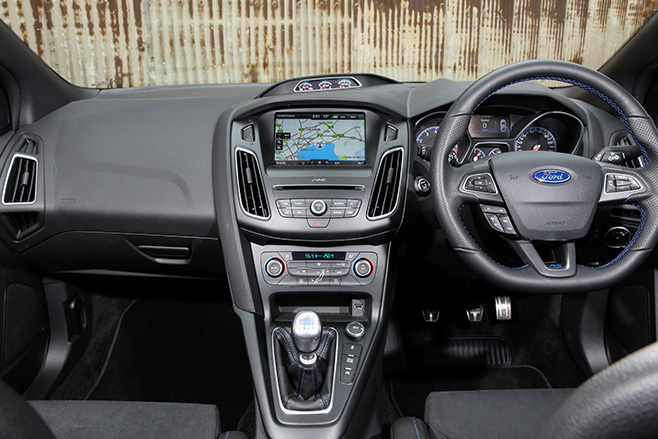
Under the bonnet, the EcoBoost engine – which drives all four wheels all the time – is a 2.3-litre turbo-charged four-cylinder engine capable of 257kW of power and 440Nm of torque and matched to a six-speed manual-only gearbox. It’s offered with launch control as well as four selectable driving modes which, depending on what’s selected, will cleverly adjust the steering, engine, stability and exhaust characteristics for a more (or less) engaging driving experience.
The Focus RS boasts four driving modes. Normal and Sport mode are your on-road options, and when the opportunity for closed-road action presents itself, you have your choice of not just the infamous Drift mode – which has attracted its fair share of condemnation from road-safety bureaucrats and manufactured outrage from ‘social commentators’ alike – but the less-discussed Track mode as well.
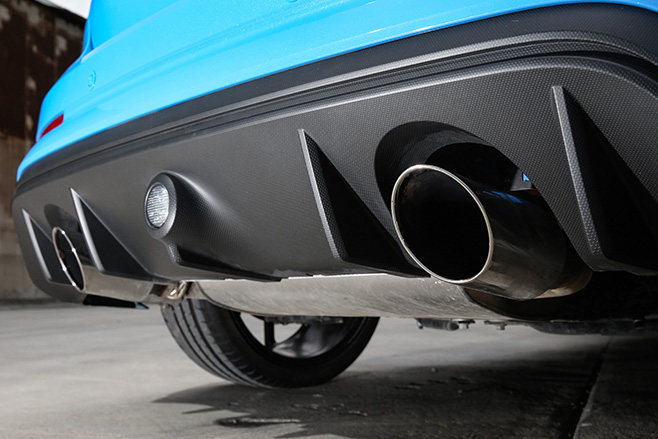
Much like the exhaust note in any mode other than Normal the car’s hero colour – called ‘Nitrous’ – and styling could also be described as somewhat loud. Portraying its sporty intentions is a rear-mounted spoiler and low-mounted diffuser at the back of the car while its aggressively styled front bumper and wide grille design looks like it means business. It’s available in four colour options, black, white, grey or blue and with the first 300 Focus RS models in Australia already spoken for, Ford Australia says that while it’s working hard to secure more stock from the German-based factory, it isn’t expecting deliveries before 2017.
TELL ME ABOUT THIS CAR
The Competition model – which sells for $144,615 – is a new arrival to BMW’s M series line-up, selling alongside the regular M3, which is $5000 cheaper. While the M3 is exclusively a four-door, there is also a two-door equivalent called the BMW M4 (for which there’s also a BMW M4 Competition edition).
STRENGTHS
- The four-door M3 is $10,000 more affordable than the two-door M4. It gets exactly the same engine and performance as well as all the same gear, but you get the added practicality of two rear doors – and it costs you less.
- Performance. The 3.0-litre inline six-cylinder in the M3 Competition has 331kW of power, which is 14kW more than that of the regular M3. It is claimed to reduce the 0-100km/h time to 4.1 seconds, down from 4.2 seconds. Whereas some rivals use V8 engines, the M3 has a six-cylinder with two turbochargers. It has loads of power the instant you press the accelerator, and it maintains that enthusiasm all the way through its rev range. It’s a very willing engine and one that loves a thrash under the right conditions. The seven-speed automatic transmission also changes gears very quickly, helping with that snappy acceleration.
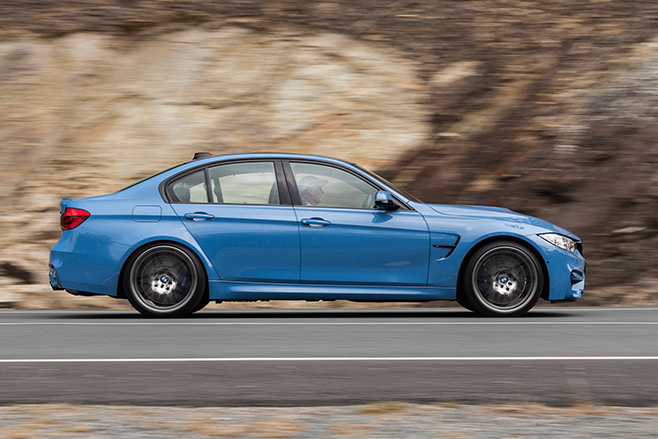
- Cornering grip. The M3 Competition gets bigger wheels and tyres than the regular M3. They are 20 inches in diameter (up from 19s on the normal M3) and 10mm wider. They’re a great set of Michelin Pilot tyres, which provide superb grip. With suspension that has been developed on a race track it makes for very responsive and confident steering – something that cements the M3 Competition as one of the fastest, most capable four-doors on the market.
- Design. The M3 Competition looks different to the regular M3. The 20-inch wheels are the biggest differentiator, and while not everyone will crave them over the 19-inch wheels on the regular M3, they at least provide a styling change that lets people know you’re driving the more powerful version. The M3 Competition also gets various black design elements outside, including a blackened grille, black exhaust pipes and a black-tinged badge. Inside, there are seatbelts with blue and red stripes through them, reinforcing the BMW M colours.
- Stopping power. The brakes on the M3 Competition are excellent, providing massive stopping power when you need it, even on a track. Those wanting to step it up a notch can fork out $15,000 more for the carbon-ceramic brakes, which can withstand higher temperatures and, therefore, even more punishment.
WEAKNESSES
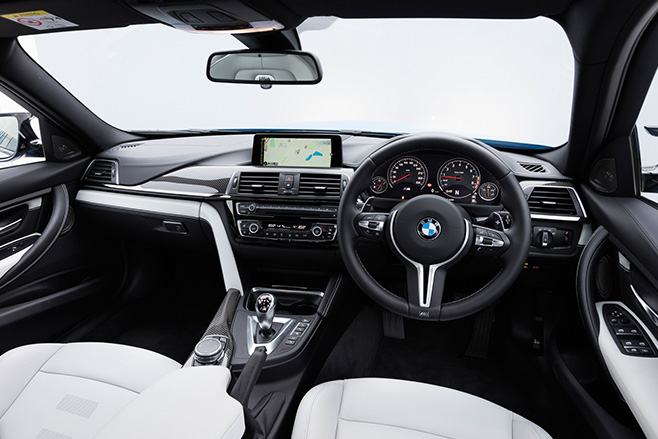
- While it’s generally very well equipped – with things such as sat-nav, head-up display, smart key entry, digital radio, headlights that turn around corners, surround view cameras (to give a virtual overhead view) – the M3 misses out on auto emergency braking, which is increasingly common on new cars, especially luxury models.
- Comfort in regular driving. The suspension on the M3 Competition is 15 percent stiffer than that of the regular M3, something that makes it slightly rougher on bumpy roads. The grippy tyres are also prone to roaring at speed, which is noisy in the cabin, making it more difficult to have a conversation.
- Going fast. The M3 Competition is a fast car, but it’s one that requires some button pushing and a basic understanding of the technology to make it go fast. The driver can toggle between three settings to adjust the feel of the steering, the responsiveness of the throttle, the speed and aggression of gear shifts and the assistance offered by the stability control system. If you don’t have the right settings dialed up it can feel sluggish or less responsive. Fortunately there are two pre-programmable M buttons on the steering wheel, which allow you to program your favourite settings, so you only have to press one button for the slicker settings, rather than all four.
- The sound. BMW has stepped up the exhaust sound for the M3 Competition – the sound is a mix of genuine exhaust noise and artificial noise generated through the audio system in the cabin – and there’s more popping and burbling. But it still doesn’t have anything like the bark of some V8s it competes with. At least it has the performance!
- Fuel use. With claimed consumption of 8.8 litres per 100km, the M3 Competition is a very efficient high performance car. But the extra performance and different tyres means it uses 6 percent more fuel than the regular M3.
- Changing gears. The M3 Competition can be ordered with a six-speed manual gearbox, which is an excellent manual with crisp, decisive changes. However, the seven-speed auto – which is faster shifting, making for better acceleration – is exactly the same price. Little wonder most owners choose the automatic, which is marketed as DCT, or dual-clutch transmission.
The biggest rival to the M3 by far is the Mercedes-AMG C63. Another similarly-priced hot shot is Audi’s RS4; a new RS4 is currently being developed, so the RS4 currently on sale is based on the previous model. Another car worth considering is the Lexus GS F, which has more interior space than the BMW, and is similarly priced.
HOLDEN’S top secret project to send off the locally made Commodore with a V8-fuelled rear-drive bang has taken a sudden, new twist – whatever it spins out won’t be a nod to the spiritual home of endurance motorsport in Australia.
A bid to use “Bathurst” for a special-edition Holden Commodore has had the brakes slammed on after the carmaker confirmed it had withdrawn its application to trademark the name.
But the project that spawned the idea is still very much alive – and ready to wear a different name, according to Wheels sources.
Wheels has already confirmed Holden will revive the Director name that will resurrect the spirit of Peter Brock, and link the last of the Commodore breed to the infamous VK and VL HDT Directors of the 1980s.
But Holden is working on multiple limited-edition tributes to the Commodore’s history that will roll out ahead of the factory’s closure in late 2017.
The Bathurst name was to be used on a more performance-honed version of the Commodore, with the VF Series II Calais-based Director’s slant leaning towards luxury, although retaining a healthy dose of underlying performance.
Other limited edition Commodore models will be more overtly focused on performance, leveraging the car’s race track heritage.
Despite recent reports, though, Wheels has learnt the Holden limited editions will not get more power than the 304kW 6.2-litre LS3 V8 that was transplanted into the Commodore for the current VF Series II in 2015.
The supercharged LSA engine used in HSVs – with a 400kW tune for ClubSports and a 430kW tune for the flagship GTS – will remain exclusive to HSV.
As reported by Wheels, HSV is working on a top secret project that will deliver the most powerful Australian-made car ever, utilising the LS9 engine that is expected to produce at least 476kW, making it one of the most powerful cars on the market.
With Toby Hagon
How much would you be willing to pay for the ultimate 911? Well, if it’s more than the average Sydney home, you’re in luck.
Demand for Porsche’s new 911 R is so high British finance experts Magnitude Finance predict the car will stir record levels of appreciation in the second-hand market, telling Motoring Research it knows retailers that plan to list the car for close to one million pounds.
Converted to Aussie peso, that’s almost $1.7m, or four times more than its standard asking price of $404K. It means one could trade hands for what would grab a three-bedder in Bondi. And it comes down to the manufacturer’s ‘best-hits’ approach to the 911 R’s specification.
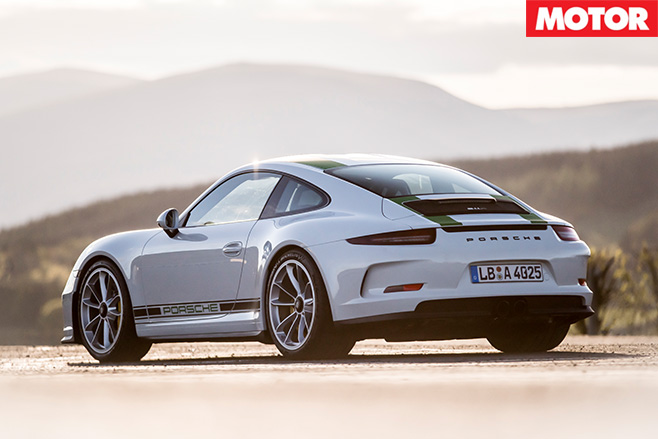
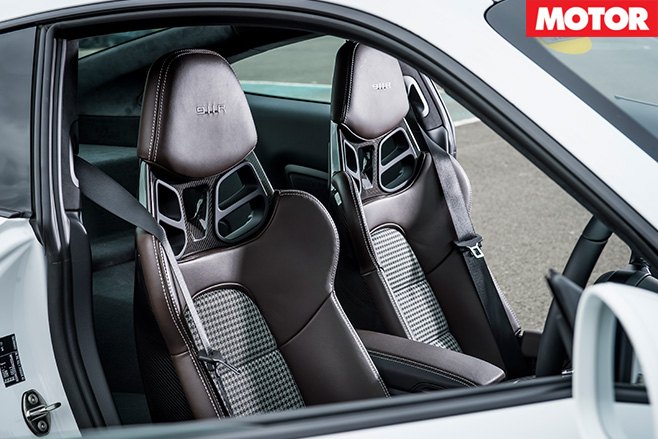
Then to cap-off its last 991-gen variant’s specialty, the drivetrain was slotted in a GT3 bodyshell, covered in RS body panels, and fitted with a light-weight interior (built around the 918 Spyder’s carbon buckets) to make it the lightest 911 at 1370kg.
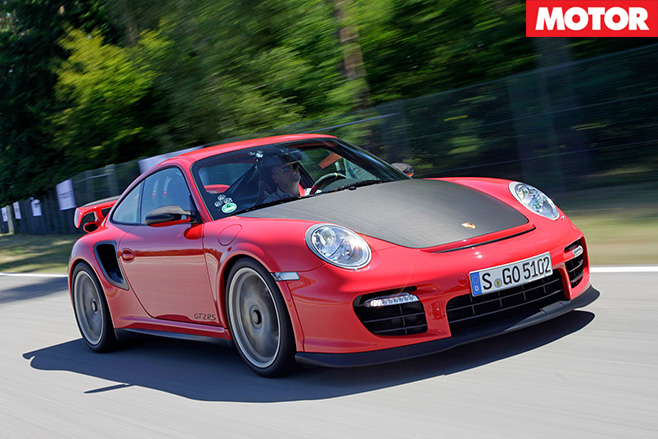
However, the 911 R’s case isn’t isolated. There’s been a feverish grab for unique 911s worldwide and locally, seeing examples like a 997.2 GT2 RS asking up to $950K in Queensland.
Better be quick re-mortgaging the house.
Source: Motoring Research
