Jaguar and its sister brand Land Rover are aiming to lead the automotive industry in the areas of infotainment and vehicle-related personal accessories.
The Jaguar half of the JLR alliance has just released a Fitbit-style Activity Key with its new Jaguar F-Pace SUV, which it says is just the start of the company’s plans for wearable tech.
The black rubber band features just the Jaguar name and performs a function as simple as its design: both shock-proof and waterproof, it allows F-Pace owners to participate in lifestyle activities such as swimming, bike-riding or skiing while leaving the keys in the vehicle.
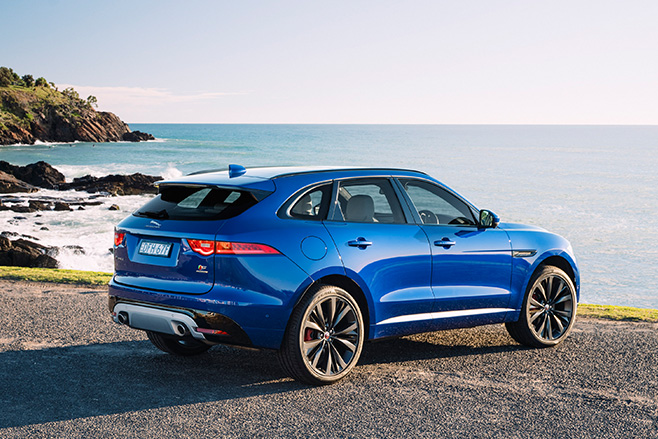
Owners simply tap the Key on the back of the F-Pace to lock the vehicle and deactivate the car key so it can’t be used in the event of a break-in. Tapping the rear of the vehicle on their return opens it again.
“It’s been designed to be as rugged as possible,” says Jaguar’s design director, Ian Callum. “The standards we put on it are probably way above what they need to be; I think you can drive a 10-tonne truck over it.
“It’s proven to be a huge success. We saw [the Activity Key] very much as sports-wear, [though] in fact people are wanting beautiful ones now so they can work for normal purposes.
“Personal accessories are going that way and we’re already working with our merchandise people and we’ve been doing another generation now but looking more presentable. We’ll do watches”
Callum, however, says Jaguar won’t follow Land Rover’s move to create its own smartphone, which it is doing in partnership with consumer electronics company Bullitt Group.
JLR’s Special Vehicle Operations division, which is charged with creating the fastest and poshest vehicles from the brands will also be responsible for the development of personal accessories such as the Activity Key and watches.
Jaguar also says if it is not already leading in some areas of infotainment and connectivity it will be in the not-too-distant future.
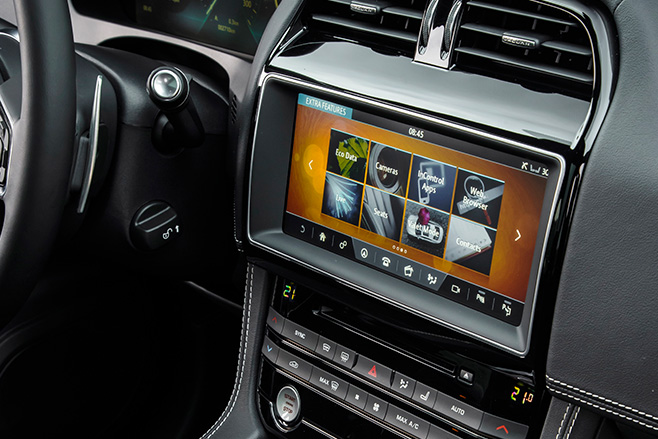
It is currently rolling out the most advanced version of its smartphone-action-based infotainment system, called InControl Touch Pro. It is typically an option over the regular InControl Touch.
“We’re really stepping up the mark on telematics, entertainment and connectivity,” says Callum.
“So whereas perhaps we were lagging behind for a while, which is ironic because we started off with touchscreens before anybody else did with the S-Type, we’re pushing hard now to really master this [area]. I think in a few years’ time you’ll see it leading the way definitely. It’s probably the most important technology.”
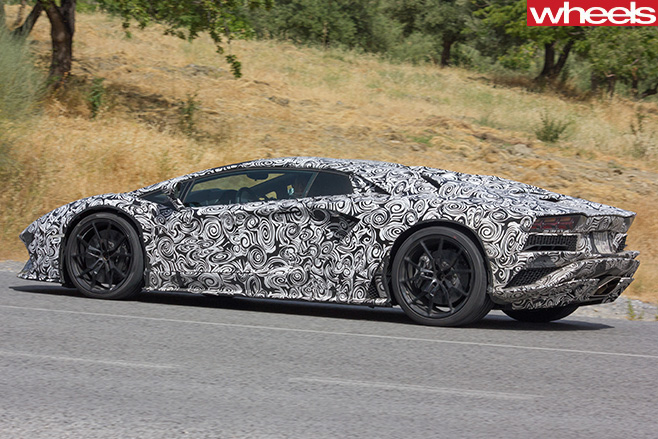
DON’T sign that cheque for the most outlandish Italian supercar on sale just yet, because here is our first glimpse of the 2017 Lamborghini Aventador.
Brandishing a nip (new headlights, bumpers and bonnet are clearly visible beneath that swirly tape) as well as a tuck (different tail-lights, diffuser, and spoilers as part of a revamped aero package for improved downforce) the changes are just enough to keep Project LB834 fresh against rivals such as the Ferrari F12 Berlinetta, McLaren 675LT, and Bentley Continental GT Speed.
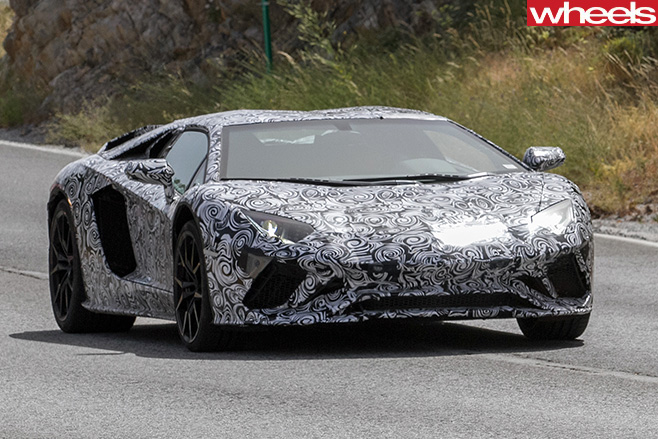
What mechanical changes are made to the thunderous 6.5-litre V12 heart is also unknown, though being an Audi-owned concern, performance is certain to improve with the facelift.
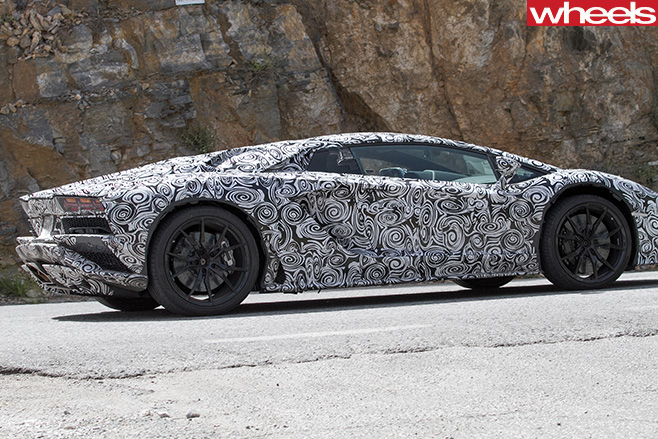
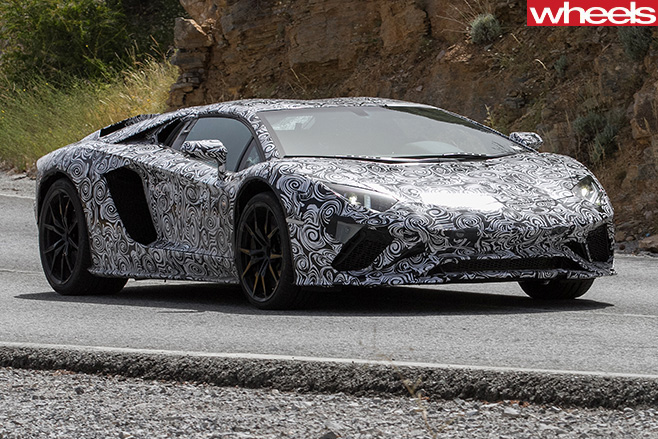
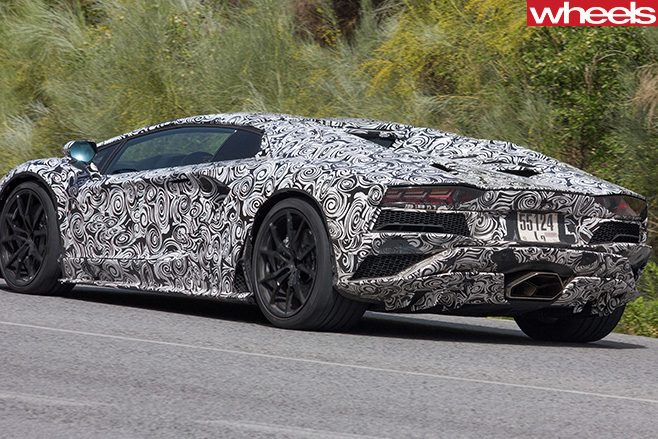
The facelift should see this generation Aventador – already in its sixth year of production – out until the beginning of the next decade, when something that might or might not resemble the Asterion LPI 910-4 (as in: 910hp, if you don’t mind) elbows it aside.
Have spy pics of your own? We’d love to see them. Just email them to [email protected]
What was your first car? For most of us it was probably something cheap, a little run-down but fantastic all the same (eg my 1984 Nissan Bluebird wagon).
Things are a little different when you’re one of the best drivers in the world, however. Despite having raced since he was old enough to walk, Dutch driving sensation Max Verstappen only passed his driving test in September last year on his 18th birthday.
Initially he pootled around in a Renault Sport Clio, itself not a bad first car, but following his promotion to the main Red Bull team ahead of the Spanish Grand Prix this year (a race he won) Verstappen has splashed out on a Porsche 911 GT3 RS.
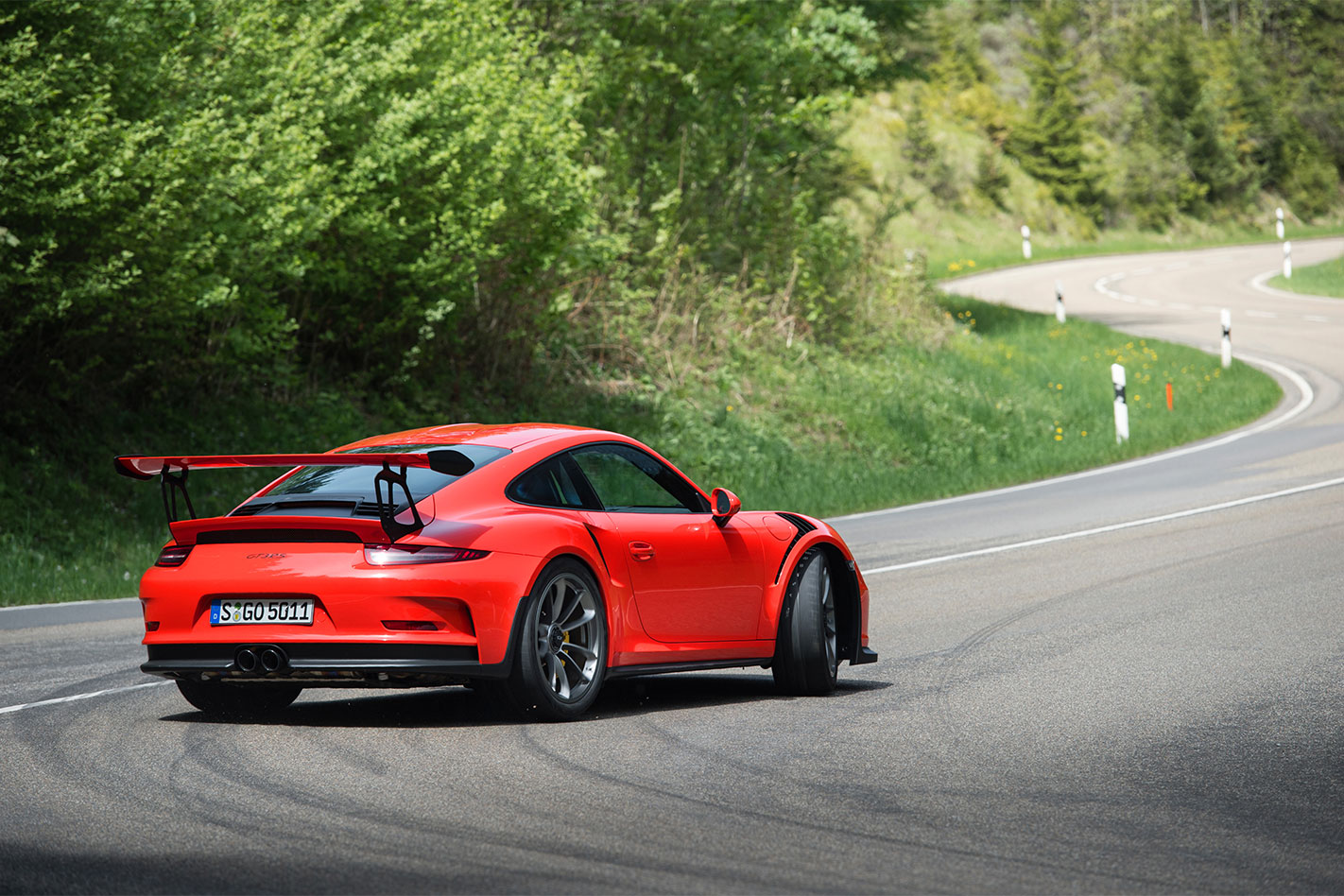
His fellow drivers were also asked what resides in their garages, with Verstappen’s former Toro Rosso team mate revealing he still drives a VW Golf, while Felipe Massa trumped everyone with a LaFerrari and an F40.
Porsches have long been popular with the F1 paddock, with Aussie Mark Webber owning a 911 GT2 RS, GT3 RS 4.0 and 918 Spyder, while Sebastian Vettel also owned a GT2 RS at one time.
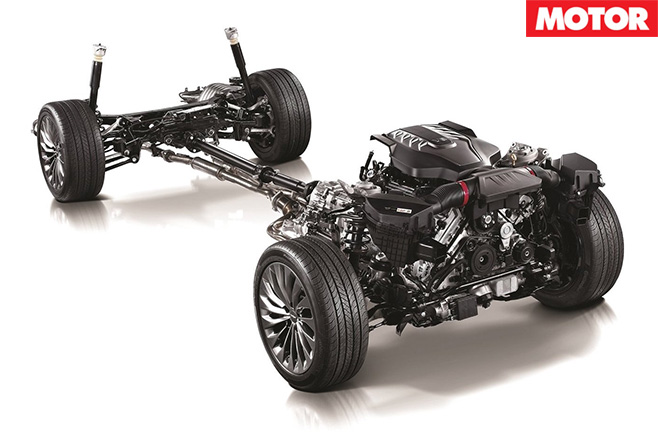
Hyundai will launch a rear-drive compact sports sedan in the Australian market in 2017 possibly powered by the company’s 510Nm 3.3-litre twin-turbocharged V6 engine.
The ‘Genesis’ nameplate will next year become Hyundai’s sports-luxury sub-brand, with a facelifted version of the current Hyundai Genesis large car set to be renamed Genesis G80. But that isn’t the exciting part.
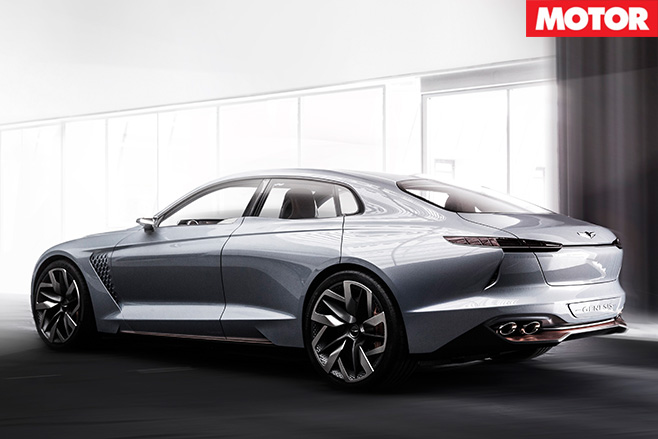
The rebranding paves the way for the Genesis G70 – a 3 Series-sized compact rear-drive sedan tipped for global debut at January’s Detroit motor show – to arrive in the second half of next year just as Holden turns off the local taps for VF Series II Commodore.
“Next year the N sub-brand will apply to a range of products, one of them will be i30 [hot-hatch] and one will be across the Genesis range,” Grant told MOTOR.
“It will be our go-fast range. There will be some N products on Genesis, no doubt. I believe the new model the G70, the 3 Series type product, will be the first vehicle to move forward.
Hyundai last year debuted a brand new 3.3-litre twin-turbocharged V6 engine in its US-only Genesis G90 limousine (pictured), producing 272kW at 6000rpm and 510Nm across a 1300rpm to 4500rpm spread, driving the rear wheels through an eight-speed automatic.
A 313kW/519Nm 5.0-litre naturally aspirated V8 engine is also in the South Korean brand’s G90, but is less likely for the compact sedan.
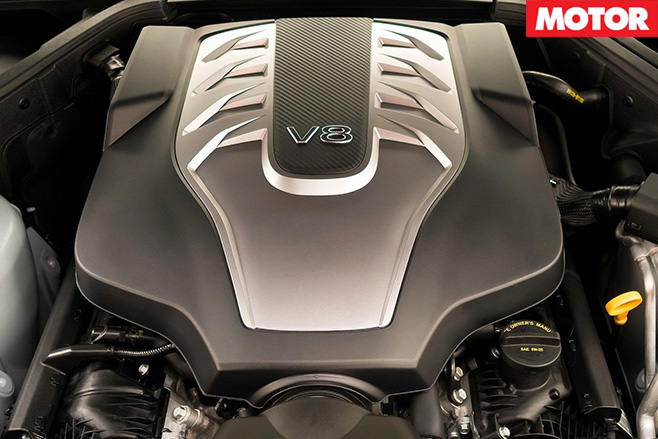
“Next year will be a very exciting year,” Grant added, before answering whether Hyundai’s Australian engineers are excited to be able to tune a rear-drive sports sedan.
“Oh yeah, absolutely, they are involved in every product we have access to.”
The popular Mexican spirit is more renowned for causing hangovers, but Ford believes there is potential to create a bioplastic that helps reduce vehicle weight, while also being more environmentally friendly.
The car maker will explore options after forming a sustainability alliance with the world’s biggest tequila producer, Jose Cuervo. It is looking at exterior and interior components including wiring harnesses, storage bins, and heating/ventilation/air-conditioning units.
Ford would create its sustainable composites from leftover fibres from the tequila-making process, which involves roasting the heart of an agave plant before grinding and smashing it to extract its juices for distillation. Jose Cuervo says the agave remnants are already used by its local artisans in Mexico to make crafts and agave paper.
Ford’s senior technical leader of its sustainability research department, Debbie Mielewski, says the company is continuously looking for new, byproduct solutions.
“We are developing new technologies to efficiently employ discarded materials and fibers, while potentially reducing the use of petrochemicals and light-weighting our vehicles for desired fuel economy,” said Mielewski.
“There are about 400 pounds [180kg] of plastic on a typical car. Our job is to find the right place for a green composite like this to help our impact on the planet.”
The agave fibre would become the ninth sustainable-based material to be used in Ford vehicles. Since 2000 it has introduced materials derived from coconut fibre, rice hulls, kenaf fibre, cellulose, wood, castor oil, wheat straw and soy foam.
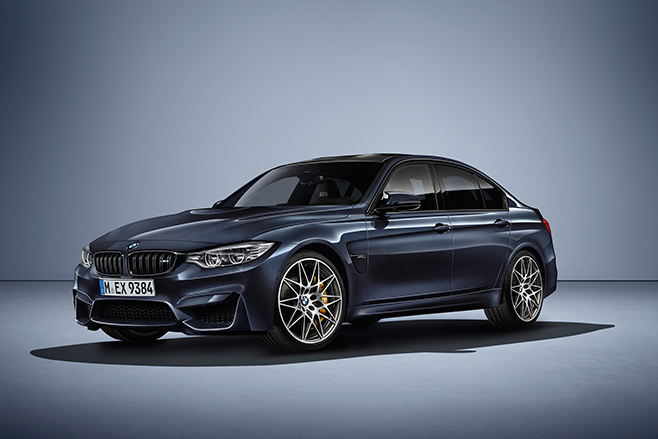
Just 30 of the 500 cars being produced globally to mark the 30th anniversary celebrations of BMW’s iconic M3 performance car will be coming to Australia – and almost all of them have been snapped up.
The M3 30 Years M3 – or “30 Jahre M3”, as it is badged – is $10,000 more than a regular M3 sedan, for a total of $154,615.
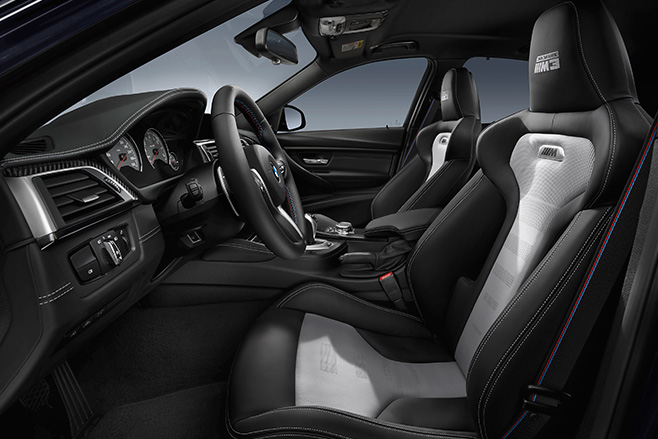
For the extra spend you get individual numbering of the worldwide allocation of 500 cars. It’s laser etched into the carbon fibre dash panel that is unique to this model.
There’s also Merino leather finished in black and grey (or Silverstone, as the marketing department more eloquently refers to it).
All cars are finished in the original Macao Blue metallic paint of the original M3, a car never sold in Australia.
And, of course, there’s the usual array of “30 Jahre M3” badging, including on the front, rear, door sills and embroidered into the seats.
The 30th anniversary M3s also gets extra bits and bobs from the newly-arrived M3 and M4 Competition models, including 20-inch forged alloy wheels and suspension that is 15 percent stiffer than the regular M3. Much of the shiny exterior metals have also been finished in black, too.
The biggest gain is a more powerful version of the 3.0-litre inline six-cylinder twin-turbo engine. Power jumps 14kW to 331kW. The 550Nm torque peak is unchanged, but realises tiny gains above 5500rpm to lower the 0-100km/h time by 0.1 seconds to 4.0 seconds.
“It not only celebrates three decades of the M3, but our allocation reinforces how much passion the BMW M product portfolio generates in this country,” said BMW Australia managing director Marc Werner.
“With the Competition enhancements and such limited production, the 30 Years M3 combines incredible performance with immediate ‘future classic’ status.”
With four doors and 331kW of power, the 30th anniversary edition of BMW’s most iconic performance model is very different to the original that was designed for Group A racing back in 1986.
The original was a left-hand-drive-only two-door with a 2.3-litre inline six-cylinder engine and 143kW of power.
Three decades on and there’s more than double the power, the addition of two turbos and double the doors. The spiritual successor to the M3 now wears the M4 badge.
TESLA is confident issues which have plagued the Telsa Model X overseas will be “ironed out” before the car arrives in Australia later this year.
Tesla’s all-electric SUV is one of the most highly anticipated cars of the year, with the American manufacturer confirming this week it will make its 60D variant available for purchase when the Model X is launched before the end of 2016.
Prices for the 75D, 90D, and P90D have not been confirmed, but the 60D will cost between $126,000 and $131,700 depending on the state or territory you purchase in.
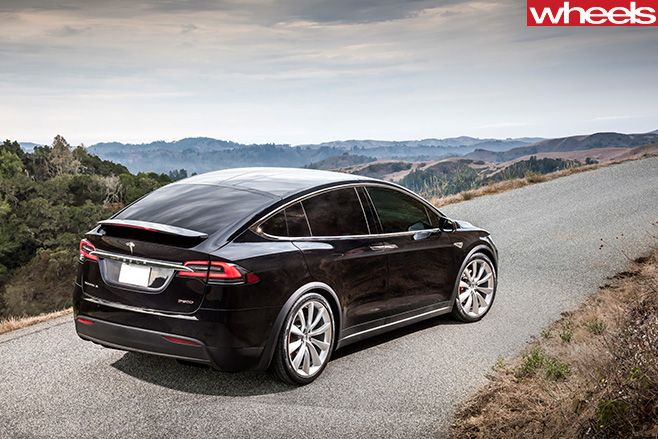
However, Tesla Australia spokesperson Heath Walker is confident Australian buyers will not have to face such issues when the Model X arrives Down Under.

“We are confident the quality of the vehicle will be high.”
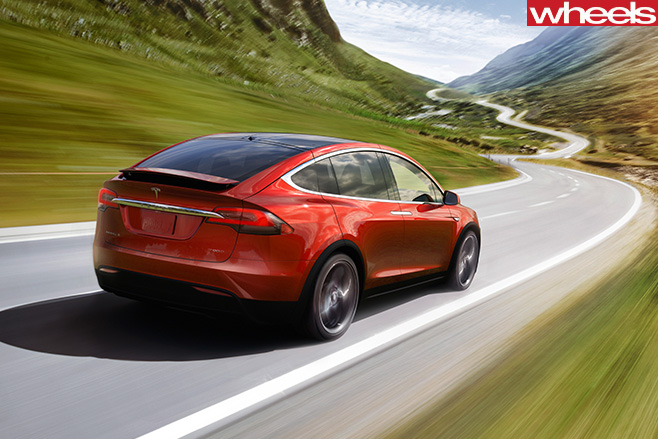
“Deliveries will start prior to the end of the year,” he said.

“Obviously we are in still reservation phase, but when people transition to order phase, then they will be able to choose the 60D and see the timeframe that has been put in place for production of that. But first deliveries will happen before the end of the year.”
A stripped-down hardcore BMW M2 CSL is coming, with the brand’s local boss letting slip about plans to close the $50,000 divide between M2 and M4 coupes.
Speaking at the local media launch of the M3 and M4 Competition this week, BMW Australia managing director Marc-Heinrich Werner said that a forthcoming Coupe Sport Lightweight (CSL) version of the baby M-car “looks fantastic.”
“As far as the M2 CSL is concerned which you might have seen some rumours out in the media at the moment, I cannot comment on it at all but it looks fantastic,” he said, before teasing of a future announcement. “There is more to come.”
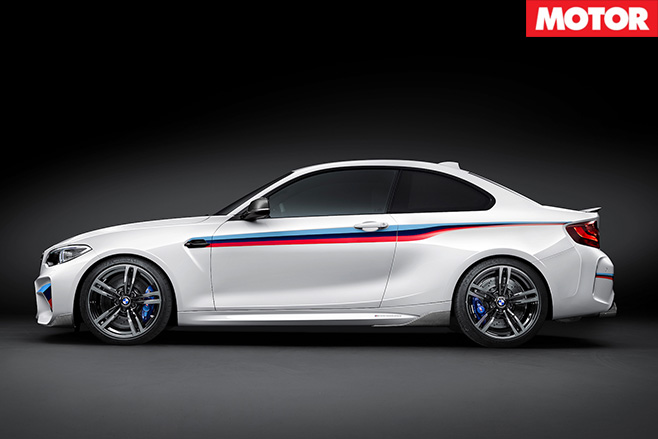
However, Werner revealed that the M division was under pressure to close the time lag between production models and special editions. This week’s release of the M3 and M4 Competition come exactly two years after the F80/F82/F83 generation of performance sedan, coupe and convertible were unveiled.
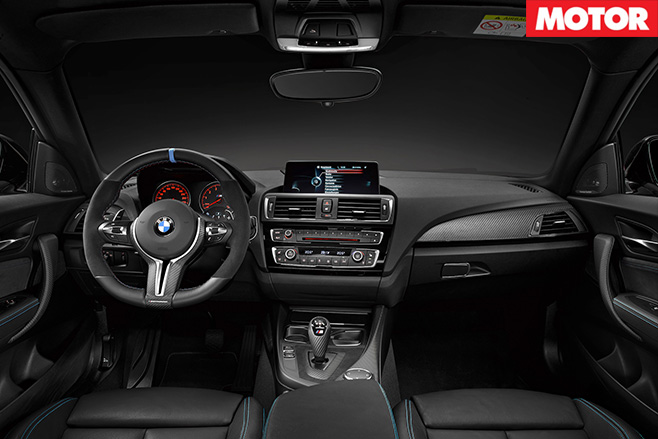
““BMW M customers … they always look out for something new. From a product lifecycle impulse point of view you have to offer something new on a regular basis and that’s what we are doing with the Competition.”
It bodes well for an M2 special. If BMW follows the C, S and L mantra expect the compact coupe to shed some of its 1495kg heft at the very least. Expect grunt to come in for some attention too, with the new M140i’s B58 engine matching the M2’s 500Nm overboost figure.
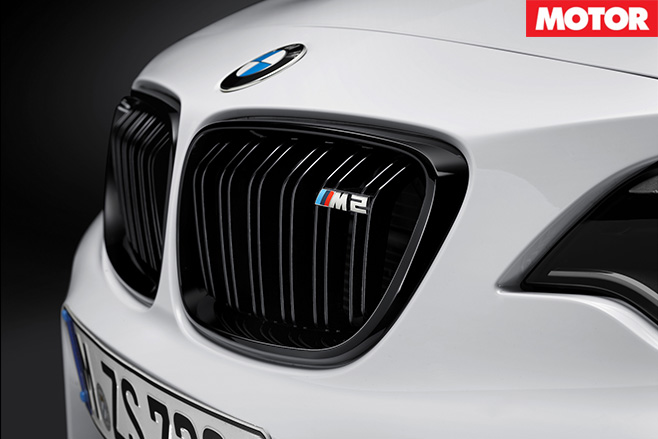
Either way, a special M2 is coming as BMW’s M division sets its sights on huge growth locally and abroad. Last year’s 1050-unit M-car volume is expected to increase by 33 per cent this year to around 1500 sales, including approximately 1000 M3 and M4 models and all 400 M2 models already sold. The wait for the latter now extends to 2017.
Koenigsegg’s released a report outlining exactly what went wrong during the massive crash it was involved in at the Nurburgring last month.
Details reveal its fearsome One:1 suffered from a faulty ABS wheel sensor before it crashed into a fence at Adenuer forst, flinging the test vehicle more than 22 metres from point of impact.
While a dash-warning light indicated there was a problem with the car’s ABS system, the driver did not notice until needing the brakes at 170km/h on a fast downhill section knows as Fuchsröhre.
As a result, the car’s front-axle locked before careering straight into the track’s barrier at 110km/h.
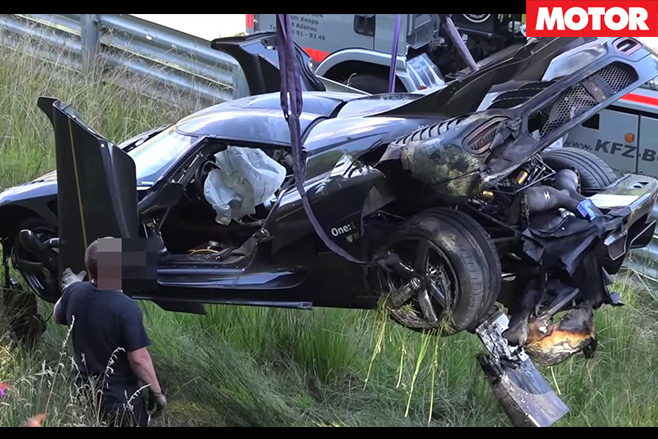
“The system worked to specification, as can be seen by the straight skid marks left by the front tires on the track prior to the car colliding with the fence,” the company’s statement said.
But why has Koenigsegg been so forthcoming with information? While it’s not uncommon for manufacturer’s to embarrass themselves during testing laps, Honda, Audi, and Chevrolet have all succumbed to the ’Ring, their incidents had involved development mules.
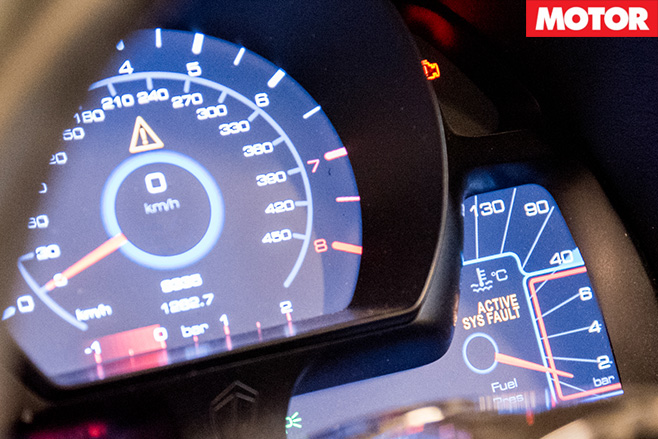
Mind you, the company’s vowed to rectify the problem. It’s now incorporated ABS-failure into its Active Systems Warning procedure, which limits the car’s speed to 100km/h if any of the active aerodynamic or suspension systems fail.
Consolation for Koenigsegg comes in the way of to the car’s sturdy monocoque and airbags. Both left the driver in good enough nick to hop out and extinguish a fire which had sparked at the rear.
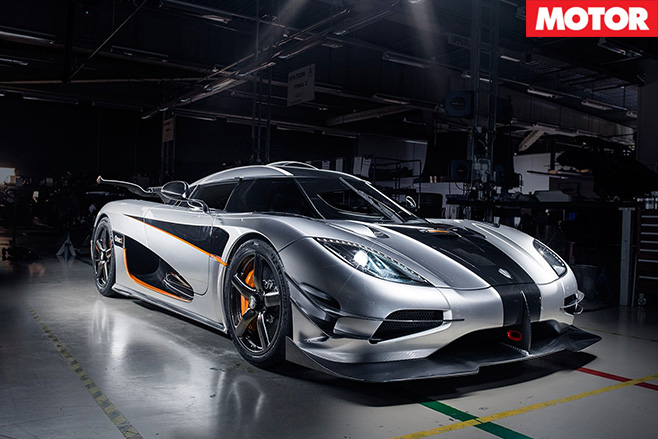
It’ll have to rebuild the car first. But it won’t rush that. “Will we be back this year? That is also hard to say at this point, but we won’t say a definite ‘no’,” it added.
God speed, Koenigsegg.
Via: Koenigsegg
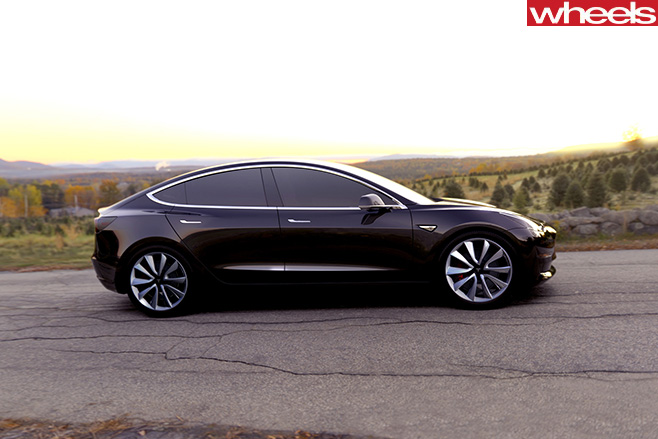
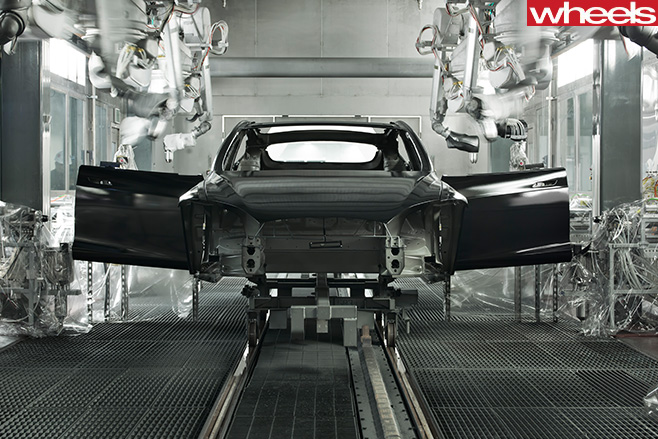
TESLA CEO Elon Musk has released the second installment of his master plan in the form of a blog entry on the firm’s website.
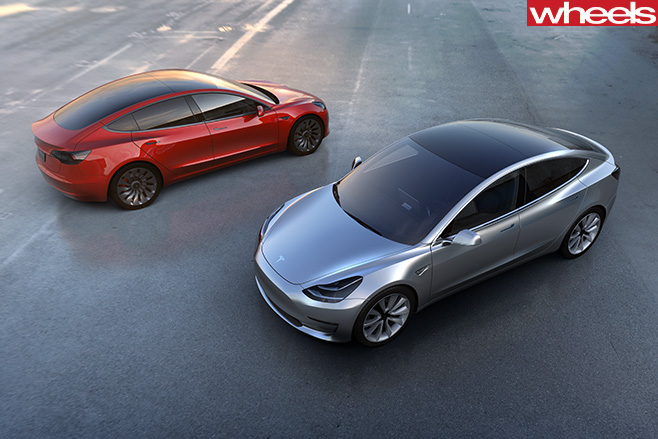
Master Plan, Part Deux, as it’s titled, comes almost 10 years after his initial vision was released in the same fashion, and reveals ambitious plans which will see the introduction of a ute, an all-new compact SUV, a foray into the truck and bus industry and even the notion of profiting from hiring out its customers’ unused cars.
In the first six months of 2016, Australians purchased over 9000 more two- and four-wheeled drive utes than in the same period 12 months ago, while the lucrative SUV market also experienced significant growth.
Also contained in Master Plan, Part Deux is perhaps the most ambitious part of Musk’s vision. In a sub-heading titled Sharing, Musk expounds his support for the concept of car-sharing – allowing others to use your self-driving car and generate income while you’re not using it through the introduction of a Tesla shared fleet. While the idea was sold as one which has the potential to reduce the overall cost of Tesla ownership, it could be seen by cynics a cleverly hatched strategy by the company to extract even more money from Tesla owners who’ve endured the myriad of issues the company has suffered in its fledgling years.