
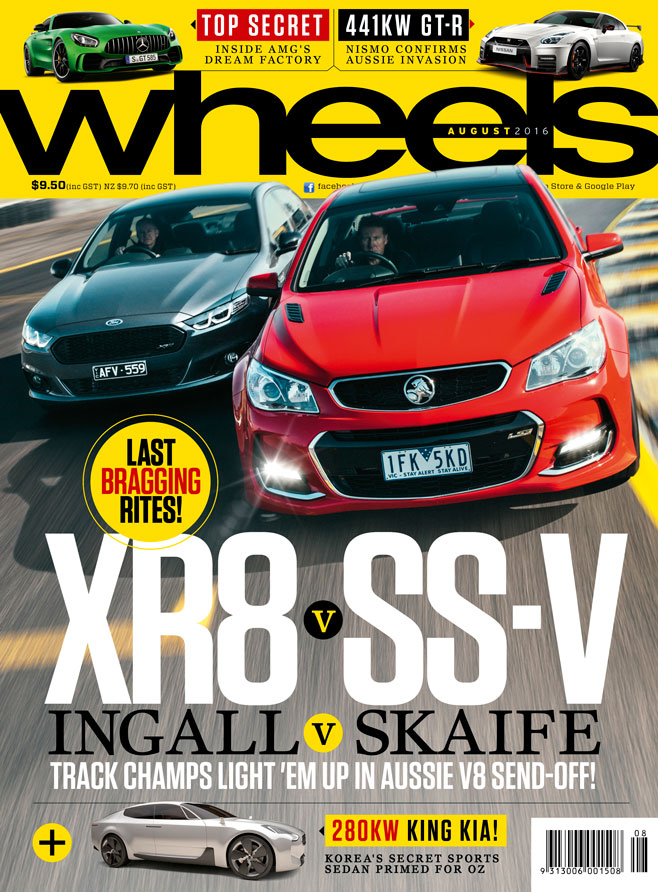
SHRIEK AT THE CREEK! XR8 v SS-V! Ingall v Skaife! Ford v Holden! Also, all the spin on Mazda’s rotary; WRX-powered Subaru Levorg driven; AMG’s secret GT R project; 24 Heures avec le Ford Focus RS
ALSO INSIDE THIS ISSUE:
- Mazda’s slick new steering trick
- Kia preps secret RWD sedan
- Nismo’s au go go
- We drive Australia’s most expensive trade ute
- Small players: Cactus v 500X v Clubman v Vitara
- Porsche Boxster laid bare
- Merc’s sun-lovin’ C-Class
- DIY race cars
BMW could join Mercedes-Benz in developing a ute to take advantage of the growing and fragmenting pick-up market where performance and luxury models are growing in popularity.
But the radical idea is nothing more than a dream within some markets – including BMW Australia – for now.
BMW Australia managing director Marc Werner says “a BMW ute is certainly an interesting proposition”, but won’t reveal whether any discussions have taken place within the headquarters of the German luxury giant.
“Just let me say that, here at BMW, we are constantly looking at market trends and this is particularly true in Australia. We are always on the lookout for market opportunities, and for further product derivatives that would be suitable for our Australian customers.”
Mercedes-Benz took the automotive world by surprise in 2015 when it announced it would create a ute. Utilising the underpinnings of the Nissan Navara – Daimler has a component-sharing arrangement with the Nissan and its alliance partner Renault – the upcoming Mercedes ute will feature a unique body, interior, suspension settings and at least one unique engine.
However, whereas Mercedes-Benz has a strong history in commercial vehicles – with a vast range of vans and trucks – BMW has focused steadfastly on passenger cars and SUVs.
Further complicating matters is BMW’s focus on driver-focused dynamics, something some would no doubt think doesn’t sit well with the concept of a load-lugging ute.
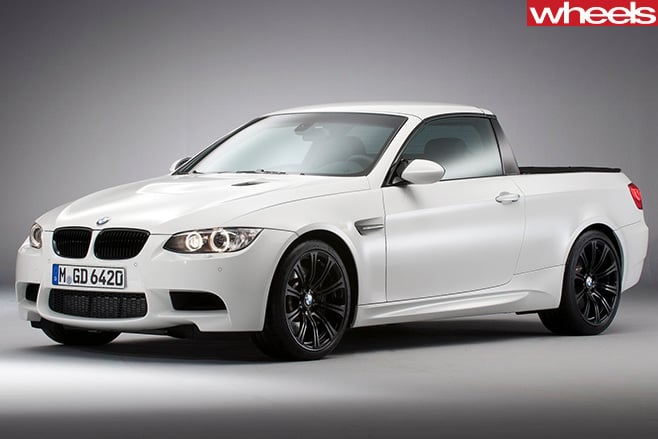
However, BMW could create a sports-focused ute, where driving dynamics, styling and performance take precedence over the size and payload of the tray.
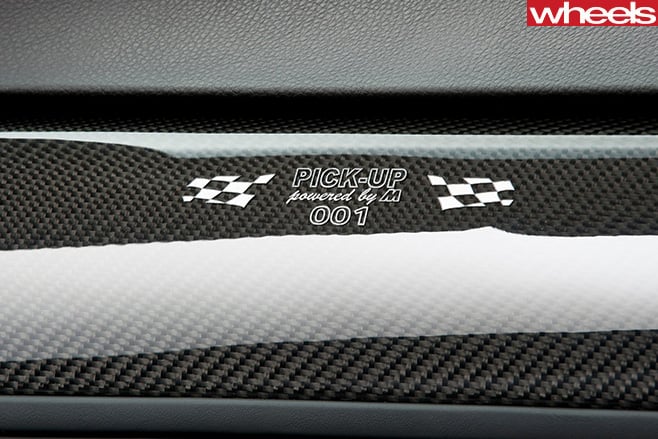
Besides, utes aren’t completely foreign to BMW. In 2011 BMW released pictures and a press release as part of an April Fool’s prank claiming it was developing a ute based on the high performance M3.
WE’VE been gazing with envy for a few months now as overseas owners of BMW’s F series M cars – the F80 M3, F83 M3 Convertible and F82 M4 – have been optioning up their cars with something called the Competition Pack.
Given how much interest the mild makeover has garnered, BMW Australia has taken the notion a step further. Instead of offering it as a pack option, BMW has simply taken the standard M car, added the kit, badged it as a Competition and added three more cars to its M range in one fell swoop.
Buyers now have the choice of 12 (if you count manuals and DCT transmissions) different BMW M3/M4 variants. The M4 Competition differs little from its stock brethren on the outside, apart from the GTS-inspired forged 20-inch rims and a smattering of gloss black paint on the grille and side strakes.
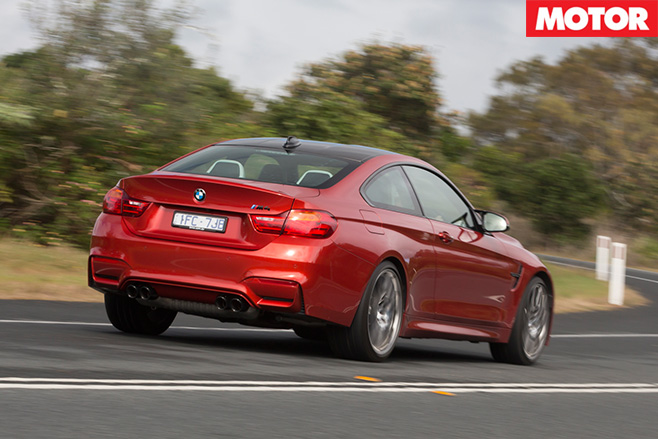
There’s a freer-flowing exhaust backbox with cool metallic black quads tips, there’s a set of 20-inch rims with wider 265/30 R20 front, 285/30 R20 rear Michelin PilotSport tyres mounted on 15 per cent stiffer springs and revised dampers front and rear, and both the rear diff and traction control systems have been tweaked to suit the new chassis tune.
Nerdy bonus point; the engine’s bed plate – the bit that holds the crankshaft – is now stiffer, as well. Its new high of 331kW@6000rpm and 550Nm@1850-5500rpm still leaves it some way short of its arch nemesis, the Merc-AMG C63 posse, but it’s a healthy tweak at the business end of the rev range.
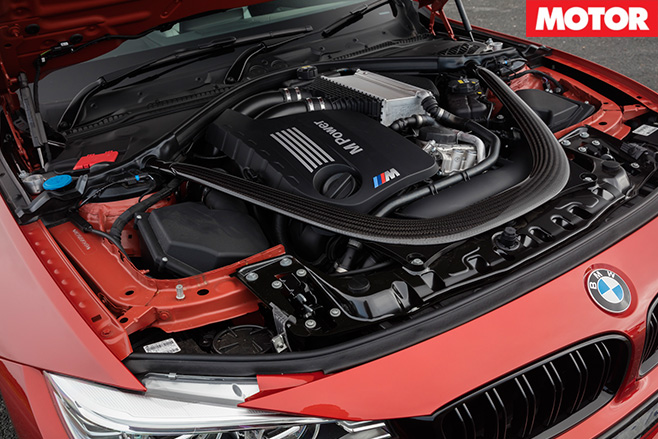
The extra kit costs $5000 on top of the regular Ms, meaning that the M4 Competition costs $154,615, still a neat ten grand dearer than the identically performing M3 Competition sedan. Thankfully, the slick-shifting six-speed is a no-cost option.
The 0-100km/h dash is exactly 0.1sec quicker at four seconds flat, while fuel consumption jumps six points to 8.8 litres per 100km. Weight remains the same, too, at 1540kg.
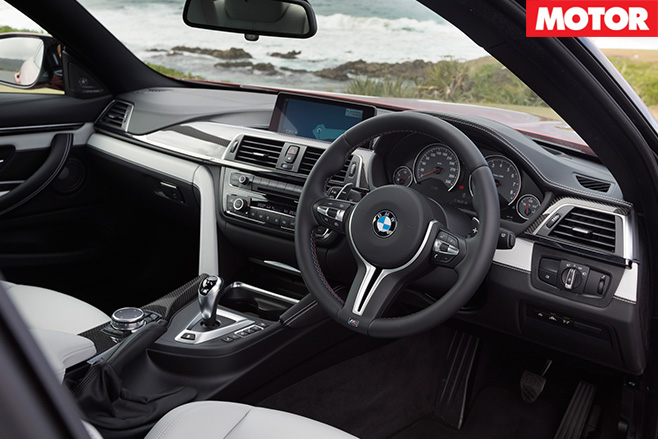
In truth, it’s still an angry rear end for a road-going car. The traction control light is busy even under light throttle loads; the mid-stroke of the throttle just isn’t quite progressive enough to allow smoother modulation of the torque to the tarmac.
Once it dries up a bit, though, the BMW M4 shows a newer, more mature side once the pace increases. Those stiffer springs that hamper the tyres’ abilities to track the road at lower velocities yield to reveal a complex damper map that can handle mid-corner corrugations and g-out hits with aplomb, while the chunky brakes are superbly modulated and offer incredible feel.
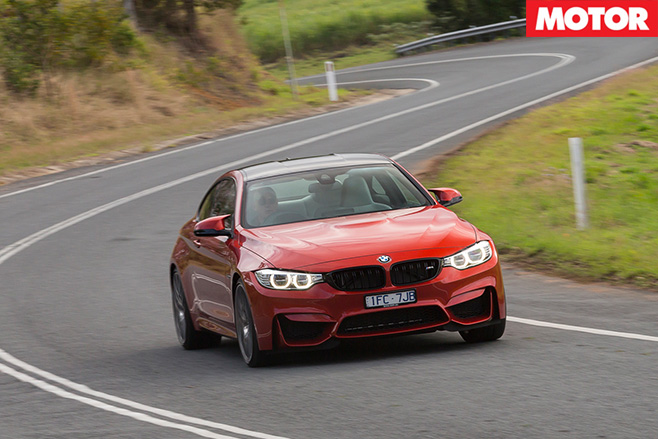
In all, it’s a more than worthy mid-term upgrade to the M4, and one that goes some of – but not all of – the way towards quelling some of our earlier doubts about the car’s ultimate abilities.
4 OUT OF 5 STARS
Specifications
Engine: 2979cc inline-6, DOHC, 24v, twin-turbo Power: 331kW @7000rpm Torque: 550Nm @ 1850-5500rpm Weight: 1540kg (DCT) 0-100km/h 4.0sec (claimed) Price: $154,615
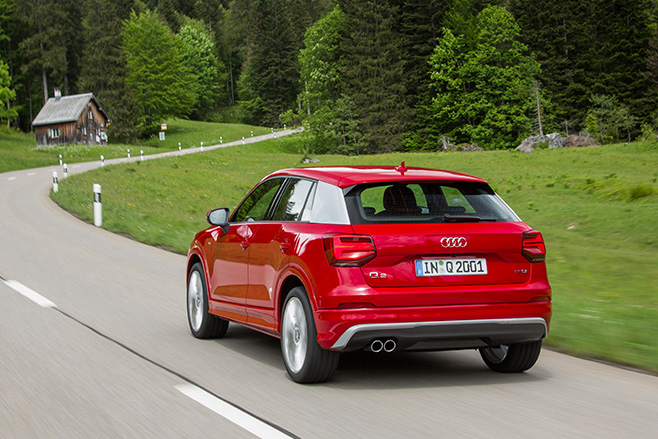
Audi’s first-ever small SUV will arrive in Australia early in 2017. The Q2 is smaller than the brand’s popular Q3, but much sharper looking. Audi Australia aims to price the most affordable model in the line-up – the front-drive 1.4 TFSI – below $40,000. This means it will cost thousands less than the Q3’s base model.
The Audi Q2 draws heavily on the VW Group’s MQB modular component set, but Audi’s engineers set out to give it a distinctive flavour. While it shares its wheelbase and more with a short, three-door version of the A3 not sold in Australia, Audi’s engineers developed a steering system and a wider rear axle that are specific to the Q2.
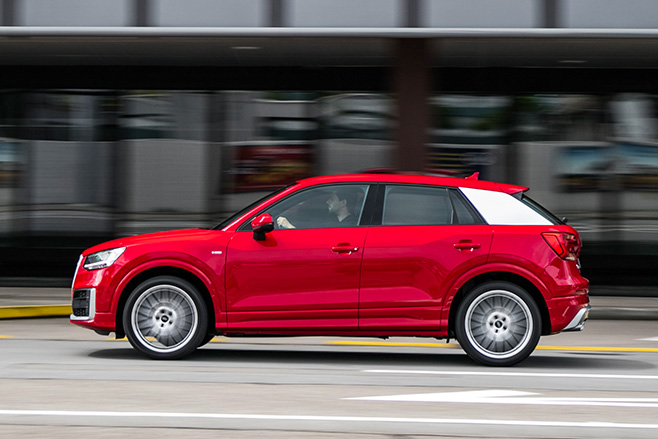
Their aim was to make the Q2 a more entertaining drive than the typical small SUV. Quick, but not oversensitive, the electric-assist steering delivers a real sense of nimbleness. Meanwhile, at the other end of the car, the wider rear track counteracts the effect of the Q2’s raised (by 35mm) suspension and contributes to its stable and foolproof handling.
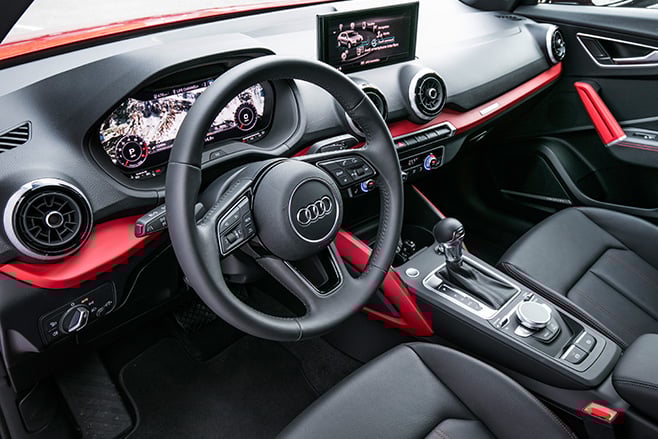
Inside, there’s ample space for four adults, and the cargo compartment behind is usefully large. Driver and front passenger face a good looking instrument panel that’s colourfully decorated and well equipped in standard Australian form.
The turbocharged 1.4-litre petrol engine of the 1.4 TFSI is sweet and strong. It’s used in many other cars made by the VW Group, but the version in the Q2 features an Audi extra; a fuel-saving system that shuts down two cylinders when the engine doesn’t need to work hard. A seven-speed double-clutch automatic – S-tronic is Audi’s name for this technology – is standard.
With its distinctive exterior style, roomy interior, typically Audi design and quality, zippy performance and eager-beaver handling, the Q2 may turn out to be the smartest premium small SUV of all…
STRENGTHS
- Exterior style. Audi calls this new look Polygonal Design. The edgy, geometric treatment gives the Q2 genuine visual personality, something Audi’s other SUVs lack.
- Space. The Q2 is 20cm shorter overall than the Audi Q3, but it doesn’t feel that way inside. The rear seat is only wide enough for three if they’re all kids, but head and knee room in the outboard positions are ample for full-size grown-ups. The Q2’s long doors also aid ease of rear-seat access.
- Interior design and décor. The 1.4 TFSI comes standard in Audi’s Design line trim. This means there’s a colourful inlay running the width of the dash. White and orange are the choices. (More expensive Q2s, with bigger engines, come with the Sport line trim choice of red or yellow). The dash itself is typical Audi; neatly designed, beautifully crafted and user-friendly.
- Handling and performance. The Q2’s quick steering and well-set-up chassis make it fun to drive. Not as much fun as a similar size small car, but better than the average small SUV for sure. Ride comfort is fine. The turbo four delivers good acceleration, even from low revs, and fuel efficiency should be outstanding (based on real world experience with other models using the 1.4-litre turbo engine).
- Standard equipment. In Australian-market form, the 1.4 TFSI comes with the right stuff; autonomous emergency braking, MMI Navigation infotainment with a bright 7-inch screen, smartphone interface, rear view camera and parking sensors all round, and dual-zone air-con.
WEAKNESSES
- Should be quieter. Even on the well maintained roads of Switzerland, where Audi staged the international intro, there was a little too much noise inside Q2 1.4 TFSI. This was especially noticeable in the rear seat. While the drivetrain is relatively quiet, there’s too much road rumble.
- Price and options. Premium brands like Audi have high profit margins. Which is fine. But there are arguably better value buys at much lower profit-margin prices than the Q2 1.4 TFSI’s likely $39,000 price. And while the long options list does mean you can fill this small SUV with big-time tech, it won’t be a cheap exercise.
The Mini Countryman is the Q2’s most obvious rival. It has an exterior that shoots for an individual brand of stylishness inside and out. But the least expensive Countryman, which is close to the projected price of the Audi, has an engine that’s a non-turbo 1.6-litre weakling. The Mercedes-Benz GLA180 is larger and more expensive, but is also easily beaten for power. Finally, if interior space isn’t a priority, take a look at the top end of the Mazda CX-3 range. Cheaper and smaller – especially in the cargo compartment – but good looking, pleasant to drive and with Japan’s famed build quality.
A SHIPPING company is facing a potential $10 million fine after driving up delivery costs on as many as a million cars, trucks and buses it delivered to Australia.
However, questions remain over whether car companies and buyers – who would have potentially paid more for cars as a result – will be compensated.
Japan-based Nippon Yusen Kabushiki Kaisha, known as NYK, pleaded guilty in the Federal Court this week to criminal cartel conduct after Australia’s consumer watchdog alleged it had colluded with others over the cost of transporting cars here.
The brands affected include Suzuki, Honda, Nissan, Mazda, Toyota, Isuzu and Fiat Chrysler vehicles that were shipped to Australia from factories in India, Thailand, Japan, the US and Europe.
Toyota is the largest brand in Australia – selling more than 206,000 vehicles here last year – with almost all of them imported. Mazda was Australia’s second-largest brand in 2015, selling about 114,000 cars, while Nissan was the sixth-largest brand with around 66,000 sales. Because the charges relate to cars brought here between July 2009 and September 2012, as many as a million vehicles could be affected.
“This is the first criminal charge laid against a corporation under the criminal cartel provisions of the Competition and Consumer Act,” Australian Competition and Consumer Commission chairman Rod Sims said.
However, a spokesman for the ACCC said the consumer watchdog was not able to say how many car buyers had been affected by the cartel, nor how much extra they would have had paid in shipping prices compared with if free market forces had applied.
The Federal Department of Public Prosecutions – which is bringing the charges before the court – said it was also unable to comment on how many vehicles were affected while the matter was still being heard. It was also unable to say if car owners would be compensated as part of any penalties imposed on NYK by the court.
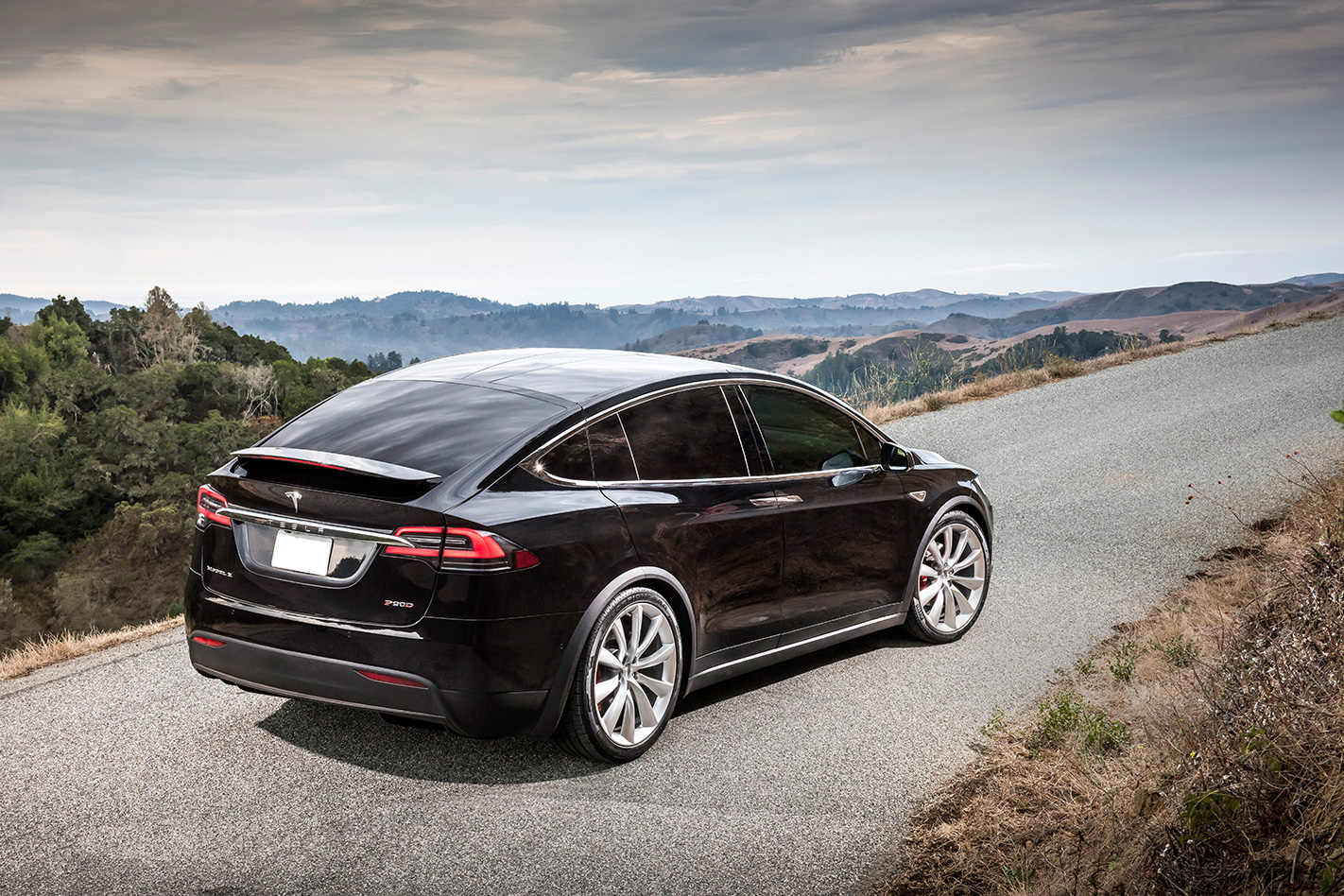
Tesla Australia has announced the starting price for its incoming all-electric seven-seater SUV, a car which the firm is boldly describing as “the safest, quickest and most capable SUV in history.”
Australian drivers will be able to be able to own the newly announced Tesla Model X 60D following its launch in October this year. Depending on the state or territory you buy in, the drive-away price tag for the 60D will vary from between $126,000 to $131,700. The 60D is the entry point of the four-tiered Model X SUV range, which Tesla Australia’s Heath Walker confirmed would all be available for Aussie buyers.
“We’ll start deliveries of the 75D and both models of the 90D towards the end of the year, but the order phase for the 60D will commence just post launch,” explained Walker, who outlined a $6000 fully-refundable deposit was necessary to secure the vehicle.
As expected, the American-made vehicles lay claim to some impressive but out-there features like the largest panoramic windscreen to grace any production car and the falcon-wing rear doors. Designed to offer access to the third-row seats the falcon doors, as the name suggests, open in a way that mimics a falcon in full flight rather than conventional side-hinged car doors. Already a source of various technical troubles for the brand, the doors rely on a series of sensors to avoid hitting objects during their automatic opening and closing process. Tesla says the 60D requires 30cm of side clearance to operate effectively.
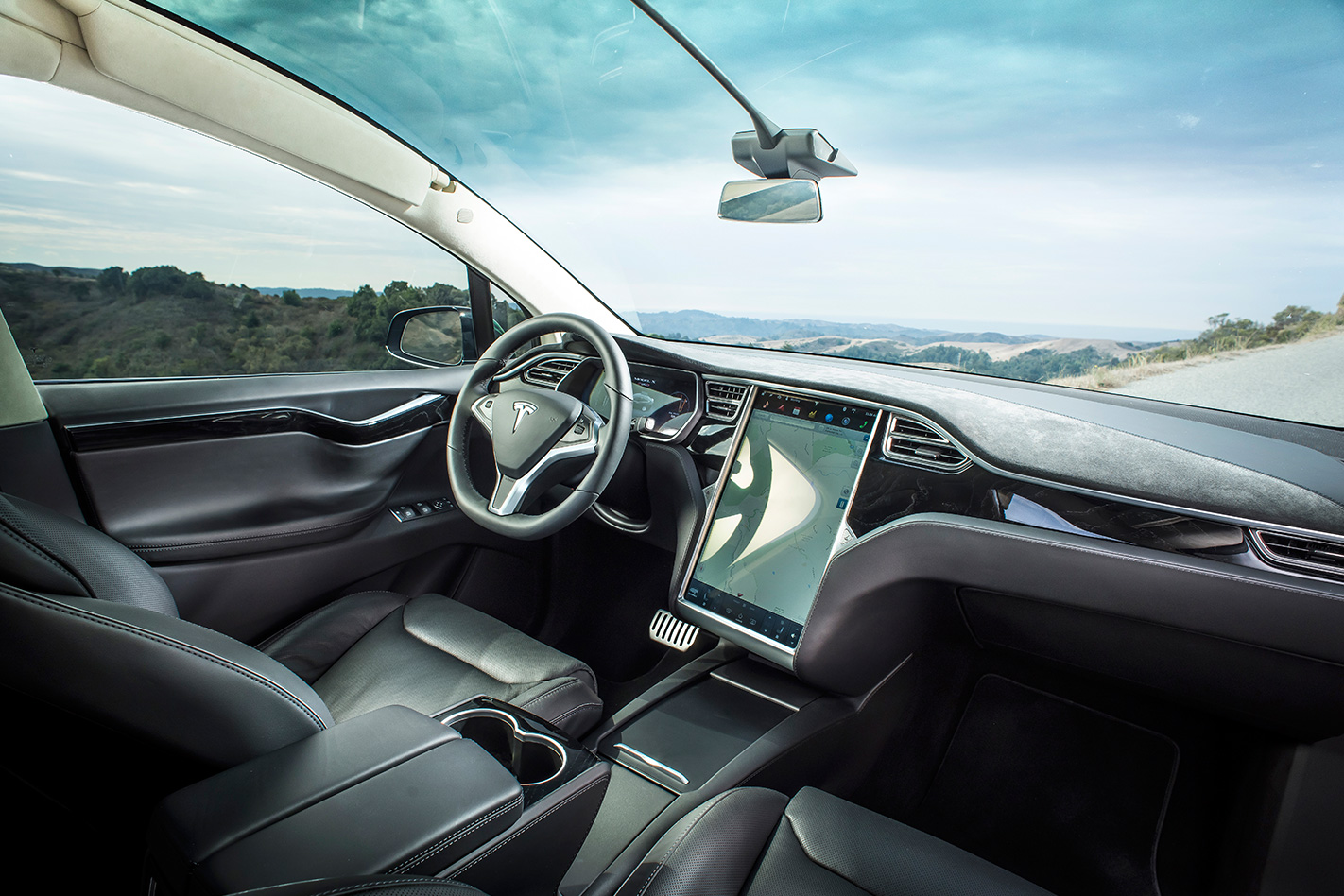
Boasting dual engines (which is where the D in the car’s moniker comes from) producing 193kW of power, the all-wheel drive 60D boasts a top speed of 210km/h, 0-100km/h in 6.2 seconds and a range of 350km between recharges.
These figures become more impressive the higher up the four-tiered range you go and while we can’t argue with the firm’s bold acceleration or capability claims, teething problems which have plagued the car since its global launch go some way towards casting doubt over Tesla’s safest-ever claims.
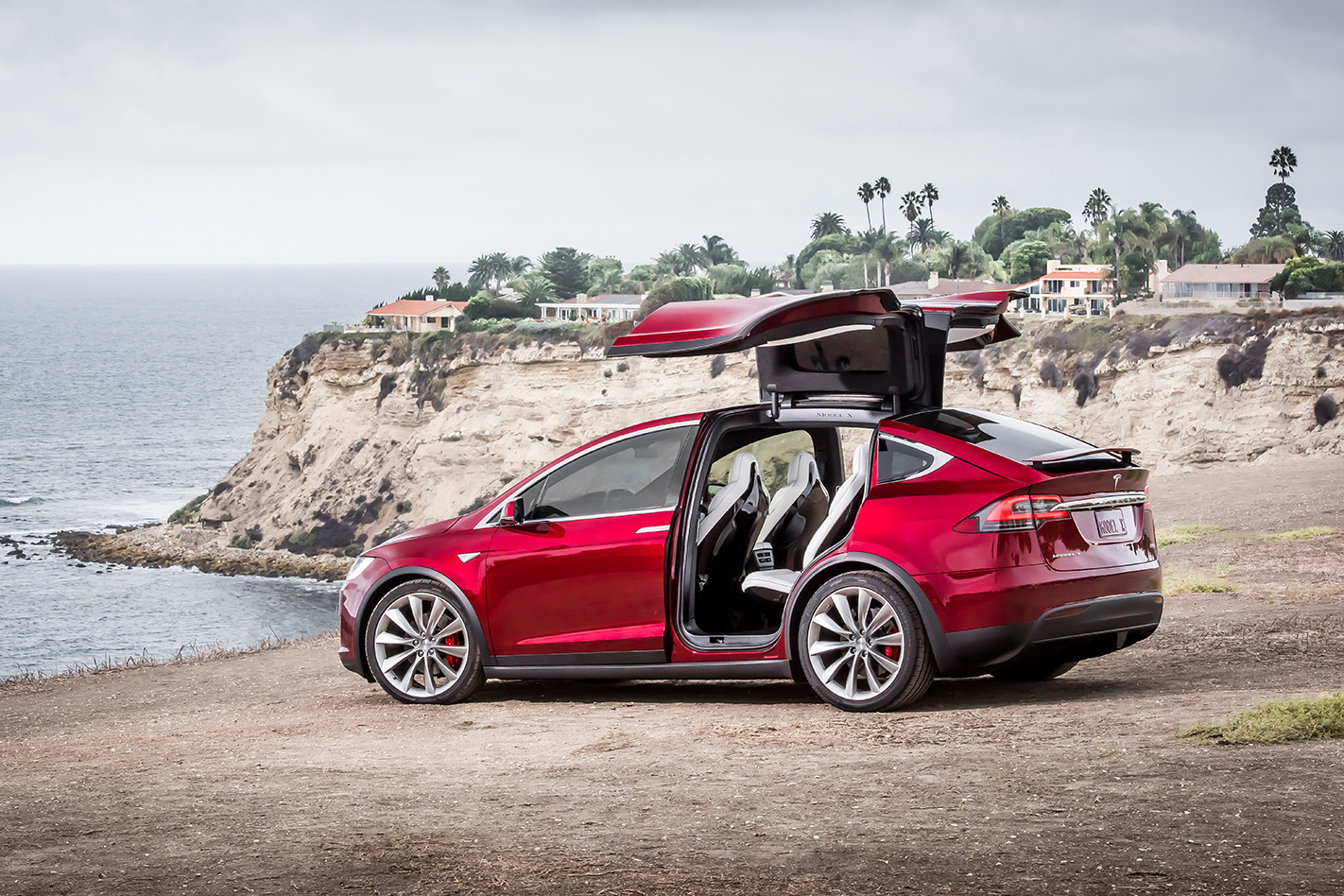
Between being forced to refine the rear door system and a recent recall issued around the third-row seating hinges which could potentially fail in a crash scenario, Which Car asked Tesla Australia if the factory had provided it with any assurances the technical woes had been ironed out before launching into production of the right-hand drive Model Xs.
“One good thing about the delay in right-hand drive production is we’ve been able to find solutions to these teething problems,” Walker said. “Every manufacturer goes through similar things with an all-new product, but the nice thing is we shouldn’t see any of those issues on Australian vehicles.”
The Jaguar F-Pace fuses performance and exceptional design in its new family-friendly, yet driver-focused SUV, without compromising its traditional car-making principles.
WHAT IS IT? This is the very first Jaguar SUV, aimed squarely at people who want to have cake and eat it. The British brand is capitalising on its sports car heritage with a mass-appeal SUV that promises practicality and driver enjoyment.
WHY ARE WE TESTING IT? F-Pace is likely to be Jaguar’s best seller by a hefty margin, and responsible for bringing in a huge percentage of first-time Jaguar owners. This is our first drive of F-Pace in Australia.
MAIN RIVALS Porsche Macan, Mercedes-Benz GLC and GLC Coupe, Audi Q5 and SQ5, BMW X3 and X4, Land Rover Discovery Sport.
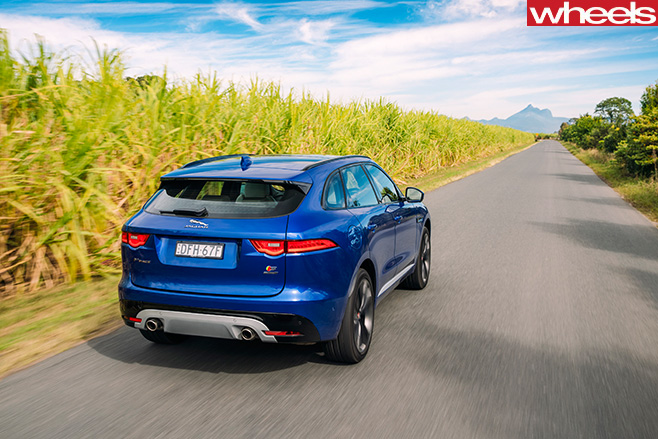
PLUS: Accurate steering, huge grip, cornering ability, refined design, practicality MINUS: Expensive and numerous options, road noise on 22s, not as sharp as Macan
THE WHEELS REVIEW Jaguar’s first SUV is billed as the practical car for people who love driving, and over at Jaguar the Kool-Aid is all gone. F-Pace certainly has the credentials to back up the claim, being built on the same architecture as the accomplished Jaguar XE with an all-aluminium framework that should place it amongst the best handling mid-size SUVs.
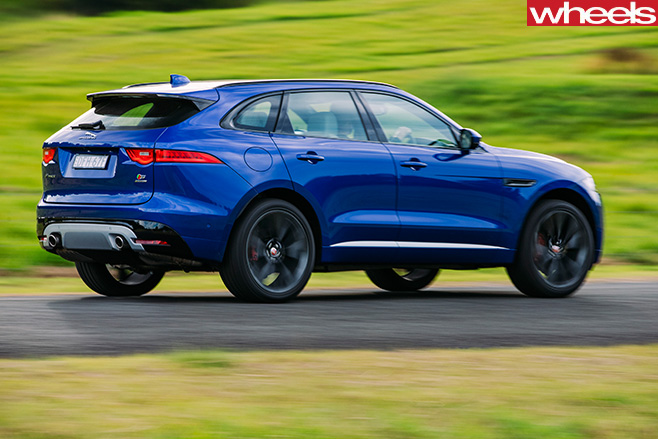
The latter comes in two states of tune; 250kW/450Nm in Prestige, Portfolio or R-Sport trim and 280kW/460Nm in S and the flagship First Edition variant – only available during the initial 12 months of sale, for $120,415.
Diesels are where the sales majority will likely come from long term, and both the 2.0-litre four and 3.0-litre V6 earn their keep. The economical, four-pot Ingenium engine (5.3L/100km) lacks take-off urgency but carries speed easily. The creamy and refined V6 surges with a supercar-rivalling 700Nm of torque and drinks just 6.0L/100km.
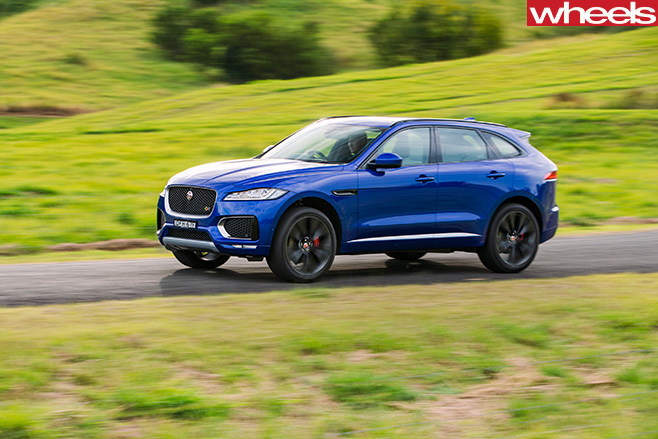
Beyond the bonnet and laid back windscreen, every styling element has been penned for visual speed. It’s the work of renowned British designer Ian Callum who gave F-Pace the dimensions he thought a Jaguar SUV should have. Its size sits between BMW X3 and X5, outside the mould of existing SUVs. Eyes are drawn to its exaggerated proportions that herald the litheness and athleticism Jaguar’s engineers have sought to instil underneath.
It’s in the steering where they’ve had the most success – arguably F-Pace’s standout quality. It’s quick and accurate, almost in need of more weight considering how direct the front end is. The rear-biased AWD system (standard in all Aussie-delivered models) has colossal grip. In slippery conditions it sends up to 50 percent of grunt to the front wheels within 1/10sec.
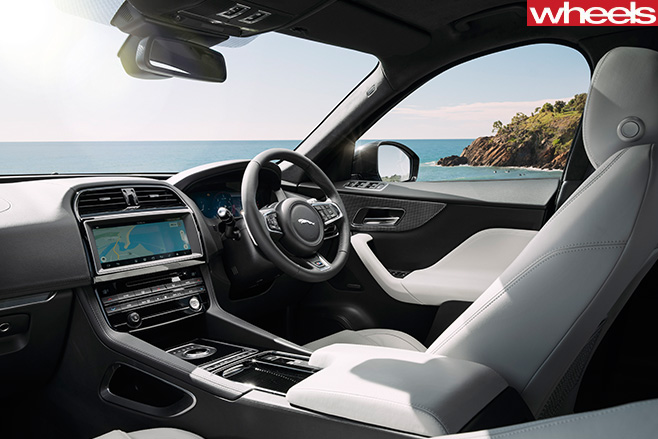
Dynamic mode also sharpens throttle and steering immediacy to the brink of twitchiness. It is as input-responsive and driver-focussed as promised. Comfort mode is the easiest to live with point-to-point, and models without adaptive suspension have a firm single tune that treads the middle ground. At speed, F-Pace maintains stability and composure for a feeling that is quintessentially Jaguar. Brakes have good initial bite and a progressive pedal feel.
All models use an eight-speed torque convertor auto that effects seamless shifts in most situations. Switch the transmission to Sport and it can hold a gear to redline if you ask it, but comes slightly undone on twisty sections of constant on/off throttle applications. Paddle shifters on the steering wheel are the more engaging and effective option when really going for it.
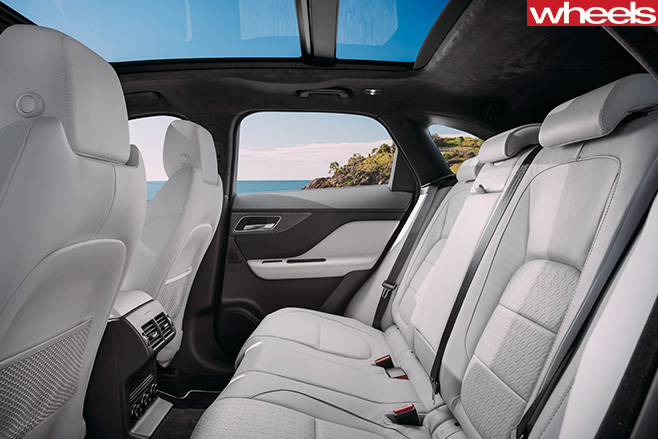
It’s not without eccentric ergonomics inside, like quasi Land Rover window switches on top of the doors and memory position buttons where the switches should be, but there isn’t a Jag on sale with everything in the right place and fans will argue this is part of the charm.
Aussie F-Pace models miss out on the class-leading 650-litre boot of overseas, making do with 508-litres and a space saver spare taking up the rest. It’s not top of the pops but the layout is packaged well enough to cope with plenty of cargo and uphold Jaguar’s practicality claims.
To nit-pick, road noise in the cabin can be an issue. It’s less severe on the smallest, 19-inch wheels but still tiresome on long hauls. Passengers in the back have good knee and head room, USB ports and 12V sockets, but four-zone air-con and reclining rear seats are – like many things – optional.
Jaguar earnestly believes its SUV should share the same stage as its halo coupe, the Jaguar F-Type, and it turns out that’s closer to the truth than it may sound. This first foray into a lucrative segment doesn’t compromise on brand values. It is still very much a Jaguar.
SPECS Model: Jaguar F-Pace S AWD First Edition Engine: 2995cc V6, dohc, 24v, supercharged Max power: 280kW @ 6500rpm Max torque: 450Nm @ 4500rpm Transmission: 8-speed automatic Weight: 1861kg 0-100km/h: 5.5sec (claimed) Fuel economy: 8.9L/100km (EU) Price: $120,415 On sale: Now
Lamborghini’s to go McLaren hunting with a new Huracan, recent spy footage’s revealed.
Two Lamborghini Huracan mules spied at the Nurburgring suggest the firm’s readying a faster variant of its ‘entry-level’ supercar. And the rate which they blow-by a Mercedes-Benz limo (which is fair hustling), warn McLaren’s 675LT need watch its back.
While specific details are scarce, the cars’ aren’t quiet about their aerodynamic strategy – a remodelled front bumper and huge fixed-wing put downforce on the menu. But a hellish roar is the only hope the standard 5.2-litre V10 might have copped a tweak.
If this new variant’s to follow in the Gallardo Superleggera’s footsteps, all-wheel drive should remain, but a lot of weight won’t. When it hits showrooms expect a sub-1500kg ticket.
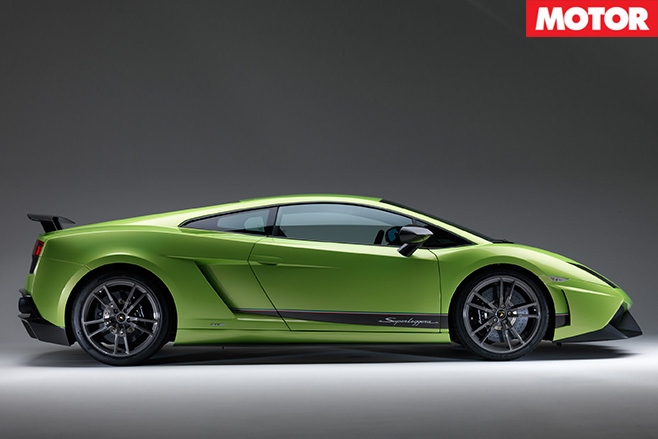
Lamborghini’s original lightweight appeared only three years after the Gallardo’s launch, allowing it to fit a string of other special editions into its life-cycle. And Lamborghini must be keen to steal back attention from Audi’s recently lobbed R8 V10 Plus.
We’ll have our eyes peeled for the unwrapped mule at motor shows towards the end of this year, chiefly Paris in October.
SUZUKI hopes to add the Ignis mini crossover into its Australian line-up by about the end of the first quarter of 2017.
Not yet officially confirmed for this market, the high-riding light-car still has currency fluctuation and specification hurdles to overcome before an announcement can be made, according to Suzuki Automobiles Australia general manager, Andrew Moore.
“We really want to see the Ignis in Australia,” he said. “We hope we can confirm it very soon.”
To slot underneath the Vitara range released last year, the chunky Ignis would be classed in the small SUV category, despite being significantly smaller and lighter than the segment’s bestseller, the Mazda CX-3. That would put the base price well below the latter’s $19,990 ask.
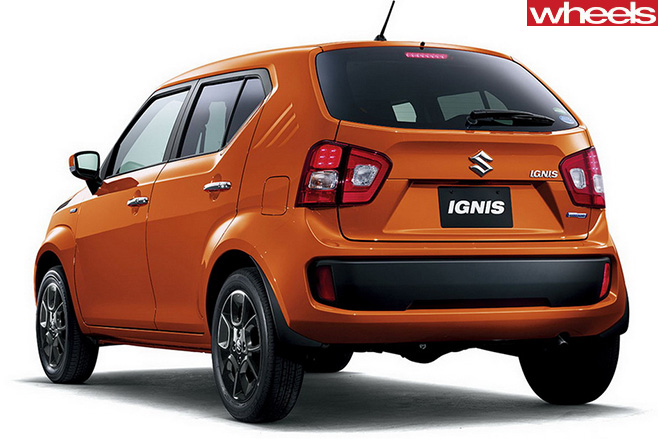
Although the newcomer is nearly 600mm shorter and 95mm narrower than a CX-3 Neo FWD at 3700mm and 1660mm respectively, it sits some 25mm higher with 180mm ground clearance. Some versions weigh as little as 880kg (versus 1193kg for the Mazda).
The powertrain most likely for Australia is a 67kW/118Nm 1.2-litre four-pot atmo unit, driving the front wheels via a CVT auto, though whether it would also come with the Japanese domestic market mild hybrid function – employing a small DC synchronous motor to add an additional 2kW – has not yet been divulged. There is also a part-time 4WD version available elsewhere.
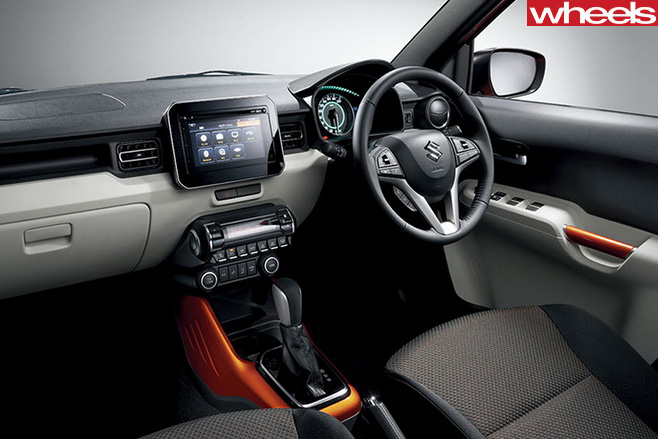
“Building on the success with Vitara, we’re aiming to hit the 30,000 mark with the help of Ignis and Baleno,” Moore said. “They would significantly broaden Suzuki’s appeal… helping us to become stronger.”
From the Latin for ‘fire’, the Ignis nameplate was used on a conceptually similar model sold in Australia from 2000 to 2005, before it was replaced by the reborn Swift. A jacked-up version of that car was also successfully supplied to Holden as the YG Cruze with on-demand 4×4 capability from 2002 to 2006.
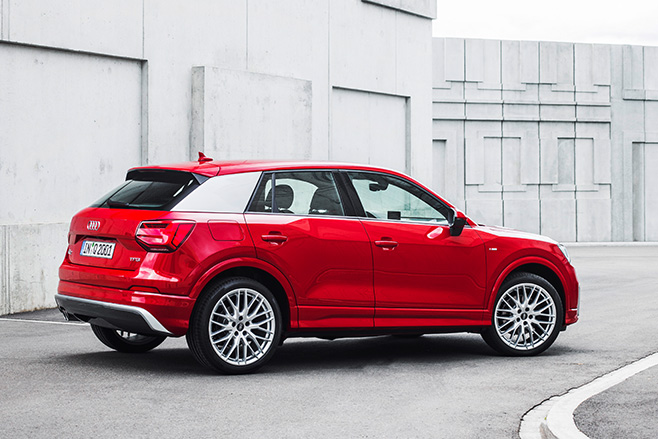
AUDI’S long-awaiting entrant in the premium small SUV class will reach Australia early in 2017. The Q2 features a new exterior style with sharply defined geometric shapes that Audi calls Polygonal Design. Though the exterior dimensions are compact, there’s a surprising amount of space inside, and Audi’s usual high-quality fit-out.
The best seller is sure to be the least costly version: the 1.4-litre TFSI. It has a turbocharged 110kW four-cylinder engine and a seven-speed double-clutch automatic. There’s no quattro all-wheel-drive in this one; the engine powers the front wheels only. Audi Australia aims to price it below $40,000.
So much for the obvious stuff; here are some things you don’t know about the Q2 1.4 TFSI…
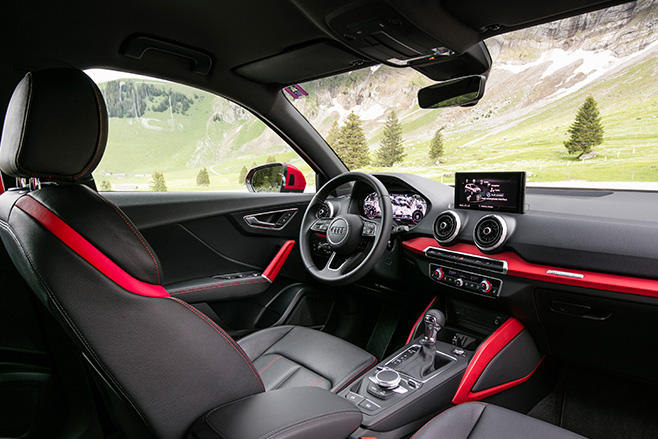
- Eloxal is the name of the matte-metallic finish seen on the Q2’s dashboard inlay strip. The 1.4 TFSI comes standard in Design trim line, which means a choice of white or orange. The colours are intended to mimic the anodised finishes used on mountaineering gear like carabiners.
- There’s another Audi with exactly the same axle-to-axle measurement as the Q2. The Audi A3 three-door – which isn’t sold in Australia – has the same 2600mm wheelbase. Both are made on the same production line in Ingolstadt, Audi’s Bavarian hometown.
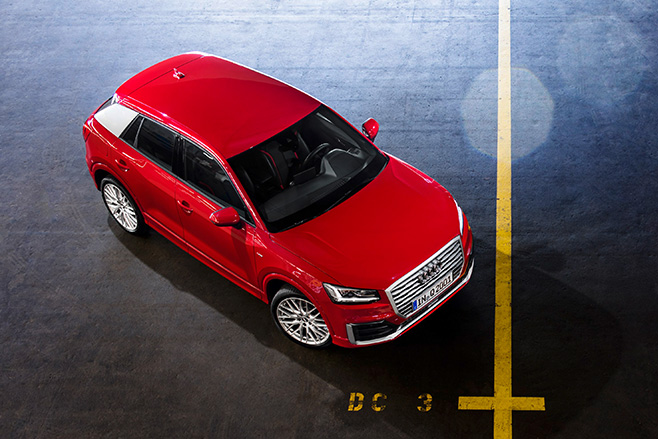
- The guy who penned the exterior of the Q2 is only 33 years old. “The polygon is the main theme of the design language of this car,” Matthias Fink told Which Car at the model’s official reveal in Geneva early in 2016. “This is the signature…”
- Audi’s aerodynamics department worked hard to cut the Q2’s air resistance, even shaping the taillight lenses to smooth airflow around its tail. The resulting low-for-an-SUV drag co-efficient means the 1.4 TFSI has a top speed of 212km/h, even though its engine isn’t super powerful.
- In Australia, the Q2 1.4 TFSI will come with Audi’s MMI navigation infotainment system, with a high-res 7-inch screen. This is two upgrade steps better than the standard basic system in Europe.
- Unlike the more expensive Q2 versions with 2.0-litre engines and quattro tech, the 1.4 TFSI has a simple torsion beam suspension. Though theoretically inferior, you’ll find it hard to pick the difference in back-to-back test drives.
- The Q2 is the smallest Audi so far to use the company’s new and very compact driver airbag module. It takes up less room in the centre of the steering wheel, improving the view of the instruments.
- Still on steering: the Q2 has a system specially tailored to suit it, not an off-the-rack set-up. The geometry of the column was designed to present the wheel to the driver at a near-vertical angle, as in a car. And the steering rack itself was engineered with a progressive ratio that’s slow and calm on the straight-ahead, but gets more direct and lively as the wheel is turned. Lock-to-lock takes just two turns.
