
Holden Special Vehicles has produced some of Australia’s fastest, most powerful and most adored muscle cars in its near 30-year history.
Three new models were announced by the brand this week that will be among the last HSVs built using locally-manufactured Holdens.
As HSV prepares for a transition to imported vehicles, we went digging in the archives to put together this list of our 10 favourite HSVs. Here they are in no particular order:
1. 1996 HSV VS GTS-R
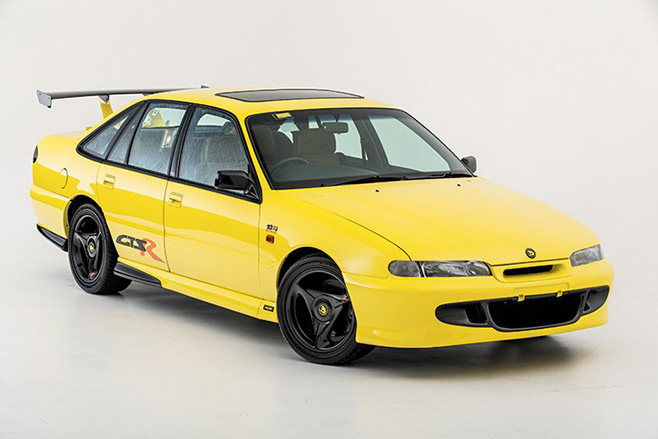
Whether you consider it an ugly duckling or an Aussie icon, the HSV GTS-R in searing ‘Yellah’ paintwork is unmistakable. HSV offered it with a 5.7-litre V8 in 215kW trim, or a 226kW HRT-optimised ‘blueprinted’ version. A Tremec T56 six-speed manual transmission and Hydratrak LSD were standard fitment. Production was limited to 85 units in total and it remains one of the most collectible HSVs today.
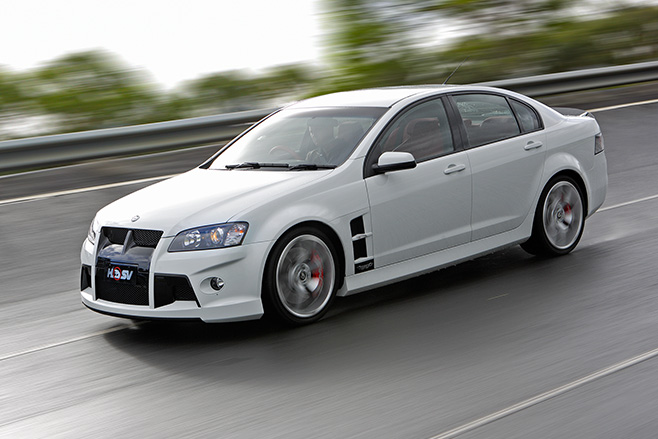
2. 2008 HSV E-Series W427
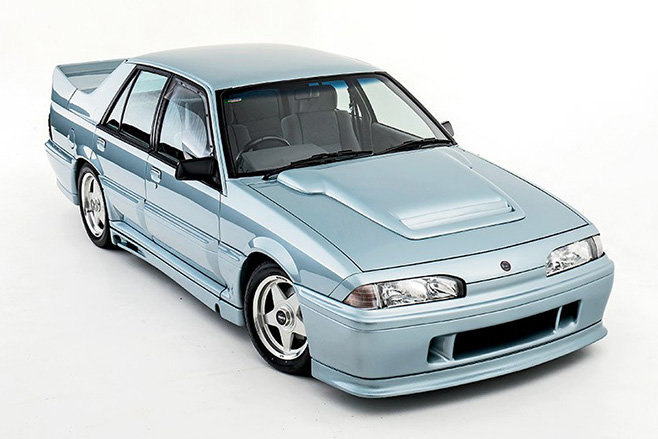
3. 1988 HSV VL SS Group A SV Walkinshaw
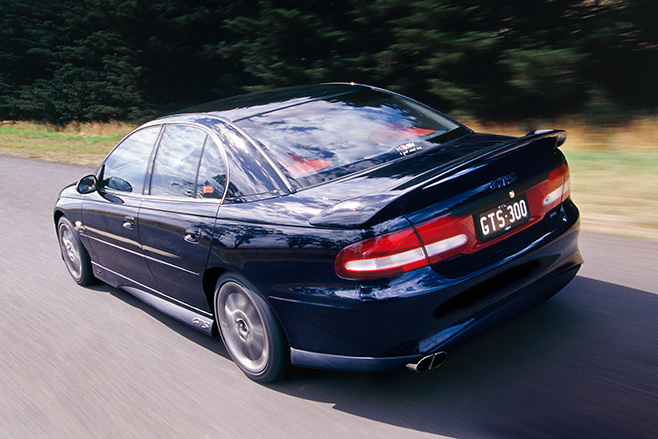
4. 2000 HSV VTII GTS 300
5. 2001 HSV GTS Coupe
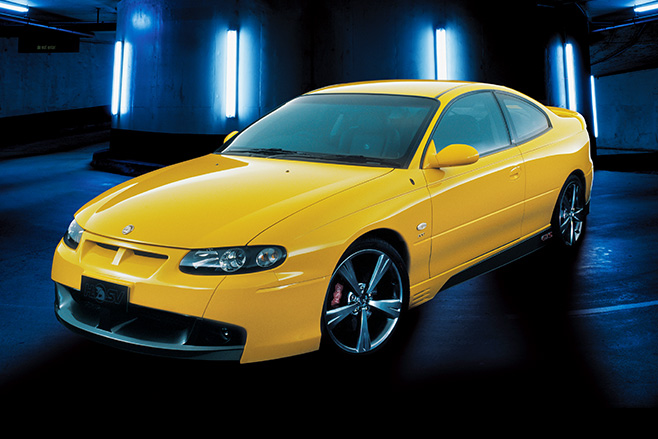
6. 2009 HSV E-Series 2 GTS
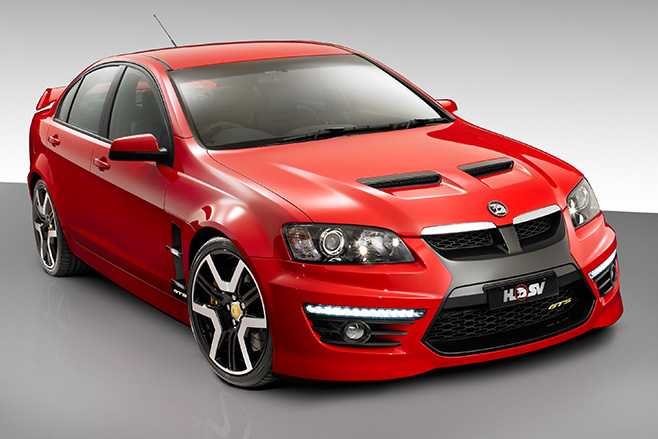
7. 2015 HSV Gen-F2 GTS
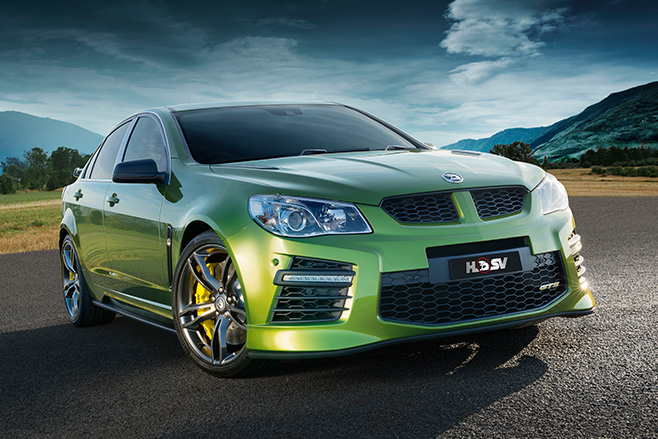
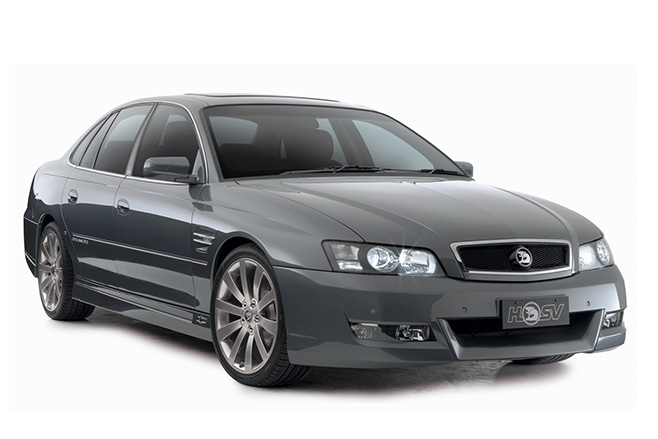
8. 2004 HSV WL Grange
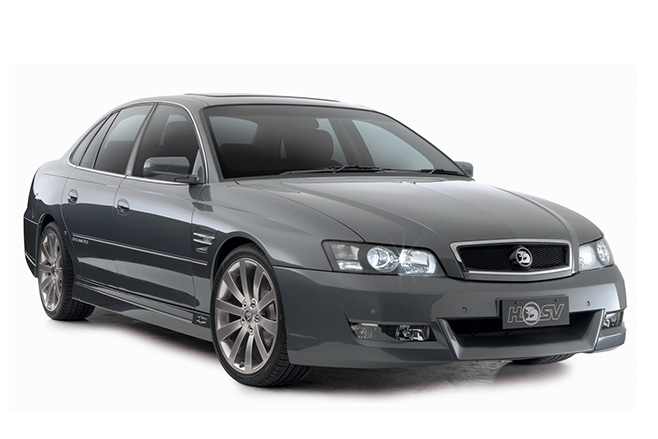
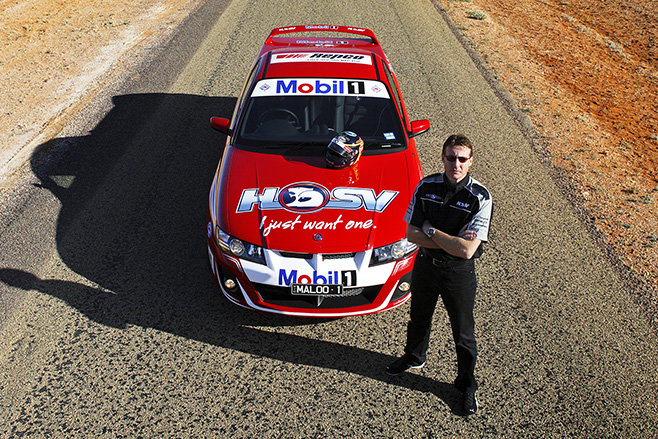
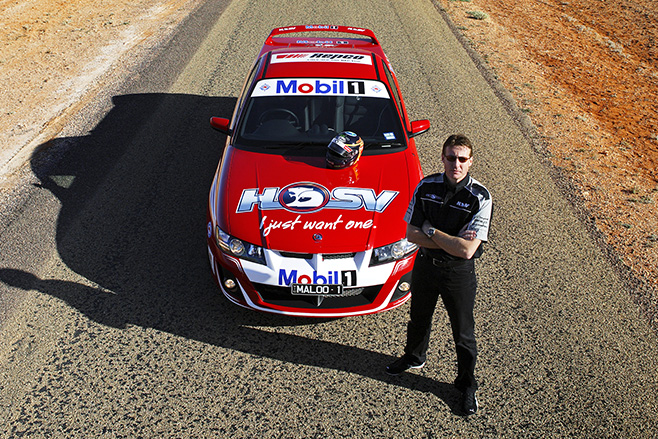
9. 2004 HSV VZ Maloo R8
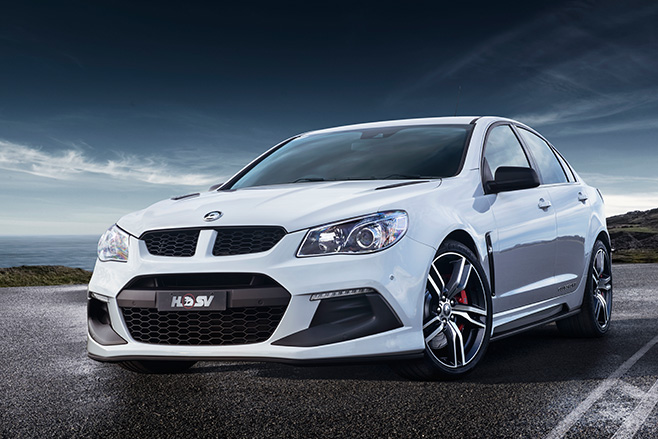
10. 2015 HSV Gen-F2 R8 Clubsport LSA
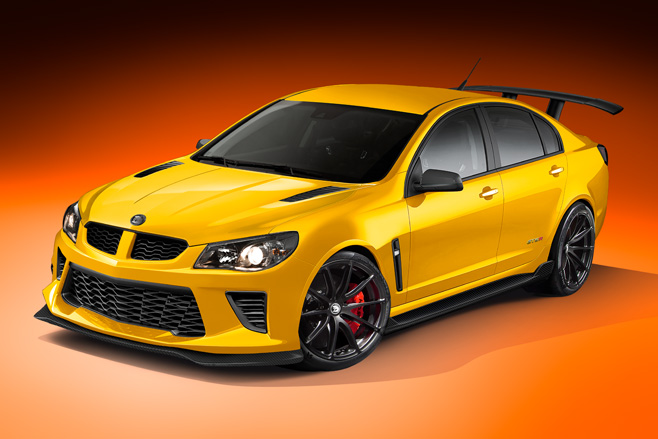
11. 2017 HSV Gen-F2 GTS-R
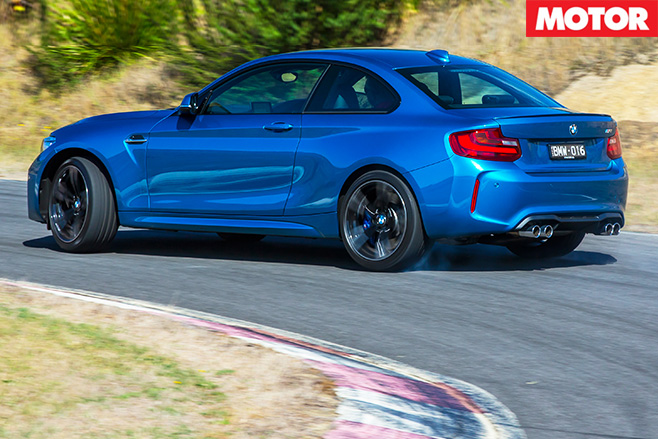
BMW’s hot M2 hasn’t even landed but it’s proved so popular the firm’s had to secure an extra batch to satisfy local demand.
An extra 100 units have been marked for Down Under after Australia’s initial 300 cars sold out.
These extra M2s will begin their journey here soon as July, with a two-month lead time ensuring the majority of cars will be registered here before the year’s end.
Australia’s love for the manual transmission has resurged in the M2’s ranks too, with 25 per cent of buyers so far asking for a self-shifter M2. This comes in a dramatic contrast to the M3/M4 range, where only one percent of cars sold are equipped with a manual.
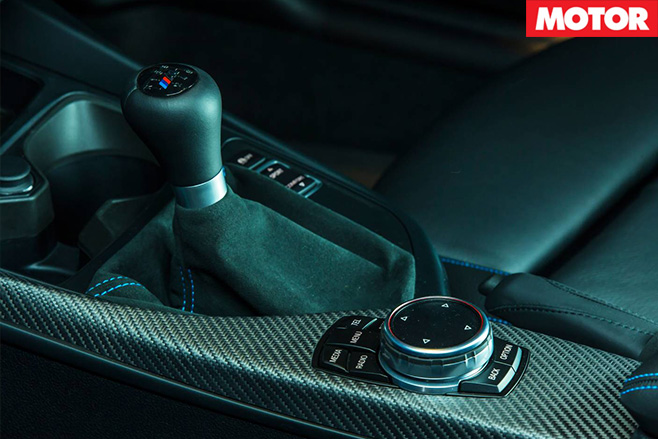
Marc Werner, BMW Australia CEO, was proud his company could secure an extra 33 per cent of M2s. “We’re delighted to be able to respond to Australian customer and market demand so quickly with these extra vehicles,” he said in a press release.
Order books are open now for the M2.
Holden Special Vehicles has produced some of Australia’s fastest, most powerful and most adored muscle cars in its near 30-year history.
Three new models were announced by the brand this week that will be among the last HSVs built using locally-manufactured Holdens.
As HSV prepares for a transition to imported vehicles, we went digging in the archives to put together this list of our 10 favourite HSVs. Here they are in no particular order:
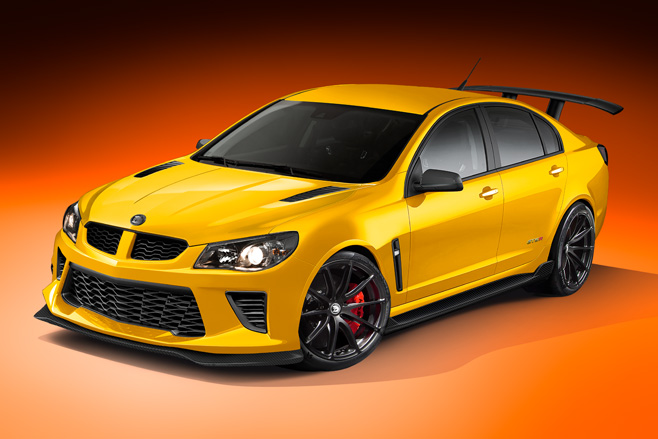
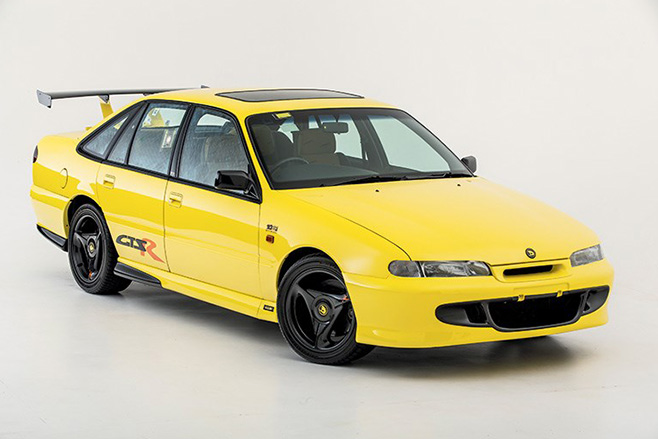
1. 1996 HSV VS GTS-R
Whether you consider it an ugly duckling or an Aussie icon, the HSV GTS-R in searing ‘Yellah’ paintwork is unmistakable. HSV offered it with a 5.7-litre V8 in 215kW trim, or a 226kW HRT-optimised ‘blueprinted’ version. A Tremec T56 six-speed manual transmission and Hydratrak LSD were standard fitment. Production was limited to 85 units in total and it remains one of the most collectible HSVs today.
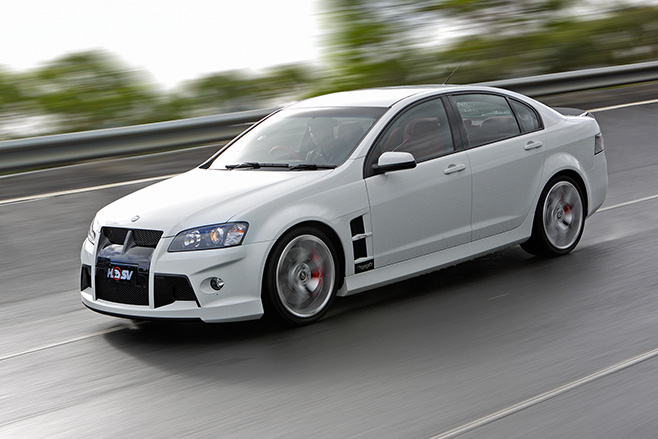
2. 2008 HSV E-Series W427
At $155,500, the HSV W427 is the most expensive car the company has ever sold by a significant margin. The flagship model was built in limited numbers to celebrate HSV’s 20th anniversary. It featured a 375kW 7.0-litre (427 cubic inch) LS7 V8 engine and a six-speed manual.
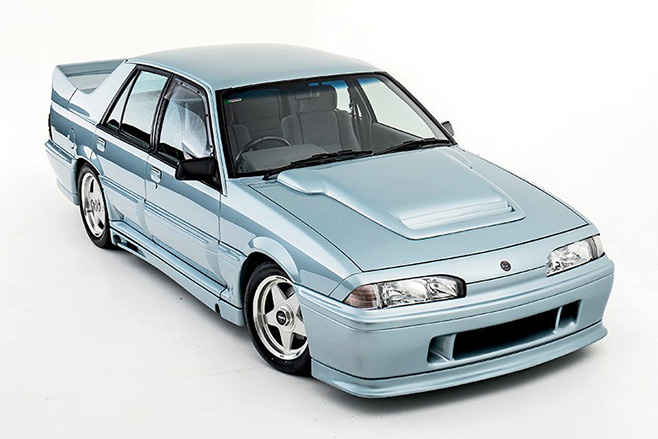
3. 1988 HSV VL SS Group A SV Walkinshaw
The ‘Walky’ was the first car to wear HSV badging, and is arguably the most recognisable HSV of all time. The VL SS Group A introduced electronic fuel injection to the 5.0-litre Holden V8, producing 180kW. HSV designed it for competition first, showroom second. Masses of ‘plastic fantastic’ bodywork made it one of the wildest Australian road cars ever created, but it was built that way to win races – and it worked. Alan Grice and Win Percy won the 1990 Bathurst 1000 driving one.
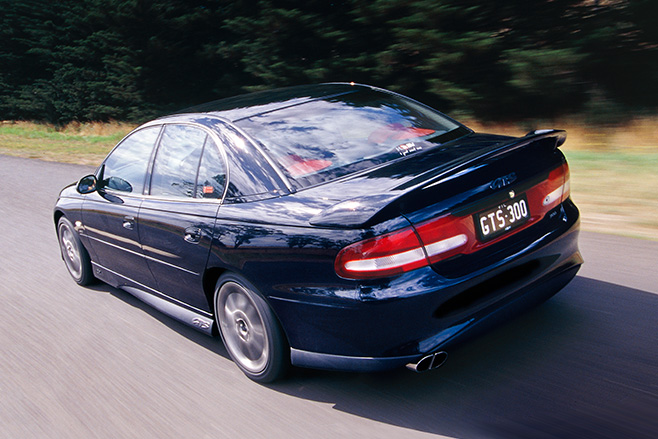
4. 2000 HSV VTII GTS 300
An HSV with 300kW for the first time! HSV sourced a tweaked 5.7-litre LS1 V8 from Callaway in the United States. The C4B engine had outputs of 300kW at 6000rpm and 510Nm at a peaky 4800rpm. It was coupled to a heavy-duty six-speed manual and pushed HSV into a new realm of performance. The Callaway mill stuck around for several years, making a notable appearance in the HSV GTS Coupe…
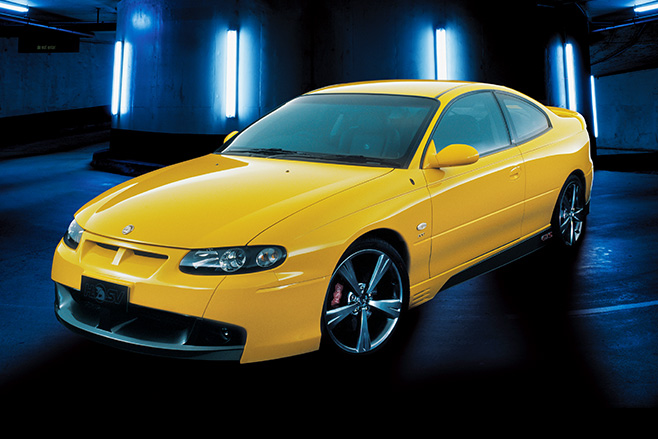
5. 2001 HSV GTS Coupe
In 2001, Holden rebirthed its iconic Monaro nameplate, and HSV capitalised on the performance benefits of the sleek two-door body shape. The GTS Coupe was a rocket ship; slipperier through the air and faster than the sedan. At Holden’s Lang Lang, Victoria, proving ground speed bowl it managed 275km/h in fifth gear at the 6750rpm limiter, becoming the fastest home-grown car at the time.
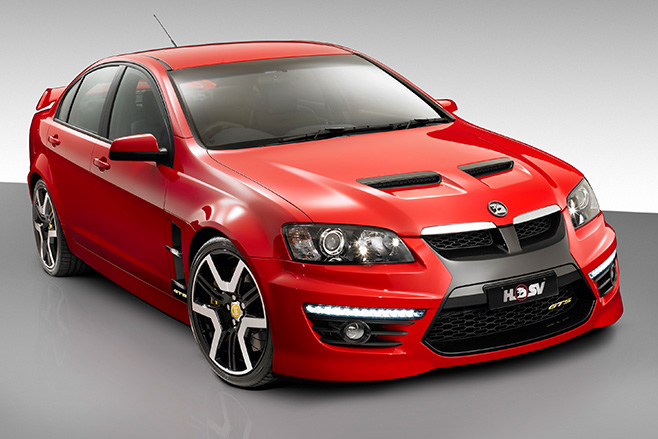
6. 2009 HSV E-Series 2 GTS
Meaner than ever, the E-Series 2 GTS welcomed in the 325kW 6.0-litre LS3 V8. Once again HSV had a new power king, but the E2 was more than that – it could finally go around a racetrack and handle the hammering. It was the third car in the world to feature magnetic dampers. The other two? A Ferrari and a Corvette.
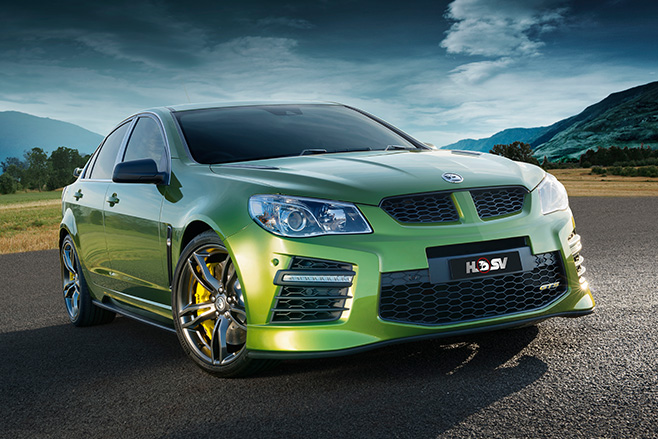
7. 2015 HSV Gen-F2 GTS
The current Gen-F2 range will likely be remembered as the finest of all true-blue HSVs, and the GTS is king of the castle. Its supercharged 430kW LSA engine has more power than any HSV before it, and the GTS manages to use it in ways previous generations never could. What’s more, HSV offers a ute with the same level of performance – the GTS Maloo.
8. 2004 HSV WL Grange
HSV’s Grange has always been the toughest iteration of the Holden Statesman/Caprice limousine. The WL Grange was the last to use the all-aluminium Gen IV LS2 6.0-litre V8. It produced 297kW through a four-speed auto, governed by an electronic, fly-by-wire throttle setup. It’s described by Wheels road tester Nathan Ponchard as a high point of that style of car.
9. 2004 HSV VZ Maloo R8
HSV introduced the Maloo in 1990 with 180kW, and there’s little chance even its most ambitious engineers knew it would go on to become a world beater. Yet on May 25th, 2006, a 297kW VZ Maloo R8 driven by Mark Skaife claimed the Guinness World Record for ‘fastest pick-up truck’. On a stretch of road in South Australia, Skaife managed a two-way average speed of 271.44km/h, destroying the previous record by more than 20km/h.
10. 2015 HSV Gen-F2 R8 Clubsport LSA
Using the same LSA engine as the GTS in a slightly de-tuned state (400kW vs 430kW), the Gen-F2 ClubSport is so close to the GTS in performance, yet sells for a relative bargain price. It even comes in a wagon body ‘Tourer’ version. HSVs without magnetic dampers used to be too stiff, but the single suspension tune in the ClubSport is good, even on its 20-inch wheel and tyre package.
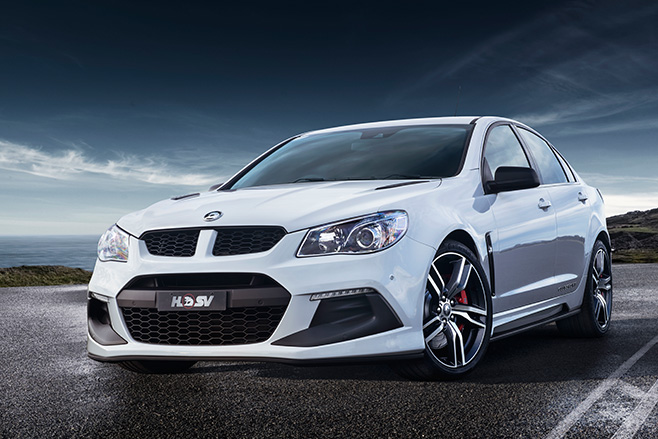
11. 2017 HSV Gen-F2 GTS-R
We can’t really include this in our top 10 as it doesn’t yet exist, but if HSV follows through on its plans to build one last all-Aussie HSV, it will most definitely be one for this list in the future. HSV has trademarked the GTS-R name, and is rumoured to have secured a limited number of LS9 V8 engines from Chevrolet – the same 476kW donk currently used in the Corvette ZR1. We can’t wait.
Can’t get enough Holden? Now read the full review on the last Holden Commodore.
Look left and right through the lanes of traffic, and you may find yourself surrounded by a multitude of Mazda 3s, a tonne of Toyota Corollas and Camrys, a horde of Hyundai i30s, and the luxury staple of the Big Three Germans. It can all seem a bit same-same.
It’s not that these cars are boring; they wouldn’t sell so well if they were not anything short of excellent. It’s just that there are so darn many of them, and there are some excellent alternatives that seem to get lost in the sales wilderness.
Are buyers simply taken in by the spiel on the showroom floor, or are we becoming too lazy, too scared, or too blinkered to look outside the popular box?
Checking out the monthly VFACTS vehicle industry sales reports, there are some stunners that seem to be under selling.
In the light car segment, which nabs nearly nine percent market share, the Hyundai Accent has 18% of sales at 5333 so far this year. In comparison, three super-cute, fun and frugal fours are seemingly out in the cold: the Ford Fiesta with 1032 sales has just a 3.4% share, the Renault Clio has 524 sales or 1.7%, and the Skoda Fabia just 1% at 308 sales so far in 2016.
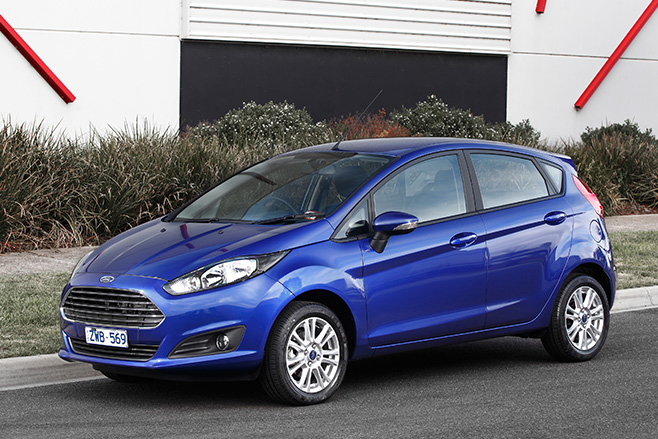
This trio should also be on the super-light shopping list: the Euro-designed Ford Fiesta is getting on (the update is due late 2017) but is still an excellent proposition; the Renault Clio is a fun all-rounder; and the Skoda Fabia is certainly underrated.
Skoda has been back in Oz for almost a decade now, and while the first Fabia had a decidedly quirky styling with its blunt grille and boxy shape, the latest 2015 update looks decidedly sleeker, and not just a little like its cousins the Volkswagen Polo and Golf.
The Fabia shares its underpinnings with the former so the drivetrains are excellent, and while the body and badge are different and the interior in particular is more basic, it still gets radar-based emergency braking and seven airbags for a five-star ANCAP rating; a 6.5-inch touchscreen interface with Apple CarPlay and Android Auto connectivity; a tonne of storage, and also comes in a wagon bodystyle for a $1500 premium, something no other light car currently offers. You need to step up to the bigger engine to get an auto, but the base manual with its turbocharged 1.2-litre four-cylinder is still hard to go past at $15,990.
Skoda’s Octavia and new Skoda Superb should also be on the lists of the medium and large car buyers for the same reasons as the Fabia.
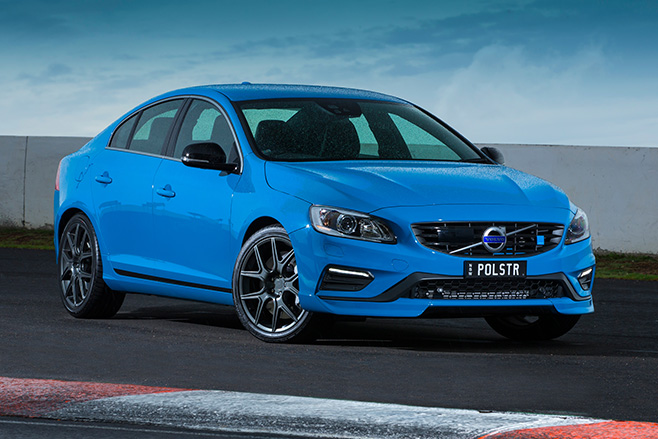
In the medium luxury market, the Volvo S60 sits at just 166 sales or 2%, despite its sublime saloon looks, awesome drivetrain, and Volvo recently addressing its innate tendency to tramline (when the wheels want to follow the contours in the road).
Jaguar also entered the medium car market recently with its XE, a $60K ‘entry level’ sedan that’s almost the spitting image of its big brother the XF. Well specced, sleek in design and with excellent drivetrains, the XE has sold 620 units.
In comparison, the Mercedes-Benz C-Class has sold over 2000 and counting, and while it is certainly the benchmark, followed closely by BMW’s 3-Series and Audi’s A4, the Swede and the Brit should not be overlooked.
In the sub-$60K mid-sized arena, the Ford Mondeo is outsold five-to-one by the Camry, and it’s still hard to overlook the Mazda6 for quality and value in this segment.
But the Mondeo’s voluminous dimensions, smart engines and aggressive new face should be on more prospective buyers’ lists. While it will be the biggest benefactor in the Falcon’s demise when it ceases production in October, it is yet to reach 1000 sales in 2016.
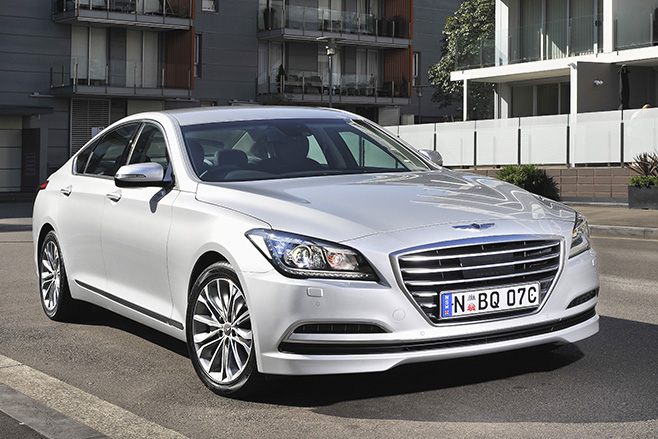
In the sub-$70k big sedan class, the Holden Commodore slams the opposition with 76% of the share at 8000 sales. While we are all for buying Australian-made, particularly given the sad demise of the local car industry, there is an underrated Korean which is worth a look.
While sales of 174 cars (1.6%) may reflect our buyer’s hesitation to consider a big Hyundai, the Genesis has lovely styling, a mega feature list and every bit of electronica available. Many of its more expensive competitors will have you ticking cost options boxes for the gear it comes with.
And don’t forget that new Skoda Superb… More resolved looks, cracker engines, expansive legroom and a step up in cabin quality (though this could still be improved) makes it a strong class contender.
These are but a few of the offerings that should get a look-in when shopping for a new car. For an island with a million car sales a year, we really are spoilt for choice with brands and model variants, and should explore all the options – even if, in the end, the sales table-toppers end up in our driveways.
THE STi has been here before.
It was an idea that made more sense than fermenting hops: back in 2004 Subaru’s go-fast arm took a Forester from the production line and zapped it with the STI parts catalogue. It also took the best bits from the Impreza WRX STI – 2.5-litre engine, Brembos, diffs, suspension – and dropped them on the Forester STI’s goodies pile.
For all that, it wanted a currency-converted $35,000, to which we replied: “Find a better bargain and we want to know about it!”
However, Subaru restricted the stove-hot crossover’s habitat to Japan only and broke the hearts of petrolhead parents everywhere.
Luckily, Subaru’s having another crack at a Forester STI of sorts, called the ‘tS’. Better yet, it’s been confirmed by Subaru Australia and will go on-sale here next month for $54,990. And it looks remarkably close to our render.
However, there’s a problem. Subaru is poised to drop the Japanese 2.0-litre engine and opt for the current Forester XT’s lower spec 177kW engine. And it’ll also be offered in, terrifyingly, CVT-only.
How would we fix it? Glad you asked.
Here’s how we’d do it
1. New scoop With the original Forester STI packing essentially the same turbocharged 2.5-litre engine found in today’s WRX STI, we’d opt for the newer unit from the WRX. An upgraded ceramic turbine and ECU tune will see power bumped from 195kW and 350Nm to 220kW and 395Nm. It’ll also see Subaru’s much-loved bonnet scoop return.
2. Save the stick CVT transmission? We’d sooner attach electrified alligator clips to our… actually, nevermind. Our Forester STI cops the WRX STI’s beefed up six-speed manual to the back of the engine, along with a shorter first and second gear to help catapult the extra weight.
3. Wheel work It’s obvious the Forester will be for the racetrack rather than off-road. So with compliance less of an issue, we’d go for the Enkei wheels seen on the BRZ S edition – at 19-inches in diameter. We’d also wrap them in Michelin rubber for some seat side-bolster-testing lateral grip.
4. STI special STI will again shower the car with the best bits from both its catalogue and its sharp-steering WRX STI. It’ll bolt on a new transmission cooler, strut brace, fatter anti-roll bars, lower springs, inverted struts, and Brembos. Meanwhile pink badges, a spoiler and black skirt inserts will help the Forester STI stand out in a crowd.
5. Your shift Subaru is well-known for flogging its special editions for bargain prices, so we’d suspect our Forester STI to scrape in at less than $50K, adding to the exclusivity of the 300 examples that would land here.
Harald Wester has been replaced as CEO of Maserati and Alfa Romeo just days after Alfa Romeo launched its most important new model in a decade, the Giulia.
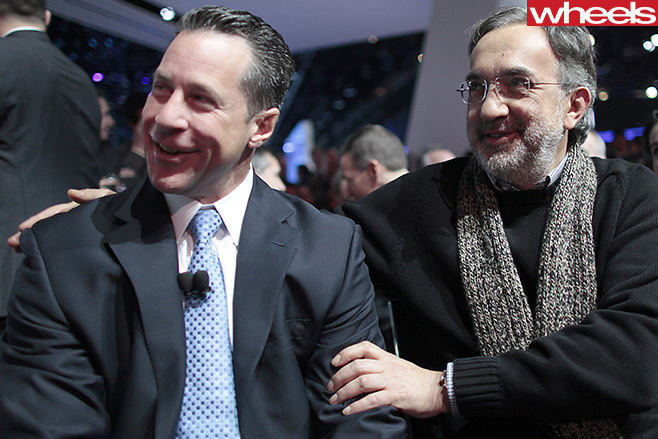
Reid Bigland, head of Fiat Chrysler’s US sales division and boss of its Canadian division, takes over from Mr Wester, effective immediately.
Mr Wester, 58, will continue as Chief Technical Officer for the Fiat Chrysler group.
The timing couldn’t be worse for the struggling Italian brand which launched its long awaited Giulia sedan in Europe this month.
Alfa Romeo is a key part of Fiat Chrysler Automobiles CEO Sergio Marchionne’s strategy to double the group’s profits by 2018. This plan was delayed further in January when FCA postponed Alfa’s range revamp schedule by two years and reduced a product investment commitment made in 2014.
Maserati, too, had a launch of some significance in recent months, entering the equally lucrative SUV market for the first time with the Levante. Maserati’s global sales dropped 13 percent in 2015, its operating profit down by almost two-thirds.
In a statement released yesterday, Mr Marchionne thanked Mr Wester “for establishing a sound technical framework” for Alfa Romeo and Maserati. He said the focus must now shift to sales.
“It is time now for our efforts to be directed towards the global commercial expansion of these two brands, and I can think of no one better than Reid to fulfil that mission. Reid has an extraordinary record of growing sales and market share in the US and Canada over the last seven years at FCA.”
Harald Wester was named CEO of Maserati in 2008 and Alfa Romeo in 2010.
It’s same-bang-for-fewer-bucks time. The months of May and June herald the time of year when manufacturers and dealers start getting twitchy about sales targets to be nailed by June 30th.
It’s the day that signals the end of the current financial year, and it’s a great time to be shopping for a brand-spanking-new motor.
The bad news is that performance car deals can be thin on the vast ground of enticing offers published either in print classifieds or on official manufacturer/dealer websites.
Yet while most deals centre on higher-volume models that need a bigger nudge out of showroom doors, the good news is that there are still a number of tempting deals for 2015/2016. Here’s Motor’s guide to the key bargains to be found for private buyers by the end of June:
Audi quattro models – including S and RS variants
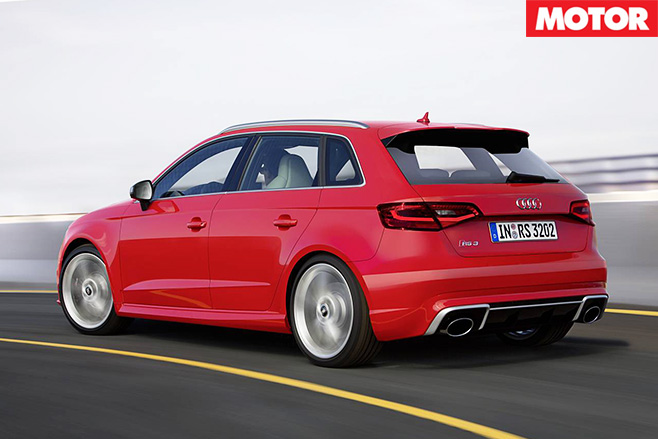
Most tempting: There’s up to nearly $12,000 in stamp duty savings on the RS6 Avant alone, though if a $250K figure is still too much of a stretch then how about a saving of circa-$5K on the RS3 and all its turbocharged five-cylinder goodness?
BMW M Performance and six-cylinder models
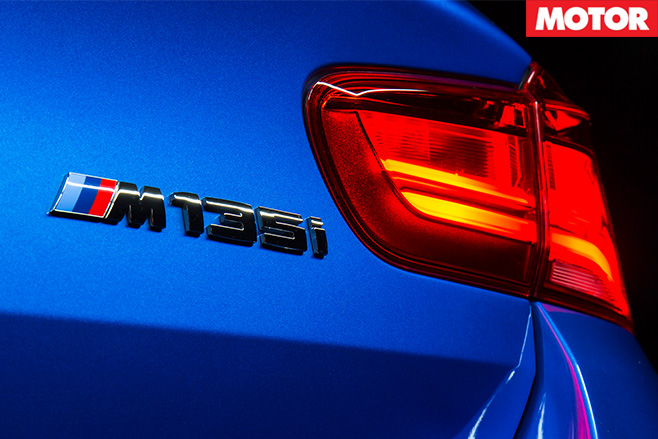
Most tempting: M135i – Cops the $5839 saving that would normally be the GST component to dip into the $50K bracket, at $59,091 (plus on-road costs).
Holden Astra GTC and VXR (Until 31 May unless extended)
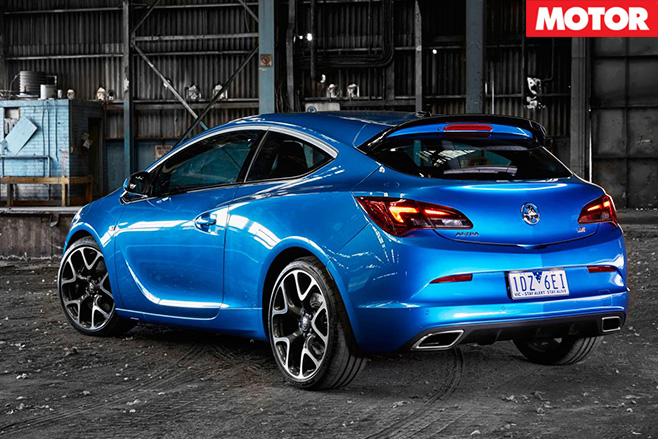
Most tempting: The feisty, 206kW VXR is where compact Holdens get serious from a performance perspective.
Hyundai Veloster SR Turbo
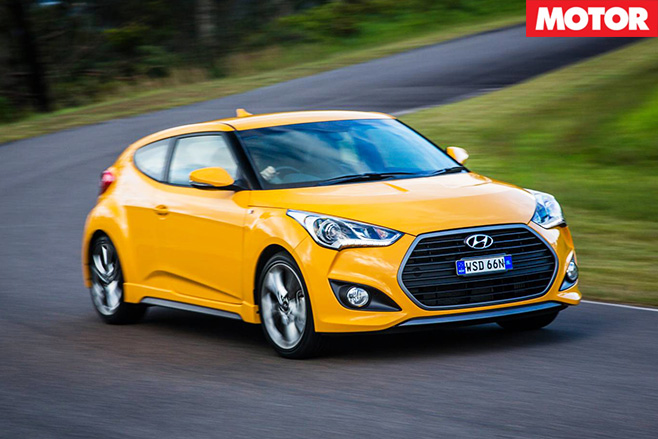
Most tempting: Lighter the better, so SR Turbo manual that’s $29,990 before being trimmed by those on-road savings.
Mini Cooper S and JCW models
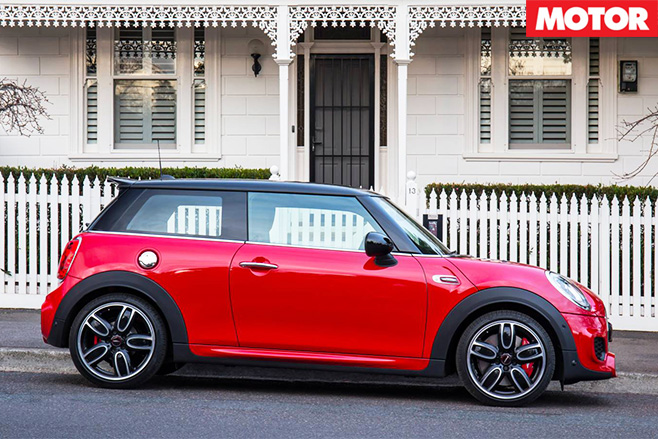
Most tempting: Mini’s EOFY deal pushes three-door JCW hatch below $50,000 driveaway.
Renault Clio RS
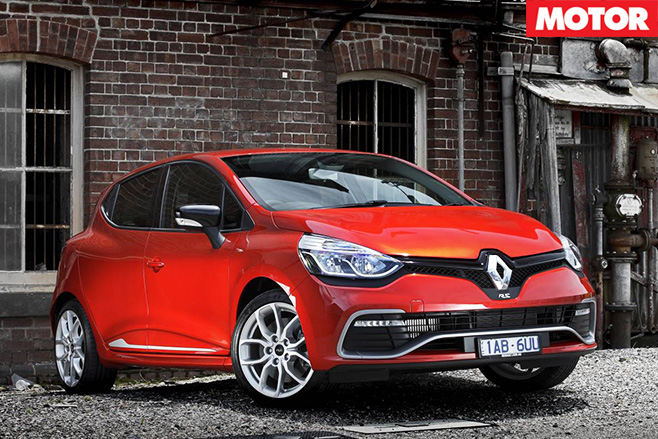
Most tempting: A 2015 build of the Renault Clio RS Sport, which at $29,990 driveaway saves several grand on a model that carries a $30,000 RRP.
Subaru WRX and WRX STI
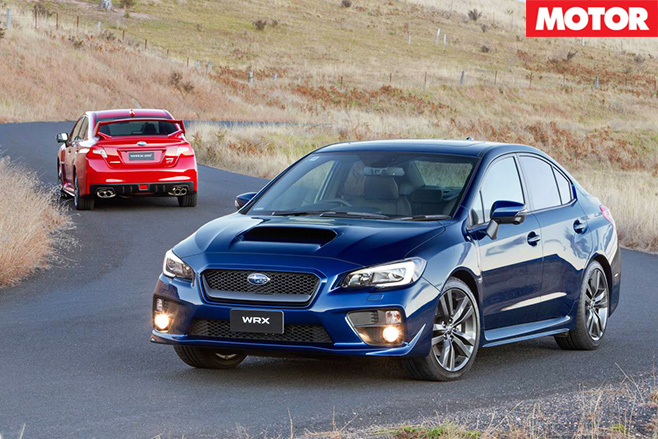
Most tempting: Subaru Tecnica International version, please.
Jaguar and Mercedes-Benz are among the brands not currently offering any nationally advertised EOFY offer, though it’s always worth checking for deals advertised by individual dealers.
THE Formula One circus moves to Monaco this weekend, so the time is ripe to relive one of the greatest qualifying laps of all time, driven by Ayrton Senna.
Many Formula One competitors have struggled to get a handle on the tight, unforgiving corners at Monaco. Lewis Hamilton describes it as a circuit that “takes no prisoners”, and Nelson Piquet famously hated driving there.
Yet Senna stands above all others as the driver most in-tune with Monaco’s layout. The Brazilian F1 legend led every lap at Monaco between 1989 and 1991. He won it six times in ten years.
In 1988, Senna put his McLaren in pole position with a gap of more than 1.4 seconds to Alain Prost in second. It‘s viewed as the best-ever lap at the famous street circuit, and regarded by some as the best single lap in F1 history.
Senna said, “I was kind of driving it by instinct. I was in a different dimension. The circuit for me was a tunnel and I was just going, going, going. I was well beyond my conscious understanding.”
“On that day, I said to myself, ‘that was the maximum for me; no room for anything more.’ I never really reached that feeling again.”
Let’s look back at Senna’s incredible ability through this clip from Monaco in 1990 – his second championship year – driving the McLaren MP4/5, its 3.5-litre V10 engine at full noise.
Sit back and turn the speakers up. This is the knife-edge stuff that makes Formula One such a spectacle.
Style, technology and dynamics improvements for Kia’s up-and-comer.
WHAT IS IT? The updated version of Kia Australia’s best-selling model, the Cerato, which now sports a fresher look, improved equipment and even sharper dynamics, yet retains its competitive sub-$20,000 starting price.
WHY ARE WE DRIVING IT? Because after years of sitting in the middle of the sales pack, Kia says the Cerato is finally ready to play with the big boys, and be a genuine threat to the hugely popular Toyota Corolla, Mazda 3 and Hyundai i30.
MAIN RIVALS Toyota Corolla, Mazda 3, Hyundai i30, Volkswagen Golf, Holden Cruze, Nissan Pulsar, Subaru Impreza
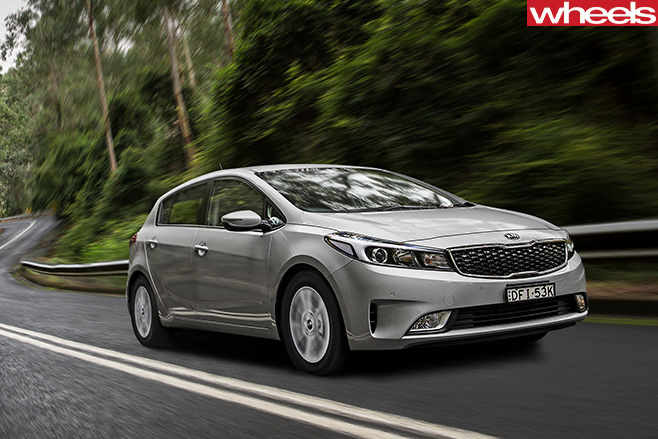
PLUS: Improved ride and handling; perky engine; new equipment and safety tech MINUS: No AEB; no reverse camera in base model; lacks overall finesse
THE WHEELS REVIEW KIA knows when it’s onto a good thing. The current Cerato, on sale here since 2013, has been something of a slow-burn success story, steadily climbing the sales charts from outside the top 10 in its category to now sit on the cusp of the top five, poised to overtake Holden’s ageing Cruze.
So when it came time for an update, Kia played it smart. All the Cerato’s core strengths remain – strong value, energetic engines, and a spacious, comfortable interior, backed by Kia’s industry-leading seven-year warranty.
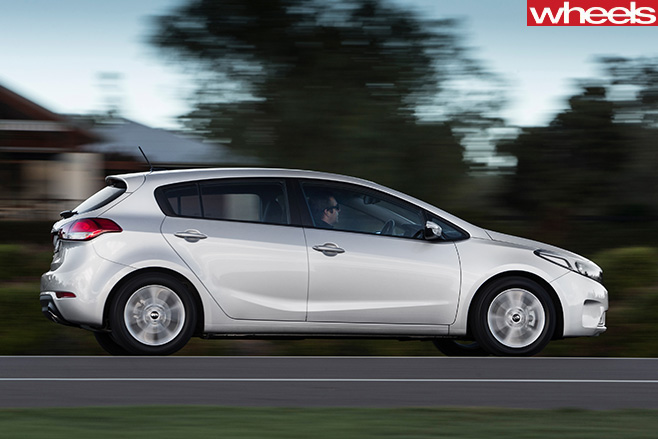
The range is simpler, too. There are still four variants to choose from (S, S Premium, Si and SLi), but all are now powered by an energetic 2.0-litre four that produces 112kW/192Nm and offers decent performance.
But the biggest improvement is the way the Cerato handles. Kia’s local suspension guru, Graeme Gambold, specified stiffer springs, different bushes and a new type of damper for improved handling on Australia’s pockmarked roads, and the results are tangible. It’s still no sports car, or in the same league as Focus and Golf, but the Cerato’s chassis is balanced, offers strong roadholding and rides with reasonable compliance.
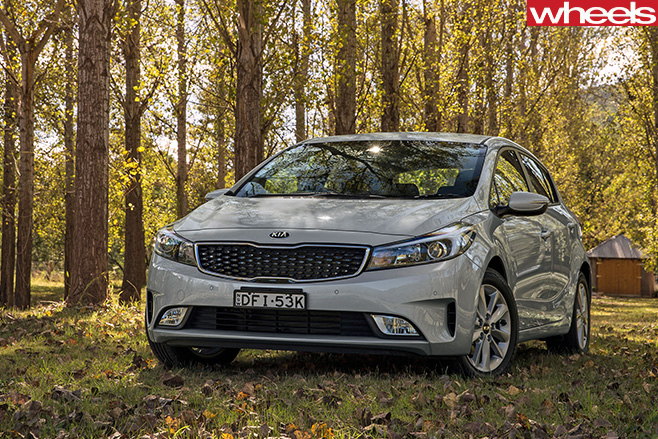
Even better news is that Kia has retained Cerato’s sharp pricing, which starts at $19,990 driveaway for the S with either a six-speed manual or six-speed automatic.
Mid-spec Si models now boast blind-spot detection and a rear cross-traffic alert system as standard, while the range-topping SLi adds lane-departure warning and forward collision warning.
S Premium models and above get a new 7.0-inch touchscreen, which is compatible with Android Auto and future-proofed for Apple CarPlay, and boast sat-nav and a rear camera. While base models still make do with a dated 3.5-inch LCD screen, buyers can upgrade to the 7.0-inch unit for $500.
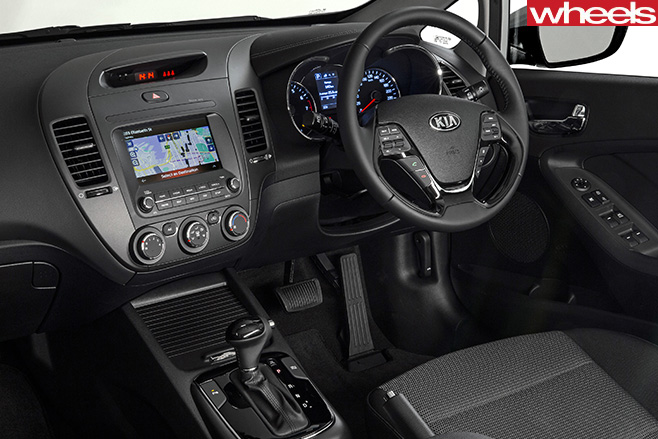
The only real disappointments are a lack of AEB and Kia’s decision not to give S variants a reversing camera as standard, doubly disappointing given the base model is expected to make up 60 percent of sales. Another gripe is the driving position in the Si and SLi, with electric leather seats that are set too high.
Overall, though, Kia has refined what was already an appealing package. Value and ownership credentials remain key strengths, but as a car, Cerato is now closer to where it needs to be. It’s a decent thing, made that little bit better.
GT in the wings
It may have ditched the slow-selling Cerato Koup and Proceed GT hatch, but Kia says there’s still a place for sporty flagship models in its range. The likely choice for Cerato is a GT variant, similar in philosophy to the Optima GT, which adds a turbocharged engine, bigger wheels and styling tweaks.
“The GT badge makes a lot of sense for the Cerato,” Kia Australia boss Damien Meredith said. “Australians have a love of sportier cars, so we think it’d be well received.” But we won’t see it until 2018’s next-gen Cerato.
SPECS Model: Kia Cerato S Premium hatch Engine: 1999c 4cyl, dohc, 16v Max power: 112kW @ 6200rpm Max torque: 192Nm @ 4000rpm Transmission: 6-speed automatic Kerb weight: 1332kg 0-100km/h: 10.2sec (claimed) Fuel economy: 7.1L/100km Price: $24,990 (driveaway) On sale: Now
Tradies with ambitions to be the envy of the worksite will soon be able to get their hands on the most powerful, fastest all-wheel-drive ute on the Australian market – the Volkswagen Amarok Adventura.
Revealed overnight as the flagship model heading up a big mid-life makeover for the six-year-old ute range, the Adventura is expected to land in Australia as a $75,000 V6-engined workday warrior, with its 165kW 3.0-litre V6 producing a weekend plaything-towing serve of 550Nm.
Top speed is an impressive 193km/h, too, all of which will make the Adventura the fastest, most powerful jacked-up all-wheel-drive tradie on sale here when it arrives in about November.
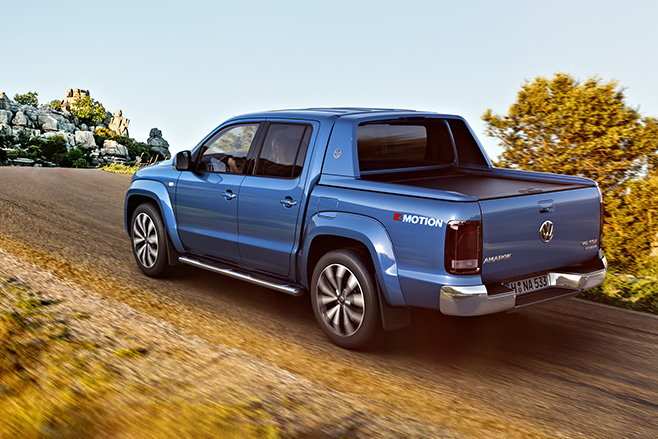
The V6-engined Amarok also pitches Volkswagen into new territory, giving the carmaker a more premium product to rival Mercedes-Benz’s Nissan Navara-based GLT-Class trade ute that’s likely to appeal to the more discerning ute buyer.
The new V6-engined version’s performance trumps the current twin-turbo 2.0-litre four-cylinder mill, which produces 132kW and 420Nm in its most powerful state of tune.
The Adventura also gives Volkswagen something to sell to trade ute buyers wanting a touch more towing prowess and car-like comfort over more utilitarian trade utes on the market – a corner of the commercial vehicle sandpit that Mercedes-Benz is also keen to exploit.
According to VW, the range-topping Adventura will come with the carmaker’s eight-speed automatic transmission that’s already offered on the four-cylinder versions. The auto adds paddle shifters, too, we note.
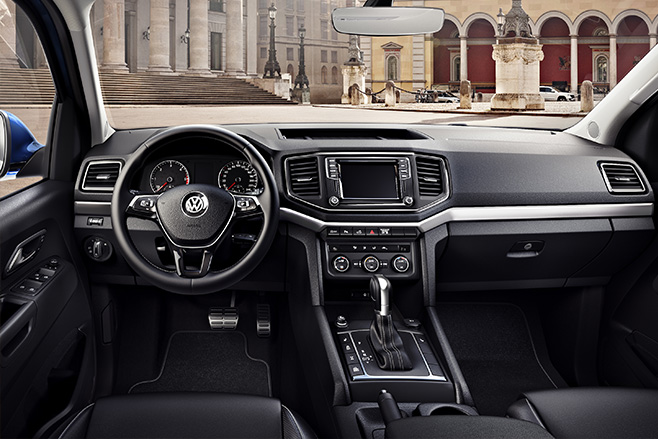
Volkswagen also released more details of the running changes it will make to its six-year-old ute.
In terms of fit-out, the Amarok will add 14-way, leather-lined electrically adjusting front seats to the options list, showing VW is prioritising comfort as part of its shake-up of the range.
A redesigned, horizontally themed instrument panel looks a lot more car-like, too, with a high-mounted touchscreen framed by trapezoidal air vents.
A neat optional feature is a multimedia system that uses the Bluetooth system’s microphone to pick up the driver’s voice and broadcast it into the rear seat space. VW says it means the driver no longer has to turn backwards while on the move to chat with rear-seat passengers.
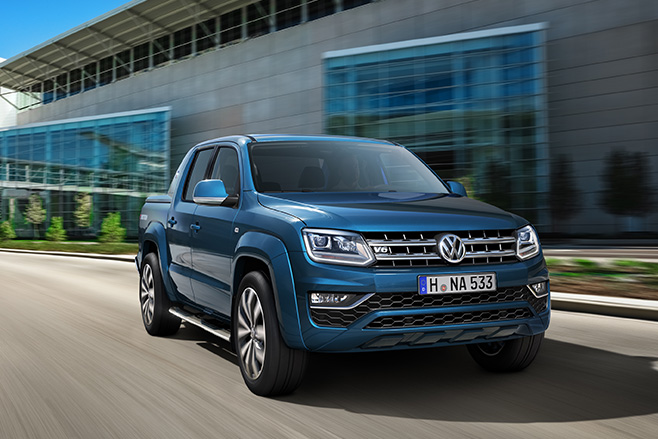
We have to note, though, that VW has flagged that all this extra comfort and features will come at a slight price increase. That means the $35,490 entry-level price for the 132kW/400Nm Amarok Core with a six-speed manual gearbox is expected to rise by around $1500 when the new-look ute lands here late this year.
The fresh-faced Amarok will compete against a suite of newer, more technology rich competitors that include the recently freshened Ford Ranger and Mazda BT-50, the Holden Colorado (that is also due for a Chevrolet-style makeover later this year), the still-shiny Nissan Navara and Toyota Hilux, and the Isuzu D-Max.
The future of the ageing Mitsubishi Triton, meanwhile, is on hold while the fallout from Nissan’s recent bold takeover bid for its Japanese rival opens the possibility of spinning a next-gen Mitsubishi-badged trade ute off the Navara’s ladder-frame platform. The Nissan ute is also expected to spawn the Renault-badged Alaskan version some time soon.
Want to see more? Check out the 2016 Volkswagen Amarok range review.
