
THINK the Holden Commodore’s switch from a locally made rear-drive large car to a Euro-sourced front- and all-wheel-drive mid-sizer means the name has cashed its last performance cheque?
One thing will be different, though – the next hot Commodore could be a hatchback.
As these spy images reveal, Holden’s parent company, General Motors, appears keen to ensure that the Opel Insignia – the Euro-designed and sourced car that will carry the Commodore name into its fully imported future – will have some of the driver-focussed growl to live up to the famous Aussie badge’s hard-earned reputation.
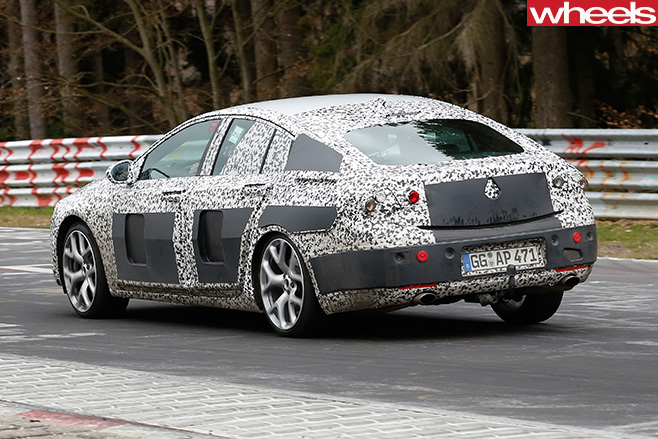
Twin oval exhausts and wide, low-profile rubber front and rear hint that this could be the higher-end VXR performance model.
Wheels understands Holden was the driving force behind a push for a turbocharged V6 engine driving all four wheels.
One option is a tweaked version of the 2.8-litre turbocharged V6 in the current Insignia.
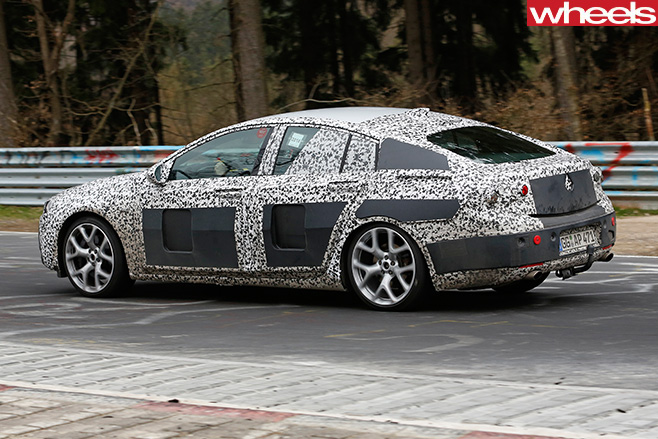
At the very least that 3.0-litre twin-turbo is expected to be used in an HSV, along with an exhaust with a suitable bark.
The next-gen Commodore will feature a longer – although still smaller than the current Commodore – and lighter four-door coupe styling that, in part, draws on the styling previewed by the wild 2013 Opel Monza shooting brake concept.
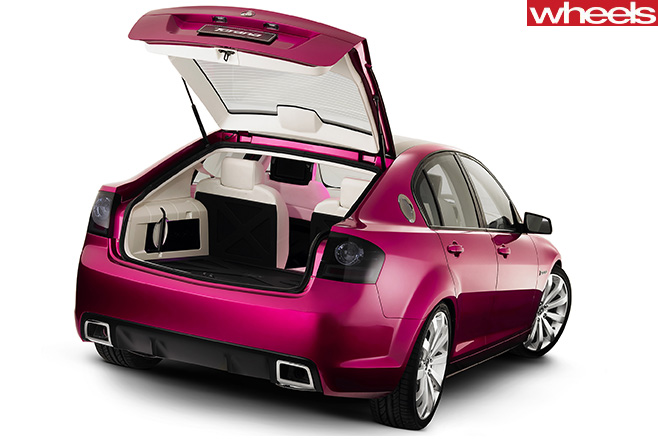
When it arrives here, the firebrand circa $60,000 Holden Commodore hot hatch is expected to hunt the likes of the next-generation Volkswagen CC – the car that broke the ground to made four-door coupes more affordable – due around the same time as the new Holden, and the Skoda Octavia RS.
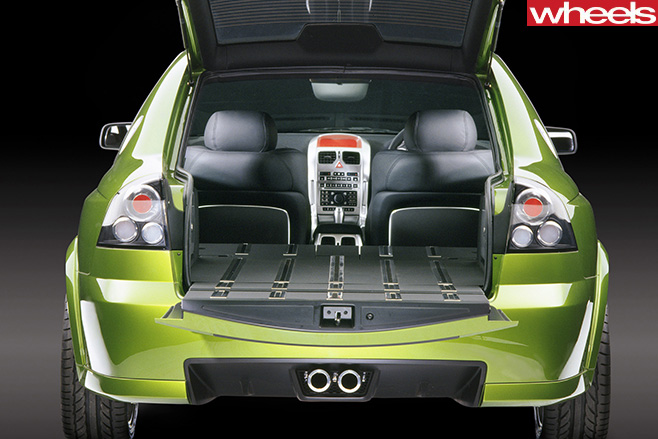
Holden first hinted that it was considering an all-paw, hatchback future in 2002, spinning out the SSX concept (pictured above), a VY Commodore-based liftback featuring a wider all-wheel-drive track, pumped guards and a clever rear sliding drawer.
It had to be built here, it had to be seen as great in its time, and still worth the title today.
We asked Wheels staff, current and former, to vote in a secret ballot, and these are the results, ranked from 10 to 1. Prepare to be surprised.
10. FORD COUPE UTILITY
How could Australia’s only contribution to the world’s vocabulary of automotive styles not make this list?
Young Lew Bandt was the only designer employed by Ford Australia in the early 1930s, when the company’s management thought it might be worthwhile building something suggested in a letter from the wife of a Gippsland farmer.
The problem was that the car-based utes of the day were crude. Functional load carriers for sure, but cramped and uncomfortable to ride in, and lacking any hint of stylishness. The farmer’s wife yearned for something better.
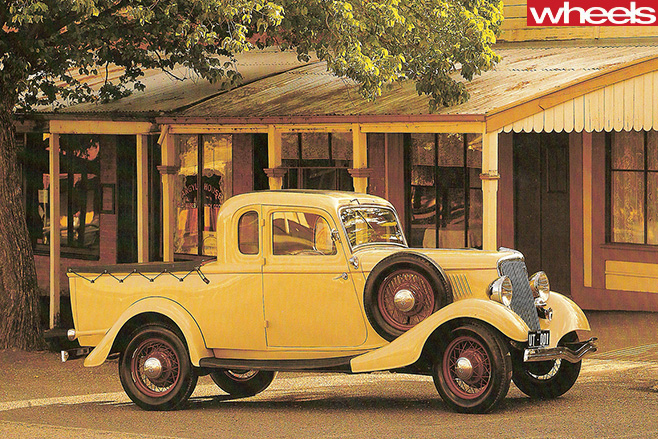
The influence of Ford Australia’s 1934 Coupe Utility can be traced all the way to today’s Commodore Ute, but Bandt’s brilliance also reached across the Pacific Ocean. In the late 1950s first Ford, then Chevrolet, launched long-running model lines that owed a conceptual debt to the idea of the young Australian. Americans probably imagine their Ranchero or El Camino is as American as apple pie, but they’re the brainchildren of a bloke who undoubtedly preferred his portable pastry filled with meat.
9. HOLDEN HQ
Australians were to make the HQ the best-selling Holden of all time, buying close to half a million of them between 1971 and 1947. But that unrivalled sales tally of 485,650 isn’t the reason it’s here. This wasn’t a perfect Holden. Anyone who’d thumbed through the 1971 Car of the Year issue of Wheels would have known the HQ didn’t win because it was built for comfort, not for speed… not corners, either, for that matter.
’Jet-smooth ride’ was the advertising promise, and the slogan’s emphasis on ride comfort was no accident. The HQ featured Holden’s first all-coil spring suspension, but American managing director George Roberts had insisted it should ride like a Cadillac of the day. Sadly inevitable was that it would also handle like one. Still the HQ does deserve inclusion among Australia’s greats.
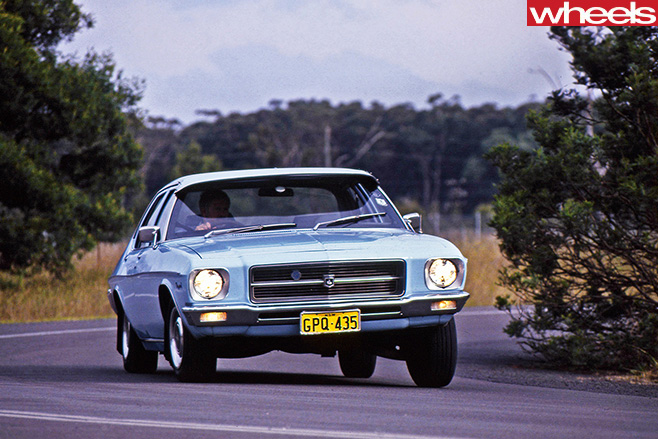
The HQ also must be numbered among the best-looking cars Australia has produced. A Pontiac designer on loan from Detroit, John Schinella, styled the HQ, with plenty of help from young Australians in Holden’s studio.
Its remarkably slim A-Pillars and great forward vision are reminders that, in some ways at least, the past really was better.
Mini has ripped $4800 out of the price of its all-new drop-top. Has it also ripped the guts out of the Mini experience?
WHAT IS IT? This is the third-generation Mini Convertible, codenamed F57 and using the same UKL1 platform as the new hatch and recently released Mini Clubman.
WHY WE’RE DRIVING IT This is our first drive of the bigger, more mature open-top Mini on Australian soil. In a competitive market that’s seen four-seat convertibles struggle – think Volkswagen Eos and Holden Cascada – the Mini is the class benchmark for style and dynamics.
MAIN RIVALS Audi A3 Cabriolet, Volkswagen Golf Cabriolet, Holden Cascada, Fiat 500C
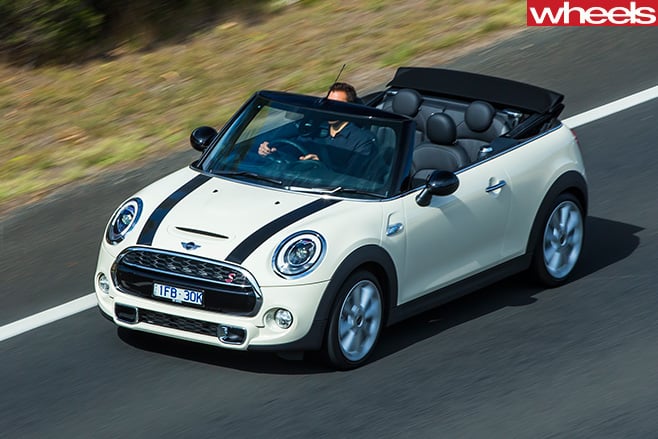
PLUS: Better value for money; timeless style; balance and dynamic poise MINUS: Poor rear vision with roof down; lack of rear legroom
THE WHEELS REVIEW IT’S tough selling a convertible at this time of year, but the 2016 Mini Cooper Convertible is right in time for the European summer. Codenamed F57, this all-new generation of convertible is based upon the Mini Cooper that arrived last year, and it’s larger, more powerful, cleaner and with more cabin room than before. It’s also significantly cheaper as BMW becomes wary of rivals as broad as the Audi A3 Cabriolet, through to the Mazda MX-5.
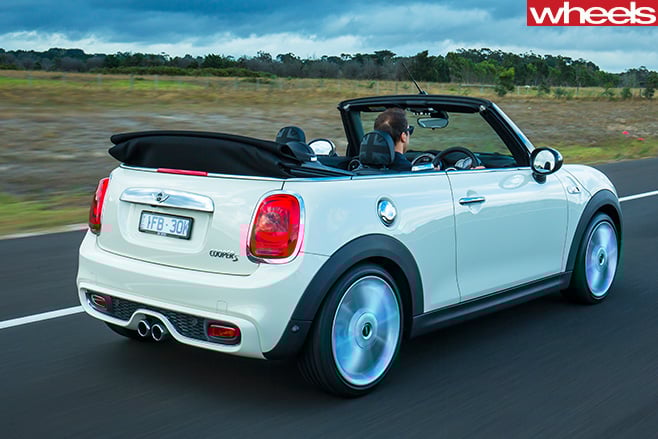
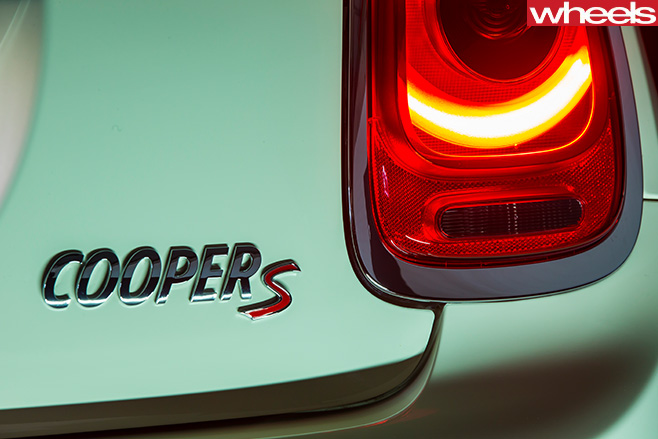
For the entry-level Cooper, there’s the sweet 1.5-litre, three-cylinder turbocharged engine that we’ve lauded in the hatch versions. It’s the six-speed manual Cooper S that we’re driving here, and for its $45,400 ask ($5K over the Cooper S three-door) adds inch-bigger 17s (although our test car’s on optional 18s), LED headlights, driving modes (Eco, Mid and Sport) as well as leather sports seats over the Cooper. All Convertibles comes with an electronic diff lock as standard.
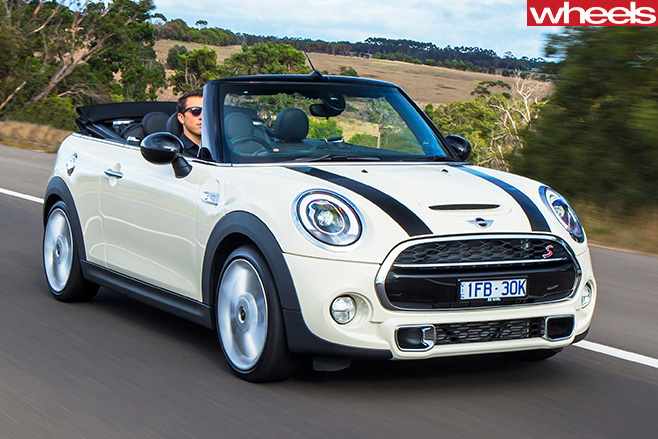
It remains the case, even for what it’s the biggest Mini Convertible ever. The roominess of the cabin – even with the roof on – is a marked step up from the cramped, corner-closet cabins of the previous R57. What’s more, as part of the look, the Mini’s front windscreen is quite steep compared to most hatchbacks, and strangely the top of the A-pillar is quite a long way from you, and the base of the screen quite forward of your driving position compared to previous Minis. For most people, you could wear a top-hat in the new model, roof on, and easily fit in the front or the back.
Despite the increased room, and Mini’s claims that this is a genuine four-seater, rear legroom is poor if the front row is occupied by six-feet tall adults.
The soft-top can be opened or closed in a mere 18secs, which is actually 3.0sec slower than the old model needed, and at speeds of up to 30km/h. Cleverly, it also has a sunroof setting, where the flat portion of the roof can be opened, with the rest remaining in place. Gone, too, are the roll-over hoops, and Mini has now integrated these into the body work, but that hasn’t hampered boot space: in fact, it’s 45 litres bigger, now 215 litres.
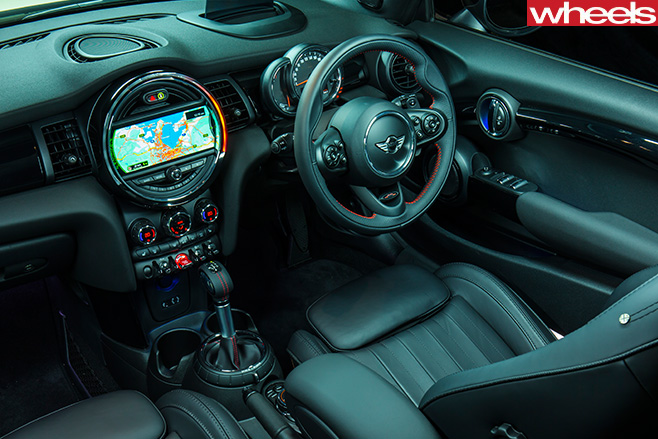
All of this makes the new Mini that much more liveable, but it’s also an entertaining, involving convertible to drive.
The driving position is great – but that steering wheel seems just a tiny bit too large in diameter for the Mini’s ‘go-kart’ experience in Sport mode. Yet the steering has a greater weight in Sport, but even in the standard drive mode it’s precise, responding to minor inputs, even if you don’t quite know exactly where the front wheels are. Our six-speed manual also has a clicky, precise gear change with pedals and steering inputs that are light and easy and well matched.
Add that the four-pot delivers superb, smooth grunt as opposed to violent ground-bound warfare, and the fluidity and ease at which you can punt the Cooper S Convertible along a country road is only hampered by its ride. The ride, though, is one area that may be cause for a minor complaint. Our test car used run-flats, and here the compliant ride is busier than a fireworks store at Chinese New Year. Yet the Cooper S soft-top is not perturbed, thrown of course or unsettled by even large bumps: it’s just that you’ll feel them.
The increased rigidity and larger footprint have helped the Convertible maintain that cheeky Mini driving flow, all with that pop-and-cackle joy and auto rev-matching as part of the show. It offers better packing, more poke and is just as entertaining for less ask than its predecessor. All it needs is a proper summer…
SPECS Model: 2016 Mini Cooper S Convertible Engine: 1998cc 4cyl, dohc, 16v, turbo Power: 141kW@5000rpm Torque: 280Nm@1250-4600rpm Transmission: 6-speed manual Weight: 1275kg 0-100km/h: 7.2sec Fuel economy: 6.2L/100km Price: $45,400 On sale: Now
If you asked us the best way to improve Jaguar’s F-Type, a pair of front driveshafts wouldn’t be top of the list. After all, its lively handling is one of its most endearing qualities.
Jaguar, however, has other ideas, and now offers all-wheel drive on its 280kW/460Nm supercharged V6 S and 404kW/680Nm V8 R models.
The all-wheel drive system adds around 80kg to the F-Type’s kerb weight, which adds two-tenths to the rear-driver’s 4.9sec 0-100km/h claim. So if it’s no faster, it’ll want to be seriously impressive to drive, especially as AWD lifts the price of a Coupe S by 10 per cent to $172,470.
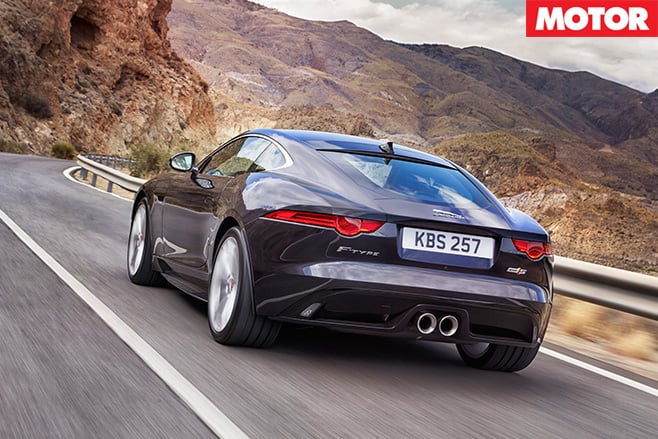
The eight-speed auto is the perfect partner, with snappy changes and well-spaced ratios, though downshifts aren’t as crisp as the best dual-clutch systems. The flipside is the torque converter auto is much more fluid in day-to-day operation, making the F-Type an undemanding daily driver, though the ride will only just be compliant enough for some.
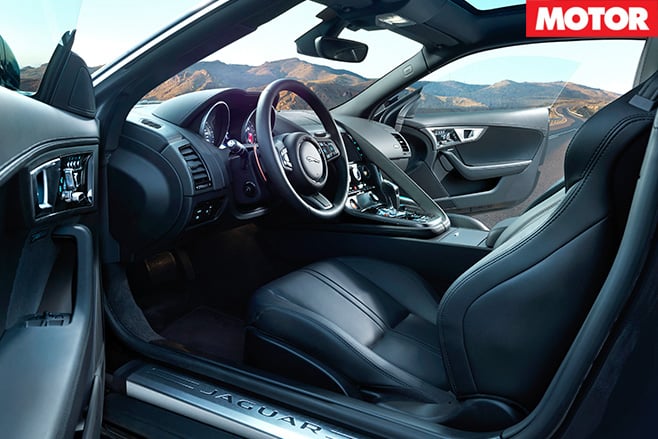
Despite the addition of a front diff, 99 per cent of the time all-paw F-Types remain rear-drive, only sending drive forward when slip is detected. It’s a brilliant setup, as the F-Type remains beautifully adjustable and entertaining, but with the added security of total traction.
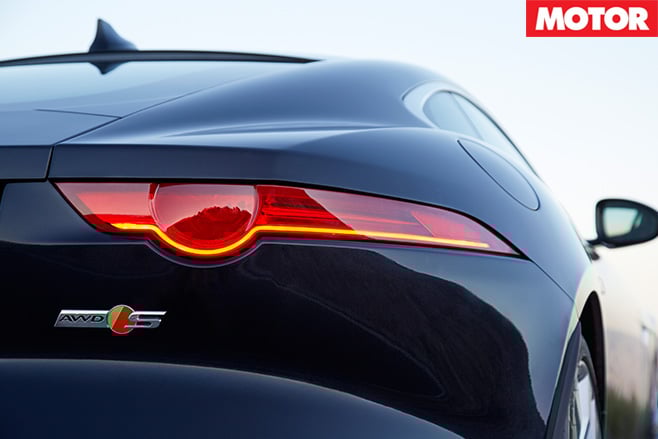
Regardless, the F-Type Coupe S AWD is a deeply desirable machine. It’s not the world’s most practical car, nor is it especially cheap, but it looks sensational, sounds brilliant and is a truly rewarding drivers’ car.
4 OUT OF 5 STARS
SPECS
Engine: 2995cc V6, DOHC, 24v, supercharged Power: 280kW @ 6500rpm Torque: 460Nm @ 3500rpm Weight:1674kg 0-100km/h: 5.1sec (claimed) Price: $172,470 Pros:Gorgeous looks; great drivetrain; entertaining handling Cons: Not super quick; quite heavy; expensive with options
This year’s Beijing motor show will definitely deliver a few surprises when the curtains drop on April 25. Here’s what we expect to see so far.
MAZDA CX-4
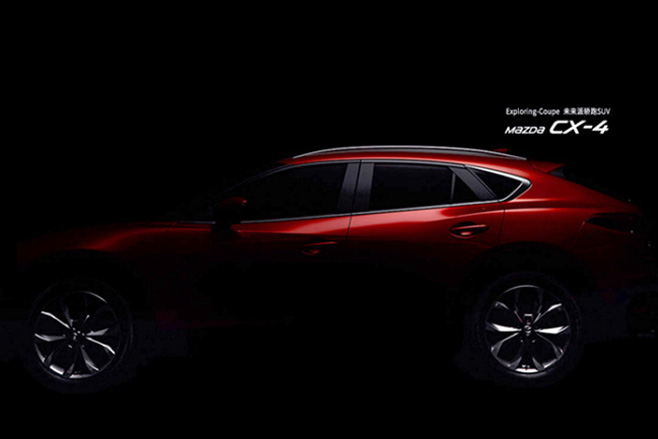
The popular Mazda CX-5 SUV cops a swoopy roofline and becomes the Chinese market-only Mazda CX-4, making Mazda the latest manufacturer to subscribe to the sportier, coupe-style SUV trend.
Though it will be built and sold exclusively in China for the time being, a European – and maybe even Australian – launch for CX-4 is not entirely ruled out. The Beijing show will give us the chance to see how much the production car differs from the Koeru concept that previewed CX-4 at the Frankfurt motor show last year.
VOLKSWAGEN TOUAREG
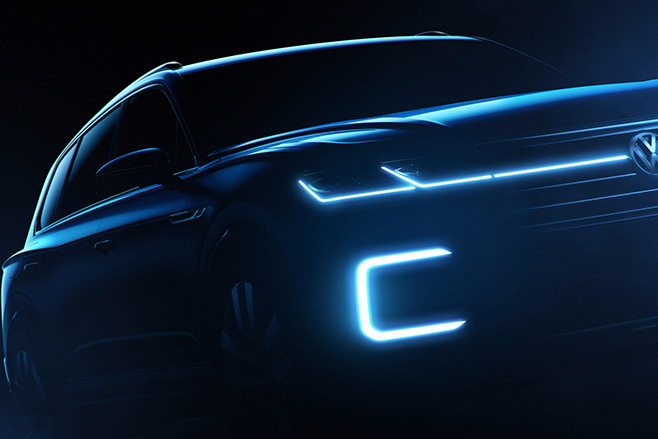
A selection of shadowy teaser images released by Volkswagen have given us a glimpse of a new Volkswagen SUV, most likely a preview of next-generation Touareg, to be shown at the Beijing motor show. Plug-in hybrid technology has been confirmed for the concept along with power outputs of 280kW and 699Nm, and a 0-100km/h sprint of six seconds.
What we can see of the styling suggests a burly SUV with the same upright and muscular proportions of the recently released Tiguan mid-size SUV. Strips of LED lighting up front give off a Tron vibe, with LED tail lamps featuring at the back.
INFINITI QX SPORT
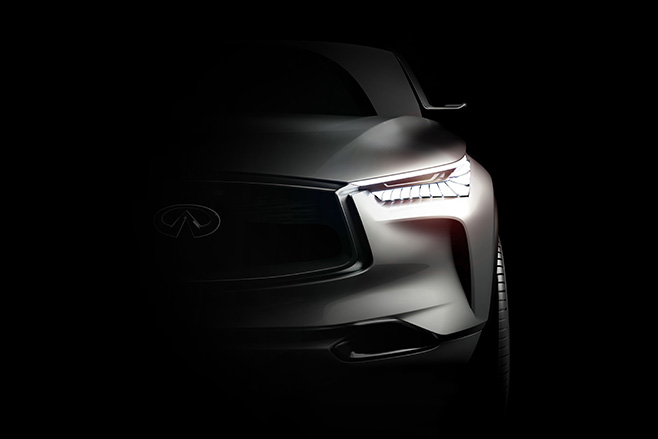
Infiniti has offered a peak at its new SUV concept, dubbed QX Sport Inspiration, to whet our appetites in the lead up to Beijing. It’s the first look at a new mid-size SUV Infiniti plans to add to its range of next-generation vehicles.
The teased rendering shows an exaggerated shoulder line, wide wheel arches and a unique, tiled LED headlight design. “With a flowing, natural aesthetic, this concept demonstrates how Infiniti can offer something new and exciting with future QX SUV models,” said Alfonso Albaisa, Infiniti executive design director.
AUDI TT RS
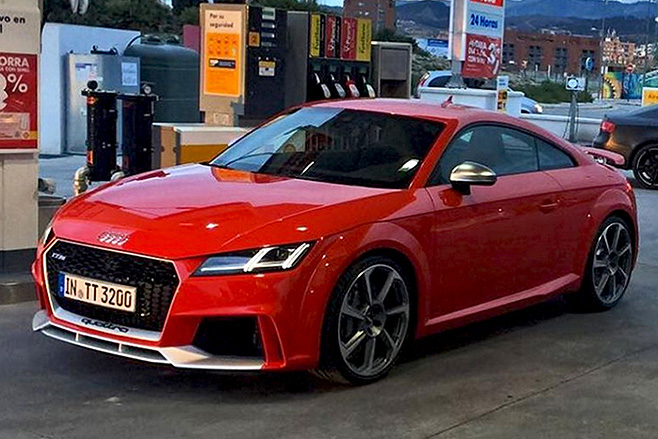
Though an image of one very authentic looking Audi TT RS was leaked sans camouflage (pictured above) around the time of the Geneva motor show earlier this year, we are still waiting for an official reveal by Audi.
Beijing seems like a potential venue for this, and could also serve as the appropriate platform for Audi’s performance boffins to confirm rumours about the bonkers numbers associated with TT RS. Think: sub-4-second 0-100km/h acceleration and around 300kW from its five-cylinder turbocharged engine.
PORSCHE 718 CAYMAN
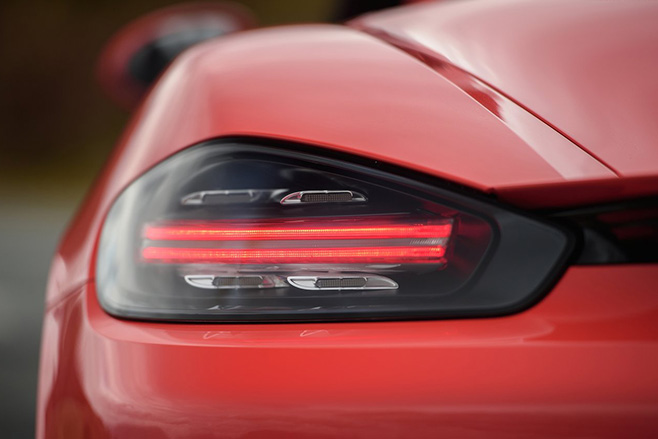
The new Porsche 718 Boxster convertible (pictured above) has already arrived, but its hardtop counterpart is yet to materialise. The Porsche 718 Cayman will use the same all-new turbocharged four-cylinder engines as found in 718 Boxster. They’re controversial, but devastatingly effective, and the Cayman body will provide an even better stage for them to perform on. It’s unlikely to look much different to a Boxster with a solid roof, but it will still be pretty to stare at!
RENAULT MAXTHON
Renault’s next-generation large SUV will pick up an as-yet unknown new moniker. The name ‘Maxthon’ seems to be a front-runner, despite Renault’s senior vice president of marketing, Michael Van Der Sande, saying, “There is a fairly high chance the name will start with a C or a K.” A debut at Beijing should reveal all.
The roomy five-seat SUV will be built in China on the same platform as the seven-seater Nissan X-Trail and use Nissan engines. Spy shots of the SUV in test mode suggest styling similar to that of its smaller SUV sibling, the Renault Kadjar.
Lexus IS
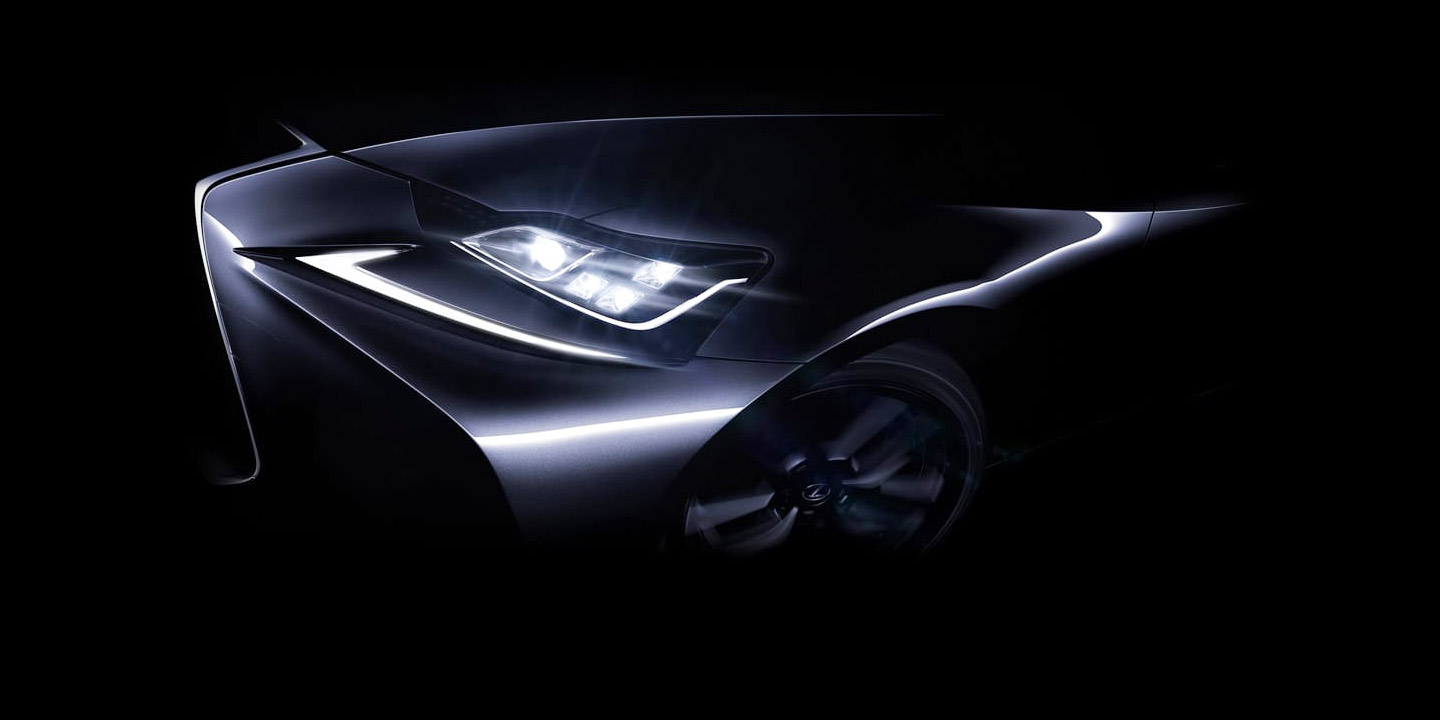
Another murky teaser image, this time from Lexus, hints at a facelift for the IS sedan range. It shows a revised LED headlight design and heavily sculpted body lines exaggerating the now signature Lexus spindle grille. It follows a similar update received by bigger brother sedan, the Lexus GS.
Further details are thin on the ground until the Beijing show, though after the recent addition of a new 2.0-litre turbo unit to the IS range it’s unlikely we will see any major changes to the line-up of engines.
A surprising number of tears were shed when Kia Australia axed its surprisingly sorted Proceed GT last year, but an even hotter hatchback is reportedly now in the works.
The Australian-tuned three-door hatchback was at the hotter end of the warm hatchback spectrum, but in a country that prefers the practicality of five doors and more critically auto availability, the manual-only Proceed GT failed to fire on the sales charts.
Kia Australia has learnt its lesson and is working with South Korea to offer a ‘GTI’ version of the Cerato, due late next year or early 2017, complete with five doors and auto availability.
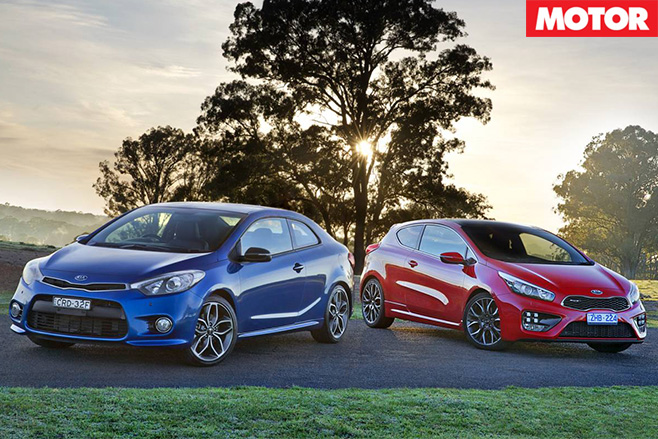
A Kia insider has confirmed the company aims to at least match or better the driving dynamics and performance of the outgoing GT by endowing the more practical five-door Cerato with its independent rear suspension (IRS) and other sporty bits. Currently the Cerato utilises a cheaper torsion bar set-up.
While unable to confirm the exact details, Kia Motor Australia (KMAu) media and corporate communications manager Kevin Hepworth hinted that something sporty was brewing.
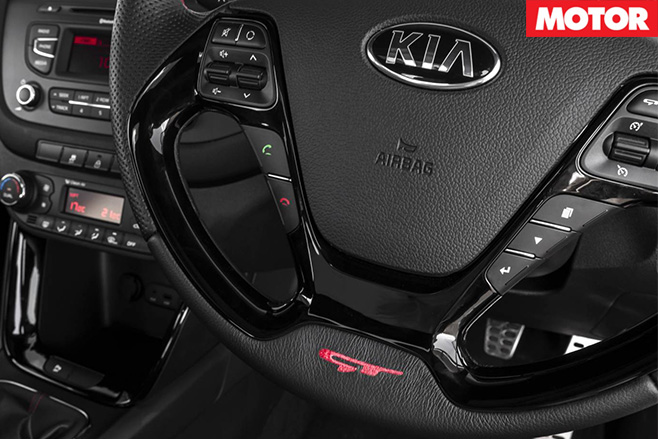
Asked whether IRS is a sure thing for the next Cerato, he replied, “We understand there will be an IRS in Cerato and that being the case there would be a strong argument from us for a GT version of the car.”
“You can still make a car with a torsion bar that is a fine handling vehicle, but if you want to go to that next step in sports then you really need to be able to tune that rear-end properly and that’s what an IRS gives you,” Hepworth added.
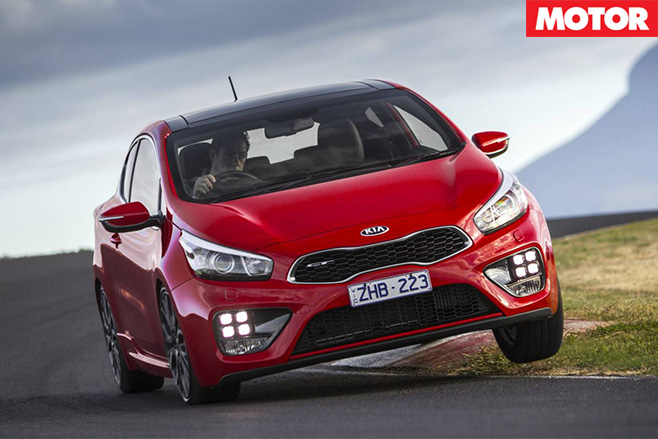
The Proceed GT was priced from $29,990 plus on-road costs and used a 150kW/265Nm 1.6-litre turbocharged four-cylinder engine linked to a six-speed manual gearbox. While no firecracker, it creamed warm hatchback rivals in a MOTOR comparison test before it was dumped from sale late last year. In 2015 it managed 378 full-year sales.
1. The battery pack located under the boot floor is like your mobile phone battery, supersized. But that’s not to say it’s one huge battery. Think of the chunky battery pack on the back of a news crew’s profession video camera. Now think of 96 of those, all linked together and stacked into two decks.
2. It’s theoretically possible you could own an xDrive40e and never visit a petrol station again. The big caveat is each journey would need to be less than 25km and you recharged the car each time.
3. Some people don’t like having to plug the power cable into the car each time it needs recharging. So BMW is developing a system where you just park the car over what’s called an “induction plate” fixed to your garage floor. Then it all happens cordlessly, but the company won’t reveal when this tech will be ready.
4. The official fuel consumption figure of the xDrive40e is posted as 3.3 litres per 100km, but the methodology used to arrive at this figure is more complicated than a chat with Stephen Hawking about black holes. You may use none (as mentioned above) or you may use more than 11L/100km; it just … depends.
5. The battery pack in the BMW X5 weighs 120kg. So the vehicle’s rear suspension has been upgraded with a clever system that uses air pressure to stop it sagging under that extra weight. This set-up normally costs over $3000 to add as an option in lesser X5s, improving the xDrive40e’s value equation.
6. An app for the xDrive40e is available for your phone, so you can tell at a glance the state of the battery’s change, the remaining range, of if it’s recharging, how much longer it needs to reach full charge. The app will also guide you to your nearest public recharging station…
7. …which are becoming more widespread, Not only are they often free (to lure you to the shopping centre car park) but they recharge much faster than a regular power point; in the xDrive40e’s case, about 1.5 hours versus over five hours on domestic supply.
8. The battery pack takes up the underfloor space that, in a regular BMW X5, is occupied by a skinny ‘space saver’ spare wheel to get you to a dealer in the event of a puncture. By foregoing this, the xDrive40e requires you to use a sealant-based inflation kit if you get a flat. This system is effective but fiddly, and only works for say, a nail hole, not a tear in the sidewall.
Read our review on the BMW X5 xDrive40e here.
MERCEDES-Benz is struggling to resolve the future of the fourth-generation SLC roadster.
There is no replacement for the now five-year-old model in Mercedes’ official new model program to the end of 2018, and the new car is not expected until 2020 at the earliest.
Complicating the decision is the reality that sales in the segment, which includes the BMW Z4, Audi TT and Porsche Boxster/Cayman, are shrinking fast, having dropped to half the level of the 250,000 cars a year that sold a decade ago.
Last year, Mercedes sold around 21,000 SLKs, though it won’t reveal the exact number, far below the 55,000 sold in 1997, the SLK’s best year. Locally, Mercedes shifted just 235 SLKs in 2015, admittedly the runout year, compared with a best of 927 in 2005.
The question must be: as buyers move to SUVs and “crossovers”, seen by many buyers as trendy, is there sufficient volume to justify developing a fourth generation SLC/SLK, even if it comes off an existing platform?
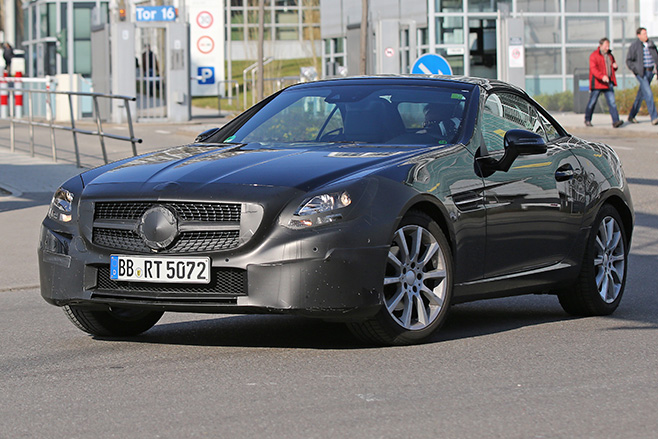
“A front-wheel-drive roadster is a very different animal,” says Zetsche. “Especially the Mercedes-Benz long hood and the long space between the wheel and the front door, which is a signature. That is very much learned, and inherent to the brand.”
“Going forward, we all know there are big expansions in the auto industry, and those expansions are more to sedans and SUVs than sports cars,” he says. “Within this climate, we have to look also at our coupes and convertibles and roadsters.”
“It would be plain dumb to go to front-wheel drive,” says Michael Rapp, from the AMG development department. “Why would we?”
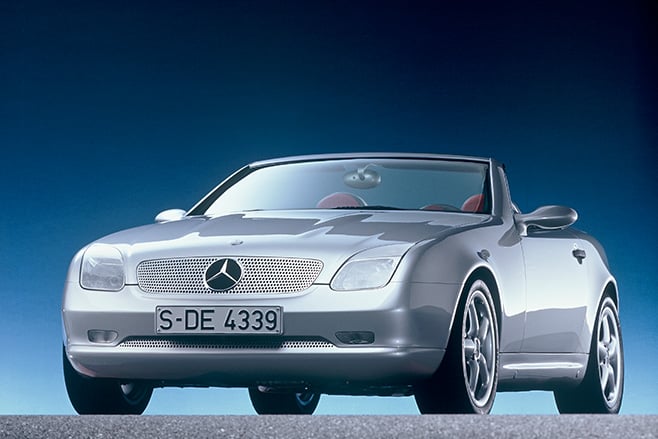
This inevitably means developing the new car on the new W206 C-Class architecture.
Insiders told Wheels that plans to combine the development of a new lightweight architecture, called MSA for Modular Sports car Architecture, for the next generation SLC and SL have been dropped.
So exotic are the materials planned for the new R232 SL – due in 2020 or 2021 – that the SLC version (R173) would inevitably mean an uncompetitive price. Instead, the new SL will share its architecture with the AMG GT.
The Brownlow Medal, Formula 1 World Championship, hell, even the Gold Logie are all about finding the best, smartest, toughest and most successful entrant in any number of pursuits.
And Performance Car of the Year is no different. Unless you consider that none of the cars here will bring their WAGs with them, wear too much bling, and none of them will get fried on sponsors’ champagne and hurl into their handbags.
Which is not to say there won’t be any bad behaviour or tantrums, but if there is, it will most likely be the work of the broader MOTOR crew rather than the cars themselves. Actually, that’s interesting.
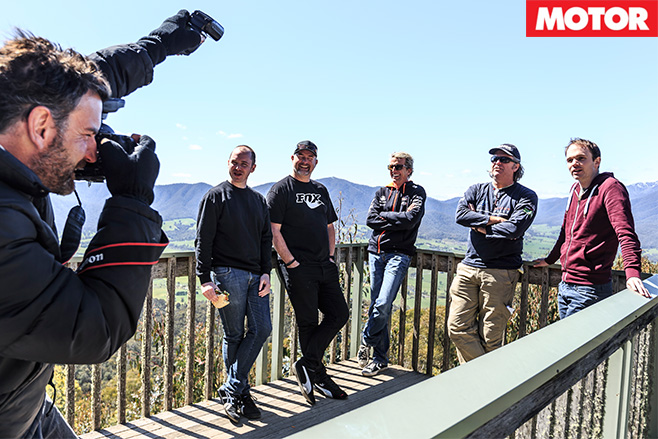
Nope, we all know the next few days will be spent either sweating away behind the wheel of something exotic, standing around waiting for golden light to descend or, if there’s time, eating something yellow. Welcome to PCOTY, fools.
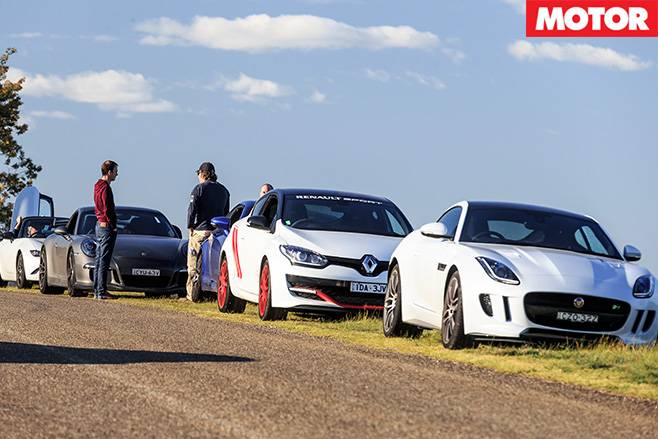
With the sort of horsepower that V8s were only dreaming of 15 years ago, the Trophy has both the grunt and the chassis to make a real statement. Which it does. But more than that, the Renault has the grip and clever front diff to make us wonder aloud if, in fact, this isn’t the best handling tail-dragger we’ve ever strapped into. Big call, but…
Another vaguely affordable entrant is the Peugeot 208 GTi 30th Anniversary. It’s another car that did well at BFYB and, if you believe the hype, it finally recaptures the spirit of the 205 GTi that still gets us old blokes misty-eyed whenever it’s recalled.
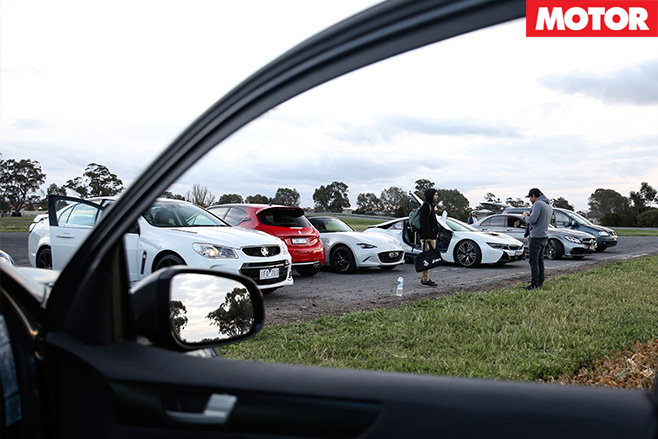
Staying with the sensible-money stuff just for a moment, we come to the reborn Mazda MX-5. Again, the headlines would have us believe that the new Mazda roadster has tapped into the ethos of the original (and, so far, best) MX-5. And the spec sheet bears that out, too, with a kerb weight almost as tiny as the non-airbag NA MX-5 and a small engine tuned for flexibility.
Word on the street is that the little Mazda is not over-tyred and, therefore, has grip levels to match its thrust levels. The original MX-5 made the concept of balance its cornerstone, but does modern tech still allow for that type of analogue response?
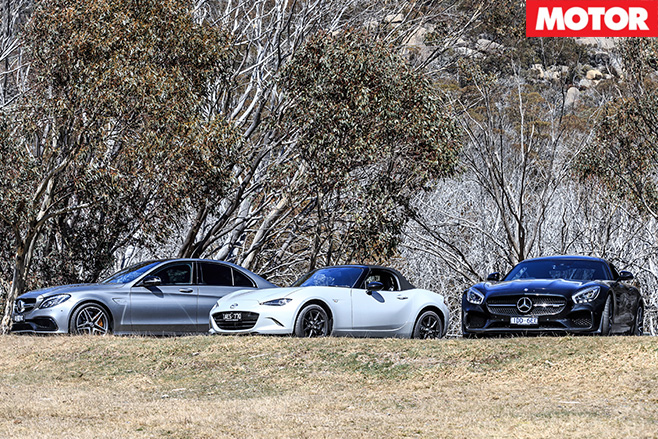
This has tarnished every mid-sized Lexus since, but the new RC F is the car to change that perception. With a 5.0-litre V8, 351kW (we reckon that’s conservative) and rear-drive, this one could add up to a poor man’s LFA.
Of course, time and technology stand still for neither man nor machine, and eventually the dreaded emissions caught up with the C63 as they did nearly every non-turbo passenger car engine. So the new C63 has a pair of snails hanging off its smaller (but still 4.0-litre) V8. But can the raw evil be maintained?
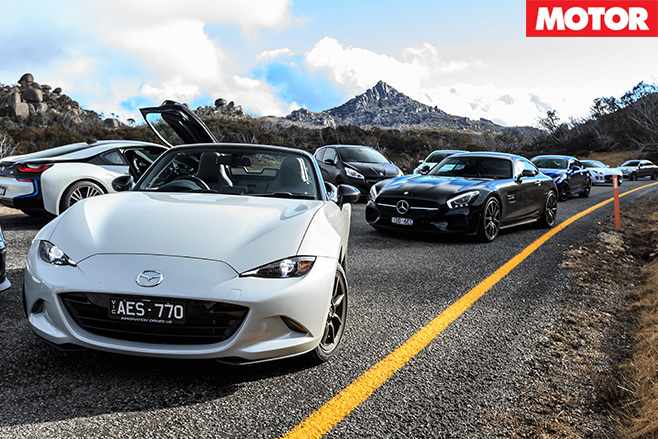
The gull-wing doors are gone, but it’s still a big car for a two-seater, with a long nose and short rump, and loads of character. The Euro scribes are hailing it a 911 competitor. Can that really be true?
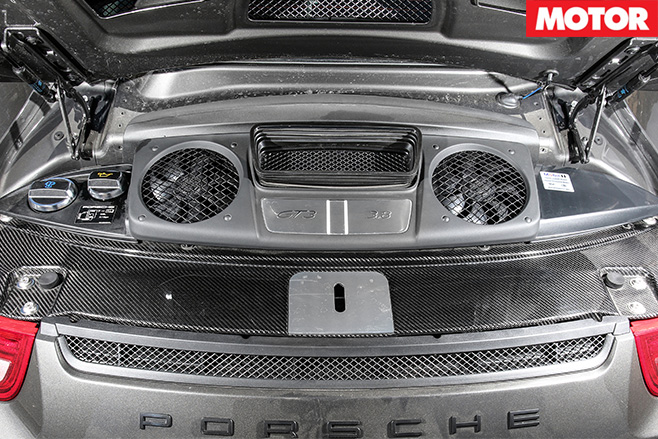
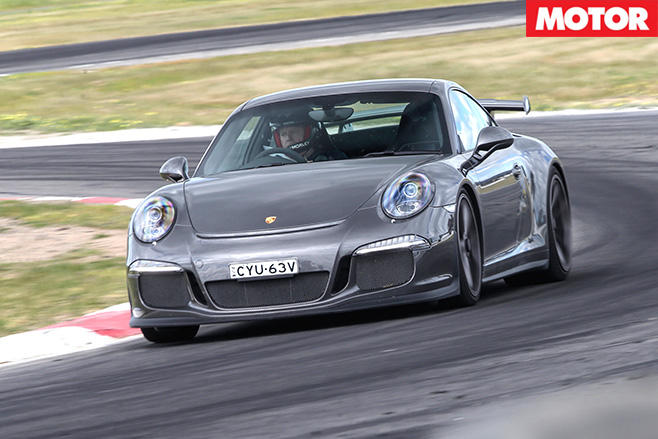
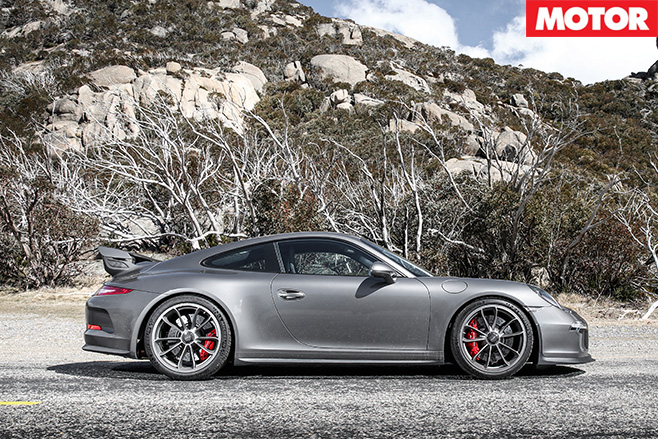
Speaking of 911s, the Porker du jour for 2015 is the new GT3. Like the 991 on which it’s based, the new GT3 is longer, wider and a little heavier. The big question mark surrounds the electrically-assisted steering and whether it can still convey those legendary 911 levels of feel, feedback and involvement.
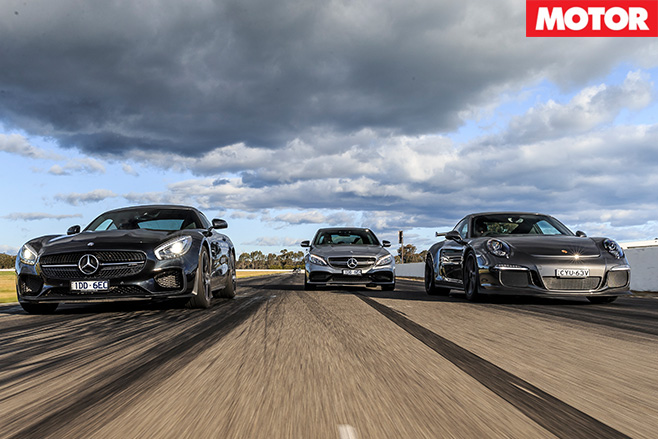
Another huge hitter comes from Jaguar. But while the F-Type charmed us last year, this time around there’s all-wheel drive in an attempt to inject some semblance of sanity into what is otherwise a sanatorium special.
The rest of the F-Type Coupe R package is still that svelte shape which harks back to the original E-Type in some ways, but doesn’t pander to the past at the expense of going modernly fast. But on the basis that nobody thought to question last year’s car’s (podium placing) rear-wheel drive, not everybody is convinced that driving all four wheels will benefit the big cat.
Ford seriously under-estimated the number of supercharged XR8s it could sell, and Holden probably would have done the same had it not already known that a huge percentage of its Commodore sales were of the V8 models.
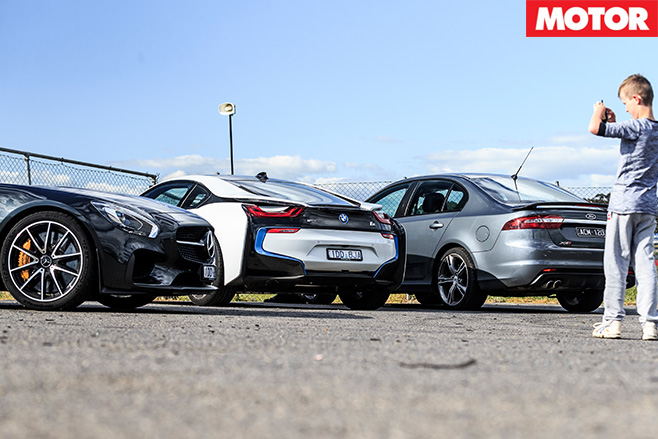
It’s a big step up, what with a bigger 6.2-litre engine pinched from HSV (more or less), some visual and aero changes, and a new soundtrack that will blow you away the first time you hear it. Throw in the Brembo brakes of the Redline model and the Ford – and everything else here at PCOTY – suddenly has tougher competition than ever.
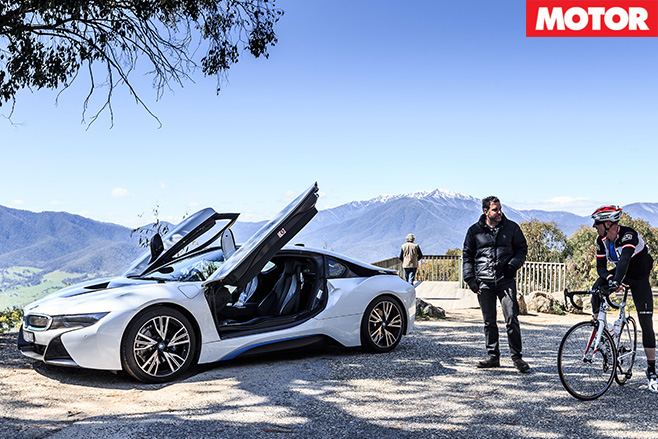
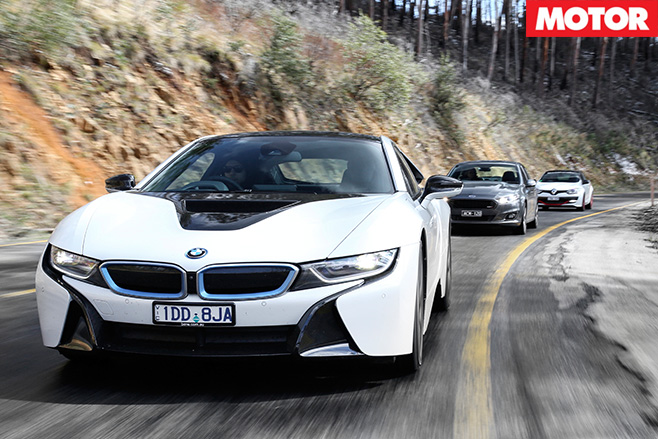
The triple-cylinder engine of the i8 is interesting, and so is the all-wheel drive layout that sees electric motors driving the front wheels. It also has a plug-in facility, allowing you to charge it overnight for a commute’s worth of electric-only fun. And hey, at least we know where the AMG’s gull-wings ended up.
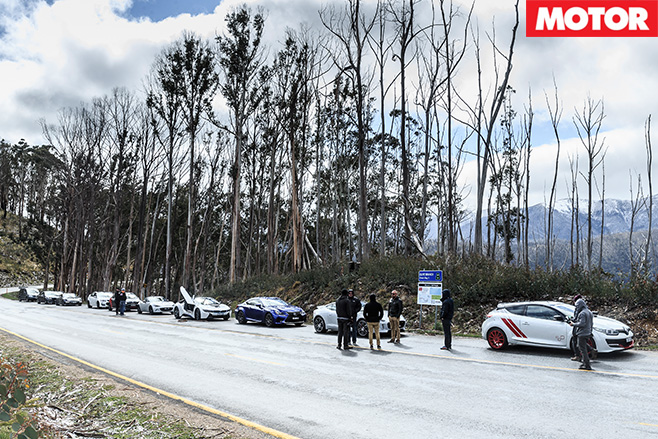
And then throw the additional ingredients into the mix: the weather, the highway patrol, The Cockburn and, yep, four days of yellow food and shared motel rooms, and you’ve got yourself one hell of a hootnanny. Or the next Jonestown, who can say?
Sebastien Loeb didn’t win nine straight WRC titles by chance. Nor is it luck that has secured Audi victory in 13 of the last 16 Le Mans 24 Hour races.
Such dominance is the by-product of hard work, determination and talent. A similar combination of attributes explains Porsche’s impressive run of success at our annual Performance Car of the Year test.
The 991 911 GT3’s victory is Porsche’s 12th in the 20-year history of the event, however it was far from a foregone conclusion. With a brand new sportscar from AMG, an all-wheel drive version of last year’s third-placed F-Type and the hottest hatch of recent times, this year’s field was the toughest in recent memory, but in the final reckoning the GT3 stood head and shoulders above the rest. Whichever way you cut the deck, Porsche’s hardcore 911 reigned supreme.
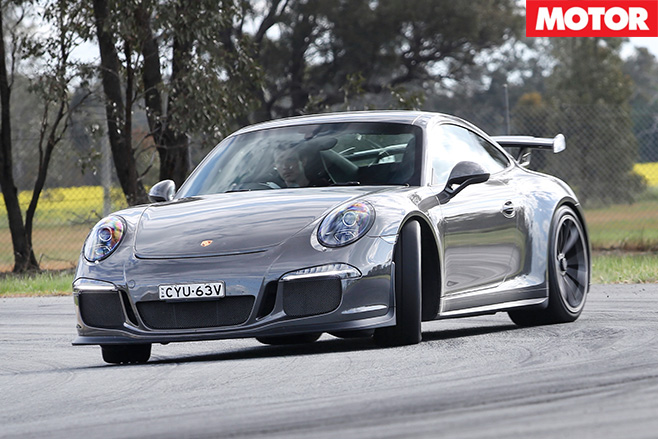
Okay, so with that 3.8-litre flat-six pressing down hard on the rear wheels, it’s always going to shoot off the line, but the speed is relentless. The quarter mile takes just 11.48sec and it is travelling 201.60km/h as it does so. Only the AMG GT S could best that (202.60km/h) and that’s packing a 375kW/650Nm twin-turbo V8. An atmo six-cylinder producing 350kW/440Nm just shouldn’t be this fast.
The stats are impressive, but initially the GT3 feels impressively brisk without being spectacular. That’s when you realise you’ve been changing up at 7000rpm, when every sense suggests that that’s the prudent thing to do. The final 2000rpm changes everything and immediately dispenses any notion that the GT3 has somehow gone soft – the acceleration becomes manic and the engine emits a blood-curdling scream.
Luffy’s searing effort also illustrates the enormous jump Porsche has made with the new GT3. Despite being bigger and 35kg heavier, it not only beats its predecessor by 3.3sec but also the more focused 997.2 GT3 RS (+2.2sec) and even the turbocharged GT2 (+1.2sec).
What’s more, it will do so all day long and with all the electronics engaged; you don’t even need to take it out of Drive, such is the brilliant PDK’s uncanny ability to choose the right gear with Sport Plus engaged.
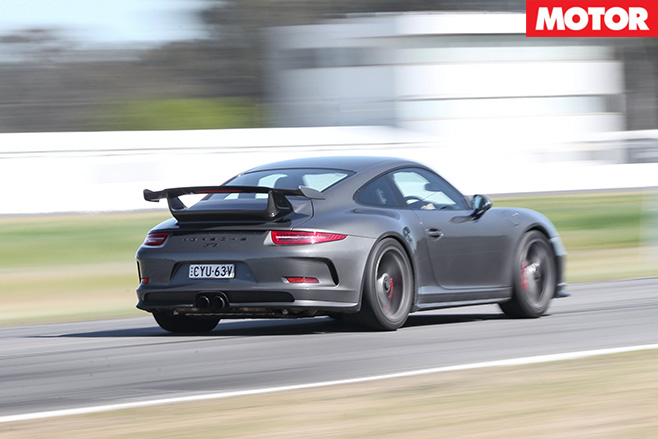
In previous GT3s, novice drivers would eventually have to extract themselves from a wall/hedge/gravel trap, but in the 991 they’ll probably go faster than in any other car with the same or even less effort. Attempt to drive the GT3 to its limit rather than your own, however, and it’s a whole different ball game.
The way it both builds and sheds speed, along with its incredible lateral grip, means it appears to have inexhaustible reserves. You push harder and harder and it shrugs and says: “Great, what’s next?”
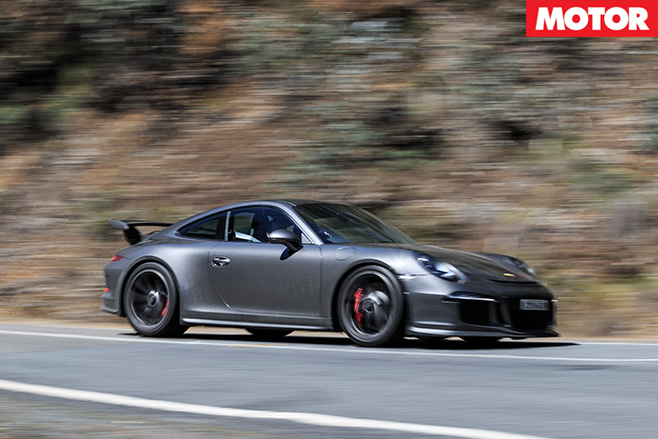
On track it’s arguably even more frenetic, as the car finally starts to move around. The absence of a manual gearbox does remove one layer of complexity, but simply means the driver can concentrate on leaving braking until the very last moment.
The unique weight distribution still requires a level of finesse; 911s are friendlier than ever but still have an enormous amount of weight in the ‘wrong’ place, so it’s important to keep weight on the nose at corner entry to avoid understeer. And whatever you do, don’t lift the throttle in the middle of a fast corner.
You can use the weight to your advantage, though. Brake firmly, flick the steering and the massive 305mm Michelins break free. You have to stay committed at this point as there’s so much grip and traction that if you hesitate with the throttle it’ll spit you back the other way faster than you can say “where did all this grass come from?”.
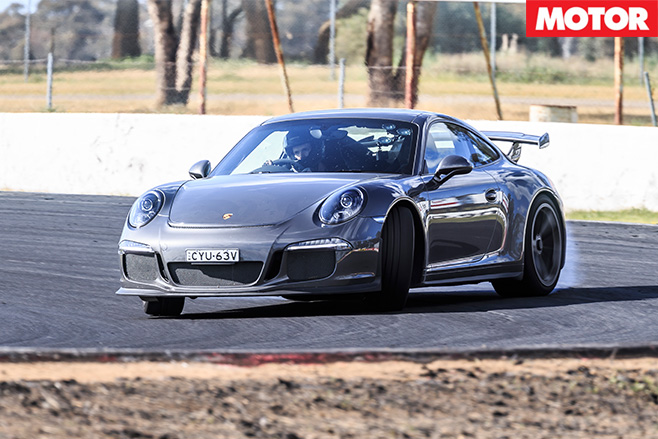
The scale of the GT3’s ability won everybody over, with four of the five judges awarding it first place. Robbo was the sole dissenter, feeling the 911 was simply too much hard work on the road sections, and instead giving his vote to the AMG GT S. There’s no doubt the GT3 possesses a fairly uncompromising ride, and the road noise can be fairly deafening, too, but most felt it still perfectly liveable and a small price to pay given the performance on offer.
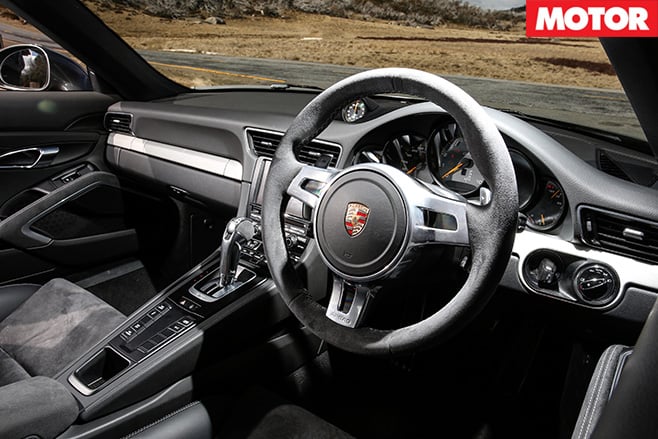
It’s not good business for one manufacturer to regularly claim our biggest prize – everyone loves a surprise result – but to not award PCOTY to what is clearly the best product would be a far greater sin.
It’s up to the other makers to lift their game, and with the likes of the new Audi R8, Lamborghini Huracan LP580-2, McLaren 570S and Mercedes-AMG C63 S Coupe already pencilled in for 2016, Porsche will have a bigger fight on its hands than ever to retain its title. Then again, when its own roster includes the Boxster Spyder, Cayman GT4, turbocharged 911 Carrera and 911 GT3 RS, well, you’d be brave to best against it.
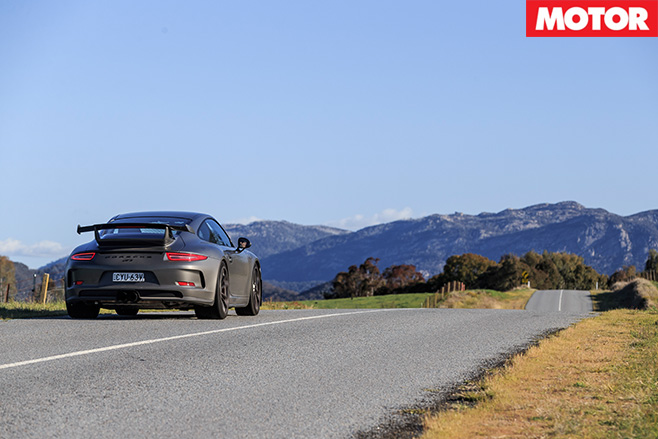
THE NUMBERS 0-100km/h: 3.55sec (1st) 0-400m: 11.48sec @ 201.60km/h (1st) Lap Time: 1:30.9sec (1st)
| 1996 | Porsche 993 Turbou00a0 | 2006 | Audi B7 RS4 |
| 1997 | BMW E36 M3u00a0 | 2007 | Porsche 997 GT3u00a0 |
| 1998 | Porsche Boxsteru00a0 | 2008 | Porsche 997 GT2u00a0 |
| 1999 | Porsche 996 Carrerau00a0 | 2009 | Audi R8 V10 |
| 2000 | Porsche Boxster Su00a0 | 2009 | Nissan GT-R |
| 2001 | Nissan S15 200SXu00a0 | 2010 | Porsche 997.2 GT3 RSu00a0 |
| 2002 | BMW E46 M3u00a0 | 2011 | Nissan GT-R |
| 2003 | Porsche Boxster Su00a0 | 2012 | Porsche 991 Carrera Su00a0 |
| 2004 | Lamborghini Gallardou00a0 | 2013 | Audi R8 V10 Plus |
| 2005 | Porsche 997 Carrera S | 2014 | Porsche 991 Turbou00a0 |
David Morley: 1st “I’m not saying the PDK doesn’t work. But I’d still crave a third pedal”
Scott Newman: 1st “More car than I am driver. Civilised enough for the road but unbeatable on a track”
Tim Robson: 2nd “Holy sweary words. Astonishingly composed at jet fighter velocities. More sweary words”
Warren Luff: 1st “Officially the new fastest car at Winton for MOTOR. Don’t need to say much else”
