Does the new four-cylinder LC70 have the pulling power to match the mighty V8?
REVIEW: Dads test family-friendly Skoda Octavia RS
Family-friendly thrills: The Skoda Octavia RS wagon blends practicality with performance.
REVIEW: Updated Kia Picanto GT-Line driven
Kia has dropped our favourite Picanto variant for this update but how does the remaining range of tiny cars – with now slightly less tiny prices – still stack up?
REVEALED: Petrol Mini Cooper gets EV-inspired facelift
The fifth iteration of Mini’s petrol-powered icon has been announced for its final run before making way for an electric future.
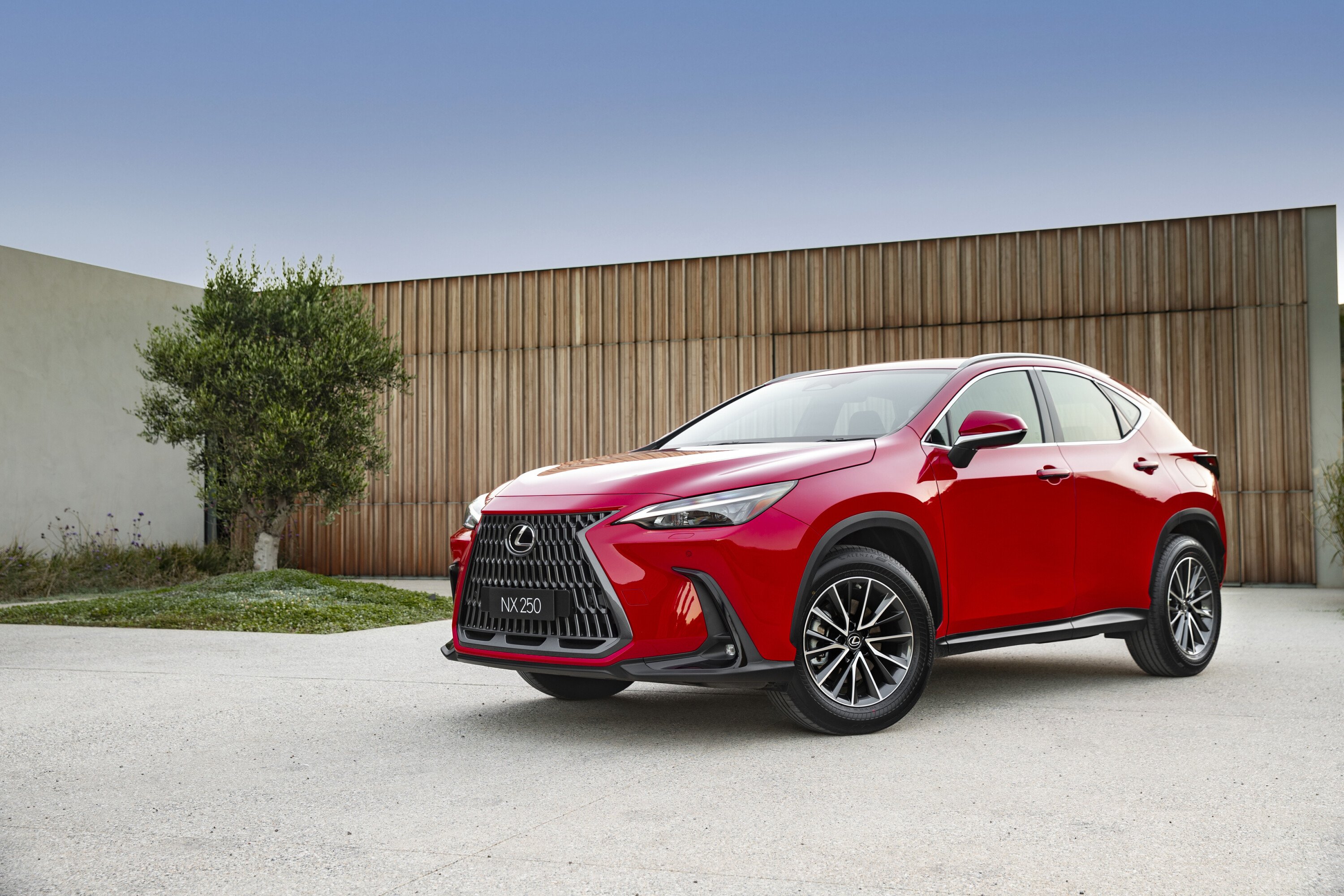
Sharing parts with the best-selling Toyota RAV 4 puts a lot of weight onto the shoulders of the Lexus NX (nimble crossover). But luckily the Japanese automaker has given its all to the latest version of the luxury compact SUV.
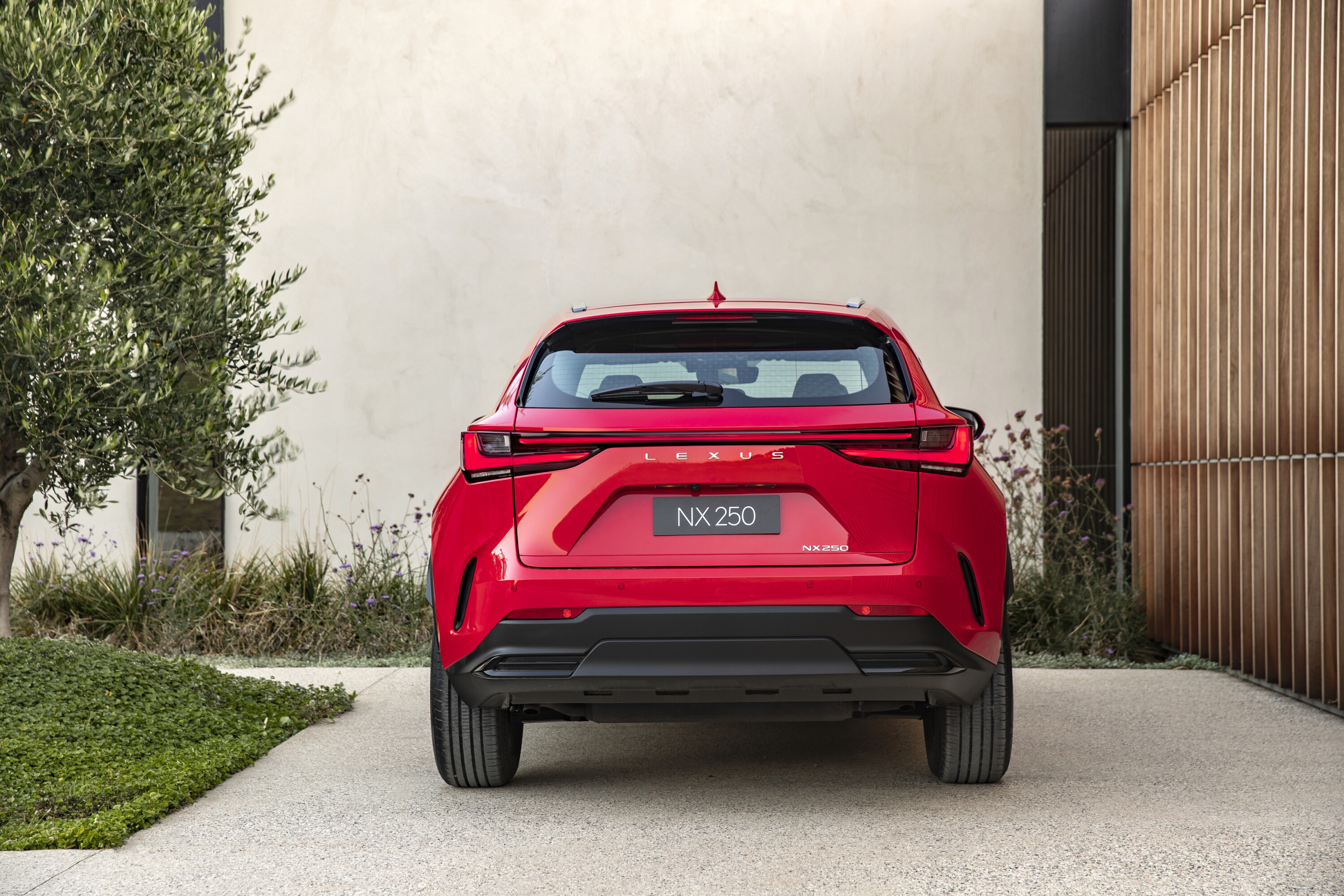
The NX250 offers a harmonious blend of style and comfort. Designed to cater to discerning drivers seeking a sophisticated and engaging driving experience, the NX250 raises the bar.
But amidst a crowded field of luxury contenders, how does the NX250 distinguish itself?
1
Pricing and features
The Lexus NX 250 is the entry-level variant in the line-up, priced at $63,400 before on-road costs. It’s creeped up ever so slightly each year since it launched for $60,800 in early 2022.
It is available in a single 2.5-litre petrol offering, driven via the two front wheels to deliver 152kW and 247Nm.
If you’re after additional performance or increased economy, you’re better off looking at other variants in the line-up such as the 350, 350h or 450h+ which offer sportier, hybrid and plug-in hybrid powertrains.
The quoted combined fuel economy the base petrol is 6.9L/100km, but in real-world testing this figure rose to about 9L.
1
Standard in the NX 250 you’ll get:
10 speakers
Heated front seats
2-way power lumbar support for driver
Leather accented seat trim
18-inch alloy wheels
Leather accented steering wheel
8-way power adjustable front seats
LED headlamps
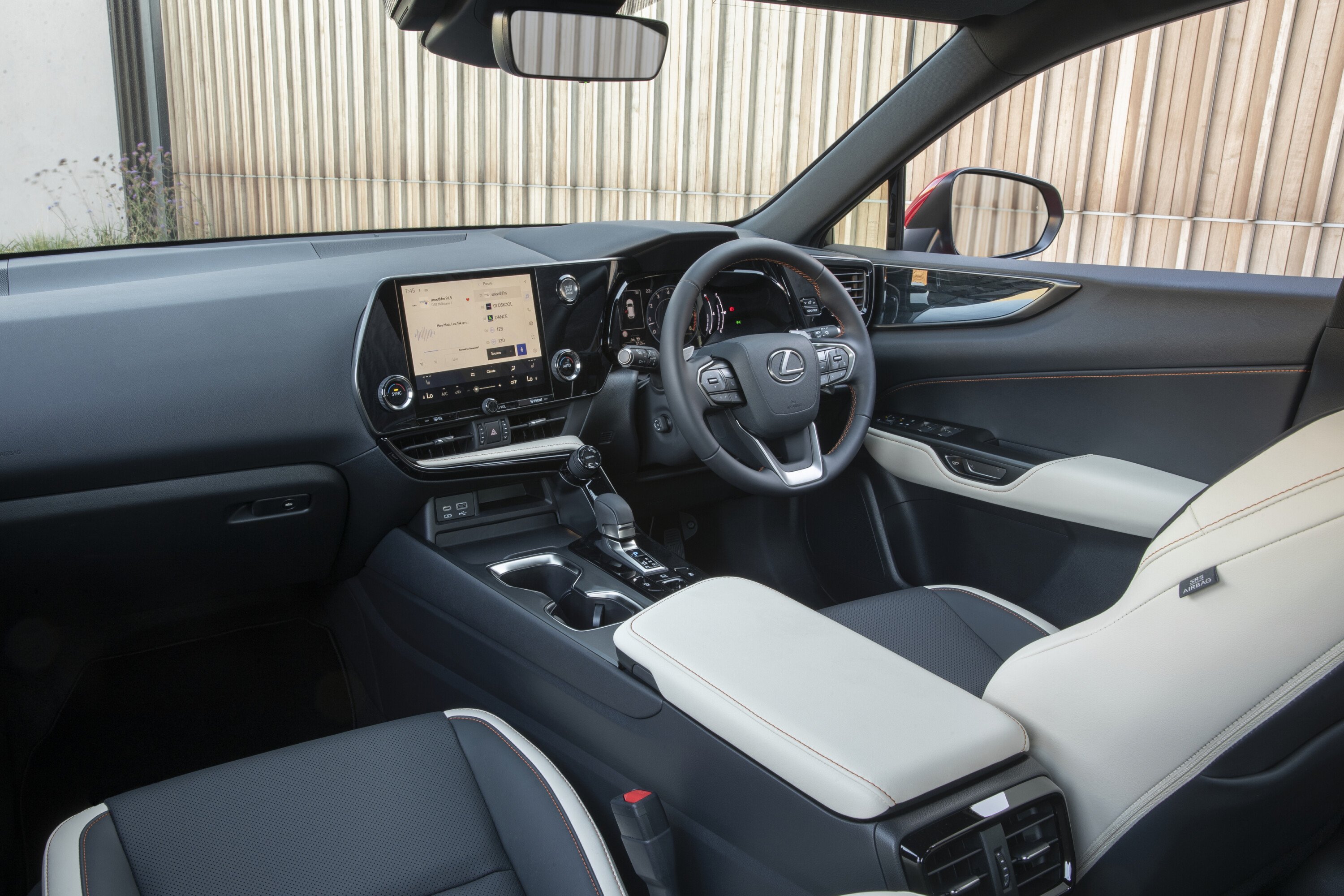
9.8- inch touchscreen display
Paddle shifters
Android Autou2122 and Wireless Apple Carplay
Power back door
Daytime running lamps
Rain sensing wipers
Digital radio (dab)
Roof rails
Dual zone climate control
Smart entry & start
Electrically adjustable steering column
Stop & start system
Electrochromatic rear view mirror
with electrochromatic
Front & rear fog lamps
A single option pack, which Lexus call an ‘Enhancement Pack’ adds a moonroof, kick sensor for the power tailgate and a wireless phone charger.
All paint colour options besides Onyx Black and Caliente Red are charged at $1825. Inside the cabin you’ll get the choice of four leather trim options, available in black, cream, tan and red.
1
Safety
The NX 250 was awarded a five-star safety rating by ANCAP, covering all its variants following its evaluation when it launched in early 2022.
For adult occupant protection, it secured a 91% score, achieved 89% in child occupant protection, and earned a commendable 92% for its safety assist systems.
All versions of the NX are equipped with dual frontal, side chest, side head, centre and driver knee airbags.
Across its entire range, the NX250 features a broad suite of safety functionalities through the Lexus Safety Sense package, ensuring comprehensive protection.
2024 Lexus NX Safety System features:
Automatic High Beam
Blind Spot Monitor
Dynamic Radar Cruise Control
Lane Departure Alert
Lane Tracing Assist
Pre-Collision Safety System
Road Sign Assist
Parking Support Brake
Rear Cross Traffic Alert
Safe Exit Assist
Key rivals
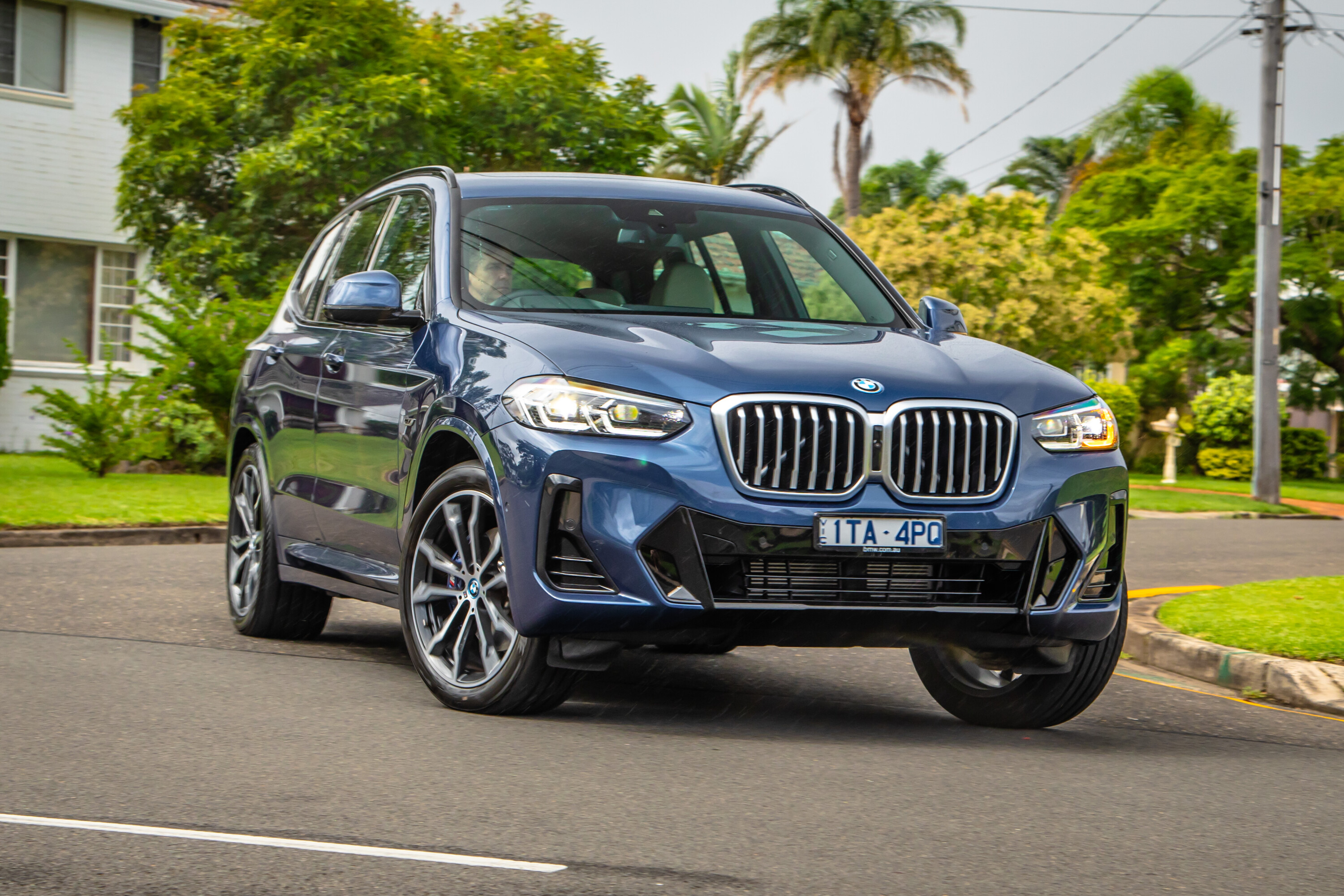
The NX250 competes with other luxury, and slightly pricier compact SUVs such as:
The base 2024 Lexus NX 250 offers a dependable premium SUV experience, albeit without the excitement some might seek.
It delivers ample space, comfort, and a more affordable option within the mid-size luxury segment despite its less impressive performance. While it faces some criticism for its coarse powertrain and the absence of embedded navigation, its value proposition is bolstered by its competitive pricing against costlier rivals.
Considering the additional price and wait time of more premium models in the range, the NX 250 could suffice as a good-value option in the luxury SUV space.
Everything you need to know about 2024 Ford Ranger
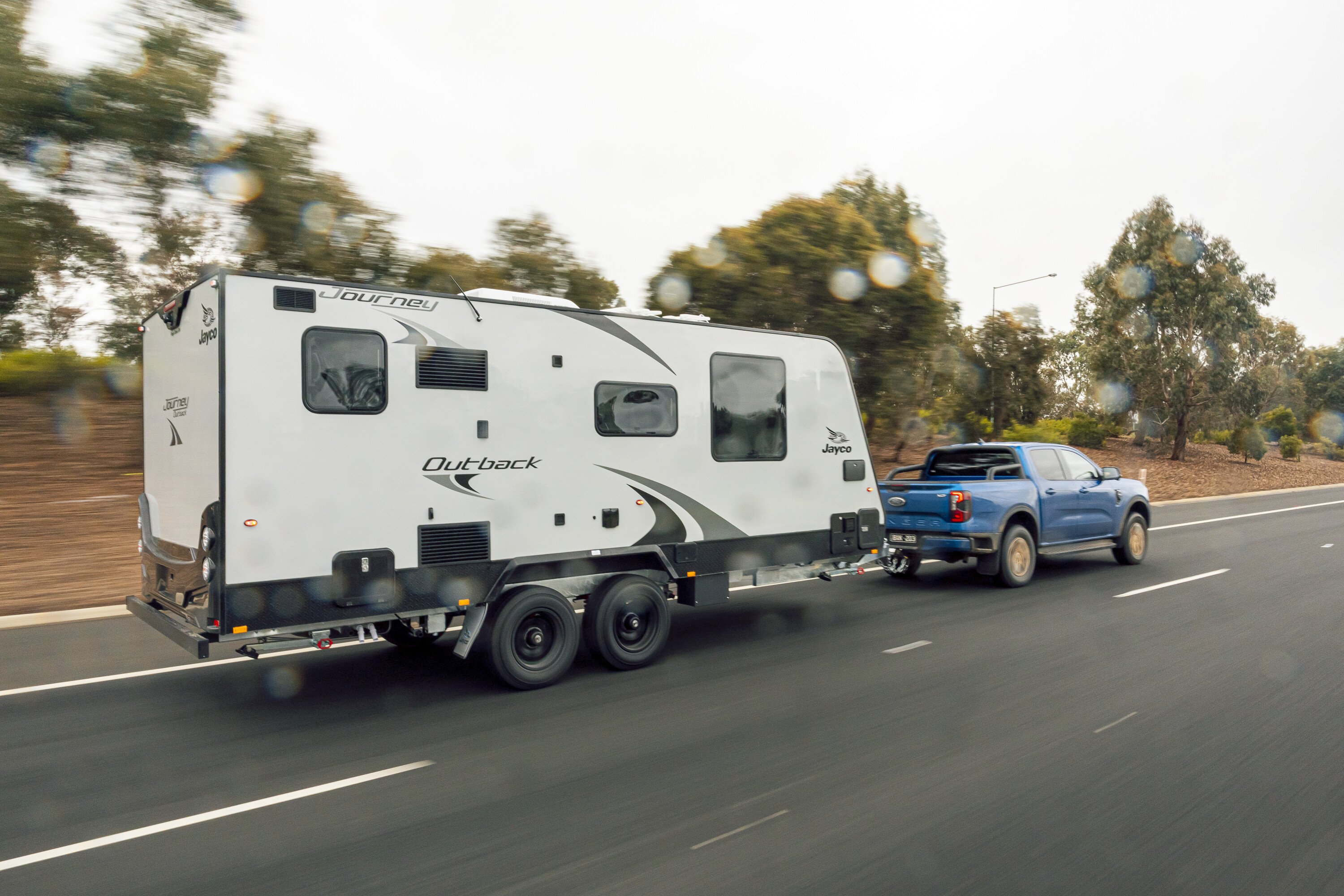
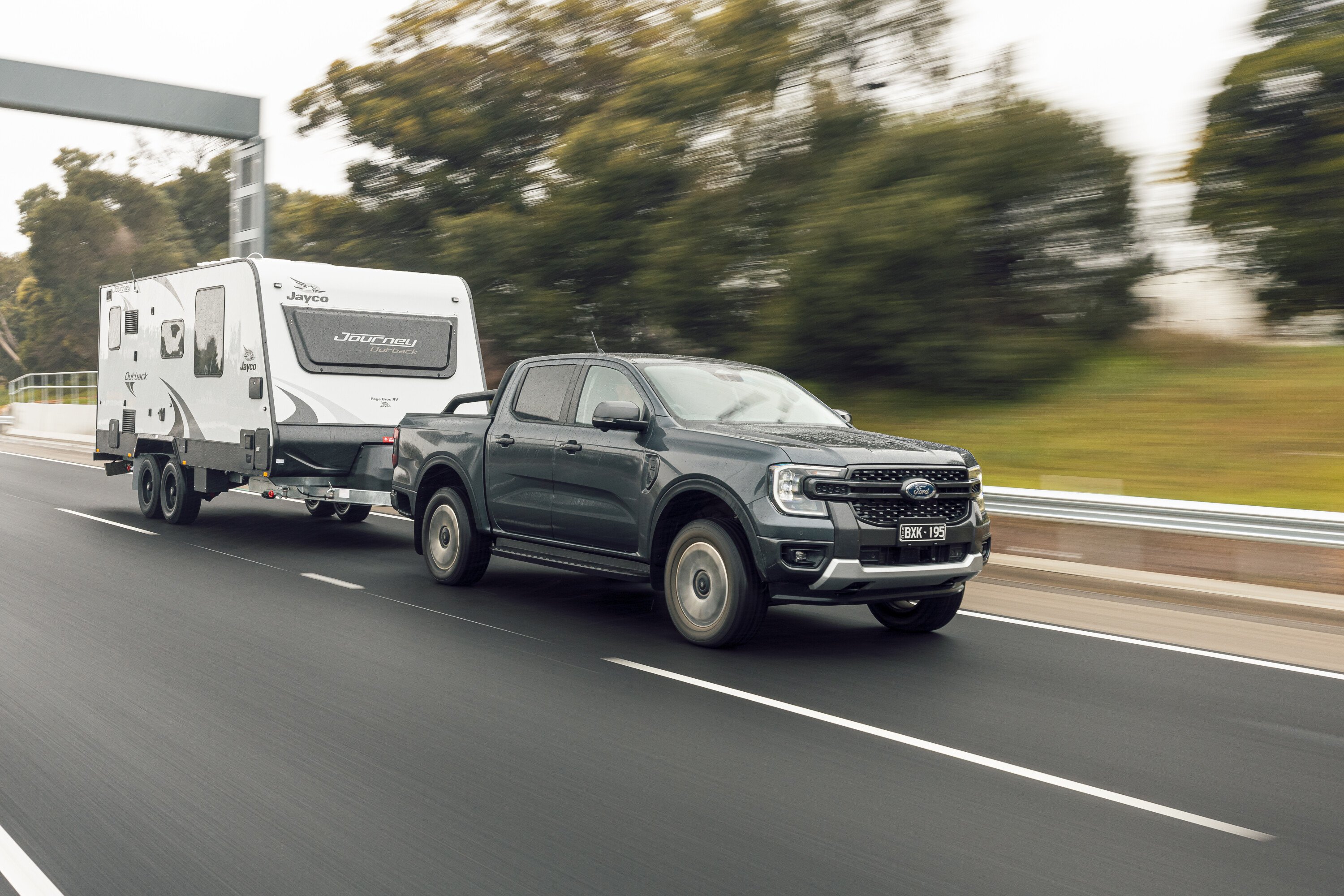
As a popular model for family duties, tradies, off-roading and touring, the Ranger is often seen as one of the go-to dual-cab 4×4 utes to tow a boat, caravan or heavy work trailer.
The Ford Ranger arrived with much fanfare two years ago with better performance, dynamics, ride, accommodation, and towing features. Although there is a swathe of Cab-Chassis and Super Cab models to choose from, here we’re concentrating on the popular Double Cab 4×4 pick-up range.
Even here you’re spoiled for choice, with 10 variants that can tow 3500kg to pick from, ranging from the Ranger 2.0 XL at $50,880 to the Platinum 3.0 V6 at $79,390 (all plus on-road costs).
1
These models offer the now-expected maximum braked 3500kg towing capacity plus the choice of 125kW 2.0-litre Single Turbo (XL only), 154kW 2.0-litre Bi-Turbo and 184kW 3.0 V6 turbo-diesel powertrains (the 292kW 3.0 V6 turbo-petrol Raptor has only 2500kg towing capacity).
The Ranger is well equipped, with a high level of active and passive safety across the range. Every has dual frontal, side chest-protecting and side head-protecting curtain airbags, along with a driver and passenger knee airbag. A front centre airbag is also standard, which protects front seat occupants in side impact crashes and prevents front occupants from clashing heads.
Adaptive cruise control is standard across the range, and from XLT upwards lane centring, traffic sign recognition and a ‘Stop & Go’ function that will allow the vehicle to come to a complete halt in traffic and then automatically resume its cruise setting. There’s also Active Park Assist 2.0, which will help with parallel parking.
1
The dashboard is dominated by large 10.1-inch portrait style touchscreen that offers easy smartphone integration and every Ranger also features a digital instrument pack ahead of the driver.
At its Premium V6 spec level, luxury elements such as leather interior, heated front seats, power front seats and of course auto wipers, auto headlights auto-dimming interior rear-vision mirror and keyless entry/start.
Then there are the towing-specific features, which we will get to below.
Like most key competitors, the Ford Ranger can tow a maximum of 3500kg (braked), with 10 per cent of that maximum (350kg) on the towball.
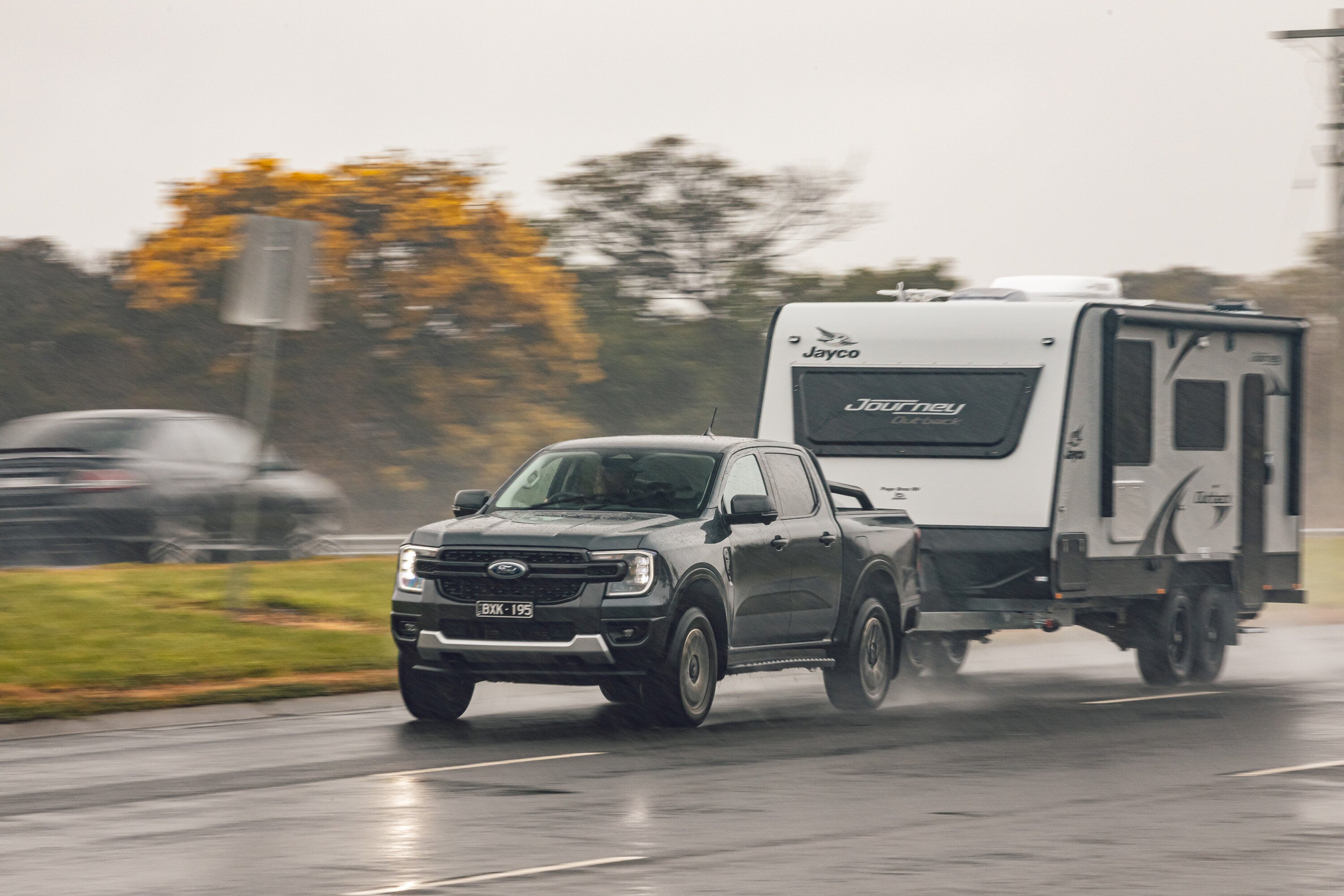
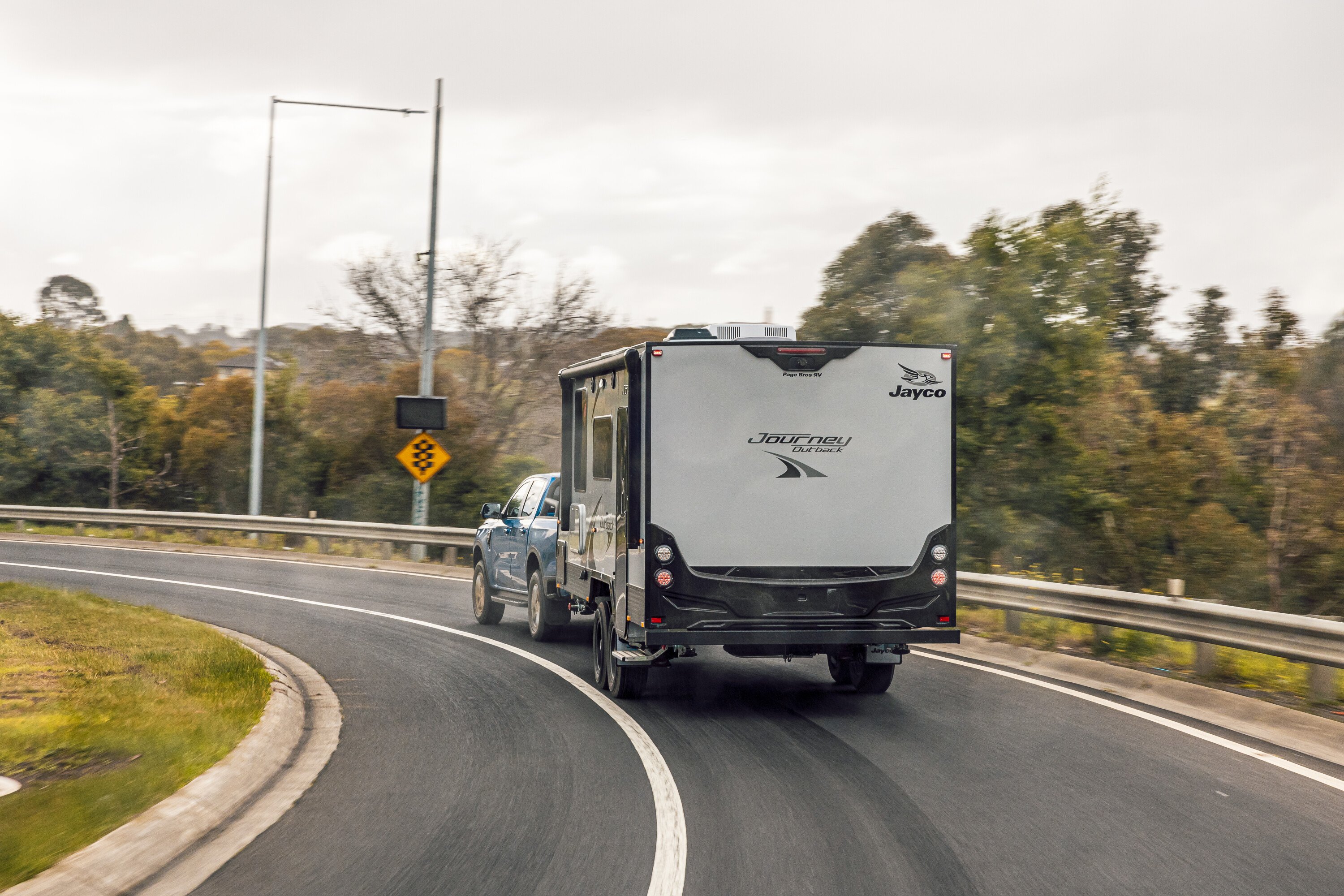
The Ford Ranger has had a lot of development work with towing in mind, and it shows. The Ranger is very stable, has a composed ride and its 2.0 Bi-Turbo or 3.0 V6 engines suit towing well, in performance and efficiency, with a 10-speed automatic transmission that doesn’t hunt or jolt when challenged by a heavy trailer behind it. Fuel efficiency for the 2.0 is very good, while the 3.0 V6 is of course thirstier but still competitive.
The Ranger not only has impressive towing capacity, but also offers a host of dedicated towing features standard — from XLS trim level, at least.
1
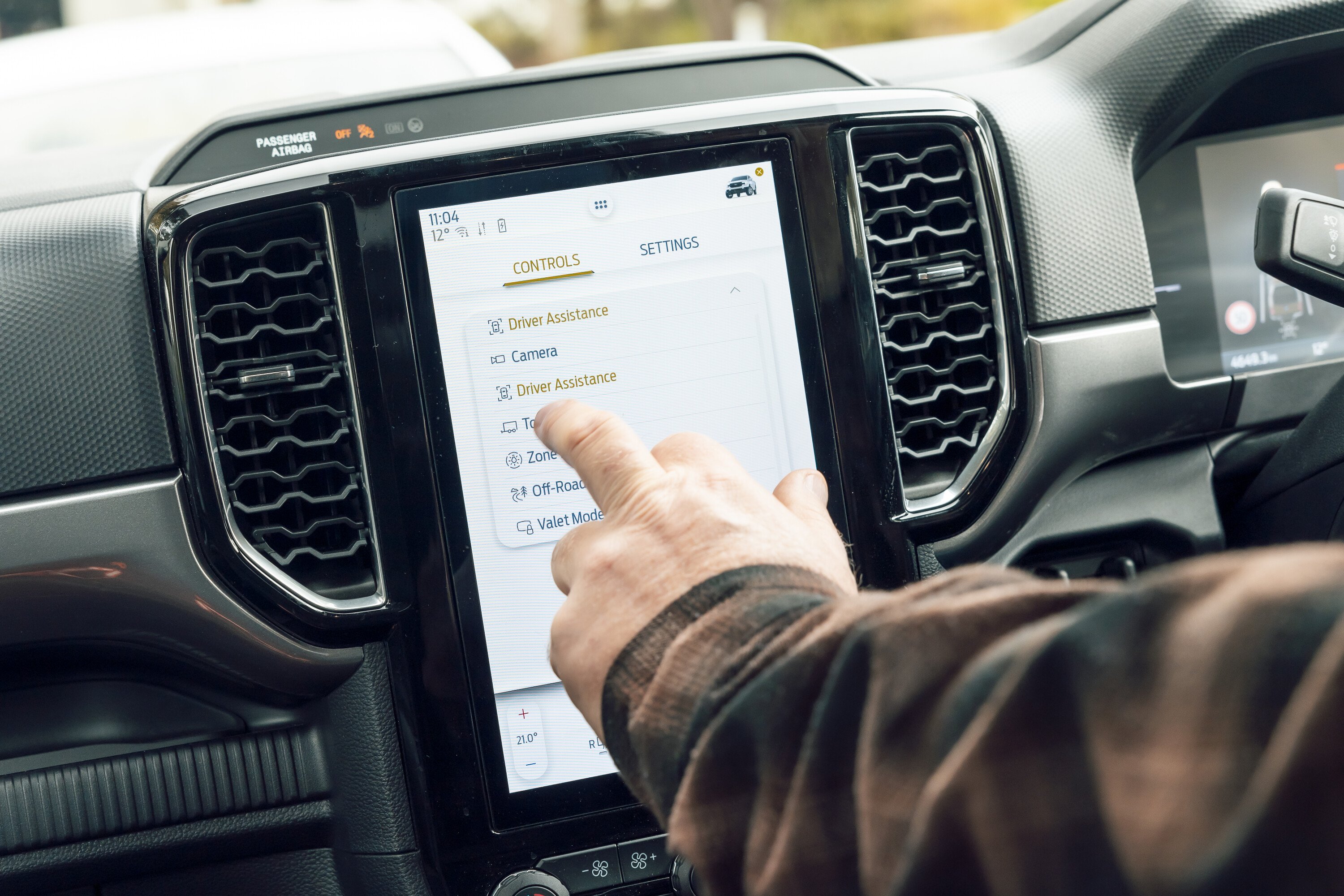
Ford’s factory-fitted tow bar kit (optional for XL, standard on all higher grades) includes an electric trailer brake controller integrated into the dash. There’s also a trailer light check standard from XLS up, which allows you to check the trailer lights are working without a helper.
All have towing vehicle integration (for when you input trailer dimension so that the vehicle accounts for the extra length for blind-spot warning) and a towing checklist (which reminds the driver of safety checks required after hitching up).
A tow haul mode, which more quickly executes gearshifts to account for the extra towing load, is standard from XLS up. New for 2024.5 Ranger is Pro Trailer Back-Up Assist for Wildtrak, Platinum and Raptor, allowing drivers to manoeuvre their trailers using the outer ring of the drive mode selector on the centre console.
All Rangers offer Trailer Sway Control (which actives individual wheel brakes to counteract excessive trailer sway) and Load Adaptive Control (which better apportions braking force between front and rear with a load in or on the back, such as with heavy towball loads) as standard.
With so many utes in the market and buyers expecting high levels of towing performance, dynamics and features, the Ranger needs to be on top of its towing game.
Most of these mid-size dual-cab 4×4 utes can adequately tow 2000kg without a fuss, but when you increase the load up to around 3000kg or more (for those that can legally tow more – some can’t) there are the winners and runners up.
The Isuzu D-MAX, Mazda BT-50, Nissan Navara, Toyota HiLux and Volkswagen Amarok are all key mid-size 4×4 dual-cab towing competitors. There’s also the new 2024 Triton with a (400kg higher) 3500kg maximum tow capacity, higher engine outputs and Australian suspension tune – but we can’t place the new Triton in the towing pecking order until get to test it in coming months.
1
Only the platform-shared Ranger and Volkswagen Amarok offer the option of a powerful V6 diesel instead of four cylinders and are unsurprisingly equals for towing performance (although the Ford has a better towing ride).
There are also plenty more cheaper utes to pick from, such as the GWM Cannon, LDV T60 (both of which only have 3000kg towing capacity) and the SsangYong Musso vying for buyers’ attention. None of these utes are really on the podium for towing honours.
While the very similar Volkswagen Amarok and the D-MAX/BT-50 models come close, none quite have the Ford Ranger’s overall towing polish. The Ranger 2.0 Bi-Turbo is the pick of the mid-size dual cab 4×4 utes for heavy duty towing. It offers the best blend of towing performance, efficiency, ride, realistic payload while towing and towing-assist features.
Australia is unusual among developed countries in that cars sold here are not required to meet any level of fuel efficiency, strict or otherwise.
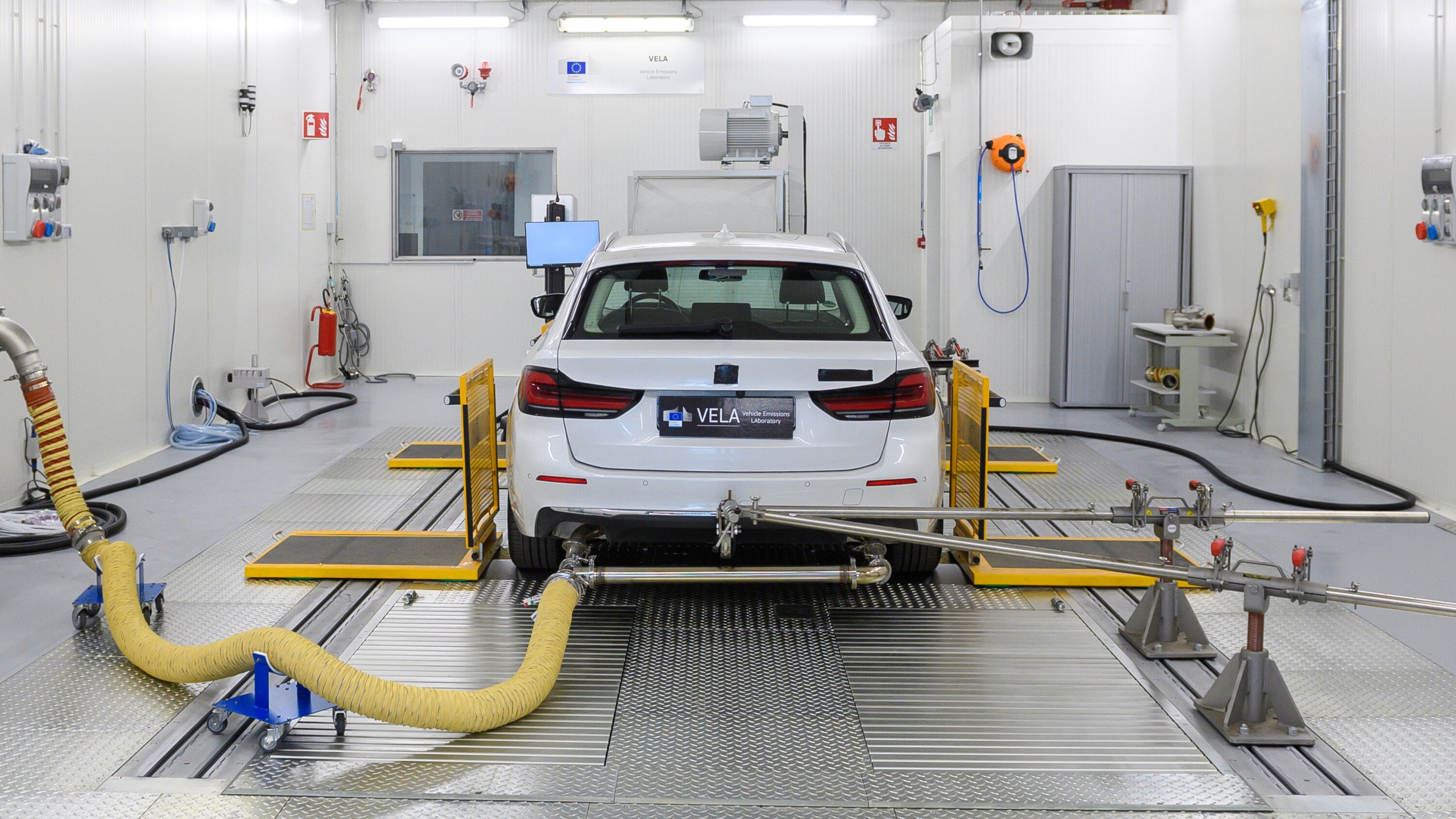
The Federal Government has proposed to introduce new legislation under the name New Vehicle Efficiency Standard, and recently published its assessment of various NVES proposals – titled Cleaner, Cheaper to Run Cars: The Australian New Vehicle Efficiency Standard Consultation Impact Analysis.
The Analysis presents the costs and benefits of different options for developing the NVES, and identifying a preferred policy. It addresses some of the key questions being asked about the NVES, likely to be introduced on January 1, 2025.
The NVES will regulate vehicle exhaust emissions rather than fuel consumption. Three emission limit scenarios (A, B and C) have been modelled, and each model regulates “Passenger” and “Light Commercial” (LC) vehicles to different standards – some SUVs, for example, are included in the LC category.
1
The Albanese Government is proposing that of the timelines outlined below, Option B is preferable.
Year-by-year NVES emissions, total CO2 reduction, and average annual CO2 reduction for options A, B and C are shown in the tables below.
Option A
The required decrease in passenger vehicle emissions from 2025 to 2026 for Option A is small, then ramps up from 2026 to 2029.
LC emissions do the opposite, with the rate of required reductions highest initially and then slowing from 2026 to 2029.
Year
Passenger (g/km)
Light Commercial (g/km)
2025
141
199
2026
137
190
2027
127
183
2028
115
176
2029
99
172
Total CO2 reduction
34%
14%
Average annualu00a0 CO2 reduction
6.8%
3.8%
Option B
Option B’s 2026-2028 passenger and LC emissions reductions are much greater than for Option A.
This approach is intended to catch up with the United States’ NVES by 2028, resulting in far lower emissions levels at 2029 when compared with Option A.
Year
Passenger (g/km)
Light Commercial (g/km)
2025
141
199
2026
117
164
2027
92
129
2028
68
94
2029
58
81
Total CO2 reduction
61%
62%
Average annual CO2 reduction
12.2%
12.4%
Option C
Passenger and LC emissions would drop by approximately 25 percent from 2025-2026 under Option C.
This plan would equal the United States’ NVES by 2026 – and then bring forward its 2029-20 targets to 2028-2029, with 2029 emissions approximately 25 percent of 2025 emissions.
Year
Passenger (g/km)
Light Commercial (g/km)
2025
141
199
2026
103
150
2027
66
101
2028
51
63
2029
34
56
Total CO2 reduction
77%
74%
Average annual CO2 reduction
15.5%
14.7%
Climate Council throws support behind the New Vehicle Emissions Standard
The Climate Council said it welcomes the proposed NVES.
“The announcement gets us off the starter’s grid and on the road to cheaper, cleaner transport,” said CEO Amanda McKenzie. “Many Australians are doing it tough right now, with petrol one of the expenses causing the most financial stress for households.
“At the same time, pollution from inefficient, petrol-guzzling cars is fuelling harmful climate change. By giving Australians a better choice of cleaner, cheaper-to-run cars, a strong fuel efficiency standard will cut household costs and clean up our air.”
What’s so great about the NVES?
New utes, cars and vans will use less fuel per kilometre under the proposed NVES – which, according to the Climate Council’s assessment, will save buyers:
Around $5710 over the five years of the scheme
$17,000 over a vehicle’s lifetime
$108 billion overall, across the Australian economy
The NVES would also significantly reduce transportation sector emissions, with passenger and LC vehicle emissions currently comprising more than 60 percent of Australiau2019s total transport emissions, according to the Climate Council.
1
The Climate Council cites research estimating that transport pollution in Australia is currently a significant contributor to many thousands of deaths and health conditions.
These include 11,000 premature deaths each year, more than 19,000 admissions to hospital for cardiovascular and respiratory issues, and some 66,000 asthma cases. Reducing vehicle emissions should significantly reduce this harm.
The NVES proposal will require vehicle manufacturers to offer more low- and zero-emissions vehicles in Australia. Currently, the small number of such options relative to Europe means Australians are paying more than they should for such vehicles, according to the Climate Council.
Manufacturers will still be able to sell larger SUVs and utes, but will be more likely to offer “cheaper, and cleaner versions,” the Climate Council says.
1
Will new cars become more expensive?
“There is no evidence to suggest Australia’s New Vehicle Efficiency Standard will increase vehicle prices,” the Climate Council claims, based on a comparison of the preferred Australian NVES model with similar schemes elsewhere.
As manufacturers are already producing low and zero emissions vehicles, importing more of those vehicles here should not significantly increase prices.
The European and US experiences with emissions regulations indicates that low and zero emissions vehicles may actually become cheaper to purchase, relative to vehicles with higher emissions, once the NVES is in place.
Snapshot
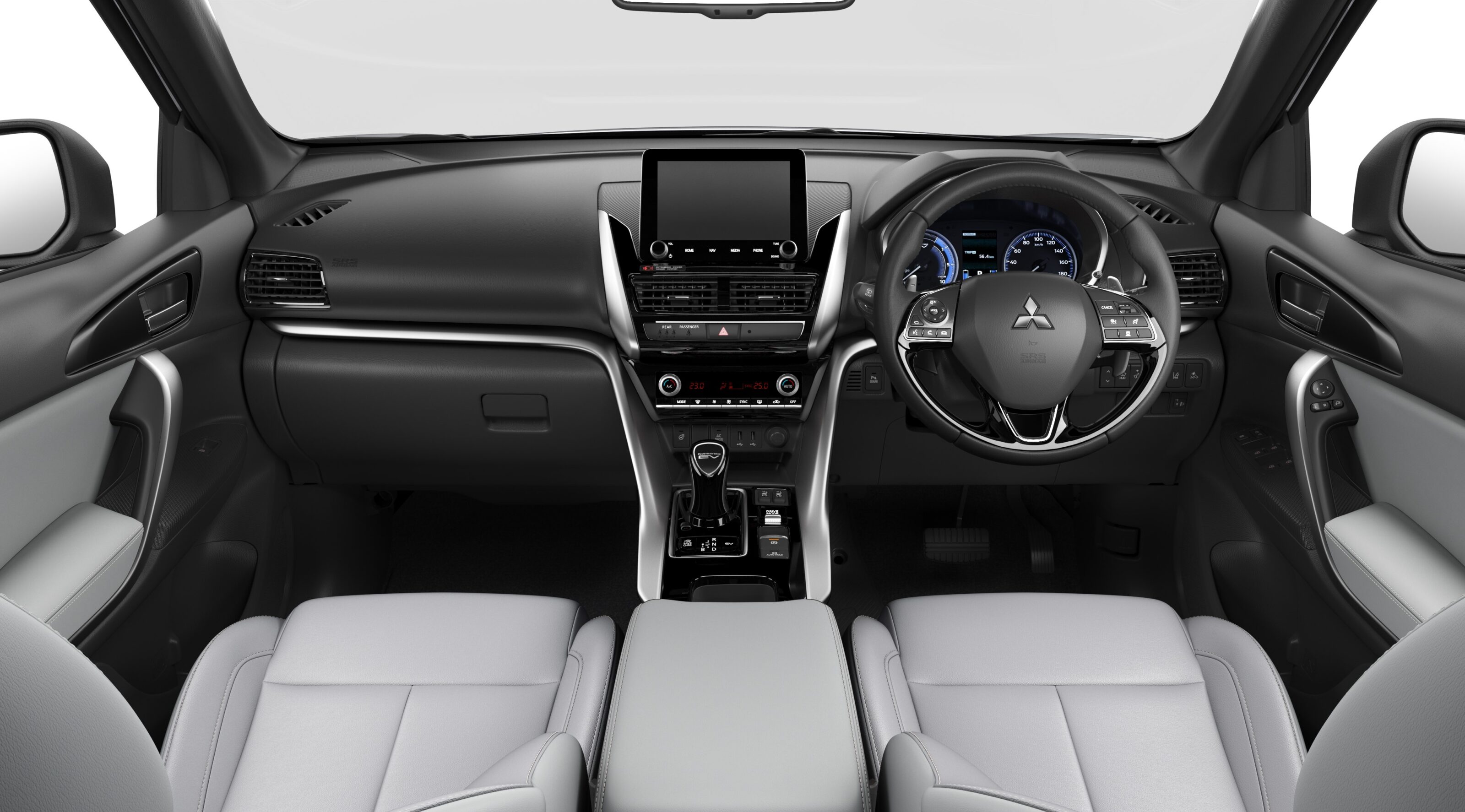
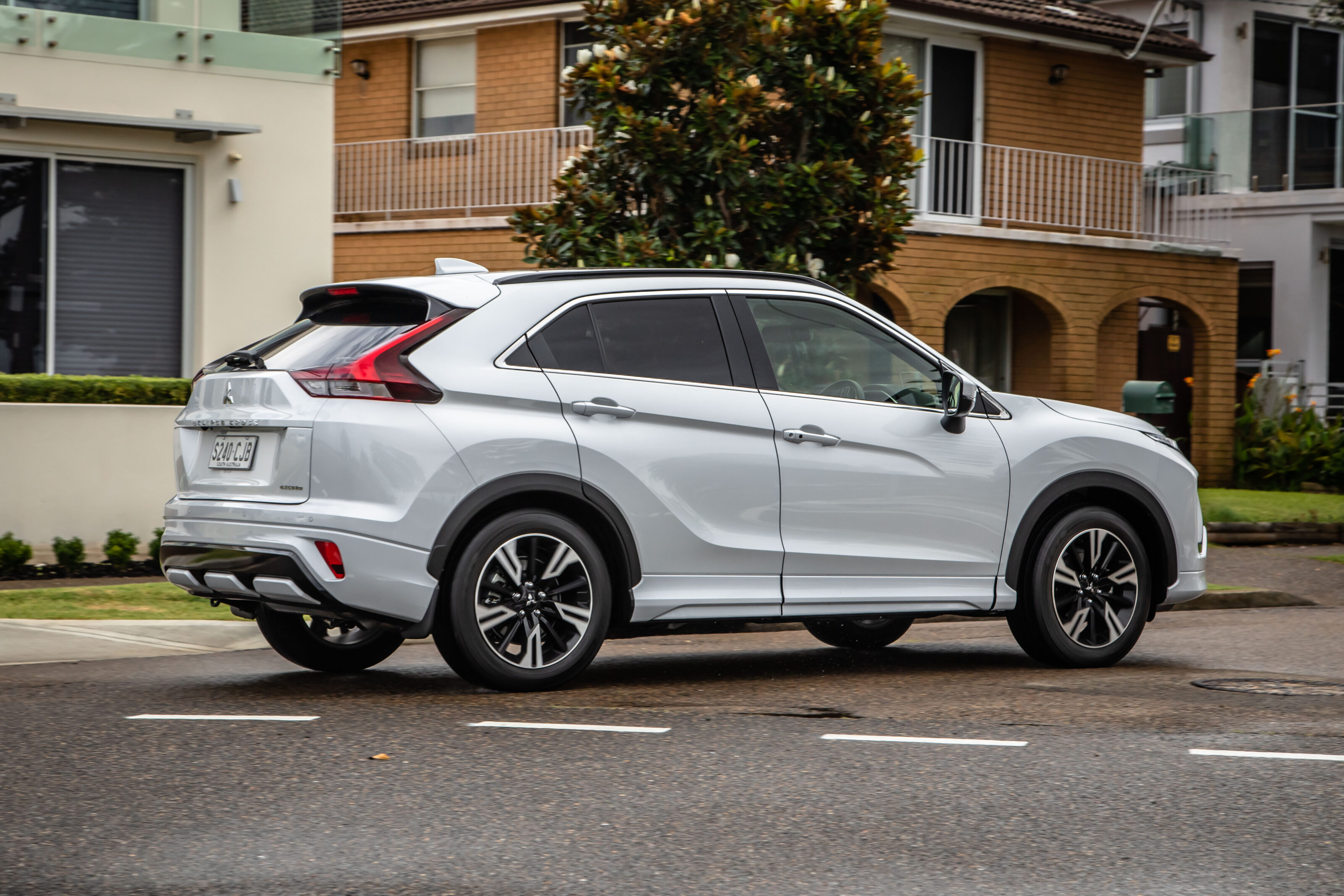
2024 Mitsubishi Eclipse Cross pricing and features
More standard equipment for entry-level ES petrol and PHEV variants
Prices up $500 across line-up; starts from $31,990 plus on-roads
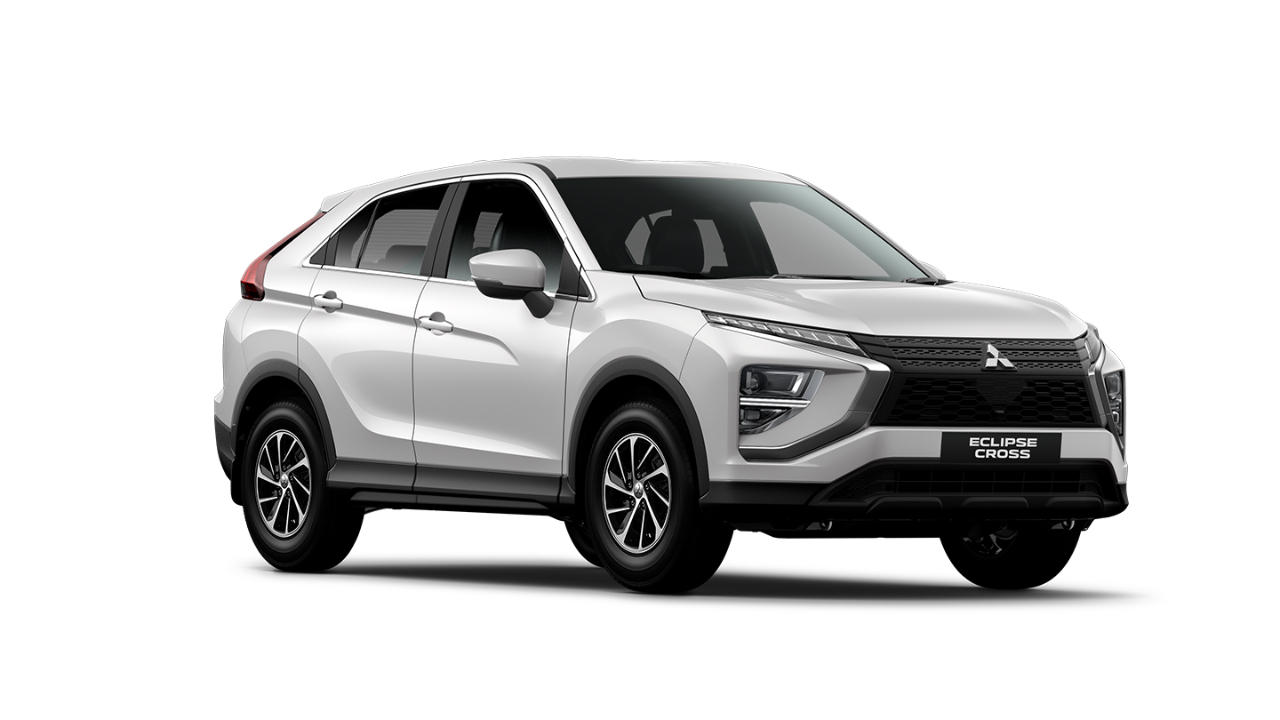
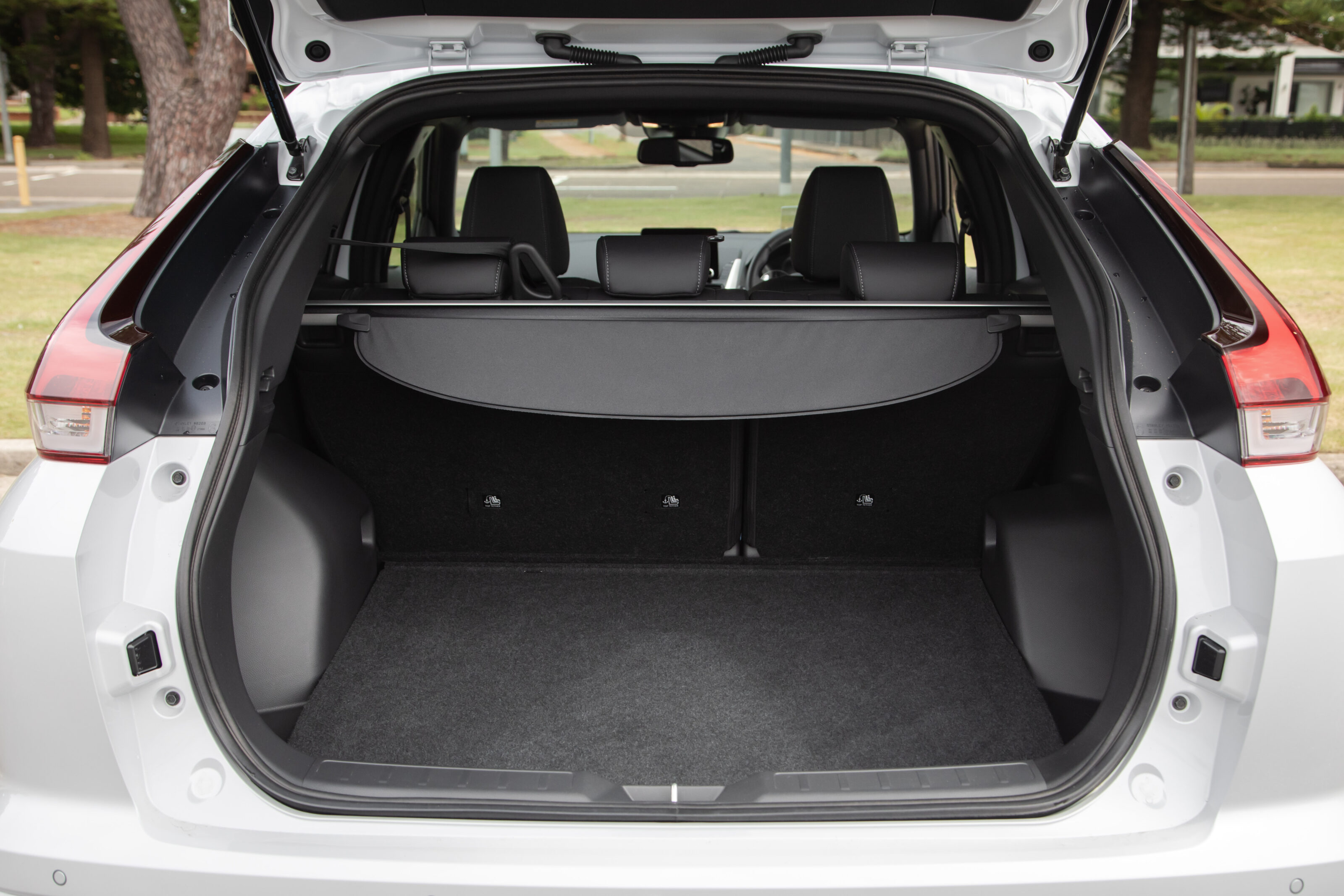
The 2024 Mitsubishi Eclipse Cross small SUV has been detailed.
Prices have increased by $500 across the Eclipse Cross range.
Most of the updates are focused on the entry-level ES petrol and PHEV variants, which add dusk-sensing headlamps without an ‘off’ switch, a driver’s side rear LED fog lamp, and soundproof windshield glass.
The base ES petrol – which is now priced from $31,990 before on-road costs – also receives a lane departure warning, bringing it in line with all other variants.
1
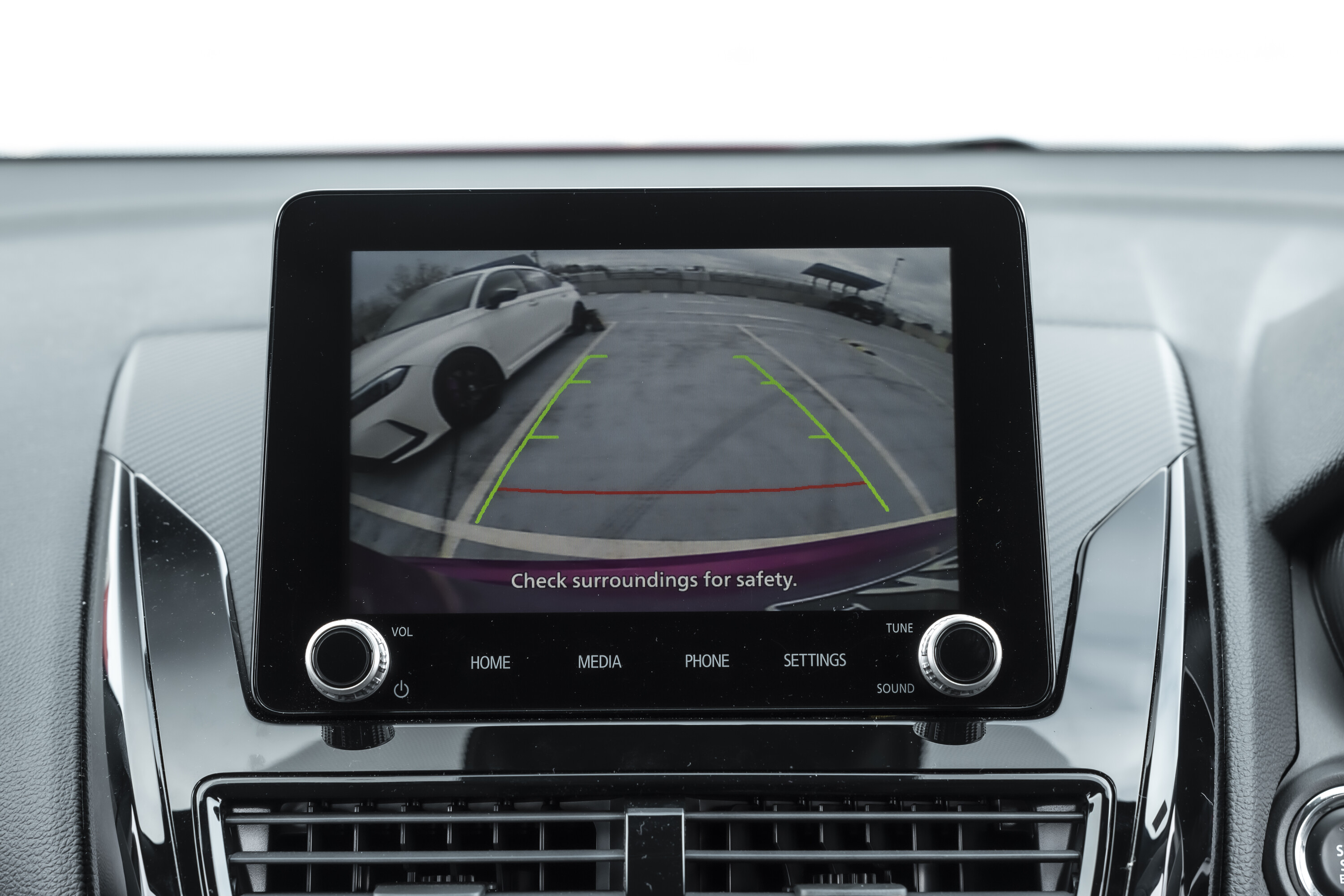
The ES continues to feature a basic vehicle and pedestrian-detecting automatic emergency braking system, while blind-spot warning, rear cross-traffic alert, lane-change assist, automatic high beam and adaptive cruise control remain limited to higher-grade Eclipse Cross models.
There are no specification changes for other Eclipse Cross models. However, the blacked-out ‘LS Black Edition’ is now a standalone ‘Black Edition’ variant for model year 2024.
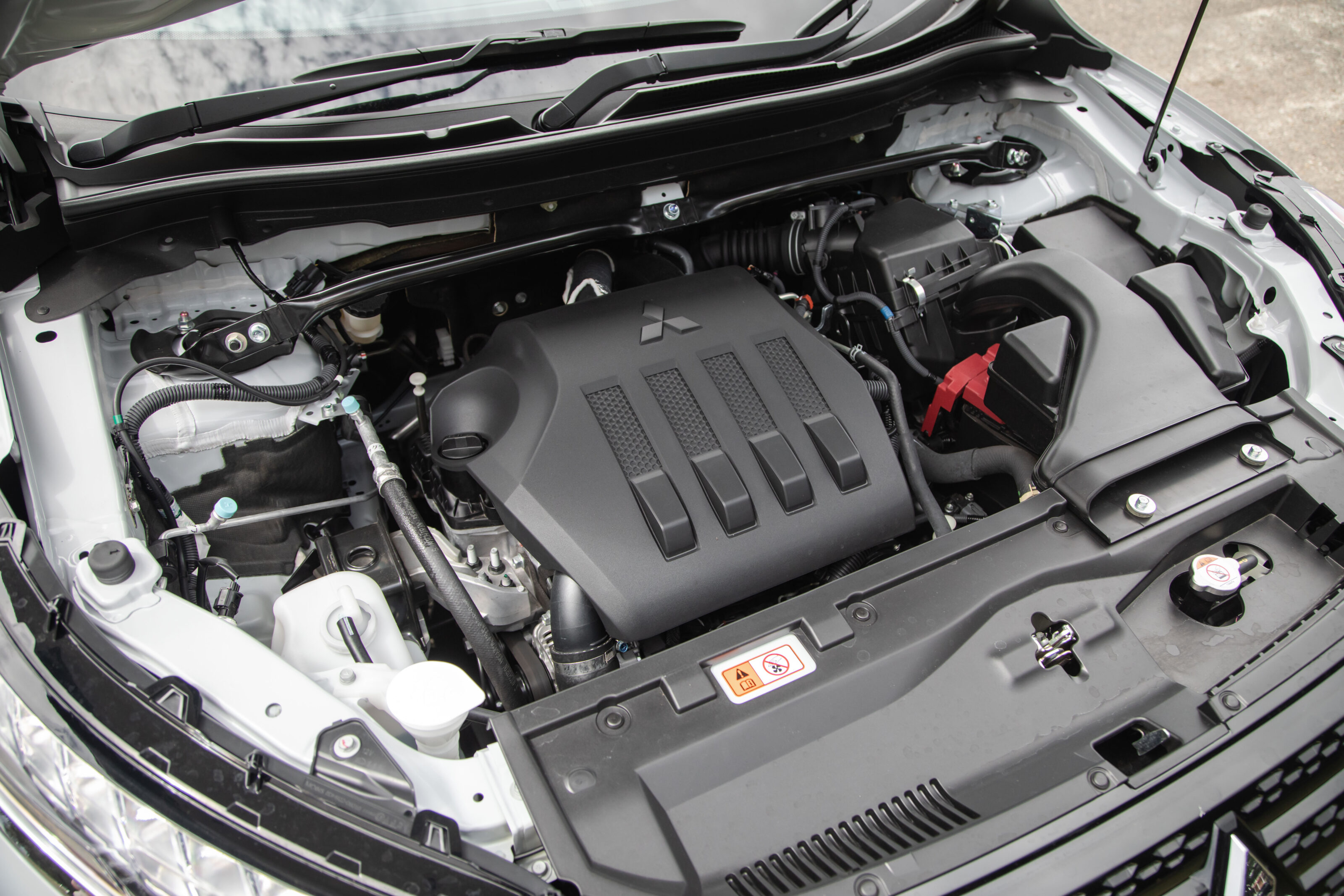
The Mitsubishi Eclipse Cross is powered by a 1.5-litre turbocharged four-cylinder petrol engine, producing 100kW and 250Nm.
It is matched to a continuously-variable automatic transmission, with front-wheel drive as standard. An all-wheel-drive option is available on LS and Exceed grades.
The Eclipse Cross Plug-In Hybrid features a 2.4-litre naturally-aspirated four-cylinder petrol engine from the previous-generation Outlander PHEV, with 94kW and 199Nm.
It is mated with two electric motors, producing 60kW/137Nm and 70kW/195Nm, respectively. It has a 130kW and 322Nm total system output.
1
Under the floor is a 13.8kWh battery pack, allowing up to 54km of emission-free driving on the electric motors in EV-only mode.
Then there is a Series Hybrid mode available, where the petrol engine acts as a generator for the electric motors, which in turn continue to propel the car.
Lastly, the electric motors can also act as range extenders for the petrol engine in parallel hybrid mode, working together to increase range and switching where the power comes from depending on the scenario.
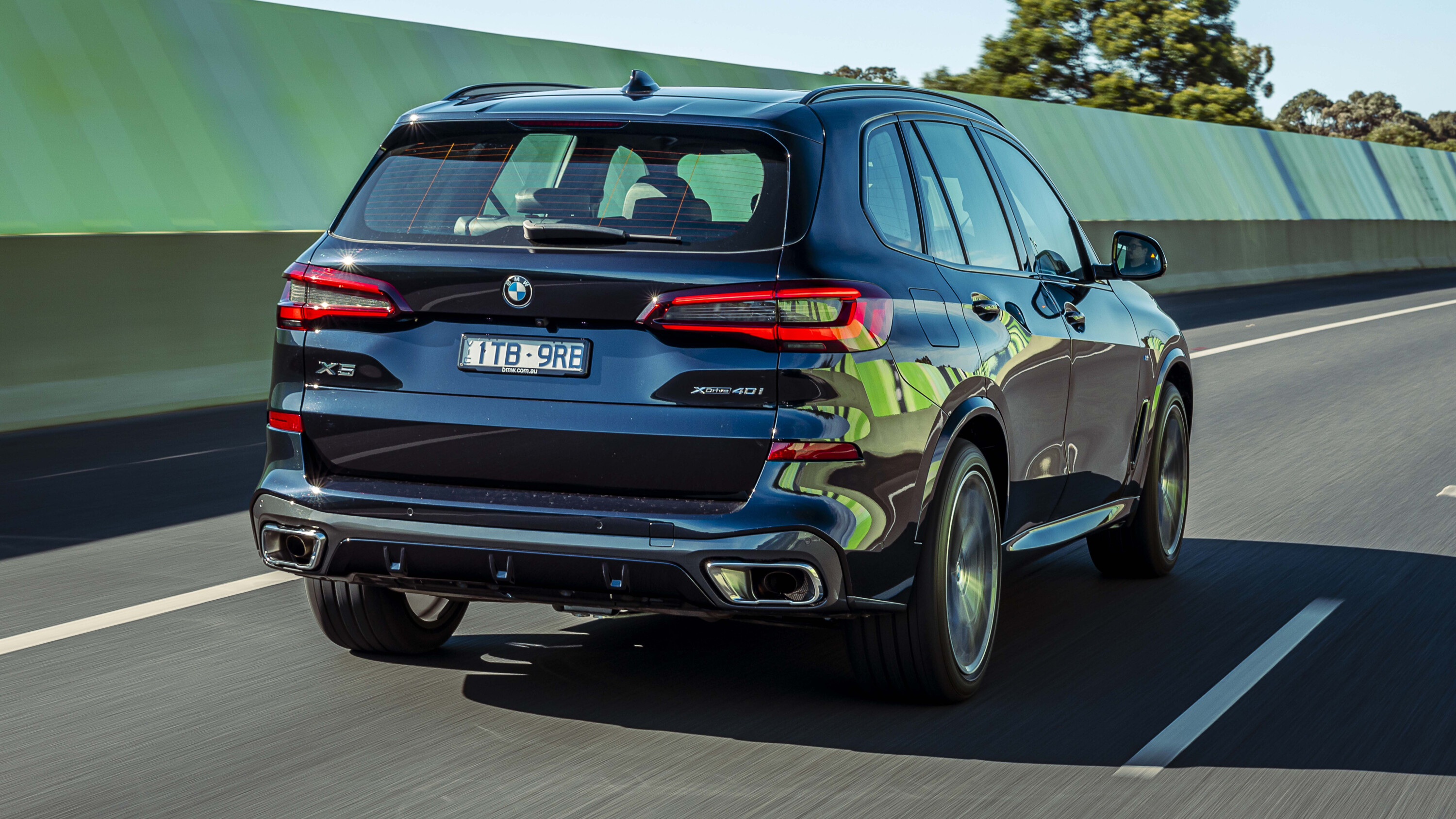
In certain parts of Australia’s capital cities, the BMW X5 is a more common sight than the humble Camry.
Since launching at the turn of the millennium, BMW’s family-sized SUV quickly became a firm favourite among the upper-middle class, and now, four generations on, that popularity has endured.
It’s not difficult to understand why. For one, it’s attractive. We talk about the CX-90 having good proportions… Well, that’s arguably because it copies the X5’s format, with front wheel wells pushed well forward to make room for an inline six in the middle, in turn producing a long bonnet that balances out the visual heft of the wagon box on the back.
1
Sheetmetal that swells around the wheelarches imparts an athletic aura too, and their subtly flicked-out lips not only look sporty, but are there to provide sufficient coverage of the massive 315-section rear tyres fitted to our xDrive40i tester.
On the inside, the X5 is classically German. Cleanly presented with well-crafted materials throughout, it’s difficult to find surfaces that look or feel unpleasant, or out of place – even the standard ‘Verino’ leather feels high-end. Switchgear and closures all operate smoothly with a pleasing tactility to them, and it’s genuinely hard to find a rough edge, figurative or literal.
Space utilisation could be better though: the centre box houses a good volume beneath its bi-fold lid, but the cubby ahead of it which contains the cupholders and phone charging pad is hemmed-in by the shape of its recess and lid. Try and put your phone on charge when you’ve got a drink in there, you’ll see what I mean.
1
In the back, the stadium-style elevated H-point of the second row bench give backseaters a good view around the front passengers, while the X5’s generous glasshouse and its standard-fit panoramic sunroof lets light flood in.
With a wide cabin and a very low transmission hump the X5 can even take three adults across the rear bench, but there’s no third-row capability in the X5 anymore – even as an option.
On the plus side, a 640-litre seats-up boot capacity should swallow up prams, groceries and other cargo with ease, and the X5’s power-operated split-fold tailgate is far more manageable in cramped shopping centre carparks.
1
But in all honesty, the real appeal of the X5 lies in how it drives. With a powerful 250kW/450Nm 3.0-litre turbo petrol six driving all four wheels through an excellent eight-speed auto, the X5 is a rocket.
The massive contact patch provided by its Pirelli P-Zeros (275/40R21 up front, 315/35R21 at the rear) confers a tenacious hold on the pavement despite a 2060kg kerb weight, and the explosive energy of its engine is good enough for a 5.5-second zero-to-hundred claim.
The steering is pretty ordinary, with scarcely any feel or feedback, even in Sport mode, but in every other way the X5 is a true performer. What’s equally as impressive is when you prod the ‘Comfort’ mode button on the centre console, the X5’s adaptive dampers slacken and the transmission calibration eases up to make it a very civilised machine for day-to-day urban schlepping.
1
But you need to pay to play, and that’s arguably one of the bigger demerits against the X5: the unavailability of more substantially affordable variants.
Opting for the diesel inline six of the X5 xDrive30d instead of the petrol xDrive40i only trims $4000 from the price which, considering this 40i retails at $138,900 before options and on-roads, isn’t much of a discount.
A four-cylinder diesel disappeared from the range last year, making the X5 a six-pot-only proposition in Australia, and a pretty pricey one at that.
1
It’s worth noting that the X5 you see here isn’t entirely representative of what you can buy right now, short of existing stock.
When we conducted our comparison, BMW Australia was still waiting on 2024 X5 stock to arrive, which left us with the outgoing 2023 model instead.
Which is a shame, because not only does the update bring a substantial exterior facelift, but it also adds 30kW and 70Nm to the petrol six’s output, revises the gearbox, and grafts a completely new fascia to the dash centered around a gargantuan 14.9-inch main display running BMW’s latest infotainment operating system. The price hasn’t moved, either, in a rare win for the consumer.
The X5 is far from cheap, but excellence rarely is.
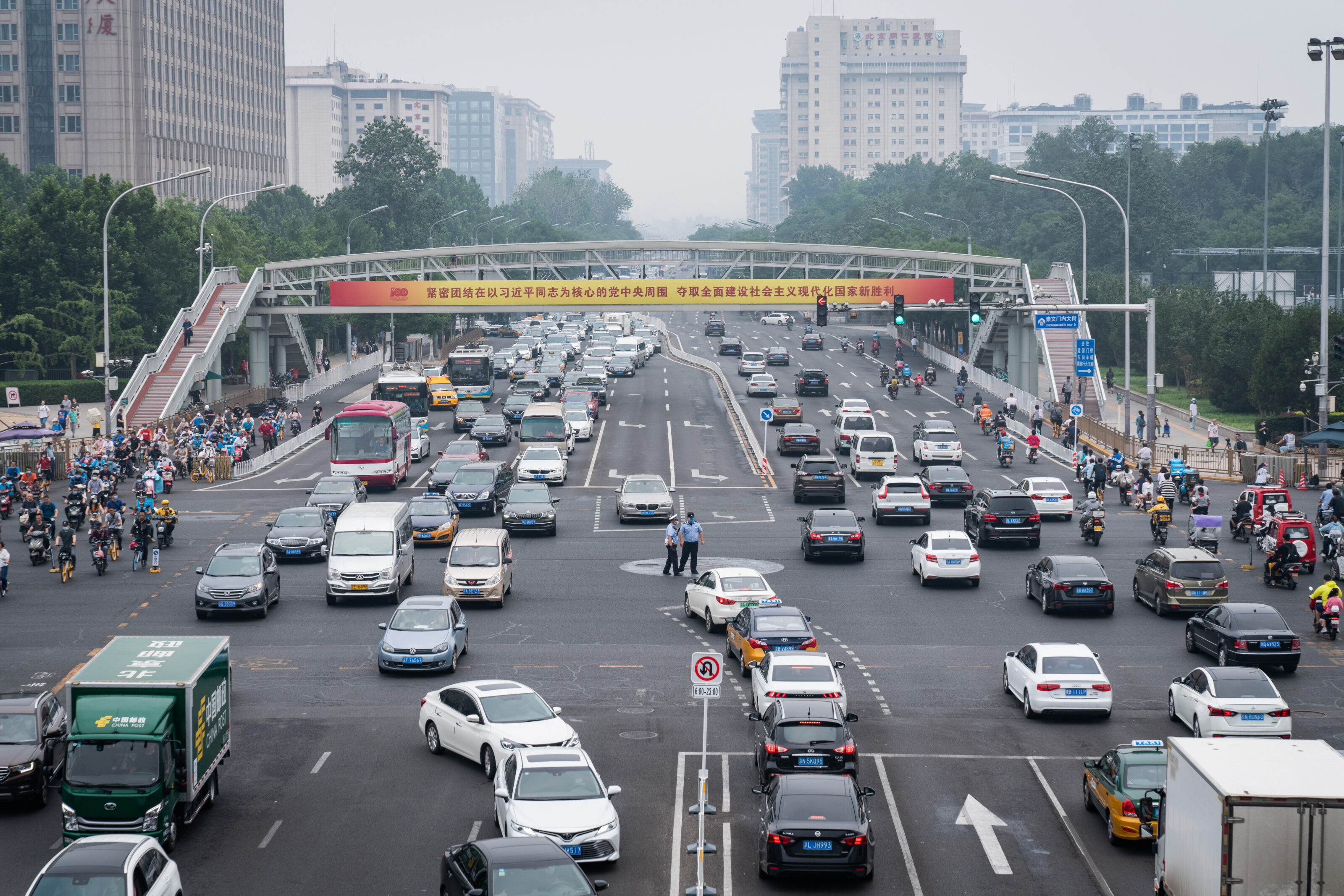
There are a lot of cars in the world, but if you came here wondering if cars outnumber humans, the answer is no. In fact, it’s not even close!
In 2024, the number of cars in the world has grown to 1.475 billion – that’s one car for every 5.5 humans, or 182 per 1000 humans.
The last time we checked, in May 2022, there was believed to be around 1.45 billion cars on Earth.
That means, the world has added a lazy 25 million cars to its total – although the number sold in that time is much higher, as some of the world’s total car population will include new cars replacing destroyed (shredded, crushed and/or recycled) cars. So if you’re wondering…
Where does all this data come from?
There’s no single official single source of car sales data for the entire world, but – according to organisations like the International Energy Agency, the European Automobile Manufacturers’ Association, data publisher Statista, and automotive industry analysts JATO Dynamics – these numbers are believed to be accurate.
All of the numbers in this story are based on data collected and studied by those organisations.
How many cars were sold in the world in 2023?
About 75 million cars were sold across the world in 2023, which is around six percent more than in 2022.
In January 2024 alone, approximately 89,782 new vehicles were sold worldwide – representing an increase of around 5.8 percent compared to January 2023.
Where are all the cars in the world?
According to automotive digital marketing agency Hedges & Company, about a third of all vehicles are in the Asia-Pacific region, which it claims has a fleet of 543 million vehicles (140 vehicles per 1000 people).
This includes the roughly 21 million vehicles registered in Australia (772 vehicles per 1000 people), according to ABS data published in 2022.
1
Europe is second with 413 million vehicles, spread across EU and non-EU countries.
North America, which includes Canada and Mexico, claims 359 million vehicles – of which 290.8 million are in the USA (890 vehicles per 1000 people).
After that, there’s daylight between the rest of the world, which includes:
South America: 84 million vehicles
Middle East: 50 million vehicles
Africa: 26 million vehicles
In case you’re wondering, there are about 60 vehicles in Antarctica, most of which have tracks rather than wheels.
Global vehicle numbers per capita
The list looks a little different when you look at the regional numbers by population. Unsurprisingly, North America comes out on top.
North America: 0.71 vehicles per capita (710 p/1000pp)
Europe: 0.52 vehicles per capita (520 p/1000pp)
South America: 0.21 vehicles per capita (210 p/1000pp)
Middle East: 0.19 vehicles per capita (190 p/1000pp)
Asia/Oceania: 0.14 vehicles per capita (140 p/1000pp)
Africa: 0.06 vehicles per capita (58 p/1000pp)
Antarctica: 0.05 vehicles per capita (50 p/1000pp)
1
The most cars, by country
Breaking the per-capita numbers down by country starts to show some interesting results, such New Zealand (0.90) outpacing the United States (0.89) in having the most vehicles per person – which is a dramatic flip, because in 2022 it was NZ on 0.88 and the US still on 0.89.
The top 10
New Zealand: 0.90
USA: 0.89
Estonia: 0.82
Cyprus: 0.79
Luxembourg: 0.78
Australia: 0.77
Canada: 0.77
Italy: 0.76
Poland: 0.60
Iceland: 0.72
Germany, despite being a major automotive centre of the world, sits well outside the top 10 at just 0.58 (585 p/1000pp).
Here’s how the top 10 looked in 2022
USA: 0.89
New Zealand: 0.88
Canada: 0.79
Cyprus: 0.79
Luxembourg: 0.78
Australia: 0.78
Poland: 0.77
Italy: 0.76
Iceland: 0.72
Estonia: 0.71
1
Which countries have the fewest cars in the world?
At the other end of the scale, the Democratic Republic of Congo has the fewest vehicles per person at a rate of just 0.004 per capita.
The Central African nation is followed in ascending order by:
Pakistan: 0.02
Vietnam: 0.03
Kenya: 0.03
Ghana: 0.03
Nigeria: 0.05
India: 0.05
Philippines: 0.05
Iraq: 0.05
Egypt: 0.08
Singapore, despite its wealth, shows similar numbers with just 89 cars per 1000 people.
This figure is largely a result of Singapore’s expansive public transport system – and, perhaps more significantly, the government’s tax-heavy policies aimed at reducing car ownership to manage traffic congestion and environmental impact.
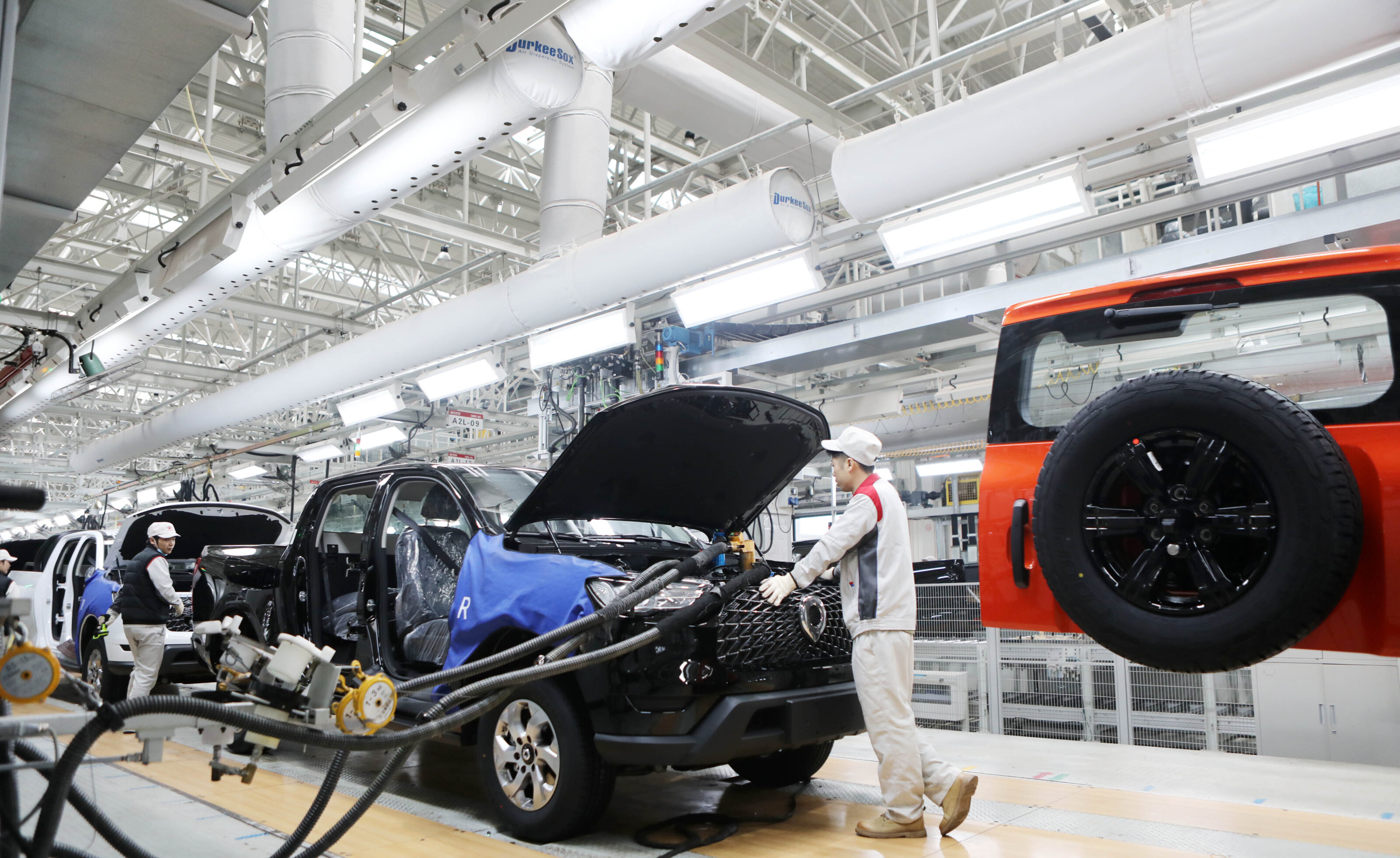
Global vehicle production
Of the 1.45 billion cars currently on the world’s roads, only about 80 million or seven per cent were built in the previous 12 months according to 2021 figures.
– this was up about three per cent from the nine-year low of 78 million in 2020 due to the pandemic, but still well down from the 2018 peak of 97 million.
Which countries produce the most cars?
There isn’t much new data since we last reported on this in 2022, perhaps as a result of the pandemic.
According to the International Organisation Internationale des Constructeurs d’Automobiles (IOCA), the top 10 manufacturing countries in 2021 were:
China: 25.72 million
United States: 10.88 million
Japan: 9.68 million
Germany: 4.66 million
India: 4.51 million
Mexico: 3.99 million
South Korea: 3.95 million
Brazil: 2.94 million
Spain: 2.82 million
France: 2.20 million.
How many electric vehicles were sold in 2023?
Finalised numbers for 2023 have not been published. Many organisations had forecast a figure of around 14 million cars, but with reports of slowing interest in some markets, the actual number sold might have fallen short.
EV sales have generally been climbing, however. In 2022, global EV sales reached 10.5 million units – including PHEVs but not conventional hybrids –representing a 55 percent increase over 2021.
Total EV sales were 10.5 million, comprising both battery electric vehicles (BEVs) and plug-in hybrids (PHEVs)
EVs accounted for 14% of total global car sales in 2022, up from 9% in 2021
China led in EV adoption, with sales growth of 82% in 2022. Europe saw 15% EV sales growth.
Here’s a 2023 number we can confirm: Australia saw EV sales grow a huge 161% in 2023. Of the 1,216,780 new cars registered, 7.2% were pure electric, following the combined hybrid and plug-in hybrid share of 9.0%.
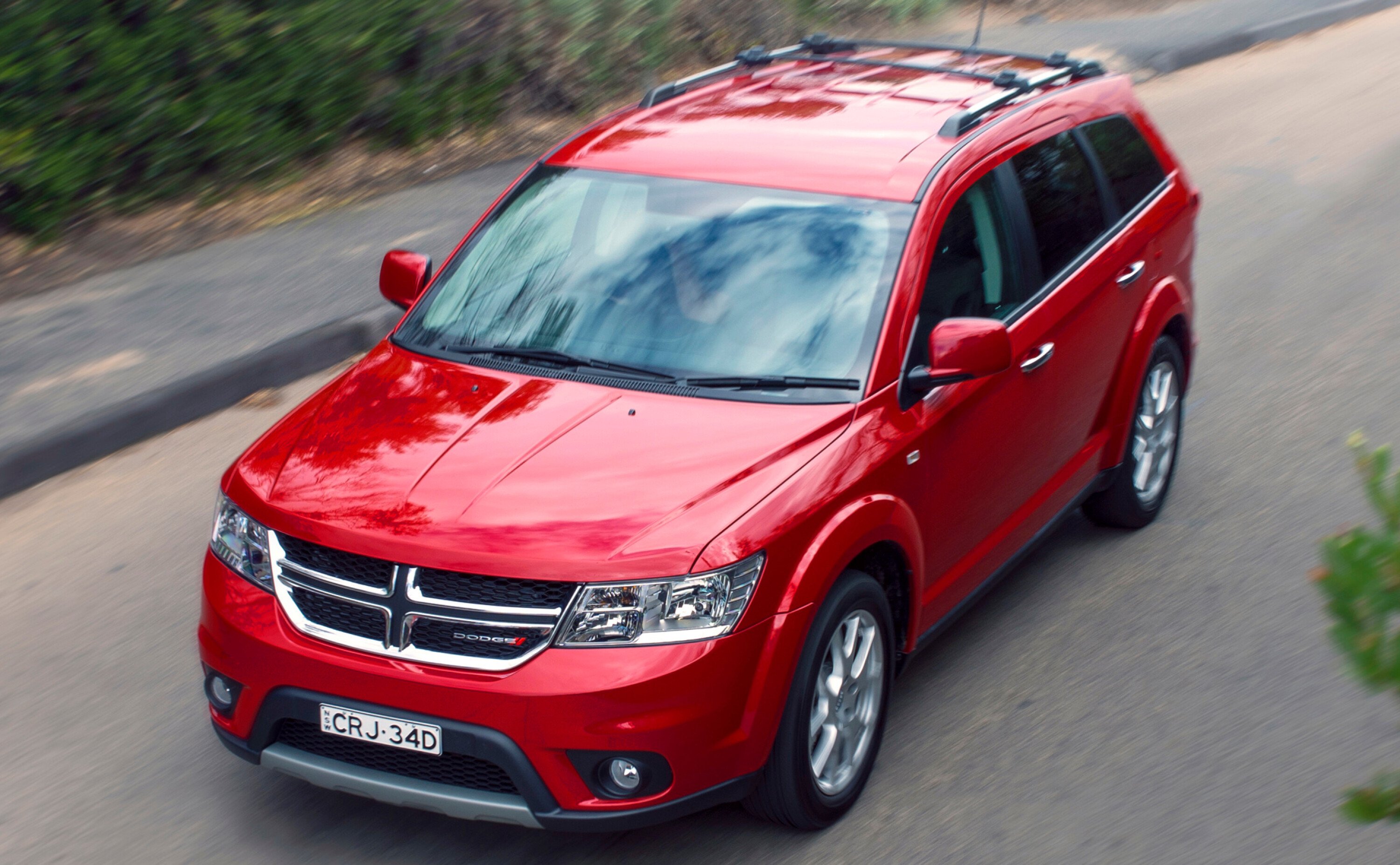
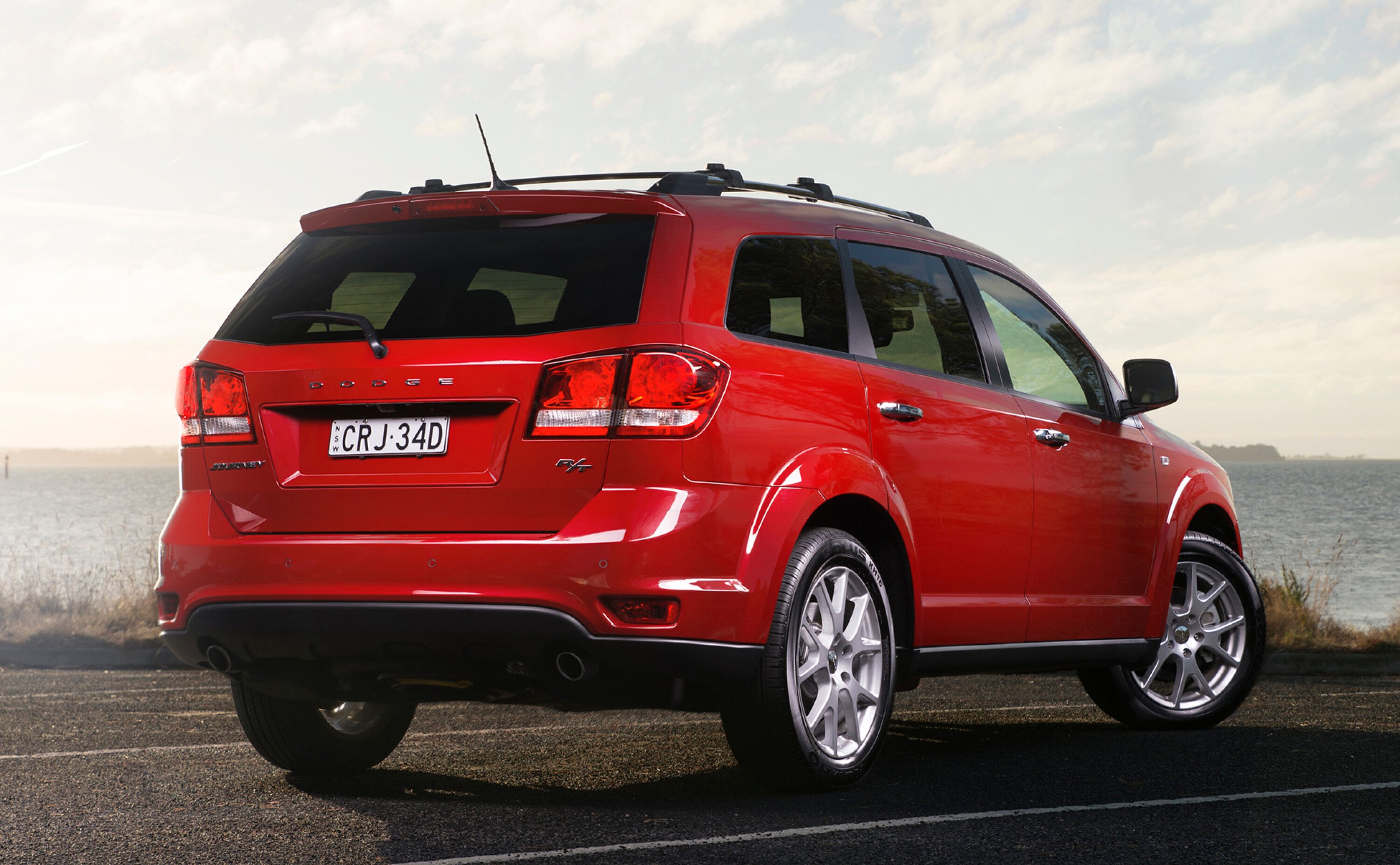
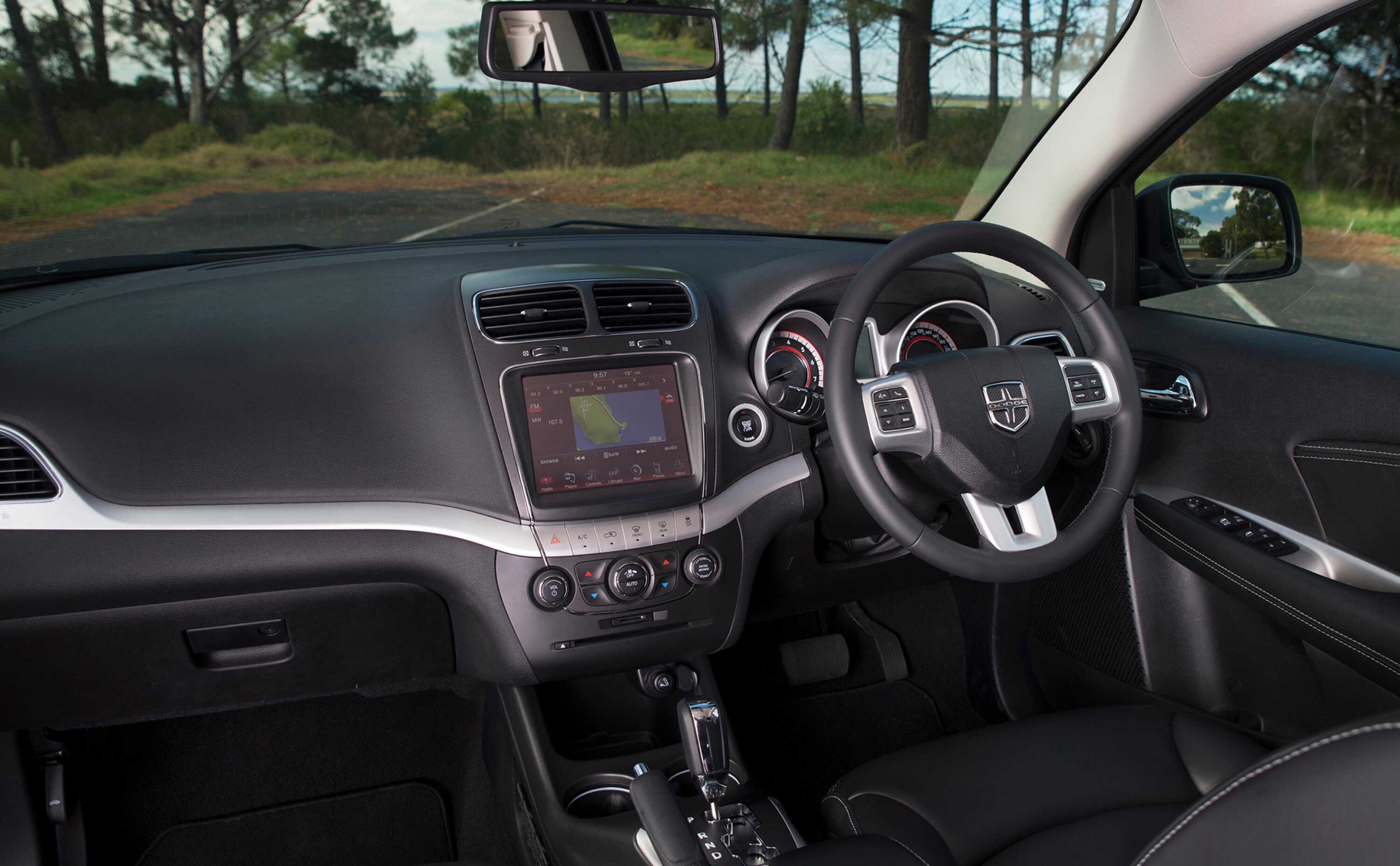
The Dodge brand has made a surprising return to the Australian sales chart.
The Citroën brand registered seven brand-new vehicles in Australia in January, just one more than Dodge.
The Dodge Journey was offered in Australia between 2008 and 2016, with the last units sold in 2017. As it was the only vehicle sold by Dodge in Australia at the time, the American brand was placed into ‘hibernation’ by Fiat-Chrysler Australia – now known as Stellantis.
A Stellantis Australia spokesperson said the six Dodge Journeys were used head-office vehicles and have now been on-sold to dealers, likely at a significant discount.
1
The 2016 Dodge Journey was priced between $35,000 and $40,000 before on-road costs – equivalent to between $43,150 and $49,300 today when adjusted for inflation.
All variants featured a 3.6-litre naturally-aspirated petrol V6, a six-speed torque-converter automatic, a 10.4L/100km combined fuel consumption, and front-wheel drive.
While Dodge remains in hibernation for Australia, it continues in North America with sports cars and SUVs on offer.
1
The electric Dodge Charger Daytona muscle car, a replacement for the two-door Challenger, will be unveiled on March 5.
The Dodge Journey is the latest long-discontinued car to be listed in VFACTS sales data, with two examples of the Toyota FJ Cruiser axed in 2016 and one Lexus LFAbuilt in 2011 or 2012 registered as ‘sold’ in June 2023.
Seventy Mitsubishi Pajero off-roaders were sold in 2023 after it was discontinued in 2021.
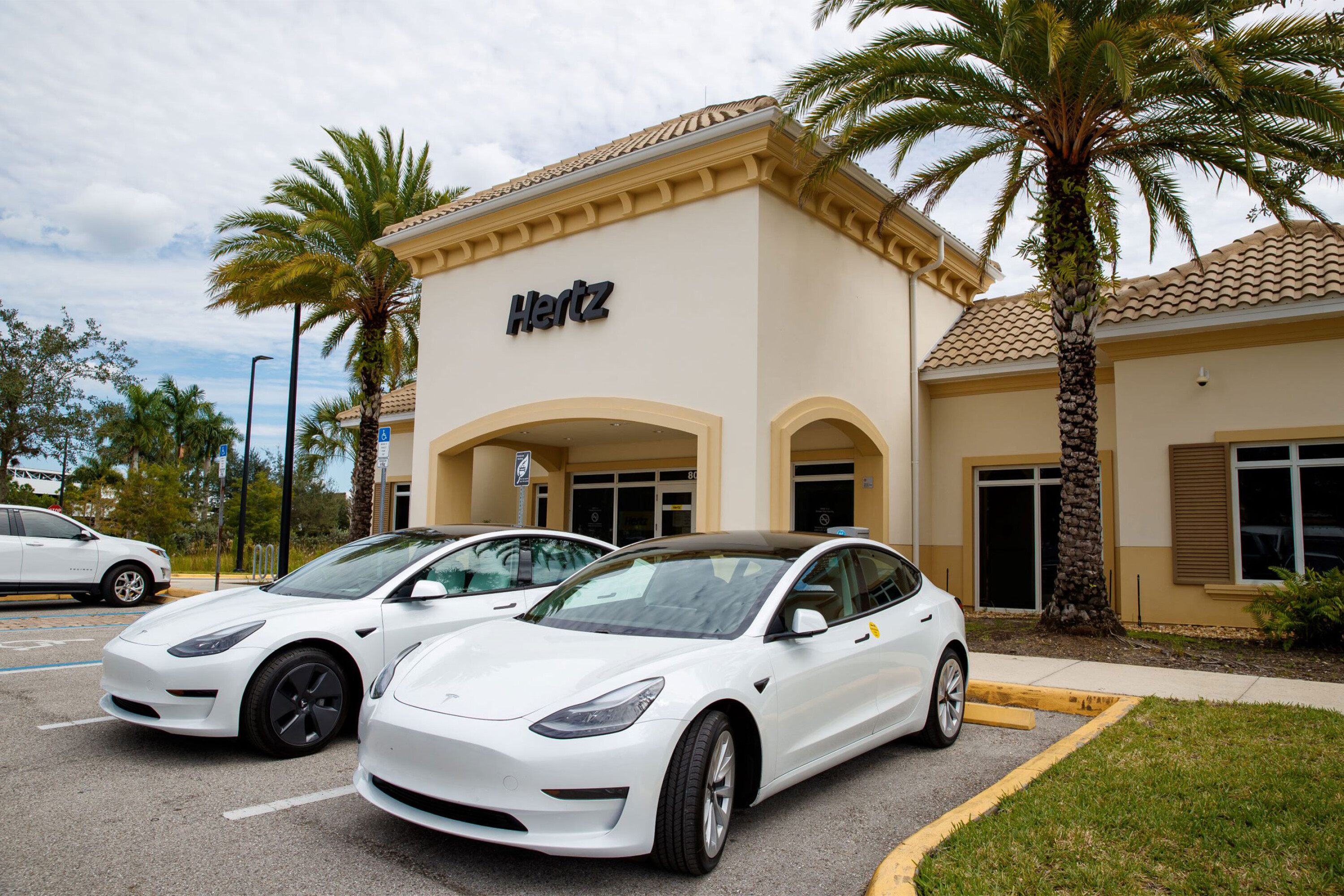
Rental giant Hertz made headlines when it ordered 65,000 Polestars in an investment worth $4.5 billion, adding to its 2021 order of 100,000 Teslas.
Hertz’s big EV spend has been lauded by pundits and enthusiasts as a big step towards getting more people into electric vehicles, whether as a rental car ‘test drive’ experience or later in the used market.
However, despite the program proving popular with customers, a rash of costly repairs has moved Hertz’s American office to sell off around 20,000 of its 48,000-strong fleet of Model 3s and Model Ys at rock-bottom prices, all to be replaced with conventional combustion cars.
1
Now, Polestar has agreed to pause orders for 2024 – on the condition that Hertz does not sell its existing Polestar cars this year, which could harm new-car sales and used-car values.
In a statement given to Wheels Media today through its Australian arm, a Polestar global spokesperson said: “In return, and in order to maintain our long-term agreement, through 2025, we have also agreed not to push deliveries to them during 2024.”
1
As for Hertz’s troubling repair bills, Polestar’s comments suggest it may be more of a Tesla problem.
“With respect to recent Hertz comments about high expenses relating to collision and damage, primarily associated with EVs, we have asked Hertz for some further background to this and have so far received nothing to suggest that Polestar vehicles are contributing to these high expenses,” the spokesperson said.
Australia: Business as usual
Hertz’s Australian customers will continue to have access to EVs, and the company currently lists 22 locations across the country for the Polestar 2.
The Model 3 and Model Y are likewise still on the Hertz fleet in Australia, although it does not list any specific locations.
LDV is aiming to rattle the cages of the big-name van brands, with a new circa-$60K electric van about the size of a HiAce, Staria Load or Transit Custom – but it undercuts the electric Merc Vito by about $30K.
When LDV launched here, the idea of a circa-$60K mid-size van from the brand seemed crazy.
However, with prices for diesel rivals always rising, LDV has taken an aggressive approach that will appeal to small businesses and big fleets alike, with a range of four different styles of eDeliver 7 van on offer – including two body heights and two battery capacities, listed below.
2024 LDV eDeliver 7 pricing for Australia
eDeliver 7 SWB Low Roof
$59,990
eDeliver 7 LWB Low Roof
$61,990
eDeliver 7 LWB Low Roof
$64,990
eDeliver 7 LWB High Roof
$66,990
ABN prices, excluding on-road costs
1
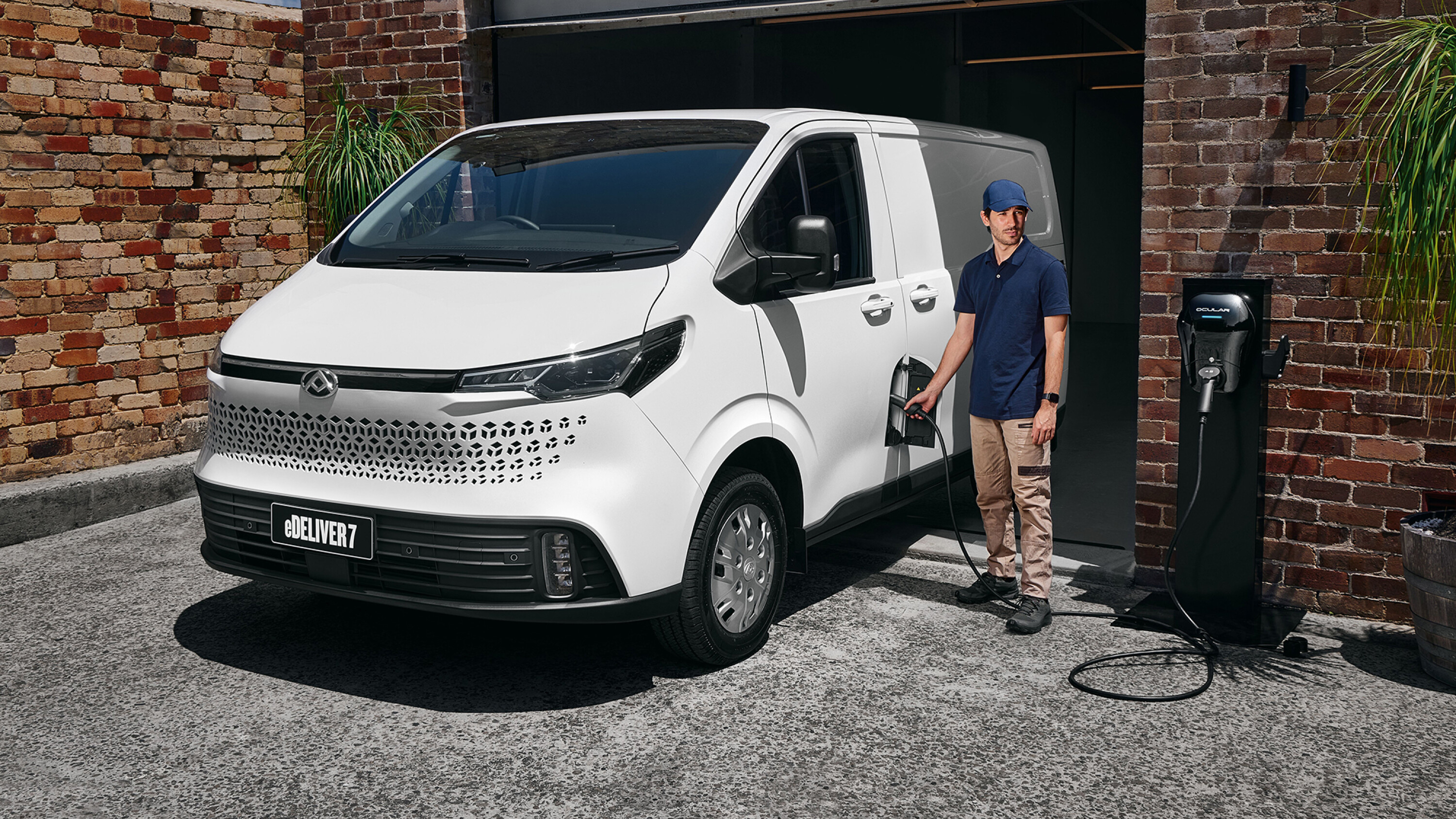
All have 11kW AC charging (between 8.0 and 9.5 hours to charge from 5-100%), and the 77kWh models can be recharged on DC at 78kW, while 88kWh models can suck down 90kW DC.
Both will take about 43 mins to charge from 20-80%, LDV says.
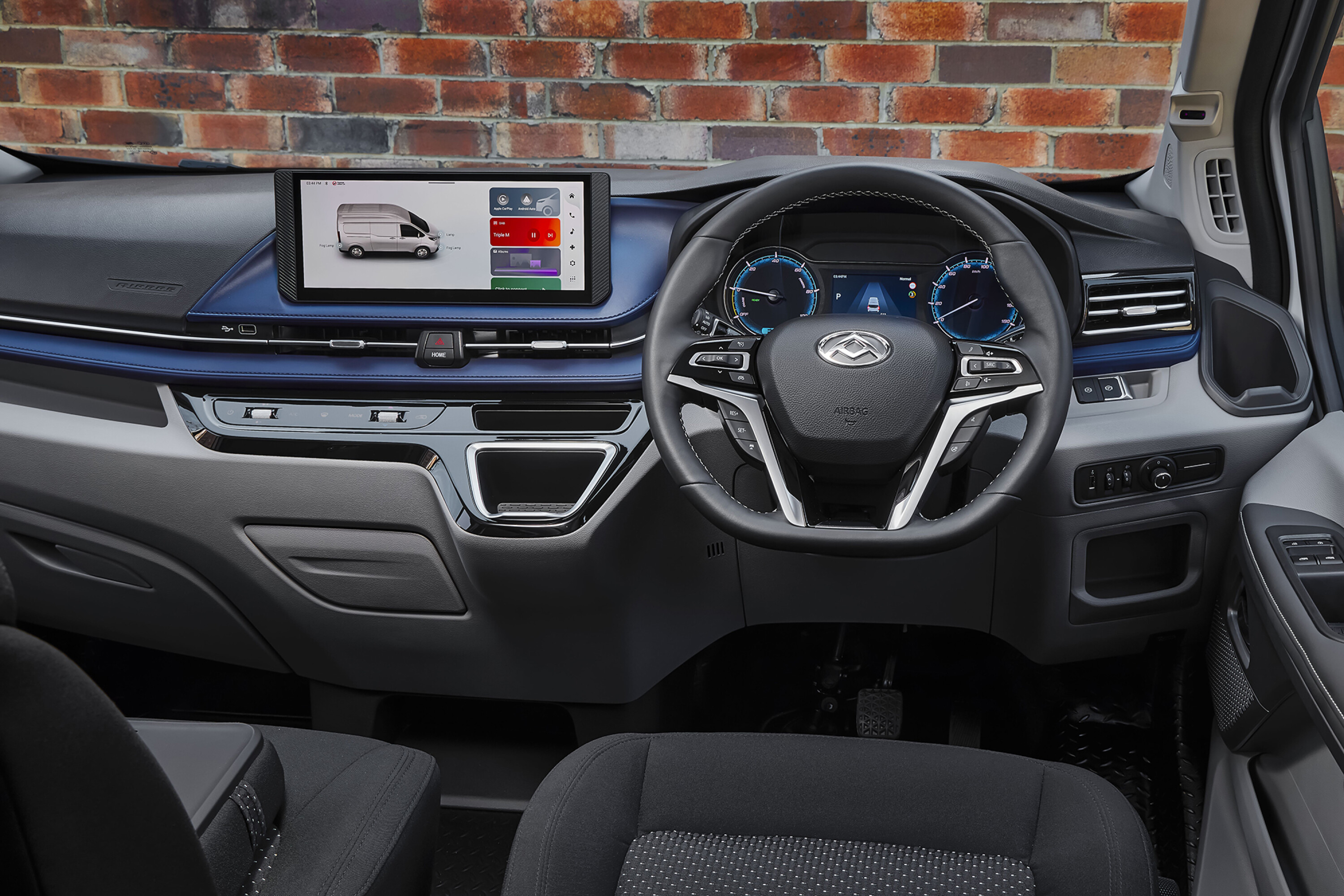
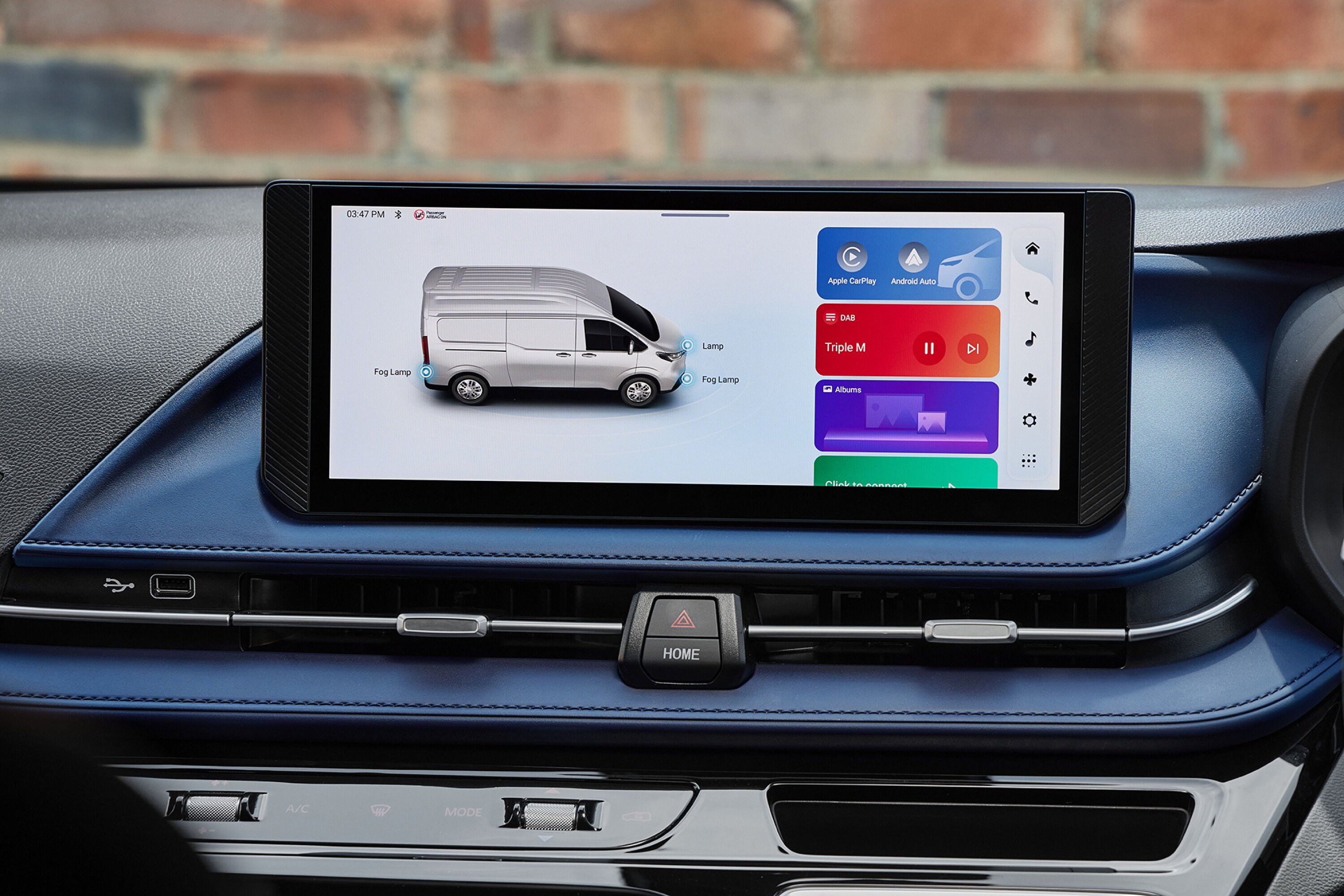
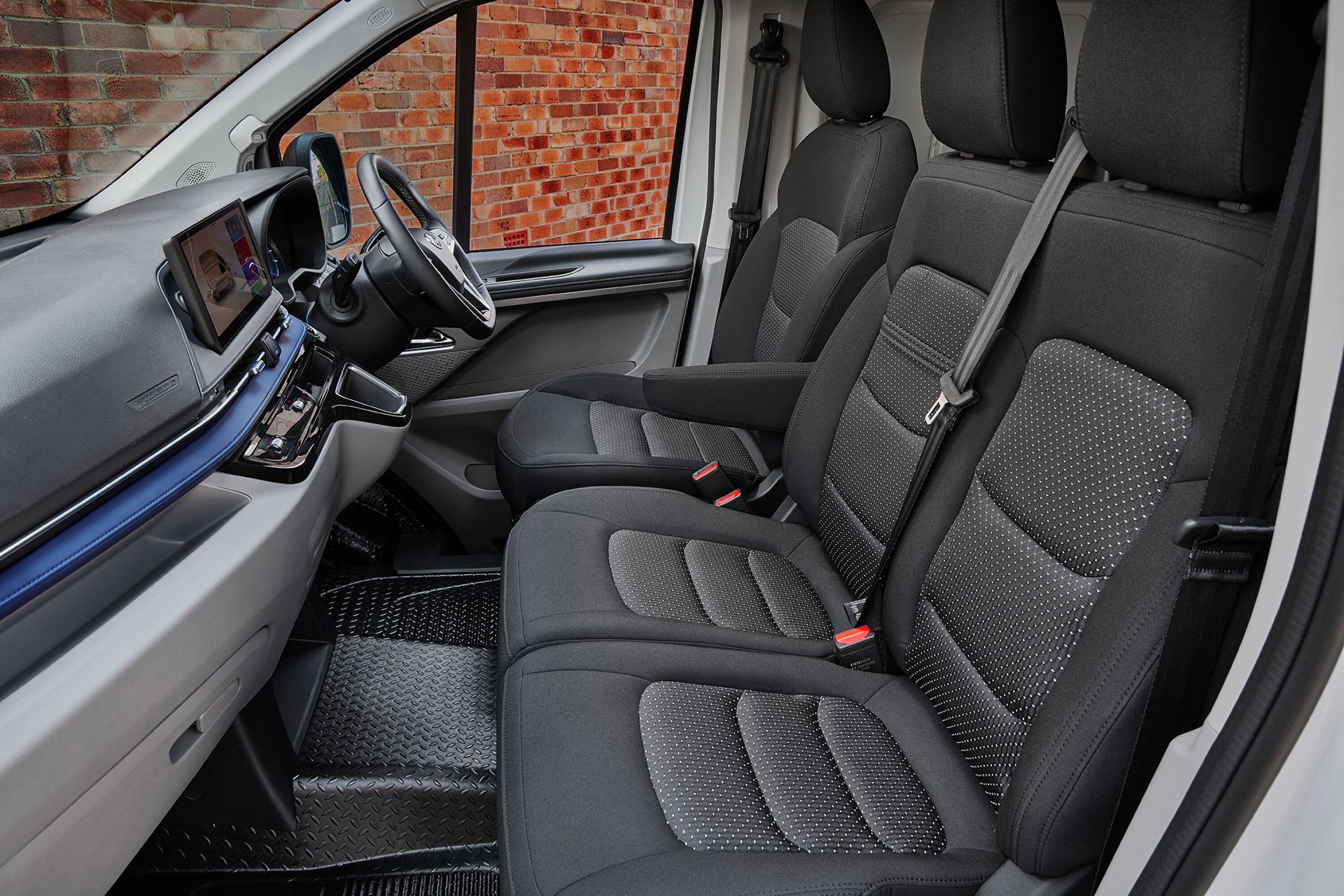
Standard equipment highlights include auto LED headlights, daytime running lights and tail-lights, 16-inch steel wheels with a full-size spare and tyre pressure monitoring, rain-sensing wipers, vinyl flooring (rubber floor in cargo area) cloth seat trim, heated front outboard seats, heated steering wheel, 12.3-inch touchscreen media system with Apple CarPlay and Android Auto, keyless entry and push-button start, and more.
1
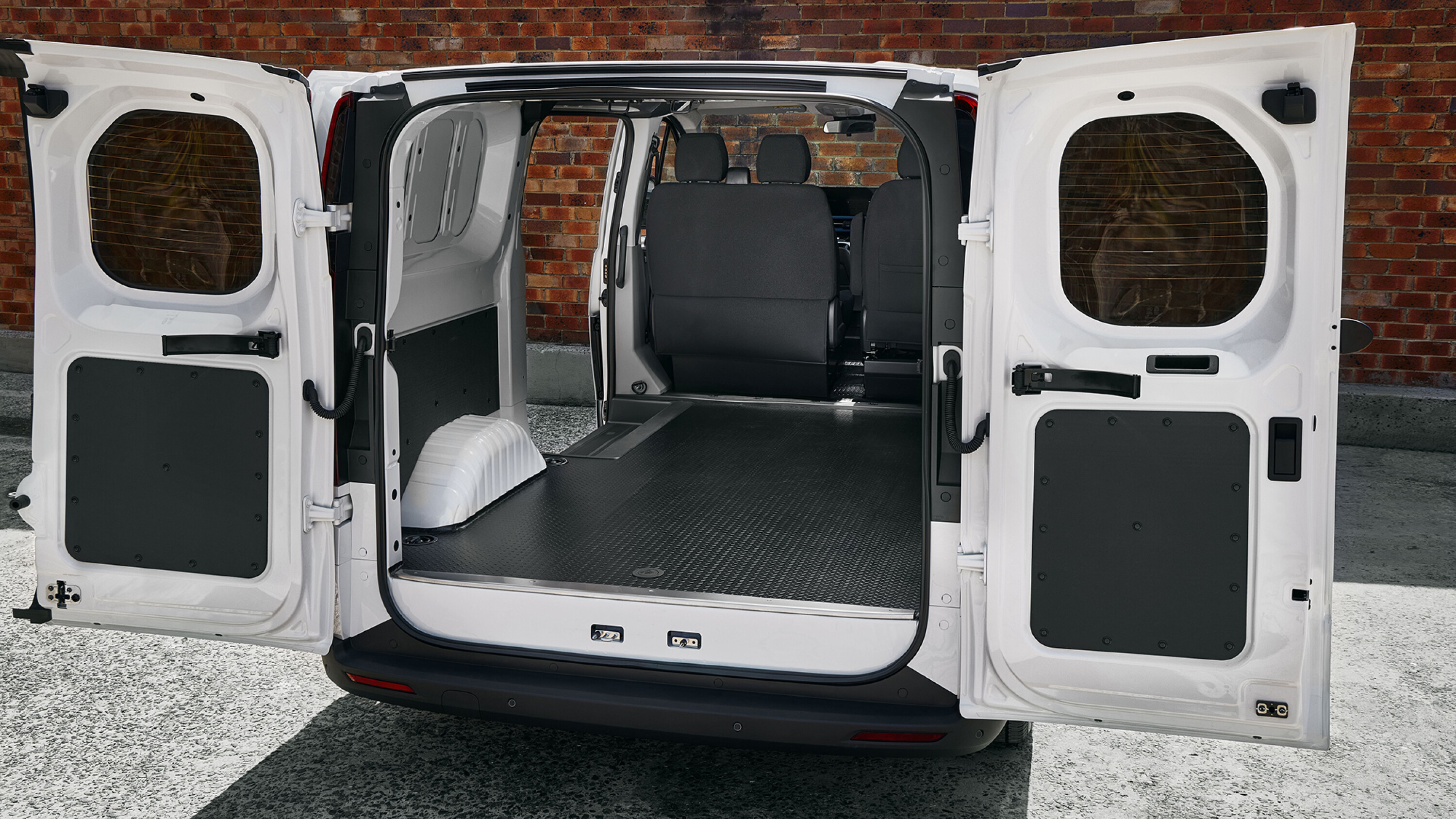
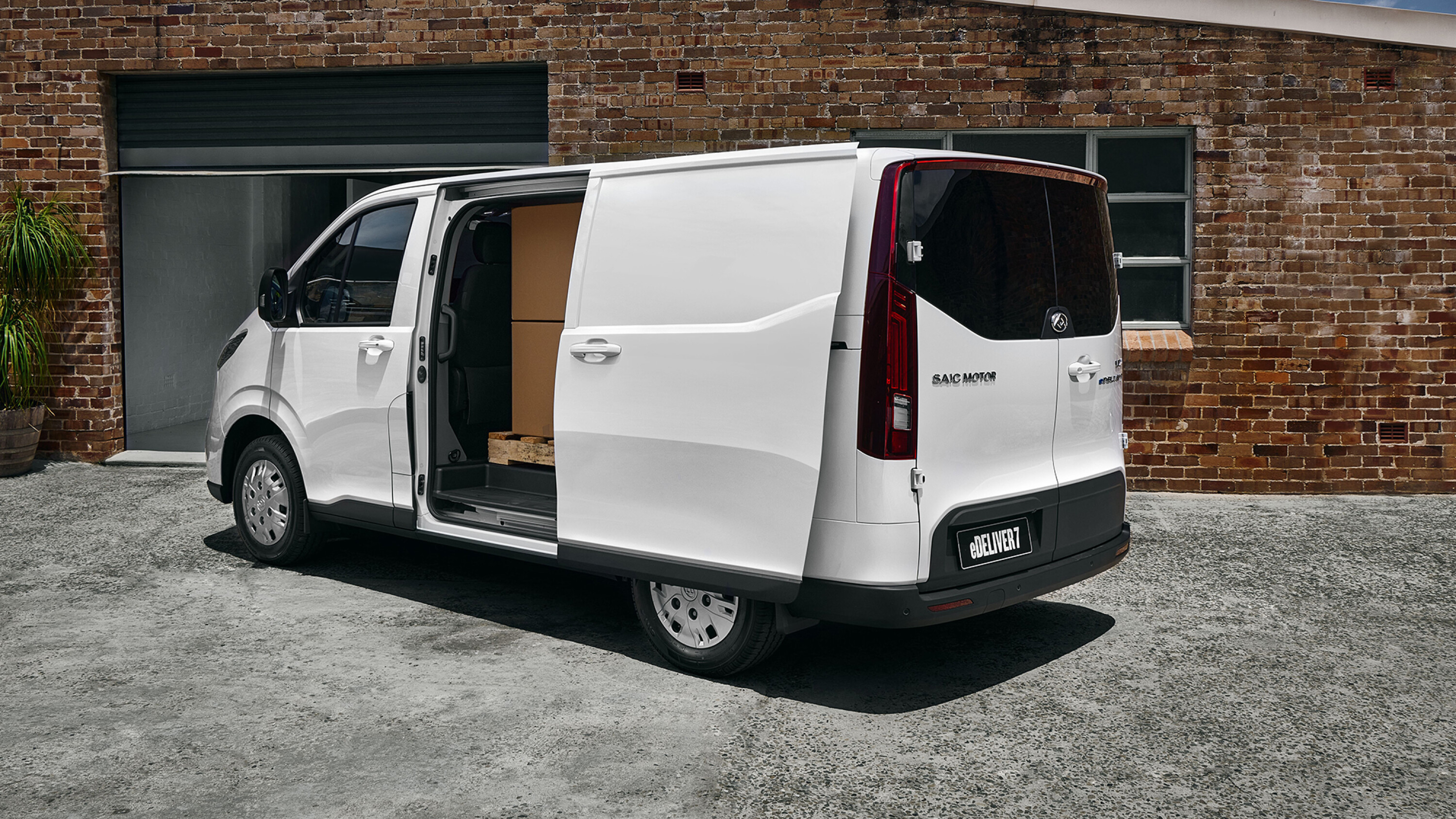
All versions sold here at launch have just a kerbside sliding door (no option for second slider), and barn doors at the rear.
Rear glazing is not available, and you can’t have it with a tailgate instead. There’s also no bulkhead option, but an accessory cargo barrier is available.
LDV eDeliver 7 warranty & servicing
Buyers get a five-year / 160,000km warranty, plus an eight-year / 250,000km battery warranty.
Capped price servicing is $1165 for six years / 90,000km of cover with 24-month / 30,000km intervals.
No safety rating yet, but LDV is confident of a decent result, given the list of standard safety tech.
That includes autonomous emergency braking, adaptive cruise control, lane keep (inc emergency lane-keeping), blind-spot monitoring, rear cross-traffic alert, a reverse camera and parking sensors front and rear. It has six airbags (dual front, front side, curtain).
Other safety systems include a driver fatigue monitoring camera, and speed sign recognition and warning. But, weirdly, no digital speedo!
Airbags (6) u2013 Driver and front passenger airbags (2), side airbags (2), curtain airbags (2)
Lane Keep Assist (LKA)
Autonomous Emergency Braking (AEB)
Emergency Lane Keep Assist (ELKA)
Adaptive Cruise Control (ACC) with Stop & Go
Lane Change Assist (LCA)
Blind Spot Monitoring
Rear Cross Traffic Alert (RCTA)
Front Collision Warning (FCW)
Door Opening Warning (DOW)
Lane Departure Warning (LDW)
Speed Limit Sign Identification
Intelligent Headlight Control
Anti-Lock Braking System (ABS)
Fatigue Reminder
Electronic Brake Assist (EBA)
Electronic Brake-force Distribution (EBD)
Electronic Stability Program (ESP)
Hill Hold Control (HHC)
Roll Movement Intervention (RMI)
Traction Control System (TCS)
Vehicle Dynamics Control (VDC)
Front and Rear Parking Sensors
Reverse Camera
Tyre Pressure Monitoring System (TPMS)
Adjustable Overspeed Alarm
1
On the road
This test was mainly conducted in urban scenarios, with no load. So, some elements of this test might be irrelevant.
The expected good bits include effortless pulling power and urgency when you suddenly thump the throttle, even in the sedate Eco mode. Normal is quicker, and Power is damn-near zesty in its response.
No engine vibration or noise, of course, and that will be music to the ears of drivers who spend all day in their van. No transmission quirks, either, as the single-speed auto delivers predictable propulsion. Only real concern here is the shifter placement, which is where you might be used to indicating, not reversing.
1
The load-free drive showcased that this is a van that designed for dealing with weight, with a firm ride in both the SWB and LWB models.
The latter was a bit more settled over little bumps, but both would undoubtedly be more comfortable with a payload onboard.
Its steering is nicely accurate for parking moves and for negotiating roundabouts and the like, and it feels stable and controlled at higher pace in straighter lines. Upgrading away from the Giti Van tyres might be an easy place for the keener courier to start with improvements, as they aren’t the grippiest.
1
The eDeliver 7 has front and rear parking sensors and a reversing camera as standard, but it’s surprising to learn there is no surround-view system.
It would be a huge advantage, and it’s standard in UK-spec models. The absence of a surround camera means those panels in the back make parking a bit of a guessing game in some situations.
An electric van that’s about this size? There’s only the Mercedes eVito at this point, and it’s $91,051 (MSRP). Ford will add an e-Transit Custom in 2024, but pricing is TBC.