
Stellantis has paired up with tech giant Microsoft in an effort to keep pace with tech-focused and tech-savvy competitors. Announced over the weekend in Milan, Stellantis and Microsoft said on Thursday they had “agreed to a five-year strategic partnership to co-develop artificial intelligence, cybersecurity and engineering capabilities”.
Almost a decade ago at the Volkswagen Group’s media night at the Frankfurt Motor Show, the then boss of the company said more staff would be poached out of Silicon Valley in the following five years than from other auto manufacturers. It was a poignant assessment of where automotive manufacturing was heading, and it’s a trend that has shown no signs of slowing down.
Legacy automakers like Stellantis have continued to struggle in the face of increasing software and technology demands within their vehicles, and are increasingly looking to the tech sector as the smartest way to incorporate this expertise.
“Through our collaboration with Microsoft, we are accelerating our AI momentum across the enterprise,” Stellantis Chief Engineering and Technology Officer, Ned Curic, said in a joint statement.
The two groups have previously worked on connected vehicle technology and in-car digital connected services, but this new announcement deepens the development ties as Stellantis looks to not only improve sales globally, but also quality. Brands like Fiat, Alfa Romeo, Jeep, Peugeot and Leapmotor all fall under the broad Stellantis banner.
Under the terms of the agreement, joint teams will work on more than 100 AI initiatives, including product development, validation, predictive maintenance and testing, and the more rapid rolling out of digital features and services.
As vehicles have quickly evolved to include the kind of connectivity not even dreamed of a decade ago, legacy manufacturers have lagged behind those challenger brands either tied to a tech and development legacy, or those who have managed to build the their tech resources quickly. The security of in-car connected systems is one of the most significant concerns for buyers skeptical over who manages the data, who can access the data, and how easy it is to hack into.
This partnership provides Stellantis with an accelerated entry into the type of security that buyers are looking for. Stellantis will strengthen its cyber defence centre, which manages the brand globally, with AI-driven tools and smarts to identify and prevent cyber threats, protect vehicles, manage and protect customer data and manage operations worldwide.
As part of the collaboration, Stellantis will also accelerate the modernisation of its IT infrastructure on the Microsoft Azure cloud platform, looking to reduce its data centre footprint by as much as 60 percent by 2029.
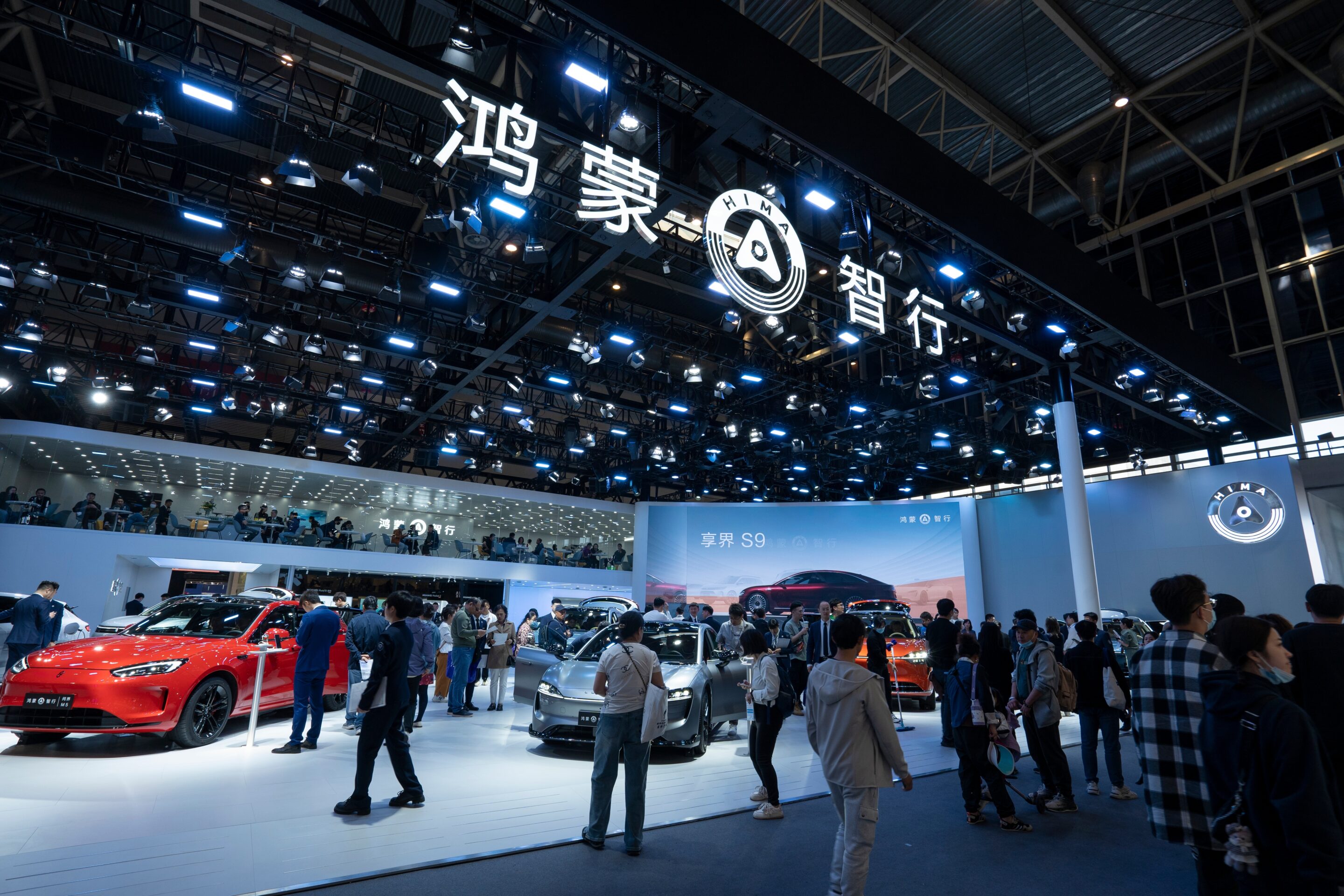
The 2026 Beijing International Auto Show is shaping up as the largest automotive exhibition in the world, with a vast display footprint and an extensive list of global and domestic brands preparing to unveil new vehicles.
Organisers have confirmed the event will span approximately 380,000 square metres, eclipsing other international motor shows in scale. For the first time, the exhibition will adopt a dual-venue format, combining the China International Exhibition Centre in Shunyi with the nearby Capital International Exhibition Centre, reports CarNewsChina. Together, the sites stretch roughly 1.3 kilometres, underscoring the sheer size of the event.
Running from April 24 to May 3, the show will be staged across 10 days, beginning with media previews before opening to industry professionals and then the public. In total, 17 exhibition halls will be used, with the majority dedicated to vehicle displays rather than suppliers, reflecting the strong emphasis on new product reveals.
The show will reportedly display around 1,450 vehicles, including 181 world premieres and more than 70 concept cars. That level of activity highlights the Beijing event’s growing importance as a launch platform, particularly as China continues to dominate global vehicle production and sales.
A wide range of international automakers are expected to showcase new models, including BMW, Mercedes-Benz, Audi, Volkswagen, Toyota and Ford. Alongside them, China’s major state-backed and private manufacturers – such as FAW Hongqi, Dongfeng, Changan, Geely and Great Wall Motor – will present their latest offerings.
Much of the attention is likely to focus on fast-growing electric and technology-led brands. Companies including Nio, Xpeng, Li Auto, Leapmotor and Xiaomi are expected to display new battery-electric and extended-range vehicles, while Huawei-backed Harmony Intelligent Mobility will highlight its latest developments in connected and intelligent driving systems.
BYD and its expanding portfolio of sub-brands – Denza, Yangwang and Fangchengbao – are also tipped to play a major role, with multiple new models and technologies expected across luxury, performance and mainstream segments.
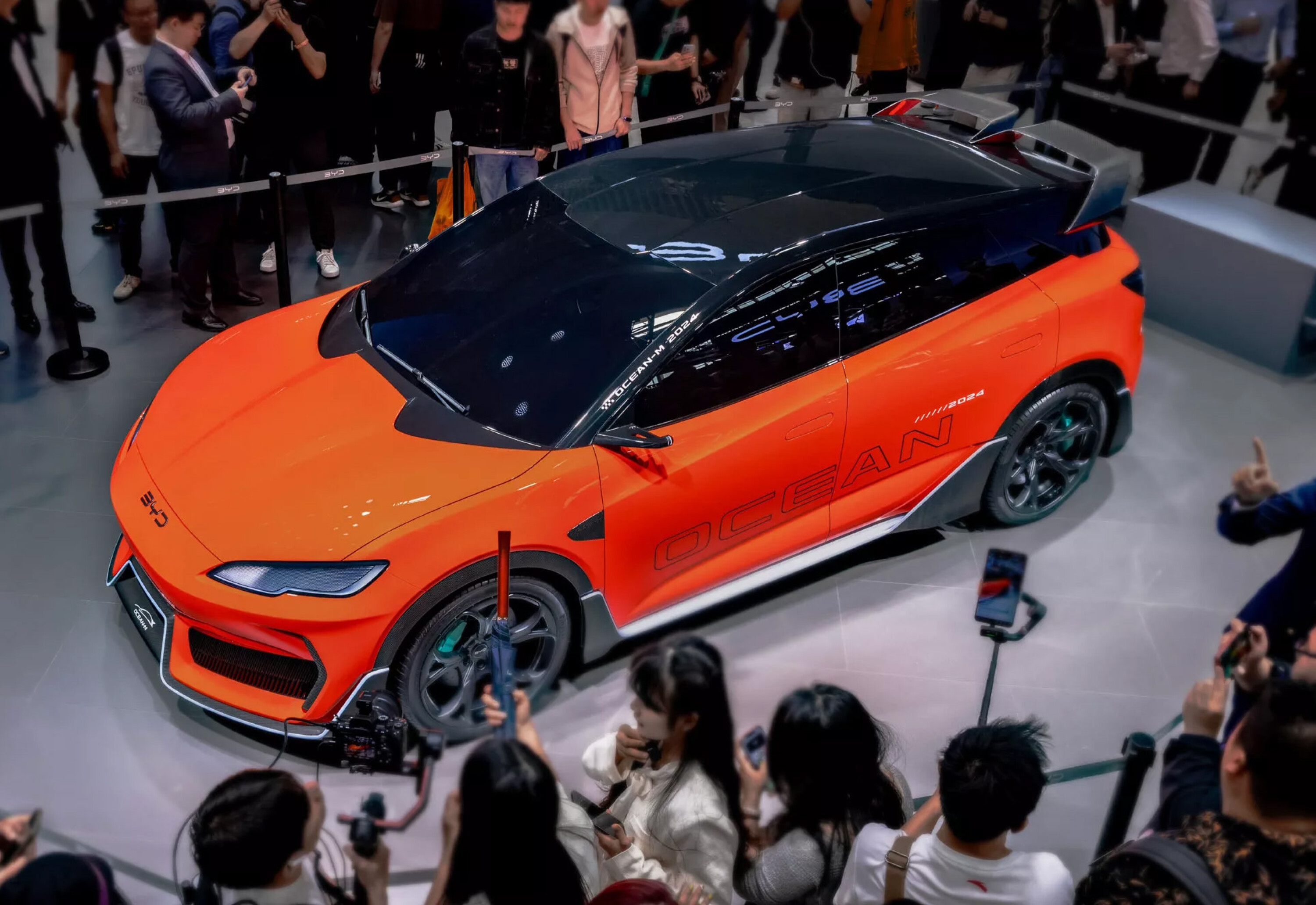
Beyond vehicle debuts, the show will include suppliers and technology companies from more than 20 countries, reflecting broader industry shifts toward electrification, software integration and advanced driver systems. More than 200 press conferences are scheduled, reinforcing the event’s status as a key global stage for the automotive sector.
With its scale, breadth of exhibitors and volume of new product reveals, the Beijing Auto Show highlights both the size of China’s domestic market and its growing influence on the global automotive landscape.
Medium and large sedans, once the bread-and-butter of Australia’s new car landscape, have ceded their dominance to SUVs and, increasingly, dual-cab utes. And it’s not just Australia where the seismic shift is happening, with sales of passenger cars dwindling globally.
But the reality is not everyone wants an SUV. Nor do they want – or need – the space and utility of a dual-cab.
Thankfully, those buyers are still well-served by what were once humble sedans, three-box designs that have over the intervening years kept up with modern technology, drivetrains and buyer expectations. We’ve assembled two of the best currently available in Australia to see how they stack up as a family hauler, as a drivers’ car, and whether there’s life still left in a formula almost as old as the motor car itself.
The Toyota Camry and Honda Accord need little introduction. Mainstays of the Australian new car market, the Camry and Accord continue to fly the flag in defiance of the prevailing new car trends, not just here but around the world.
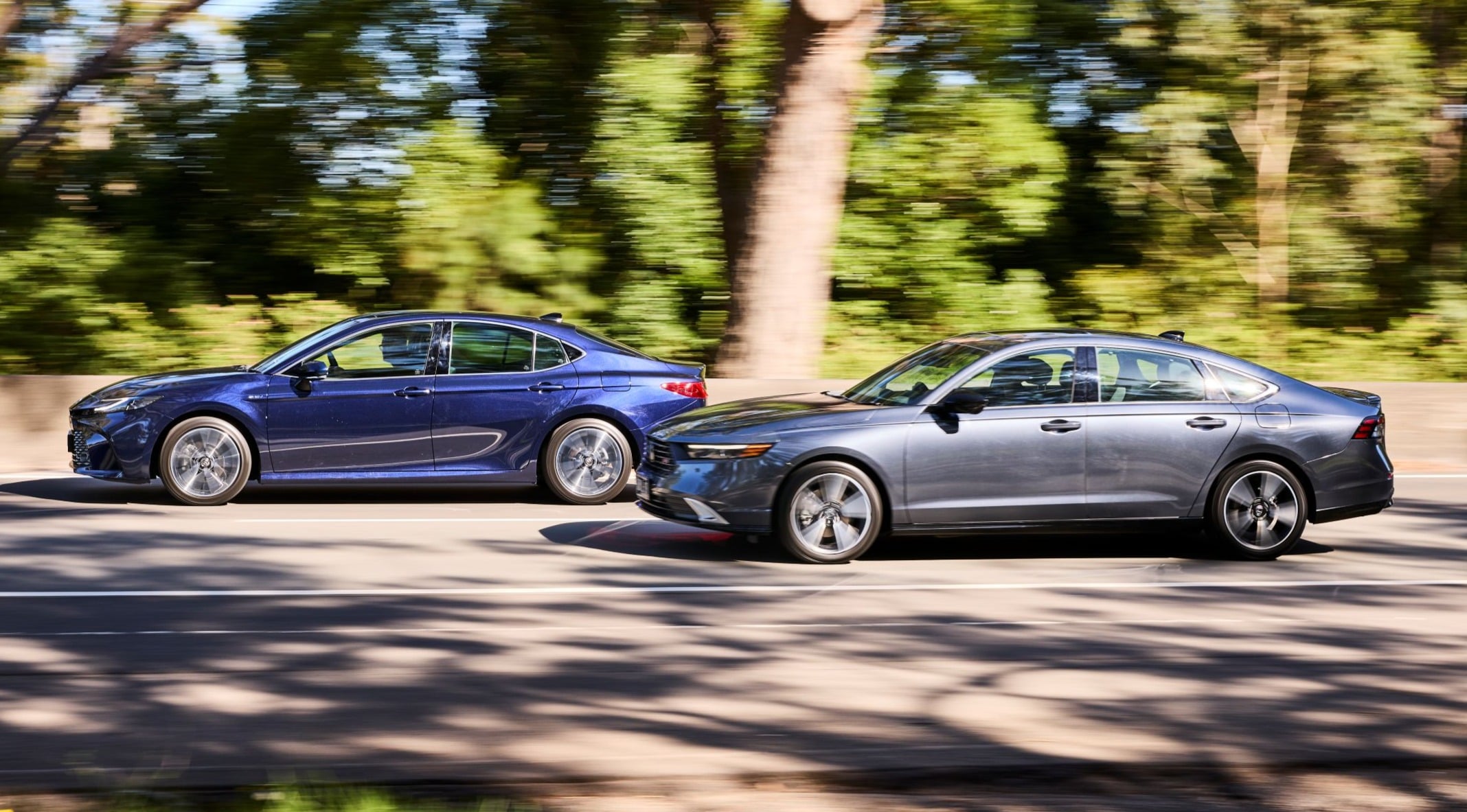
Both cars have been an unmitigated success for their respective brands around the world. Honda has sold in excess of 20 million Accords globally since launching in 1976, a number exceeded – just – by Toyota, which has racked up sales of 21 million since 1980.
It’s a different story in Australia where the Honda Accord never scaled the heights of its rival from Toyota. Sure, it had successful years, in the mid-90s and again in the mid-2000s, with its 15,498 sales in 2007 the high point for the nameplate. Symbiotically, the high point for Toyota Camry came that same year when Aussies bought over 48,000 units across Camry and the ‘larger’ Aurion models.
Today, neither Camry or Accord are sold in their home market of Japan but continue to be available in markets around the world. In Australia, they, along with four other models from four other brands, remain the frontline fighters in a segment that continues to thumb its nose at the SUV orthodoxy. In 2007, those numbers ran to 16 models from 18 different manufacturers. Oh, how times have changed.
Toyota and Honda both launched new generations of their respective mid-sizers in 2024, a ninth for the Camry and 11th for Accord. Both are offered exclusively with hybrid powertrains, making them ripe for this comparison.
Honda has kept its Accord range delightfully simple. There’s just one highly-specified variant, the Honda Accord e:HEV RS. It’s priced at $64,900 drive-away, a firm price under Honda’s somewhat controversial fixed-price ‘agency’ sales model. No haggling for a deal here.
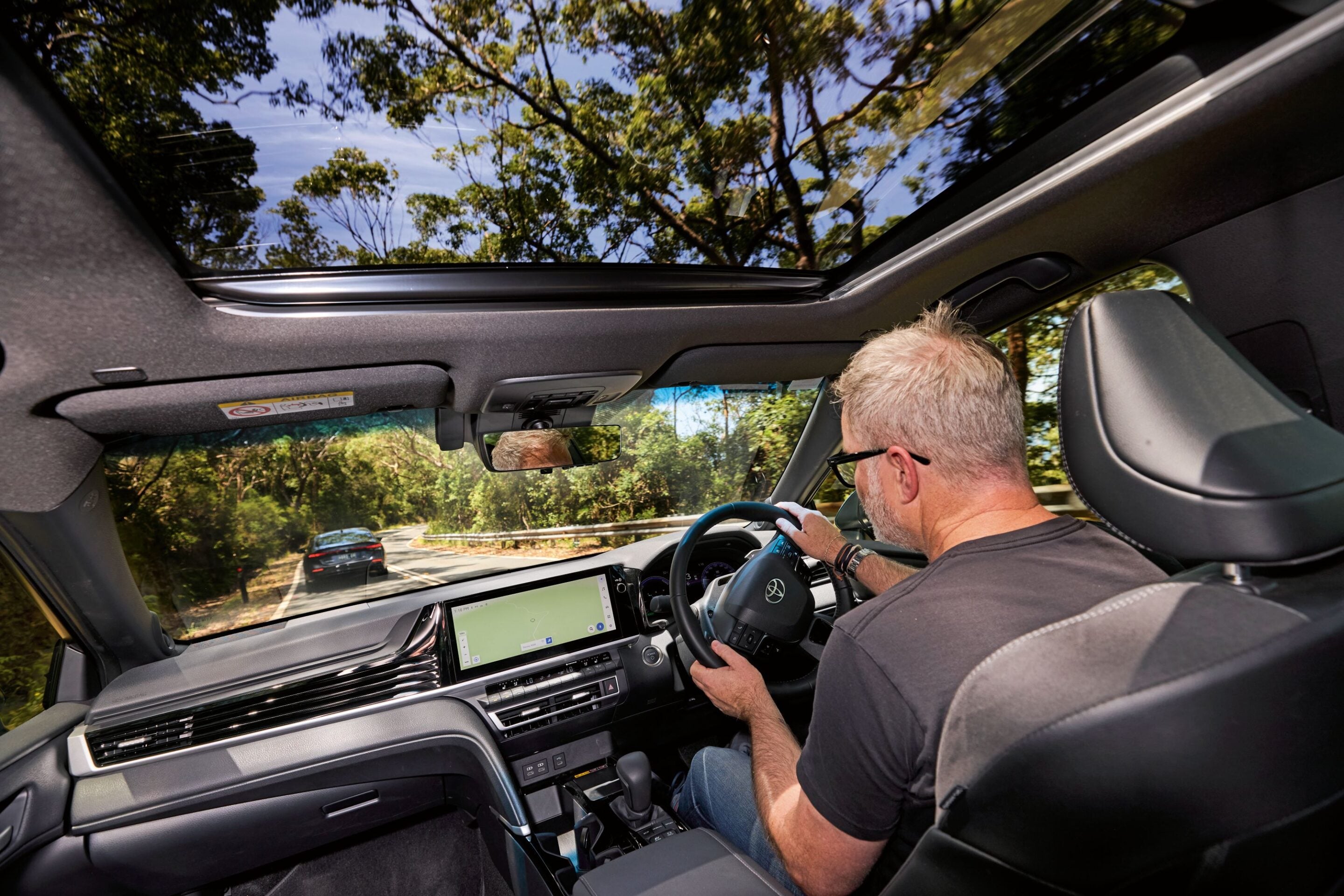
The Toyota Camry we have here is the range-topping SL, priced from $53,990 before on-road costs, translating to driveaway pricing between $57,844 (Queensland) and $60,419 (WA). NSW buyers can expect to pay $59,097 to get their minty-fresh new Camry on the road.
There are no options available for either car, other than paint colour. Here, the Accord claws back some ground, its four-colour palette – Crystal Black, Meteoroid Grey (the colour of our test car), Lunar Silver and Platinum White – a no-cost option.
Seven of the Camry’s colour swatch of eight hues command a $575 premium, the only no-cost shade the Uber-spec Glacier White. Our test car was finished in Saturn Blue metallic, bringing the as-tested price in NSW to $59,702.
On price alone then, it’s the Camry ahead by around five grand, leaving the Accord with plenty of work to do to make a fist of this contest.
On paper, there’s little between this pair. Both are medium-sized sedans, powered by four-cylinder
petrol-hybrid engines – 2.5 litres displacement in Camry’s case, 2.0-litre in the Honda corner.
On its own, the Accord’s 2.0-litre double overhead cam i-Vtec claims 108kW and 182Nm, hardly earth-shattering numbers. But, like the Camry, an electric motor driving the front wheels brings 135kW and 335Nm for a combined 152kW, although Honda doesn’t quote combined torque figures.
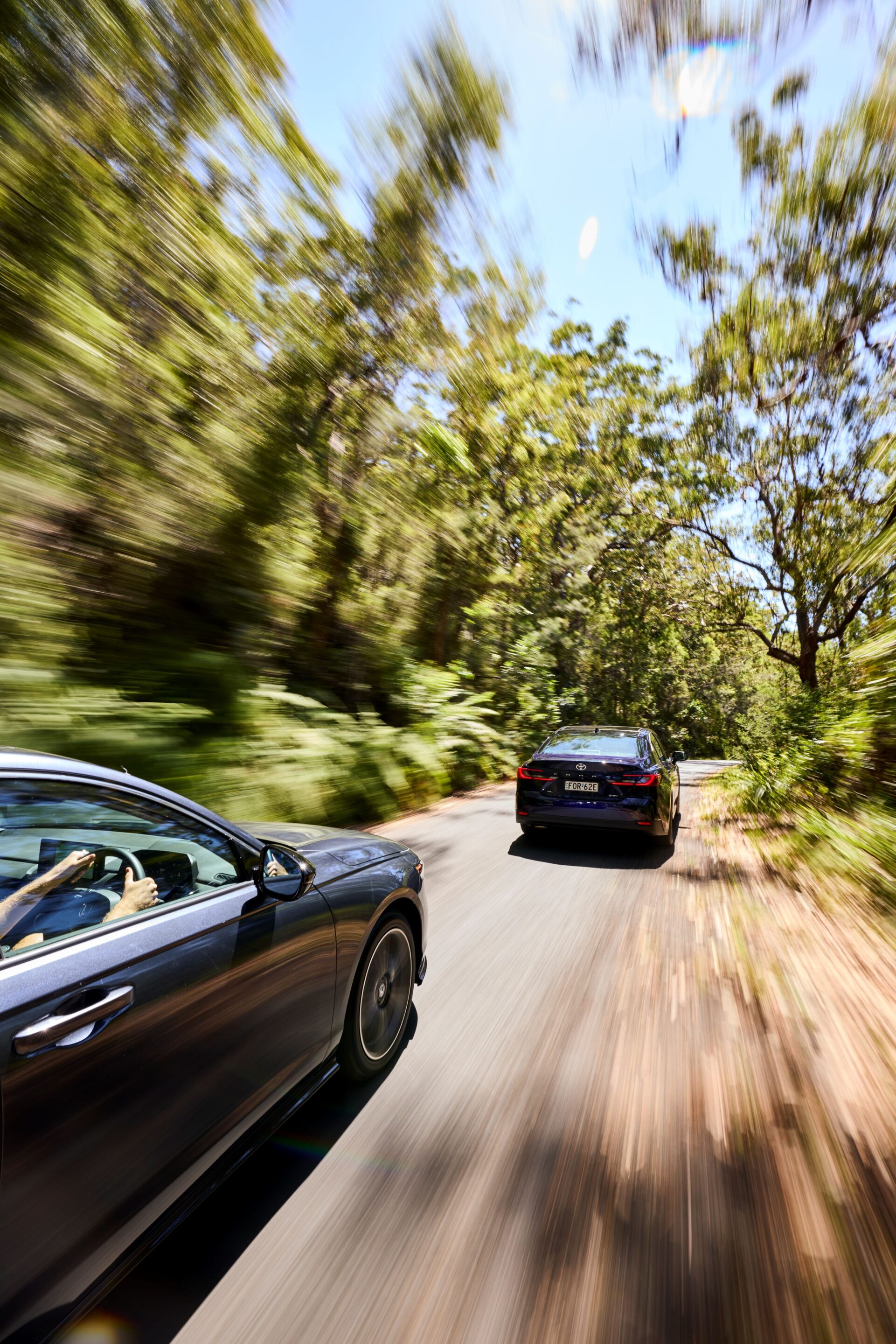
It’s a similar story for Toyota, where the Camry’s petrol mill brings 138KW and 221Nm to the output party, aided and abetted by an electric motor at the front wheels with quoted outputs of 100kW and 208Nm. All up, Toyota says there’s 170kW to play with while, like Honda, it doesn’t quote combined torque figures.
Science and engineering nerds will probably be able to figure out what that means on paper in terms of torque, but out in the real world, it’s the Accord that presents the more – thrilling is not exactly the word – engaging drive experience. More on that later.
There’s a degree of satisfaction when you first slide your bum into the Accord. The cabin itself is nicely presented, with enough flourishes and garnishes to feel a little bit special. Honda’s signature honeycomb mesh (it’s also found in Civic and CR-V) running the length of the dashboard is a case in point which, certainly to this reviewer’s eyes, looks way more expensive than the Accord’s $65k sticker price suggests.
The seats too, are comfortable, supporting you in all the right places including at the sides and under-thigh. They sit nice and low in the cabin which, while not exactly giving off touring car racing vibes, do offer a level of driver-centric design that feels just a smidgeon sporty.
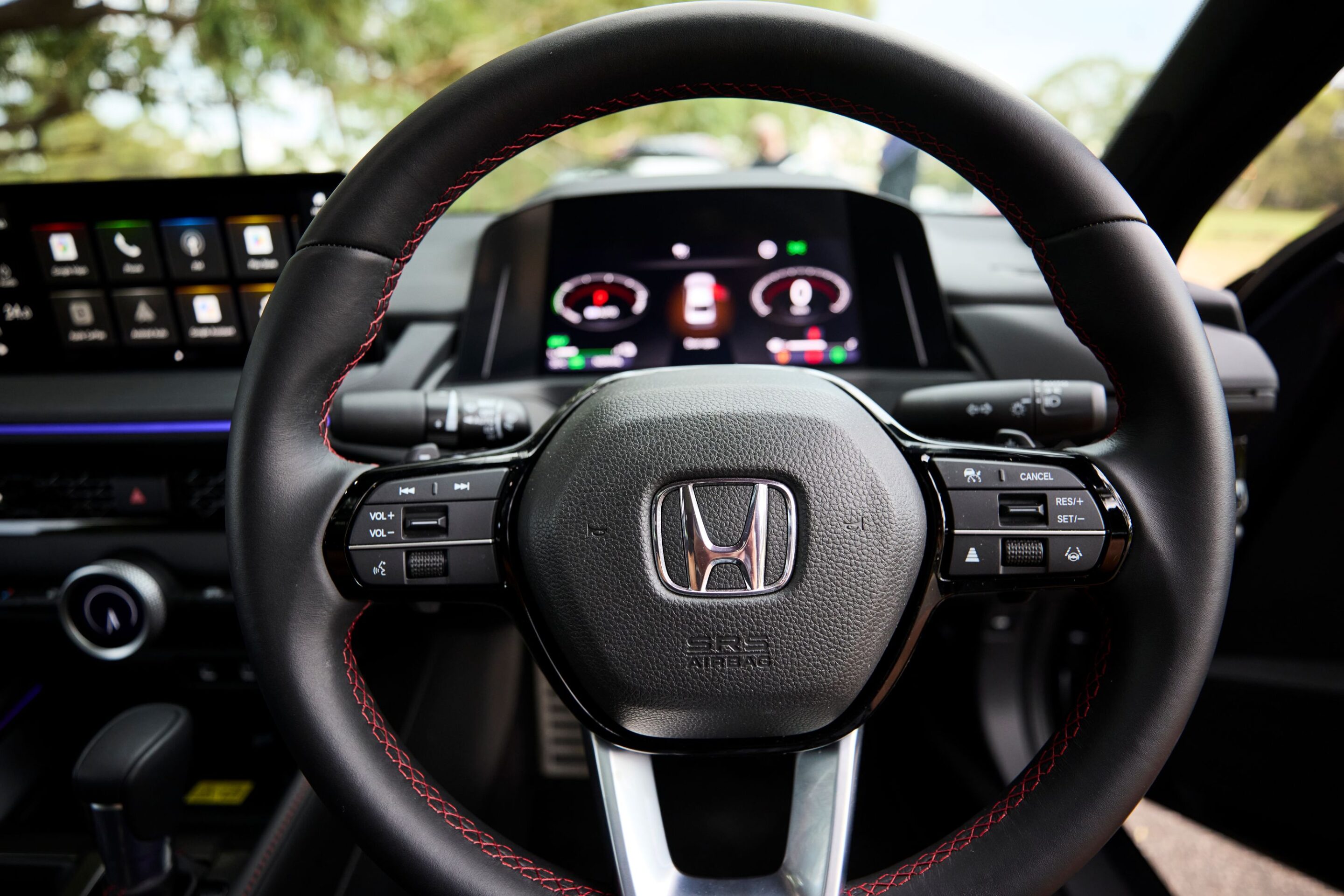
The Accord looks and feels purposeful from the driver’s seat, enhanced by plenty of racy red contrast stitching on the seats and the steering wheel. You immediately feel like this is a ‘driver’s car’.
The Camry does its best to hide away from its siblings lower down the range with leather seats that look nice, but aren’t quite as well-bolstered or supportive as the Honda’s. But unlike the Accord, the Camry’s front pews offer seat heating and ventilation, something of a mis-step by Honda at this end of the family sedan price bracket.
The Camry’s dash is a little busier in terms of its design, with multiple scalloped layers fashioned out of different materials feeling a touch overdone, especially the gloss piano black which might have looked high-rent a decade ago but now just seems like a designer’s cop-out.
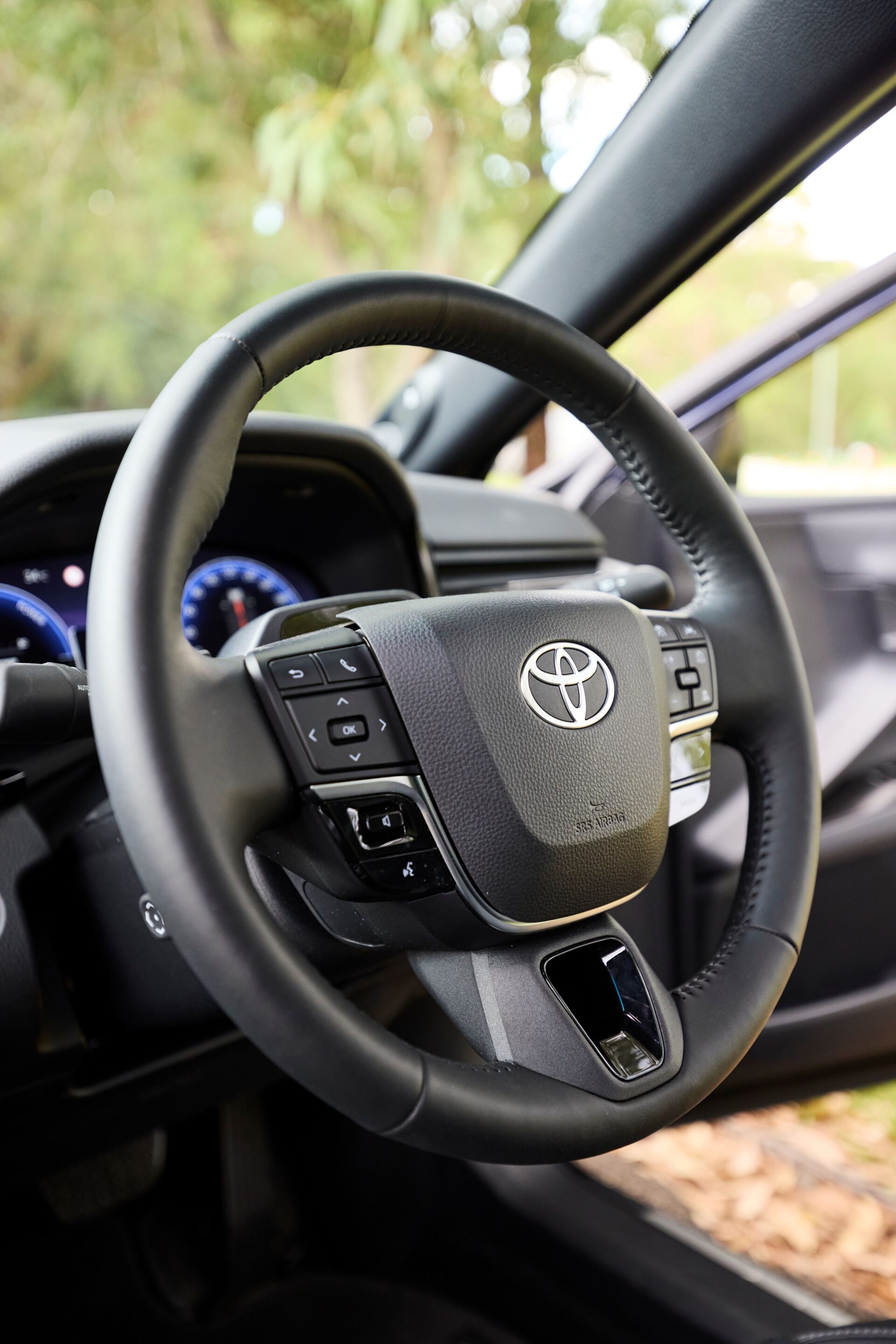
And you don’t have to look too far to find the hard, scratchy plastics of its entry-level Ascent stablemate, clearly visible lower down on the dash and the door cards.
Toyota has upped its infotainment game, certainly in how the 12.3-inch touchscreen presents with a clear display and sharp graphics. Toyota has always felt a step behind in the in-car technology game, but the system in this top-spec Camry is in keeping with the times. Wireless smartphone mirroring is standard, no matter your flavour of operating system, as is a wireless charging pad. I used wireless CarPlay over my time with the Camry and experienced zero issues, the connection stable and quick to reconnect at start-up.
The Accord’s 12.3-inch touchscreen sprouts from the dashtop like a chrysalis, unlike the Toyota’s which is integrated into the design. It too offers wireless smartphone connectivity, which proved flawless over my time with the Accord, easy to initially connect, with rapid-fire reconnection on start-up, and then stable throughout.
The Accord’s 12-speaker Bose sound system clearly edges the Camry’s nine-speaker unit, with richer sound and a clarity the Toyota’s JBL unit simply can’t match. Some could argue sound quality isn’t front and centre in the decision making process when buying cars of this ilk, but I’d argue if you’re spending 60 grand and over, you should expect a decent audio set-up.
Second row comfort is also important in this segment. After all, is a family sedan really a family sedan if back seat passengers can’t enjoy even a modicum of comfort?
Both Camry and Accord offer plenty of space, certainly in terms of toe, knee and leg room. But the presence of panoramic sunroofs in both cars does impact on headroom, especially in the second row where taller passengers will find the tops of their heads nudging the ceiling. Similarly, both second rows feature a tall transmission tunnel, meaning anyone sent to middle-seat purgatory will find their feet straddling the divide.
There’s not much in it when it comes to luggage space, the Accord’s 570 litres edging the Camry’s 524 litres. Both offer unquoted increased cargo capacity thanks to seats that stow away. But where the Camry’s fold in the more common 60:40 fashion, allowing for greater flexibility in terms of luggage and passengers, the Honda’s back seat rest flips forward in a single piece. You can carry more luggage if you need to, but you’re limited to just two people on board. And an extra point to Toyota for equipping the Camry with a space-save spare wheel and tyre, not a given in these modern times and illustrated only too starkly by the Accord’s tyre repair kit.
Both cars tested here are brimming with modern safety tech, although only one has been assessed by Australia’s independent safety body, ANCAP. In short, the Camry wears a five-star safety score while the Accord remains untested. That doesn’t make the Accord an unsafe car, far from it, with this new-generation scoring a five-star JNCAP (Japanese New Car Assessment Program) rating at launch.
So far, so even, bar a smattering of minor differences amounting to not much more than splitting hairs. The real measure then, comes on the road.
And here the Accord takes some confident steps, with a driving experience that’s best described as exuberant. There’s no lack of shove under harder acceleration when the electric motor and petrol
engine work in tandem to move the circa 1609kg (kerb) sedan at a brisk pace, almost like it wants to be a performance car. Almost.
In urban environments, the Honda’s hybrid powertrain does what hybrids do, blending the near-silent – and emissions-free – running of the electric motor, assisted by the 2.0-litre petrol engine as needed.
Four drive modes – econ, normal, sport and individual – noticeably alter the characteristics of the petrol-hybrid system. Econ – for economy – dulls throttle response and turns climate control down a notch in the hunt for fuel savings while sport brings a sense of urgency to the Accord’s acceleration while also piping some muted, but artificial, engine sounds into the cabin. Needless to say, the middle ground, i.e. normal mode, is where you want to be, which brings a quietude and refinement to the driving experience.
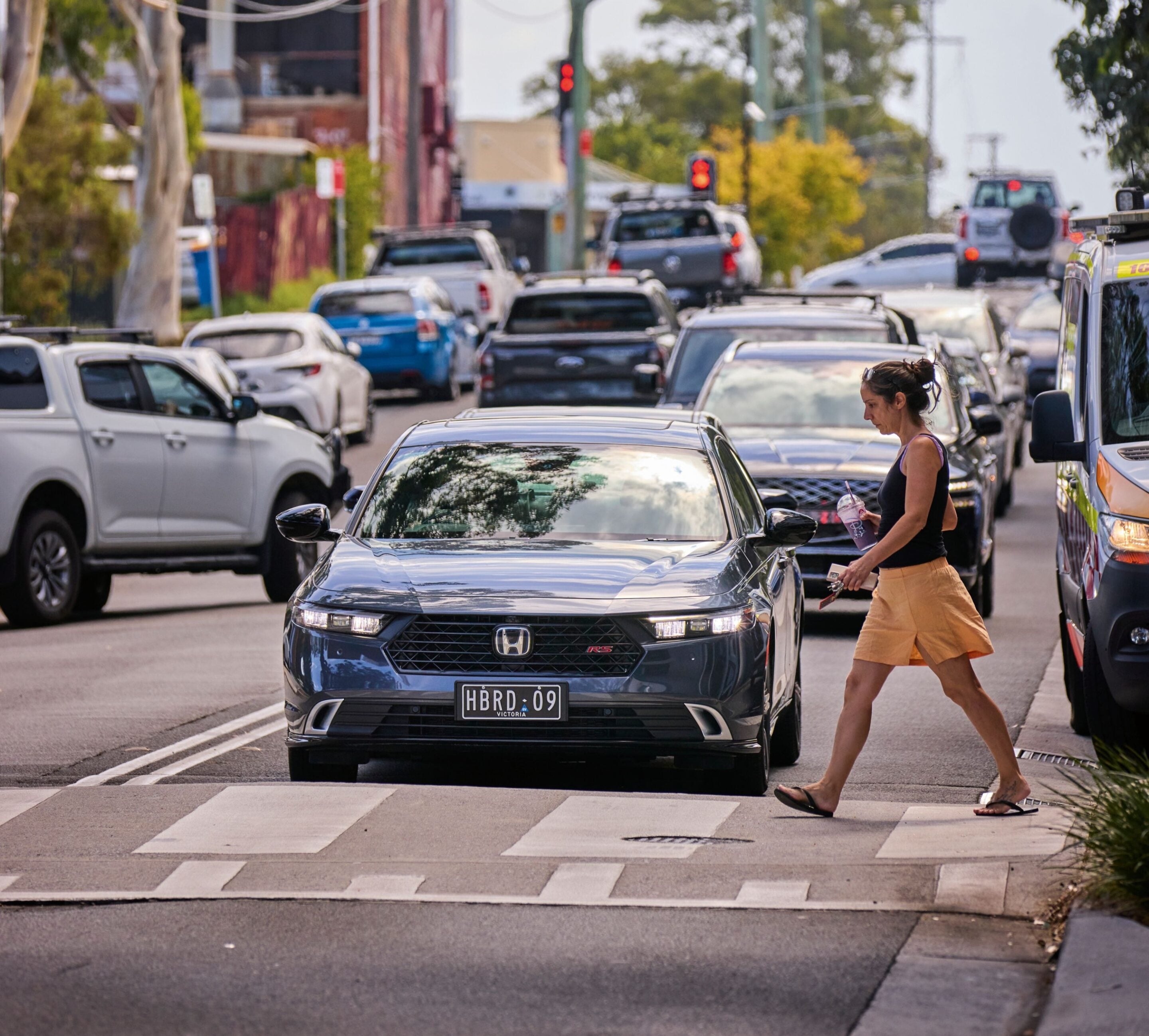
The transition between the two sources of power is seamless, so seamless that it’s sometimes difficult to discern when the petrol engine is doing the hard yards. A small illuminated ‘EV’ on the digital driver display lets you know you’re driving on electrons alone.
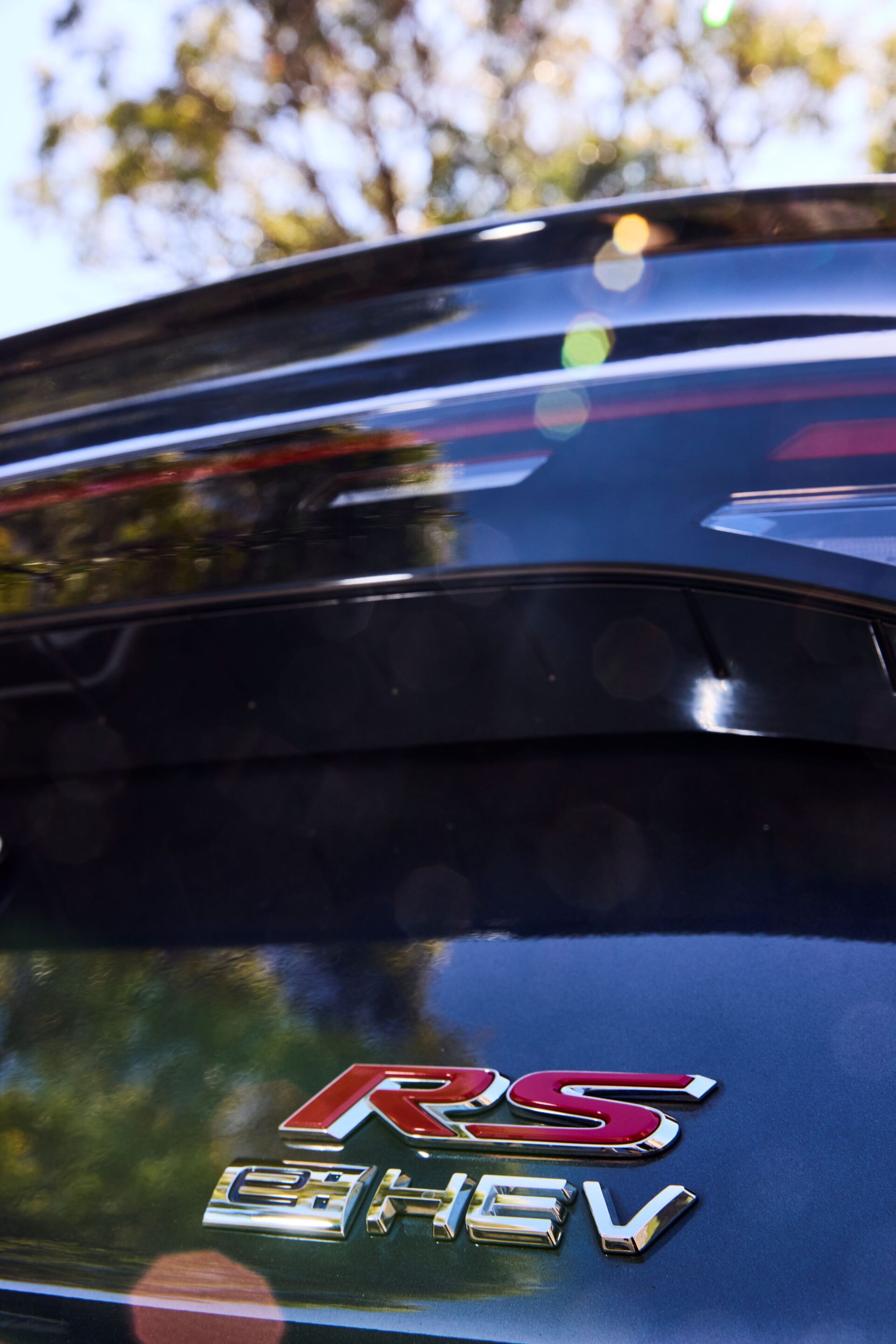
The continuously variable transmission is excellent, not something I would have said not all that long ago. But technology and refinement moves at an astonishing pace and Honda’s latest CVT does a commendable job of rifling through the steps, especially under harder acceleration, mimicking a conventional torque converter auto. Don’t be fooled by the paddle shifters on the steering wheel – they’re for toggling through the various energy regeneration modes, six settings in all, that help keep a permanent state of charge in the battery to keep the electric motor humming as often as possible.
Being a Honda, and especially one wearing an ‘RS’ badge, brings with it some expectations. Honda has, over the years, built a solid reputation for engineering a modicum of driver enjoyment into its cars. The Accord doesn’t stray too far from that philosophy with a nicely balanced chassis that’s simply fun to drive. Sure, it won’t make you feel like Fernando Alonso (and in the current F1 pecking order, that’s no bad thing), but there’s an inherent solidity to the way the Accord comports itself on some twisting and winding roads.
That’s enhanced by nicely-weighted and accurate steering while brake pedal feel remains top-notch, as it has done in Hondas of all colours, both new and old.
Ride comfort is decent, although there can be moments of harshness and jitteriness while navigating larger road imperfections, but for the main part, the Accord offers a pleasing balance of just-enough dynamism with road comfort.
But if the Accord is a family sedan for families who love driving, then the Camry, even in this highly-specified top-of-the-range form, holds no such pretensions. Instead, think of the Camry as the sensible choice. That’s not a barb. The Japanese brand knows its customer, and knows what they want from a Toyota-built car. And the Camry delivers it in spades.
There’s not much to say about the Camry’s hybrid set-up other than after almost 30 years of development and innovation, Toyota’s ‘High Synergy Drive’ is still the standard bearer, seamlessly blending petrol propulsion and electric motivation in a way few have been able to replicate.
Like it is in the Honda, Toyota’s system prioritises fuel efficiency, with the Camry relying on the electric motor and battery as often as possible. This is keenly felt during urban driving where the 2.5-litre petrol rarely feels the need to interrupt the flow of electrons to the front wheels. And when it does, it does so seamlessly and quietly, and like in the Honda, leaving you wondering whether it’s doing any work at all.
With total system outputs of 170kW, the Camry can, and does, get up and hustle when it needs to, like merging onto a motorway or accelerating for an overtake. But as good as the Camry is, it lacks that last per cent of refinement that the Accord has in spades.
Toyota’s CVT isn’t as refined as Honda’s and that’s most noticeable when you put your foot down, with that tell-tale drone (for not much reward) that only a CVT under load can seem to muster.
Of course, that’s all mitigated by its exemplary demeanour during regular driving, where a quiet comfort comes to the fore.
Without any pretensions of the Camry being a driver’s car, Toyota has ensured the suspension leans towards comfort. That’s noticeable over obstacles such as speed humps which the Camry traverses with more finesse than the Accord. Its noise suppression is also just a fraction better than the Honda’s, the Camry in this spec isolating occupants from much of the outside world, with only minimal wind noise and road noise. It’s still there, of course (no car is completely silent), but it’s not as intrusive as it is in the Honda.
The trade-off comes on the same winding rural back road, where Camry falls just a little short of Honda’s ‘sporty’ DNA, its softer-sprung suspension setup feeling just a little ponderous compared with the Accord’s slightly firmer and more assured stance.
Still, there’s little to split the pair so far, with the Camry trumping the Accord on value, but the Accord besting its rival in cabin quality and the overall driving experience.
So how do they stack up as the one thing they’re both designed to do – fuel economy.
Here, the differences are again minimal. Toyota claims the Camry and its robust hybrid system will use 4.0L/100km no matter the driving conditions – urban, highway or combined.
Our week with the Camry flagship couldn’t get anywhere near that claim, settling on an indicated 5.6L/100km over the full smorgasbord of driving conditions – suburban school runs, extended highway kays and even some more adventurous driving on our favourite section of rural back roads.
That indicated fuel use stacks up against our many previous experiences with Camry where consumption figures from the low- to mid-5s is the norm. And it’s worth noting the Camry requires 95-octane premium unleaded for its 50-litre tank. Based on our real world numbers, expect a full tank to net you around 892km between refills.
Honda’s claims aren’t as ambitious, the Japanese manufacturer quoting 4.3L/100km on the combined cycle (a blend of urban and highway… everyday driving in other words); 5.4L/100km for pure highway driving and a miserly 2.4L/100km in urban traffic. Again, our week with the Accord, covering the exact same ground as we did in the Camry, didn’t match those claims, settling on 5.5L/100km. We did note an indicated 3.9L/100km after a long highway run, but that soon climbed into the 4s and then 5s before settling on 5.5L after a week.
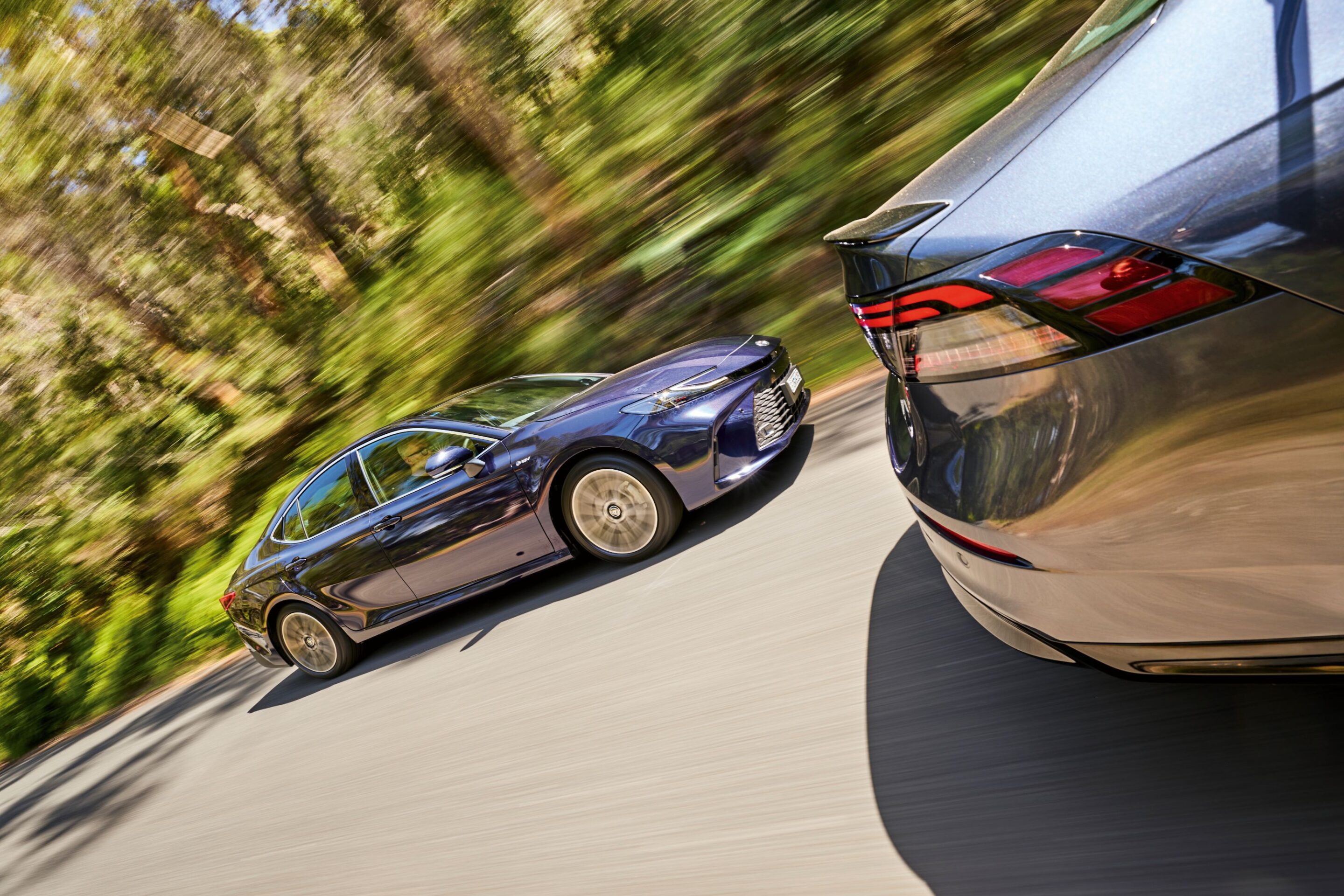
The bonus here for the Accord is that it’s quite happy to sip 91-octane regular unleaded, saving you money at the bowser, something increasingly important in these fuel-starved times we currently find ourselves in. Based on our real world testing, expect to get around 872km of range from the Accord’s 48-litre tank.
So slightly cheaper running costs for the Accord, then, but what about servicing? Surely Toyota’s famously industry-leading capped-price servicing will put one over Honda? Let’s run the numbers.
Toyota asks that Camry return to the workshop every 12 months or 15,000km. That’s pretty standard in today’s automotive landscape. Each visit is capped at $275 a pop for the first five years or 75,000km, not only affordable in the scheme of things, but also loaded with peace of mind.
Honda’s switch to a fixed-price agency model for selling its cars has extended to ongoing maintenance where the Accord asks for just $199 per visit for the first five years or 50,000km of scheduled servicing, more affordable than Toyota, but with the caveat that if you regularly drive more than 10,000km annually, you’ll be visiting the workshop more often than you would in a Camry. Both the Honda and Toyota are covered by their respective manufacturer’s five-year/unlimited kilometre warranty.
So, on to the winner. There’s not much between this pair, other than the circa $5000 asking price in favour of the Toyota. That matters to family buyers, especially in these chastened times. But it’s also not as simple as that.
Sitting inside the Accord it’s easy to see where the extra five grand has been spent, with a classier, more refined cabin that sits above the Camry’s which, while nice, still has traces of its Uber-spec entry-level sibling on display.
The Accord’s slightly better fuel consumption and the fact it can drink regular unleaded against the Camry’s thirst for the pricier premium also works in its favour.
But the clincher comes in the driving where the Accord is quite simply, a more exciting car to drive. Sure, it’s no sports sedan, but there’s enough engineering built into the Honda to elevate it above the Toyota, satisfying those of us who enjoy a decent blast on occasions.
The reality is though, these are both fantastic family cars, generously equipped, with miserly fuel economy, spacious second rows, big boots and affordable ongoing maintenance costs. There really isn’t a loser here, but if I could have only one, it’s the Honda Accord for me.
Specs
| Model | Toyota Camry SL |
|---|---|
| Price | $53,990 plus on-road costs (circa $60k driveaway) |
| Engine | 2.5-litre naturally-aspirated four-cylinder petrol-hybrid, FWD |
| Peak power | 170kw @ 6000rpm |
| Peak torque | 221Nm @ 3600-5200rpm |
| Transmission | Continuously variable auto |
| L/W/H/WB | 4920/1840/1445/2825mm |
| Kerb weight | 1625kg (kerb) |
| Fuel consumption | 4.0L/100km (claimed) 5.6L/100km (tested) |
| Boot size | 524L |
| 0-100km/h | N/A |
| Warranty | 5 years/unlimited km |
| Servicing | 12 months/15,000km |
| Servicing costs | $1375 five years/75,000km |
| Overall rating | 7.9 |
| Model | Honda Accord e:HEV RS |
|---|---|
| Price | $64,990 driveaway |
| Engine | 2.0-litre naturally-aspirated four-cylinder petrol-hybrid, FWD |
| Peak power | 152kW @ 5000-8000rpm |
| Peak torque | 335Nm @ 2000rpm |
| Transmission | Continuously variable auto |
| L/W/H/WB | 4975/1862/1449/2830mm |
| Kerb weight | 1609kg |
| Fuel consumption | 4.3L/100km (claimed) 5.5L/100km (tested) |
| Boot size | 570L |
| 0-100km/h | N/A |
| Warranty | 5 years/unlimited km |
| Servicing | 12 months/10,000km |
| Servicing costs | $995 five years/50,000km |
| Overall rating | 8 |
This story first appeared in the April 2026 issue of Wheels magazine, now on sale. Subscribe here and gain access to 12 issues for $109 plus online access to every Wheels issue since 1953.
The fuel crisis created by the latest Middle East conflict has given electric cars a new moment in their evolution, spiking both interest and sales in 2026. Unlike just a few years ago, there are now EVs in all price brackets, in various sizes and shapes, and from various brands as well.
But despite there being a plethora of available models, many car enthusiasts are still to be won over by EVs. Sure, many EVs – like many ICE cars – aren’t endowed with much character and are built largely for A to B transport. But thankfully, there are special ones. Here are 10 EVs with soul:
Hyundai Ioniq 5 N
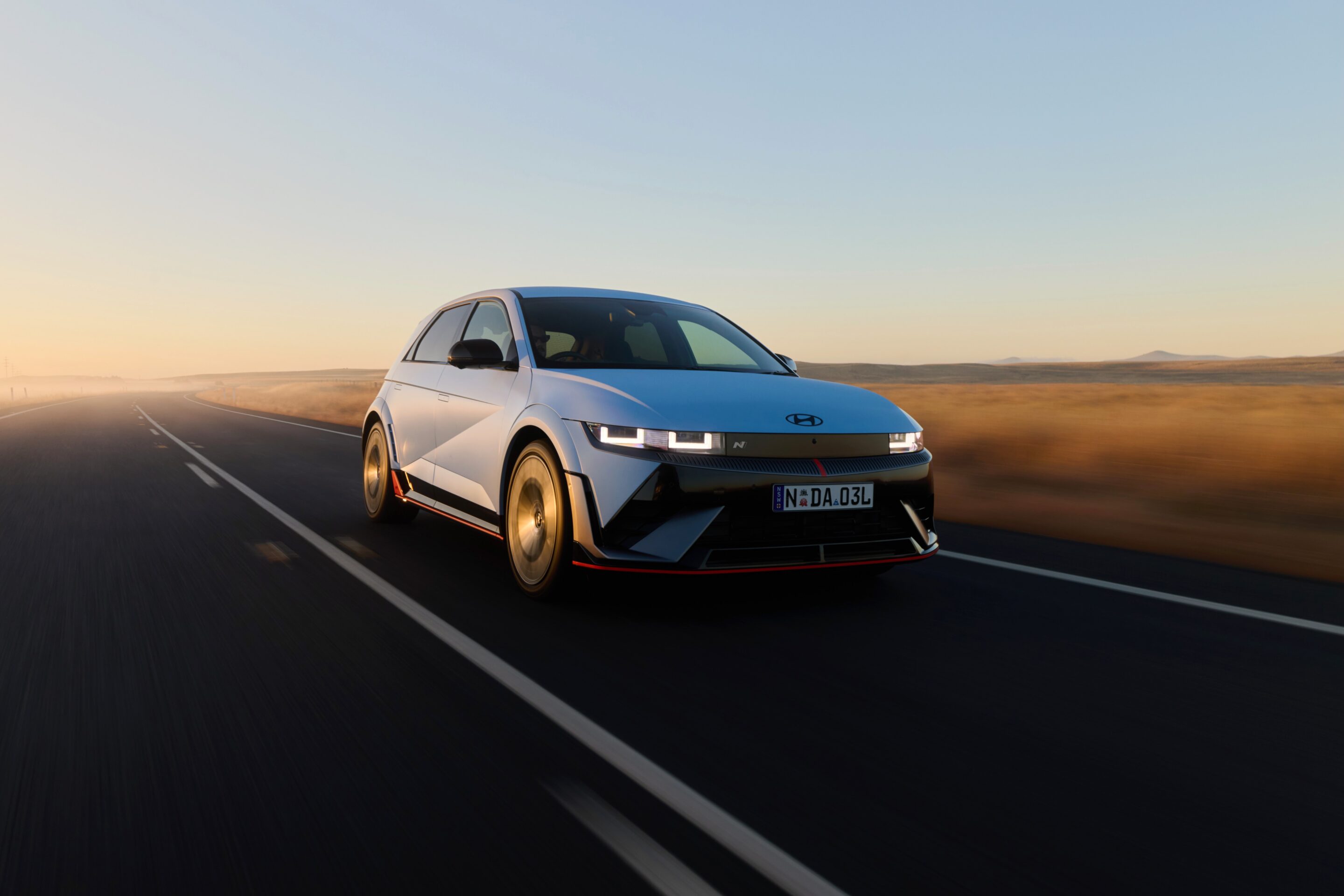
Price: From $115,000 plus on-road costs
Drivetrain: Dual-motor all-wheel drive, 478kW/770Nm, 84kWh battery
Range: 448km (WLTP)
Why it’s got soul: It’s the first EV with genuine driver involvement
The Hyundai Ioniq 5 N was a genuinely groundbreaking moment for the car industry. Finally… finally, there was an electric car that offered driver involvement similar to what enthusiasts expected from a performance car. In addition to going very fast – which EVs can be great at – the Ioniq 5 N engaged the driver thanks to features like its fake gearbox that simulates turbo lag and gears to make you downshift. It’s also very fun to drive, with even a drift mode for those wanting to fry a set of tyres. The 5 N didn’t win 2024 Wheels Car of the Year for nothing, after all.
Mini Cooper and Aceman
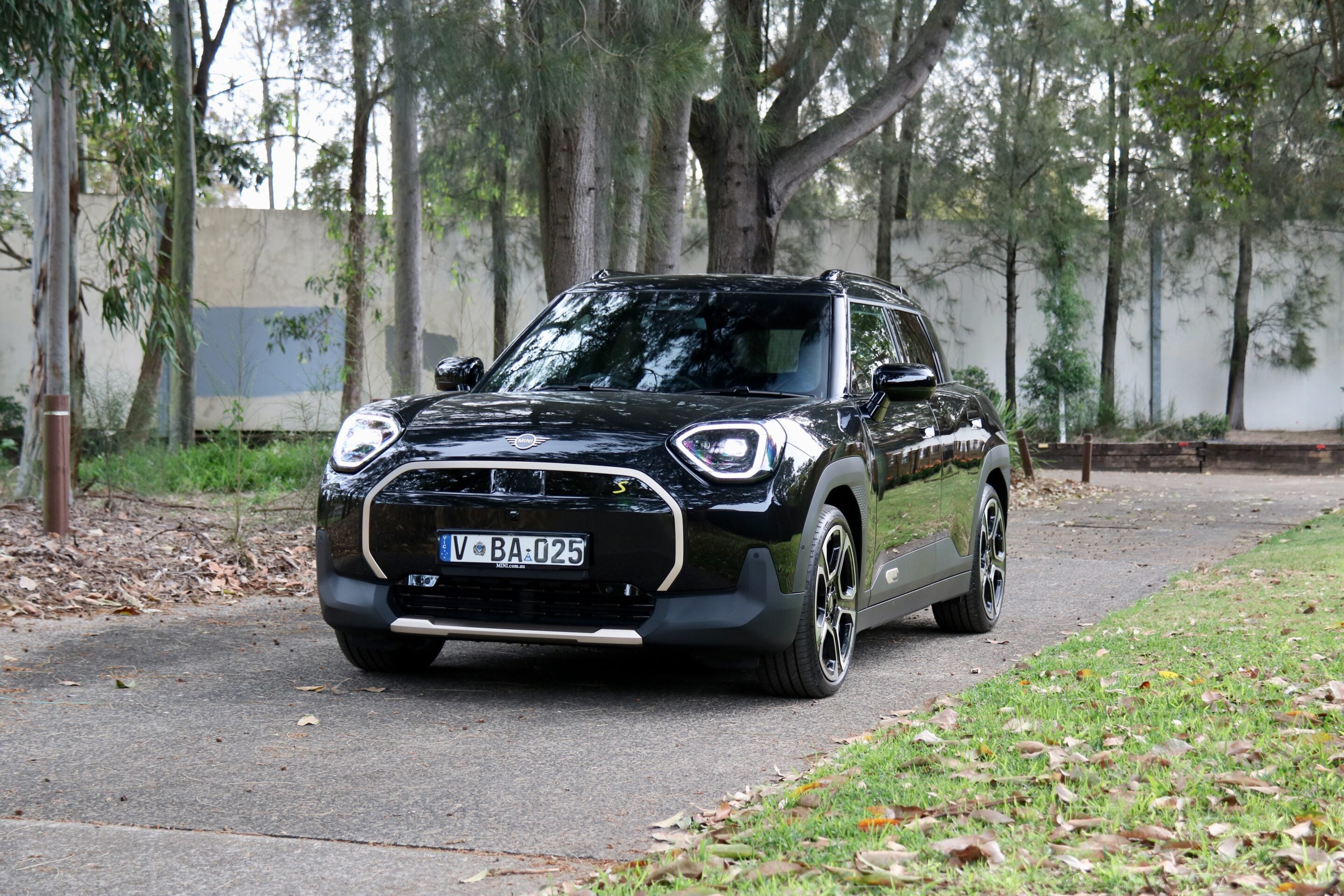
Price: From $58,990 +ORC (Cooper), $60,990 +ORC (Aceman)
Drivetrain: Front-mounted single-motor, 150kW/330Nm, 54.2kWh
Range: 402km (Cooper SE), 406km (Aceman SE)
Why they have got soul: Minis have always gone above and beyond other makers to include cute and characterful features, and the latest generation is no exception
Ever since the rebirth of the Mini brand back in 2001 by parent company BMW, its products have been known for a high fun factor, darty go-kart like handling and a cute styling that made them feel more like a pet than a car. The latest generation of Mini products pushes the cute factor further, though it’s actually on the inside and the huge OLED display that’s standard in every model. Switching between the car’s various driving modes produces cool noises and actually changes the feel of the car throughout, giving a cute and soulful feel to the latest products from the iconic brand.
Abarth 500e
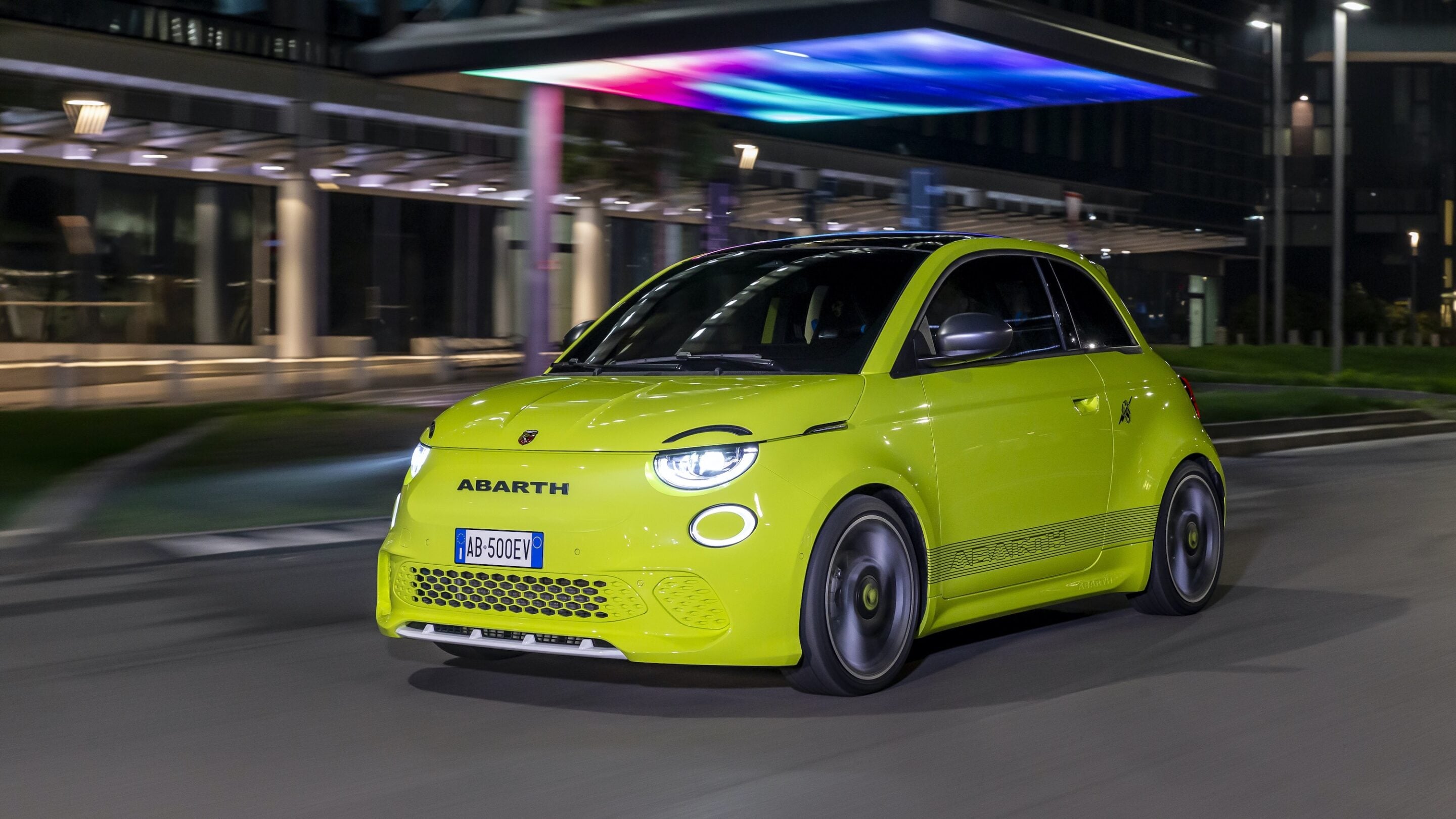
Price: From $58,900 +ORC
Drivetrain: Front-mounted single-motor, 113kW/235Nm, 42kWh battery
Range: 253km
Why it’s got soul: Abarth’s angry-looking 500e is fun to drive, quick and even makes noises
There was fear amongst car enthusiasts when Fiat’s performance arm Abarth announced that it would only make EVs in the future because cars like the 595 are some of the most fun you can have behind the wheel. But when the very angry looking 500e launched, it was thankfully a hoot to drive. Even in a more introverted colour than the acid green shown above, the 500e is full of character too, from the various Abarth scorpion badges, acid green highlights and the speaker at the rear producing its fake noise.
Tesla Model 3 and Model Y Performance
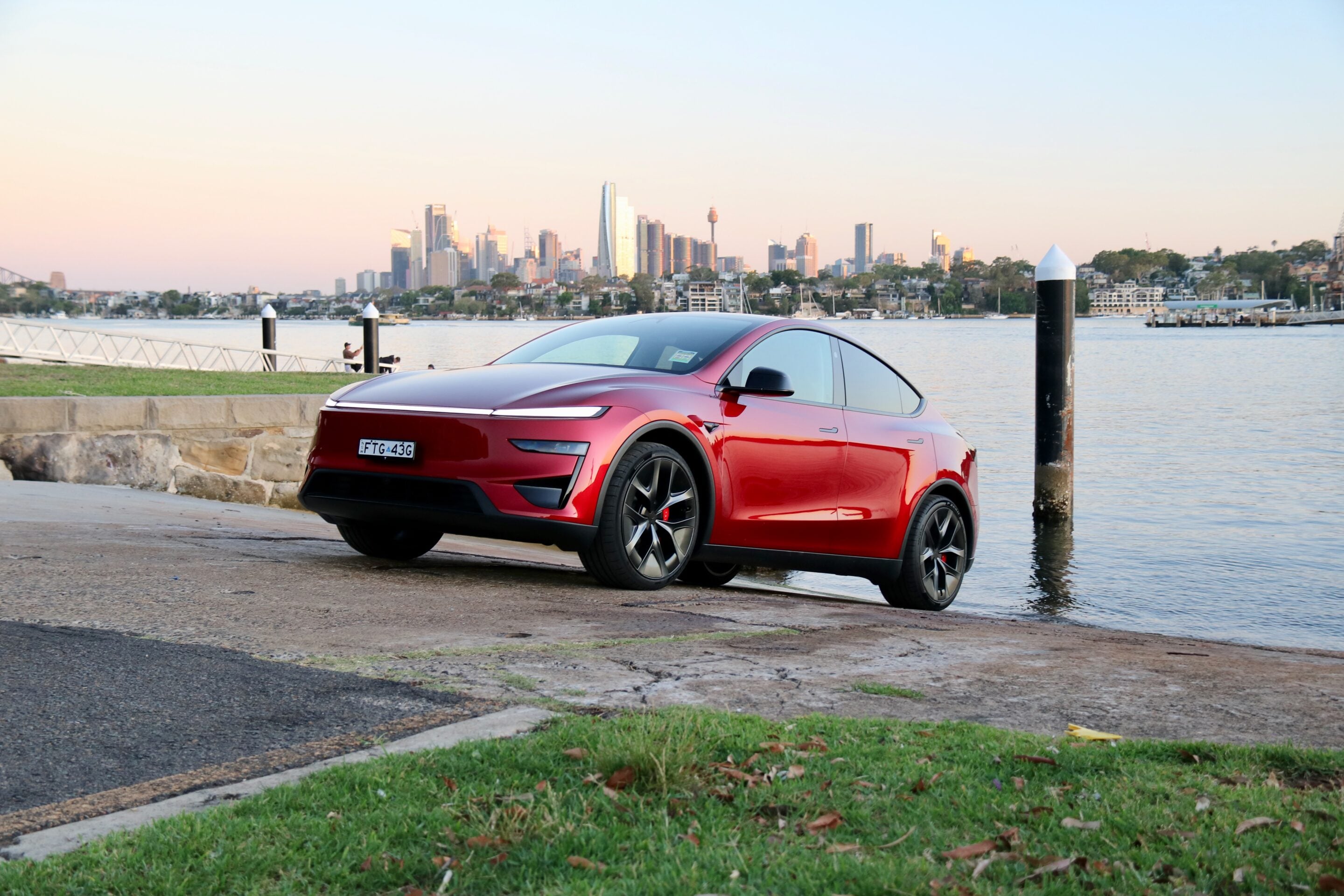
Price: From $80,900 +ORC (Model 3), $89,400 +ORC (Model Y)
Drivetrain: Dual-motor all-wheel drive, 343kW (Model 3)/460kW (est. Model Y), 82kWh battery (est.)
Range: 571km (WLTP – Model 3), 580km (WLTP – Model Y)
Why they have got soul: They’re great to drive, and packed full of fun features
Tesla was the first mass market EV brand to launch in many markets globally and really brought the whole ‘performance EV’ idea to many. It also changed the mindset on EVs for buyers as well. The brand’s fast models, like the Model 3 and Model Y Performance, especially, pull your face off with their acceleration and cornering ability, but they also offer lots of fun features to give them personality. Dive into the touchscreen and you’ll find the dog mode to keep your pet cool while you’re ducking out at the shops, or the whoopie cushion, or the Mars scape in the screen.
Ford Mustang Mach-E GT
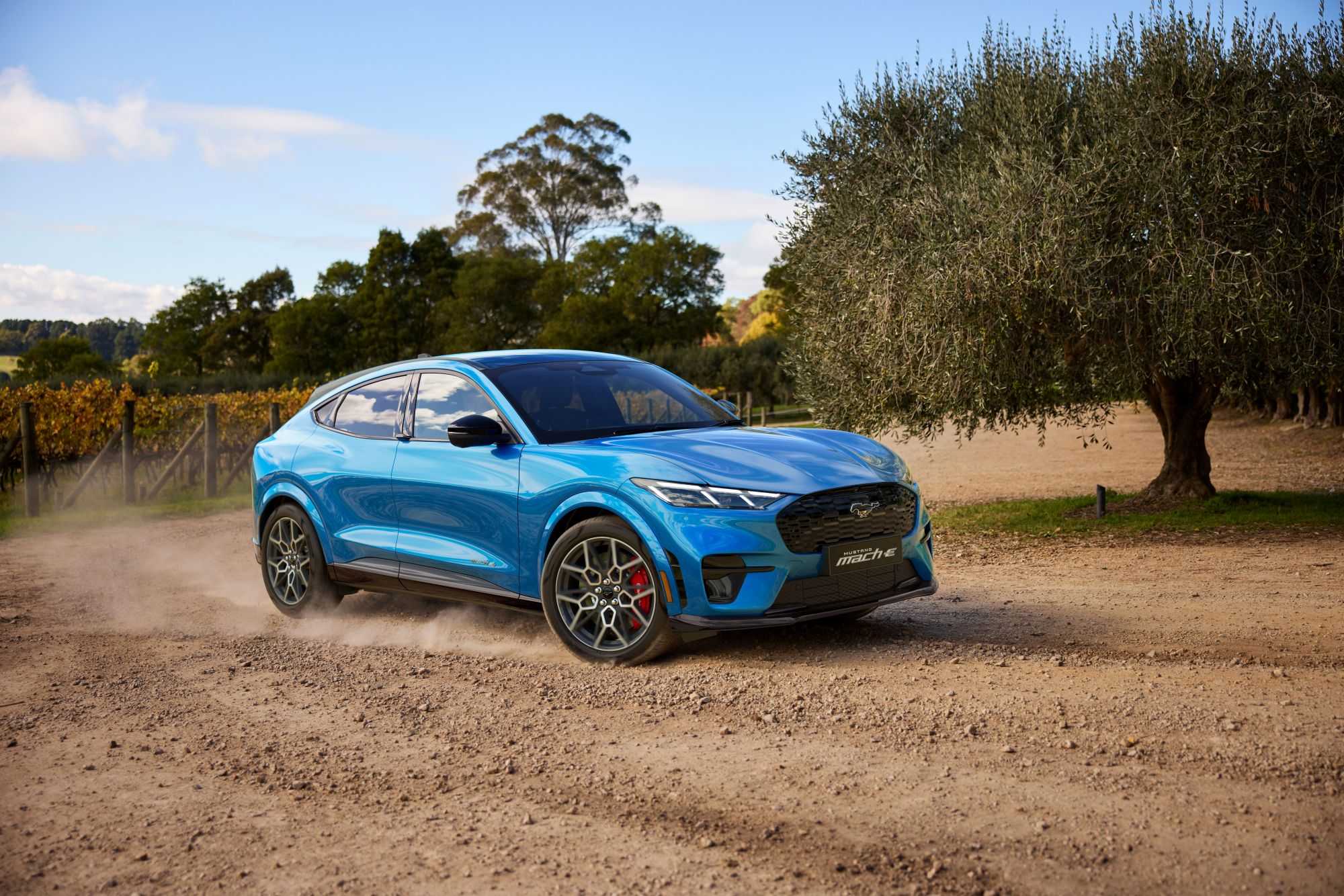
Price: From $98,490 +ORC
Drivetrain: Dual-motor all-wheel drive, 434kW/955Nm, 91kWh battery
Range: 515km (WLTP)
Why it’s got soul: More dynamic than most EVs, and quite fun to drive too
Although it doesn’t feature a V8 engine like its ICE coupe sibling, Ford’s only EV built from the ground up has seen modest sales in Australia, and we think it’s overlooked as every variant in the Mach-E range drives quite well. Even the base model Select offers steering feel not found on many EVs, the ride is well tuned and it’s a fun car to drive. The top-spec GT adds more performance too – making 434kW of power and a massive 955Nm of torque, it hits 100km/h in just 3.5 seconds and is a hoot to drive.
Kia EV3
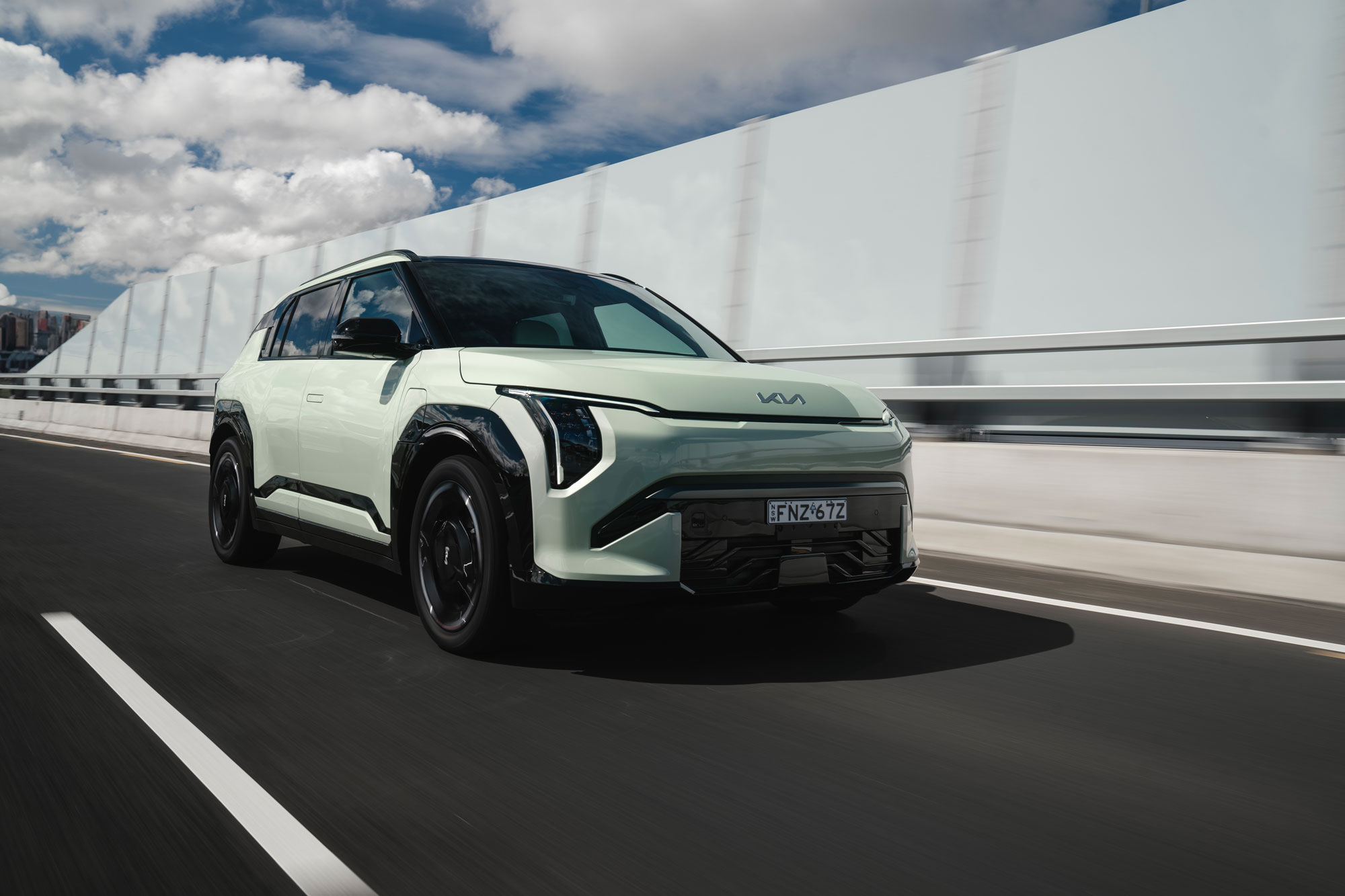
Price: From $46,990 driveaway
Drivetrain: Front-mounted single-motor, 150kW/283Nm, 58.3kWh or 81.4kWh battery
Range: 436km (Standard Range) – 604km (Extended Range)
Why it’s got soul: It drives really well, and it’s also quite fun too
Sure, it’s a small SUV, and sure, the performance variant isn’t yet available in Australia, but the Kia EV3 just drives so well. Its styling gives it a cute and futuristic character, while the interior is refreshingly simple to look at but also warm and inviting due to the materials used, unlike the vast majority of its rivals. Priced from just $46,990 driveaway, the EV3 is also great value for money, and it can travel up to a long 604km on a charge. If you’re after a small electric SUV that will satisfy from behind the wheel, the EV3 is great.
Porsche Taycan
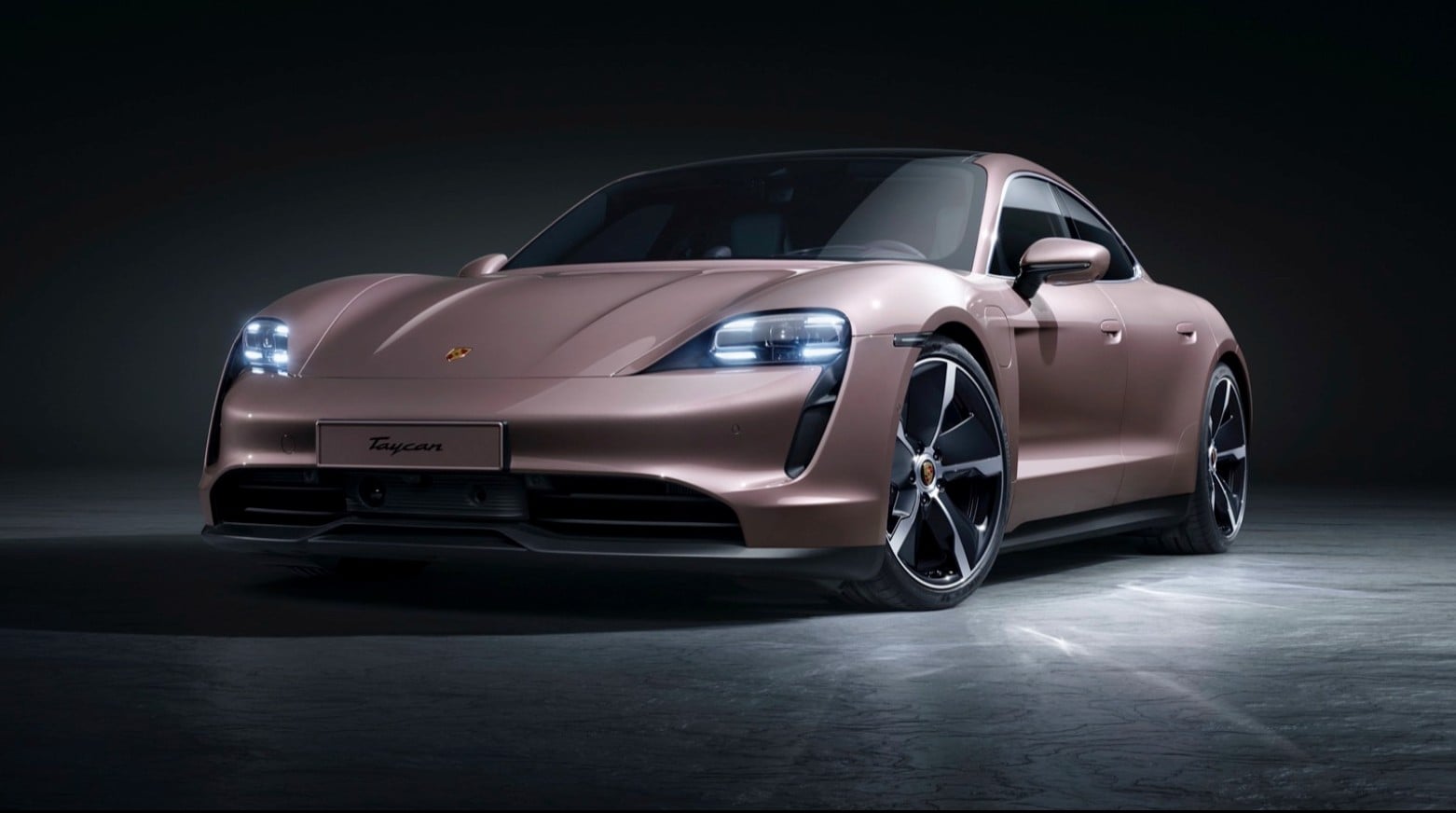
Price: From $181,200 +ORC
Range: Rear-mounted single-motor and dual-motor all-wheel drive, up to 580kW, 105kWh battery
Why it’s got soul: Even though it’s electric, it’s still a Porsche. Duh
Yep, the Taycan is electric, but it’s still a Porsche and that means that it’s been engineered meticulously, offers plenty of feedback through the steering and is dynamically special. Both rear- and all-wheel drive drivetrains are available – even the base model makes a huge 300kW of power – and going up the range makes it even faster and more involving. The Taycan also looks like a proper Porsche and not a copy, and the Electric Sport Sound gives it more character too.
Kia EV6 GT
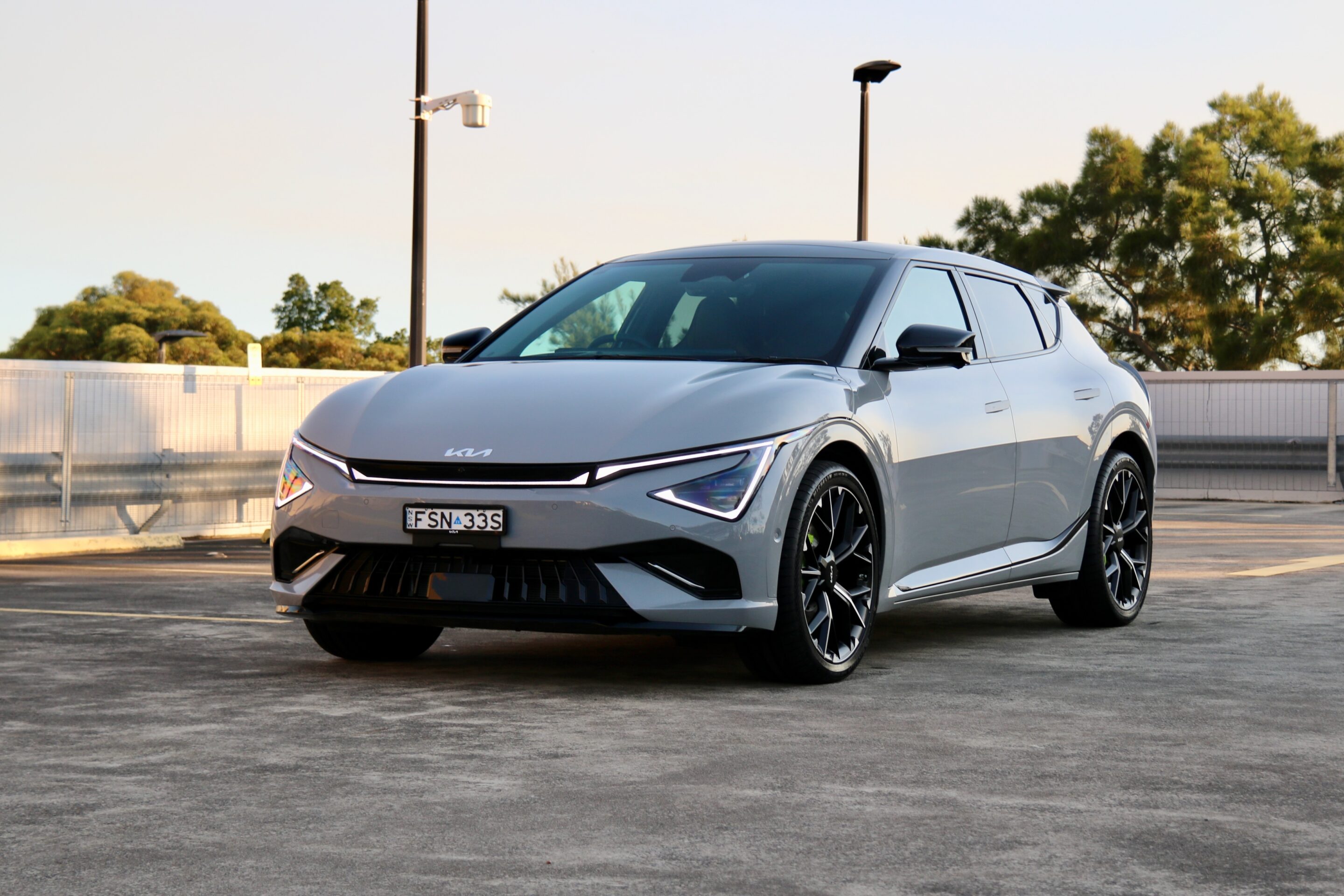
Price: From $99,660 +ORC
Drivetrain: Dual-motor all-wheel drive, 478kW/770Nm, 84kWh battery
Range: 450km (WLTP)
Why it’s got soul: It borrows the Ioniq 5 N’s fake gear shifting tech, which gives it more driver engagement than many EVs
The EV6 GT was actually launched before its Ioniq 5 N cousin, though the Hyundai turned up the wick on the Kia considerably. Kia fired back with the EV6 GT’s facelift, which added even more power, the Hyundai’s fake gearing and its fake engine noises to give it more character and engage the driver even more. As a result, not only is the EV6 GT very fast but it’s also very fun to drive and full of soul.
Genesis GV60 Magma
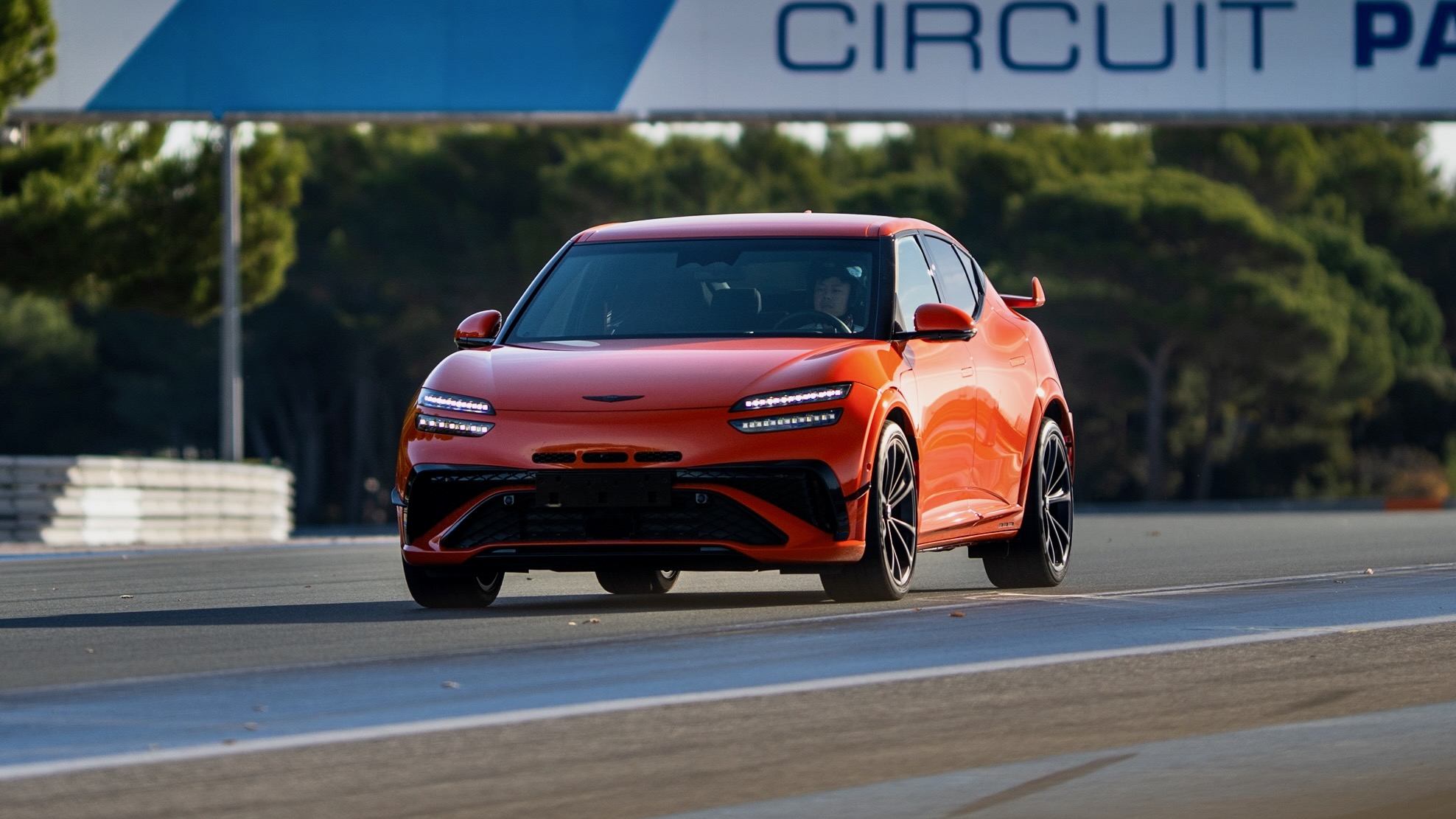
Price: From $120,000 (est. – yet to launch in Australia)
Drivetrain: Dual-motor all-wheel drive, 478kW/770Nm, 84kWh battery
Range: 448km (WLTP)
Why it’s got soul: Take the same answer from the EV6 GT above and apply a more luxurious fit and finish throughout
It’s not been released yet in Australia, but the early overseas ride reviews for the GV60 Magma have been quite positive in the way it drives. Plus, it’s almost identical underneath to the EV6 GT and the Ioniq 5 N, both of which are excellent drives. The GV60 Magma is the first production model from the brand’s new performance range, and aside from the masses of orange colouring, the soul in the GV60 Magma comes from its performance, fun factor and luxurious interior.
Honda Super-One
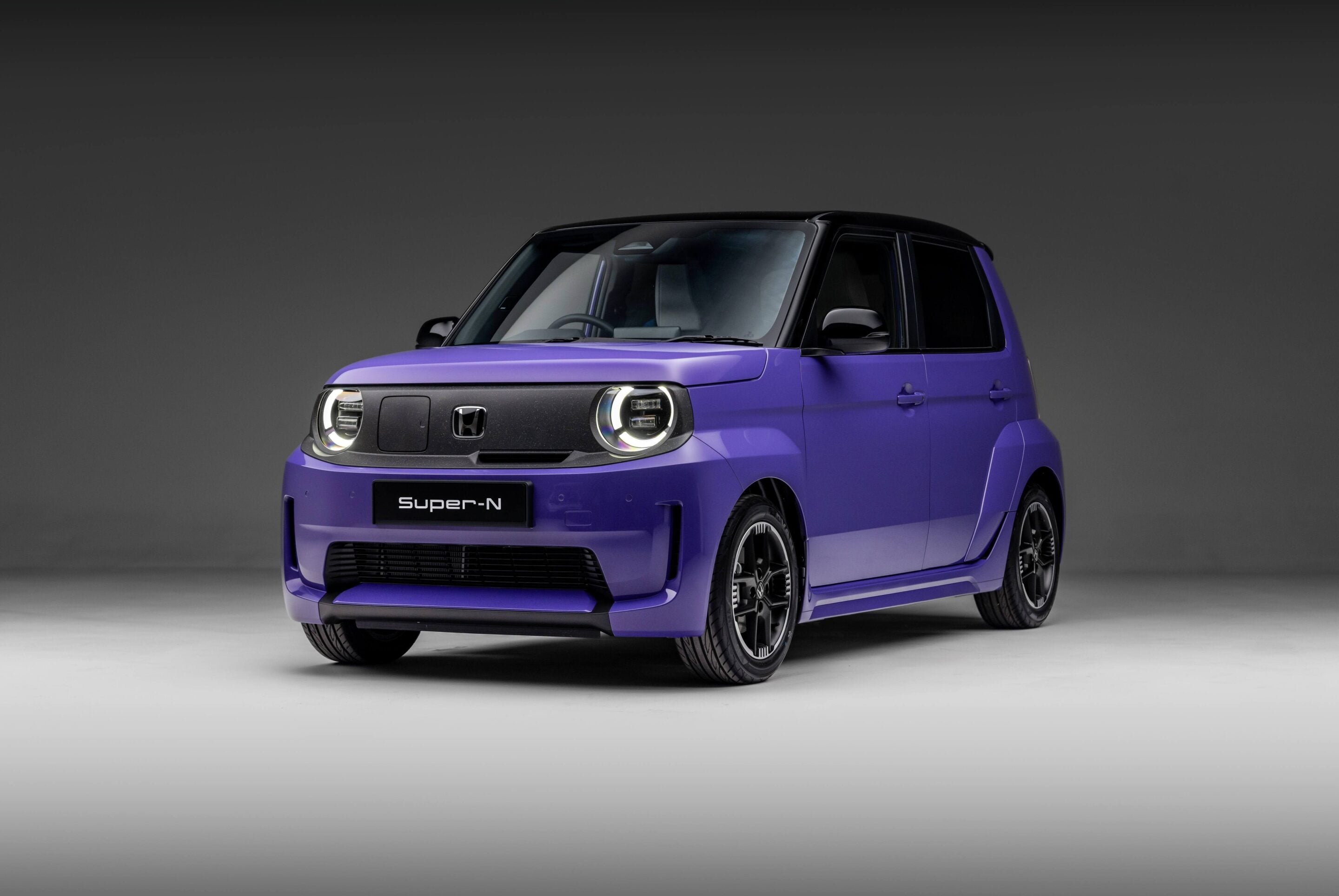
Price: Under $40,000 (est. – yet to launch in Australia)
Drivetrain: Front-mounted single-motor, 47kW (74kW in boost mode), 29.6kWh battery
Range: 205km (in Europe; Australian figures TBC)
Why it’s got soul: Just look at it
Even though it’s only a tiny city car, and even though it only makes just 47kW of power, one of the electric cars with actual soul is the Honda Super-One. Firstly, just look at its funky styling, but secondly, look closer at details like the sports seats and purple ‘boost’ button and you realise that it means business and wants to have fun. A car encouraging you to have fun surely has a lot of soul. The Super-One is actually Honda‘s first electric vehicle to launch locally, and while it won’t be the biggest car on the market, we think it’s going to be an absolute hoot to drive.
We’re accustomed to politicians, lobbyists and various paid spokespeople telling us that we should all be driving electric vehicles to ‘save the planet’. Evidently, certainly according to them, it’s the only way forward. This current fuel crisis has provided them with the ultimate platform to spruik their wares, too, given the issues with fuel supply.
However, the general public might not be so accustomed to the way in which vehicle manufacturers like to push the same message – usually to journalists at the launch of new vehicles. Those that produce only or largely EVs, do so the loudest, but manufacturers are all guilty of it. ‘We’re responsible corporate citizens’, they say, or ‘we must do our bit for the environment’.
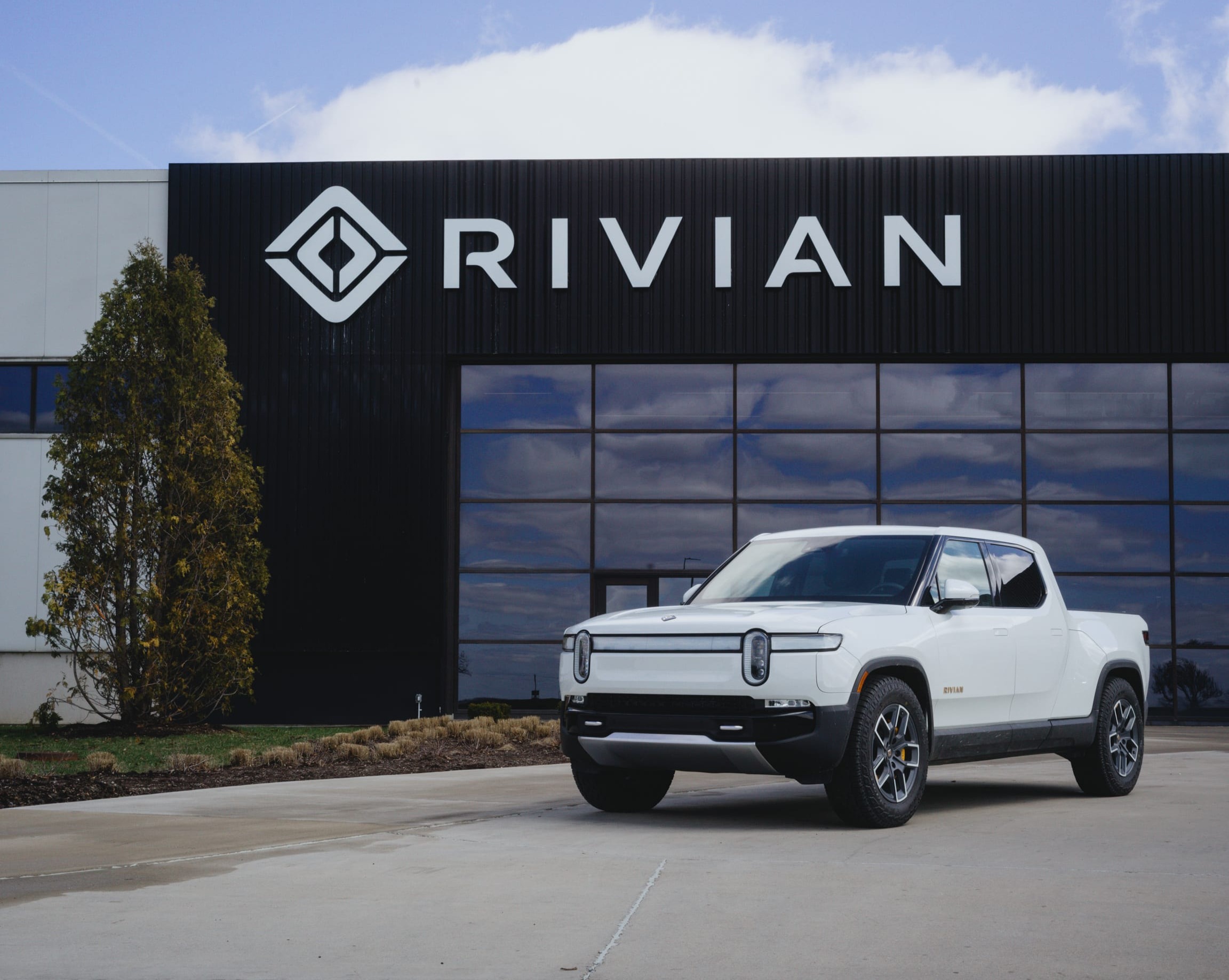
If that’s the case, and they genuinely mean those statements, then they should all take a leaf out of Rivian’s book. The US EV manufacturer has just announced that it would – in an effort to give them a second phase of life – use old battery packs from its EVs to partly power its production plant.
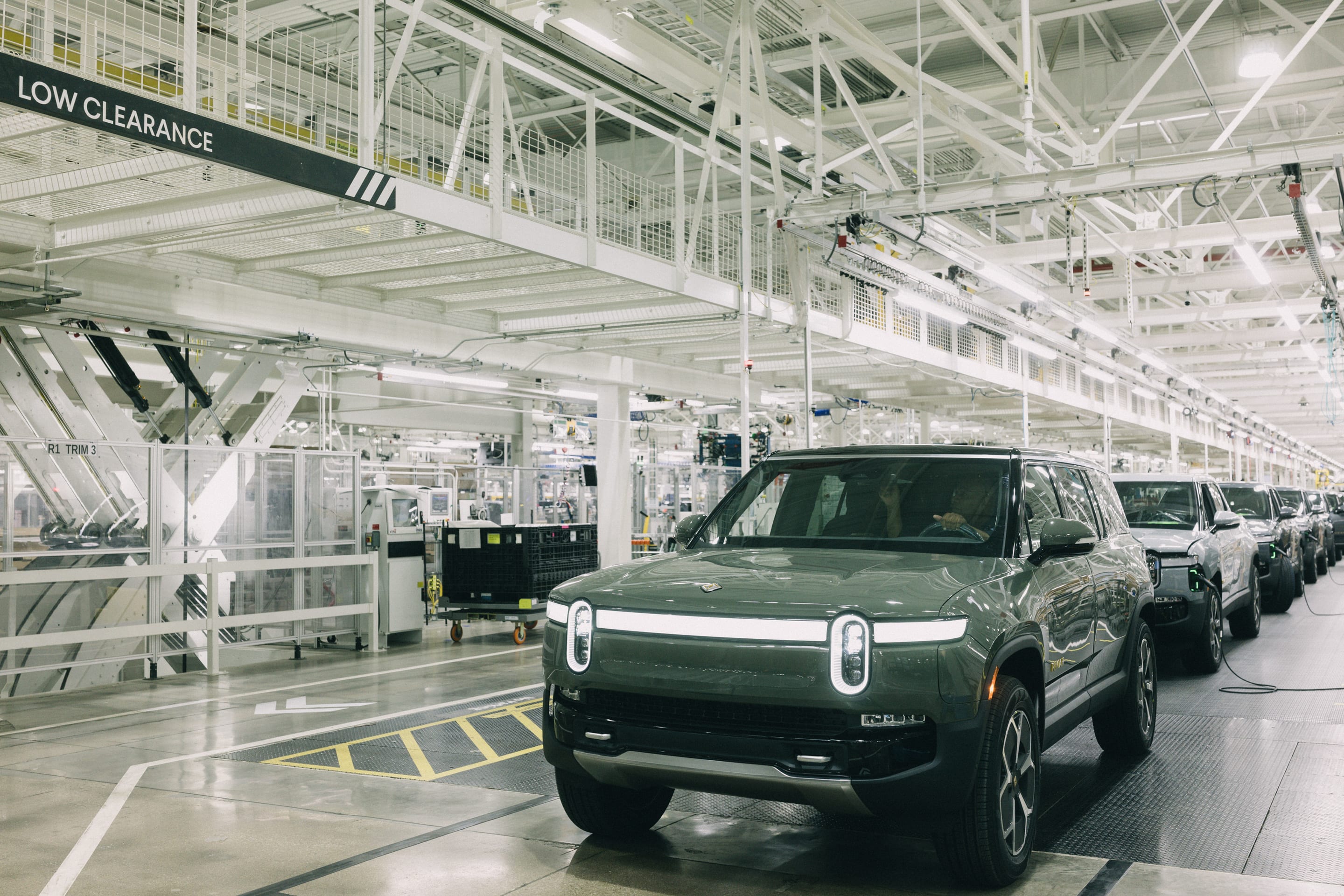
The factory in Illinois, will be the beneficiary of up to 10 megawatt-hours of stationary energy storage, by way of a partnership between Rivian and battery-recycling firm Redwood Materials. The way it works, is simple. Rivian sends more than 100 second-life battery packs to Redwood, which then turns those into a storage installation, that should, in theory at least, reduce the Rivian factory’s reliance on the grid for power. During peak times, it could even say the company money.
“EVs represent a massive, distributed and highly competitive energy resource,” Rivian founder and CEO RJ Scaringe said via a statement. “As energy needs grow, our grid needs to be flexible, secure, and affordable. Our partnership with Redwood enables us to utilise our vehicle’s batteries beyond the life of a vehicle and contribute to grid health and American competitiveness.”
In reality, certainly with regard to current, more updated battery technology, it seems that battery packs don’t degrade as quickly as initially feared. That said, the battery pack in your electric vehicle is much the same as a petrol engine that will last longer if its been looked after by the owner. Fast charge your battery every time, and it won’t be as healthy as one that’s always been slow charged.
Even so, when a battery pack loses its storage practicality for vehicular use, it can still a valuable asset for storage like the system Redwood is working on. That means it doesn’t need to be broken down and recycled straight away either – something not too many people or businesses want to talk about. If a battery pack is ineffective in a vehicle at 70 or 60 per cent for example, it can still have a genuine second life as a storage device in a different application.
Nissan was one of the first manufacturers to talk openly about second life usage for its battery packs (as far back as 2018), and it’s something every manufacturer should be working on if they truly want to clean up the environment in the way they say they do. After all, the depth and cost of properly recycling an electric vehicle is quite complex and something that must be considered if the betterment of the environment is the ultimate driver of electric vehicle take up.
First published in the July 1995 issue of Wheels magazine, Australia’s best car mag since 1953. Subscribe here and gain access to 12 issues for $109 plus online access to every Wheels issue since 1953.
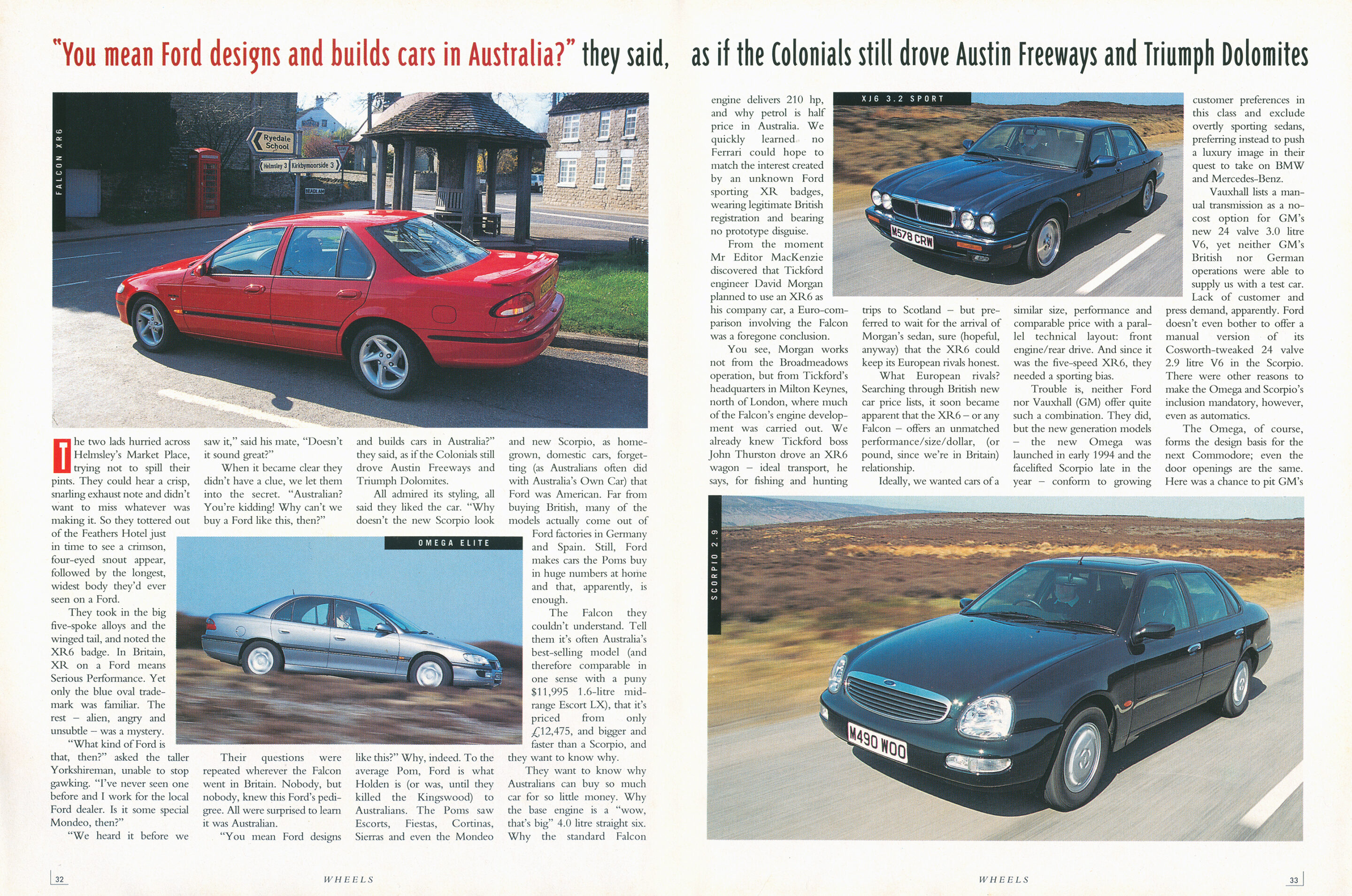
The two lads hurried across Helmsley’s Market Place, trying not to spill their pints. They could hear a crisp, snarling exhaust note and didn’t want to miss whatever was making it. So they tottered out of the Feathers Hotel just in time to see a crimson, four-eyed snout appear, followed by the longest, widest body they’d ever seen on a Ford.
They took in the big five-spoke alloys and the winged tail, and noted the XR6 badge. In Britain, XR on a Ford means Serious Performance. Yet only the blue oval trademark was familiar. The rest – alien, angry and unsubtle – was a mystery.
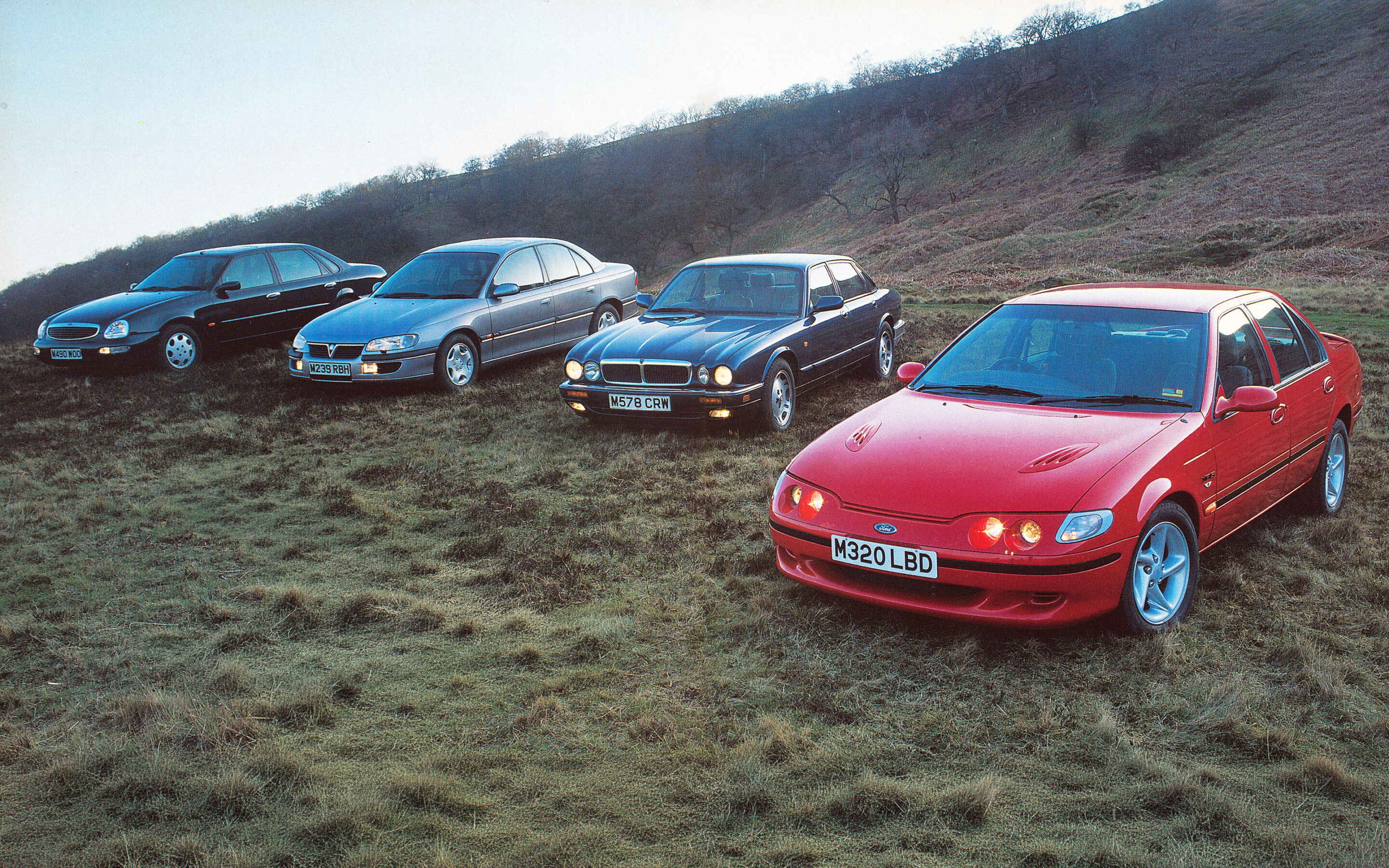
“What kind of Ford is that, then?” asked the taller Yorkshireman, unable to stop gawking.
“I’ve never seen one before and I work for the local Ford dealer. Is it some special Mondeo, then?”
“We heard it before we saw it,” said his mate, “Doesn’t it sound great?”
When it became clear they didn’t have a clue, we let them into the secret.
“Australian? You’re kidding! Why can’t we buy a Ford like this, then?”
Their questions were repeated wherever the Falcon went in Britain. Nobody, but nobody, knew this Ford’s pedigree. All were surprised to learn it was Australian.
“You mean Ford designs and builds cars in Australia?” they said, as if the Colonials still drove Austin Freeways and Triumph Dolomites.
All admired its styling, all said they liked the car.
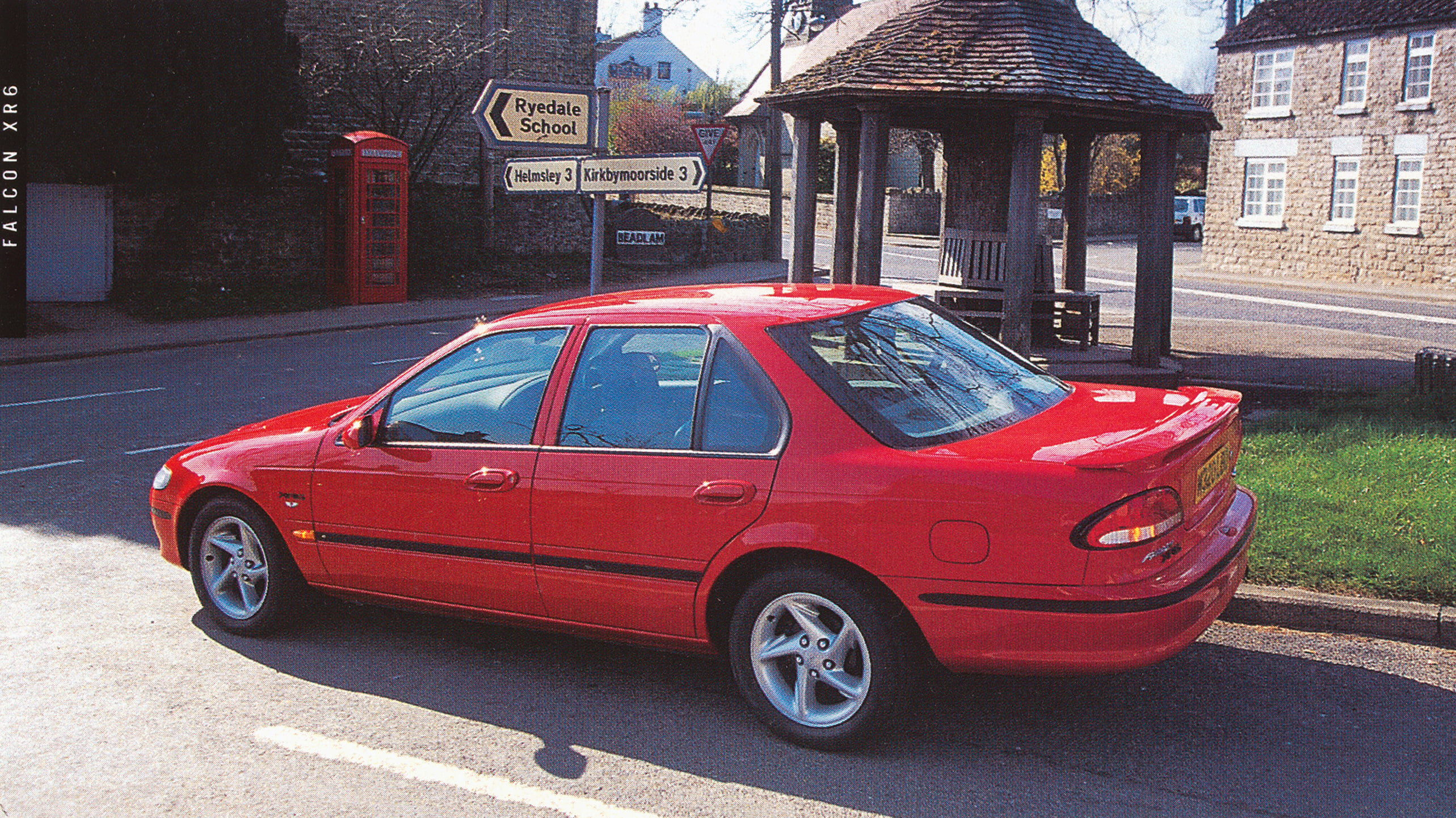
“Why doesn’t the new Scorpio look like this?”
Why, indeed. To the average Pom, Ford is what Holden is (or was, until they killed the Kingswood) to Australians. The Poms saw Escorts, Fiestas, Cortinas, Sierras and even the Mondeo and new Scorpio, as home-grown, domestic cars, forgetting (as Australians often did with Australia’s Own Car) that Ford was American. Far from buying British, many of the models actually come out of Ford factories in Germany and Spain. Still, Ford makes cars the Poms buy in huge numbers at home and that, apparently, is enough.
The Falcon they couldn’t understand. Tell them it’s often Australia’s best-selling model (and therefore comparable in one sense with a puny $11,995 1.6-litre mid-range Escort LX), that it’s priced from only £12,475, and bigger and faster than a Scorpio, and they want to know why. They want to know why Australians can buy so much car for so little money. Why the base engine is a “wow, that’s big” 4.0 litre straight six. Why the standard Falcon engine delivers 210hp, and why petrol is half price in Australia. We quickly learned no Ferrari could hope to match the interest created by an unknown Ford sporting XR badges, wearing legitimate British registration and bearing no prototype disguise.
From the moment Mr Editor MacKenzie discovered that Tickford engineer David Morgan planned to use an XR6 as his company car, a Euro-comparison involving the Falcon was a foregone conclusion. You see, Morgan works not from the Broadmeadows operation, but from Tickford’s headquarters in Milton Keynes, north of London, where much of the Falcon’s engine development was carried out. We already knew Tickford boss John Thurston drove an XR6 wagon – ideal transport, he says, for fishing and hunting trips to Scotland – but preferred to wait for the arrival of Morgan’s sedan, sure (hopeful, anyway) that the XR6 could keep its European rivals honest.
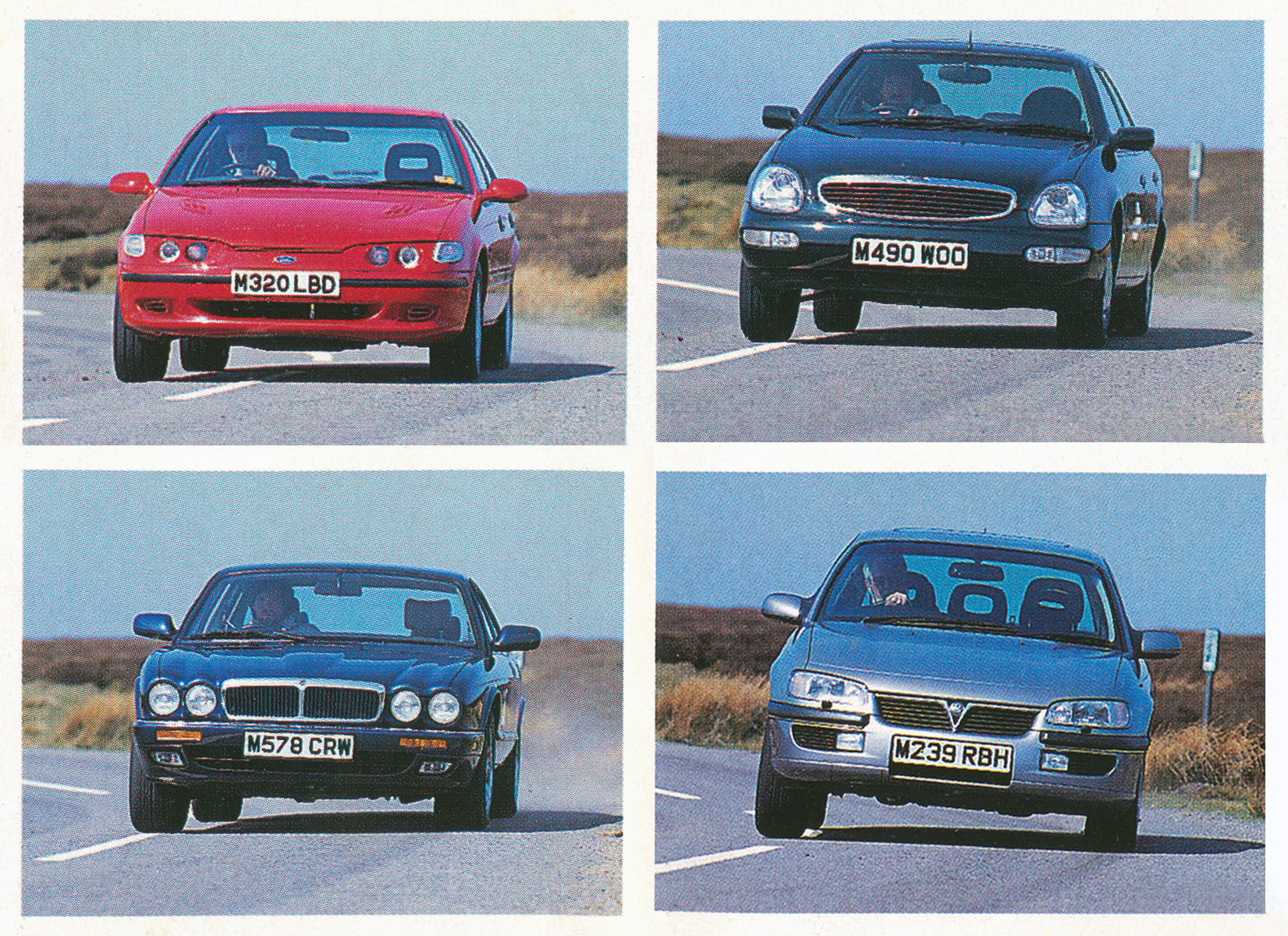
What European rivals?
Searching through British new car price lists, it soon became apparent that the XR6 – or any Falcon – offers an unmatched performance/size/dollar, (or pound, since we’re in Britain) relationship. Ideally, we wanted cars of a similar size, performance and comparable price with a parallel technical layout: front engine/rear drive. And since it was the five-speed XR6, they needed a sporting bias.
Trouble is, neither Ford nor Vauxhall (GM) offer quite such a combination. They did, but the new generation models the new Omega was launched in early 1994 and the facelifted Scorpio late in the year – conform to growing customer preferences in this class and exclude overtly sporting sedans, preferring instead to push a luxury image in their quest to take on BMW and Mercedes-Benz.
Vauxhall lists a manual transmission as a no-cost option for GM’s new 24 valve 3.0 litre V6, yet neither GM’s British nor German operations were able to supply us with a test car. Lack of customer and press demand, apparently. Ford doesn’t even bother to offer a manual version of its Cosworth-tweaked 24 valve 2.9 litre V6 in the Scorpio.
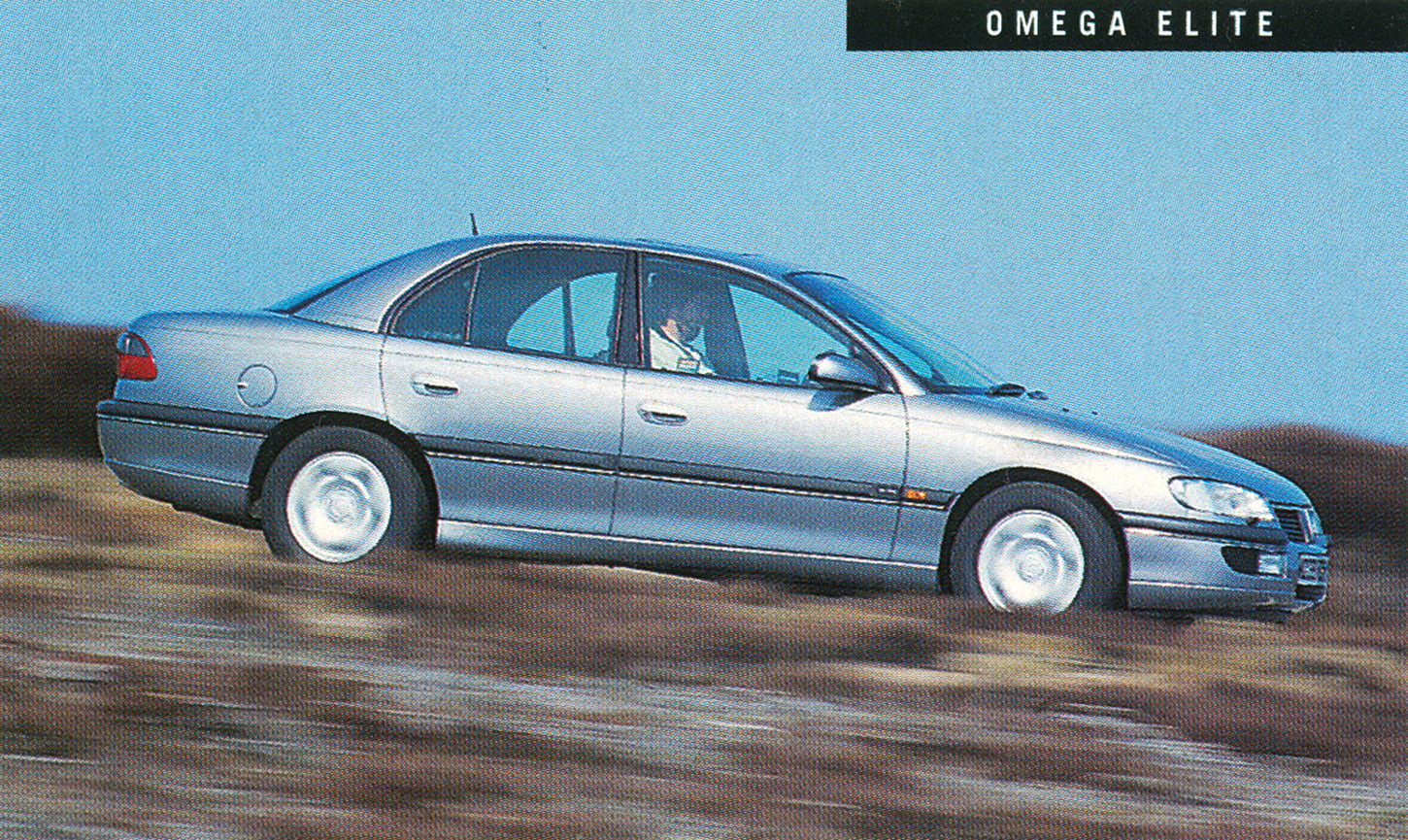
There were other reasons to make the Omega and Scorpio’s inclusion mandatory, however, even as automatics. The Omega, of course, forms the design basis for the next Commodore; even the door openings are the same. Here was a chance to pit GM’s newest against its direct rival.
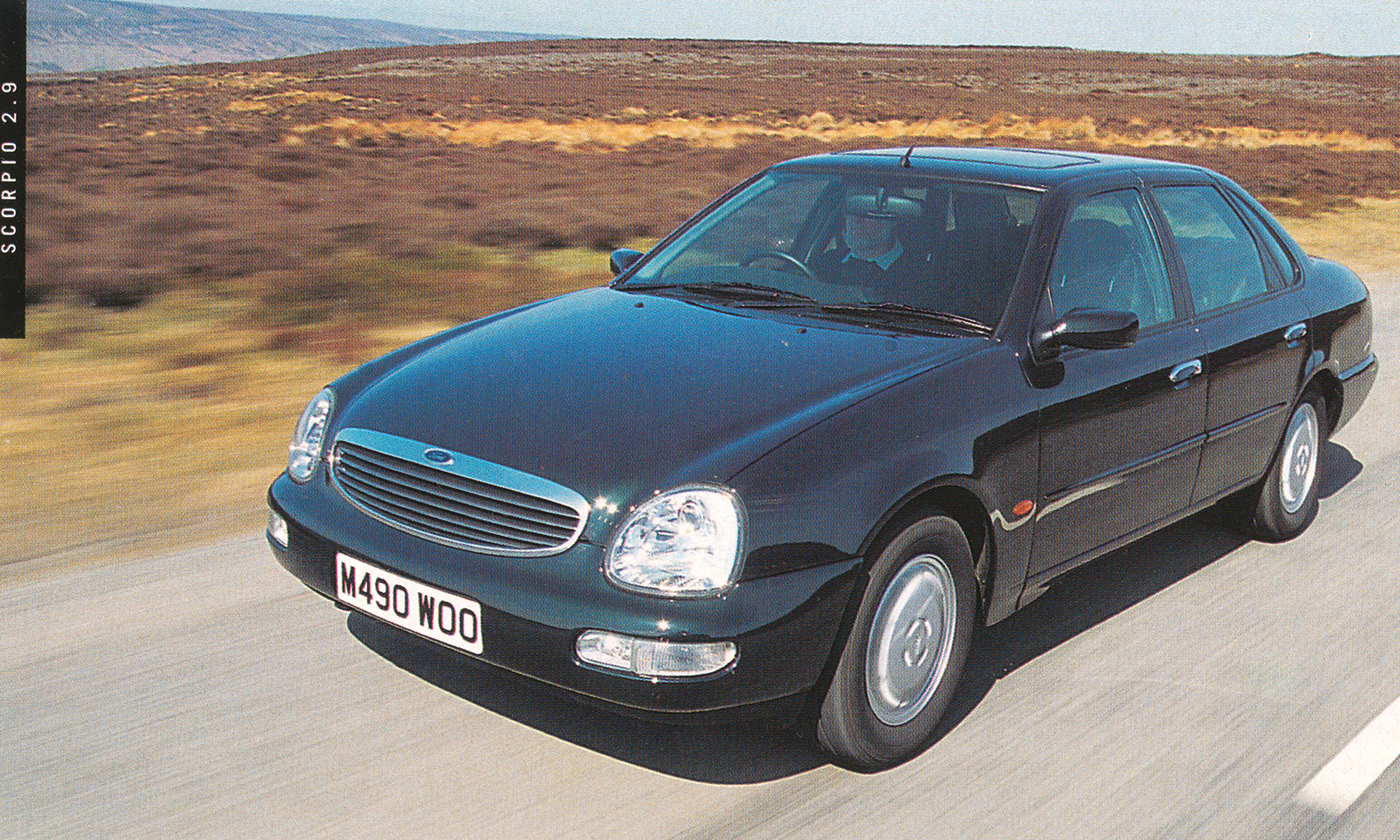
The Scorpio, as Europe’s big Ford, presents a significant cultural dilemma for FoMoCo. Eventually, if Ford is true to its plan to standardise the platforms of models of a similar size around the world, the Scorpio and Falcon must be replaced by the same car. At least, under the skin.
Comparing Scorpio with the true-blue Falcon in Blighty provided the perfect opportunity to understand what led Ford Australia to reject the European model when it came to choosing a new Falcon for 1988. The Falcon and Scorpio driven here represent the latest versions of models launched in the mid-80s and heavily facelifted (only the doors are carried over) along similar lines last year with the aim of extending their model cycles while Detroit makes up its mind about the future of both.
One of the alternatives under serious consideration by Ford is to drop the Scorpio altogether and use a new Jaguar – remember the cat is now wholly owned by Ford – to take on the European establishment. A fancy Ford, like equivalent Vauxhalls, has never commanded the same magnetism as its German rivals and Ford sees this as very much Jaguar’s future task.
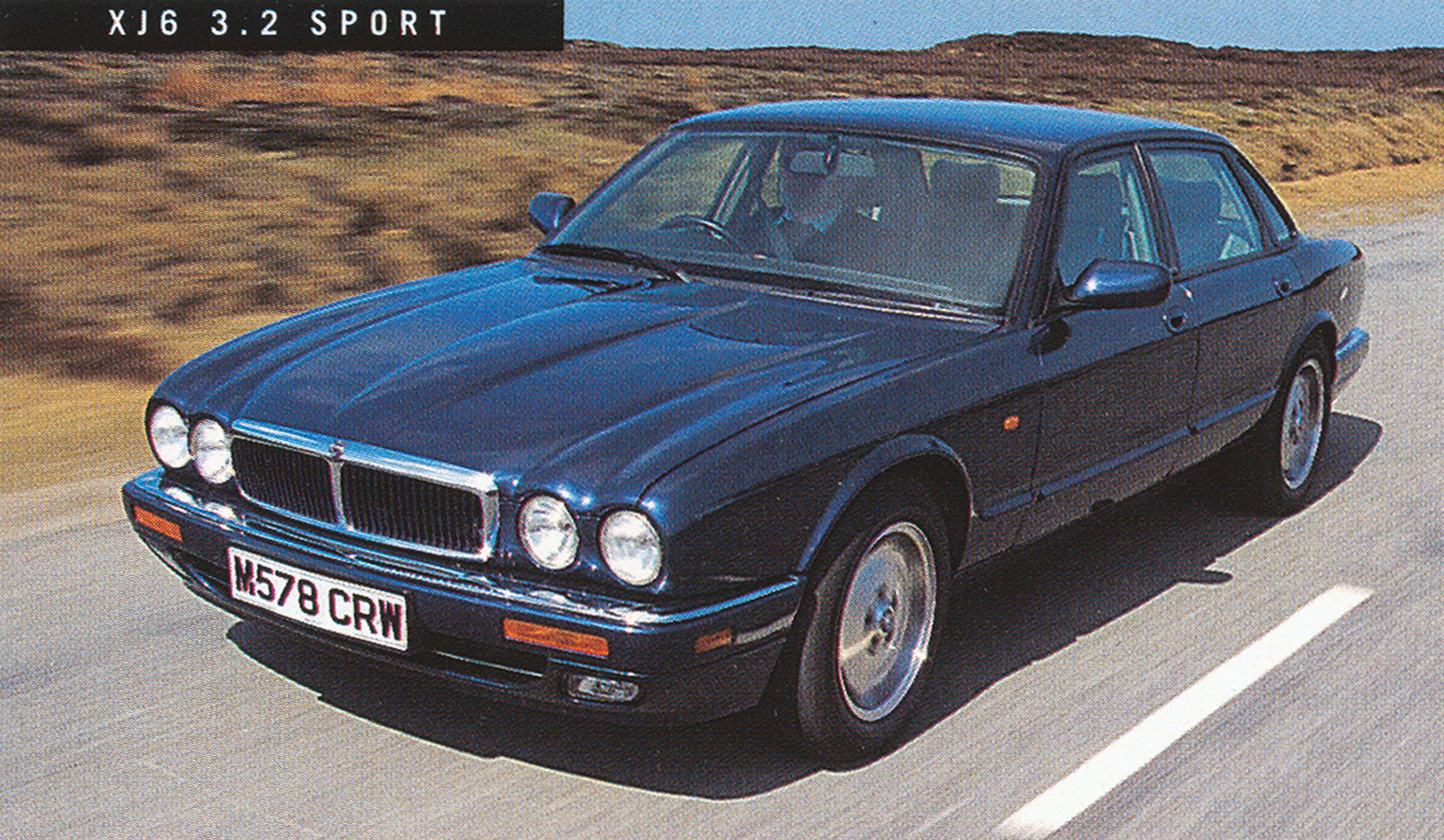
So we thought to include a Jag and, using power output as the rationale for our purposes, chose to compare an XJ6 3.2 Sport. Forgetting price for a moment, this Jaguar’s specification and design intent parallels the XR6’s. We hoped to drive a five-speeder, but the car delivered was an auto.
Why no BMW or Mercedes? Easy, there are totally new E-Class and 5 Series models just months from launch. Four cars, then. Two Fords from opposite ends of the world, a Jaguar and a Vauxhall.
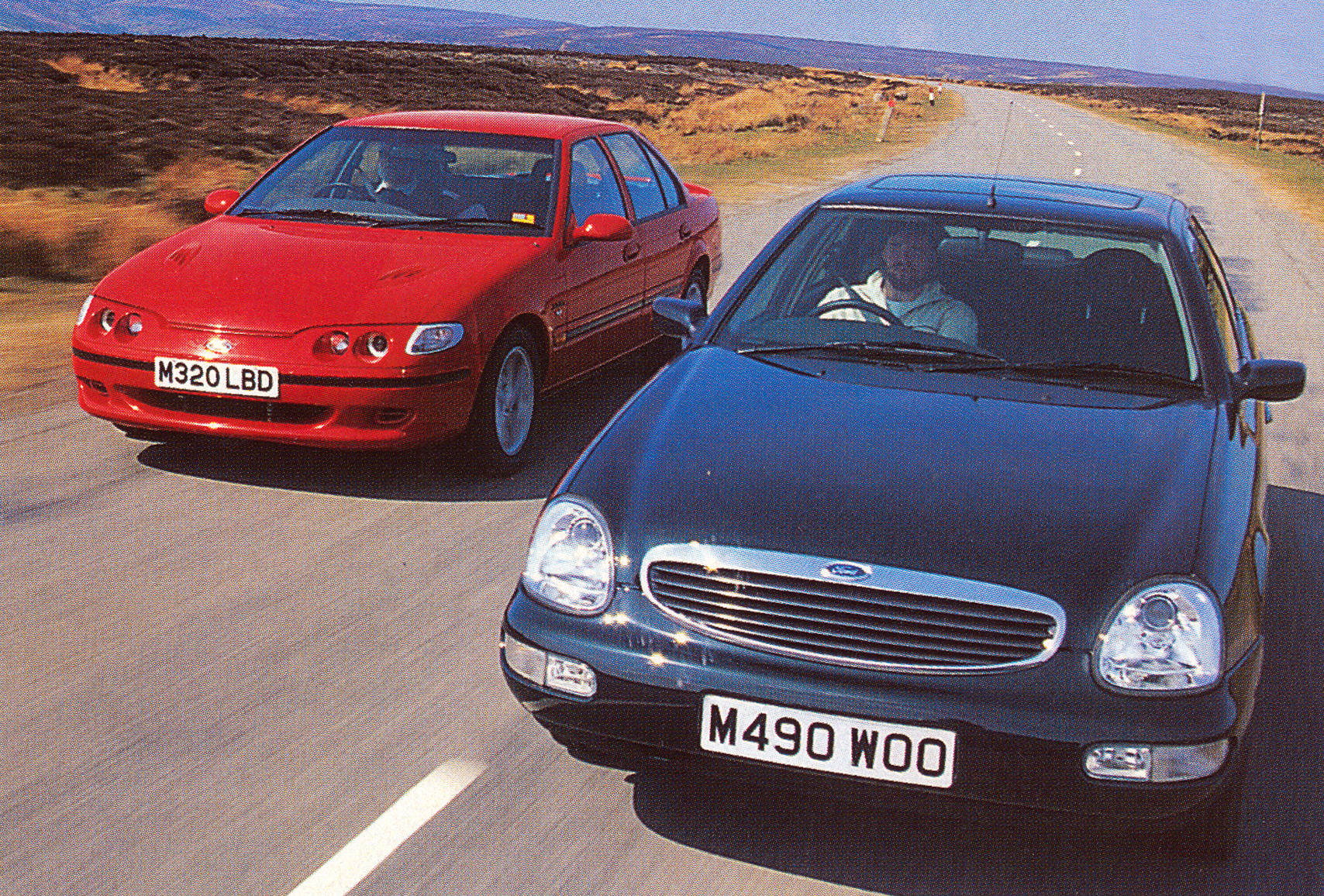
Design? The Omega, polished – to Cd 0.29 – in typical GM fashion, is contemporary and rounded, handsome rather than beautiful and certainly unlikely to offend potential buyers. Which is more than can be said for the European Ford. It’s hard to understand how the Scorpio wriggled through the checks and balances of Ford’s design system.
The compromises of the narrow Sierra platform are obvious: that bulbous nose and fat, cumbersome tail are quite alienated from a glasshouse that remains essentially unaltered. The Scorpio looks as if one designer took the front, another the rear and the two parts were connected to the centre without reference to the whole. It’s not even particularly slippery, having a drag coefficient of 0.33. People certainly notice what Ford calls “distinctive” styling, and talk about it, but that doesn’t necessarily mean they’re going to turn into customers.
The Falcon’s facelift (Cd 0.31) is far more predictable and successful. Only the retention of the side body crease lines through the carry-over doors dates the car. The Jaguar is, well, a Jaguar. More Jaguar-like than the previous model since the revival of traditional design cues that give the car a more graceful appearance but a Cd figure of only 0.37.
All four are front- engine/rear-drive, but have clear engineering distinctions that begin with the engines. While Ford Australia sticks with an in-line six, Europe seems intent on switching to vees. Ford and GM are already converts, Jaguar and Mercedes-Benz are soon to follow, leaving only BMW and Volvo as adherents.
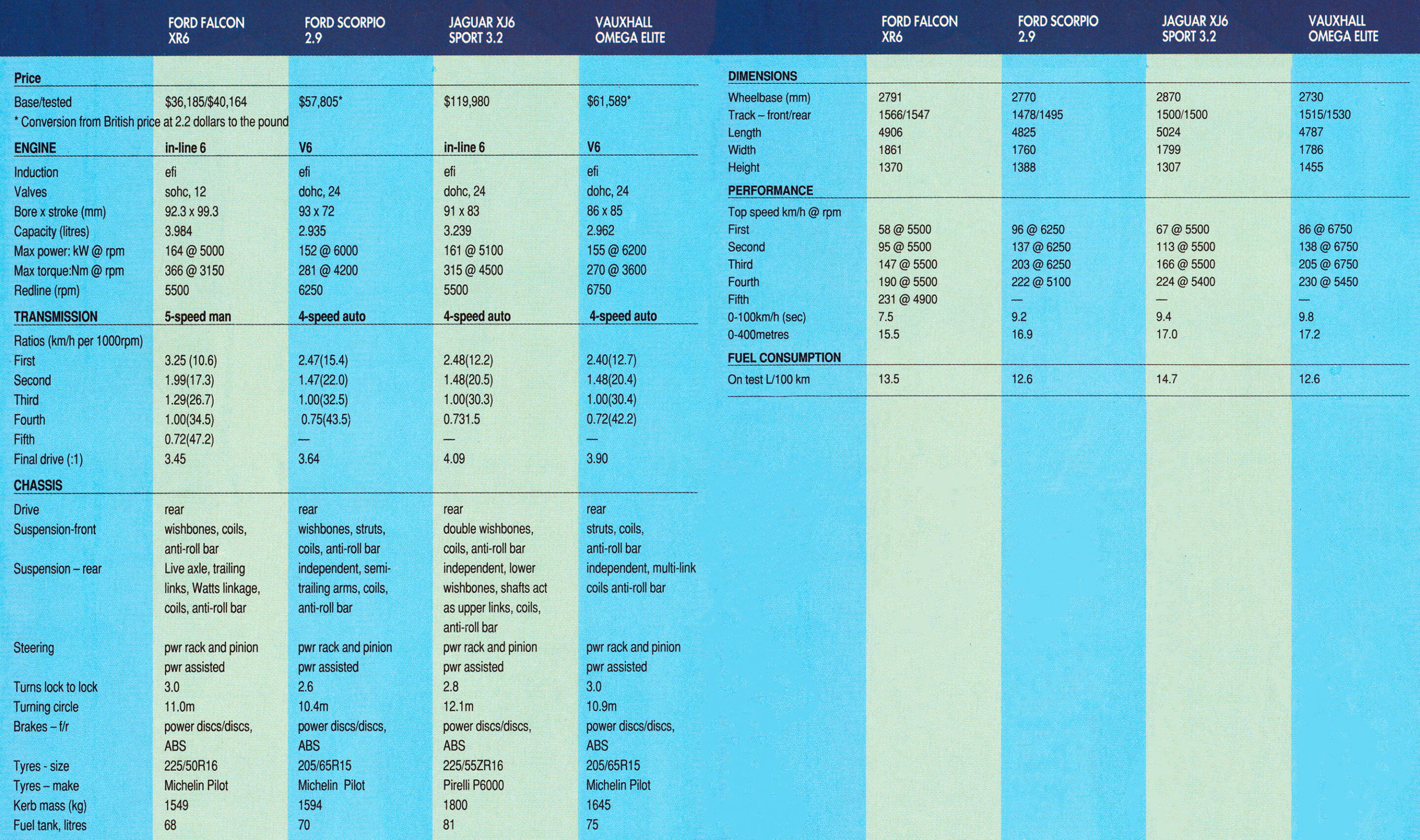
GM’s DOHC V6 is new, though already familiar to Australians through its appearance in various SAABs. However, there’s no chance of it turning up under the bonnet of the VT Commodore. It’s not just a question of cost; despite a variable length intake manifold and the latest Bosch M2.8 electronic brain, this engine was designed in Germany and conforms to the autobahn norm. By Australian standards, it’s a brilliant high-revving top-end performer, yet almost lethargic at low revs and lacking the grunt of instant engine response from idle that you take for granted from Commodore or Falcon.
Peak torque of 270Nm is developed at a high 3600rpm and not even a torque converter and super smooth auto tranny can disguise the need to kickdown for maximum acceleration. From 3000rpm to the 6750rpm redline this engine spins effortlessly and powerfully. The refinement is obvious and no Ford or, as it turned out, Jaguar six, is going to equal its finesse.
Ford’s ageing 2.9 litre Cologne V6 benefits enormously from the Cosworth development that brought twin overhead camshafts and four valves per cylinder a couple of years ago and in its latest form gets a variable-length induction tract. Even so, the Scorpio’s 152kW can’t quite match the Vauxhall’s 155kW and it, too, has a peaky torque curve developing 281Nm at a lofty 4200rpm. But Ford’s A4LDE four-speed automatic doesn’t shift as fluently or quickly as GM’s tranny, while coming on and off the power quickly induces a mild jerk that also spoils the Jaguar’s driveline refinement.
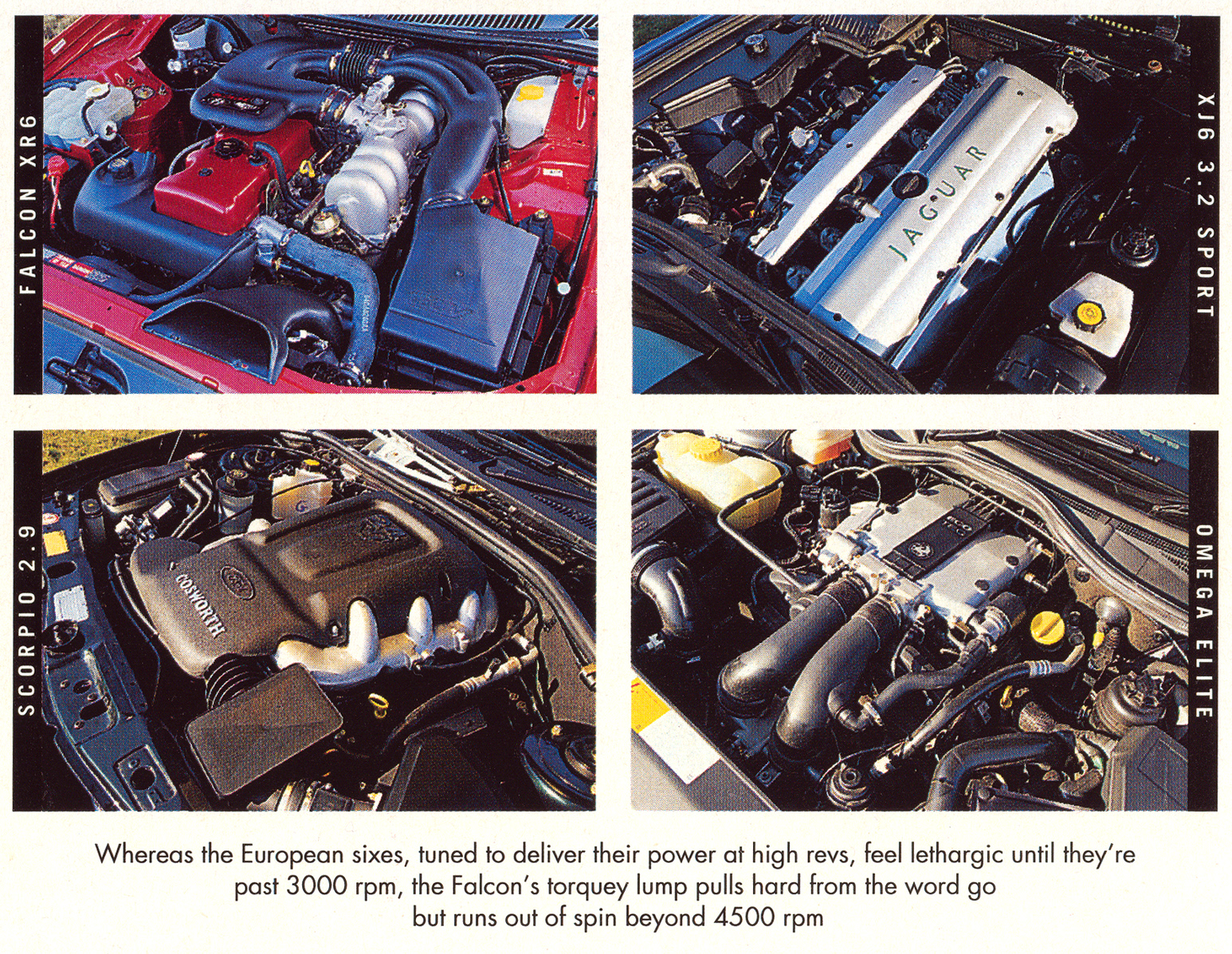
Jaguar’s six doesn’t date back as far as the Falcon’s engine and has the advantage of twin overhead cams and four valves per cylinder, but the AJ16 engine has never quite matched rival BMW and Mercedes engines in high rev smoothness.
Even the 3.2 litre is restricted to a 5500rpm redline and though it produces plenty of power on paper – 161kW at 5100rpm and 315Nm at 4500rpm – the fat cat’s weight and that automatic transmission take the edge off the performance. The indirect ratios must be held easy enough with the J-handle selector or liberal use made of the kickdown if it’s to feel brisk. Experience with the manual suggests that though it’s noticeably quicker and feels decidedly more sporting, this is not the ideal solution as the gearchange is ponderous and clutch travel lengthy.
Despite the advances of a single overhead camshaft and modern electronic multipoint fuel injection system, the Aussie Ford’s basic engine dates back to the original 1960 144cu in compact Falcon. Yes, 35 years later and the bore centres are the same. But the ancient long-stroke six has enough additional capacity, even over the Jaguar, to give it a small edge in power and a massive advantage in torque. Combine the least weight with 366Nm developed at a humble 3150rpm and a manual gearbox, and it’s easy to see why the Falcon’s quickest here.
Few Europeans have firsthand experience of such an engine. A lowly 5500rpm redline and all that torque should demonstrate that this engine has an aversion to high revs. The fact is, the XR6 seldom needs more than 3500rpm, is remarkably responsive from 1000rpm even in the tall fifth gear, and in fourth feels strong enough to climb a mountain. Push it and, despite that stiffer 12 counterweight crankshaft, the engine strains and grows harsh above 4500rpm. Still, I can remember Falcon sixes that wheezed painfully to 4000rpm not much more than a decade ago. And since the Falcon eats the others to 100km/h and cuts more than a second from their standing 400m times, who is to say this solution is wrong?
The Borg-Warner T5 gearbox still drones on the overrun just as the diff still whines but, believe me, after years of driving relatively small, high-revving European engines, there’s a hell of lot to be said for a big, lazy six and a flat torque curve that requires only tiny throttle openings. There obviously isn’t the same need to change gears, yet the Falcon’s shift is light, quick and precise, the huge gap between fourth and fifth serving merely to emphasise the engine’s pull.
The paradox of the Falcon comes through a chassis set-up that’s more overtly sporting, even, than Jaguar’s so-called XJ6 Sport. Both rely on firmer springs and dampers, bigger anti-roll bars and fatter tyres – those on the XR6 we drove are admittedly the optional 225/50 16s – than the standard equipment. Yet, in spite of its comparatively low-tech engine, the Falcon is easily the most sporting sedan in this group. It’s as if, outside the mega-dollar M5 BMW, the AMG Mercs and Volvo’s front-drive T5, Europe has given up building large, four-door sedans for people who want an aggressive chassis and gusty performance at an affordable price.
Tickford has worked wonders on the Falcon’s dynamics. The XR6 is an exhilarating drive, and not because it’s unpredictable. Fast across the ground, in this case the Yorkshire Moors, the Falcon’s body control, grip and neutral handling came as a major surprise to everybody who drove it. The steering, still too lacking in feel at the straight ahead, is predictable and the sharp turn into corners gives the car an agility which belies its width.
The suspension feels taut, the dampers controlling the body beautifully so that it stays flat and predictable. But the Falcon is the only car here to cling to a live rear axle; occasionally the tricky undulations of the lumpy Moor roads catch the rear end out so that it skips sideways or spins the inside rear wheel out of a hairpin. Yet the ride is never uncomfortable and the suspension feels bullet-proof tough, with travel enough to absorb bumps that cause the Jaguar to bottom out.
Up to eight-tenths, the XJ6 Sport feels to have the handling/ride compromise perfectly sorted. The steering offers more weight and feel than the Sovereign and seems more direct – though the 2.8 turns lock to lock needs to be seen in the light of a huge 12.1m turning circle. While the body stays flat, the ride is still supple enough to suppress bumps, and the handling seems neutral. Push beyond this and, just where the Falcon welcomes the change, the Jaguar’s weight becomes apparent; the body begins to float and heave, understeer intrudes and steering demands more lock.
Neither the Omega nor the Scorpio have sporting pretensions, yet so well developed are their respective suspensions that both are far more capable than their images suggest.
Ultimately, it’s the more firmly sprung Omega that is closest to rivalling the Falcon’s driving appeal. The Scorpio lacks the body control and, unlike the Falcon, never manages to hide its bulk. When it runs out of grip, the Euro-Ford behaves predictably and, while the Servotronic power steering is quick enough to make the car wonderfully manoeuvrable at low speeds, it can become nervous in crosswinds.
The Omega always feels nimble and poised, copes brilliantly with bumps and retains greater body control when the Scorpio and even Jaguar have given up the fight. Turn off the traction control system and this car can be balanced on the throttle in a manner not far short of a BMW 5 Series.
As motorway transport the refinement of the Europeans becomes obvious, yet the Falcon remains a contender, not least because it is easily the highest geared. Still, there is a constant if mild tremor through the wheel and more road and wind noise than the others produce. All four have excellent brakes, but it’s the Falcon’s progressive and instantly responsive pedal action that we preferred.
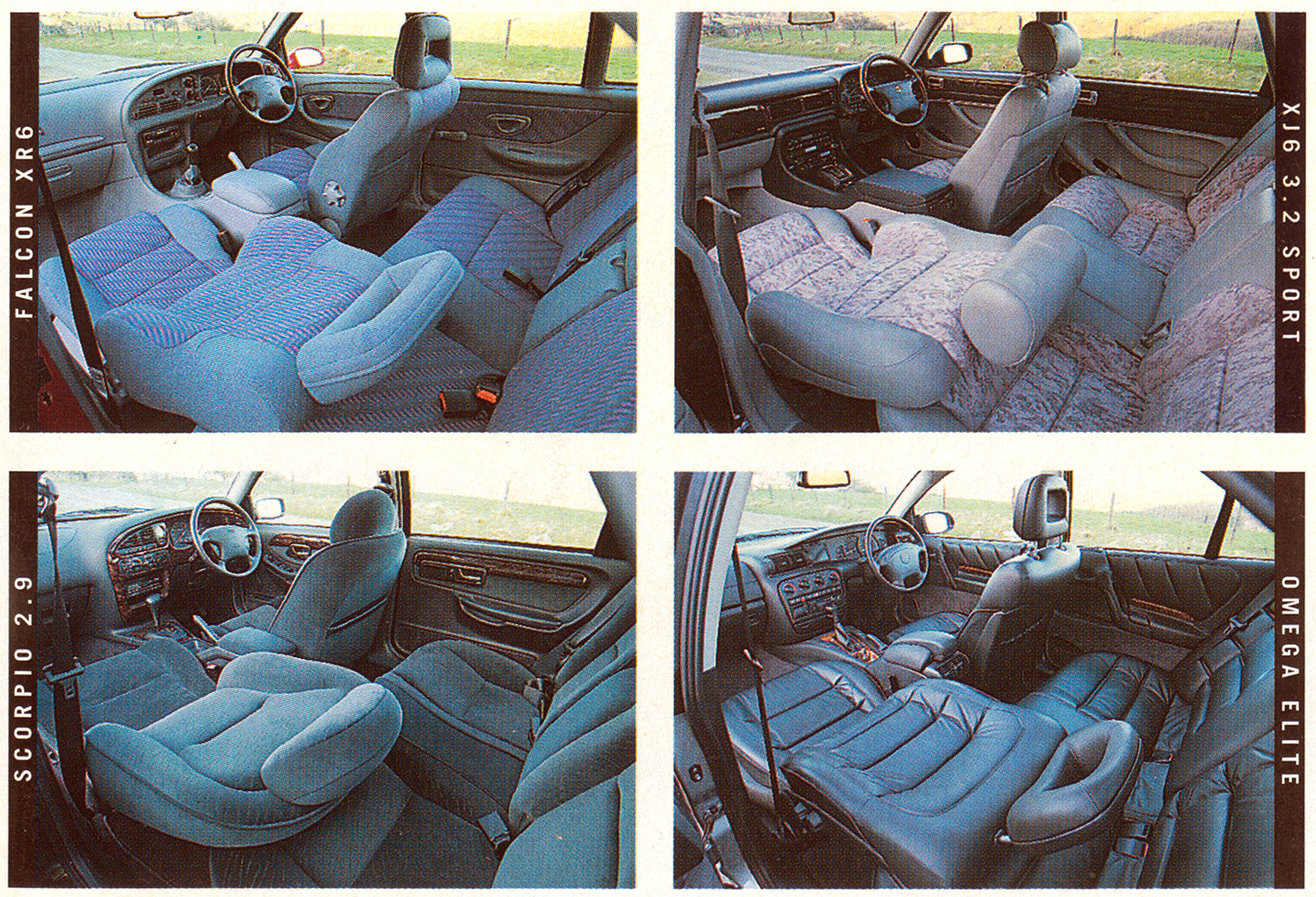
Cabin space is a joke in the Jaguar and the rear seat a nonsense in terms of comfort, visibility and roominess. Yet the driver who enjoys being cossetted will love the club atmosphere of its interior and ignore the pleas from tall rear seat passengers. The Omega is spoiled for the driver by a non- adjustable steering wheel, though it is otherwise superbly equipped and comfortable for four adults.
Likewise the Scorpio, at least if you like mock wood interiors. The Falcon is far less pretentious. The driving position is a vast improvement over previous Falcons – don’t reach and rake steering wheel adjustment and a console-mounted handbrake make a difference to your perception of a car’s driving affinity? – and it’s still the only car capable of carrying five large adults in any comfort. The interior, which is light and airy, occasionally betrays its age in not having adjustable seatbelt anchorage points.
Subtle it’s not, but there’s no denying the XR6 is astonishingly effective. Those who drove the Falcon greatly enjoyed the experience.
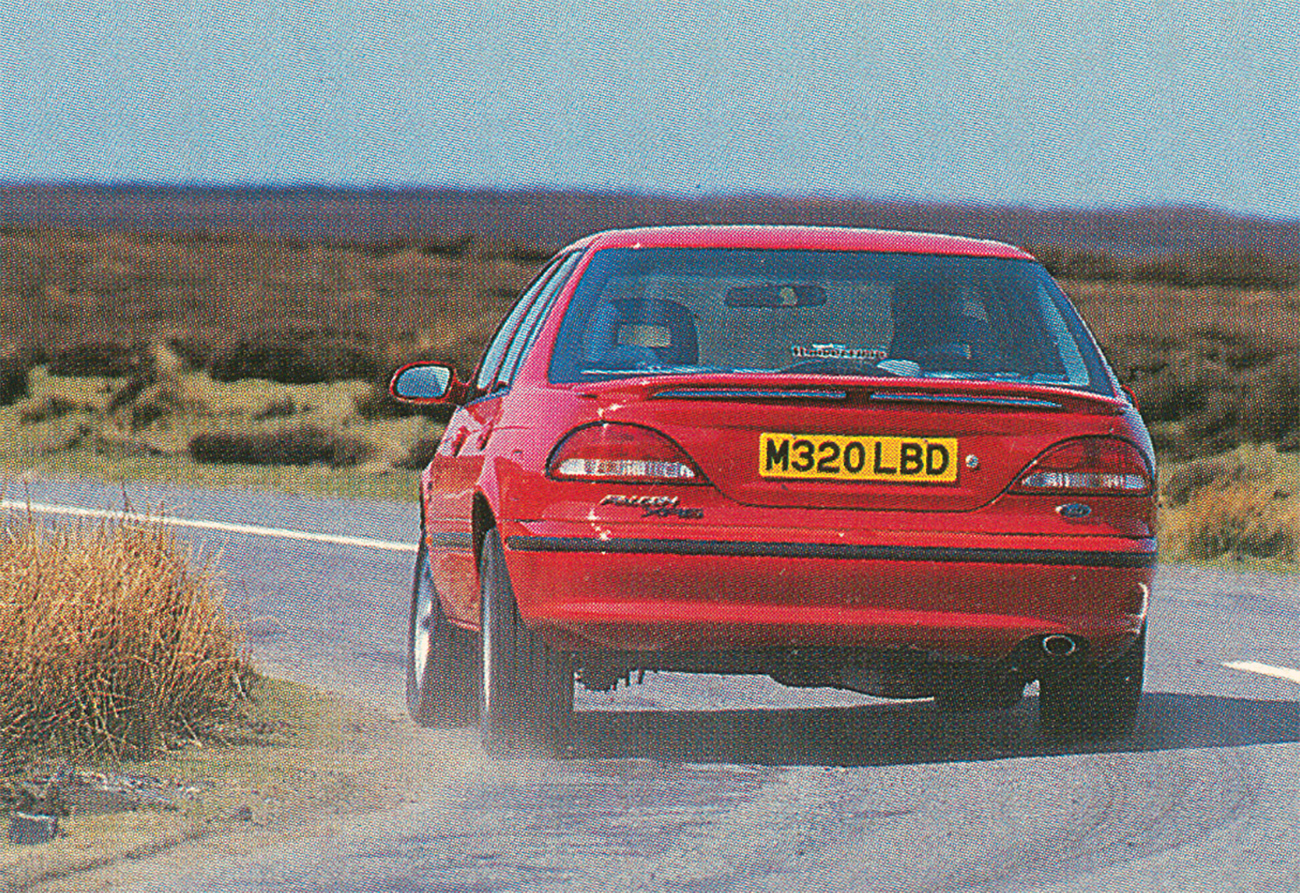
Neither American nor European, Ford’s Australian car has evolved into something quite unique. Uncomplicated and simple it may be, but it’s never raw and the honesty of its character shines through.
Yes, Europeans expect a sedan of this size to be more civilised, but in creating greater refinement some of the driving ease and pleasure, and certainly the ruggedness, has undoubtedly been lost.
Ford’s torque of the town
Never seen anything like this before in my whole life. I mean, I grew up in North America so I know a little about big rear-drivers, but this Falcon thing is a revelation. Not what I expected at all.
First thing is the way it looks. Which is pretty darn good, I’d say. The thing is, even modern big Yanks look ridiculous on English roads, just too much chrome and body overhang all over the place. But the Falcon looks credible, big, but nicely proportioned with tyres and wheels just the right size. Confused the hell out of the Brits, too, but they liked it; the XR badge is a big deal over here, so that little XR Tickford tag caused real consternation in downtown London (especially amongst XR3i pilots, poor souls).
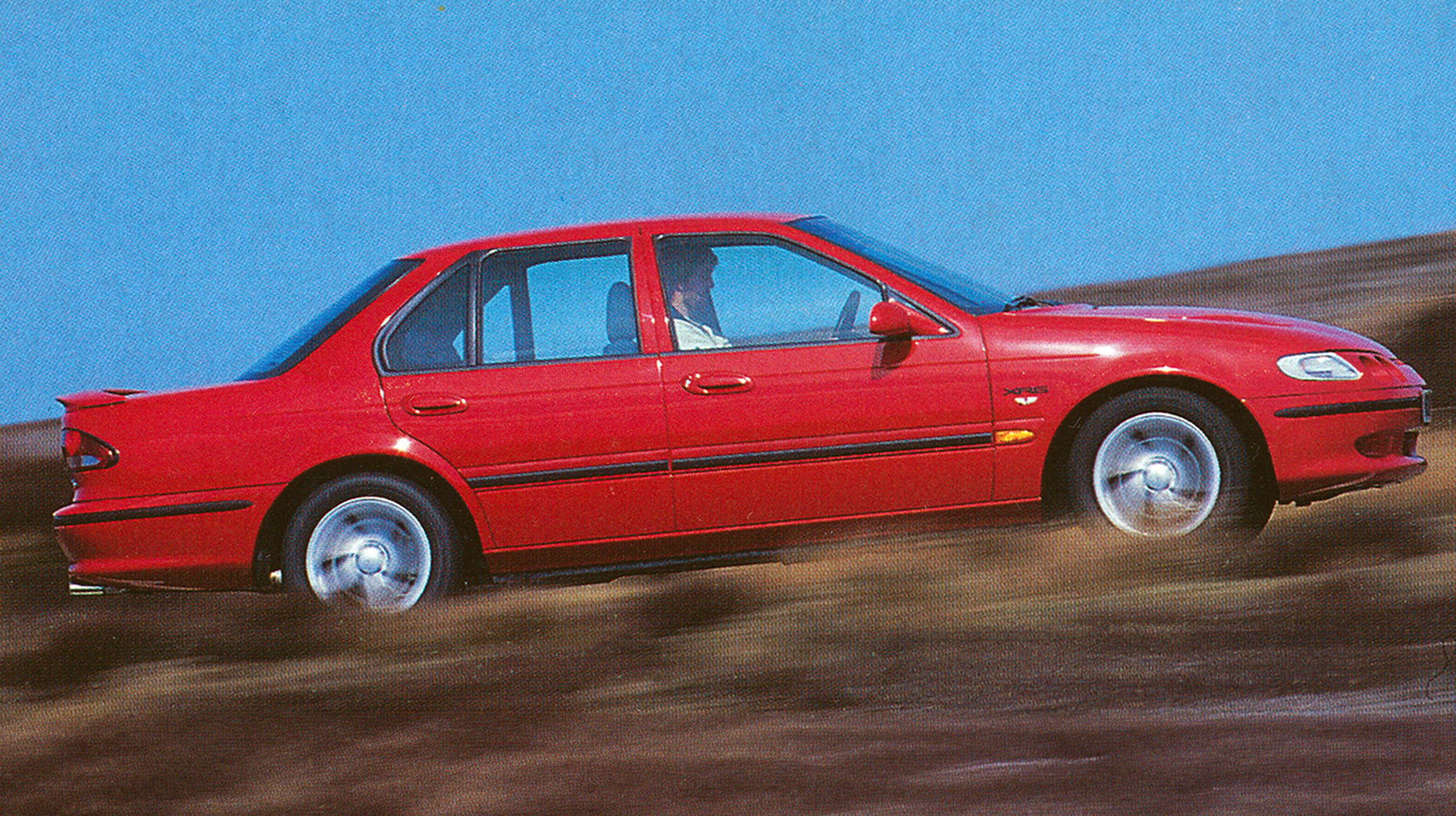
And another thing. Big American rear drive Caprices and Roadmasters just don’t handle worth a damn, so I wasn’t expecting much from the Falcon. Well just imagine my surprise when the thing turns out to have first rate body control, direct and responsive steering (even if the feel wasn’t so communicative) and a degree of tail-out throttle adjustability I wouldn’t have credited.
Only downside is that nervous jockeying at the back end if the corner pavement gets rough half way through. Yes, I had one hell of a good time driving all over North Yorkshire, opposite locking around those pesky sheep. And nothing I could do would get the Falc – we’re old friends already – to bottom out over those nasty dips. And all that cabin space. I’m a rather big lad and the Falcon’s generous elbow room just can’t be matched by any Ford this side of the water. Except maybe a Transit van.
The bad bits? The ride is too firm, nervous around town. That plastic dashboard belongs in a cornflakes box. The upholstery material just has no charm whatsoever and the cabin is too damn noisy at a motorway cruise. And it doesn’t half drink.
Do they do one in British Racing Green? Gavin Conway
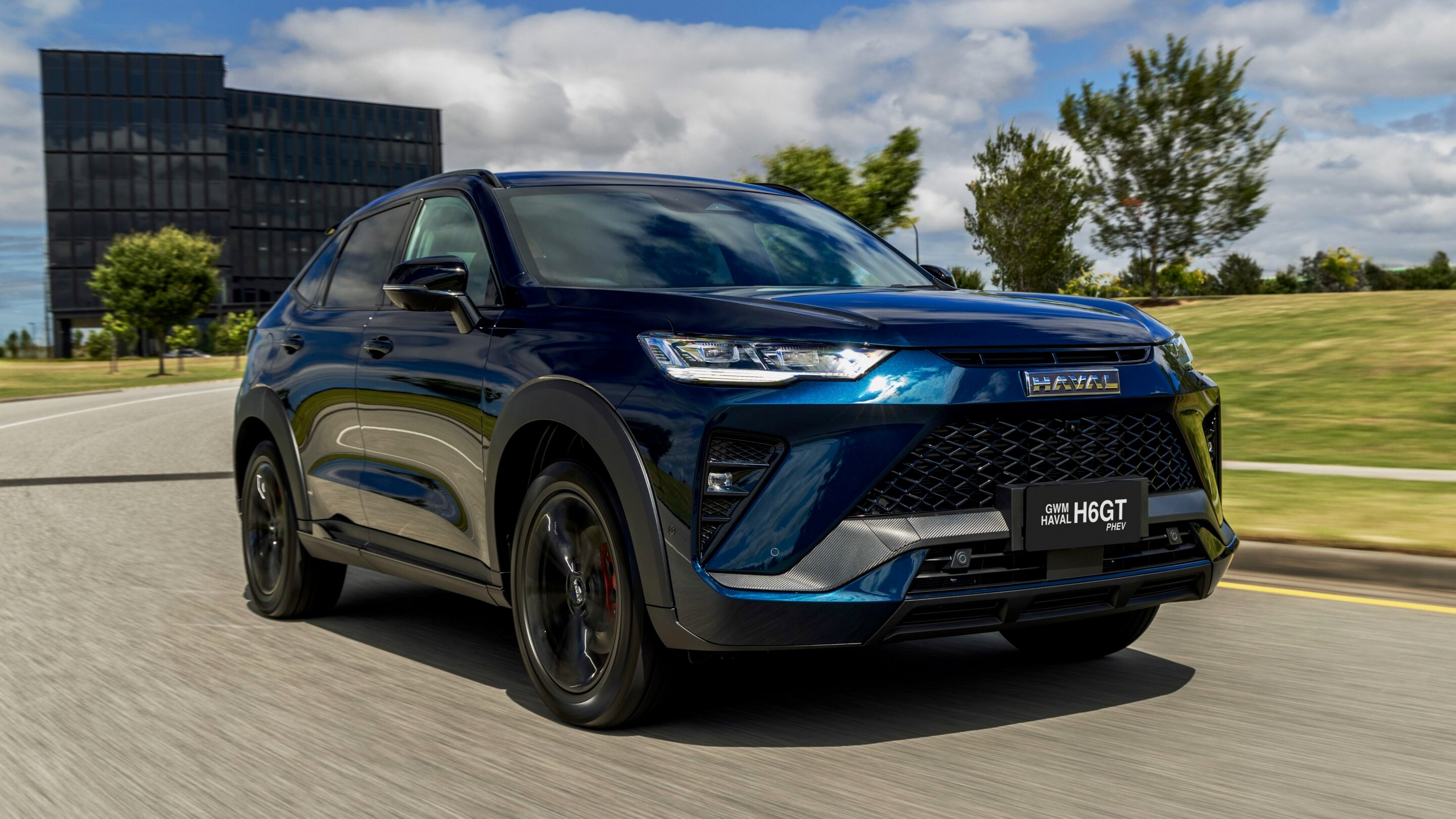
GWM Australia has announced local pricing and specifications for the upgraded H6GT plug-in hybrid, which is now available to order. Like the regular H6 PHEV on which it’s based, the H6GT PHEV has received a big interior update with the brand’s latest ‘Coffee OS’ infotainment software including features such as wireless smartphone mirroring, as well as its latest ‘Hi4’ all-wheel drive system with new motors and a different transmission.
Pricing starts at $52,990 driveaway, which is a $1000 reduction on the pre-updated model despite the upgrades.
GWM has also upgraded the H6GT PHEV’s plug-in hybrid system with its latest ‘Hi4’ all-wheel drive system. The battery remains a 35.43kWh ternary lithium-ion battery remains before but the brand has eked out slightly more electric-only range at 183km (NEDC) to keep its status as the longest electric range PHEV in Australia.
The Hi4 PHEV system again features a 1.5-litre turbo-petrol engine and dual-motor all-wheel drive setup make a combined 321kW of power and 642Nm of torque. Despite changes to the drivetrain, like a torquier engine (+10Nm to 240Nm) and less powerful electric motors 80kW front/130kW rear (previously 130kW front/135kW rear), the H6GT PHEV’s 0-100km/h sprint time is 0.3 seconds quicker than before at 4.6 seconds.
The H6GT PHEV can be DC fast charged at up to 48kW, while its claimed combined fuel consumption is just 0.6L/100km (if charged – 5.3L/100km if not). Vehicle-to-load (V2L) functionality at up to 3.3kW is standard.
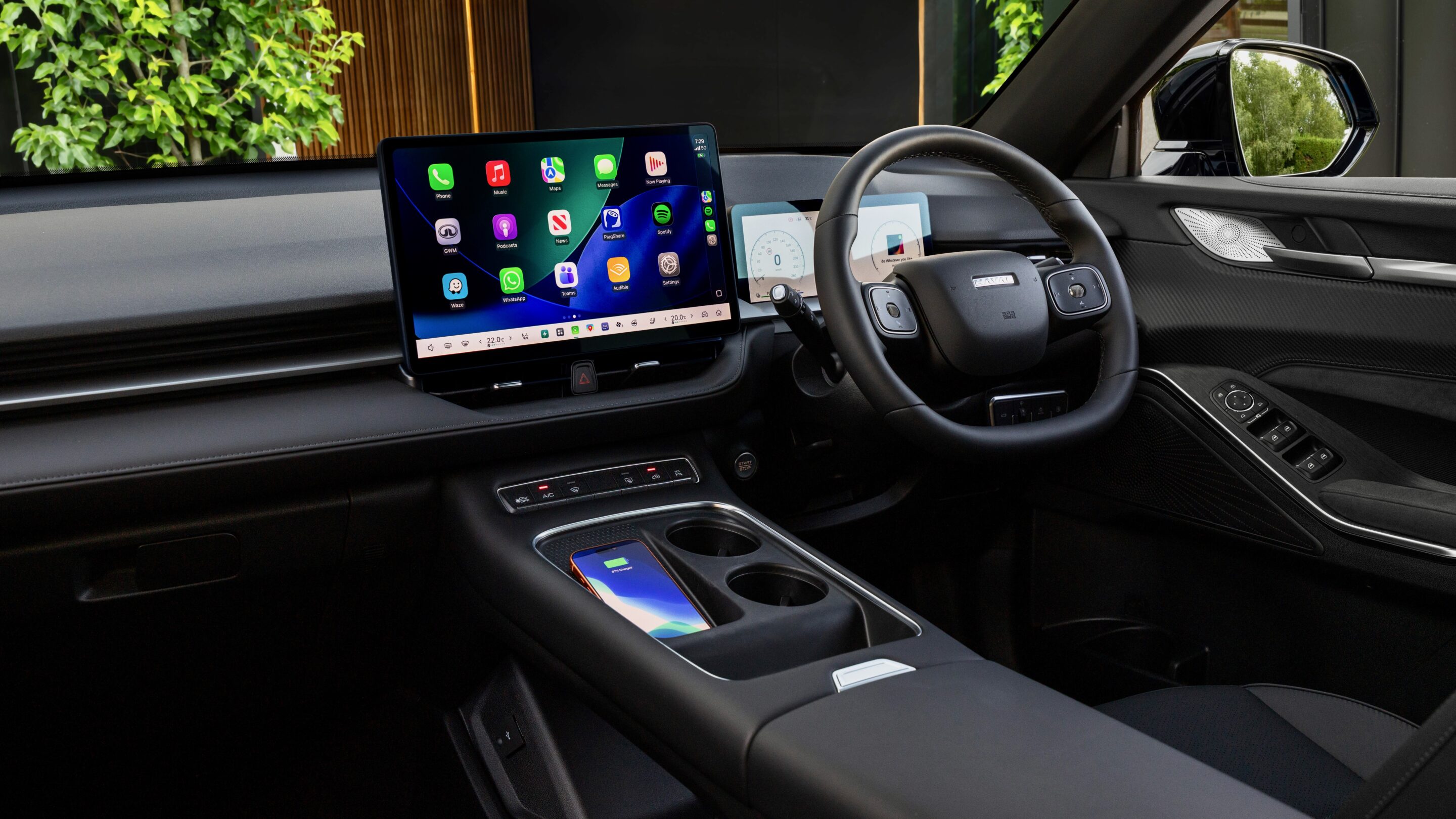
Centre of the update to the H6GT PHEV is the same 14.6-inch touchscreen with GWM’s latest infotainment software that debuted in 2025 on the regular H6 PHEV. As well as the larger real estate, the screen has added features such as wireless Apple CarPlay and Android Auto as well. Like the H6, the GT PHEV’s centre console has been redesigned and features a 50W wireless smartphone charger, and there’s also a new steering wheel design too.
GWM notes that the non-hybrid H6GT is still available to buy, though with none of the upgrades that the PHEV has earned. It’s priced from $46,490 driveaway.
2026 GWM Haval H6GT pricing (driveaway):
| Ultra 2.0T AWD | $46,490 |
|---|---|
| Ultra PHEV Hi4 AWD | $52,990 |
H6GT Ultra PHEV standard features:
- Black 19-inch alloy wheels (with a tyre repair kit)
- Dusk-sensing automatic LED exterior lighting
- Rain-sensing automatic wipers
- Keyless entry with push button start
- Panoramic sunroof
- Roof rails
- Rear privacy glass
- Electric tailgate with hands-free opening
- Heated/auto-folding mirrors
- Synthetic leather/suede upholstery
- Heated/ventilated front seats with electric adjustment
- Synthetic leather-wrapped steering wheel
- Dual-zone automatic climate control with rear air vents
- 10.25-inch digital driver’s display
- Head-up display
- 14.6-inch touchscreen with live services
- Wireless Apple CarPlay and Android Auto
- AM/FM/DAB+ digital radio
- 9-speaker sound system
- 4x USB ports
- Wireless phone charger
- Normal/eco/sport/snow/sand/mud/towing/4WD driving modes
- Cabin ambient lighting
- 7x airbags
- Autonomous emergency braking
- Adaptive cruise control with traffic jam assist and stop and go functionality
- Lane keeping assistance with adaptive lane guidance
- Blind-spot monitoring
- Rear cross-traffic alert
- Rear collision warning
- Door open warning
- Driver attention monitoring
- Traffic sign recognition with overspeed alert
- Auto high beam
- Front and rear parking sensors
- 360-degree parking
- Automatic parking
- Tyre pressure monitoring
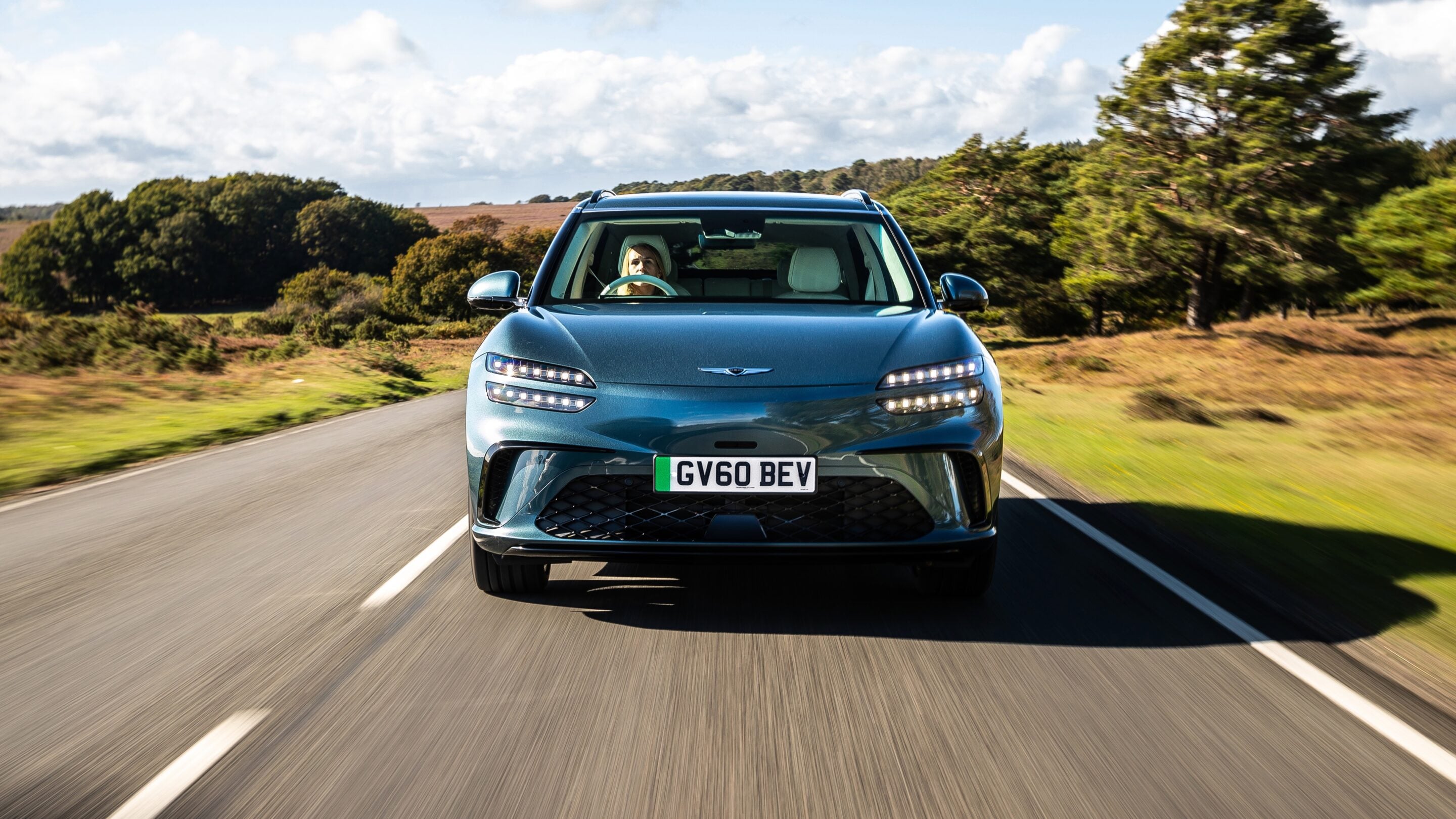
Genesis Australia has announced local pricing and specifications for the refreshed Genesis GV60 electric mid-size luxury SUV, which does on sale in June 2026. Featuring updated styling, new features and more tech than before, the updated GV60 is priced significantly lower than before thanks to a new entry-level rear-wheel drive Advanced model that has replaced the regular GV60 range ahead of the high-performance Magma variant.
Pricing for the updated GV60 starts at $88,300 plus on-road costs, which is around $15,000 before on-road costs less than the current entry-level GV60 model. To make the price cut possible, the GV60 Advanced uses a single-motor rear-wheel drive layout, compared with the pre-updated model’s standard dual-motor all-wheel drive layout. As a result, outputs have dropped from 234kW/605Nm to 168kW/350Nm.
However, thanks to that change and a larger 84kWh battery, the entry level GV60’s WLTP-rated driving range has claimed from 470km to a healthier 560km. That, plus the lower pricing that’s not within the LCT and FBT exemption thresholds, means that the GV60 will now appeal to more buyers.
Again using the same ‘E-GMP’ 800V platform, the GV60’s new battery can charge from 10 to 80 per cent in just 18 minutes using a 350kW charger, while vehicle-to-load functionality through the exterior charging port is rated up to 3.3kW.
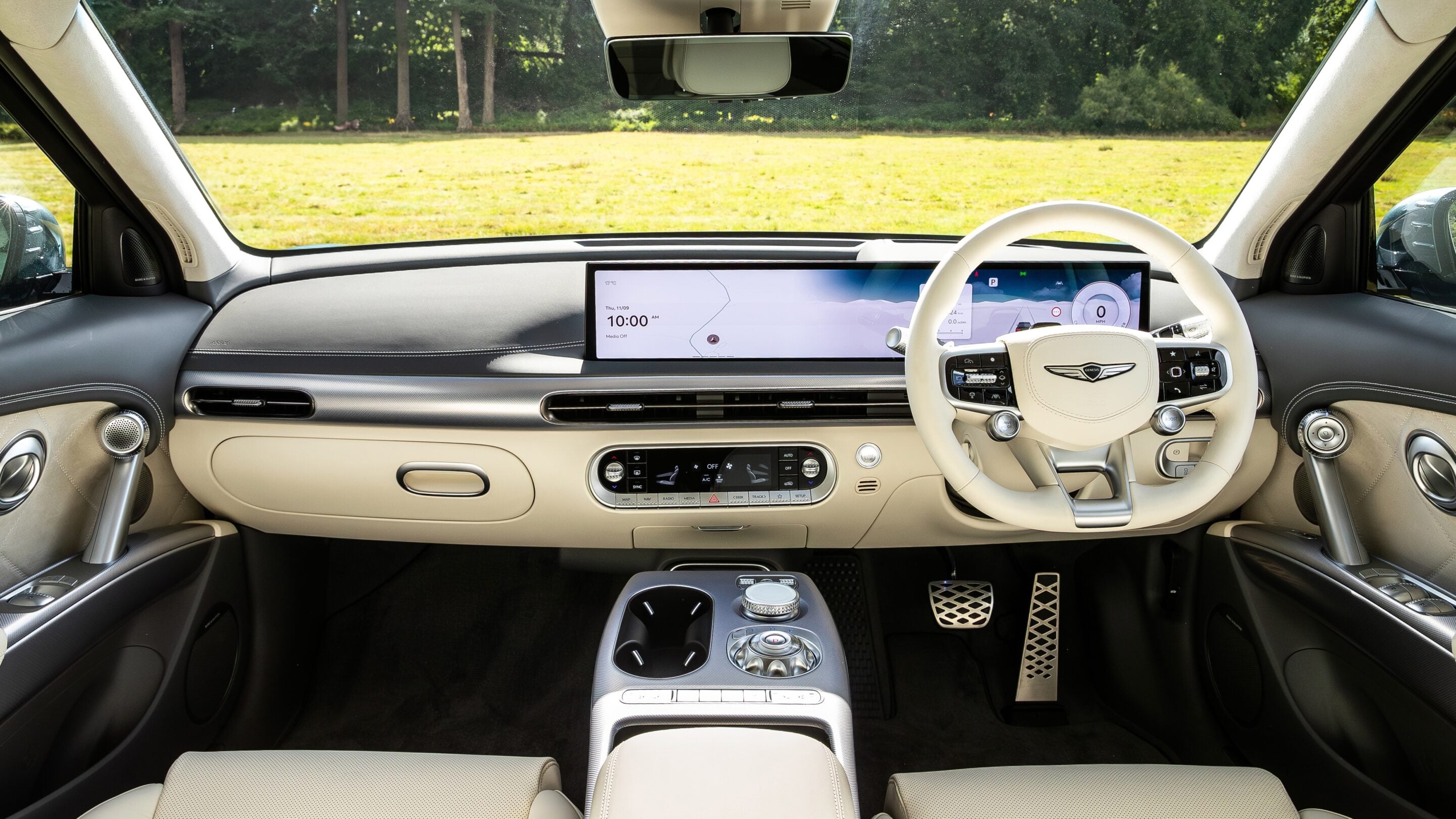
Other changes to the Genesis GV60 for the 2027 model year include a new dashboard layout with a huge 27-inch OLED screen covering both the infotainment and driver’s displays, digital key functionality and new ‘Micro Lens Array’ LED headlights with adaptive high beam.
Australian pricing and availability for the high-performance GV60 Magma is yet to be announced, though we’re expecting it to launch not long after the GV60 Advanced.
2027 Genesis GV60 pricing (excluding on-road costs):
| Advanced: | $88,300 |
|---|---|
| Magma: | $TBC |
GV60 Advanced standard features:
- 19-inch alloy wheels
- Dusk-sensing automatic LED exterior lighting with ‘Micro Lens Array’ headlights
- Rain-sensing automatic wipers
- Keyless entry with push button and finger print reader
- Digital key access
- Exterior V2L (vehicle-to-load) charging functionality
- Heated/auto-folding mirrors with puddle lamps
- Power tailgate with hands-free opening function
- Acoustic laminated windshield and door glass with privacy rear glass
- Dual-zone automatic climate control with rear vents
- Leather seat, dashboard, door and centre console trim with cloth headliner
- 12-way electric front seat adjustment with heating and ventilation
- Heated rear seats and leather steering wheel
- 27-inch OLED screen incorporating infotainment and driver’s display
- Genesis Connected Services
- Satellite navigation with live traffic
- Wireless Apple CarPlay and Android Auto
- Wireless phone charger
- Heat pump
- 10x airbags
- Autonomous emergency braking with pedestrian, cyclist and intersection assistance
- Adaptive cruise control with stop and go functionality
- Lane keeping assistance with adaptive lane guidance
- Blind-spot monitoring (with braking)
- Blind-spot camera
- Rear cross-traffic alert (with braking)
- Safe exist assist
- Driver attention monitoring
- Speed sign recognition
- Front, side and rear parking sensors
- Automatic parking
- 360-degree camera
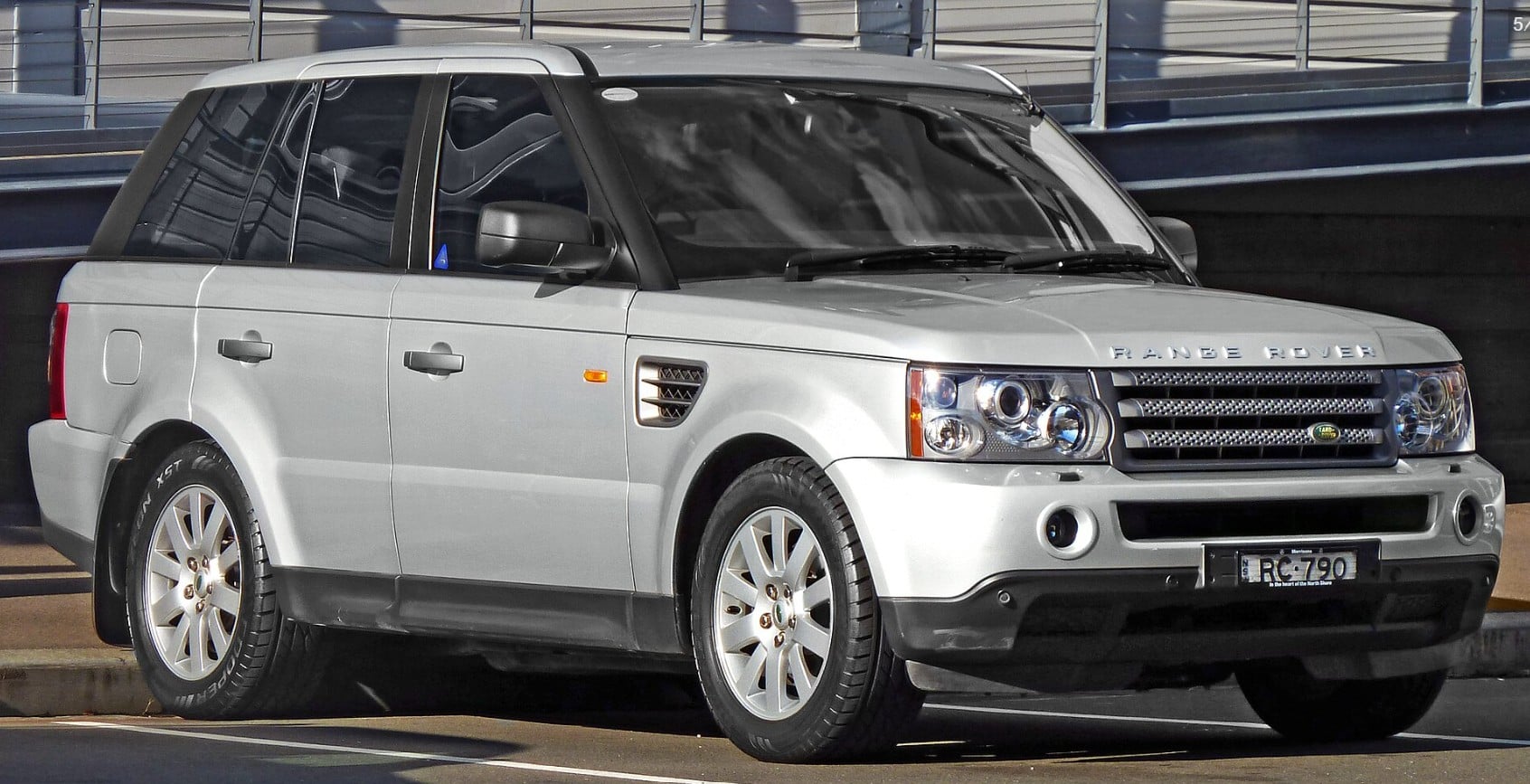
Range Rover is marking two decades of its Sport model with the release of a limited-run TWENTY Edition, reflecting the vehicle’s evolution from a performance-focused SUV into a core part of the brand’s modern line-up.
First introduced in the early 2000s, the Range Rover Sport arrived at a time when demand for more dynamic, road-oriented SUVs was growing. It also represented a turning point for the marque, expanding Range Rover into a broader family of vehicles rather than a single model line. Over three generations, the Sport has shifted from its more aggressive early design to a cleaner, more restrained look, while maintaining an emphasis on performance and capability.
The model has recorded more than one million global sales and has been used to showcase a number of technological developments within the brand. Early examples introduced systems such as active anti-roll control and high-performance braking, while later iterations added hybrid drivetrains and more advanced suspension setups. Performance variants, including the SVR launched in 2014 and the more recent SV flagship, have positioned the model as one of the more dynamic offerings in the luxury SUV segment.
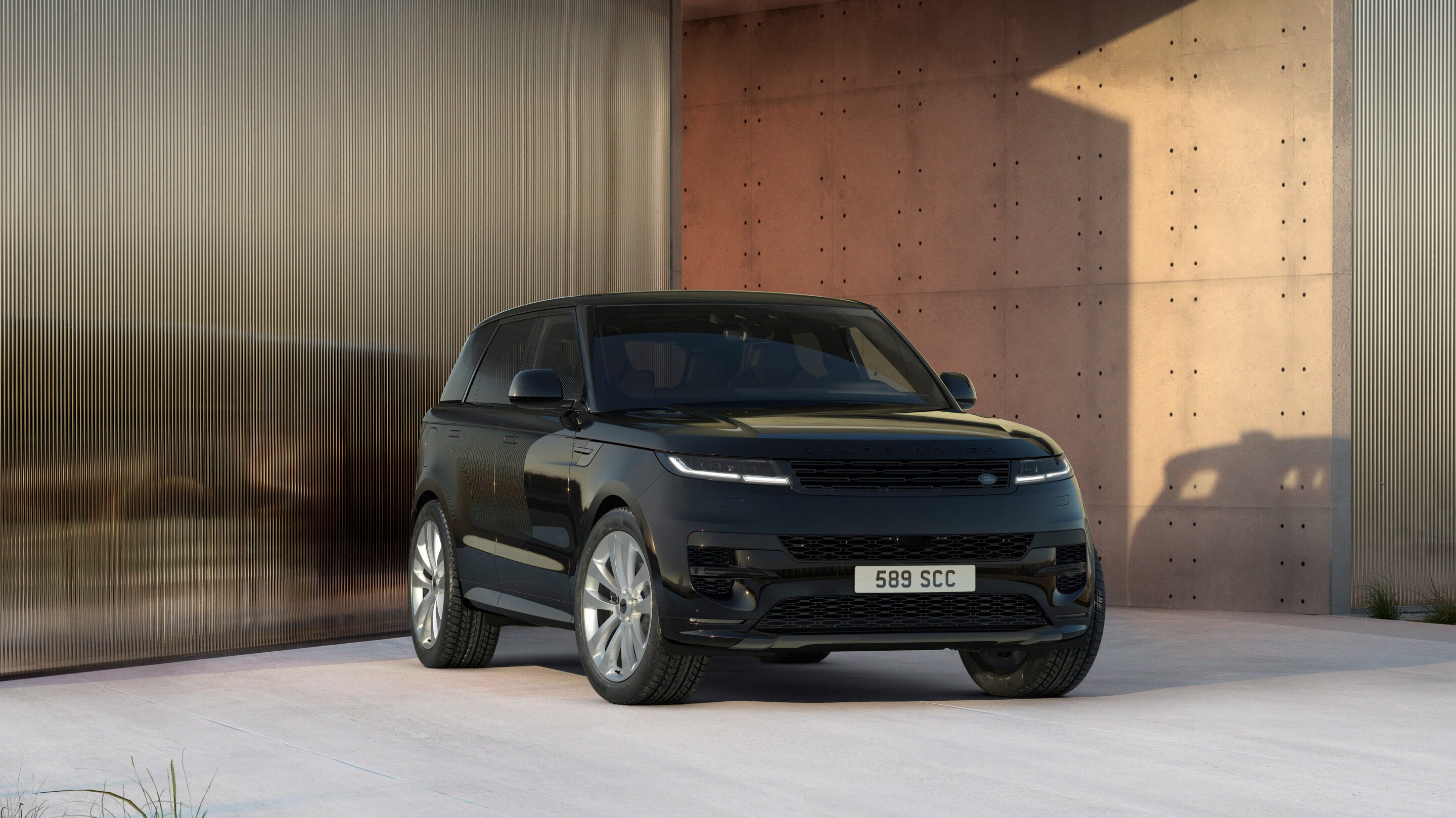
Range Rover Sport has also been used to demonstrate capability in high-profile driving challenges. These include a record-setting run at the Pikes Peak Hill Climb in 2013, a climb up the 999 steps of China’s Heaven’s Gate in 2018, and other long-distance and extreme-terrain tests designed to highlight traction and durability.
The TWENTY Edition is intended to mark this history with a combination of design updates and performance hardware. It features unique badging, 23-inch wheels and a choice of two exterior finishes, alongside interior changes such as bespoke trim elements and performance-oriented seating derived from the current SV model. Power comes from a 4.4-litre twin-turbo V8 mild-hybrid engine producing 390kW.
Only 25 examples have been allocated for Australia, with pricing set at $233,200. While the edition is primarily commemorative, it also underscores the ongoing role of the Sport within Range Rover’s broader strategy, as the brand continues to balance luxury positioning with performance-focused engineering.
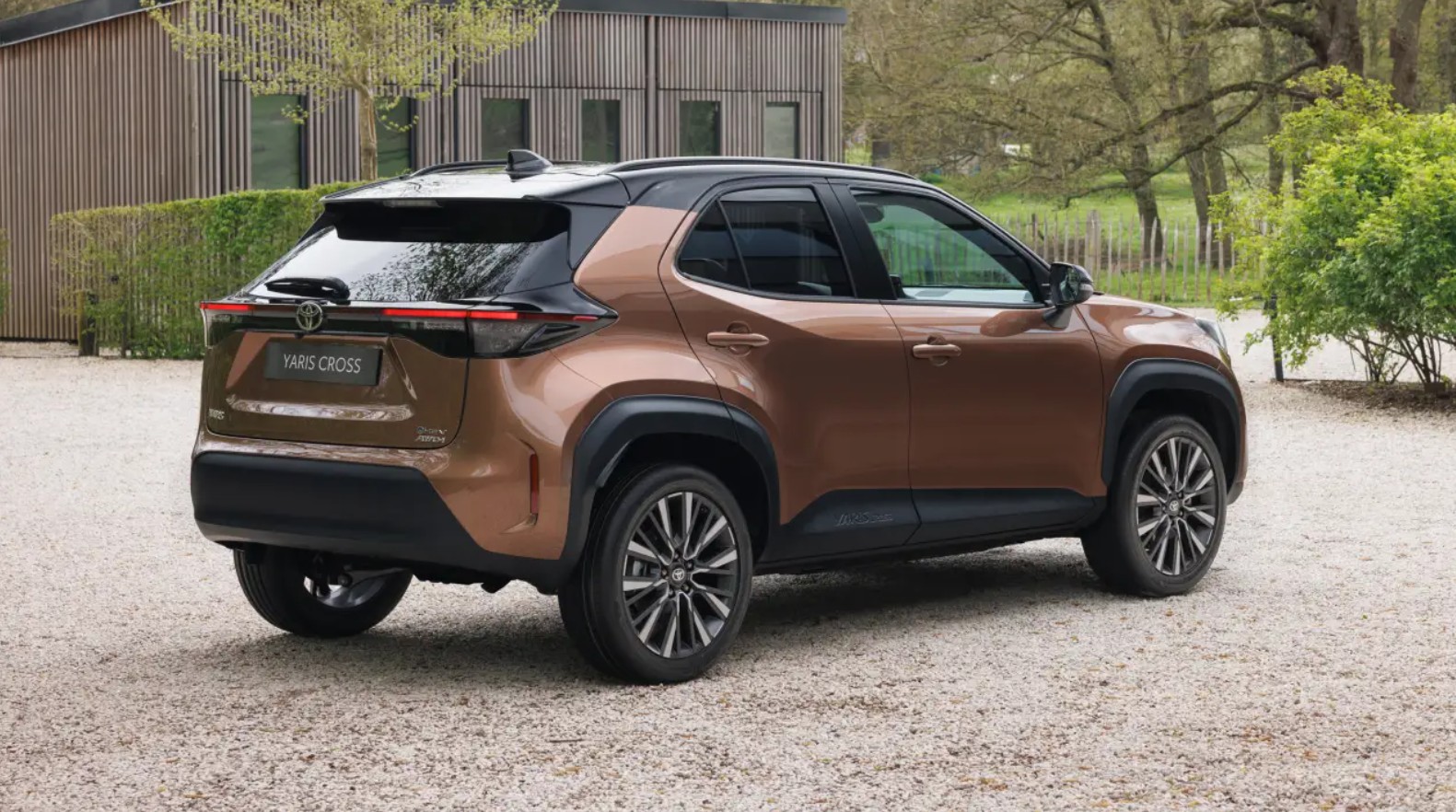
Toyota has unveiled an updated version of its Yaris Cross in Europe, refining its popular light SUV with a sharper design, upgraded interior touches and further improvements to its hybrid system. The facelifted model will continue to battle fierce competition in the small SUV segment from a growing wave of Chinese entrants.
The most noticeable changes appear at the front, where the Yaris Cross adopts a revised nose inspired by Toyota’s latest design language seen on larger models like the RAV4. A more prominent hexagonal grille now blends more seamlessly into the bodywork, while the daytime running lights have been repositioned and integrated into slimmer, updated headlight units.
Elsewhere, the exterior remains largely familiar, though buyers will have access to two new paint colours and redesigned alloy wheels in either 17- or 18-inch sizes, depending on the variant. Inside, updates are more understated, with improved materials aimed at lifting perceived quality. Higher-grade models benefit from new SakuraTouch fabric inserts, adding a slightly more premium feel to the cabin.
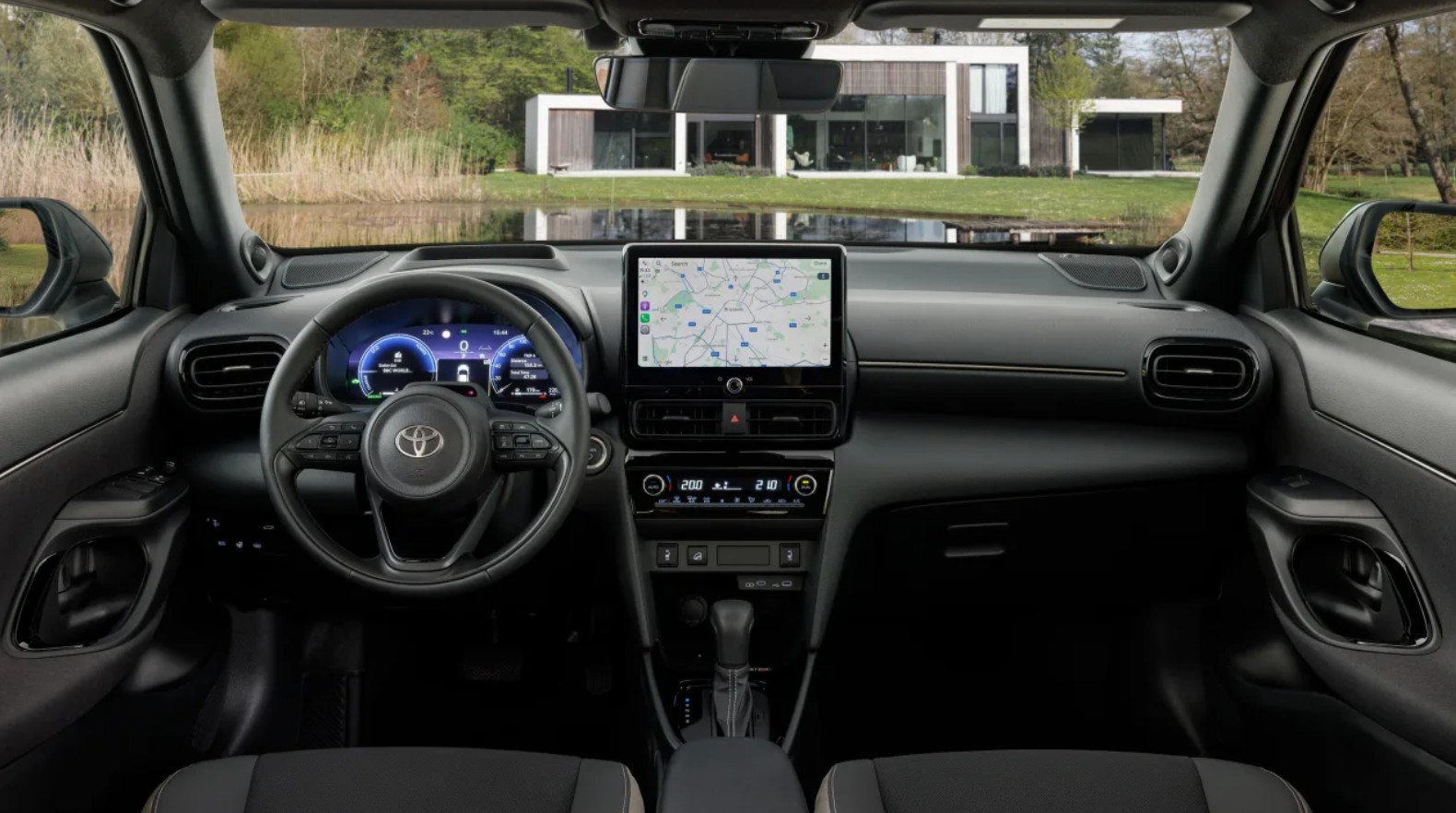
Technology carries over unchanged, but remains competitive. All variants feature a digital instrument cluster along with wireless Apple CarPlay and Android Auto. Most models are equipped with a 10.5-inch infotainment display, while entry-level versions receive a smaller nine-inch screen.
Under the bonnet, Toyota continues with its 1.5-litre hybrid system, producing around 96kW. Revised in recent years to reduce noise and vibration, the drivetrain prioritises efficiency over outright performance. Acceleration from 0–100km/h takes just over 10 seconds, but fuel consumption remains a key strength, expected to sit around 4.0L/100km depending on specification.
The Yaris Cross will continue to be offered in both front- and all-wheel drive configurations, with multiple trim levels including a sportier GR Sport variant. While local pricing is yet to be confirmed, it’s expected to remain in line with current positioning – towards the upper end of the segment – where Toyota will rely on its reputation for reliability, strong resale values and user-friendly driving experience to stay competitive.
Details on whether the new-look model will make it to Australia are currently uncertain, with Toyota Australia noting the pictured model is made in France.
