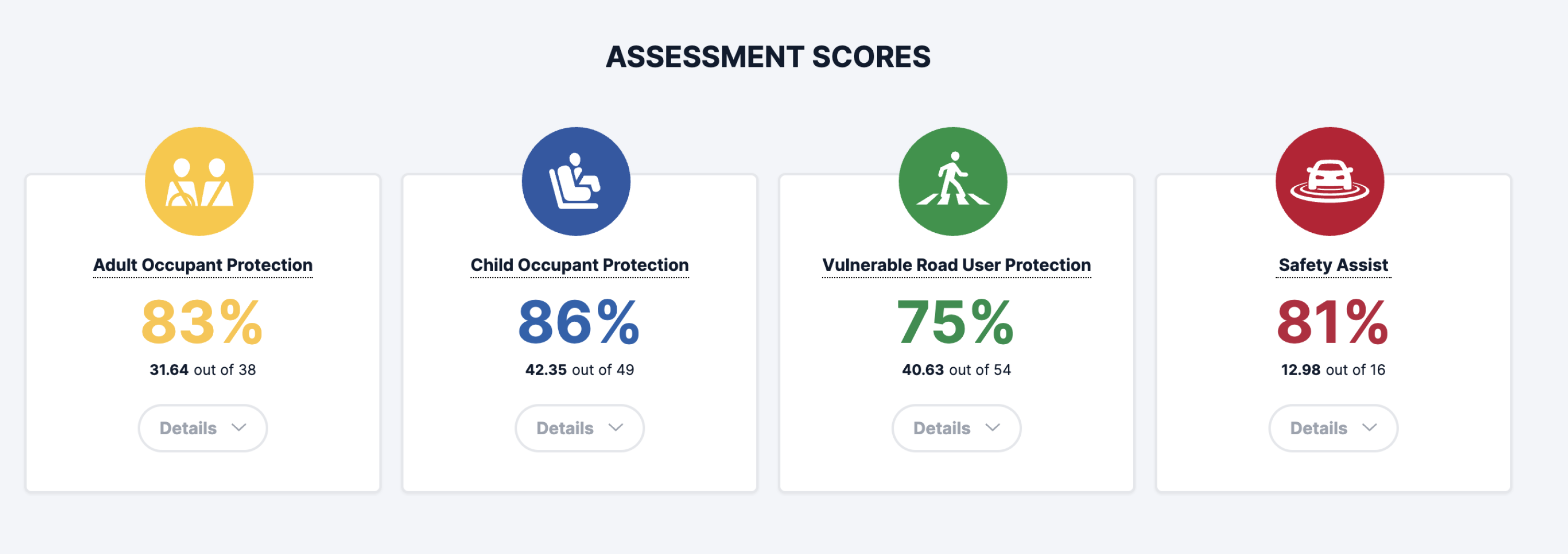
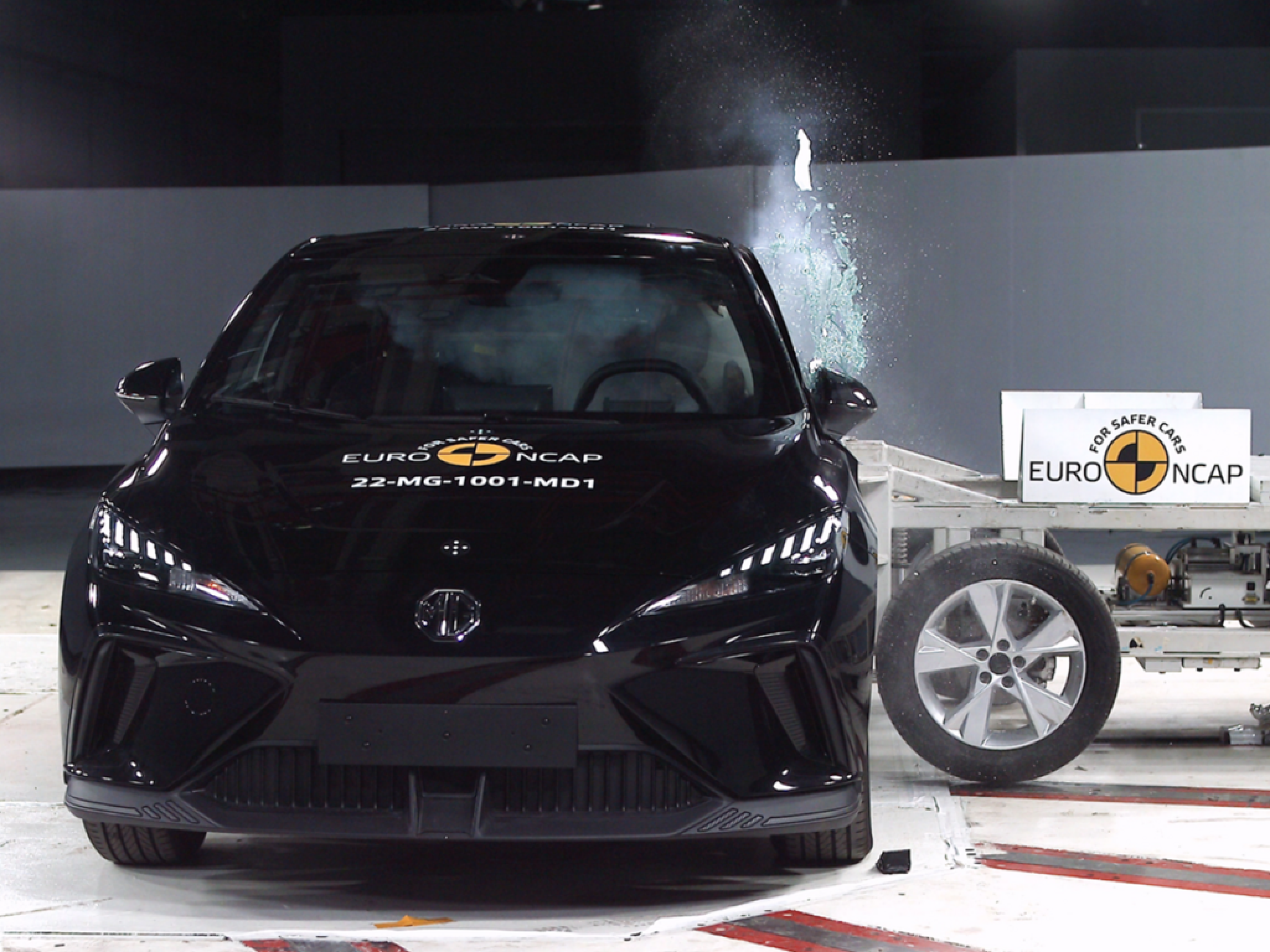
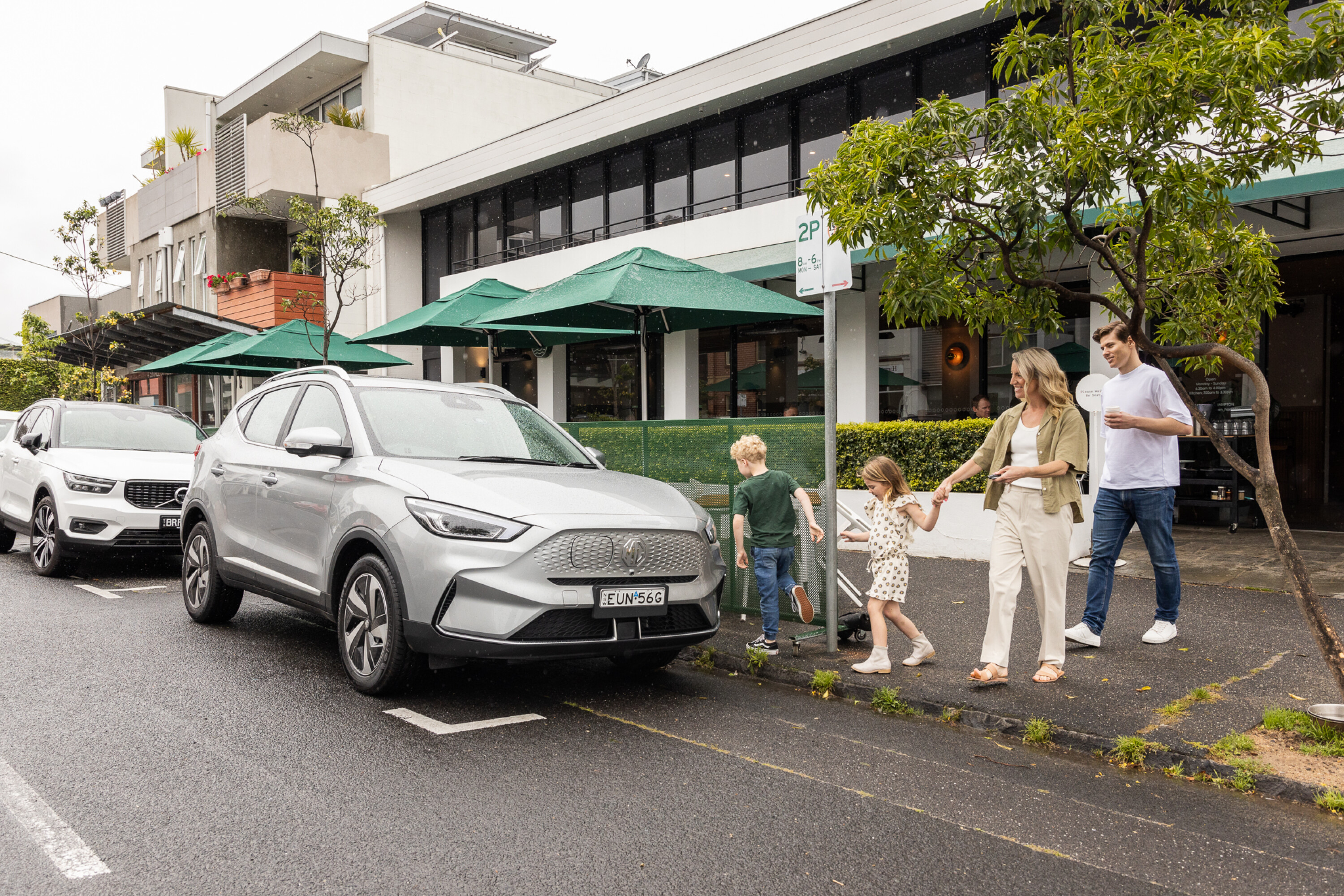
The budget-friendly EV scored maximum points for protecting adult occupants in the side impact and pole tests, with a mix of good to marginal results in the full-width frontal and frontal offset tests.
Penalties were applied for excessive forward movement of the rear passenger dummy in the full-width frontal test and the potential of hard contact to the driver knees in the mobile progressive deformable barrier (MPDB) test.
1
The MG 4 electric hatch also lacks a front-centre airbag to prevent front occupant head collisions and reverse auto emergency braking (AEB) across the range.
Meanwhile, blind-spot monitoring and rear cross-traffic alert are only available from the top-spec Essence 64 variant.
Good results were determined from its front AEB cyclist system, but had mixed results for some vehicle and pedestrian detection scenarios.
The rating applies to all MG 4 variants, except the X-Power hot electric hatch which is all but confirmed for Australian launch later this year.
1
As per ANCAP rules, the current safety rating will expire in December 2028.
The rating marks MG’s only electric car with a current ANCAP safety score. The ZS EV small electric SUV was tested in 2019, but the safety authority hasn’t deemed it applicable to the facelifted version which was released last year.
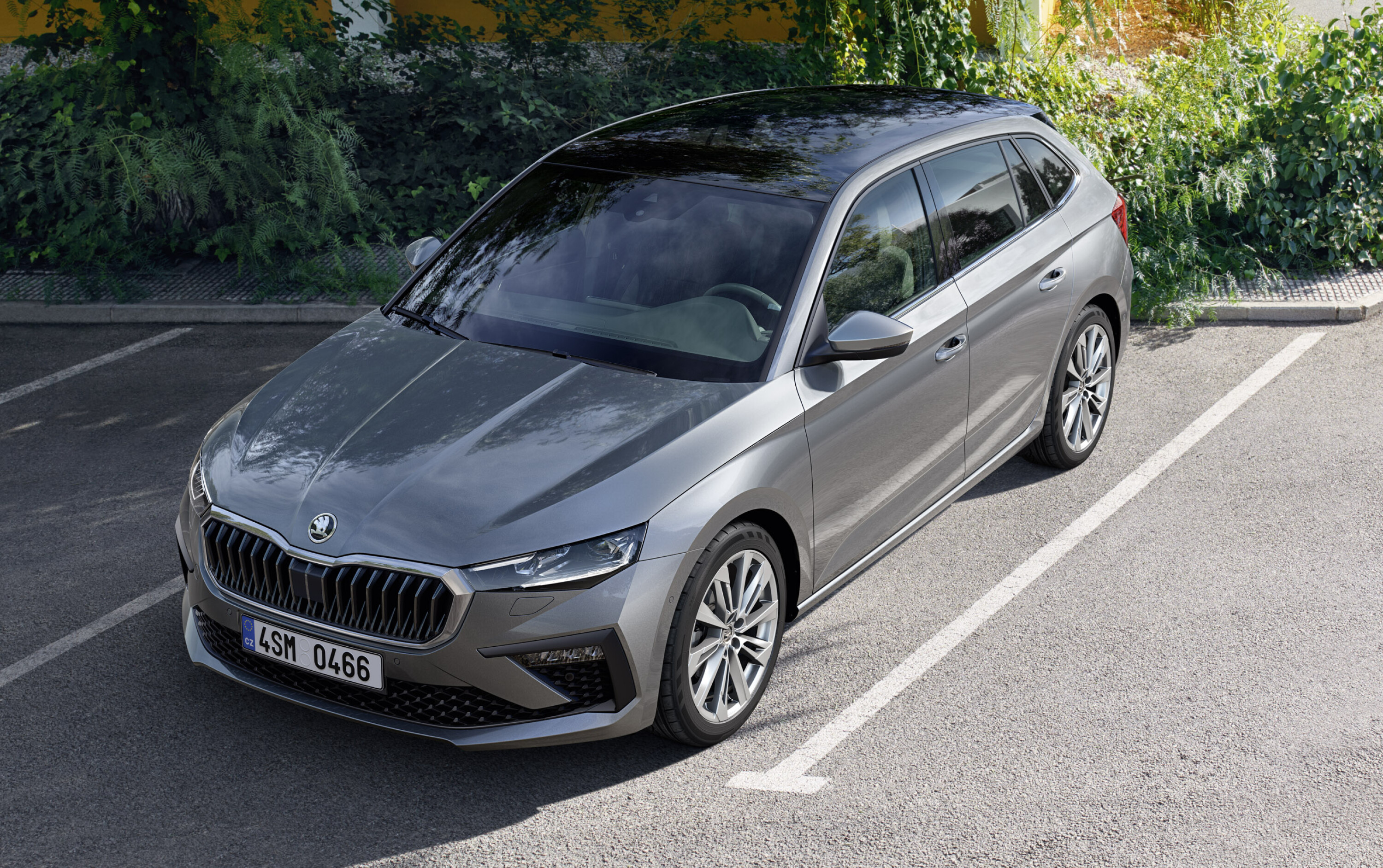
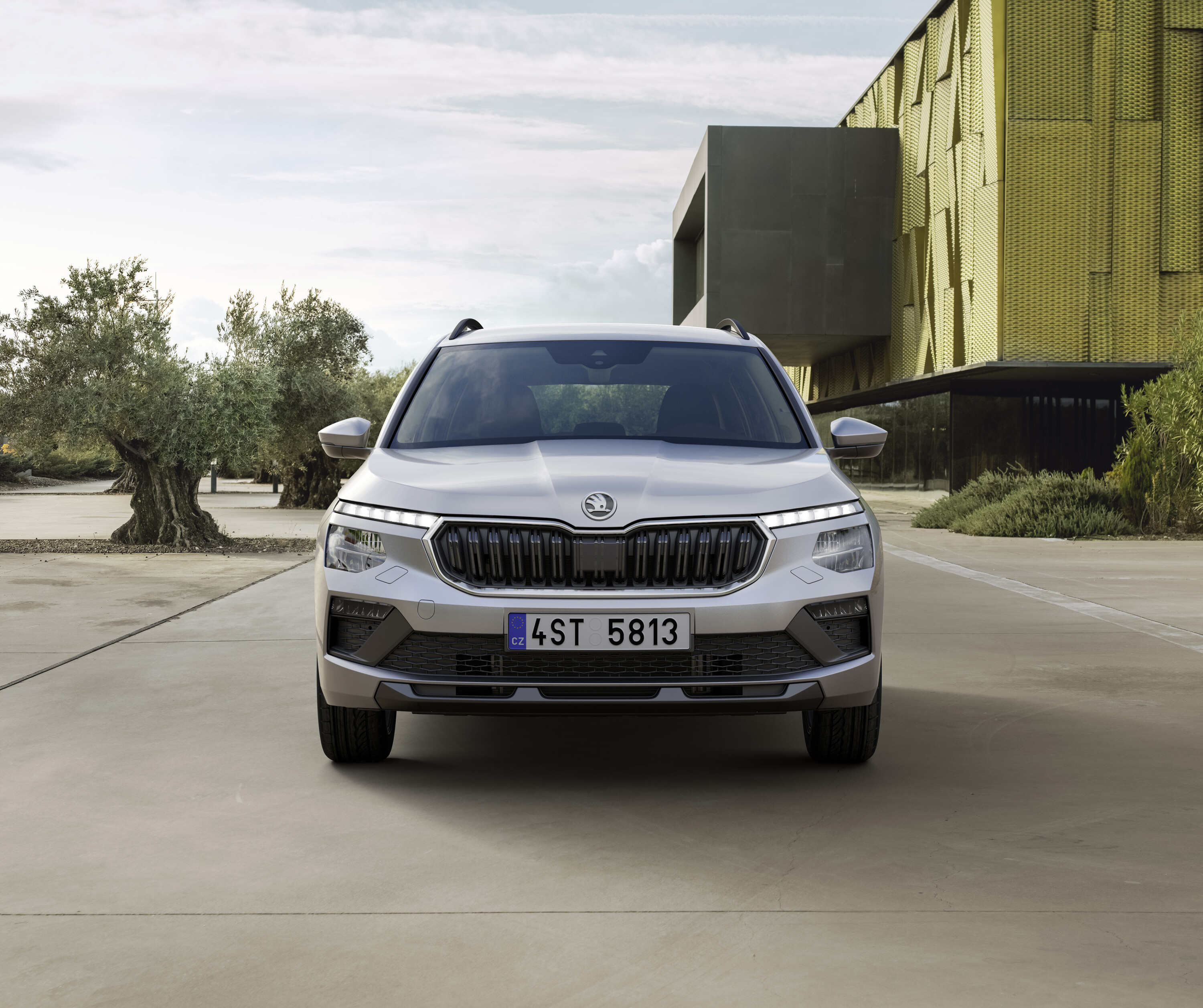
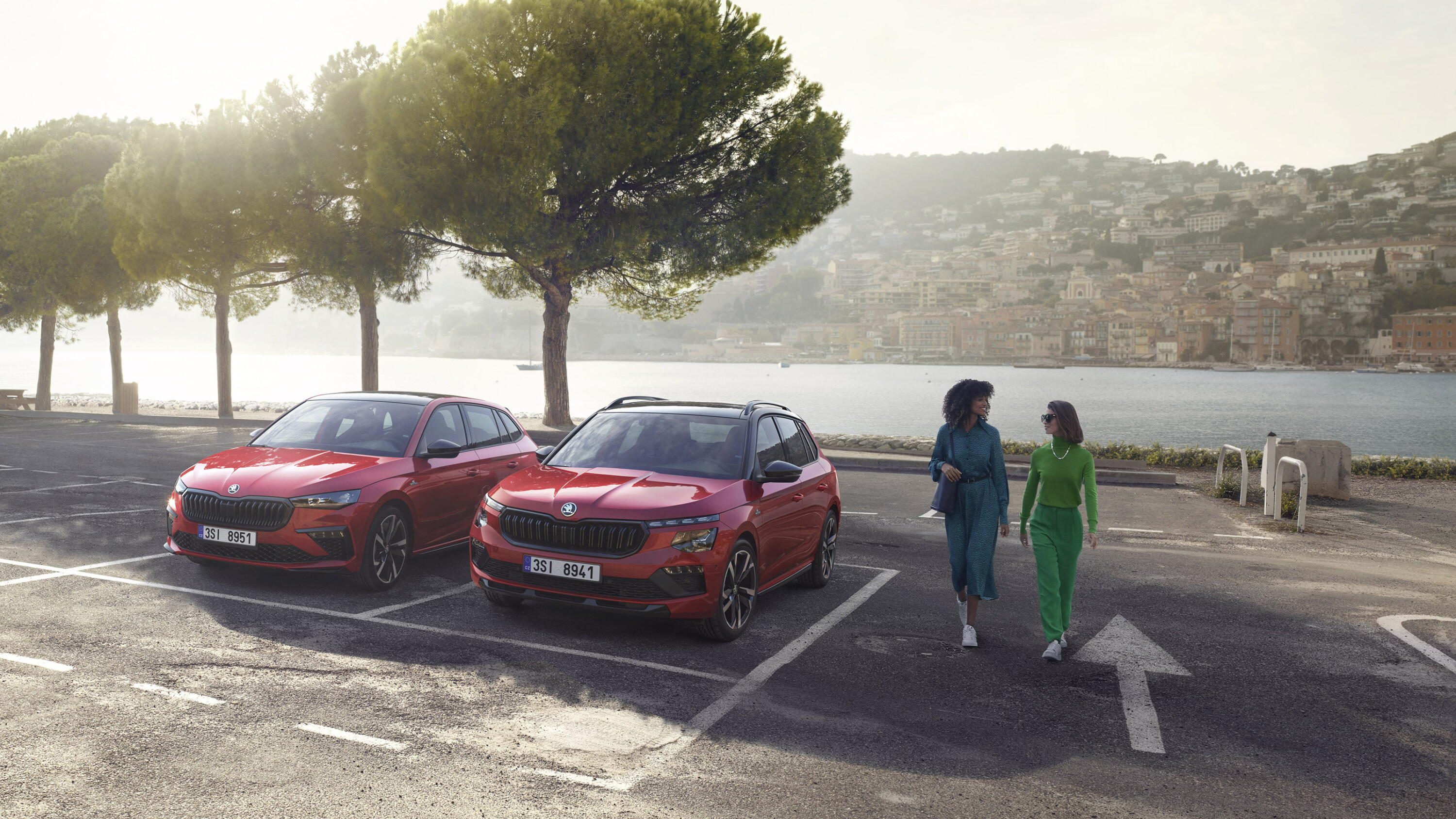
Skoda has given its small Scala hatchback and Kamiq SUV a minor mid-life update, with an Australian release slated for 2024.
Snapshot
Small Skodas updated with subtle tweaks
Available with matrix LED headlights, wireless CarPlay/Android Auto
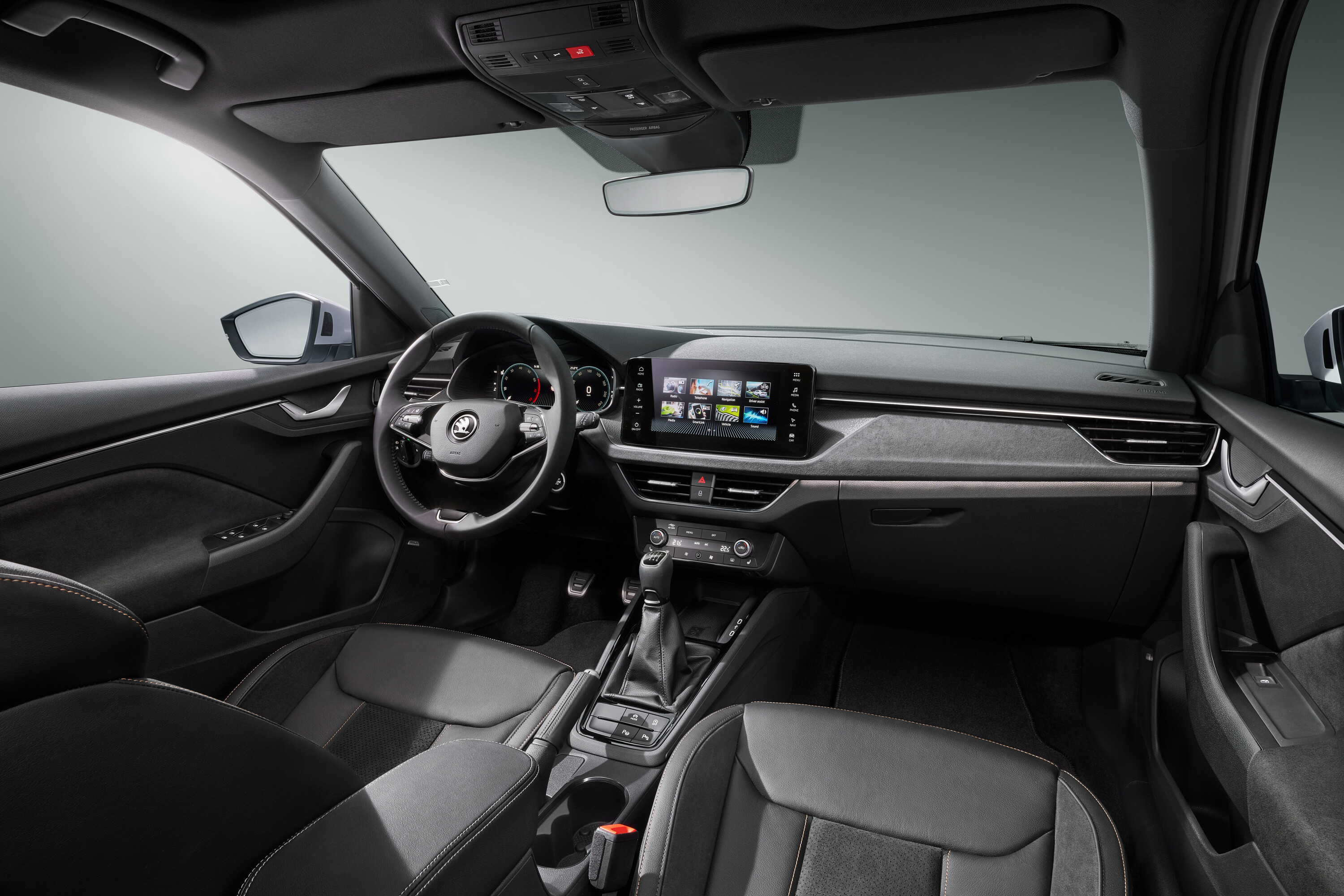
New fan speed buttons, eco-friendly interior materials
1
Tweaked exterior
Headlining the facelift are a series of subtle exterior design tweaks.
The Scala small car gains slimmer headlights and new L-shaped daytime running lights (DRLs), whereas the Kamiq small SUV receives a larger and more upright front grille, thinner four-block DRLs, larger headlight units, and new L-shaped rear reflectors.
Both models get redesigned front and rear bumpers, fog light housings, and new wheel designs.
Additionally, the Skoda small cars can also now be optioned with adaptive matrix LED headlights – with the Scala featuring ‘crystalline’ sparkling modules in line with newer Skoda models.
A foot sensor-operated electric tailgate is also available overseas.
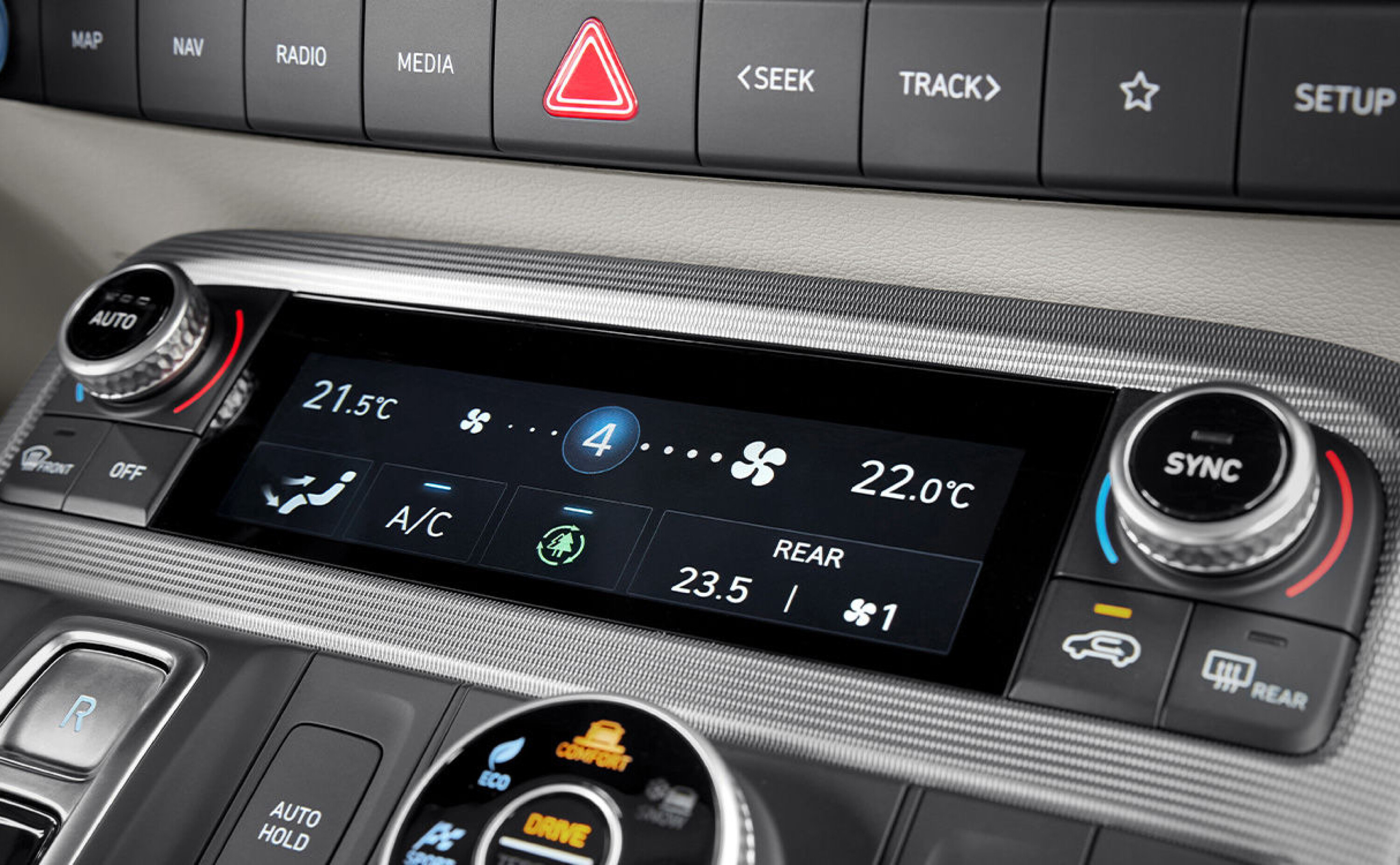
Unlike Volkswagen’s move to touch-sensitive controls, the air-conditioning panel still retains physical buttons and dials – and Skoda has now added buttons for adjusting the fan speed.
This addresses a key gripe of the previous Scala and Kamiq that featured a climate control panel with physical buttons and dials for temp, zones, and de-mist functions but no fan-speed adjust – that was done through the touchscreen.
Both Czech-made models feature the same-sized 8.0-inch touchscreen as standard – with the larger 9.2-inch display now capable of wireless Apple CarPlay and wireless Android Auto, over-the-air software updates, and includes Skoda’s built-in Laura voice assistant.
An option overseas upgrades the two 15-watt USB-C charging ports in the cabin to four faster 45-watt USB-C plugs, plus another optional package adds another USB-C port beside the rear-view mirror to connect a dascham as part of Skoda’s ‘Simply Clever’ expansion.
1
Eco-friendly interior
Skoda also says it has incorporated more recycled and natural materials in the updated Scala and Kamiq.
This includes wheel arch linings made from recycled plastics, door trim panels and the roof lining structure featuring natural plant fibres, and seat upholstery, flooring and floor mats embedding recycled fabrics.
Rear passengers also benefit from new smartphone storage pockets on the front seatbacks, similar to newer Skoda models, such as the Fabia city hatch and Enyaq electric SUV.
9
When will the 2024 Scala and Kamiq launch in Australia?
The facelifted 2024 Skoda Scala and Kamiq are due to be released in Australia sometime in 2024.
Expect full local pricing and specifications to be revealed closer to its launch.
Overseas, both models are available in three model grades, including the sportier-looking Monte Carlo flagship. Engines and transmissions are also unchanged overseas.
Currently, the Australian Scala and Kamiq line-ups are offered in an ’85TSI’ 1.0-litre turbo-petrol engine producing 85kW of power and 200Nm of torque, while higher variants feature a ‘110TSI’ 1.5-litre turbo-petrol making 110kW/250Nm.
The current Scala hatch is priced from $33,490 before on-road costs, while the Kamiq SUV starts from $37,990 before on-roads.
Those potentially life-saving safety assistance systems were victims of the semiconductor supply shortage, but were still available to buyers willing to wait as a cost-option package.
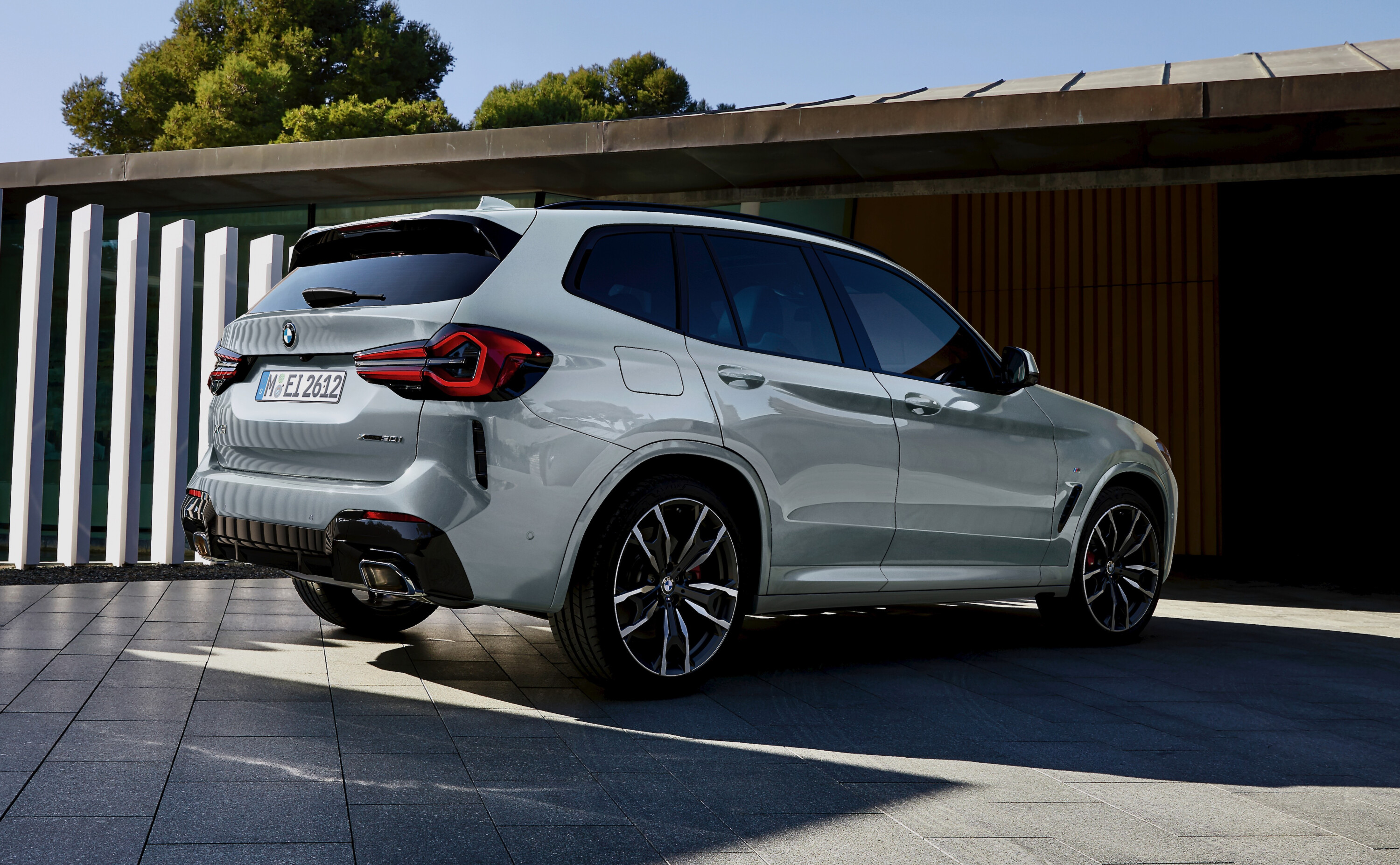
Based on the mid-spec X3 xDrive30i, the Sport Collection – due in local showrooms this month – is priced from $109,900 drive-away nationally, compared to around $109,200 drive-away for a standard xDrive30i with a Melbourne postcode ($97,900 before on-road costs).
1
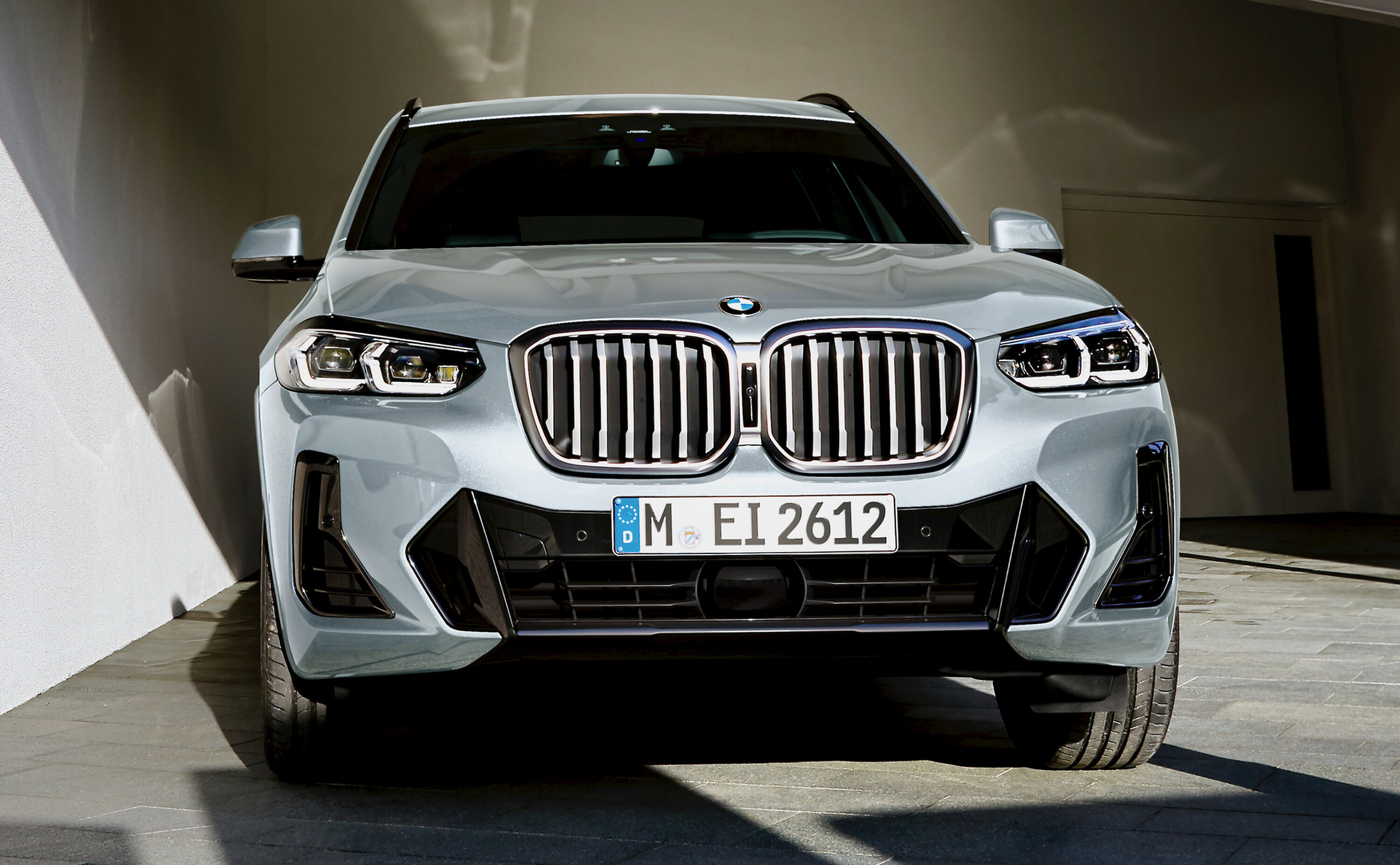
Limited to 350 units, it adds metallic paint (M carbon black, M brooklyn grey or mineral white), unique 20-inch bi-colour alloy wheels, a panoramic sunroof, a 16-speaker Harmon/Kardon surround-sound audio system, and heated front seats with electric lumbar support.
The 2023 BMW X3 xDrive30i Sport Collection will arrive in local showrooms later this month, limited to 350 units.
VFACTS new-car sales data reveals 2277 examples of the BMW X3 have been registered in Australia year-to-date.
New electric GTI logo submitted for trademark in Germany
Hints at high performance electric GTI models
Questions GTX badge future
First discovered by CarBuzz [↗], the logo has replaced the ‘I’ for a lightning bolt as a symbol for electric power, while retaining the familiar serif-type font.
Volkswagen’s ‘GTI’ badge originally stood for ‘Grand Touring Injection’, back when the concept of fuel injection was new and worth marketing as a feature. It debuted on the Mk1 Golf in 1975.
1
? What VWs could it be for?
Volkswagen currently uses the GTX badge for its sportier electric models. It already sells the ID.4 and ID.5 GTX electric SUVs overseas – which will land in Australia by mid-2024.
It has also promised to release a hotted-up versions of the ID.Buzz electric people-mover van, ID.3 small hatch – which is confirmed for a local launch later next year – and cut-price ID.2 city car.
The company currently only applies the GTI badge on the Polo and Golf warm hatches, with the R badge reserved for more hyper models including the T-Roc, Golf, Tiguan and Touareg.
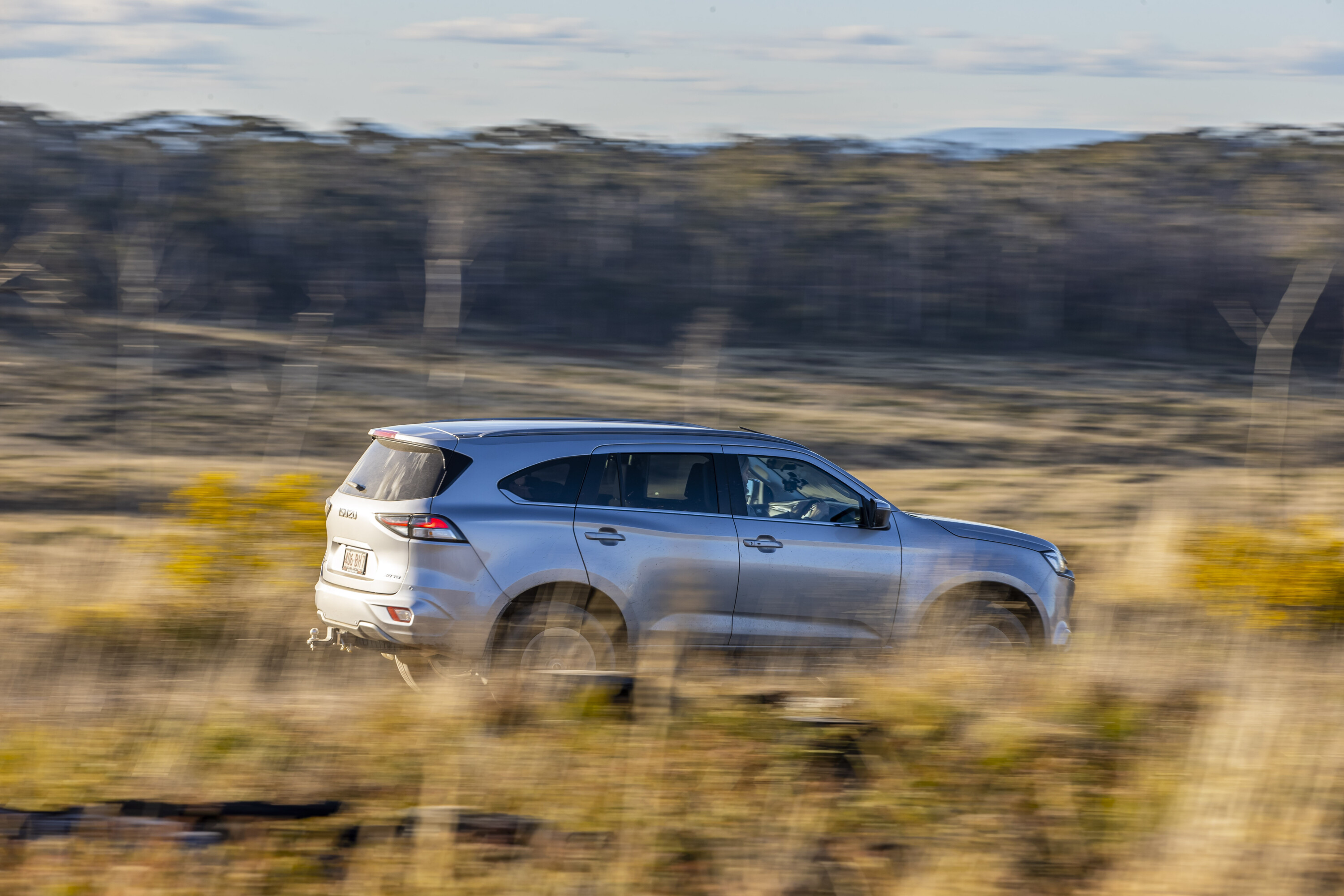
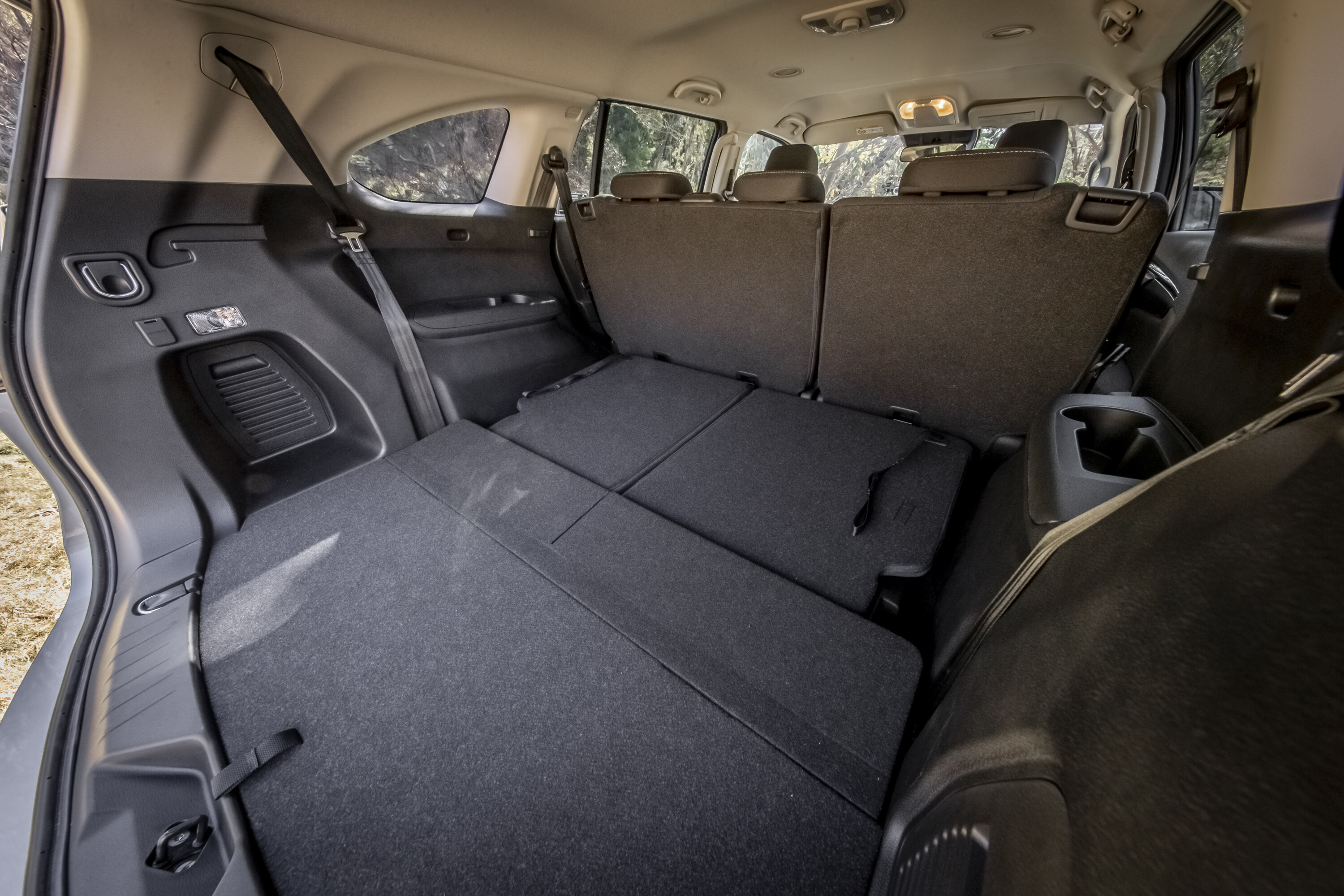
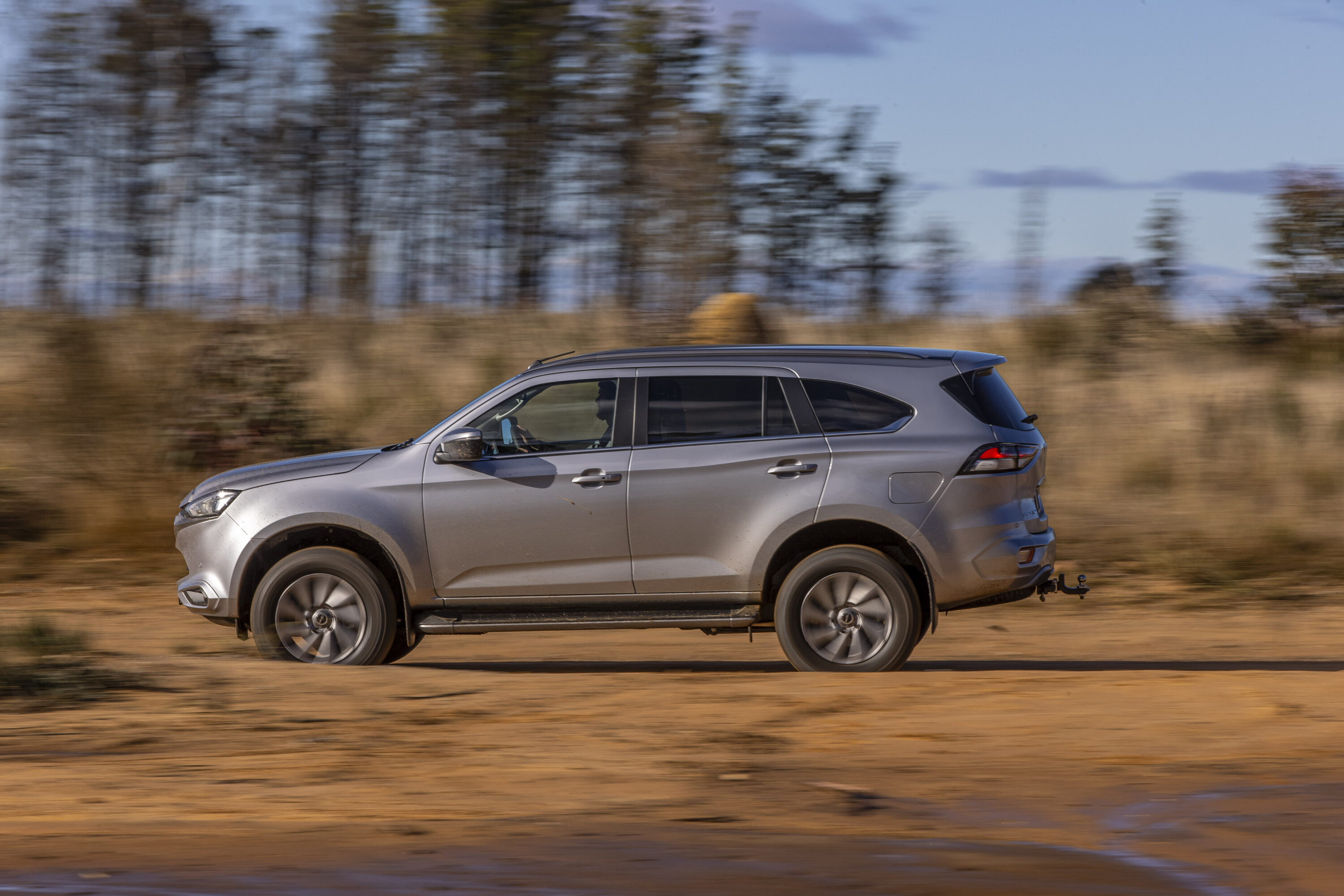
The 2023 Isuzu MU-X LS-U is the middle variant in the MU-X range, offering a blend of creature comfort features and off-road capability.
Isuzu’s well-respected 3.0-litre diesel engine is under the bonnet, producing 140kW and 450Nm, paired with a single choice of transmission; a six-speed automatic.
1
Pricing and Features
Sitting between the MU-X LS-M and LS-T, the LS-U 4×2 is priced at $55,400 before on-road costs, and for an extra $6000 you can jump into the 4×4 configuration.
However, with the current drive-away offer of $65,990 for the LS-T you might be tempted towards jumping up a grade when adding on-road costs.
5
Standard on the LS-U you’ll get 18-inch alloy wheels, a 9.0-inch screen, leather-accented steering wheel and gear selector, cloth seats, dual-zone climate control, front and rear parking sensors, a reversing camera, keyless entry and start, remote start, sat-nav, auto-locking, auto-levelling bi-LED headlights with auto high beam, auto wipers and a powered tailgate.
Two extra colour options are added over the LS-M grade at a $650 premium.
A thorough range of standard safety features is included under IDAS (Isuzu Driver Assistance System), which includes eight airbags, forward collision warning, lane-keep assistance, lane departure warning, rear cross-traffic alert and roll-over mitigation (ROM) which reduces the risk of a vehicle overturning.
1
Key Rivals
Alongside the Isuzu MU-X LS-U are key rivals in the large SUV segment including:
The second-generation MU-X proves to be a more well-rounded offering which is evidently popular with Australian buyers.
If you’re considering the step up from the MU-X LS-M, the LS-U provides extra specs that are sure to entice. But the same could be said for the step up to the LS-T due to Isuzu’s current drive-away offer.
When Mazda launched the CX-5 in 2017, the Hirsohima-based manufacturer was on a product rampage. In that era, Mazda took back-to-back Wheels COTY titles with the MX-5 sports car and CX-9 large SUV. The CX-5 also cemented Mazda as the medium SUV market leader – that is, until Toyota came along with its hybrid RAV4 and ruined all that.
Right now, we’re in another Mazda boom – this time it’s premium. CX-30, CX-60 and CX-90 are all coming, but there’s no direct replacement for this CX-5. The Alabama-built CX-50 is US and China-only… For now.
That means that, if you want a medium SUV for about $50K, Mazda’s option is looking a little dated. Or is it? This year, it got USB-C ports and a new Rhodium white paint option building on 2021’s suspension, seating, and trim level changes. With regular iterative tweaks, then, the CX-5 could still be a great choice.
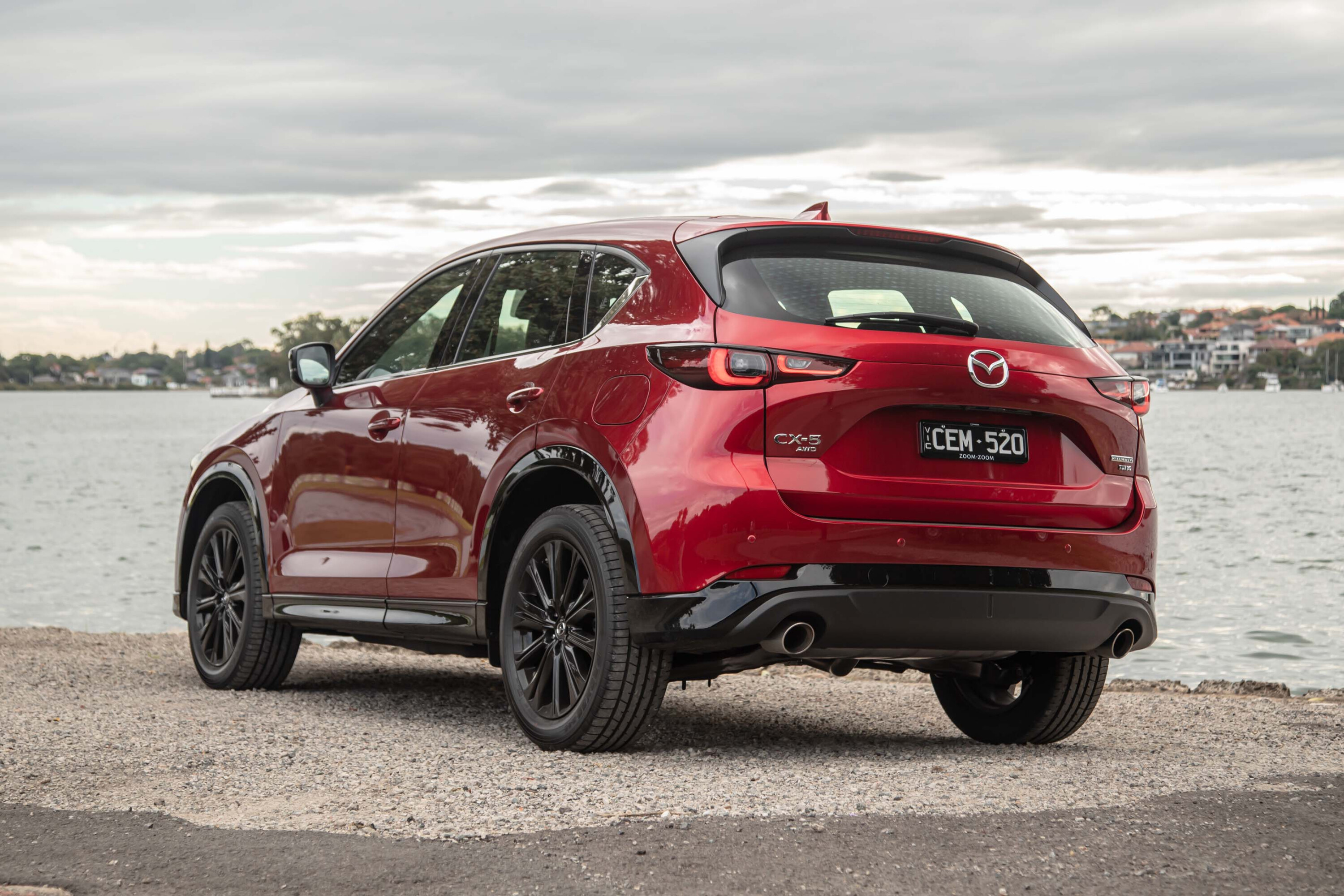
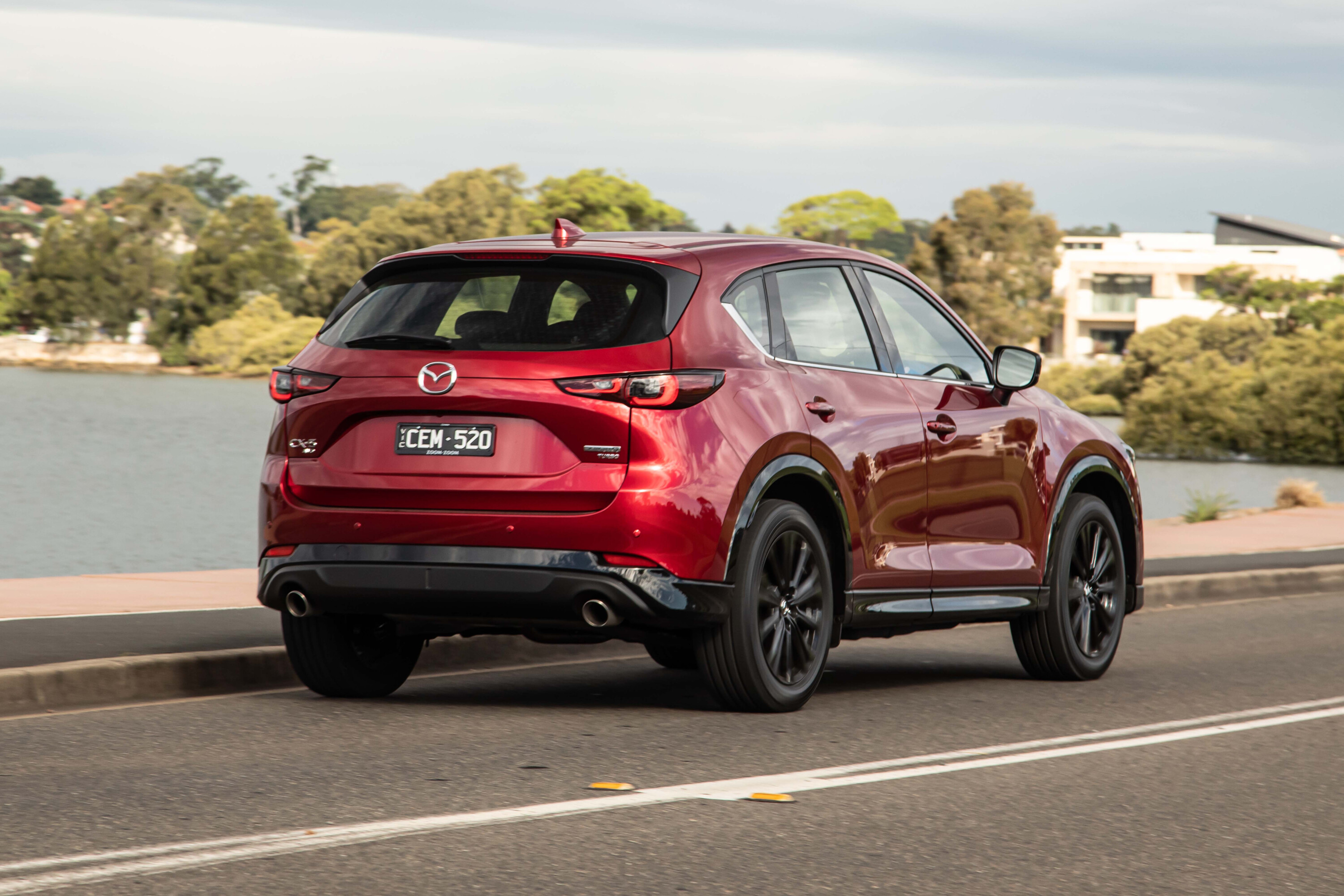
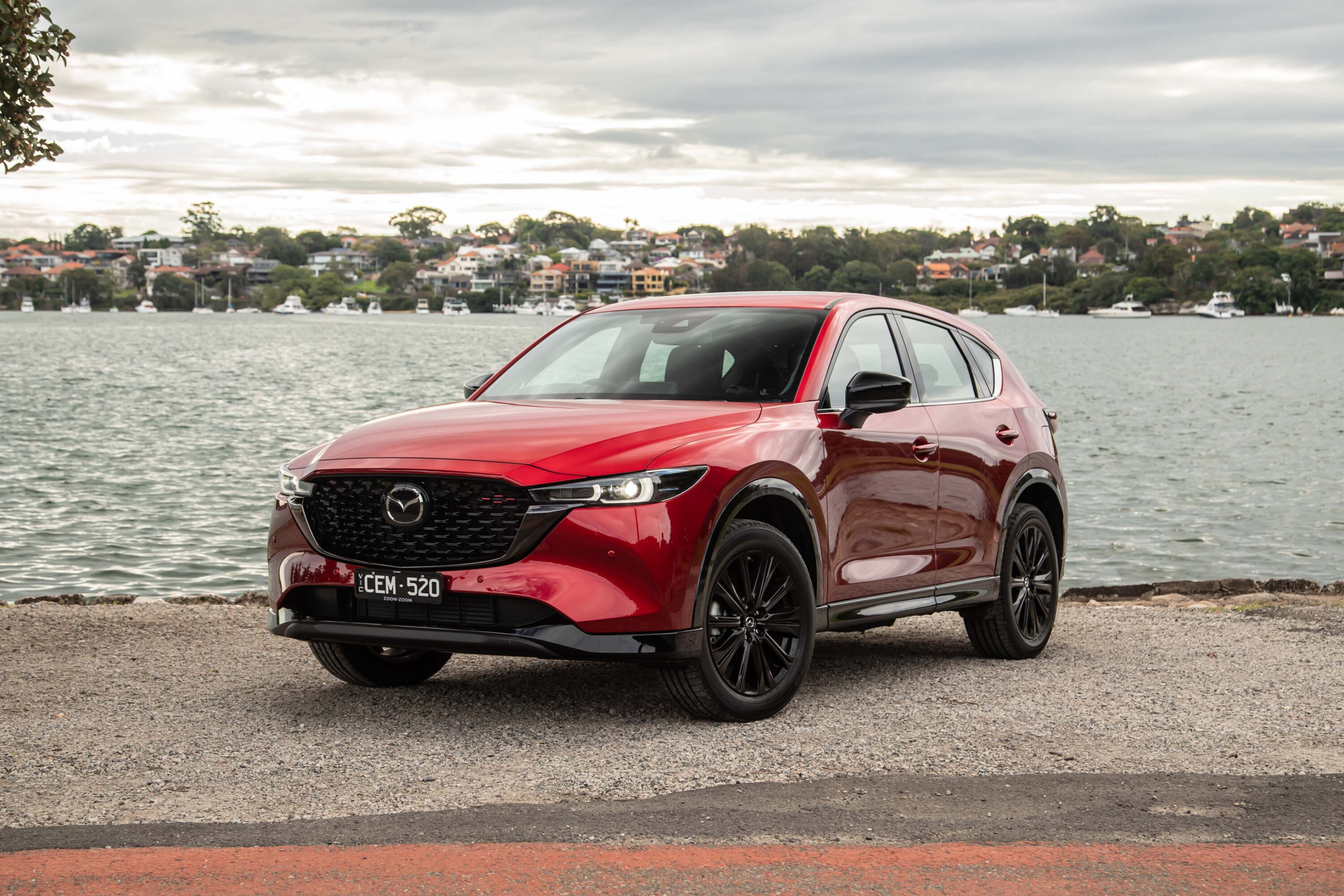
The CX-5 GT SP screams ‘athleticism’ in much the same way wearing your Lululemon activewear down to the local Woolies to fetch a litre of milk does.
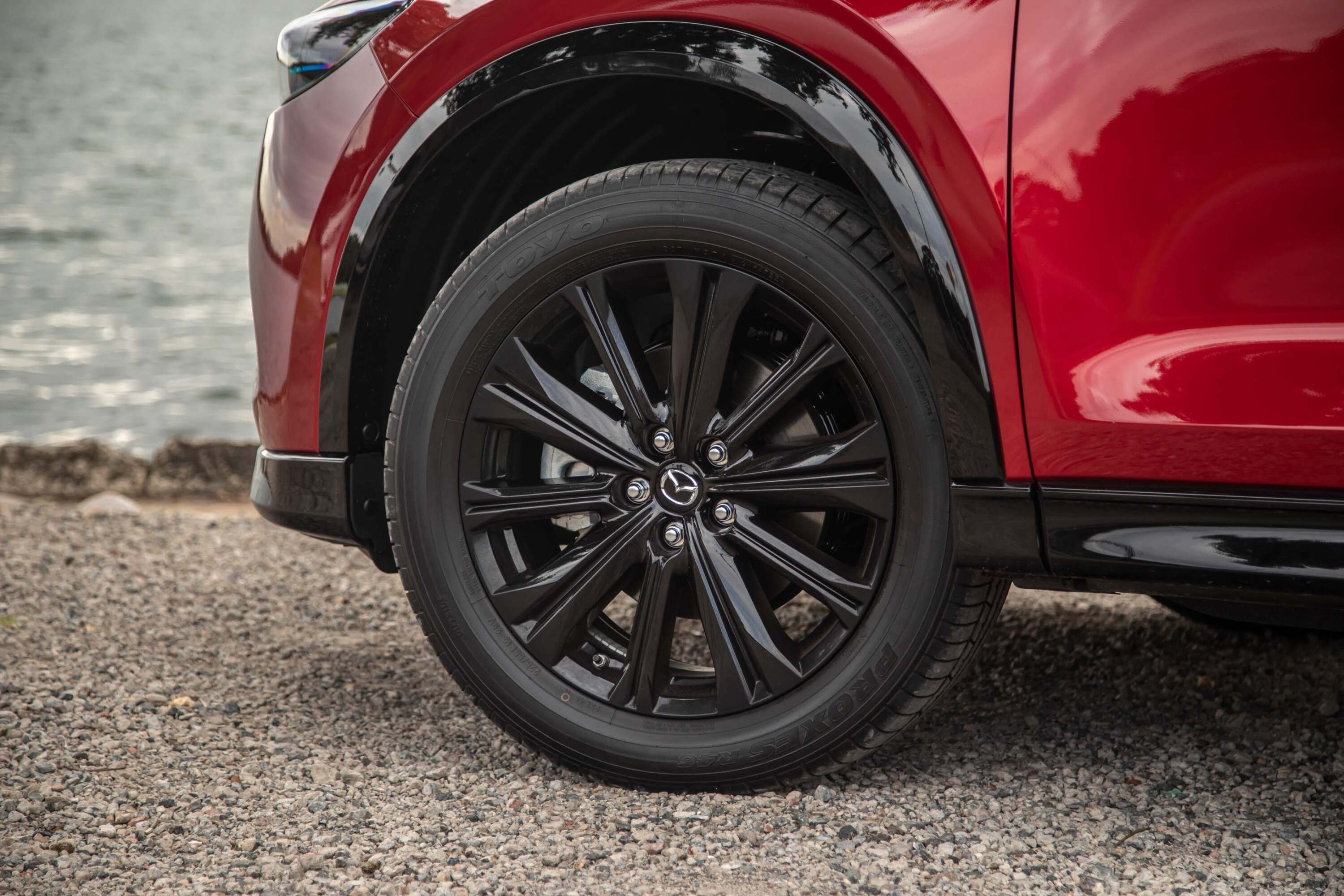
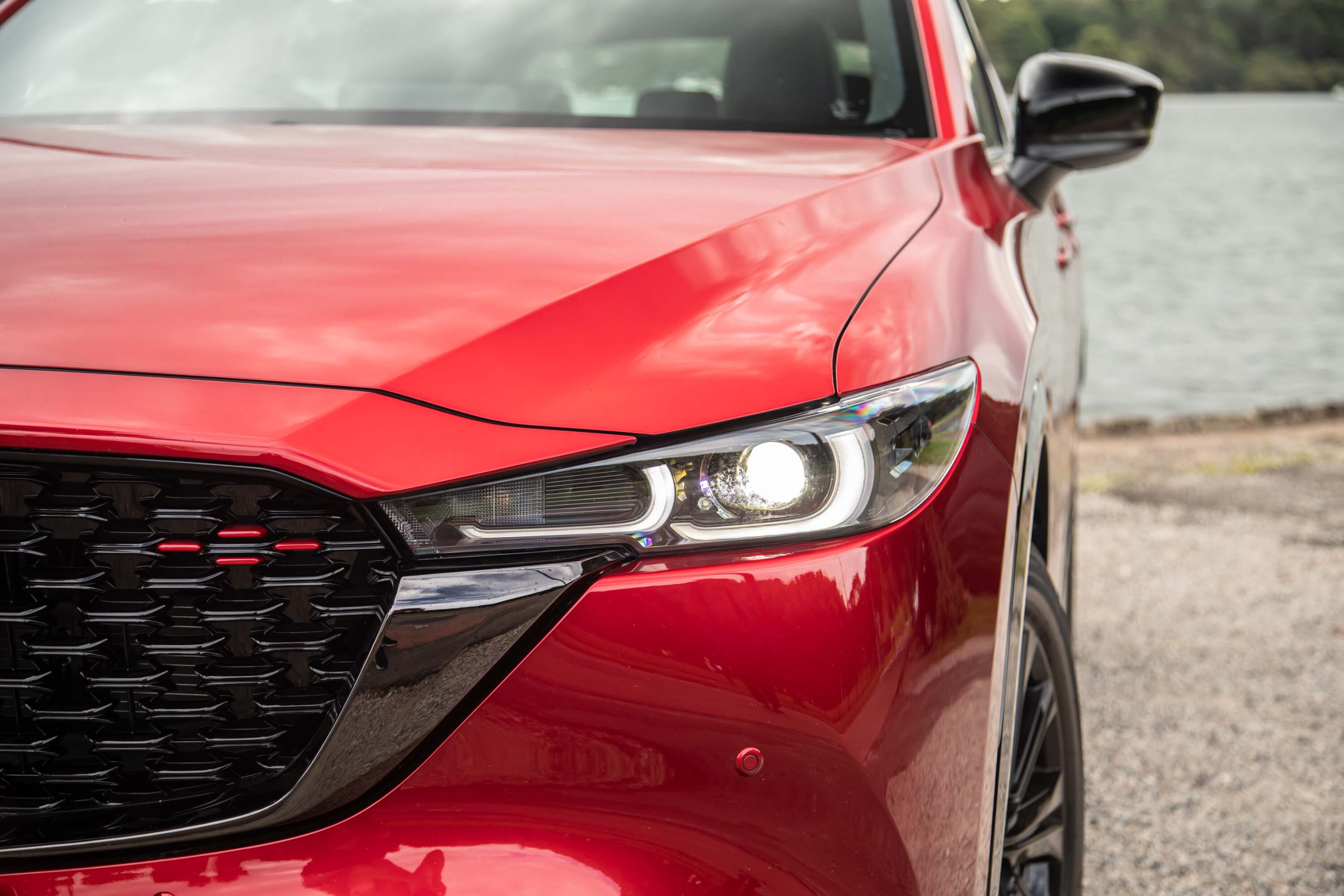
That is to say, it looks sharper and more purposeful with its black 19-inch alloy wheels and dark grille with red accents, but ultimately there are no physical performance credentials to back that up – not even tyres or suspension tweaks compared to other CX-5 variants.
Still, it’s a fully-featured trim with wireless phone charging and Apple CarPlay, leather-appointed seats with contrast stitching, a solid 10-speaker Bose sound system, and a sunroof.
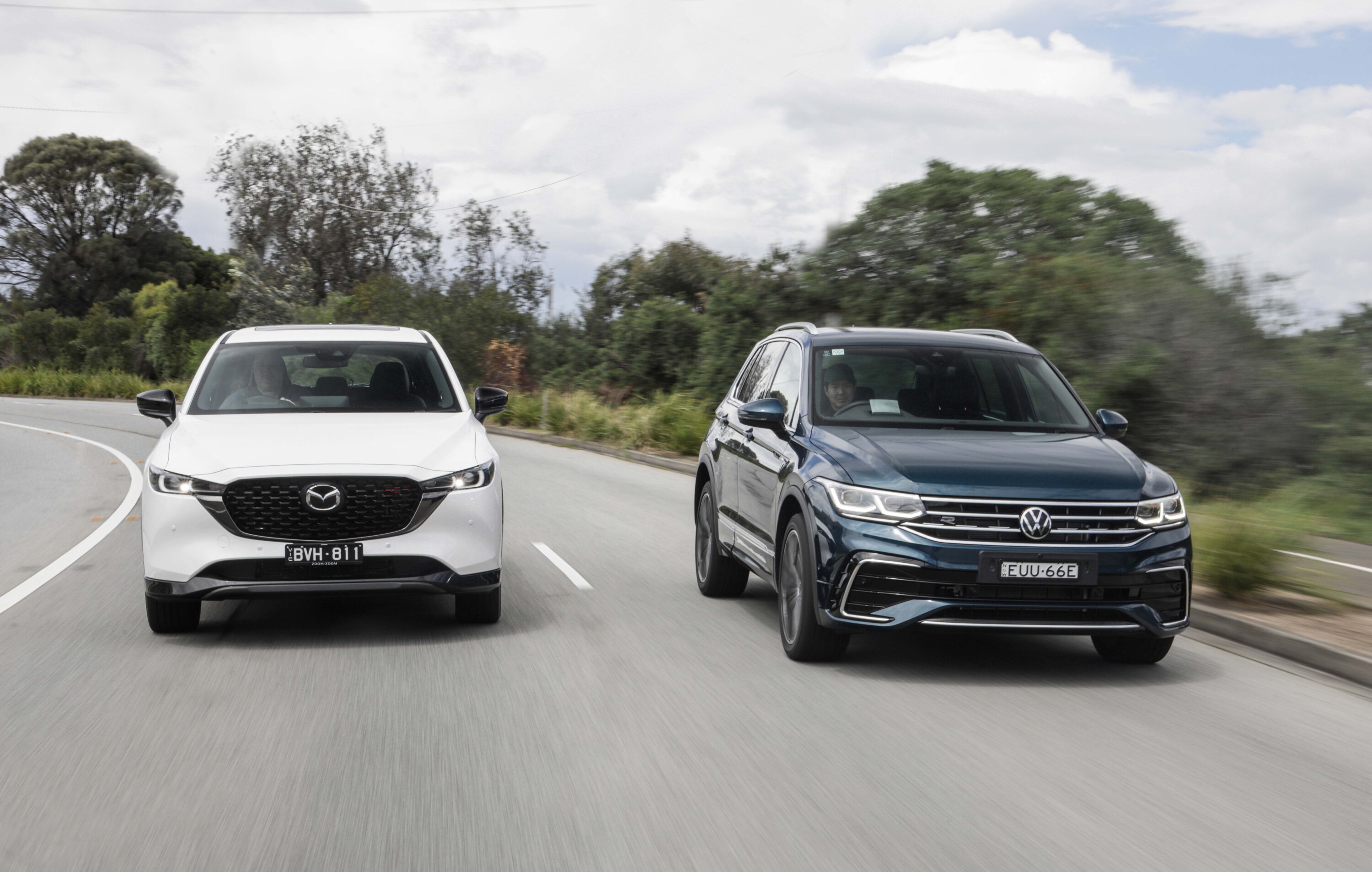
New nameplates from Chinese manufacturers – the Haval H6 and MG HS, for example – offer more equipment for less outlay, but can’t match the Mazda CX-5 when it comes to cabin fit and finish.
With the CX-5, Mazda also offers a broad and customisable range with three engine choices, and various configurations of front- or all-wheel drive to match your budget and intentions.
Mazda’s mid-spec GT SP (tested here) and Touring Active seem to strike the best value though, with all the equipment – including safety features – that you need without the $2190 dearer Akera’s take-or-leave extras.
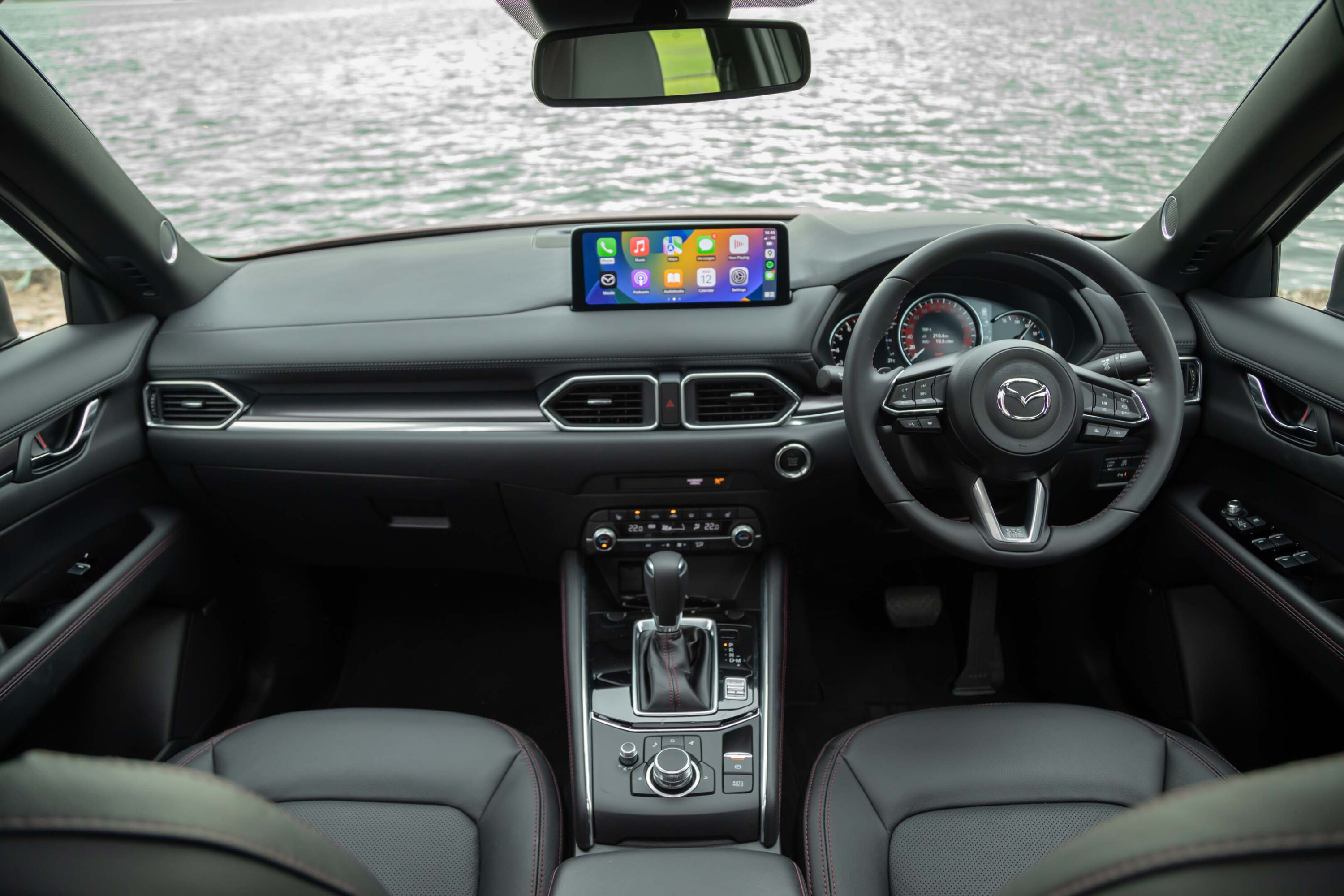
The Mazda CX-5 has remained handsome both outside and in throughout its life, with attractive and generally high-quality cabin materials in its cocooning cockpit. A soft-mould dash top, soft door caps and tactile leather-look materials amp ambience.
All CX-5s now get a widescreen 10.25-inch infotainment unit – that isn’t a touchscreen – with attractive new graphics for the native software, but Interfacing with now-standard wireless Apple CarPlay and Android Auto* using the rotary controller remains frustrating.
*CX-5s built between Nov 2022-June 2023 require a no-cost dealer retrofit to unlock wireless Android Auto. Retrofit available from July 2023.
1
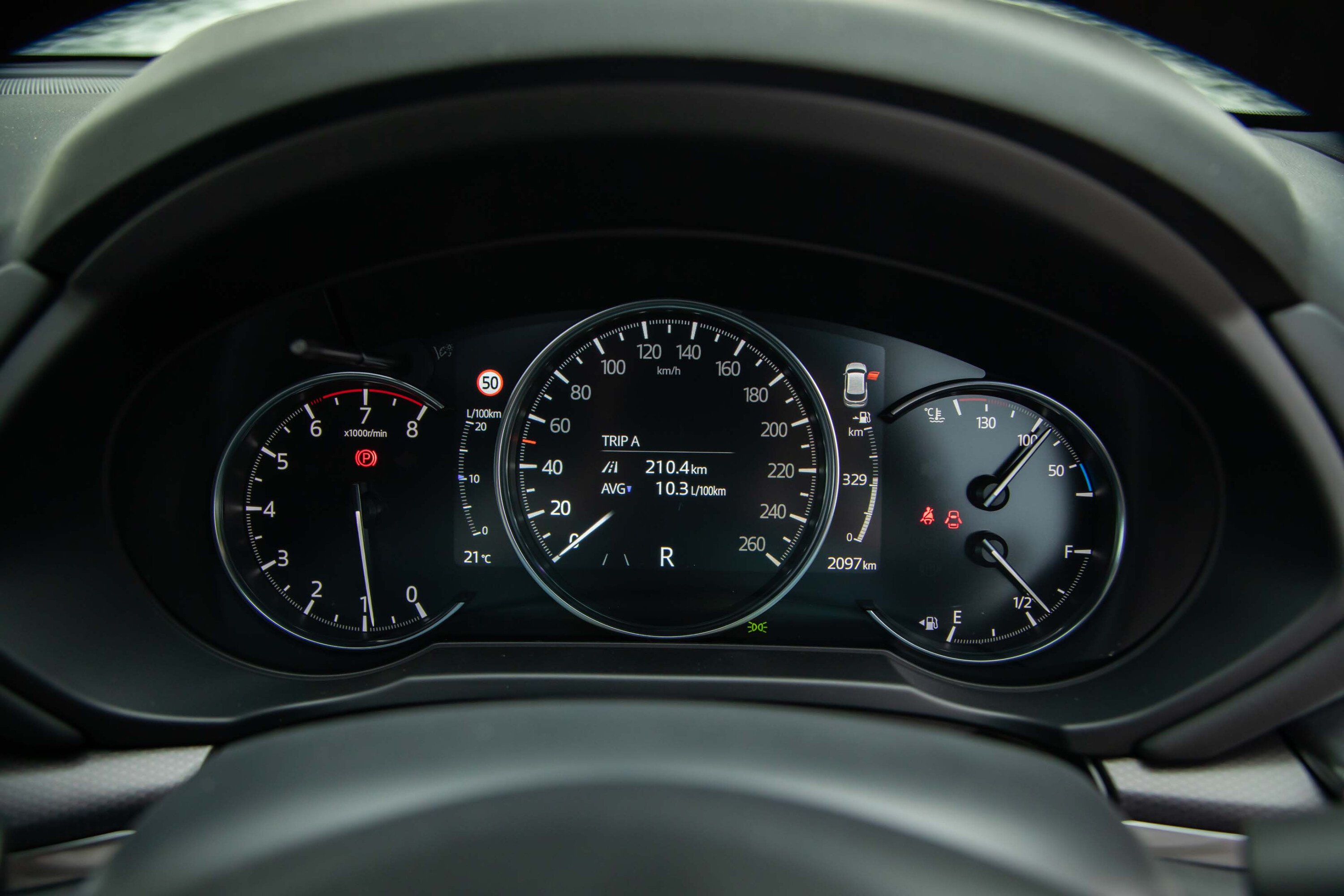
In front of the driver is an attractive combination of analogue and digitised dials providing trip and fuel information. Mazda’s head-up display takes the place of a digital speed readout and is one of the best out there – you can even see your speed and current limit through polarised sunglasses.
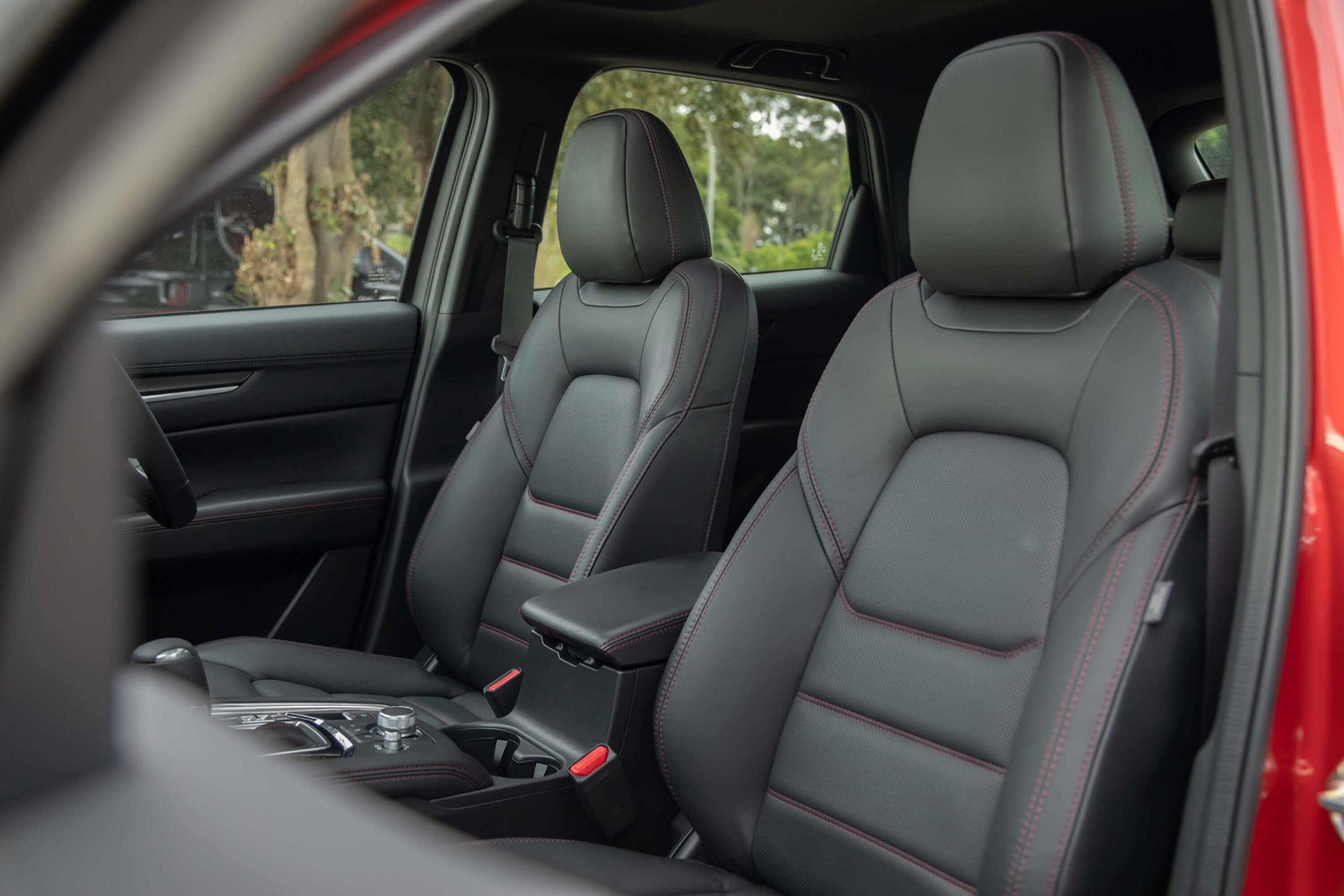
The CX-5 GT SP has a comfortable, 10-way power-adjustable heated driver’s seat with two-position memory. The leather is soft and supple, and both front seats offer reasonable support on long trips. A longer base cushion would improve comfort for taller drivers, as would a little more tilt adjustment.
Incidental storage isn’t great, with an inclined wireless charging tray that lets items slip around. There are two cup holders in the centre console, though the CX-5’s door bins aren’t very accommodating. For 2023, Mazda has swapped the two USB-A ports in the deep glovebox for faster charging USB-Cs.
1
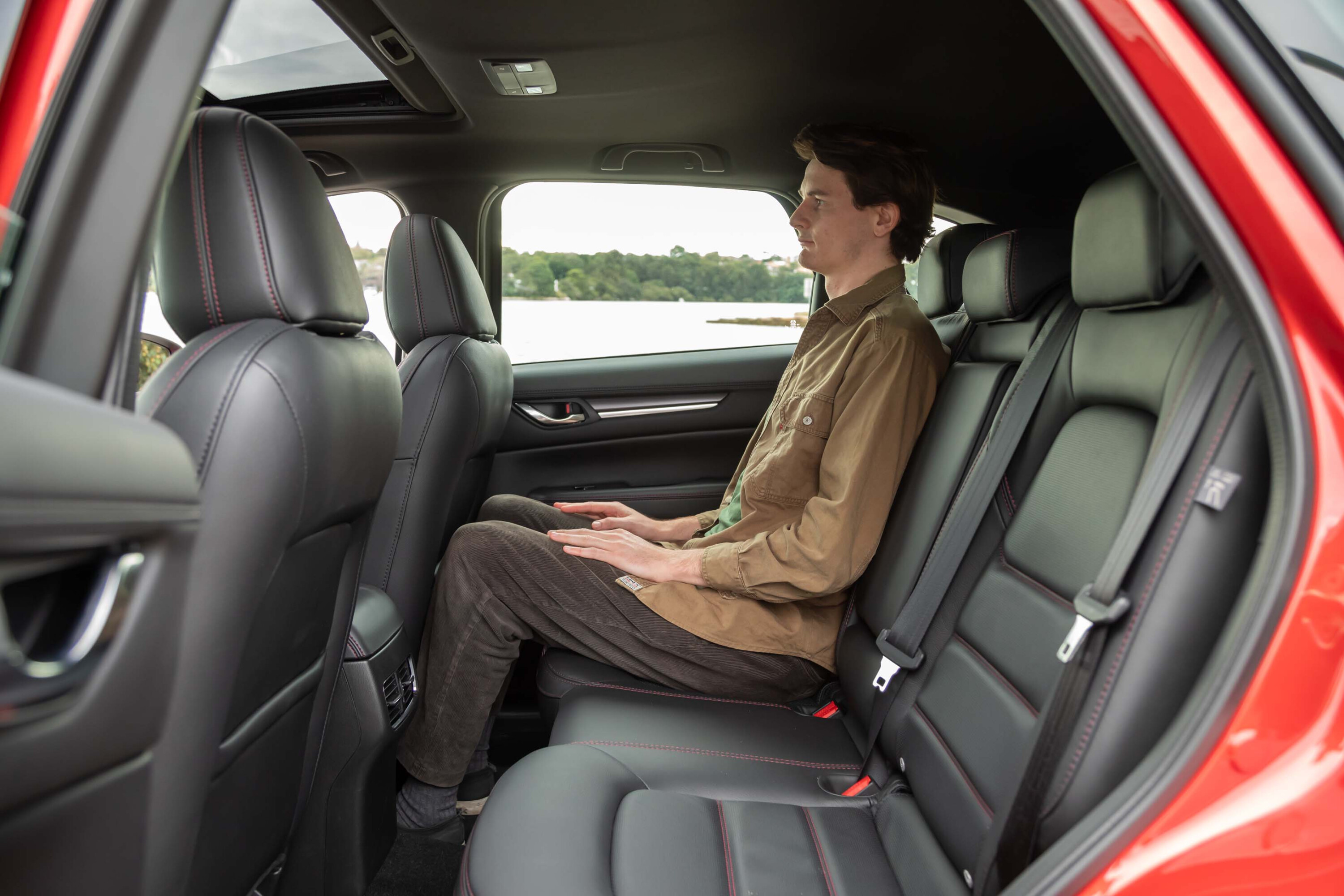
The CX-5 GT SP’s black headliner sucks light out of the cabin, even with the standard sunroof, making the rear seats feel rather tight. Unlike the Nissan X-Trail, the CX-5’s rear bench isn’t elevated over the front pews, so visibility out isn’t great.
Back seat space will be adequate for passengers under six-foot. Those taller may struggle with headroom and knee room, though toe space is accommodating. The CX-5’s narrow body is less than ideal for three across the back.
2
Second-row passengers are well served for amenities, with the CX-5 GT SP getting a fold-down armrest that houses two cup holders and two USB-A charge points and adjustable air vents.
For installing child seats there are ISOFIX connectors for the outboard seats and three top tether anchors. The doors open quite wide, though the entry aperture is small.
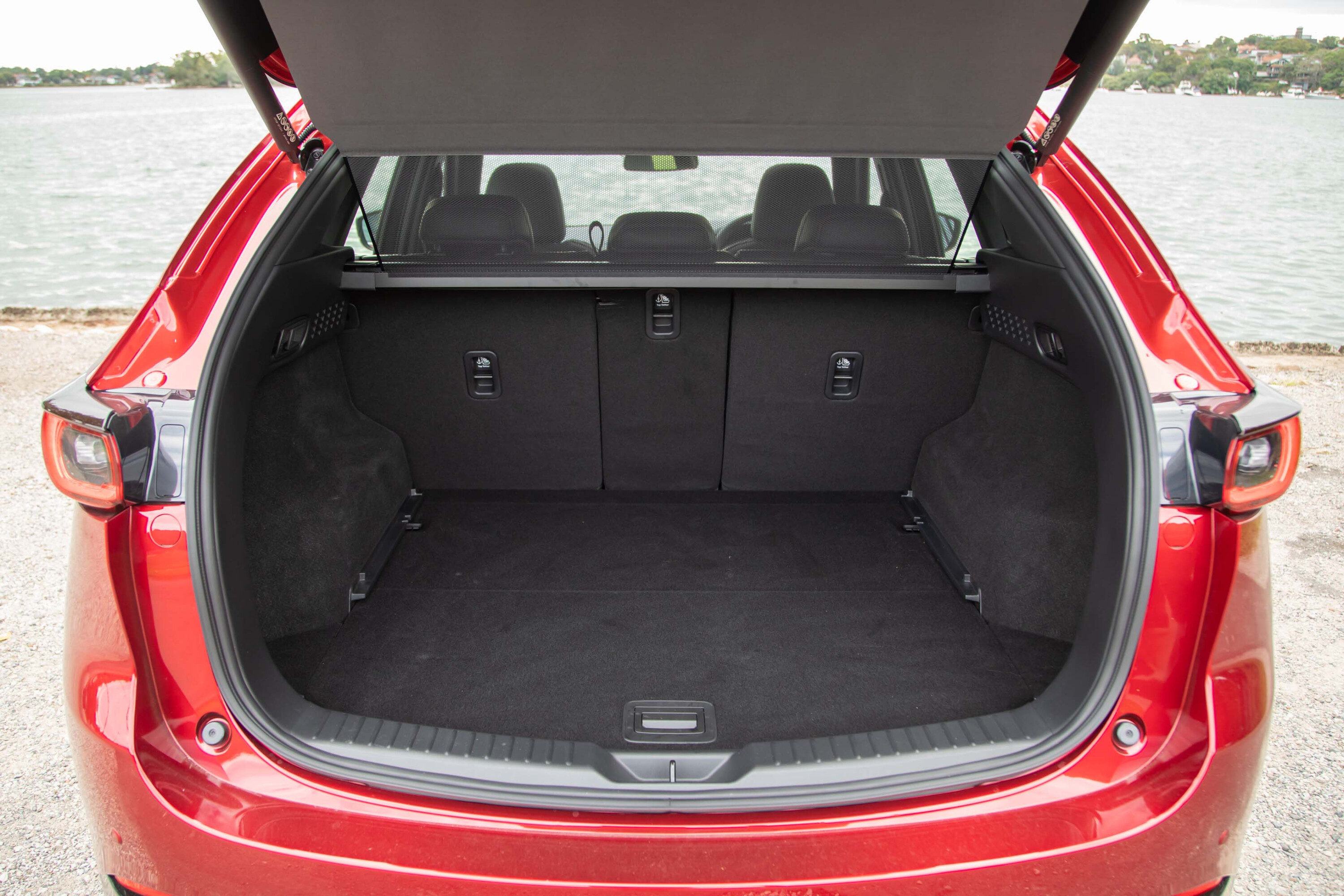
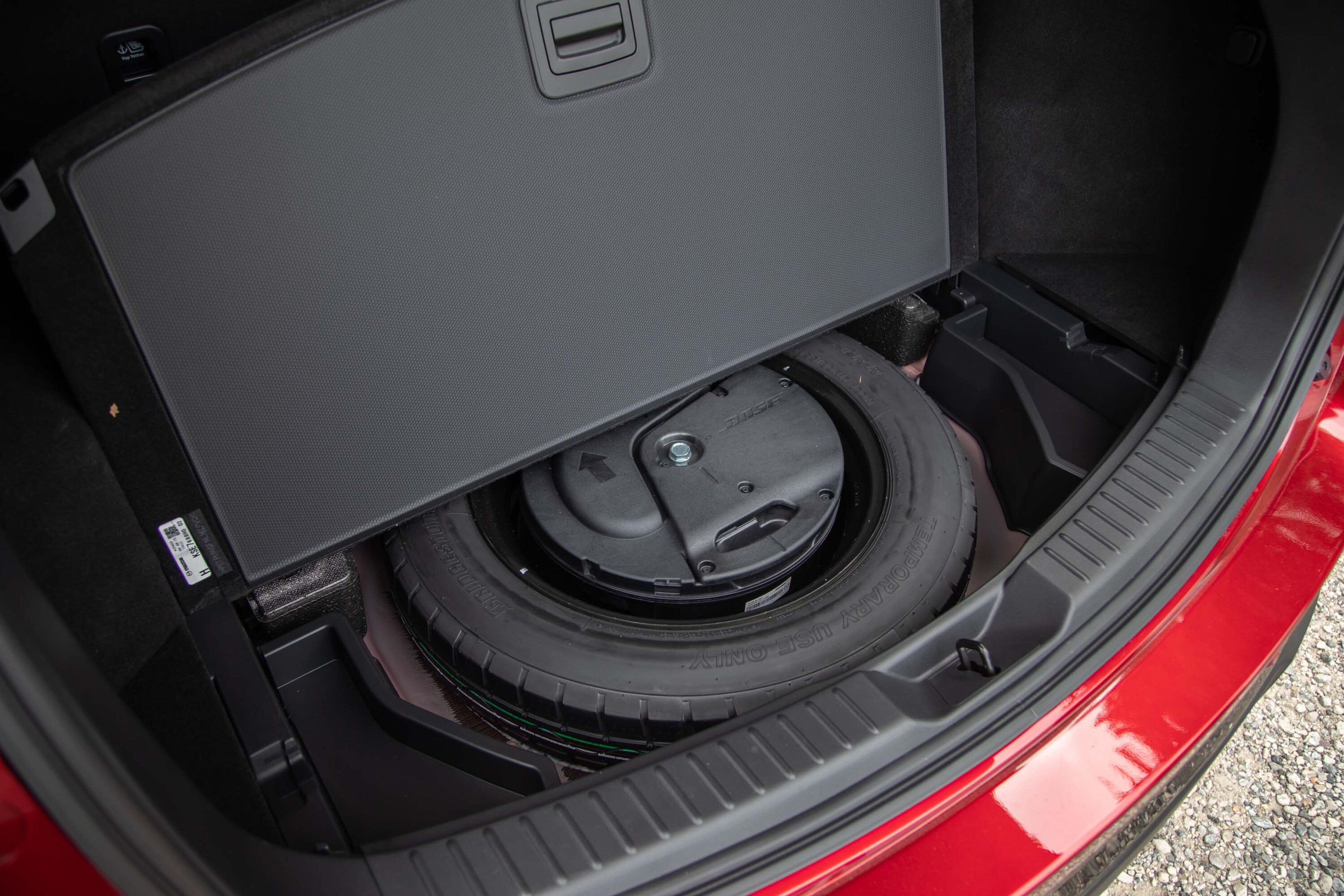
The CX-5’s 442-litre boot is outclassed by rivals of the same size, and even a few from the small SUV class, including the front-drive Kia Seltos (468L). Not just in on-paper size, the CX-5’s boot isn’t very smart with little under-floor storage, a temporary steel spare wheel, and no shopping bag hooks.
It isn’t all bad news. A power tailgate is standard on the CX-5 GT SP, there are seatback release handles, a 12-volt power outlet, and Mazda’s ‘Karakuri’ retractable cargo blind is extremely user-friendly.
The Mazda CX-5 has been lauded since launch as one of the best-driving vehicles in its class. Mazda’s iterative updates have refined the recipe, with the CX-5 now featuring a teaspoon of extra compliance courtesy of 2021’s new damper tune.
Even on its 19-inch alloys, the CX-5 GT SP soaks up bumps admirably at low and high speeds without sacrificing body or rebound control. Its 2.8-turn lock-to-lock steering is accurate and confidence-inspiring at speed without being cumbersome when parallel parking – though rearward visibility isn’t great in the CX-5, so the Akera’s 360-degree monitor would be a nice addition.
Although the CX-5 is now a much quieter car than at launch (thanks to extensive sound-deadening works over its lifespan), the multi-link rear end occasionally sends a ‘thump’ into the cabin on square-edged hits. The CX-5 also lacks negative suspension travel, meaning the dampers can sometimes top out harshly coming off speed humps.
1
With grunt sent to all four wheels via a front-biased on-demand AWD system, the CX-5 G35 has good acceleration and grip in the dry, though its 225/50 R19 Toyo Proxes tyres don’t offer as much adhesion when rain starts falling.
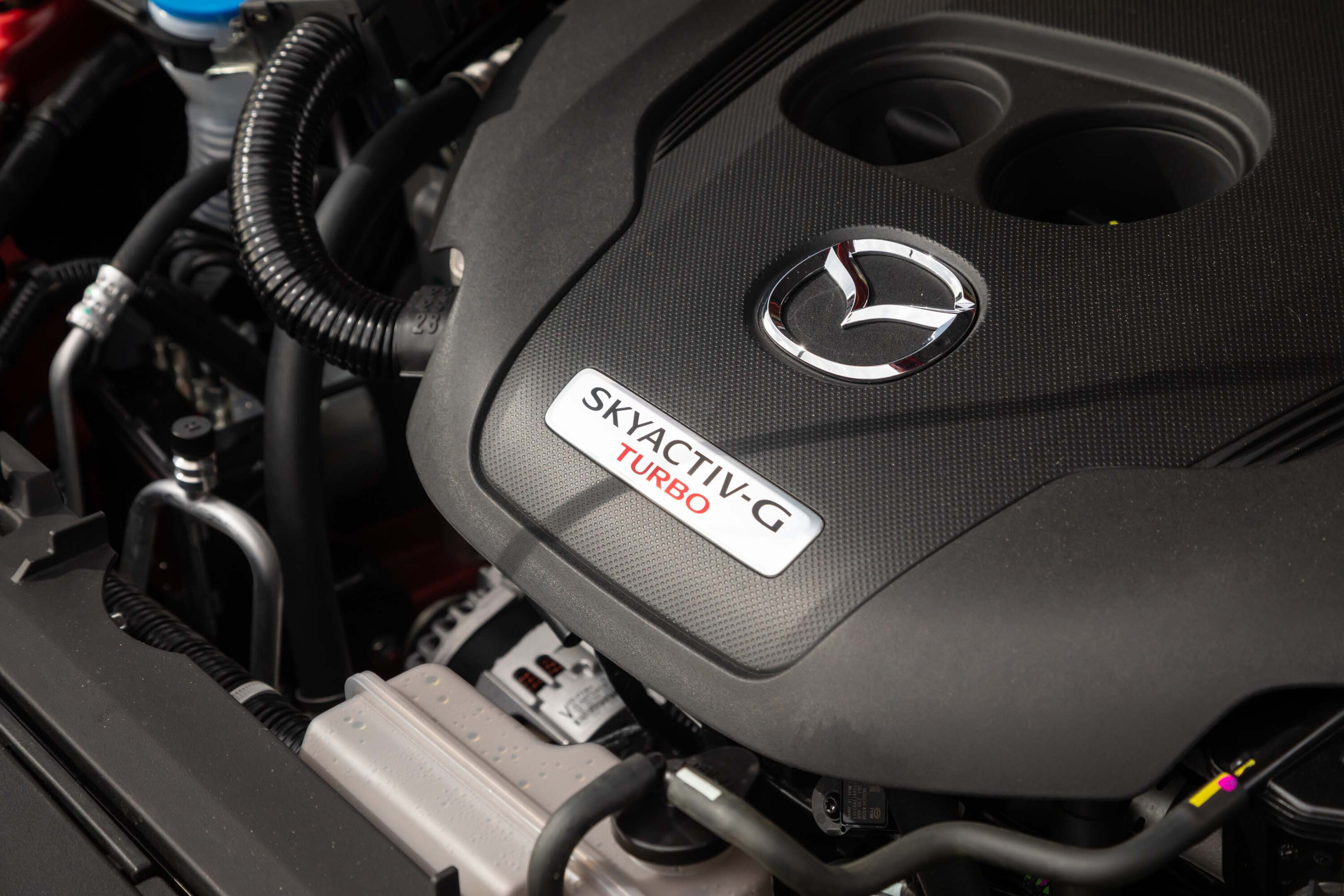
And the CX-5 does need grip when fitted with the tractable 2.5-litre turbo-petrol four-cylinder, as the motor produces 170kW at 5000rpm (or 186kW when sipping premium 98 RON petrol) and 420Nm at 2000rpm. Mazda claims a 0-100km/h sprint of 7.7 seconds. The six-speed torque converter interfaces excellently with the CX-5’s turbo engine, with Sport mode keeping it even more alert and responsive.
We reckon the CX-5’s torquey G35 turbo-petrol is worth the $2500 up-charge over the non-turbo four-banger for keener drivers, but it isn’t absolutely necessary. The 2.2-litre turbo-diesel – available on other trims – should also be considered.
The Mazda CX-5 G35 GT SP’s fuel economy rating is 8.2L/100km on the combined ADR 81/02 cycle.
Unlike the non-turbo G25, accelerating hard regularly will see the G35’s fuel consumption climb rapidly. On our highway, suburban and urban efficiency test, the CX-5’s trip computer was reading 10.2L/100km.
The CX-5 requires 91 RON unleaded or an E10 blend at the minimum, but its ECU will reward drivers who spend a little more on 98 RON with an extra 16kW, and improved fuel economy.
Everything about the CX-5 has improved over the years, and now every trim level gets a respectable suite of safety features – including adaptive cruise control and lane-keep assist – that are tuned well.
The Mazda CX-5 scored five stars in 2017 ANCAP safety testing, though its rating will expire in December this year. Without a centre airbag and other new ANCAP requirements, it may not score the full complement of stars if re-tested under the 2023 protocol.
Mazda quietly improved the CX-5’s servicing requirements last year, lengthening maintenance intervals from 12 months or 10,000km to 12 months/15,000km.
The Japanese carmaker offers easy-to-understand capped-price servicing that will cost $1296 for three years, and $2460 for five years.
Mazda backs the CX-5 with an industry-standard five-year, unlimited-kilometre warranty.
The Mazda CX-5 still deserves its position as one of the most easily recommendable medium SUVs. Keen drivers will appreciate its dynamics and engine response, and those looking for a comfy runaround are now better served by the renewed ride finesse.
Where the Mazda CX-5 was once acceptable in its packaging, though, newer rivals are doing a lot more with interior space, making them easier to recommend for family duties.
1
Without any electrification in the range, all CX-5s tend towards the thirstier side, too. Add to that a non-touch media screen and the CX-5 is starting to feel a little dated next to its competitor set.
Our pick would be between this turbo GT SP for the keener driver, or the even comfier CX-5 Touring Active fitted with either powertrain.
Due to a manufacturing defect, the rear-view camera wiring harness may become damaged and could cause the rear-view image to become distorted or flicker.
What are the hazards?
If the rear-view camera display does not clearly display the rear-view image as intended, it could increase the risk of an accident, causing serious injury or death to any persons located behind the vehicle.
What should consumers do?
When parts become available, Mazda will contact affected owners in writing requesting they make an appointment at their preferred Mazda Authorised Dealership to have the work carried out free of charge.
Supplier details
MAZDA AUSTRALIA PTY. LIMITED
Who should owners/operators contact for more information?
Due to a software issue, the Cruise Control function may not operate as intended and could cause unintentional acceleration when deactivated.
What are the hazards?
An unintentional acceleration when using the Cruise Control function may increase the risk of an accident causing serious injury or death to vehicle occupants and/or other road users.
What should consumers do?
Owners should contact their local Nissan Dealership to schedule an appointment to have their Cruise Control software updated, free of charge.
Supplier details
NISSAN MOTOR CO. (AUSTRALIA) PTY. LTD.
Who should owners/operators contact for more information?
Due to a software issue, the headlamps may not operate as intended. This may result in a loss of headlights, front position lamps, daytime running lights and direction indicator functions leading to reduced or poor visibility.
What are the hazards?
Reduced or poor visibility may affect the night vision of the driver, increasing the risk of an accident causing serious injury or death to vehicle occupants and other road users.
Affected vehicles are not compliant with the Australian Design Rule ADR 46/00 – Headlamps.
What should consumers do?
Owners should contact their preferred Jaguar Land Rover authorised dealer to have their Headlamp Control Module software updated, free of charge.
Supplier details
JAGUAR LAND ROVER AUSTRALIA PTY LTD
Who should owners/operators contact for more information?
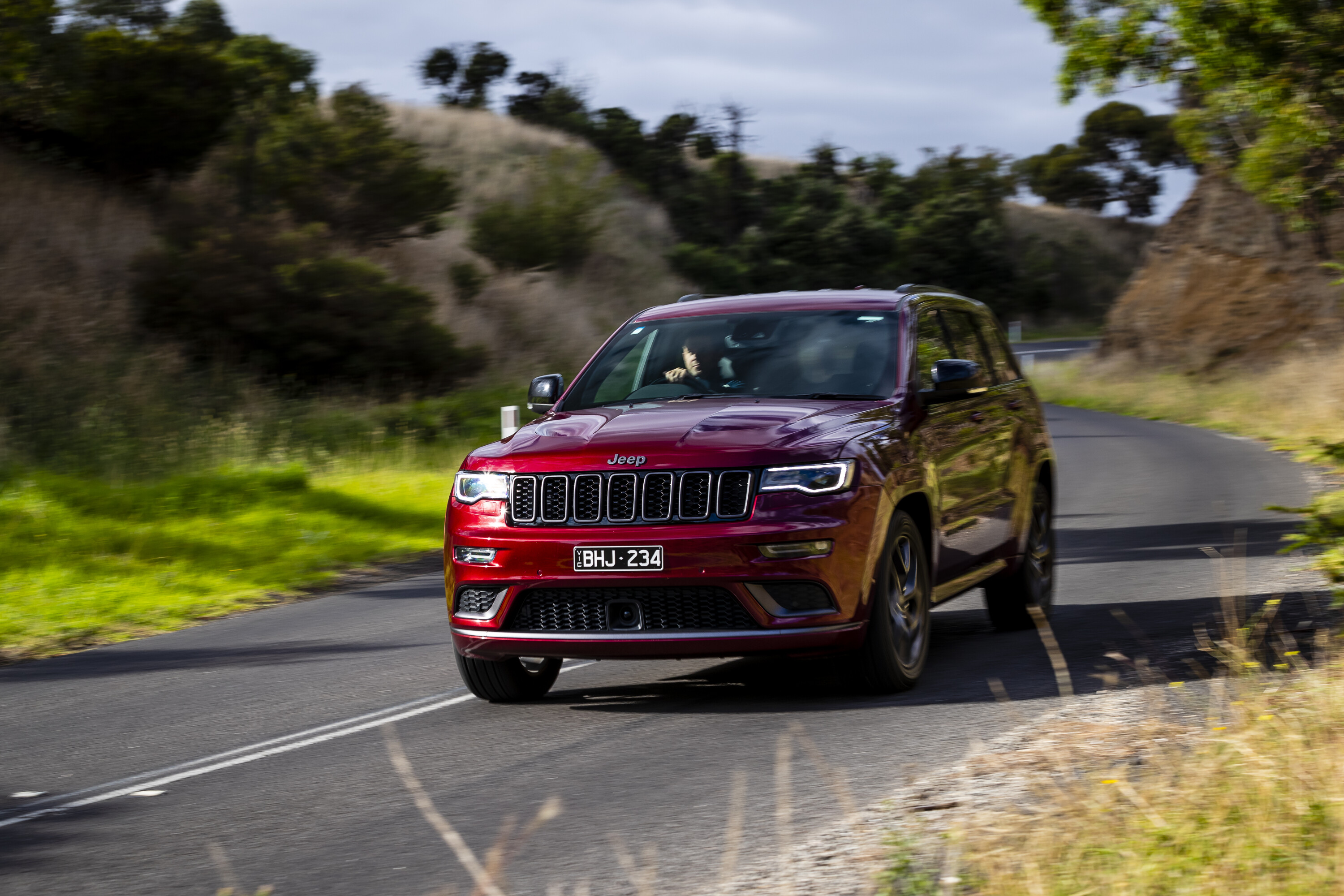
Due to a manufacturing defect, the rear tail lamps may not illuminate as intended. If this occurs during dark conditions, the traffic behind will have reduced visibility and may not be able to identify the vehicle.
What are the hazards?
If the traffic behind is unable to identify the vehicle, it could increase the risk of an accident causing serious injury or death to vehicle occupants and other road users.
What should consumers do?
Owners of affected vehicles can contact their nearest authorised Jeep Dealer to have the work carried out, free of charge.
Supplier details
FCA AUSTRALIA PTY LTD
Who should owners/operators contact for more information?
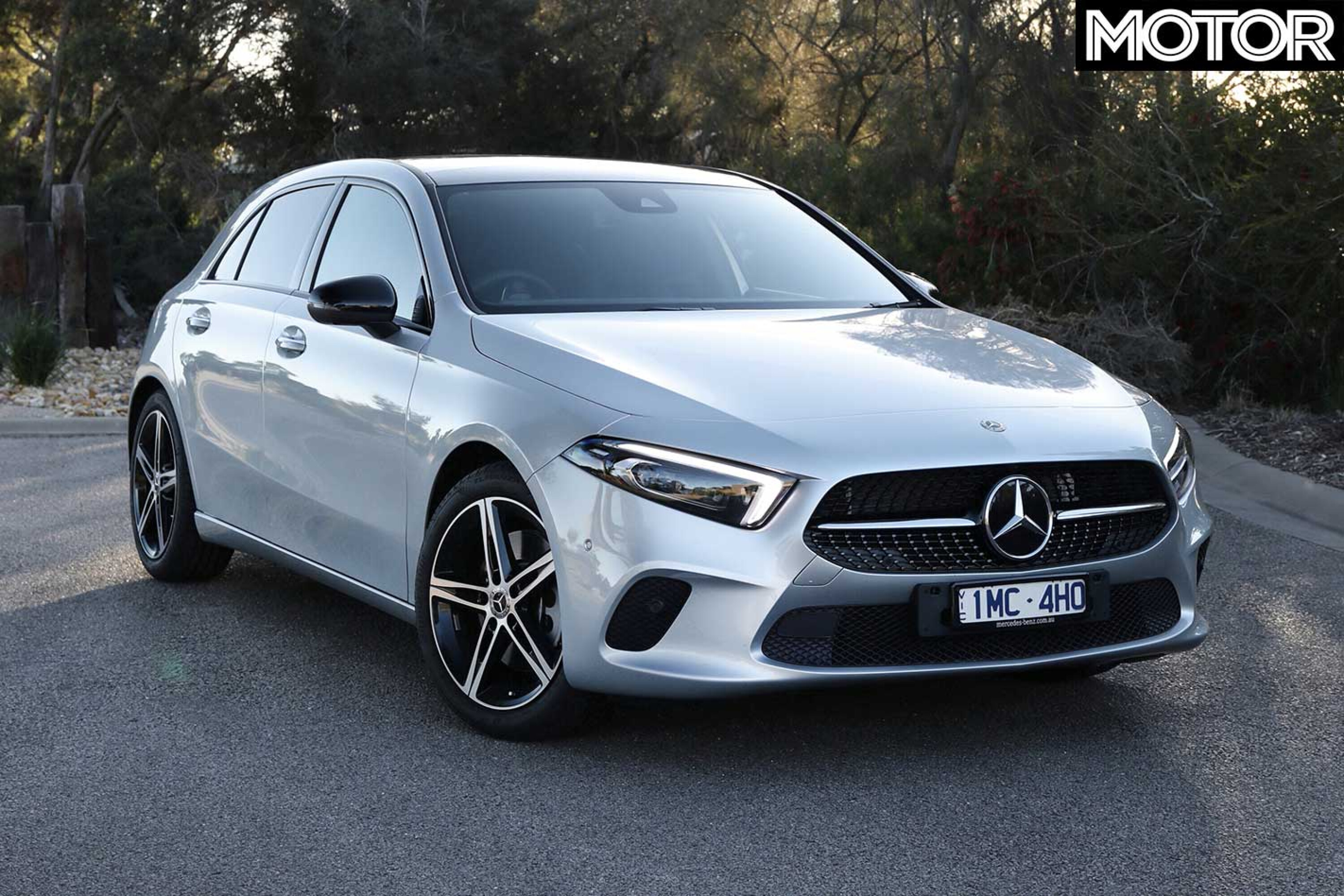
The tyres within this production range may not meet manufacturing specifications which may lead to deflation of the tyre and/or the tyre tread could detach partially or completely whilst driving. This could result in a loss of vehicle control.
What are the hazards?
A loss of vehicle control increases the risk of an accident causing serious injuries or death to the vehicle occupants and/or other road users.
What should consumers do?
Owners of affected vehicles can contact their most convenient Mercedes-Benz dealership to have the work carried out as soon as possible, free of charge.
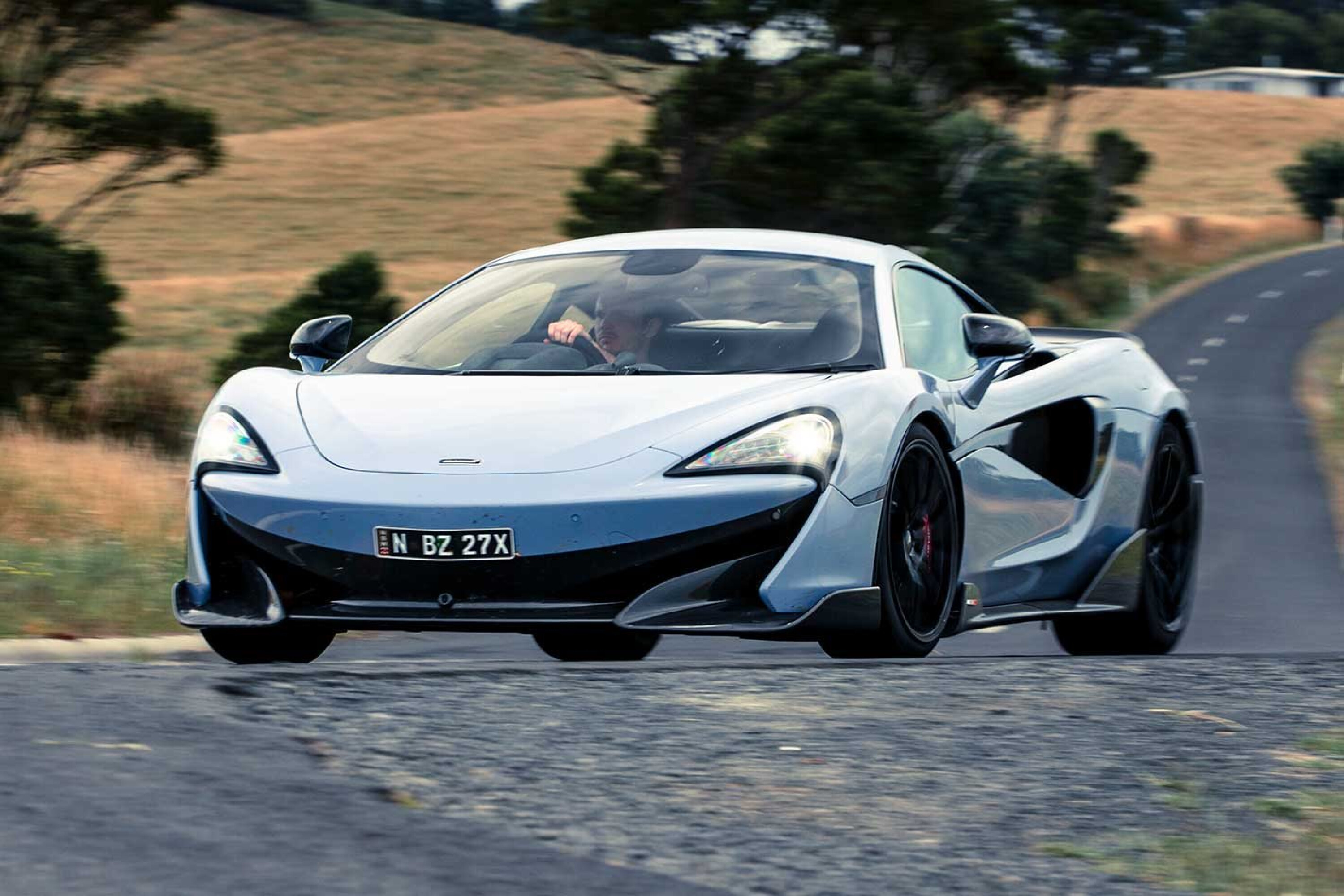
Due to a manufacturing issue, the joint between the coolant pipe and the temperature sensor may not be sealed adequately. This could cause a coolant leak resulting in a vehicle fire.
What are the hazards?
A vehicle fire increases the risk of an accident, serious injury or death to vehicle occupants and other road users.
What should consumers do?
Owners of affected vehicles should contact their preferred authorised McLaren Dealer to make an appointment to have work carried out free of charge.
This remedy will be carried out at no charge to the customer.
Supplier details
McLaren Automotive Ltd
Who should owners/operators contact for more information?
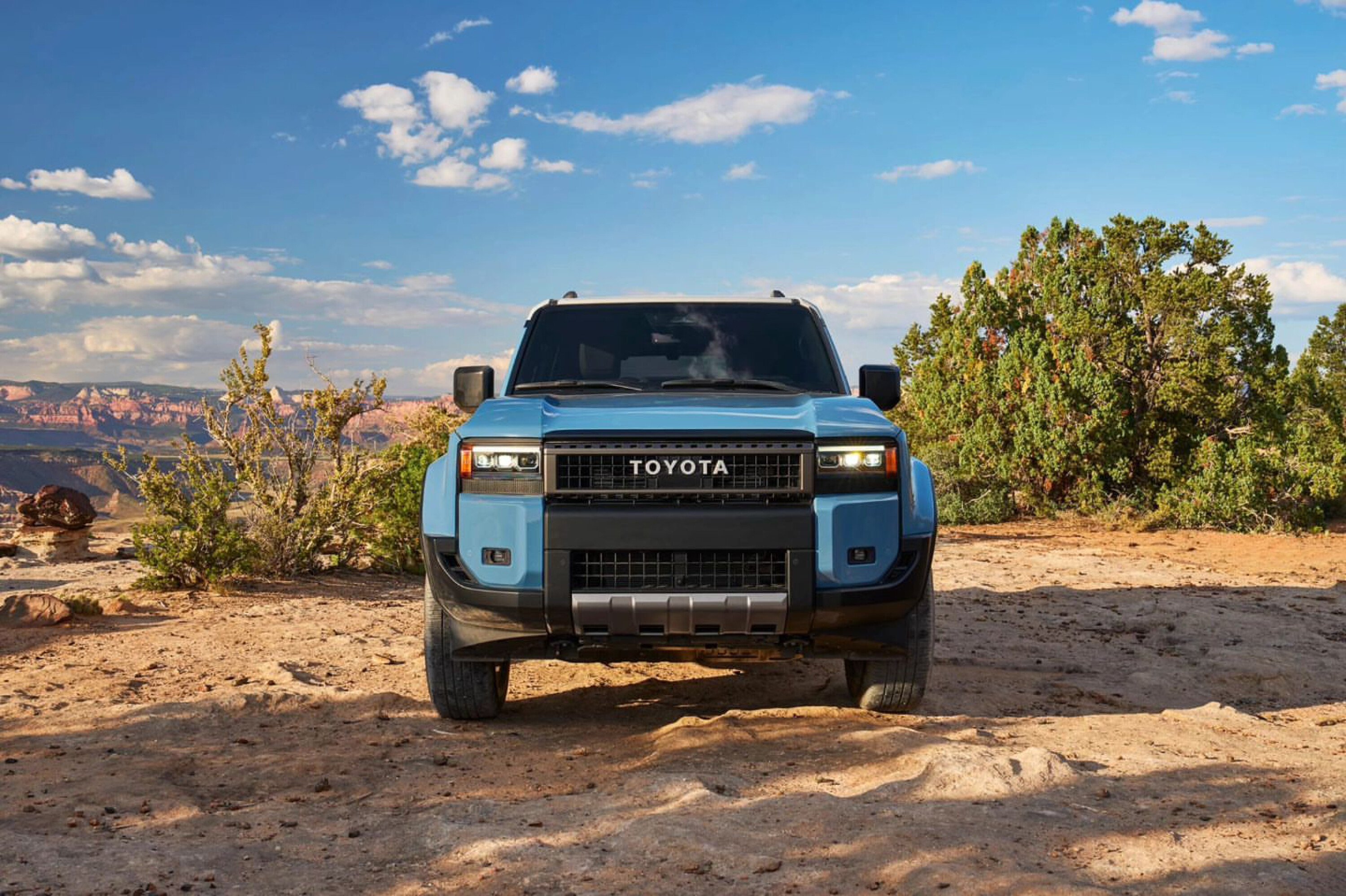
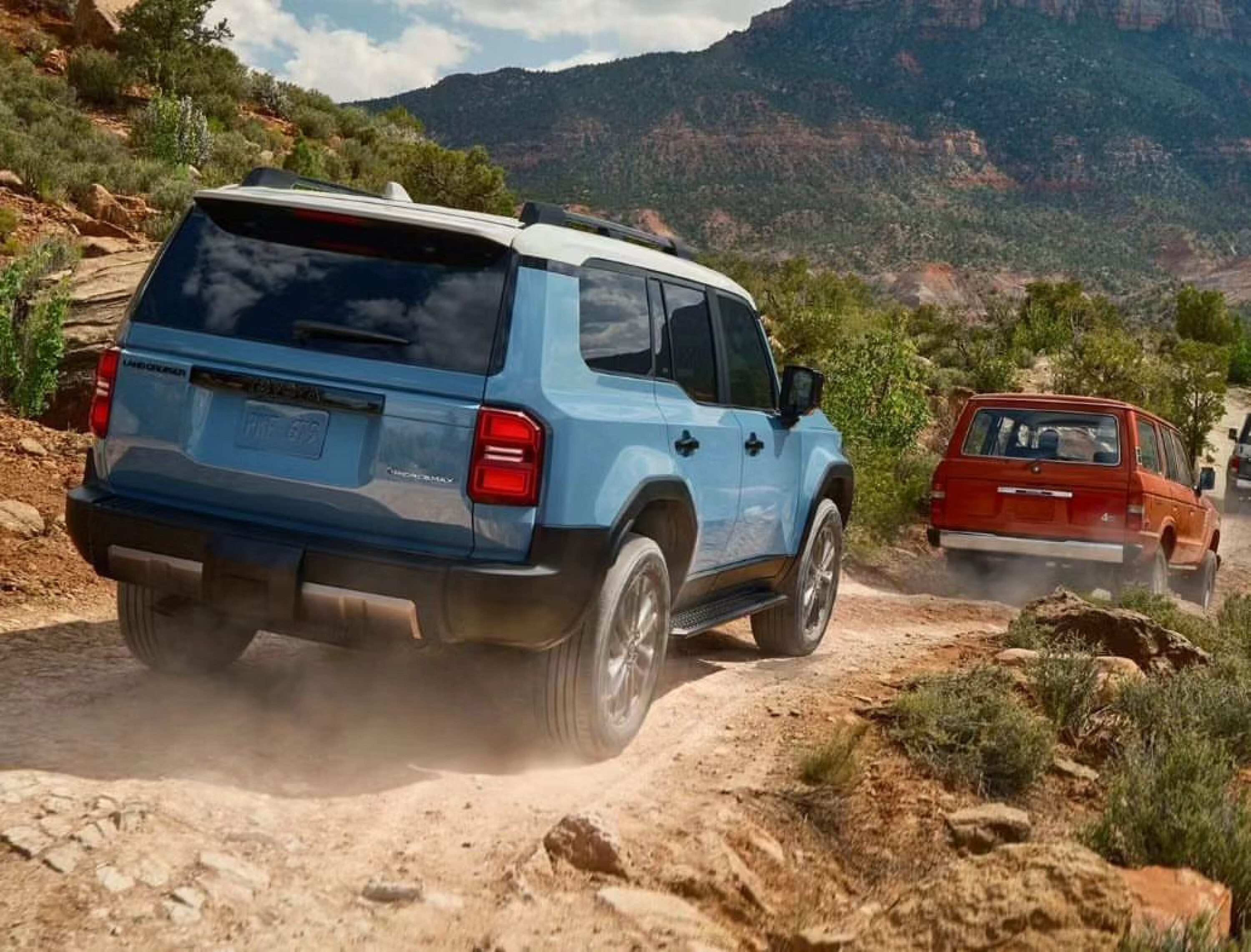
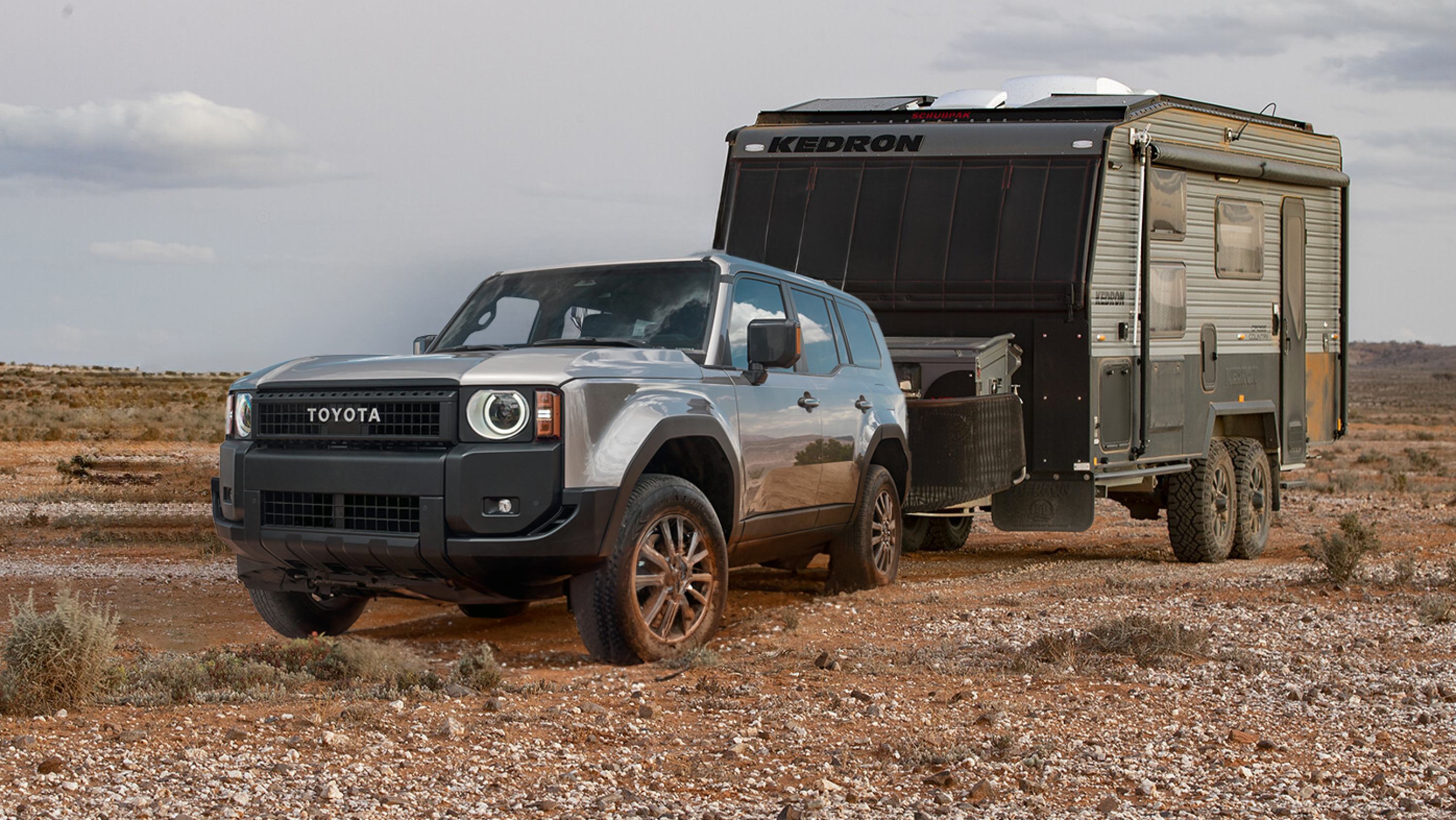
The all-new 2024 Toyota LandCruiser Prado has finally been revealed, and one of the most burning questions is whether it’ll tow more than the outgoing model’s 3000kg rating.
As a popular model for weekend adventuring, the Prado in Australia is frequently seen linked to a boat or caravan – and Toyota is well across this.
“Australian customers appreciate the vast capability of the LandCruiser Prado, from use as a family vehicle, to off-roading, towing and long-distance touring,” Toyota Australia Vice President Sales, Marketing and Franchise Operations Sean Hanley said when announcing the Prado this week.
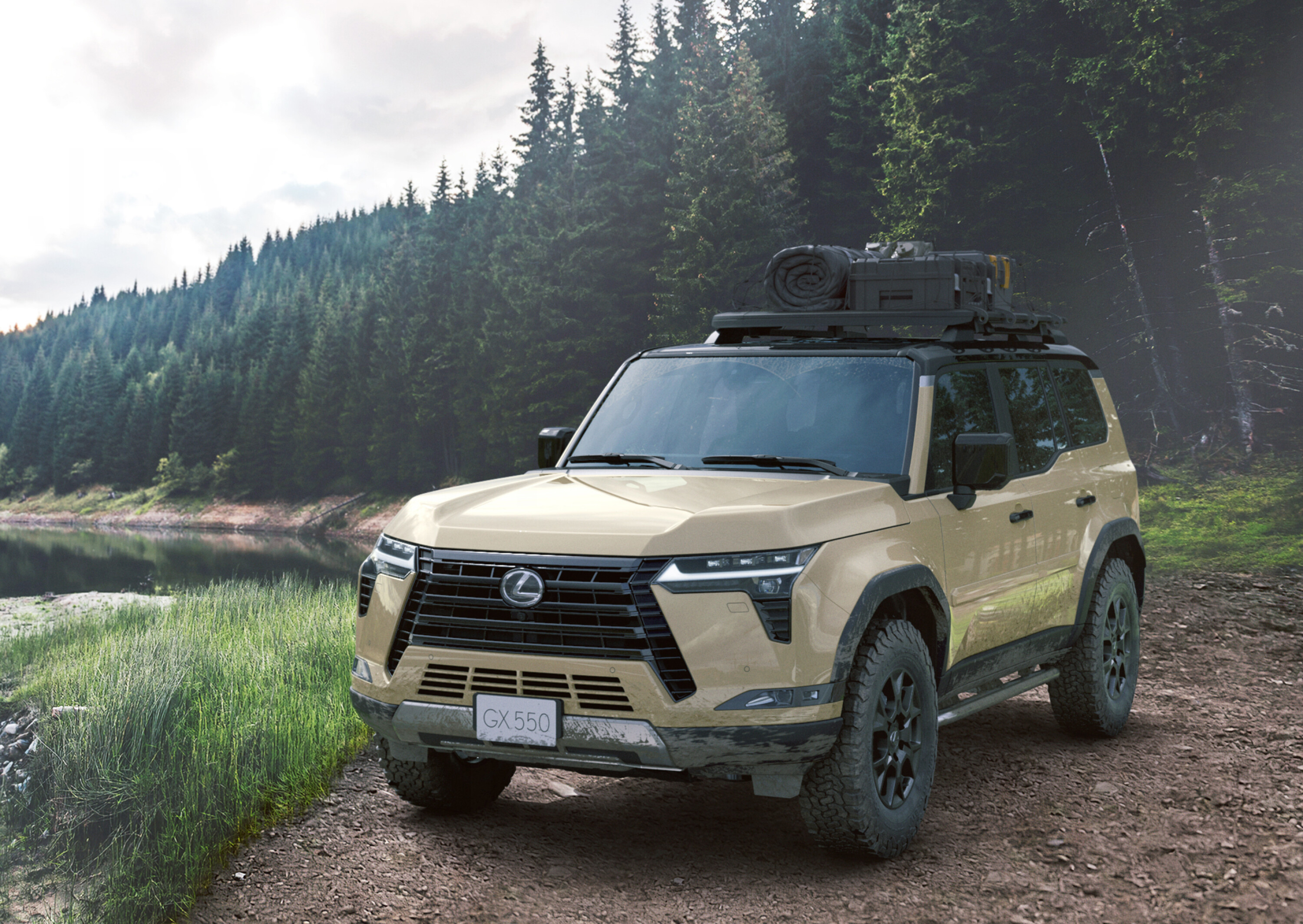
The newest ‘250 Series’ Prado is a mechanical and design twin to the upcoming Lexus GX, set to arrive in Australia next year. It now shares the same wheelbase with the larger LandCruiser 300 Series.
1
What we know about the new Prado for Australia
Underneath, the all-new Prado will share Toyota’s latest TNGA-F platform with the brand’s other off-road models such as the LandCruiser 300, and the upcoming Tundra ute.
In fact, it’s also the same platform underpinning Lexus’s SUV counterparts the GX and LX.
In Australia, the new Prado will be offered with a 2.8-litre turbo-diesel four-cylinder mild-hybrid engine producing 150kW of power and 500Nm of torque. This is the same 48-volt system going into upcoming Hilux models next year.
Power is sent to the wheels through a new ‘Direct Shift 8AT’ eight-speed automatic transmission, and launch with the choice of five or seven seats.
Get up to speed on the new Prado
The stories below will give you a guide to everything we learned about the new Prado when it was unveiled. All fresh stories published since then will be found on our Toyota Prado model page here.
Prioritising cabin comfort, the new family off-roader now matches the wheelbase of the huge LandCruiser 300 series, but it will be 70mm shorter and 95mm wider overall than the outgoing Prado.
Launching slightly earlier in 2024 will be the Prado’s luxury twin, the Lexus GX, making its debut here after having skipped the first-generation model not offered in Australia.
It won’t be hard to spot the similarities between the incoming GX and Prado models when both are available in showrooms next year, similar to the relationship between Toyota’s popular LandCruiser 300 and its family member the Lexus LX.
In its previous generation, the refreshed 2018 Prado grew its braked tow rating to 3000kg for all automatic models – up from 2500kg – matching the capability of key competitors at the time.
Toyota has yet to confirm towing capability for the 2024 Prado in Australia, but we do know the V6-powered Lexus GX’s towing capacity has been increased to 3628kg for North America – up 680kg from the current GX.
1
Toyota North America’s 2.4-litre four-cylinder hybrid powertrain will only tow up to 2722kg (6000lb).
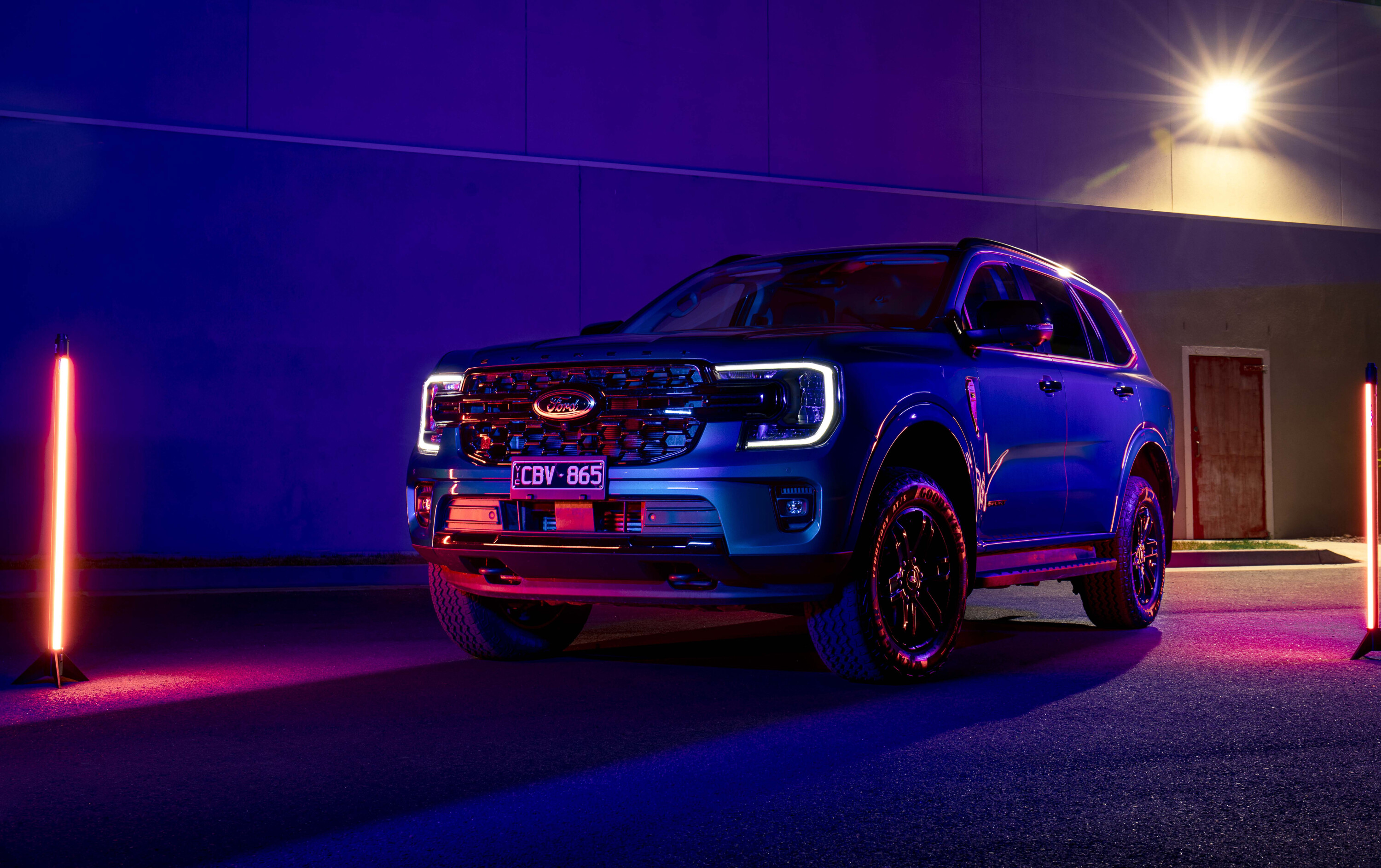
However, we are expecting the Australian Prado to offer a braked towing capacity of up to 3500kg rating – matching one of its key rivals, the Wheels COTY-winning Ford Everest.
This is based on European specifications of the new Prado, which quotes “up to 3500kg” for the 2.8-litre turbo diesel engine. The Prado for this market will use the same drivetrain, albeit with the addition of 48-volt mild-hybrid technology.
Toyota has confirmed the North American model will feature an approach angle of up to 31.0 degrees and a maximum departure angle of 22.0 degrees, along with a ground clearance ranging up to 220mm (8.7 inches).
In an already competitive space, it’s imperative that the new Prado keep its towing capability strong to avoid losing buyers to more capable models.
The Ford Everest, Nissan Patrol and Isuzu MU-X listed below can all tow 3500kg braked. This means the mild-hybrid offering in the US would fall short by almost 800kg if it were offered in Australia. (The Everest and MU-X aren’t available in the US.)
The stories below will give you a guide to everything we learned about the new Prado when it was unveiled. All fresh stories published since then will be found on our Toyota Prado model page here.
Delivery delays eased for the best July in Australian new-car sales history.
Official results published by the Federal Chamber of Automobile Industries (FCAI) reveal 96,859 vehicles were registered in July this year. That may be down on June (124,926) but is up 14.7% on the same month last year – and it’s the biggest July ever.
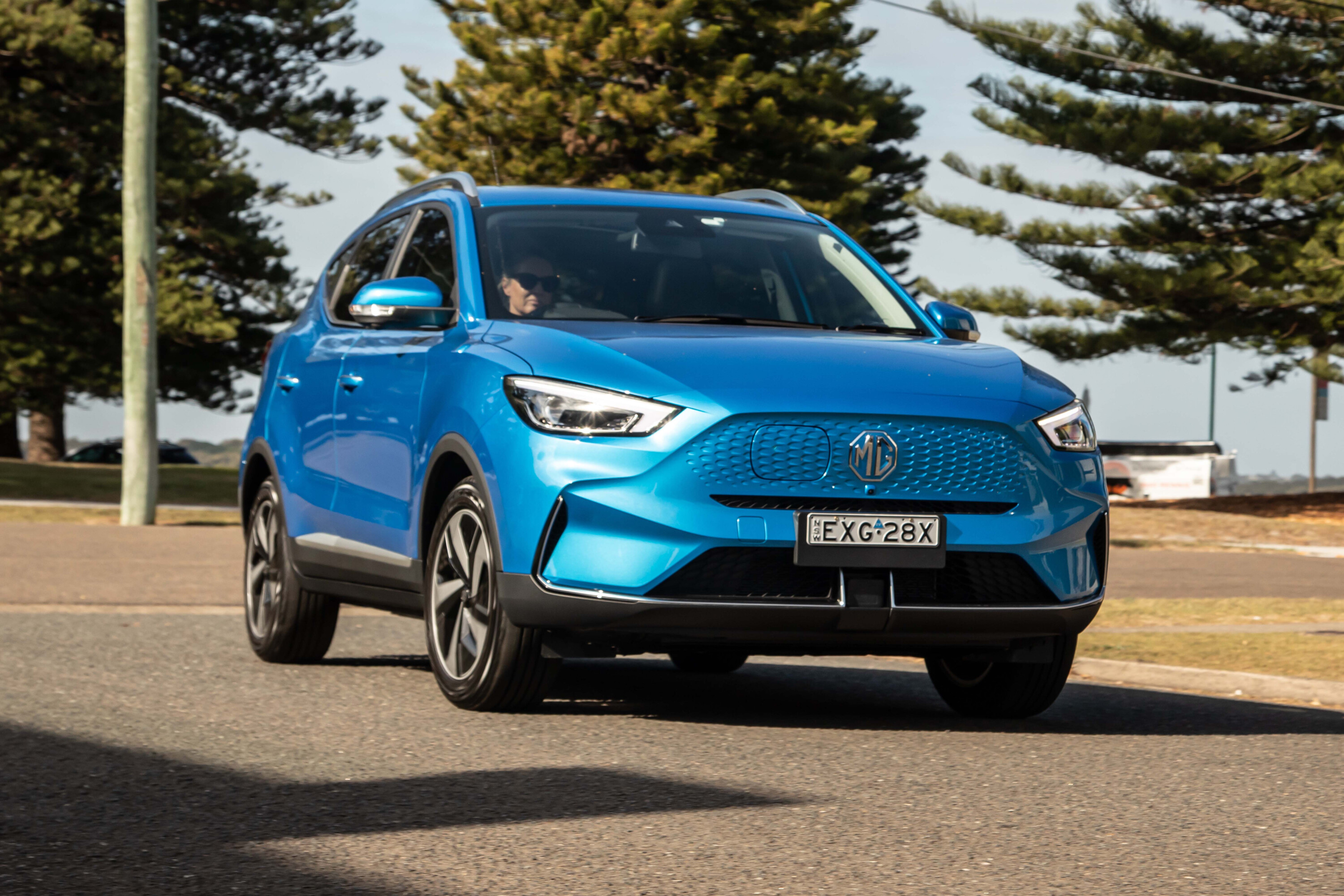
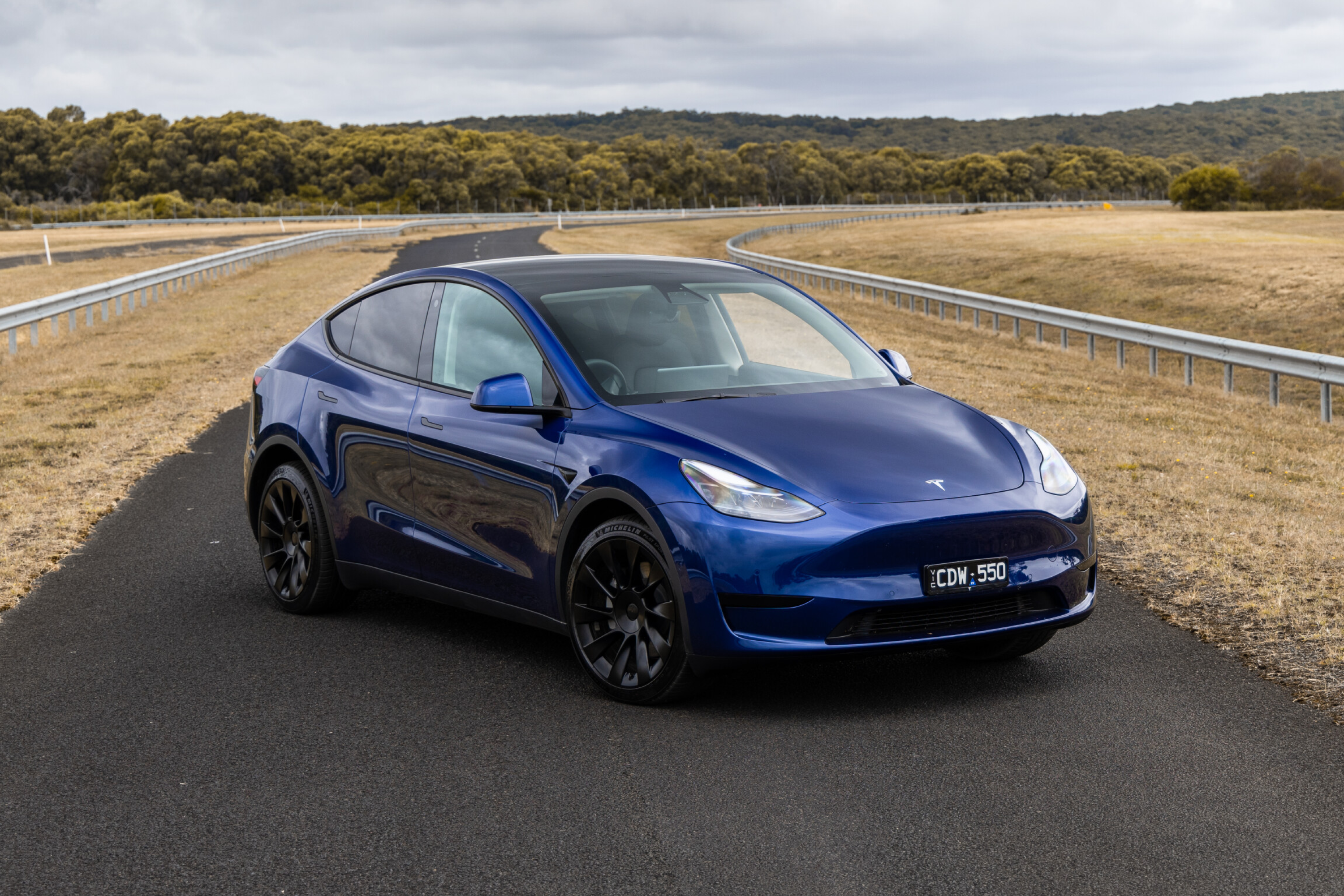
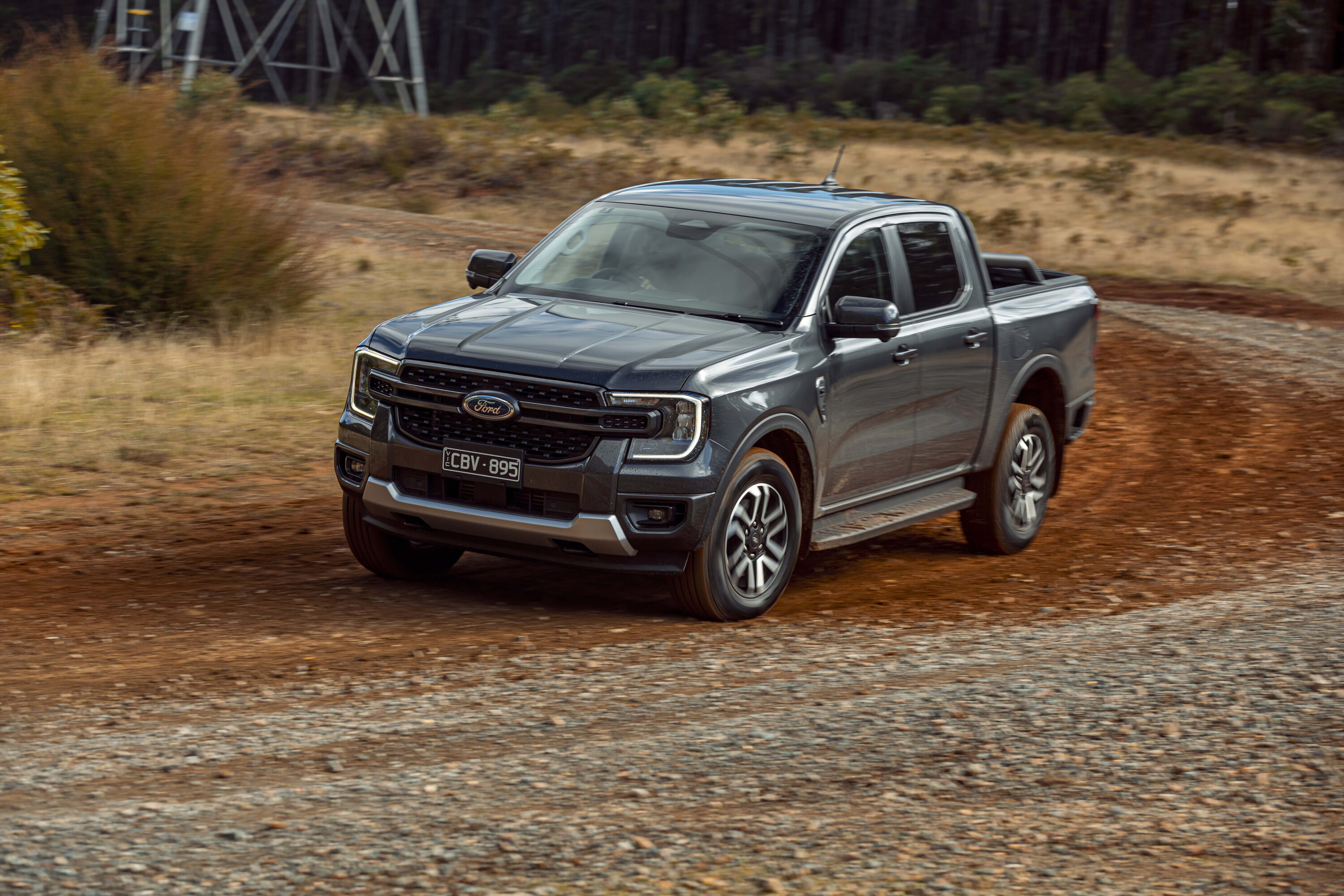
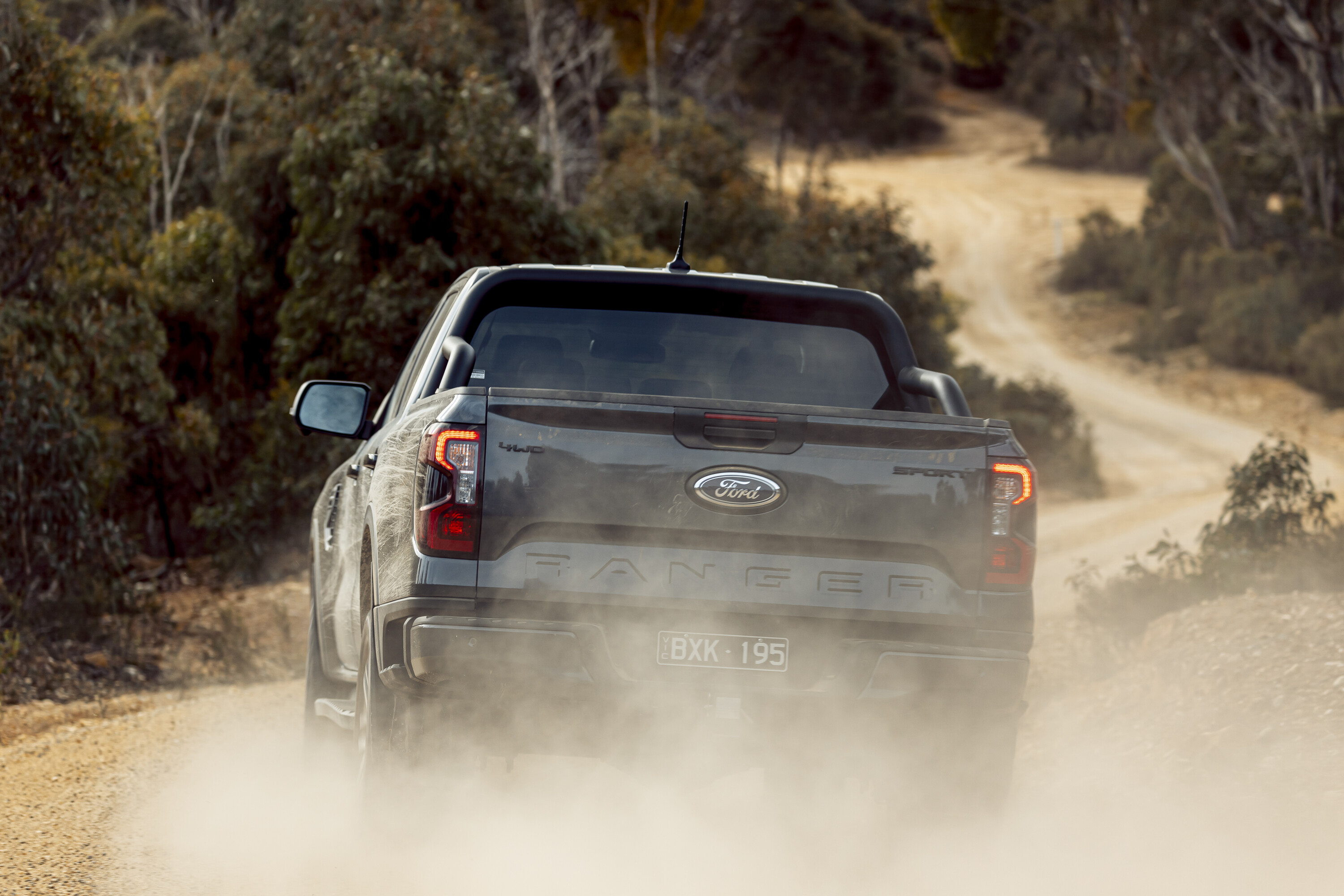
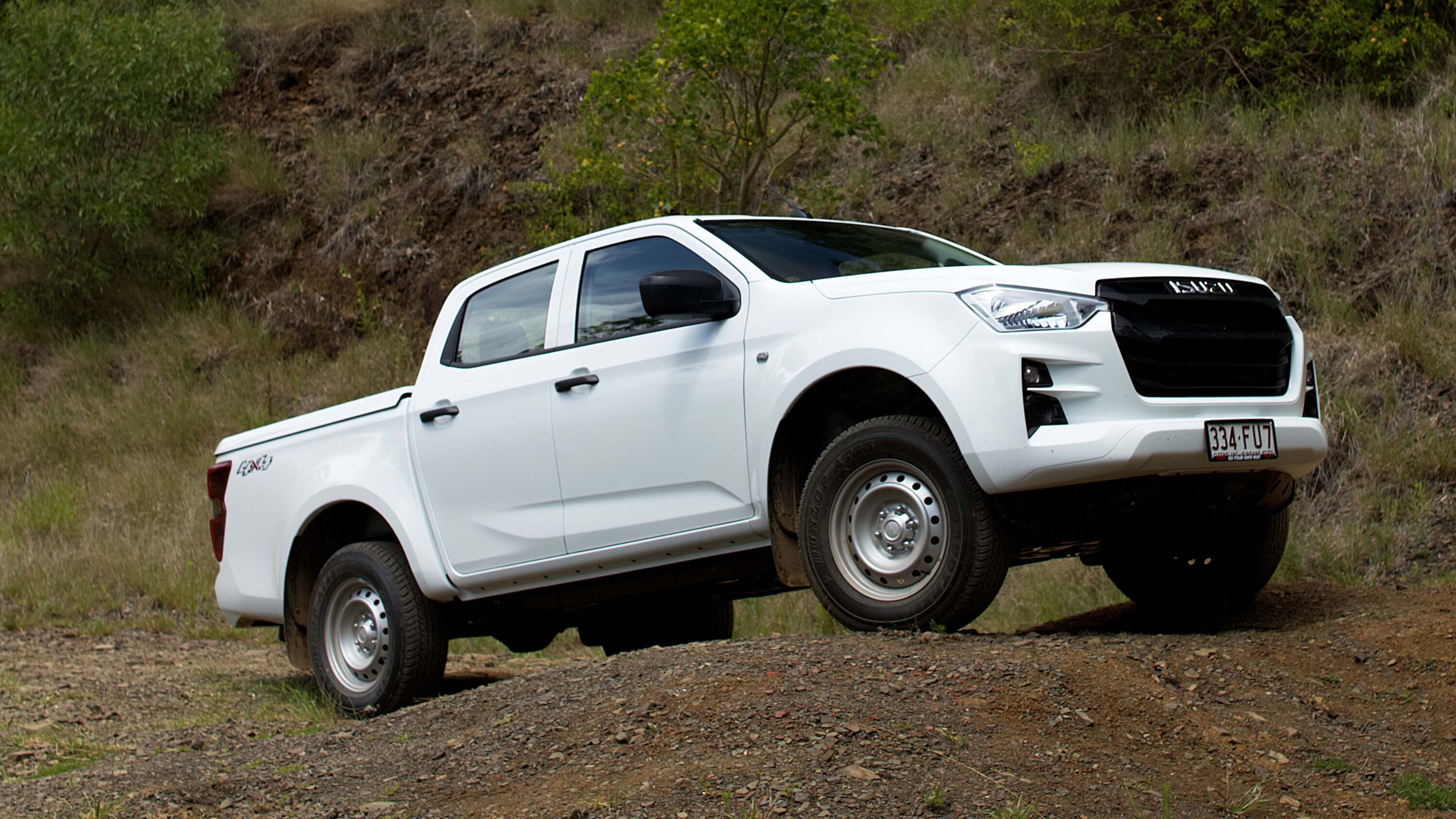
The Ford Ranger ute was the nation’s best-selling vehicle in July followed by the Toyota HiLux, both seemingly unaffected by changes to the instant asset write-off scheme introduced for this financial year. A pair of Chinese-built SUVs followed with the MG ZS just pipping the Tesla Model Y into third spot for the month, and year-to-date.
Toyota sales may be down 20.9% so far in 2023 but it still sold more than twice the amount of Mazda managed last month. Electric car sales eased slightly, too, falling behind hybrid registrations in July and accounting for 7.0% of the new-car market.
Although there have been a lot of deliveries in the last few months, these are effectively delayed orders. FCAI chief executive, Tony Weber, cautioned that tightening economic conditions may have a knock-on effect in the coming months.
“During the past twelve months the issue has been one of securing supply for consumers, however as these pressures ease, we are starting to see a return to more stable market conditions.
“Many of these vehicles were ordered several months ago, so it is important to monitor the broader economic conditions through 2023 and their impact on private and business demand”, said Mr Weber.
The Ford Ranger lunged into first place ? last month and now sits just 881 units shy of the ? Toyota HiLux year-to-date.
MG showed a solid performance with the ZS small SUV (3852) scoring third spot ?, pushing the all-electric Tesla Model Y (3330) into fourth – both had a comfortable lead ahead of Toyota’s RAV4 stalwart (2750) that remains saddled by delivery delays.
The Toyota Corolla took sixth spot and most-popular passenger car honours. It was followed by the Isuzu D-Max (2070), and Hyundai i30 (1865). The outgoing Toyota Prado performed very well last month in ninth spot with 1836 sales – a 75.4% improvement over July 2022.
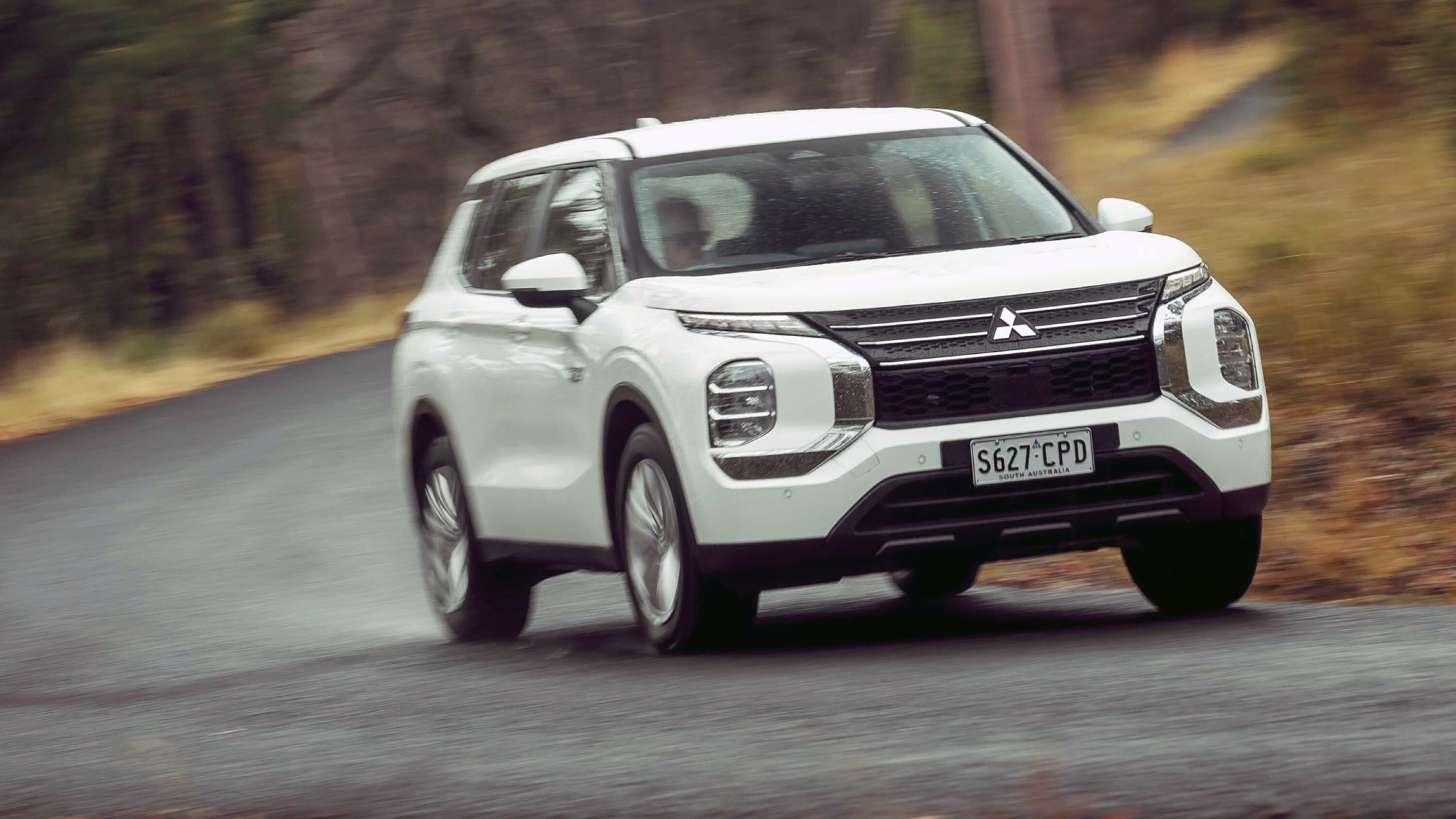
Rounding out the top 10 was another classic family car in the Mitsubishi Outlander, with 1778 units representing a 35.7% improvement on last July. Just behind that was a pair of rivals – the Hyundai Tucson (1662) and Mazda CX-5.
It was Toyota that again took first place with 19,191 sales. A dominant performance when compared to Mazda’s 8307 sales (? 5.4% from 7879) but one that still represents a 1.9% ? dip from the same month last year, and a 20.9% deficit to make up year-to-date.
Following was Ford (7109 ? a massive 60.1%), Hyundai (6521 ? 4.0%), Kia (6150 ? 8.4%), while a strong performance from MG (5347 ? 77.2%)put the Chinese-owned brand in sixth.
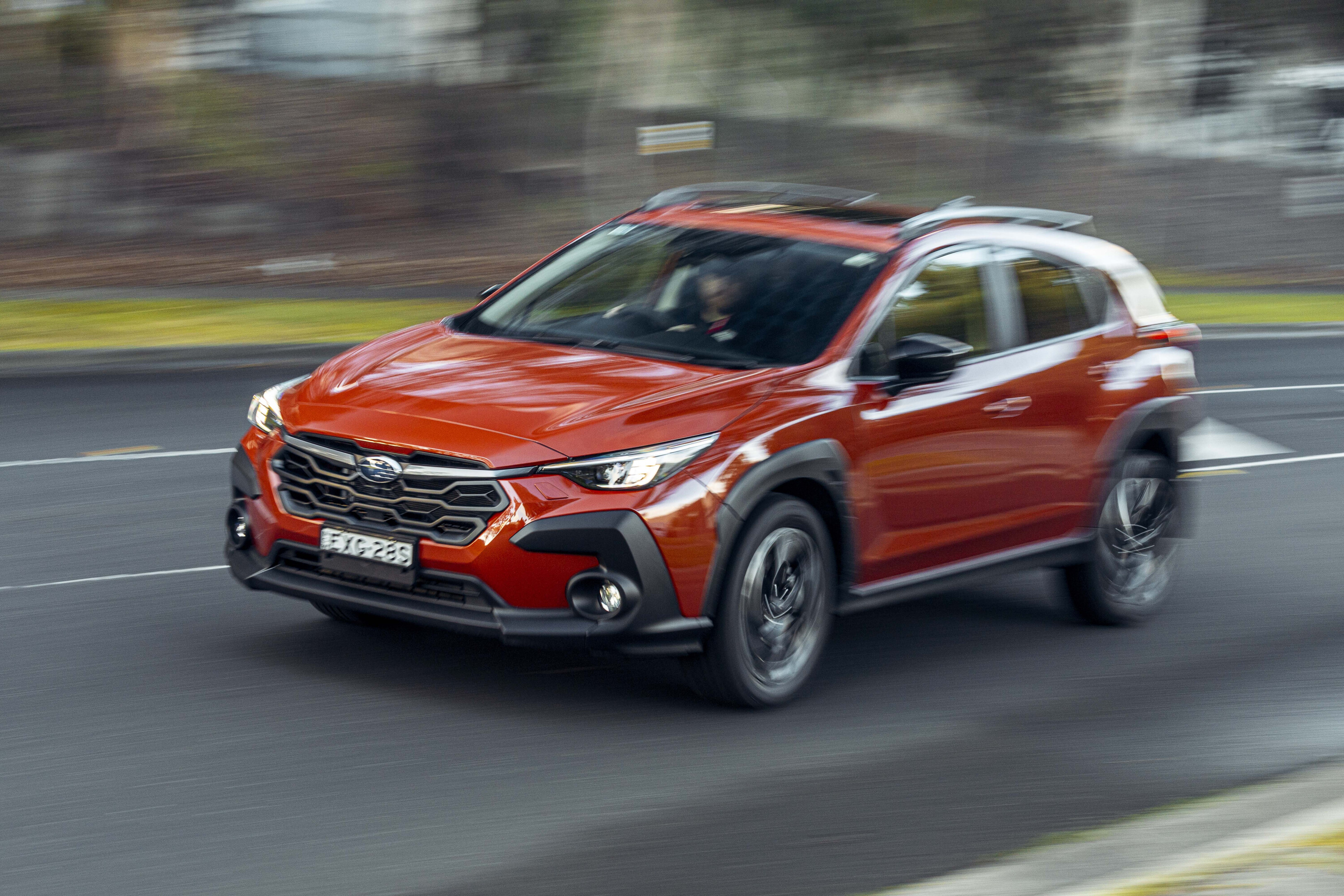
Mitsubishi was next (4143 ? 26.2%) as Triton sales slow towards its end-of-life, then EV-only Tesla (3934 %) which has firmly cemented itself in eighth position overall. Ninth was Subaru bolstered by the arrival of the new Crosstrek (née XV) with 3553 sales last month.
Volkswagen holds 10th in year-to-date numbers, but was left out in the cold despite supply improvements, and has a slim 241-sale margin to Isuzu. After a pumping June, GWM sales dropped a little to 2564 for July, holding a steady 12th spot in the figures.
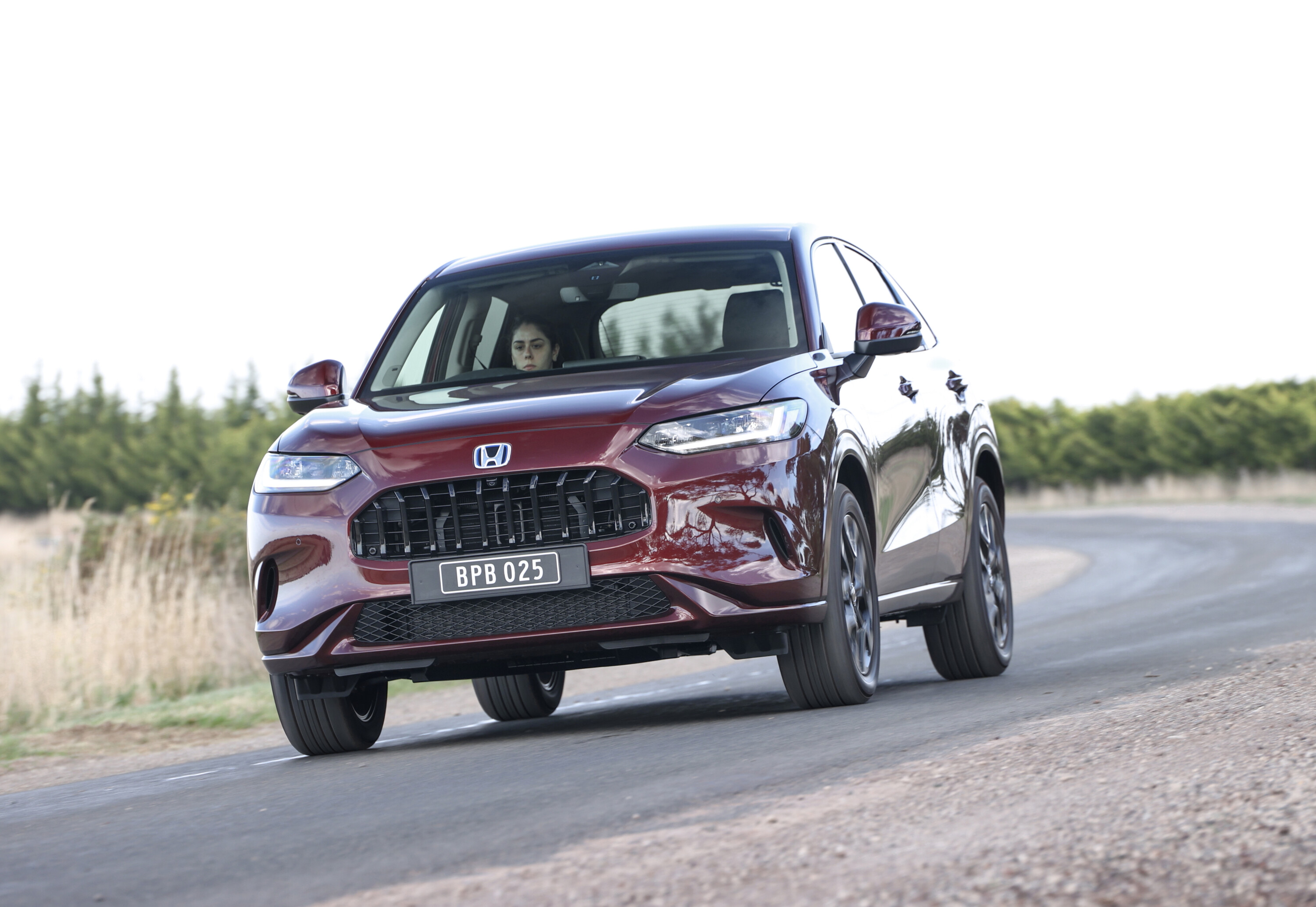
The new ZR-V hasn’t kicked into blossoming Honda sales yet, with just 930 deliveries last month – a stagnant performance from 2022 with just two more vehicles registered, and it’s down 10.1% year-to-date.
The medium SUV remains the dominant choice in Australia, accounting for 22.7 per cent of all new-car sales in July 2023. It’s not a shrinking segment either, up 30.6% month-on-month, and 26.9% year-to-date.
Utes are the next-most popular category; combining 4×2 and 4×4 segments sees them in second (17,218) ahead of small SUVs (16310) and large SUVs (12,145) and then small passenger cars (6952).
Petrol, hybrid, electric, or diesel: sales by fuel type
Unleaded was the preferred fuel type with 48,236 new petrol cars registered in July.
The share of petrol cars has increased by 7.0% year-to-date while second-place diesel has slipped by 5.0% to 27,791 as private passenger car and SUV buyers turn away from the thicker fuel.
In July, Australians bought more new hybrid vehicles than pure EVs, bucking the trend of the last few months. PHEV made up the smallest share in the market, with 834 sales – though it’s still a 24.1% improvement year-to-date.
1
In tables: New car sales by fuel type for July 2023
Country of Origin: Where Australia’s new cars came from in July 2023
Australians continue our love affair with Japanese vehicles, the car-making giant accounting for 28,738 sales last month.
Thailand – the world’s one-tonne ute capital – came in second position increasing its share 6.9%, but it’s China that’s making real inroads.
Australians drove home 15,853 Chinese-built cars last month, making it the third-biggest producer. Its climb over last July is a significant 130.1%, with a year-to-date delivery increase of 97.1 per cent.
Preliminary details for the updated 2024 Hyundai Palisade have been revealed in a leaked dealer bulletin posted on social media.
Snapshot
2024 Hyundai Palisade details leaked for Australia
Large SUV to receive two new Calligraphy variants, more equipment
Due in Australia towards the end of the year
Due in local showrooms before the end of the year – with official details to be announced soon – the updated Palisade will receive a blacked-out flagship, a new Calligraphy variant replacing the Highlander, and more features in Australia.
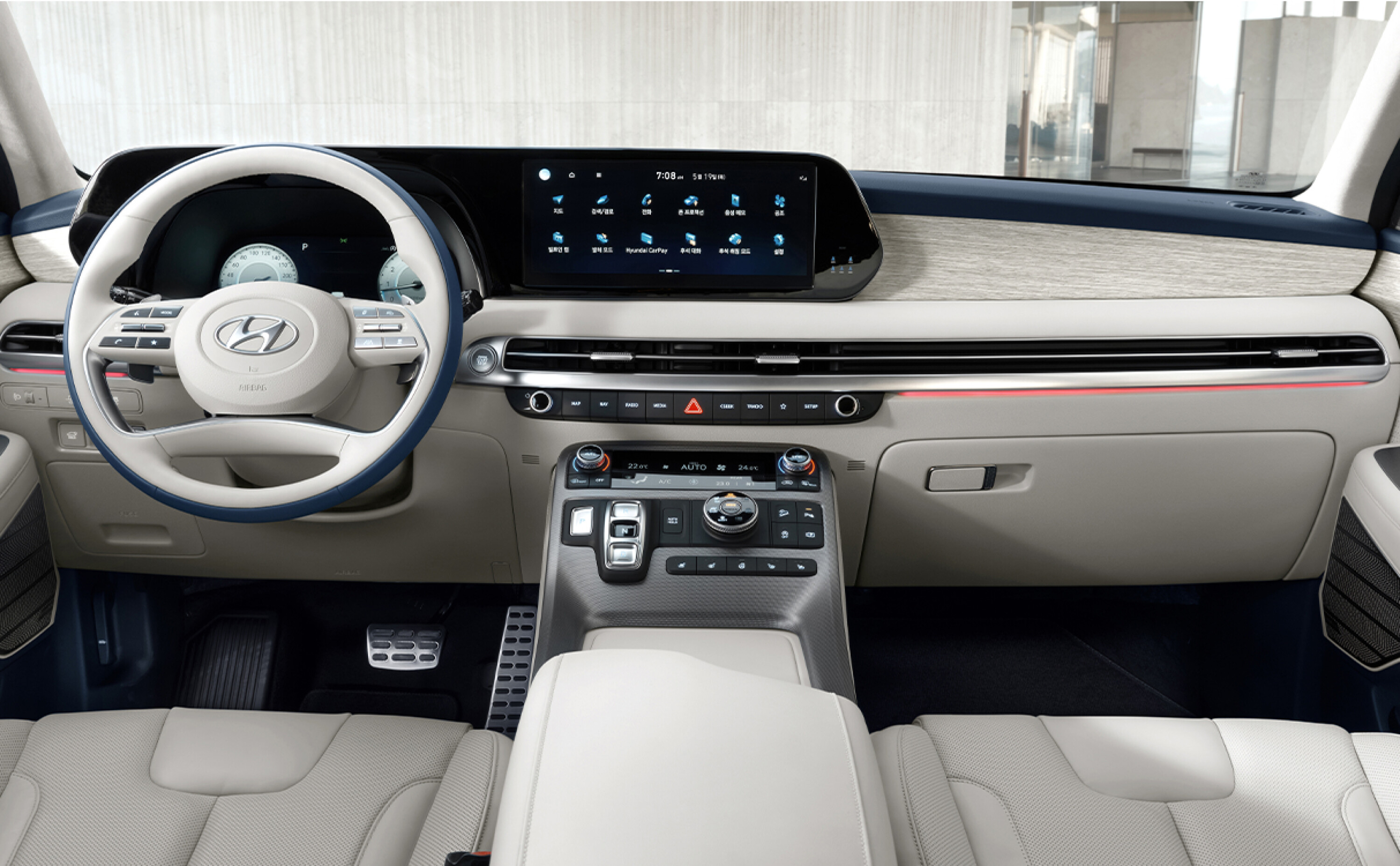
The bulletin – likely subject to final changes by Hyundai Australia – reveals the new Calligraphy variant will replace the current Highlander with new features, including a touch-type climate control panel, hydrophobic front door glass, and acoustic laminated rear door glass.
1
Other features available overseas, but not in Australia, include digital key functionality, an in-car WiFi hotspot, 64-colour interior ambient lighting, and power-folding and heated third-row seats.
A blacked-out Palisade Calligraphy Black Ink variant will act as the new flagship in the updated line-up, adding a black exterior design, black 20-inch alloy wheels, dark-tinted badges and tail-light garnish, black suede seats and headlining, and a revised aluminium centre console pattern.
It is believed to be based on the Palisade Black Edition detailed for South Korea earlier this year, while a Calligraphy Night Edition will be added to the United States line-up.
1
Both Calligraphy variants will be available with a 3.8-litre petrol V6 in front-wheel-drive or an all-wheel-drive 2.2-litre four-cylinder diesel, and are believed to be offered in both seven- or eight-seat form with second-row captain’s chairs for the former setup.
The entry-level Palisade Elite will add equipment previously limited to the flagship, including an eight-way power-adjustable passenger seat, a heated steering wheel, a cargo area carpet mat, melange fabric headlining, and a vertical wood-look trim insert.
‘Deluxe’ alloy scuff plates and front door acoustic laminated glass will be added to all Palisade variants. All other equipment is believed to carry across from the current model.
The updated 2024 Hyundai Palisade is due in local showrooms later this year, with official details to be announced soon.
Price rises are likely to account for the additional equipment and the new flagship variant, but this has yet to be confirmed. The current Palisade range is priced between $65,900 and $79,900 before on-road costs.