
The important part up front: The 2023 Mahindra XUV700 is an accomplished seven-seat SUV with surprisingly plush ride quality, an impressive feature list and spacious back seats – for a very sharp price.
Built in India, the XUV700 hopes to break Mahindra – the world’s largest tractor manufacturer – out of its current rural, agricultural image and into the passenger vehicle mainstream. Wheels recently drove it in Brisbane.
The XUV700 is the second new SUV launched in Australia by Mahindra in recent times (following the Scorpio), with the Indian brand planning more – and to make itself an “SUV brand”. The XUV700 replaces the XUV500 that launched in Australia in 2012.
Mahindra is also specific on how to pronounce the name: “XUV seven double-oh”.
1
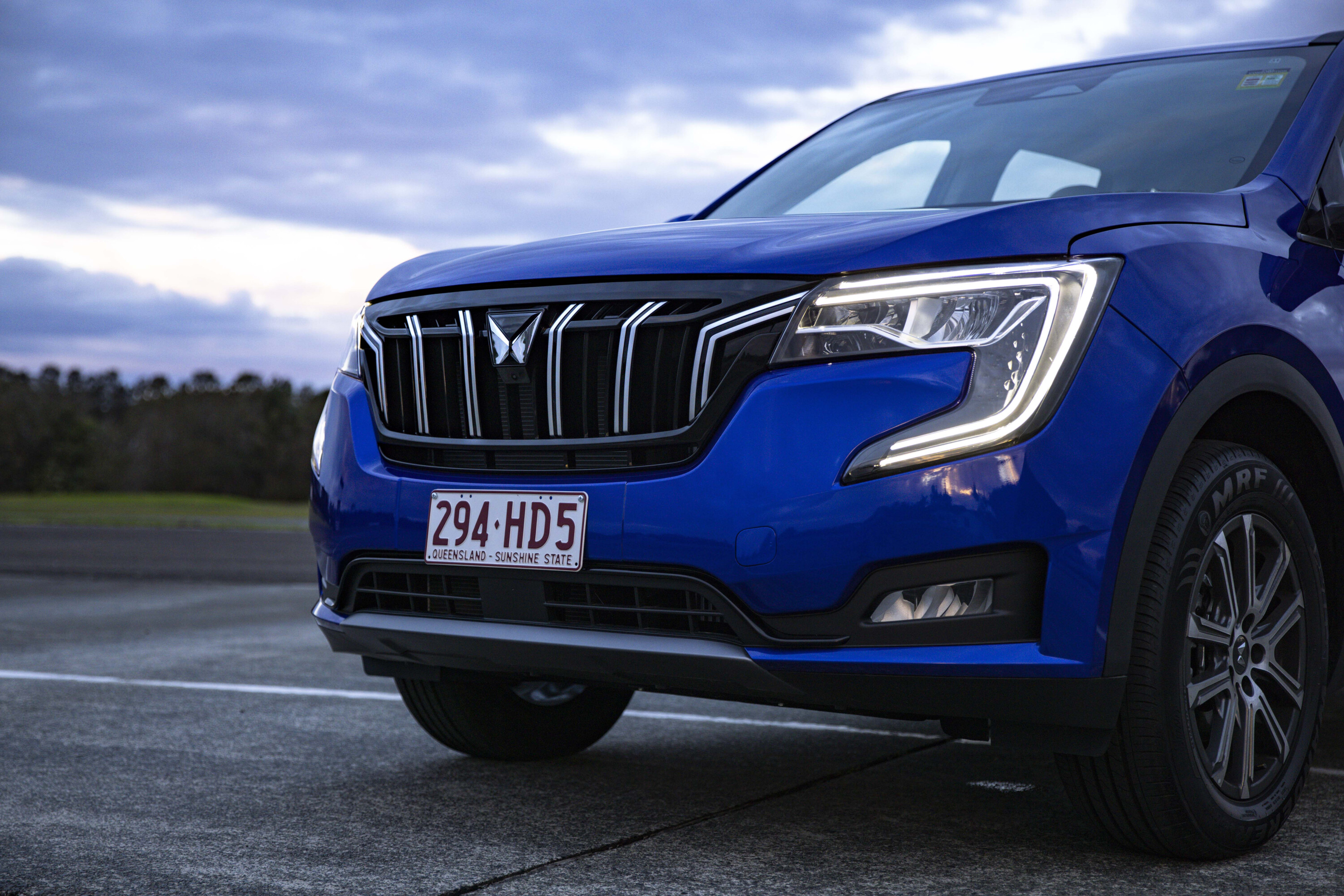
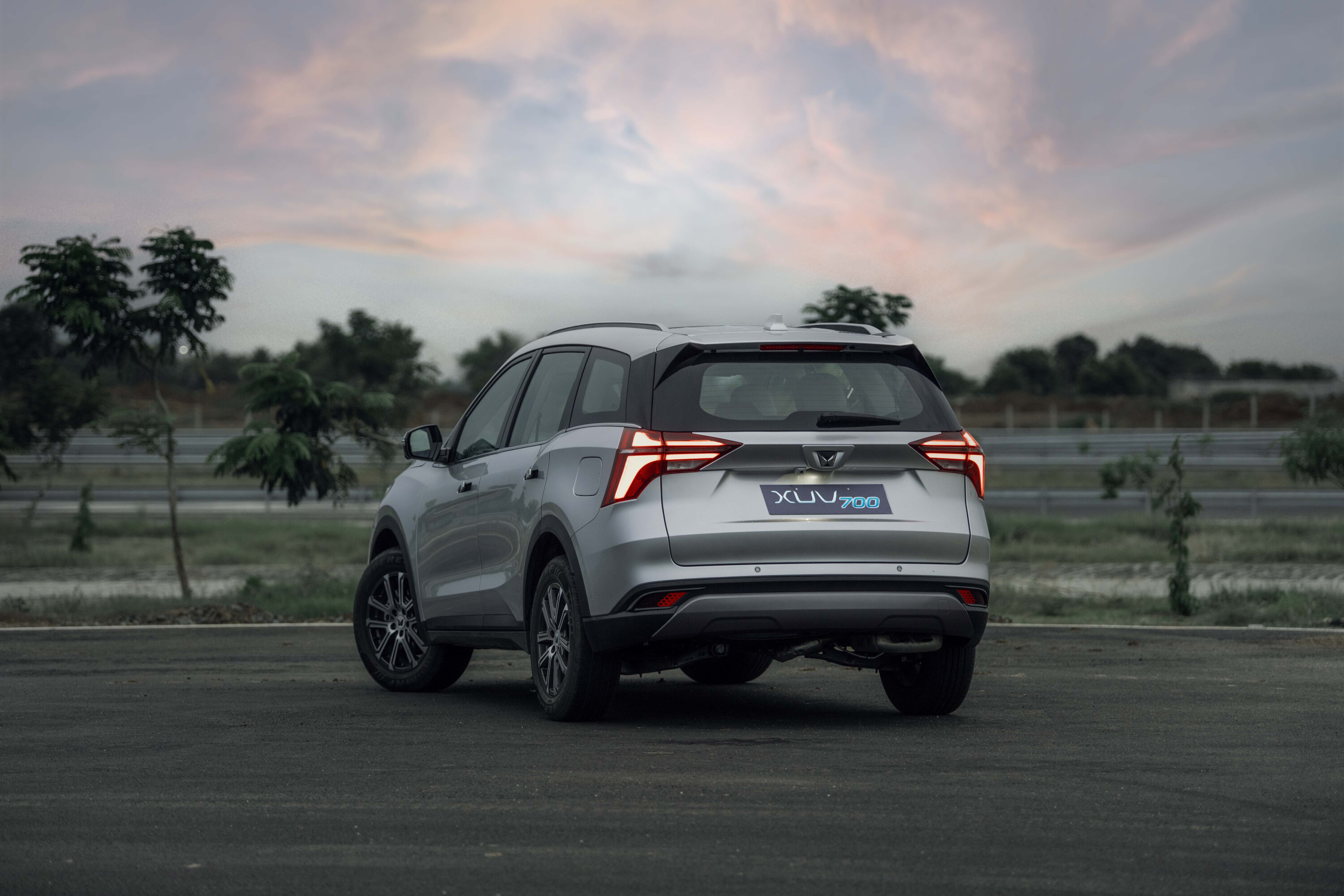
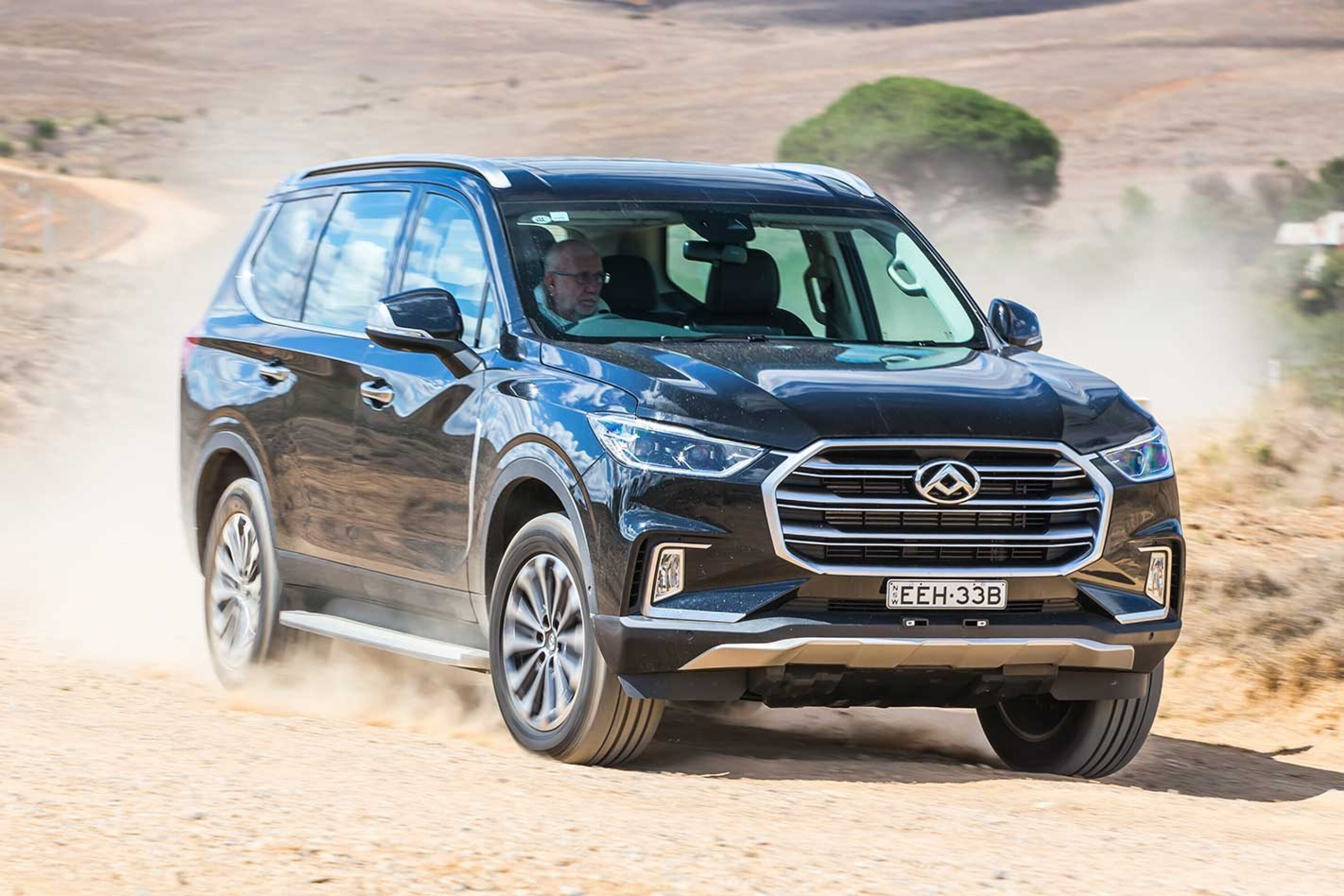
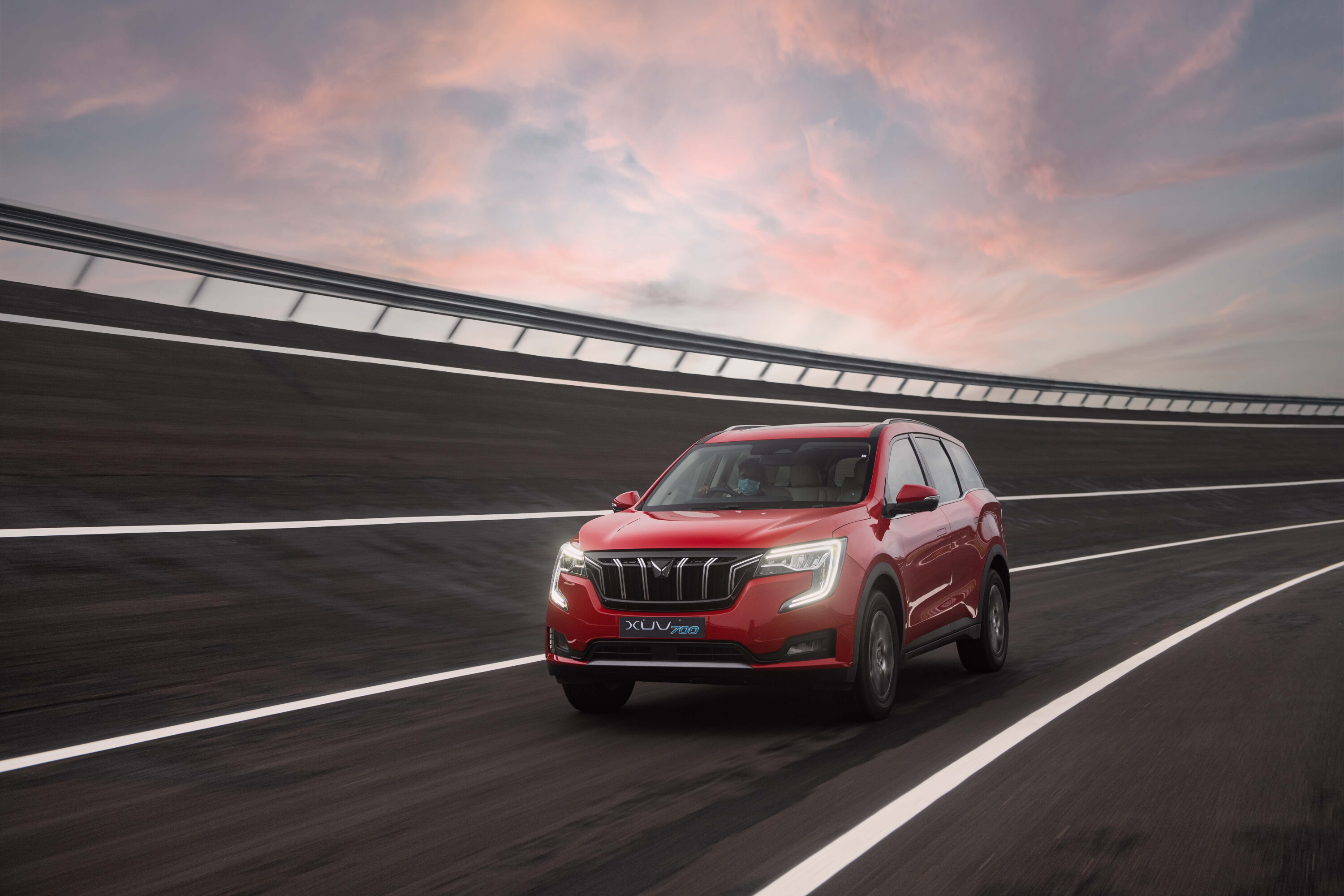
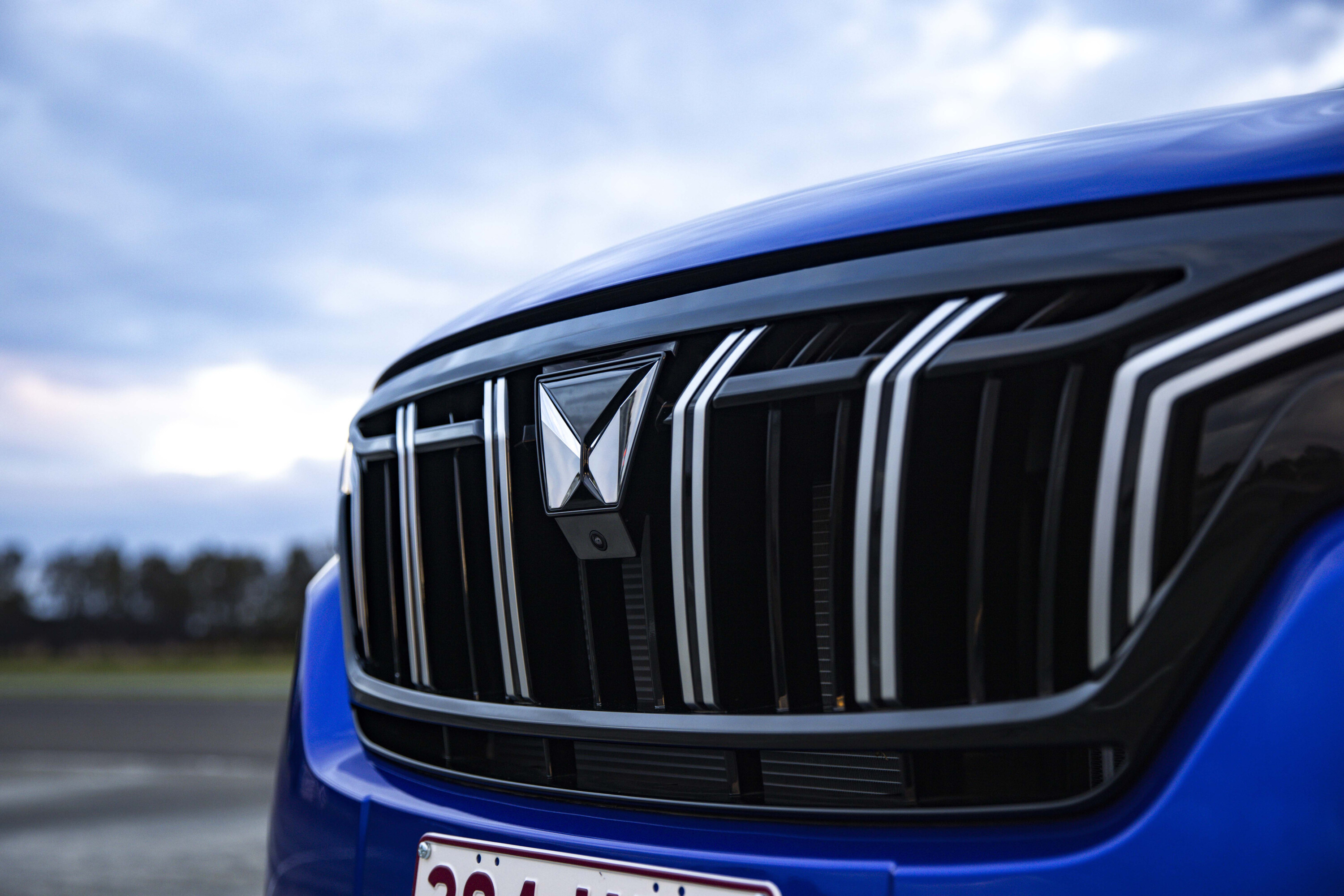
With its tusk-like lighting signature up front and “arrowhead” LED tail-lights, the XUV700 is the first vehicle to use Mahindra’s modernised new logo, which looks a bit like a metallic butterfly.
Mahindra has sold more than 100,000 XUV700s in India since its launch there in 2021. Australia will be the car’s fourth export market, with “plenty of stock” on offer. “Supply won’t be a constraint,” said Mahindra, meaning shorter wait times for a brand new car.
In India, the XUV700 is available with a 2.2-litre four-cylinder turbo-diesel, a five-seat configuration and all-wheel drive – all of which Mahindra said it was considering for future launch in the Australian market (which gets front-wheel drive, a turbo-petrol engine and seven seats.
1
JUMP AHEAD
- How much is it, and what do you get?
- How do rivals compare on value?
- What’s the Mahindra XUV700 like inside?
- What is it like to drive?
- How economical is it?
- How safe is it?
- Warranty and running costs
- Would you recommend it?
- Specifications
How much is it, and what do you get?
There are two XUV700 grades in Australia, the AX7 and the AX7L, respectively priced at $36,990 and $39,990 drive-away.
This is the “introductory pricing” which will increase by an unspecified amount after August 31.
Both grades are front-wheel drive and equipped with the same in-house-developed 149kW/380Nm 2.0-litre turbocharged four-cylinder petrol engine – mated to a six-speed torque converter automatic transmission from Aisin (a Toyota brand).
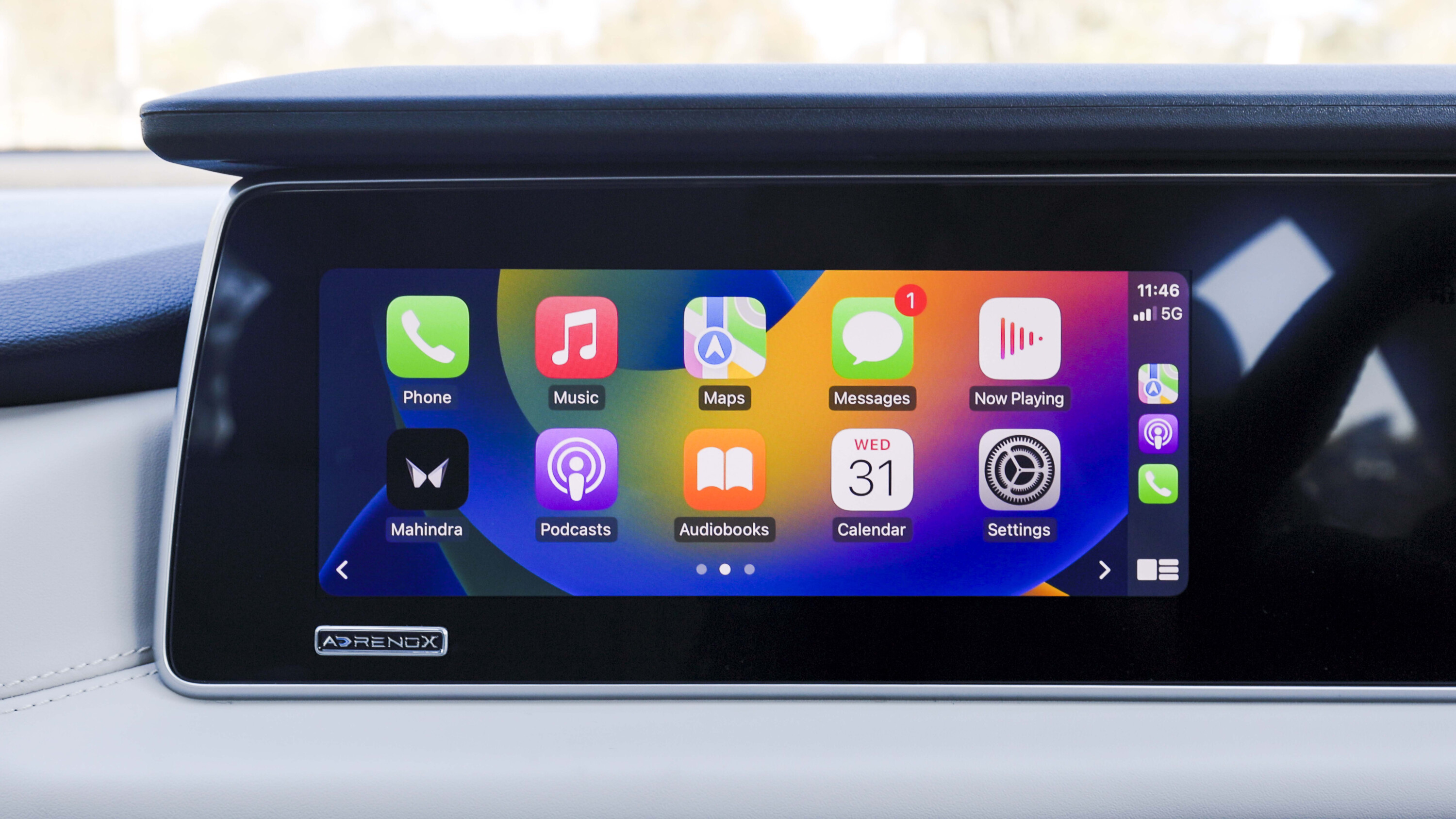
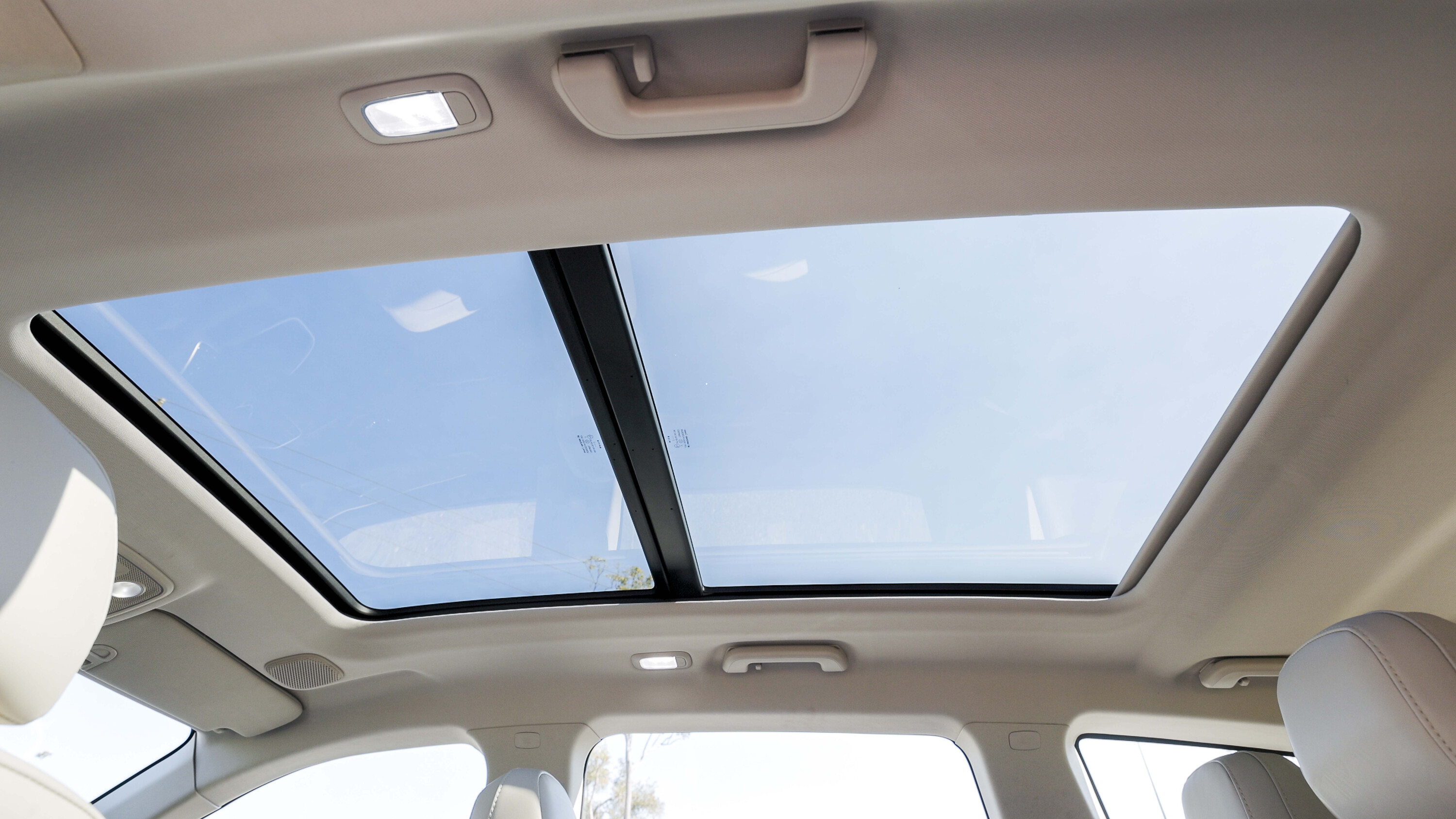
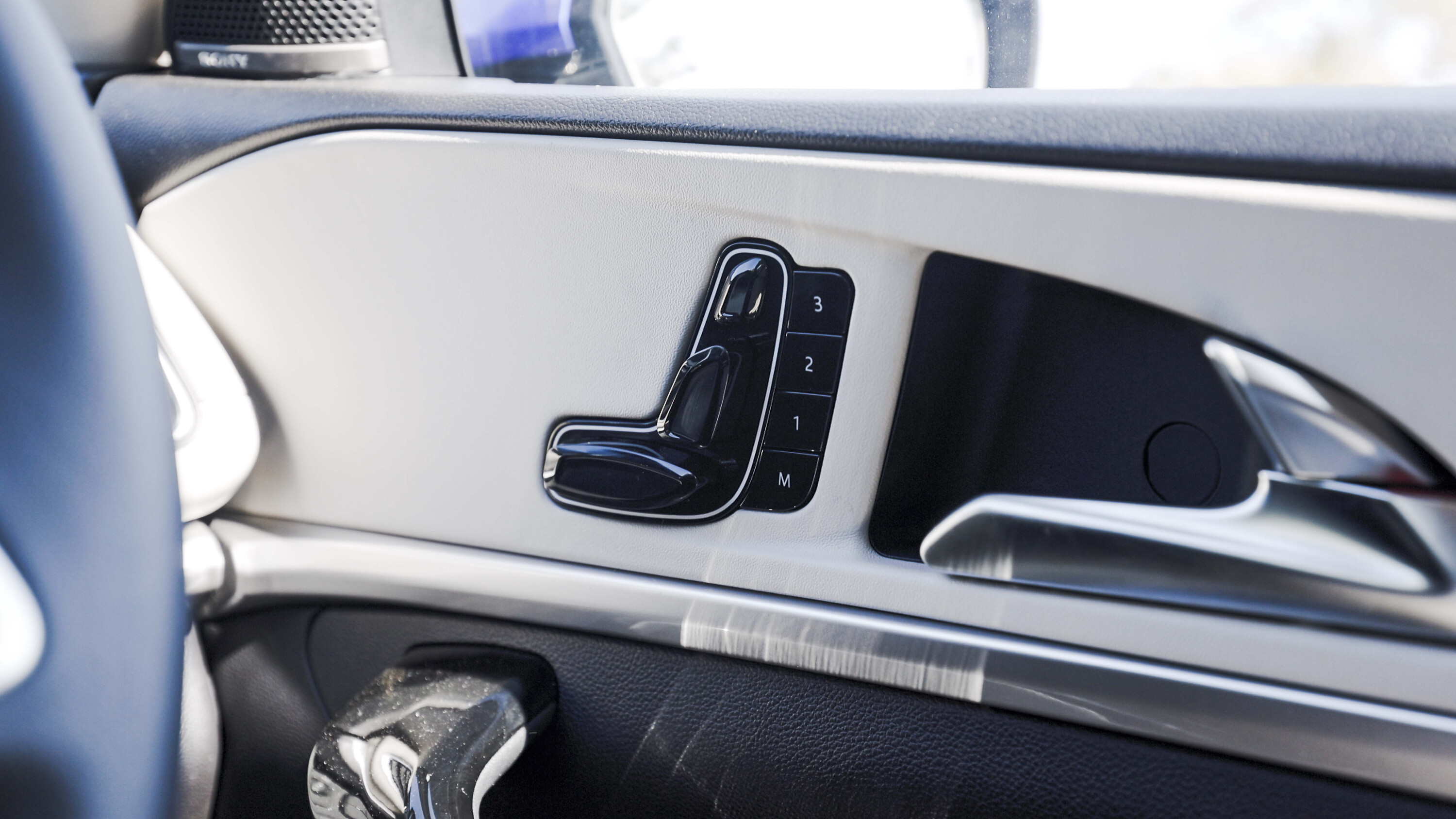
Standard highlights on the base AX7 include 18-inch wheels, a giant panoramic sunroof, two 10.25-inch digital displays, Apple CarPlay and Android Auto (both wired) and an electrically adjustable driver’s seat with two memory settings.
1
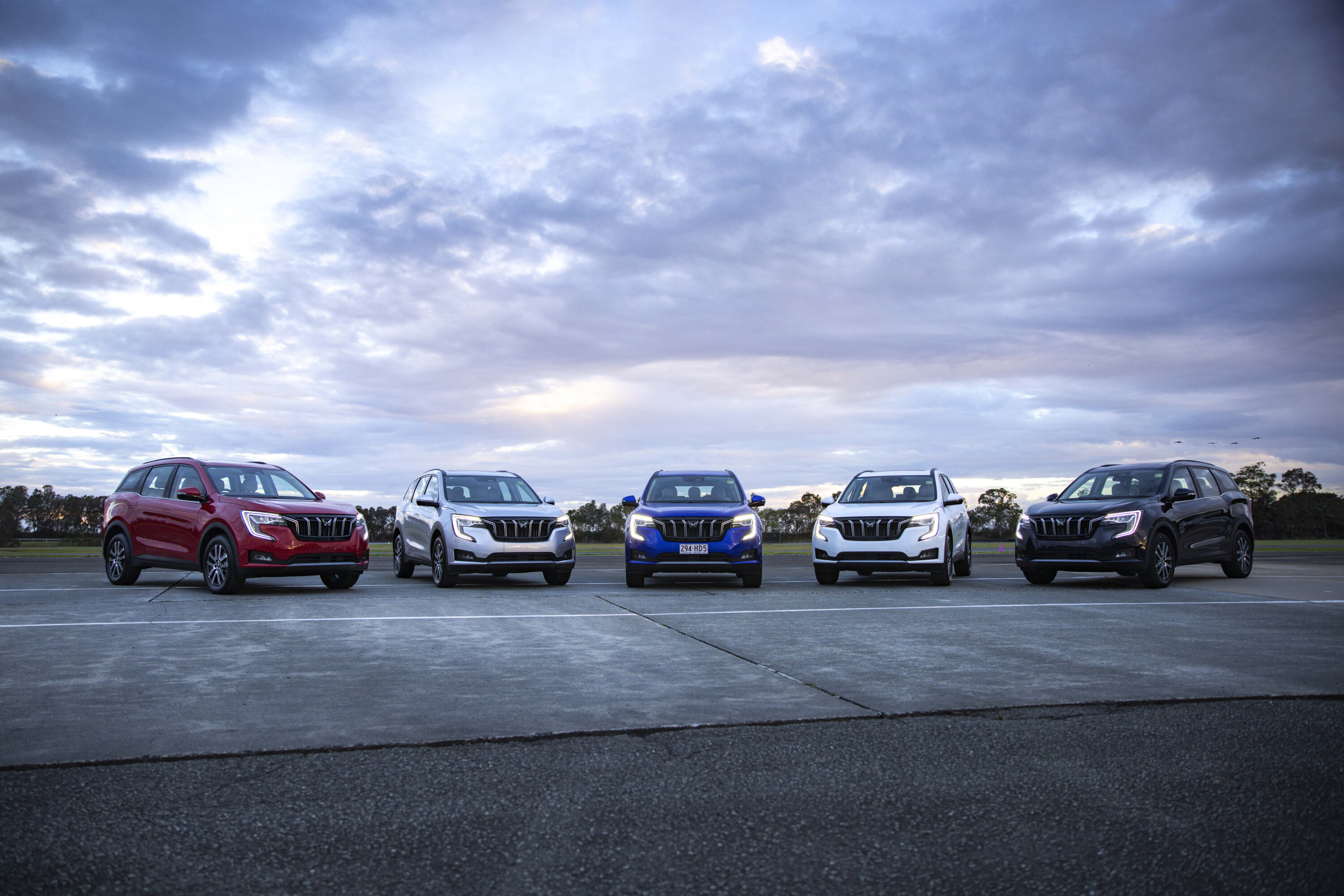
There are no options at all – even all the paints, including the hero colour Electric Blue, are no-cost options.
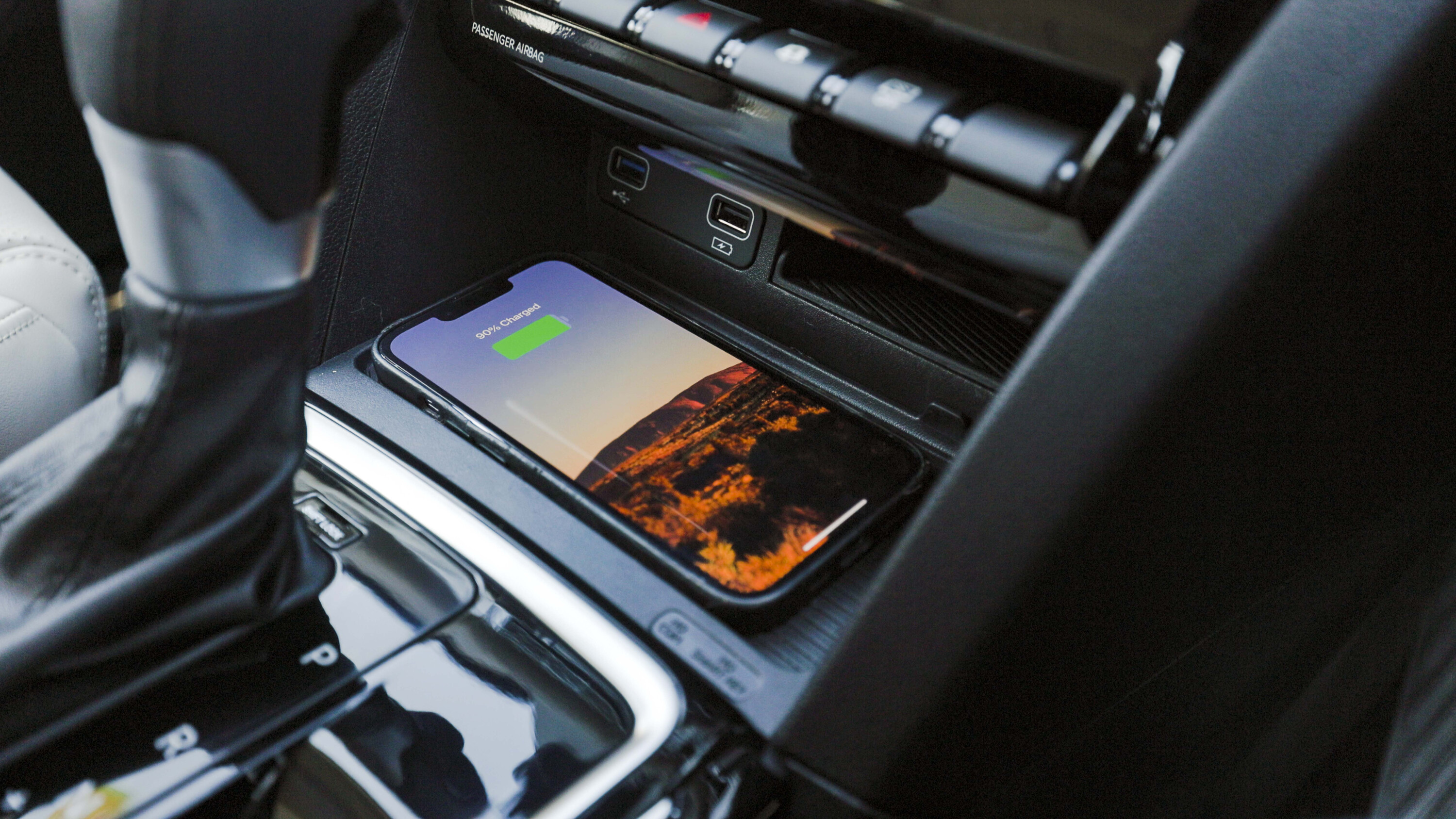
By up-speccing to the AX7L, the notable additions are wireless phone charging, a 360-degree camera system, a knee airbag, a 12-speaker stereo (up from six in the AX7), telescopic steering wheel adjustment and an ability for the adaptive cruise to stop in traffic, then go again of its own accord.
Mahindra’s full active safety suite (as outlined below) is standard on both versions.
There are no options at all – even all the paint finishes, including the hero colour Electric Blue, are no-cost options.
1
How do rivals compare on value?
Mahindra likes to compare its XUV700 to the seven-seat Mitsubishi Outlander LS (from $39,490) and five-seat Nissan X-Trail ST (from $36,750).
We reckon India’s challenger brand still has a few years before it can play in the same league as these Japanese cars.
A somewhat fairer rival is probably the Chinese-made, seven-seat LDV D90 – a comparatively crude body-on-frame vehicle versus the Mahindra’s more advanced monocoque.
Priced from $37,990 drive-away in rear-wheel-drive guise, the LDV D90 uses a 160kW/350Nm 2.0-litre four-cylinder turbo-petrol, has a five-star ANCAP rating (which, issued in 2017, will expire in December 2024), 18-inch wheels and a five-year warranty – although it can’t match the XUV700’s standard dual screens and sunroof and isn’t as nice to drive.
MORE
Best Large SUVs
2
What’s the Mahindra XUV700 like inside?
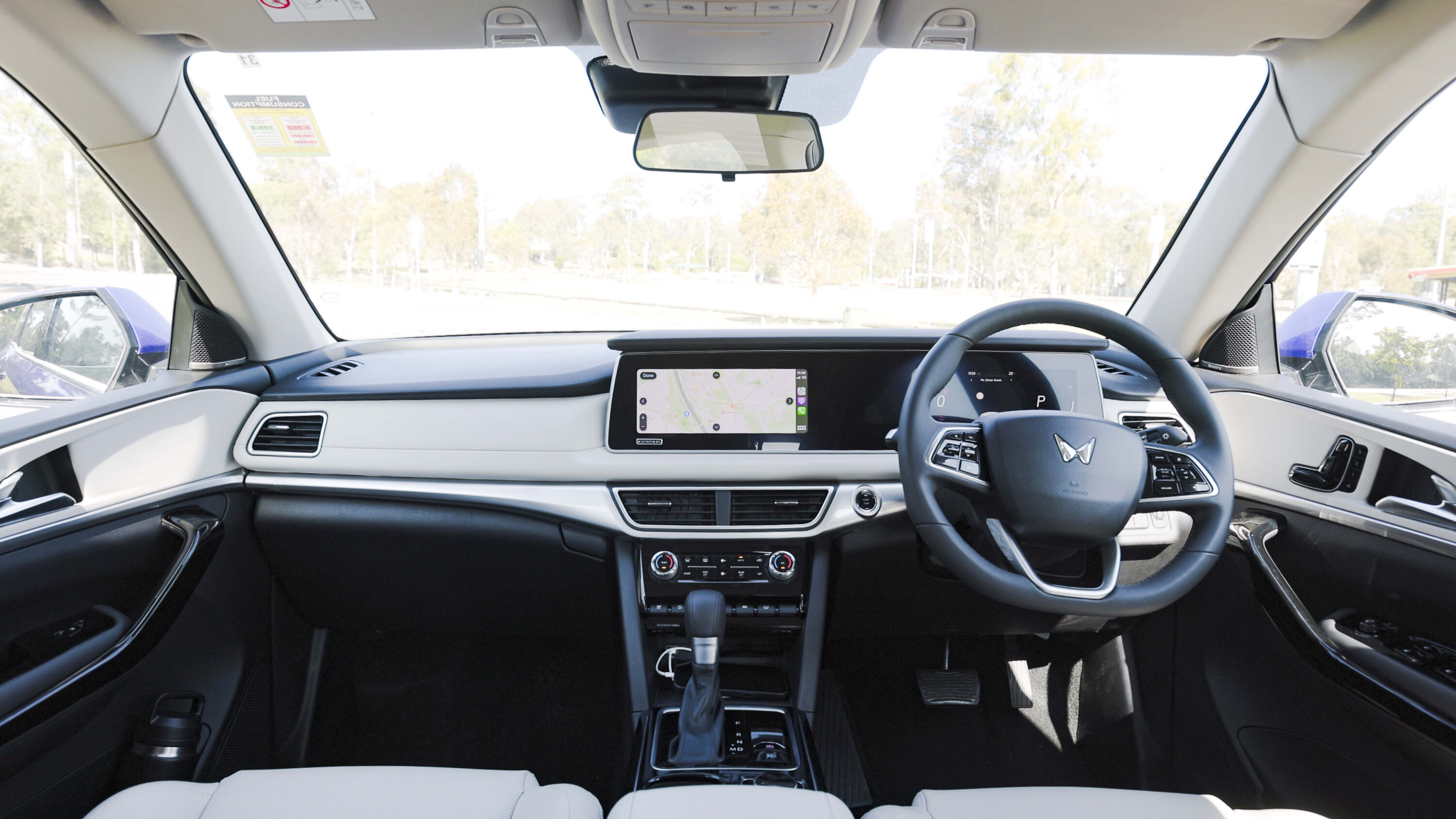
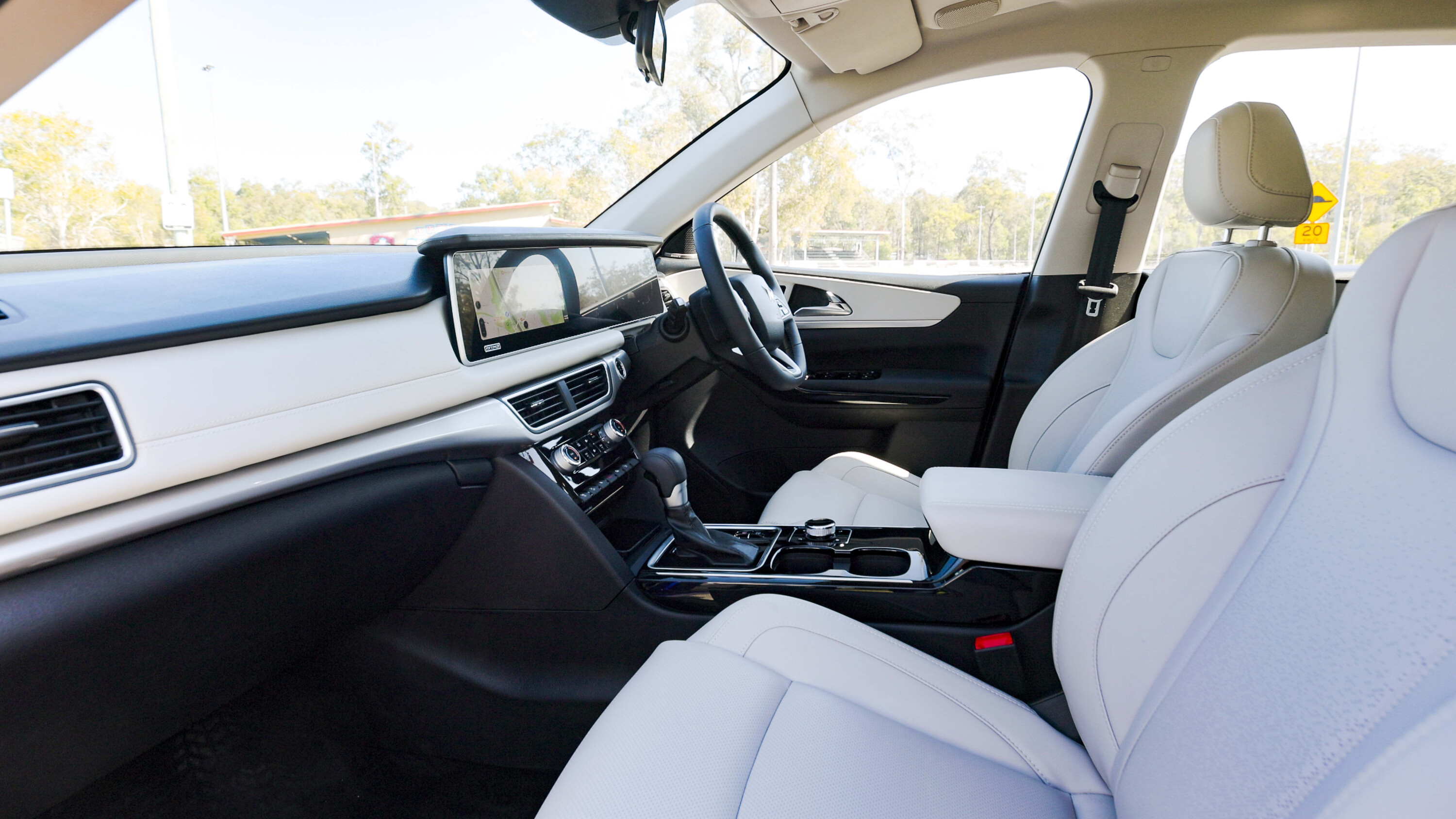
You can have your Mahindra XUV700 interior in any colour of trim you like… so long as it’s off-white. Mahindra said it is investigating a black interior for Australia.
It presents exceptionally well, however. You can tell the XUV700’s creators have thought about how to wow those who’ve wandered into a Mahindra showroom for the first time. Hit the key fob on the top-spec AX7L and the flush door handles pop out, an idea sort of ‘borrowed’ from brands like Jaguar. The idea is to make an unexpected first impression in the way a Mitsubishi Outlander won’t and, to be fair, it works.
Once you’re inside – having enjoyed the particularly strong new car smell – Mahindra’s next intentional move to woo you is the showpiece 1.3-metre long sunroof, standard on even the base car.
1
While real leather is used on the steering wheel and shift knob, the rest of the interior is upholstered in a fake alternative.
With the blind fully open and the white interior, this is a very spacious-feeling, airy and light-filled cabin. Even if one that’s a bit conservatively, derivatively styled – a bit of original Mahindra design flair wouldn’t have gone astray.
Although real leather is used on the steering wheel and gear selector, the rest of the interior is upholstered in a fake alternative. Soft and lovely to touch, we would struggle to tell the difference.
The dual 10.25-inch screens also add a dash of technology and, for many people, will further seal the deal even before a test drive. Especially given Mahindra’s infotainment systems, while again feeling heavily inspired by other marques, is nice and responsive with good on-screen resolution.
(Curiously, Mahindra includes a lap timer in the infotainment system in case the urge to go to a track day in your XUV700 ever strikes.)
1
Mercifully, Mahindra has stuck with physical buttons and dials for its air-conditioning.
It surely would have been tempting to save even more money by moving these into the screen (as many budget Chinese brands have done, and more than a few European marques).
It’s a pity then that on hot days (not unlike the one during our testing) the stop-start system switches the engine off long enough in traffic that the air-conditioning starts to lose its cool.
Only the AX7L comes with telescopically adjustable steering as well – something the base car could really use as, for some, the steering wheel might feel a bit far away.
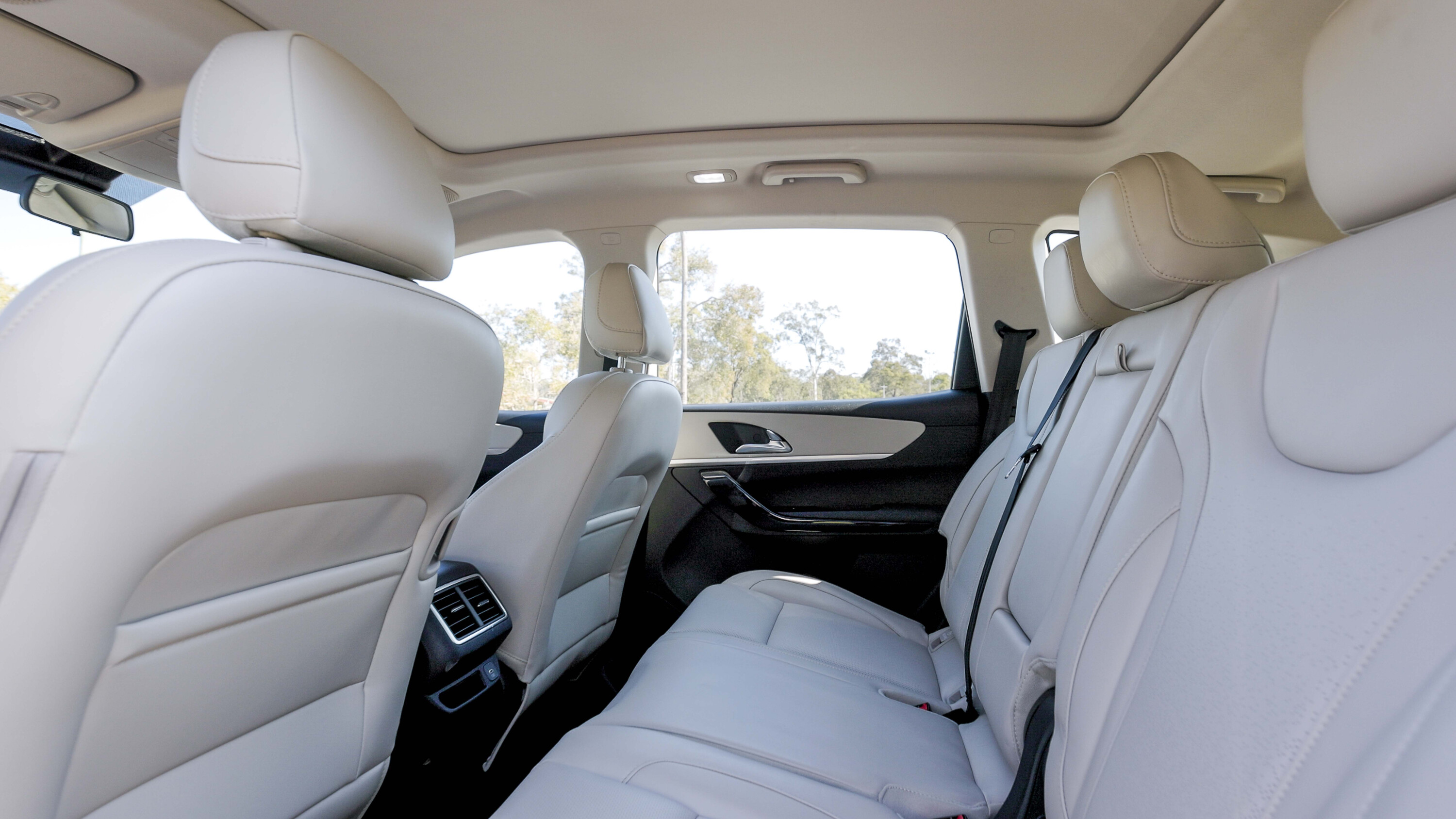
The second row, on the brighter side, is very well done. The rear doors open wide while the rear bench is almost stadium-set, giving rear passengers a very open and bright view of the outside world – something also helped by the large rear windows.
1
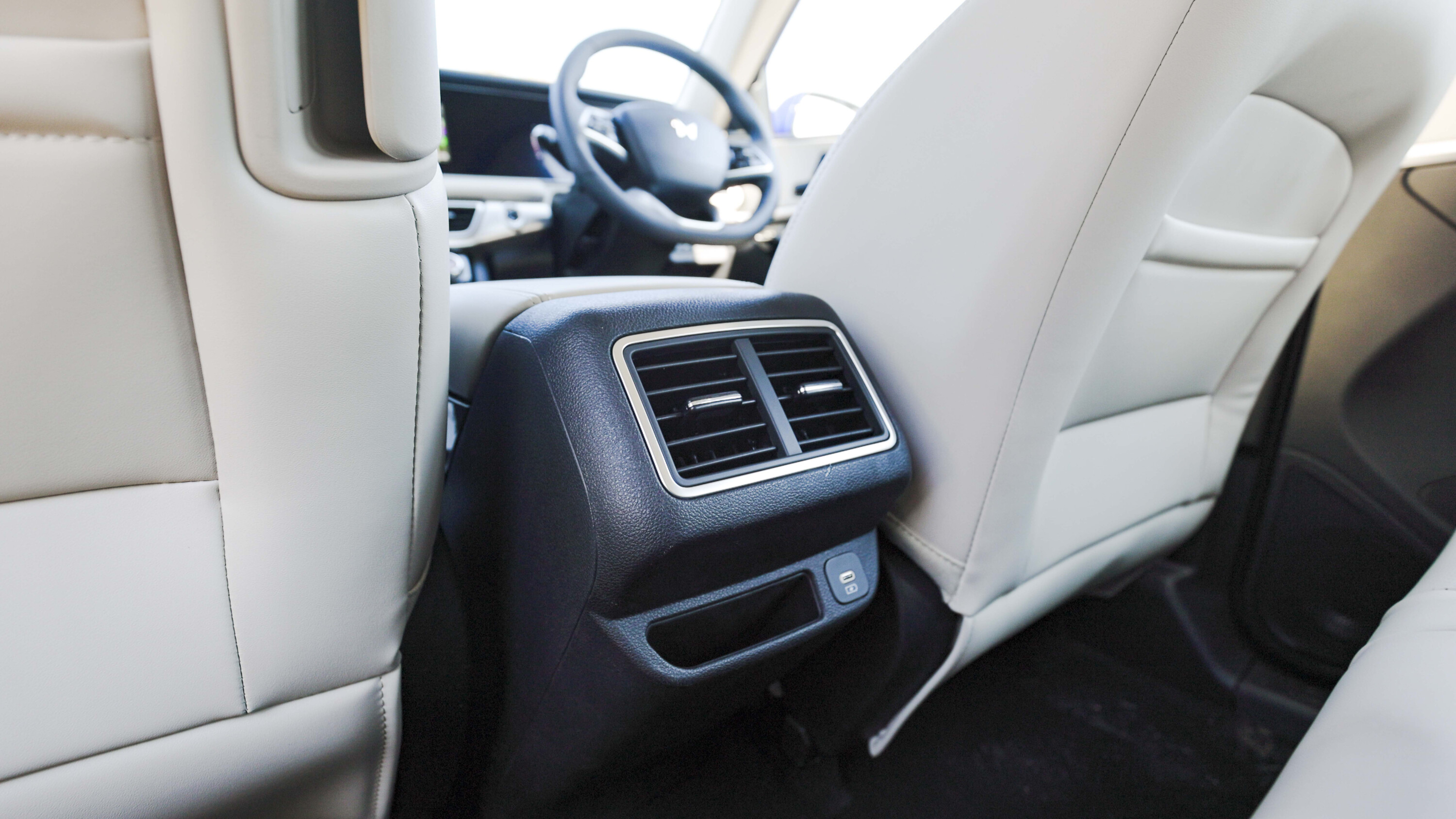
There’s plenty of knee-room and notable foot-room and – adding to the feeling of space – almost no transmission tunnel. There are two air vents, although you can’t adjust the rate of flow. There is a single USB-C outlet.
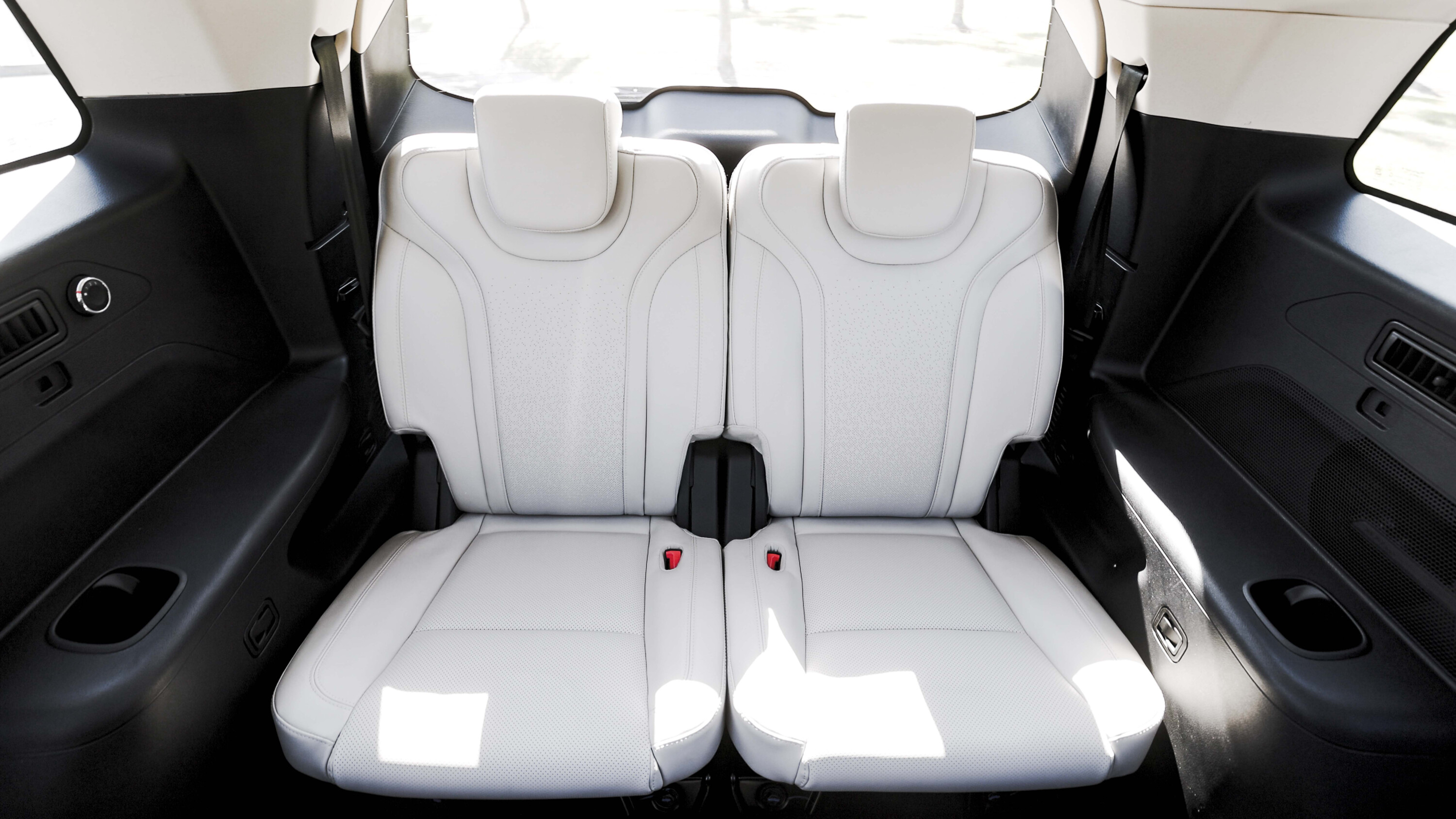
The third row is predictably tight; this tester is 174cm and wouldn’t want to be much taller (or have much longer femurs). Third-row access is reasonably simple thanks to the tumble-forward second row which is easy to operate even from the back – although it’s quite heavy and comes down with a hell of a thud, into a latch precisely where you might put a bare foot.
Somewhat less precariously, there are two air vents including fan speed control, two cup holders and an old-school 12-volt outlet (no third-row USB).
1
The rear seat backrest, meanwhile, is a basic 60:40 split with no ski port.
Mahindra doesn’t provide a boot space figure, but estimated it to be around 700 litres with the third row folded. The boot itself is pretty big, although when recessed, the third-row seats make the floor a little high. The tailgate – manual on both variants – also hangs quite low, making it easy to knock your head if you’re tall.
The boot itself is also light on amenities – there’s no boot light, nor is there underfloor storage or a wet box. The second-row backrest, meanwhile, is a basic 60:40 split with no ski port.
A full-size steel spare wheel is provided and the Mahindra XUV700 can tow up to 1500kg braked or 750kg unbraked.
What is it like to drive?
Very easy around town. You sit high in good old SUV fashion and twirl steering that is very light. Some other testers found it almost too light, like it’s not connected to anything at all.
All the controls feel otherwise nice, and the XUV700 is fairly eager from low in the revs thanks to its meaty, turbocharged 380Nm being available from just 1800rpm. The six-speed transmission is smooth and does the job.
The ride quality is a highlight. The front springs feel very soft, offering a very supple experience over bumps. The independent rear suspension feels somewhat firmer, but only compared to the front. The XUV700 is also quiet enough at highway speeds with minimal tyre noise.
1
The lane-keep assist was also pleasingly well-sorted, subtly nudging the car back towards the centre of the lane in exactly the way you’d want.
We didn’t really get to push the XUV700’s dynamics on our very short drive, but will do so during a longer test.
- What is a Powertrain or Drivetrain?
- Power vs torque
- Car suspension explained
- Automatic transmissions (‘gearboxes’) explained
- Chassis control systems explained
- Car vs Ute vs SUV: How the vehicle you buy should guide the way you drive
Mahindra claims 8.3 litres per 100 kilometres according to ADR81/02 testing regulations (using the cheapest petrol option, 91 RON).
Our test vehicle was displaying 9.8L/100km in the trip computer during our short test route, although we’ll reserve judgement until we can do a longer test. There’s a 60-litre fuel tank.
1
How safe is it?
The jury is out, although the XUV700 achieved five stars during Global New Car Assessment Program (Global NCAP) crash-testing in 2021.
Mahindra has not yet provided an XUV700 to the Australasian New Car Assessment Program (ANCAP) for crash testing. Local executives said Mahindra was speaking to ANCAP to get an understanding of requirements – and whether special engineering would be required.
On the active safety side, the XUV700 offers advanced autonomous emergency braking (AEB) working at interurban speeds up to 110km/h, although Mahindra couldn’t confirm whether it could also detect pedestrians or cyclists (like many other newer systems on the market).
1
The video feed of the reversing camera could also be smoother.
There is lane keep assist, adaptive cruise control and a clever high beam that detects oncoming vehicles above 80km/h and automatically dips.
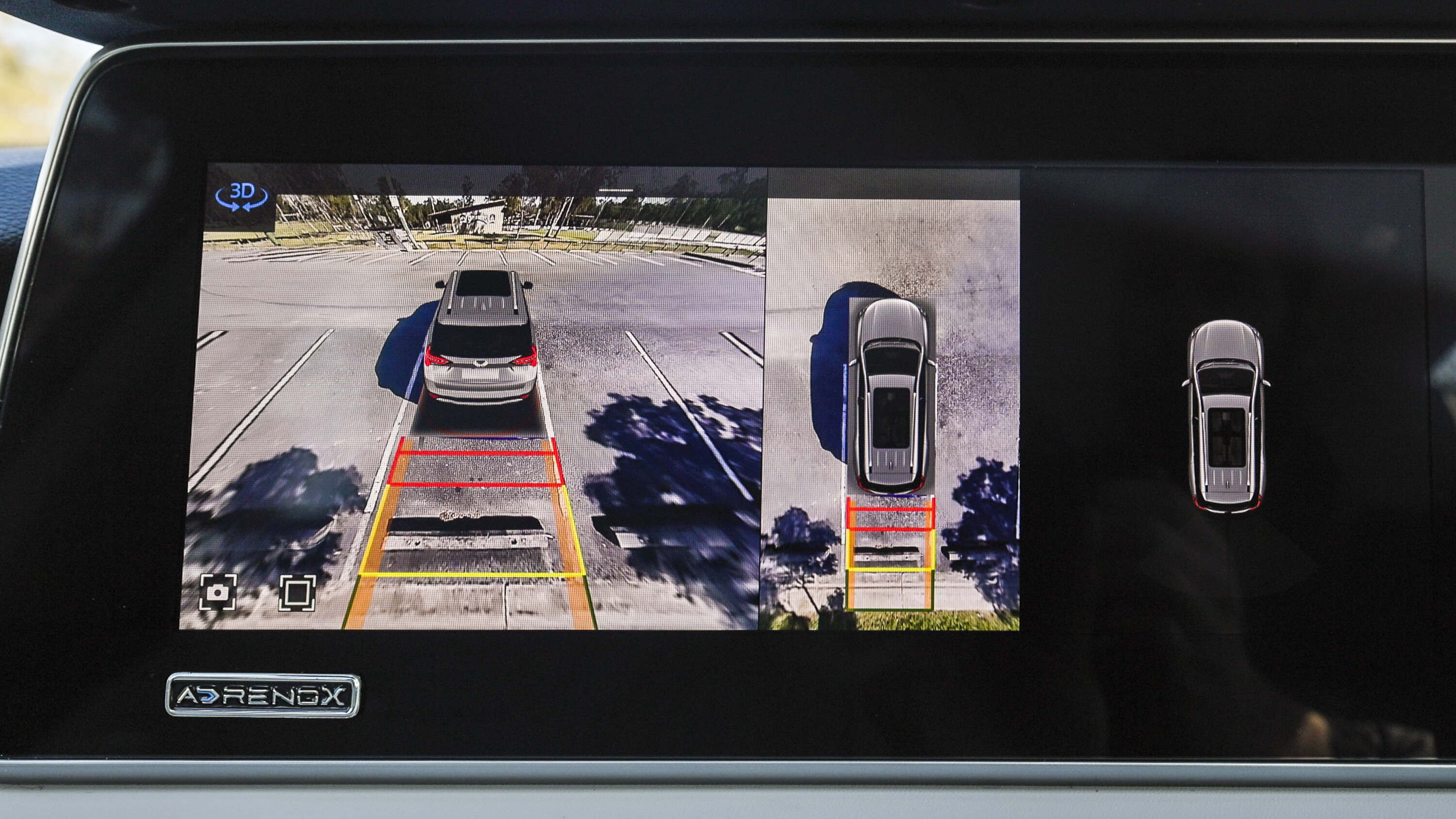
Both XUV700 grades get a standard reversing camera, although there are no reverse parking sensors, no reverse AEB and no rear-cross traffic alert. The video feed of the reversing camera could also be smoother.
Pinched directly from Hyundai, the XUV700 flashes up a live video of your blind spot in the digital instrument display while indicating – although it suffers a similar imperfect frame rate as the reversing camera feed. This is only available on the upper-spec AX7L.
1
The AX7L also comes with the 360-degree, top-down parking camera view.
On the passive safety side, there are six airbags, and the curtain items extend the full length of the car, protecting even third-row passengers. You have to pay extra to get a knee airbag however, also only available on the AX7L.
The XUV700 does not have a driver attention monitor.
1
How long is the warranty and what are the running costs like?
The Mahindra XUV700 comes with a seven-year / 150,000km warranty and seven years of complimentary roadside assistance.
Service intervals are every 12 months or 10,000km, whichever comes first. Mahindra is yet to release capped-price servicing costs.
1
Would you recommend it?
The Mahindra XUV700 is very impressive for the price. Drive it on its own and it’s a surprisingly well-presented, well-sorted seven-seat SUV that works hard for the money.
We suspect if you drove it back-to-back with a Mitsubishi Outlander or Nissan X-Trail, the Mahindra wouldn’t feel quite as solid or polished. But that’s not to say it’s a bad car. And certainly, anybody upgrading from a 10-year-old Nissan or Mitsubishi will be blown away.
Build quality felt good, and you’ve got the security of a seven-year warranty – pretty much as good as it gets in the entire Australian market.
1
If we were going to get picky, we would have liked to see Mahindra more confidently offer India’s take on the humble SUV.
The interior and exterior design bristle with thoughtful touches, although few we haven’t seen before from other manufacturers.
Stylistically, the XUV700 is obviously intended to offend as few people as possible, creating a product with the personality of many other cars rolled into one, and yet somehow without a distinguishable character of its own. About as far as you get is the indicator chime, with is a bit jazzy in a Bollywood kind of way.
But if that’s the most criticism we can throw its way, it’s doing well.
MORE
Everything Mahindra
MORE
Large SUVs
| 2023 Mahindra XUV700 AX7 specifications | ||
|---|---|---|
| Engine | 2.0-litre turbocharged inline-4 | |
| Power @rpm | 149kW @ 5000rpm | |
| Torque @rpm | 380Nm @ 1750-3000rpm | |
| Transmission | Six-speed torque-converter automatic | |
| Body | Seven-seat medium SUV | |
| L/W/H | 4695/1890/1755mm | |
| Wheelbase | 2750mm | |
| Boot space | 700L (estimate) | |
| Weight | 1829kg | |
| Fuel / tank | petrol 91RON / 60 litres | |
| Fuel use L/100km | 8.3L/100km (claimed) | |
| Suspension | Front: struts / Rear: multi-link | |
| Steering | Electric rack-and-pinion; 11.5M | |
| Brakes | Front: ventilated discs / Rear: solid discs | |
| Wheels | 18-inch diameter | |
| Tyres | MRF Wanderer Ecotred | |
| Tyre size & spare | 235/60R18, full-size spare | |
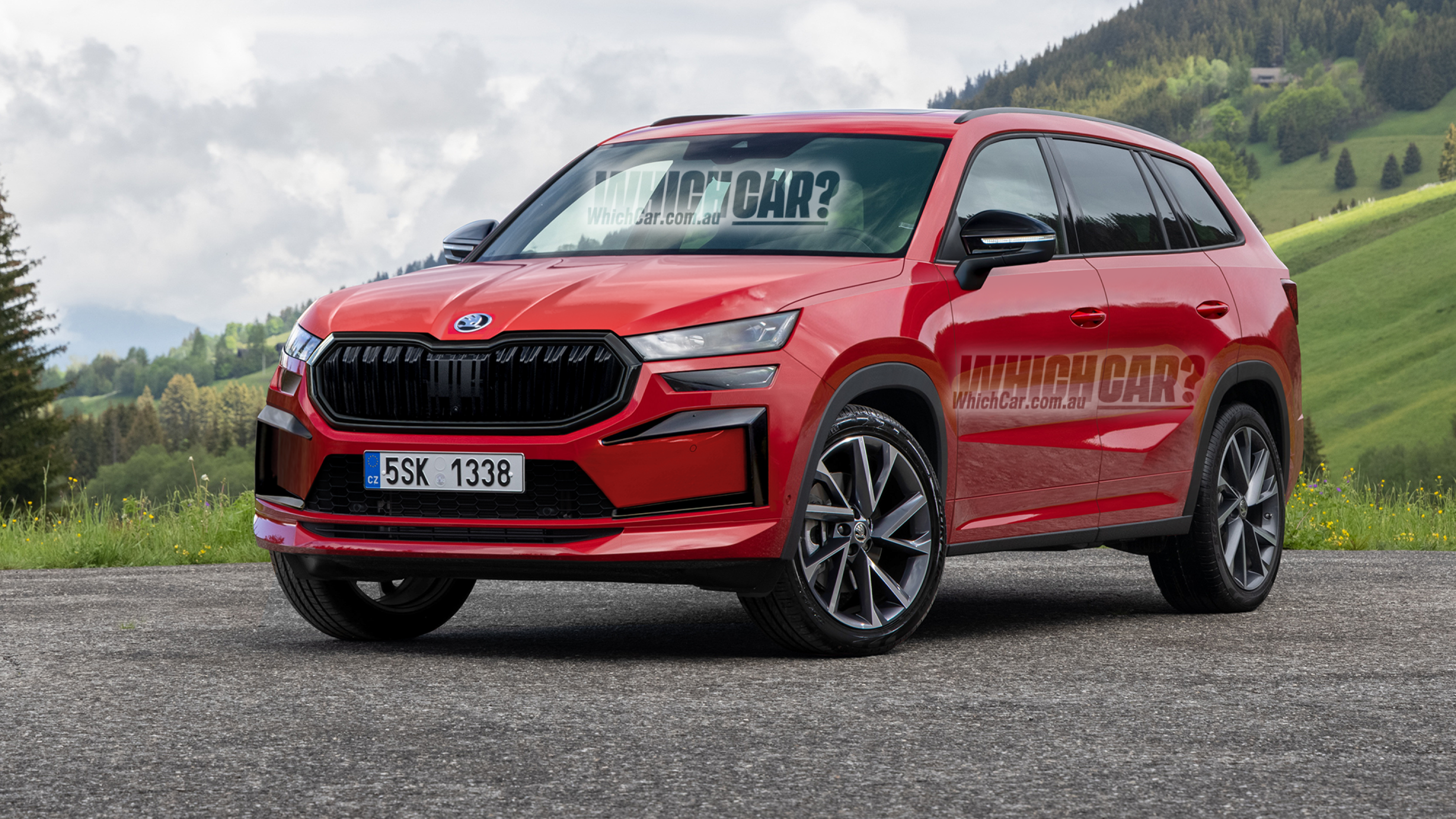
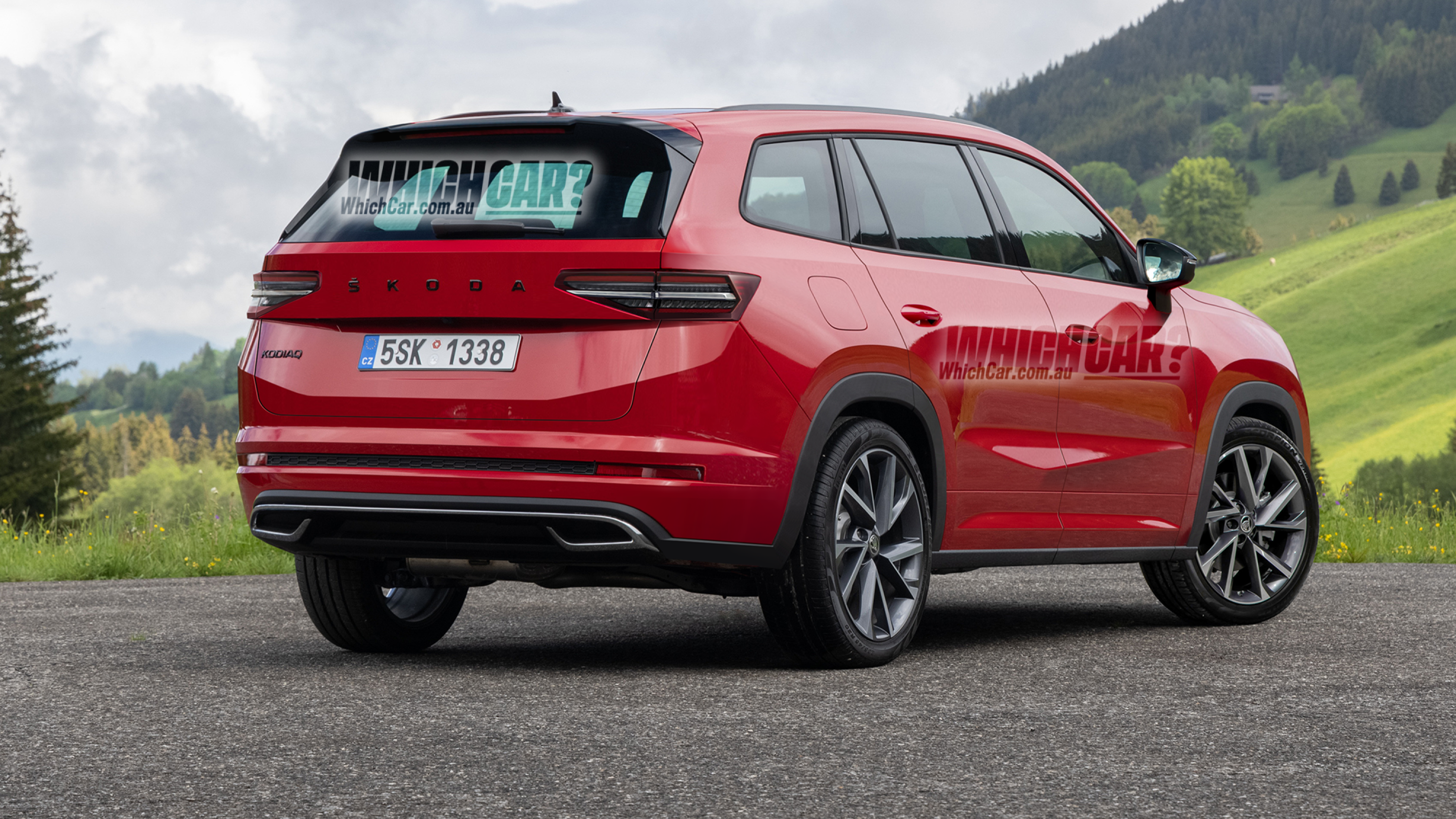
June 20: New-gen Kodiaq rendered
With spy photos of the new Skoda Kodiaq SUV now circulating, we’ve now been able to craft some speculative visions of how it might look.
Based on spy photos published to Motor1.com [↗], our renderings show the new Kodiaq with a larger design even better suited to its job as a seven-seater family car. The current model straddles the line between medium- and large SUV, whereas this new model will charge into the big-boy end.
What do you think of the new look? Evolutionary, for the most part – especially when the company has already previewed its future design language – but it’s a look that will likely continue to prove popular with buyers in the segment.
1
1
While you’re here, you should check out our new 2023 Large 7-Seat SUV comparison below.
June 15: New Kodiaq spearheads big product assault in Australia
New-generation Kodiaq large SUV arrives in Australia next year, along with an all-new Superb and a raft of comprehensively updated models. Story below.
April 2023: New Kodiaq and Superb teased
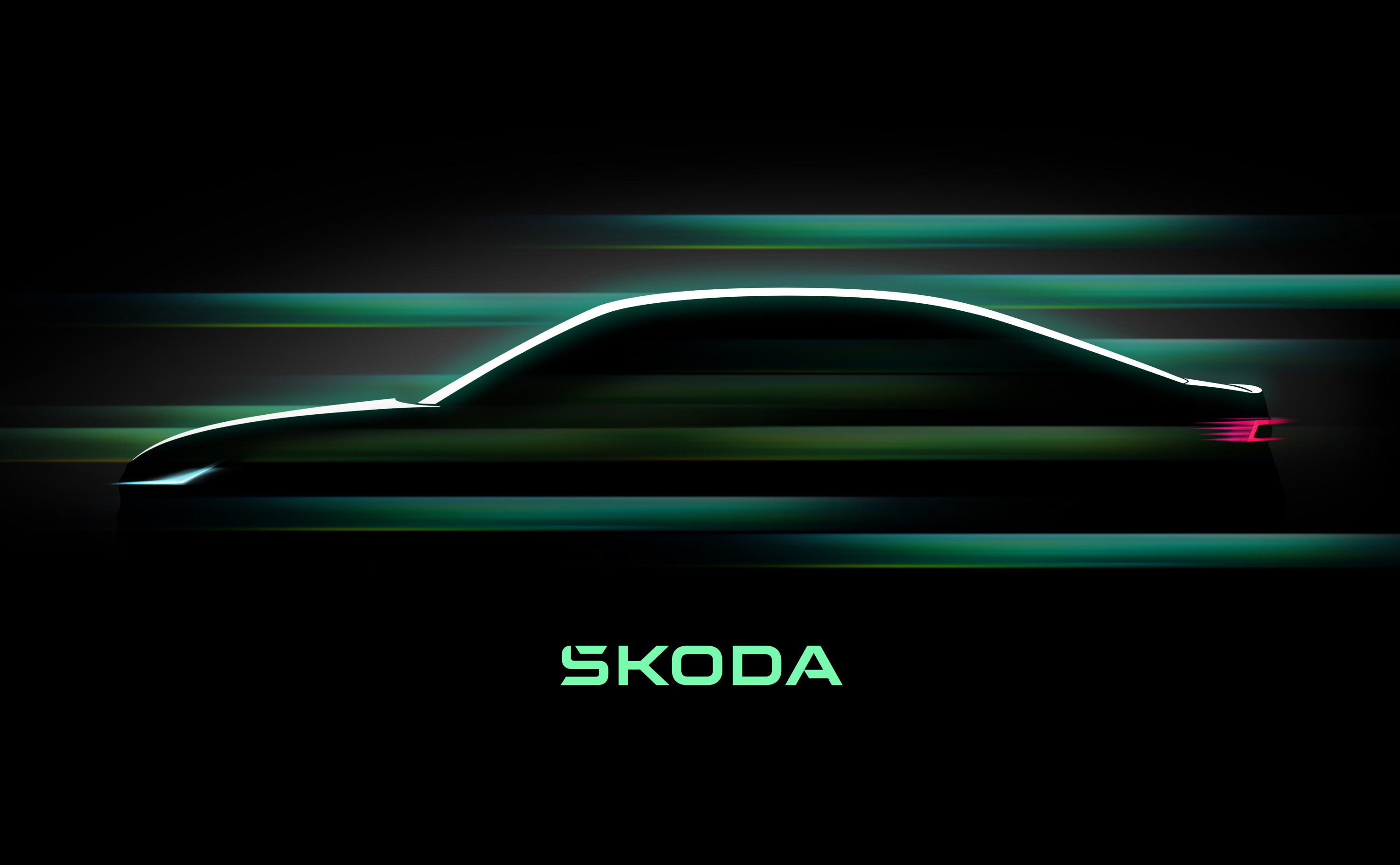
The next-generation Skoda Kodiaq and Superb will debut in separate launch events in the spring.
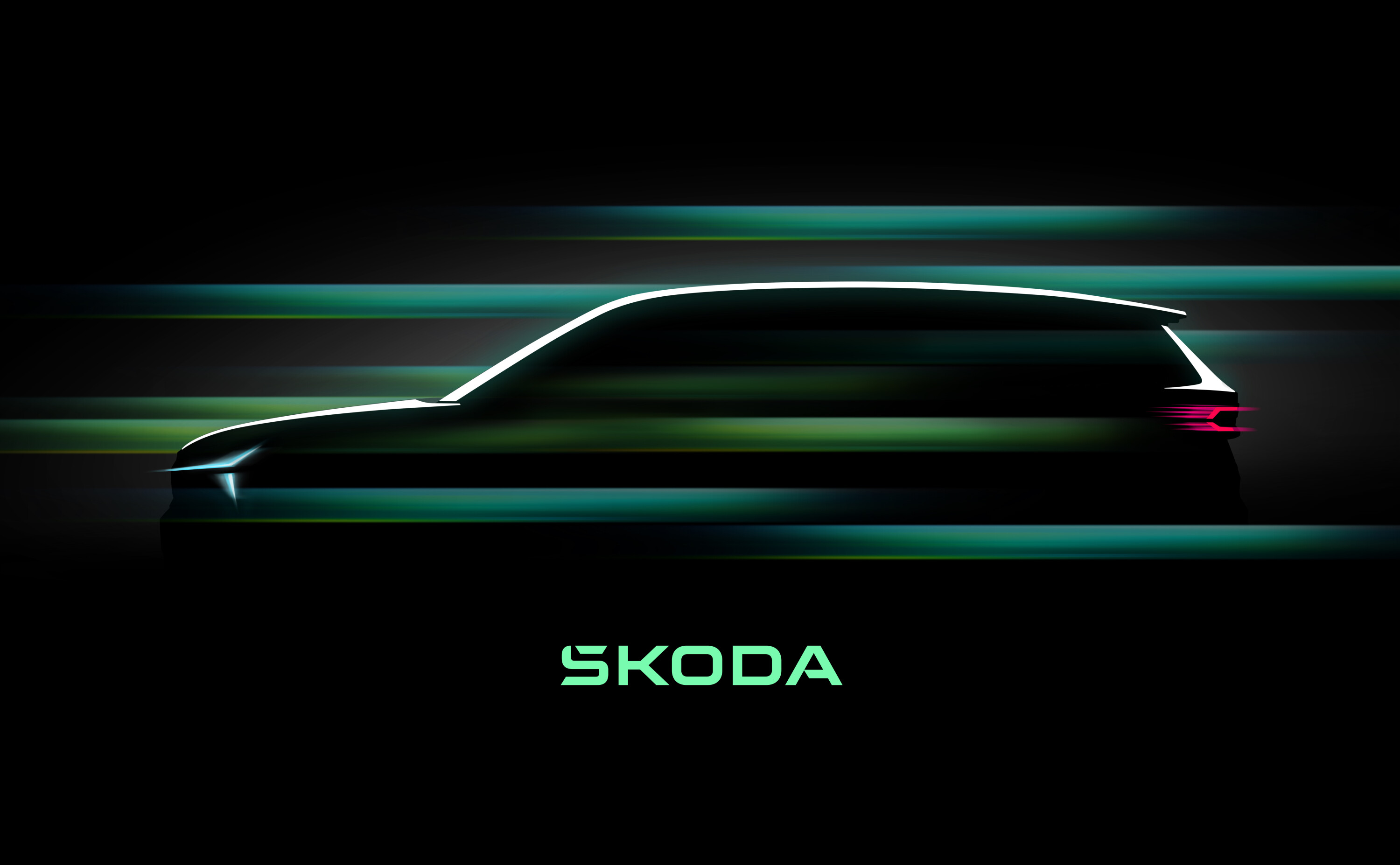
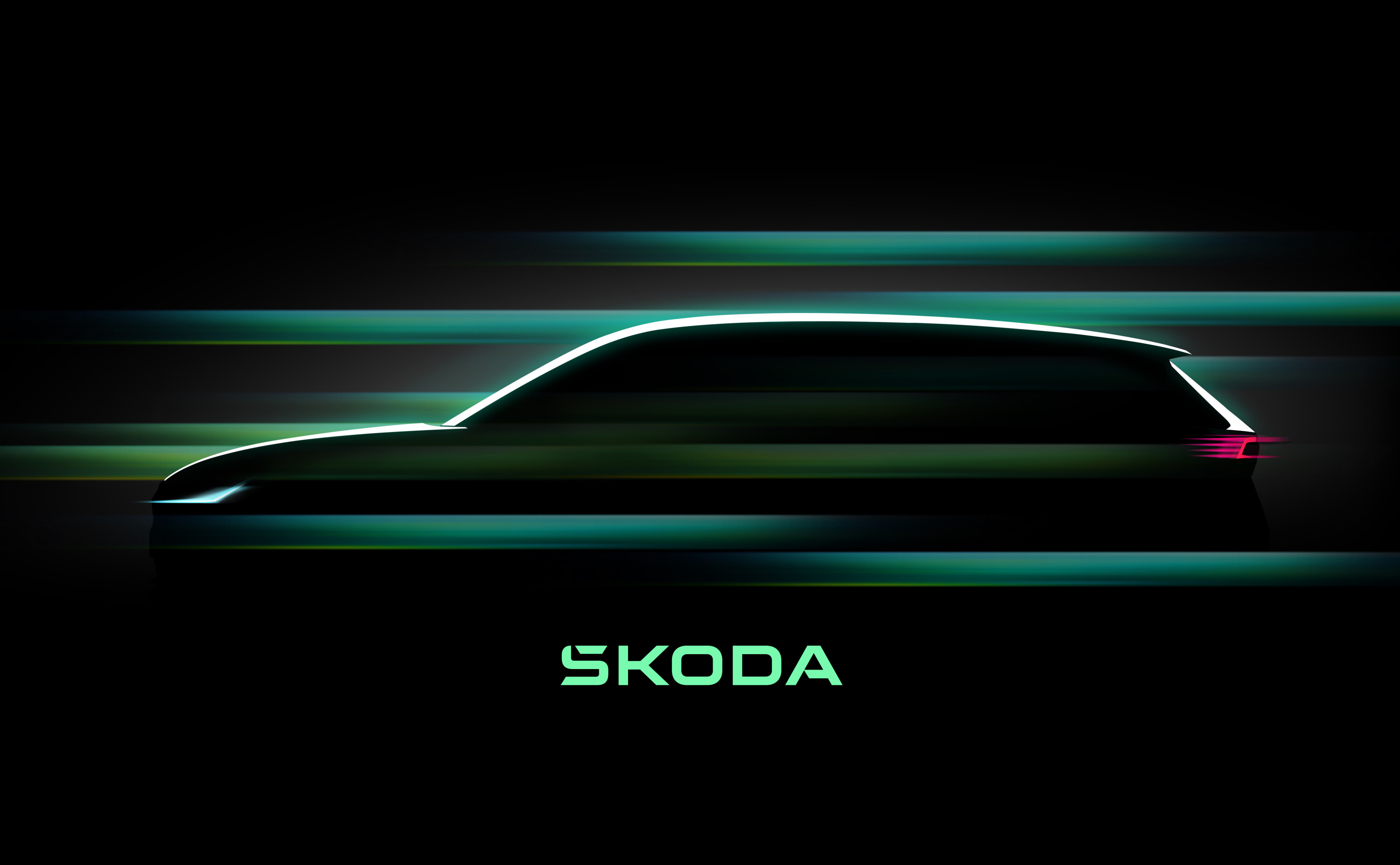
Skoda has confirmed the global unveilings of the 2024 Kodiaq large SUV and 2024 Superb large hatch/wagon will occur between September and November, with shadowy teaser images released this week.
The Czech brand said the Kodiaq and Superb will be offered with “petrol and diesel engines, as well as plug-in hybrid and mild-hybrid powertrains,” with stricter Euro 7 emissions standards set to be enforced on July 1, 2025.
1
A shared design language appears likely based on the teaser images, with similar lighting signatures – though the Kodiaq appears to have an additional daytime running light facing downwards.
Skoda will also debut mid-life updates for the Scala small hatch and Kamiq light SUV in the coming months, and a facelift for its best-selling Octavia medium car next year. All three are already confirmed for an Australian launch in 2024.
“The second-generation Kodiaq will take safety, technology and versatility to the next level. We continue to offer the best of both worlds and meet our customers’ needs,” said Skoda CEO, Klaus Zellmer.
1
The fourth-generation Superb, meanwhile, has been developed by Skoda’s engineers alongside the next-gen Volkswagen Passat, with European deliveries of the latter expected to commence in September.
Production for Superb will shift from the Czech Republic to Slovakia, alongside the mid-size Passat.
The manufacturing facility in Bratislava, Slovakia, will remain home to the Volkswagen Group’s MLB Evo-based large SUVs, including the Volkswagen Touareg, Audi Q7 and Porsche Cayenne.
Unlike the new Passat, now limited to the wagon body, the Superb will continue to be offered as a liftback or wagon in new-generation form.
1
Skoda Australia has yet to confirm the new Superb, though it is expected to remain available in Australia.
A cloud hangs over the forthcoming Passat wagon following dwindling sales of medium and large passenger vehicles – despite the Passat’s use with police fleets in Victoria and New South Wales.
If the new Passat isn’t sold in Australia, these fleets would likely switch to the most-potent Superb wagon, which recently joined the ranks in Western Australia.
Below: The current 2023 Skoda Kodiaq and Superb
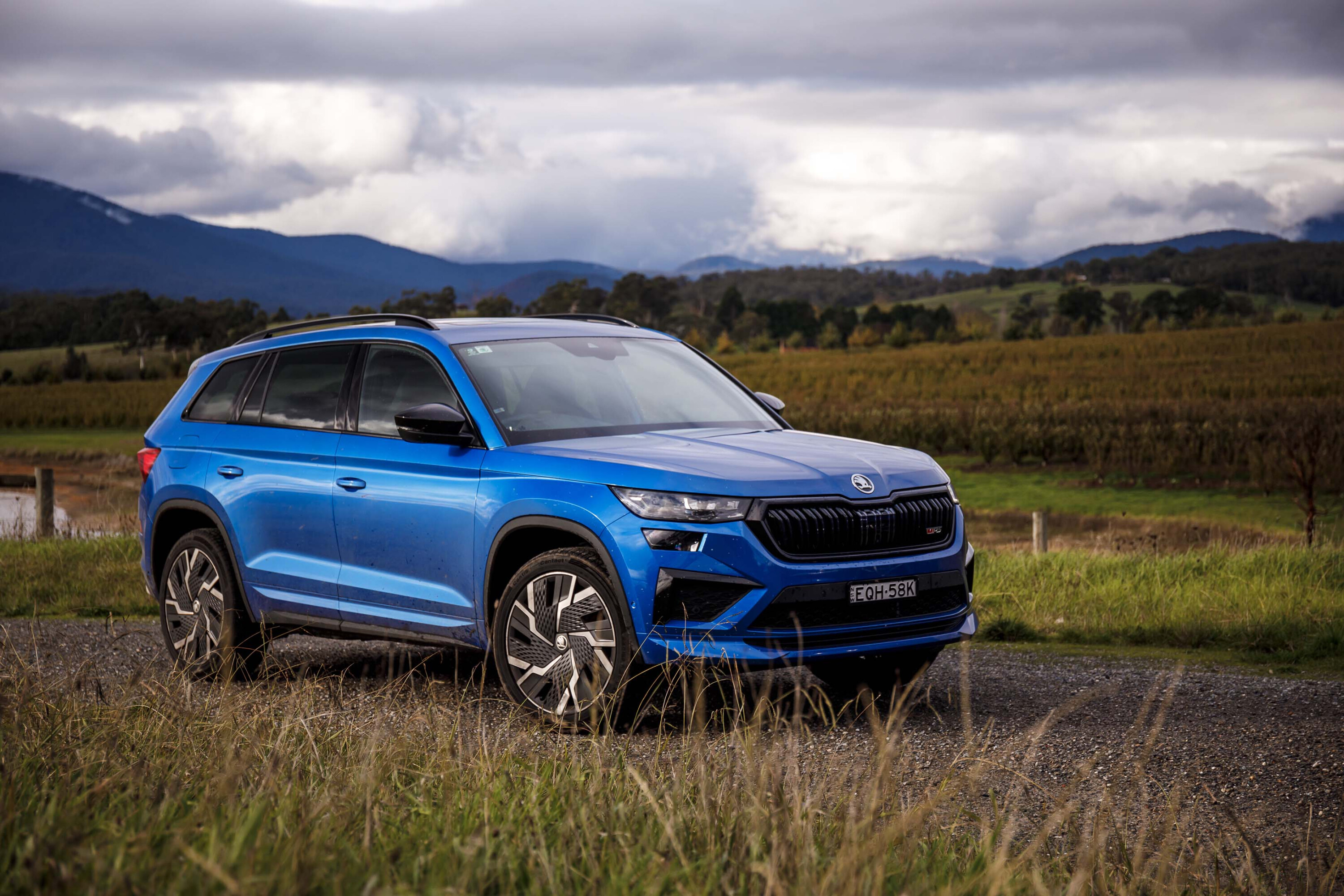
1
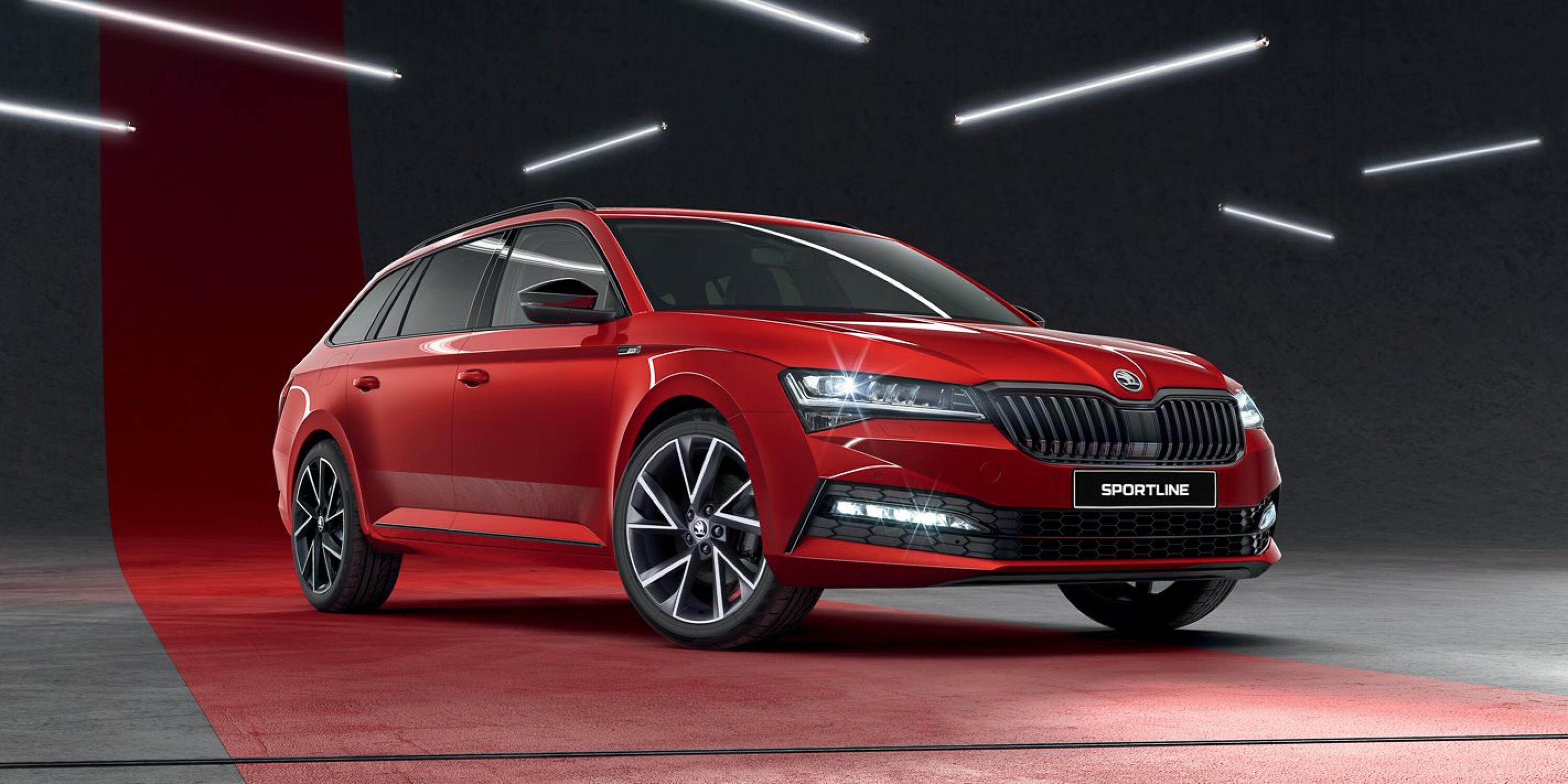
1
MORE
Everything Skoda
The Triton GLX+ steps up with extra goodies over the GLX variant without imposing a steep price hike. It’s a practical workhorse with a good dose of creature comforts, powered by the reliable 2.4-litre diesel engine.
Pricing and features
The Triton GLX+ variant is priced at $45,440 (extra-cab) and $47,190 (dual-cab) but doesn’t skimp on features, and it manages to position itself at an appealing price point in the ute market.
Sitting above the GLX in the Triton line-up, the GLX+ model serves up all of the base model’s functionality and charm, but with a few extra ingredients thrown in for good measure.
Like the GLX it gets a 7.0-inch touchscreen infotainment system that plays nicely with both Android Auto and Apple CarPlay, heavy duty suspension, a front skid plate, side steps, and a reversing camera (depending on the tray, of course).
It also comes with Trailer Stability Assist, and an impressive Mitsubishi’s Super Select II 4WD system that caters to both on and off-road demands.
In addition to the GLX, the GLX+ adds 16-inch alloy wheels and climate-control air-con. The addition of a rear differential lock in the GLX+ is a worthy mention too, a boon for those planning to take this rig on to rough terrain.

3
Safety
Safety isn’t compromised in the Triton GLX+, with the model equipped with a speed limiter, Emergency Stop Signal function, Emergency Brake Assist, Hill Start Assist, Active Stability Control, Active Traction Control, ABS and EBD.
The GLX+ also features Trailer Stability Assist, which is essential if towing a camper trailer around the country is on your to-do list.
The GLX+ is also fitted with a full suite of airbags: driver and front passenger, driver and front passenger side, curtain, and driver’s knee.
All Triton models received a five-star ANCAP rating in 2015, but models built from January 2023 are currently classified as unrated.
Key Rivals
In the tough and competitive ute market, the Triton GLX+ faces off against notable rivals:
Should I put it on my shortlist?
The 2023 Triton GLX+ should definitely be considered if you’re on the hunt for a reliable, value-packed ute. It delivers a balanced mix of utilitarian ruggedness and welcomed creature comforts that warrant a serious look.
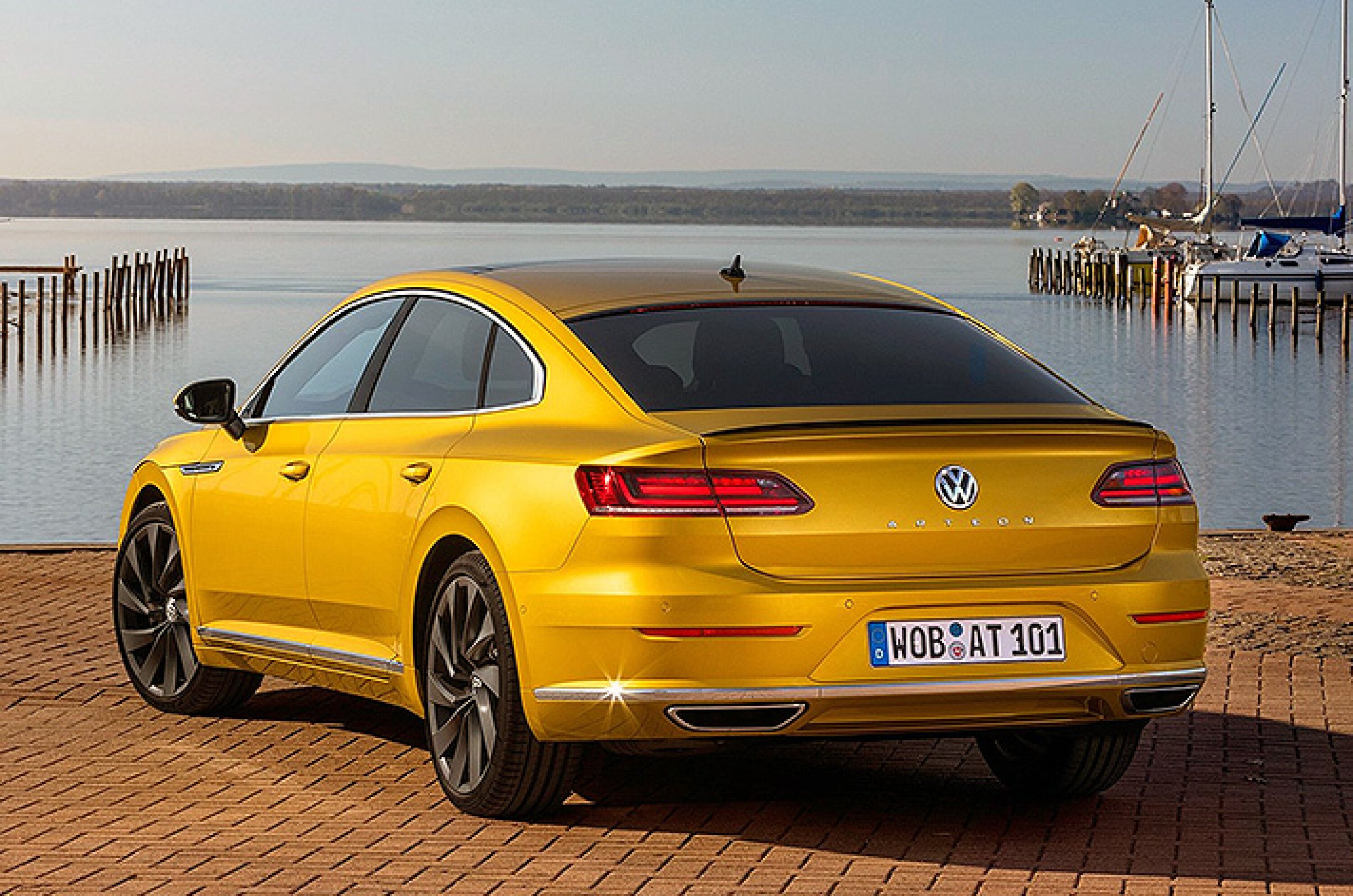
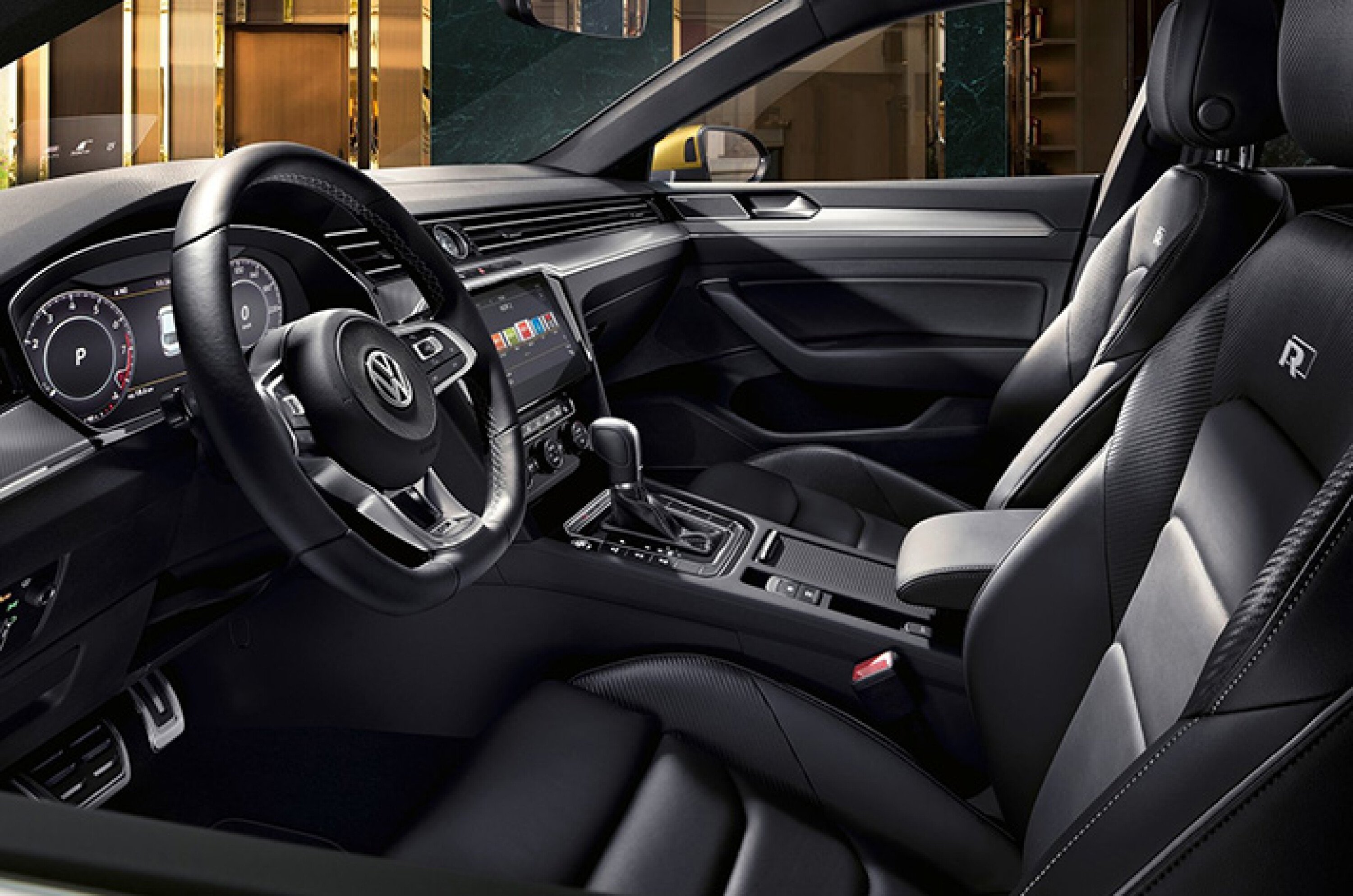
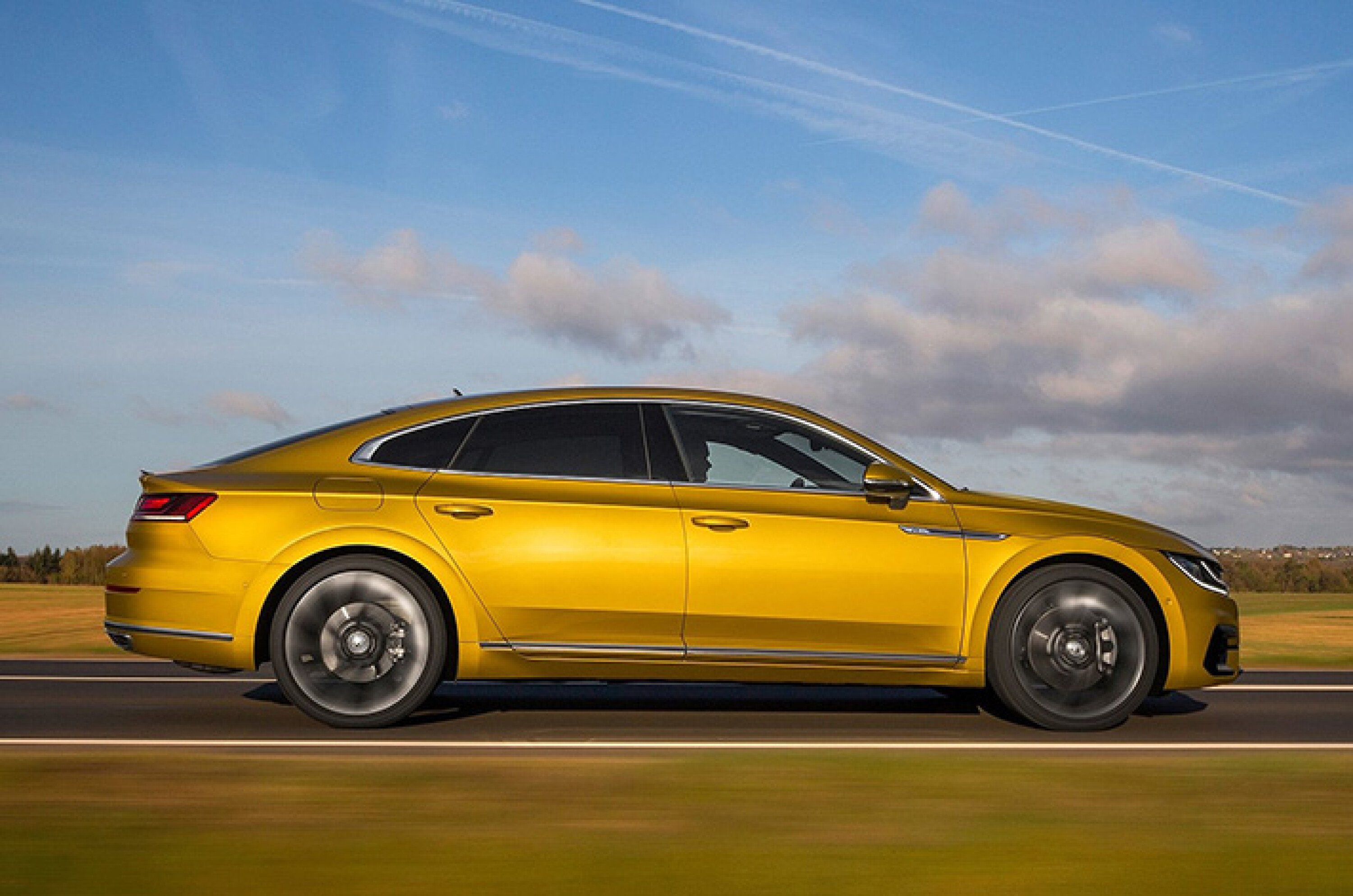
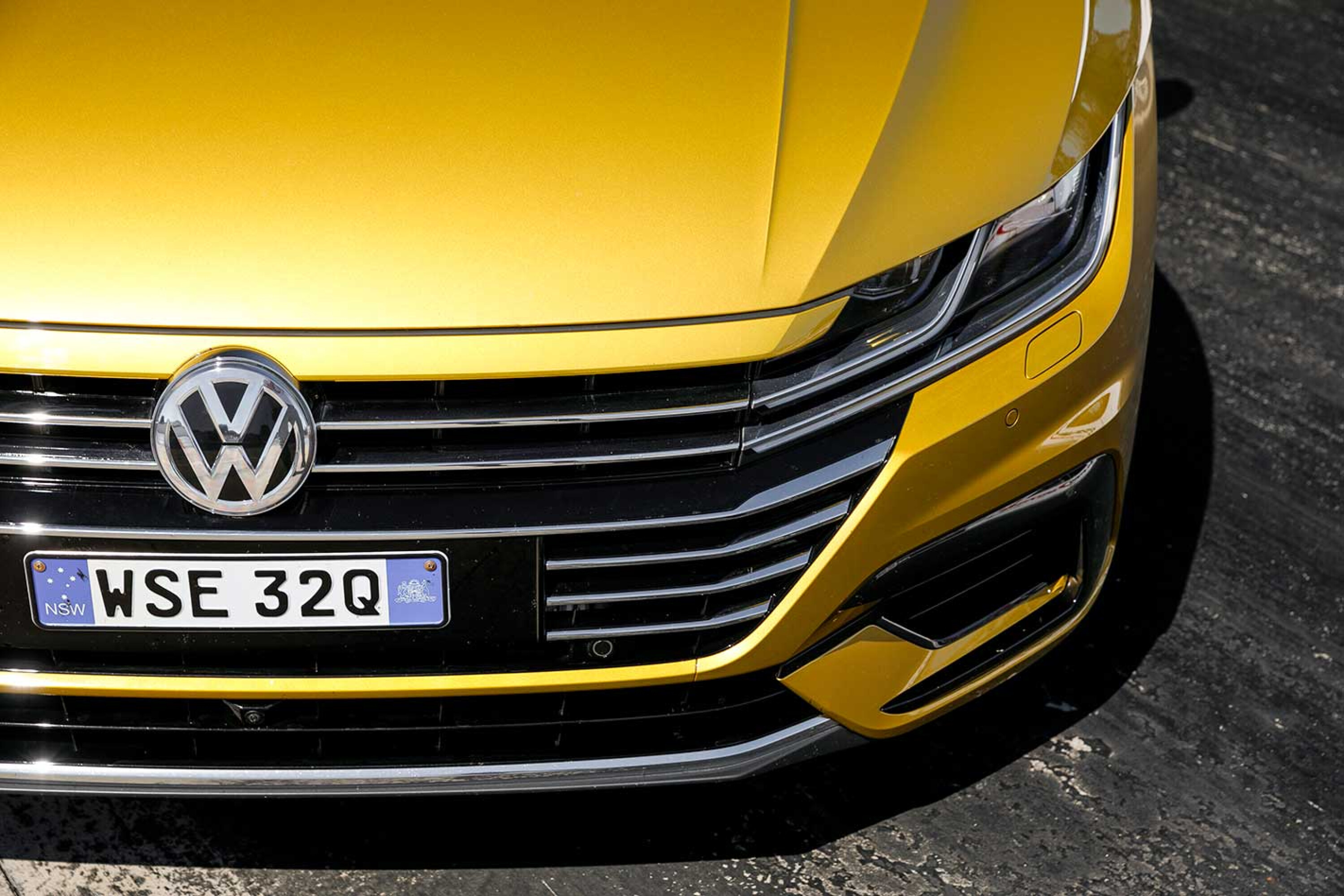
Volkswagen has finally confirmed it will discontinue the Arteon large liftback and wagon, as it focuses on maximising profits in its electric transition.
Snapshot
- VW boss confirms Arteon will go
- Consequence of aggressive business plan to maximise profits
- ID.7 to be electric spiritual successor, but not for Oz
The German automaker’s low-volume flagship passenger model is in the firing line as it focuses on achieving a sales turnover of at least 6.5 per cent by 2026 as part of its ‘Accelerate Forward’ strategy.
This ends years of speculation clouding the Arteon’s future, alongside the related Passat, which is now only available in wagon and Alltrack form in Australia.
The push includes simplifying the number of variants, reducing ‘red tape’, and optimising its two current key platforms – the Modular Transverse Toolkit (MQB) and the Modular Electric Drive Toolkit (MEB).
1
VW brand boss Thomas Schäfer said it will focus on a “small number” of “genuine” core models to “reduce complexity and deliver higher profits” – suggesting the Arteon is just one of more victims to come.
This echoes previous remarks about the brand’s upcoming small EVs, estimated to cost around-$40,000, being profitable.
Meanwhile it underscores the uncertain future of the budget-friendly Polo city car amidst tightening Euro 7 emissions regulations.
1
Less is more
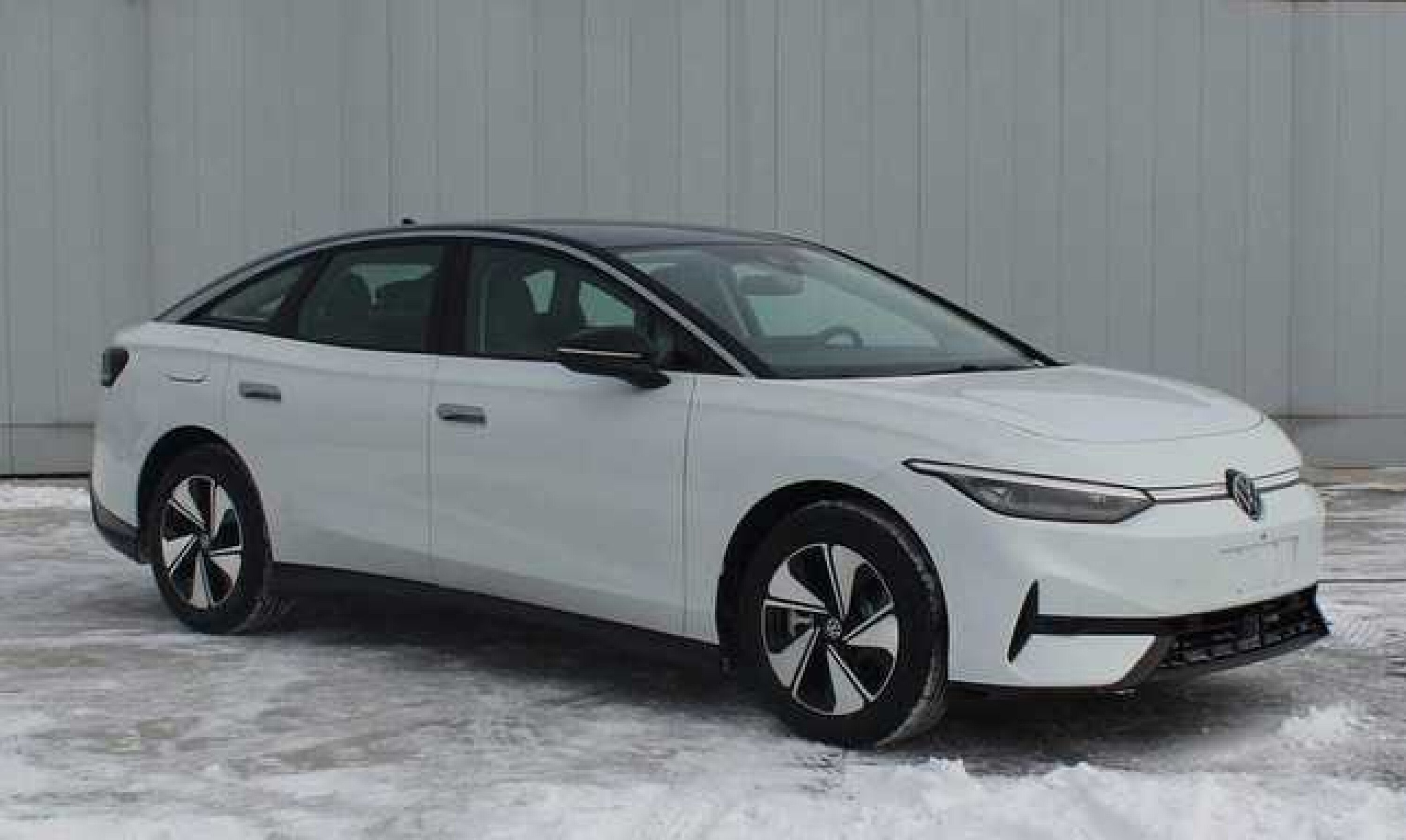
Schäfer pointed to the upcoming ID.7 – the Arteon’s spiritual successor – having 99 per cent fewer configuration options compared to the seventh-generation Golf small car to boost margins.
“The program is the number one priority for the entire Board of Management. We must build new strength for the Volkswagen brand and position it robustly for future growth, which is why we are now getting an enormous concerted effort off the ground,” Schäfer said.
1
“Achieving this in 2026 is very ambitious, but feasible if we pool our efforts. This will enable us to safeguard jobs, finance our future from our own resources and continue to invest in new vehicles and technologies, in the modernisation of our plants and in staff training.”
The aggressive business strategy coincides with the automaker’s electric transition to compete with Tesla and Chinese companies, such as Build Your Dreams (BYD), Saic Motor’s MG, and Great Wall Motors (GWM).
1
When will the Arteon leave the stage?
It’s unclear when the Arteon will end its two-generation run, but previous rumours suggest it could be as soon as 2024 when the ID.7 electric sedan launches overseas, although not in Australia.
The Arteon liftback was first released in Australia in 2017 at a time when Kia’s hero Stinger was also arriving, while the controversial European-made ZB Holden Commodore was about to debut a year later.
In 2019, the carmaker relaunched the Touareg large SUV as its new upmarket flagship.
1
Local Arteon sales were paused between 2020 and 2021, before a facelift revived it in 2022. Defying market trends, it even added a Shooting Brake wagon body style option. ?
As of the end of May 2022, only 2289 Volkswagen Arteon units have been sold in Australia since its launch five years ago.
MORE
Electric Cars
More EV stories to help you choose the best car for your needs
- ? EV news, reviews, advice & guides
- ❓ Short & sweet: Your EV questions answered
- ⚡ New EVs: Everything coming to Australia
- ? Australia’s EVs with the longest driving range
- ⚖️ Best-value EVs by driving range
- ? How much do EVs cost in Australia?
- ? How much more expensive are EVs?
- ⚖️ Number crunching: Is it time to switch to an EV?
- ♻ Should you buy a used EV?
- ?️ Are EVs more expensive to insure?
- ? Costs compared: Charging an EV vs fueling a car
- ? EV charging guide
- ?? EV servicing explained
- ? EV battery types explained
- ? When do EV batteries need replacing?
- ? Hydrogen v EVs: What’s best for Oz?
- ? How sustainable are EVs, really?
MORE advice stories to help you with buying and owning a car
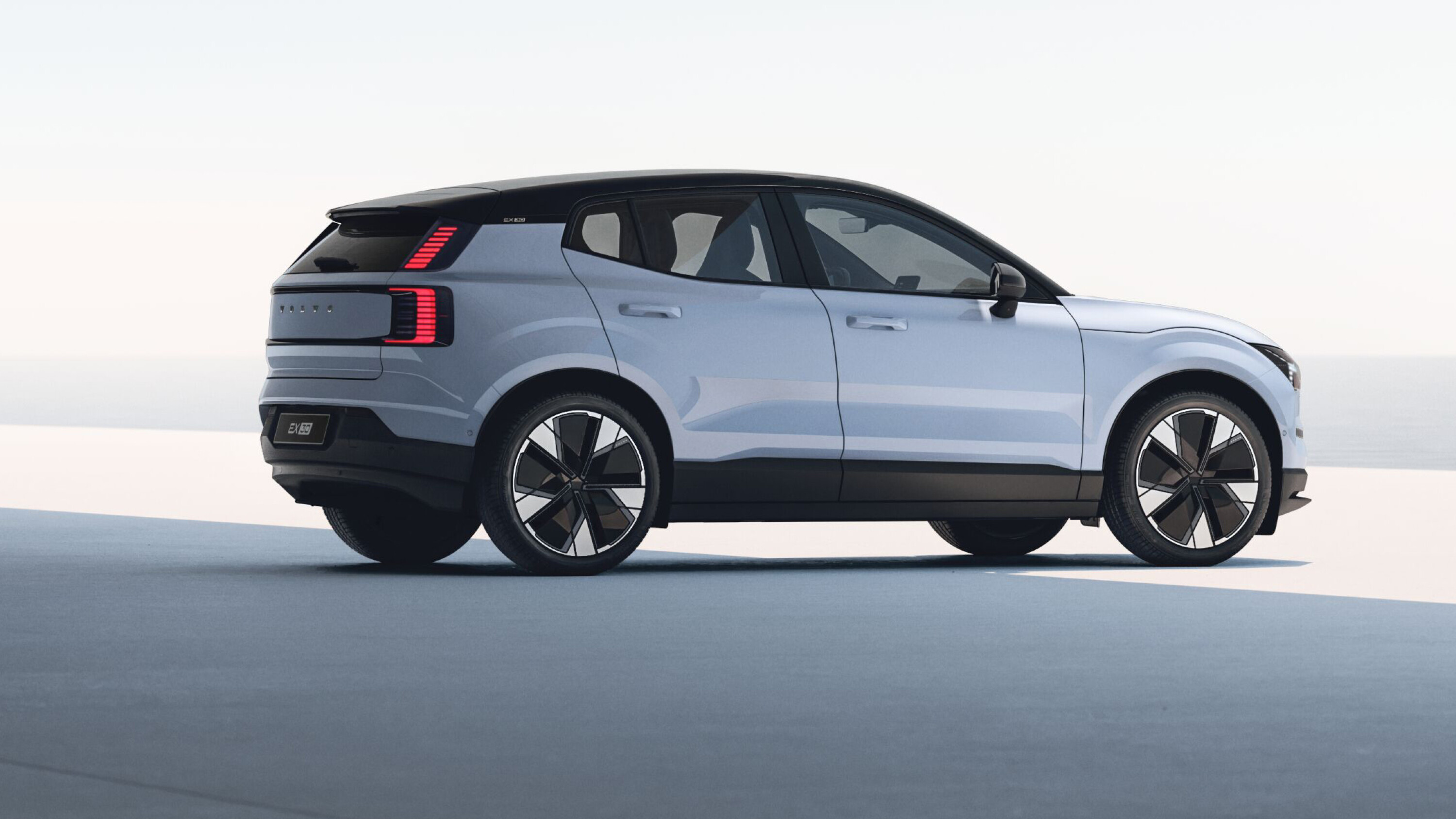
It would be safe for us to define Volvo as an SUV brand nowadays.
The vast majority of its sales are in that category, and its biggest product launch in some time – the new EX30 – is unmistakably crossover shaped. We’re delighted to report that its wagons remain safe, though.
“Volvo is not a company that disregards it heritage,” affirms its head of global offer, Warren Davidson. “SUVs are extremely important to us, but they’re not the only part of what we do. We’ve done beautiful wagons for years.”
The scalable Geely platforms sitting under its latest cars allow both the flexibility and economies of scale to keep the kind of cars we love safe. Expect a fully electric estate in the not too distant future, too. “Without being specific about future products, I’m really excited,” grins Warren.
1
“The family car is an SUV in most places in the world and Volvo is a family brand.”
“We are famous for our wagons, but it’s mainly Europe that buys them,” adds head of strategy Erik Severinson. Thankfully Sweden is an especially receptive market. “We do think there is customer demand for wagons and we have a strong heritage for them. Some of our competitors have moved away from this kind of car, but we still see a strong market for it.”
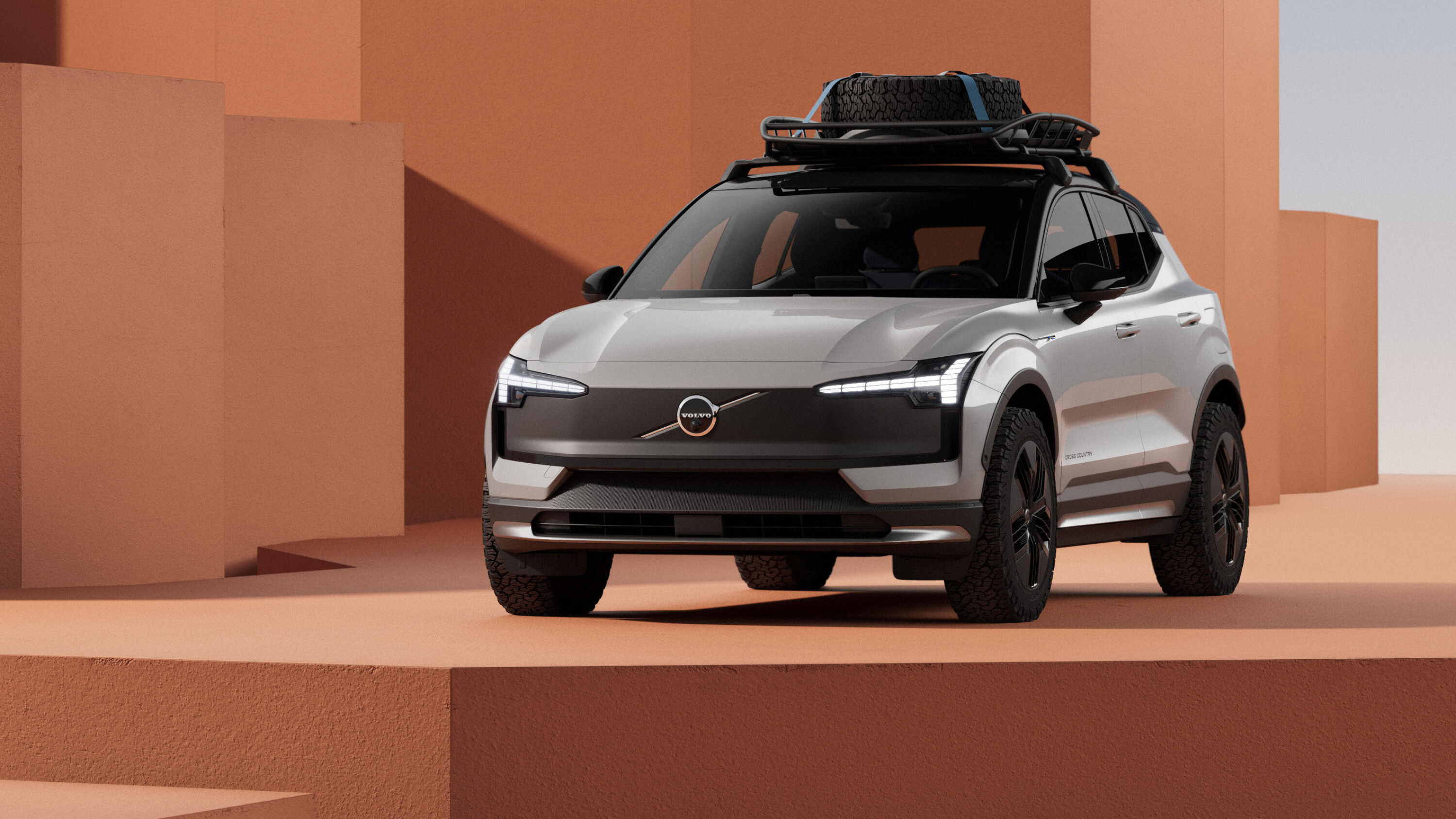
It’s worth noting too that right now, Volvo’s Australian line-up has only one wagon on offer, and even that’s a jacked-up SUV type: the V60 Cross Country. No more regular V60 (or V90 for that matter).
The economies of scale that will bring future Volvo estates are also what’s given the EX30 a tantalising entry price. “The EX30 will bring a lot of people into a Volvo for the first time, and maybe they can grow up through our size of vehicles,” says Erik.
But does it have to be an SUV to achieve that reach? “Generally, SUVs are the big sales trend. The family car is an SUV in most places in the world and Volvo is a family brand.”
That means reframing the wild 3.6-second 0-100km/h time of the top-spec EX30 Twin Motor, too.
“We need to rethink the word ‘performance’,” Erik continues.
“We have amazing acceleration in an EV that’s small and light. But if performance also encompasses other things – top speed, sharp handling – this is not a performance car. Polestar is positioned to a different customer who looks at acceleration alongside other factors.
“But this is a true Volvo. Acceleration is important from a safety point of view for quickly overtaking another car. We don’t see it as contradictory to our safety heritage.” Or its limited top speeds…
1
“A Volvo is a family car. We care about people, the planet and personal mobility. We don’t have performance in our purpose, in that sense.”
So does the existence of Polestar allow Volvos to be more, well, ‘Volvo’? “Yeah, I think so,” says Erik.
“A Volvo is a family car. We care about people, the planet and personal mobility. We don’t have performance in our purpose, in that sense. Polestar offer a different thing. We can be more ‘Volvo’ if we’re not focusing on those customers.”
Both men are delighted that Australia is forging ahead with a fully electric Volvo range four years ahead of its 2030 global target, too.
“Where we have an opportunity to go fully electric sooner, we will do that,” says Erik. “We’d rather do the shift quicker where we can. In all aspects, an electric car is a better car. Faster, cleaner, more sustainable. It’s just range anxiety in peoples’ minds you need to win over.
“We see very few people try an electric car and then go back to combustion.”
MORE
SUV Buyers Guide
MORE
Everything Volvo
More EV stories to help you choose the best car for your needs
- ? EV news, reviews, advice & guides
- ❓ Short & sweet: Your EV questions answered
- ⚡ New EVs: Everything coming to Australia
- ? Australia’s EVs with the longest driving range
- ⚖️ Best-value EVs by driving range
- ? How much do EVs cost in Australia?
- ? How much more expensive are EVs?
- ⚖️ Number crunching: Is it time to switch to an EV?
- ♻ Should you buy a used EV?
- ?️ Are EVs more expensive to insure?
- ? Costs compared: Charging an EV vs fueling a car
- ? EV charging guide
- ?? EV servicing explained
- ? EV battery types explained
- ? When do EV batteries need replacing?
- ? Hydrogen v EVs: What’s best for Oz?
- ? How sustainable are EVs, really?
MORE advice stories to help you with buying and owning a car
You can buy a Corolla sedan and fit five people in it, but at no stage in the process will anyone go, “Wow!”
Well, maybe at the fuel economy and the boot space, but not much else. And that is never going to change.
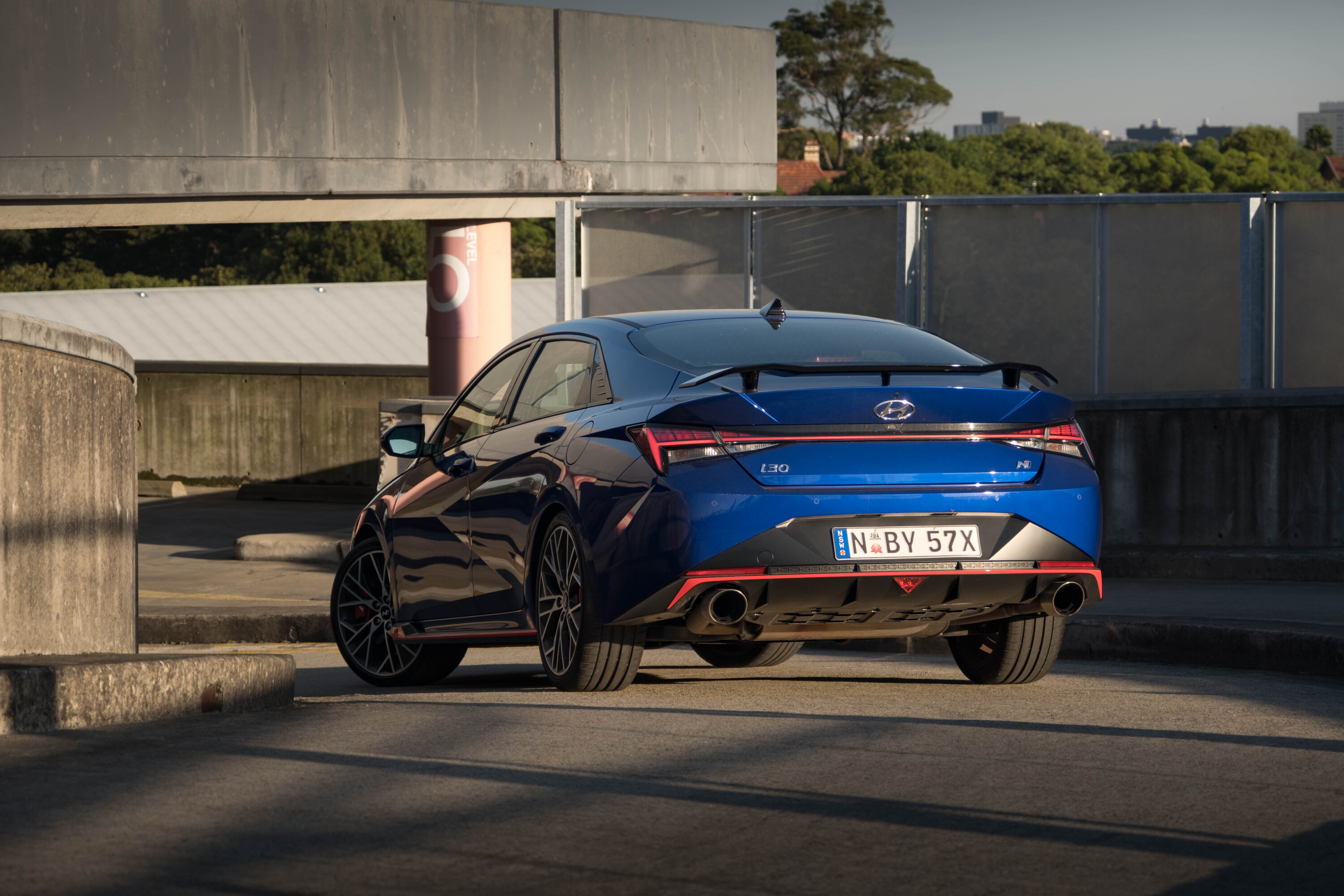
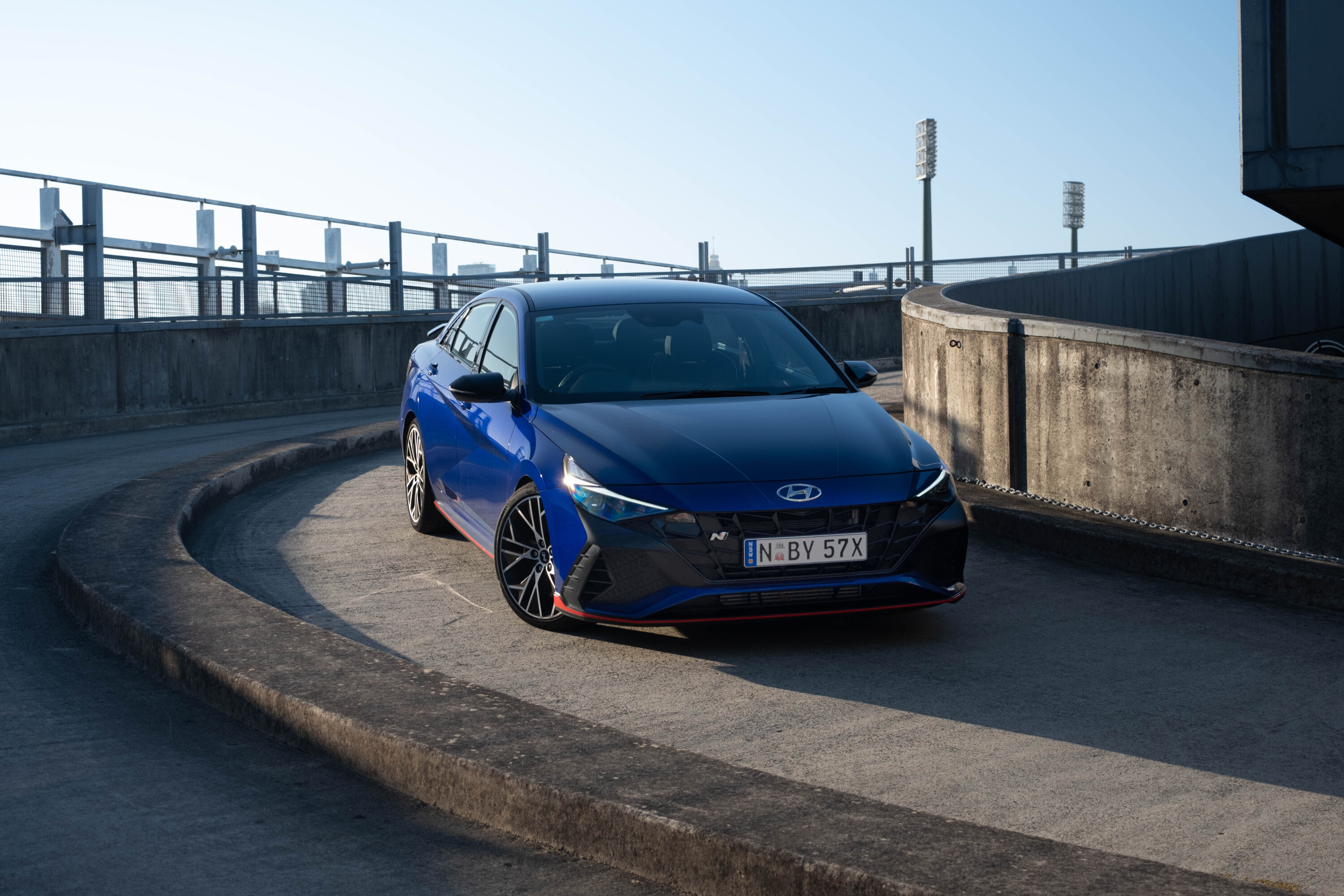
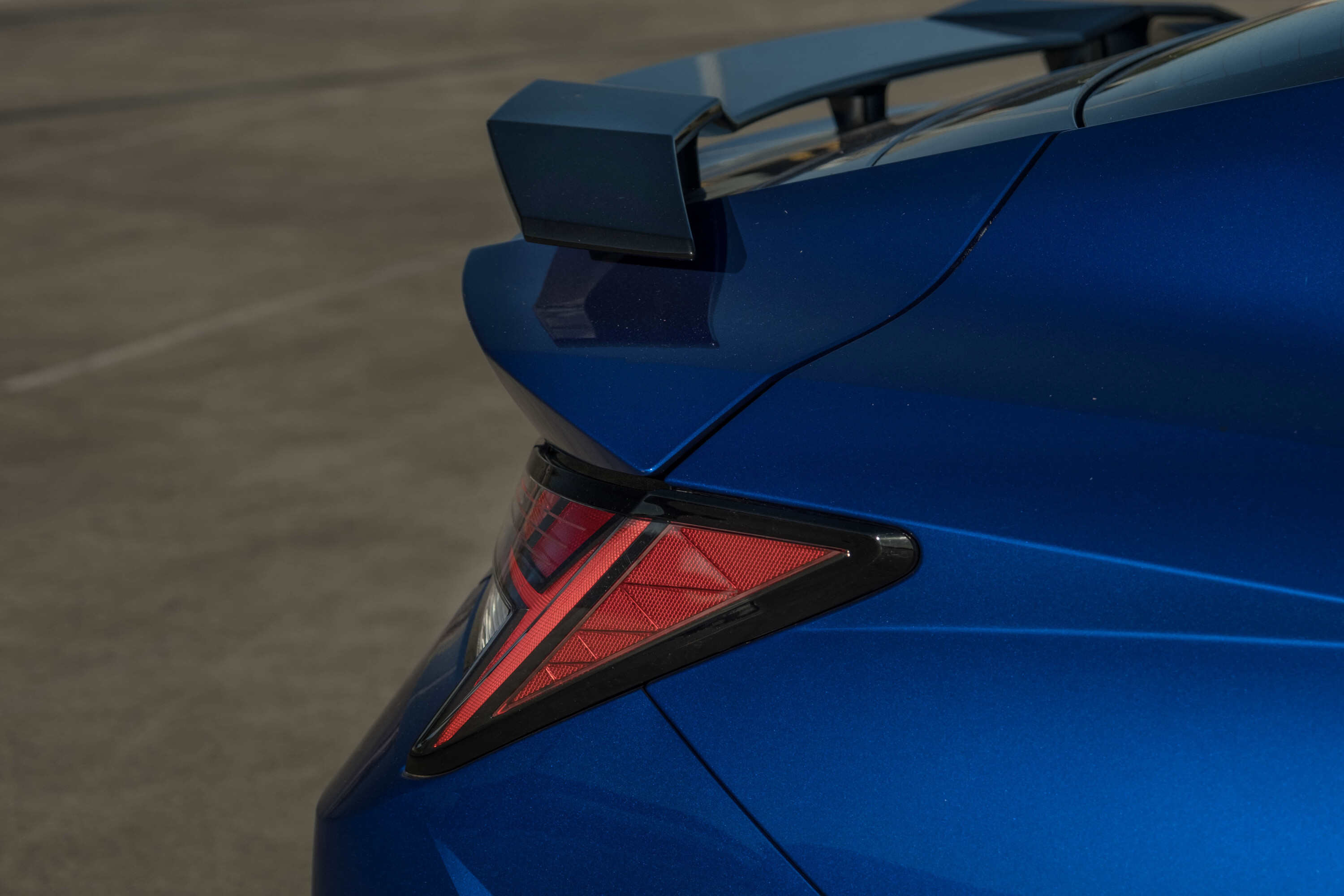
You can, however, buy a Hyundai i30 Sedan that will get a few murmurs going. For a start, it looks amazing. Designer Luc Donckerwolke brought his set square with him from Lamborghini and showed his Korean charges how to make cars look really fast standing still, even in sedan form. Step up to the N-Line and it’s got a 1.6-litre turbo-petrol that makes it go moderately briskly.
But you want a proper wow. You want something that pops and bangs and is a bit anti-social when you press the right buttons. You want one that you can fight a little bit in the corners or one you can take to a track and not be embarrassed – without an eye-watering price tag.
Maybe the i30 Sedan N is for you.
1
JUMP AHEAD
- How much is it, and what do you get?
- How do rivals compare on value?
- Interior comfort, space and storage
- What is it like to drive?
- How much fuel does it use?
- How safe is it?
- Warranty and running costs
- VERDICT
- Specifications
How much is it, and what do you get?
The i30 Sedan N starts at $50,200, a modest increase on the $49,000 it commanded at launch (both before on-road costs).
It’s more expensive than the hatch but you get more for your money, quite literally, as it’s a markedly bigger car.
1
| 2023 Hyundai i30 Sedan N standard features | |
|---|---|
| 10.25-inch digital dashboard | Gesture control boot release |
| 10.25-inch touchscreen | Heated and ventilated passenger seat |
| 19-inch alloys | Imitation leather and suede seats |
| 8-speaker stereo | Keyless entry and start |
| Adaptive damping | Launch control |
| Auto LED headlights | Powered, heated and ventilated drivers seat |
| Auto wipers | Remote start |
| Cruise control | Satellite navigation |
| DAB+ digital radio | Space-saver spare |
| Dual-zone climate control | Wired Apple CarPlay & Android Auto |
The best colour for an i30 Sedan N – in my humble opinion – is Performance Blue and it’s free. Atlas White is too, but the five remaining colours, including the rather arresting Intense Blue of this test car, are $595, which isn’t too bad.
Apart from paint, the only factory option is a $2000 sunroof.
Your dealer will sell you lightweight 19-inch OZ alloys ($3650) or performance brake pads ($369/$249) to go with the rest of the usual assortment of roof racks, mats and whatever else your dad fits to a sedan.
1
How do rivals compare on value?
Small performance sedans are incredibly thin on the ground in Australia. Actually, they’re thin on the ground in the whole world.
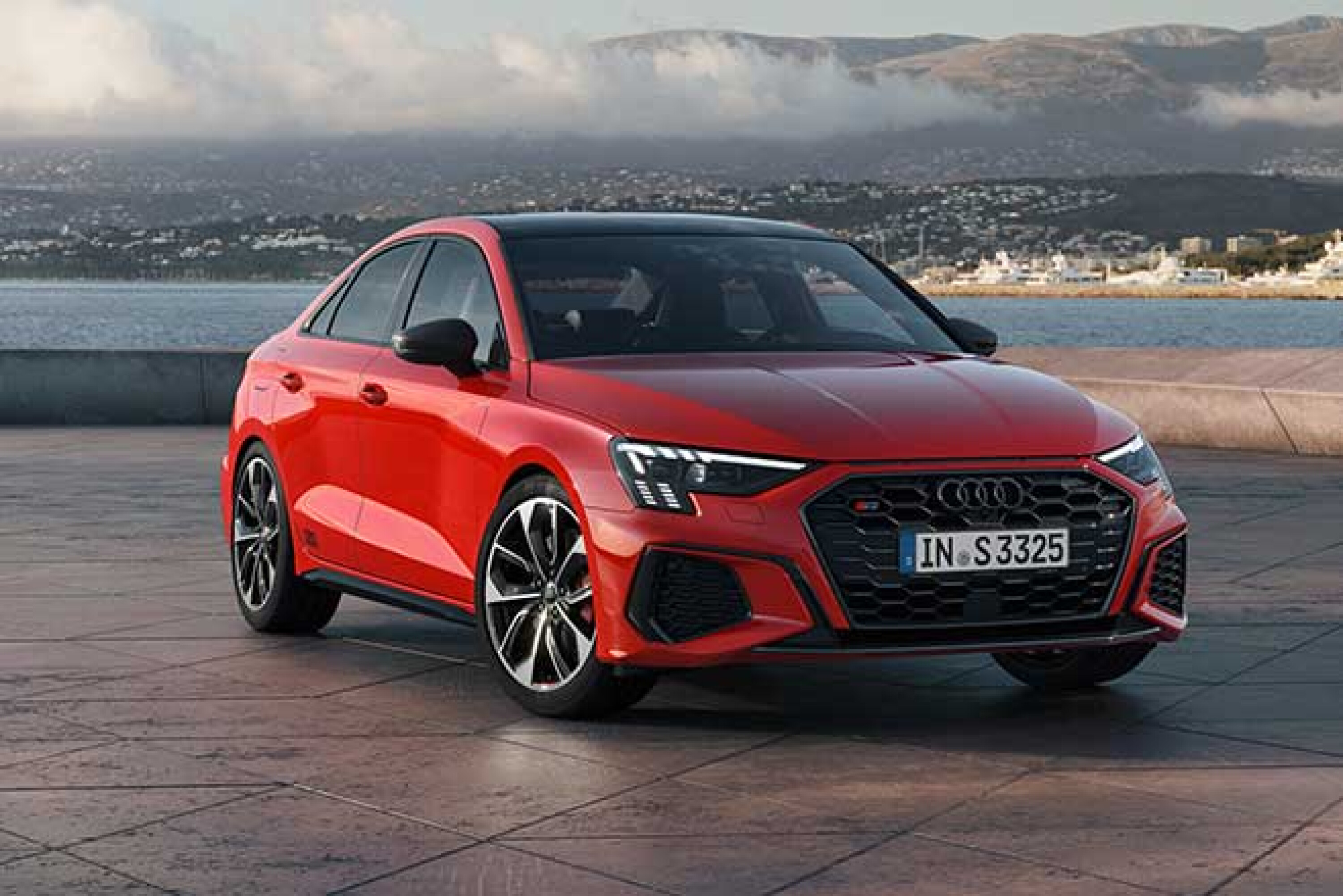
So, basically, the closest thing to a Hyundai i30 Sedan N is probably the Audi S3 sedan, which is more than $73,000. There is much to commend the S3 but it’s not $50K and not that much quicker for the extra outlay. A bit more sober looking, though.
1
Interior comfort, space and storage
As if to hammer home that the sedan is different to the hatch, owners of the latter i30 would, at first glance, not recognise much about the interior.
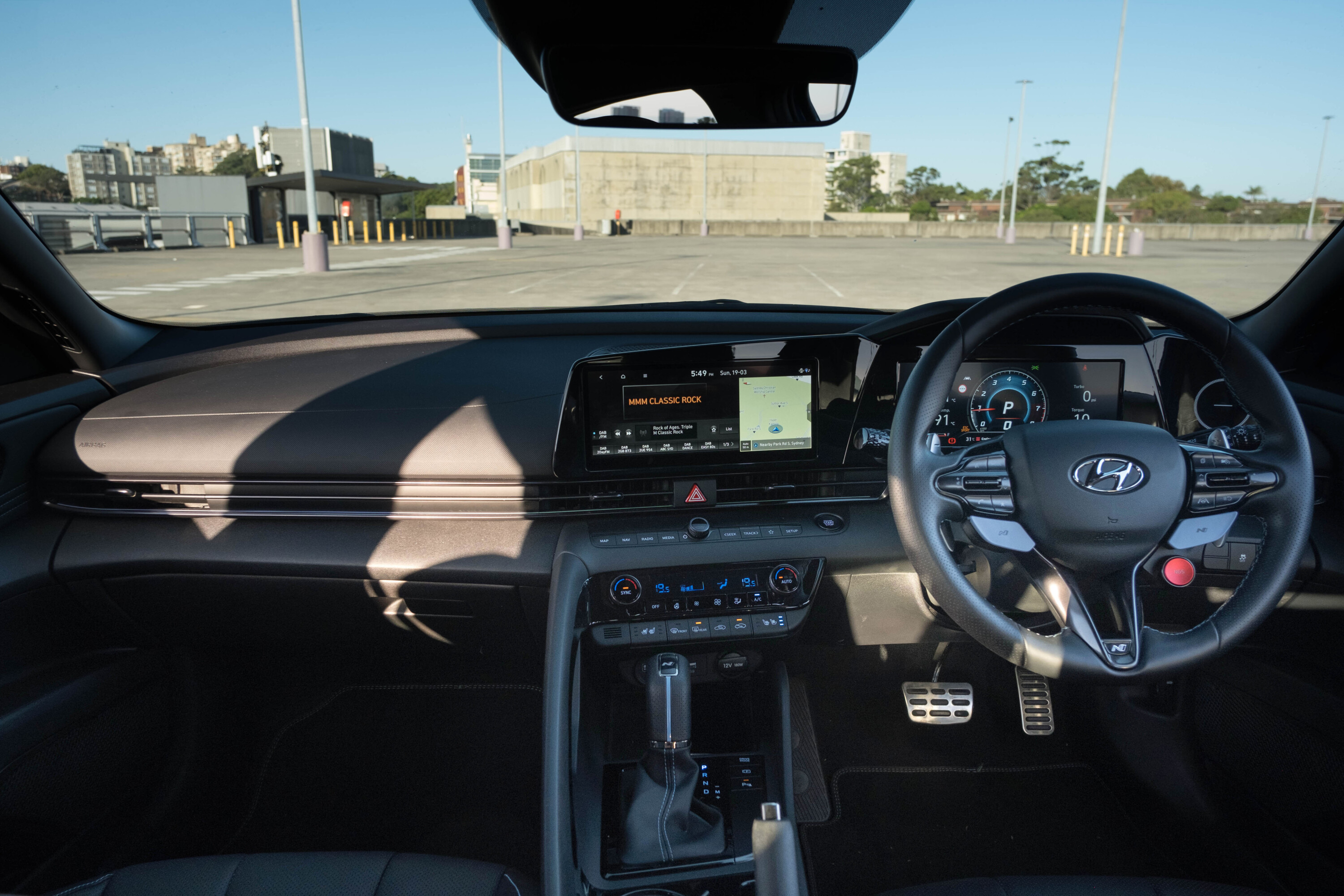
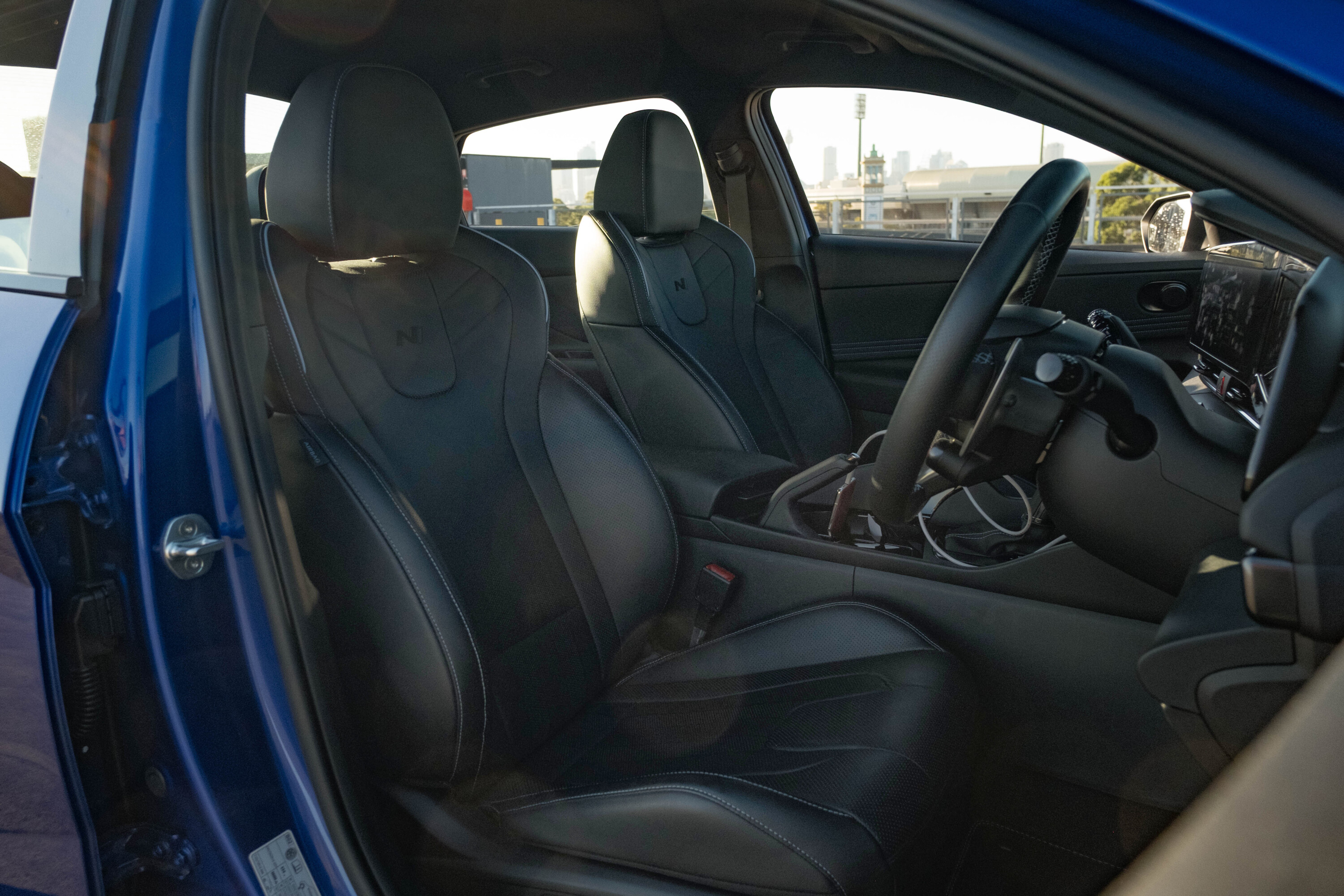
Like the exterior, it’s a little more adventurous and, as you’re only able to get the Premium spec in the sedan, is at its best with two big screens spread across the dash rather than the dinky screen adrift in a plastic panel of the lower-spec models.
It’s a bit monochrome but if you’ve seen the two-tone of the non-performance mid-spec i30 sedans, you’re probably not going to be too fussed.
1
The blue stitching on the seats is cool and the car I had featured fake suede inserts, which is nicer than the leather. You’ll find N logos scattered around the cabin too. The front seats are very comfortable and have heating and cooling. The cooling was very handy in Sydney’s late summer burst of Singapore-style sweatiness.
A pair of cup holders, a wireless phone charger and a modestly-sized console bin look after your various storage needs, while the doors feature long pockets and a bottle holder.
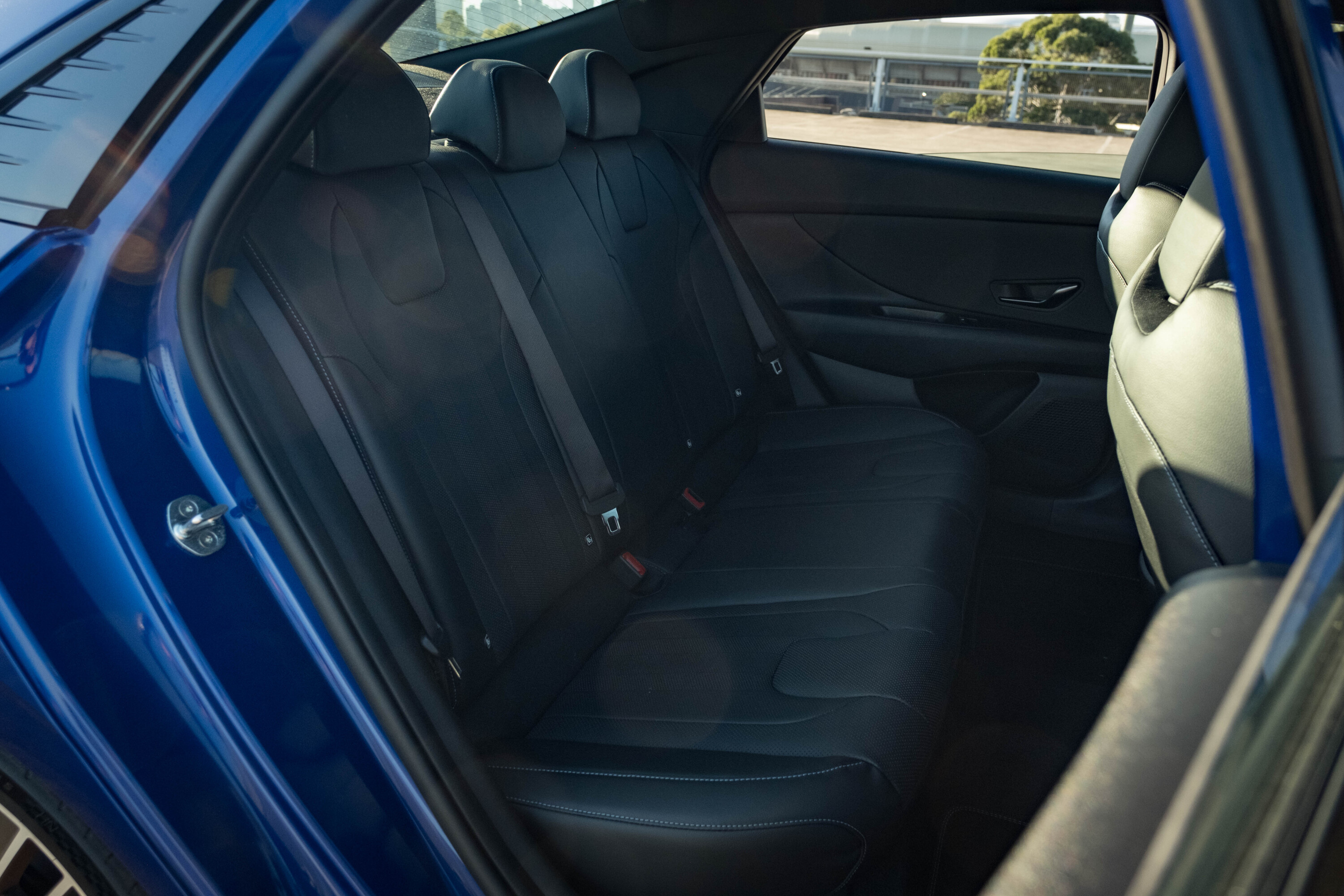
Moving to the rear, there’s more headroom than the racy angles of roof and glass suggest while rolling on a longer wheelbase means much-improved room over the i30 Hatch and, if you’re cross-shopping with the Kona N, better than that too.
1
There is no centre rear armrest, so no cup holders but the doors have a bottle holder each and you get air vents back here too. The rear bench isn’t the shapeliest of spaces, so you will get three across at a pinch. That might help with side support if the driver is a little enthusiastic but two-up you’ll need to hang on tight.
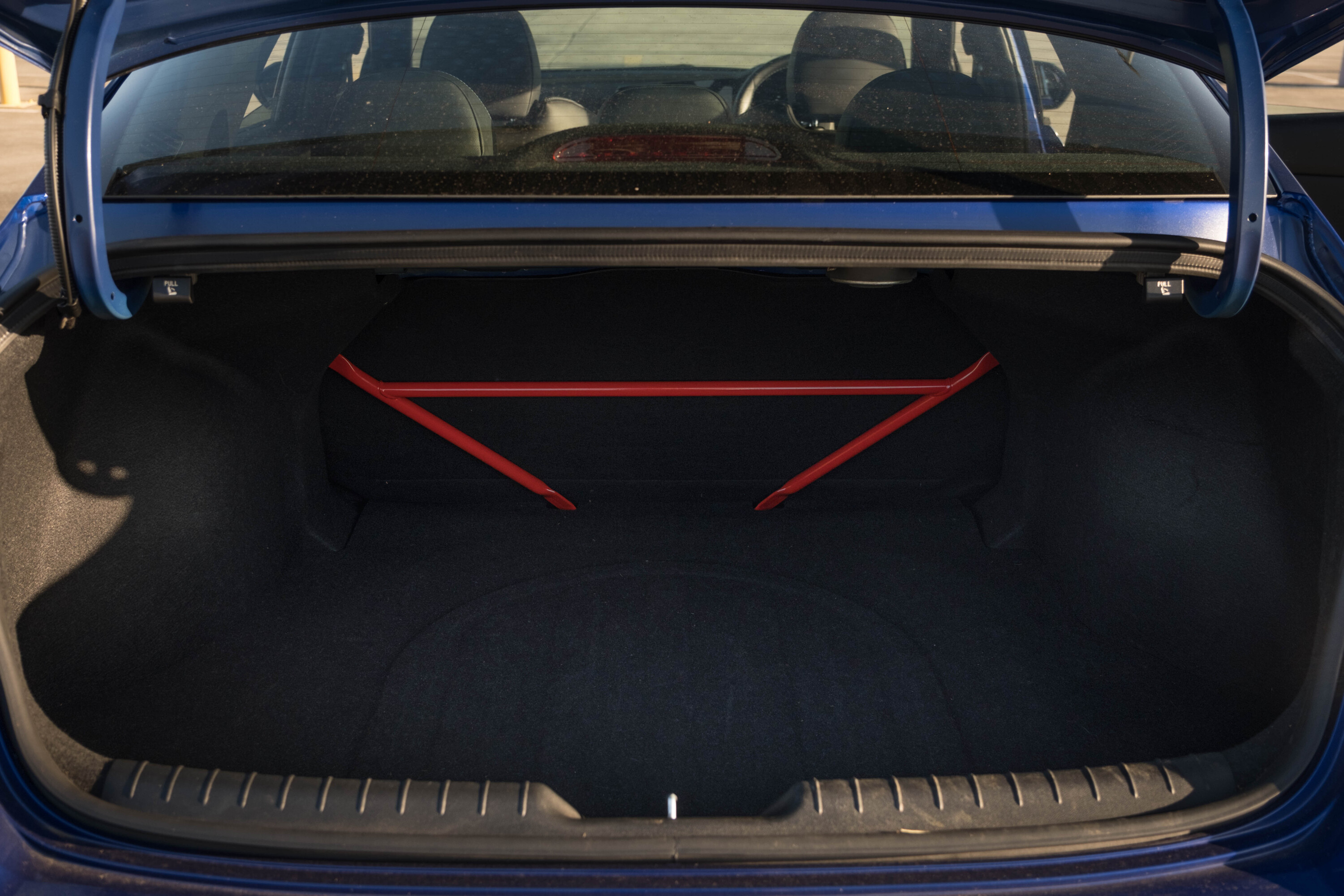
Although the boot isn’t gigantic, it comfortably wallops the i30 hatch with 474 litres. The brace behind the seat negates any advantage in folding them down unless you’re carrying long thin items but you will be exempt from Ikea runs, which is worth the price of admission itself.
1
What is it like to drive?
The i30 N hatch was a bolt from the blue. Years of hype preceded it, but when it landed, it sent a shockwave through the establishment.
It certainly shook VW from its slumber and probably had a pretty decent hand in the demise of the Renaultsport Megane. None of those cars were slouches, but Hyundai offered a sharply-priced performance hatch with things those other cars didn’t have.
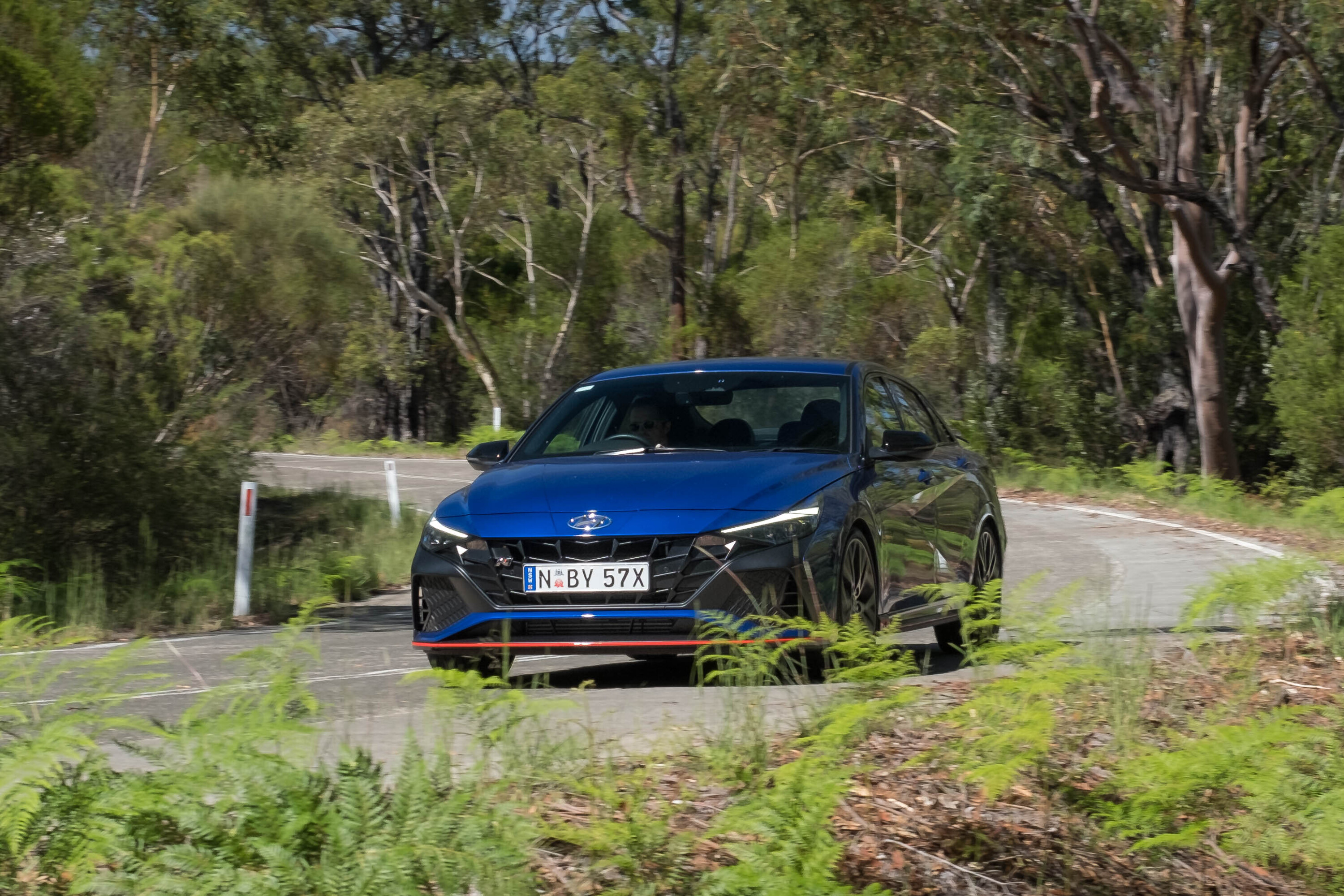
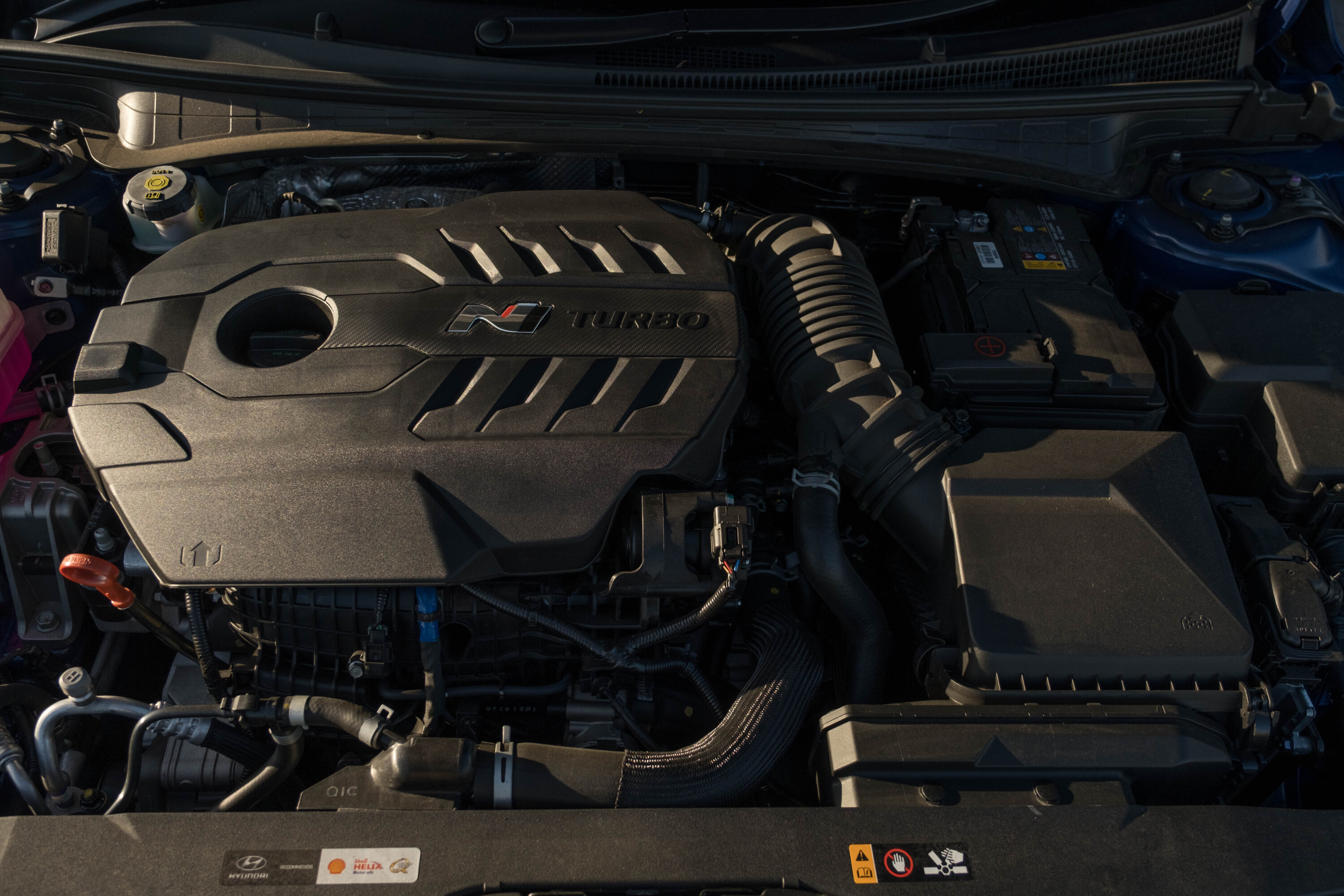
The Sedan N came a couple of years later with a few minor tweaks to the formula. Well, I say minor, but it runs on a longer wheelbase with a newer ‘K3’ architecture and a new interior. So it may as well be a completely different car. (Indeed, it’s still known as Elantra everywhere else.)
1
| 2023 Hyundai i30 Sedan N drivetrain | |
|---|---|
| Engine | 2.0-litre four-cylinder turbo-petrol |
| Drive | front-wheel |
| Power | 206kW @ 5500-6000rpm |
| Torque | 392Nm @ 2100-4700rpm |
| Transmission | 8-speed dual-clutch |
The engine bay is larger, so some of the intakes and ducting have been optimised.
The K3 platform is lighter and stiffer (including that hefty brace in the boot) and even the front axle is different, which Hyundai says is WRC-derived and saves a few kilos of unsprung weight.
Except it isn’t completely different, spiritually. It has the same drivetrain – including Hyundai’s brilliant eight-speed dual-clutch which defies its genre by being almost as good as a torque converter in traffic but with all the performance advantages of the dual-clutch auto. I do like the manual transmission i30s, but I’d have the DCT in a heartbeat.
1
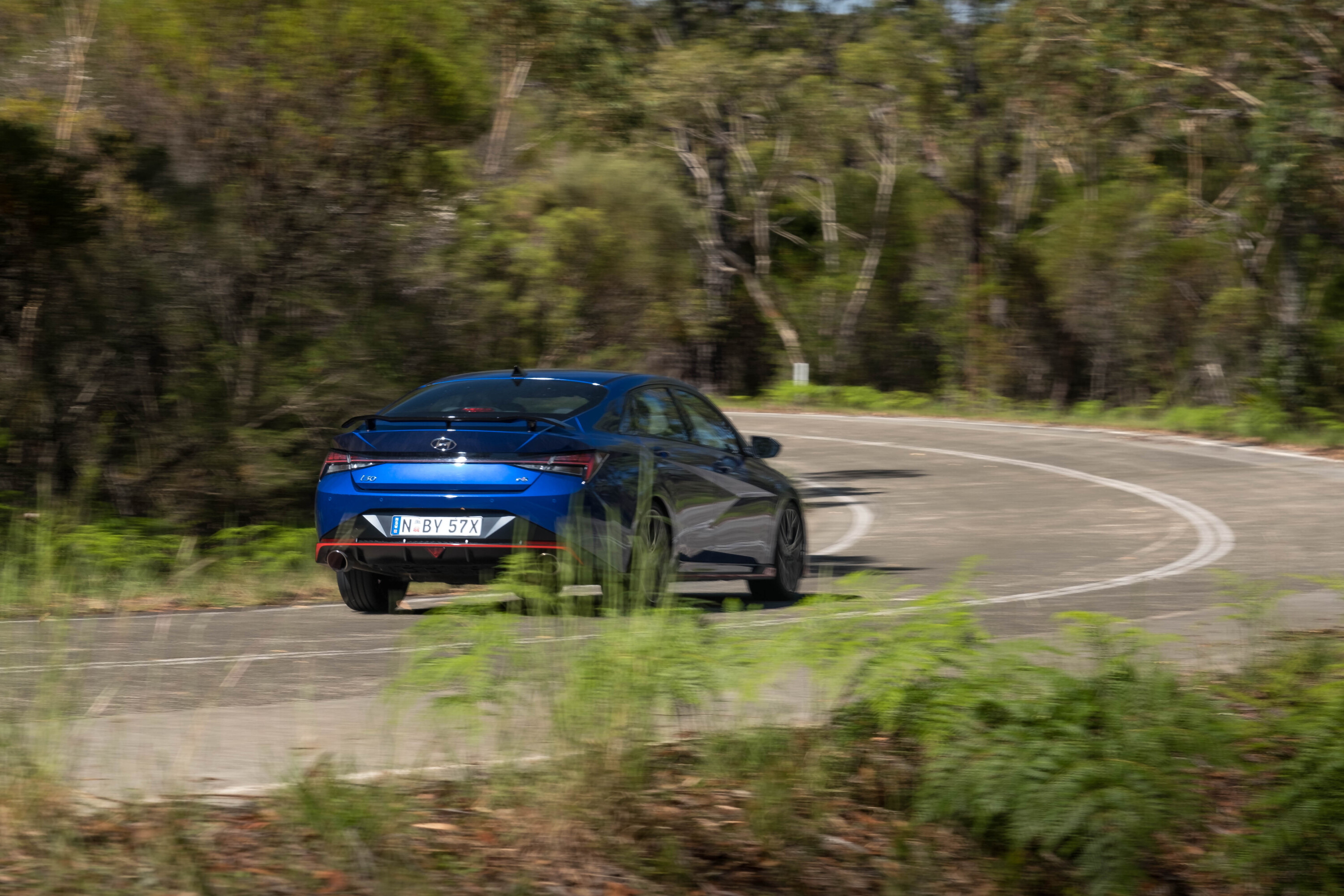
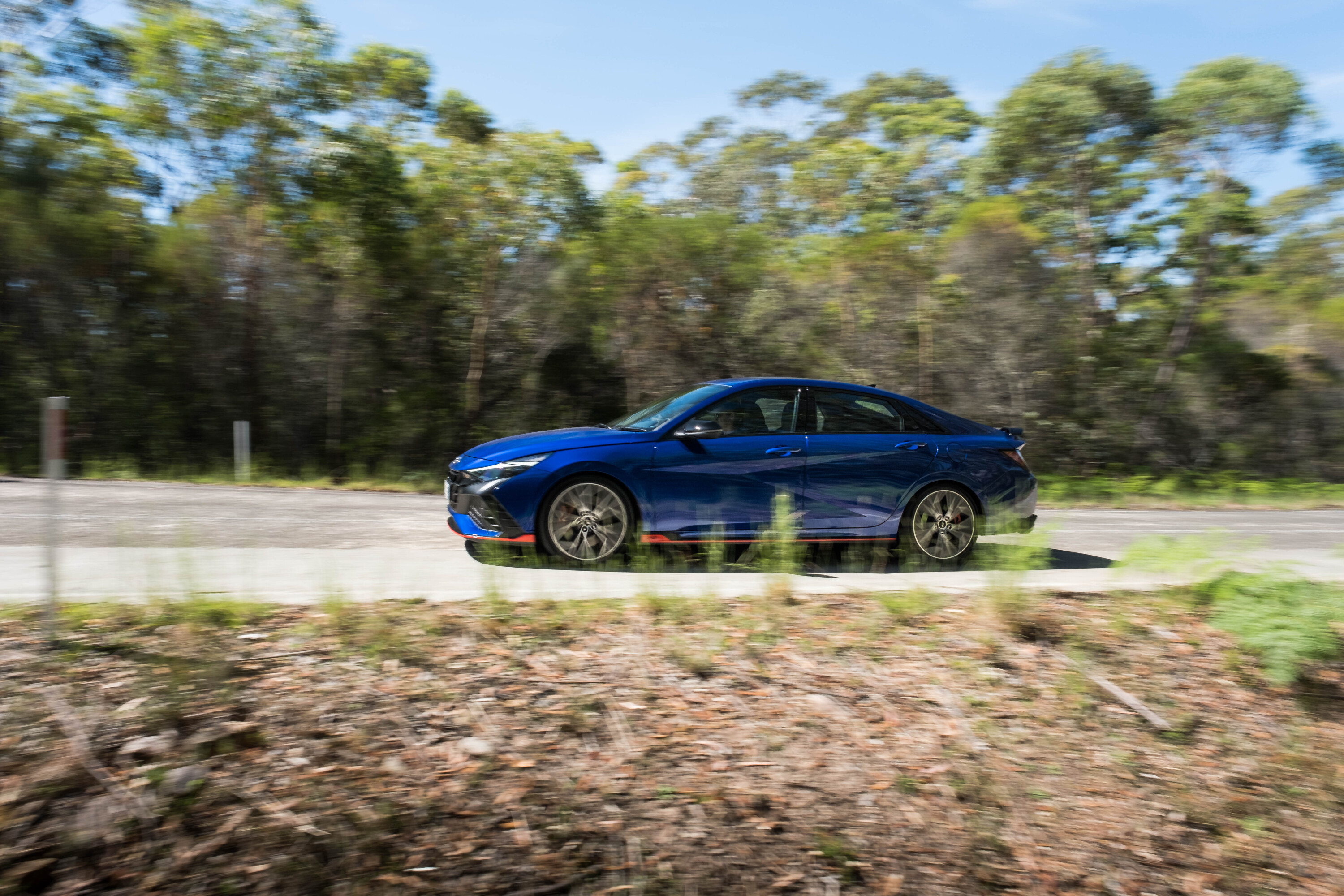
Firing down a twisting road is an absolute joy in this car.
It shifts super-fast when you want it, responding to the paddles almost instantly. The ratios aren’t spread too far apart and keep the engine on the boil. But in the suburban hustle, it’s smooth and competent and you could be driving a regular automatic i30 sedan.
Firing down a twisting road is an absolute joy in this car. The way the front end dives where you point it while the rear is actually part of the fun rather than just trailing along behind inspires confidence that the car is here to play.
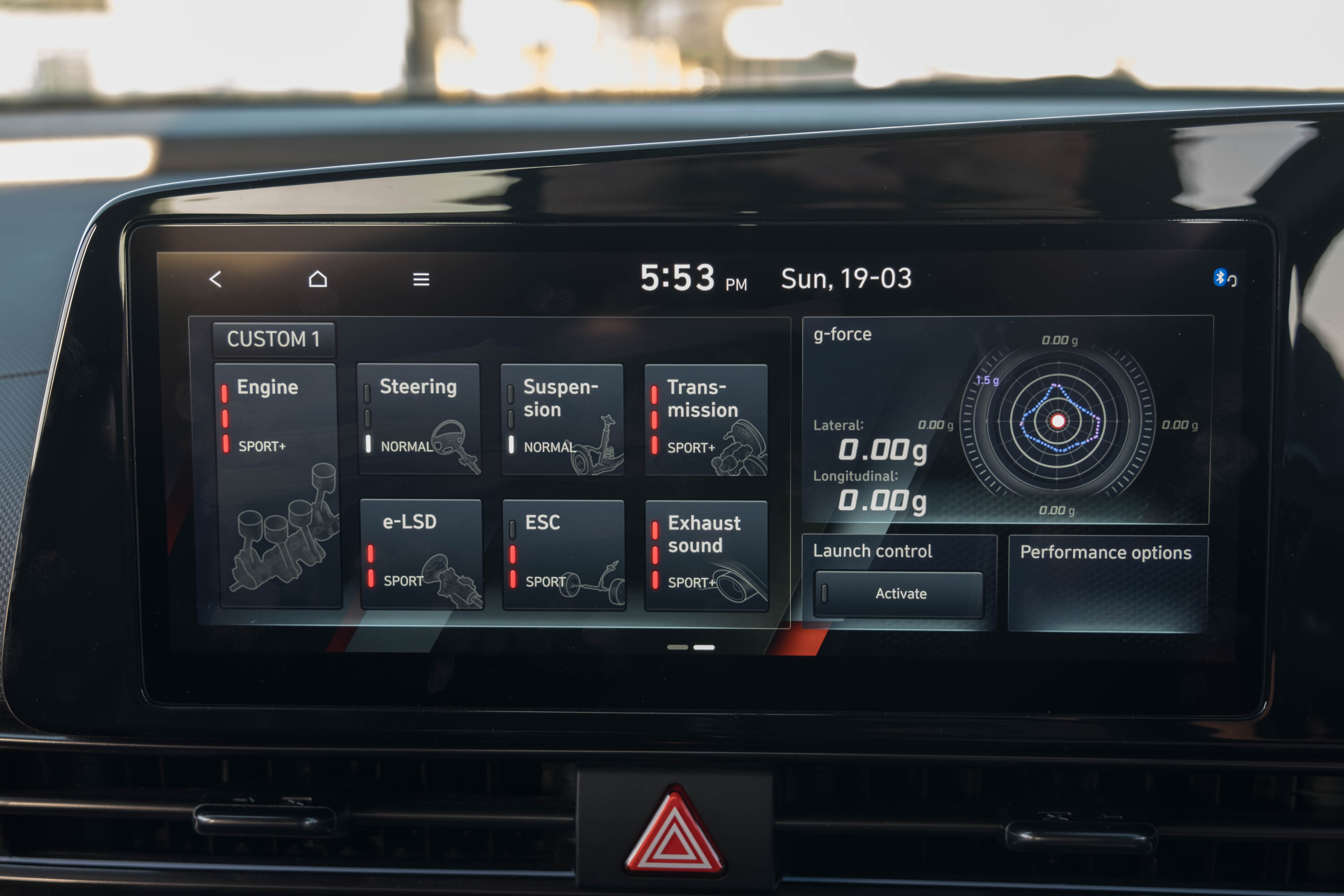
You can even choose how the car sounds inside via the screen – TCR? High-performance car? WRC car? Fine. It’s all piped in through the speakers and only makes a slight difference, but you still get some quality crackle out of the tailpipes no matter which you choose.
1
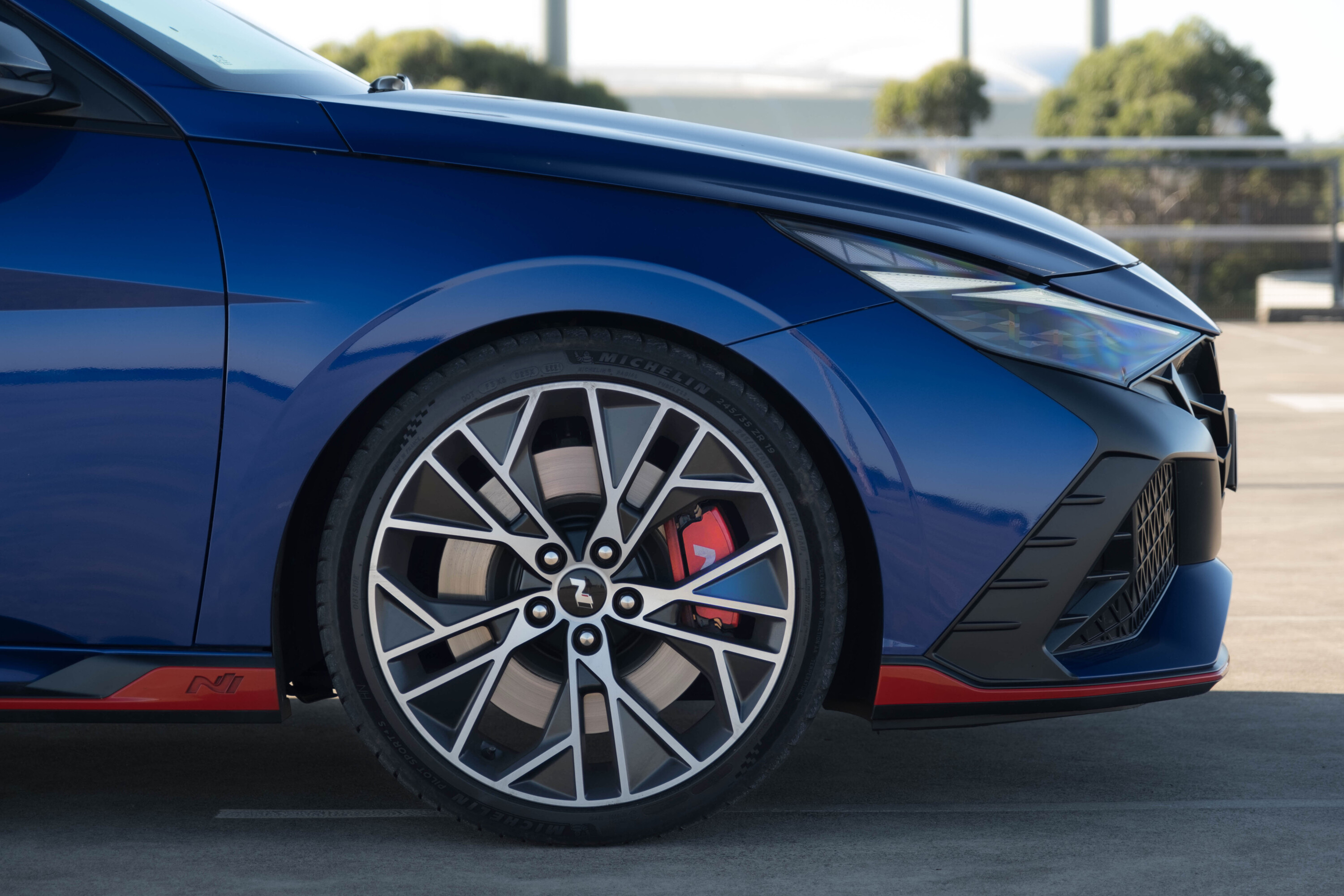
Hyundai specifies the Sedan N with Michelin Pilot Sport 4S tyres, which enthusiasts swear make a difference over the hatch’s Pirelli P Zero rubber.
The Michelins are possibly a mite quieter but they seem to handle the engine’s torque a little better than the tramp-prone hatch. It’s a combination of things, but the tyres are certainly up to the job.
They took a pounding at the launch at Sydney Motorsport Park and were still fine to drive home. This car was fresh from a weekend at The Bend and there was still plenty of grip on offer.
Having spent a week on the road doing normal stuff as well as a day on track at its launch, I really appreciated how big an impact the mechanical limited-slip differential has on the way the car behaves.
The N-Line is delightfully unruly with its open diff but the way the N tames its front end and gives you the confidence to pile into corners at speed – or, in more mundane situations, stay out of trouble – is inspired.
1
It also hit home just how well-engineered this car is. While the i30 SR and its N-Line successor are fun and all that, there’s nothing like the depth that you find in the full-house N.
The extra work done to the sedan is absolutely spot-on, and I don’t think I’d change a thing about how it goes. I’m not the world’s greatest driver on the track or off it and I’d never come close to this car’s ability, but it’s so nice to know it’s there and it’s fun.
It’s also a perfectly reasonable daily. With the suspension in Comfort mode, it’s still quite firm and the steering weighty, but you can drive it all day and not feel like you’ve done ten rounds unlike, say, the absolutely brilliant but not very livable Renaultsport Megane (may it rest in peace).
If any of the terms in this section have left you scratching your head, these articles will help bring you up to speed!
1
- What is a Powertrain or Drivetrain?
- Power vs torque
- Car suspension explained
- Automatic transmissions (‘gearboxes’) explained
- Chassis control systems explained
- Car vs Ute vs SUV: How the vehicle you buy should guide the way you drive
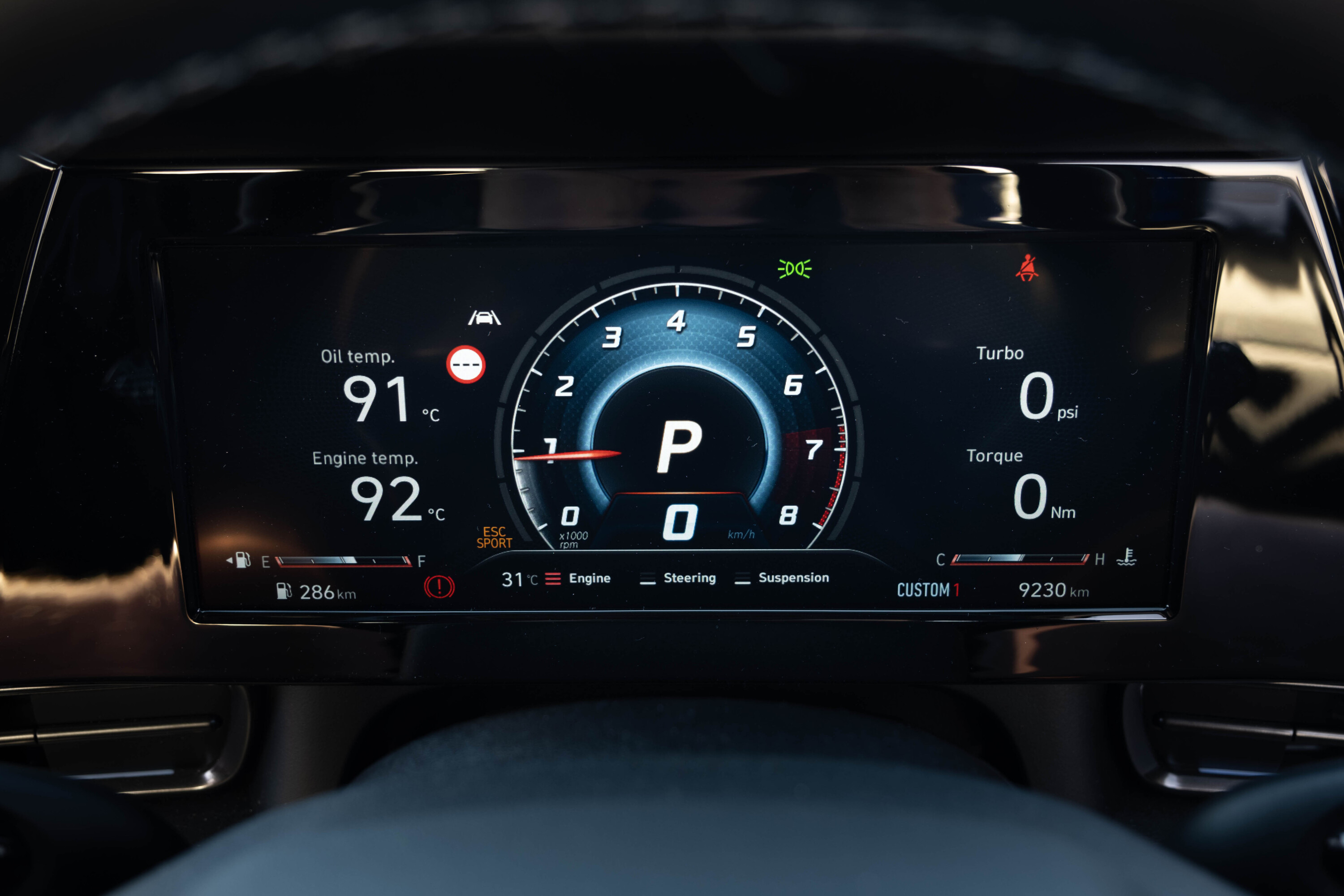
Hyundai’s ADR testing threw an 8.2L/100km on the combined cycle.
The Korean company is famously honest in its fuel testing so it was surprising to see 9.9L/100km on the dial during this test. Because I was having so much fun, I was convinced that I’d have blasted it into the 12s.
| 2023 Hyundai i30 N Sedan fuel figures | |
|---|---|
| Fuel economy (claimed) | 8.2L/100km |
| Fuel economy (trip computer) | 9.9L/100km |
| Fuel type | 95 RON |
| Fuel tank capacity | 47 litres |
While a lot of people with rolls of tin foil handy remain convinced trip computers are out by a factor of seven million, that didn’t seem likely in the circumstances and I can only assume that in normal driving this is a very thrifty car given its performance. No doubt the eighth gear helped on highway runs to and from the good bits of road.
1
How safe is it?
The i30 Sedan N doesn’t have an ANCAP rating, but it certainly has plenty of safety gear.
As the hatch is on a different platform you can’t really extrapolate those findings. However, in 2021 the US-based IIHS awarded the Elantra – which is similar if not identical to the Australian market i30 sedan – a Top Safety Pick.
| 2023 Hyundai i30 Sedan N safety features | |
|---|---|
| 6 airbags | Leading vehicle departure alert |
| ABS | Reverse cross-traffic alert |
| Blind-spot monitoring | Reversing camera |
| Front & rear auto emergency braking | Safe exit warning |
| Lane follow assist | Speed sign recognition |
| Lane-keep assist | Stability and traction controls |
The forward auto emergency braking system has pedestrian and cyclist detection and works at high and low speeds.
Kids are looked after with two lots of ISOFIX points and three top-tether anchors.
MORE
ANCAP
1
Warranty and running costs
Hyundai sends you home with a five-year, unlimited-kilometre warranty plus roadside assistance.
(Almost) uniquely, you can fire this car around a race track and – so long as you’re not racing it competitively – your warranty stands. Porsche lets you do that with a GT3, but that’s ten times more expensive than an i30 N.
Servicing comes around every 12 months or 10,000km, which is a bit on the short side. These cars tend to be driven by their owners, but the interval is par for the course for turbocharged Korean and Japanese cars for some reason. You can buy three, four or five years of servicing for $1005, $1340 and $1675 respectively. That works out at about $335 or $340 per service depending on the package you choose, which isn’t actually that bad.
Weirdly, it doesn’t cost any more to pay-as-you-go, so I guess prepay is just useful for rolling up into a lease or finance deal.
1
VERDICT
The i30 N sedan is – for me, at least – the best of the small car performance trio from Hyundai.
It’s comfortable and remarkably refined for a hot sedan and can serve as anyone’s daily driver without complaint.
It also goes like stink, sounds great doing it and is incredibly well-engineered for the money, standing up to rivals like the old Civic Type R and even the Audi S3 (lack of all-wheel drive notwithstanding).
This is a characterful, hilarious-but-serious machine and bafflingly late on the scene for a brand that is pivoting to electric performance just a few years after crashing the hot hatch/sedan/SUV party.
It’s more fun than just about anything on the road at any price but remarkably cheap to own and run. Not sure what else you could ask for.
Got a bit more to spend?
MORE
Everything Hyundai
MORE
Sedan Buyers Guide
| 2023 Hyundai i30 Sedan N specifications | |
|---|---|
| Body | 4-door, 5-seat sedan |
| Drive | front-wheel |
| Engine | 2.0-litre four-cylinder turbo-petrol |
| Bore x stroke | 86 x 86mm |
| Compression | 9.5:1 |
| Power | 206kW @ 5500-6000rpm |
| Torque | 392Nm @ 2100-4700rpm |
| Power to weight | 139kW/tonne |
| Transmission | 8-speed dual-clutch |
| Weight | 1480kg |
| Suspension | MacPherson struts, coil springs, adaptive dampers (f), multi-links, coil springs, adaptive dampers (r) |
| L/W/H | 4675/1825/1415mm |
| Wheelbase | 2720mm |
| Tracks | 1584mm front, 1579mm rear |
| Steering | electrically assisted rack-and-pinion |
| Brakes | 360mm ventilated discs front, 314mm ventilated discs rear |
| Wheels | 19.0 x 8.0-inch (front/rear) |
| Tyres | 245/35 ZR19 (front/rear), Michelin Pilot Sport 4S |
| Price | $50,200 + on-road costs |
Commanding a price of $43,690 for the 2.4-litre DiD GLX-R double cab ute 4×4 variant, the Triton GLX-R blends the toughness of a tourer with the features of a modern SUV.
Its 2.4-litre diesel powertrain remains a trusted workhorse, perfect for exploring and discovering remote campsites or ferrying tools to the worksite.
Pricing and features
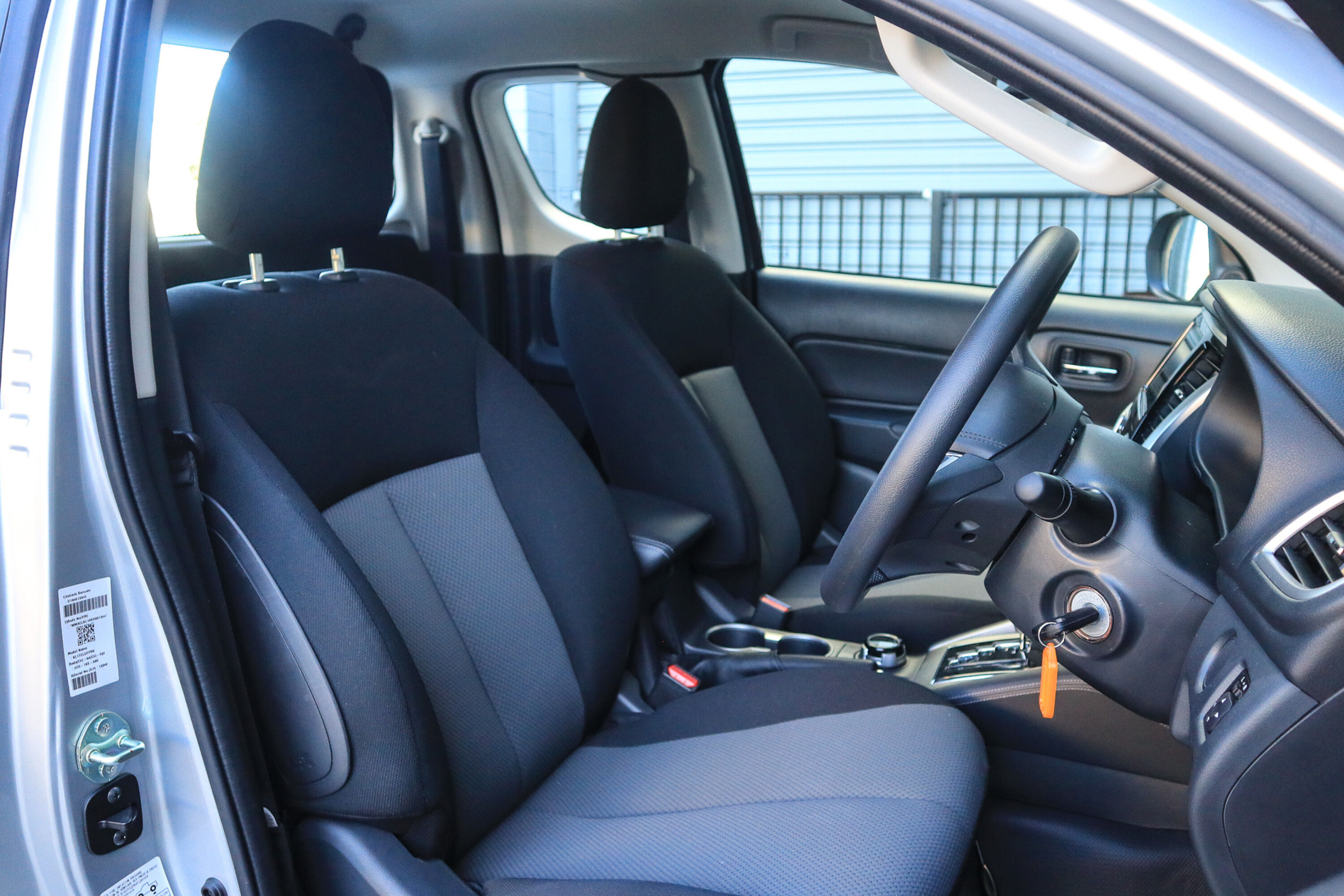
Sitting above the base GLX in the Triton range, the GLX-R – available in 4×2 and 4×4 configuration – presents an impressive array of features that justify its price tag including a seven-inch touchscreen infotainment system that’s compatible with Android Auto and Apple CarPlay, 18-inch black alloy wheels, carpet flooring, chrome and black design touches, and a leather-bound gearshit and steering wheel.
Practicality and comfort aren’t compromised with the inclusion of rear air vents and a tilt and telescopic steering wheel. A rear differential lock and Mitsubishi’s Super Select II 4WD system also come standard on 4×4 models, making it a competent performer off the beaten track.
1
Safety
The Triton GLX-R is well-equipped with a speed limiter, Emergency Stop Signal function, Emergency Brake Assist, Hill Start Assist, Active Stability Control, Trailer Stability Assist, Active Traction Control, ABS and EBD.
The Triton received a five-star ANCAP safety rating in 2015, but models built from January 2023 are officially classified as unrated.
Key rivals
Make no mistake, the Triton GLX-R is in the thick of the fight in the dual-cab ute segment:
Should I put it on my shortlist?
The 2023 Mitsubishi Triton GLX-R, with its blend of capabilities, features and value, definitely warrants consideration. While it may not be the flashiest or most powerful ute in its class, it strikes a commendable balance between affordability and performance.
The SX is the entry-level variant in the 2023 Isuzu D-MAX range, offering a balance of reliability and affordability.
With the choice of either a 1.9-litre or stronger 3.0-litre turbo diesel engine and a variety of body styles, it’s a versatile ute that caters to a wide range of needs.
Pricing and features
The SX variant comes in a variety of body configurations, as well as 4×2 and 4×4 versions, with prices ranging from $32,200 for the 1.9 SX Cab Chassis, to $52,200 for the 3.0 SX Crew Cab 4WD Auto.
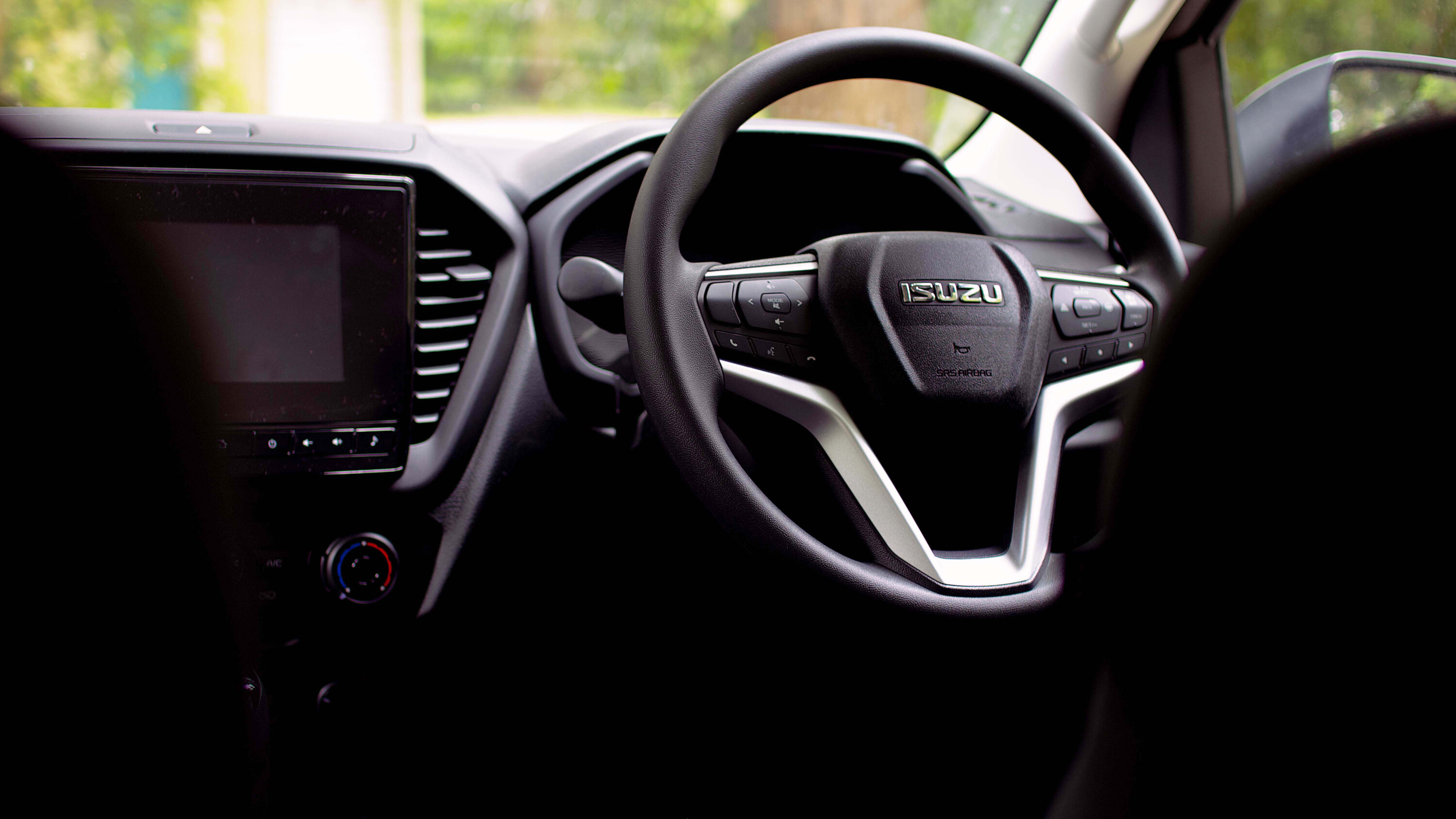
SX features include a seven-inch touchscreen audio system, 17-inch steel wheels, vinyl flooring, a reversing camera, cloth seating, tailgate assist, and a rear diff lock on 4×4 models.
With a variety of body styles and drivetrain configurations, the SX is an option for both city driving and off-road use, making it a versatile choice for both personal and commercial purposes.
4
| Version | Price | Drivetrain | Fuel | Power | Transmission | Seats | Doors | powerkw |
|---|---|---|---|---|---|---|---|---|
| 3.0 SX Space Cab Chassis 4WD Auto | $47,700 | 4×4 | Diesel | 140 kW | Auto | 4 | 4 | 140 |
| 3.0 SX Cab Chassis 4WD Auto | $44,200 | 4×4 | Diesel | 140 kW | Auto | 2 | 2 | 140 |
| 3.0 SX Crew Cab Cab Chassis 4WD Auto | $50,700 | 4×4 | Diesel | 140 kW | Auto | 5 | 4 | 140 |
| 3.0 SX Cab Chassis | $34,200 | Rear | Diesel | 140 kW | Manual | 2 | 2 | 140 |
| 3.0 SX Cab Chassis 4WD | $42,200 | 4×4 | Diesel | 140 kW | Manual | 2 | 2 | 140 |
| 3.0 SX Crew Cab Cab Chassis 4WD | $48,700 | 4×4 | Diesel | 140 kW | Manual | 5 | 4 | 140 |
| 3.0 SX Crew Cab Cab Chassis Hi-Ride Auto | $42,700 | Rear | Diesel | 140 kW | Auto | 5 | 4 | 140 |
| 3.0 SX Crew Cab 4WD Auto | $52,200 | 4×4 | Diesel | 140 kW | Auto | 5 | 4 | 140 |
| 3.0 SX Crew Cab Auto Hi-Ride | $44,200 | Rear | Diesel | 140 kW | Auto | 5 | 4 | 140 |
| 1.9 SX Cab Chassis | $32,200 | Rear | Diesel | 110 kW | Manual | 2 | 2 | 110 |
| 1.9 SX Cab Chassis Auto | $34,200 | Rear | Diesel | 110 kW | Auto | 2 | 2 | 110 |
| 3.0 SX Space Cab Chassis Auto | $39,700 | Rear | Diesel | 140 kW | Auto | 2 | 2 | 140 |
| 1.9 SX Crew Cab Cab Chassis Auto | $40,700 | Rear | Diesel | 110 kW | Auto | 5 | 4 | 110 |
| 1.9 SX Crew Cab Auto | $42,200 | Rear | Diesel | 110 kW | Auto | 5 | 4 | 110 |
| 1.9 SX Crew Cab 4WD Auto | $50,200 | 4×4 | Diesel | 110 kW | Auto | 5 | 4 | 110 |
Safety
The D-MAX SX comes equipped with a suite of safety features including eight airbags, Forward Collision Warning, Autonomous Emergency Braking, and Traffic Sign Recognition.
These safety features provide a secure driving experience, making the SX variant a safe choice for families and businesses alike.
In comparison to the higher variants, the SX might lack some advanced safety features but it still provides a comprehensive safety package that ensures a secure driving experience.
Key Rivals
The D-MAX SX competes with the:
The SX offers a competitive mix of reliability and affordability in the entry-level ute segment.
Should I put it on my shortlist?
The 2023 Isuzu D-MAX SX should be on your shortlist if you’re looking for a ute that offers a balance of reliability and affordability.
With a strong 3.0-litre turbo-diesel engine and a variety of body styles, it’s a versatile choice that caters to a wide range of needs.
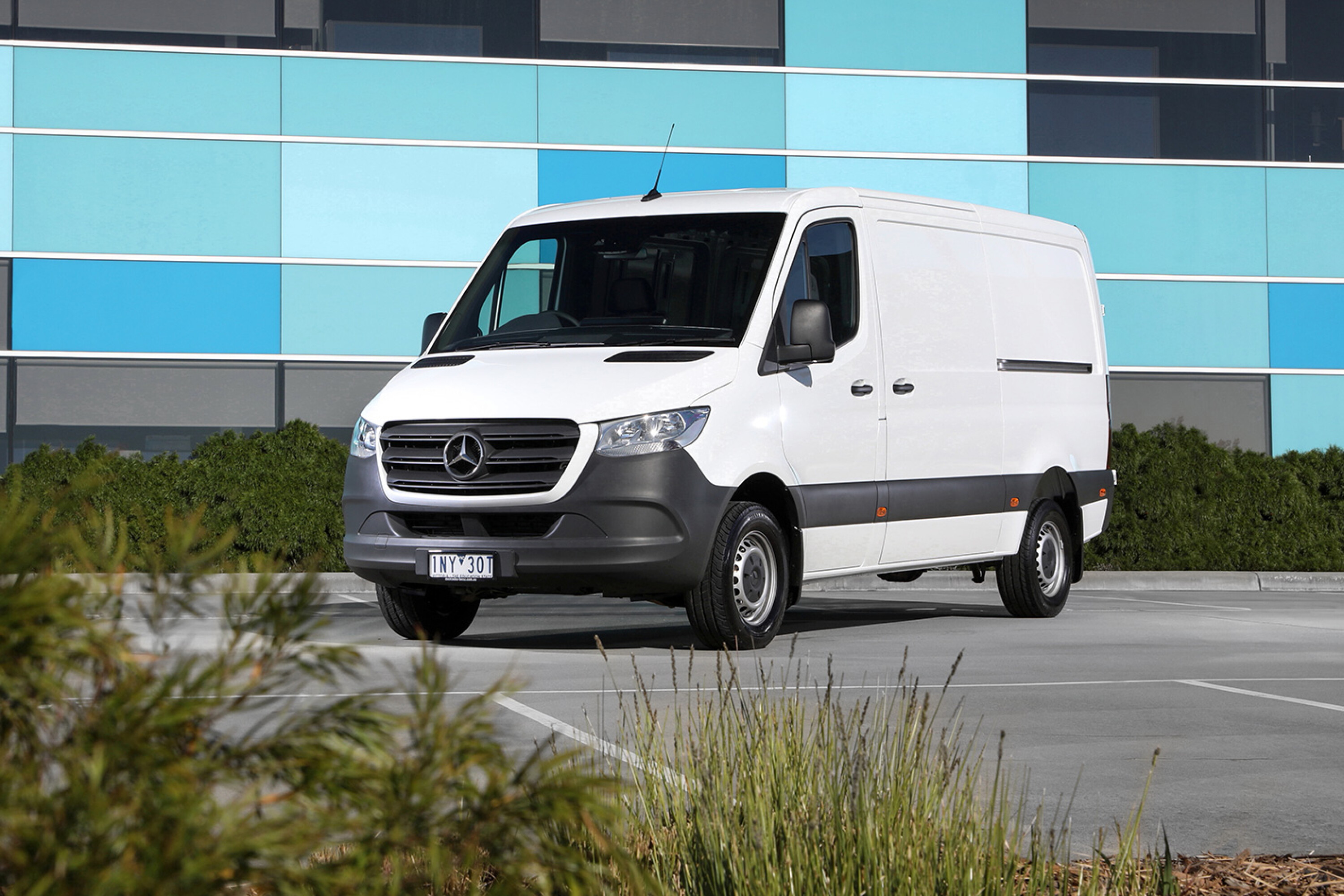
New recall notices have been issued, affecting the new Jeep Grand Cherokee, Genesis GV60, and the Mercedes-Benz Sprinter van.
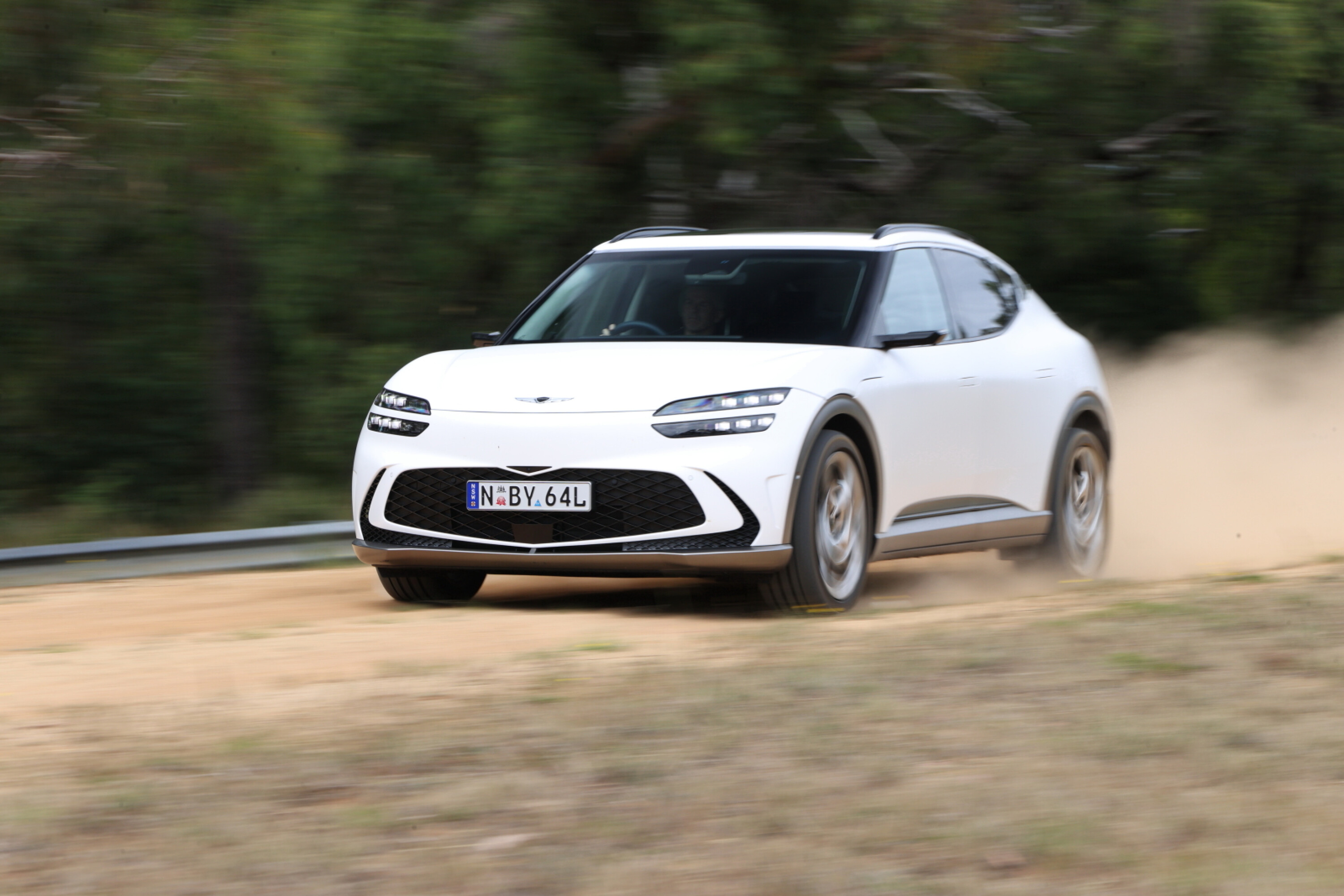
In the Grand Cherokee’s case, the recall centres around a manufacturing issue with the steering column shaft, while the rear driveshaft for the affected Genesis GV60s could fracture, resulting in a sudden reduction of motive power.
The Mercedes-Benz Sprinter recall relates to excess heat when the highest level of the air conditioning is operating, which could result in a vehicle fire.
The details of each recall, as published, are posted below.
Recall: 2021-23 Jeep Grand Cherokee
- Recall number: REC-005696
- Campaign number: 58A
- Original published date: 13 June 2023
- Year range: 2021 – 2023
- Affected units: 280
- List of affected VINs (.csv file) [↗]
- Variants: All variants within this model
What are the defects?
Due to a manufacturing issue, the steering column shaft could separate from the U-joint. This may result in a loss of steering control.
What are the hazards?
A loss of steering control could increase the risk of an accident causing injury or death to vehicle occupants and/or other road users.
What should consumers do?
Owners of affected vehicles can contact their nearest Jeep dealership to schedule an inspection and if necessary, replace the immediate shaft and assembly parts, free of charge.
Supplier details
FCA AUSTRALIA PTY LTD
Who should owners/operators contact for more information?
Stellantis Australia
- Contact phone: 1800 870 714
- Contact email: [email protected]
- Contact website: https://www.jeep.com.au/contact-us.html [↗]
\n
1
Recall: 2022-23 Genesis GV60
- Recall number: REC-005698
- Campaign number: 31D040
- Original published date: 14 June 2023
- Year range: 2022 – 2023
- Affected units: 108
- List of affected VINs (.csv file) [↗]
- Variants: All variants within this model
What are the defects?
Due to a manufacturing defect, the vehicle’s rear driveshaft may fracture resulting in a sudden reduction of motive power.
What are the hazards?
A sudden reduction of motive power while driving increases the risk of an accident, causing serious injury or death to vehicle occupants and/or other road users.
What should consumers do?
Owners of affected vehicles will be contacted directly by Genesis Motor Australia (GMA), requesting to make an appointment with their preferred authorised GMA dealership to have the work carried out, free of charge.
If vehicle owners still have queries, they can contact GMA Customer Care on 1800 908 070.
Supplier details
Hyundai Motor Company
Who should owners/operators contact for more information?
GMA Customer Care Team
- Contact phone: 1800 908 070
- Contact website: https://genesis-motors.com.au/safety-recalls/ [↗]
\n
1
Recall: 2018-19 Mercedes-Benz Sprinter
- Recall number: REC-005701
- Campaign number: RC3150
- Original published date: 15 June 2023
- Year range: 2018 – 2019
- Affected units: 5239
- List of affected VINs (.csv file) [↗]
- Variants: Sprinter Van
What are the defects?
The electrical wiring of the interior fan blower may not meet specifications and could cause excess heat when the highest level of air condition/heater is in operation. This may result in a vehicle fire.
What are the hazards?
A vehicle fire could increase the risk of an accident, causing serious injury or death to vehicle occupants, other road users and bystanders, and/or damage to property.
What should consumers do?
Owners of affected vehicles can contact their most convenient Mercedes-Benz dealership to have the work carried out as soon as possible, free of charge.
A full list of authorised dealerships can be found at www.mercedes-benz.com.au [↗]
Alternatively, please use the Mercedes-Benz online booking service.
www.mercedes-benz.com.au/servicebooking [↗]
Supplier details
MERCEDES-BENZ AUSTRALIA/PACIFIC PTY LTD
Who should owners/operators contact for more information?
Mercedes-Benz Customer Assistance Centre
- Contact phone: 1300 300 896
- Contact email: [email protected] [↗]
\n
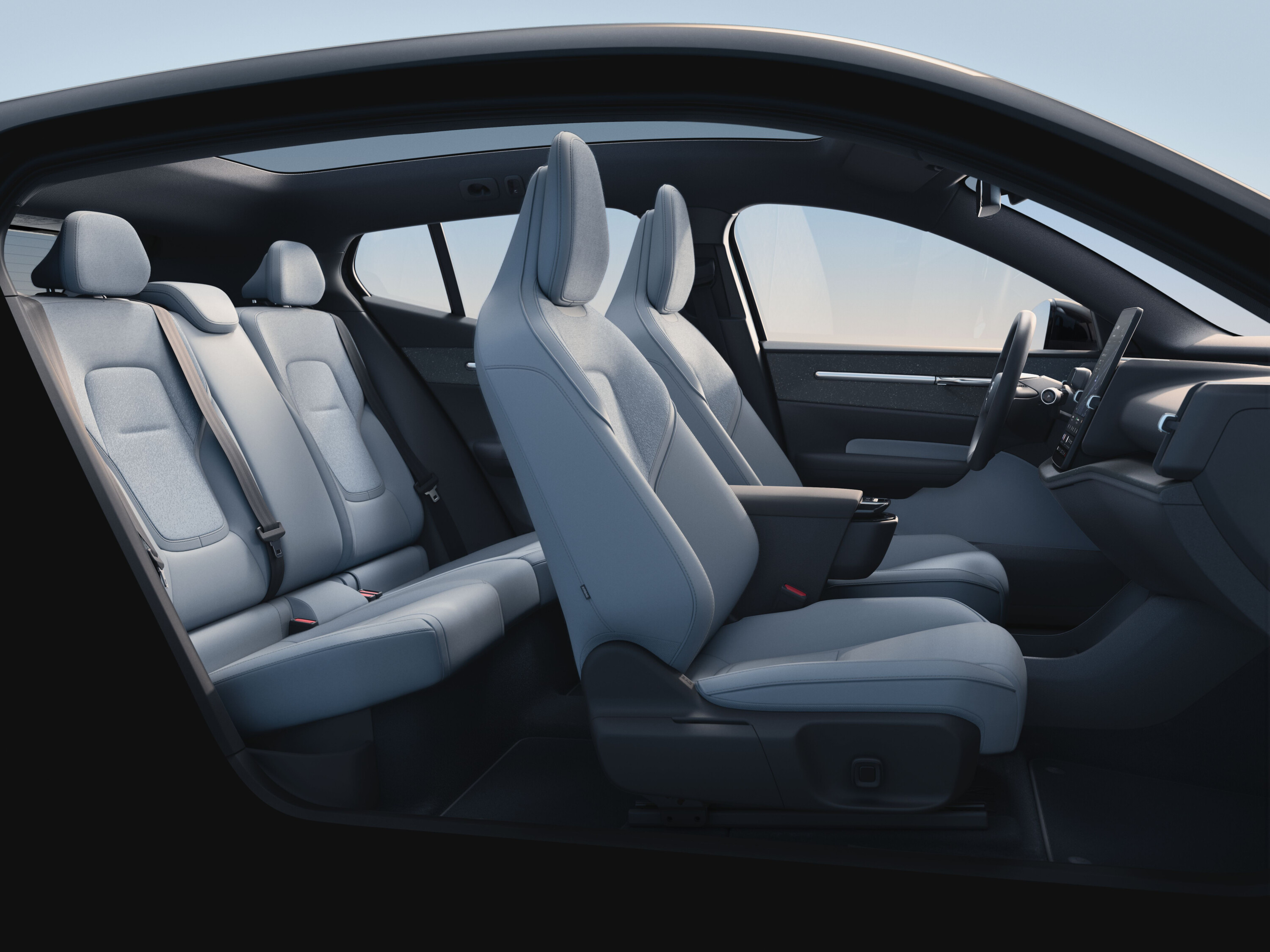
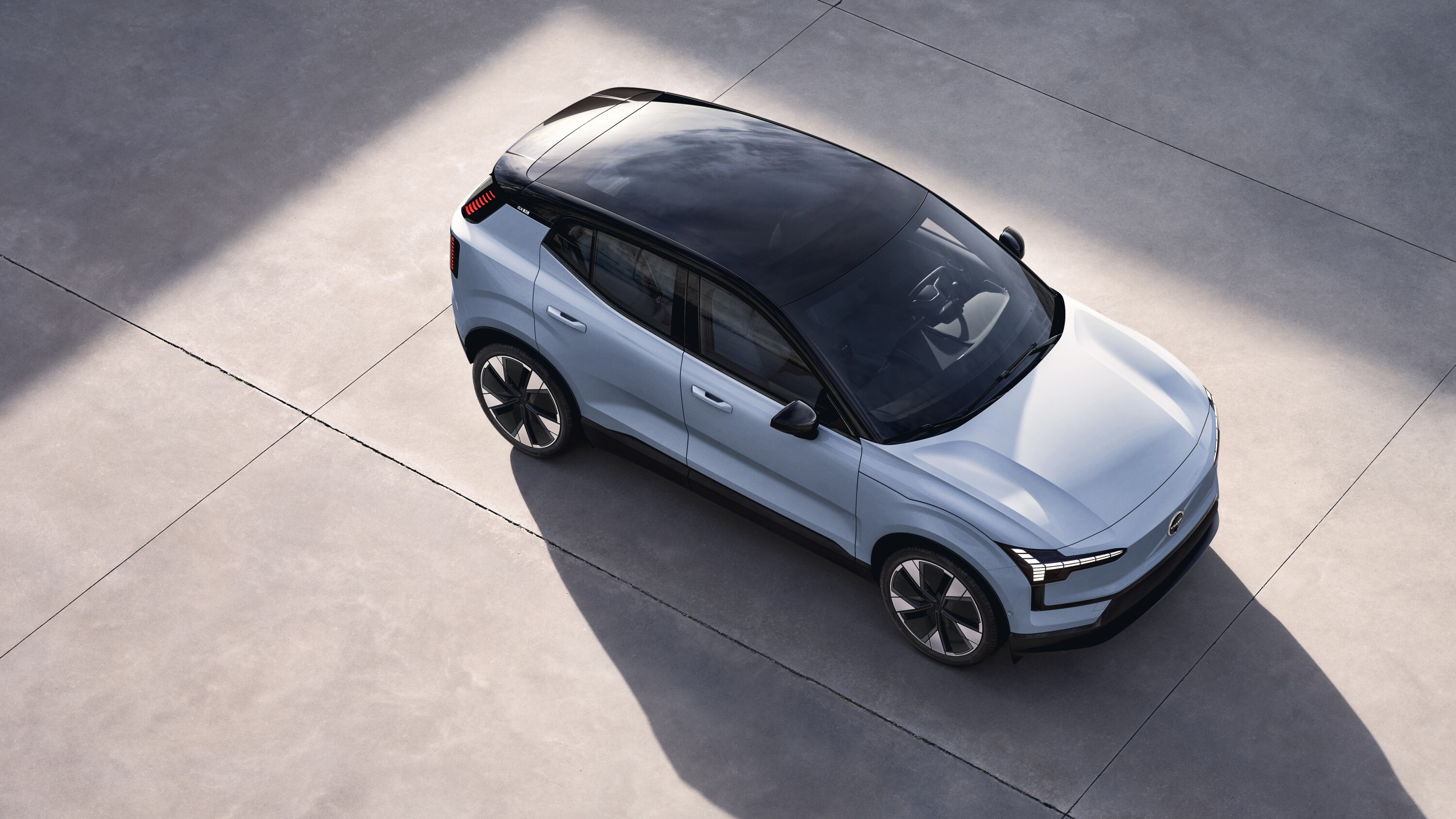
Among the Volvo EX30’s many claims – it’s the Swedes’ cheapest car as well as their quickest accelerating – perhaps most notable is its recycled content.
A grand total of 15 per cent of it is reused material. While much of that lies in its metal, flourishes like recycled jeans in its optional denim interior trim are perhaps more relatable to customers quizzing their dealer.
1
“We want to hit 25 per cent of recycled material by 2025”
“This car takes us to a new level,” says sustainability manager Anders Nyth. “But 15 per cent is not the limit – we have to go further and do more. We want to hit 25 per cent of recycled material by 2025. The challenge is both availability – high enough quality materials to suit the cars – and the innovation of how we apply it.”
Could his team ever approach a 100 per cent recycled car? “In theory, yes. Steel and aluminium we know well. Plastics have made big steps forward. Glass and rubber are more difficult, and electronics are a big challenge going forward.
1
“We have an ambition to be fully circular company by 2040.”
“We should be able to recycle our own batteries to make new cells. But we’re not there yet. The cars we build today will live for 15 years, so there’s no real volume for that yet. We’re essentially a generation behind those rewards coming in.
“Having future access to your own materials is important. We have an ambition to be fully circular company by 2040. We need to design cars today so we can recycle as much of them as possible at the end of their life.”
More EV stories to help you choose the best car for your needs
- ? EV news, reviews, advice & guides
- ❓ Short & sweet: Your EV questions answered
- ⚡ New EVs: Everything coming to Australia
- ? Australia’s EVs with the longest driving range
- ⚖️ Best-value EVs by driving range
- ? How much do EVs cost in Australia?
- ? How much more expensive are EVs?
- ⚖️ Number crunching: Is it time to switch to an EV?
- ♻ Should you buy a used EV?
- ?️ Are EVs more expensive to insure?
- ? Costs compared: Charging an EV vs fueling a car
- ? EV charging guide
- ?? EV servicing explained
- ? EV battery types explained
- ? When do EV batteries need replacing?
- ? Hydrogen v EVs: What’s best for Oz?
- ? How sustainable are EVs, really?
