
Snapshot
- Toyota reveals BZ Compact SUV
- A glimpse at future compact EV
- One of five BZ models expected
Toyota has unveiled the BZ Compact SUV prototype at the 2022 LA International Auto Show this week as a teaser of what’s to come from the brand.
The BZ Compact SUV was first teased at Toyota’s EV strategy briefing in December 2021, when the Japanese carmaker announced it would introduce 30 new EVs by 2030.
The concept here is likely to be the second electric Toyota following the BZ4X, a RAV4-sized SUV expected to hit Australian shores mid-next year.
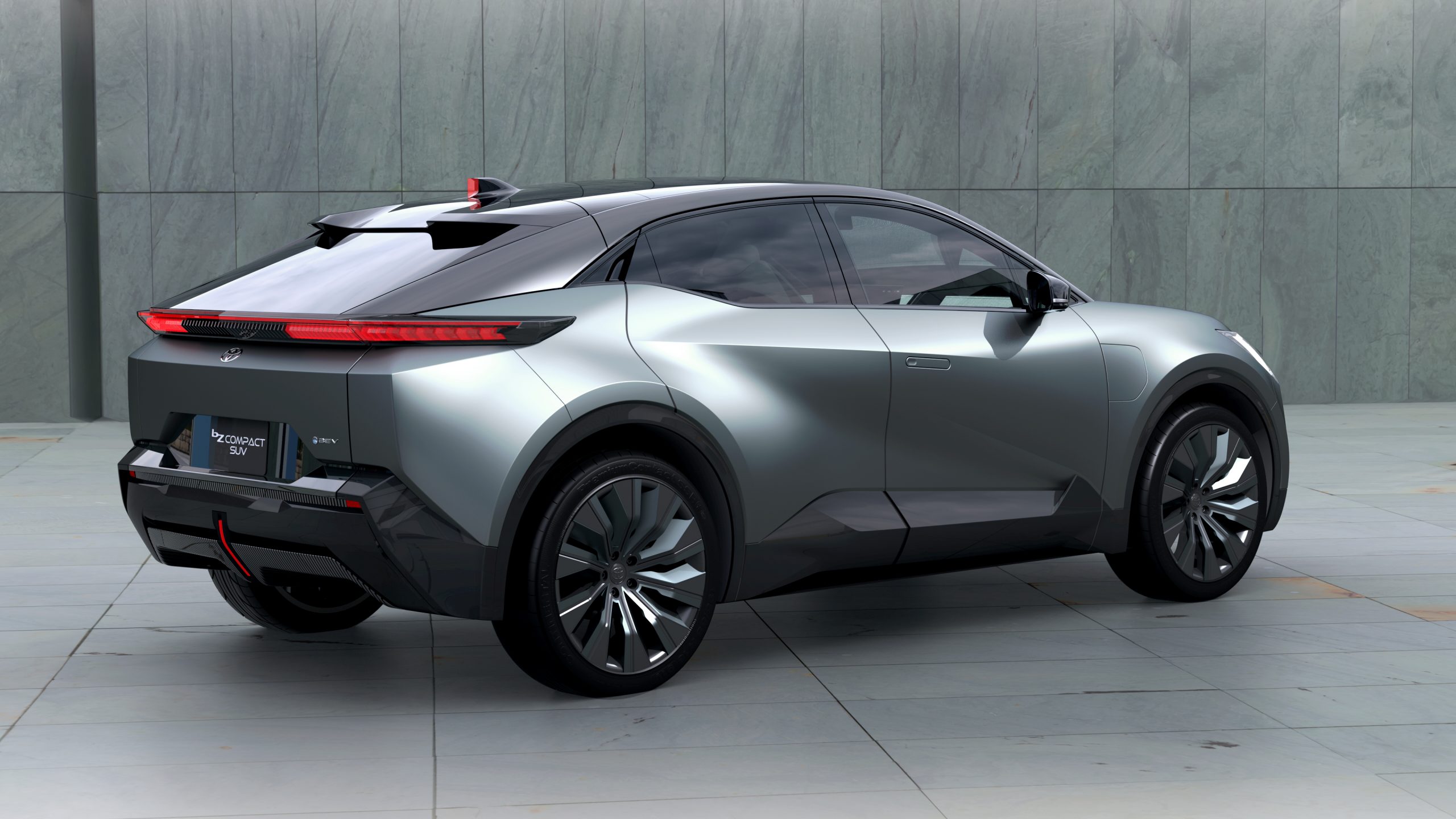
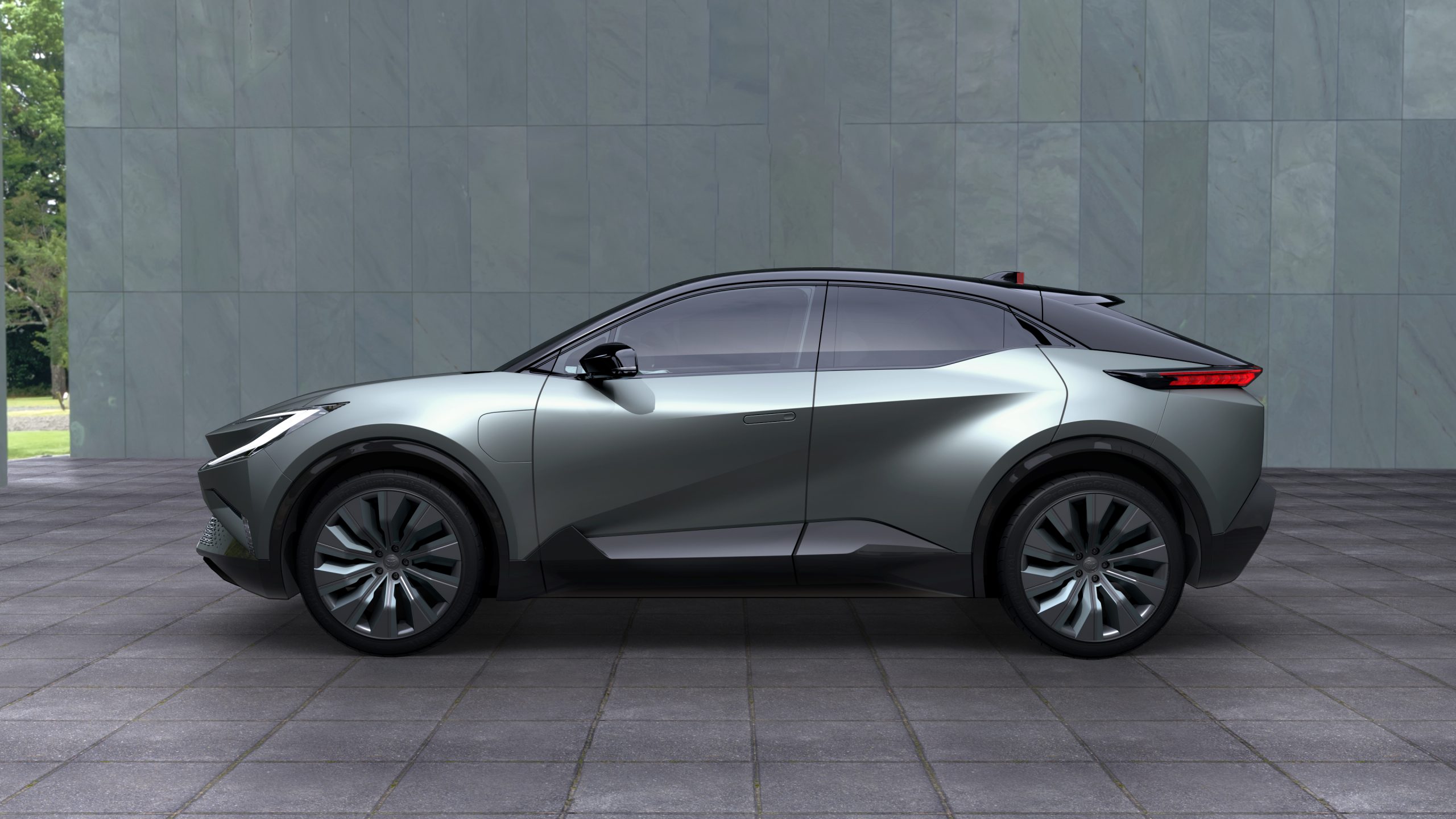
The BZ Compact SUV – potentially to be called the BZ2X, as BZ3 is already a Chinese-market sedan – adopts a lower, more coupe-like roofline akin to the brand’s C-HR small SUV.
There are design touches linking the Compact SUV concept to the BZ4X – including the wraparound front LED lighting signature, and familiar tail-light design. Strong body lines run down the flanks, emphasising the BZ Compact SUV’s muscular shape.
“We’ve only just begun to scratch the surface of the Beyond Zero moniker,” said Toyota group vice president and general manager David Christ.
“With an aerodynamic design coupled with intuitive tech features never before seen in a Toyota model, the BZ Concept showcases another possible vision of the very near future with our battery-electric vehicles.”
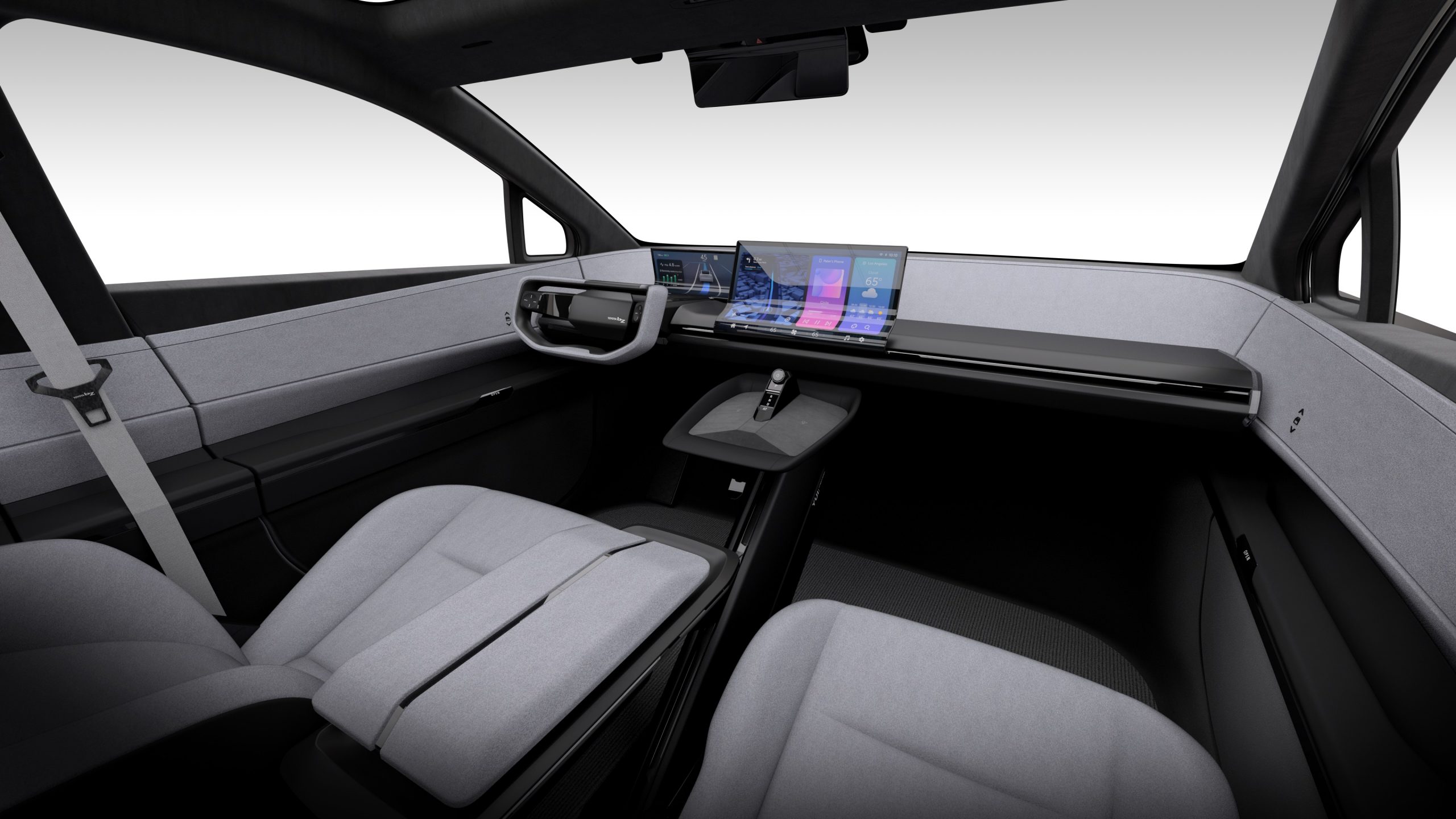
Inside the BZ Compact SUV
If the BZ4X is a departure from Toyota’s traditional cabin design language, then the BZ Compact SUV goes a step further.
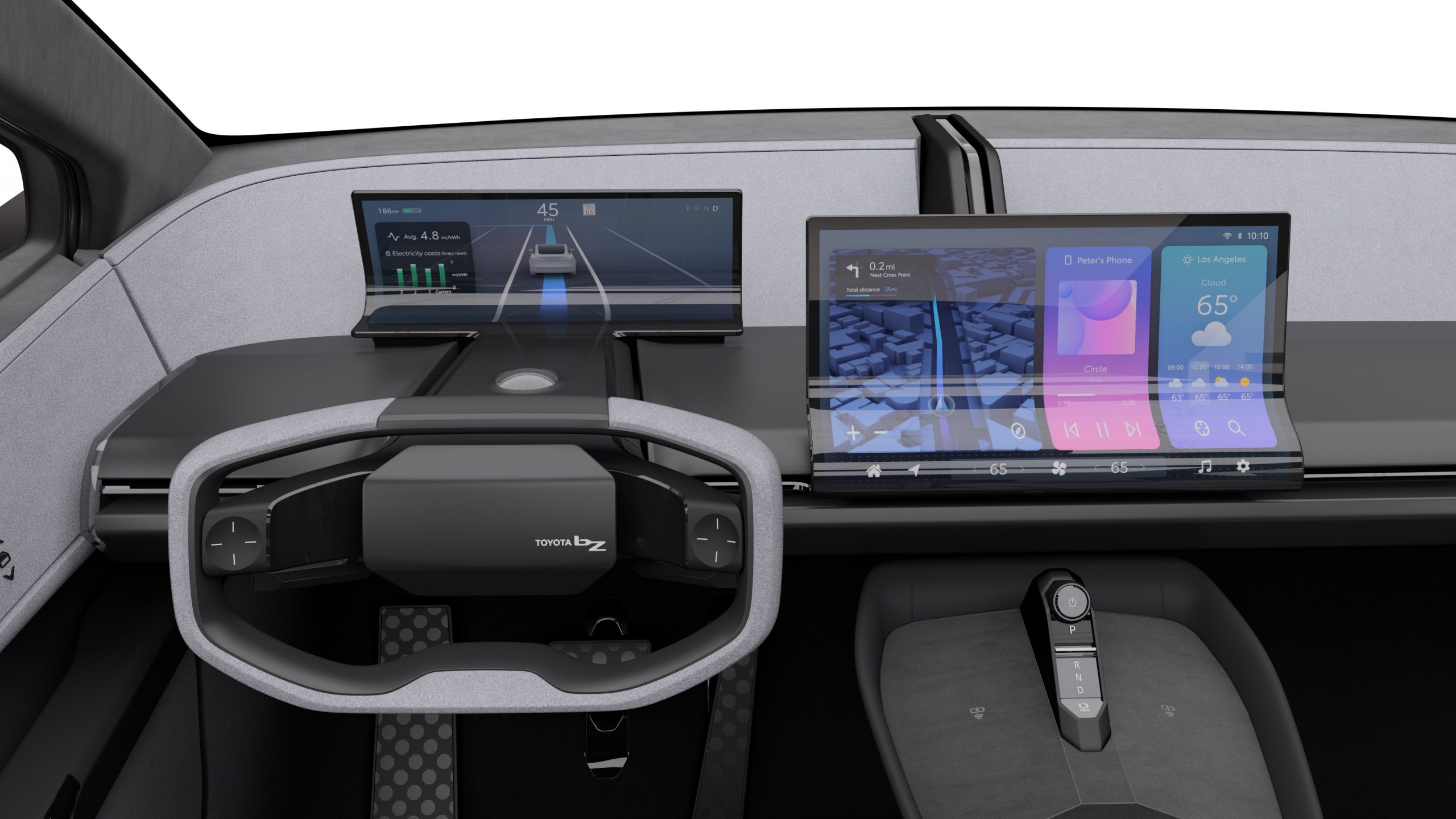
There are almost no buttons to be seen, with a broad horizontal-orientation infotainment touchscreen with a subtly curved bottom portion. The shifter is nestled below with soft storage cubbies either side.
The BZ Compact SUV also pushes forward with the controversial yoke steering wheel available on the BZ4X – and Tesla products – but this time with a fourth side across the top.
There’s a digital driver’s display curved at the bottom, and Toyota says there’s a built-in assist called ‘Yui’ that can help with interior functionality.
Materials in the BZ Compact SUVs are sustainable made and sourced, with no leather in the cabin. Instead, the upholstery is made of plant-based or recycled materials.
Powertrain and platform
Further details about the BZ Compact SUV are not confirmed, however it is likely to spawn a production version. In September, Toyota filed patent drawings in Australia suggesting a possible arrival here.
Information on powertrains are not confirmed, but Toyota says the BZ Compact SUV will be exhilarating and fun-to-drive, suggesting more grunt than the 160kW twin-motor BZ4X that gets to 100km/h in 8.4 seconds.
Given it wears the BZ moniker – and is one of five slated to do so, along with a teased sports car – it’s likely a production version of the BZ Compact SUV would ride on a version of the brand’s bespoke e-TNGA electric car platform.
Snapshot
- New VW Group CEO pushes Project Trinity timeline to 2030
- Software may not be ready in time for initial 2026 debut
- New dedicated factory plans also uncertain
The Volkswagen Group’s newly appointed CEO Oliver Blume has reportedly delayed its flagship Trinity electric vehicle project due to concerns that software won’t be developed in time.
Project Trinity that aims to bring longer range and self-driving EVs has been pushed back its production target from 2026 to around 2030, according to Automotive News Europe.
Trinity EVs would be underpinned by the German conglomerate’s unified Scalable Systems Platform (SSP), which is heavily focused on software to allow owners to purchase new features via over-the-air updates and be capable of Level 4 autonomous driving.
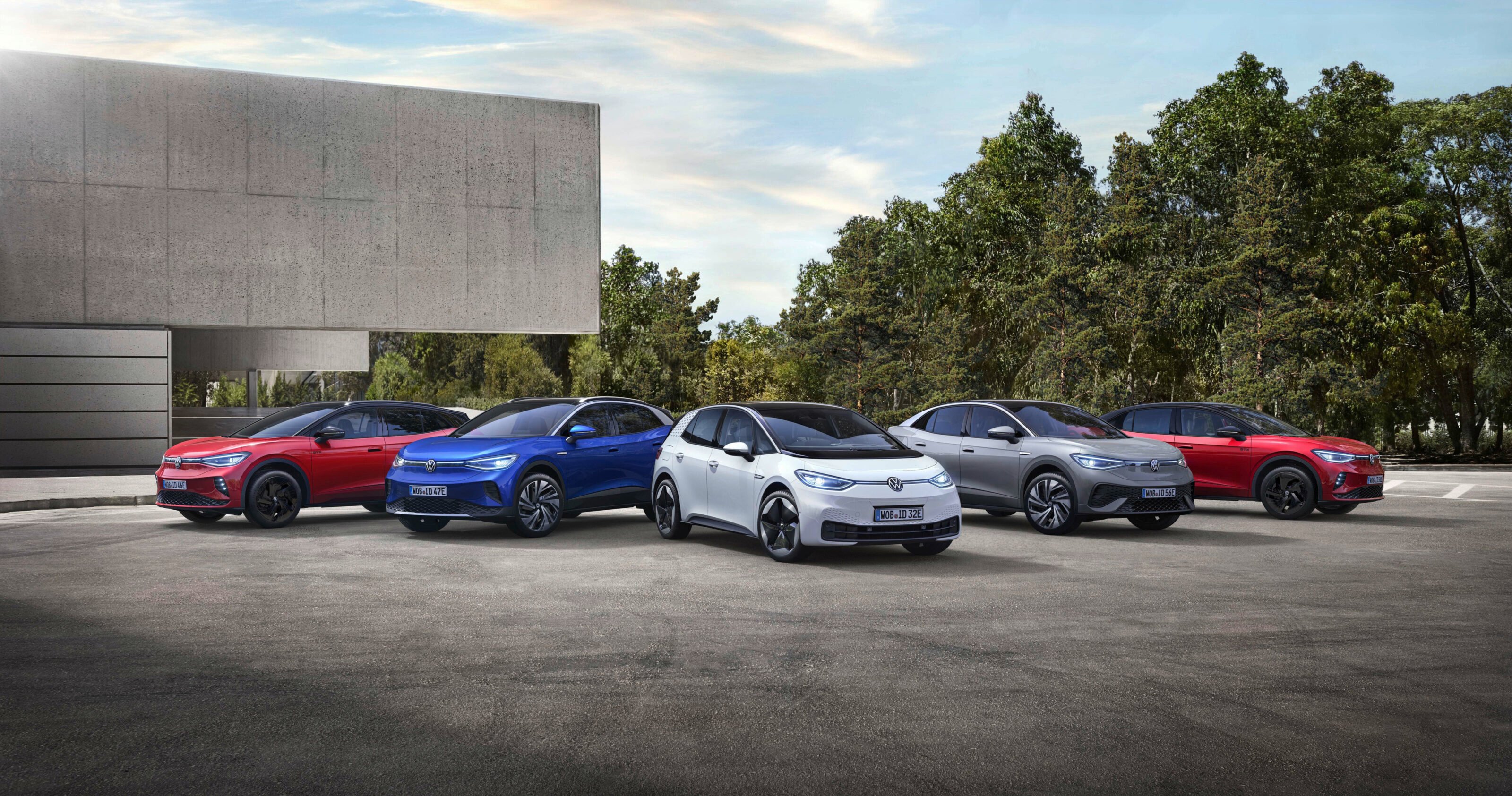
This means the SSP platform, slated to debut in 2026, will not be launched alongside Project Trinity.
The group – which is in charge of car brands such as Volkswagen, Cupra, Skoda, Audi, Bentley and Lamborghini – also planned to establish a new Project Trinity factory in Wolfsburg to accelerate production times and better compete with Tesla.
However, those plans are now up in the air, with a source telling Reuters that Volkswagen’s management board is questioning whether the assembly line within the current Wolfsburg main plant could produce flagship Project Trinity EVs instead.
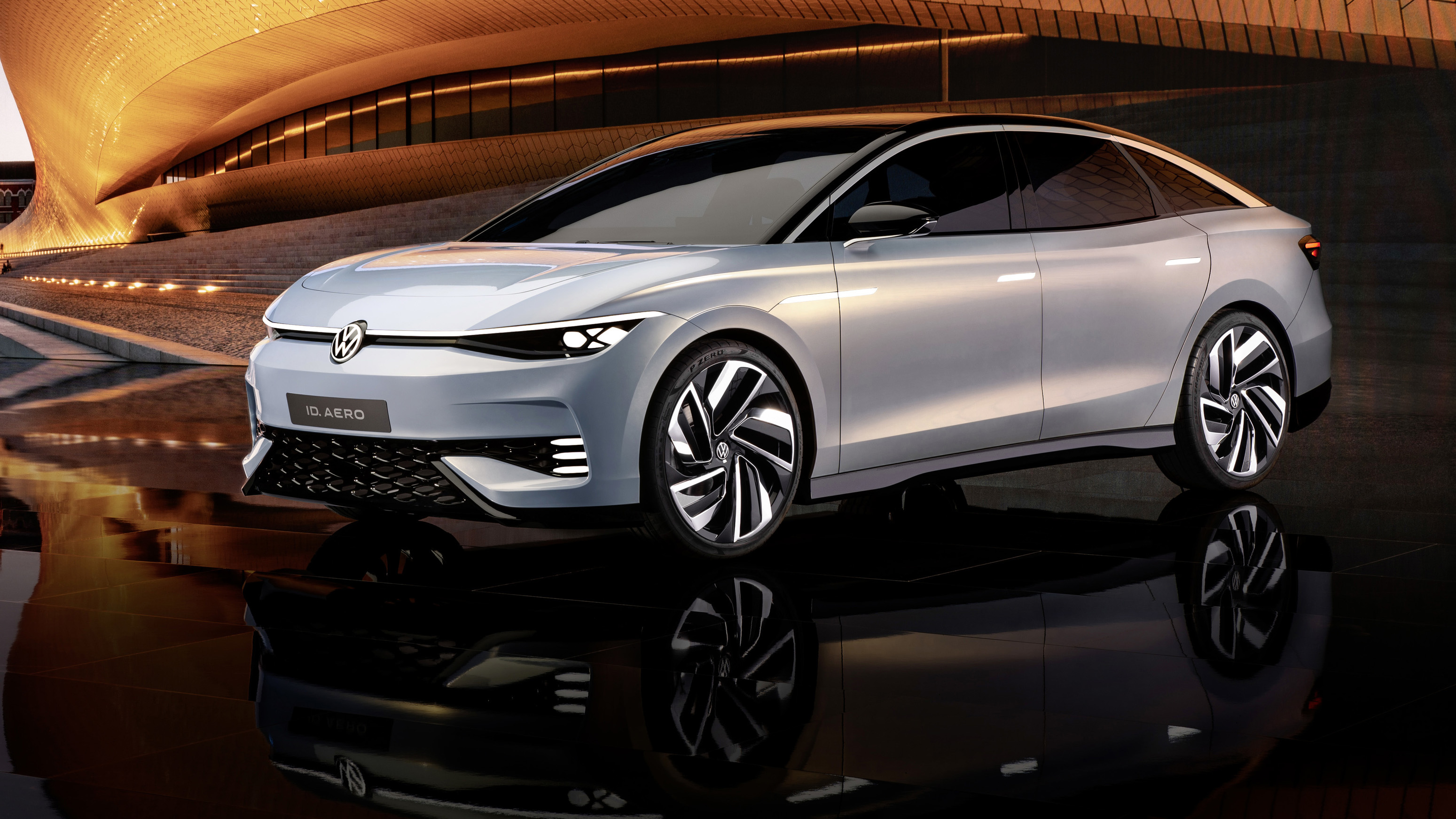
While it’s unclear how much driving range Trinity EVs may offer, for context, the Volkswagen ID.Aero sedan concept based on the existing Modular Electric Toolkit (MEB) platform offers a claimed driving range of up to 620 kilometres on the WLTP cycle.
On the other end of the spectrum, Volkswagen Group will offer more affordable compact electric cars based on a shortened version of MEB from 2025.
Locally, the firm currently sells the Audi Q8 E-Tron SUVs and the Porsche Taycan sedan and wagon.
The Cupra Born small hatch will join early next year as its first dedicated MEB platform electric car to land in Australia, with the Skoda Enyaq family SUV set to launch later in 2023.
Volkswagen will sell its ID.4 and ID.5 medium SUVs locally by late 2023, with a facelifted version of the ID.3 hatch and iconic ID.Buzz van to potentially follow in 2024. The Audi Q4 E-Tron crossover is on the cards, too.

Volkswagen Group Australia has been vocal for criticising the nation’s lack of fuel efficiency and carbon emissions targets inhibiting head office to bring more electric car models Down Under.
“We’ve come a long way when there’s obviously still some huge headwinds out there in the supply chain that are affecting us probably more significantly than some other brands here in Australia. Despite that, we are selling pretty much everything we can lay our hands on, and our order banks are really strong across all of our brands – including Cupra now that’s just started up,” Volkswagen Group Australia boss Paul Sansom told Wheels in September.
“There’s a new vision and strategy for Volkswagen Group Australia now, we’ve really set ourselves on becoming the dominant force here as a European manufacturer and importantly we want to be the leader in electric vehicles as well.”
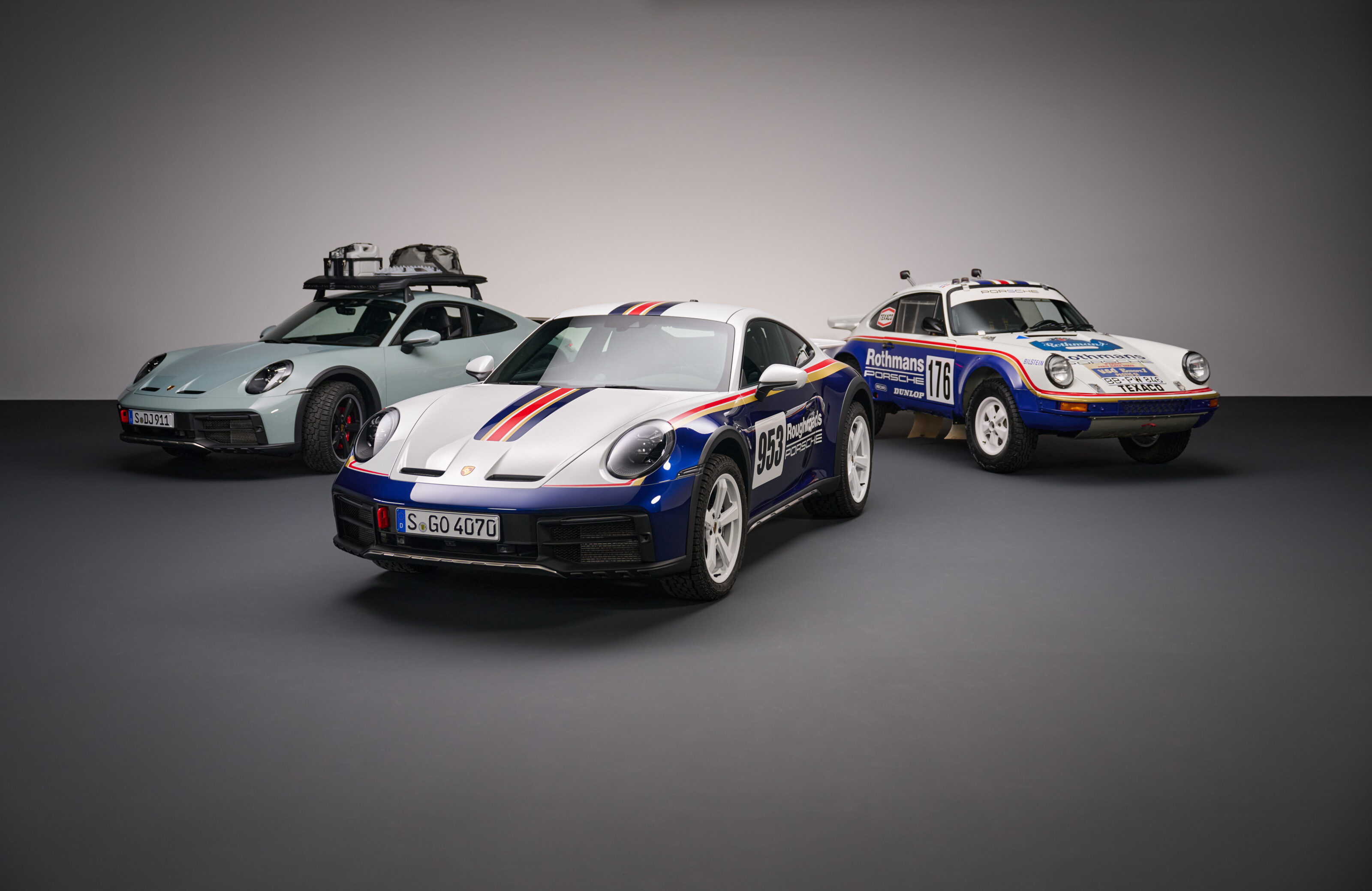
This week, Porsche unveiled its wild new 2024 911 Dakar, a jacked-up safari-ready coupe inspired – as its name and debut livery suggests – by the iconic Porsche 953’s victory at the sixth running of the gruelling Paris-Dakar rally event of 1984.
Even better, the new Porsche 911 Dakar is confirmed for an Australian launch, due here in late 2023.
It’s going to feel like a mighty long wait, but what’s more, we won’t expect to see too many of them in the wild. Why? A mere 2500 examples will be built, and while Australia has not been given a specific number of slots, its GT3 RS-rivalling $491,400 price tag should ensure it remains a relatively rare sight here.
You can get all the details on the new 911 Dakar at the link below, but before you go, you should put your feet up, scroll down, and enjoy a re-read of Michael Stahl’s incredible 2000 crossing of the Simpson Desert in a Carrera 4.
January, 2000: Stahl’s Simpson crossing
911, Big Red & me
I’ve never gone off-road in a new, $200,000 Porsche 911 before. Not with my eyes open, anyway.
Oh, sure, I’ve outbraked myself into the odd corner, run out of talent and then tarmac on race circuits, cringed while somebody else’s underside goes scraping through the grass and gravel. Some of those were probably Porsches.
But never before have I actually driven off the road in a 911 with the intention to continue doing so. For five days. To collect the dumb, delicious honour of making it the first sports car to cross the Simpson Desert.
Straddling the borders of South Australia, the Northern Territory and Queensland, the Simpson is the world’s largest ‘parallel-dune’ desert. Its 1100 reddish-yellow dunes run north to south like a giant Smith’s Crisp, spiced with salt and clay flats, gibber rock plains and clumps of saltbush and spinifex.
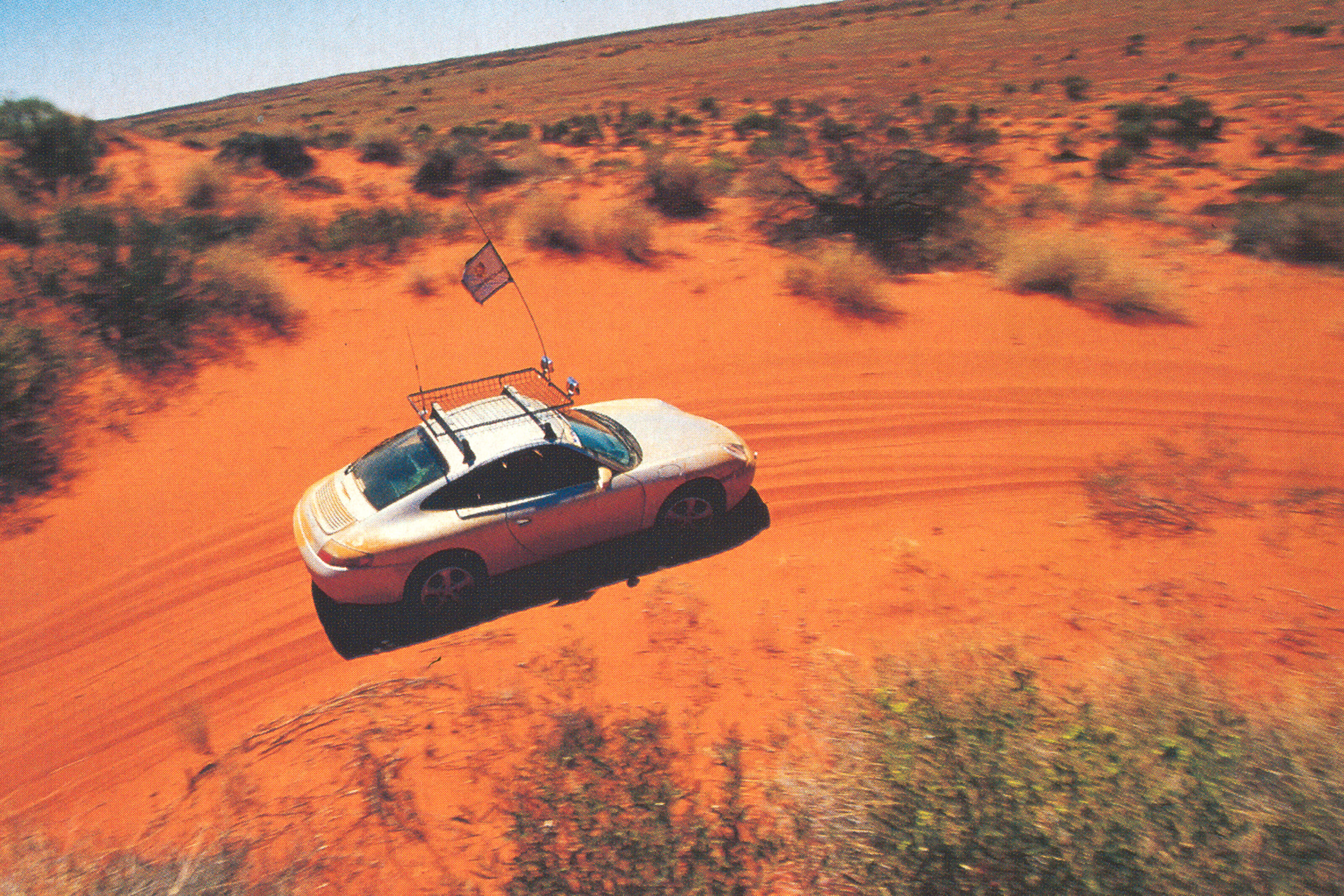
People wax lyrical about the fragile beauty of a desert, but the Simpson’s a gnarly bastard any way you slice it. Temperatures can top 50 degrees between October and May. The annual rainfall of 125mm tends to be delivered in buckets rather than watering-cans, turning the clay flats into utterly impassable, axle-eating quagmires. But if you want water to drink, well, tough. There isn’t any for the entire, 800km expanse, from west to east.
The first European crossed the Simpson in 1932, E.A. Colson managing this feat with an aboriginal guide and five camels. Another 30 years passed before Reg Sprigg, of Flinders Ranges and Antarctic fame, drove the first vehicle across, bubbling and boiling, in a three-speed Nissan Patrol 4WD.
Sprigg, a geologist and explorer, was out there surveying for a petroleum company drawn to the Simpson in the early 1960s by the promise of oil and natural gas reserves. That period ended up leaving more than it took away; a loose network of ‘shot line’ tracks today provide three separate routes across the desert, most sensibly done from west to east because of the dunes’ wind-blown, wave-shaped crests.
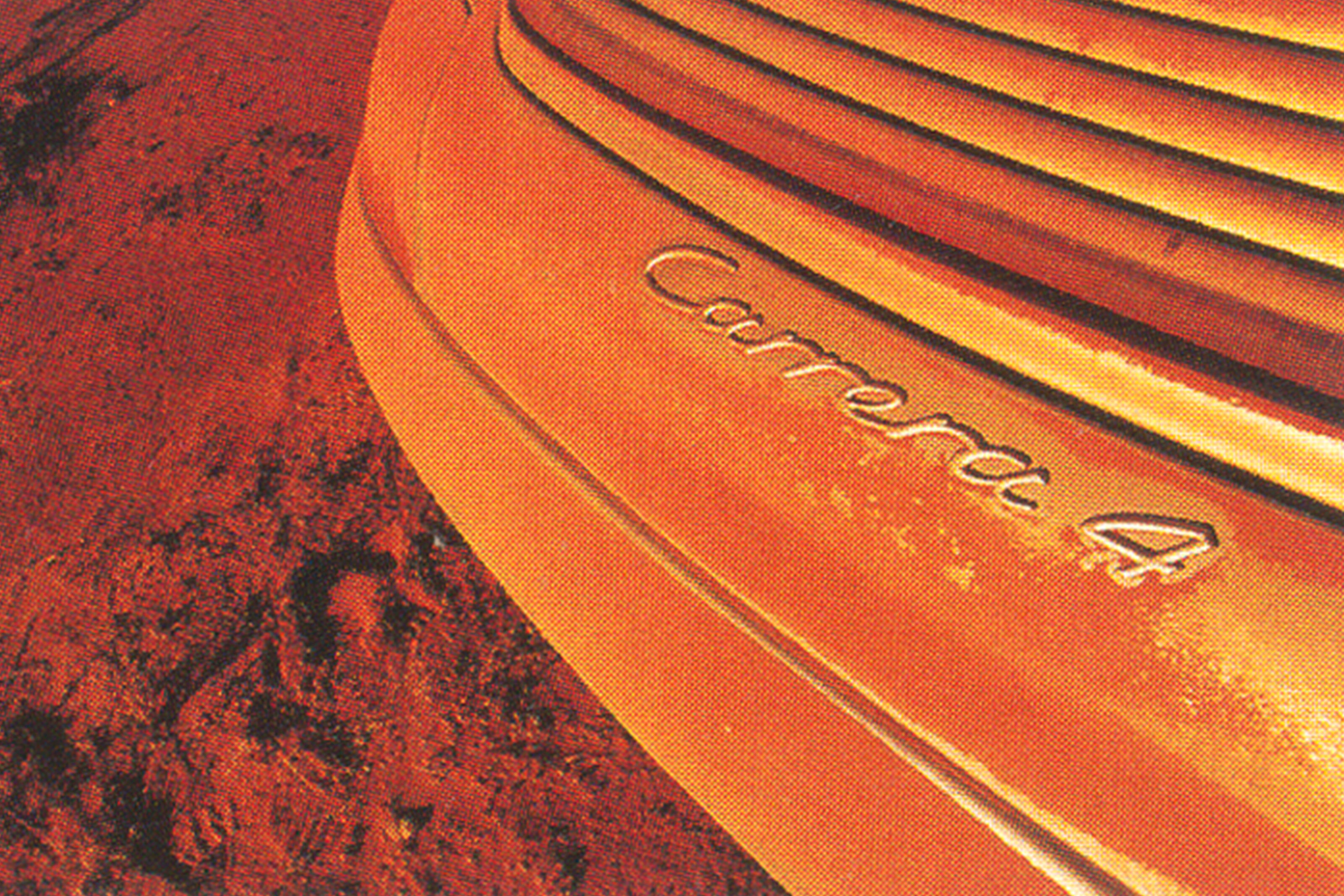
Hmmm. Perhaps it’s an affront to talk about ‘sensible’ when you’re relentlessly belly-flopping over those crests in an autobahn-bred supercar. It’s plainly stupid to have chosen the toughest route across the Simpson, the French Line with its fabled, 4WD-eating sand dune (‘Big Red’) to break you at the end. It’s an oxymoron to mention the ‘fragile desert eco-system’ when, for five days, it’s trying to punch a Porsche propshaft into your pants.
At one stroke, this was the dumbest thing I have ever done in a motor car. And the most impressive thing a motor car has ever done for me. Needless to say, it wasn’t my idea. Somebody at Porsche Cars Australia looked at the 20,000km-old, six-speed manual, ex-press fleet 911 Carrera 4 and had this vision, that’s all. I, meantime, had visions of the magnificent Evan Green and his outback journeys in entirely inappropriate cars.
At one stroke, this was the dumbest thing I have ever done in a motor car. And the most impressive thing a motor car has ever done for me.
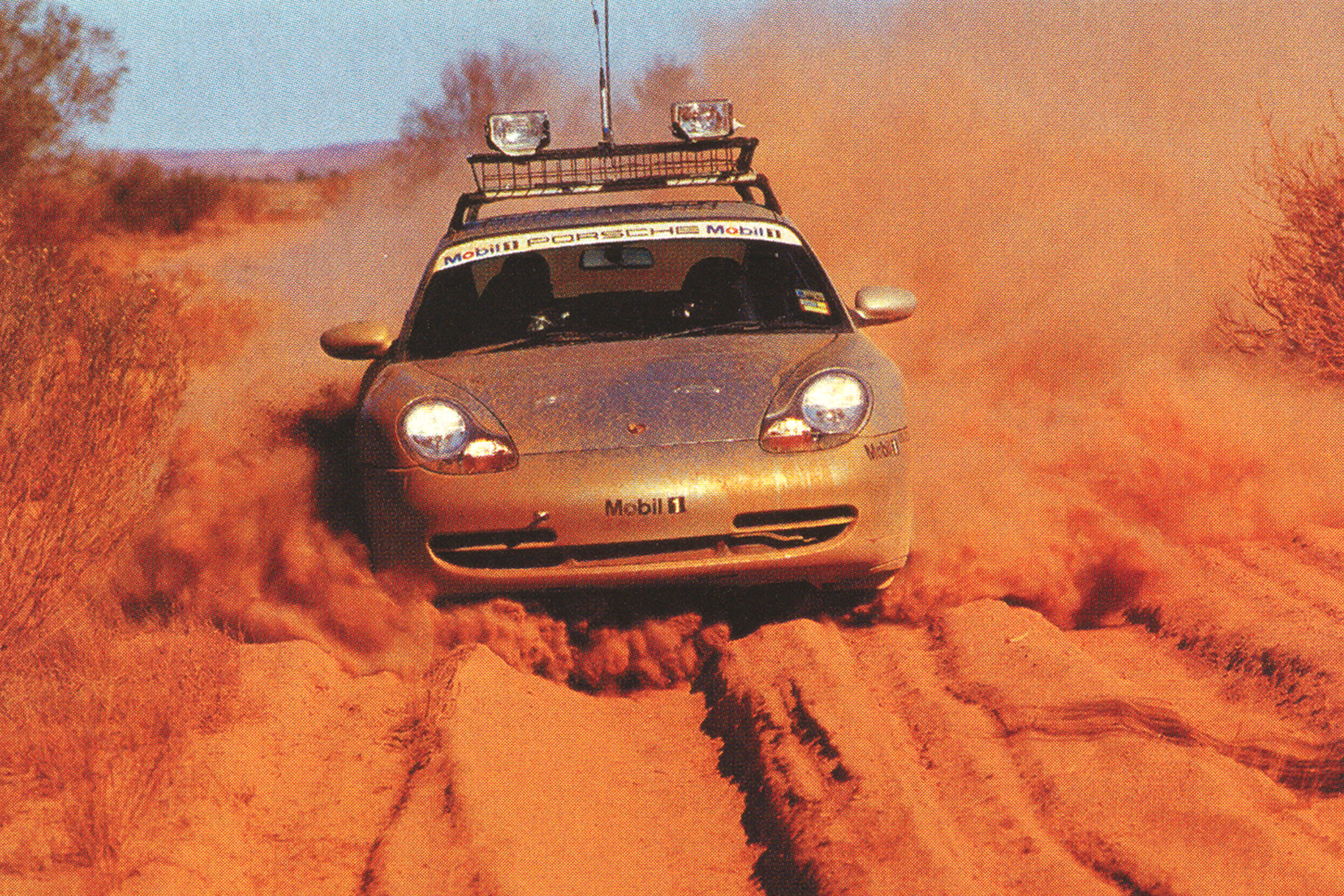
Naturally, the Carrera 4 already has four-wheel drive. What it really needed was some ground clearance. The local guys called the Porsche R&D centre in Weissach, where veteran engineer Roland Kussmaul actually took them seriously. Back in 1979, Kussmaul had run the Repco Round-Australia Trial in a Porsche 924.
Kussmaul volunteered that a 70mm aluminium spacer atop each of the 911’s front struts and rear coil-over dampers, a 10mm spacer beneath each spring and lowering both front and rear subframes by 40mm to reduce angularity on the drivetrain joints, would provide the C4 with around 100mm more air under its belly.
According to Kussmaul, that’s about all they did to come up with the Paris-Dakar 959 back in the early 1980s. Amid all the flurry about Porsche’s Audi-partnered 4WD sport-utility vehicle (to be launched in 2002), it’s worth remembering that Porsche already has a pretty decent handle on the four-wheel drive concept.
Apart from the suspension mods, an alloy engine guard at the rear, a roof-rack and my suspicion that the completed car was left submerged in a vat of LocTite for a week, the Carrera 4 was absolutely stock-standard.
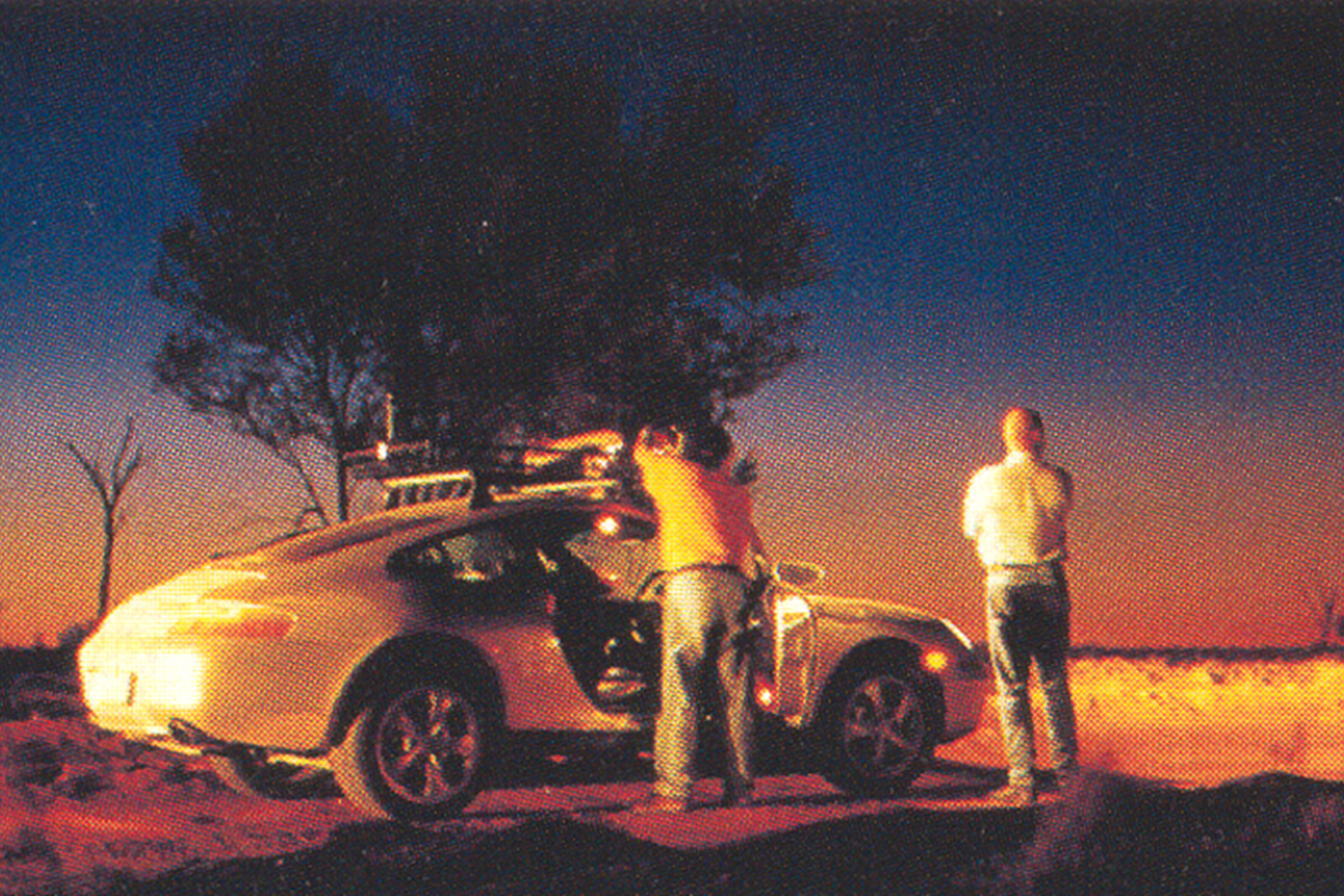
Somehow, it didn’t look all that wrong; a little like a 911 in knee-high socks. Perhaps it was the distant, Paris-Dakar connection, or its bum-in-the-air stance evoked some drug-enhanced recollection of the 1960s Meyers Manx beach buggy. Against the background of the desert, this supercar on stilts looked like some sort of cybernetic sand-crab.
My biggest worry was, of course, that I would die.
Beyond that were the tyres, conventional 17-inch, Z-rated autobahn boots, only slightly broader (225/50 front, 255/45 rear) so as to gain some rock-resisting height in the sidewalls. Then there was the Carrera 4’s meagre fuel capacity of just 63 litres, which might give us a range of as little as 200km in the soft, churning sand.
Would I be stopping every 10 minutes to change punctures? And every five minutes to dig the thing out of the sand? Oh, okay. Nobody could tell me, because nobody had ever done this before.
Collecting the car from Adelaide, I had about 550km of sensible, sealed stuff over which to think about it. On the open highway to Leigh Creek, the Carrera 4 rode only slightly more stiffly and steered just a tad more slowly than a standard C4.
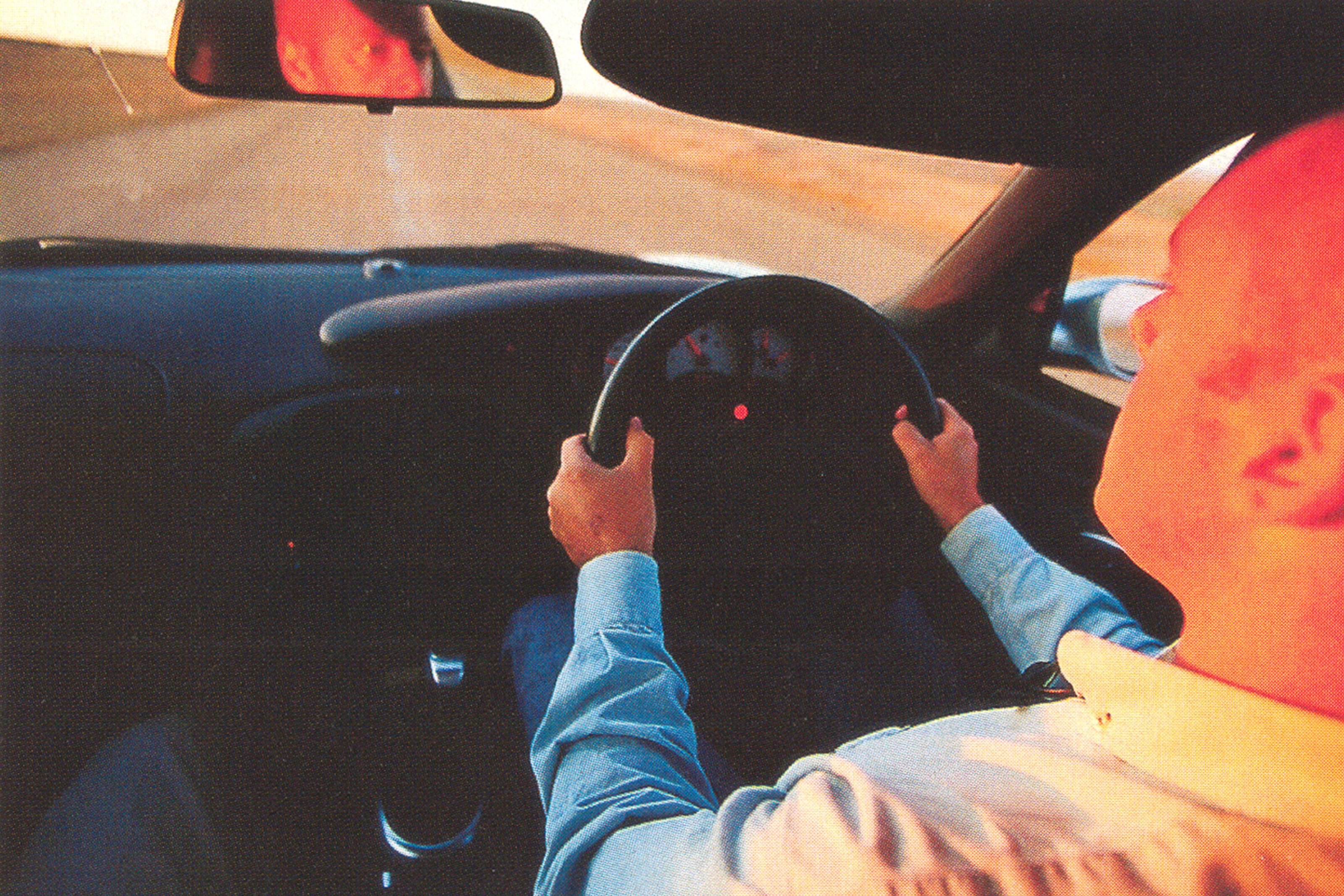
The bitumen ended at Lyndhurst, just 37km north of Leigh Creek. The graded dirt road ahead to Marree, southern junction of the Oodnadatta and the Birdsville Tracks, was dry but had seen recent light showers — evidenced by the shallow but demented tyre tracks that weaved all over its surface like a footballer’s finger-painting.
I sat on 100km/h most of the way, dodging the occasional sharp rocks that jutted out of the road, ignoring the small ones that rattled around the Porsche’s wheel wells and generally trying to pretend I was in a rented Camry. The Carrera 4’s sophisticated Porsche Stability Management system was left on; I figured I might at least postpone my first puncture by keeping things moving in the direction of travel.
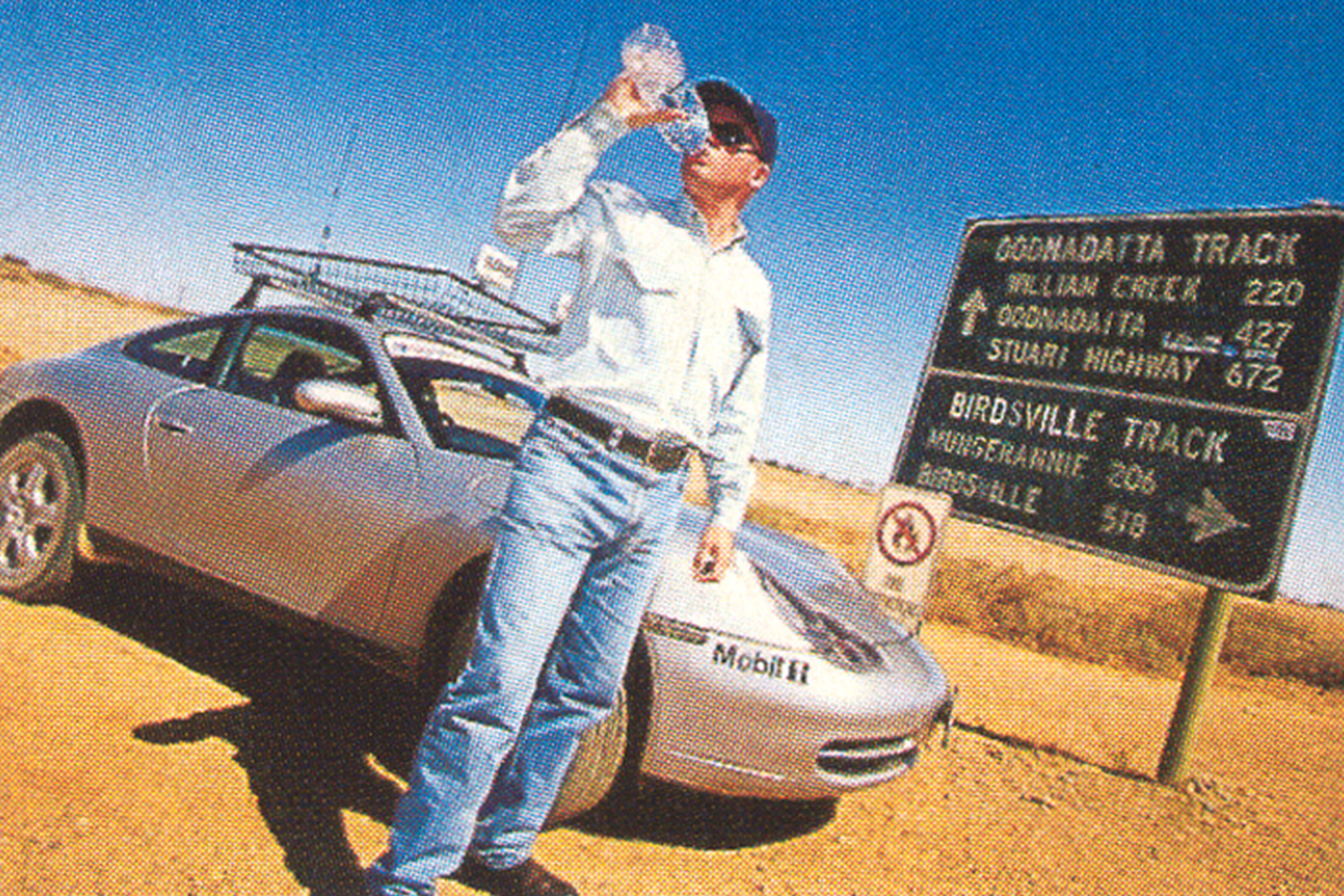
They’d never seen a Porsche in Marree before, and didn’t seem too impressed by their first, either. Perhaps it was because there was a real celebrity due in town that very afternoon.
“Youse here with Tom, are yiz?” asked the lady at the petrol station in Marree’s 100-metre main drag.
Tom? “Yeah, Tom Cruise, he’s coming in at five o’clock today. He’s staying at the Marree Hotel over the road there.”
I was curious, so I asked the woman how he was coming into town. I bloody-well hoped he wasn’t in a Porsche.
“Oh, in the mail truck”, she said, rather off-handedly.
“Tom Cruise, the Hollywood actor?” I asked. She looked at me like I was the biggest wanker ever to come to town (which I might have been, but only until five o’clock). “Nah, Tom Kruse!” she said, he being legitimately famous as the Birdsville Track’s mailman until the late-1950s. Now 85, Kruse had restored his original Leyland Badger mail truck for a final, historic run.
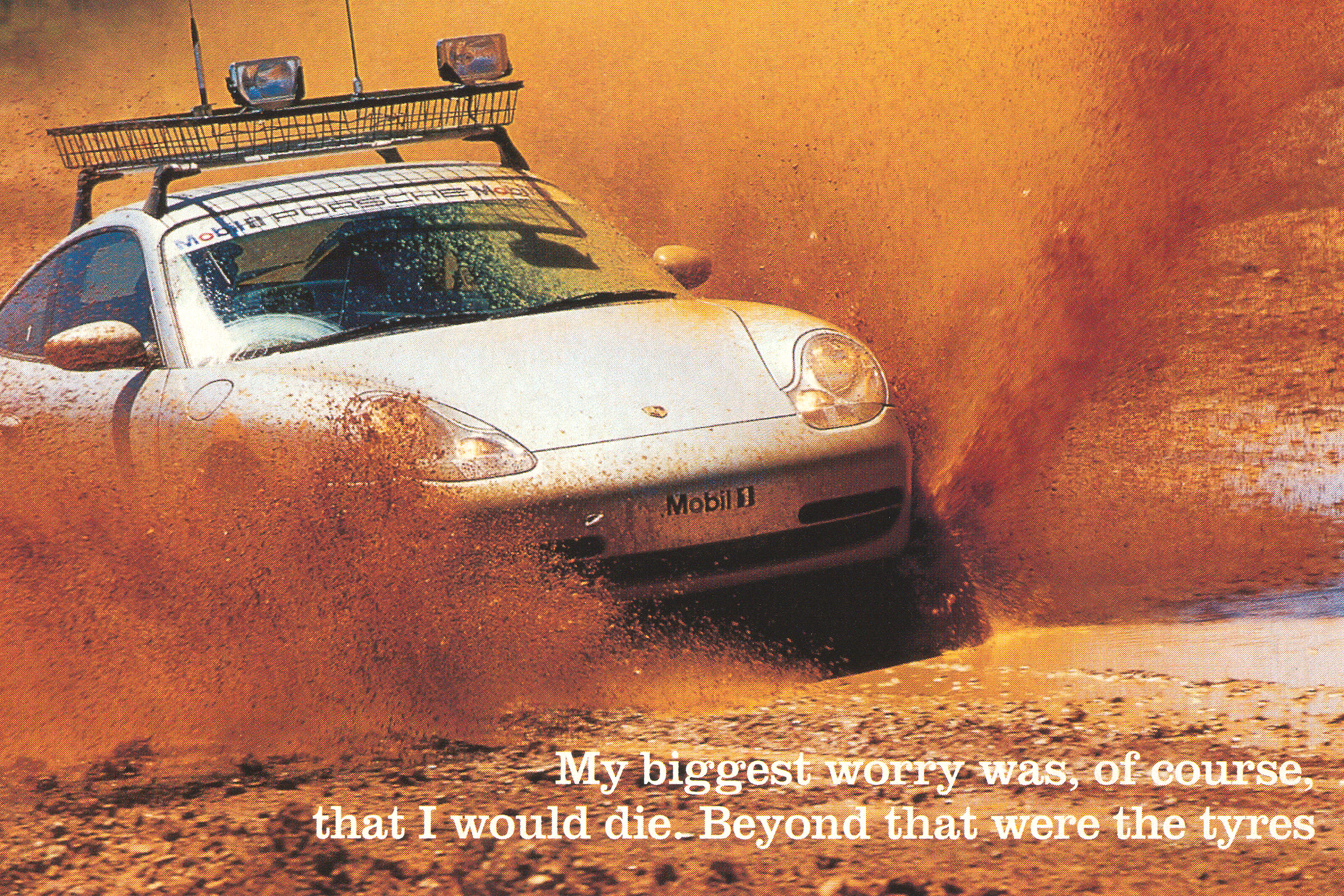
The Oodnadatta Track turned a bit nasty just out of Marree, a candy-stripe ribbon of hardened tyre tracks between worryingly tall, rocky crowns. Without its extra ground clearance, the Porsche would have graunched its guts out along here, where the road skirts the western rim of the vast, 9000 square kilometre Lake Eyre salt flats.
While happy to average about 60km/h, I couldn’t help but think of how, 35 years earlier, Donald Campbell had made rather better time just over to my right, pushing his Bluebird to a new World Land Speed Record of 648.7km/h.
At Oodnadatta, just south-west of the Simpson Desert, the news was good and bad. Linnie Plate, the suitably colourful proprietress of the Oodnadatta Pink Roadhouse, waved a finger disdainfully at the Porsche. “How many tyres has it taken you to get this far?” she asked.
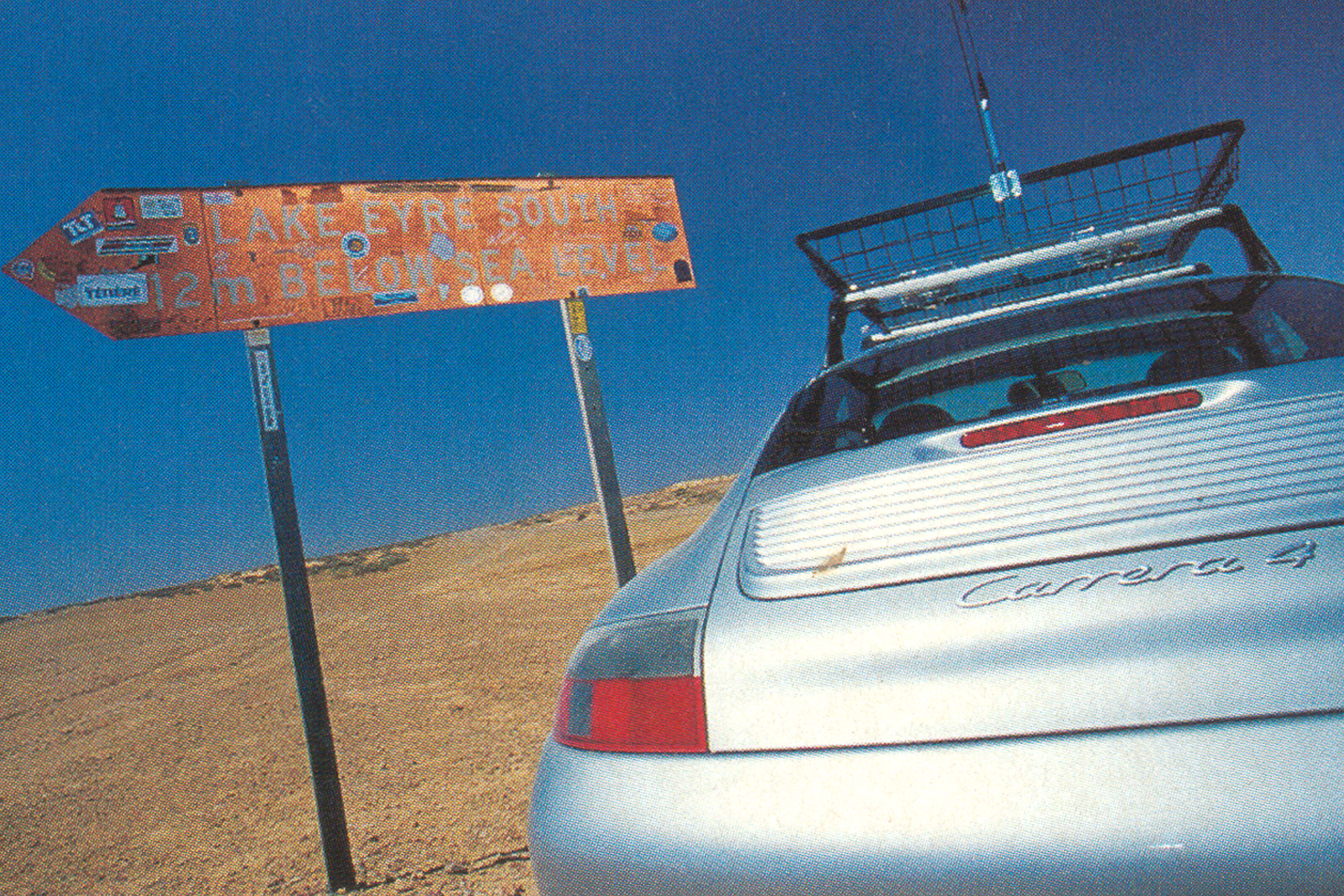
“Actually, just the four that are on it,” I replied, although our HiLux 4WD ute back-up vehicle had already managed to hole two of its own tyres.
“Well, if you’ve made it this far,” Linnie said, “you’re at least half a chance to make it across to Birdsville. Too bad the road’s closed…”
Unseasonal showers two days earlier had created a quagmire between Dalhousie Springs and Freeth Junction, the beginning of the French Line. That meant a detour of at least 90km farther north to Mt Dare homestead, then peeling east to follow the (dry) Finke River to pick up the French Line near Purni Bore.
While happy to average about 60km/h, I couldn’t help but think of how, 35 years earlier, Donald Campbell pushed his Bluebird to a new World Land Speed Record of 648.7km/h
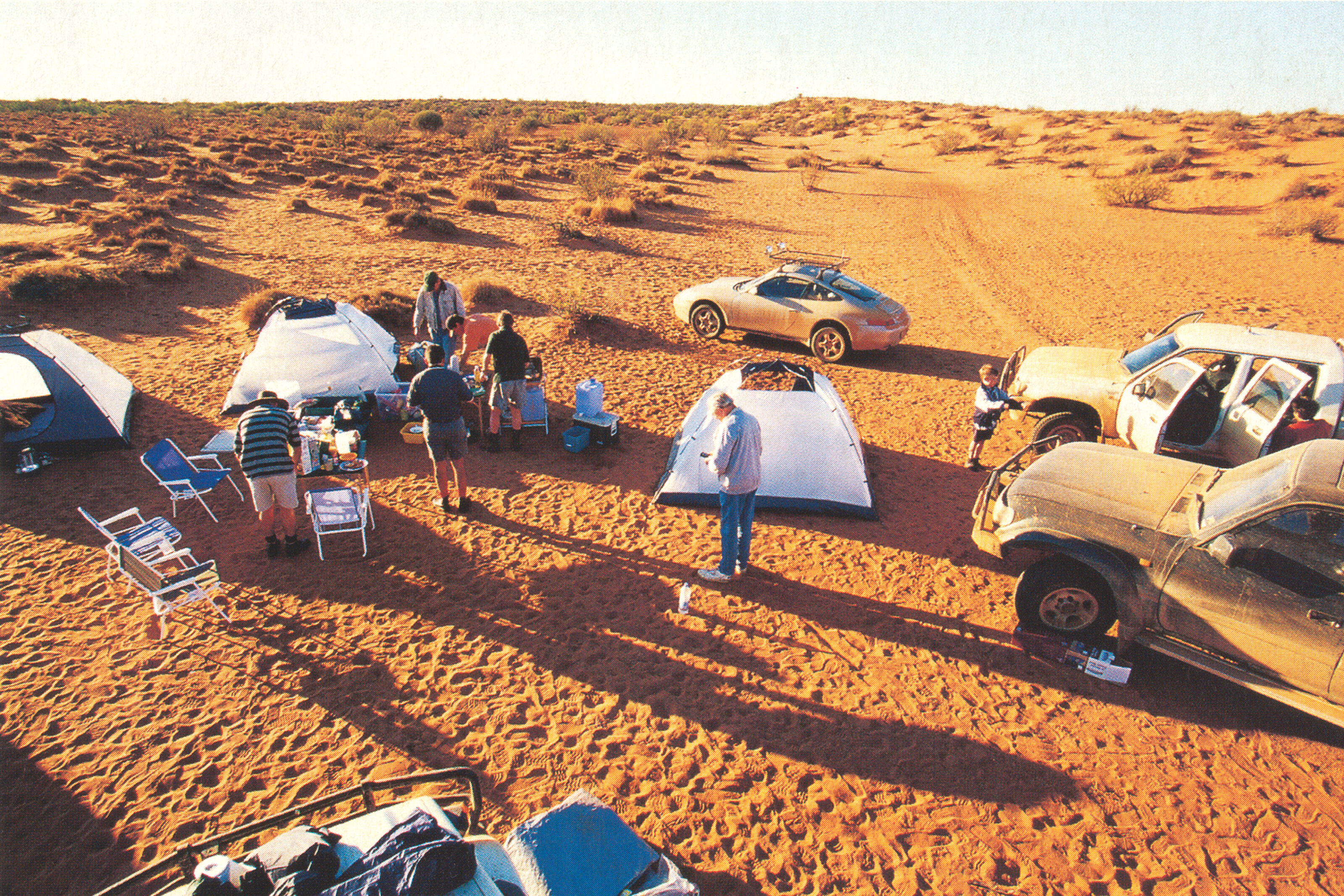
We made camp at Dalhousie Springs, officially into the Simpson Desert, and enjoyed a dip at dawn in the 30-degree water of this remote, thermal spring.
Regrettably, it sort of softened my kidneys for what followed: Four and a half hours over a hard, hot landscape of terracotta tennis-balls Australians know as ‘gibbers’.
Rarely able to top 20km/h, the 911 thumped, jumped and jostled through a routine worse than any durability test rig I’ve seen. I couldn’t help but reflect on how well even a Commodore or Falcon might cope with this stint on Satan’s Thighmaster — let alone any other 280km/h supercar. Yet nothing buckled, bent or blew apart.
Admittedly, the Porsche did get a rest every 20 minutes or so: My bladder was like a magnum of Moet on a grand prix podium.
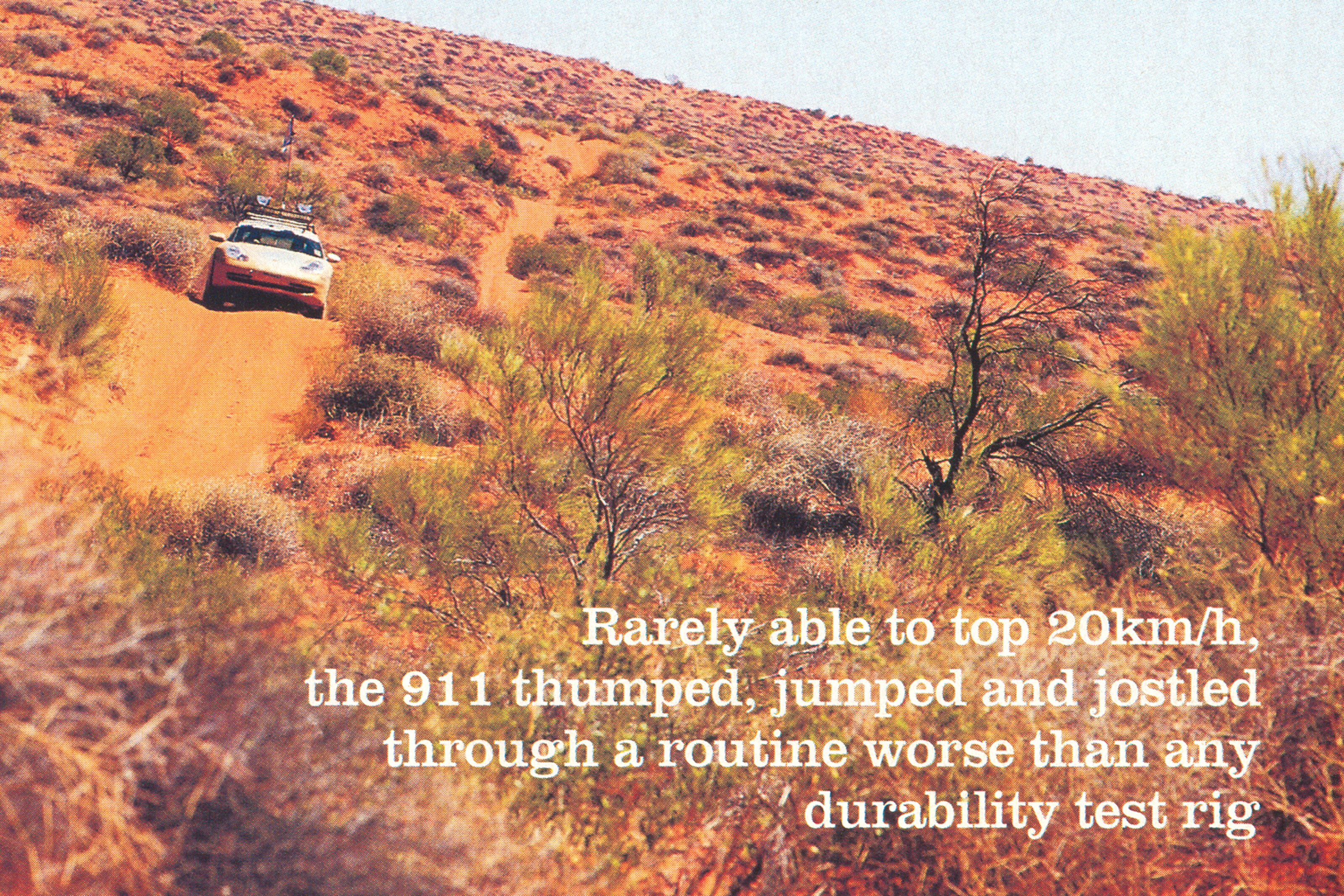
Past the Mt Dare homestead, the gibber plains led onto smooth and potentially fast double-tracks through low scrub. A billowing, grey-white cloud of talcum-fine dust obscured everything in the Porsche’s mirrors.
This was bulldust country, where slightly more pale patches on the road ahead would hide sharp-edged potholes and rambling ruts, anything up to two feet deep. Heavy-duty 4WDs have been known to stuff their suspensions by hitting these potholes too quickly. The Porsche had the added danger of sinking up to its belly if I went too slowly.
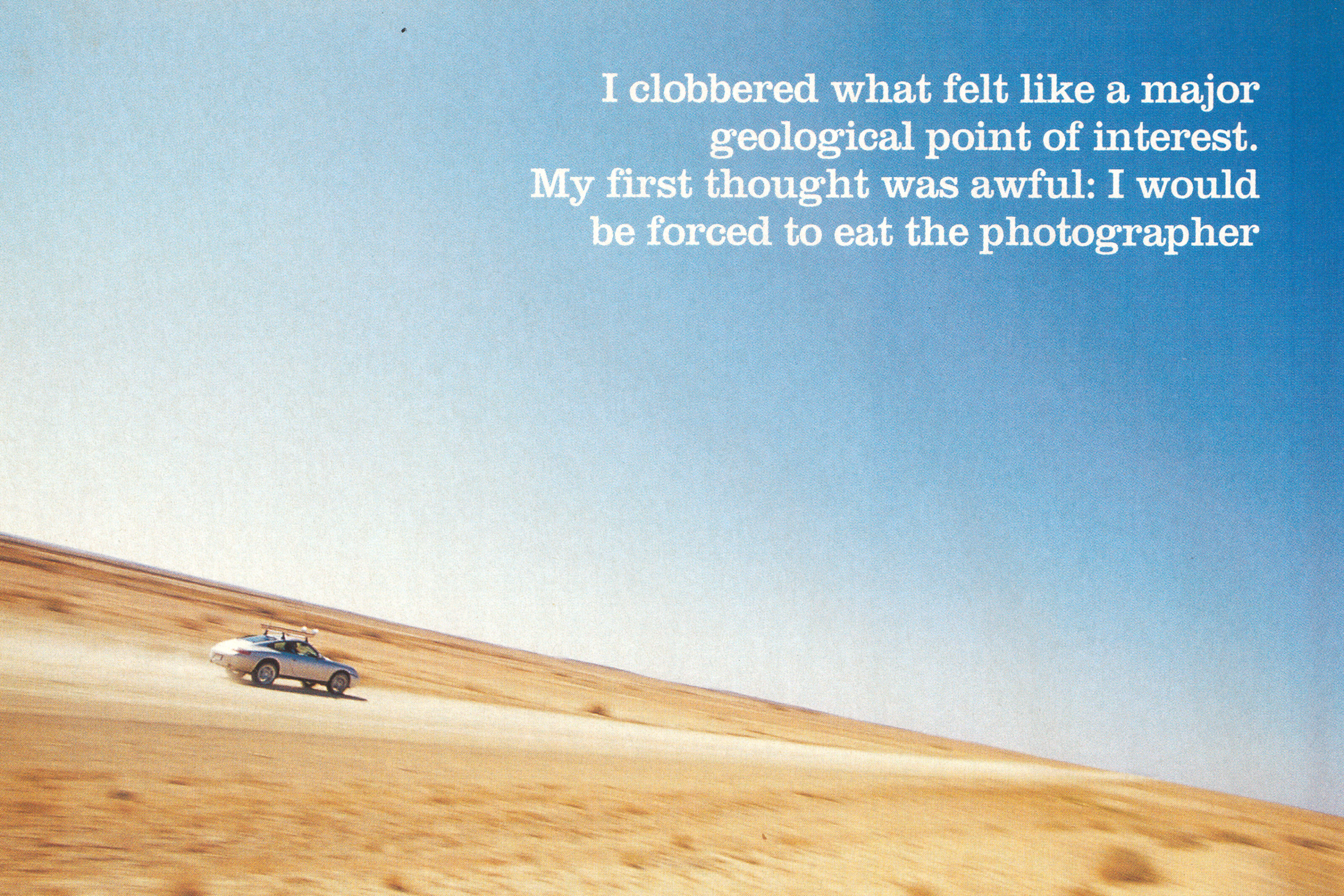
Hustling along in second gear, attempting to straddle the narrow raised crowns between this powdery quicksand, I clobbered what felt like a major geological point of interest with the Porsche’s left-front wheel.
My first thought was awful: I would be forced to eat the photographer.
My second thought was that the left-front suspension was probably hanging on by its intestines. But the strut tower was okay; the control arm, steering rod, wheel rim and even the tyre’s scrawny vulnerable sidewalls were all intact. So was the ground when I kissed it.
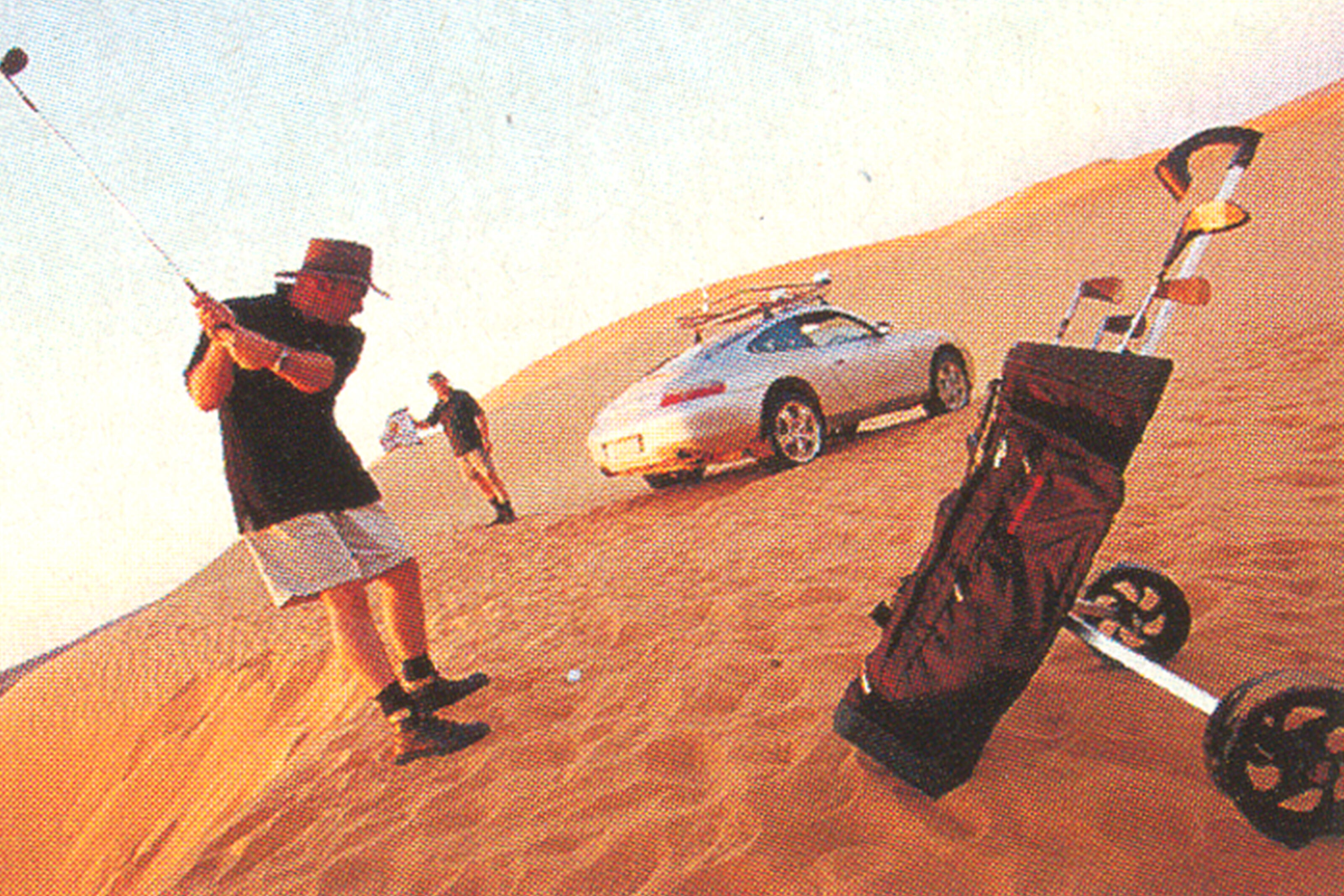
Purni Bore, some 140km into the west-to-east crossing, is a visually tantalising oasis. Sadly, the water that rises from the ground at a formidable 80 degrees is too toxic to be of much use to humans. At night, the air was alive with the muffled grunts and farts of curious wild camels, mules and dingos, stirring just beyond the firelight.
There were other 4WDs where we camped. Some 4000 to 5000 people cross the Simpson each year between May and October, many taking the easier, more southern Rig Road. Of the dozen-odd fellow travellers we saw on the French Line during the daytime, most seemed to be blokes who’d taken a week off work, piled into a mate’s 4WD and wandered into the desert to get drunk.
At the very tail end of the ‘tourist’ season, the tracks up several dune faces were churned soft, the clay pans between hammered hard into a jaw-chattering washboard surface that frustrated the Porsche’s speed to less than 25km/h.
Photographer Watkins suggested we go flat out, only stopping to rebuild the car when necessary – a sort of three-stop strategy – but any slight change in the height or pitch of the corrugations would set the steering rack a-slapping and the front end a-flapping.
With my tyre record still intact, there was nothing for it but to be patient. The Porsche and I were going to carry each other to Birdsville.
The sand? There wasn’t enough in all the desert. Few would know that a new 911 on high-performance road tyres makes a total hell-weapon in the sand dunes. (Maybe a Ferrari 360 makes a great speedway Sprintcar and a Bentley Arnage can drive all day under the ocean. It’s just that nobody bothers to find out).
At its initial sniff of sand, however, der dunemeister was every bit as useless as a 911 ought to be in the middle of a desert. In soft sand, the Carrera 4’s PSM system was too damn smart for its own good, individually braking wheels to counter slip but losing the car’s momentum in the process.
With PSM disabled (and the tyres deflated by a scientific, hmm, 15 seconds each), the fat-pawed Porsche planed across the surface of the fine, ever-shifting sand. It rudely blasted up the face of most dunes in second gear at close to 60km/h, making big, stupid idiots of those fat, churning 4WD wagons that often needed two or three attempts to swagger over the top.
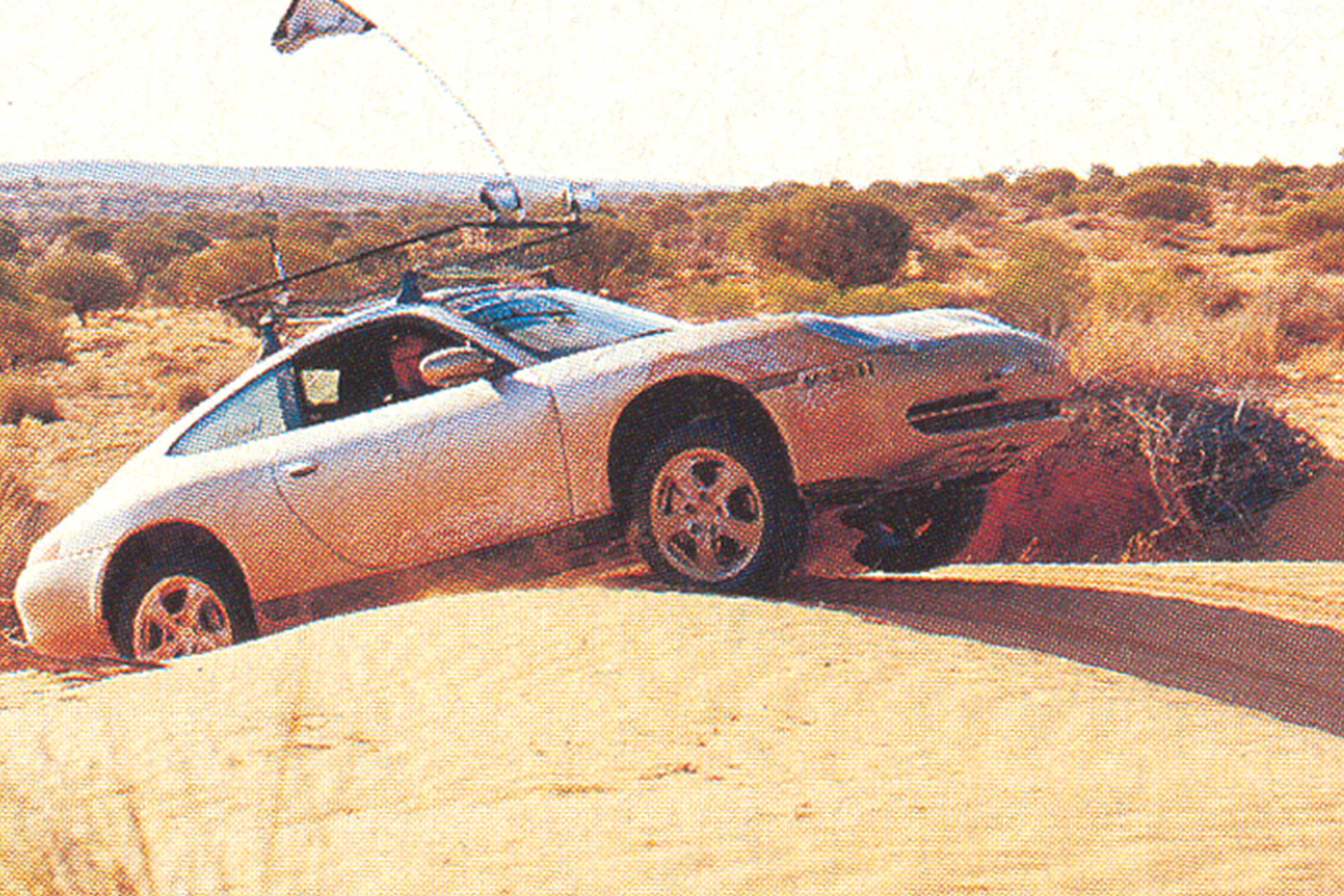
I had to roll out of the Porsche’s throttle as the car hit each crest, the plastic chin spoiler thumping through three-foot walls of sand built up by a strong headwind. Dozens of times we see-sawed blind over these collapsing crests on the car’s bellypan, having no idea where the track went but no option to stop and look.
A shattered front spoiler (and consequently noisy cooling fans) was absolutely the only damage sustained by Dr Ferry’s fish most definitely out of water. In 35-degree ambient heat, the engine temperature never crept over 110. Only twice in the entire trip did I need to reverse for a second run at anything – and one of those times was when I forgot to turn off the PSM. And the 911 completed this entire, remarkable journey under its own steam, and on its original set of tyres.
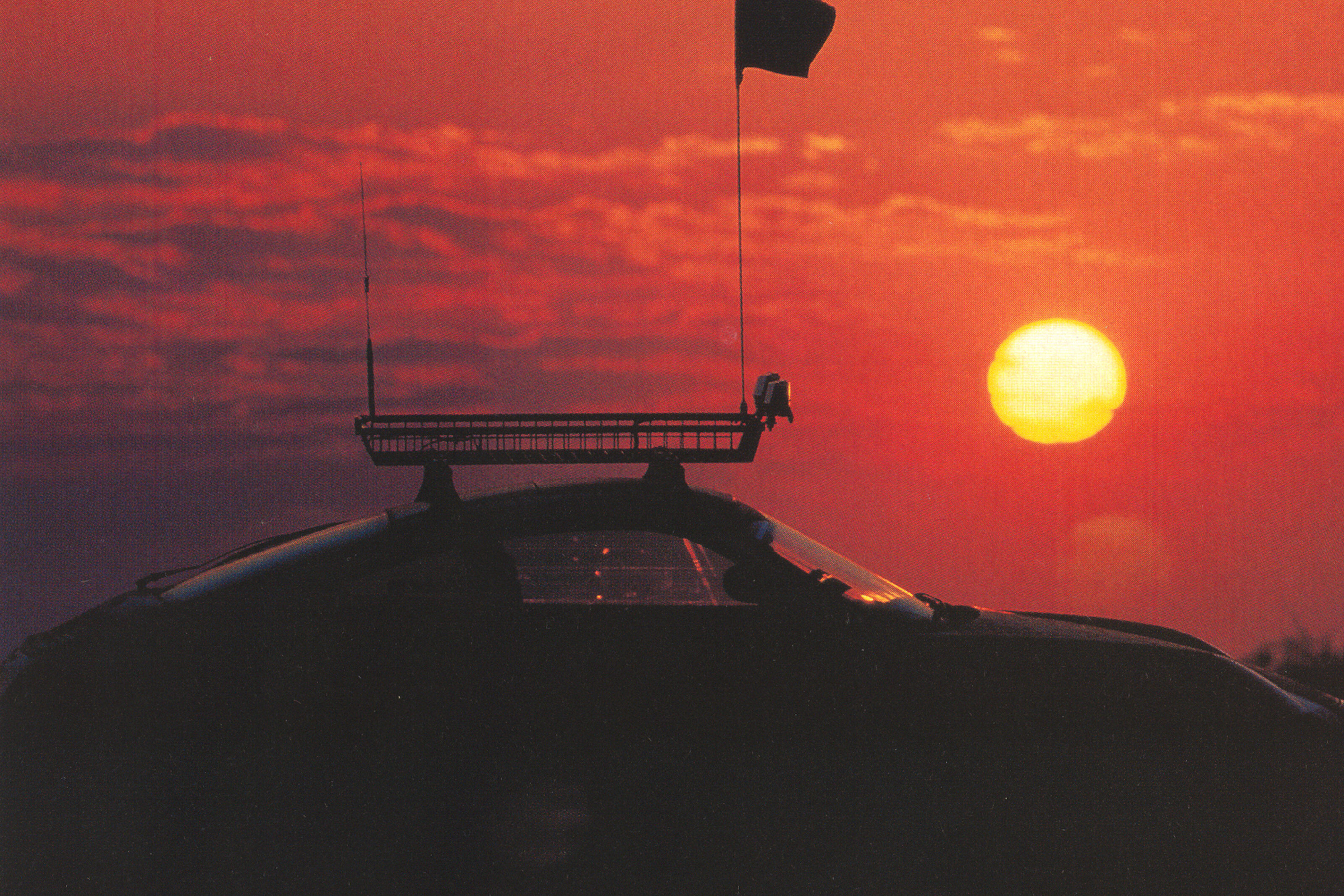
Big Red? Only 30km from Birdsville, this 30m-tall, apricot-coloured moving mountain has been known to reduce crocodile-wrestling outback types to dribbling idiots. (Notwithstanding the three days’ beer consumption in getting this far).
Well, we went up Big Red in second gear, 80 kays an hour. Twice. Piece of piss in a Porsche. The Birdsville blokes are still eating their Akubras. Still, how were they to know?
Snapshot
- Honda Civic hybrid detailed
- It’ll cost you $55,000 drive-away, no haggling
- Higher spec than VTi-LX
- A $7800 upcharge over petrol
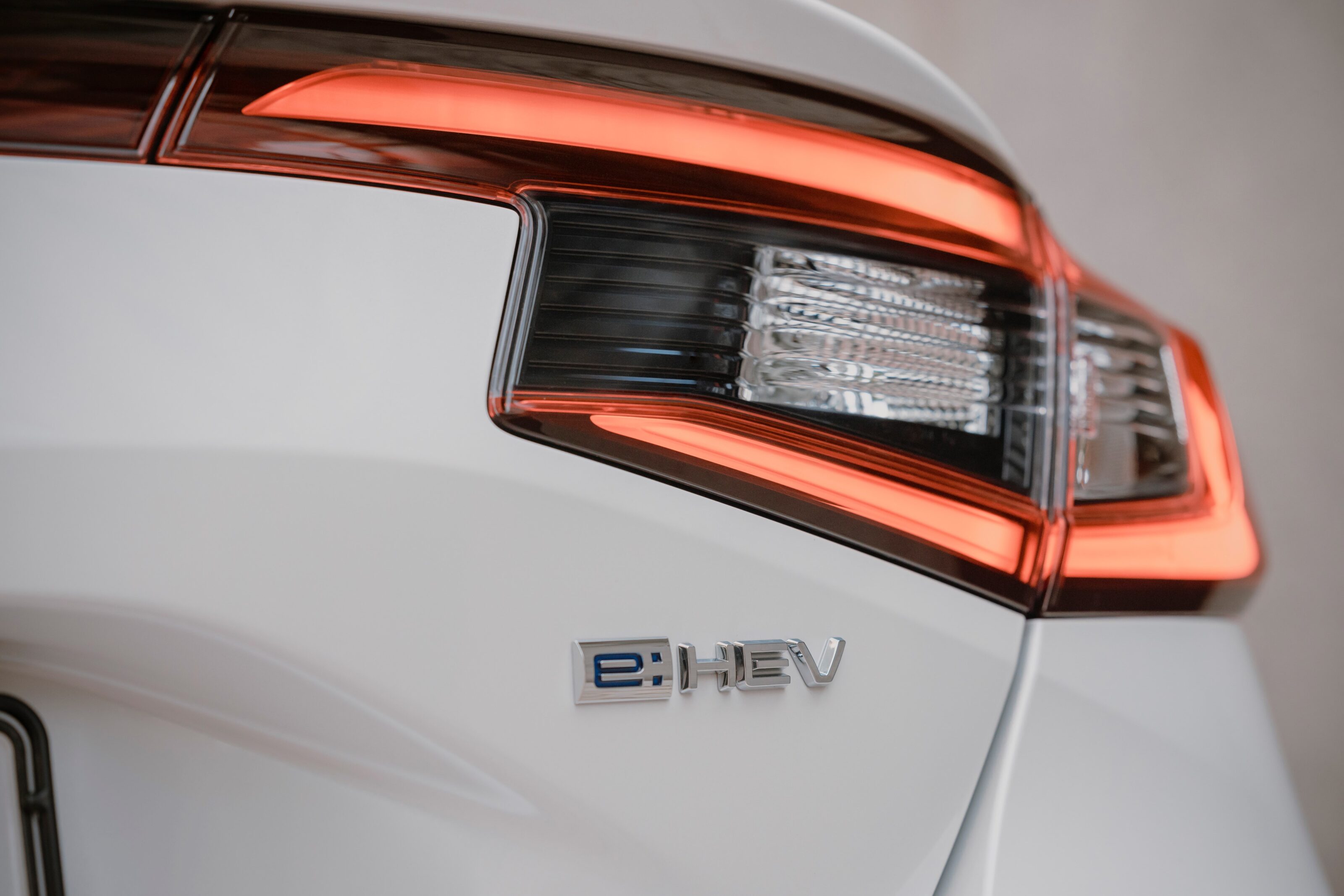
The 2023 Honda Civic e:HEV Hybrid’s pricing and features have been revealed ahead of its December 1 Australian release.
Honda is bringing one trim level priced at $55,000 drive-away, $7800 more than the petrol version.
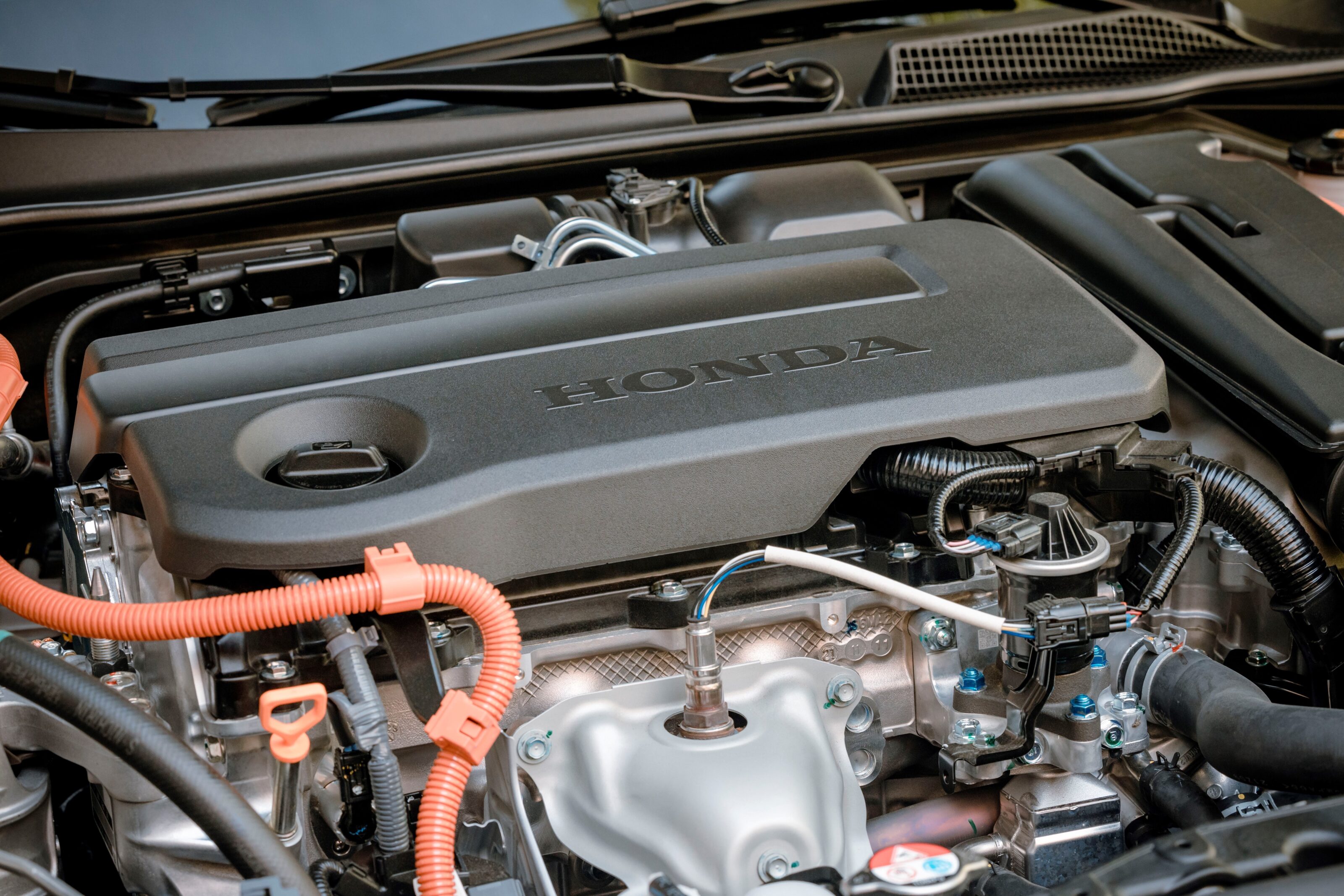
Under the bonnet is a petrol-electric hybrid powertrain built around a 2.0-litre petrol four-cylinder with a pair of electric motors for 135kW of power.
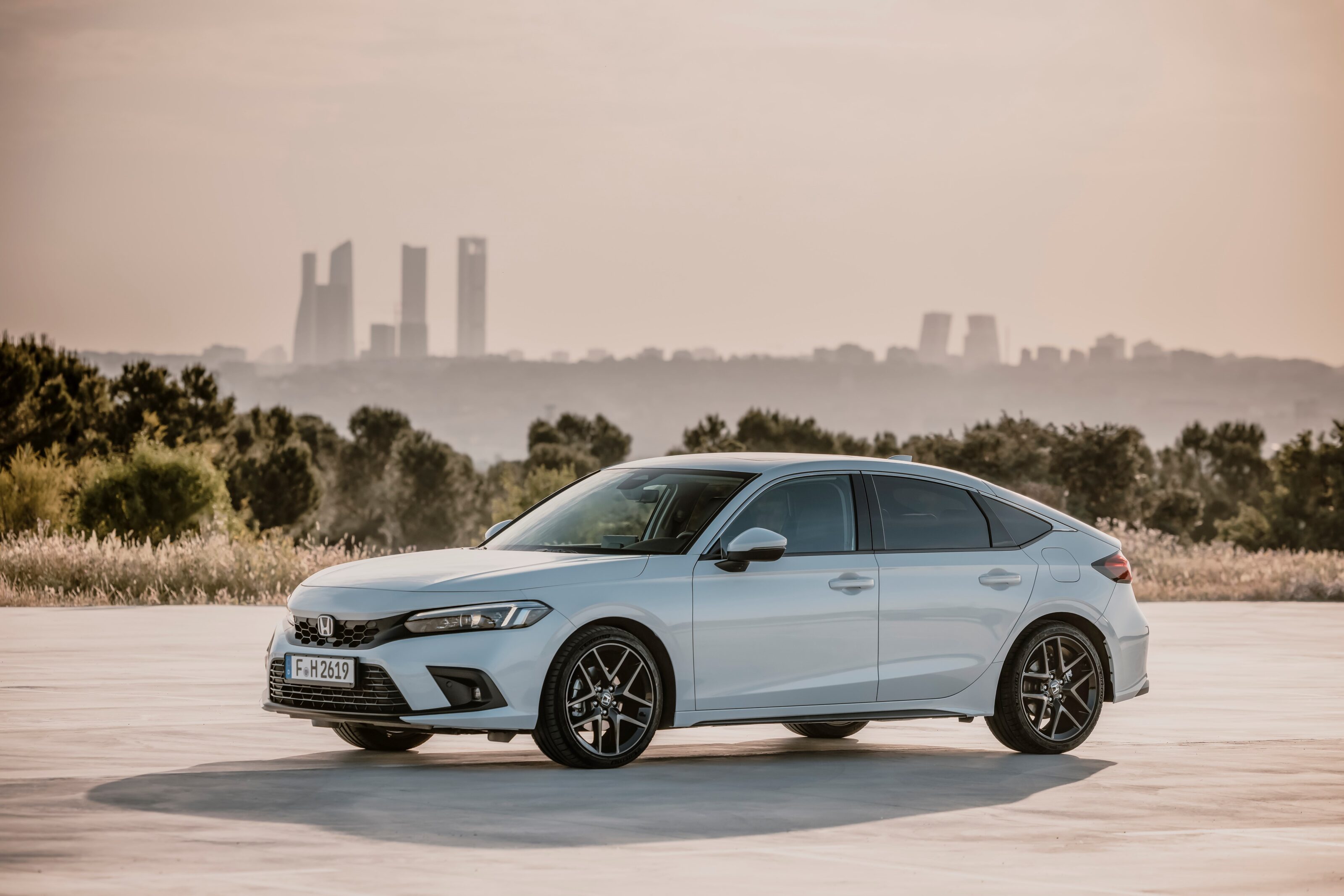
While Honda claimed the VTi-LX was an up-spec model, its equipment list largely mirrors the mid-spec Civic Sport in the United Kingdom.
Despite wearing the same LX suffix, the hybrid gets leather-appointed power seats, a panoramic sunroof and more to further justify its elevated price tag.
“The new Civic e:HEV LX is a dynamic self-charging, full-hybrid hatchback that complements the design and technology of the 11th-generation Civic with exhilarating, electrified power”, said Honda Australia director, Carolyn McMahon.
The hybrid Civic will hit Australian Honda dealers on December 1 this year.
JUMP AHEAD
Pricing
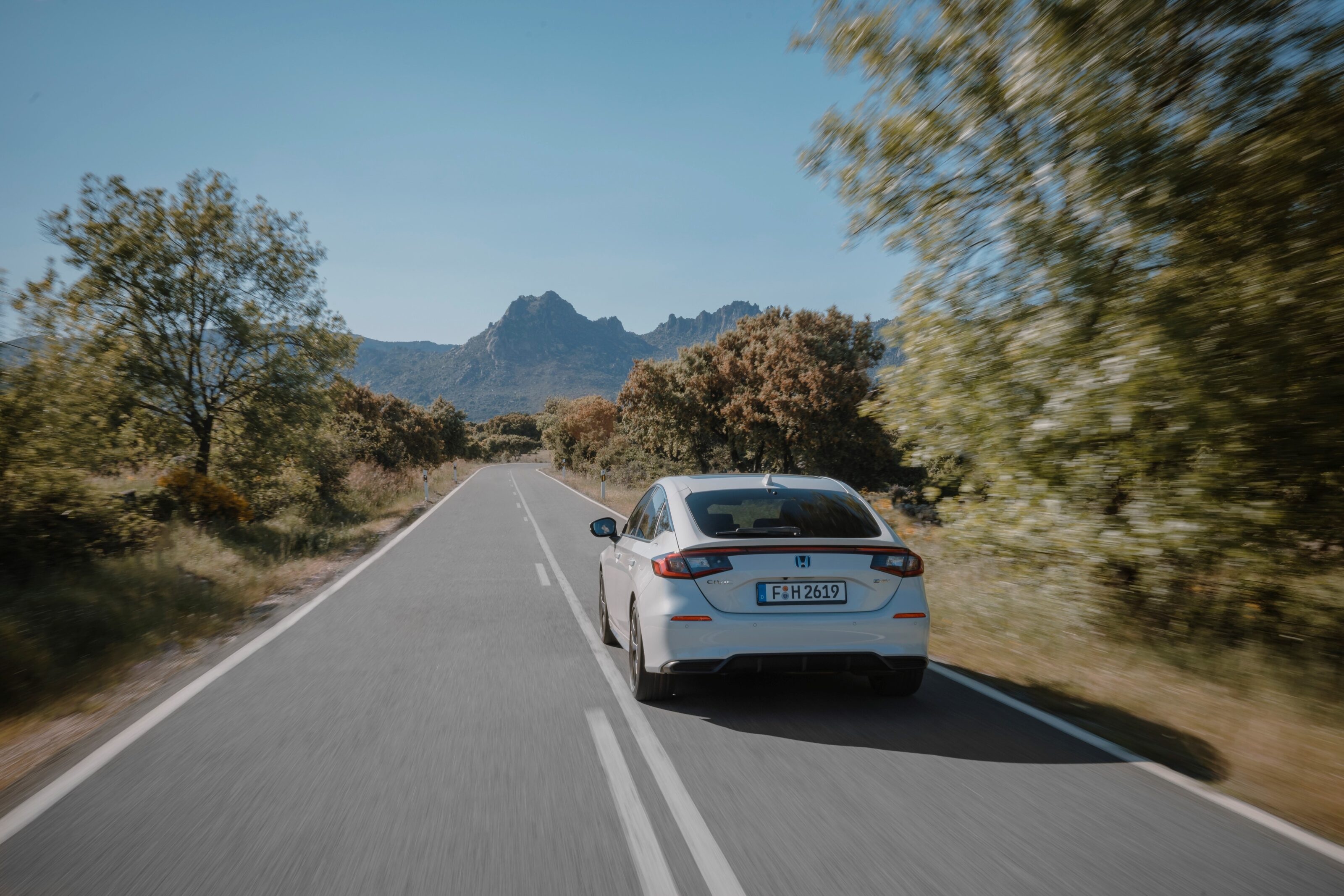
Effectively the range’s new flagship, the hybrid Civic commands a $7800 premium over the VTi LX.
Compare that to Toyota’s upcharge of $2500 for its hybrid powertrain in a Corolla hatch, and the Civic looks quite steep.
A flagship Corolla ZR hybrid hatch will set you back $37,520 before on-road costs, or about $41,500 drive-away, undercutting the Civic by $13,500.
| 2023 Honda Civic price list (national drive-away) | |
|---|---|
| Civic VTi-LX | $47,200 |
| Honda Civic e:HEV LX | $55,000 |
| Honda Civic Type R | $72,600 |
Features
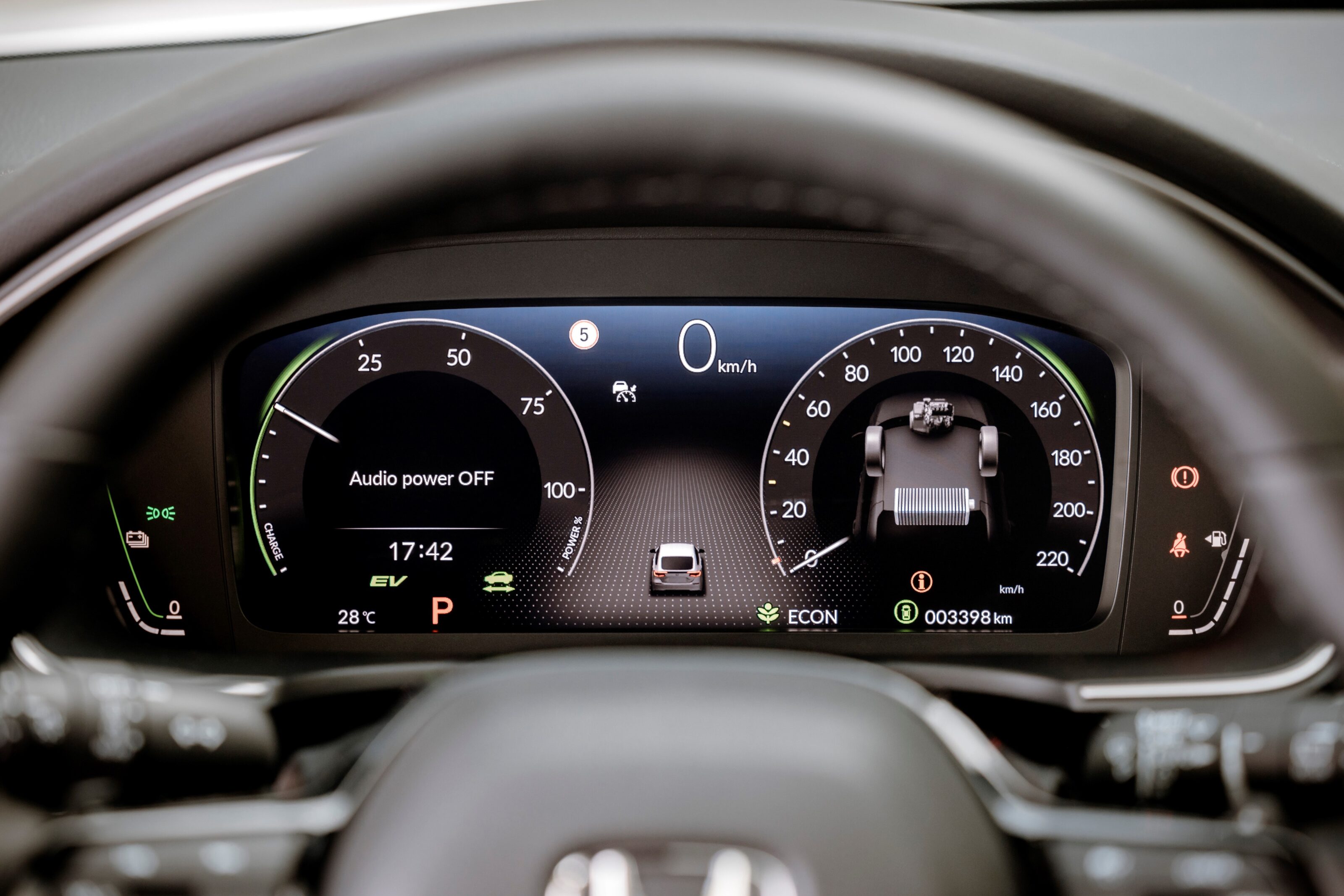
The Civic hybrid brings Honda Connected to Australia for the first time. This telematic feature uses a smartphone app to control and monitor various aspects of the vehicle.
Pre-condition climate control, switching on and off headlights, remote unlock, location finder, trip log and vehicle updates can all be sent to, or controlled by, the owner’s phone.
Additional safety features include the ability to set a speed alert that will notify you if your car has exceeded the threshold, emergency call button and automatic collision detection to notify the owner if an airbag has been deployed.
In addition to the new telematics services, the Civic e:HEV LX is equipped with the following:
| 10.2-inch digital driveru2019s display | 9.0-inch infotainment touchscreen |
| 12-speaker Bose sound system | Wireless Apple CarPlay |
| Leather-wrapped steering wheel | DAB radio |
| 8-way power driveru2019s seat with heating | Leather upholstery |
| LED headlights | Front centre airbag |
| Wireless phone charging | 18-inch alloy wheels |
Engine, drivetrain, and fuel economy
This is the big news for the Civic hybrid. It debuts the latest e:HEV system in Australia, which centres around a 2.0-litre Atkinson cycle direct-injection petrol four-cylinder.
Linked up to a pair of electric motors fed by a lithium-ion battery, the front-wheel-drive Civic hybrid is capable of producing 135kW of power and 315Nm of torque.
The result is a 0-100km/h sprint as quick as 7.8 seconds depending on specification, slightly adrift of the 131kW petrol 1.5’s 7.5 second claim.
The Civic hybrid uses an eCVT gearbox to transfer power, and there are several drive modes including Eco, Normal, Sport and now a customisable Individual mode.
Update 21/11/22: The combined ADR consumption figure for the Honda Civic is 4.2L/100km, while its urban rating is an impressive 3.2L/100km, compared to 4.0L/100km for Toyota’s equivalent Corolla ZR hatch.
Civic hybrid’s series-parallel system does not have an EV-only drive mode, and unlike a plug-in hybrid, the battery is not large enough for an electric-only driving range claim.
The Civic e:HEV’s control unit instead automatically switches between electric-only, combustion-only and hybrid drive to achieve its efficiency.
Colours
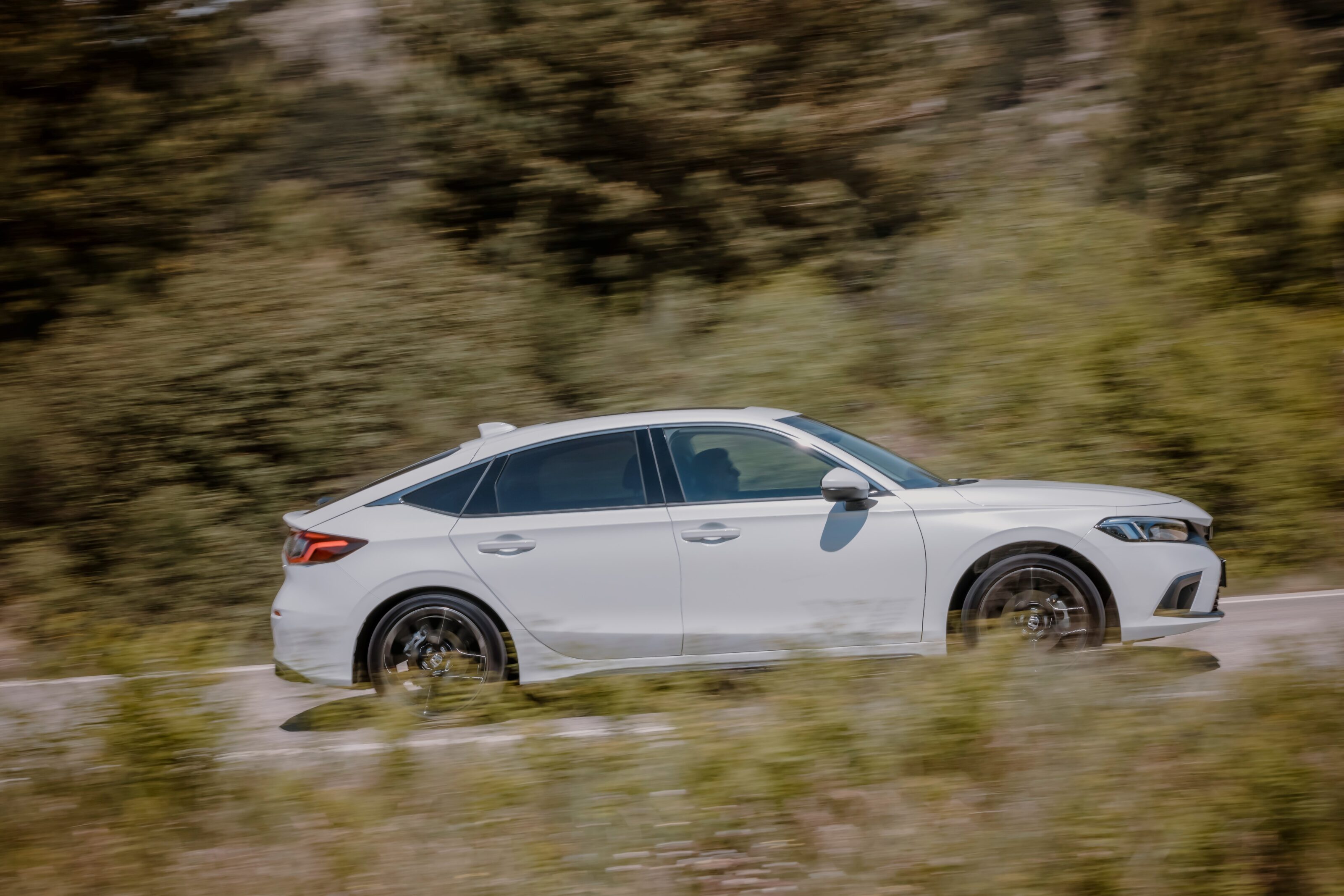
Honda’s simplified agency model has seen choice disappear in favour of simplicity. As such, there are only three colours available for the Civic hybrid: platinum white pearl, crystal red metallic or crystal blue metallic.
Safety features
The 11th-gen Honda Civic has yet to be evaluated by safety testing body ANCAP. Euro NCAP awarded the Civic five stars in 2022 testing. Key features include:
| Adaptive cruise control w/stop & go | Lane-departure warning |
| Lane-trace assist | Traffic-sign recognition |
| Intelligent speed limit assist | Blind-spot monitoringu00a0 |
| Forward AEB with ped/cyc | Rear cross-traffic alert |
| Driver attention monitor | Wide angle reverse camera |
Availability
The Civic Hybrid will hit Honda dealers from the first of December 2022 with its fixed agency pricing model unchanged from the petrol Civic.
This story is published in partnership with Maserati
The 2023 Maserati Levante SUV and 2023 Maserati Ghibli sedan are now offered with bespoke colour and trim as a homage to the first woman to compete in a grand prix. Both models are produced in limited numbers, but certain to draw maximum attention.
Before we get to the cars, though, let’s take a moment to talk about Italian driver Maria Teresa De Filippis. In October 1955, De Filippis competed in the 39th Targa Florio driving a Maserati A6GCS (shared with Luigi Bellucci). She would take ninth place overall (fourth in the 2.0-litre class).
This was a career turning point that would lead De Filippis, in 1958, to compete in her first Formula 1 World Championship Grand Prix in Belgium in a privateer Maserati 250F, making her the first woman to break into the ranks of motorsport’s top category.
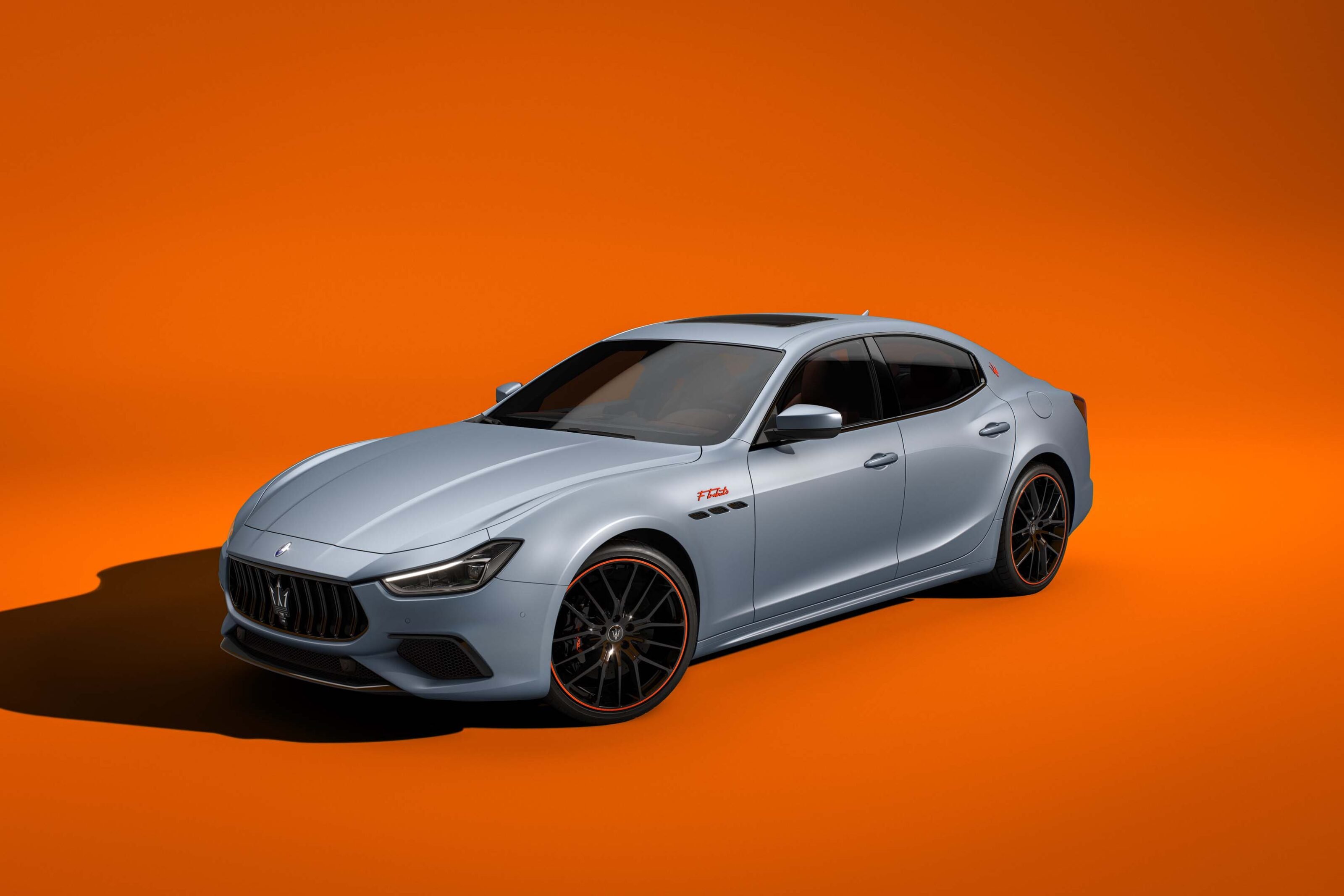
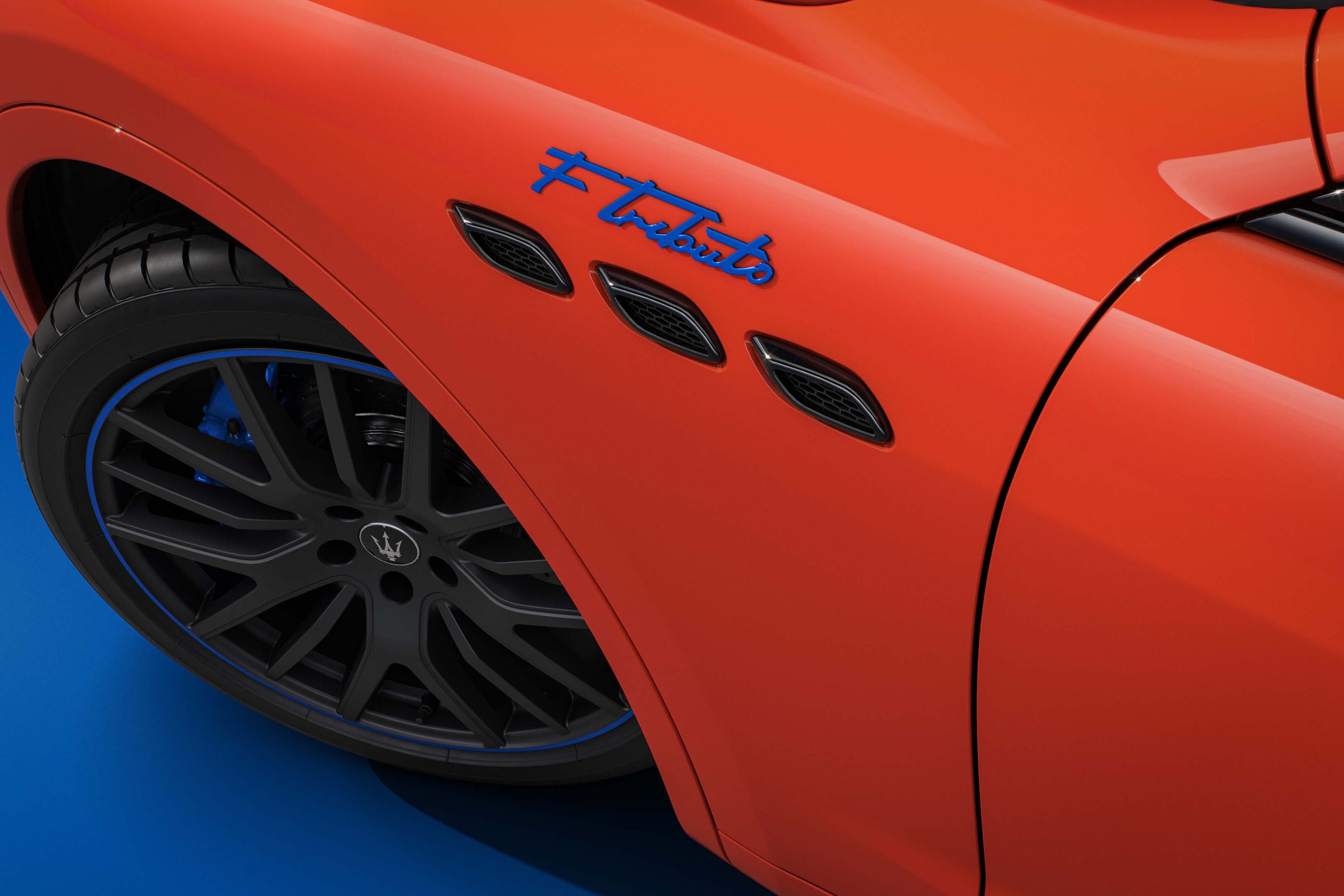
To celebrate De Filippis’ achievements, Maserati has launched a pair of celebratory F Tributo special editions of its Levante SUV and Ghibli sedan with unique paint finishes as well as exterior and interior upgrades.
Two exclusive colour options are offered. One is the bright orange Arancio Devil (below), a nod to De Filippis’ nickname ‘the she-devil’. The other is Grigio Lameria (above), a grey that is reminiscent of the colour of a racetrack’s surface and a nod to Maserati’s rich history in racing and its deep-rooted motorsport DNA.
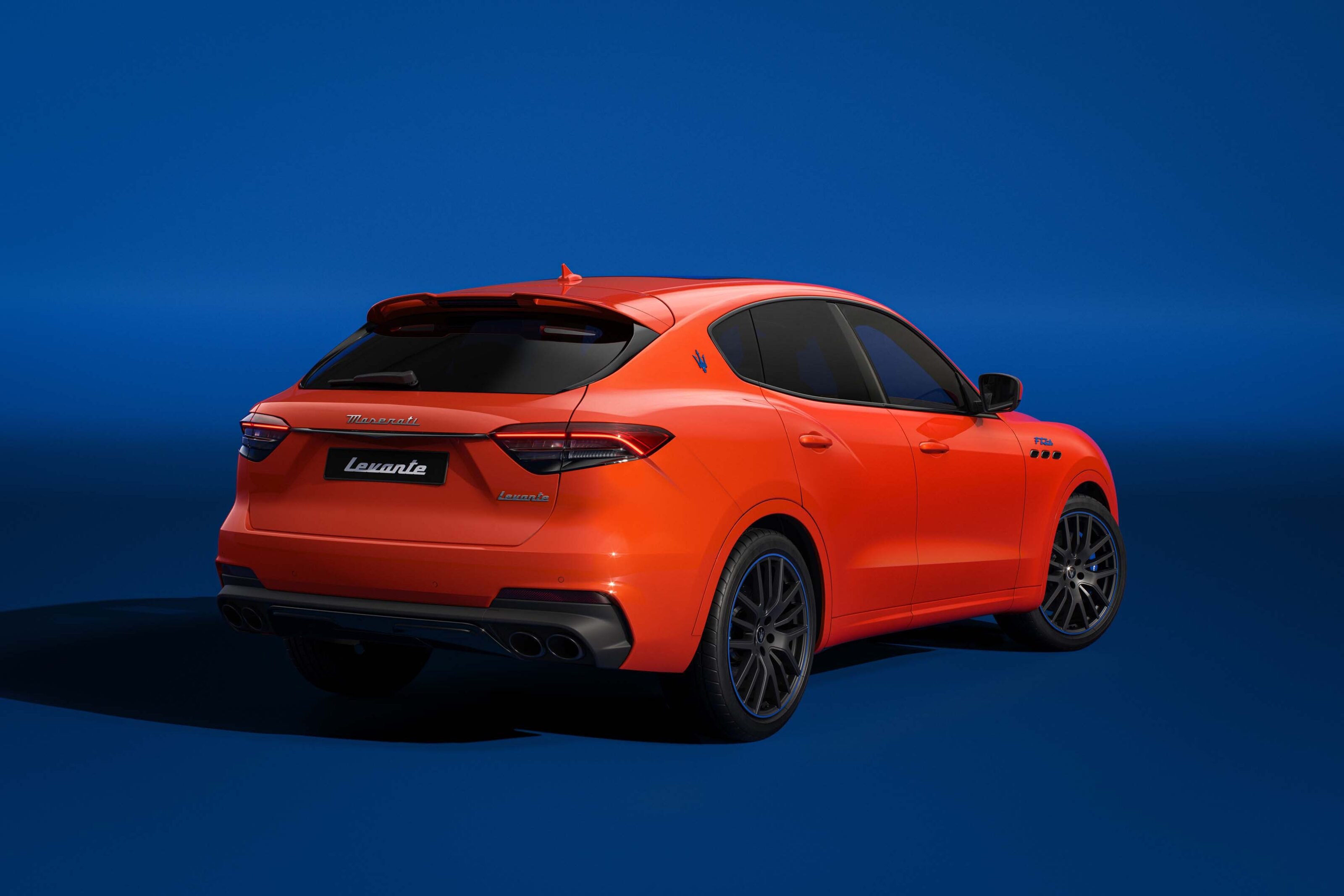
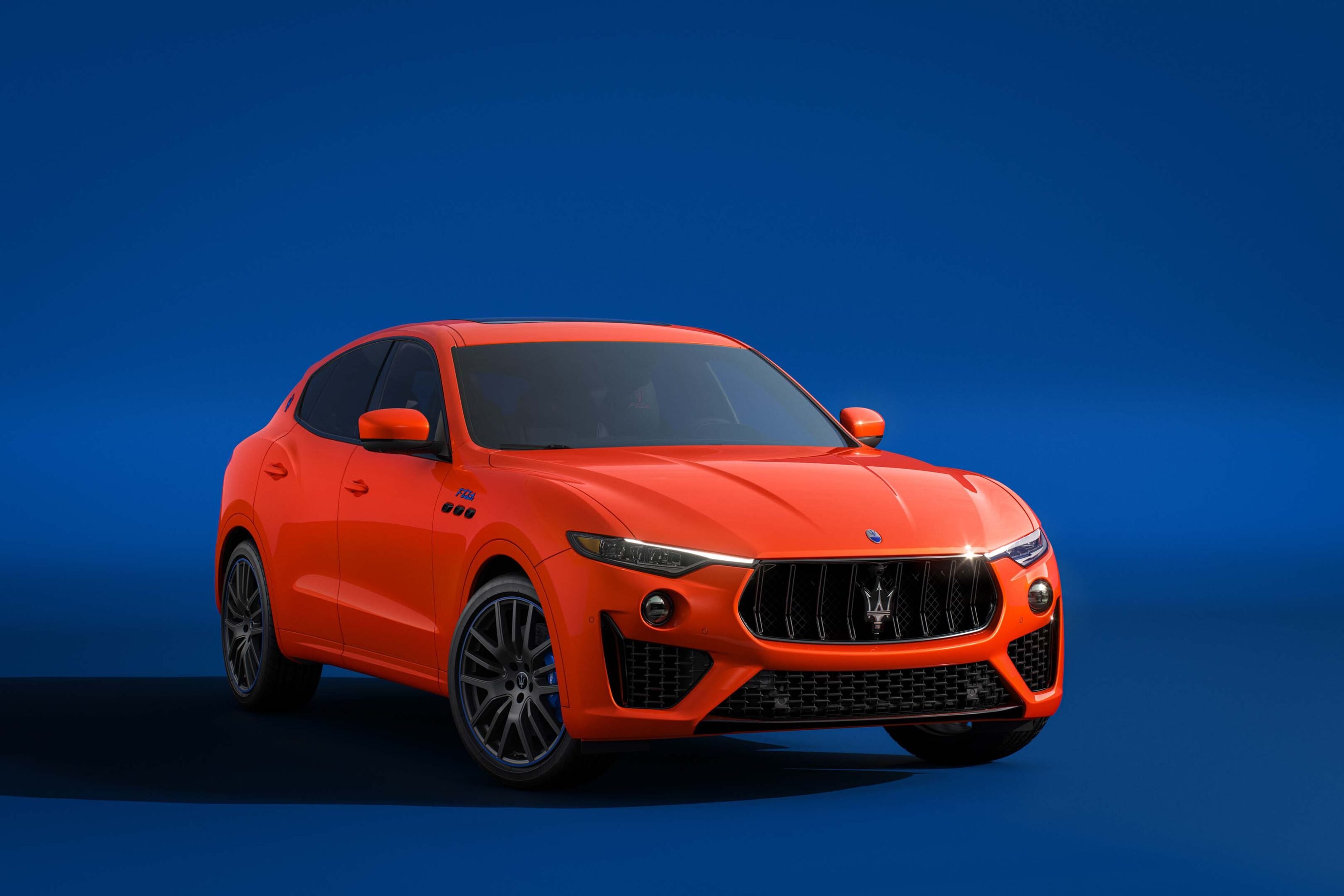
In the Arancio Devil livery, the Levante F Tributo comes with 21-inch Anteo wheels. The wheel rims are finished in cobalt blue, as are the badges on the guards and the Trident logo on the C-pillars.
For the Ghibli F Tributo in the new Grigio Lameria colour, wheels – also 21-inch – are in the Titano design, painted glossy black, while the details like the F Tributo badge and the Trident logo are painted a contrasting orange.
In the cabin, the shades of the exterior finishes are highlighted in the cobalt blue and orange stitching when paired with black ‘PienoFiore’ (full-grain) leather, or orange stitching when the natural shade of leather is chosen.
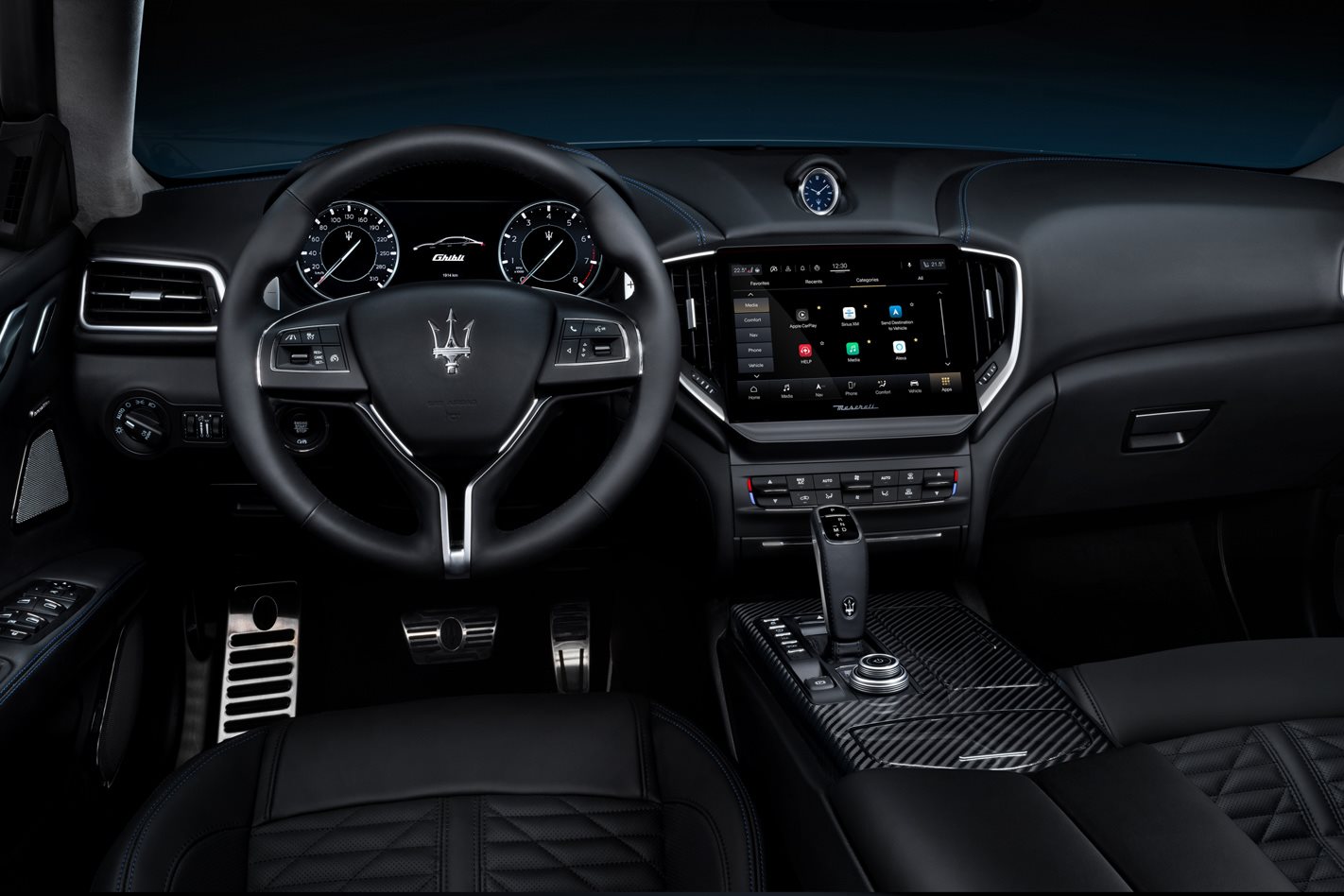
Mechanically, the F Tributo Special Editions of the Ghibli and the Levante remain identical to their regular counterparts.
For both Ghibli and Levante, the current versions have multiple engine options across different spec grades. The most powerful V8-powered Trofeo variants make 433kW/730Nm from a 3.8-litre twin-turbo V8.
There are also twin-turbo V6 versions in different tunes, the GT with 243kW and 450Nm, the Modena with 257kW and 500Nm, and the Modena S with 316kW and 580Nm.
Levante F Tributo comes to Australia
Maserati Australia has secured one of the limited-production run; a Levante F Tributo in Grigio with tan/orange. The price is $235,000, with arrival scheduled for the first quarter of 2023.
The Australia-bound Levante F Tributo is based mechanically on the Modena S, its twin-turbo 3.0-litre V6 producing 316kW and 580Nm, with a 0-100km/h time of 5.2 seconds.
As for de Filippis, she retired from racing shortly after the death of fellow driver and friend Jean Behra at the Avus circuit in Berlin in 1959.
Maria Teresa de Filippis died in 2016, yet her determination and accomplishments continue to be remembered, thanks in part to these stunning Maserati special editions.
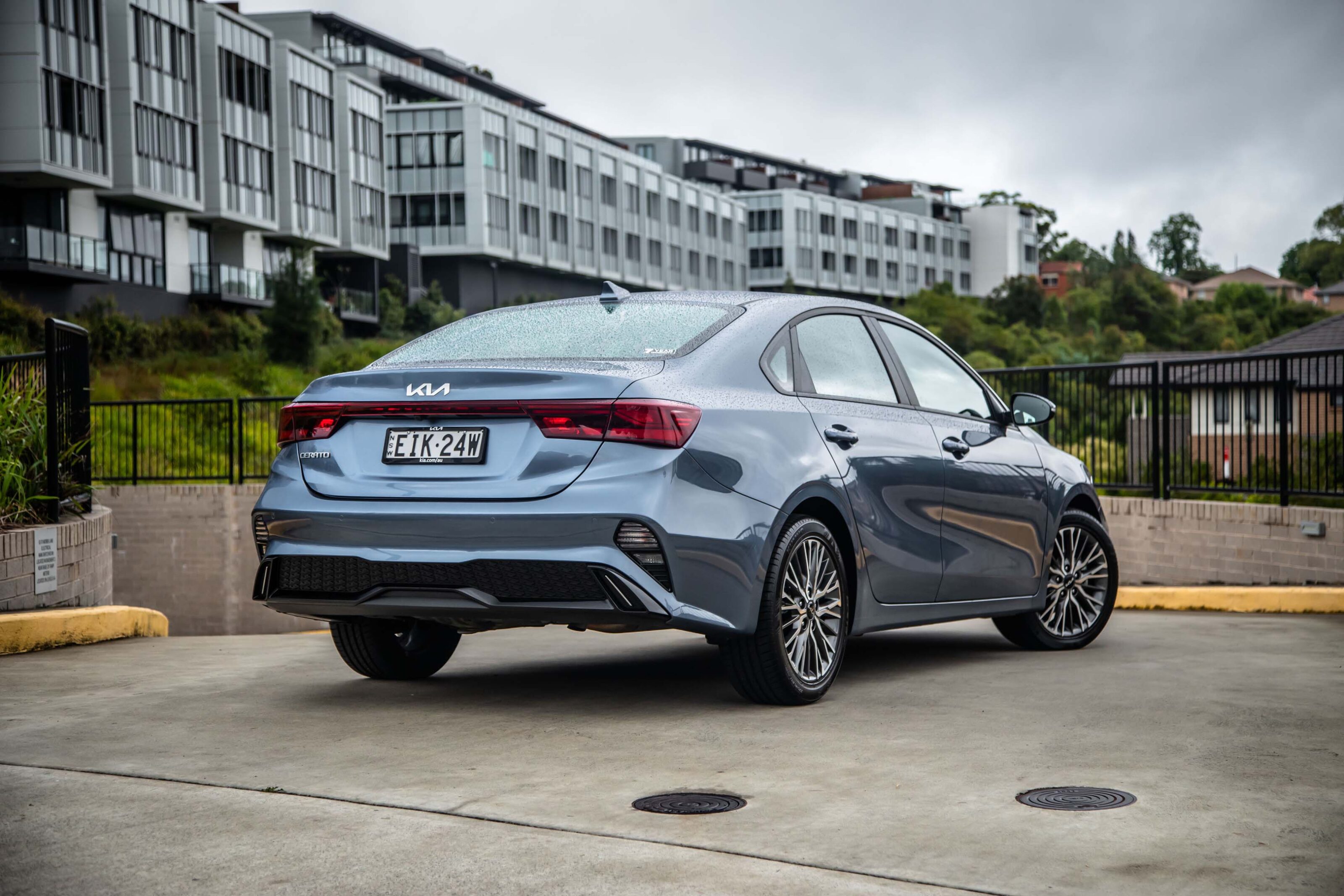
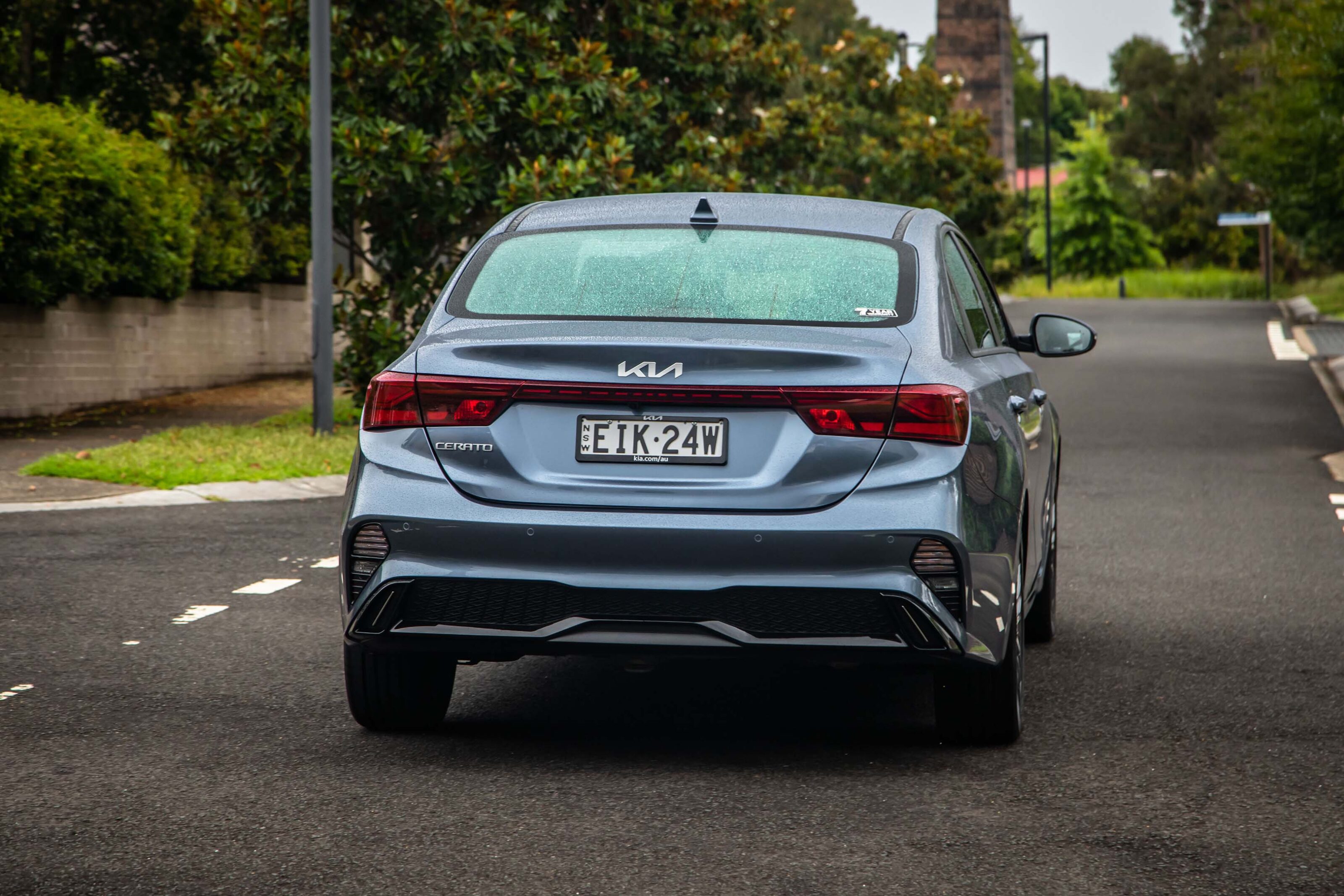
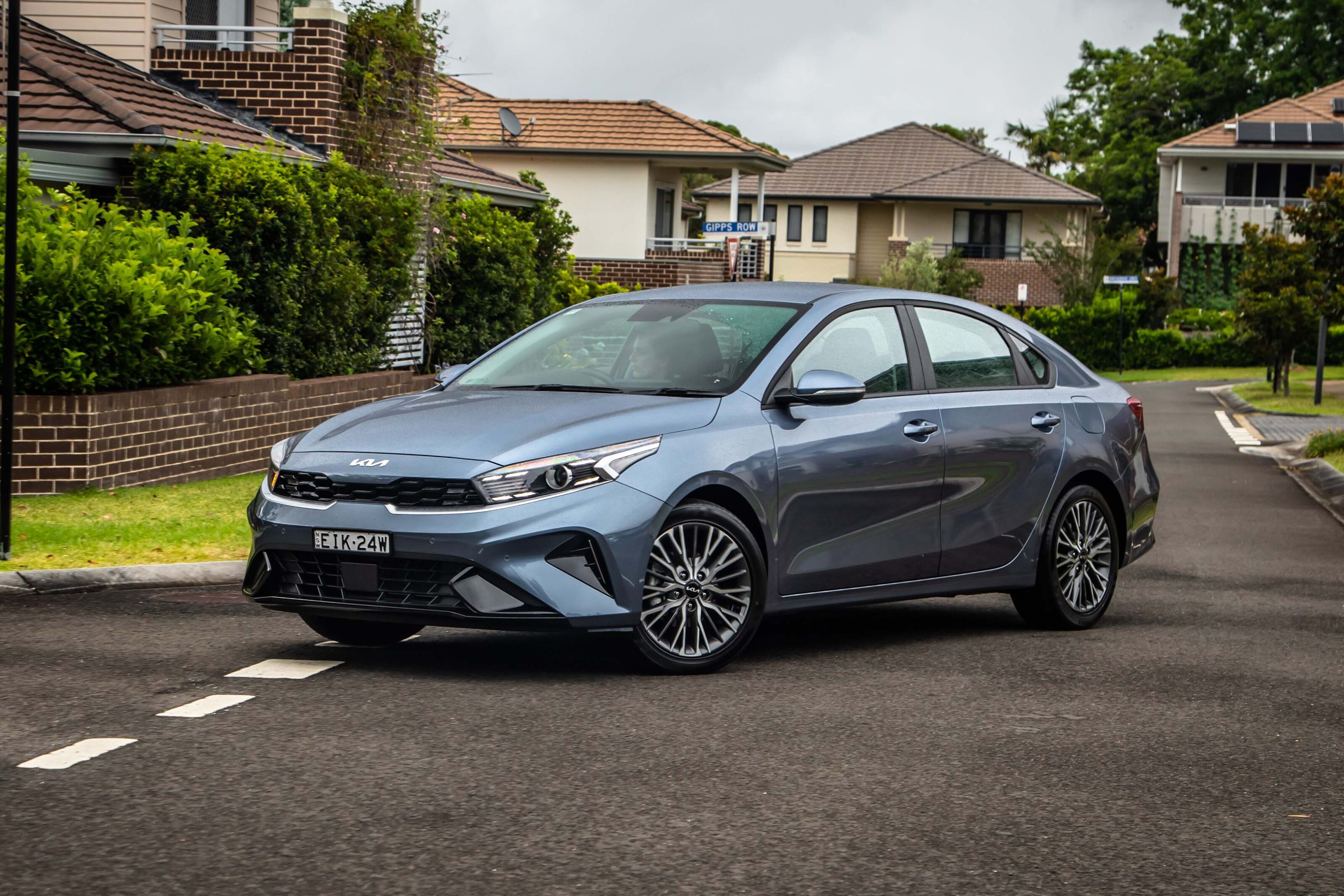
Kia’s Cerato has remained steadfastly true to its roots as a value-driven small hatch and sedan range for more than two decades. But at its facelift just over a year ago, it got a much prettier new look that added a bit of flash to the proposition.
It remains a simple and straightforward car in 2.0-litre automatic form, in the sense that it doesn’t try to do too much. It’s more than just basic transport though, with a good basic safety package even in the entry-level S and standard spec builds with the investment in a fairly linear fashion.
And it seems that the formula keeps on working because the Cerato continues to sell well. You can still get one for under thirty grand, but if you’re looking to spend a little more, what will you get in the top of the 2.0-litre range?
JUMP AHEAD
- How much is it, and what do you get?
- How do rivals compare on value?
- Interior comfort, space and storage
- What is it like to drive?
- How is it on fuel?
- How safe is it?
- Warranty and running costs
- VERDICT
- Specifications
How much is it, and what do you get?
The current Cerato range made its debut just over a year ago with a fresh Kia badge and a rather more attractive front end. Prices have – inevitably – crept northwards since, with the range starting at $25,990 for the steel-wheeled S and reaching $35,790 for the GT, all before on-road costs.
The car I had for the week was the possible Goldilocks of the range, the Sport+, which starts at $31,140 before on-road costs.
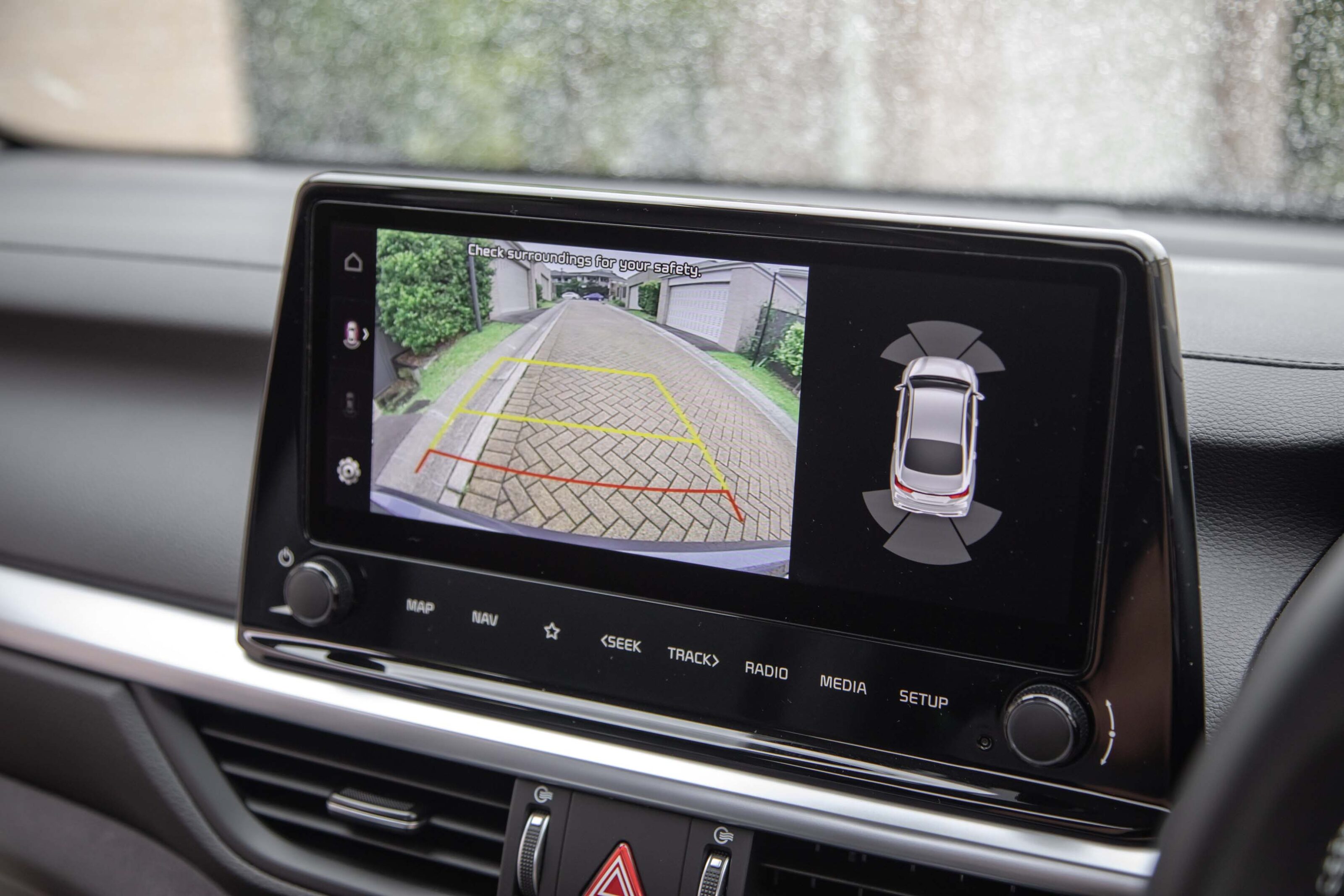
| 17-inch alloy wheels (space-saver spare) |
| Six-speaker stereo |
| 10.25-inch touchscreen |
| Wired Apple CarPlay |
| Wired Android Auto |
| Adaptive cruise control |
| DAB+ digital radio |
| Reversing camera |
| Keyless entry and start |
| Dual-zone climate control |
| Halogen headlights with auto high beam |
| Imitation leather upholstery |
| Satellite navigation |
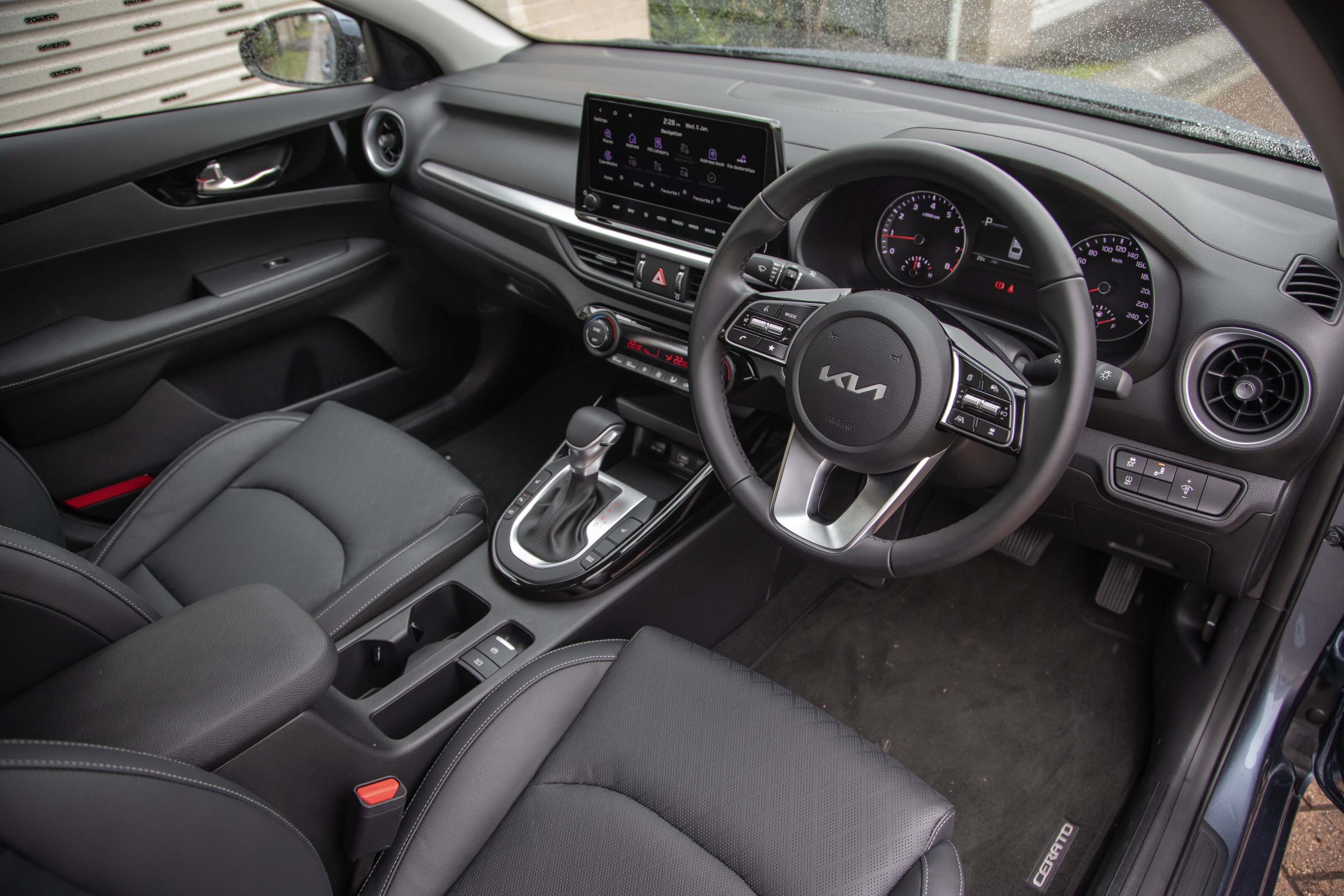
The fake leather interior is perfectly acceptable and feels fairly durable. I really like the inclusion of the big touchscreen with all its clever (and amusing) features and it makes the car feel a bit more special than its price suggests.
How do rivals compare on value?
Main rivals to the Cerato are serious, and they have to be to survive in this shrinking part of the market.
The smaller Corolla sedan can be had in SX hybrid form for $33,780 plus on-road costs (and lengthy wait time). Although recently refreshed, it’s not as feature-packed and the interior is still a bit ho-hum, but it’s quite thrifty if dull to drive and look at.
Mazda will sell you its G20 Touring automatic for $32,090 plus on-road costs. It’s arguably the best-looking car in the segment but doesn’t have the legroom of the Cerato or the big screen, though is otherwise similarly equipped with a bit of giving and taking. The 3 hatch looks even better if you can bear to lose a fair chunk of boot space.
Hyundai’s i30 Sedan is $31,690 in Elite Auto trim. In common with the Cerato are its comfortably large interior, big boot and whopping touchscreen media system. For not a lot more you can have the turbo-engined N-Line in manual, or auto for a little bit more again. It’s very cool to look at.
Interior comfort, space and storage
Starting with the driver’s seat, you do pretty well right from the off. The seats are comfortable and the imitation leather does a convincing job of not feeling like vinyl. The steering wheel is covered with what seems to be the same material and it’s really nice to use.
You have a set of analogue dials with a now near-ubiquitous digital screen between them and it all works just fine. The media screen is Hyundai-Kia’s monster 10.25-inch unit, which somehow fails to dominate the interior.
Two cup holders are provided in the front as well as bottle holders in the doors. The space for your phone – along with two USB-A ports and a 12-volt – also takes larger phones.
Most of the materials are pretty good but the lower down in the cabin you go, the scratchier the plastics get. It’s kind of a Kia thing.
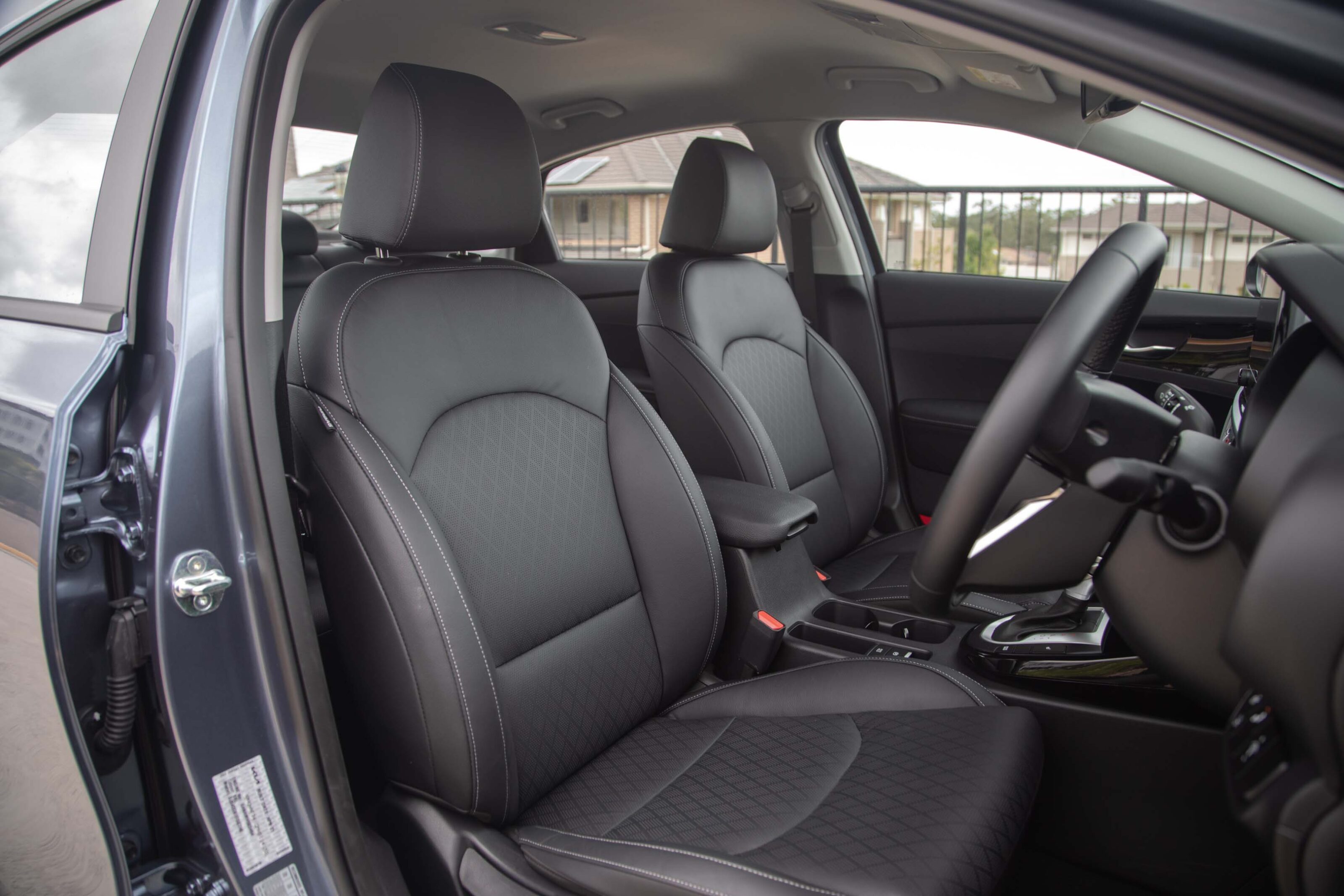
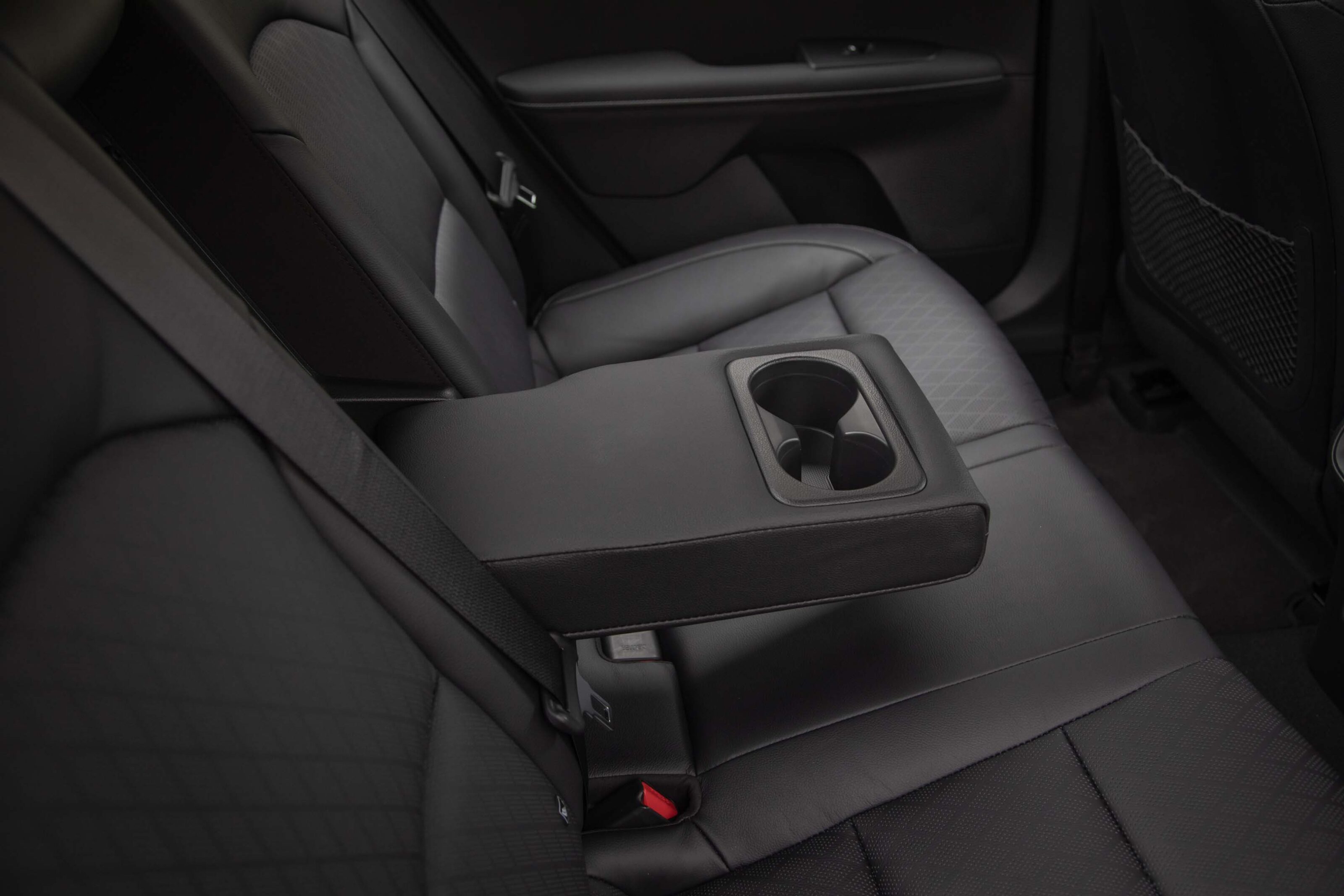
Moving to the rear, there is a fairly flat rear bench seat but plenty of leg, knee and headroom for a car in this class. The armrest has two cup holders to go with the bottle holders in the doors, but they’ll not hold anything much bigger than a 500ml disposable. There’s a USB-A port in the rear of the centre console and, blessedly, air vents.
It’s fairly drab and grey inside with the exception of a few metallic highlights in the front and on the door handles, but the light-coloured headliner and generous glass areas mean plenty of light gets in.
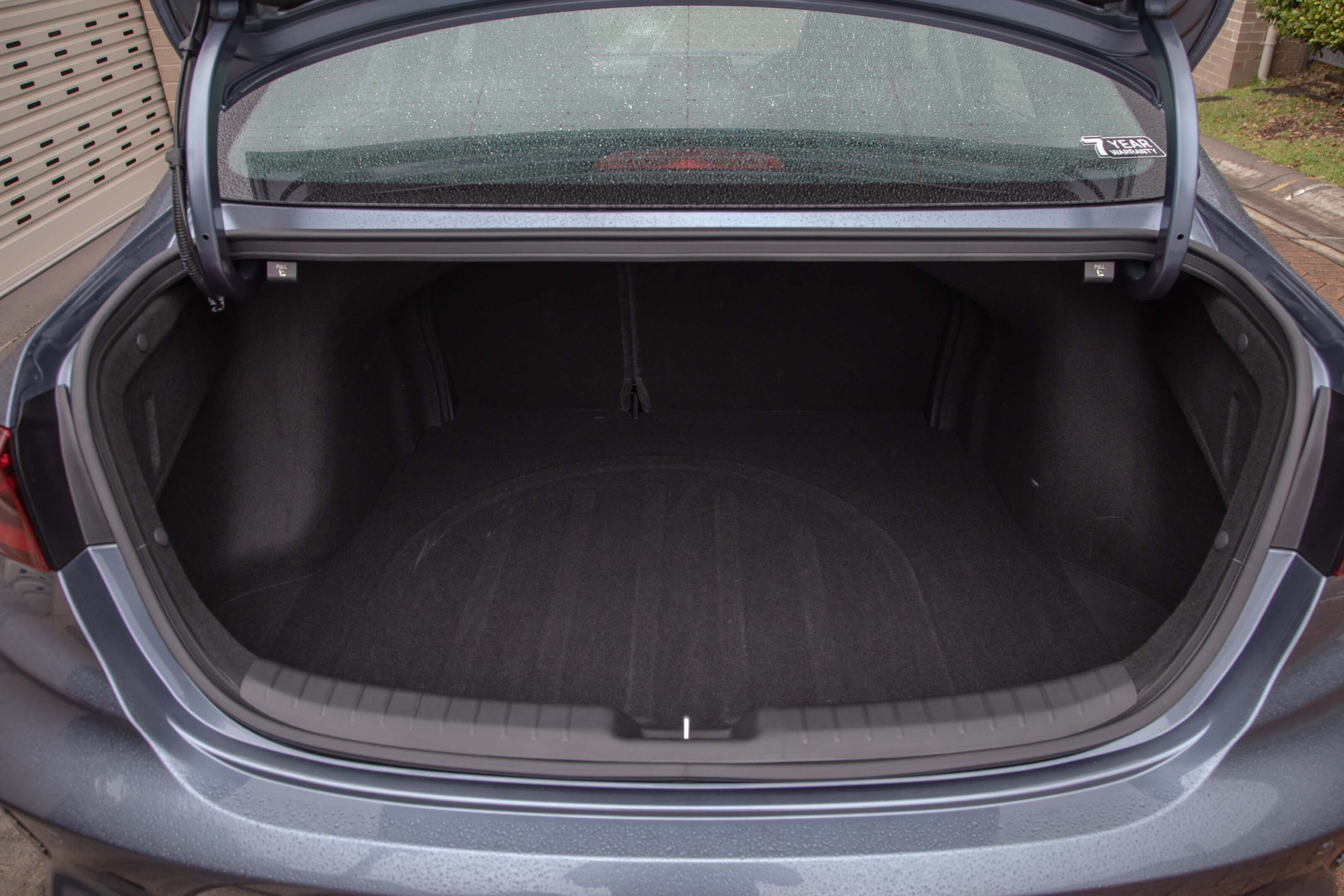
As this is the sedan, you get a pretty big boot at 502 litres (428 in the hatch), which is very decent for a car with this footprint.
What is it like to drive?
| Engine | 2.0-litre four-cylinder naturally-aspirated |
| Power | 112kW @ 6200rpm |
| Torque | 192Nm @ 4000rpm |
| Transmission | Six-speed automatic |
The Cerato has never, ever been about excitement, at least not in 2.0-litre front-wheel-drive spec. Last year’s facelift included a program to re-jig the suspension but a combination of COVID and the fact that there wasn’t a lot wrong with it in the first place meant nothing actually changed.
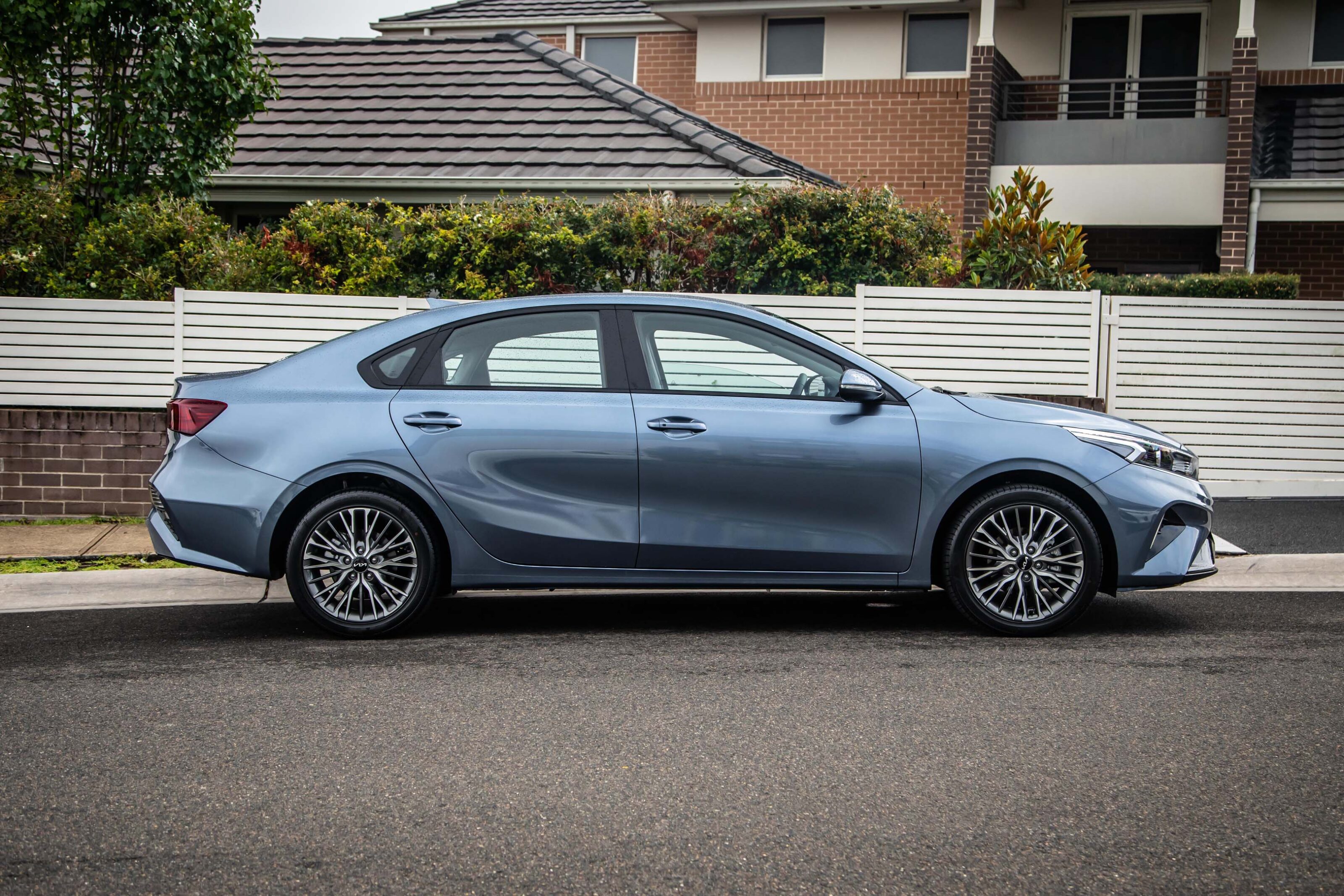
And that’s a good thing. The Cerato is big on being easy to live with. As long as you stay well within its admittedly low limits, it’s a refined, nicely balanced combination of ride and handling.
In town, it tackles bumps without fuss, even on the larger 17s and takes pretty much anything urban roads can throw at it. The steering is light and direct, so you’re not twirling your arms while parking or spending your life steering just to go around simple corners.
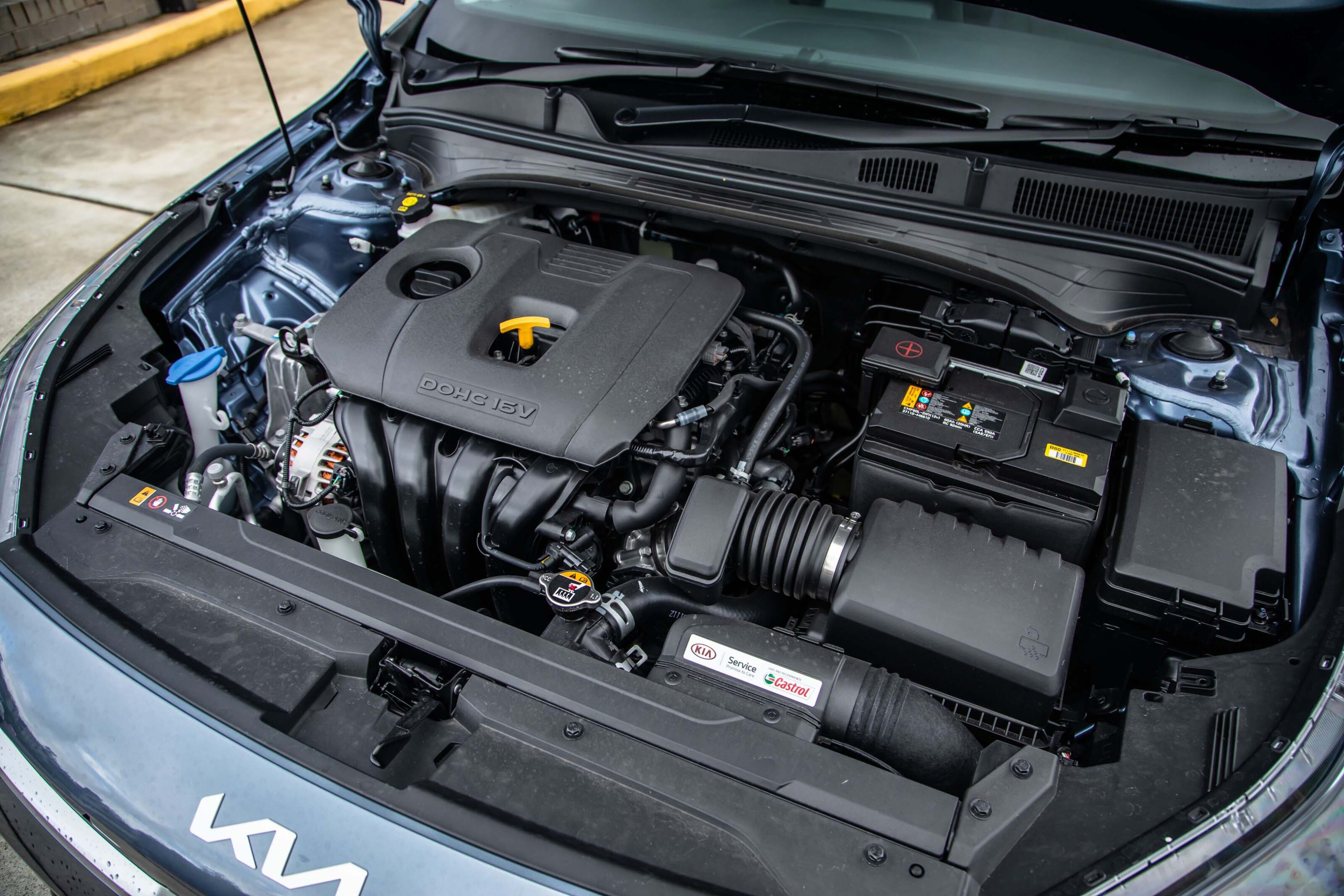
You won’t hear much from the engine, which is for the best. While the transmission is nicely set up to deliver what you need when you need it, asking too much of modest power and torque figures will get you an angry buzzing from under the bonnet.
Nobody is under any illusions that this engine is a classic of the genre, but it’s getting on a bit and doesn’t have extra fuel-saving measures like cylinder deactivation or stop-start. But it’s pretty simple and by all accounts reliable.
Is it exciting? Goodness no. But almost nothing in this segment is and there’s a good reason for that – nobody wants it, at least not in large numbers.
How is it on fuel?
Kia says you’ll get 7.4L/100km on the combined cycle. My week with the Cerato was mostly bombing around the suburbs and delivered a respectable 8.9L/100km on 91 RON fuel. Not a million miles off the combined and not as thirsty as similarly sized and powered SUVs with less gear and less interior space.
| Official combined cycleu00a0 | 7.4L/100km |
| On-test (trip computer) | 8.9L/100km |
| Fuel type | 91 RON |
| Fuel tank | 50 litres |
How safe is it?
The Cerato scored a five-star ANCAP safety rating in 2019. The items in the list marked with an asterisk are part of the Sport+ spec over and above what’s available on the Sport without the optional safety pack.
| Six airbags |
| ABS |
| Stability and traction controls |
| Lane-keep assist |
| Lane departure warning |
| Forward AEB (car and pedestrian detection) (cyclist detection*) |
| Lane follow assist |
| Driver attention detection |
| Rear occupant alert |
| Blind-sport monitoring* |
| Rear cross-traffic alert* |
| Reverse AEB* |
| Safe exit warning* |
You also get two lots of ISOFIX points and three top-tether anchors for securing kids’ seats.
Warranty and running costs
Kia offers a pace-setting seven-year, unlimited-kilometre warranty. The length of the warranty is bested only by Mitsubishi’s ten-year coverage but then again, Mitsubishi doesn’t have a small hatch or sedan on offer.
A fixed-price servicing program covers the first seven intervals, which occur every 12 months or 15,000km. All seven services will cost you $2939 for an average of $420 per year, which we think is a little stiff for a car that isn’t very complex.
VERDICT
The Kia Cerato sedan does all the things it’s supposed to do and does them very well. It’s reasonably priced by current standards, looks pretty good and has a welcoming interior with enough toys and features to justify the price.
It doesn’t have the look-at-me appeal of the i30 Sedan, the hybrid option of the Corolla or the suave vibe of the Mazda3. But it’s practical, sensible and a car for people who don’t want drama.
And, as it turns out, that’s quite a few people.
2022 Kia Cerato Sport+ specifications
| Body | 4-door, 5-seat small sedan |
|---|---|
| Drive | front-wheel |
| Engine | 2.0-litre four-cylinder petrol |
| Bore/stroke | 81.0 x 97.0mm |
| Compression | 10.3:1 |
| Power | 112kW @ 6200rpm |
| Torque | 192Nm @ 4000rpm |
| Transmission | six-speed automatic |
| Weight | 1320kg (kerb) |
| Fuel consumption | 7.4L/100km claimed |
| Suspension | strut (front), torsion beam (rear) |
| L/W/h | 4640/1800/1440mm |
| Wheelbase | 2700mm |
| Brakes | 280mm single-piston (front), 284mm single-piston (rear) |
| Tyres | 225/45 R17 Kumho Ecsta PS71 (f&r) |
| Wheels | 17-inch alloy (space-saver spare) |
| Price | $31,140 + on-road costs |
The next-generation ‘T7’ Volkswagen Multivan remains at least 18 months away from an Australian launch – but it could offer a plug-in hybrid option when it arrives.
First revealed in mid-2021, the T7 Multivan is the first completely new model in two decades – and is underpinned by a platform borrowed from Volkswagen’s latest passenger vehicles, rather than a commercial van.
It will eventually replace the T6 Multivan – unveiled in 2015 – that remains available in Australia, which rides on the same platform as the T5 launched in 2003. A facelifted version, the T6.1, arrived in 2020.
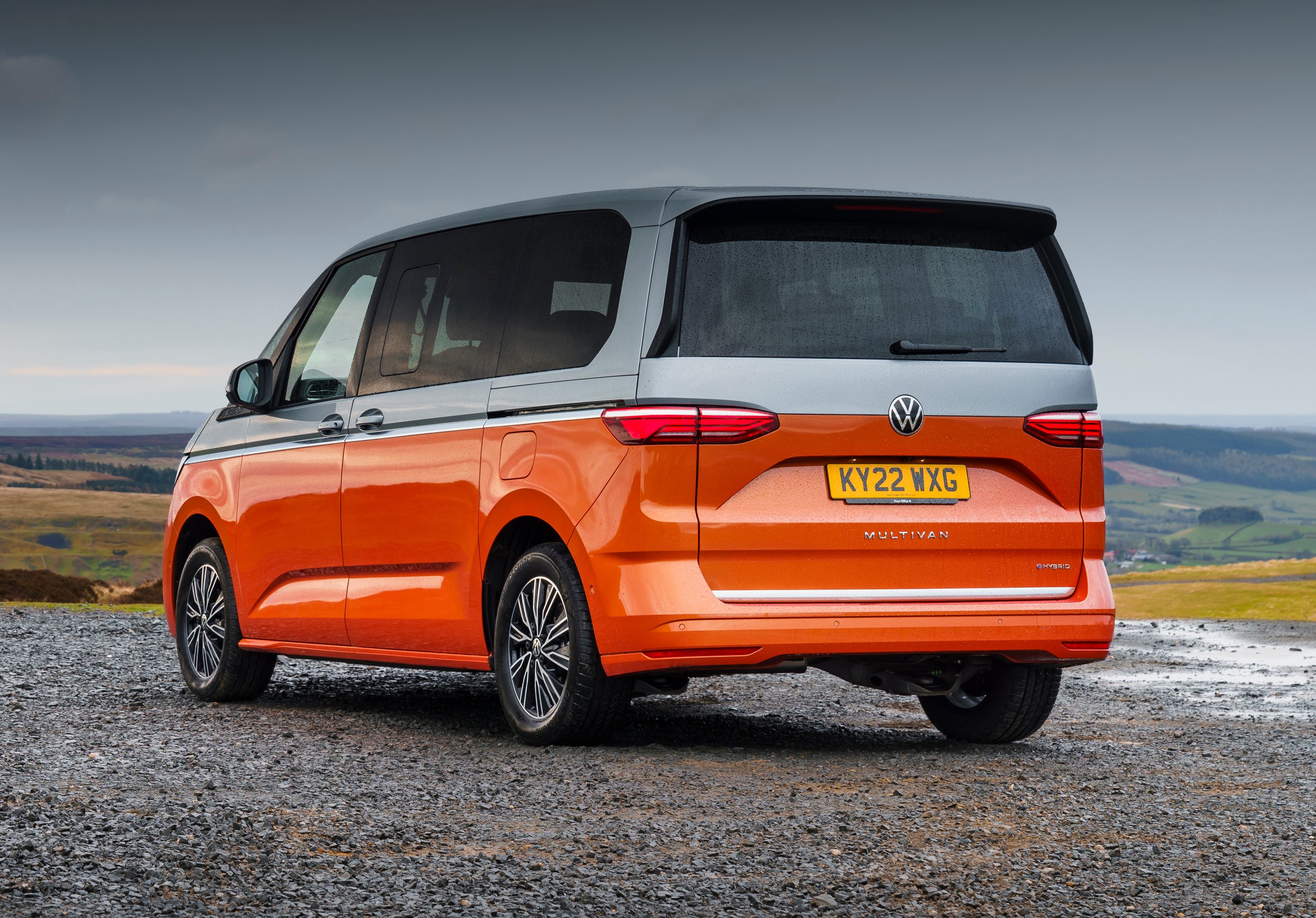
In a similar fashion to the monocoque Kia Carnival and Hyundai Staria, the T7 Multivan is based on the same MQB platform that underpins the latest Golf hatchback, Tiguan medium SUV and Caddy van, with available petrol, diesel and plug-in hybrid powertrains.
For the first time, the Transporter delivery van is expected to be replaced by an all-new model based on a co-developed platform shared with the next-generation Ford Transit Custom – opening the door for a fully-electric variant.
Speaking with media this week, a local executive confirmed the T7 Multivan is not expected to arrive in Australia until 2024 at the earliest – more than two years after it launched in Europe.
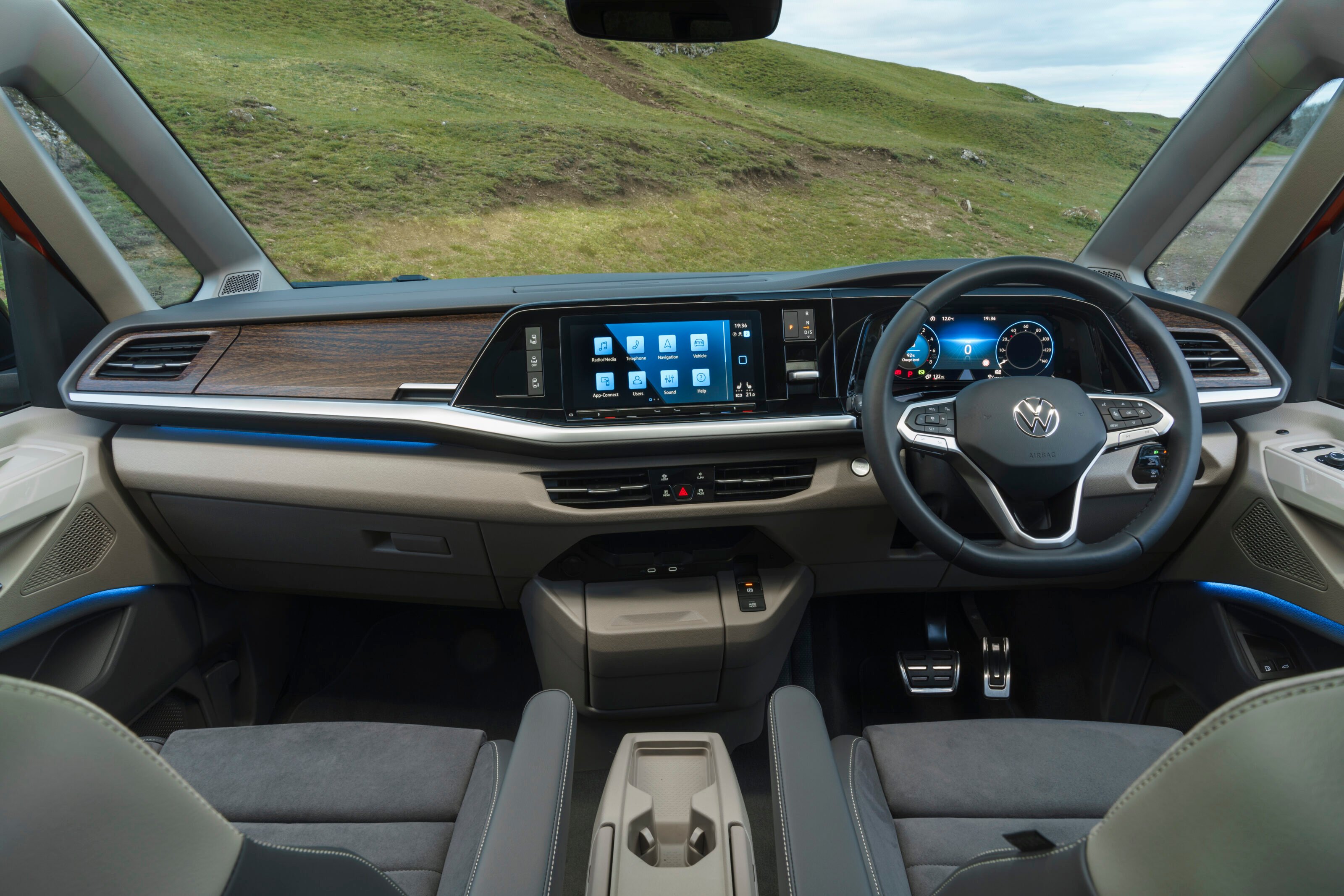
It is also available in New Zealand in plug-in hybrid form, priced from NZ$78,800 (AU$71,900) before on-road costs, making it eligible for the nation’s Clean Car Discount.
“T7 Multivan is still something under evaluation at this point,” said local Volkswagen Commercial Vehicles director Ryan Davies.
“We definitely want it, but we’re not confirmed as a market as yet. We’ll continue with T6.1 for the next year and a half, and then by that stage, I’d like to hope that we can get access to T7.”
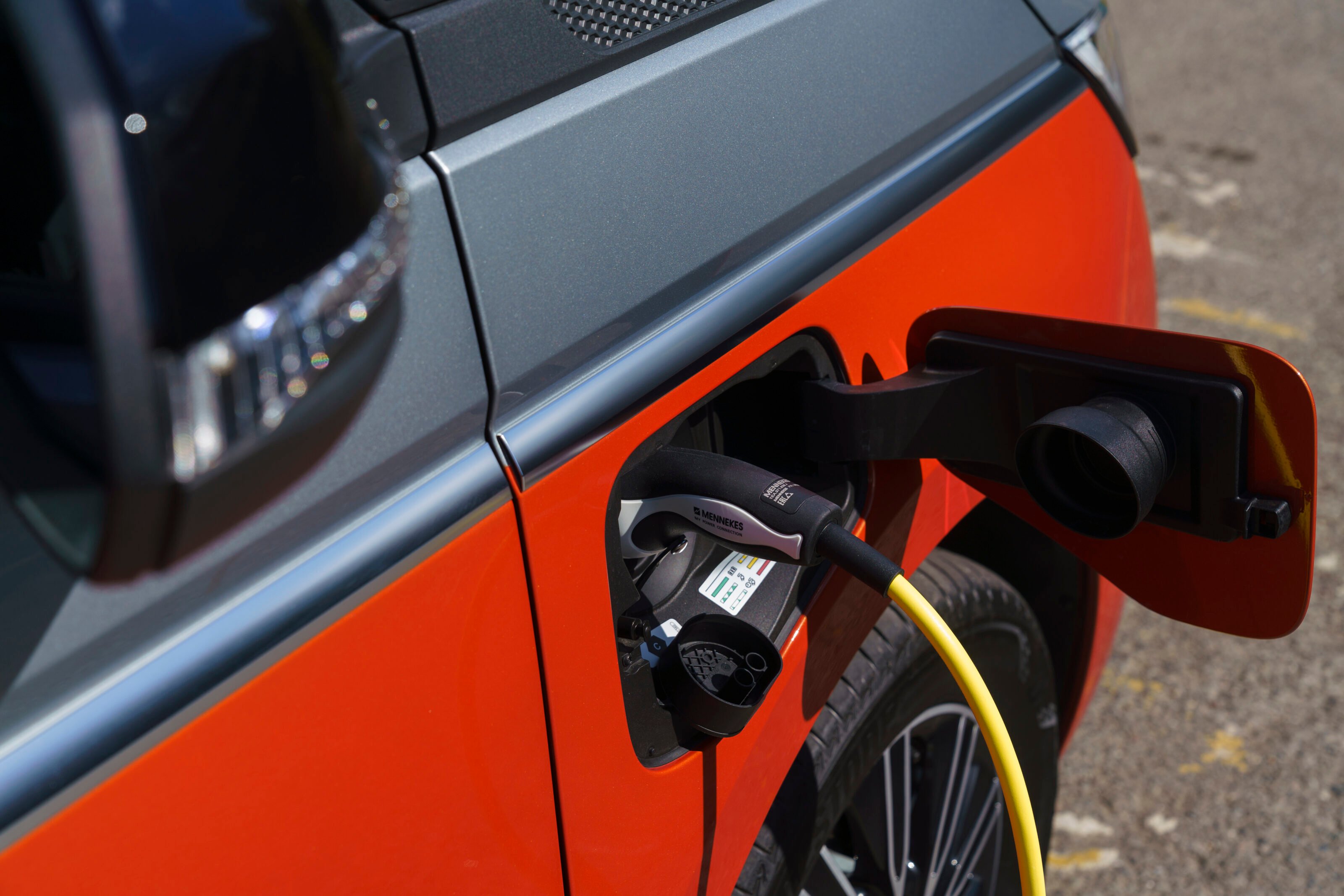
With the availability of plug-in hybrid power, Volkswagen Australia is interested in offering electrified vans – including the battery-electric ID.Buzz, which remains on the wish list.
“We’d like [the plug-in hybrid]… [but] we’ll take T7 even without plug-in hybrid,” added Davies.
It is powered by the same powertrain as the Golf GTE and Tiguan eHybrid due here in 2023, pairing a 110kW/250Nm 1.4-litre turbocharged four-cylinder with an 85kW electric motor to develop a combined 160kW.
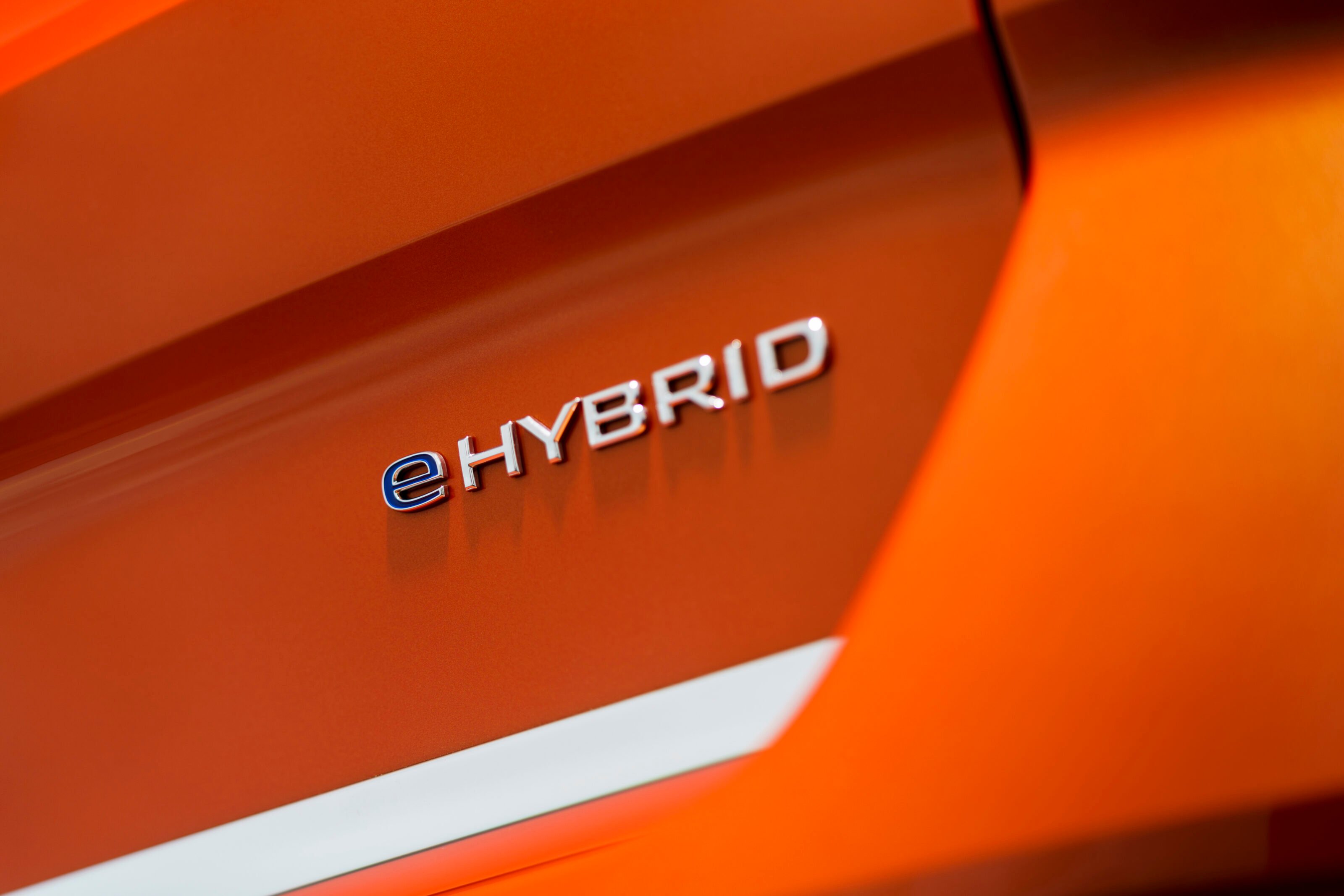
It features a 13kWh lithium-ion battery, allowing for a claimed WLTP-rated 50-kilometre electric-only driving range.
A range of petrol and diesel engines are available, including a 1.5-litre turbo-petrol with 100kW, a 150kW 2.0-litre petrol, and a 2.0-litre diesel with 110kW.
All are matched with a seven-speed dual-clutch automatic transmission, while the plug-in hybrid utilises a six-speed unit.
Inside, it is inspired by the Golf and Caddy, with a 10.25-inch digital instrument cluster, a 10-inch infotainment system, a wireless phone charger, wireless Apple CarPlay and Android Auto, a head-up display, and a shift-by-wire toggle gear selector.
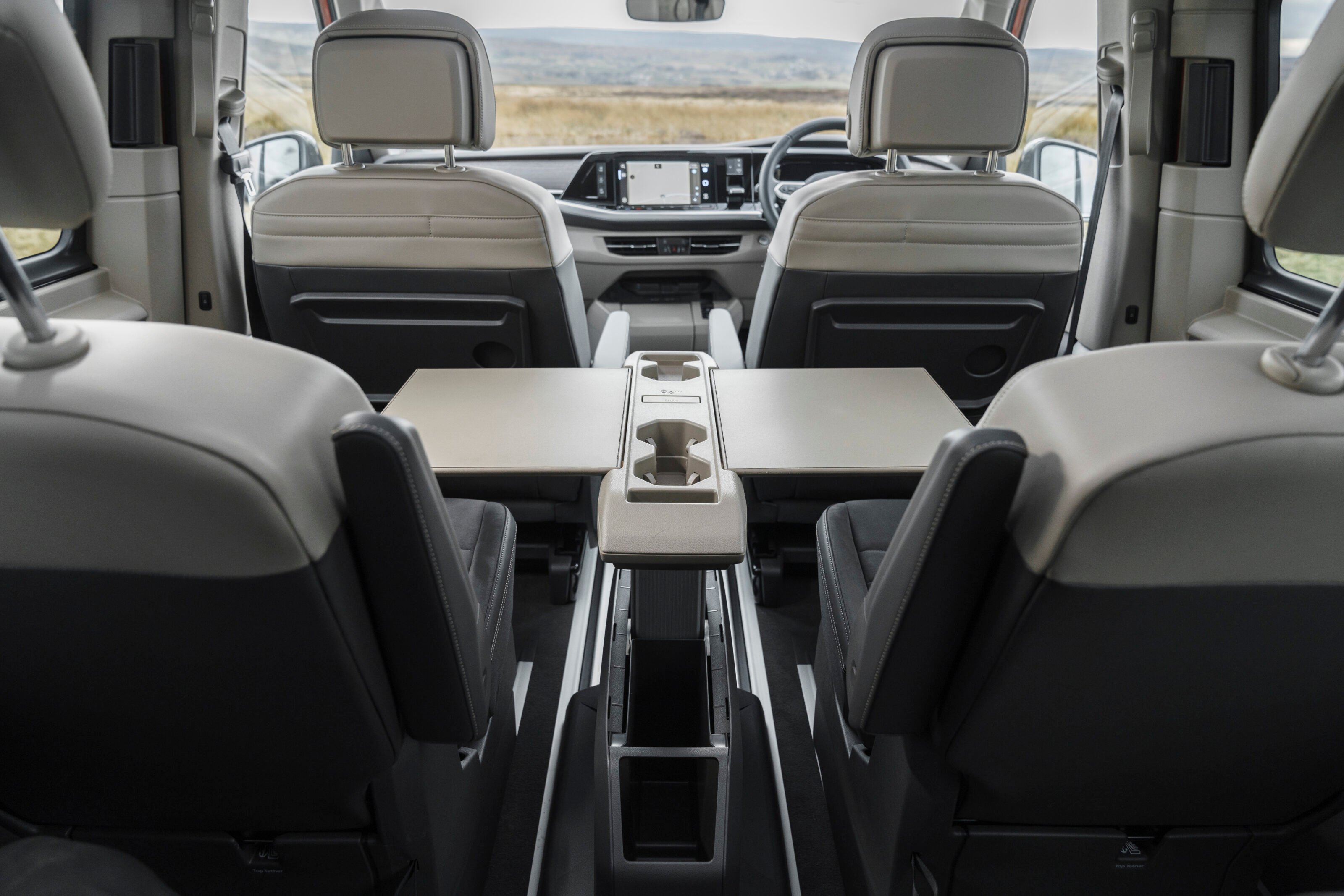
It also features Volkswagen’s latest suite of active safety technology, including vehicle-to-X functionality and Travel Assist, which combines adaptive cruise control and lane-keep assist to accelerate, brake and steer within the lane on freeways at up to 210km/h.
“The car itself is, again, similar to ID.Buzz, it’s an extremely attractive car that people have suggested that they want to see in Australia. We certainly want to see it in Australia, but we’ll take it in any form that we can get it,” added Davies.
“The plug-in hybrid would be an awesome thing to have, obviously, in this market, and we just have to see how we go with the business case on that.”
UPDATE: Honda Australia confirms drive-away pricing, and expected local arrival, for 2023 Civic Type R
Snapshot
- Australian order books open December 1, 2022
- Launch pricing of $72,600 drive-away confirmed
- Customer deliveries expected to commence from early 2023
Even Honda is excited about its upcoming new Civic Type R, having described it upon global reveal as its “best-ever front-wheel-drive sports model”.
Today, Honda Australia has confirmed local order books will be opened from December 1, 2022, and will be available from launch priced at $72,600* drive-away.

The new 11th-generation FL5 Civic Type R will be powered by a development of the 10th-generation’s K20C1 motor, producing 235kW @6500rpm and 420Nm @2600-4000rpm. This represents a 7kW/20Nm improvement over the existing FK8 Civic Type R.
In true Type R fashion, an improved version of the existing Type R’s lauded six-speed manual transmission will be the only gearbox on offer.

A standard fit safety suite includes blind-spot monitoring, rear cross-traffic alert, traffic sign recognition system, intelligent speed limiter, driver attention monitor and added knee airbags for front occupants.
Elsewhere, Australian-spec 2023 Civic Type Rs will include:
| 2023 Honda Civic Type R features | |
|---|---|
| Individual drive mode in addition to Comfort, Sport and +R | 9.0-inch central infotainment touchscreen |
| Active exhaust valve | Wireless Apple CarPlay |
| 265/30 Michelin Pilot Sport 4S tyres | Wireless phone charger |
| 10.2-inch digital driver display | Honda LogR telemetry system |
| Blind-spot information system | Satellite navigation |
| Rear cross-traffic alert | Acoustic windscreen |
| Traffic sign recognition | Smart Clear Wiper windscreen wiper/washer system |
| Intelligent speed limiter | Auto-retractable door mirrors |
| Driver attention monitor | Full suede-effect seat trim |
| Knee airbags (driver and front passenger) | Ambient door and footwell lighting |

Australian customer deliveries are expected to commence from early 2023, with order books opening at your local Honda Centre from December 1.
The story to here
July 21: 2023 Honda Civic Type R revealed
Snapshot
- Honda’s fastest Type R yet
- Enhanced version of previous-gen’s 2.0-litre turbo-four and manual transmission
- Due in Australia early 2023
Here it is! After numerous spy shots, and even an accidental leak on Honda’s own website, we finally have eyes on the ‘planned production’ version of the 2023 Honda Civic Type R – and it’s already confirmed for Australia!
The global reveal video (above) minces no words, with Honda boldly stating:
“We created the best-ever front-wheel-drive sports model that strikes a chord with the customer’s instincts”.

An enhanced version of the previous generation’s 2.0-litre turbocharged four-cylinder K20C1 motor will power the latest Type R, along with its vaunted six-speed manual transmission with rev matching.
Ultimate power outputs have been confirmed, with the new Type R producing 235kW @ 6500rpm and 420Nm @ 2600-4000rpm.

Technical innovations centred around three developmental goals set for the 2023 Civic Type R. It had to be the ‘fastest’ front-engined front-driven Honda yet; while also offering an ‘addictive feel’ to the driver, but also a ‘secure feel’ in terms of high-speed stability and imbuing trust in the chassis.
The smoothed-over styling contributes much to the new Type R’s development targets. The new car is based off the 11th-generation Civic and all but verifies previously leaks.
The more approachable styling will no doubt be more palatable to a wider range of buyers (those that are still open to driving a manual), but also contributes to aerodynamics in meaningful ways.

Pumped guards emphasise the low-slung silhouette, signalling sporting intent while also housing a wider track for a more planted feel.
The towering box spoiler of old has been replaced by a single blade wing mounted atop newly die-cast aluminium wing stays, while lightweight and high-strength body panels contribute to stability at speed.
Revealed in the Type R’s signature Championship White paint, Honda states that a new Sonic Grey Pearl colour has been added to the palette.

Inside the cabin, the signature red seats return, upholstered in a bespoke new shade. Lashings of red adds theatre to the cabin ambience that is immediately clear as the driver opens the door.
Slink into the polyhedral formed seats, and a black dashboard motif removes all possible distractions from the driver. There’s a new teardrop-shaped gear shifter in place of the old ball knob, and we can also spy Honda’s 9.0-inch touchscreen infotainment system included.
The digital instrument cluster also features an array of new graphics, including a revised rev counter along with dedicated +R mode-exclusive designs.
Honda’s LogR program tracks real-time telemetry to feedback crucial driver information. The LogR program also supports “the sharing of driving videos”, possibly hinting at some sort of video capture and sharing function.

When will the 2023 Civic Type R come to Australia?
Honda Australia expects the new Civic Type R to arrive on local shores in early 2023. Further details, including pricing, will be released closer to launch.
It might be a case of evolution rather than revolution, when even its predecessor was regarded as a benchmark front-driver, but we can fully expect that the new 2023 Civic Type R will be something special.
So when can we drive it, Honda?
NOTE: Click any image in this story for more photos of the 2023 Honda Civic Type R.

The 2023 Porsche 911 Dakar represents new ground for the historic 911 lineage, having debuted moments ago at this year’s Los Angeles Motor Show.
As makers of some of the world’s finest road cars, the 911 Dakar aims to keep on going once the going get’s tough, delivering rough and ready ground clearance, all-wheel drive, chunky all-terrain tyres and a power output to match a 911 GTS.
As the name suggests, Porsche’s latest limited-production special honours the Porsche 953’s victory at the sixth running of the gruelling Paris-Dakar rally event of 1984.
2023 Porsche 911 Dakar Australian pricing
Global production will be limited to 2500 examples, with Australian order books now open. Local pricing begins at $491,400 (before on-roads) with local deliveries expected to commence from H2 2023.
| Variant | Price (MLP) |
|---|---|
| 911 Dakar | $491,400 |
Price excludes on-road costs.
Features
Australian-spec Porsche 911 Dakars receive:
| Staggered 19/20inch alloy wheels |
| Pirelli Scorpion All Terrain Plus tyres: 245/45/19 (f); 295/40/20 (r) |
| Raised suspension with lift kit (up to 80mm) |
| 3.0-litre biturbo flat-six (353kW/570Nm) |
| Eight-speed PDK transmission |
| All-wheel drive |
| Rear-axle steering |
| 911 GT3 engine mounts |
| PDCC anti-roll stabilisation |
| Rallye and Off-road driving modes |
| Rallye launch control |
| CFRP fixed rear spoiler |
| CFRP bonnet w/ GT3 intakes |
| Front and rear aluminium tow points (red) |
| External 12v socket (roof-mounted) |
| Full bucket seats (front) |
| Rear seat delete |
| Lightweight glass |
| Lightweight battery |
| Race-Tex interior w/ unique Shade Green stitching |

The most instantly noticeable Dakar development is its raised ground clearance that, by default, sits 50 millimetres higher than a 992 Carrera fitted with sports suspension. A lift system is able to raise the car by a further 30mm for navigating tricky terrain, with ramp approach angles rivalling many conventional SUVs.
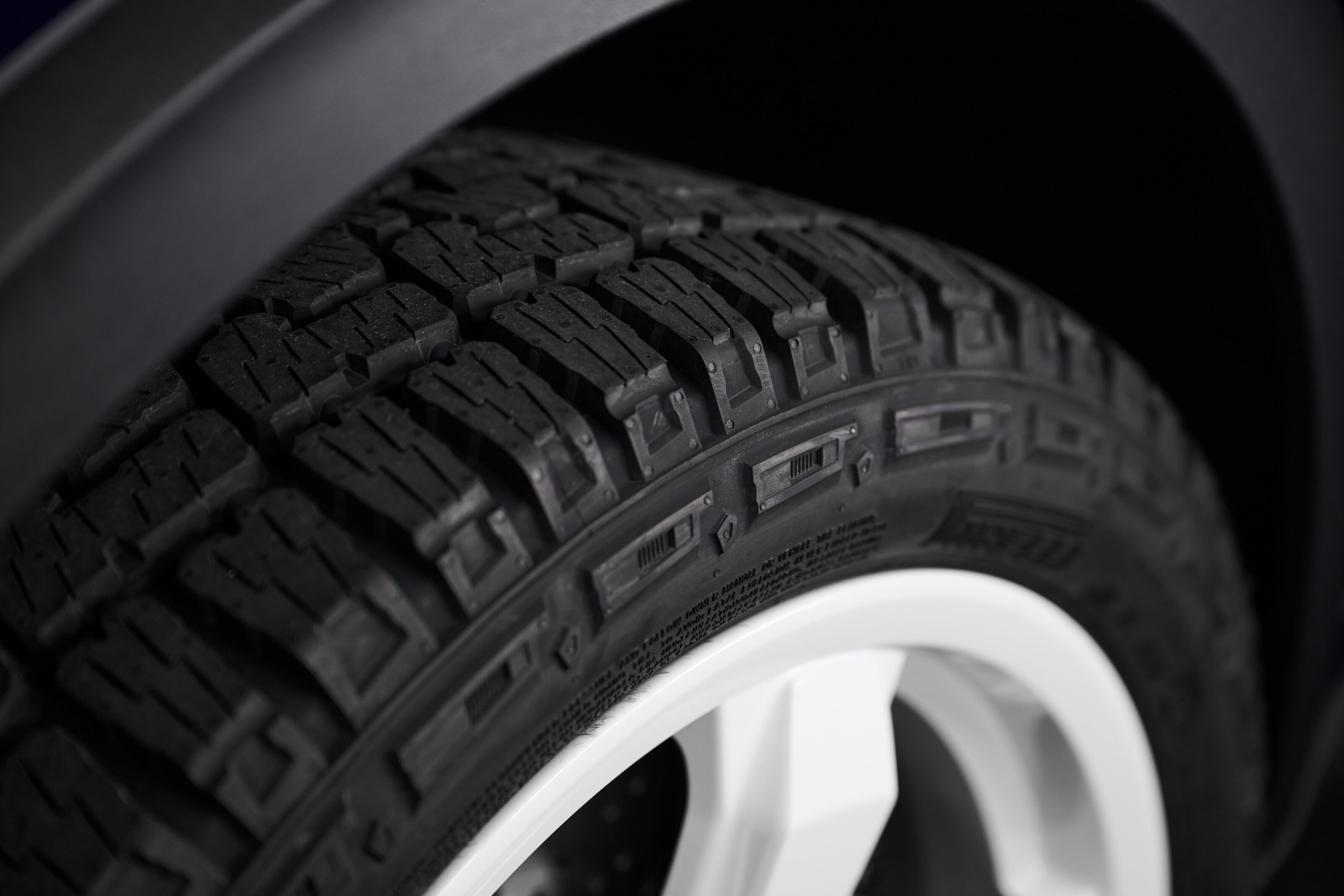
Complementing the increased ride height is a set of specially developed Pirelli Scorpion All Terrain Plus tyres, measuring 245/45 ZR 19 up front, and 295/40 ZR 20 at the rear. The tyres themselves are made up of two carcass plies, further reinforcing the sidewall – with deep 9mm treads to maximise tyre cut resistance.
Beyond the lifted ground clearance, 911 Dakars will be distinguished by a new fixed CFRP (carbon fibre-reinforced plastic) rear spoiler and a CFRP bonnet with GT3 air intakes, front and rear red aluminium tow points, widened wheel arches and sills, stainless steel protective elements, with redesigned front air intakes protected by debris with stainless steel mesh.
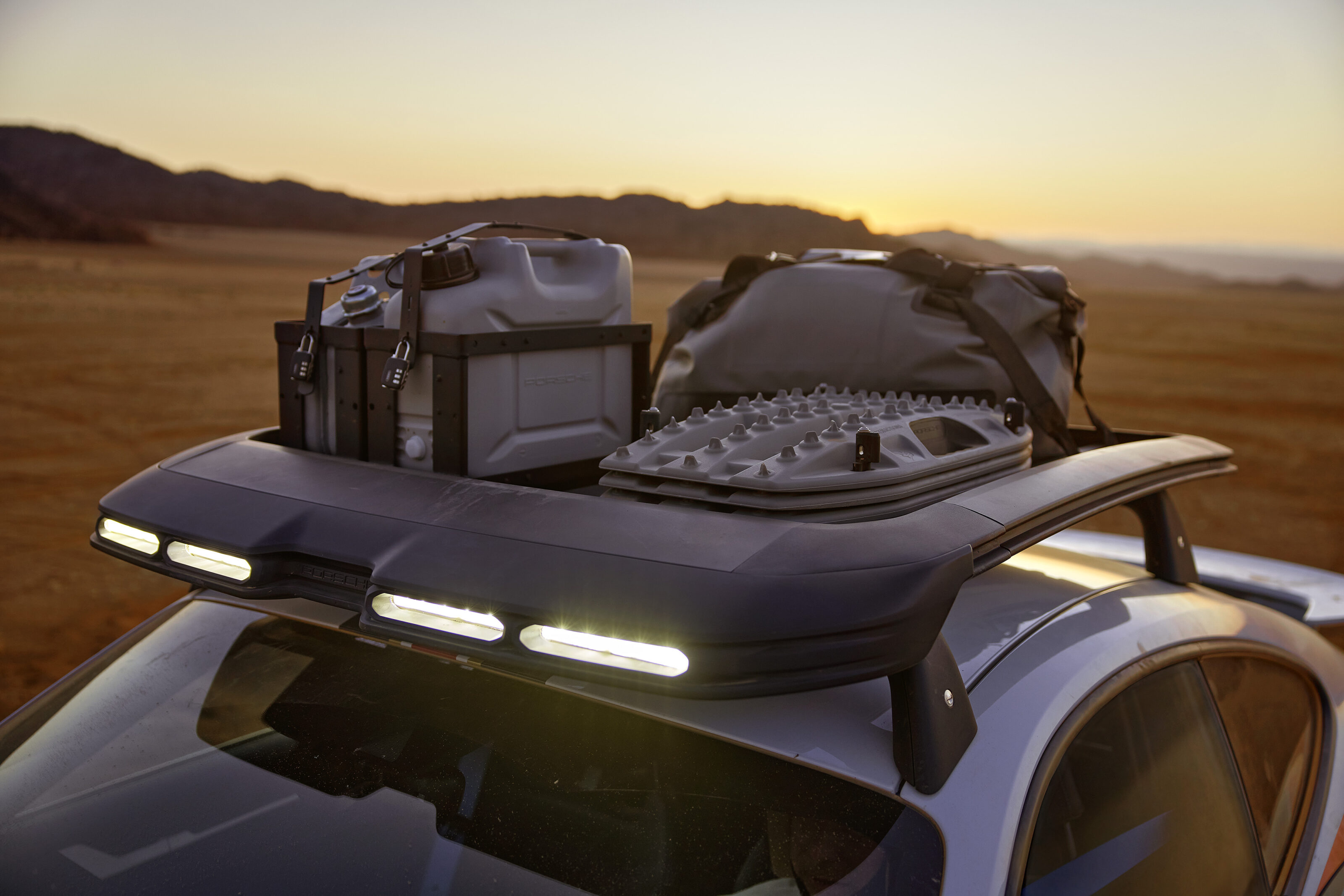
A roof-mounted 12-volt power outlet caters for a range of Porsche ‘Tequipment’ options and accessories, including an optional roof rack or even a roof tent.
Inside, the 911 Dakar sports full front bucket seats as standard, but no rear seats. Lightweight glass and battery help contain a kerb weight that tips the scales at an admirable 1605 kilograms – just 10kg heavier than an existing Carrera 4 GTS PDK.
Options
The high-riding sports car taps Porsche’s maiden victory at the 1984 Paris-Dakar Rally, where a Porsche 953, piloted by three-time Dakar winner René Metge and Dominique Lemoyne, finished first in the car class. Just three vehicles completed the gruelling rally in 1984, with 47 DNFs that year.
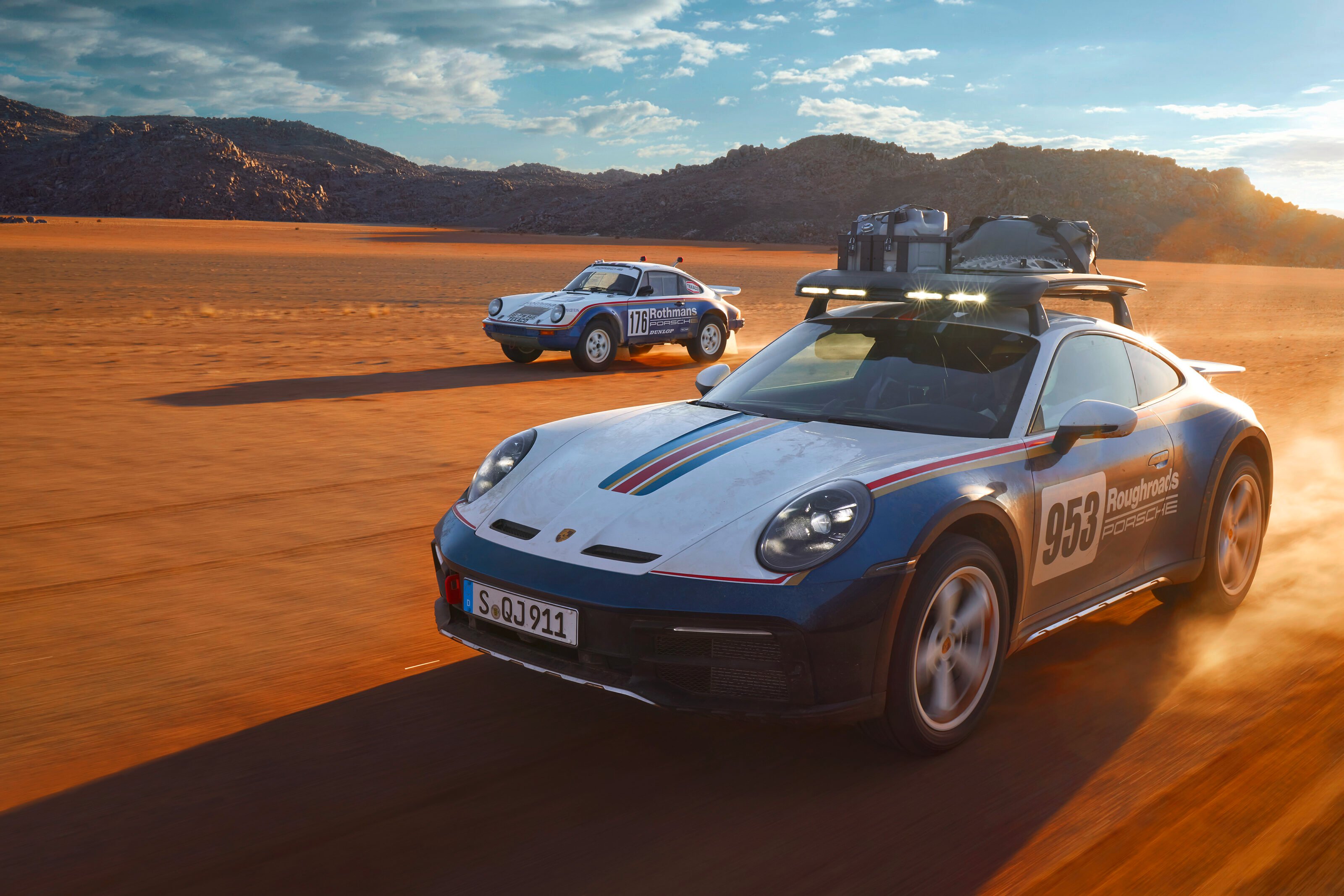
An optional $54,730 Dakar Rallye Design package further honours Metge and Lemoyne’s achievement, gaining buyers a classical tobacco-inspired livery reflecting a Porsche’s Rothmans-sponsored two-tone white/gentian blue motif with red and gold accents. Buyers will also be able to choose their own individual race number, from 1 to 999.
Buyers who specify the Dakar Rallye Design package gain the opportunity to order a 40mm titanium-carbide-cased Porsche Design Chronograph 1 911 Dakar Rallye Design Edition watch to match their car. Porsche Design’s Chronograph 1 watch is powered by an in-house 25-jewel Werk 01 calibre with 48 hours of power reserve.
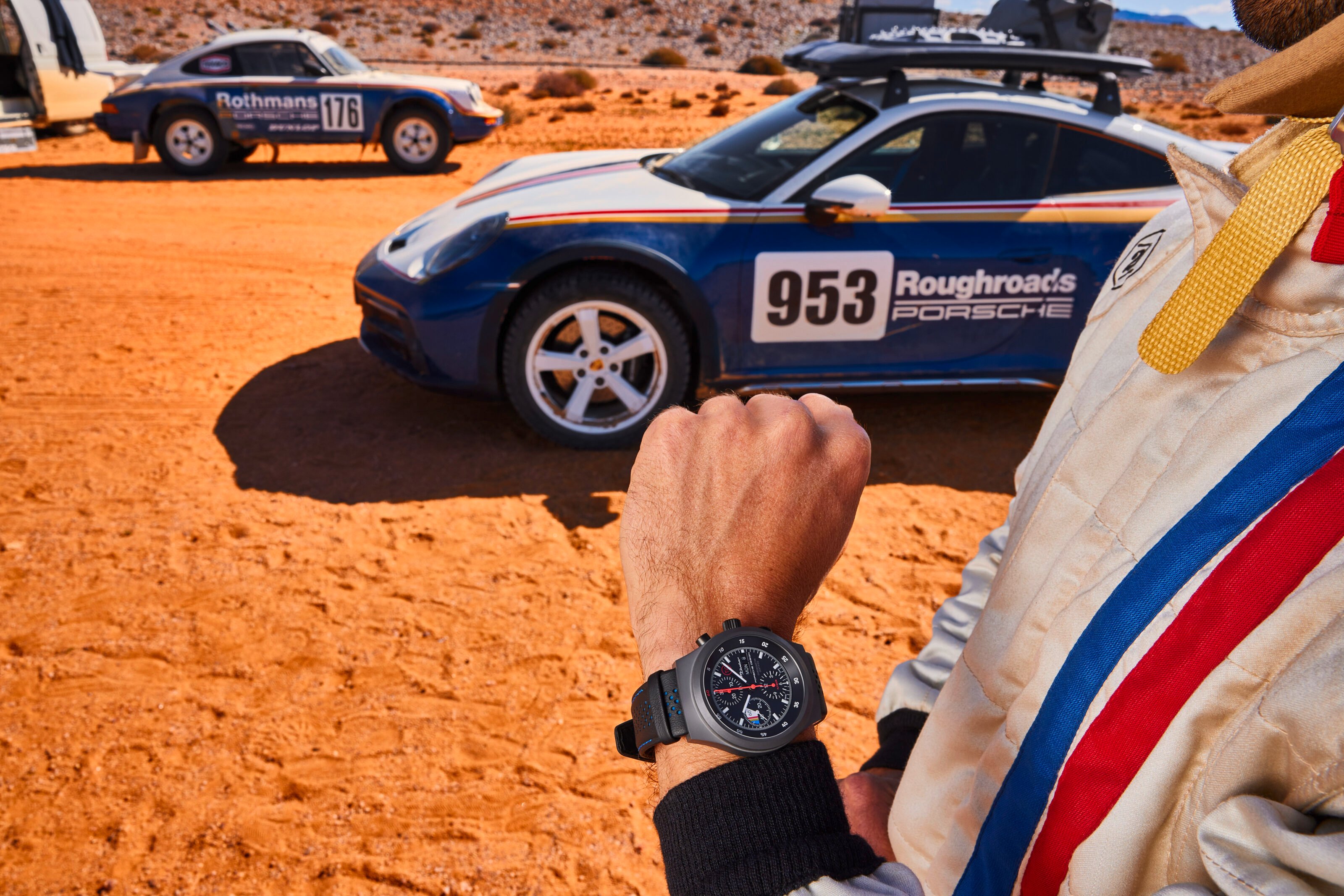
A further optionally available Rallye Sport Package adds a roll cage, six-point harness and a fire extinguisher.
Engine, drivetrain and fuel economy
Despite its off-road intentions, the 911 Dakar will still sprint like its roadgoing relatives, delivering a Carrera GTS-matching 353kW/570Nm from its 3.0-litre twin-turbo flat-six.
Further equipped with Porsche’s eight-speed PDK transmission and all-wheel drive, the 911 Dakar claims a 0-100km/h time of just 3.4-seconds, just 0.1 second greater than a tarmac-hugging 992 Carrera 4 GTS.
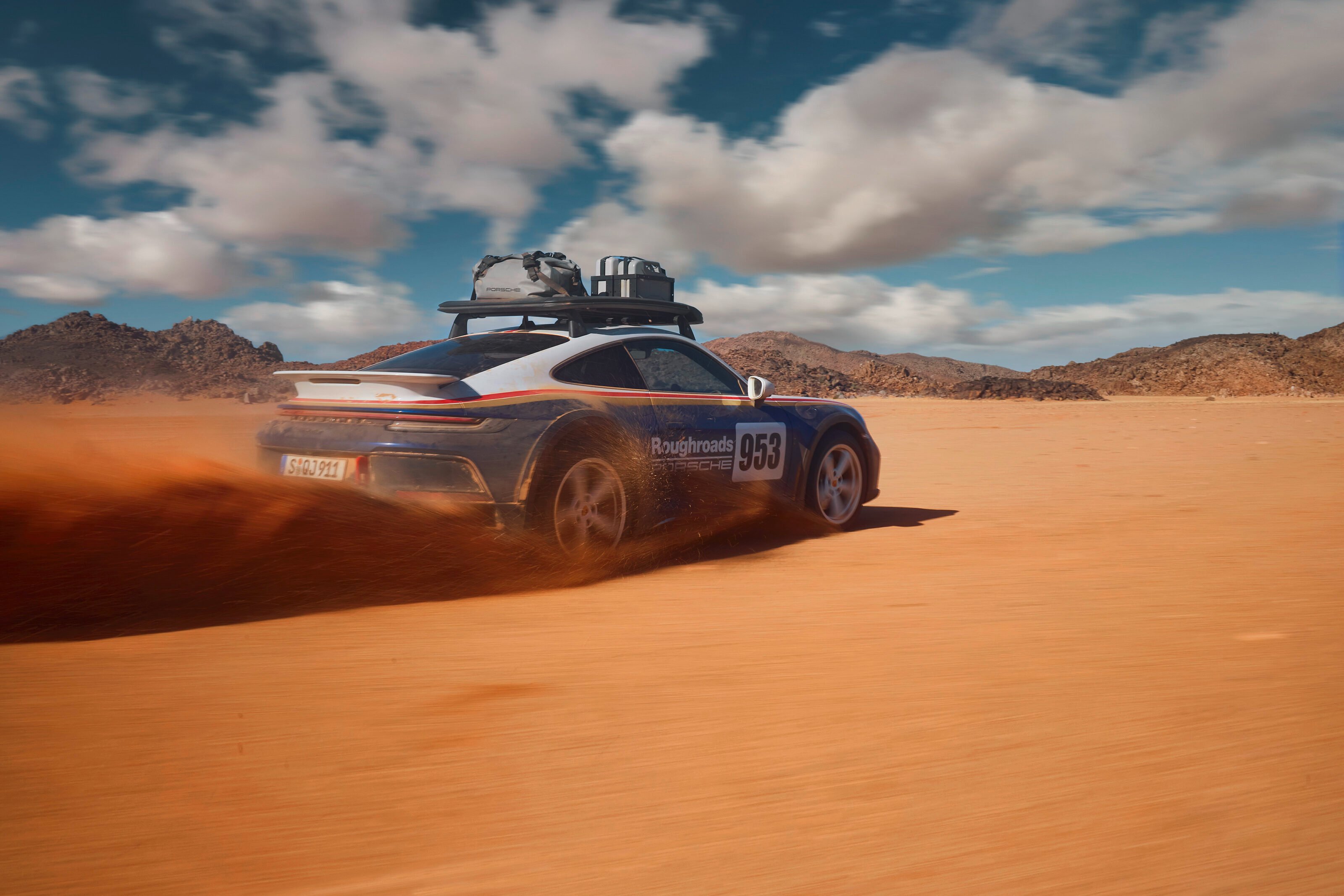
Other developmental revisions include rear-axle steering, 911 GT3 engine mounts and PDCC active anti-roll stabilisation, to maximise grip over varied surfaces and terrain.
Two extra off-road driving modes, Rallye and Off-road, now feature on the steering-wheel mounted rotary switch. Rallye is a loose surface mode with a rear-biased all-wheel drive calibration, while Off-road automatically engages maximum ride height with an all-wheel drive profile geared for maximum traction on difficult terrain or sand.
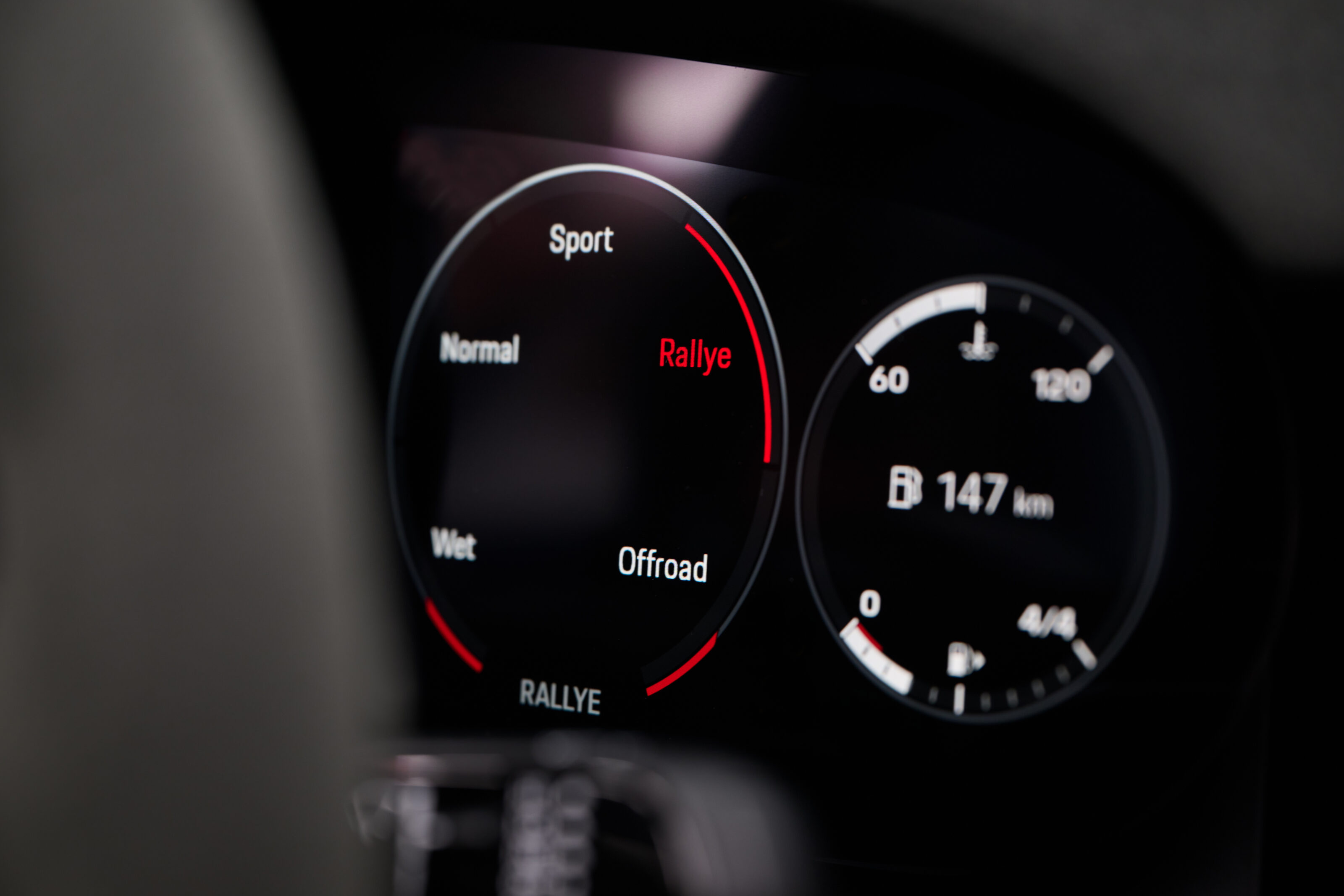
Both new driving modes include a new Rallye Launch Control, delivering impressive takeoff and acceleration on loose surfaces.
Porsche has made no fuel useage claims in regards to the 911 Dakar, however, the mechanically similar Carrera 4 GTS wears a claim of 9.7L/100km.
Availability
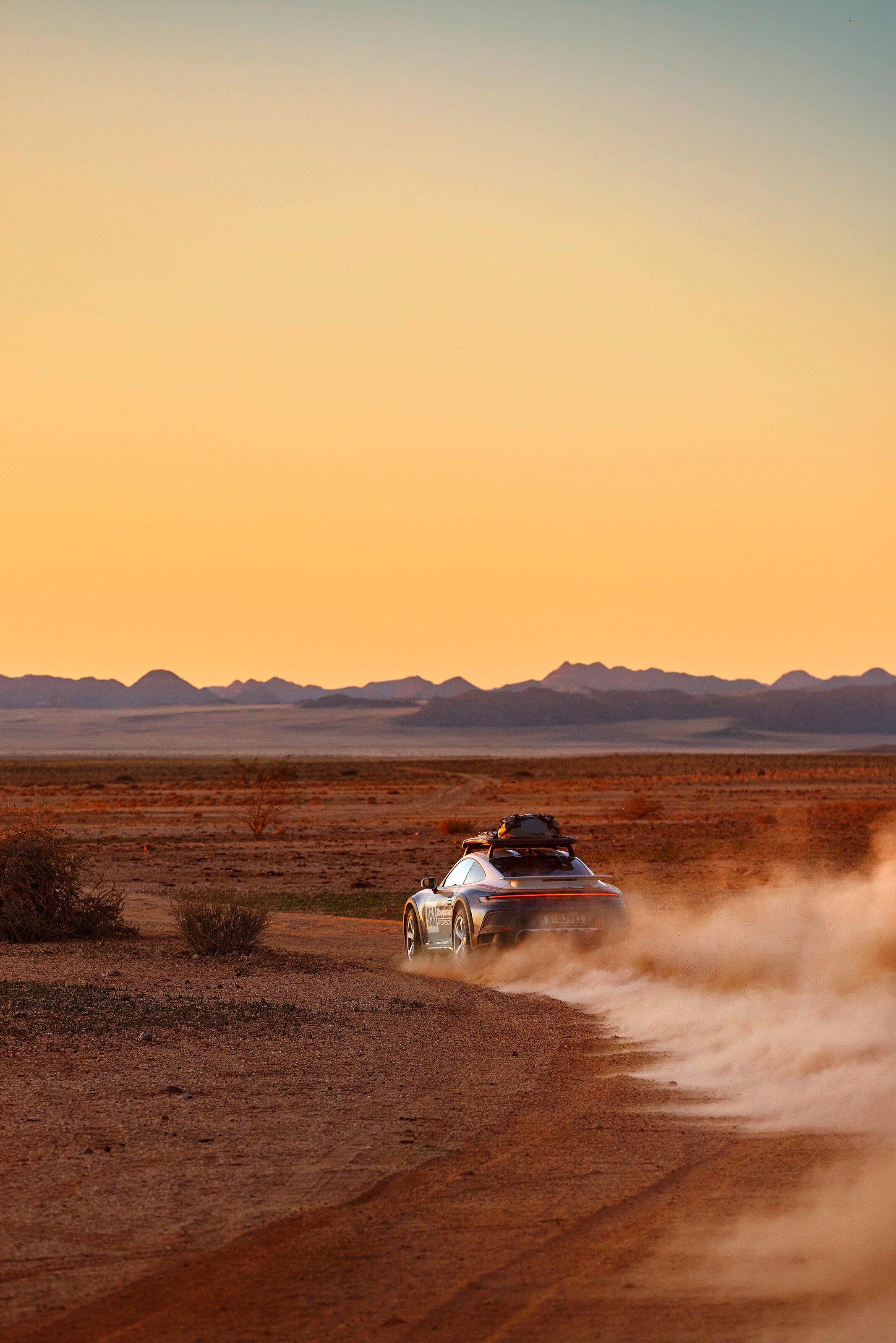
Australian order books are now open, with local pricing beginning at $491,400 (before on-roads). With just 2500 examples of Porsche’s 911 Dakar intended to be produced, prospective buyers will no doubt want to get in quick.
Local deliveries are expected to commence from the second half of 2023.
Almost 50,000 auto workers need to be urgently upskilled to safely handle and repair electric vehicles if Australia is to meet its state and federal targets, a peak industry body has said.
The Motor Traders’ Association of NSW (MTA NSW) is urging the State’s government to help fund EV safety and repair training, warning that there are 49,000 workers that need to be retrained for the transition in technology by 2030.
The authority, which represents businesses in the State’s automotive industry, said it fears without support from government, the industry will be left severely underprepared to service and repair EVs as the State works towards increasing the number of EV sales to 52 per cent by 2030-31 – with the vast majority of new car sales expected to be electric by 2035.
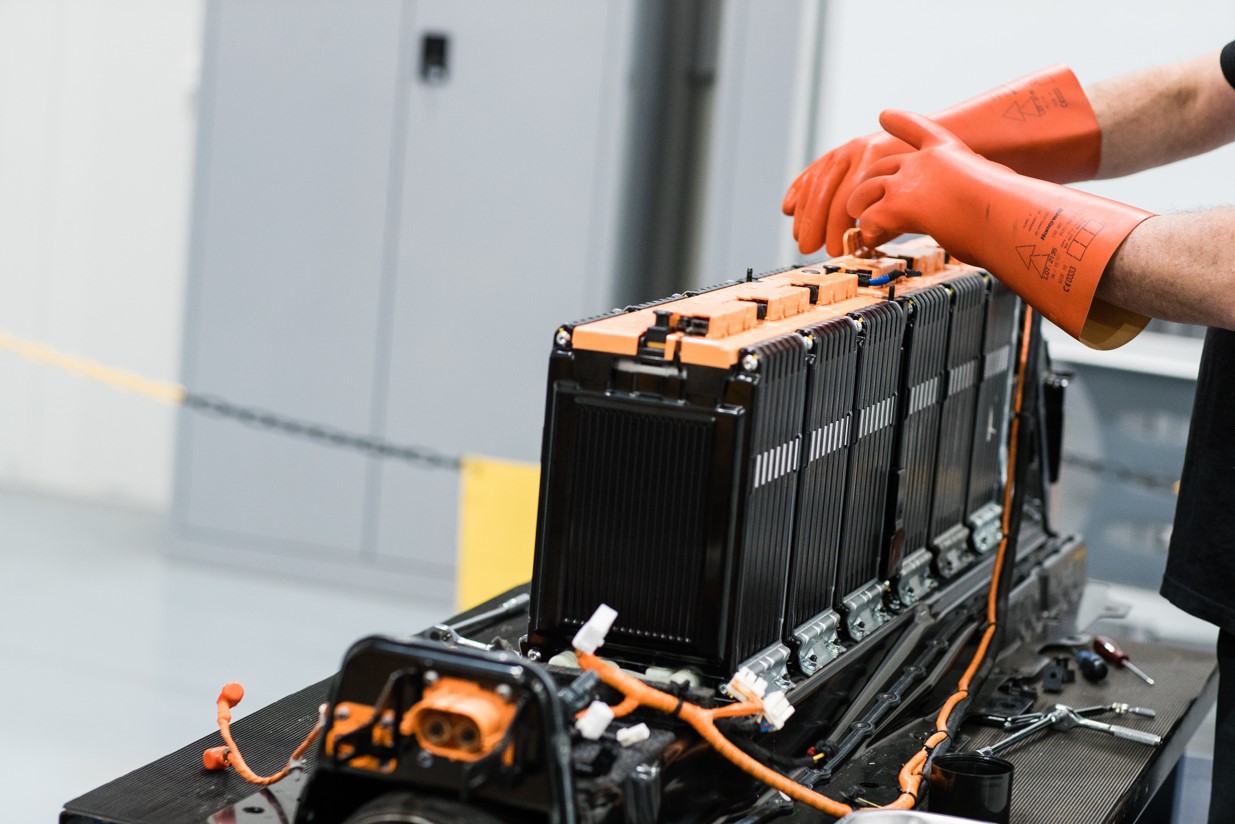
“Our industry is already battling a skills shortage and as we face arguably what is the biggest transition in our sector’s history, it’s crucial that specialist training in electric car and battery maintenance is prioritised to ensure the safety of everyone that works on an EV as well as to mitigate driver risks,” said Stavros Yallouridis, CEO of MTA NSW.
“The current system and availability of training is inadequate and we’re calling on the incoming NSW Government to help fund more EV training across the state to prepare our workforce.”
In order to work on EVs, businesses must undertake safety training to fulfil their obligations under Section 19 of the Work Health and Safety Act 2011 (NSW). Specialised training is essential for workplace safety, as EV batteries are of high voltage, which range between 400 and 800V DC.
It’s understood that the training for jobs such as mechanics and electricians the course required could cost up to $3000 per person, leading to a $100 million bill for NSW alone for the more than 49,000 licensed technicians there.
These costs will have to be borne by automotive businesses – the majority of whom are small and family-owned – and does not include the outlay of additional infrastructure and space required for servicing EVs.
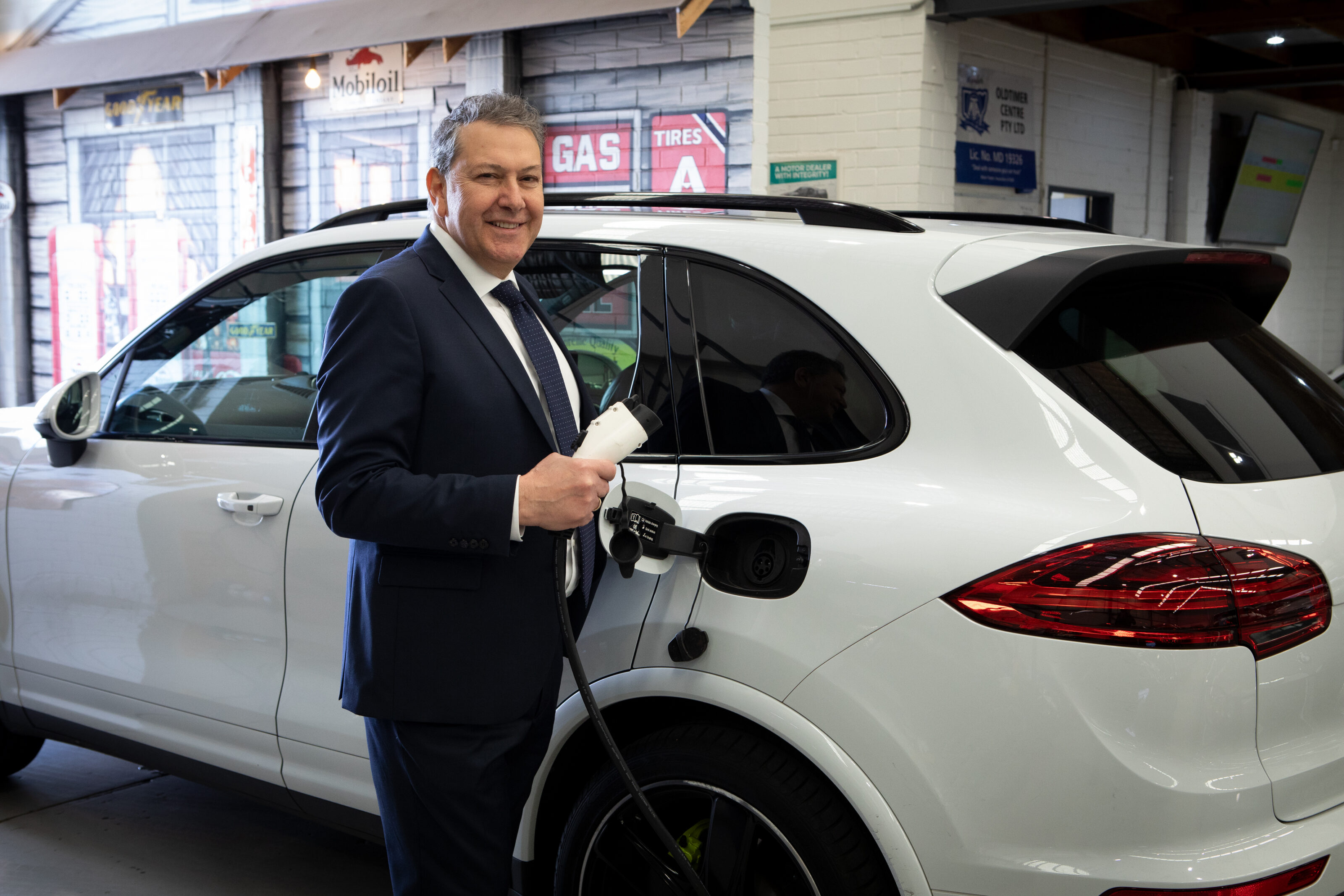
It comes amid a national skills shortage within the automotive sector, which faces a shortfall of approximately 38,000 skilled professionals and a limited number of technicians who are qualified to service and repair EVs.
With the expected growth in the number of EVs, it is estimated Australia will require an additional 14,000 qualified EV technicians by 2030.
In addition to its call for help with training, MTA NSW wants the State Government to overhaul the skilled migration list for NSW to help attract workers from overseas, implement an end-of-life strategy for internal-combustion vehicles to make sure they are disposed of properly and to create a recycling system for EV batteries.
“With the vast number of EVs due to hit the market between now and 2050, recycling procedures must be implemented now to deal with the influx of end-of-life cars and damaged batteries,’ Yallouridis said.
“Materials within EV batteries can be both caustic and dangerous, so the storage and transportation of used EV batteries must be addressed to protect our environment and ensure the smooth introduction of EVs in the marketplace,” he added.
The Federal Chamber of Automotive Industries (FCAI) backed the call, saying: “The decarbonisation of Australia’s light vehicle fleet is a complex issue. The FCAI supports Government policy designed to increase infrastructure and develop the workforce required for a zero-emissions future.”
Wheels has contacted the NSW Department of Transport for comment.
