
The new sixth-generation Honda Prelude has rocketed to the top of the sales charts in its first full month on sale, outpacing rivals from Subaru, Toyota, Ford, and Nissan as well as a host of super sport and supercar rivals.
Honda sold 142 Preludes in Australia in May, according to data from the (Federal Chamber of Automotive Industries (FCAI), placing it ahead of mainstream (under $90k) rivals including the Ford Mustang (127), Mazda MX-5 (82), and Subaru BRZ/Toyota 86 twins (49 and 46 respectively).
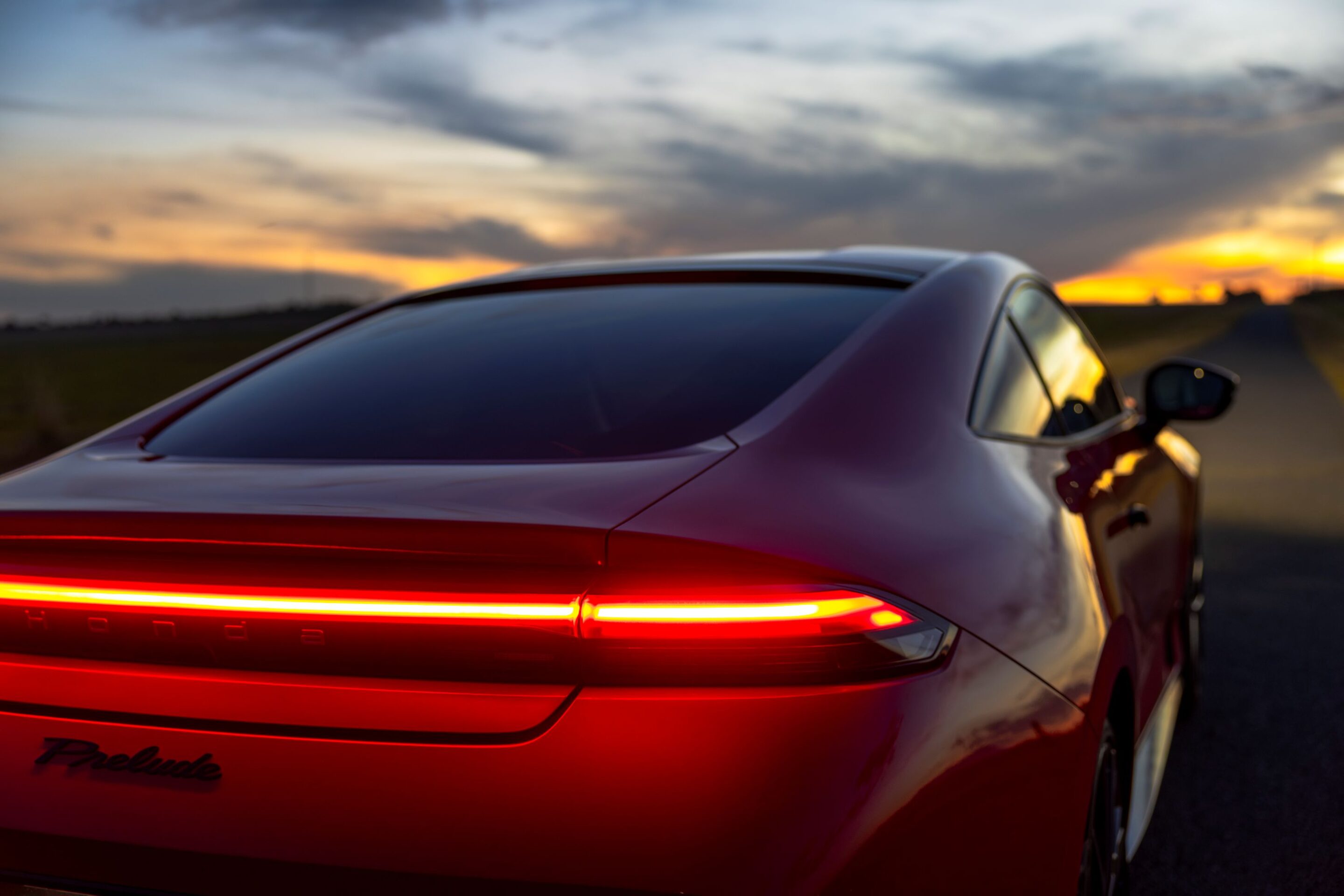
The Prelude also bested rivals in the over $90,00 category, counting the BMW 2 Series Coupe (94 sales), Porsche 911 (61) and Mercedes-Benz CLE (47) amongst its scalps.
The first new Prelude from Honda in 25 years landed in local showrooms in May with a sticker price of $65,000 drive-away. It’s powered by Honda’s e:HEV hybrid system which combines a 2.0-litre four-cylinder petrol with an electric drive motor for total outputs of 149kW and 315Nm, all sent to the front wheels via an e-CVT.
However, adding a level of driver engagement, Honda’s e-CVT features a selectable S+ Shift mode which utilises paddle shifters to simulate an eight-speed transmission. It’s complemented by the brand’s Active Sound Control that adds a throaty engine note synched with engine revs.
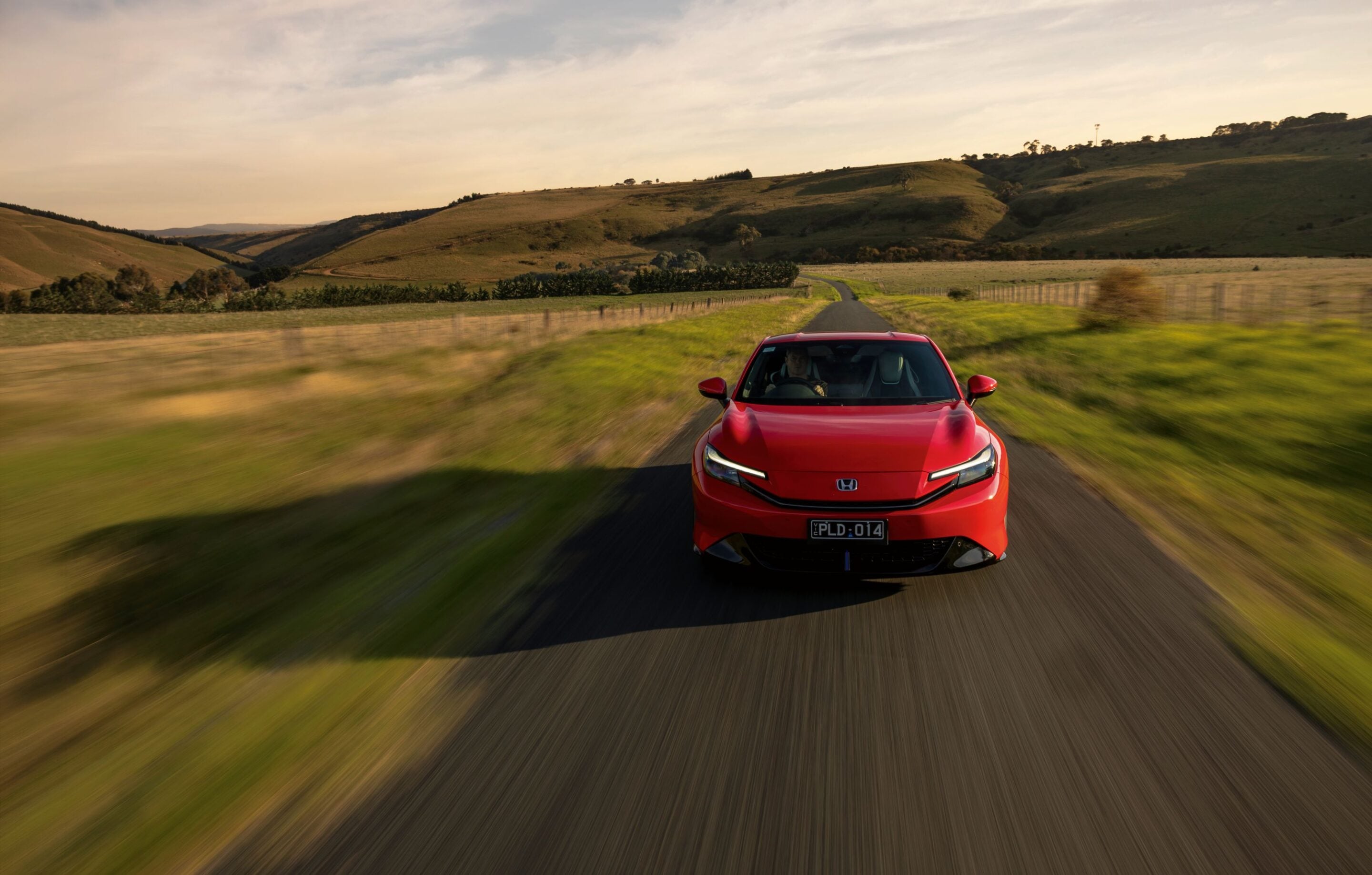
Other performance enhancements have come via the Honda Civic Type R hot hatch, specifically the dual-axis front suspension set-up designed to control torque steer, and adaptive damper system, although in the Prelude, it’s been tuned to offer a more luxurious driving experience.
The Prelude’s initial sales rush is a good sign for the Japanese brand as it seeks to, in its own words, broaden the scope of its “exciting sport-type models”.
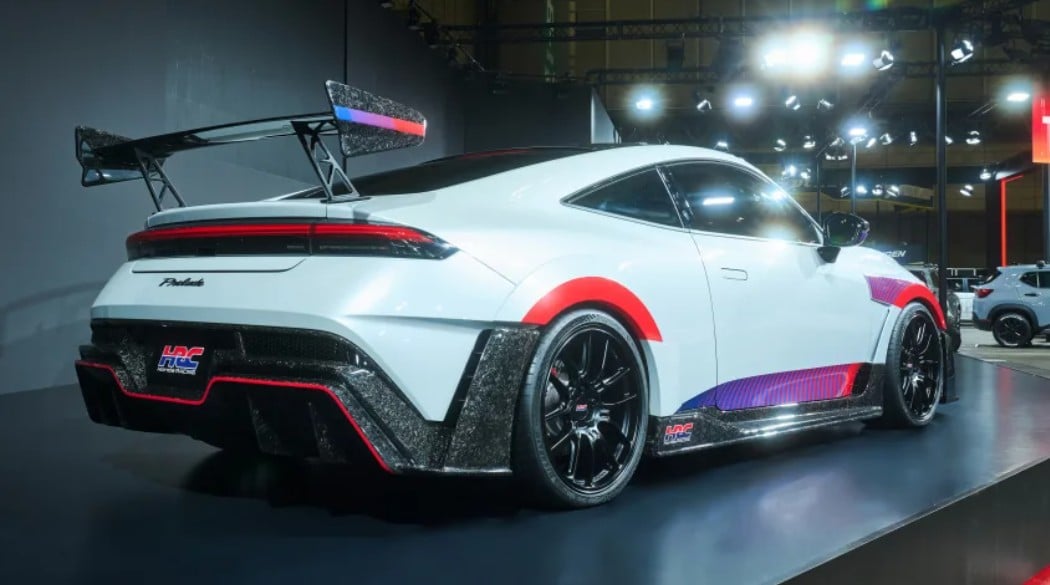
Earlier this year, Honda took the covers off a striking new Prelude HRC concept at the Tokyo Auto Salon, the clearest indication yet that the iconic nameplate could return in a far more performance-focused form. Honda stopped short of confirming the Prelude HRC would go into production but did state it was developing a series of “HRC Performance upgrades for the all-new Prelude.
Are you considering buying an electric car? There’s a lot to consider, so here’s your guide to keeping your EV charged, both at home and away
Electric vehicles (EVs) are becoming an increasingly common sight on Australian roads. Their sales hit almost 20 per cent of new vehicles in May 2026, which is a huge increase on years’ past. But for many buyers, the technology can still seem confusing. For example, what’s the difference between kW and kWh, why do some chargers take hours while others take minutes and why do manufacturers recommend charging to only 80 per cent? There are plenty of questions we’ll cover below.
A key challenge for buyers making the electric vehicle switch is breaking old habits and understanding the concept of charging. For most people, adding driving range to your vehicle has been as easy as stopping at a fuel station and getting back on the road within minutes.
However, for an electric car, it seemingly isn’t as simple on the surface. There’s terms such as kilowatts (kW) and kilowatt-hours (kWh), the difference between AC and DC, charging speeds (or levels), and various plug types.
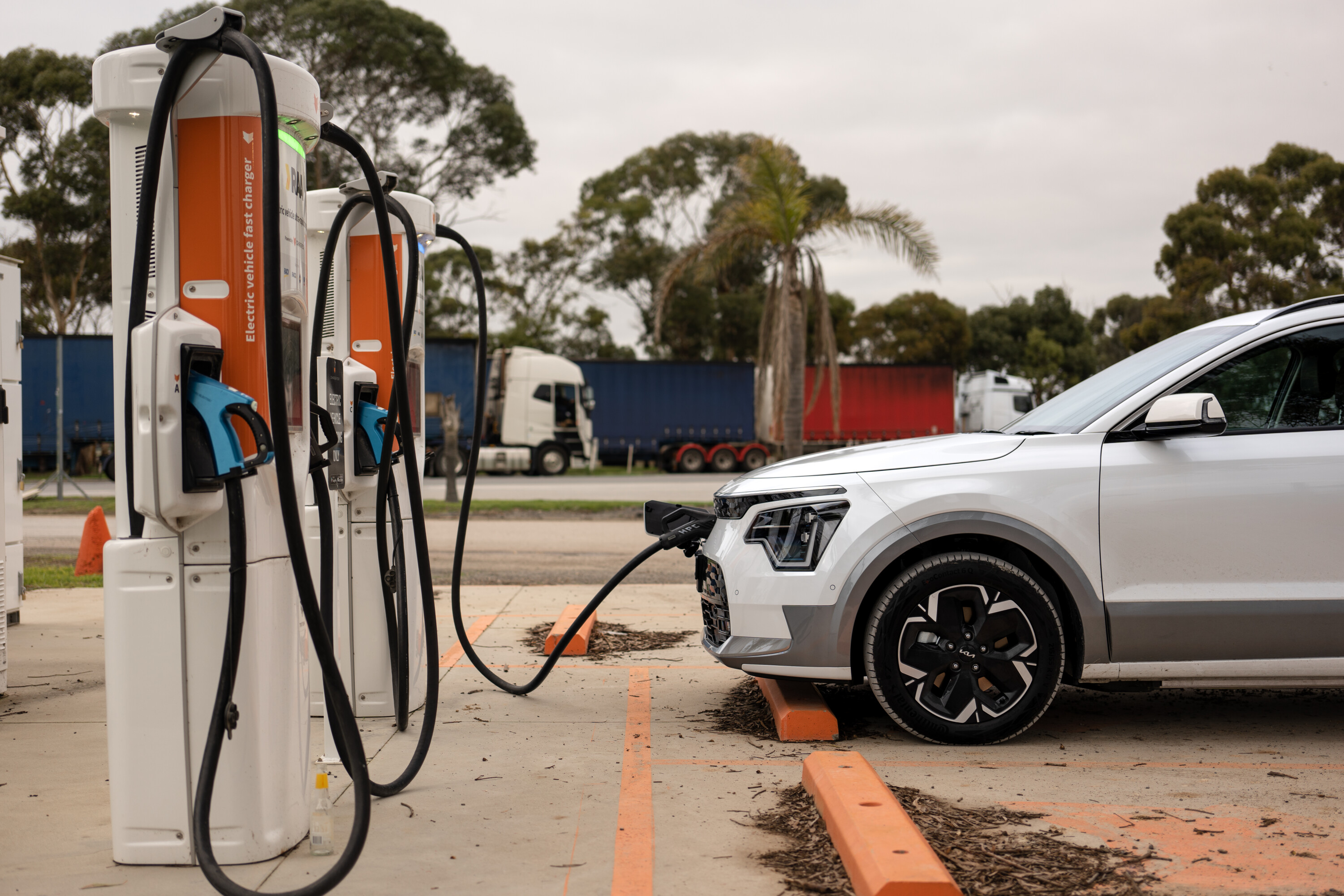
Even though companies such as BYD are trying hard, charging an EV is not currently as quick as rapidly pumping combustible fuel, but it doesn’t have to take forever – and it can be both more convenient and desirable than stopping at a fuel station.
What are kW and kWh?
One of the most common points of confusion for potential EV drivers is the difference between kilowatts (kW) and kilowatt-hours (kWh). Kilowatt denotes the charging speed rate and the energy that the electric motor produces, while kilowatt-hour measures the energy capacity of the battery.
A vehicle’s motor output is measured in kilowatts. Just like a petrol car’s engine might produce 150kW, an EV motor could produce 200kW or more.
Battery capacity, meanwhile, is measured in kilowatt-hours. This tells you how much energy the battery can store, similar to the size of a fuel tank.
For example, an EV with a 75kWh battery stores more energy than one with a 50kWh battery and will typically offer greater driving range.
Understanding battery sizes
Most mainstream electric vehicles sold in Australia have battery capacities ranging from around 30kWh to more than 100kWh, which is confusing in itself for prospective EV buyers. How does one know what battery size gives what driving range?
Generally speaking:
- Under 50kWh: Generally 250-350km of range
- 60-80kWh: Generally 350-550km of range
- 80kWh+: Mostly 500km or more
However, battery size isn’t the only factor in how far an electric vehicle can travel. The vehicle’s weight, aerodynamics, wheel size, tyre choice and efficiency all play major roles in determining its real world driving range.
AC and DC charging levels
EVs can be charged using either alternating current (AC) or direct current (DC).
AC Charging
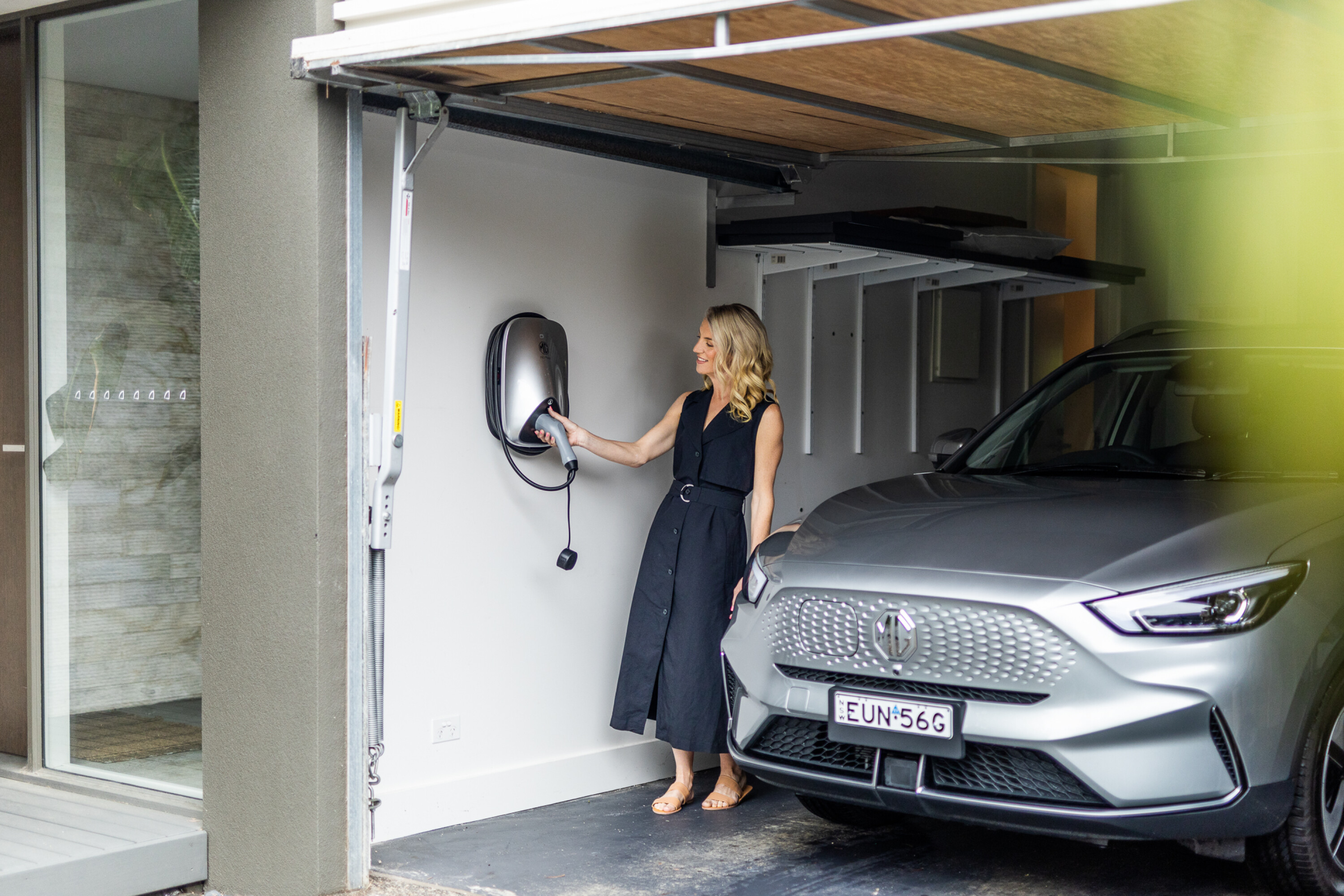
AC charging is what you’ll typically use at home.
The electricity supplied by your home or workplace must first be converted into DC power by the vehicle before it can be stored in the battery.
AC charging is generally slower, with speeds ranging from around 2kW from a standard household socket to 22kW from dedicated wall chargers. Most EVs can AC charge up to around 11kW.
DC Charging
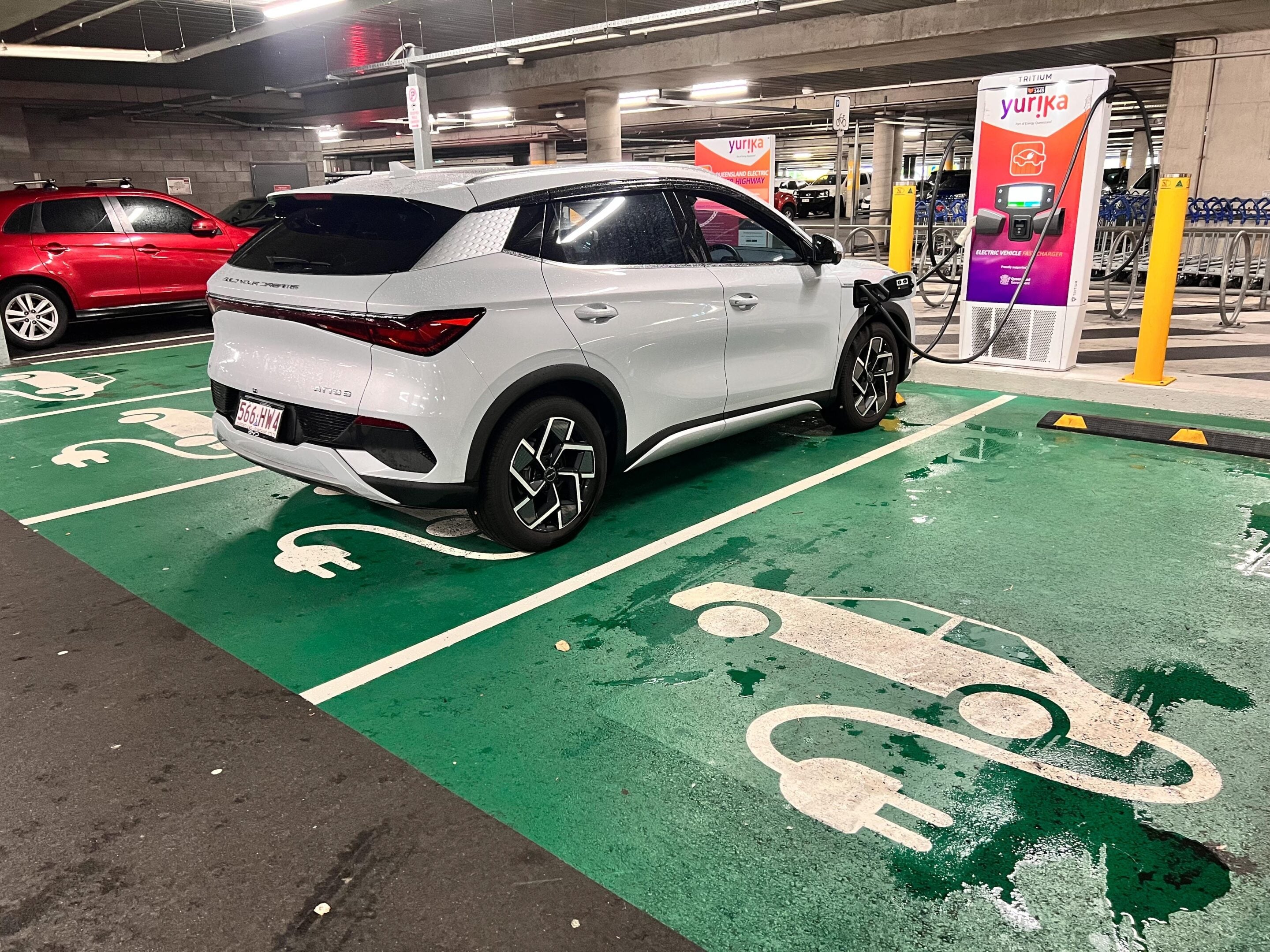
DC fast chargers perform the conversion themselves and send electricity directly to the battery.
This allows significantly faster charging speeds of often between 50kW and 350kW, depending on the charger and vehicle.
Most modern electric vehicles connected to a suitable DC charger can often gain hundreds of kilometres of range in less than 30 minutes, but some can almost top up their batteries in far less time than that.
Slow AC charging at home is cheapest and generates less heat, which is generally better for battery longevity. It is also the cheapest way to own an EV — depending on your supplier and car, a full charge could be possible for well under $10.
Installing a single-phase 7kW AC wall box can guarantee a full recharge in one night for most models – if you really need to use the full driving range capabilities every day (typically 200 to 600km, depending on the model).
80 is the charging ‘limit’
Car brands generally recommend against owners fully charging their EVs to 100 per cent every day – but why?
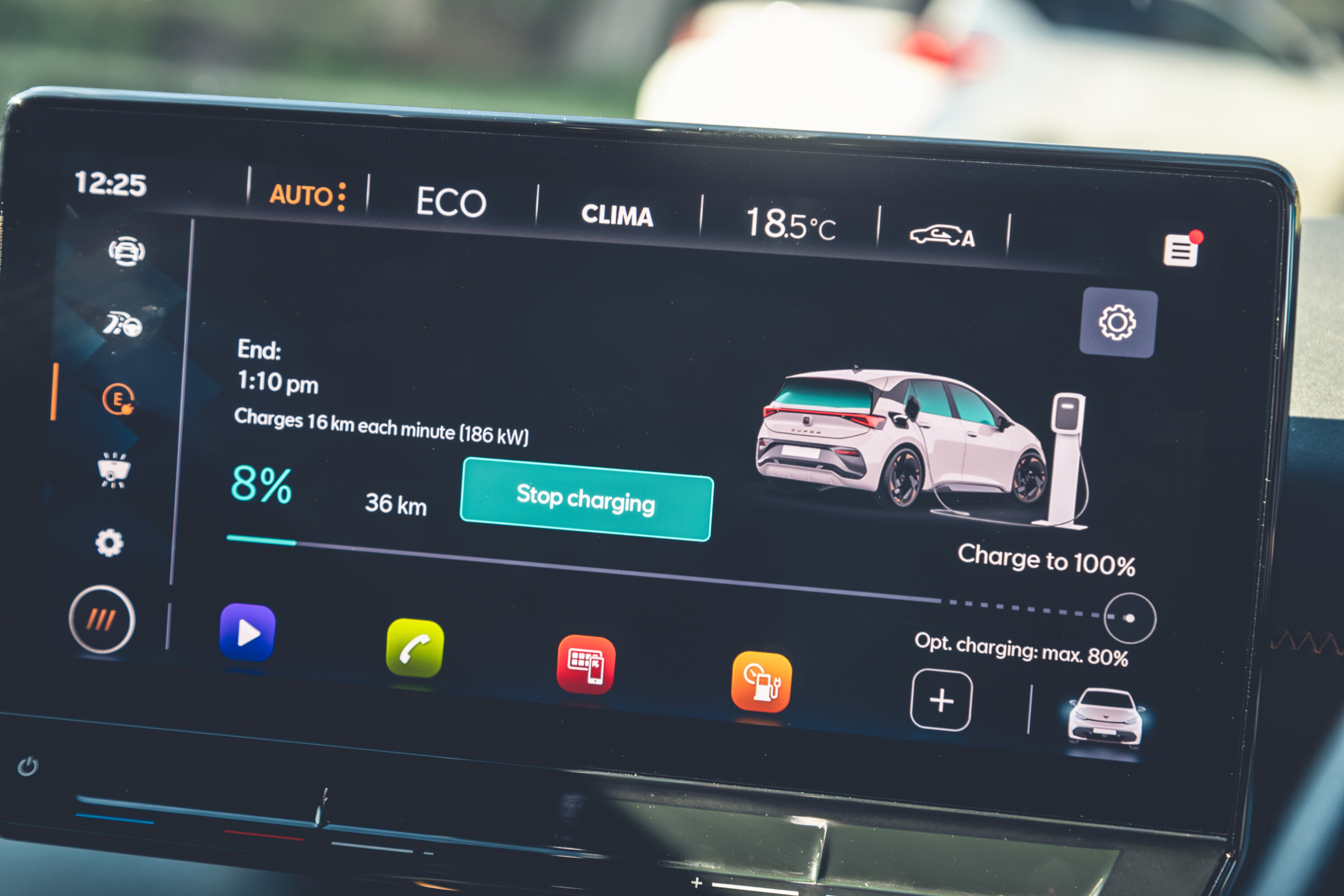
Similar to pouring water into a cup, the internal resistance of a battery rises as the percentage increases. After an initial burst, the BMS gradually slows down the kilowatt rate until the battery reaches about 80 per cent full.
Therefore, automakers often quote a 10 to 80 per cent charge time, as this is most time efficient for the range added.
Charging past 80 per cent also isn’t healthy for the longevity of typical lithium-ion batteries, particularly in excessively cold or hot climates. However, the lower cost lithium-iron-phosphate (LFP) battery type can be fully charged without excessive degradation concerns.
Charging an EV from 80 to 100 per cent can effectively double your waiting time, since it slows down significantly – especially on public DC fast charging stations.
Of course, owners may need their EV’s full driving range on longer drives, so you can fully charge occasionally if you’re willing to wait.
While not all carmakers recommend an everyday charging cap, the general rule-of-thumb is 80 per cent for lithium-ion nickel-manganese-cobalt (NMC) or 100 per cent (no limit) for LFP type batteries.
Charging speeds explained
Not all EVs can accept electricity at the same rate.
For example, one vehicle might support DC charging at up to 100kW, while another can accept 250kW or more. The higher the maximum charging rate, the quicker the battery can potentially be replenished, and that’s why it’s important to consider the charging speed of EVs you’re considering.
But just because one car can theoretically charge at a higher speed doesn’t necessarily mean that it will charge faster than one that can charge at a slower speed.
It’s important to remember that charging speed isn’t constant. Most EVs slow charging significantly as the battery approaches full capacity, which is another reason why many road-trip charging stops focus on reaching 80 per cent rather than 100 per cent.
EV charging plug types
Most new electric cars use the same charging plug in Australia today, but some are outliers and can be confusing, especially if you buy used.
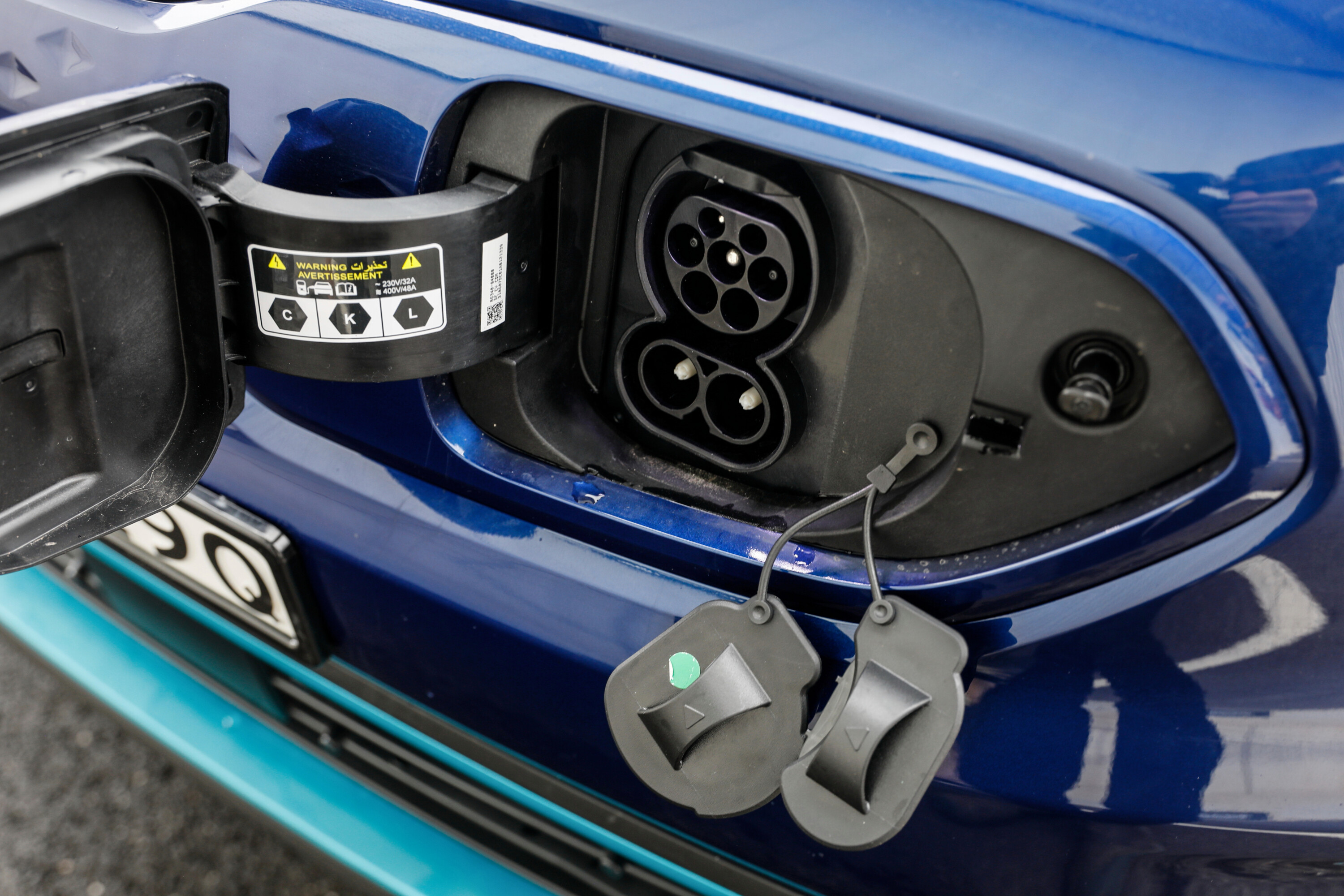
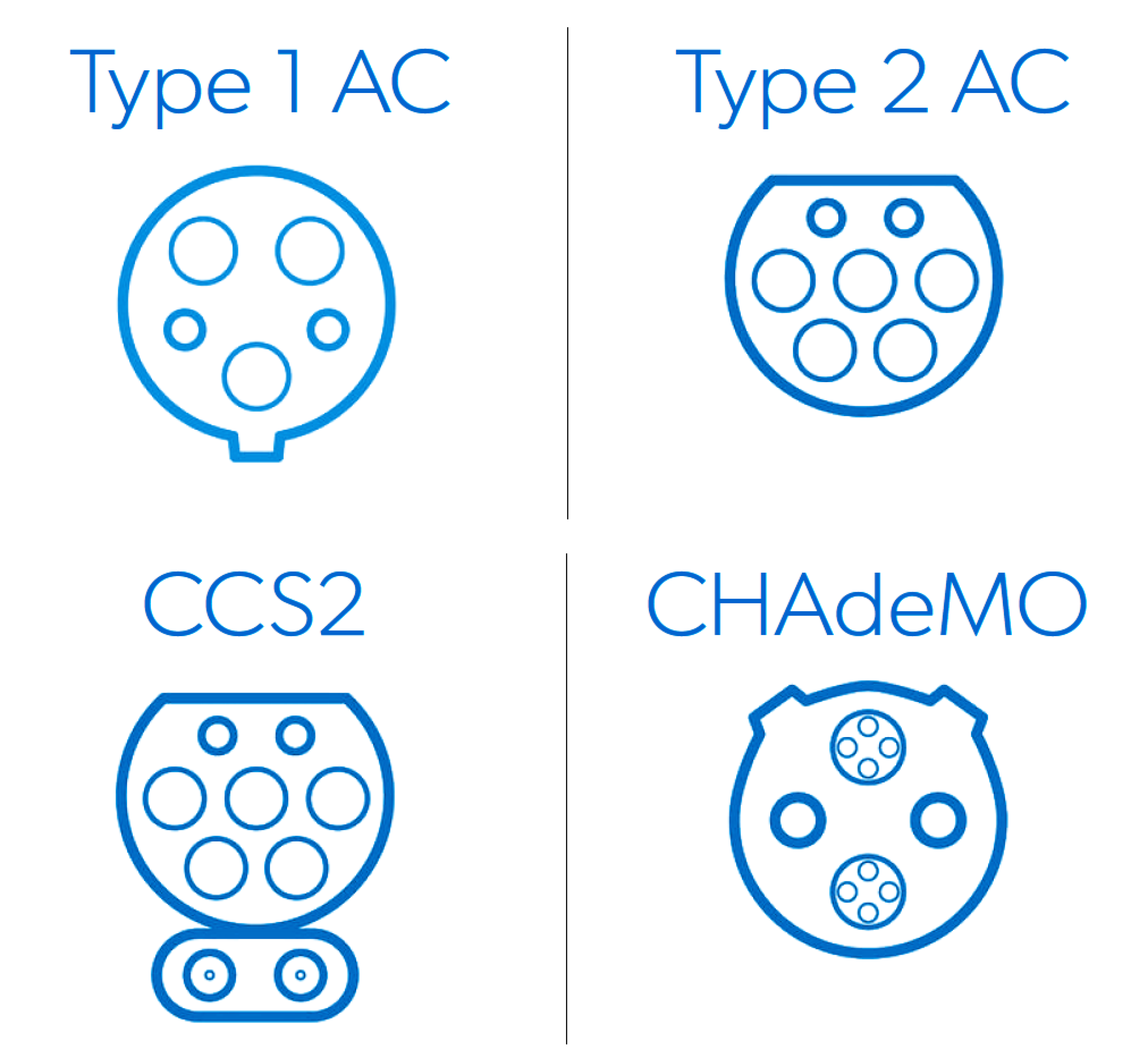
Type 2 / CCS2: The Australian standard
Type 2: This type, also known as Mennekes, is the European-standard EV plug for slow AC charging, with a seven-pin design.
DC charging: For fast charging, it’s called the CCS2 (Combined Charging System 2), by extending the bottom of Type 2 with two additional pins.
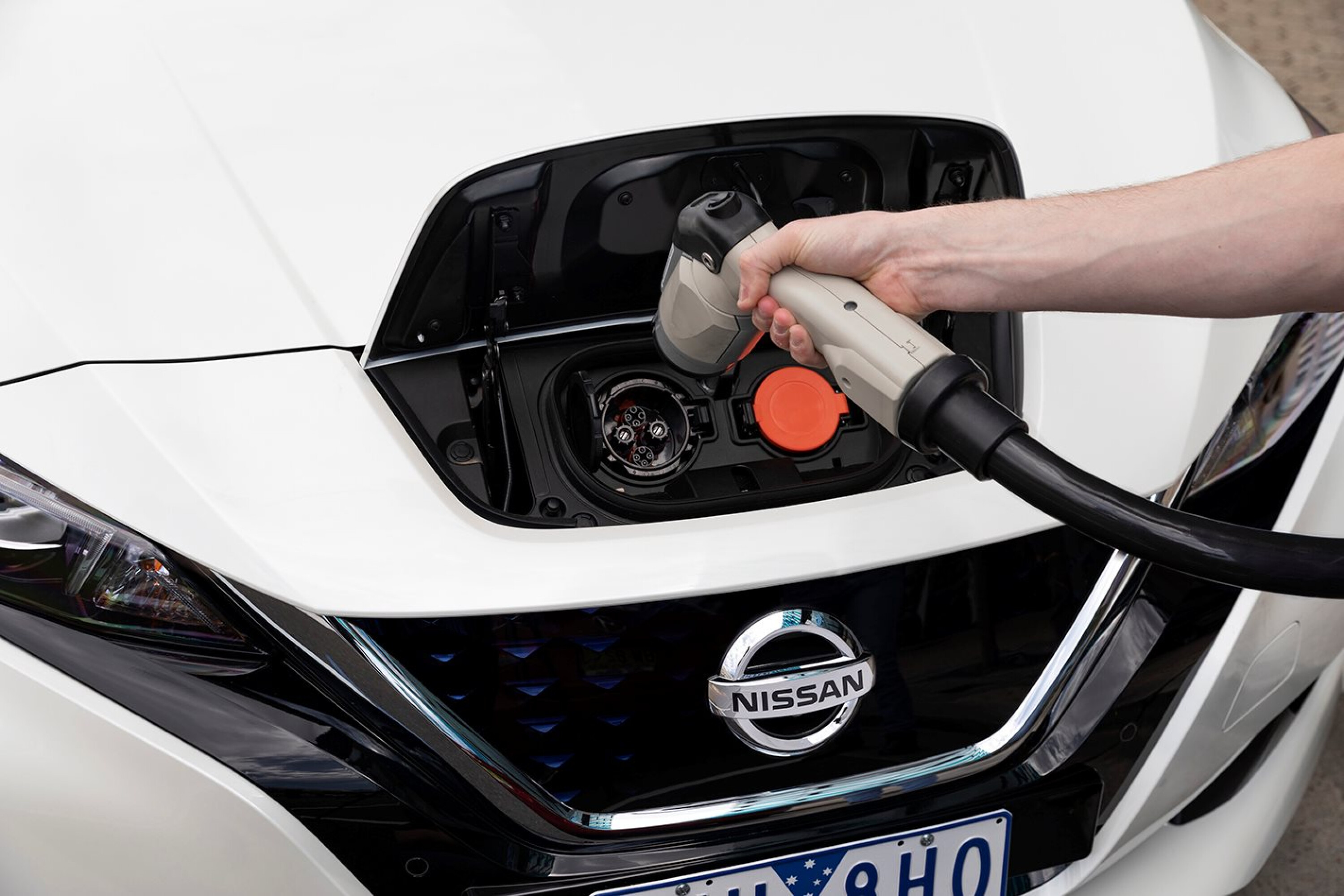
CHAdeMO: The Japanese standard
Some Japanese-made EVs and PHEVs in Australia have a CHAdeMO (CHArge de MOve) port for DC fast charging via four large pins.
However, for slower AC charging, models typically feature a separate Type 2 connector.
While the CHAdeMO connector will continue to be supported by public charging networks for the foreseeable future, some newly-installed stations have already phased it out in favour of the more common CCS2 in Australia.
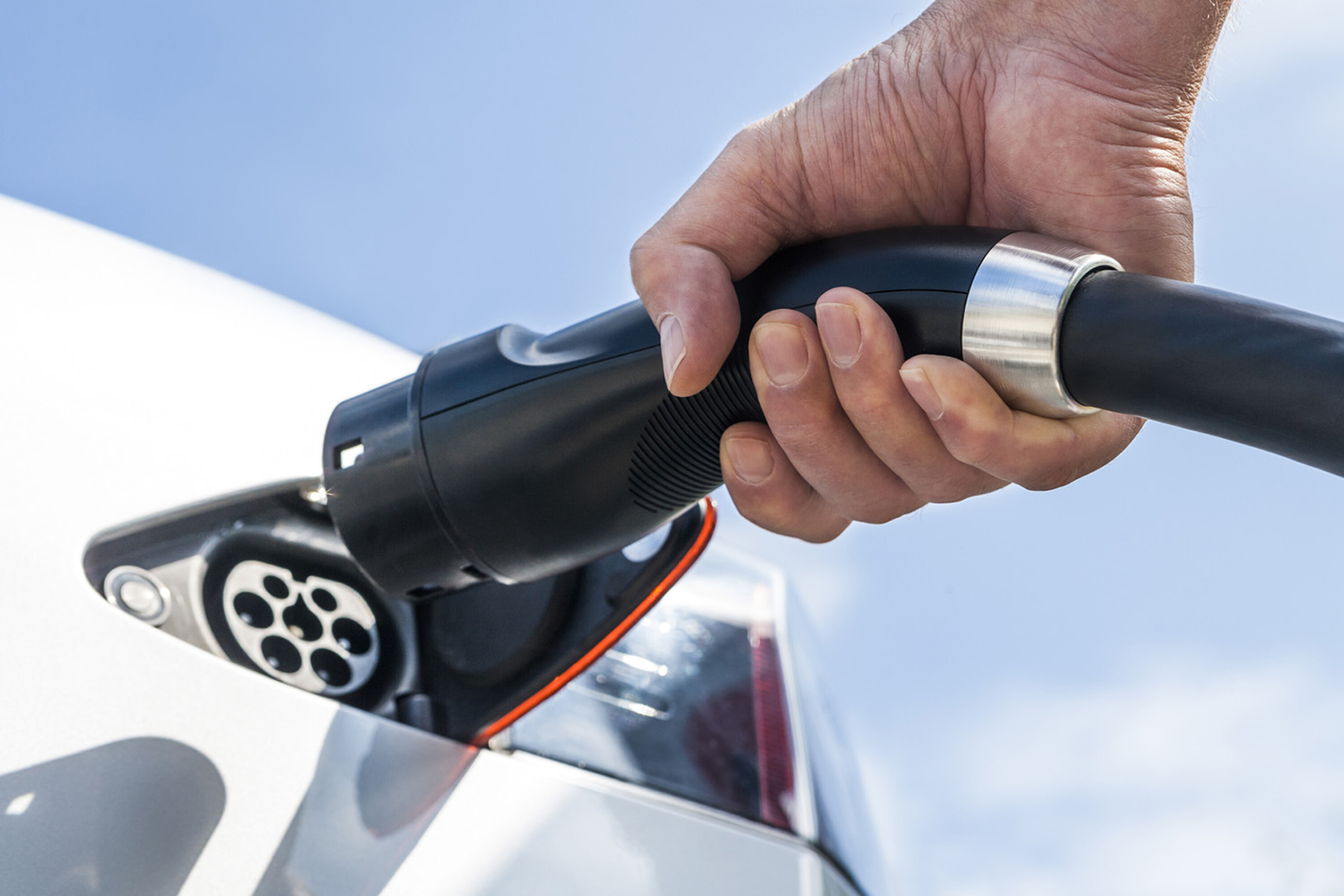
Modified Type 2: The old Tesla standard
Some older Teslas in Australia have a Type 2 connector, but modified with a notch at the top to prevent rival EV models accessing Tesla’s V2 Supercharging network.
Unlike regular Type 2, the single seven-pin design is used for both AC and DC charging.
However, since most public DC fast charging stations only offer the CCS2 plug, an adapter is required to use them.
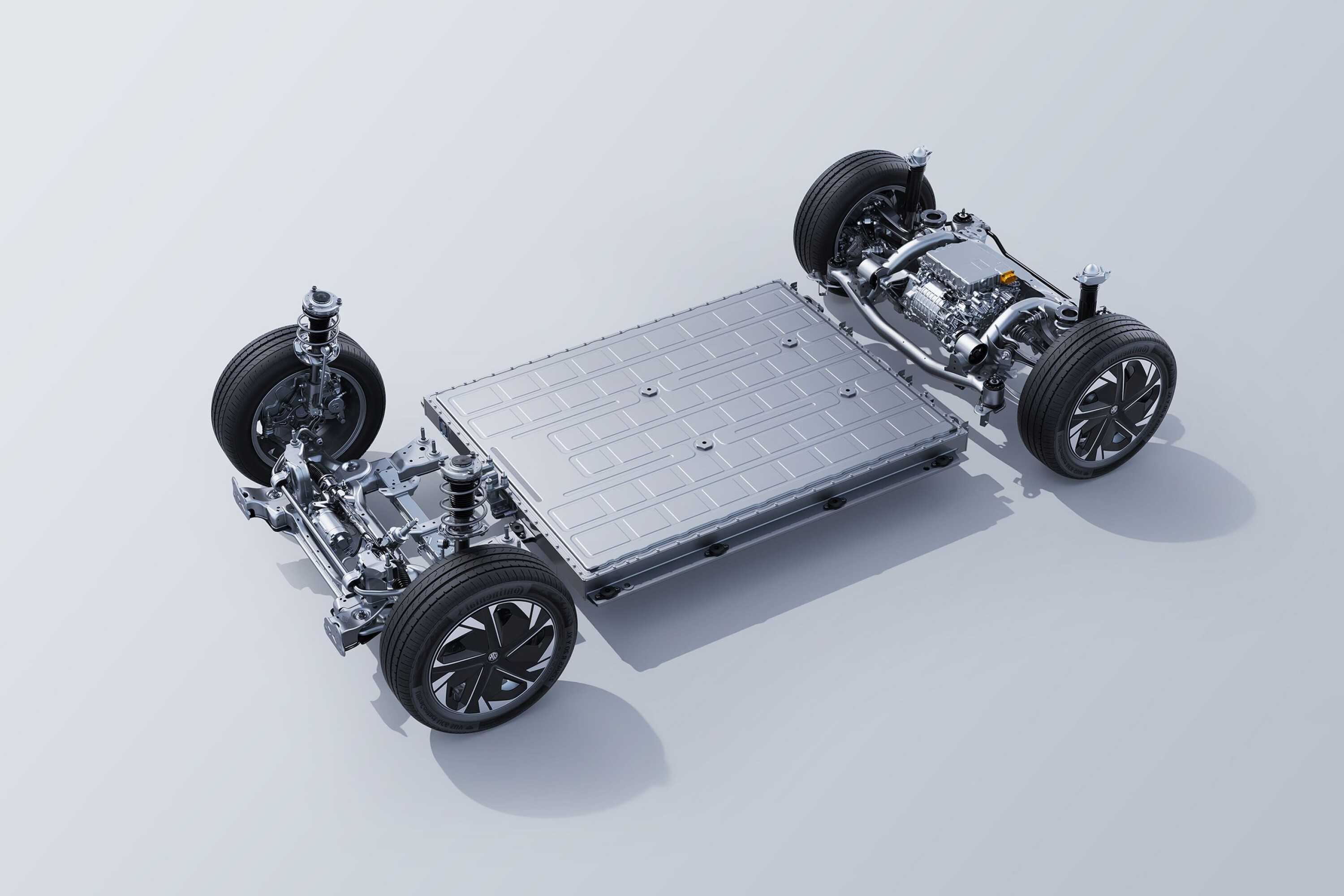
Battery size: Gross vs net
It’s important to know if a quoted electric car battery size number – measured in kWh – is ‘gross’ or ‘net’.
- Gross (nominal): The total battery size for storing energy, including buffers
- Net (useable): The actual battery size and energy that can be used by owners, excluding buffers
Therefore, only the usable number should be looked at – especially when doing any charging sums – since owners won’t be able to utilise the entire gross battery size.
That’s because there are top and bottom buffers in place to ensure safe operation – avoiding the risk of ‘overcharging’ – and to protect the battery health.
As cells degrade over time, the EV will automatically use the buffers (unused cells) to offset the impact of reduced driving range.
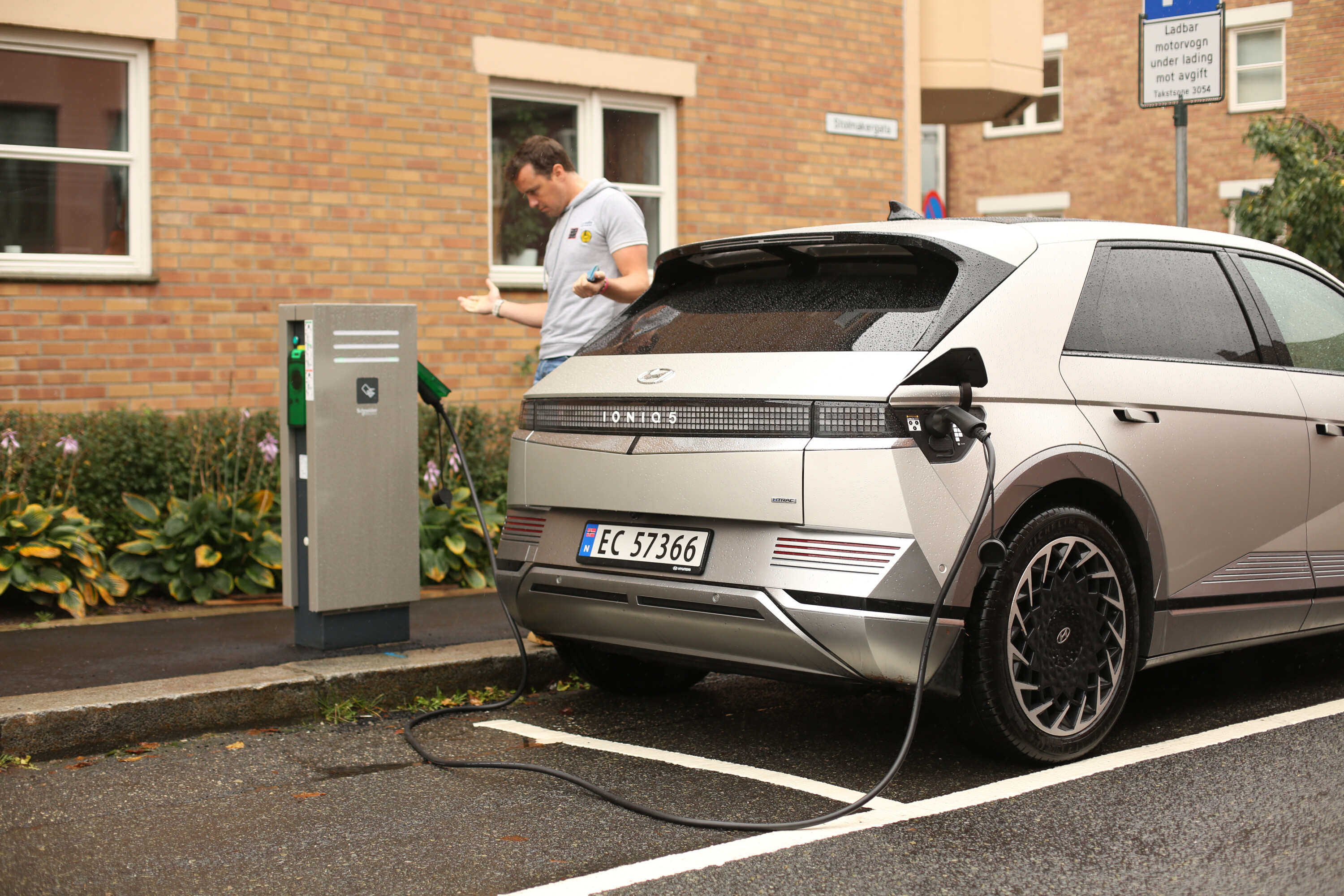
Real-World Range vs Claimed Range
Alongside battery size, driving range is one of the first specifications most EV buyers look at. However, it’s important to understand that the official range figure is really more of a comparison tool than a guarantee of what you’ll achieve every day.
Most electric vehicles sold in Australia quote a range figure based on the Worldwide Harmonised Light Vehicle Test Procedure (WLTP), which is a standardised laboratory test designed to allow buyers to compare different vehicles under the same conditions.
However, there is also the NEDC (New European Driving Cycle) that was introduced in the 1990s, which some manufacturers still quote. It’s important to note when looking at the claimed range of an EV which cycle the manufacturer is quoting because many still use the more lenient NEDC cycle, giving their models a potentially higher driving range.
In the real world, range can vary on a number of factors. Unlike petrol or diesel cars, high-speed highway driving will use more energy than urban commuting, while extreme temperatures can increase battery and climate-control demands. Carrying passengers, luggage or roof-mounted accessories can also affect efficiency, lessening driving range.
Driving style plays a role, too. Gentle acceleration and effective use of regenerative braking can help maximise range, while aggressive driving is likely to increase energy consumption.
The good news is that for many Australians, a daily commute of 30 to 50 kilometres represents only a fraction of an EV’s available range, meaning that charging is less frequent than first time buyers expect.
When comparing EVs, it’s worth looking beyond the headline range figure and considering efficiency, charging speed and how you intend to use the vehicle. A longer range is always welcome, but for many owners, the ability to conveniently recharge at home is ultimately more important than having the largest battery available.
Charging is simple
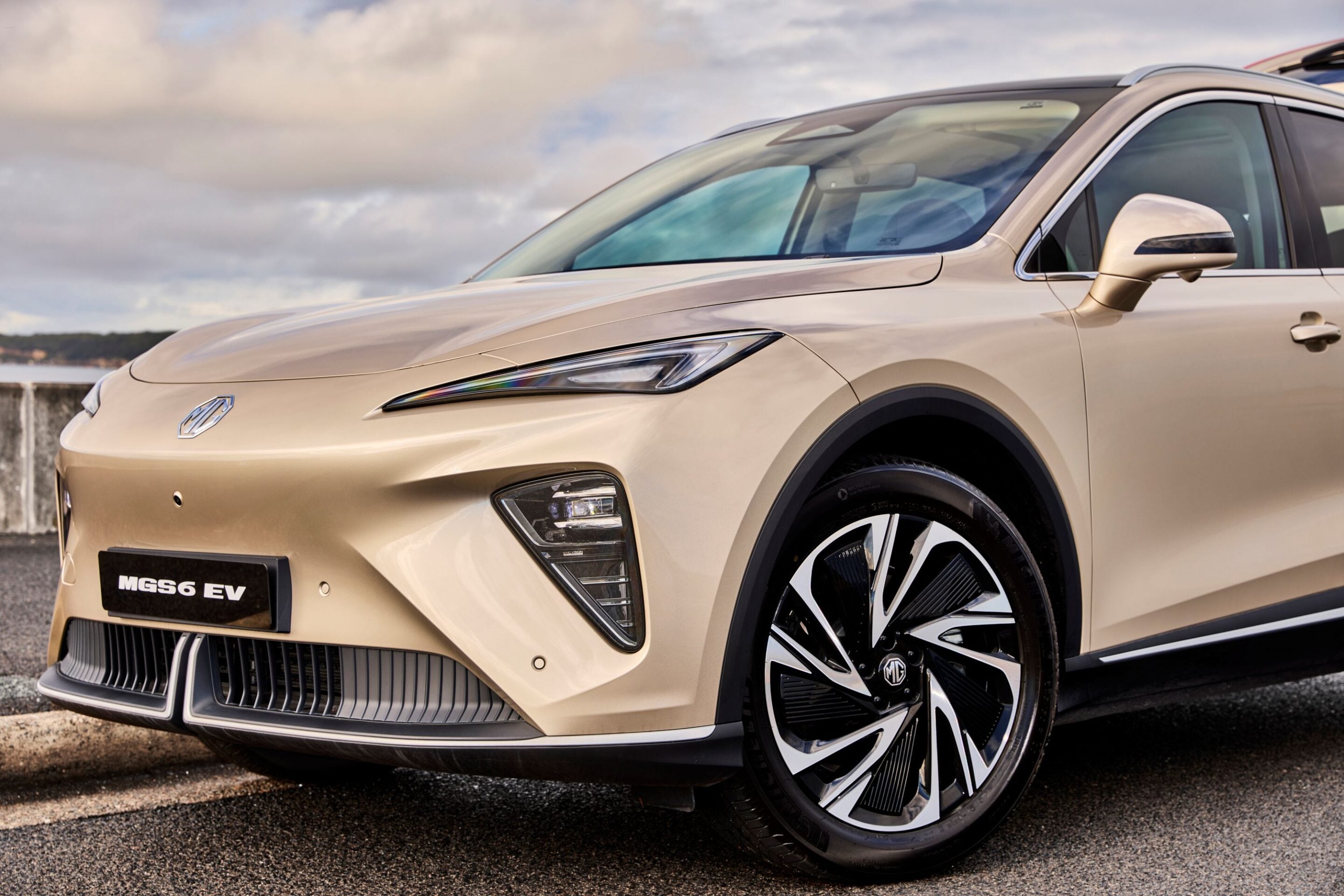
Maybe it doesn’t sound like it, but trust us: charging your electric car is simple.
Plug in at home (if possible), set it to charge when electricity is cheapest overnight or when there’s solar energy, and you’ll replenish enough driving range for typical daily needs.
When using public charging infrastructure, know the plug types and AC/DC charging speed outputs offered by the station and, importantly, the AC/DC limits of what your EV model can input.
Remember to practice charging etiquette too — move your EV once it’s completed charging.
It may not be as easy nor as fast as stopping at a fuel station, but charging an EV can be even more convenient as it can fill up when it’s parked and not in use at home or at the shops.
Is an electric vehicle right for me?
For many Australians, the answer is increasingly yes.
If you have access to home charging, travel predictable daily distances and rarely undertake very long road trips, an EV can be remarkably convenient. Most owners simply plug in overnight and begin each day with a full battery.
However, EV ownership may be less suitable for drivers who regularly tow heavy loads, travel vast regional distances or don’t have reliable access to home or workplace charging.
The good news is that charging infrastructure continues to expand across Australia rapidly, battery technology is improving with more efficiency for longer driving ranges and vehicle choice is broader than ever as well.
We’ve found that for many buyers, the biggest surprise isn’t learning how electric vehicles work, rather, it’s discovering how little effort is required to live with one every day.
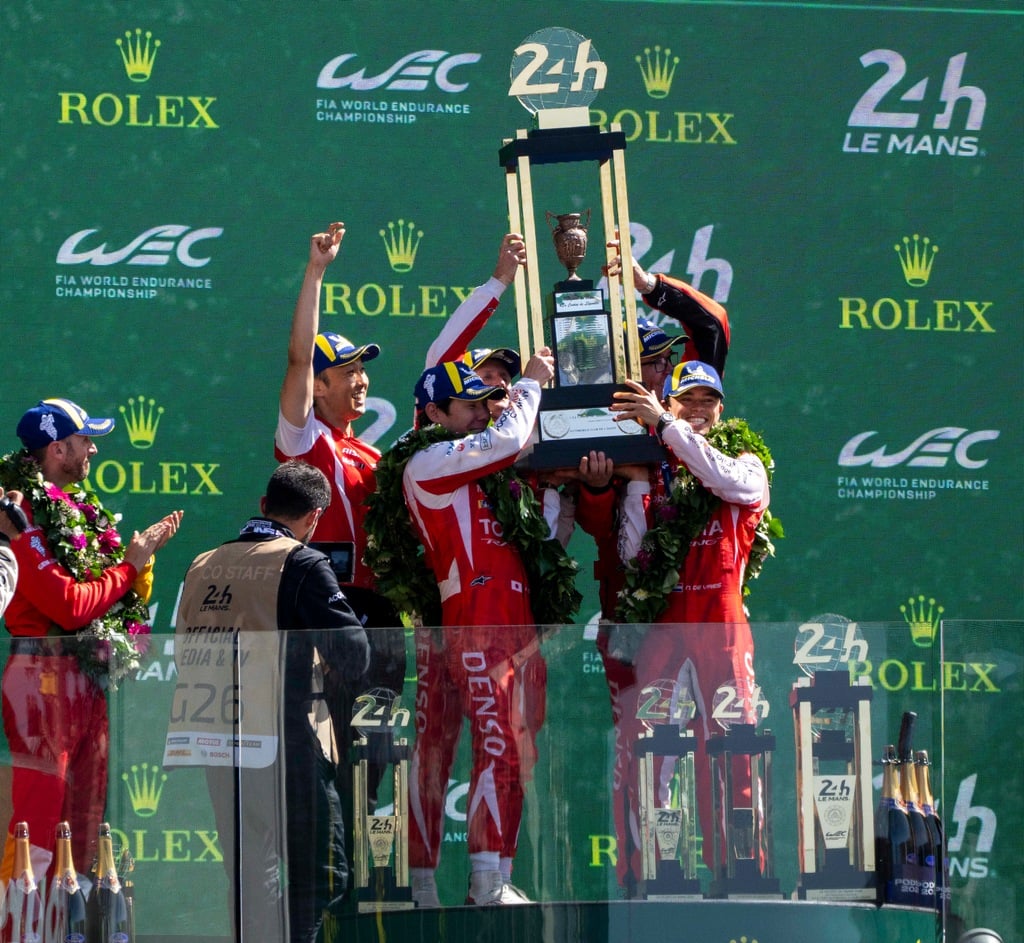
Nyck de Vries has claimed his maiden victory in the 24 Hours of Le Mans after Toyota overcame a series of setbacks to win one of the most hard-fought editions of the endurance classic in recent years.
The Dutch driver, sharing Toyota’s #7 GR010 Hybrid with teammates Kamui Kobayashi and Mike Conway, helped deliver the Japanese manufacturer’s sixth Le Mans victory after starting from 14th on the grid.
Toyota’s triumph came after a tense and unpredictable race that saw the lead change hands multiple times across the 24-hour contest. The winning crew completed a remarkable recovery drive, capitalising on strategy, reliability and consistency as rivals BMW and Cadillac faltered during the closing stages.
Toyota spent much of the event fighting from behind before gradually working its way into contention. The #20 BMW M Team WRT Hypercar ultimately finished second, while the sister #8 Toyota completed the podium. Cadillac, which had shown impressive pace throughout the week, looked capable of challenging for victory before losing ground during the final hours.
“It feels like the stars were aligned,” de Vries said after the race. “There were so many times during the race where we felt like we had no chance at all.”
The result marks the biggest achievement of de Vries’ endurance racing career and adds another major victory to a résumé that already includes the Formula E world championship.
Nine-time Le Mans winner Tom Kristensen praised the Dutchman’s performance, describing it as a dream fulfilled.
“To win at Le Mans fulfils a dream for him,” Kristensen said. “They were fighting the entire race, even with setbacks.”
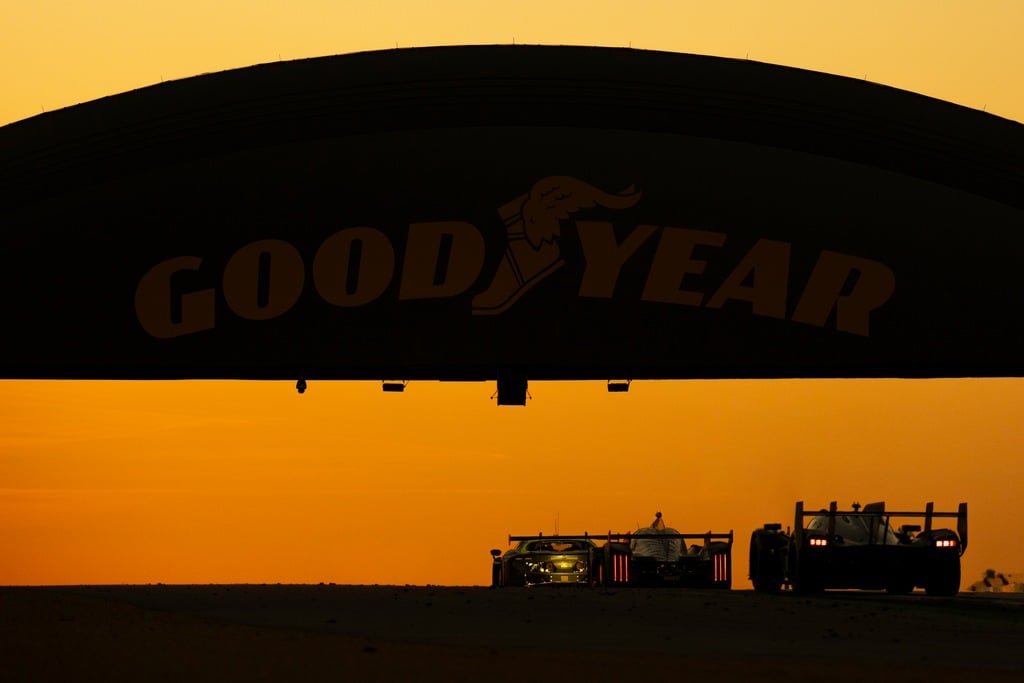
Elsewhere, Inter Europol Competition claimed victory in the LMP2 category, while TF Sport took top honours in LMGT3.
The 2026 event also featured a milestone for British driver Jamie Chadwick, who became the first woman to drive a Hypercar at Circuit de la Sarthe during the official test programme.
De Vries joined Rolex’s roster of motorsport ambassadors earlier this year, and the watchmaker continues as the race’s official timepiece partner. Le Mans winners traditionally receive a specially engraved Rolex Cosmograph Daytona alongside the famous winner’s trophy.
The FIA World Endurance Championship now heads to Brazil for next month’s Six Hours of São Paulo.
Few vehicles have had a bigger influence on Australia’s new-car market in recent years than the Toyota RAV4. Consistently among the country’s best-selling vehicles, it has helped popularise hybrid-powered medium SUVs – it’s becoming increasingly rare to find a non-hybrid offering in the segment. The new-generation 2026 Toyota RAV4 arrived earlier this year with a fresh look, upgraded technology and a revised hybrid powertrain — but, predictably, so did price rises.
Sitting near the top of the range, the popular Cruiser model promises the premium features buyers expect, but does Australia’s favourite SUV still provide the talent that buyers expect?
How much does the RAV4 Cruiser cost to buy?
Pricing for the new RAV4 range starts at $45,990 plus on-road costs for the entry-level GX, while the Cruiser 2WD tested for this review asks $56,990 +ORC, or around $62,300 driveaway in New South Wales at the time of writing.
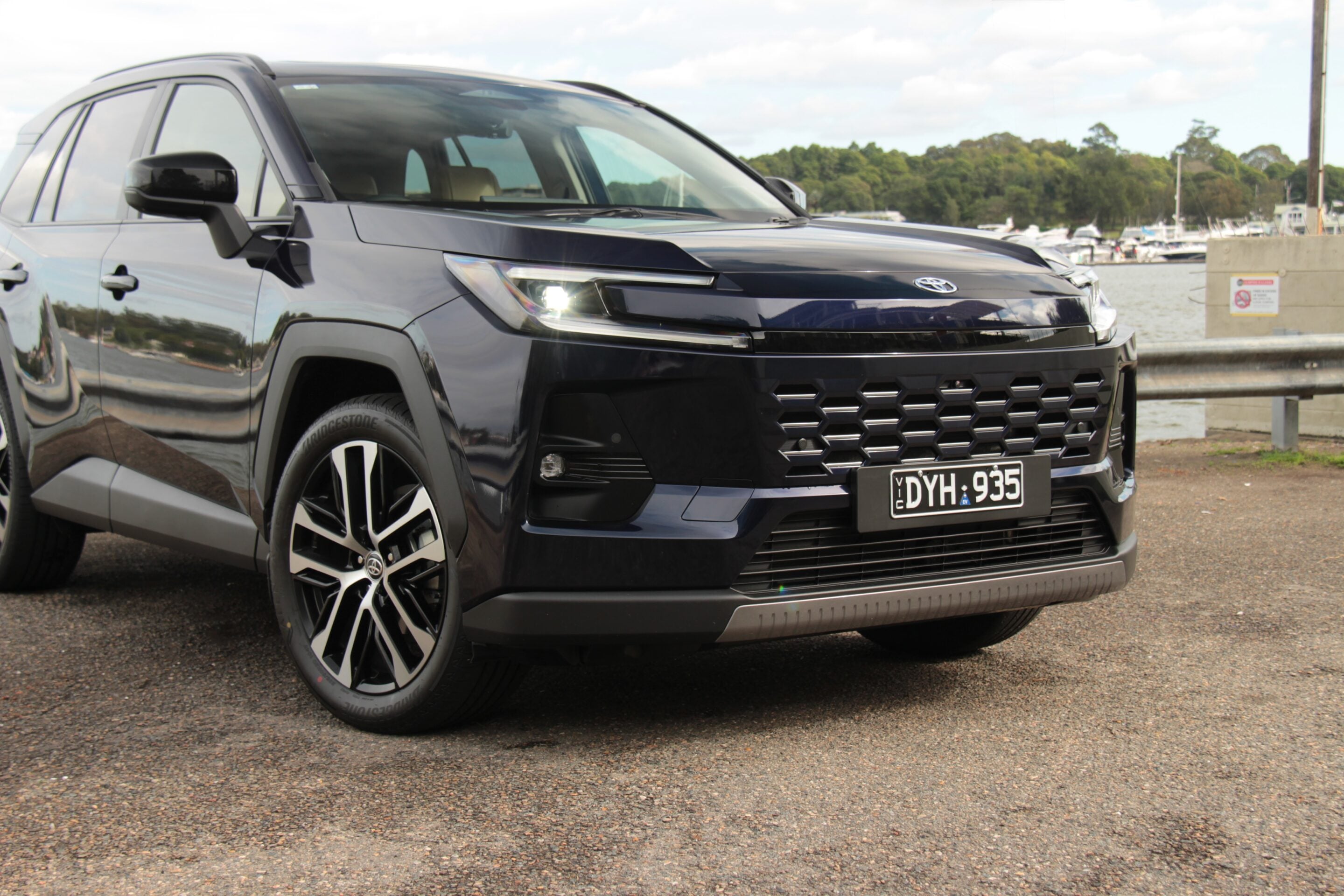
2026 Toyota RAV4 pricing (plus on-road costs):
| GX Hybrid 2WD | $45,990 (+$3730) |
|---|---|
| GX Hybrid AWD | $49,340 (+$4080) |
| GXL Hybrid 2WD | $48,990 (+$3180) |
| GXL Hybrid AWD | $52,340 (+$3530) |
| Edge Hybrid AWD | $55,340 (-$3020) |
| XSE Hybrid AWD | $58,340 (+$6430) |
| XSE Plug-In Hybrid 2WD | $58,840 (new) |
| XSE Plug-In Hybrid AWD | $63,340 (new) |
| Cruiser Hybrid 2WD | $56,990 (+$5580) |
| Cruiser Hybrid AWD | $60,340 (+$5930) |
| GR Sport Plug-In Hybrid AWD | $66,340 (new) |
Competition is fierce and the RAV4’s price rises of up to $6430 with the new generation model have made it one of the most expensive options in the non-premium section of the medium SUV segment.
Competitors to the RAV4 Cruiser include the Hyundai Tucson Premium ($58,350 plus on-road costs, though fitted with all-wheel drive as standard), Kia Sportage GT-Line Hybrid ($57,370 +ORC or $60,370 +ORC for all-wheel drive), Mazda CX-5 G25 Akera ($54,990 +ORC, but not a hybrid), Honda CR-V e:HEV RS ($64,400 driveaway with all-wheel drive) and Nissan X-Trail Ti-L e-Power ($58,215 +ORC, fitted with all-wheel drive as standard).
There’s a full list of standard features below, but the 2026 RAV4 Cruiser has been made more competitive with its rivals it terms of equipment. Highlights include 20-inch alloy wheels, a panoramic roof, leather-accented upholstery, heated and ventilated front seats, a 12.3-inch digital driver’s display, a 12.9-inch touchscreen with live services, wireless Apple CarPlay and Android Auto, JBL audio and a full suite of active safety features like eight airbags, autonomous emergency braking, adaptive cruise control, adaptive lane guidance, blind-spot monitoring, a 360-degree camera and adaptive high beam.
How fuel efficient is the RAV4 Cruiser?
Quite. Part of the upgrade to the new-generation RAV4 included a revised 2.5-litre hybrid drivetrain now rated to Euro 6 emissions standards. Because of that, it’s now 20kW less powerful at 143kW, but its claimed combined fuel consumption has improved to 4.5L/100km, and that makes it the most fuel efficient medium SUV without a plug. If you do want to be able to plug-in your RAV4 for electric driving, plug-in hybrid variants are about to land locally with up to 121km of WLTP-rated electric range.
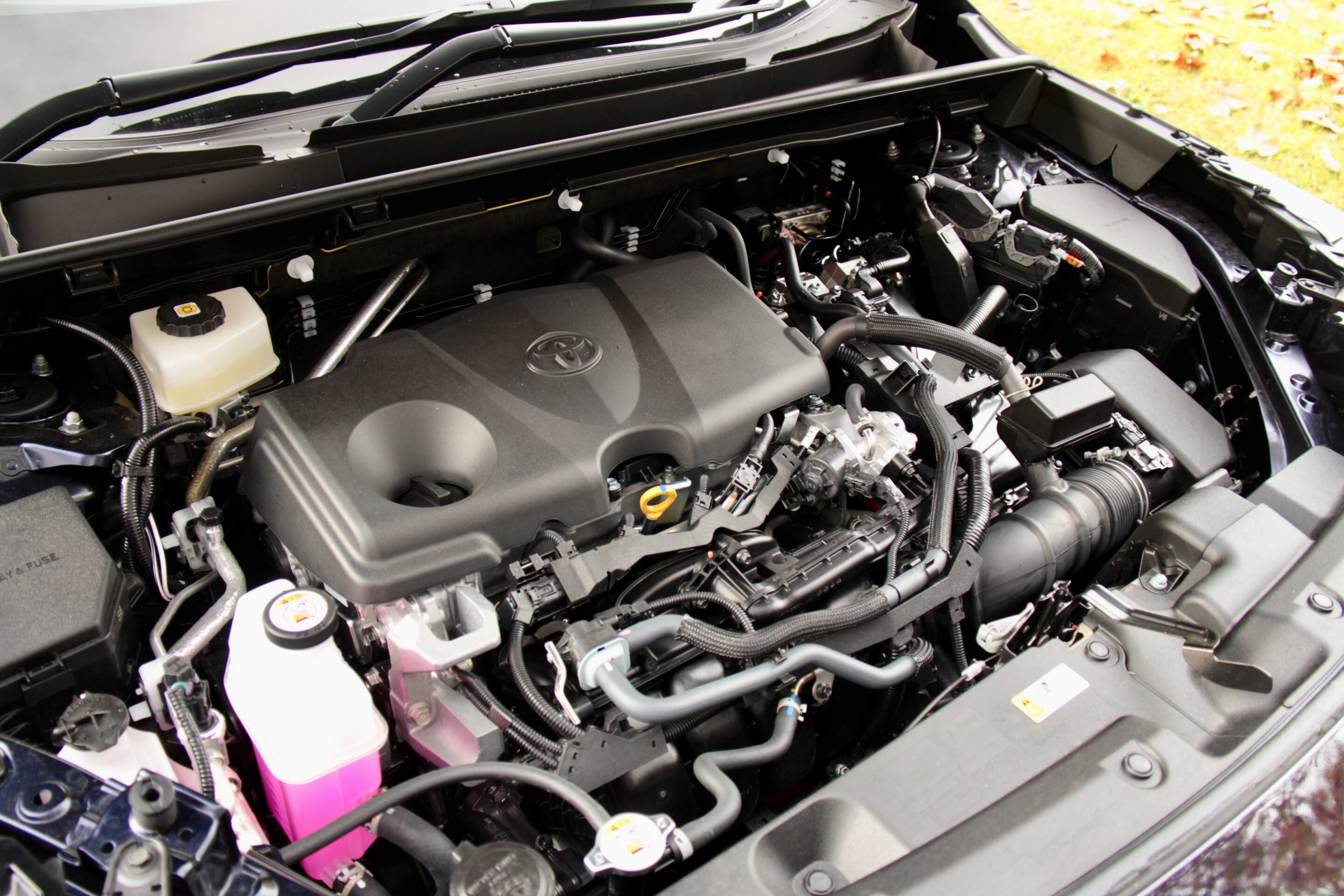
In a week of testing in both urban and highway conditions, we achieved 5.1L/100km without any effort put into fuel conservation. Be a bit more careful than us and you should easily see that drop below the 5L/100km mark. Part of the transformation to Euro 6 compliance is that the RAV4 now must use 95 RON premium unleaded fuel, though at least it’s more fuel efficient to help offset the extra cost of premium fuel.
Is the RAV4 Cruiser good to drive?
On the whole, the new RAV4 Cruiser drives pretty much like the old RAV4 Cruiser, though there are devils in the detail. The new model fits 20-inch wheels as standard on the XSE and Cruiser models, and as a result, the low speed ride never feels like it truly settles properly – the smaller-wheeled GX and GXL prove to be more comfortable in town.
At higher speeds though, the RAV4 impresses with more maturity than before, and its well-weighted steering gives confidence – there is actual feel here, unlike many rivals. It’s not a sports car, but the RAV4 can be hustled respectfully quickly along a good bit of road and its stiffer chassis is obvious compared with the last model. The brake pedal feeling has also been improved compared with the last car and it’s now more linear in its response.
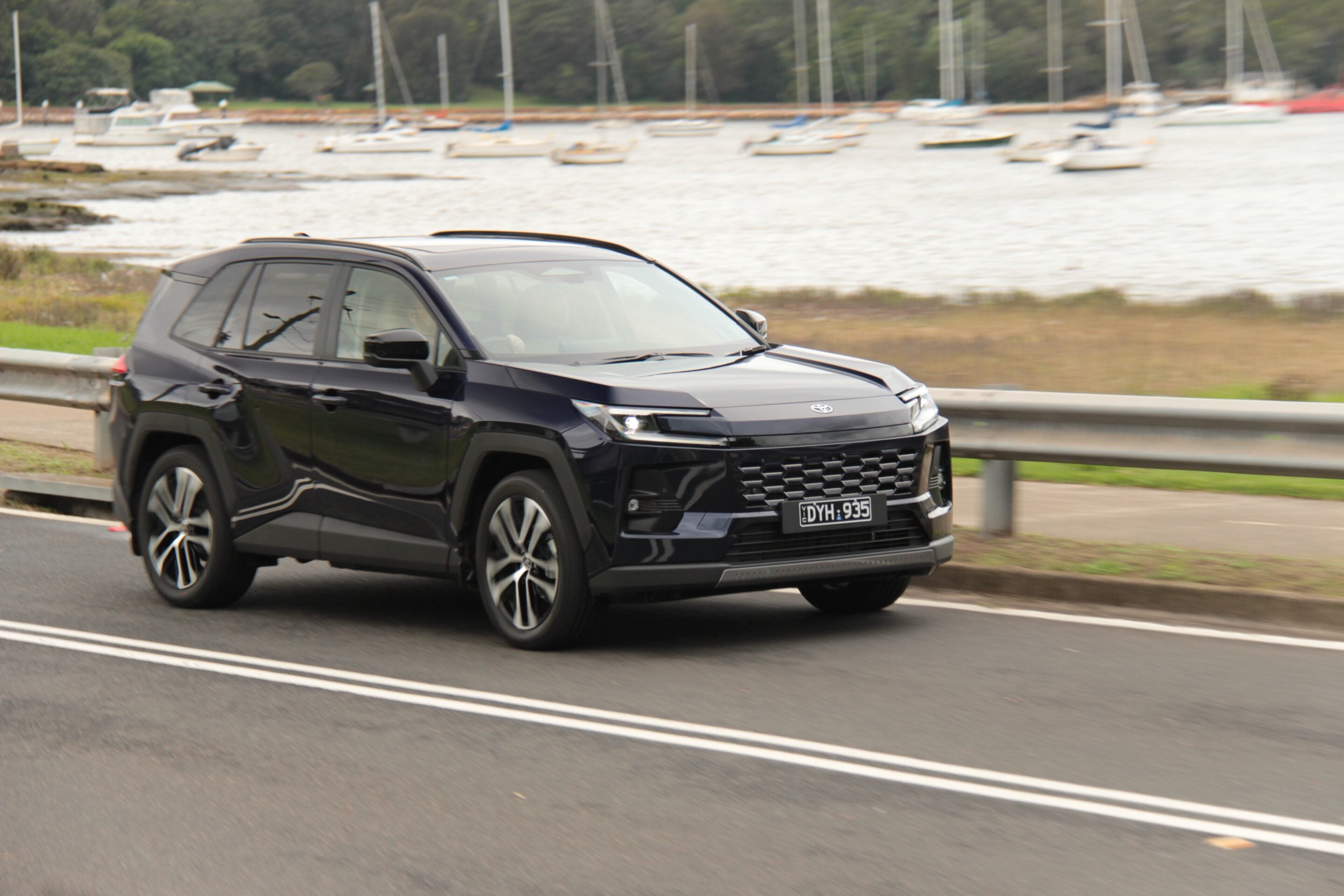
As expected with a 20kW drop in power compared with the previous model, the RAV4’s performance isn’t quite as strong as it was before. But it would take somebody quite familiar with the old model to tell, because the electric motor feels much more responsive this time around and it feels quicker off the mark. Once the engine kicks in, you notice that there isn’t quite as much grunt in the mid range.
Overall refinement has been improved a bit, with not quite as much engine or road noise entering the cabin, and the driver assistance systems remain largely non-intrusive too. Overall, the new RAV4 is certainly more relaxing to drive than many competitors, which is something we think medium SUV buyers – and indeed, loyal Toyota folk – will appreciate. But there are more exciting, better-handling and more refined options, if that’s what you’re after.
How practical is the RAV4 Cruiser?
As before, the new RAV4 presents an attractive and practical cabin that will win fans with Australia’s medium SUV buyers. The new model’s layout is more modern than the previous model, and it feels more contemporary throughout. Switchgear used for stalks and window controls, for instance, are also a big improvement compared with the last model.
In general, however, interior quality is a slight disapppointment. The previous model used soft touch materials on the dashboard but even the expensive $60k+ new Cruiser does not, which suggests a cost saving. We hope Toyota can cover it with some synthetic leather trim soon to improve the ambience.
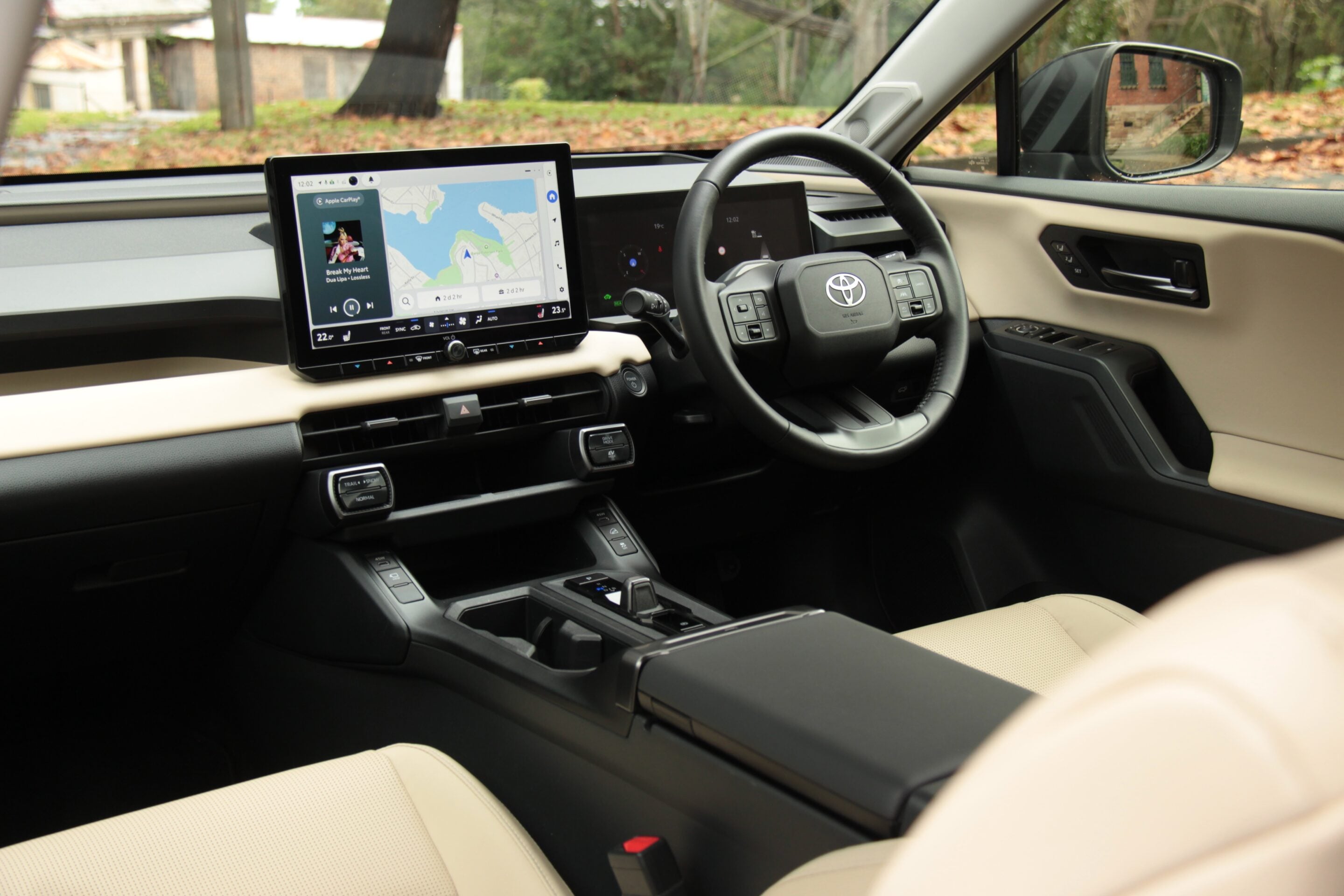
Another minor disappointment in the new RAV4 is the new central touchscreen, which uses the company’s new ‘Arene’ software. Measuring 12.9-inches in the Cruiser, it’s now larger, sharper and more feature-packed than before, and brings the RAV4 up to date in the segment. It also features a proper home section, finally, and its menu structure is generally easier to use than before. But while it’s moved forward in this area, there are some things about it that are a regression, like the lack of physical buttons.
To control the climate, you must enter a sub menu, which takes eyes off the road. Sure, the RAV4 is nowhere near alone in this regard, but it’s disappointing to see from a manufacturer that used to be the champion of buttons for ease of use. Thankfully, the 12.3-inch digital driver’s display is far nicer than the previous model and features inbuilt mapping that’s far better integrated and more detailed than before.
As you’d expect from a Toyota SUV, the RAV4’s cabin is still quite practical. There are large door bins, a big box underneath the configurable centre arm rest, a few trays underneath the dashboard (including two wireless phone chargers), a tray ahead of the front passenger on the dashboard and large cup holders located in the centre console.
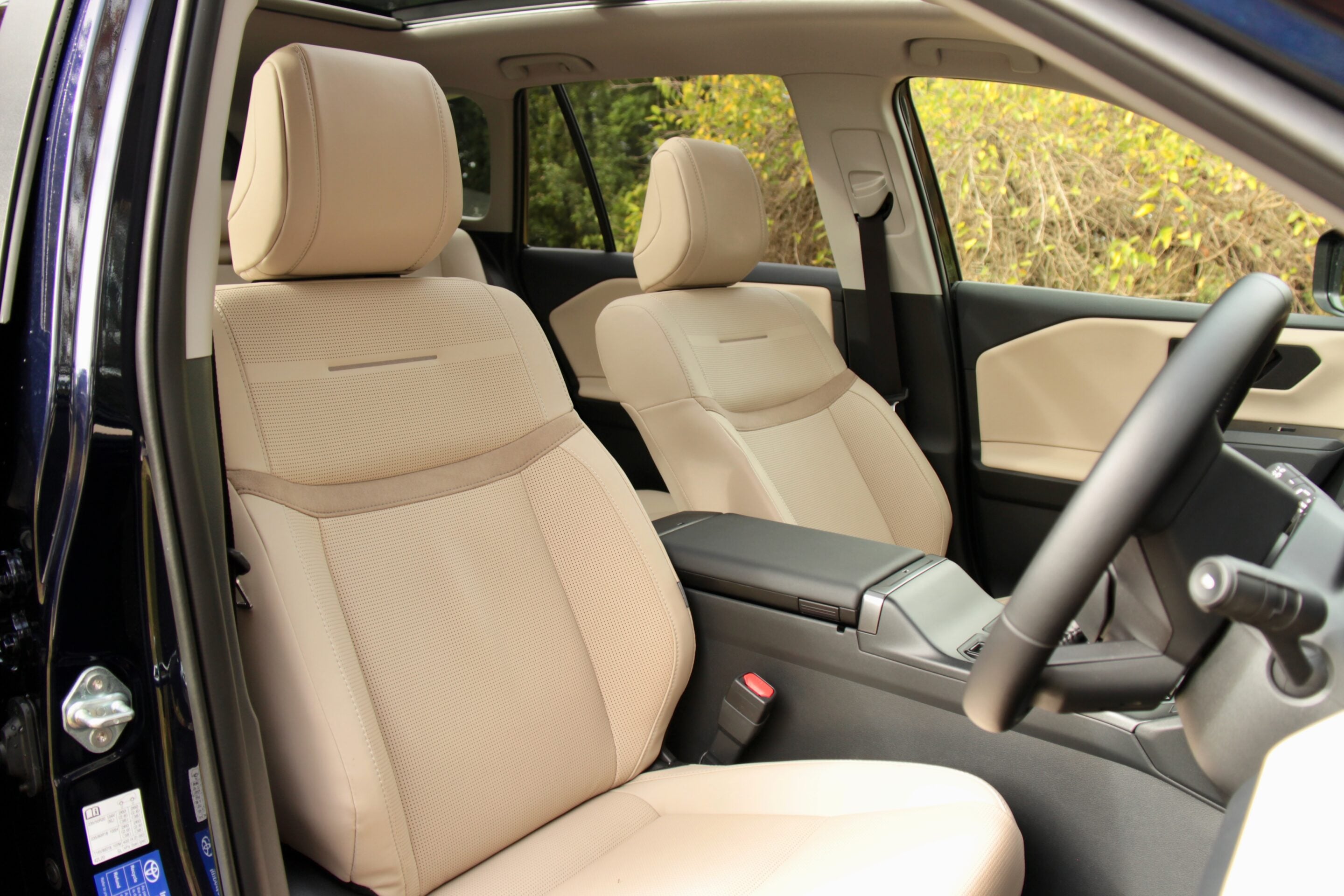
Move to the rear seat and the RAV4’s lack of change in its dimensions sees it offering pretty much the same amount of room as before. Two six-foot adults will be fine, thanks to healthy leg- and headroom, while a third will also fit at a pinch. Child seat points are easily accessed too.
A centre armrest provides cup holders, joining bottle holders in the door, heated outboard seats, map pockets, air vents and two USB-C charging ports. The doors still don’t open that wide, unfortunately, so access isn’t as easy as, say, the Nissan X-Trail’s which open almost 90-degrees.
Initially, Toyota’s 705-litre boot capacity claim makes it seem like it has increased boot size but it’s not that simple because that figure is now measured to the roof. A lot of the RAV4’s dimensions are the same as the previous model but we’d wager that the old model’s 588-litre capacity is likely how much can be fitted underneath the parcel shelf. Folding the rear seats would likely unlock somewhere around 1600 litres, which is not as large as something like a Tucson hybrid, but it’s still large enough for most buyers.
What warranty covers the RAV4 Cruiser?
The RAV4 is covered by a five-year/unlimited km warranty with no roadside assistance, but that can be added from $99 per year. There’s also an eight-year/160,000km warranty for the hybrid battery, which can be extended to 10 years in total with annual health checks. If serviced at a dealer in the warranty period, Toyota will also extend the warranty on the engine and driveline up to seven years in total.
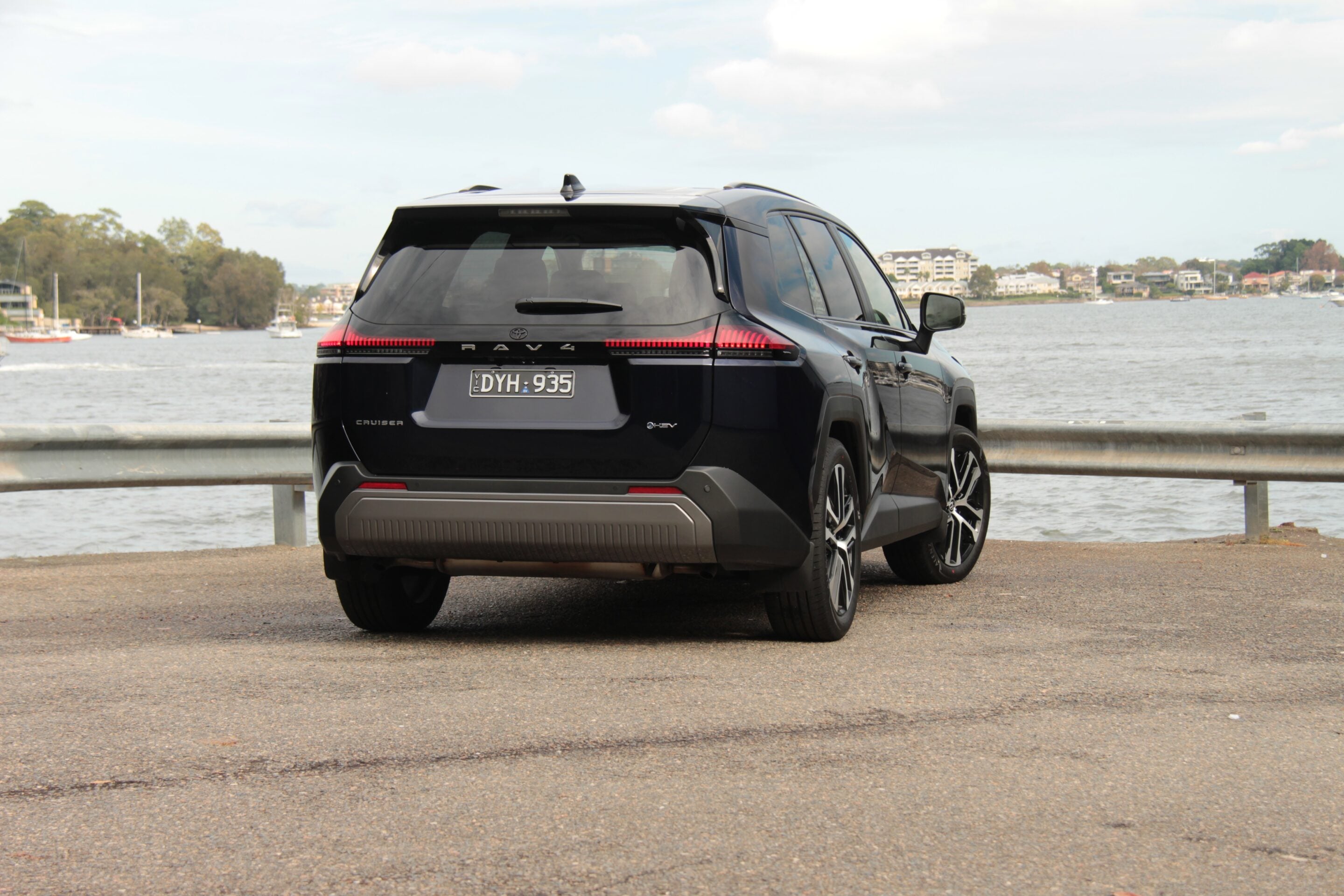
As for service pricing, the RAV4 Cruiser costs $325 per year to service for a five-year/75,000km cost of $1625. That’s more expensive than it used to be, and no longer the most affordable in the segment, but nowhere near the most expensive either.
Should I buy a Toyota RAV4 Cruiser?
The Toyota RAV4 didn’t become one of Australia’s best-selling vehicles by accident, and the latest Cruiser model will no doubt continue to be one of the most popular variants. Its excellent real-world fuel economy, spacious and practical cabin, and effortless everyday usability make it an easy medium SUV to live with, while Toyota’s excellent hybrid system remains a major attraction – especially during a cost-of-living crunch.
Having said that, the medium SUV segment is more competitive than ever and rivals like the Hyundai Tucson hybrid offer both sharper driving dynamics and a stronger value proposition. The RAV4 remains a solid all-round choice and deserves a place on any family SUV shortlist, but as with anything in life, buyers should do their homework before committing. The RAV4 Cruiser has plenty going for it – it’s just not the only compelling option in medium SUV town.
RAV4 Cruiser standard features:
- 20-inch alloy wheels with a space-saver spare wheel
- Dusk-sensing automatic all-LED exterior lighting
- LED front fog lights
- Rain-sensing automatic wipers
- Keyless entry with push button start
- Aluminium roof rails
- Panoramic sunroof
- Electric tailgate with kick sensor
- Heated/auto-folding mirrors
- Rear privacy glass
- Leather-accented upholstery
- 10-way driver/8-way passenger front seat adjustment with driver’s memory
- Heated/ventilated front seats, heated outboard rear seats
- Dual-zone automatic climate control with rear vents
- 12.3-inch digital driver’s display
- Head-up display
- 12.9-inch touchscreen with live services
- Satellite navigation with live traffic
- AM/FM/DAB+ digital radio
- Wireless Apple CarPlay and Android Auto
- Bluetooth calling and audio streaming
- Nine-speaker JBL sound system
- 2x wireless phone chargers
- 5x USB-C charging ports
- 8x airbags
- Autonomous emergency braking with pedestrian and daytime cyclist detection, intersection turn assistance and emergency steering assistance
- Adaptive cruise control with traffic jam assist
- Lane keeping assistance with adaptive lane guidance
- Blind-spot monitoring with rear cross-traffic alert
- Safe exit assist
- Traffic sign recognition
- Driver attention monitoring
- Auto high beam with adaptive functionality
- Front and rear parking sensors
- 360-degree camera
- Embedded drive recorder
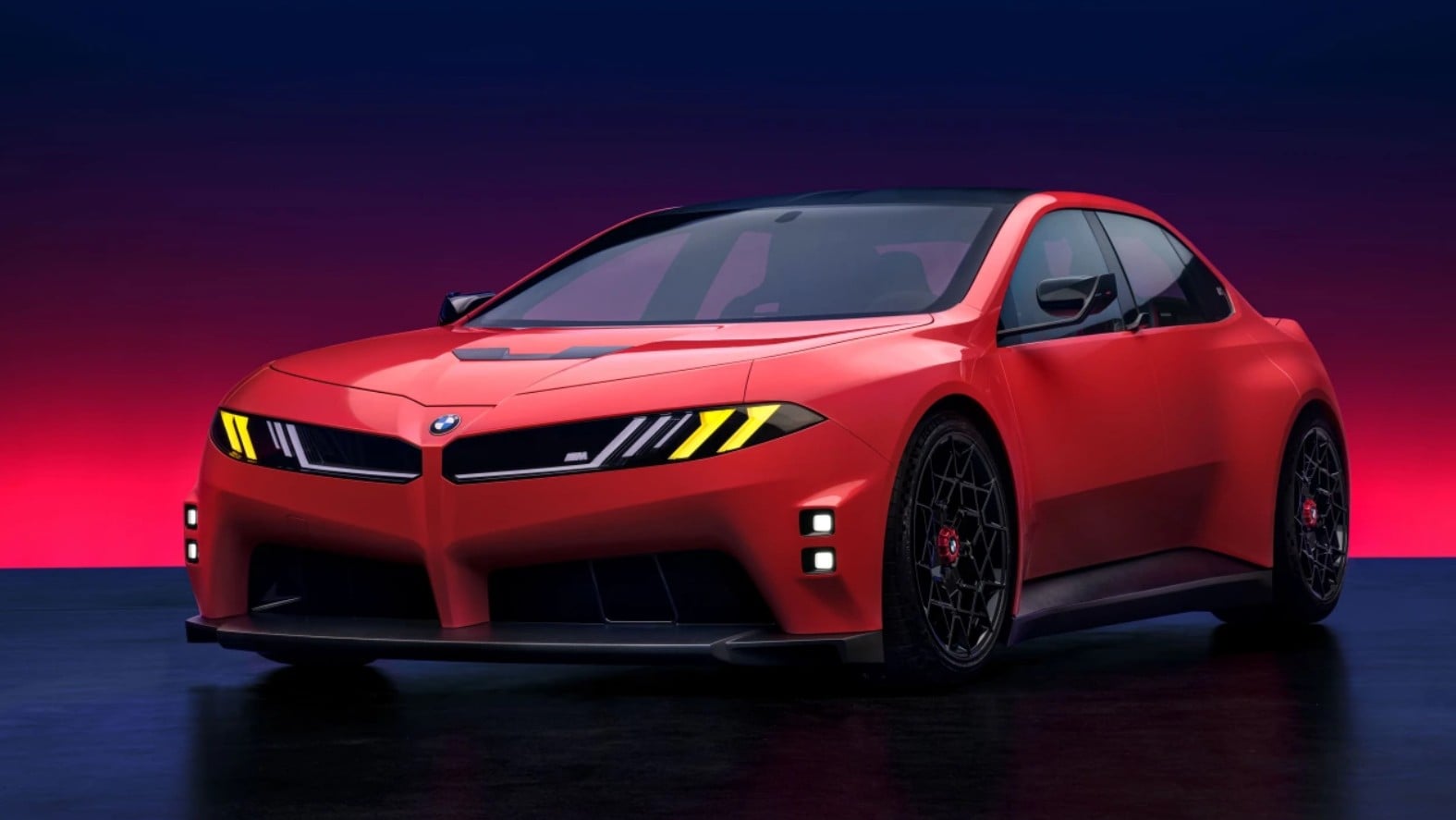
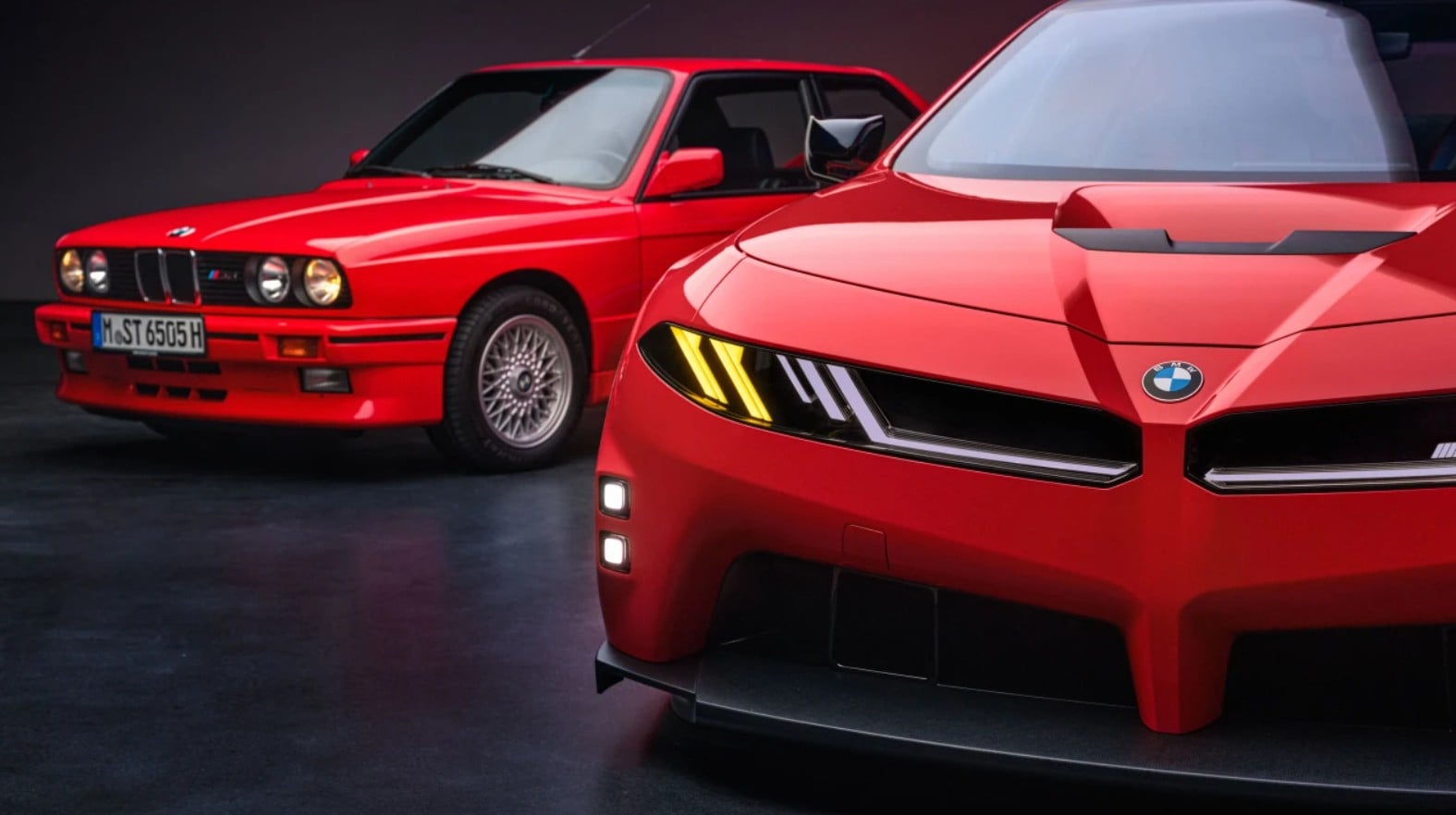
BMW has pulled the wraps off its M Concept Neue Klasse, offering the clearest indication yet of what the brand’s first fully electric M3 will look like when it arrives later this decade. The striking concept, revealed during the 24 Hours of Le Mans, showcases the design direction and technology set to underpin a new generation of high-performance M cars.
Traditionalists needn’t panic just yet. BMW has already confirmed the next-generation M3 will continue to be offered with a turbocharged six-cylinder petrol engine alongside its electric counterpart, ensuring enthusiasts will still have an internal-combustion option. A Touring wagon version is also expected to return.
The concept draws heavily on BMW M’s motorsport heritage, with broad wheelarches, a sculpted aerodynamic body and an evolved interpretation of BMW’s signature kidney grille. A dramatic ducktail rear spoiler, lightweight composite materials and unique M-specific lighting signatures further distinguish the design from the regular Neue Klasse models.
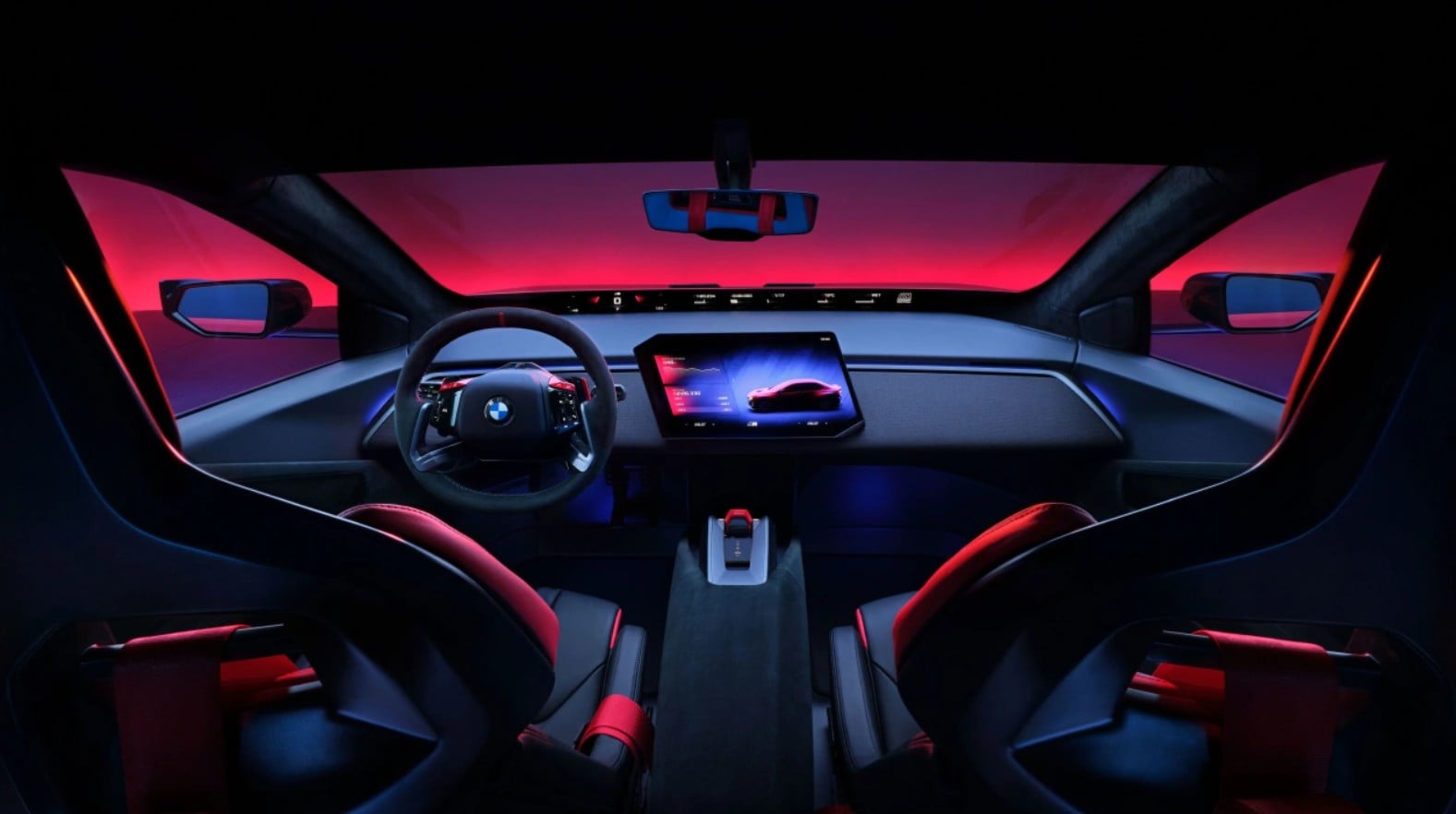
Inside, the minimalist cabin previews BMW’s new Panoramic iDrive system, replacing traditional instruments with a display spanning the base of the windscreen. M-specific functions such as lap timing, performance data and G-force readouts are expected to feature prominently. Virtual shift paddles and a simulated gearbox system are also planned, adding another layer of driver engagement to the electric model.
Under the skin, the electric M3 is expected to use a sophisticated four-motor drivetrain, with one motor dedicated to each wheel. BMW’s advanced torque-vectoring software will continuously manage power distribution, delivering both enhanced agility and immense performance potential.
Previous BMW demonstrations have suggested the technology is capable of producing up to 1000kW, although production versions are expected to deliver significantly less. Even so, outputs exceeding 500kW appear likely, comfortably making it the most powerful M3 ever produced.
BMW says the system will also allow drivers to switch between all-wheel drive and rear-drive-focused modes, while a battery larger than 100kWh is expected to provide the necessary energy reserves.
The electric M3 and its petrol-powered sibling are tipped to debut in 2027 ahead of Australian showroom arrivals in 2028, marking one of the most significant moments in the history of BMW’s iconic performance sedan.
Some cars have cemented their place in history by being broadly appealing, inoffensive, and largely unremarkable. You’d see one on the street and not even think twice about it.
Those basic beginnings can also give way to spectacular works of engineering, transforming humble commuter appliances into cars with legendary credentials.
Nissan Juke-R
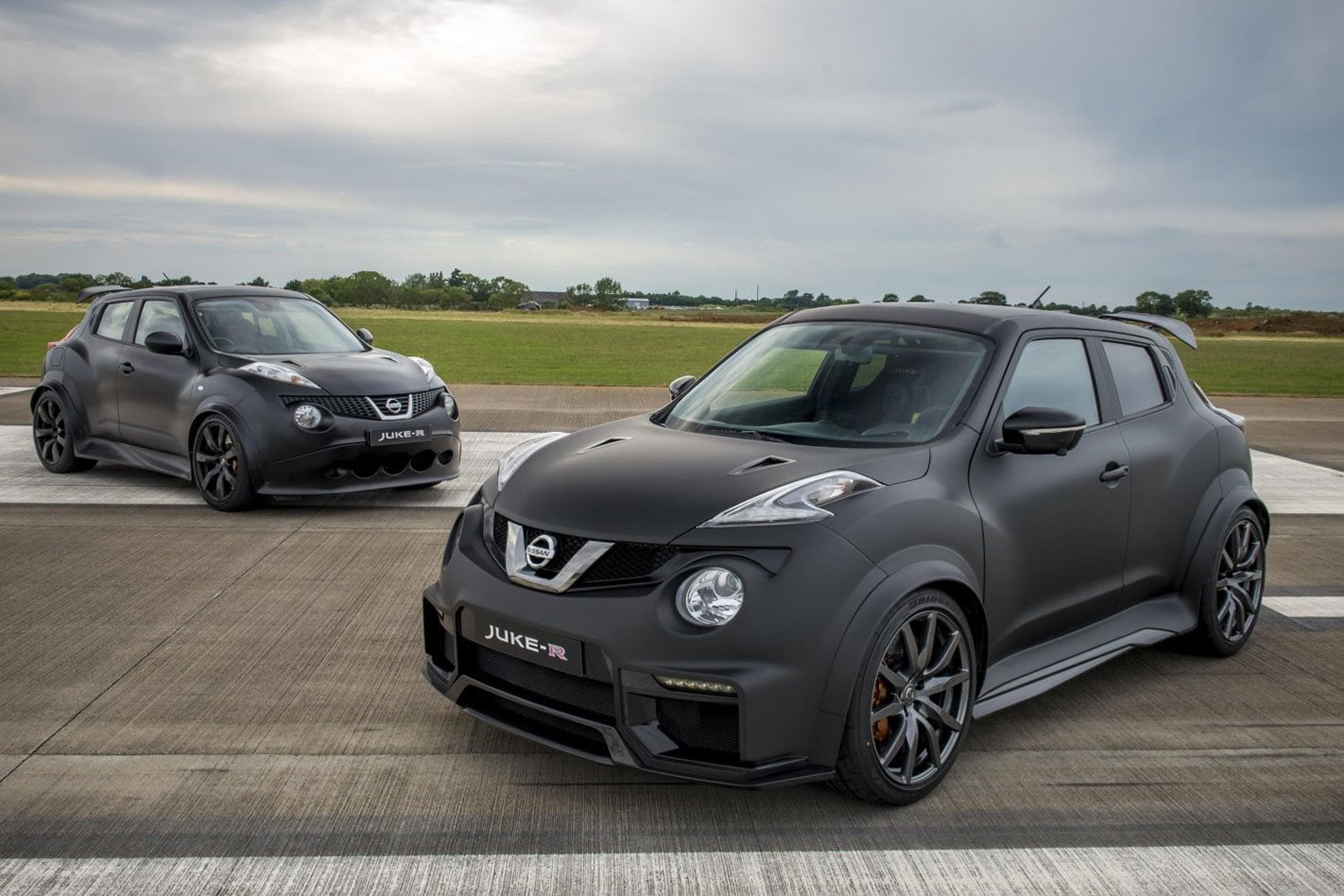
At very different ends of the Nissan spectrum, you have the all-wheel-drive twin-turbo V6 GT-R and the first-generation Juke. The latter could be, well, challenging to look at, and its 86kW 1.6-litre atmo engine and CVT auto couldn’t match its motorcycle-inspired styling.
Enter the Juke-R, based on the chassis and drivetrain of a Nissan GT-R, the 406kW 3.8-litre V6, twin-clutch auto, and all-wheel drive system were shoehorned in as part of an after-hours skunkworks project. Crazier still, rather than just a showcar, Nissan offered the handbuilt Juke-R for sale, and updated the original with a Juke-R 2.0 in 2015, punching out 447kW.
Renault Espace F1
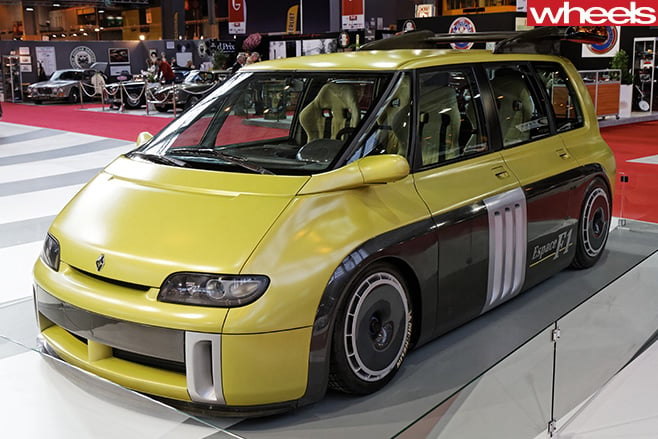
What do you do when you build Europe’s most popular people mover? The answer is obvious – squeeze a 3.5-litre V10 engine from an F1 car into it.
To commemorate the 10th anniversary of the Renault Espace, Matra, the contract manufacturer that built it, produced a one-off Espace F1 that had much more in common with Renault’s F1 car than anything you could buy in a Renault showroom.
Acceleration was a claimed 2.8 seconds to 100km/h. A carbon-fibre chassis kept the mid-mounted engine essentially where you’d find it in a Formula One racer, with the four-seat cabin adapted to fit around the mechanical package, rather than the other way around.
Toyota Prius Super GT
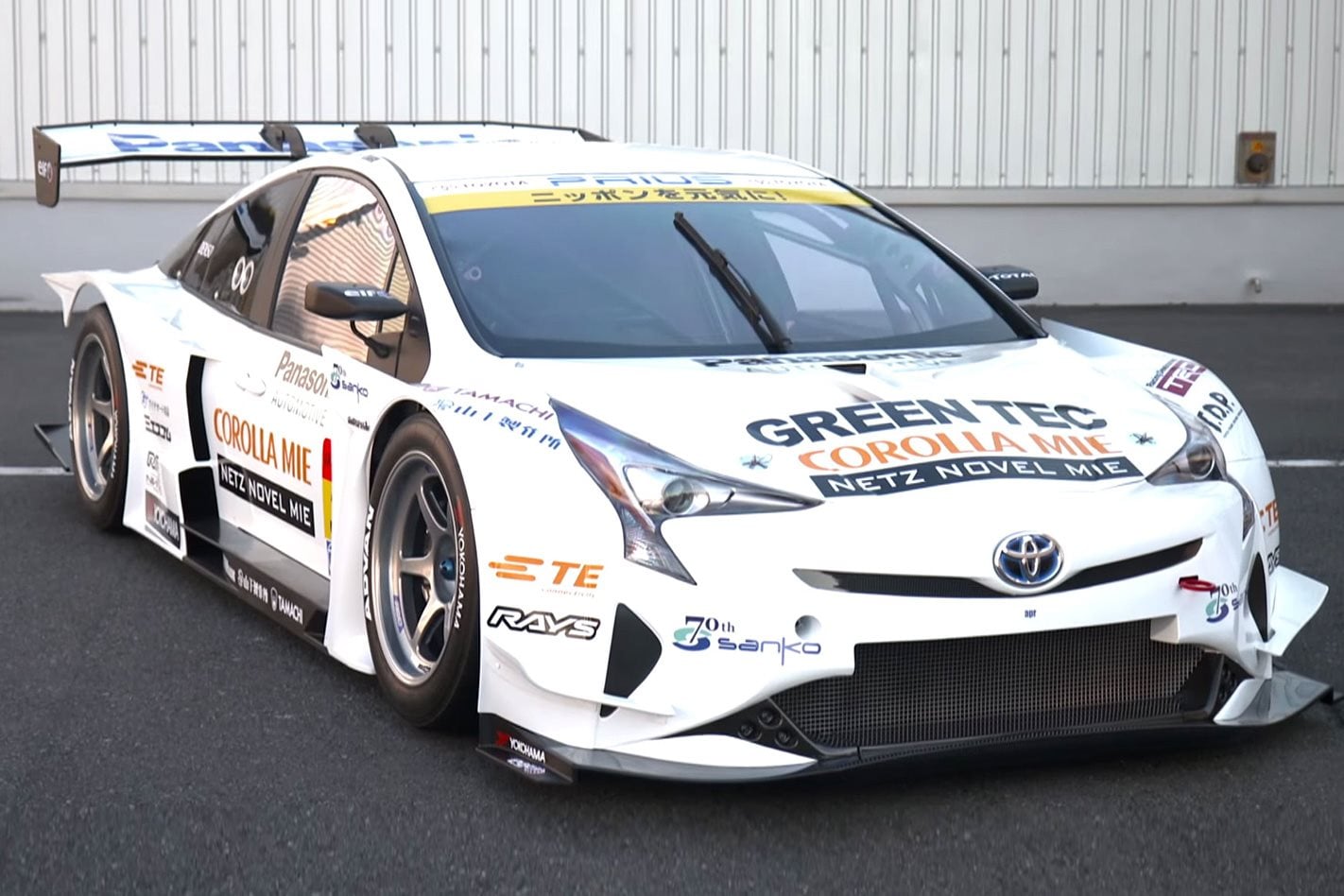
While the Toyota Prius might rank among the more sleep-inducing offerings in the modern motoring landscape, Toyota believed strongly enough in it to enter it into Japan’s Super GT racing series.
The Prius GT300 was not your typical taxi-spec Prius. Sure, it kept a hybrid engine, just like the road-going Prius, but this one was a mid-mounted hybrid V8 with a 3.4-litre V8 developed from Toyota’s IndyCar participation.
Regulation changes saw the Prius GT300 switch to a front-mounted hybrid V8 later in its racing career, and perhaps the most impressive connection to the production car is that its hybrid motor was, apparently, the same unit as used on the regular Prius.
Volkswagen Beetle RSI
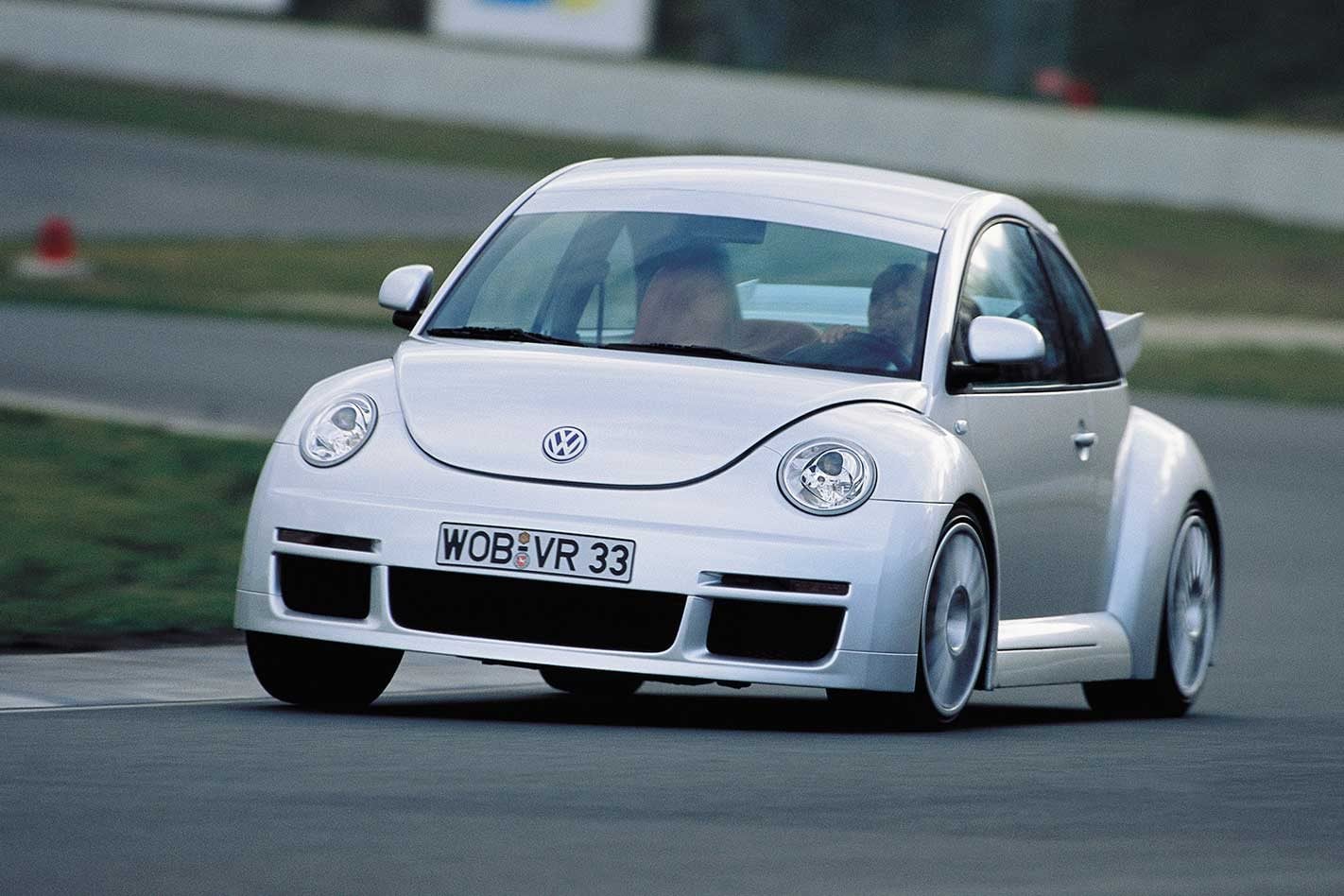
When Volkswagen launched the New Beetle in 1997, it quickly found an audience more interested in its playful styling and candy-coloured paint finishes than its performance or dynamics.
None of that stopped Volkswagen from pushing forward with the Beetle RSI. A transformative heart transplant from the Golf R32 saw the Beetle’s four-cylinder engine (with as little as 55kW in some markets) replaced with a 165kW VR6 engine, six-speed manual transmission, and 4Motion all-wheel drive.
To match the uprated performance, the Beetle RSI copped 80mm wider guards, unique ground-hugging bumpers, a distinctive rear spoiler, Recaro seats, and 18-inch OZ wheels. Production was capped at 250 units.
Audi RS6 5.0 TFSI quattro
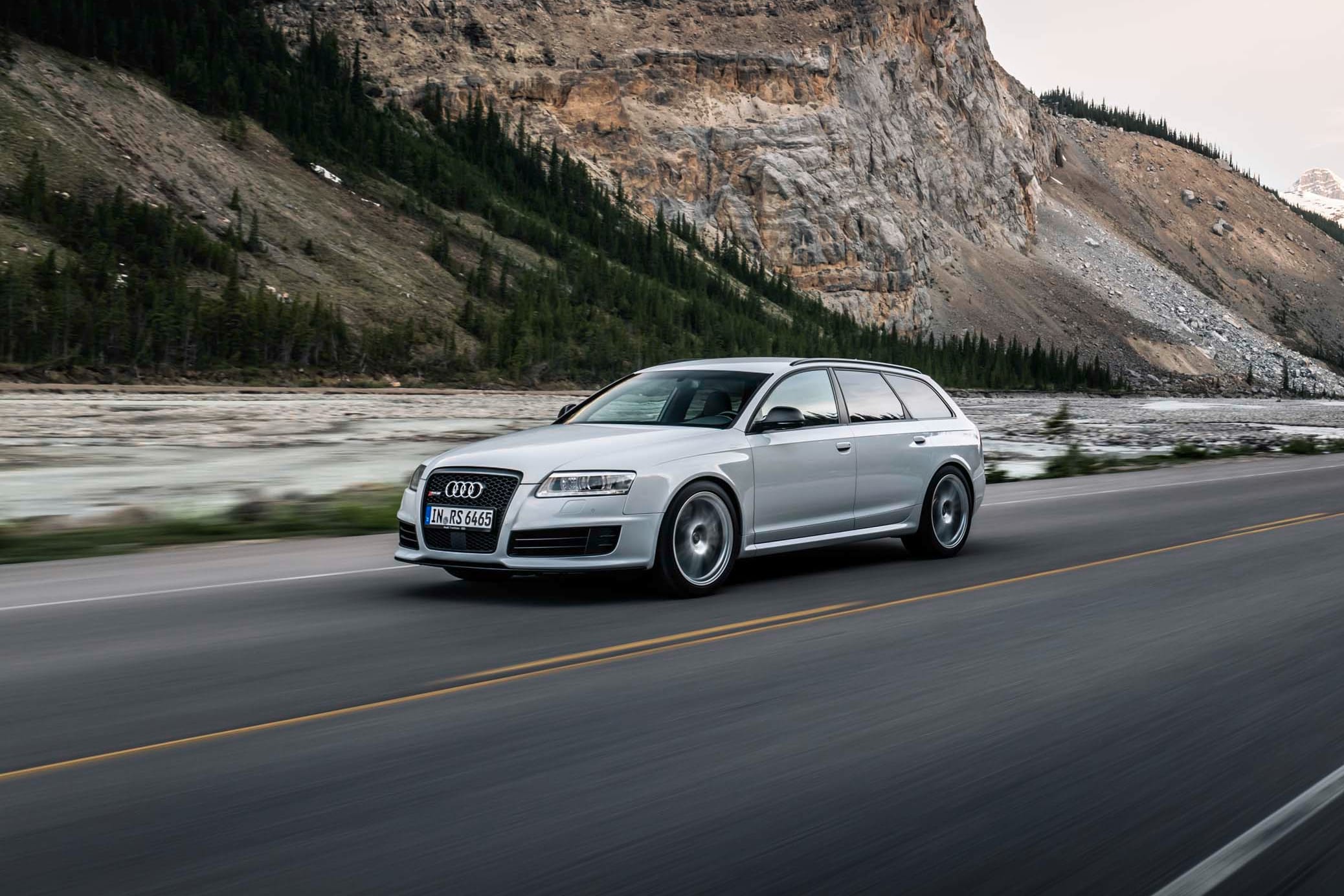
BMW launched the V10-powered M5 in 2004, so Audi did the only logical thing to one-up them, and strapped two turbochargers to its own V10-powered super sled. BMW claimed 373kW, Audi said ‘halt mal mein bier!’ and dropped the 426kW RS6.
Its lineage is shared with V10 models like the R8, S6, and S8, but only the RS6 scored the turbocharged treatment. Meanwhile, at the complete opposite end of the A6 spectrum, Audi would also happily sell you a 2.0-litre turbo diesel version with front-wheel drive, a CVT automatic, and just 100kW to its name in Europe.
Citroen BX 4TC
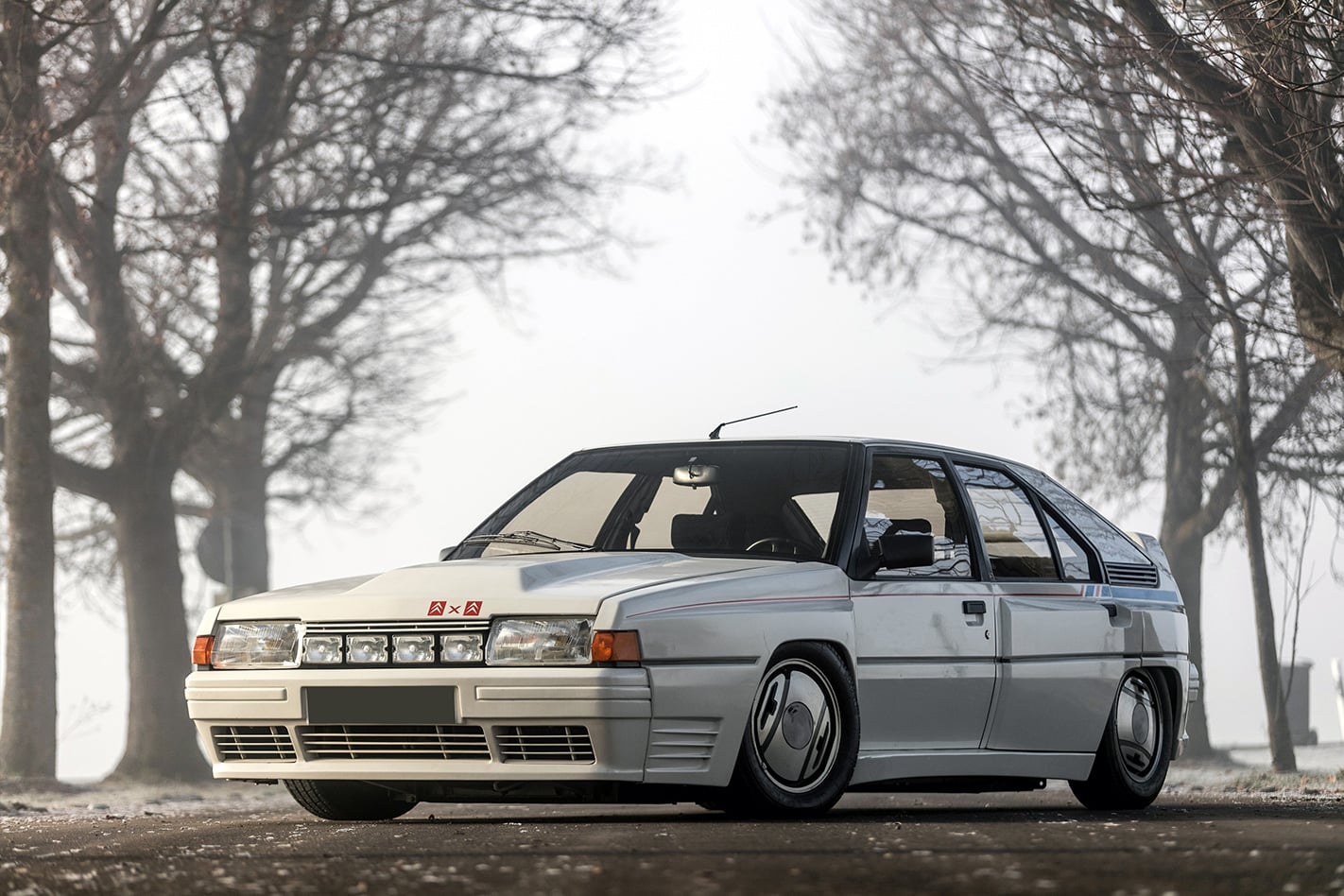
The Citroen BX was already one of the more unusual-looking cars of the 1980s, thanks to its cleanly futuristic Bertone-designed bodywork. Underneath the sharp exterior, mainstream versions of the BX were often paired with underwhelming engines, downsized to fit European tax charges that incentivised smaller capacities.
Citroen’s involvement in Group B rallying also led to the development of the BX 4TC. Homologation rules at the time meant 200 production examples, fitted with wider bodywork, and a turbocharged engine turned to run longitudinally instead of transversely, were required. Only around 110 eventuated.
The rally-bred BX flopped, not only in WRC racing, but also in showrooms, with only 86 reported as sold. Citroen’s shame at the whole program saw it attempt to buy back those customer cars, resulting in less than 40 surviving.
Dodge RAM – RAM SRT 10
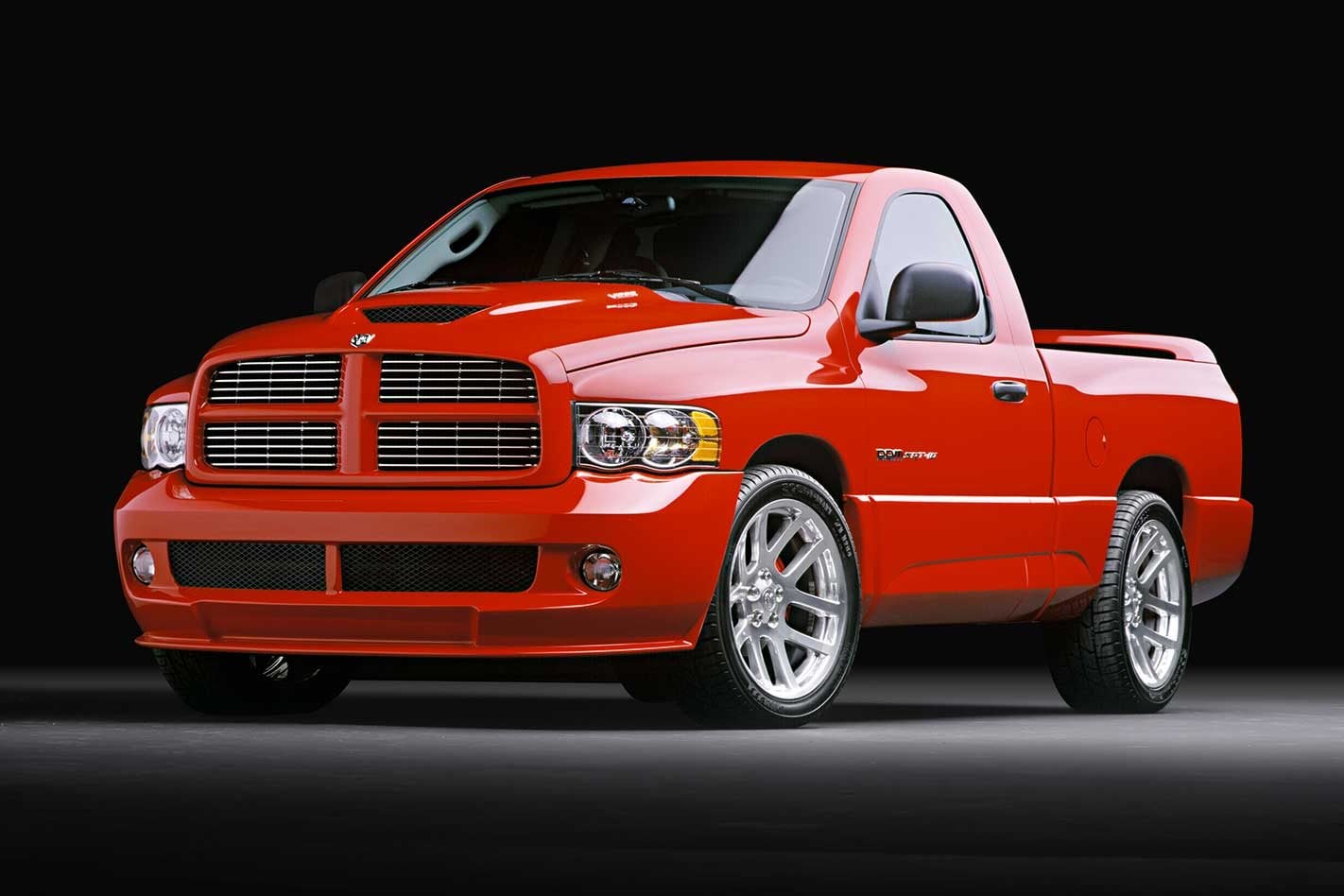
America’s full-size pick-up trucks are often seen as symbols of excess here, but owe their existence to more humble workhorse models, seen towing and serving on fleets across the USA.
The standout exception to the duty-bound life is the Dodge Ram SRT-10. First shown as a concept in 2002, the Ram SRT-10 took its power from an 8.3-litre V10, the same as found in the Viper sports car.
While Dodge also introduced a work-spec 231kW 8.0-litre V10 to the Ram range, the bigger SRT-10 engine boasted 380kW and fed power through a six-speed Tremec manual transmission. The project proved so successful that Dodge later added a dual-cab version and four-speed auto, with over 10,000 units produced between 2003 and 2005.
Ford Sierra Sapphire XR8
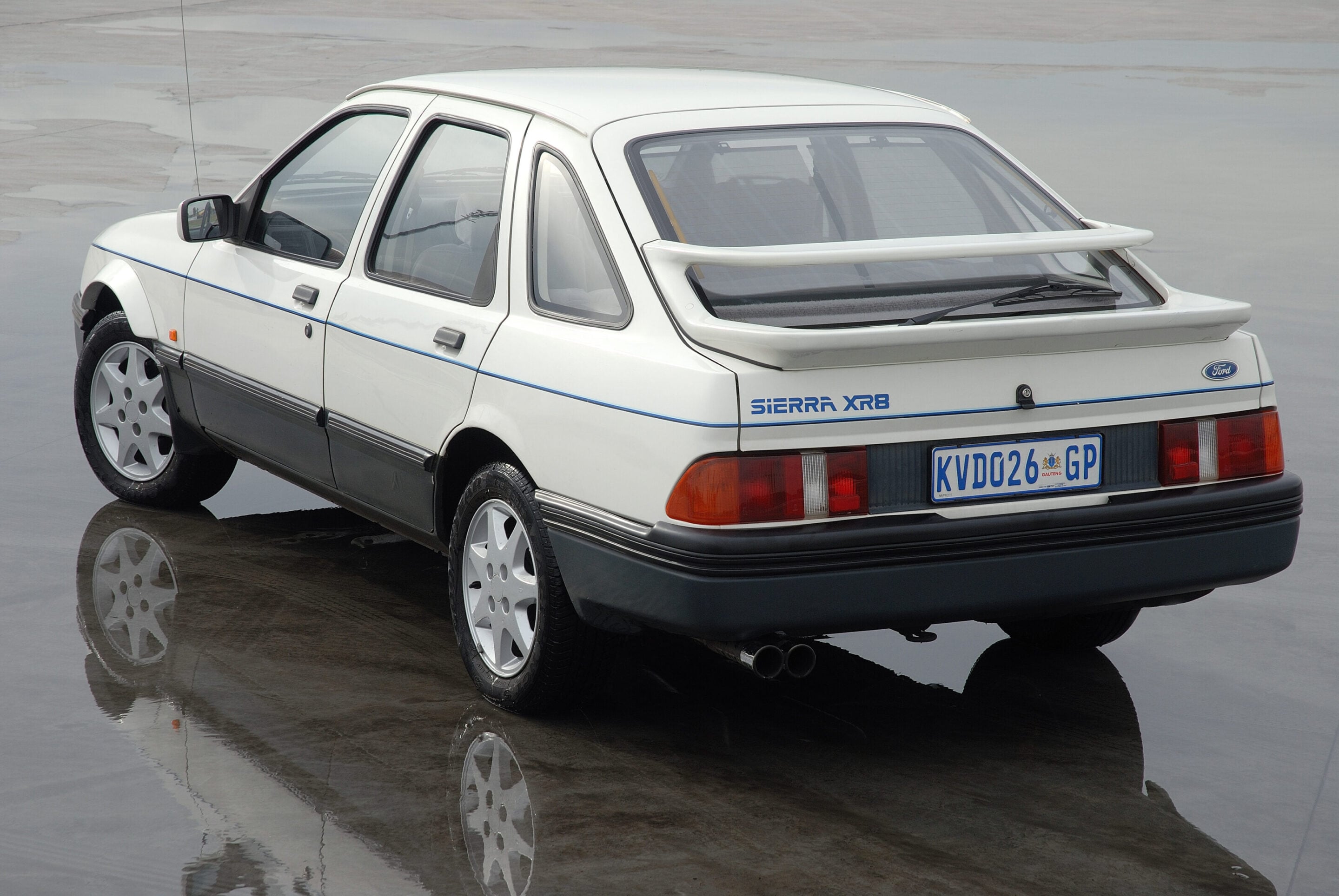
Ford’s European family car of the 1980s, the Sierra, saw a number of performance versions adapted from its mostly humble core. The best known of which are probably the Sierra RS Cosworth and RS500 Cosworth models that campaigned in Australian Touring Car racing in the late ‘80s.
While the 2.0-litre turbocharged four-cylinder Sierras made an impact, South Africa flipped the script with the Sierra Sapphire XR8. As the name suggests, the Sierra XR8 featured a V8 engine, adapted from the 5.0-litre Windsor engine in the Mustang.
Styling was surprisingly tame, apart from the massive bi-plane rear wing. Outputs for the V8, at 161kW were tamer than the RS500’s 167kW peak, but in an era when either was a significant number, the XR8 was nothing to be sneezed at. Where later Cosworth models adopted all-wheel drive, the XR8 kept its rear-wheel drive underpinnings, with suspension and brakes upgraded to ensure it could handle the pressures of racing.
Mercedes-Benz R63 AMG
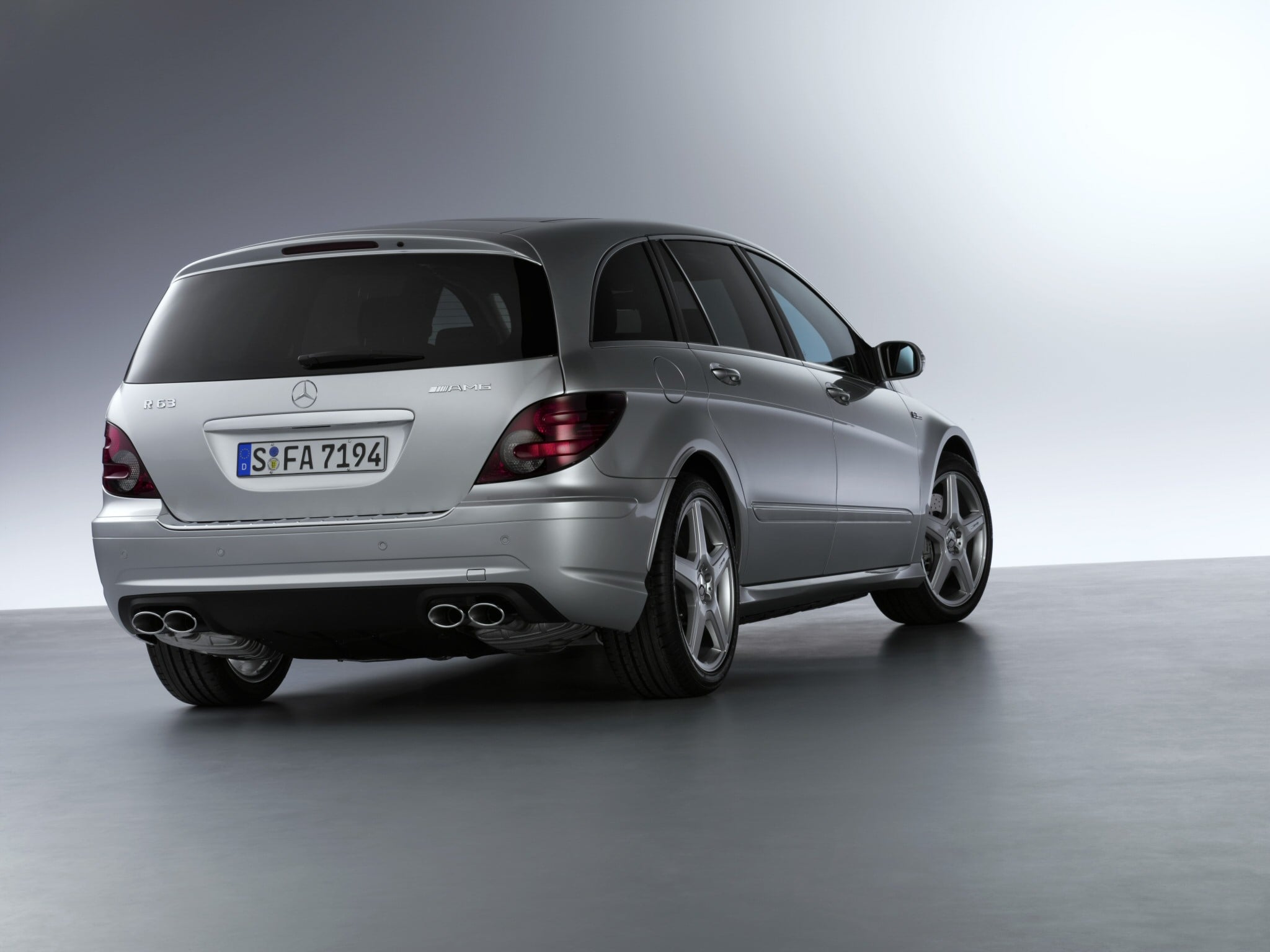
For a brief moment, Mercedes-Benz decided that it would have an AMG performance version of every passenger model it sold. The strangest product to result from that determined product push was an all-wheel drive people-mover, powered by a naturally-aspirated 6.2-litre V8.
The R63 AMG 4Matic was the most potent version of Benz’s R-Class MPV. The R-Class itself didn’t set sales charts alight, and the AMG version, largely twinned with the ML63 under the sheet metal, proved even less popular, with estimates suggesting somewhere between 200 and 320 examples built for global consumption.
The on-paper stats look sound, with 375kW of power and a 0-100km/h claim of 4.6 seconds, with the more desirable ML and GL SUVs selling beside it, the R63 didn’t stand a chance.
Aston Martin Cygnet V8
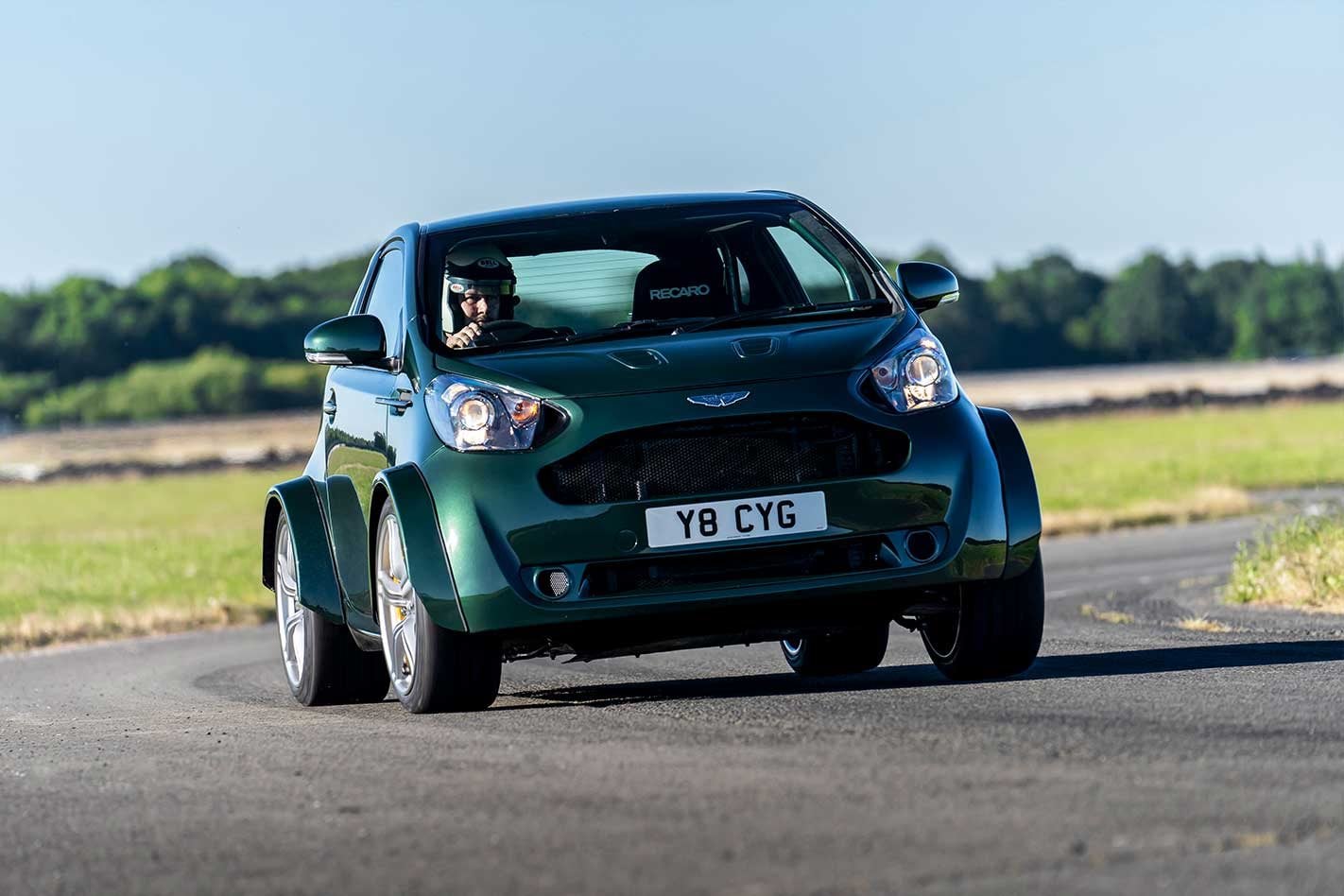
The ill-fated Aston Martin Cygnet was designed to be an exclusive city-sized tender for Aston Martin owners forced to leave the comfort of their country estates, fortuitously providing Aston Martin with an emissions offset to counter its V8- and V12-powered grand tourer range.
For one customer, however, the Toyota-derived front-wheel-drive four-cylinder Cygnet was missing something. That ‘something’ was restored in the Cygnet V8, which swapped the regular Cygnet’s 72kW 1.3-litre engine for a 320kW 4.7-litre V8 and custom front and rear subframes adapted from a V8 Vantage.
Drive is sent to the rear wheels, as it should be, via a seven-speed single-clutch automated manual. Double wishbone suspension and a slew of carbon-fibre enhancements help bring Aston’s monster Cygnet to life.
First published in the February 1978 issue of Wheels magazine, Australia’s best car mag since 1953. Subscribe here and gain access to 12 issues for $109 plus online access to every Wheels issue since 1953.
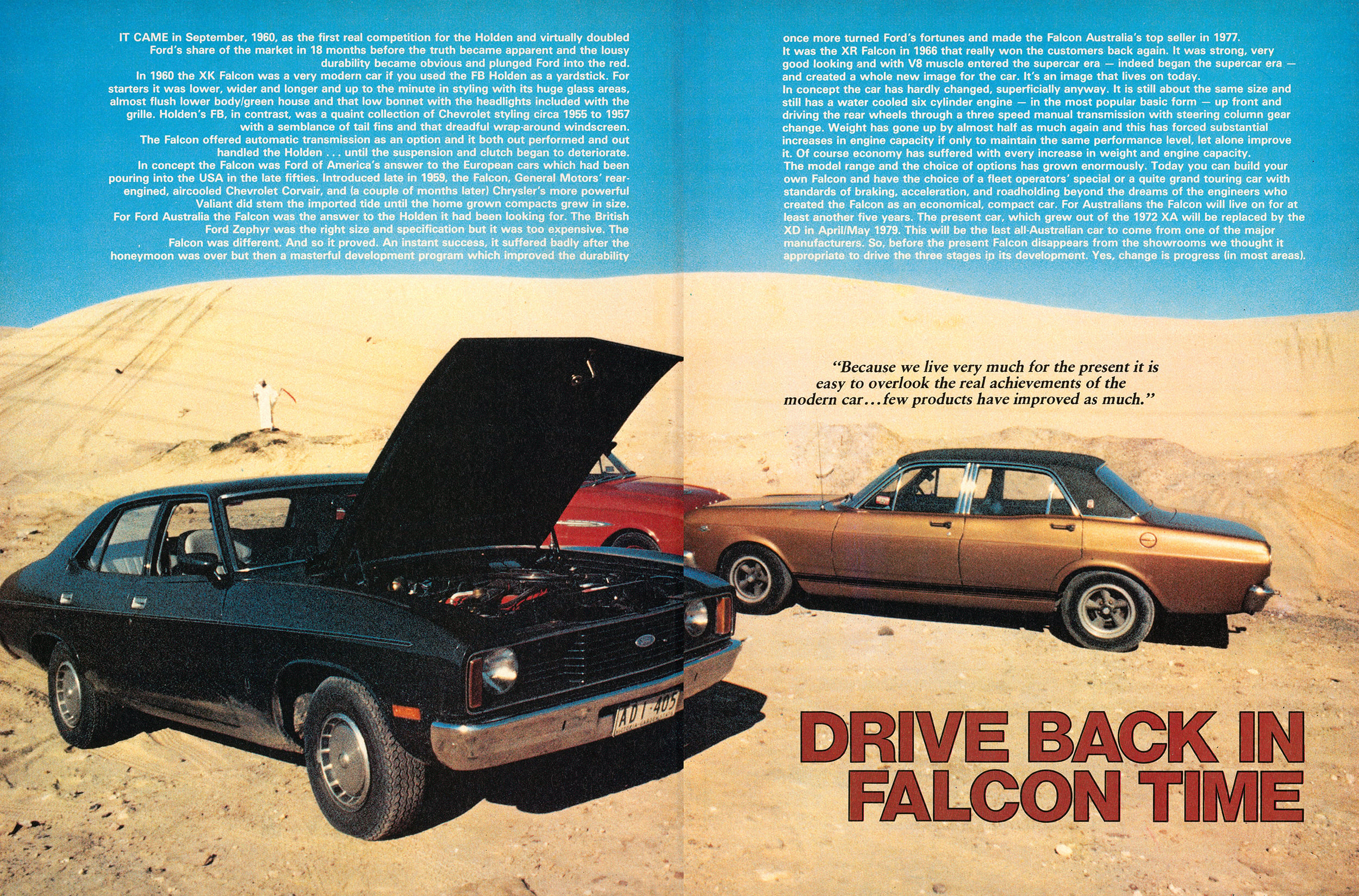
It came in September, 1960, as the first real competition for the Holden and virtually doubled Ford’s share of the market in 18 months before the truth became apparent and the lousy durability became obvious and plunged Ford into the red.
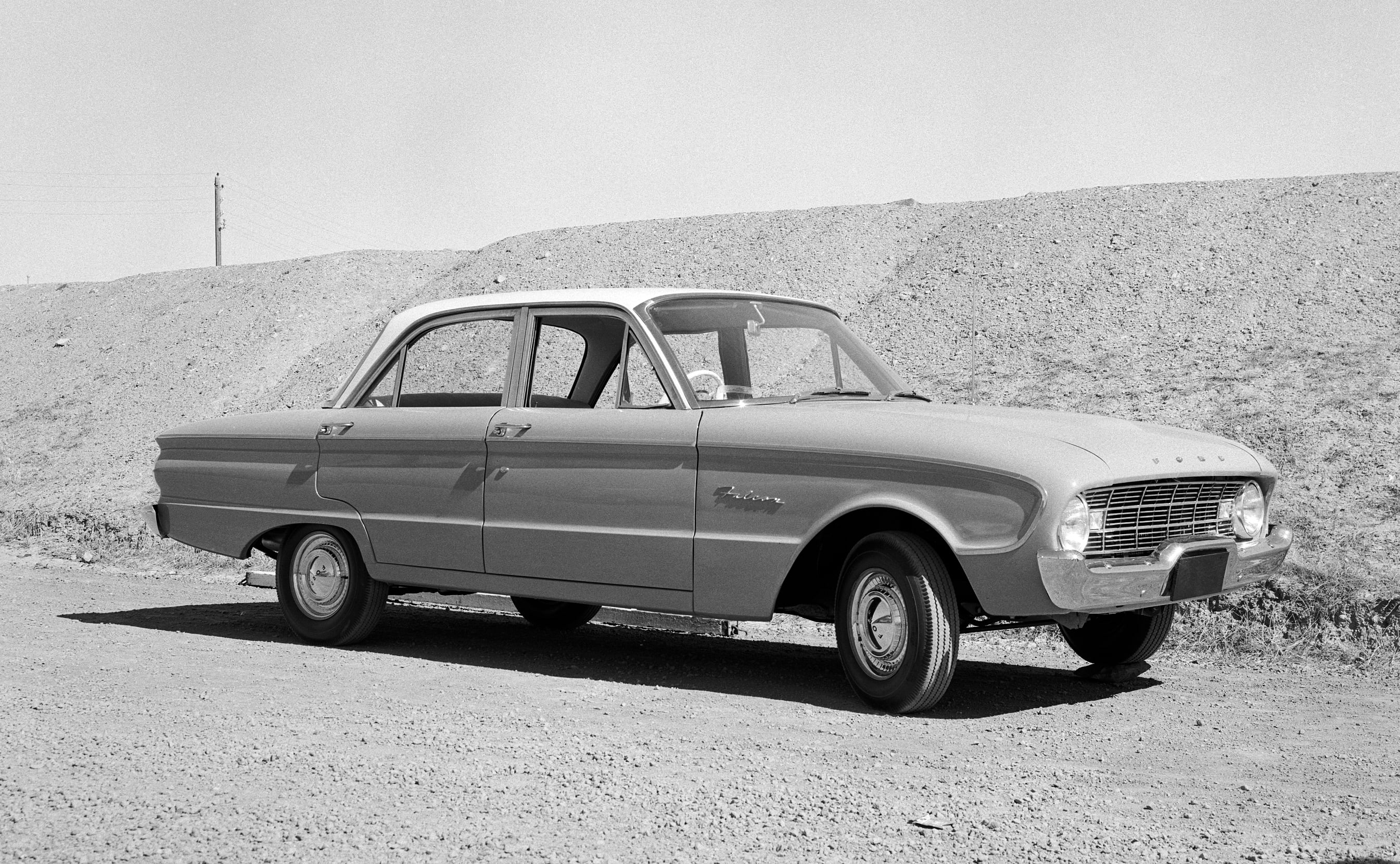
In 1960 the XK Falcon was a very modern car if you used the FB Holden as a yardstick. For starters it was lower, wider and longer and up to the minute in styling with its huge glass areas, almost flush lower body/green house and that low bonnet with the headlights included with the grille. Holden’s FB, in contrast, was a quaint collection of Chevrolet styling circa 1955 to 1957 with a semblance of tail fins and that dreadful wrap-around windscreen.
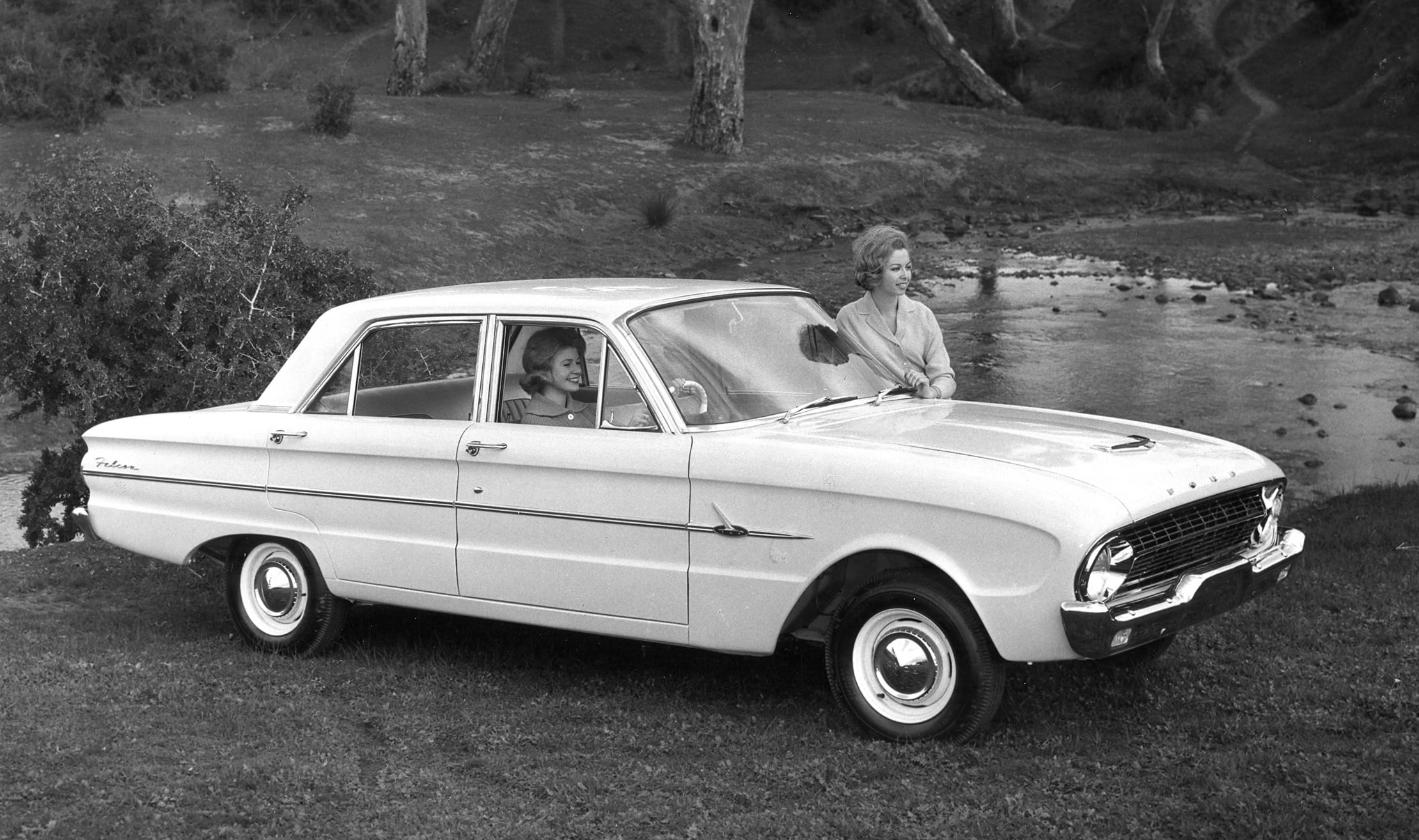
The Falcon offered automatic transmission as an option and it both out performed and out handled the Holden… until the suspension and clutch began to deteriorate.
In concept the Falcon was Ford of America’s answer to the European cars which had been pouring into the USA in the late fifties. Introduced late in 1959, the Falcon, General Motors’ rear-engined, aircooled Chevrolet Corvair, and (a couple of months later) Chrysler’s more powerful Valiant did stem the imported tide until the home grown compacts grew in size.
For Ford Australia the Falcon was the answer to the Holden it had been looking for. The British Ford Zephyr was the right size and specification but it was too expensive. The Falcon was different. And so it proved. An instant success, it suffered badly after the honeymoon was over but then a masterful development program which improved the durability once more turned Ford’s fortunes and made the Falcon Australia’s top seller in 1977.
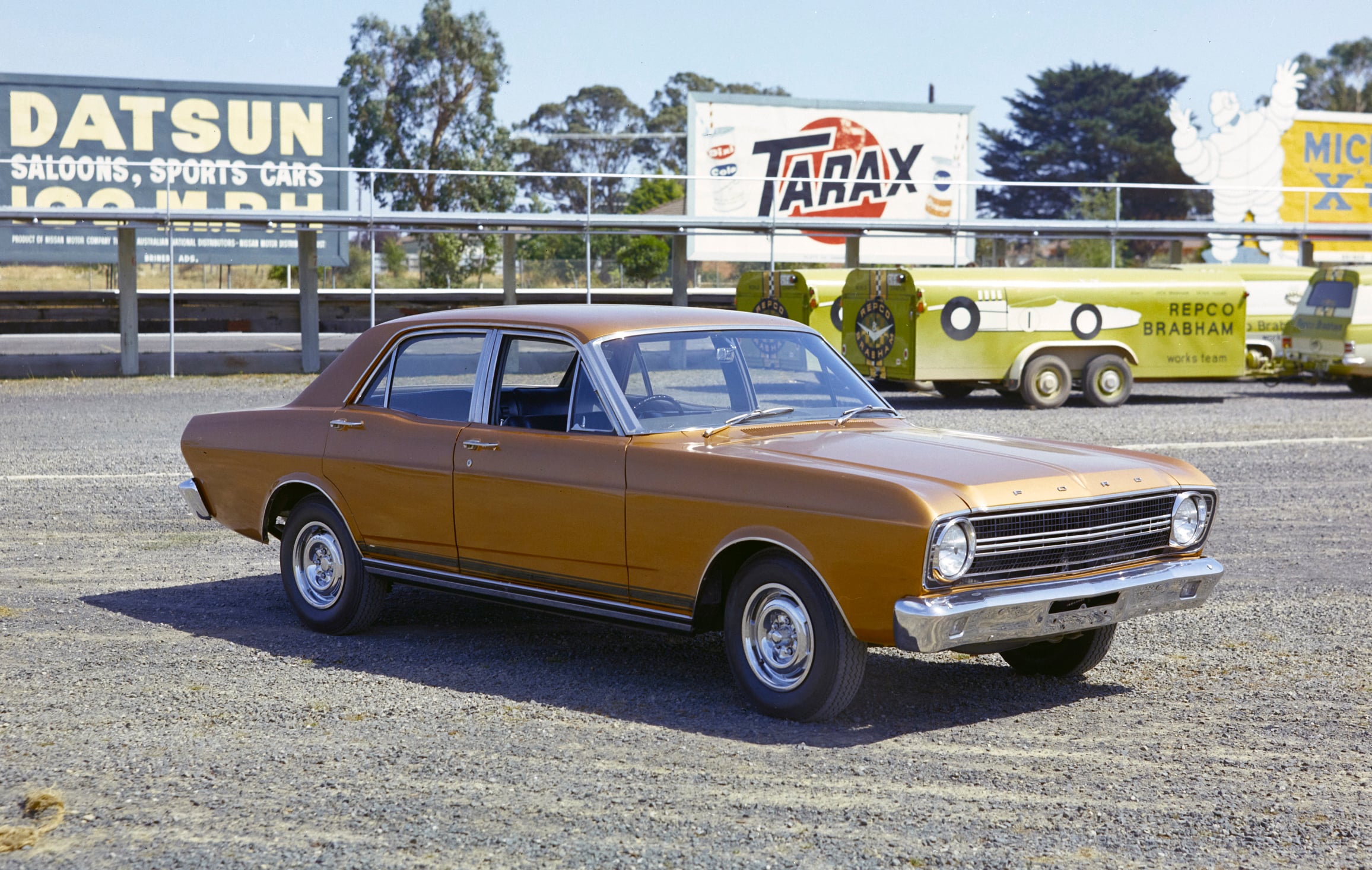
It was the XR Falcon in 1966 that really won the customers back again. It was strong, very good looking and with V8 muscle entered the supercar era – indeed began the supercar era – and created a whole new image for the car. It’s an image that lives on today.
In concept the car has hardly changed, superficially anyway. It is still about the same size and still has a water cooled six cylinder engine in the most popular basic form up front and driving the rear wheels through a three speed manual transmission with steering column gear change. Weight has gone up by almost half as much again and this has forced substantial increases in engine capacity if only to maintain the same performance level, let alone improve it. Of course economy has suffered with every increase in weight and engine capacity.
The model range and the choice of options has grown enormously. Today you can build your own Falcon and have the choice of a fleet operators’ special or a quite grand touring car with standards of braking, acceleration, and roadholding beyond the dreams of the engineers who created the Falcon as an economical, compact car.
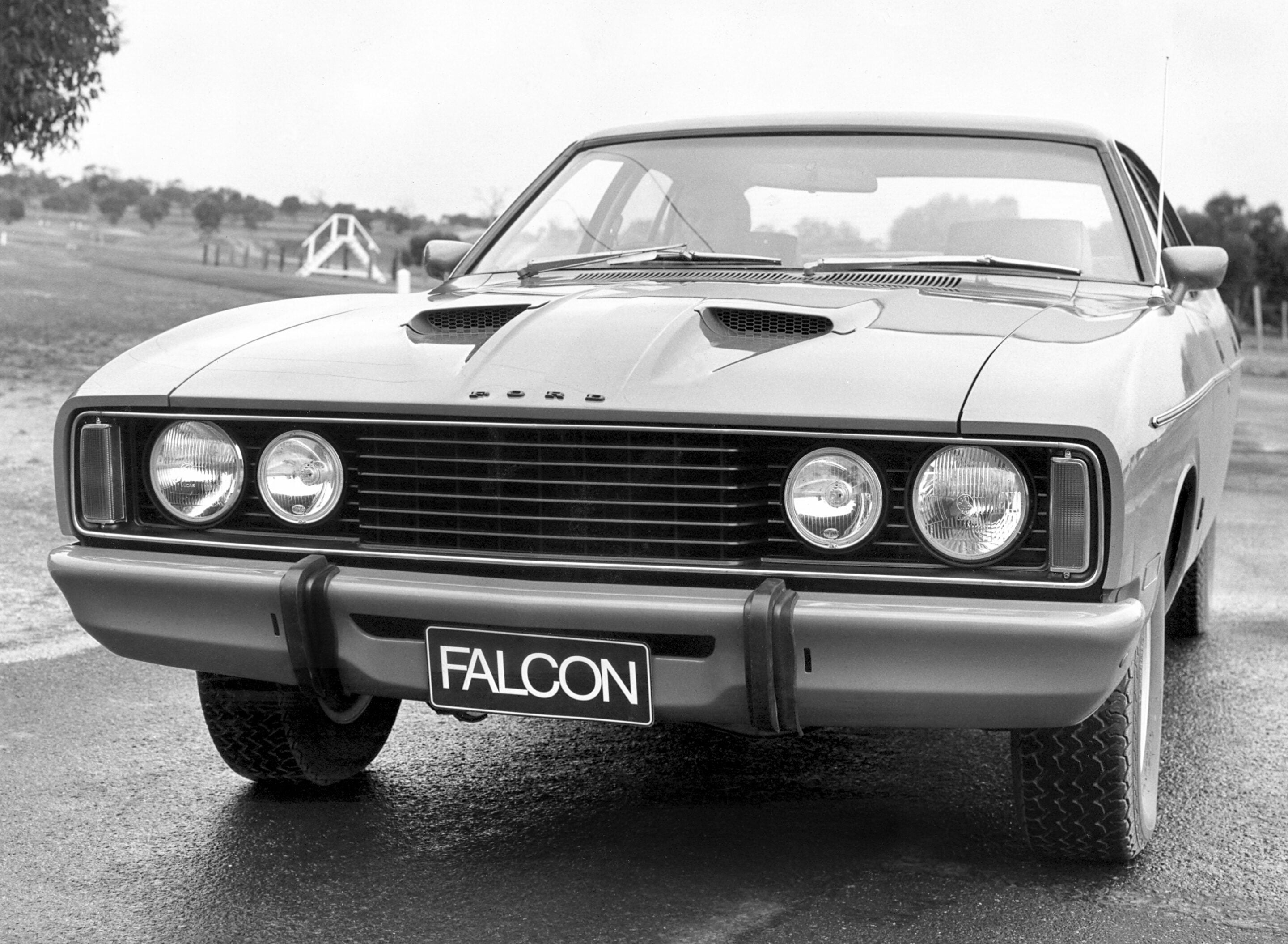
For Australians the Falcon will live on for at least another five years. The present car, which grew out of the 1972 XA will be replaced by the XD in April/May 1979. This will be the last all-Australian car to come from one of the major manufacturers. So, before the present Falcon disappears from the showrooms we thought it appropriate to drive the three stages in its development. Yes, change is progress (in most areas).
“They don’t make cars like they usedter, mate.”
Thank God!
Direct comparison between the 1960 XK, 1967 XR and 1978 XC Falcon showed the enormous changes which have been forced on Ford. Subjectively, the image had changed from a discreet, gentle American abroad, through aggressive Australian to a transparent attempt at copying European sophistication. A car enthusiast who’d been kept in suspended animation for 20 years when confronted by the three cars would be excused for thinking Australians had changed genetically as well as socially.
The XK we used for the comparison became an XL during the morning. For the purposes of the story this hardly matters since the two models were virtually identical apart from the rear roof line. We collected the XK from Clive Philip Motors on Sydney’s infamous Parramatta Road at Homebush. The car was rough and running on five cylinders because it hadn’t been prepared for sale. After struggling with automatic transmission which refused to change out of first gear, we were stopped by a motor cycle policeman who didn’t see the humour in a mobile bushfire with bald tyres. So we returned the XK and swapped it for an XL Futura (price $499) with two days’ registration.
The XL was straight, clean and performed well considering its alarming thirst for fuel and oil – largely due to its five-cylinder engine. It was a tired old car, but at $499, honestly represented. The first few minutes were spent deciding if it was horribly worn out, indescribably bad, or just representative of the standards applicable to 1963. The next hour driving to the photo location was spent assessing worn components and mentally restoring them to determine the standards of the day.
As a Futura, the XL offered a significant touch of European design – bucket seats. The first thing we noticed was the lack of travel in the seats. They didn’t move far enough to the rear for a comfortable driving position but did leave plenty of room in the rear. Our suspended animation enthusiast has an immediate impression of a man with conventional legs and extremely short arms.
And the bucket seats – what a revelation they were back in the early ’60s! Holden’s EJ Premier was talked about as a “sports car” because it had bucket seats. In fact the Falcon’s seats aren’t buckets, just separate seats, but the beggars of 1963 couldn’t be choosers. A sports car was a car with separate front seats, so the Futura was Ford’s first attempt at the Aussie Supercar based on a mums’n’dads base model.
On the road, the two-speed (Tree-bar) transmission is remarkably good. Although there’s a lag of about 1000 rpm between drive and overrun, the transmission locks easily and the car moves quite quickly. Bearing in mind the car we drove was running on five cylinders most of the time and blowing more smoke than the Adelaide Hills in February, the performance was still enough to keep the car up with the traffic of 1978.
It must have been a boomer in 1963.
Then there’s the steering. It is hard to detect how much of the woeful steering is due to age and how much to the slop served to buyers in the early ’60s. A certain amount of wear could be felt in the straight ahead position with the side-to-side
Movement prevalent in old cars. About a quarter of a turn (and that’s a lot more than it sounds) is free play, but even when the gears finally mesh and the steering starts to work, winding on several turns for reasonably sharp corners when the wheel is only millimetres away from the driver’s chest is a very peculiar operation. A bit like wiping your chest with a hand towel after a shower.
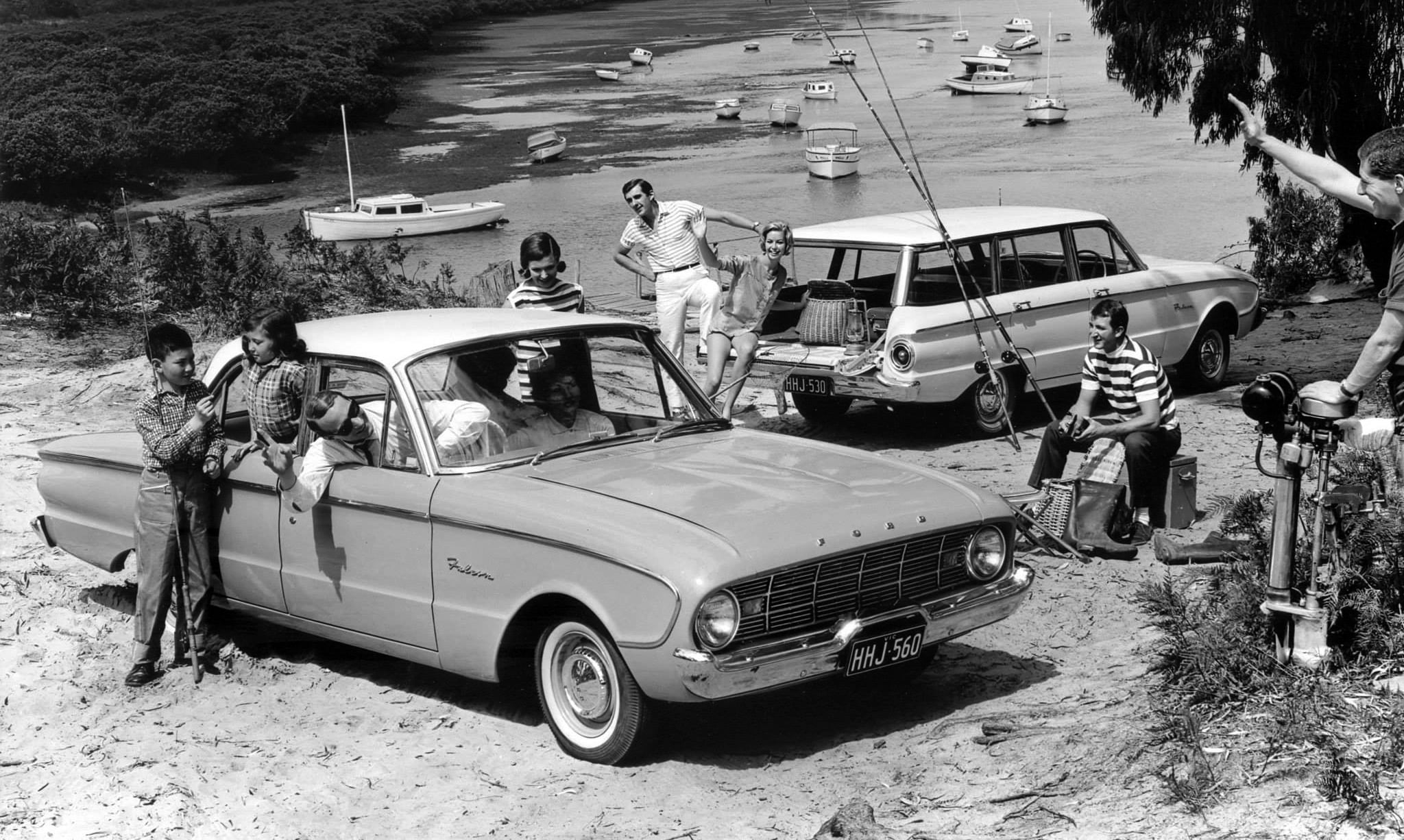
Considering the brakes are unboosted and pretty basic, they work well at conventional traffic speeds. However, unassisted drums on a single-line system would be more dangerous today than in their hey-day. With power-boost, tricky-pads, ventilated disc-braked cars standing on their front bumpers two metres in front, you need more than cocoa tins for stopping in 1978.
The XL may have looked low and lean in 1963, but in reality it is low and it leans. All it needs is a pinball TILT light on the dash to accentuate the severity of body roll in mild corners and a rope for the rats to leave the sinking ship when driving briskly. If you don’t believe the degree of lean on an old Falcon (albeit with very ancient shock absorbers), try remembering the advertising slogan for the XM. It was “Trim, Taut and Terrific”. Even Ford knew the worst.
After our short time with the XL it was easy to see why the XK/XL Falcon became popular so quickly.
Handling isn’t significantly worse than other Australian cars of the era, and performance is definitely better and it looked far more modern than the Holden The clutch and suspension problems had yet to rear their ugly durability heads.
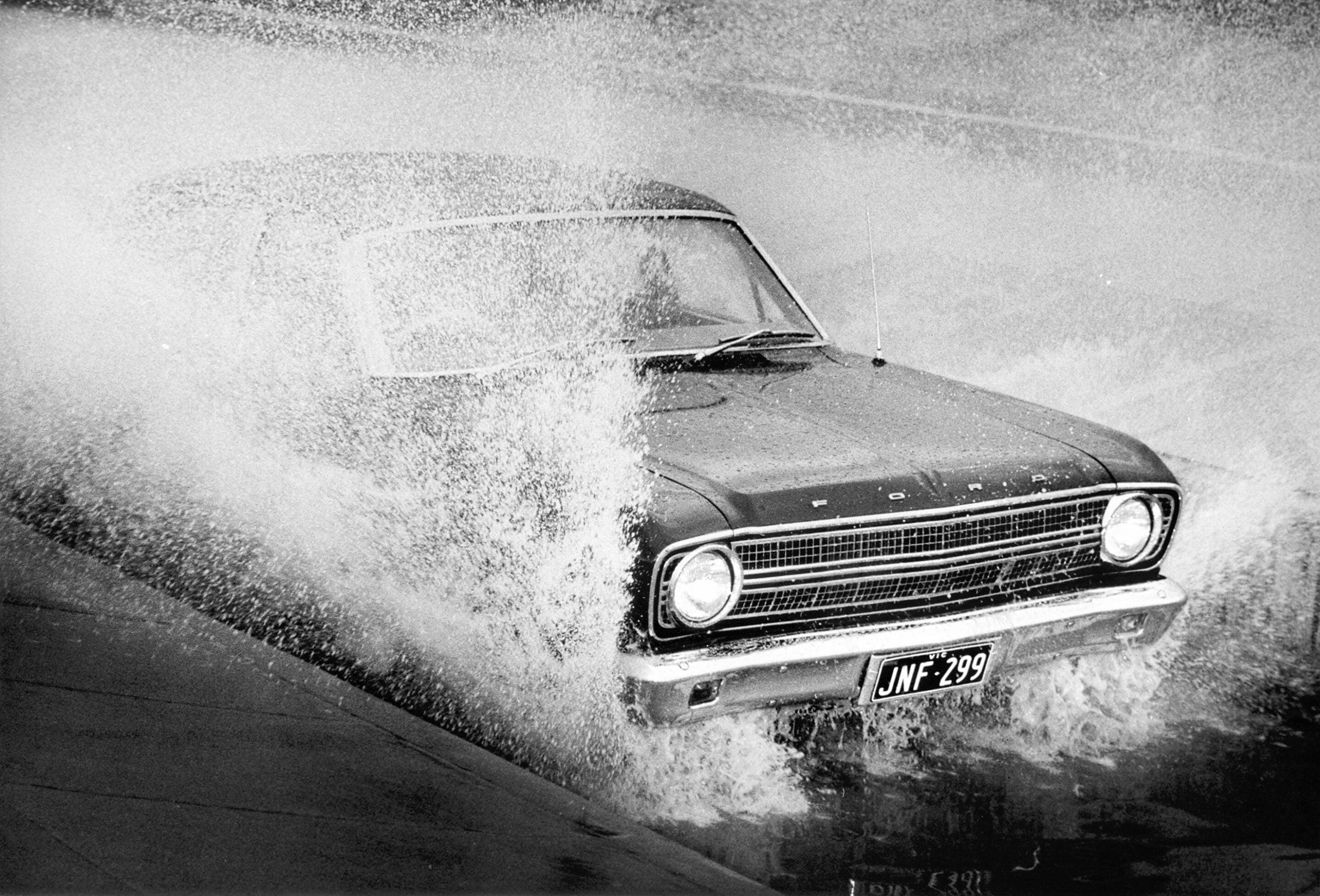
The XR became arguably Ford Australia’s first real supercar in its GT form. A fully-imported 289 V8 engine with floor gear-change (another sports car feature), separate seats, trick paint, tyres and suspension. It burst on the scene with a conclusive win at Bathurst in 1967. By today’s gentle powerhouse standards, it is still a hot-rod.
Ford didn’t have provision for a floor gear-change on the production line, so the GT had a hole in the floor, cut with an oxy torch. The gear linkage, held together with a makeshift collection of plastic washers is very sloppy, although its owner (Mac Douglas, Editor of sister magazine TWO WHEELS) says new washers improve the gear change considerably.
The seating position is low, almost womb-like within the tall and thick sides and spreading out in front is the football pitch of a bonnet. Even though the XR feels a large car, the sharp cut-off body shape makes it easy to manoeuvre in traffic and when parking. The limit you see is the limit of the car. The steering has considerably more feel, but at low speed it is very heavy.
Owner Douglas, when asked how many turns lock-to-lock said “I’ve never had the strength to turn it lock-to-lock and I’ve been on a Bullworker for six months.” The clutch is surprisingly light compared to Holden’s 327 Monaro.
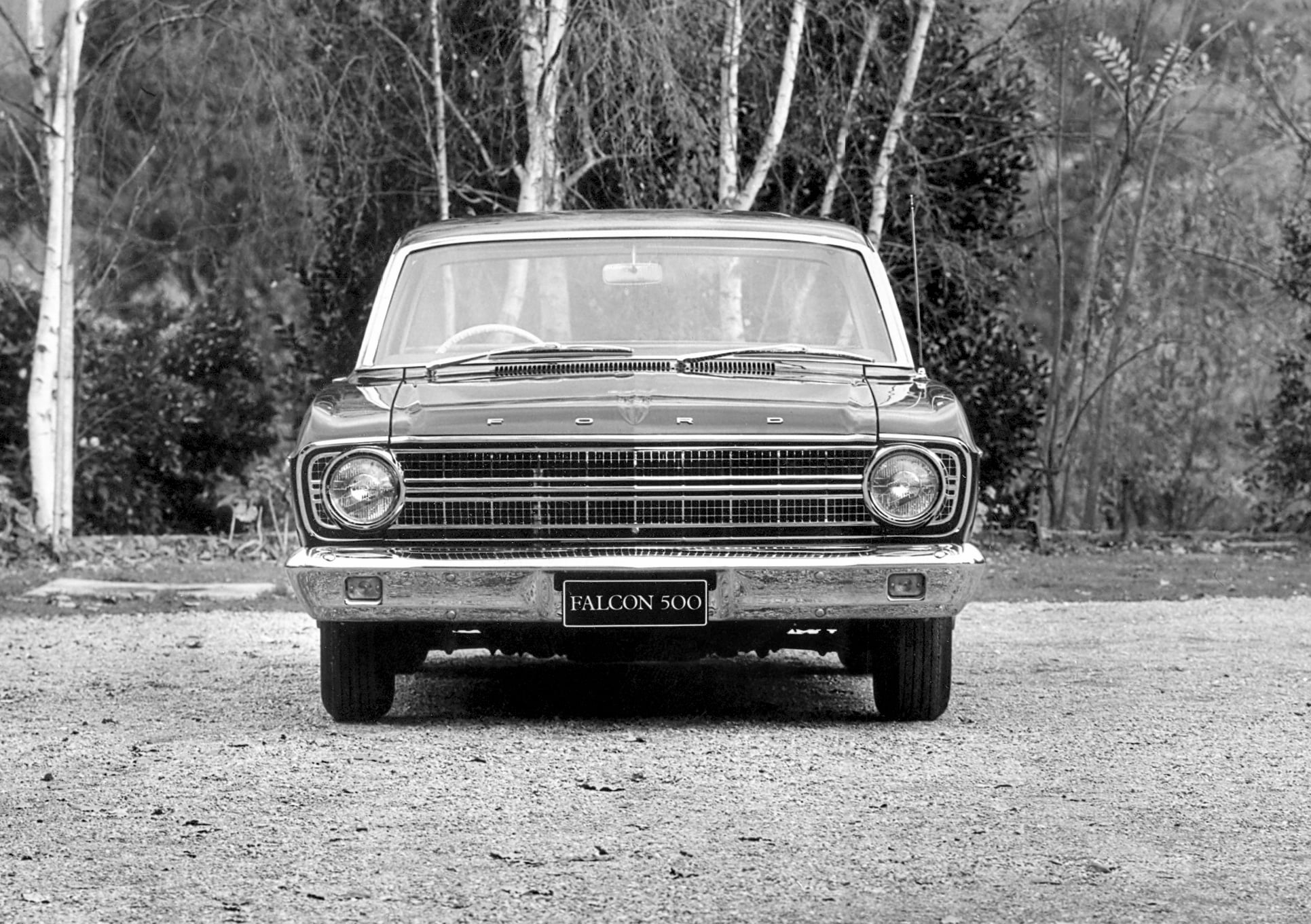
The test car was prepared for Bathurst but never raced and has lasted the 10 hard years of driving well. Rattles have started to show and the silent muncher has left his rusty stains in all the predictable places – more so than in the XL.
Once the delightful 289 V8 burbles into life it’s easy to understand why the first GT had such a dramatic effect on Aussie supercars. It lives and breathes machismo demanding almost the same physical prowess and compromises of a pre-war sports car while hiding behind the appearance of a family hack.
It is a car for men.
The XC½ is a car for everyman. Progress brought about by the success of the XA marketing program and dwindling Holden sales (more Holden’s fault, not Ford’s genius) gave Ford the confidence it needed to embark on a large number of improvement programs. How many of these have been spurred on by market reaction, stiff overseas competition, cash in the till from good sales or an honest belief in building better cars is hard to determine. The end product, however, bears virtually no relationship to the earlier two models we drove although it still follows the same basic engineering layout. No design revolution here.
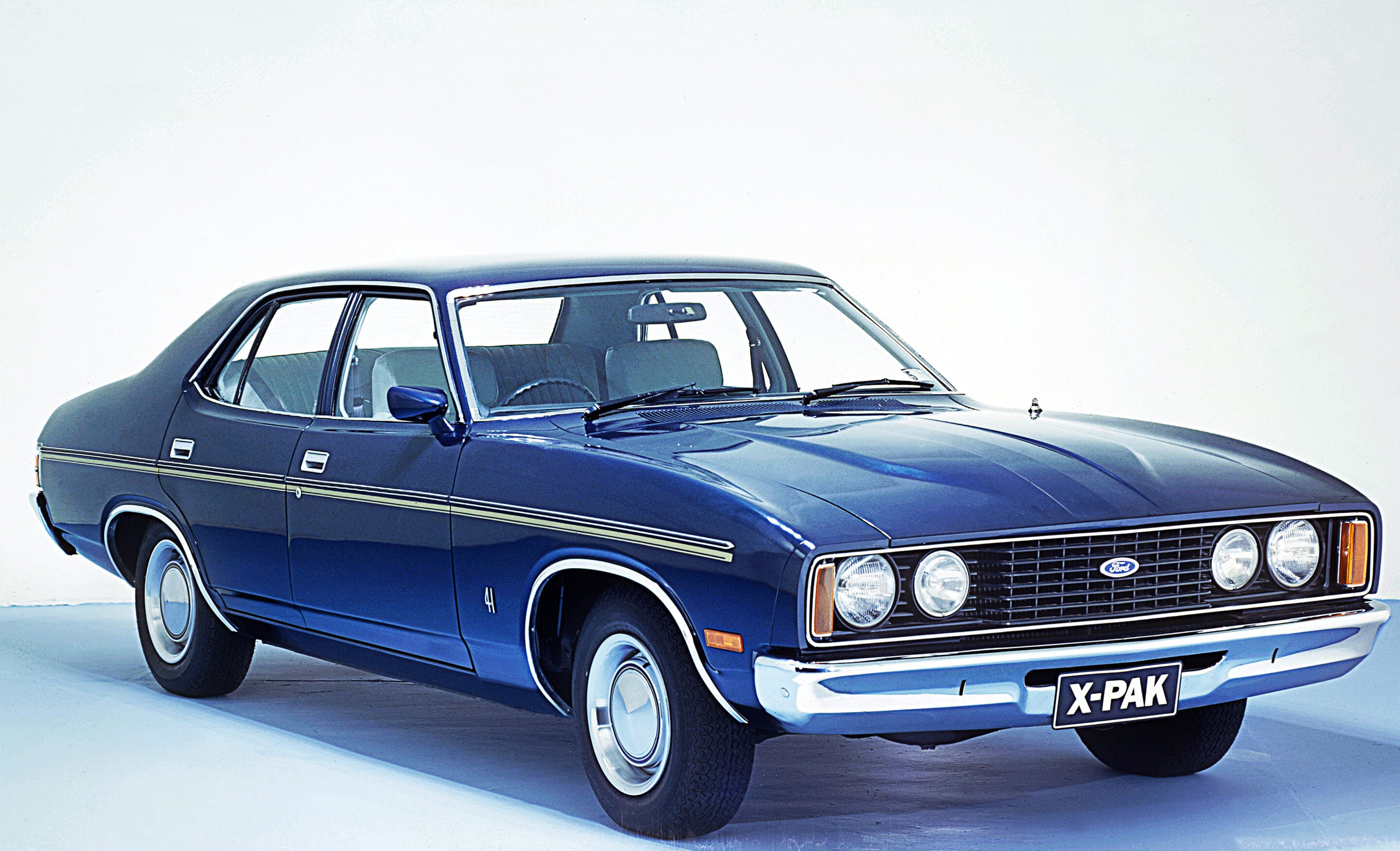
Because we live very much for the present, or at least for the charismatic past, it is easy to overlook the real achievements of the modern car. Driving all three cars on the same day proved just how far the designers have come. Few products have improved as much as the car, and the Falcon is no exception.
Now that our suspended animation enthusiast has been resurrected to the world of 1978 he can be truly amazed that the three cars have been made by the same factory.
The steering wheel fits without pressing against his chest, controls are lighter in some cases, heavier in others (steering) and the overall feeling is one of balance. The relationship between the controls has moved closer to a harmony with the needs of the body to exert as little effort as possible while feeding back enough information for the brain to make more accurate decisions.
Noise, vibration and harshness have been attacked at the engineering level not the olde worlde English method of thick padding and Oak veneer. Panels are designed so they don’t resonate and rubber bushes have been designed so they don’t transmit the frequency they are isolating.
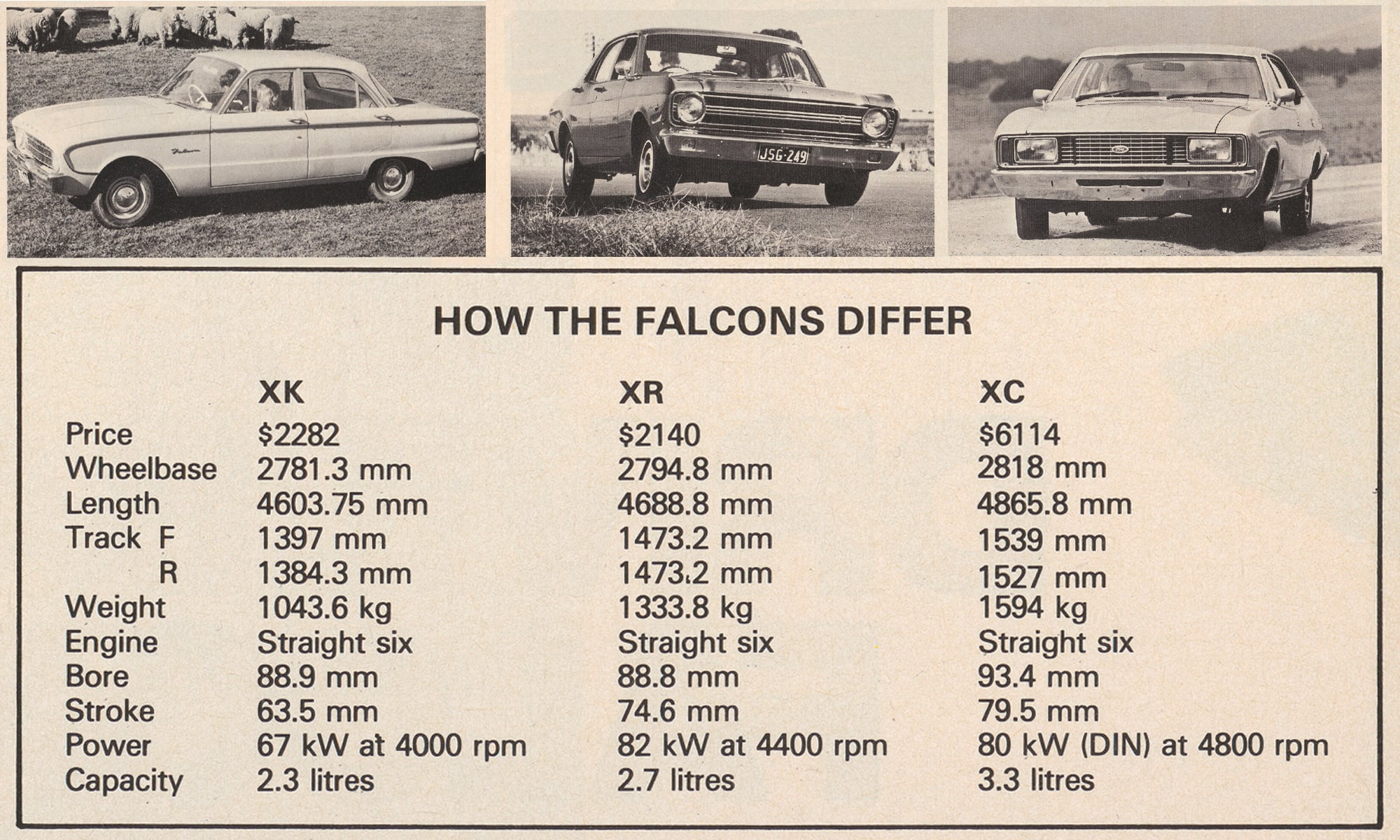
The XC½ is subliminal technology. There’s no contest between the three cars. It is quieter, quicker, more comfortable and fits the human frame better in temperament as well as shape. The XR may be more responsive but the compromises of driver strength and car noise are intolerable. However it does use more petrol, visibility isn’t anything like as good as the XK/XL and it does cost more.
Ford has come a long way since the XK first challenged Holden’s supremacy in this tiny market. Changes haven’t moved as quickly as we would have liked, but the size of the Australian market hasn’t left much room for elaborate research and development. If Ford has succeeded with the XC½ then it is due in part to imitation of the features of many European and Japanese cars which have worried the local builders for so long.
And imitation is the sincerest form of flattery.
With hybrid and electric powertrains becoming increasingly common across the new car market, buyers looking for a straightforward petrol or diesel medium SUV are finding their options shrinking. Yet there remains a sizeable group of motorists who simply aren’t interested in any form of electrification, albeit for cost, complexity or personal preference.
We’ve rounded up the 10 most fuel-efficient non-electrified medium SUVs on sale in Australia, proving you can still keep fuel bills low without plugging in or relying on a battery.
10) Subaru Forester: 7.9L/100km
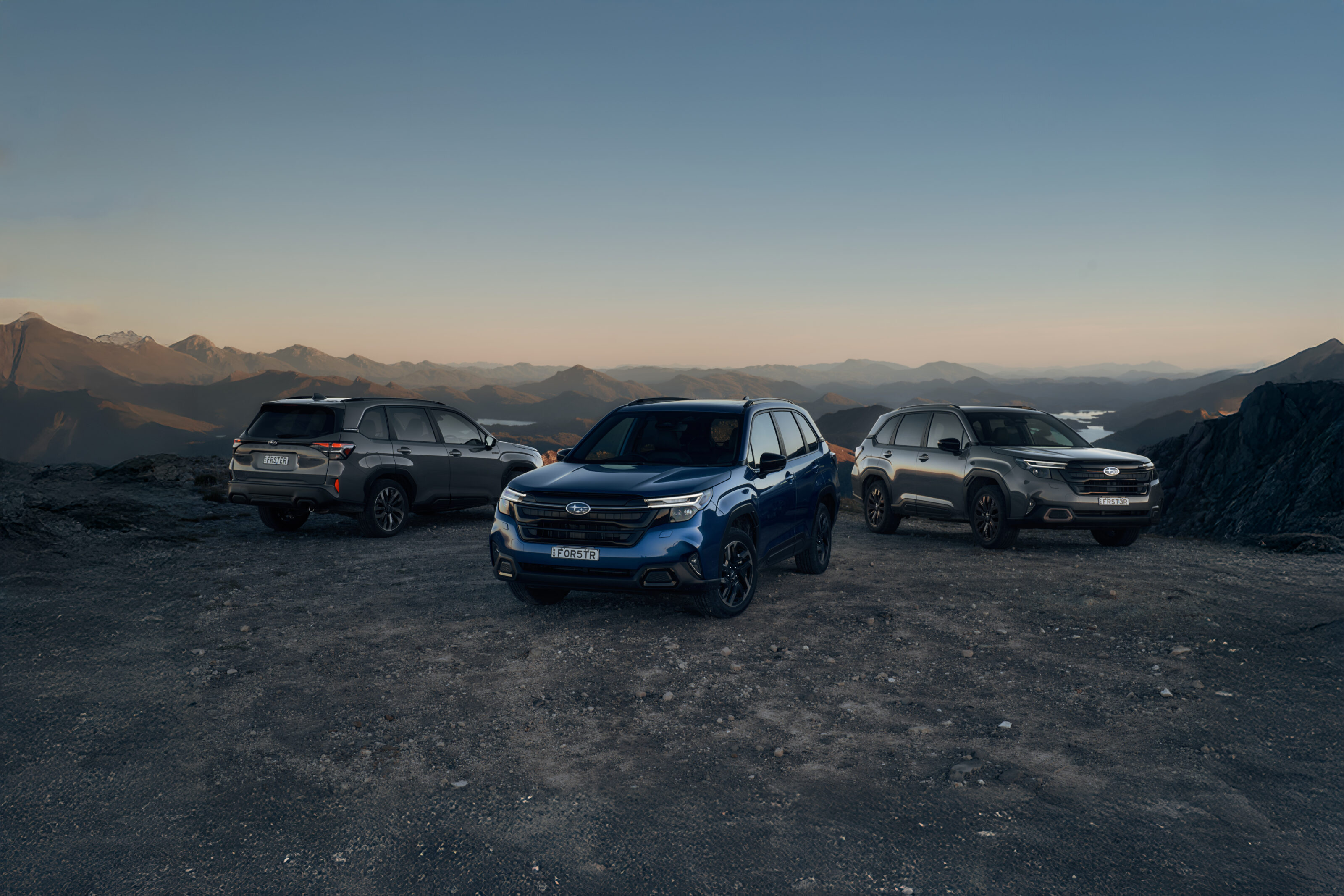
Price: From $43,490 plus on-road costs
Drivetrain: 2.5-litre naturally aspirated four-cylinder petrol, 136kW/247Nm, CVT automatic, all-wheel drive
Fuel type: 91 RON regular unleaded
Starting off the 10 most fuel efficient non-electrified medium SUVs in Australia is the Subaru Forester, which uses a 2.5-litre petrol engine mated to a CVT automatic transmission and the brand’s ‘symmetrical’ all-wheel drive system as standard. The latest Forester also doesn’t lose the reasonable off-road ability of the previous generations of the car, and can easily handle sand and mud thanks to its cool ‘X-Mode’ off-road system. Even if you never touch a speck of dirt, the Forester is a comfortable, spacious and really practical medium SUV.
9) Volkswagen Tiguan 110TSI and 150TSI: 7.6L/100km
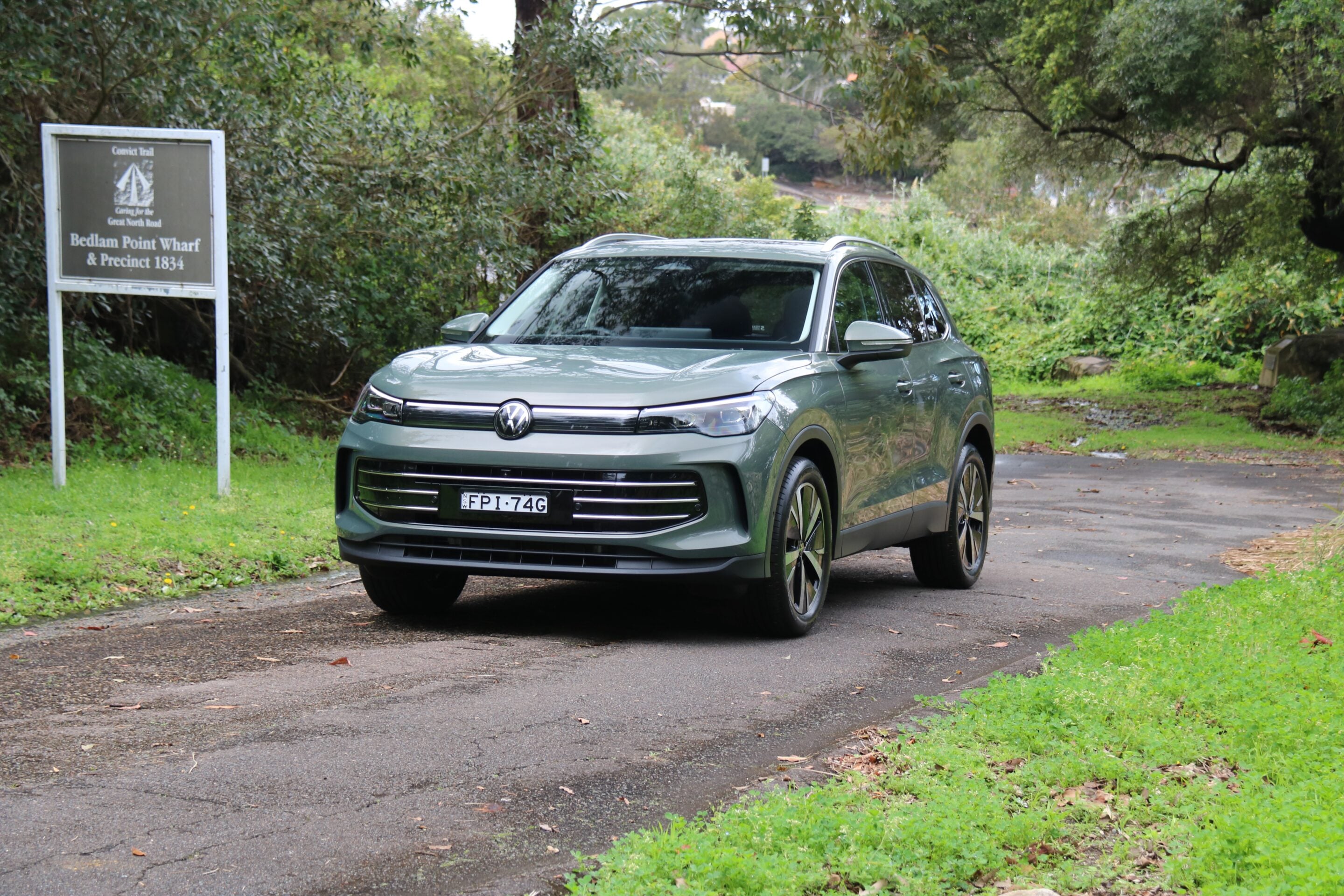
Price: From $45,650 plus on-road costs (110TSI), from $56,850 plus on-road costs (150TSI)
Drivetrain: 1.4-litre four-cylinder turbo-petrol, 110kW/250Nm, seven-speed dual-clutch, front-wheel drive (110TSI); 2.0-litre four-cylinder turbo-petrol, 150kW/320Nm, seven-speed dual-clutch, all-wheel drive (150TSI)
Fuel type: 95 RON premium unleaded
Interestingly, we have not one but two drivetrains in the Volkswagen Tiguan range rated at exactly the same combined fuel consumption figure. That’s right, both the 110kW 1.4-litre front-wheel drive 110TSI and the 150kW 2.0-litre all-wheel drive 150TSI versions of the Tiguan use the same 7.6L/100km. That’s a surprise and gives those wanting the maximum efficiency reasons to feel less guilty about wanting the more powerful engine that’s also equipped with all-wheel drive. The 150TSI is also quicker by around two seconds to hit 100km/h (low 7s versus low 9s) and punchier in the mid range too.
8) Mitsubishi Outlander ES 2WD and Mazda CX-60 G25: 7.5L/100km
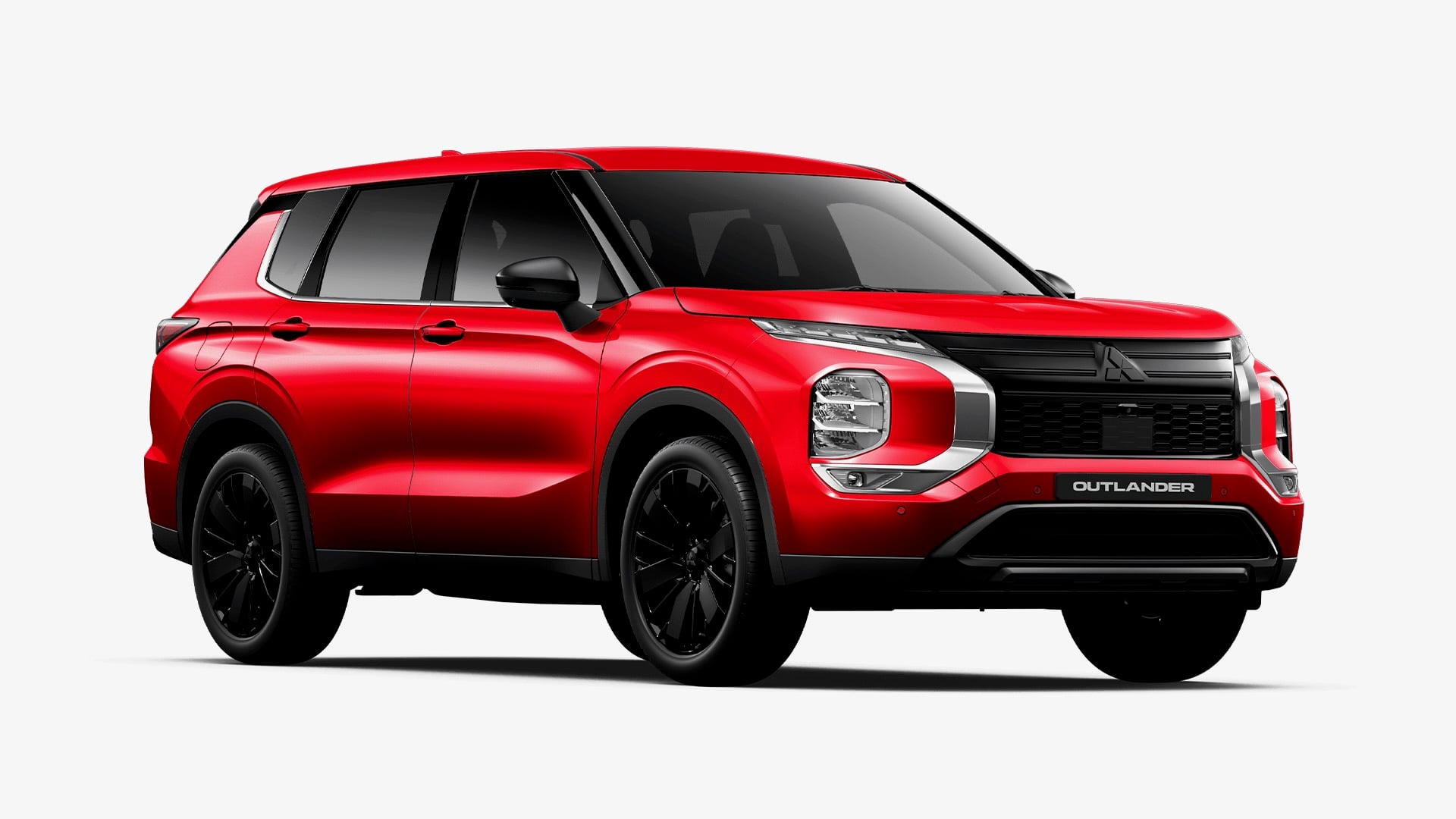
Price: From $39,990 plus on-road costs (Outlander); $44,740 plus on-road costs (CX-60)
Drivetrain: 2.5-litre naturally aspirated four-cylinder petrol, 135kW/244Nm, CVT automatic, front-wheel drive (Outlander); 2.5-litre naturally aspirated four-cylinder petrol, 138kW/250Nm, eight-speed automatic, rear-wheel drive (CX-60)
Fuel type: 91 RON regular unleaded
Next up are two Japanese medium SUVs that both use naturally aspirated 2.5-litre petrol engines, though that’s where their similarities end. The Outlander is a well-rounded offering and in base ES 2WD form, is at its most fuel efficient in non-electrified form, while the CX-60 G25 is actually the thirstiest CX-60 model as all the other available drivetrains feature some sort of electrification. But the G25 is also the only rear-wheel drive CX-60 model offered locally, and features an engaging dynamic set up. Both the Outlander and CX-60 are spacious and good quality inside too.
7) Nissan X-Trail 2.5L 2WD 5-seat, Haval H6 2.0T and new Mazda CX-5 G25: 7.4L/100km
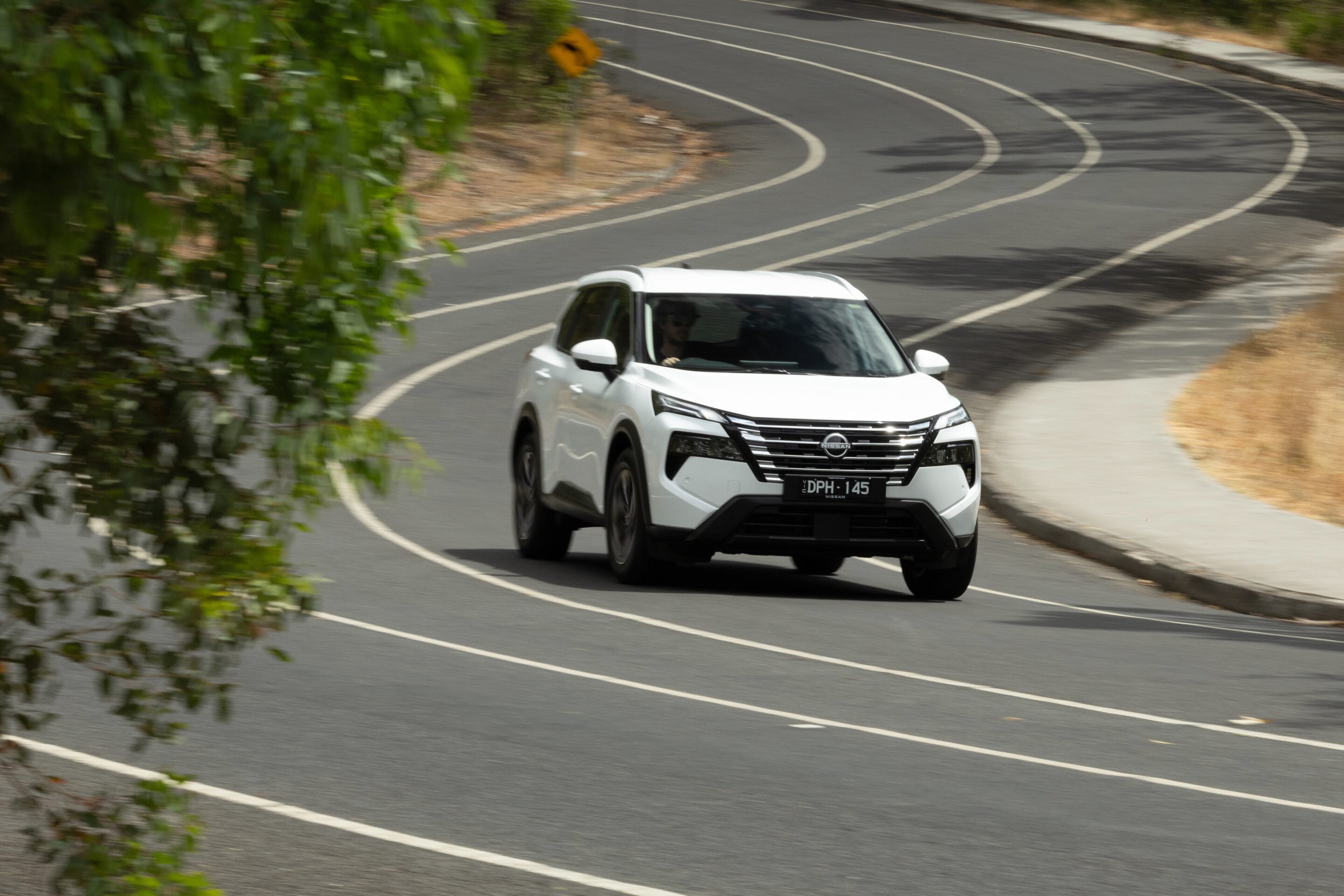
Price: From $38,140 plus on-road costs (X-Trail), $35,990 driveaway (H6); $39,990 plus on-road costs (CX-5)
Drivetrain: 2.5-litre naturally aspirated four-cylinder petrol, 135kW/244Nm, CVT automatic, front-wheel drive (X-Trail); 2.0-litre four-cylinder turbo-petrol, 170kW/380Nm, nine-speed dual-clutch, front-wheel drive (H6); 2.5-litre naturally aspirated four-cylinder petrol, 132kW/242Nm, six-speed automatic, all-wheel drive (CX-5)
Fuel type: 91 RON regular unleaded
Using just 0.1L/100km less than its Outlander twin, the Nissan X-Trail is also a well-rounded and practical medium SUV that can be quite efficient in the real world – in our testing, we’ve seen comfortably under 6L/100km on highway runs. The entry-level 2.0-litre turbo-petrol engine in the GWM Haval H6 is its only non-electrified drivetrain but is actually quite punchy, making 170kW/380Nm outputs. Mazda’s new CX-5 uses the same G25 engine from the previous model, though detuned to 132kW/242Nm meet new emissions standards – though use premium unleaded fuel and it apparently makes 138kW/257Nm, which is only 1kW less but 5Nm more than the previous model.
6) Skoda Karoq 140TSI: 7.2L/100km
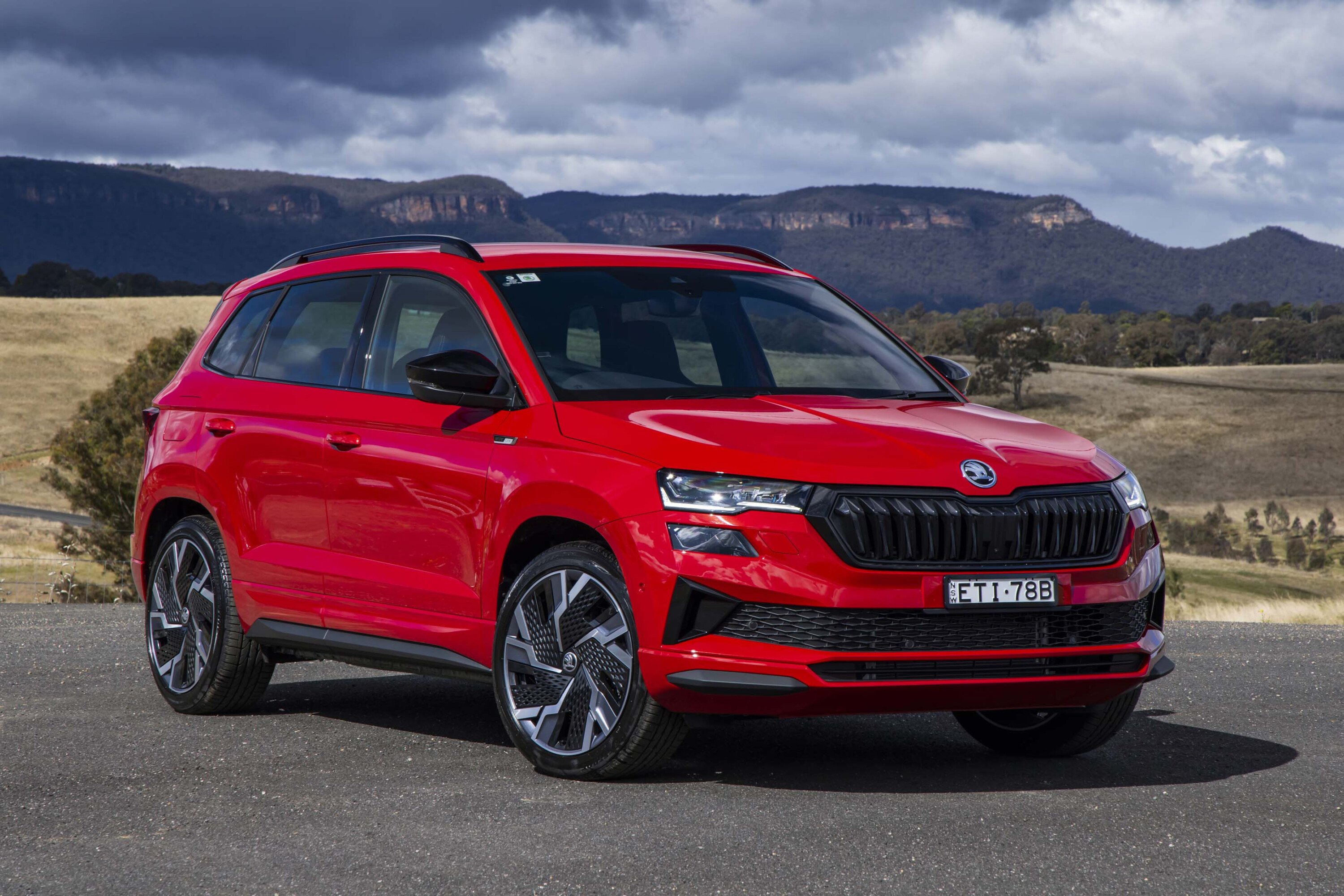
Price: From $54,990 driveaway
Drivetrain: 2.0-litre four-cylinder turbo-petrol, 140kW/320Nm, seven-speed dual-clutch, all-wheel drive
Fuel type: 95 RON premium unleaded
The Skoda Karoq doesn’t feature any electrification in Australia, but that doesn’t mean that it can’t be fuel efficient. The 140TSI 4×4 variant features a 140kW/320Nm 2.0-litre turbo-petrol engine mated to an all-wheel drive system as standard, which is enough grunt for a claimed 0-100km/h time in just 7.0 seconds. But its combined rating of 7.2L/100km is relatively low for a sporty medium SUV.
5) Cupra Ateca V and Honda CR-V VTi X: 7.1L/100km
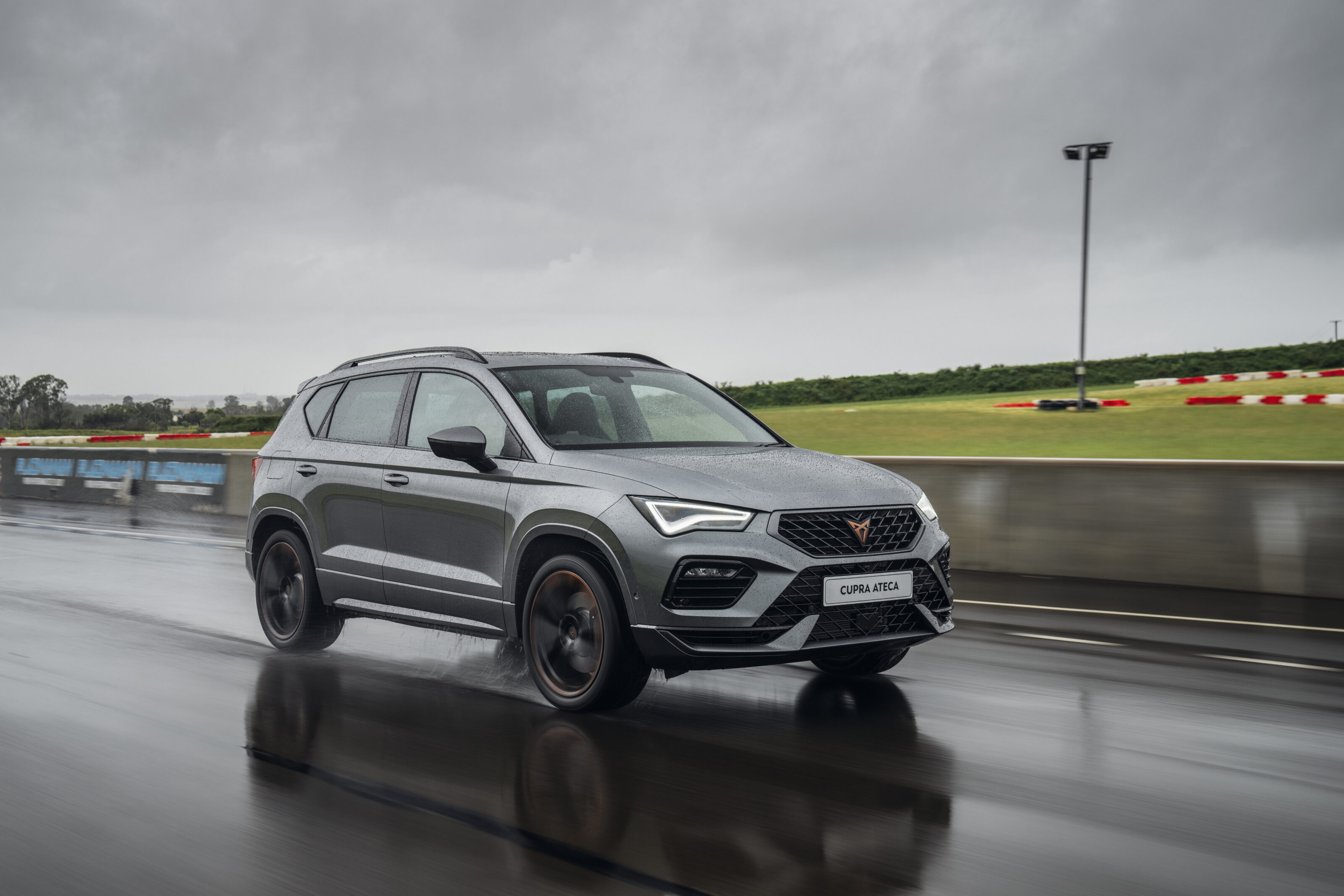
Price: From $51,990 plus on-road costs (Ateca), $45,900 driveaway (CR-V)
Drivetrain: 2.0-litre four-cylinder turbo-petrol, 140kW/320Nm, seven-speed dual-clutch, all-wheel drive (Ateca); 1.5-litre four-cylinder turbo-petrol, 140kW/240Nm, CVT automatic, front-wheel drive (CR-V)
Fuel type: 95 RON premium unleaded (Ateca), 91 RON regular unleaded (CR-V)
The Cupra Ateca V uses the exact same drivetrain as the Karoq 140TSI, though somehow it’s rated at 0.1L/100km less at 7.1L/100km. You’re unlikely to see even that difference in the real world, but like the Karoq, the Ateca V can fuel efficient for a sporty-leaning medium SUV. The Honda CR-V was recently given an update and its 1.5-litre turbo-petrol engine is now only available at the bottom of the range with a 2.0-litre hybrid featuring in the other models. It’s a fine engine and capable of good fuel economy if hybrids aren’t your thing.
4) Chery Tiggo 7 and Honda ZR-V VTi X: 7.0L/100km

Price: From $29,990 driveaway (Tiggo 7); from $39,900 drive away (ZR-V)
Drivetrain: 1.5-litre four-cylinder turbo-petrol, 108kW/210Nm, six-speed dual-clutch, front-wheel drive (Tiggo 7); 1.5-litre four-cylinder turbo-petrol, 131kW/240Nm, CVT automatic, front-wheel drive (ZR-V)
Fuel type: 91 RON regular unleaded
While there’s a plug-in hybrid ‘Super Hybrid’ variant of the Chery Tiggo 7 range that gets all the fanfare, the petrol models use a 1.5-litre turbo-petrol engine making 108kW of power and mated to a six-speed dual-clutch transmission. It’s a reasonable performer with good low end torque, though the same-sized engine in the ZR-V makes 23kW/30Nm more grunt, yet is rated at the same 7.0L/100km rating. Like the CR-V, the ZR-V was recently updated and there’s now only one model available with the petrol engine – every other model is hybridised, but the petrol engine is still capable of good efficiency.
3) MG HS: 6.9L/100km
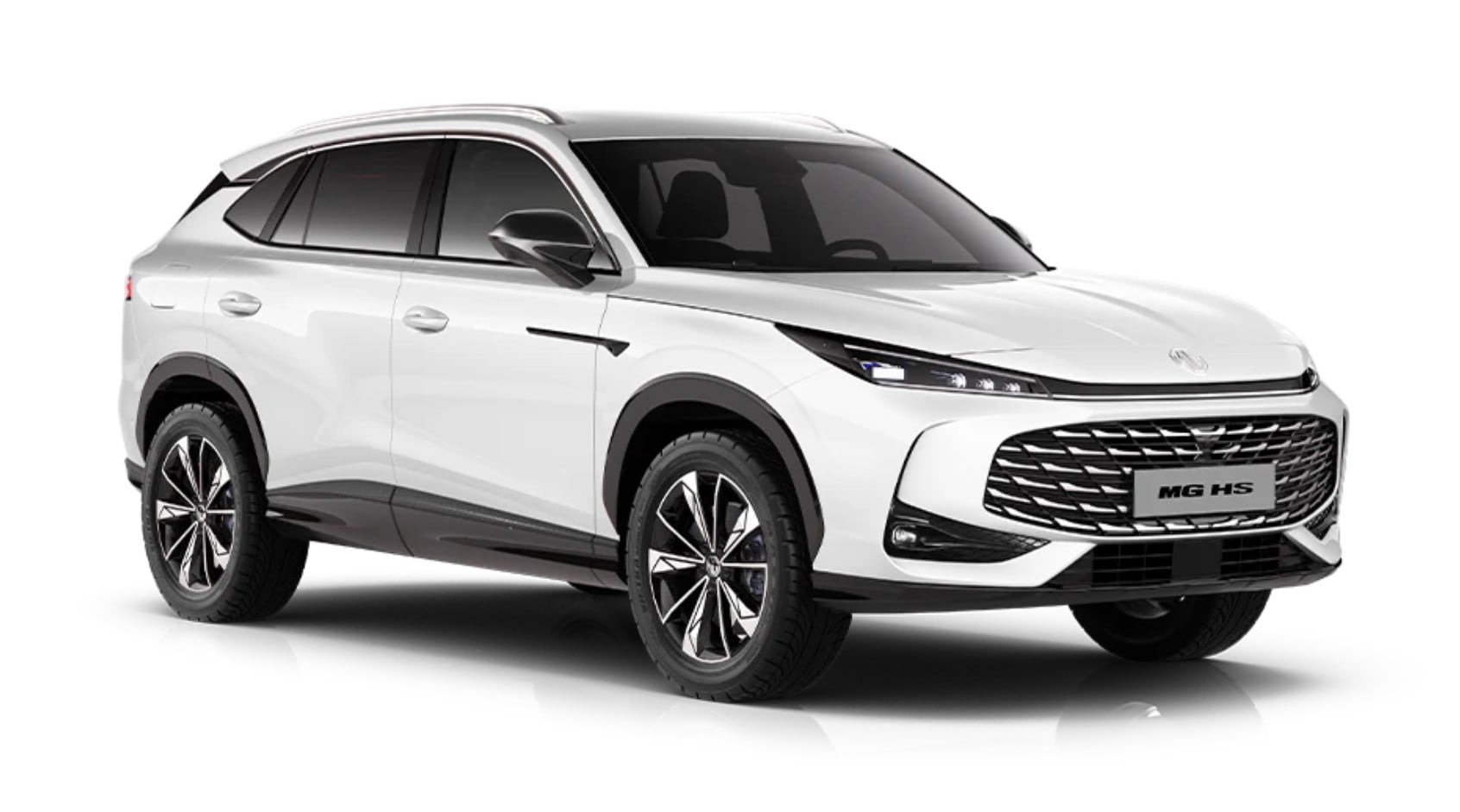
Price: From $33,990 driveaway
Drivetrain: 1.5-litre four-cylinder turbo-petrol, 119kW/275Nm, seven-speed dual-clutch, front-wheel drive
Fuel type: 95 RON premium unleaded
Like the Tiggo 7 above, the MG HS is another medium SUV whose petrol engine option is overshadowed by hybrid models, in this case both the Hybrid+ and the plug-in hybrid Super Hybrid. But as its 6.9L/100km combined rating shows, the 119kW/275Nm 1.5-litre turbo-petrol engine that sits as the entry-level engine in the HS range is capable of good fuel efficiency.
2) Skoda Karoq 110TSI: 6.6L/100km
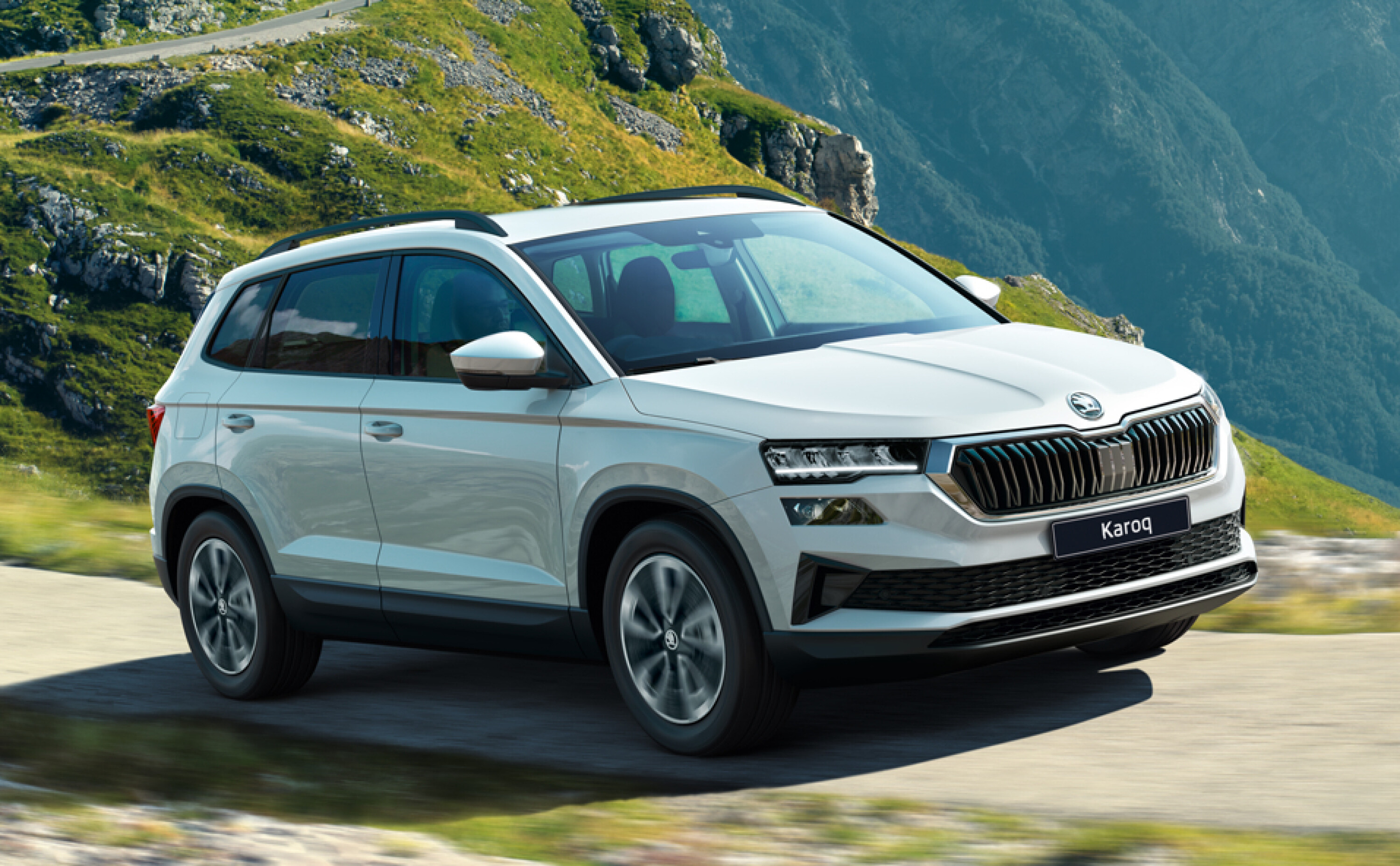
Price: From $40,990 driveaway
Drivetrain: 1.4-litre four-cylinder turbo-petrol, 110kW/250Nm, eight-speed automatic, front-wheel drive
Fuel type: 95 RON premium unleaded
The Volkswagen Group was one of the first brands to shun larger naturally aspirated engines for smaller, turbocharged replacements with both superior fuel economy and more low-end torque and the Skoda Karoq 110TSI is a great example of that as it’s the second most fuel efficient non-electrified medium SUV on the Australian new car market. Making reasonable 110kW/250Nm outputs and using an eight-speed torque converter automatic transmission, the Karoq 110TSI uses just 6.6L/100km on the combined cycle but can also launch to 100km/h in under nine seconds.
1) Kia Sportage diesel: 6.3L/100km
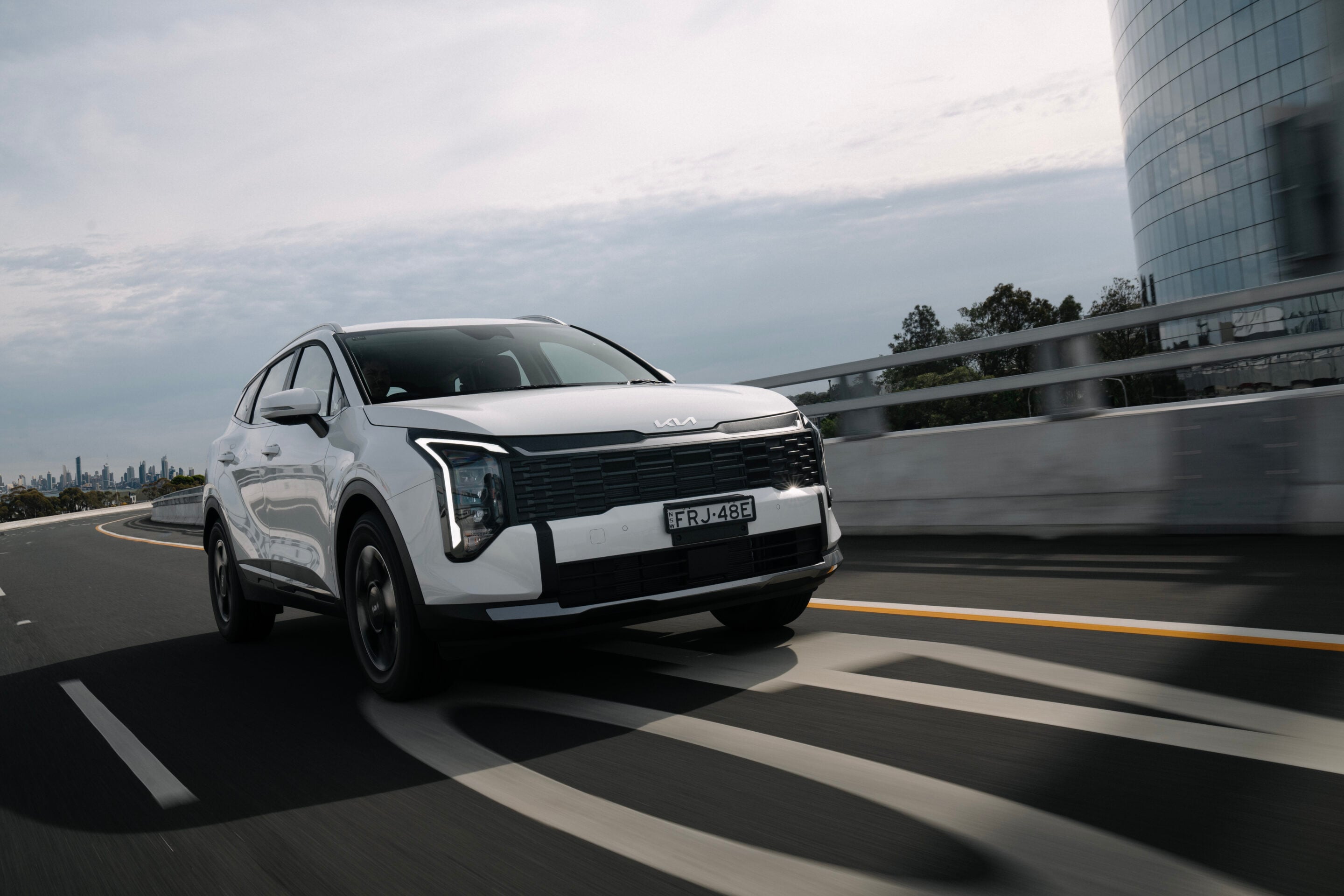
Price: From $43,890 plus on-road costs
Drivetrain: 2.0-litre four-cylinder turbo-diesel, 137kW/416Nm, eight-speed automatic, all-wheel drive
Fuel type: Diesel
At number one for the most fuel efficient medium SUV with no electrification is the diesel-powered Kia Sportage. One of the few diesel offerings left on the market, and the only diesel on this list, the Sportage’s punchy 137kW/416Nm outputs use just 6.3L/100km on the combined cycle and doing lots of highway driving will reduce that even further. Diesel power doesn’t suit everybody, but particularly for those in country areas not doing start-stop traffic driving, it can still make a lot of sense. Both hybrid (from 4.7L/100km) and pure petrol (8.1L/100km) variants also exist in the Sportage range, but we think that the diesel provides a unique option for medium SUV buyers not wanting electrification.
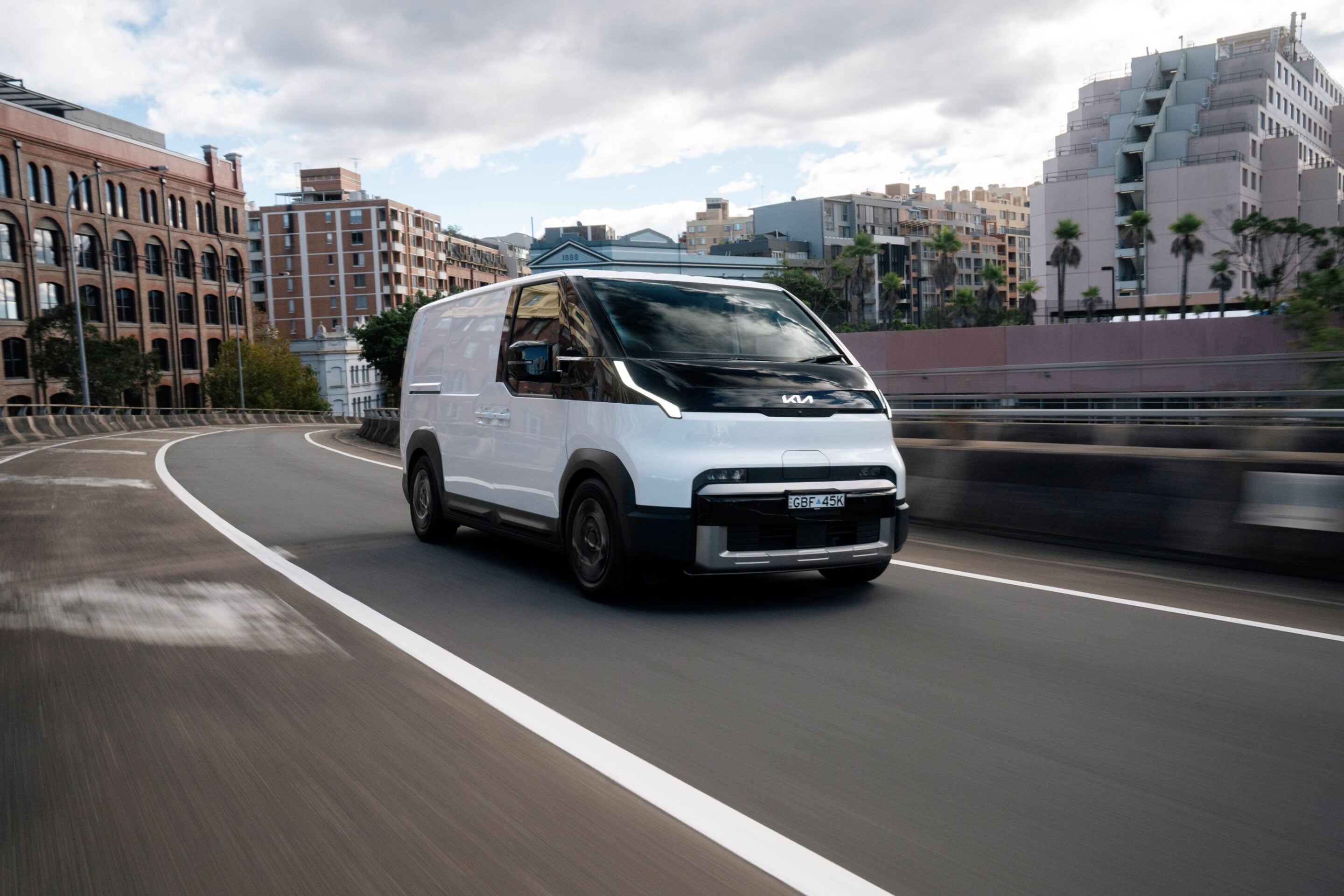
There’s no doubt Kia offers one of the broadest product ranges of any car manufacturer in the Australian market, an achievement it’s now adding to with the launch of the all-electric Kia PV5 van.
It’s an ambitious introduction in a segment that hasn’t yet made a big impact on the commercial van sales charts. But according to Kia Australia CEO Dennis Piccoli, it’s another example of the South Korean manufacturer’s ability to offer the right product at the right time, while at the same time, broadening the showroom portfolio.
“When you talk about the tipping point (of too many brands or market saturation) and the new entrants in the market, what’s occurred with fuel prices in recent months has propelled a couple of brands more than others, that’s the first thing there…” Piccoli told WhichCar by Wheels.
Piccoli agreed that Australians are looking at price more forensically than perhaps they have before. And that the breadth of choice in the Australian new car market is something legacy brands have to be aware of.
“How do we tackle it? Well, it’s by virtue of the models that we’ve got and the variants that we have, which give us the ability to go after all the various segments,” Piccoli said. “That’s what’s delivering the growth for us. It doesn’t matter whether it’s an EV, or whether its internal combustion, or whether it’s a hybrid, we’ve got a car for pretty much everybody.”
Piccoli’s point is that Kia believes its diverse offering will allow it to continue to stay strong in a fracturing market.
“It really does mitigate our risk where perhaps some of the other legacy brands have probably got a little it of an issue,” Piccoli said. “For us, [it’s] our strength moving forward.”
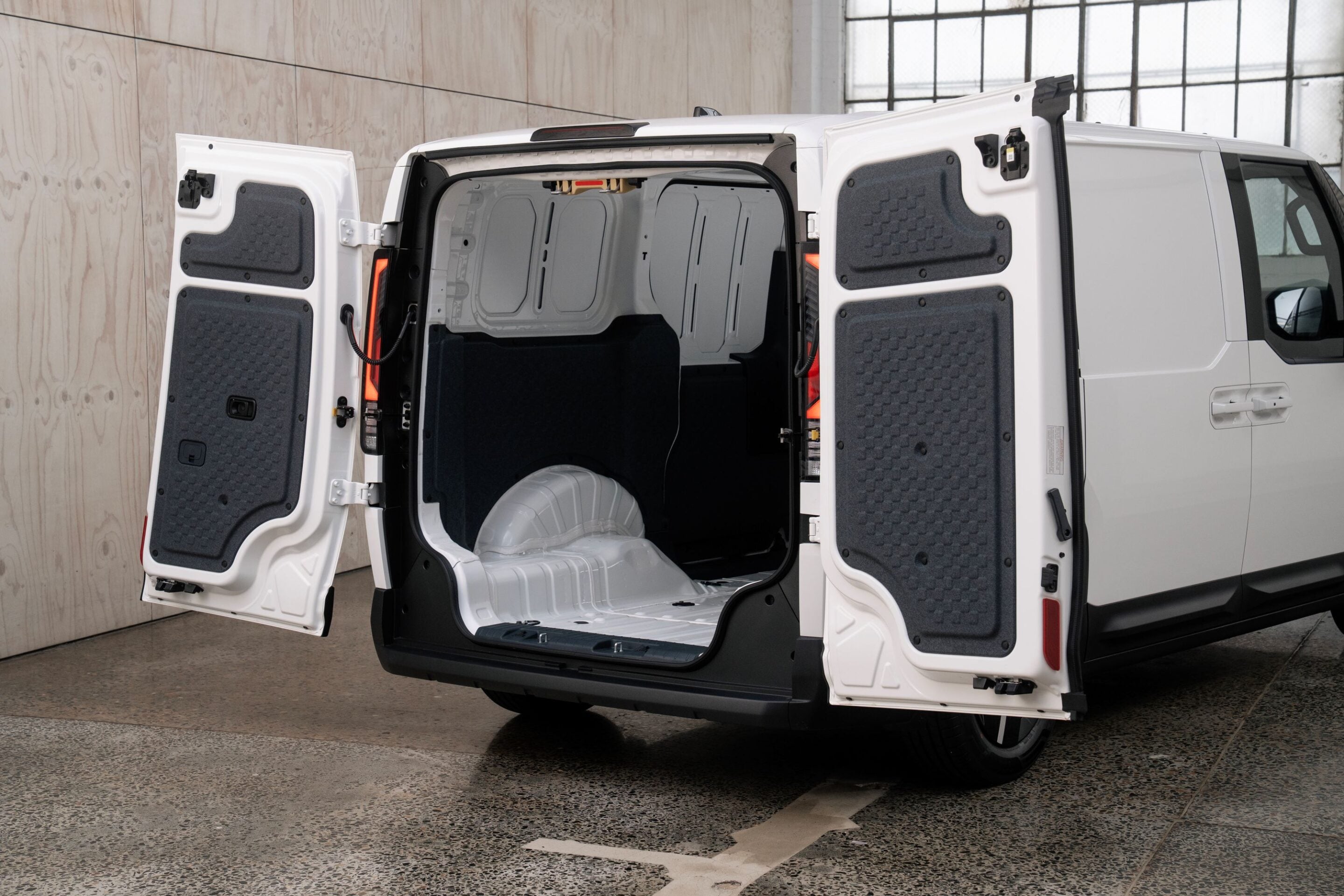
That growth continues with the launch of the all-electric PV5 – into a segment that is quite small, and as such Kia has conservative expectations for how many it can sell. To put things into perspective, Toyota sold 11,073 HiAce vans in 2025 for 46 per cent market share, while the top-selling electric van, the ID Buzz Cargo saw only 190 leave dealerships. Electric vans as a wholevmade up just two per cent of all commercial van sales in 2025.
“Now with the van we’re entering into another segment, and it will be incremental volume,” Piccoli said. “So we think we’re in a pretty good space, but it is an interesting marketplace at this point in time.”
Mazda’s CX-5 really needs no introduction to WhichCar by Wheels readers. The boss of Mazda Australia is unequivocal when he says, “this is the most significant vehicle in our brand’s line-up’, and it’s fair to say Australians have loved the CX-5 since it was first released. Since its initial launch, more than 330,000 CX-5’s have left dealerships in the hands of Australian buyers. And Mazda’s internal data indicates that more than 20,000 current owners have bought more than one CX-5.
With more than five million sales globally, it’s just as popular around the world as it is here in Australia, also. Making up around 25 percent of all Mazda sales in Australia, the CX-5 has been the manufacturer’s most popular vehicle in this market for seven years running.
Key points for this third-generation version are a larger body, new technology and all- wheel drive as standard across the range.
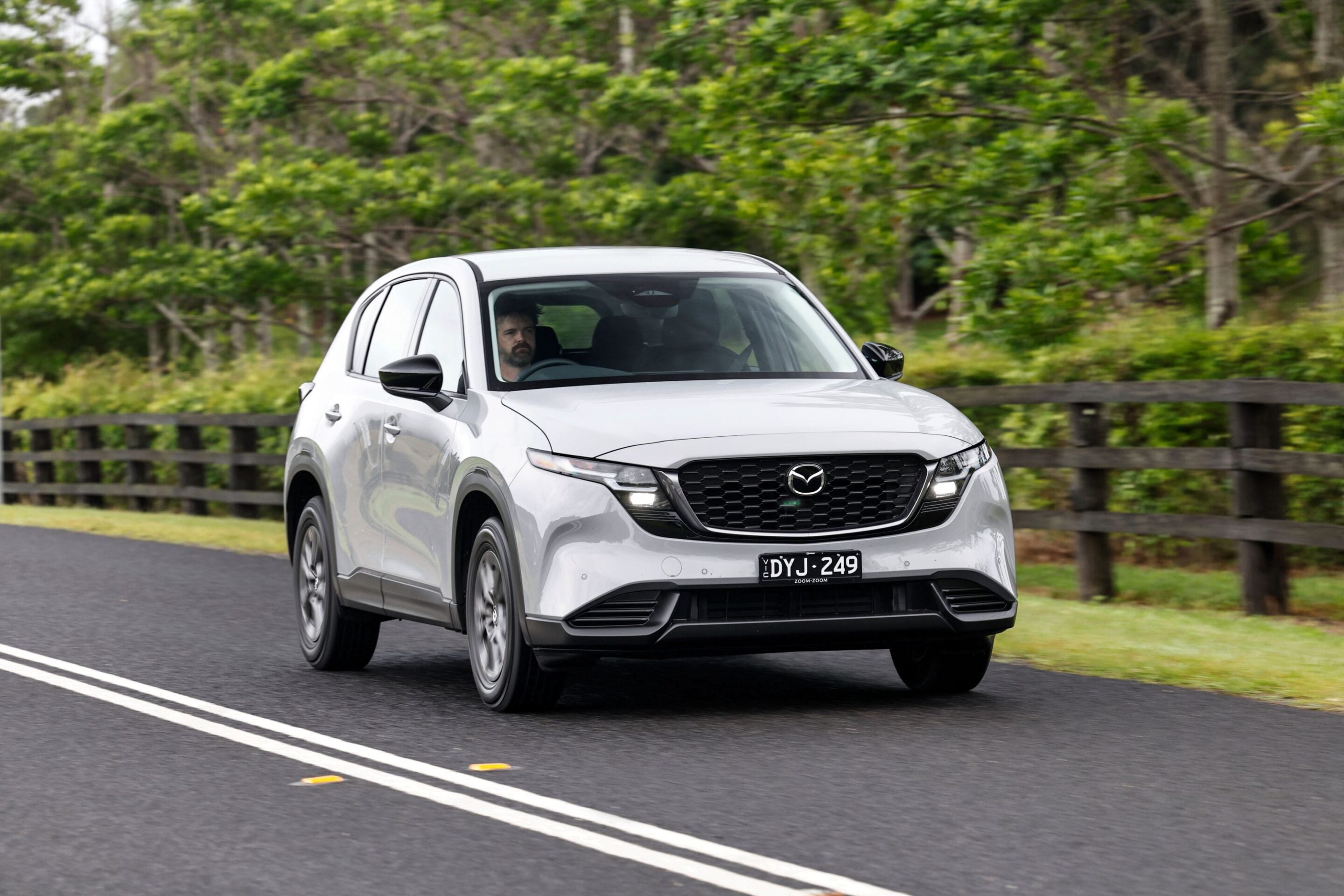
How much does the Mazda CX-5 cost to buy?
Mazda’s sharp pricing is noteworthy, too, even the entry to the range Pure, which starts from $39,990 before on-road costs, feels like a well-executed medium SUV. Standard equipment on the base model includes 17-inch alloy wheels, dusk-sensing LED headlights, 12.9-inch infotainment touchscreen, 10.25-inch digital driver’s display, black cloth trim, dual-zone climate control, wired smartphone connectivity, autonomous emergency braking in forward and reverse, adaptive cruise control with stop and go, lane-keep assist, blind-spot monitoring, parking sensors front and rear, and a rear-view camera.
Our standard specification list below, details that entry point to the range, with standard equipment increasing as you spend more money. Step up through the model grades and you will spend $42,990 for the Evolve, $47,490 for the Touring, $51,990 for the GT SP and $54,990 for the Akera. All prices listed are before on-road costs are factored in.
The most crucial question to be answered, and time will tell as the sales figures start to roll in, is whether the CX-5 can endure in this market, when all of its main competitors feature hybrid technology of some kind. At the time of the CX-5 launching, only Renault Koleos, Skoda Karoq and Mahindra XUV700 are not available with either hybrid or plug-in hybrid drivetrains.
For Mazda’s part, it says a hybrid CX-5 is on the way, and that vehicle must feel and respond like a Mazda from behind the wheel, rather than simply trumpet a headline efficiency number. As relevant as that may be to buyers, it’s also fair to say that plenty of buyers in this segment value efficiency as much as, if not more than, anything else. There is a response in the way that the CX-5 behaves on the road though, that not all SUVs can match. Certainly not at this competitive price point.
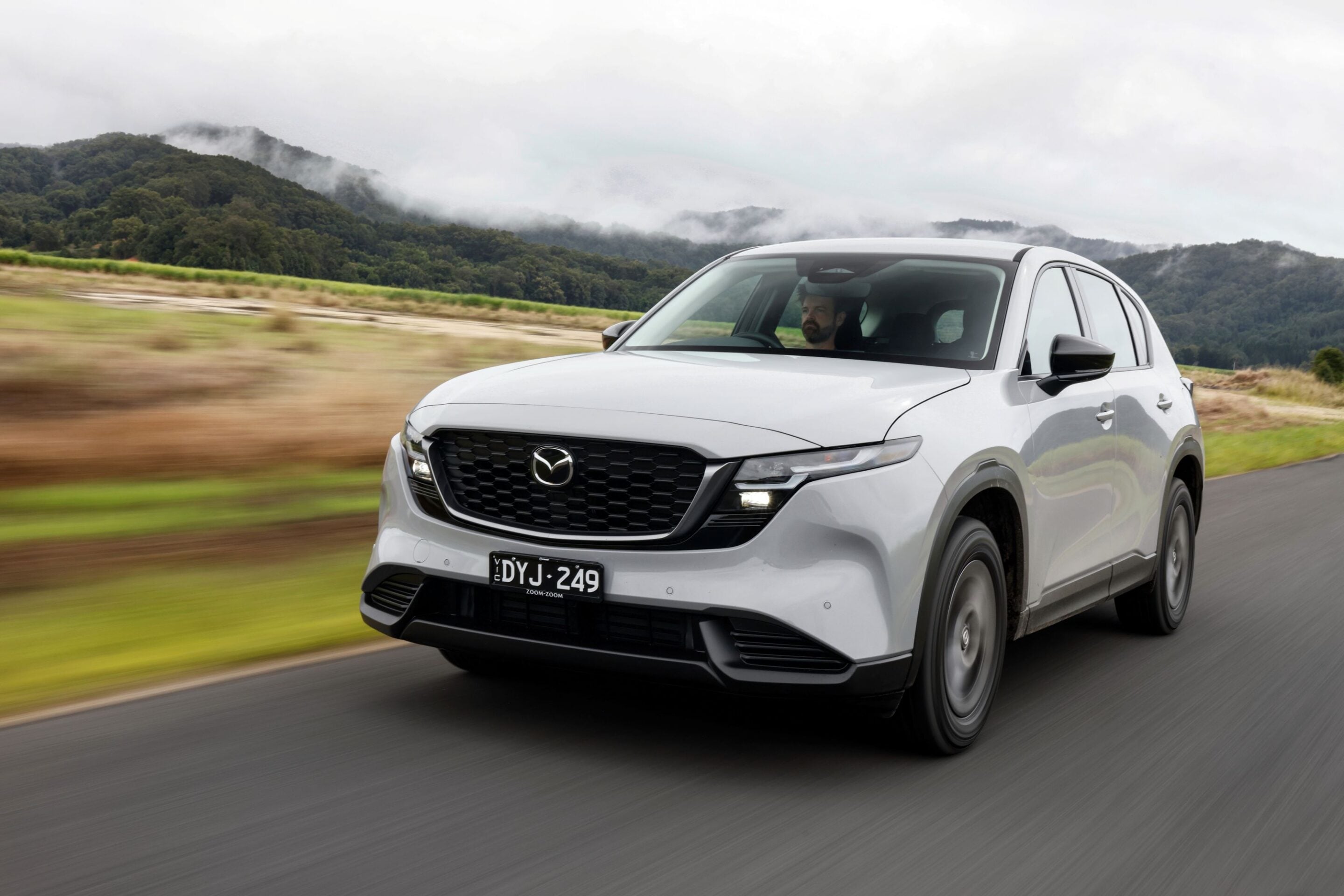
How powerful is the Mazda CX-5?
Significant to this revision of the lineup is the rationalisation of the previous engine options, with the range now powered by one engine only – Mazda’s 2.5-litre, naturally aspirated four-cylinder ‘G25’ petrol variant.
For 2026, both power and torque have been lowered – to meet stricter emissions standards – now 132kW and 242Nm (-8kW/10Nm). It’s fair to say that the CX-5 doesn’t have the punch it might with a more powerful engine, a larger engine, or a hybrid drivetrain, certainly off the mark when you nail the throttle. That said, it doesn’t feel slow either, with more than enough urge to do what the target buyer will need it to do day-to-day. And as noted, this engine was the most popular among Australian buyers.
On the subject of the engine note, nail the throttle and it’s evident there’s a naturally aspirated four-cylinder working away beneath the bonnet. While it doesn’t sound or feel like it’s being pushed beyond its comfort zone, the sound its making means its more noticeable than it would be if there was hybrid – or turbo – technology at play. Again, the CX-5 doesn’t feel slow, as you might fear looking at the spec sheet. The power and torque figures won’t cause your eyes to water, but they do allow the CX-5 to do what buyers will need it to do.
On typical country roads, the CX-5 is a fun SUV to drive, whether it’s on the 17s of the base model or the 19-inch tyres further up the grade walk. If you live in an area with particularly poor roads, the 17-inch wheels and tyres will serve you well, but even on 19s, the CX-5 manages to neatly deal with and insulate the worst surfaces beneath it. The balance between handling prowess and ride quality is something Mazda engineers have nailed for this segment, the way WhichCar by Wheels sees it.
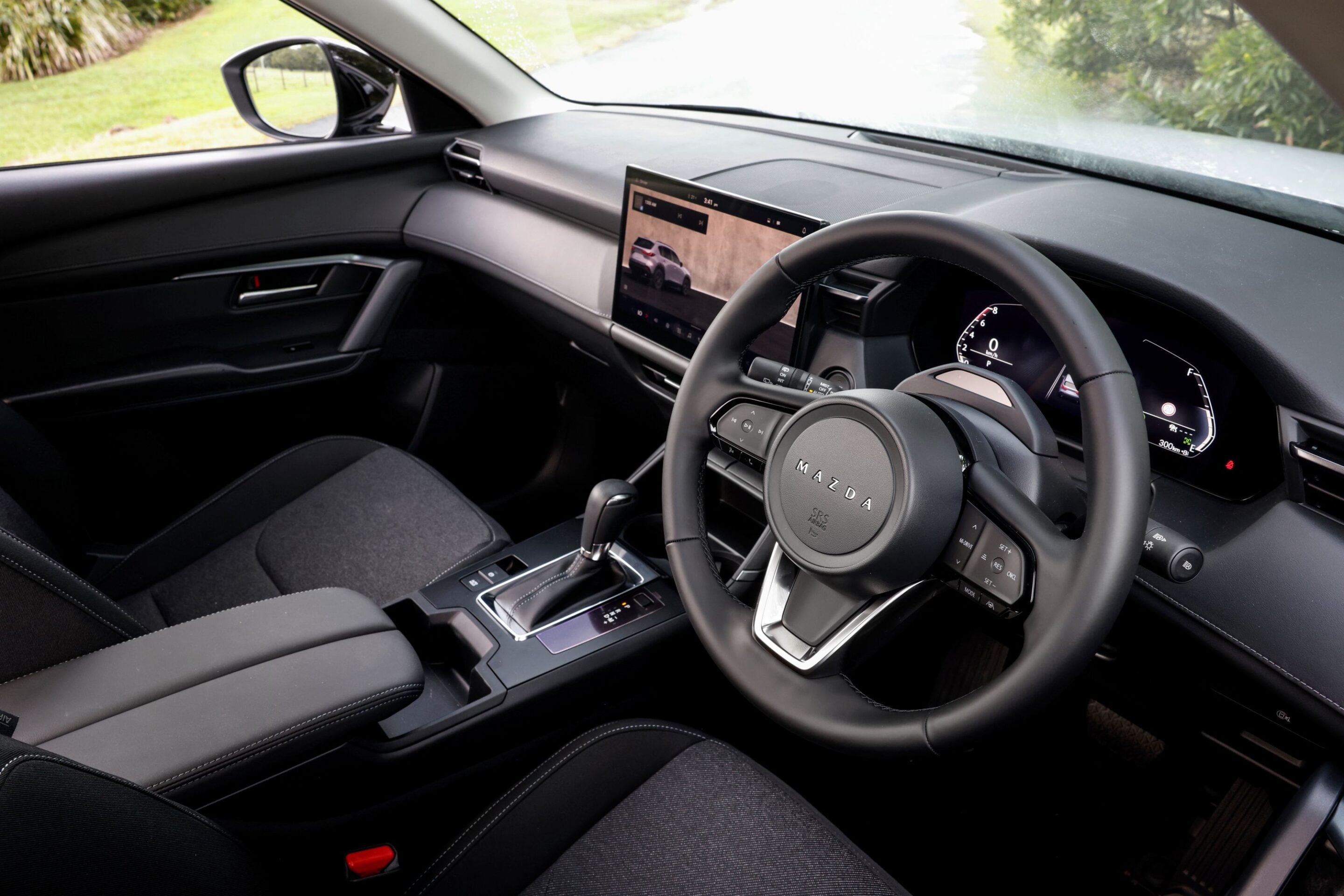
The six-speed automatic is another part of the CX-5 equation that works well across various driving disciplines. At a time when a CVT or a 10-speed automatic is common, there’s a lot to like about the simplicity and precision of Mazda’s six-speed, which doesn’t hunt through multiple ratios at city speeds, something that can grate with other transmissions. Whether you’re in town or on the highway, the Mazda automatic works nicely.
Step out of the base model into the more expensive, higher grade Akera variant and there’s a requisite step forward in terms of luxury, amenity and features. The 15.6-inch infotainment screen is a whopper, and the panoramic sunroof adds a light, airy feel to the cabin. Steering wheel paddle shifters lift the sporty aspiration a little, too. In real terms it’s no more fun to drive than the more austere base model, but it’s a more luxurious way to undertake the same road trip.
How fuel efficient is the Mazda CX-5?
The G25 can run on regular unleaded fuel and uses a claimed 7.4L/100km on the combined cycle. Interestingly, according to Mazda, the majority of buyers in 2025 – of the outgoing model – opted for the G25 engine, making the decision to switch the range to one engine, easier to understand.
Mated to the G25 across the range, is Mazda’s familiar six-speed automatic and all-wheel drive, and the good news is that while it’s not as efficient as the raft of hybrids on offer in the segment, it’s still comfortable below the 10.0L/100km mark in the real world. With the understanding that launch drives are tailored to suit the vehicle, we saw a live reading below the 7.4L/100km claim while cruising, while stop/start city driving saw it climb into the high 8 range. We’ll report back with a more accurate fuel use figure post launch.
Is the Mazda CX-5 practical?
Mazda is predicting a full five-star ANCAP safety rating to match the five-star Euro NCAP rating the CX-5 already has. Other key changes beyond those noted above include an overall length increase of 115mm, 70mm of which goes into a deeper second row door aperture, 15mm added to the width, and a boot increase to 466 litres with the second row in use. Fold that row down and available space is up 254 litres to 1594 litres.
The extra length in the wheelbase, with 70mm added to the rear door apertures, means getting into and out of the CX-5 is easier than it was previously, and the doors open almost square, too. There’s room in the second row for adults, but keep in mind you need to step up to Evolve (second in the range) to get rear air vents. Mazda touts the ability to fold the second row flat, reverse the headrests in the seat backs, and create a flat space to recline for occupants up to 185cm in height. If you’re into star gazing through the panoramic glass roof of the Akera variant, it’s a handy feature.
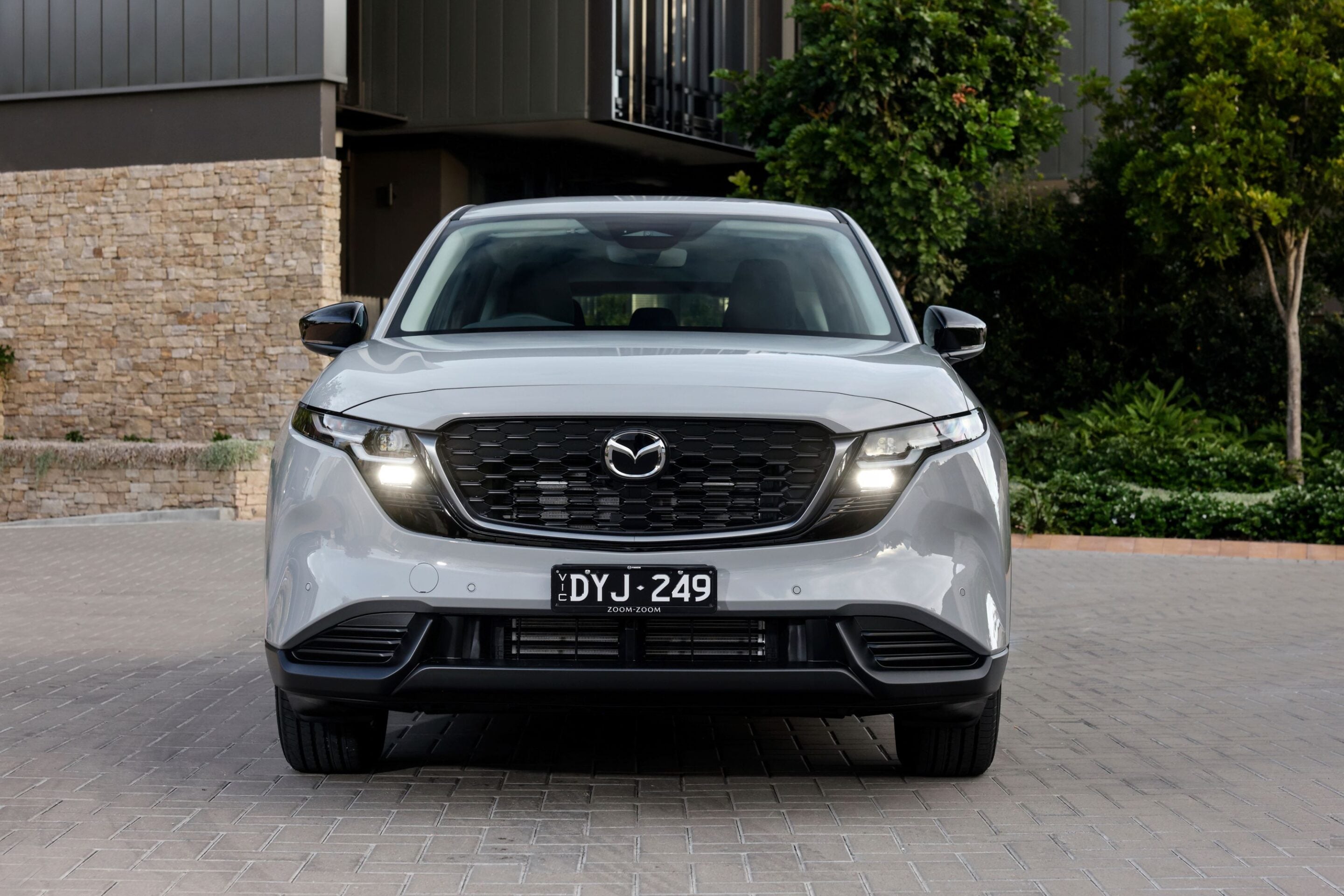
There is some hard plastic trim on the dash and door tops in the base Pure, but that aside, it features a quality cabin that is nicely insulated when you’re on the move. Tyre and wind noise is kept to a minimum, and while the engine note is noticeable as revs increase, it lends a sporty feel to the experience, which plenty of Mazda buyers like. Crucially, the most affordable CX-5 doesn’t feel like its built down to a price, which is a tangible benefit for those buyers on a tight budget.
What warranty covers the Mazda CX-5?
The CX-5 is, as all Mazdas are, covered by the brand’s five-year, unlimited kilometre warranty. Servicing is required every 12 months of 15,000km, whichever comes first, and cost $369, $556, $434, $556 and $369 respectively, for a five-year total of $2284 up to 75,000km.
Should I buy the Mazda CX-5?
The revised Mazda CX-5 is a high-quality medium SUV. There’s no doubt that even in its most affordable guise it’s quiet, refined, well-appointed and engaging to drive. There’s a line in the sand that separates the way in which a CX-5 behaves on a twisty road compared to most other medium SUVs and it certainly engages the driver in a way that others don’t. Is that enough to ensure it remains as popular as it has always been, while buyers wait for the launch of a hybrid? Time will tell.
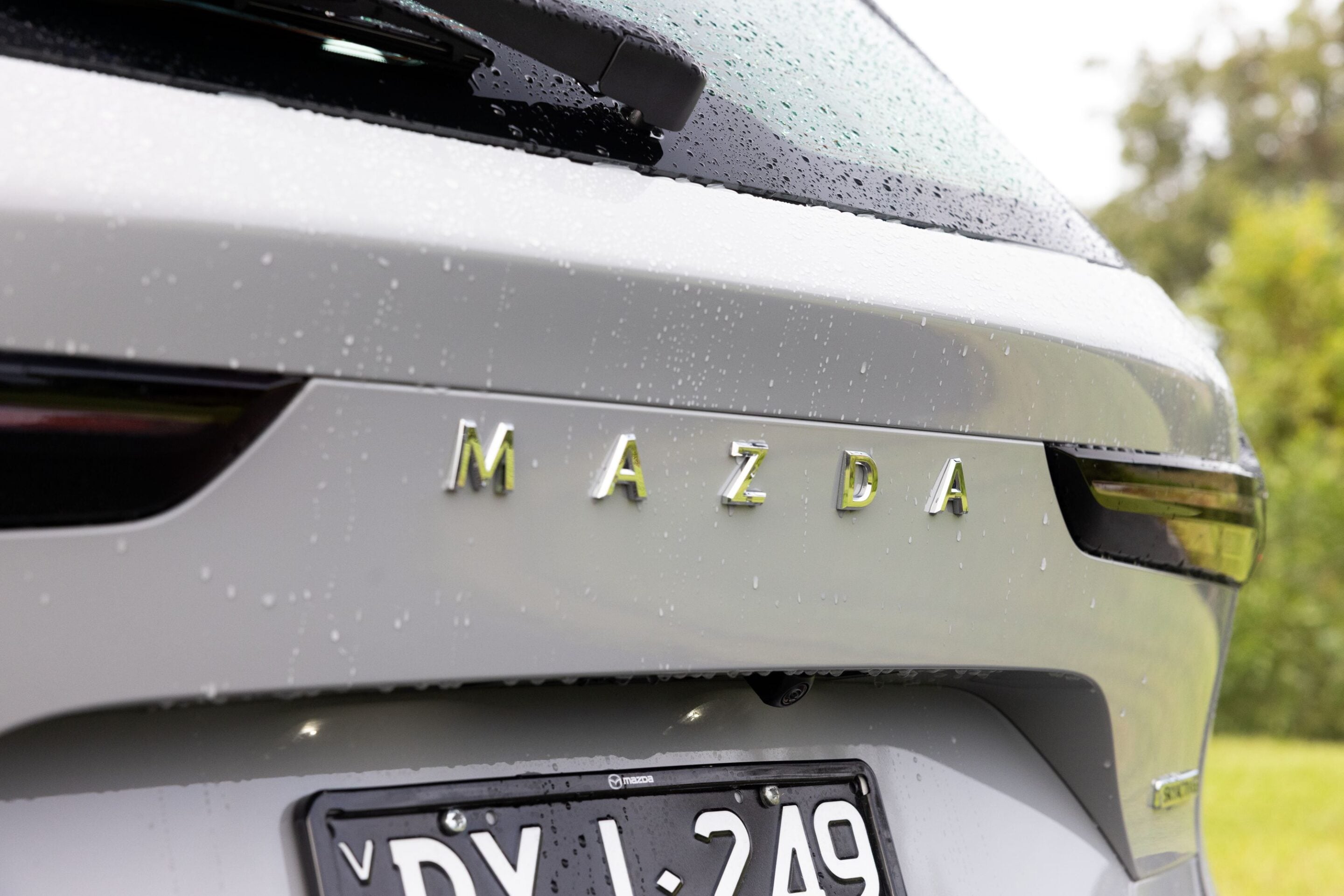
Mazda CX-5 standard equipment
- 17-inch alloy wheels with space-saver spare
- 12.9-inch infotainment touchscreen
- Mazda Connected Services
- Wired Apple CarPlay and Android Auto
- Eight-speaker audio system
- Basic voice control
- FM/AM/DAB+ radio
- 10.25-inch full-digital instrument cluster
- Dual-zone climate control
- Rain-sensing wipers
- LED daytime running lights
- Black cloth seat upholstery
- Leather-wrapped steering wheel and gear shifter
- Eight-way manual driver’s seat adjustment
- Front and rear parking sensors
- Autonomous emergency braking
- Lane-keep assist
- Lane departure warning
- Blind-spot monitoring
- Front and rear cross-traffic alerts
- Adaptive cruise control
- Traffic jam assist
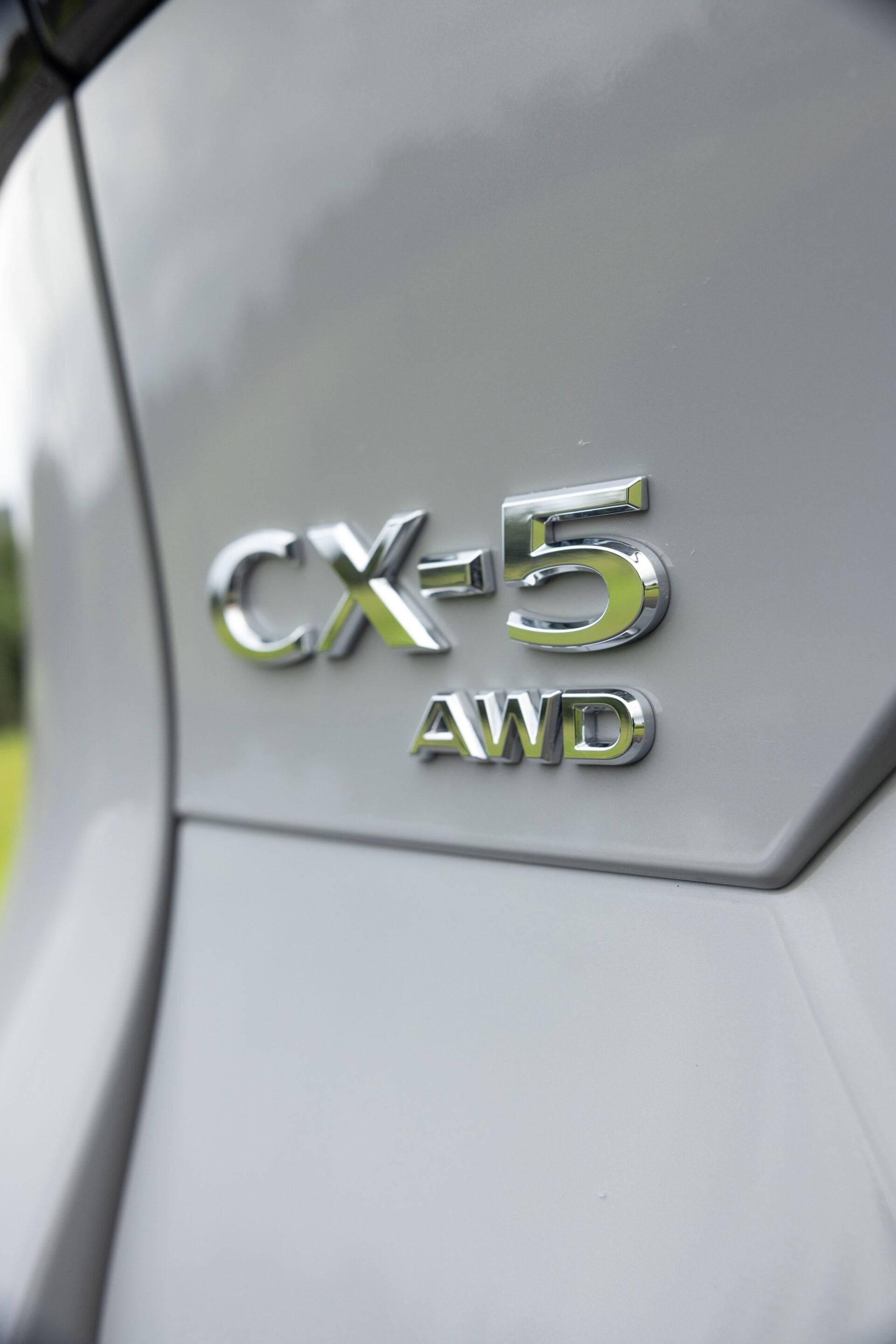
Mazda CX-5 Pure specs
| Price | $39,990 plus on-road costs |
|---|---|
| Engine | 2.5-litre, naturally-aspirated petrol four-cylinder |
| Peak power | 132kW |
| Peak torque | 242Nm |
| Transmission | Six-speed automatic, all-wheel drive |
| Claimed fuel consumption | 7.4L/100km |
| Claimed CO2 emissions | 173g/km |
| Fuel type/tank size | Diesel, 58 litres |
| Dimensions (l/w/h/wb) | 4690/1860/1695/2815mm |
| Kerb weight | 1559kg |
| Warranty | Five-year/unlimited km |
| Five-year service plan cost | $2284 |
| On sale | Now |
