
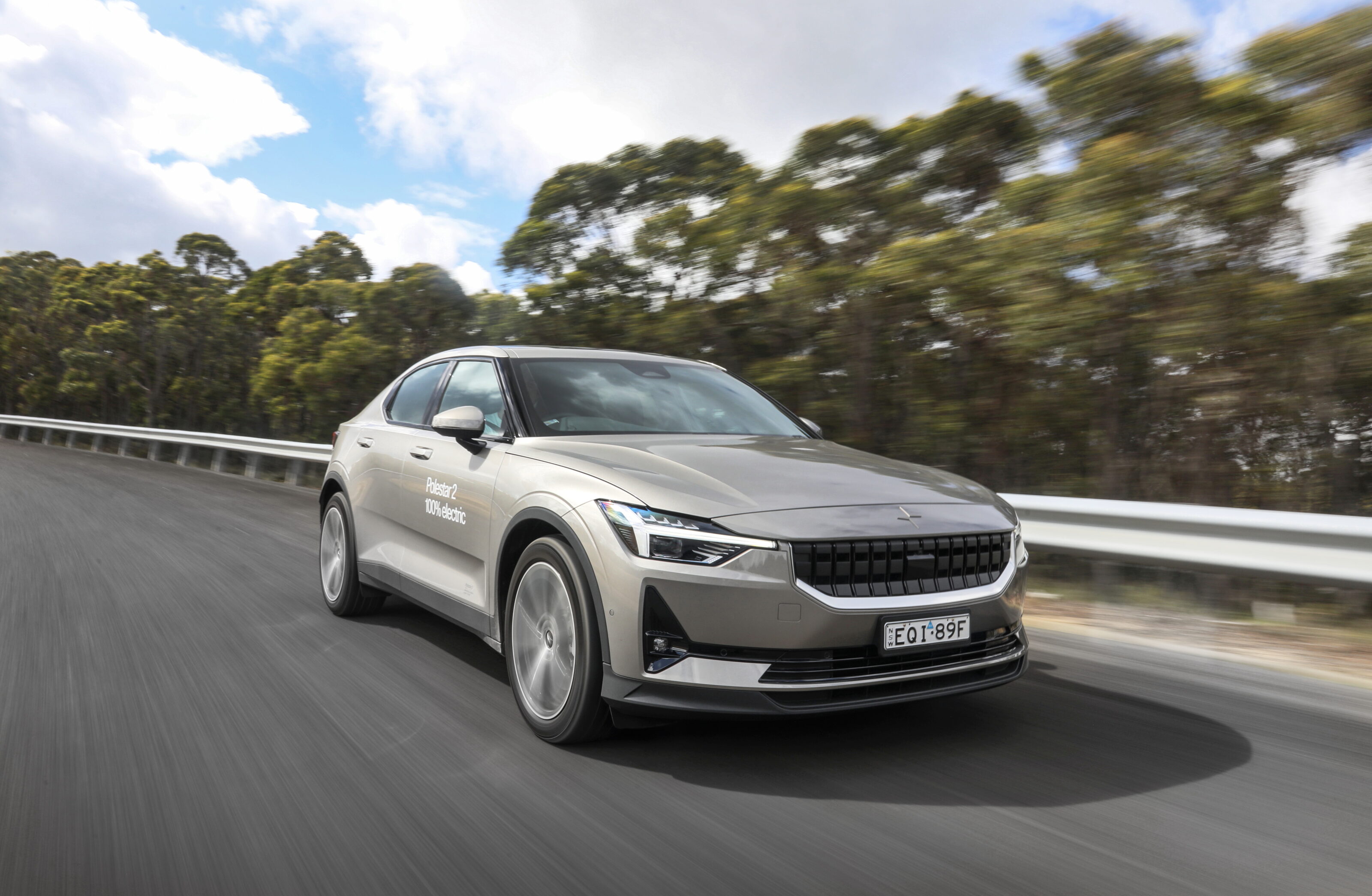
Fulfilment firm AutoNexus has been chosen as the logistics company for electric vehicle maker Polestar locally.
That means it will cover services including vehicle transport, processing, storage and full pre-delivery prep for Polestar’s electric vehicles as the latter expands in Australia.
In addition to Polestar, AutoNexus also serves the vehicle logistics needs of several brands in Australia, including: Subaru, Peugeot, Citroën, MG, Suzuki, Isuzu Truck, Mazda, Mahindra and Foton.
“AutoNexus has demonstrated its commitment to the electric vehicle industry with significant investment in scalable charging infrastructure,” Head of Polestar Australia, Samantha Johnson, said.
“It was the natural partner of choice given its capacity, and its capability, to support the continued growth of Polestar in the months and years to come.”
Darren Bowler, Managing Director AutoNexus, added: “At AutoNexus we are proud to support our brand partners, including Polestar, in their journey to deliver electric vehicles to the Australian market.
“AutoNexus’ nationwide infrastructure of high-powered EVSE chargers enable us to support the growing electric vehicle fulfilment needs of Polestar and our various brand partners.”
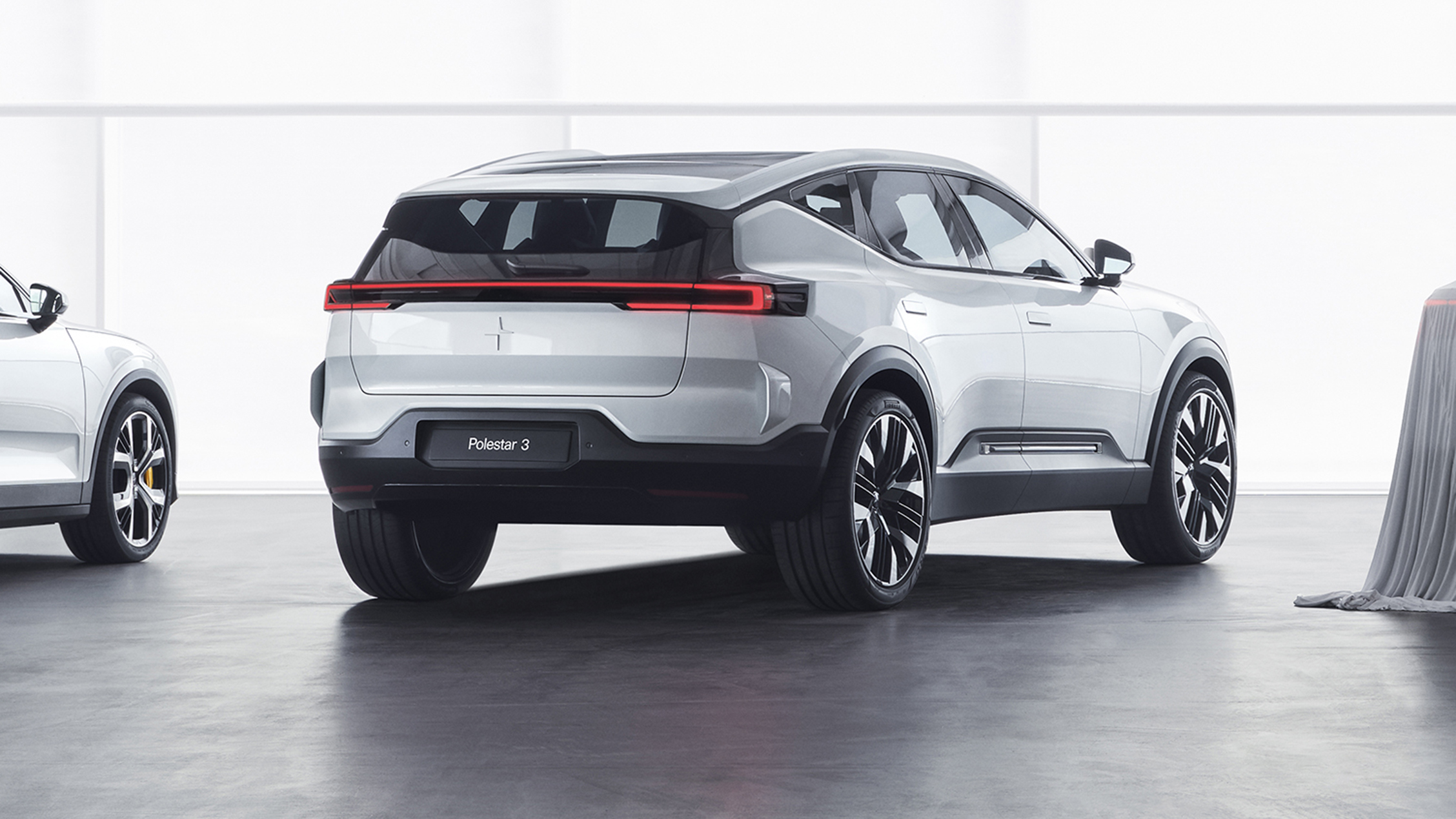
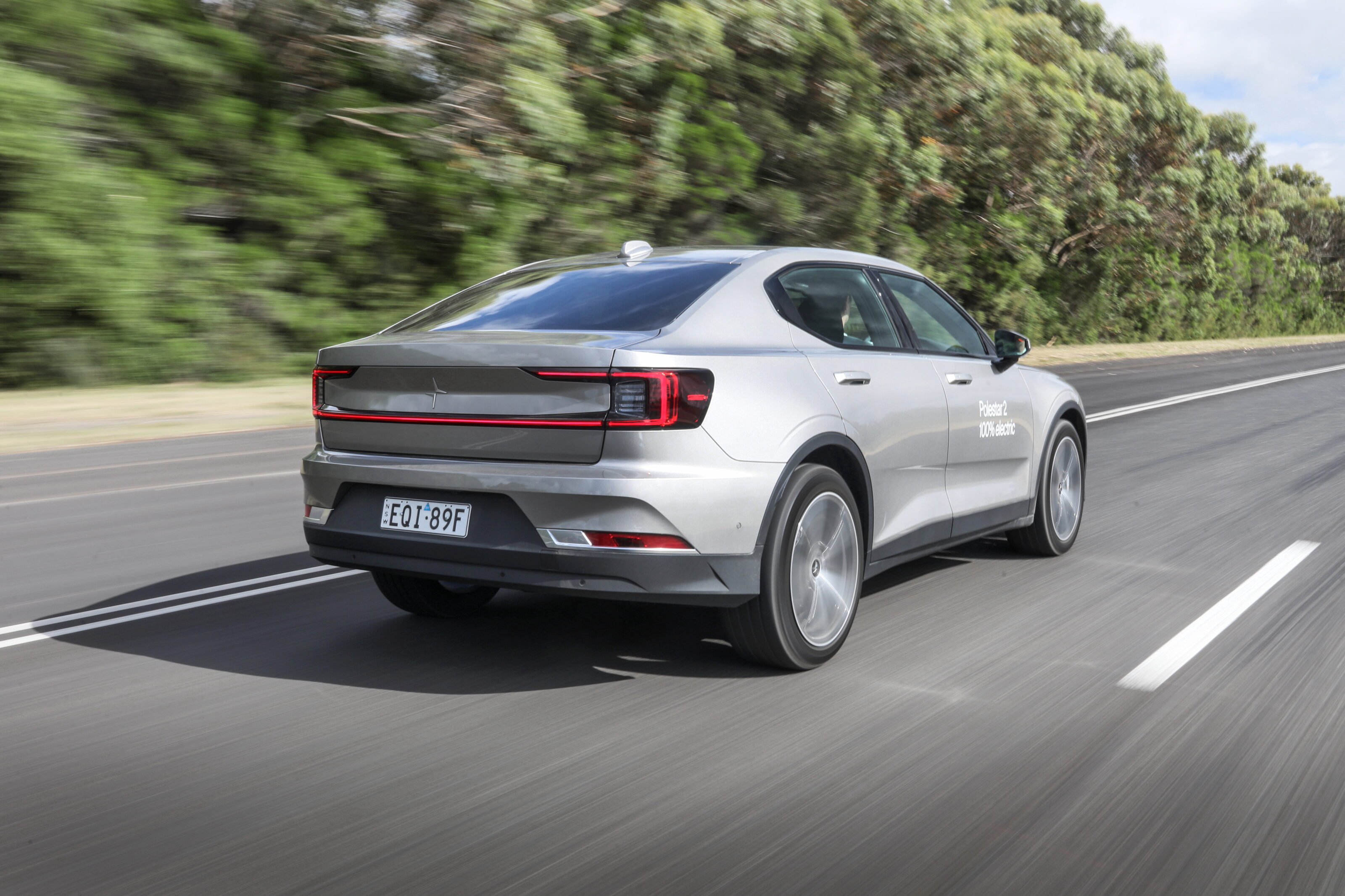
Polestar first launched in Australia in November last year, bringing its electric Polestar 2 sedan as its first vehicle in the local market – with its Polestar 3 SUV on its way next year.
The Swedish marque sold 201 cars in June and has shifted 562 year-to-date after it went public as part of a special purpose acquisition company worth US$20 billion last month.
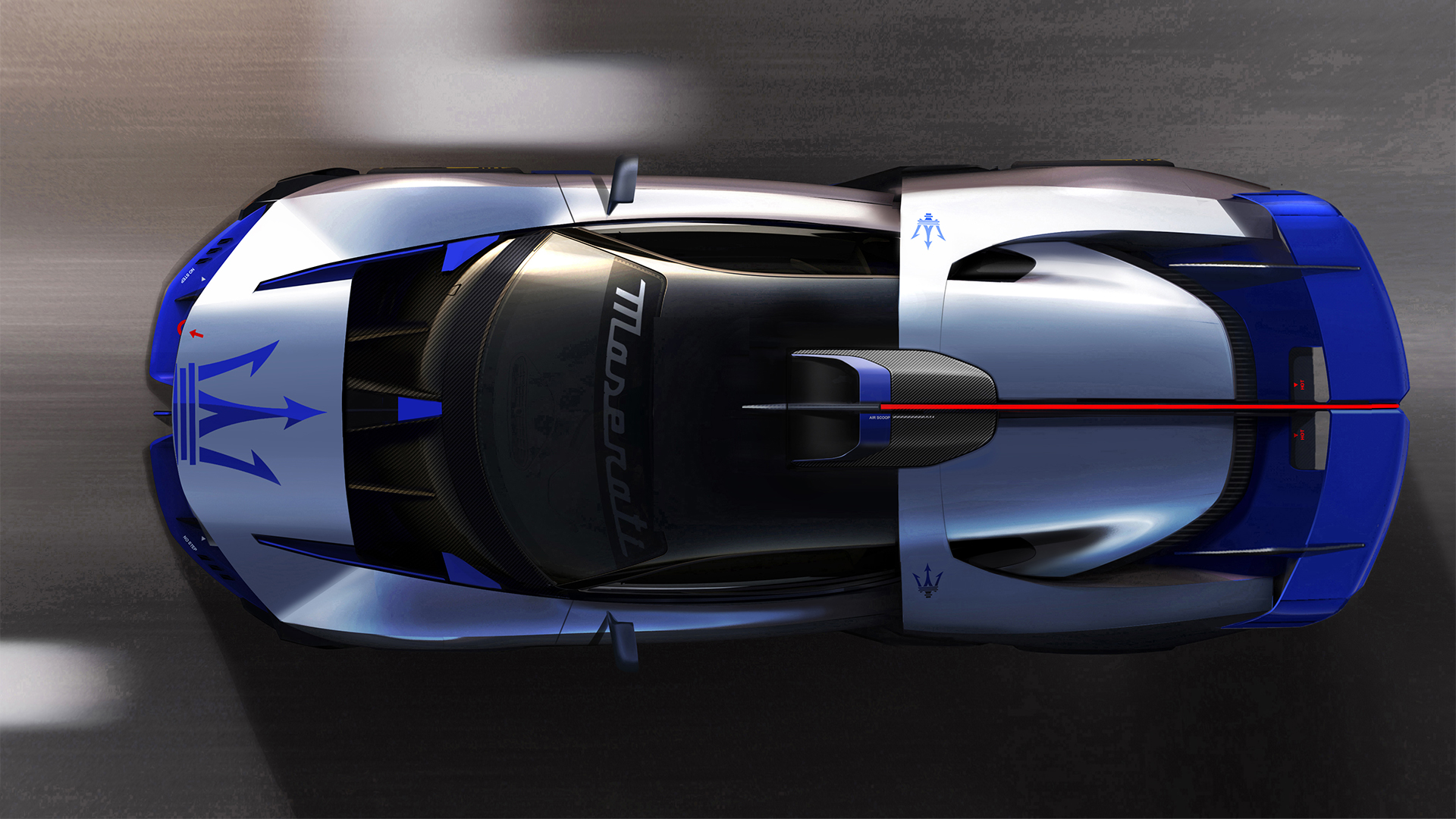
Maserati has previewed an upcoming track-only version of the MC20 sports car, the Project24.
Just 62 units of the Maserati Project24 will be produced, featuring a modified version of the brand’s Nettuno twin-turbo V6 engine with 544kW of power – up 81kW over the road-going MC20.
The power bump is achieved by adding revised twin-turbochargers, while Maserati has replaced the MC20’s eight-speed dual-clutch transmission with a six-speed sequential racing gearbox.
Other mechanical changes include; retuned double-wishbone suspension, adjustable dampers, anti-roll bars, Brembo-sourced carbon ceramic ventilated brakes, racing callipers, and a unique brake cooling system.
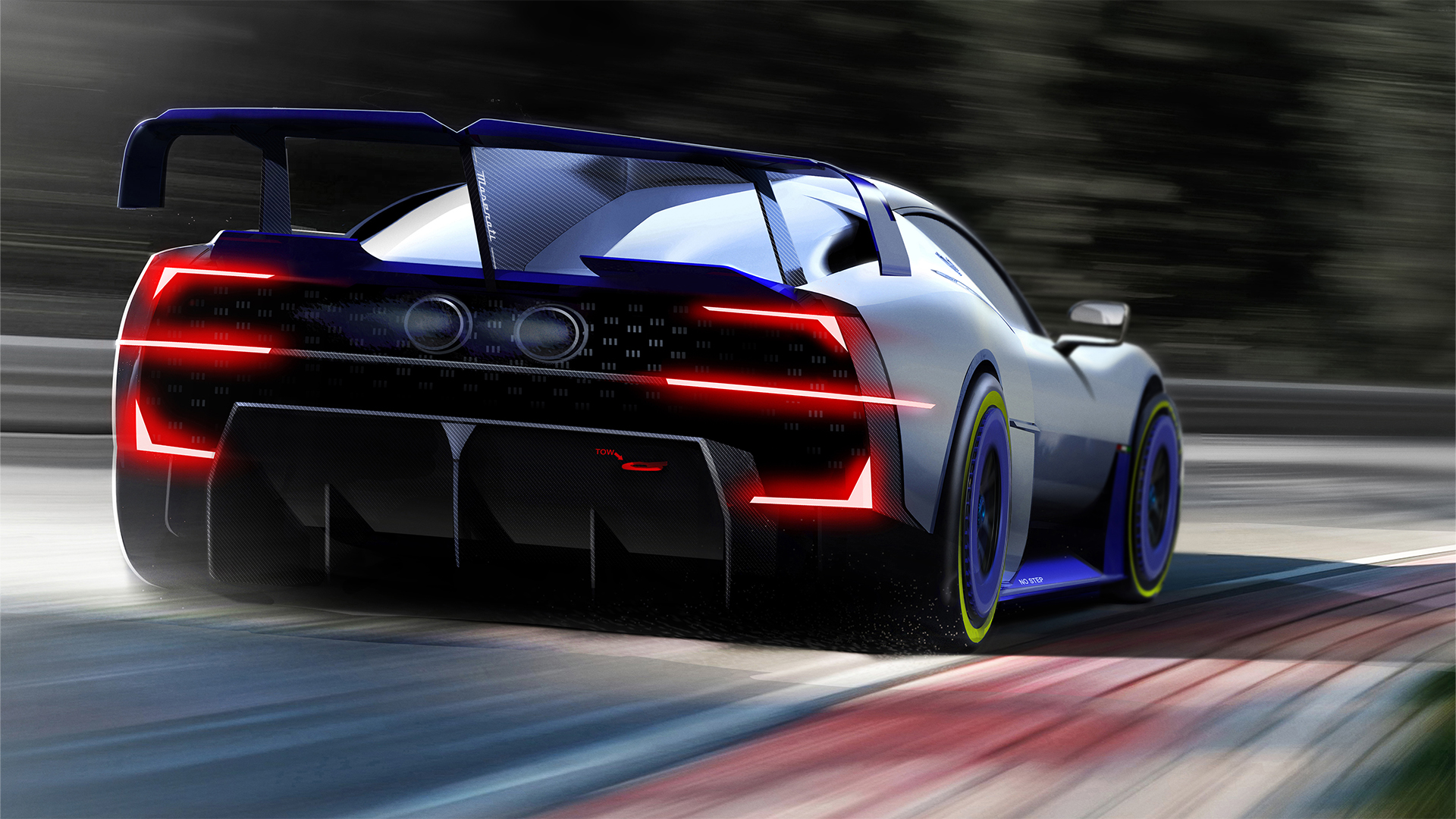
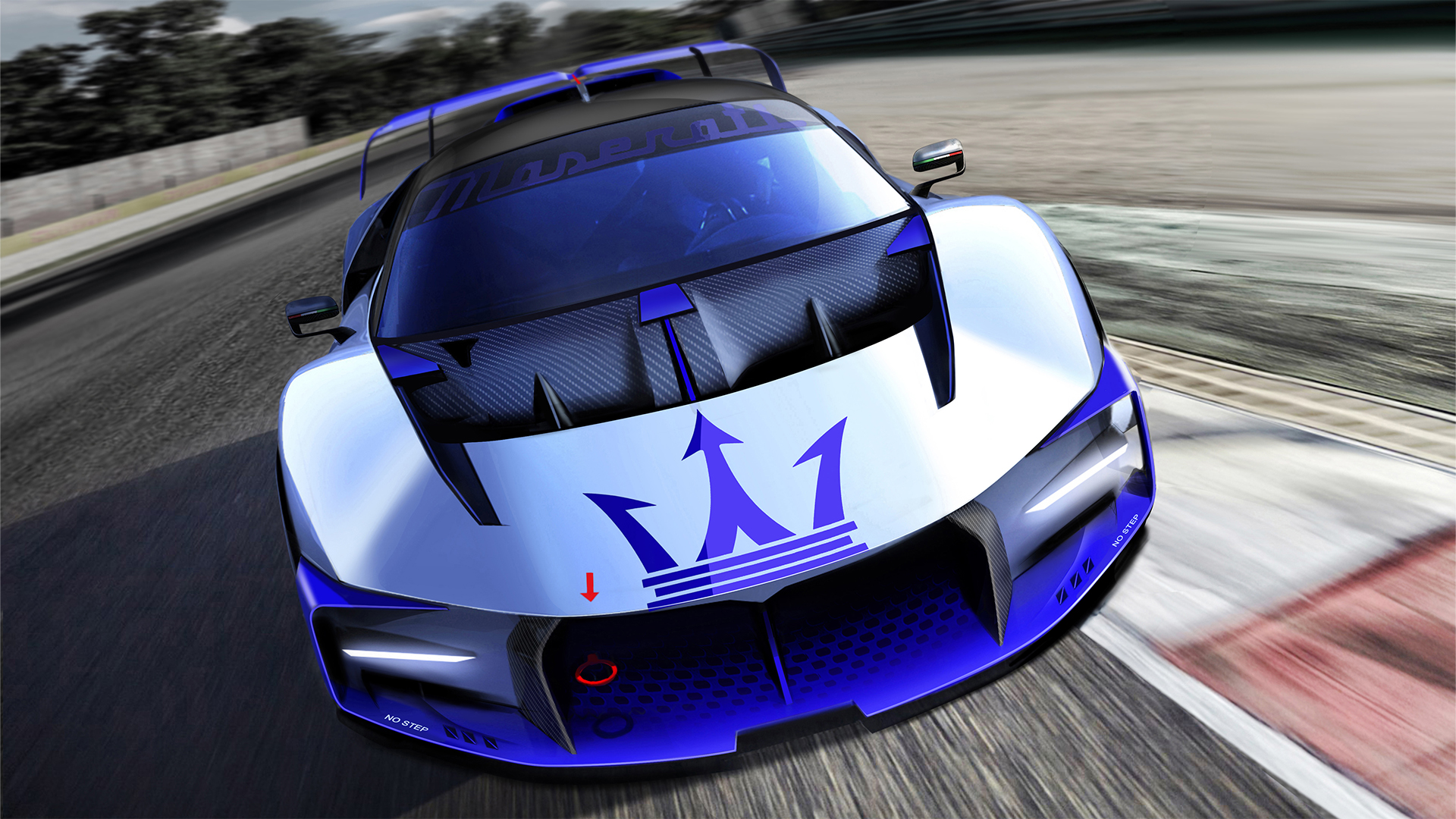
Despite sharing its base with the marque’s flagship sports car, the Project24’s bodywork has been completely overhauled, with the shape of the glasshouse being the only carryover part.
With a new look penned by Centro Stile Maserati, the Project24 replaces the MC20’s front clip with slim LED headlights and adjustable front splitter, while a large vent across the bonnet helps with airflow. An adjustable rear spoiler is standard to fine-tune aerodynamics on the track.
The body panels are manufactured from carbon fibre and specific natural fibre components, allowing for an ultra-light design at under 1250 kilograms – assisted by the MC20’s existing carbon-fibre monocoque chassis.
As such, the Project24 has a power-to-weight ratio of approximately 435kw/tonne – compared to the road car’s 1500kg mass and 315kW/tonne power-to-weight ratio.
Additional weight-saving measures include: unique windows made from high-impact transparent plastic and a stripped-back cabin featuring an FIA-homologated roll cage, fire extinguisher and carbon-fibre multi-function steering wheel.
Inside, the motorsport-like interior of the Project24 extends to race seats with a six-point harness, paddle-shifters, a data acquisition system and an adjustable pedal box. In addition, Maserati has fitted adjustable racing ABS and traction control.
A passenger seat, rear-view camera, in-car camera, telemetry recording, tyre pressure monitoring, and a ‘driving performance optimisation display’ are optional features.
Pricing and full launch details for the Maserati Project24 are yet to be confirmed, but the 62 units are likely to sell quickly.
Maserati will offer a range of exclusive services for owners of the track-only hypercar, such as track experiences and around-the-clock support.
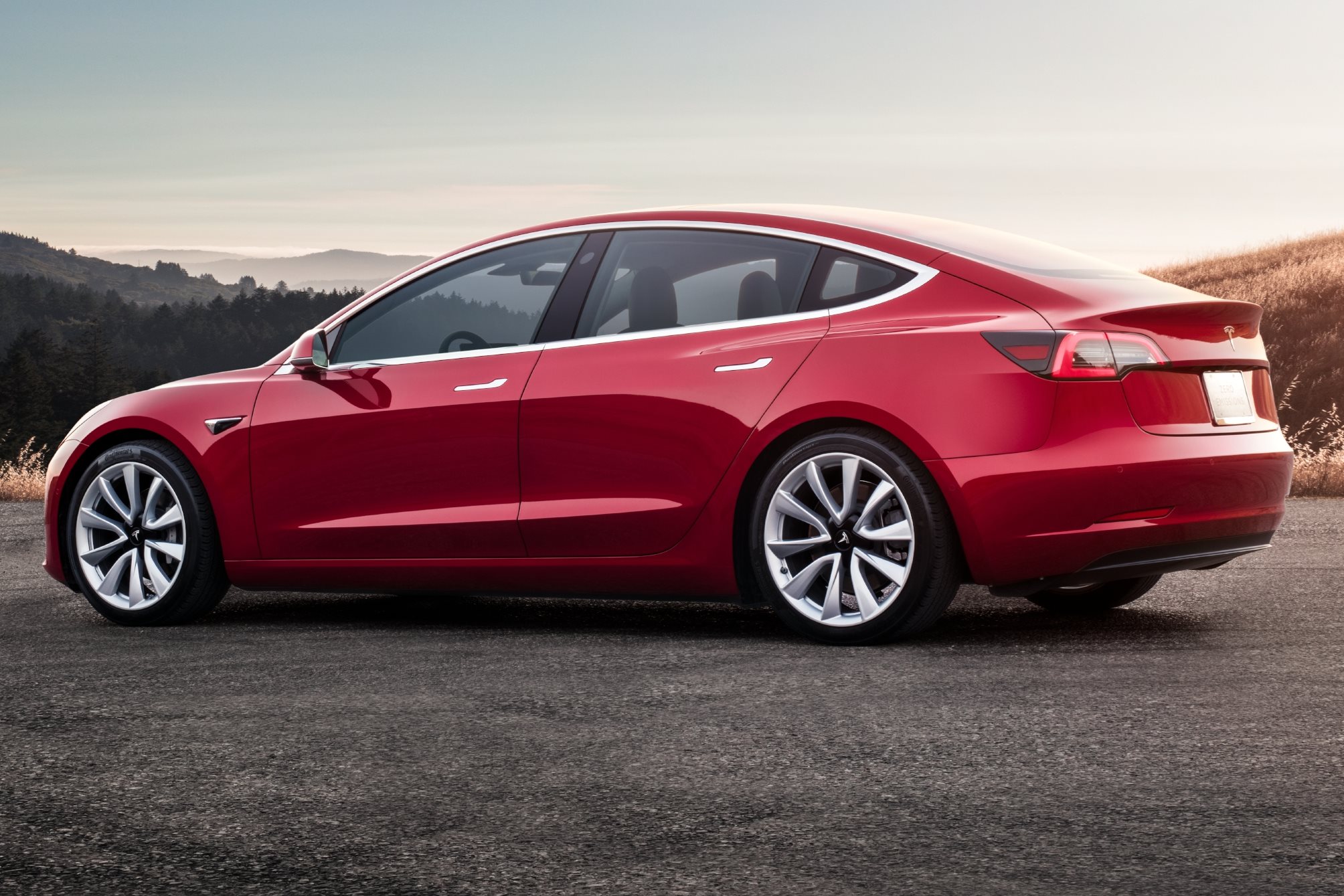
A Tesla owner in Germany has accused the company of painting over underbody cracks on their Model 3 electric sedan.
According to German publication Bild, the owner discovered cracks on the underbody while changing the tyres, before a Tesla service centre allegedly hid them with paint.
The case has reached the District Court of Munich, with an expert commissioned to examine the vehicle.
They reported that the car would not pass Germany’s rigorous TÜV, the country’s general vehicle safety inspection, meaning driving on public roads would be deemed unsafe and illegal.
However, the court is yet to determine if the damage is due to poor build quality or, potentially, the result of an accident.
It is the second case to reach the same court in recent months, with another Tesla Model 3 owner discovering scratched, deformed and torn jacking points, allegedly caused by a robot at Tesla’s Fremont plant.
Christoph Lindner, the lawyer representing the owner, said he received a note from Tesla stating “the factory process was improved on April 26, 2021”, reports German outlet EFahrer.
According to the paper, Tesla told the owner the cracks were of a “cosmetic nature”; however, an independent expert certified damage to the floor assembly – again questioning if the vehicle would pass its next TÜV inspection, which is designed to keep older, unsafe cars off the road.
The regional court is yet to reach a final decision for either case and, if the court agrees with the owners, likely remedies are unclear – with buybacks or redeliveries possible for the affected vehicles.

However, a more significant issue for Tesla could be the potential for additional lawsuits to surface on alleged build defects worldwide.
Tesla has not publicly responded to the claims, as the US-based company dissolved its public relations department in 2020.
The electric carmaker has previously faced trouble in Germany, with a Berlin court banning the use of the ‘Autopilot’ term to market semi-autonomous driving functions in 2020.
Tesla CEO Elon Musk has admitted early versions of the Model 3 – produced in Fremont, California – were plagued with quality control issues during a video interview with Sandy Munro in early 2021.
Munro, an engineering and tear-down specialist, showed panel gaps on his personal Model 3, with Musk blaming production ramp-up during 2017-18 for the initial build concerns.
“It took us a while to iron out the process, especially during production ramp-up,” said Musk.
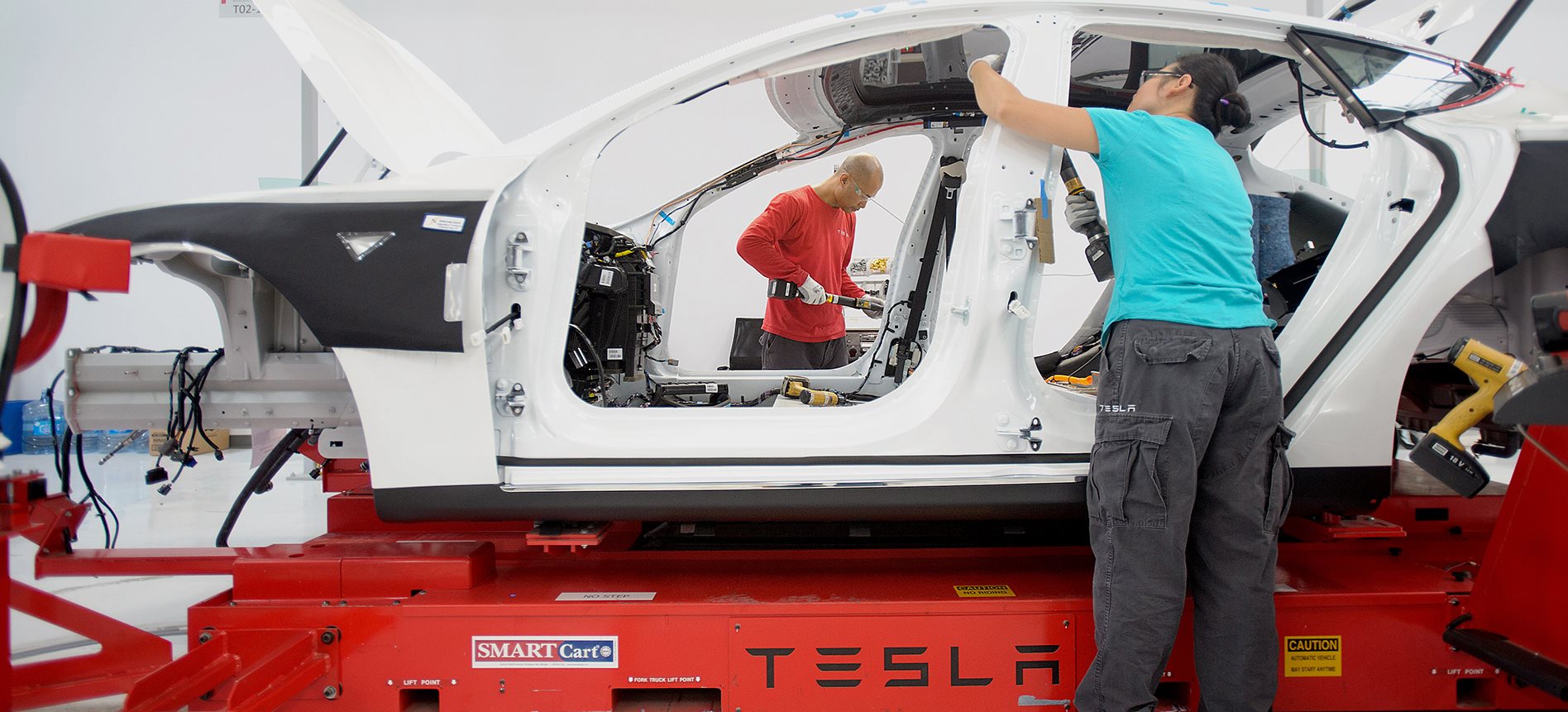
“During that [time], it’s super-hard to be in vertical climb mode and get everything right on all the little details. So if you really want things to be dialled, it’s either very early cars or once production has levelled off. That’s when things are going to be best.”
Tesla has opened up a factory in Shanghai, China, which produces examples of the Model 3 and Model Y for Australia, New Zealand, and most Asian and European countries.
A manufacturing plant in Brandenburg, Germany – known as Giga Berlin – officially commenced production in March, initially building the Model Y Performance electric SUV.
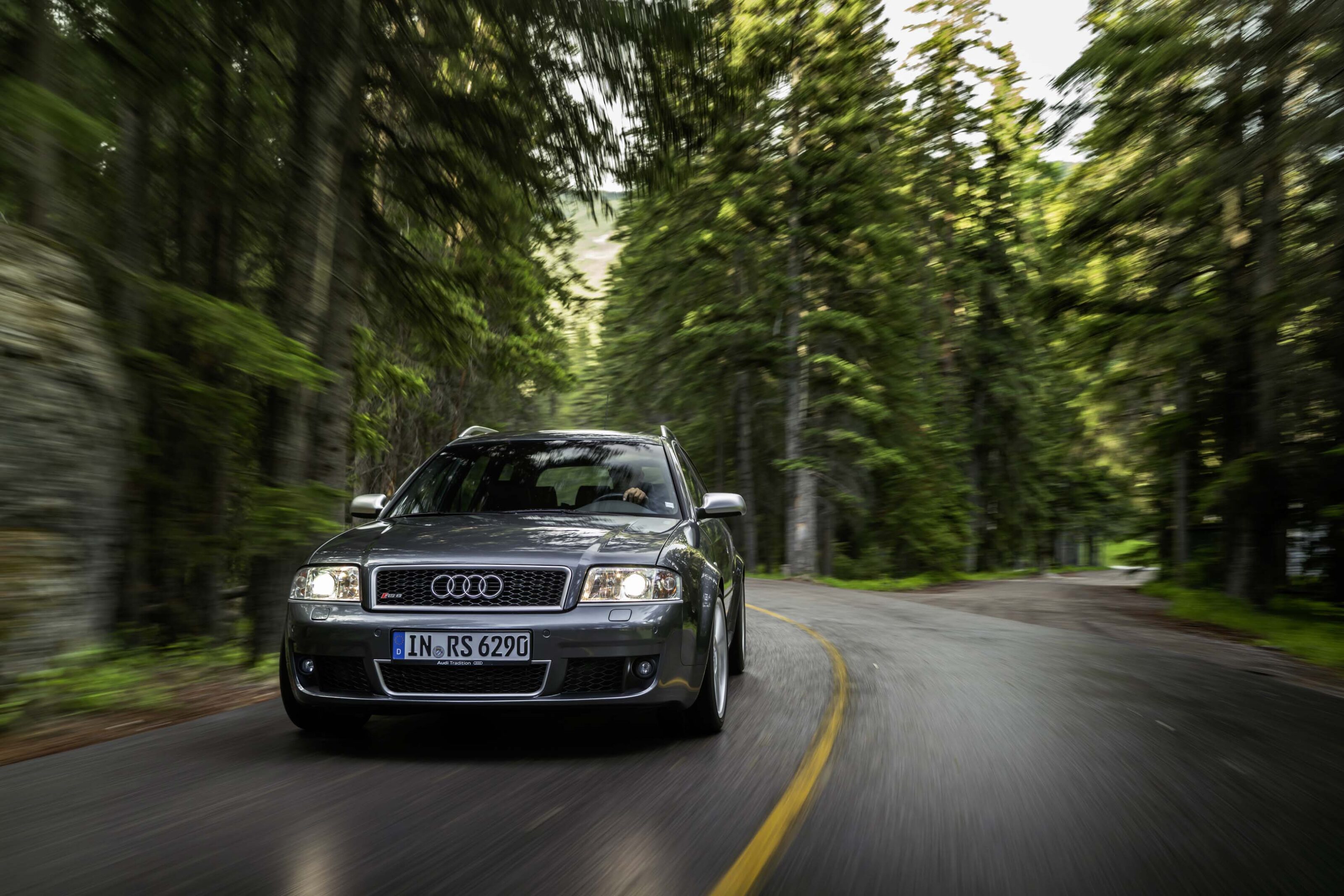
Push the throttle into the firewall and there is a brief hesitation as a pair of turbos spool up. I brace myself against the sculpted leather seats just as the boost kicks in, preparing myself to manhandle an manic rush of physics.
That moment never comes. Instead all four Bridgestone tyres grip up, and the Daytona Grey wagon – a dour silhouette that belies its mechanical potential – rides a sizeable wave of torque from 1950rpm toward redline, slotting another gear and reaching triple digits in well under five seconds.
Oh, did I mention this is a car from 2002? The The C5 RS6 is an oldtimer that can punch with the best of its modern equivalents.
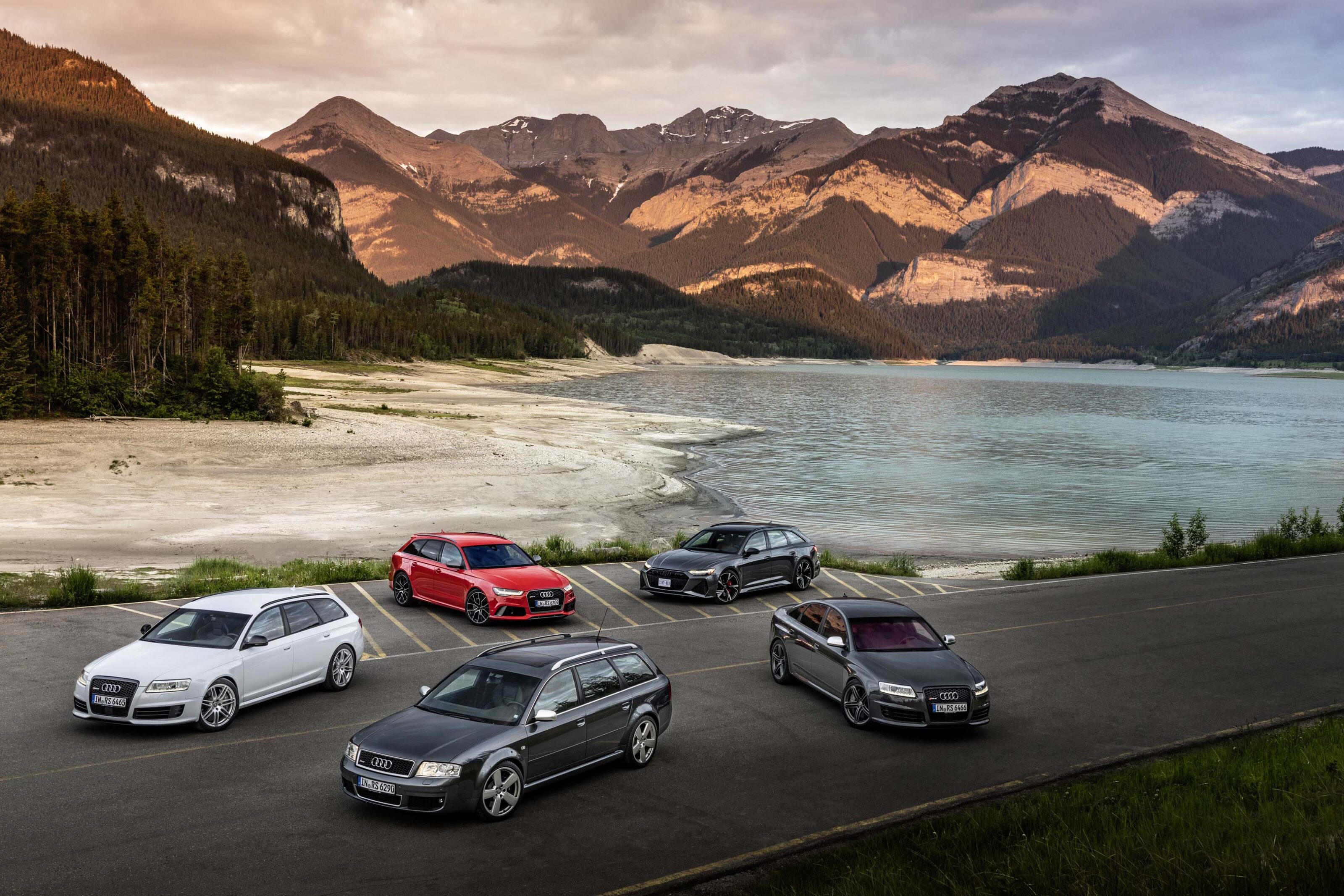
Two decades after its release, the C5 RS6’s performance potential hasn’t been softened by the passing of time. Even now, in an era of 500kW-plus weaponry, the original RS6 feels as potent and special as it did when it was revealed to the world at the Geneva International Motor Show at the turn of the century, becoming at the time Audi’s most powerful model to date.
The grey tarmac beneath the treads is the Icefield Parkway, one of North America’s most scenic routes, that winds its way along the Bow River through the towering vistas of the Canadian Rockies.
For today, this is the playground within which we will deploy the C5 RS6, with its three subsequent generations along for the ride to celebrate 20 years of Audi’s iconic nameplate. As far as birthday celebrations go, we were more than happy to take up the invite.
Even now, in an era of 500kW-plus weaponry, the original RS6 feels as potent and special as it did when it was revealed.
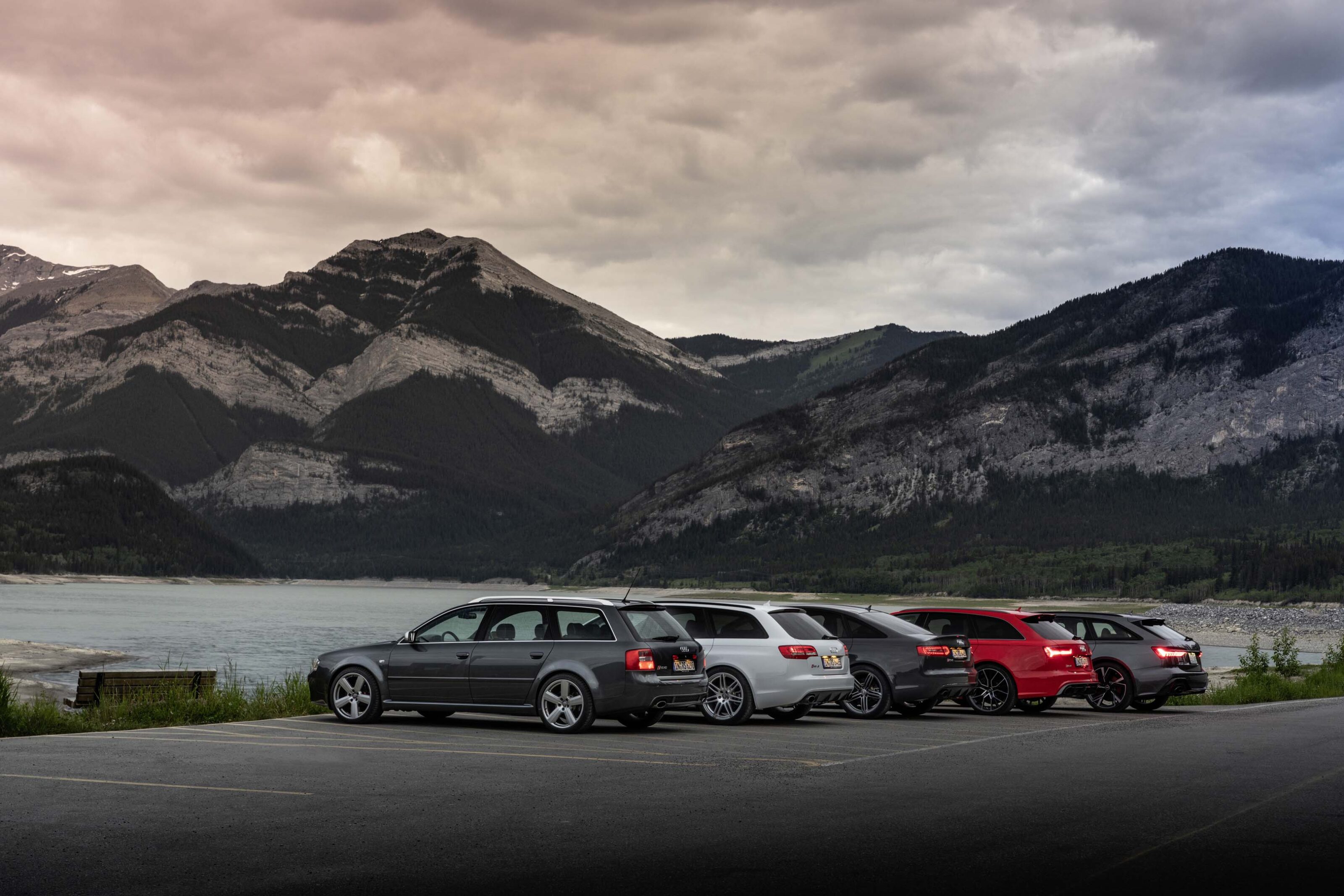
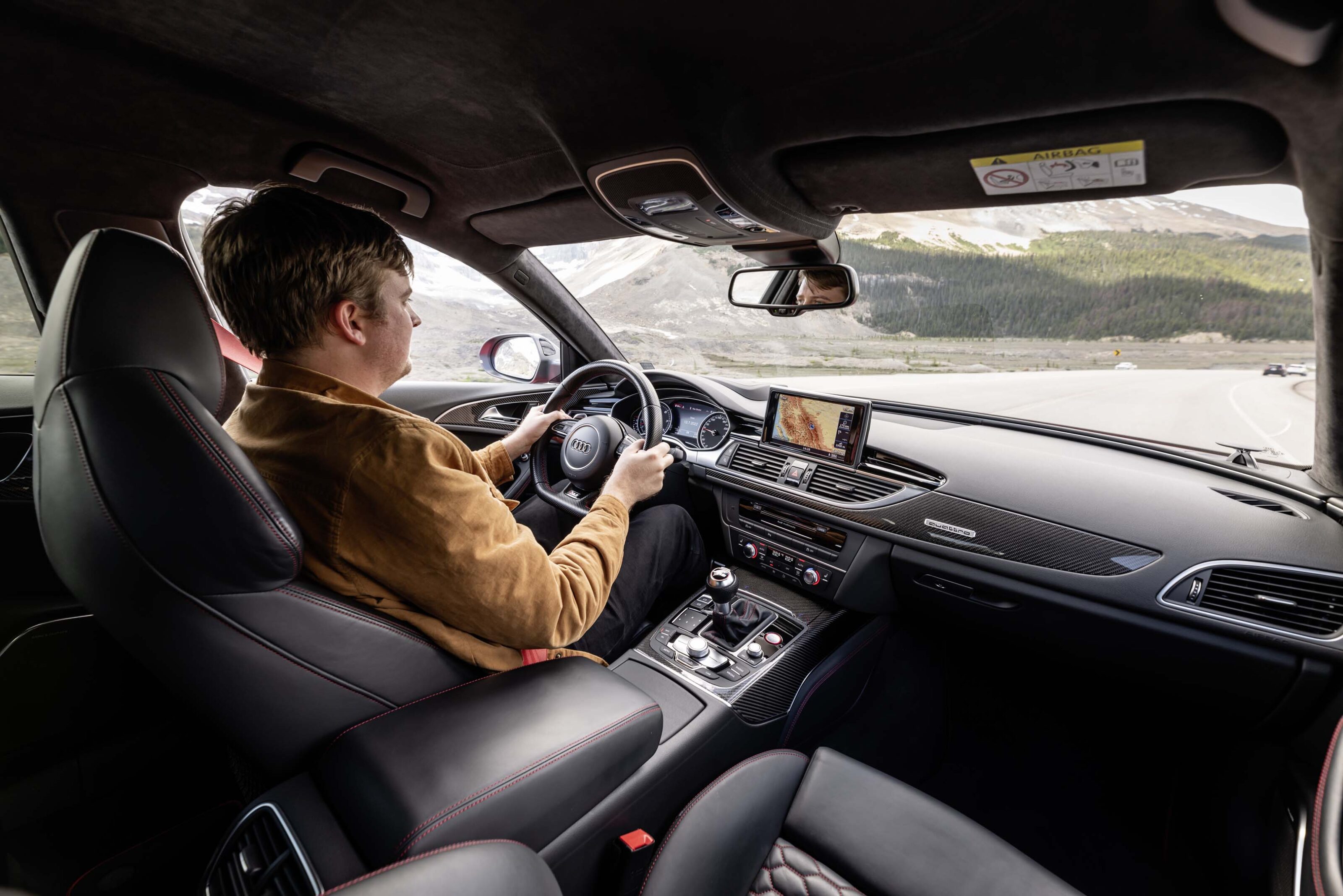
Wary of being chased out of the country by speed-gun wielding, scarlet-jacketed Mounties, I ease off the throttle after standing on it from a dig. What was just moments ago 1865kg of hot, nasty metal striving for exit velocity has transformed into the calmest of cruisers.
If Audi was to capture the essence of its RS6 models, that snapshot is what it would distil. In the first ten seconds behind the wheel of the C5 I’ve gone from a standstill, to hauling ass, and finally to sublime cruising. It was as effortless as it was thrilling.
It’s an unfortunate reality of human nature that we are terrible at having a proper perspective on the progression of history. In isolation, twenty years is a sizeable chunk of time, but in the wider automotive world it’s undoubtedly a rather brief period.
It’s certainly the briefest blip when set against the tectonic disagreement that created the mountains we’re driving through. But instead of getting diverted by the way these sedimentary peaks have risen like a bunching rug sliding on a hardwood floor, perhaps we should take stock and consider how the Audi RS6 has changed the automotive landscape, in a modest but undeniably definitive regard.
Wagons, particularly fast wagons, are a rare and dying breed. Few manufacturers have been willing to dip their toes into this particular niche product pond and, those that do, don’t tend to dive in all that enthusiastically. Then there is Audi, which revels in the genre, to the point of becoming synonymous with it.
? February 2024: RS6 GT revealed as C8 swan song
Hey, it’s Wheels phoning from the future. Audi has revealed a fitting finale for its C8 RS6, dubbed RS6 GT. Read about it at the featured story link below.
Story continues…
There are long-roofed performance models that precede the RS6 in Audi’s history, namely the RS2 and RS4, but it is the RS6 that sits atop the totem pole of fast family haulers.
It’s a badge that has smacked both BMW’s M division and Mercedes-AMG in the chops with benchmark power figures paired with luxurious refinement. In latter generations, it even conquered the art of hunting apexes.
For its genesis, the RS6 playbook was clearly defined. Using an aluminium 4.2-litre twin-turbo V8, the C5 produced 331kW between 5700rpm and 6400rpm, and 580Nm across a plateau that stretched from 1950rpm all the way to 5600rpm.
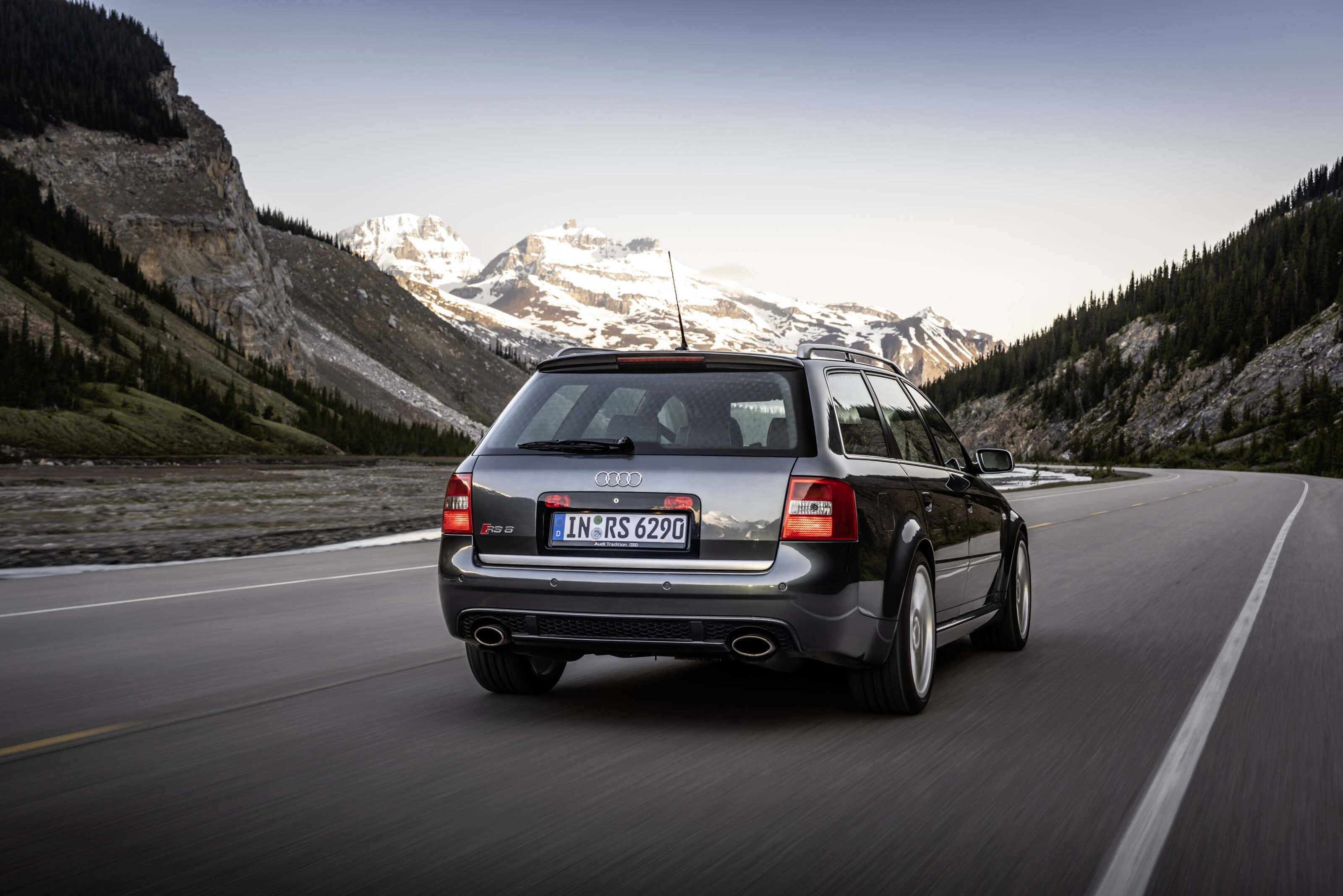
For its genesis, the RS6 playbook was clearly defined.
The powerhouse engine is mated to a five-speed torque converter automatic transmission that sends power to all four wheels as is Quattro tradition. Even today, 331kW is a stack of power, with that exact output generated by a contemporary RS5. When it was launched in 2002, the C5 RS6 was more powerful than any road car that had sported the four rings.
While it’s often the peak power output that gains attention, the RS6’s torque is the true hero of the driving experience. It hits quickly, with turbo lag only a momentary intrusion from a standstill, and all but absent when rolling.
The ever-present godlike shove in the back means that whenever you decide to squeeze the C5’s throttle, you surge forward without fuss or flare. With an exception for the subtly flared arches and noting that few onlookers will be able to recall the RS6’s prodigious outputs upon seeing its sedan and Avant form, the audio-visual signature of the C5 is unadulterated sleeper.
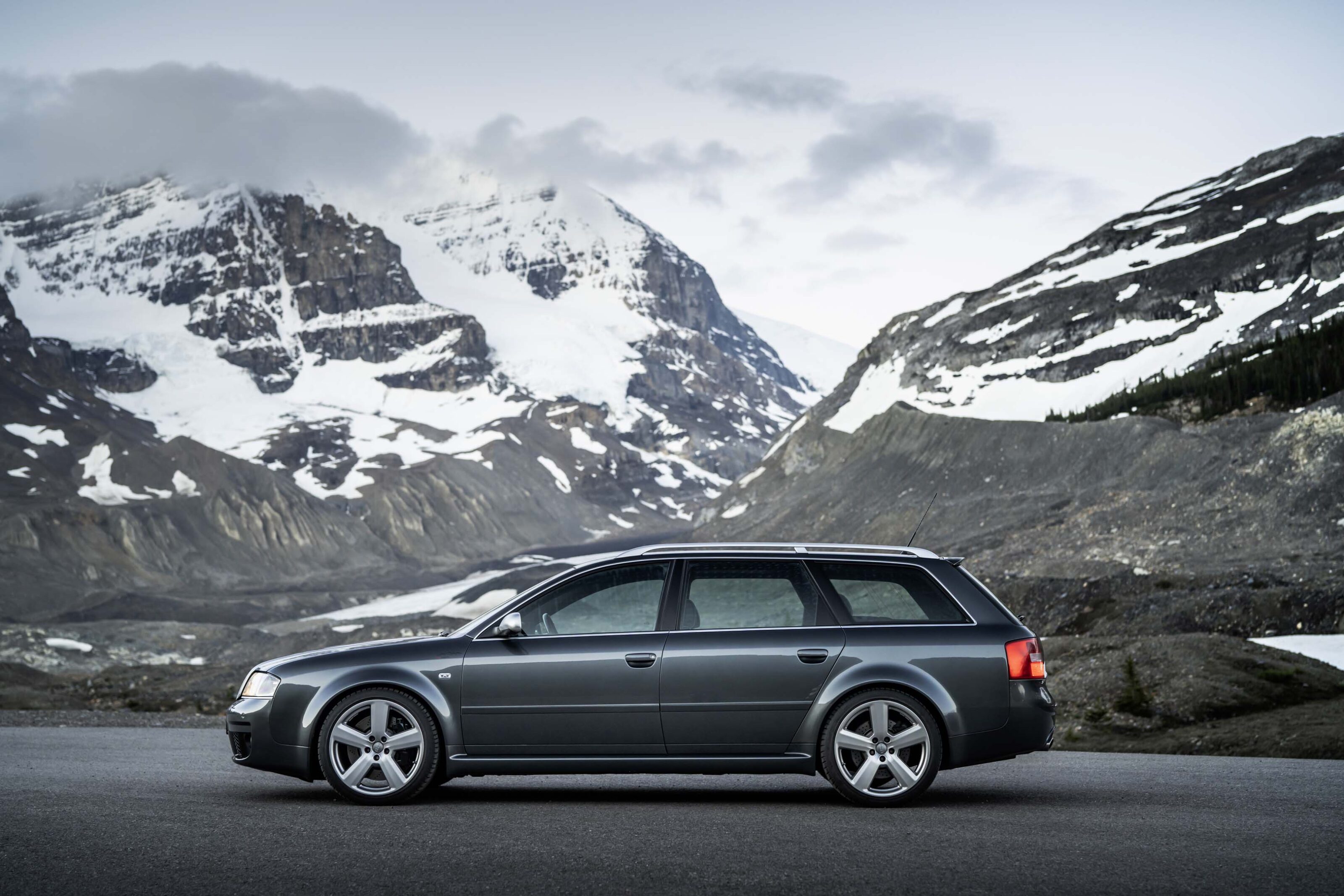
Fire the engine to life and the V8 burble is pleasant without being loutish. The first impressions are understated.
It’s a credit to Audi’s engineers that they possessed the clarity of vision for this model that four subsequent generations have followed in its footsteps with only gradual progressions, each improving the breed, raising the bar, and continuing the nameplate’s record of success with critics and consumers alike. Now, what other model does that remind you of?
Driving the C5 is an event, not because of anything overt but due to the way it hides its age. There are clues and hints to the fact this is a 20-year-old vehicle, but for the most part, the first RS6 offers a driving experience that plenty of modern machines could learn from.
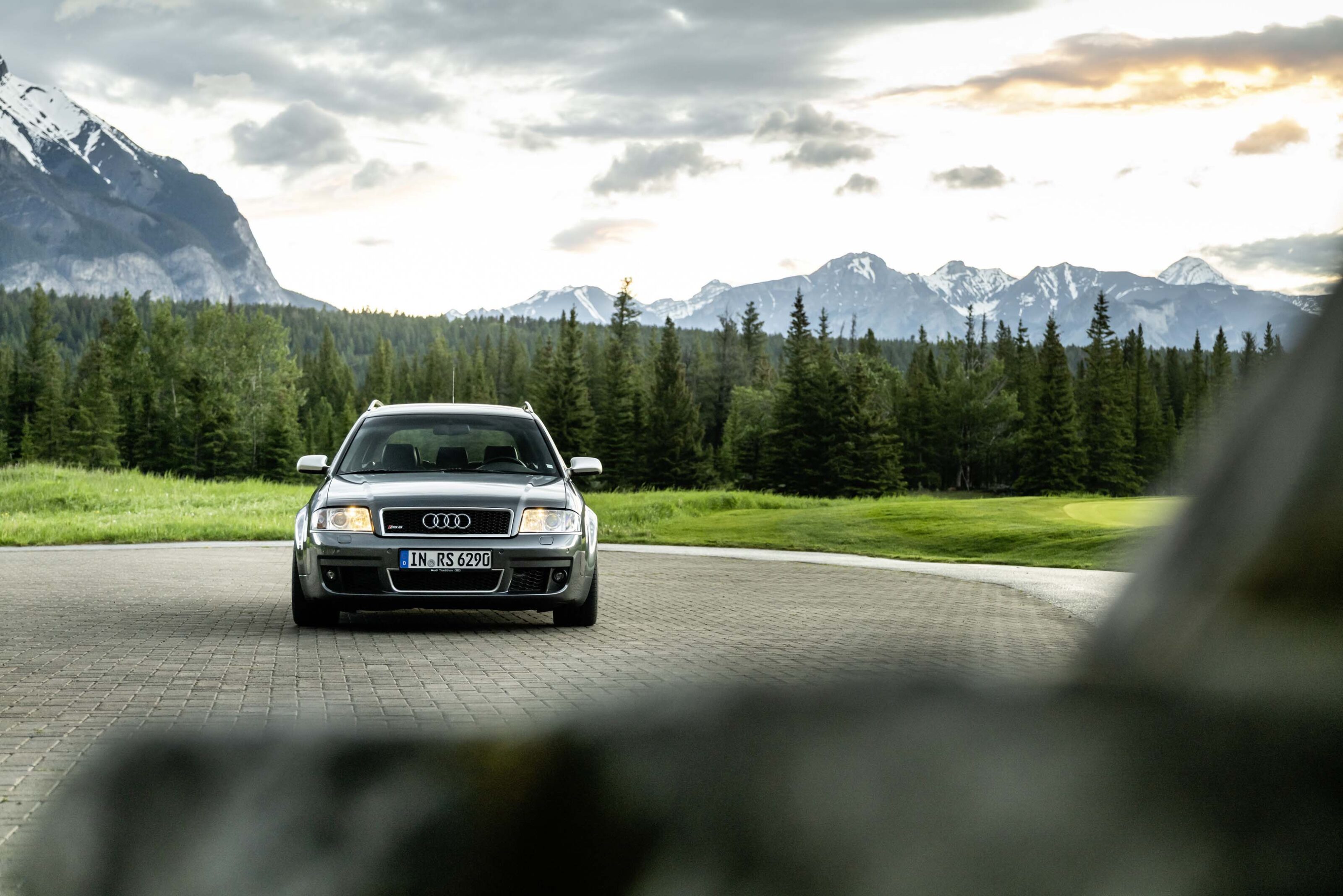
There’s a distinct weight to the steering. It’s not hefty, but instead dripping in feel and texture. The ride, which used cutting-edge for the time hydraulically linked dampers, is supple and refined. Noise suppression is superb, and the seats offer the kind of cushioning that would have me pointing the nose toward a way marker 1000km away just for the hell of it.
What ages C5 the most is the gearbox. It’s the only chink in the armour for what is a resoundingly complete package even by today’s lofty standards.
However, the five-speed auto lacks the sophistication to match the RS6’s ambitions.
Where the engine is a sweetly tuned sledgehammer ready to hit any nail you ask of it, the transmission is a rubber band that will see it bounce back at you. It can be too slow to kick down a gear on one throttle application, and then too eager on the next.
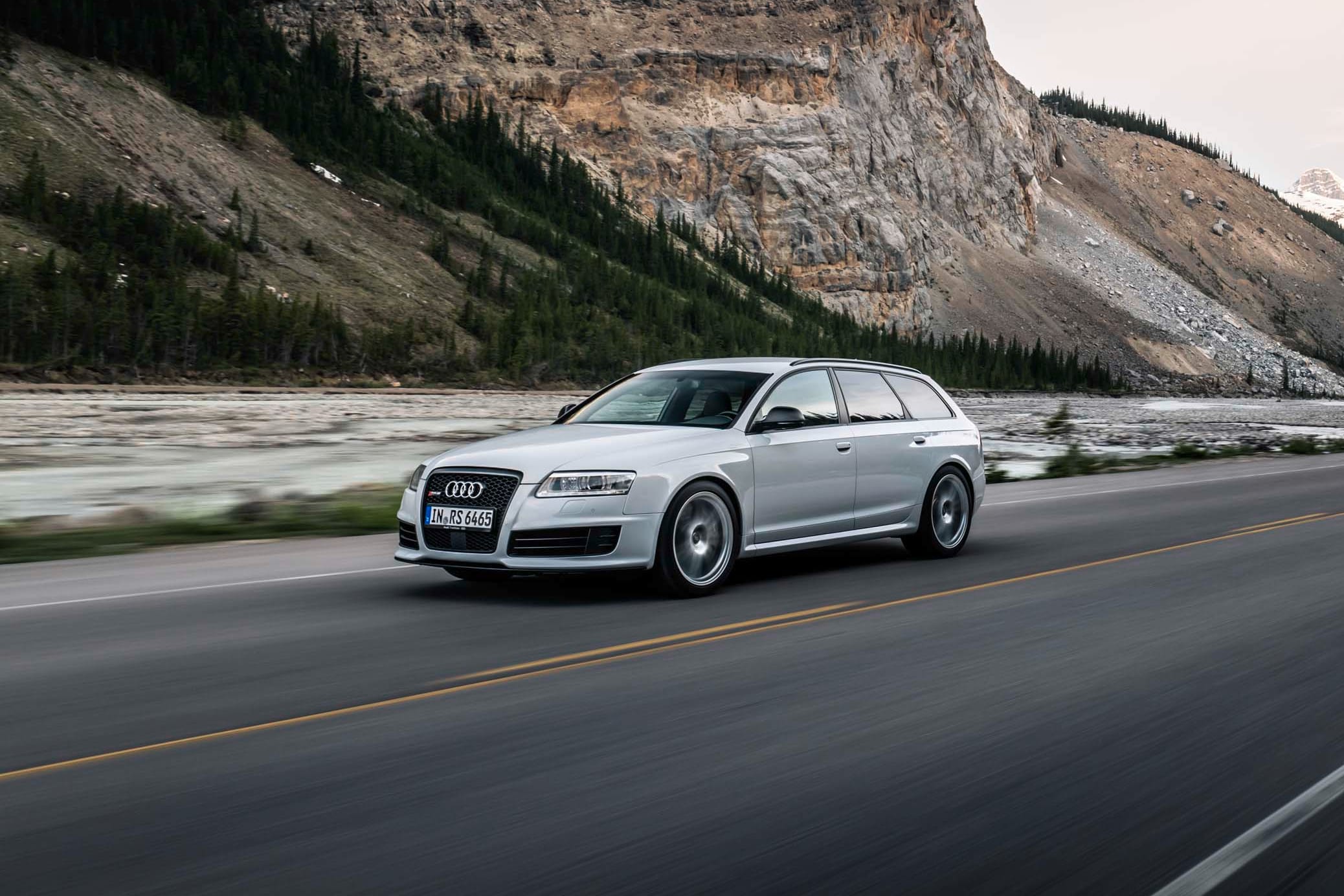
Most jarring, though, is the clunk that emanates from the transmission tunnel after you lift off the throttle on a downhill. I winced in sympathy each time it happened.
Then came the follow-up album. The C5 was a remarkable debut, but the C6 was the show-stopping evolution. Bigger, faster, and to this day one of the most legendary models produced by Audi’s go-fast division. Have mercy on my soul, for today’s menu includes not one twin-turbo V10 powerhouse, but two.
First launched in 2008, the C6 took the RS6 badge to new heights. Before we get into the specifics of what the sophomore RS6 brought to the table, it’s important to understand what the competition was packing. BMW was sitting pretty with the E60 M5, a similarly V10-powered brute.
The C5 was a remarkable debut, but the C6 was the show-stopping evolution. Bigger, faster, and to this day one of the most legendary models produced by Audi’s go-fast division.
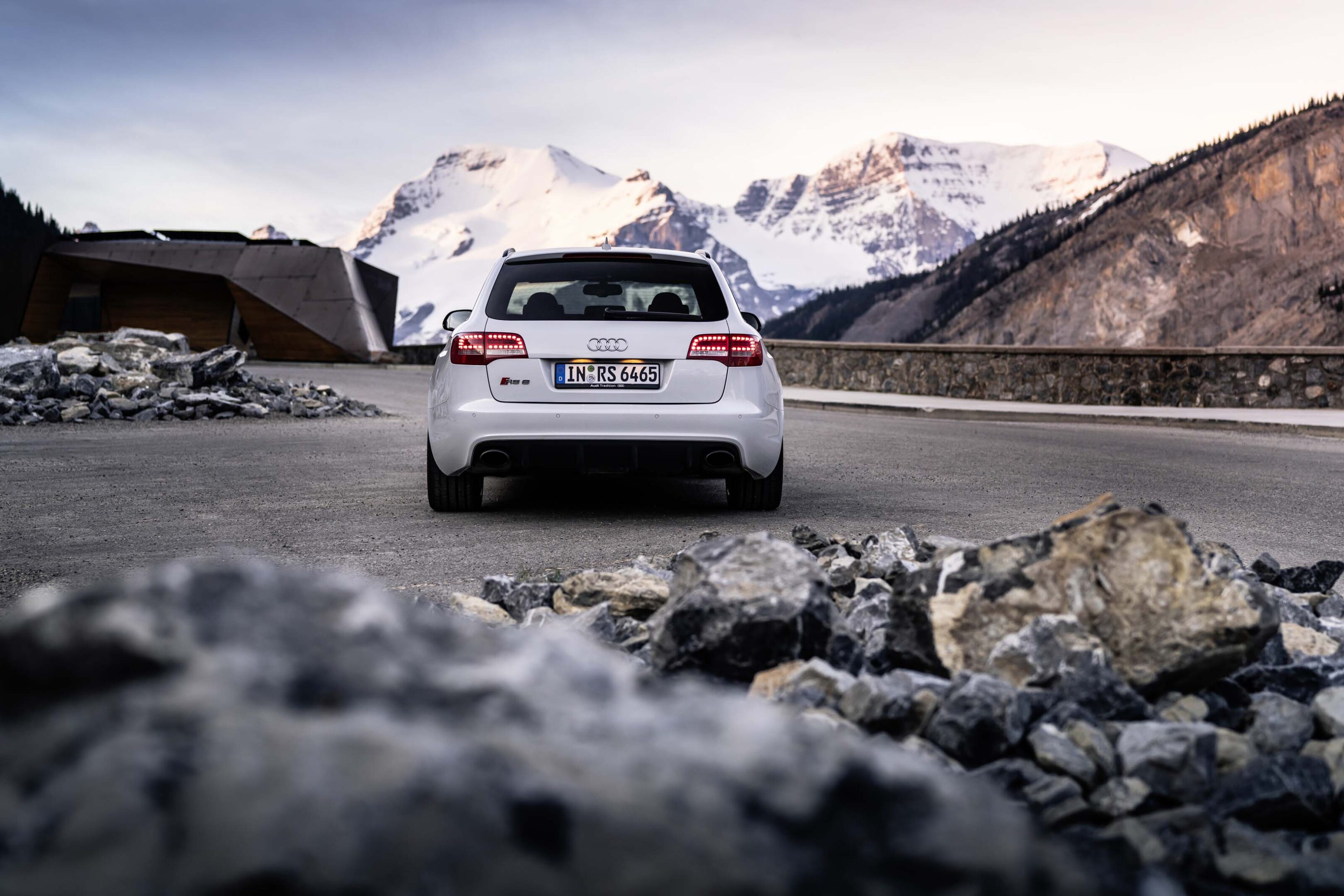
No doubt the M Division was feeling pretty smug with their 373kW and 520Nm. Mercedes-AMG was sending off the W211 generation E-Class with the 378kW/630Nm 6.2-litre naturally aspirated V8-powered E63, and preparing to bring in the W212 generation that would lift peak power output to 386kW.
How their faces must have dropped when Audi revealed the C6 RS6 to the world in all its 426kW/650Nm glory. The competition wasn’t just beaten, it had been blown out of the water.
The first of the two C6 RS6’s I have the privilege of driving is an early production sedan, finished in Nimbus Grey with a Cognac leather interior. It’s the only RS6 in the world with this particular combination.
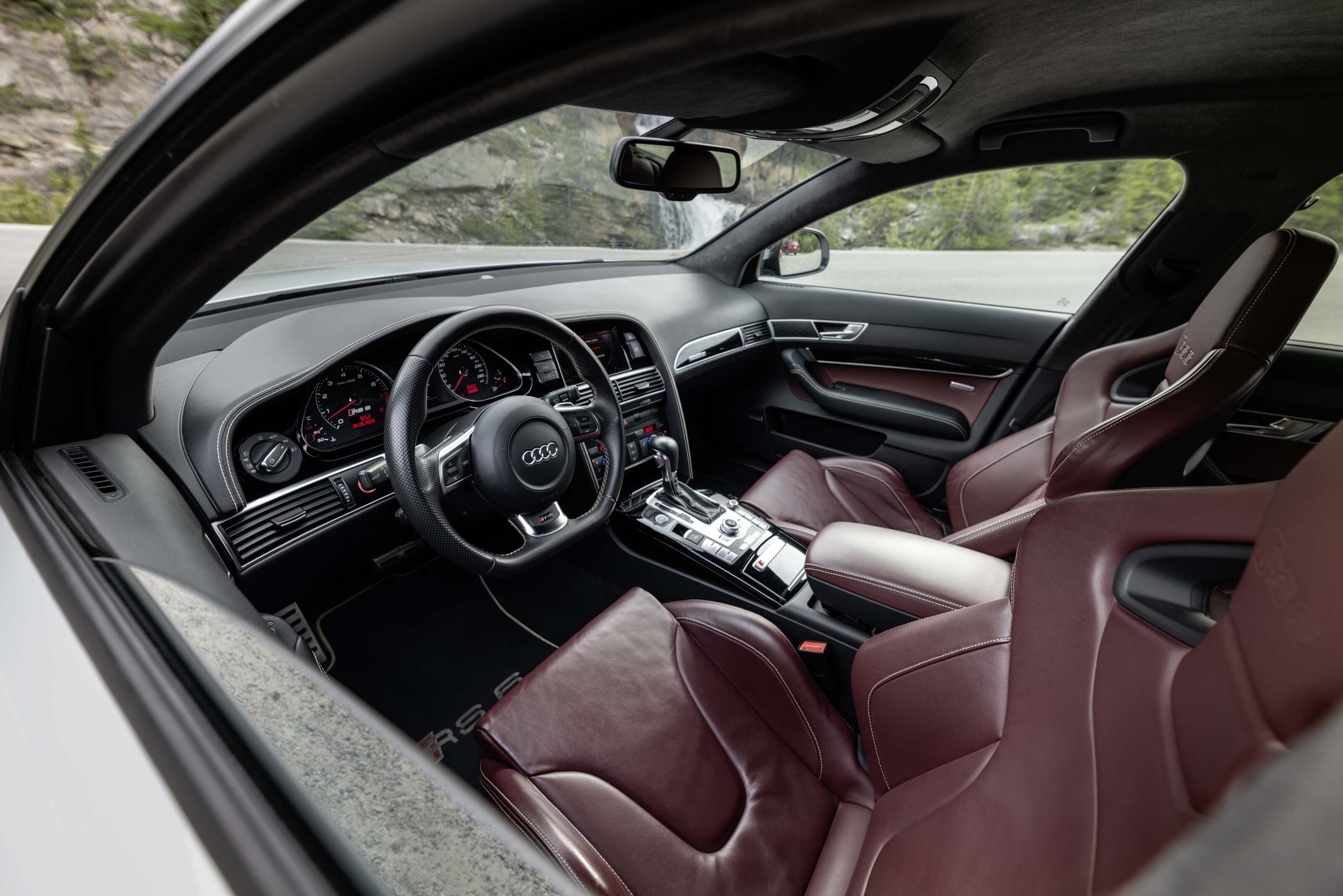
By way of explaining the unique specification, this used to be the company car of Stephan Reil – the former head of Audi Sport. Oh, and he’s riding shotgun. During our drive together he shares a number of fascinating insights from the C6’s development process.
Audi always knew that the second-generation RS6 would be fitted with a ten-cylinder engine from the moment it began development. At the time the company had access to a variety of 5.0-litre V10 engines, with the S6 featuring a naturally aspirated version of the engine (albeit one with a much lower redline than that fitted to the R8).
Under Audi Sport’s internal decree, all RS models must produce “at least” 100 horsepower more than the S variant in any particular vehicle family. Reil explains this left the engineers of the C6 with two options. The first was ready-made, with the R8’s 8500rpm naturally aspirated V10 clearing the 100hp barrier to the S6 with ease.
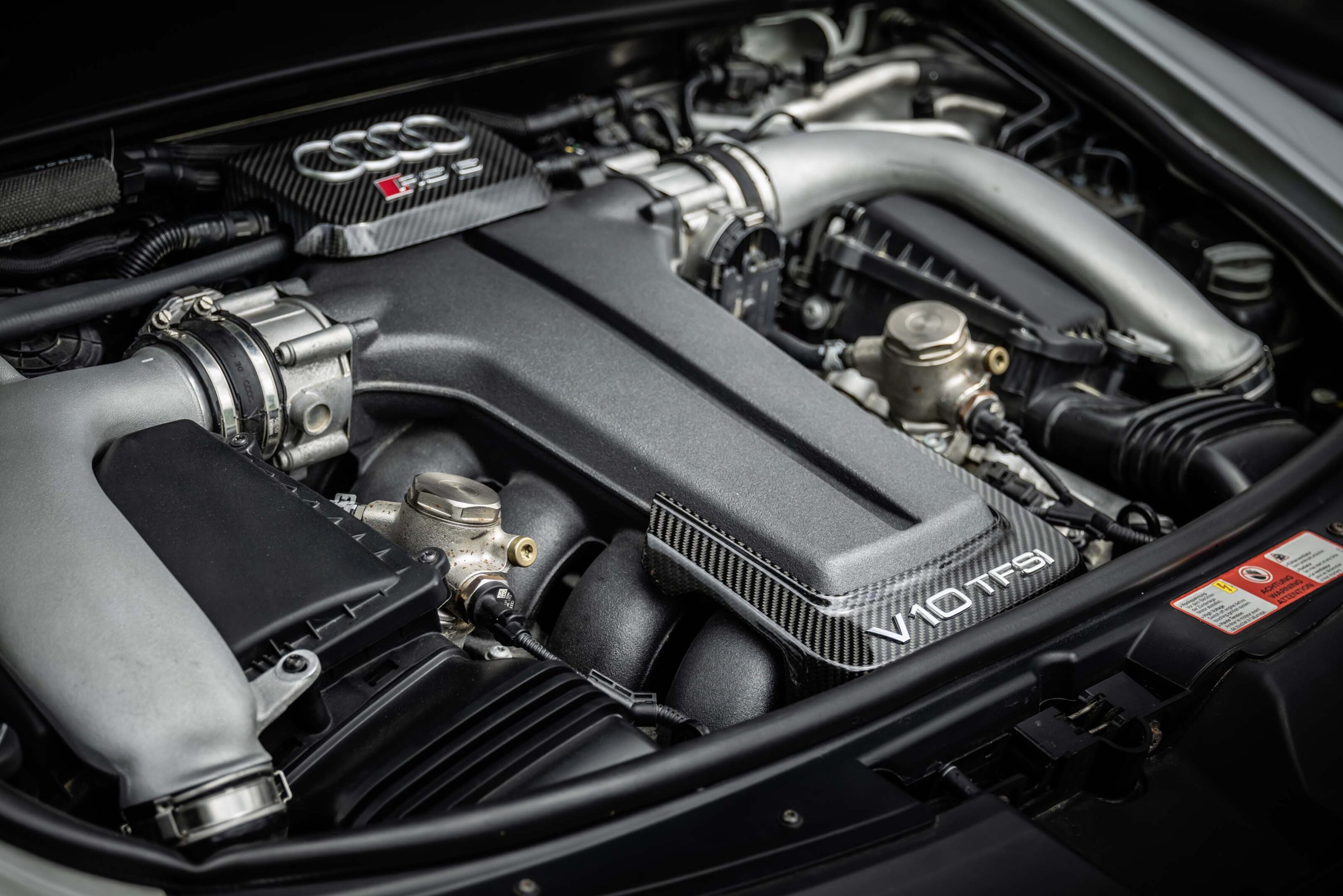
The second proved a more considered technical package (not to mention the packaging nightmare) of wicking up power with the aid of two turbochargers. The fact the C6 unleashes every one of its available 650 Newton metres from 1500rpm all the way to 6250rpm is the easiest way to explain why option two won out.
We understand the reasoning behind Audi’s move to turbocharging, but just for a moment imagine what a screaming atmo V10-powered RS6 would have been like. Every school run would sound like a Grand Prix. As Reil and I discuss this hypothetically, I become acutely aware of the RS6’s refinement.
Those expecting a distinct ten-cylinder exhaust note will likely be disappointed by the C6. That same subdued auditory nature from the C5 continues here, with the engine doing its talking by propelling the RS6 to eye-watering speeds with ease rather than to a screaming exhaust soundtrack.
There has been a persistent myth surrounding early generations of the RS6 when it came to their official top speed claims. On paper, the needle on the C5’s speedo was meant to stop moving at 250km/h. Out in the real world, owners have reported something closer to 270km/h before the C5 would run out of puff.
Same with the C6, with Audi’s official claim being 250km/h, or 274km/h with a factory option to unshackle the V10 from restrictions. In actuality, the derestricted top speed started with a three. This being Canada and not Germany with its glorious no-limit Autobahn, I don’t have the chance to go full Mythbusters and answer the question of the RS6’s true v-max potential.
But I do have Reil in the passenger seat and the child locks on. When I prod the former Audi Sport boss about these non-limiting limiters, he remains coy for the most part before a wry smile spreads across his face. “Maybe that wasn’t our best work,” he then admits with a hearty chuckle.
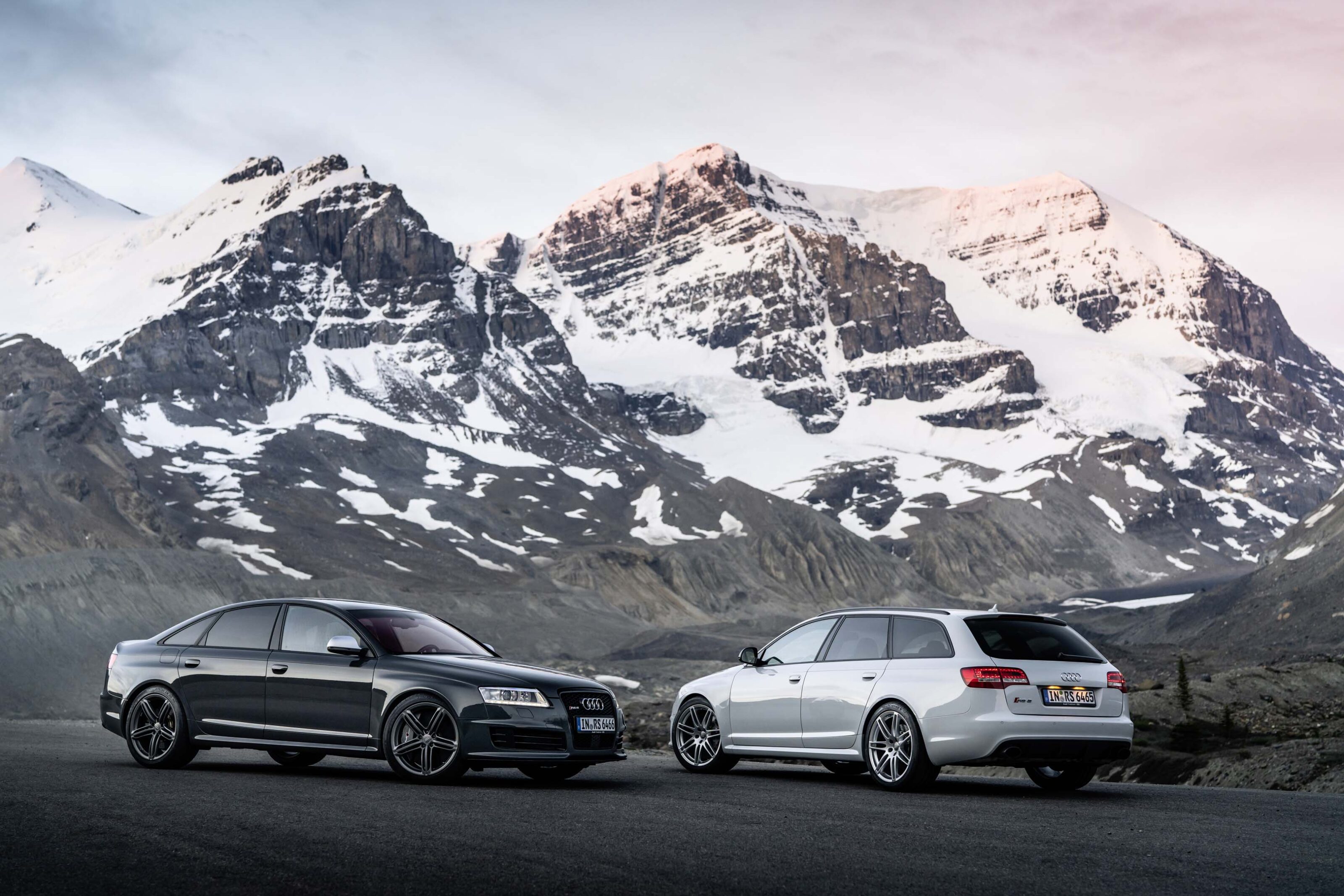
While the engineering team may have knocked off early for a stein and some currywurst when signing off on the speed limiter, they had to be on their game for the engine management system. The twin-turbo V10 required some out-of-the-box thinking, with no ECU on the market at the time capable of running it appropriately.
To solve this problem, Audi used a pair of control units in a master-slave set-up. This mechanical IQ improvement carries over to the way the engine pairs with the transmission, which in this instance is a six-speed torque converter. The addition of the extra ratio over the C5, and half a decade of tech advancements does wonders for the C6.
Where the gearbox in the first RS6 feels like a hindrance, here it adds to the car’s overall feeling of unbreakable refinement and performance.
Fun fact, the RS6 has never been fitted with a dual-clutch as Audi felt an automatic was a more pragmatic solution given the amount of torque each generation produced.
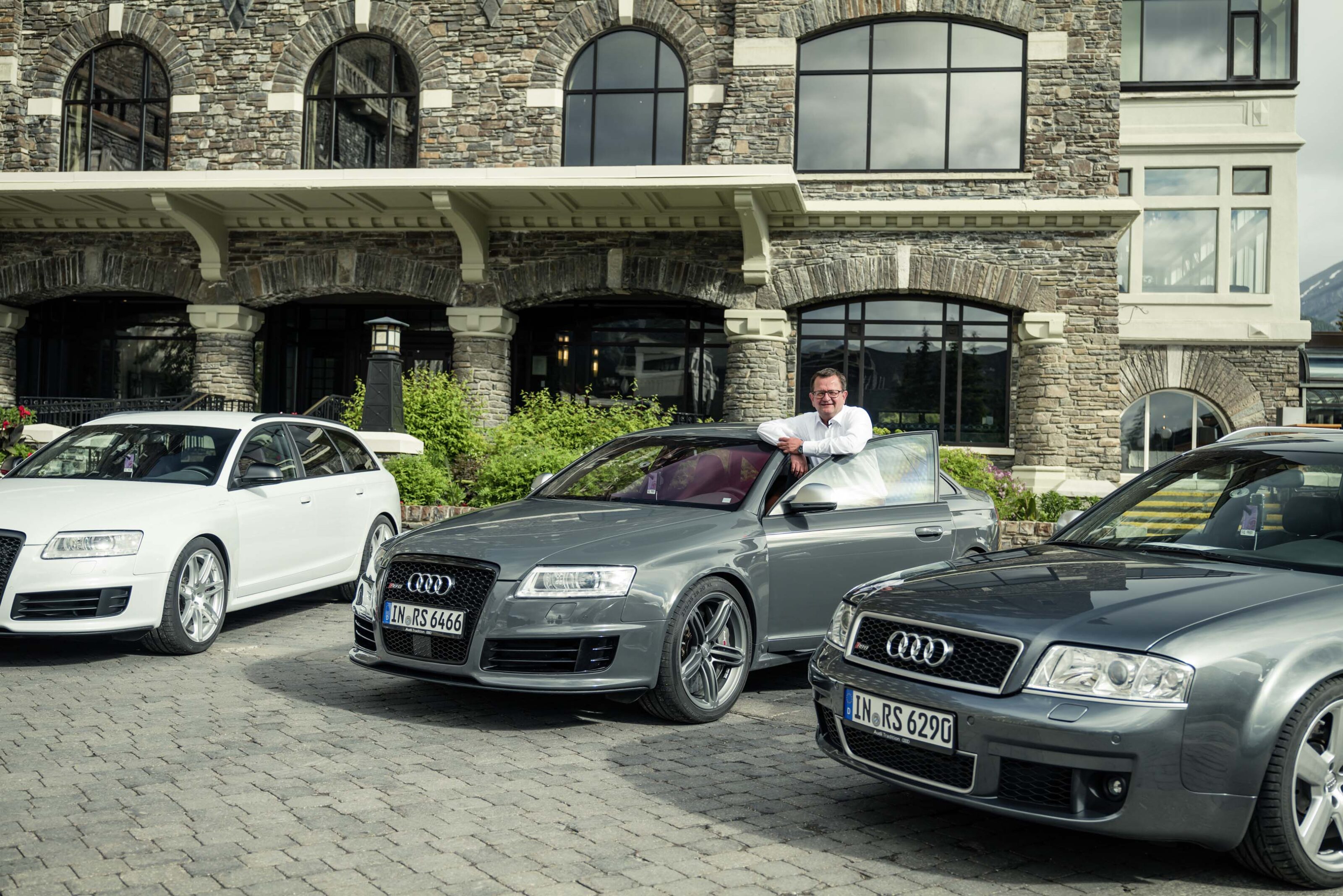
Advancements in suspension technology elevated the C6 to heights unattainable by the C5. Audi ironed out many of the reliability issues that beset the C5’s Dynamic Ride Control diagonally-linked hydraulic system, fitting the C6 with an updated system with tri-mode dampers.
Set it to its softest mode and the whole car breathes effortlessly over bumps and imperfections in the road, informing you without disturbing. Stiffen things up and you can feel the entire car tense.
Everything about the C6 feels unburstable. The steering has a rock-solid feel to it, pointing true and direct, requiring a deliberate input to turn the nose. Agile this car isn’t. It never feels lithe and light on its feet, instead reassuring you through its surefooted nature.
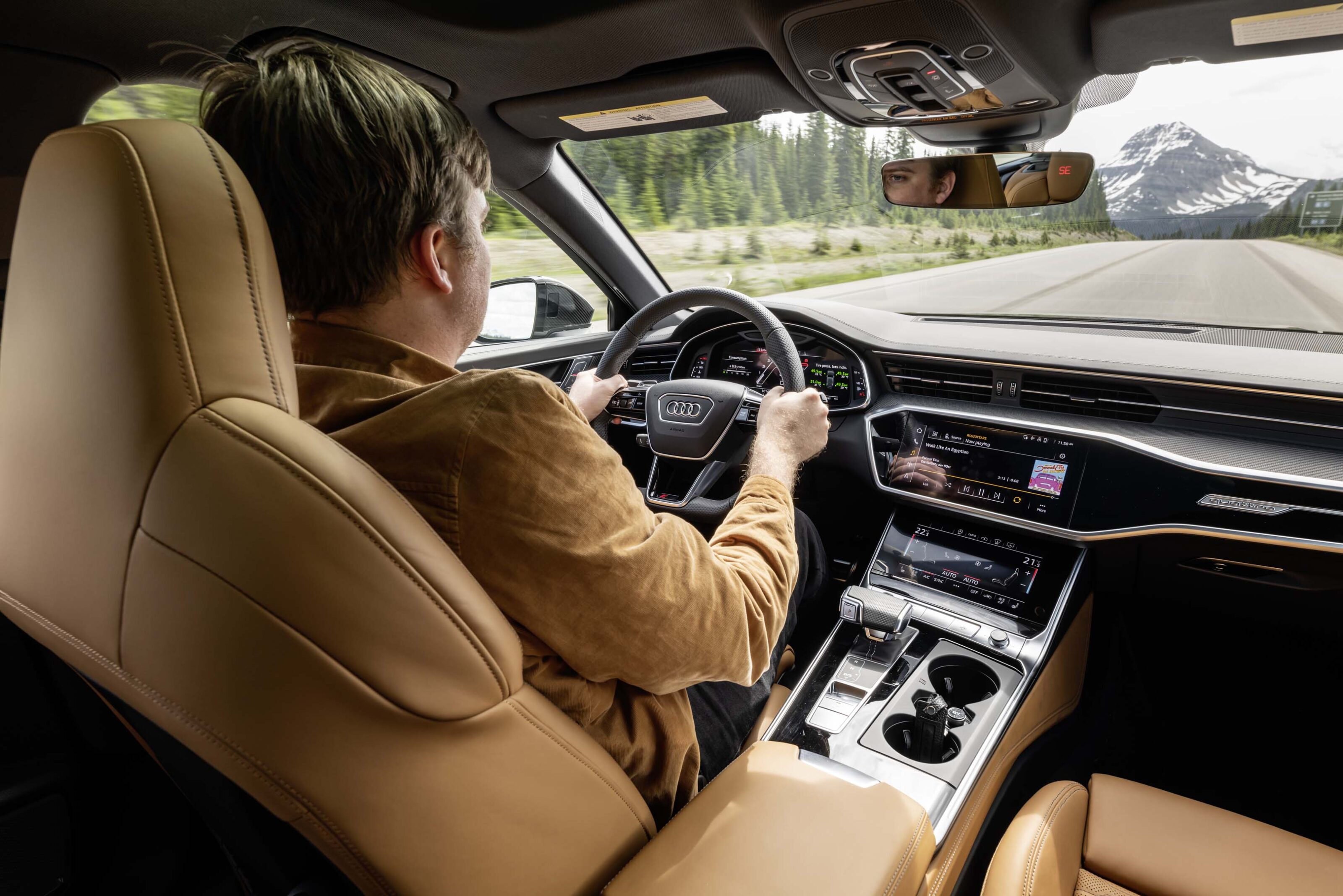
Unlike modern Audis, there is plenty of meat on the bone in the steering, and it communicates its grip levels beautifully. There’s a strong caster effect, with the wheel eager to return to dead ahead, pushing back against you every time you pitch it into a corner.
Yes, there is a huge amount of weight over the nose which does require careful management but you weren’t expecting a full-size wagon with a twin-turbo V10 engine to be scalpel sharp, were you? This is a cruise missile. Simply identify your target, lock on the horizon and boogie.
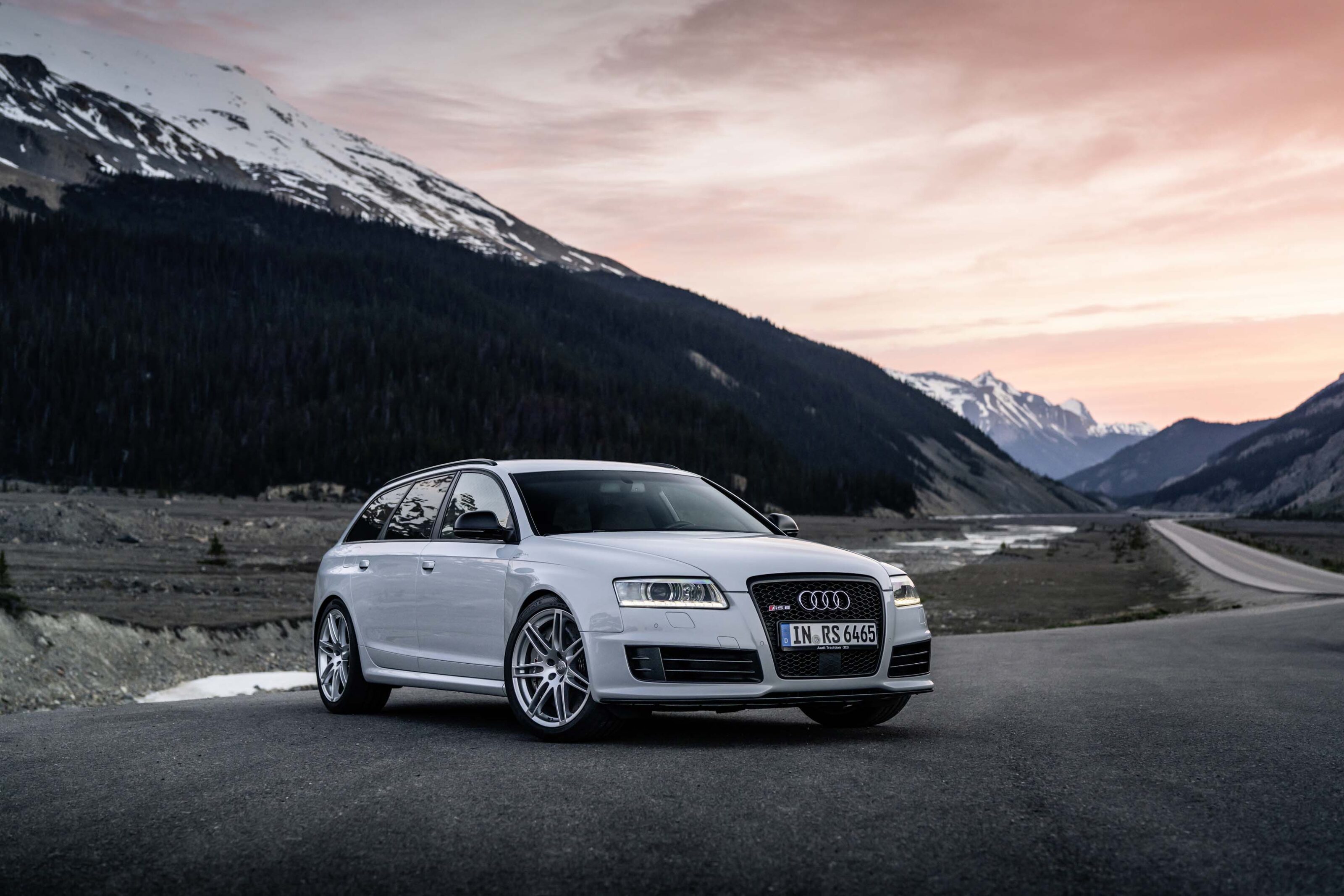
An attempt was made to rectify some of those dynamic shortfalls with the ‘Plus’ variant that was added to the line-up near the end of the C6’s production. I get to experience this in the C6 RS6 Avant. It feels somewhat odd to climb over heavily bolstered bucket seats in a wagon, but at the same time oh so right.
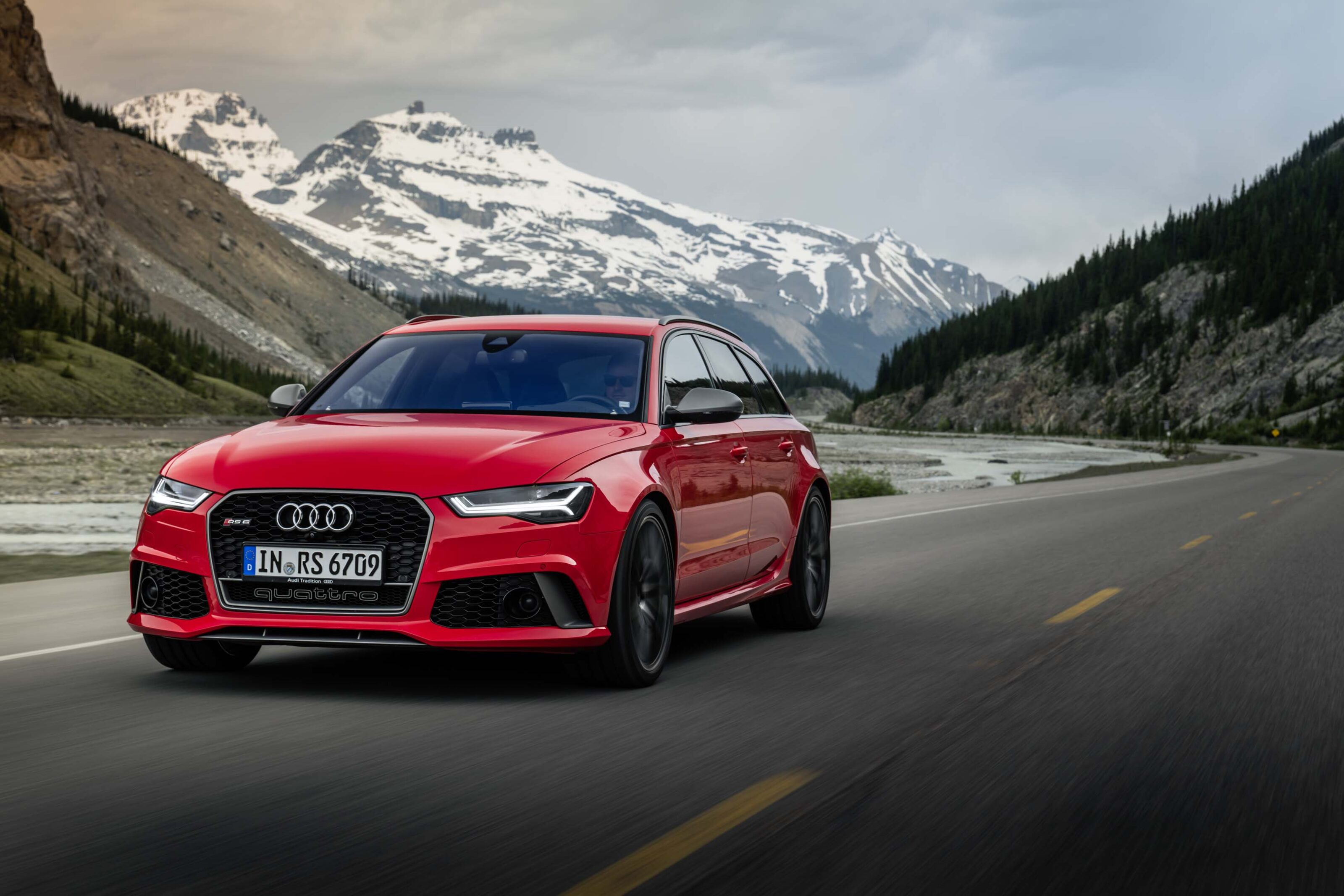
Supplied by Recaro, the leather upholstered sports seats are some of the snuggest yet most comfortable seats I’ve experienced, offering supreme support for when you want to grab the C6 by the scruff of the neck.
But ultimately, much like the sad pile of green salad left shamefully on the plate after you’ve devoured a full rack of ribs and chips, the C6 Plus can’t overcome the dominant character traits of this generation RS6.
Enter the C7, which in 2013 became a fulfilment of the RS6’s true potential. For the first time, Audi’s cruise missile now had laser targeting for apexes. Audi unlocked a new level of dynamicism with the third generation and had to make hard concessions in order to do so. Gone was the V10, replaced by a twin-turbo 4.0-litre V8.
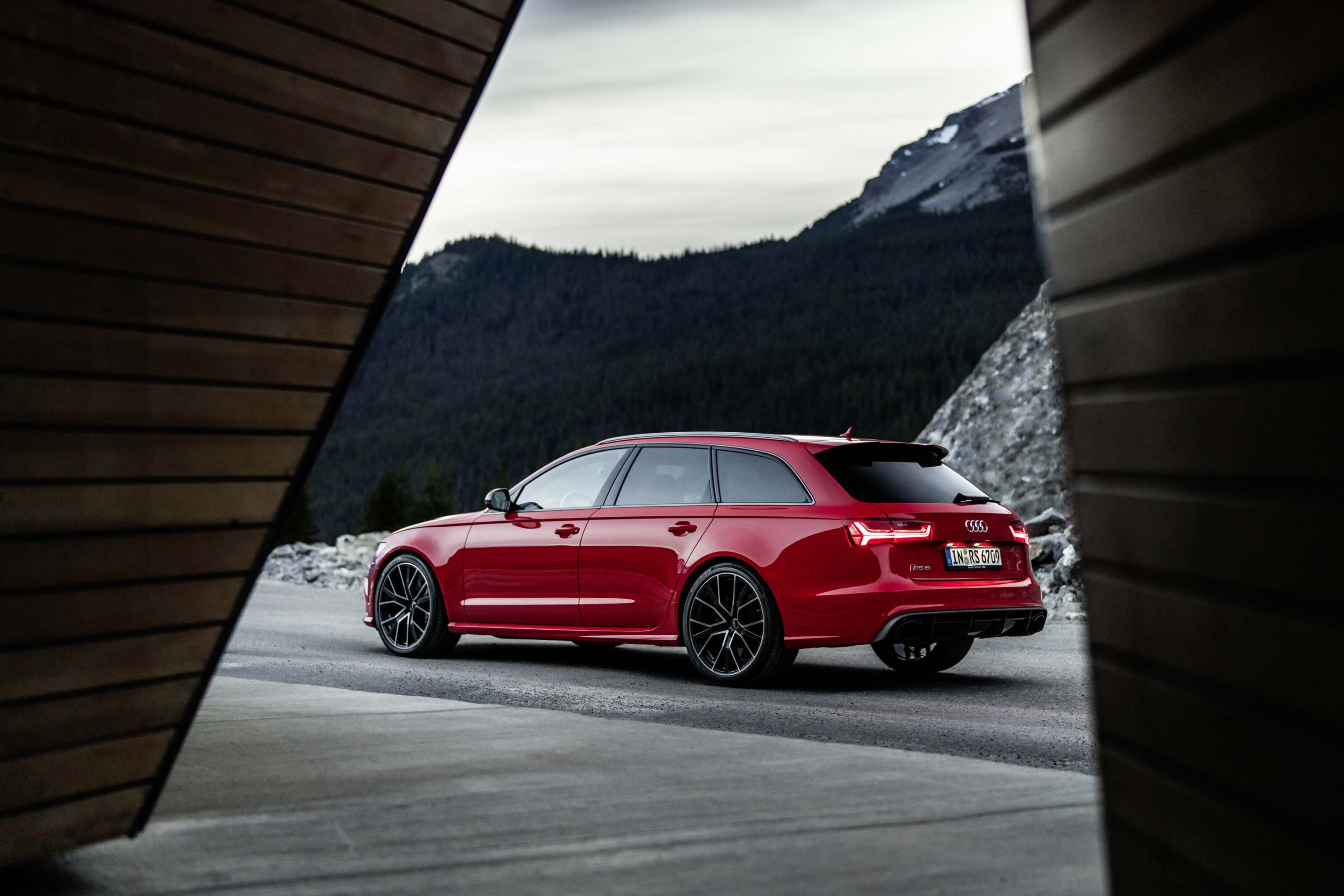
Audi unlocked a new level of dynamicism with the third generation and had to make hard concessions in order to do so. Gone was the V10, replaced by a twin-turbo 4.0-litre V8.
That decision was the start of the internal headaches. There was an almighty internal fight between the engineers and marketing department to get the C7 concept signed off. On one side of the meeting room were the engineers, adamant that dropping a pair of cylinders and 20 horsepower would result in a fundamentally improved vehicle.
On the other side was the marketing department, pulling their hair out on how to sell customers on a new generation with a downsized engine and less power. But ‘Vorsprung durch Technik’ is not just marketing chuff, it’s a spirit that permeates Audi’s town within a town at Ingolstadt.
Eventually, the marketers conceded and the engineers were given a remit to prove themselves right with new technologies.
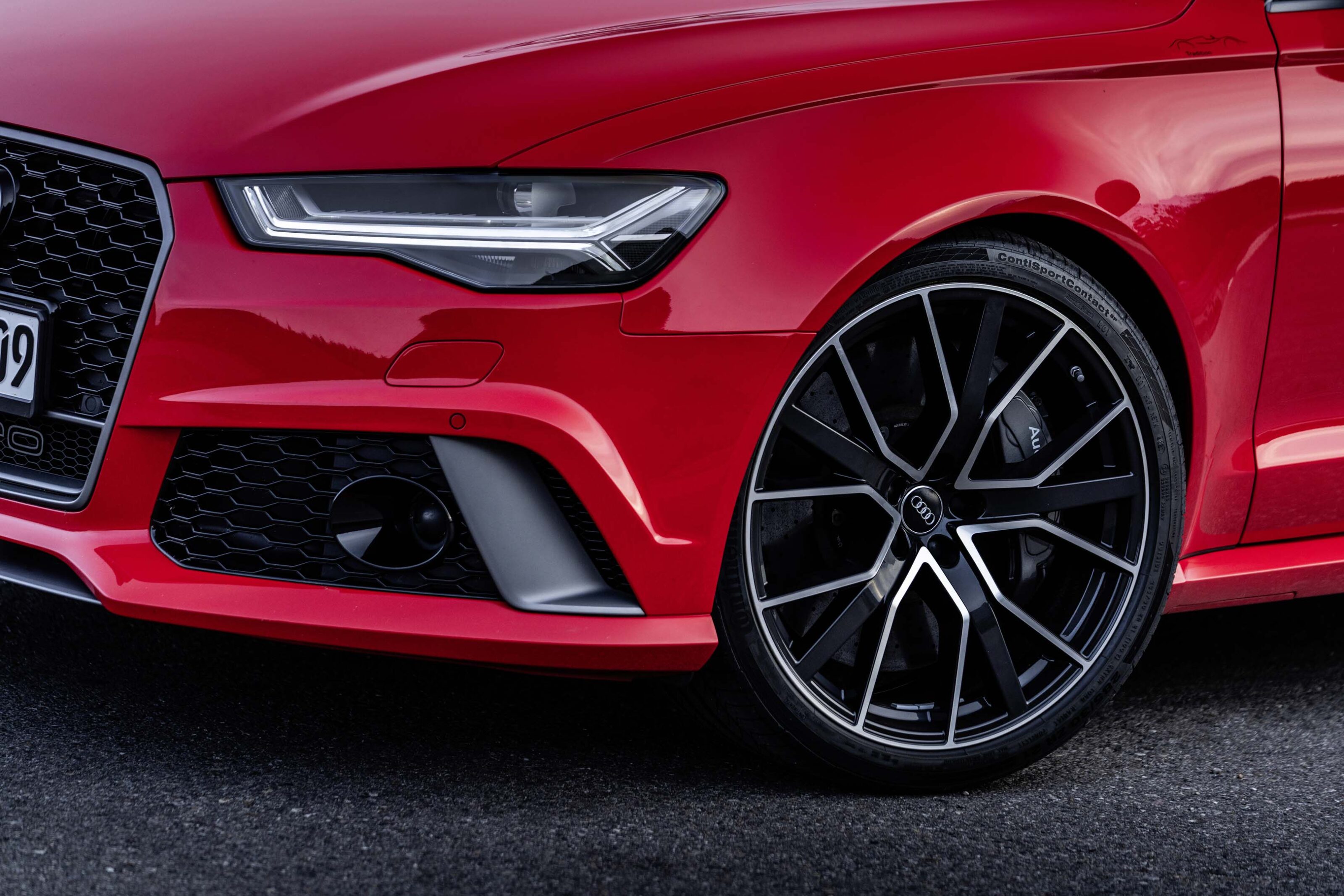
The correct decision was made, with the C7 RS6 a more complete package, doing more with less. Despite its loss of capacity, cylinders, and power, the bump in torque allowed it to accelerate to 100km/h in 3.9 seconds, faster than any generation before it.
It was also more efficient, sipping fuel rather than guzzling it thanks to smarter engine management and the inclusion of cylinder deactivation. You’ll be cruising along at highway speeds in the C7, the engine barely registering a tick over 1500rpm, and then a little green light will illuminate in the instrument cluster, informing you that half the cylinders have shut down.
Just a slight stab of the throttle prompts the four dormant cylinders to rejoin the party with vigour. This 4.0-litre twin-turbo V8 feels more alive than the two engines that preceded it. It revs more eagerly, responds faster, and sounds angrier to boot. Audi even restored its power advantage with a 445kW Performance version; still the most potent RS6 of them all.
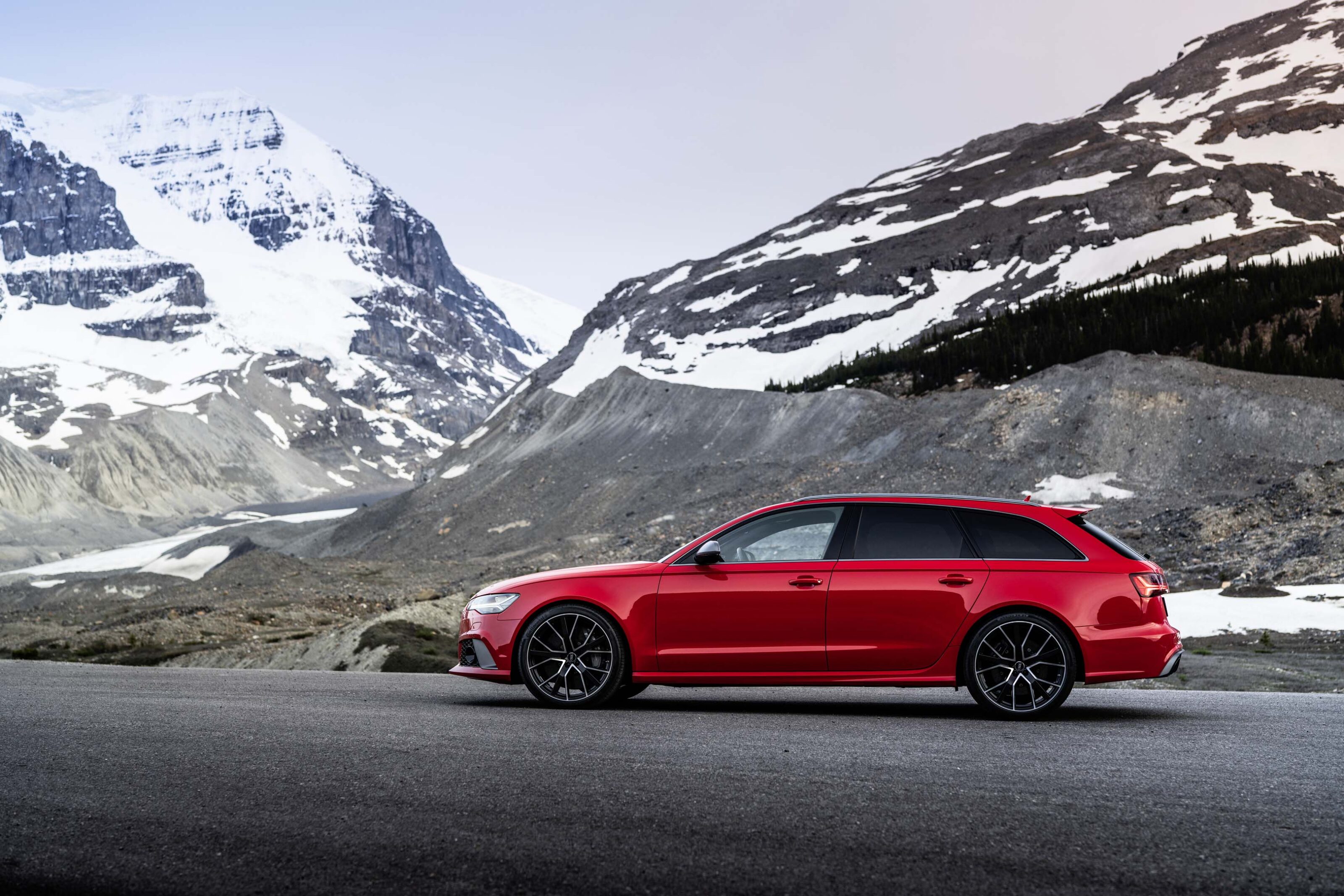
It revs more eagerly, responds faster, and sounds angrier to boot.
From the moment you thumb the starter button, you are made acutely aware of the fact this RS6 means business. It comes alive with a flare of revs followed by a series of quick and bass-heavy burbles. The C7 also feels lighter on its feet, more willing to dart into a corner as directed.
This improved feeling of agility is aided by markedly lighter steering, as well as a quicker overall ratio.
But there are always improvements to be found, which is highlighted by the C8. Launched in 2020, it cuts a more striking figure than any of the other assembled RS6 generations.
Aggression seeps from every sharply creased panel. In order to amp up the visual attitude, sacrifices were made, particularly with the rear roofline that now slopes aggressively instead of being more upright.
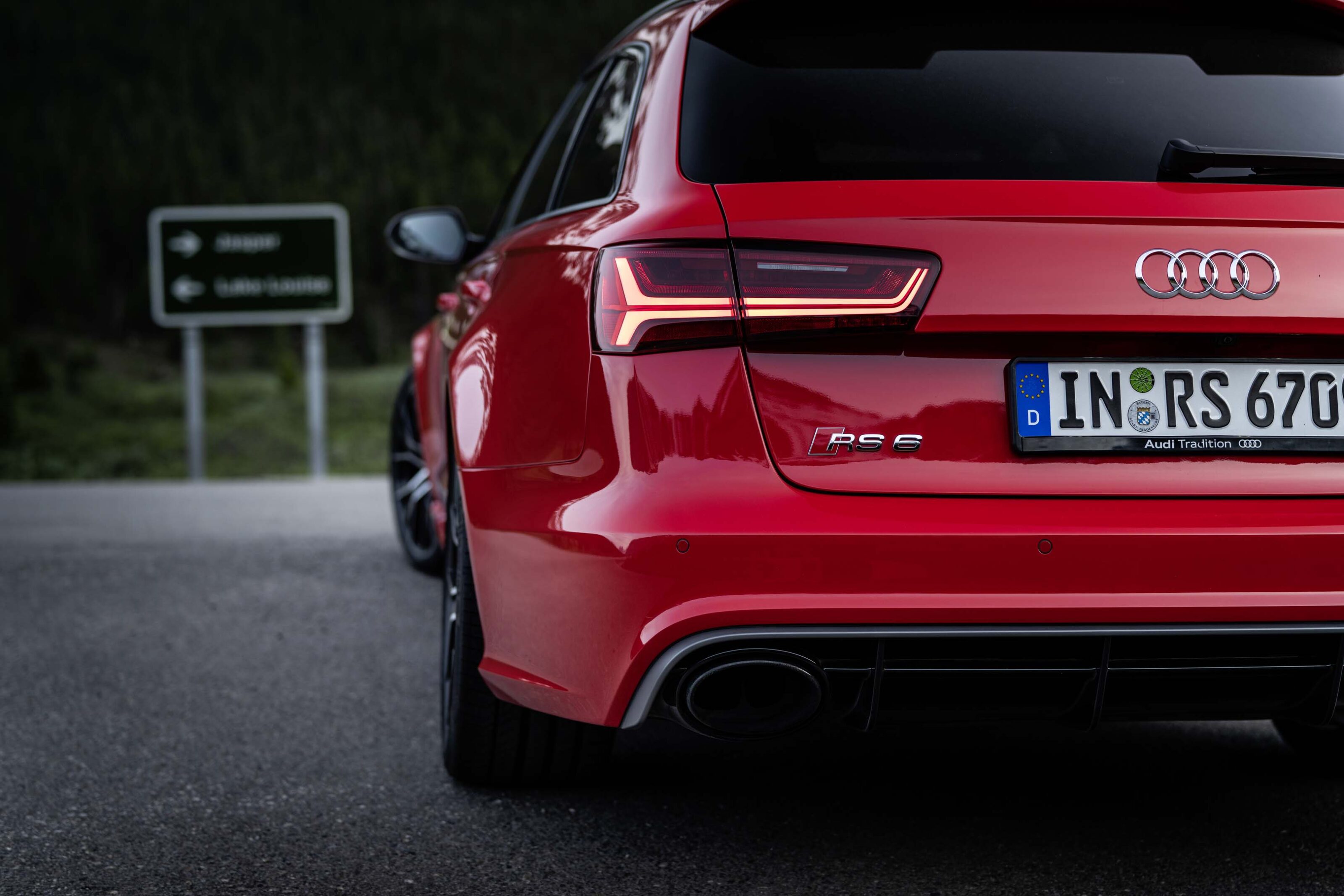
As the proud owner of a horse-sized dog, I can safely tell you that the current C8 RS6 isn’t the warp-speed K9 hauler of its forebearers, with the slanted rear glass cutting into Fido’s headroom.
What hasn’t been compromised is the C8’s refinement, which is better than ever. Our tester, painted in the same Daytona Grey hue as the C5, rides on air suspension. The ride is brilliant, with a plush nature that makes the current RS6 a brilliant daily driver proposition.
Yet it retains impressive body control for a two-tonne beast, remaining composed when hustled and able to scare even serious sportscars with its performance capabilities. Then there is the infotainment system, which seems like science fiction compared to the basic units of the C5 and C6. Hell, even the C7 feels rudimentary compared to the slick dual haptic screens in the C8.
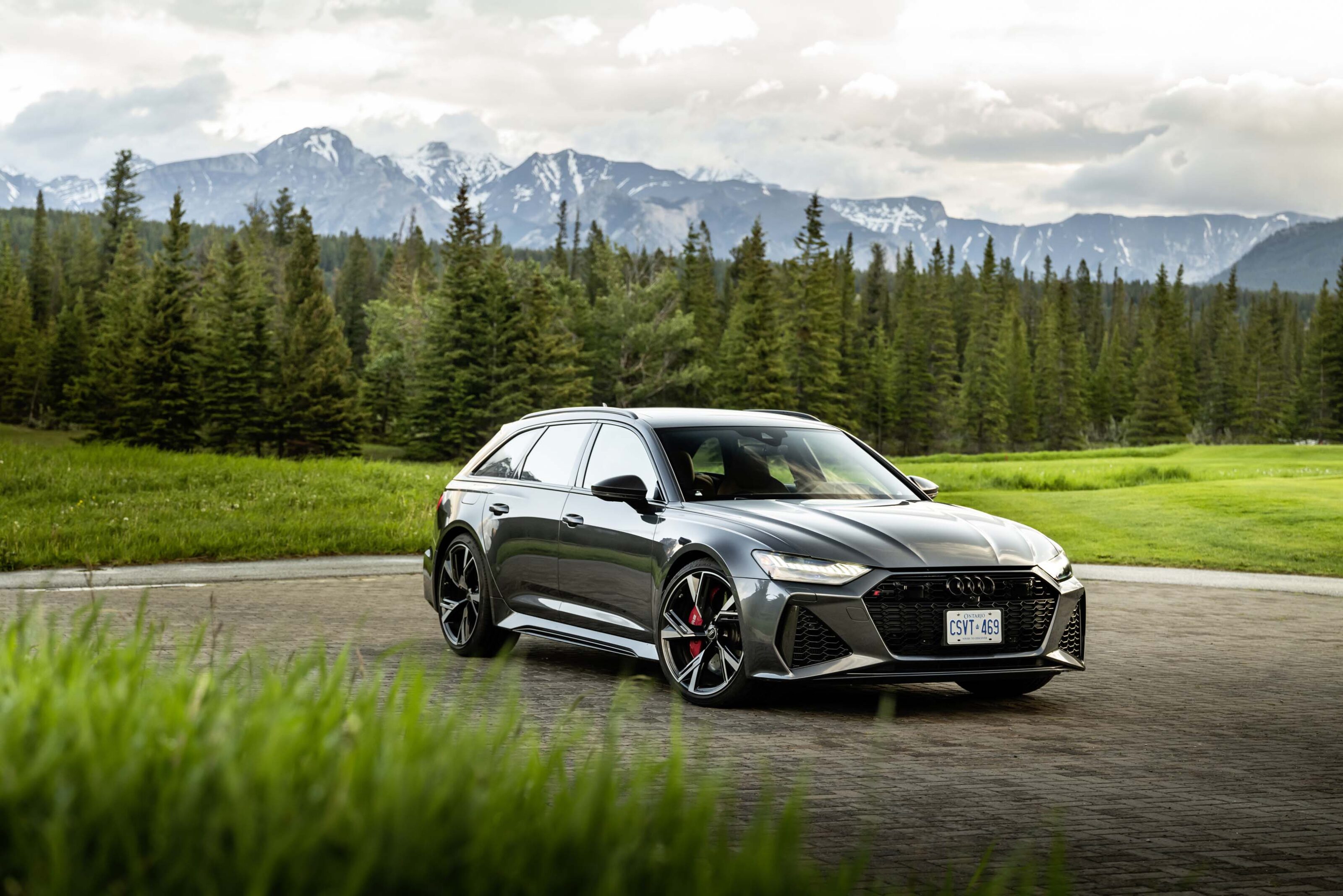
Two decades of evolution have made the RS6 what it is today – an astoundingly well-rounded performance car. The generational development of the three previous iterations can be felt clearly in the way the C8 drives.
Press the throttle and there’s that same slight pause (now briefer than ever) before a wave of boost carries you down the road faster than you’d ever expect.
That Audi has been selling its monstrously powerful RS6 to an eager customer base for two decades is well worth celebration and driving the four generations back-to-back-to-back-to-back is enlightening.
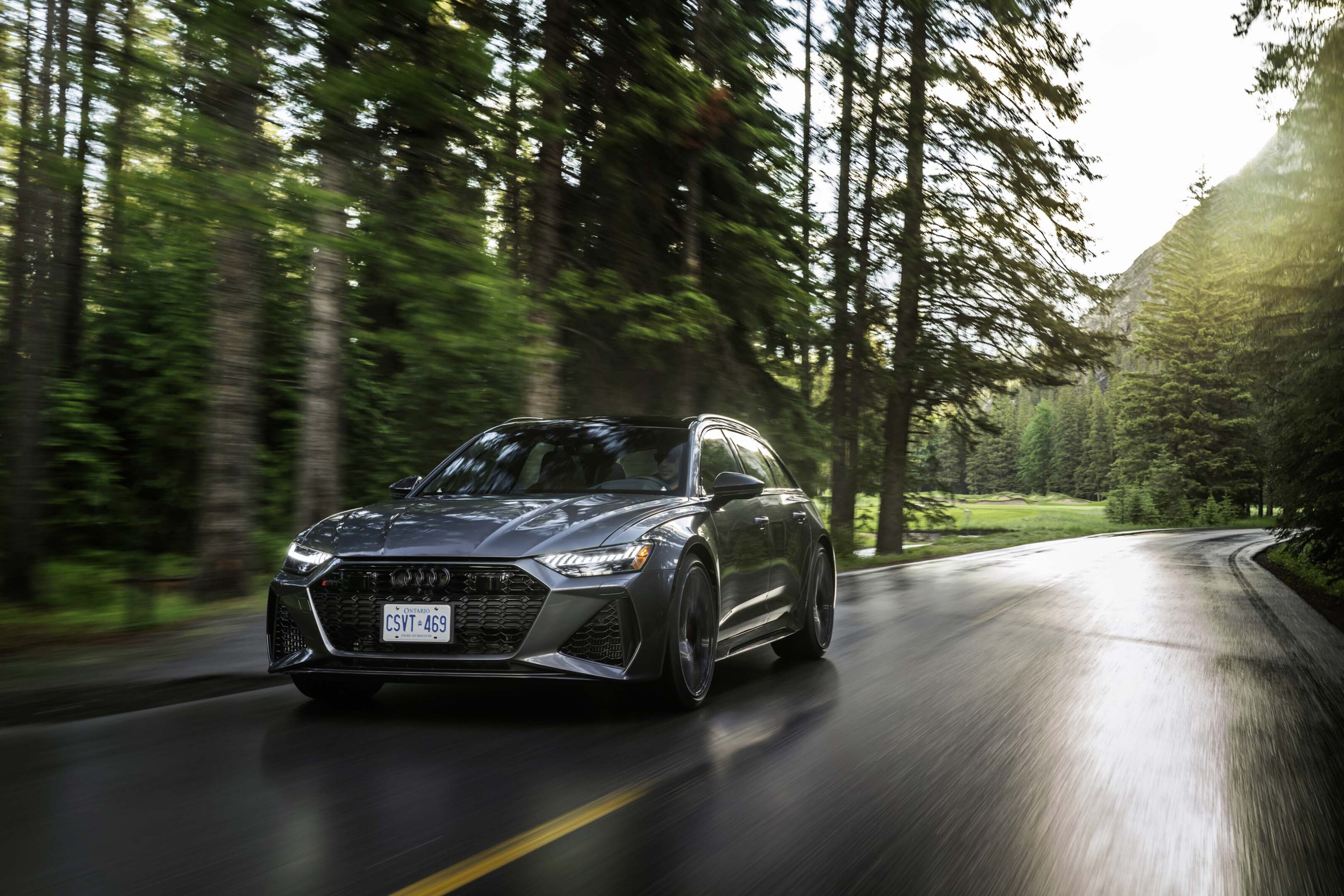
Each finely balances power with pragmatism, hindsight illustrating a gradual evolution that brought improvements in refinement, comfort, speed and agility. Twenty years isn’t a particularly long time in the automotive world. It’s less than a quarter of the time that Audi has existed.
But it’s long enough for the RS6 to be refined into something to be cherished. The future of the RS6, and its do-everything attitude, will be aided not hindered by the now-inexorable switch to electrification. What will the RS6 family look like in 2042?
Faster, no doubt. More efficient, certainly. Meandering in the wilderness? Only if you drive it there.
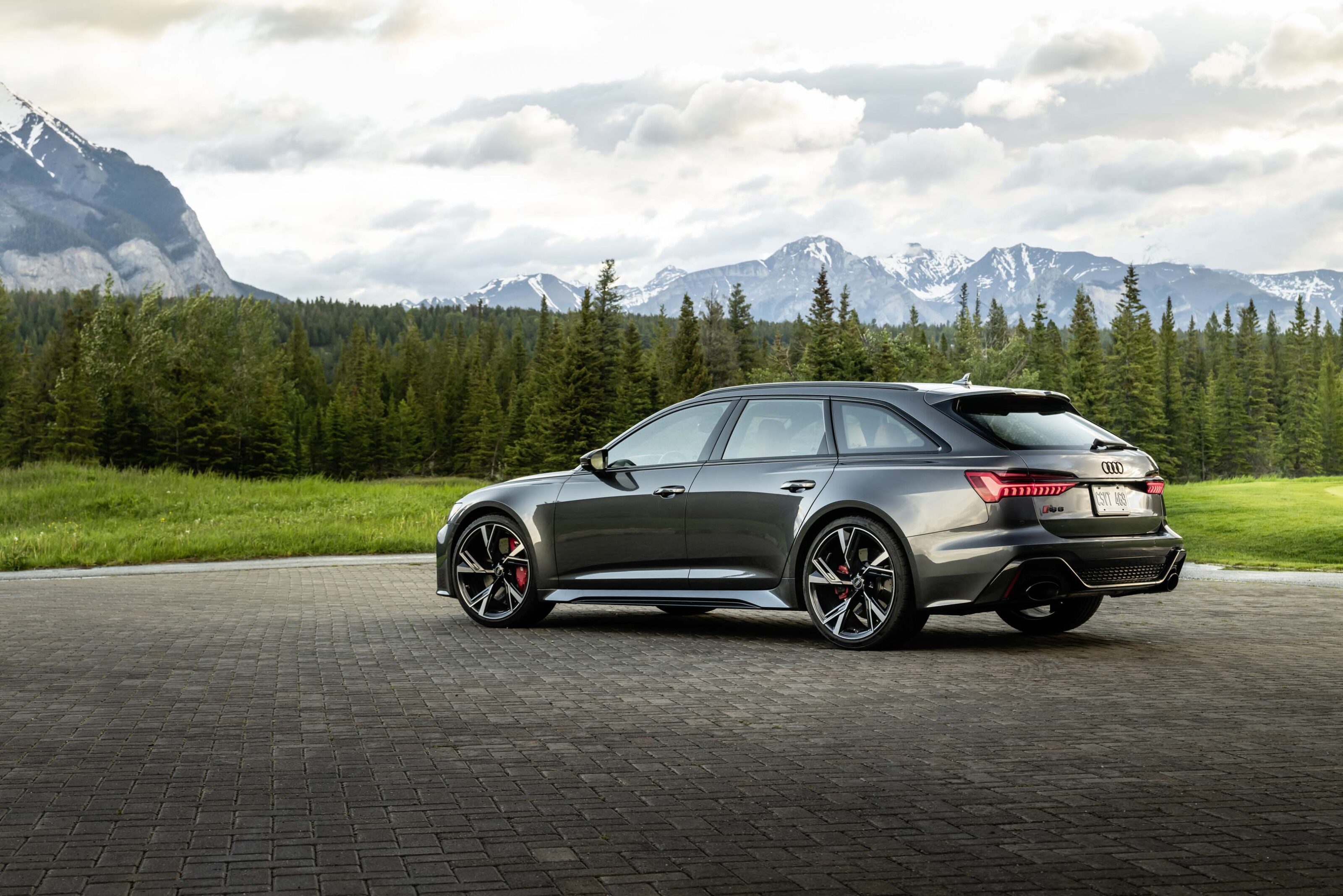
When 441kW isn’t enough
While we think of the C8 as still being relatively fresh, it’s almost halfway through its expected lifespan. The base model A6 family has been given a mid-life refresh, but the RS6 model will remain on sale without a facelift until the very end.
But what you see now isn’t the end for this generation. Audi is working on a pair of additional variants for its iconic nameplate. We’d expect the first to be announced by the end of 2022, which is likely to be the more powerful ‘Performance’ version with more power and a greater dynamic focus in its tyres, brakes and suspension.
There is then likely to be one more variant added to the C8 RS6 family, which isn’t due until near the very end of the model’s production. What it is we don’t know, beyond being told it is “very special”.
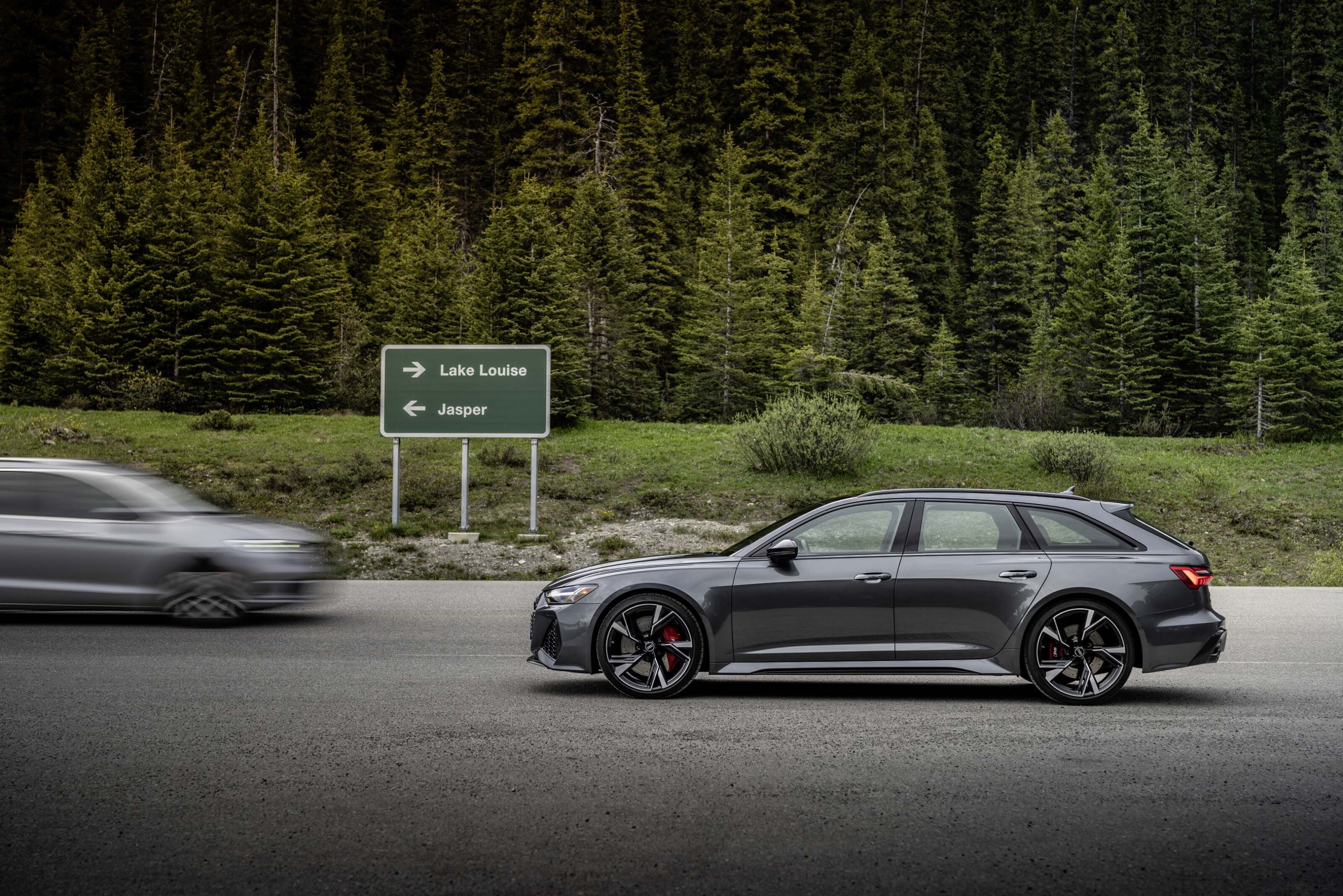
What’s next for the RS6?
It’s clear from driving all four generations of RS6 that Audi has a very clear idea of what makes an RS6 – and what doesn’t. This puts the model in good stead as the wider motoring landscape goes through a seismic shift towards electrification.
When the C8 shuffles off this mortal coil, likely near the end of 2025 or early 2026, its replacement will be a plug-in hybrid. The C9 is expected to offer the best of both worlds, with a powerful combustion engine for the noise and theatre, while a battery and electric motors allow for silent travel on-demand.
For the C10, the combustion engine will have taken its final bow, and the first full-electric RS6 will launch.
The next twenty years are likely to bear witness to a progression for the RS6 nameplate that will make the first two decades looks distinctly stagnant.
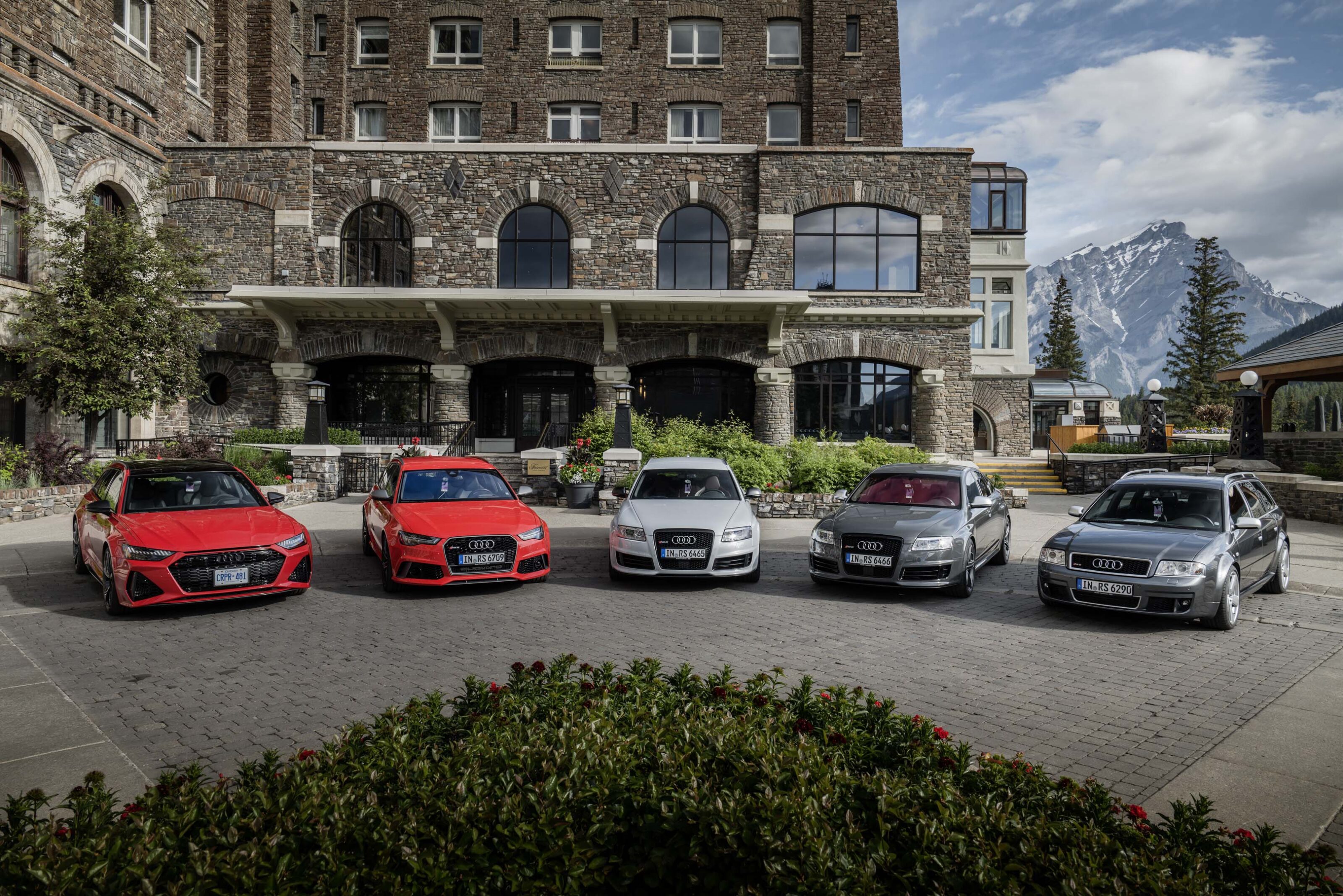
Living up to expectations
Understanding where the six in RS6 comes from is easy – it’s a link to the base A6 model that each generation is based on. And sure, everyone knows that the fastest Audi models are badged RS, but that two-letter nomenclature actually means something.
RennSport – literally ‘Racing Sport’. Unlike more recent RS models, the RS6 earned its RennSport stripes on track.
The C5 is the only generation of RS6 to get an official racing program, racing in a support category to the American Le Mans series to great success before the Yanks – you guessed it – banned all-wheel drive cars from competing. For Audi, this is the way.
Cupra has launched in Australia with three vehicles, but it has an onslaught of upcoming models – and a ute or convertible could be among them.
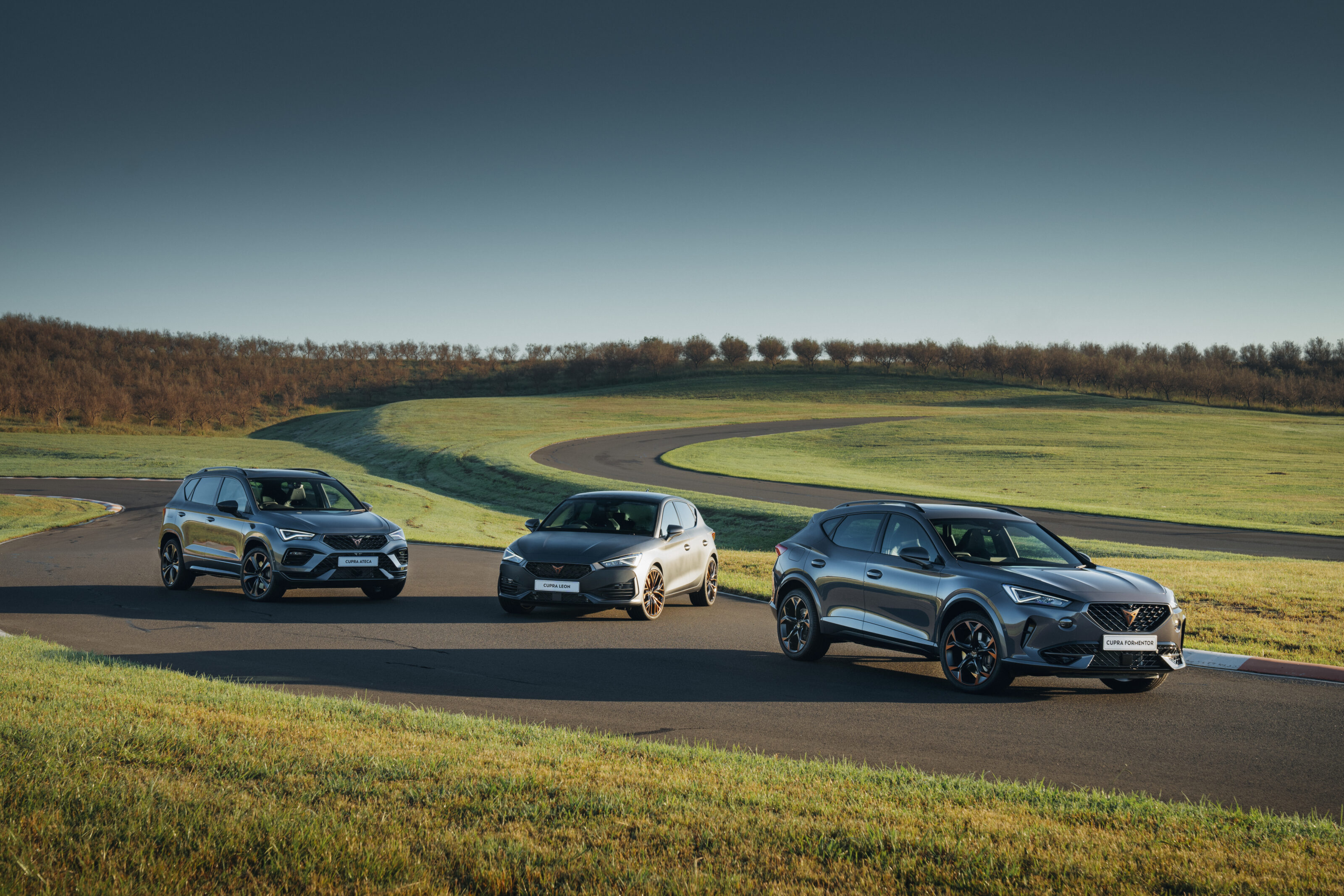
The Spanish VW Group brand currently offers the Leon hatchback, Ateca small SUV and Formentor medium SUV globally, with a wave of new models to arrive by 2025.
However, while the new models – the Tavascan electric SUV, Terramar crossover and Urban Rebel small EV hatch – are focused on appealing to the mass market, a Cupra executive has indicated the brand could develop alternative body styles in the coming years.
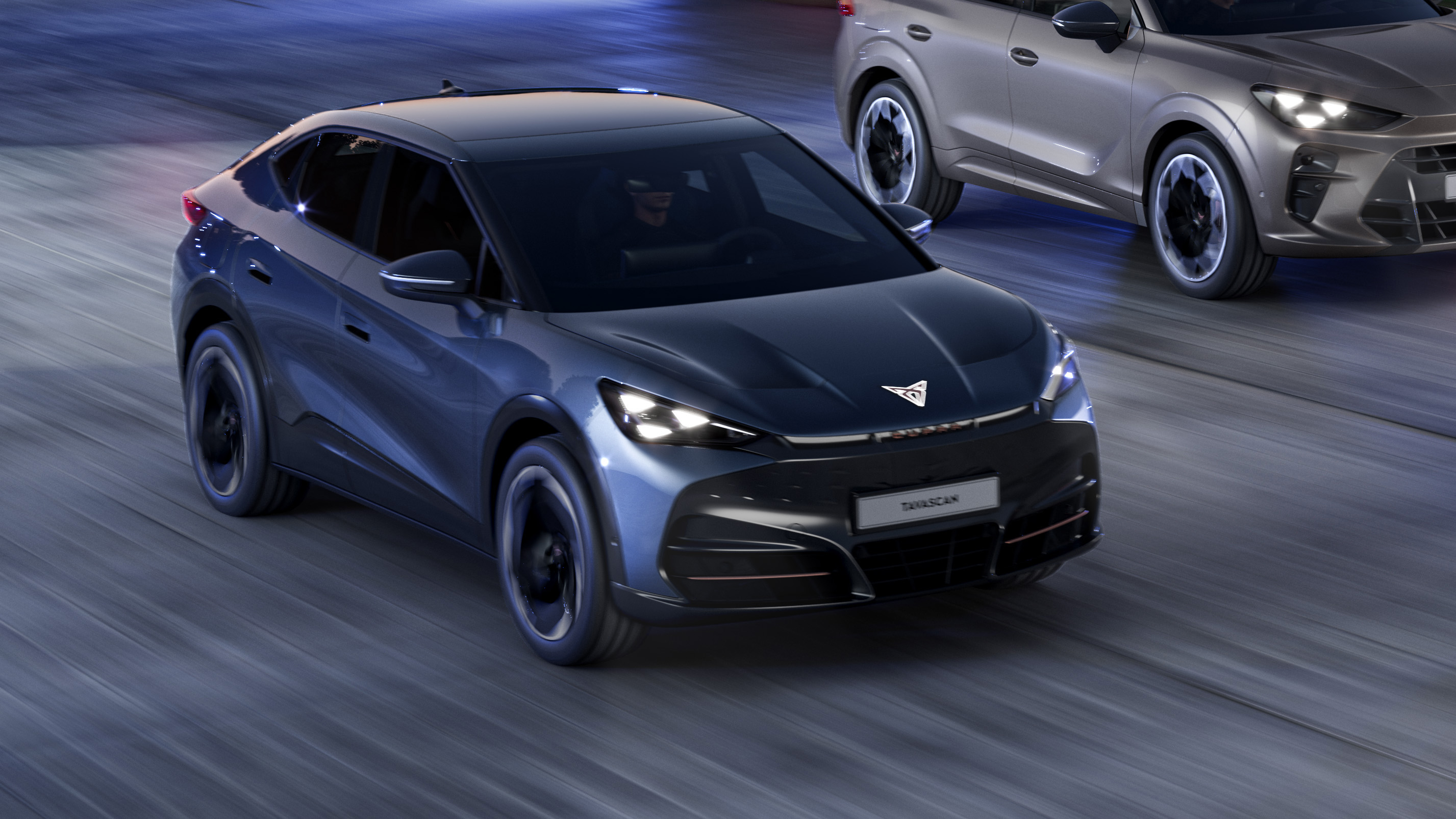
Cupra head designer, Jorge Diez, spoke with Wheels at the marque’s local launch at its flagship City Garage in Sydney – the seventh in the world – about the potential for different vehicle types in the future.
“We say [at] Cupra, we’re certainly not going to be boring,” he said.
“I think there is at the moment, however, if you were establishing yourself as a new brand, you need to bet on the winning horse, so it’s the growing segments.
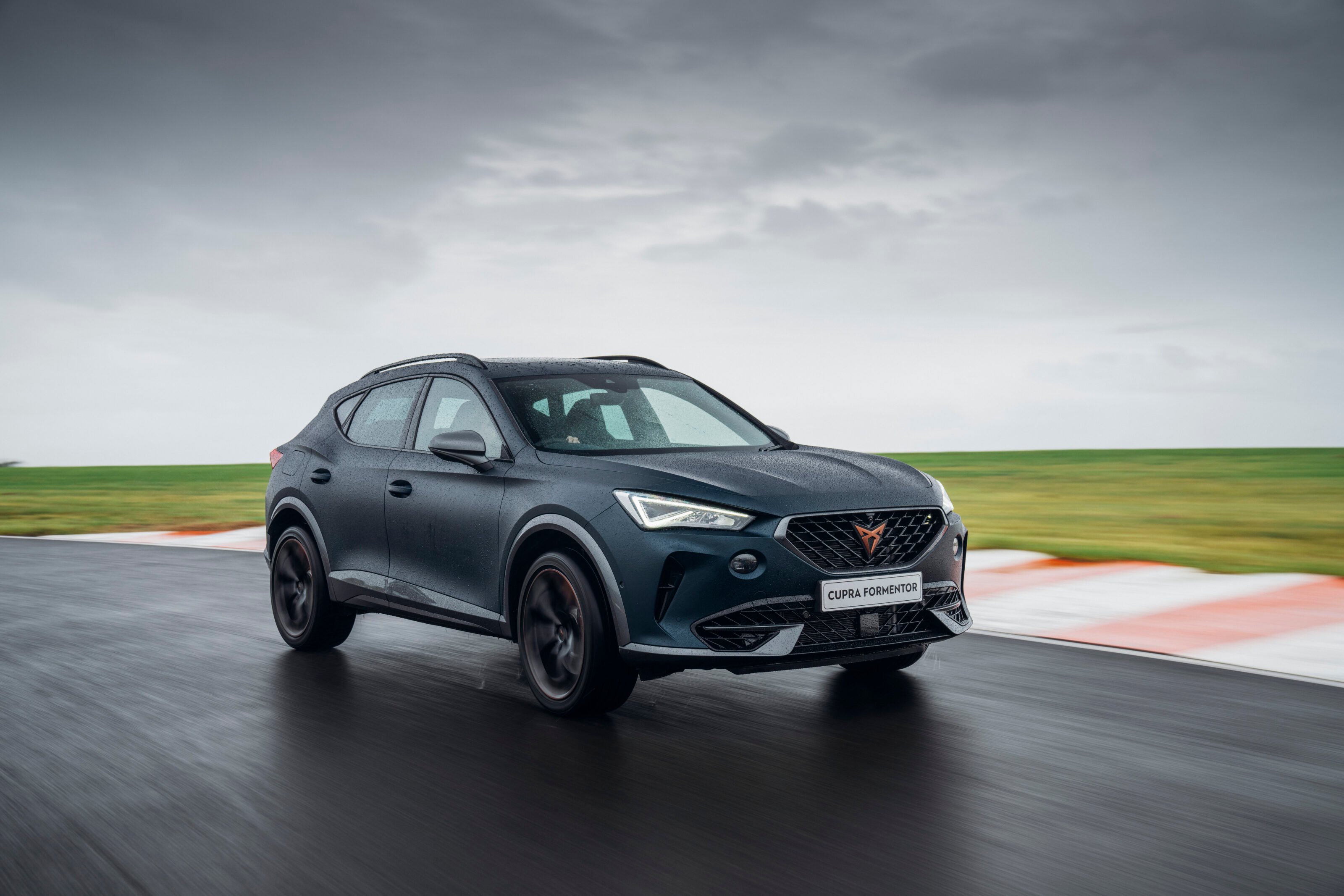
“The growing segments, particularly for Cupra, are the crossover SUV. And I say the crossover side, so not the classical SUV segments, more the crossover ones,”
Diez is referring to lower-slung SUVs with a sportier angle, including the Cupra Formentor – a coupe-style crossover with the Volkswagen Golf R’s powertrain availability.
Cupra’s crossover SUV lineup will expand by 2025 with the addition of two new models: the plug-in hybrid Terramar and all-electric Tavascan.
At 4.5 metres long, the Cupra Terramar will compete against mainstream mid-sized SUVs, such as the Volkswagen Tiguan and Mazda CX-5 – as the last new model from the young brand to offer an internal-combustion powertrain.
The smaller Tavascan is an all-electric model based on the Volkswagen Group’s MEB architecture, shared with the Cupra Born, Volkswagen ID.3, ID.4 and ID.Aero, Skoda Enyaq and Audi Q4 E-Tron.
“We need to get together volumes to get the awareness of the brand, but we’re certainly open to looking over different body types, which I think we’ll also begin because I think people will get bored over time with the SUV body style,” added Diez.
“There are alternative body styles and we are working on design ideas for different types of body styles. There are lots of different exciting ones that we can come up with, but not in the first [2025] phase.
“Post-2025, we could imagine doing different types of cars.”
Could this open the door to a ute or convertible from Cupra? Only time will tell, but the signs are promising.
With the brand’s performance focus, we’d hardly expect a diesel-powered sibling to the Volkswagen Amarok – based on the next-generation Ford Ranger – but with Cupra going all-electric from 2030, a battery-electric performance ute could become a strong seller.
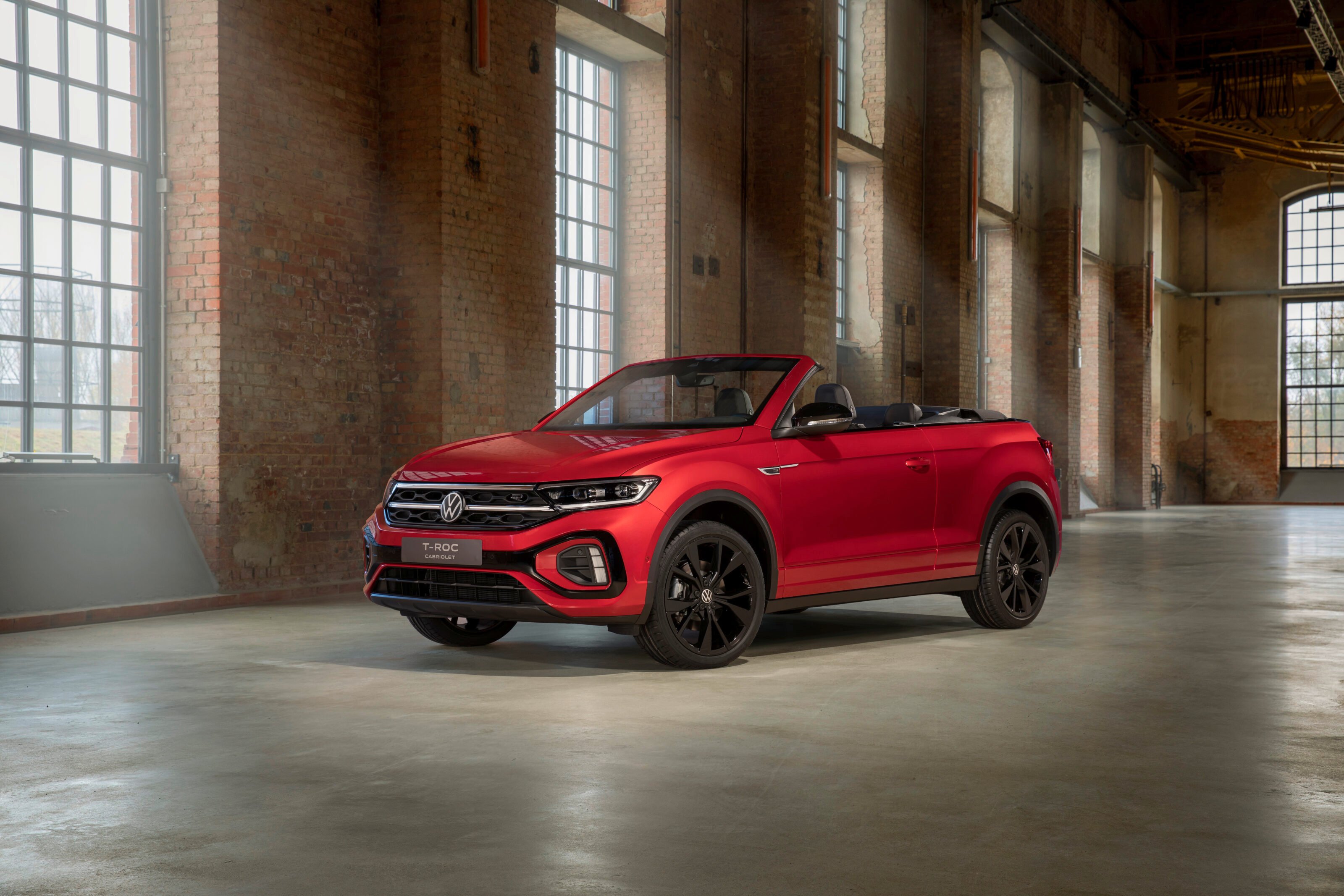
As for a convertible, Cupra could follow the path of the T-Roc Convertible from sister brand Volkswagen by developing a droptop version of a small SUV, such as the Terramar, or develop a traditional low-slung cabriolet to rival the Mazda MX-5 or forthcoming MG Cyberster.
Snapshot
- Will feature on next generation sports cars
- Largest investment in brand for more than a decade
- Created with British art director and graphic designer Peter Saville
Aston Martin has given its iconic wings badge a revamp, altering its design for only the eighth time in its 109-year history.
It’s the first major update since 2003 and is set to be used on the brand’s next generation sportscars.
The radical redesign was undertaken by the manufacturer’s own designers in collaboration with acclaimed British art director and graphic designer Peter Saville, before being crafted through a unique jewelling process at Vaughtons studio in Birmingham, UK – the 203-year-old silversmiths firm famed for crafting the Football Association Cup and medals for the 1908 London Olympics.
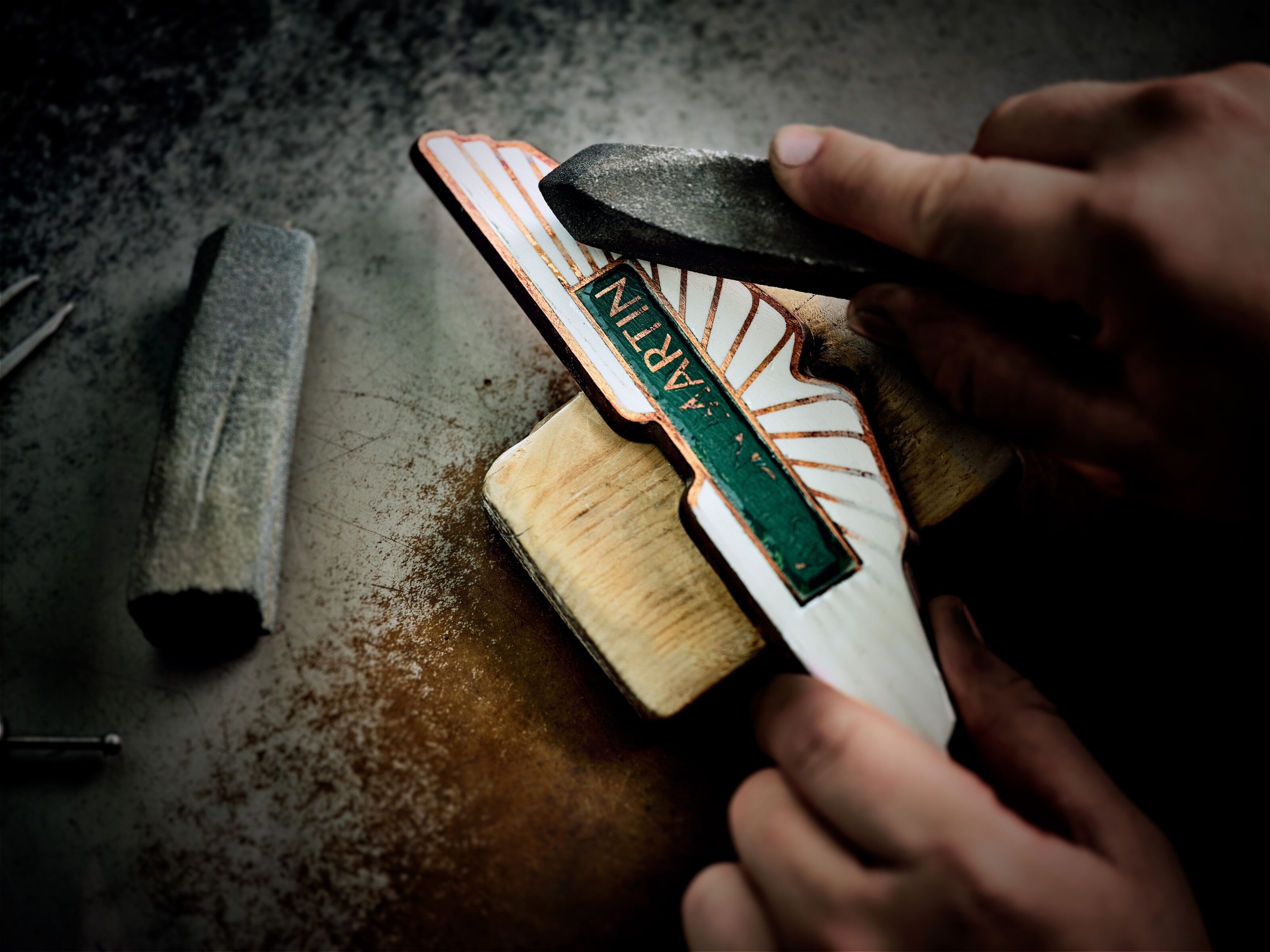
“The Aston Martin wings update is a classic example of the necessary evolution of logotypes of provenance,” Peter Saville said.
“Subtle but necessary enhancements not only keep forms fresh, but allow for new technologies, situations and applications to be accommodated in the future. The process was one of clarifying and emphasising the key feature of the Aston Martin marque.”
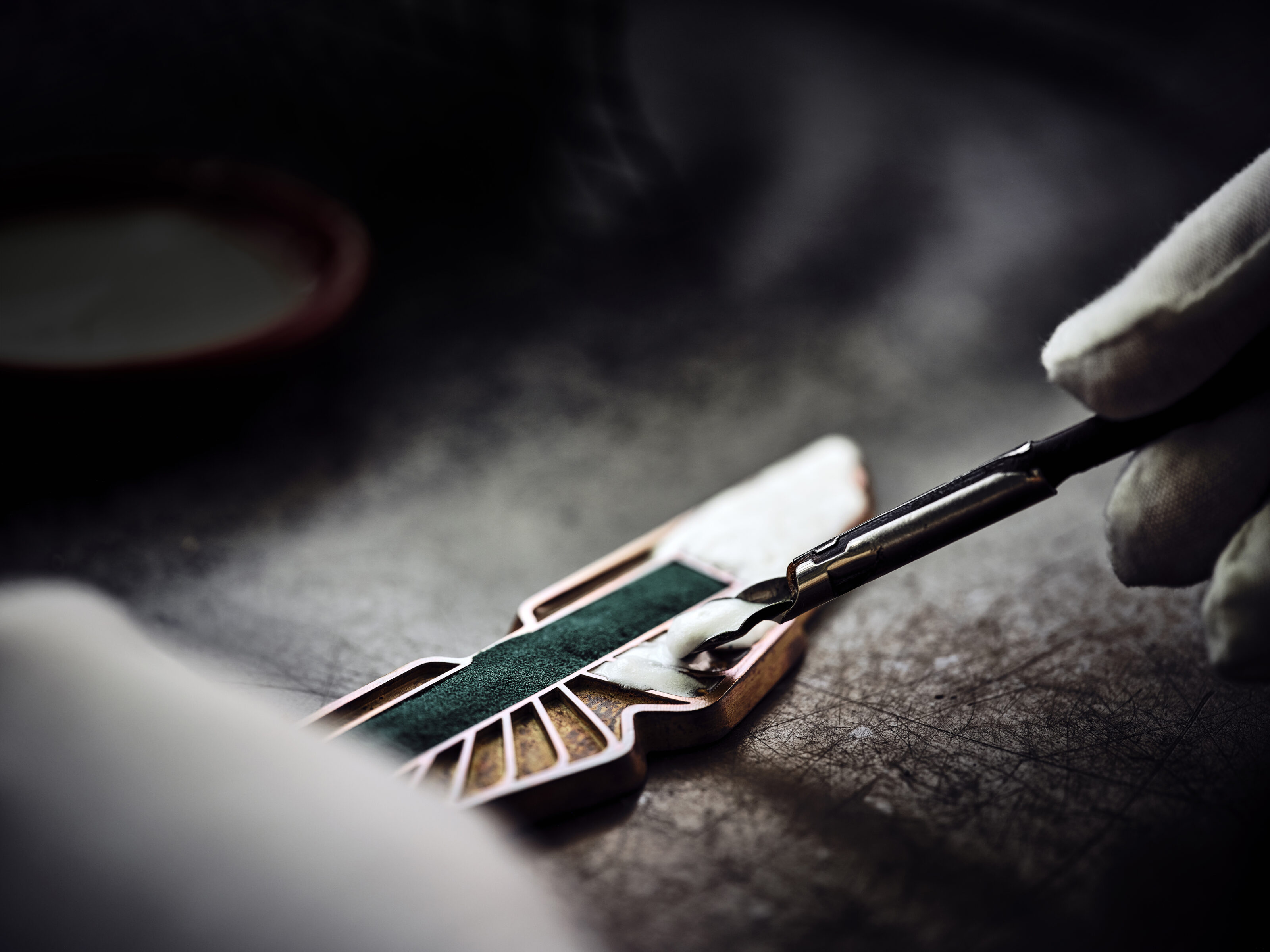
Marek Reichman, Executive Vice President and Chief Creative Officer of Aston Martin, said: “Because we are designing to make people fall in love, to connect with the hearts and minds of our customers, every object we design at Aston Martin has deep meaning and intention and is created with honesty and emotion.
“As we approach an exciting moment of product evolution, the design of the new wings was no different. Every millimetre of each line – of each shape within the new wings, are drawn forward from the depths of our 109-year Aston Martin creative wellspring.
“Adding Peter Saville, an icon in British graphic design and an inspirational creative figure to me personally, took our exploration and evolution of the wings to another level. And now, to see this new identity, hand-crafted in physical form at Birmingham’s jewellery quarter, is a proud moment for everyone involved. It’s the first step to the wings taking centre stage on our next generation of ultra-luxury performance sports cars.”
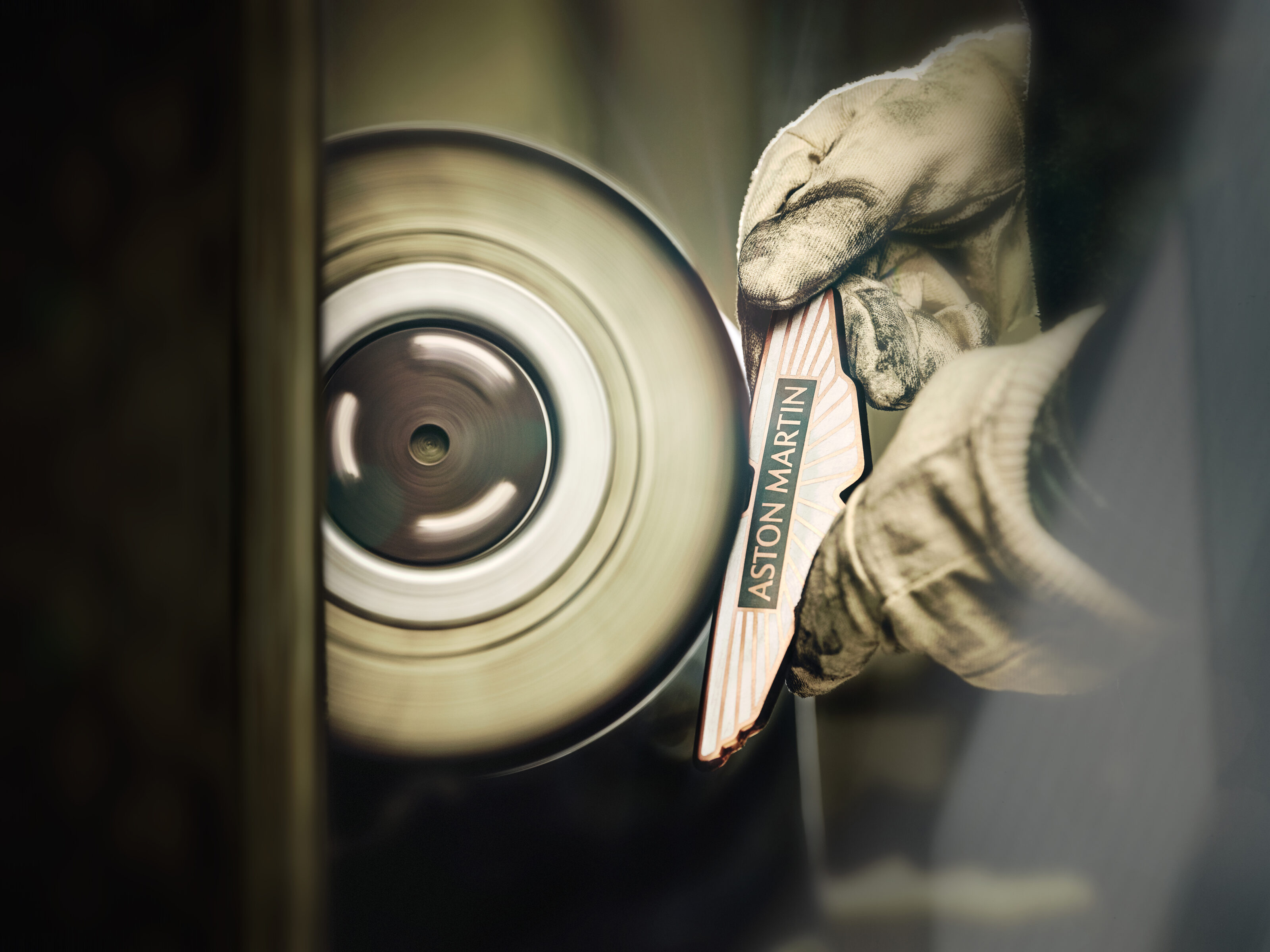
The new emblem comes as part of Aston’s strategic repositioning and largest investment in the brand for more than a decade as it attempts to appeal to a wider, affluent global audience.
According to Aston, more than 60 per cent of its current sales are from customers who are new to the brand.
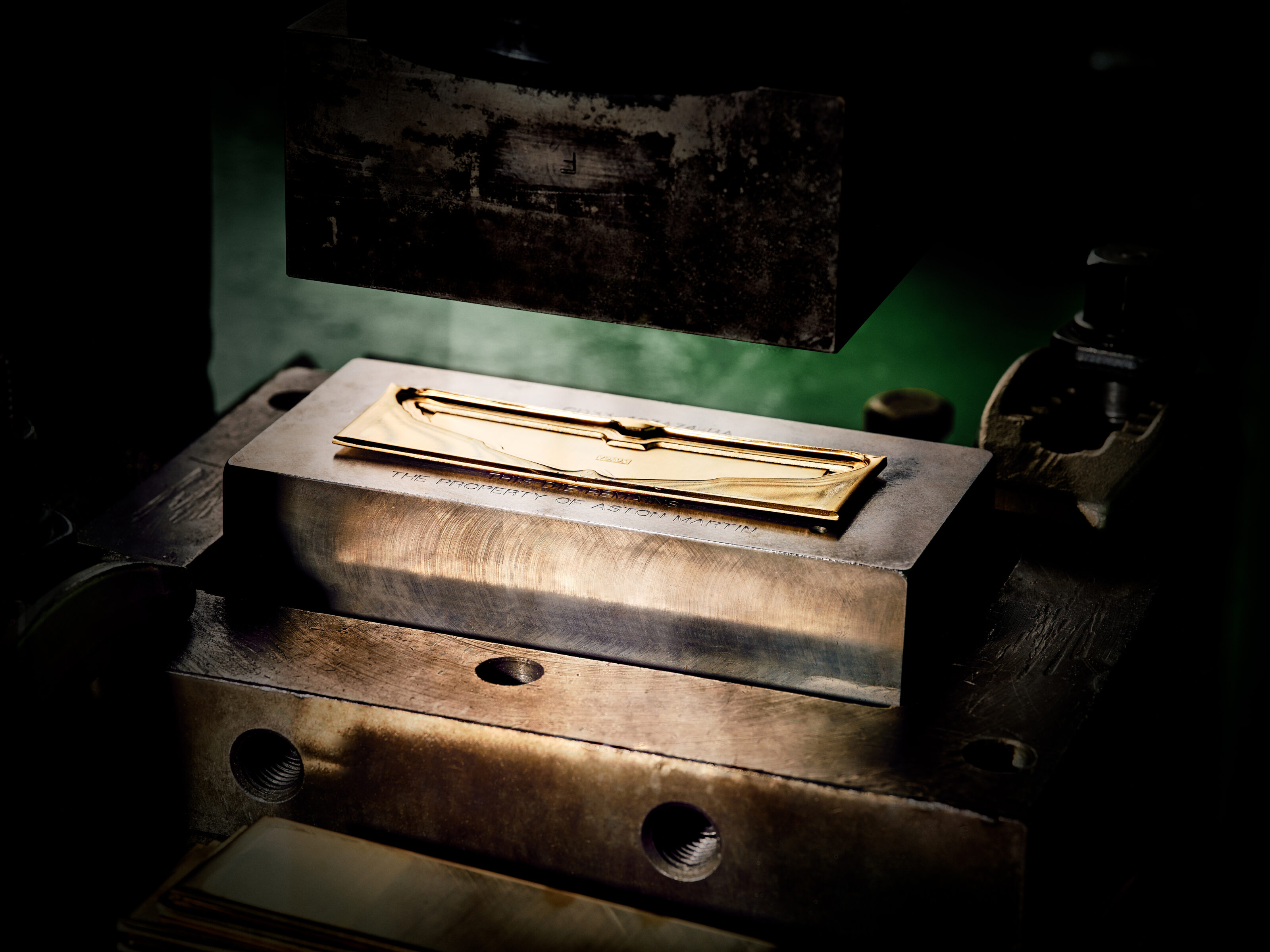
This weekend, the Aston Martin Aramco Cognizant F1TM Team will feature the new wings on its livery for the French Grand Prix.
Celebrating the 100th anniversary of the brand’s first Grand Prix, Aston Martin will symbolically race with its original button logo on the nose of its cars, mirroring the marque featured on its first entry in 1922.
Audi says it’s committed to selling the A1 and A3 in Australia for as long as possible, despite the plummeting popularity of small cars.
While the small-car segment was once one of Australia’s most popular – the Toyota Corolla and Mazda 3 were often the highest selling cars in the country – Aussies have drifted away in droves over the last five years.
Sales have halved since 2017 in the small-car segment, tumbling from 220,000 units a year to record just 109,064 in December 2021.
It’s a similar story in the light-car segment which has fallen from 84,000 sales to 45,000 in the same period.

The number of models offered in both categories has also shrunk by a considerable margin and rival manufacturer Mercedes-Benz has recently confirmed it will axe the A- and B-Class models from its range in 2025.
Yet Audi says it has no plans to abandon the segments, despite their shrinking popularity.
“Small cars are safe, definitely,” Audi’s GM of marketing Nicholas Reid told Wheels at the launch of the Audi RS3 hot hatch. “They’re [A1 and A3] are both very important segments, for different reasons.”

Audi introduced a new-generation A3 to the Australian market earlier this year which saw it re-enter the small segment after a short absence due to a shortfall in supply. Currently the A3 is Audi’s third best-seller in 2022 with 632 sales year-to-date.
“The A3 we really missed it while it was gone,” said Reid. “And the sales figures now, the car has been in market since [the first quarter], and it’s starting to fire. So it’s a really important model for us, the A3, and it also gives us access to those great performance variants, the S3 and the RS3.
“And A1 is the entry to our brand so it allows us to have a conversation with a younger customer and a new customer sometimes,” Reid added. “And it allows us to have multiple Audis in the household, which is always a target of ours. We don’t just want one Audi in people’s garage we want two or three and that’s the real benefit of having a model like the A1.”
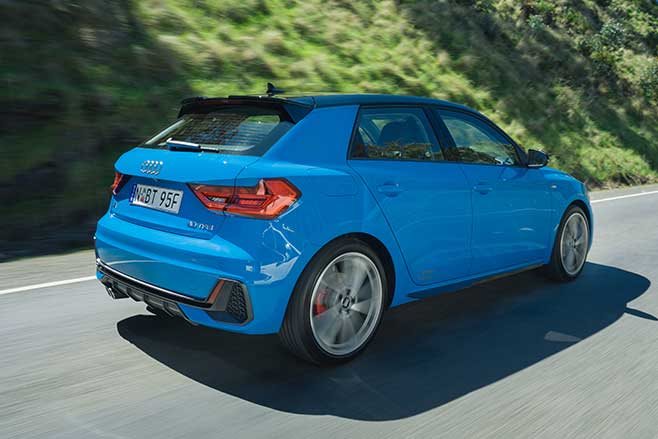
Globally Audi has committed to continuing the A3 nameplate for a fifth generation, likely as an all-electric model, but it has fallen short of confirming the A1’s future beyond the current model.
“When it comes to the entry level, the A3 or its successor, that will probably be the entry level,” company CEO Markus Duesmann told media last month. “So yes, I can commit that from the A3 segment, we will be offering a range [of vehicles].”
Snapshot
- $400,000 price tag expected
- ~500km driving range
- Upwards of 400kW power
Cadillac has revealed the next model to power its transformation to an EV-only brand by 2030, showcasing the new Celestiq flagship in ‘concept’ form.
Leaning on its once famous “Standard of The World” motto, Cadillac’s big new Celestiq looks to deliver a new level of luxury and style for a brand that has suffered Lexus-like “Chevy with leather” derision for decades.
“With Cadillac reimagining the future of American luxury, we are entering an era of limitless possibilities and the future of design.”
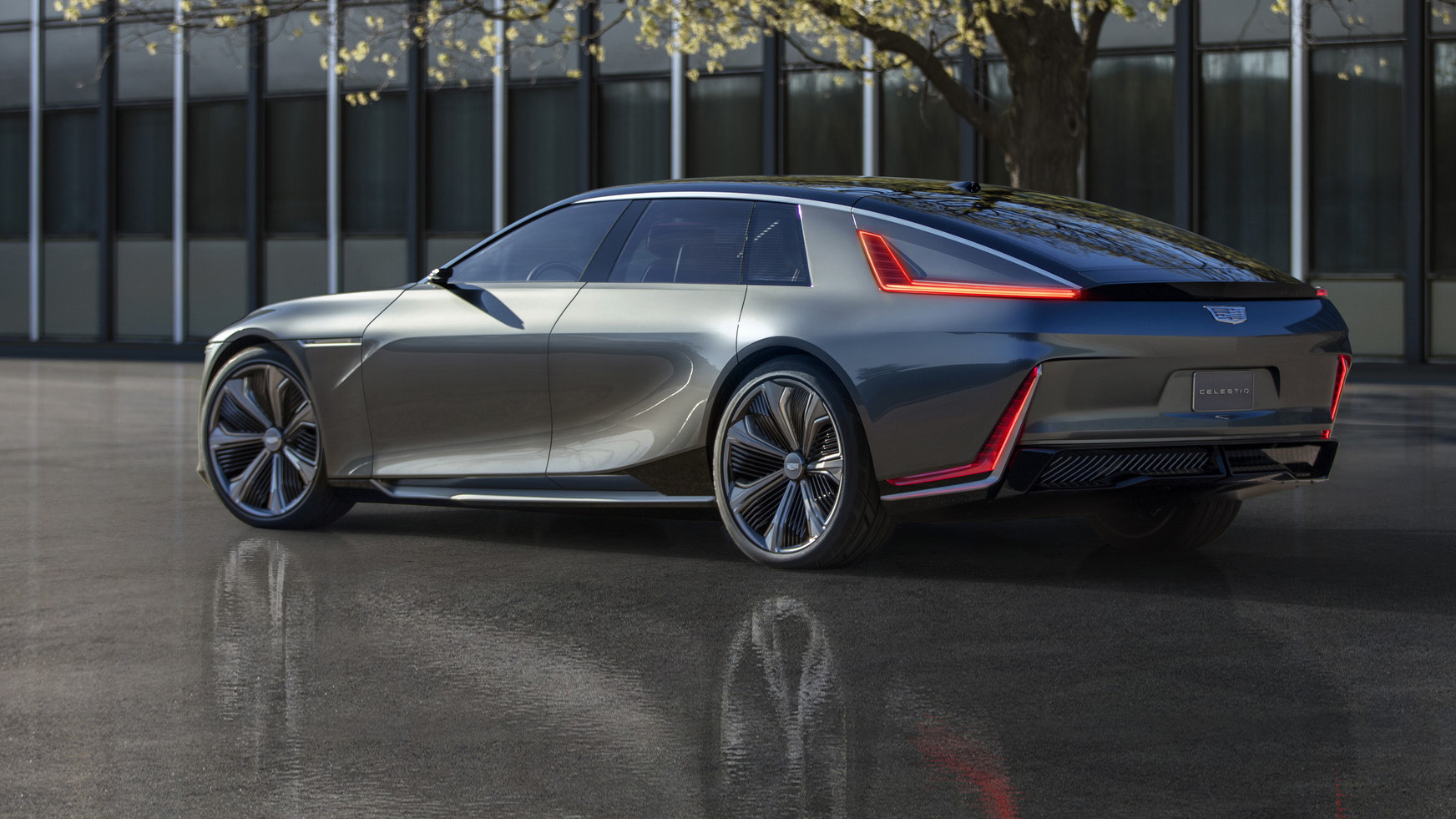
The Celestiq we see here may only be a show car, but Cadillac claims it is close to its final design and specification.
When it goes on sale in early 2024, the big electric flagship is expected to start at around AU$400,000 – putting it in the neighbourhood of a Bentley Flying Spur or a high-grade Porsche Panamera, but still a couple-hundred-grand short of a Rolls-Royce Ghost. Of course, none of those are currently offered with a pure-EV powertrain.
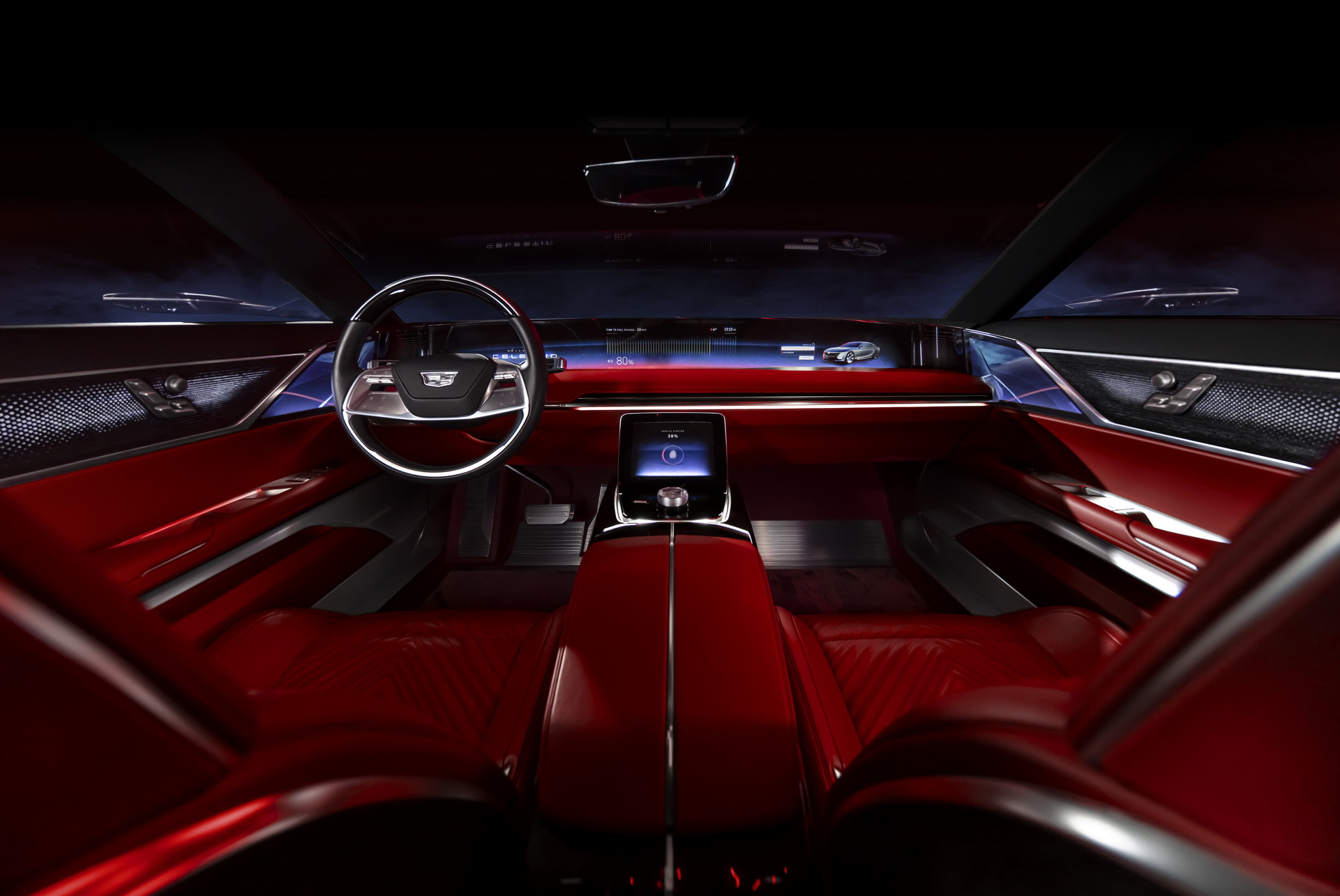
In conceiving the Celestiq, Cadillac says its designers immersed themselves in the brand’s history, looking to icons like the Eldorado for inspiration.
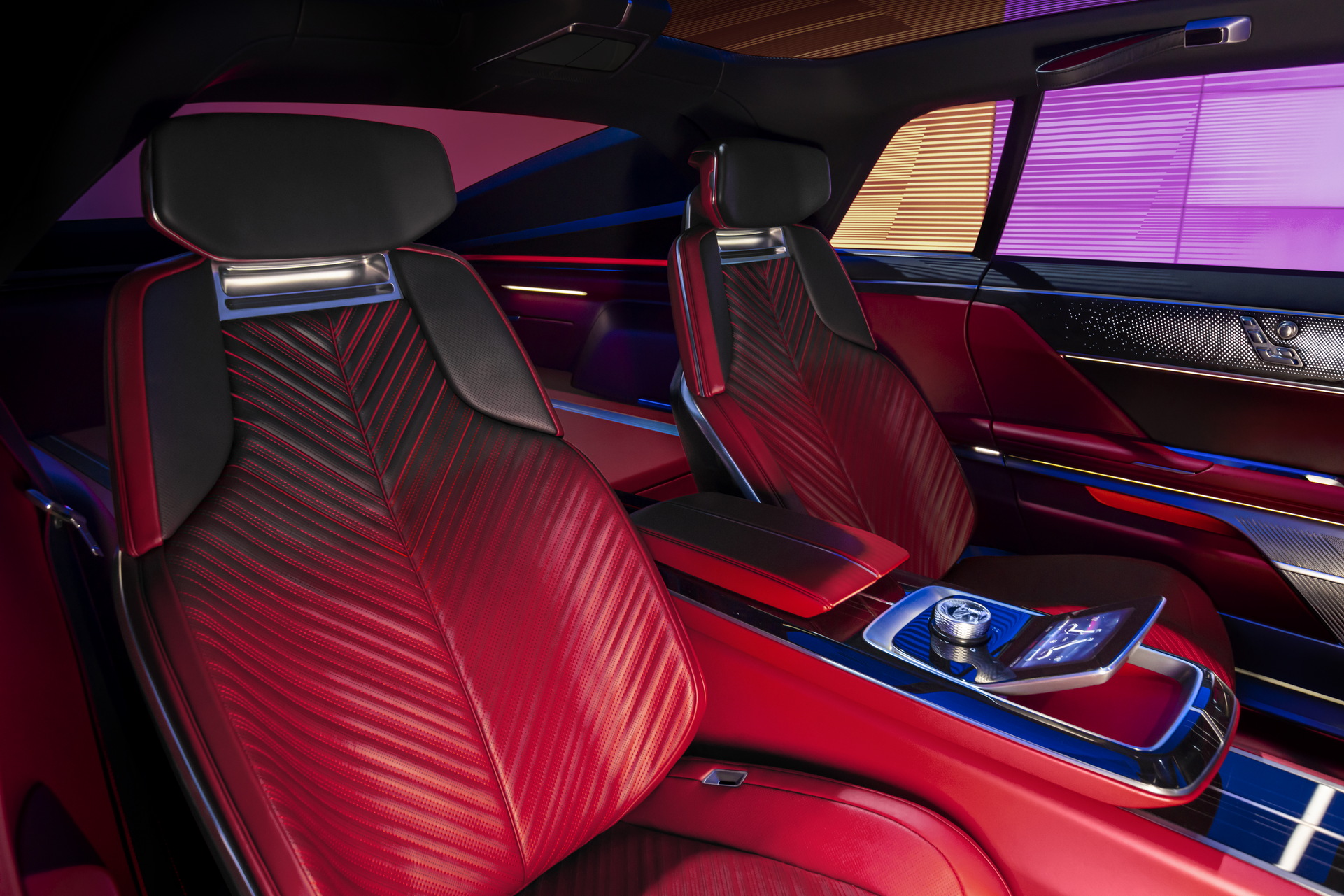
Inside, the Celestiq epitomises luxury and excess, indulging passengers with a huge 55-inch digital dash display, while the rear occupants get integrated screens in the front seatbacks.
Of course, BMW’s new 7 Series already outdoes this with a massive 31.3-inch widescreen for the rear row.
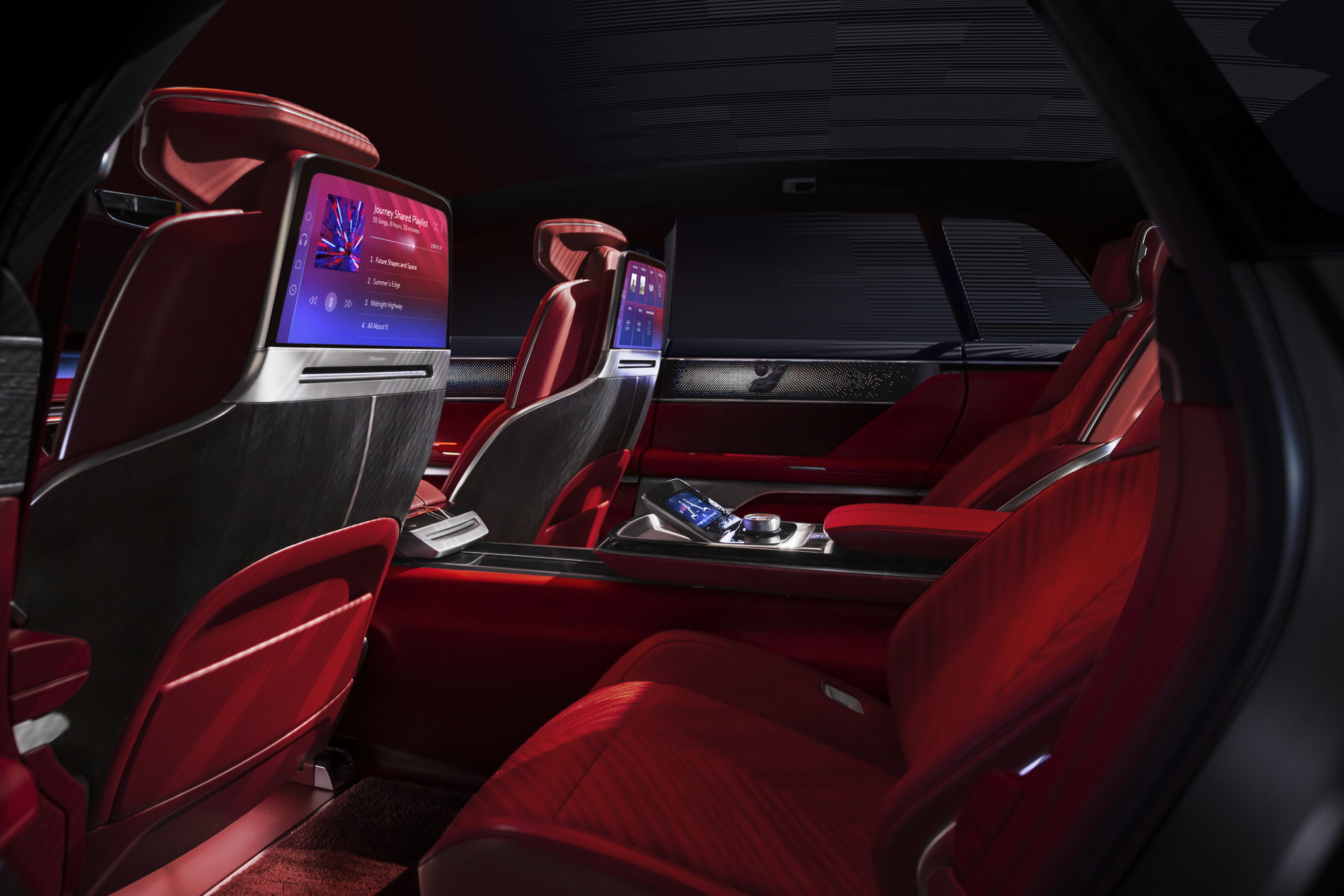
A special quad-zone ‘smart glass’ sunroof is also featured, with new Suspended Particle Device (SPD) technology allowing occupants to set the level of glare-blocking polarisation to their personal comfort preferences.
Power details are still to be revealed, but Cadillac’s new Lyriq electric SUV starts with a 250kW single electric motor while a dual-motor AWD version bumps output to 370kW.
As a low-set flagship model, we can likely expect the Celestiq to boost power numbers even further. For example, the most powerful Silverado EV offers a mighty 488kW.
Driving range doesn’t look to be breaking new ground, however, with Cadillac suggesting a range of “at least” 483 kilometres will be offered.
It remains to be seen how much further the American luxury brand will take that number, although 800V ultra-fast charging will likely be included.
Watch for the Celestiq to make its proper production debut in the coming year.
The Cupra Ateca will soon land in Australia along with two other models to kickstart the launch of VW’s Spanish brand.
Awareness will be the name of the game, which is primarily why I found myself in the Ateca SUV on a recent holiday trip to England.
Our UK press car was a VZ3, which is almost the same specification as the single-variant Ateca ‘VZx’ being offered here.
Priced from $65,990 driveaway ($60,990 RRP), the Cupra Ateca costs a bit more than its close Volkswagen relative, the T-Roc R that’s due later this year with a price of $59,300 before on-road charges.
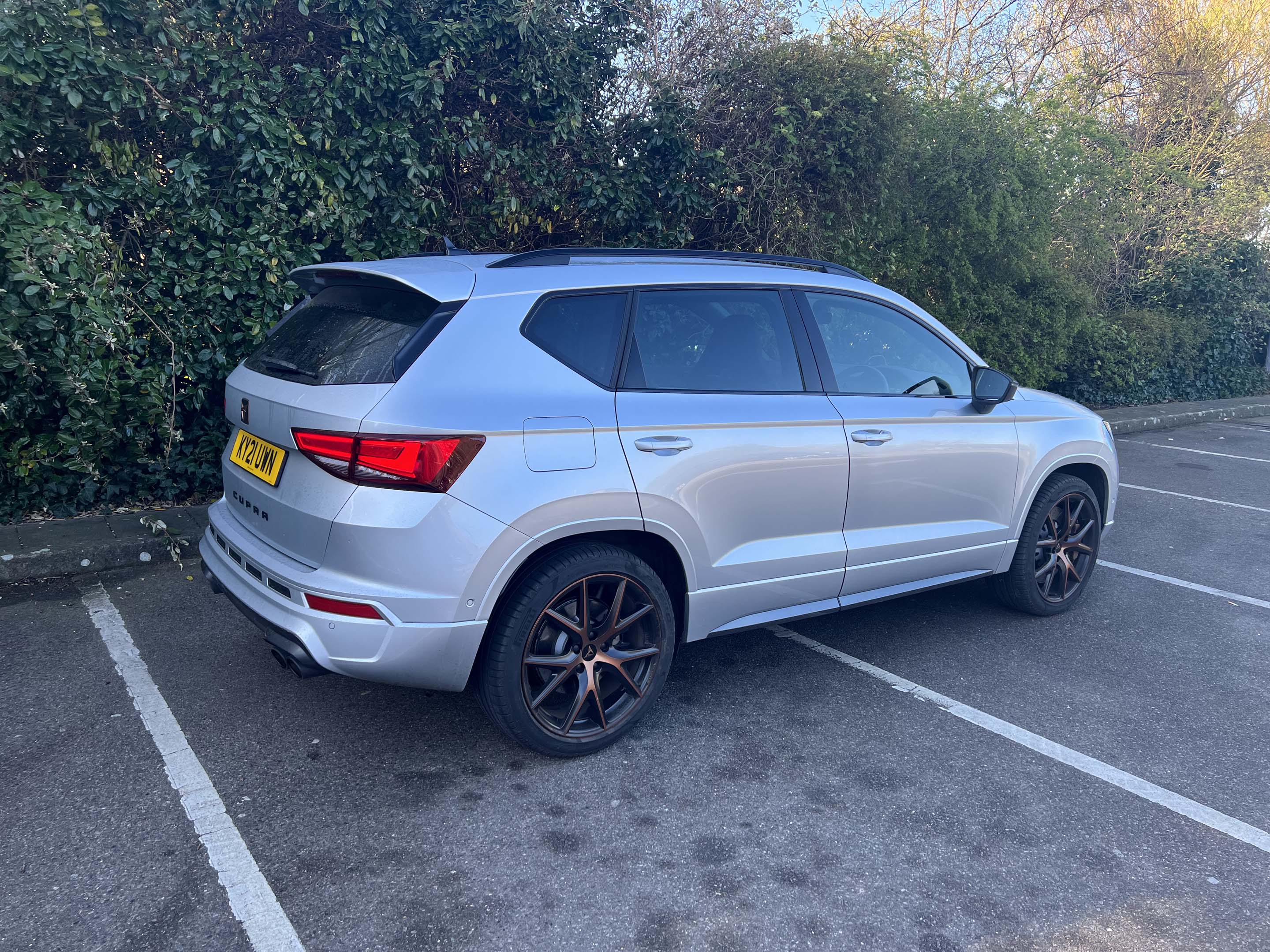
| EDITOR’S NOTE: Photos in this story are a mix of Jez’s own shots, and a selection of press images of the recent Limited Edition model offered in the UK. |
Both share a 2.0-litre ‘EA888’ four-cylinder turbo producing 221kW and 400Nm, plus a seven-speed dual-clutch auto and all-wheel drive.
The Ateca has the most conservative shape in the Cupra range, with the Copper alloy wheels doing the hard yards to create some visual excitement.
And of the two Cupra SUVs being offered, the Ateca is the only one based on a model sold by Cupra’s parent brand Seat (which for those with long memories may, well, be remembered when it was sold here in the 1980s).
The Formentor is exclusive to Cupra and forecast to be the brand’s most popular model.
Both vehicles are small SUVs, with the Formentor stretching a bit beyond 4.4 metres and the Ateca just under at 4386mm.
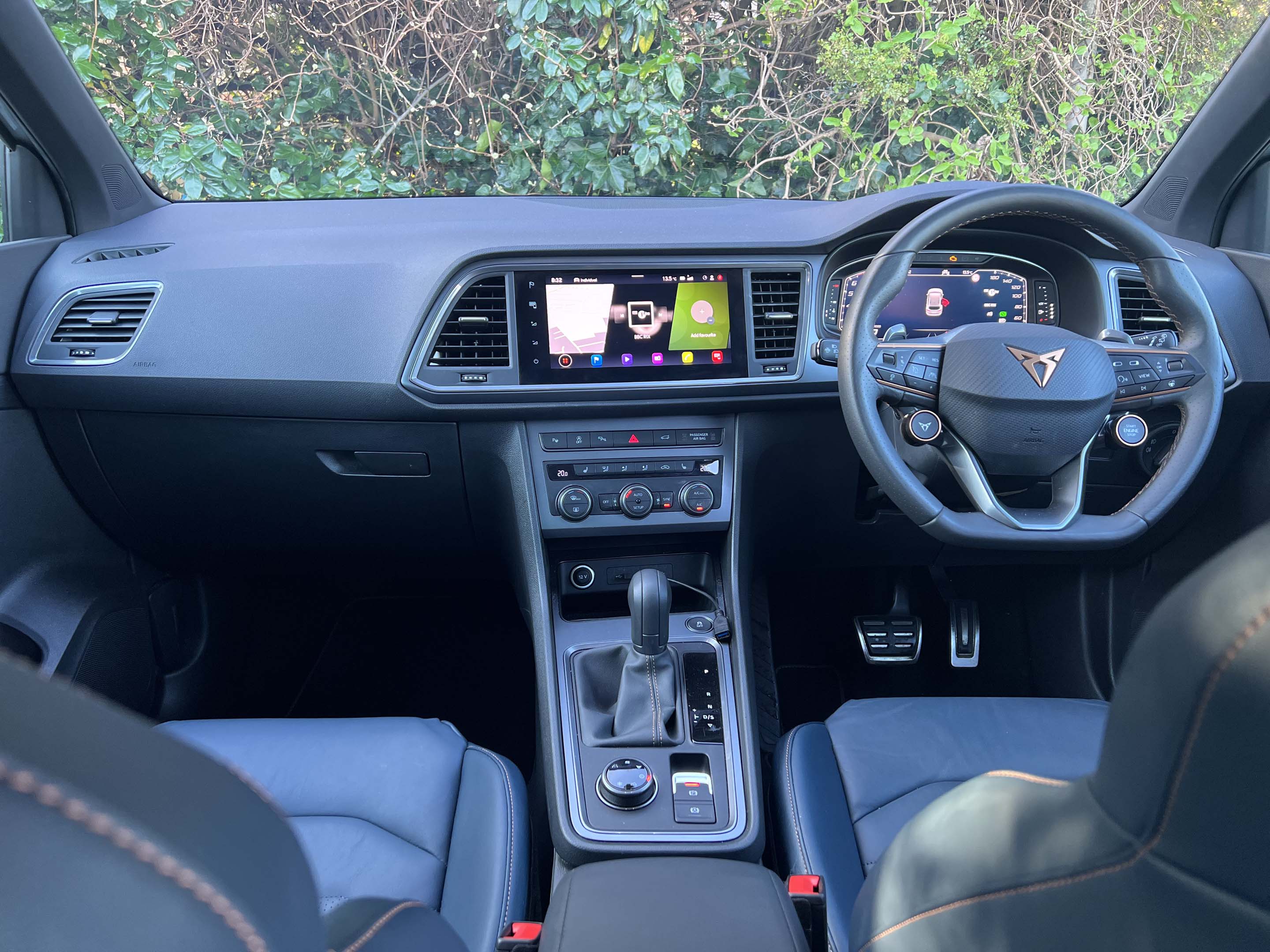
There’s no mistaking the Volkswagen influence inside the Ateca. As with Skoda, however, Cupra brings some distinguishing elements.
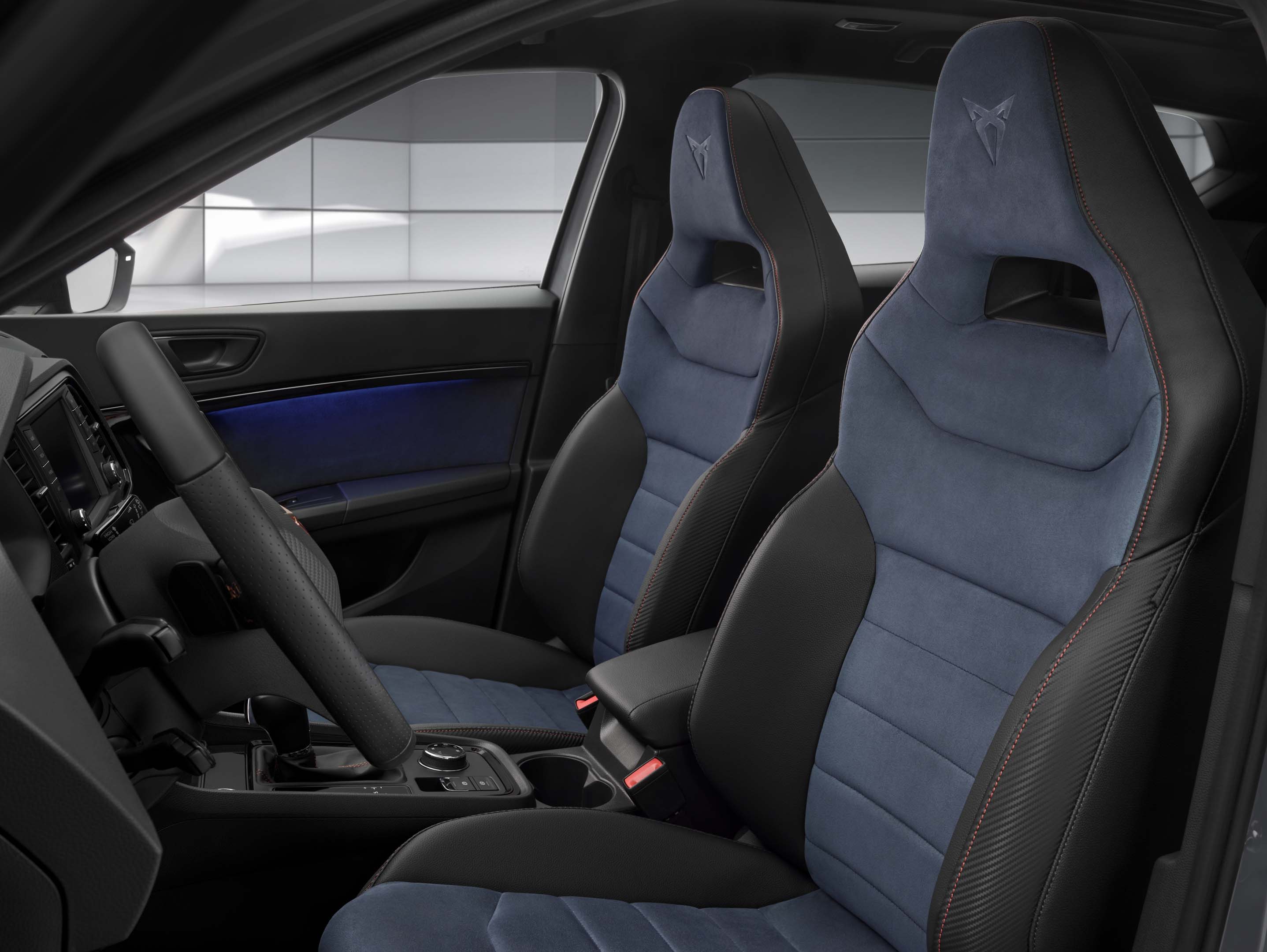
Copper continues as a signature, used for the Cupra logo on the steering wheel, steering wheel button surrounds, rev-counter redline sector, and stitching for leathered parts of the interior (but also the mats).
That includes the ‘Petrol Blue’ seats that stand out.
There’s no mistaking the Volkswagen influence inside the Ateca. As with Skoda, however, Cupra brings some distinguishing elements.
As is common at this price point, the quality of plastics recedes as you lower your gaze, with the softest materials reserved for higher sections of the interior. Switchgear tactility is patchy – with weaker areas including the heating-ventilation dials and paddleshift levers.
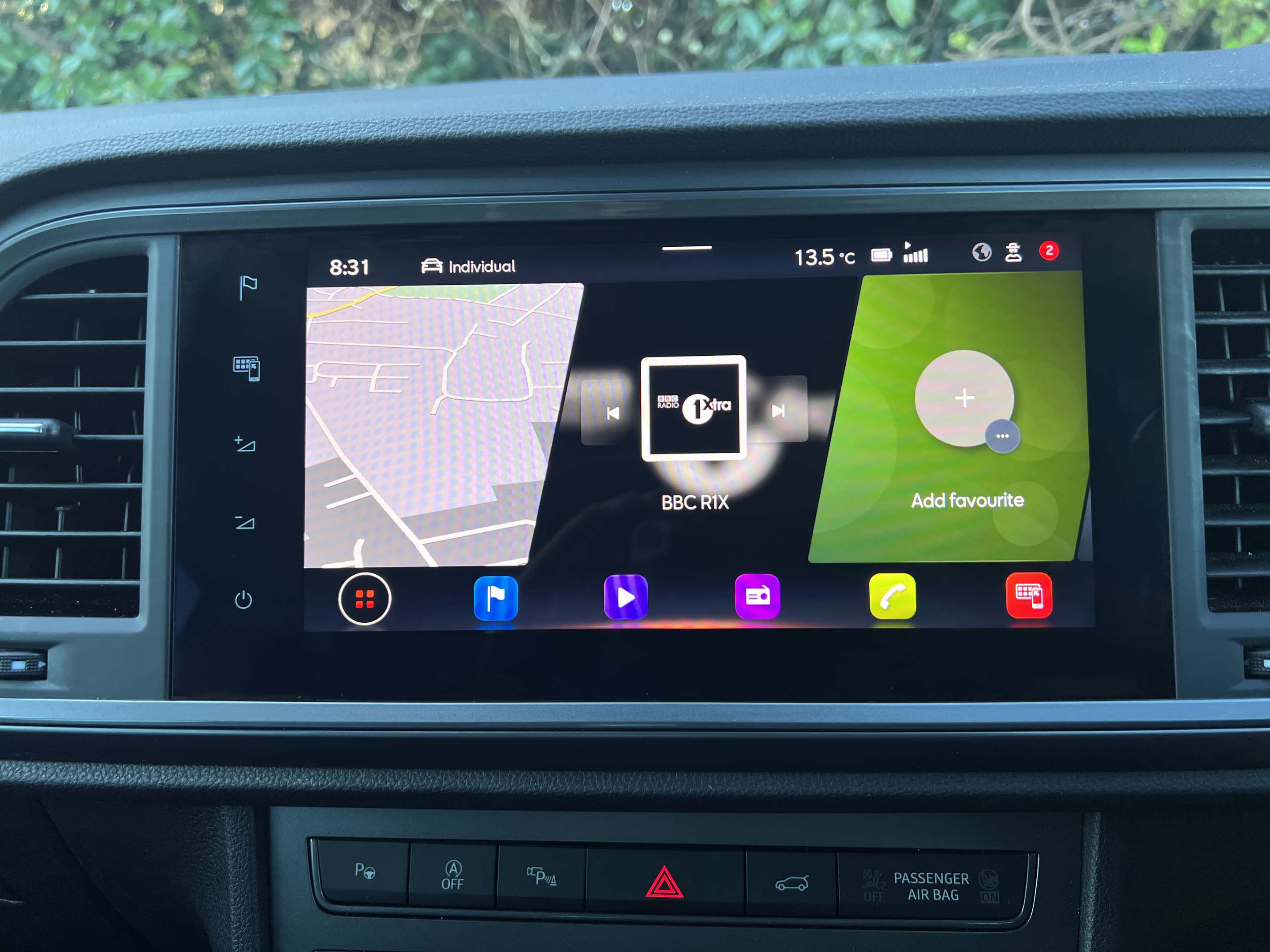
A full-size digital driver display is standard and, as with VW and Skoda versions, one of the best examples of the technology thanks to its genuinely customisable set-up – which includes the ability to feature a full-width nav map.
Infotainment is provided via a smartly presented central, 9.2-inch touchscreen, which also features customisable layouts – in this case for the main menu.
A Beats audio system is standard to delight plenty of ears.
If you’re a parent, don’t be put off by the Ateca’s ‘small SUV’ status; good packaging has ensured this works convincingly as a family car for up to five.
Aside from useful storage options front and rear, the back seat offers generous space for heads and feet, while kneeroom is excellent for average-height adults.
The rear bench cushion is perhaps a tad short, though at least tilted upwards to better help under-thigh support. Forward vision isn’t helped by the chunky front headrests, though.
There’s dedicated climate control for the rear, as well, while practicality is ticked off with door pocket bottle holders, seatback pouches, drop-down armrest with cupholders, and contemporary USB-C ports.
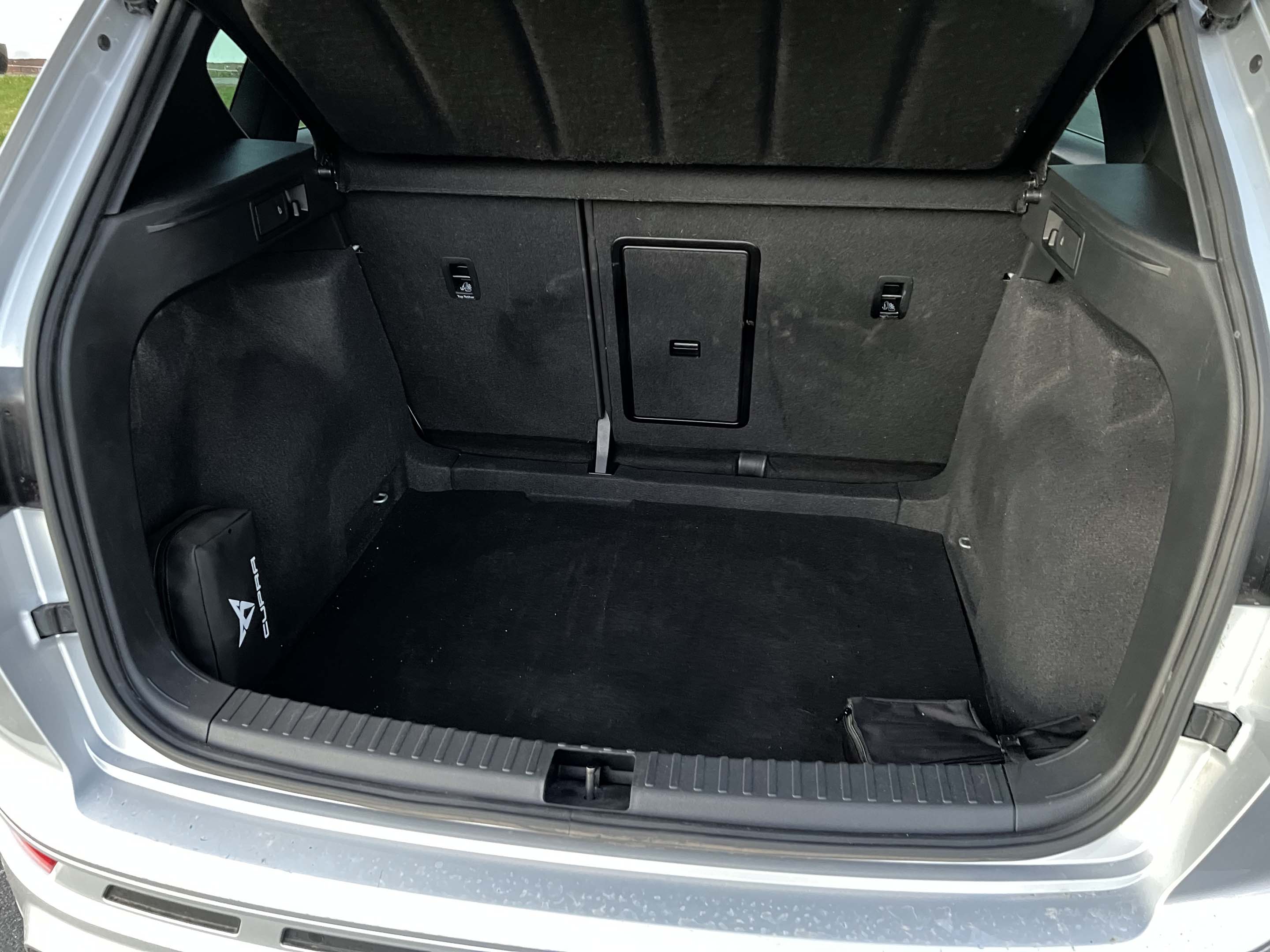
Opening the automatically operated tailgate reveals another family bonus: a large, 485-litre boot that can swallow a family of four’s holiday luggage. (See photos for evidence!)
Standard adaptive dampers give the driver the option to stiffen or soften the suspension. There’s still an underlying firmness to a vehicle that rolls on 19-inch wheels, and Comfort mode is more effective at bringing suppleness to the ride rather than compliance. Sharp bumps are typically felt.
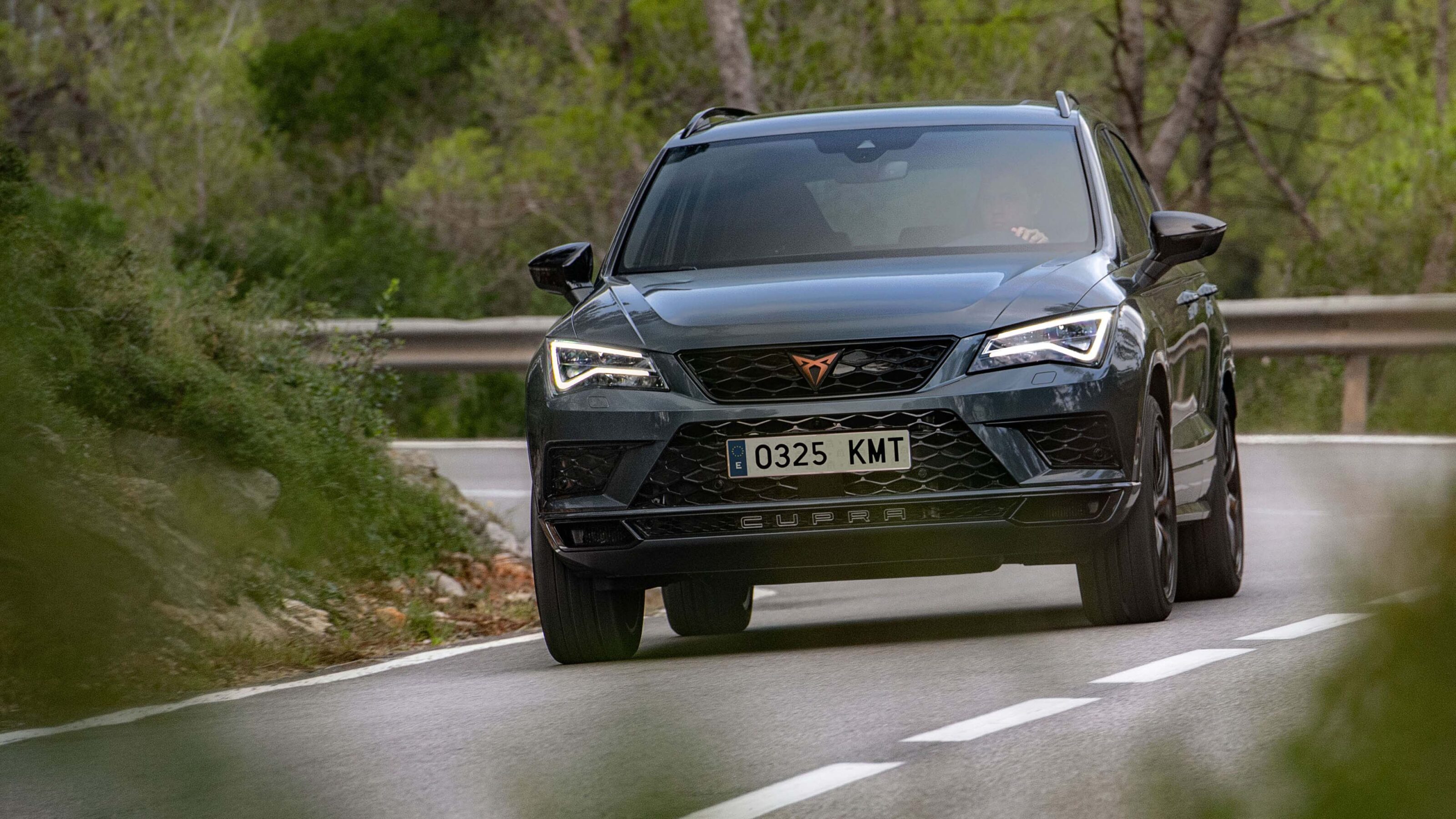
There’s still an underlying firmness to a vehicle that rolls on 19-inch wheels, and Comfort mode is more effective at bringing suppleness to the ride rather than compliance.
We need to wait to test the Ateca on Australian roads to be certain, but our feeling is that the Cupra generally won’t be as smooth as the Kodiaq RS – Skoda’s seven-seater performance SUV.
The Ateca’s lighter weight makes it a more agile SUV in corners, though as with the Skoda not all drivers will discover wholly enticing involvement.
There’s plenty of grip from the 245/40R19 Pirelli P Zero tyres and there are accurate responses from the steering, with the sporty Cupra mode bringing a desirable lift in weight for higher speeds while the lightness of Comfort mode creates a sense of effortlessness for low-speed manoeuvring.
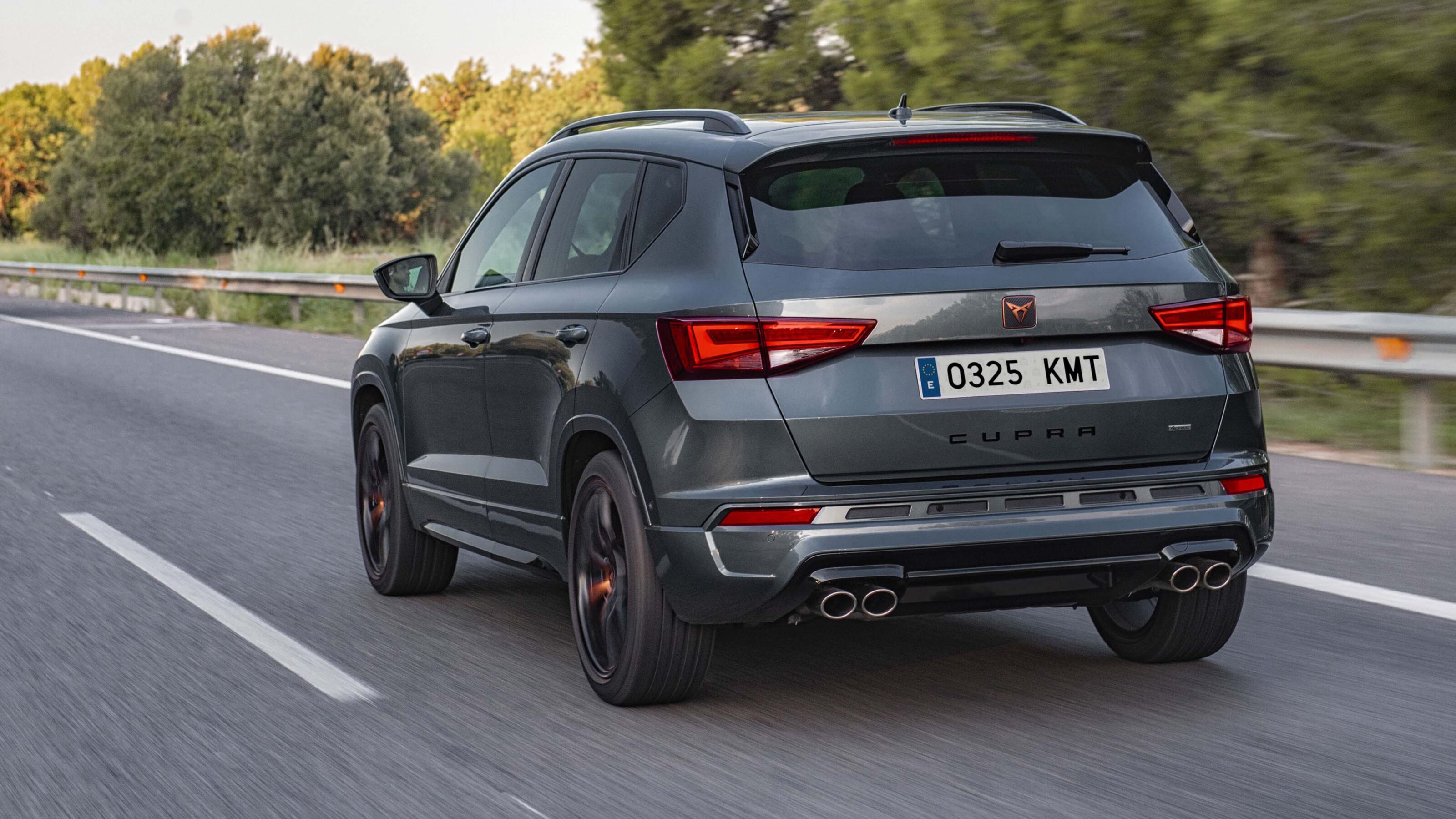
The Brembo brakes are reassuringly strong, though a reminder these will be a $4050 option in Australia.
Tyre noise, based our experience of similar UK roads we tried, is likely to be noticeable on Australia’s typically coarse bitumen.
The EA888 four-cylinder that powers the Ateca is not without some lag, though otherwise delivers this engine’s trademark smoothness and flexibility. It’s mated to an agreeable seven-speed dual-clutch gearbox that shifts effectively regardless of the level of driving aggression.
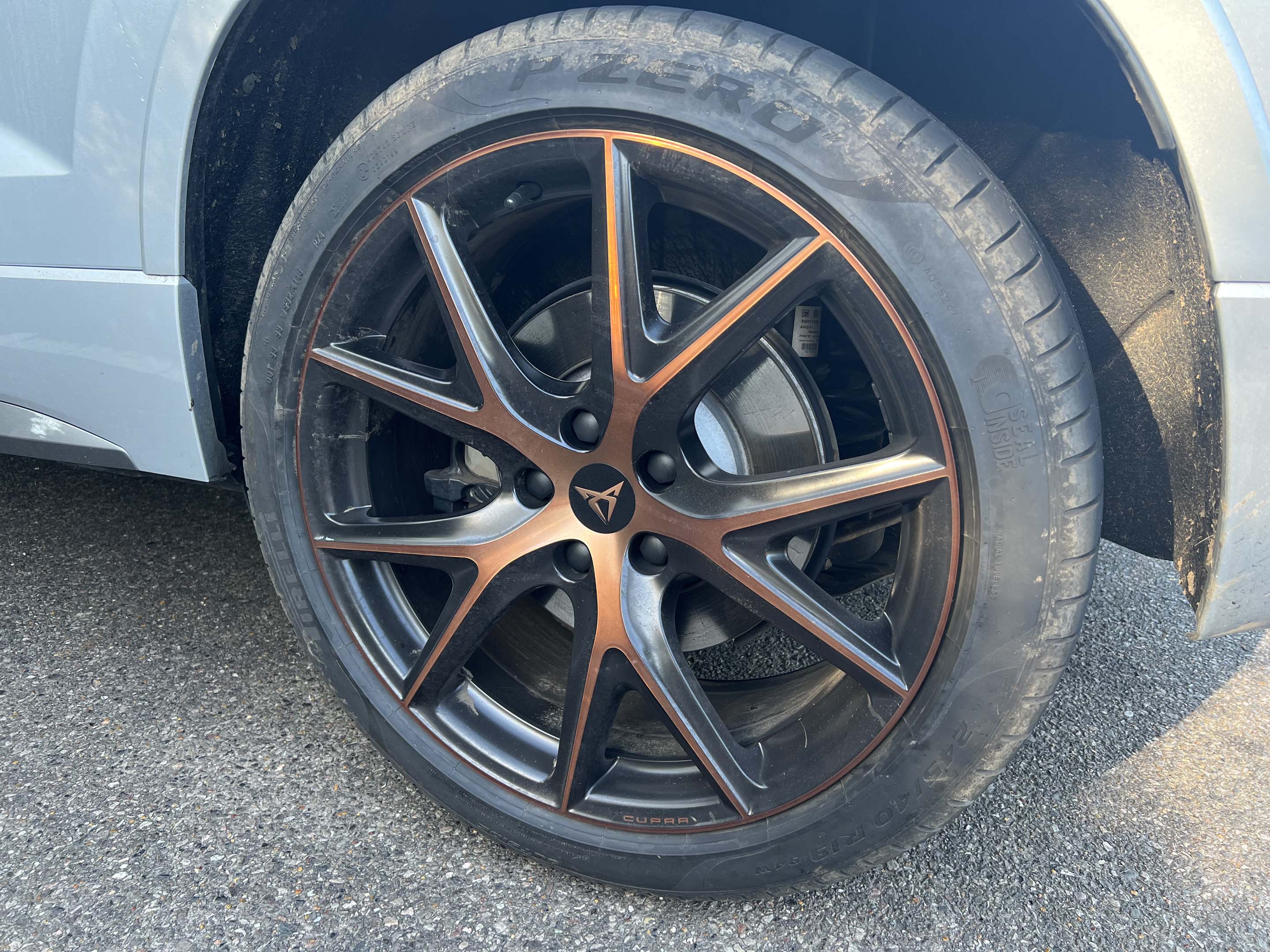
Push hard and Cupra says the Ateca will go from 0-100km/h in 4.9 seconds.
That’s a decent turn of speed, even if this SUV – heavier than your average hot-hatch – doesn’t necessarily feel as quick as that from behind the wheel.
There is the option to use a sport mode to improve throttle response, which also stiffens the damping; this tester’s preference was to mostly use the Individual setting and set the drivetrain to Sport while keeping the suspension in Comfort.
While the Ateca sounds far from boring under full acceleration, some performance SUV buyers may want to consider the $5950 Akrapovic exhaust system option.
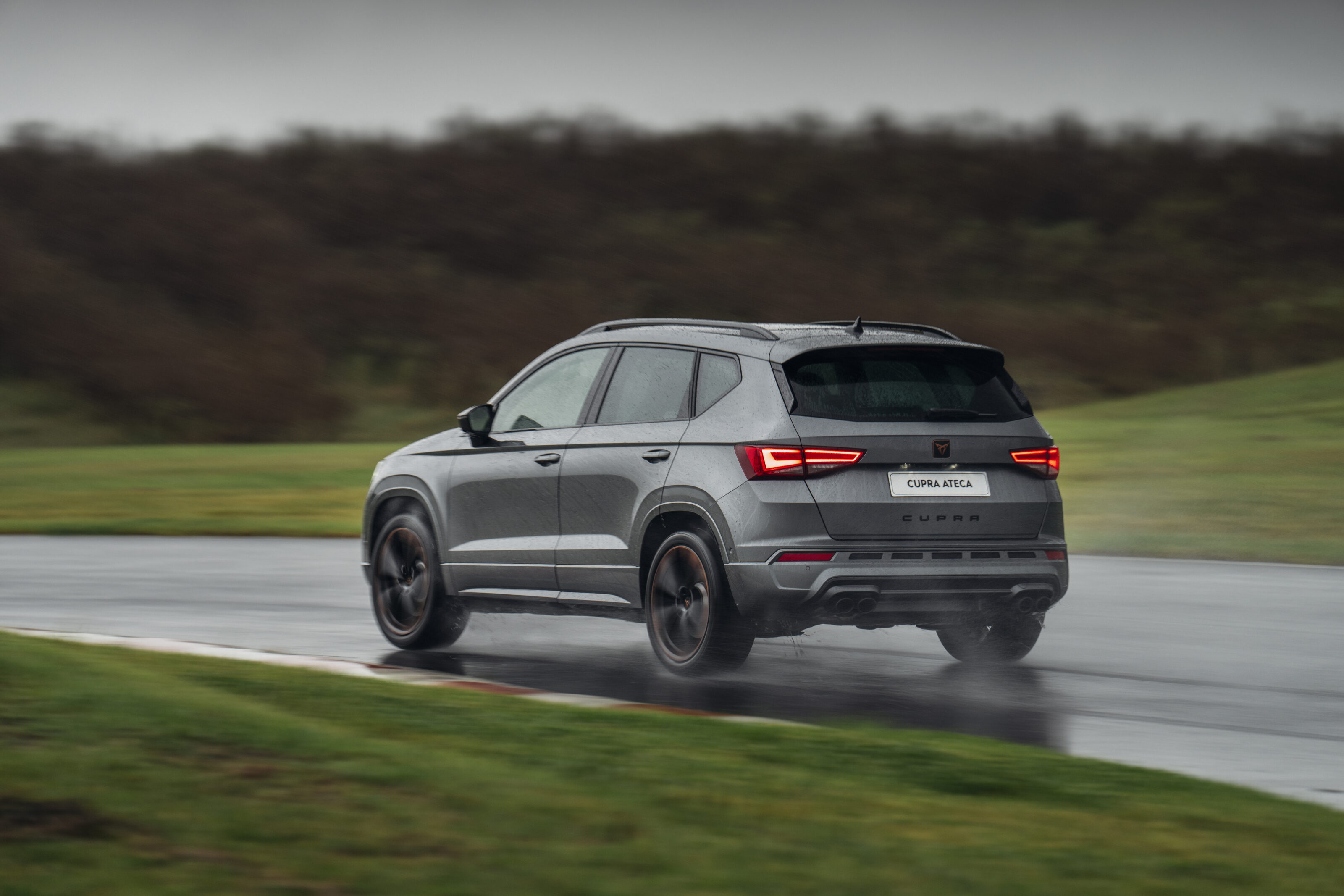
With affordable performance-focused SUVs still relatively rare, the Cupra Ateca makes for an intriguing entry into the market beyond the fact this is a brand new, well, brand vying for the attention of keen drivers.
If not the sharpest-driving SUV around, the Ateca offers a still-tempting blend of pace and practicality. We’ll find out how well the complete package performs on Australian roads in just a matter of weeks.
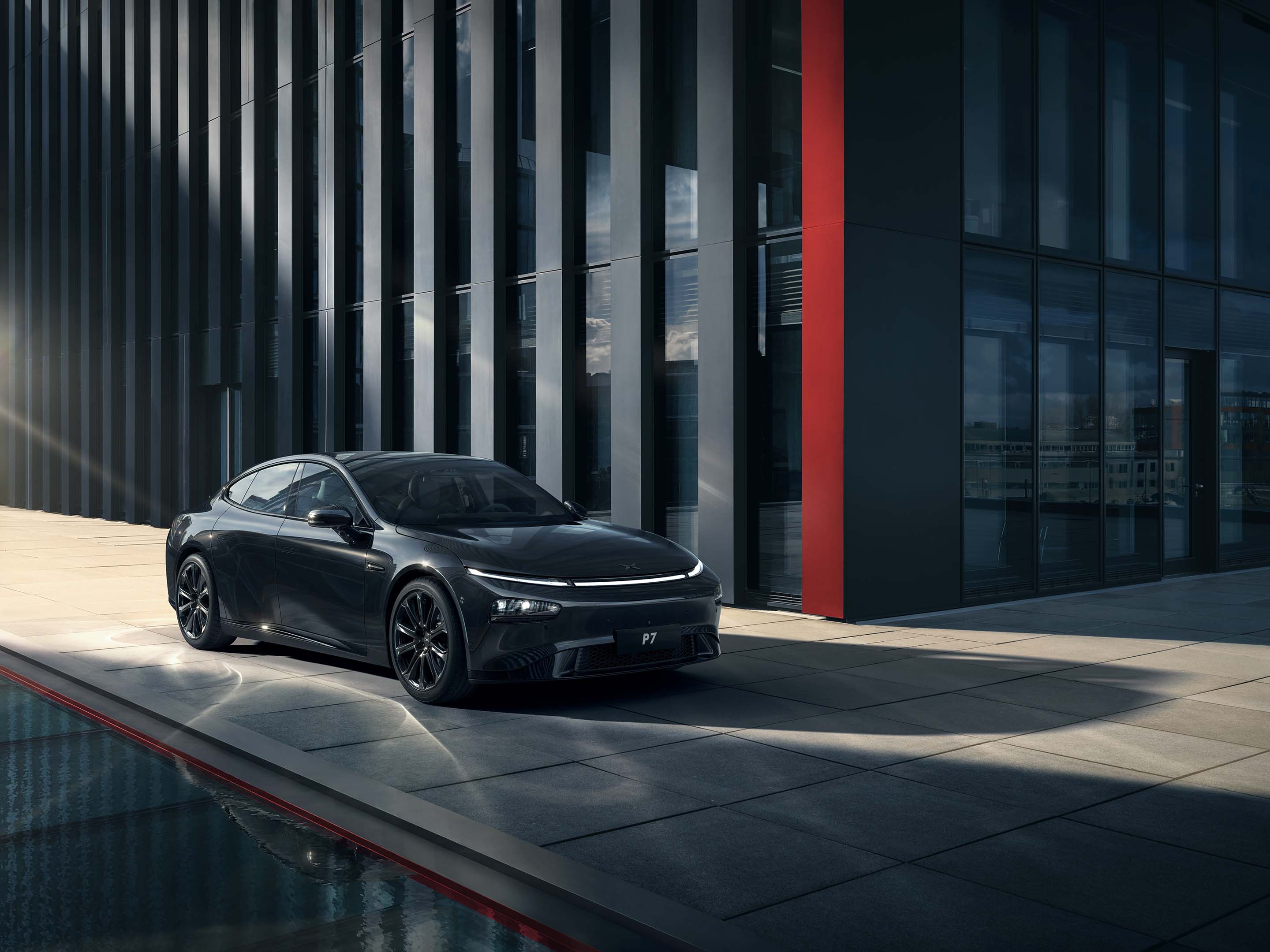
The XPeng P7 is the car that changes everything.
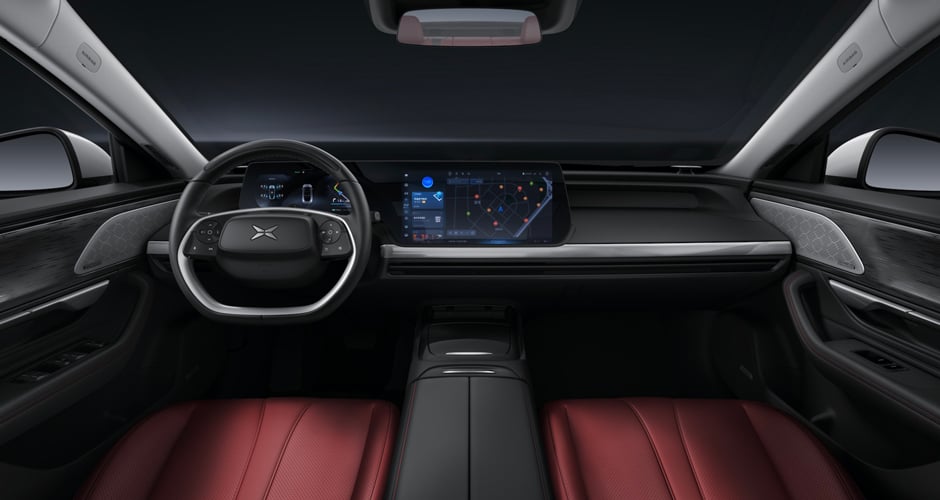
To be clear, the XPeng P7 isn’t a world beater in terms of its design, performance, or powertrain technology. It’s merely an accomplished EV; quick and smooth, quiet and comfortable, handsome in the Tesla Model S fashion but with a more luxurious interior and similar levels of tech.
It would be right at home on any driveway in Australia right now, with no excuses needed.
And this is why the XPeng P7 is a game changer. The P7, which made its debut at the 2019 Shanghai Show, is only the second-ever car from a carmaker that’s only been in existence eight years.
Eight years. In the late 1950s, eight years after Toyota restarted manufacturing in the aftermath of World War II, its Toyopet Crown compared so poorly with American and European vehicles available at the time, the company was forced to suspend exports of the car to the U.S.
Hyundai Motor Company was founded in 1967, but it wasn’t until 1986, with the launch of the front-drive Excel, that it dared enter the Australian market. Even then, the Excel’s key selling point was its low price. No-one considered its product attributes to be on par with those of similar hatchbacks from Toyota and Mazda, Honda and Ford.
The XPeng P7 is a graphic example of the new reality of the global car industry in the EV age.
In the past, as Toyota and Hyundai and others discovered, the cost and complexities of developing and optimising internal combustion engines and suitable transmissions meant newcomers faced huge challenges in terms of creating vehicles that matched those from established manufacturers in terms of performance, dynamics, efficiency, refinement, and quality.
EV powertrains remove a big chunk of that complexity from the vehicle development process. They are inherently smooth and quiet, with fewer moving parts to wear or break. There are no difficult calibration issues in terms of getting an e-motor to meet emissions and fuel economy standards, or any need to make it work with a complicated transmission.
Making a vehicle that’s instantly competitive with mainstream offerings from established OEMs is therefore a lot easier than it used to be.
The XPeng P7 proves the point.
The P7 is built on a bespoke EV platform that was co-developed with Porsche. It’s a conventional skateboard design, with multi-link suspension front and rear and an 80kWh battery between the axles. Behind the standard 19-inch alloy wheels, which are shod with 245/45 Michelin Pilot Sport 4 tires, are Brembo brakes.
The P7 is 142mm shorter overall than a Tesla Model S, and 91mm narrower, but rolls on a 41mm longer wheelbase. The entry-level P7 RWD Long Range is powered by a single rear-mounted e-motor that develops 196kW and 390Nm of torque. The P7 4WD High Performance packs a total system output of 316kW and 655Nm, courtesy of a 120kW e-motor that drives the front wheels.
Like the Tesla, it’s relatively light for an EV – XPeng claims the single motor RWD Long Range weighs 1978kg, while the dual motor 4WD High Performance is claimed to tip the scales at 2097kg. That’s almost 440kg less than a dual-motor Model S.
The 80kWh battery will accept up to 90kW on a DC fast charge, which allows it to go from five percent charge to 80 percent change in about 51min.
XPeng claims a range of up to 530km on the WLTP test cycle for the RWD Long Range, and a 0-100km/h acceleration time of 6.9 seconds. The 4WD High Performance has a claimed range of up to 470km and will zing from 0 to 100km/h in 4.5 seconds.
Neither version of the P7 threatens the Tesla Model S in terms of outright range or performance. But it would be a mistake for Tesla to dismiss it simply because of that. Just as it would be a mistake for anyone in the car industry to ignore XPeng.
Based in Guangzhou, China, XPeng was founded 2014 by former GAC Group execs Heng Xia and Tao He. (GAC Group produces vehicles in joint ventures with Toyota, Honda, Jeep, and Mitsubishi. It also manufactures and sells vehicles in China under the Trumpchi, Aion, and Hycan brands.)
The other founding partner, and angel investor, was Xiaopeng He, founder of Chinese mobile browser company UCWeb, which was bought by the Chinese e-commerce giant Alibaba Group in June 2014. He reportedly made billions from the deal but resigned from the Alibaba board in August 2017 to become full-time chairman of XPeng.
XPeng is a contraction of his name.
XPeng’s first vehicle, the G3 compact SUV, was launched in Las Vegas at CES in December 2018, and a facelifted version, the G3i, is now on sale in Norway. The company’s third model, the P5, a roomy family sedan built on an extended wheelbase version of the G3’s platform, was unveiled in September 2021.
X-Peng’s fourth model will be the G9, a larger SUV built on the P7 platform that will boast an 800V electrical architecture allowing ultra-fast charging. The G9 will go on sale in China in the third quarter of this year, and while there are no firm plans yet, X-Peng insiders hint the G9 may be the model chosen to launch the brand in the U.S.
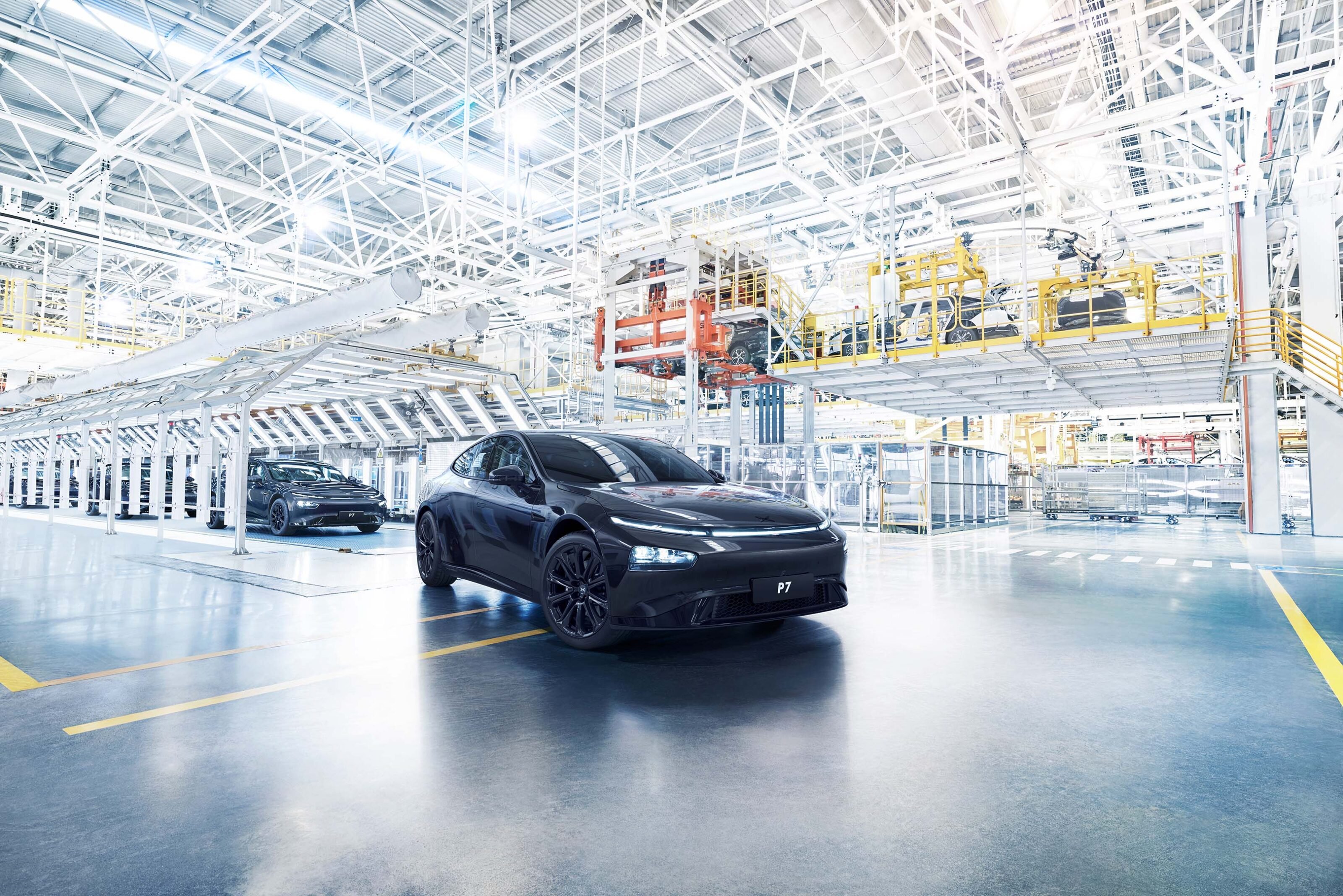
It took Tesla 17 years to get four cars into production and on sale. By the end of this year XPeng will have equalled that achievement in less than half the time. But that’s not the only reason the car industry’s arch-disrupter needs to start looking over its shoulder at this fast-moving Chinese rival.
Piotr Chmielewski, a Polish software engineer who is XPeng’s Head of EV Charging in Europe, says the company is the only carmaker other than Tesla to use an end-to-end software architecture.
The architecture is used on all XPeng models, and Chmielewski, who points out Xiaopeng He made his fortune in the software business, believes this software stack will give the company’s products a competitive advantage in the long term.
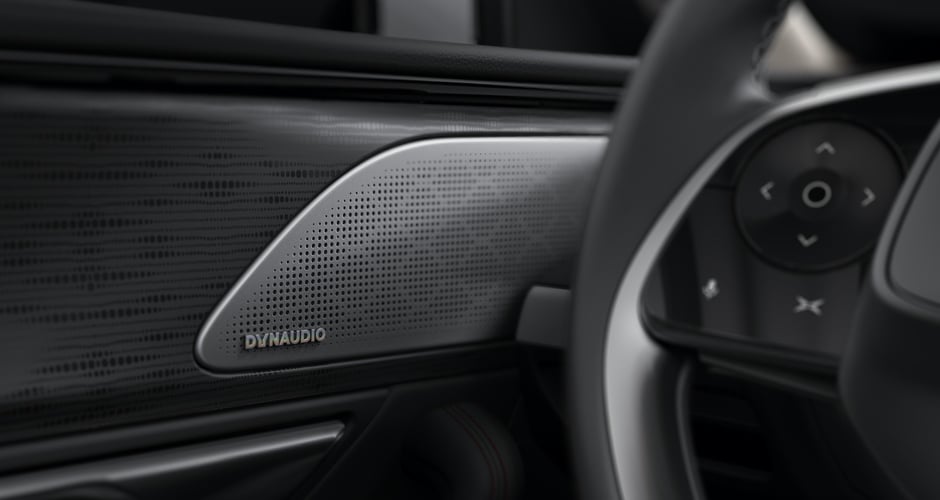
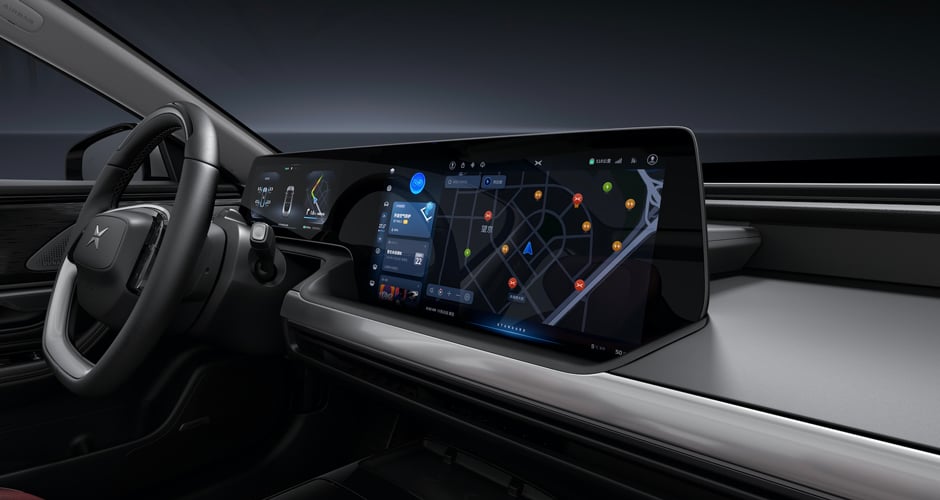
The XPeng operating system, dubbed Xmart OS and initially Android based but now highly evolved and unique, controls driver assistance systems as well as connectivity functions and infotainment systems, and nascent AI capabilities, including a ‘Hey XPeng’ voice activation function and a smart navigation system. It allows a wide range of over-the-air updates and remote vehicle diagnostics.
That’s Tesla-level stuff. And although some of the P7’s standard XPilot functions, most notably the lane keep assist, don’t feel quite as well resolved in terms of their operation as Tesla’s, Chmielewski makes the point that’s basically just an issue of tuning the software, not designing new hardware.
It doesn’t matter whether you’re Toyota or Tesla, or any of the established carmakers, the message sent by the XPeng P7 – and the other XPeng models – is clear, and worrying: Your next big threat could be an EV manufacturer no-one’s heard of, making vehicles that are competitive with yours, right out of the box.
