
UPDATE: Second owner example revealed
That didn’t take long. Just a few months after blowing the minds of fans all over, Singer’s Turbo Study has moved quickly from first to second gear.
Revealing this second commission, finished in turbo racing white, Singer described it as a more sports-focused example than the original car unveiled in February.
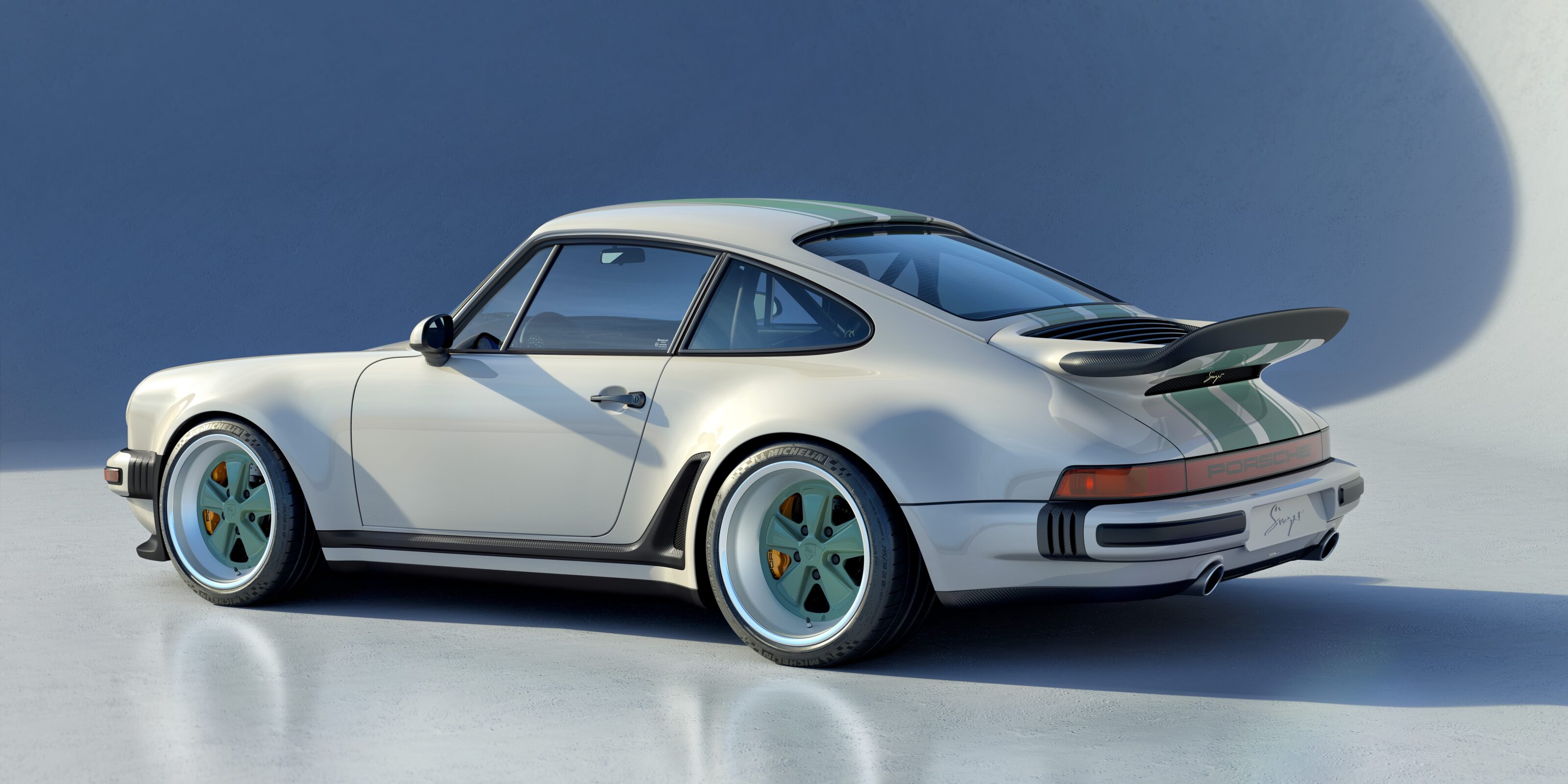
“The car in wolf blue we presented back in February was specified with a focus on luxury grand-touring capabilities, but owners may choose to go in a very different direction,” the company said.
Among the changes is a power boost for the 3.8-litre twin-turbo flat six, growing from a not insignificant 335kW to an even mightier 380kW (510hp).
Power is still sent to the rear corners through a six-speed manual transmission, but the suspension has been “sports calibrated” and set lower. You’ll also find more enduring carbon-ceramic brakes behind those wide Fuchs-style wheels.
The list of styling and performance works goes on:
- Centre-mounted fuel filler
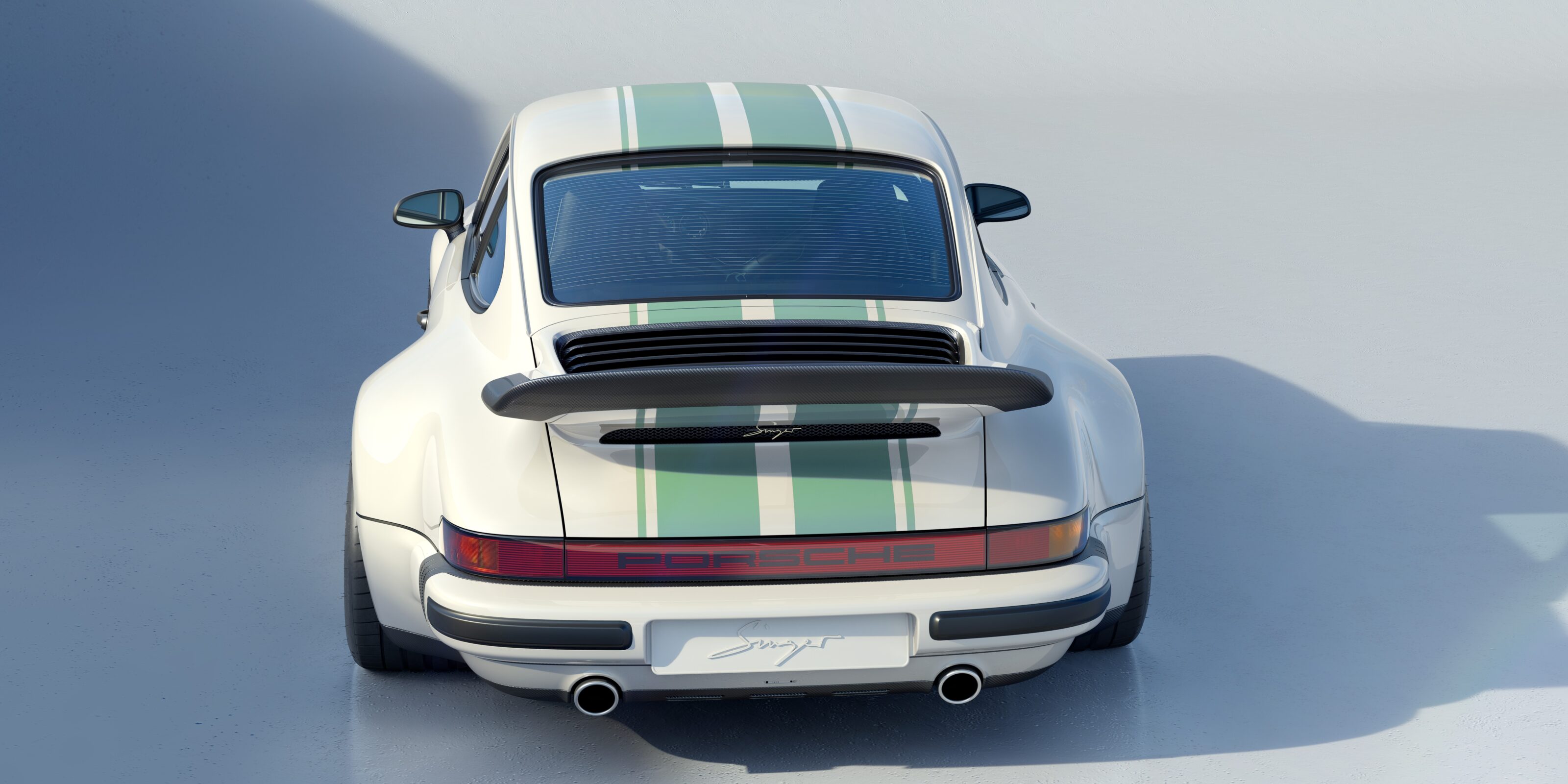
- Visual carbon fibre elements for front splitter, shark-fin intake and whale tail spoiler
- Rear bumperette delete
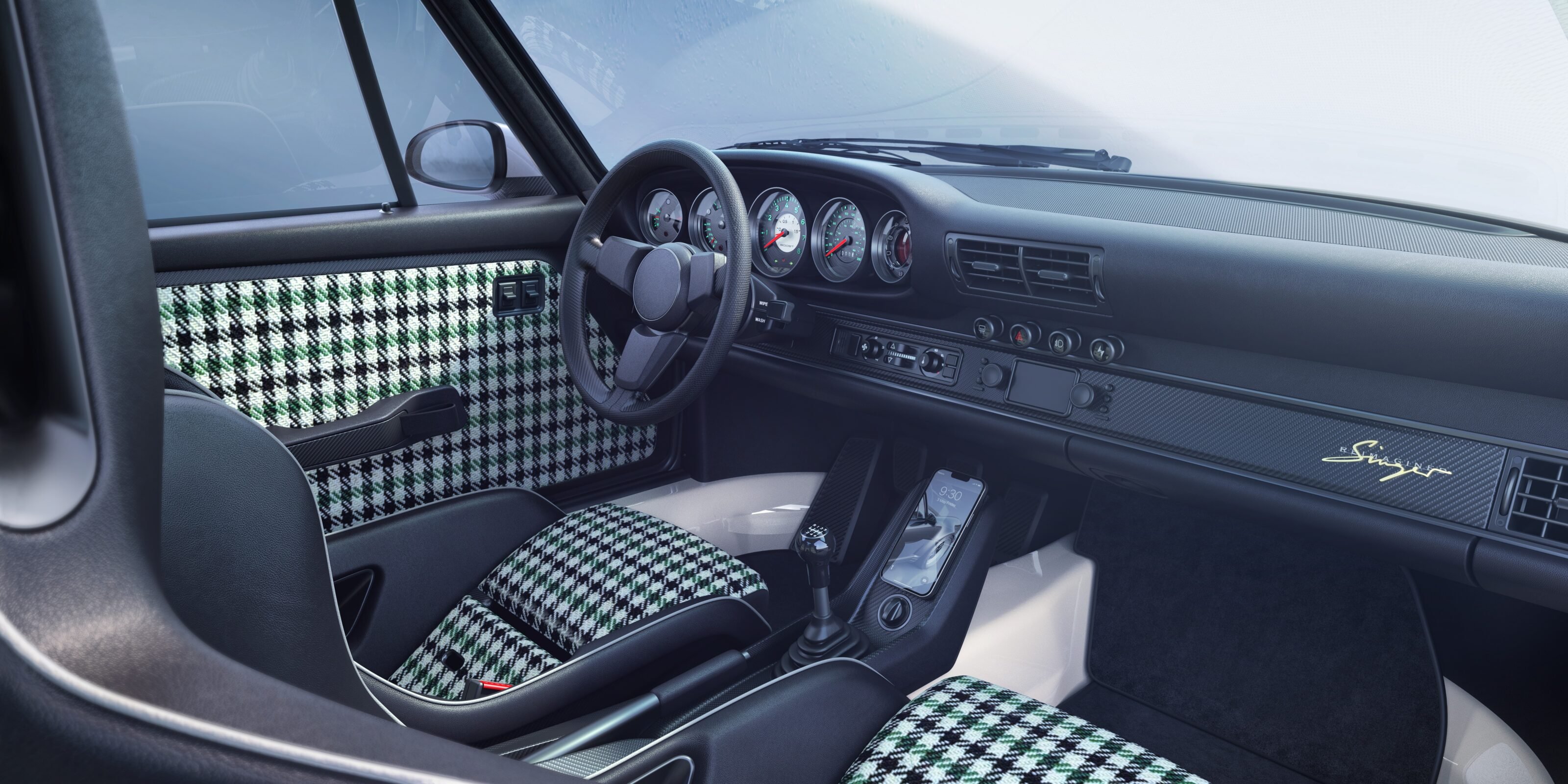
- Interior presented in bespoke houndstooth ‘Grun’ cloth, with visual carbon fibre accents
- Lightweight carbon fibre seats
- Rear cross-brace, lightweight door trims, and painted interior surfaces
- Lightweight carbon fibre bodywork in turbo racing white
Catch the original reveal below.
And now we can’t help but wonder… how long until the first Australian commission for a Turbo Study shows up?
The story to here
February 2022: Singer Turbo Study revealed as a 930 Turbo tribute
Snapshot
- Singer to launch Turbo Study at Goodwood Festival of Speed
- 964-based 911 reworked as a tribute to classic 930 Turbo
- Twin-turbo flat-six to start with roughly 335kW
The latest creation from Singer is under construction, with the California-based Porsche restomodder announcing its third series of reimagined 911 models.
Following on from the original Singer (now known as the Classic Study) and the Dynamics and Lightweighting Study (DLS), the third iteration of models will be the Turbo Study – based on the 911 930 Turbo which was built between 1975 and 1989.
Perhaps the most iconic air-cooled Porsche design, the 930 Turbo was the first production 911 to score forced induction, standing out on the roads thanks to its wide body kit, ‘whale tail’ spoiler and Fuchs wheels.
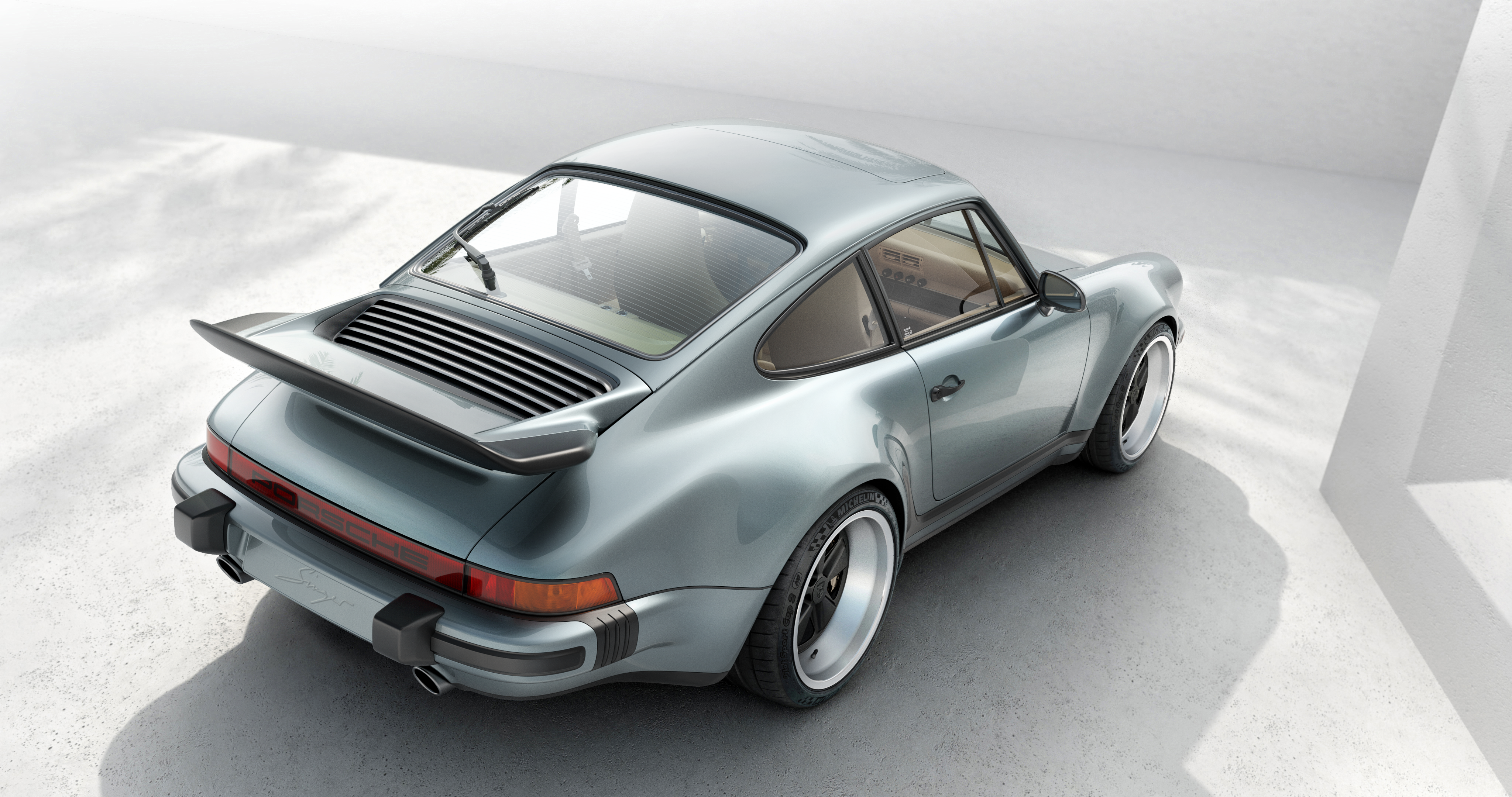
As to be expected from Singer, the Californian company has taken the original recipe and added some of its own flavours, still keeping the 964-generation 911 as its base but making considerable changes to utilise the best bits of both cars.
Now benefitting from carbonfibre, the bodywork is shaped to reflect the 930’s image, complete with pumped-out guards, the huge whale tail spoiler, black bumper extensions and trim around the lower sides.
A pair of shark-fin intakes have also been included in front of the rear tyres, providing extra air for the twin-turbo engine to inhale.
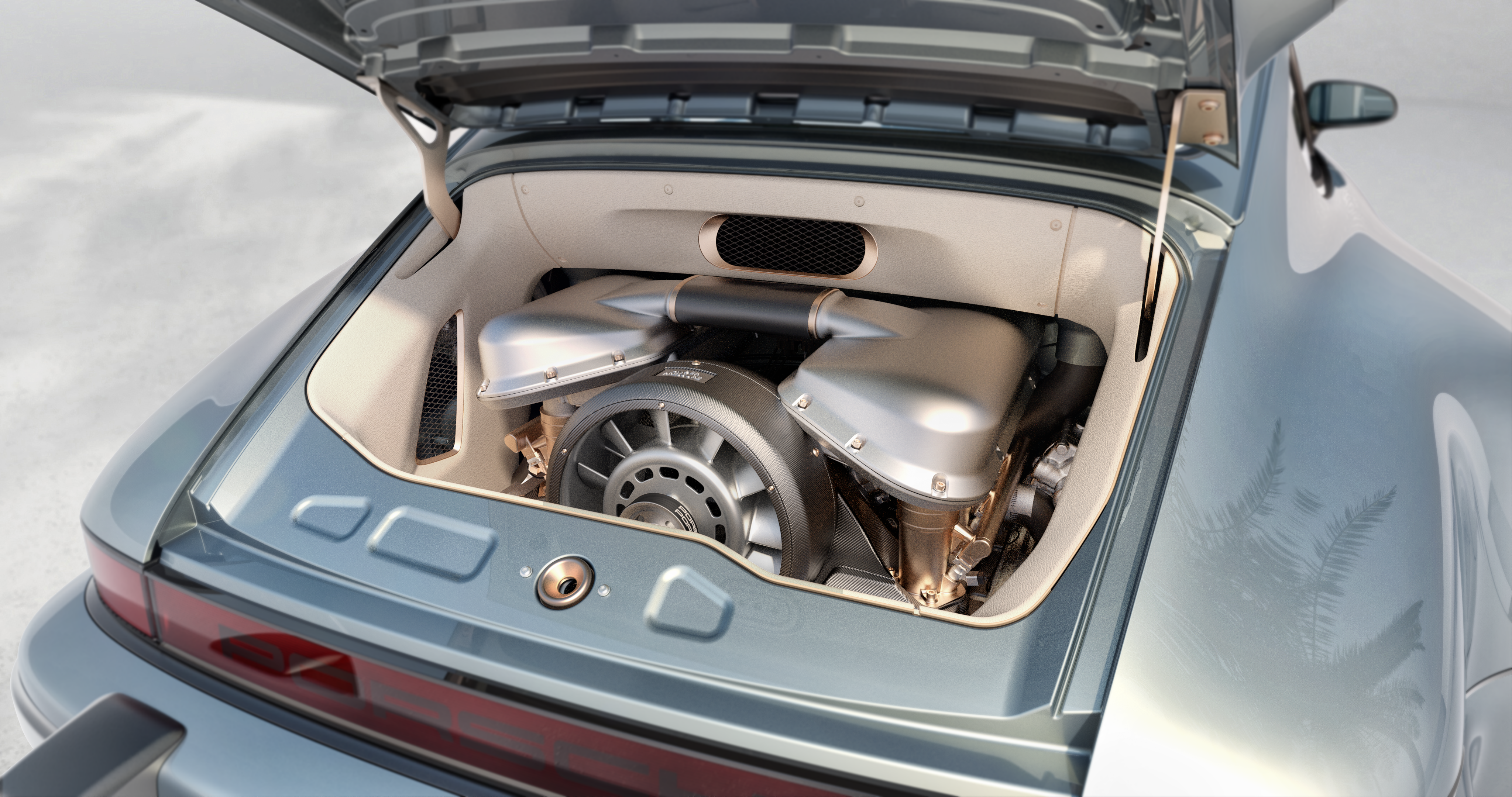
Out behind the rear axle is the latest development from Singer’s engine department – a Mezger-derived, air-cooled 3.8-litre flat-six, now with twin turbochargers which are controlled by an electric wastegate.
Rather than buy off-the-shelf parts, Singer has made its own bespoke air-to-water intercoolers in an attempt to keep air going into the engine as cool as possible, helping the Turbo Study to push out around 335kW – although customers can spec a more powerful tune if they so wish.
Drive in this particular commission is sent to the fat rear tyres through a six-speed manual transmission but Singer has said customers can also opt for an all-wheel-drive system for maximum grip.
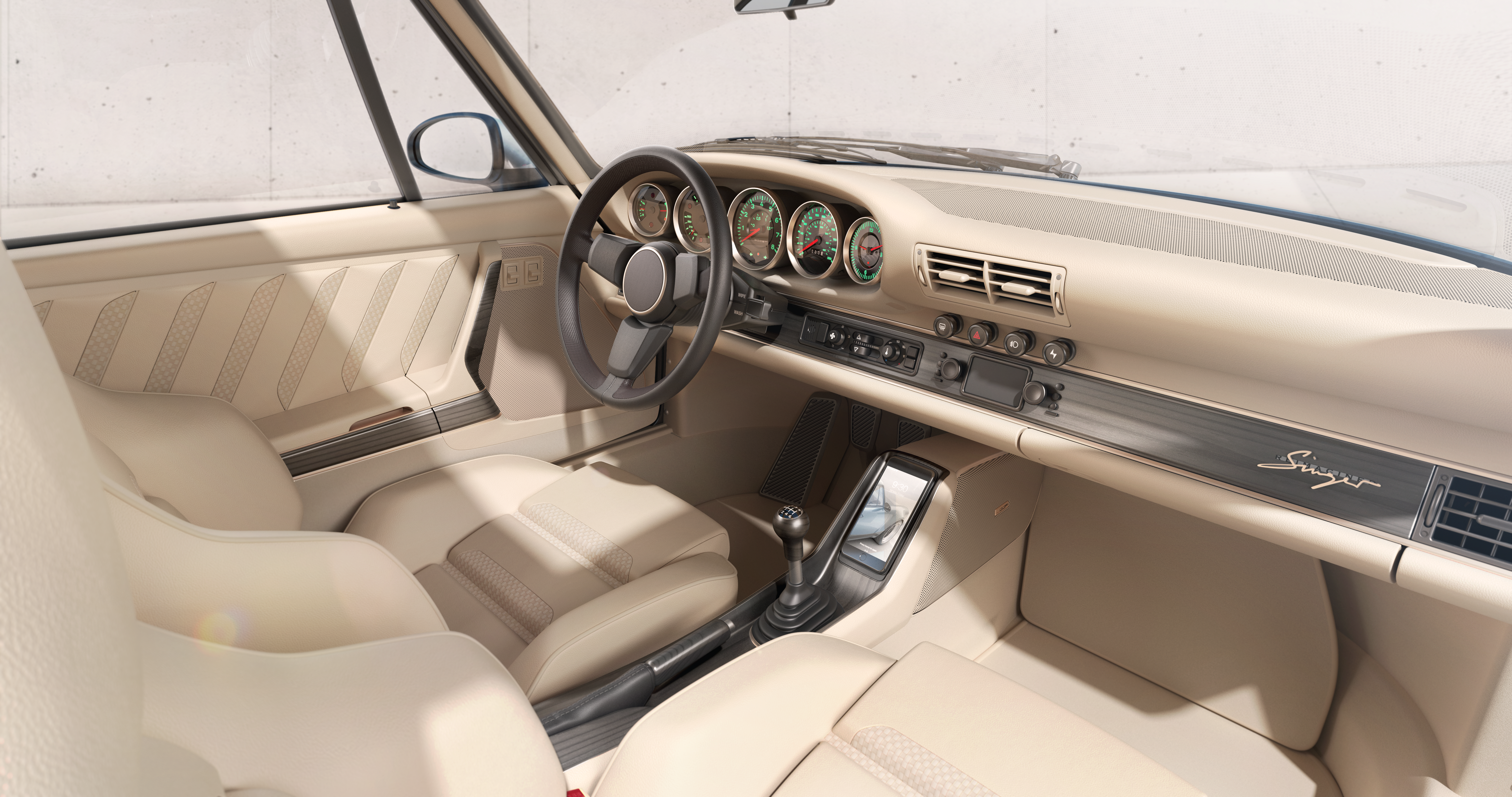
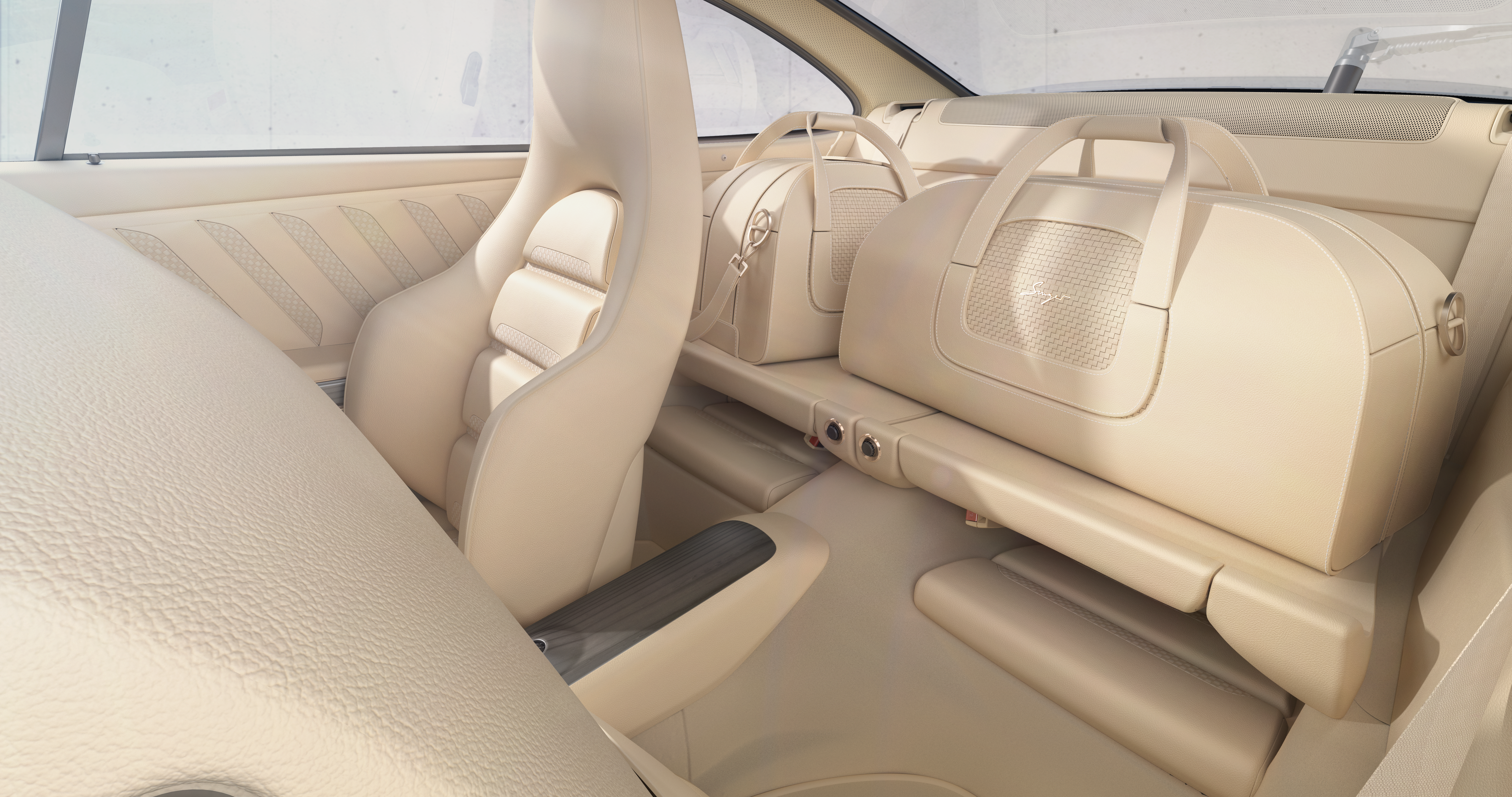
Despite its hardcore carbon-ceramic brakes, this Wolf Blue example has been set up with comfort in mind, riding on touring-focused suspension with air-conditioning and electrically-adjustable heated seats fitted, as the cabin is finished in Malibu Sand with Black Forest wood accents.
Singer founder Rob Dickinson says the 930 Turbo was the first 911 he experienced as a child, with the Turbo Study acting as a love letter to Porsche’s classic model.
“My first ever ride in a Porsche 911 as an 11-year-old in 1976 left me dry-mouthed and speechless – it was a black 930 Turbo with red tartan seats,” said Dickinson.
“Forty-five years on from that life-changing moment I’m excited to present the results of our study that aims to capture the awesome thrill of Porsche’s first ‘supercar’ while reimagining its performance and refinement and collaborating with owners to take both to new heights. I believe it’s a fitting tribute to a car that changed my life and many others.”
The Singer Turbo Study will make its public debut at the Goodwood Festival of Speed from June 23 to 26, followed by an appearance at the Monterey Car Week in August.
Three years since its global debut, local pricing and specifications for the Tesla Model Y have finally dropped.
The medium-sized electric SUV will likely become Tesla’s best-selling model in Australia.
Indeed, Tesla CEO Elon Musk has stated the marque will increase right-hand-drive production in China due to ‘high’ demand locally.
Initially available from $68,900 just one week ago, the price for the entry-level Tesla Model Y has since increased by $3400.
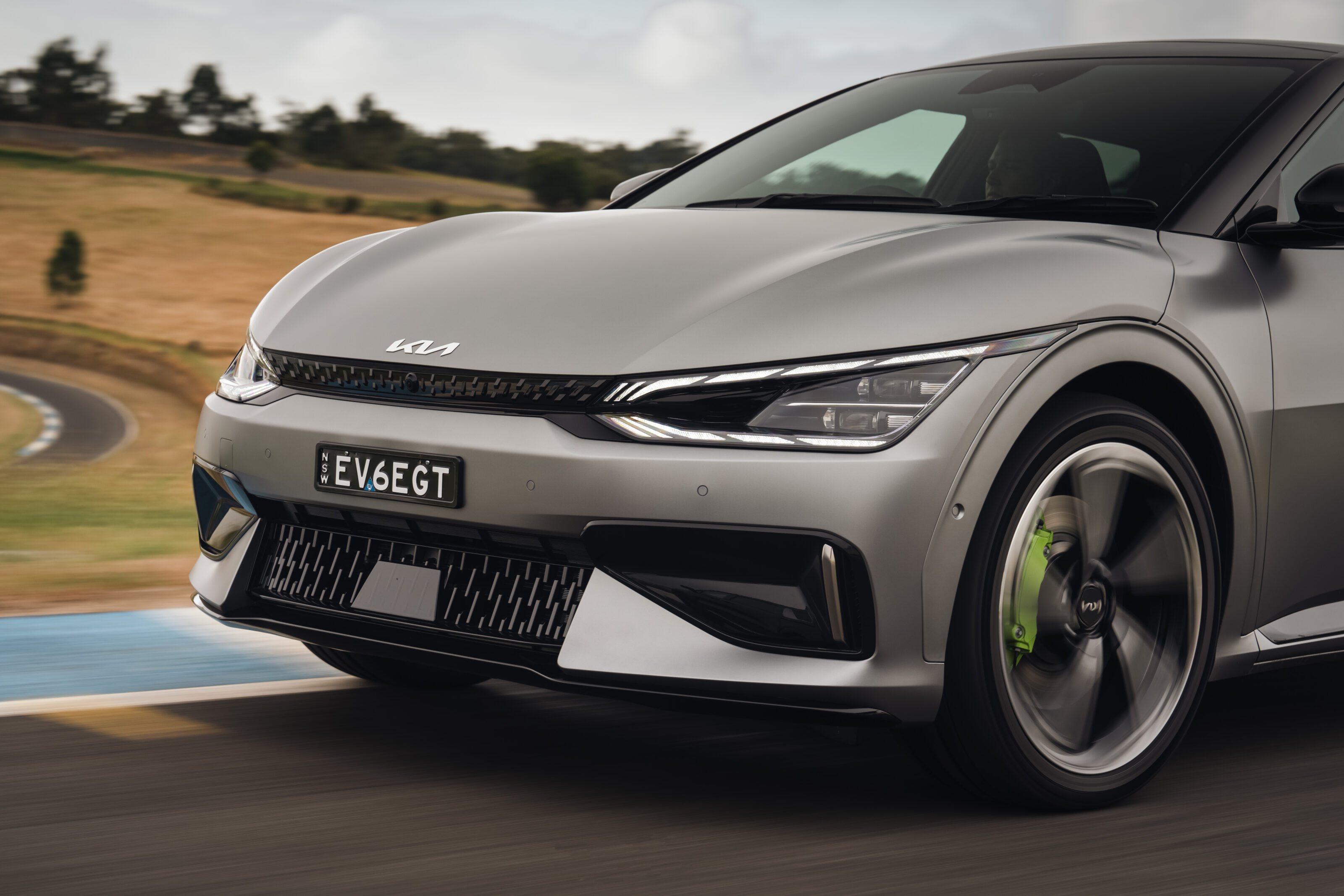
UPDATE, January 2023: Kia EV6 GT driven in Australia
“This isn’t even my final form”, chuckled the 239kW & 605Nm EV6 GT-Line last year. Now we understand… see our first drive review of the flagship EV6 GT, including a track test, at the link below.
UPDATE: Model Y driven in Australia
The Tesla Model Y is now in Australia, and we’ve driven it. We’ve also now compared it directly with Kia’s EV6, on the road. Catch our video and reviews at the links below.
Model Y v EV6 v Polestar 2 continues below
The Model Y is now listed at $72,300 before on-road costs, while the flagship Performance variant has risen by $2800 at $96,700, plus on-roads and Luxury Car Tax.
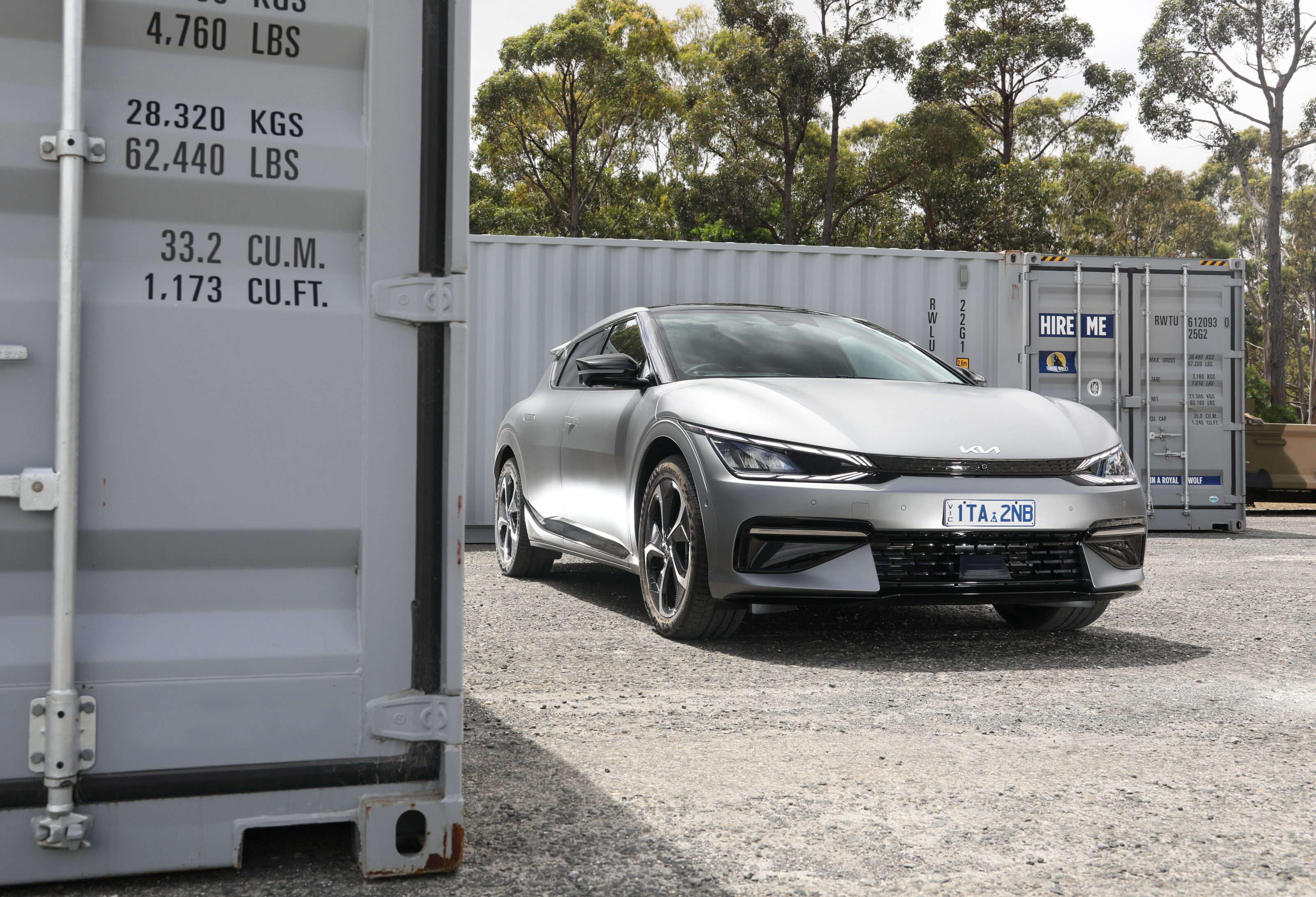
Another electric vehicle with strong demand is the Wheels Car of the Year-winning Kia EV6, the first ground-up EV from the Korean brand.
It shares its E-GMP electric architecture with the closely-related Hyundai Ioniq 5, with both vehicles suffering from extended wait times.
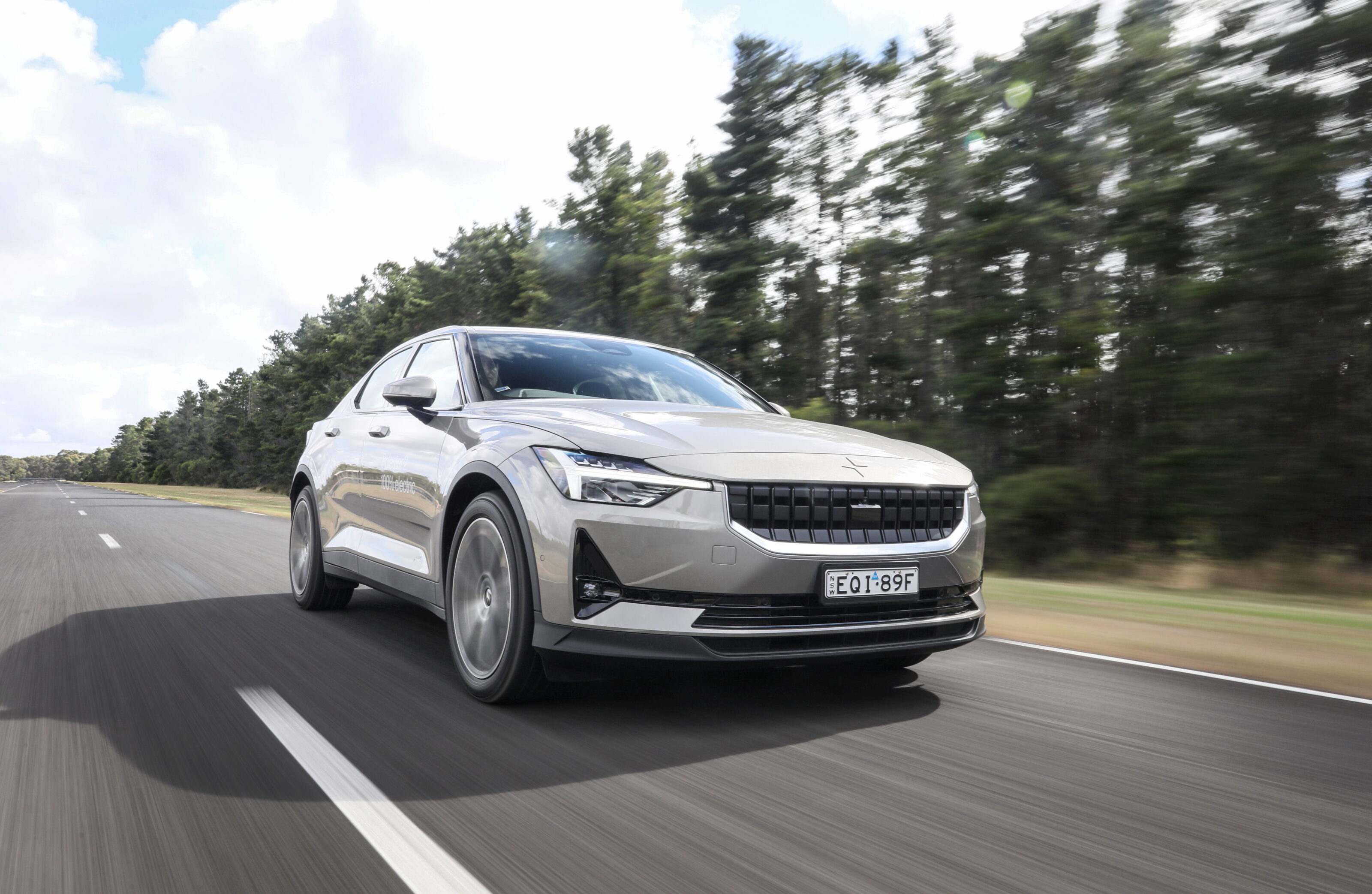
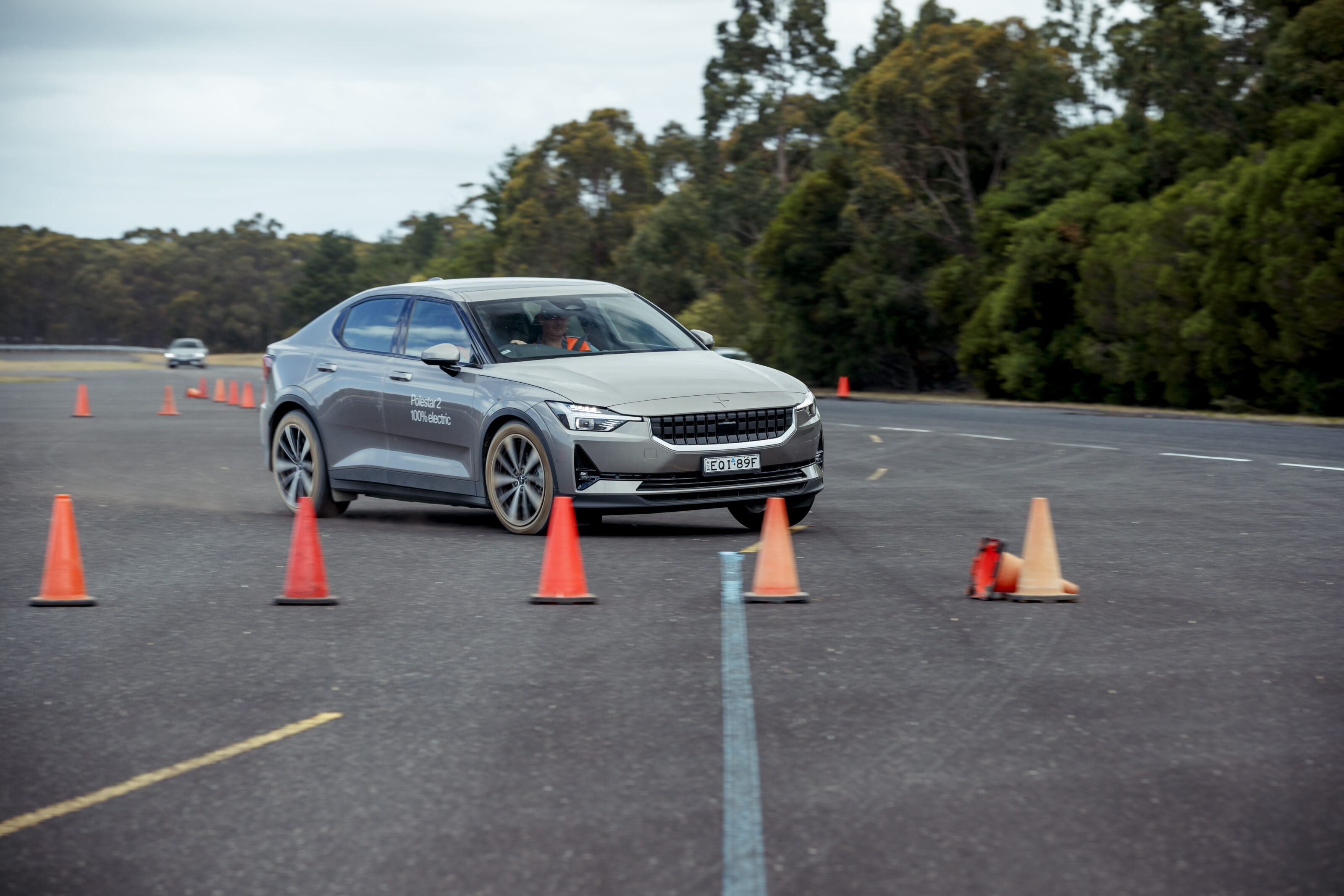
With similar features and pricing to the Model Y and EV6, the recently-launched Polestar 2 raised sedan is yet another option for electric vehicle shoppers.
So, how do the Tesla Model Y, Kia EV6 and Polestar 2 stack up against eachother on paper? Let’s find out.
Pricing
Prices exclude on-road costs.
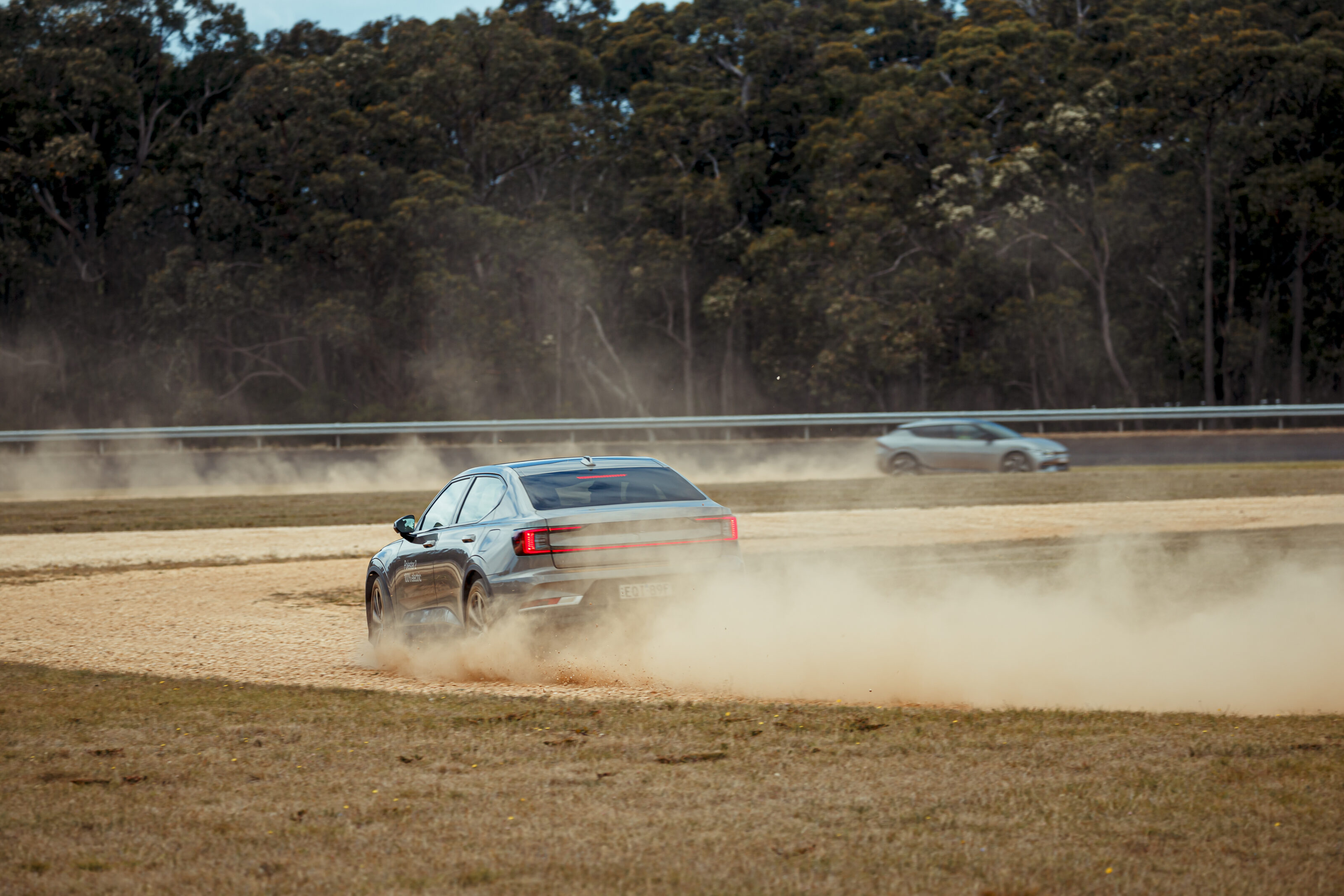
Electric vehicle incentives for the entry-level Kia EV6 and all variants of the Polestar 2 except the dual-motor are available to buyers in New South Wales, Victoria and South Australia.
All models priced under $84,916 – a 6.6 per cent jump – will be exempt from the Luxury Car Tax from July 1, 2022. The current limit for the 2021-22 financial year is $79,659.
Availability
As mentioned, the demand for electric vehicles is growing strongly in Australia.
First deliveries for the Tesla Model Y are expected to commence in the second half of 2022, although more-recent orders will not arrive in Australia for at least six to 10 months.
Meanwhile, demand for the Kia EV6 is outstretching supply.
Kia Australia told Wheels that 100 additional vehicles would arrive in Australia before the end of 2022, with greater stock expected next year.
“We hope next year there will be a far more abundant supply than the 600 or so,” said Roland Rivero, general manager of product planning at Kia Australia.
“I’ve read several articles it is a three-year wait for people, it won’t be, we can get more supply in 2023, but at least there’s more in the pipeline for 2022,” he added.
Over at Polestar, the 2 is less affected by supply issues, but buyers should still expect to wait a few months on a build-to-order vehicle.
Production at factories in China was recently affected by stringent COVID-19 lockdowns, which also contributed to the Model Y’s delayed launch in Australia.
Performance
* Power/torque figures for the Tesla Model Y Performance is based on estimated information published to the EV Database. Tesla does not supply power and torque numbers for its vehicles.
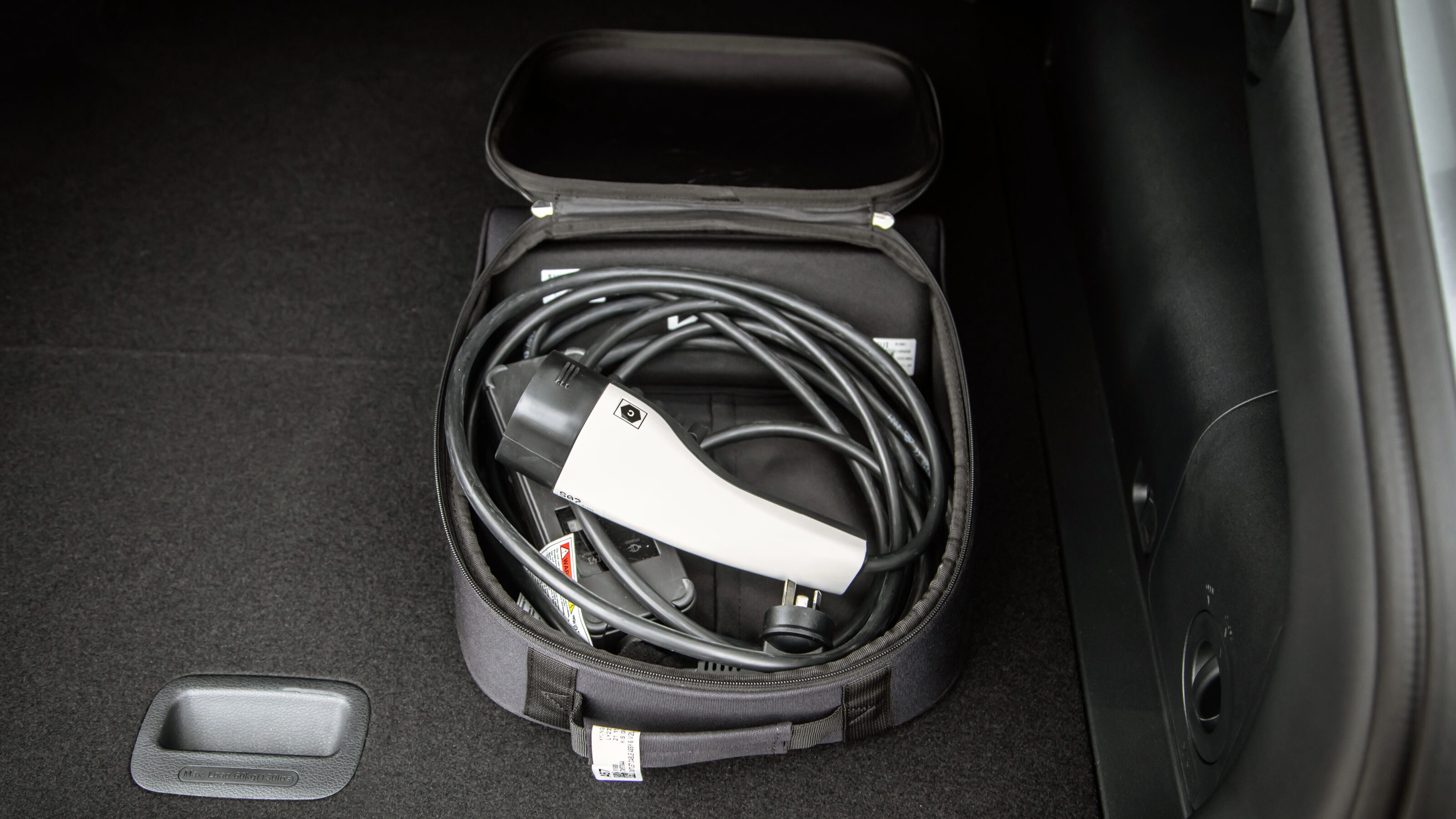
Driving range
Charging Speed
| Tesla Model Y | Kia EV6 | Polestar 2 | |
|---|---|---|---|
| DC fast charger | 50kW: 74 min. (10% u2013 80%)* | 50kW: 73 min. (10% u2013 80%) | 50kW: 65 min. (10% u2013 80%) |
| 250kW: 30 min. (10% u2013 80%)* | 350kW: 18 min. (10% u2013 80%) | 150kW: 35 min. (10% u2013 80%) | |
| AC standard charger | Max. capacity: 11kW* | Max. capacity: 10.5kW | Max. capacity: 11kW |
| 8 hr 15 min. (230V, 11kW, 10% u2013 80%)* | 7 hr 20 min. (230V, 11kW, 10% u2013 80%) | 8 hr (230V, 11kW, 0% u2013 100%) |
* Charging speeds for the Tesla Model Y is based on estimated information published to the EV Database for the Performance variant.
Tesla does not supply an exact recharge time for its vehicles, but suggests its Supercharger network will recharge up to 275km in 15 minutes.
Charging network
An advantage point goes to the Tesla Model Y, which can access the brand’s widespread Supercharger network.
This opens up trouble for non-Tesla electric vehicles, with the inability to use the brand’s proprietary network.
Although the CCS (Type 2) plug fits, Tesla locks the chargers to only work with its vehicles.
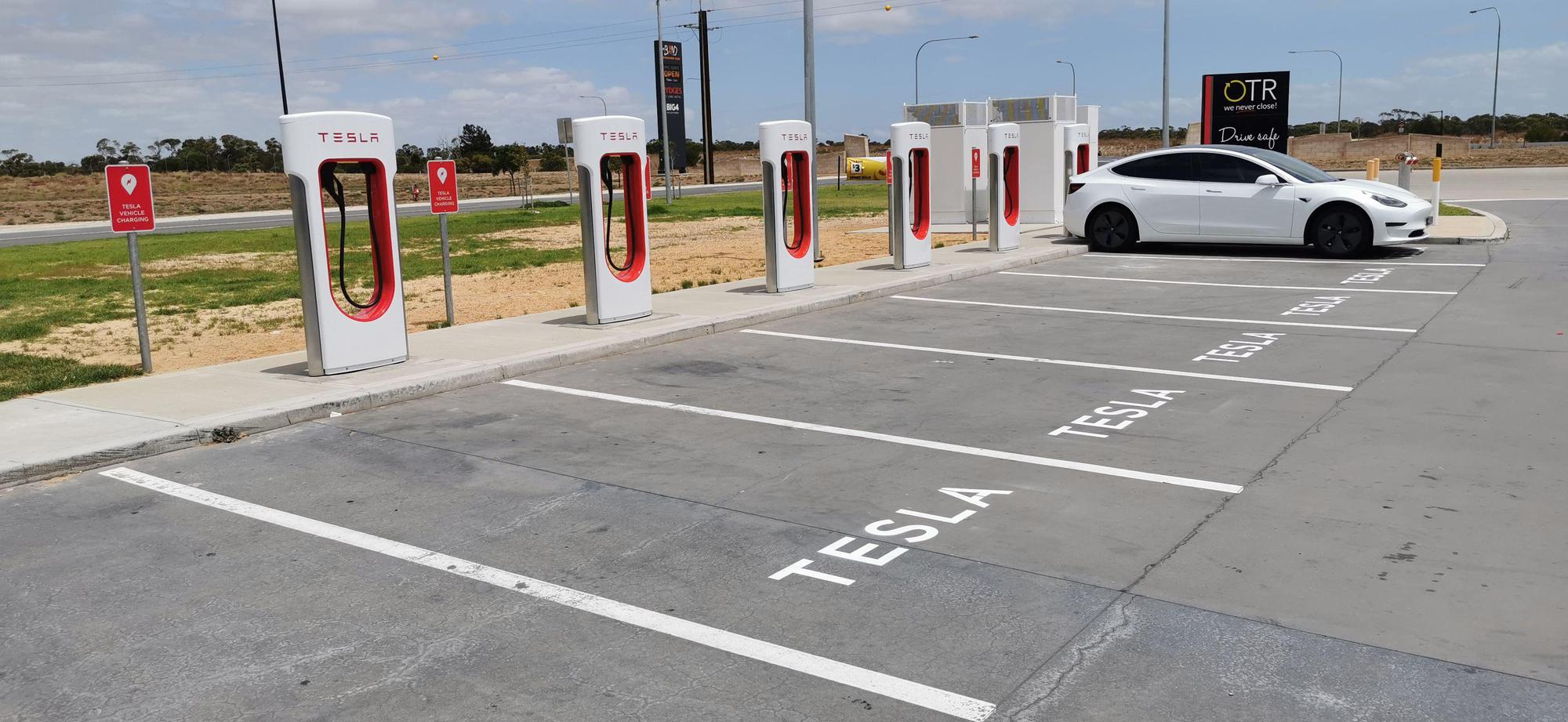
In addition, the Model Y can utilise other public chargers – including the Chargefox, Evie, NRMA and Queensland Electric Highway networks – available to EV6 and Polestar 2 owners, amongst others.
Rapid fast charging at up to 350kW is available at some public charging stations; however, this is not universal – most CCS chargers vary between 50kW and 350kW.
Tesla has hinted at opening up its global Supercharger network to other manufacturers but has only done so in Europe thus far.
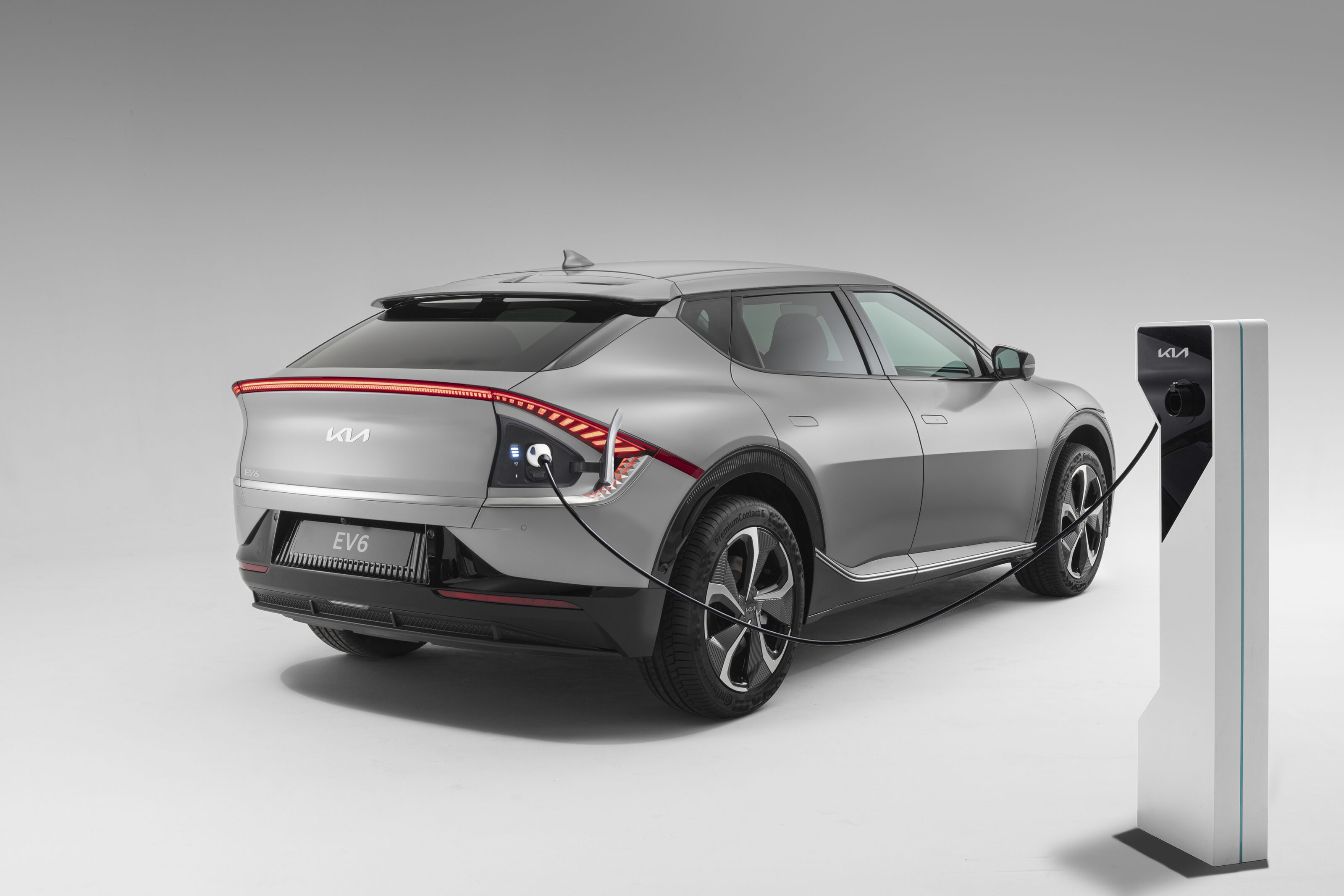
Features
All vehicles
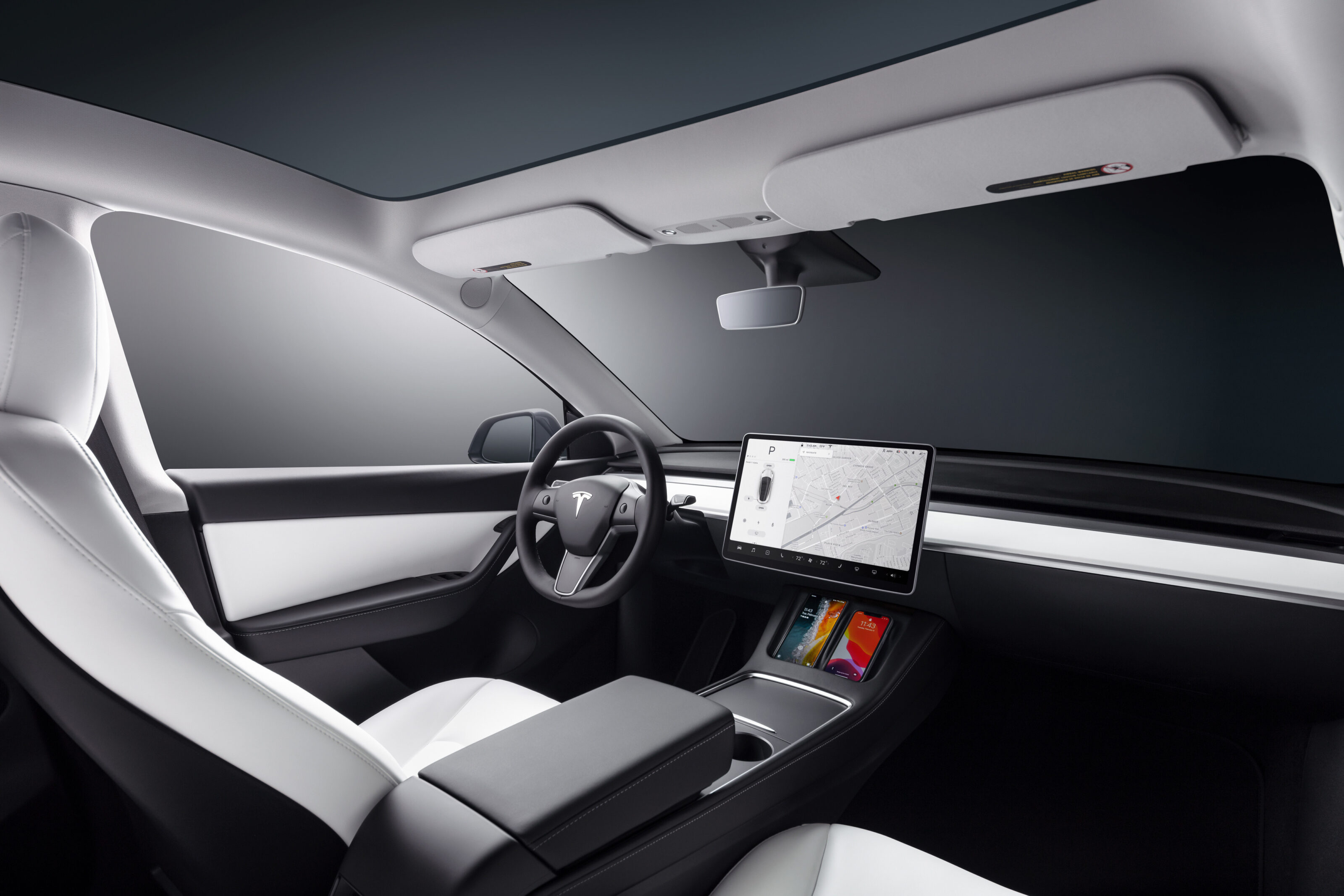
Tesla Model Y (in addition to the shared features above)
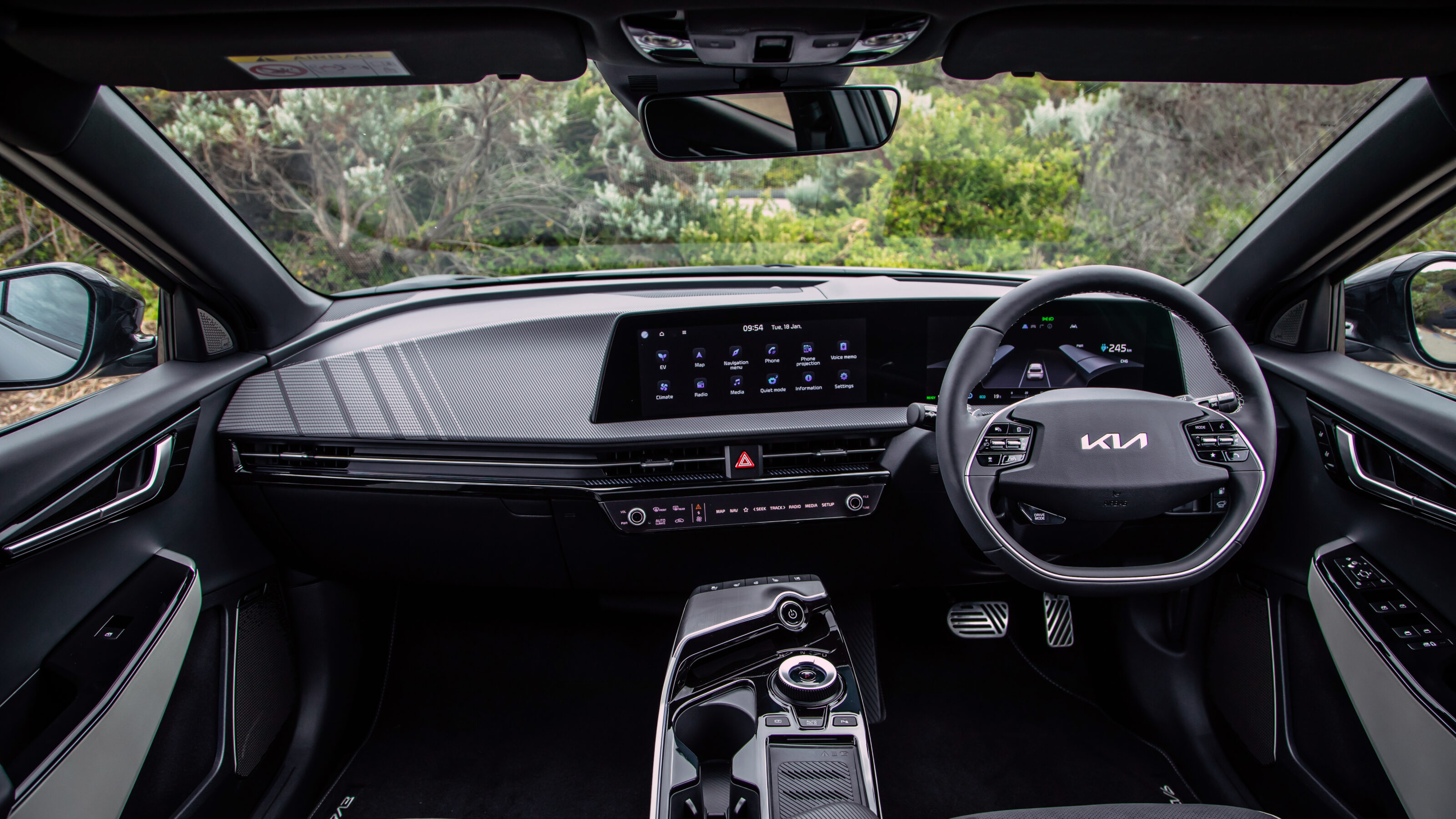
Kia EV6 (in addition to the shared features above)

Polestar 2 (in addition to the shared features above)
Safety technology
All vehicles
The Kia EV6 and Polestar 2 are both covered by a five-star ANCAP safety rating under the latest 2020-22 criteria, while the Model Y is yet to be rated.
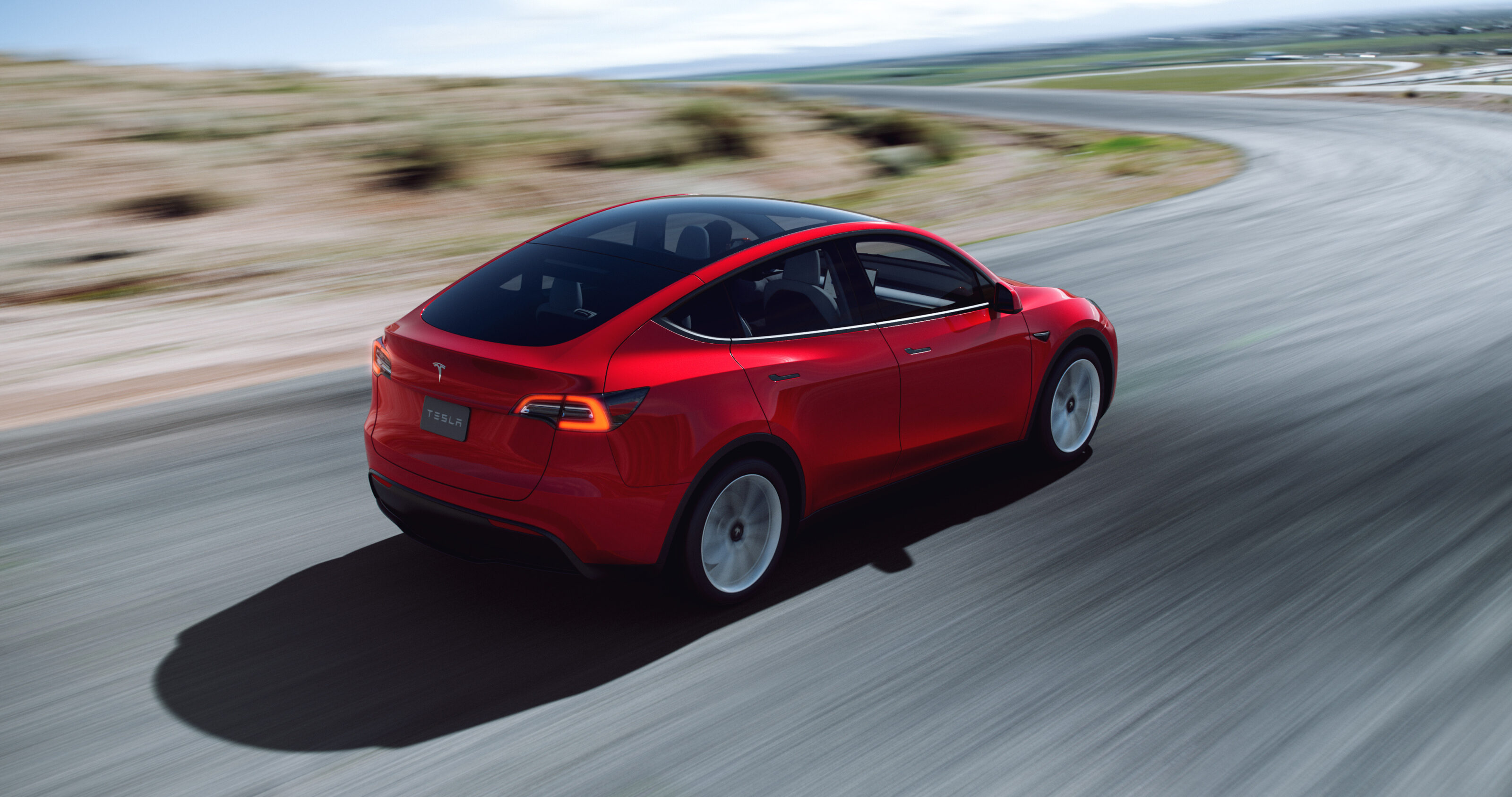
Tesla Model Y (in addition to the shared features above)
The optional ‘full self-driving’ package ($10,100) adds navigation-based Autopilot, automatic lane change, automatic parking with Summon, and traffic light and stop sign recognition.

Kia EV6 (in addition to the shared features above)
A 360-degree camera system, blind-spot view monitor, and reverse AEB are standard on GT-Line grades.
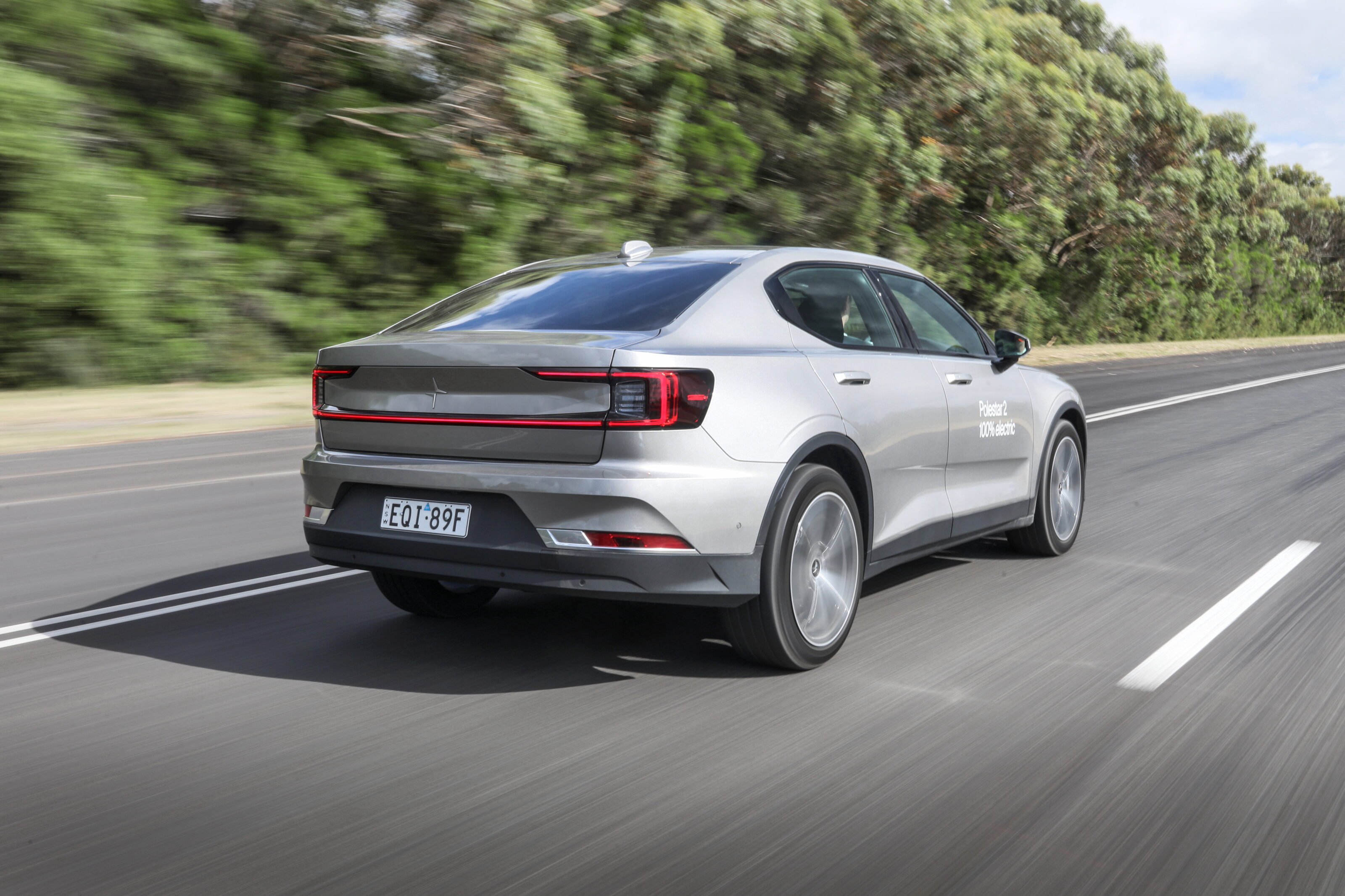
Polestar 2 (in addition to the shared features above)
Adaptive cruise control, blind-spot alert, rear-cross traffic alert, side parking sensors and a 360-degree camera system are optional as part of the Pilot Lite pack ($3400) across the Polestar 2 range.
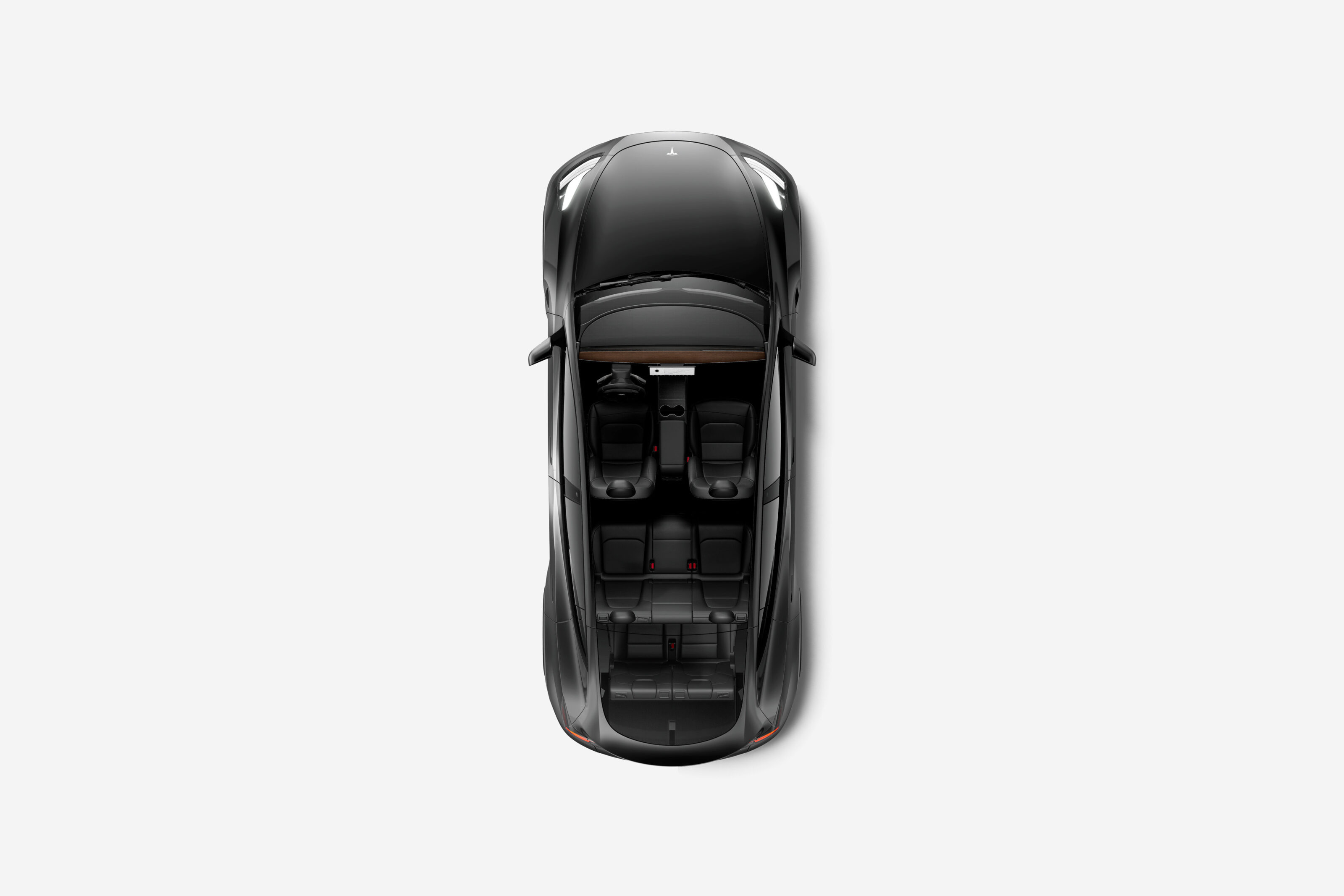
Cargo space
Warranty and servicing
Which electric vehicle would you pick? Let us know in the comments below!
My Datsun was first given to my father from a workmate. He was a Zed fanatic and had three. A 240Z, 260Z and a 260Z powered by a Chevy V8. Fortunately for us, his partner had enough of the small fleet taking up space and made him get rid of one.
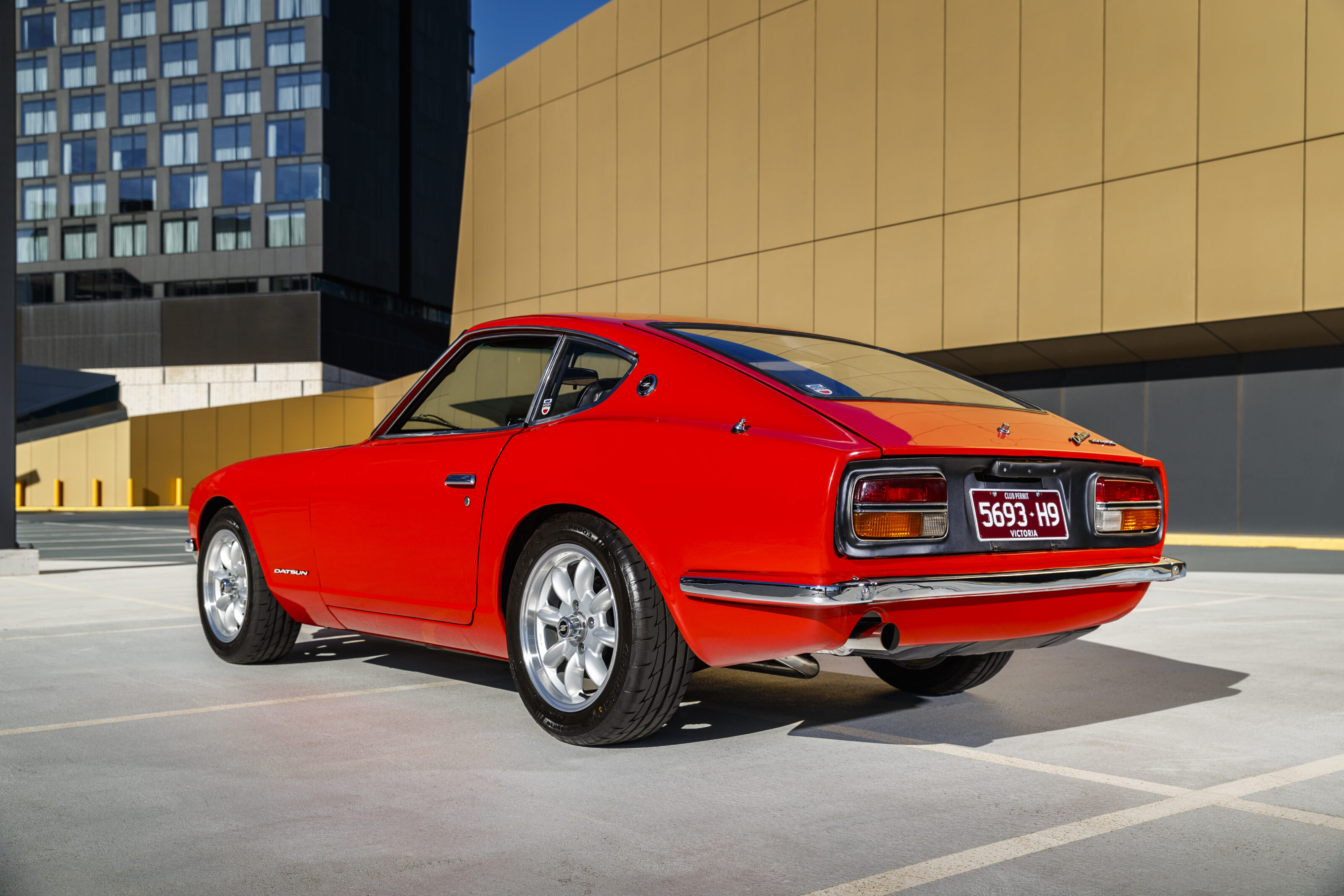
We took it home in 1999, it was great for me to learn to drive a manual in. But, I think that my dad secretly wanted it too and needed an excuse that would convince Mum. Although Dad was a primary driver of this necessary acquisition, I too thought it was a cool looking car even with a bit of rust and suspension that had been jacked up to fit the huge Kelly Charger tyres on it.
It looked like a mud basher. The car was on ‘future trend’ by having a matte red paint finish. Dad was too cheap to get a battery for it so only ever had enough charge for a first time start. Then don’t stall or you were stuck. If there were points for it, I was the world champion of roll starts by my P’s.
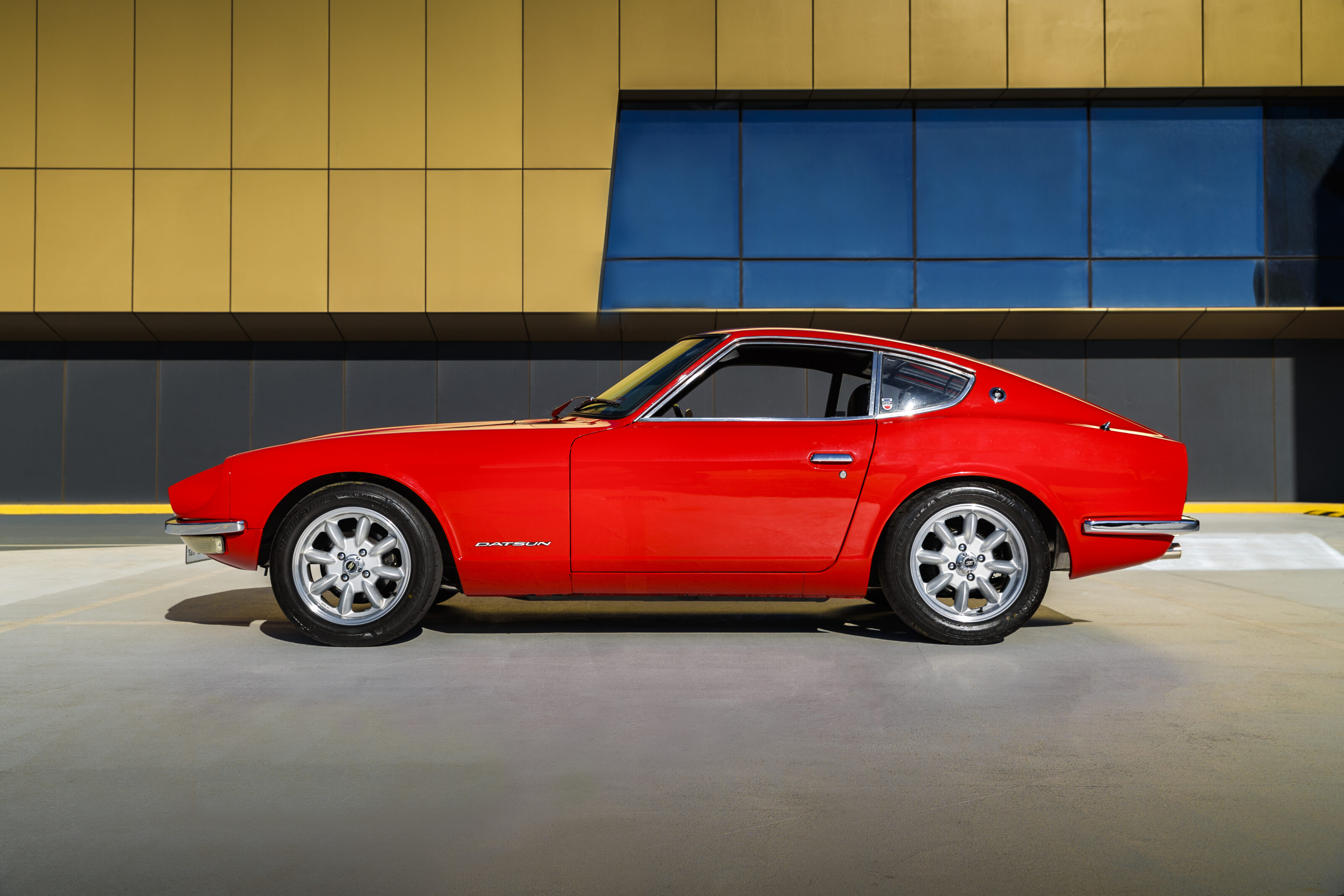
Since taking ownership, many ideas have come and gone, however the first big change happened when the original L26 engine suffered a cracked head. We replaced it with an L28 in 2000, I think. In January 2001, at 18 years I went to the Rob Roy Hillclimb with my father.
My attention was caught by a bright yellow 240Z. By the time I got home after dreaming about that car, I’d decided on a red version for myself. I started with fitting a front lip and boot spoiler from The Z Shop in Glen Iris, but I didn’t like the spoiler and took it off.
Next on the agenda, I repaired the body as best as an 18-year-old could and a mate came over and sprayed it, Ferrari Maranello red (which is a darker red compared to now) in the garage. I finally saved up and bought a set of Superlite rims then had the car lowered, all of which got me to a point I was happy with.
| Reader Resto: 1971 Datsun 240Z
In 2004 I was heading home from another Rob Roy event, I remember flying around a corner in the hills, revving the ring bag out of it. Having a straight through pipe it was LOUD. I look ahead 100 meters to see Police with witches hats and lights on, for breath testing.
They wave me to the side, and without doubt I thought I was done, but the officer just smiled and said “sounds nice”. So when I was free to go, I fanged the crap out of it and saw some pretty big grins in the mirror.
This was the point I realised, I’d never finish the 240 without some help and some new found inspiration. Looking back, it was the best move I ever made. I only wish I’d done it sooner.
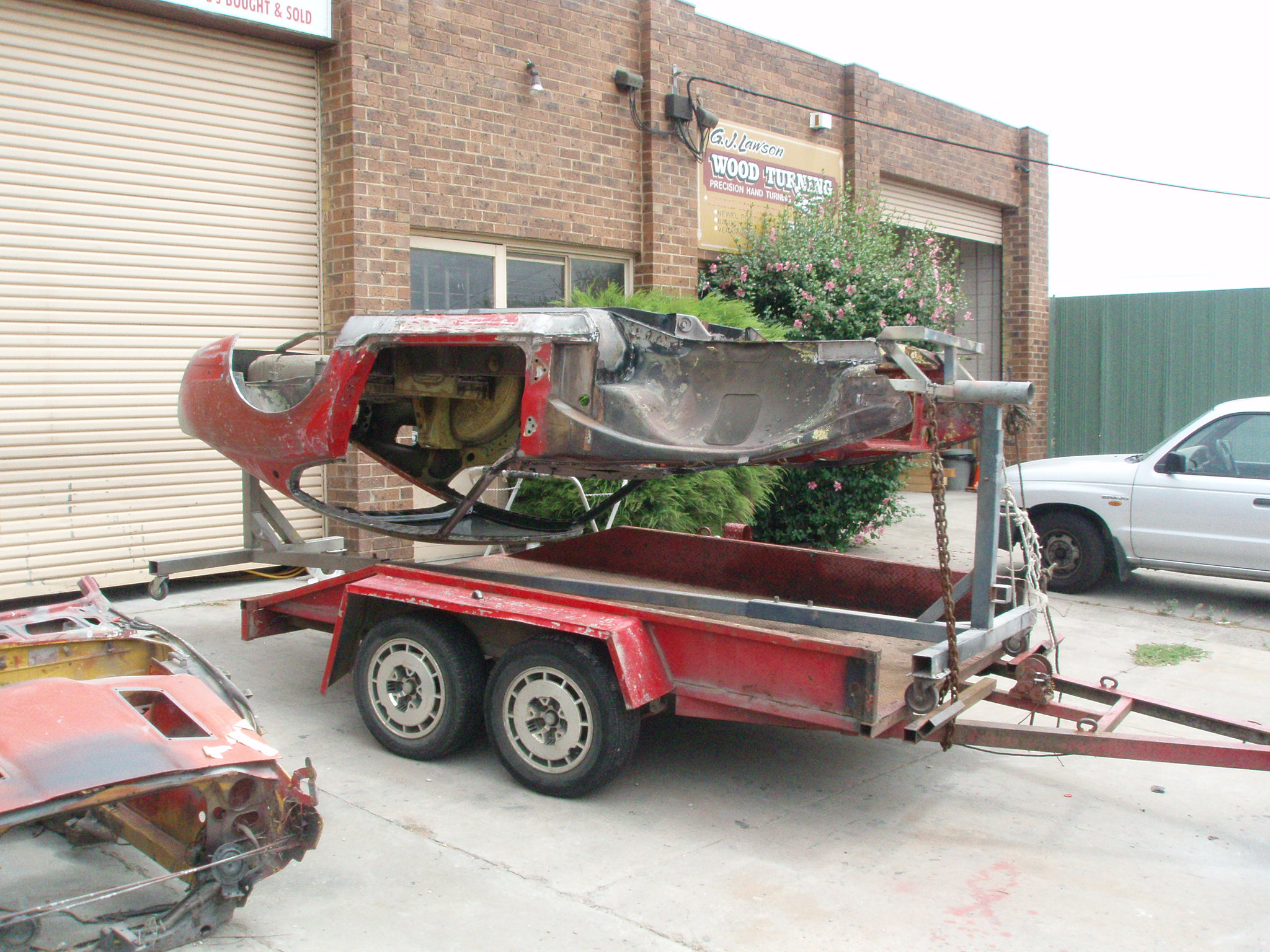
By 2005 I was ready to go again (particularly when I saw rust bubbling up once again) and starting pulling the car right down to nothing. Once it was stripped back, I took the car to a panel shop and pumped the wheel arches out a bit, inspired by that gorgeous yellow Z I had fallen in love with at Rob Roy.
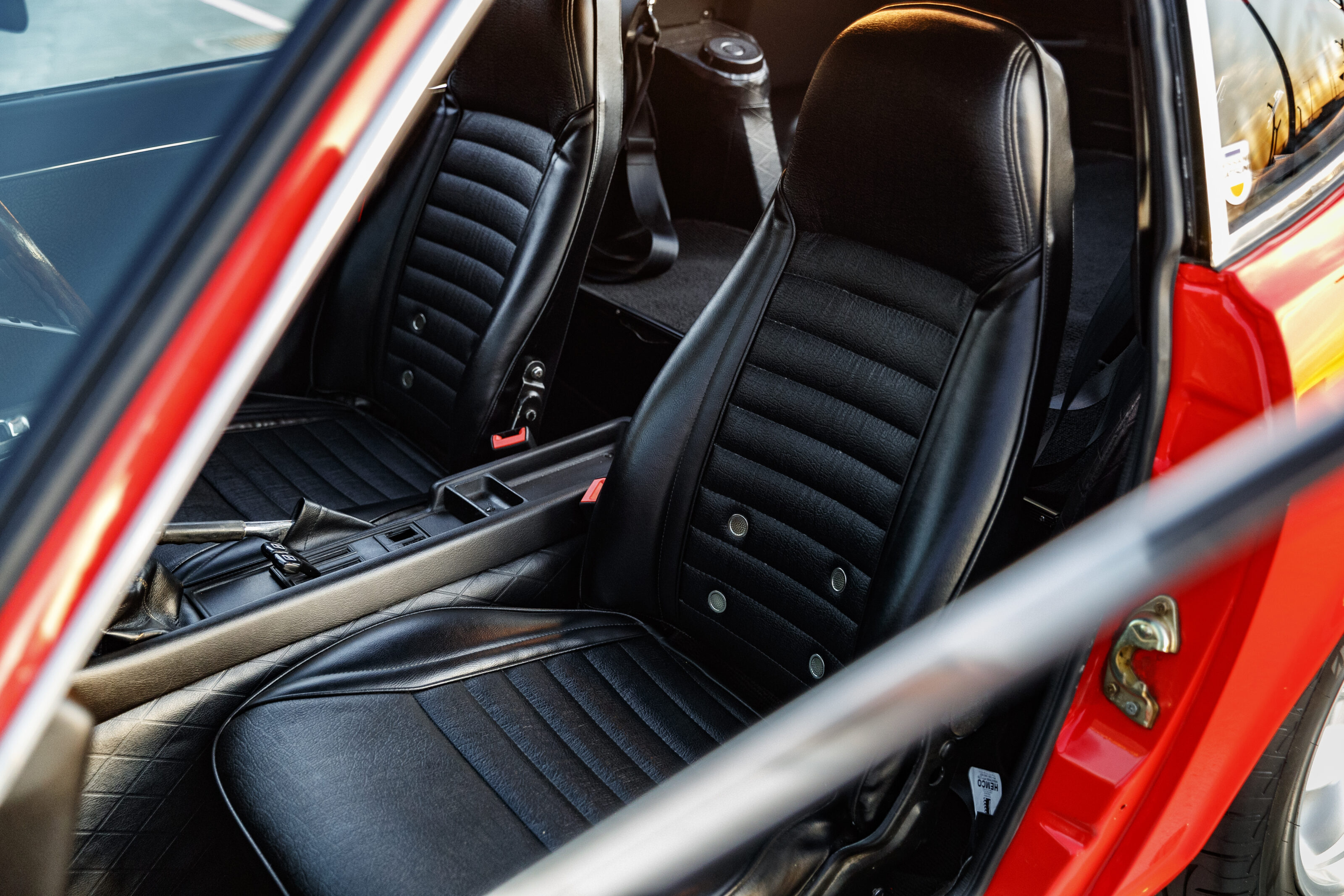
They took a look and said too much rust, too much work and you can’t afford it. Plans had to be put on hold. For a long time, the car sat in pieces while I bought a house with my brother. Eventually I started to see my finances get healthier and started to look at getting “Biante” (I’ll explain later) back on the road.
I needed help and looked towards car clubs and found the Nissan Datsun Sports Owners Club (NDSOC). I got in touch and spoke to the club president about where to get work done and what to expect. Armed with this information, the job eventually went to Rob Laughton at the Z Restoration Factory.
He was very reasonably priced and was more happy for me to put on some overalls and do dirty tedious stuff to save myself money.
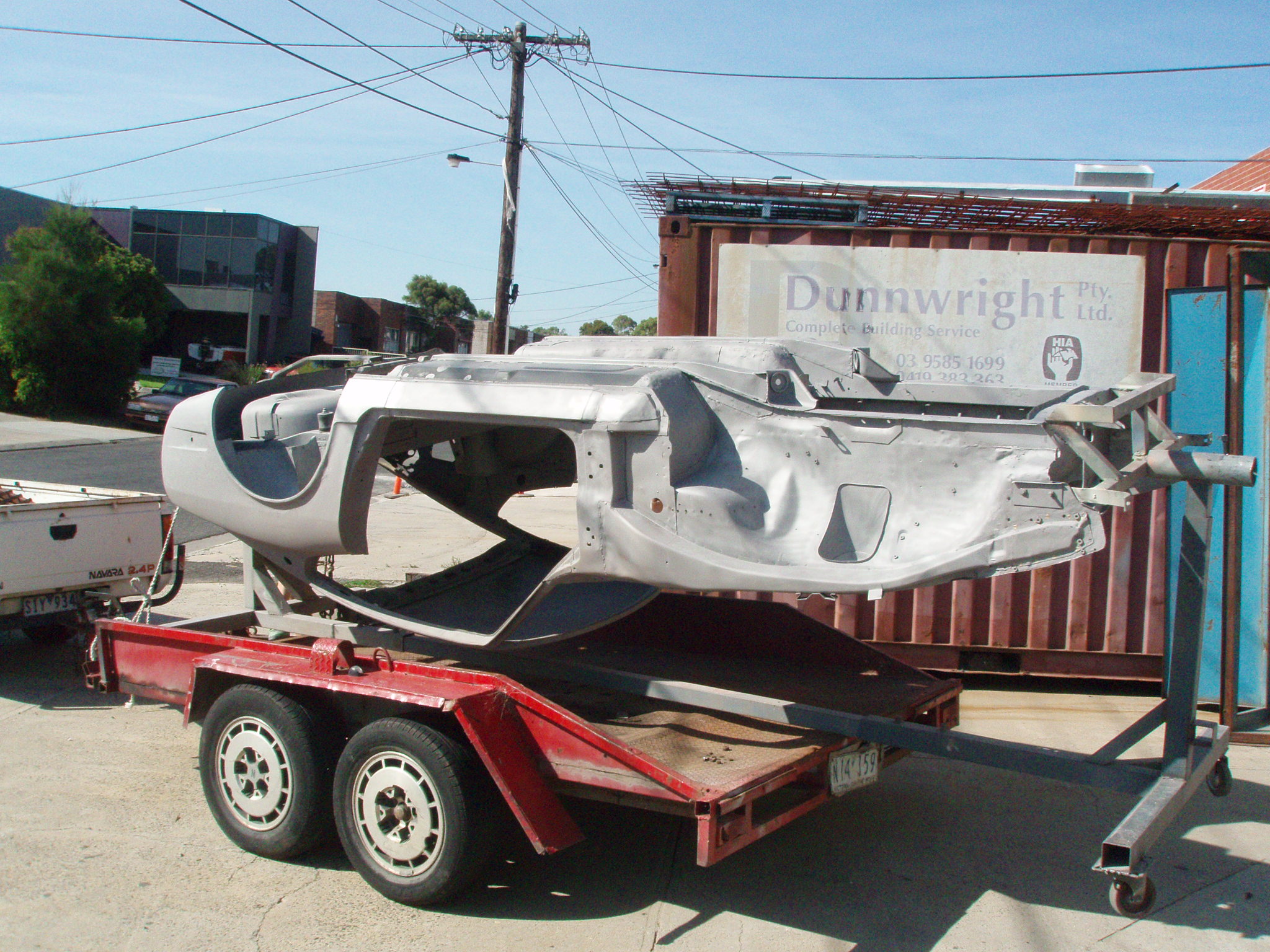
It was originally, fix the rusty arches and fill the sunroof hole in. By the end, though, there wasn’t a single piece of metal on the car that was ‘un-harassed’. We found some interesting things about Biante in the process. It was originally Sunshine Yellow under the red paint.
We also found that the pedal box was from an automatic as the brake pedal was cut down, this also explained why it was so hard to heel and toe the pedals as the brake pedal was positioned far away to accommodate the wide auto pedal.
After paint was put on the car and Rob did some assembly to get to the point where the car rolled and turned over the engine, I began buying one off bits, bits in bulk, bits that were damaged and bits I never had to begin with.
Also thanks to Rob we went to Moorabbin Nissan and got the last pair of brand spanking new 240Z door skins in the country! In hindsight, I was also very fortunate that I had bought most of the interior goodies from the USA during the aftermath of the GFC where $1AUD was $1.13USD.
| 2021 Market Review: Datsun 240Z
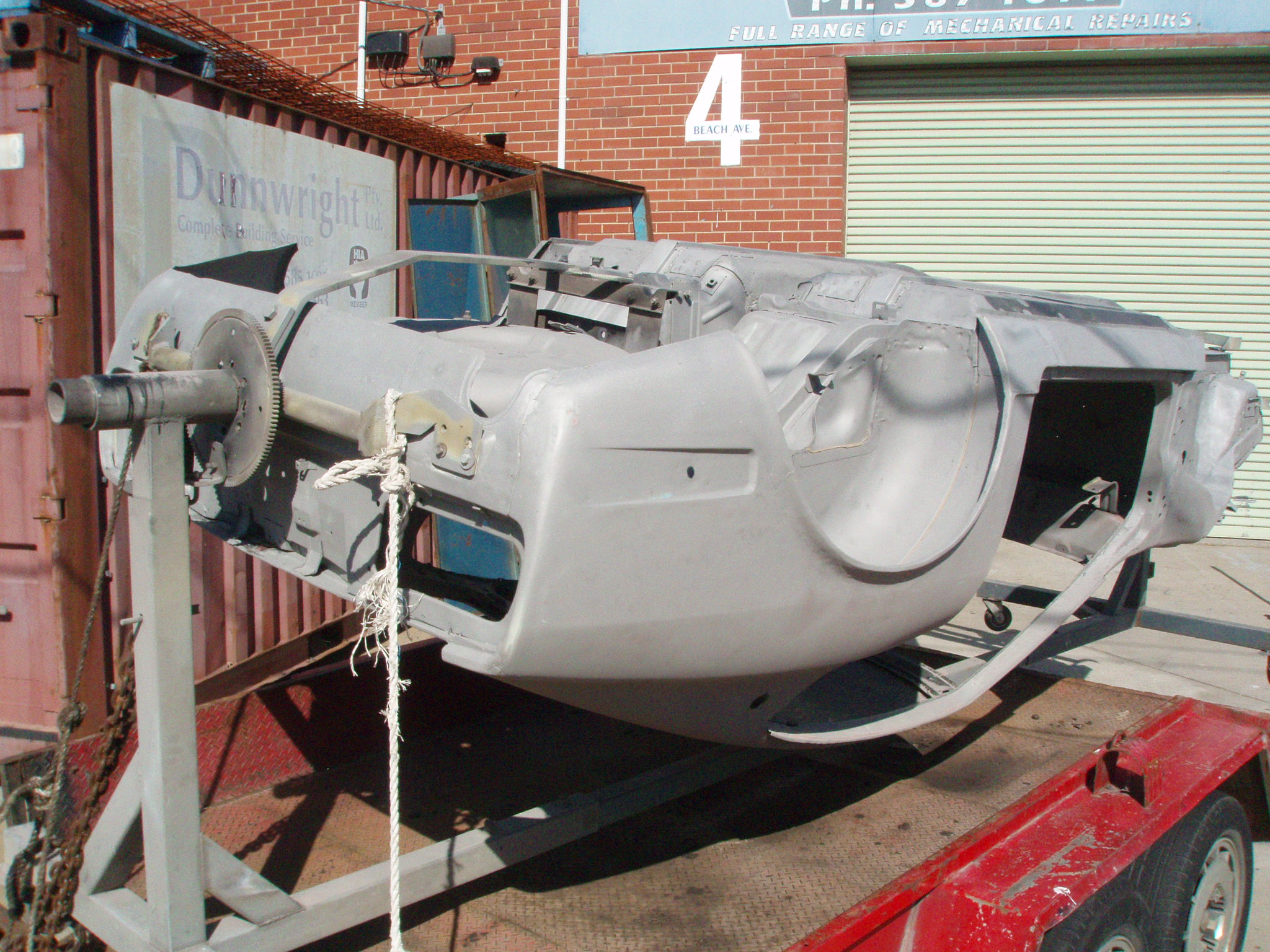
I had been very slowly putting the car back together, I had only a small number of jobs to do and was pushing myself to get into it. That’s when I realised, I’d lost half of the steering column cover.
I had just joined a Zed group on Facebook, so I put the call out for anyone with the missing piece hoping for a hit. Luckily someone answered with a profile pic of a stunning Yellow 240Z. Wondering…I asked if that happened to be the dream car from Rob Roy.
The owner, Antoni said “yes, it is”. He had the part I needed, and was kind enough to send it to me, express post and for free. I am absolutely chuffed that my red Zed has a little piece of the car that kicked it all off for me.
The finishing touches went on in 2021, the basic summary is that it is mostly standard, except for the engine swap.
| Buyer’s Guide: Datsun 240Z 1970-1974
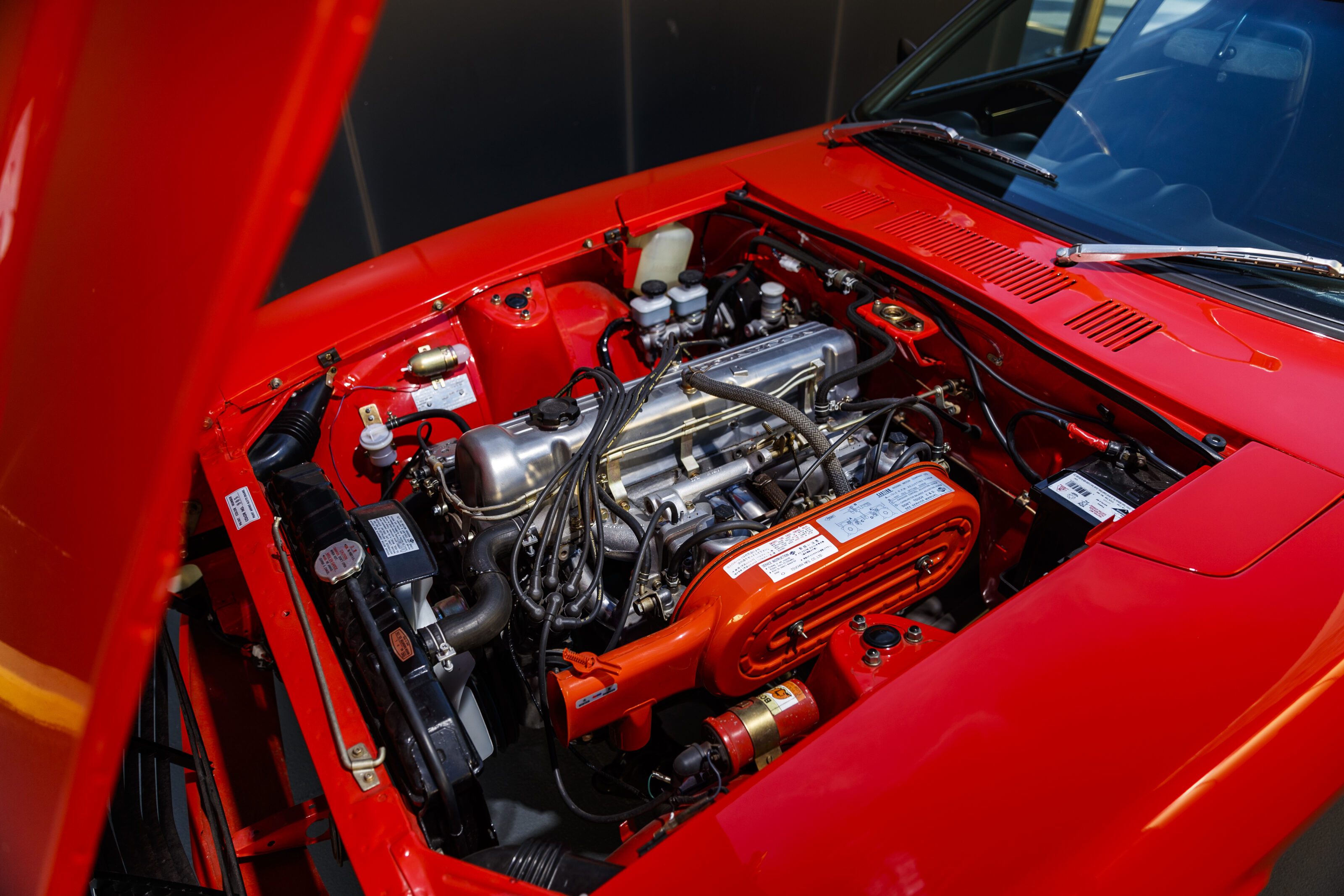
It has been completely rebuilt on a rotisserie. The rear arches, floor, sills, and substructure have been replaced, roof removed and sunroof hole filled. The chassis has been stiffened using top hat section running from the front rails to the diff.
uspension wise, it has Pedder’s sports rider front dampers and Pedder’s springs all round. The exhaust was built by Performance Exhaust in Knox and it also has HM headers 3-2-1 with ceramic coating, stainless steel 2.5-inch exhaust to the back.
The rest is all pretty much standard as it rolled out of the factory in 1971. To give it the look I wanted I bought a set of 16 x 7″ Superlites and for the grip I wanted, I put on a set of Bridgestone 205/55/16 Potenza RE003 tyres.
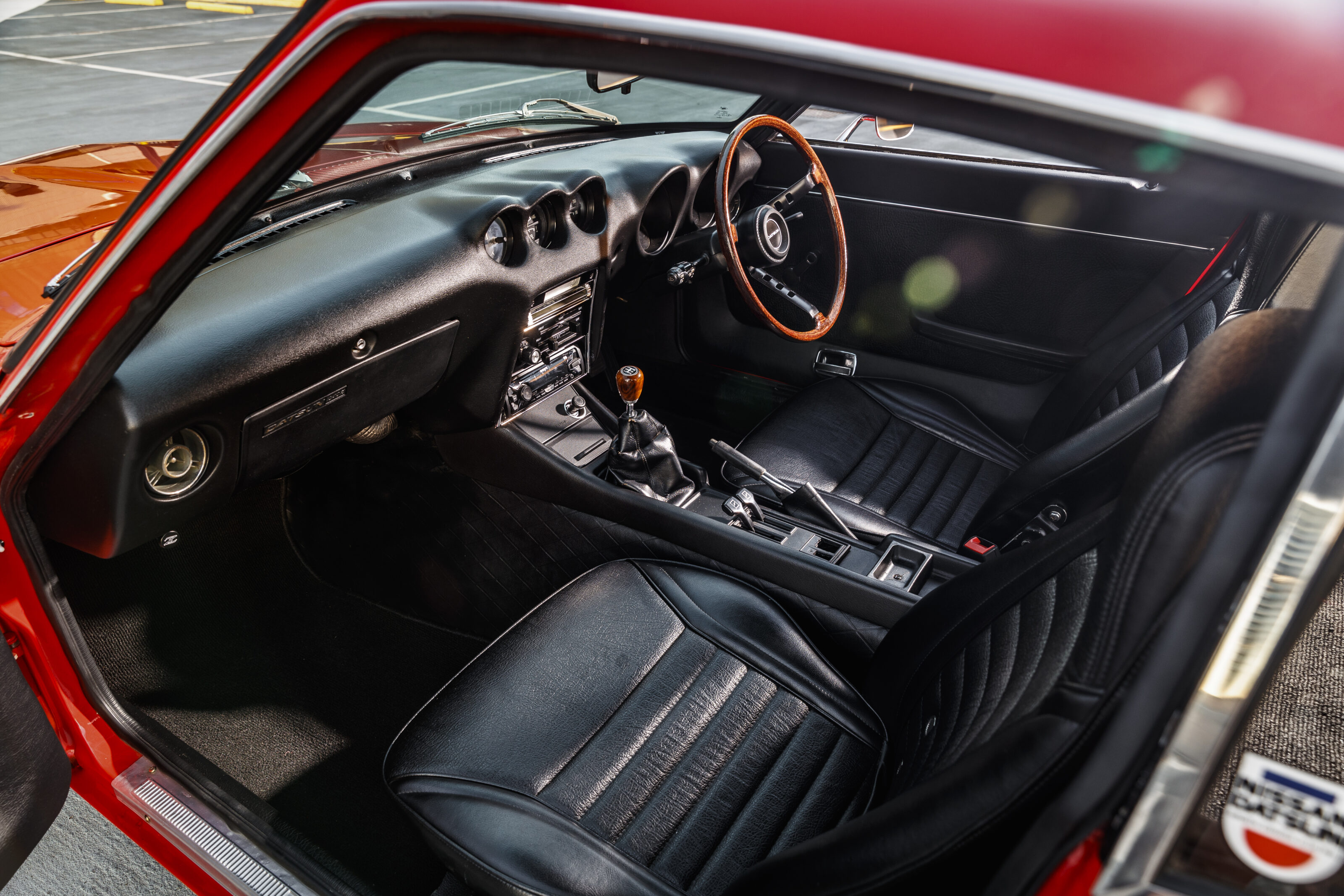
I have been restoring it for so long, people joke it’s a 1:1 scale model of a 240Z that’s not meant to be driven, for that reason the car is now nicknamed, “Biante”.
THE RESTO:
1. Underbelly
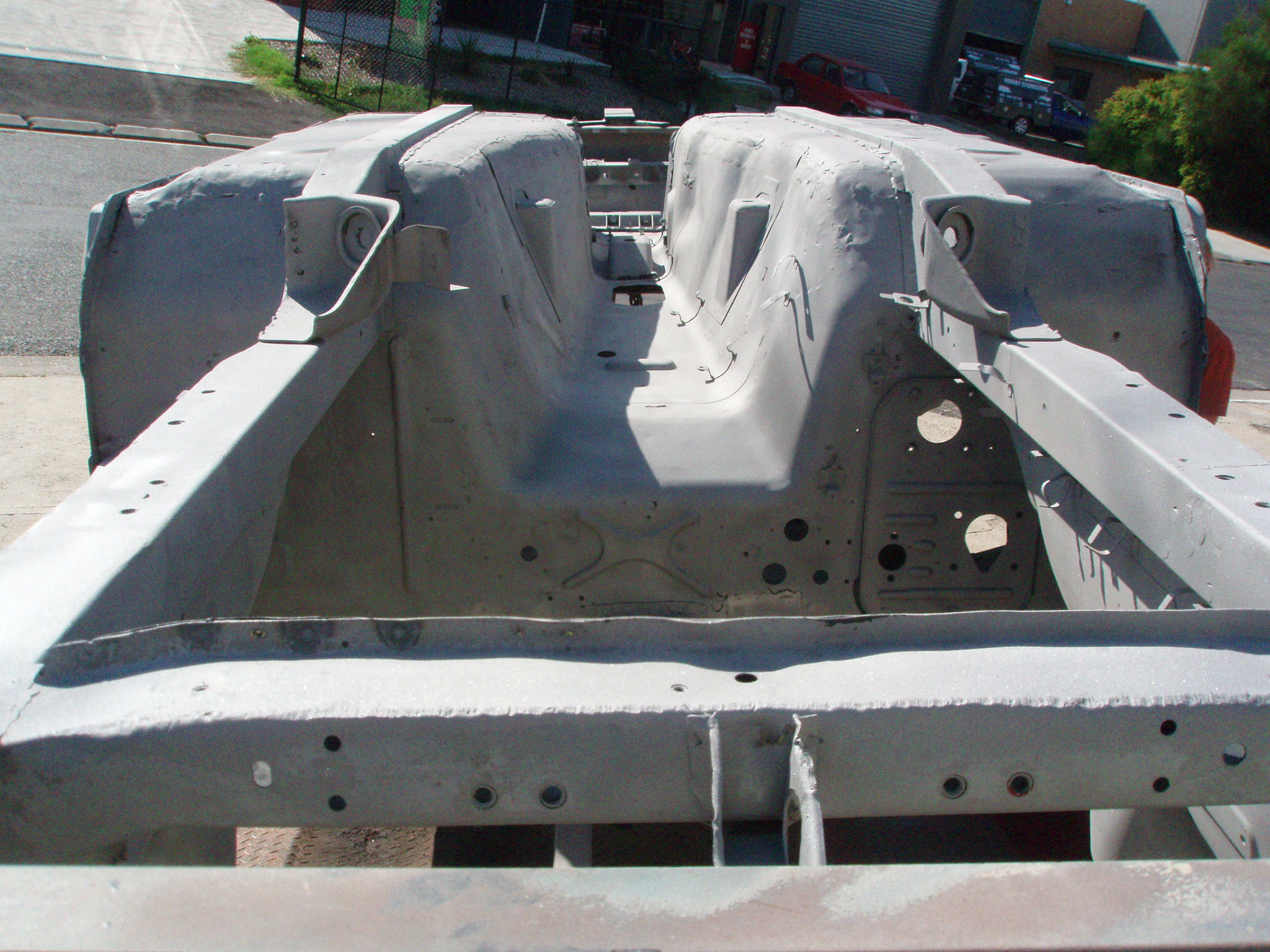
All spik and span now.
2. Rotisserie
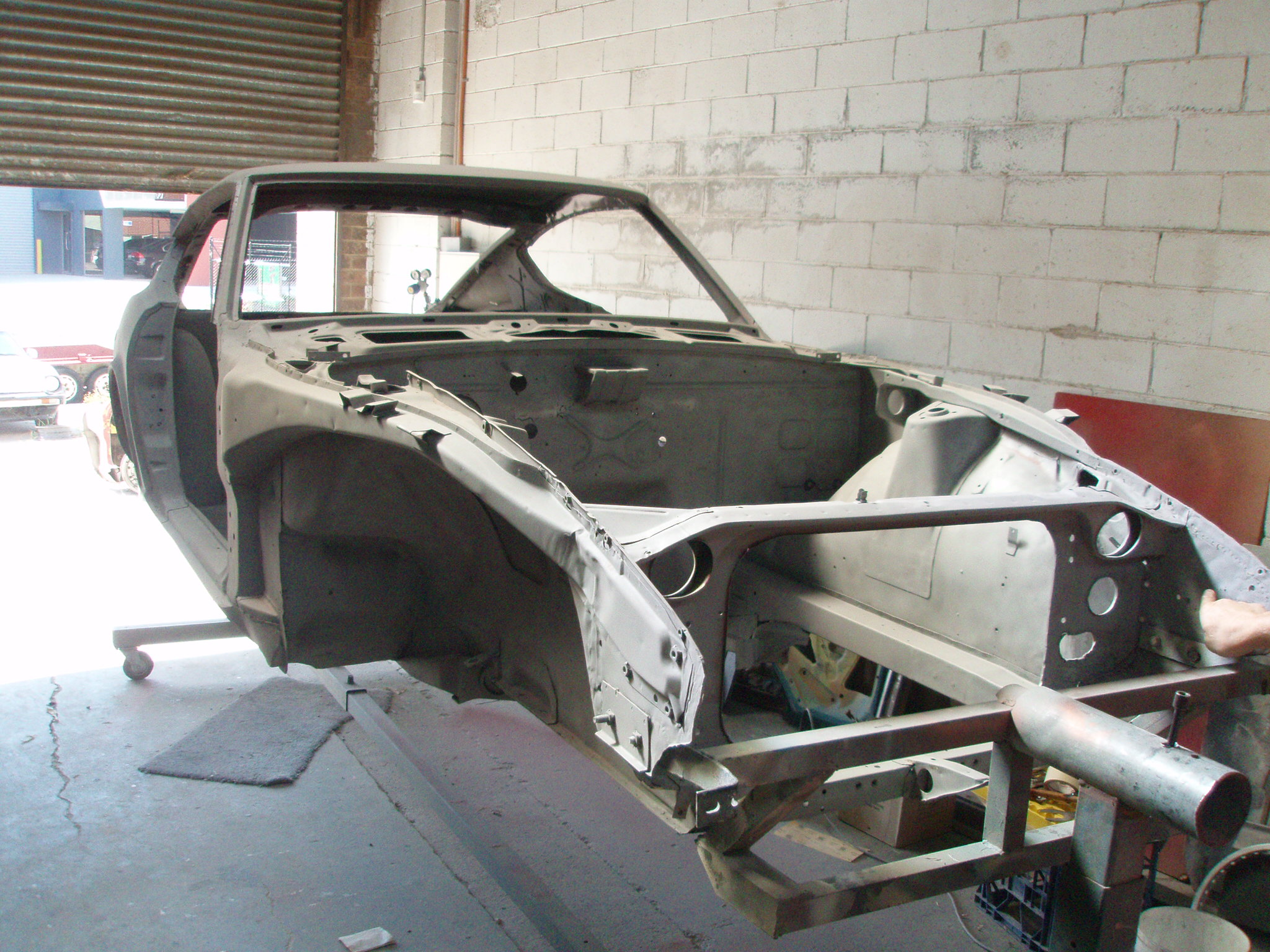
Easier on the car and human bodies.
3. Master blaster
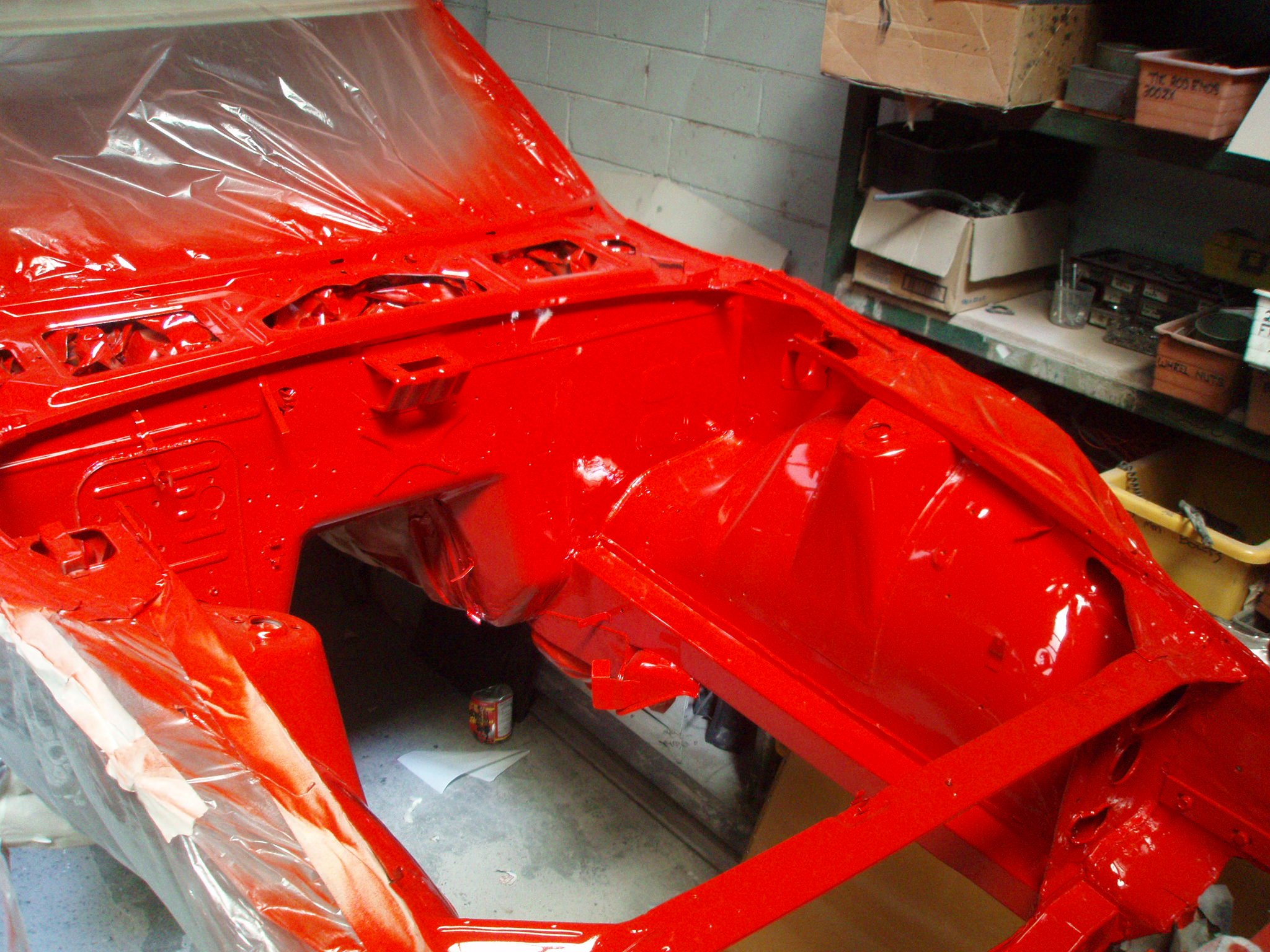
Taking on a new look.
4. Strut your stuff
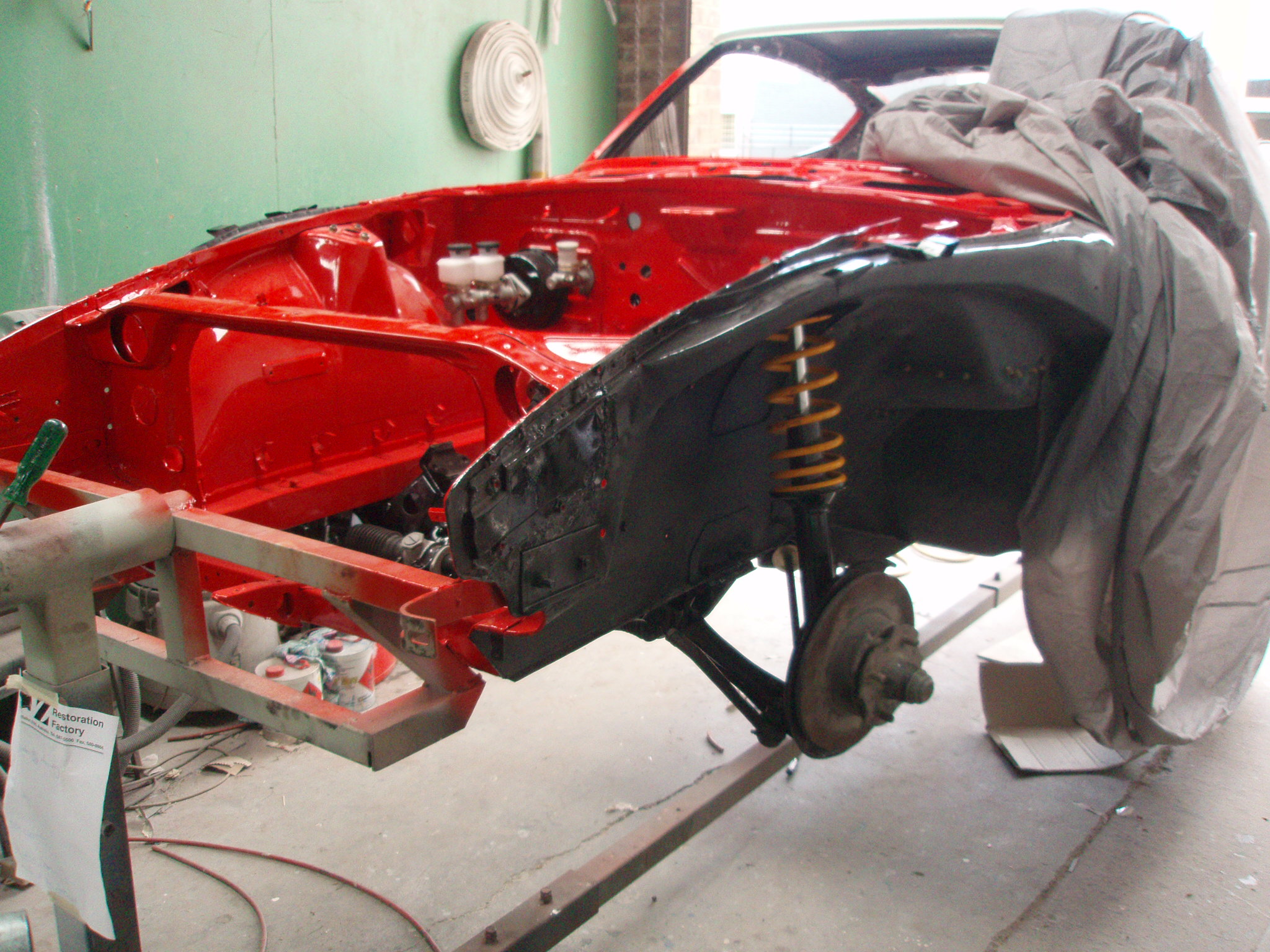
Front assembly on the go.
5. Cabin protection
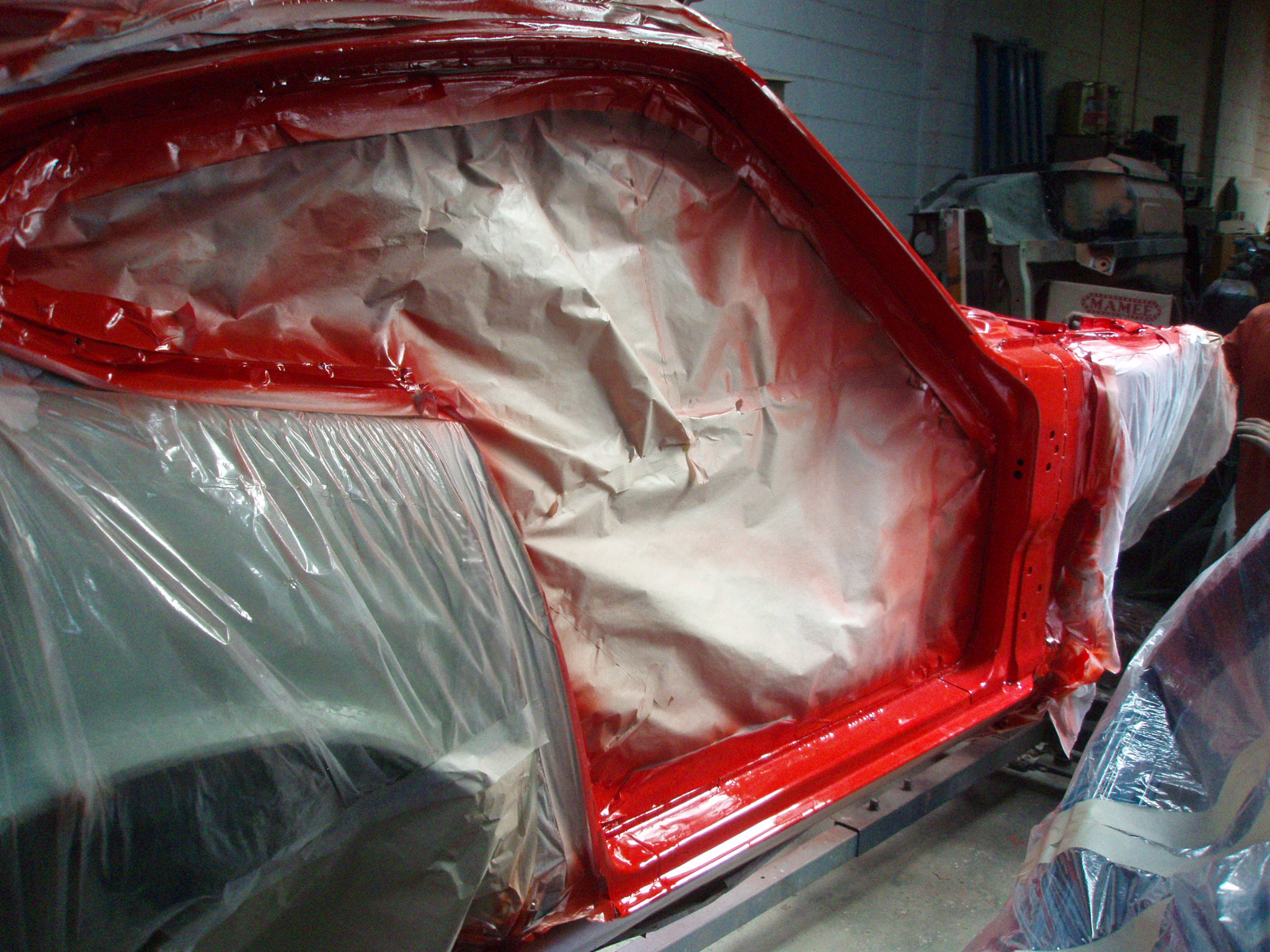
Front assembly on the go.
6. Cabin capers
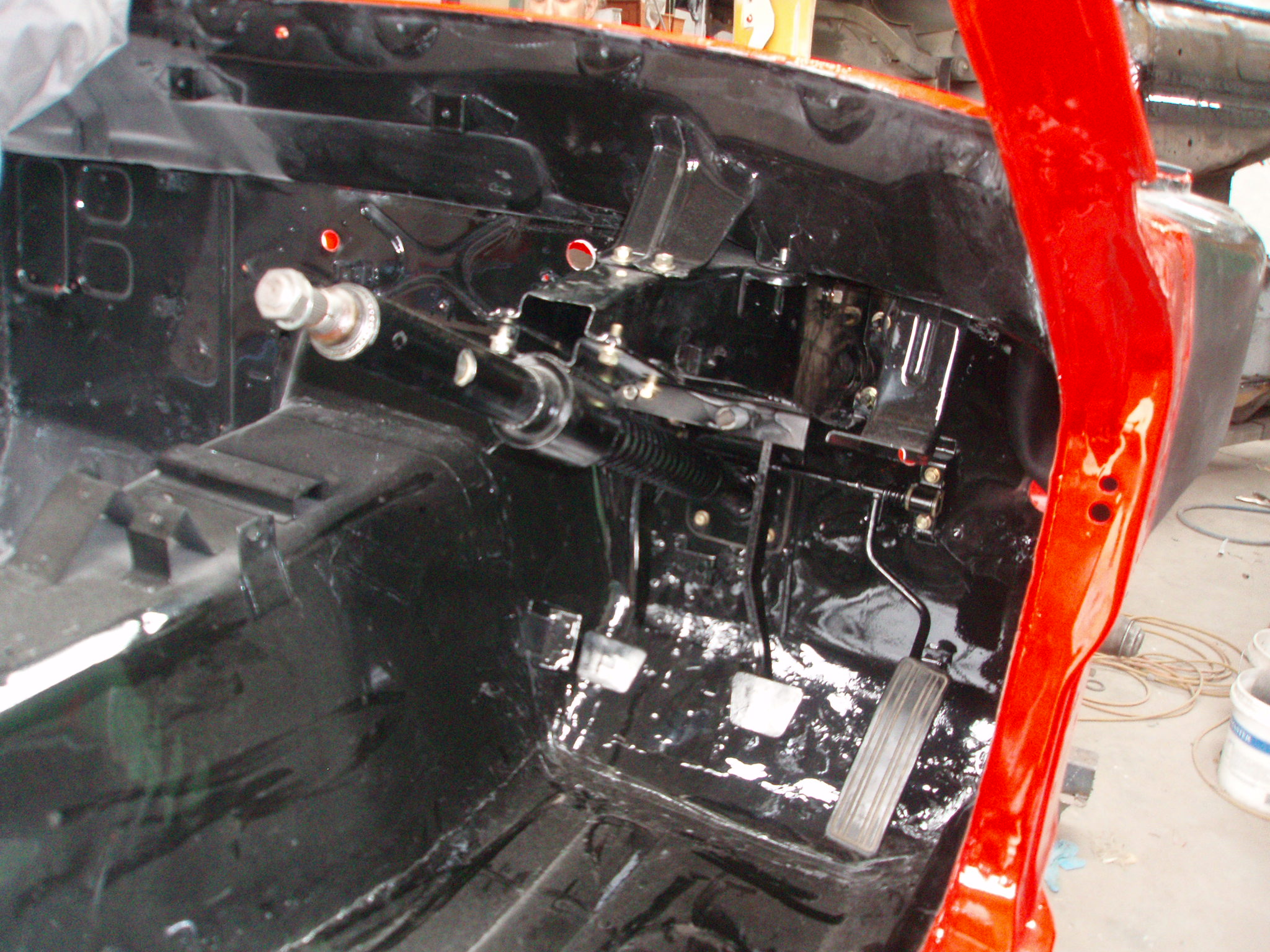
It’s a pedal car at this stage.
7. Early days
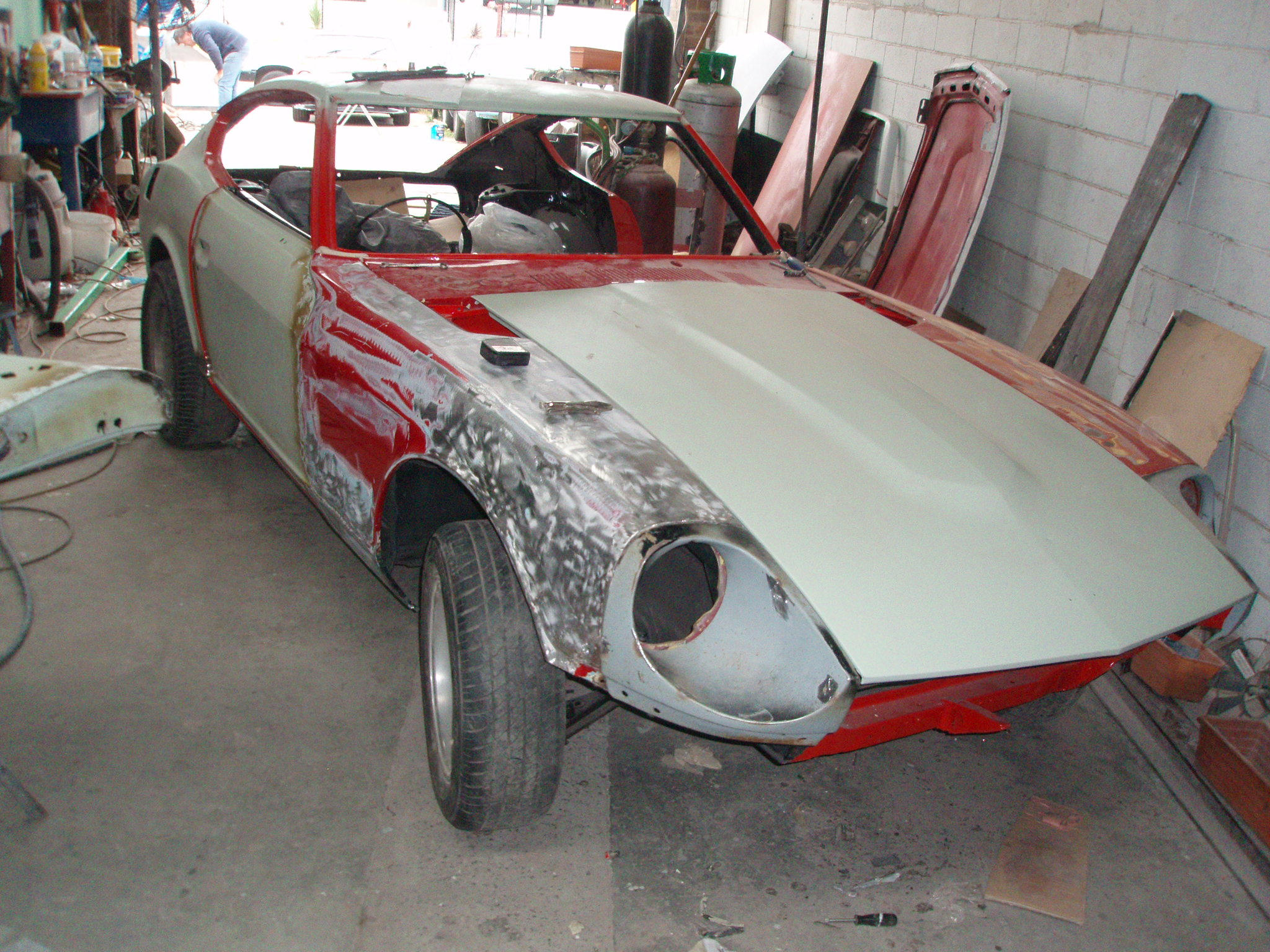
Checking the panel gaps.
8. She’s right
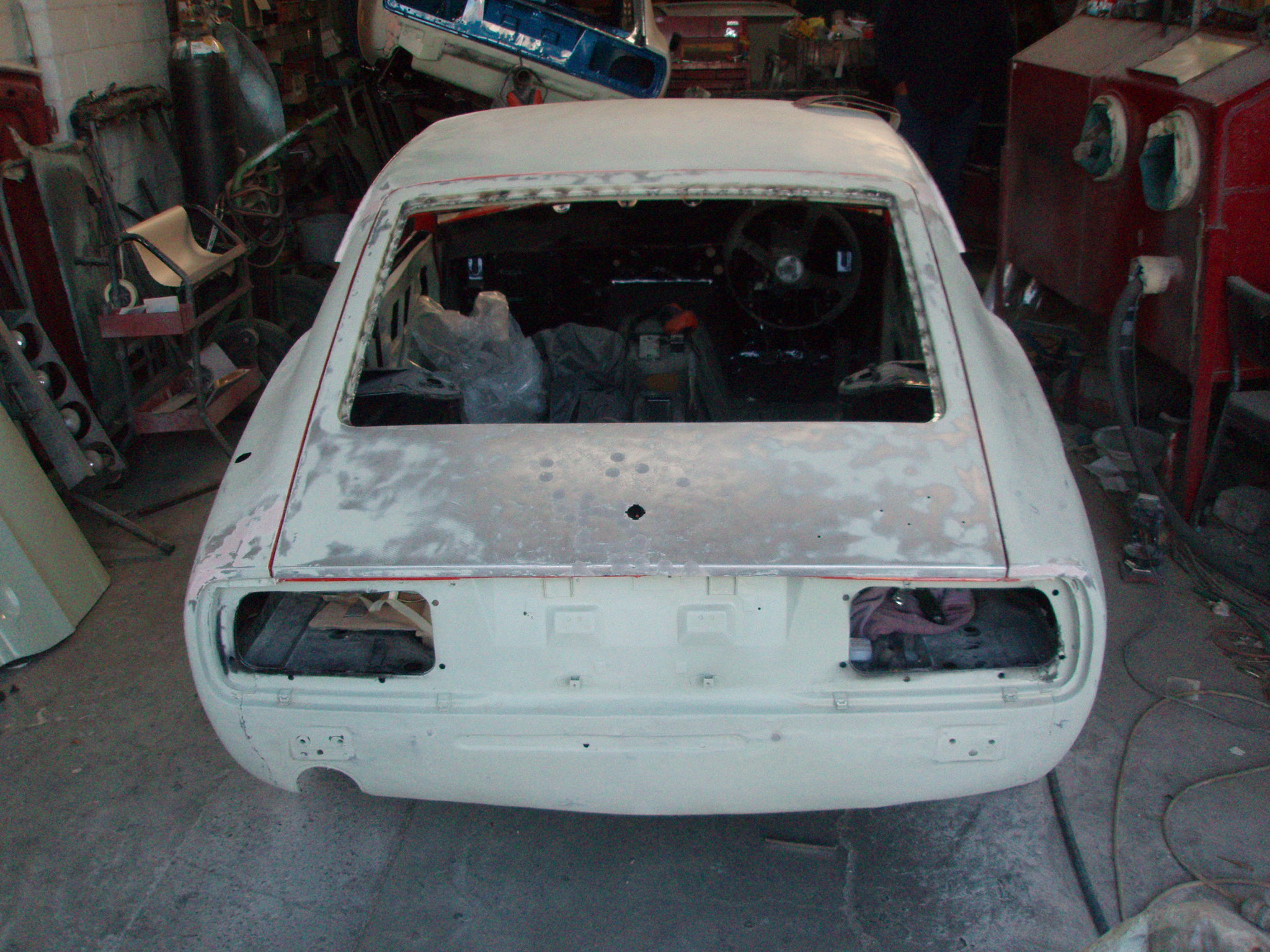
Rear hatch fits neatly, tick.
9. Rubbed and ready
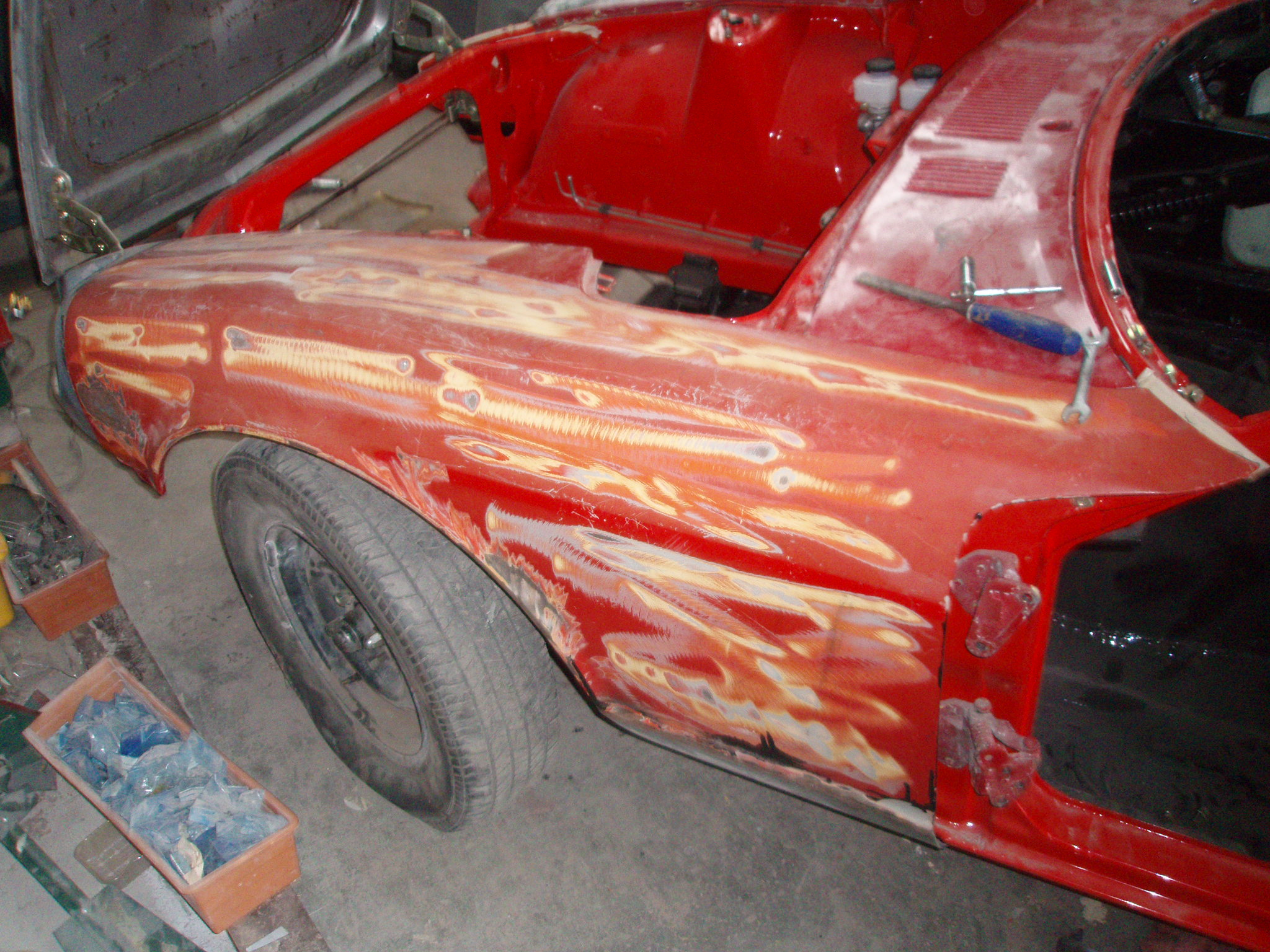
This paint scheme was never considered.
1971 Datsun 240Z specifications
Originally published at our sister site, Unique Cars
UPDATE: Model Y driven in Australia
The Tesla Model Y is now in Australia, and we’ve driven it. We’ve also now compared it directly with Kia’s EV6, on the road. Catch our video and reviews at the links below.
The story to here: Model Y price increase
The cost of the Tesla Model Y has increased by up to five per cent only a week after pricing was confirmed for the American electric SUV.
Pricing for the entry-level Model Y RWD has jumped from $68,900 to $72,300, while the Performance flagship has increased from $93,900 to $96,700.
Buyers will need to find nearly $78,000 to drive away in a Model Y once on-road costs are factored in.
The price of the Model Y Performance has increased by about $4500 when factoring in on-road costs – up from about $105,000 to $109,400 driveaway.
The most affordable Model Y is further distanced from its closest rival, the Kia EV6 that starts from $67,900.
Unlike the base Model 3, the Model Y misses out on the $3000 EV rebates in NSW, Victoria, and South Australia.
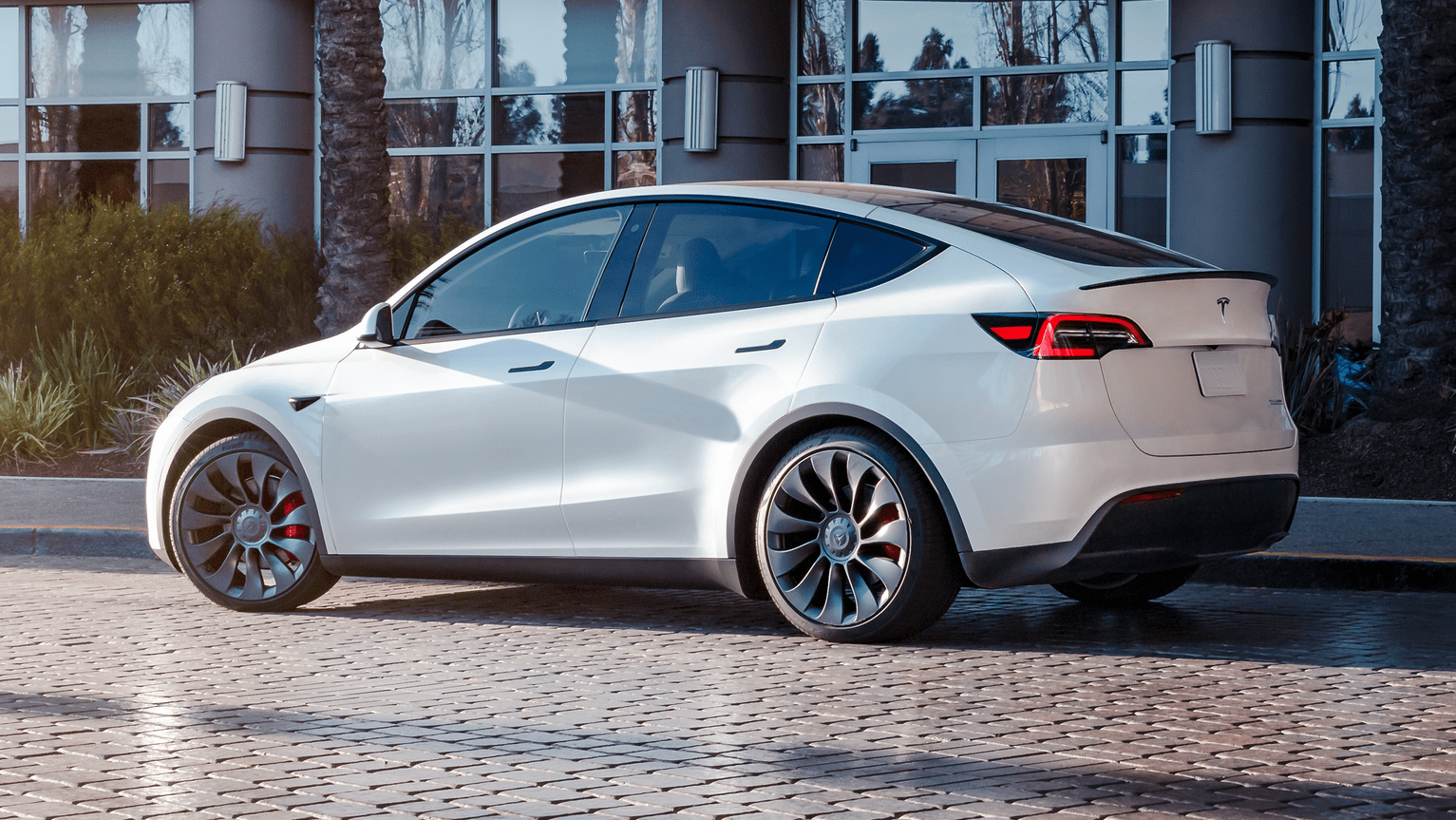
The sedan relative of the Model Y, the Model 3, has also undergone further price increases.
The Tesla Model 3 starting cost has been lifted from $63,900 to $65,500. The RWD Model 3 was priced from $59,900 as recently as March 2022.
Long Range and Performance versions of the Model 3 have increased for the second time this year – from $76,200 to $80,000 and from $88,900 to $91,600, respectively.
Tesla Australia is not currently publishing prices for its Model S large sedan and Model X large SUV.
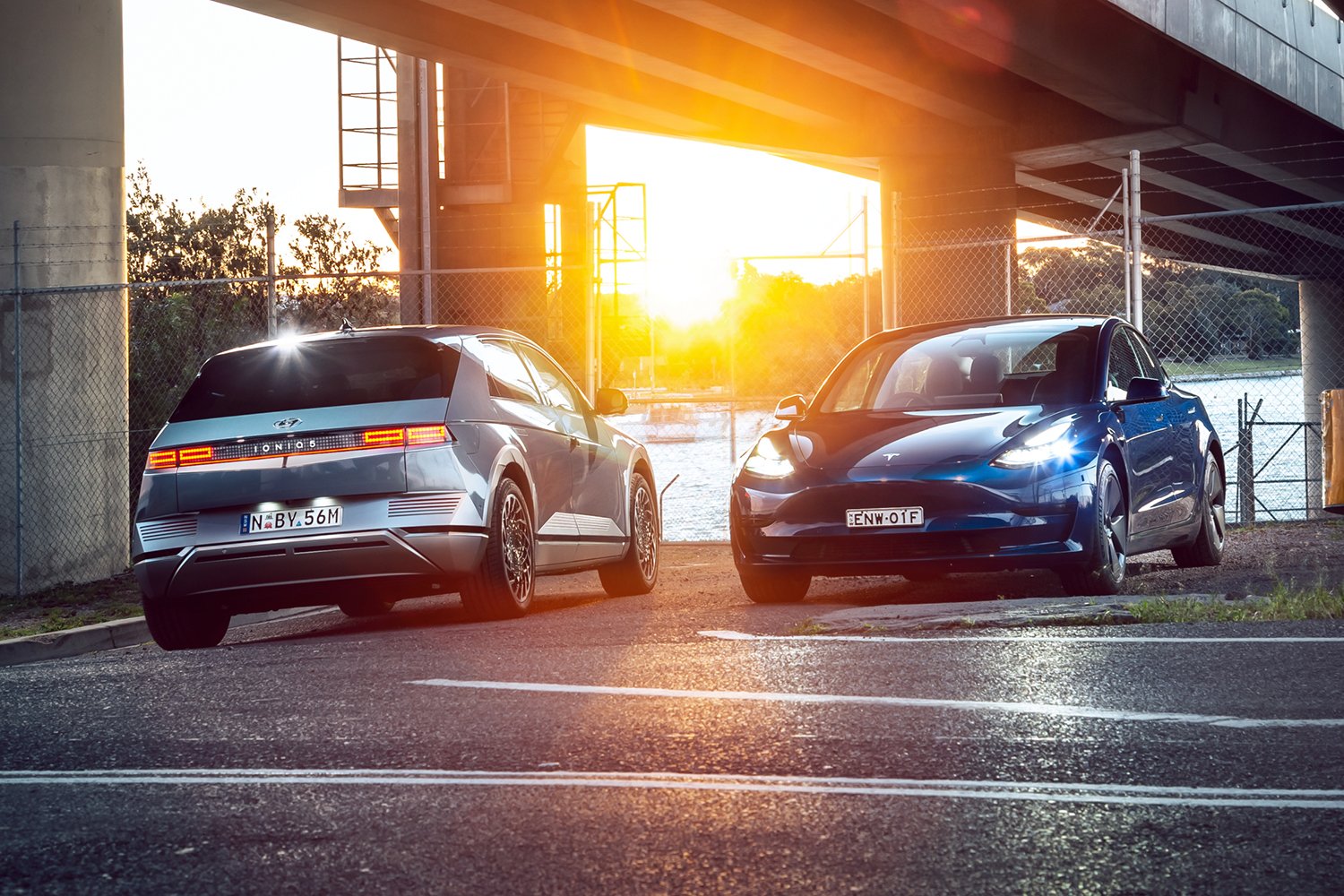
Tesla has increased prices around the world in the past 24 hours, though the practice has been an ongoing trend.
The US company’s CEO, Elon Musk, has previously cited supply issues including raw materials and the microchip shortage, though the latest pricing move is likely a reaction to sharply rising inflation.
The United States recently introduced its steepest interest rate hike since the early 1990s.
Australian delivery windows for the Tesla Model Y and Model 3 are both currently quoted between February and May 2023.
Check in on Wednesday 22nd June for our first Australian drive of the Tesla Model Y.
Tesla Model Y Pricing
(Revised, June 2022)
- Model Y RWD $72,300 (+$3400)
- Model Y Performance $96,700 (+$2800/+$4400apx in DA pricing)
Tesla Model 3 Pricing
(Revised, June 2022)
- RWD $65,500 (+$1600)
- Long Range $80,000 (+$3800)
- Performance $91,600 (+$2700)
https://www.instagram.com/p/Ce0PzWrAsuv/
Snapshot
- Australia aiming to reduce emissions 43 per cent by 2030
- Going for net zero by 2050
- No mandated transport emissions target currently in place
The Australian Federal Government has officially committed to lowering its carbon emissions by 43 per cent before the end of the decade, but the automotive sector continues to call for a specific emissions reduction target.
After the Labor Party won last month’s Federal Election, Prime Minister Anthony Albanese has started to deliver of his party’s promises to combat climate change, with a revised emissions reduction target becoming one of the first ports of call.
Having committed to the Paris Agreement in 2015 with a 28 per cent reduction by 2030, the new 43 per cent target comes just over a year after Australia signed on to reach net zero by 2050.
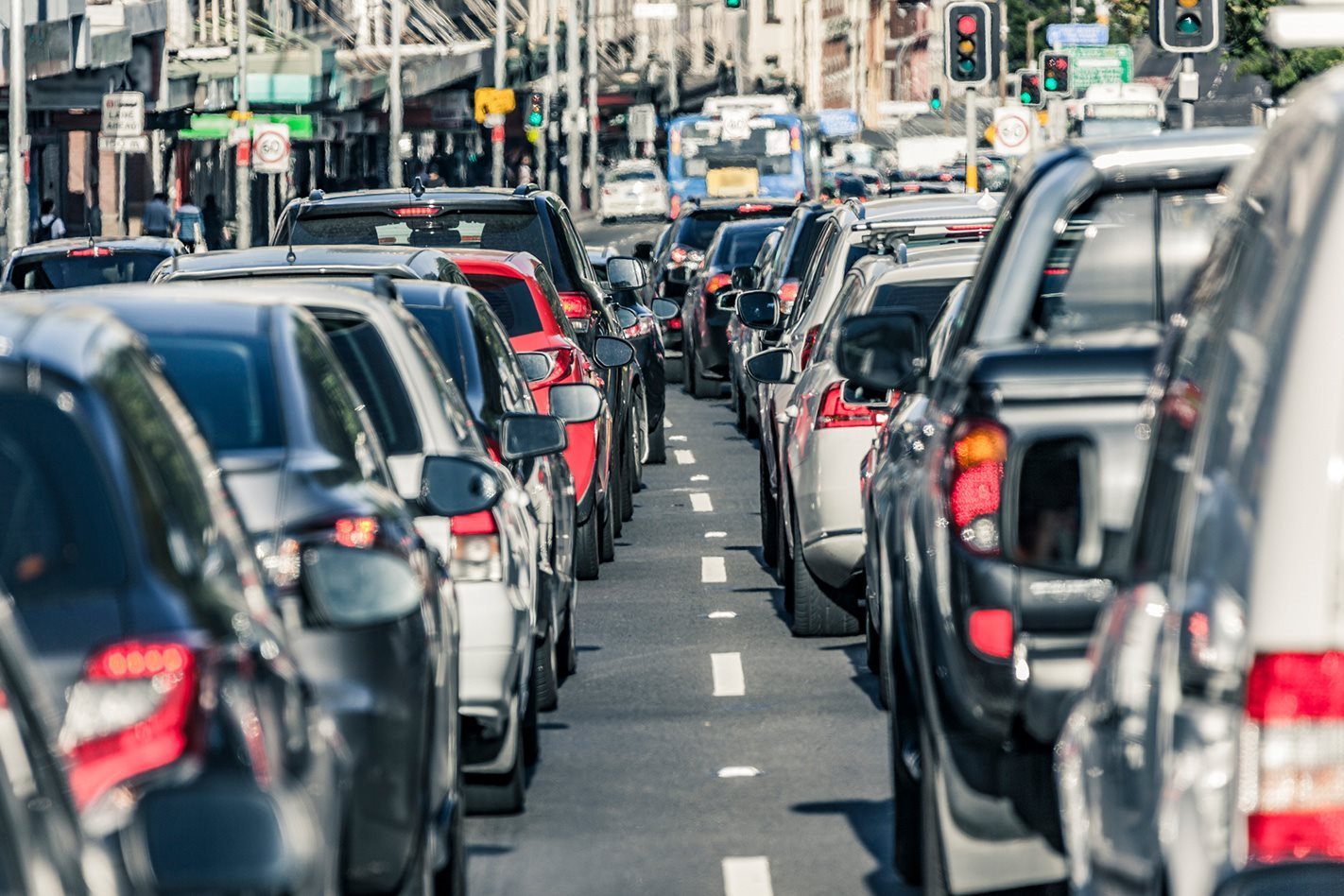
However, while the federal goal is more ambitious than before, Australia still lacks a specific emissions target for the automotive industry, with some manufacturers instead signing up to a voluntary emissions standard in 2020 – which resulted in lower CO2 emissions last year.
Despite this voluntary standard, only a third of manufacturers hit their industry-led emissions aim throughout the year, as 12 out of 39 brands came in under their targets for passenger cars and light SUVs.
The Federal Chamber of Automotive Industries (FCAI) reiterated its calls for an automotive target and specifically the light vehicle industry, which accounts for roughly 10 per cent of Australia’s transport emissions, with Chief Executive Tony Weber saying automotive manufacturers would respond positively to a government mandate.
“We know that automotive manufacturers around the world respond to strong policy signals when allocating their limited supply of zero and low emission technologies. A technology neutral emissions reduction target for vehicles is the signal Australia needs to send,” said Weber.
“Our members recognise the need to combat climate change. In the absence of federal leadership in 2020 we established our own voluntary scheme that sends a message to manufacturers’ head offices that Australian motorists want the best low emission technologies.”
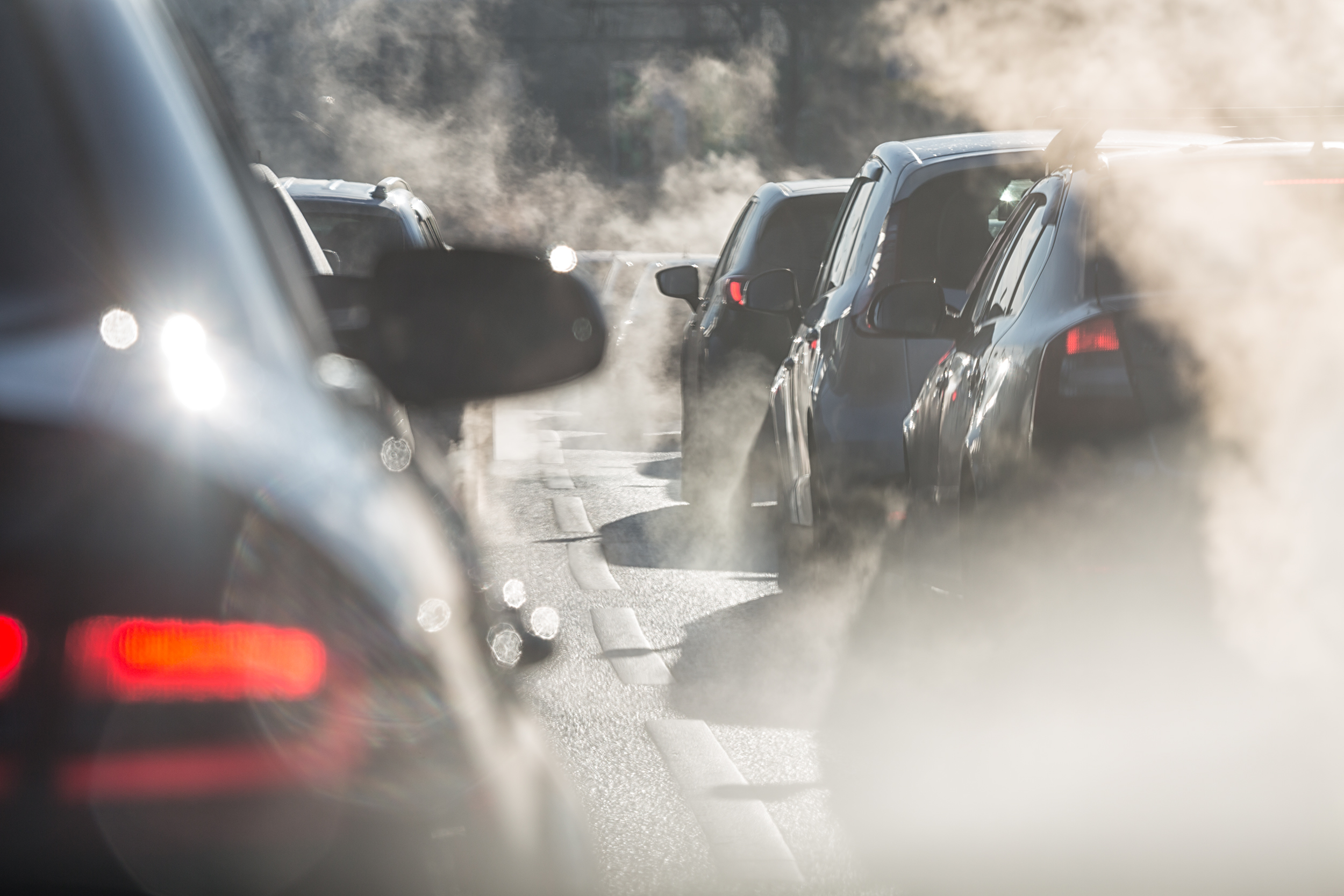
As states and territories lead the way in offering incentives and rebates for zero emissions vehicles – led by those utilising battery technology – the FCAI also called for an agnostic approach to which low-emissions vehicles the public should be able to buy, not preferencing one powertrain over another.
“Now is the time for the new Albanese Government to work with our members to mandate this scheme in order to get these new low emission technologies to Australia”, added Weber.
“Any reduction target must be broad based and focused on reducing CO2 not picking certain technologies over others. Our zero emissions future is ultimately full electrification.
“Our short and medium term journey will require a mix of hybrid, plug in hybrid, battery-electric, hydrogen and efficient internal combustion to meet the varying needs of Australian motorists.
“Our message to Government is simple. You give us the target, and we will give you the technology to get there.”
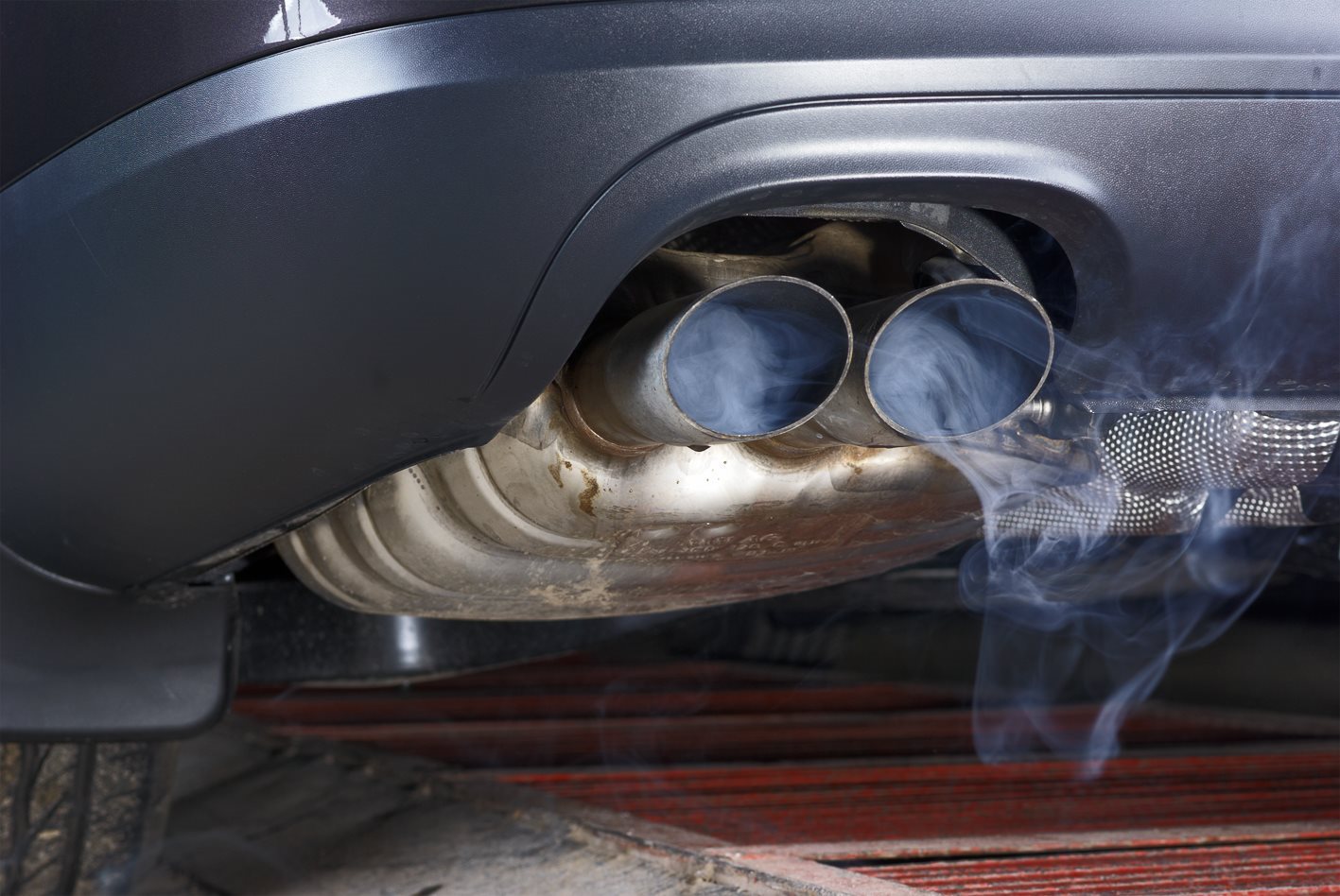
Last year, the Liberal-led Federal Government announced a subsidy scheme worth $2 billion to prop up Australia’s two remaining oil refineries in Geelong and Brisbane, with roughly $300 million allocated to infrastructure upgrades to improve fuel quality, given our fuel is the worst in the developed world.
The European Union has recently been pushing for a ban on the production of new internal combustion engine-powered cars by 2035, while the United Kingdom will phase out new petrol and diesel vehicles by 2030.
Snapshot
- Legislation comes in on June 22
- Car key batteries must now meet stringent standards
- Move designed to protect children from harm
A new law could see car prices rise due to the need to make key fobs meet more stringent safety standards – and owners of older cars possibly unable to replace their spare sets at all.
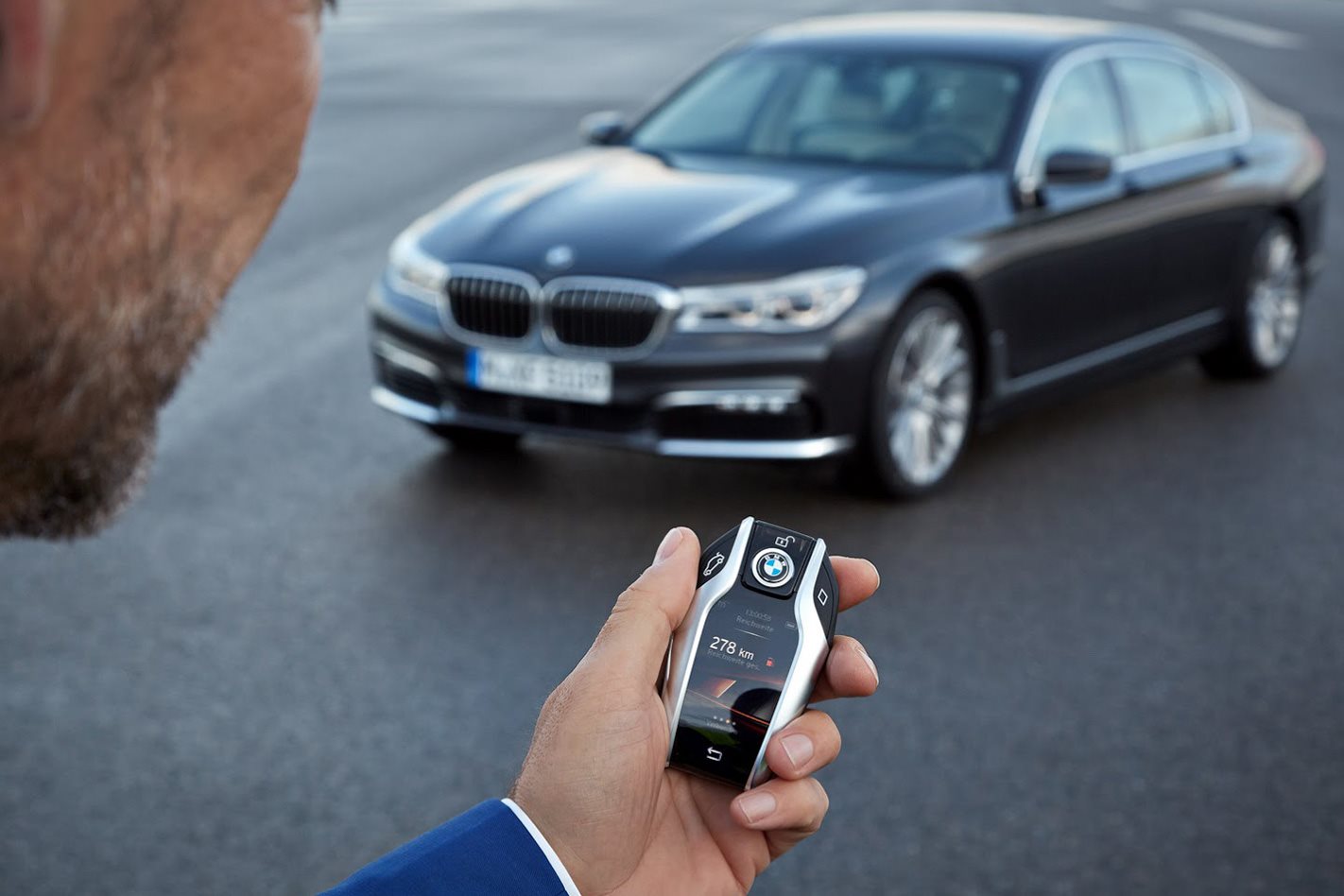
From Wednesday, June 22, the Federal Government will bring in a legislation change which means any product containing a button battery, including car key fobs, must be produced to ensure it is secure to prevent children from getting hold of them.
It’s a move that is likely to cost carmakers in Australia, and used car dealers, big – as they wrangle to get all of their old and new keys up to code.
Though the legislation was actually passed by Parliament back in December 2020, there has been an 18-month transition period to allow carmakers time to make any necessary manufacturing and design changes, undertake compliance testing, remove and replace non-compliant stock, and to add warnings or emergency advice and instructions.
Button/coin batteries are flat, small, round single-cell batteries. They typically operate using lithium, alkaline, silver oxide or zinc-air – but lithium batteries pose the highest risk because they are usually larger, which means they are more likely to become stuck in a child’s throat. Their higher voltage also means they can cause injury more quickly.
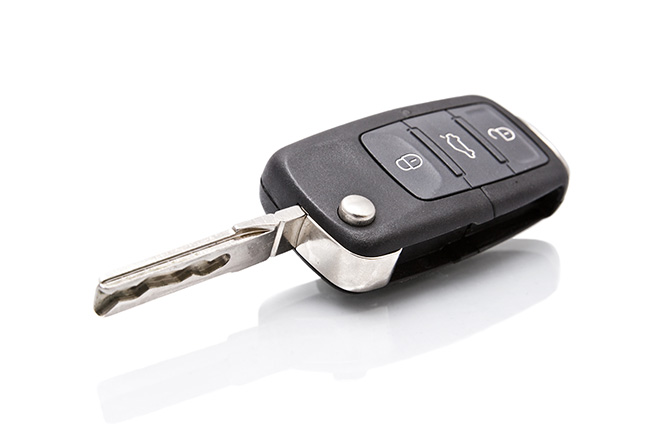
One source told Wheels that it can cost, on average, $2000 just to test a type of key and carmakers have to check all sets they have – no matter what age. If a key cannot meet the standard it is deemed unsellable, and therefore owners of vehicles that are more than five years’ old may not able to get replacement keys if theirs are lost or damaged.
Used car dealers will face problems too – they will be able to sell the vehicles, but cannot hand over the keys unless modified to meet the new legal requirements.
It’s understood destroying the older stock is easy enough, but finding a replacement product is proving to be an extremely challenging task for some manufacturers.
In a more fortunate position, Volkswagen Group Australia said its keys are being repackaged in its local warehouse to meet the new legislation. Old keys will be re-labelled before being supplied to customers, and warning tags will be attached on all new vehicle keys – with the latter said to cost around $5 per car.
Adding the warning tags to, for example, just the number of vehicles sold by the Group (Audi, Skoda and VW) so far this year, would therefore cost around $86,730 – with costs likely to rocket further for the total cost of repackaging all the manufacturers’ keys.
“Essentially every button battery or component containing a button battery supplied after June, 22, 2022, needs to meet the legislation. This will include keys supplied as spare parts. Our customers will notice new packaging and labelling on components containing button batteries,” a spokesperson told us.
Like VW, Kia Australia’s General Manager of Product Planning, Roland Rivero, told us the Korean firm has been planning for this for almost a year – preparing tags to go on keys and making changes to its user manuals to reflect the necessary warning information.
“We’ve printed 100,000 tags to go on new cars to cover ourselves on an on-going basis and at the same time we needed to do it for our existing stock of about 6,000 cars sitting in dealerships right now. So about 10,000 have gone to the dealers to share between them, and the other 90,000 have gone to Prixcar [its vehicle processing service] ready to be fitted when they arrive in Australia. Each tag costs about 28 cents and then there’s labour at Prixcar, but it won’t be a great amount of money for us.”
Rivero added that repackaging spare keys for older cars was underway too.
MG told us it was in a similar position, needing to add labels to keys and user manuals, but was not able to say more at this stage.
Though for some the change only involves adding tags and warning information to their keys and user manuals, Wheels understands another carmaker is also having to destroy key fobs older than eight years because it would be “too difficult and expensive” to make them compliant with the new rules.
While the general ‘rule of thumb’ for keeping spare parts for vehicles sold is roughly 10 years, officially Australian Consumer Law says they just have to be kept for ‘a reasonable time’.
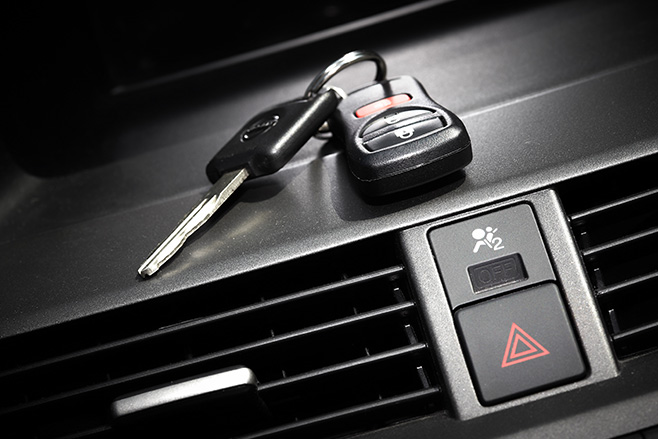
The Federal Chamber of Automotive Industries (FCAI) says it’s up to brands to defend their own decisions.
“If manufacturers do have to destroy old keys – I don’t know what that does to the poor customer,” said the FCAI’s Technical Director, Ashley Sanders.
“The ACCC has the policy objective of stopping children being killed or harmed by swallowing batteries, so from our point of view we just have to do whatever it takes. Like any regulation though, there will be a cost/benefit analysis and here the benefits outweigh the costs – but the money still has to be found somewhere and that just gets passed on to the [car] consumers.”
Wheels understands that while the Australian Competition and Consumer Commission (ACCC) has widely consulted various sectors about the upcoming legal change, dealers feel they have not been given much notice – leaving them scrambling to get their tech up to date in time.
One source told us though they’d not been directly consulted, they were vaguely aware the issue had been “a long time coming”. They told us some dealers have been contacted by their manufacturers about the need to comply with the new regulations, but hadn’t been given enough time to do so. They said the process “was disappointing”.
The Australian Automotive Dealer Association (AADA) has also today issued a bulletin to its members advising them to get in touch with their respective car companies to make sure they are across the changes quickly to avoid falling foul of the law.
“It is important for dealers to work with their manufacturers to ensure the due date for compliance with the new mandatory safety standards is adhered to for any products containing a button or coin battery…[and]…it is important that dealers make themselves familiar with the ACCC business guidelines,” the bulletin reads.
The FCAI, meanwhile, says that the industry has known about the issue for more than two years, but that the 18-month transition period decided on by the ACCC was not “an appropriate amount of time needed to prepare for such regulation”.
“We did at one stage go out to our membership to get a gauge of what needed to be done and didn’t get a very good response. Pretty much we got the idea the manufacturers were scrambling to find out how deep the hole was they were jumping into,” said Sanders.
“We asked about potential problems, such as if a manufacturer had a 20 year-old product in its parts department, and they said everything would have to be made compliant. They told us [the car company] could sell it [an old key] on to the customer before the legislation date if they wanted to, and when we asked what would happen if they can’t, the ACCC told us ‘bad luck’.
“They [the ACCC] tell us we have to comply, and either we do or we don’t. Then they’ll start checking and carrying out an audit in the next few weeks and months and will take action if it’s not being done.”
Companies are considered a supplier if they manufacture, import, distribute or retail button/coin batteries or consumer goods containing button/coin batteries within Australia or for the Australian market – such as car key fobs.
Once the new regulations come into effect on June 22, the ACCC will be monitoring the market to make sure keys meet the required standard, and will take enforcement action – ranging from infringement notices to court proceedings – if they don’t.
The law change has come about because of widespread safety concerns on what happens when these type of batteries fall into the wrong hands.
Though the issue has been reported about worldwide for several years, Australia has become the first country in the world to have a button battery safety standard that applies across all consumer product categories.
Three children have died, and 44 have been severely injured, in Australia from incidents involving button batteries – and more than one child a month is seriously injured as a result of ingesting or inserting them into various body parts.
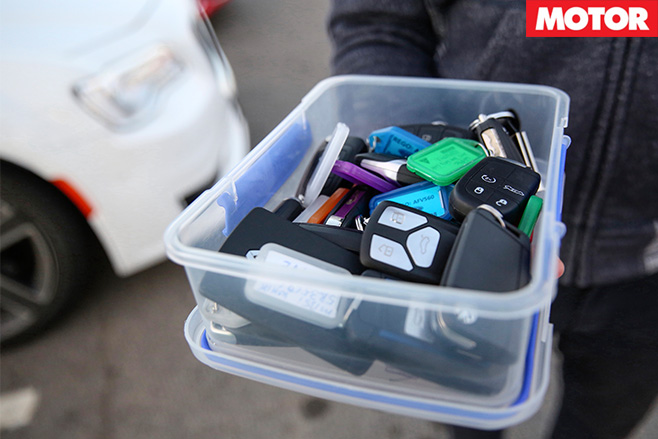
If swallowed, a button battery can get stuck in a child’s throat and cause a chemical reaction that burns through tissue, causing catastrophic bleeding and serious injury within two hours or even death within a few days.
Symptoms may include gagging or choking, drooling, chest pain (grunting), coughing or noisy breathing, food refusal, black or red bowel motions, nose bleeds, spitting blood or blood-stained saliva, unexplained vomiting, fever, abdominal pain or general discomfort.
“These world-first mandatory standards for button batteries are an important step in helping to prevent injuries to children. Time is running out for manufacturers and suppliers to ensure their products are compliant,” ACCC Deputy Chair Delia Rickard said.
“Once the standards become mandatory, the ACCC will focus on enforcement action.”
Penalties may apply for businesses that supply button batteries, or products containing them, that do not comply with the mandatory standards.
“We are pleased that some suppliers have acted early by conducting recalls to remove unsafe products containing button batteries from the market,” Rickard added.
“They are found in a large number of common household items such as toys, remote controls, watches, digital kitchen scales and thermometers. If swallowed they can cause serious injuries to children.
“The compartment holding the button battery needs to be secure and child resistant, and if it isn’t, parents or carers should stop using the product immediately and keep it out of reach from children.
“Keep new and used button batteries out of sight and out of reach of small children at all times.
“As soon as you have finished using a button battery, put sticky tape around both sides of the battery and dispose of it immediately in an outside bin, out of reach of children, or recycle safely.”
The ACCC is encouraging members of the public to report unsafe products through the Product Safety Australia website.
If you think a child has swallowed or inserted a button battery, contact the 24/7 Poisons Information Centre on 13 11 26 for fast, expert advice. Acting quickly is critical – do not wait for symptoms to develop.
Children are often unable to effectively communicate that they have swallowed or inserted a button battery and may have no symptoms. If you suspect a child has swallowed or inserted a button battery, you should ask for an x-ray from a hospital emergency department to make sure.
Snapshot
- MY23 Subaru Forester arrives in Australia
- Minor equipment tweaks for higher-end models
- Increased prices across the range
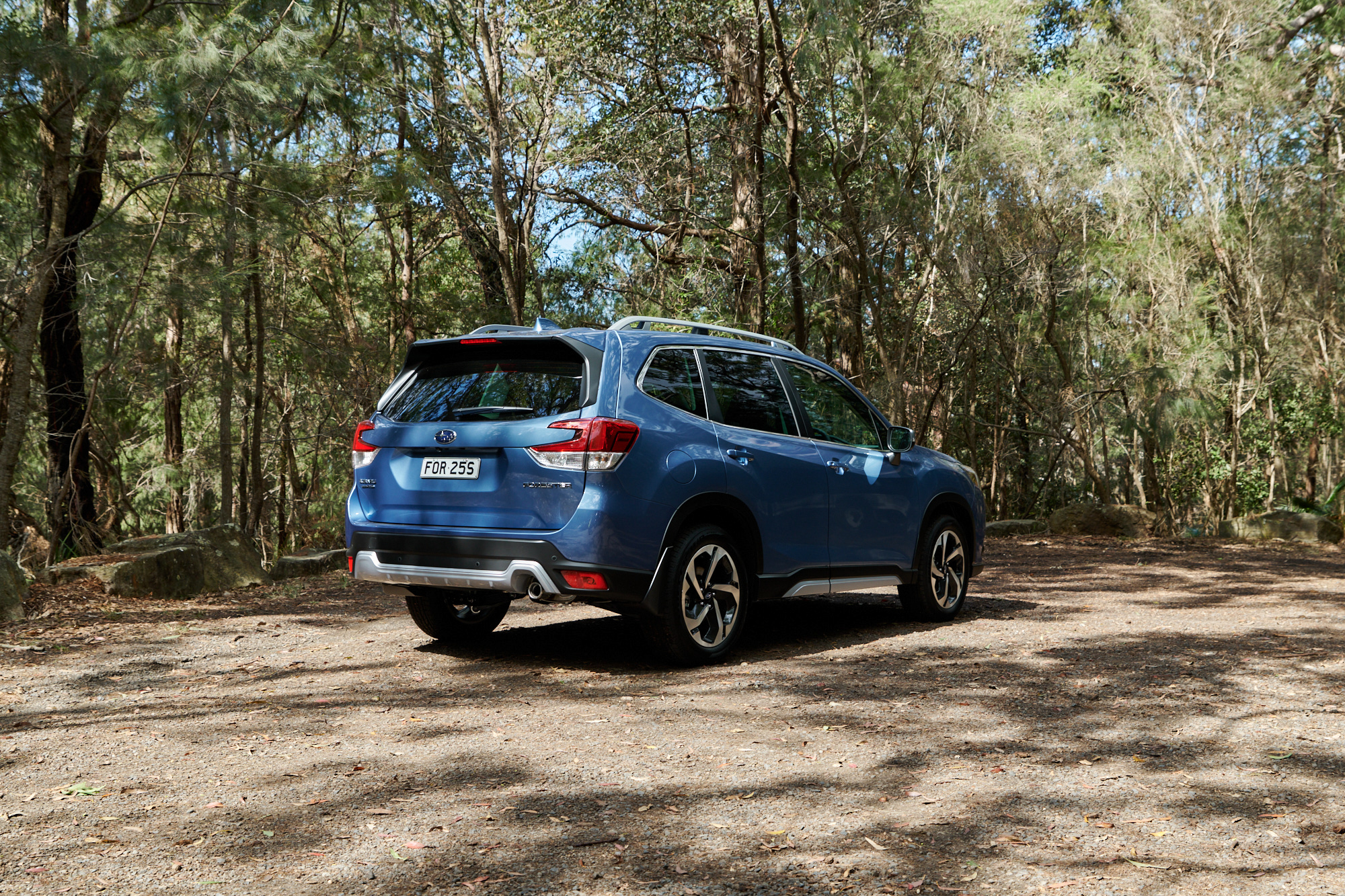
The 2023 Subaru Forester is now on sale in Australia, with its fourth-quarter arrival coming nearly six months after supply of the MY22 model ran out.
An evolution rather than a revolution of the facelifted model, which debuted in July last year, the MY23 Forester has received minor equipment tweaks for 2023, mainly affecting the higher grades of Subaru’s crossover SUV.
Applying to the 2.5i Sport, 2.5i-S and Hybrid S variants, an auto-dimming rear-view mirror is now a standard feature, while the 2.5i Sport also gains sapphire blue pearl paint as a replacement of the outgoing dark blue pearl.
In addition to the equipment changes, increased costs throughout the production and logistics process have driven up the list price of the range by at least $1900, with the entry-level 2.5i now on sale from $37,890 before on-roads.
The 2.5i-L and Hybrid L have also gone up by $1900, with the 2.5i Premium incurring a $50 charge on top of that.
With new equipment as standard, the aforementioned 2.5i Sport, 2.5i-S and Hybrid S have undergone the biggest price jump by $2150, as the flagship hybrid variant now tops out at $49,350 before on-road costs.

“With seven variants available across the range, including two hybrids, all built with advanced technology, safety, comfort and off-road sureness, Forester remains an integral part of the overall Subaru model line-up and continues to sit confidently in that popular mid-size SUV category,” said Subaru Australia’s Managing Director, Blair Read.
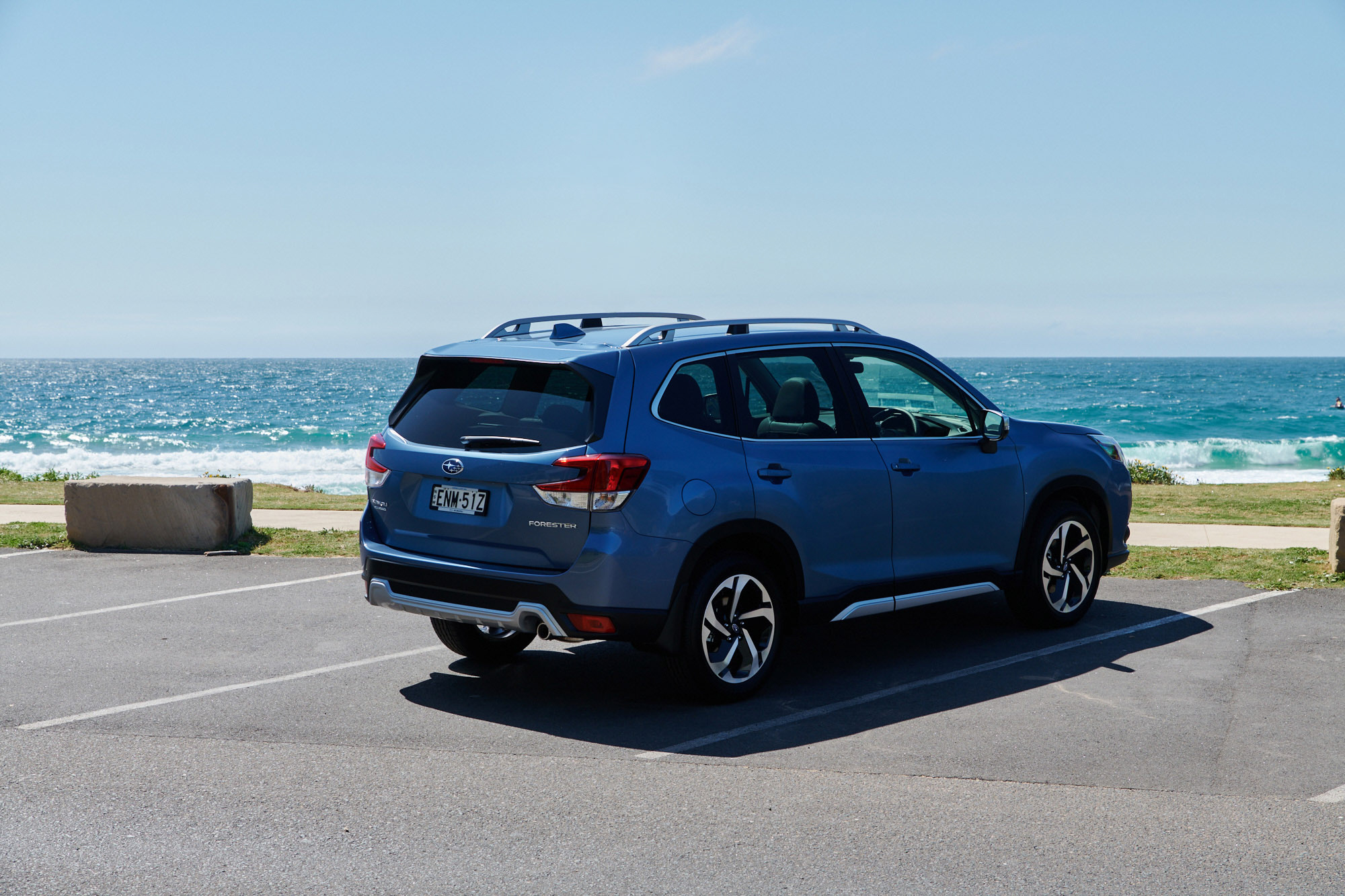
The 2023 Subaru Forester is now available to order through the manufacturer’s Australian dealership network, with the first deliveries expected in the fourth quarter of 2022.
2023 Subaru Forester Australian pricing
Prices exclude on-road costs.
| Model | Price |
|---|---|
| Forester 2.5i | $37,890 (+$1900) |
| Forester 2.5i-L | $40,290 (+$1900) |
| Forester 2.5i Premium | $43,090 (+$1950) |
| Forester 2.5i Sport | $44,840 (+$2150) |
| Forester 2.5i-S | $46,340 (+$2150) |
| Forester Hybrid L | $43,290 (+$1900) |
| Forester Hybrid S | $49,340 (+$2150) |
Tesla’s ‘Enhanced Autopilot’ (EAP) system has been added as an option in Australia, entering beneath the ‘Full Self-Driving’ (FSD) system.
Priced at $5100, EAP debuts as a more affordable alternative to the top-shelf FSD package, which at $10,100 is twice the price and still hasn’t made it to Australia – although if Elon Musk’s latest missive to a curious tweeter is any indication, a late-2022 debut could now be on the cards.
UPDATE: Model Y driven in Australia
The Tesla Model Y is now in Australia, and we’ve driven it. Catch our video and review at the link below.
The story to here
How do the systems differ?
Enhanced Autopilot adds Navigate on Autopilot, Auto Lane Change, Autopark and Smart Summon.
Opting for FSD brings Traffic Light and Stop Sign control, and it’s these extra functions that round out what is still officially described as a ‘beta’ system.
While EAP and FSD are cost options, all Tesla models come standard with basic Autopilot, which adds auto-steering and adaptive cruise control – common ‘level 1’ and ‘level 2’ autonomous technologies now featured in many new cars.
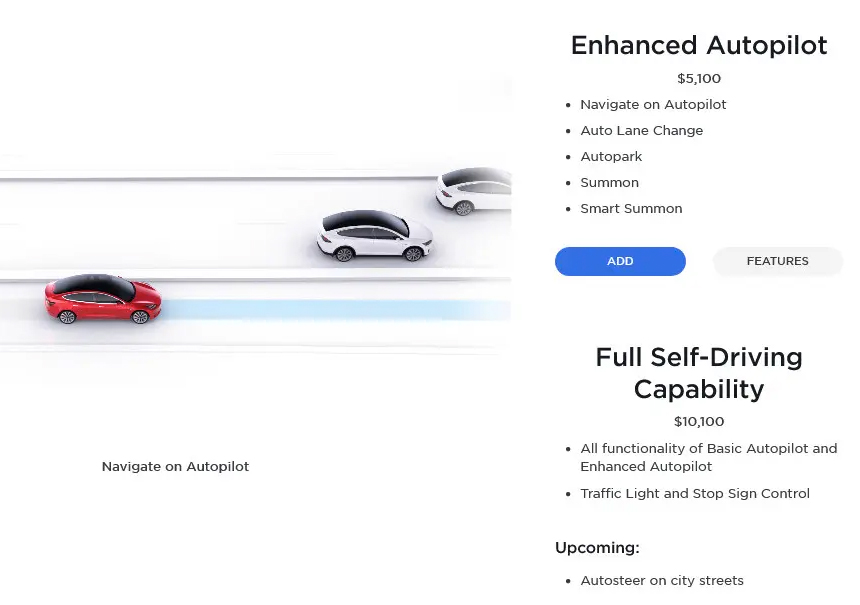
In all cases, and despite regular posts online revealing that many drivers don’t comply, Tesla makes clear on its website that all of its “self-driving” systems require active human supervision – while Australian laws still do not allow motorists to take their hands off the wheel while driving. Indeed, even one-handed steering is technically only allowed, and briefly, while changing gears or indicating.
Following its launch in the US, EAP reached the right-hand-drive UK market last year. Today’s news also sees Singapore and New Zealand opened up to the new option.
UPDATE, June 17: M3 Touring sets new Nürburgring record for wagons
The upcoming BMW M3 Touring is the fastest wagon to ever lap the world famous Nürburgring Nordschleife, building the hype ahead of its debut.
In a video posted by BMW’s M division, the Munich team shows off the preparation and parts of the long-roof M3’s hot-lap around the track, with its 7:35.060 time making it not only the fastest wagon to lap the circuit but also even faster than the F90 M5 Competition.
BMW has also confirmed it will finally take the covers off the new model at next week’s Goodwood Festival of Speed, with the M3 Touring making its dynamic debut up the hillclimb.
The story to here
March 18: Leaked images surface
Pictures of the 2022 BMW M3 Touring have emerged online, ahead of the wagon’s official reveal.
Just days after BMW showed off the Touring’s rear-end, Spanish car spy outlet Cochespias posted these low-resolution images of the M3 wagon on Instagram, crediting account @bmw_m_collector with the scoop.
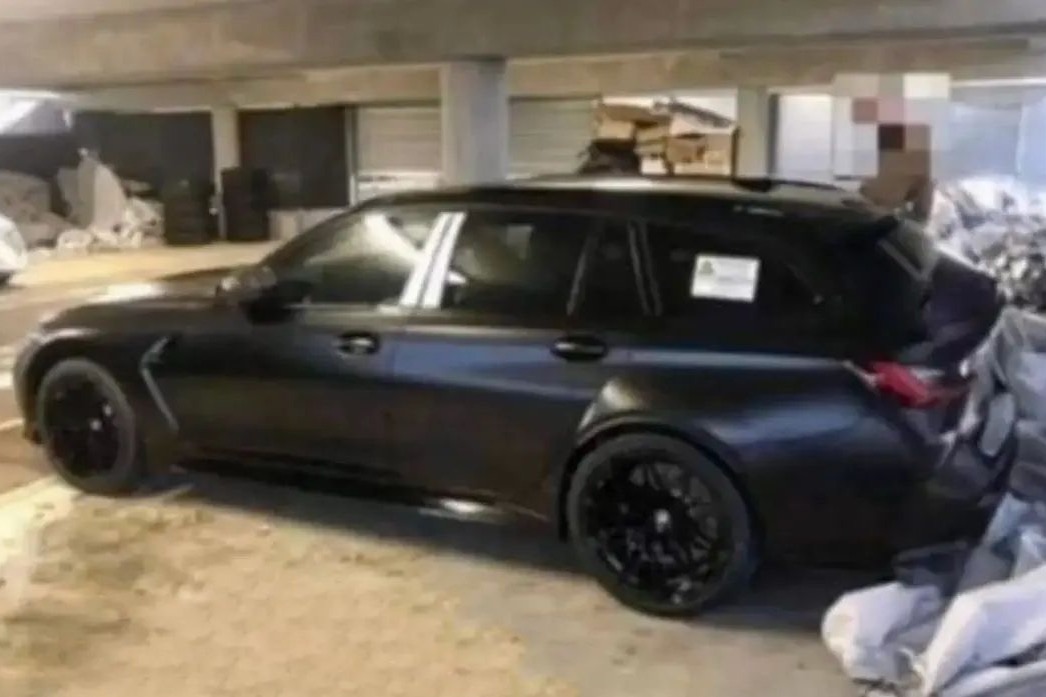
The vehicle appears to be painted in matte Frozen Black, matched with black alloy wheels, and complete with the M3’s controversial coffin grille.
While the leaked images don’t hold any great surprises, it is the first time the vehicle has been seen in full and without camouflage, suggesting the model’s launch could be mere days or weeks away.
March 15, 2022: Rear design shown off
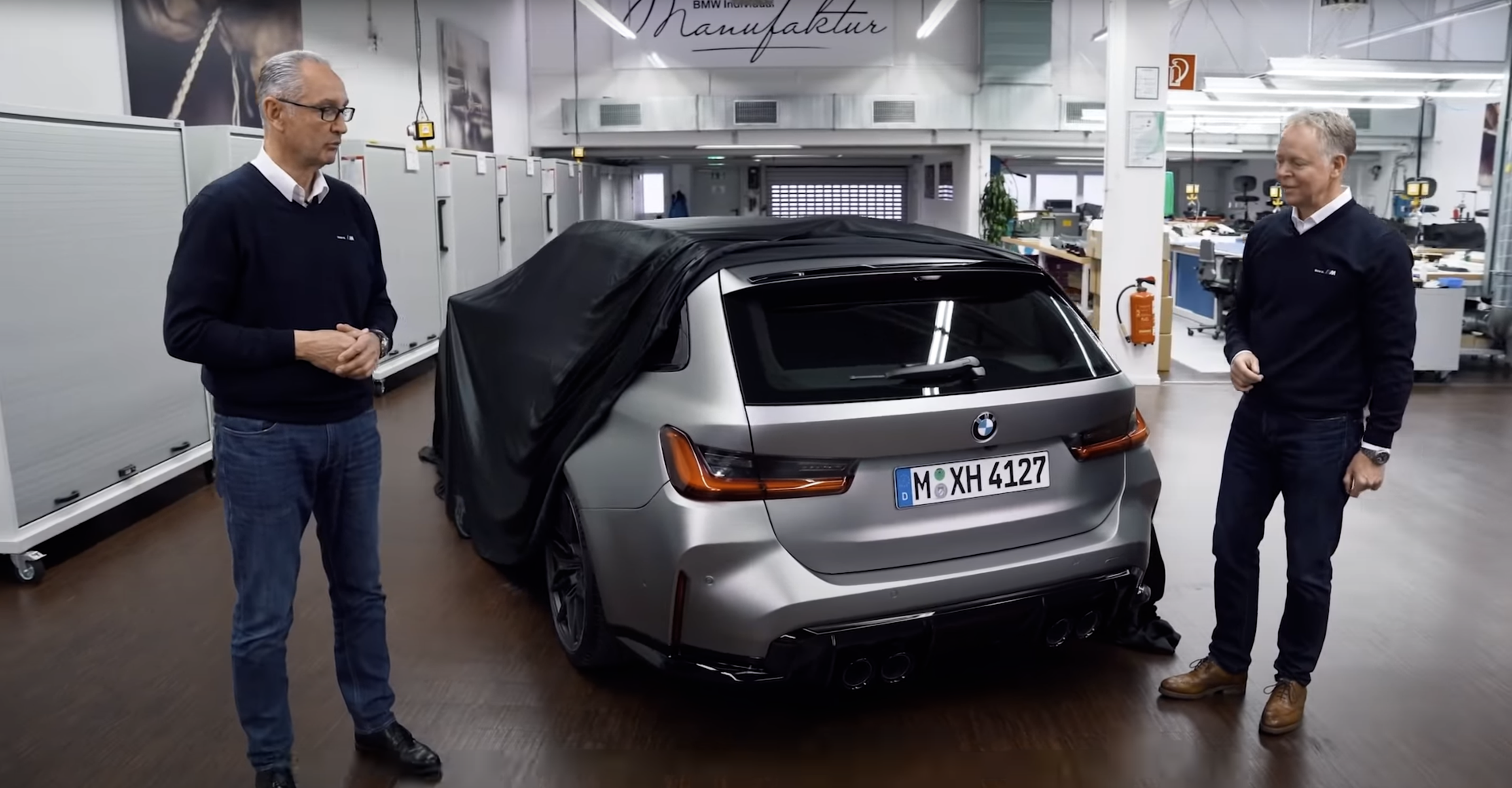
For the first time since it was first teased, BMW has shown off the rear design of its upcoming M3 Touring.
So far only teased in camouflage and rendered by some online artists (further below), this is the first we’ve seen of the M3 Touring’s rear since it was revealed – and it looks just as good as we thought.
Although the video starts with a look back at BMW’s first M3 Touring concept car in E46 guise, it gradually makes its way across to its modern counterpart to show off some of its features.
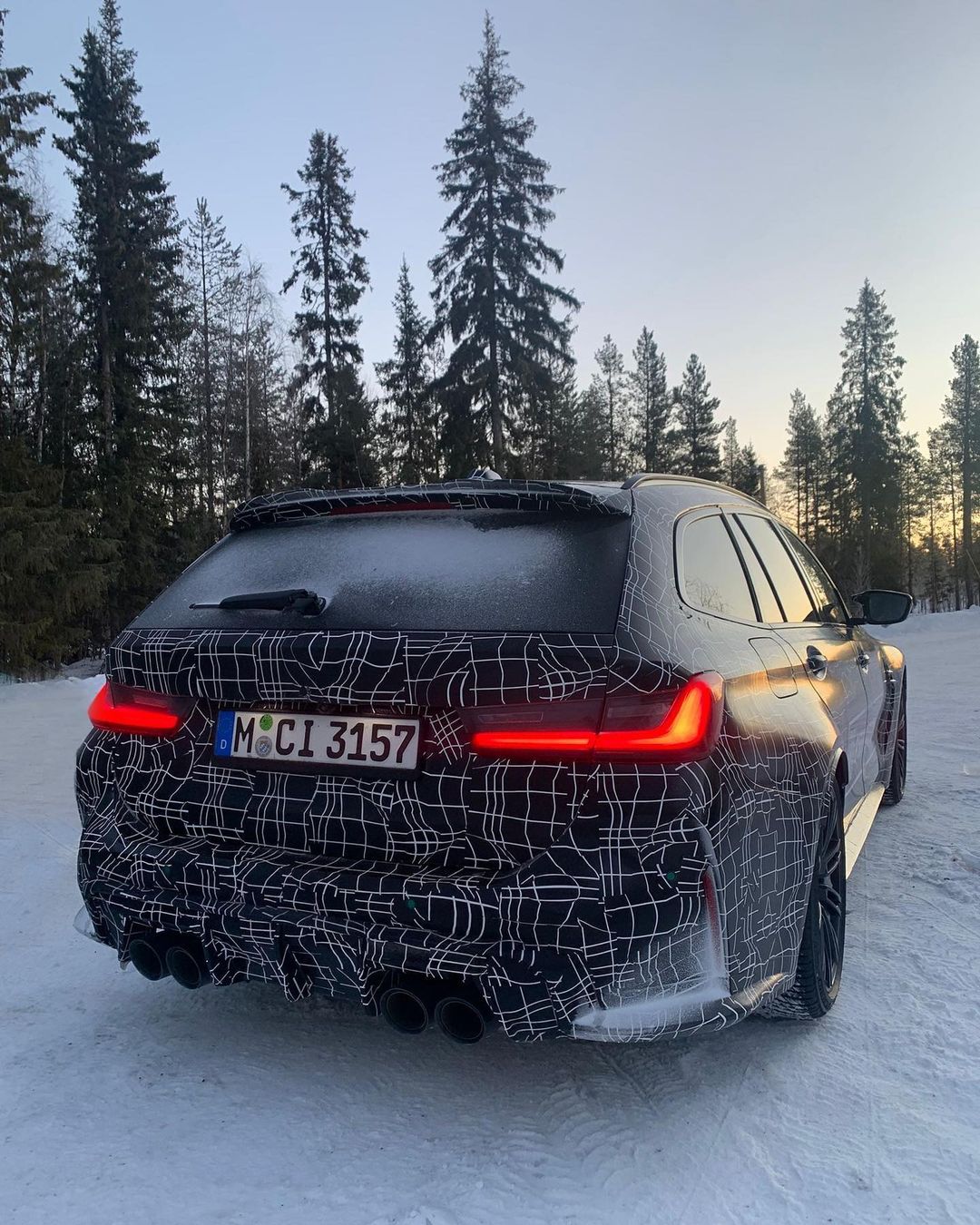
From what we’ve seen before, the car’s front end will remain unchanged from the M3 sedan, retaining its divisive vertical kidneys, while the rear diffuser looks to be even more aggressive than its four-door sibling.
March 8, 2022: M3 Touring to coincide with BMW M’s 50th anniversary
We are edging ever-closer to the launch and official reveal of BMW’s M3 Touring – the first-ever high-performance 3 Series wagon to wear the iconic M badge.
While BMW continues to drip-feed information and camouflage shots of the M3 Touring, its latest campaign sees the car’s upcoming reveal tied in with celebrations for the M division’s 50th year.
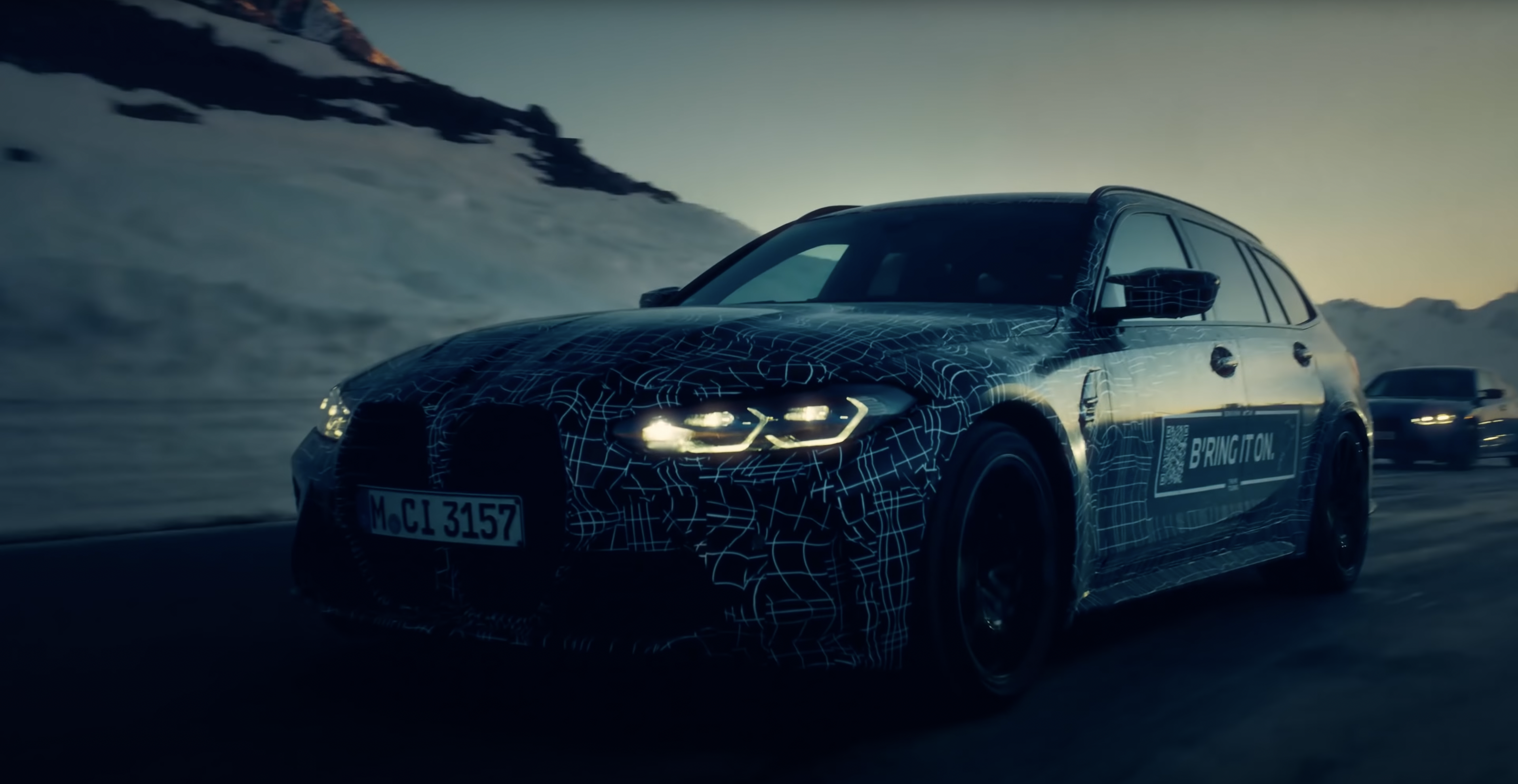
Driving through the alps behind fellow M siblings such as the sedan M3 and M4 coupe, the Touring pops out at the end, introduced as a ‘once in a blue moon’ evolution combining skills “as never seen before”.
BMW also claims the M3 Touring achieves a provisional WLTP-rated fuel consumption figure of 10.3L/100km – just 0.1L/100km more than the standard M3.
January 24, 2022: M3 Touring undergoes winter testing
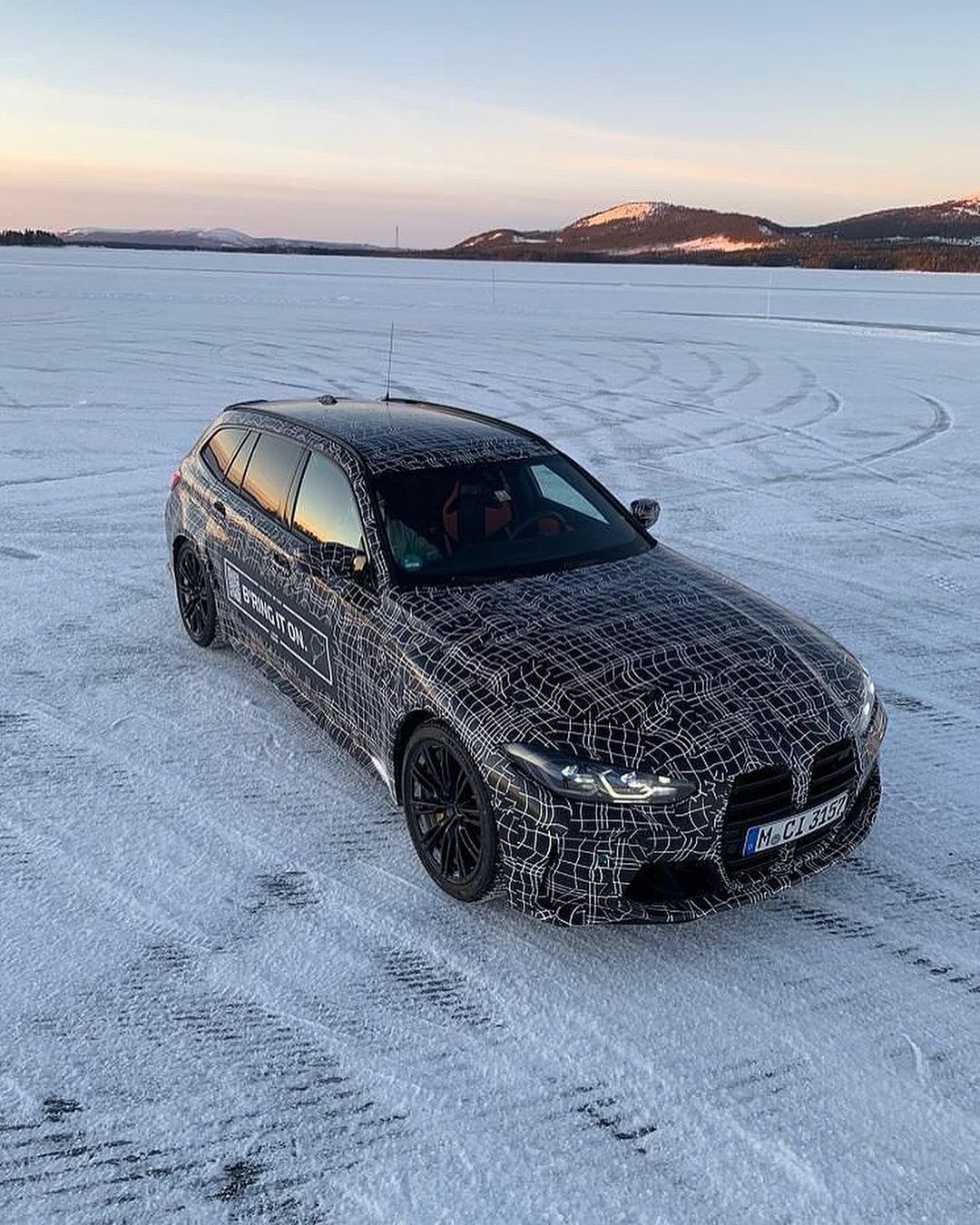
The winter proving ground of Arjeplog has been the latest testing venue for BMW’s upcoming M3 Touring, as the long-roof performance car gets shaken down on the ice.
In preparation for its hoards of customers who will likely use the spacious 3 Series to head to the Alps, BMW has taken its latest performance vehicle to the motor industry’s favourite winter testing facility in Sweden to see if it can withstand the freezing temperatures.
It’s expected the M3 Touring will only go on sale in xDrive Competition guise, gaining all-wheel drive to ensure its 370kW/650Nm twin-turbo inline six-cylinder engine can put power to the ground in all conditions.
Bavarian automotive enthusiasts from BMW Blog have rumoured the M3 Touring could be one of the first models to be released after the 3 Series’s expected mid-life facelift – potentially gaining a curved infotainment screen at its debut.
December 21, 2021: M3 Touring renders revealed
Christmas is almost here but for some, it won’t be coming until next year when BMW finally reveals the new M3 Touring.
One of its most-requested models since the inception of the E30 M3, its popularity is measured in the number of renders made ahead of its official unveiling, with everyone dying to tease a bit more of the long-roof M car.
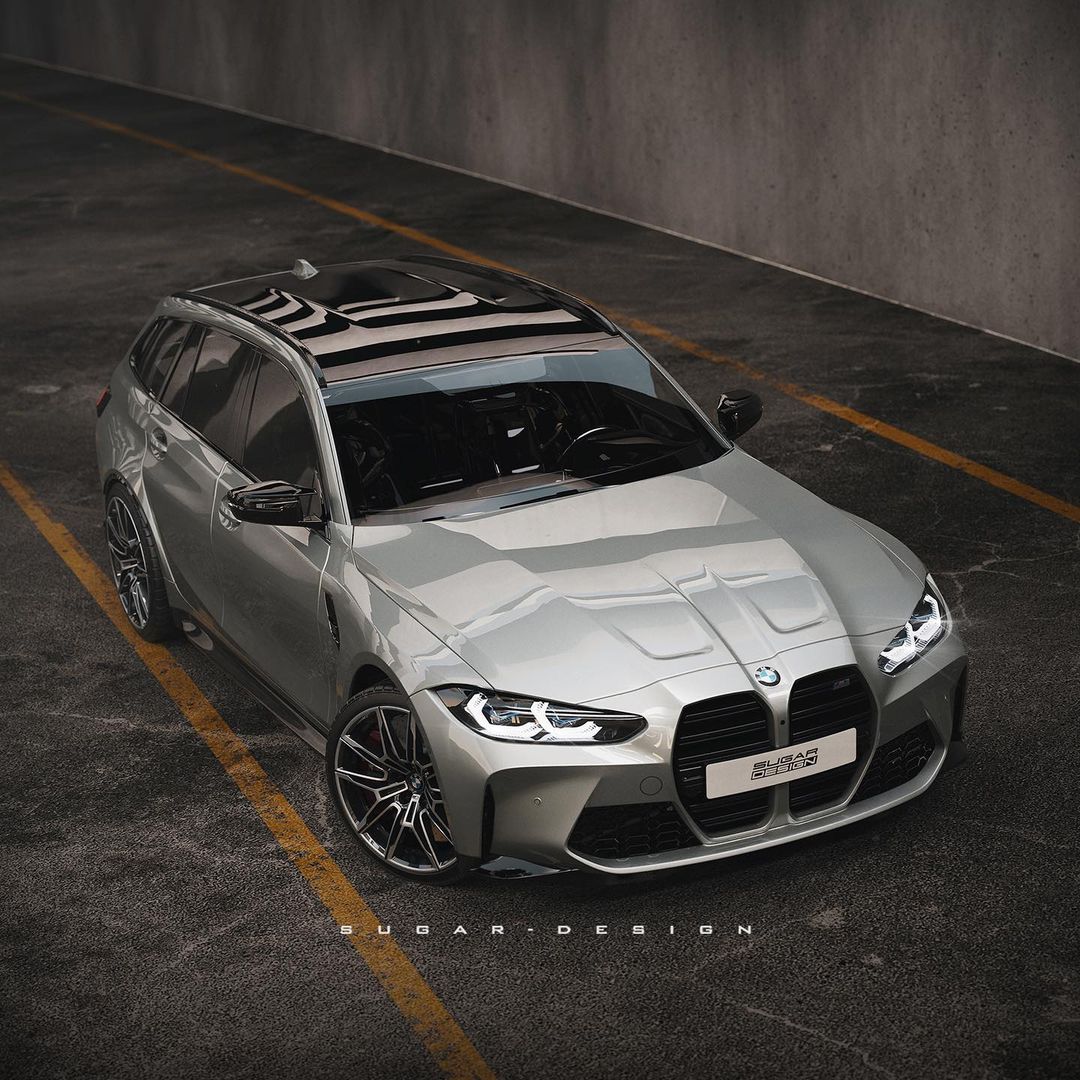
In this instance, Instagram user Sugarchow has interpreted what the M3 Touring might look like, and bold seems like the appropriate word to use, especially when it’s finished in Sao Paulo yellow.
As much as the extended roof takes our eyes to the back, it’s hard to miss the distinctive front grille.
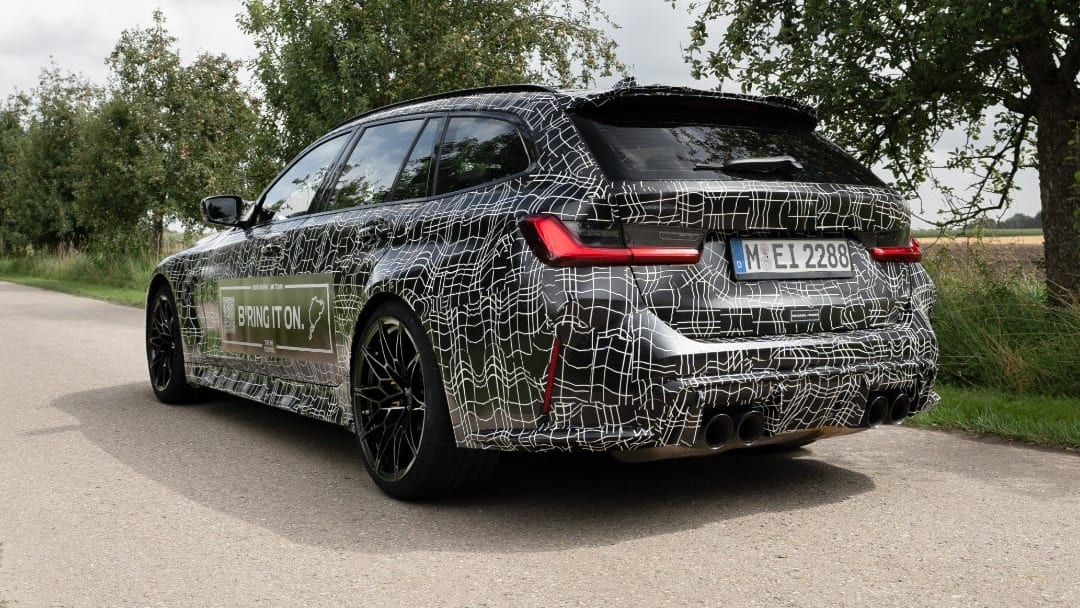
September 28: BMW releases first M3 Touring teaser
The wait is almost over – BMW has officially teased the pre-production M3 Touring for the first time.
Confirmed last year to join the existing M3 sedan and M4 coupe/convertible range, the long-roof will be the first ever official wagon in the M3’s history – set to be powered by the same 3.0-litre, twin-turbo straight-six engine as the rest of the range, but with a decent amount more boot space.
Teased in a post on BMW M’s Facebook page, the numberplates match those on the car which was spied undergoing testing last year – which also retained the M3/M4’s controversial buck-tooth grille – although this time it sports graphics down the side hinting at the Nürburgring being used as its home for testing.
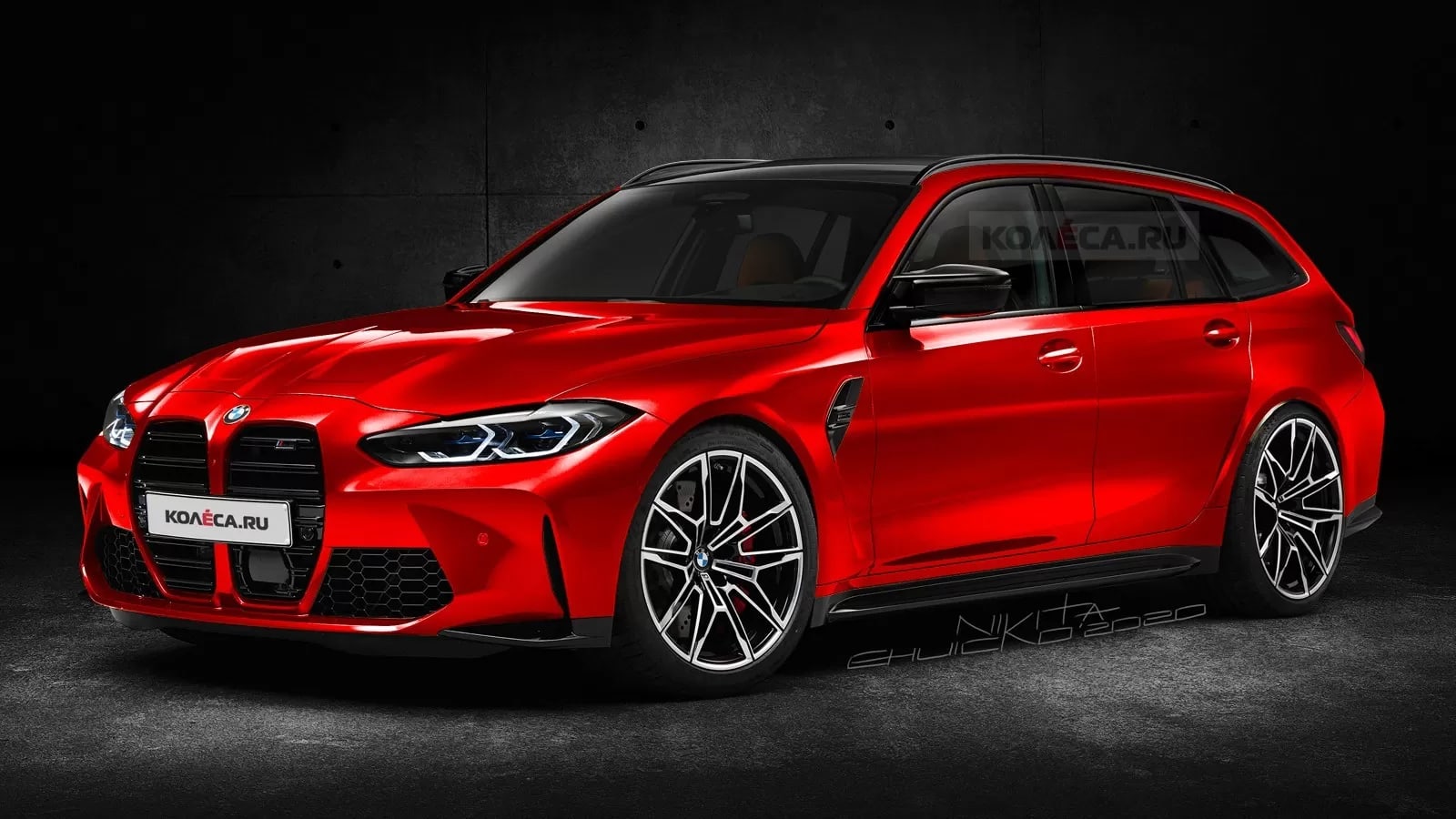
While the camo hides its portions well, Russian publication Kolesa has teased what the wagon could look like in a deeper, more metallic version, in BMW’s Toronto Red (above), highlighting its wide rear haunches and black lower diffuser.
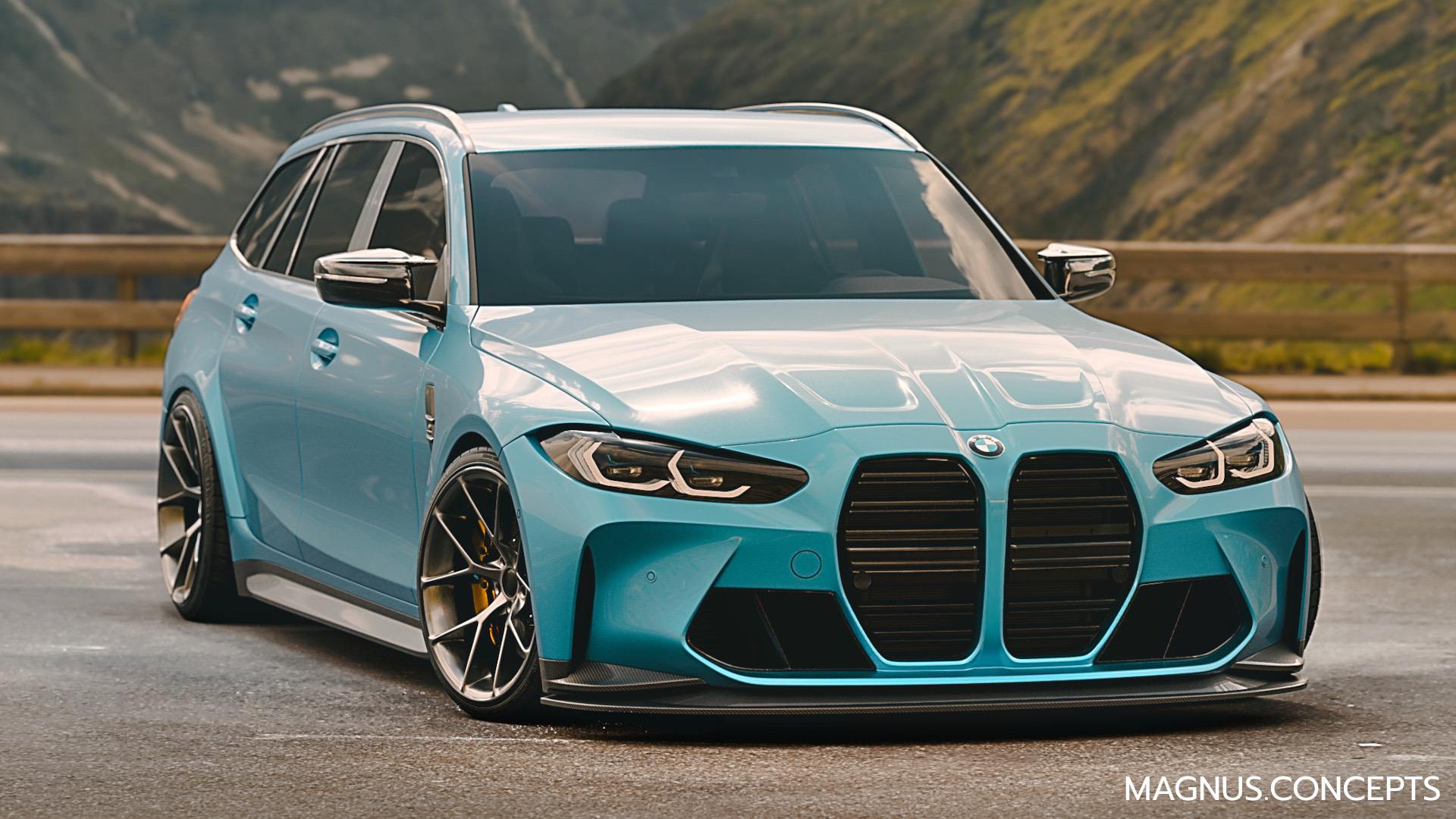
With the modified car community undoubtedly eager to get its hands on the M3 Touring, Instagram user magnus.concepts showed off his render of a slammed example on aftermarket wheels (below) – also featuring a more aggressive front splitter, side skirts and rear diffuser.
Expected to debut next year, the M3 Touring could feature BMW’s xDrive all-wheel drive system, making it a direct competitor to the long-roof Audi RS4 and Mercedes-AMG C63.
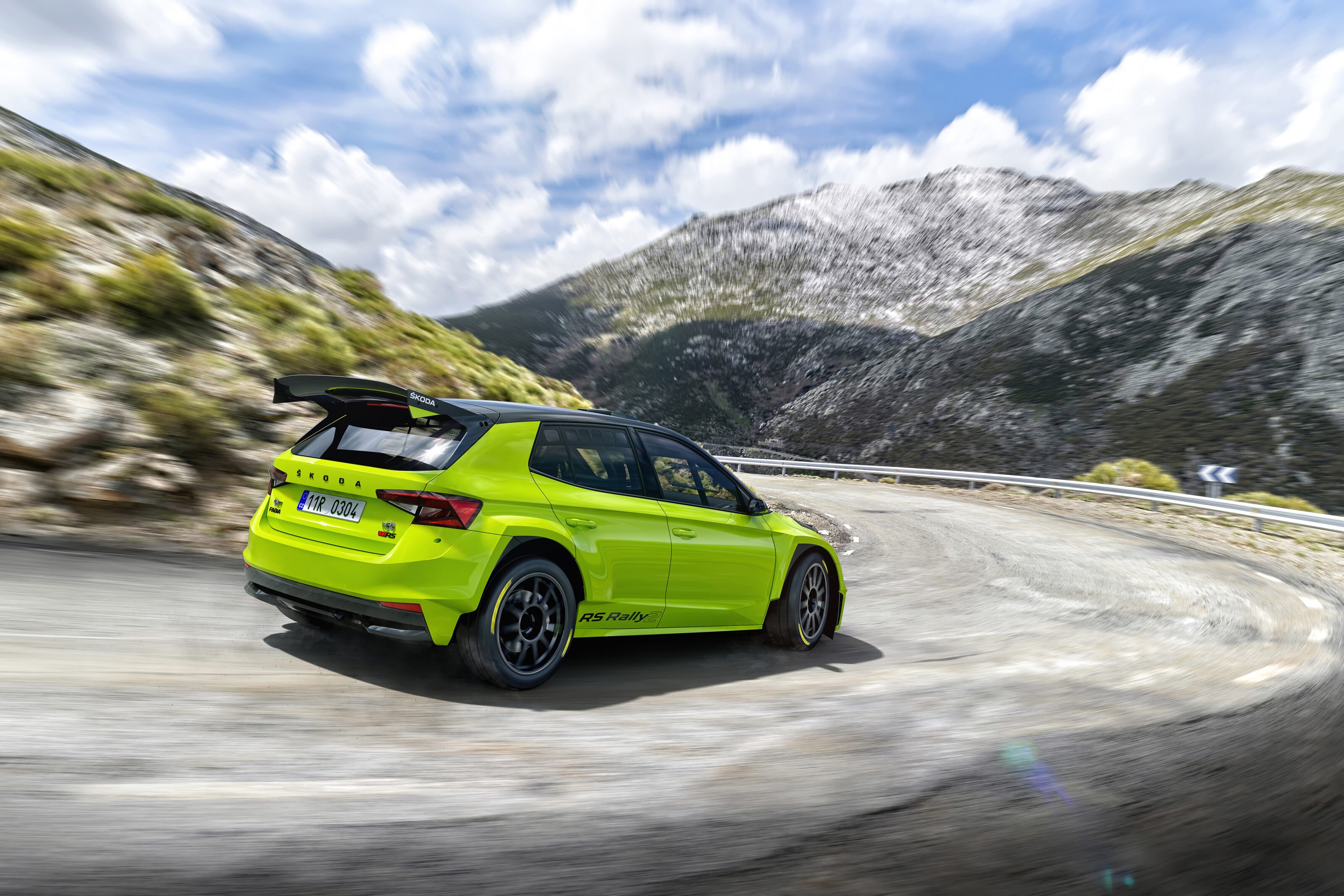
Czech manufacturer Skoda has uncovered its latest rally car – the Fabia RS Rally2.
Built for the World Rally Championship’s WRC2 category under Rally2 regulations, the race car is based on the latest generation of Skoda’s Fabia hatchback, adopting the RS nameplate which adorns the brand’s flagship performance variants.
Rather than the 1.5-litre, three-cylinder turbocharged engine found under the bonnet of Skoda’s upcoming Fabia Monte Carlo, the rally car instead utilises a 1.6-litre version of the EA888 2.0-litre, four-cylinder turbo engine that powers its Octavia RS sibling and high-powerformance Volkswagen Golf cousins, among others.
This results in outputs of 214kW of power and 430Nm of torque, with drive sent to all four wheels through a five-speed, sequential gearbox rather than the front-wheel drive, seven-speed dual-clutch auto drivetrain of the road car.
Other trick goodies include mechanical front and rear differentials, as well as a short ratio gearbox – limiting the top speed to roughly 200km/h.
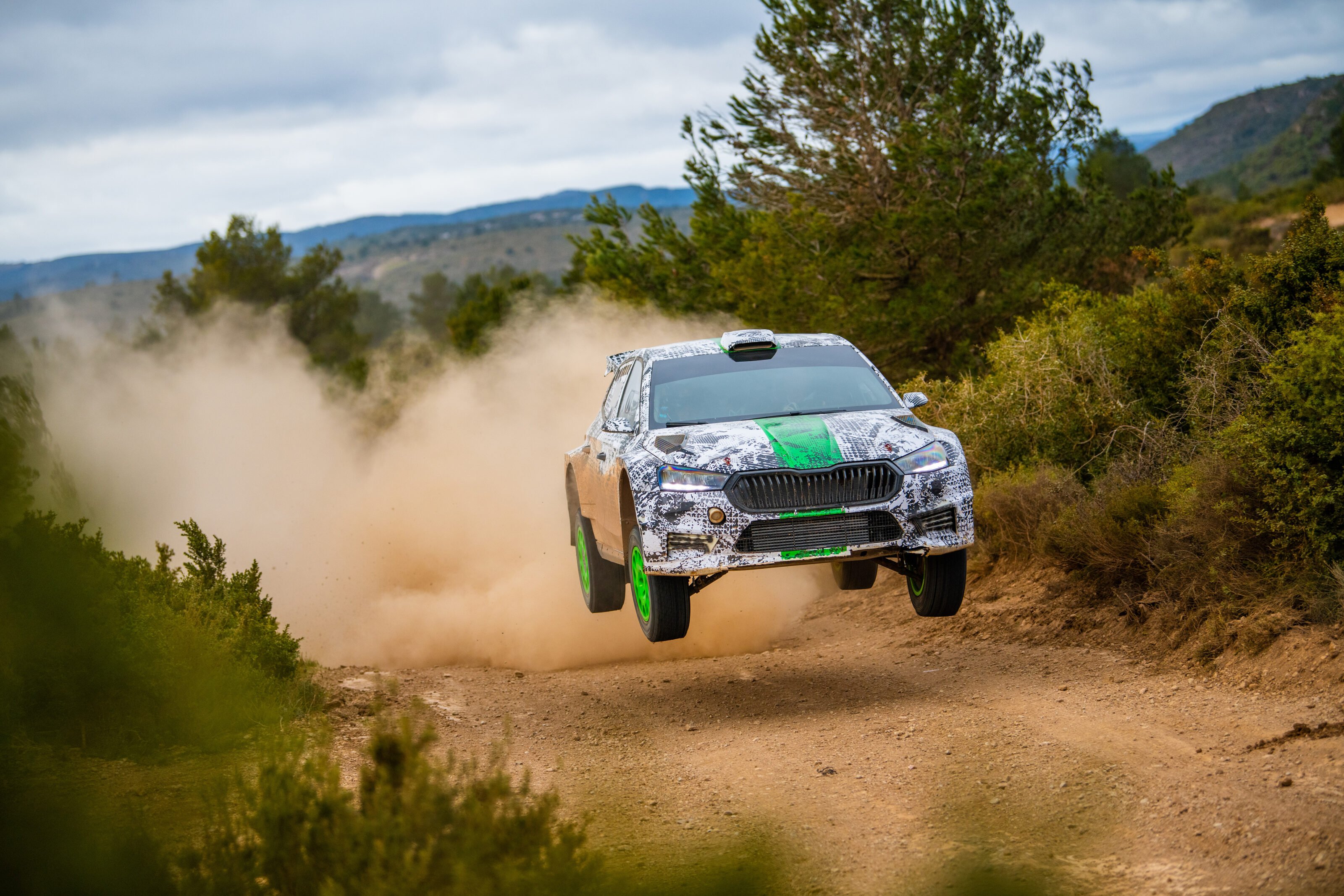
Just like the previous four generations of factory-backed Fabia rally cars, the latest challenger features a more aggressive bodykit than what you can buy from the showroom, with pumped-out guards, air vents and a huge, overhanging rear spoiler setting it apart from what you’d see at the local Woolworths carpark.
All the bodywork isn’t just for show – Skoda claims advancements in its aerodynamics have resulted in the new car generating nearly twice the amoung of downforce compared to its predecessor.
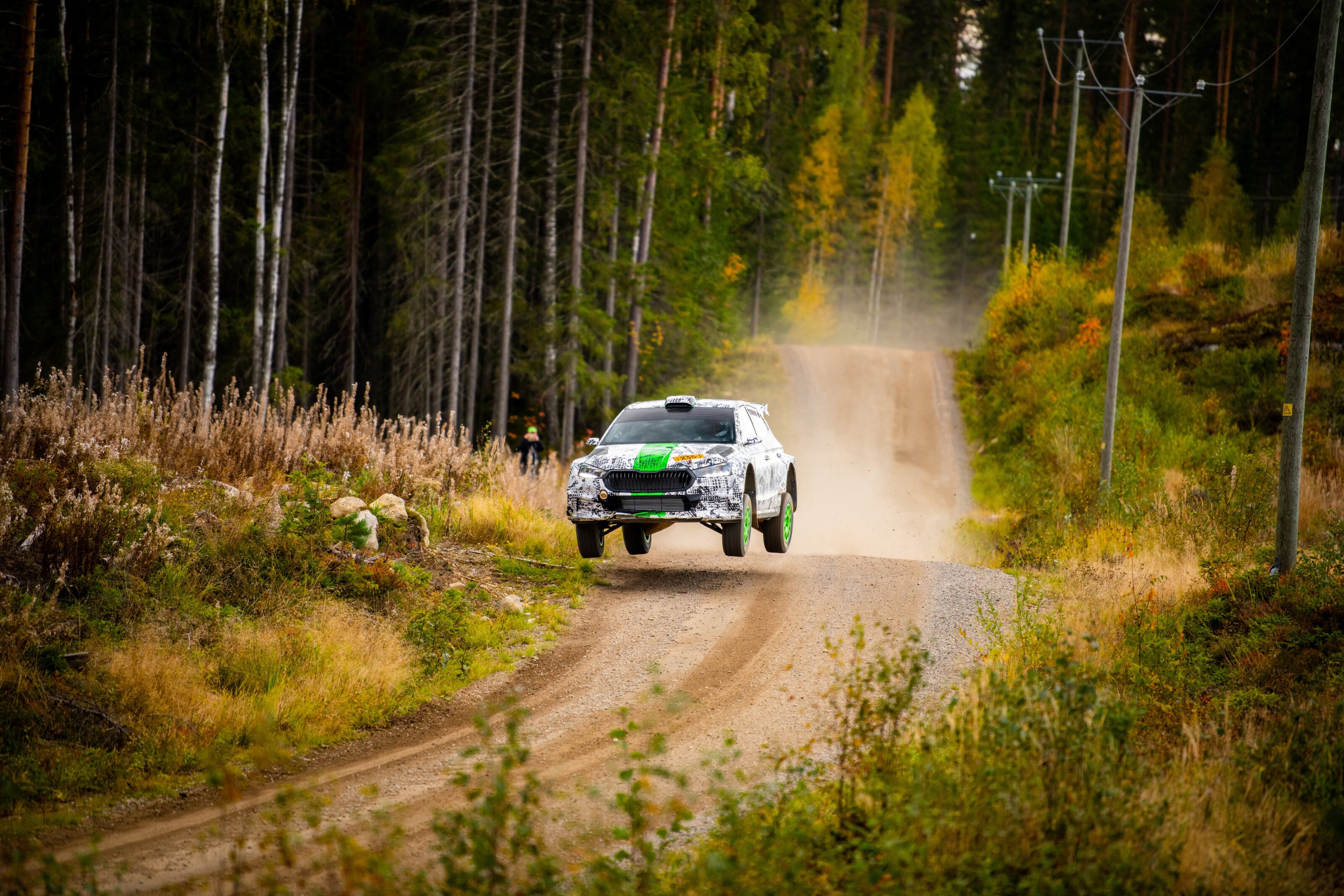
Inside the cabin, the driver and co-driver are as safe as ever, with an automatic on-board fire supression system fitted to both the cockpit and engine bay, while the car’s polycarbonate side windows can easily be removed if extracation is needed.
While past rally cars have featured interior tech, the new Fabia takes it to the next level, with more buttons than before on its steering wheel and a touchscreen control panel on the dash – undoubtedly calibrated to work with gloves on.
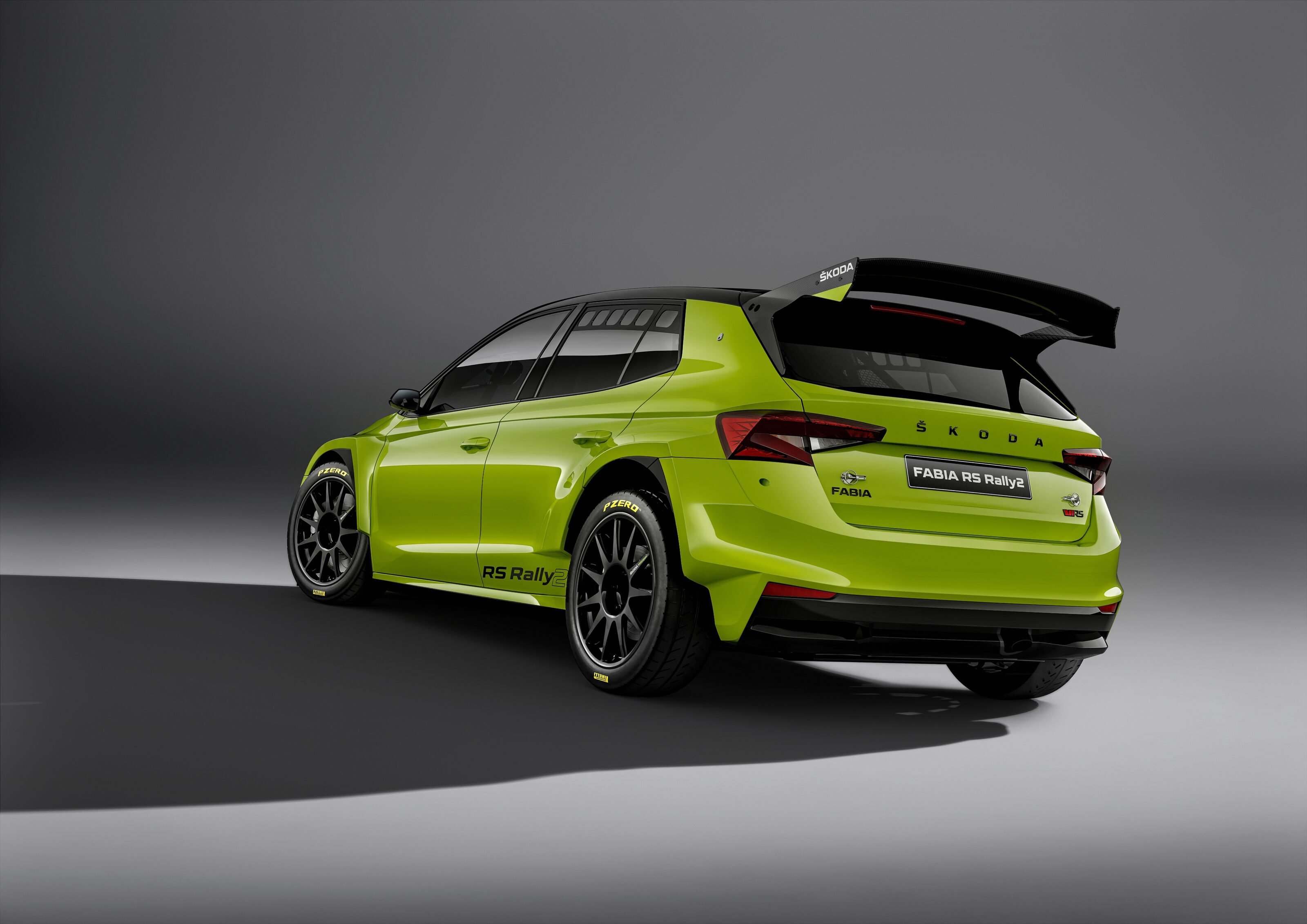
Now the bad news.
Unless you’re competing in a rally championship, which uses the Rally2 regulations, it’s unlikely that you’ll be able to buy one, however the business model has been a successful one for Skoda – the Czech firm has sold 63 cars to customers since the Fabia S2000 debuted in 2009.
The Fabia has also made Skoda the most successful manufacturer in the WRC’s second tier, with 70 wins recorded and eight championships in a 13-year span.
While it won’t be heading to showrooms any time soon, the new Fabia will be coming to Australia later this year, with local buyers offered only the range-topping Monte Carlo variant.
