
“Either you’re here, or you’re not!” Federal treasurer Joe Hockey may have pulled the trigger with his fiery dare to GM Holden in December 2013, but the seeds of the destruction of the Australian automotive industry were sown in mid-1991 when the shadow minister for industry and commerce, Ian McLachlan, bluntly warned the Federal Chamber of Automotive Industries not to expect any protection if a Liberal-National Party government were elected.
McLachlan and his boss, prime minister wannabe John Hewson, were convinced that import duties and government handouts to General Motors, Ford, Toyota, Nissan, and Mitsubishi to protect and maintain their local manufacturing operations meant Australians were paying too much for their cars. Local manufacturers were “screwing consumers”, said Hewson bluntly.
It took more than 25 years, but John Hewson got his way. Pressure from successive Liberal-National Party governments to end protection for the Australian car industry ultimately persuaded the Japanese and American companies to switch from manufacturing to importing.
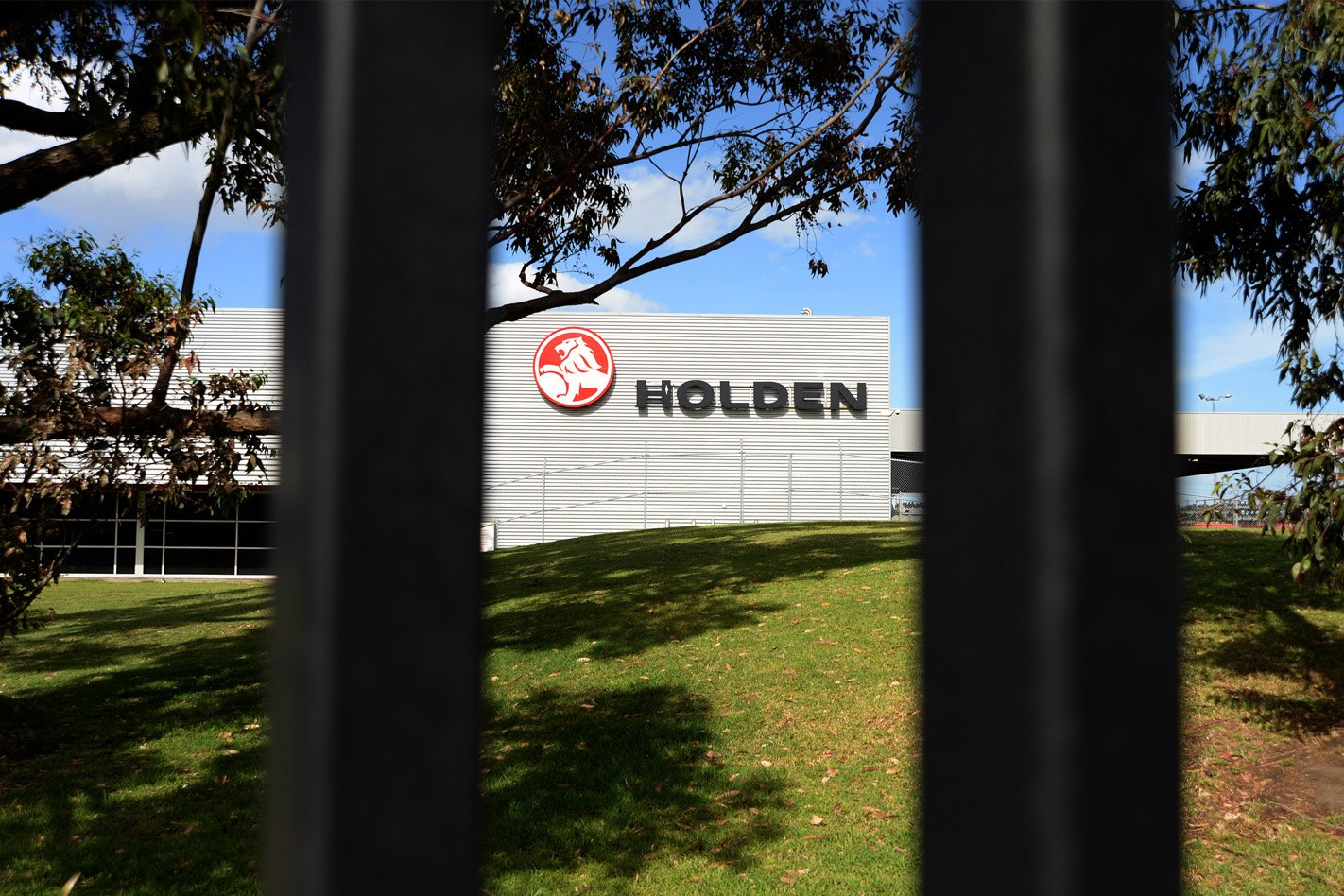
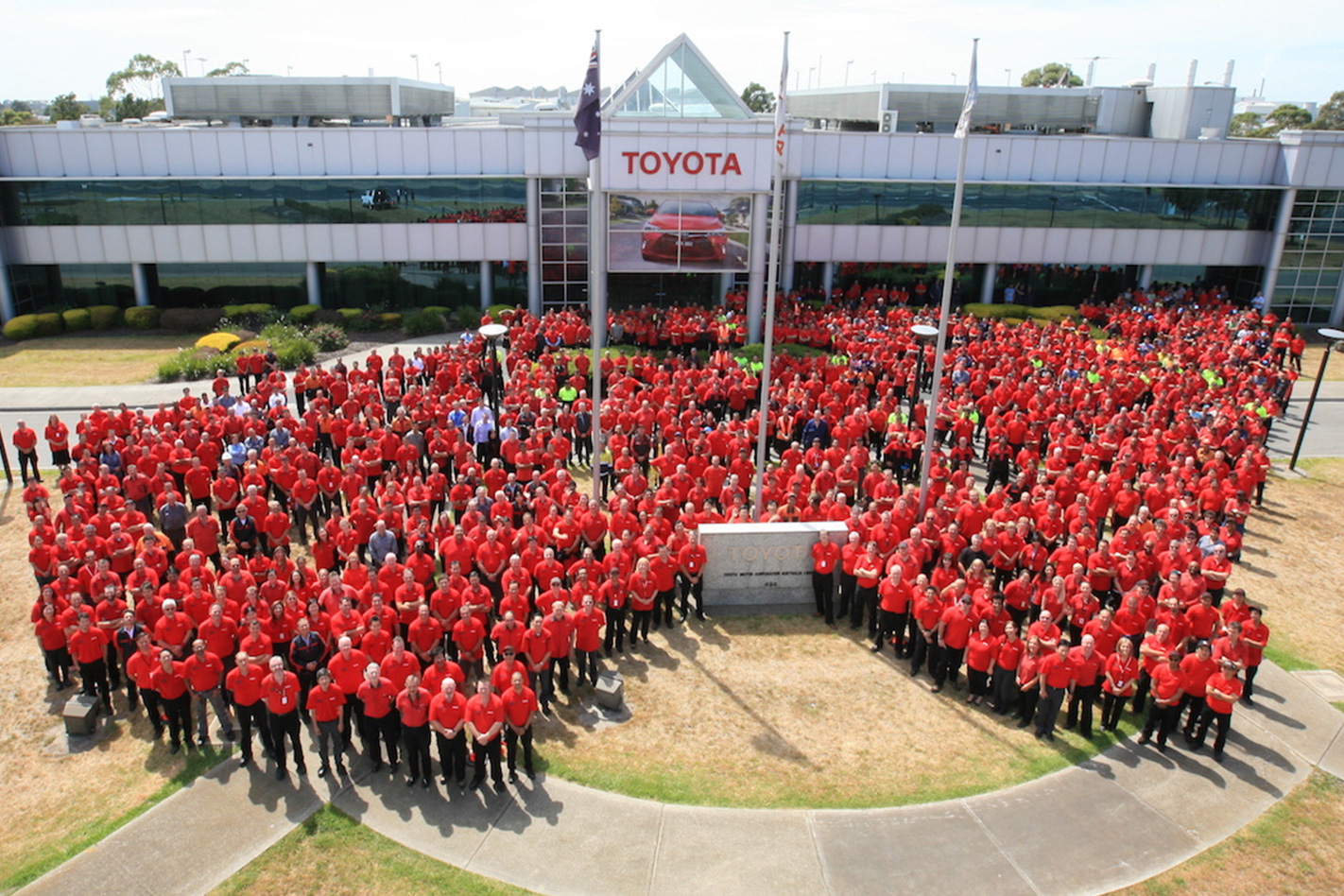
Ford shut down its Australian plant in 2016. Toyota and GM followed in 2017. Nissan and Mitsubishi were already long gone.
Are our cars cheaper now?
For a story in the November 1992 issue of Wheels, I compared the Australian prices of the Honda Civic, Mazda 626, BMW 318i, Saab 9000 CS Turbo, Lexus LS400, and Mercedes-Benz 600SEL with their prices in the US, Germany, and the UK. To compensate for variances in exchange rates and tax rates, the affordability of the cars was expressed in the number of weeks of average weekly earnings required by consumers in each of those countries to buy them.
I found that Australians indeed had to work longer than their overseas counterparts to afford any one of those six cars – 40 percent longer than the Americans to buy a Civic, for example, 72 percent longer than the Germans to get the BMW, and 86 percent longer than the Brits to acquire the big Benz.
The picture looks quite different today. Price-checking the 2021 Honda Civic hatch, Toyota RAV4, VW Golf GTI, BMW 330i, Tesla Model 3, and Porsche 911 Carrera with identical models sold in the same three markets today shows that in almost every case, in terms of average weekly earnings (based on 2020 OECD statistics) only the Americans get a better deal than we do.
But that’s not the full story.
One of the knocks against the Australian car industry 30 years ago was that cars designed, engineered, and manufactured here were expensive, and crude and old-fashioned, compared with mainstream family vehicles made elsewhere.
To check, I had compared the price of a Ford Falcon GLi with similar American-, German- and British-made cars. It took, I calculated, 45.1 weeks of toil for the average Aussie to get behind the wheel of the Falcon compared with the 42.7 weeks an American needed to work to afford a Ford Taurus L.
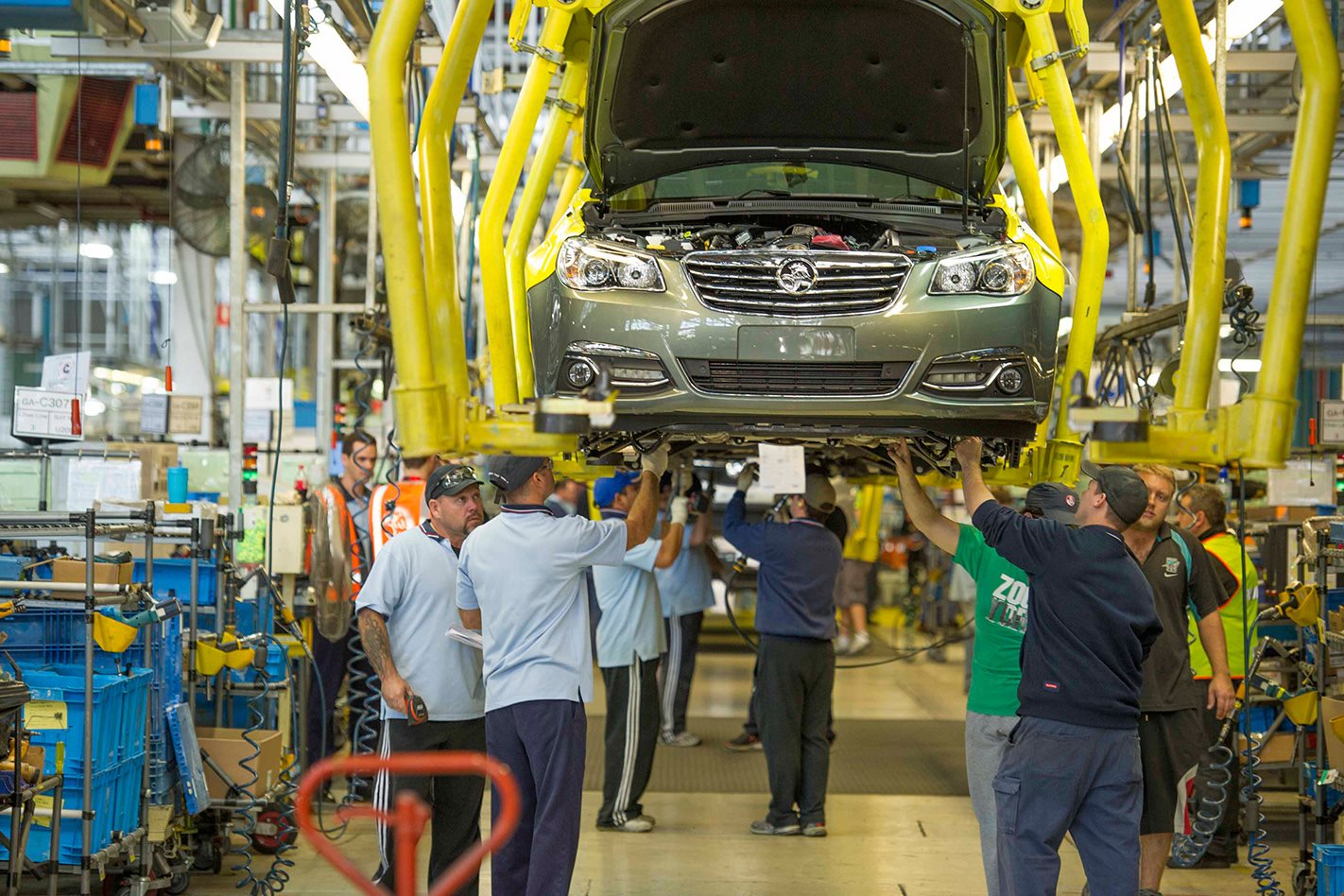
The Germans, meanwhile, needed to work 49 weeks for an Opel Omega GL, while the Brits sweated for 56.8 weeks to get into a Ford Scorpio GLX.
Like for like, Australian cars were surprisingly good value. Crude and old-fashioned? Maybe. But now I’m not sure it mattered.
You see, Australia’s best-selling vehicle today is in many ways an even more archaic machine than that old Falcon ever was. The Toyota Hilux SR5 Double-Cab 4×4 pickup has a chassis whose basic design hasn’t changed in decades and a rear suspension set-up last used on an Australian sedan in 1982. It has just 2kW more under the bonnet than the Ford had, and is more than a second slower to 100km/h. What’s more, it takes 42.9 weeks for the average Australian to earn enough to buy one.
Progress? Not really.
Snapshot
- The report calls for safer-car subsidies
- Many drivers are unaware of their car’s safety systems
- Road infrastructure isn’t ready for autonomous vehicles
A federal parliamentary report on road safety has revealed Australia has some way to go before active safety and semi-autonomous vehicle technology will play a significant role in lowering the national road death toll.
The wide-ranging document by the Joint Select Committee on Road Safety – titled Driving Reform: Final Report for the Inquiry into Road Safety – examines factors contributing to fatal and serious injuries on Australian roads and considers opportunities to improve outcomes.
The committee received hundreds of submissions from 78 stakeholders ranging from individuals to peak safety bodies, which influenced 61 recommendations to the Federal Government that centre on; regulation, enforcement, funding, vehicle safety and affordability, intergovernmental co-operation, and improved driver education and licensing requirements.
Some of the submissions revealed significant contributors to the road toll range from the poor state of rural roads, to a lack of infrastructure for vulnerable road users (such as cyclists and pedestrians) and an inability of local governments to plan road improvements because of uncertain funding arrangements.
And while the report acknowledged that cars have become much safer, their high-tech safety features are often unable to be exploited.
A key reason was affordability, which led to the committee recommending federal, state and territory governments remove tax-based barriers to the purchase of newer, safer vehicles in favour of incentives – with a focus on supporting lower-income road users and people in regional, rural, and remote areas.
Education
Another issue is those who can afford a newer vehicle with modern driver assistance technology often drive off the dealership forecourt with little or no knowledge on how to select, operate, and maintain their vehicles to optimise safety outcomes.
Then there is the fact that advanced driver assistance technology could lead to complacency.
“We can’t just assume that people will know automatically what the systems will do.”
According to the Human Factors and Ergonomics Society of Australia (HFESA), “some advanced driver assistance systems that we have in cars now can encourage what we call this negative behavioural adaptation, but to different extents. Even something like adaptive cruise control…can make people…a bit complacent”.
HFESA also noted that unrealistic expectations around autonomous safety features may be due to marketers overemphasising the benefits of those features without educating drivers on how they should be used.

The Australasian New Car Assessment Program (ANCAP) agreed, telling the committee automated systems can result in people becoming disengaged with the driving process.
It pointed out how the Assisted Driving Program of its Euro NCAP counterpart assesses the level of assistance provided by a vehicle; how this is matched by the perceptions of the driver; and the ability of a system to keep drivers engaged. The program also assesses how a system responds where a driver fails to react to a safety event, and how it responds in emergency situations.
From 2023, ANCAP testing will include additional automated safety features such as advanced AEB and driver monitoring.
Confusion
In its submission, the Australian Road Safety Foundation (ARSF) said training in relation to new safety technologies was particularly needed for older people.
“We can’t just assume that people will know automatically what the systems will do, even for a hybrid vehicle,” it stated.
“For example, you might find that you go to an airport and pick up a rental car that’s a hybrid car, so clearly, it’s not going to have the engine start-up and those traditional things that you automatically associate with a car.
“There is an opportunity [for] a learning platform that provides awareness for every road user.”
Also confusing is the lack of standardised terminology for active safety technology, with AEB, for example, being called everything from Pre-Crash Safety System (Toyota) to Pre Sense Plus (Audi).
Connected Cars
Road-safety organisations also expressed concern that Australia’s roads and communications infrastructure will have trouble keeping up with connected autonomous vehicles (CAVs) that require the capacity to communicate with other vehicles, road infrastructure, and other objects to function.
According to the Monash University Accident Research Centre (MUARC), “it’s important to…get [safety] features into vehicles as quickly as we can, but at the same time, we need to be focusing on supporting infrastructure, like speed signs and road markings, that are…going to make those vehicles as functional as possible when they get rolled out.

“It’s not just a single approach and it’s not just about advertising; it’s about looking at the whole system and how it supports benefits that can accrue from these technologies.”
It added that the sheer size of the road network and the need to prioritise mobility means preparing the network for current and future safety technologies will be challenging.
The MUARC also recommended the Federal Government ensures CAVs comply with international best practice standards and conduct ongoing evaluations of technology as it is rolled out, to avoid unintended safety consequences during the transition period.
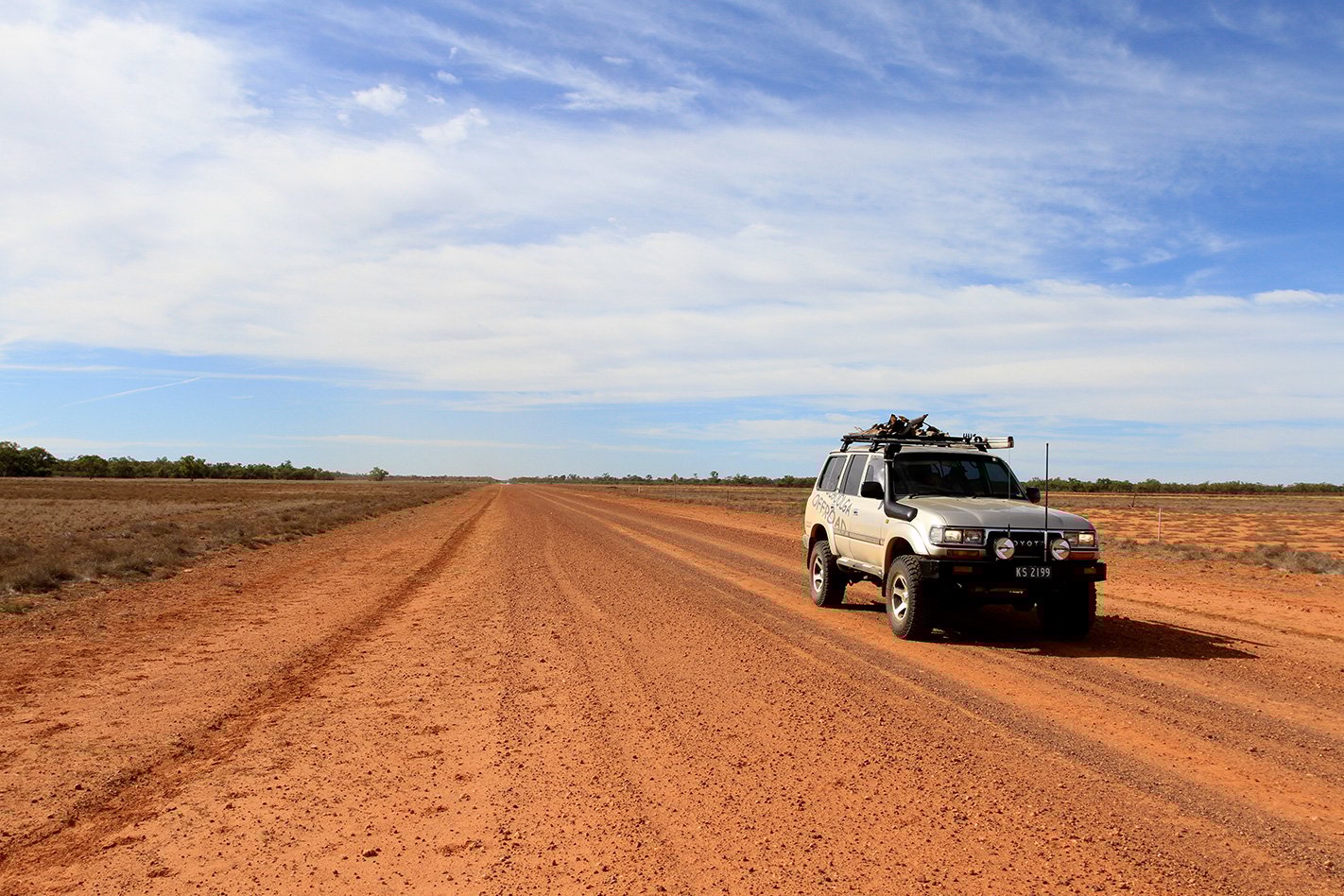
According to ANCAP, this work is in line with the Commonwealth developing a national policy framework outlining areas for action in relation to CAV technology – from 2025 ANCAP testing will also focus on vehicle-to-vehicle communication and cyber security, supporting the rollout of CAVs.
But the Centre for Accident Research and Road Safety in Queensland stated CAV trials are not adapted to the needs of regional, rural, and remote areas, stating that tests must capture the needs of both urban and regional communities.
Even so, the committee noted ANCAP’s point and was satisfied the National Road Safety Strategy 2021-2030 proposes the implementation of a national approach to the regulation of vehicles with autonomous systems and the preparation of the road network for CAV developments. Though any real headway remains to be seen.
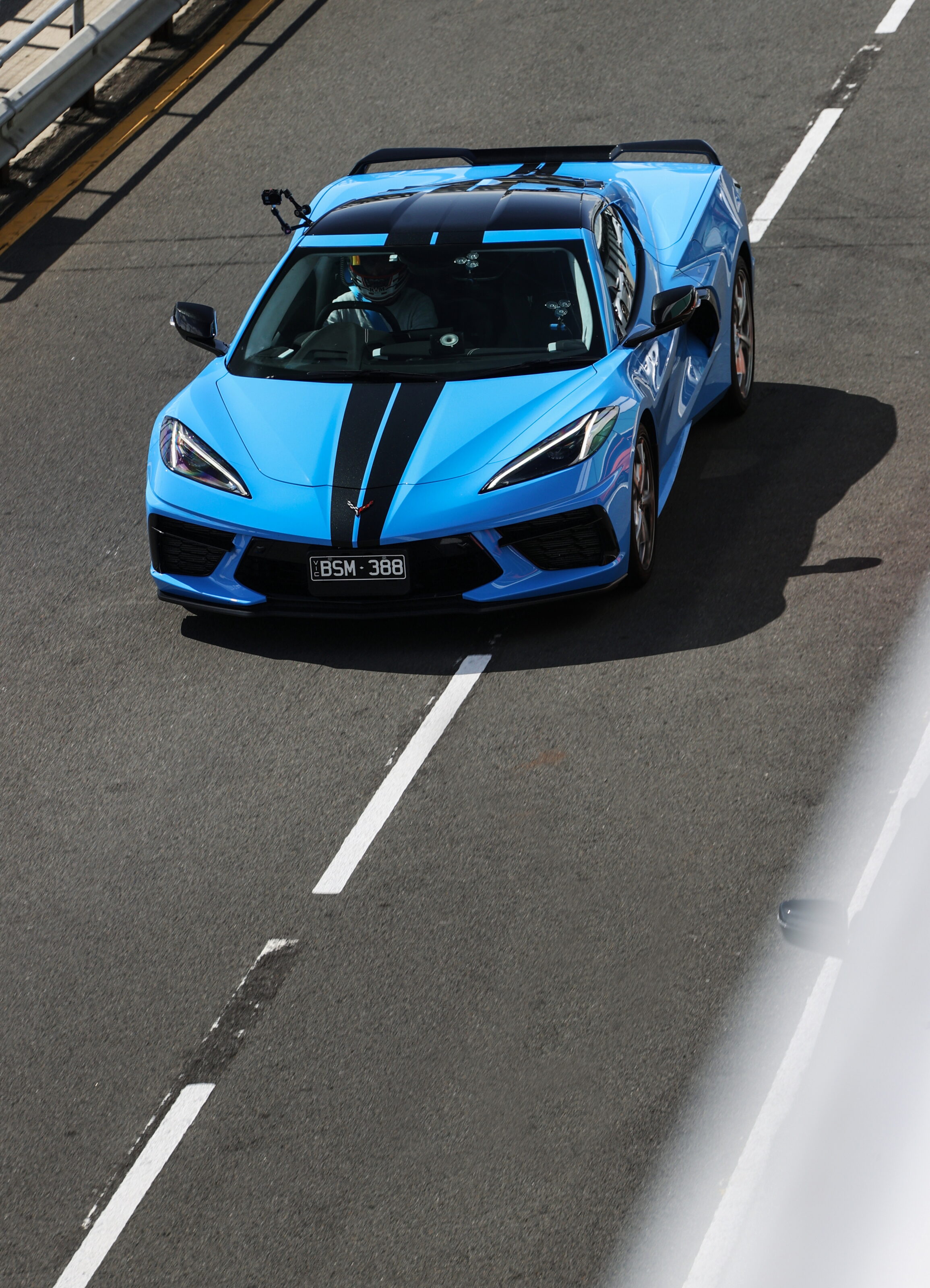
Left-field right-hooker middles it as the Corvette C8 Stingray grabs attention and headlines to finish fifth at Performance Car of the Year 2022.
“Yes! You little bloody ripper.” The unexpected outburst was the only way I knew how to deal with what had just transpired on the track. Peeling into the paddock of Phillip Island I slapped the wheel of the Corvette C8 with sheer joy.
Australians have been waiting an age for a factory-delivered right-hand drive Corvette direct from Bowling Green, Kentucky. Now that it’s here, we’re all the richer for it. Of all the PCOTY contenders, none shouldered the same weight of anticipation as the C8. Not only would this be Australia’s first official Corvette, but it also represented the most drastic, fundamental step-change in the nameplate’s history.

As a road car the C8 is a fantastic package. It delivers its 369kW and 637Nm progressively, and driving it on a flowing road is a smooth and involved process that rewards a keen driver. This package has a great depth of capability that sidesteps obvious American clichés, golf-bag sized boot notwithstanding. Bernie put it best when he said that the C8 is equally at home on Sunset Boulevard as it is in the Canyons.
Quinn noted that it felt like the LT2 engine is perched on relatively soft mounts making it more refined on the daily grind. GM engineers haven’t sacrificed daily useability for back-road fun, then going one step further and creating a package that can do both while being incredibly rewarding on a race track
The biggest point of contention was its steering, which a number of judges noted could be hard to get a proper connection with. The Corvette was easy to place, but judges wanted a stronger connection and feel through the wheel. If you don’t have your trail braking technique down pat, you’ll need to brush up for the C8. Luffy stresses that carrying the brake into a corner is vital for keeping the front axle planted. From there the Corvette rotates naturally, with heaps of shove on corner exit.

The cabin is drenched in the induction roar of the 6.2-litre naturally aspirated V8, and despite its large capacity, the LT2 unit rockets towards redline in second, third, and fourth gears. Things begin to wane in fifth however, with a ratio that seems more suited to a salt flat than the straights of Phillip Island.
A handful of ergonomic foibles like the slightly too high seating position and odd cabin architecture rounded out the judge’s criticisms. These are nit-picks more than anything, and while the styling proved controversial for some, this isn’t Best Looking Car Of The Year.
There’s more to come from the Corvette in Australia, and the rest of the performance car market has just been put on notice. This is a car that has been built, lovingly, by people that care about the art of driving and if you find yourself driving back into pit lane in a C8, you may begin to understand why sometimes you just have to slap the steering wheel and yell with joy.

The judges’ comments
Alex Affat
“Shatters virtually every stereotype of an American sports car… except for interior quality and layout.”
Ranking: 5th
Andy Enright
“A confession. I thought the ’Vette would be a bit of a joke and I was completely wrong. It has real talent.”
Ranking: 5th
Trent Giunco
“The Corvette gives you real confidence. Steering’s not great but it’s quick, forgiving and well priced.”
Ranking: 5th
Cameron Kirby
“The Corvette delivers great torque and a sweet chassis balance. Ergonomically quite confused though.”
Ranking: 3rd
Bernie Quinn
“A pleasant surprise. The finish feels a bit cheap but it’s comfortable, capable and has its own character.”
Ranking: 6th
Luffy’s view
“Really fun to drive on the limit – thank god for Americans and their recognition of sound. Probably the biggest downer is the gearing.”
The key figures
| 0-100km/h: | 3.63 seconds |
| 0-400m: | 11.68 sec @ 194.57km/h |
| Lap time: | 1:45.22u00a0 |
McLaren is recalling its GT model due to an airbag fault.
The issue affects 29 GTs made between 2019 and 2021.
According to the Department for Infrastructure, which issued the notice, the connection to the driver airbag may not meet manufacturing specifications, and as a result may not deploy as intended.
In an accident this could increase the risk of injury or death to vehicle occupants and other road users.
A list of VINs can be found here.
Owners of affected vehicles can contact their preferred authorised McLaren Dealer – of which there are only four in Australia: in Adelaide, Melbourne, Sydney and the Gold Coast – to make an appointment to have the work carried out free of charge.
Details of where each dealership is located is available here.
Alternatively McLaren can be contacted on a UK number +44 (0) 1483 357900, or via email at [email protected]
Snapshot
- Sales boosted by recent EV demand
- Bulk order means not affected by supply issues
- Polestar 3 expected early 2023
Booming electric vehicle demand is bolstering sales of the newly-released Polestar 2 in Australia, with the Volvo-offshoot shifting more than 50 cars since deliveries began last month.
The electric sedan went on sale here in February, with cars reaching driveways by late March.
According to the Swedish brand, by ordering hundreds of preconfigured cars in advance, it has managed to avoid falling victim to supply constraints and delays – though customers ordering now can still expect a wait time of around four to five months.
At present the brand says it has 149 vehicles in the country, with a further 249 expected in the next few weeks.
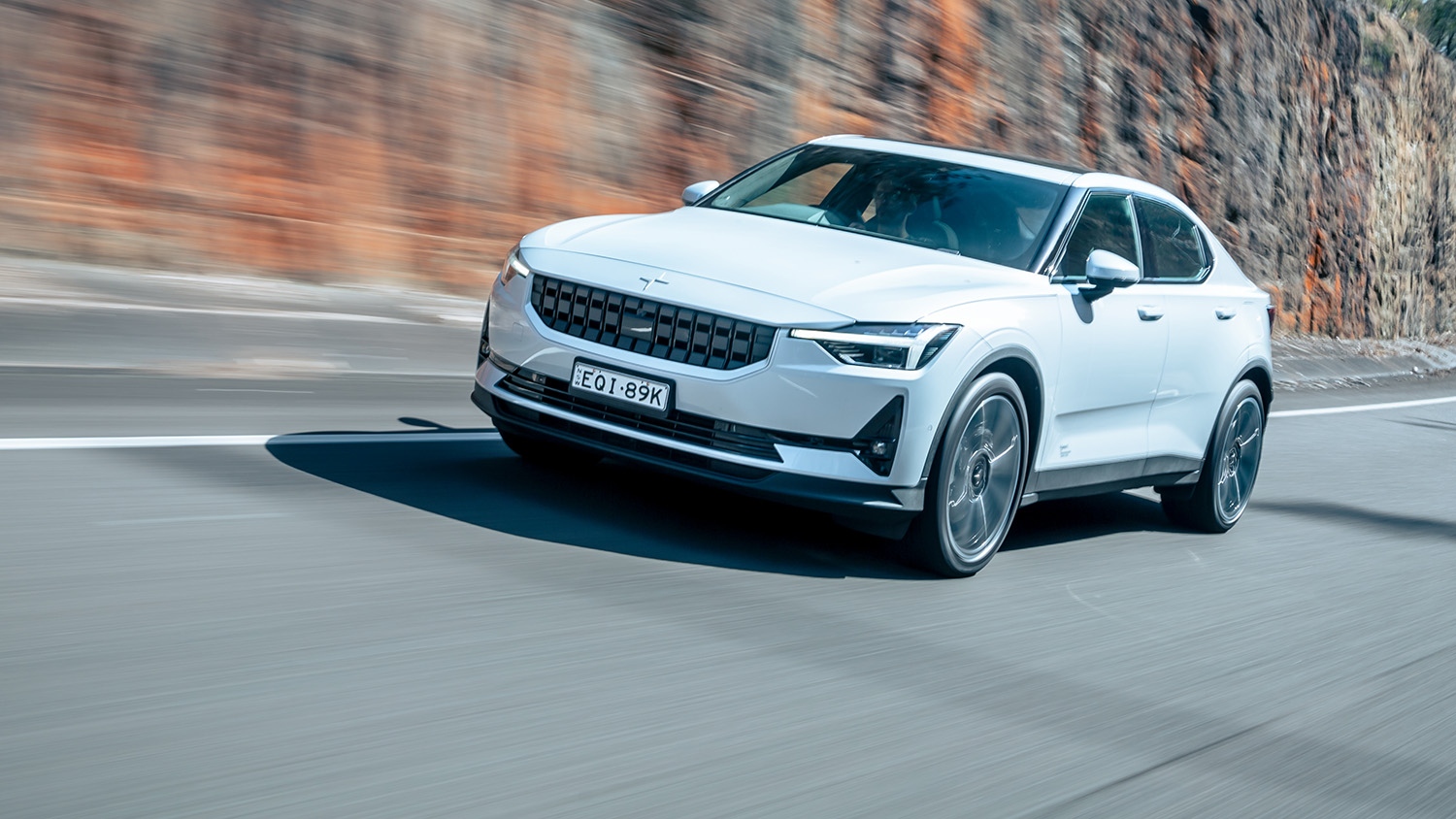
“We’ve brought in stock in advance and pre-configured cars rather than be stuck not being able to get them due to shortages,” Head of Polestar Australia Samantha Johnson told Wheels this week.
“Some people prefer to configure their own and are prepared to wait, some are happy to take them so they can get into a car sooner. We’ve got the stock availability so we’re lucky we did it that way.”
So far, she says, the most popular grade has been its top-spec Long Range Dual Motor, followed by the mid-spec Long Range Single Motor and entry-level Standard Range Single Motor which retail for $59,900, $64,900 and $69,900 before on-road costs respectively.
“We’ve had a lot of interest for test drives, with especially high demand in Melbourne, Sydney and Brisbane,” Johnson said.
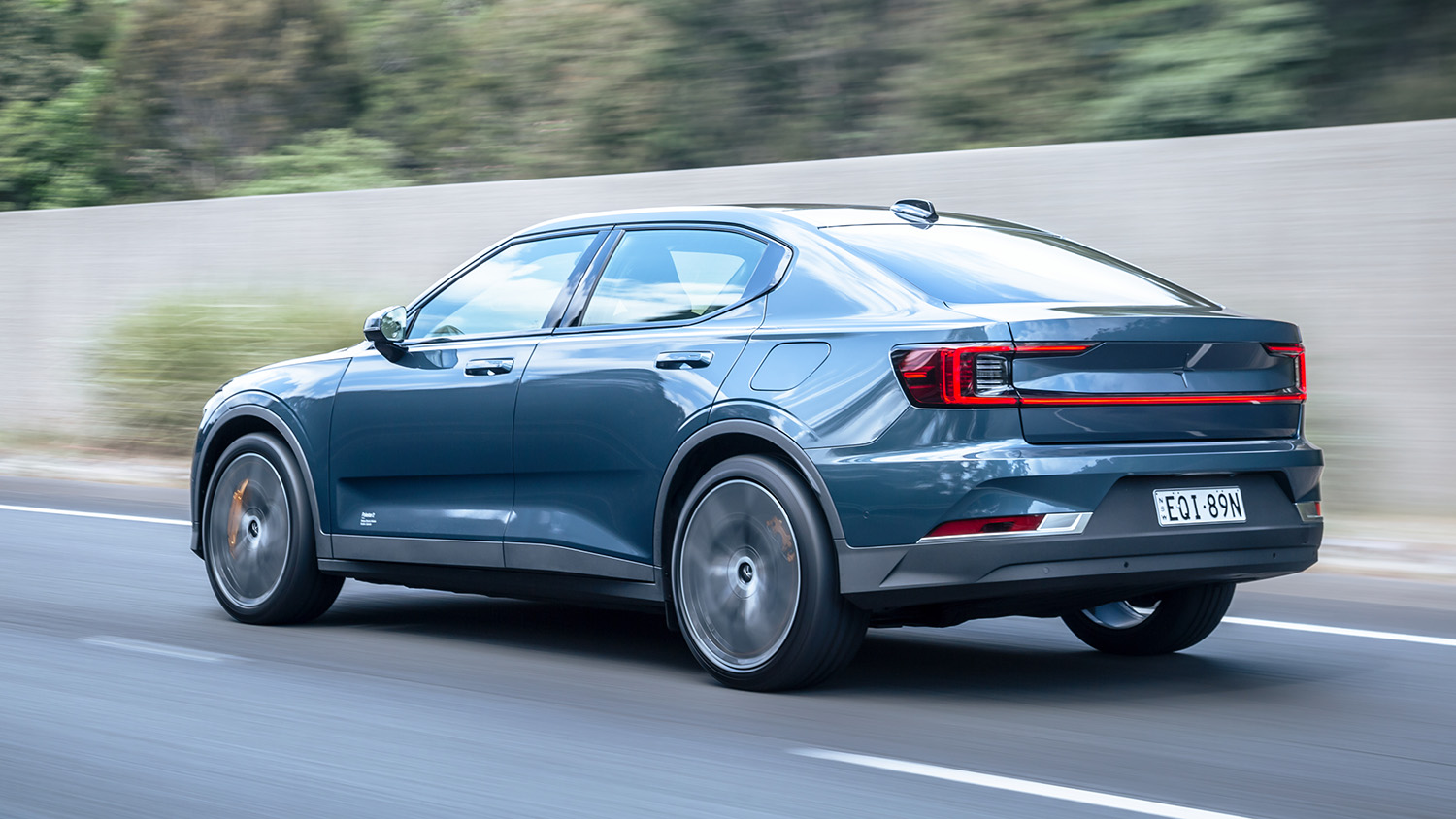
“This has become even greater recently with EVs really taking off, as well as good PR for the brand happening globally – such as the O2 concept and having a presence at the COP26 climate change summit, at which we were front and centre. Demand has also spiked since the rise in fuel prices too.
“Though there has been an increased demand for EVs generally, we’re seeing customers come in specifically wanting a Polestar, and they are early adopters who are very well researched. They’re adding the packs if they can afford to do so, getting the best spec they can if they’re having an EV for the first time. It helps that we’ve positioned ourselves at the right price.
“Polestar is always doing something exciting, it’s been a great thing to come into for me personally. We’re starting from scratch and have a dedicated team working overtime to build the company up, it’s very rewarding.”
When the Polestar 2 went on sale the firm backed its product with a seven-day money-back guarantee, promising new owners to have one week and up to 500 kilometres with the vehicle before getting a full refund if they’re not totally satisfied. So far no-one has had need to do this we were told.
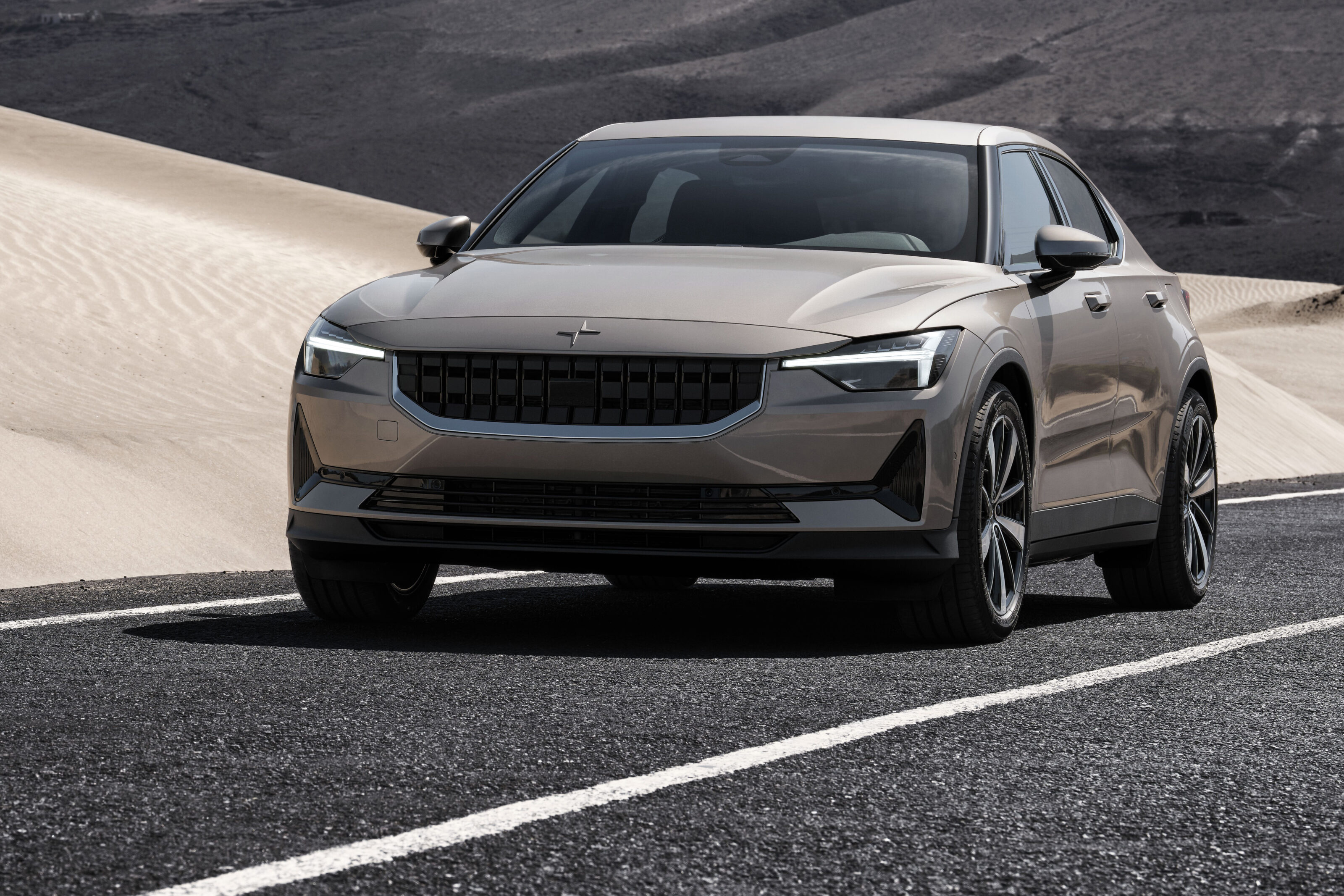
Although the Polestar 2 is its first vehicle in Australia, with the Polestar 1 hybrid never making it to our shores, it is expected that the Polestar 3 large SUV, Polestar 4 small SUV, and Polestar 5, the production version of Polestar’s striking Precept concept car, are destined for this market.
“There has been no push back on us introducing future models,” added Johnson. “Demand [for the 2 here] is definitely a driver, but that depends on shortages and other constraints going forward around the world which are, of course, hard to predict so far in advance.
“A lot of people are telling us they are excited for their 2 to arrive, but others are going to wait for the 3 SUV, there is definitely going to be a lot of demand for it because it’ll be such a good value proposition, there’s a huge market for that car.”
The Polestar 3, set to share a dedicated EV platform from the Volvo XC90 rather than underpinned by the current 2’s shared base with Volvo XC40, is expected to arrive in Australia early 2023 – with the 4 following in 2024 and the 5 in 2025.
An over-the-air update, bringing Apple CarPlay to the Polestar 2, as it was not available at launch, will come here in the third quarter of this year.
Snapshot
- Launch confirmed for new Mustang next year
- Manual gearbox will go one day due to electrification
- V8 safe for now
The all-new 2023 Ford Mustang has been confirmed for Australia, with the carmaker revealing timings for the launch of its seventh-generation pony car.
As well as sharing plans for the new Mustang’s launch, Ford has teased some interesting details around its engine and gearbox.
While a 2023 launch has been speculated, Ford’s top brass has now confirmed the all-new Mustang will be revealed next year and that media drives and customer deliveries will follow in quick succession.
And there’s good news for V8 fans – while an electrified Mustang is almost inevitable, the 5.0-litre V8 will continue. It just mightn’t be offered with a manual gearbox.

Ford’s vehicle director for icons and Ford Performance, Ali Jammoul, is in Australia for the final sign-off of the second-generation Ranger Raptor and he told Wheels the new Mustang is almost complete.
“The next generation that we’re working on now will be launching next year, in 2023, and it’s going to be great,” he said. “So it’s launching next year and there will be events, so you [the media] will get to drive it.”
Jammoul is the man in charge of the ‘total lifecycle’ for Ford’s suite of performance vehicles and icons (F-150, Bronco and Mustang), meaning he oversees the entire project from conception to launch. That makes him ideally placed to answer questions about what engines, or batteries, will power the seventh-generation Mustang.
“Engine selection is really important, right,” he replies when we ask about the move towards electrification and whether the V8 is here to stay. “And what we pride ourselves on is giving the customer a lot of choice and selection to choose from. Clearly the V8 has been really successful in Mustang and it has a certain image that our customers associate with.

“What we need to do, though, is make the V8 more environmentally friendly and you need to make sure it’s regulatory compliant. And that’s absolutely something we have worked on and will certainly have in the next generation Mustang.
“I don’t think the V8 is going away soon; at some point with electrification and with BEV [battery electric vehicles] you can do a lot more in terms of performance and that might be the time that V8s start to phase out. But I see Mustang continuing to carry the V8 for now.”
Jammoul also confirmed Ford is “looking at’ an electrified version of the new Mustang. He’s incredibly bullish about the performance potential of hybrids and full-electric powertrains.
“We look at Mustang as a family, right,” he said. “From ICE to BEV to future Mustangs we envision… we will deliver the DNA and essence of Mustang whether it’s ICE or BEV. Clearly the market is moving toward electrification and we’re committed to doing more performance vehicles that are EVs. Would that carry the name Mustang? Maybe.
“Clearly the Mustang nameplate is a brand that’s here to stay and we will look at every potential opportunity to add series and that could be electrifying. Right now I can’t share anything but we’re definitely looking at it.”
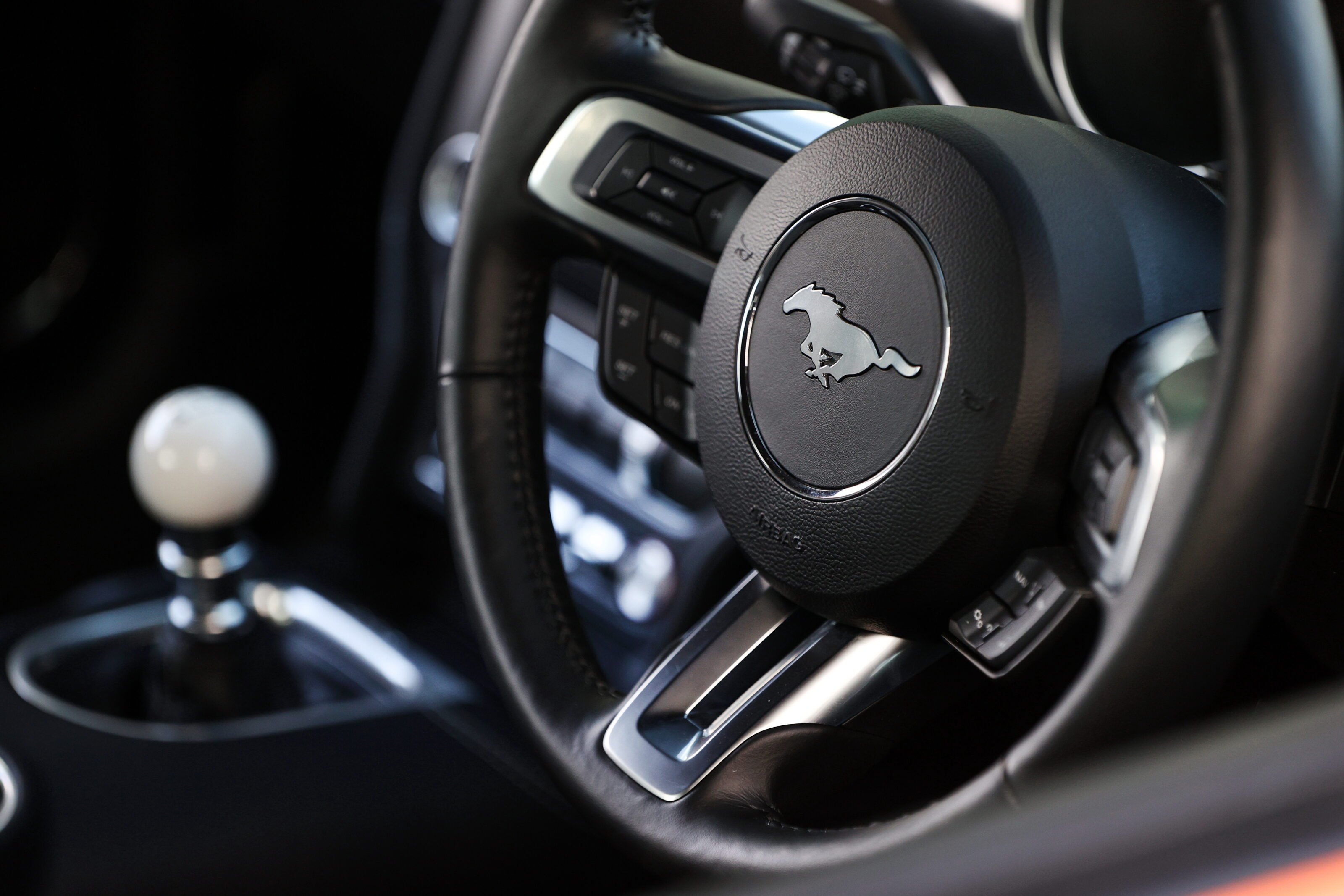
One piece of hardware that mightn’t make it into the seventh-get ’Stang is a manual gearbox, which will be a big change for fans who consider a manual ’box essential to a V8 Mustang’s recipe.
“You know, eventually it’s going be phased out, right?” said Jammoul. “But as long as there’s a market for it and customers still want that higher performing feel, it’ll stay, but clearly you can deliver a lot more [from an automatic], especially from EVs. When we go to an EV strategy the immediate instant torque you have you can never match with a manual gearbox.
“So I can’t tell you the manual gearbox is here to stay, but it’s clear there will be more electrification, and manual gearboxes will not be around in the future.”
Jammoul’s comments around customer demand suggests the manual gearbox may still be offered, but when we asked him directly if it will be available when the new Mustang launches, he’s more evasive that we expect.
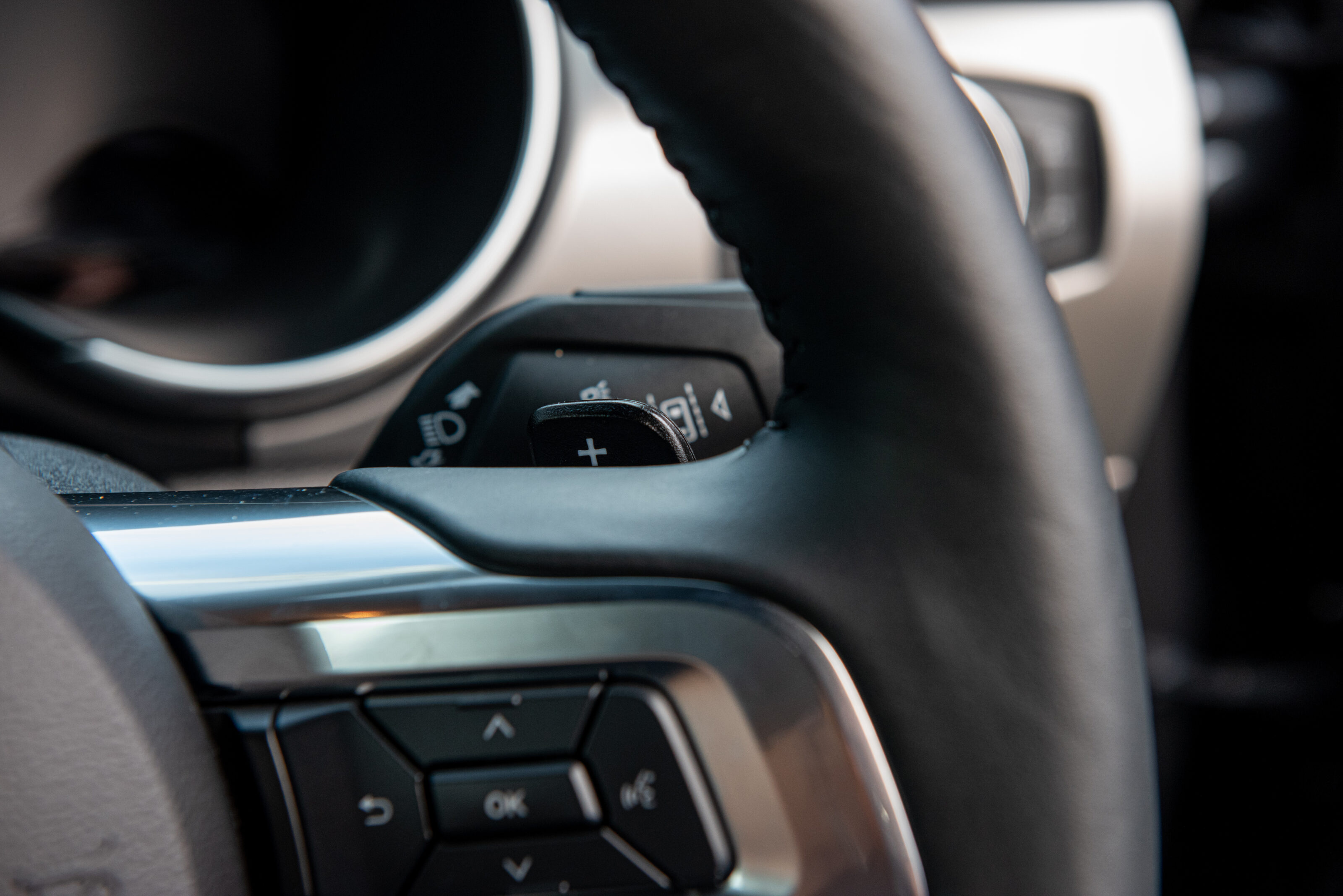
“I don’t know,” he said. “I’m not sure I can tell you that…”
Also unclear is exactly when Aussie deliveries of the new Mustang will begin. As a global model, the Mustang is sold in over 170 countries world wide and Ford will likely prioritise North America, China and Europe before Australian production begins.
“We have a launch cadence and we stagger different markets, for sure,” said Jammoul. “And I’m not sure when Australia fits just now.”
That means we could also see a period with no new Mustangs imported to Australia as production of the current car ends and the new model begins.
For years, the entry-level Mercedes-Benz C-Class has been the one to avoid. An underwhelming engine and questionable ride quality have long plagued the bottom end of Merc’s mid-sizer, meaning buyers had to open their wallets even further if they wanted a polished driving experience.
Intriguingly, though, things have changed for this all-new fifth generation. Mercedes hasn’t only improved the C200, it has transformed it to such an extent that it’s now arguably the pick over the more expensive C300.
Surprised? Us too. Read on to understand why.
Pricing and Features
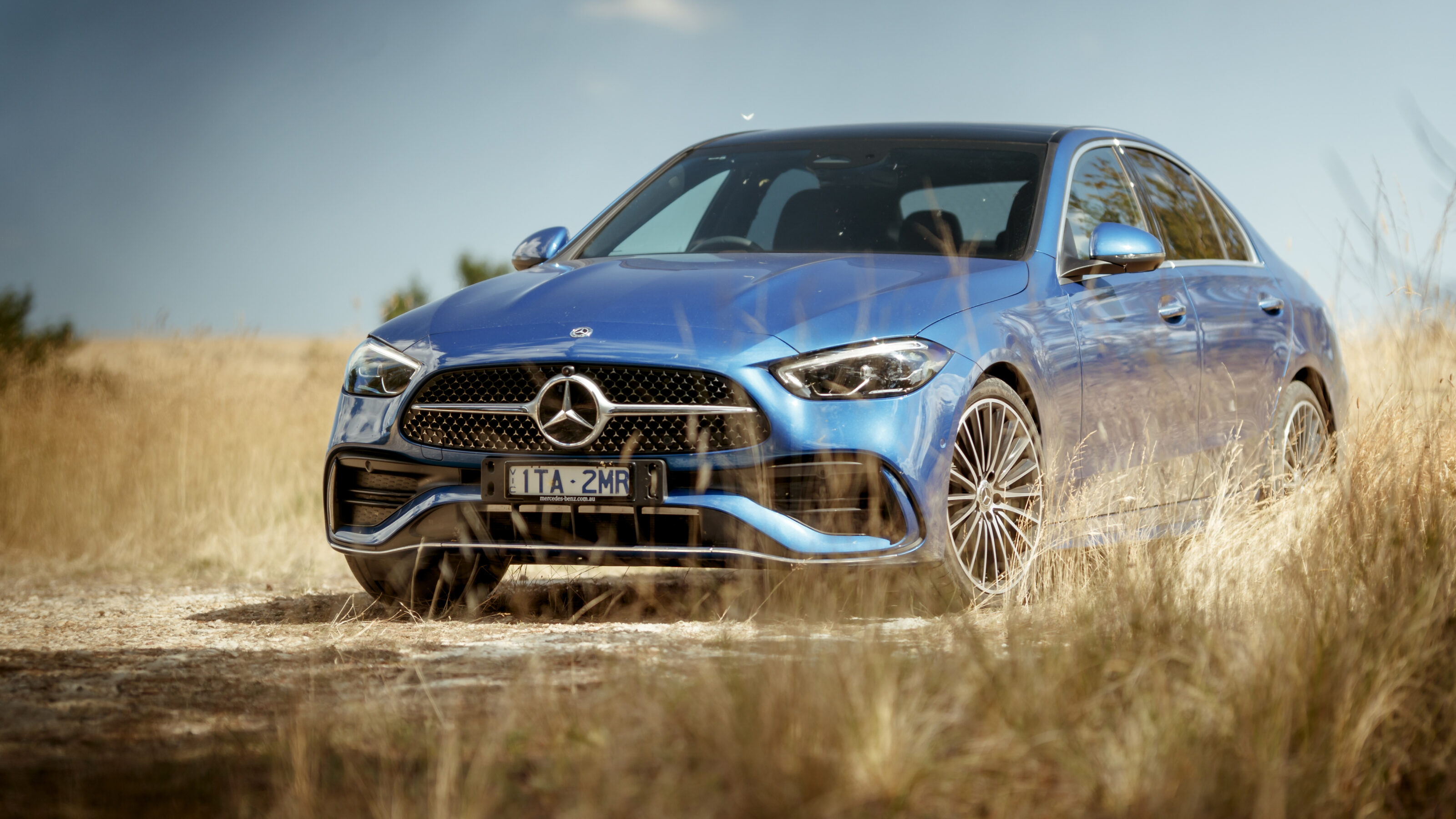
The downside to this newfound appeal is a sharp price rise for Merc’s entry-level C-Class. The C200 is now $12,000 more expensive than before and starts at $78,900 before on-road costs.
Mercedes justifies the hike through the inclusion of more standard equipment, which we’ll get to soon, but there’s no escaping that entry to the C-Class range is noticeably higher than the opening salvos from its rivals at Audi and BMW.
A base Audi A4 35TSI starts at $57,700, while a BMW 320i will set you back $70,900. Another rival worth considering if you’re a keen driver is the Jaguar XE P300, which for $67,461, offers a punchy 2.0-litre petrol and class-leading dynamics. All prices before on-road costs.
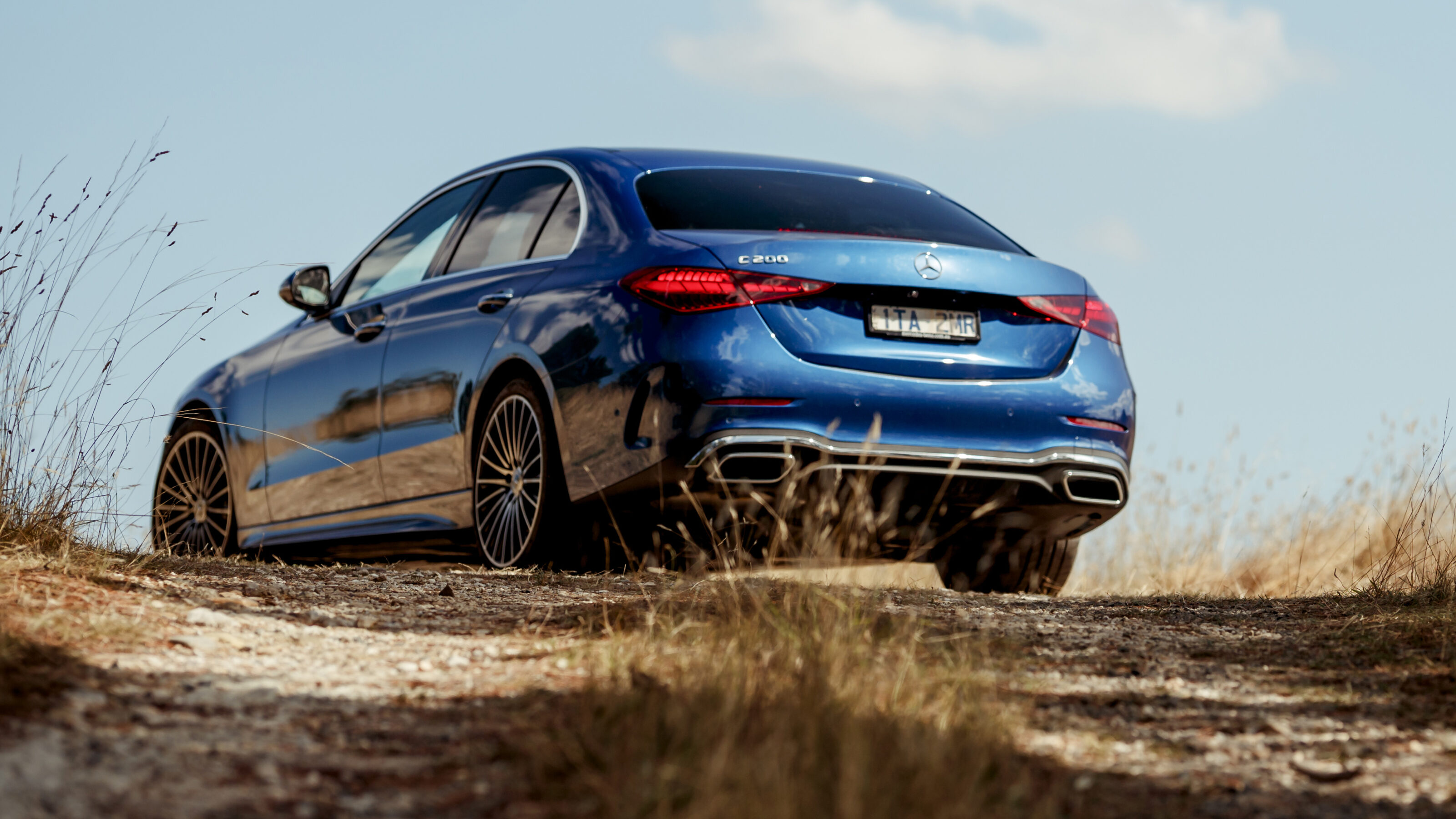
Where the C200 hits back is with the level of its standard specification. This is a richly trimmed and tech-infused luxury sedan that feels every bit of its circa-$80K sticker price.
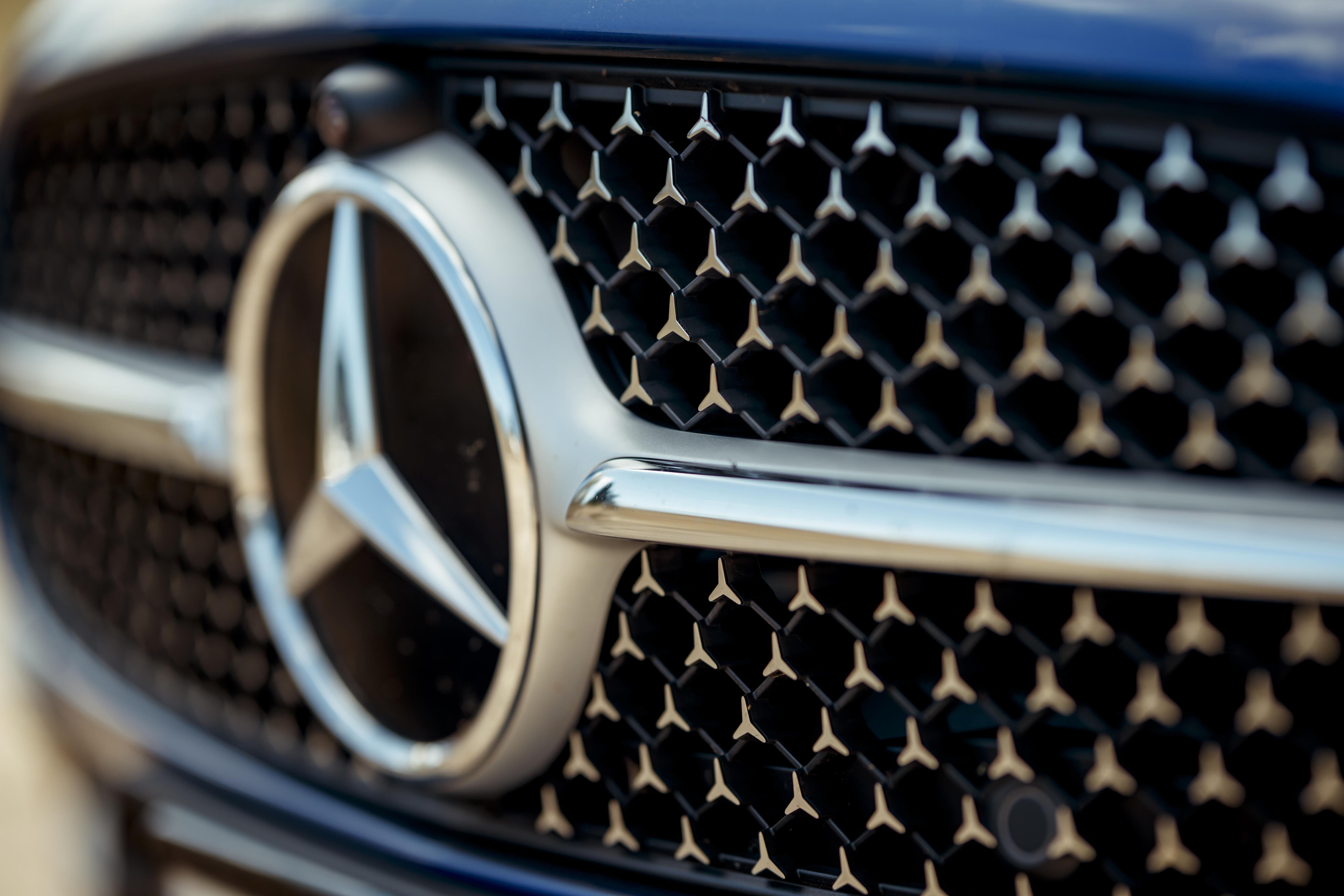
Aussie cars score AMG Line exterior styling as standard for a sportier look and the new C-Class certainly cuts a handsome figure with its twin power domes on the bonnet, more cab-rearward design and two-piece tail-lights that are now split by the boot opening (a first for C-Class).
It feels like a baby S-Class on first blush and also seems noticeably larger in the metal compared with the previous W205 C-Class. Dimensions are up for this W206 generation, with overall length boosted by 65mm and the wheelbase is stretched by 25mm.
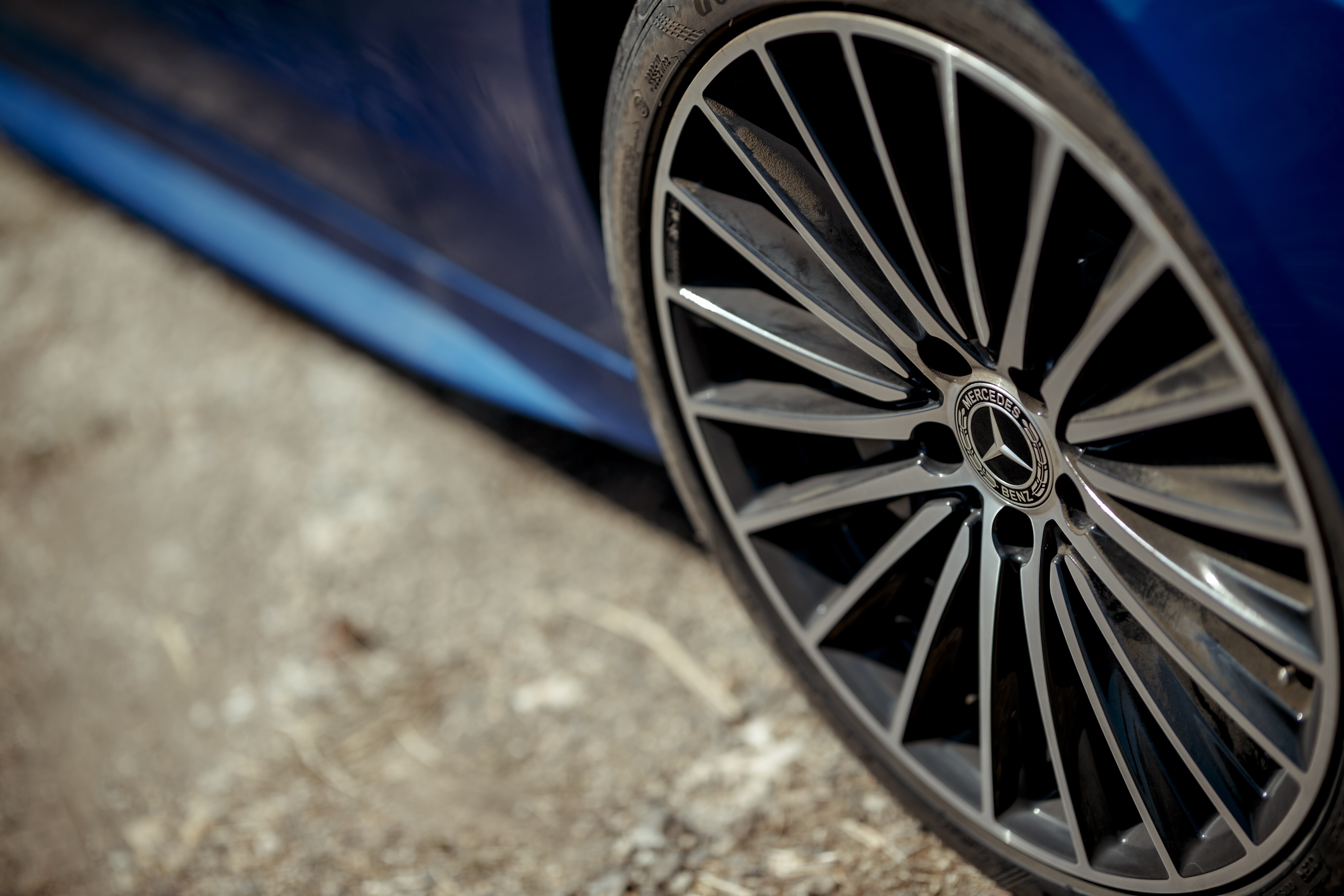
Most of that additional room is felt in the rear seat where there is noticeably more knee room. C200s ride on 18-inch alloys as standard, however our tester was rolling on optional 19s.
But if the exterior is sleek, it’s the new C’s cabin that brings the wow factor. Again it mimics the design of the S-Class and it feels modern and loaded with tech. Large digital screens dominate.
The driver display is a 12.3-inch screen that’s configurable through multiple display themes and modes but it’s the huge 11.9-inch central touchscreen that really captures your attention. Subtly titled towards the driver by six degrees, it’s a beautiful, high-resolution screen that also majors on functionality.
Clear graphics, intuitive menus and the latest version of Mercedes’ MBUX infotainment system all feature and different user profiles can be loaded by using a fingerprint scanner near the bottom of the screen.
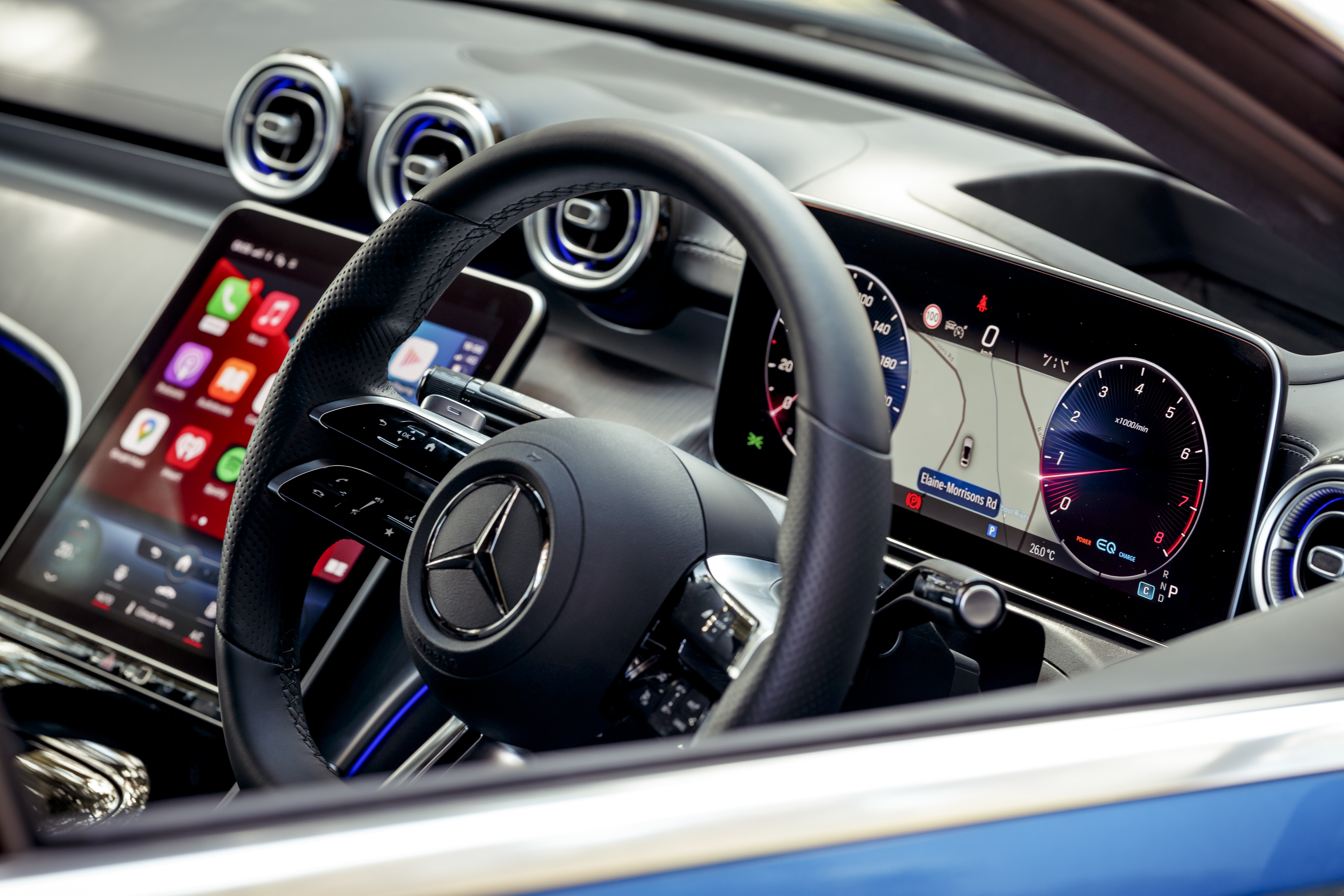
Wireless Apple CarPlay and Android Auto are standard, as you’d expect at this price point, and the C200 delivers one of the best CarPlay experiences I’ve ever encountered.
It makes full use of the screen’s size and crisp graphics, but it also leaves a small rectangle at the bottom of the touchscreen for the HVAC controls rather than burying them within a sub-menu. It’s a pleasing mix of technology and functionality that many manufacturers get wrong.
Other equipment highlights include a superb 360-degree surround-view camera, keyless go, electric sports seats trimmed in Artico (a man-made leather substitute), Nappa leather sports steering wheel, sat-nav, and LED headlights with adaptive high-beam assist that prevents you from dazzling oncoming traffic.
But if the exterior is sleek, it’s the cabin that brings the wow factor. It mimics the design of the S-Class and it feels modern and loaded with tech
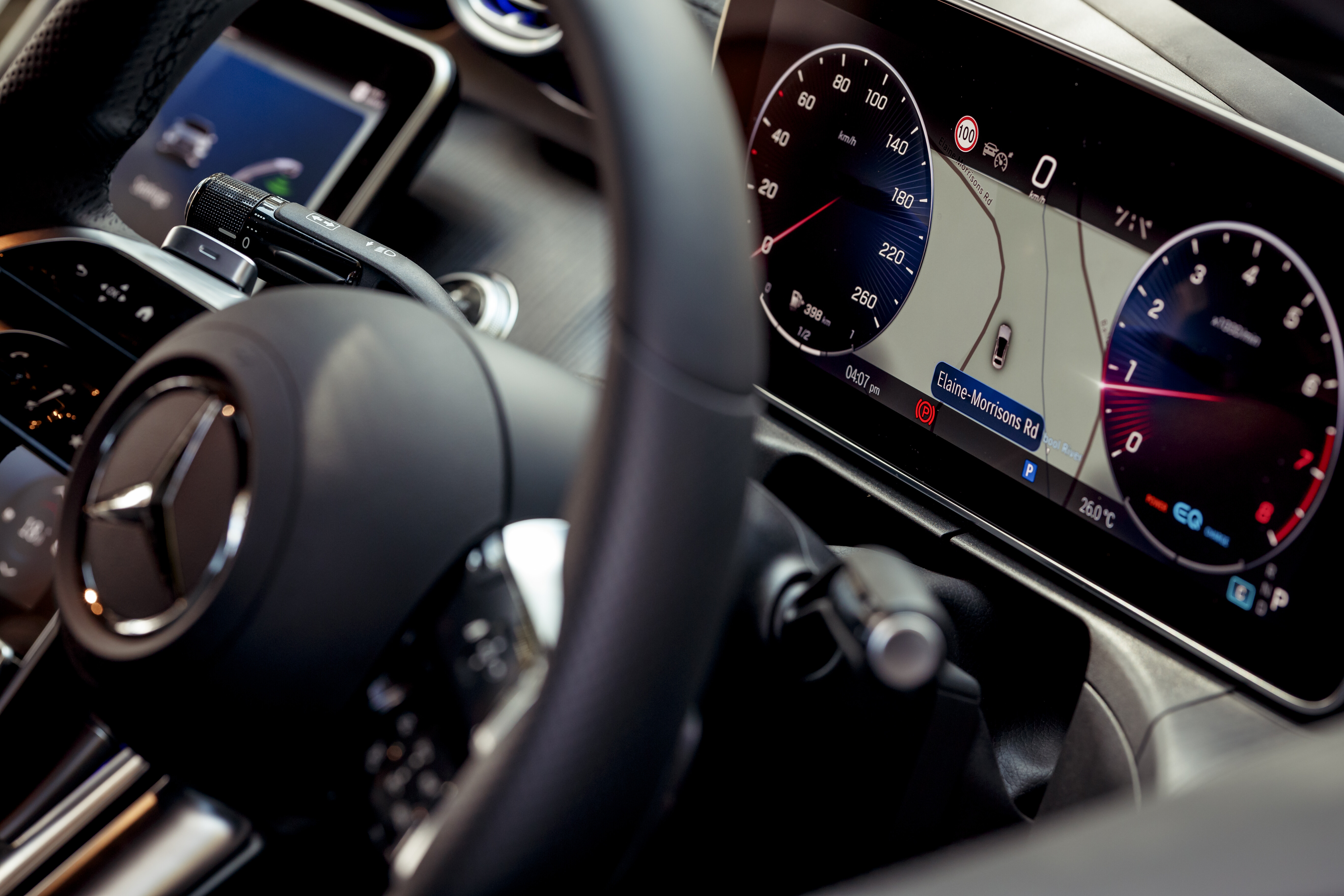
The safety suite is extensive, too. Adaptive cruise control, blind-spot monitoring, lane-keep assist, attention assist and a tyre pressure monitoring system are all standard, as are 10 airbags, including one between the front passengers.
What you miss out on is Mercedes’ Driver Assistance Package Plus, which bundles desirable active systems like traffic sign recognition, rear-cross traffic alert and semi-autonomous functions that allow the car to follow its lane, change lanes automatically and stop/start itself in heavy traffic.
Those systems are standard on the C300, which is the only other variant currently available in the Aussie C-Class line-up. It also adds a larger 2.0-litre turbo engine for a noticeable bump in performance thanks to outputs of 190kW/400Nm and a 0-100km/h claim of 6.0 seconds (the C200 is 7.3sec). The C300 starts at $90,400 before on-road costs.
A number of option packs are available for the C200, including the Sport Pack which adds 19-inch wheels and privacy glass for $1700 and a Vision Pack that, for $4100, fits a sliding panoramic sunroof, head-up display, augmented reality for the sat-nav and heated/memory front seats.
Comfort and Space
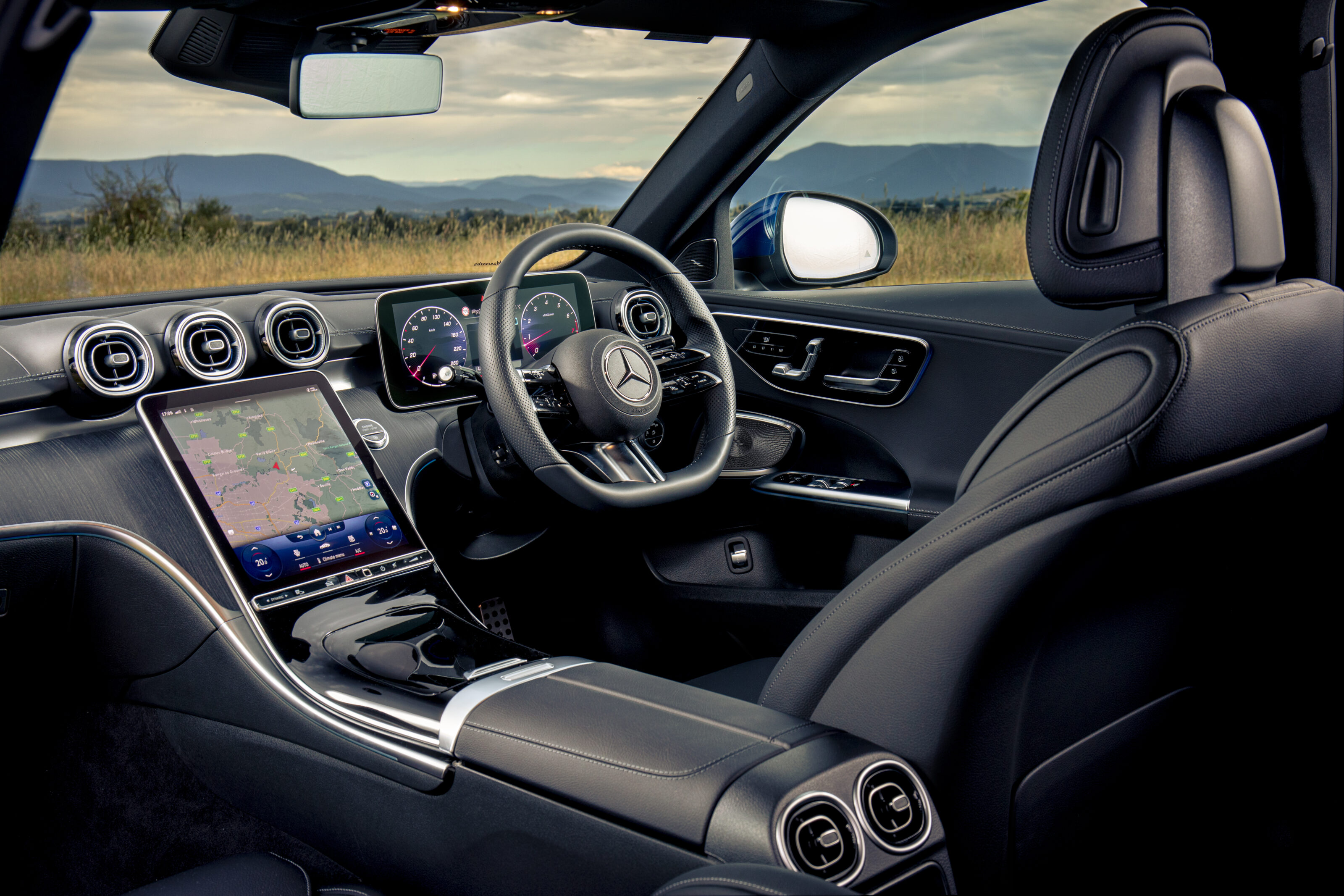
Slip inside the C200 and you’re immediately rewarded with a driving position that feels natural and offers ample adjustment. Aussie cars gain ‘sports’ seats as standard that are electrically adjustable and offer excellent support.
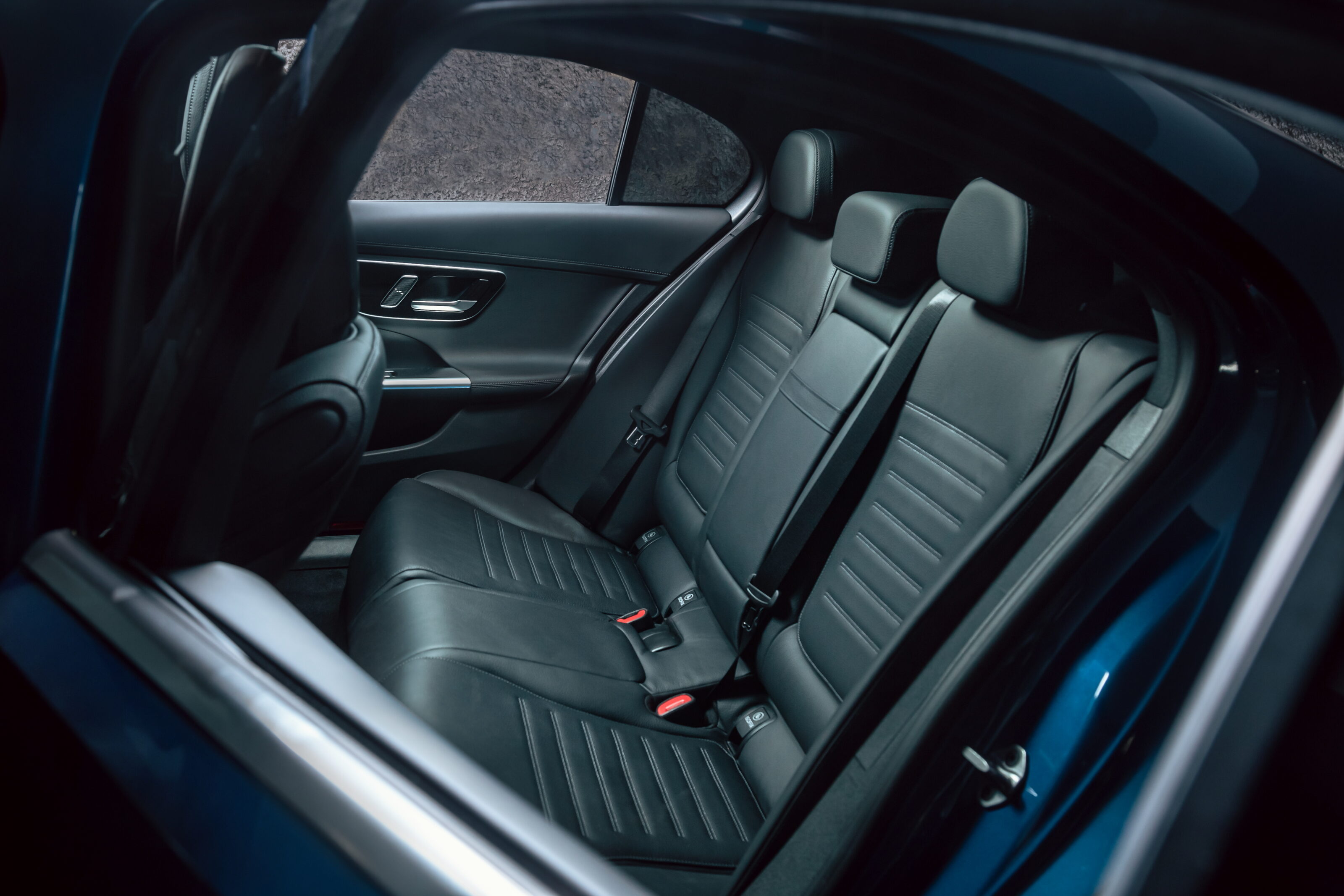
There’s a decent amount of room, too. A longer and wider body mean there’s now more head, shoulder and knee room than before in both rows of seats.
Rear-seat comfort wasn’t ideal in the previous C, but the new car is a noticeable improvement. Adults won’t feel cramped, even seated behind six-foot front passengers, though one area that could benefit from more room is the boot which offers 455L of luggage capacity. An Audi A4 and BMW 3 Series each offer 480L.
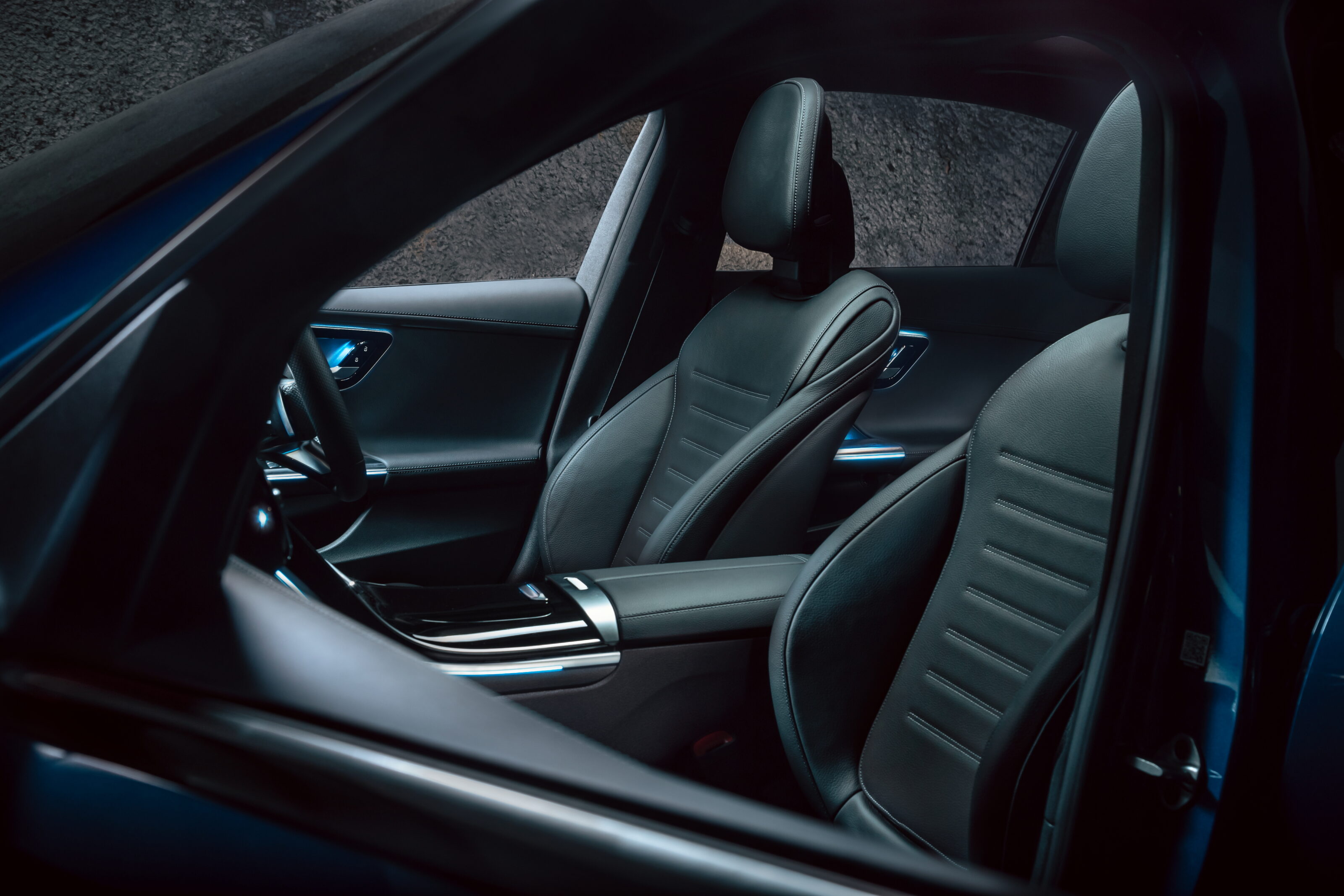
Cabin refinement is a strength, both around town and on coarse-chip Aussie highways. Road noise and tyre roar are kept nicely in check, which is impressive given our test car’s optional 225/40 (f) and 255/35 (r) R19 lower-profile rubber.
Even better is how well the C200’s cabin stacks up against the more expensive C300. Both feature the same twin-screen layout, rich materials mix and seats. The two cars present so similarly that this writer, for one, would be hard-pressed to tell them apart on interior presentation alone.
So there’s lots to like, but there are some weaknesses. Take the time to examine the cabin materials more closely and you’ll notice some feel thin and insubstantial, which erodes the initial sense of premium-ness a little. The sense of quality also feels a little superficial.
Our test car had a few unwelcome buzzes on the move and the dash insert squeaked when pressed. Don’t get us wrong, this is a luxurious cabin that trounces its rivals for glitz and glamour, but it’s not on the same level as Audi for solidity and quality.
On the Road
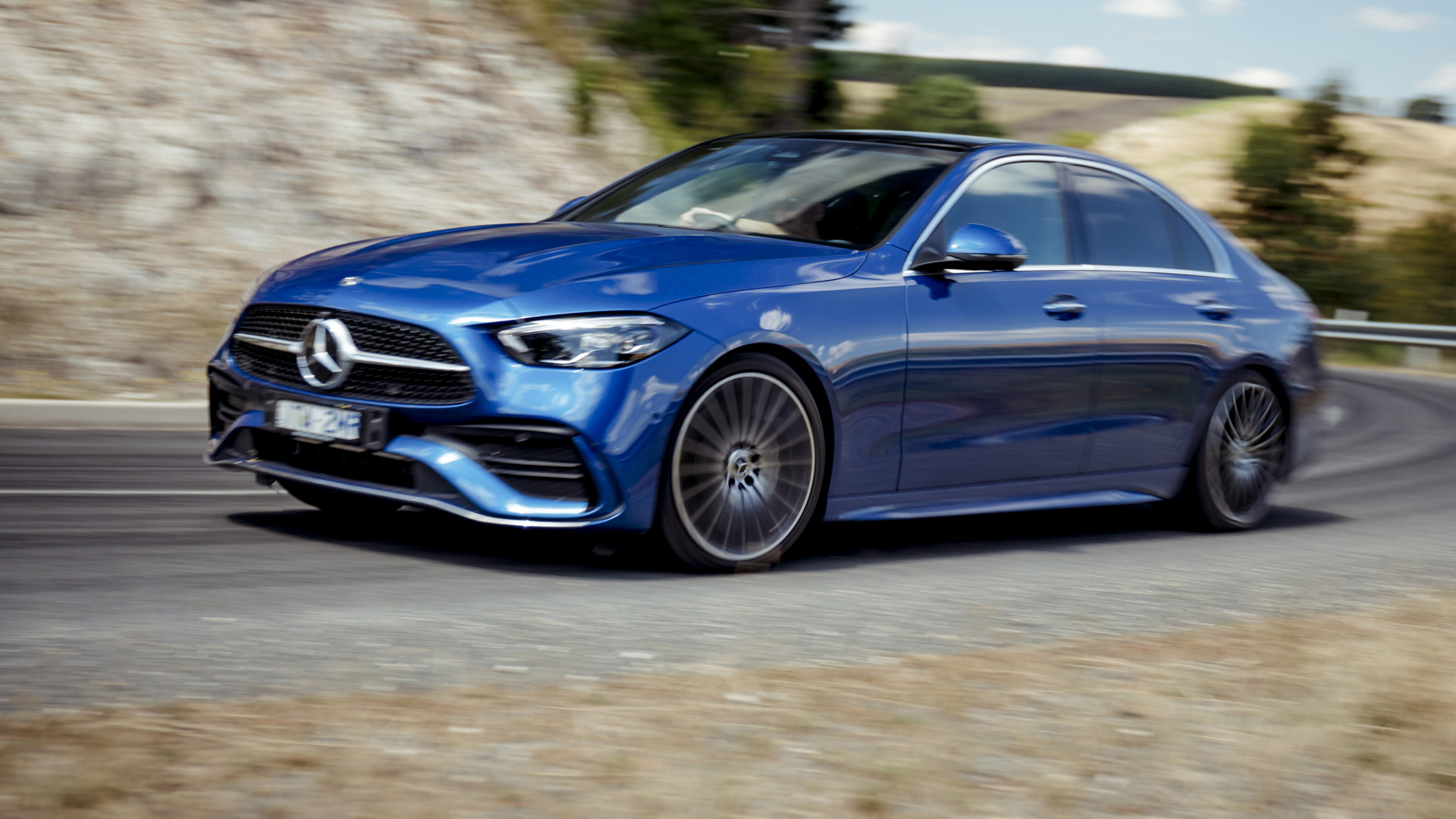
Remember how I said the C200 had elevated itself to arguably being the pick of the C-Class range? Well, the closeness of its interior presentation to the C300 is one example, but how it drives is really where the C200 has come on in leaps and bounds.
The first improvement you notice is the engine. The M245 1.5-litre unit is a new-generation engine and it feels energetic and suitably premium. Performance is stronger than its on-paper outputs of 150kW/300Nm suggest and it hasn’t just been tuned for low-end torque either.
There’s revvy goodness to be had at the top of its operating range and it even sounds relatively rorty thanks to a subtle sound symposer.
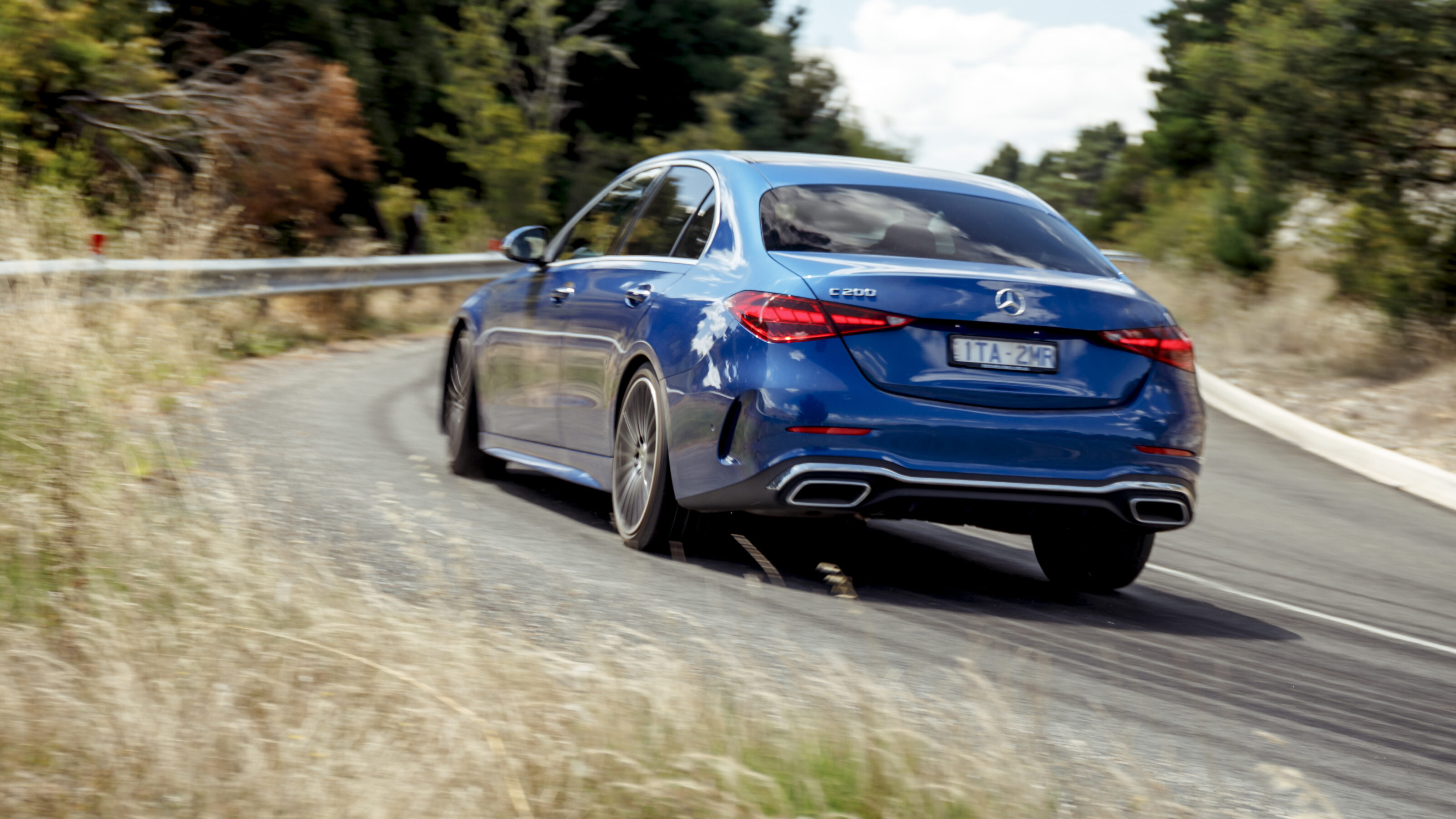
On challenging Aussie B-roads the chassis strikes a sweet balance between comfort and sportiness … assisted by steering that’s crisp and accurate
The 48-volt mild-hybrid system has also been seamlessly integrated. The system in the old C-Class was a belt-driven set-up but in the new car, a small electric motor works in tandem with the petrol unit.
It provides an additional 15kW/200Nm of performance and this ‘integrated started generator’ layout is noticeably smoother than the old car, especially in heavy traffic. In fact, the C200’s stop-start system is now so silky that it’s almost imperceptible.
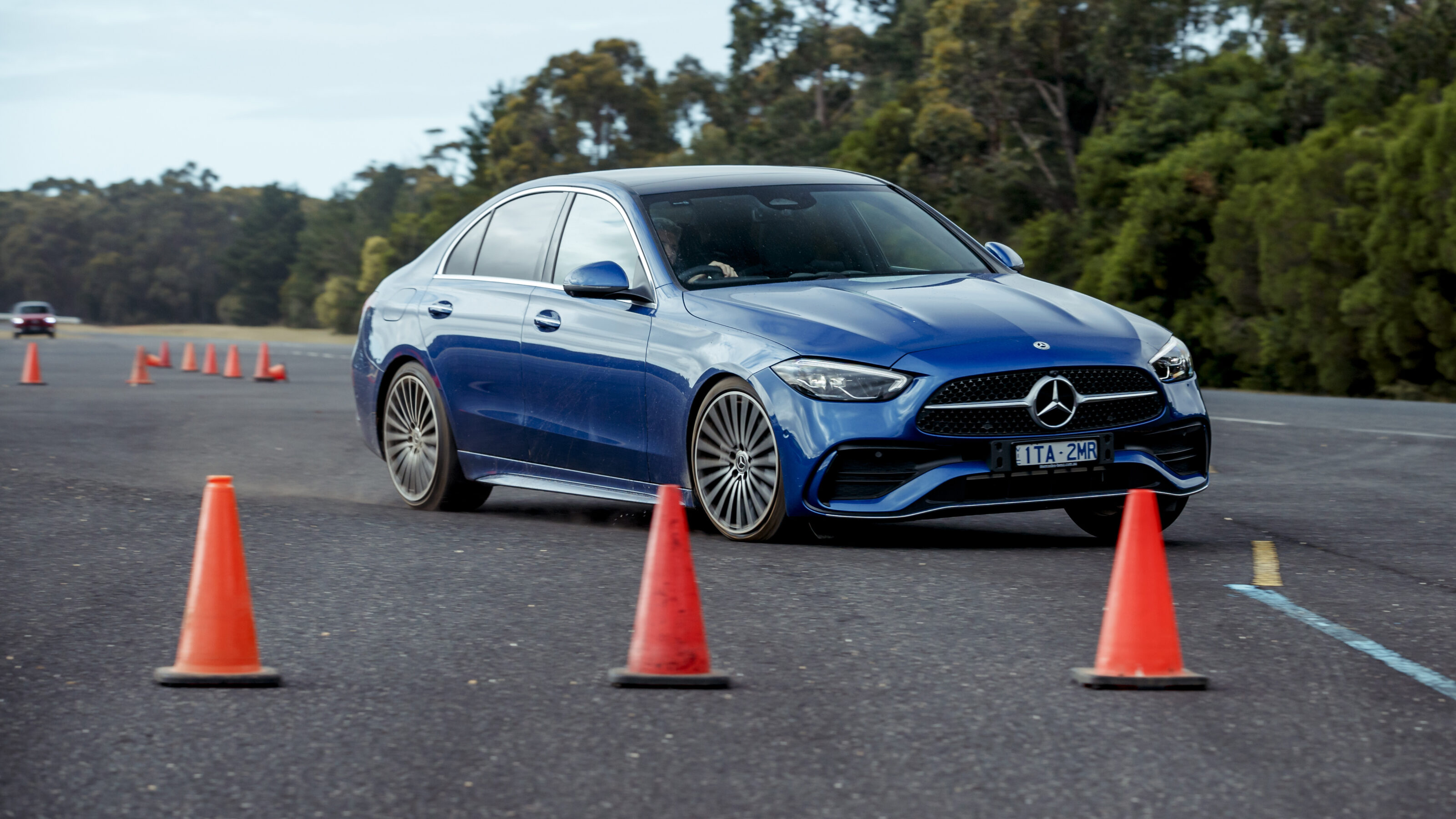
Ride and handling balance is another highlight. In the old C-Class, you needed to option air suspension if you wanted a respectable ride but in the W206, it’s the ‘standard’ passive set-up that is superior.
Air suspension is available as part of a $3400 Engineering Pack that also adds rear-wheel steering, but we’d avoid ticking that box (it’s currently unavailable due to the semi-conductor shortage, anyway, but it will return).
Even on challenging Aussie B-roads, the chassis strikes a sweet balance between ride comfort and sportiness, with this newfound dynamism ably assisted by steering that’s crisp and accurate.
The only real dynamic weakness is a brake pedal that feels spongy and inconsistent at the top of its travel. Push through that initial dead-zone, however, and the pedal is easy to modulate and delivers strong stopping power.
So no longer is the entry-level C-Class the dynamic minnow of the range. It’s a cohesive and rewarding car to drive quickly and while the C300 does deliver a desirable gain in performance (and thirst: the C200 drinks 6.9L/100km compared to the 300’s 7.3L), you won’t feel short-changed if you decide to save $12,000 and opt for the C200.
Ownership
Every new C-Class is covered by a five-year unlimited-kilometre warranty, which is noticeably superior to the three-year warranty offered by BMW. Service intervals are every 25,000km or 12 months, whichever occurs first.
Mercedes also offers servicing packages: a three-year deal is $2650, four years costs $3600 and five years is charged at $5200. Interestingly, that pricing is up to $300 less expensive than the old W205 C-Class.
VERDICT
Conventional wisdom tells us the higher you’re willing to climb up the C-Class range, the better your experience will be. But that’s no longer the case. Even in its most basic guise, the C200 is an attractive proposition.
It’s well-equipped, rammed with tech and delivers a nicely judged driving experience that has us questioning the value of the more expensive C300.
Yes, prices have crept north by a noticeable amount but with this new W206 generation, the entry-level C-Class has never been easier to recommend.
Above: Andy Enright drives the more powerful C300
2022 Mercedes-Benz C200 specifications
| Body | 5-door, 5-seat sedan |
|---|---|
| Drive | rear-wheel |
| Engine | 1496cc 4cyl, DOHC, 16v, turbo + 48v mild-hybrid |
| Bore/stroke | 78.0mm x 78.3mm |
| Compression | 10.5:1 |
| Power | 150kW @ 5800-6100rpm |
| Torque | 300Nm @ 1800-4000rpm |
| Transmission | 9-speed automatic |
| 0-100km/h | 7.3sec (claimed) |
| Weight | 1575kg (kerb) |
| Fuel consumption | 6.9L/100km |
| Front suspension | struts, coil springs, anti-roll bar |
| Rear suspension | multi-links, coil springs, anti-roll bar |
| L/W/H | 4793/1820/1446mm |
| Wheelbase | 2865mm |
| Brakes | ventilated discs (f/r) |
| Wheels | 18-inch alloy |
| Tyres | 225/45 R18 (f), 245/40 R10 (r) |
| Price | $78,900 (before on-road costs) |
If you’re planning on rushing to your local Toyota dealer to smack a deposit down on a new 2023 GR Corolla, pause for a second to see how it stacks up against other established rivals.
Given all the key mechanical details are now released, it’s only the price and acceleration left as the final missing pieces to the puzzle. However, it’s worth noting that the figures are based on development target values for the Japanese market.
UPDATE, June 2: Two-seat version announced
Need something a little hotter? The GR Corolla will also come in a track-ready two-seater form. Oh boy.
The story to here

We’ve cobbled together its key competition, being the Ford Focus ST, Hyundai i30 N, Renault Megane RS300 Trophy, Honda Civic Type R, Subaru WRX STI and Volkswagen Golf R to see how it matches up.
It’s worth noting the Civic is no longer on sale and the Mk8 Golf R is yet to land, however, they’re worthy of inclusion for on-paper comparison.
Pricing (GR Corolla price not yet available)
In terms of power outputs, the Corolla’s G16E-GTS engine gains a 20kW (10 per cent) bump over the GR Yaris, to make 220kW, with torque remaining at 370Nm.
Compared to the current market, that puts the boosted 1618cc triple ahead of the Focus ST and Hyundai i30 N in terms of kilowatt counts, but behind the Megane, Civic, Type R and Golf R.
The three-cylinder’s Newton count is the lowest of the group, with it and the i30 N being the only two to miss out on the 400Nm club.
The new valve-equipped triple exhaust improves airflow (and grunt), but we hope it also aids acoustics so it matches the likes of the i30 N in terms of soundtrack.
Power, torque, and power to weight
A 0-100km/h time hasn’t been released, but with the GR Yaris Rallye officially claimed at 5.2 seconds, it should be on par with its key rivals – especially given the Corolla packs the GR-Four all-wheel-drive system and electronic multi-plate clutch.
It’s worth noting that we recorded a 4.49sec run in the GR Yaris Rallye at PCOTY 2022, so the Corolla could go close to matching the Golf R’s 4.8sec claim in reality.
It does however come down to how much mechanical sympathy you have. What’s interesting is that the GR Corolla will have the same Torsen LSD on each axle that the GR Yaris Rallye employs.
Acceleration (GR Corolla 0-100km/h not yet available)
With the larger dimensions (and extra doors) over the Yaris, the weight of the GA-C platform Corolla has crept up 195kg to 1475kg. That chips away at the power-to-weight ratio, with the Corolla recording 149kW/tonne compared to the Yaris Rallye’s 156kW/tonne.
In the context of the class, it fares well, besting the Focus ST and Hyundai i30 N, while being on par with the all-wheel-drive equipped Golf R and behind the 164kW/tonne Civic Type R.
For now the six-speed manual (with iMT rev matching on down shifts) carries over, as an automatic version won’t be available at launch. An auto version, be it torque-converter or dual-clutch is muted for the future. Initially that sees it lag behind the likes of the i30 N, which has just been updated with a quick-shifting eight-speed dual-clutch transmission.
The Focus ST and Renault Megane also offer both transmission types, while the Type R and STI are manual only and the Golf R will land locally as a DSG-only proposition.
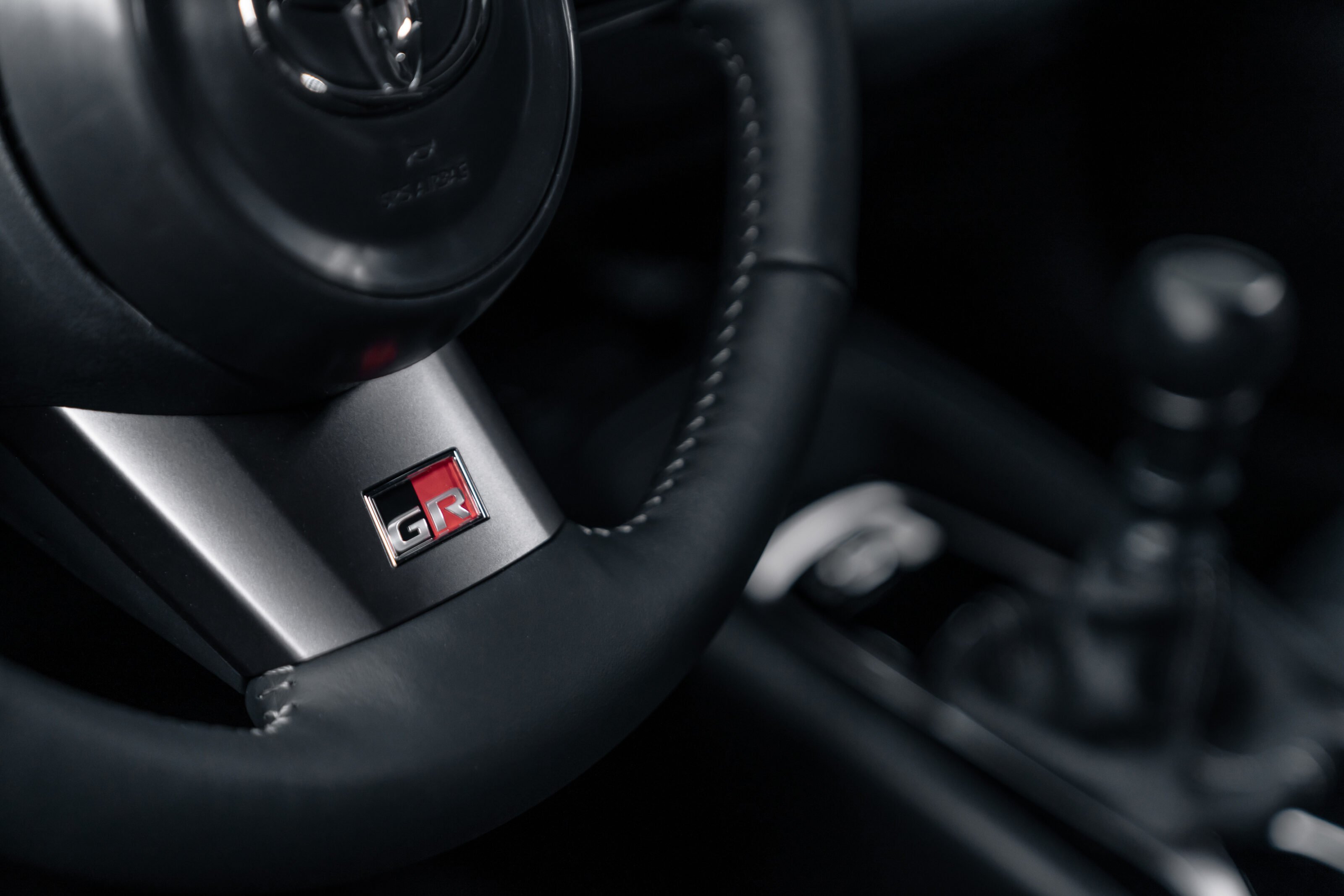
While the GR Corolla might not have a dedicated Drift or Nurburgring mode like the Golf, Toyota has dissected the “4WD” mode and its “Drive” mode to allow for more flexibility in setup for differing conditions.
The i30 N has a vast array of N modes the play with, while the Focus and the Megane offer less individualisation parameters.
Visually the GR Corolla is endowed with pumped guards, protruding air vents, aero addenda and triple exhaust to spice up the visual impact – essentially improving on the already handsome ZR grade. It’s not as loud as the Civic Type R, but has more attitude than the Golf R.
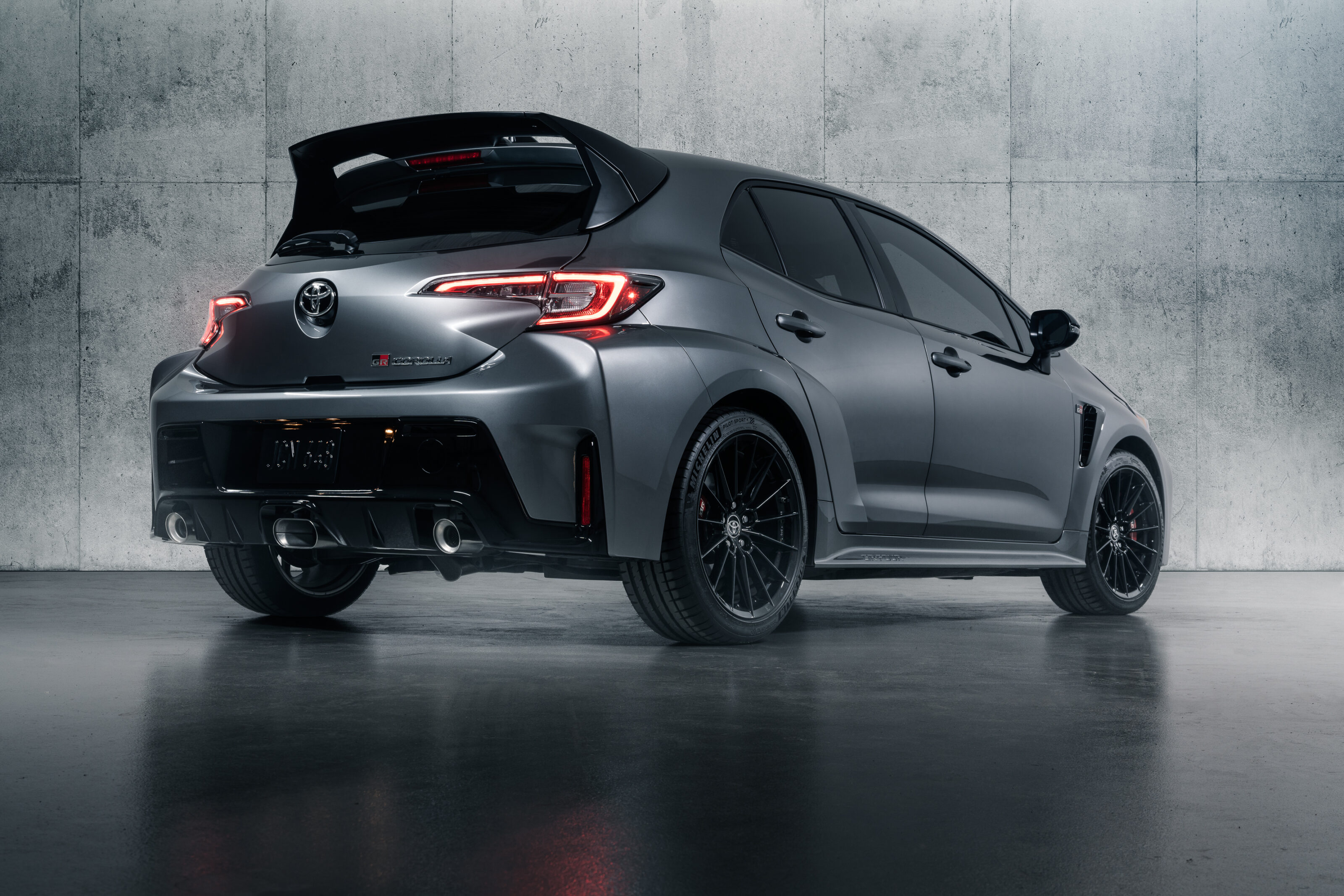
Hot hatches all have a layer of pragmatism built in, and with the GR being based off the five-door, five-seat Corolla range, it will stack up well in this group.
However, it’s worth noting that the boot in the generic Corolla range is a mere 217 litres, and with the rear Torsen diff added to the mix, that figure won’t improve. What will improve over the GR Yaris is front visibility, an issue that grated with judges at PCOTY 2022.
With the new WRX due soon and the MK8 Golf R arriving later in the year, the Q4 arrival of Toyota’s contender is eagerly awaited. The GR Corolla adds another element of spice to an already red-hot hot hatch segment.
We look forward to putting it through its passes against its main rivals in reality, and not just on paper.

Toyota GR Corolla specs
| Length | 4410mm |
|---|---|
| Width | 1850mm |
| Height | 1455mm (1480mm including antenna) |
| Wheelbase | 2640mm |
| Front | 1590mm |
| Rear | 1620mm |
| Seating capacity | 5 |
| Vehicle weight | 1475kg |
| Engine | 1.6-litre in-line three-cylinder intercooled turbo engine |
| Type | G16E-GTS |
| Bore x stroke | 87.5 x 89.7 |
| Total displacement | 1618cm3 |
| Compression ratio | 10.5:1 |
| Maximum output | 220kW @ 6,500rpm |
| Maximum torque | 370Nm @ 3,000-5,550rpm |
| Transmission | iMT (6-speed manual transmission) |
| Driveline | GR-FOUR 4WD systemElectronic multi-plate clutch 4WD|(with 3 selectable modes) |
| Gear ratio1/2/3/4/5/6/Reverse | 3.538 uff0f 2.238 uff0f 1.535 uff0f 1.162 uff0f 1.081 uff0f 0.902 uff0f 3.831 |
| Reduction ratio1-4 / 5, 6, Reverse | 4.058:1 uff0f 3.45:1 |
| Differentials | |
| Front | Torsenu00ae LSD |
| Rear | Torsenu00ae LSD |
| Suspension | |
| Front | MacPherson strut |
| Rear | Trailing multilink |
| Brakes | |
| Front | Ventilated disc(18-inch aluminium opposed 4-pot callipers) |
| Rear | Ventilated disc(16-inch aluminium opposed 2-pot callipers) |
| Wheels | 18-inch, Gloss Black, 15-spoke, cast alloy |
| Tyres (front/rear) | 235/40R18 Yokohama ADVAN Apex V601 |
| Fuel tank capacity | 50 litres |
UPDATE, April 1, 2022: The 2023 Smart #1 will be revealed next week, with the carmaker set to lift the covers off its first fully-electric model.
The Mercedes-Benz designed and Geely-built model is set to be revealed to the world in the early hours of the morning on April 8 at 2am Australian Eastern Standard Time (AEST).
It will be Smart’s first car to launch after its partnership with Chinese manufacturer Geely began in 2019, with a handful of features from the initial #1 concept expected to be dropped to meet safety requirements, reflected in design patents uncovered last year.

The story to here
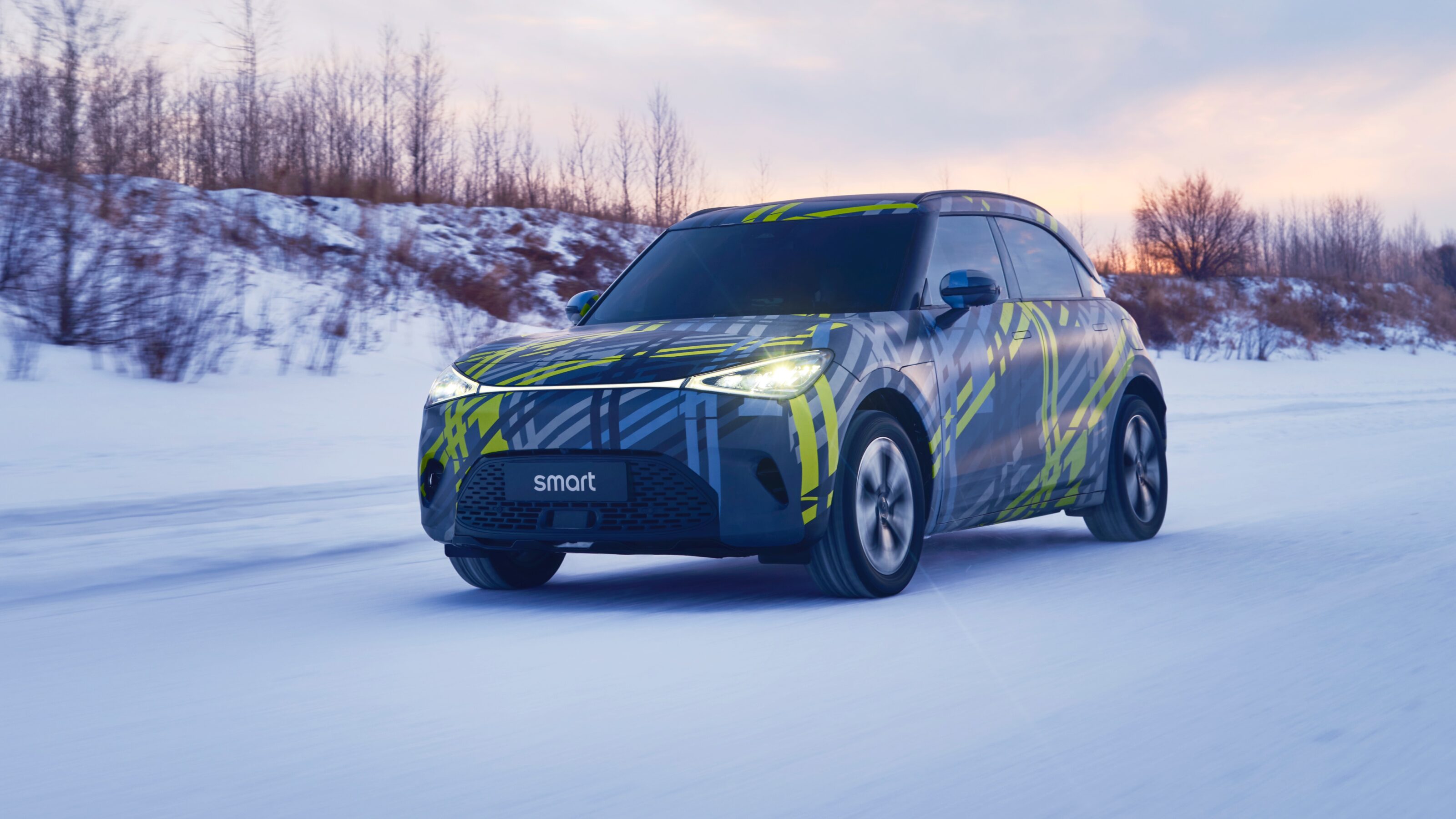
February 14, 2022: The 2023 Smart #1 has been announced as the first model to come from the brand’s all-new model range.
Smart teased the all-electric #1 undergoing cold-weather testing in the far north of China and in a wind tunnel, but has yet to unveil any details about its electric powertrain.
The brand says the hash symbol “is evocative of trendsetting in the digital era,” as it revealed the unconventional naming convention for the line-up.
Unlike a number of other electric cars suffering through winter in the Northern Hemisphere in recent months, Smart announced the new model features “ice breaking functions” on the concealed door handles, ensuring owners can still get into the car even when covered in a thin layer of ice.
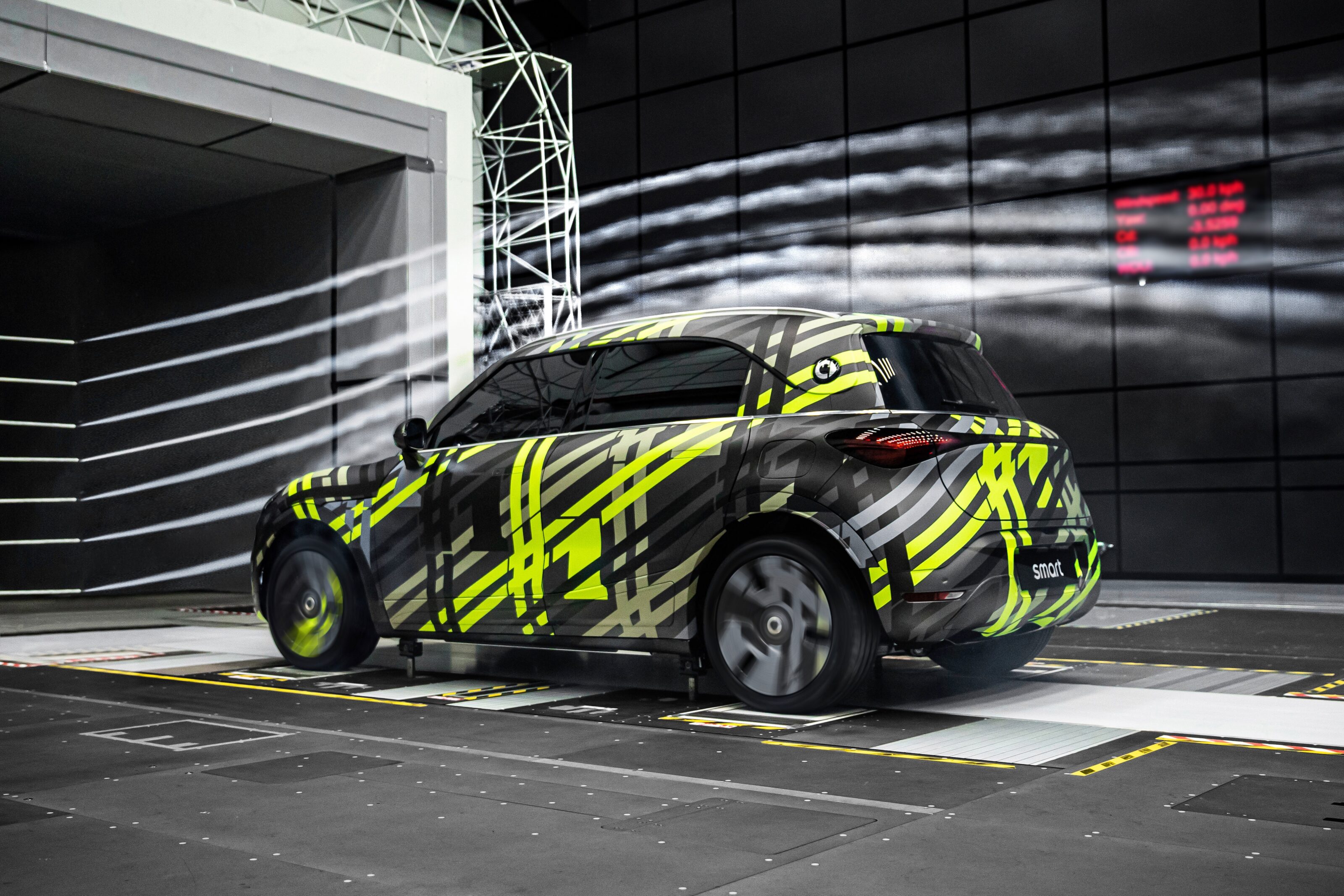
While the carmaker has gone through a number of partnerships since its inception in 1994, the new crop of Smart cars are designed by Mercedes-Benz, but engineered and built by Geely in China.
With the Smart #1 set to be unveiled later this year, the company is aiming to sell its new range of electric city cars in Europe, but there’s no word yet on whether the brand will be reintroduced to Australia after leaving the country in 2015 due to poor sales.
Snapshot
- 1.6 turbo petrol 3cyl making 220kW and 370Nm
- Six-speed manual, all-wheel drive
- Due in Australia by fourth quarter 2022
The 2023 Toyota GR Corolla has been revealed ahead of its Australian debut and, at first glance, it looks to have delivered everything buyers had asked for.
Taking much of the specialised tech from the baby GR Yaris and amping the aggression up still further, Gazoo Racing, Toyota’s go-faster division, has created something that could well put the likes of the Hyundai i30 N, the Focus ST and the Renault Megane Trophy on notice.
Where the three-cylinder engine in the Yaris packs 200kW, in this instance, the 1.6-litre three pot punches with a hearty 220kW and 370Nm, enough to give it an advantage over the 206kW Hyundai and Ford and a mere kilowatt down on the Renault.
UPDATE, June 2: Two-seat version announced
Need something a little hotter? The GR Corolla will also come in a track-ready two-seater form. Oh boy.
The story to here

The engine has been strengthened to cope with the additional power, but system inflow needs to be matched with system outflow, and to that end the GR Corolla gets a trick valve-equipped triple-branched exhaust.
The GR Corolla will be offered with a broadly similar driveline architecture as the GR Yaris Rallye, which means a six-speed manual gearbox driving through a pair of Torsen differentials to all four Yokohama Advan Apex V601-shod corners.
The target weight for the all-wheel drive Corolla GR is 1475kg, within a kilo of the current Subaru WRX but significantly lighter than a Golf R.

Click any of the images in this story for more photos
The divergent details are particularly intriguing. For the GR Corolla, Toyota has made a subtle distinction, separating the system’s 4WD torque distribution modes from the general Drive modes, which marshal the settings for accelerator mapping, steering assistance and such.
The manual gear change has also been sharpened with a short-throw gear shift.
Front and rear track widths have been teased out incrementally over the standard Corolla while cooling is aided by a vast front intake with outlets at the front fenders and the raised bonnet bulge.
Beneath the skin, Toyota’s engineers have given the suspension every chance by bracing the chassis, with additional metalwork between the rear wheel wells, beneath the transmission tunnel and ahead of the fuel tank.

Reducing the variables of the sprung inputs through the suspension has allowed Toyota to focus on enhancing wheel control and a more aggressive alignment. Pillow-ball bushings, firmer springs, and revised damper rates also feature.
Opposed-caliper disc brakes are also standard as well as a manual handbrake. There’s no word yet on whether the handbrake temporarily disengages drive to the rear treads as it does on the GR Yaris but anything that avoids the combination of a manual gearbox and an automatic handbrake wins our approval.
Built alongside the GR Yaris at Toyota’s Motomachi plant and sold in five-door guise only, the GR Corolla nets the latest Toyota Safety Sense package, and features an instrument cluster based around a custom TFT display.

Quick Corollas: A quick history
The last convincing Corolla hot hatch arrived in 1983 with the launch of the AE86 Sprinter and its front drive sibling, the Corolla GT, powered by the 86kW 4A-GELC engine.
Since then there have been half-baked attempts like the Corolla Sportivo and the JDM-only Blade Master G 3.5-litre V6, but nothing that has approached best in class.
The 12th generation E210 Corolla, launched here in 2018 has always hinted that the bones of a great hot hatch could be lurking within. The GA-C chassis and the option of a six-speed manual transmission whet our appetites, and such is the system cohesion of the E210’s dynamics, it was clear that a concerted effort by Gazoo racing could produce something extremely special.
It now looks as if that vehicle will finally be realised, sitting alongside GR86, GR Yaris and GR Supra models in a four-pronged assault on the enthusiast market.
Click any of the images in this story for more photos
When will the 2023 Toyota GR Corolla come to Australia?
Australian deliveries will commence in Q4 of this year. There’s still no word on prices and detailed trim levels.
Toyota has supplied us with the development target specs for the Japanese market edition, which are detailed below.
Toyota GR Corolla specs
| Length | 4410mm |
|---|---|
| Width | 1850mm |
| Height | 1455mm (1480mm including antenna) |
| Wheelbase | 2640mm |
| Front | 1590mm |
| Rear | 1620mm |
| Seating capacity | 5 |
| Vehicle weight | 1475kg |
| Engine | 1.6-litre in-line three-cylinder intercooled turbo engine |
| Type | G16E-GTS |
| Bore x stroke | 87.5 x 89.7 |
| Total displacement | 1618cm3 |
| Compression ratio | 10.5:1 |
| Maximum output | 220kW @ 6,500rpm |
| Maximum torque | 370Nm @ 3,000-5,550rpm |
| Transmission | iMT (6-speed manual transmission) |
| Driveline | GR-FOUR 4WD systemElectronic multi-plate clutch 4WD|(with 3 selectable modes) |
| Gear ratio1/2/3/4/5/6/Reverse | 3.538 uff0f 2.238 uff0f 1.535 uff0f 1.162 uff0f 1.081 uff0f 0.902 uff0f 3.831 |
| Reduction ratio1-4 / 5, 6, Reverse | 4.058:1 uff0f 3.45:1 |
| Differentials | |
| Front | Torsenu00ae LSD |
| Rear | Torsenu00ae LSD |
| Suspension | |
| Front | MacPherson strut |
| Rear | Trailing multilink |
| Brakes | |
| Front | Ventilated disc(18-inch aluminium opposed 4-pot callipers) |
| Rear | Ventilated disc(16-inch aluminium opposed 2-pot callipers) |
| Wheels | 18-inch, Gloss Black, 15-spoke, cast alloy |
| Tyres (front/rear) | 235/40R18 Yokohama ADVAN Apex V601 |
| Fuel tank capacity | 50 litres |
