
Tech giant Apple may have purchased Chrysler’s former proving ground after years of testing autonomous vehicles at the site.
Apple’s on-again, off-again car program – at one stage nicknamed Project Titan – is said to be back on at full speed, with a constant stream of rumours about the company’s upcoming autonomous electric vehicle surfacing in recent months.
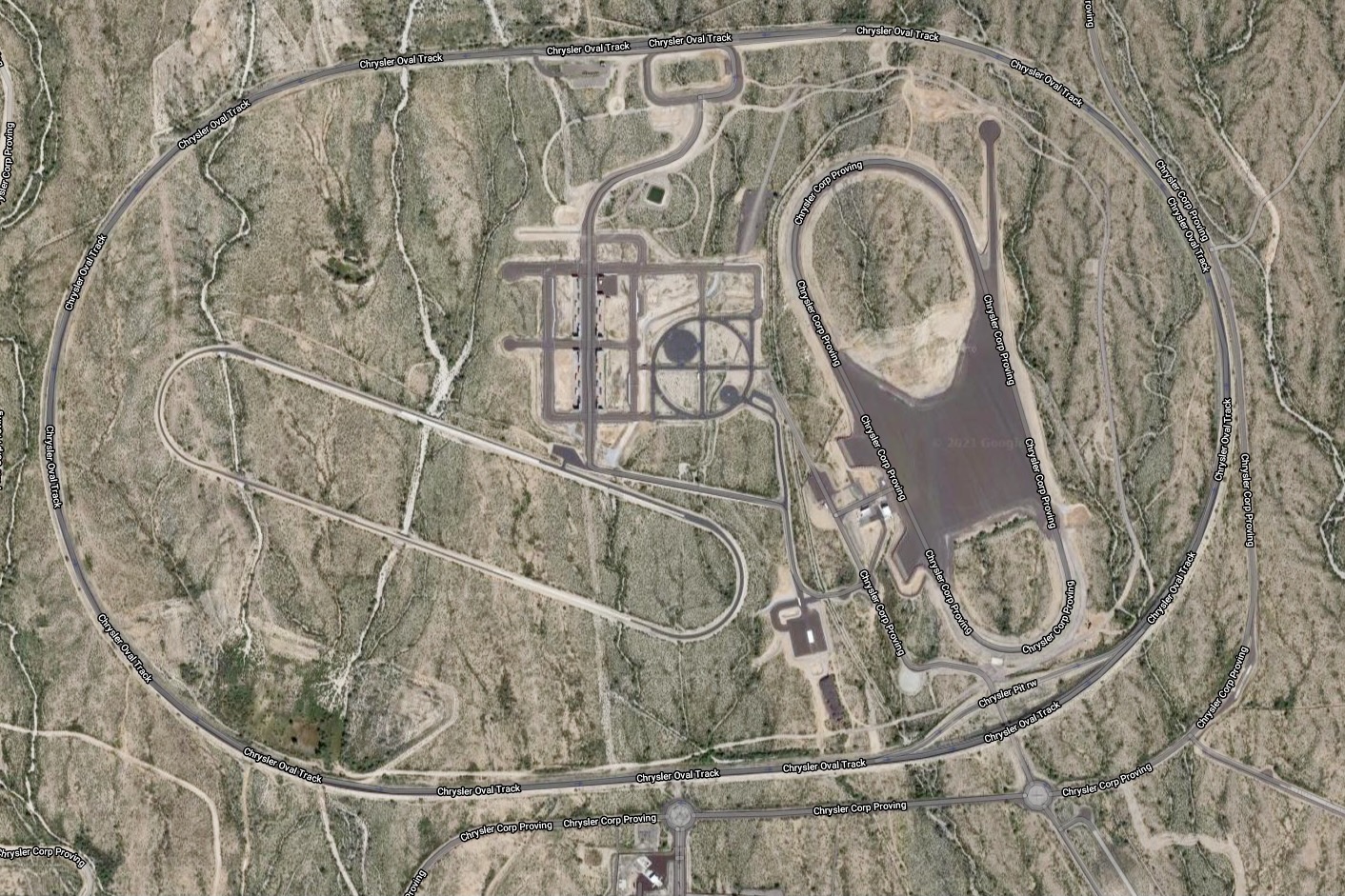
The latest whispers point to the purchase of a 5458-acre property located in Arizona, USA, formerly owned by Chrysler, by the property’s long-time leaseholder.
Since 2017, multiple reports have emerged suggesting Apple was exclusively using the proving ground to test autonomous technology.
It’s understood US real estate tracking firm Vizzda recorded the US$125 million (AU$168 million) sale from a corporation registered in the state of Delaware – a tax haven for large companies, including Apple – as first reported by website AZBigMedia.
It’s believed Chrysler sold the site to a New York-based property development company in 2005 for US$312 million (AU$420 million), though plans for a housing community never eventuated.
Though a prototype Apple car has yet to be spied, the company has been making plenty of moves behind the scenes.
Earlier this week, officials from Apple were said to be in Tokyo to meet with representatives from Toyota, according to Digitimes Asia. The trip follows a visit to South Korea as Apple looks to lay its supplier groundwork to produce an electric car at scale.
In April 2021, newspaper The Korea Times reported Apple was “very near” to signing an agreement with LG Magna E-Powertrain – a newly-formed joint venture between tech giant LG and the large Canadian automotive company Magna.
While LG is best known for its consumer electronics, it has supplied batteries and motors for electric vehicles built by General Motors and Tesla.
Magna may not be as well known, but is a major supplier to the world’s top car companies. Its Austrian subsidiary, Magna Steyr, is responsible for manufacturing the BMW Z4 and Toyota Supra, the Jaguar E-Pace and I-Pace, and the Mercedes-Benz G-Class – all under contract.
Magna Steyr is also actively involved in the Sony Vision-S electric concept car.
In June 2021, news outlet Reuters reported Apple was engaged in talks with Chinese battery companies CATL and BYD to produce batteries in North America.
US investment firm Berkshire Hathaway – which is led by billionaire Warren Buffett – is understood to own 25 per cent of BYD, as well as owning more than five per cent of Apple.
Bentley has recalled its 2021 Bentayga due to a technical issue.
The British firm has issued a notice for the Bentayga V8 passive anti-roll bar (1P0) variant.
The problem affects just two cars with VINs SJAAL34V0MC037963 and SJAAL14V9MC038064.
According to the Department for Infrastructure, due to incorrect software parameters within the Chassis Control Module, there may be a delay in the intervention of the Electronic Stability Control (ESC) – which may cause a loss of vehicle control and lead to an accident.
Affected vehicles owners are asked to contact their local Bentley dealer to make an appointment to have the work carried out at no charge.
Details on how to find a dealer are available here: https://www.bentleymotors.com/en/apps/dealer-locator.html/country/AU-Aus
Snapshot
- 20 more EV trucks to join Aus Post fleet
- First deliveries expected in October
- Lease program ensures the trucks will remain on fleet for six years
Australia Post’s fleet of electric vehicles continues to grow as the national courier service announced today it will be adding 20 Fuso eCanter trucks to its stable.
The first electric truck to come to market in Australia, the Fuso eCanter is based on the familiar internal combustion engine-powered truck, which has been a staple of logistics operations for years – just with a 66kWh battery pack and 135kW/390Nm motor in place of the ICE.
With a Gross Vehicle Mass of 7.5 tonnes, the eCanter can’t replicate the driving range of other battery-powered passenger vehicles, but can still operate well in urban environments – helping Australia Post reduce its emissions, while keeping on top of the massive demand for deliveries throughout the pandemic.
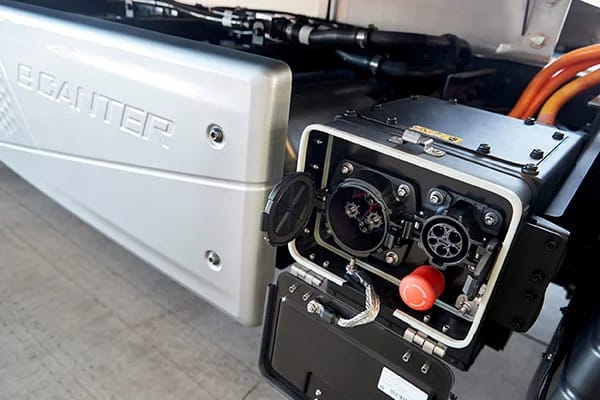
General manager of networks for Australia Post, James Dixon, said the eCanters will be part of the company’s 3000-strong EV fleet, which will help to reduce its carbon footprint in the coming years.
“With the significant growth in parcel volumes, more vehicles are required in our network,” said Dixon.
“It makes good sense to add electric vehicles as part of this requirement. Not only will these eCanters fit our needs in this delivery category, but they will also contribute to our science based target to reduce emissions by 15 per cent by 2025 from a FY19 baseline.
“Since working with Daimler Trucks on the pre-production eCanter, we have been keen to have the truck in our fleet. Daimler Trucks is a good choice for Australia Post in the fleet space with a large network and focus on safety.”
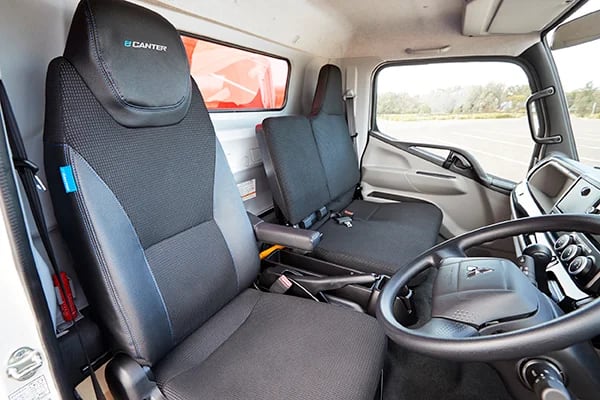
Fuso says the eCanter has undergone months of testing worldwide, which included a six-month stint in Australia, providing a comprehensive shakedown of the truck before it hits the road officially.
The 20 Fuso eCanters in question will join the Australia Post fleet from October this year and will remain in its fleet for six years as part of the lease agreement between the manufacturer and company.
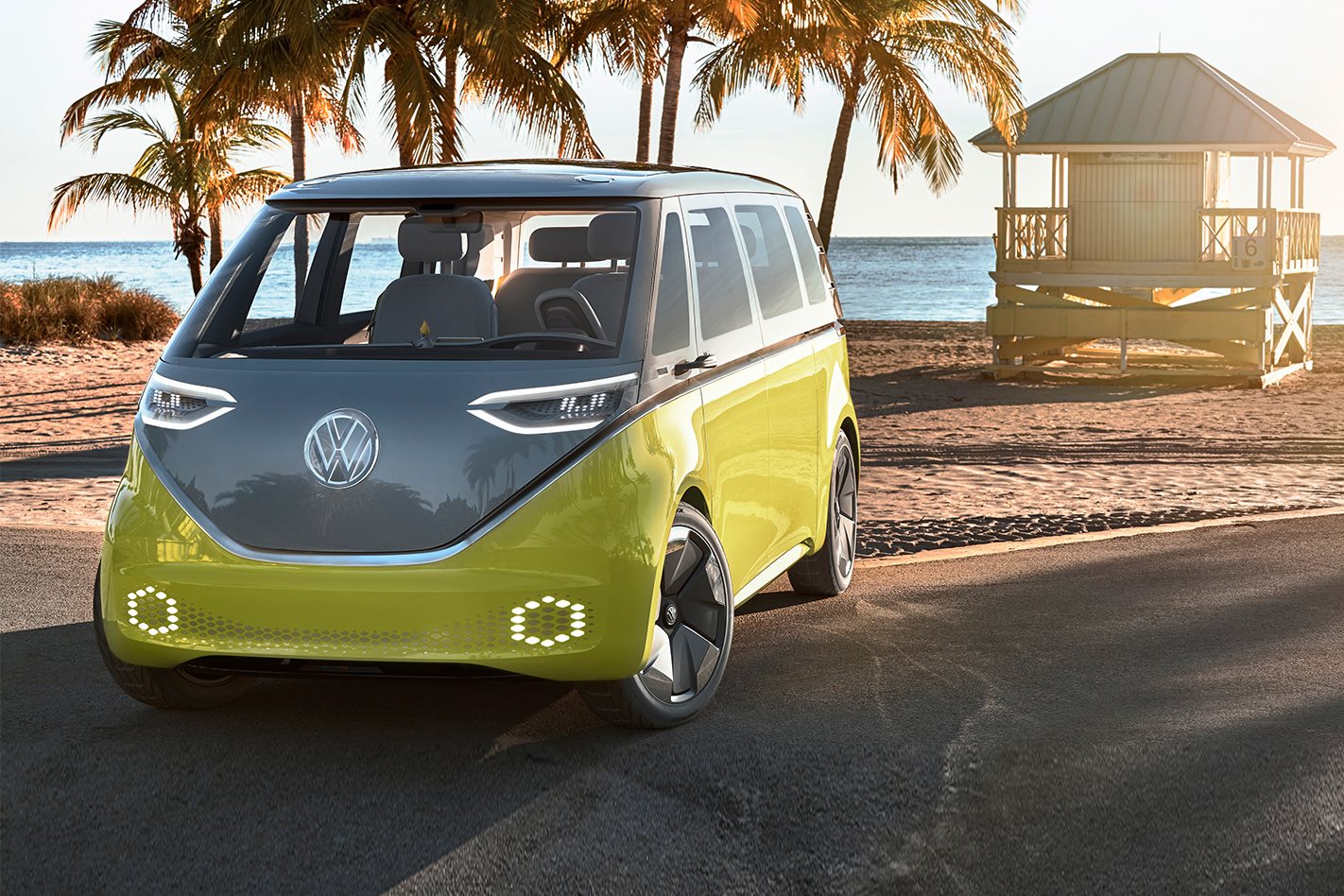
The upcoming Volkswagen ID. Buzz van has spawned an autonomous variant, making its debut at this year’s IAA Mobility Show in Munich.
Based on the all-electric van, the ID. Buzz AD (stands for Autonomous Driving) was developed by Volkswagen Commercial Vehicles and Argo AI – the latter an autonomous technology specialist which is part-owned by Volkswagen and Ford at 40 per cent each.
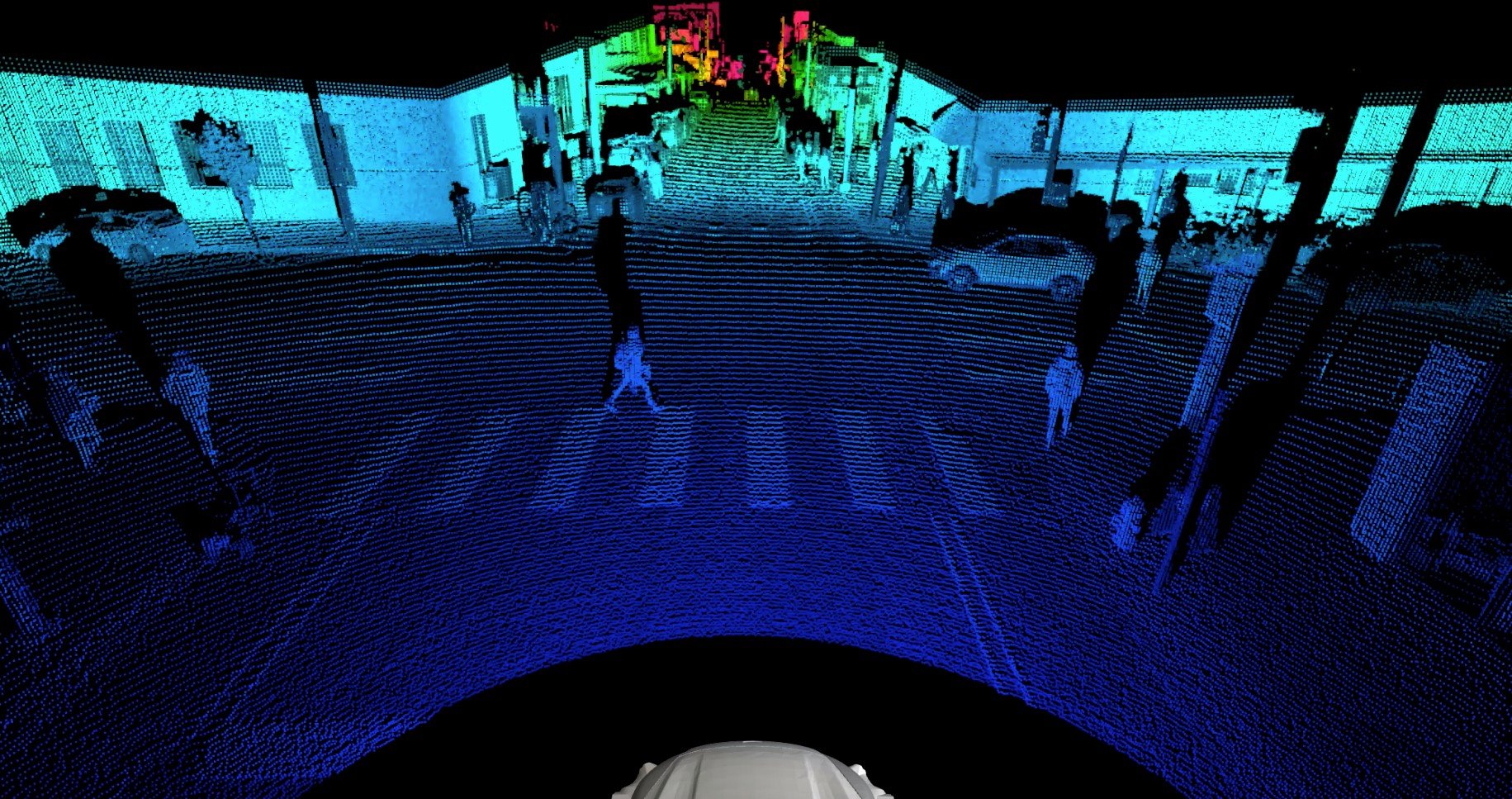
Previewing its production model, which will be available from 2025, the ID. Buzz AD features a roof-mounted Lidar sensor that can detect objects from more than 400 metres away – as its Geiger-mode technology can pick up a single photon of light, allowing it to see dark vehicles even at night.
Head of autonomous driving at VW Commercial Vehicles, Christian Senger, said the ID. Buzz AD is undergoing testing across Germany and the United States ahead of its debut as the vehicle for a fully-autonomous shuttle service in Hamburg from 2025.
“We bring our expertise to the co-operation with Argo AI and VWCV, and will develop an autonomous mobility service in addition to our regular service,” said Senger.
“Cities all over the world want to make their traffic more efficient and more climate-friendly.
“Autonomous ride-pooling improves urban mobility, increases road safety and make cities more attractive. Hamburg will be the first city to offer it.”
The move to autonomous fleet vehicles is a part of Volkswagen’s wider push towards electric vehicles by 2035 with a new electric platform set to be introduced in the coming years – potentially underpinning more than 40 million vehicles throughout its life cycle.
Volkswagen has confirmed the ID. Buzz will be based on its MEB platform, which currently underpins the ID.3 and ID.4 – two EV models which are currently available in Europe, but not slated for an Australian debut.
Snapshot
- 150,000 models sold since 1996
- 611 shifted in August this year alone
- Brand a top 10 regular for 2021
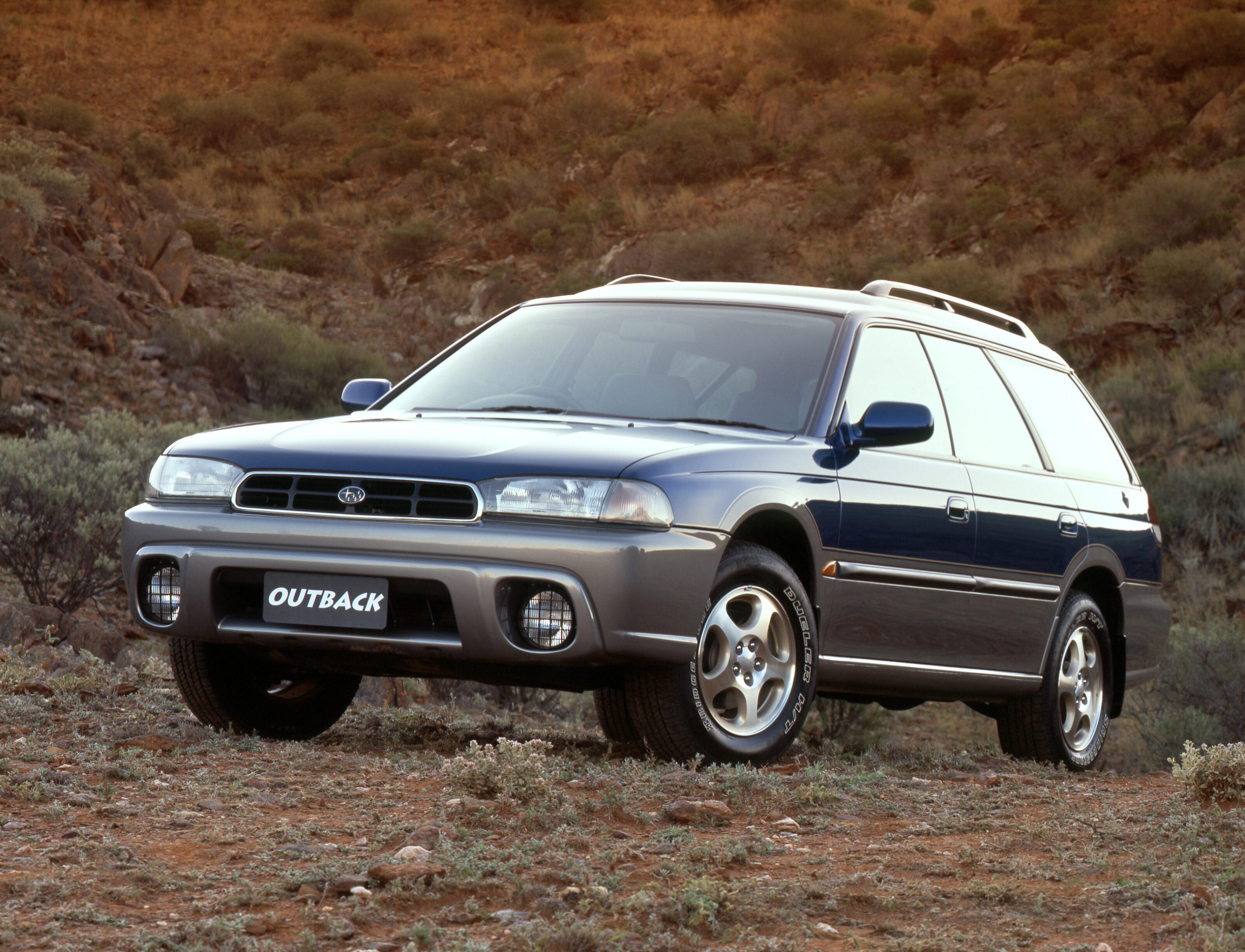
Subaru has now sold 150,000 of its Outback lifted wagon Down Under, 25 years after the model first went on sale here.
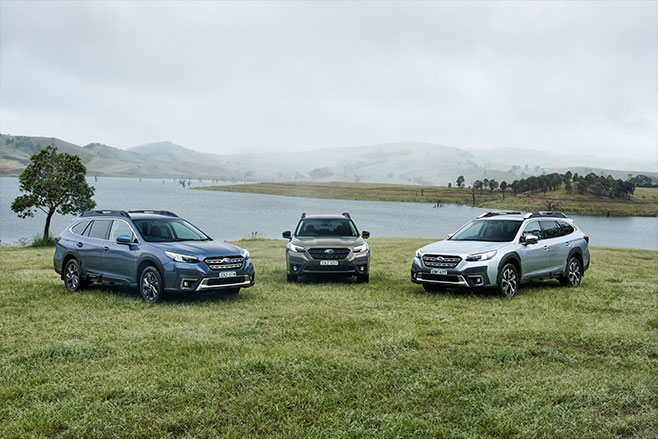
Earlier this year, Subaru launched the sixth generation Outback for the Australian market, with a choice of three variants, marking a quarter of a century since it arrived on our shores in 1996.
Last month the brand reached the milestone as it shifted 3232 units across its range, 611 of which were Outbacks, securing it 8th place in the monthly sales chart and 10th year-to-date.
During August, Subaru’s sales increased by 57.5 per cent for the month, compared to a COVID-hit 2020. Meanwhile the carmaker’s year-on-year sales are up 29.3 per cent.
August’s success was led by the Japanese marque’s Forester SUV, with 1104 sales up 55.1 per cent for the month.
Meanwhile, the number of XVs sold totalled 951, up 76.4 per cent for the month.
Following just behind, the Outback achieved 611 sales, which rose 100.3 per cent for the month and 96.4 per cent year-to-date.
Blair Read, General Manager Subaru Australia, said: “We couldn’t be prouder to celebrate the 150,000th Outback sale during August, a vehicle that has resonated deeply with Australians for generations.
“It is fitting we celebrate this remarkable milestone in the year we launch the sixth generation, all-new Subaru Outback that not only epitomises all the qualities that have made it famous, but elevates its appeal with enhanced technology, refinement and crossover ability.”
The 150,000th Outback sold follows other major milestones for Subaru – having announced in July it had sold 20 million AWD cars worldwide since the Leone 4WD Estate launched in 1972, arriving on Aussie soil three years later.
Subaru Australia also recently celebrated surpassing 50,000 sales of its WRX-badged cars Down Under since the model’s arrival in 1994, with the original pocket rocket having previously won five MOTOR ‘Bang for Your Buck’ awards.
The WRX STi too reached an important milestone in the back end of 2020, selling over 10,000 units since it was first officially imported in 1999.
It’s not all good news for the brand though, last week it was revealed Subaru has suspended all production at its Japanese factories, citing issues with the supply of semi-conductors.
While Subaru has provided few details about the four-day shut down, it’s understood the plant closures are related to the ongoing global chip shortage.
Snapshot
- Aussie allocation gone before local launch
- Volvo’s first full-EV to come to Australia
- Swedish firm has asked for more supply for 2022
The first ever fully-electric Volvo has sold out before it has been officially launched in Australia.
Volvo Car Australia says its 2021 allocation of the XC40 Recharge Pure Electric has been exhausted already, and a request for extra 2022 production has been sent to Sweden.
The XC40 EV’s delayed release, caused by the COVID-19 pandemic, hasn’t deterred customer orders after pricing and specifications for the flagship variant were announced in June.
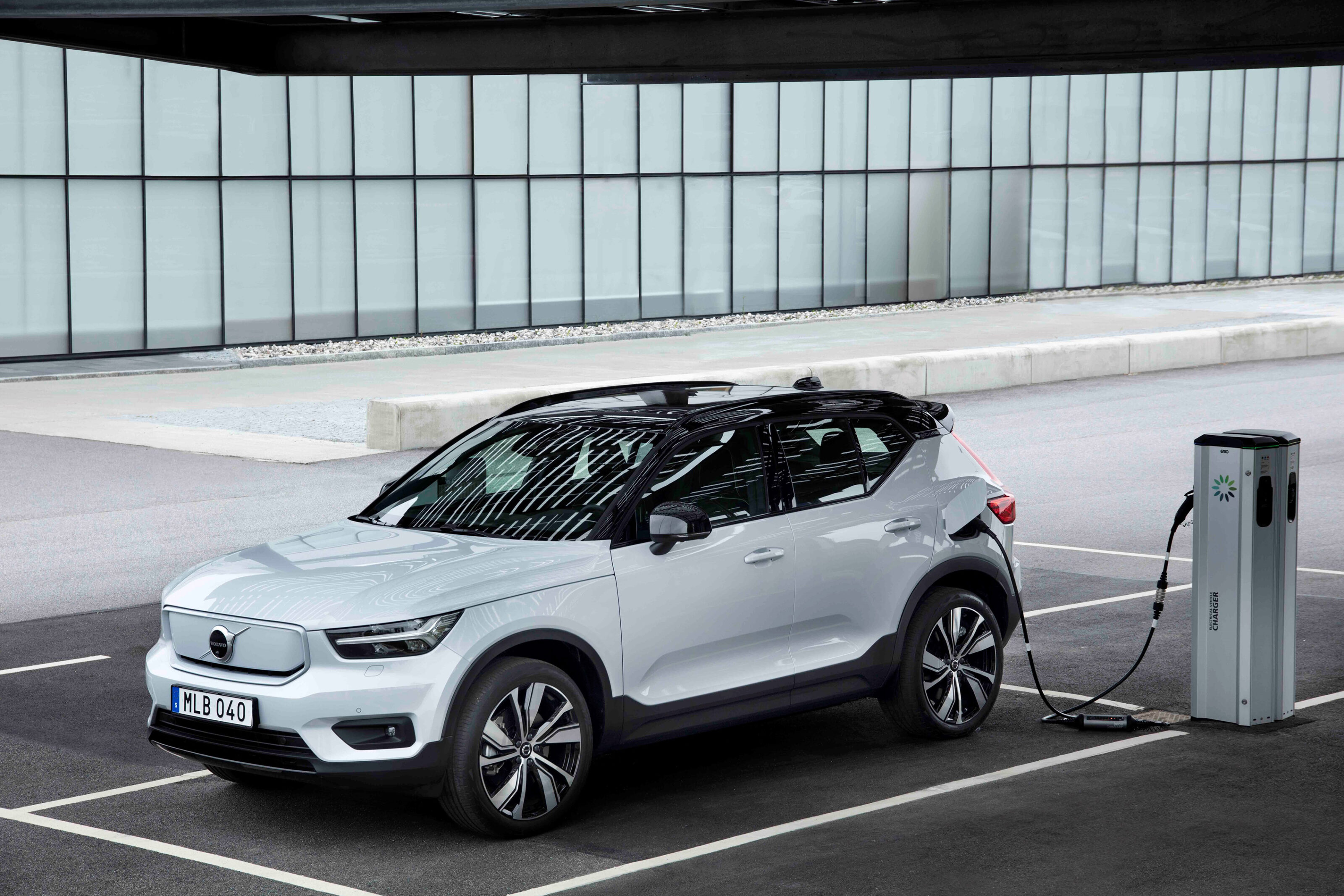
Priced from $76,990 before on-road costs, the Recharge Pure Electric is the most expensive model in the XC40 compact SUV range. It carries a $12,000 premium over the Recharge plug-in hybrid model.
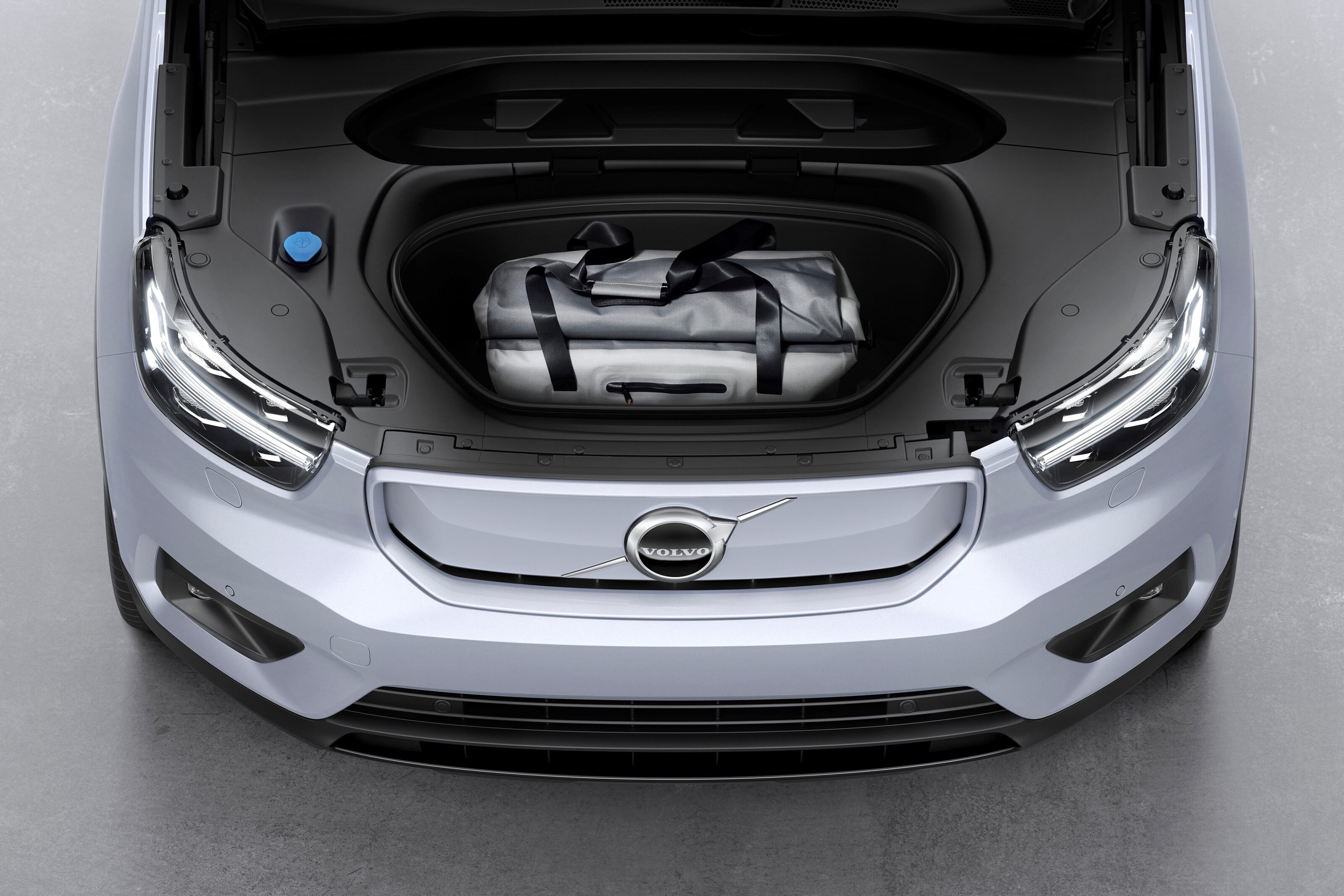
The all-wheel-drive Pure Electric features an electric motor on each axle and a 78kWh battery pack, with total outputs quoted at 300kW and 660Nm.
The specifications give it a significant performance advantage over the rival Mercedes-Benz EQA250, which is almost identically priced – starting from $76,800.
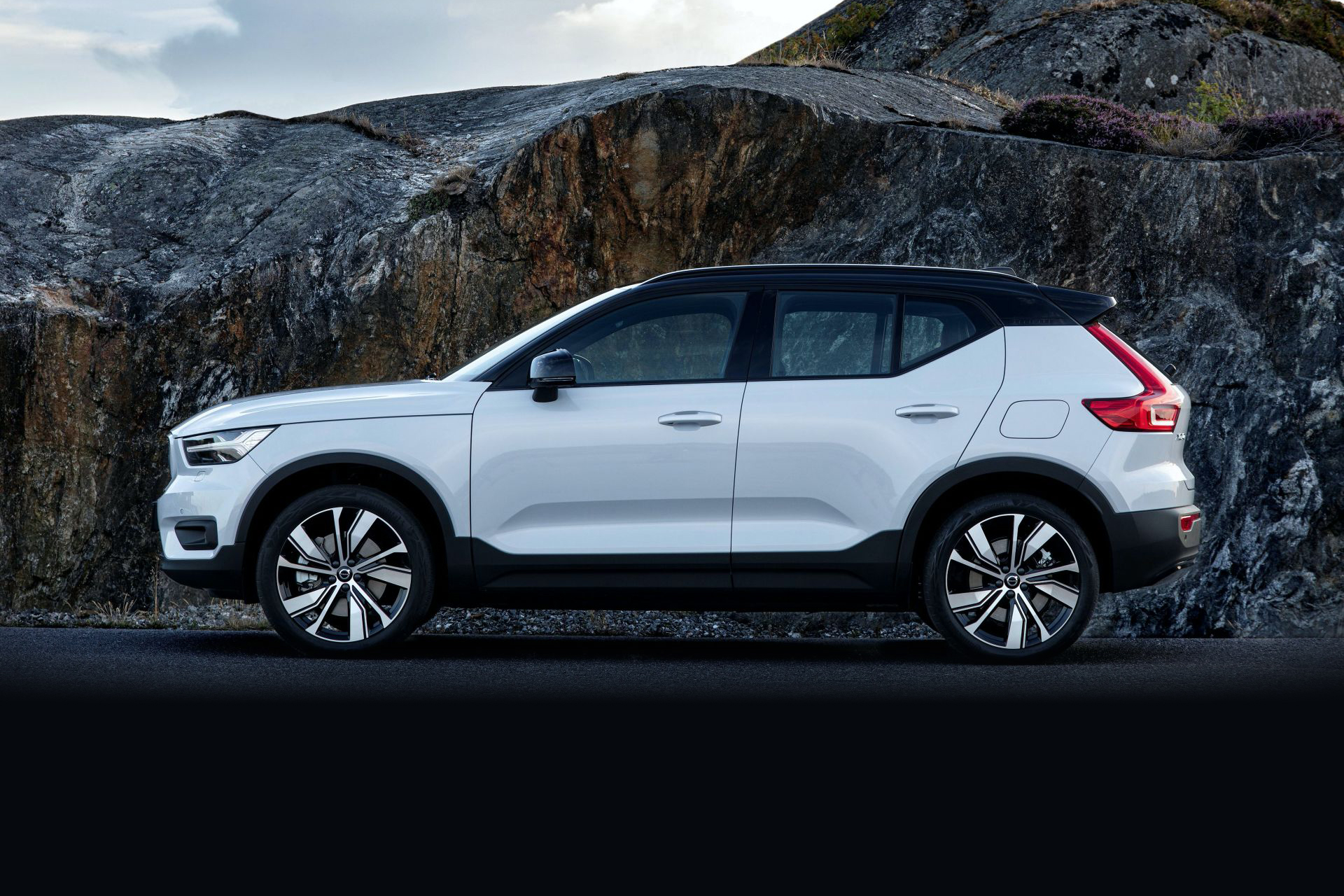
Volvo says the XC40 Recharge Pure Electric accelerates from 0-100km/h in 4.9 seconds. The front-wheel-drive EQA250, with 140kW and 375Nm, is four seconds slower.
The electric, GLA-based Mercedes has a longer estimated driving range of up to 480km – whereas Volvo quotes up to 418km for its rival model.
The XC40 EV is a relatively crucial new variant for Volvo, considering the Swedish brand is planning to sell only electric vehicles from 2030 onwards.
As part of its interim electrification strategy, the company is already dropping models purely powered by internal combustion engines. The sole exception in Australia is the XC40, which is still available with turbocharged petrol engines.
The XC60 and XC90 SUVs are available with either mild-hybrid or plug-in hybrid versions; the S60 sports sedan and V60 Cross Country are now singularly offered with a mild-hybrid drivetrain.
Volvo Car Australia isn’t divulging the number of Pure Electrics already sold, though Wheels understands it’s not insignificant.
The company says the next available deliveries of the electric XC40 will be February 2022.
“We are thrilled that the success of our XC40 has extended to our newest addition, the XC40 Recharge Pure Electric,” said company spokesperson Greg Bosnich.
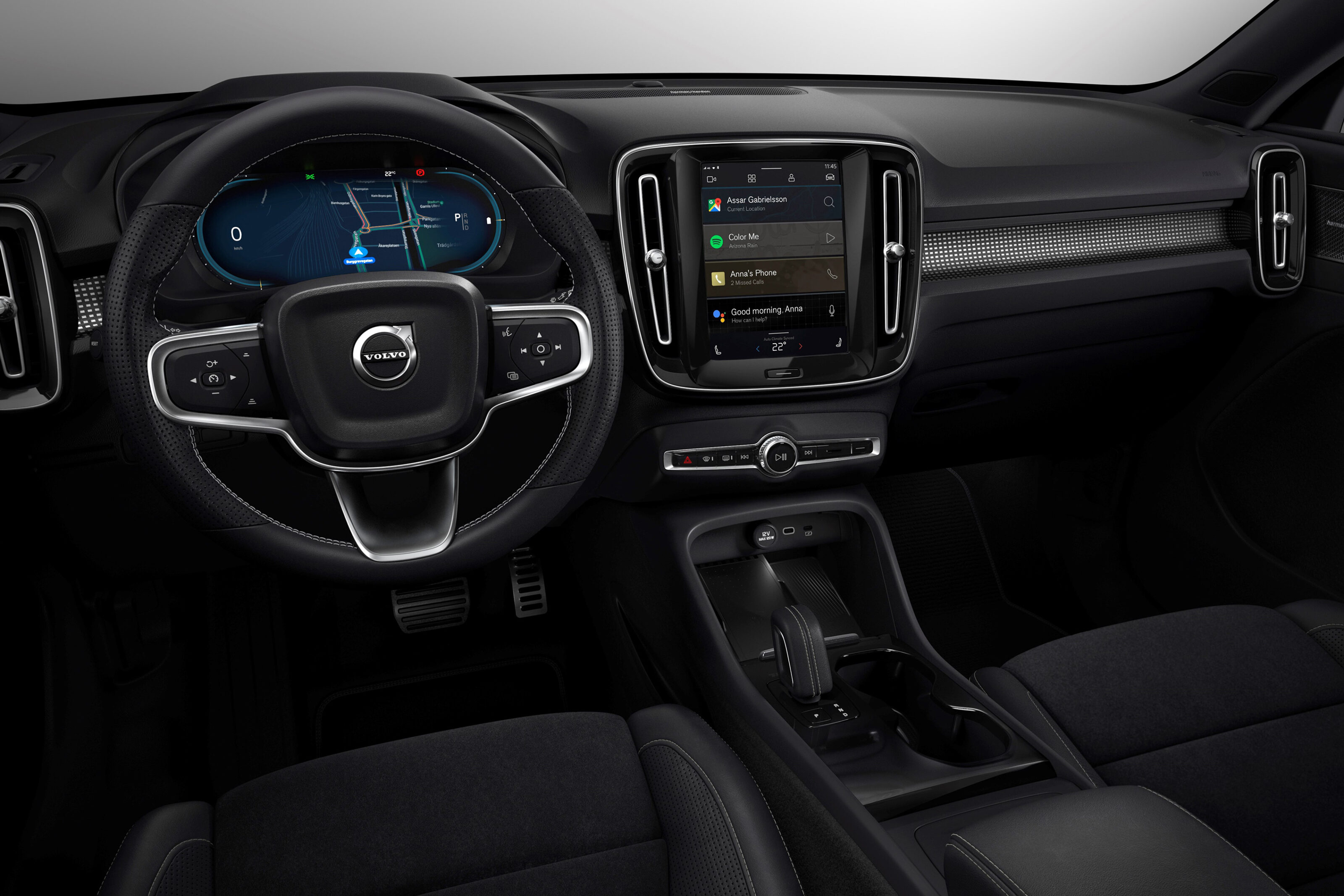
“It feels like history repeating itself, as we faced the very same scenario when we introduced the first ever Volvo XC40 to Australia in 2018. It is a testament to our XC40 and its popularity that it continues to be the standout performer in the compact luxury SUV segment.”
The XC40 is Volvo’s most popular model in Australia, with 2928 sales up to the end of August representing a 56 per cent increase.
Volvo Car Australia is set to comfortably break its local sales record of 7779 vehicles, set in 2019. Despite a slight blip in August, where sales dipped three per cent compared with August 2020, the company is currently on track to reach its target of 10,000 units in 2021.
It has sold 6724 Volvos so far in 2021, with four months remaining.
The next electric vehicle to come to Australia from the Volvo Group will be the Polestar 2, due when Volvo’s sister electric performance brand launches locally towards the end of the year.
Mercedes-Benz Australia is recalling its Sprinter van over an electrical fault.
The issue affects 855 examples of the model built between 2014 and 2018.
According to the Department for Infrastructure, certain vans with camper body/conversion may experience an electrical fault with the rear axle rotational speed sensor – which could cause some of the functions of the Electronic Stability Program (ESP) to deactivate.
If the ESP control unit functions are deactivated, the driving could become unstable and increase the risk of an accident.
Owners of affected vehicles will be contacted by Mercedes-Benz to arrange to have the work carried out as soon as possible at their local authorised dealer.
A full list of authorised dealerships can be found at: https://www.mercedes-benz.com.au/passengercars/mercedes-benz-cars/dealer-locator.html
Alternatively, consumers may use the Mercedes-Benz online booking service, by visiting www.mercedes-benz.com.au/servicebooking or call 1300 300 896.
A list of VINs for the vans is available here.
Swedish steel company SSAB will be supplying German manufacturer Mercedes-Benz with fossil-free metal in the future as the automotive company aims to make carbon-neutral production a reality.
While Mercedes-Benz has already committed to going electric only by 2030, the brand is targeting a reduction in its carbon footprint across the supply chain, which is where SSAB comes into the equation – having already set up a pilot plant to produce fossil-free steel in Sweden.
SSAB’s ultimate aim is to supply the automotive market with such steel from 2026, a goal it is on track to achieve after Volvo recently announced it was entering a joint venture with the steel maker to accelerate the development process.
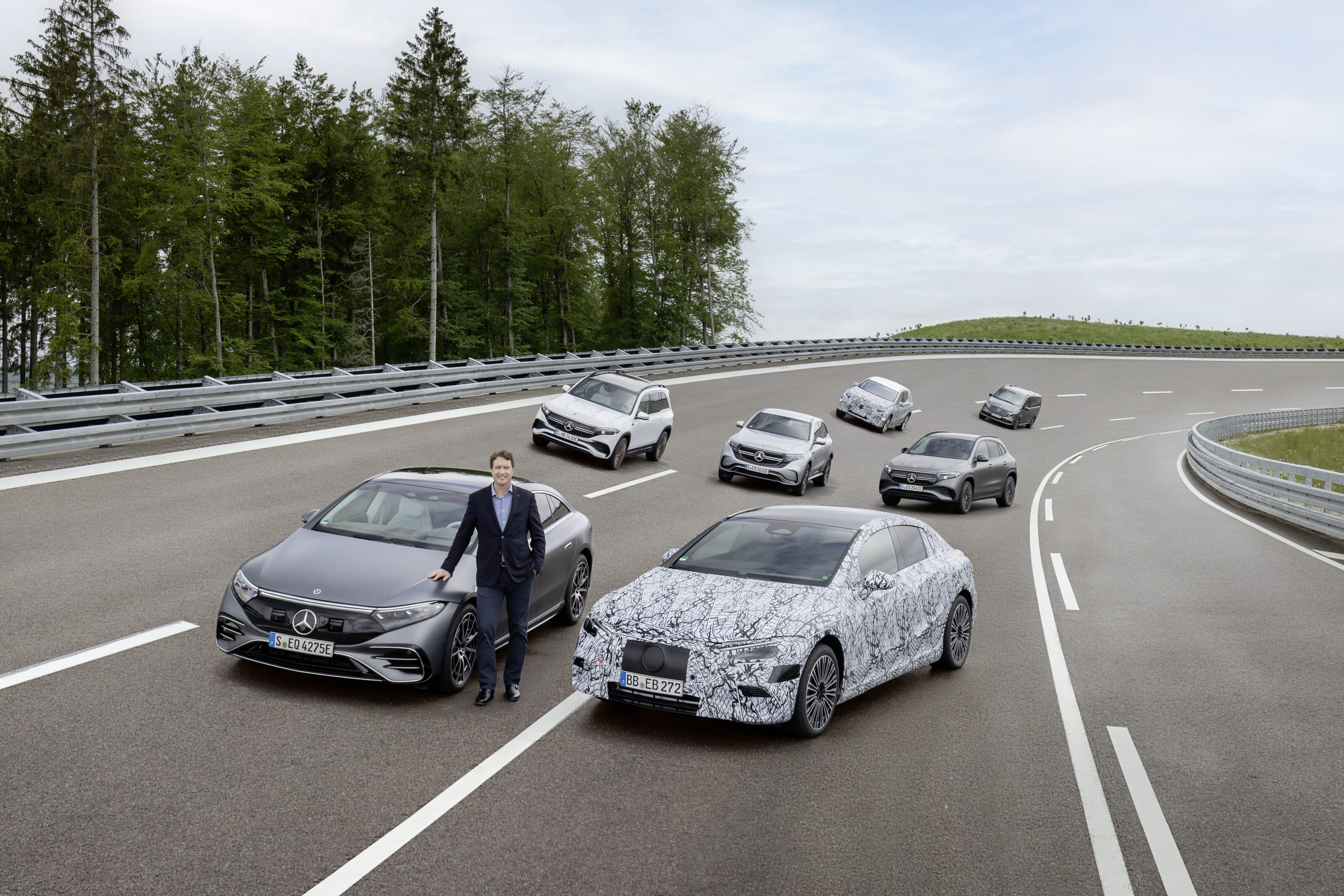
Mercedes-Benz has set a time limit on achieving carbon-neutrality, wanting its entire passenger vehicle fleet to be emission-free in every stage of the manufacturing process by 2039 at the latest – ahead of the 2050 target implemented by a majority of other companies and the European Union.
As opposed to regular steel production – which relies on coking coal – the carbon-neutral process utilises hydrogen and fossil-free electricity, bringing the environmental impact of production down significantly.
Although Mercedes-Benz hasn’t released any insight as to how much the process would account for CO2 emissions in production, Volvo estimates up to 35 per cent of its production emissions are from the steel manufacturing process.
Coupe SUVs, also known as Sports Activity Coupes, have become increasingly popular since BMW first launched the X6 in 2007.
For the cynics among us, this niche segment represents the worst of both worlds – SUV handling with coupe (im)practicality. However, there are obviously a lot of half glass-full people who see them as offering a dynamic driving experience without compromising SUV space and comfort.
These include the good folk at Renault, who have brought the Arkana swept-back small SUV to the Australian market as a more affordable option for anyone with tickets on the BMW X2 or Audi Q3 Sportback.

While it is a rival of sorts to the pricier X2, the Arkana’s gangly appearance reminds me more of the bigger X4.
Like the BMW it looks a little odd at first but soon grows on you, though it’s not quite “seductive” as Renault likes to describe it.
We jumped in the mid-spec Renault Arkana Intens to see if it satisfies the demand for a relatively affordable, stylish European-designed (it’s made in South Korea) coupe SUV with the right mix of practicality, comfort and driver enjoyment.
Does it fit the brief? Read on.

What is the Renault Arkana like to live with?
The Arkana joins the Captur light SUV and mid-sized Koleos in Renault’s local range, and bridges the pair in terms of size and pricing.
It is priced from $33,990 before on-roads for the entry-level Arkana Zen, with this mid-spec Intens priced at $37,490, which is $3500 less than the range-topping RS-Line.
That price range puts the Arkana in direct competition with the other turbocharged small SUVs, including Euro-branded ones such as the Peugeot 2008, Skoda Karoq and the Volkswagen T-Roc.
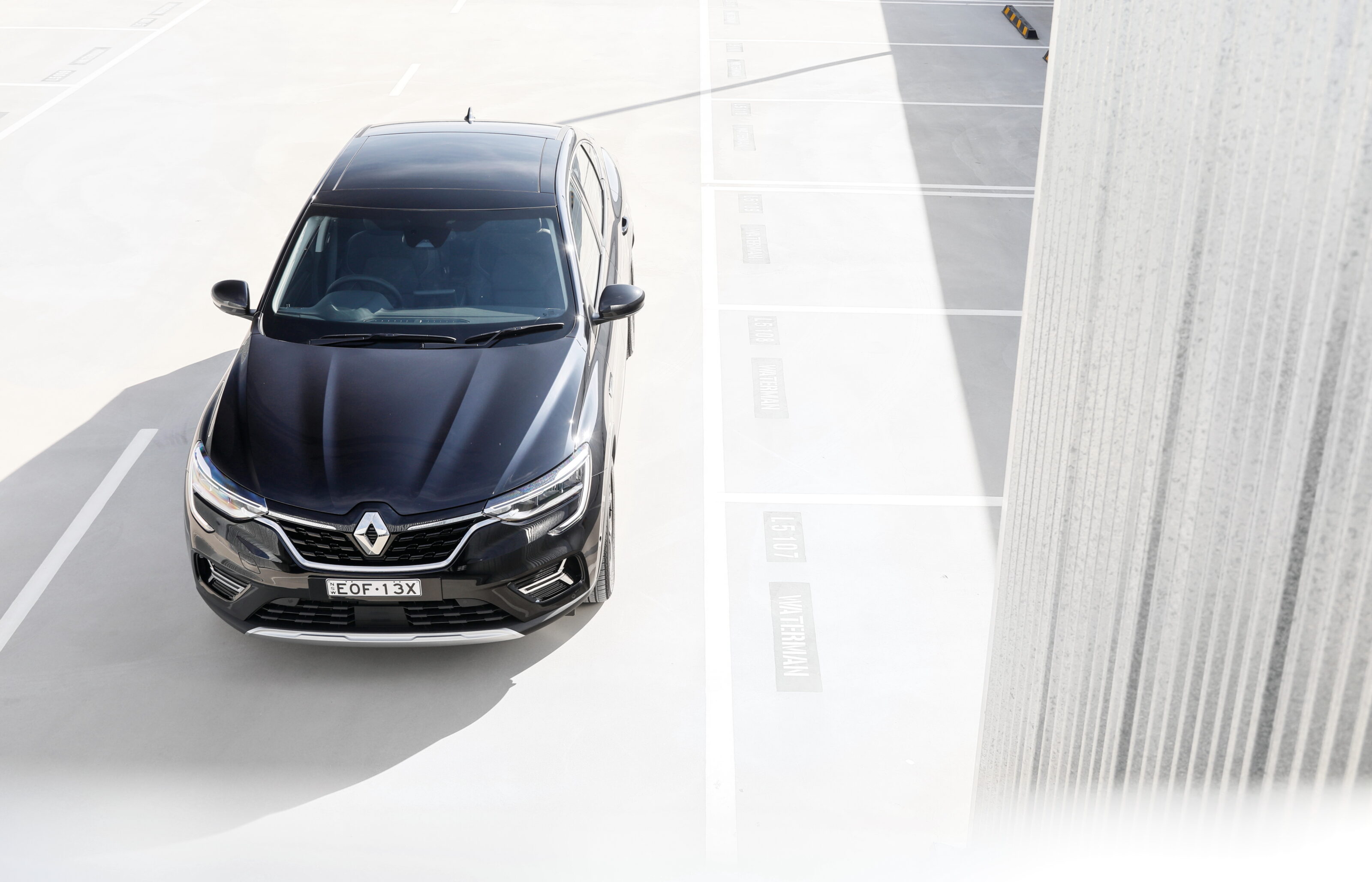
“While new to Australia, this version of the Arkana was first launched overseas in early 2020”
Its sweptback roof is unique to Renault SUVs, but the front-end is very recognisable, with the fang-like C-shaped DRLs and grille treatment shared with the Captur crossover and Megane hatchback.
The Arkana’s high ride height makes it look a little ungainly from the rear, but the LED strip tail-lights flanking the diamond Renault badge add a sense of elegance.
Exterior garnish unique to the Intens includes dual chrome exhaust tips and trim highlights, and 18-inch dual-colour alloy wheels.

Inside, the $3500 spent over the Zen brings a bunch of additions to the standard features list including premier leather and suede interior trim, power-operated heated and ventilated front seats, additional safety features (see below), a seven-inch digital driver display, and a bigger 9.3-inch portrait touch screen with inbuilt satellite navigation.
Extra-cost options available for the Arkana Intens include a 10.25-inch full-digital driver display, sunroof and metallic paint.

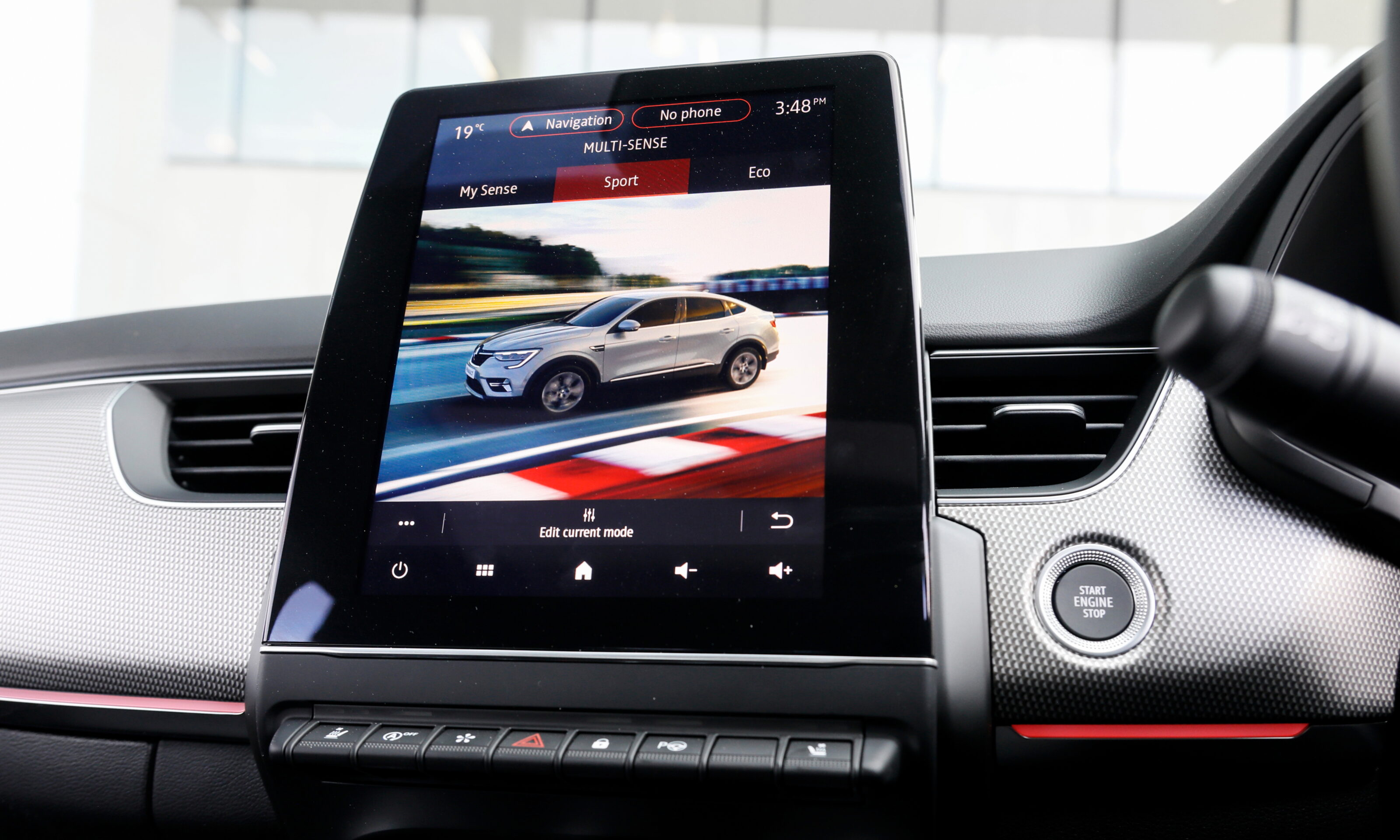
As well as Apple CarPlay or Android Auto smartphone pairing, the portrait touchscreen also displays Renault’s Multi-Sense system with three customisable driver modes; Eco, Sport and the default My Sense. It offers the ability to customise steering feel and choose from eight ambient lighting and driver display cluster colours for each drive mode.
To select a different mode while driving, simply press the (*) button below the screen to bring up the Multi-Sense menu and select the desired mode you want on the touchscreen – this is simple enough to do while driving, though you can cycle through the modes using the button if reaching for the screen isn’t convenient.
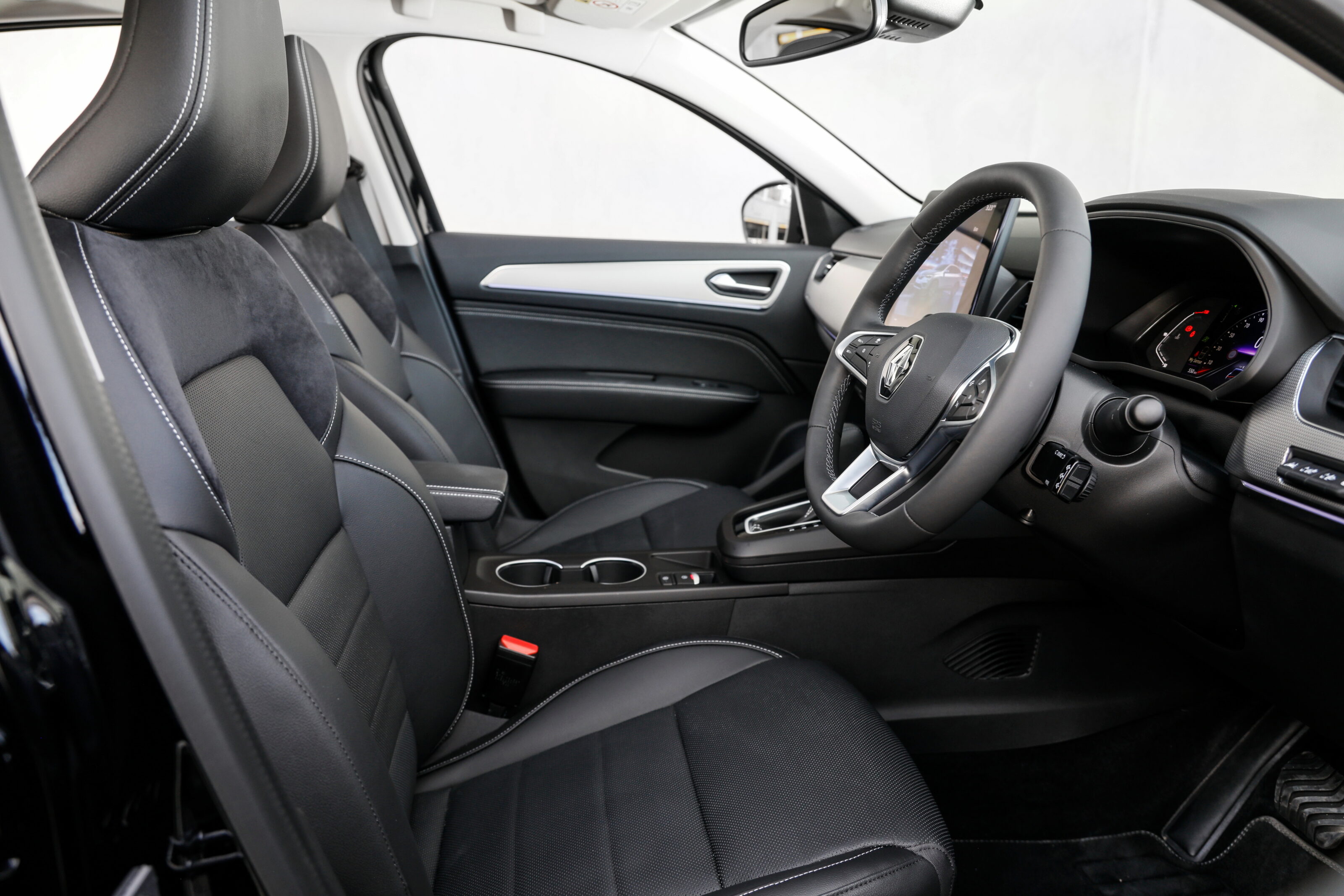
The heated leather steering wheel feels good and features intuitive adaptive cruise control buttons and paddleshifters. Being a Renault, the audio controls are on a separate stalk and can be a little fiddly to operate at first, but you’ll soon get used to it.
An elegant cabin design is similar to other Renault models, but while it feels fresh and looks very presentable it isn’t exactly revolutionary.
The front seats offer good elbow room, with a nice high centre console separating driver and passenger. The storage tub on the centre console is quite small, but with 26 litres of storage spread throughout the cabin you should be able to find somewhere to put stuff.
The rear seat space is a little wider than the front and the seatbacks are angled to increase legroom for this small SUV. However, things can be a little tight, despite Renault’s claim the Arkana can seat three adults across the back in comfort. I’m about average height, and with the driver’s seat in my position, my knees are touching the sculpted front seatback.
Taller people will find fitting back there a challenge and the swept-back roofline will impinge on their headroom too.
Rear-seat passengers are treated to two USB ports, air vents, map pockets, generous door bins and a fold-down centre armrest with cupholders.

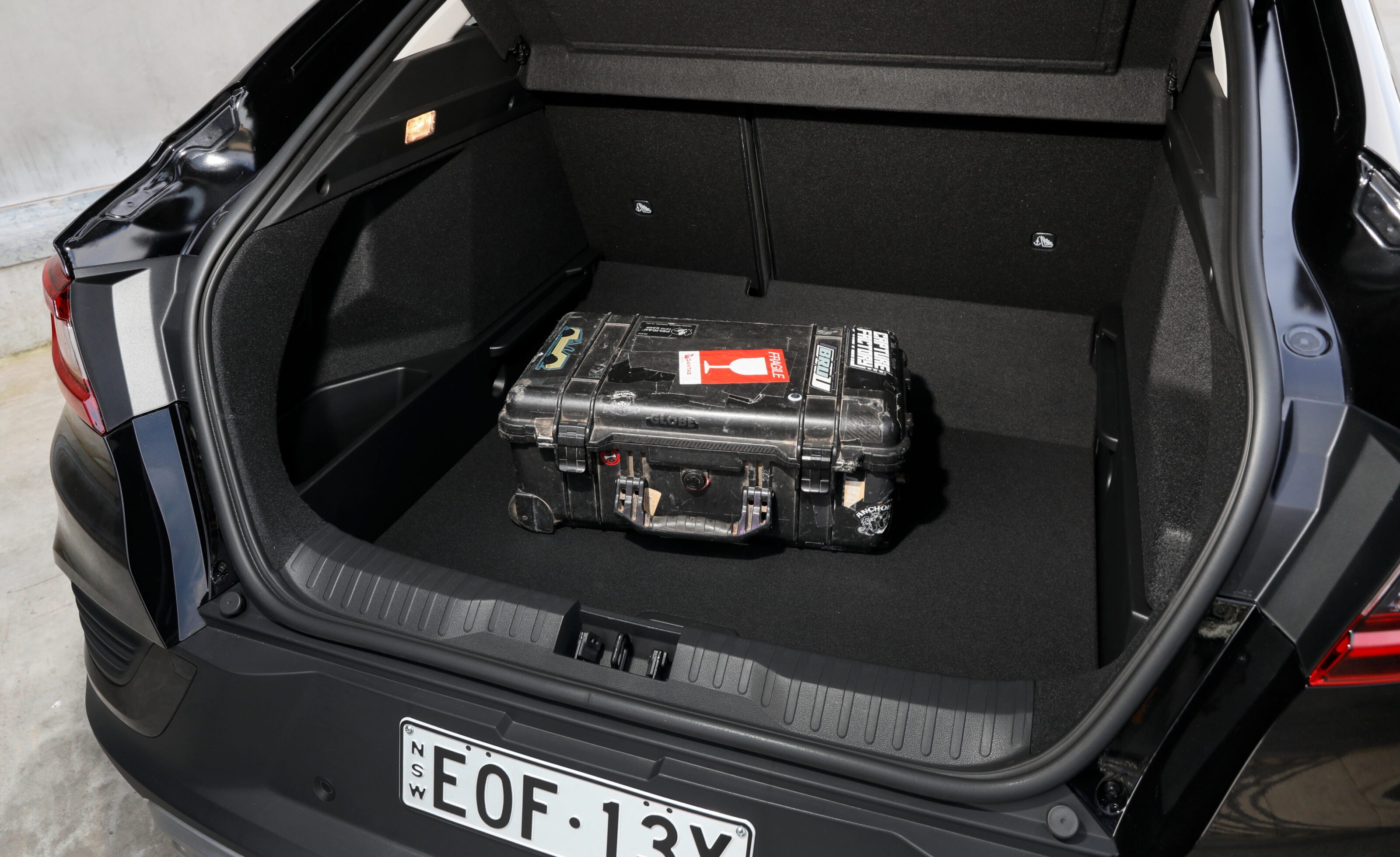
The roofline doesn’t really hinder boot space unless you want to carry tallish items. The 485-litre capacity is right up there for a small SUV and is bigger than some mid-sizers including the Mazda CX-5 and Mitsubishi Outlander.
Its split-level floor has 970 square millimetres of surface area so will easily hold a couple of large suitcases and then some. It can also be adjusted for easy loading with a flat bottom in line with the boot lip or deeper load area to maximise space.
The rear seats fold separately with a 60:40 split to provide about 1700 millimetres from the load lip to the front seats.
The Arkana is covered by a five-year unlimited-kilometre warranty. You can also receive five years of fixed-price servicing and five years of free roadside assistance if the vehicle is maintained at a Renault service centre.
What is the Renault Arkana like to drive?
Each Arkana variant is powered by a torquey 1.3-litre four-cylinder turbocharged TCe 155 engine that was co-developed with Mercedes-Benz and is found in the A-Class.
It’s also the same engine found in the Captur, but with slightly different outputs – the Arkana pulling 115kW/262Nm compared to the Captur’s 113kW/270Nm.
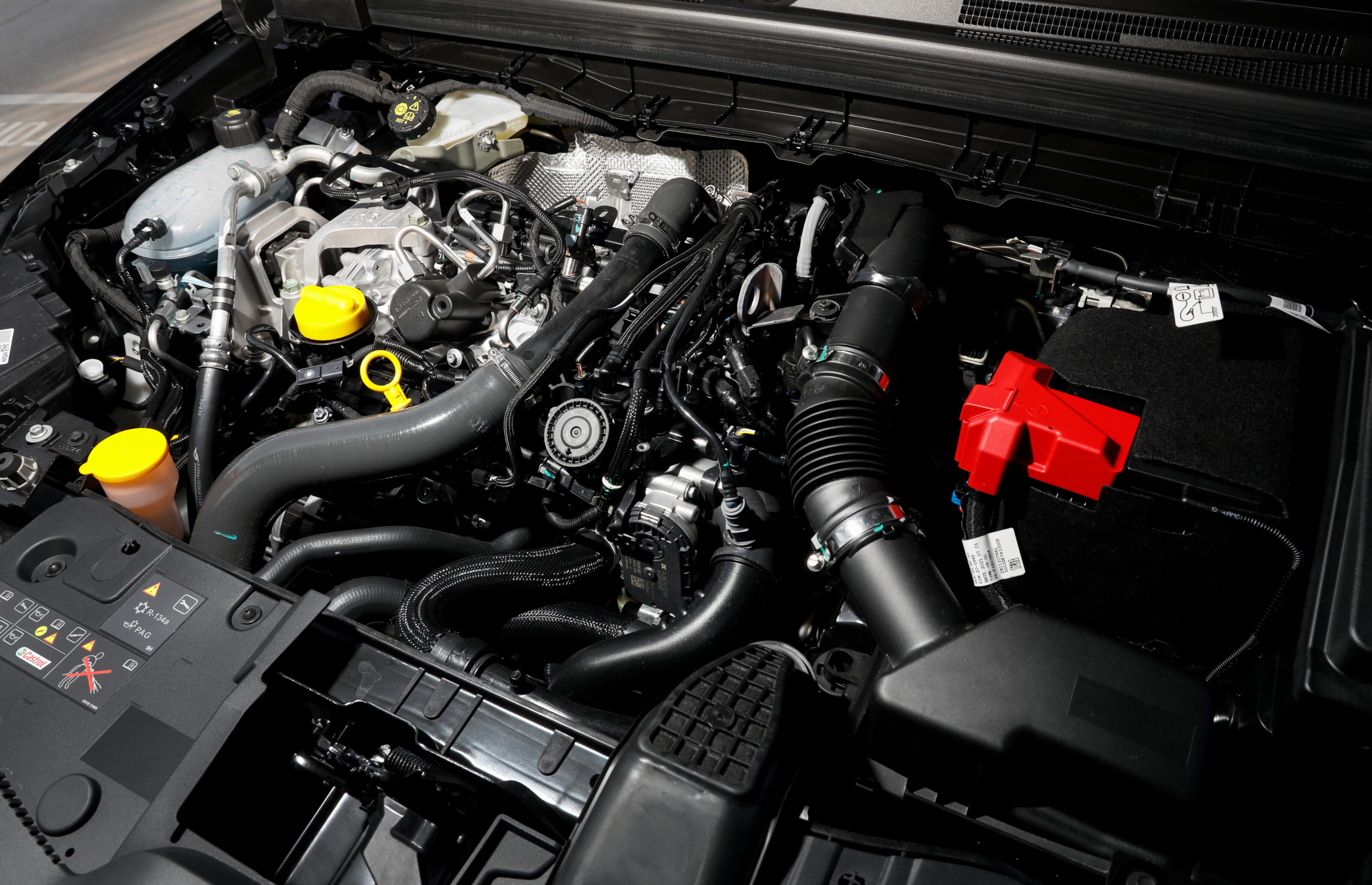
And like the Captur, it’s paired with a seven-speed dual-clutch automatic transmission that sends power to the front wheels.
Just like the Captur and Mercedes-Benz A180 is a little slow off the mark thanks to a combination of little low-range power and the laggy dual-clutch auto.
Sport mode helps overcome lag with initial higher revs to give you a better kick-off and, when you plant the foot, will take the tacho to redline before kicking down for some late zip, but not enough to get you from 0-100km/h in less than its rather pedestrian 9.1-second official claim.

What the Arkana’s powertrain doesn’t want for is torque, which provides good pick up when you’re fully loaded. On the downside, it does exhibit torque steer when taking off in Sport mode where you’ll experience substantial front wheel spin in the wet.
The engine can sound a little thrashy above 3500 rpm but it settles well once you get going, making for a quiet ride and regardless of which driving mode you’re in there is good mid-range power for overtaking.
Road and wind noise are also well filtered, with the latter aided by the aerodynamic-shaped roof that also helps the Arkana achieve a frugal official combined fuel consumption of just 6.0L/100km.
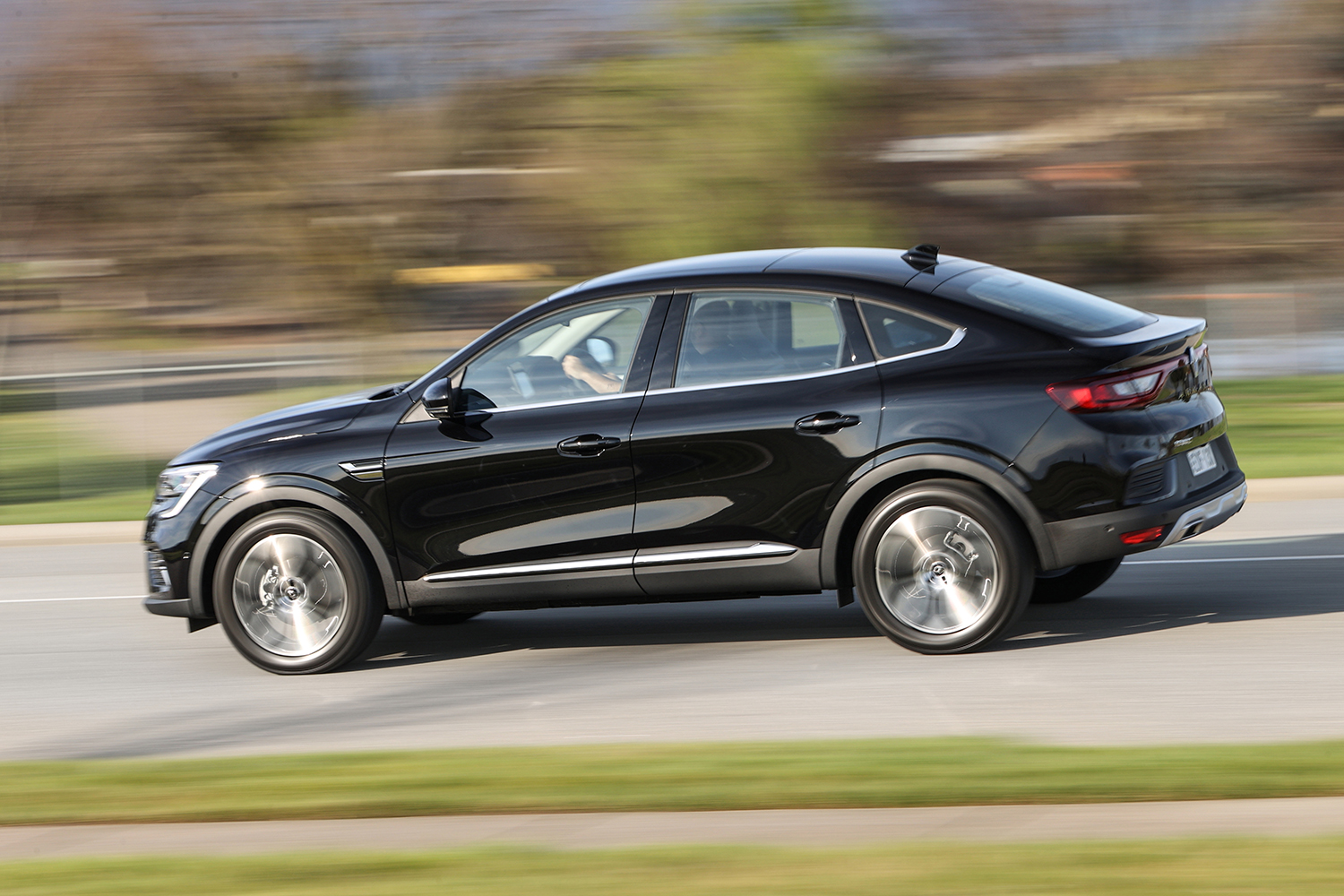
Where the Arkana surprised and delighted me most was with its handling. On its 2720mm wheelbase and 1562mm/1584mm front/rear tracks, it feels well planted to the road and you always feel a sense of control thanks to the steering that, even in regular mode, feels tight and responsive.
If you want the tiller to feel lighter, say for parking, you can select a comfort setting for either drive mode.
One issue with the steering is its self-centring mechanism that sees the tiller spring back to the straight position. I don’t mind it, but it probably won’t be everyone’s cup of tea.

The direct steering is backed up by reasonably tight handling, which benefits from the Arkana being built on the Nissan Renault Mitsubishi Alliance’s Common Module Family, B-Segment (CMF-B) platform that also underpins the Captur and Nissan Juke.
As well as providing additional space, the CMF-B is lighter and tauter than previous Renault SUV underpinnings. As a result, the Arkana feels balanced during aggressive turning and there is even weight distribution across the front axle so it feels stable when you experience body roll.
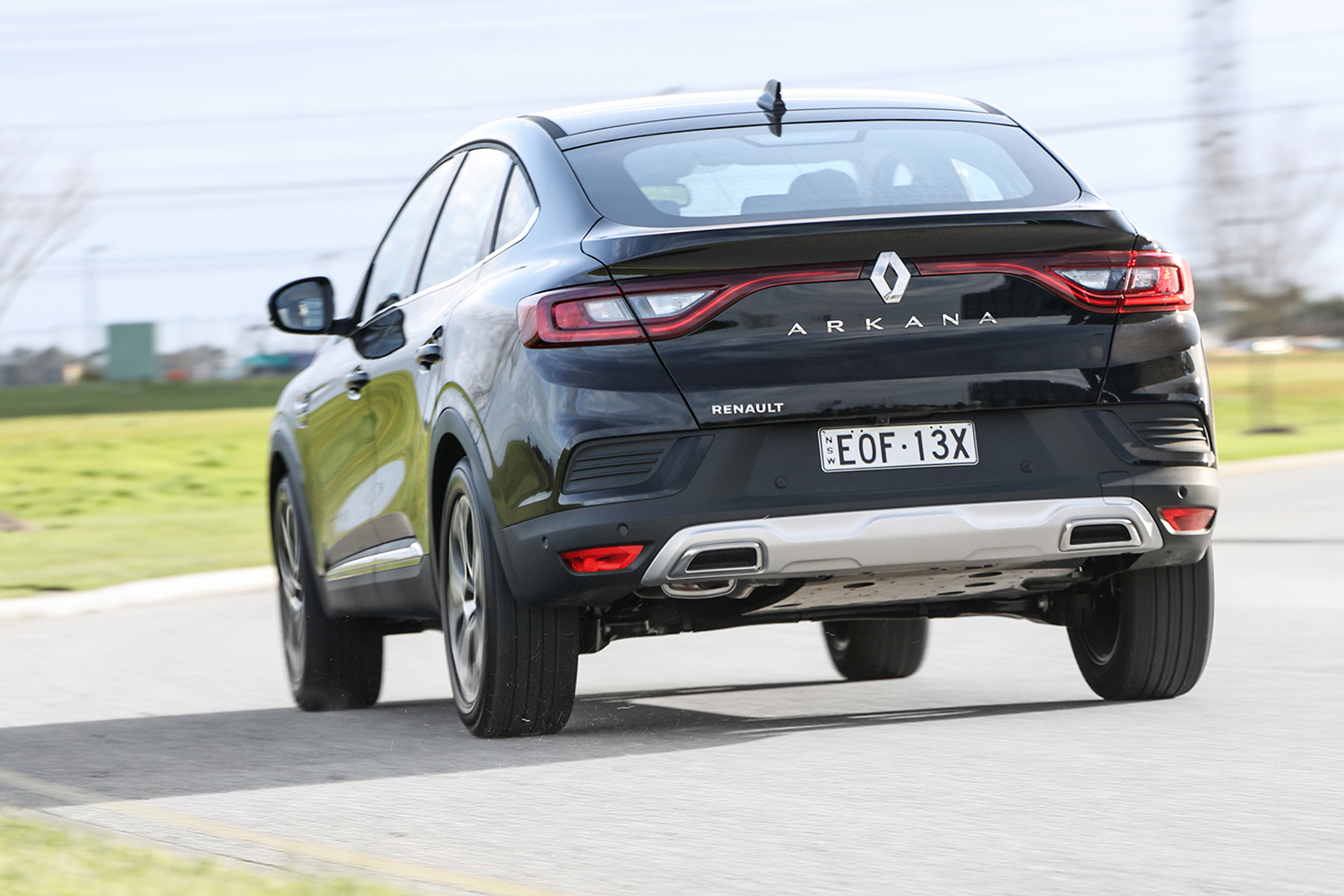
At the same time, ride quality on the MacPherson strut front and torsion beam rear suspension feels a little firm but comfortable enough and is well-tuned to provide a good balance between ride and handling for most road conditions, with occasional jarring over potholes.
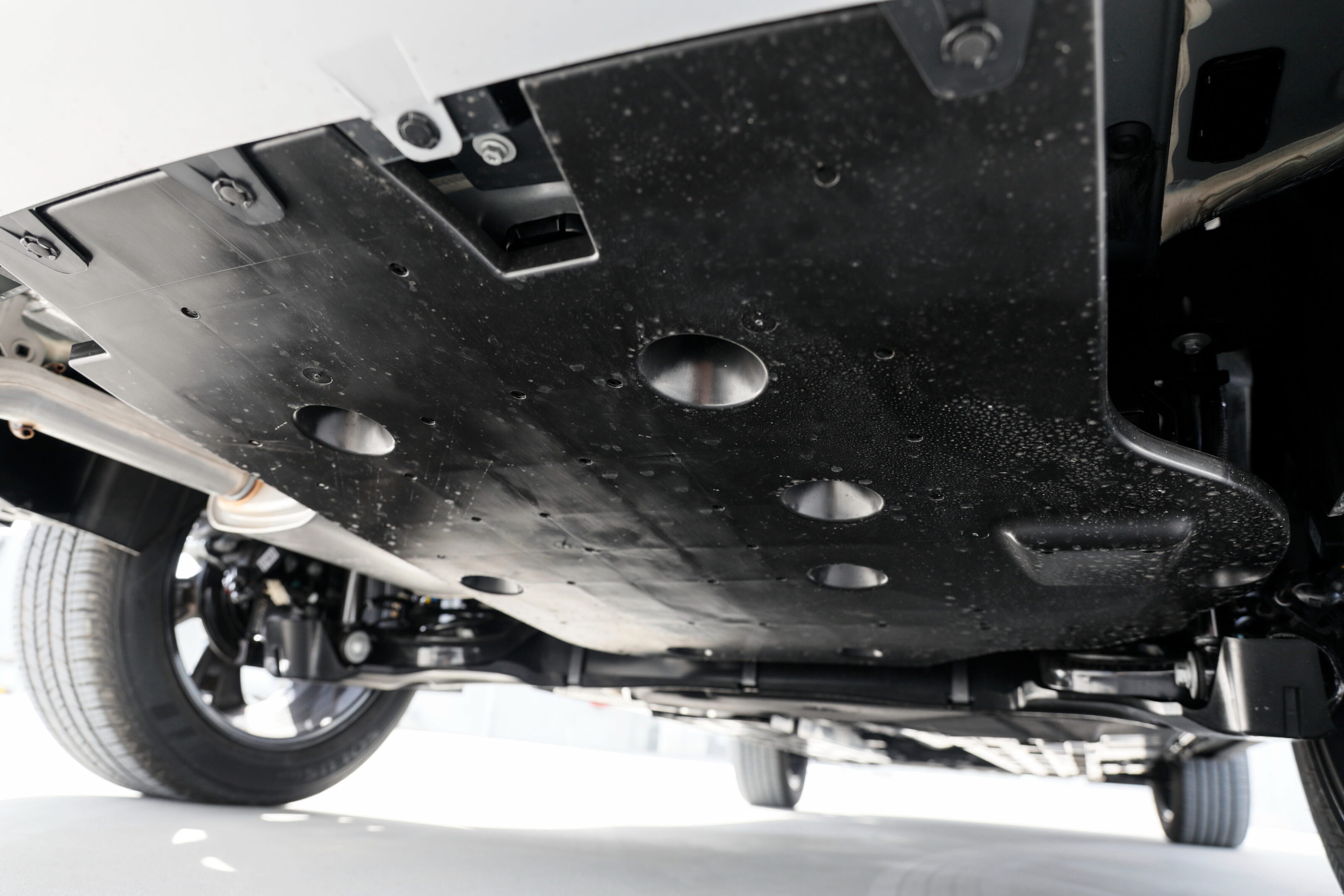
The 199mm ground clearance allows the Arkana to travel capably over rougher roads, front-wheel-drive traction permitting, and there is good under-body protection at each end.
What is the Renault Arkana Intens like for safety?
Safety-wise, the CFM-B platform has allowed Renault to introduce more active safety features to its newer models including Arkana, such as AEB with cyclist and pedestrian detection, lane-keeping assist, traffic sign recognition, blind-spot warning and adaptive cruise control with stop and go.
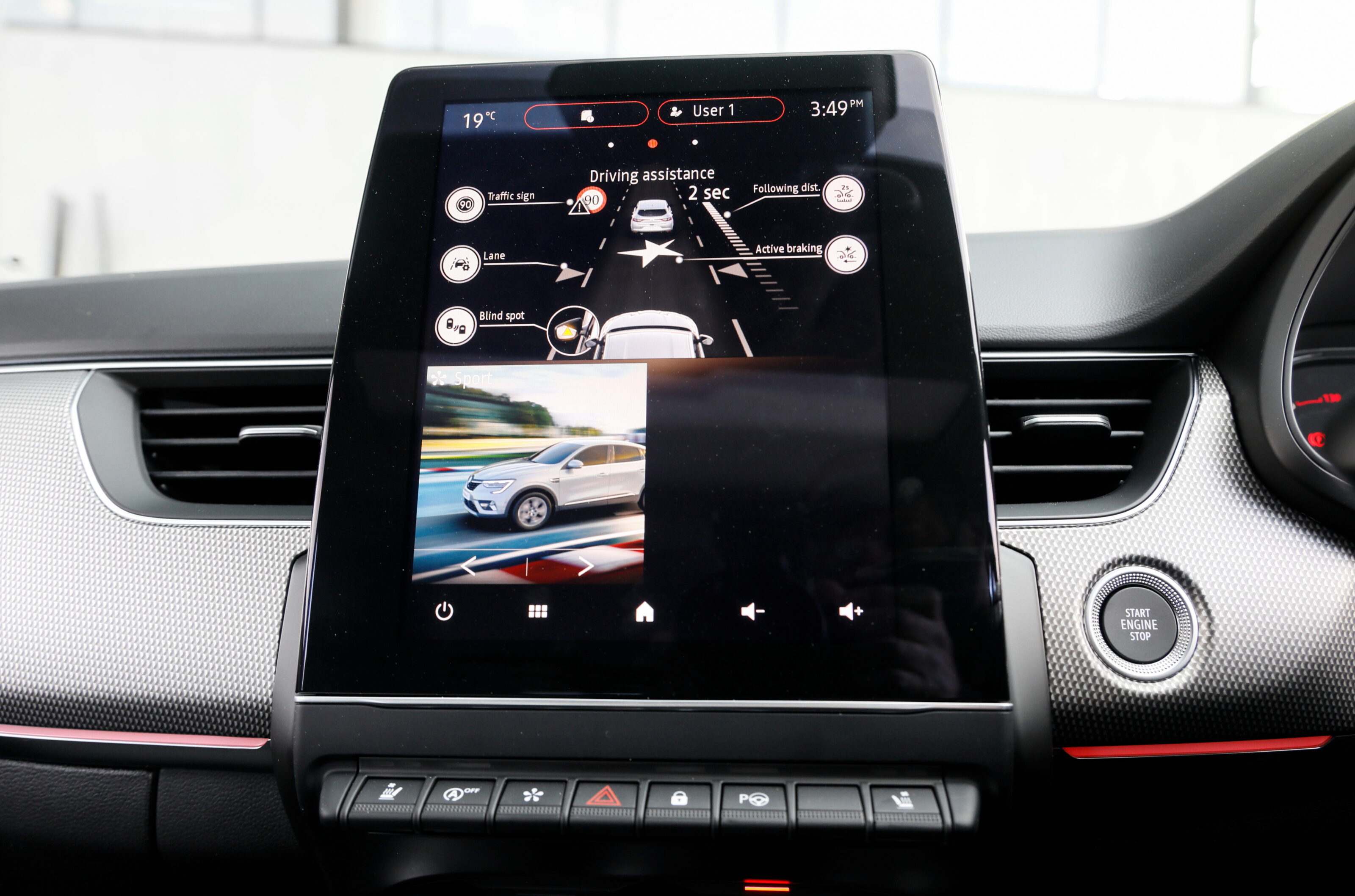
Other standard driver-assist features include auto high-beam headlights, surround parking sensors, and hands-free Easy Park Assist – with the Intens bringing rear-cross traffic alert and a smart speed limiter that will limit your speed based on traffic sign recognition.
There are five airbags, including first-row front and side bags, and curtain bags across both rows.
Based on its similarities to the new Renault Captur that had previously earned a top safety score, the Arkana has a five-star ANCAP safety rating as of July 2021.
VERDICT
Even with Renault’s hot hatch pedigree, I was quite surprised how much I enjoyed driving the Arkana through the undulating terrain around central Victoria.
As we saw with the new Captur, the CFM-B platform represents a huge dynamic improvement over the ageing Nissan chassis that underpins the rather bland Koleos and now-discontinued Kadjar.
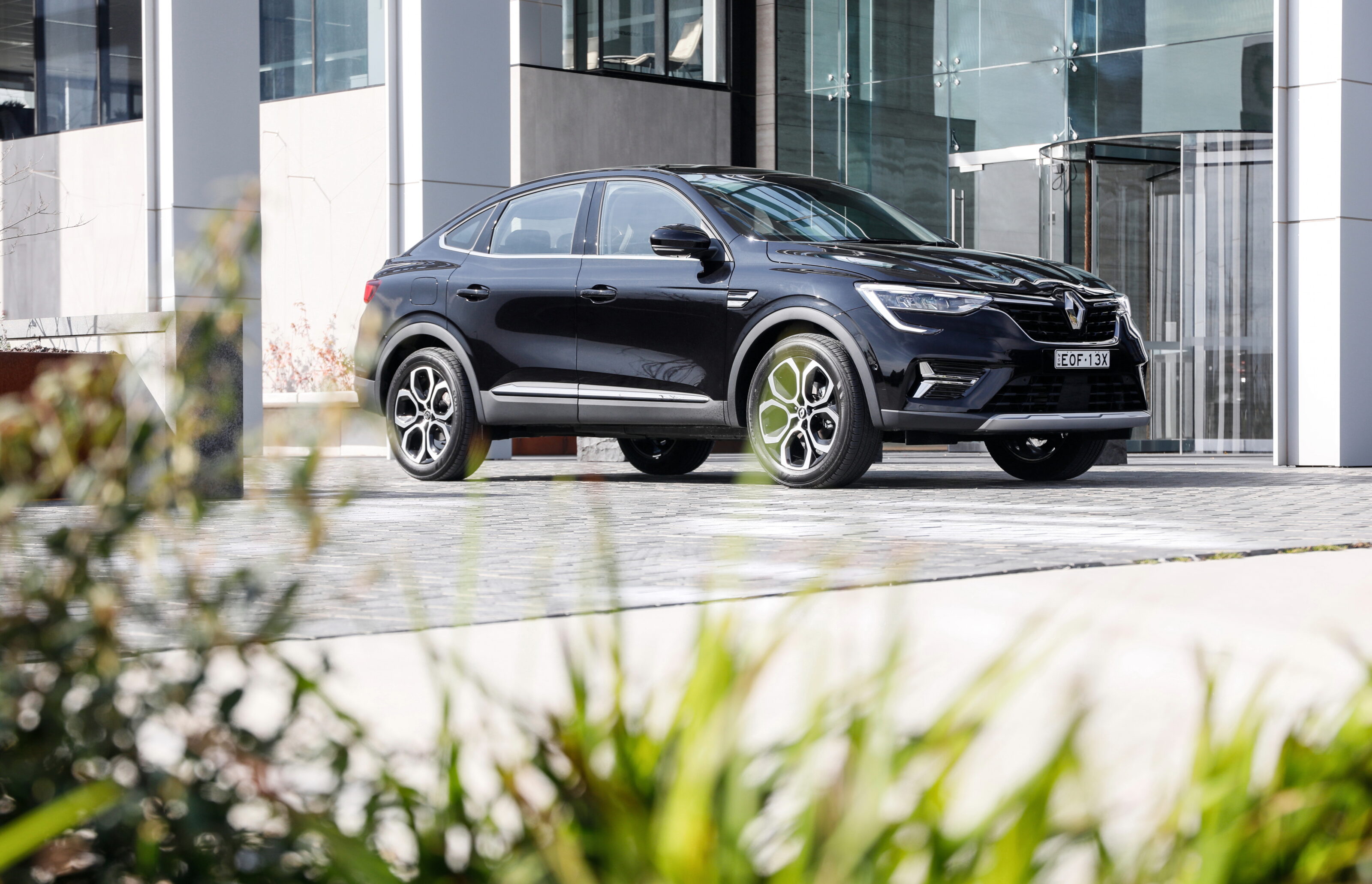
I quite enjoyed driving the Captur, but the Arkana takes driveability a step further thanks in part to its sleek profile, which is more than just an aesthetic exercise.
It’s a handy SUV too, and that balance between practicality and driver enjoyment could see it do relatively well in Australia, with the Intens bringing enough extras over the Zen to make it the sweet spot of the range.

2022 Renault Arkana Intens specifications
| Body: | Five-door small SUVu00a0 |
|---|---|
| Drive: | FWD |
| Engine | 1.3-litre four-cylinder turbo petrol |
| Transmission | Seven-speed dual-clutch automatic |
| Power: | 115kW @5500rpm |
| Torque | 262Nm @ 2250Nm |
| Bore stroke (mm): | 72.2 x 84.4 |
| Compression ratio:u00a0 | 10.5 |
| 0-100km/h | 9.1sec (claimed) |
| Fuel consumption: | 6.0L/100km |
| Weight: | 1358kg |
| Suspension: | MacPherson strut front/Torsion beam rear |
| L/W/H: | 4568mm/1821mm/1571mm |
| Wheelbase: | 2720mm |
| Brakes: | 280mm front/260mm rear discs |
| Tyres: | 215/55 R18 Kuhmo Solus |
| Wheels: | 18×7.0 alloy |
| Price: | $37,490 + ORC |
Italian supercar companies may not have to abide by the 2035 combustion engine ban being imposed by the European Union.
The Italian Government is seeking leniency for the likes of Ferrari, Lamborghini, and Pagani, citing financial concerns with the transition to electric vehicle manufacturing for smaller, specialised carmakers.
In an interview with Bloomberg, Italy’s minister for ecological transition Roberto Cingolani said “in the gigantic cars market there is a niche, and there are ongoing discussions with the [European Union]” regarding potential exemptions.
The blanket ban on petrol engines shouldn’t apply to supercar makers producing significantly fewer cars than their mainstream counterparts, argued Cingolani – a former non-executive board member of Ferrari.
“This is something we are discussing with other partners in Europe and I am convinced there will be not be a problem.”
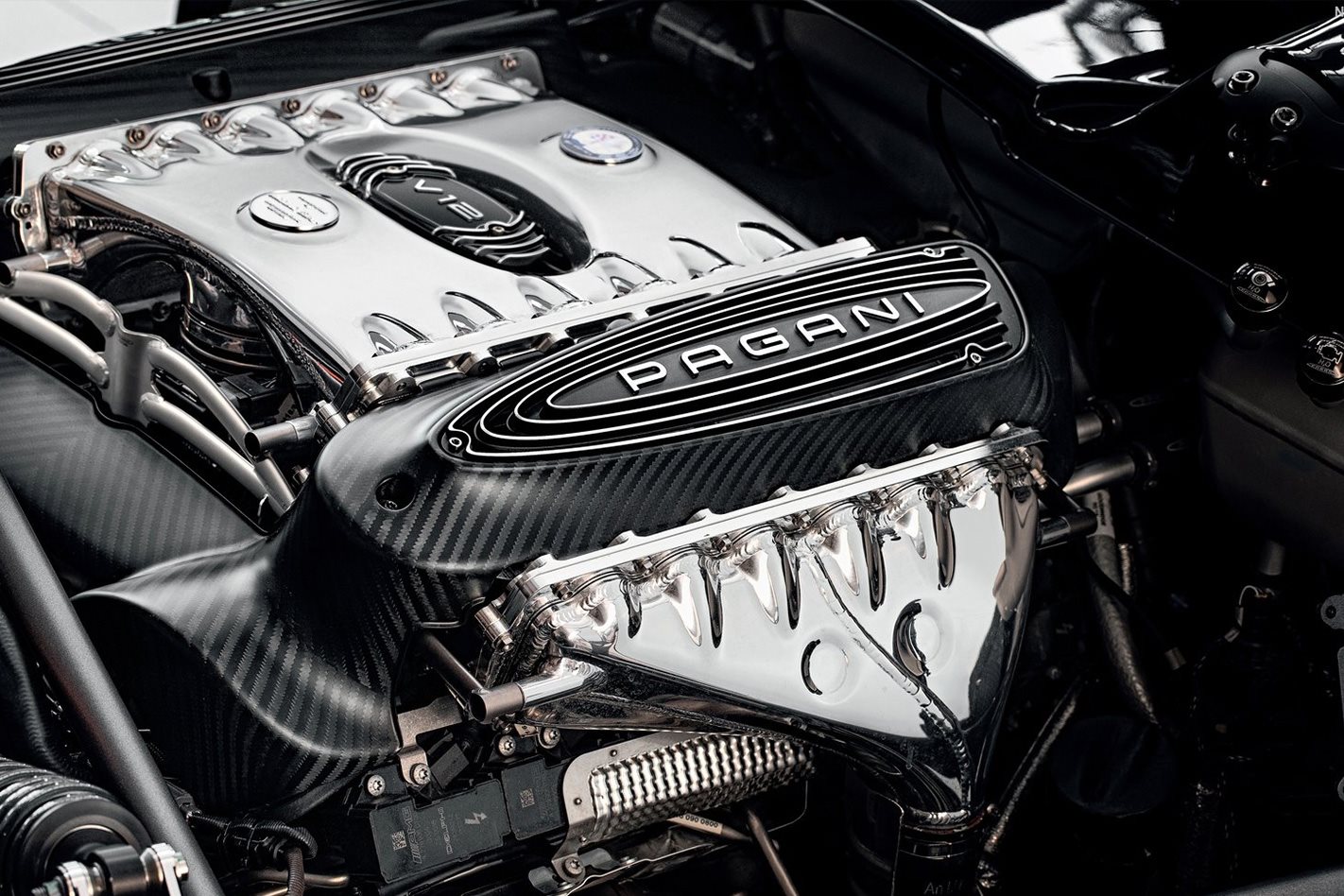
Despite the push, the first zero-emissions car to wear a Prancing Horse badge is expected in 2025, with Ferrari confirming its Purosangue SUV will eventually be offered with a battery-electric powertrain.
Lamborghini has previously announced all models after 2025 will be plug-in hybrids, while its first all-electric supercar is planned before the end of the decade.
In 2018, Horacio Pagani confirmed his company was exploring an all-electric hypercar with Mercedes-AMG for some time after 2025.
“This is a bit of an uncharted territory for us still. We’re talking about not just the Tesla-level of car, but the hypercar level,” he said at the time.
“But for Pagani it’s something that we cannot be blind to. One or the other would have a future so to that extent we are committed to this project.”
While the Italian Government is fighting to keep petrol-powered supercars alive, in recent months French brand Bugatti merged with Croatian electric hypercar company Rimac.
