
Snapshot
- Stinger could be forced out of production by early 2022
- Current production line used for Stinger to be transferred to electric and hybrid cars
- Poor sales worldwide a factor
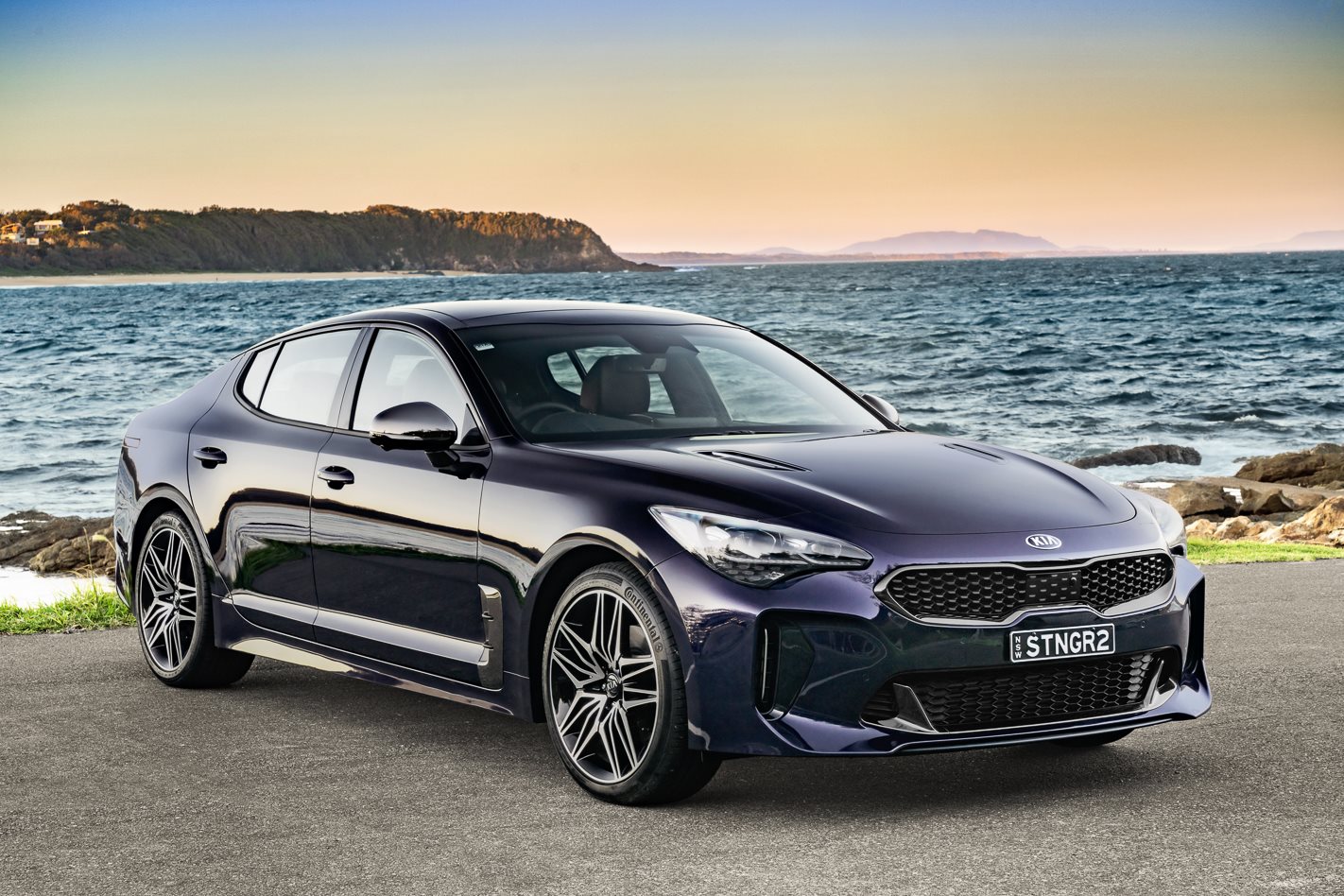
UPDATE, AUGUST 4: Fresh reports out of South Korea suggest the current Kia Stinger could soon be replaced with a new electric model rather than discontinued as recently speculated.
According to Korean Car Blog, Senior Vice President of Design at Kia Karim Habib revealed an in interview with ChosunBiz that the company is “preparing a new model for the Stinger…we want the Stinger spirit to stay at the heart of hunger.”
Previously reports have suggested the model might be axed altogether, and its place in the marque’s line-up taken by an electric or hybrid vehicle instead. It’s thought an electric sports sedan might be launched as a replacement for the internal combustion engine Stinger. It also remains unknown if it will bear the same name.
There were 58 Stingers sold in Australia in July, and 1025 in the year to date. Last month a spokesperson for Kia Australia told Wheels it could not comment on future production plans.
The story to here
JULY 20: The Kia Stinger’s days could be numbered with reports suggesting the model could be discontinued to make way for more hybrid and electric cars.
According to Korean Car Blog, it is understood the Sohari plant in Gwangmyeong, South Korea, which currently makes the Stinger, is to be repurposed to build electric and hybrid vehicles – with the hybrid version of the Kia Carnival people-mover highlighted as a big focus of the switch.
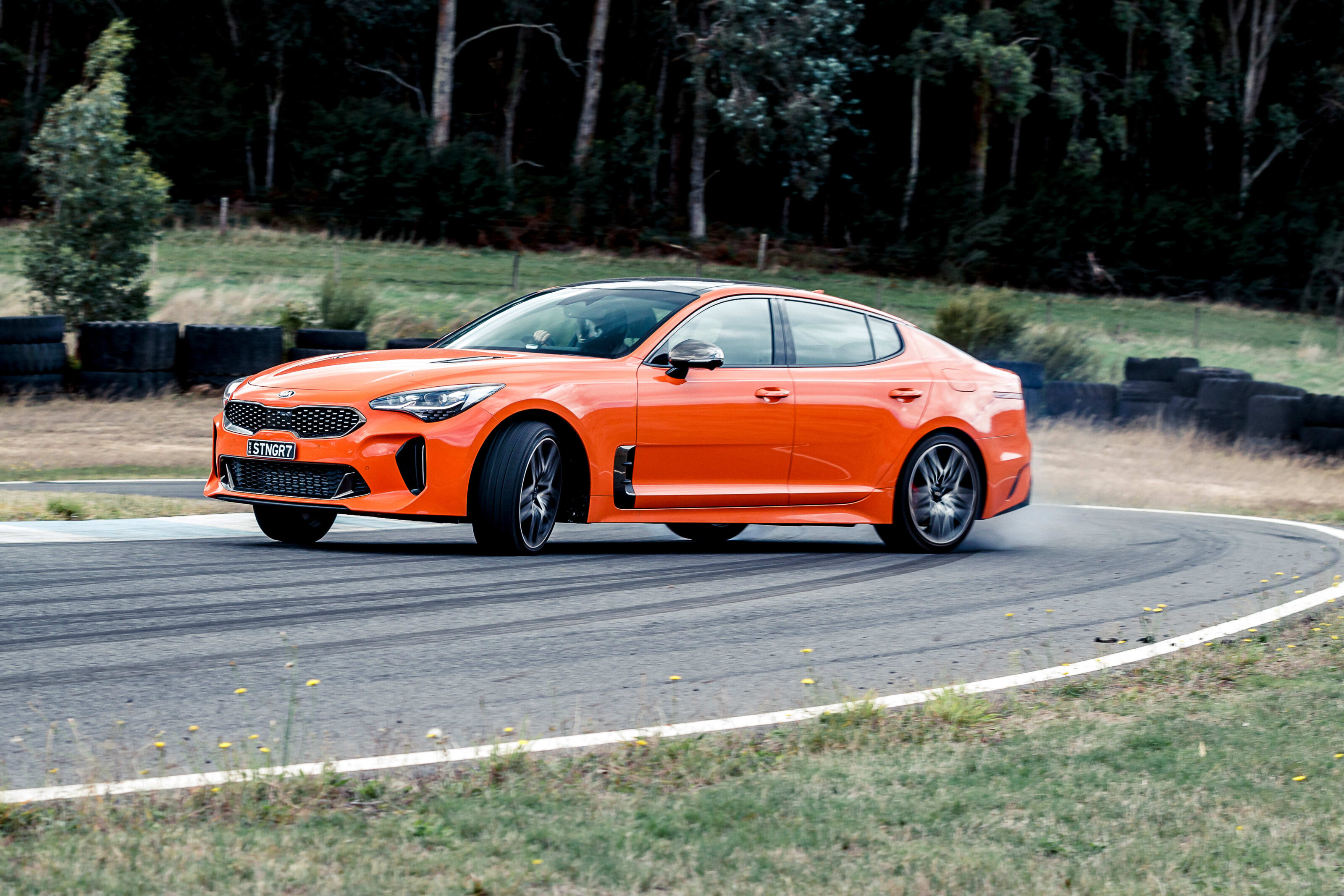
It is said the production switchover will begin in early 2022.
So far no mention has been made by Kia about plans for a second-generation Stinger or of any possibility of electrifying the model.
This, combined with slow sales in overseas markets, could mean the end for Kia’s premier sports sedan offering, which has still seen steady sales numbers in Australia. Since its local debut in 2017, 6350 Stingers have been sold in Australia, which is reasonable in the shrinking sedan market.
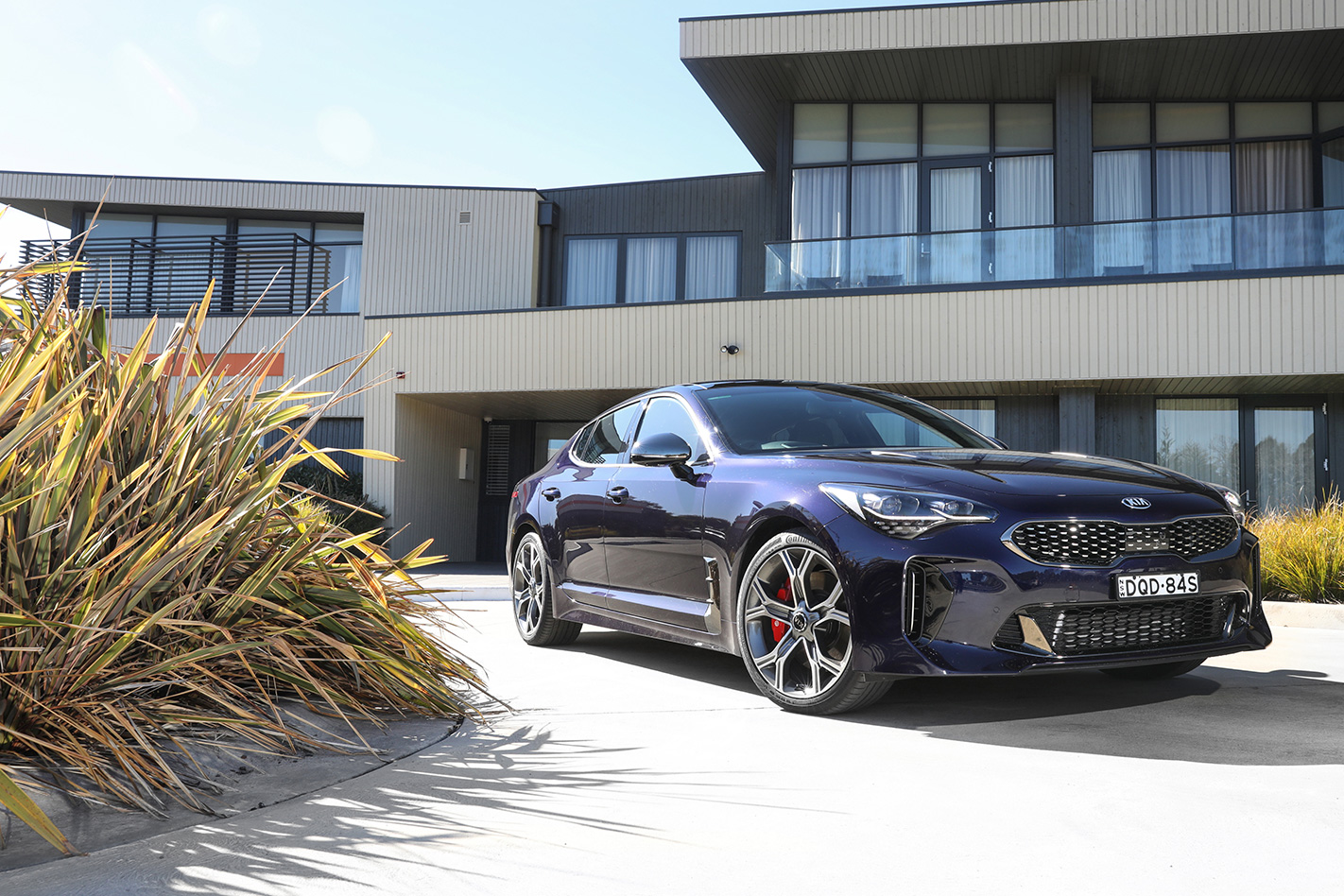
With all this said, the Stinger only recently underwent a facelift earlier this year, so it would seem odd to kill off the model so quickly after an update.
Reports also suggest its production could be moved to another of Kia’s assembly plants in Ulsan, which currently produces the Genesis G70 sedan. Alternatively, it could also continue at the Sohari plant in low numbers.
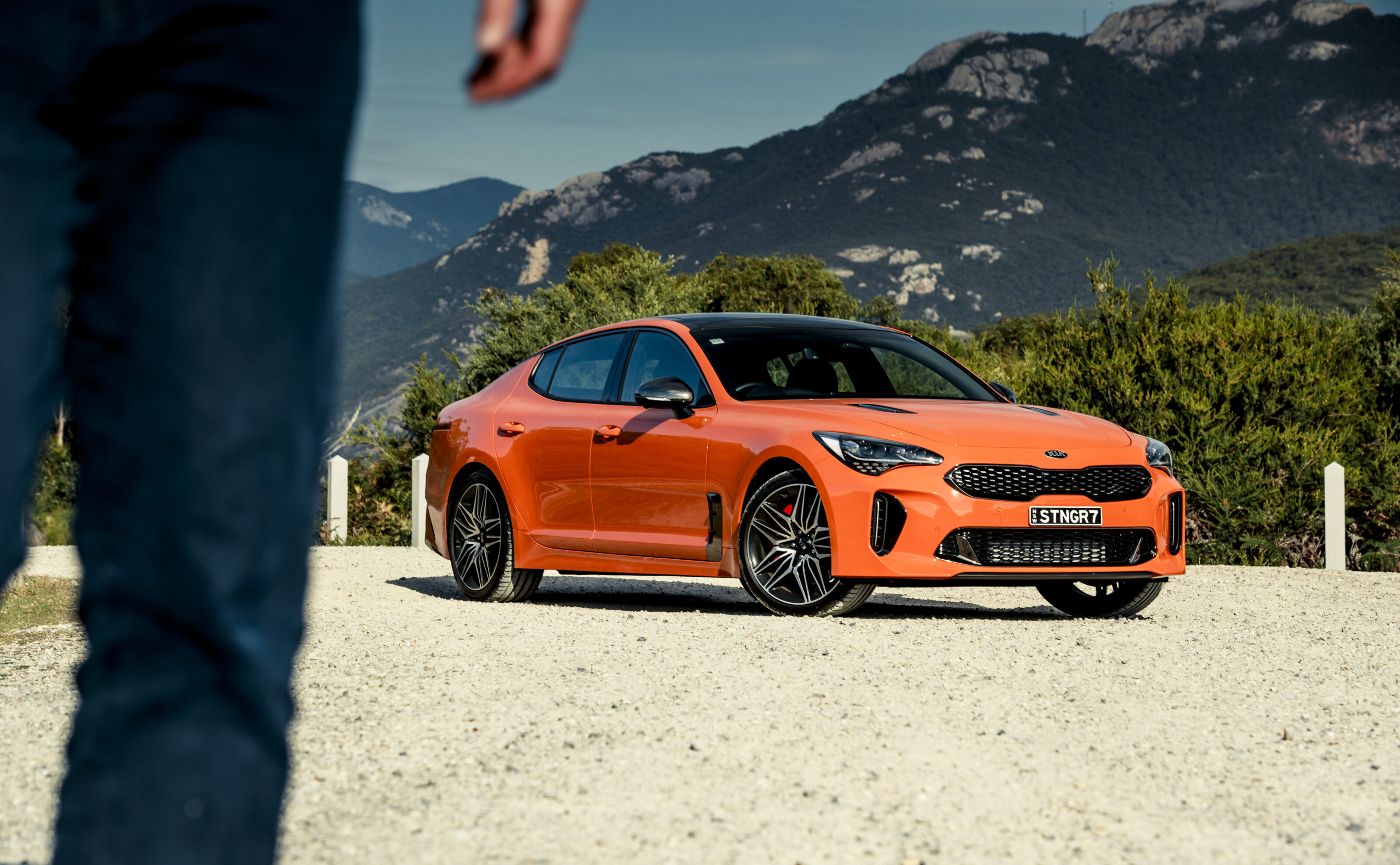
Currently, the Stinger is offered in Australia in two main variants – the 182kW/353Nm 2.0-litre turbocharged four-cylinder and 274kW/510Nm 3.3-litre twin-turbo V6, both mated to an eight-speed automatic transmission and available as a sedan only.
A spokesperson for Kia Australia told WhichCar: “As a company policy, we do not share future production plans this far in advance. Further information will be disclosed in due course.”
Snapshot
- ZS in the top 10 models list
- MG continues a strong year, remains in top 10 brands
- 436 per cent YTD increase
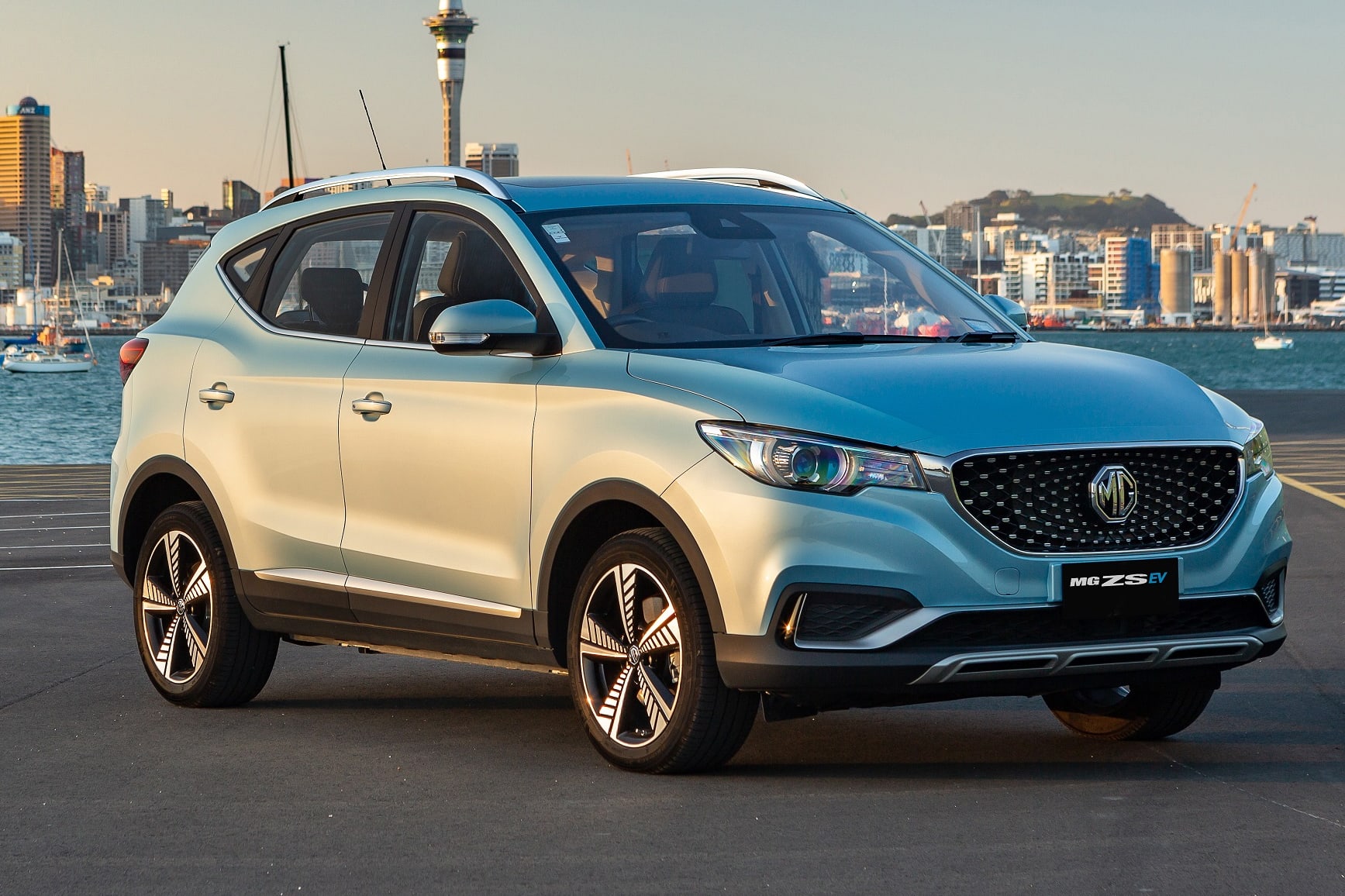
The MG ZS compact SUV has become the first Chinese car to achieve a top 10 monthly sales result in Australia.
MG registered 1786 sales of the ZS in July, placing it 10th in the list of best-selling models. The figure represents a 446 per cent increase on the vehicle’s July 2020 result, and the ZS’s year-to-date sales are similarly remarkable with a 436 per cent increase.
The ZS was assisted by a rare sales struggle for the Mitsubishi Triton ute, which is a perennial top 10 model, that posted its worst result of 2021 so far this year with 1580 units.
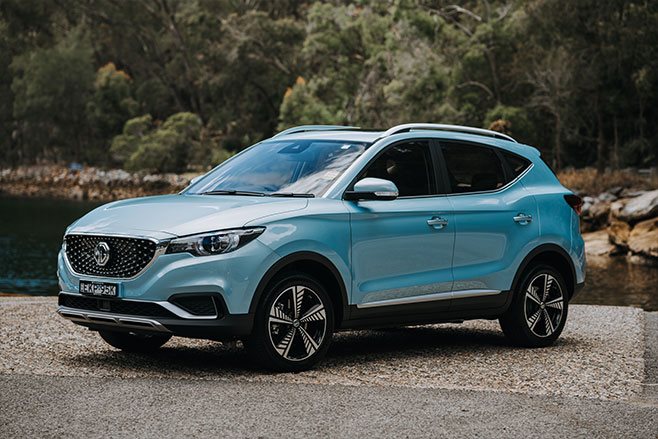
ZS sales have been performing strongly since the addition of a more premium ZST model in 2020, and this year the line-up has been further bolstered by the addition of more affordable ZST variants as well as an EV (electric vehicle) model.
It’s another milestone for the British-turned-Chinese-owned brand after it entered the top 10 best-selling brands list in February. It has achieved that feat several times now in 2021, including last month.
MG sold 3313 vehicles in July to be the ninth most popular brand, ahead of Mercedes-Benz in 10th with 2897 sales.
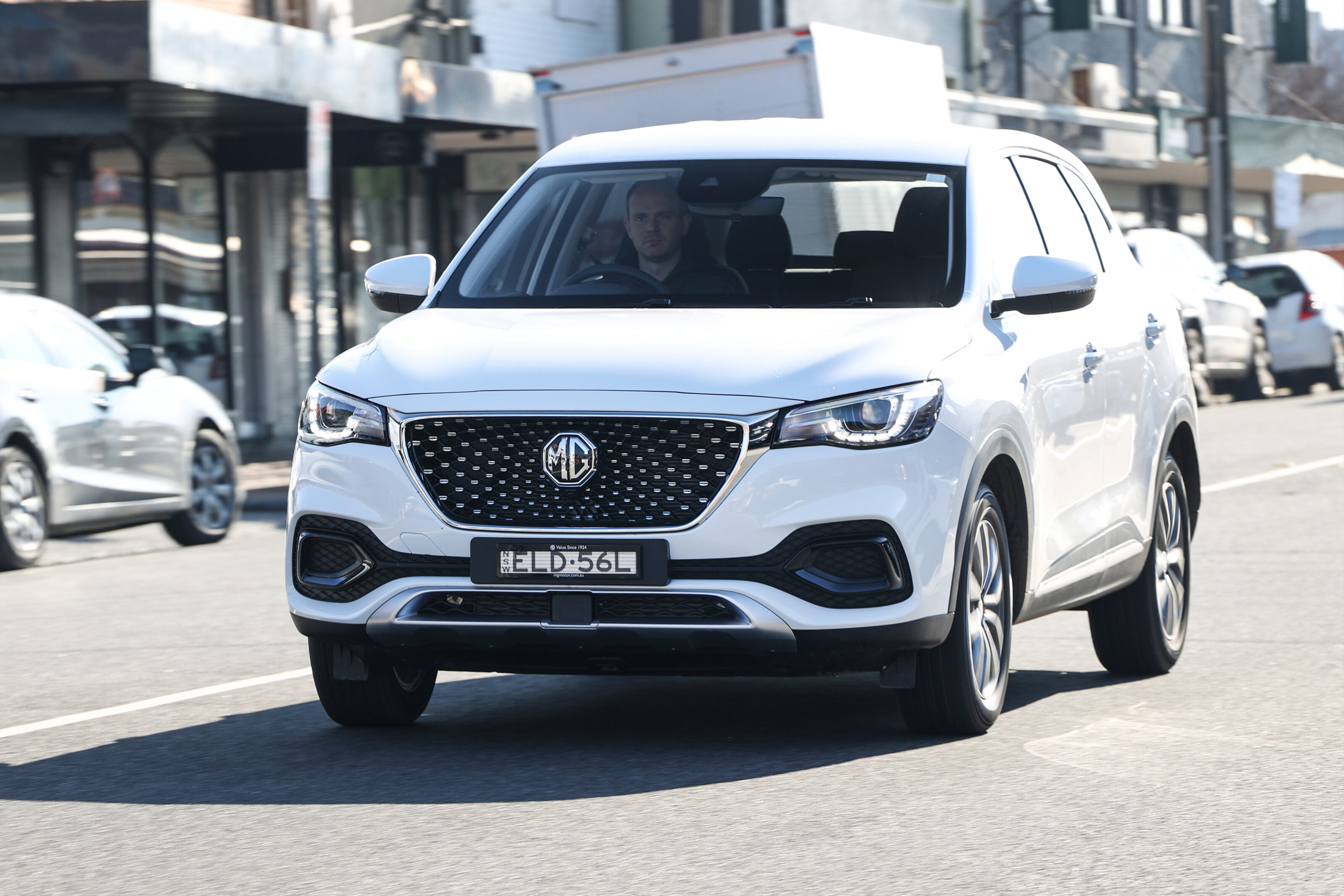
MG’s showroom line-up comprises just three vehicle ranges, with the ZS/ZST joined by the MG3 city car and MG HS mid-sized SUV. The MG3 is currently the best-selling vehicle in its class.
In July, MG Australia received a large shipment of vehicles and revealed its production lines weren’t being affected by the global microchip shortage as is the case with many other manufacturers.
The company said it is sympathetic to the challenges facing the market in general and not taking its success for granted.
“Once again we are humbled by the support shown to us by Australian customers, and we are committed to ensuring the best ownership experience for them all,” said Peter Ciao, CEO of MG Motor Australia and New Zealand.
UPDATE, June 2022: Model Y now on sale in Australia
The Model Y is finally now on sale in Australia. Get all the details at the link below.
https://www.instagram.com/p/Ce0PzWrAsuv/
The story to here
The first examples of the Tesla Model Y SUV have landed in Australia from the American manufacturer’s Chinese plants.
According to Tesla trackers VedaPrime, three Model Ys are now on local shores, each representing the available Standard Range Plus, Long Range and Performance variants.
It is unclear whether the vehicles have arrived for Tesla’s own workshops to explore the new vehicle or for Government departments to provide certification, having not yet been ANCAP crash tested or approved for homologation by the Department of Infrastructure.
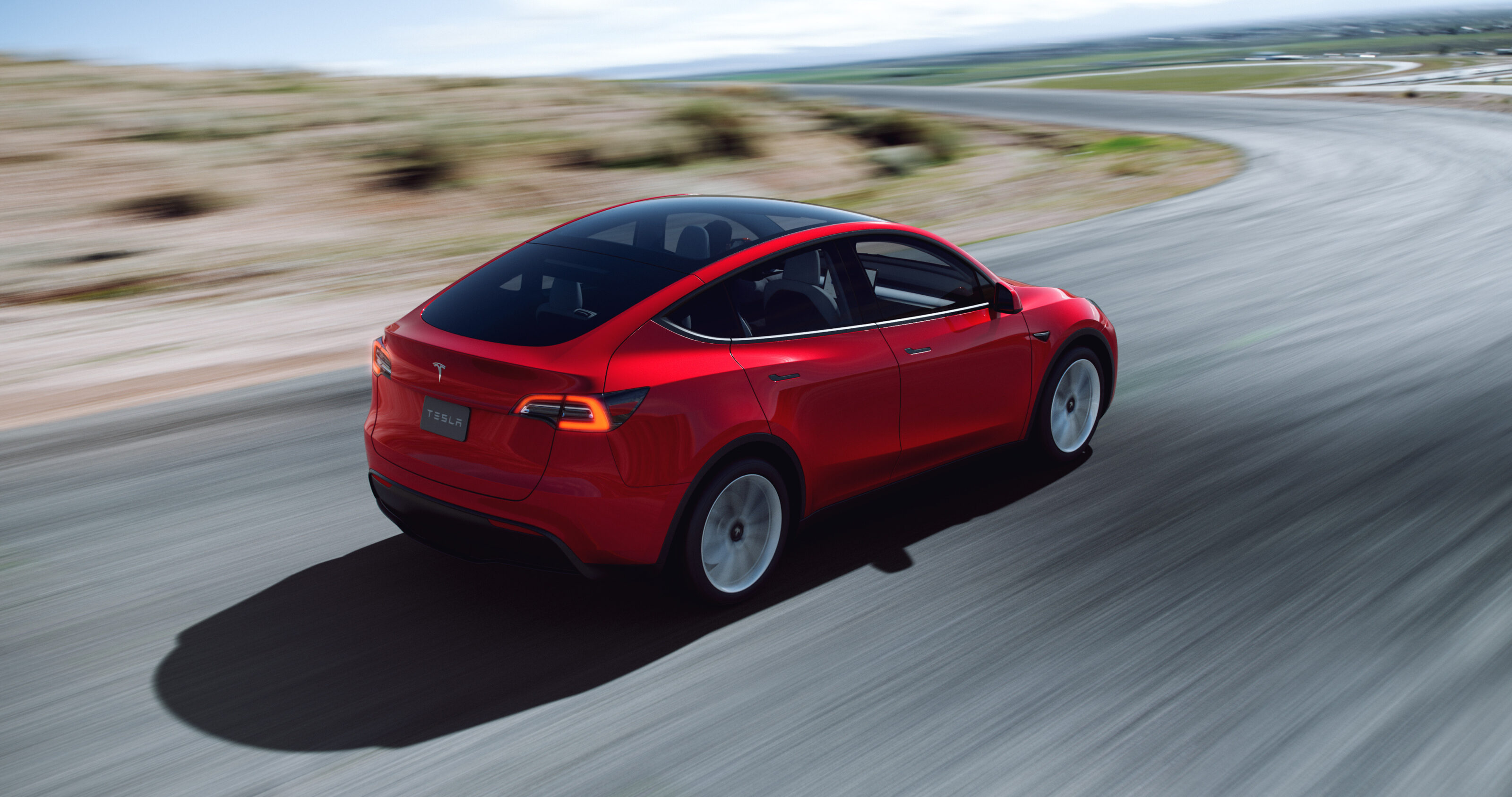
Right-hand-drive production of the Model Y kicked off last month in China with the first units expected to land in Hong Kong, followed by examples arriving locally later this year or in early 2022 from the Shanghai plant – the home of Australian-delivered Model 3s.
Expected to go on sale for roughly $5000 more than the Model 3 Standard Range Plus – which recently received a price drop to just below $60,000 – the Model Y will feature similar features to the sedan but in a taller, more spacious body, packing a 190kW motor on the rear axle in base trim.
Carrying over the specs of the Model 3, the Long Range and Performance variants of the Model Y will gain a larger battery pack, all-wheel-drive and higher power, justifying the extra $13,500 and $26,500 premium respectively if pricing remains in line with the sedan.
Snapshot
- HiLux swaps with Ranger again for number one
- MG ZS makes it into the top 10 models for July
- Nissan out of the top 10 brands
Australian’s new-car sales defied multi-state lockdowns and the continuing computer chip shortage to post a respectable result in July.
Registrations in New South Wales were still highest, dropping less than two per cent compared with July 2020 despite the state being under heavy restrictions for the entire month.
An overall market total of 84,161 sales represented a 16 per cent improvement on July 2020, and a slightly stronger result than the last pre-Covid July in 2019 (83,184).
Light-commercial vehicles and SUVs drove the growth. The LCV segment comprising utes and vans was up 41 per cent to 20,994 units and SUVs increased 15 per cent to 42,020 units. Both segments have increased 34 per cent year on year.
Passenger cars continue to struggle, decreasing three per cent month on month to 17,619 units and up only six per cent year to date.
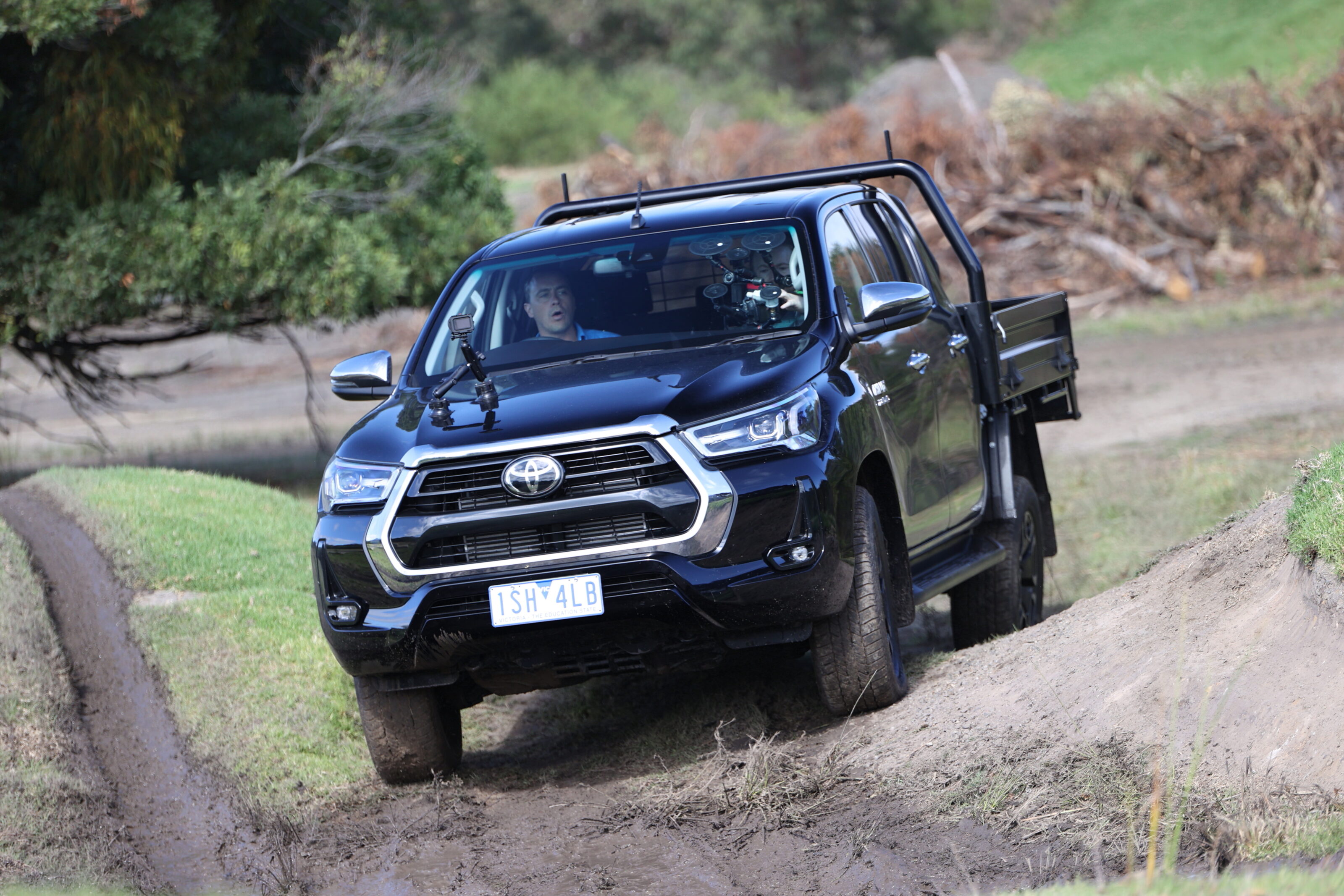
Utes were again the dominant segment, accounting for 18,835 sales. The next most popular vehicle type was medium SUVs with 13,384 units, though the segment took a hit in July – down 15 per cent after some of the market’s most notable nameplates suffered significant falls.
Sales of the Ford Escape, Honda CR-V, Kia Sportage, Nissan X-Trail, Subaru Forester and Toyota RAV4 plummeted by between 39 and 70 per cent compared with July 2020.
Other SUV segments fared well: light SUVs had the biggest segment growth in July, up 88 per cent to 4548 units; small SUVs rose 21 per cent to 11,011 sales; large SUV sales increased 41 per cent to 11,892 units and upper large SUVs jumped 44 per cent to 1185 sales.
The micro-sized large car segment shrank by 41 per cent month on month, and sportscars also suffered last month with a 28 per cent decrease.
“[July’s] growth of 16.1 per cent shows the underlying strength, confidence and resilience in the market in spite of the challenges being presented due to lockdowns and ongoing delivery issues caused by microprocessor shortages and shipping delays,” said Tony Weber, Chief Executive of industry body the Federal Chamber of Automotive Industries.
Victoria almost matched NSW for sales in July, with a 34 per cent month-on-month increase taking it to within 478 units of Australia’s most populous state.
The Northern Territory had the biggest growth of any state, albeit from a much smaller base – up 39 per cent to 906 sales.
The ACT, despite avoiding lockdowns, was the worst-performing state, down 11 per cent to 1406 units.
Read on for more details about July’s top 10 models and top 10 brands.
Top 10 models
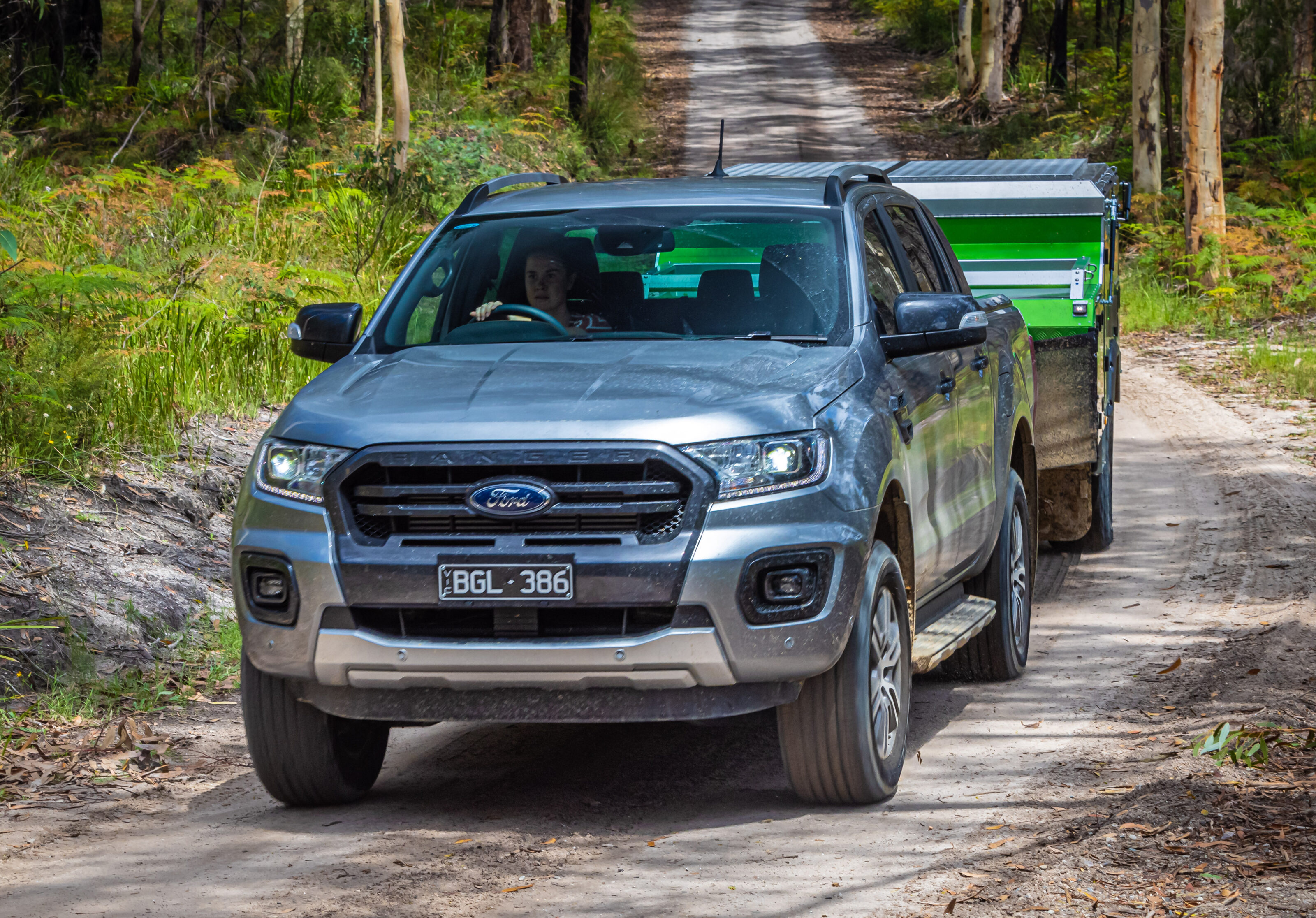
The Ranger and HiLux utes continue to trade positions at the top of Australia’s vehicle charts, with the Toyota reclaiming the number one position for July.
The HiLux has been the best-selling model for five of the seven months of 2021 so far and leads the year-to-date table from the Ranger by more than 3000 units.
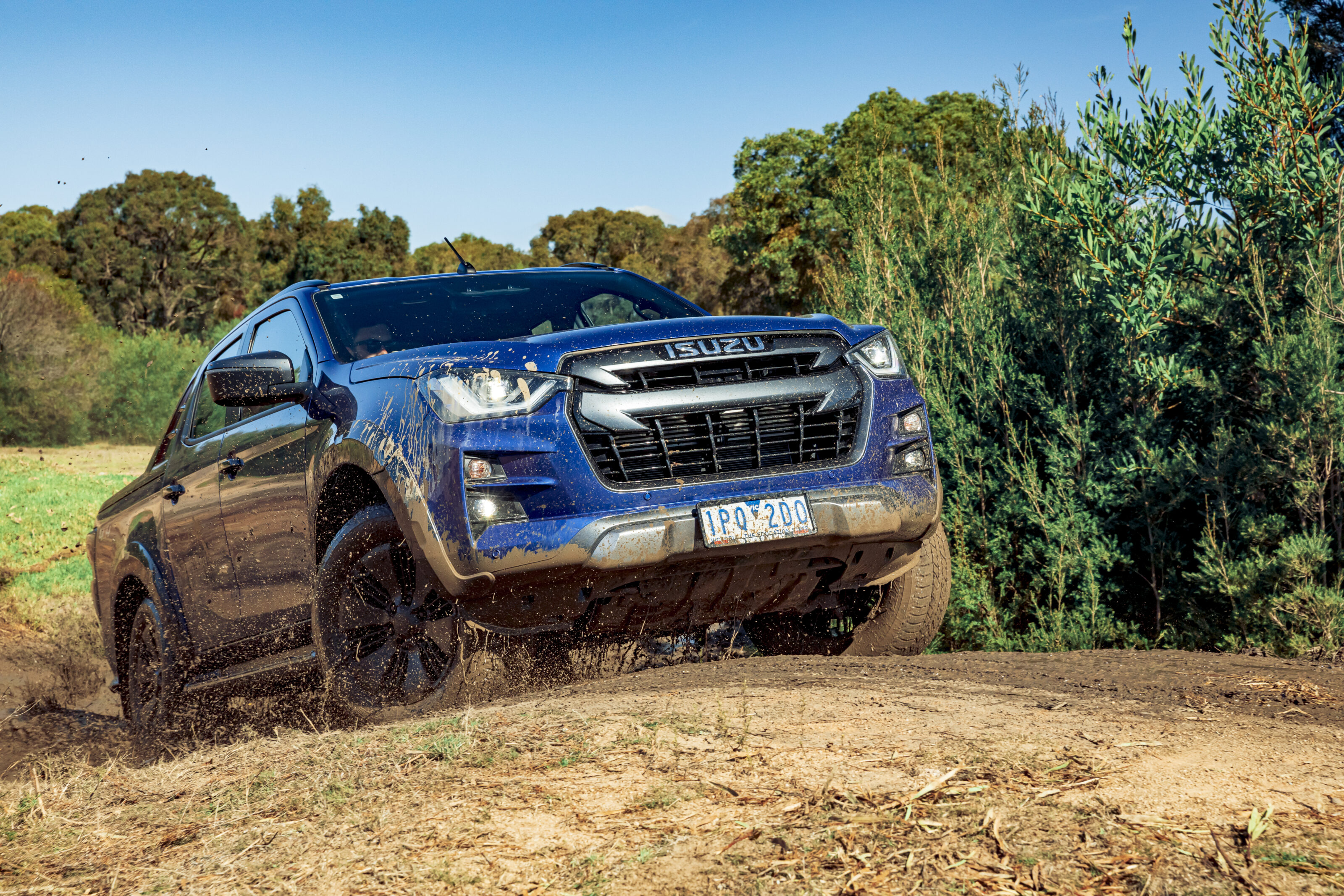
Isuzu’s category rival, the D-Max, couldn’t match its remarkable third spot achieved in June but was still an impressive fourth, as sales continue to be fired up by the new-generation model introduced in late 2020.
The Mitsubishi Triton, however, dropped out of a top 10 position for the first time this year, with 1580 units its lowest monthly sales figure of 2021 to date.
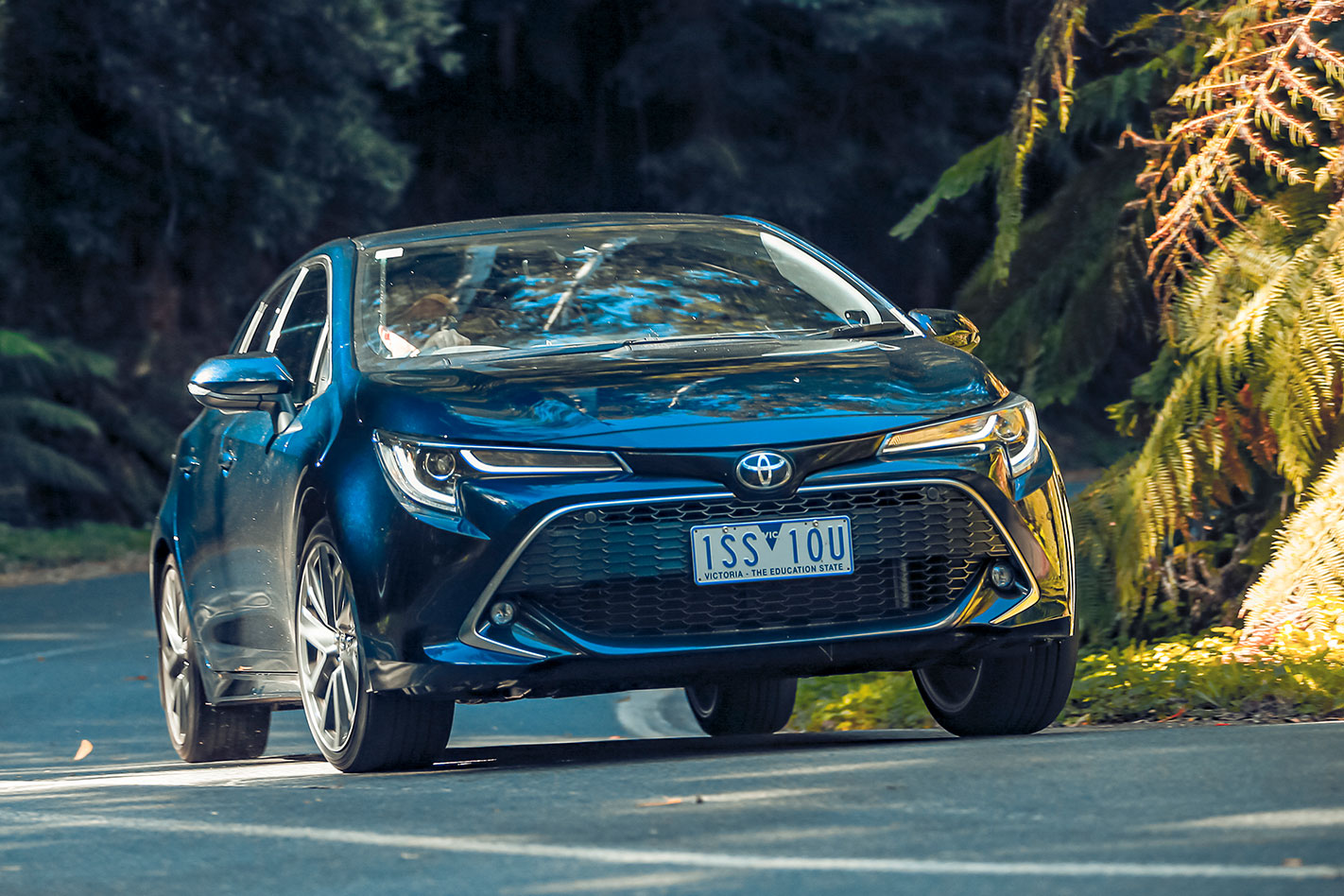
The Corolla almost suffered the shock of falling outside the top 10 in June, but carried the torch for small cars in July by taking the final podium spot. Last month’s 2535 registrations were the Corolla’s second-best result of 2021 so far, behind March’s 2892 units.
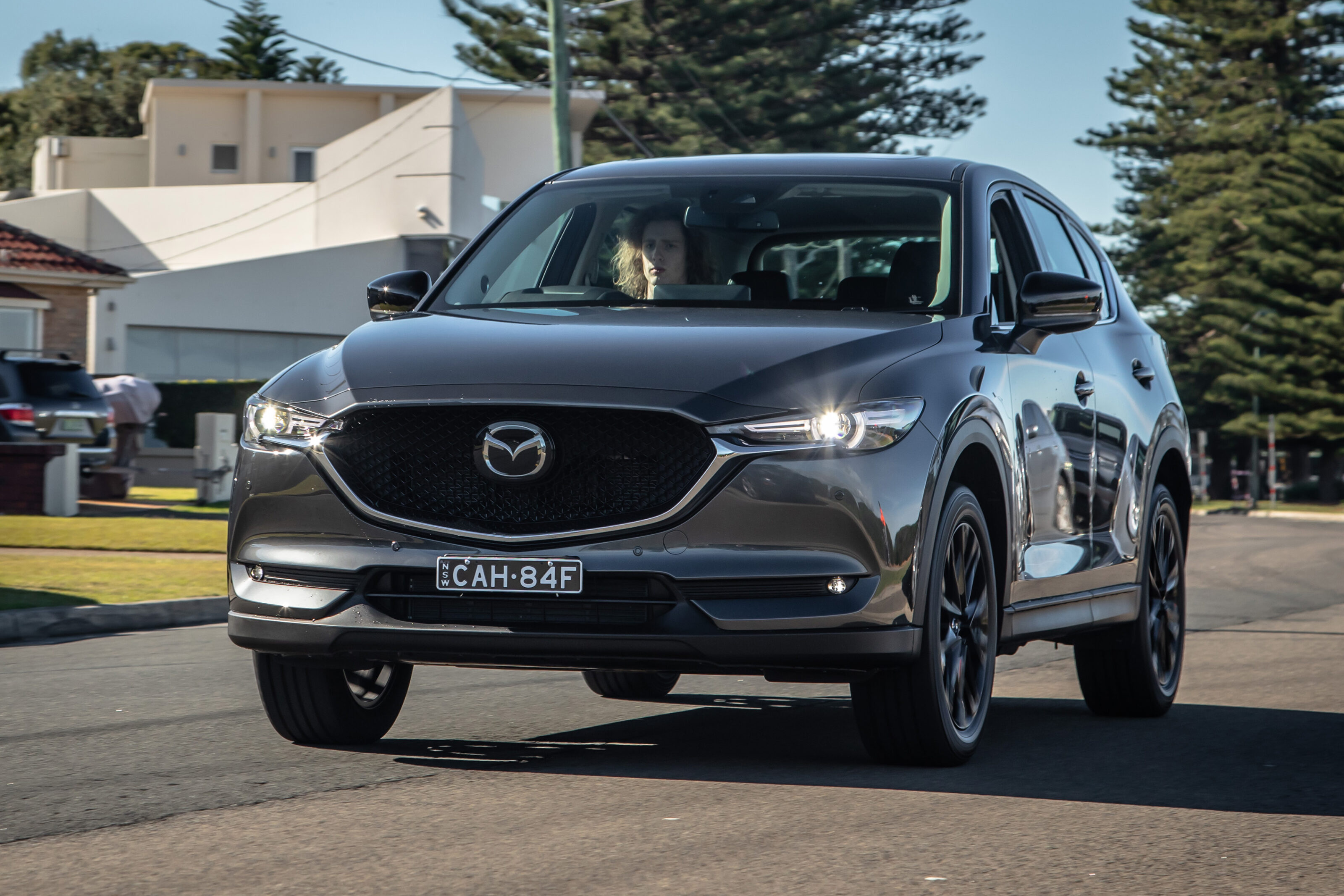
July was another month this year where only two small cars made it into the top 10, with the Corolla again joined by the Hyundai i30.
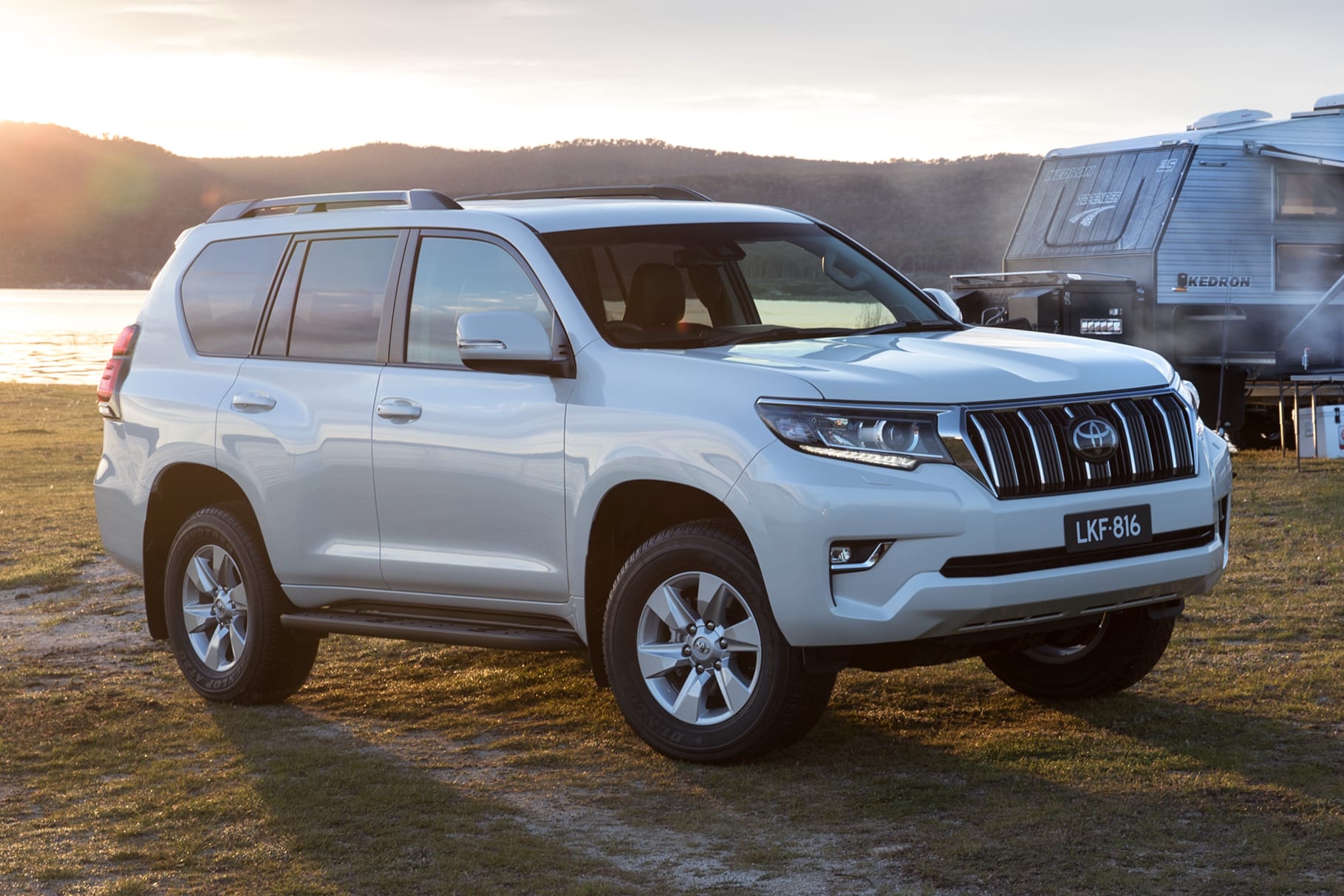
The Toyota Prado continues the presence it’s had in the monthly top 10 tables since April.
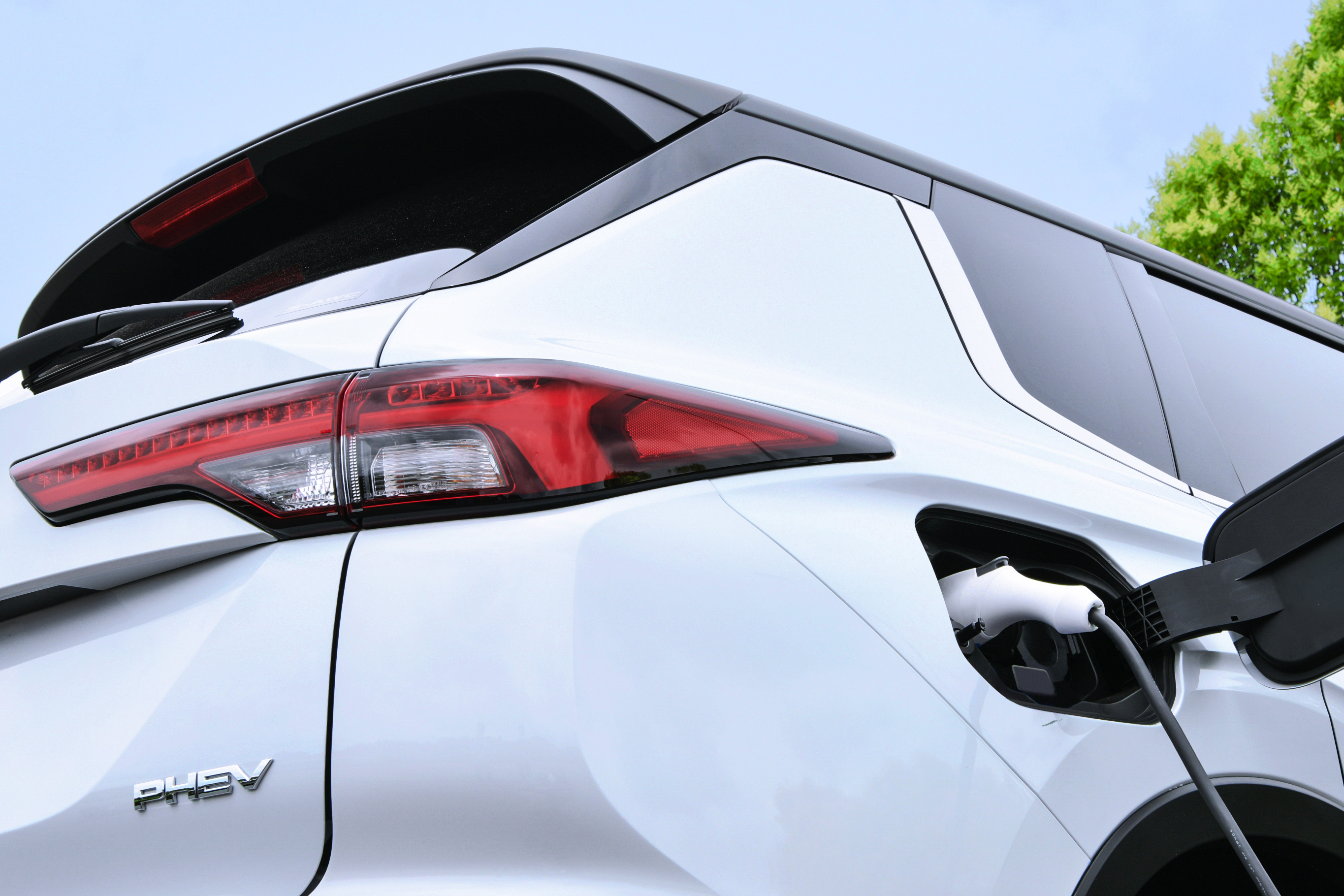
While the Triton dropped out of the top rankings last month, Mitsubishi at least had the compensation of its Outlander mid-sized SUV making a rare top 10 appearance – placing ninth thanks to an 81 per cent increase in sales compared with July 2020.
China’s MG brand has already appeared among the top 10 manufacturers in 2021, but in July its ZS became its first model to feature in the top 10 models chart. Sales of the compact SUV have skyrocketed during the past 12 months, up nearly 450 per cent compared with July 2020 – and up 436 per cent year to date.
Top 10 models: July 2021
Top 10 models: 2021 year to date
Top 10 brands
The biggest shock last month? Nissan failed to make into the top 10. The Japanese brand has pretty much been a permanent fixture in the manufacturer charts, but its lowest monthly result of 2021 so far – just 2691 units – dumped it into 11th position.
The main beneficiary was Mercedes-Benz, which made its first appearance in the monthly highlights since February.
MG couldn’t match its brilliant June result of 4303 sales, though the company still secured another top 10 placing for 2021 – with its July sales nearly triple those of July 2020. It sits in the overall, year-to-date top 10, just ahead of Subaru which was 12th in July – its second consecutive month outside the top 10 chart.
Isuzu Ute continues an astonishing year, propelled by massive growth for its new-generation D-Max ute and now further bolstered by the just-launched MU-X SUV. With more than 3300 registrations in July, month-on-month sales are up more than 150 per cent.
Ford placed third for the second month in row, threatening to overtake Hyundai for the same position in the year-to-date chart – less than 250 units behind.
Sixth place in July is the Korean brand’s joint-worst monthly position, as it held the same place in May. Hyundai was the third most popular brand in Australia for the first four months of 2021.
Sister brand Kia is also in the mix with 43,096 units so far this year, adding a further 5202 sales last month.
Top 10 brands: July 2021
Top 10 brands: 2021 year to date
In charts
July 2021 – Top 10 models
July 2021: YTD sales top 10
July 2021 – Overall segment sales
July 2021-2020 Category sales
July 2021-2020 YTD Category sales
Snapshot
- Black body and gold highlights to signify limited run model
- Manual transmission standard with automatic available as optional extra
- Prices start at $31,450 before on-roads
Fiat’s performance arm Abarth has launched a limited-run edition of its 595 city car in Australia with the release of the new Scorpioneoro.
A homage to the A112 Abarth Gold Ring, of which only 150 were produced, the Scorpioneoro is limited to just 2000 units worldwide – with only 30 of those landing in Australia, each sporting a gold plate with the car’s build number.
Featuring the 1.4-litre, turbocharged four-cylinder engine from the donor 595, power and torque levels are bumped up to 121kW/230Nm, a 14kW/24Nm increase over the 595 but 11kW/20Nm less than the 595 Competizione which is the range-topping variant.
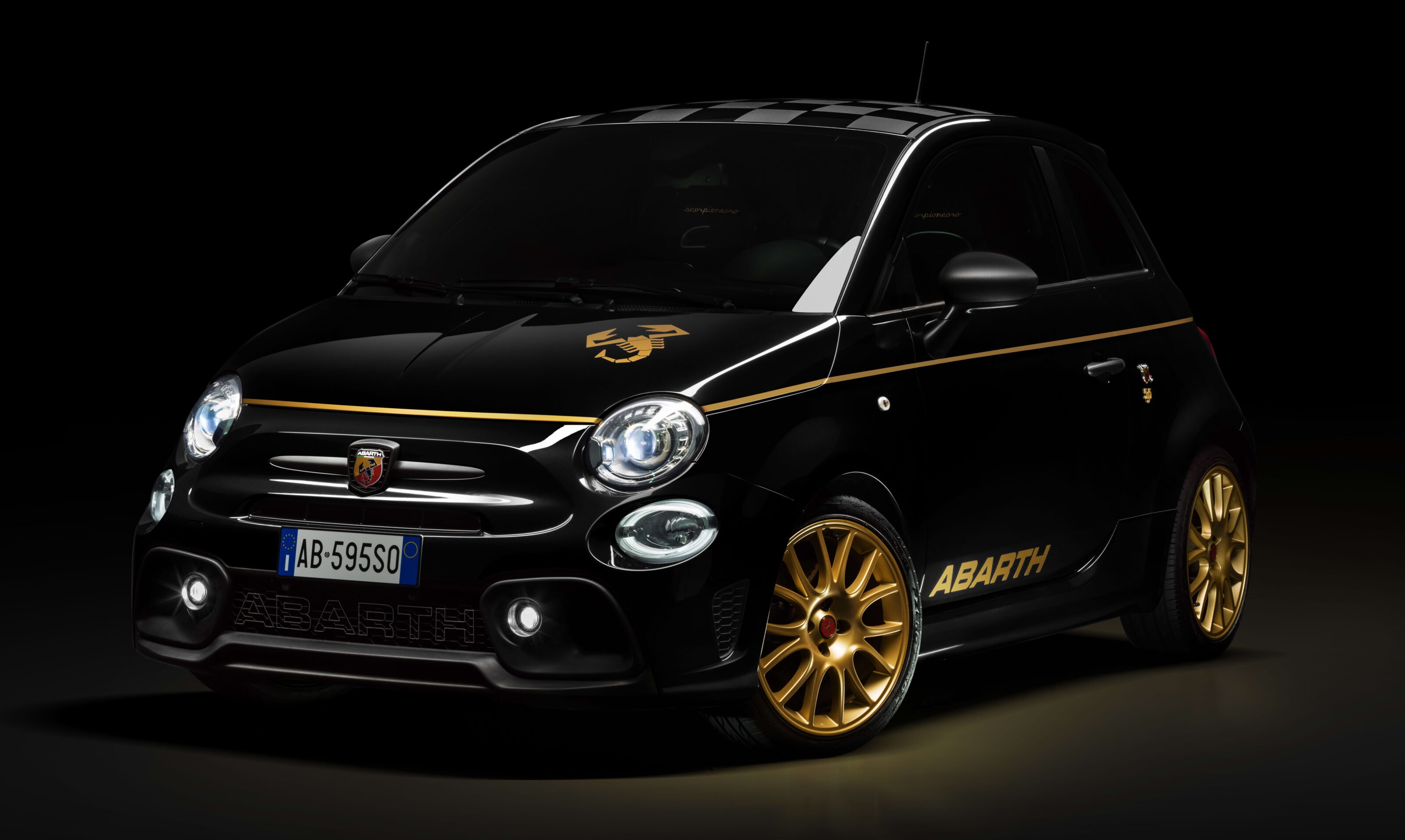
Based on the standard 595, the Scorpioneoro is only available in black but features gold highlights on its scorpion bonnet decal, side stripes and 17-inch wheels, as well as tar cold gray door handles, side mirrors and bumpers, with the roof covered in a matte black chequered flag.
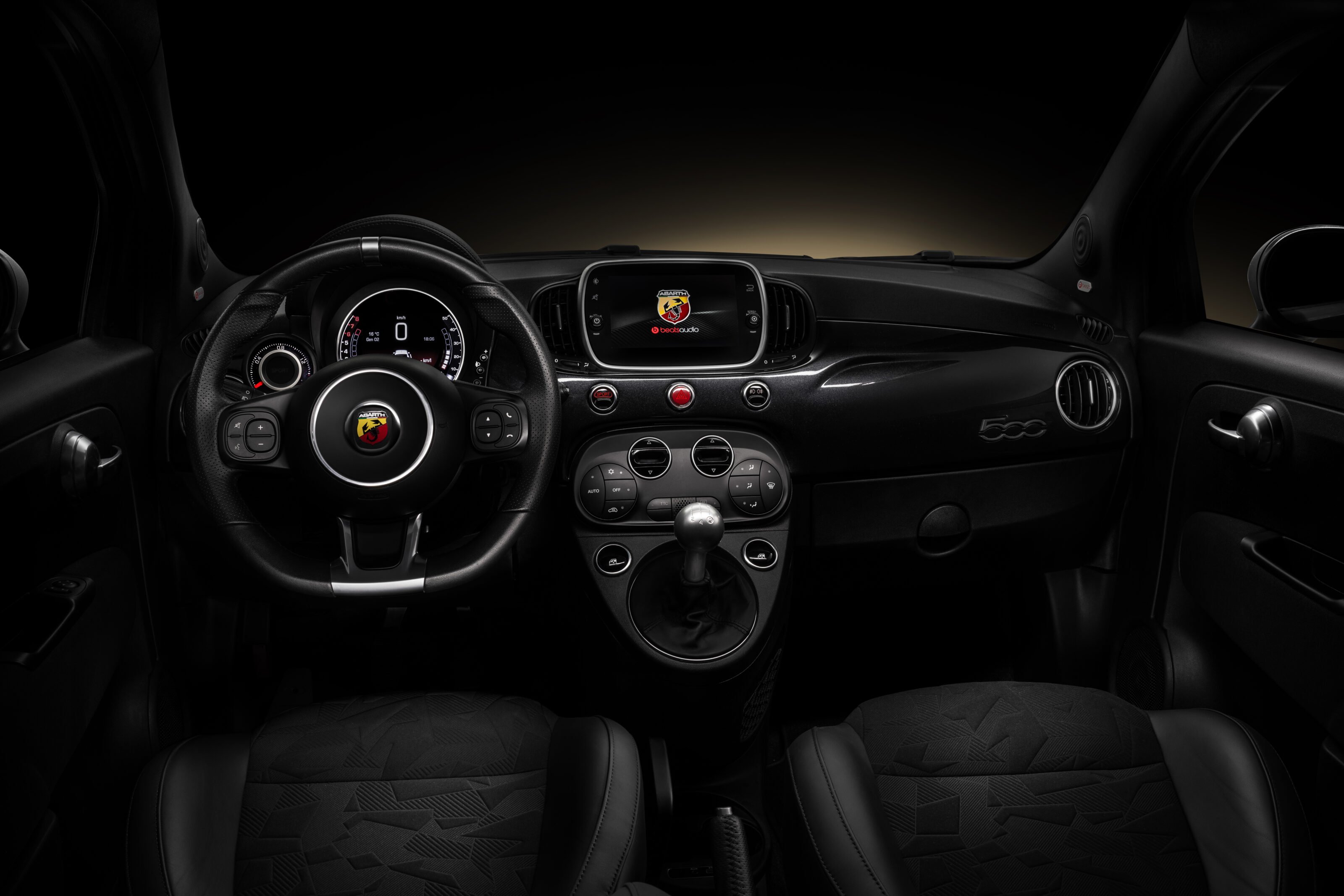
Inside the cabin, special leather Scorpionflage sports seats are embroidered with the car’s trim name and Italian flag colours on the head rests, teaming up with a matte black dash and a Beats audio system to differentiate it from the standard car.
Available now, prices for the Scorpioneoro start at $31,450 for the five-speed manual, while the five-speed single-clutch automatic gearbox is available as a $2150 option, both delivering power to the front wheels.
Snapshot
- Time of 7:40.748 becomes the fastest compact lap at the circuit
- New RS 3 is the first generation with torque vectoring axles
- Australian arrival expected in 2022
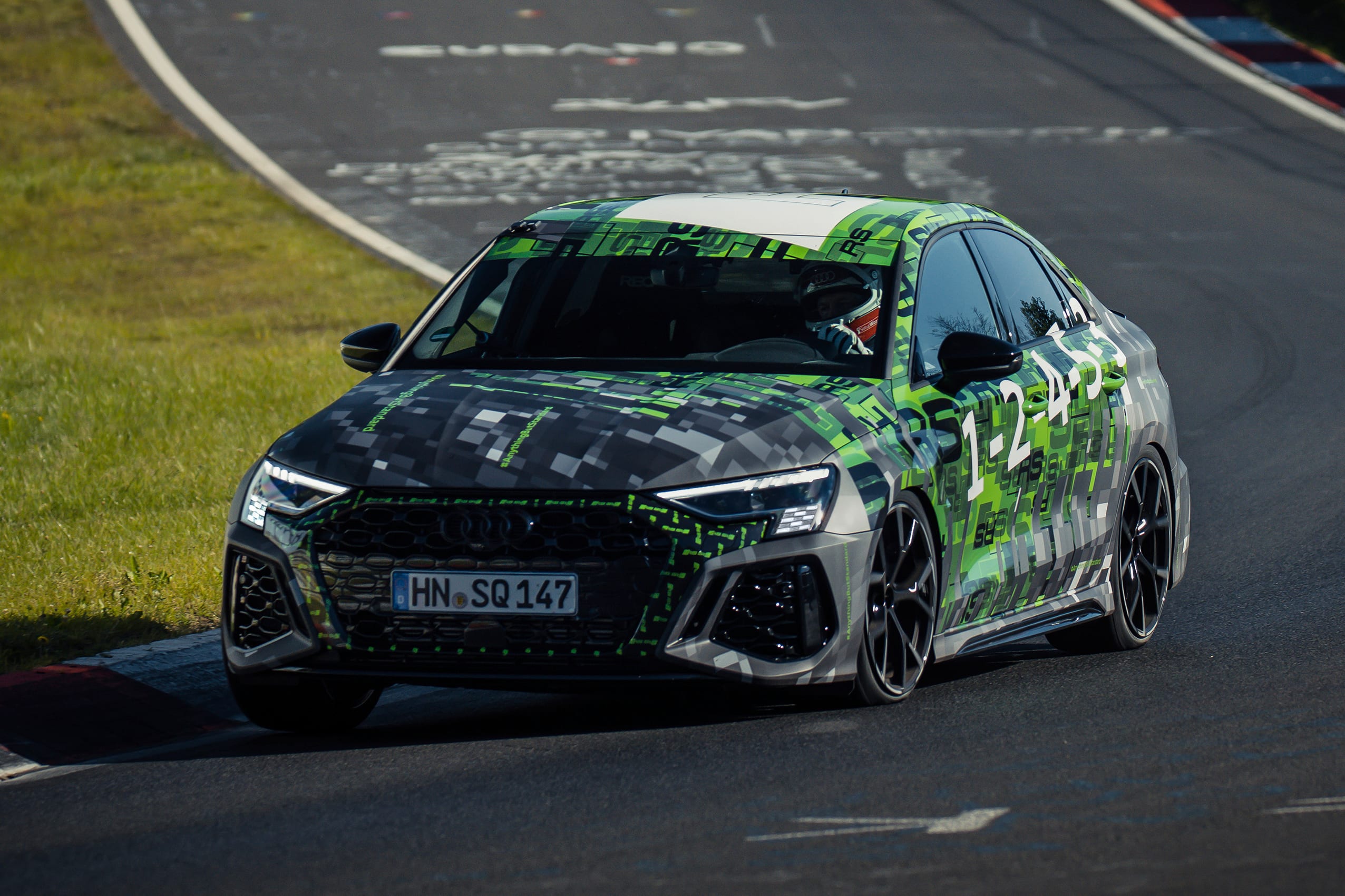
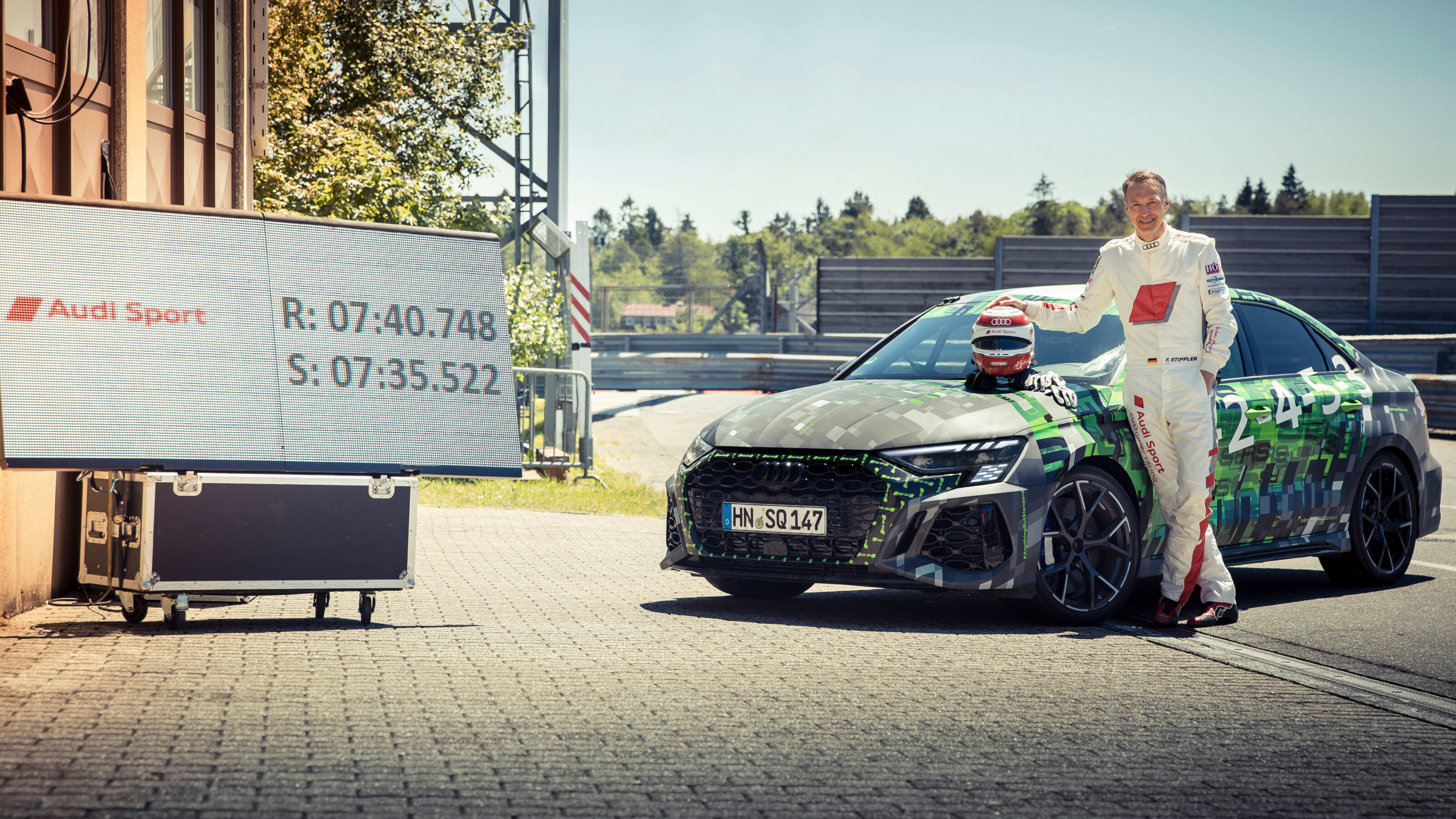
The new Audi RS 3 has set a new lap record for a compact class car at the world-famous Nürburgring Nordschleife circuit, completing a lap of the 20.83km venue in 7:40.748.
Piloted by Audi Sport test driver Frank Stippler, the final lap time was good enough to beat the existing class record by 4.64 seconds, set by a Renault Mégane R.S. Trophy-R in 2019.
Only minor tweaks were made to the RS 3 sedan before its record-setting lap, with the Audi team fitting a roll-cage for Stippler’s protection and Pirelli P Zero Trofeo R tyres to the 19-inch wheels, a factory option for future customers.
Although it is still based on the Volkswagen Group MQB platform, which underpins other cars such as its less powerful S3 and Golf R siblings, the new RS 3 has done away with the Haldex all-wheel drive system of previous generations. Instead it has adopted the RS Torque Splitter, which is fully-variable and able to send up to 100 per cent of drive to either rear wheel.
Even though it boasts a drift mode as its party piece, the new system greatly reduces understeer and helps the car to become a more agile and capable vehicle, according to Stippler.
“In general, the new RS 3 is much more agile when driving from the middle of the curve to its end and when accelerating out of the curve,” said Stippler.
“For me, the torque splitter is a quantum leap in terms of agile driving.”
While the lap was set in the sedan variant of the RS 3, Audi will continue to offer the pocket rocket as a five-door hatchback as well, both packing the same 2.5-litre, five-cylinder turbocharged engine under the bonnet, producing 294kW and 500Nm which allows it to achieve a claimed 0-100km/h sprint time of 3.8 seconds.
Audi customers can also up-spec their RS 3s to include the RS Dynamic package, which was fitted to the lap record setter – including RS sport suspension with adaptive dampers and a 290km/h top speed – as well as the optional ceramic brake package.
Australian deliveries of the next-gen RS 3 are expected to begin from the first quarter of 2022.
On October 14, 1968, the famously benign Switzerland initiated an unprovoked military attack on its diminutive neighbour, Liechtenstein.
The target was the Malbun ski resort, which was hit with five artillery shells in a dominant show of force. It would have been quite a shock for the largely defenceless European microstate, which occupies an area roughly a hundred square kilometres smaller than the regional Victorian city of Bendigo.
That is, if it hadn’t been for one thing. Switzerland, the larger aggressor both in terms of physical size and outright power, initiated the assault completely by accident, and apologised profusely.
Thankfully, the only casualties were a handful of outdoor dining chairs.
This, oddly enough, goes someway to explaining Ford’s accidentally hostile strategy with the Mach 1 Mustang.
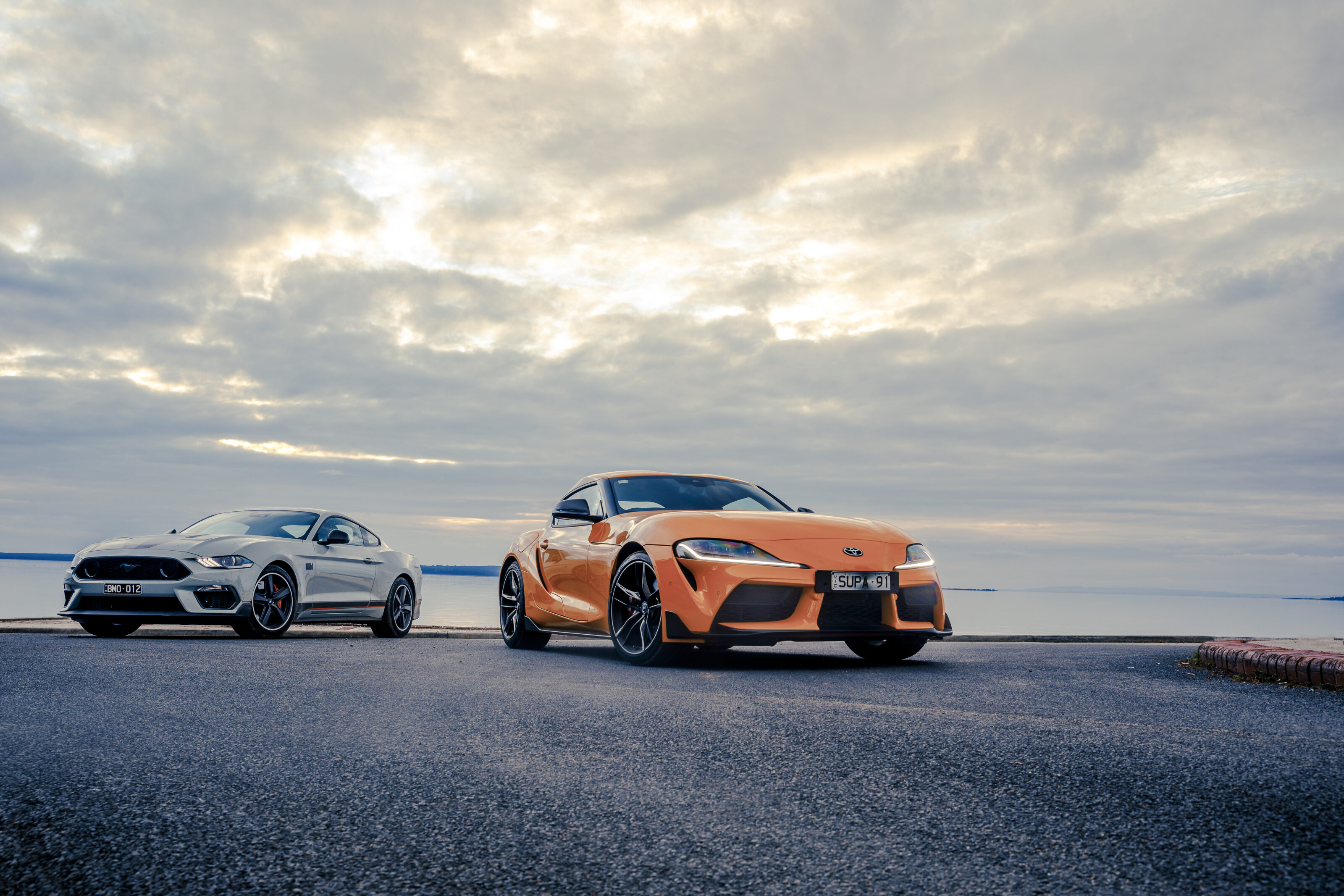
When the Ford Mustang first landed in Australia in 2016 the flagship 5.0-litre V8 powered GT cost a smidge less than $60K, making it a natural rival to the final Holden Commodore SS-V, and not much else. Its relative affordability paired with 306kW of naturally aspirated V8 power and iconic coupe styling made it a sales hit, and it’s easy to understand why.
Now five years later, in a perfect display of mission creep, the flagship Mach 1 Mustang costs more than $80,000, putting it in the same financial ballpark as cars it never intended to compete against on initial launch.
Ford has made small incremental bumps in performance and exclusivity to match the increased price, with 345kW now being deployed by the special-edition ’Stang (along with a raft of new go-fast mechanical additions), of which just 700 are coming Down Under.
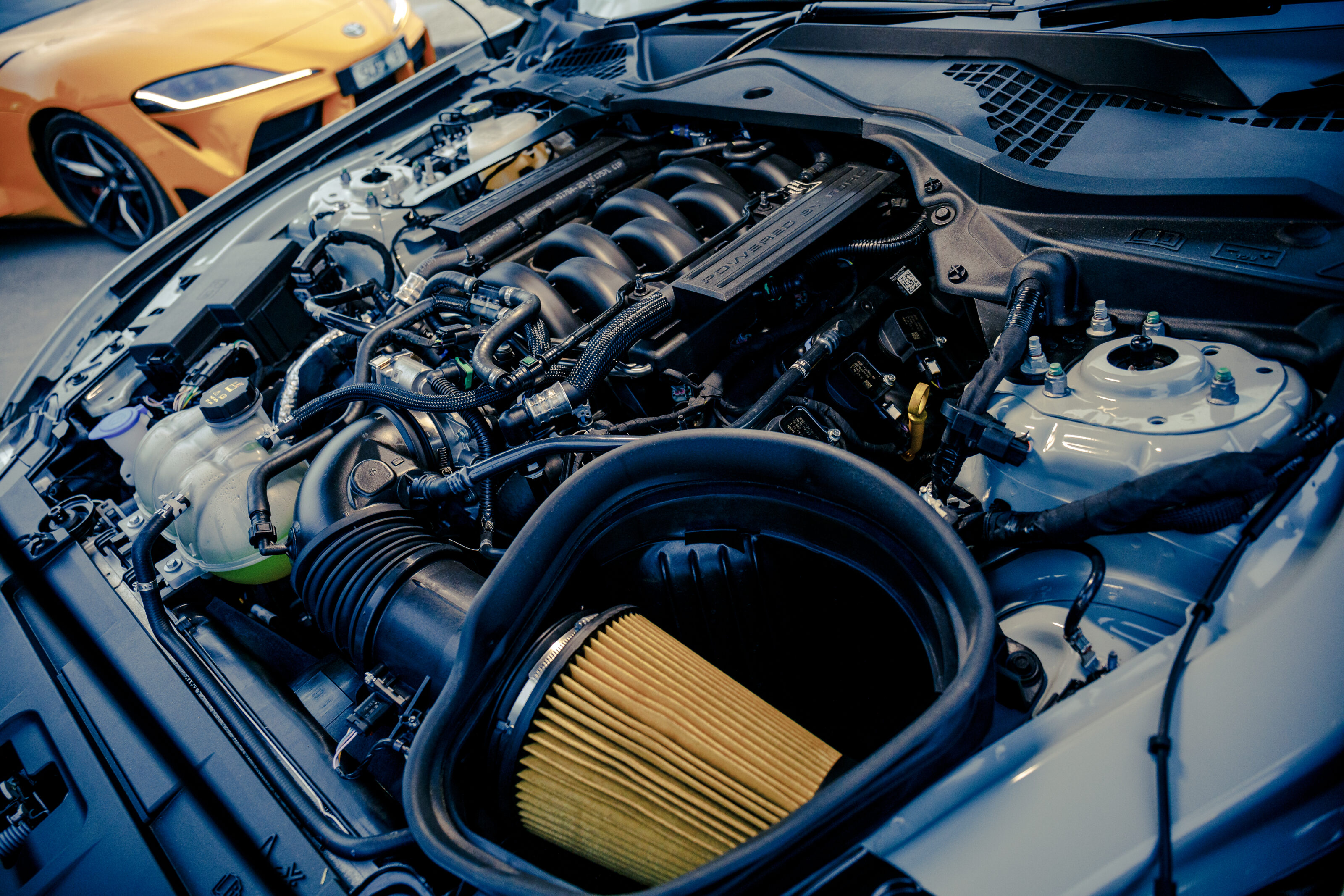
The most important updates for the Mach 1 sit underneath its more aggressive bumper treatment and retro badging, with the induction system, intake manifold, oil cooler and 87mm throttle bodies lifted from the Shelby GT350. Initially the track-focused ’Stang was intended to be fitted with a Torsen limited-slip differential as standard, but the final specification ended up somewhat other than expected (see bottom).
“The Mustang is now in the same realm as cars it was never meant to compete against”
All right-hand drive Mach 1s are instead fitted with Ford’s own mechanical limited-slip differential instead of the Torsen unit, which is identical to that found in the Bullitt and GT Mustangs.
Despite the change Ford says the Mach 1’s diff is still fitted with the requisite cooler to ensure performance remains unchanged. Scott Newman’s track test in MOTOR’s May issue, and our day of hard driving for this comparison, would indicate that customers are at no great loss because of the swap.
Despite the noble intent of these upgrades, Ford has. perhaps inadvertently, found itself marching with a heavy foot into the territory of a car that speaks more quietly yet carries a very big stick – the Toyota Supra. It’s only fair then that we bring the pair together to see if Dearborn’s hero can hold its own against the pride of Japan, or Graz if we’re being accurate.
The Toyota is smaller, less powerful, and more expensive than the Mustang, but wears a badge of honour from narrowly vanquishing the Mercedes-AMG A45 S in a previous comparison test. Game on.
Both cars are exclusively rear-driven and utilise torque converter automatics (10 ratios in the Ford and eight in the Toyota). The variant we have here is the full-fat Supra GTS, but as we’ve noted before, the entry-level GT offers exactly the same performance credentials with 10 grand slashed from the price tag, which is only a couple of thousand dollars more compared to the Mach 1.
These cars fight in different weight classes. The Mach 1 is carrying an extra 284kg of heft, which you can’t escape behind the wheel. It’s also 410mm longer, with an extra 250mm between the axles. Interestingly, the Supra has the wider front-track of the two. You get a larger cabin and rear seats in the Mustang because of the physical differences, but the extra size and weight play against it dynamically, and the back seats are practically useless.
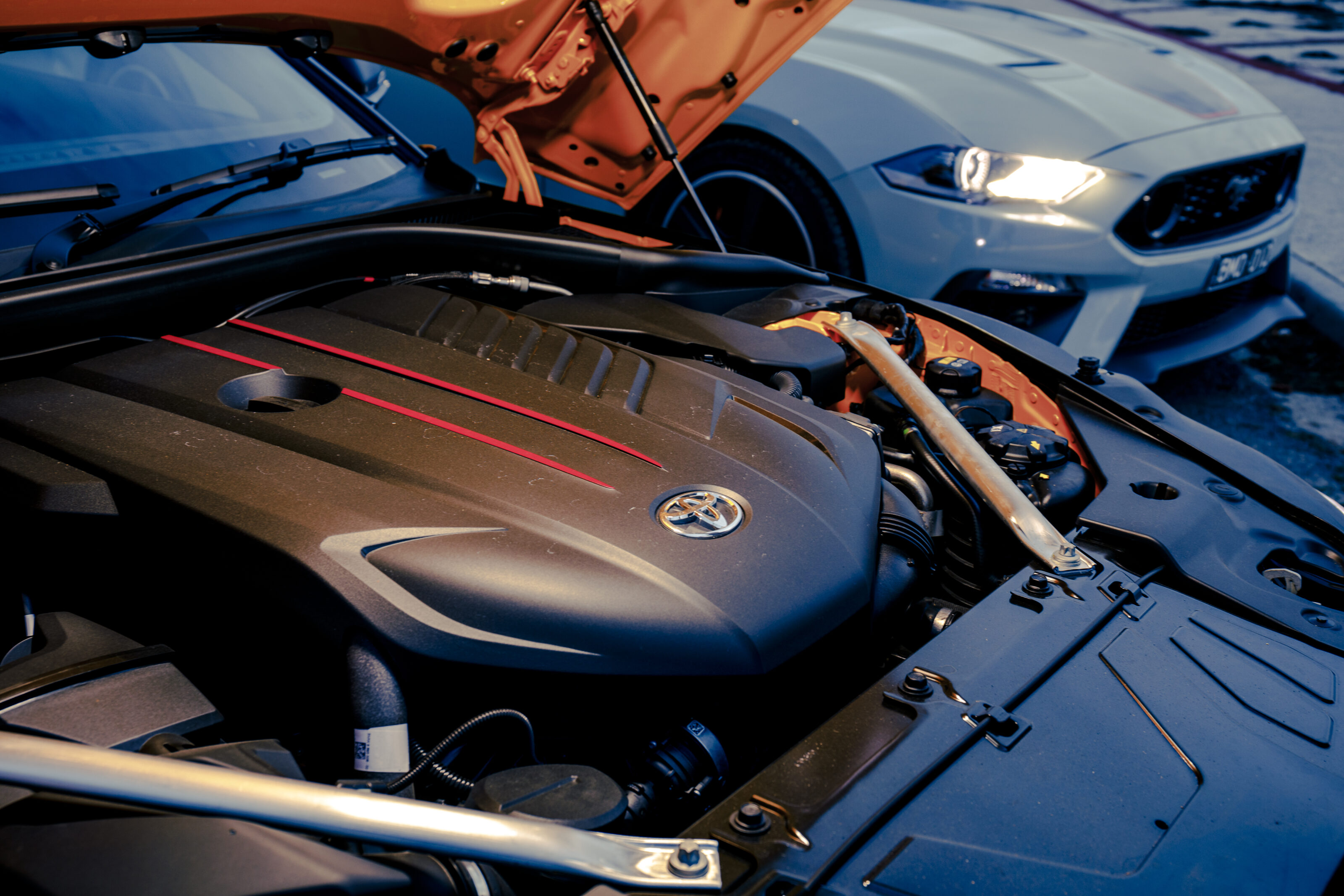
When it comes to firepower, the Mustang has the edge, with its naturally aspirated 5.0-litre V8 producing 345kW and 556Nm. The Supra uses a BMW-sourced 3.0-litre turbocharged inline-six cylinder, which now produces 285kW and 500Nm after a power bump late last year.
Where the previous 250kW example would only reach peak power at 7800rpm, the updated Supra gives you 285kW from 5800-6500rpm, while the peak torque figure remains unchanged but is spread across a larger window of 1800rpm-5000rpm (previously 1600-4500rpm).
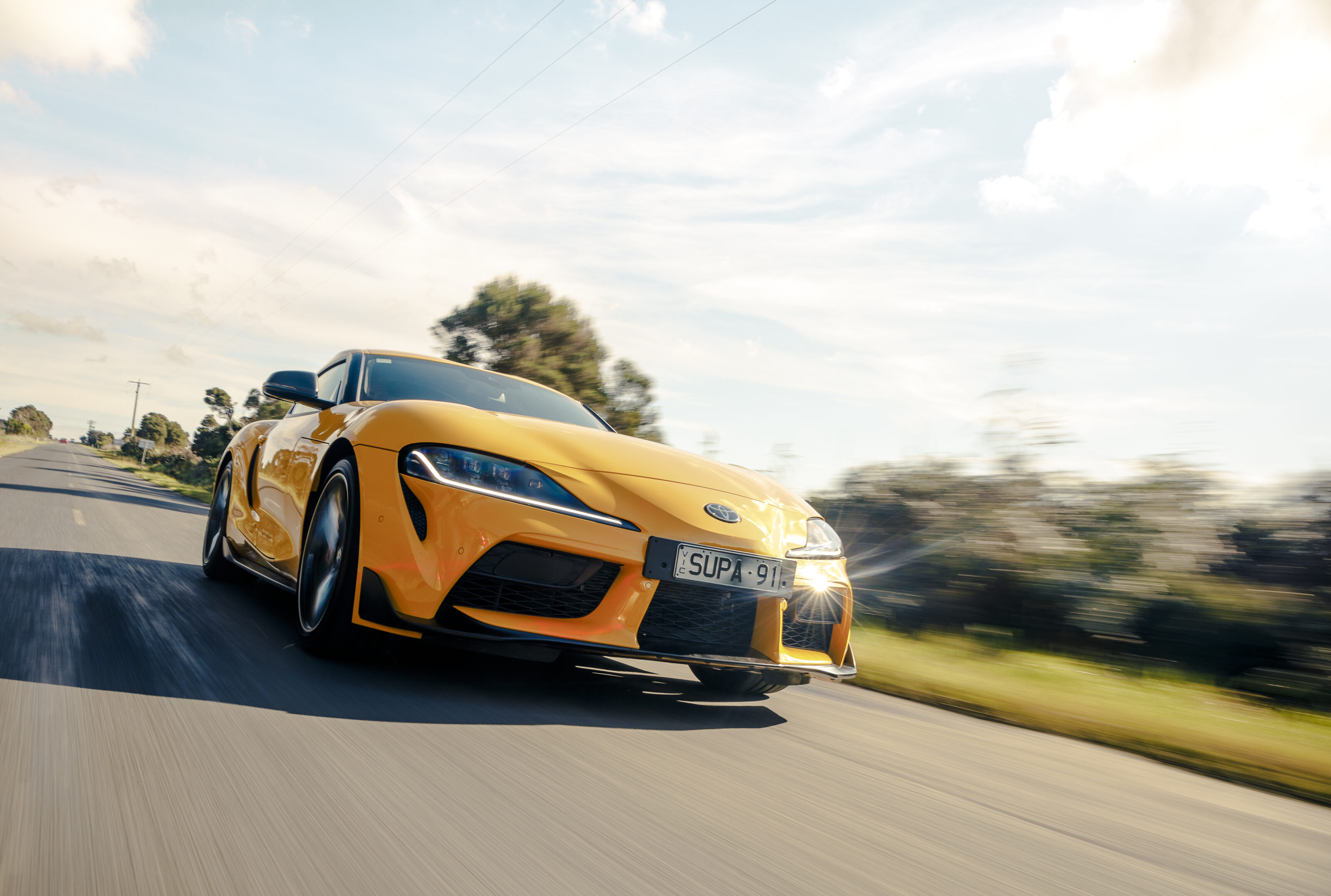
Lined up for performance testing, the Supra and Mustang both struggle for traction. However, it’s the Toyota which manages better off-the line, and between 10-60km/h it ekes out a circa four-tenth advantage that it never relinquishes. The key difference is the length it takes for the Mustang to recover from flares of wheelspin at low speeds.
Identical 80-120km/h times are a testament to the evenly matched performance. Both coupes are four-tenths behind their claimed 0-100km/h sprint times on a cold and intermittently drizzly day but hard acceleration in each presses your head back into the seat and requires your full attention as they chirp the tyres between shifts.
BMW’s B58 engine has a vast powerband which the Supra deploys at will. With peak torque and power now available more readily, the Supra feels eager to launch toward the next bend the moment you start to apply more throttle. The power delivery feels well judged for fast road driving. Drive the Supra on a winding back road and you won’t feel short-changed or be left wanting for more.
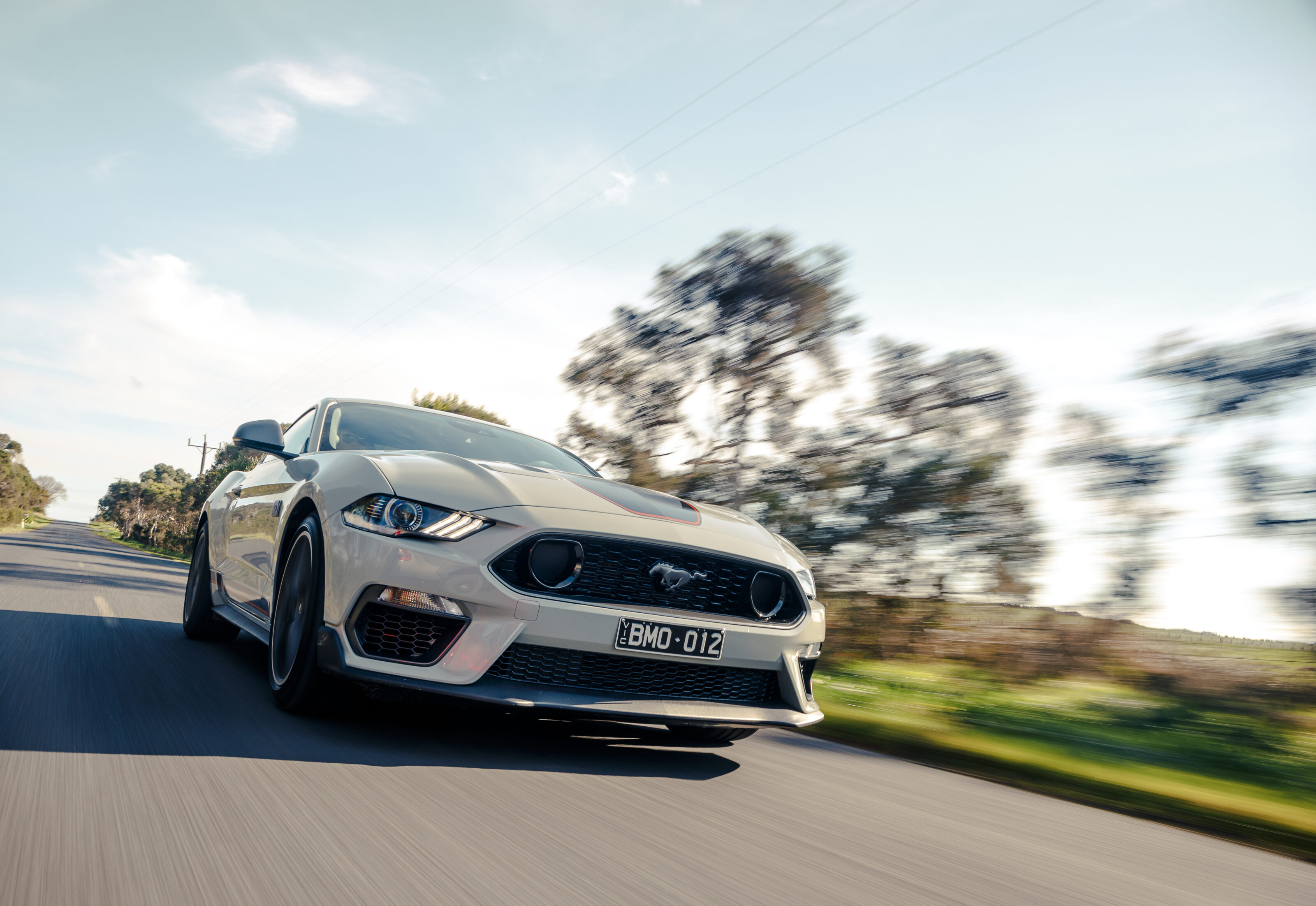
The Coyote V8 is a peach of an engine that is happy to rev hard. If you are used to thinking of V8s as primitive, cumbersome, iron-block anchors, this 5.0-litre is a complete subversion of the stereotype. However, access to the best it has to offer is oddly hidden away.
This is due to a number of factors; primarily a surprisingly long throttle pedal – you can find yourself thinking you are at max attack only to discover there is another inch of travel remaining. When you finally break the mental barrier and keep your foot pressed firmly to the firewall, it’s not until the final thousand revolutions that peak power comes on tap.
The result of this issue is that unless you have your eyes glued to the tacho you can be plucking another ratio circa 1500rpm before the 7500rpm redline to avoid colliding with the soft-cut limiter. Ford’s decision to give the Mustang a mile of throttle travel seems even stranger when you consider the high brake pedal. While it works fine for heel and toe, merely transitioning from throttle to brake without bothering the shifter means you can easily slide your foot into the side of, instead of onto the top of, the second pedal.
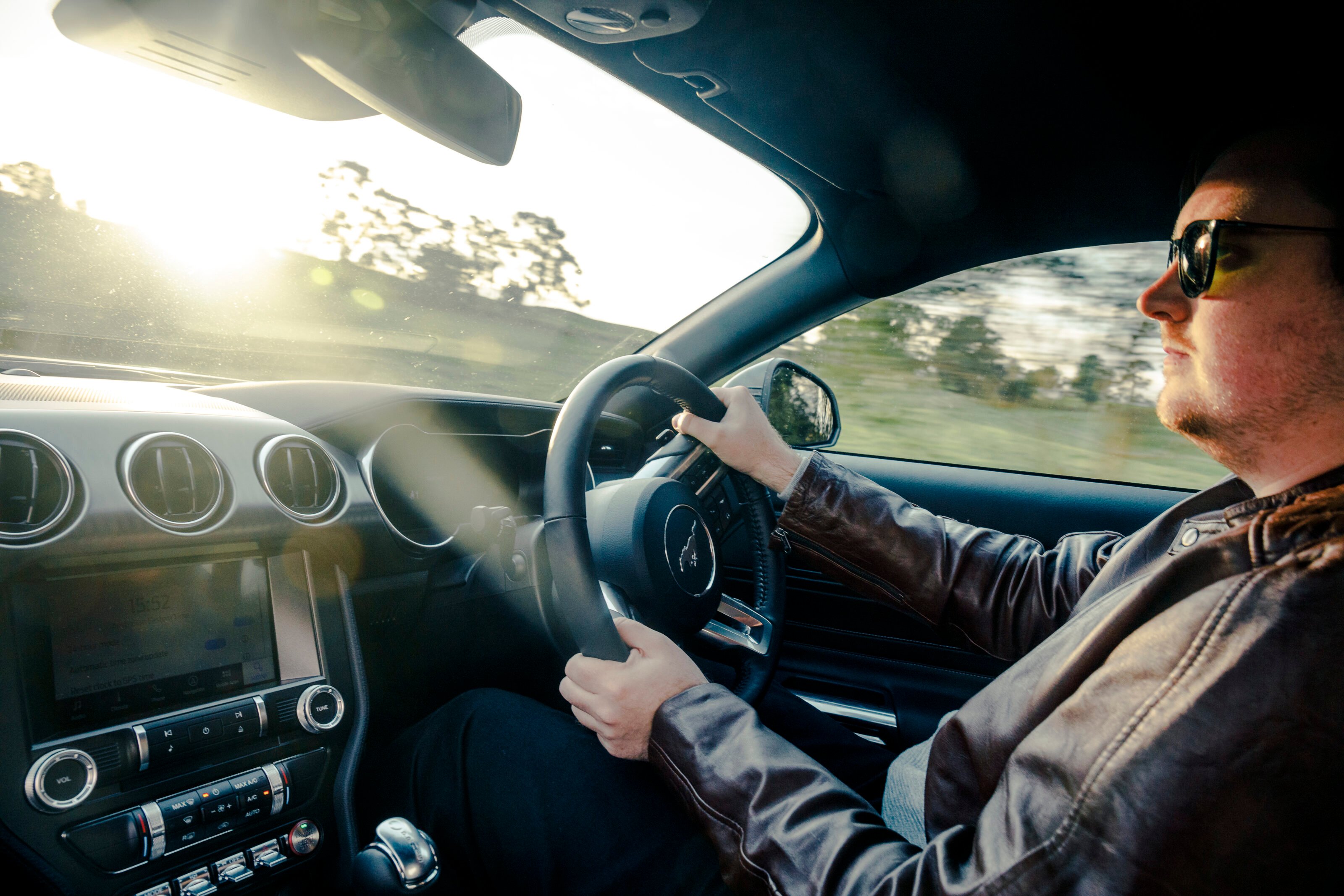
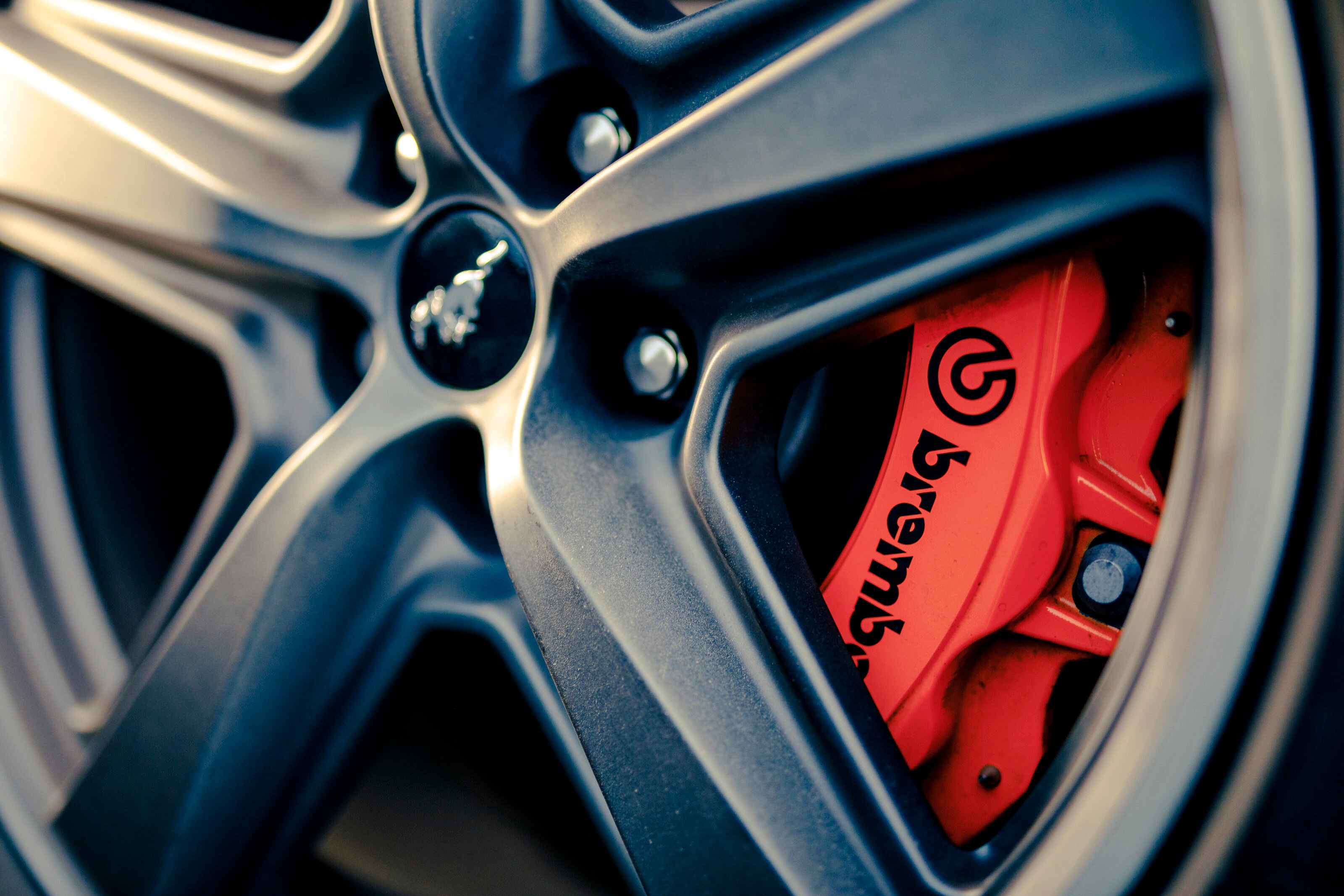
Once you adapt to the Mustang’s quirks it becomes apparent that this is a sports car worthy of its new found tax bracket. It is a fast car, and thankfully the Brembo brake system has impressive bite once you push through the initial hesitance at the top of the pedal’s arc.
The suspension has a softer demeanour with a level of body control that seems slackened very slightly to provide more pronounced pitch and roll. This small level of extra movement compensates in terms of communication for the steering, which can most generously be described as vague. It has a level of numbness that blankets all your inputs, and the returning feedback is muted.
Part of this can be attributed to the slower steering rack (2.5 turns lock-to-lock compared to the Supra’s 2.0), but it also provides little in the way of positive communication. In this area the Toyota has so much more finesse that it’s a clear class above.
Because of the steering you have to work at the Mach 1 to access the best of its dynamic abilities. While the muted front-end and extra weight compared to the Toyota are ever present, the Mustang remains an absolute laugh when you grab it by the scruff of the neck – it is a joyous experience for those wanting something that doesn’t take itself quite so seriously. This is accentuated by the soundtrack, which is classic hits rock’n’roll V8 roar with the amps turned to 11.
Even in its ‘Normal’ exhaust setting the Mustang is shockingly loud. In direct contrast the Supra’s exhaust is comparatively muted. Sure it’ll pop and bang here or there, but it seems almost half-hearted compared to the bombastic antics of the ’Stang.
Want every drive to feel like an event? The Mustang is the car for you. The Mustang’s shortcomings are difficult to establish until you put it against a car as focused and well-prepared as the Supra. If you don’t test drive another vehicle, you’ll be none the wiser, and can easily and understandably fall for the Mach 1’s charms.
It must be said that the V8 engine and its associated theatre in the Mustang attracts buyers of its own right. While Toyota can’t match Ford on an emotional level, it makes a compelling logical case. If you completely disregard the Supra on the basis of its cylinder count alone you are walking away from one of the finest driving experiences for less than $100K, and it might be time to re-evaluate your priorities.
Driving the Supra quickly is a more engaging experience compared to the Mustang, with information transferred from the road to your extremities clearly and concisely. You know exactly what is going on with the front wheels at all times, with the intimate and instant connection between driver and car aided by the small cabin and slender steering wheel.
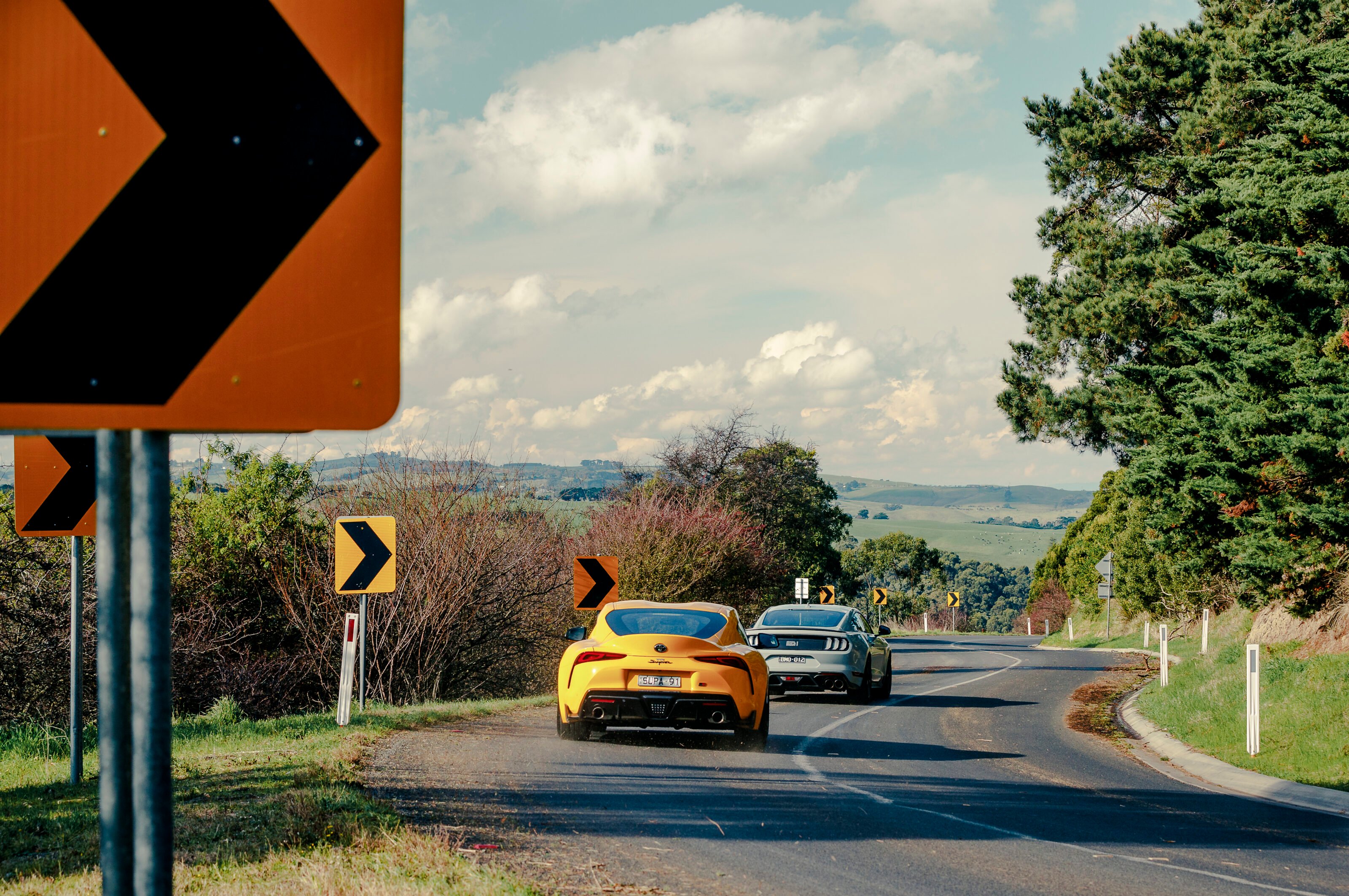
Where the Mustang has a big, chunky feel to everything it does, the Supra has greater poise, is lighter on its feet, and incredibly agile. Toyota has pulled a rabbit out of the bag with the steering.
It is light and delicate, yet has plenty of feedback which is communicated with fine levels of fidelity. It is truly a delight. Put simply, it is a faster, crisper, purer experience. But sometimes you don’t want pure. Sometimes you want to feel like a hero – which is exactly where the Mustang steps in with all its bravado.
Despite its BMW origins, the Supra still has all some key hallmarks of a Toyota, for better or worse. Namely the ESC setting, which is typical Toyota in its early interventions. That’s a shame, because when you loosen the nannies, you realise the Supra has a wonderfully neutral chassis balance and is progressive and communicative in the way it relinquishes grip, allowing you to compensate appropriately.
Understand its limits and the Supra will engage and interact as a very willing participant, where the Mustang always feels like you have taken it out of its comfort zone. That brutish muscle car character is ever present compared to the Supra’s refined and polished sports coupe credentials.
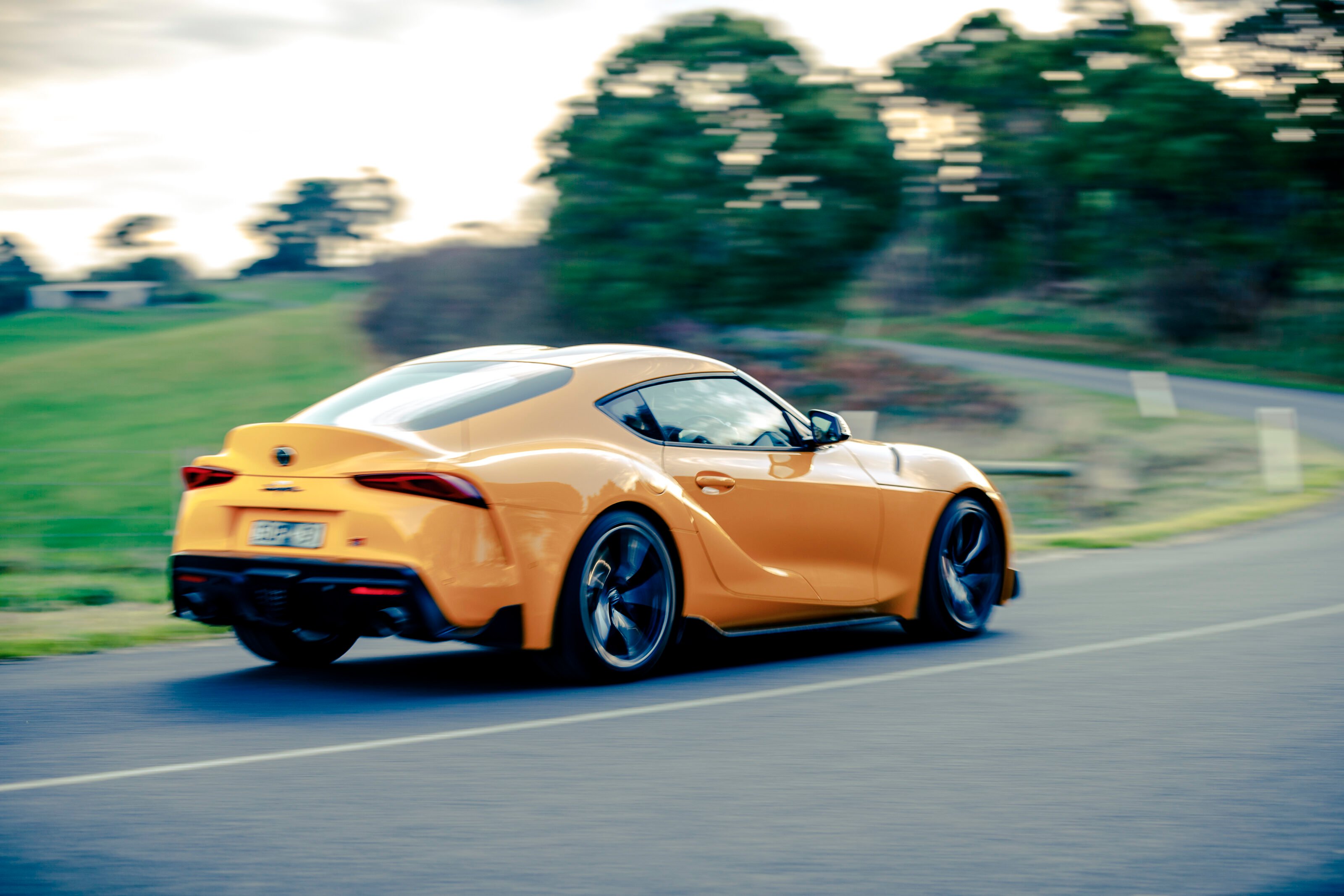
To its credit, where the Mach 1 is comfortable is a wider window of operation than that offered by the Supra. You could easily use the Mustang as a grand tourer on long drives where doing the same in the Toyota would only be understandable if your end destination is an insane asylum with the smaller physical size and persistent road noise eradicating any long distance driving credentials it may hope to possess.
The Supra’s cabin, which feels shrink wrapped around you, is great on a twisting road, but when the world opens up and you want space to breathe, the Mach 1 is the only viable option.
While Australians miss out on the full-fat GT350R and GT500 Mustangs, the Mach 1 is essentially a Shelby-lite and all the better for it. This is the best performing enthusiast-focused Mustang ever offered for sale in Australia.
Where the R-Spec had the feel of a wicked-up hot rod, the Mach 1 is a more holistic sports car. Both in terms of price and performance it justifies its existence in a way that puts a mile-wide grin on your face. For those wanting an experience when driving, the Mach 1 gives you that at every turn. It’s an elbows out arrival into hostile waters from Ford Performance.
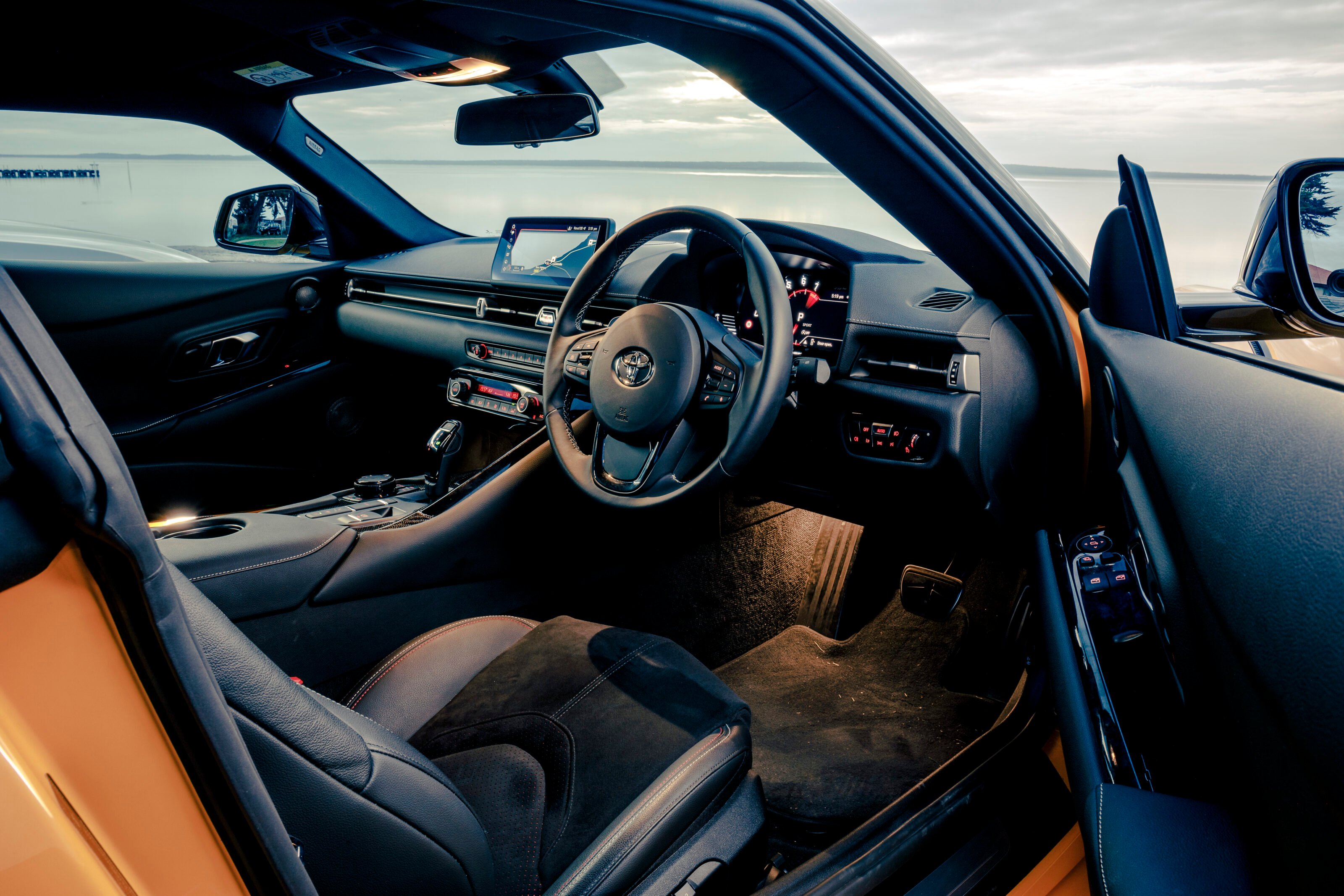
Despite costing more and providing less power, the Supra bobs and weaves beyond the Mach 1’s reach. It’s sharp, tactile, and is one of the best drivers’ cars you can buy at this price point. From inception to execution Toyota has been clear with the Supra’s intent, achieving it brilliantly.
Driving the Supra after the Mustang is akin to going from a bass-heavy Beats Bluetooth speaker to a full set of Naim hi-fi separates. The finer levels of fidelity gives you greater clarity and a purer experience behind the wheel.
But the fact the Supra outperforms the Mustang points to an interesting historical shift that is at play with these two cars. Both Ford and Toyota have transitioned them away from the true spirits of their ancestors, closer toward what the collective zeitgeist has decided each should represent.
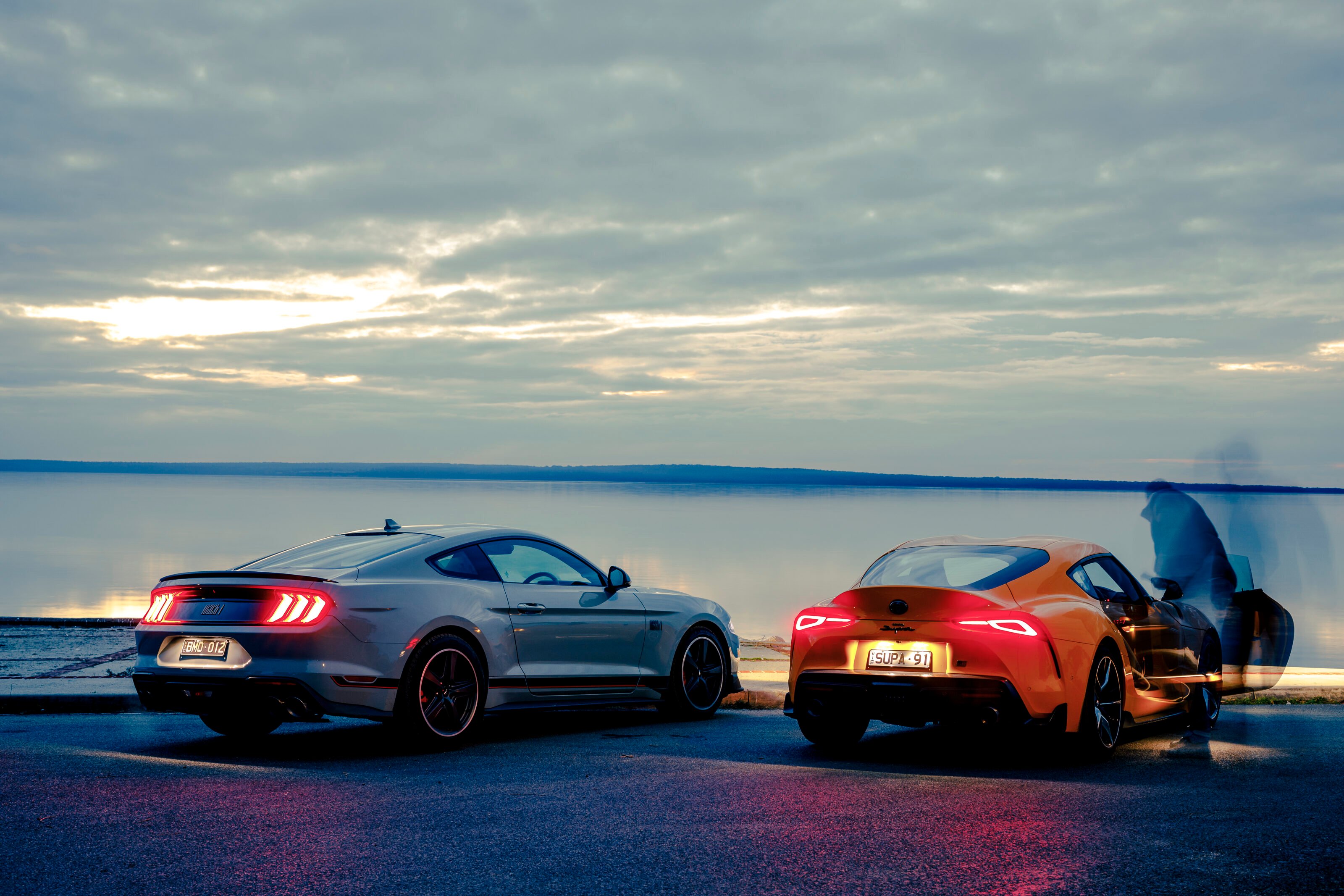
Where the original Mustang of the ’60s was a lighter, smaller, nimbler counterpart to the swaggering muscle cars Detroit was building en masse, this modern interpretation has a distinct brutish flavour because that’s what buyers now expect of it.
Similarly, the MkIV Supra was more grand tourer than sporting scalpel, but pop culture phenomena like The Fast and the Furious and Gran Turismo transformed that perception in its entirety. The MkV is as focused as it is partly due to its Germanic links, but mostly because The People demanded it. Perception has become reality.
Where the Ford stumbled into its place in the sports car hierarchy and has performed a clever remedial job in justifying its newfound status, the Toyota was brought into the world riding on the coat tails of BMW’s dynamic excellence, comfortable with its end goal and effortlessly assuming its new sporting mantle.
Following its first salvo in ’68, Switzerland would ‘invade’ Liechtenstein a further five times. Ford may have lost the first battle, but with a new generation of Mustang looming in the distance, we suspect this isn’t the end of the Blue Oval’s accidental performance car war.
Spec Ops
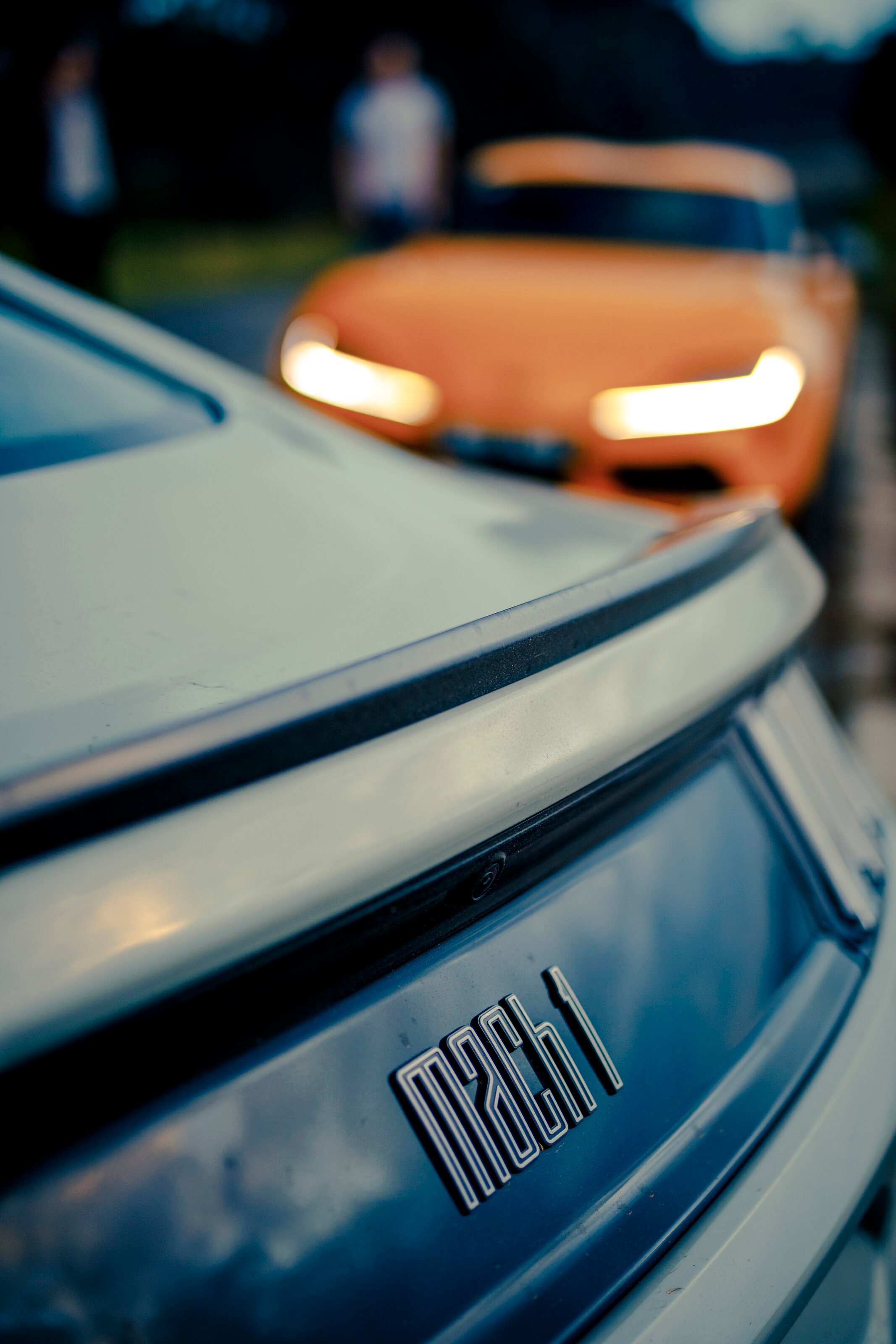
In the time between the Mach 1 being announced for Australia, and finally arriving, several features had been removed from the physical cars, but not promotional materials – namely the Torsen limited-slip diff, adaptive cruise control, and audible parking sensors. To say sorry, Ford is giving Mach 1 owners a free track day and servicing.
For buyers in the market for a Supra there are just two variants on offer. If you opt for the Supra GTS over its cheaper GT sibling you gain 19-inch wheels (up from 18 inches), wrapped in the same Michelin Pilot Super Sport tyres as the GT, larger rear brakes with red calipers, metal pedals, a head-up display, JBL sound system, and the ability to option Alcantara interior trim and matte grey paint at $2500 a pop. The extra features will set you back 10 stacks and you don’t even get a free day at the track.
Ford Mustang Mach 1 specs
| Body: | 2-door, 4-seat coupe |
|---|---|
| Drive: | rear-wheel |
| Engine: | 5038cc V8, DOHC, 32v |
| Bore x Stroke: | 93 x 92.7mm |
| Compression: | 12.0:1 |
| Power: | 345kW @ 7000rpm |
| Torque: | 556Nm @ 4600rpm |
| Power/Weight: | 194kW/tonne |
| Transmission: | 10-speed automatic |
| Weight: | 1779kgu00a0 |
| Suspension: | struts, coil springs, adaptive dampers, anti-roll bar (f); multi-links, coil springs, adaptive dampers, anti-roll bar (r) |
| L/W/H: | 4789/1916/1387mm |
| Wheelbase: | 2720mm |
| Tracks: | 1585/1654mm (f/r) |
| Steering: | electrically assisted rack-and-pinion |
| Brakes: | 380mm ventilated discs, 6-piston calipers (f); 330mm ventilated discs, single-piston calipers (r) |
| Wheels: | 19 x 9.5-inch (f); 19 x 10.0-inch (r) |
| Tyres: | 255/40 R19 (f); 275/40 R19 (r) Michelin Pilot Sport 4 S |
| Price: | $83,365 |
| Pros: | Raucous soundtrack; larger than life character; last of the atmo V8s? |
| Cons: | Lack of steering feel; high seating position; canu2019t hide extra weight; odd pedal placement |
| Star Rating: | 4/5 |
Toyota Supra GTS specs
| Body: | 2-door, 2-seat coupe |
|---|---|
| Drive: | rear-wheelu00a0 |
| Engine: | 2998cc inline-6, DOHC, 24v, turbocharged |
| Bore x Stroke: | 82 x 94.6mm |
| Compression: | 11.0:1 |
| Power: | 285kW @ 5800-6500rpm |
| Torque: | 500Nm @ 1800-5000rpm |
| Power/Weight: | 190kW/tonne |
| Transmission: | 8-speed automatic |
| Weight: | 1495kg |
| Suspension: | struts, adaptive dampers, coils, anti-roll bar (f); multi-links, adaptive dampers, coils, anti-roll bar (r) |
| L/W/H: | 4379/1854/1292mm |
| Wheelbase: | 2470mm |
| Tracks: | 1594/1589mm (f/r) |
| Steering: | electrically assisted rack-and-pinion |
| Brakes: | 348mm ventilated discs, 4-piston calipers (f); 345mm ventilated discs, single-piston calipers (r) |
| Wheels: | 19 x 9.0-inch (f); 19 x 10.0-inch (r) |
| Tyres: | 255/35 ZR19 (f); 275/35 ZR19 (r) Michelin Pilot Super Sport |
| Price: | $97,126 |
| Pros: | Useable performance; overall chassis balance; agile handling |
| Cons: | Small cabin; intrusive road noise; muted exhaust sound |
| Star Rating: | Star Rating: 4.5/5 |
Nissan Australia has recalled just over 1000 of its Patrol vehicles over an ill-fitting fuel pump problem.
The issue affects 1158 Patrol models built between 2019 and 2020.
According to the Department for Infrastructure, the fuel pump module may not have been manufactured properly and may bind internally, restricting or stopping fuel to the engine.
If fuel flow is restricted or stopped, the engine may stall during driving, and the vehicle may not restart.
This could in turn increase the risk of an accident and injury to occupants or other road users.
A list of VINs for the affected cars is available here.
When parts become available, owners will be advised to contact their local Nissan dealer to organise for an inspection and repair, free of charge.
For further information, contact Nissan on 1800 035 035.
The Mazda CX-5 is one of the great survivors. Making up a good chunk of Mazda’s stellar sales performance – it currently occupies the number two spot behind the Toyota juggernaut – it regularly sees off the never-ending series of competitors that have come its way since its giant-killing launch.
There are a number of very good reasons why the CX-5 continues to sell so well – Mazda’s shrewd obsession with little details, strong pricing, balanced chassis and, more recently, the addition of the turbo-petrol version.
For 2021, along with one of those detail-focused spec updates, Mazda added a new variant, the GT SP, nestled between the GT and the top-spec Akera.
Sadly, and this is quite the spoiler – it’s not a performance-oriented version like its similarly badged forbears the 323, MX-5 or RX-7. As ever, this is more of a specification and styling package. That’s not always a bad thing, though…
Pricing and Features
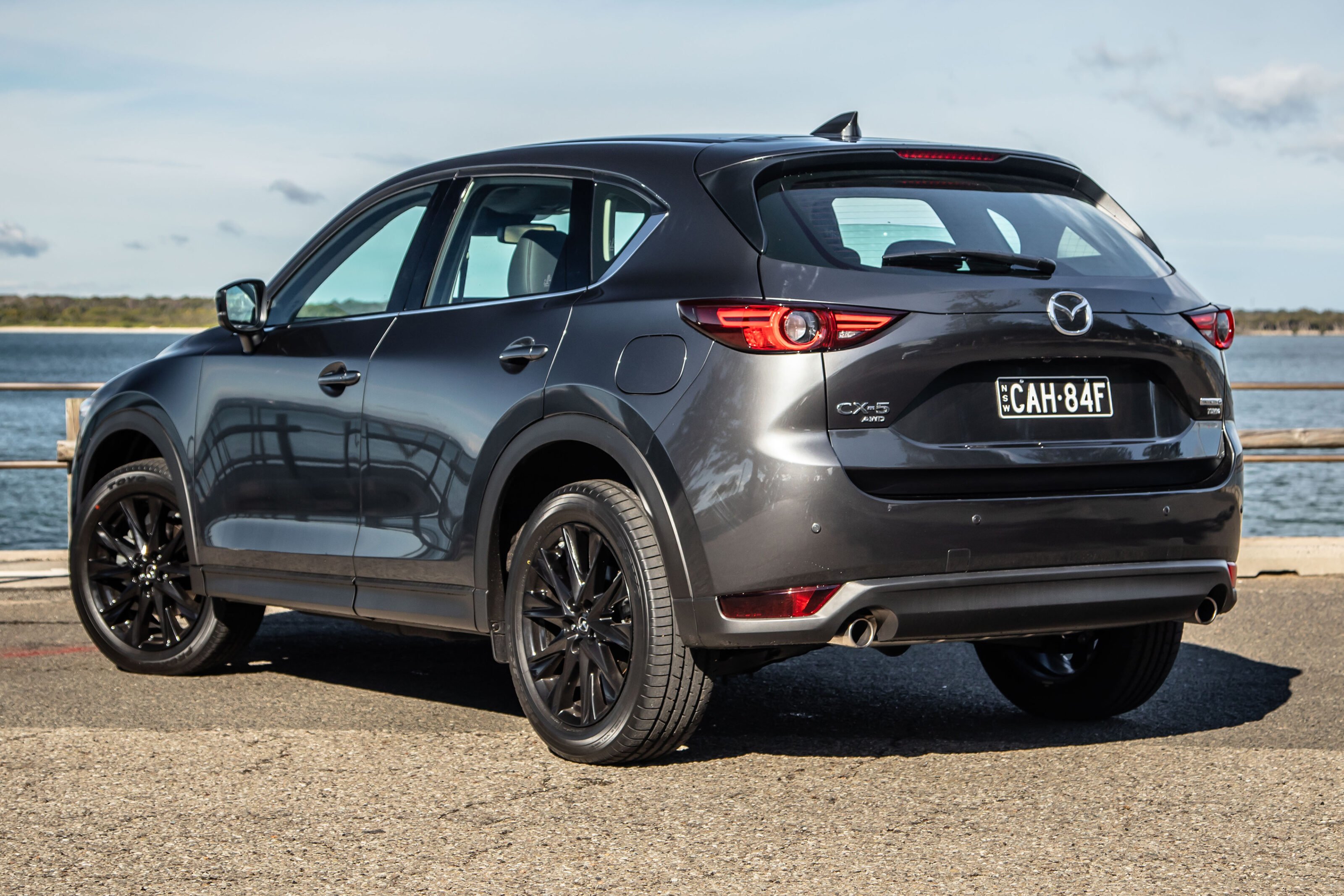
You can get two versions of the GT SP, a 2.5-litre naturally aspirated version for $47,490 before on-road costs or the one I drove, the $49,990 turbo.
Both are all-wheel drive and identically specified, so all the money goes on the turbo engine, which is not a bad way to spend $1500. You can also have the turbo-petrol in the GT ($49,490) or Akera ($51,880). All prices before on-roads.
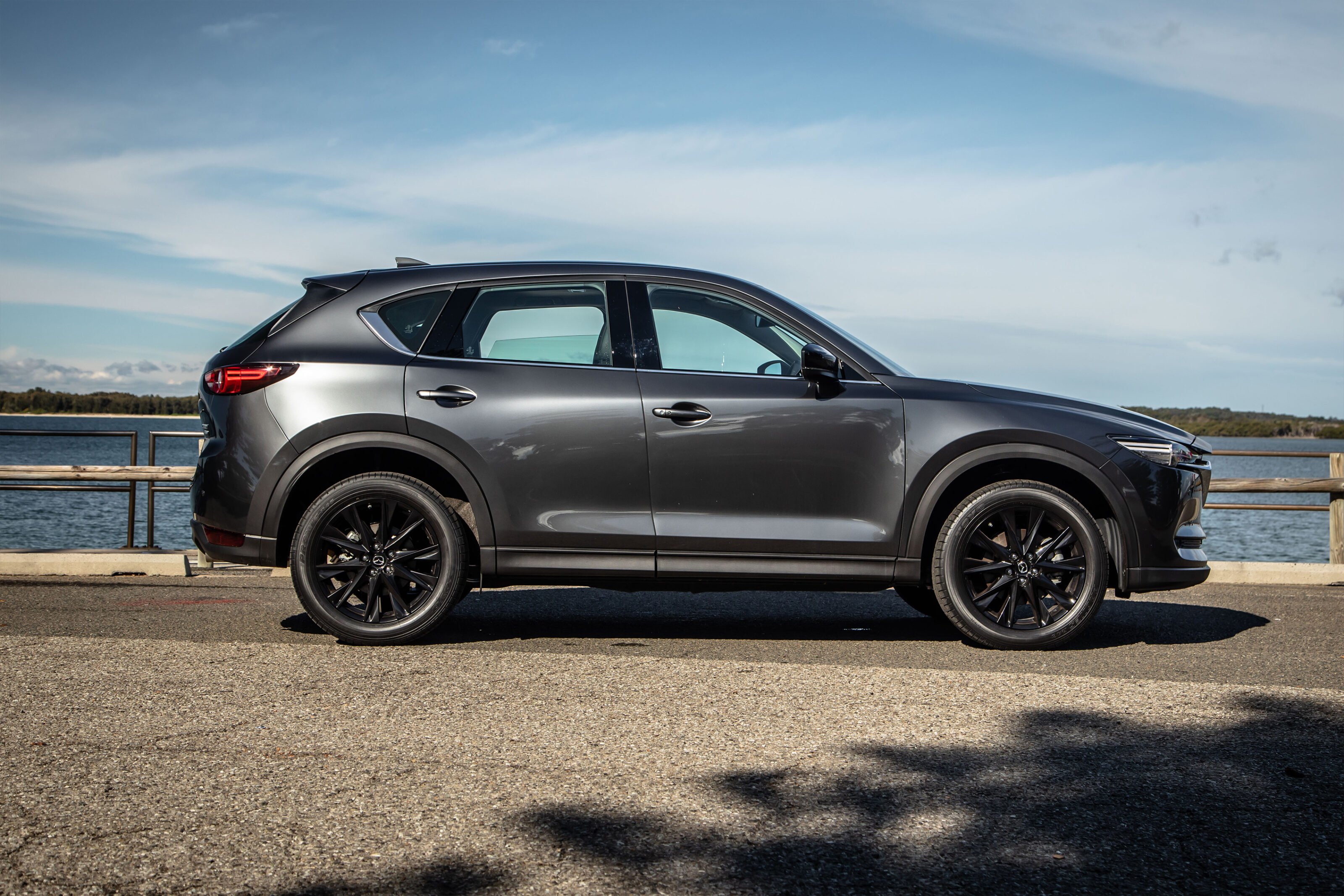
The SP adds to the GT’s specification with 19-inch black alloy wheels, black mirror caps and Mazda’s fake leather (Maztex, if you please) and synthetic suede combination on the seats. I quite like this combination because bare skin will neither burn nor freeze on contact with the suede and it holds you in place while you’re enjoying yourself.
Sadly, and this is quite the spoiler – it’s not a performance-oriented version, just like its similarly-badged forbears like the 323, MX-5 or RX-7.
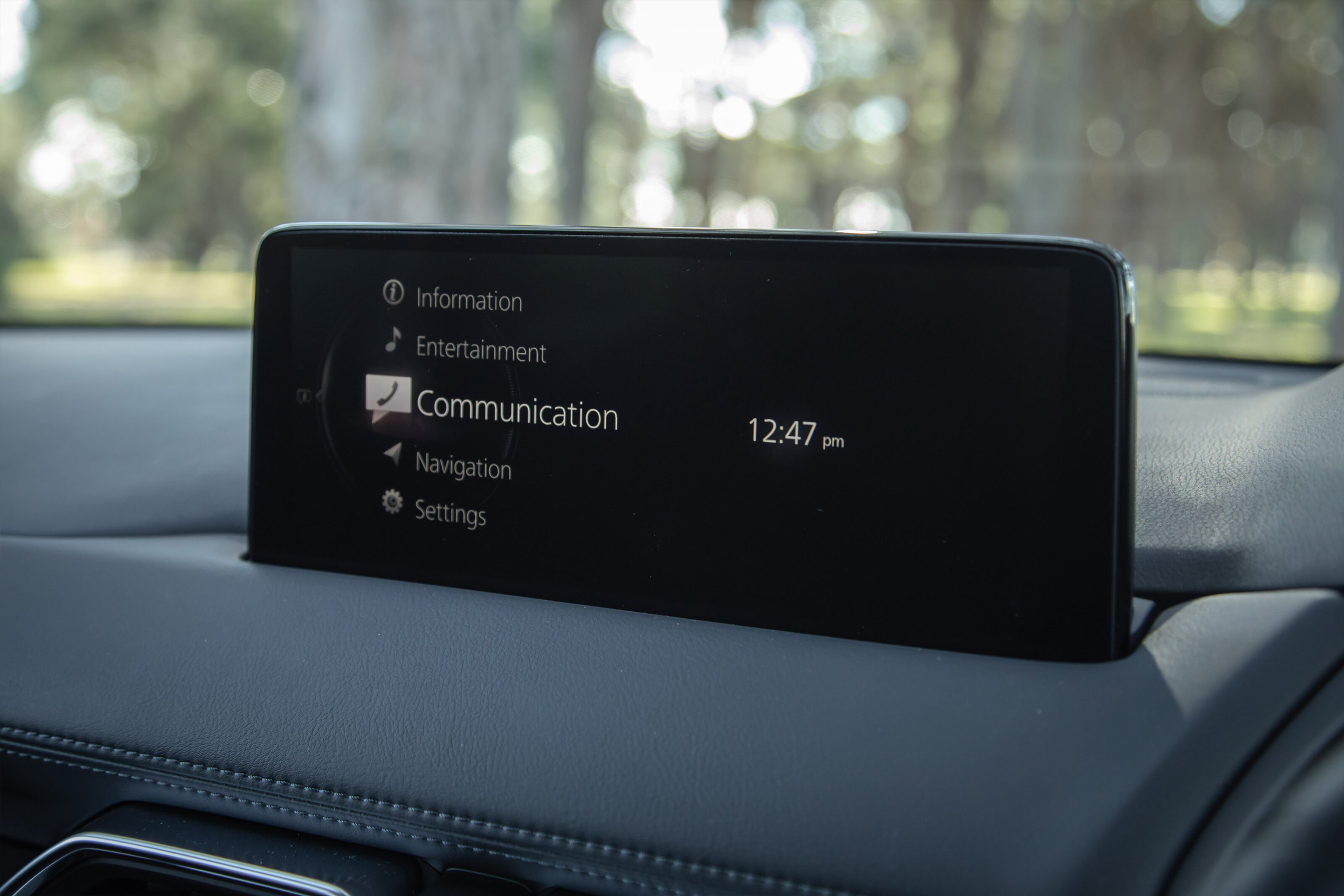
As part of the broader 2021 spec update, you also get a 10.25-inch widescreen Mazda Connect screen, which is just lovely to look at, but you have to get it through your head that it’s not a touchscreen and never will be.
It features wired Apple CarPlay and Android Auto and while I don’t have a great deal of experience with the latter, navigating CarPlay with just the rotary controller is a bit of a pain, especially as the number of CarPlay apps grows. The digital radio interface remains annoying, too. The 10-speaker audio set-up is nice, though, and fills the cabin well.
On top of that, you get dual-zone climate control (with rear air vents), reversing camera, keyless entry and start, front and rear parking sensors, adaptive cruise control, electric front seats with heating, sat-nav, auto LED headlights, power everything, auto wipers, power tailgate, head-up display and a sunroof.
The safety package is predictably full of the good stuff, something Mazda has worked very hard at over the past few years.
You get six airbags, all the usual braking and stability stuff, forward AEB (high and low speed, night and day pedestrian detection), forward collision warning, rear collision warning, rear cross-traffic alert, rear AEB, blind-spot monitoring, speed zone recognition, road sign recognition, two ISOFIX points and three top-tether points. The 2017 five-star ANCAP rating endures, but the rules have changed since then.
Comfort and Space
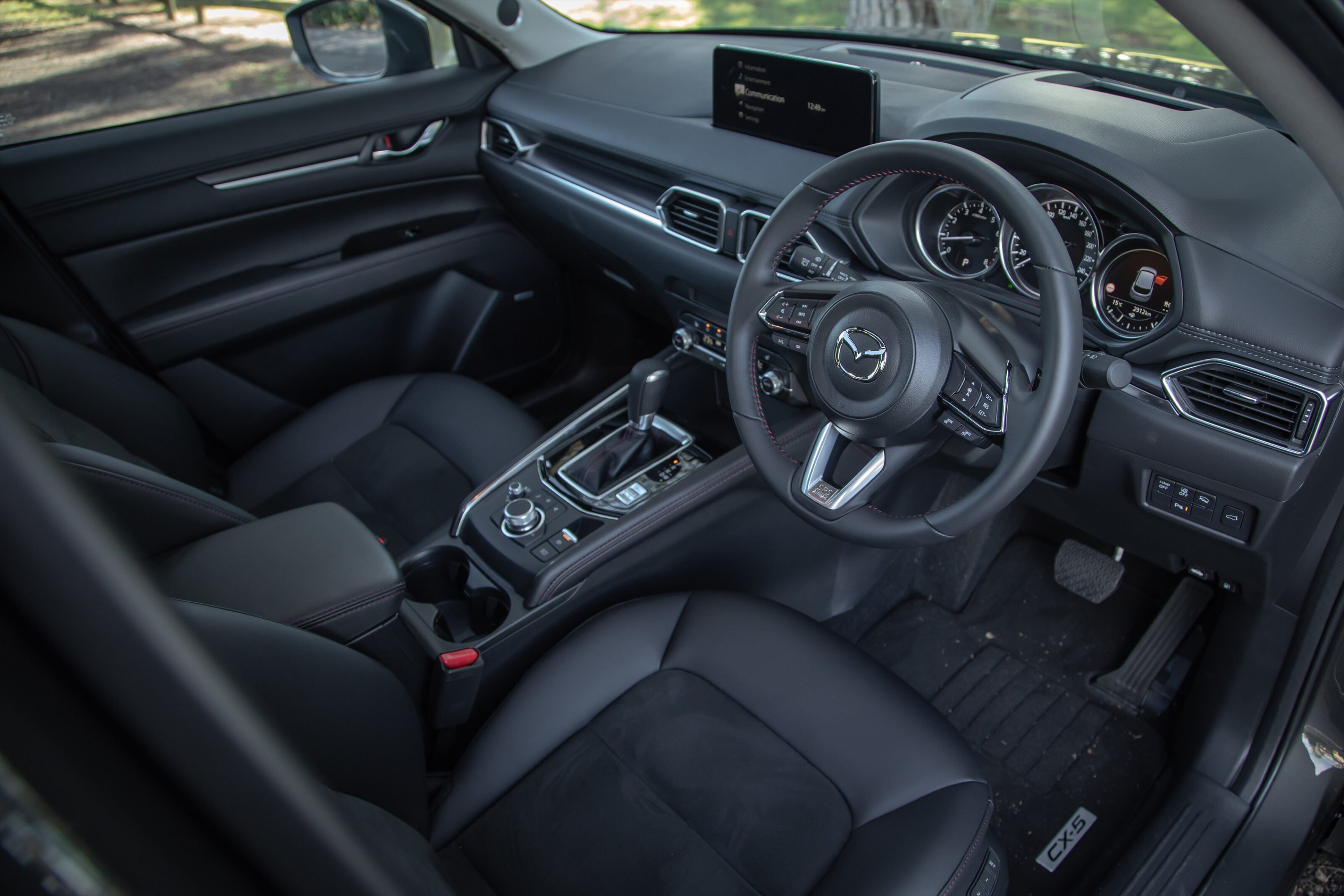
The CX-5 isn’t the largest cabin in the class and even the huge facelift in 2018 couldn’t do much to improve matters, save for an increase in boot space. Most Mazdas suffer from small boots and tight-for-the-class rear seats, so it’s not like we don’t know these things on the way in.
Front seat passengers will be very comfortable on chairs that look over-stuffed but aren’t. The CX-5 has a great driving position with plenty of adjustment in the seat and the wheel to get things just right.
You have two cup holders, a space underneath the climate controls for your phone and a 12V port, big door pockets that will take a pretty decent water bottle and a usefully deep centre console bin under the armrest.
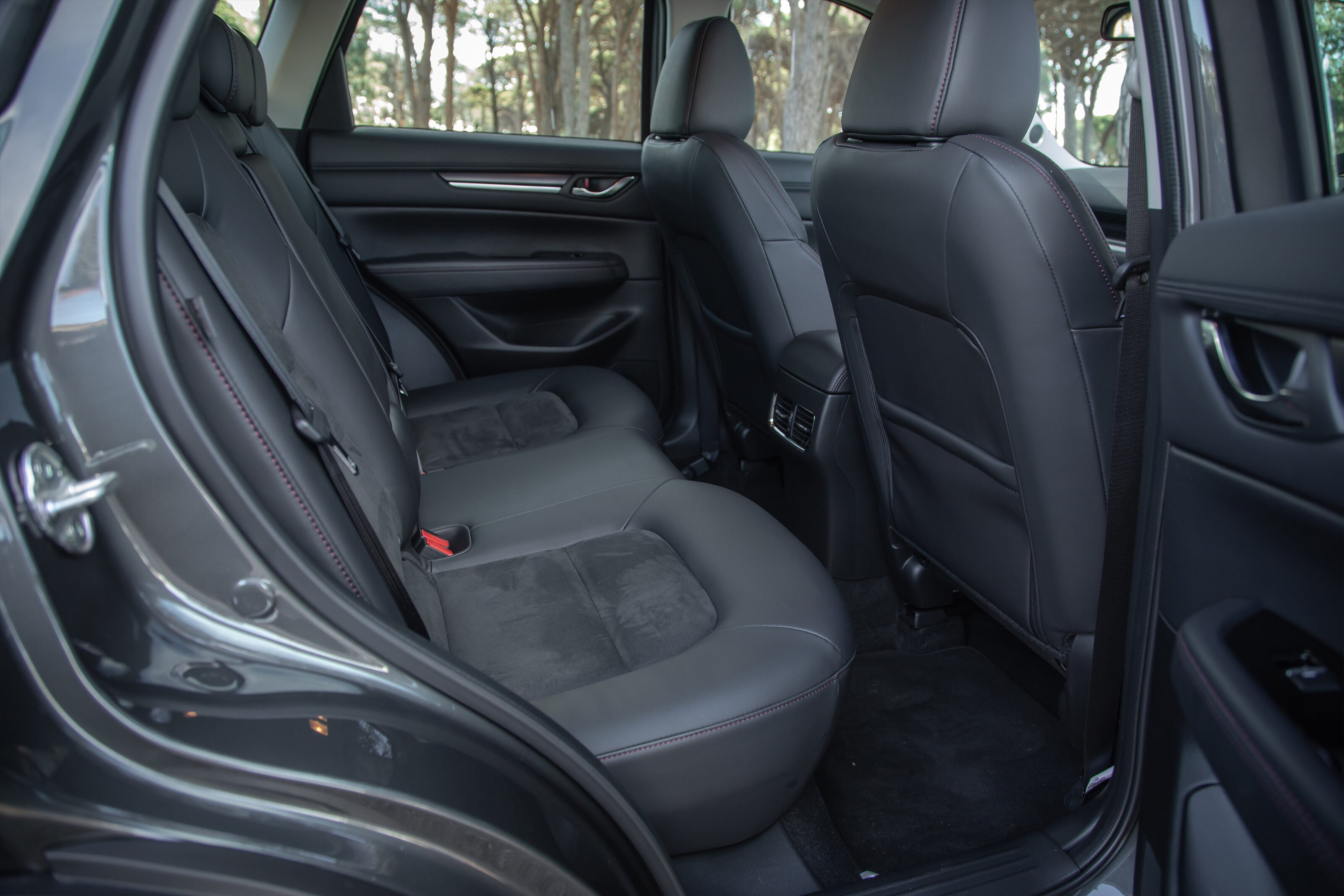
Rear seat passengers have a very useful fold-down armrest with two cup holders and a lidded tray that is extremely shallow but also houses two USB ports so you can keep the cables out of sight when you’re not in there.
The doors swing open really wide (great for lugging kids in and out) and the doors will hold a bottle, but not much else. Legroom is adequate rather than luxurious, but headroom is good. Three across won’t be much fun, but that’s most cars.
The boot’s improved but still not amazing at 442 litres with the seats up and 1342 litres with the seats down. The space is easily accessed via the power tailgate. A space-saver spare lives under the boot floor.
The CX-5 has a great driving position with plenty of adjustment in the seat and the wheel to get things just right
On the Road
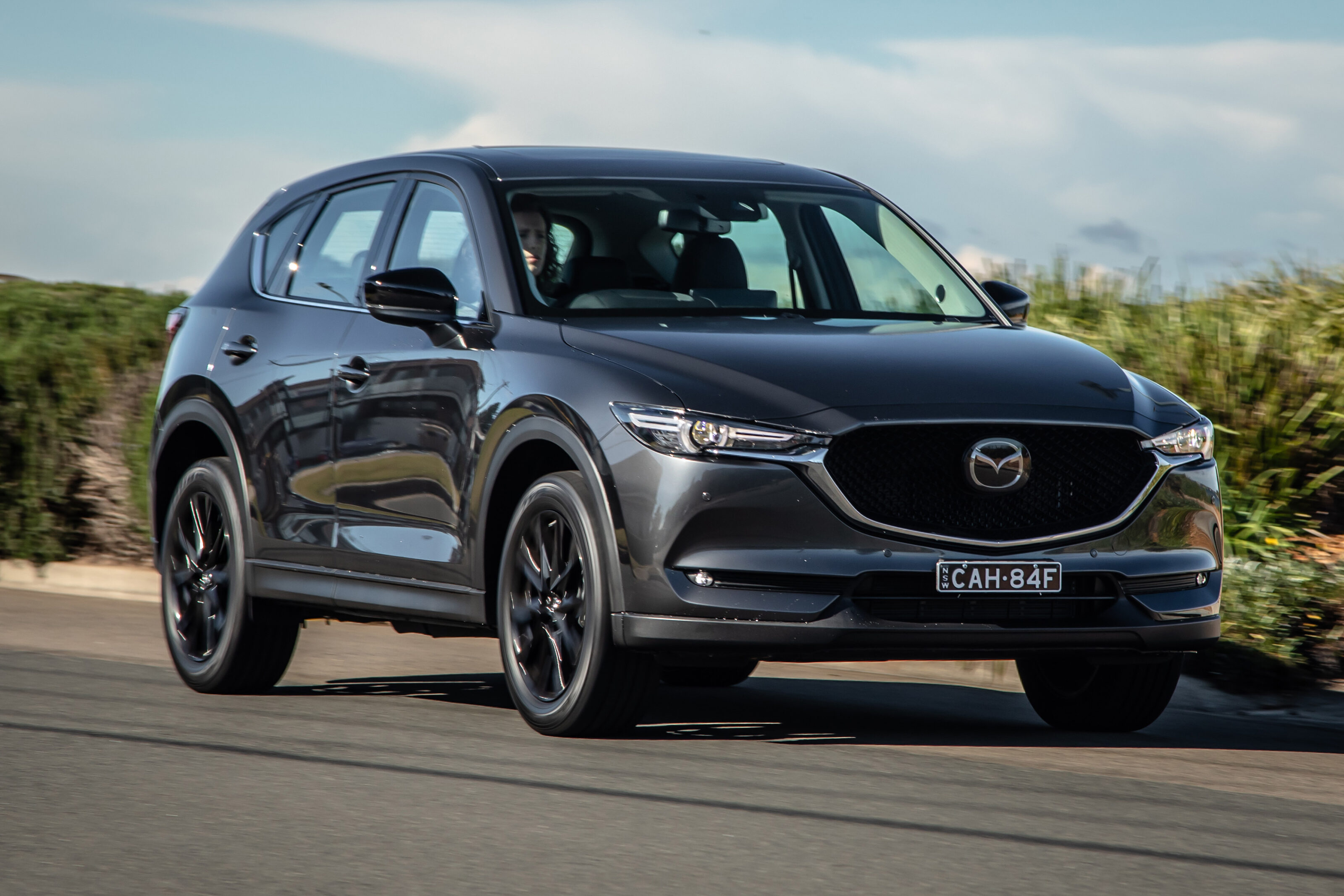
The CX-5 has always been great to drive, if not particularly swift. The addition of the turbo engine didn’t suddenly give Mazda a sporting advantage, more of a sporting change. With a healthy 170kW and 420Nm, it’s far more about driveability than outright pace, and that’s fine by me.
I’ve always found the 2.0-litre versions really struggle with the heft of the CX-5 – at its heaviest, it reaches well towards the 1800kg mark. Add in the mechanical drag of all-wheel drive and even the 2.5-litre is at best up to the job rather than going for it. That’s not a criticism, it’s an observation because clearly not that many CX-5 buyers care about that.
The CX-5’s lovely chassis remains intact. It really is one of the better mid-sizers to drive and has been that way for a decade. The front end is very positive and the steering has just enough feel and communication to set it apart from the rest.
The body is very well controlled through corners and the damping is so good it virtually ignores mid-corner bumps. The trade-off is a slightly firmer ride than its rivals – the new Hyundai Tucson springs to mind – but it’s absolutely worth it.
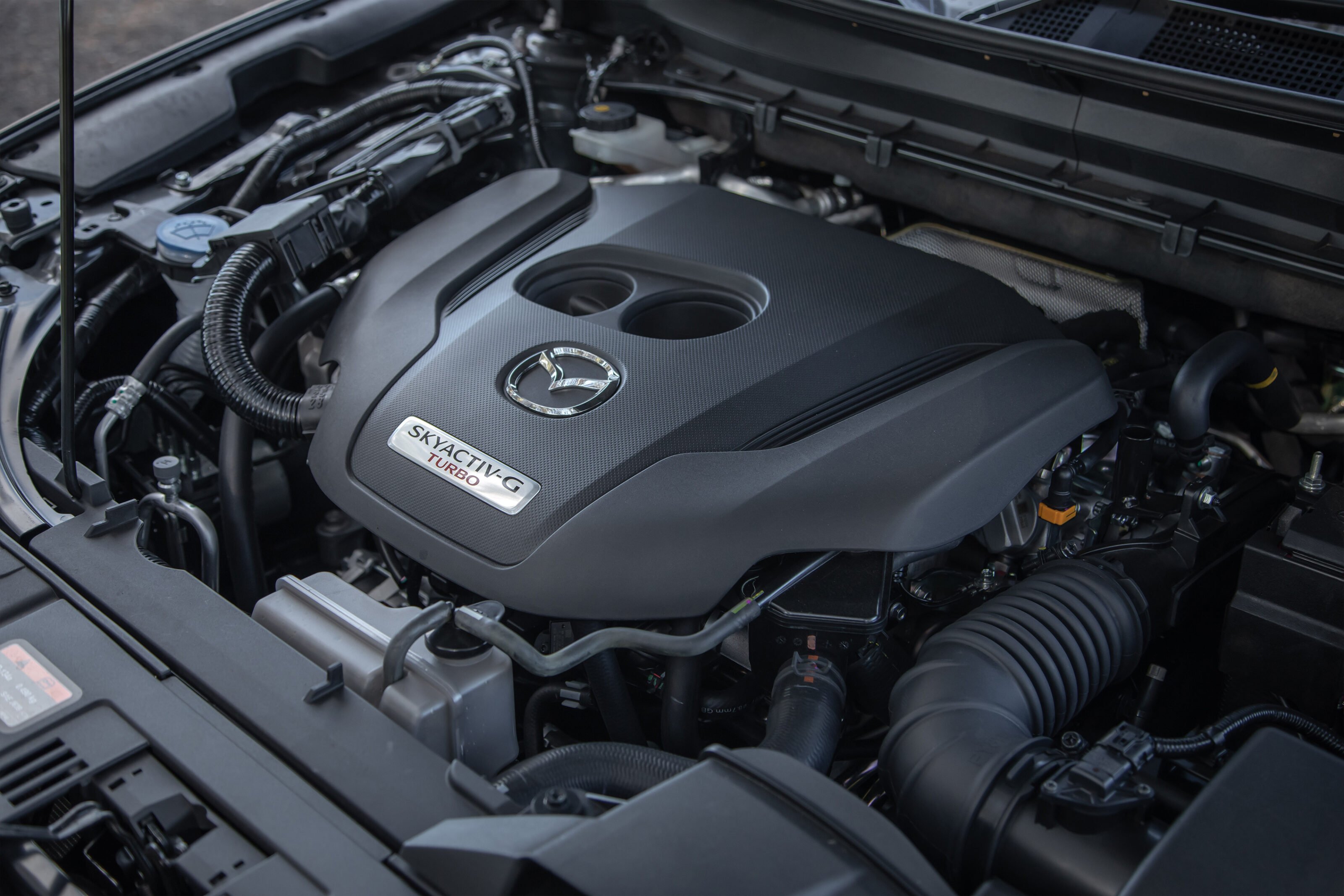
The GT SP’s turbo engine knocks a second or two off the 0-100-km/h time but it’s really the fat 420Nm of torque that wins the day.
A drive up to the Blue Mountains – a part of my regular extended drive loop (great coffee up there these days) – which takes in motorways (including the notoriously poorly surfaced M4), steep climbs and long fast bends was very relaxing.
The CX-5 is quiet in the cruise, the six-speed auto handles anything you can throw at it and you only hear the engine under load. Being a Mazda, it doesn’t make a particularly pleasant noise, but it’s well-damped.
Mazda’s official fuel figure of 8.2L/100km is much more achievable than either the 2.5’s or 2.0’s official figures, partly because you’ll find you rarely sink the slipper. It runs happily on 91 RON which is also good news.
My week with the car yielded an indicated 8.6L/100km and included a good mix of highway and suburban running. I’ve rarely got a non-turbo CX-5 to use less than about 10.5L/100km so the forced induction obviously does the job.
Ownership
Mazda offers a solid five-year warranty with unlimited kilometres, which is on par with most of its rivals except the soon-to-be-replaced Kia Sportage with its seven-year warranty. Roadside assist is also available for the duration.
The CX-5 turbo insists on relatively short service intervals of 12 months/10,000km and you’ll pay between $349 and $375 per service for the first give services, meaning a total of $1797 over five services. That’s not bad if you don’t go mad on the miles.
VERDICT
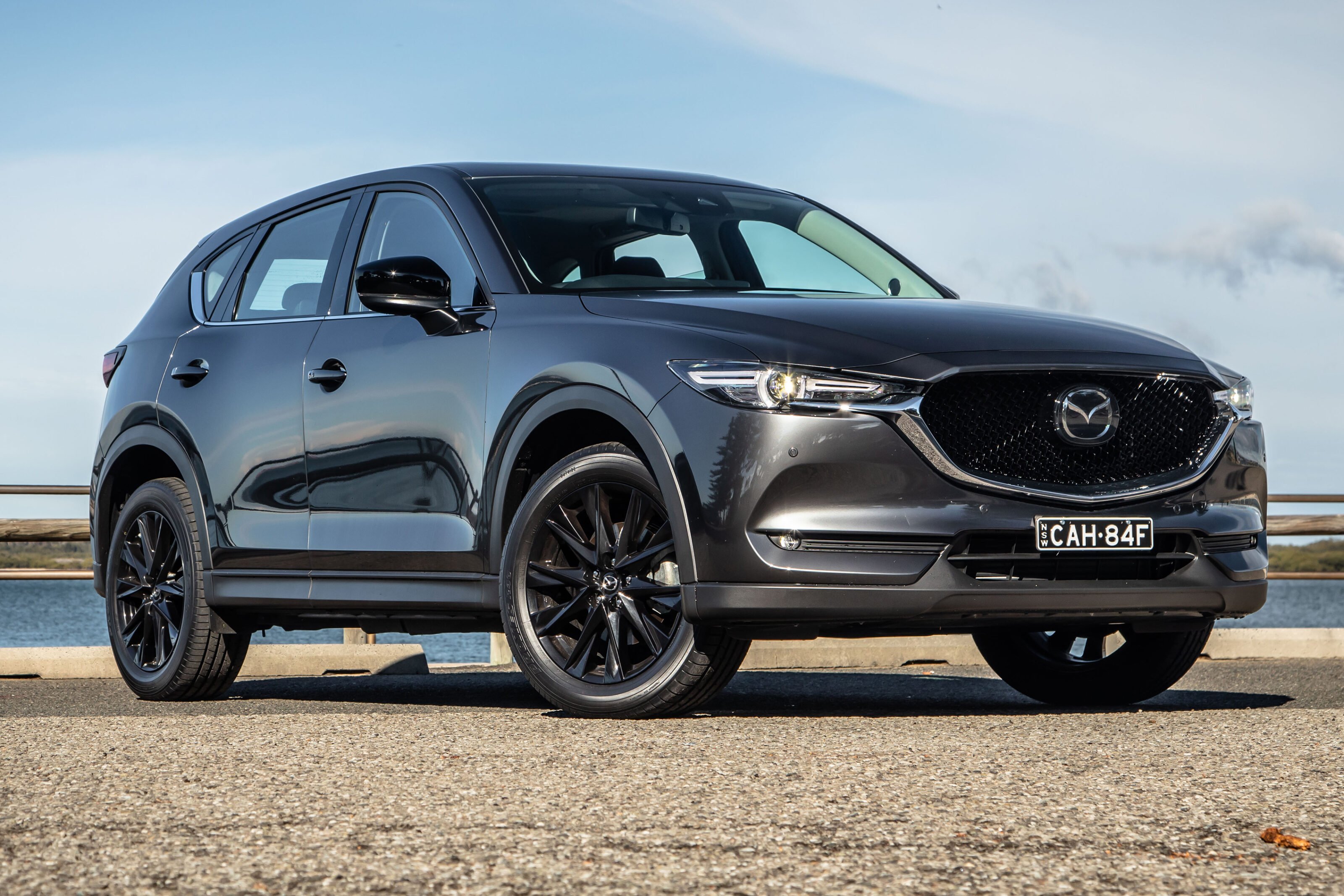
To survive in the mid-size SUV market is commendable. To do it for so long as wave after wave of new competitors keep coming over the top of the trenches is remarkable. Mazda isn’t a huge company, yet it consistently sees off giants like Ford, Hyundai, Kia and the Europeans without raising a visible sweat.
The CX-5 has also survived the brand’s upmarket push – and corresponding pricing – while steadily evolving every year to be a better car than the year before. It’s not cheap but it’s not bonkers, either.
To trail only Toyota in the medium SUV segment is a massive achievement, with almost one in five buyers in the market choosing the Mazda.
Sometimes the top sellers in a segment aren’t necessarily very good, but the CX-5 has established itself on quality, build, looks and value – and stuck to it. Chucking in the best engine in Mazda’s line-up hasn’t done it any harm either.
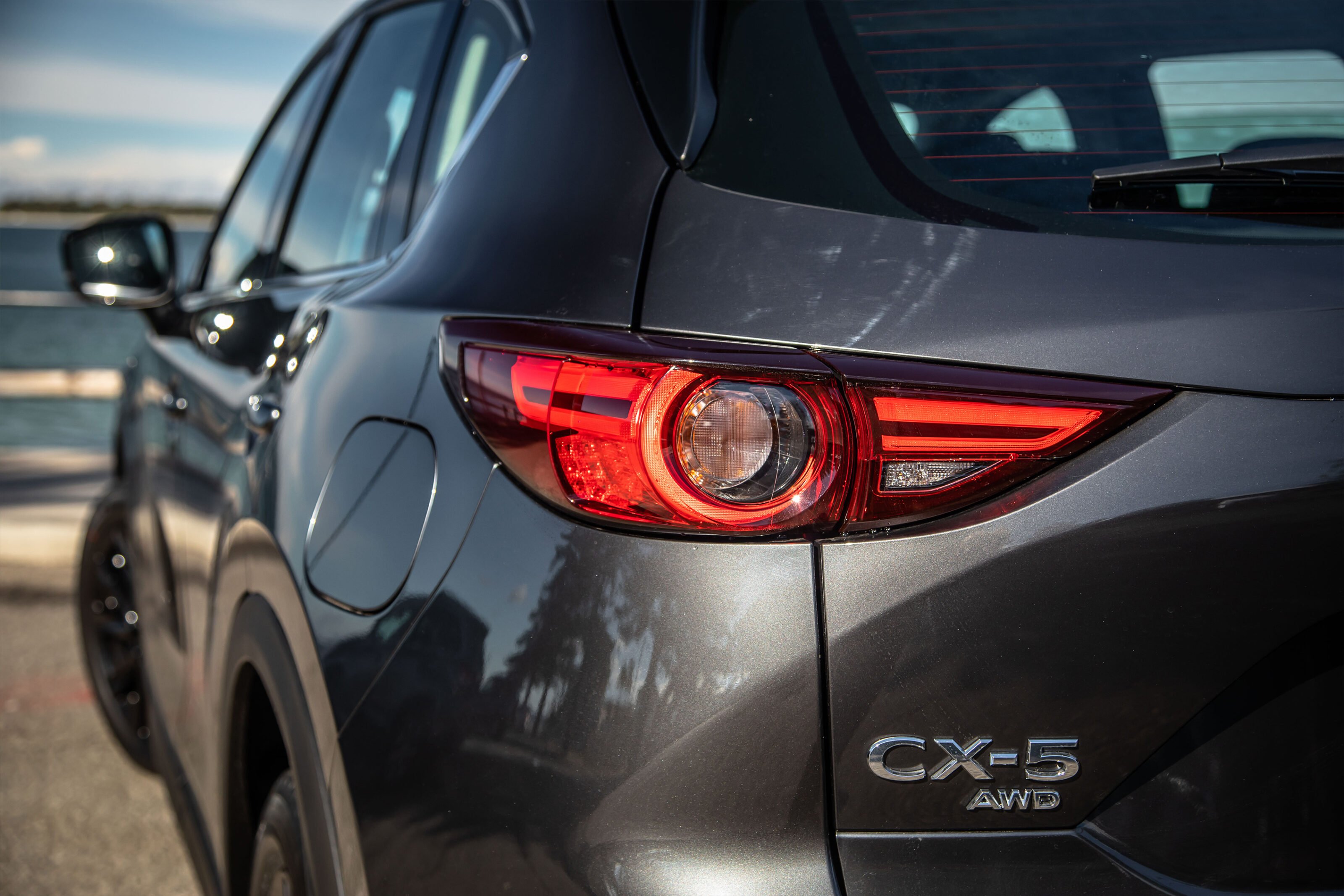
2021 Mazda CX-5 GT SP Turbo specifications
| Body: | five-door SUV |
|---|---|
| Drive: | all-wheel drive |
| Engine: | 2.5-litre four-cylinder turbo |
| Transmission: | six-speed automatic |
| Power: | 170kW @ 5000rpm |
| Torque: | 420Nm @ 2000rpm |
| Bore stroke: | 89.0mm x 100mm |
| Compression ratio: | 10.5 : 1.0 |
| 0-100km/h: | 7.7 sec (claimed) |
| Fuel consumption: | 8.2L/100km (combined) |
| Weight: | 1718kg |
| Suspension: | McPherson struts (front); multi-link (rear) |
| L/W/H: | 4550/1840/1680mm |
| Wheelbase: | 2700mm |
| Brakes: | 320mm ventilated disc (front); 303mm solid disc (rear) |
| Tyres: | 255R19 |
| Wheels: | 19-inch wheels (space-saver spare) |
| Price: | $49,990 + ORC |
Toyota has applied to trademark the Hybrid Max name in the US – hinting towards a powertrain which could feature under the next-generation Tundra pick-up.
The company has recently been drip-feeding details surrounding the new Tundra TRD Pro – in which it has done little more than show off its exterior design. However, the American arm of the Japanese manufacturer has already revealed the vehicle’s engine will be dubbed the iForce Max.
While it has not yet been officially confirmed, the iForce Max is likely to be Toyota’s branded name for the V35A-FTS 3.5-litre, twin-turbo V6 petrol engine which is set to power the new LandCruiser 300 Series in other markets, although Australian arrivals will only be available with a 3.3-litre, twin-turbo V6 diesel.
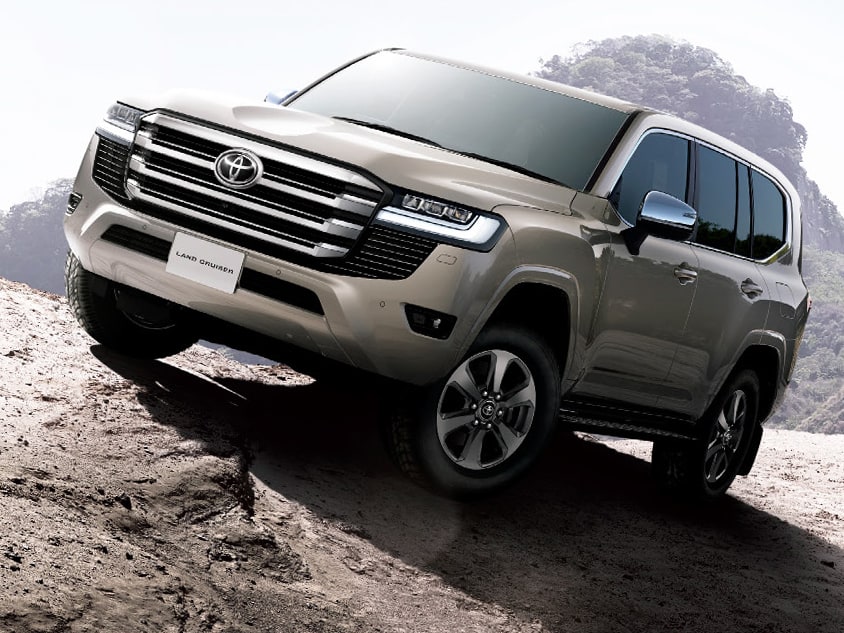
As for the range-topping Tundra, Toyota hasn’t provided any details surrounding the origins or intentions for the Hybrid Max name but it is likely it will lend itself to a hybridised petrol engine, potentially finding itself in a regular Tundra or eventually in the TRD Pro.
Just like the twin-turbo petrol donk in the LC300, it’s unlikely we’ll see the hybrid engine locally any time soon, but it could wind up in the LandCruiser during a mid-life cycle update in a few years time, given the off-road wagon and pick-up truck are based on the same platform.
