Hyundai Australia is recalling 198 examples of its Santa Fe, fitted with the 3.5 MPi engine, due to a defective fuel supply pipe.
The Korean carmaker has issued a notice for the cars which were all made in 2021.
The fault, according to the Department for Infrastructure, relates to the fuel supply pipe attached to engines which may be defective, and could subsequently result in a fuel leak.
If this occurs, it can result in an engine fire, increasing the risk of an accident, serious injury or death to vehicle occupants and other road users.
A list of VINs for affected vehicles can be found here.
Owners are advised to contact their nearest authorised Hyundai dealer to have their vehicle inspected and repaired, free of charge.
For more information, contact Hyundai Australia on 1800 186 306 or visit: https://www.hyundai.com.au/dealer#
Pivot was the (rather annoying) catchphrase of 2020. Find new customers, learn new skills, grasp new opportunities, and no car-maker has exemplified this better than MG.
Once an iconic manufacturer of lightweight British sports cars, it’s now a Chinese-owned purveyor of cheap SUVs. Cheap has plenty of negative connotations – the number plate surround would prefer you thought of it as “value since 1924” – but it shouldn’t as MG has clearly happened upon a successful recipe.
Sales so far in 2021 (as of the end of June) are up 240 per cent over June 2020, a result that was itself up 55 per cent over 2019. The small ZS SUV is doing the bulk of the heavy lifting with sales up 433 per cent (not a typo), but the mid-size HS is doing its fair share with a 208 per cent increase.
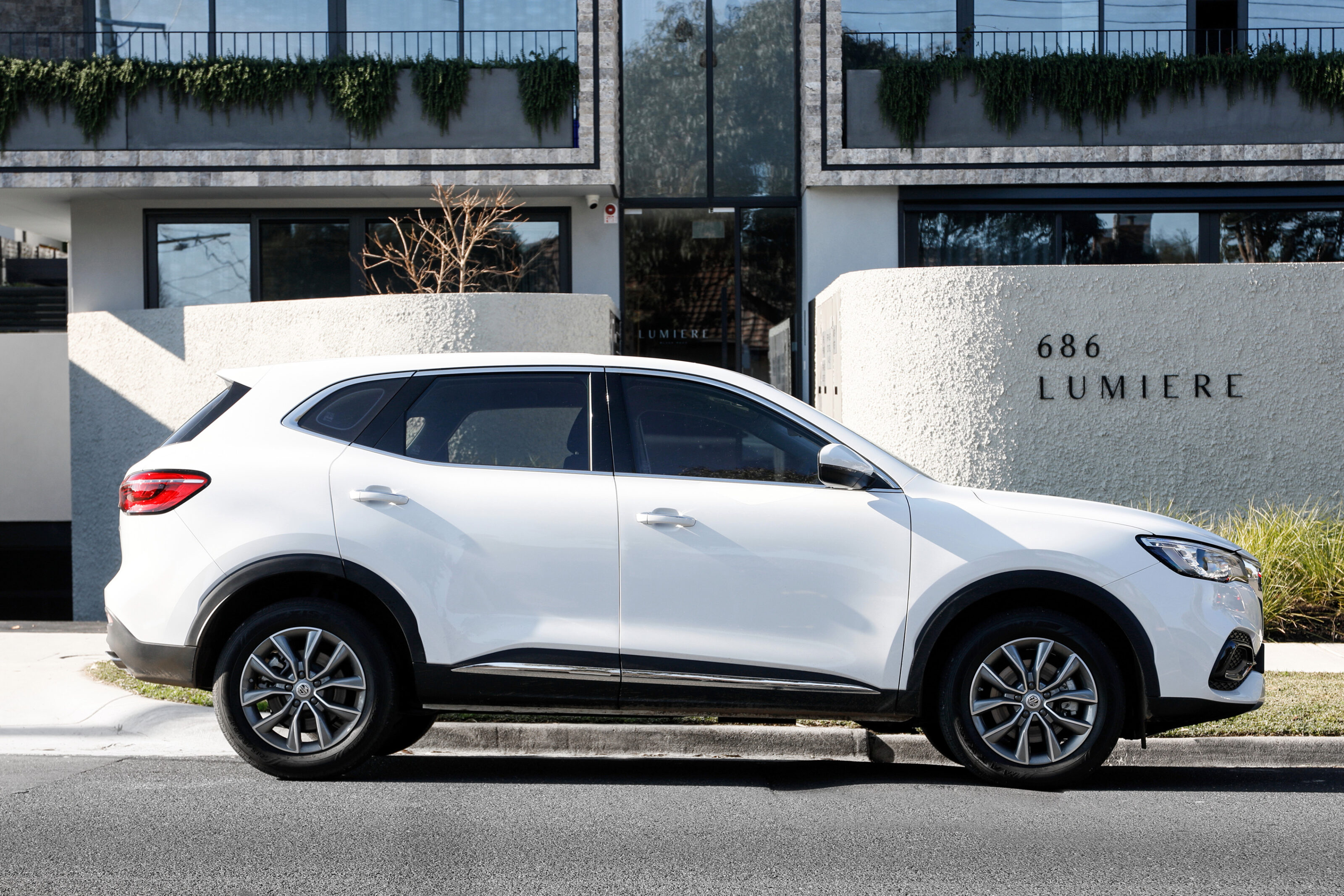
The MG HS Core kicks off the range at just $29,990 drive-away which undercuts, well, everything in the class and by no small margin in most respects.
Discount the manual price leaders that nobody actually buys and a Toyota RAV4 starts at $34,695 the Mazda CX-5 $33,190 and the Hyundai Tucson $34,500 (all before on-road costs). Only the about-to-be-replaced Kia Sportage ($30,690 + costs), likewise Mitsubishi’s Outlander ($31,790 + costs) and Haval H6 Premium ($30,990 drive-away) get close.
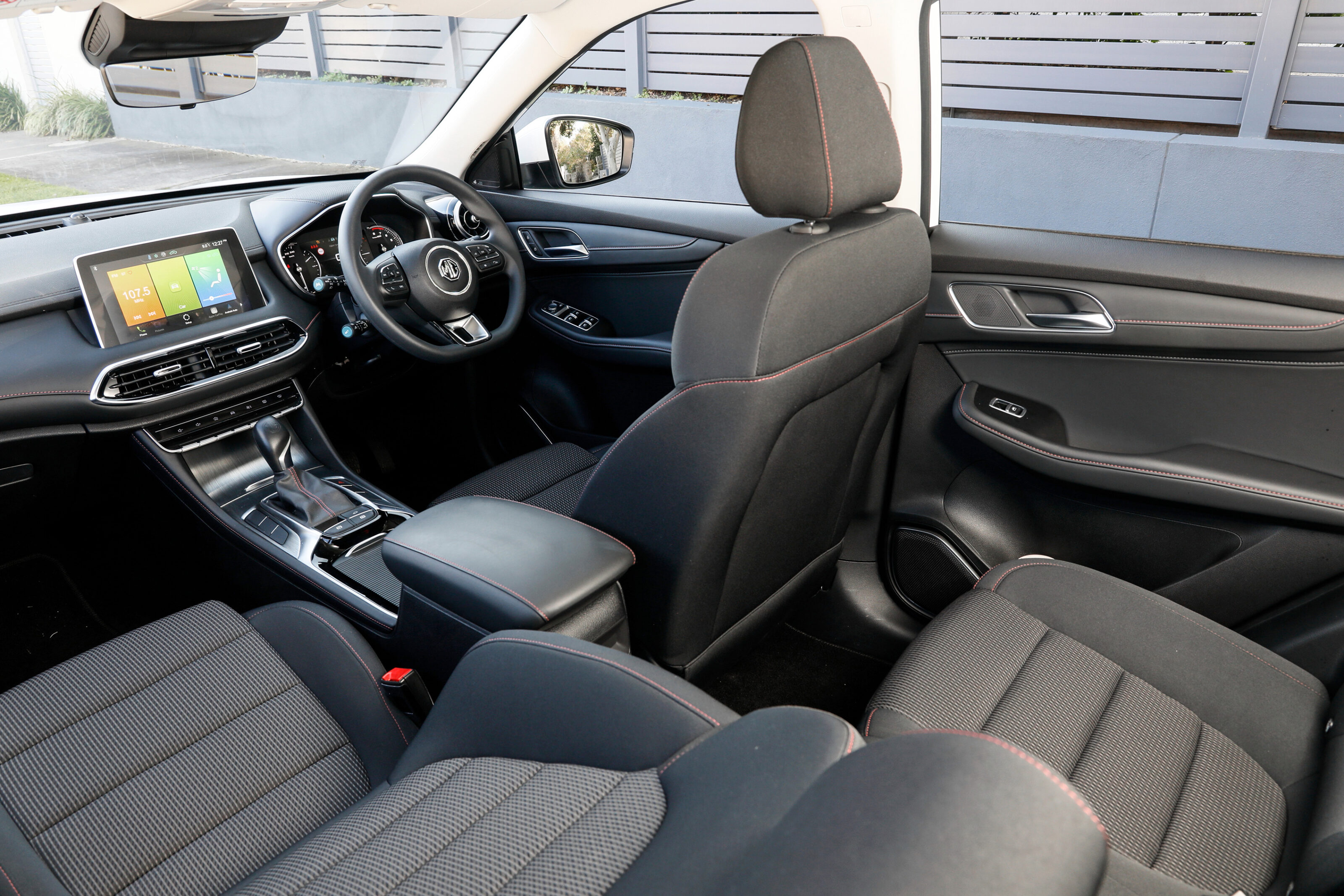
At first glance, not a lot appears to be missing. The seats are fabric and manually adjustable but also supportive and quite comfy, while the steering wheel is adjustable for rake (up and down) and reach (in and out), although a little more reach adjustment would be nice.
Credit to MG for including its Pilot active safety system even on this base model
A 10.1-inch infotainment touchscreen has smartphone mirroring and it is displayed quite large. This makes it look quite low resolution but it’s actually very handy on the move, giving your fingers nice big targets to aim at. The screen also contains the HVAC controls, which is a bit of a faff, but there is a shortcut button to go straight to the screen you need.
Credit to MG, too, for including its Pilot system on even this base model, which in addition to six airbags includes active safety equipment like adaptive cruise control, forward collision warning with auto emergency braking, traffic jam assist, lane-keep assist, blind-spot monitoring with rear cross-traffic alert and auto high-beam assist.
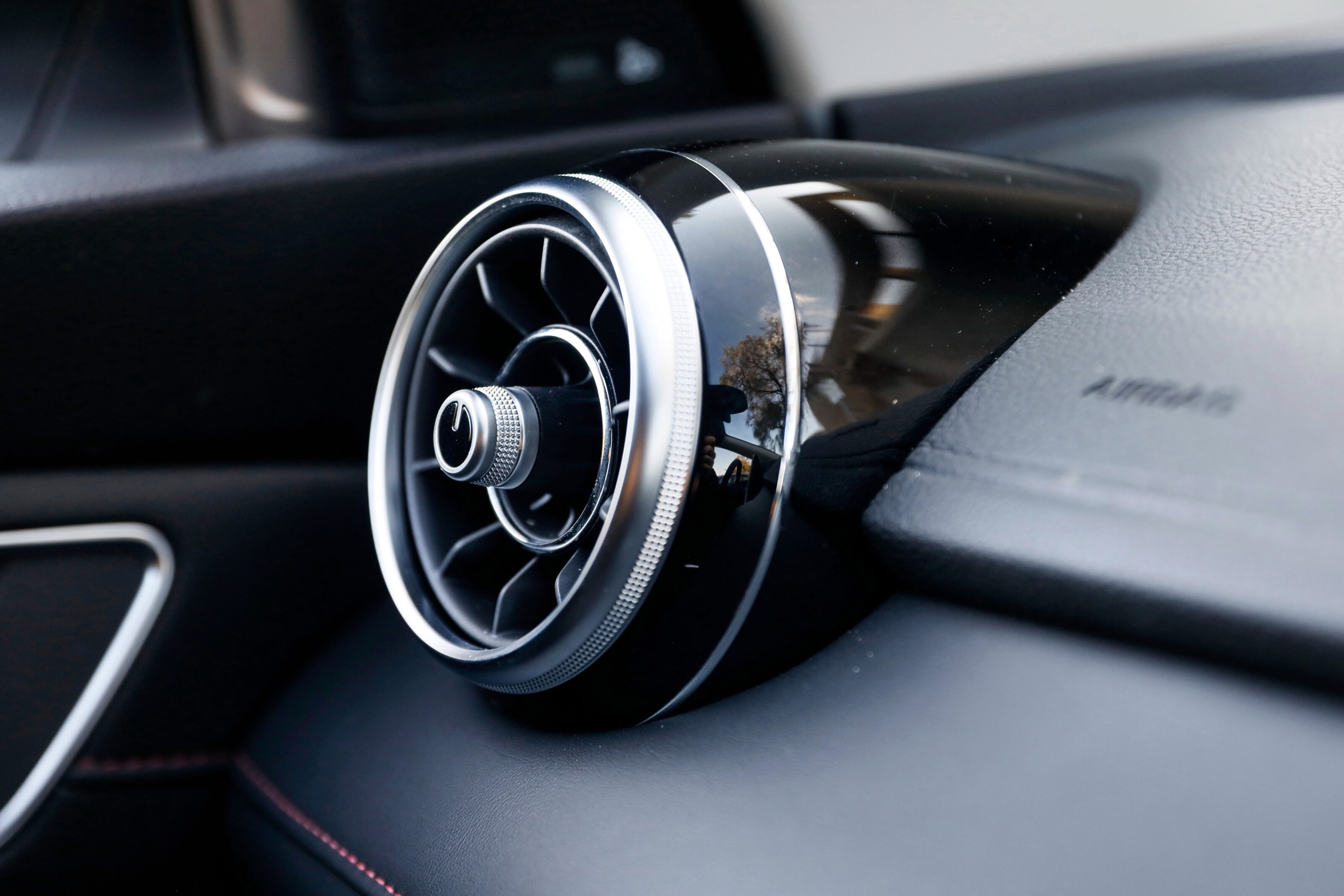
The general interior is actually very impressive in terms of its design and materials. Soft-touch plastics on the door tops, leather-like linings for the dash, centre console and armrests with contrasting red stitching, circular air vents and faux-aluminium trim makes it look and feel anything but base model, though the number of blank buttons provides plenty of clues.
Clear dials are complemented by a central digital screen, which displays the fuel and temperature gauges along with all manner of vehicle information that’s easily navigated using the steering wheel buttons. The wheel itself felt immediately familiar. It took a moment to figure out why, but eventually it clicked – replace the MG badge with a VW one and it could be from a Mk 6 Golf or similar. Not a bad thing, as it’s a comfortable thing to hold.
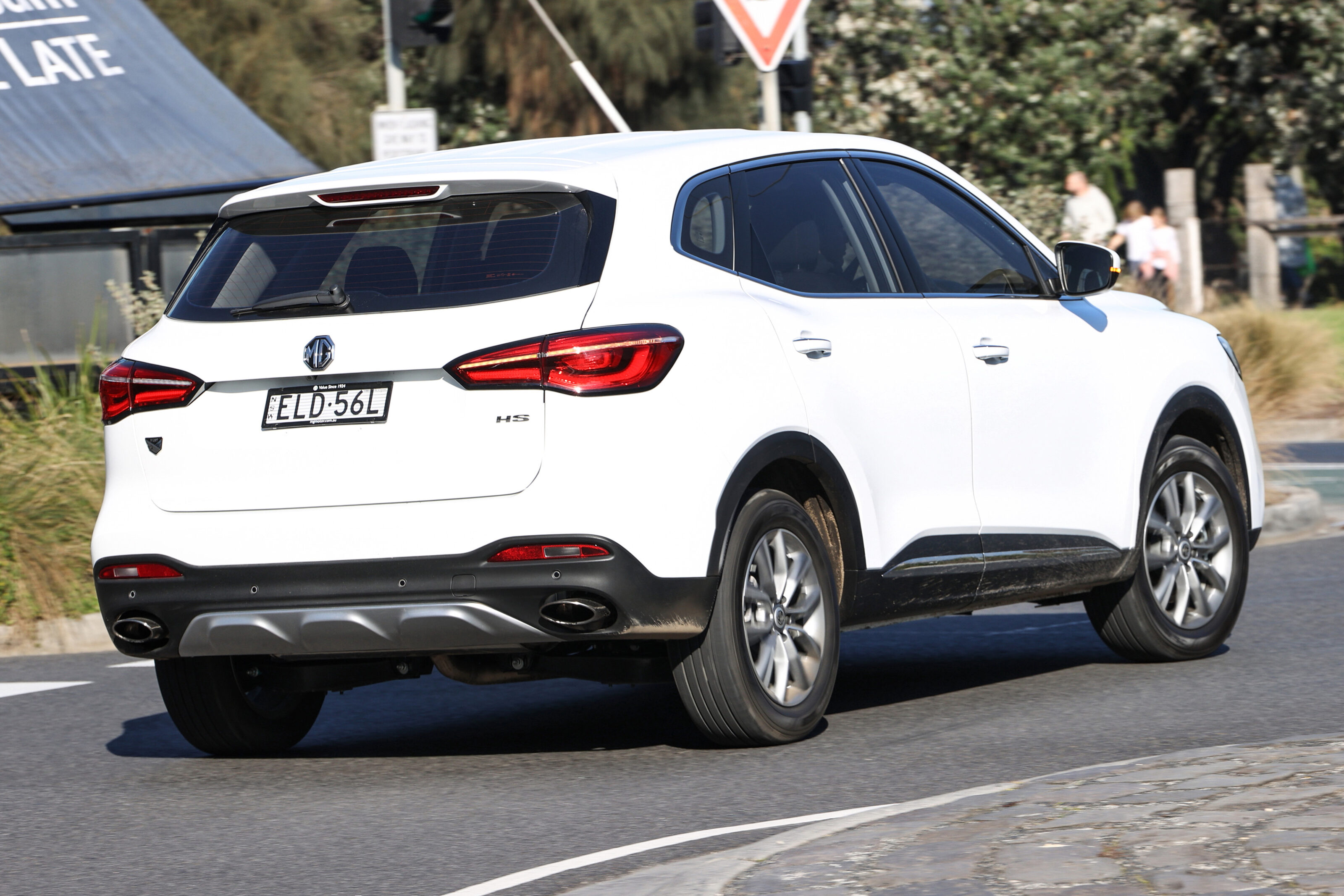
There’s plenty of inspiration from other manufacturers in the exterior styling, too. A Mazda CX-5 was clearly front and centre on the mood board, but there’s a smattering of Hyundai Tucson and Nissan X-Trail and the result is a safe, sensible shape that, helpfully, is extremely practical.
Hop in the rear and you’ll find a very bare-bones environment with no USB ports, air vents or even map pockets, though refreshments are at least catered for with cupholders in the fold-down centre armrest and door bins that accommodate a 1.5-litre bottle.
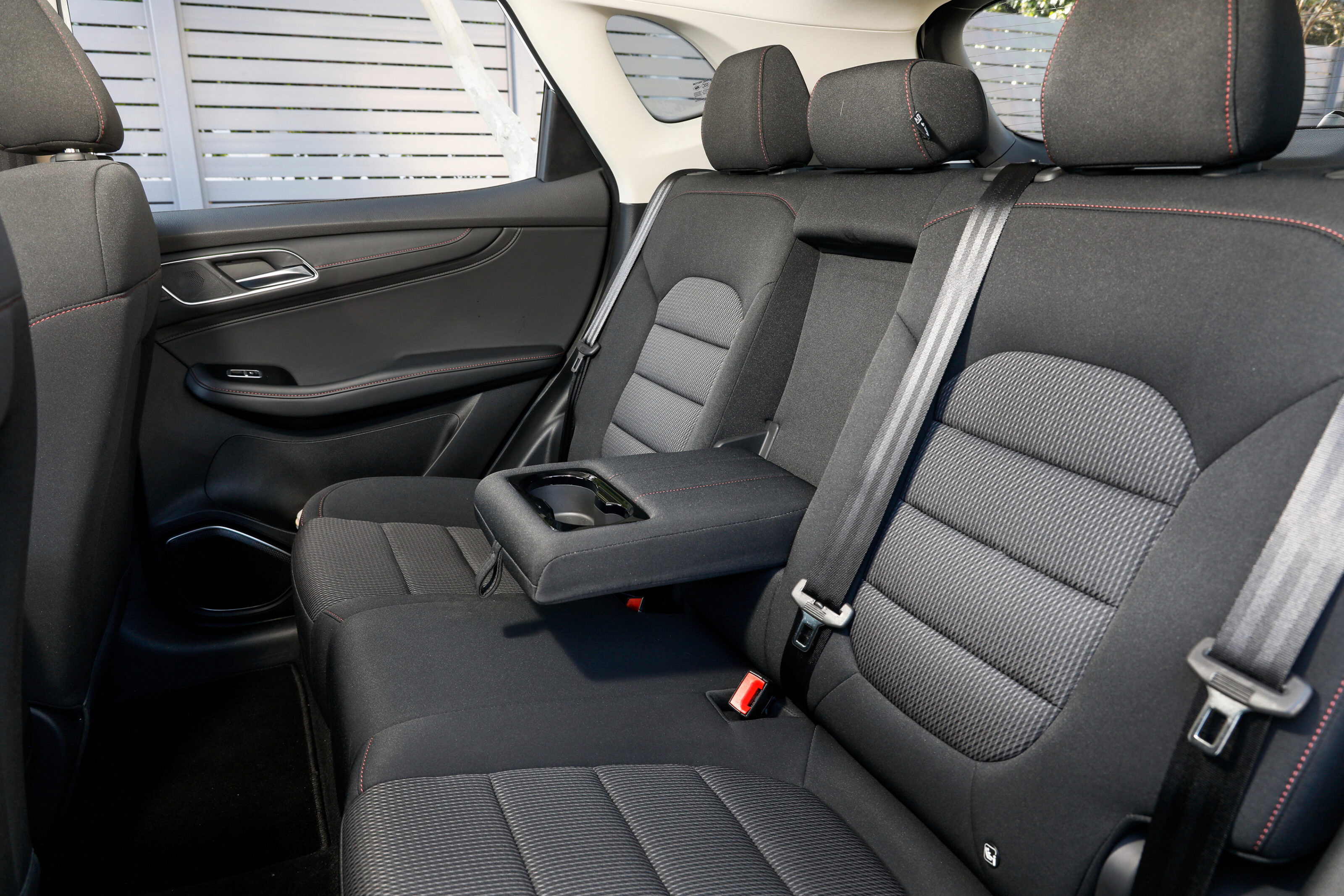
While there isn’t much entertainment out back there’s more than enough space to create your own fun. My 180cm frame has vast head, shoulder, leg and foot room in each of the outer rear seats, which are nicely sculpted rather than just being a flat bench. The centre pew is hard and raised, one for short distances only, but otherwise the HS scores a tick for occupant space.
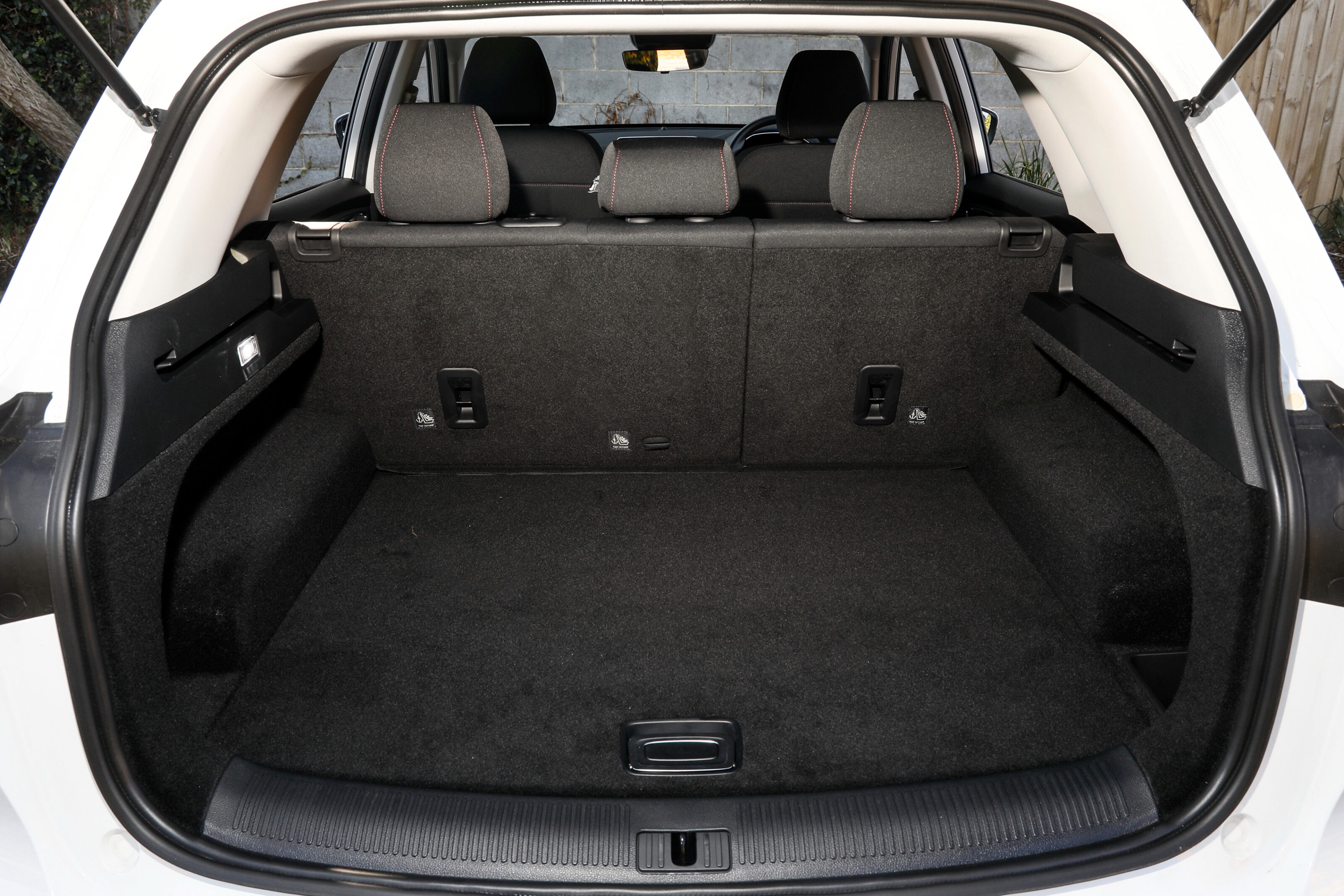
Boot space is competitive if not class-leading at 463L, matching the likes of the Mazda CX-5 (442L) and Kia Sportage (446L) but well behind the Honda CR-V (522L), Nissan X-Trail (565L) and Toyota RAV4 (580L). This expands to 1287L with the rear seats folded away, though they don’t fold completely flat.
Nevertheless, it’s a practical area. There’s no wet storage area but a small cubby hole on the right for trinkets and the area above the rear wheel arches has been sculpted out to eke out a little extra space. Obviously, at this price point, the tailgate is manually operated but isn’t too heavy.
Before we get to how the MG drives, there is an elephant in the room that must be addressed. The rung above the Core in the HS range is the Vibe, which lists at just $1000 more but includes the following: a six-speaker stereo instead of four, a pair of USB ports front and rear instead of one in the front, illuminated glovebox, cooled front centre armrest, rear air vents and map pockets, removable luggage cover, leather steering wheel, synthetic leather seats, heated door mirrors and keyless entry. Whew!
The Core might be the cheapest model in the range but it’s difficult to argue that the Vibe isn’t where the true value is.
Both are powered by a 1.5-litre turbocharged four-cylinder engine driving the front wheels through a seven-speed dual-clutch gearbox. It produces 119kW and 250Nm with claimed fuel consumption of 7.3L/100km. Over the course of almost 600km of varied driving my average was actually 7.0L/100km, though it does require premium 95RON fuel at a minimum.
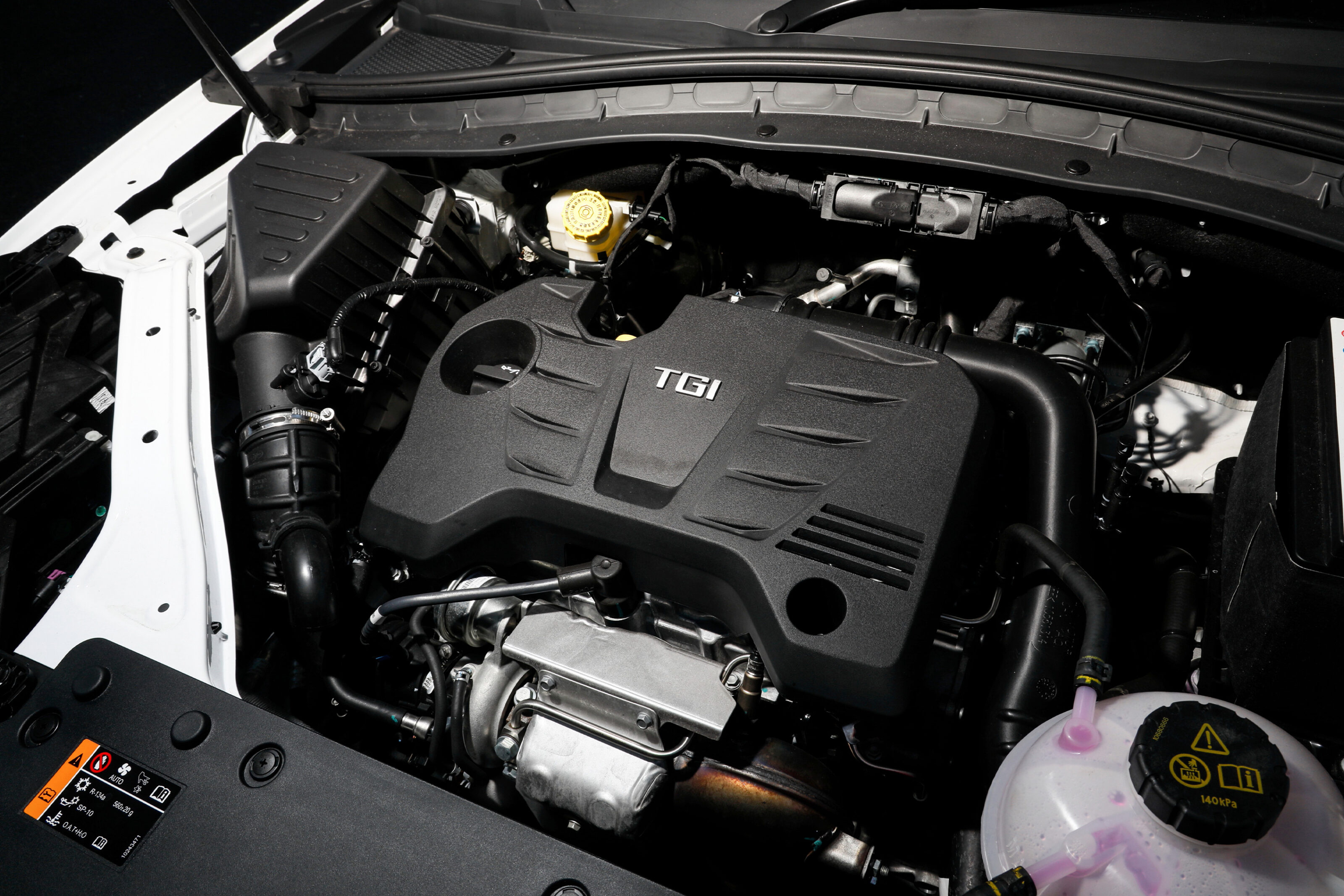
A look at the tachometer’s 6500rpm redline suggests a revvy little unit, but the gearbox changes up automatically at 5900rpm. There’s decent mid-range torque but the powertrain has plenty of room to improve in terms of refinement and, in particular, calibration.
The throttle is quite touchy, which gives a false impression of performance as pressing it further doesn’t really increase acceleration by a corresponding amount, the torque instead arriving in a surging wave.
Combine this with a somewhat erratic transmission tune that struggles to decisively pick a gear and progress can be quite jerky, especially when using cruise control. It valiantly tries to adjust its speed to bends and gradients but struggles to smoothly revert to the original speed.
Speaking of electronic bugs, the rearview camera failed to engage one time – no great drama as it worked fine on every other occasion – but during a weekend away in regional Victoria the front camera and lane assist refused to work in very cold temperatures, possibly as a result of condensation obscuring its vision? The sensitivity of the driver aids is adjustable, though, which is helpful as they’re quite cautiously calibrated in the default setting.
The chassis is more resolved. The steering has some weight to it and is accurate enough, grip levels from the Maxxis tyres is acceptable and traction isn’t overwhelmed by the turbo torque, even in damp conditions. It could use greater body control, lurching slightly over larger bumps and can also be unsettled on poor roads.
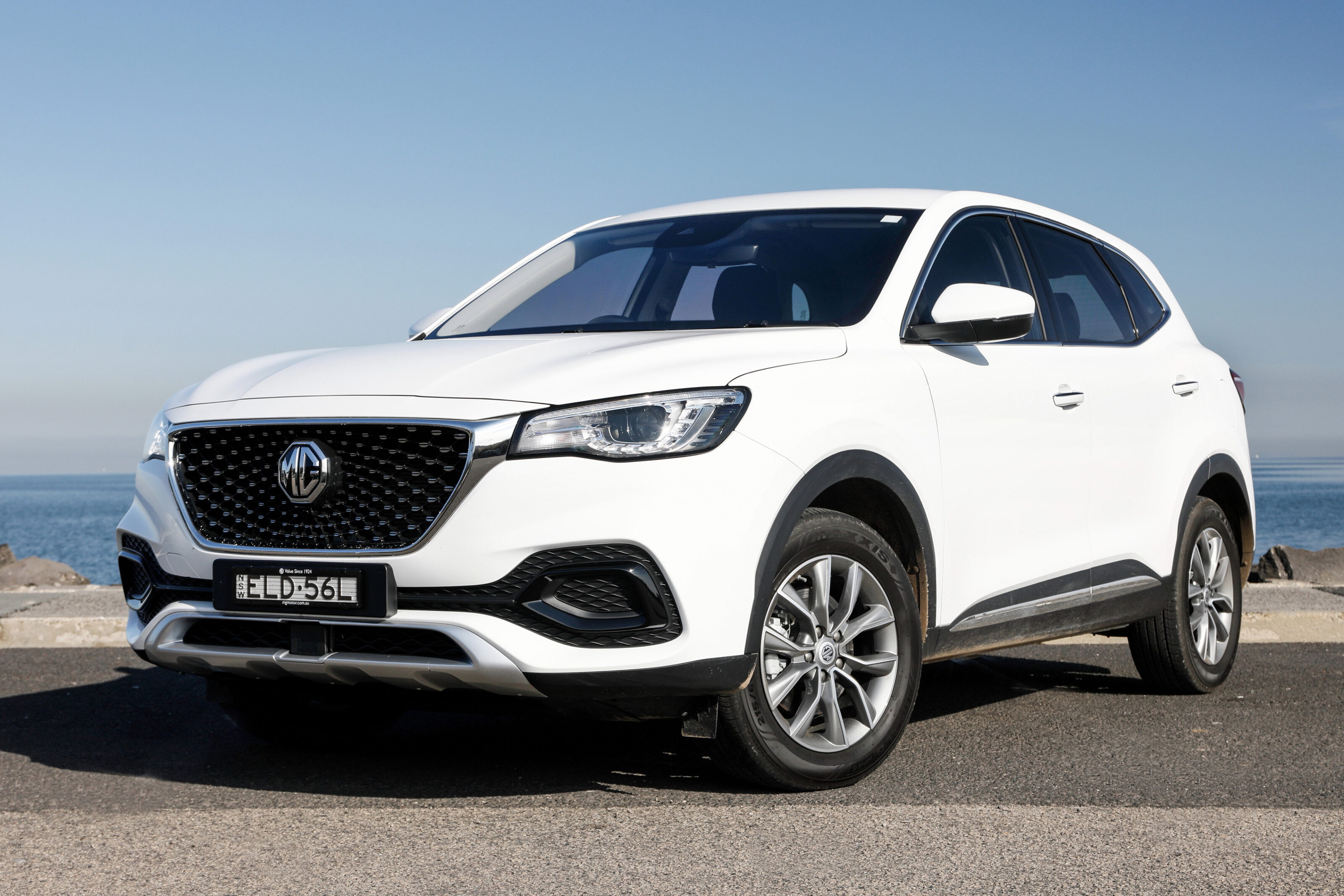
However, where the previous-generation HS trailed its competitors dynamically by a fairly substantial margin, the deficit is now small enough to be of arguably little consequence to the target market. Of greater interest will be the seven-year warranty, generous room and sharp pricing, though as we’ve established the extra $1000 for the Vibe is money well spent.
It’s easy to say spend more and get a better car but when ‘more’ equates to another 15-20 per cent, then budgets may not stretch. To that end, the lower end of the MG HS range has its appeal, but check out the new Haval H6 and outgoing Nissan X-Trail, too.
It’s one of the most powerful Volvos in history, packing an attention-getting 300kW and 660Nm. Not surprisingly, it’s also one of the quickest; able, says Volvo, to zip from a standing start to 100km/h in 4.9 seconds. But that’s not what makes the XC40 Recharge Pure Electric a significant Volvo. What makes it significant is that it’s Volvo’s first electric-powered production car.
The XC40 Recharge Pure Electric is powered by a pair of 150kW e-motors, one mounted at the front axle, the other at the rear. The motors are fed by a 78kWh lithium-ion battery pack that delivers a range of 418km on the European WTLP test cycle and 335km under the more highway-oriented US EPA test regime. The battery can be recharged to 80 per cent capacity in 40 minutes using a 150kW DC fast charger.
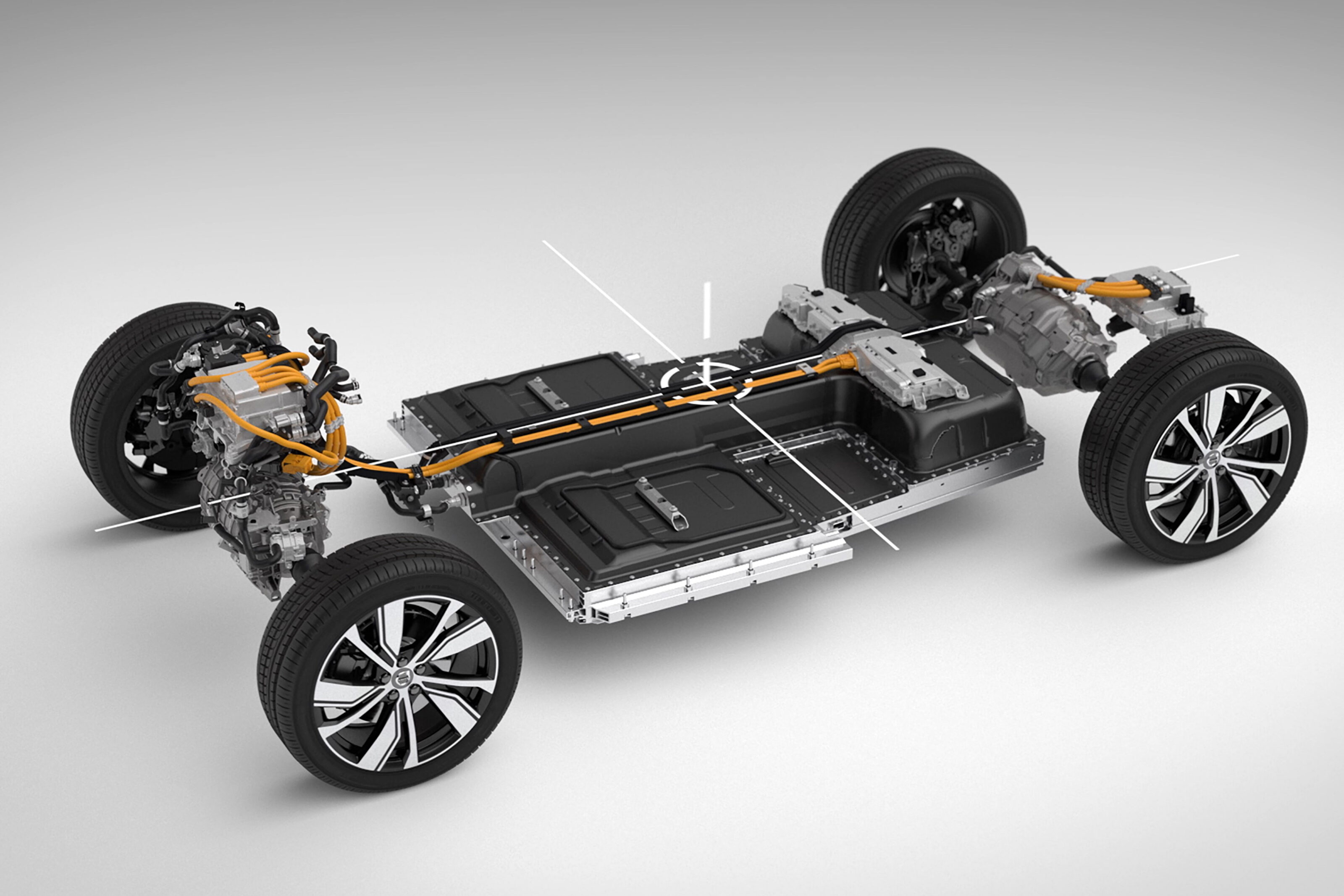
The Recharge Pure Electric is built on the CMA vehicle architecture that underpins the regular internal combustion engine (ICE) XC40, modified to package the e-motors and associated hardware, and the battery pack. That makes the Recharge Pure Electric heavier than a car built on a bespoke EV platform – at 2187kg it weighs 38kg more than the larger, roomier, dual-motor Volkswagen ID.4 GTX, for example – but Volvo says using the CMA architecture shortened the development time (insiders claim the decision to build the Pure Electric was only taken in early 2017) and also meant the car could be built in existing factories in Europe and China.
Electrifying the XC40 made sense from a marketing perspective, too. Globally, the compact SUV market is big and still growing. The regular XC40, distinctively designed, well packaged and well equipped, is already an appealing player in the segment.
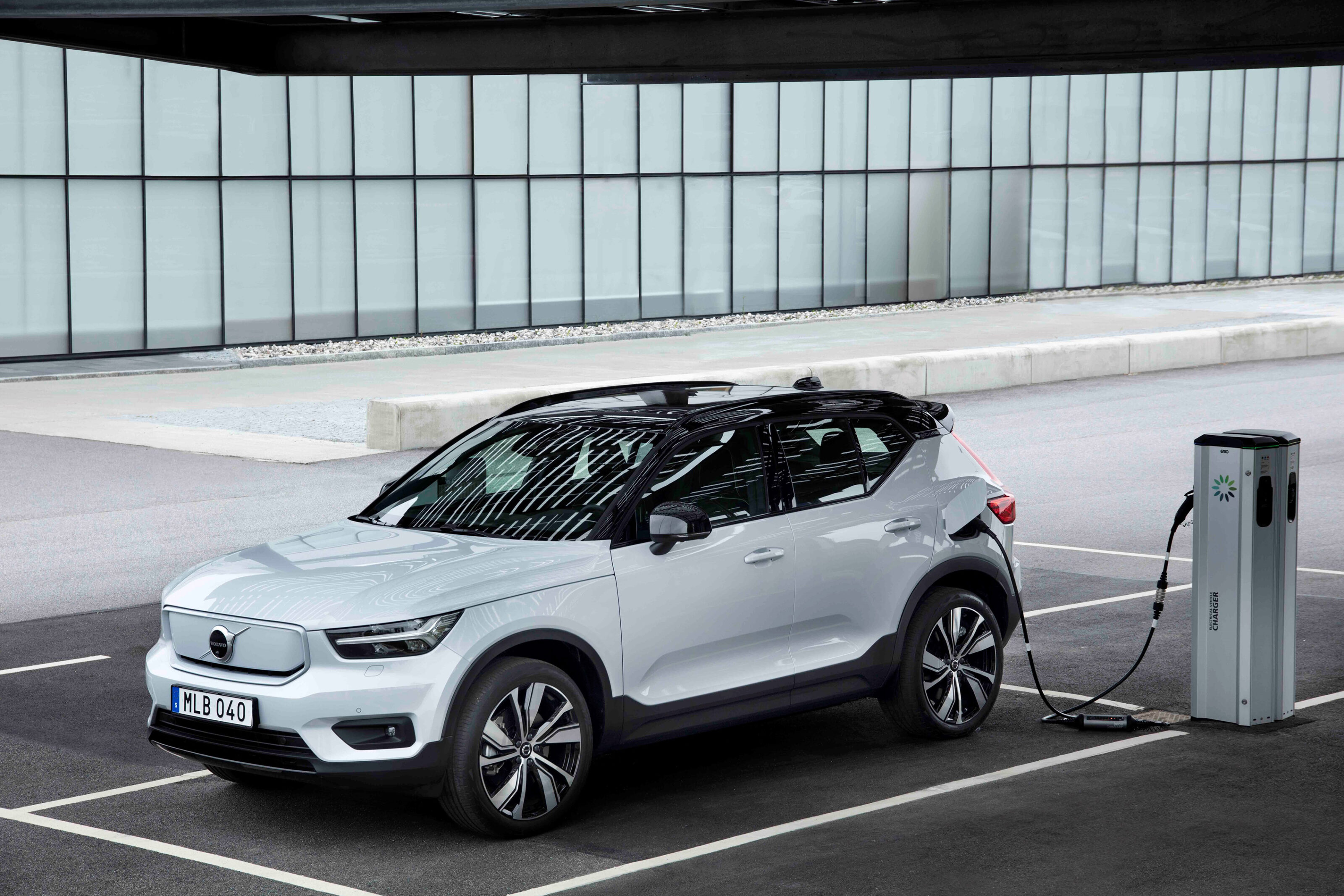
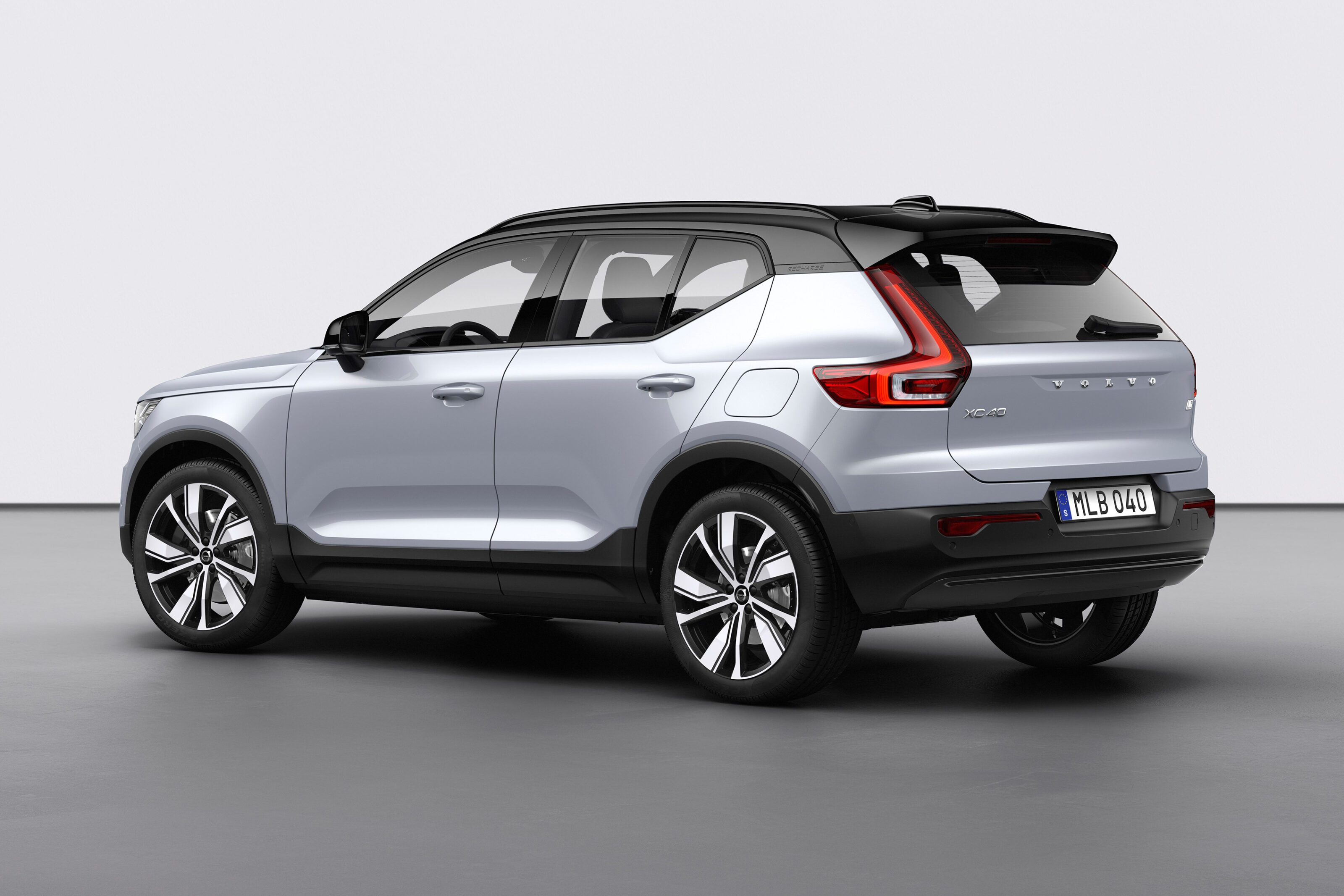
In Australia the XC40 Recharge Pure Electric will be available in one specification only and priced from $76,990 before on-road costs. Compared with the regular XC40, visual differences are minimal, the blanked grille, the charge-point cover on the left rear quarter panel, and the design of the 20-inch alloy wheels the key giveaways this Volvo is the first without pistons and a crankshaft.
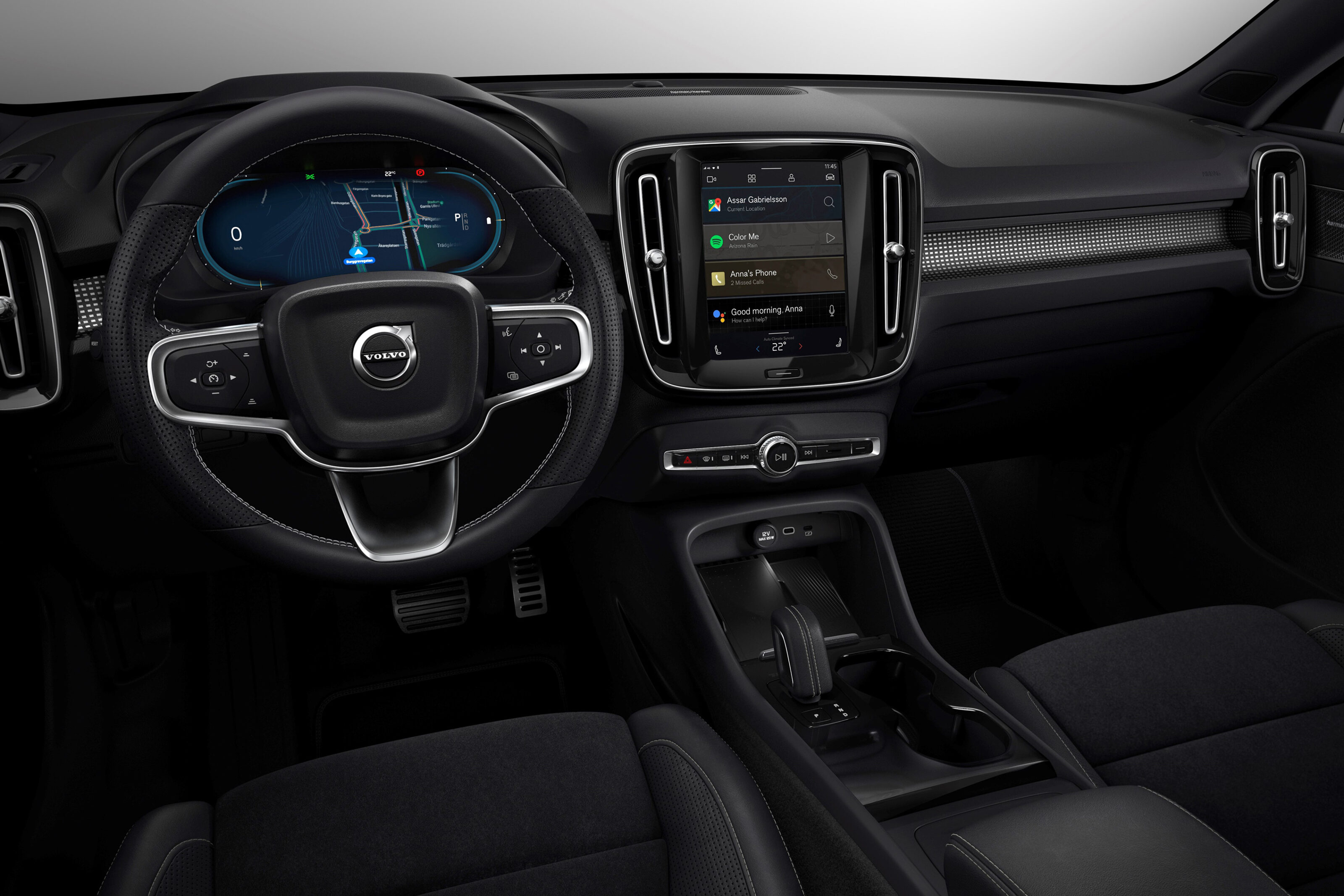
Inside, it’s all familiar XC40 hardware. As befits that hefty price tag – the Recharge Pure Electric costs $12,000 more than the plug-in hybrid XC40 – standard equipment includes a 12.3-inch digital instrument panel with configurable EV-specific displays, panoramic sunroof, heated front power seats, and inductive charging for your smartphone. Also standard is the full suite of Volvo safety features, including lane-keep assist, blind-spot monitoring with cross-traffic alert, and rear collision alert.
You also get Volvo’s new Google Android-powered infotainment system, which comes with Google Maps, Google Assistant, and Google Play apps, among others, all controlled via the 9.0-inch central touch screen. The system can handle over-the-air updates, allowing upgrades for everything from apps to vehicle software to be downloaded while the car is parked.
Despite the battery pack under the floor, interior room is the same as that of the regular XC40, and Volvo claims the rear load space area is identical. With no bulky internal combustion engine up front, there’s also a small frunk, roomy enough for a soft bag and some charging cables, under the bonnet.
Slide behind the wheel and you’ll search long and hard for a start-stop button. There isn’t one; once the Recharge Pure Electric is unlocked you simply sit in the seat, buckle up, tug at the stubby shifter, and drive off. On the road it feels every bit as quick as Volvo claims, whooshing past slower traffic in one effortless, silent surge of acceleration, and leaping out of tight corners on a tidal wave of torque and all-wheel-drive traction.
Despite the battery pack under the floor, interior room is the same as that of the regular XC40.
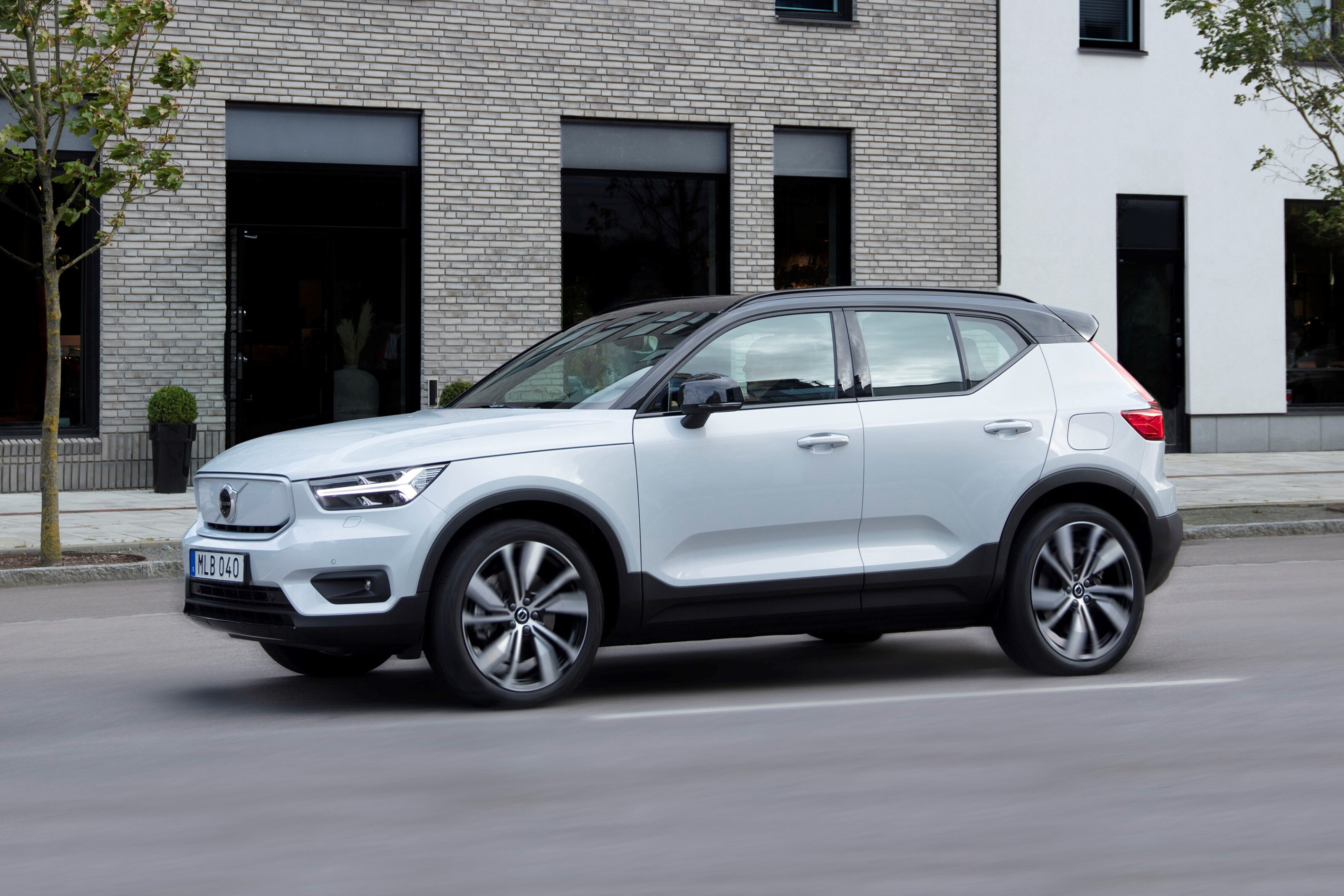
With its punchy acceleration and taut ride, particularly on the 20-inch low profile Pirelli P Zero Elect tyres, the XC40 Recharge Pure Electric feels like a high-riding hot hatch. But only to a point: There’s not a lot of feedback from the steering, which is best in the firmer of its two selectable modes to counter the tendency of the tyres to follow contours in the road surface, and the brake pedal gets a little wooden after a stint of hard driving.
There are only two drive modes – Normal, in which the car coasts when you lift off, and One Pedal, which does exactly as it says, using regenerative braking to slow the XC40 dramatically the instant you release pressure on the accelerator pedal.
One Pedal mode can be useful in heavy traffic around town, but in Normal mode, all braking up to 0.3g is done via regenerative braking anyway, which sends energy back to the battery the same way. More importantly, though, Normal mode gives the electric XC40 a smoother, more free-flowing character that makes it less tiring to drive (you don’t have to constantly keep pressure on the accelerator just to keep the car moving) and potentially more efficient (converting kinetic energy into energy stored in the battery invariably means some energy is lost). A little more initial bite through the brake pedal would be welcome, but the blending between regenerative and mechanical braking is smoothly done.
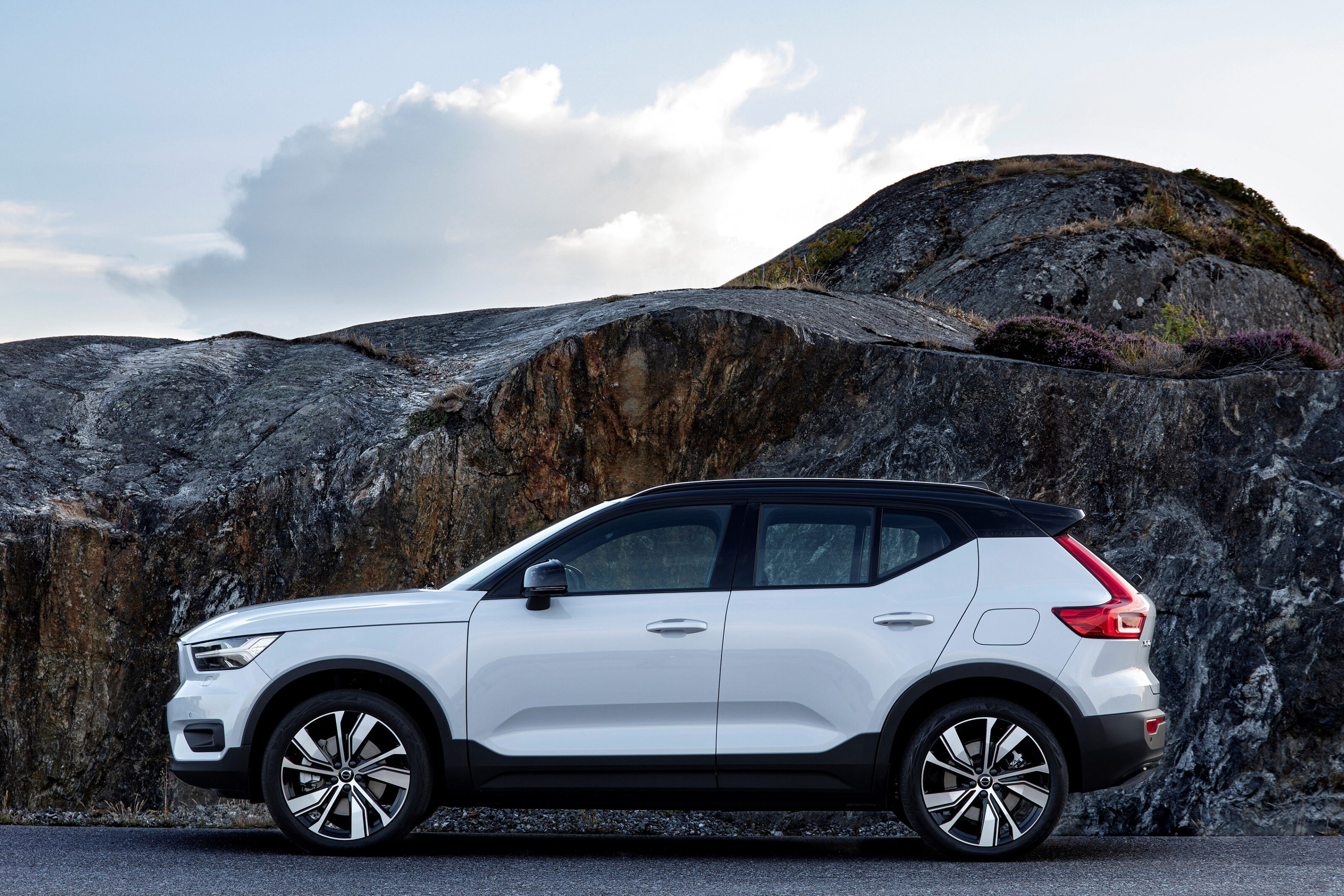
The Volvo XC40 Recharge Pure Electric marks the beginning of a radical transformation that will see the iconic Swedish brand selling nothing but electric vehicles by 2030, all built using dedicated electric vehicle architectures designed by Volvo and powered by e-motors and batteries engineered in-house. Volvo CEO Håkan Samuelsson admits the company has taken its time getting an electric vehicle into production. And therein lies the electric XC40’s biggest problem – the Tesla factor.
Launched almost a decade after Tesla’s first volume-selling electric vehicle, the Model S, the Recharge Pure Electric is nonetheless a solid first step on Volvo’s journey towards total electrification. The electric XC40’s fit and finish, inside and out, is far more premium than that of the similarly sized, similarly priced dual-motor Tesla Model 3 Long Range AWD. And though it is speed limited to 180km/h, the Volvo is only half a second slower to 100km/h than the 343kg-lighter American car.
But the official WLTP and EPA range numbers in Europe and the US suggest the Tesla could take you 35 to 70 per cent further than the Volvo on a single charge. And that’s a benchmark consumers will almost certainly factor into their purchase decision when looking at the XC40 Recharge Pure Electric.
2022 Volvo XC40 Recharge Pure Electric specifications
| Engine | Two electric motors |
|---|---|
| Max Power | 300kW |
| Max Torque | 660Nm |
| Transmission | 1-speed automatic |
| 0-100km/h | 4.9 sec (claimed) |
| Range | 335km u2013 418km |
| Price | $76,990 (before on-road costs) |
Snapshot
- Price increase comes with extra standard features
- No more V6 petrol engine available
- Emergency contact and vehicle tracking now fitted as standard
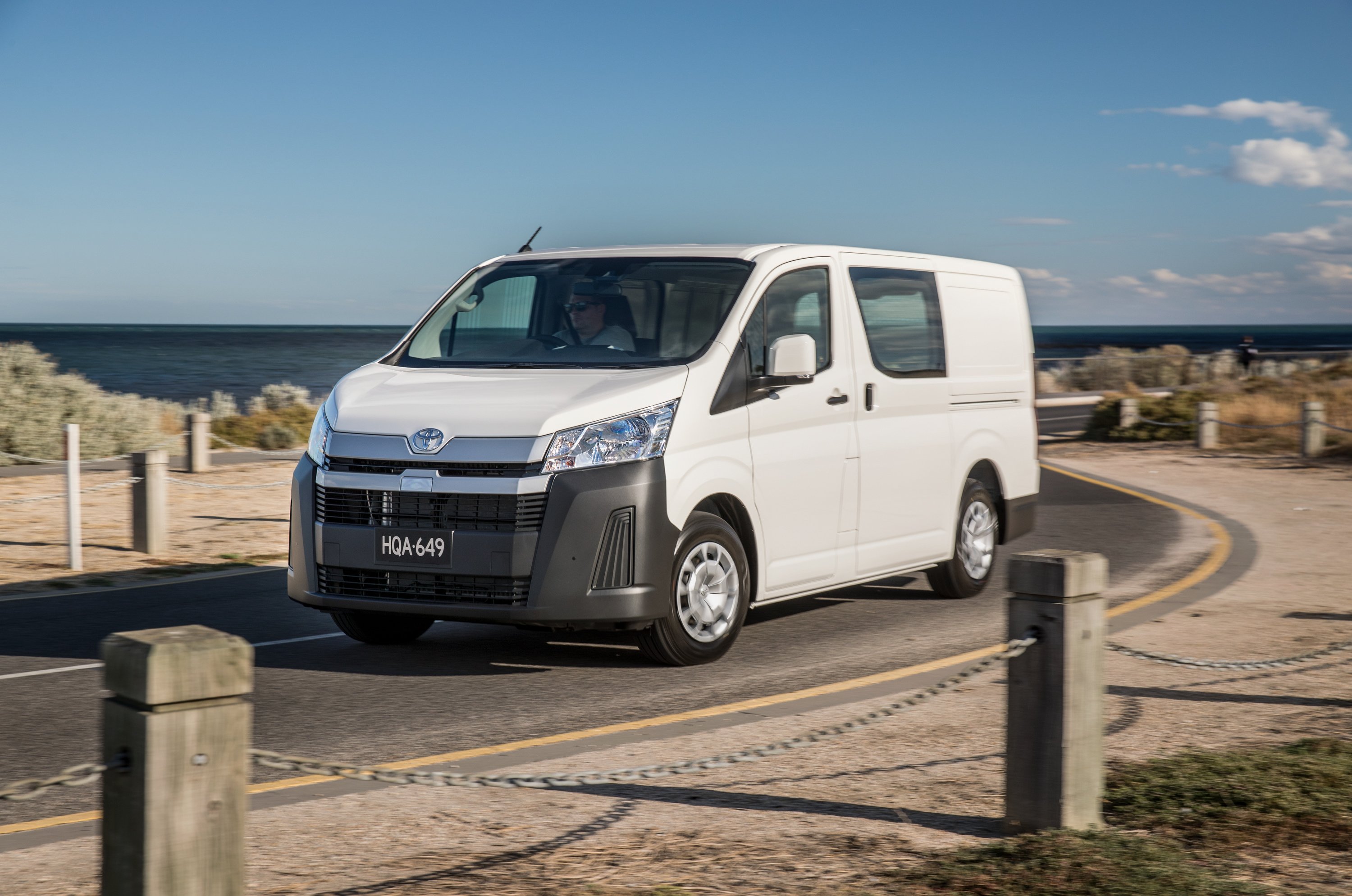
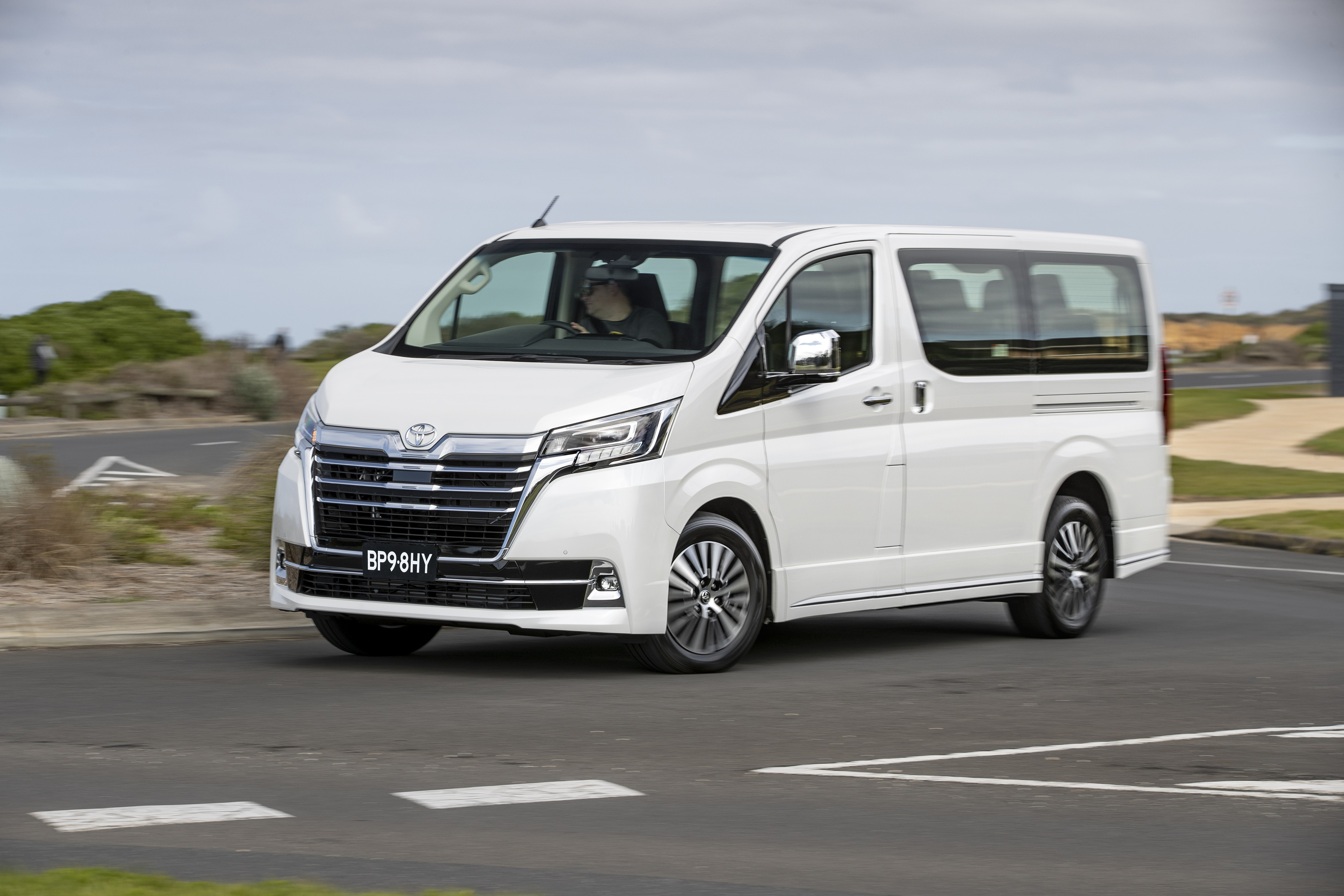
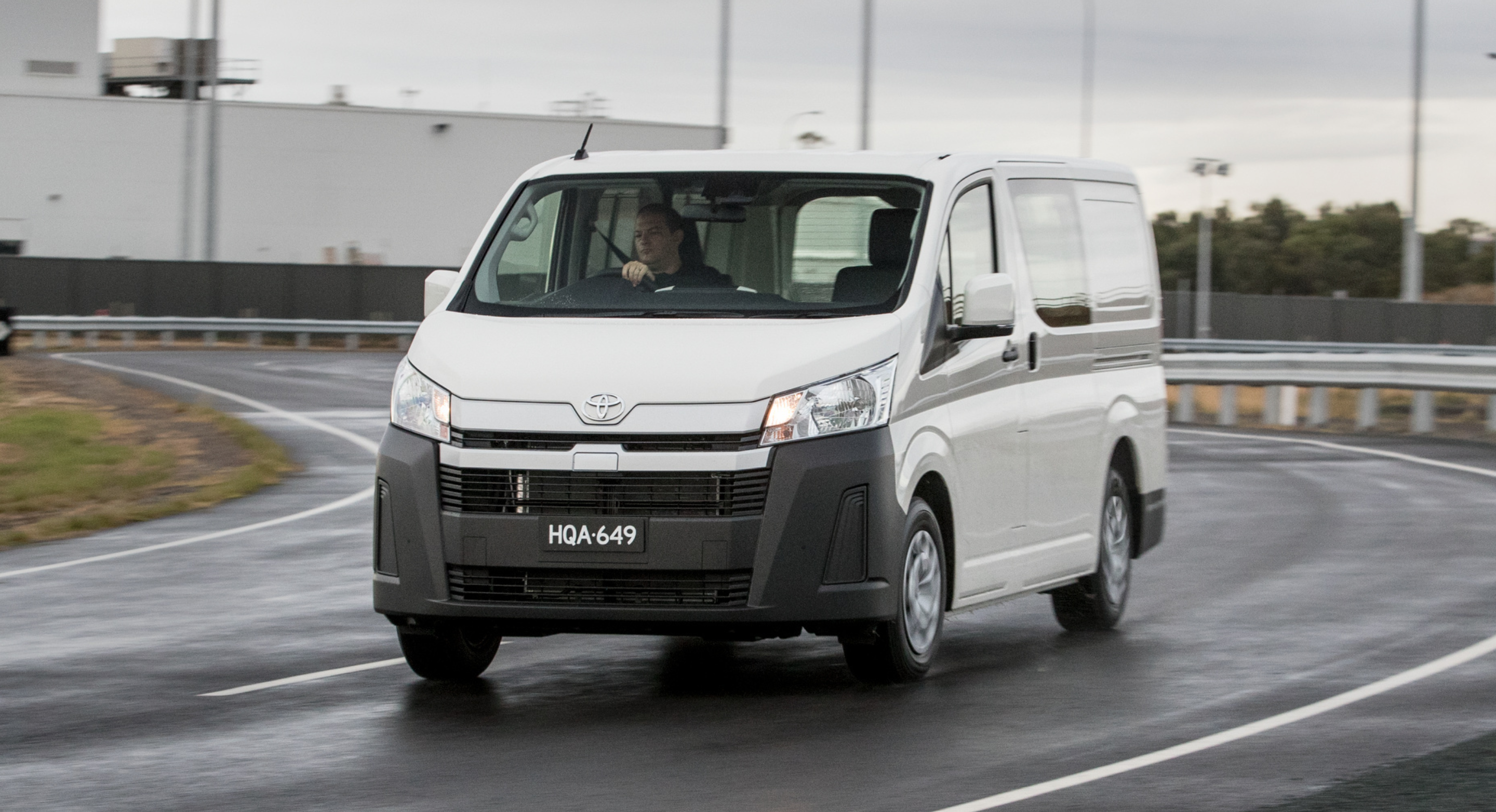
Toyota has released a mid-life update of both its HiAce and Granvia models, coming in line with a raft of safety features across its range.
The biggest change is the decision to drop the V6 petrol engine after just two years in production, with only the turbo diesel unit now found in each model.
A price increase across both the HiAce and Granvia line-ups comes with a justification, as Toyota adds more standard equipment to the base vehicles.
Pricing
Prices across the HiAce range are up by just under a grand – $990 to be exact – while the Granvia variants have increased by around $1060 across the four trim levels.
2022 HiAce
| LWB Van manual | $44,230 |
| LWB Van automatic | $46,230 |
| LWB Van 4-door automatic | $46,230 |
| LWB GL Van automatic | $47,230 |
| LWB Crew Van automatic | $49,230 |
| SLWB Van automatic | $54,230 |
| SLWB GL Van automatic | $55,230 |
| SLWB Commuter Bus automatic | $69,230 |
| SLWB Commuter GL Bus automatic | $72,230 |
2022 Granvia
| 6-seater | $65,150 |
| 8-seater | $67,150 |
| VX 6-seater | $76,650 |
| VX 8-seater | $76,650 |
Upgraded features
All updated HiAce and Granvia variants benefit from Toyota Connected Services to enhance its safety and security technology, allowing the vehicles to automatically place an emergency call to Toyota’s 24/7 emergency call centre and give out its location in the event of an airbag deploying, both of which can also be operated via a manual SOS button.
In addition to this, the connected services also includes Toyota’s vehicle tracking tech, assisting authorities to locate the vehicle after it is reported stolen.
Upgraded equipment and functionality headline the 2022 HiAce updates, including a centre console storage box with a removable in-box tray, an A4-sized binder rack, and a moveable partition which can be used as a cup holder, while the Commuter GL gains an LED lamp inside the storage box as well as upgraded USB charging ports.
For the 2022 Granvia, additional luxury comes in the form of rear privacy glass and standard carpeted front floor mats as standard, in addition to the six rear USB-A outlets being upgraded to USB-C, allowing significantly fastest charging.
Toyota announced in June it would delete colour options from the HiAce range, only allowing the van to be sold in white.

Engine and drivetrain
With the V6 petrol powerplant dropped from the line-up due to the four-pot diesel’s popularity, the HiAce and Granvia are only available with one engine.
The 2.8-litre, four-cylinder turbocharged diesel engine produces 130kW and 450Nm when mated to the standard six-speed torque converter automatic, although it is detuned to 420Nm when ordered as a six-speed manual in LWD van guise and down to 120kW/420Nm as a Commuter.
Power in all variants is sent to the rear wheels only.
Warranty
Both the HiAce and Granvia are covered by Toyota’s five-year/unlimited-kilometre warranty, with the engine and driveline warranty extended to seven years as long as service intervals are met through a Toyota dealer.
Availability
The updated HiAce and Granvia will go on sale from September 2, 2021.
Snapshot
- Future Fuels Fund pool increased to $24.55m for fast chargers
- Over 403 fast chargers expected to come from investment
- Each station expected to deliver 50kW charging for two vehicles at once
The Australian Government has awarded $25 million to five energy companies to roll out more than 400 electric vehicle charging points across the country.
Today’s announcement forms the first round of its Future Fuels Fund, which has been bumped up to $24.55m.
Expanded from the original allocation of $16.5m, an extra $8.05m was granted to the Australian Renewable Energy Agency (ARENA) funding pool for five companies to deliver a fast charging network across 19 projects.
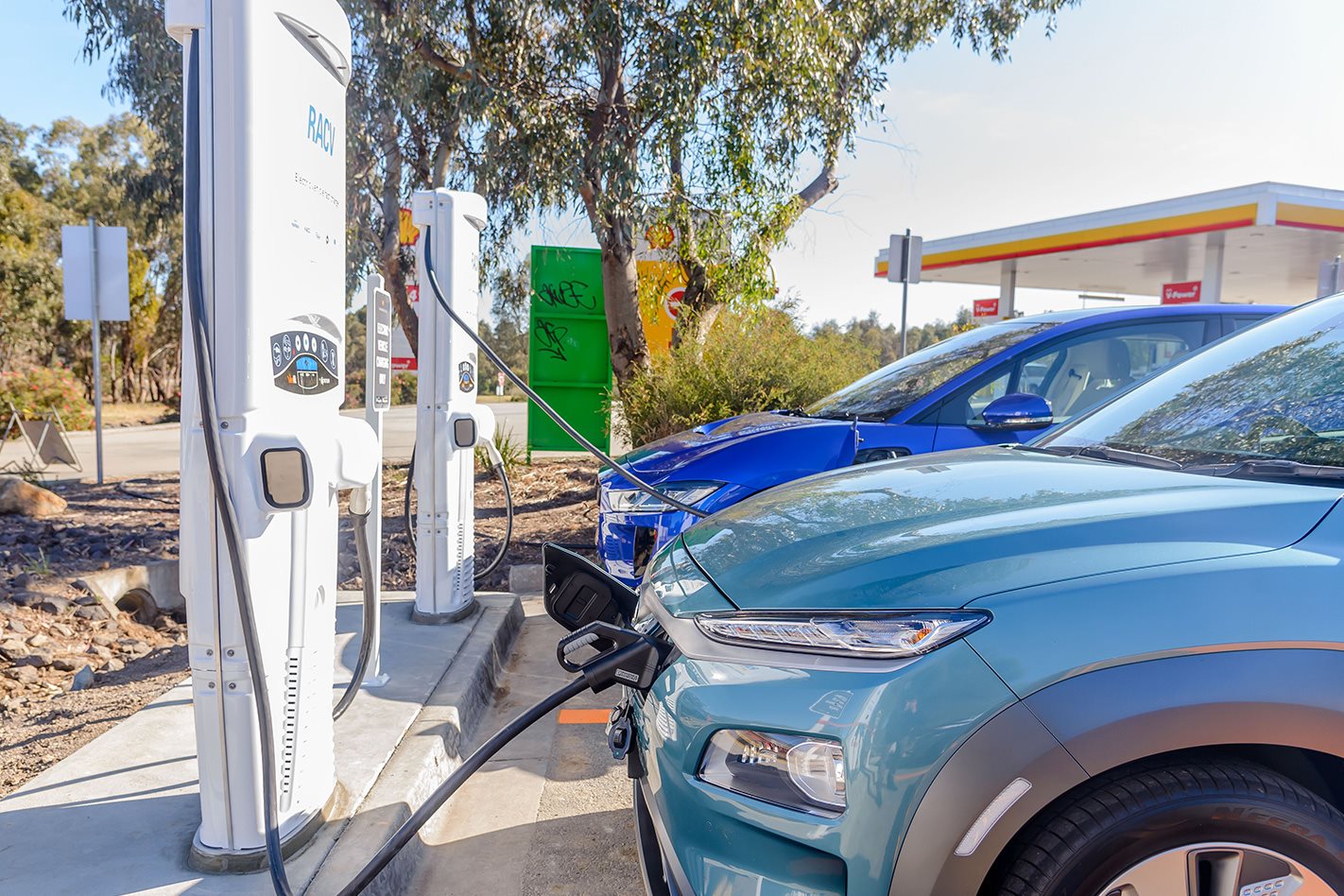
There will be 403 fast charging stations set up off the back of the funding, each able to charge two vehicles concurrently at 50kW or higher, representing a total investment value of nearly $80m.
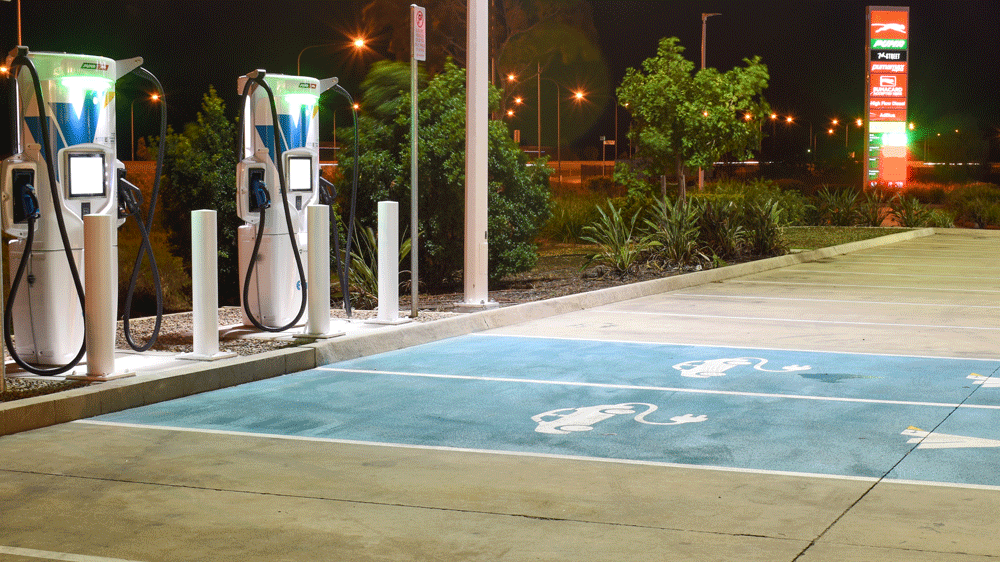
With a target of building the network across Australia’s 14 most populous cities, each state capital will benefit from the scheme, as will regional centres such as the Sunshine Coast, Wollongong, Newcastle and Geelong with at least eight new fast charging locations coming to each town.
ARENA CEO Darren Miller says the Future Fuels Fund pool had to be increased due to the strengths of each applicant, ultimately resulting in a 49 per cent increase in investment.
“As the costs of electric vehicles come down, more consumers and fleet users are looking to go electric,” Miller said.
“Expanding the fast charging network will make it easier than ever to drive an EV in Australia.
“The proposals we received were of such high quality, we were compelled to increase the funding. We’re delighted to be able to support more than 400 charging stations across the country.”
Evie Networks, Ampol and Engie are set to benefit the most from the funding, with the three companies sharing 93 per cent of the funding between them.
- Evie Networks – $8.85m, 158 fast charging stations, eight regions
- Ampol – $7.05m, 121 fast charging stations, four regions
- Engie – $6.85m, 103 fast charging stations, four regions
- Chargefox – $1.4m, 16 fast charging stations, two regions
- Electric Highways Tasmania – $400,000, five fast charging stations, one region
The funding announced today follows a number of EV policy announcements from across in the country in recent months.
Leading the charge are, unsurprisingly – the eastern states. New South Wales and Victoria have both, for better or worse, recently revealed strategies aimed at incentivising the purchasing of electric vehicles and investments in their own infrastructure.
Meanwhile, the ACT and Queensland too outlined new plans in June, with Tasmania and the NT following in July, all offering a range of perks for those considering the swap.
While all states are investing in a charging station boom of some kind, six are offering any kind of draw for Aussies to make the move from ICE to electric.
But, and it’s a big but, two of them – NSW and VIC – also want to charge EV owners for driving on the roads.
Victoria has come under considerable heat for implementing its tariff from July this year, whereas NSW won’t begin charging EV owners until 2027, or when 30 per cent of the state’s vehicles are electrified – whichever comes first.
In today’s MOTOR drag race, we have two high-powered rear-drivers battling it out for straight-line supremacy.
The similarities end at the driven wheels, however, with Ford’s Mustang GT providing naturally aspirated 5.0-litre V8 thrills, and unmatched fat-arm appeal from its two-door muscle car styling.
In the other corner, the distinctly-Korean Genesis G70 hides a twin-turbo 3.3-litre V6 beneath its stylish and softer saloon lines. Immediately the Mustang emerges as the pre-race favourite, armed with 339kW/556Nm, outgunning the Genesis’ more modest 274kW/510Nm outputs.
But, as we know, cold and rainy conditions at Heathcote drag strip mean anything can happen once tyres hit the tarmac.

Our intercontinental contenders battled it out in a variety of scenarios, including a race mode launch control start, a normal mode street start, and a 50km/h roll race.
The first race mode launch control saw both cars locked in a dead heat from the start line, until the Mustang’s large capacity engine found its footing and began inching ahead. Until it ran headfirst into the rev-limiter at the top of fourth gear, giving the photo finish win to the Genesis.
A do-over saw the Genesis leap ahead with a big traction advantage off the line, but the Mustang’s longer legs reeled the Korean in, nosing ahead as it grabs fifth at over 180km/h.

The street start puts both cars back into their default normal driving modes, with no launch control functions used for the start. This exercise removes much of the driver variables, and shines a light on which car’s traction management systems and powertrain calibrations are best served at dissecting Victoria’s sub-optimal conditions.
It’s the Genesis that makes lighter work of cold and coarse tarmac, surprisingly posting its fastest 0-100km/h time of the day – in comfort mode, and no launch control, no less. The Mustang struggles to overcome its own might off the line, giving the Korean saloon a significant and insurmountable head start.

With both competitors claiming a win each under their belt, a 50km/h roll race would act as our final decider. It was neck and neck from the get-go, with the brutish Mustang winning out by just half a car-length.
At the end of the day, it was the Genesis that took out the hardest acceleration award, posting a best time of 5.2-seconds from 0-100km/h. It bested the 400m strip in 13.2-seconds at 172km/h.
The Mustang takes a little longer to get out of bed, with a best time of 5.42-seconds from 0-100km/h. It ultimately cleared the quarter-mile in 13.1-seconds at 177.39km/h.
The hard data gives a hard-fought win to the Ford Mustang, but it was far from an ashamed defeat for the Genesis G70. Despite yielding a full 65kW and 46Nm disadvantage to the iconic Ford Mustang, real-world results proved far closer than the initial on-paper stats would suggest.
The Mustang may win this round, but the Genesis can go home with its head held high.
Was it as close as you imagined? Watch all the action above, and let us know in the comments below!
Mercedes-Benz is set to further reveal its future EV plans at the IAA Mobility show in Munich this September.
The carmaker, alongside its sub-brands; Mercedes-EQ, Mercedes-AMG, Mercedes-Maybach and Smart, will be unveiling eight vehicles at the show – including five electric and one performance hybrid.
The main highlight will be the world premiere of the EQE – an electric counterpart to the existing E-Class, as well as the European debut of the EQB SUV, previously launched at Auto Shanghai in April.
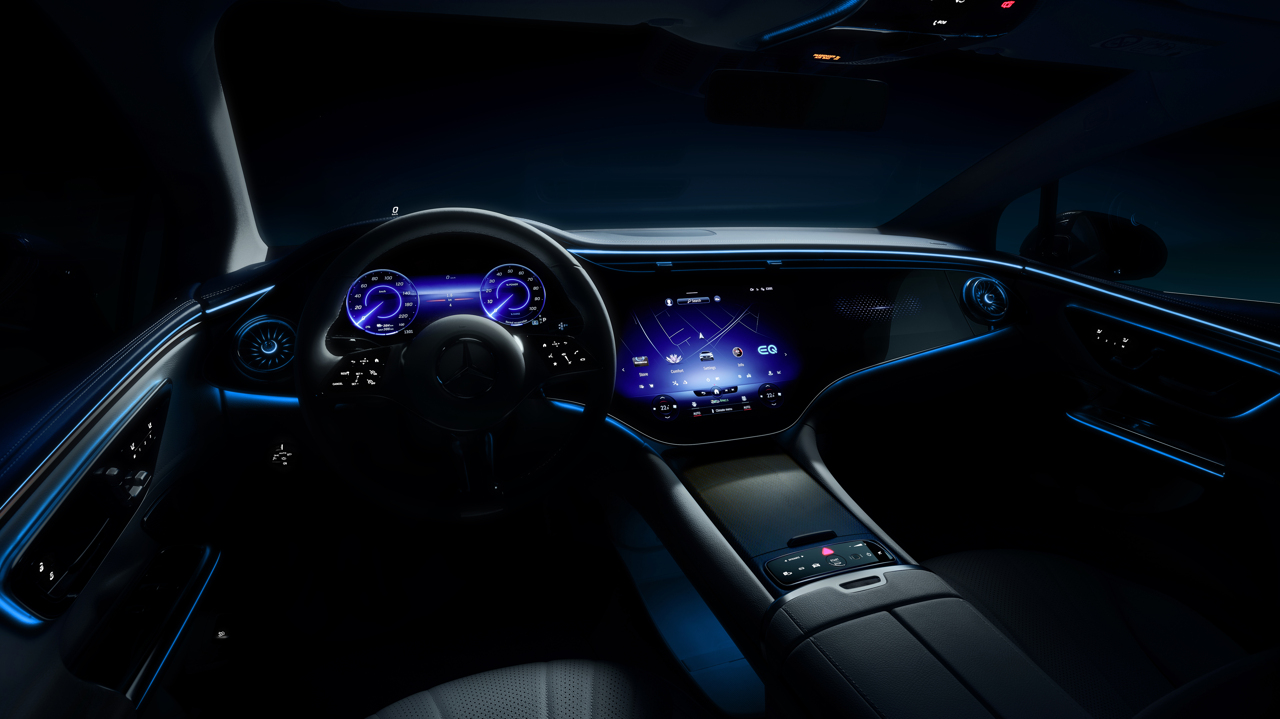
A teaser shot of the EQE’s interior shows a similar layout and overall aesthetic to the EQS – Mercedes-Benz’s S-Class EV equivalent which made its public debut earlier this week – while its powertrain has been speculated to be similar to the underpinnings of the EQC SUV, producing 300kW and 760Nm from its dual-motor operation.
Joining the EQE and EQB will be a luxury saloon from Mercedes-AMG, the performance division’s first battery-electric offering which promises to deliver the usual AMG experience of power and handling, just without an internal combustion engine.
Mercedes-Maybach is set to bring its first EV concept to the table, although details are limited on what platform will underpin the ultra-luxury vehicle.
As with the Maybach, no details have been provided regarding the hybrid performance car from AMG, but rumours suggest it could be a rival to the Porsche Panamera, packing AMG’s 4.0-litre twin-turbo V8 with some form of electrical assistance.
Snapshot
- Master engine builders turning their attention to EV powertrains
- Modular units range from 35kW to whopping 350kW prototype
- Intended to supply a range of OEMs
The creators of arguably some of the greatest combustion engines ever made have begun building new electric motors that pack one hell of a punch.
Yamaha has a long history of building engines for car manufacturers – outside of its motorcycle business – with its first being the twin-cam inline-six cylinder that was fitted to the Toyota 2000GT in 1967.
For those needing more reason to be excited, Yamaha’s resume also includes Toyota’s iconic 4A-GE 1.6, muscular 2UR-GSE V8, and legendary 1LR-GUE V10 and the company recently announced it has developed an electric motor specifically for performance vehicles and hypercars. While Yamaha will continue to produce internal combustion engines, it has begun to transition into the world of EVs.
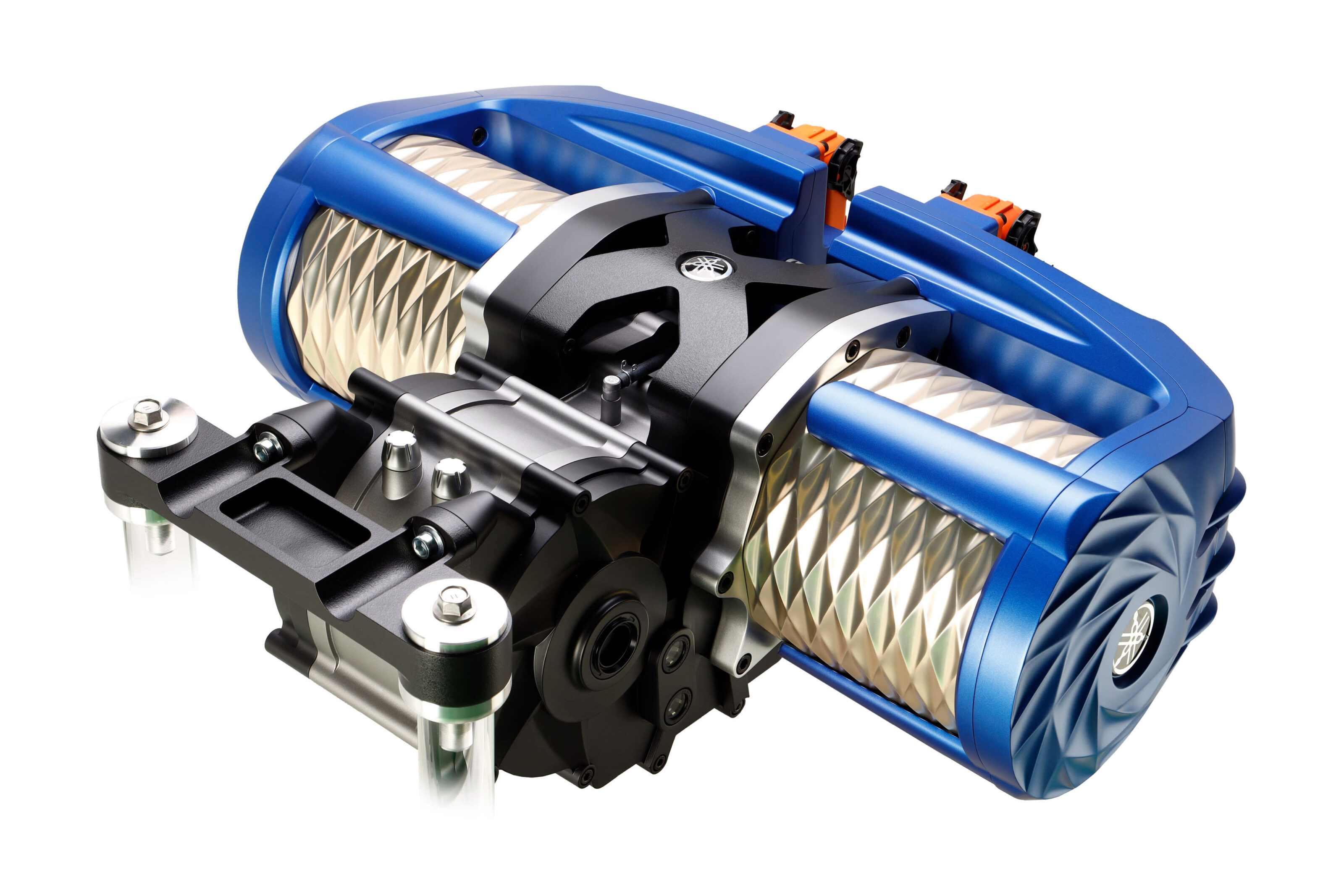
Its first foray came last year with a series of units producing between 35kW-200kW. However, this year the Japanese manufacturer has stepped things up, building a stonking 350kW prototype unit which will be made available to car manufacturers to utilise in future performance products.
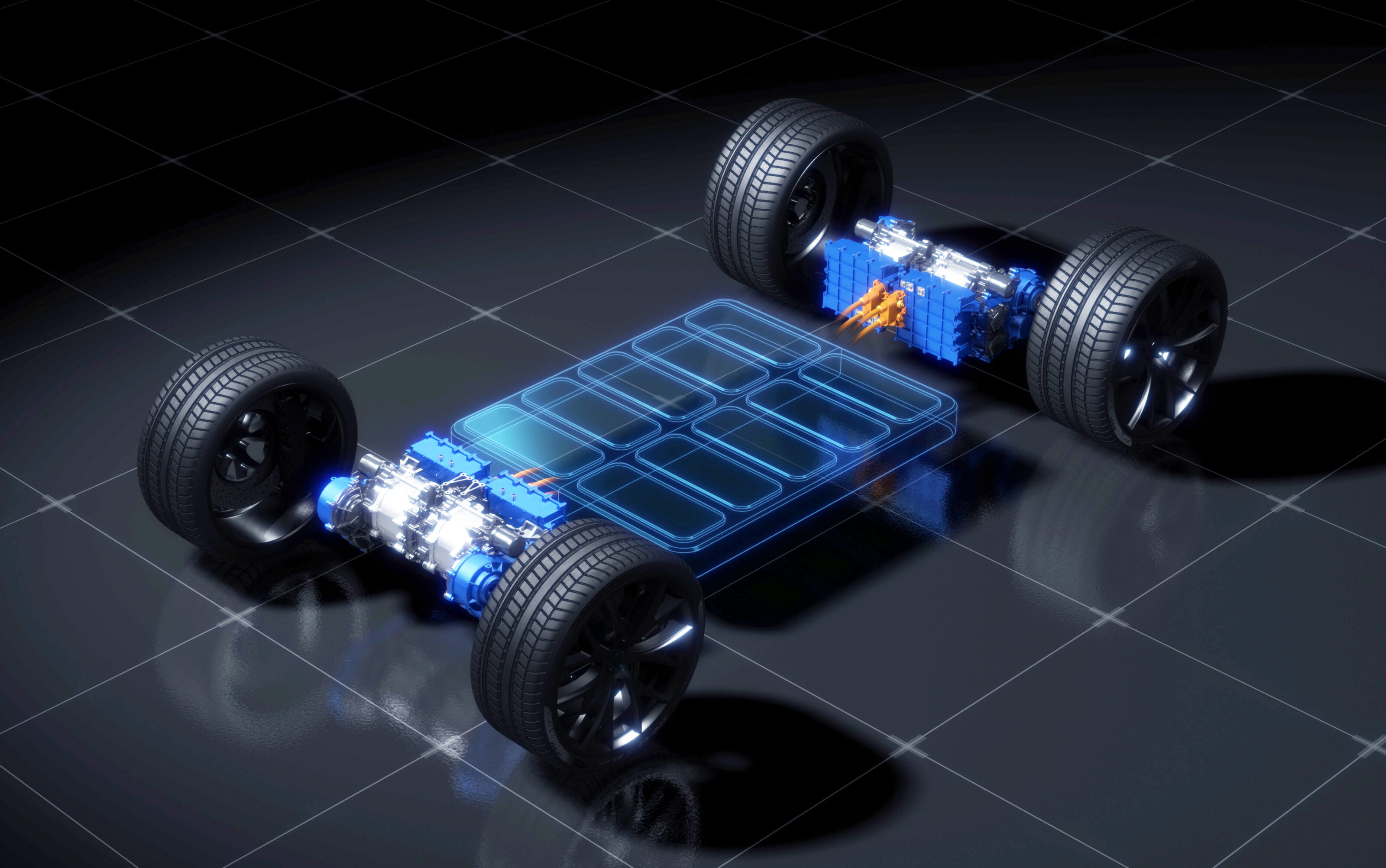
While the 350kW figure alone is impressive, Yamaha has stated that the unit is designed to be used multiple times in a single vehicle for ultra-powerful fully electric hypercars applications. A press image showed four of the units (one on each wheel) placed on an EV platform for a total system power output of 1400kW. Yikes!
The same attributes that make for great combustion engines translate directly to electric motors – namely big power, small size, and low weight.
To ensure size and weight were kept to a minimum, Yamaha focused on finding efficiencies in packaging. The end result was the combination of both the electric and mechanical components, with the inverter and single-speed transmission being combined alongside the oil-cooled Interior Permanent Magnet Synchronous Motor into a single unit. The entire casing for the motor is cast in-house by Yamaha.
This is an important development for electric motors, with the decrease in size allowing multiple units to be more easily fitted to a single vehicle.
“We thought making the units compact was paramount and the coils inside use segment conductors,” said engineer Takashi Hara.
The trade-off here is that there is no scope for a two-speed transmission to extend a production car’s total possible driving range. However, with advancements in battery technology, and the performance focus of the system, we aren’t too worried.

Yamaha says the unit is designed with 800V architectures in mind – like those used in the Porsche Taycan and Audi e-tron GT. Yamaha claims its unit is one of the most power-dense electric motors that will be available to manufacturers.
Speaking of manufacturers, OEMs can begin placing orders for prototypes now, with Yamaha able to tweak both the output and cooling methods of unit depending on the client’s specific application and needs.
While Yamaha’s appearance in the EV sector might seem new to performance enthusiasts, the company has actually been developing these technologies for several years now for multiple applications.
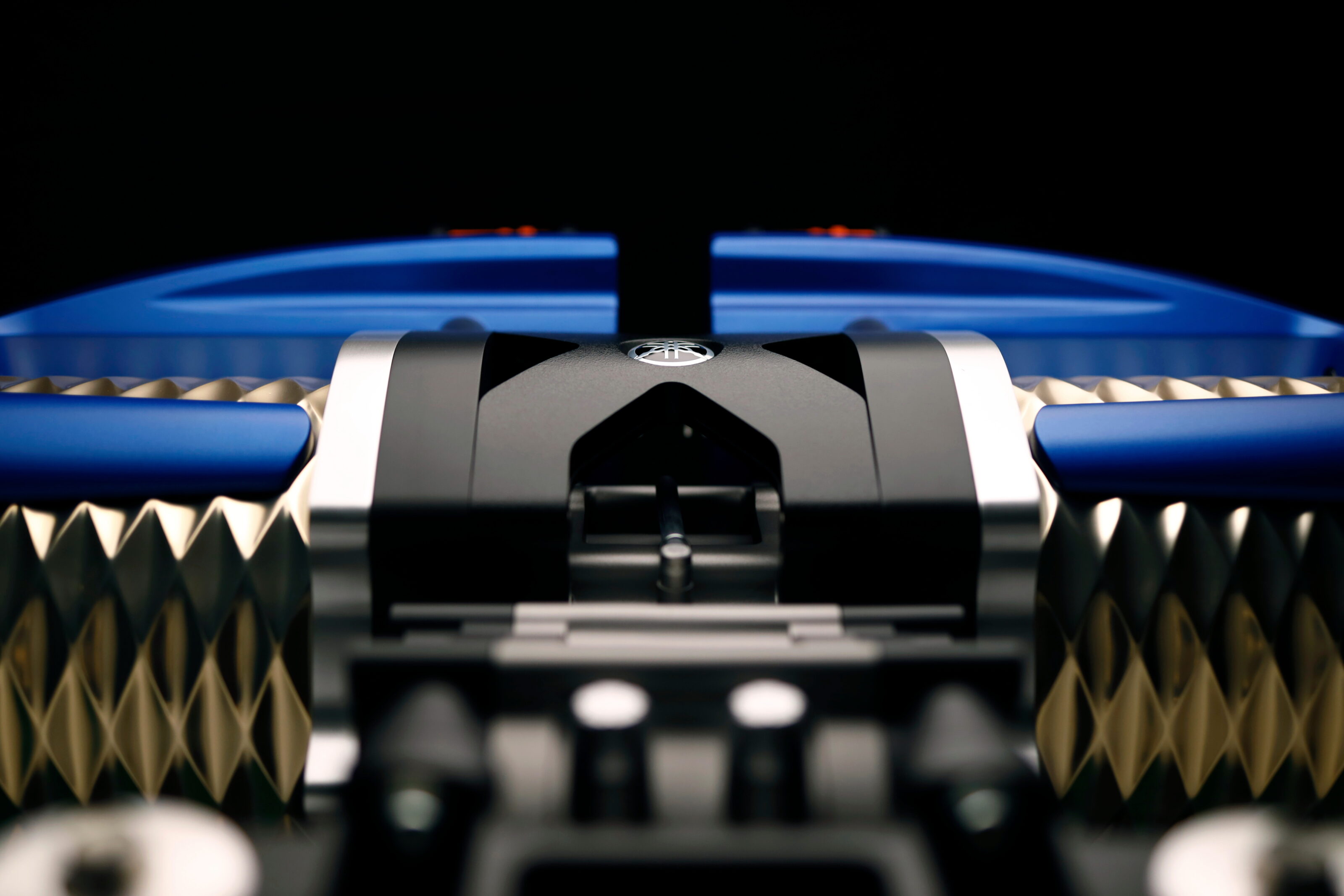
Instead of regulating temperatures using water, Yamaha has built the 350kW electric motor to be oil-cooled (while its less powerful units are predominately water-cooled). Oil has a higher boiling point than water, and is an electrical insulator, meaning it can cool the system at higher temperatures, while also being in direct contact with key pieces of equipment.
Yamaha provides a simple solution for car manufacturers without the time, or money, to build a bespoke electric motor from scratch. Instead of investing huge sums into R&D, each company can get an almost ready-made unit tailored to their vehicle quickly and (relatively) cheaply.
With extensive experience in casting, machining, and assembly the Japanese motorcycle manufacturer says it will “customise the prototype to the specific needs of individual customers and deliver in short time spans utilising production technology that the company flexibly adapts to its various product groups.”
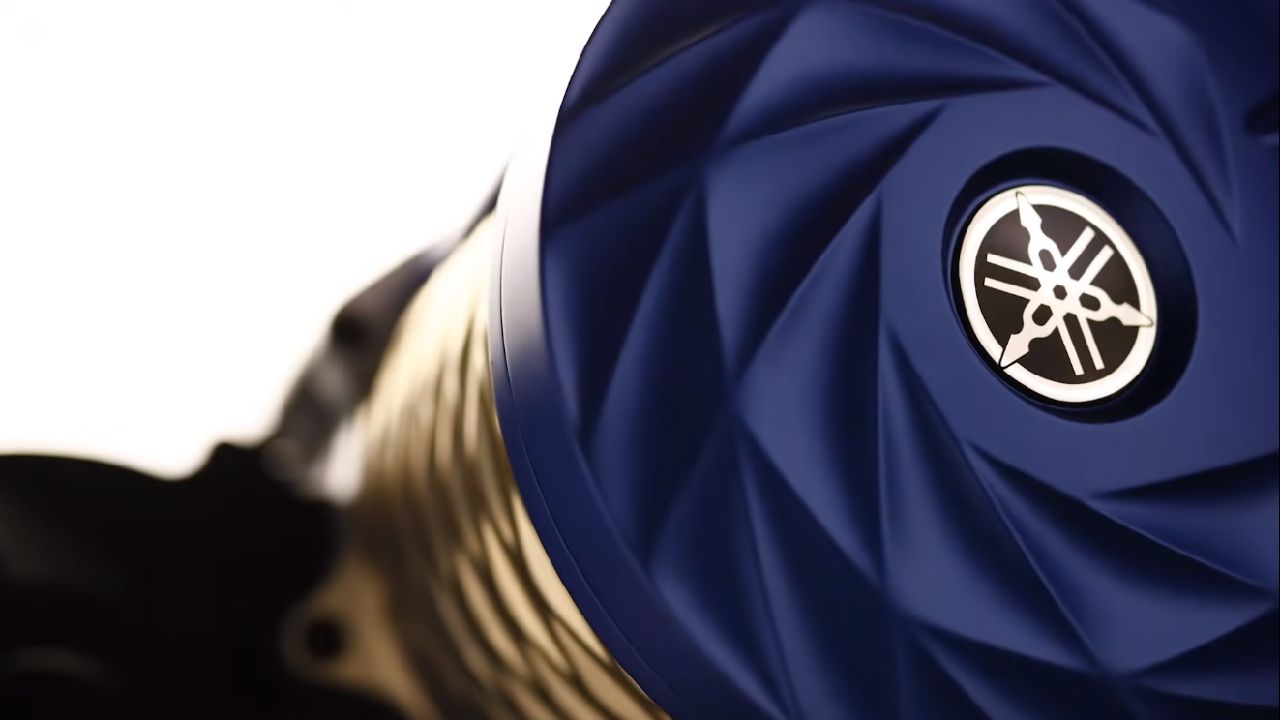
We hope applications will stretch beyond high-end hypercars. The prospect of a 350kW, rear-wheel drive EV with a small body and battery is a tantalising one. Or perhaps a four-door, all-wheel drive sedan with 700kW is more your flavour?
Regardless of the final applications with Yamaha’s superb track record in providing world-class propulsion for performance cars, don’t be surprised if the next EVs with a focus on fun come with a trio of tuning forks symbol hidden under the metal.
1. The Italian Connection
During the development of its electric motors, Yamaha used an Alfa Romeo 4C as its test mule. A 200kW electric motor was used, making the prototype more powerful than the 177kW/350Nm production car, which used a 1.75-litre turbocharged four-pot. Add globs of instant torque, and we are sure Yamaha engineers had a terrible time during the evaluation process…
2. Turbo Time
Renowned turbocharger manufacturer BorgWarner is also getting involved in the electric motor development arms race. Where Yamaha used an Alfa 4C, the automotive supply giant built an Ariel Nomad test mule, ditching its Honda-sourced engine and replacing it with a 30kWh battery, inverters, and a pair of electric motors with torque vectoring.
3. New age engine swap
Just because you don’t have a bank account to match an OEM doesn’t mean you have to miss out on the hi-po electric motor craze. British company Integral e-Drive has launched a new range of off-the-shelf electric motors that can be ordered in single quantities, with power of up to 400kW/520Nm. Barra who?
4. Tried and tested
Italian company e.d.c. specialises in the design and production of testing system and has developed a new system for which it claims can detect 100 per cent of defects in an electric motor during partial discharge tests. This will allow manufactures to further refine their electric motors before they go into production, while also decreasing the time spent to complete final validation of a product.
Jaguar Land Rover Australia is recalling 31 examples of its E-Pace due to a fault with the locking mechanism in the driver’s seatbelt assembly.
The British manufacturer has issued a notice for the cars which were all made in 2021.
The fault, according to the Department for Infrastructure, relates to a manufacturing issue with the vehicle-sensitive locking mechanism in the driver seat belt assembly, which may not lock as designed when the retractor body or vehicle is decelerated or tilted.
That means, in the event of an accident or hard braking, the driver’s seat belt may not operate correctly, increasing the risk of injury or death to vehicle occupants.
A list of VINs for affected vehicles can be found here.
Owners are advised to contact their nearest authorised JLR dealer to have their vehicle inspected and repaired, free of charge.
For more information, contact JLR Australia on 1800 652 642 or visit: https://www.landrover.com.au/national-dealer-locator.html
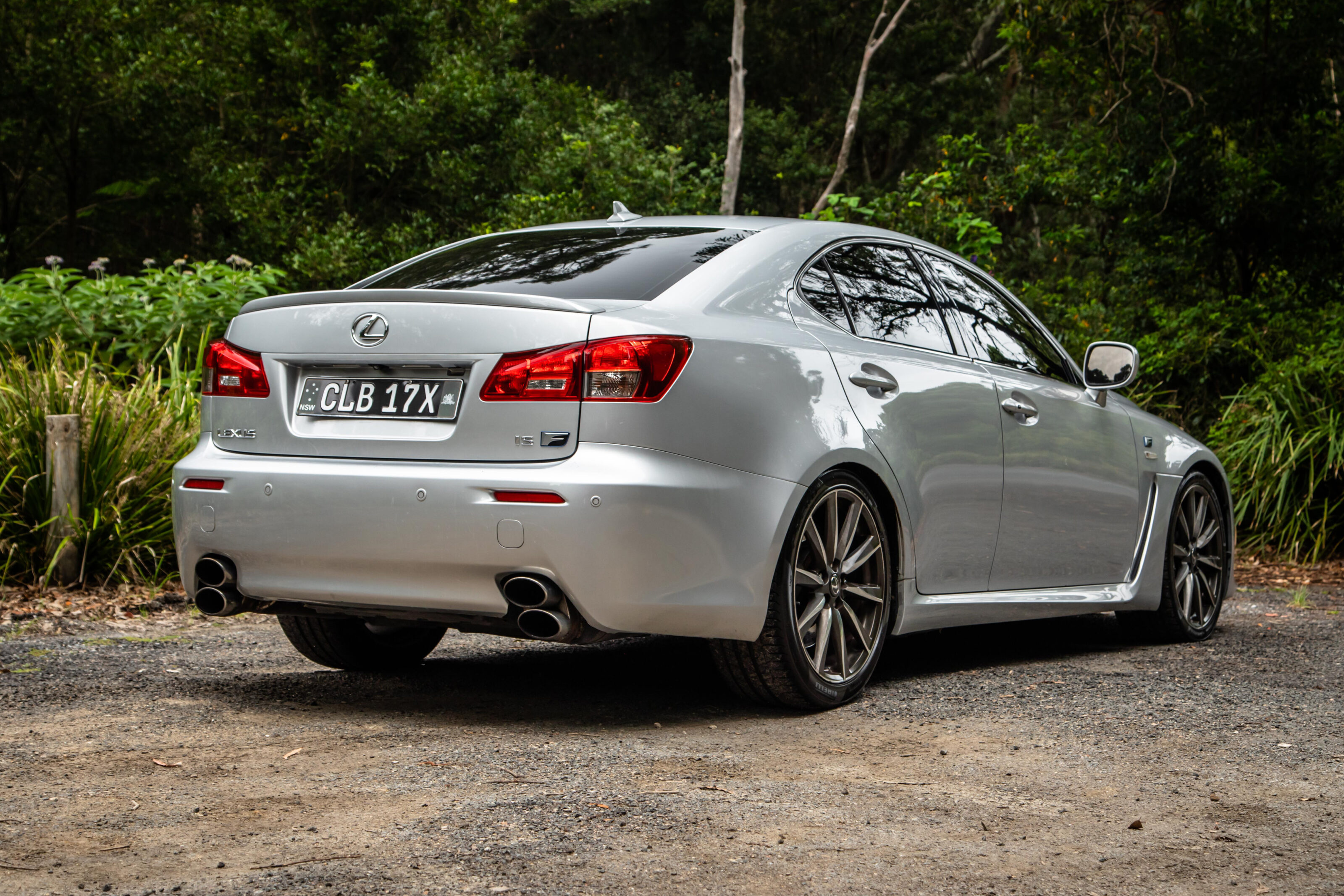
The Lexus IS F could someday be remembered as a myth, having swooped into the market from Japan in 2008 to take on Germany’s C63 AMG and BMW M3 – only to leave us after one generation, with no successor in sight.
Well, to be fair, we did get the bigger GS F in 2016, and America now has a slightly softer 351kW V8-powered IS 500 F Sport, but the days of proper Lexus F sedans appear to be behind us.
If you want a full-bore F model now, you’re limited to the two-door RC F coupe, and even that one will go out of production in November this year.
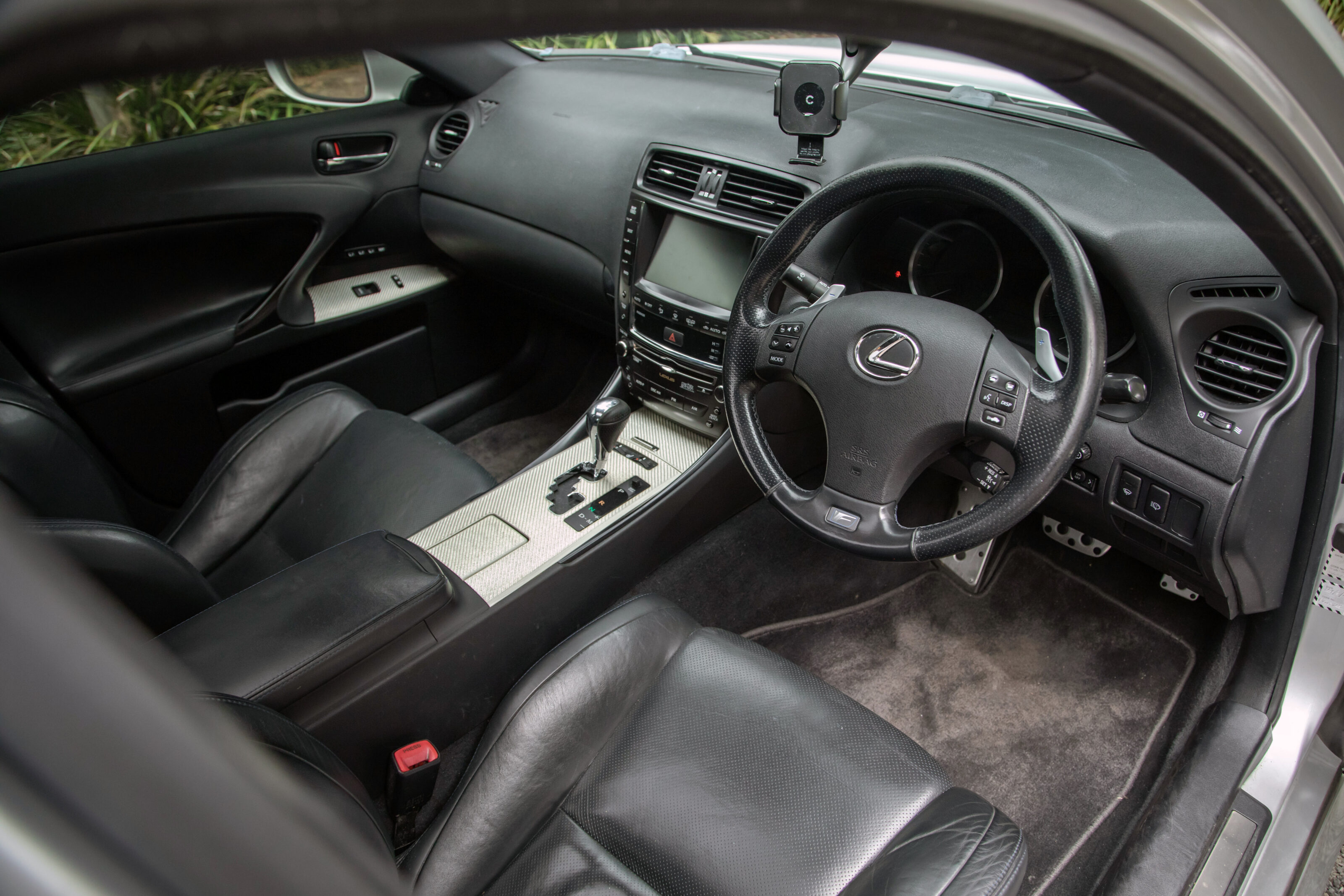
When it launched, the IS F blew through the door with a Yamaha-fettled V8 producing 311kW and 505Nm – which saw it one-up the 309kW/400Nm M3 (back when it was a V8) while falling a little short of the 336kW/600Nm V8 C63.
It arrived with a more compelling price, though, with its $129,000 sticker undercutting the $152,300 M3 and $144,365 C63.
MOTOR undertook a comparison of these three beasts, rating the M3 and C63 a 9 out of 10 each, while the IS F managed just 7.5 out of 10.
Still, we called it a “fine first effort that comes close to the Germans”, and really, that’s high praise.

If you want to buy one these days, you can find them in the $35,000 to $65,000 price bracket with anything between 85,000 to 200,000km on the clock.
But… should you? The famed Toyota reliability and value underpins the Lexus IS F, but there might still be a few things to consider before laying down the cash.
Full disclosure: This writer was recently toying with the idea of digging deep and picking up a used IS F. I went with something else in the end, but this video from the blokes at ReDriven did get me close to settling on the Lexus.
(They still haven’t done a video on the 944 Turbo, and maybe that’s a good thing…)