Snapshot
- Significant updates across the range
- More focused Vantage variant
- Greater exploration of motorsport
Before Tobias Moers jumped ship to Aston Martin from his job at AMG, he probably thought he had a decent grasp on the issues facing the venerable British manufacturer. Not so, it turns out.
The former head of Mercedes-Benz’s performance division has had his feet under the desk at Gaydon for roughly a year now, and he has revealed that things at the historic brand were rather dire upon his arrival.
“Some things were obviously fundamentally wrong,” Moers told our sister-publication, CAR.
“We were, for instance, wasting cash on a new V6. It did not even comply with EU7 regulations at a point in time when it was already clear that combustion powerplants will soon be a thing of the past.”
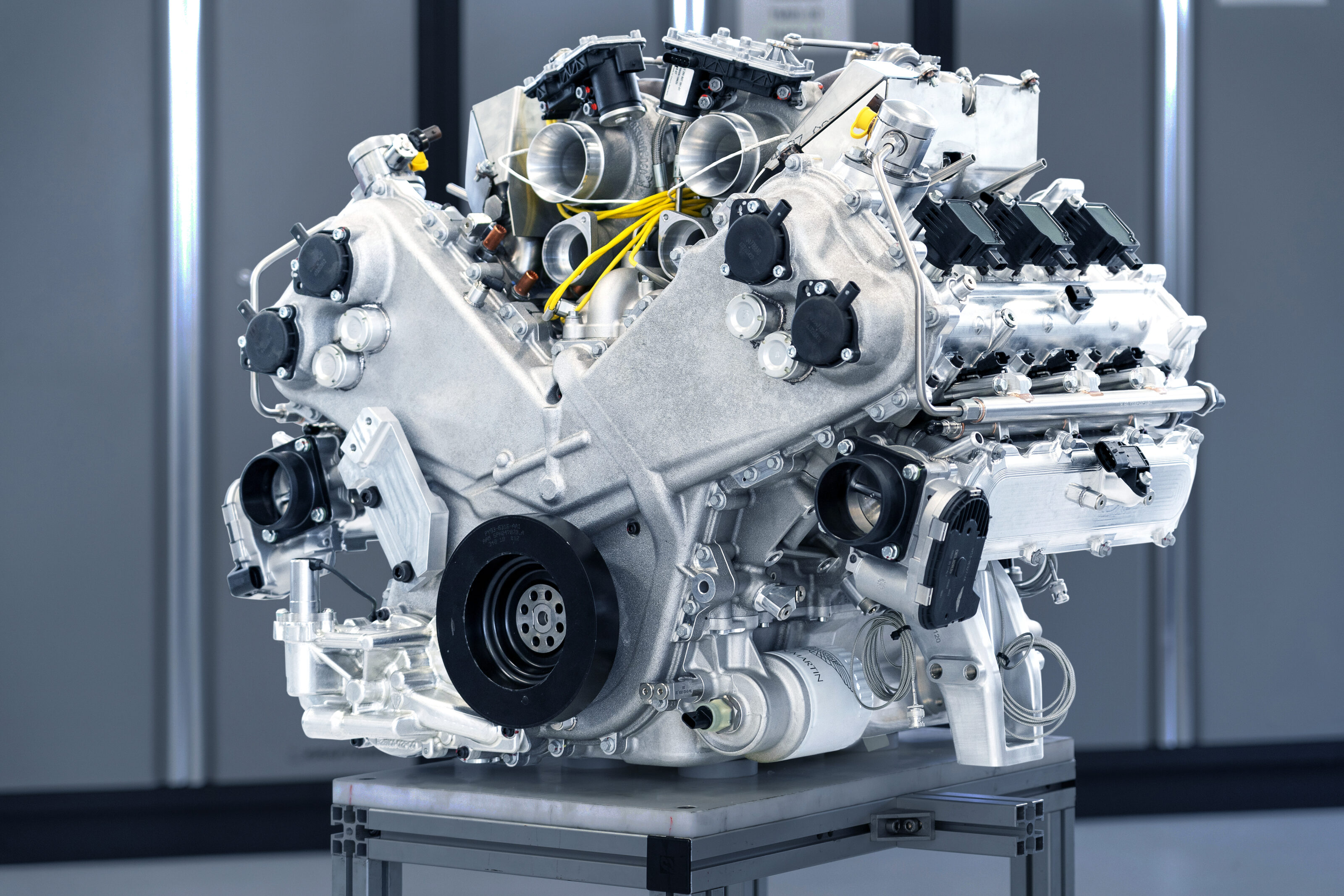
In a bold move, that V6, set to be fitted to the mid-engined Valhalla and Vanquish models as part of Andy Palmer’s master plan, has now been scrapped entirely.
In the Valhalla, the hybridised Aston unit is being replaced by the M177/M178 twin-turbo 4.0-litre V8 sourced from AMG.
It’s not just Valhalla that has caused frustration. The Valkyrie project that is set to be Aston’s flagship model is failing to meet Moers’ exacting standards.
“[It’s] so drastically over-budget that it now needs two more variants to pull it out of the red,” was his savagely frank assessment.
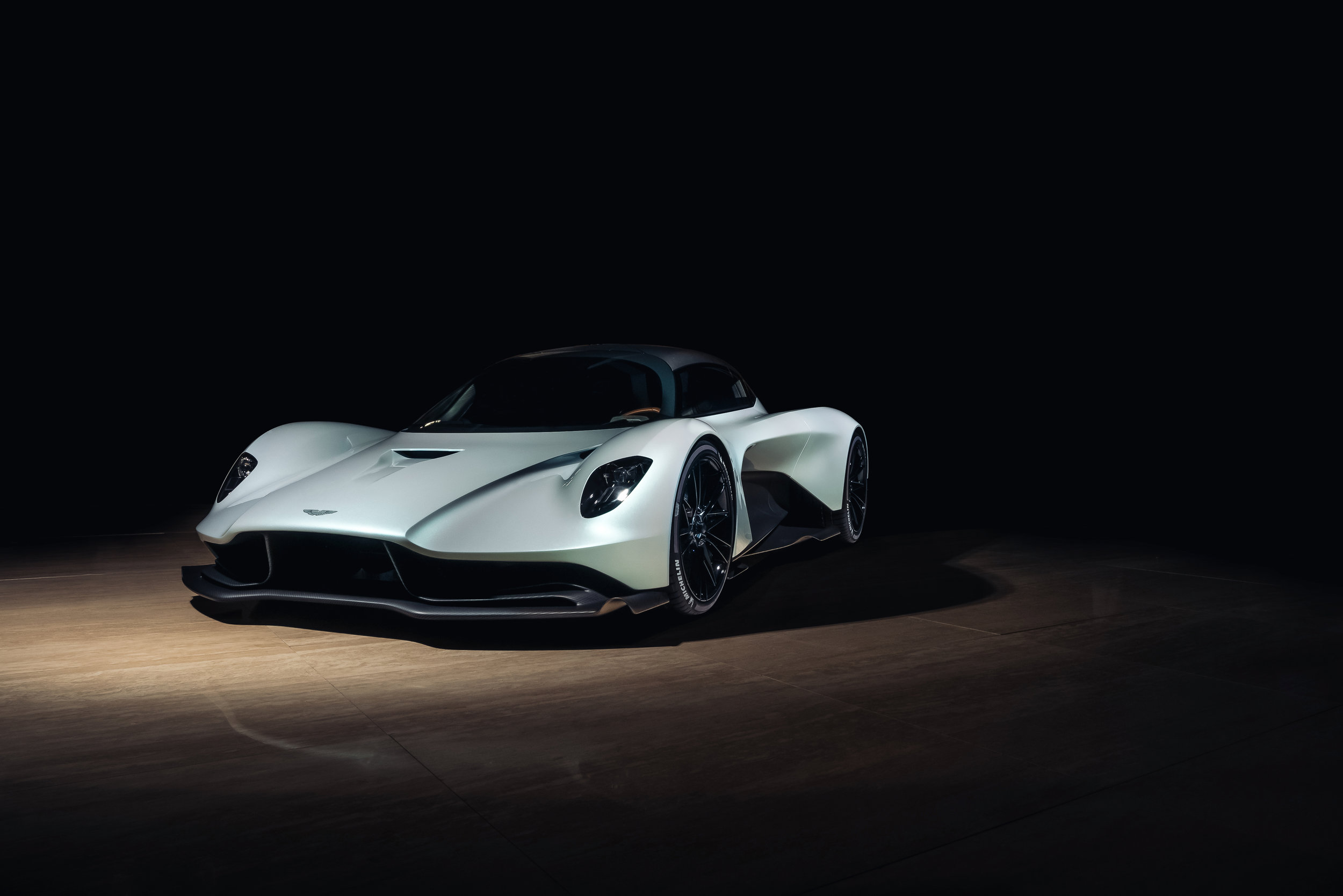
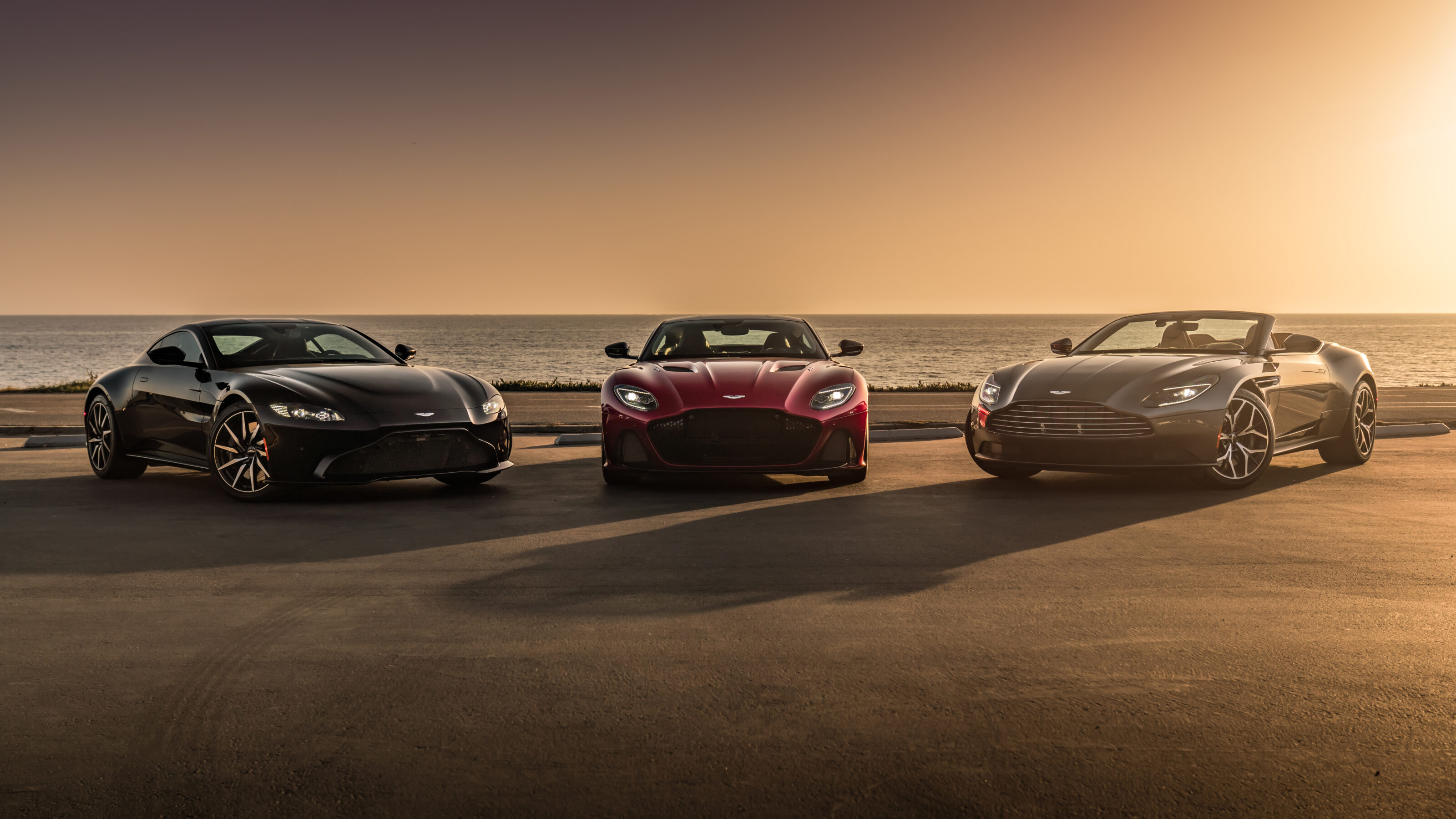
Where performance enthusiasts will first see and feel Moers’ effect is in the bread and butter model ranges of Vantage, DB11, and DBS.
The Vantage is losing its manual transmission option, while all three will be updated significantly in their mid-life facelift.
“In addition to design changes and functional improvements, the interiors will be totally reworked with up-to-date connectivity, enhanced digitisation and new assistance systems,” Moers said.
“We’re also going to rethink the AMR sub-brand. The cars should be more dynamic in the way they look and drive.”
Additionally, in the DB11 and DBS, the 5.2-litre twin-turbo V12 engine is set to be tweaked, with a boost in power and a change in character from the edict above. Moers wants the engineers to shift from the current low-end torque focus, to one that delivers more punch higher in the rev range.
Also in the model pipeline are a hybrid, and performance ‘S’ variant, of the DBX SUV, before two new pure-electric sports cars are introduced in 2025. These EVs are being developed by Aston Martin, with backing and support from Moers’ former employer AMG – the two companies are continuing the relationship forged under Andy Palmer’s tenure.
The F1 edition Vantage is an indicator of Moer’s influence and direction, with its creation coming from the head honcho’s request for a more focused version of the brand’s entry-level sports car.
It also speaks to the brand’s new owner, Canadian billionaire Lawrence Stroll, and his passion for motorsport – something Moers says will be a larger, expanded part of Aston Martin’s brand identity in the near future.
“We have only just begun to explore the full halo effect of motor racing. Let’s face it: Lawrence Stroll is in Formula 1 to win the championship. It won’t happen this year, but the title is our ultimate goal,” Moers explained.

Aston Martin cannot escape the hybrid and electric future that is being forced upon European manufacturers, with Moers confirming the V8 engine has a finite shelf life. However, this could prove to be a boon for Australian (along with American and Chinese) performance car fans.
“We have yet to define the end of these production runs, but once the strict EU7 emissions norm is in place, certain petrol-engine versions will only be eligible for export,” he explained.
In just 12 months Moers has done an impressive job in correcting Aston Martin’s path, bringing it back on course with a series of intelligent choices. While the brand isn’t out of the woods altogether – the Lagonda sub-brand has an uncertain future, and stock price volatility continues to be a nuisance – the positives of a V8 engine for Valhalla and some much-needed updates for the existing models should see Aston Martin find a sure footing as it charges into the its second century.
Snapshot
- Volvo and Northvolt will enter a 50/50 joint venture
- Headquarters will be based in Sweden
- Next-gen EV XC60 to use batteries based on the partnership
Volvo has announced a joint venture with fellow Swedish company Northvolt in the hope of developing and producing its own batteries for its future hybrids and EVs.
The planned Swedish joint venture will be a 50/50 split between the two companies, and will culminate in a new gigafactory being constructed with the capacity of up to 50GWh per year when production starts in 2026.
Volvo has previously stated its intentions to have 50 per cent of its vehicles as full EVs by 2025 with the ultimate aim of 100 per cent electrification in 2030, in line with its Polestar arm which last week teased the Polestar 3 EV, to be built alongside Volvo’s EV cars in North America.
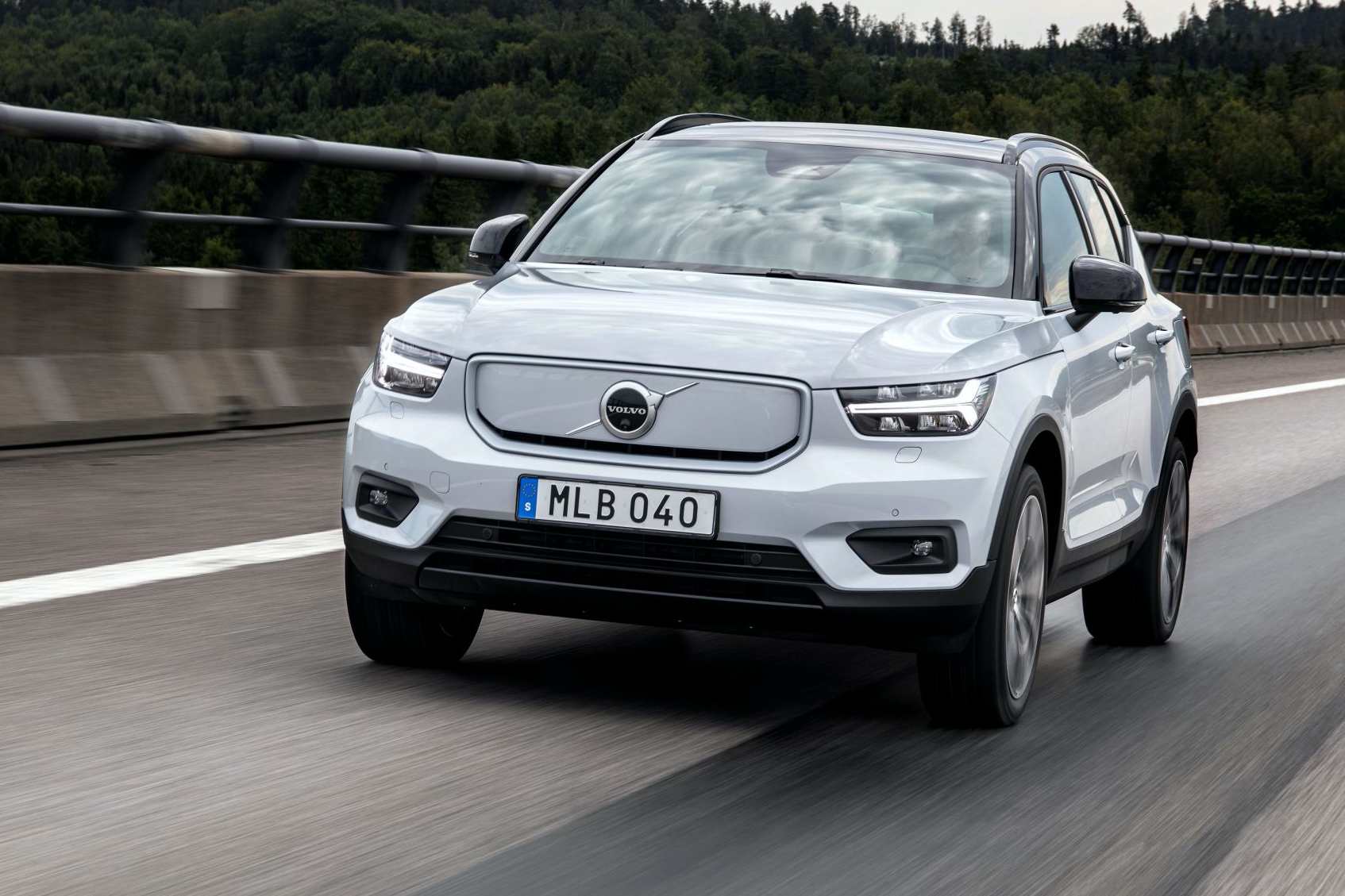
Initially aiming to source 15GWh of battery cells from Northvolt’s existing battery plant in Sweden from 2024, Volvo’s chief technology officer, Henrik Green, believes the partnership will help battery development for both parties.
“Developing the next generation of battery cell technology in-house, together with Northvolt, will allow us to design batteries specifically for Volvo and Polestar drivers,”, said Green.
“With cells developed in-house for our electric cars, we can focus on giving Volvo and Polestar customers what they want, such as range and short charging times.”
Håkan Samuelsson, Chief Executive of Volvo, echoed Green’s sentiments.
“By working with Northvolt we will secure a supply of high-quality, more sustainable battery cells for our pure electric cars.
“Working closely with Northvolt will also allow us to strengthen our in-house development capabilities.”
The next-generation, all-electric Volvo XC60 will be the first product to use batteries developed and produced by the joint venture.
Snapshot
- Five R models on the horizon u2013 from circa $60K to about $140K
- Arteon only R model not to be offered Down Under
- More than a decade since multiple R models offered
Volkswagen will make its biggest assault on Australia’s performance-car market yet in 2022 with five rapid R models.
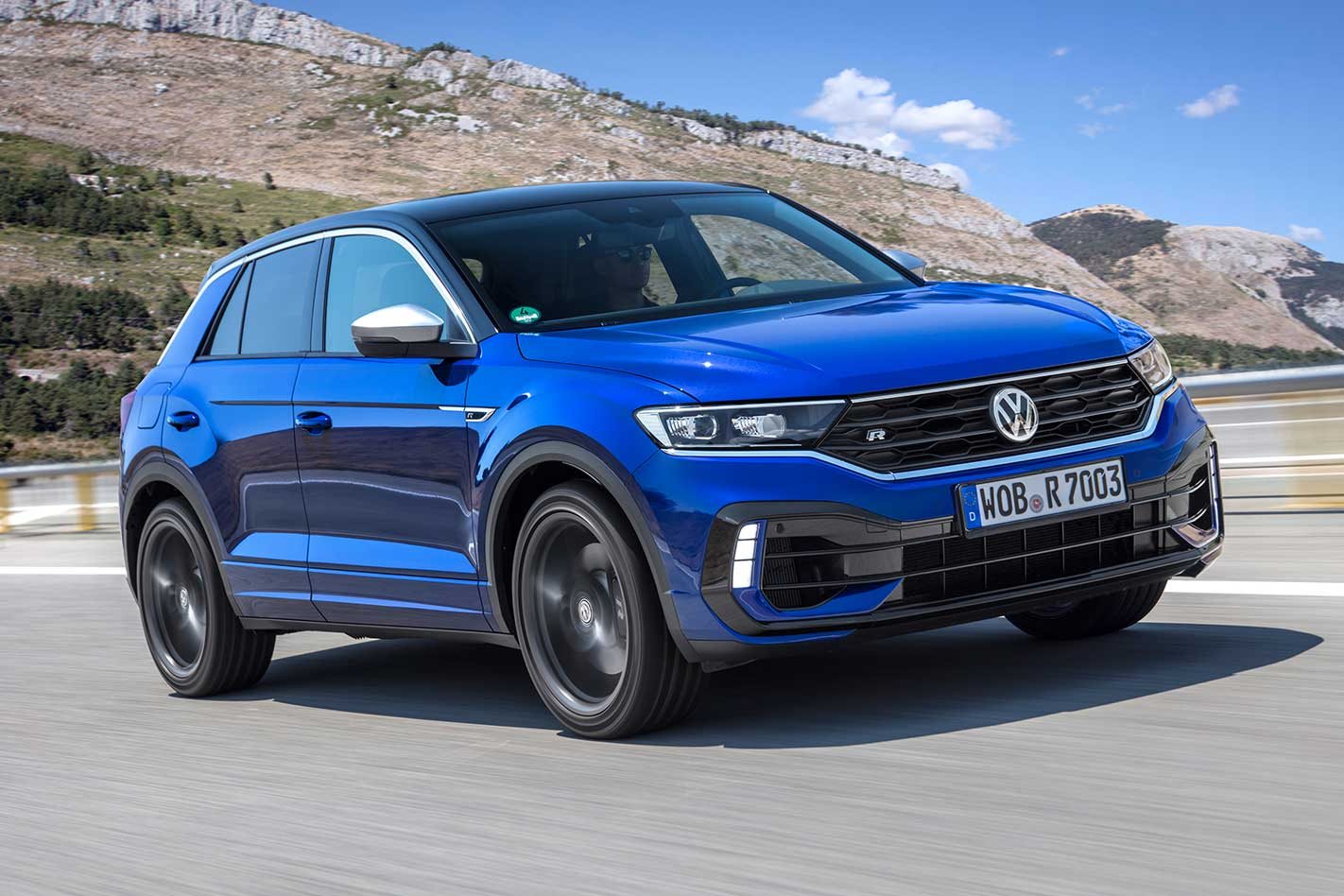
A new-generation Golf R will arrive in the first quarter to kick off a huge year for the fastest Volkswagens, with the traditional hatch/wagon pairing followed by the first ever R-badged versions of the T-Roc and Tiguan.
The Tiguan R mid-sized SUV will also arrive in the early months of 2022, with the smaller T-Roc R confirmed for late 2022 as part of a mid-life refresh for the compact SUV range.
VW Australia is also set to add a fifth R model in 2022 as it finalises plans to import the Touareg R large SUV.
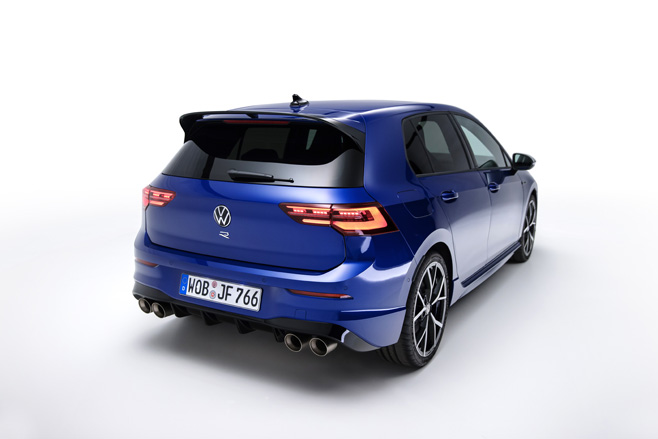
The Arteon R four-door coupe and its Shooting Brake wagon spin-off will be left as the only global R models ignored by VW Australia.
The company says it can’t make a business case for the model, owing to the limited buyer demand in the medium-car segment, as well as its likely cost.
It’s more than 10 years since Volkswagen offered multiple R models, when the German brand offered the V6-powered Passat R36 sedan/wagon and the V10-powered Touareg R50 SUV alongside the Golf R. Between 2013 and 2016 it sold the Scirocco R alongside the Golf R.
The new line-up is all powered by a 2.0-litre turbocharged four-cylinder, except for the Touareg R which is a plug-in hybrid combining a turbocharged V6 engine and electric motor.
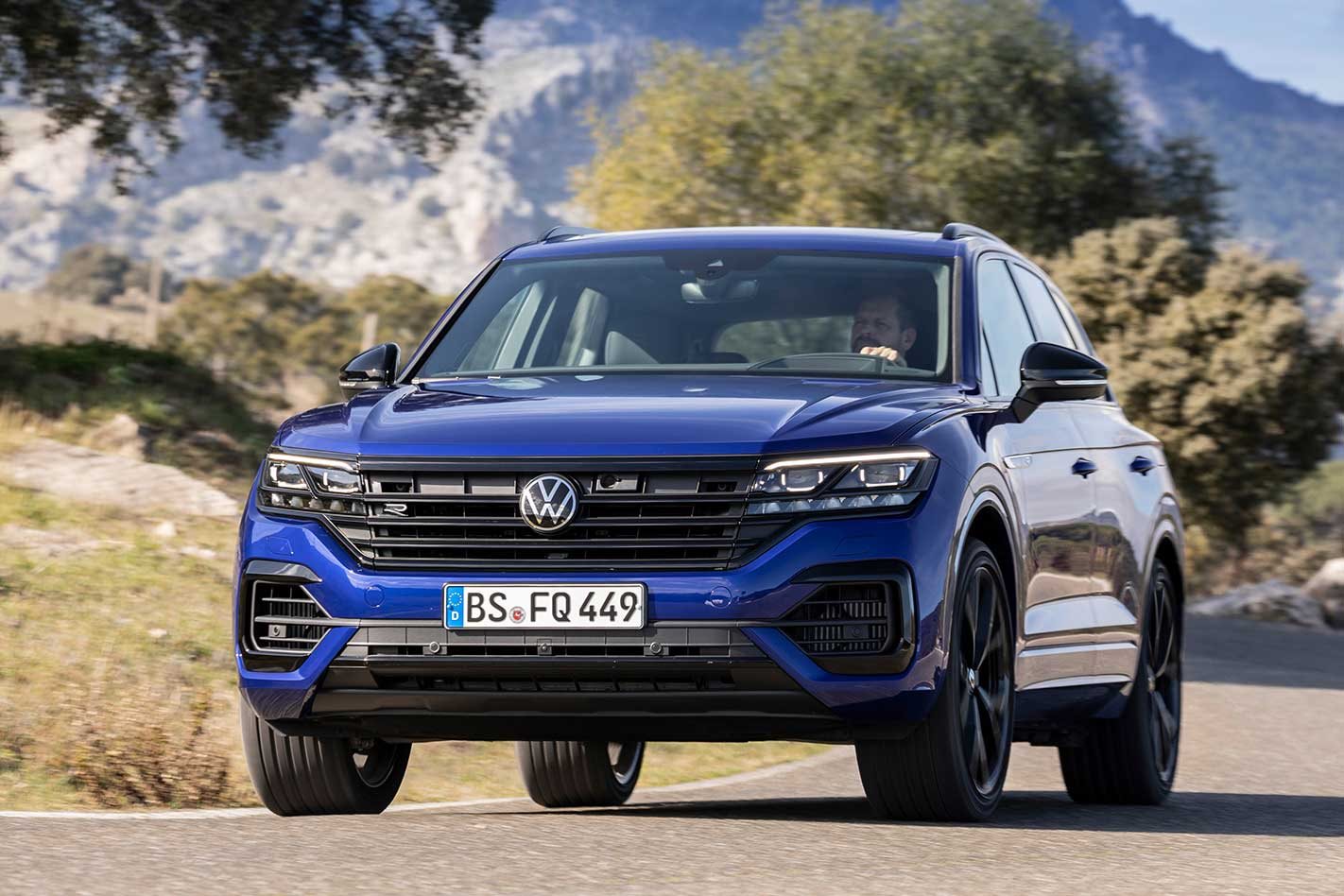
Volkswagen expects the SUVs to follow the Golf R with a strong sales representation within their respective model ranges. The company, however, doesn’t believe they will necessarily outsell the Golf R despite the immense popularity of SUVs.
“It’s very interesting because SUVs [dominate] the market, but in the volume space the performance SUV is still emerging,” said VW Australia product manager Todd Ford.
“I don’t think we put any greater expectations on which models will outperform the other [in sales]. Our performance hatches or the passenger body style have been king [when it comes to sales], but we know there’s a great desire for performance, like strongly powered SUVs.
“So, we’re very confident in the [sales potential of the] R SUVs, and expect them to have strong mixes in their respective ranges as with the Golf R.”
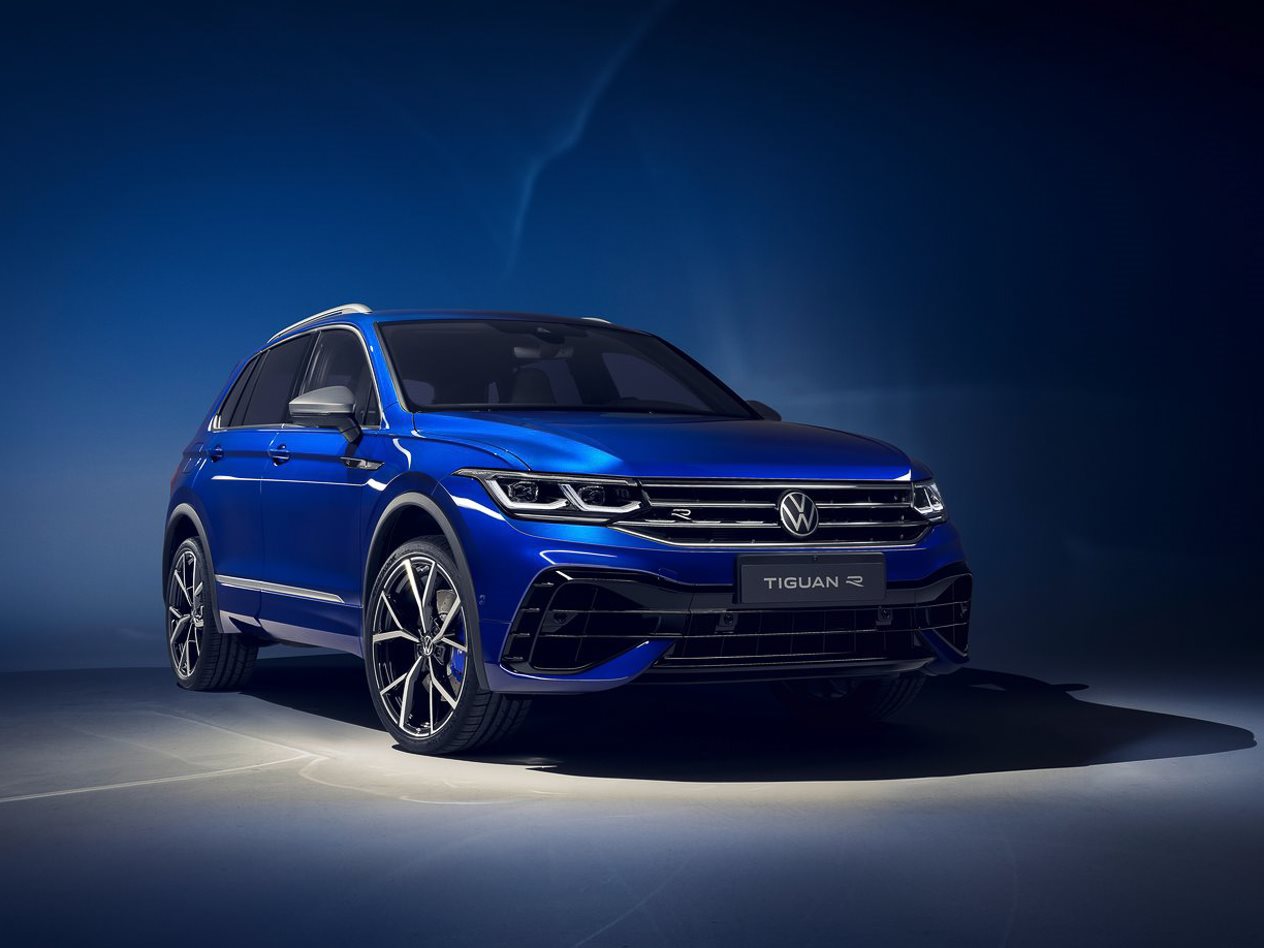
The huge local popularity of the Golf R helped make Australia the third biggest market globally for R models in 2019. At the time it was outselling the cheaper Golf GTI by a factor of about five to one.
A price shock is on the cards for buyers of the next Golf R, however.
The latest version of the more affordable Golf GTI hot-hatch has been priced above $50,000 for the first time – $53,100 before on-road costs. If the Golf R follows a similar 10 per cent increase, it will start from about $63,990.
VW Australia didn’t deny the Golf R is now expected to start above $60,000.
“We’re still to advise where the [Golf R] price will land, but, yes, certainly there will be an adjustment in price and the model will again carry the additional technology and equipment expected – not just in the [more powerful] drivetrain but also the very specific R technology such as R torque vectoring.”
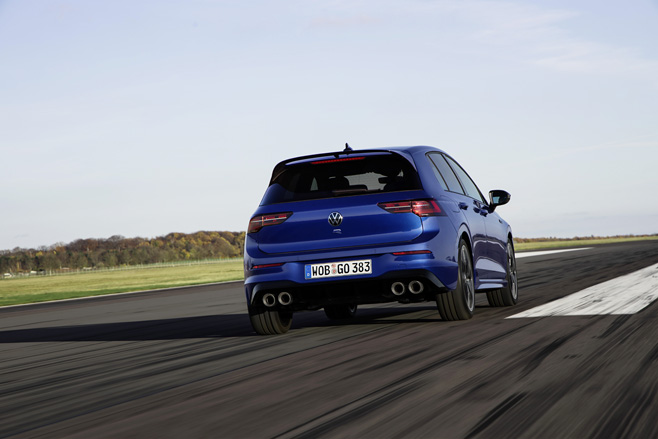
While the Golf R will again feature all-wheel drive, the new R torque vectoring technology distributes power between the rear wheels. It works with a new ‘Drift’ mode to enable power-oversteer driving for keener drivers.
VW Australia is not yet confirming whether the technology will be standard or optional on the Golf R here.
The company says the combination of technology and increased power (235kW) for the Golf R will create the biggest distinction yet between the GTI and R performance Golfs.
A guide to the full Volkswagen R line-up for 2022
GOLF R HATCH
| Body style | Hatchback |
| Engine | 2.0-litre 4cyl turbo |
| Power | 235kW |
| Torque | 420Nm |
| Transmission | 7-speed dual-clutch auto, AWD |
| 0-100kmh (claimed) | 4.7 seconds |
| Timing | Early 2022 |
| Rivals | Audi S3, BMW M135i, Honda Civic Type R, Mercedes-AMG A35, Renault Megane RS, Subaru WRX STI |
GOLF R WAGON
| Body style | Wagon |
| Engine | 2.0-litre 4cyl turbo |
| Power | 235kW |
| Torque | 420Nm |
| Transmission | 7-speed dual-clutch auto, AWD |
| 0-100kmh (estimated) | 4.9 seconds |
| Timing | Early 2022 |
| Rivals | Skoda Octavia RS Wagon (but FWD only) |
T-ROC R
| Body style | Compact SUV |
| Engine | 2.0-litre 4cyl turbo |
| Power | 221kW |
| Torque | 400Nm |
| Transmission | 7-speed dual-clutch auto, AWD |
| 0-100kmh (claimed) | 4.9 seconds |
| Timing | Late 2022 |
| Rivals | Audi SQ2, Hyundai Kona N (FWD) |
TIGUAN R
| Body style | Mid-sized SUV |
| Engine | 2.0-litre 4cyl turbo |
| Power | 235kW |
| Torque | 420Nm |
| Transmission | 7-speed dual-clutch auto, AWD |
| 0-100kmh (claimed) | 4.9 seconds |
| Timing | Early 2022 |
| Rivals | Mercedes-AMG GLA35, Mini Countryman JCW, Skoda Kodiaq RS |
TOUAREG R
| Body style | Large SUV |
| Engine | 3.0-litre V6 turbo and electric motor |
| Power | 340kW (combined) |
| Torque | 700Nm (combined) |
| Transmission | 8-speed auto, AWD |
| 0-100kmh (claimed) | 5.1 seconds |
| Timing | TBC |
| Rivals | Audi SQ7, BMW X5 M50i Pure, Mercedes-AMG GLE53, Porsche Cayenne E-Hybrid |
Snapshot
- VW’s first electrified R production model
- Pumps out 340kW and 700Nm
- Wasn’t planned for Down Under but things have changed
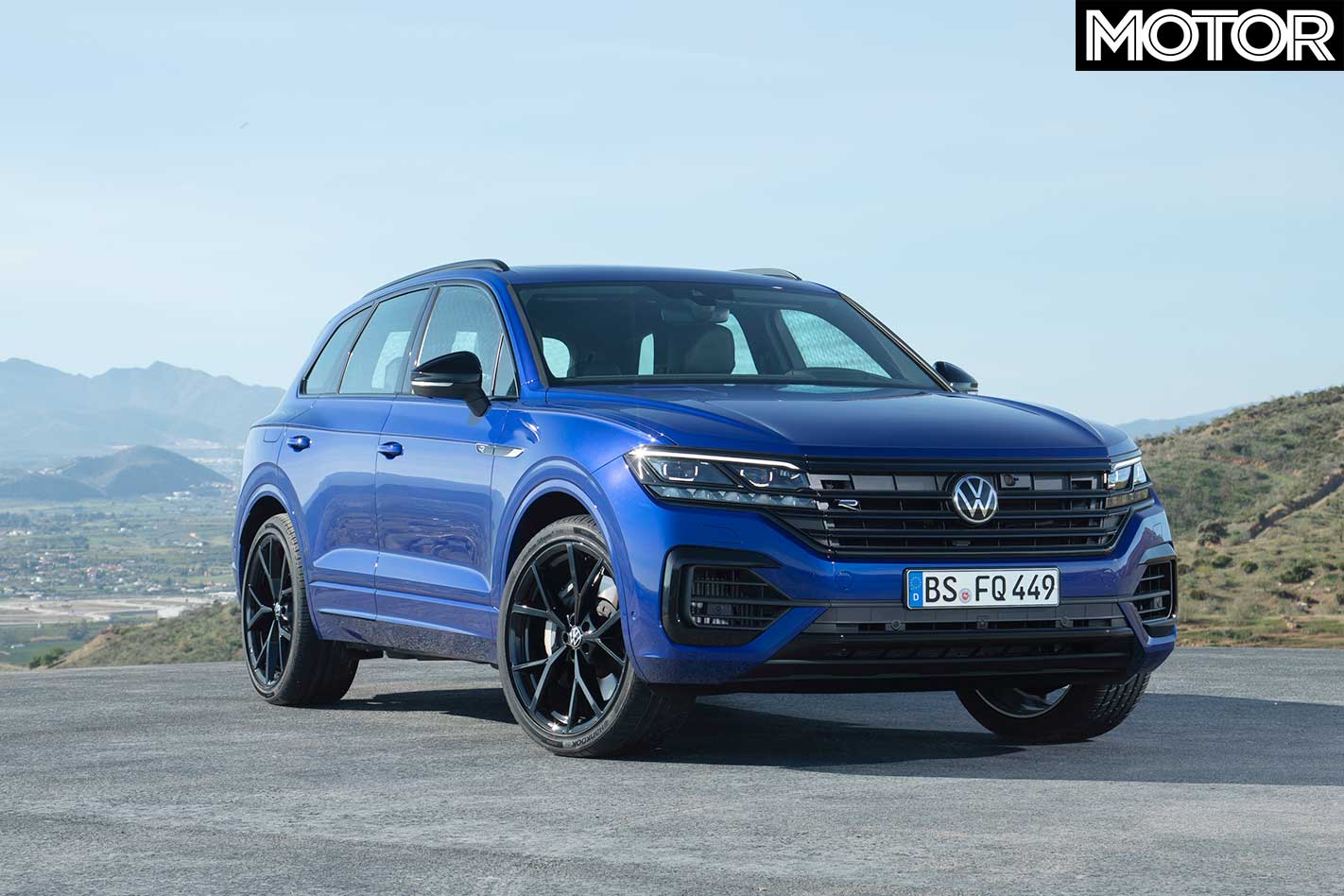
Volkswagen is set to introduce its most powerful model to Australia – the Touareg R.
The flagship version of the German brand’s large SUV is the first electrified R production model, combining a 3.0-litre turbocharged V6 petrol engine and an electric motor.
VW Australia is in discussions to confirm the addition of the plug-in-hybrid performance SUV which produces 340kW and 700Nm between the two different forms of motor.
“We didn’t initially think we would be in line for the Touareg R, and PHEVs were previously off the table for us, but two things have happened to create a potential opportunity,” said Volkswagen Australia spokesperson Paul Pottinger.
“Our V8 Touareg models were so successful they’re now almost impossible to find at dealers, and the R would be a natural fit to replace them as the range’s halo vehicle.
“And we had an undertaking from the Federal Government that our petrol quality wouldn’t remain among the worst in the world.”
The Touareg R brings more power than the 310kW twin-turbo diesel V8 featured in the Touareg 310TDI R-Line and Wolfsburg variants, though can’t match their maximum torque of 900Nm.
The all-wheel-drive Touareg R has a claimed 0-100km/h acceleration time of 5.1 seconds, which will make it the fastest variant available when it arrives.
While slower than the 4.9 seconds of the outgoing 310TDI, the Touareg is significantly quicker than its R50 predecessor sold between 2008 and 2010. That 5.0-litre V10 twin-turbo diesel Touareg performed the benchmark sprint in 6.8 seconds.
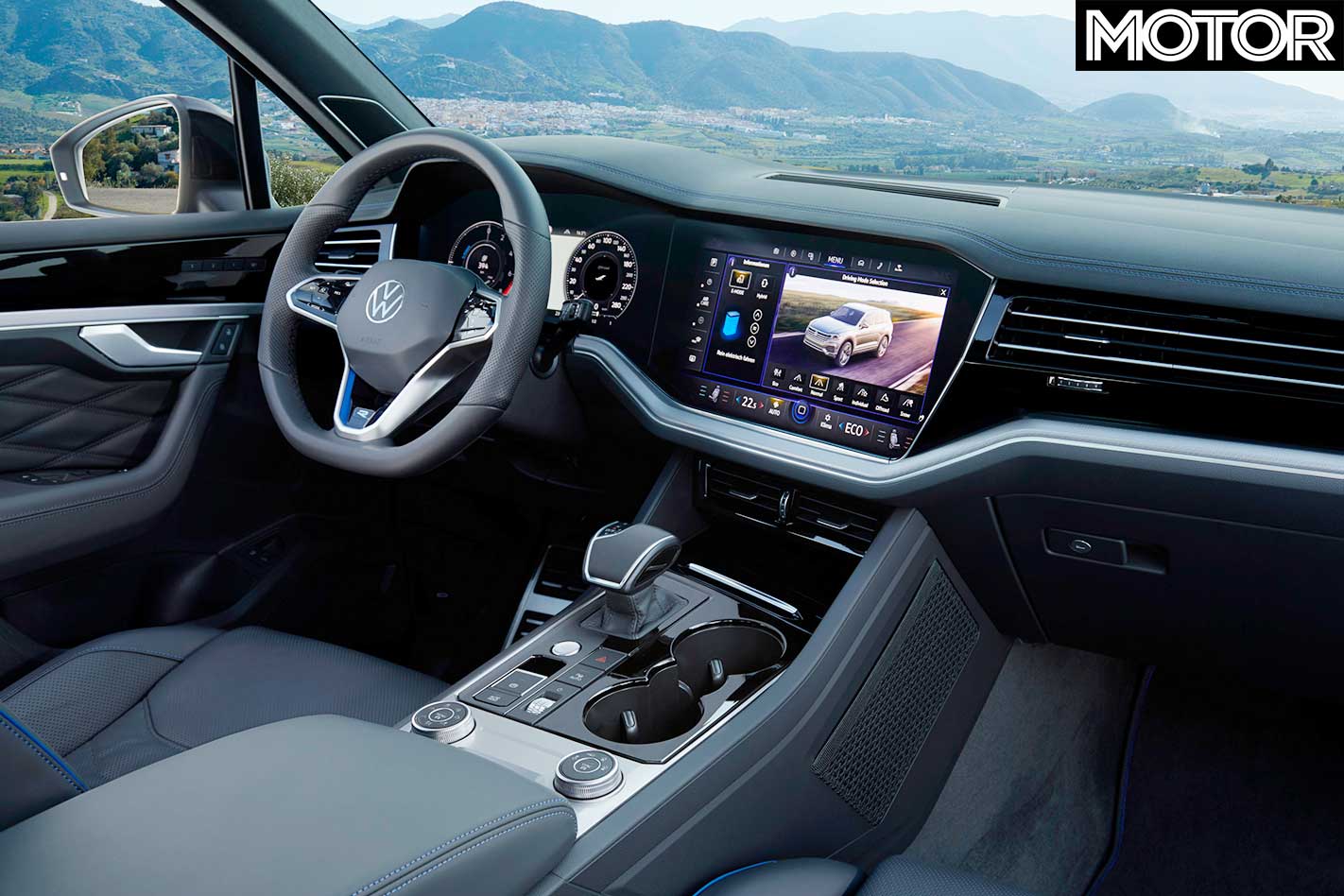
A distinction for the R, however, is that it can be driven for up to 47 kilometres on its 100kW/400Nm electric motor alone (figure based on Europe’s WLTP testing cycle).
This contributes to a low WLTP fuel consumption figure of 2.7L/100km, with CO2 emissions rate at 62g/km. This compares with the 310TDI’s 7.5L/100km and 185g/km.
The Touareg R’s speed is limited to 135km/h on electric power, though a 250km/h top speed is possible when the 250kW/450Nm also comes into play.
Volkswagen says the Touareg R, which shares its platform and drivetrain with the Porsche Cayenne E-Hybrid, has an approximate combined driving range of 810km.
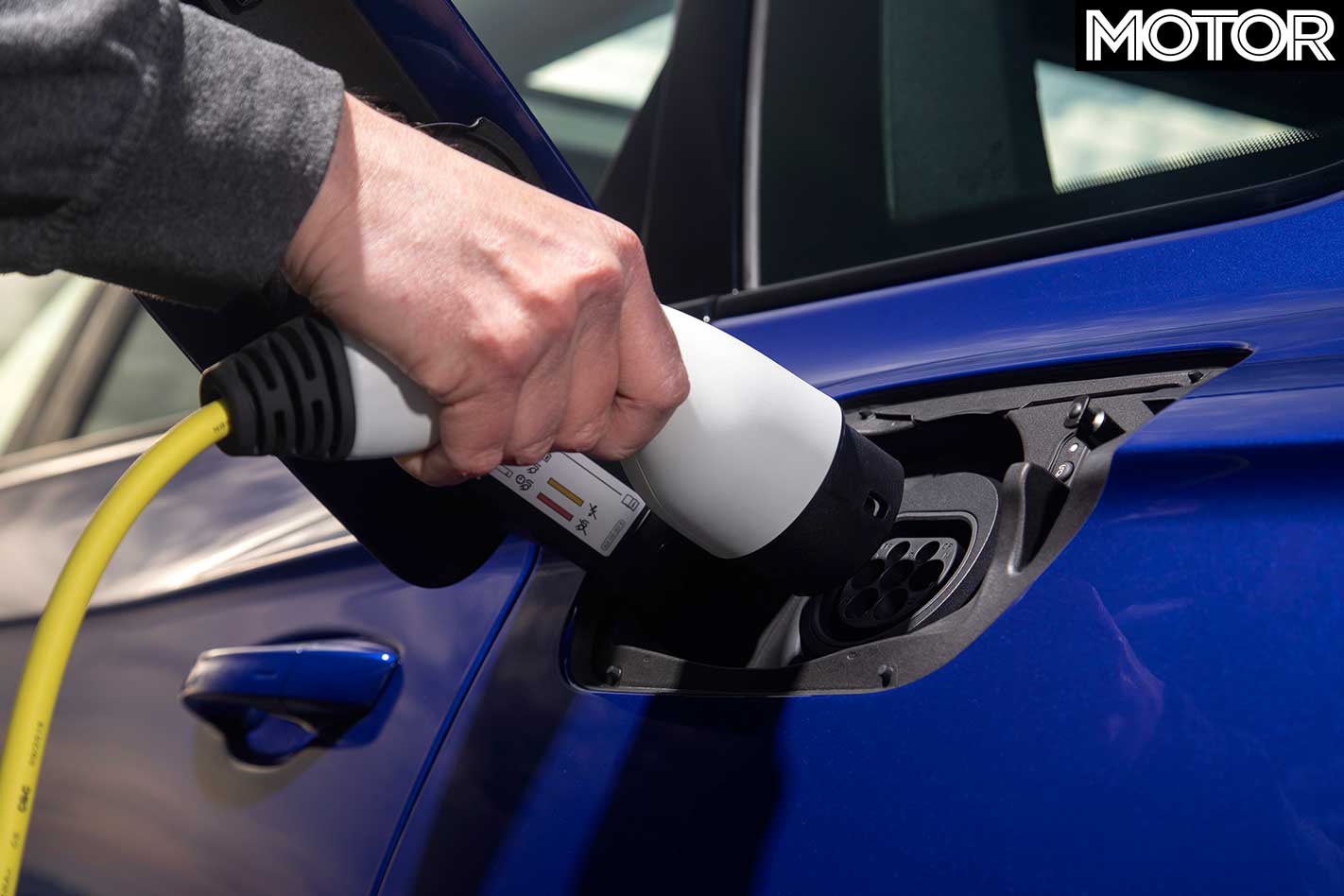
Charging time for the SUV’s 14.3kWh battery pack, which powers the electric motor, is quoted at eight hours using a standard 2.3kW power socket, or 2.5 hours with a 7.2kW EV home charger.
The Touareg R rolls on 285/45R20 tyres, has a braked towing capacity of 3.5 tonnes, and offers a boot capacity of 665 litres.
While it’s too early for VW Australia to confirm pricing for the vehicle, the Touareg R would be expected to be priced similarly to the V8 variants it would replace. The 310TDI costs from $136,490 in R-Line trim, and from $139,990 as the Wolfsburg special edition.
This would also price the Touareg R below the $148,000 Cayenne E-Hybrid twin from VW Group sister brand Porsche.
The VW Touareg R would make 2022 an even bigger year for Volkswagen’s high-performance models. The next-generation Golf R hatch and wagon, plus the first ever Tiguan R and T-Roc R SUVs are already confirmed for next year.
Snapshot
- 50,000 WRXs sold since 1994
- Customer in Ipswich purchased the milestone car
- Fifth-generation WRX coming later this year
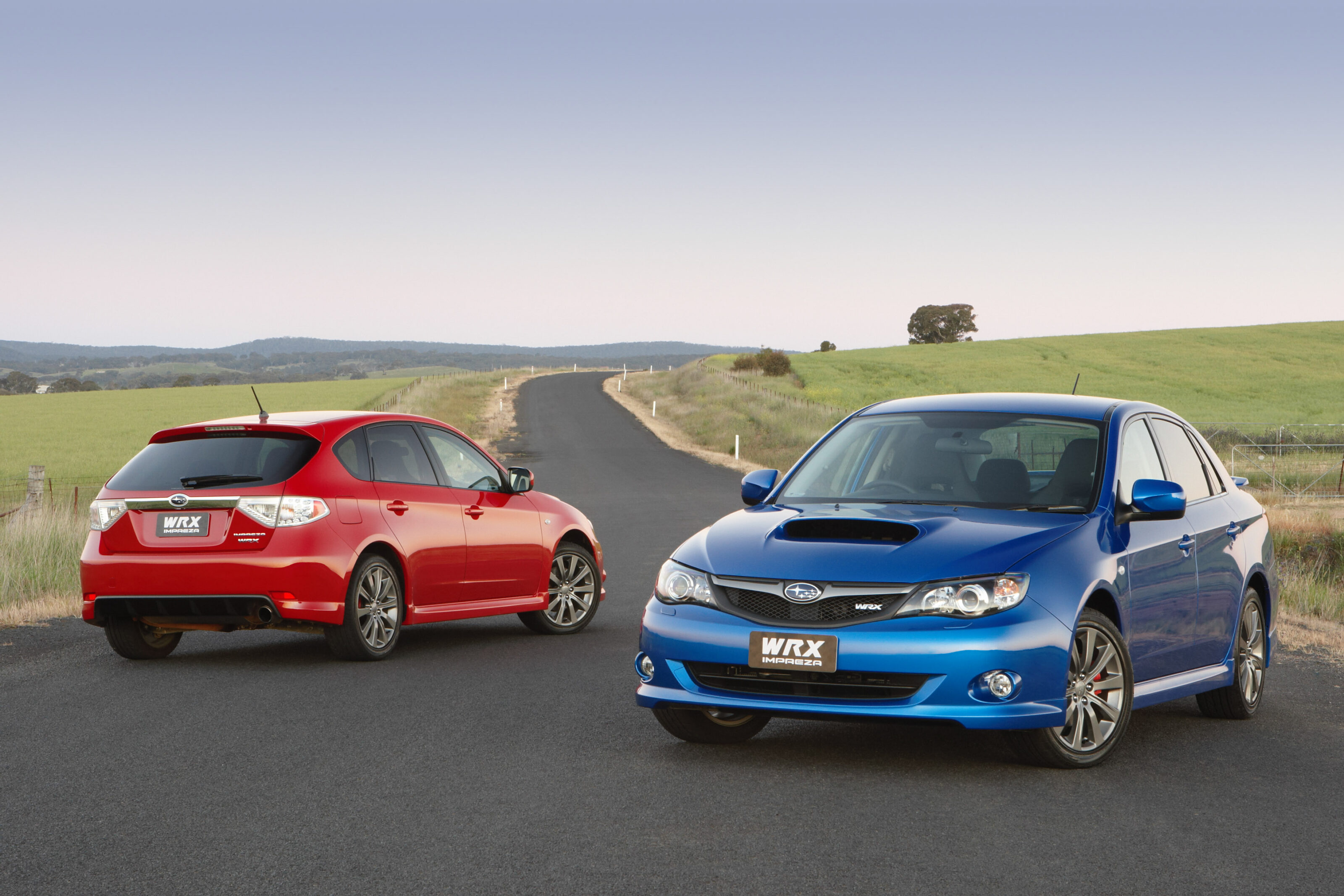
Subaru Australia is celebrating a milestone, having sold its 50,000th WRX in Australia since the rally-bred model first appeared locally in 1994.
Known for its flat-four turbocharged engine, all-wheel-drive and unsubtle bonnet scoop, the ‘Rex’ is currently in its fourth generation with the basic principle remaining unchanged since its inception.
Initially a trim level on the four-door Impreza, the WRX nameplate became its own model in 2014, ditching the Subaru EJ motor after 20 years for the FA, losing the iconic throbbing sound from the unequal-length exhaust headers.
Mark Biegel of Ipswich, Queensland was the milestone man, purchasing the 50,000th WRX from Llewellyn Motors in Ipswich, scoring a five-year service plan and $5000 worth of accessories from Subaru.
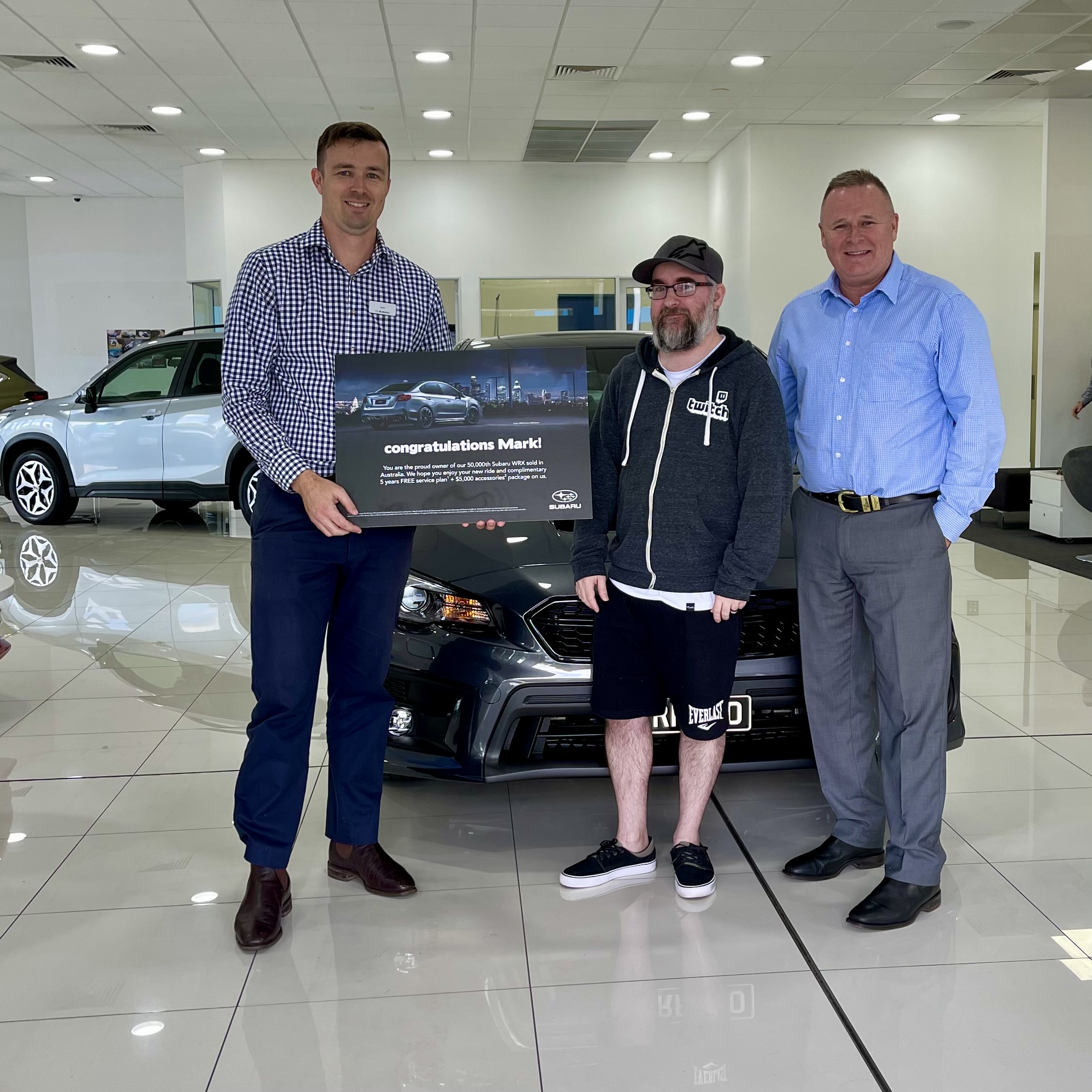
Subaru Australia General Manager, Blair Read, said the success of Subaru in Australia is largely owed to the WRX, with the fourth-generation being the most popular model to date.
“We often talk in the automotive industry about ‘halo’ cars – those which attract off-the-scale interest,” said Read.
“WRX is a prime example and played no small part in Subaru’s massive Australian growth in the 1990s.
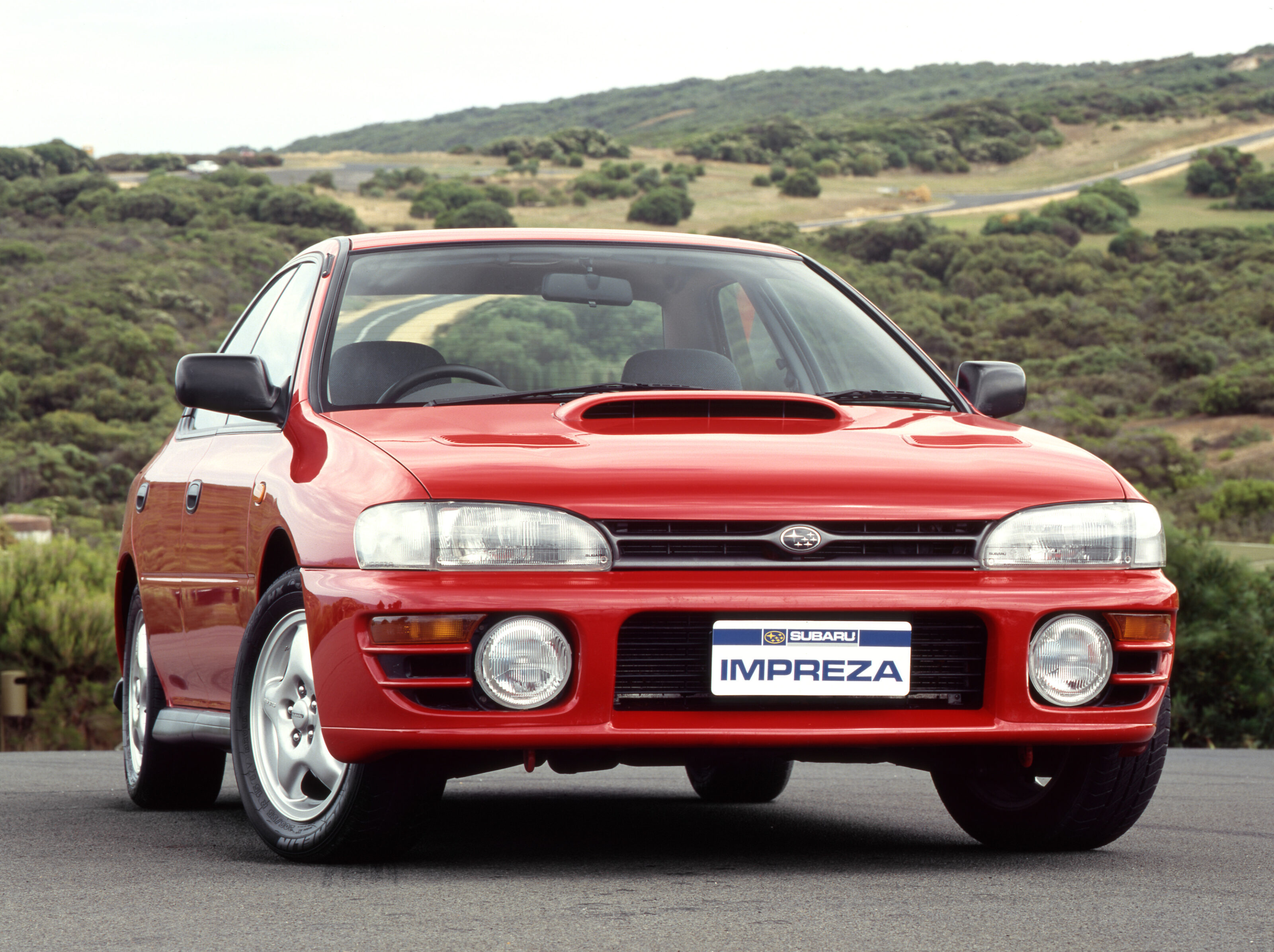
“Its early relatively unassuming appearance – but for the giveaway ‘letter box’ on the bonnet – belied a package which won converts at a massive rate.
“Not only did it switch many thousands of people on to Subaru, it established a trend many tried to follow but few got near.
“The current generation ‘Rex is our biggest seller to date and the fact there are WRX Clubs meeting regularly across Australia is proof of its enduring appeal.
“We can’t wait to share details of the fifth generation during the year.”
The WRX has long been popular in the MOTOR and Wheels offices, having won multiple awards in its early generations as it broke the mould from what the public expected of a four-door performance car.
Between them, the base WRX and upgraded STI have won five MOTOR ‘Bang for your Bucks’ awards (1998, 1999, 2002, 2005, 2009) as well as helping the Impreza take the Wheels ‘Car of the Year’ crown in 2000.
Australia’s fondness for the WRX has spawned local market only specials, such as the Club Spec Evo series (leather seats, sunroof) and the WRP10, built to commemorate 10 years of the WRX in Australia.
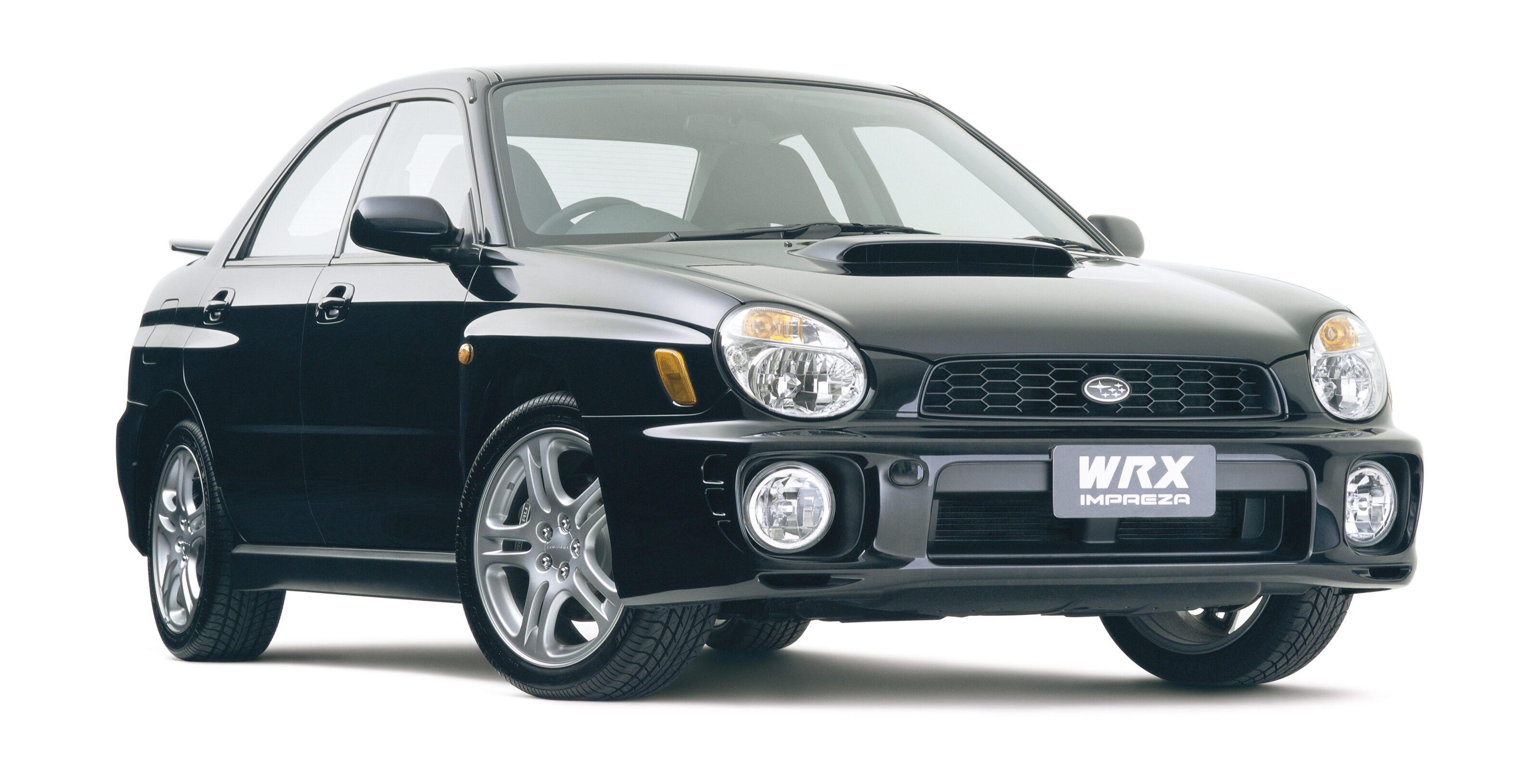
The WRX has long been popular in the MOTOR and Wheels offices, having won multiple awards in its early generations as it broke the mould from what the public expected of a four-door performance car.
Between them, the base WRX and upgraded STI have won five MOTOR ‘Bang for your Bucks’ awards (1998, 1999, 2002, 2005, 2009) as well as helping the Impreza take the Wheels ‘Car of the Year’ crown in 2000.
Australia’s fondness for the WRX has spawned local market only specials, such as the Club Spec Evo series (leather seats, sunroof) and the WRP10, built to commemorate 10 years of the WRX in Australia.
Snapshot
- Final ICE model to be produced everywhere except China by 2025
- Brand launching EVs only from 2026
- Carmaker wants to be net zero by 2050
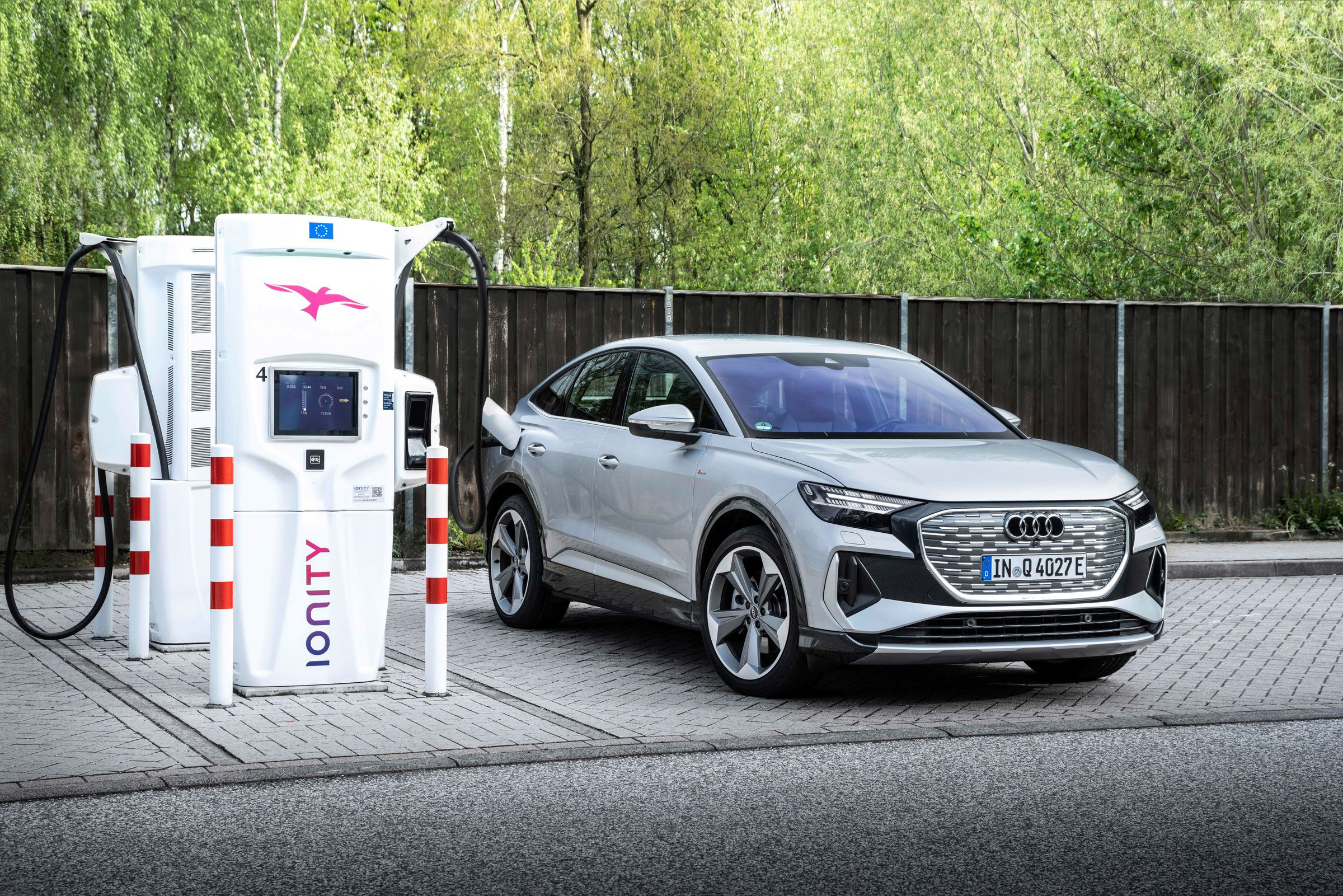
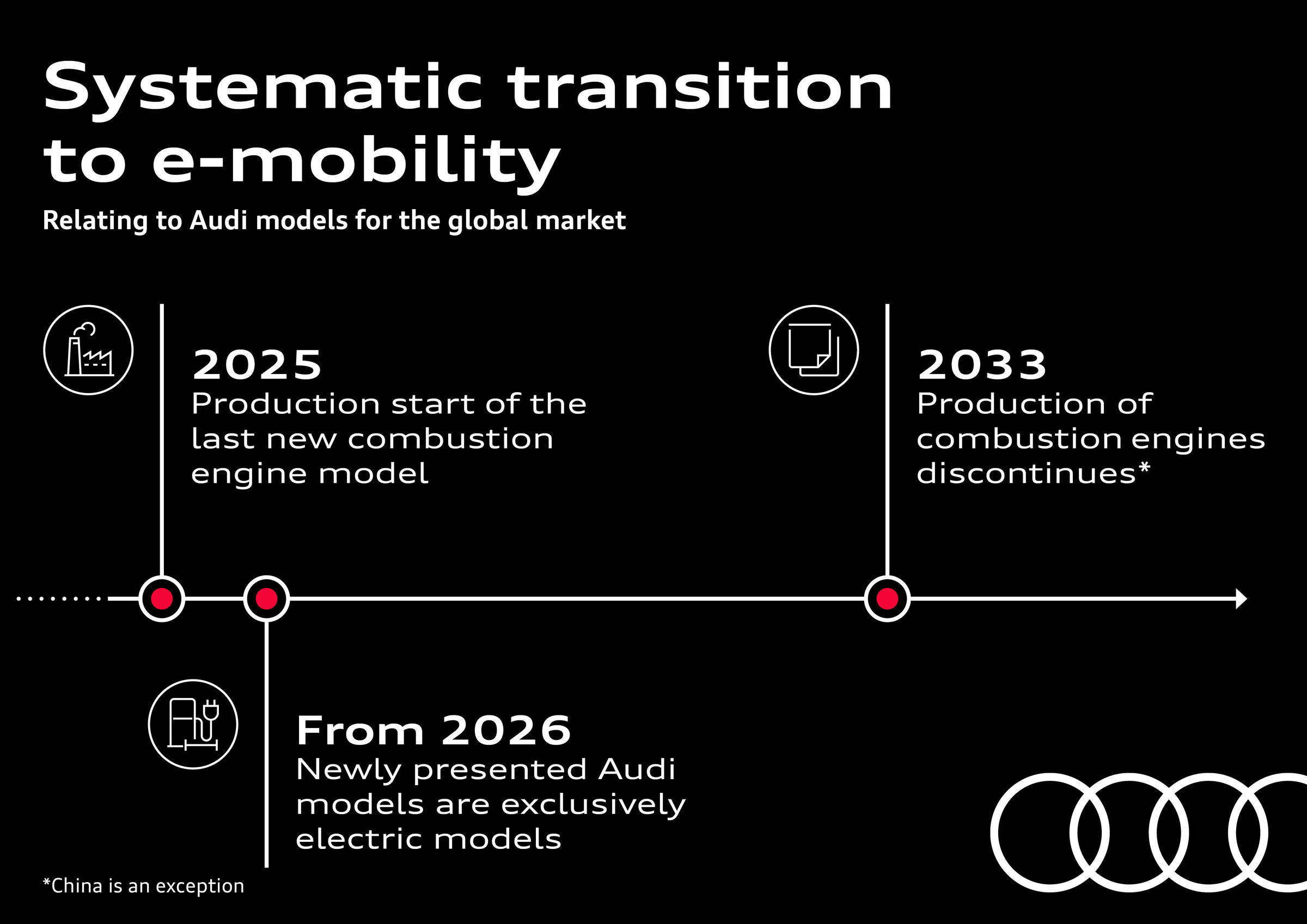
Audi is working on its last ever internal combustion engine, with plans for production to start in four years time and the brand to introduce only fully-electric models by 2026.
By 2033, the German carmaker says it will have phased out production of its internal combustion engines with the aim of being net zero by 2050 as part of its transition to ‘e-mobility’.
Speaking at the Climate Neutrality Foundation conference this week, Audi CEO Markus Duesmann claimed “Audi’s last internal combustion engine will be the best we’ve ever built”.
“Through our innovative strength, we offer individuals sustainable and carbon-neutral mobility options. I don’t believe in the success of bans. I believe in the success of technology and innovation,” the CEO said.
The exact timing of the combustion engine’s demise at Audi, it says, will ultimately be decided by its customers and varying legislation around the world.
The company says however, it expects to see continued demand in China beyond 2033, which is why there could be a supply of vehicles there with combustion engines manufactured locally.
At the same time, Audi will significantly expand its range of all-electric models with the new E-Tron GT, RS E-Tron GT, Q4 E-Tron, and Q4 Sportback E-Tron.
By 2025, the brand aims to have more than 20 e-models in its line-up.
“With this roadmap, we are creating the clarity necessary to make a decisive and powerful transition to the electric age. We’re sending the signal that Audi is ready,” said Duesmann.
In March this year, Audi announced it will no longer invest in research and development of new internal combustion engines due to increasingly strict Euro 7 emissions standards.
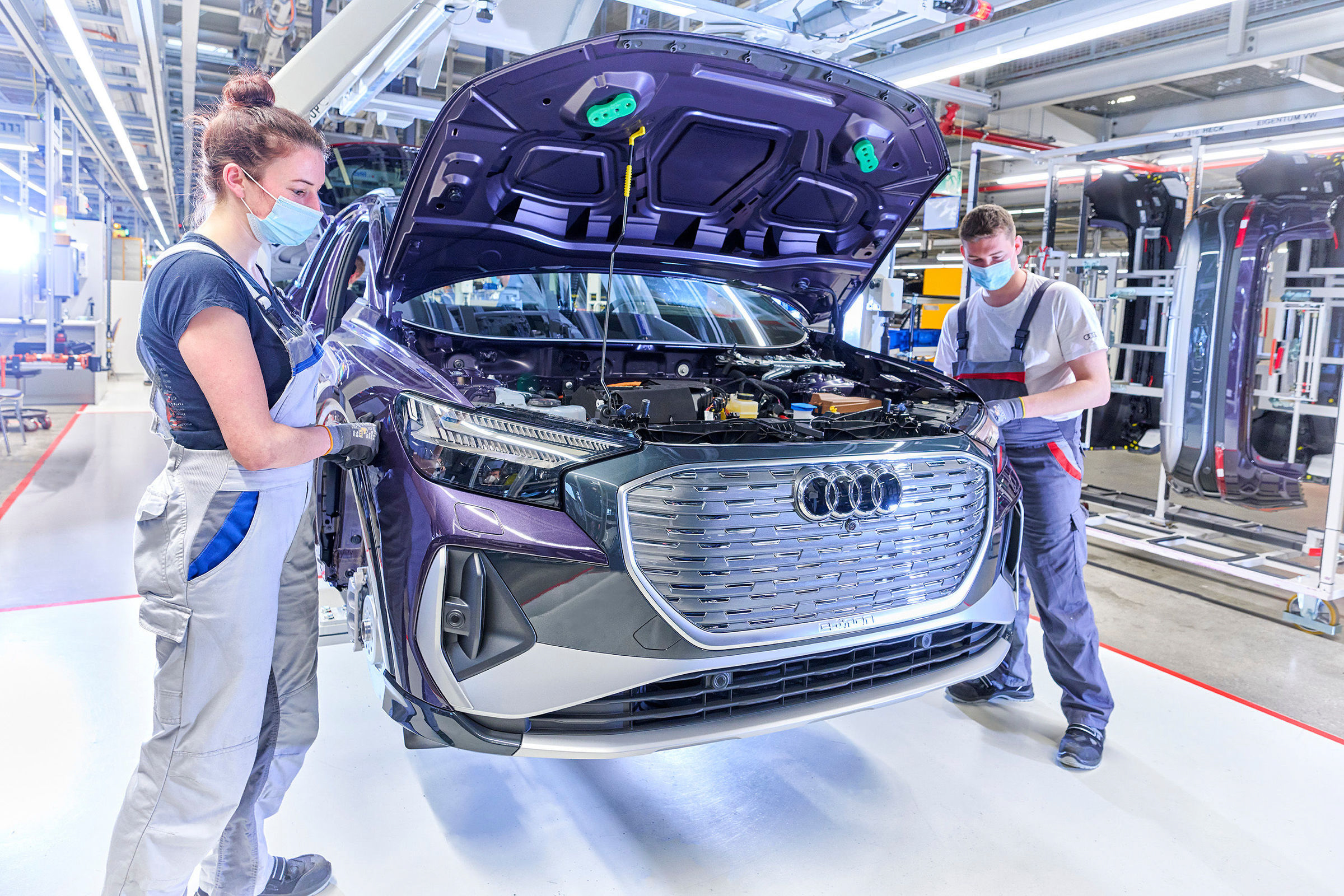
At the time, Audi confirmed it “will no longer develop a new internal combustion engine, but will adapt [its] existing internal combustion engines to new emission guidelines”.
Even before the premium German marque goes full EV, it can already count itself as one of the most invested brands when it comes to electric vehicle offerings. Its run of E-Tron models such as the E-Tron SUV and the newly-announced E-Tron GT spearhead the brand’s shift to electrification, while it also sells plug-in hybrid and mild-hybrid petrol engines.
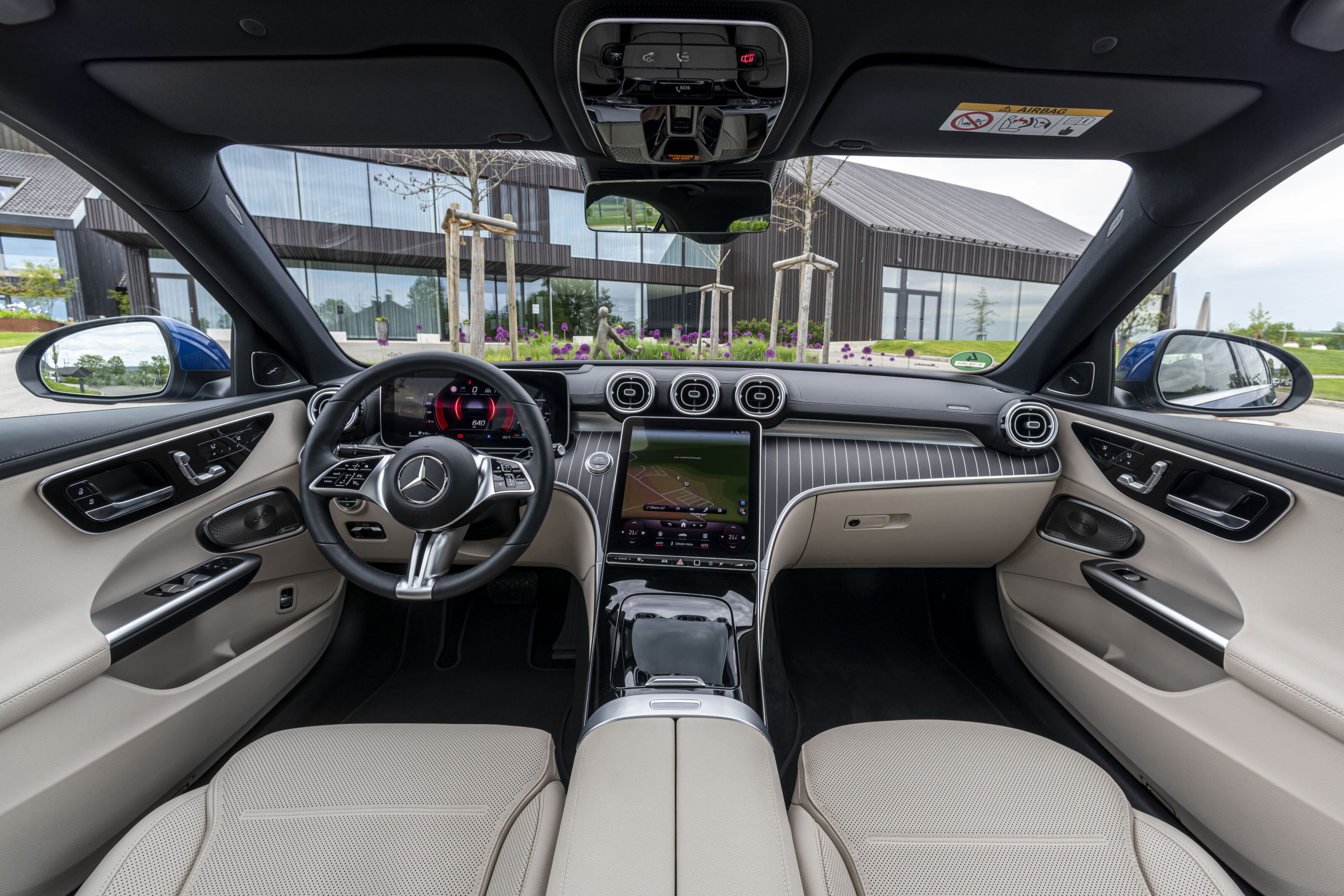
Insipid on the outside it may be, but the interior of the new Mercedes-Benz C-Class is intense. It’s an elegant, beautifully crafted blend of tradition and technology that is profoundly impressive and instantly attractive. Yes, it really is a lot like an S-Class in here…
The effect is especially strong in this light-coloured cabin of this C300 sedan, one of the fleet of new C-Classes Mercedes-Benz has brought to Immendingen for introductory test drives by media able to travel into Germany. The lower section of the car’s instrument panel is dark wood strips divided by thin metal inlays, a combination that’s one of the best-looking in the new S-Class.
Like the other C-Class variants available to drive on Mercedes-Benz’s massive new proving ground south of Stuttgart and public roads around it, this C300 is heavily optioned. It has bigger central and driver display screens, every driver-assistance system available, top-level LED matrix headlights and rear-wheel steering.
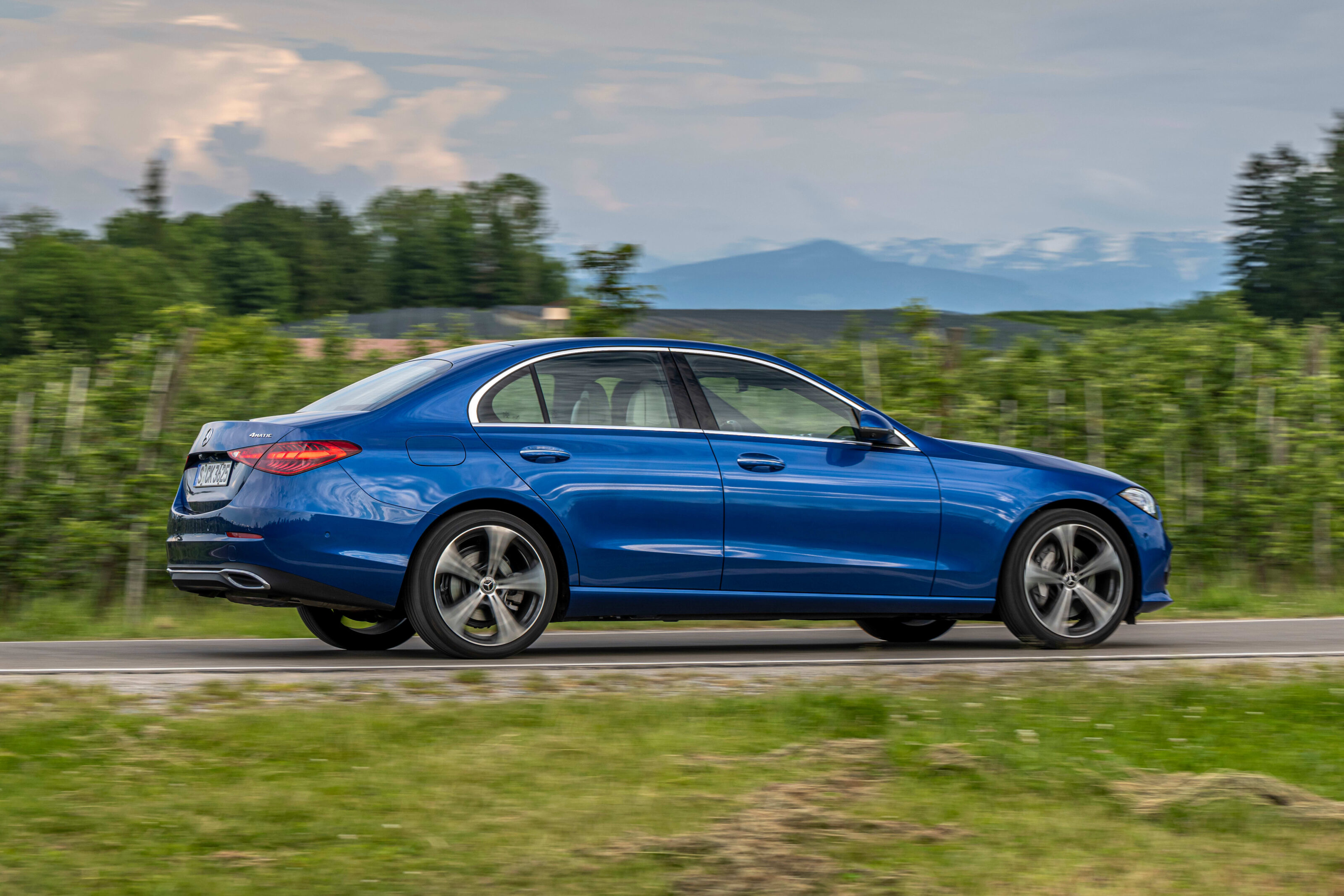
Longer, lower and a little wider than before, the fifth-generation W206 is slightly more roomy than the W205 C-Class it replaces. With a wheelbase 25mm longer than before, the difference is most noticeable in the rear seat. There’s more knee room than before, and greater head room. Large adults will find the too-short cushion is about the only thing worth complaining about.
From the driver’s seat, the big screens and scarcity of physical buttons present a pleasing panorama. The new steering wheel, too, is attractive. This car doesn’t have the thicker-rimmed AMG Line wheel with doubled horizontal spokes. The slimmer rim is nicer to hold and the touch controls on its spokes are more natural to use.
Having earlier tried the C200, there’s pressure on the C300. Performance of the turbo 1.5-litre of the lesser model isn’t awful, but the four-cylinder lacks refinement. It’s gruff in the 2000 to 3000rpm zone of its rev range, where the standard nine-speed auto keeps it operating for much of the time.
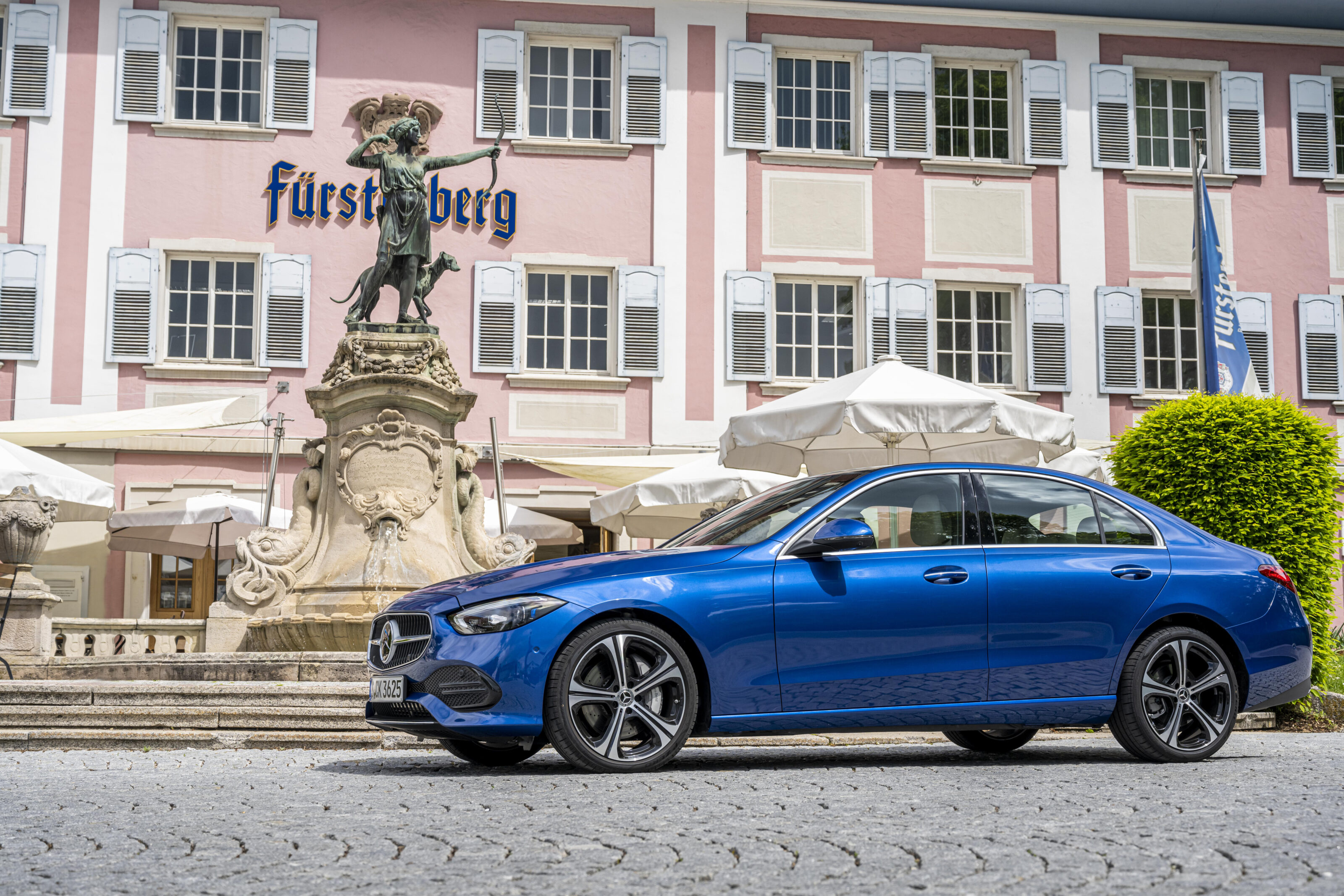
It’s an elegant, beautifully crafted blend of tradition and technology that is profoundly impressive and instantly attractive.
The turbo 2.0-litre four of the C300 is a much sweeter engine. It’s feistier, of course, but also sounds better. The C200 and C300 sedans will be the first of the new C-Class family to arrive in Australia, sometime in the fourth quarter of this year. It’s clear, at least to me, which one is the smart choice.
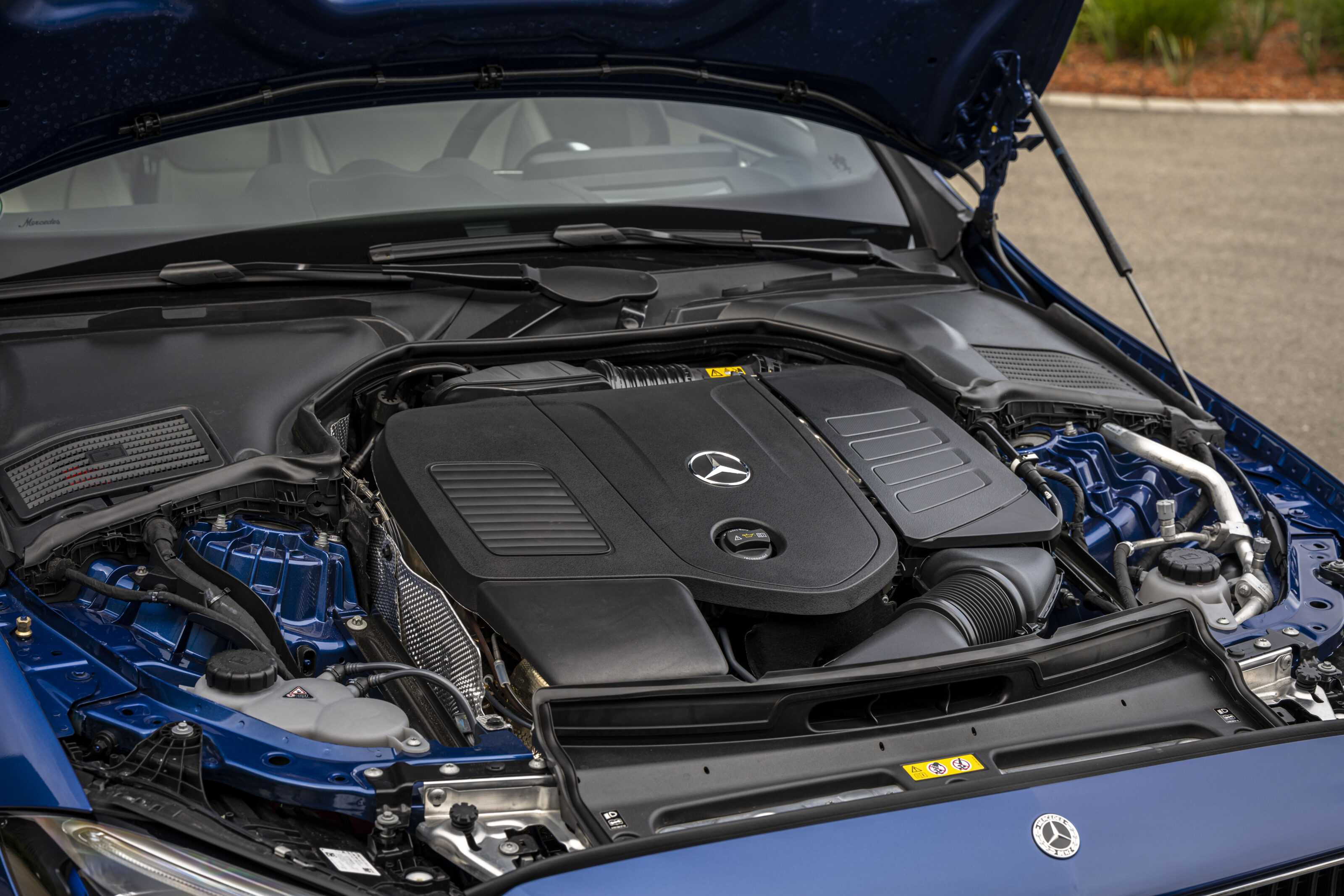
Both engines are equipped with 48-volt mild hybrid technology. The system’s motor is an integrated starter generator sandwiched between engine and auto, a more sophisticated way to do it than the bolt-on belt-drive hardware chosen by some other brands.
In operation the system is unobtrusive. Though able to add 15kW and 200Nm, the motor doesn’t increase the engine’s 190kW and 400Nm maximums by the same amounts. This is because the electric motor and the internal-combustion engine, which are harnessed together, peak at different points in the rev range. What the driver will notice is strong step-off acceleration and instant engine restarts when the Stop/Start system is at work, as well as impressive fuel efficiency.
Key changes to the new C-Class platform are quicker steering and a compact rear multilink suspension design that mimics the S-Class. On the optional-in-Europe adaptive suspension of the C300 tester, there’s a truly S-Class feel to the way it rides in default Comfort mode.
Some may find the flotation-tank serenity soothing, but my personal preference is for a little more in the way of connection and control. Easily fixed; simply select Sport mode.
But this creates another problem. Like many other German cars, Sport mode alters transmission behaviour, restricting access to the higher gears and holding the gears it does select for too long.
Eventually I pull over and make Individual mode menu selections to get the C300 to drive the way I want; Sport for the suspension, Comfort for the steering and powertrain, in case you’re interested. This combination really suits the calmly competent character of the new C-Class.
While the advantages of the optional rear-wheel steer system weren’t blindingly apparent on the road, it does definitely improve the C-Class’s handling stability. The special course set up on an Immendingen test track to demonstrate the tech was wet when I drove another C300 around it. The tenaciousness of rear-end grip through high-speed slaloms and swerve-and-recover manoeuvres was simply amazing.
While it doesn’t much reduce the new C-Class’s turning circle, rear-wheel steer is an option that keen drivers should consider. If it’s priced reasonably.
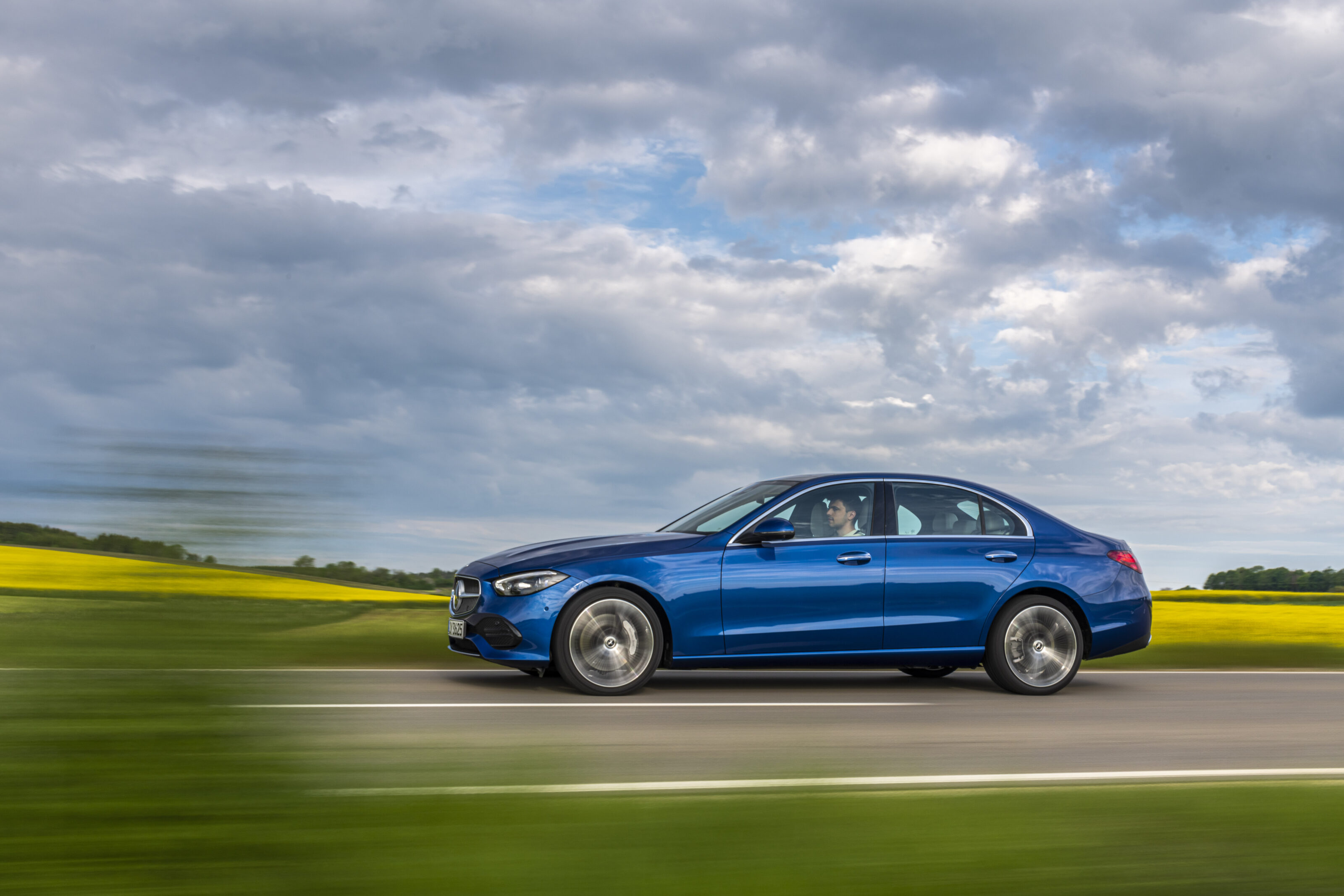
It’s not only option costs that are not known. Mercedes-Benz Australia is yet to announce prices of the C200 and C300, though there are hints that base prices and standard equipment levels will rise compared to the current C-Class.
This means the C300 is likely to creep close to the $80,000 barrier. While the exterior does little to make a case for buying the new C-Class, its interior is very, very persuasive.
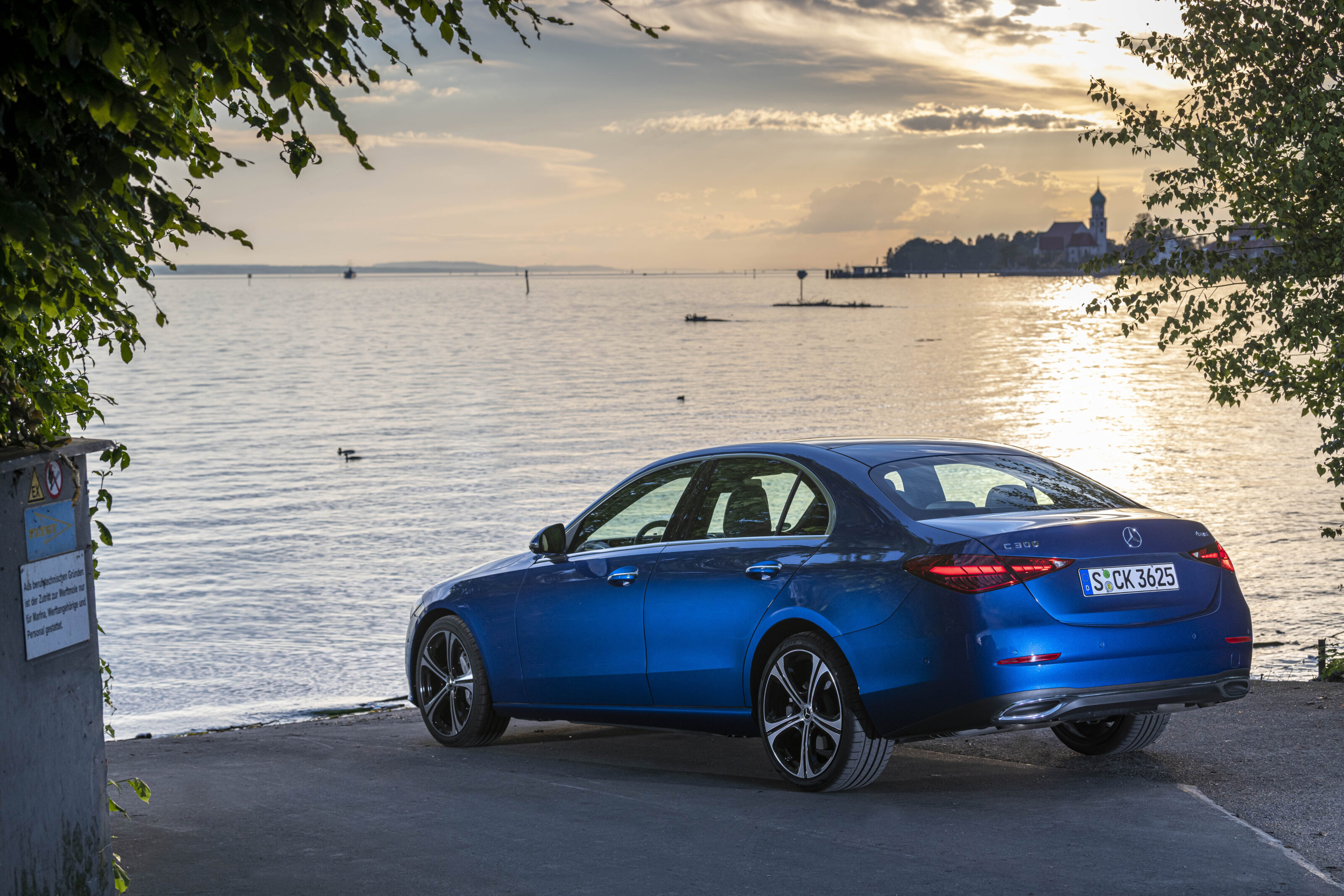
2022 Mercedes-Benz C300 specifications
Snapshot
- Seven-speed manual available as a no-cost option
- Performance upgrade over Carrera S
- Available to order now for 2022 arrival
Porsche has announced its new 2022 911 GTS will be on its way to Australia – adding five new variants into the 911 family mix.
Occupying the space between ‘regular’ 911 Carrera variants and faster Turbo and GT3 models from Porsche’s GT division, the GTS is being offered locally as a coupe or cabriolet. Both bodystyles are also available in both rear-wheel and all-wheel drive while the Targa 4 GTS is an all-wheel drive offering only.
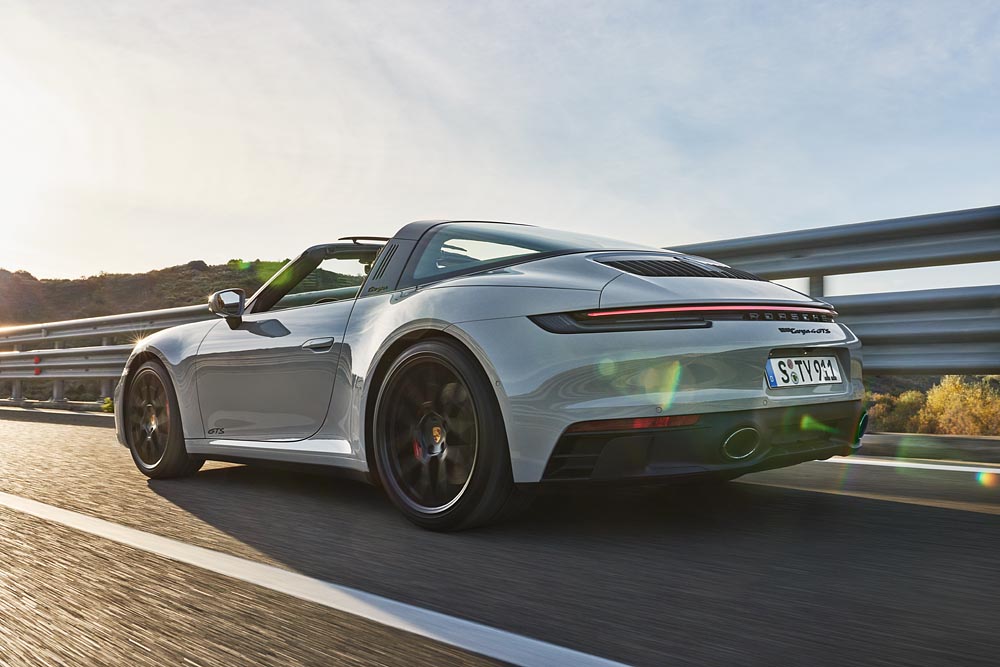
The 2022 GTS is powered by an up-rated version of the Carrera S’s twin-turbo flat-six, producing 353kW and 570Nm of torque. That is a 22kW/20Nm gain over both the 992 S and previous-gen 991 GTS, allowing the car to reach 100km/h in a claimed 3.3 seconds.
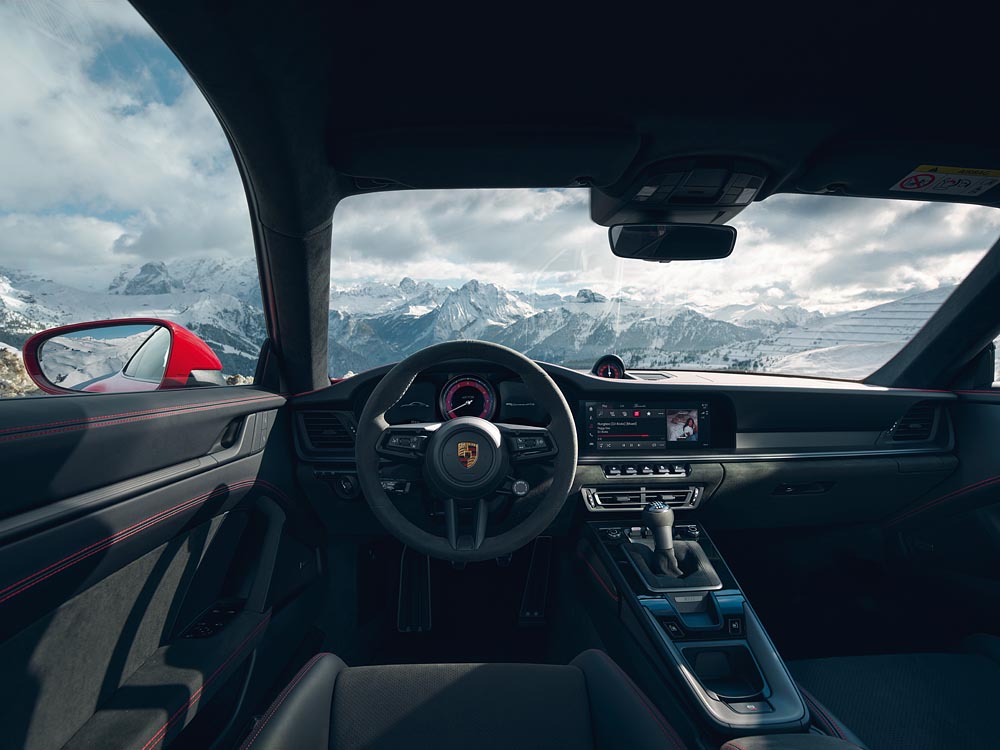
Porsche’s eight-speed PDK dual-clutch auto remains as standard across the new model range, though a seven-speed manual gearbox is now a no-cost option for the rear-wheel drive GTS coupe.
This is the first time customers will be able to purchase a non-GT3 992 911 with three pedals in Australia.
Suspension in the GTS is based on that of the 911 Turbo, while the brake package has also been lifted from the higher-spec car.
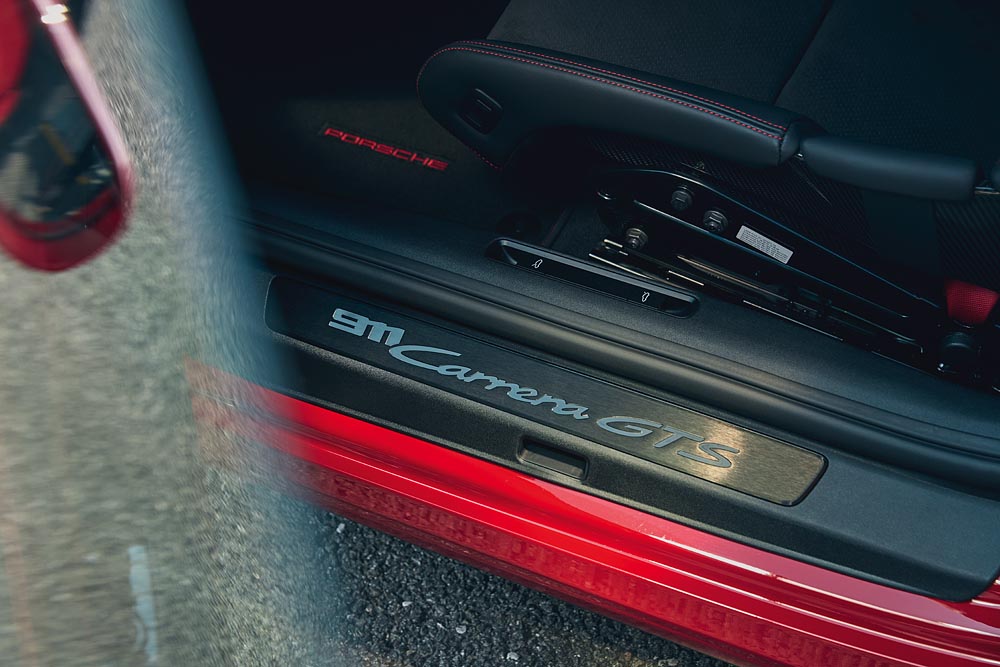
A ‘Lightweight Design Package’ is a new option for the GTS, which should be available to order from late 2021, and will shear 25 kilograms from the car. Most notably, this package sees the removal of the back seat as well as carbon-fibre reinforced plastic bucket seats and lighter side-window glass.
The car features exterior blackouts characteristic of the GTS model, including the spoiler lip, light surrounds, and 911 Turbo-derived wheels.
This theme is carried over to the interior, which features microfibre trim and GTS embroidery. Insulation has been reduced for louder cabin acoustics.
Standard equipment for the GTS includes a GT Sport steering wheel with Porsche’s Sport Chrono digital timer package, plus the Track Precision app and tyre temperature display.
In addition, every Australian-delivered 911 GTS will have the following:
| Metallic paint |
| Automatically dimming mirrors including rain sensor |
| Electrically-folding exterior mirrors |
| Park assist (front and rear) with reversing camera and surround view |
| Lane change assist |
| Comfort access |
| Power steering plus |
| Heated front seats and steering wheel |
| Windscreen with grey top tint |
| Tyre sealant and electric air compressor |
| Bose surround sound system and digital radio |
| Voice assistant activated by saying ‘hey Porsche’ |
| Apple CarPlay and Android Auto compatibility |
2022 Porsche 911 Carrera GTS Australian pricing
| 911 Carrera GTS Coupu00e9 | $314,800 |
| 911 Carrera GTS Cabriolet | $347,700 |
| 911 Carrera 4 GTS Coupu00e9 | $334,000 |
| 911 Carrera 4 GTS Cabriolet | $366,900 |
| 911 Targa 4 GTS all-wheel drive | $366,900 |
Hyundai has completed its acquisition of a controlling interest in Boston Dynamics – a cutting-edge robotics firm based in the US.
It means Hyundai now takes an 80 per cent share of the US$1.1 billion (AU$1.4bn) tech company – and it’s likely to have long-term benefits for the group’s automotive business.
Boston Dynamics is one of the most well-known robotics firms in the world, and videos of its anthropomorphic creations continue to go viral. If you’ve seen a quadrupedal machine trotting or demonstrating balance, chances are you’re looking at the work of Boston Dynamics.
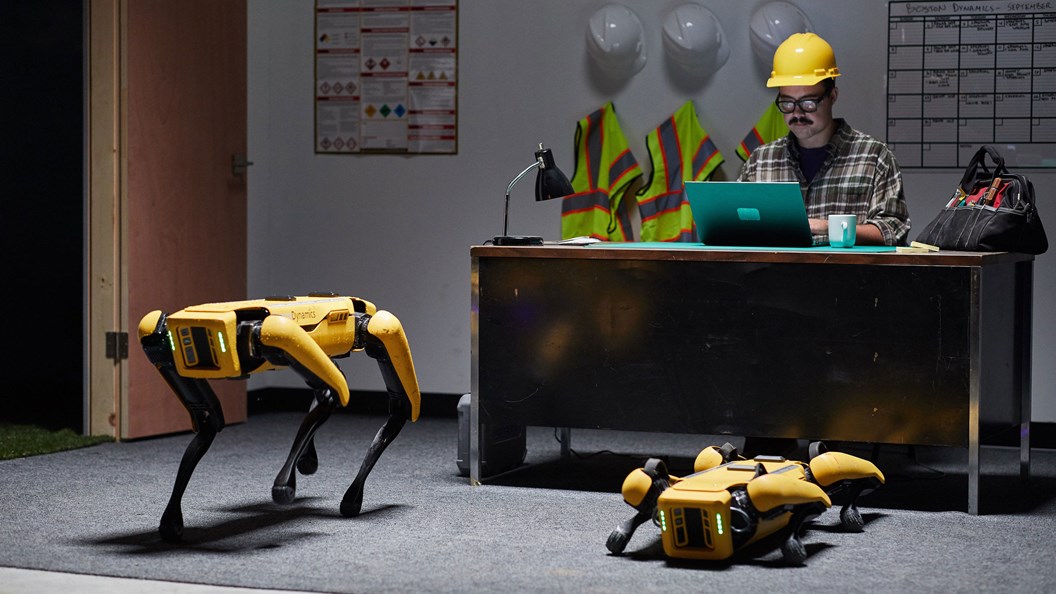
Boston Dynamics might not seem like an obvious choice for Hyundai, but robotics and particularly AI is becoming increasingly relevant to the automotive industry – both in production and vehicles on the road.
“We are delighted to have Boston Dynamics, a world leader in mobile robots, join the Hyundai team. This transaction will unite capabilities of Hyundai Motor Group and Boston Dynamics to spearhead innovation in future mobility,” said the Hyundai CEO Euisun Chung.
“We will also contribute to the society by enhancing its safety, security, public health amid global trends of an ageing [population] and digital transformation.”
For the last few years, the Korean carmaker has invested in connectivity, autonomous tech and AI – and the company also unveiled a new electric platform just days ago.
Called E-GMP, the new platform is all about increasing the speed of manufacture and reducing the cost per unit.
Boston Dynamics’s expertise could certainly help with the latter; its robots can be equipped with perception, navigation and intelligence.
The benefits for Boston Dynamics are less tangible but partnering up with the automaker should allow the company to fast track its tech into a much larger environment, and also speed up the path from R&D to commercialisation. For example, the manufacturing weight of Hyundai will be invaluable in accelerating the deployment of humanoid robots in hospitals.
The marque is also making strides in Human Robot Interaction (HRI) which directly involves Boston’s research.
Originally published by Car Magazine.
“A lot of people think it’s just wings, stripes and wheels,” says Aston Martin vehicle attribute engineering chief Matt Becker. “It’s more than that.”
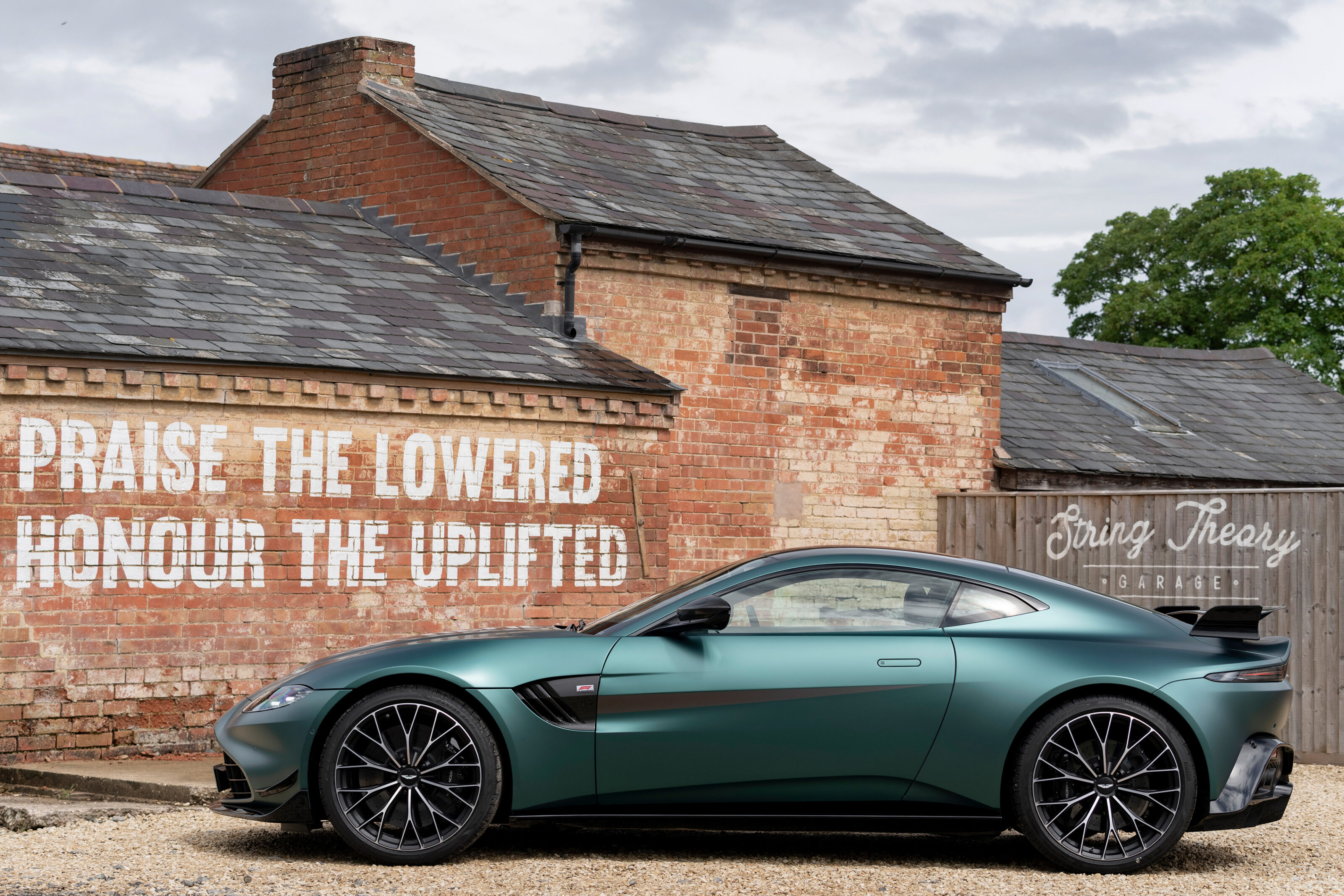
Indeed. It’s the stuff you can’t see that makes the Aston Martin Vantage F1 Edition special. This is no quick-and-dirty marketing exercise created to celebrate Aston Martin’s return to Formula 1, but a car that’s been carefully tweaked to be quicker, more responsive, more rewarding than the regular Vantage.
It’s also the first Aston Martin developed under the direction of the company’s new boss, former AMG chief Tobias Moers.
Moers gave Becker a clear directive for the Vantage F1 Edition: It had to be quicker around the legendary Nürburgring Nordchliefe than the regular Vantage, and the improved lap time couldn’t simply be down to fitting better tyres. “I could have just put a set of [Michelin Pilot Sport] Cup 2s and job done,” admits Becker. “But he didn’t want that.”
Nor would Becker be able to rely on powertrain engineers extracting much more horsepower from the AMG-sourced 4.0-litre twin-turbo V8 that powers the regular Vantage. Though this hugely versatile engine happily makes 450kW in some Mercedes-AMG models, the Vantage F1 Edition would only get a mild five per cent power boost over the regular Vantage, to 393kW at 6000rpm, thanks to some software changes. Torque would remain the same, at 685Nm. Moers’ directive thus set in motion a host of detail changes to the chassis.
Moers gave Becker a clear directive for the Vantage F1 Edition: It had to be quicker around the legendary Nürburgring Nordchliefe than the regular Vantage
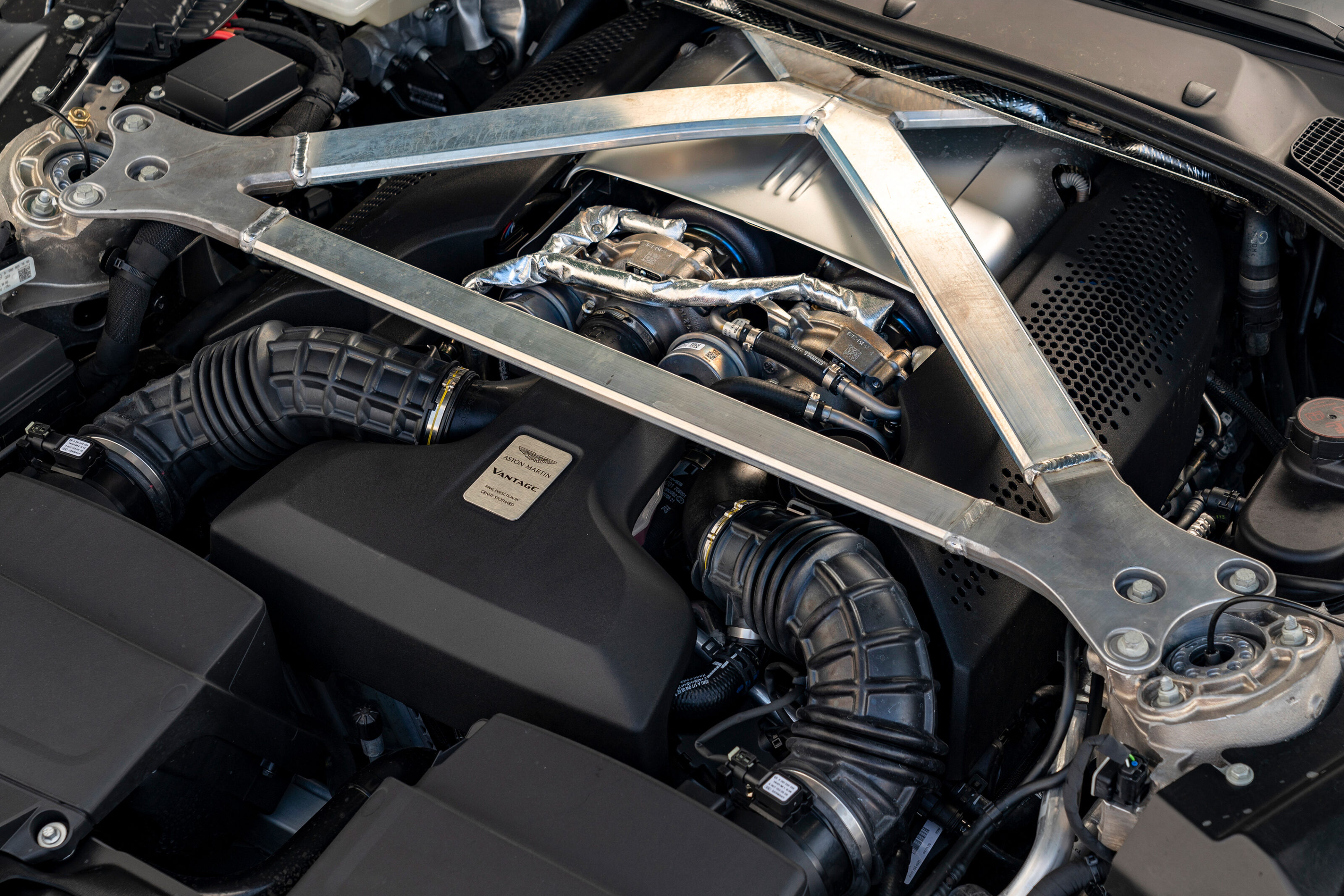
The front spring rate is the same as that of the regular Vantage, as is the compression rate of the front dampers, but the rebound damping rate has been increased by 18 per cent. Negative camber of the front wheels has been increased from 0.5 degrees to just over 1.0 degree. A shear panel under the front cross member has been thickened from 1.5mm to 3.0mm to provide a stiffer foundation for the entire front axle assembly and bushing on the steering column has been pinned to reduce on-centre compliance and deliver a more linear response to steering inputs.
At the rear, the upper control arms of the multi-link suspension now have stiffer bushes. The spring rate has been increased 10 per cent and the compression rate of the dampers upped 20 per cent. A lateral damper has been installed between the eight-speed automatic transaxle transmission and the rear subframe to control secondary motions of the transmission as the car changes direction.
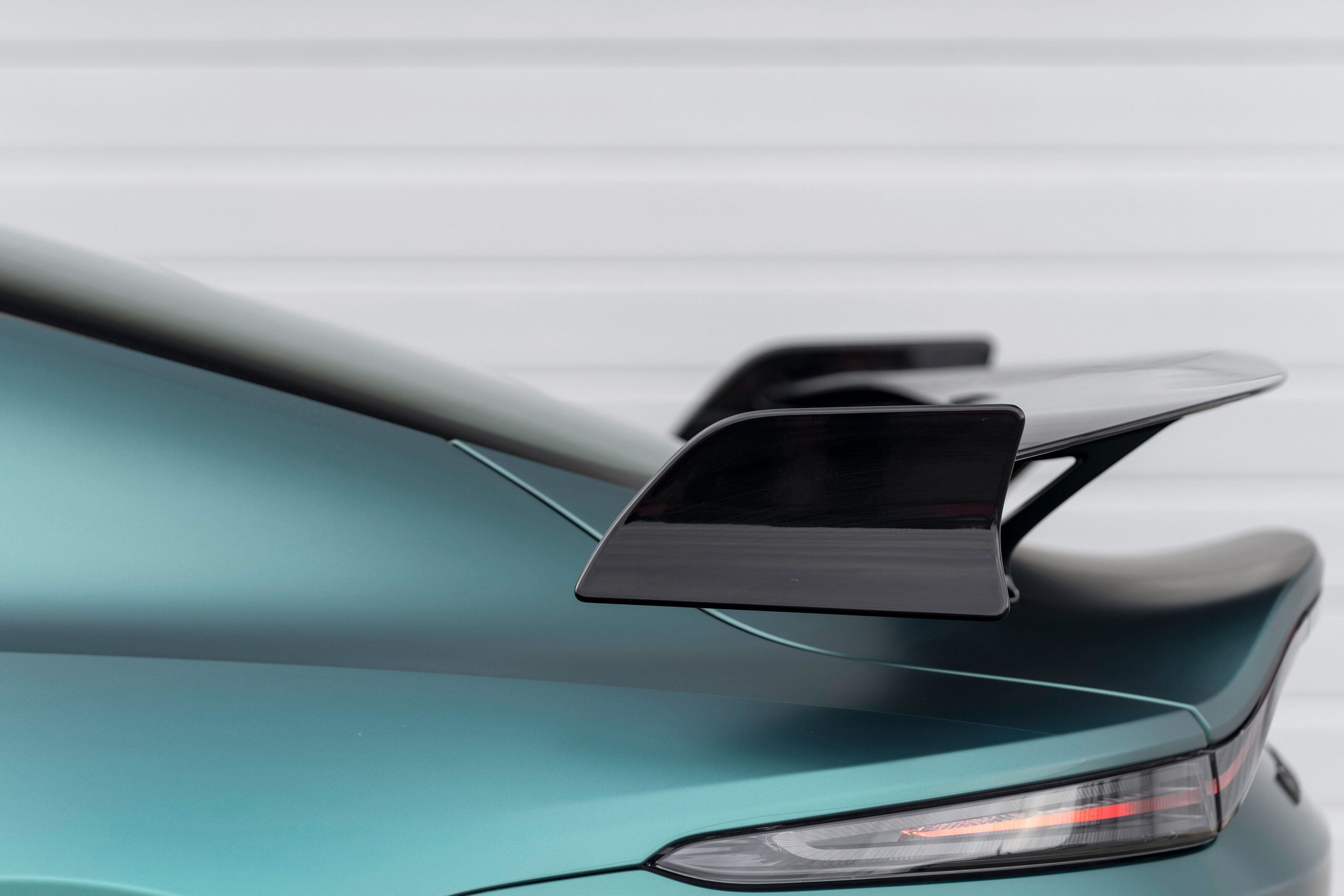
The increase in wheel size on the F1 Edition – from 20-inch to 21-inch all round – isn’t just for show: While the compound of the larger diameter Pirelli P Zeros is the same as those on the regular Vantage, their different aspect ratio and construction deliver more lateral stiffness and thus quicker response. And the F1 Edition’s large front splitter, turning vanes and high-mounted, full-width rear wing are also strictly business. At speed, the base Vantage’s aerodynamics generate 50kg of downforce on the rear axle and a touch of lift at the front. But the F1 Edition generates 150kg of downforce at the rear and 60kg of downforce at the front.
It’s all textbook stuff for a chassis engineer chasing better balance, enhanced agility, and improved grip. And it works. Aston Martin sports car racer Darren Turner knocked about 15 seconds off the regular Vantage’s best lap time at the Nürburgring while testing the F1 Edition there earlier this year. But you don’t need to be a racing driver to feel the difference: The Vantage F1 Edition is noticeably more alert and communicative than the regular Vantage, even at legal road speeds.
Removing the compliance in the steering column means there’s more heft in the steering than in the regular car, and a more rapid response from the front axle that’s amplified by the stiffness in the front axle assembly and the sidewalls of the tyres. But, crucially, it’s not at the expense of feel; if anything, the dialogue between your fingertips and the tarmac is clearer and more concise than in the regular Vantage.
You notice the sharper, more authoritative front end almost immediately but the real magic is happening at the rear axle, which feels calmer and much more planted on the change of direction. The stiffer bushing in the upper control arms and the firmer and damper rates play their part, but, says Tobias Moers, damping the lateral motions of the transaxle-mounted eight-speed automatic transmission is key to making the whole car feel more composed and predictable under pressure. “You have always that issue of oscillation of the back end in a transaxle car,” says Moers. “We put everything together with what I know – with 12 years of transaxle cars – into the F1 Edition.”
The F1 Edition is very firm on the road, even with the suspension in its softest setting, but although the big heaves and hollows on Britain’s disintegrating B-roads excite plenty of abrupt vertical motions, the Aston’s ride feels less brittle than that of some AMG cars. “The British B-roads are different!” Moers acknowledges ruefully. “An Aston Martin should breathe a little bit.”
There’s just enough compliance in the system, more rubber mat than foam mattress, to make the F1 Edition livable as a daily driver.
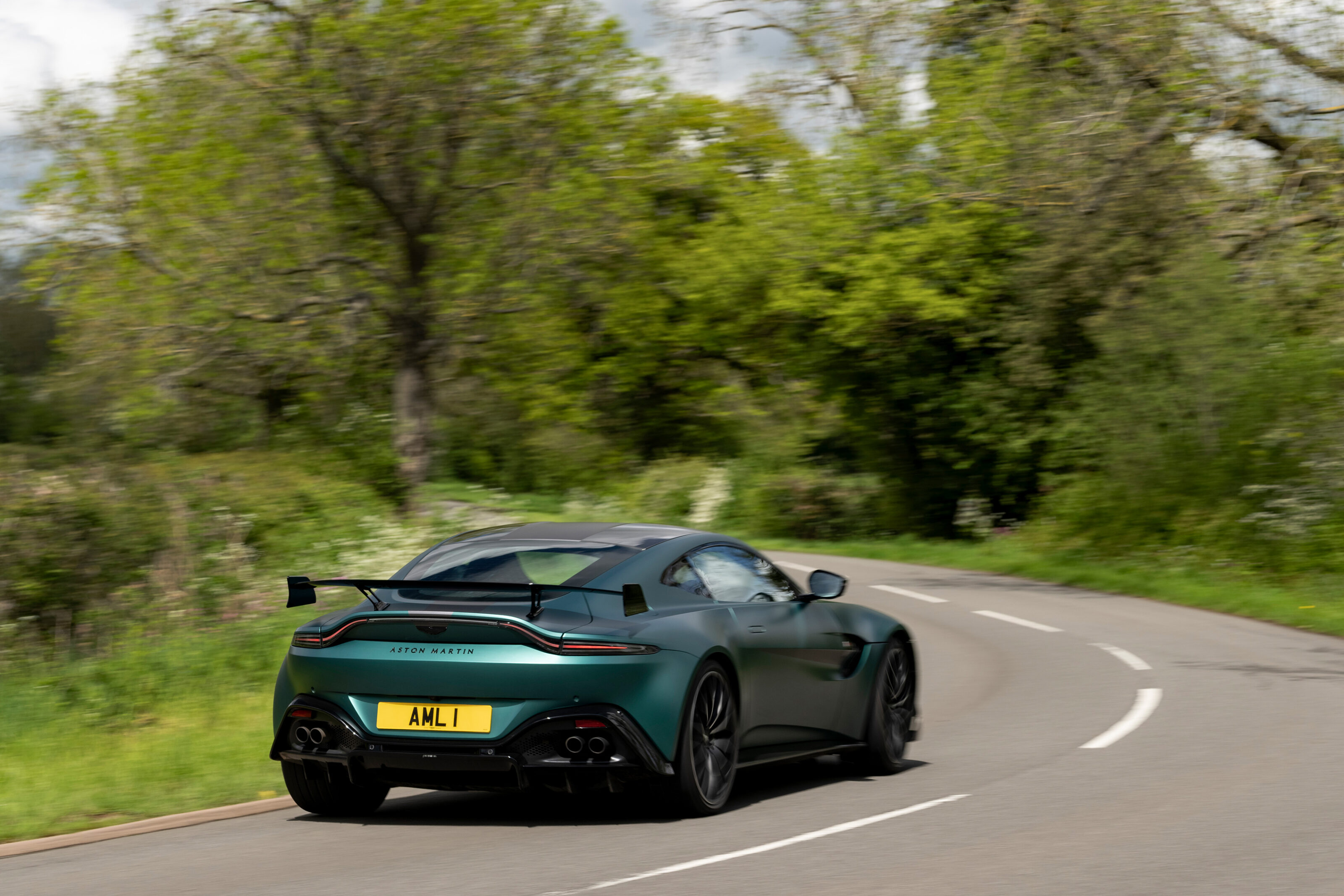
It’s on the track, with the suspension and powertrain toggled to their most aggressive settings and the ESP switched all the way off, where you can really experience what makes the Vantage F1 Edition special. Yes, it’s more responsive, more awake than the standard car, but – more impressively – it also feels more coherent and composed as you start exploring its limits. You can trail brake into corners, feel the slip angles build, and use the throttle to easily find the balance you want. It’s not going to snap or spit or surprise you in any way, this Aston; the chassis telegraphs exactly what it’s going to do so you can always keep one step ahead.
And though on paper the power upgrade over the regular Vantage is negligible, in practice the F1 Edition engine feels stronger above 5000rpm and all the way to the 7000rpm redline. A subtle tweak to the eight-speed automatic transmission’s shift protocol helps: Instead of the engine management system cutting torque on upshifts to make them feel ‘sportier’ and induce some snap-crackle-pop from the exhaust, it’s now been tuned to ensure upshifts are as smooth and seamless as possible.
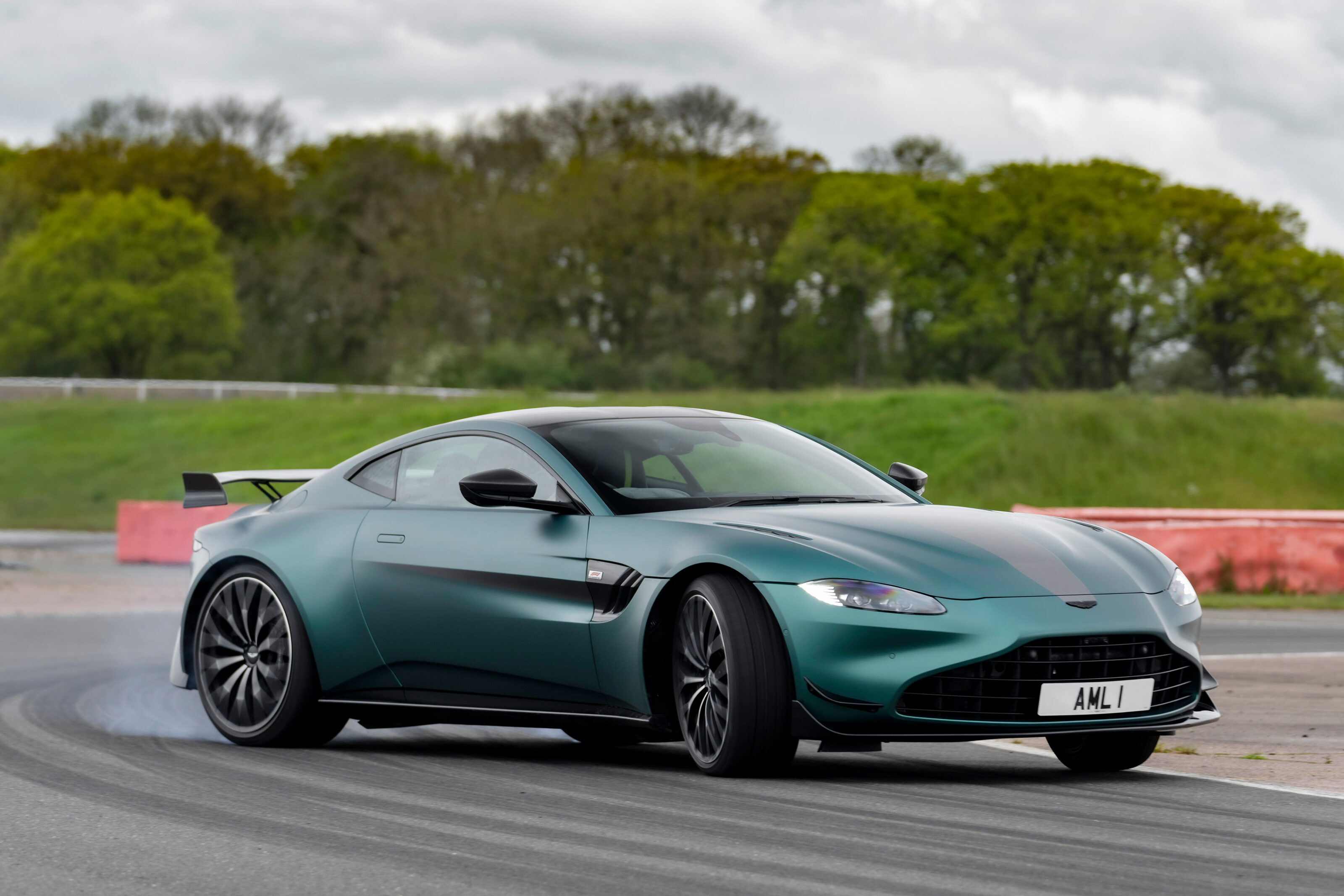
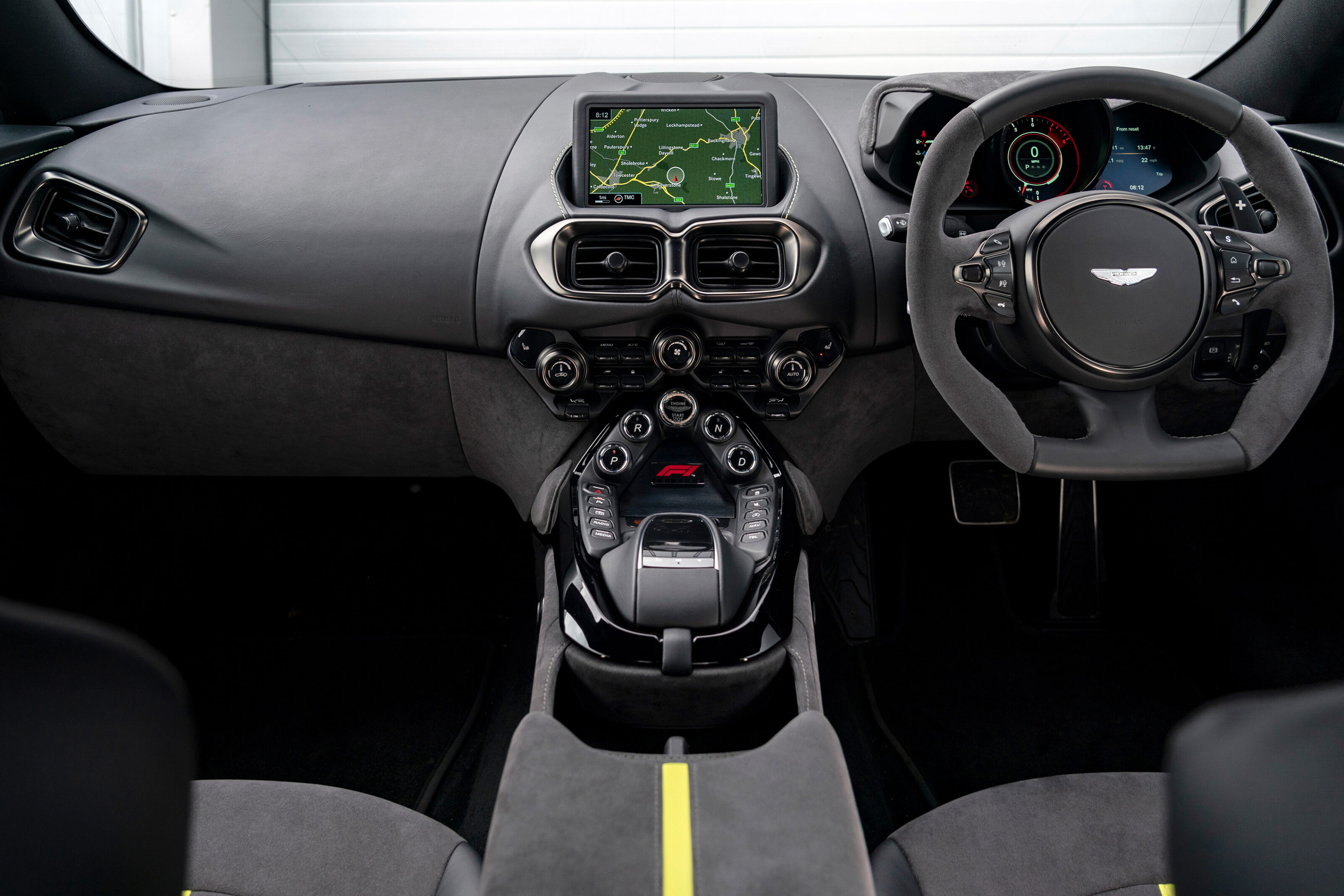
As well as new 21-inch wheels, F1 Edition comes standard with the blade grille that debuted last year as an option on the regular Vantage, plus quad exhaust outlets, and can be ordered in Coupé or Roadster format. Our test car was painted in the satin finish Aston Martin Racing Green. Other color options include Jet Black and Lunar White – in gloss or satin finish. The fully equipped interior – air-con, sat-nav, audio, power everything – is trimmed in dark leather and Alcantara, with a choice of lime green, black, grey, or red contrast stripes and stitching.
The Aston Martin Vantage F1 Edition is an object lesson in the art of chassis tuning. “It’s the sum of all the parts working together,” says Matt Becker of the way it drives, “which is what chassis tuning is all about.”
More importantly, though, the clear, no-nonsense product direction from Tobias Moers that made it happen signposts a promising future ahead for the iconic yet often troubled British brand.
2021 Aston Martin Vantage F1 Edition Specifications