
Talking Points
- Special editions coming to Australia
The 2021 Maserati Ghibli and Levante F Tributo Special Editions have been revealed at Shanghai’s Auto Show.
The colourful duo aims to celebrate the relationship between the Italian automaker and Argentinian racing legend Juan Manuel Fangio.
Fangio was one of Maserati’s most successful pilots, winning several Formula 1 races for the Trident brand in the early and mid-1950s.
The ‘F’ in F Tributo Special Edition represents Fangio’s name, while the cars themselves honour the great success both parties enjoyed together.
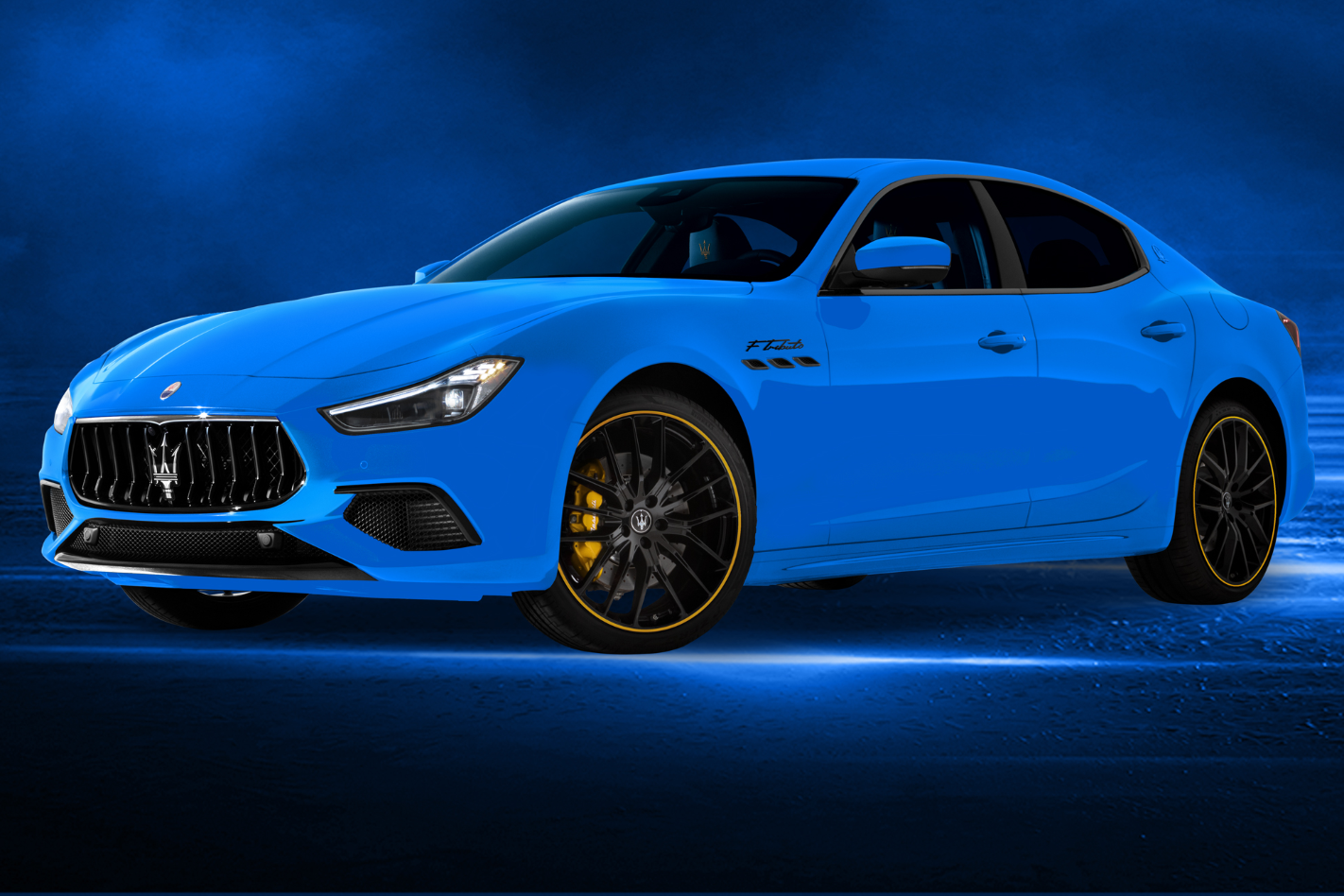
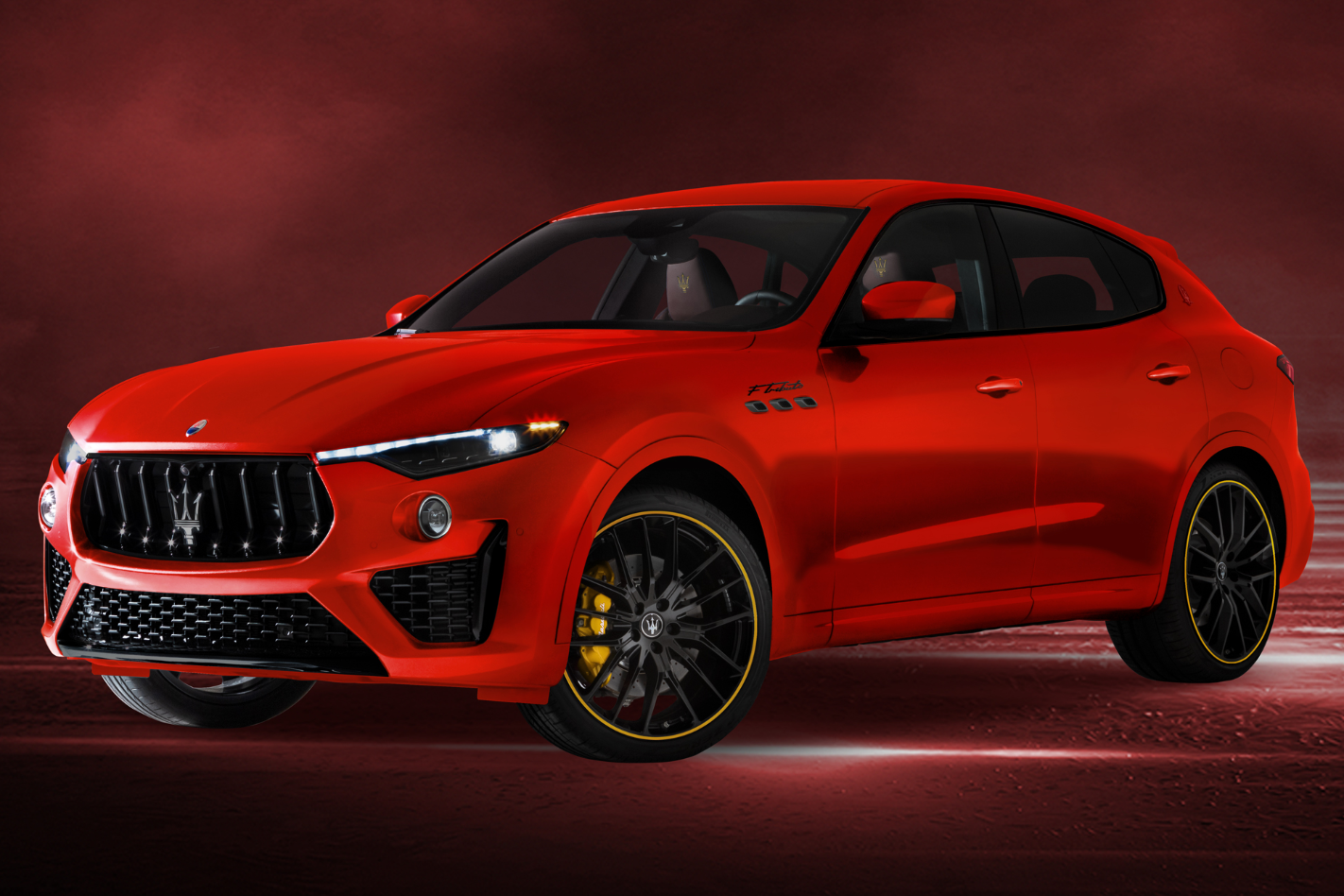
Sporting striking shades of blue and red – Rosso Tributo and Azzurro Tributo – the special pairs colours have significant meaning for the automaker.
Rosso Tributo red symbolizes Italy’s strong racing heritage and unparalleled success in motorsports.
Azzurro Tributo blue, on the other hand, pays homage to the Italian city of Modena, where Maserati was founded and is still headquartered.
Aside from the vibrant paintwork, the special editions also score yellow brake calipers and wheel trims, which honour Fangio’s race-winning Maserati 250F.
The Levante F Tributo also rolls on blacked-out Anteo 21-inch wheels, while the Ghibli sits on an equally stylish set of 21-inch Titano wheels finished in gloss black.
Inside, the interiors of the limited editions have also been given unique features such as red or yellow stitching combined with full-grain black “Pieno Fiore” leather.
The European-spec F Tributo Special Editions will come equipped with Maserati’s twin-turbo 3.0-litre six-cylinder petrol engine, producing 257kW in standard guise and 321kW in ‘S’ guise.
It’s not yet known which models exactly will be coming to Australia, however, a representative from the brand’s local arm has confirmed with WhichCar that Australia will be receiving the Ghibli and Levante F Tributo Special Editions, with deliveries expected to begin in quarter two or three of 2021.
Prices and full specification are expected to be released closer to the vehicles local launch.
If a car’s ‘character’ can sometimes come bundled as a set of attributes difficult to articulate, then putting a price on that ‘character’ is damn near impossible.
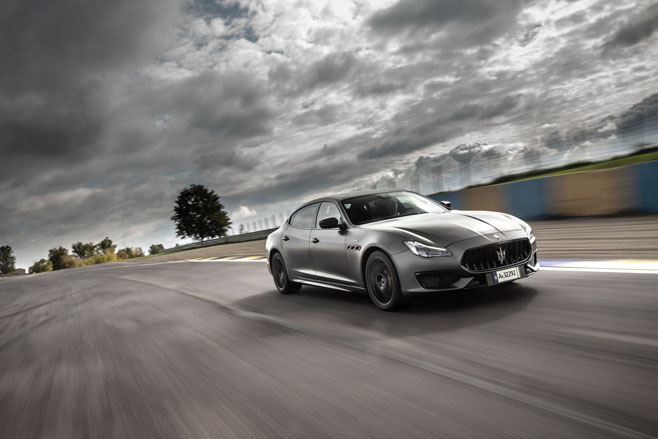
But that shouldn’t stop us trying. Maserati’s newly updated four-door flagship, the Quattroporte Trofeo, is priced at $376,900 (plus ORC).
For that hefty wedge, you get a Ferrari-developed 3.8-litre twin-turbo V8 making 433kW/730Nm driving the rear wheels, an interior that smells like the inside of a Louis Vuitton handbag, and of course that famed trident badge on the grille, steeped with 100 years of rich history and motorsport pedigree.
But the QP’s German rivals, which also all have twin-turbo V8s (and AWD to help harness it), aren’t exactly starved for brand equity nor motorsport success, and look like bargains by comparison.
Like Audi’s (slightly smaller) RS7, making more power and torque, and costing just $224,000. Or the BMW M8 Competition Gran Coupe, still usefully cheaper at $355,000.
Even the Mercedes-AMG GT63 S, which slams the QP for pure muscle and driver focus, still undercuts it by around $18K.
Okay, so let’s accept that ‘character’ of the Italian flavour in this segment is worth at least $20-$30K, while also acknowledging that for buyers shopping here, that’s an amount they’ve probably misplaced down the back of the lounge over that last few months.
What’s harder to ignore is how quaintly low-tech (maybe ‘traditional’ is a kinder term) that the QP is compared to its technology-infused, screen-queen Teutonic rivals.
Its instruments are conventional analogue dials, and the new 10.1-inch multimedia screen, while nicely hi-res and responsive, looks as though it could have been lifted from an up-spec Jeep. Wait, that’s because it is, along with most of the other switchgear pulled together from the FCA parts bin.
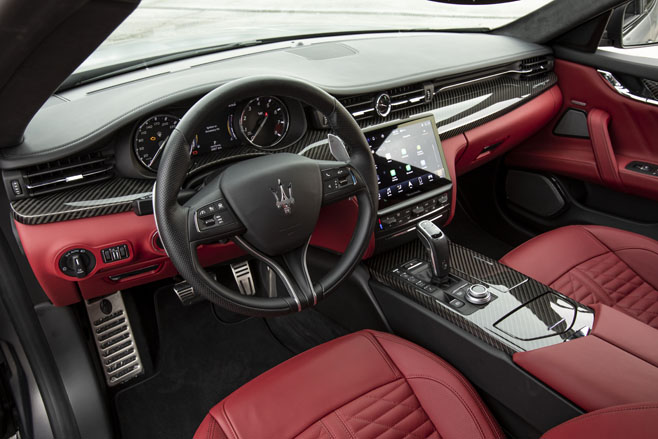
Best to not focus on that and instead admire the aromatic full-grain leather and glossy carbonfibre trim applied liberally around the cabin. And it must have lavish rear-seat accommodation for your VIP mates and family, right? Er, not so much.
Legroom is adequate for adults, not vast (despite the huge 3171mm wheelbase), there’s only basic HVAC control, no screens, and no real ambiance that you’re a backseat baller heading out on the town.
But the hero of the QP is its engine, which is a shorter-stroke variant of the 3.9-litre V8 used by Ferrari in the Portofino and Roma. Here it runs a cross-plane crank and wet-sump lubrication, hits a soft limiter at 7200rpm, and is linked to an eight-speed ZF auto.
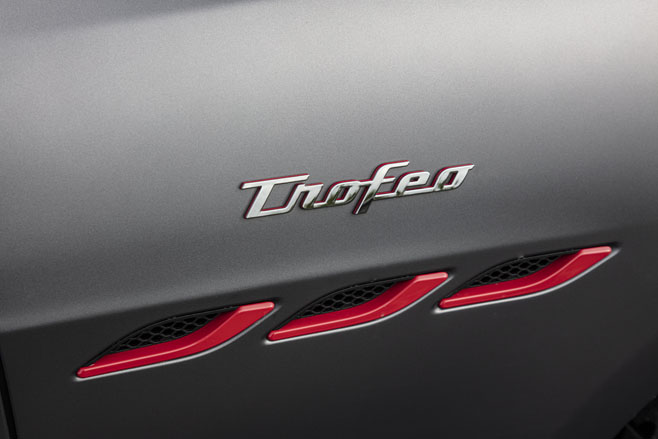
Additional to its default mode, the powertrain can be wicked up via Sport and Corsa settings. The latter two bring a honed edge to the throttle response, and open an exhaust flap to allow a more baritone woofle from the pipes.
It’s a lovely powertrain, no question; as slick and glossy as the carbonfibre shroud that tops the red crackle-finished intake plenums under the bonnet.
But do you really want slick and glossy from an engine in a 5262mm-long Italian super sedan? I want that Corsa button to uncork eight pots of anger; to deliver the equivalent of an alarming accident in a small munitions factory.
Sadly, it never happens, so that lack of raucous character is disappointing. Out of tighter corners there’s a moment’s lag as the torque builds and wages its ever-present battle with the QP’s two-tonne mass, then she lifts her skirt and the big girl shows she knows how to boogie.
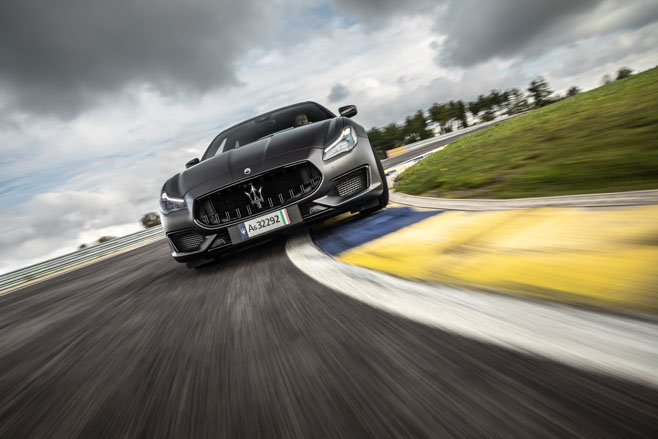
But it’s all very polished and undramatic, and frankly could be any twin-turbo V8 from those rivals mentioned earlier. Claimed 0-100km/h is 4.5 seconds, but the car’s 2000kg weight and boost characteristics mean that’s probably optimistic.
Likewise the official combined consumption figure of 12.5L/100km. We slurped through 17L/100km without trying too hard.
It’s enjoyable enough to hustle hard, up to a point, thanks to direct, slack-free steering needing only 2.6 turns lock to lock, and fine body control when the adaptive dampers are set to their firm mode.
But both Sport and Corsa modes add a gloopy weight to that otherwise agreeable steering, and there’s no setting to isolate the rack when you want max response from the powertrain. Nor can you have Corsa without the firmer damper setting, which isn’t ideal for Australia’s bumpy backroads.
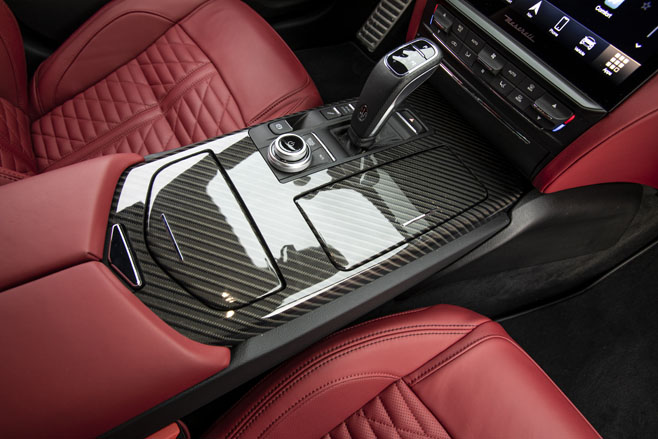
At least plenty of grip from the 21-inch P Zero rubber, and the big Brembo steel brakes will sustain a reasonable pounding on road before the over-assisted middle pedal starts to soften.
As much as I wanted to be seduced by a big lusty Italian with a rich pedigree and clearly defined link to Ferrari, there are just too many hurdles of logic to overcome when assessing the QP in the harsh light of reality.
It’s a car in the twilight of its life – this sixth generation made its debut in 2013 – and while this Trofeo variant is the most desirable ever, there’s little doubt its EV successor, due in 2023, will be an altogether swifter, smarter, more desirable range-topper.
7/10
Like: Powertrain refinement; RWD chassis engagement; cabin trim; lack of complication Dislike: Lack of basic equipment like HUD; lack of duality of character; feels dated inside, despite update
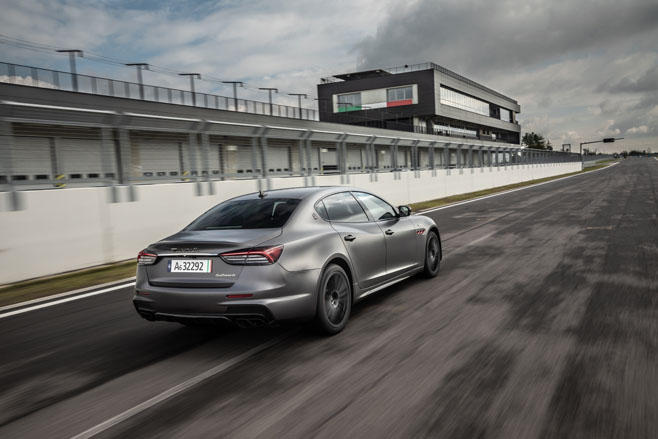
Maserati Quattroporte Trofeo specifications
Body: four-door, five seat sedan Drive: rear Engine: 3799cc V8 (90°), dohc, 32v, twin-turbo Power: 433kW @ 6750rpm Torque: 730Nm @ 2250-5250rpm 0-100km/h: 4.5sec (claimed) Fuel consumption: 12.5L/100km (WLTC) Weight: 2000kg Power/weight: 216kW/tonne Transmission: 8-speed automatic Suspension: Double-wishbone, Skyhook shock absorbers, anti-roll bar (f); Multi-Link, Skyhook shock absorbers, anti-roll bar (r) L/W/H: 5262mm / 1948mm / 1481mm Wheelbase: 3171mm Steering: Electrically assisted rack and pinion Wheels: 21-inch Tyres: Pirelli P Zero Price (before on-roads and options): $376,900
Athletes have the Australian Institute of Sport. Actors have NIDA. But where do the stars of tomorrow find the guidance they need to make it to the top tier – Supercars – and beyond, in Australia? It’s a sure thing that there are natural-born champions out there that never quite made it because of a seemingly insignificant change of course in their lives; perhaps it was an introduction missed, a sponsor not approached, or even not knowing how to put it all together.
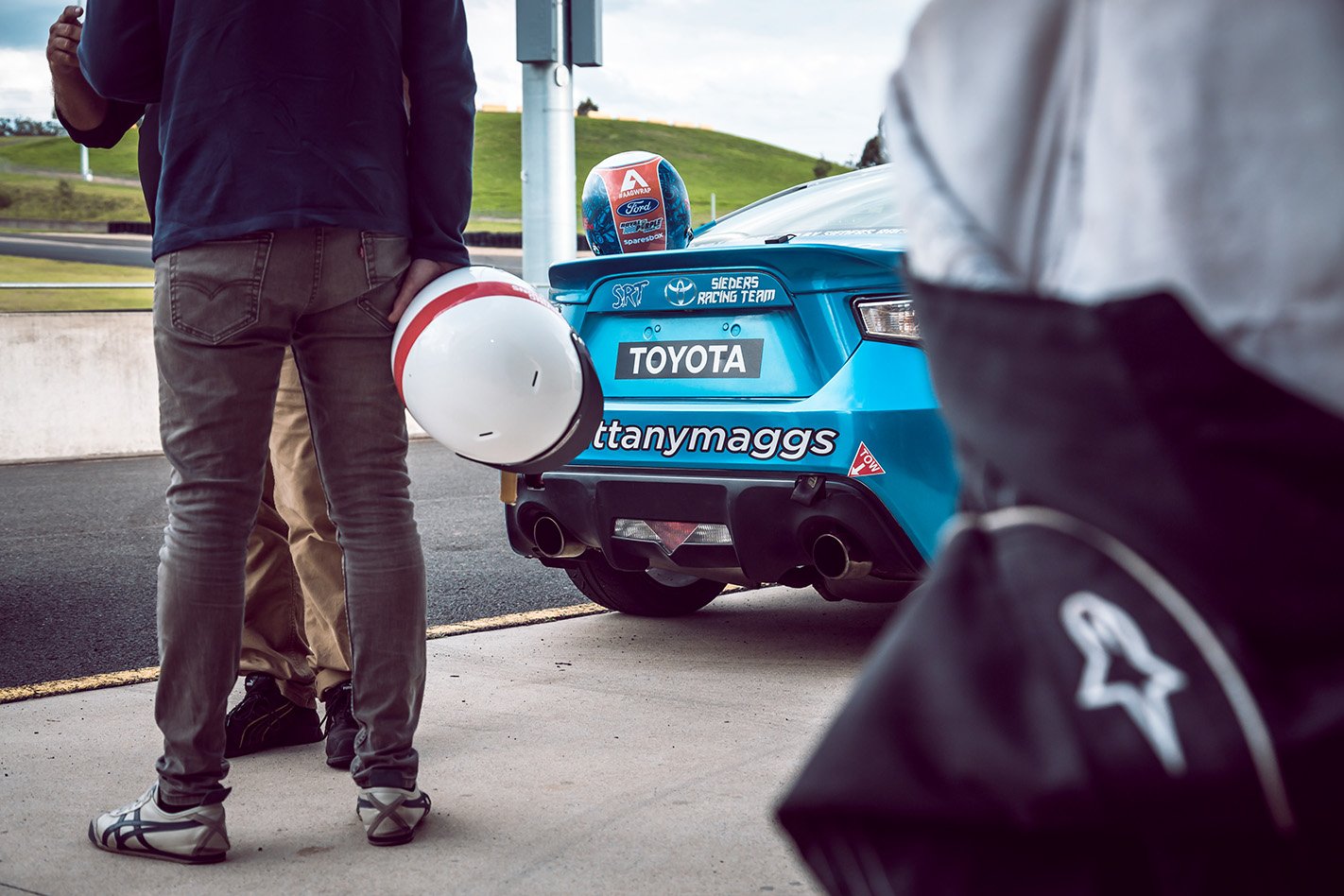
Now, there’s a Boot Camp being run by the reigning Toyota 86 champions, Sydney’s Sieders Racing Team, to not only find the faces of the future, but expose the realities of motorsport as more than what you do behind the steering wheel. And, in a one-make series, the biggest difference is the driver.
“The race is won or lost before the driver has even turned up,” says Reaction Performance’s Leigh Stamation, an ex-Holden engineer who has moved into the coaching and what he calls ‘human performance’ area of motor sport. Leigh trains top drivers including Tony D’Alberto, who partnered Fabian Coulthard to fourth at Bathurst 2020. “So much focus needs to be put into your preparation and performance before you even get into the car, and that can start weeks out. It’s about removing the human error,” says Stamation.
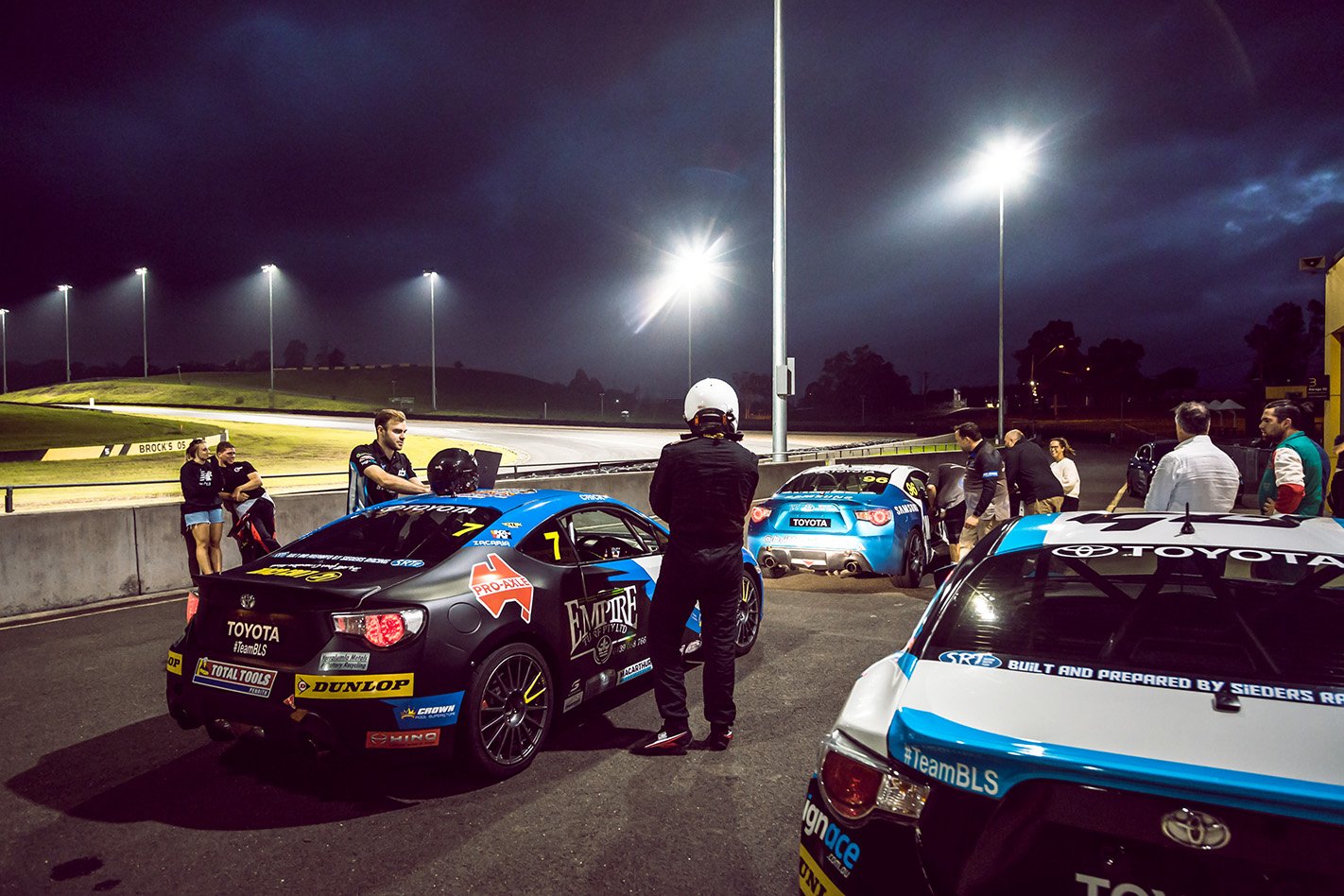
The single day camp, the first of its kind held here, covers the approach to a race weekend including mental preparation, driving fundamentals through to data analysis but, just as importantly, driver habits between races in terms of nutrition, training and overall approach. The goal is to peak at the right time – when you’re on the grid – the same way Olympic athletes hone their body and mind to peak every four years.
There’s something else at stake today: two seats in the 2021 86 series. With the group all being cordial and friendly while secretly eyeing each other off as potential bitter rivals, at age 39, as a balding, bespectacled journo, I sign up alongside contestants who are half my age, have twice as much determination and are serious about a future in racing. One of them is only 15! Perhaps my mental approach to age really needs addressing before we go any further…
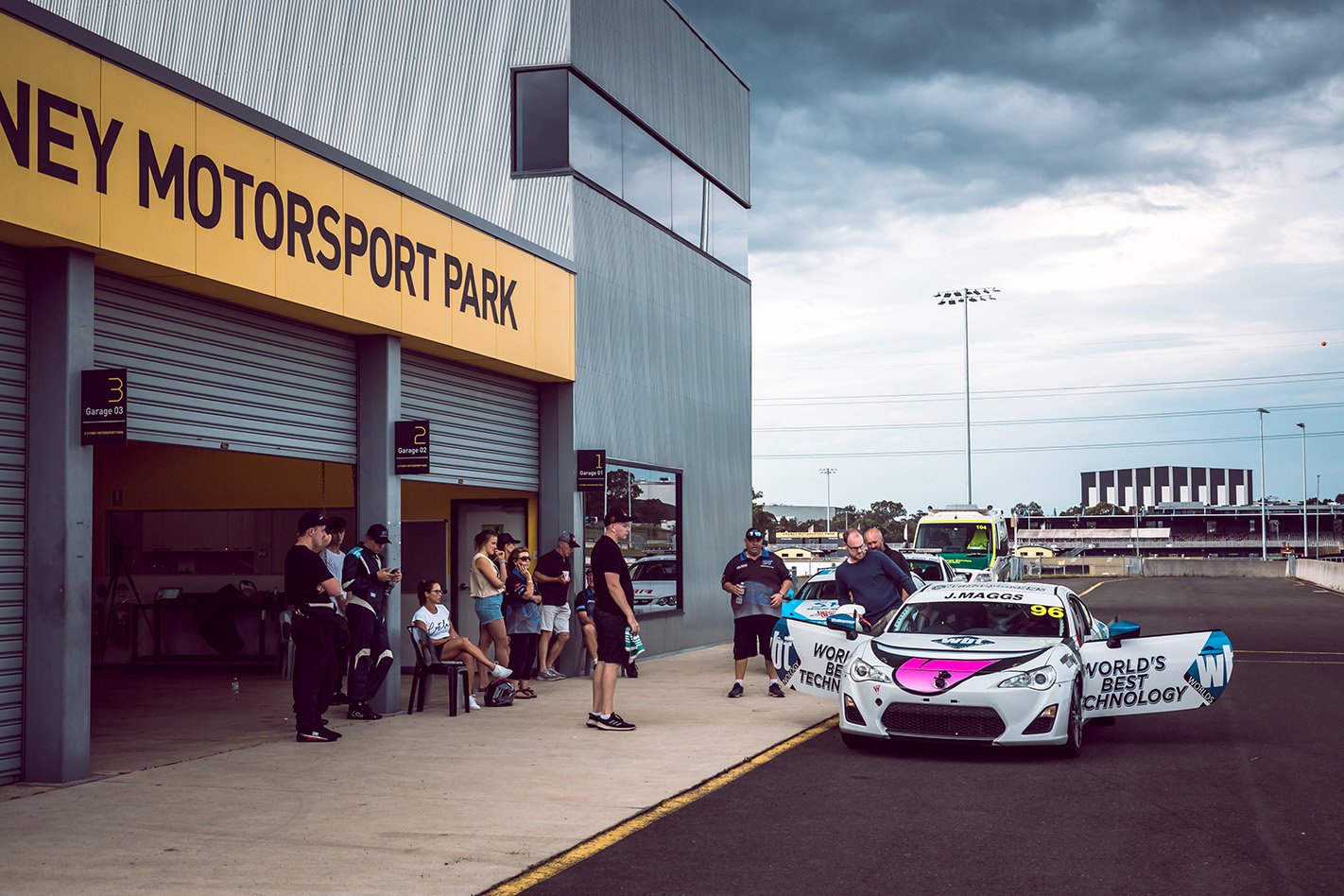
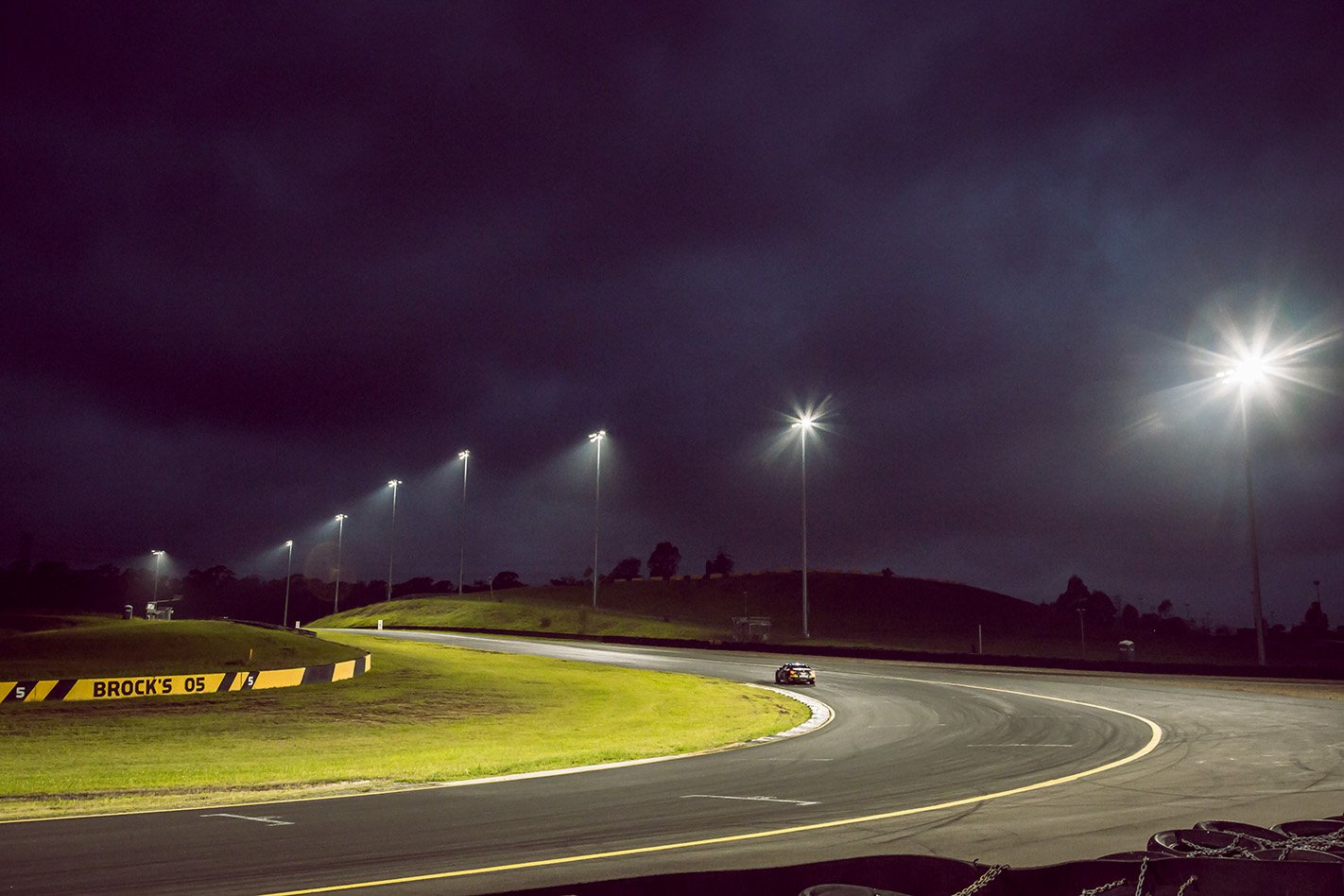
Held at Sydney Motorsport Park, after a quick meet and greet, we take a track walk to not only preview the layout we’ll drive later, but to learn what to look for. Surface changes, cracks, how the car will transfer weight, corner apexes – how to know whether you’ve negotiated the corner correctly – the fact that there’s not a lot of rubber in certain areas, and that this venue sits on a swamp, changing the size and shape of cracks throughout the day. We’re using the 1.8-kilometre ‘Amaroo’ circuit, twisting and undulating around Corporate Hill, with a fantastic uphill hairpin that opens as you climb it.
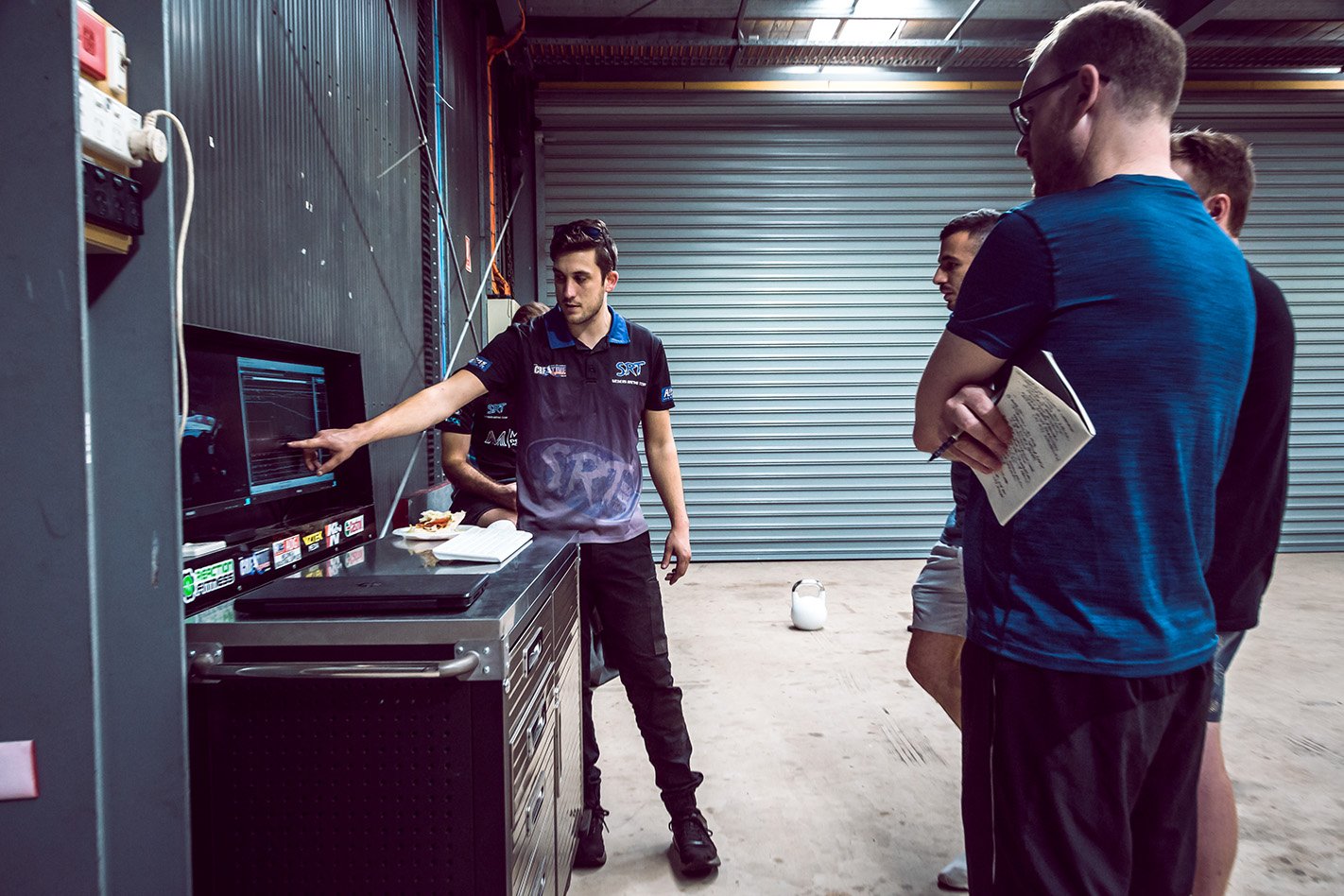
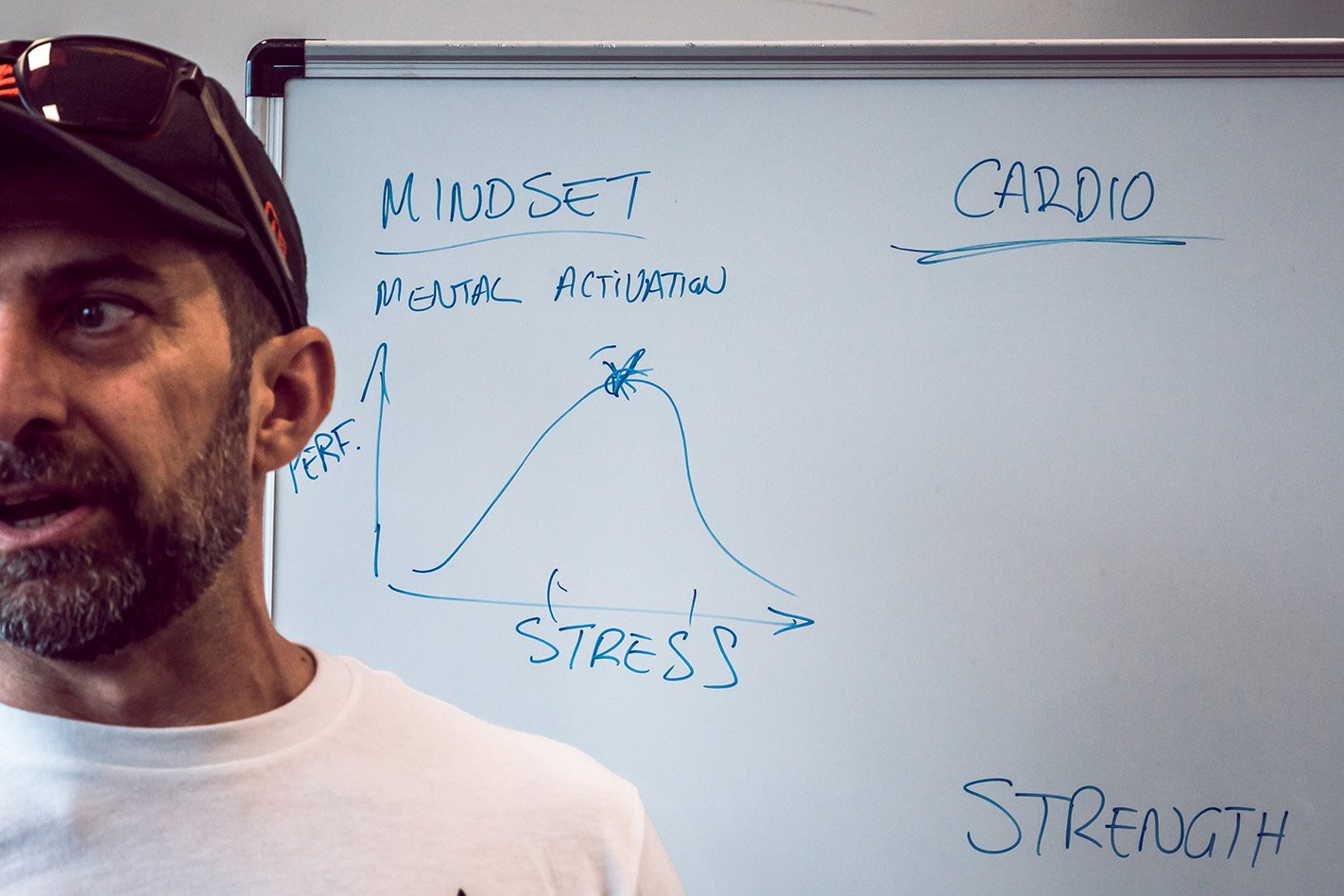
Then it’s onto the pre-race prep with Stamation. “With motorsport performance, so many elements manifest to come together, whether it’s nutrition or your mindset, cardiovascular fitness, strength – it’s just trying to give the guys a broader understanding of what it’s going to take to become a motorsport athlete. You have to focus on a number of different areas to get the best out of yourself.”
Proof in the pudding for Stamation is his work with Sieders Racing, most recently with Aaron Borg in the 2019 Toyota 86 championship. It’s not just that Borg won the title, but it was how he took that next step to achieve it. “We got to Townsville and we were, I think, fourth in the championship,” Borg says. “So it’s not like we were down the back or anything, but we were sort of just missing that last little bit.”
Stamation explains: “The first couple of rounds just weren’t going his way – just a few errors and preparation. We had a long break before the next race – Bathurst – so we sat down and said, ‘what do we need to work on?’ This event today actually stems from that. We started working with James [Stewart] here at Driving Solutions, and then incorporating the mental preparation, getting activation drills specifically for him.
“Aaron’s is an example where we really dialled into some specifics and we highlighted some areas that he could work on … There is no point saying, this is what you need to do before you get into a car, because everyone responds differently.”
“Since then, he’s been very consistent with his routines, we’ve developed visualisation techniques and ways that work through that … then at the last race at Newcastle it was his to lose.” Borg took the title and attributes the focus post-Townsville for the climb to the top.
Mental and physical go hand in hand, and it’s one of Stamation’s key areas that include cardio, mindset, strength and skills. It’s about matching the stress levels and performance to their optimal, and also training for what you’re driving: head-strong neck muscles for an S5000 open-wheeler, for instance, are pretty much dead weight in a Supercar. Think of David Reynolds, leading Bathurst 2018 while suffering cramps – with the team asking him to make the decision on whether to come in or not. The stress and pressure he was under wouldn’t have had him at peak decision-making capability, with physical and mental obstacles costing him and co-driver Luke Youlden the race.
Stamation’s next task is a series of exercises – kettle bells, skipping ropes and reaction tests – which where I’m glad I had porridge for breakfast, but rueing pizza for dinner the previous few nights. I ache for days afterwards, literally dripping with sweat as snapper Wielecki laughs as he takes embarrassing candids of me at my worst. I feel sick and consume bottle after bottle of water in an attempt to come back to a state of consciousness.
There are two more components of the morning sessions: data analysis and media training. Reading the squiggly lines is crucial: think that the top 16 Supercars at Bathurst 2020 in qualifying were separated by 0.9486sec. In the 86 series, less than a second covered the top nine qualifiers at Mount Panorama when they last visited in 2019. Head to Formula 1, and seven-time champion Lewis Hamilton’s 2020 season average qualifying advantage over teammate Valtteri Bottas was 0.052sec per sector. That’s the difference between being a superstar and having your drive in the team questioned…
“The biggest thing is the transition from brake to throttle,” says Borg, looking at the squiggly lines on the laptop in front of us. Borg has kindly offered up two of his laps aboard the Toyota 86 at Bathurst 2019; a fast one, and the following lap where he carries too much speed into Hell Corner, understeers and abandons the run… only a few hundred metres into a 6.213-kilometre lap.
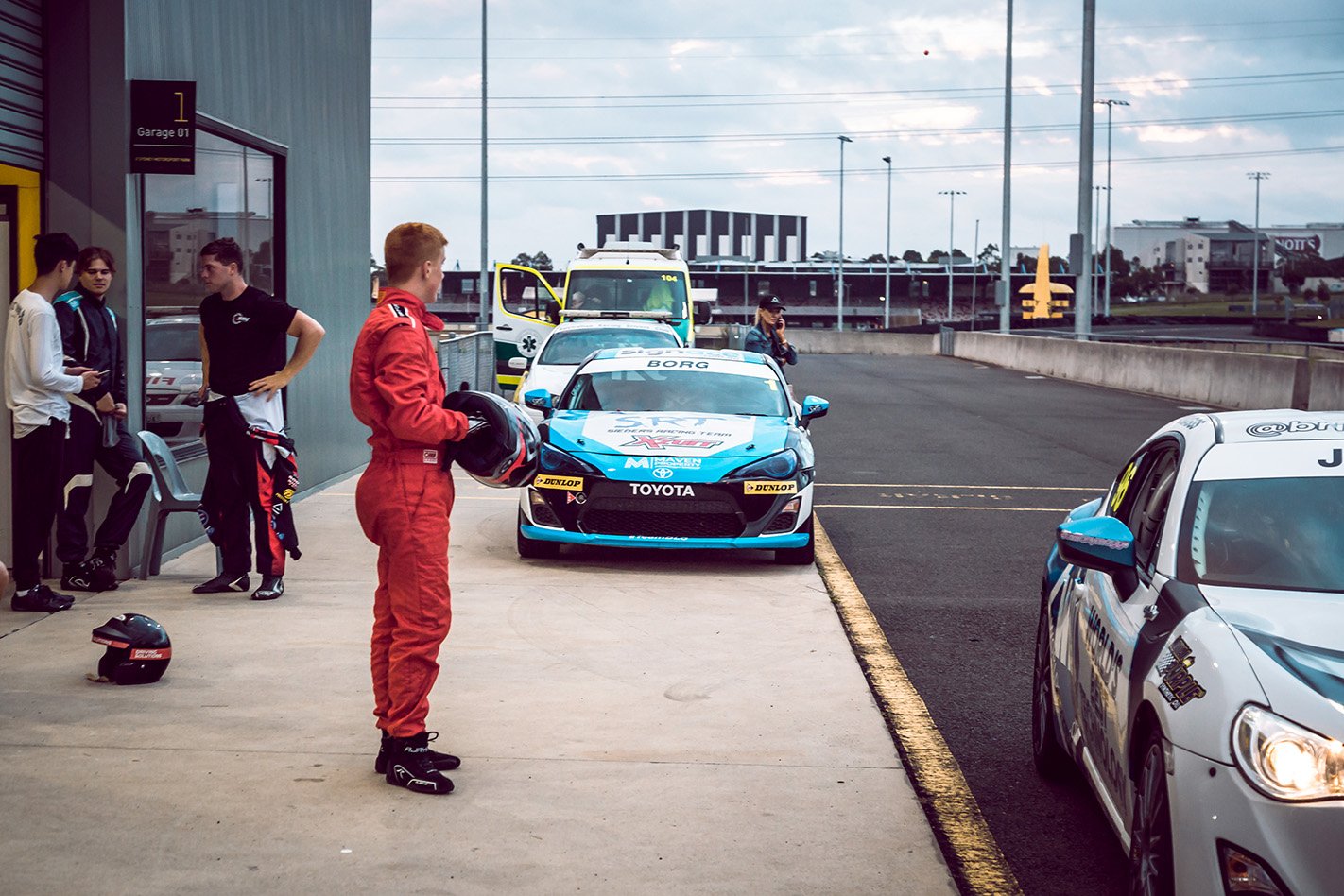
What’s more, focusing on single lap times isn’t what makes you a great racer: instructor James Stewart points to the European endurance racing focus on consistent, 10-lap blocks of time. “It’s the ability to maintain a competitive lap time when you’re in traffic, getting passed or making passes,” he says. “That consistency also means that when the team goes to makes a change you notice it straight away, so you can evaluate its effectiveness and deliver better feedback, faster.”
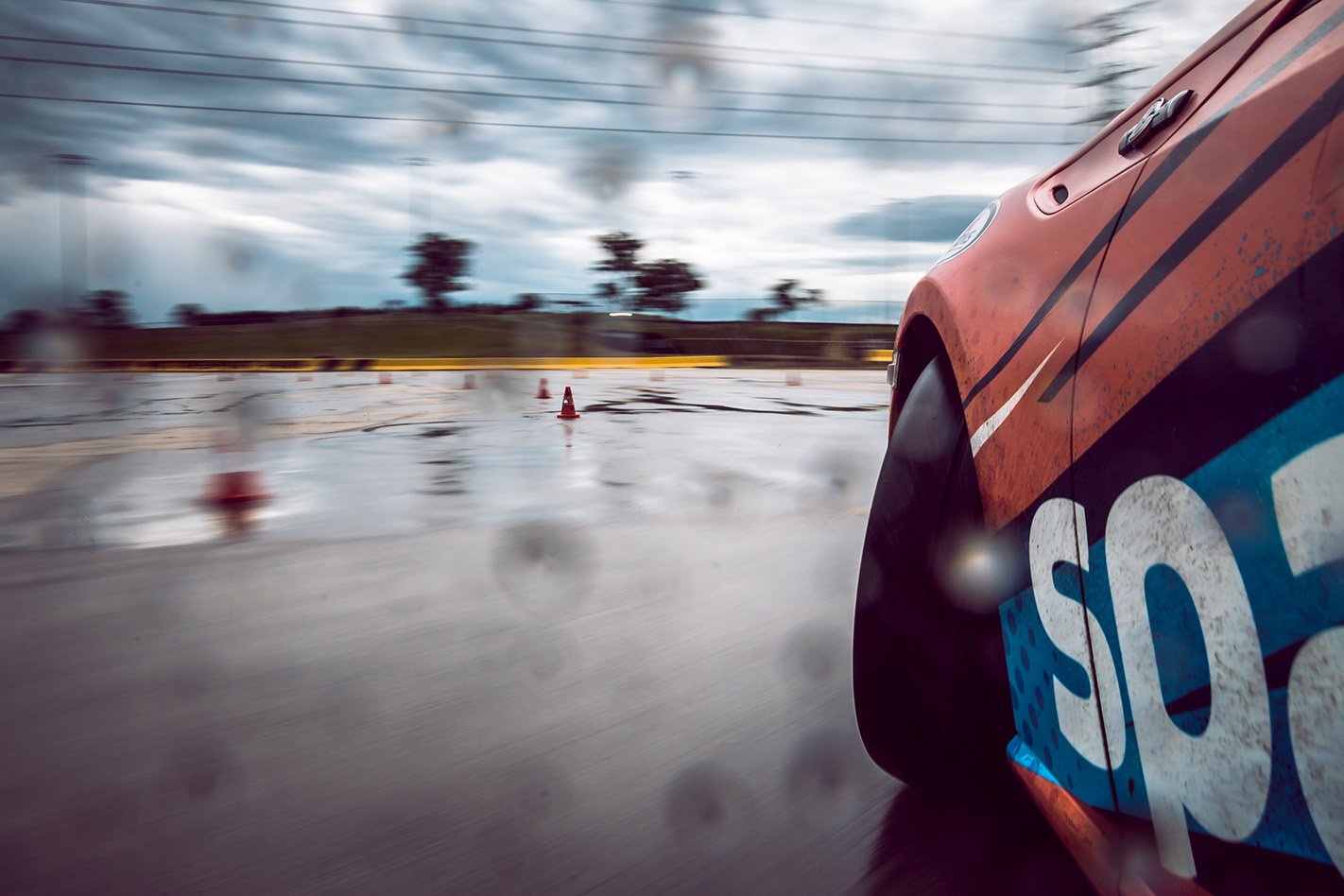
With the theory covered somewhat, the skidpan was next: again, it’s all about the fundamentals. As Stewart explains, the basics here will apply on the circuit later on in the day and it’s about getting your vision right and a feel for the car. Now behind the wheel of Toyota 86 racers, we have three runs of a witch’s hat layout, but even better is that the ABS and stability is all disconnected. It’s all down to the driver.
As I roll out, the first few laps are learning the course, with James telling me where to go; where to lift when I plough understeer (sadly true), remove lock, and then a few times, a huge aquaplane in the puddle leading up to the hairpin. Funnily enough, my instincts occasionally take over, ignoring Stewart’s directions – and my instincts are very wrong.
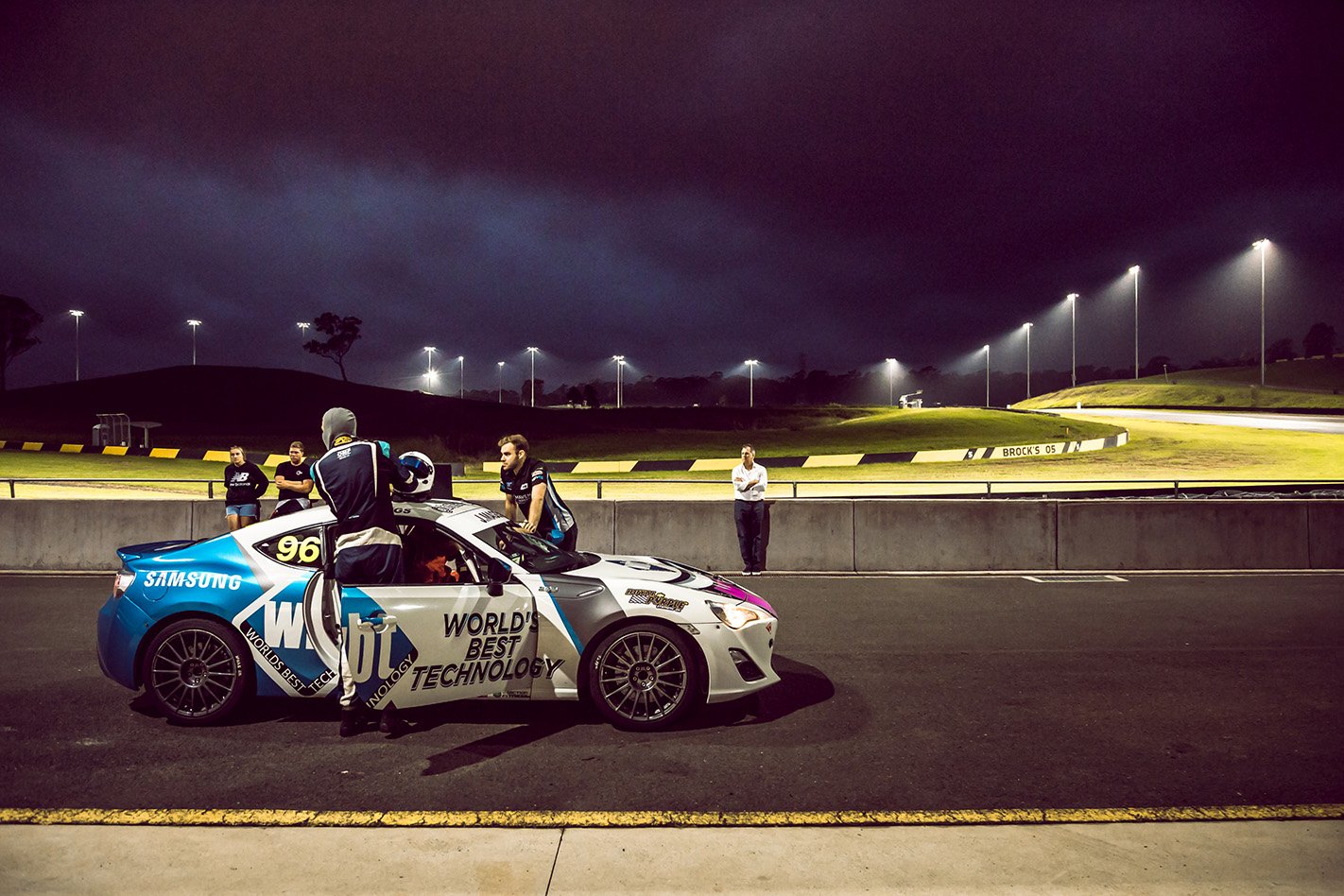
“It’s all about the fundamentals,” Stewart says. “A lot of people don’t get the basics right, and they can bluff their way on natural ability. Yet if they worked on the fundamentals, they’d be able to use that talent to get to an even higher level.”
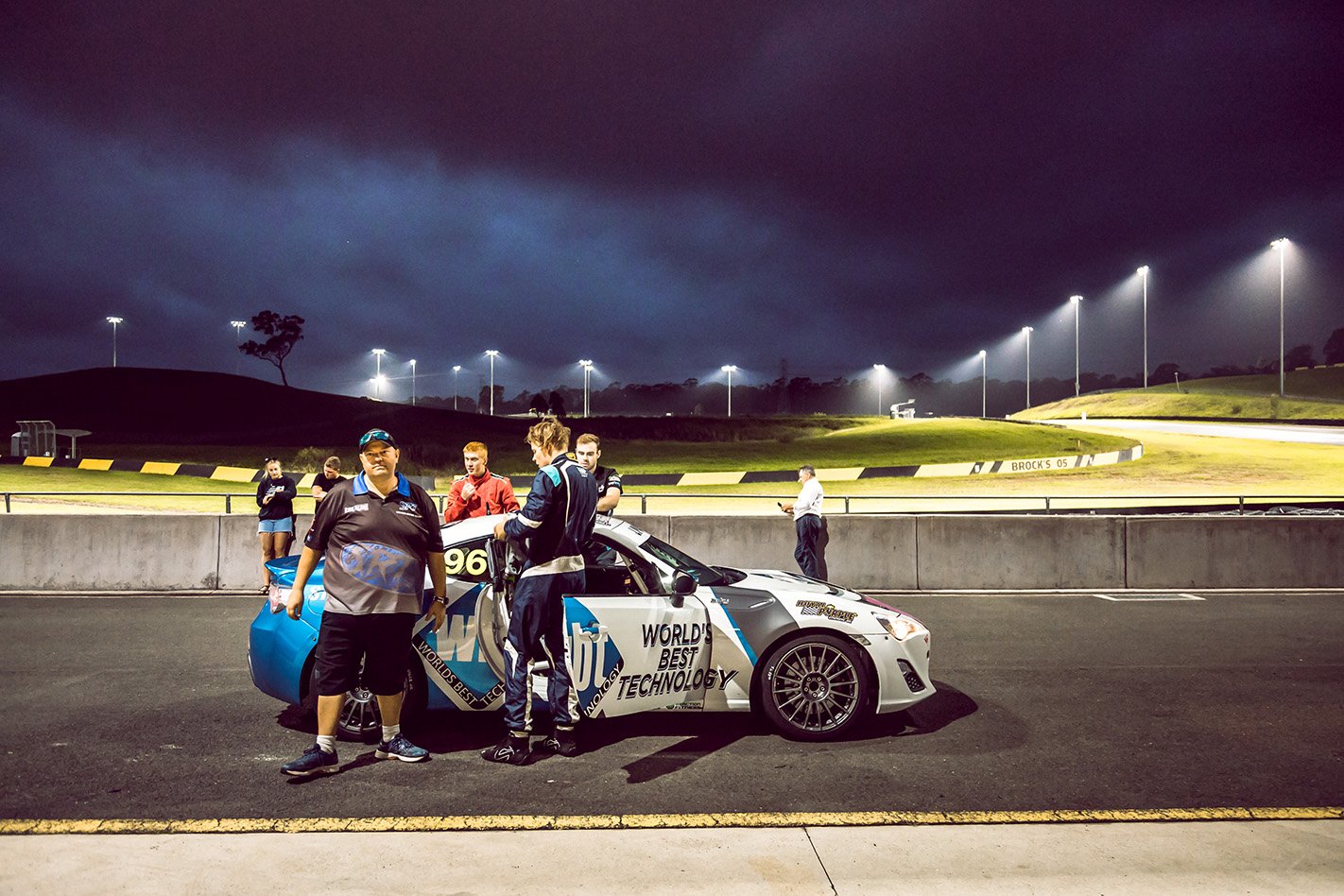
The final bout is the track time around the Amaroo layout that we walked in the morning. It’s cooler, the track lights will come on shortly, and it’s all to play for. Interestingly, it’s a chance to test some of the ideas of the day: am I hydrated, what have I eaten (I’ve avoided the delicious looking muffins) and have I been listening? For me personally, there is little pressure. For starters, I’m not vying for a race seat today – my priority is understanding the event and writing about it, not winning a seat. Yet there’s the pressure of simply not crashing the car – not only the indignation, but journalists who crash cars are rarely welcomed back…
I head out with Stewart in the 86, which is a quick car, but not punishingly so. I learn the lines, staying mostly in third gear. There’s an uphill complex of right-left-right handers with sausage kerbs. I avoid the sausage portion, but as I grab the outer kerbs, my line is all over the place. I just can’t figure it out. On the cooldown lap, I say to Stewart, “I messed that section up, but I don’t actually know why – what do you reckon?”
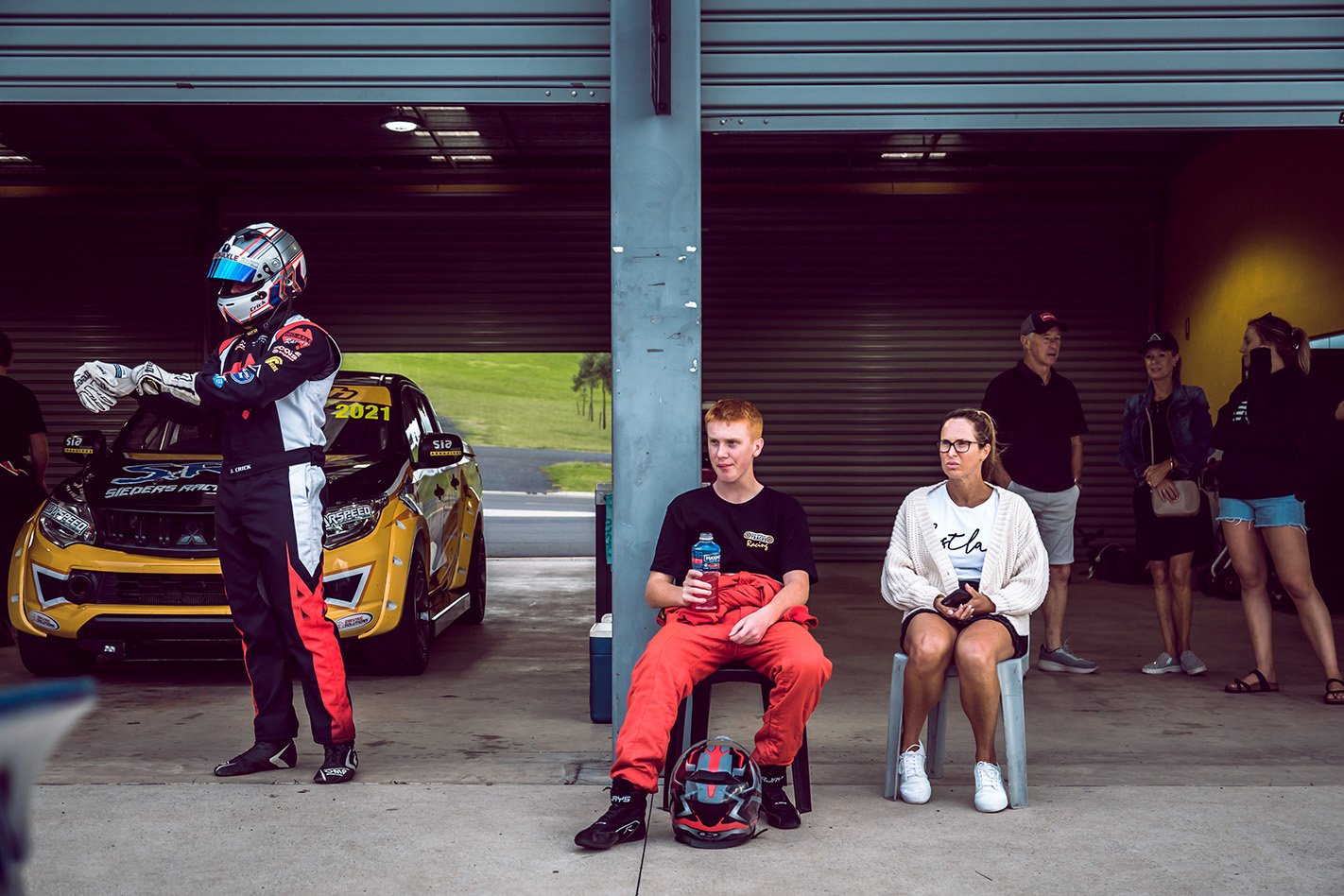
“It’s nothing to lose sleep over,” says Stewart. “There are just a couple of spots with your vision that you let yourself down, then you’ve run wide and you’ve chased it. It was just that set up: get that vision right to start with, try to keep your mind up with the speed you’re doing. As you go faster you’ve got to look further ahead so you can keep up with that speed.
“The big thing is progression – you were quicker and quicker each lap, and that’s the biggest thing.”
There’s data to analyse, too, to see where I can cut tenths (or maybe even seconds), but I know I can gain time almost everywhere – again, applying what’s on screen is an invaluable skill as a driver.
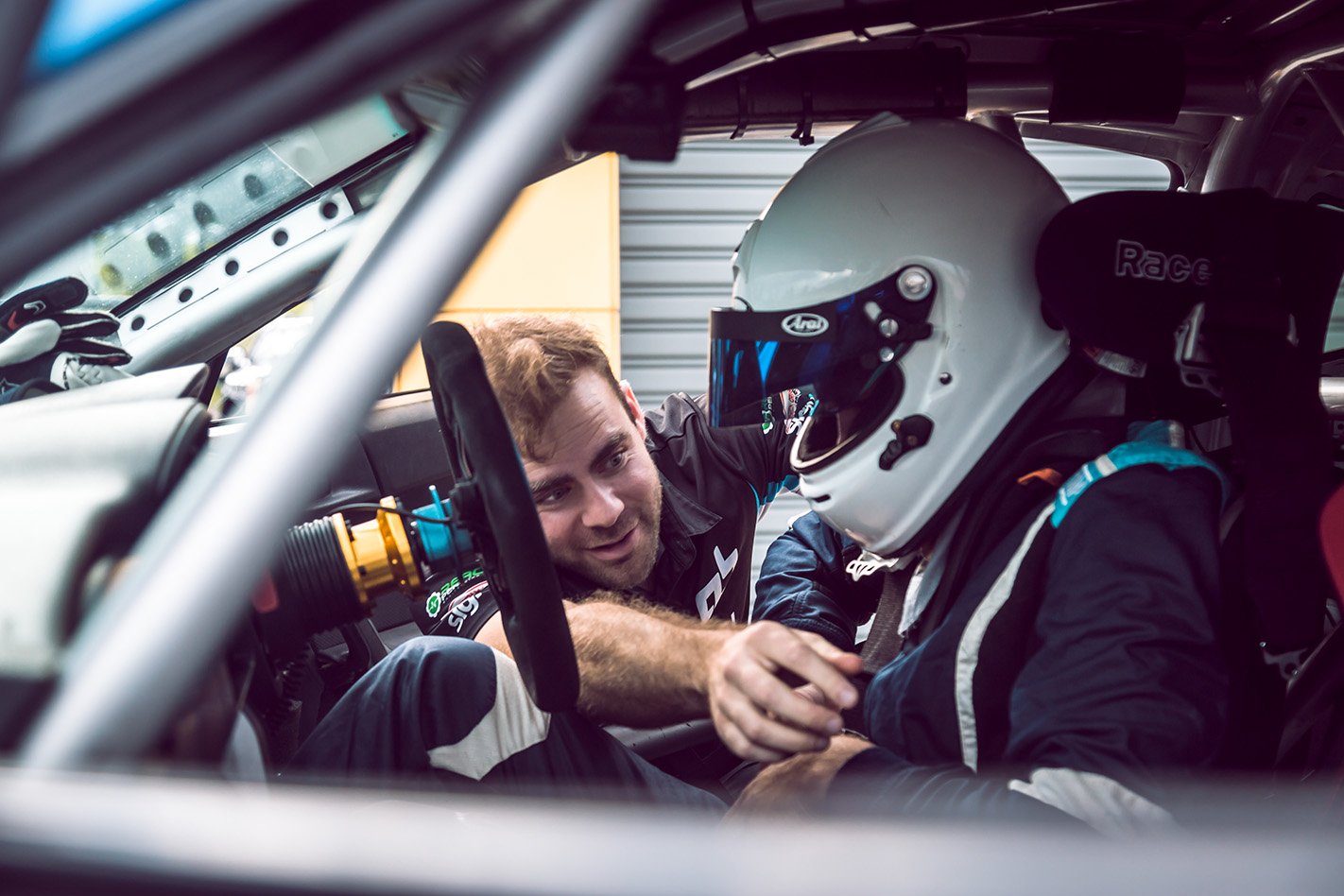
Moments later, standing in the garage we hear a shriek of tyres, look up and see a spinning 86. Stewart’s on board, and a spin from one of the contestants has him back in the pits, asking how he will ‘mentally come back’ from that. It’s a fascinating scenario where he has to test his resilience, using what was taught earlier that day from Stamation.
In a more scientific, competitive world, every advantage is necessary to succeed. The Sieders’ approach may seem novel, however, it’s more and more becoming a must-do for every young driver who’s looking to make any sort of progress in an unforgiving climate as ferocious as professional motorsport.
Every competitor was closely watched, their performance evaluated throughout the day, from driving to attitude and approach. For some, today has made them; for others, it’s a critical evaluation to build upon.
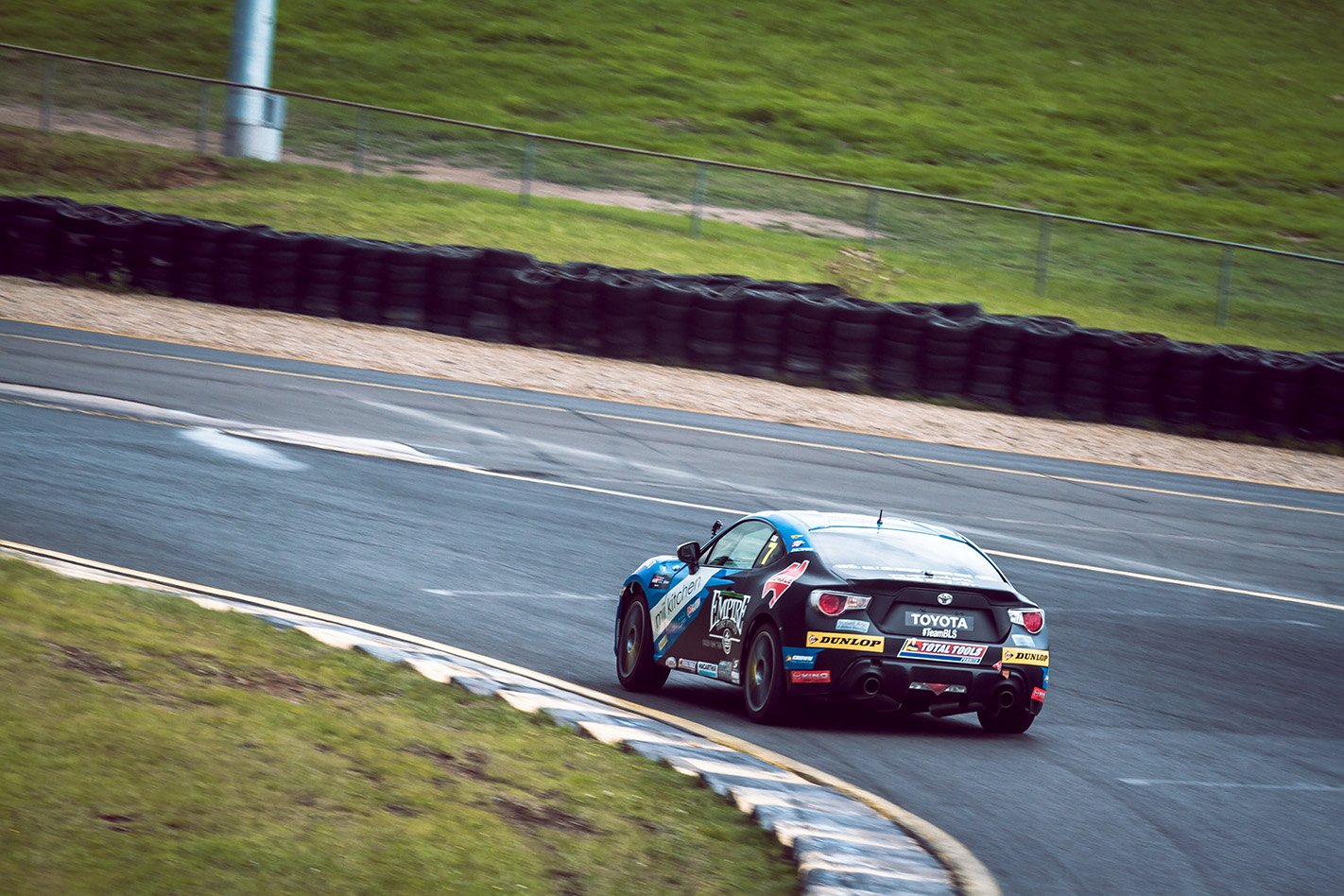
Many drivers can put a hot lap together, but the out-of-car self-evaluation is how Nico Rosberg overcame Lewis Hamilton to take the 2016 F1 crown. It’s how Scott McLaughlin dealt with the heartbreak of losing the 2017 Supercars title at the final race on the last day to bounce back and win three-on-the trot and a spot in IndyCar. It’s how Borg reeled in his rivals from fourth place to win the 2019 Toyota 86 Series. It’s how these drivers pushed themselves to the next level.
“The driver is the most tuneable part of the car,” says Stamation. “If everything’s right and your team’s doing the best they can with the car, then you have to do the right thing as a driver too, get yourself in prime condition to say, ‘I’m here to race and I’m ready to go.’”
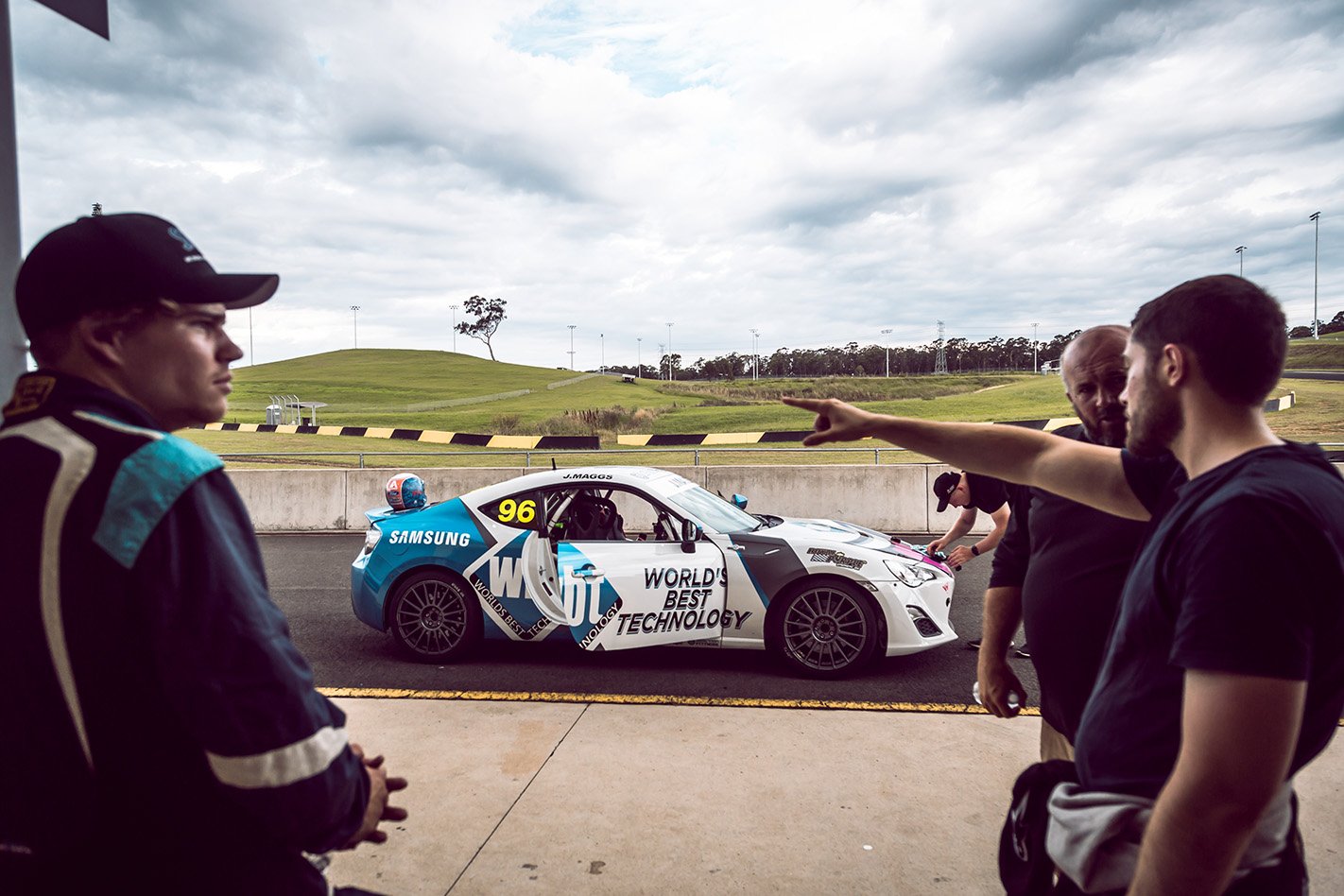
The next generation
From age, to fitness and even a global pandemic, four of the young stars in attendance open up about their life and future goals in the tough world of motorsport. Each are here to learn the ropes and improve as a driver.
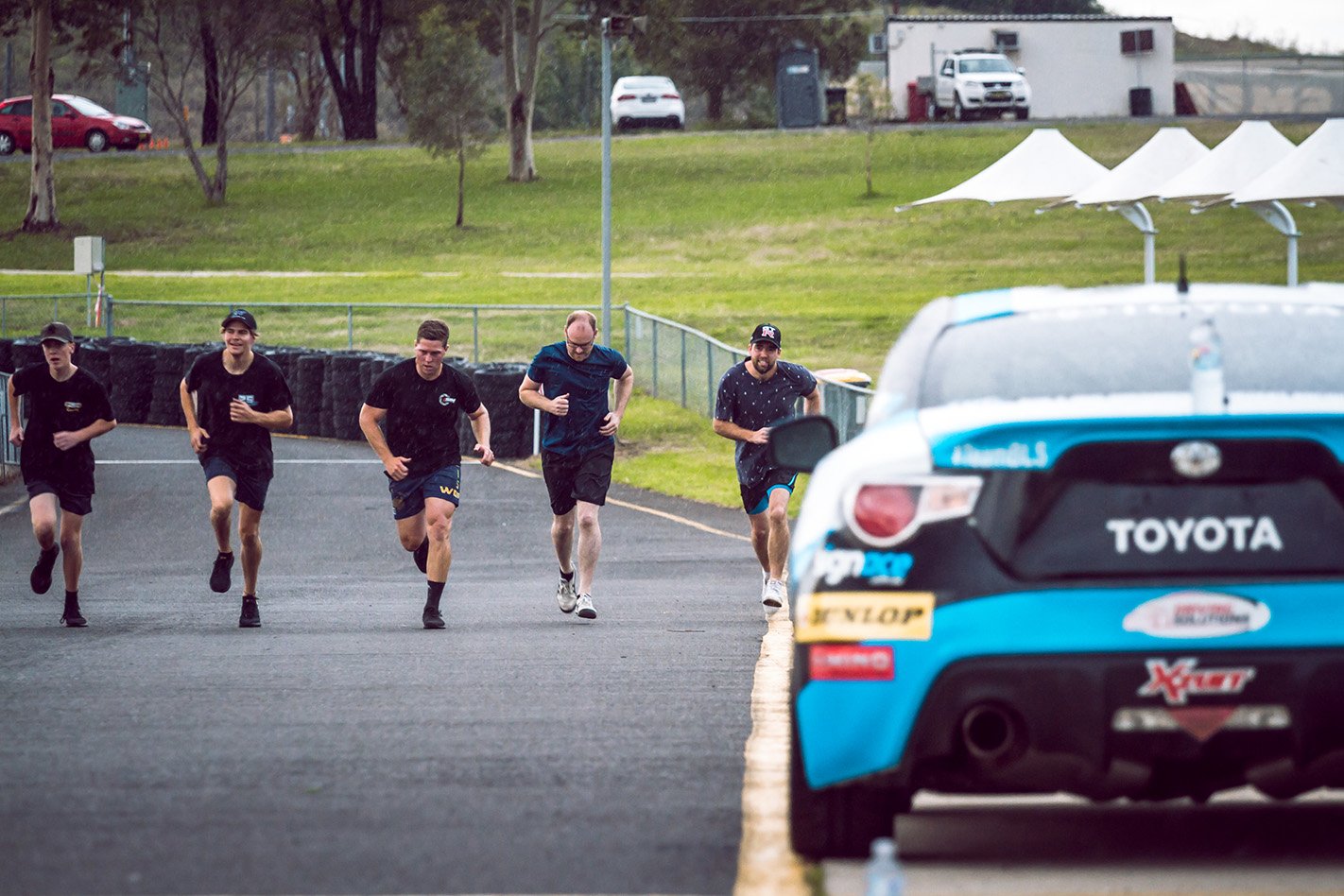
Hayden Little, 15
It’s coincidence that the youngest driver here – 15-year-old Hayden – has the surname Little. He’s travelled here (from Mildura in Northern New South Wales) thanks to Mum, Tracy.
“With what we’re doing today, I get more experience; pick up more things that James [Stewart] is going to tell us about that I can work on. I just want to be able to drive better and race better. Little comes from a family of racers and has modest expectations on a racing career.
“I just want to try my hardest and see where I can go. I’d like to try to do the V8s or something higher, but you can’t just hop in the car and win. You have to have your body ready, your mind ready.”
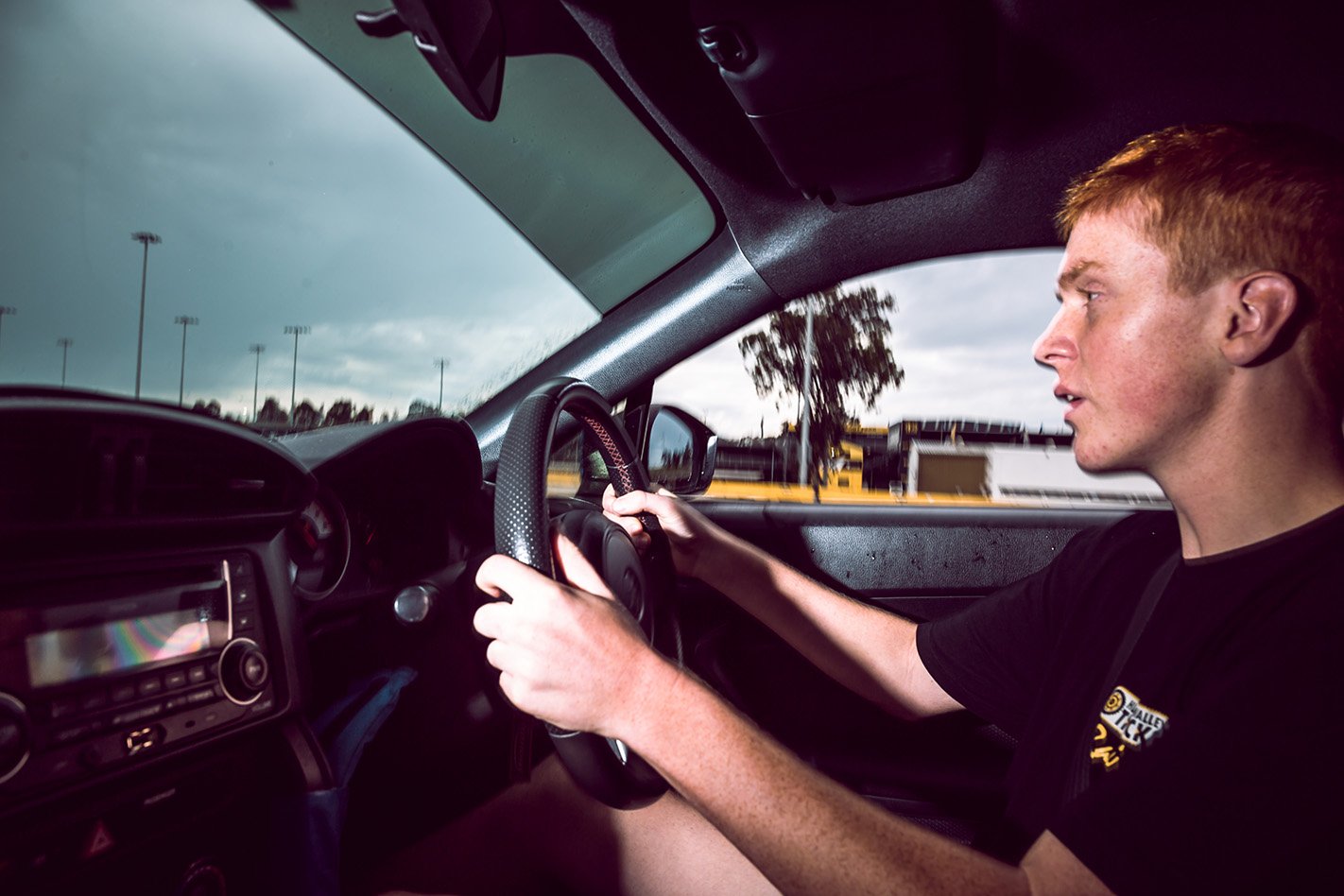
Harry Gray, 19
At only 19 years old, the energetic and hugely positive Harry Gray has been through the pain of losing a title by the barest of margins. In 2019, he was leading the NSW Production Touring Car Championship before a mistake in the final round saw him miss out by a single point. After impressing at the Erebus Academy, where he won the day, Gray was set for 2020 in the 86 series, but of course COVID meant he managed only a single race.
“I’m here today to get match fit for 2021,” he says, with drive for both Erebus Academy and Sieders Racing Team and a long-term goal of a Super2 or Super3 drive. “Physically it takes a big hit on your body and you lose kilos over a race weekend.”
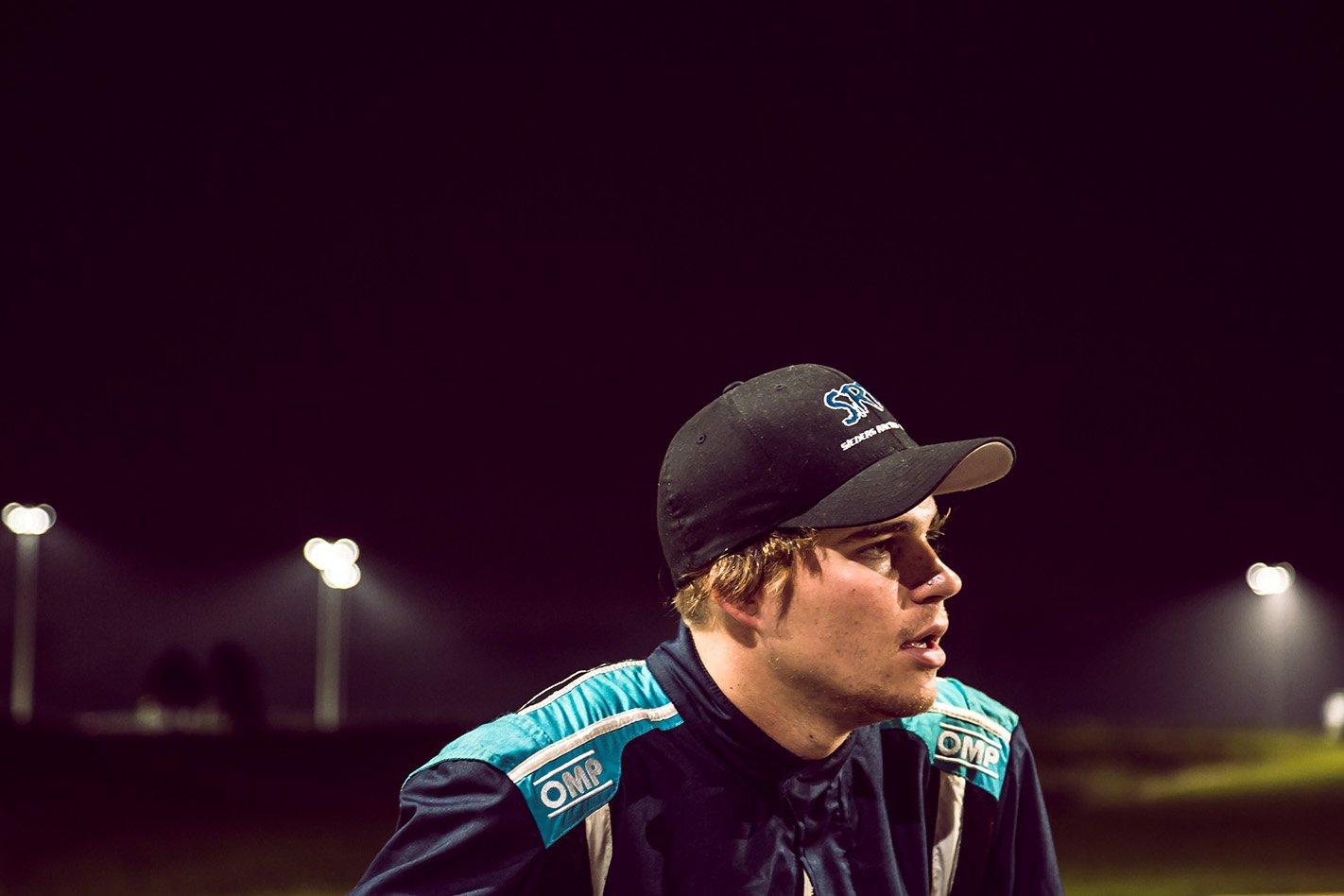
Jarrod Crick, 25
Jarrod Crick – yes, son of Greg Crick and brother of Cameron Crick – has dabbled in karts but isn’t looking to win Bathurst 2021. “I was at a ride day with my brothers sponsors [Cameron Crick] and today was mentioned. Coming from a chippie background, which is my bread-and-butter, I thought I’d come down, seize the opportunity and go from there,” he says. “Doing this sort of stuff, you’re learning a bit, and it’s a bit of fun. Hanging around the team, learning about the car, it’s all a step forward. The skid pan is a bit harder than it looks sitting watching; you work a lot harder with the brake and throttle than you’d think.”
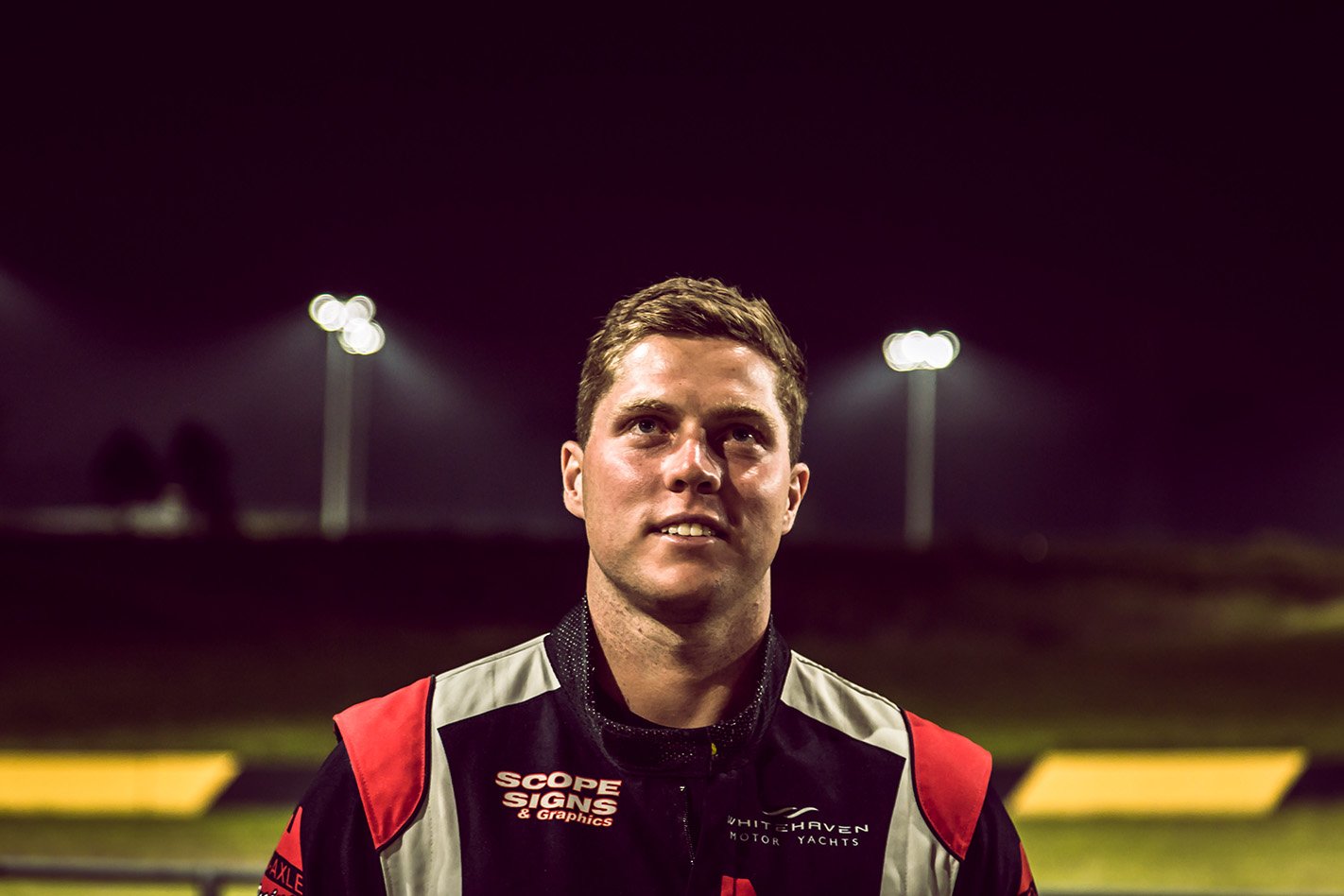
Stewart Floresta, 27
Supercars admirer Stewart Floresta was especially impressive on fitness, but he says that in actual fact, he’s not in his best shape. “This year [2020] I’ve been a bit off the wagon, I guess you could say – work related,” the 27-year-old property developer says. “I wanted to network and see what skills I could work on, and what I can learn.”
After many track days, Floresta made it into the Top 30 in the 2018 Australian Drive Search competition, and since he’s done MX-5 Cup and enduros among many track days in his home state of NSW.
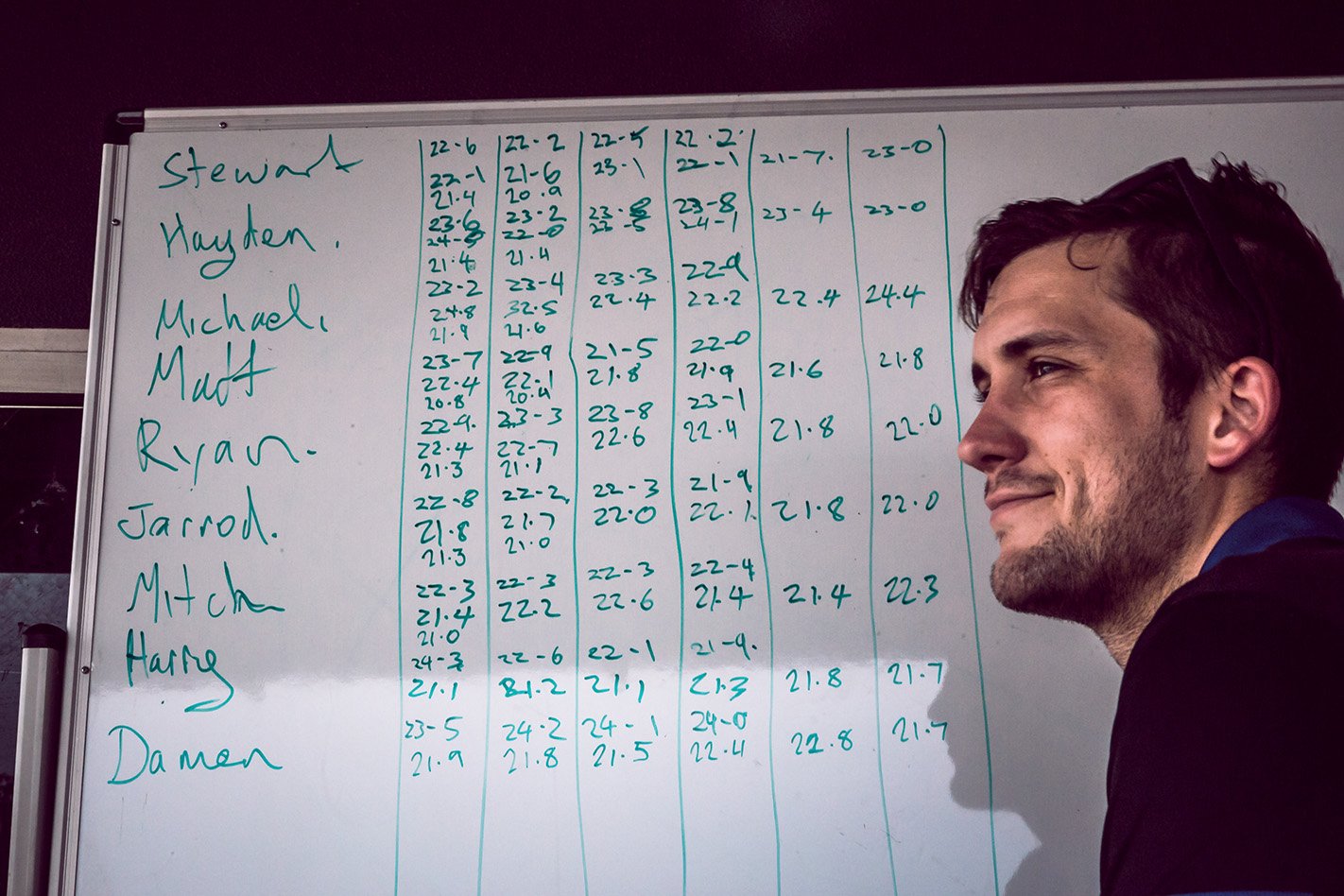
Stepping stones to success
Winning championships at any level isn’t easy. The 2019 and reigning Toyota 86 Series champion Aaron Borg is a graduate of the Sieders’ approach and served as the inspiration for the Boot Camp process following his ‘reset’ during the battle for the 2019 86 crown.
“For me it wasn’t like it was one massive thing; I was already doing fitness training and stuff before, but then having that guidance from Leigh to do more specific stuff and James at Driving Solutions on the skidpan stuff made the difference,” 30-year-old Borg says.
“It was putting all those one-percenters together which took it to the next level, and then we sort of went from being probably in that top five to just that little step above where everybody else was – and we didn’t really change anything in the car, so for me, that showed that all of those little one-percenters worked really well.”
“Sieders do a great job in setting cars up, and there’s a difference in terms of setup, but the thing I love about the Toyotas is that it all comes down to the driver really.”
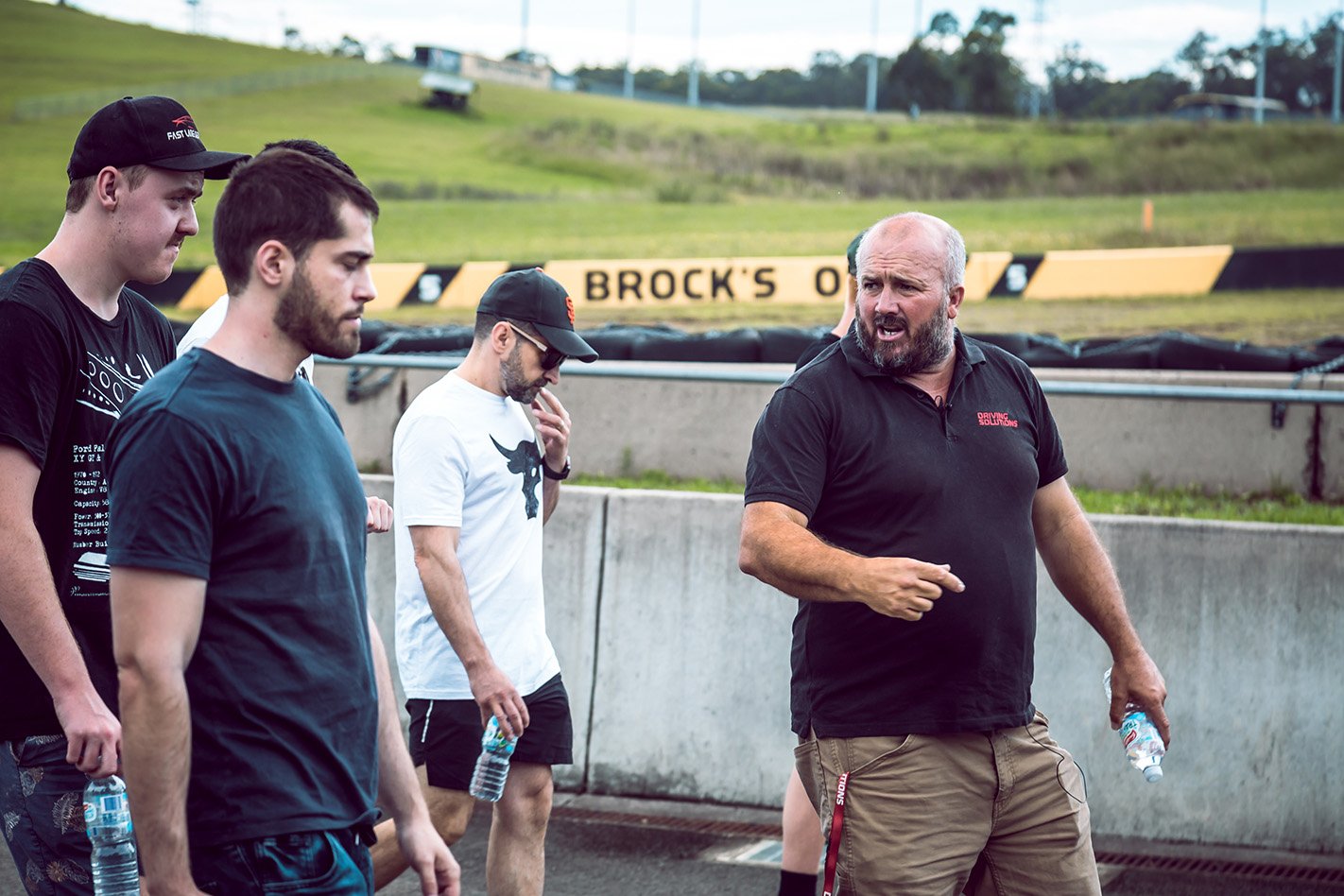
Borg says that the clear head and approach also benefited elements such the feedback he could give the team, which in a one-make support category, can make a crucial difference.
“Doing all of this has opened up many doors. Winning the 86 championship put me in front of some major backers and some new opportunities.
Borg’s set on Supercars, where he admires Whincup and McLaughlin’s out-of-car approach in winning in the car. “I love seeing people succeed, and I look up Jamie Whincup a lot, and in more recent times McLaughlin. I’ve just loved seeing the process that they go through … and understanding the hard work … they’re the guys that are obviously doing things right; they’re not there by chance.”
Fail to plan, plan to fail
Luke Sieders knows that the Boot Camp’s training works. How? “Because we’ve won championships,” he says. “The most recent series that we’ve won was the 2019 86 Series with Aaron Borg, but we’ve won V8 ute championships, Aussie Racing Cars – everything that we’ve raced in we’ve always been a race winner or thereabouts.”
What started out as a way to support brothers David and Colin’s racing careers has developed into the drills, training and mindset being offered at the Sieders’ Boot Camp.
Winning races, events – championships – is never easy, but Luke explains that there is a mindset to get there.
“It always comes back to that we’re always eyes open to what has to be done and achieved, and always we’ve put a lot of hard work in to making sure that we achieve the desired result,” Luke adds. “One of the things we do as a team is that all of the drivers involved with us are exposed to all the facets of what we can provide because without all of it, you don’t get the best for yourself or what you’re trying to achieve.
That’s what this Boot Camp is about. “We decided to do this day in conjunction with James from Driving Solutions and Leigh from Reaction Performance as something that we can expose people to what it takes to race at the highest level. We’ve put programs together for our own small network of drivers over the last few years, and I see through James’ days and other drivers that they miss the key fundamentals of development. Over the years, I’ve thought that a day like today is the best way to expose people to what is actually required and how detailed it is into covering all aspects. It’s not just having the best car, it’s all about the best environment, the best preparation for driver and team.”
“The interest generated; there’s definitely potential to do more of this, because for me, it’s giving back to the grass roots. A lot of these guys haven’t been exposed to national championships like the 86 series, so this can be a taster for them, and it’s an inexpensive taster – they can do this program, see how much work is involved, the level of dedication … and it better prepares them for the first day at school, their first event. It’s all about them getting the best experience they can out of motorsport.”
How to spot future stars
Can you pick the next Scott McLaughlin, Max Verstappen, Jamie Whincup or Peter Brock?
Red Bull’s Formula One school has been heavily criticised for its musical chairs in recent years; yet Ron Dennis signed a 10-year-old Lewis Hamilton with not a single world championship – or even a driver’s licence – in sight. So is there a defined way to pick talent, or does it have to emerge?
“There is a way to see future talent,” says Sieders. “Like anything, it takes an investment in the person to nurture that talent and guide it the right way. Obviously, some people shine or they falter.” The Red Bull program is designed to do just that. “It’s pretty much the toughest program there’s ever going to be. You’re trying to be the best of the best in the world, so to see some of the guys do it tough in that program is no surprise, it’s to be expected. It’s not to say that those guys aren’t as talented, it’s just that they haven’t handled the pressure as well as others.
“I’m looking for the next person that wants it as much as we do. You never know, but even when Scott McLaughlin was at SBR [Stone Brothers Racing] and before that the development series … the fact that he wanted it more than anyone else in the field, he got it. For me, it’s not about finding the most talented driver right now, it’s about finding the person who wants to make this work. If that person is in that situation and wants it bad enough, put them on a pedestal and hold them as high as you can and see how far we can take him or her!”
China’s major motor shows, whether Beijing or Shanghai, have regularly served up weird and wonderful vehicles, and 2021 is no different.
This year they include a Beetle reincarnation, a crossover powered by a telecoms company, a rival for Ford’s Ranger Raptor, a cabriolet version of the world’s second most popular EV, a 400km/h hybrid supercar designed by Walter De Silva, and an off-roader that looks like a cross between a Ford Bronco, Jeep Wrangler and Mercedes G-Wagen.
Here’s our quick guide to 10 unmissable cars that, well, you may have missed from Auto Shanghai 2021…
Baic Arcfox Alpha A
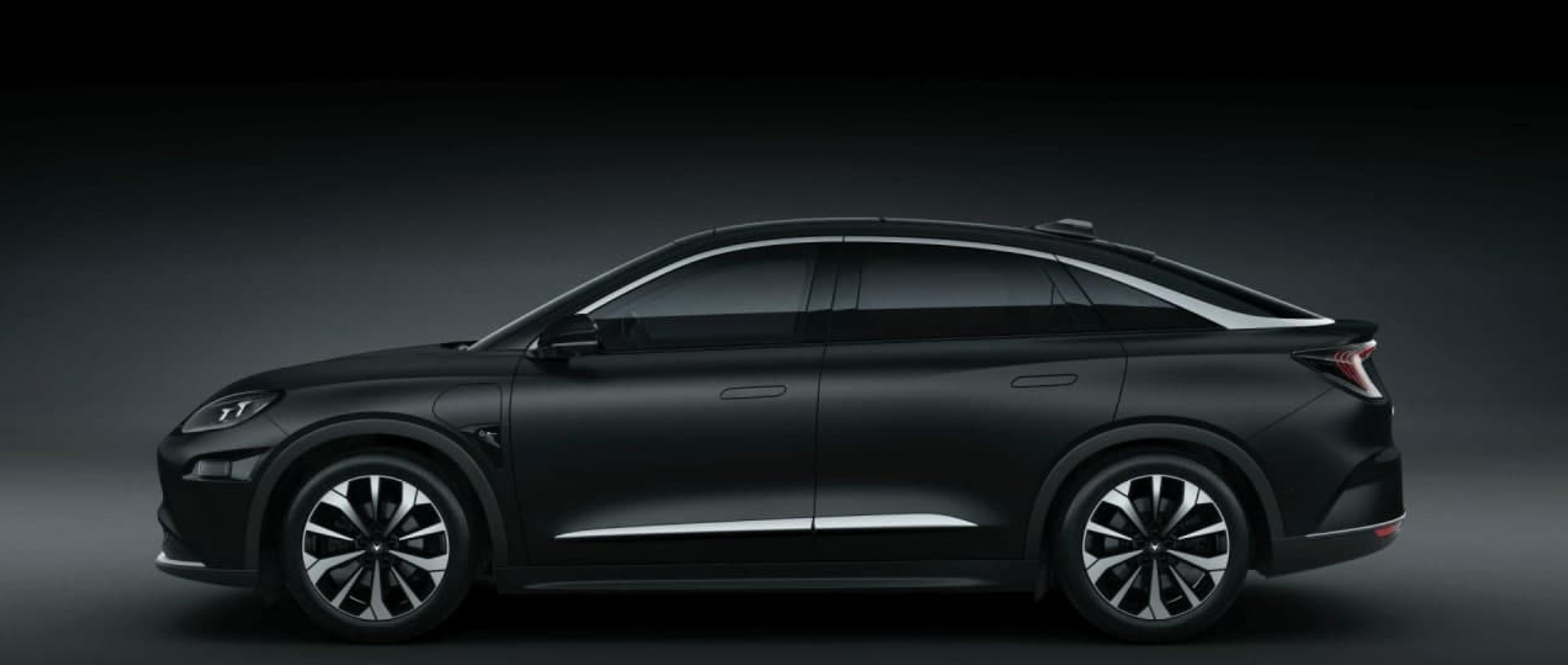
This electric crossover is most notable for being the vehicle debut of Chinese telecommunications giant Huawei’s Harmony OS operating system. It’s designed to make a seamless transition between an owner’s Huawei smartphone and their car. As part of the Harmony OS Smart Cockpit solution, there’s a 20.3-inch 4K dash display with multi-gesture operation, screen switching and 5G capability.
GWM Baja Snake
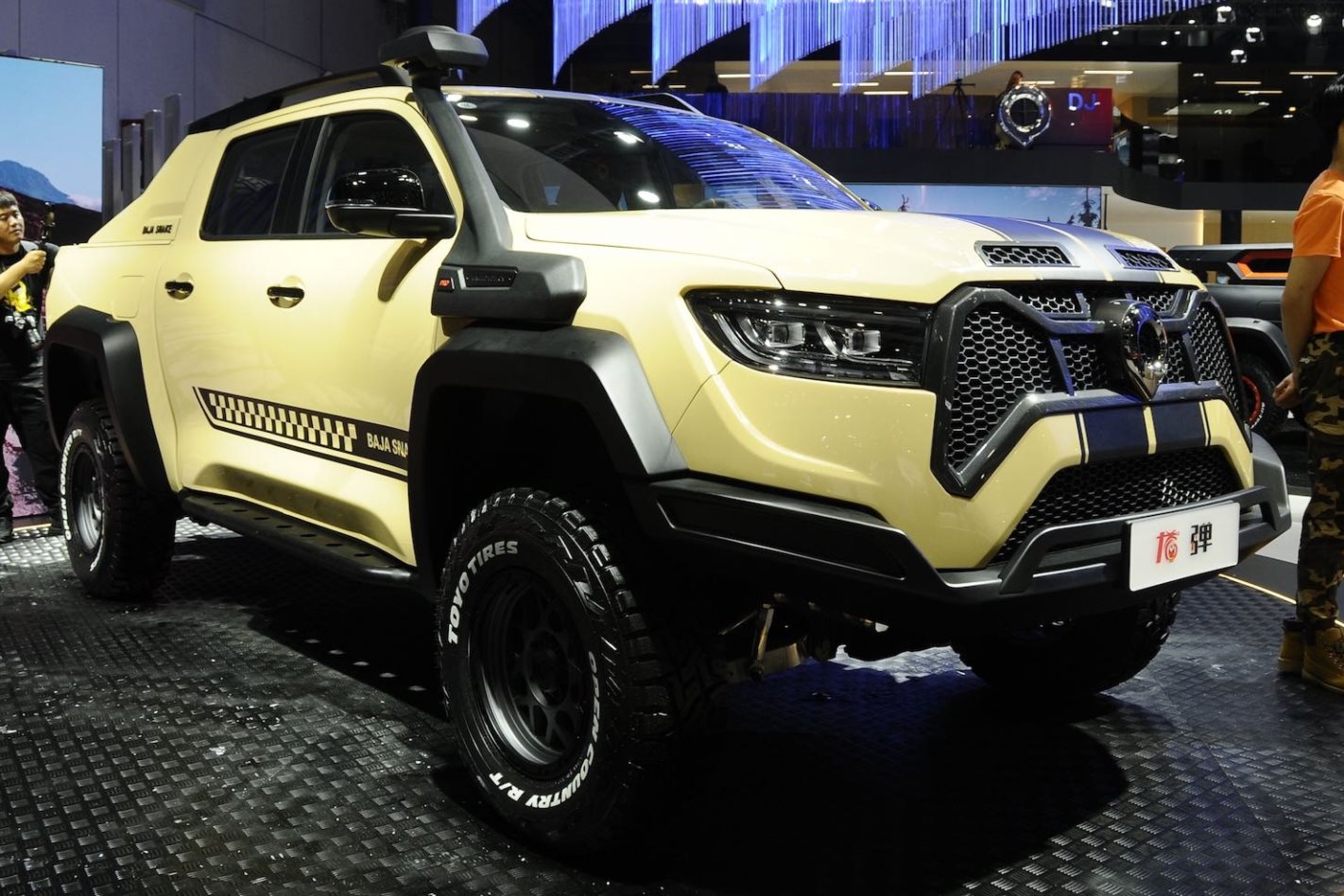
From the car-manufacturing artist formerly known as Great Wall Motors, comes this Ford Ranger Raptor chaser. The Baja Snake is an off-road racing interpretation of the Chinese brand’s Cannon ute (now sold here), though like the Raptor it focuses more on sportier handling than extra performance. Co-developed with US tuning legend Shelby, the Baja Snake is heavily accessorised and features a 51mm suspension lift and Fox Racing dampers.
GWM Wey Tank 300 Cybertank
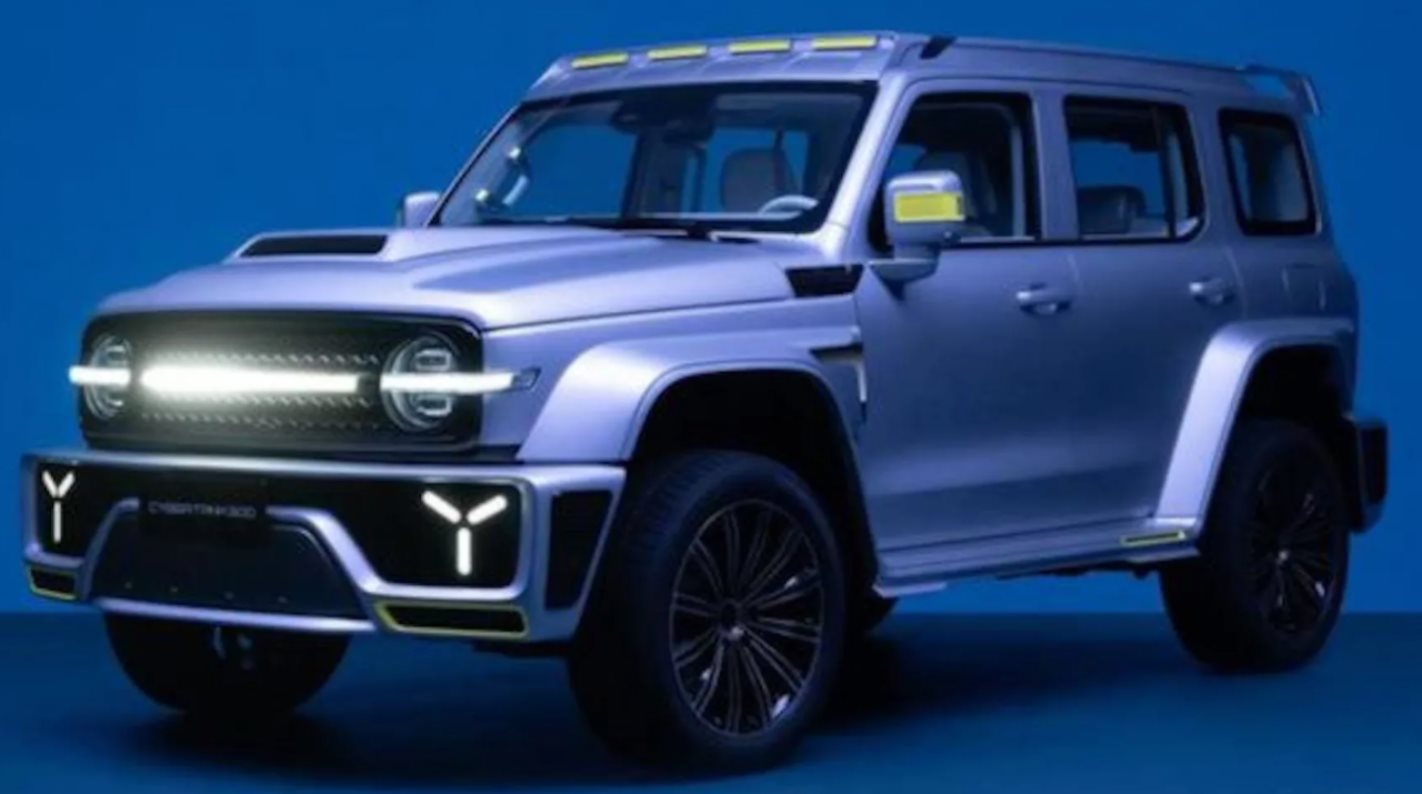
There are two ways to look at this off-roader concept: as a return to China’s bad ol’ copy-catting days or a flattering homage to a much-loved Western 4x4s. The front end makes a strong nod to the new Ford Bronco, while the overall shape borrows from both the Jeep Wrangler and Mercedes G-Wagen. And inside there’s more Mercedes mimicking, with a blingier interpretation of the GLA/GLB cabin.
Hongqi S9
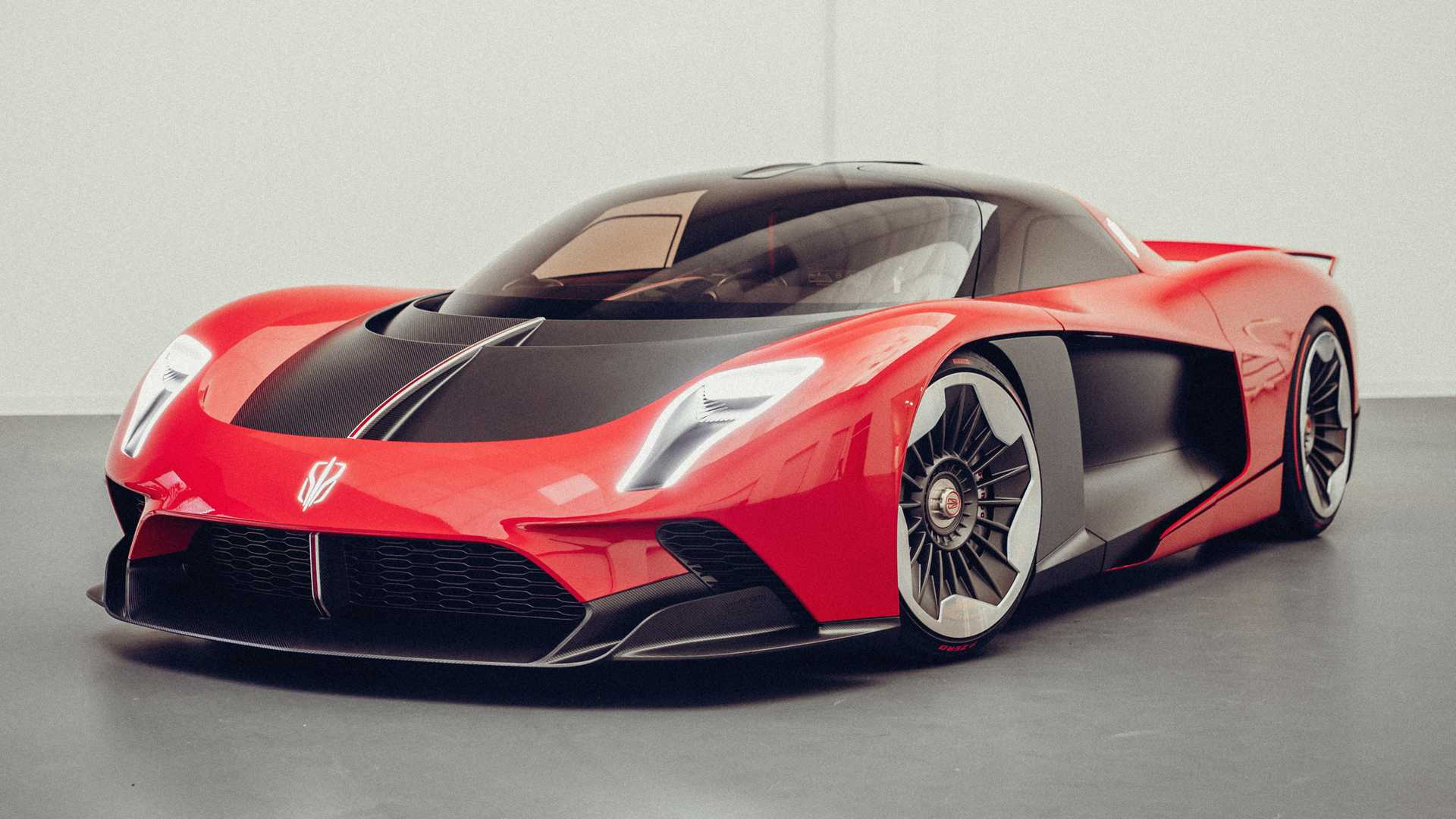
A top speed of more than 400km/h and 0-100km/h in 1.9 seconds. Bold claims for a boldly designed hybrid supercar penned by car design legend Walter De Silva of Alfa, Audi, Lamborghini and VW fame. The S9 is planned as the halo vehicle for a range of luxury and performance vehicles from Hongqi – a joint-venture brand created by China’s FAW and Italy’s Silk EV engineering/design start-up. Just 99 examples of the S9 are planned to be built in Italy.
Huawei/Seres SF5
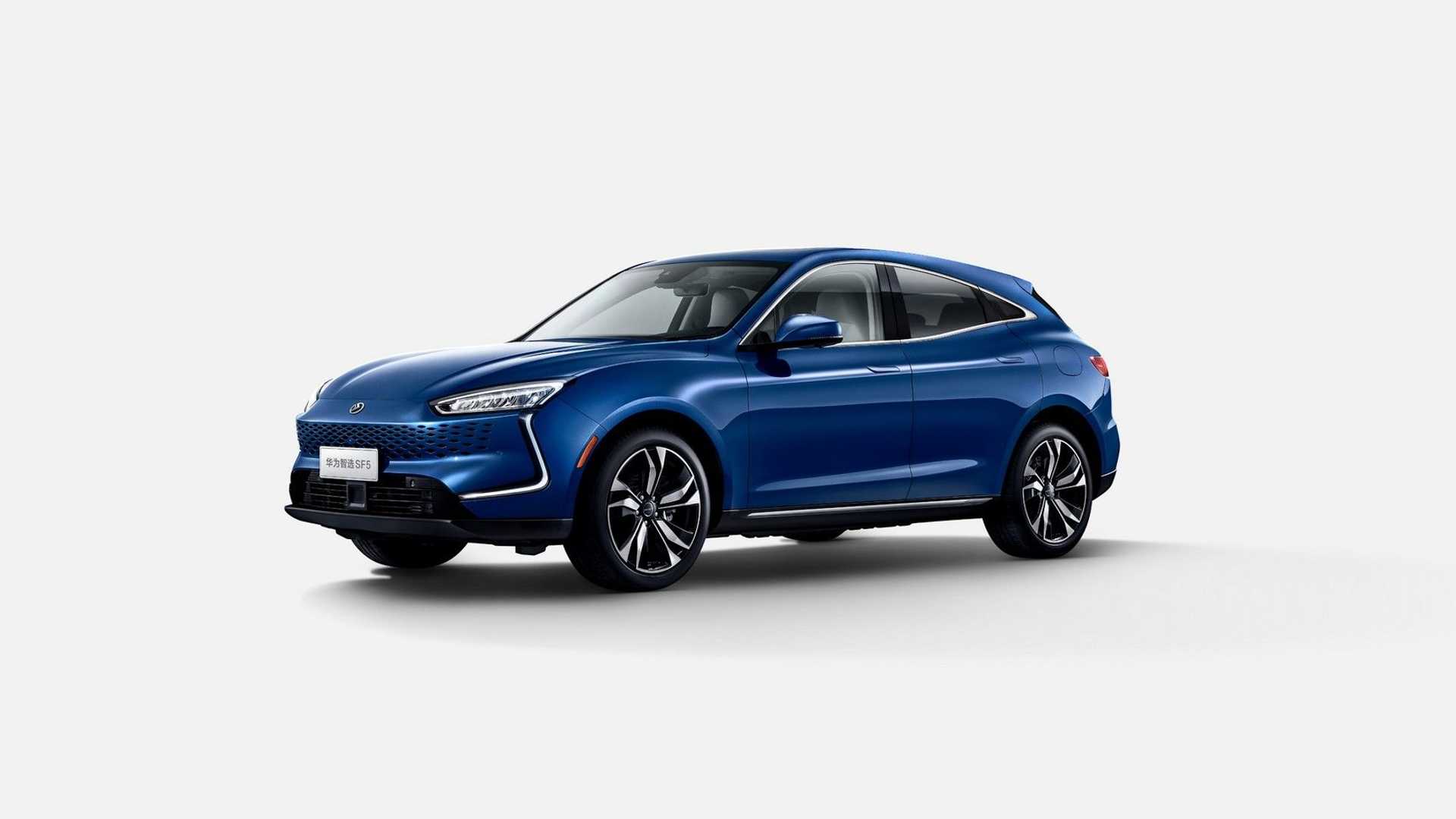
We’re not expecting Telstra to take on Tesla any time soon, though China’s telecoms giant Huawei is joining the EV race. Although the company says it has no plans to build its own cars, Huawei will sell the SF5 in its flagship stores and has provided Chinese carmaker Seres with its ‘DriveOne Three-In-One’ range-extender drivetrain. There’s 180km of pure electric range and a 1000km claimed extended range.
Ora Punk Cat
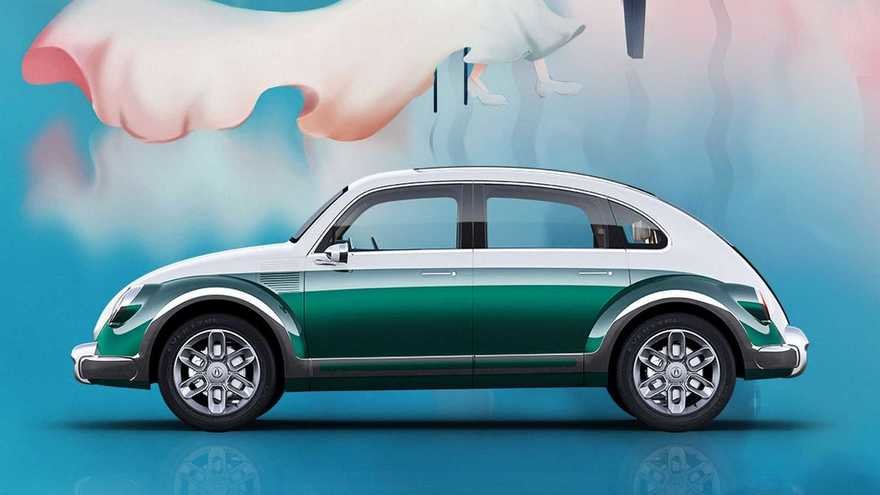
There’s no longer a need to imagine a VW Beetle with four, rather than two, doors. Great Wall’s youthful sub-brand Ora has essentially built one with its fantastically named Punk Cat concept. Even the steering wheel, single instrument dial, seats and two-tone colour scheme are inspired by Germany’s loveable, 1930s Bug.
Polestar 1 ‘Gold’
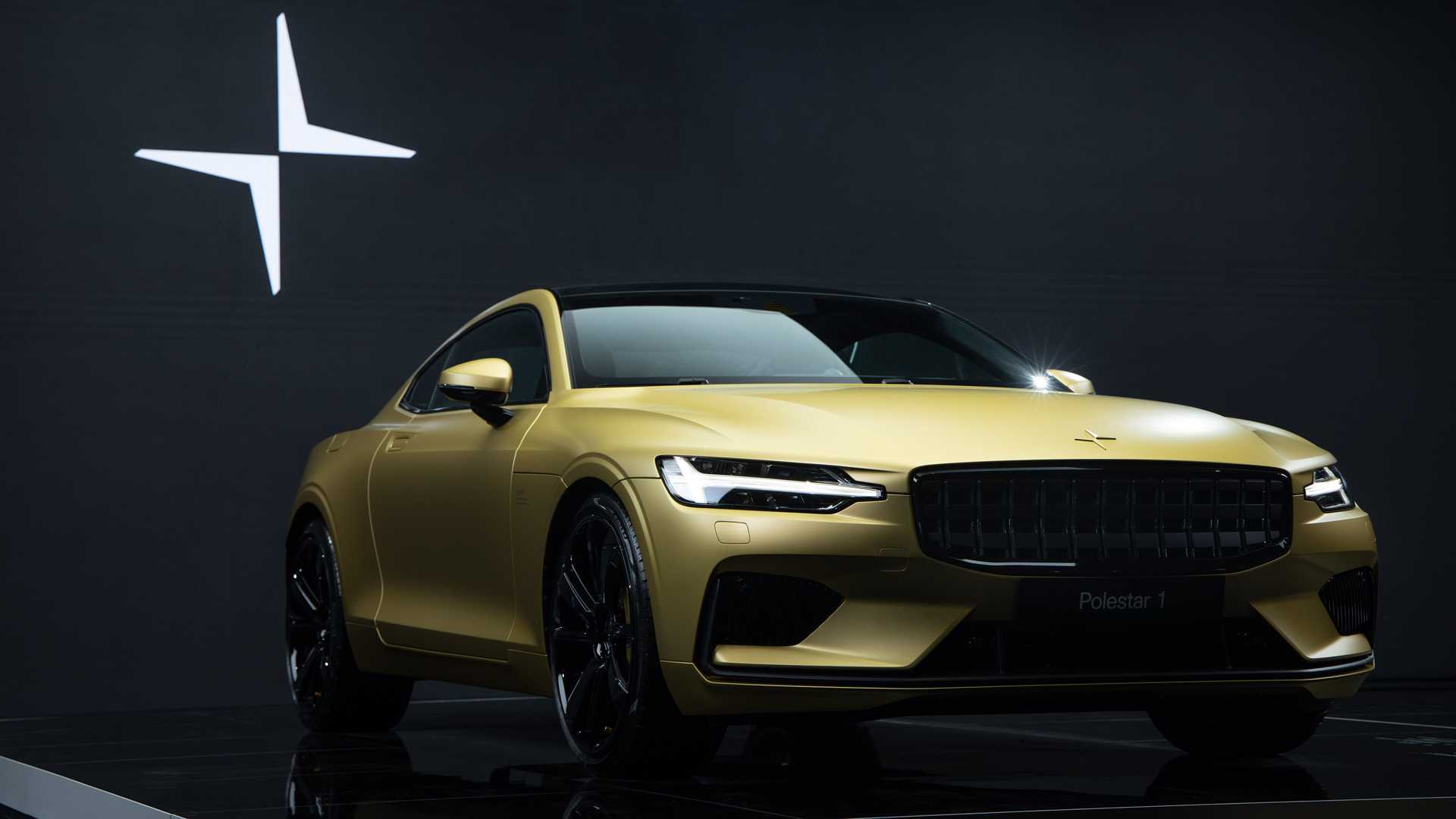
Volvo’s electric performance sister brand is signing off production of its very first model in style. Polestar will build a maximum of 25 special edition Polestar 1s in China, all featuring matte gold exterior paintwork complete with matching brake calipers (inside black alloy rims). The hybrid GT, which is left-hand drive only, will end up as the company’s only ever petrol-electric vehicle as the Polestar 2 and other future models will all be fully electric. Polestar is set to launch in Australia during the latter months of 2021.
Wuling Hong Guang Mini EV Cabrio
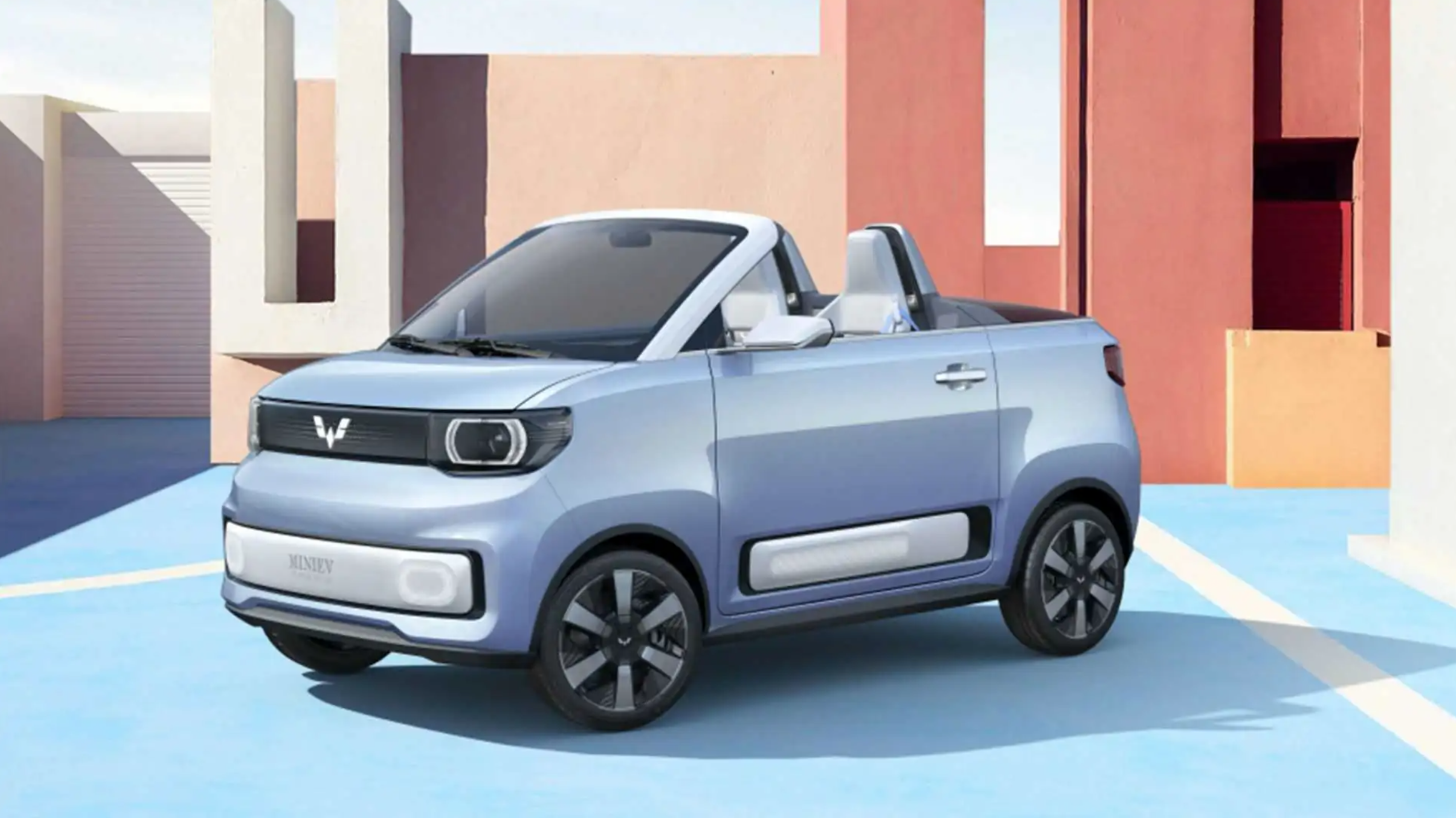
The huge success of the tiny, budget-priced Hong Guang Mini electric hatch – reportedly now the world’s second-best-selling EV after the Tesla Model 3 – has inspired a convertible variant. As with its fixed-roof sibling, the Mini EV Cabrio – set for production in 2022 – is just 2.9 metres long and a 2+2-seater. Sold under the Wuling brand that’s a joint venture between China’s SAIC and the US’s General Motors, the car which starts from less than the equivalent of $6000 in China could find its way into other markets eventually.
Xpeng P5
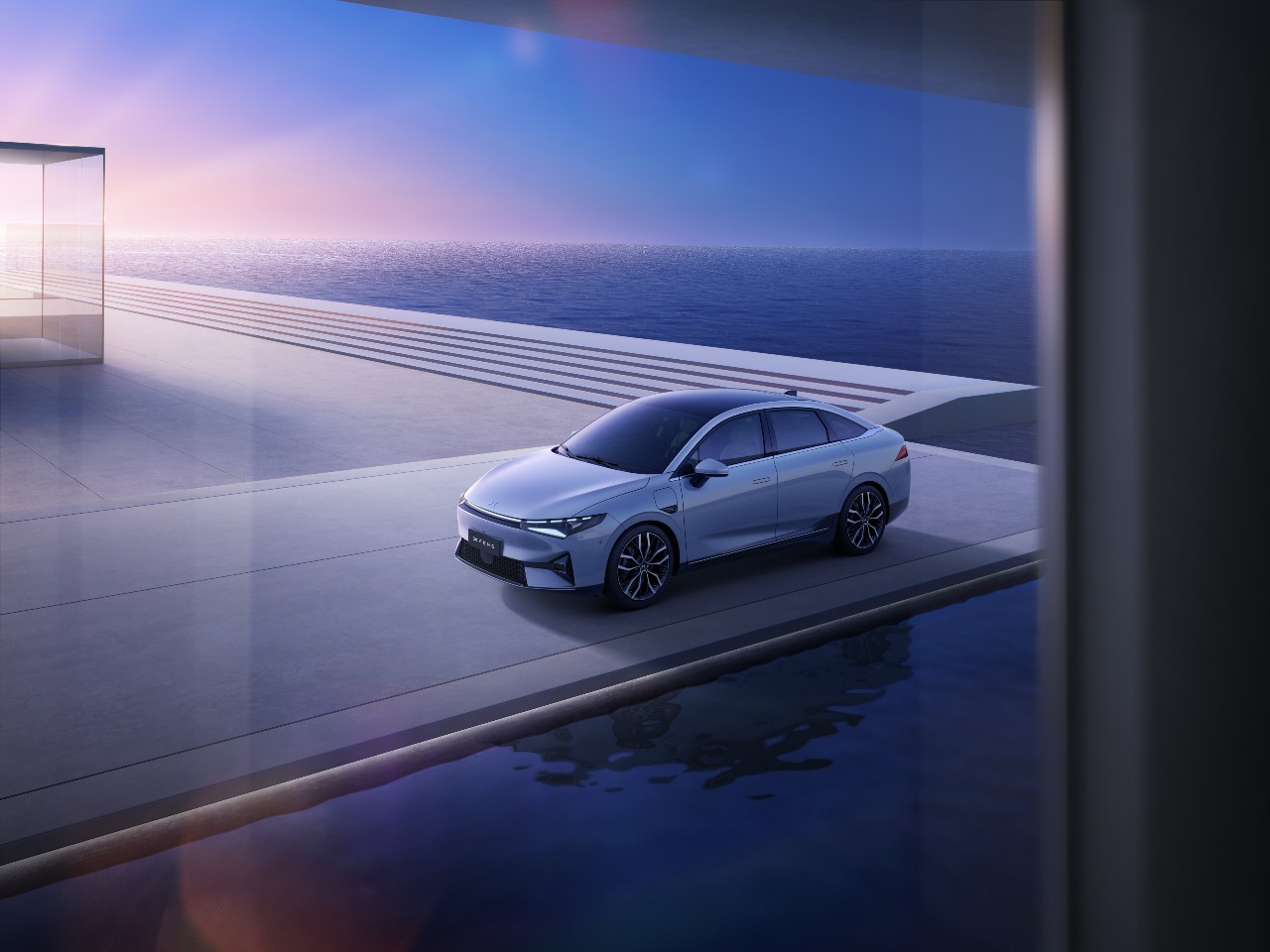
The third car from Xpeng has the distinction of being the world’s first production vehicle featuring an integrated LiDAR sensor. As part of the company’s XPilot 3.5 autonomous-drive system, Xpeng says the P5 features nav-guided self-driving technology that works in cities not just on freeways. The P5 family sedan’s size places it between Tesla’s Model 3 and Model S. In the Xpeng showroom, it will join the G3 compact SUV and larger P7 sedan.
Zeekr 001
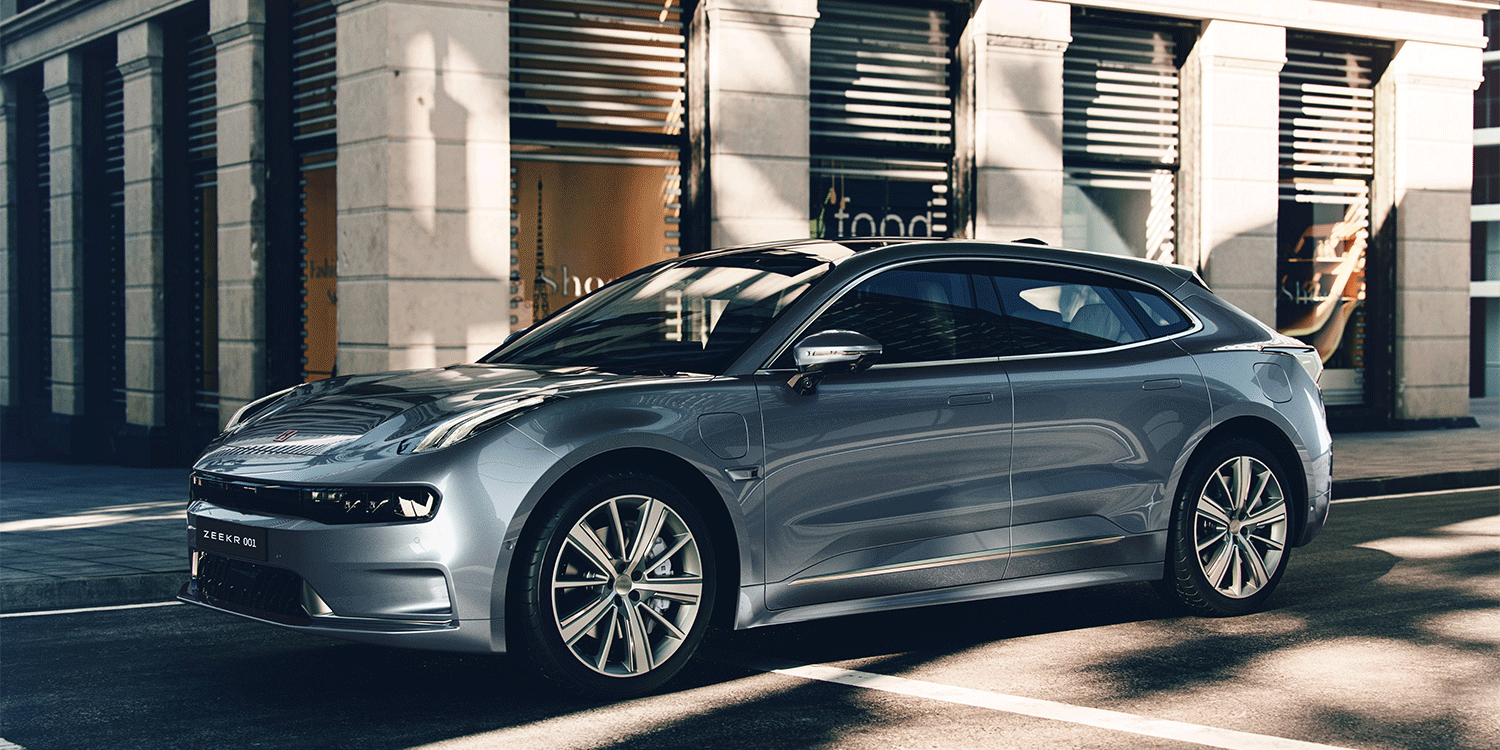
This Chinese electric shooting brake has a couple of Scandinavian links. It was designed in Sweden (under a ‘No more boring EVs’ mantra) and Zeekr is a new sister brand of Volvo (they’re both owned by the Geely Holding Group). The five-metre-long 001 features an electric motor on each axle and produces 400kW and more than 700Nm, with a claimed 0-100km/h time of 3.8 seconds. To be sold in China initially, it is being considered for selected other markets.
Dutch electric vehicle manufacturer Lightyear is a company you may never have heard of before, but it’s one looking to cement its place at the forefront of the EV industry.
The nascent firm’s first creation, the Lightyear One, is a car with a real point of difference – it’s the first long-range solar-powered electric vehicle in the world.
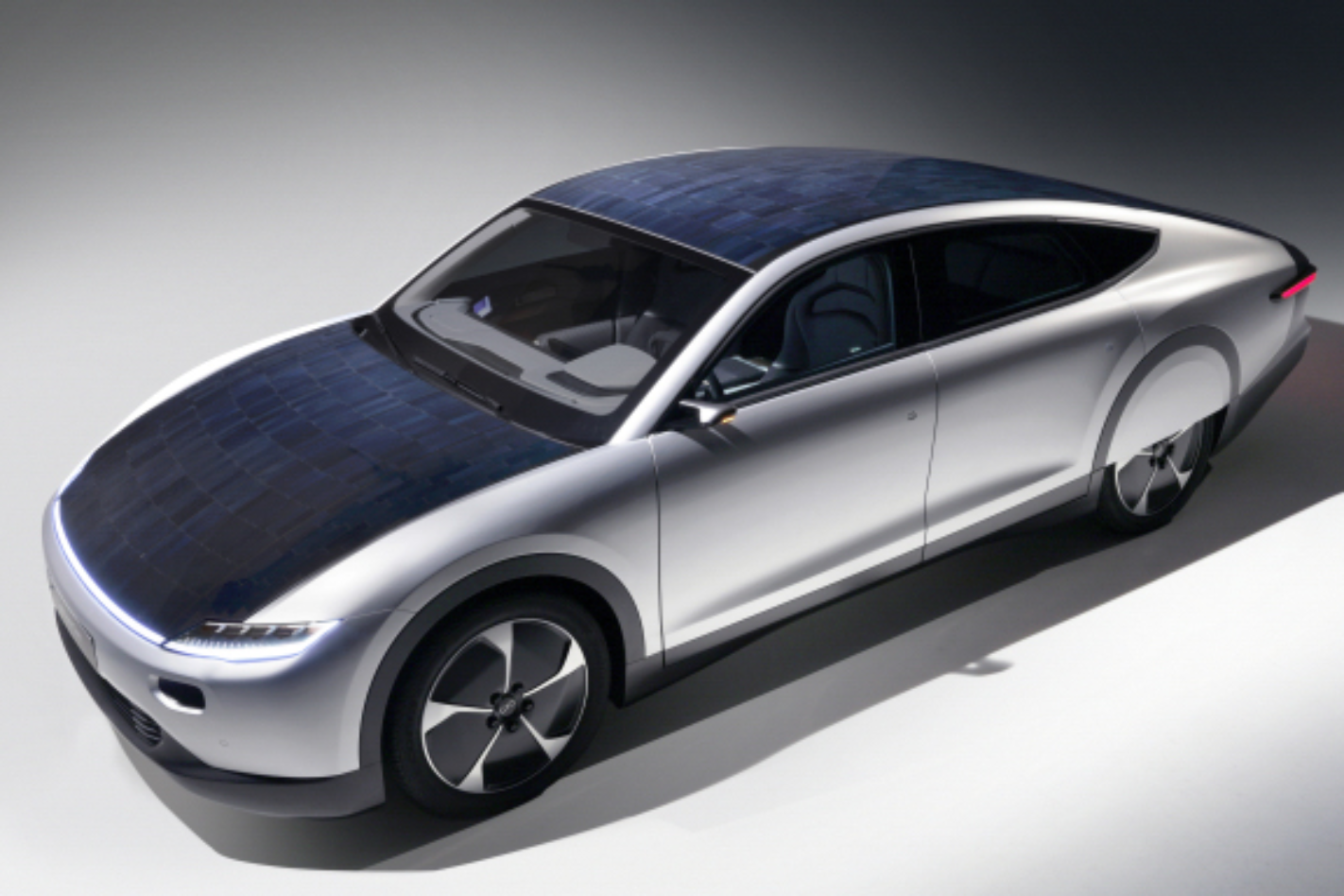
A layout that sees the One’s lithium-ion battery pack being charged by giant solar panels that double as the car’s roof, bonnet, and tailgate, means the EV can not only travel a claimed 725 kilometres from a single charge, but it’s also reportedly three times more efficient than traditional battery-powered cars from the likes of Tesla and Porsche.
It’s not just down to the big solar panel though, as the Dutch firm has also spent many hours designing and testing in a wind tunnel to make the One the most aerodynamic car in the world, achieving a drag coefficient of just 0.20, equalling Mercedes’s EQS limousine.
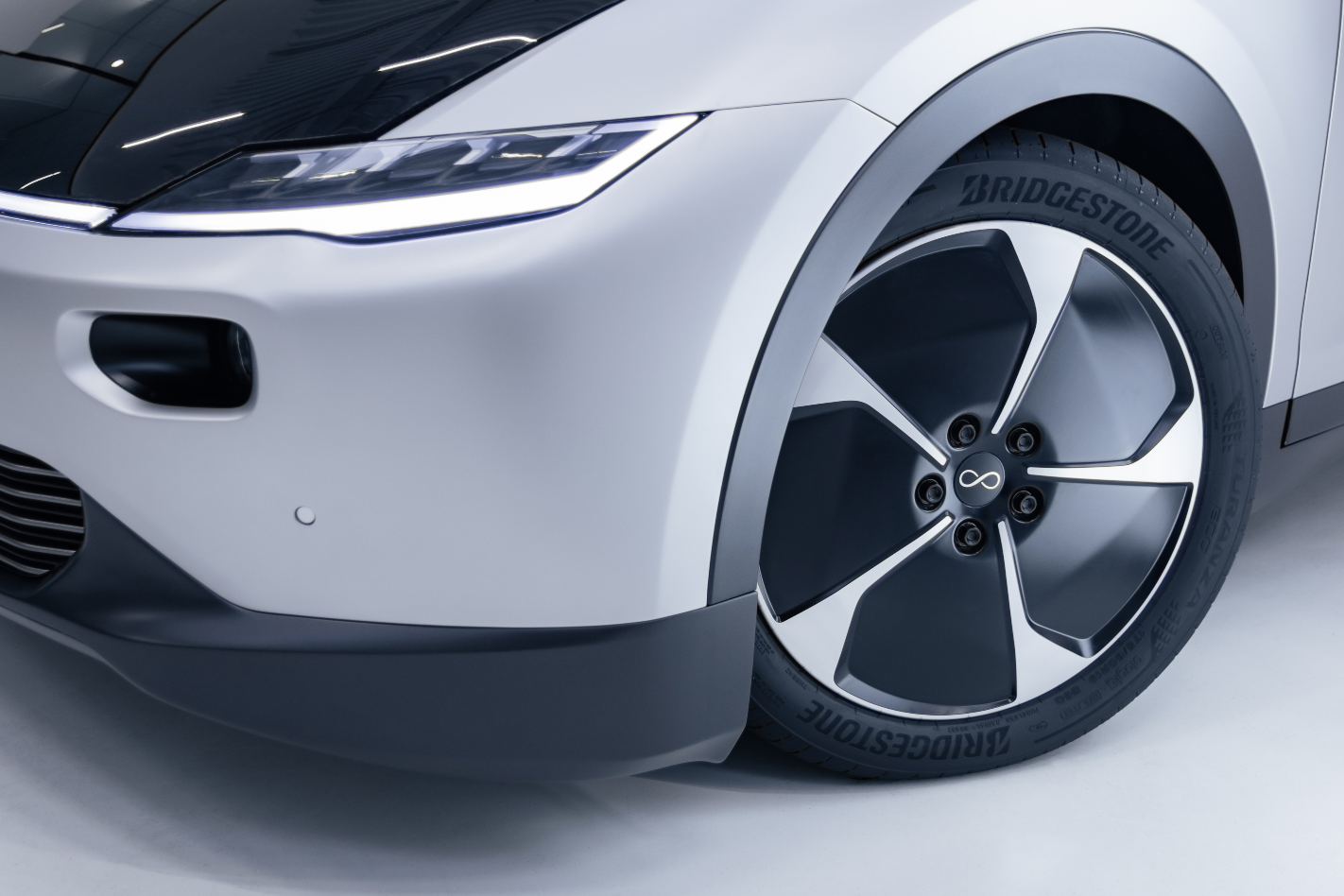
The carmaker has also teamed up with Bridgestone to homologate a completely bespoke tyre for the One that focuses on efficiency and rolling resistance above all else.
The result is a custom-engineered Turanza Eco tyre that employs ground-breaking lightweight Enliten and Ologic technologies.
These new technologies shed weight through utilising fewer raw materials in the manufacturing process, while also cutting rolling resistance thanks to a novel tread pattern, bigger diameters, increased PSI and an overall narrower profile.
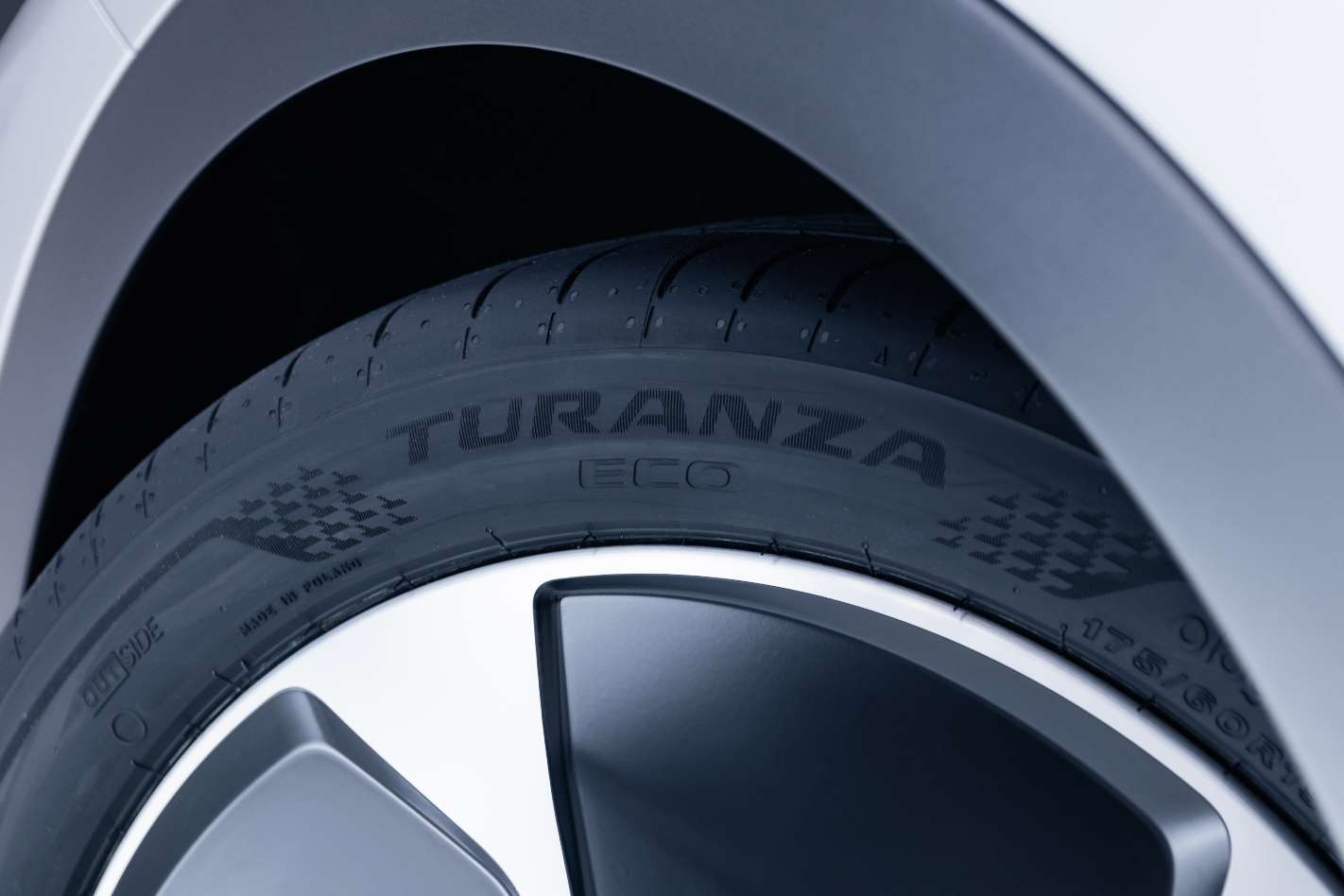
Compared to more commonplace eco tyres, these new Bridgestones are, on average, 3.6 kilograms lighter, which translates to the One running less unsprung mass and furthering its greener remit.
The foundation for Lightyear One was laid during the Bridgestone World Solar Challenge, a 3,000km race across the Australian Outback.
The One is on sale now in Europe and the first customer deliveries are expected before the end of 2021.
There’s no word yet whether the game-changing EV will be sold in Australia, but WhichCar will bring you all the latest updates as they become available.
Snapshot
- Three variants offered: 110TSI, Monte Carlo and Launch Edition
- Range starts from $27,690 RRP
- 110TSI can be had as a manual or DSG, mid-range and topper both DSG
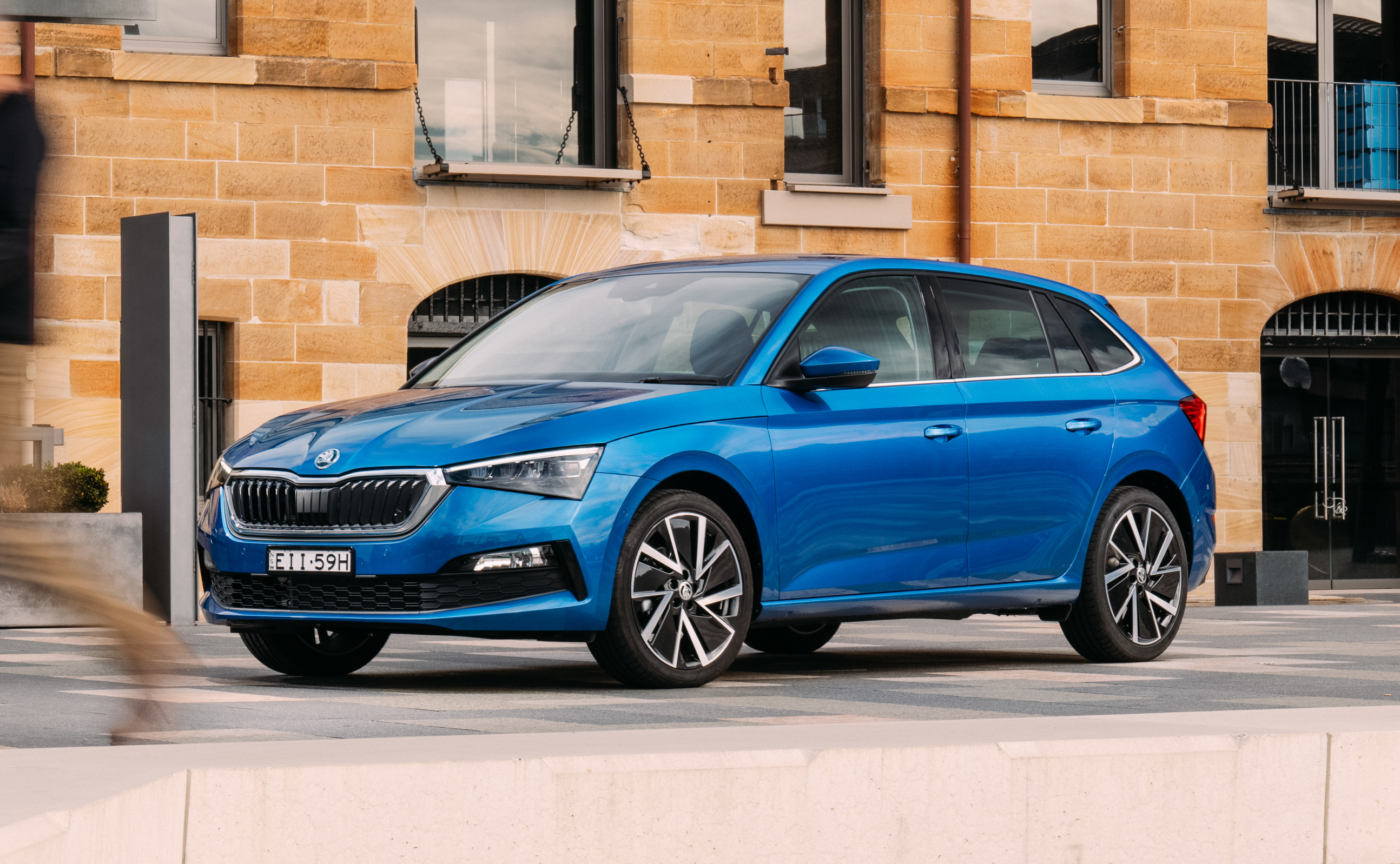
The 2021 Skoda Scala compact hatchback has arrived Down Under, priced from just $27,690 before on-road costs.
The brand-new model in Skoda’s line-up, the Scala is offered with a 110TSI turbocharged petrol engine, matched to either a six-speed manual or seven-speed DSG automatic transmission.
The new model, which has finally arrived in Australia after months of delays due to COVID-19, is available across three variants: the 110TSI, Monte Carlo and, for a limited time only, the Launch Edition.
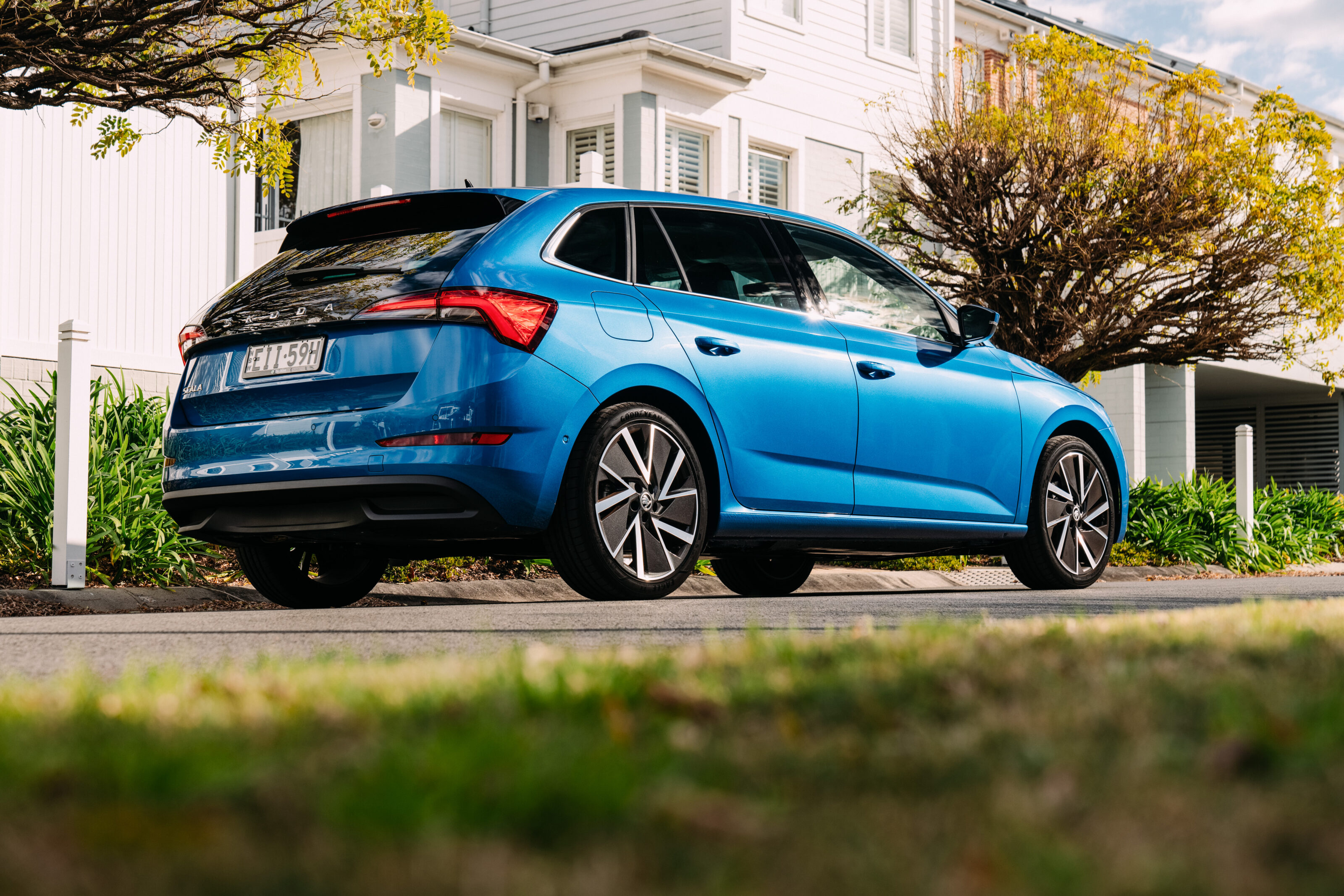
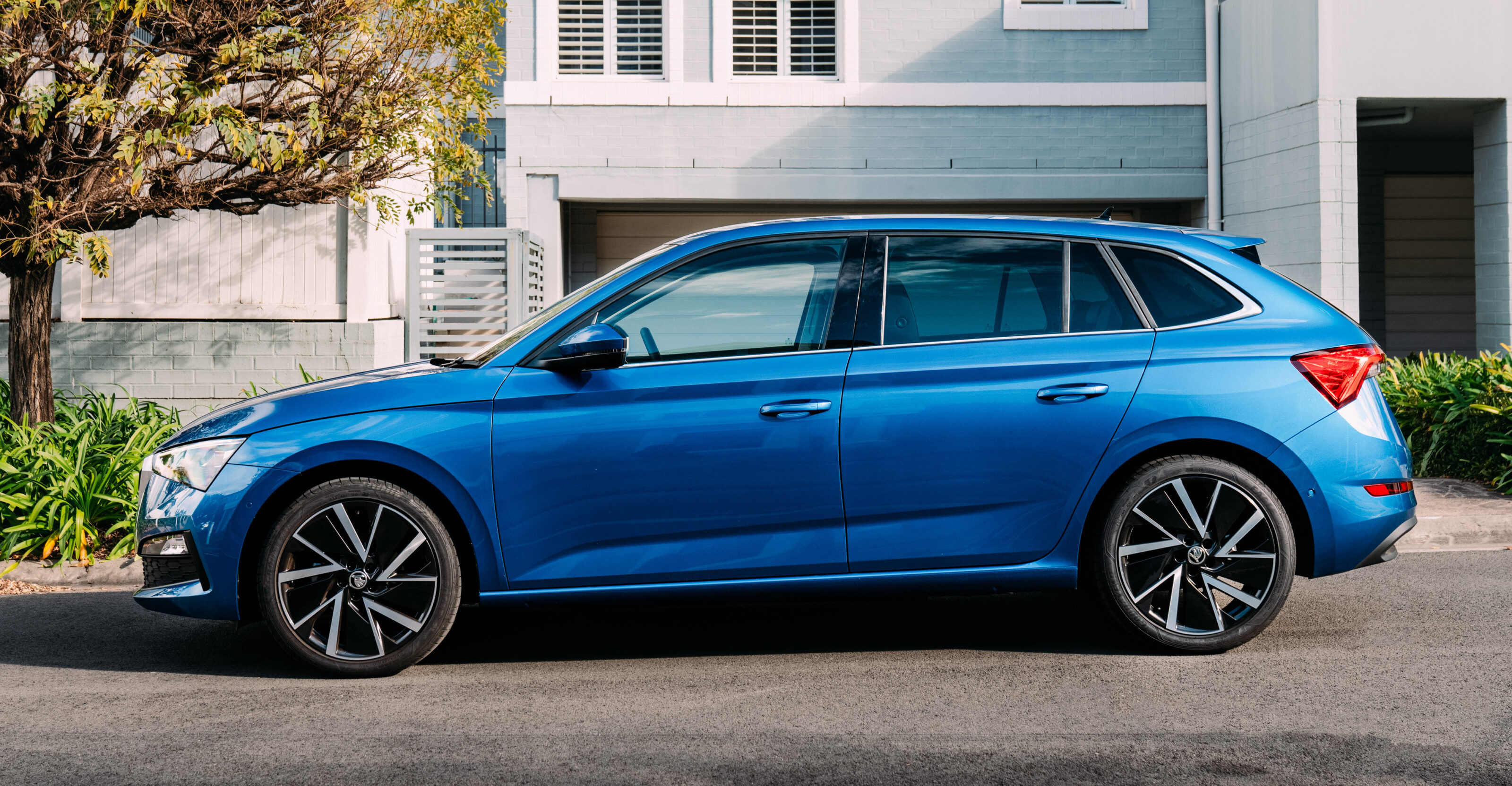
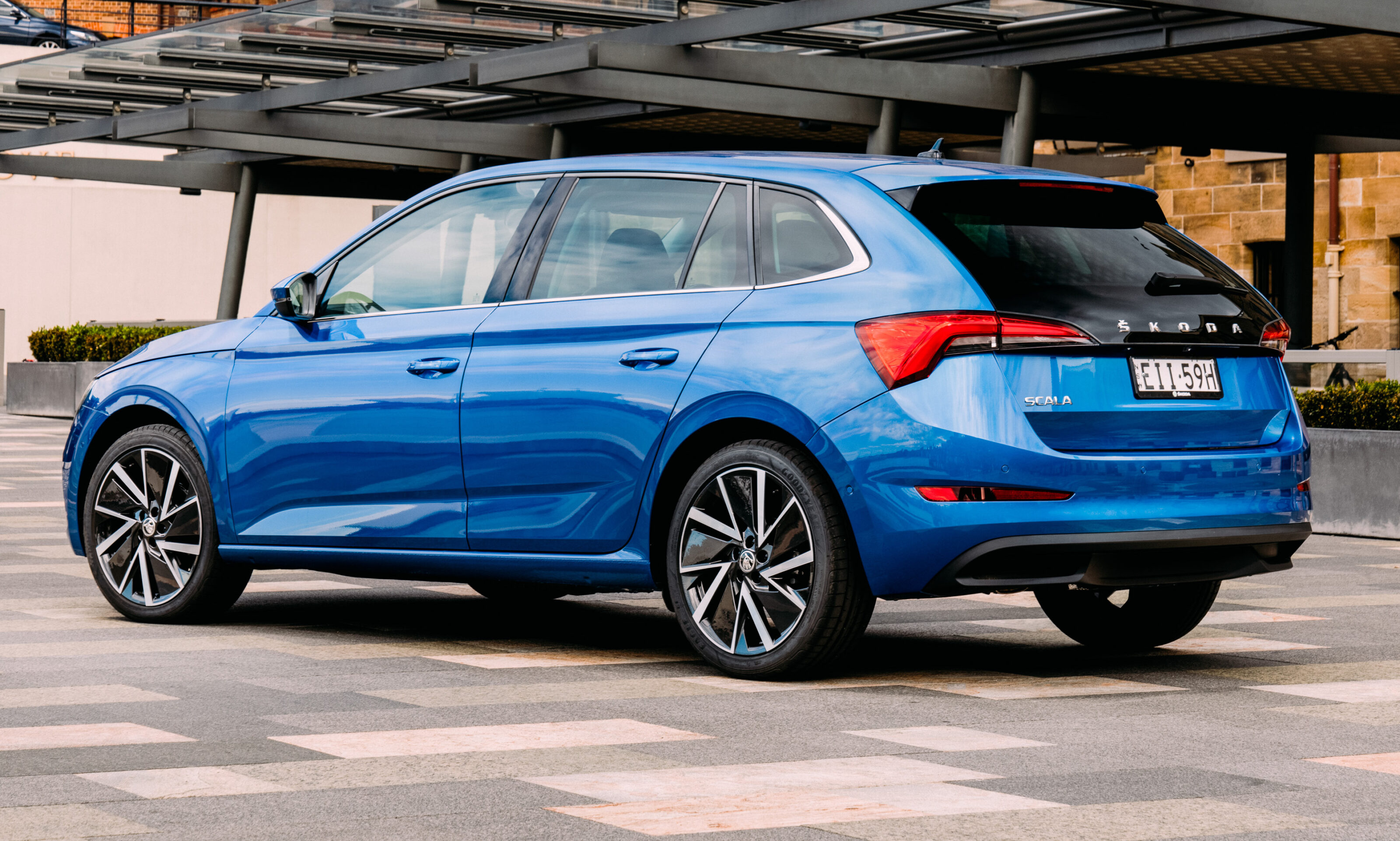
Despite being the entry-level variant, the 110TSI’s standard equipment list features items usually found in more expensive brands such as full LED tail-lights with dynamic rear indicators, 18-inch alloy wheels and tinted privacy glass on the outside, along with adaptive cruise control, Smartlink integration with Apple Carplay, Android Auto and wireless charging on the inside.
Pricing
The 2021 Skoda Scala is available in three variants. All prices are RRP before on-road costs.
| Scala 110TSI manual | $27,690 |
| Scala 110TSI DSG | $28,690 |
| Scala Monte Carlo DSG | $33,390 |
| Scala Launch Edition DSG | $34,690 |
Features
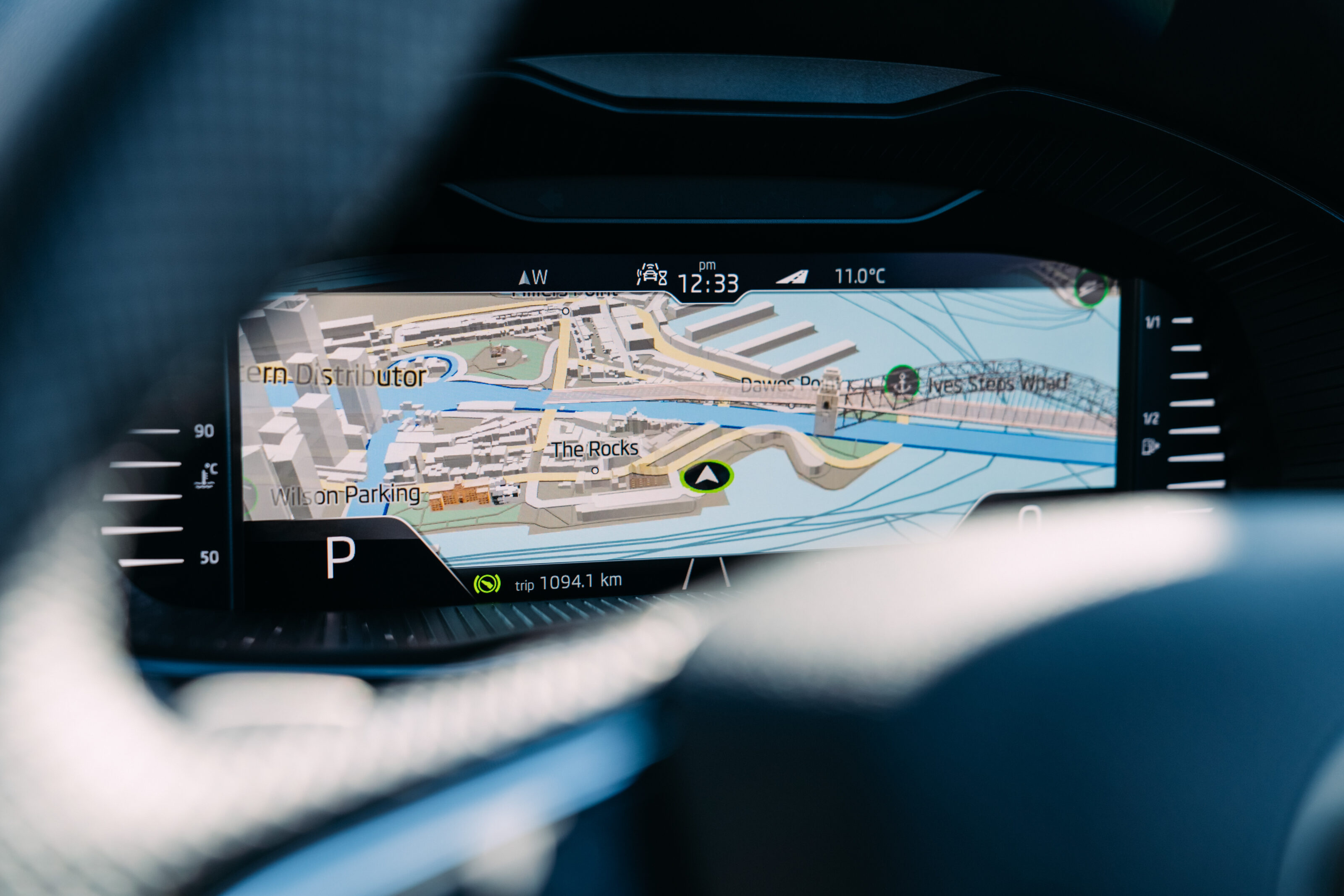
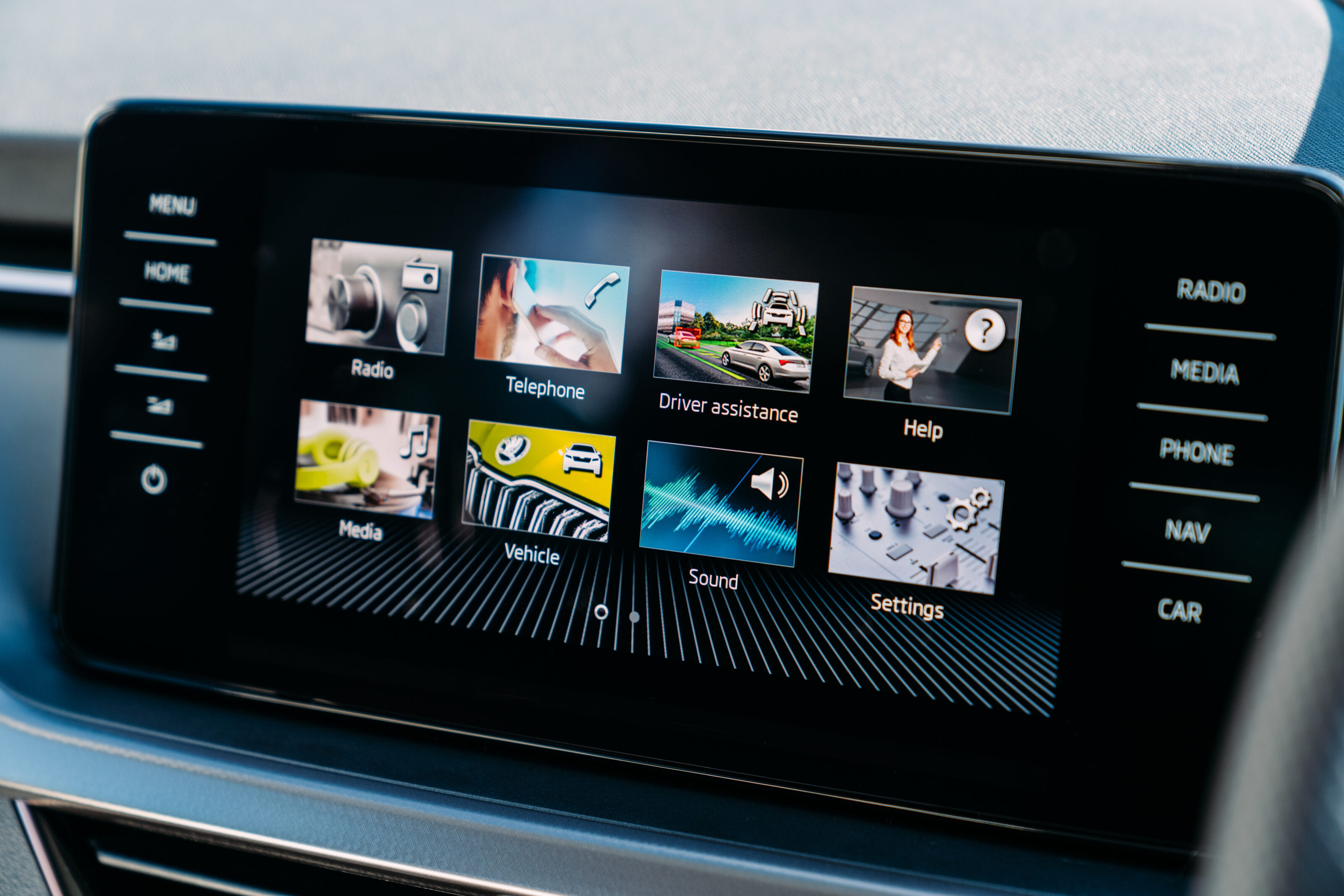
The Virtual Cockpit, with a 10.25-inch colour display, is standard across the range, as is an 8.0-inch touchscreen on the 110TSI and Monte Carlo variants, increased to 9.2 inches on the Launch Edition.
The entry-level 110TSI manual Skoda Scala highlight features include:
| 18-inch vega silver wheels |
| Black window surrounds |
| Auto tailgate |
| Rear parking sensors |
| Virtual cockpit |
| Tinted windows |
| Wireless charging |
| Exterior mirrors, auto-dimming, power-folding/adjustable/heated |
| Hill hold control |
| SmartLink |
| Voice control |
| Front fog lights |
| Full LED rear lights, animated turn signal |
| Central locking system (two foldable keys with remote control) |
| Rearview camera |
| Bolero (8.0-inch) infotainment |
| Two USB ports in the rear (charging only) |
| Multifunction leather sports steering wheel |
| Steel spare wheel, car jack, wheel wrench |
| Tire pressure monitoring system |
| 12-volt socket in the boot |
Above the 110TSI, the Monte Carlo adds:
| 18-inch vega black wheels |
| Panoramic roof |
| Sports seats and pedals |
| Full adaptive LED headlights |
| Dual-zone ‘Climatronic’ air conditioning with humidity sensor |
| Keyless entry |
| Sport chassis control (-15mm) incl. drive mode select |
And the range-topping Launch Edition further adds:
| Body coloured door mirrors, chrome grille frame and window surrounds |
| 18-inch vega aero wheels |
| Leather/Suedia seats |
| Heated front and rear seats |
| Electric driver’s seat |
| Amundsen (9.2-inch) infotainment system |
| Satellite navigation |
| Light assist, rain sensor and auto dim rear view mirror |
| Wireless SmartLink (Apple CarPlay only at launch u2013 Android Auto available later) |
Options
The Scala 110TSI can also be optioned with a Driver Support Package costing an extra $4300 which gains leather/leatherette/suedia seat upholstery, automatic parking assist, side assist including blind spot detection, heated front and rear seats, Climatronic air-conditioning, electric driver’s set and rear traffic alert.
The 110TSI can also be optioned with a Tech Pack which includes a 9.2-inch Amundsen high resolution ‘glass design’ satellite navigation system, full LED headlamps with AFS (Adaptive Frontlight System), Skoda Premium sound system, keyless entry including Smart Start, Wireless Apple CarPlay and voice control.
Meanwhile Monte Carlo buyers can choose to add the Travel Pack, which adds: the 9.2-inch Amundsen high resolution ‘glass design’ satellite navigation system, automatic parking assist, side assist with blind spot detection, heated front and rear seats, Skoda Premium sound system, DSG paddles on the steering wheel, Wireless Apple CarPlay, voice control and rear traffic alert.
There are no extras available on the Launch Edition variant.
Engine, transmission, and performance
All variants of the 2021 Skoda Scala feature the same 1.5-litre TSI turbocharged petrol engine putting out 110kW/250Nm, mated to either a six-speed manual or seven-speed DSG automatic transmission.
Skoda claims the new model range has a 0-100km/h time of 8.3 seconds. Fuel consumption is listed at a low 5.5L/100km, and 95 RON ‘premium’ unleaded petrol is the minimum fuel grade allowed.
Safety
The new Skoda Scala’s safety features include as standard:
| Lane assist |
| Seven airbags |
| Fatigue detection |
| Adaptive cruise control |
| Auto parking assist (Launch Edition only) |
| Side assist with blind spot (Launch Edition only) |
| Rear traffic alert (Launch Edition only) |
Warranty and servicing
Like all Skodas, the Scala comes with a five-year/unlimited-kilometre warranty, capped-price servicing, and the option to purchase pre-paid service Care Packs for either two or four years.
Availability
The 2021 Skoda Scala is on sale in Australia from January 2021.
Being immersed in a world of cars and car people is a privilege and an honour but it’s occasionally worth coming up for air and reminding one’s self of an unfortunate reality – a vast majority of drivers don’t give a damn about cars.
To these Australians, the car is simply another device lumped in with white goods and other non-aspirational purchases existing in a retail landscape where Kia has about as much brand significance as Kelvinator.
Sadly, while you and I revel in the wonder of horsepower figures and lavish design, we represent a minority, with a far larger number of individuals regarding the car as a necessary evil.
However, there’s actually real evidence that for some people it’s not apathy but downright contempt.
Take the washing machine for example. It sits in a nice warm room in your house and has just one job to do that you might only ask it to perform two or three times a week. And yet, feed it one too many forgotten receipts in your jeans pocket and it will vomit soapy water all over your laundry despite only just being out of warranty. When this happens, Toyota Camry owners will gladly invite the repair person into their house, keep them topped up with coffee and pleasant conversation and, with a smile, pay them anything they ask when they are done.
But, dear Christ, it couldn’t be more different when a car goes wrong.
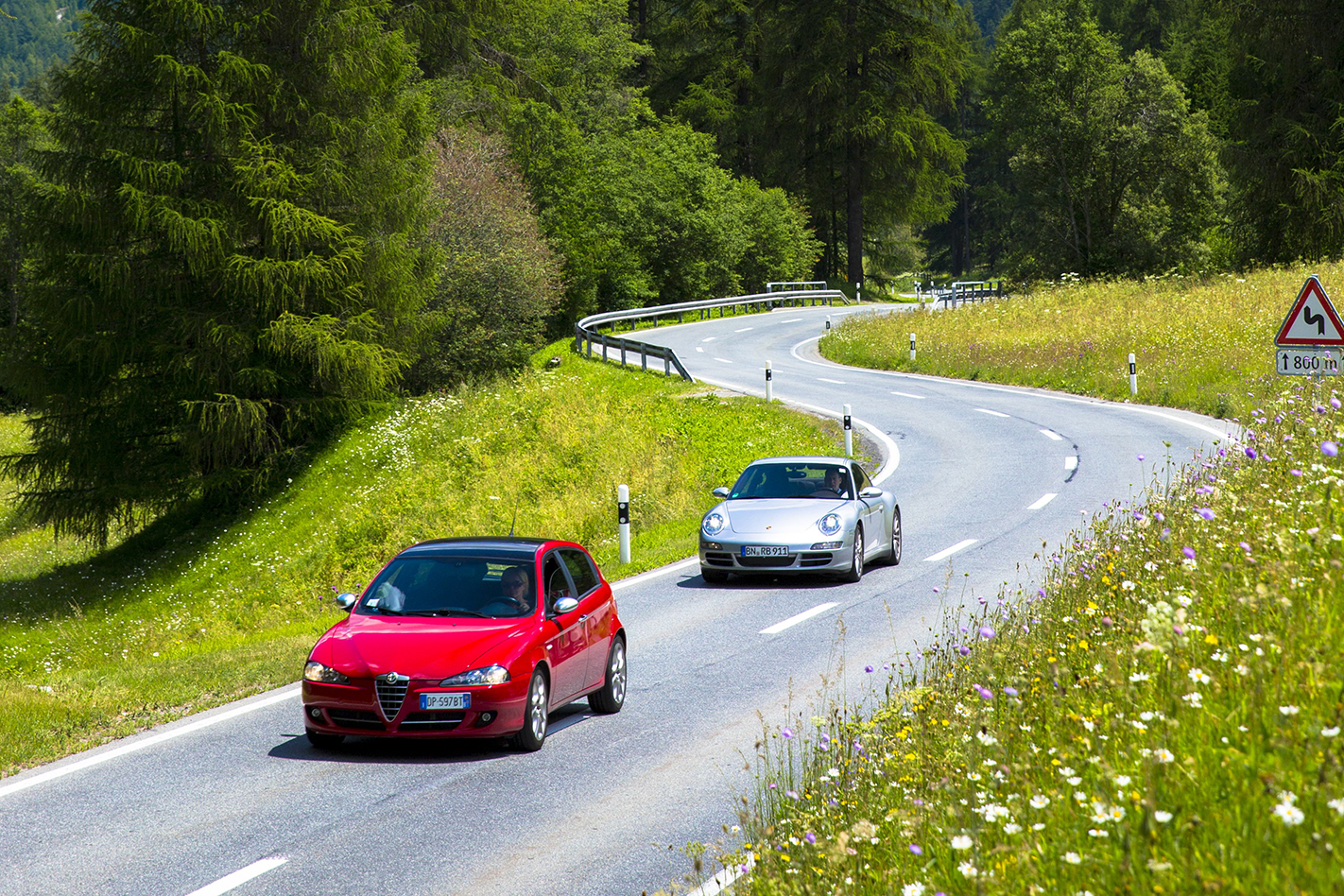
Regardless of the brand, most vehicles will tolerate minus temperatures to the 40s, wet and icy conditions, arid deserts, corrugated tracks, extended periods of time at speed and over many, many hundreds of thousands of kilometres.
But if the unloved and neglected Camry pops a radiator hose it’s not uncommon for the owner to speak to the quoting service advisor as if they just suggested immolating. Unfortunately, if this type of person can read a registration plate and perform some very slow parking manoeuvres, they too are allowed driving licences like the rest of us.
And this is a very bad thing because, generally speaking, when people don’t care about something they are usually not very good at it, either.
That’s why if you are ever unlucky enough to share a karaoke booth with me you’ll be treated to something that sounds like a torturous blend of Max Harris and Rebecca Black, and why I’ve kicked more footballs through windows than goalposts – I simply don’t care about either.
Fortunately, there are a number of warning signs you can look for that offer a red flag that you are in the vicinity of an apathetic driver. If there is a box of tissues on the parcel shelf of a car, I would bet my lungs that the person behind the wheel is about to do something stupid.
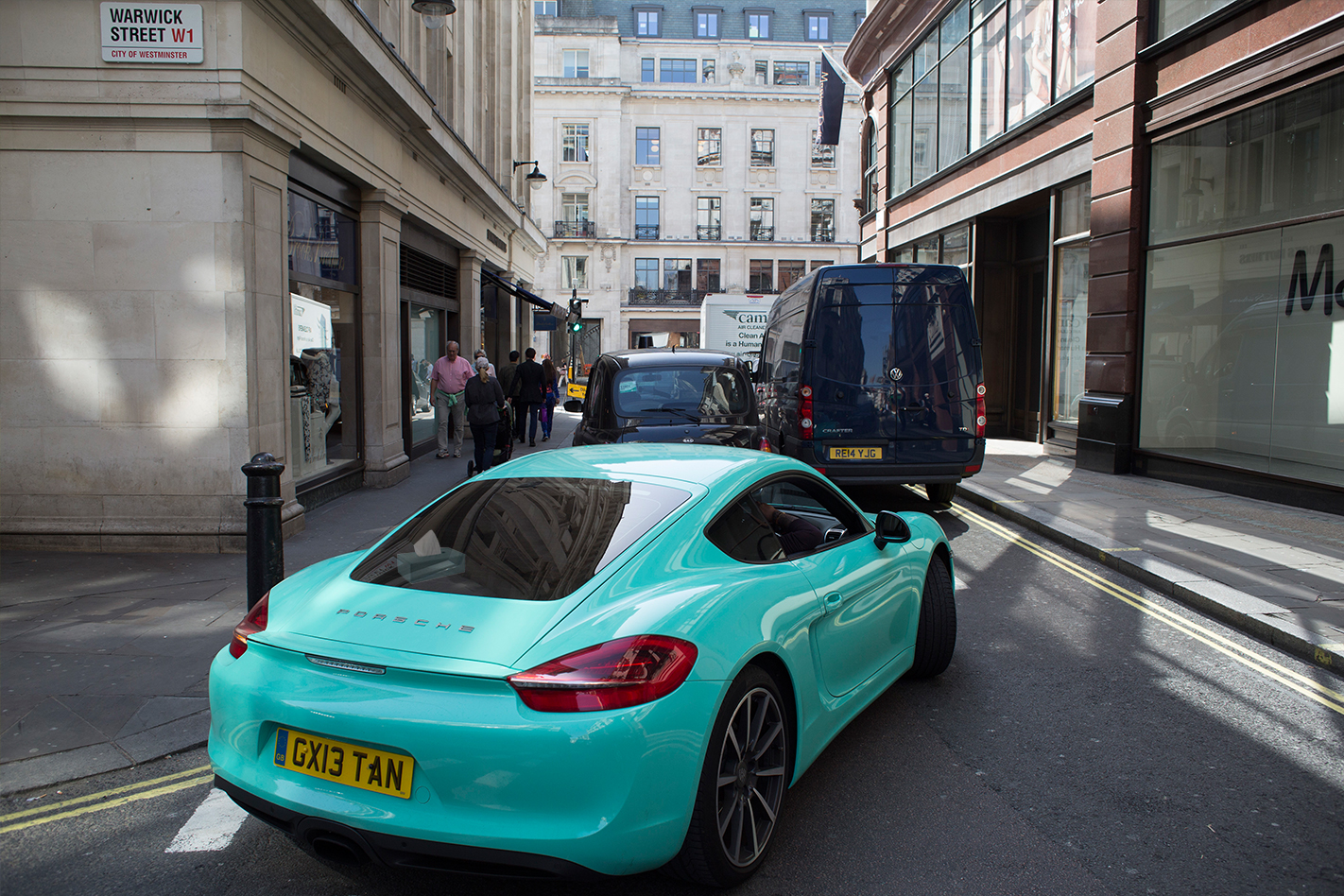
Just the other day I encountered a car that had two boxes in the back and, yes, the driver was twice as ignorant and dangerous as a one-boxer. I’m not surprised.
But recently I have noticed some drivers who have wedged a box of tissues between the dashboard and the windscreen in front of them! Let’s ignore the staggeringly dangerous thing about obscuring your view of the road for a minute and consider the main question here: why? How badly do you need to access tissues while you are driving that you would willingly endanger the lives of you, your passengers and other road users?
Unless there is mucus liberally gushing from your face and making the steering wheel dangerously slippery, keep them in the glove box like normal people.
It’s the same for any driver with something dangling from the rear-view mirror. If you put more faith in a lucky charm or religious symbol than your own driving ability to keep you safe on the road, then you are a liability – avoid.
If people cared about cars and cared about driving I am confident the standards of driving on our roads and safety, for that matter, would be infinitely higher.
The solution is very simple therefore – if you don’t have a subscription to at least one high-quality car magazine then you should take the bus.
The 2021 Tokyo Motor Show has been officially cancelled over a significant rise in COVID-19 cases in Japan’s capital city.
The situation is so bad at the moment that Japanese Prime Minister Yoshihide Sugae is considering declaring a state of emergency in Tokyo, as Coronavirus numbers soar past 800 cases per day.
Toyota president Akio Toyoda, who also acts as the chairman of the motor show’s organiser – the Japan Automobile Manufacturers Association, told media the event couldn’t feasibly be run without posing a significant risk to its patrons.
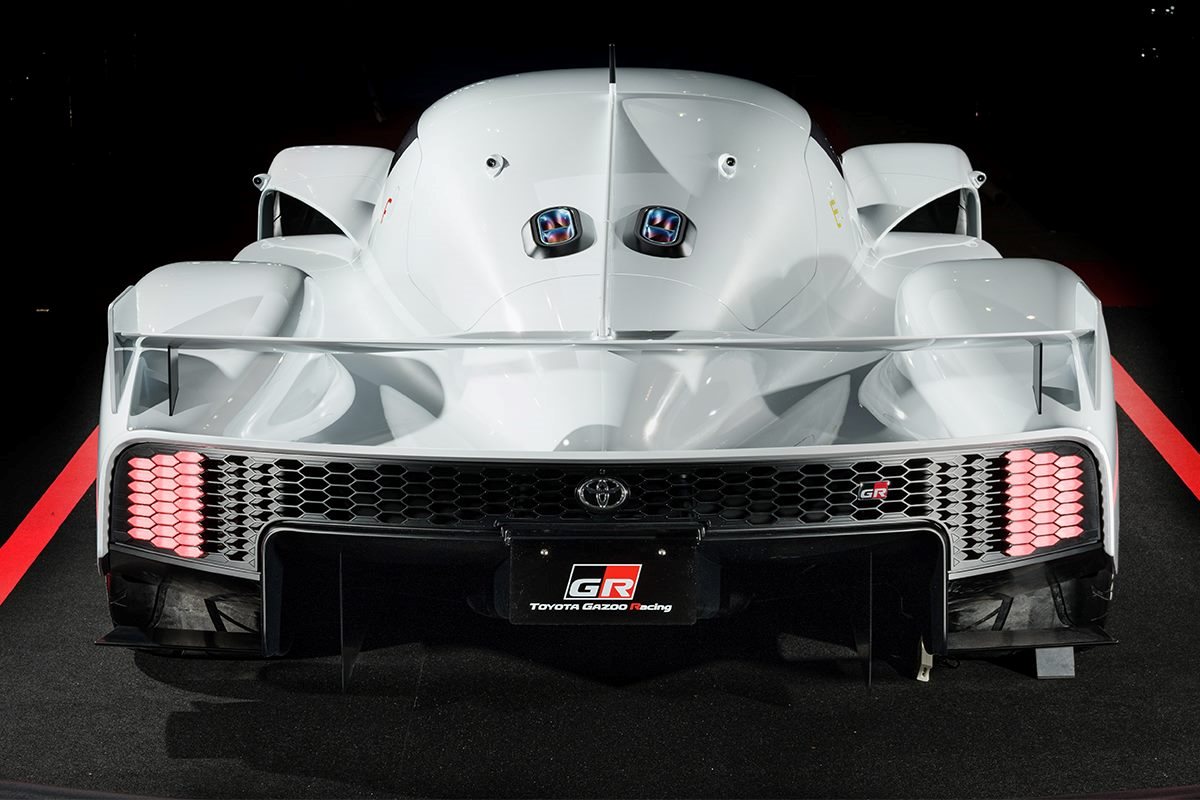
“The Tokyo Motor Show is being cancelled, not delayed,” Toyoda said. “It’s difficult to hold the event in a way in which many people will be able to experience the appeal of mobility in a safe and secure environment.”
It’s the first time the motor show won’t be happening since its inception in 1954, and it’s yet another blow to the automotive industry’s 2021 auto show calendar.
Toyoda also stated that when the Tokyo Motor Show returns, it will do so with a different name, which brings it more into line with the increasingly varied modes of personal transportation being employed across the globe.
“The next time, we would like to hold an improved event to be called Tokyo Mobility Show. We would like to ask for your continued support,” Toyoda said.
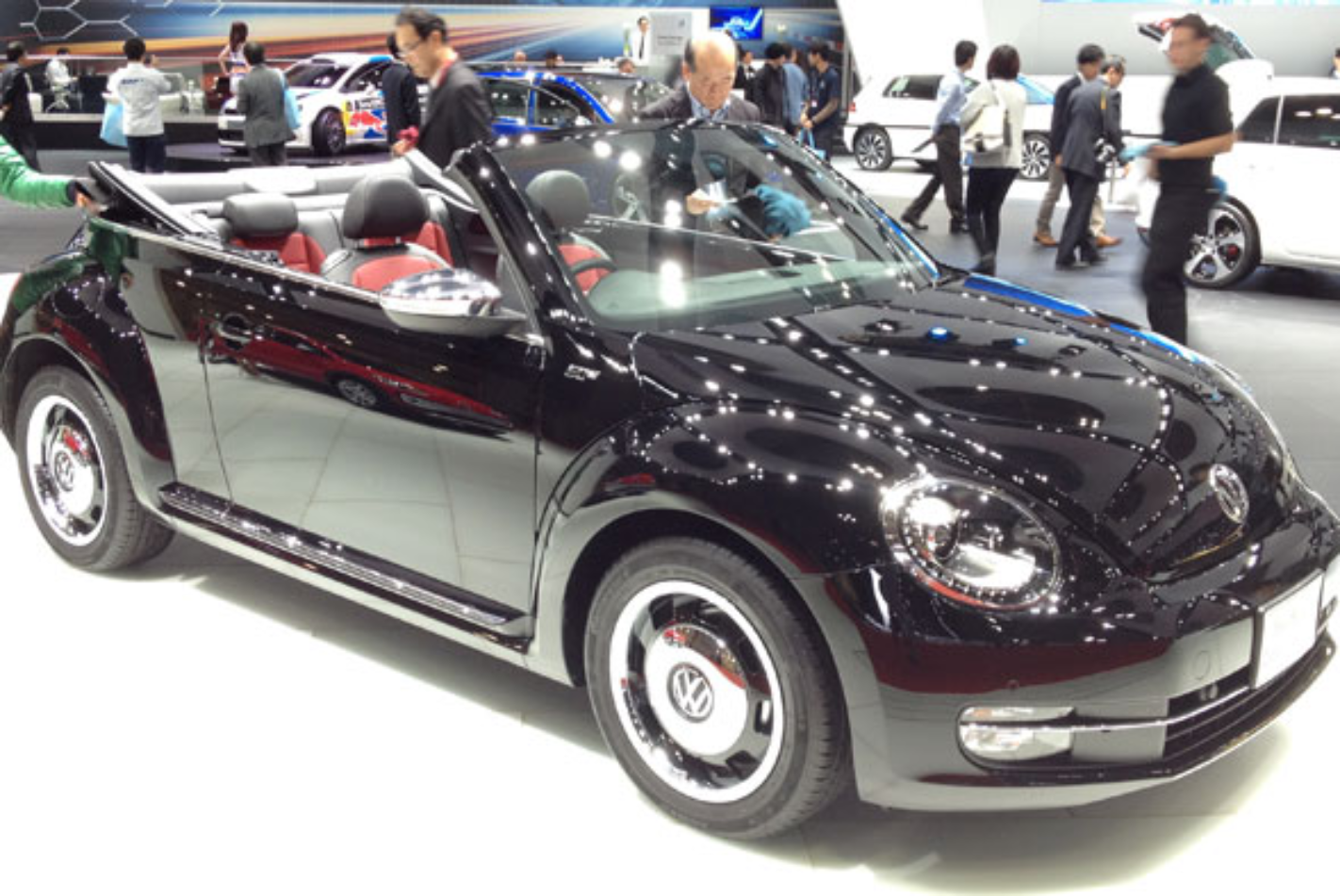
Toyoda also threw cold water on the prospect of running the event as a digital-only show.
“The Tokyo auto show showcases motorbikes, minicars, large vehicles, passenger cars, as well as mobility vehicles of other industries,” he said.
“As such, we would like to prioritise having visitors experience these vehicles in the real world, and we would rather hold the event in the real world, not virtually. So, we have decided to cancel the event.”
The news comes just three months before Japan is due to host the 2021 Summer Olympics, which has led some to speculate that the sporting event could be on the verge of cancellation.
Our pandemic-hit world may be a little way off yet from returning to normality, but one sign of encouragement came from the auto industry this week as people returned to the floors of a major motor show.
Auto Shanghai 2021 hasn’t disappointed, as car makers from all around the world flocked to the city’s National Exhibition and Convention Centre to showcase their latest four-wheeled wares.
And the vast majority of them are powered solely by batteries, as the industry continues its unrelenting push towards electric vehicles.
China is a good place to display your new EV, too. It’s the world’s largest market, it’s one of the biggest markets for EVs, and China new-car sales have recovered from the pandemic faster than most countries.
Here’s our guide to the key models of Auto Shanghai 2021 – most of which are coming to Australia…
Audi E-Tron A6 concept
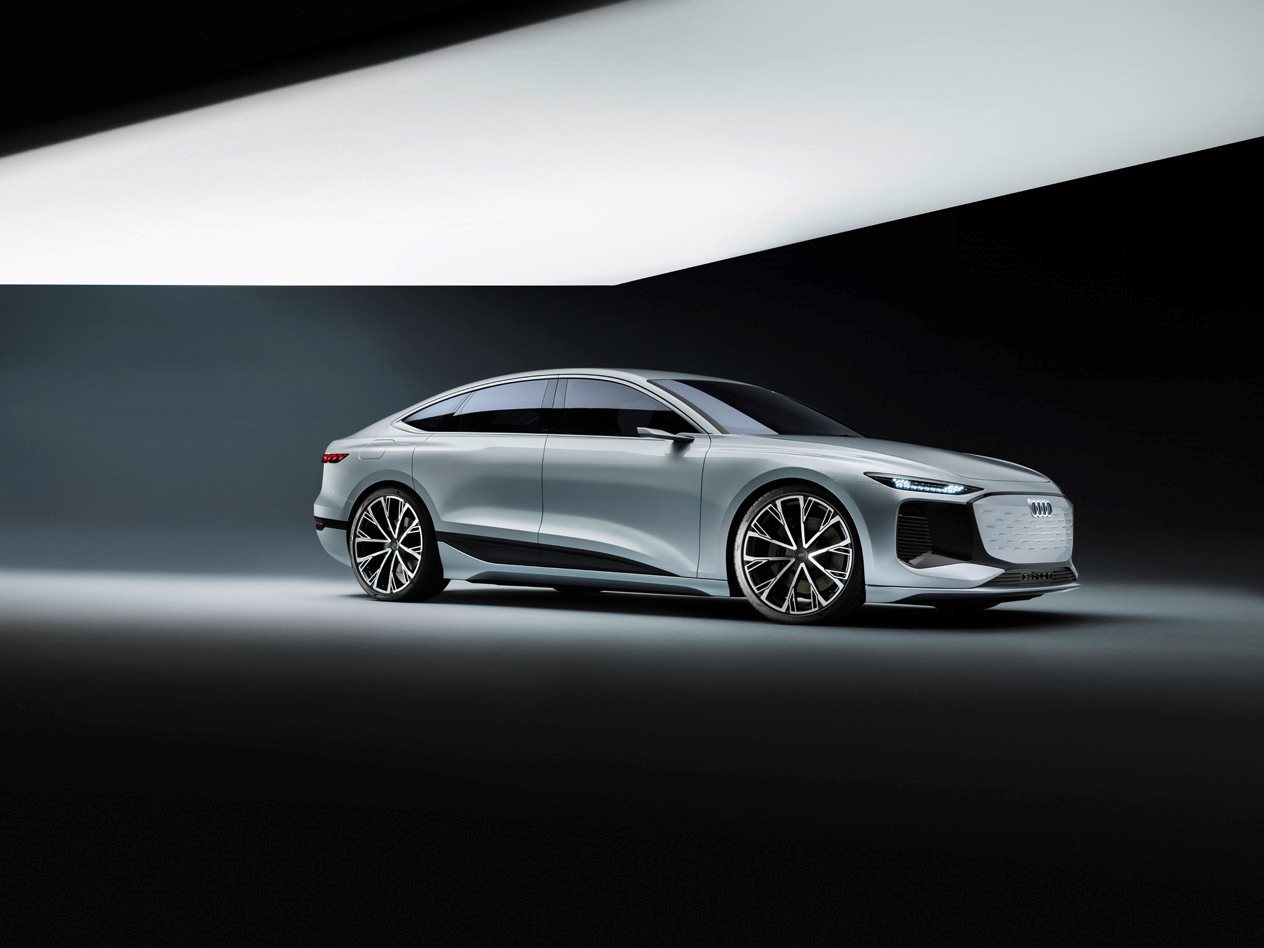
No prizes for guessing this is essentially a fully electric version of Audi’s A6 large car, due in 2022.
Beneath the sleek, A7-like Sportback body style, however, is the Premium Platform Electric (PPE) architecture developed in conjunction with Porsche and set to underpin a whole range of both SUVs and passenger cars.
These will include Audi’s own Q6 E-Tron SUV and the twinned Porsche Macan EV.
The flexible PPE allows for scalable wheelbases and battery sizes. The E-Tron A6 concept’s battery module is rated at 100kWh and has a WLTP range of 700km-plus.
An 800V charging architecture shared with the Audi E-Tron GT/Porsche Taycan twins has the potential to add 300km of driving range in just 10 minutes, using rapid-charging stations. Or 25 minutes to boost the battery’s charge from five to 80 per cent.
Audi’s fastest electric A6 model, which has the potential to adopt the company’s sportiest RS badge, claims to sprint from 0-100km/h in less than four seconds. (The current, V8-powered RS6 Avant has a claim of 3.6 seconds.)
BYD EA1
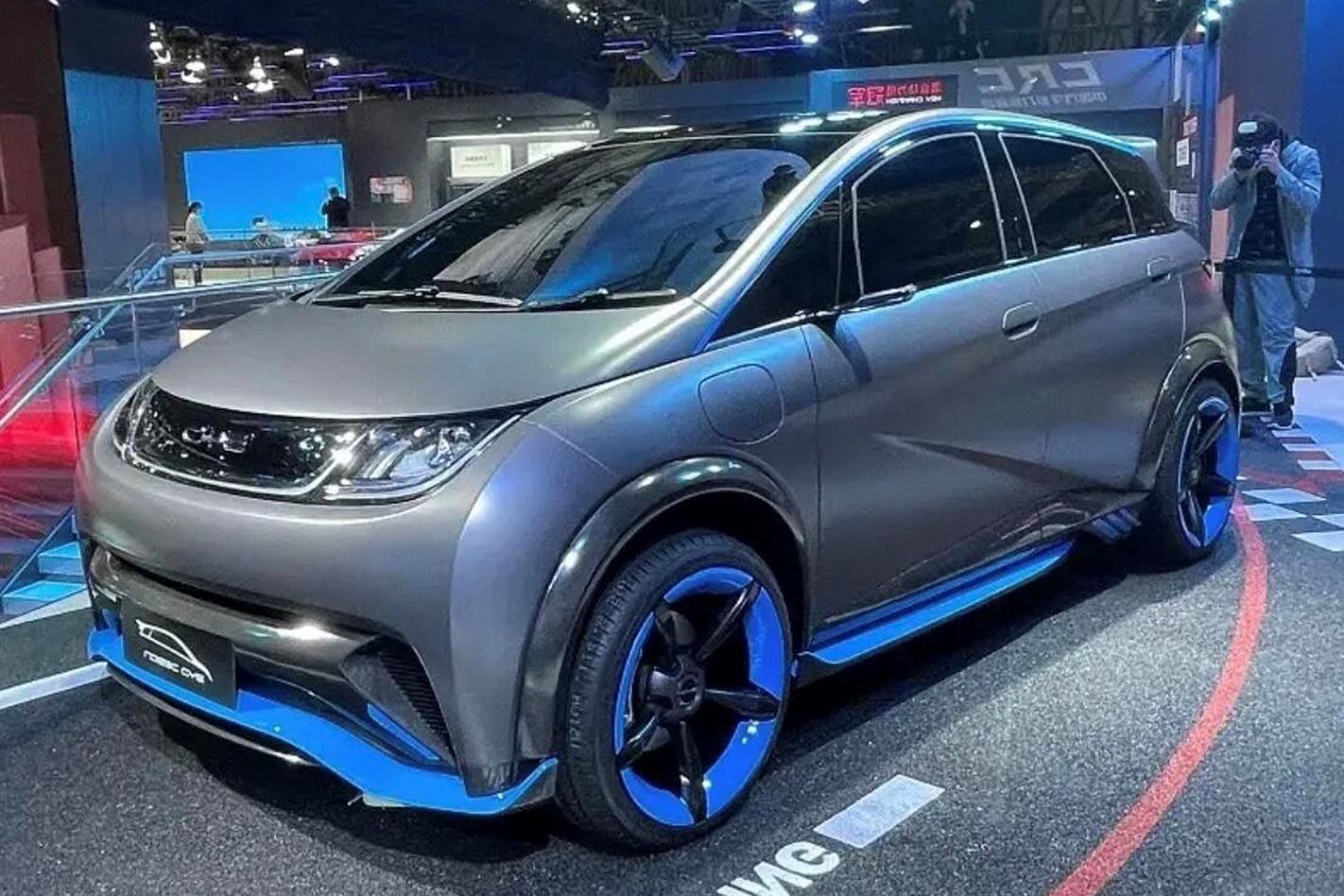
This electric hatchback is coming to Australia as part of Chinese brand BYD’s confirmed entry into our market, via distributor Nexport.
It comes with a couple of big claims: a driving range of up to 1000km and, in its fastest form, 0-100km/h acceleration in under 3.0 seconds.
BYD (Build Your Dreams) has revealed few technical details so far but is also promising recharging capability that can add 150km of driving range every five minutes.
The EA1 uses BYD’s e-Platform 3, which the company says directly integrates battery cells into the vehicle structure to double body rigidity and improve both safety and interior space.
Ford Evos
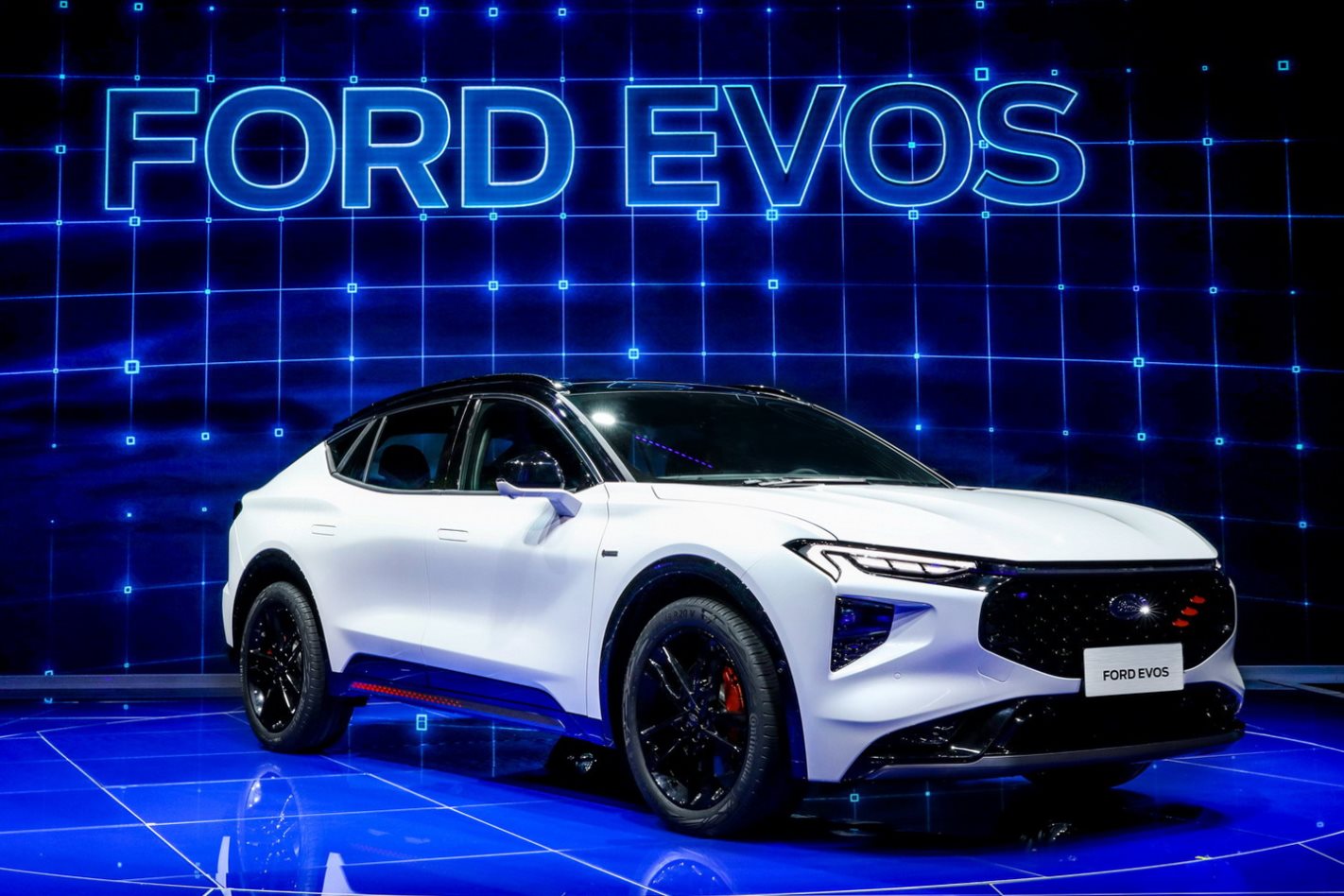
Taking the name of Ford’s visually dramatic, multi-gullwing-doored 2011 concept, the Evos is a production-ready model that is the first to be developed by the company’s China team, the Changan-Ford joint venture.
The coupe-crossover is destined for China only at this stage, among 30 new Ford or Lincoln models planned for the world’s biggest car market.
Evos shares its FNV (fully networked vehicle) platform with the Mustang Mach-E electric crossover, with the ability to take updates wirelessly.
Inside, the Evos’s cabin presentation is spearheaded by a 1.1-metre-wide digital dashboard comprising a 12.3-inch driver display and 27-inch 4K infotainment screen. The Sync+ 2.0 operating system includes a virtual personal assistant.
Ford has yet to divulge tech specs for the Evos, though it will reportedly debut with a 2.0-litre turbocharged four-cylinder petrol engine borrowed from the new Bronco Sport.
Genesis Electrified G80
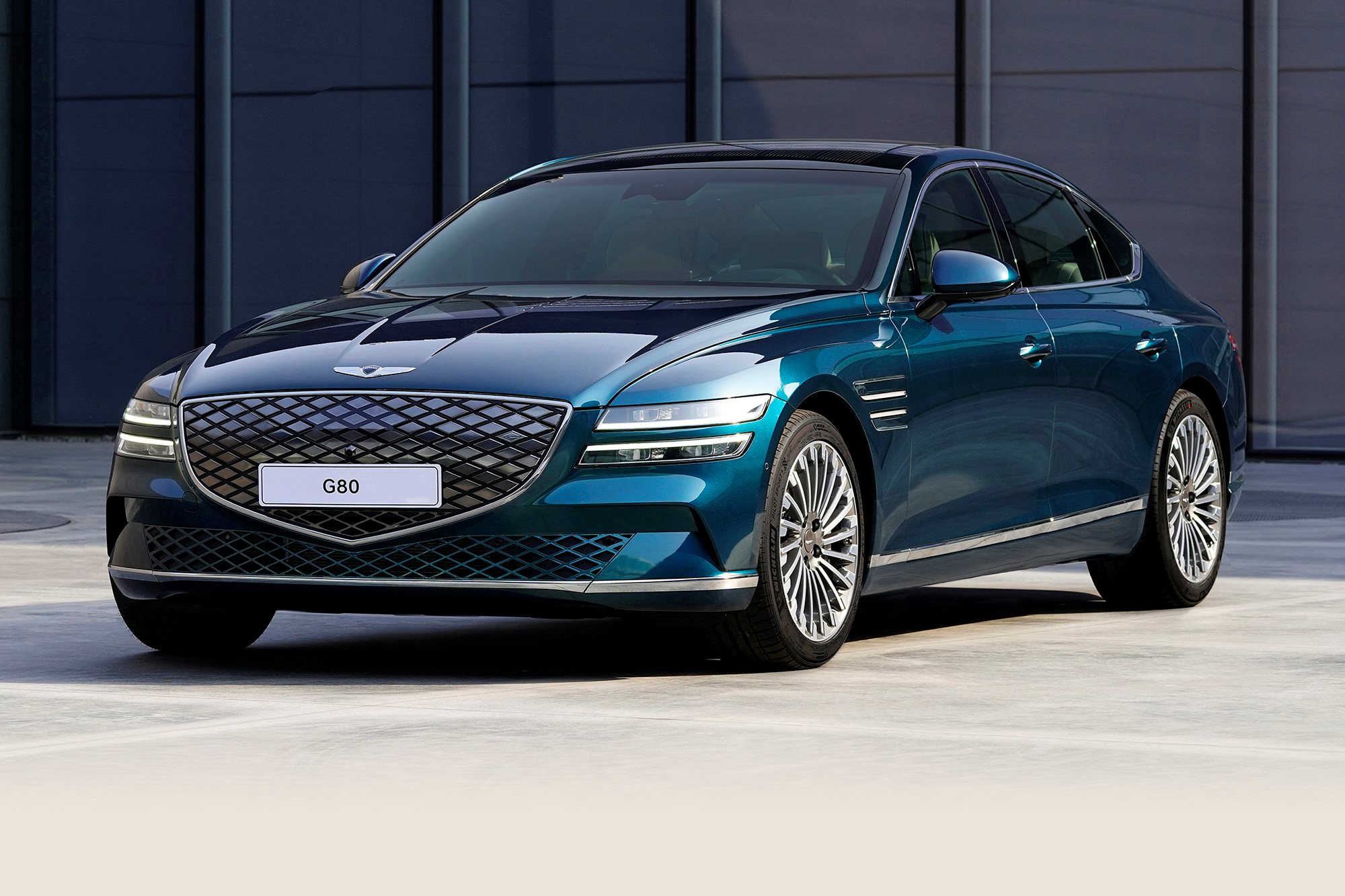
This is the first electric vehicle from Hyundai’s fledgling luxury brand.
Set to join the G80 large luxury car range in Australia in early 2022, the Electrified variant is powered by a pair of electric motors – one on each axle for all-wheel drive.
With 272kW and 700Nm produced in total by the two motors, the electric G80 has a touch less power but significantly more torque than the twin-turbo V6 3.5T AWD G80 (279kW/530Nm).
That makes a touch quicker, with a 0-100km/h claim of 4.9 seconds versus the 3.5T’s 5.1 seconds.
Korean testing points to a range a bit north of 400km, with the vehicle able to switch from AWD to FWD to aid efficiency.
Charging the Electrified G80’s battery from 10 to 80 per cent could be as fast as 22 minutes using a 350kW rapid-charging station.
Honda SUV E: Prototype
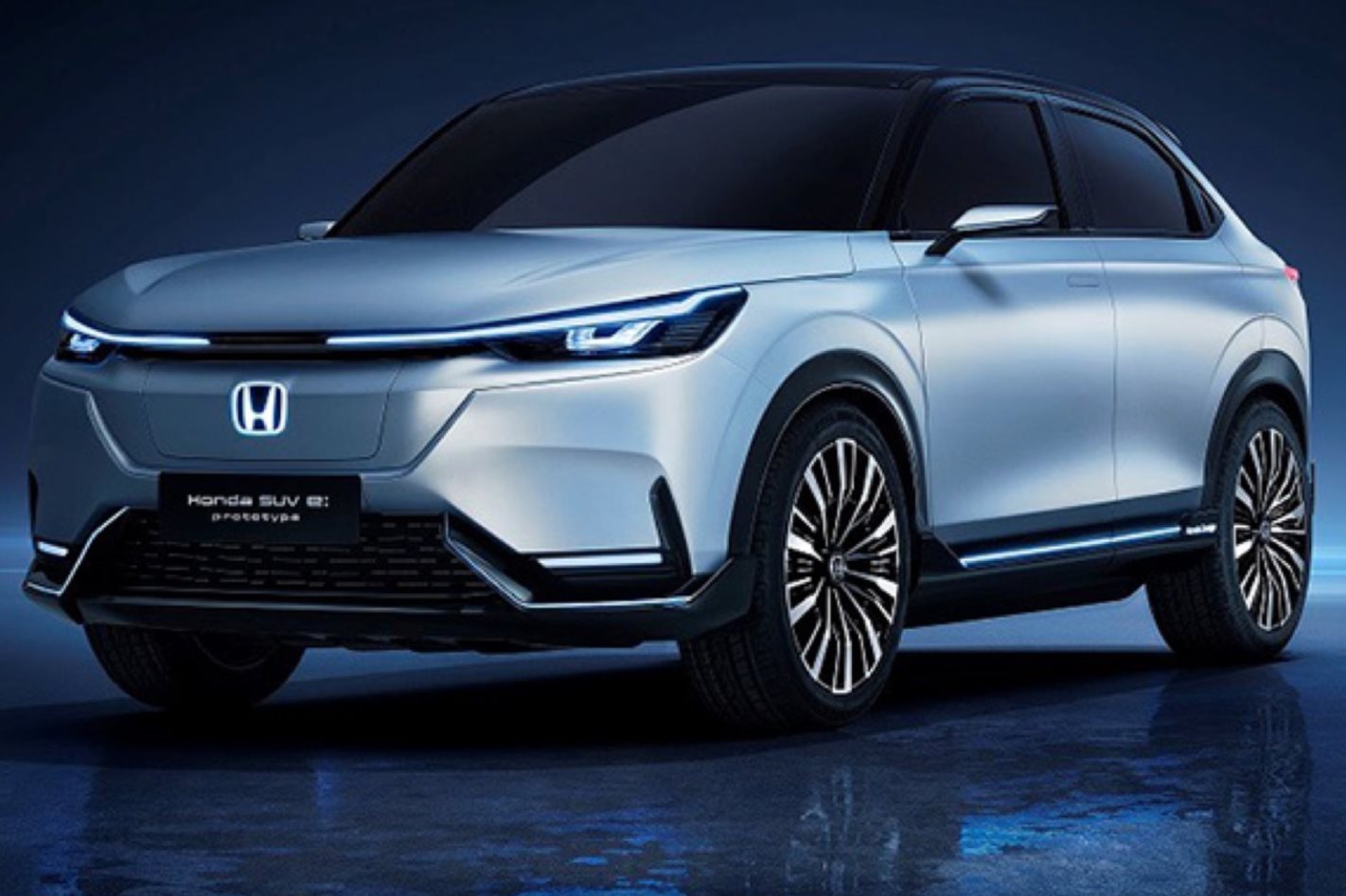
The E:Prototype previews a fully electric version of Honda’s third-generation HR-V compact SUV and is due around mid 2022, at least in China.
There are bespoke front and rear ends for the vehicle that will join the hybrid HR-V previously unveiled.
This is the first of 10 Honda EVs set for the Chinese market over the next five years and expected for other markets at some point.
Technical details for now are as slim as the E:Prototype’s LED headlights.
Lexus ES
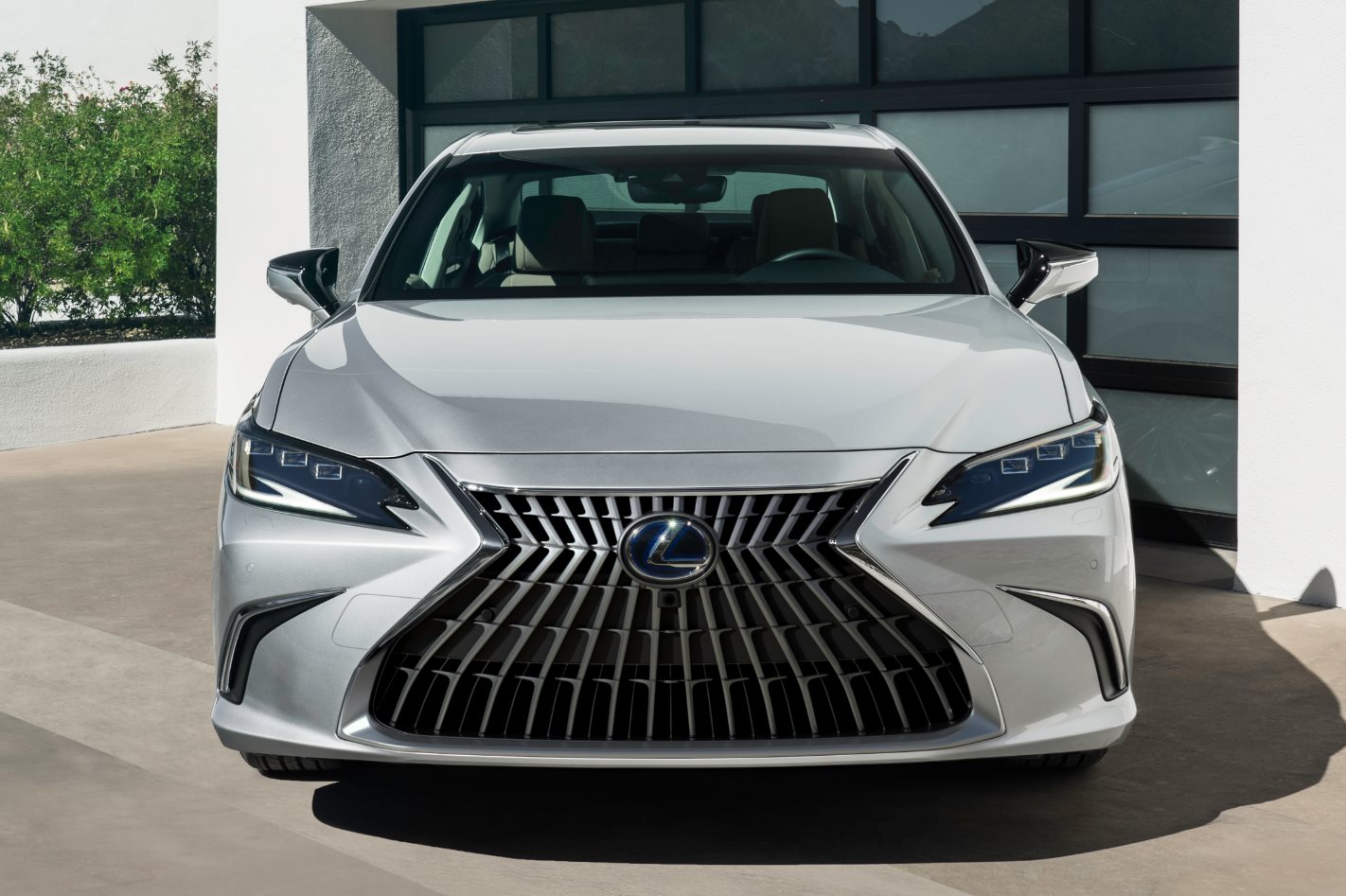
A rare non-electric car! At least not completely. Though the updated ES is still electrified in part, like its predecessor it features a petrol-electric hybrid drivetrain. Updates to the seventh-generation Lexus large car, due here in the second half of 2021, include a more dramatic interpretation of the brand’s ‘spindle’ grille and a new headlight set-up.
There’s also a new option for the headlights – the ‘BladeScan’ adaptive high-beam system that uses a spinning blade mirror to more effectively shield light and increase illumination.
Engineers have beefed up the ES’s rear suspension for claimed improvements in ride and handling, including an update for the F Sport variant’s adaptive suspension.
Connectivity and safety aids are enhanced, while inside a new 12.3-inch infotainment touchscreen is also moved 10cm closer to front occupants for better ergonomics.
Maserati Levante Hybrid
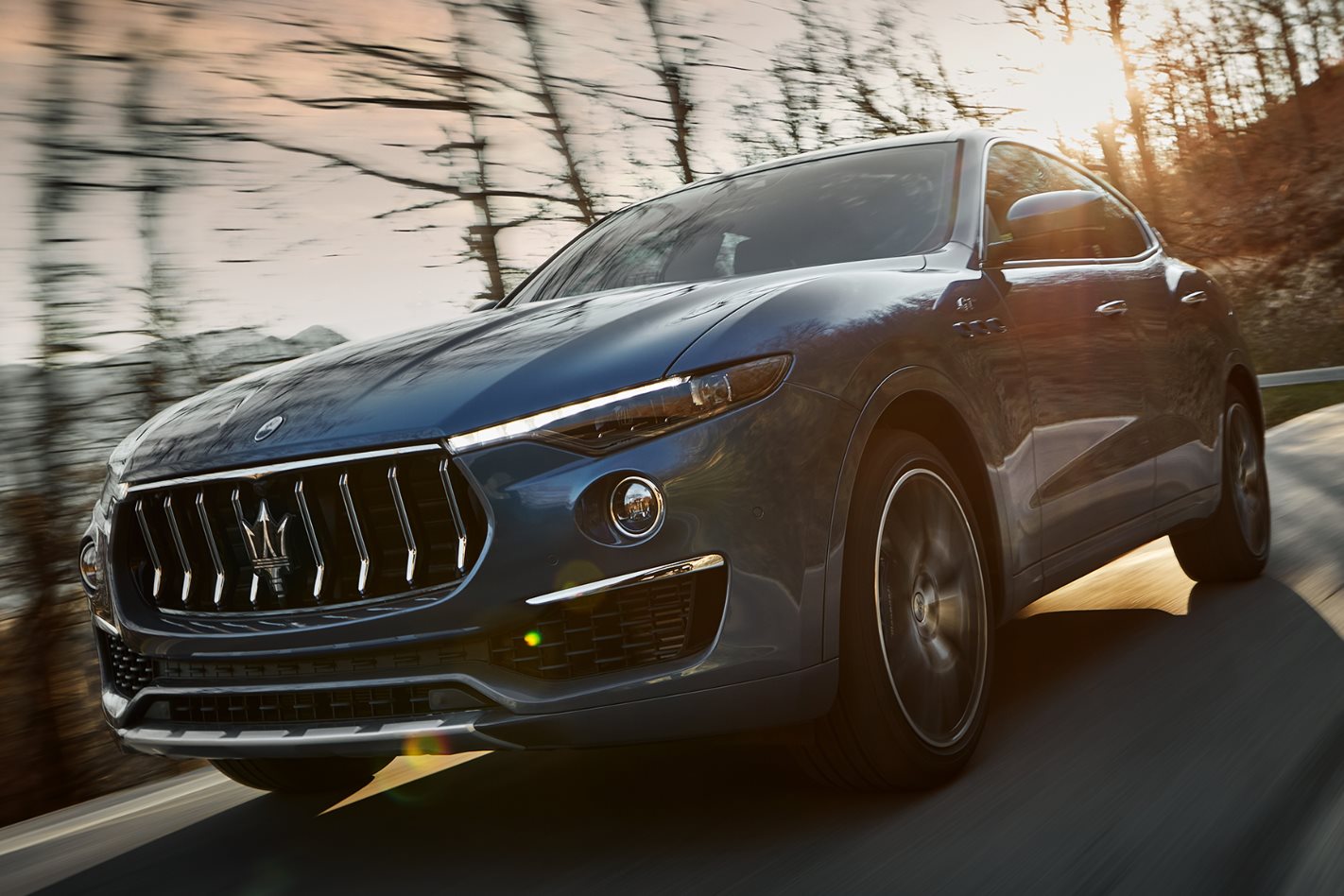
It’s electrification on a smaller scale here, with Maserati unveiling its mild-hybrid SUV.
The Levante Hybrid will join the Ghibli Hybrid already available in Australia, using the same combination of turbocharged 2.0-litre four-cylinder petrol engine and 48-volt battery pack.
A belt starter generator recovers energy during deceleration and braking, charging the 48V battery that in turn provides some assistance to the petrol engine at low revs via an eBooster electric compressor, before the conventional turbo does its thing. Maserati says the eBooster provides another surge in Sport mode when the engine’s peak rpm is reached.
The upshot is a 246kW/450Nm drivetrain that provides identical performance to the 257kW/500Nm Levante petrol V6 – 0-100km/h in 6.0 seconds – yet with a claimed 18 per cent reduction in fuel use.
Maserati also reckons the positioning of the batteries under the boot and over the rear axle helps offset the weight of the drivetrain up front for improved handling.
Mercedes-Benz EQB
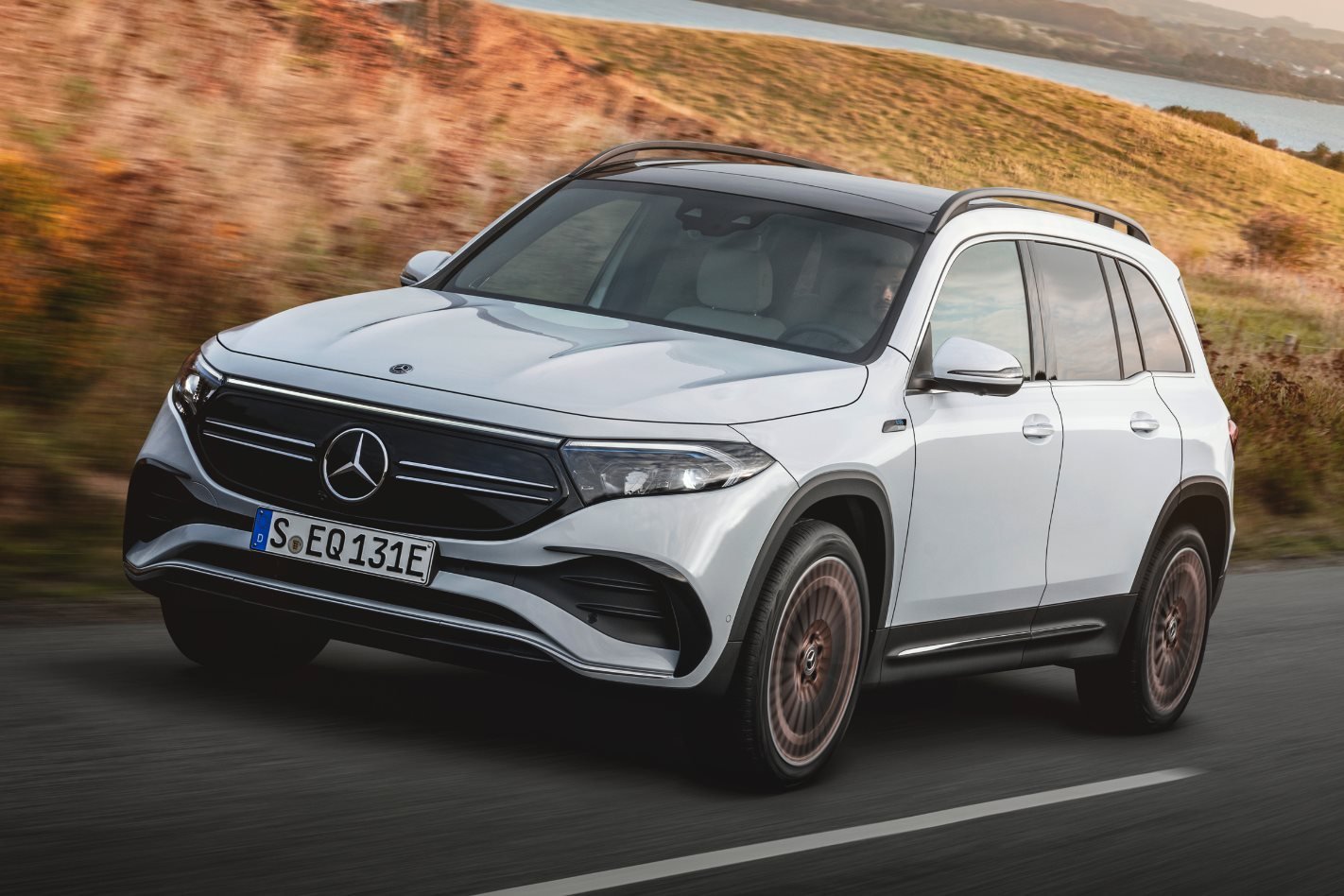
It’s a busy time for electric Benzes. The GLA-based EQA compact SUV was unveiled in January, the EQS electric limo was revealed on the eve of Shanghai, then at the show itself the wraps were taken off the GLB-based EQB seven-seater.
As with the German brand’s other electric SUVs, there’s a similar design to the more conventionally powered donor vehicle with notable exceptions to the GLB being the covered grille area and aero-focused wheel rims.
Underneath is the Modular Front Architecture (MFA2) found under compact Mercedes models, with the EQB (as with the EQA) featuring a floor-mounted battery pack.
Several variants will be offered, starting with what is expected to be an EQB250 sharing the EQA250’s 66.5kWh battery capacity, 140kW and front-wheel drive.
An EQB350 4Matic with all-wheel drive and more power has a 419km range, according to Europe’s WLTP test standard.
MG Cyberster
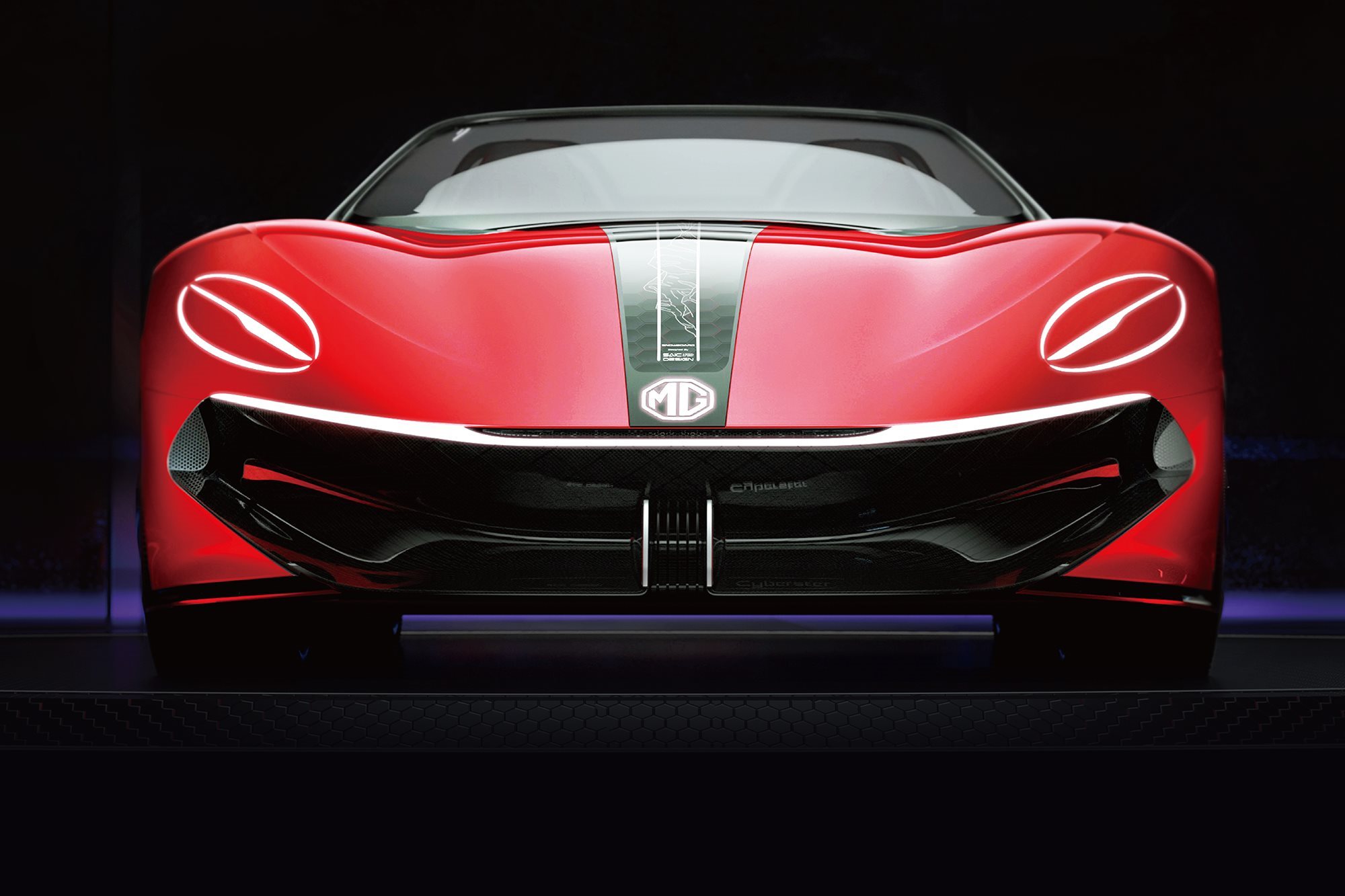
This certainly makes a change from the practical, value-focused family SUVs we’ve come accustomed to from British-turned-Chinese-owned brand MG, even if it is a concept.
The Cyberster is a stunning two-door, two-seater convertible that harks back to MG sports cars of yore.
There’s a split cockpit dividing driver and passenger, with the former presented with a Formula 1-style steering wheel and digital instrument display.
Performance covers off the 0-100km/h sprint in less than three seconds, we’re told, while the Cyberster’s range is a more-than-handy 800km.
While MG’s conceptual sports car is more real than a Cyberman, production isn’t expected, sadly. But the company’s 2017 E-Motion GT concept is still set to make the assembly line.
Toyota bZ4X
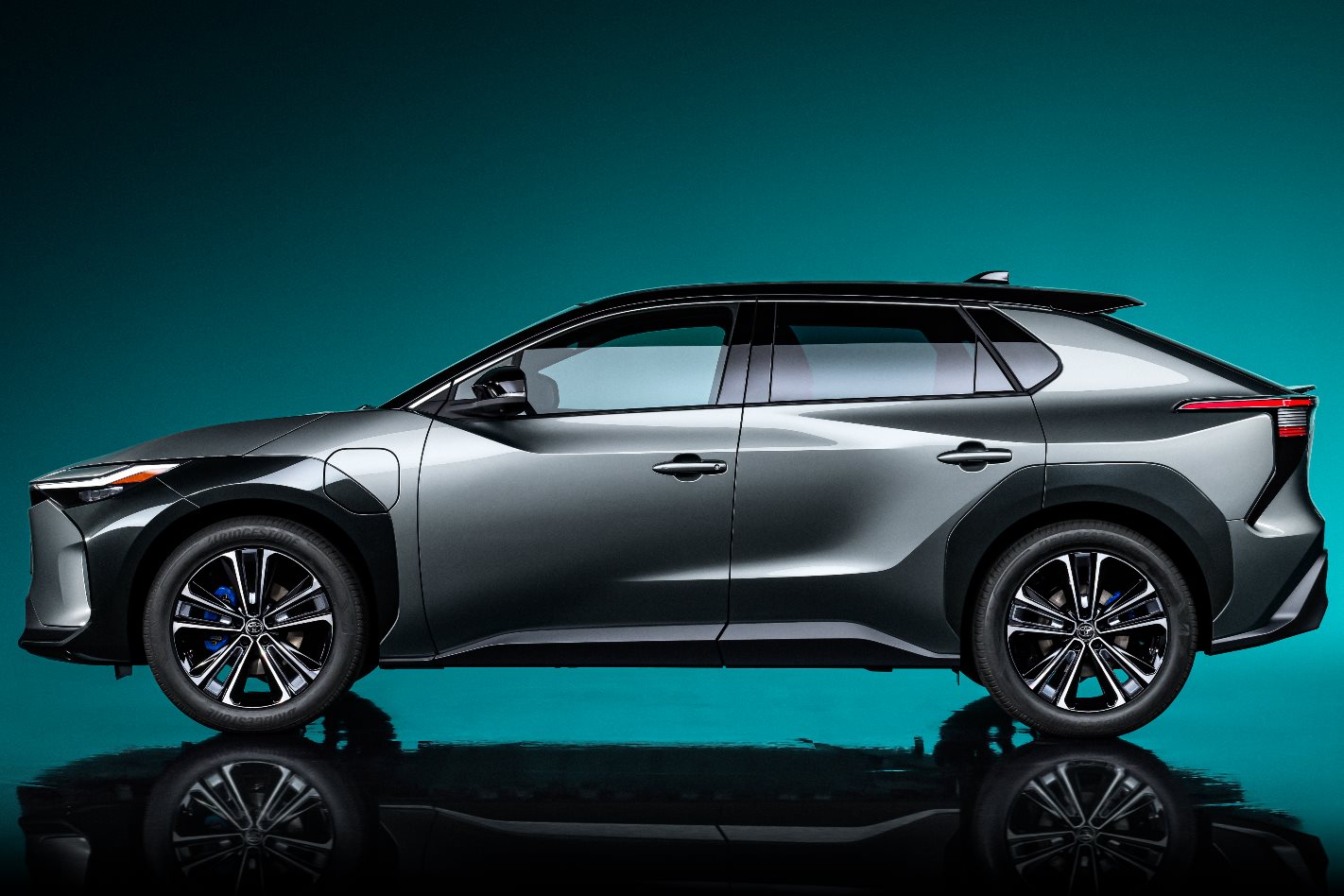
And the Big T is off. After virtually single-handedly bringing hybrid vehicle technology into the mainstream, Toyota is now joining the EV revolution.
The bZ4X concept, a mid-sized SUV that looks like a sportier RAV4, heralds the start of the company’s upcoming range of battery-electric vehicles.
There are 15 of them coming by 2025, with seven set to adopt the ‘bZ’ prefix that stands for ‘Beyond Zero’ – inspired by Toyota’s goal to achieve carbon neutrality by 2050.
Tech details are initially limited for the bZ4X, which is due in showrooms by mid 2022. All we know for now is that it has been co-developed with Subaru, sits on the e-TNGA platform, and features electric motors front and rear for all-wheel drive.
Replenishing the bZ4X’s battery is also possible while stationary, courtesy of a solar recharging system (which will be particularly handy in Australia, we imagine).
The bZ4X also features steer-by-wire technology, though drivers will no doubt be more transfixed by the KITT 2000-inspired (or 2021 Tesla Model S-aping?) yoke-style steering wheel.
To understand the significance of the BA-generation Australian Falcon, you must first step back one generation to the infamous AU.
Despite gaining more recent notoriety as a facetiously enthused ‘meme’ car, the AU Falcon was criticised harshly from new. The obvious looks drew plenty of vocal detractors and, mechanically, it was all too familiar with a persisting live rear axle and the power output of the XR6’s single-cam 4.0-litre inline-six remained unchanged since the EF Falcon of 1996.
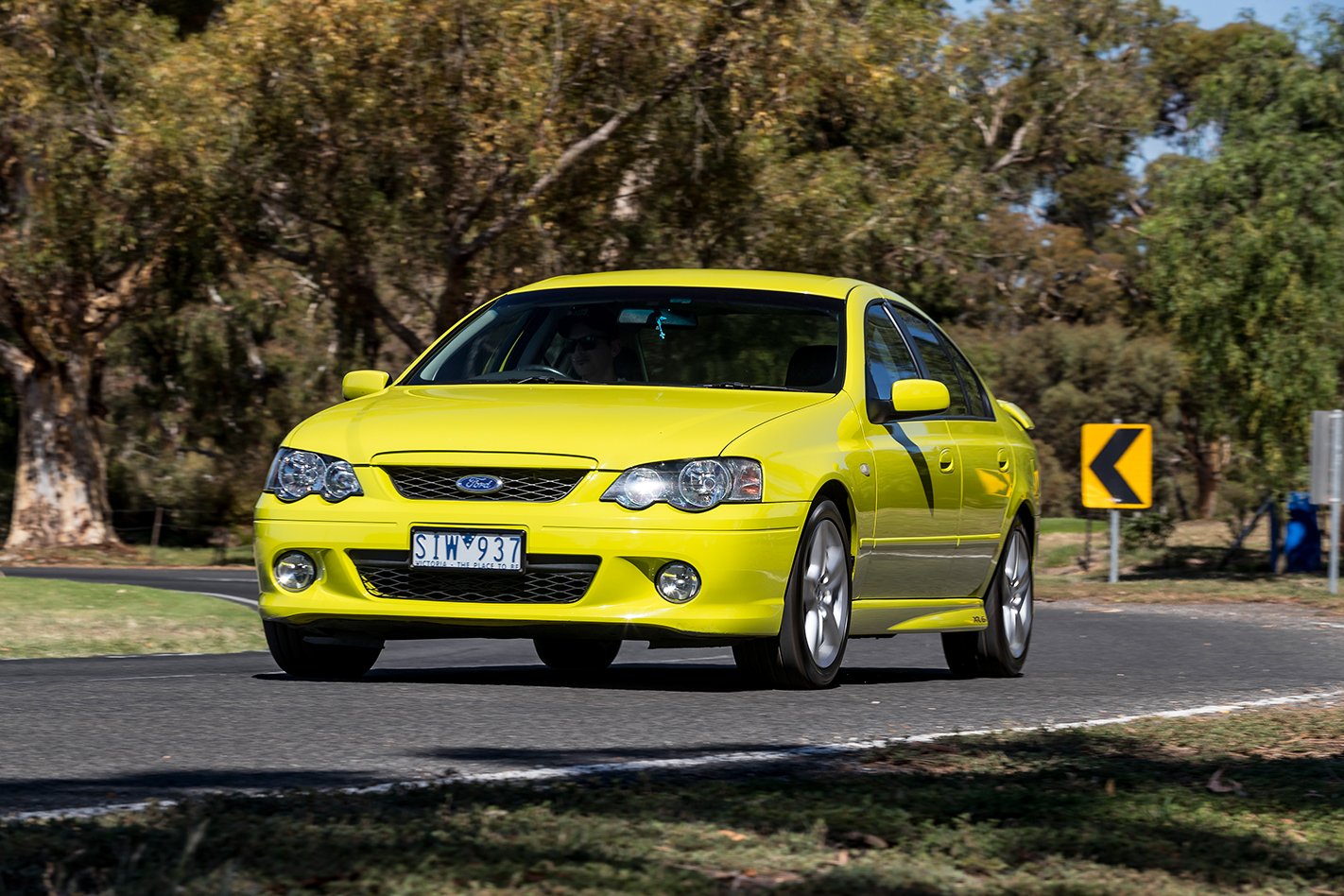
The BA Falcon arrived late in 2002 with a far more conventional exterior, and a body structure that was 60 per cent more rigid, beneath which sat the new locally development ‘control blade’ independent rear suspension.
Aside from the generational leap of the chassis, the big news was to be found under the bonnet and etched the BA Falcon into history as the birthplace of the Barra.
The ‘Barracuda’ motor was Australia’s most sophisticated engine yet with an alloy twin overhead cam head with four valves per cylinder, variable valve timing, inline coil packs, and fly-by-wire throttle.
Ford finally had an inline-six for the 21st century, and a true point of differentiation which could put it ahead of rival Holden in the six-cylinder space.
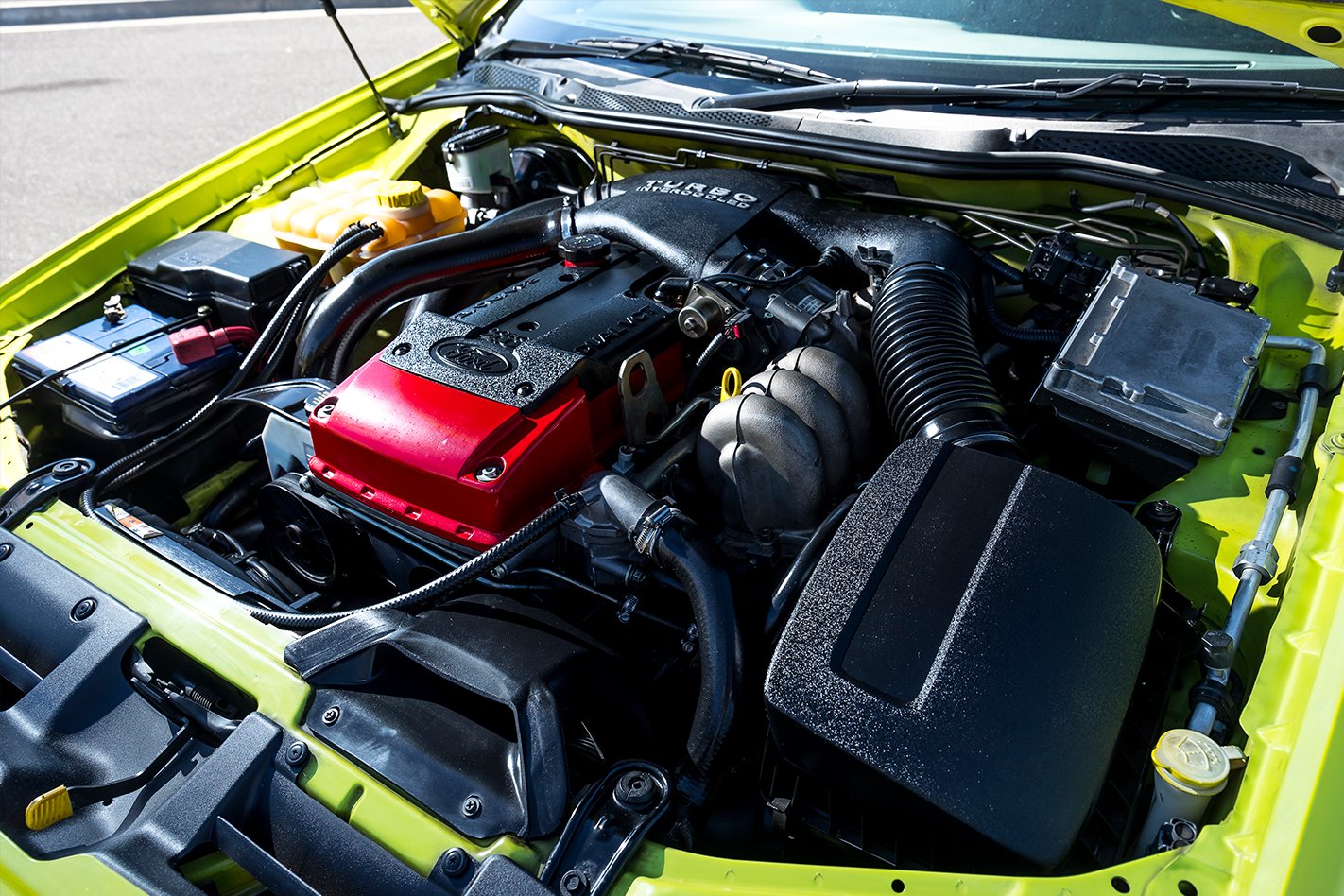
In naturally aspirated configuration, the Barra motor was good for a respectable 182kW and 380Nm and could operate on all grades of unleaded fuel as well as LPG. By dropping the compression from 9.7:1 to 8.7:1, and adding a Garrett GT40 turbo at just 0.4 bar of boost, power swelled to 240kW with peak torque of 450Nm arriving as low as 2000rpm.
Beyond the affable powertrain, the XR6 Turbo is remembered as being remarkably athletic for its size, weight and class.
Initially available with a five-speed manual, the BA XR6 Turbo wore a list price of $44,640 when new, with the four-speed automatic gearbox adding $920. A high attrition rate has seen surviving manuals dwindle, although there are doubtless many carefully preserved examples hiding. Given the car and engine’s proclivity for modification, original examples are growing increasingly scarce, not to mention valuable.
IN THE MARKET
Years of apathy and use as cheap performance weapons means most XR6 Turbos on the market are automatic examples displaying high-kilometres and a below-collector grade condition.
Prices range from $10,000 to $20,000 depending on mileage, condition and transmission, which is almost double what you’d have paid two years ago.
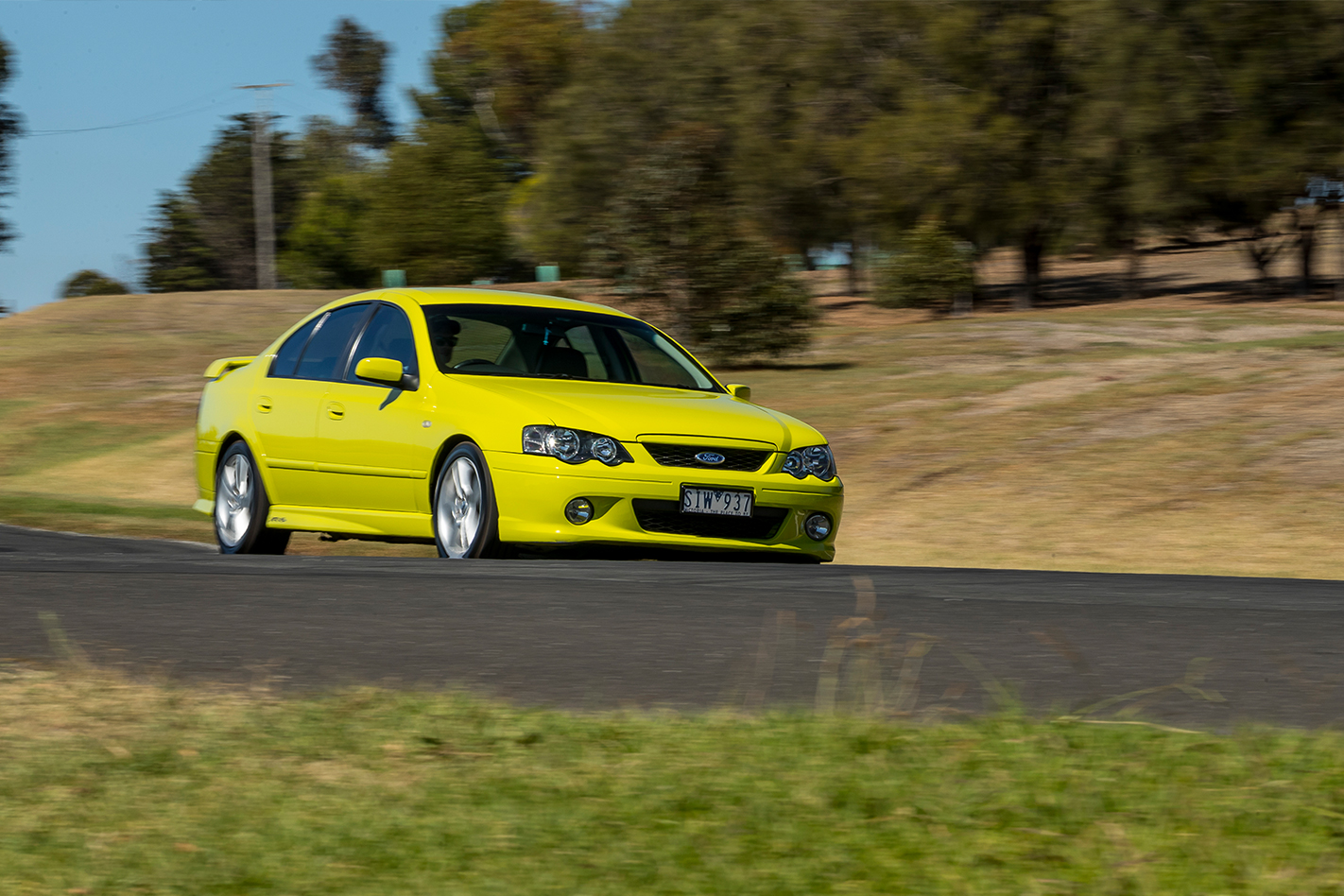
Significant collector interest isn’t there yet, although your money should be safe as prices are already firming up in the wake of local manufacturing. With eyes cast long into the future, the XR6 Turbo is best thought of as the 21st century VL Turbo, and their collectible trajectory will likely follow suit. By the time these things are considered ‘valuable’, it will already be too late.
BODY & CHASSIS
Late-production examples have likely been treated more sympathetically as the shutdown of local manufacture loomed and shouldn’t display significant rust or deterioration, although early used examples are beginning to show their age.
Early cars that have lived outside for much of their lives may be beginning to exhibit clear coat fading. Even if the vehicle appears clean, examine for accident damage by inspecting consistency of panel gaps, and bumper attachment points for broken clips.
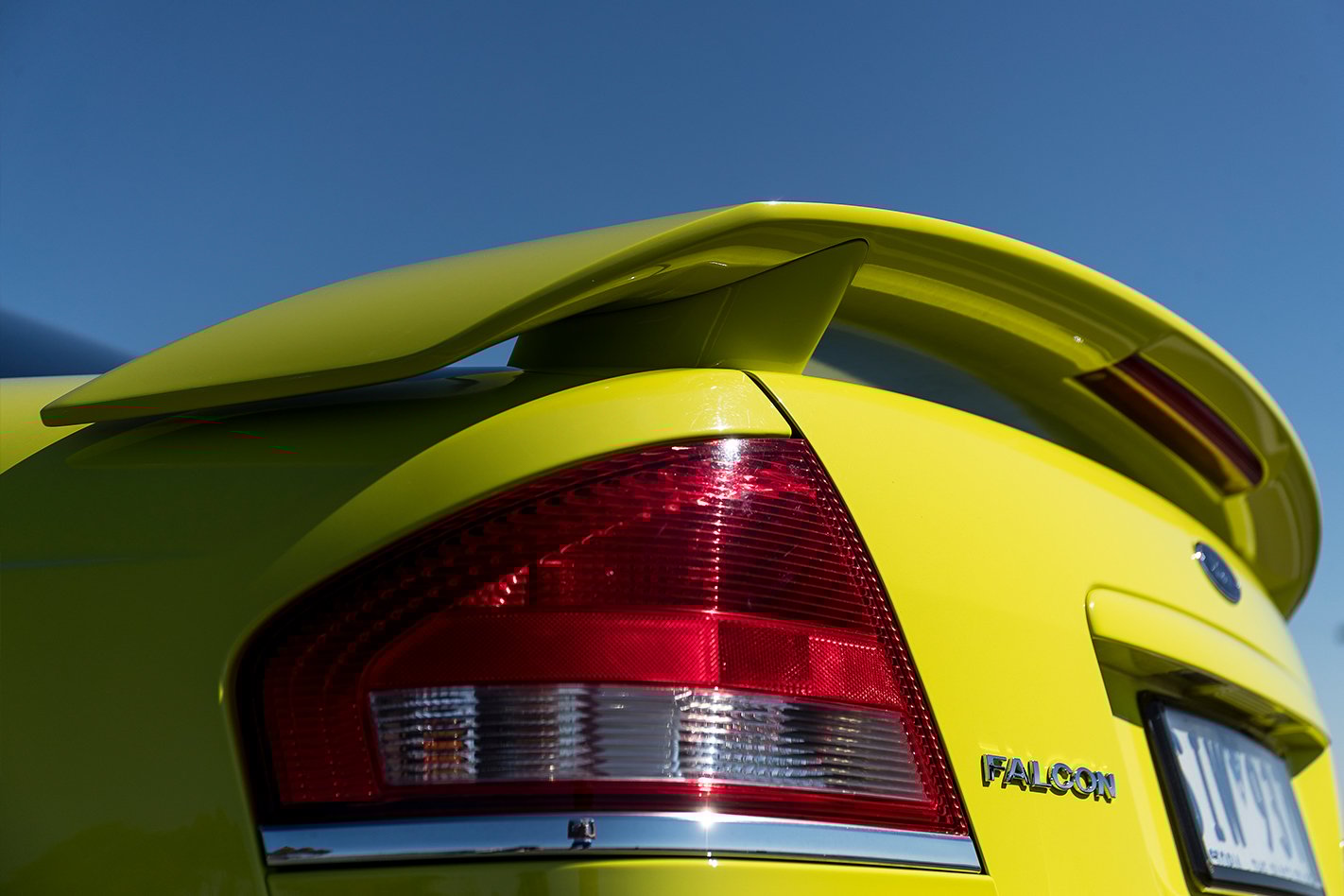
Boot seals are known to leak, so check the rain channels and boot floor for any signs of water and rust.
ENGINE & TRANSMISSION
Besides earning its place in Australian modifying lore, the 4.0-litre Barra engine earned its keep in the fleet and taxi market for 15 years and is a reliable design known to spin the odometer well past 300,000kms with normal servicing.
Early engines were prone to camshaft wear, although any problem units should likely have been long fixed under warranty. Avoid cars that blow smoke under load and practice caution with patchy service history.
T5 manual gearboxes are notoriously noisy but the T56 six-speed of the BAII onward is a much-improved unit if you can find one. The four-speed auto is a durable unit although check it does not hesitate to switch from a forward gear to reverse, or for any shuddering under load.
SUSPENSION & BRAKES
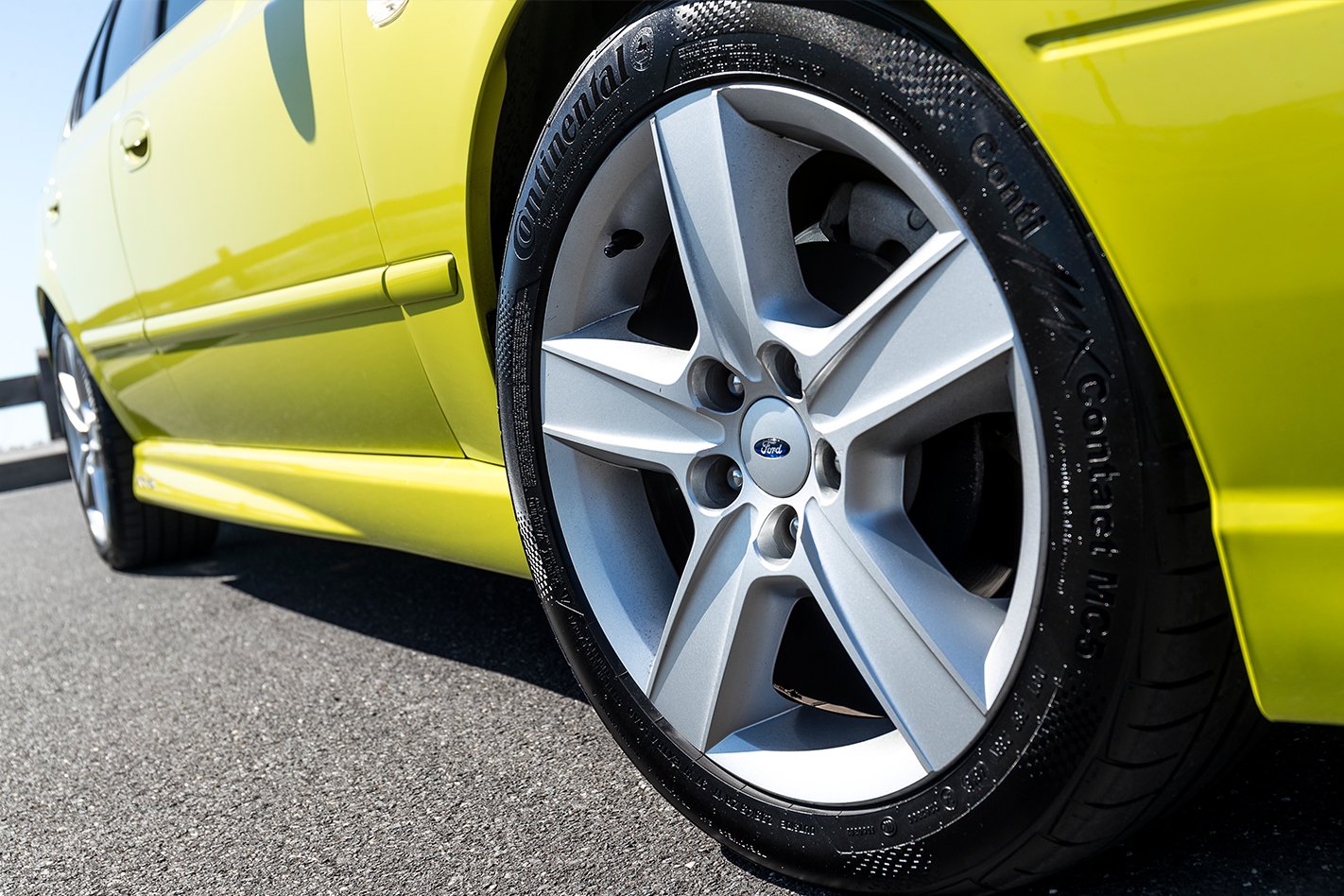
Brakes are a weak point and warped brake rotors are a known fault. Aftermarket replacements are a worthy upgrade for frequent performance-oriented drivers, if not already carried out. Creaks and knocks from the front-end can signify worn out ball joints and bushings.
INTERIOR & ELECTRONICS
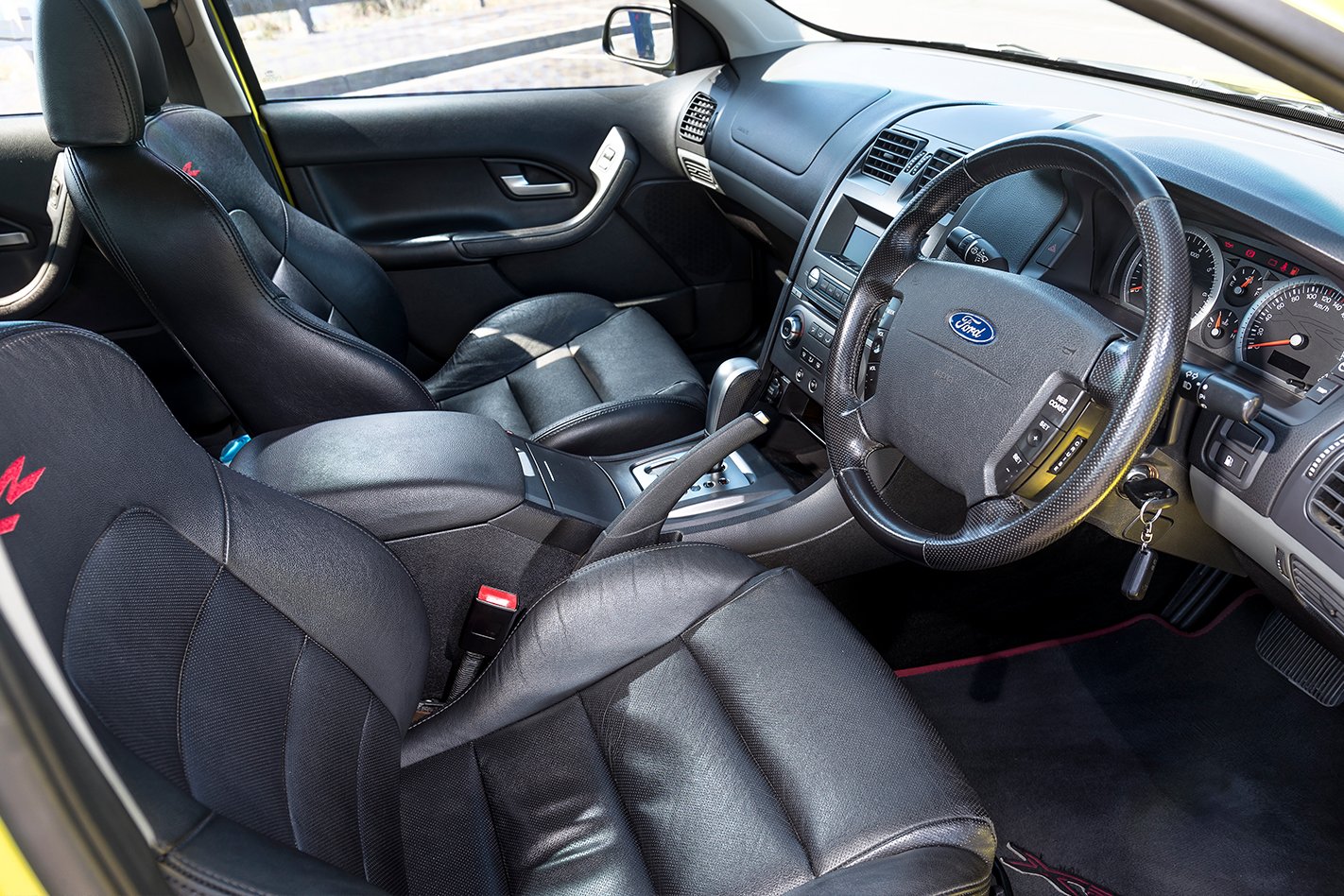
Vehicles built early in production are getting to the age where interiors are beginning to noticeably deteriorate. Headliners may be beginning to sag, and seat materials of cars that have lived many summers outside may be beginning to exhibit sun fading.
Inspect for visible deterioration and ensure air-conditioning and all electronics are functioning as intended.
Beware: faults with Ford’s ‘Smart Lock’ central locking system are endemic to this era of Falcon, compounded by Ford’s integral Body Control Module which can render the car immobile by restricting fuel and spark for a range of errors.
THREE OTHER OPTIONS YOU MAY CONSIDER
1. Mercedes-Benz C32 AMG
The C32 straddled the line between ‘old-school’ AMGs and the contemporary Daimler-owned subsidiary era. While it was out gunned by BMW’s M3, the supercharged high-comp V6 makes for a neat footnote of AMG history. Between 60-100 were allocated to Australia.
2. BMW E39 540i
While the XR6 traded the ubiquitous Aussie V8 for an inline-six, this German saloon did the opposite. Sharing the M5’s engine architecture, the 540i’s M62 V8 boasted a single VANOS system and a slightly smaller displacement. A true bang-for-your-buck collectible proposition.
3. HSV WL Grange
Locally made limo’s all-American 6.0-litre V8 offers the duality of effortless highway cruising and V8 mumbo. The LS2 was identical to that found in the Clubsport, Senator, GTO coupe and Maloo, but was blended with comfort, space and luxury in spades.
%MCEPASTEBIN%HSV WL GrangeLocally made limo’s all-American 6.0-litre V8 offers the duality of effortless highway cruising and V8 mumbo. The LS2 was identical to that found in the Clubsport, Senator, GTO coupe and Maloo, but was blended with comfort, space and luxury in spades.
