
In the changeover period between internal combustion engines and electric powertrains, parts manufacturer and supplier Magna has developed an interim solution for utility vehicles.
The eBeam is an electric motor that, in theory, drops right into the rear axle utilizing the original mounts and suspension to supply electric power to ladder-frame trucks and utes.
The integrated e-motor axle won’t supply power to the driveshaft. Instead, power will be split – presumably using an e-differential that takes the place of a conventional one.
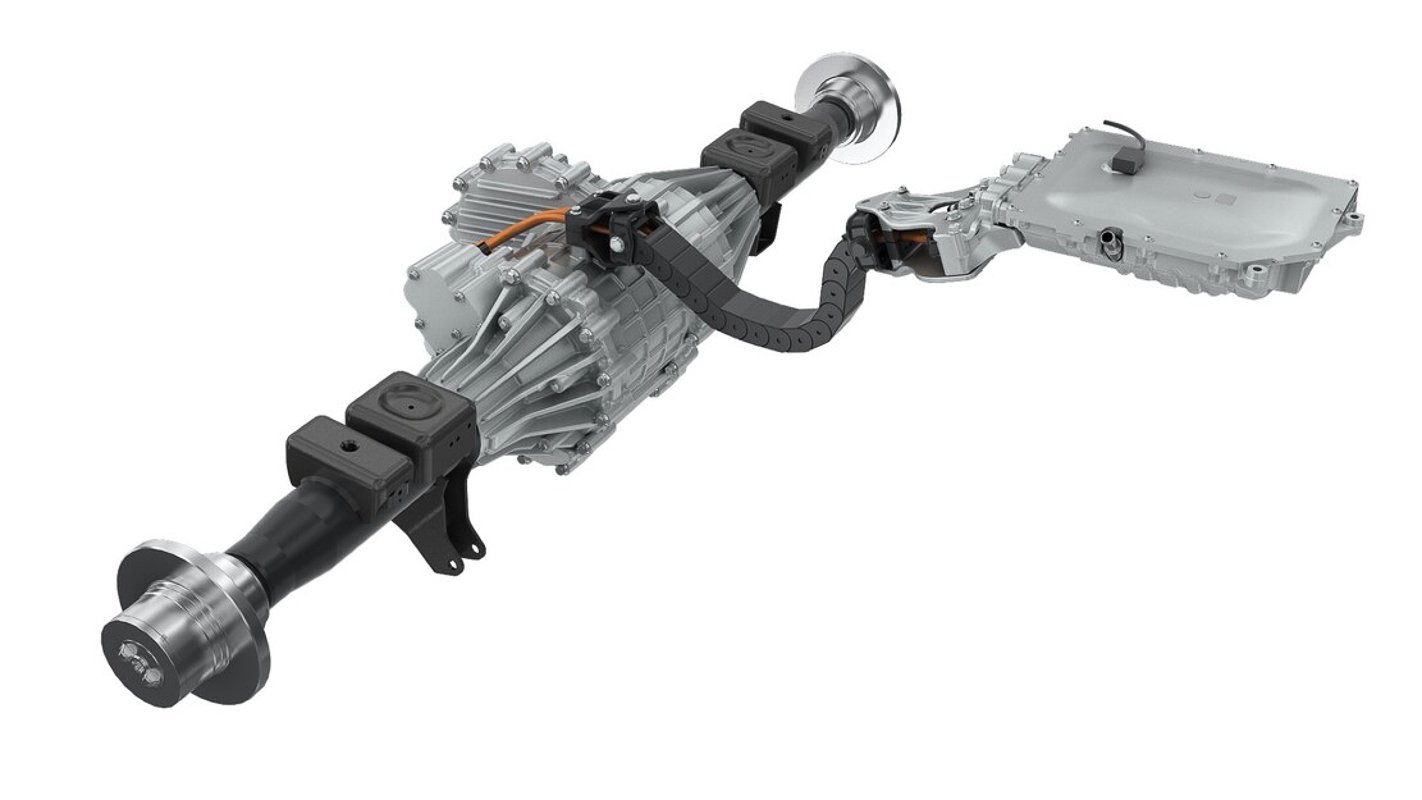
Magna says both one- and two-motor versions are in development, with the two-motor version offering torque vectoring across the rear axle.
It comes with two power options, a 120kW output and a 250kW high-powered version.
Manufacturers can select to use eBeam as part of a battery electric vehicle or integrate it with a hybrid drivetrain.
Importantly, the benefit of an aftermarket solution like Magna’s eBeam means the original ute capabilities can be preserved. That means the proven truck characteristics such as tall ride height, payload, towing capacity and off-road credentials are unharmed.
In addition, it’ll be cheaper than buying an all-out electric pick-up truck, as there’s less engineering and manufacturing work involved.
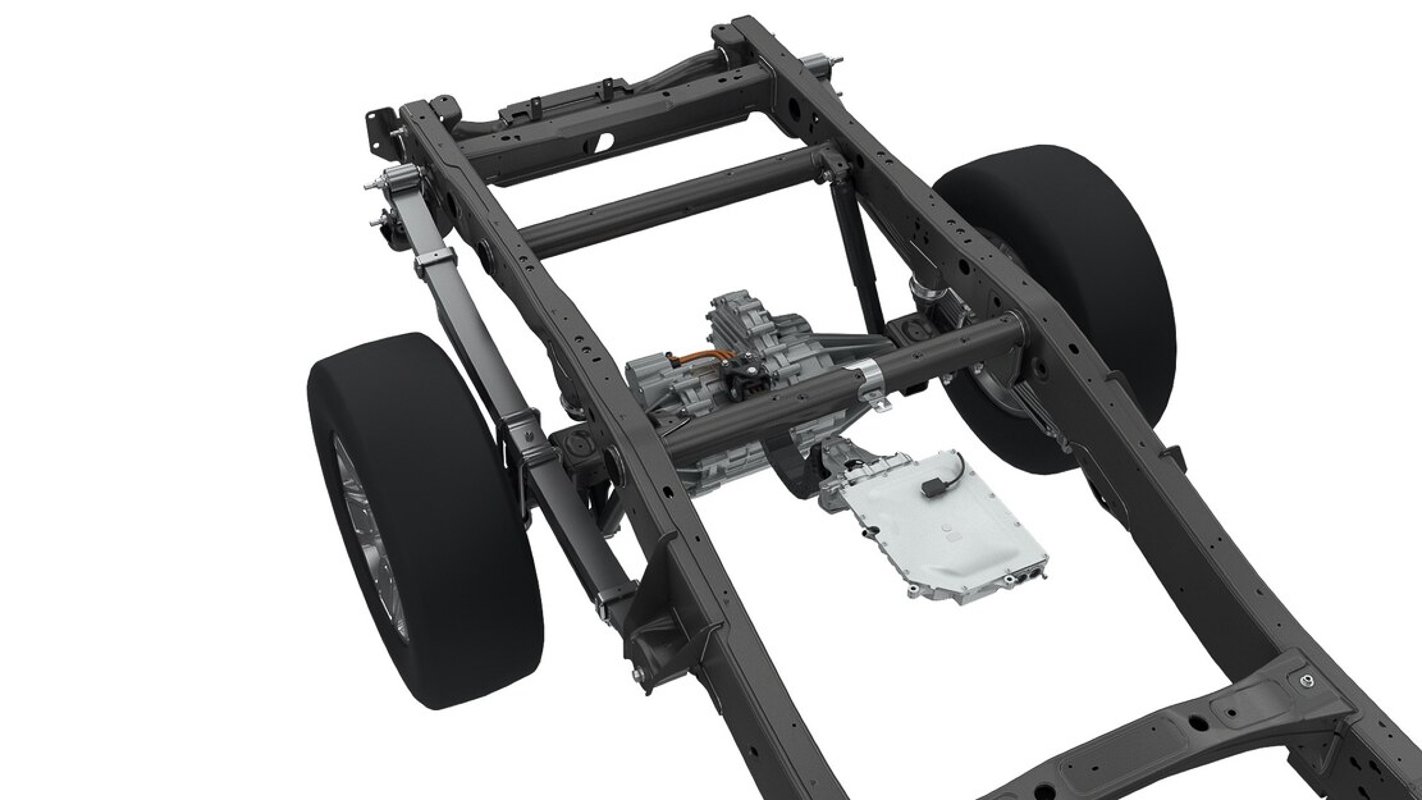
With fewer moving parts than a traditional combustion-engine drivetrain, Magna also says there will be less maintenance to worry about.
This new technology will be especially attractive to fleet operators that can fit an entire fleet’s worth of traditional utes with electric capabilities, thereby reducing the company’s fuel expenditure and its carbon footprint.
Magna intends to sell this technology to manufacturers rather than to sell it to end-users. The manufacturers will have to find a place to store battery outlays and cabling.
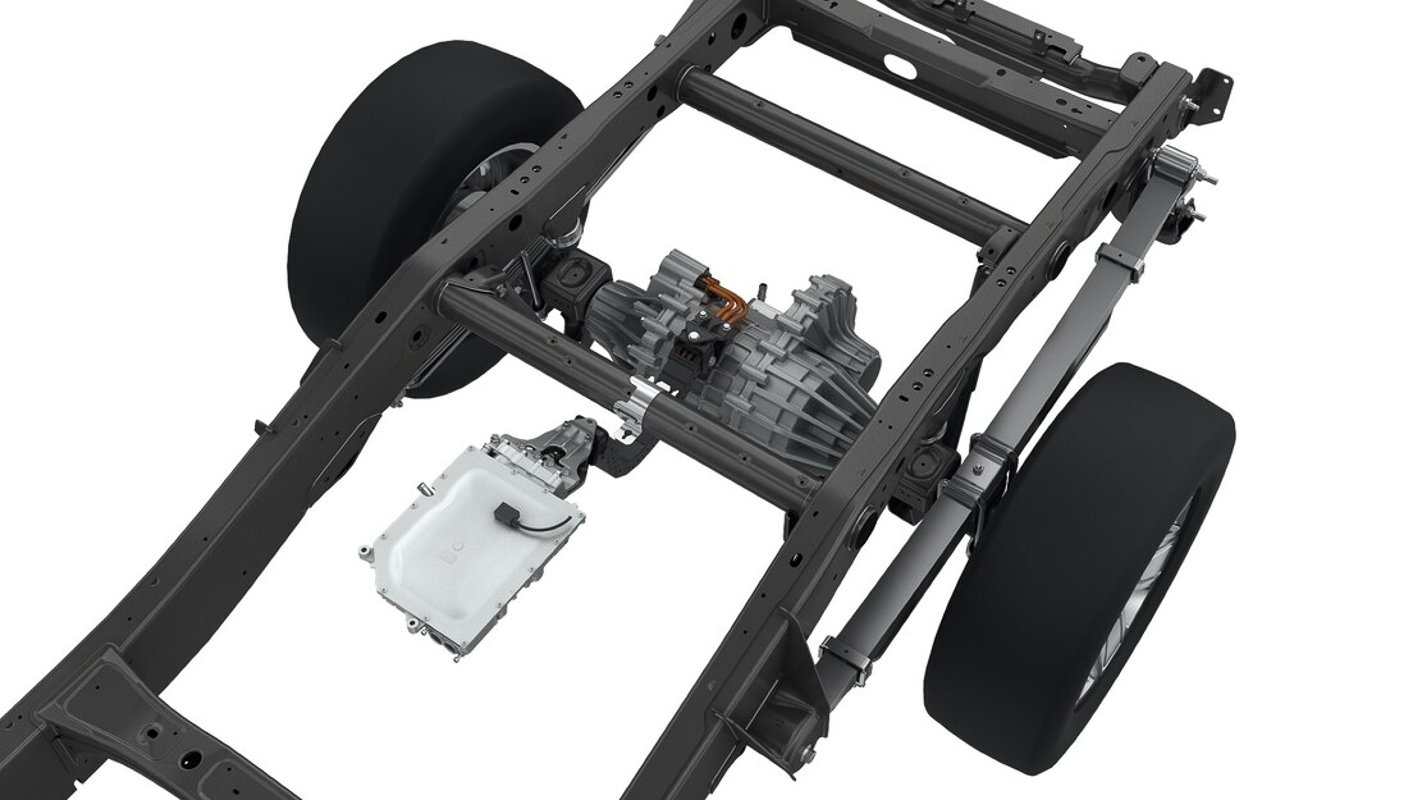
“It is a bold endeavour to electrify pickup trucks, whose owners demand the towing and hauling capabilities they are currently used to, and we’ve accomplished it with our eBeam technology,” said Tom Rucker, president of Magna powertrains.
“We know axles are core elements of a truck’s strength, and we are excited to have developed the first significant improvement to the solid beam axle in over 100 years.”
Magna says that it has a number of automakers interested in its technology, though we’re not sure which ones.
It’s been eight long years since the all-paw Audi R8 V10 Plus won PCOTY 2013 and just two years since the RWS, the first rear-driven version, nabbed fourth in 2019. And yet here sits the revised, quicker, more potent, lavish and harder-focused R8 V10 Performance… in sixth place.
The R8 V10 Performance could well prove to be the fittest and finest example of Audi’s endearing supercar now in the dimming twilight of its providence. Its leather-dipped, laser-lit, carbon-ceramic-amended features list smacks of the ultimate of its breed, even before you factor in the power rise or weight management leaving it surprisingly no porkier than its less-opulent RWD twin.
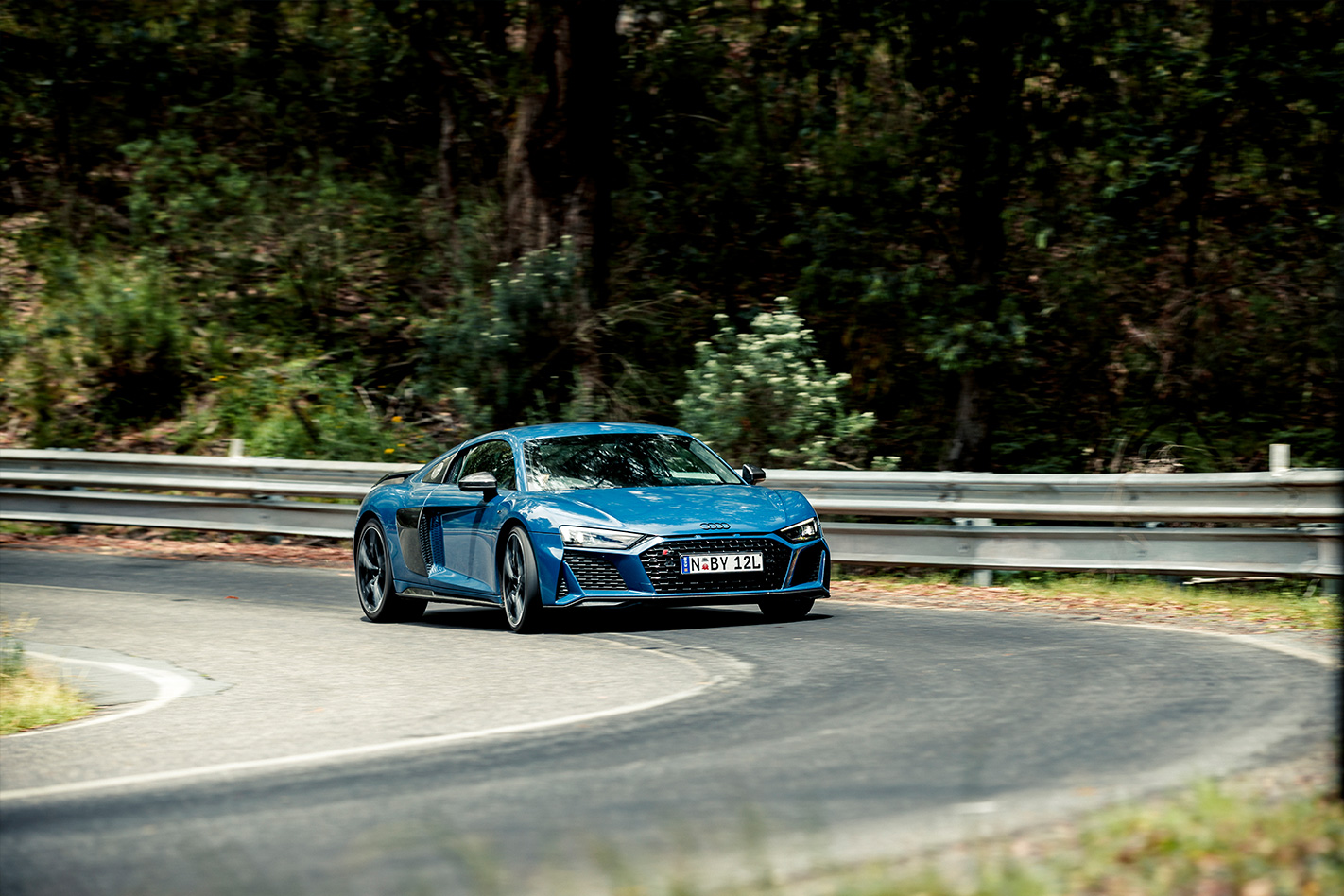
At $395,000, the want-for-little quattro Performance arguably stacks enough spec and shaves enough tenths to justify the $100k step-up over the rear-driven version. If your primary lures are its iconic V10 soul and x-factor, the Performance top dog can begin to look a bit excessive.
The tree-topping R8 is less the 911 Carrera-chasing supercar-on-a-relative-budget, primarily luring you on charm and vibe, and more the weapons-grade 911 Turbo S and Mercedes-AMG GT R Pro challenger that, by way of the PCOTY filter, it needs to measure up big time on pace.
Quick? You bet. Who would’ve wagered good old natural aspiration – 10 cylinders or not – would’ve netted the field’s second-quickest 0-100km/h result of 3.27sec?
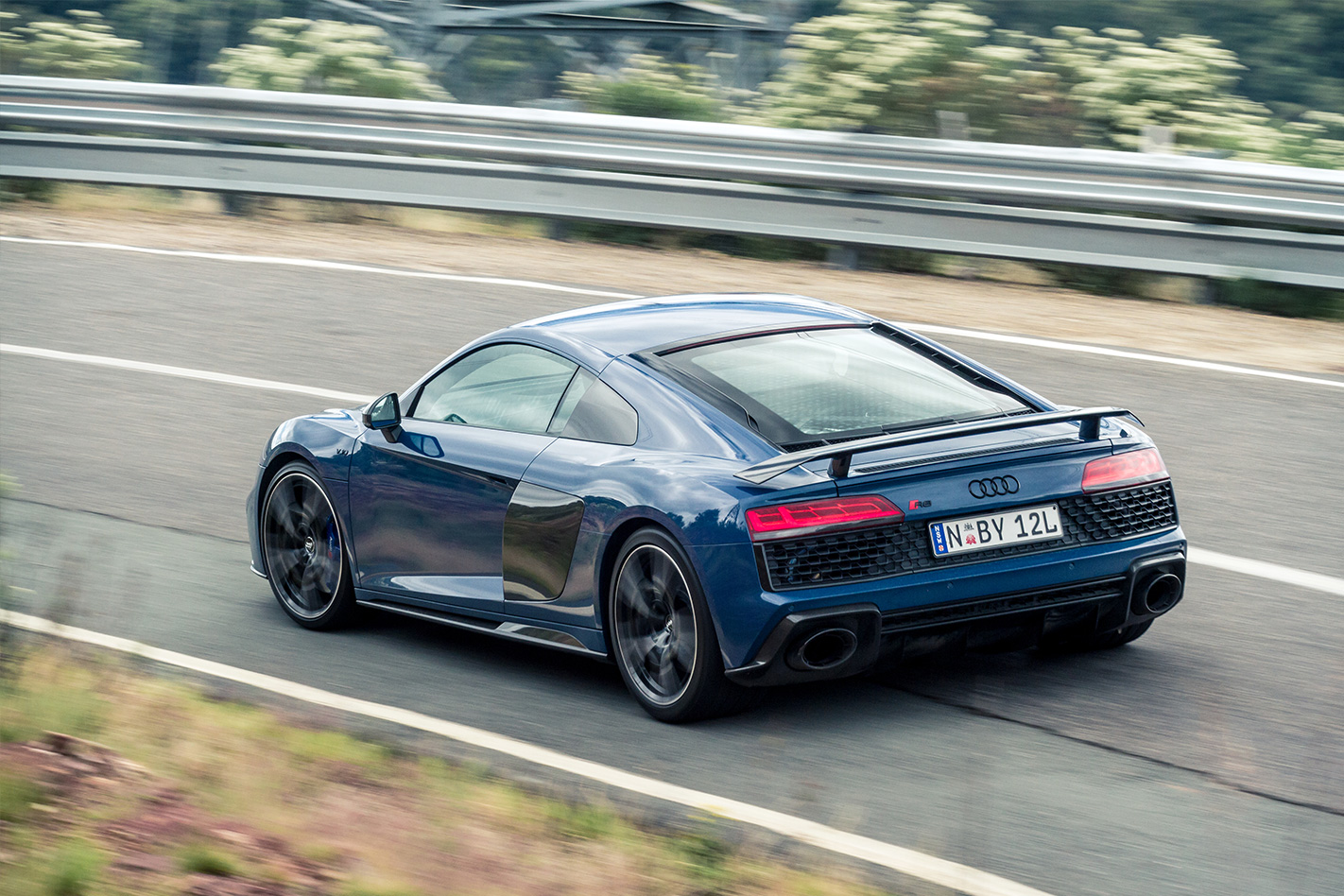
The flat delivery of its intoxicating V10 powertrain marries beautifully with a chassis that transforms from benignly friendly on road to lithe and keenly agile on track. The party trick is that it’s both friendly and frisky, keen in direction change and surprisingly eager to break traction exiting an apex, if without the knife-edged transitions of last year’s tyre-frying RWS version.
The 2021 field’s liveliest circuit carver is perhaps the most dynamically adept R8 yet. Thing is, its playfulness as a fine and desirable virtue does impact pace and contributes to its 2.8-second and 3.4-second deficits in lap time to the Turbo S and GT R Pro respectively.
In the Performance, Audi has honed the R8 into an effective and fun driver’s machine while maintaining its hallmark liveability. But while it’s as fit as ever, it’s also almost too familiar and largely bereft of surprise.
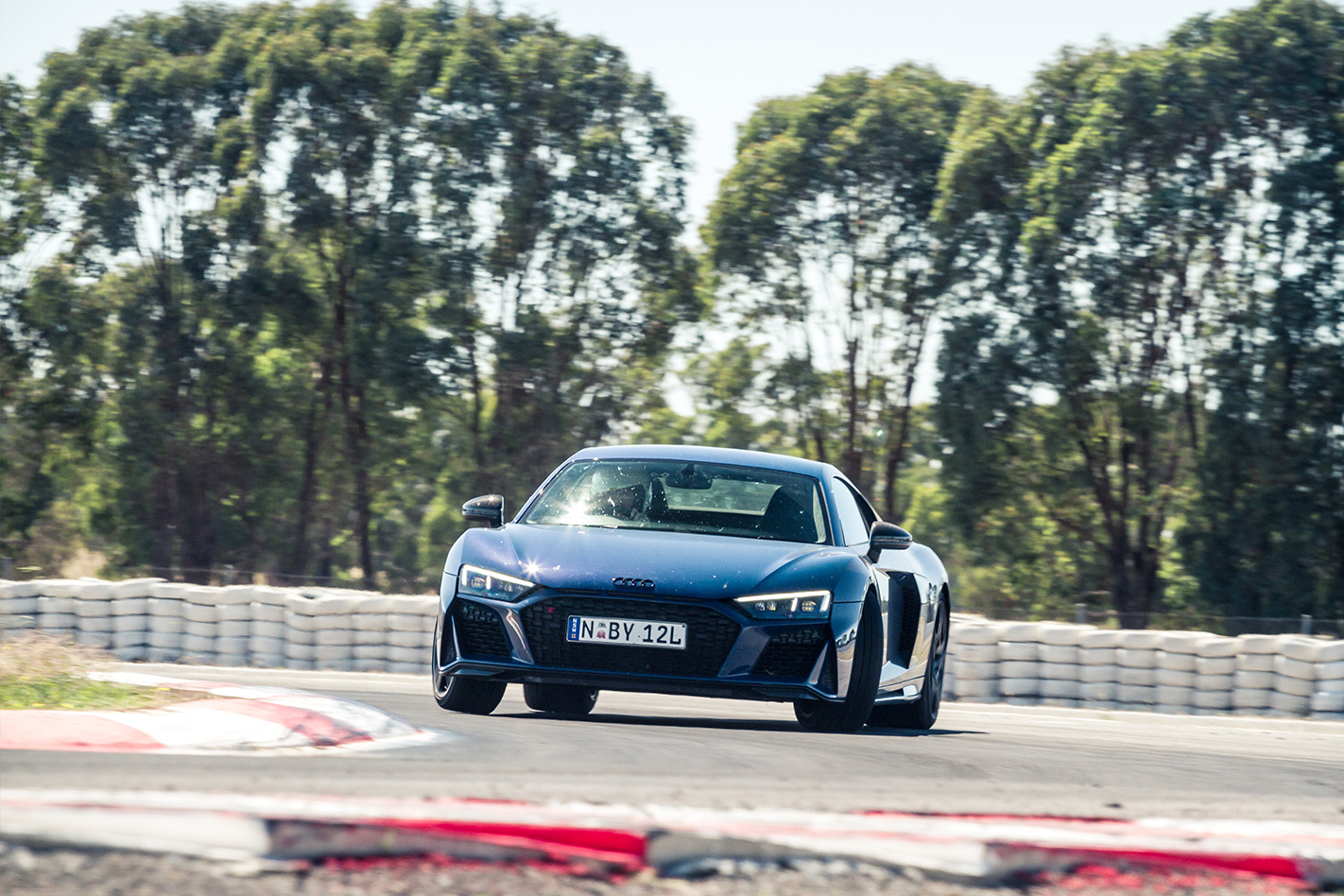
Its maker has crafted a slightly all-round nicer and more polished table without bringing much tangibly new to it.
Everything about the R8 centres around its V10 mojo that, from hard-revving headiness to rose-tinged nostalgia, delivers as expected.
It’s not really its mature powertrain that anchored R8’s showing in this year’s PCOTY, but more that it lacked dominance anywhere in a package that doesn’t bring much genuinely new or different to the performance car landscape. – CD
THE NUMBERS
0-100km/h: 3.27 sec 0-400m: 11.11 sec @ 205.41km/h Lap Time: 1:32.9
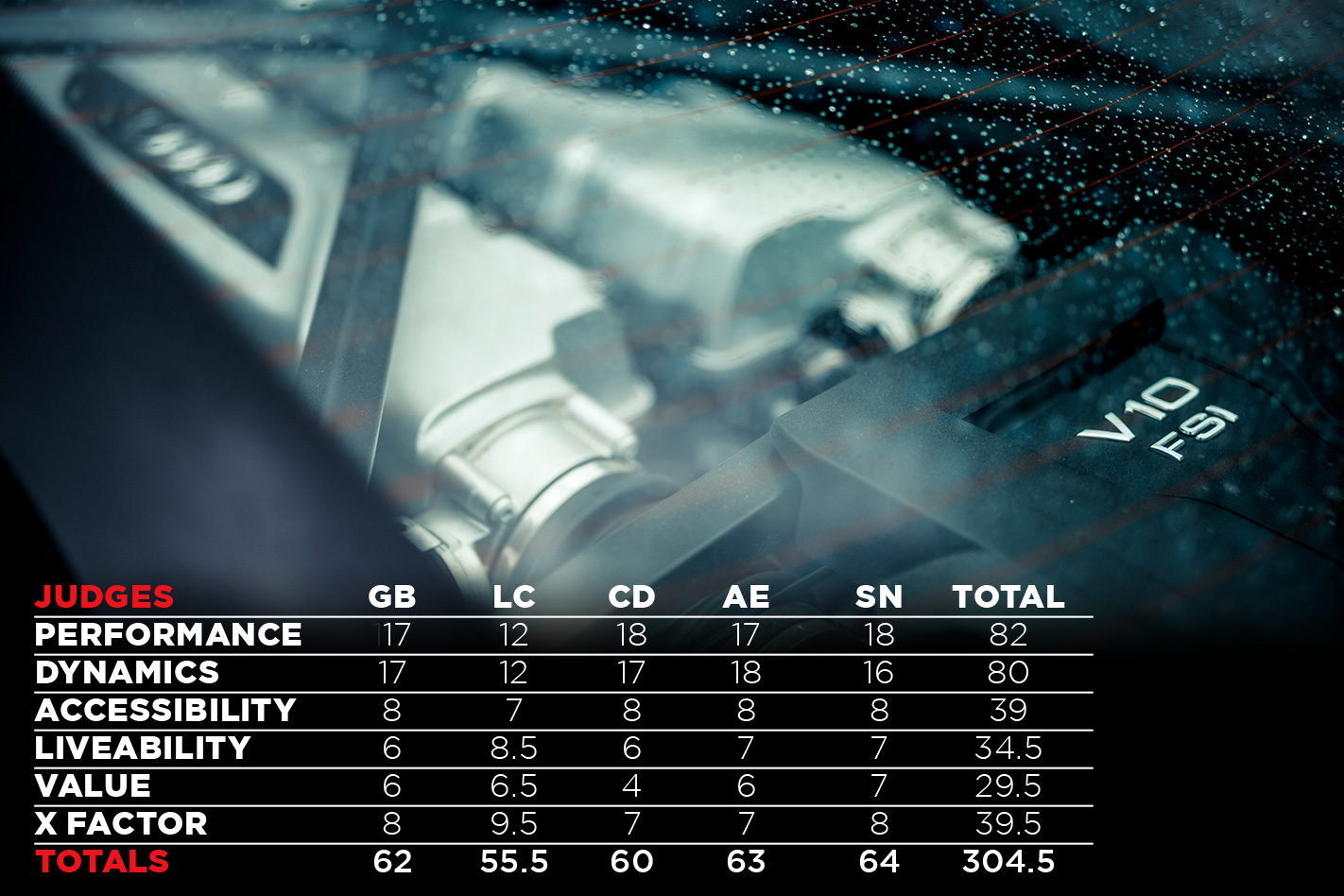
JUDGE’S RANK
Butler 6th A supercar that stuns but never scares
Cordony =5th Surprisingly benign, sounds awesome and still looks like it’s coming out next year
Dupriez 6th Rose-tinged V10 goodness in Audi’s fittest supercar yet. But its excess lacks the sense of its thriftier RWD kin
Enright =4th Has there ever been a mid-engined car more malleable than the delightful R8? Covered more track kays than any contender, which says something
Newman 4th Feeling its age slightly, but a fabulous all-round supercar. More people really should buy these
Pity the poor BMW M550i xDrive charged with following the tyre tracks of the “aloof” M5 Competition that “stumbled” into third outright in PCOTY 2019.
What hope would the luxo-dipped 5 Series with M-lite credentials and seemingly modest sporting pretensions have of rising to the 2021 occasion against more thoroughbred stock?
And yet it did. To a large extent, perception was the BMW’s strongest ally; a full-fat limousine easily underestimated to the point where you experienced its remarkable Jekyll to Hyde leap, dramatic enough that it gave unsuspecting judges long pauses of reflection.

Its formidable twin-turbo V8 thrusts its near two-tonne heft to 100km/h well shy of BMW’s form guide. However, on boil, its gutsy 390kW and 750Nm uncorked rolling punch served equally potently on a back road as it did around the Winton circuit.
Dynamically, it’s not the lively animal in the PCOTY pen, but its benign and obedient chassis and deftly M-fettled xDrive offers supreme stability and phenomenal corner exit purchase. Braking, too, is impressive – its 33.87-metre stop was shorter than that of the Audi’s carbon-anchored R8 and RS6 Avant – though the sheer inertia of the thing does punish rubber once the red mist descends for any extended stint.
A fresh-rubber lap banked a time of 1:35.4sec, some eight-tenths quicker than the more heroic and lively Audi wagon, logically the Bimmer’s closest nemesis of the field. Amazingly that proved a dead heat with the Cayman GTS.

The M550i xDrive stakes no claim to being its maker’s “ultimate driving machine” but it could be BMW’s finest ever Q-car. That it’ll confidently sit in the wheel tracks of nearly any of its nine competitors out in the real world while remaining easily the field pick for grand touring, long-haul comfort is outstanding in its own right.
That it’s approaching $100k more affordable than a proper M5 Competition while still laying on the lavish appointments is central to the $149,900 M550’s charm.
And that twin-turbo V8 heartbeat in such an unassuming high street cruiser, in a world now wedded to six-pot alternatives is hugely appealing for traditionalist tastes.

The M550i xDrive is arguably the fittest embodiment of BMW’s velvet hammer sports sedan mantra than anything else in Munich’s current stable. The cheaper Pure version is also a tempter, doing without laser lights, rear steer, soft close doors and active roll stabilisation.
Ultimately, though, its balanced goodness was only going to serve the Bimmer to a limited extent in the annual stoush where focus on sheer performance is so dominant.
Had this been All-Rounder Of The Year, here was your odds on favourite for the win. – CD
THE NUMBERS
0-100km/h: 4.27 sec 0-400m: 12.21 sec @ 193.86km/h Lap Time: 1:35.4

JUDGE’S RANK
Butler 8th Eight-tenths of an M5 with 12-tenths of the comfort
Cordony 7th The ultimate cross-country express, but the Pure’s even better value
Dupriez 10th Velvet hammer V8 limousine is perhaps BMW’s ultimate Q-car. Its Jekyll to Hyde transformation is quite the eye-opener
Enright 7th Wow. The M550i’s this year’s dark horse. Fast, capable, charismatic but ultra-discreet. I want one
Newman 7th A performance bargain and entertaining to boot, but buy the Pure
%MCEPASTEBIN%
Toyota has unveiled a radical new concept of its family-friendly RAV4 SUV, and it’s bucking the trend of the marque’s regular suburban remit.
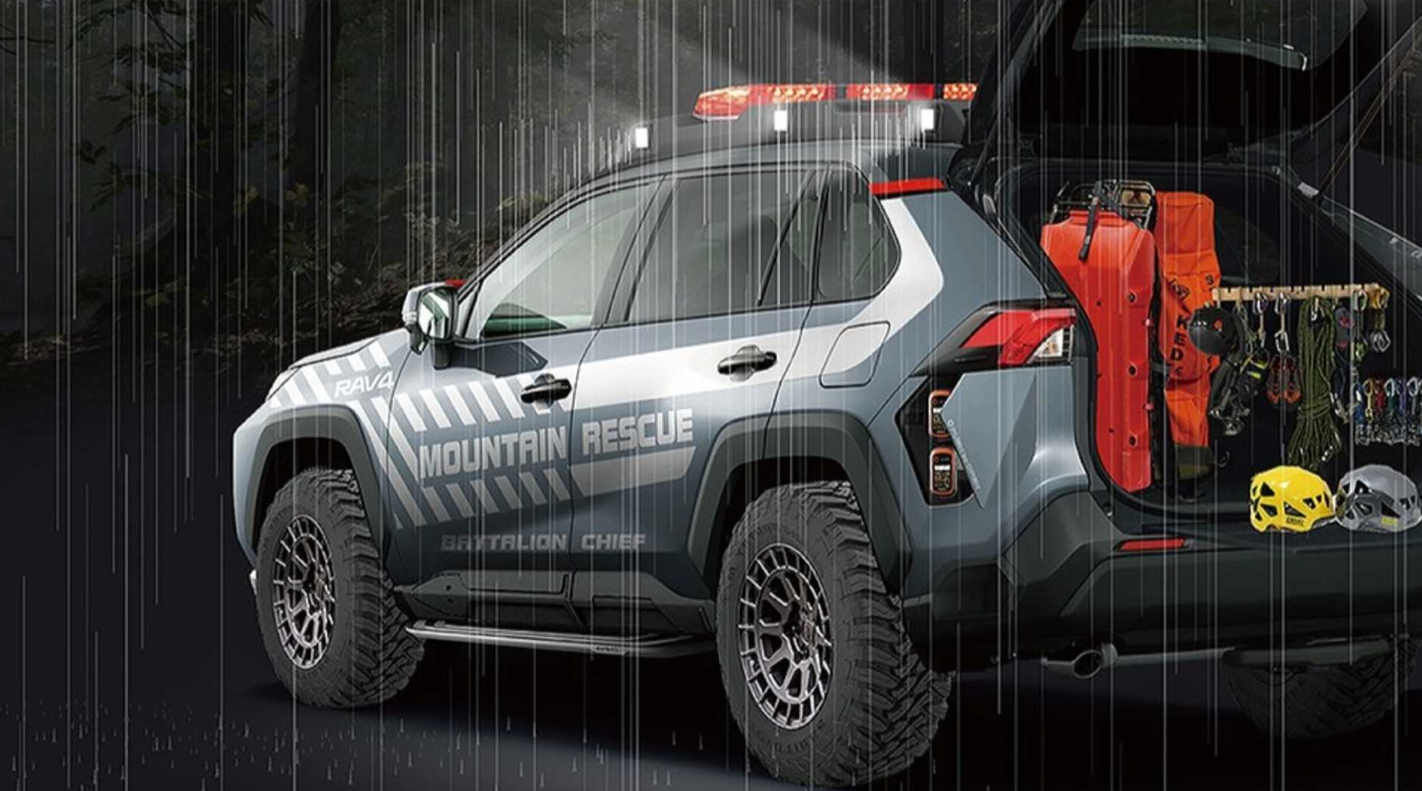
Called the RAV4 Mountain Rescue, this wild concept looks like it has been ripped right off the set of the next Jurassic Park film, and it’s got the technical chops to back up the buff aesthetic bravado.
There’s an almost obligatory matte black paint work, and the Japanese manufacturer has seen fit to adorn this RAV4 with bold decals that read “Mountain Rescue” and “Battalion Chief”, but the tough SUV also gets a bunch of features that would come in handy halfway up Mount Fuji.
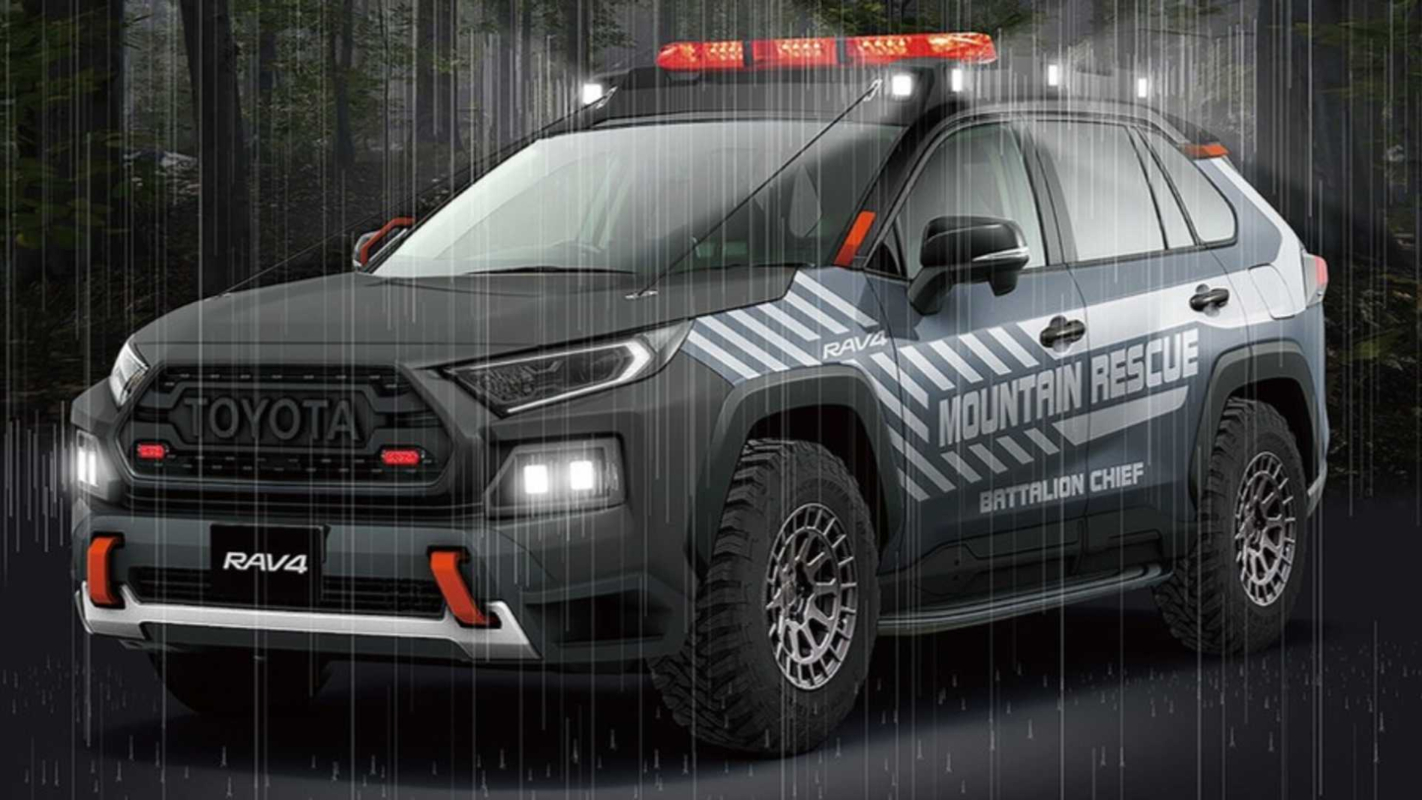
Big tow hooks protrude from either side of its front bar, and bright red grab handles sit proudly on the car’s A-pillars.
The roof racks are fitted with powerful spotlights, while the SUV sits on big off-road tyres, and appears to have had a pretty significant lift performed to the suspension.
The Mountain Rescue is also fitted with enough connection slots to cater for just about every gadget you could imagine, whether it be a camera, lamps, speakers, Lidar or even a drone.
Toyota was originally meant to unveil the radical RAV4 at the 2021 Tokyo Auto Salon, however, when that event became online-only, the manufacturer switched tactics and will now officially preview the car in the city of Takaoka on March 13.
Although it’s only a concept at this point, there’s no denying the SUV’s imposing presence – it just looks like it was built for exploring – and it would be safe to assume that if Toyota decided to make the Mountain Rescue, it would sell.
MORE: RAV4 news and reviews MORE: All Toyota stories
Yaris wins PCOTY. What an outcome that would have been.
It would have shifted more mags, it would have given a big fillip to a real-world performance car and it would have been the feel-good story of the year.
The thing with PCOTY is that no matter what your preconceived ideas, the process always wins. And the process found the GR Yaris wanting.
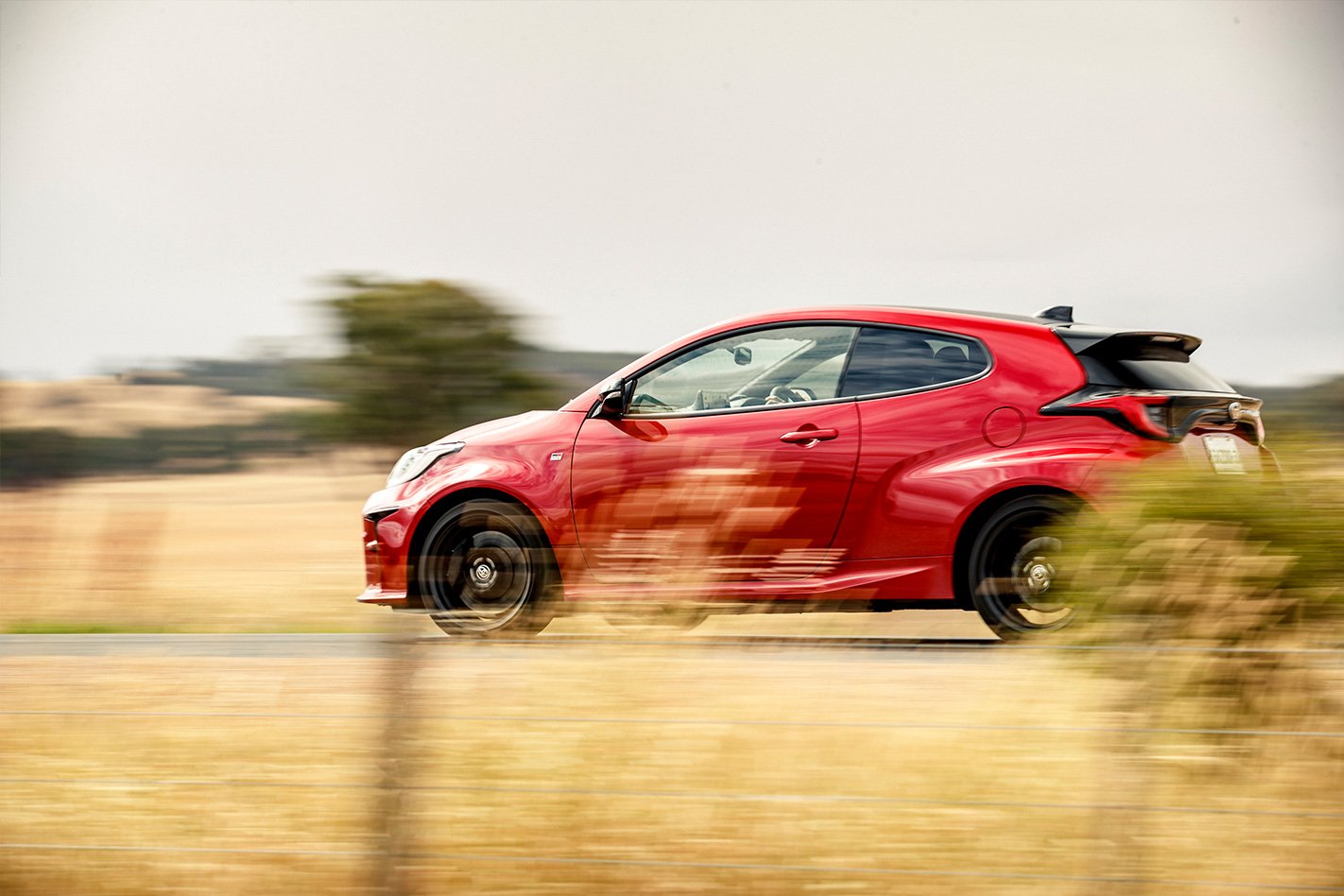
A couple of caveats first. Despite the manual ’box requiring a shift at 98km/h, this is still one of the quickest accelerating things (to 100km/h at least) that $50,000 will buy you. It’s also a car that, in this guise at least, is hamstrung by its so-so Dunlop SP Sport Maxx tyres and the lack of Torsen differential tech, two fitments that will do much to rectify on-limit handling when the more focused Rallye version arrives later in the year.
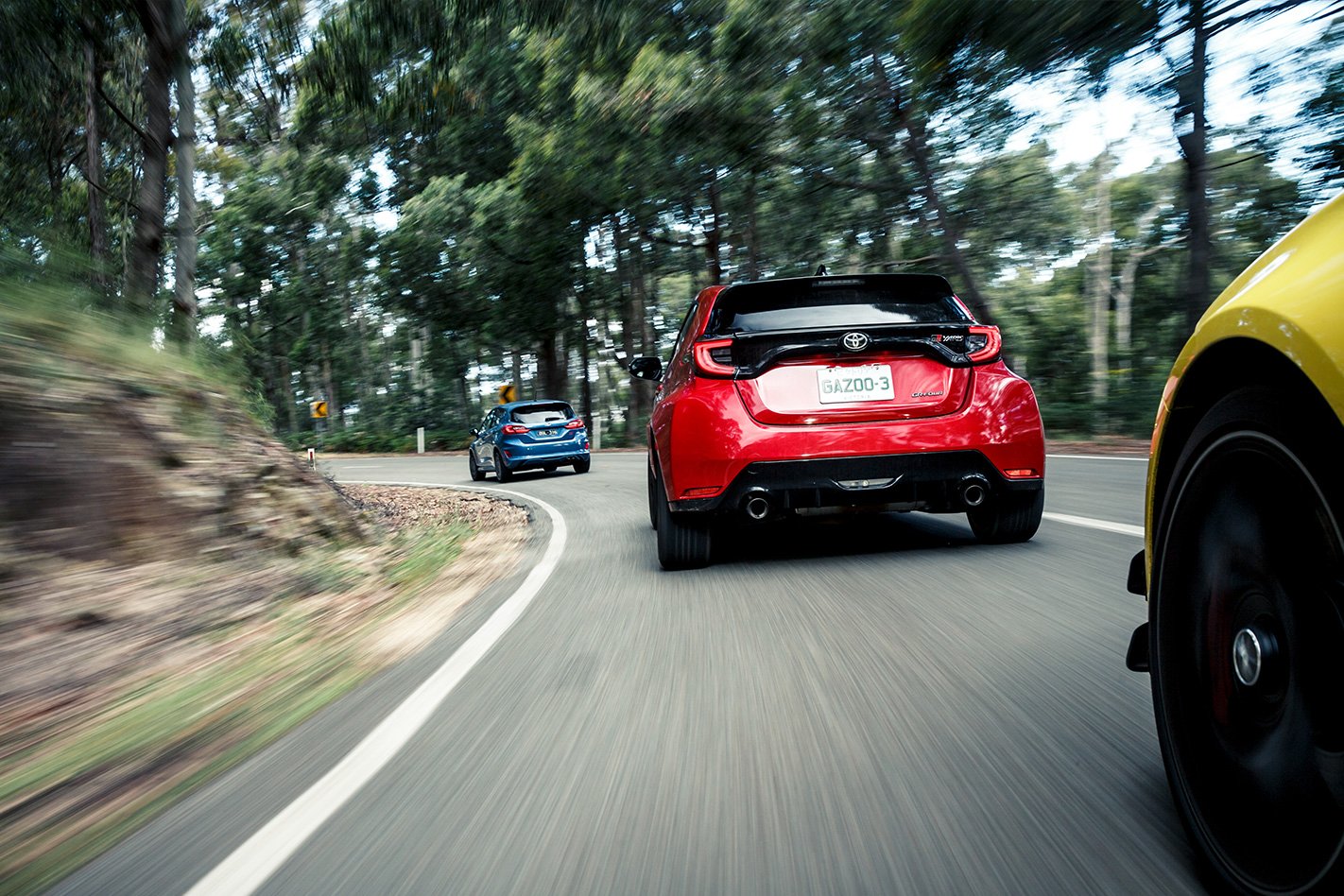
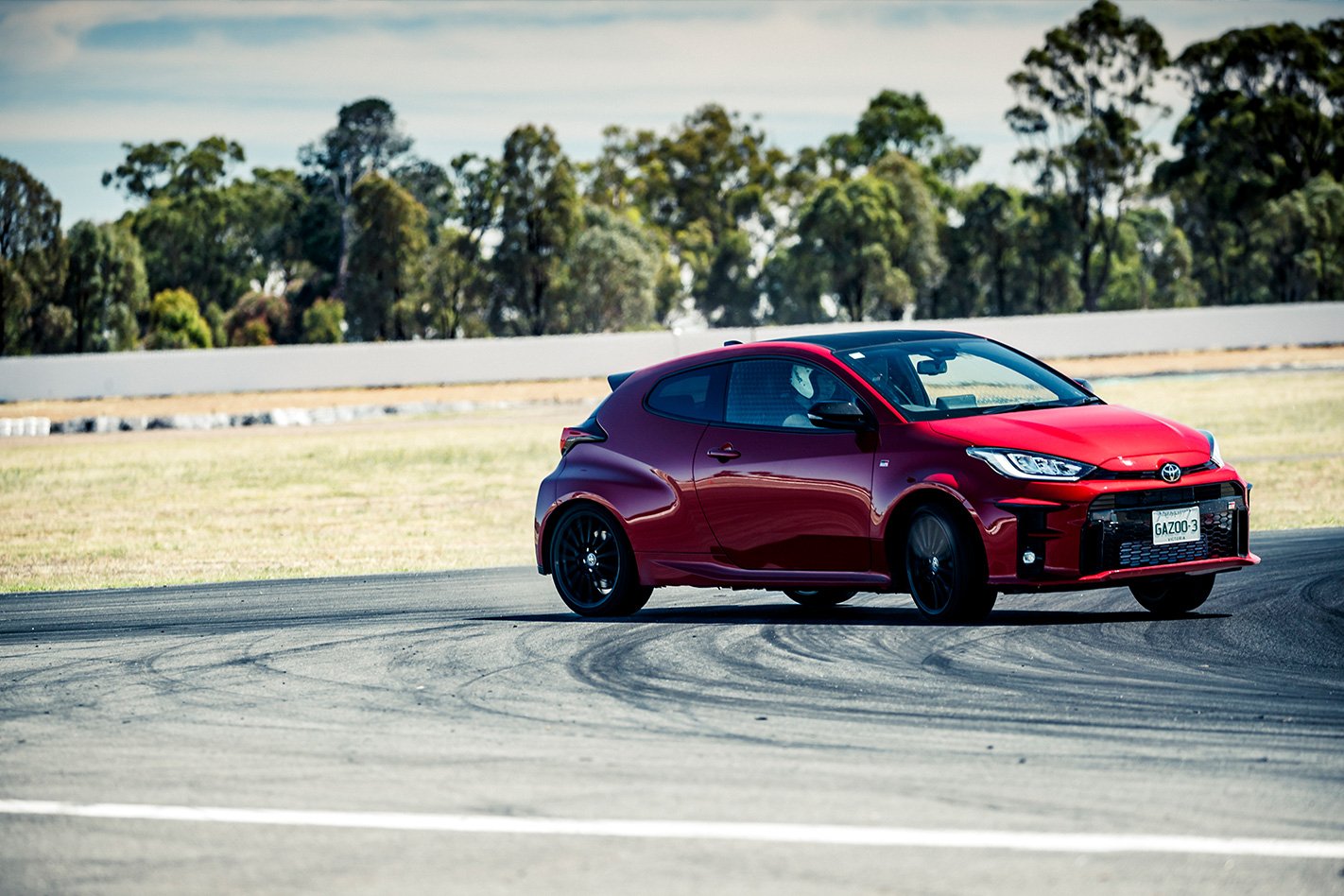
On track, turn-in was disappointingly vague, and efforts to rotate the GR’s nose towards the apex were thwarted by relentless, scrubby understeer. So much attention is given to managing the reluctant front end into the initial phase of a bend, that an early throttle pick-up to power out is near impossible.
The modest limits of the front rubber’s friction circle becomes clearly apparent, and only after winding off lock is it possible to start deploying the car’s prodigious grunt.
All of which is a shame, as the Yaris gets so much right. It sounds dramatic inside, it has brilliant brakes and well-geared steering. The three-pot engine is otherworldly in its appetite for revs and we admire Toyota’s commitment to fundamental rectitude in building a lightweight, all-wheel drive, manual sports hatch.
The back story to this car is just achingly compelling. We can overlook the cheap cabin, cramped rear accommodation and dinky boot because of this, but harder to overlook is a compromised driving position courtesy of a seat that’s set way too high. As a road car to be driven at eight-tenths, the Yaris GR has much to commend it, but in this company, the bar is set a good deal higher than that.
The dynamic subtleties that keen drivers seek, such as adjustability, tactility and flow – those final few percenters that differentiate the good from the great – are clumsily resolved here.
That will change with the introduction of the Rallye, but right here, right now, a disappointing eighth is as far as the GR Yaris can ascend. – AE
THE NUMBERS
0-100km/h: 5.16 sec 0-400m: 13.20 sec @ 169.74km/h Lap Time: 1:41.3
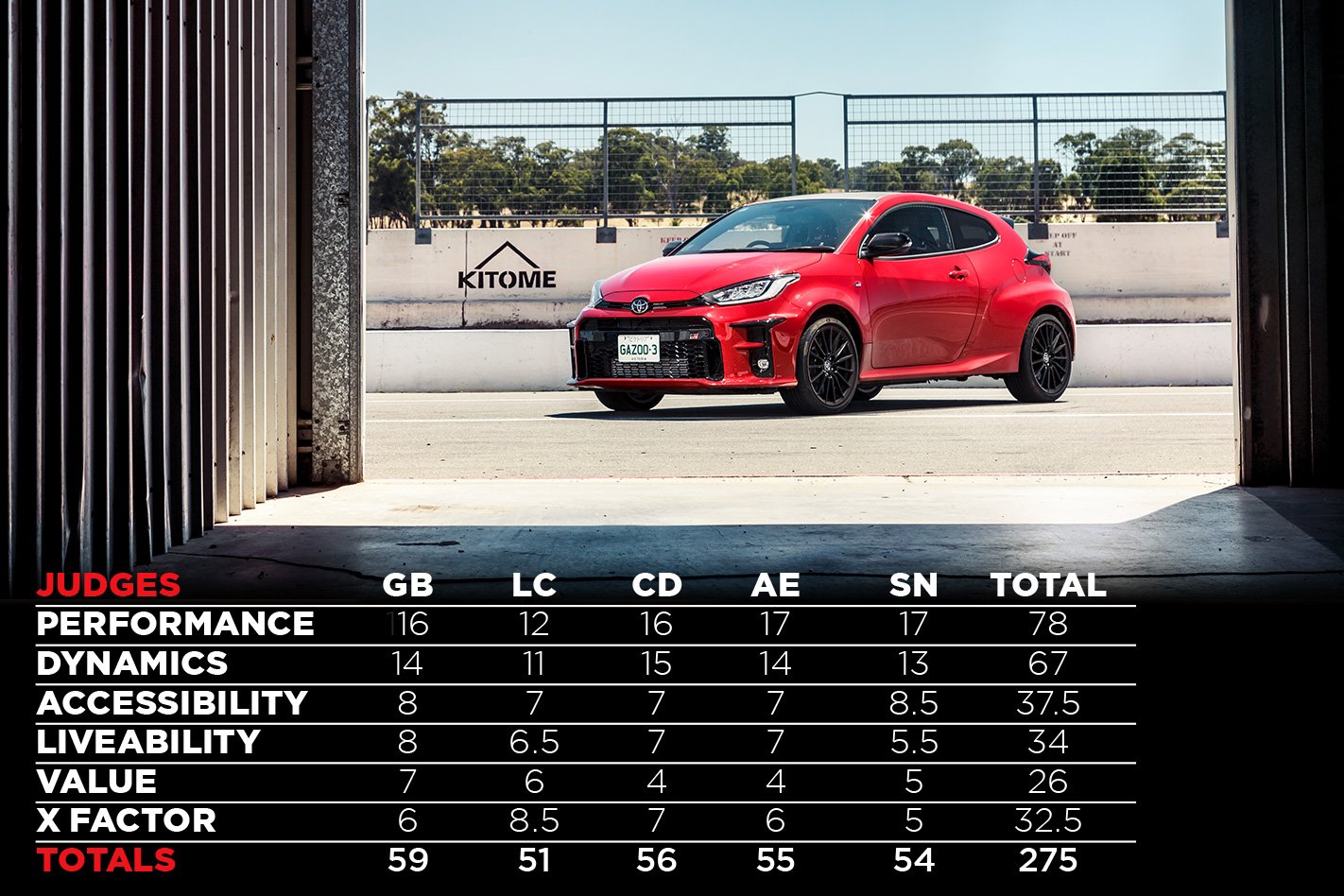
JUDGE’S RANK
Butler 7th A Toyota hot hatch with charisma, it just needs a touch more dynamic polish
Cordony =9th If you’re going to spend this much, then why not wait for the Rallye pack?
Dupriez =8th Such an impressive car in certain situations. Falling somewhat short on track suggests Gazoo Racing has held back too much in key areas
Enright 10th Expected brilliance, but came away deeply frustrated. Great powertrain, and the Rallye version ought to remedy this one’s shortcomings
Newman 10th The recipe and ingredients are right, but the meal tastes funny. And it’s way too expensive
American EV upstart Canoo has displayed a pick-up truck utility that uses a modern-day forward control vehicle design with the cab sitting over the front axle for maximum cargo capacity.
The design and a suite of information was revealed at the US-based Motor Press Guild’s Virtual Media Day, but the styling closely resembles the Canoo van.
It looks set to take on electric rivals such as the Rivian R1T, Tesla Cybertruck and GMC Hummer EV.
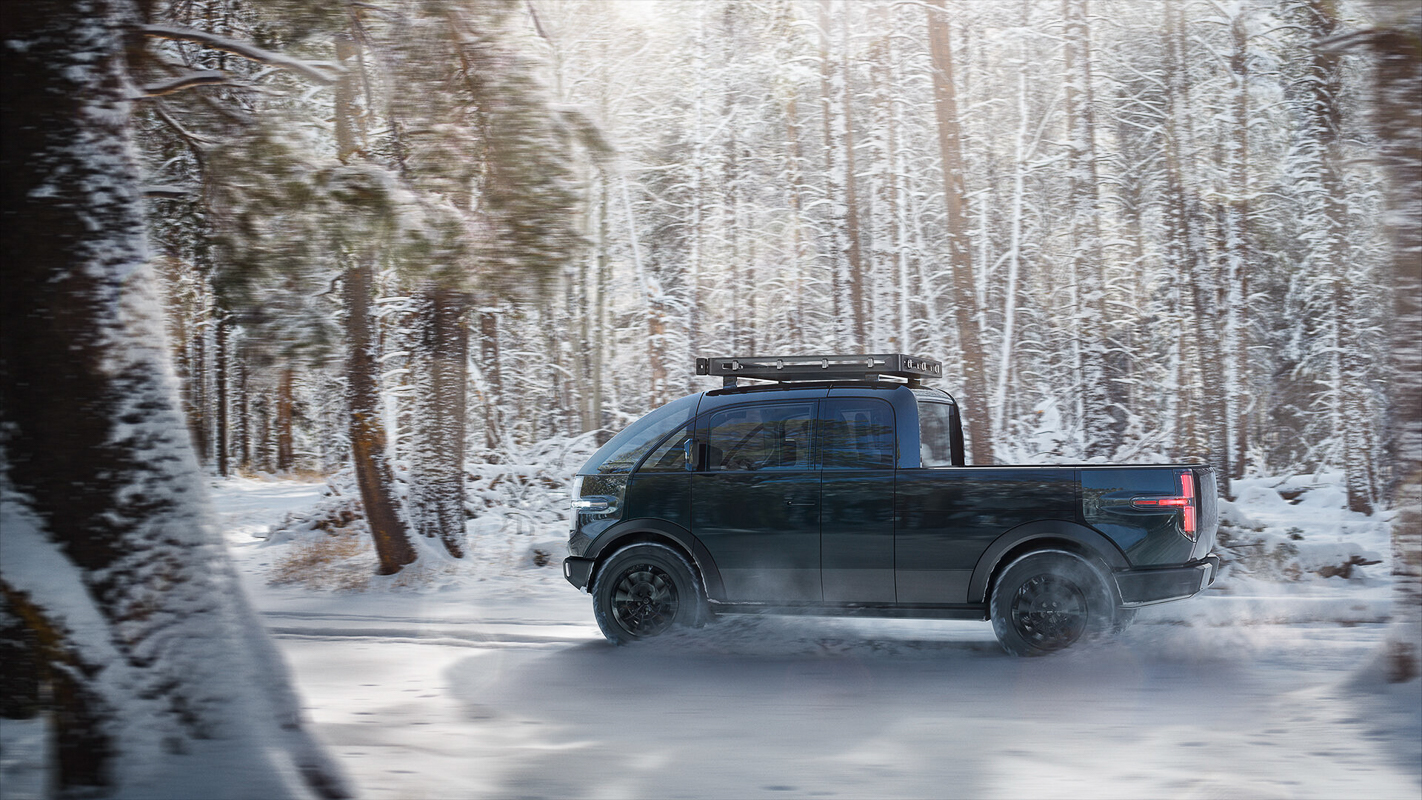
Simply referred to as the Canoo pick-up for now, the design features a gigantic glasshouse, a beefy front fascia with skid plates underneath for protection and flared plastic guards to hide all-terrain tyres.
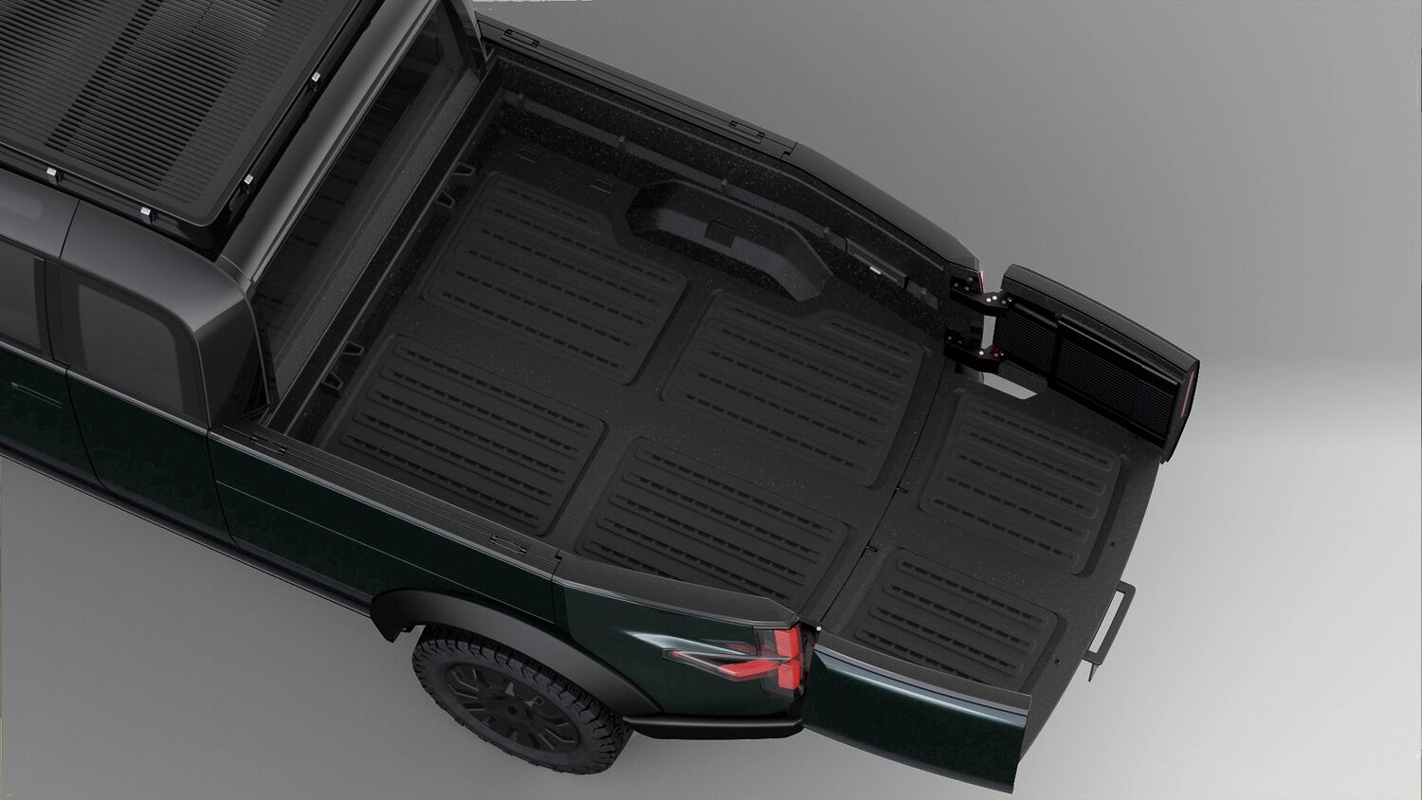
In addition to the unconventional design, Canoo has also fitted a number of thoughtful unique features such as an extendable tray bed that folds out to carry long items, a fold-down front bonnet that forms an on-the-go work bench, the sides of the tray flip down to create an expandable table and a modular tray with space dividers.
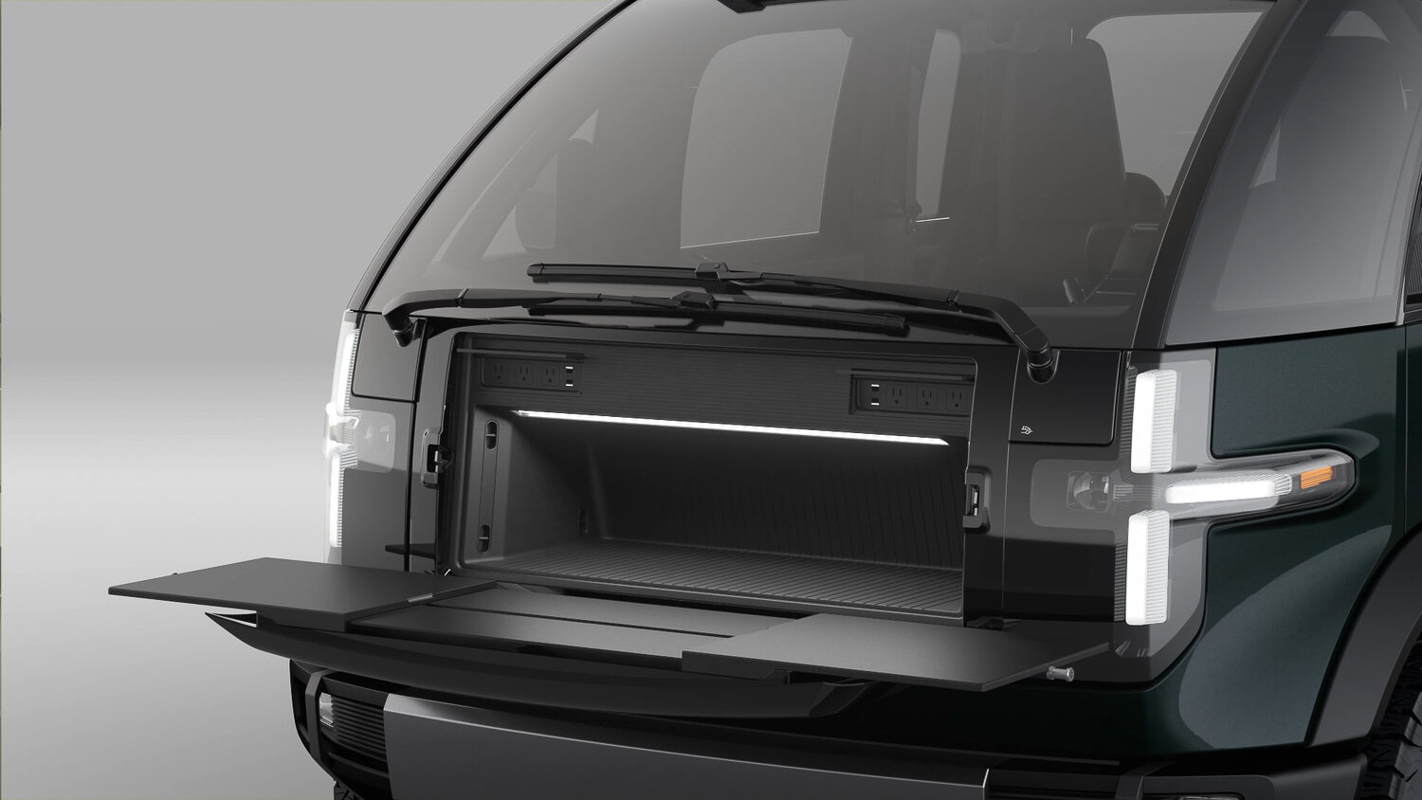
It’s even been designed with campers in mind, with the ability to fit a ‘camper shell’ on top of the tray for weekends away.
The Canoo pick-up is the third vehicle to use the brand’s proprietary multi-purpose platform architecture, allowing various body styles to be created in quick succession.
As a point of difference, the Canoo pick-up uses various electric control systems in place of mechanical parts, such as its steer-by-wire system that does away with physical componentry.
It’s all done with the goal of having the most spacious layout inside the smallest possible footprint. Canoo says its pick-up offers a similar flat-bed size to the Ford F-150, though in a smaller footprint.
Specifications quoted mention the availability of both dual- or rear-motor configurations, up to 447kW/745Nm outputs, a 320km range and a payload capacity of 816kg. No tow rating has been mentioned.
No interior photos were supplied, though Canoo did say that its pick-up contains two front seats and a “customisable rear compartment that can accommodate two additional seats or support additional purpose-built use-case configurability.”

Pre-orders open for American customers open from second-quarter 2021, though Canoo doesn’t expect to begin deliveries to begin before 2023.
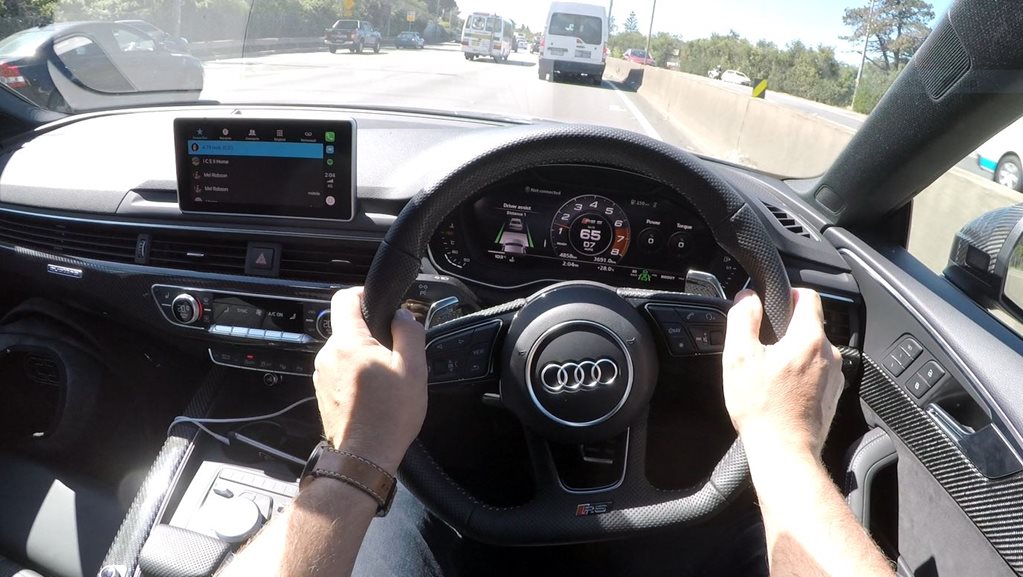
A US-based study has found that the use of adaptive cruise control (ACC) spurs drivers to speed, thereby undermining the feature’s potential safety benefits.
American non-profit organisation Insurance Institute for Highway Safety (IIHS) conducted a survey over a four-week period and found that drivers were “substantially more likely to speed when using ACC or partial automation” than when not using the technology.
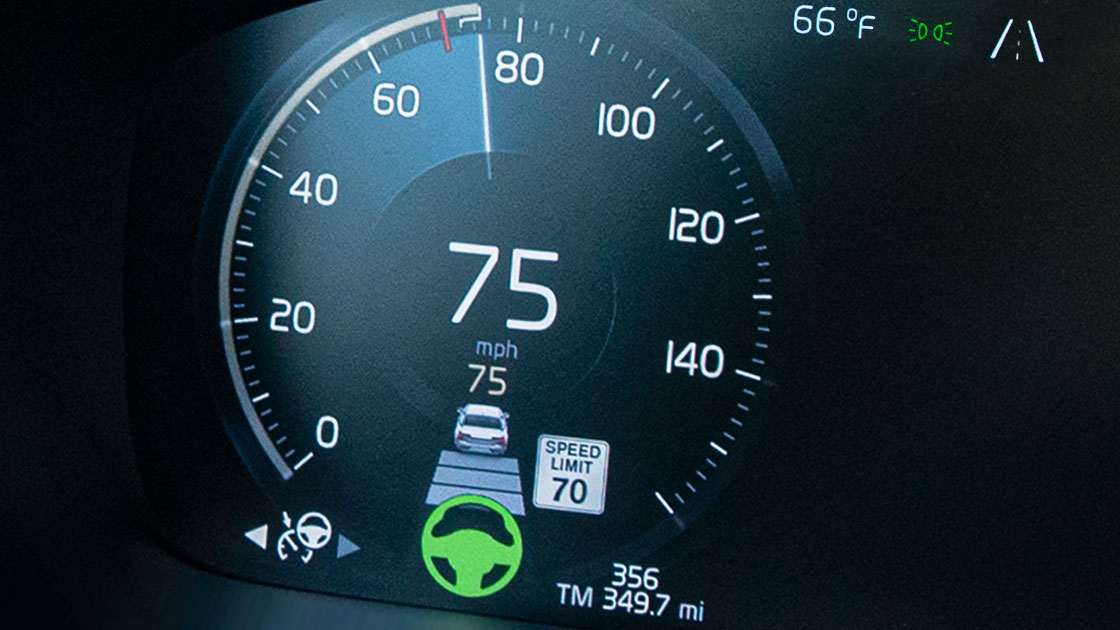
It suggested drivers select a speed for the car to follow that’s above the posted speed limit, and subsequently forget that they’re going over the limit.
Forty participants were loaned a Range Rover Evoque or Volvo S90 with adaptive cruise control and lane-centering functions over the month-long test period. The IIHS studied participants’ behaviours behind the wheel and found drivers were 24 per cent more likely to exceed the speed limit on highways when the two driver assistance systems were in use.
Additionally, the amount by which drivers exceeded the speed limit when they did speed was higher when using the ACC compared with those who sped when driving ‘manually’.
“Driving faster is more dangerous,” said IIHS statistician Sam Monfort of the results, who was also the lead author of the paper. “You can’t argue with physics.”
“ACC does have some safety benefits, but it’s important to consider how drivers might cancel out these benefits by misusing the system.
“Speed at impact is among the most important factors in whether or not a crash turns out to be fatal.”
Importantly, the study did not analyse factors such as following distance or reaction time, both of which could be increased with the use of driver assistance features.
The IIHS noted studies have shown ACC use may lower crash risks as these systems “maintain a greater following distance” than most human drivers.
Future research will incorporate the above factors as part of monitoring the speeding patterns of drivers who use adaptive cruise control systems.
France’s Renault has unveiled a new evolution of its iconic diamond logo, bound to appear on all production models and dealerships in the next couple of years.
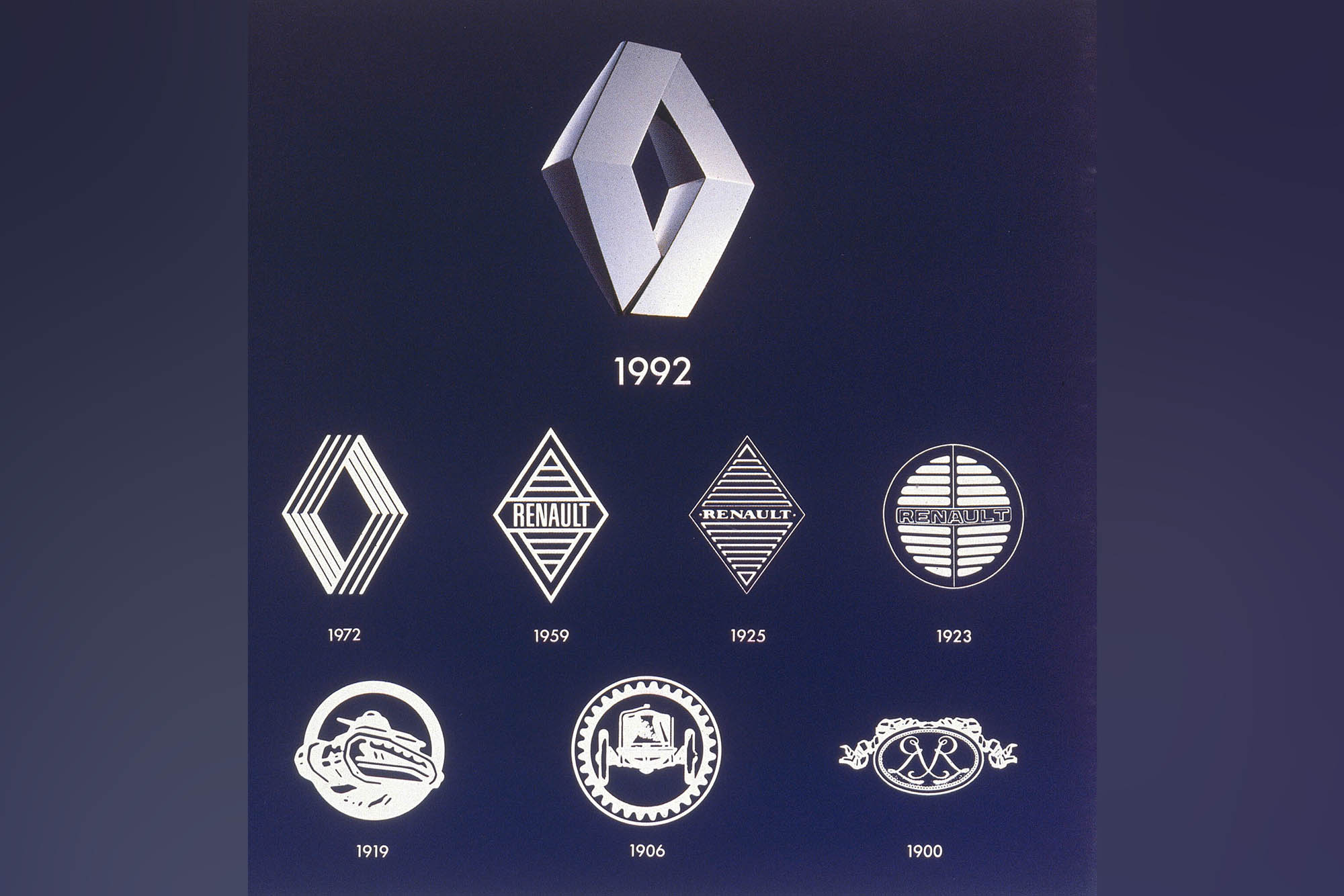
Like its national rival Peugeot, Renault’s new logo represents a throwback tribute to the stylised diamond revealed in 1972 – a badge that served right up until the first version of the current chrome logo debuted in 1992. Its last tweak was made in 2015.
READ: Peugeot reveals new logo
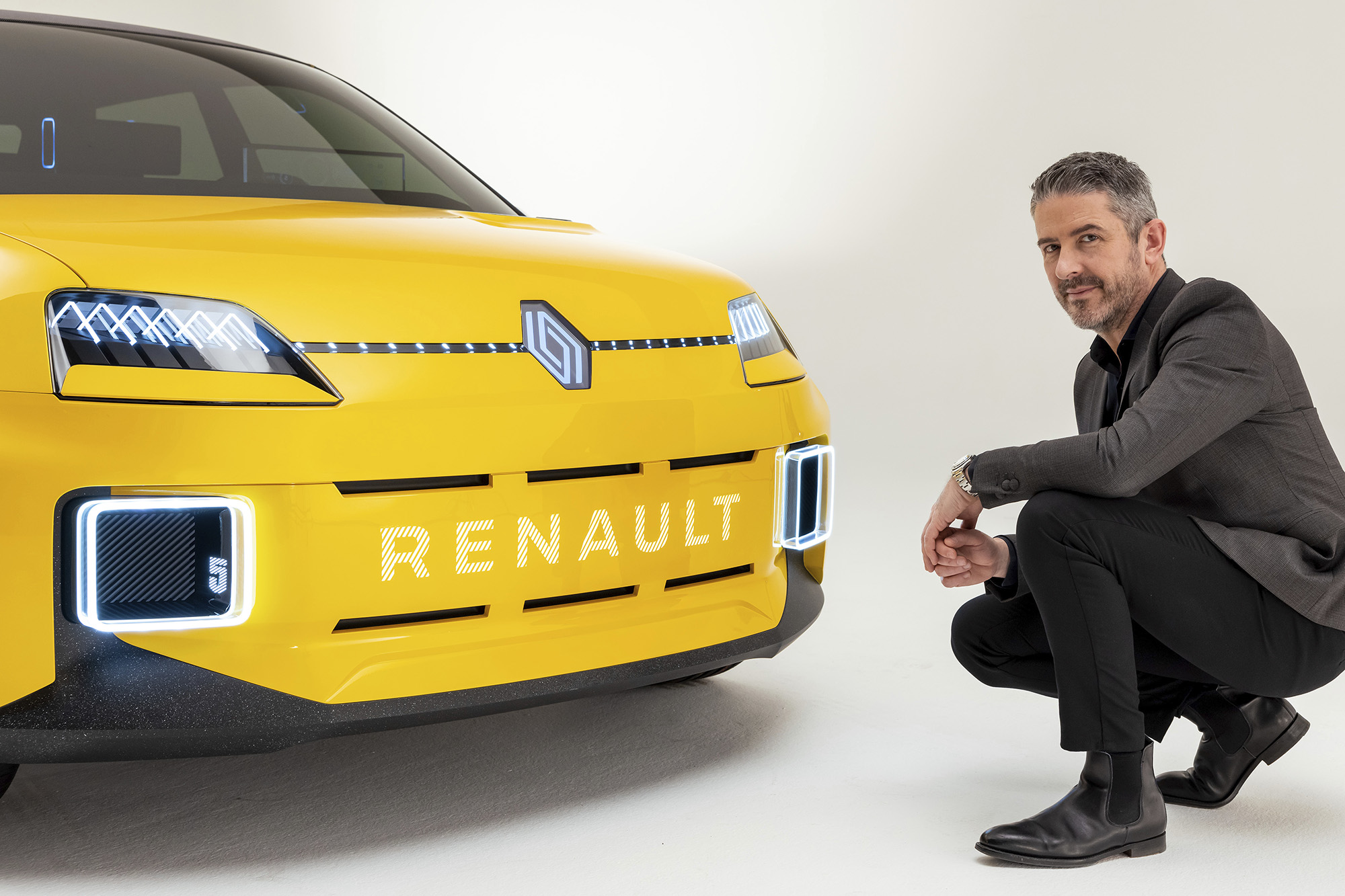
This latest redesign marks the ninth time Renault has redesigned the diamond logo, which made its first appearance in 1925, replacing a series of rounded logos – including a 1919 version with the Renault FT battle tank, highlighting Renault’s service to its nation in World War I.
As with the recent new logo announcements of Peugeot and Korea’s Kia, the new Renault logo first appeared on a show car – January’s bold, retro-inspired electric 5 prototype (pictured above).
“We have integrated it on the Renault 5 Prototype for the first time. It was for us a formidable testing ground. In view of the enthusiasm and the very positive feedback we received about the logo, we decided to launch it,” says Renault design boss Gilles Vidal.
“It is a balance between recognition of the brand’s heritage and entering a new era, a symbol of the future. The restyled diamond perfectly embodies the ‘New Wave’ era that Renault has entered.”
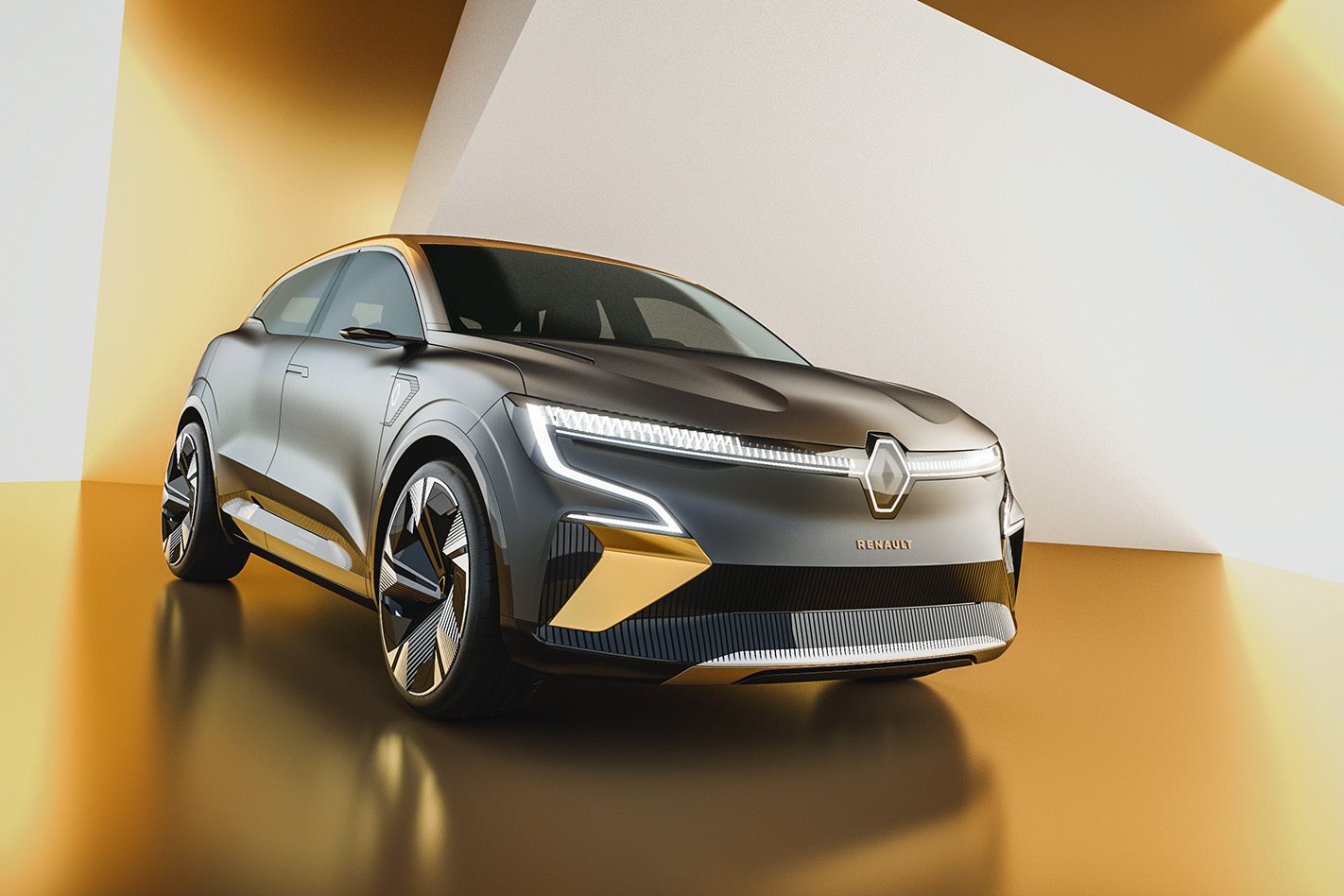
Vidal adds that the new logo was designed to appear “uncluttered” and to inspire a feeling of movement – including animated versions of the logo that will appear in digital marketing campaigns.
The company has yet to reveal which production model will be the first to wear the new badge, although last year’s Megane eVision concept (pictured above) – previewing of a new electric model due to be revealed later this year ahead of a 2022 production schedule – would seem the likely choice.
Vidal says all Renault models, current and new, will be wearing the new logo by 2024.
MORE: Renault news and reviews MORE: Renault reveals 5 electric prototype MORE: Megane eVision concept revealed MORE: Renault’s huge reboot brings electric cars to the fore
Before we go forensic on the Audi RS6’s Performance Car of the Year performance, let’s pause and give praise that the SUV invasion hasn’t killed off the fast wagon genre.
As a former owner of a Skoda Octavia RS, I like the option of shuttling my dog at speed. But I suspect even my willing four-legged Sunday-drive companion might find the RS6’s boundless performance beyond the pale. Luckily for her, warp factor 5 isn’t always required.
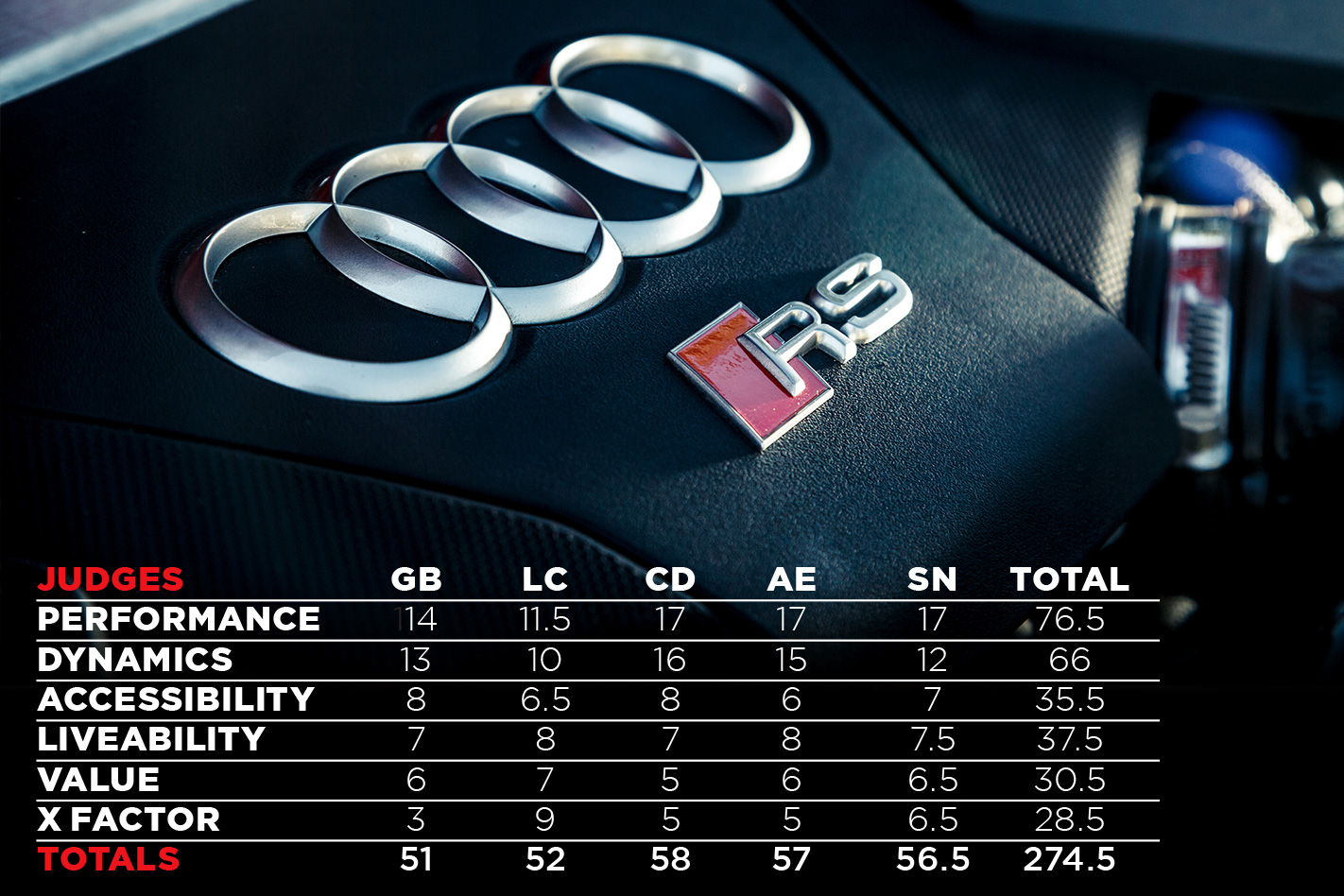
Although, at PCOTY, going easy is not the done thing. And when you’ve got 441kW of twin-turbocharged V8 up front and quattro all-wheel drive underneath, there’s only one question that needs answering: how fast? In a straight line… plenty fast, as the RS6’s sub-12sec 400m time proves.
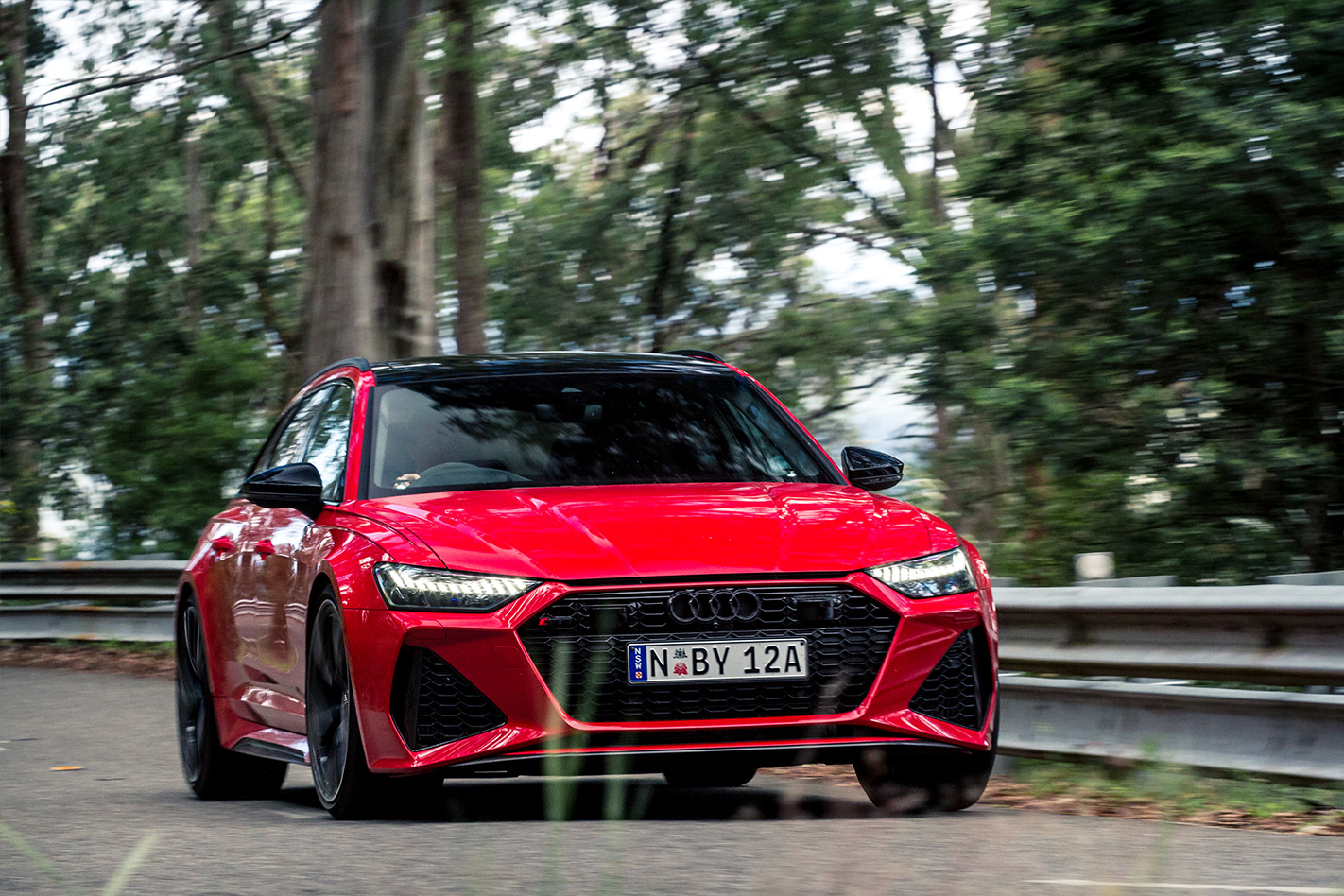
That’s quite a trick given the German wagon’s 2150kg, and testament to how 800Nm (from 2000rpm) can challenge the laws of physics. How does it feel? Relentless. In the right gear/revs it’s brutal.
The same laws of physics refuse to be cowed when it comes to lap times, however, and not even our test car’s optional Dynamic Pack – which swaps out the adjustable air suspension with steel springs and cross-linked dampers and adds all-wheel steer – could keep centrifugal force at bay.
The RS6’s lap time is the third-slowest, but that needs some perspective to truly appreciate. Take the fastest car on track, the AMG GT R Pro. The RS6’s lap-time is seven seconds slower. However, you can buy two RS6s for one GT R Pro and give four adults the ride of their life (plus the dog) instead of one in the AMG.
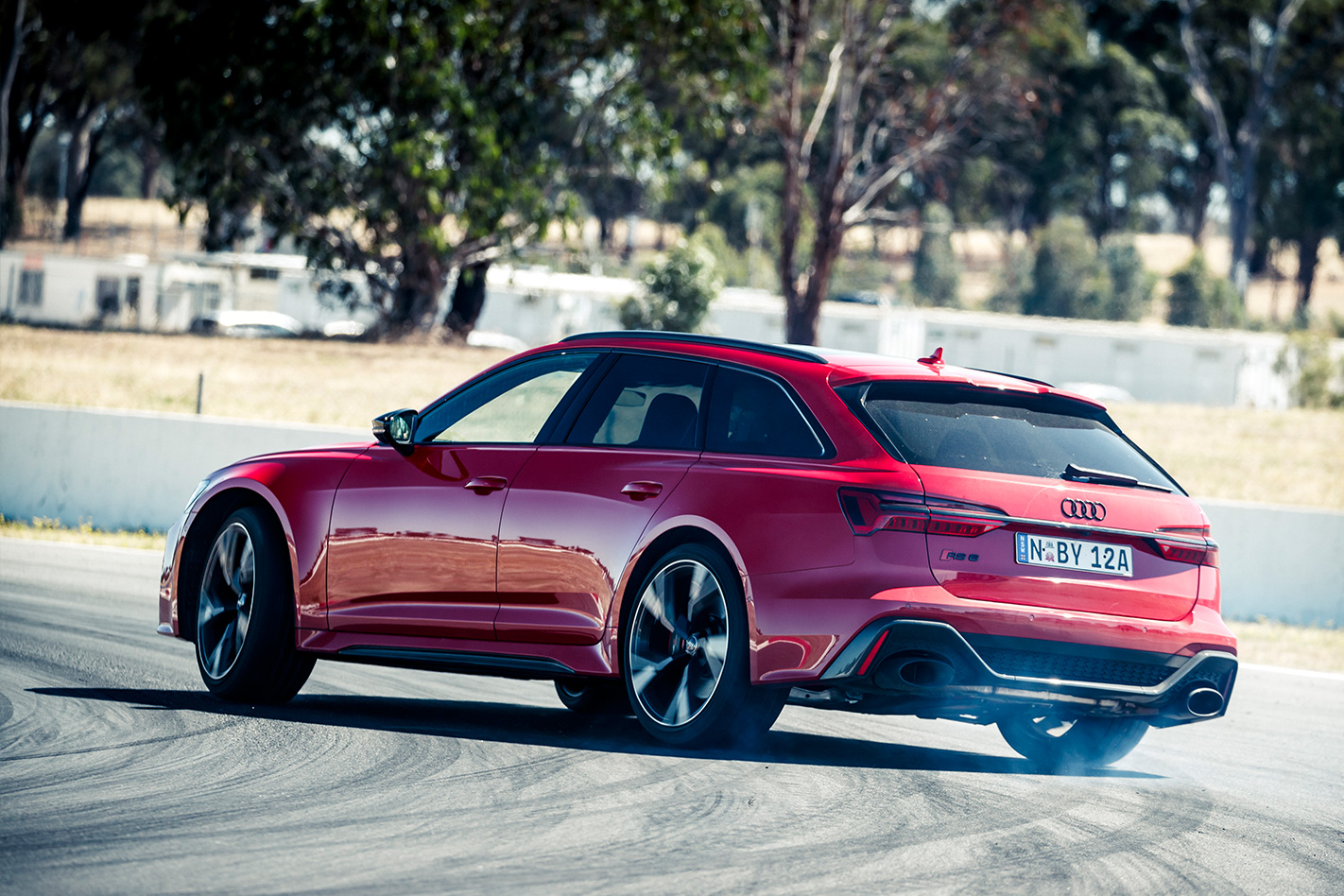
That’s the thing; it’s a fast wagon, and what it lacks in some areas it makes up for in others. The GT R Pro can never be anything but a track day car or an indulgence, but the RS6 is an everyday car and a very fast track car. Yes, it’s a heavy beast, but everything about the RS6 is supersized to deal with the heft.
Take the 420mm, 10-piston front brakes for example. The RS6 stops hard and fast every time and resists fade stoically despite the forces at play, pulling up from 100km/h in 34.49m. The RS6’s weaknesses are an interesting bag. First, it’s simply not as agile or responsive dynamically as almost all the other cars here, which is why it ranked last for Dynamics with the judges.
It’s that weight again combined with a very long wheelbase that makes the RS6 more sledgehammer than scalpel. The steering is too light and somewhat lifeless, and the steel springs don’t translate well to the road. They’re on the firm side of firm, and lack the compliance to absorb bumps, especially mid-corner nasties that throw the RS6 off its line.
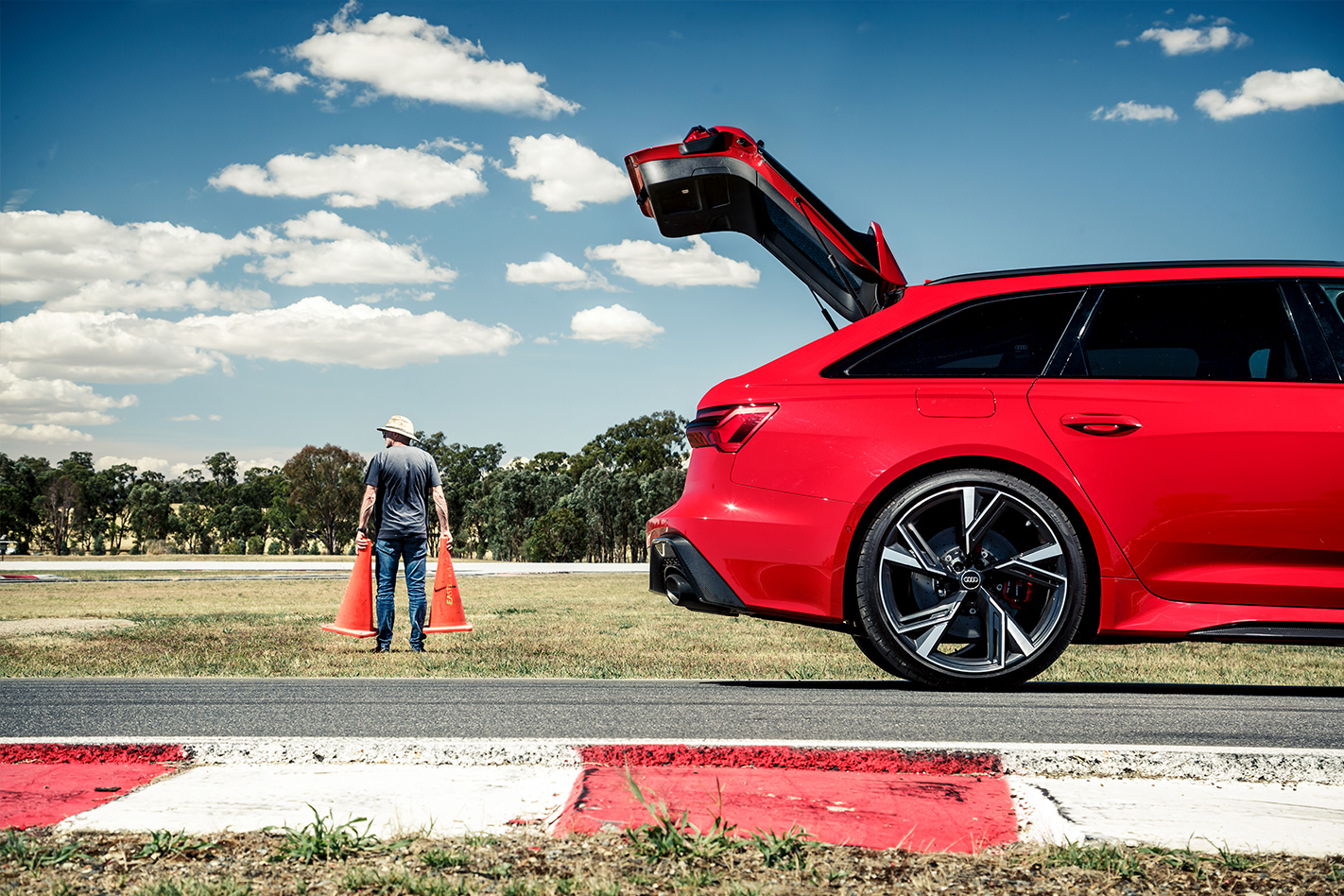
The air suspension we drove back at the launch is a much better all-round solution, bringing compliance and sophistication even on 22-inch liquorice strip Pirelli P Zero tyres. So in the rarefied air of PCOTY, a big wagon like the Audi RS6 is unlikely to win. But in the wider world, its combination of performance and practicality is without peer at the price. And for that we give thanks. – GB
THE NUMBERS
0-100km/h: 3.98 sec 0-400m: 11.94 sec @ 193.67km/h Lap Time: 1:36.2
JUDGE’S RANK
Butler 10th Every dream garage needs a seriously quick wagon like the RS6Cordony 8th An athlete desperate to drop a weight classDupriez 7th Has it all on paper, but the ultimate war wagon strangely falls short of genuine x-factor and cohesiveness
Enright 8th The fun bus felt out of its comfort zone at PCOTY. Covetable road car but struggled dynamically in this company
Newman 9th Too big and too remote yet doesn’t really ride. Stick to air springs. Or an RS Q8
Australian commercial EV manufacturer, SEA Electric, has announced a new US$42 Million in private placement equity financing.
According to SEA, this will allow the organisation to cement its place as a leader in the EV market, while also assisting with fulfilling a backlog of orders and helping contribute to future research and development.
It will also mean the company is able to increase its international sales push and further implement its patented “Sea-Drive” 120b battery power system.
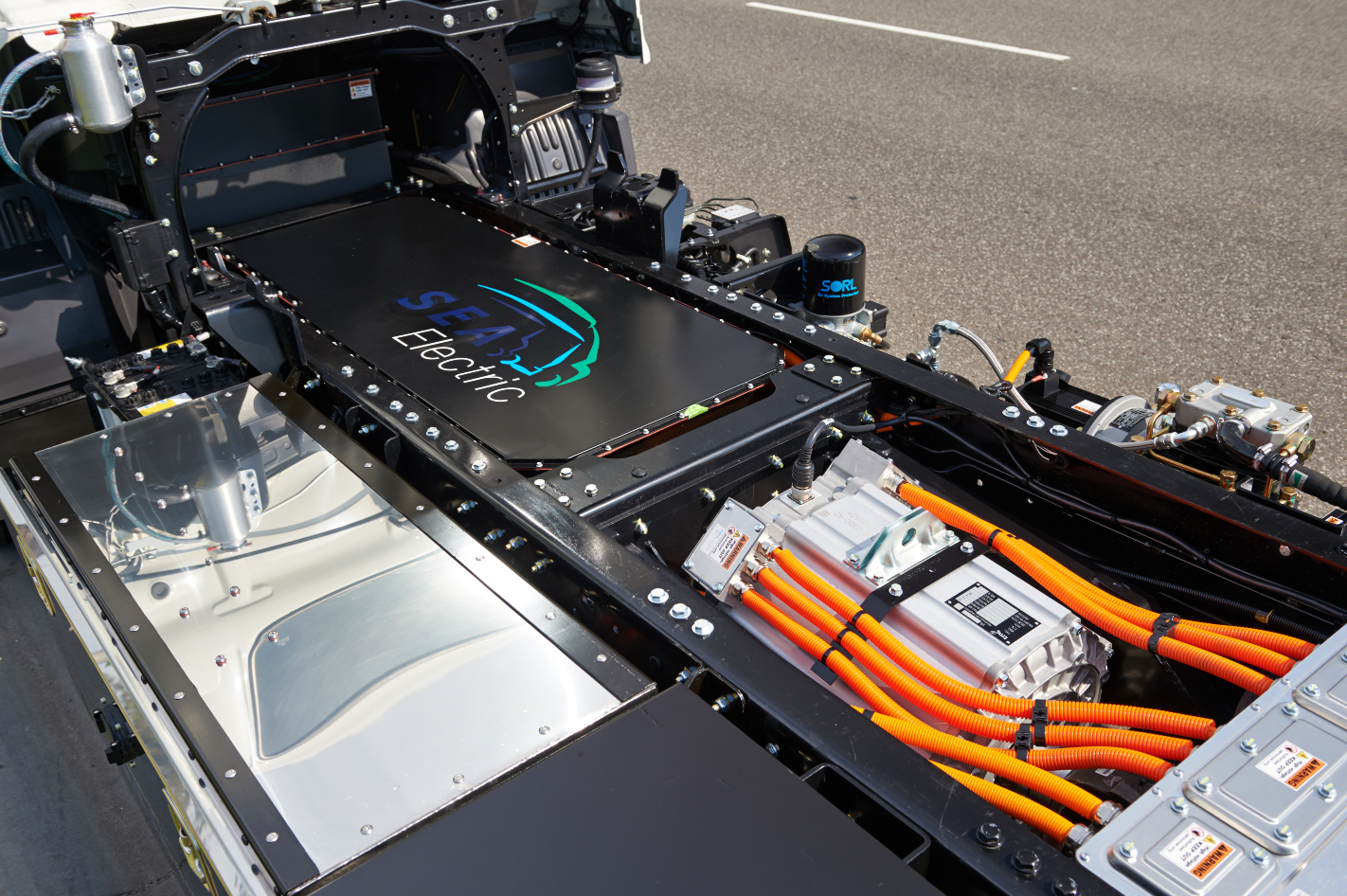
“We are very pleased to have completed a heavily oversubscribed equity financing and are excited to welcome aboard a global set of institutional investors as partners,” Tony Fairweather, SEA founder and president, said.
“The financing allows SEA Electric to grow our backlog as we explore options to seek a public listing in the United States this year.”
Founded in 2012, the Australian company has taken the mercantile transportation industry by storm.
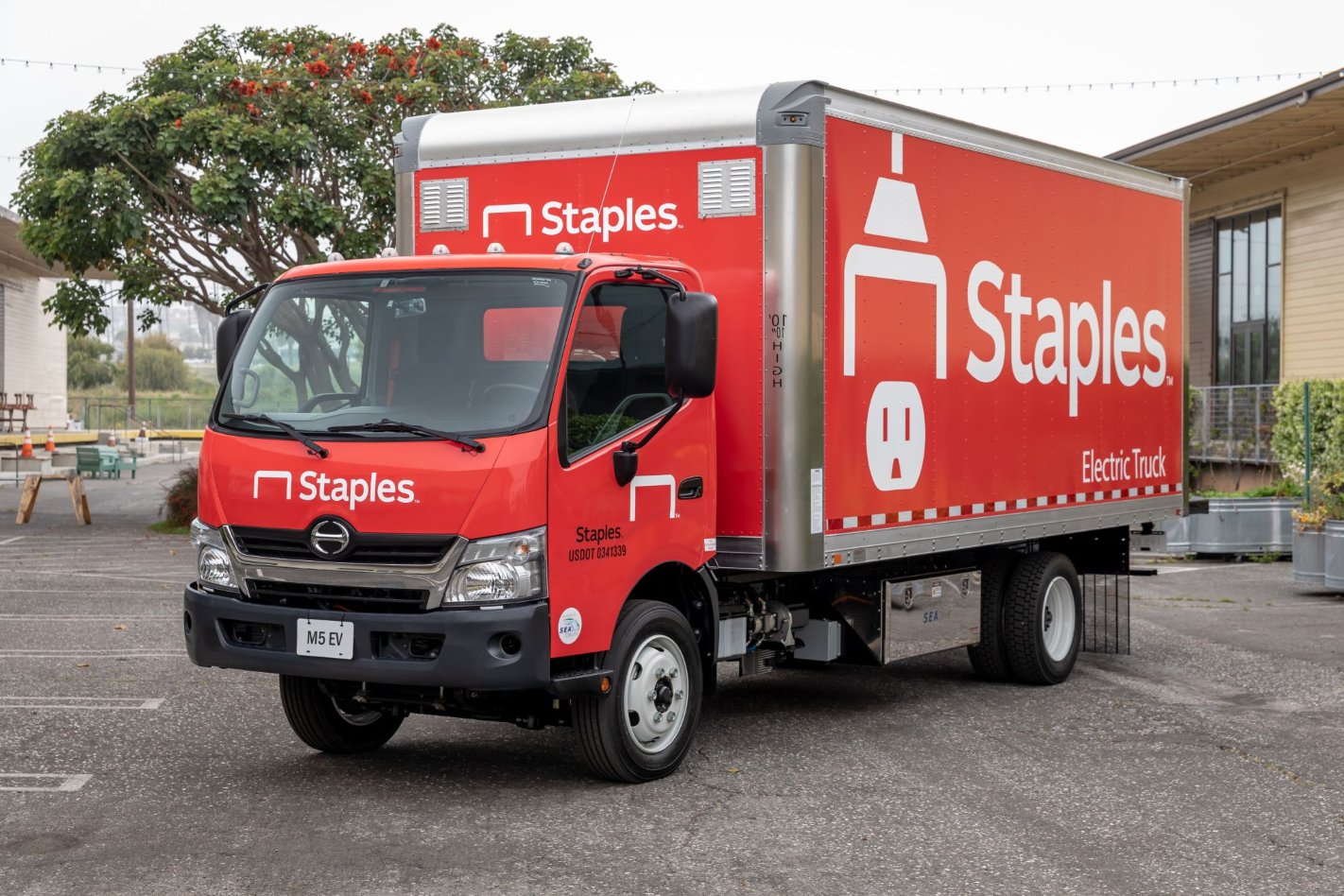
Now headquartered in California and operating in six different countries, SEA has already partnered with corporate heavyweights like FedEx, Staples and UPS.
SEA claims a number of its vehicles boast over 300 kilometres of pure EV range, which is impressive considering the already laden nature of most commercial transporters.
These impressive efficiency figures have garnered significant interest across the globe, and in 2021 alone, the company has already delivered 1000 zero-emissions electric vehicles – and is on track to have 15,000 of its vehicles on the road by the end of 2023.
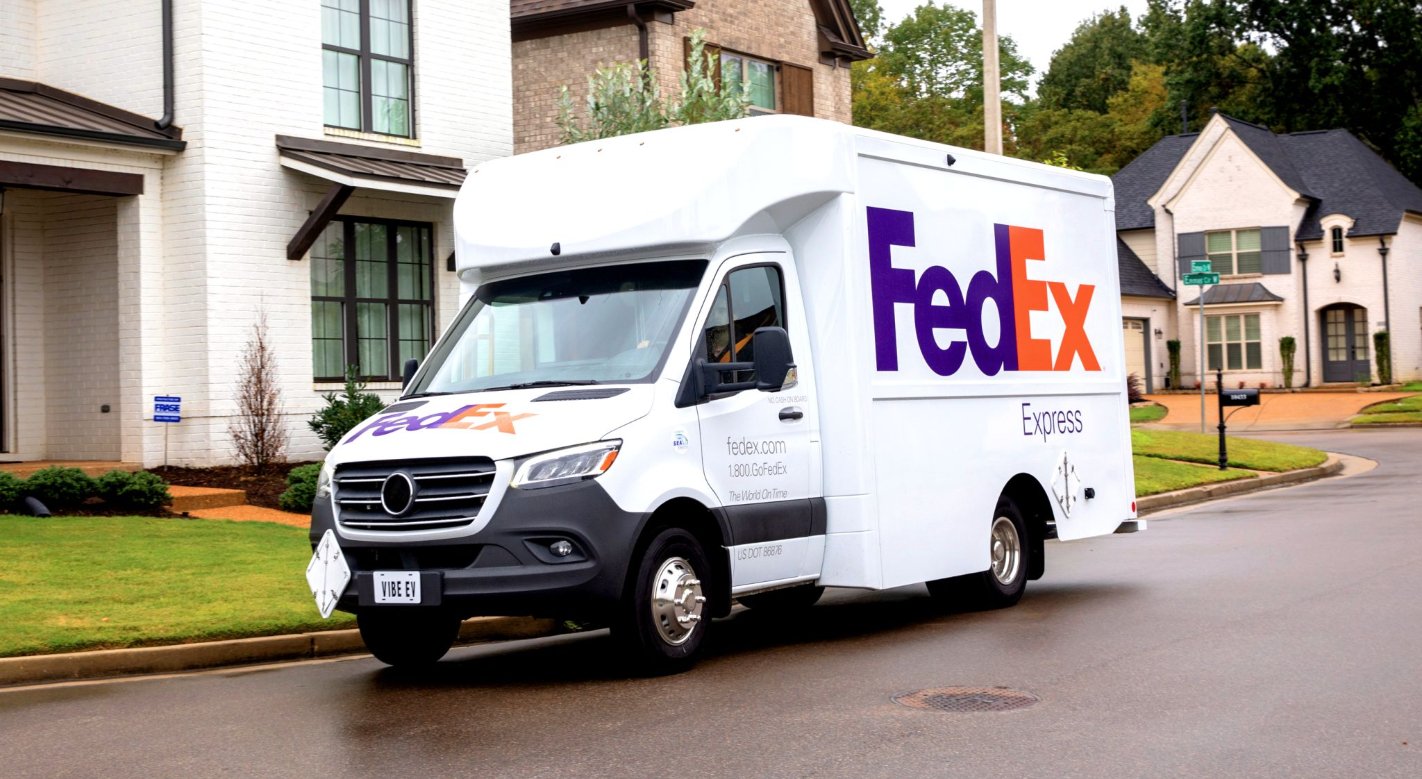
“2021 will see a paradigm shift in the way developed markets facilitate uptake of commercial electric vehicles and the unstoppable momentum will build year-after-year,” Fairweather added.
