
Skoda Australia has announced local specifications for the second-generation ‘NG’ Kodiaq SUV, which is due in local Skoda dealers next month – with the vehicle extended in length and given more kit.
The only available drivetrain for the Kodiaq range so far is a 140kW/320Nm 2.0-litre turbocharged four-cylinder petrol engine that’s mated to a seven-speed dual-clutch automatic transmission and all-wheel drive. While local fuel consumption is yet to be announced, the Kodiaq hits 100km/h in 8.2 seconds.

The Kodiaq RS will launch later this year, which ups the performance ante to 195kW, as well as adding sportier suspension to match the RS badging.
Measuring 4,758mm long, 1,864mm wide, 1,678mm tall and riding on a 2,791mm long wheelbase, the second-generation Kodiaq is 59mm longer, 18mm narrower, 8mm shorter and riding on the same wheelbase as the previous model.
The Kodiaq’s boot measures 289 litres with all seven seats in use, 794L with the third row folded and 2,035L with the second row folded as well – increases of 19L/29L/30L compared with the last car, respectively. That makes it more capacious than main rivals like the Kia Sorento, which offers up to 1,966L of space, and the Mazda CX-80 with its 1,971L maximum.

The entry-level Kodiaq, now called Select, has seen a big increase in equipment with features such as leather trim, tri-zone climate control, traffic jam assist, DAB+ digital radio, metallic paint, heated front seats and an electric driver’s seat now featured as standard.
Kodiaq Select standard equipment:
- 19-inch alloy wheels
- Dusk- and rain-sensing automatic all-LED exterior lighting
- Rain-sensing automatic wipers
- Auto-folding/heated/driver auto-dimming mirrors with memory
- Keyless entry with push button start
- Power tailgate
- Roof rails
- Rear privacy glass
- Black leather upholstery
- 10-way electric driver’s seat with memory functionality
- Heated front seats
- Leather-wrapped steering wheel with paddle shifters
- Tri-zone automatic climate control
- 10-inch digital driver’s display
- 13-inch touchscreen
- Satellite navigation
- Wireless Apple CarPlay and Android Auto
- AM/FM/DAB+ digital radio
- Nine-speaker sound system
- 5x USB-C ports
- 2x wireless phone chargers with ventilation
- Metallic paint
- Umbrella and waste bin in driver’s door
- Floor mats
- Boot mat
Kodiaq safety equipment:
- Nine airbags (including a front centre unit)
- Autonomous emergency braking (AEB) with pedestrian and cyclist detection
- Adaptive cruise control with stop and go functionality
- Traffic jam assist
- Lane keeping assistance with lane departure warning
- Adaptive lane guidance
- Emergency assist
- Blind-spot monitoring with rear cross-traffic alert
- Safe exit warning
- Traffic sign recognition
- Front and rear parking sensors
- Reversing camera
- Alarm
- Tyre pressure monitoring

Kodiaq Sportline model adds:
- 20-inch alloy wheels
- Gloss black exterior elements
- Matrix adaptive high beam
- Scrolling rear indicators
- Heated steering wheel
- Aluminium pedals
- Suede and leather upholstery
- Front sports seats
- Driving mode selection
- Upgraded sound system
Kodiaq Launch Edition model adds:
- Massaging front seats including electric front passenger seat adjustment
- Adaptive dampers
- Automatic parking
- 360-degree camera
- Panoramic sunroof
- Heated outboard rear seats
- Hands-free electric tailgate
- Canton sound system
- Head-up display
- Illuminated grille
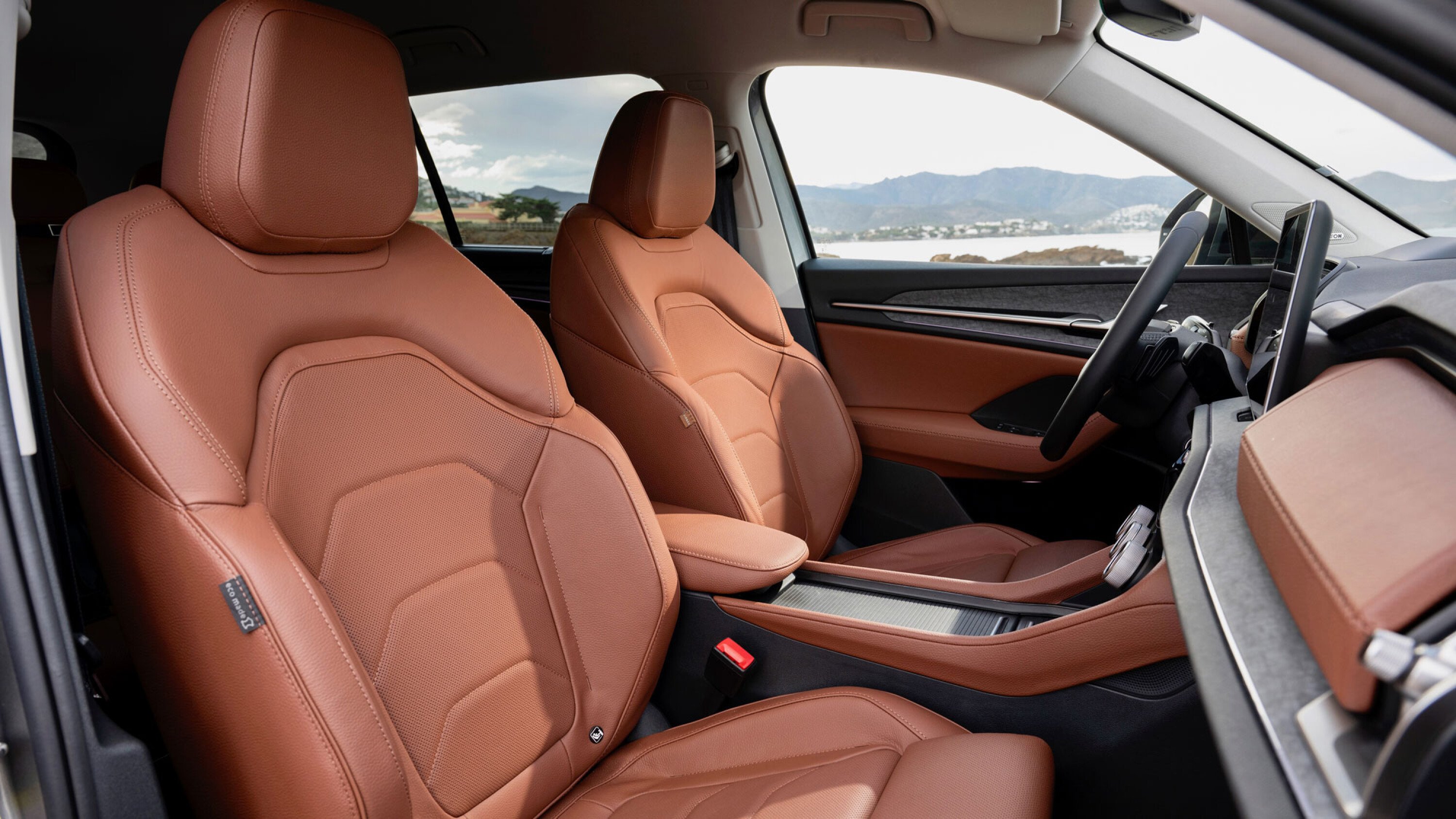
- Cognac or black leather upholstery

Kodiaq options:
- Sunroof (Select and Sportline)
- 20-inch alloy wheels (Select)
- Ultimate Package with adaptive dampers, sport steering rack, hill descent control, Canton sound system, heated rear seats, head-up display, automatic parking, 360-degree camera, hands-free power tailgate (Sportline)
Colour options:
- Steel Grey solid
- Graphite grey metallic
- Brilliant Silver metallic
- Moon White metallic
- Bronx Gold metallic (Select)
- Race Blue metallic
- Black Magic pearlescent
- Velvet Red (Sportline)

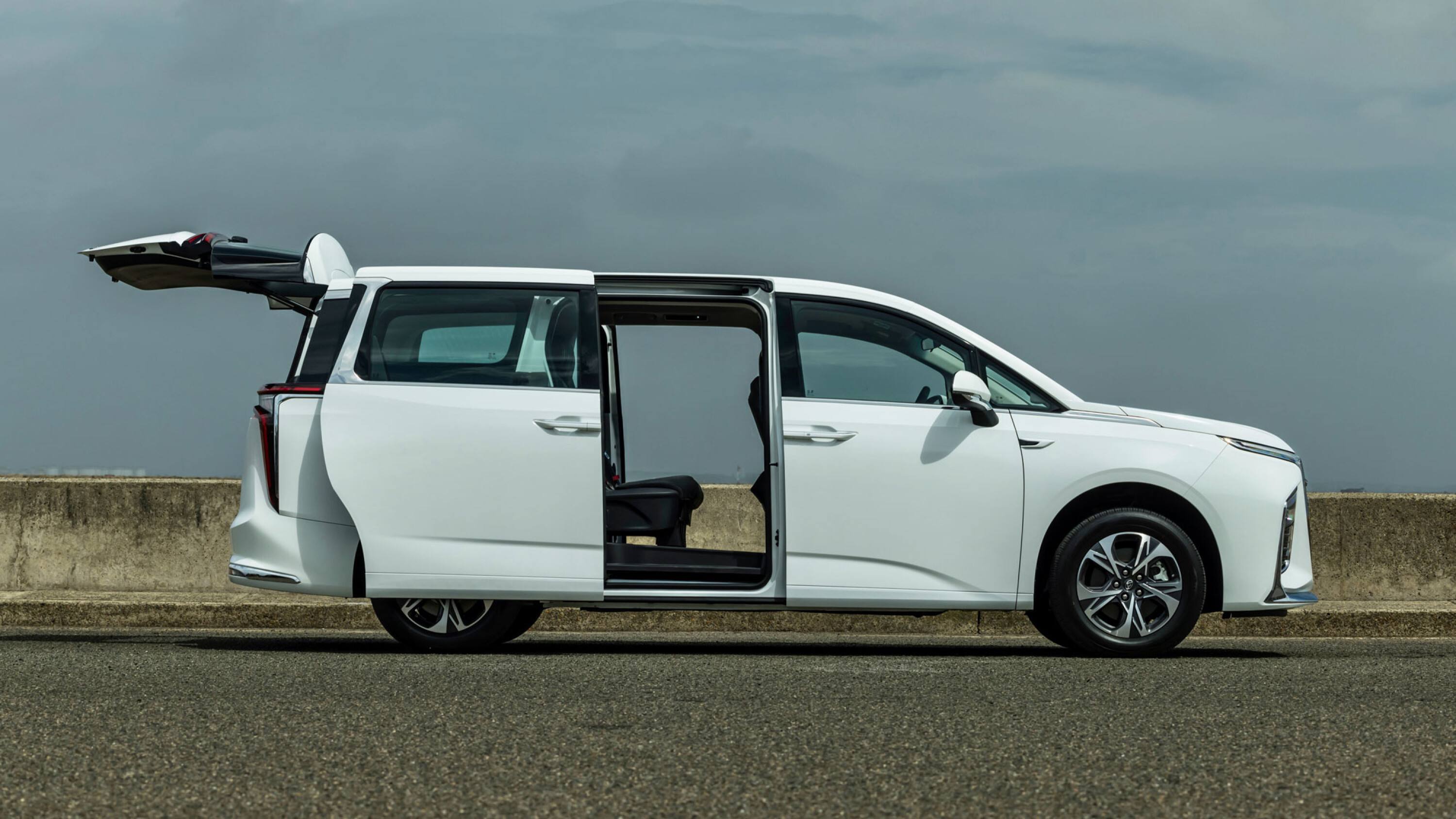
LDV MIFA is now available with an eight-seat layout, taking the fight in the segment to the top-selling Kia Carnival and Hyundai Staria.
Priced from $47,990 drive away, the new eight-seat layout is only available on the entry-level MIFA Mode and is priced from $1,019 more than the seven-seater.
That makes it $6,700 less expensive than the entry-level Kia Carnival S V6.
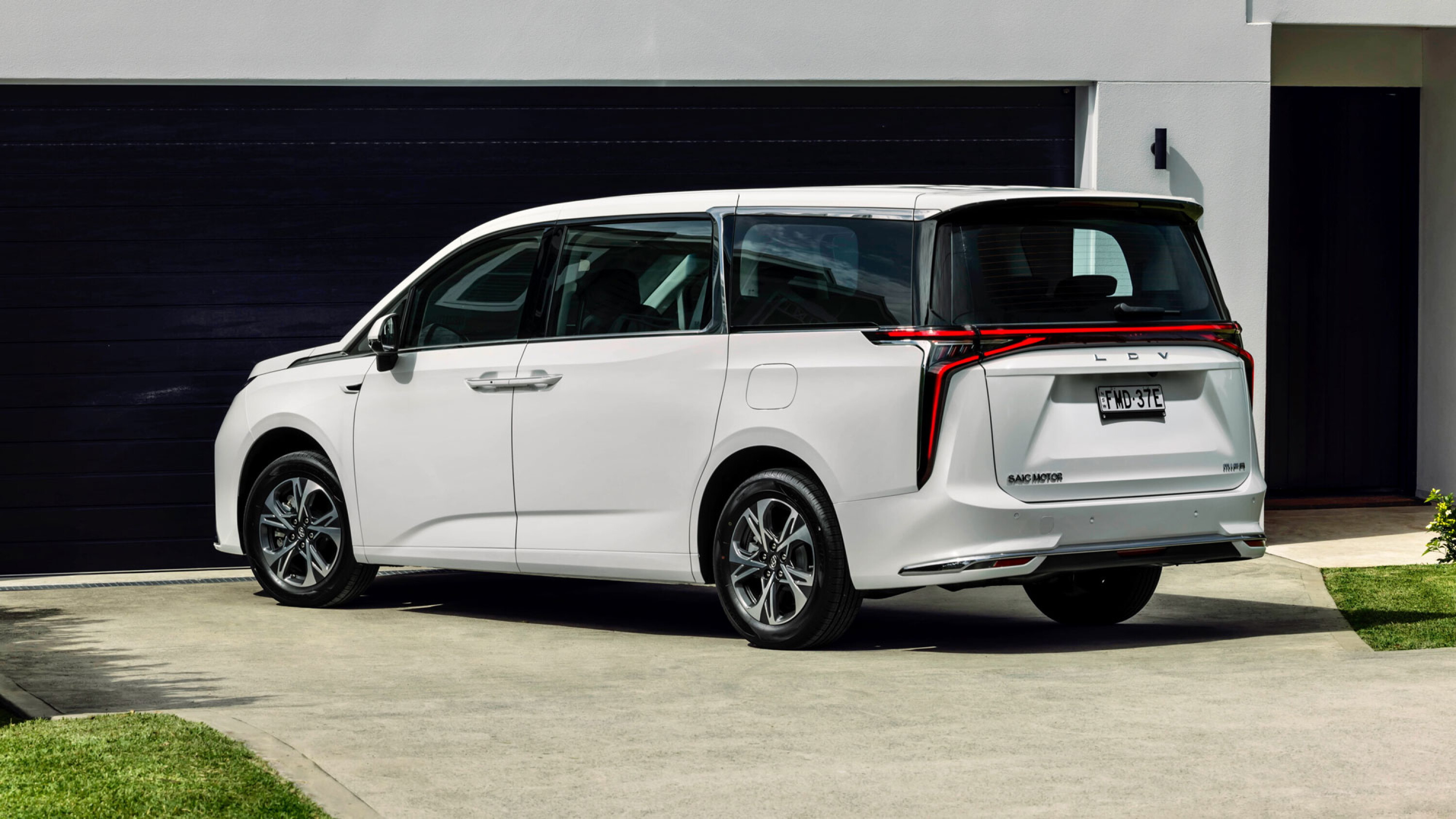
“Value is extremely important in the family-car market and we are proud to be able to offer a full-size eight-seat people-mover for $47,990 drive-away,” said Dinesh Chinnappa, the General Manager of LDV Australia. “We have been working with the factory on an eight-seat option for some time and we are delighted that we can finally deliver this option to our customers.”
All MIFA models are powered by a 2.0-litre turbocharged four-cylinder petrol engine making 160kW of power (between 5,000rpm and 5,500rpm) and 360Nm of torque (between 1,500rpm and 4,000rpm). That’s mated to an eight-speed automatic transmission and power is sent to the front wheels.
LDV claims combined fuel consumption of 9.3L/100km with claimed CO2 emissions of 220g/km. It uses minimum 95RON premium unleaded and a 70-litre fuel tank. The MIFA can tow a 2,000kg braked trailer.
LDV MIFA pricing (drive away):
- Mode: $46,971
- Mode 8-seat: $47,990
- Executive: 55,671
- Luxe: $63,501
LDV MIFA Mode standard equipment:
- 18-inch alloy wheels
- Dusk-sensing automatic LED exterior lighting
- Synthetic leather upholstery
- Tri-zone automatic climate control
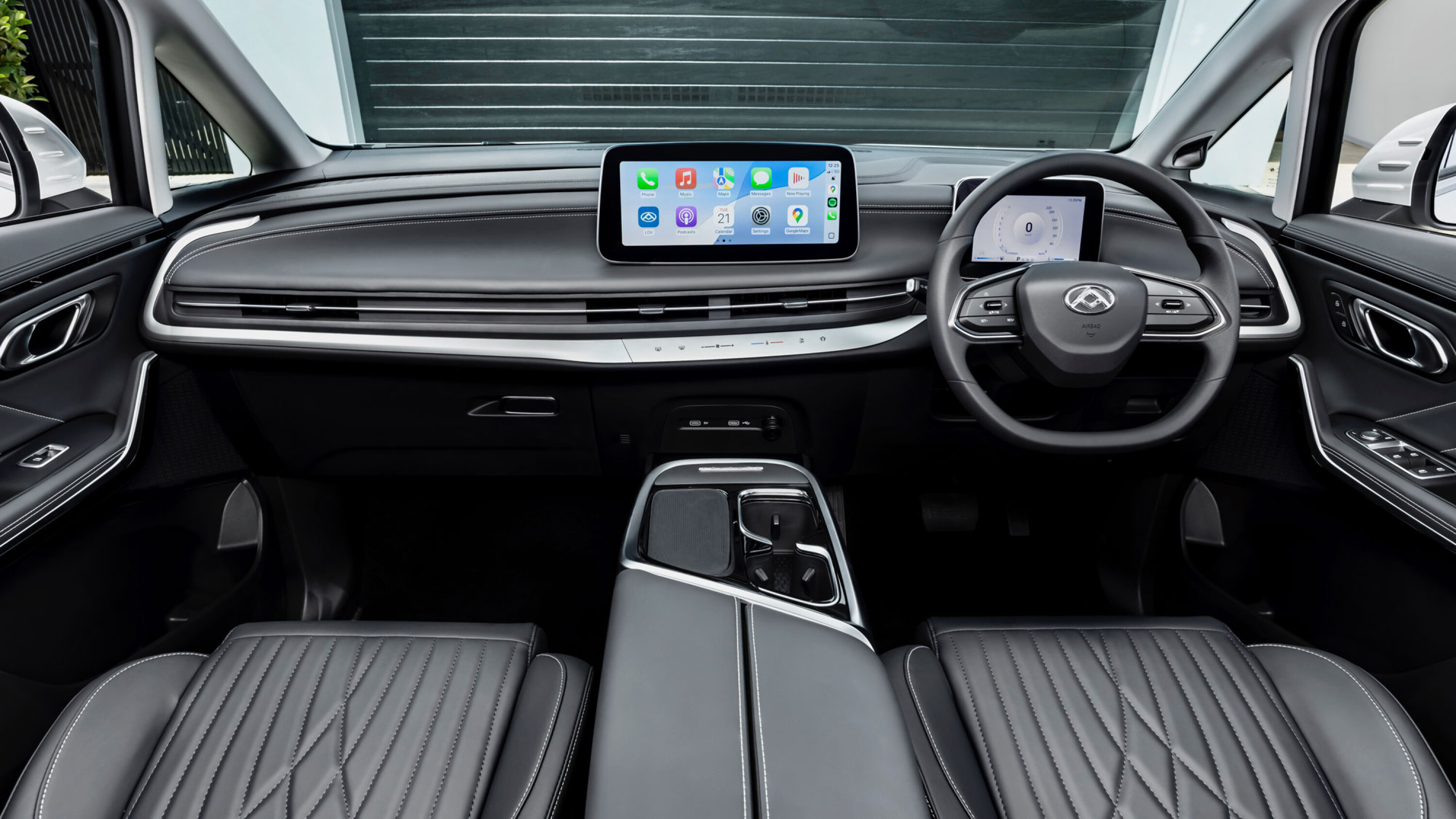
- 12.3-inch touchscreen
- Wired Apple CarPlay
- 7.0-inch digital driver’s display
- Six-speaker sound system
MIFA safety features:
- Seven airbags (including a front centre unit)
- Autonomous emergency braking (front and rear)
- Adaptive cruise control
- Auto high beam
- Lane keeping assistance
- Driver fatigue monitoring
- Blind-spot monitoring with rear cross-traffic alert
- Safe exit warning
- Traffic sign recognition
- Reversing camera
- Rear parking sensors
MIFA Executive model adds:
- Dual power sliding doors
- Power tailgate
- Rain-sensing automatic wipers
- 19-inch alloy wheels
- Auto-dimming rear mirror
- Eight-way electric front seat adjustment
- Eight-speaker sound system
- Wireless phone charger
- Multi-zone automatic climate control
- Front and rear sunroof
- 360-degree camera
- Front parking sensors
MIFA Luxe model adds:
- 12-speaker sound system
- 64-colour ambient lighting
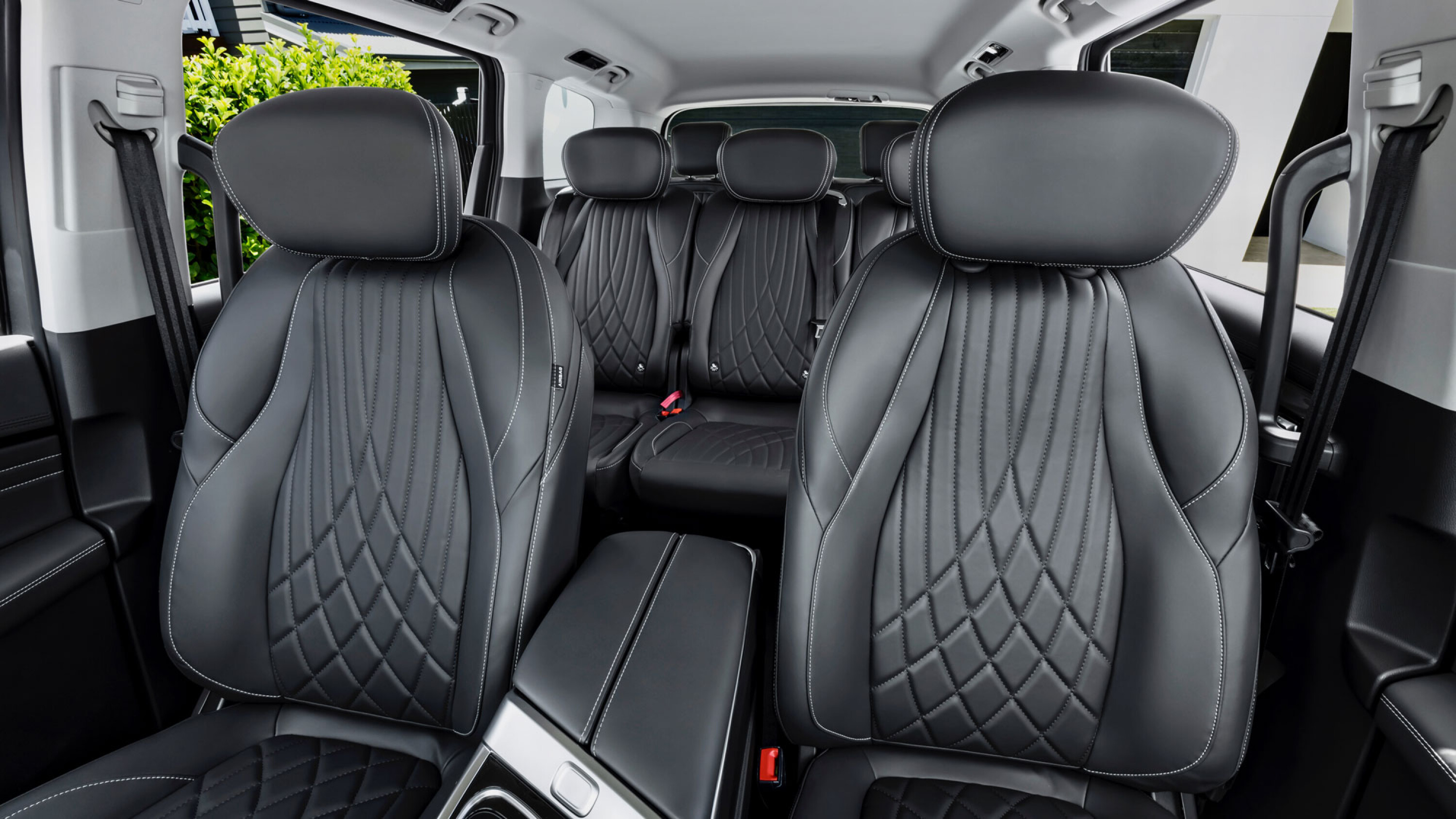
- Leather upholstery
- Heated, ventilated and massaging front seats with driver’s memory
- Second row captain’s chairs with four-way electric adjustment, heating, ventilation and eight-mode massaging
MIFA colours options:
- Blanc White: no-cost
- Pearl White: $500
- Mica Blue: $500
- Dynasty Red: $500
- Metal Black: $500
- Concrete Grey with black roof (Executive and Luxe only): $2000
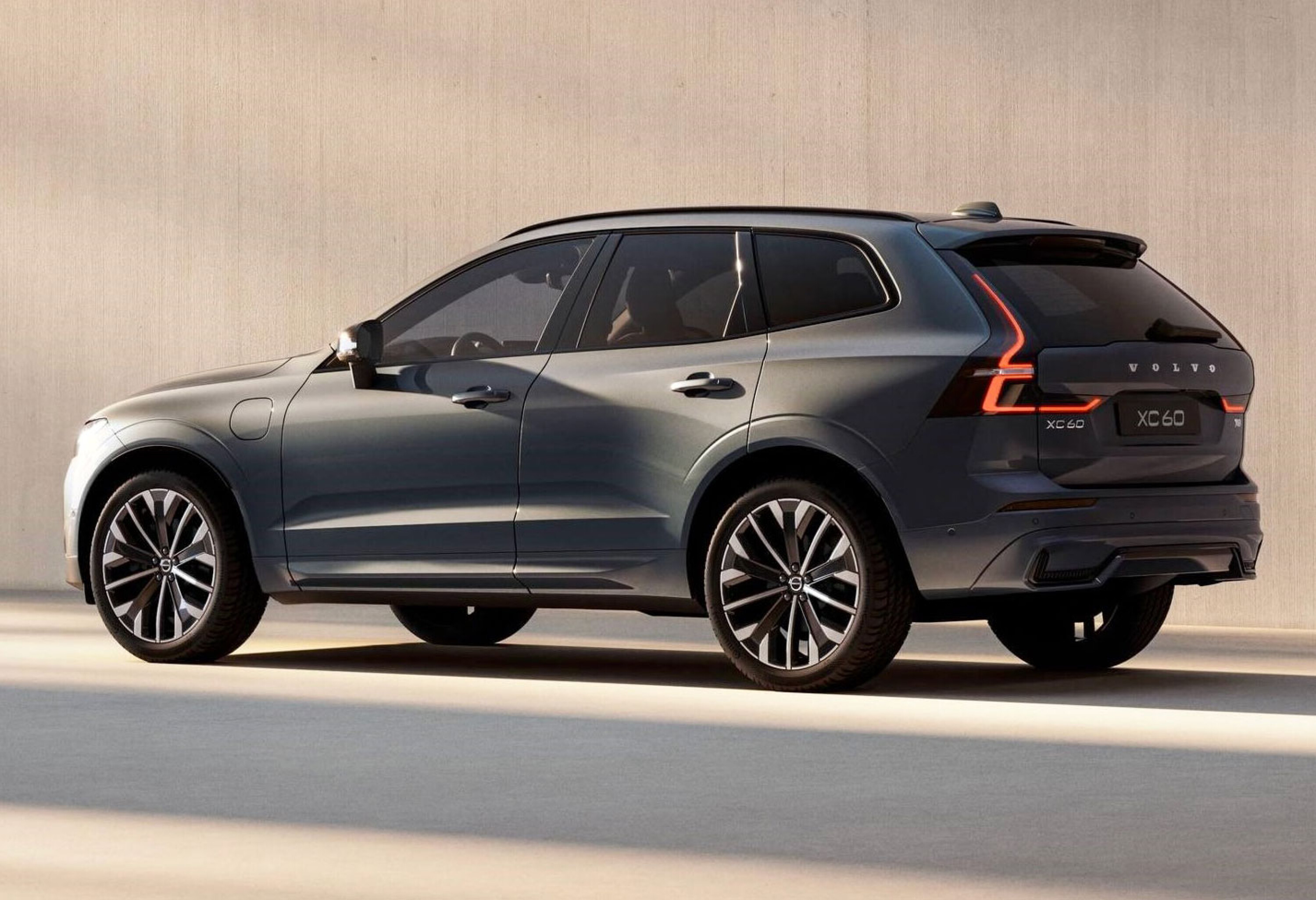
Volvo has released details of the updated XC60 mid-size SUV, which has been given a refreshed interior and exterior like the XC90 to keep it fresh in the market.
The exterior gets subtle changes like a new grille and wheel designs, plus darker taillights, while new paint includes ‘Forest Lake’, ‘Aurora Silver’ and ‘Mulberry Red’ colours.
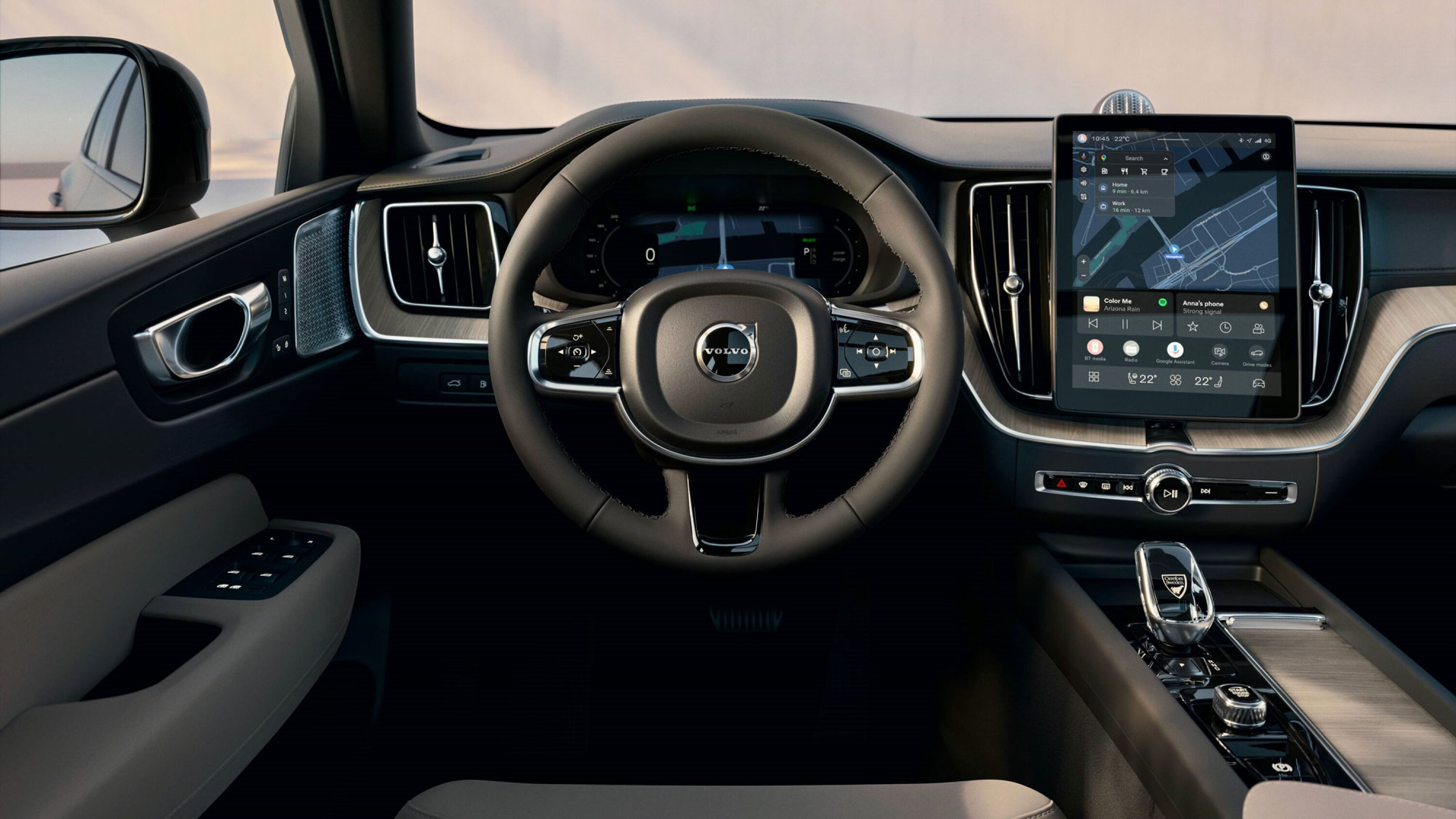
More changes can be found inside the XC60, which has adopted the same 11.2-inch touchscreen that’s used in the XC90, EX90 and EX30. The system features Google built-in with access to the Google Play Store and, according to Volvo, is twice as fast as the outgoing touchscreen thanks to a new chip from American company Qualcomm Technologies.
Volvo has also given the updated XC60 new materials, including new quilted Nordico synthetic leather trim and navy herringbone fabric trim, while the cup holders and wireless charger on the centre console have been redesigned.
The cabin of the XC60 has been made quieter thanks to extra sound insulation on the A- and B-pillars and a new air purification system has been added. Finally, the speaker grille for the optional Bowers & Wilkins sound system has also been redesigned for a new look.
No mechanical changes have been listed for the updated XC60 aside from a softened suspension tune for coil-sprung variants, while the XC60 range continues to use both mild-hybrid and plug-in hybrid drivetrains built around a turbocharged 2.0-litre petrol engine.
In the current XC60 lineup are either the 183kW/350Nm B5 mild-hybrid or the 340kW/709Nm plug-in hybrid T8, which can achieve a claimed 81km range on the WLTP cycle. The current XC60 is priced from $73,990 plus on-road costs.
Volvo Cars Australia is yet to confirm when the updated XC60 will be launched locally, but it’s likely to be this year.
Hyundai has set a lap record at the iconic Tsukuba Circuit in Japan with a modified version of the Wheels COTY 2024-winning IONIQ 5 N.
Driven by Japanese professional driver Nobuteru Taniguchi at the Attack Tsukuba 2025 motorsport event, the IONIQ 5 N lapped the circuit in 57.446 seconds – a full two seconds faster than any EV before it.
The vehicle used to lap the track was not a production IONIQ 5 N, instead, the motorsport IONIQ 5 ‘N TA Spec’ variant was employed for the task. Tsukuba wasn’t its first victory as it took first at the 2024 Pikes Peak International Hill Climb (PPIHC) in the modified production electric SUV category, setting a new record in the process.
According to Hyundai, the IONIQ 5 N TA Spec was designed to showcase the strengths of the production-spec IONIQ 5 N without significant modifications. The TA Spec retains the standard car’s power electronics system, but the TA Spec’s maximum output has been boosted to a massive 505kW, with the rear motor’s power increased by 27kW compared with the standard car.
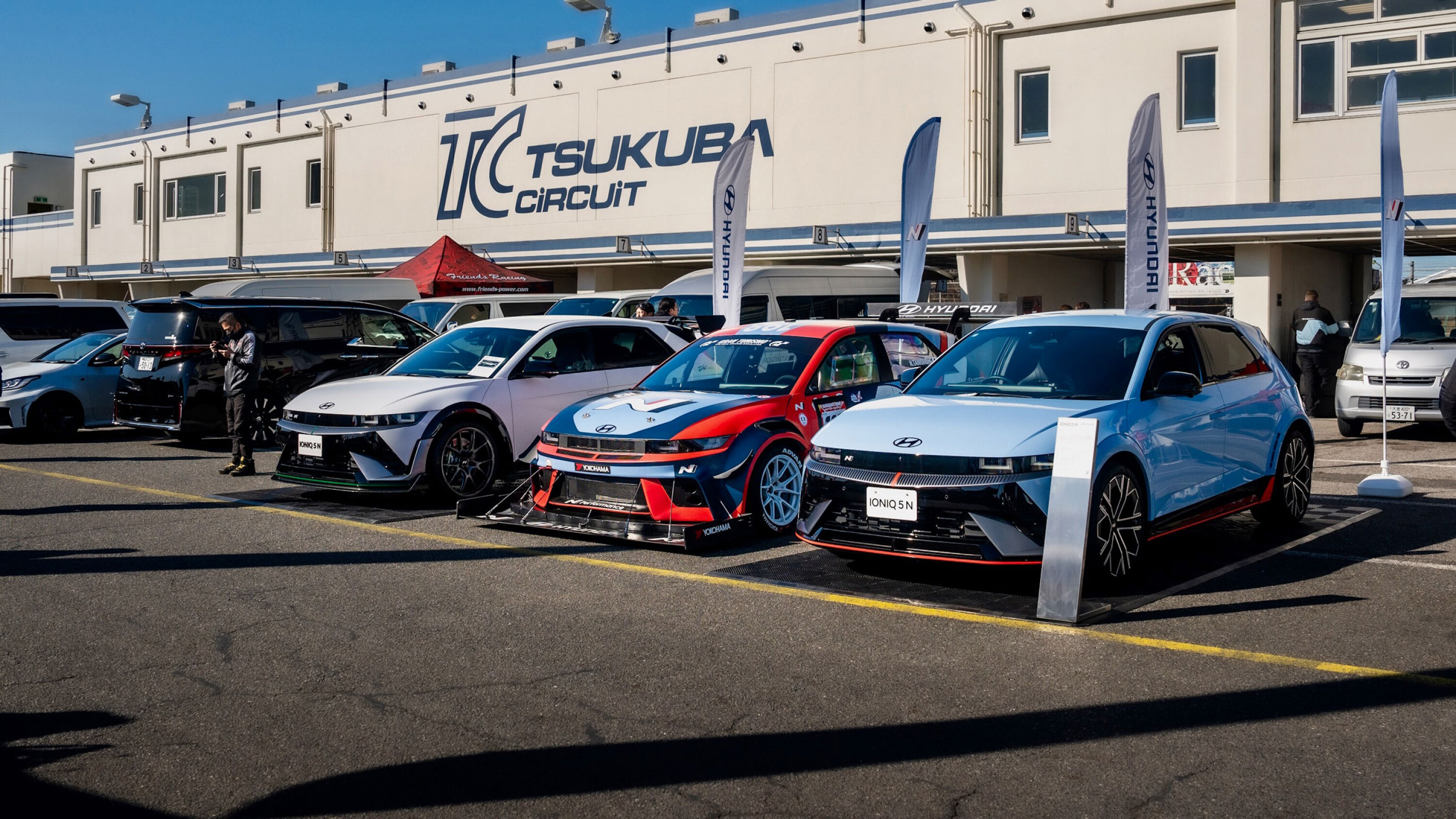
Additional upgrades include a louder exterior noise with modified speakers (over 120 dB), new shock absorbers, motorsport-grade brakes, Yokohama slick tyres, a high-downforce aerodynamic package, a Recaro seat, a Sabelt six-point safety harness, a PPIHC-specification roll cage, and an EV fire suppression system.
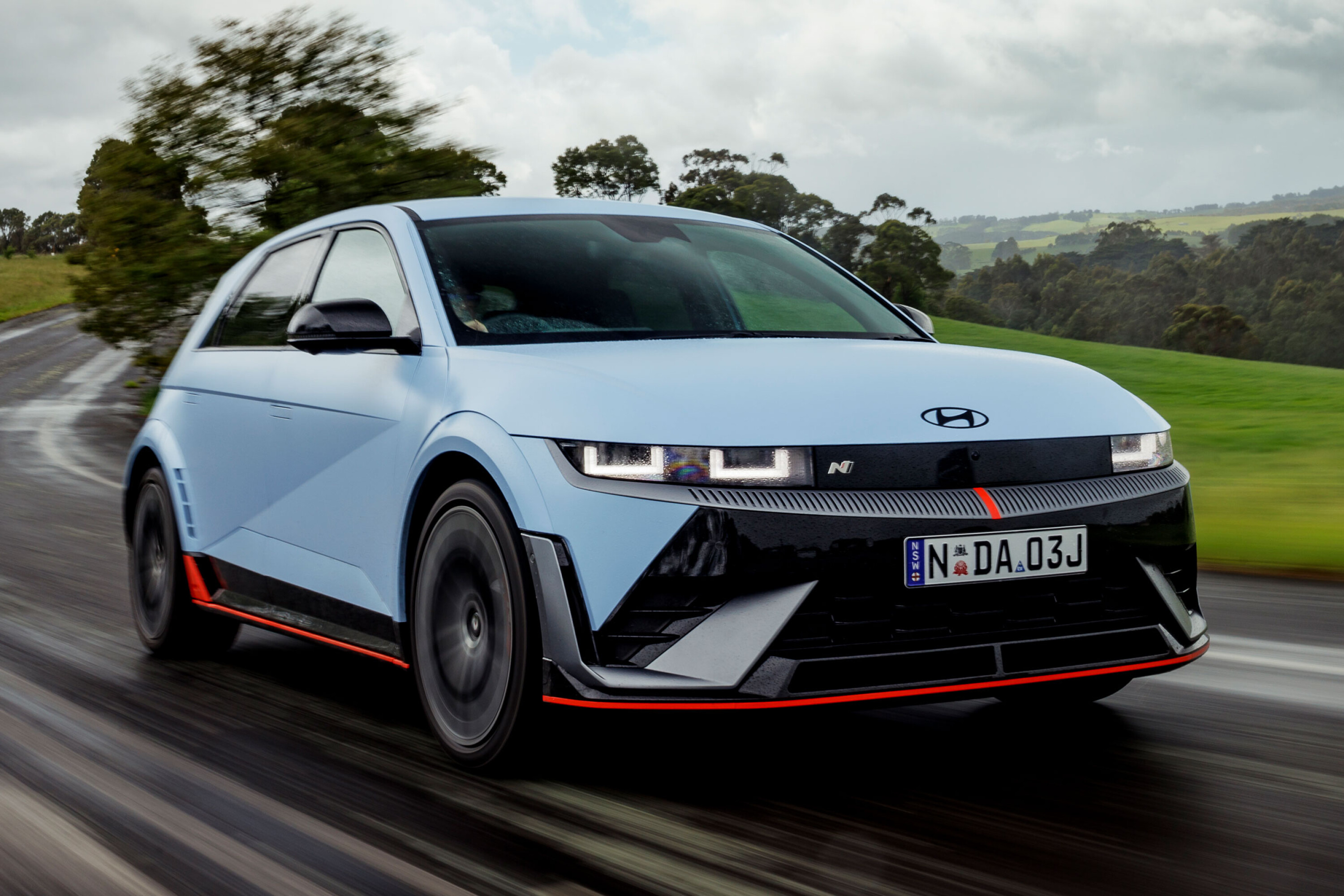
“I’m honoured to have had the opportunity to drive the Hyundai IONIQ 5 N TA Spec at Attack Tsukuba 2025, which enabled me to significantly break my previous EV record”, said Taniguchi. “The IONIQ 5 N TA Spec stops well and handles excellently. Despite the power, the control is outstanding, with great cornering and smooth, stable corner-exit. I could push the car to the limit with real confidence.”
Hyundai Mobility Japan also showcased the recently revealed IONIQ 5 N DK Edition, a special edition with a new performance parts package. Hyundai N created the package in collaboration with Keiichi Tsuchiya, the legendary Japanese race car driver also known as ‘Drift King’ – the package’s namesake.
Renault has confirmed that its Duster small SUV will be launched in Australia in the second half of 2025. A phenomenal success for the brand with over 2.5 million sold since its original launch in 2010, the Duster falls under Renault’s budget Dacia brand in Europe but will be sold as a Renault locally.
So far, two turbocharged petrol engines have been confirmed for the Australian market: either a 96kW/230Nm 1.2-litre three-cylinder with a six-speed manual and all-wheel drive, or a front-drive 113kW/250Nm 1.3-litre four-cylinder with a seven-speed dual-clutch auto that’s shared with the Captur and Arkana.
A 103kW front-drive hybrid also exists in the Duster’s home markets but an all-wheel drive hybrid – with an electric motor on the rear axle like a Toyota RAV4 – is due in European showrooms this year, pointing to a possible 2026 Australian launch.
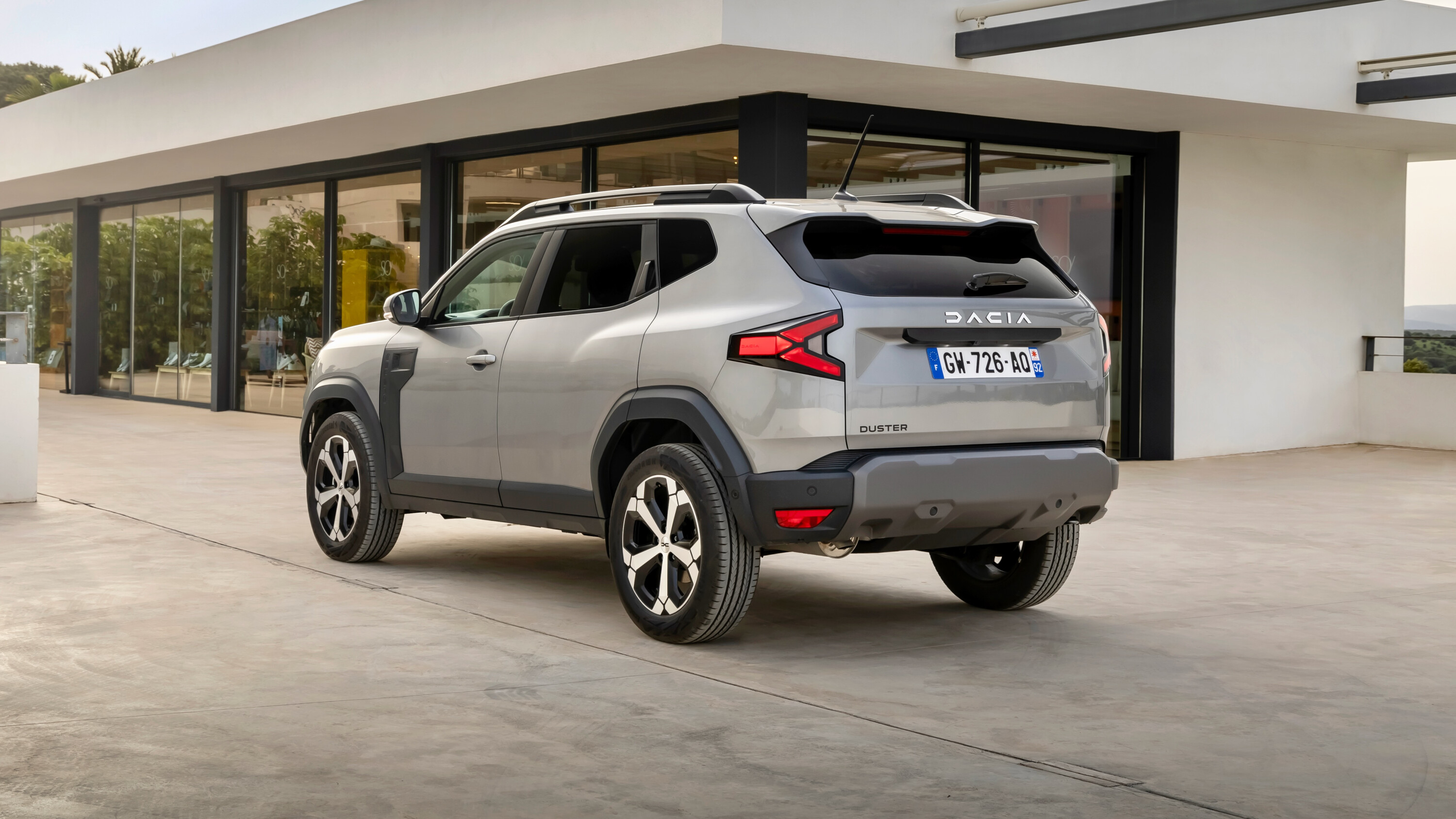
Using the same platform as its Captur sibling – as well as that car’s new Mitsubishi ASX twin and the Nissan Juke – the Duster is sized between the Captur and Arkana, though it’s almost as wide and as tall as the Koleos mid-sizer.
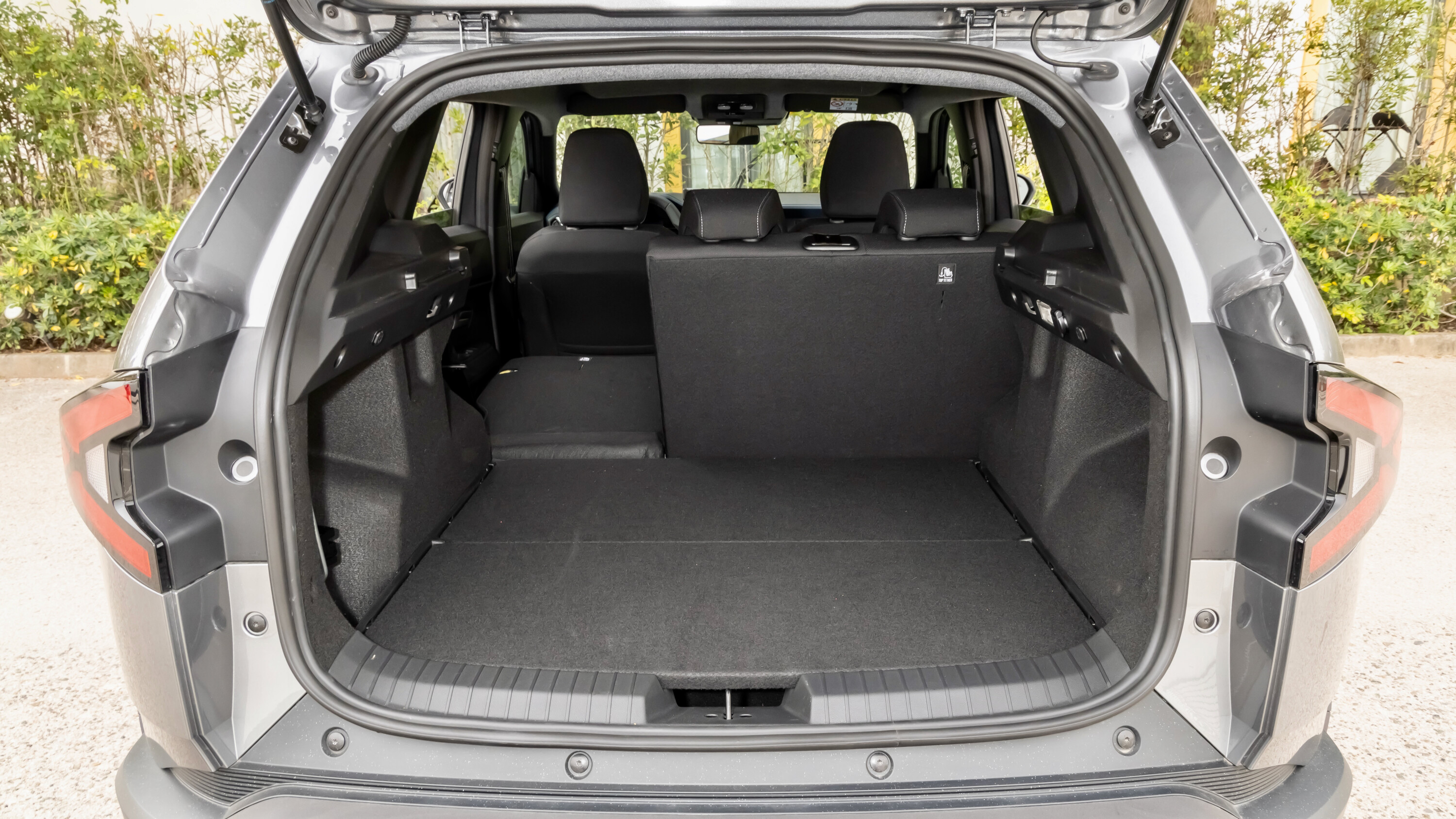
It measures 4,343mm long, 1,813mm wide, 1,661mm tall and rides on a 2,657mm long wheelbase. The boot measures between 414litres (4×4) and 478L (4×2), and 1,559L (4×4) and 1,623L (4×2) with the seats folded.
The Duster’s off-road credentials are stronger than most competitors with 212mm of ground clearance, along with a 31-degree departure angle and exterior cladding. In Europe, the Duster is also available with a number of adventure accessories, including an in-car bed and a tent for camping.
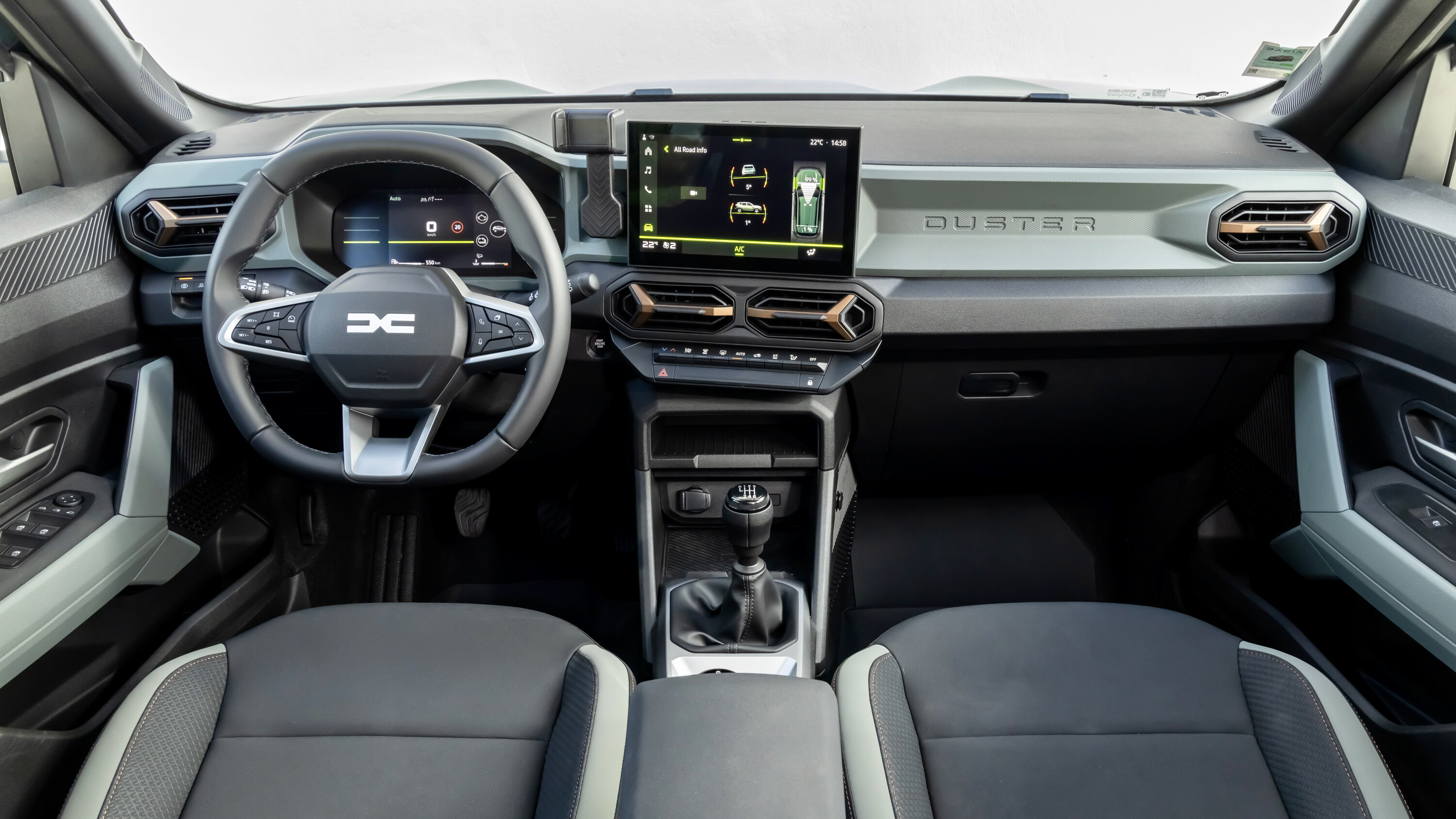
The Duster is also available with ‘YouClip’ points throughout the car, where owners can buy accessories such as a phone holder or extra cup holders that attach to them.
Australian specifications are yet to be announced, but in the UK, the Duster is available with features like a 10-inch touchscreen with live services, wireless smartphone mirroring, keyless entry and start, an electric parking brake, single-zone automatic climate control, a wireless phone charger, washable upholstery, heated seats, auto-folding mirrors and wheels up to 18 inches.
Safety features like six airbags, autonomous emergency braking (AEB) with pedestrian, cyclist and motorcycle detection, lane keeping assistance, blind-spot monitoring, driver fatigue detection, traffic sign recognition and rear parking sensors are standard across the UK range with front parking sensors, a reversing camera and auto high beam available on higher models.
Australian specifications for the Renault Duster are due to be announced closer to its local arrival in the second half of 2025.
It’s no secret that new cars are more expensive than they used to be. Thanks to factors like the Covid-19 pandemic, most new cars are noticeably more expensive than they were even just five years ago.
Remarkably, the number of sub-$30,000 new cars – let alone sub-$20,000 – has dwindled to the point where buying an affordable new car isn’t easy.
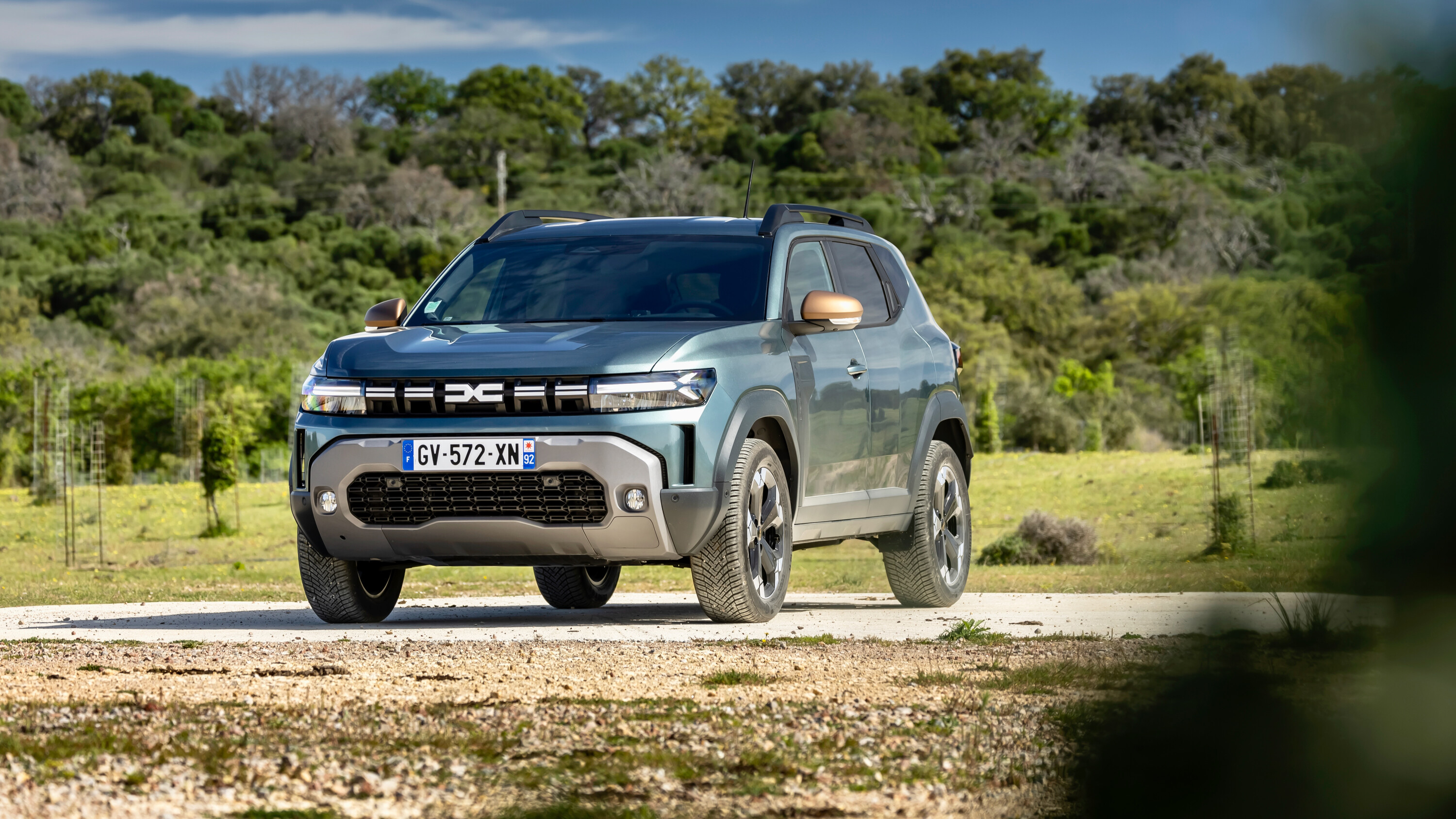
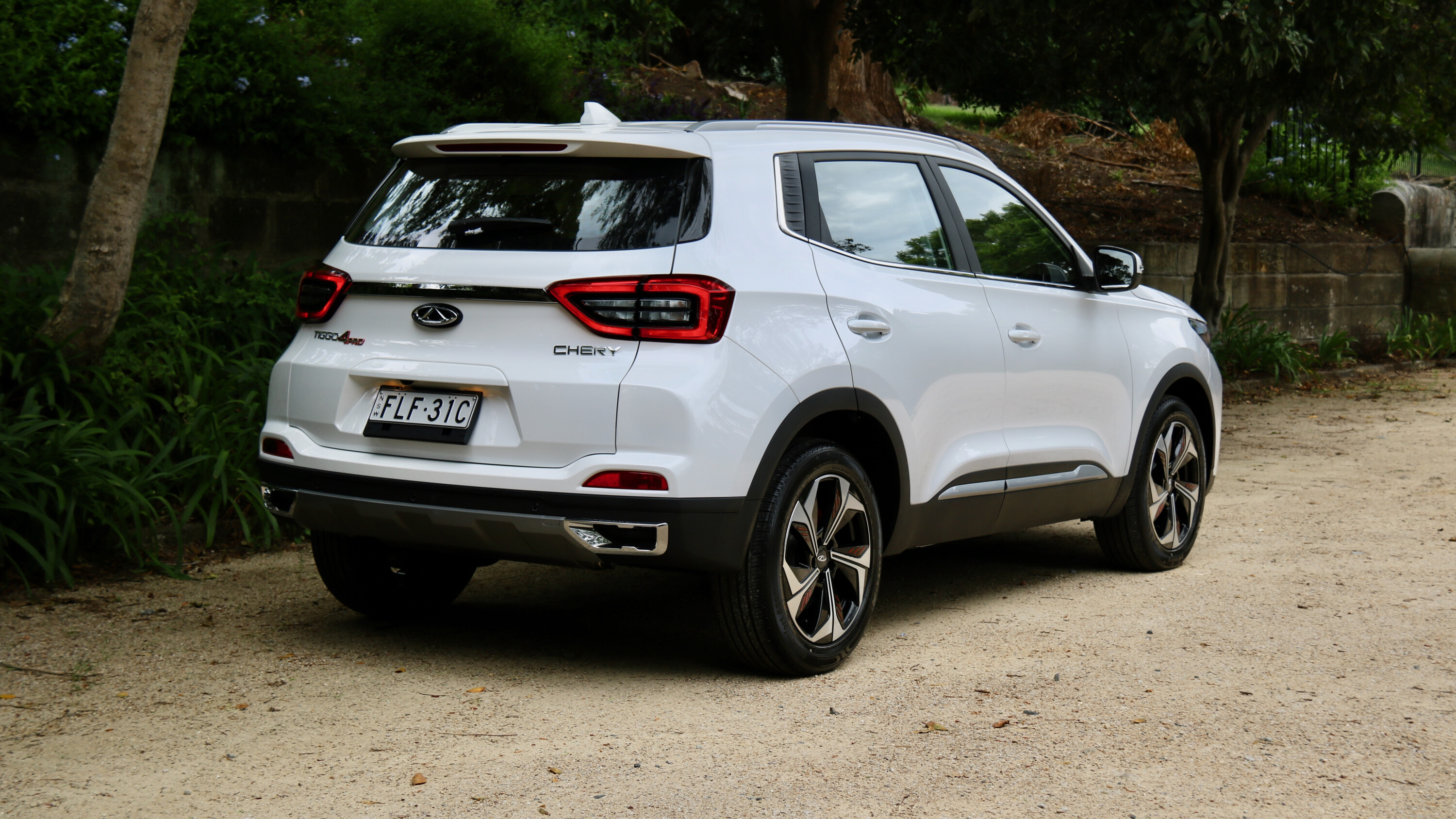
Yet Chinese brand Chery has launched what it thinks will help the cost of living crisis: the Tiggo 4 Pro small SUV, which is priced from just $23,990 drive away. Remember when new cars were that cheap?
But does the low price make it a good buy or signal potential buyer’s remorse? Here’s the WhichCar guide to the Chery Tiggo 4 Pro.
JUMP AHEAD
- Pricing
- Performance and economy
- Interior comfort, practicality and boot space
- On the road
- Service and warranty
- Verdict: Should I buy a 2025 Chery Tiggo 4 Pro?
- Tiggo 4 rivals
Pricing
The Tiggo 4 Pro is offered in two specifications:
| 2025 Tiggo 4 Pro pricing | |
|---|---|
| Urban | $23,990 drive away |
| Ultimate | $26,990 drive away |
Performance and economy
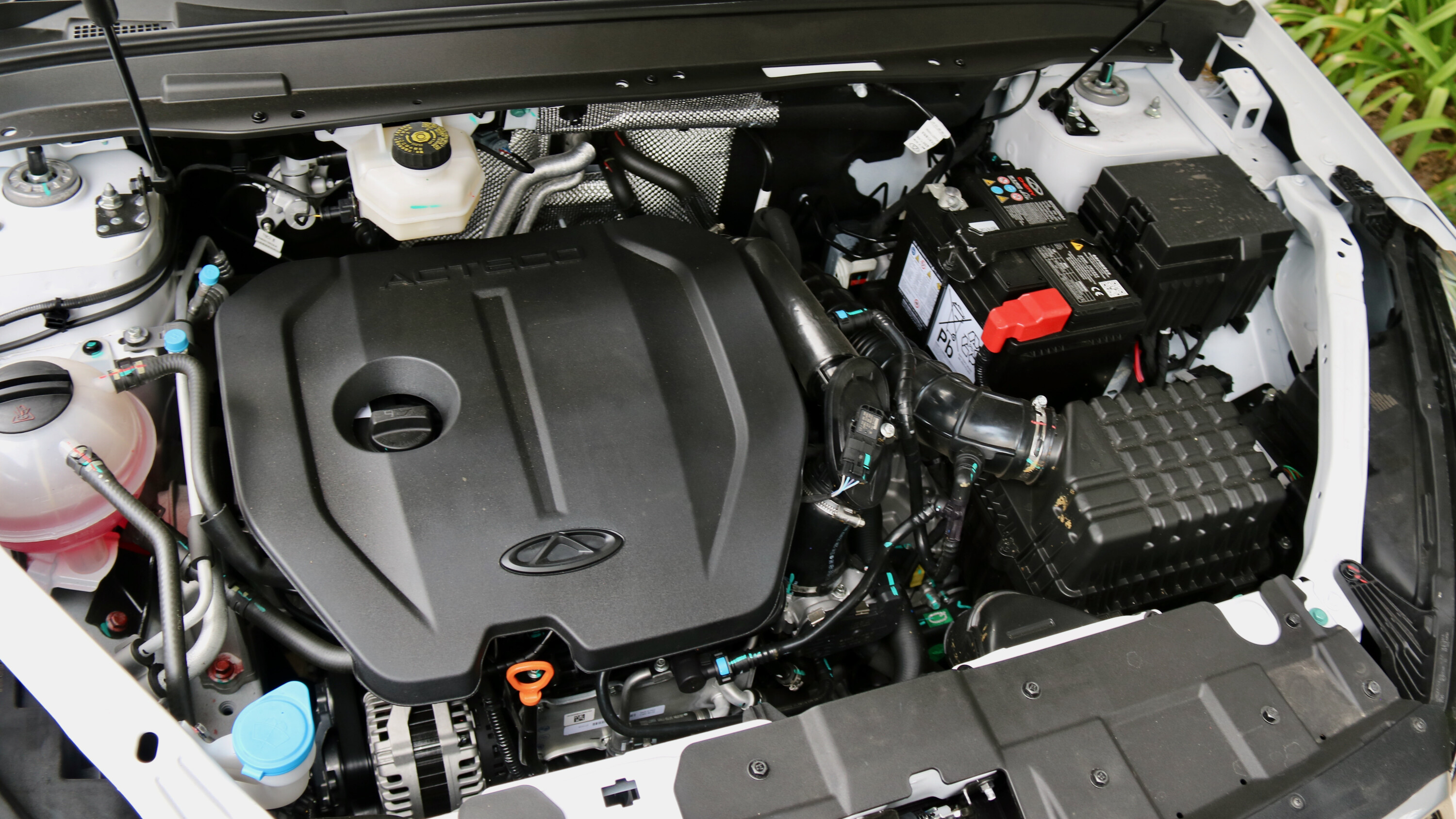
The Tiggo 4 Pro uses the Omoda 5’s turbocharged 1.5-litre four-cylinder petrol engine, making 108kW of power (at 5,500rpm) and 210Nm of torque (between 1,750rpm and 4,000rpm). That’s mated to a CVT automatic transmission and drives the front wheels only.
One advantage to the Tiggo 4 Pro in our opinion is the engine, which is more refined than its naturally aspirated rivals and noticeably gutsier to the tune of 34kW and 38Nm than the lacklustre Stonic. You don’t need to rev it to get the best out of it because its peak torque hits at just 1,750rpm, helping fuel economy.
The Tiggo 4 Pro is decently refined with relatively low road and engine noise levels, and it’s quieter than the noisy CX-3 at speed, for comparison. The only available transmission is a CVT automatic and while it’s not the most engaging transmission, it’s at least smooth.
The claimed combined fuel consumption for the Tiggo 4 Pro is 7.4L/100km with claimed CO2 emissions of 166g/km. That’s higher than rivals – the 5.4L/100km rating of the Stonic in particular – and we achieved 8.8L/100km in driving skewed towards urban, which is similar to what a CX-3 will return.
Helping offset that a bit is that the Tiggo 4 Pro runs on 91RON regular unleaded and features a 51-litre fuel tank, giving a good driving range.
Interior comfort, practicality and boot space
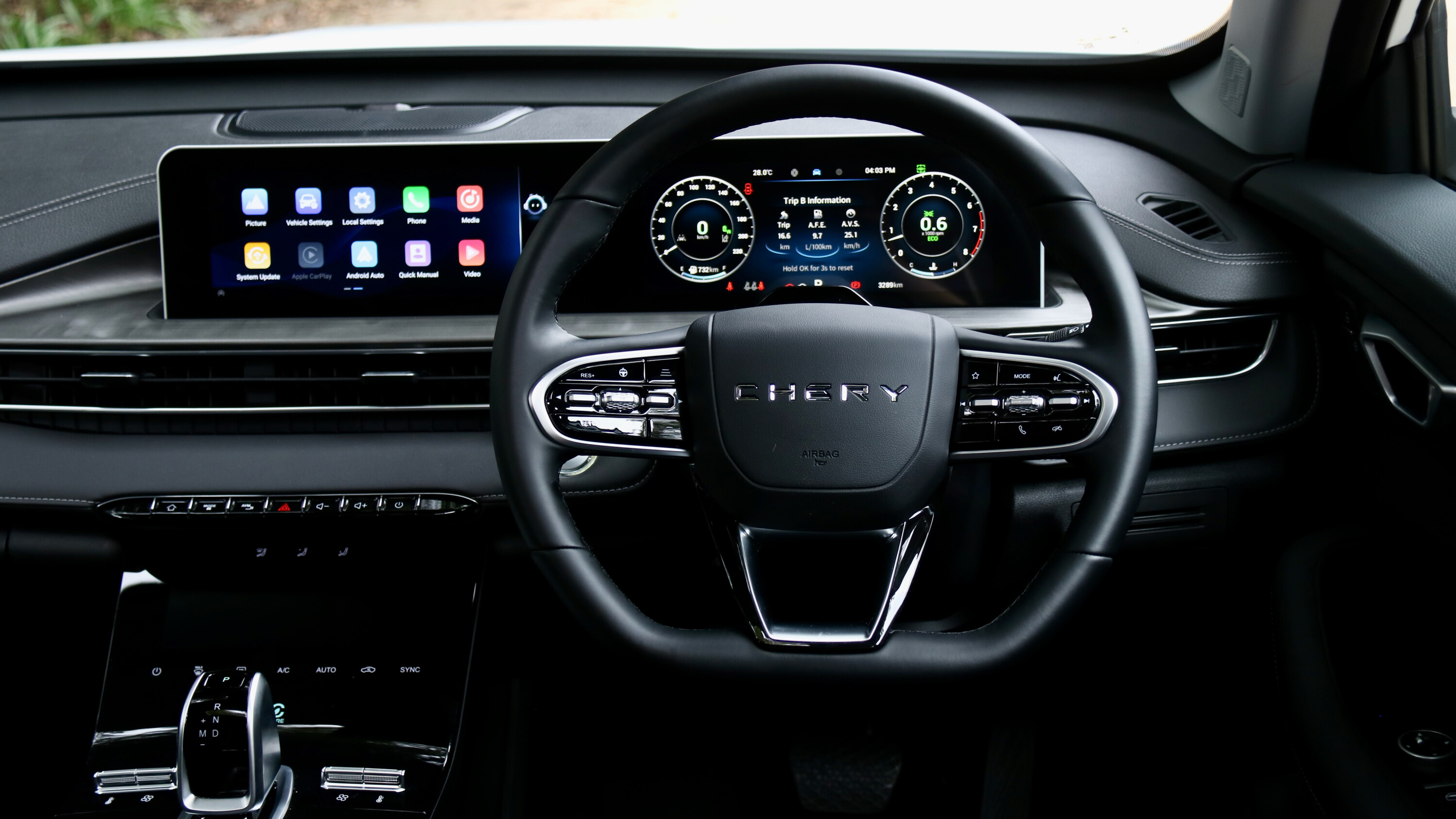
For the price, the Tiggo 4 Pro features an impressive cabin that is more practical than you’d expect given its diminutive size, but one that’s also better finished and far more modern than its main rivals.
The dashboard and front door tops are all covered in soft touch plastics, while the dashboard fascia also features a strip of synthetic leather. The synthetic leather trim on the steering wheel also feels nice in the hand, and overall, it feels luxurious compared with some rivals.
The cabin is also more practical than its main rivals with long door bins, a big bin underneath the central armrest, a large tray underneath the centre console and a big glovebox. The two cupholders are also a good size, and there’s even a phone holder ahead of them, though it doesn’t feature a wireless charger.
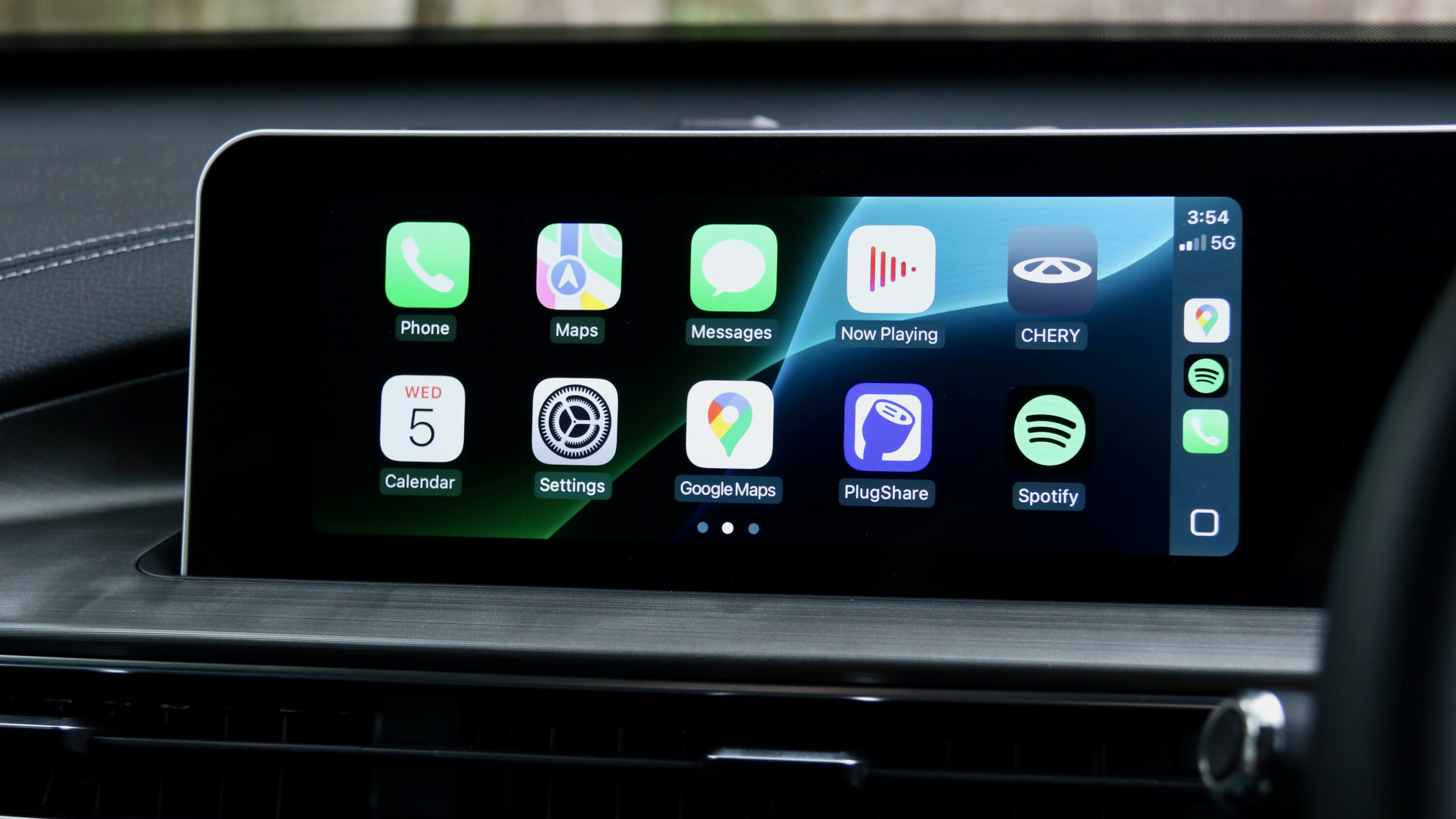
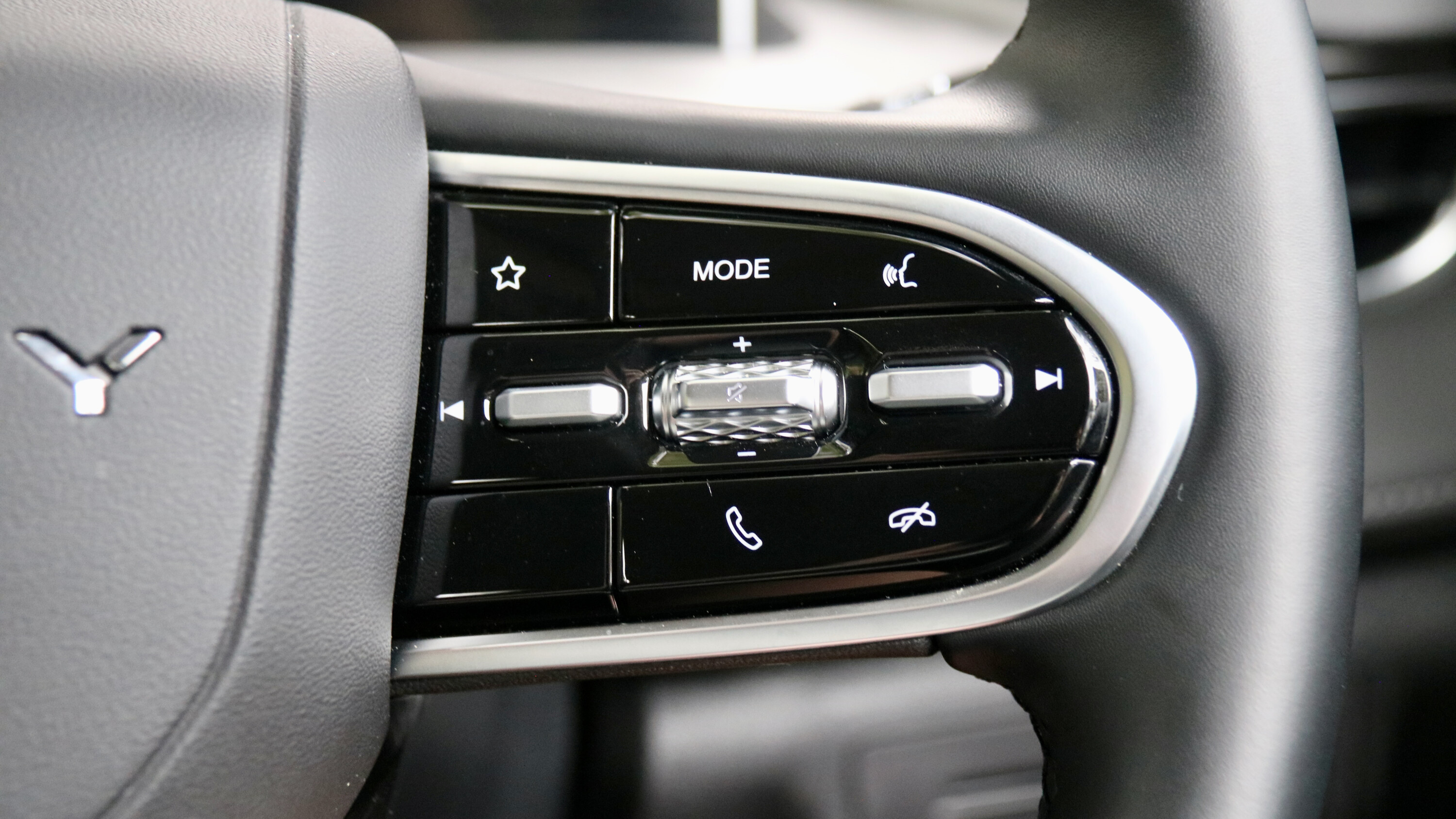
Both Tiggo 4 Pro variants use a 10.25-inch touchscreen with the same infotainment software as the larger Omoda 5. Unlike that car, it also includes a row of buttons on the dashboard to help access features such as a home button, the volume and activating the 360-degree camera.
There are also physical buttons for the climate control on the centre console, which is so refreshing for a brand that typically hides those controls in menus in the touchscreen.
The touchscreen itself is easy to use with colourful icons and good screen quality, though it can be a touch laggy. It doesn’t feature satellite navigation, but wireless Apple CarPlay and Android Auto are standard. The six-speaker sound system in the upper-spec Ultimate sounds good for the price as well.
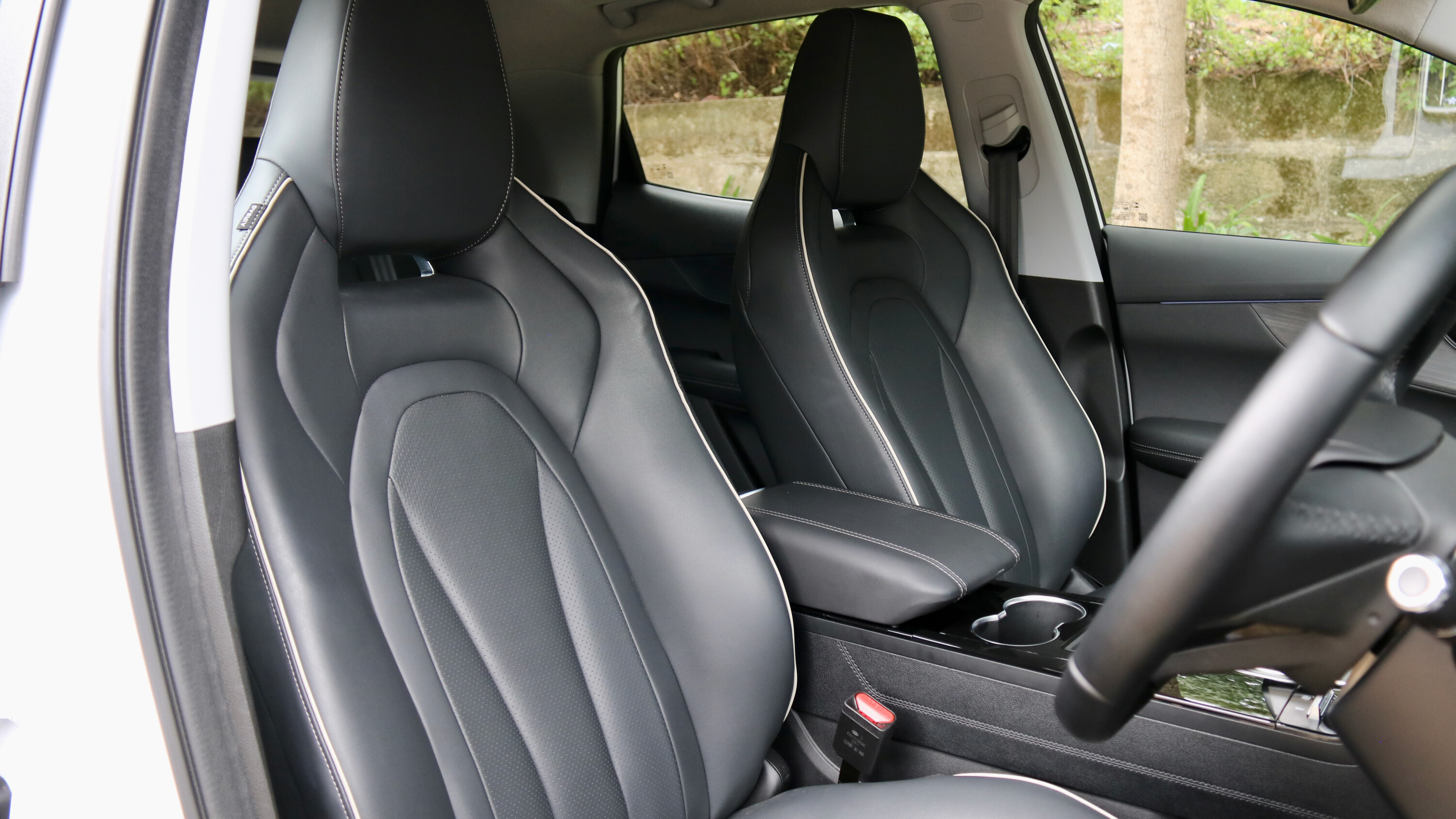
Front seat comfort is good thanks to soft synthetic leather trim and generally supportive seats, though it would be nice to see lumbar and under-thigh adjustment added.
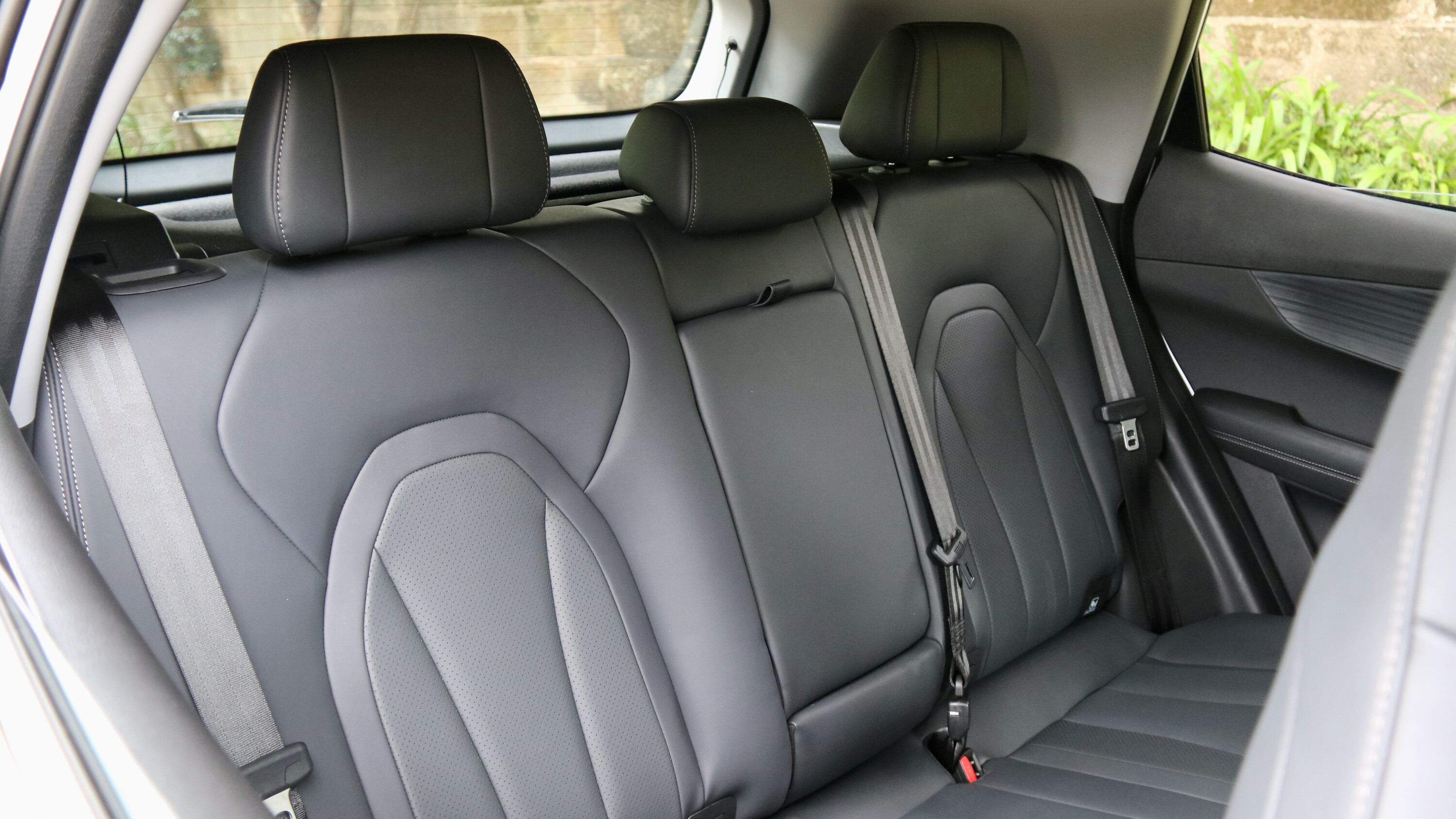
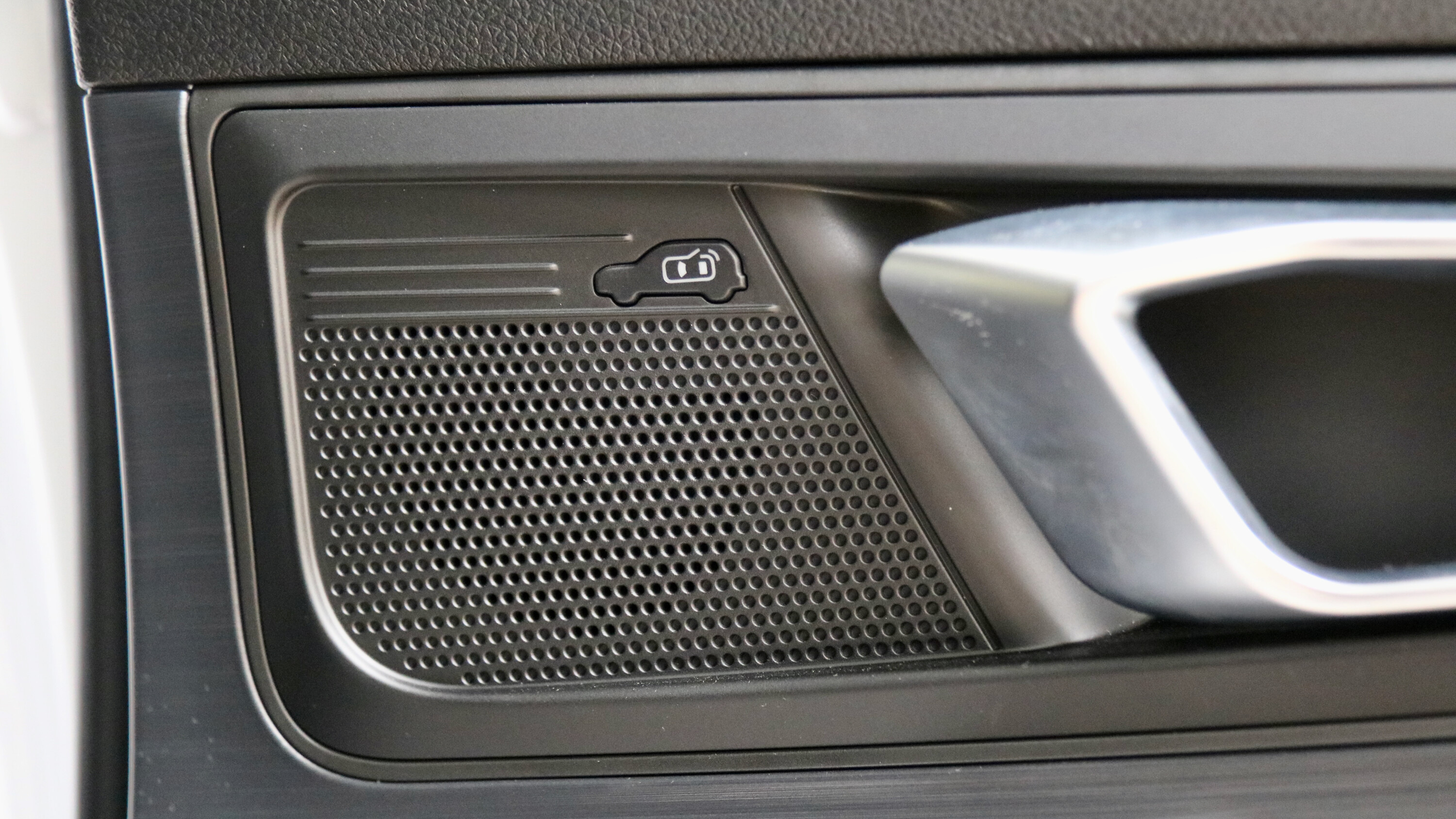
The rear seat of the Tiggo 4 Pro is bigger than you expect, and two average-sized adults will be totally comfortable. There are also map and door pockets, an armrest with two cupholders, a single USB-A port and an air vent as well – the latter is nonexistent in this segment, so kudos to Chery. There’s also a light in each door that flashes as part of the door open warning system, which is something that all cars should feature.
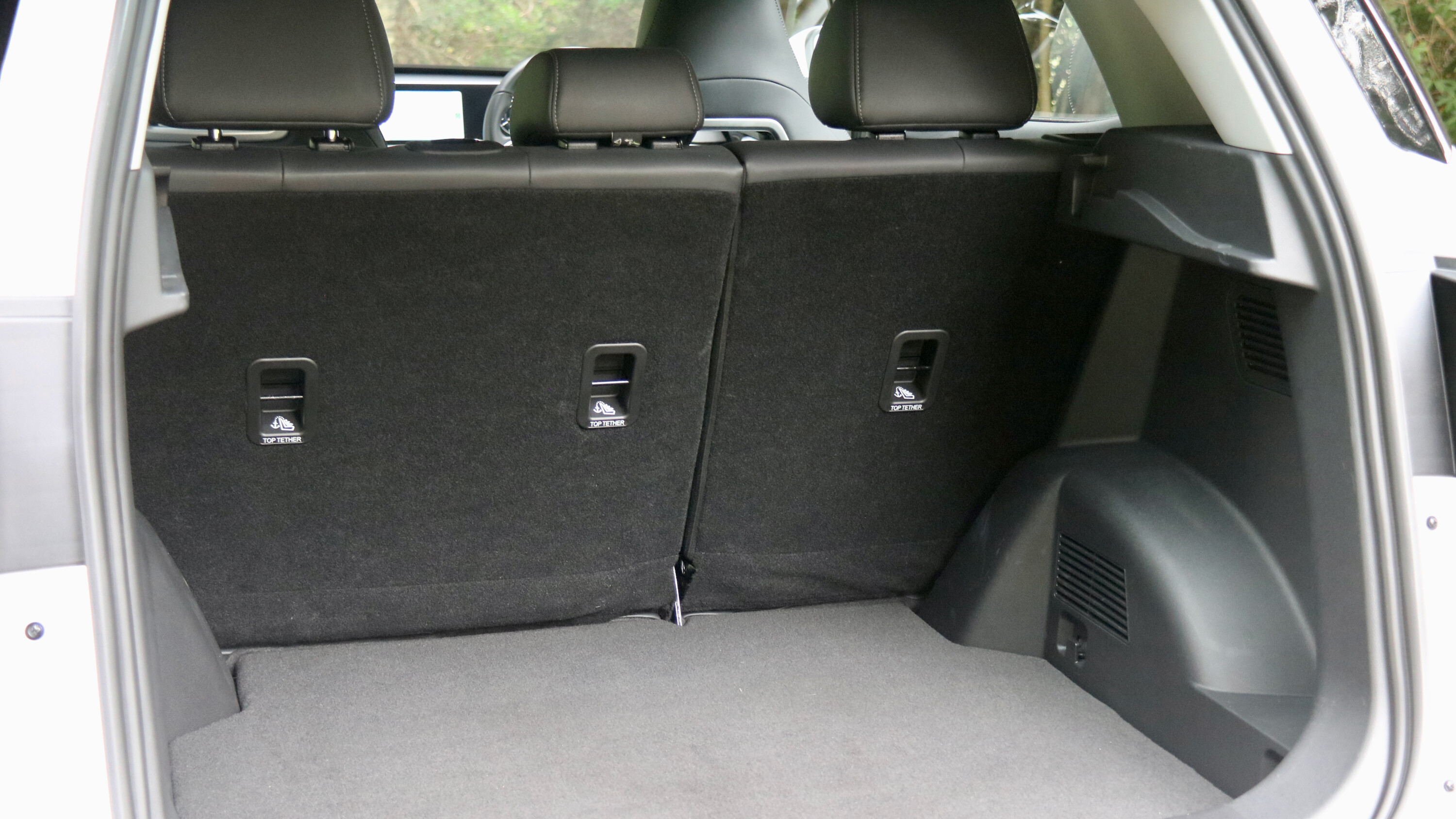
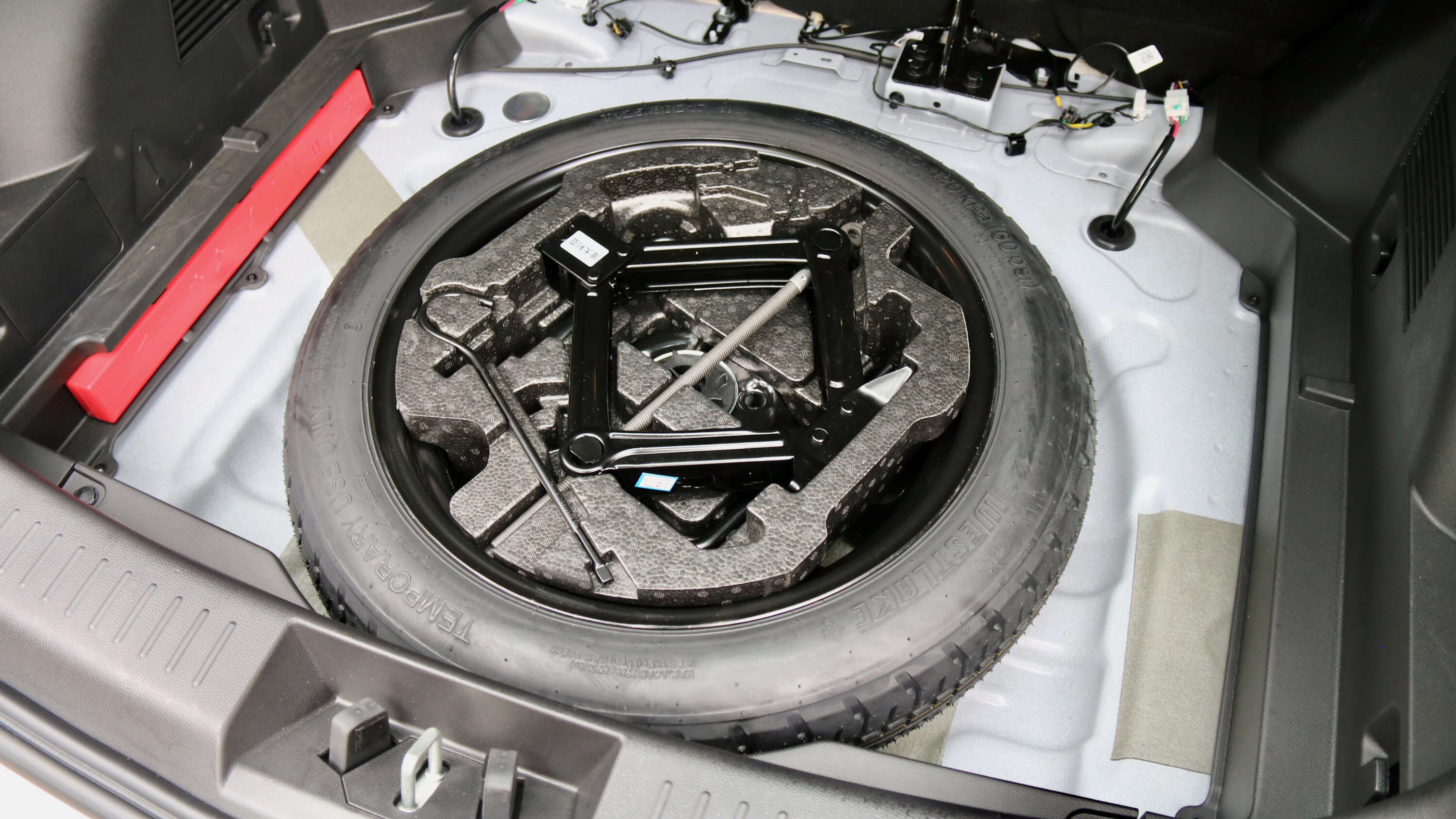
The boot of the Tiggo 4 Pro measures 380 litres with the rear seats up and 1,225L with the rear seats folded – in comparison, a CX-3 holds just 264L with its seats up. The boot itself is fairly featureless with just a space saver spare below the floor – we’d like to see a false floor added to give a flat area when the seats are folded.
On the road
The Tiggo 4 Pro’s driving experience is fairly unremarkable. It’s not sporty nor luxurious; instead, it’s just a comfortable tiny SUV. If you’re looking for something sportier, a CX-3 or a Stonic are definitely better handlers and feature better body control.
The Tiggo 4 Pro is a bit too soft when pushed hard and its soft brake pedal feel and light steering don’t inspire confidence either. But on Sydney’s awful roads, the Tiggo 4 Pro’s softness makes it comfortable which is appeal in an era where so many cars have too-firm rides.
What slightly takes the shine off the Tiggo 4 Pro’s driving experience are its overactive safety features like lane keep assist. It loves to wrestle the steering wheel from you, even when you aren’t straying from your lane.
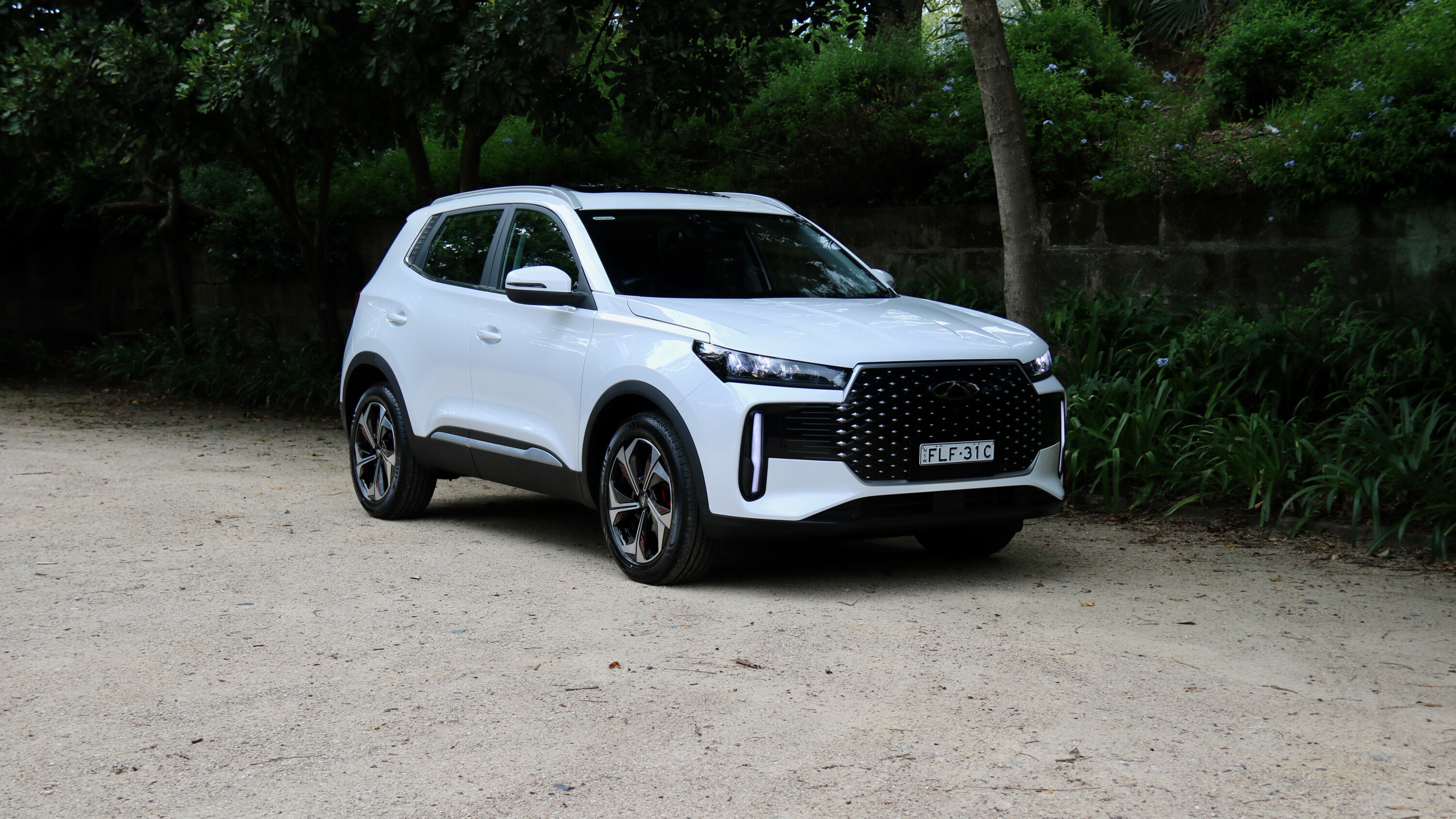
When the adaptive cruise control is activated, the adaptive lane guidance functionality constantly pulls at the steering wheel. Thankfully, a long press of the cruise control button turns the active lane steering off.
Like a lot of other new cars, turning the active safety features off takes a good five menu presses, which takes your eyes off the road for too long. A better calibrated lane keep system and easier access to safety functionality would go a long way to making the driving experience calmer and safer – though, to be fair, the Tiggo 4 Pro is not alone in this regard.
| Tiggo 4 Pro Urban standard equipment: | |
|---|---|
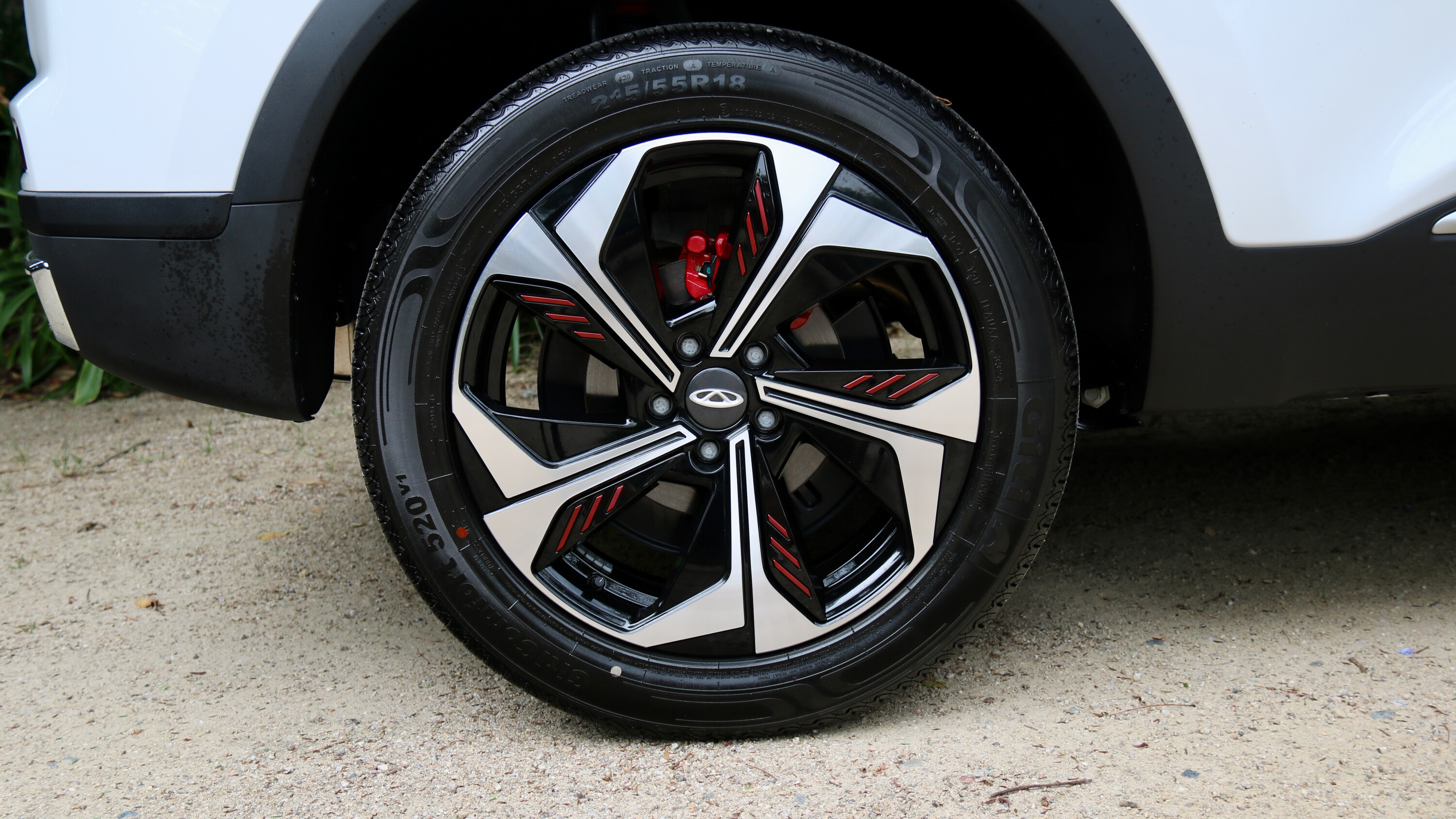
| 17-inch alloy wheels with a space saver spare wheel | Height-adjustable driveru2019s seat |
| Dusk-sensing automatic LED headlights | Dual-zone automatic climate control with a rear vent |
| Rain-sensing automatic wipers | 10.25-inch digital driveru2019s display |
| Keyless entry with push button start and remote start | 10.25-inch touchscreen |
| Silver roof rails | Wireless and wired Apple CarPlay and Android Auto |
| Heated mirrors | AM/FM/DAB+ digital radio |
| Synthetic leather steering wheel | Four-speaker sound system |
| Cloth upholstery | 3x USB-A charging ports |
| Tiggo 4 Pro Urban safety equipment: | |
|---|---|
| Seven airbags (including a front centre unit) | Speed sign recognition |
| Autonomous emergency braking (AEB) | Door open warning |
| Lane departure warning with lane keeping assistance | Auto high beam |
| Adaptive cruise control with traffic jam assist | Rear parking sensors |
| Active lane centering | Reverse camera |
| Blind-spot monitoring | Alarm |
| Rear cross-traffic alert with braking | Tyre pressure monitoring |
| Driver attention monitoring | |
The Tiggo 4 Pro recently earned a five-star ANCAP safety rating, which is impressive for a car priced so cheaply.
It scored 88 percent in adult occupancy protection, 87 per cent in child occupancy protection, 79 per cent for vulnerable road user protection and 85 per cent for safety assist.
According to ANCAP, “testing of the AEB Car-to-Car system demonstrated good performance, with collisions avoided or mitigated in all test scenarios, including in many of the AEB Junction and AEB Crossing scenarios. The vehicle’s lane support system also scored highly and was awarded full points. Performance was strong across many of the critical emergency lane keeping test scenarios.”
| Tiggo 4 Pro Ultimate model adds: | |
|---|---|
| 18-inch alloy wheels | Auto-folding exterior mirrors |
| Sunroof | Red brake callipers |
| Synthetic leather upholstery | 360-degree camera |
| Six-way electric driveru2019s seat | Heated front seats |
| Six-speaker sound system | Chrome lower window surround |
| Tiggo 4 Pro colour options: | |
|---|---|
| Martian Red | |
| Mercurial Grey | +$500 |
| Lunar White | +$500 |
| Space Black | +$500 |
| Star Silver | +$500 |
Service and warranty
The Tiggo 4 Pro is covered by a seven-year/unlimited km warranty with 12 months of roadside assistance that can be extended up to seven years in total if serviced at a Chery dealership.
The Tiggo 4 Pro uses annual/15,000km (whichever comes first) service intervals, and five years or 75,000km of servicing costs $1,400 ($280 annually). That compares well to Mazda’s shorter five-year warranty and $2,200 service cost over the same period for the CX-3.
Verdict: Should I buy a 2025 Chery Tiggo 4 Pro?
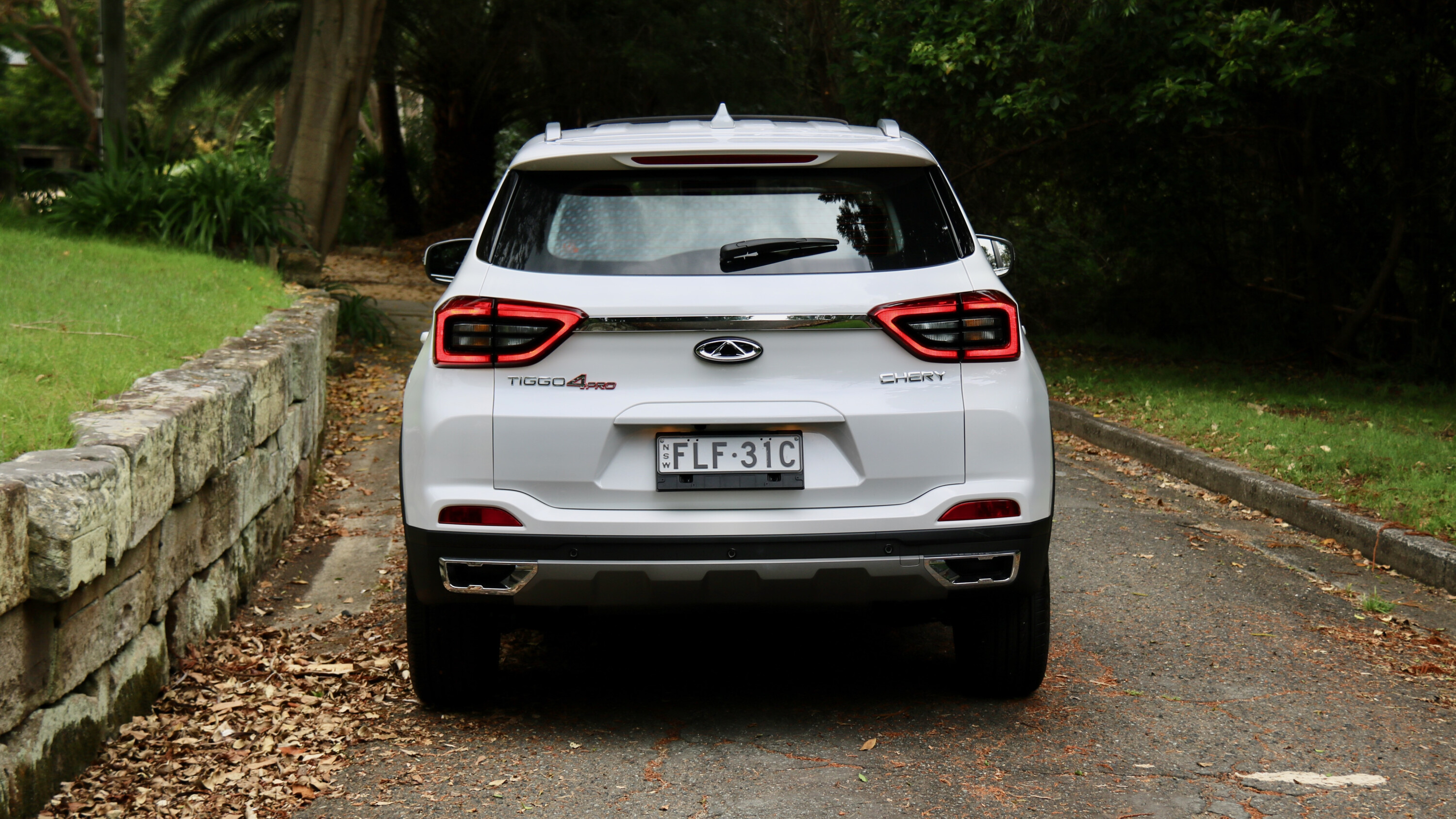
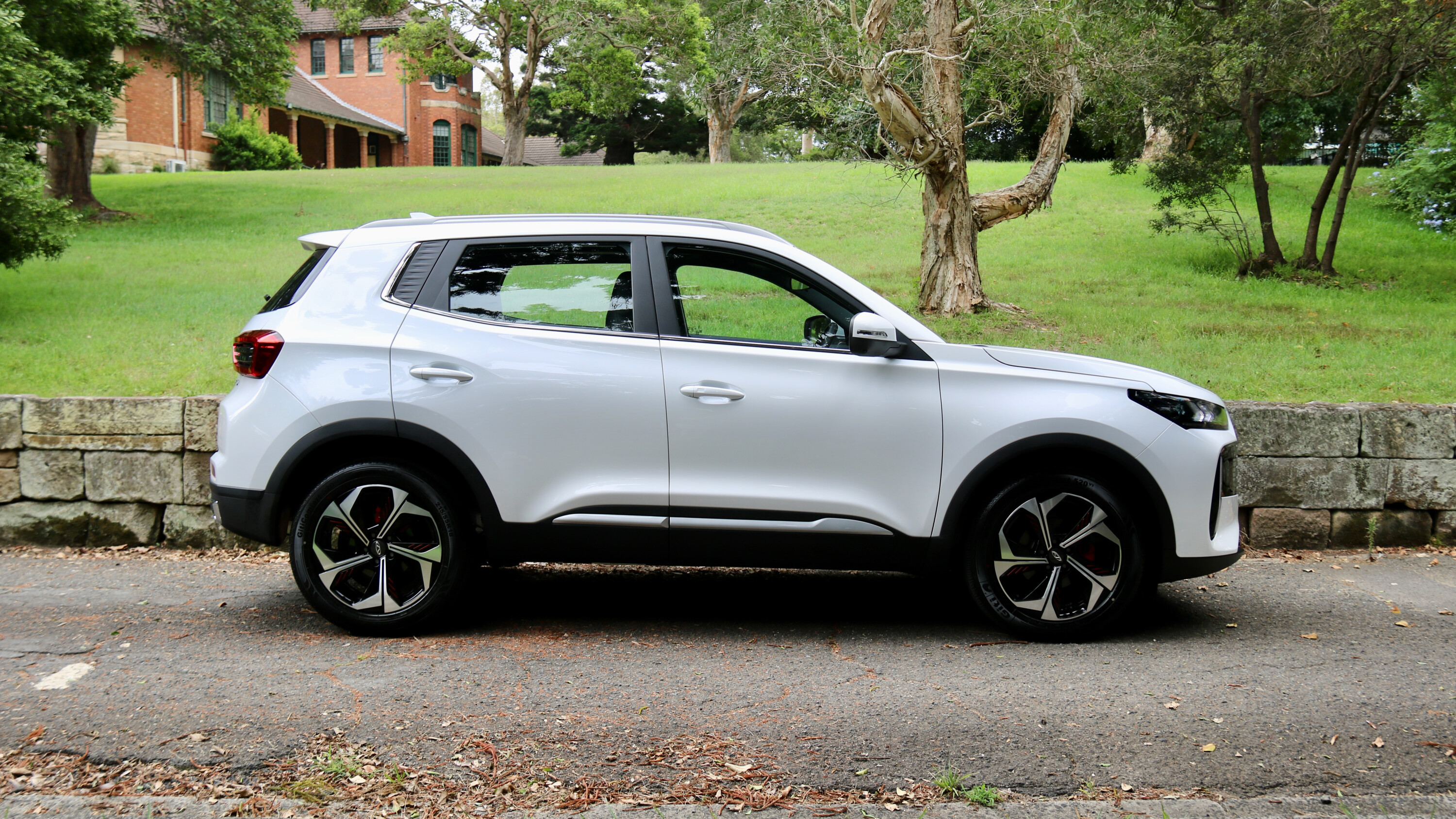
There’s no denying that the Chery Tiggo 4 Pro is a tempting proposition in the small SUV segment, thanks to its low pricing, long list of equipment, peppy drivetrain and modern cabin. It’s also handsome to look at, cheap to service and has great warranty coverage.
The driving experience could be improved, however, with soft suspension and light steering that detracts from driver confidence and an overactive lane keeping assistance system that is difficult to defeat. Plus, while the engine is gutsy for the segment, it’s also thirsty and some rivals give a more fun driving experience.
But importantly, Chery has delivered a car that’s priced how cars used to be priced, with a good list of qualities to match. We expect big sales for the Tiggo 4 Pro because it’s a steal and thankfully too, it has reasonable talent to back up its low price.
Tiggo 4 Pro rivals
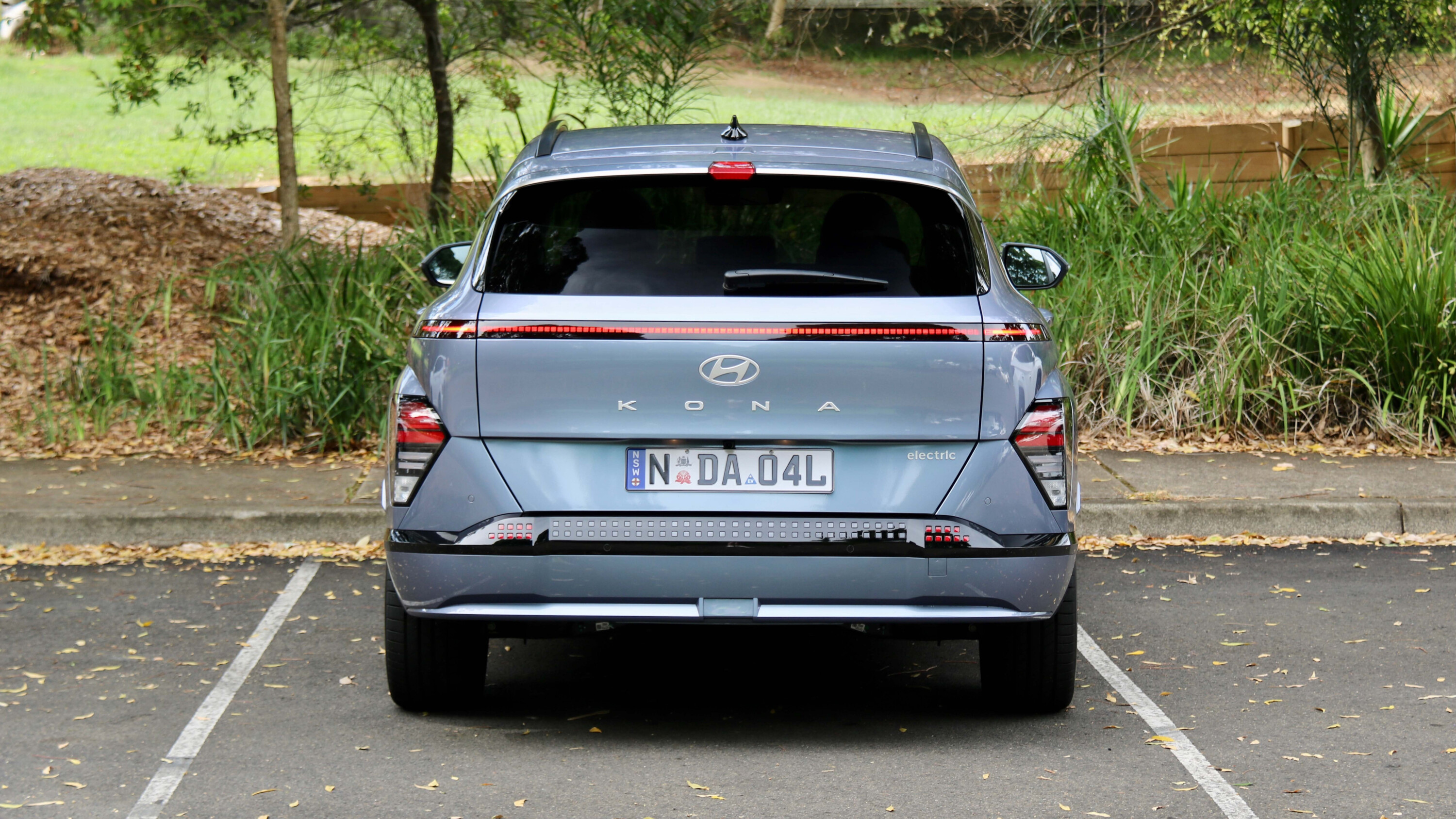
Originally released in Australia in 2019, the Hyundai Kona Electric was one of the first lower-priced electric vehicle choices on the market, a reason it has remained a relatively popular model ever since.
Fast forward to 2024 and the Kona Electric is now in its second generation, with a bigger body hiding important improvements in efficiency, technology and practicality.
The Kona Electric range is also now less expensive than the previous generation, but faces challenges from many more competitors. Is the Kona Electric the small electric SUV to buy? Here’s the WhichCar guide.
JUMP AHEAD
- How much does the Hyundai Kona Electric cost?
- How comfortable and practical is the Hyundai Kona Electric?
- What features are standard in the Hyundai Kona Electric?
- How big is it and how much can it tow?
- Will I enjoy driving the Hyundai Kona Electric?
- How much does the Hyundai Kona Electric cost to run?
- What warranty covers the Hyundai Kona Electric?
- Which Hyundai Kona Electric should I buy?
- Which cars rival the Hyundai Kona Electric?
How much does the Hyundai Kona Electric cost?
There are five Kona Electric variants in Australia:
| 2025 Hyundai Kona Electric pricing | |
|---|---|
| Standard Range | $54,000 |
| Extended Range | $58,000 |
| Extended Range N Line | $62,000 |
| Premium | $68,000 |
| Premium N Line | $71,000 |
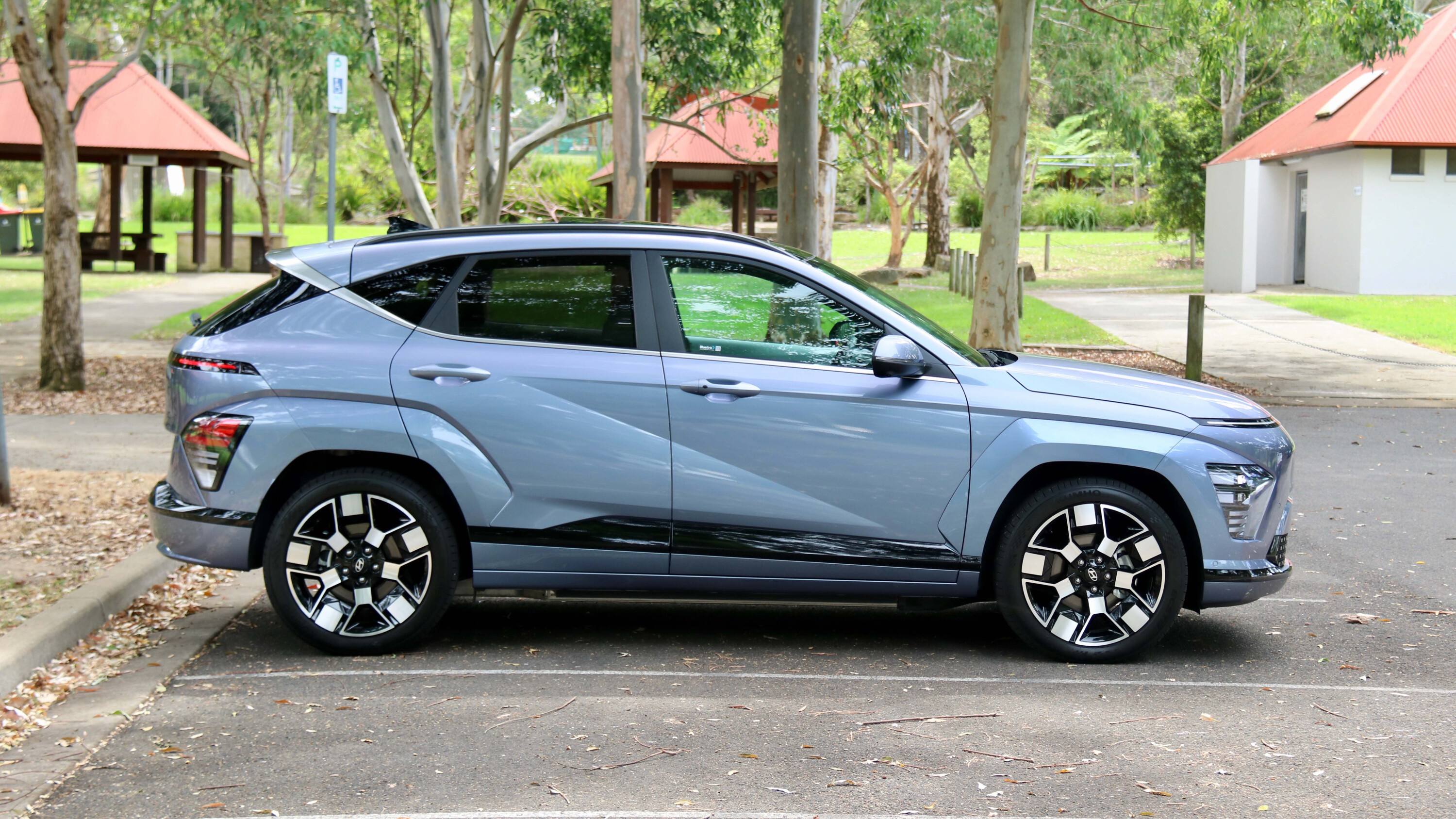
How comfortable and practical is the Hyundai Kona Electric?
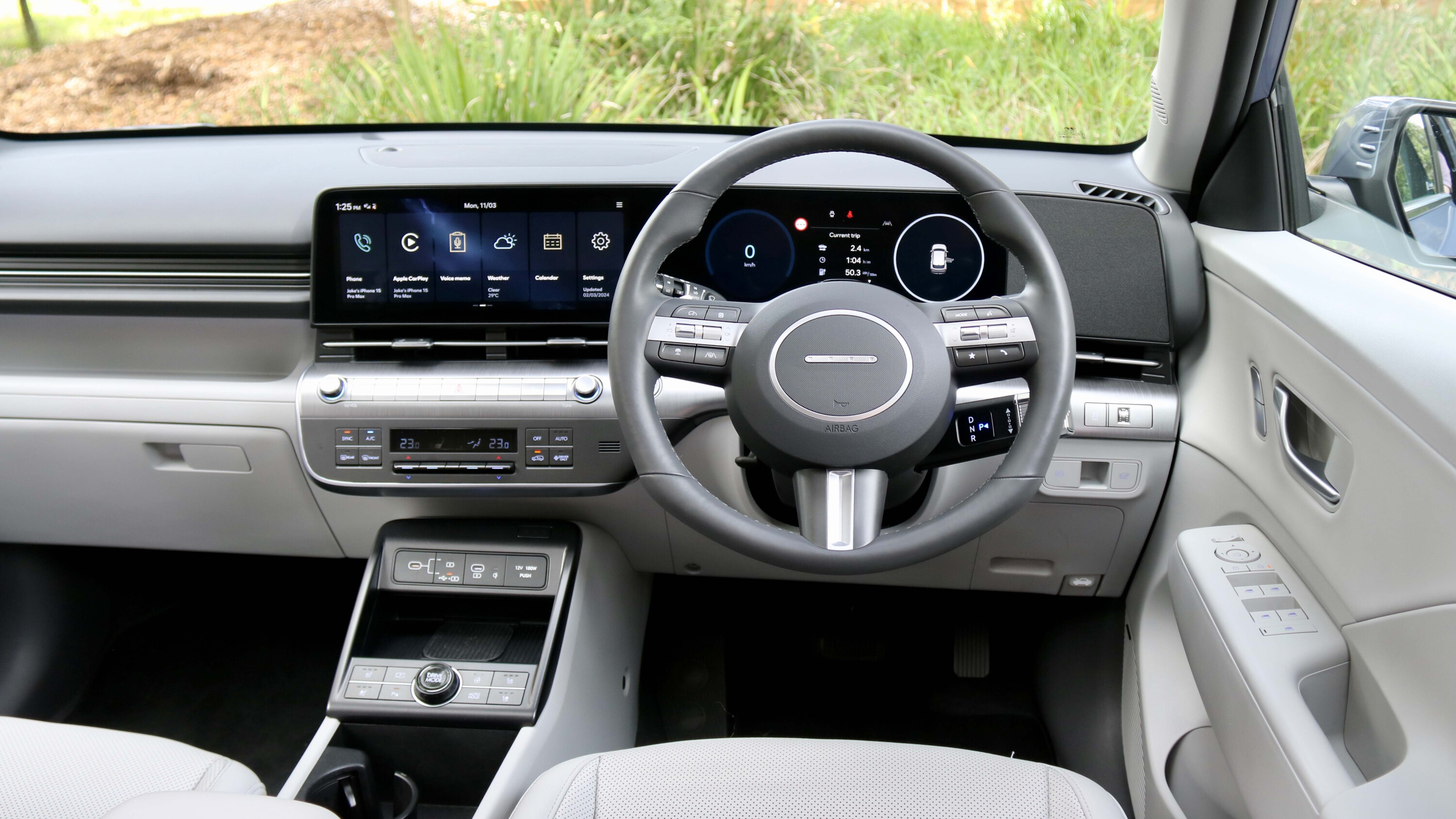
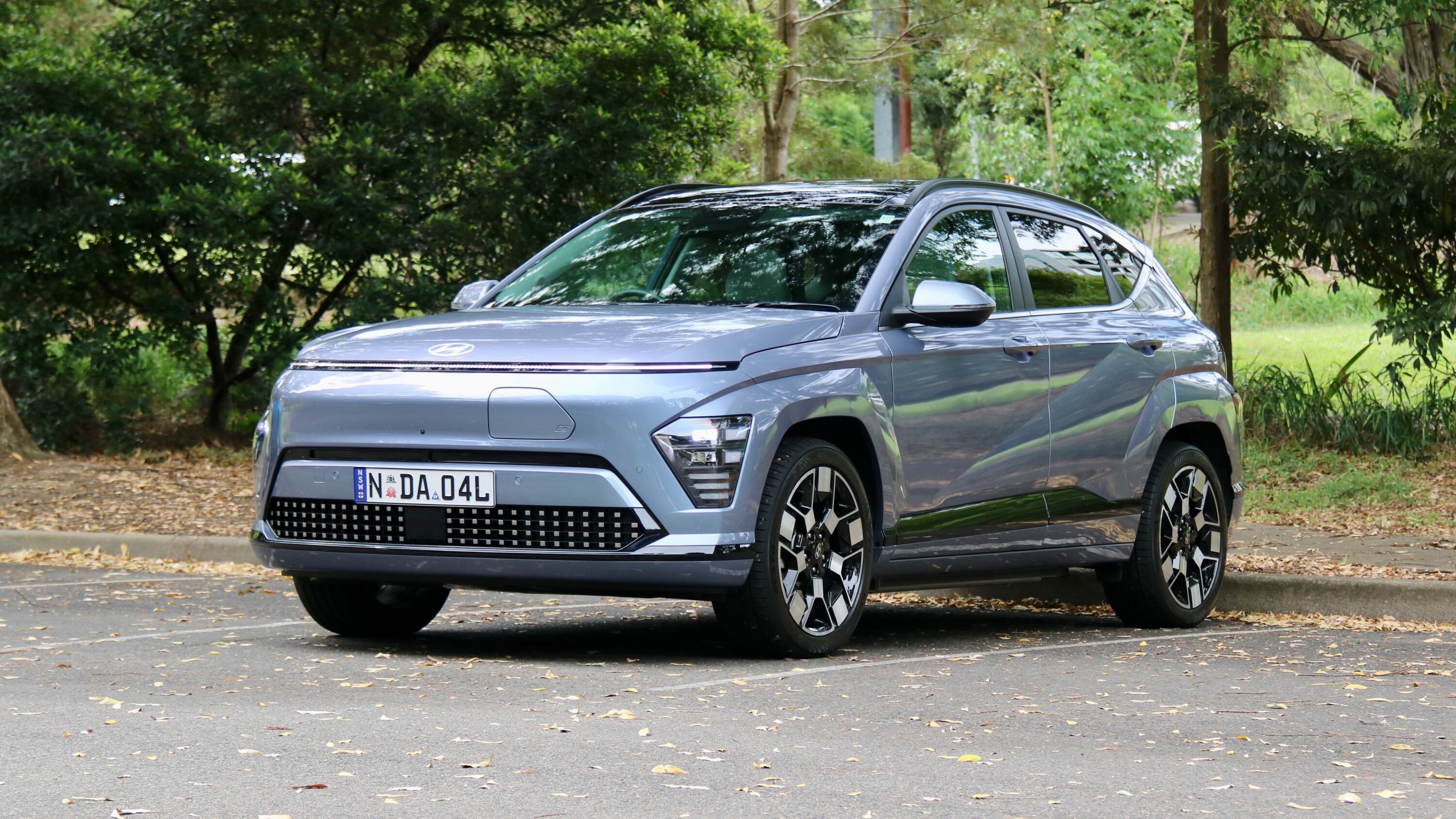
Inside, the Kona Electric is almost identical to the regular Kona. This means that the interior materials are a bit of a miss, with mostly hard surfaces throughout the cabin. On the plus side they are hard wearing and will last. The leather steering wheel is quite nice, but a soft touch dash would be a great addition to the cabin to make it feel even better.
Centre of the Kona Electric’s cabin is a 12.3-inch touchscreen with Hyundai’s new ‘ccNc’ infotainment software. It’s a bit dark to look at, but it’s very easy to use and it’s well featured with equipment like satellite navigation, wireless Apple CarPlay and Android Auto, and DAB+ digital radio. It also features live services such as live traffic for the navigation and over-the-air updates.
Storage inside the new Kona is a big improvement on the last model and one of the best in the small SUV segment. The huge centre console storage is great, with big cup holders and a wireless phone charger.
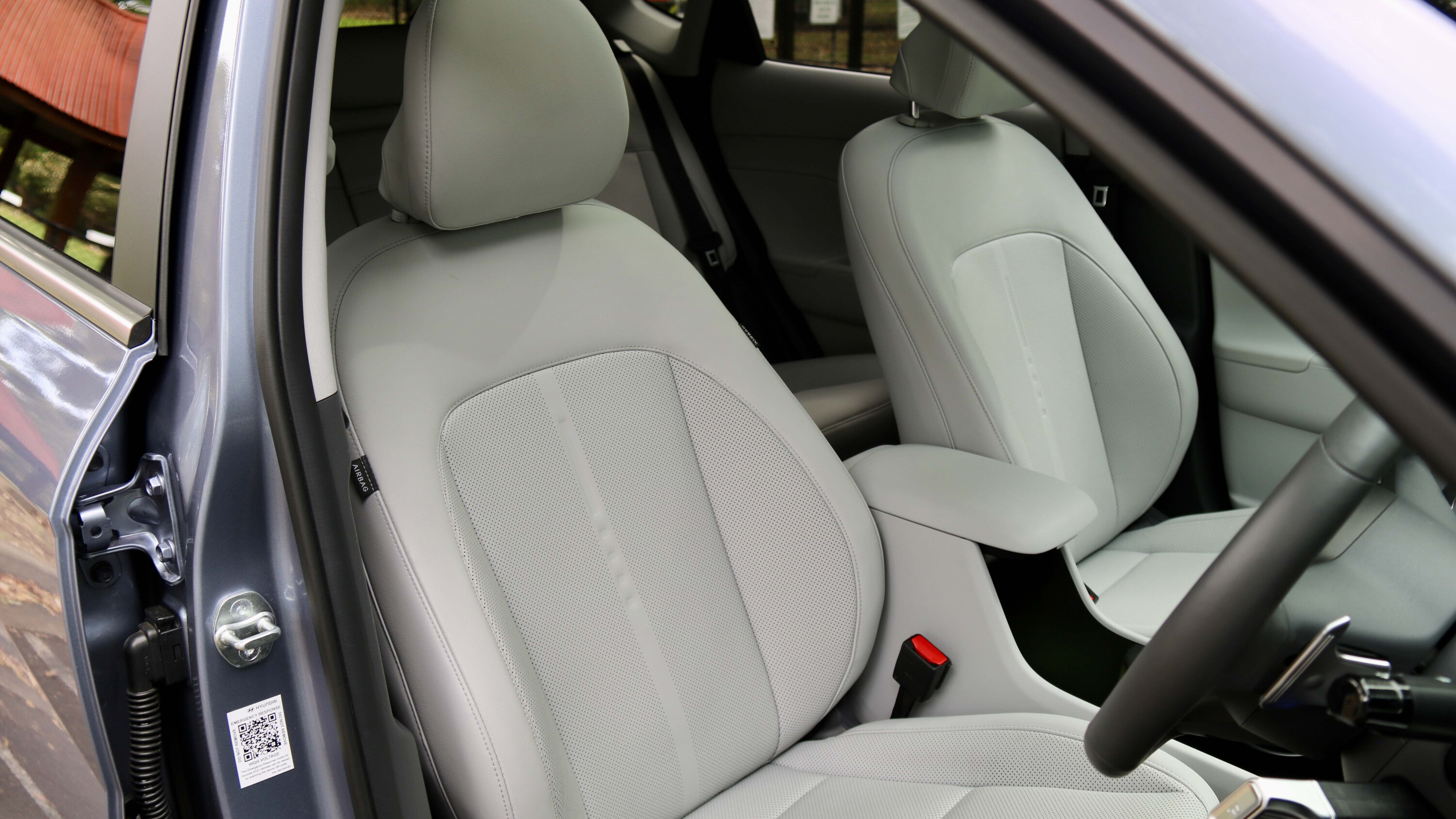
Further back is a centre armrest with open storage underneath it, while there are also reasonable door bins, a nicely-sized glovebox, an open tray above the glovebox and an open area housing the wireless charger.
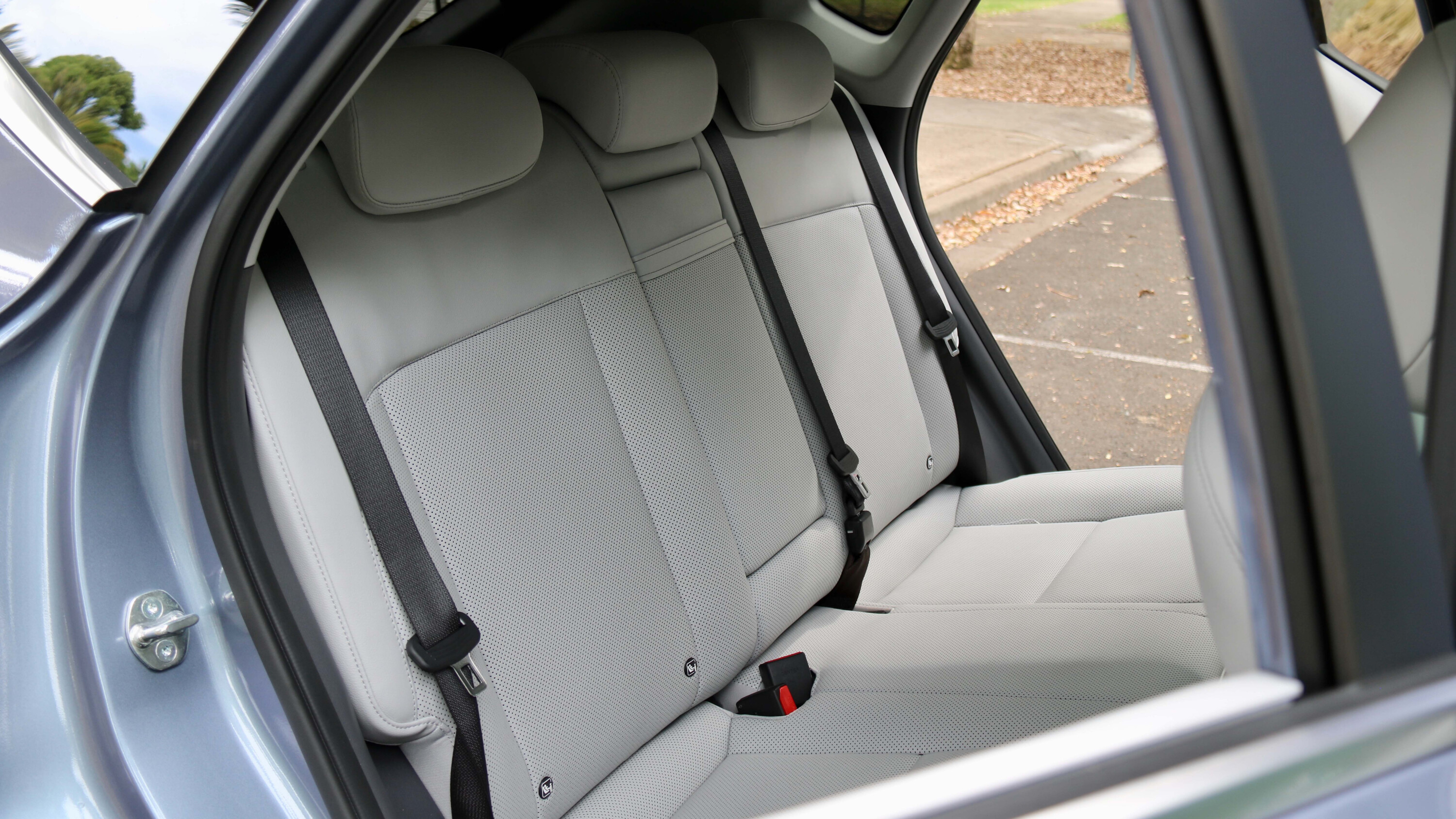
The back seat is a nice improvement over the previous Kona, and is now one of the roomiest in the segment. Two six-footers will be more than comfortable thanks to good knee- and headroom, while the seatbacks recline for greater comfort.
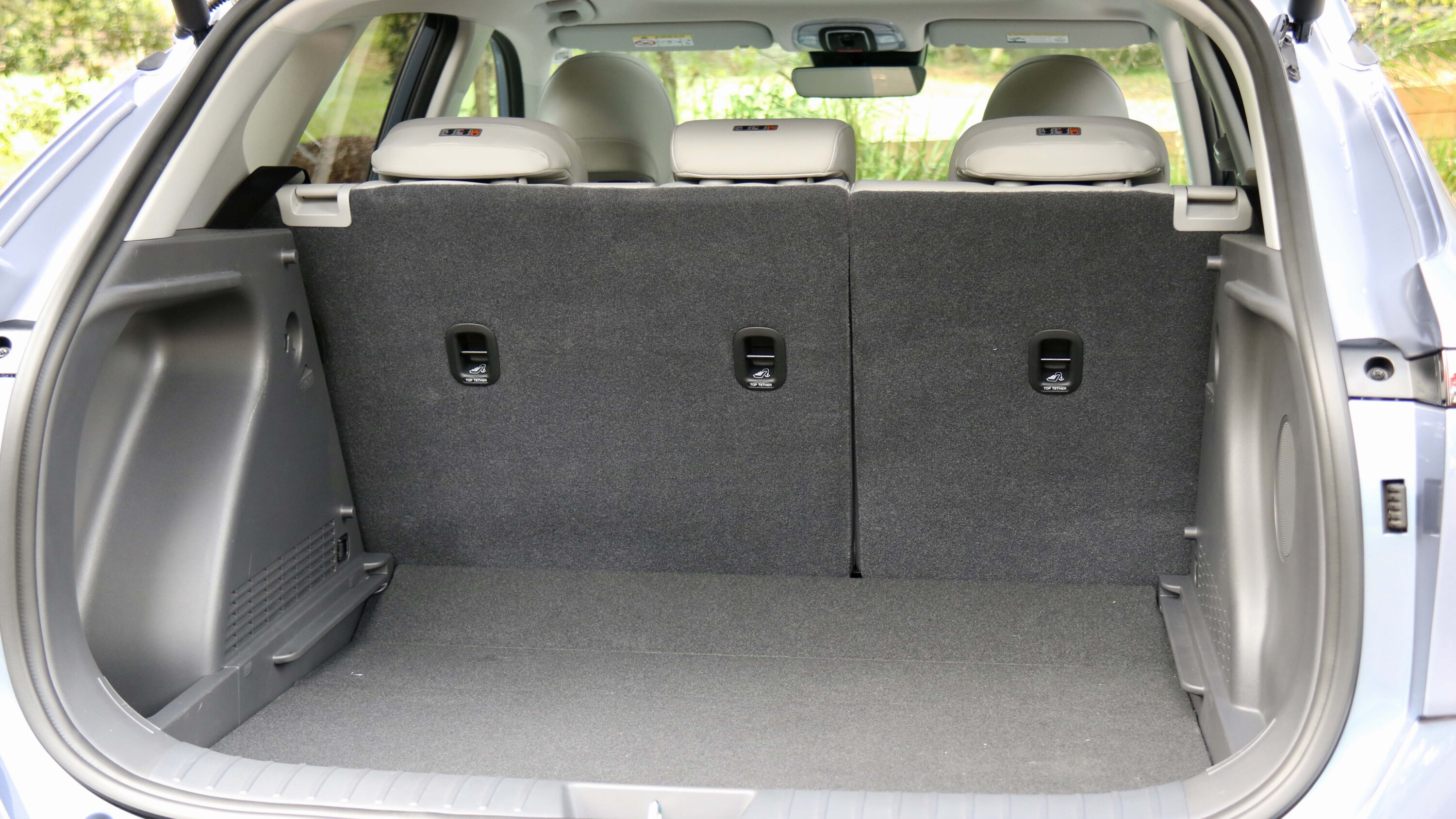
In addition to that, all grades receive two USB-C ports and a three-pin socket, as well as air vents, a centre armrest with cup holders, two map pockets and reasonable door storage too. There are two ISOFIX points and three top-tether points for child seats and the doors open nice and wide too.
What features are standard in the Hyundai Kona Electric?
| Kona Electric Standard Range: | |
|---|---|
| 48.6kWh battery | AM/FM/DAB+ digital radio |
| 99kW/255Nm motor | Selectable driving modes |
| 17-inch alloy wheels with a space-saver spare wheel | Selectable regenerative braking including one-driving mode |
| Automatic dusk-sensing LED headlights | Wireless phone charger |
| Automatic rain-sensing wipers | Six-speaker sound system |
| Keyless entry and start | Dual-zone climate control with rear vents |
| u2018Bluelinku2019 live services, including remote app access | Auto-dimming rear mirror |
| 12.3-inch digital driveru2019s display | Heat pump |
| 12.3-inch touchscreen with live services and over-the-air updates | Leather steering wheel |
| Wired Apple CarPlay and Android Auto | Vehicle-to-load (V2L) functionality |
| Satellite navigation with live traffic | |
| Extended Range model adds: |
|---|
| Larger 64.8kWh battery |
| More powerful 150kW motor |
| Extended Range N Line model adds: | |
|---|---|
| N Line exterior and interior styling | Leather door trim inserts |
| 19-inch alloy wheels | All-LED exterior lighting |
| Leather and suede upholstery | |
| Kona Electric Premium model adds: | |
|---|---|
| Head-up display | Leather upholstery |
| Blind-spot camera | 10-way electrically adjustable driveru2019s seat with memory |
| Low-speed rear auto braking | 8-way electrically adjustable front passenger seat |
| Side parking sensors | Heated and ventilated front seats |
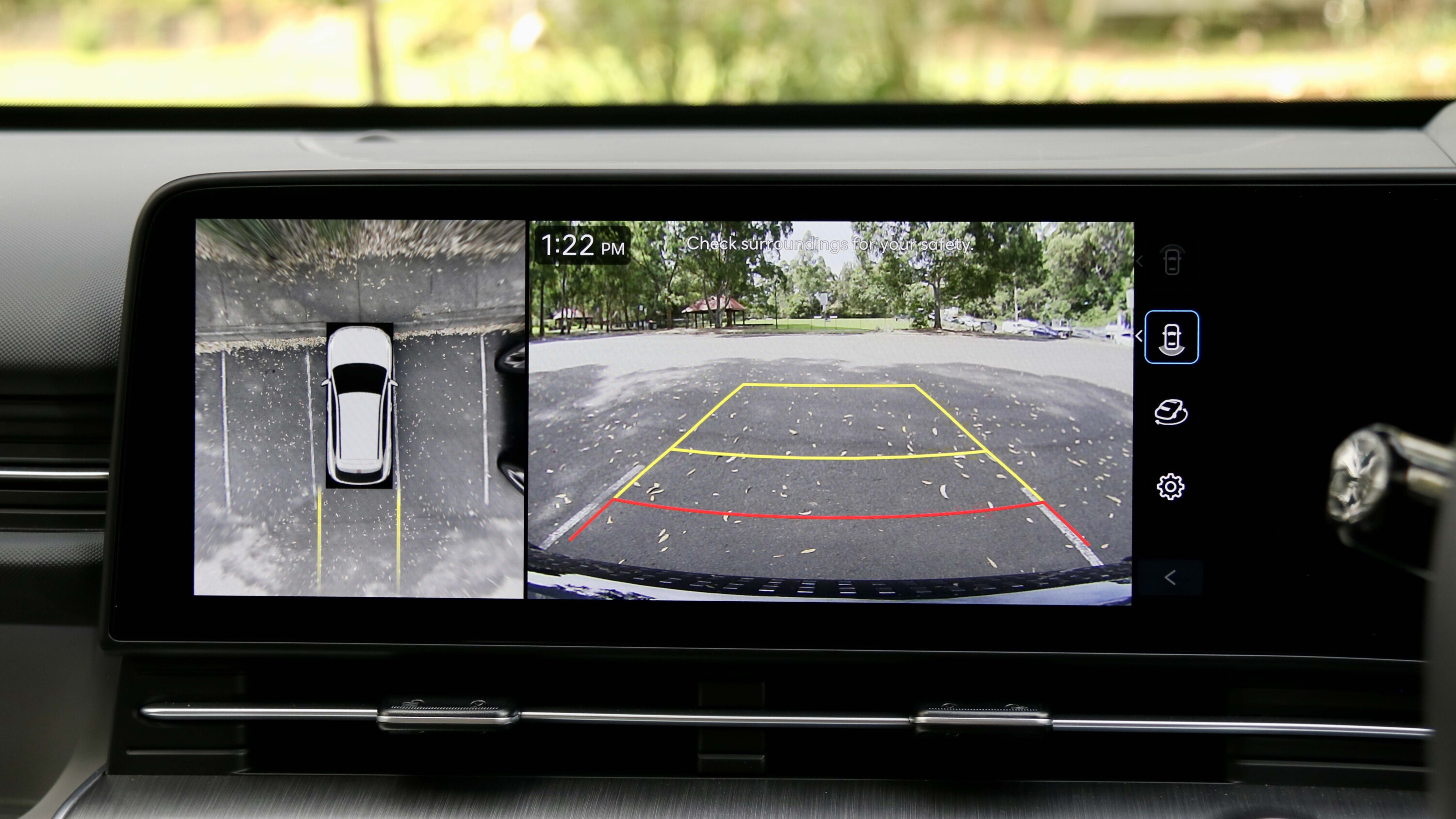
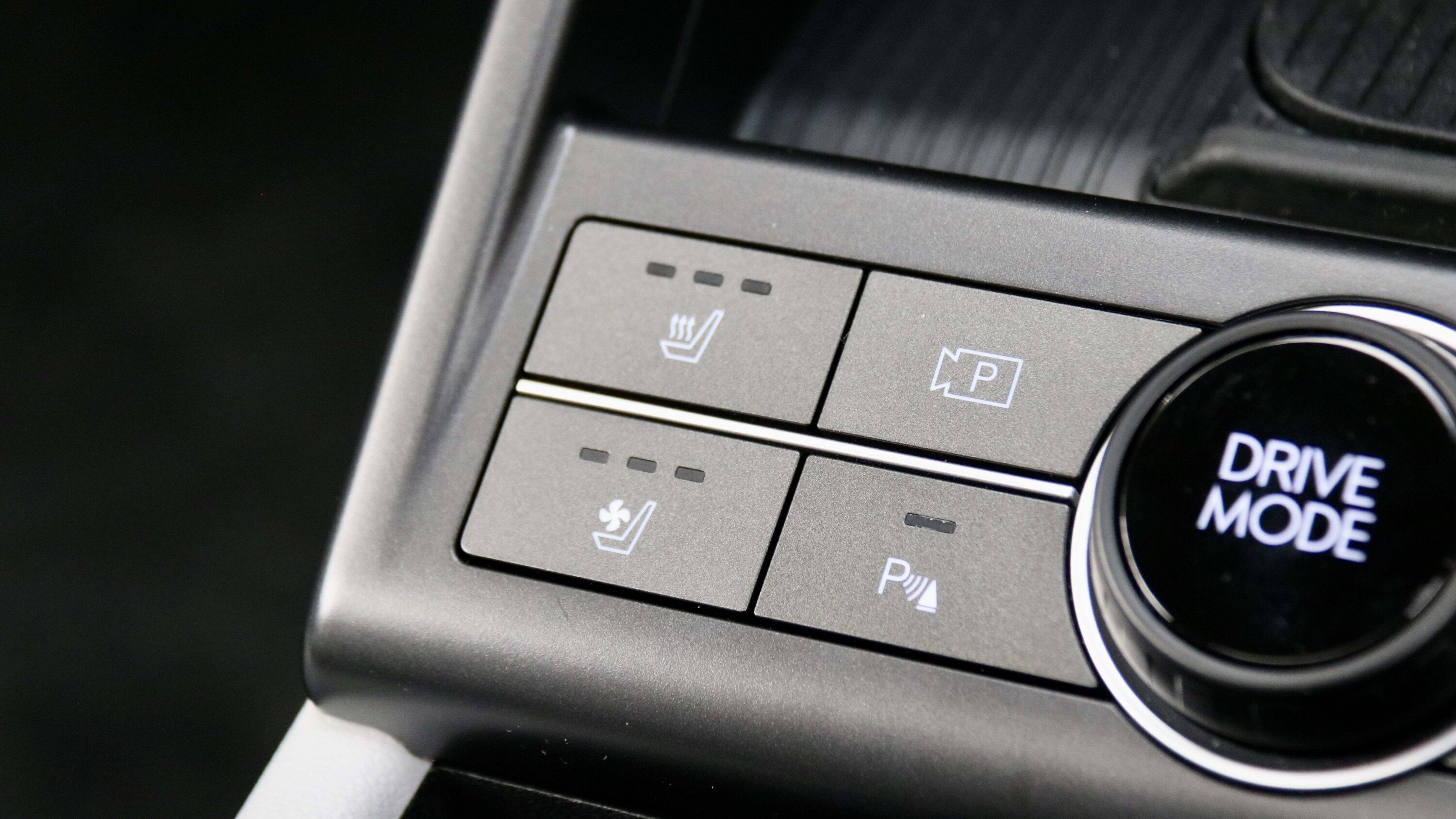
| 360-degree camera | Heated steering wheel |
| Remote smart parking | Heated outboard rear seats |
| Acoustic laminated/solar windshield and front door glass | Ambient mood lighting |
| Rear privacy glass | Sunroof |
| Hands-free electric tailgate | Removes N Line exterior styling |
| Eight-speaker Bose sound system | |
| Premium N Line model adds: |
|---|
| N Line exterior and interior styling |
| Leather and suede upholstery |
How big is it and how much can it tow?
The Kona Electric measures between 4,355mm and 4,385mm long (the N Line is 30mm longer due to its sportier bumpers), 1,825mm wide, 1,580mm tall and rides on a 2,660mm long wheelbase.
Its boot measures 407-litres with the seats up and 1,241L with them folded, which is identical to the petrol Konas, impressively. Handily, the Kona Electric also features a 27L front boot.
The Standard Range is not rated to tow, but the Extended Range models can tow a 750kg braked trailer with a maximum tow ball weight of 100kg.
Will I enjoy driving the Hyundai Kona Electric?
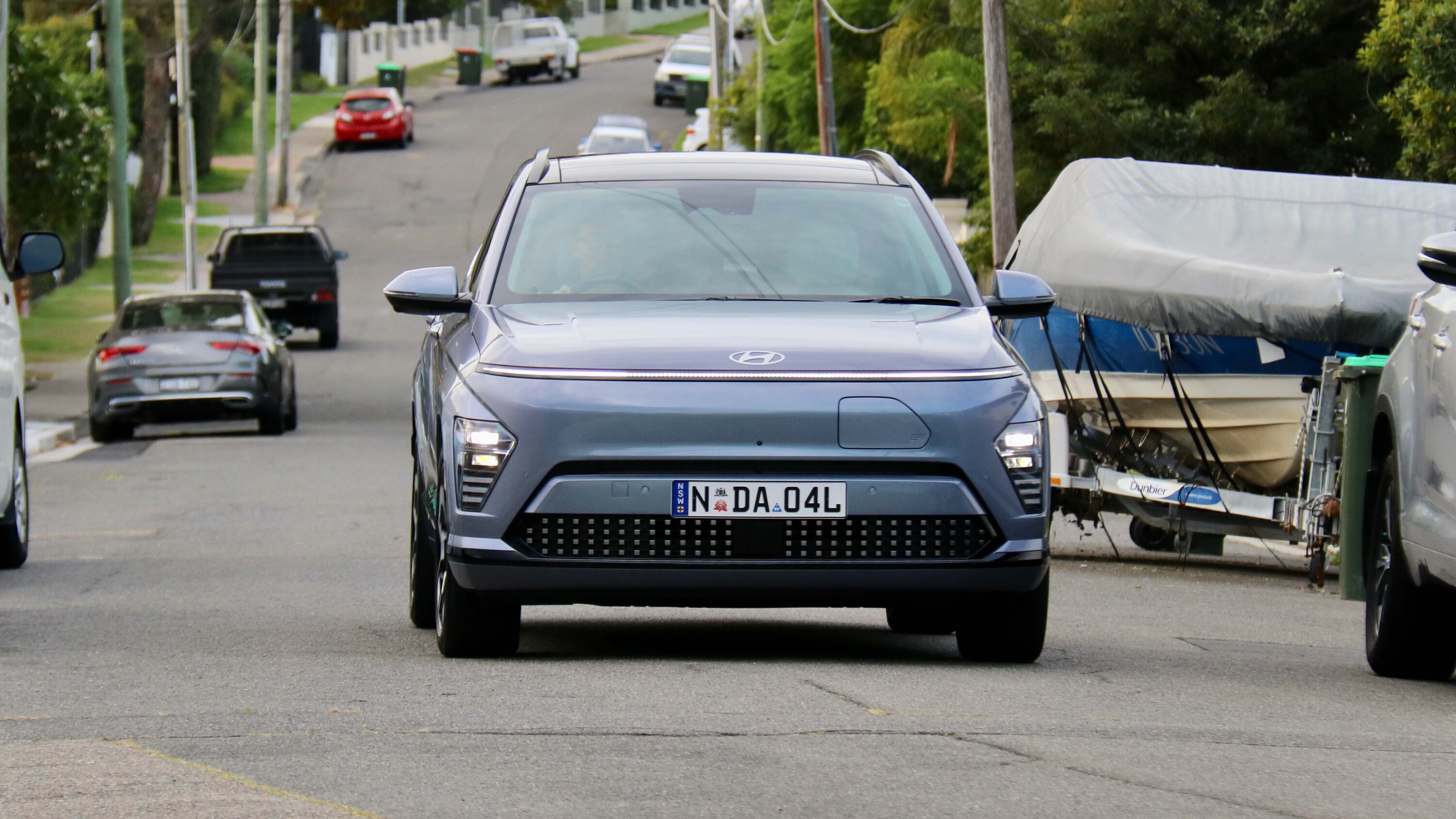
Absolutely, the Kona Electric is entirely pleasant to drive. It’s quiet, comfortable and refined, and its visibility is mostly pretty good too. Ride quality is good, with the independent rear suspension of the Electric versus the standard Kona’s torsion beam (plus the one-inch smaller wheels) helping.
All Kona Electric variants feel spritely from behind the wheel thanks to the abundance of torque from 0km/h.
Hyundai doesn’t claim a 0-100km/h time but overseas claims peg the Standard Range at just under nine seconds, and the Extended Range around a second faster than that – nothing too exciting, but more than quick enough for most buyers.
How much does the Hyundai Kona Electric cost to run?
Hyundai claims that the Kona Electric Standard Range will use 14.8kWh/100km of energy for a range of 370km (WLTP), while the Extended Range models differ slightly: the base car officially uses a claimed 14.7kWh/100km of energy for a range of 505km while N Line and Premium variants officially use 16.7kWh/100km of energy for a range of 444km. We tested a Premium non-N Line and achieved just above that at 17.2kWh/100km in mixed driving.
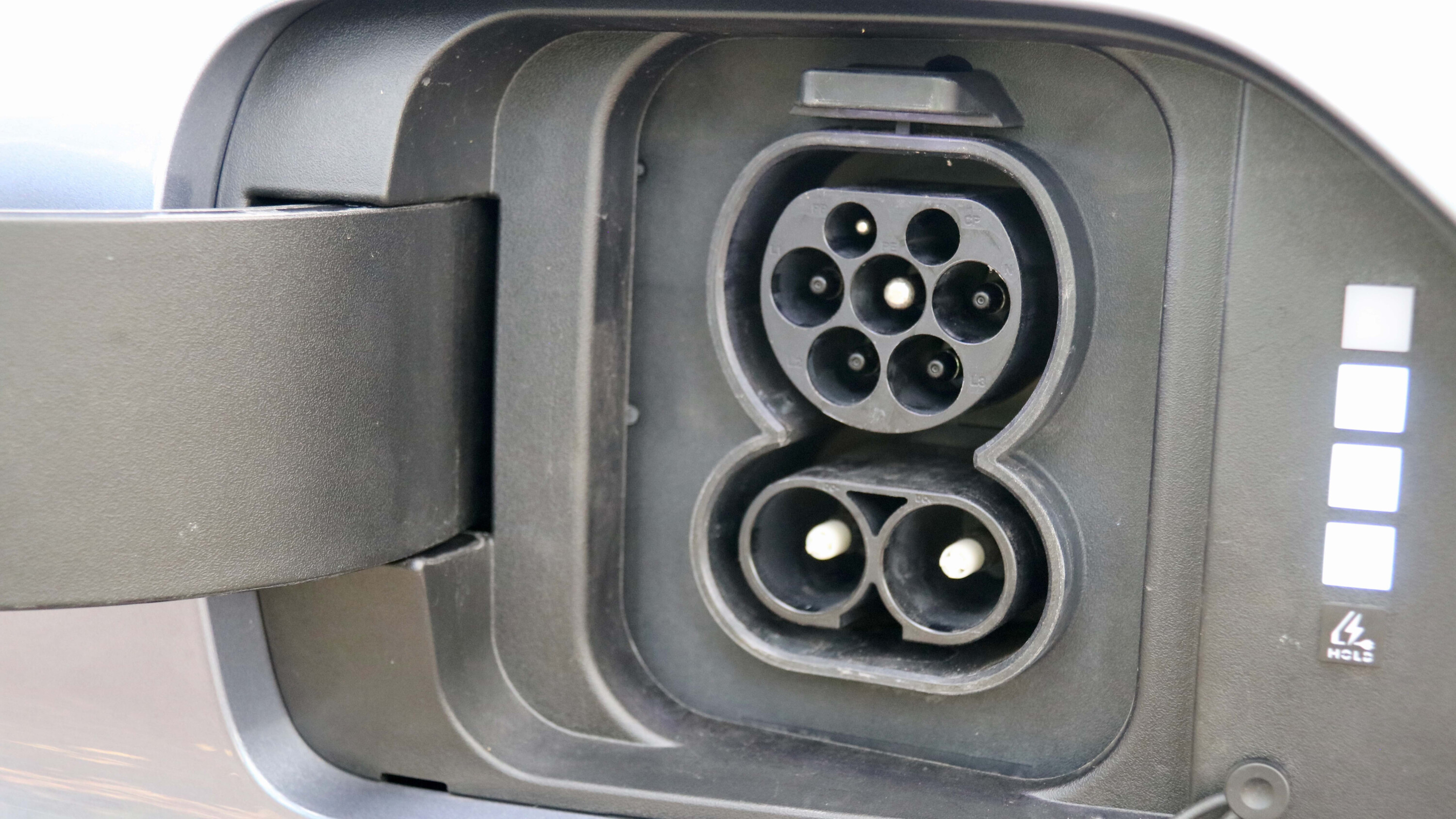
Both batteries in the Kona Electric can be DC fast charged at up to 100kW, with Hyundai quoting a 10 to 80 percent charging time of just over an hour at 50kW, and in around 45kW at 100kW. The Kona Electric can also be AC charged at up to 10.4kW for a full charge in just over five hours in the 48.66kWh battery, and six hours and 35 minutes in the 64.8kWh unit.
The Kona Electric’s service intervals are once every two years or every 30,000km – whichever comes first – and the cost of servicing is $1,560 over six years/90,000km ($260 per year).

What warranty covers the Hyundai Kona Electric?
Like other new Hyundai products, the Kona Electric is covered by a five-year/unlimited km warranty with 12 months’ roadside assistance with every dealer service. The battery is covered by an eight-year/160,000km warranty as well.
Which Hyundai Kona Electric should I buy?
While the entry-level Kona Electric Standard Range represents good value for money, we think the pick of the bunch is the Extended Range ($58,000 plus on-road costs).
For only $4,000, the extra 135km of range and 51kW of power makes sense – plus, the Extended Range is then available with the N Line package, adding sportier exterior styling and extra equipment if buyers want it.

Kona Electric safety equipment:
| 2025 Hyundai Kona Electric safety | |
| Seven airbags (including a front centre unit) | Safe exit warning |
| Auto emergency braking (AEB) including pedestrian, cyclist and intersection assist | Auto high beam |
| Lane keep assist with lane departure warning | Driver attention monitoring |
| Adaptive lane guidance | Intelligent speed limit assist |
| Adaptive cruise control with stop and go functionality | Front and rear parking sensors |
| Blind-spot monitoring with rear cross-traffic alert (both with braking) | Reversing camera |
Kona Electric colour range:
| 2025 Hyundai Kona Electric colours | |
|---|---|
| Atlas White | Denim Blue (+$595) |
| Neotronic Yellow (N Line variants only) | Mirage Green |
| Ecotronic Grey (+$595) | Meta Blue (+$595 u2013 Premium only) |
| Abyss Black (+$595) | Soultronic Orange (+$595 – N Line variants only) |
| Ultimate Red (+$595) | Cyber Grey (+$595 – N Line variants only) |
Which cars rival the Hyundai Kona Electric?
u2b06ufe0f Back to topAsk most people and they’d consider the Aussie ute market a duopoly, the majority of sales carved up between the Ford Ranger and the Toyota Hilux.
That’s not the case though. If you look at the sales figures for 2024, most of the dual-cab utes sold Down Under weren’t built by either Toyota or Ford. Mazda is looking to increase its five percent share of this market with the latest BT-50, which has been extensively refreshed for 2025.
For those of you not fully up to speed on BT-50, it’s been with us since 2006, and the second generation, on sale between 2011 and 2020, was built on Ford Ranger bones. This boosted the vehicle’s domestic sales success, lifting sales from the previous model’s average of 3500 a year to 8500 registrations.
Greater success was to come with the launch of the third-generation BT-50 in 2020, which shared its underpinnings with the Isuzu D-MAX. This averaged around 14,000 sales per year. That model has now been given an update, and it’s clear that Mazda now thinks it has a sales winner on its books, targeting 18,000 registrations per year Down Under.
We’re by far the biggest global market for BT-50 with the next biggest selling 200 units per year. That being the case, Australia gets the prime seat at the table when it comes to discussing what owners expect from any new BT-50 and what accessories they require.
The range in full is pretty extensive, with fifteen different models across various body styles and drivelines, so we’re going to look solely at the 4×4 dual-cab models here, of which there are four. All are powered by the same 140kW/450Nm 3.0-litre four-cylinder turbodiesel powerplant that’s become a tried and trusted fixture.
It’s not the most powerful or the most refined engine you’ll come across in this sector, but if you had to nominate one drivetrain that’s never going to let you down when you need it most, this is where my money would go.
To simplify things still further, Mazda has, for the time being at least, released the new BT-50 with Australia-wide drive-away pricing. The range kicks off with the XT at $54,990, steps up to the XTR at $62,490 and then the GT at $65,990 before topping out with the flagship SP variant at $67,990. Model for model, those prices are a little under what you’d pay for the ancient Hilux and quite a lot less than you’d pay for the more modern Ford Ranger.
Nevertheless, prices have crept up by around $550 at the very base of the range to $3500 at the top end.
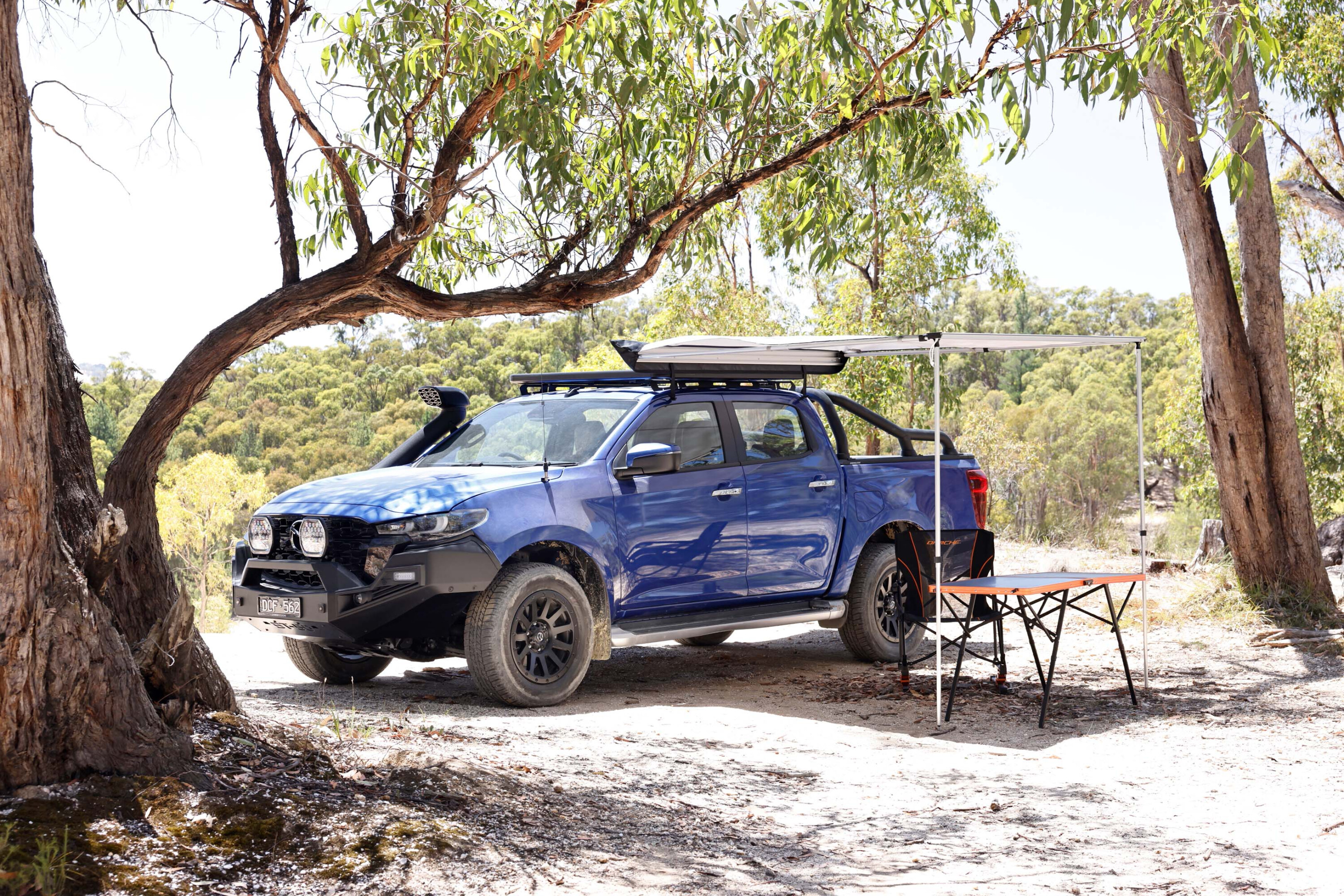
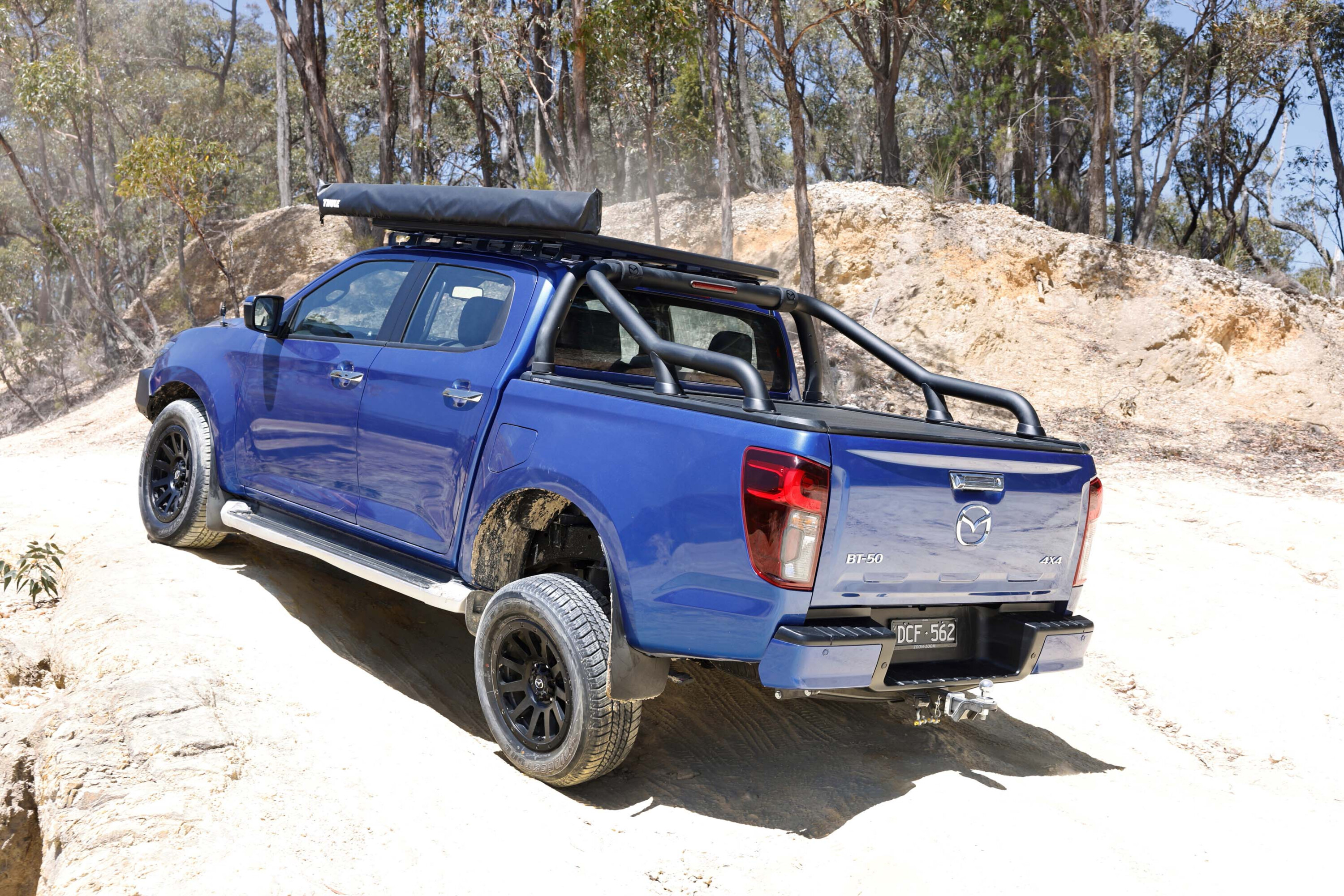
Mazda claims that BT-50 buyers typically spec their vehicles with, on average, $3800 of genuine accessories at the time of purchase, which are all covered by the same five-year warranty that applies to the vehicle. Mazda has a range of over 100 for this BT-50 including new designs of alloy wheel, spotlights, bull bars, snorkels, roof platforms, awnings, LED lighting bars, toppers, drawer fit outs and so on.
The company assigned one its most respected designers, Eiji Kimoto, to work on the updated look and feel of the BT-50. His stock within the company is high at present, his prior CX-50 work having been extremely well received. Translating Mazda’s elegant Kodo design language to a bluff-fronted ute can’t have been the easiest task.
“It was very difficult,” admitted Kimoto. “If I just applied the Kodo design language in the same way as we do for other cars, we may just end up having that sleek-looking pickup. So what I did was I made sure that I retained this Mazda look somehow while designing this pickup. In order to do so, I expanded the interpretation of the Kodo design.”
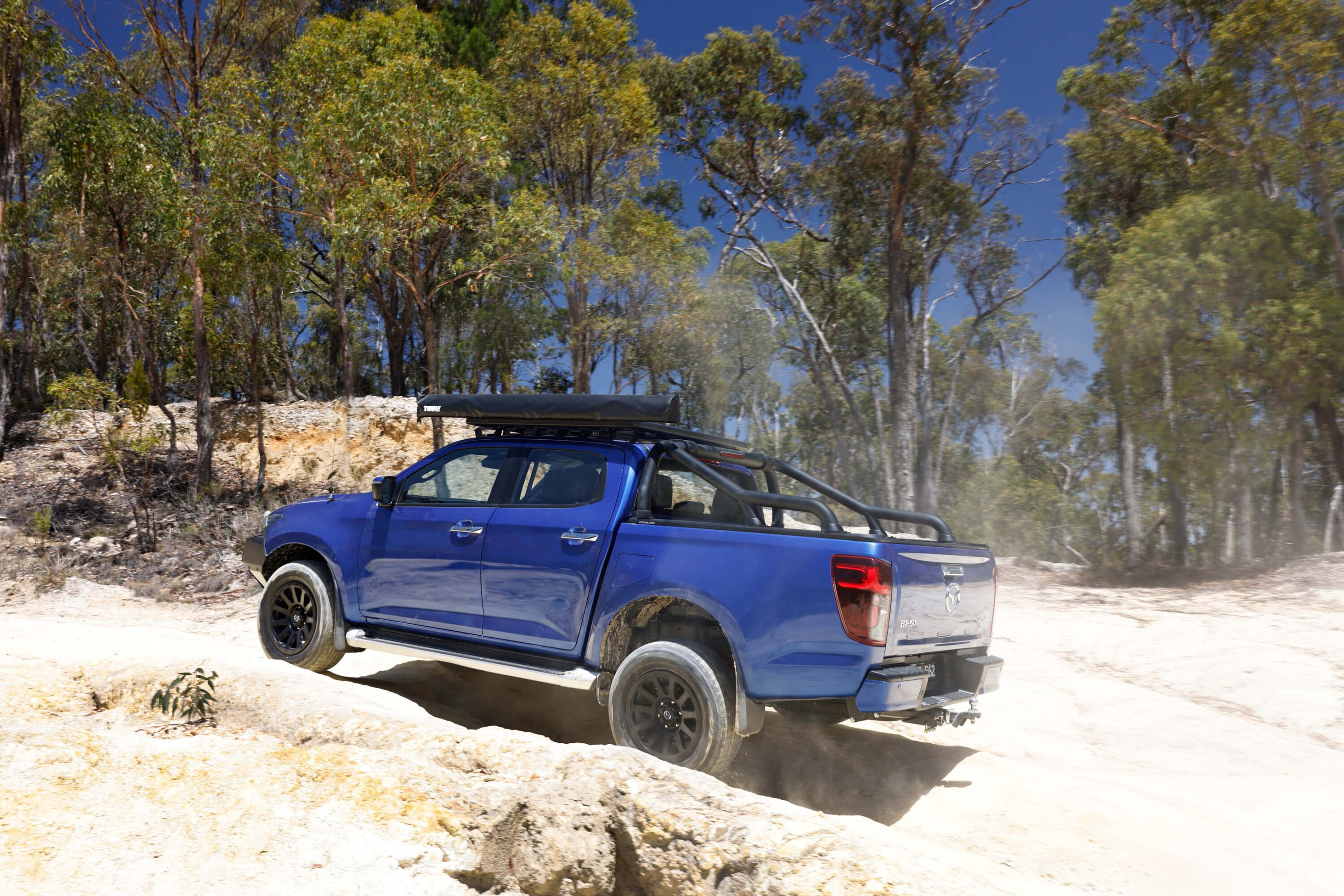
He’s done a pretty good job, to this eye at least. The expanded interpretation of the design language is called ‘Protected Solid’ within Mazda and the front end gets new LED headlights, protruding front fog lamps, while the front grille and bumper are bluffer and flatter, reinforcing that impression of toughness and strength.
Move to the back and there’s a new tailgate design with a reinforcing ridge at the bottom, plus a bigger and bolder Mazda wing badge. The tail lamps are a good deal more sophisticated, with LED light guides to create specific patterns in the cluster. There’s also been a conscious effort to reduce the amount of exterior chrome on the BT-50.
If you haven’t looked at a BT-50 since the somewhat beaky-looking second-generation version, you might well be surprised at how butch and cohesive it now looks.
There’s even an Aussie-inspired paint finish – the hero Red Earth Metallic hue, inspired by the tones of the Red Centre. This joins another box-fresh colour, Sailing Blue Metallic, in a palette of seven colours including Concrete Grey Mica, Geode White Pearl, True Black Mica, Ingot Silver Metallic and Ice White.
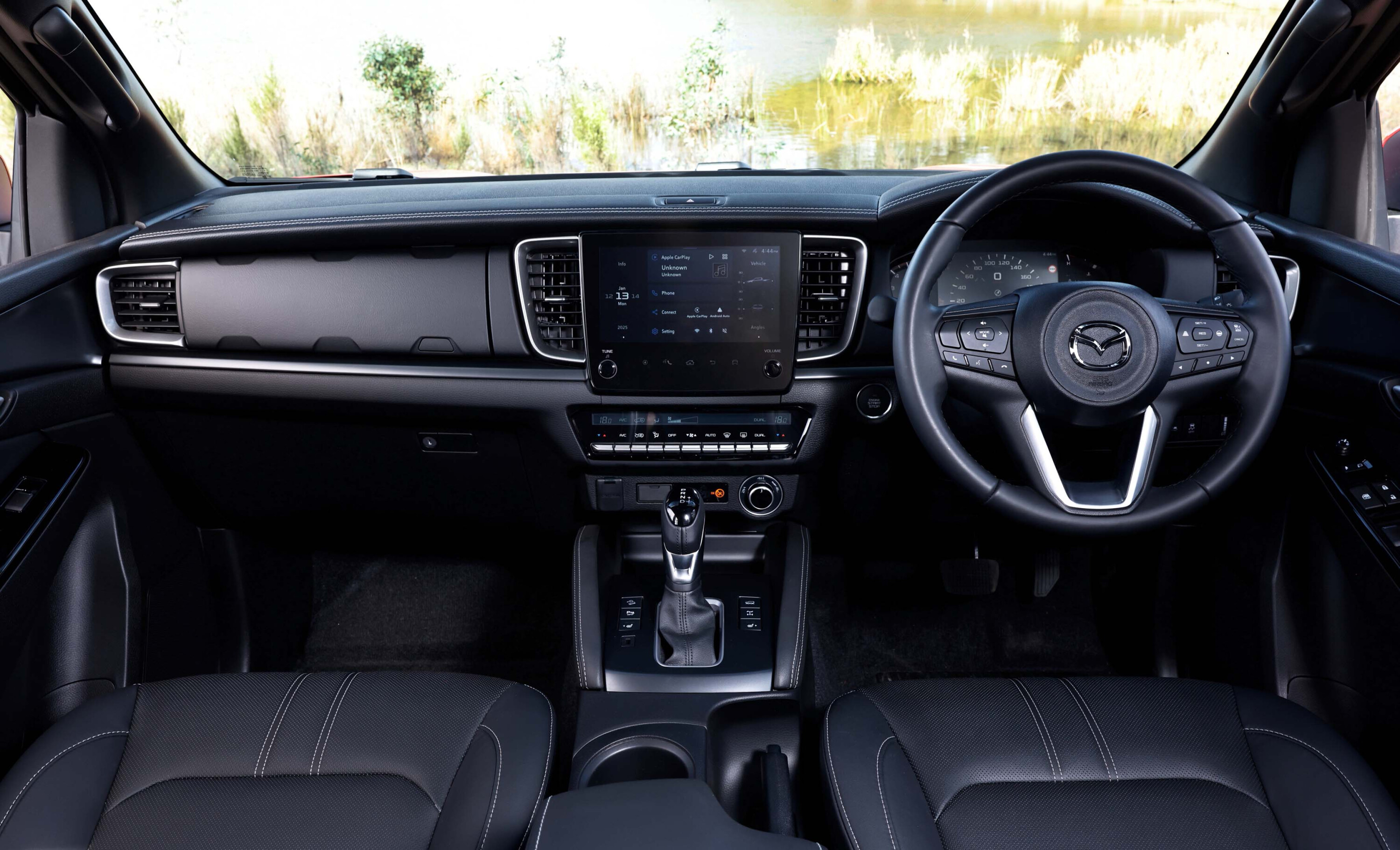
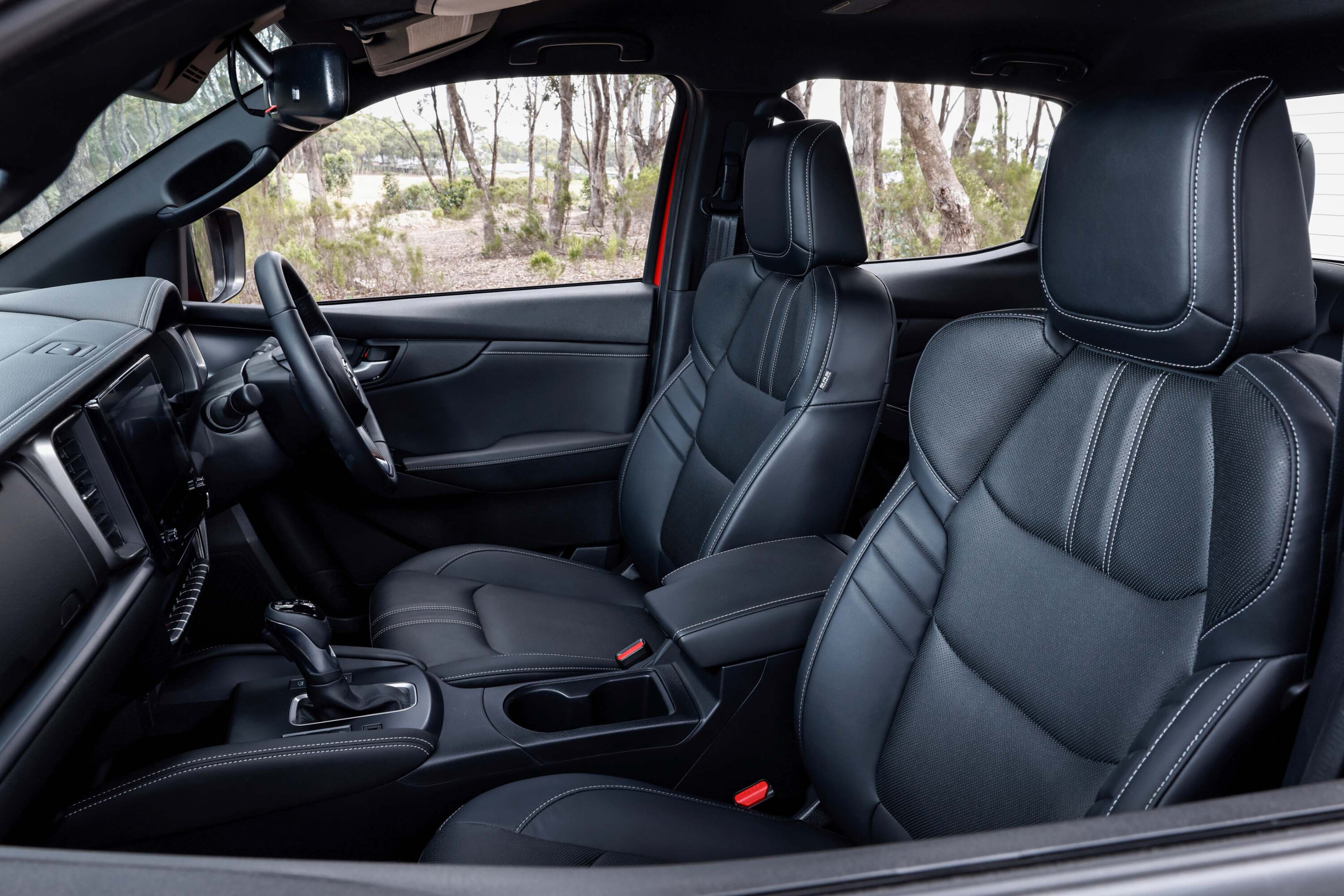
The cabin has come in for some budget too, with the easily-scratched piano black finish around the centre console being replaced by a far tougher and more practical matte black finish. The instrument panel has been redesigned,while the vents, centre cluster and door trims, along with switches and armrest shave all been revised. The effect has been to toughen the exterior but make the cabin feel more civilised and modern.
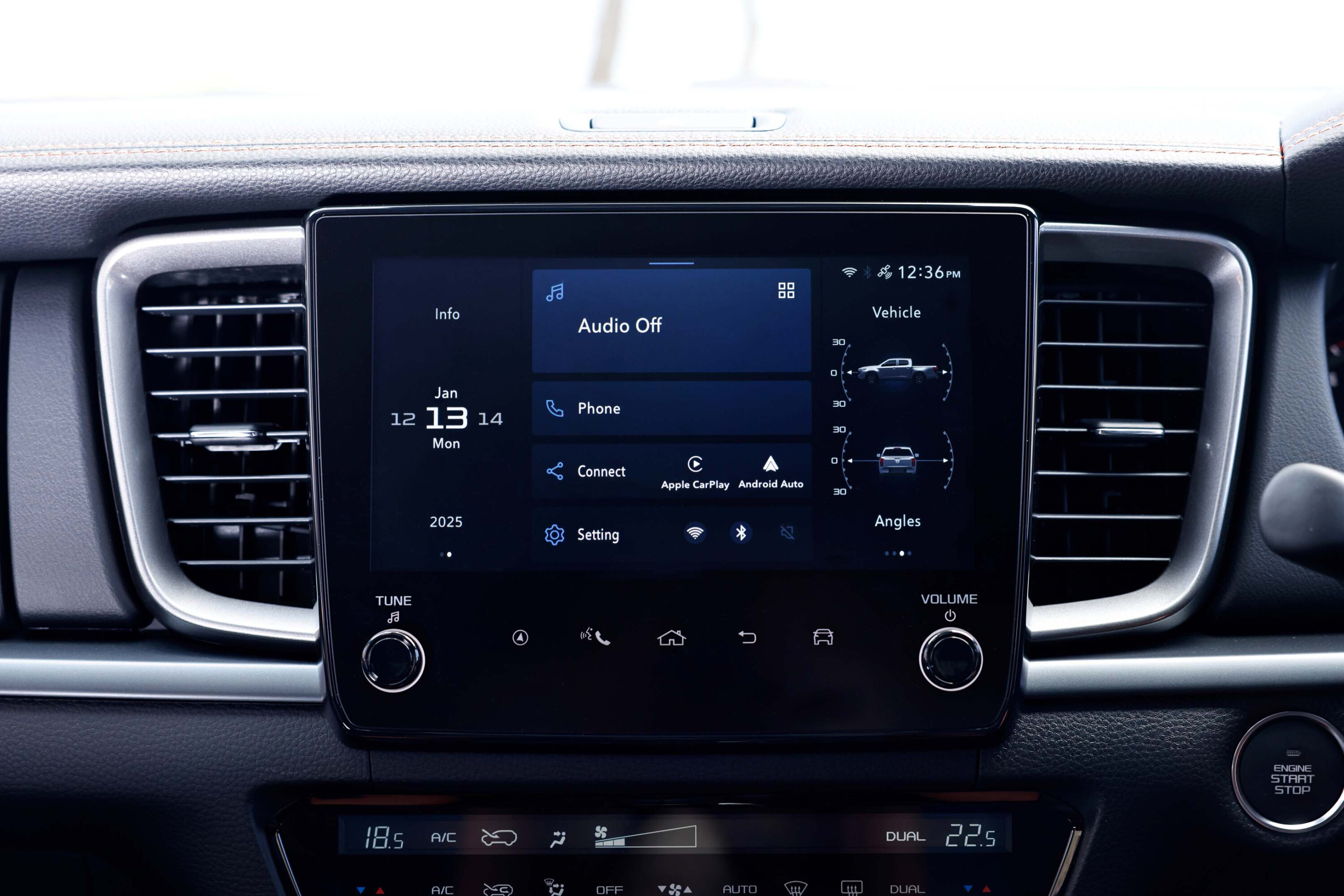
The biggest update inside is a new infotainment system with an eight-inch screen on the XT grade and 9 inches on XTR, GT and SP trims. There’s now a far smarter mix of screen functions and physical buttons, including a rotary volume dial.
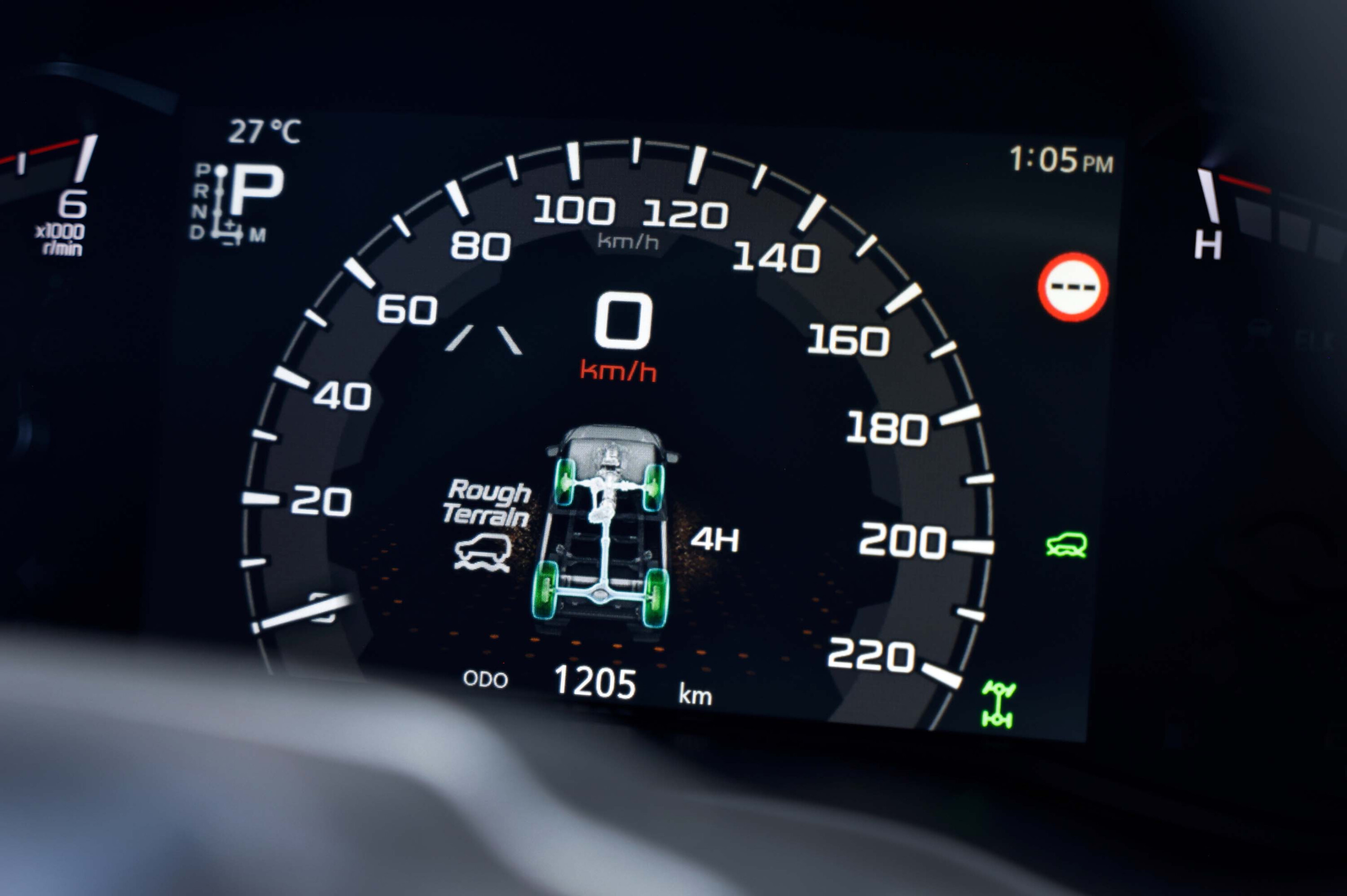
There’s also a more powerful processor which can better communicate ADAS functions, vehicle angles, tyre pressure information, transfer case status and electrical settings. In the instrument binnacle, a new multi-configurable driver instrument cluster integrates with the central touchscreen. It’s a 4.2-inch screen on XT, but wall-to-wall 7 inches on XTR, GT and SP grades.
A new rear camera, a rear parking aid, wireless Apple CarPlay and Android Auto, an uprated stereo and DAB radio also feature. Don’t worry, country folk, there’s still an AM band on the radio unit. Meanwhile, the XTR, GT and SP models also benefit from a native satellite navigation system if you’d rather not mirror your phone. Build quality from this Thai-built ute seems strong. No, it’s not the last word in chi-chi interior design, but it feels reassuringly bombproof.
Our drive route encompassed Victorian country roads, a lot of gravel tracks in state forest and some fairly short but technical descents designed to demonstrate the BT-50’s hill descent functionality and clearance angles. Most of the driving was conducted in an SP, but we did also sample the GT and XTR models.
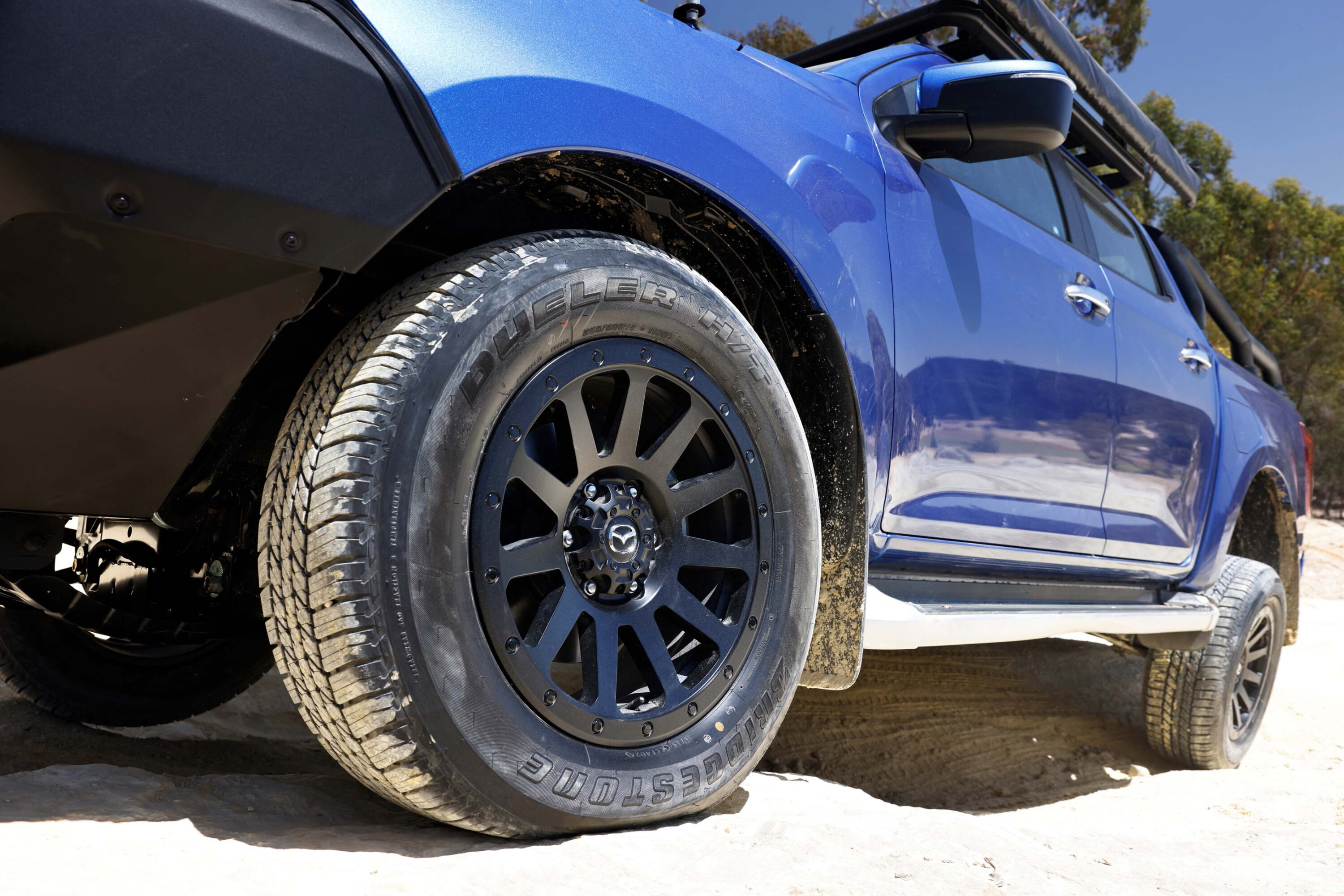
One thing you won’t find in this update of the Mazda BT-50 is a manual gearbox. Mazda’s local arm reckoned that manual take-up was standing at around two percent in pre-facelift cars, so the entire 4×4 dual-cab range is fitted instead with a six-speed automatic transmission, which features sequential manual shifting and a brake shift lock.
All BT-50s also feature shift-on-the-fly (at up to 100km/h) functionality between rear-wheel drive (2H) and four-wheel drive (4H) modes. In order to select 4×4 low range (4L), the vehicle must be stationary and in Neutral, which changes the transfer case’s effective gearing from 1.00:1 in 4H to 2.482:1 in 4L.
While we’re considering getting down and dirty off road, it’s worth knowing that the unladen ground clearance is 240mm and the maximum wading depth is 800mm without a snorkel. The approach angle is 30.0 degrees on the XT, 30.4 on the XTR and GT and a mere 27 degrees on the SP.
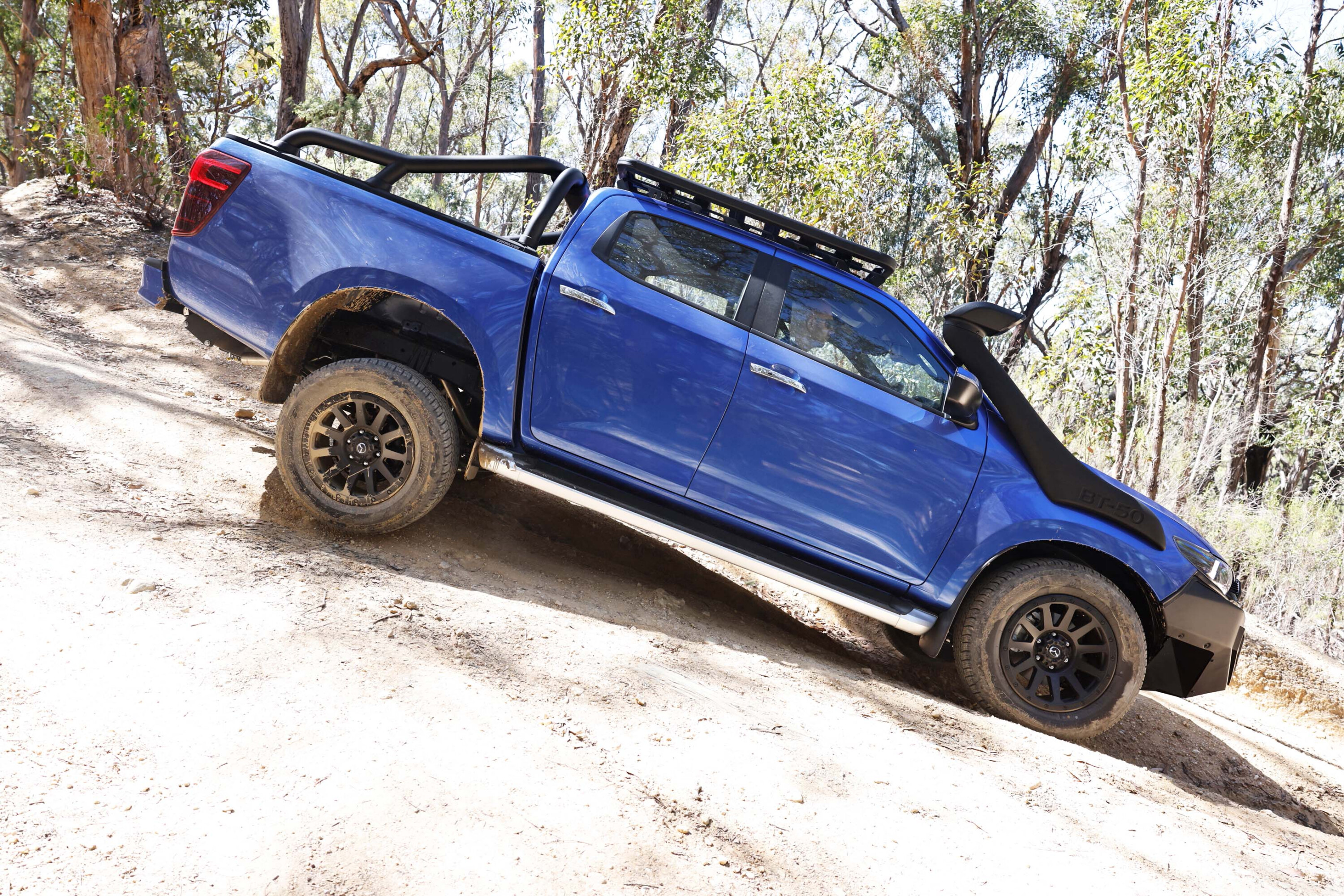
Departure angle measures 23.9 degrees on the XT, and 17.9 degrees on the other versions. Breakover angle is 23.3 degrees for XT, 23.8 for the XTR and GT and 24.3 degrees on the SP.
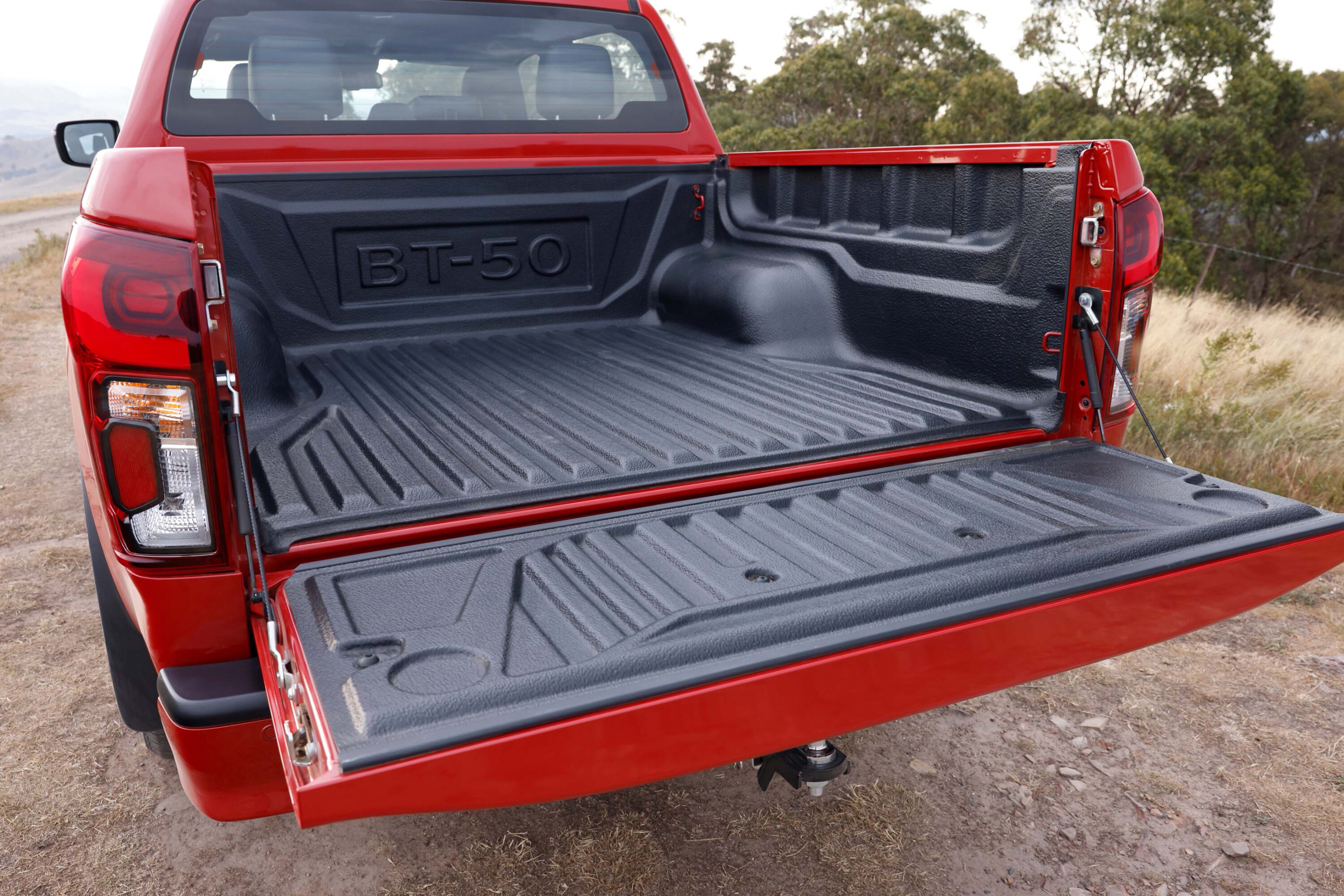
Towing? Braked capacity is 3500kg across the board, which means a maximum 350kg towball download. Payload is rated at 1085kg for XT, 1002kg in XTR, 998kg in GT and 924kg in the fatty SP, these figures being the difference between the kerb weight of the BT-50 and its 3100kg Gross Vehicle Mass. Gross Combination Mass, which includes the weight of vehicle, trailer, cargo, fuel and so on is 6000kg.
The BT-50 doesn’t hold any great surprises on the road. The engine generates enough torque such that you rarely feel that you need to seriously extend it. Peak torque arrives at 1600rpm and extends to 2600rpm, and the six-speed auto does a decent job of plugging you into that 1000rpm band every time.
Should you want to change gear yourself, bear in mind that the shift lever is the wrong way round, pushing forward to change up. I still can’t believe how many manufacturers get this basic requirement wrong.
Ride quality is acceptable, with only larger surface imperfections jolting the passenger cell. Our road driving was conducted in the SP, and that’s fitted with 18-inch alloys shod in 265/60 R18 rubber. Opt for the XT and you get a little more sidewall cushioning from its 17-inch wheel and tyre combo, wearing a set of 255/65 R17 hoops.
Suspension is double wishbones up front with an anti-roll bar, while the rear’s equipped with leaf springs. The electrically-assisted power steering initially feels a bit over-zealous, as there’s not a great deal of feedback through the wheel, but it’s accurate and after a long day at the wheel, you’ll probably enjoy its lack of effort.
The 12.5 metre turning circle isn’t so great though. The brakes are 320mm discs up front with 295mm drums at the back.
Handling is safe and assured, with tyre squeal usually clueing you in that you’re approaching the front end’s limits long before anything untoward starts happening. There is some wind rustle around the door mirrors, which are in car-style landscape orientation rather than the more usual dual-cab trope of portrait orientation.
You get a fairly decent range between refills too. You should easily average 8.0L/100km while touring, and the 76-litre fuel tank means that 1000km between stops ought to be your target.
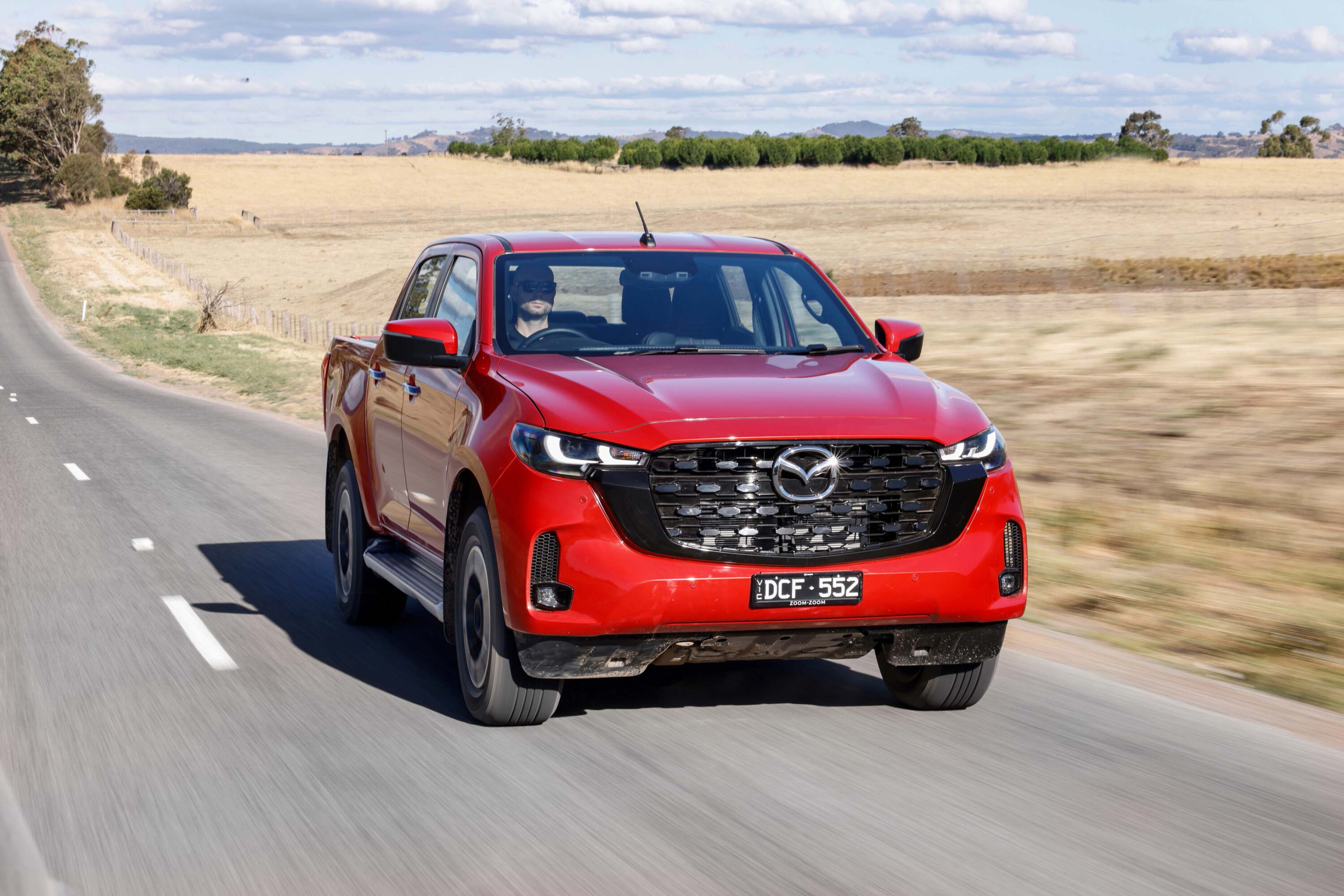
It’s respectably capable off-road too, with a rough terrain mode to dampen the throttle a bit and make the vehicle easier to control. A rear diff lock helps in really tricky conditions, but it was instructive to see just what the BT-50 could haul itself through in 4H with just some careful line selection and judicious use of the right-hand pedal. It’s impressive.
Some more aggressive tyres, lower tyre pressures and a better off-road driver than yours truly could certainly conquer some of Australia’s more remote points of the compass.
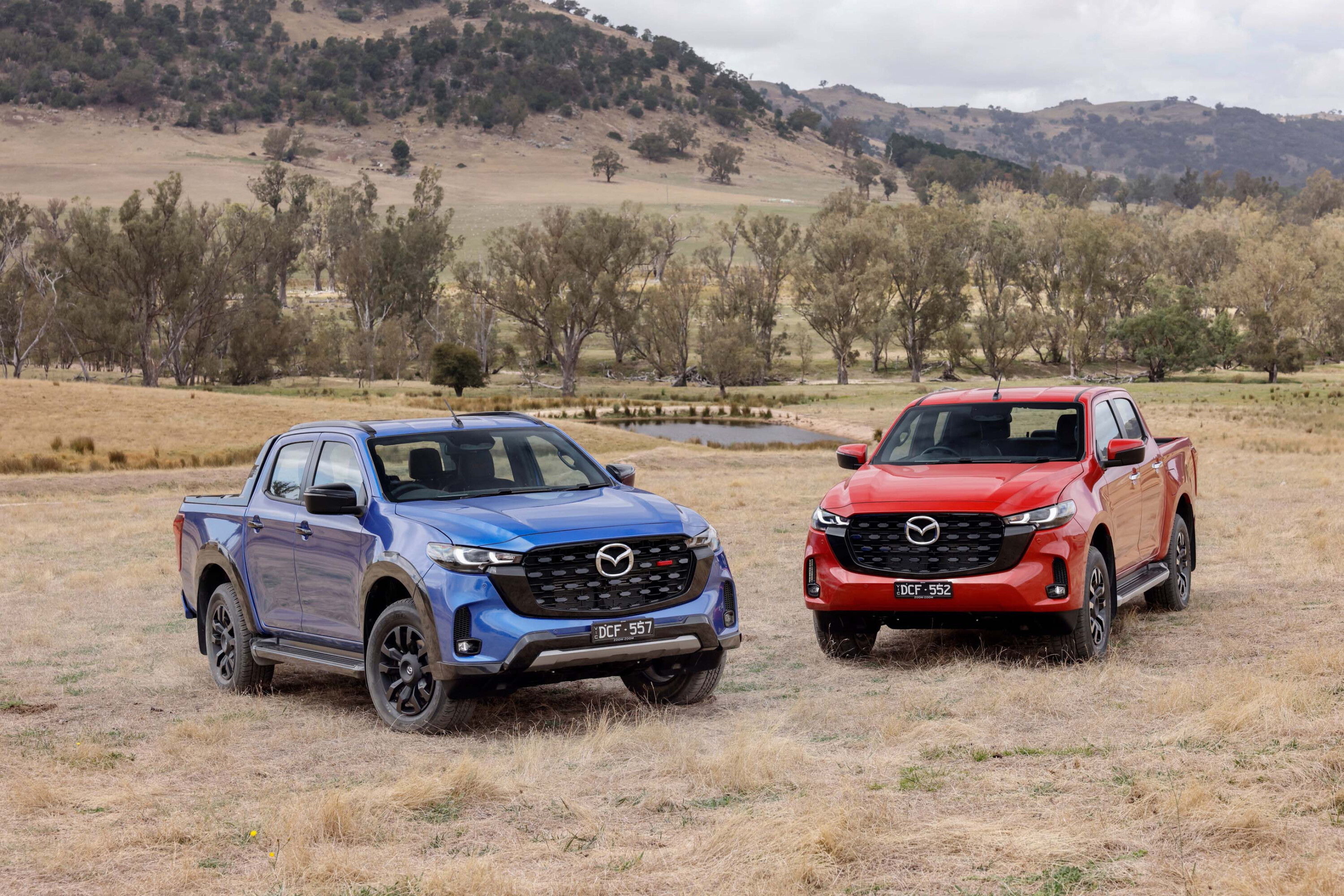
There’s a lot to like about this updated BT-50. The revised infotainment helps drag the vehicle into the here and now, and the updated styling really lifts the aesthetic. The oily bits were good from the get-go, but whereas before it all felt a little crude, there’s now just enough polish about the Mazda to shine. In short, it offers a no-nonsense mechanical package topped off with a newfound sophistication and civility.
Is it as good as a Ford Ranger? Probably not. Is it tougher than a Ranger? Highly likely. For those that value something that can do a job without constantly reminding you that you’re on the clock, it’s well worth a look. If you can get in quickly while the introductory drive-away pricing deal applies, so much the better.
| Model | 2025 Mazda BT-50 SP |
|---|---|
| Engine | 2999cc inline-4, dohc, 16v, turbodiesel |
| Max power | 140kW @ 3600rpm |
| Max torque | 450Nm @ 1600-2600rpm |
| Transmission | 6-speed automatic |
| Economy | 8.0L/100km (combined) |
| Weight | 2176kg |
| 0-100km/h | 9.0sec |
| Price | $67,990 |
| On sale | Now |
What does it come with?
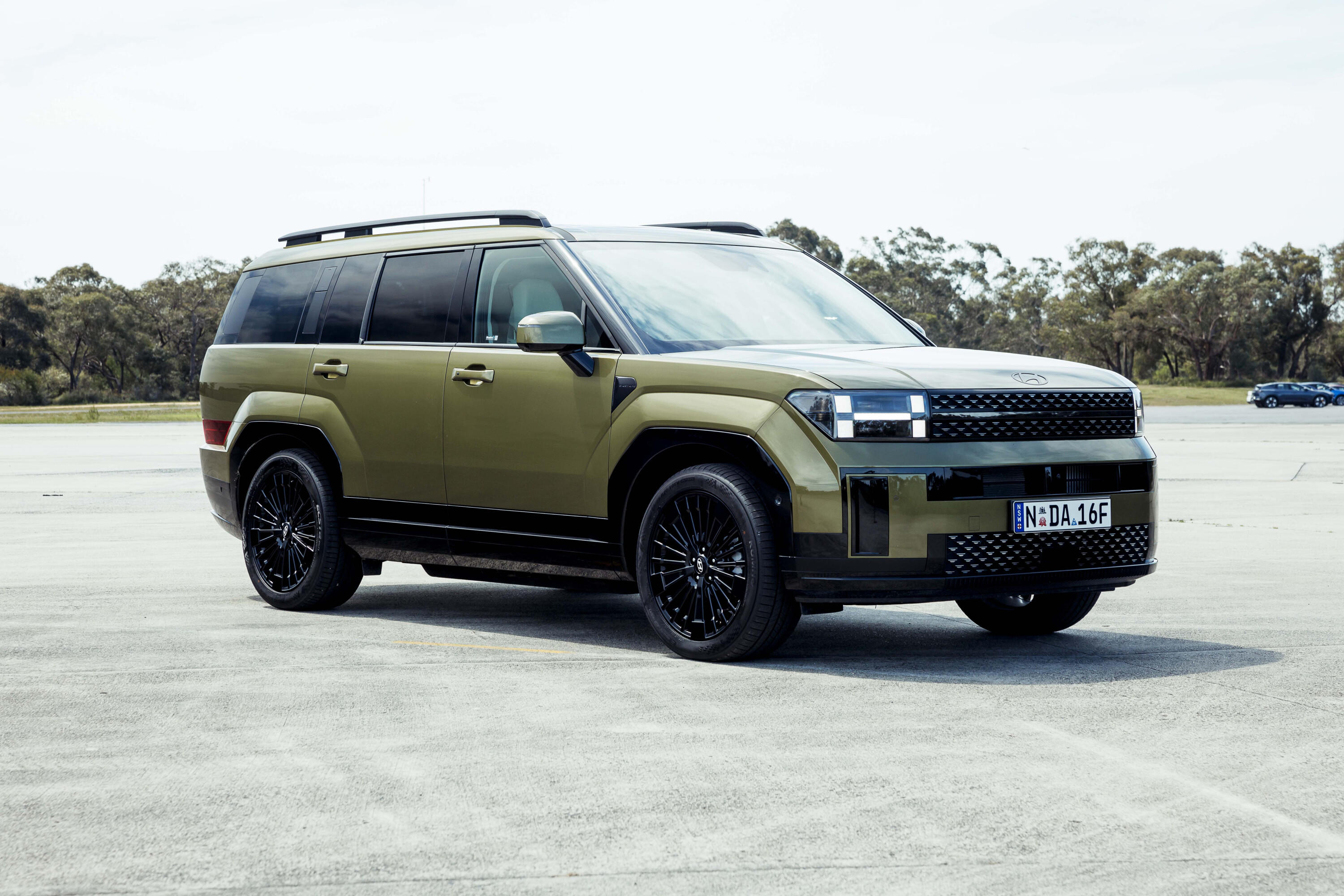
On the surface, the new Santa Fe seems to charge more and deliver less. The range starts at $55,500 with a 172kW 1.6-litre four-cylinder engine, replacing the old 3.5-litre V6. The base model is front-wheel drive, while all-wheel drive options are available for $58,500. The Elite and top-spec Calligraphy models, which are all-wheel drive only, retail at $65,000 and $75,000 respectively.
Wheels judges placed the Calligraphy third in the Wheels Car of the Year 2024-25 because it is a “thoughtfully designed and brilliantly executed family SUV that improves on the previous generation in all the right areas”.
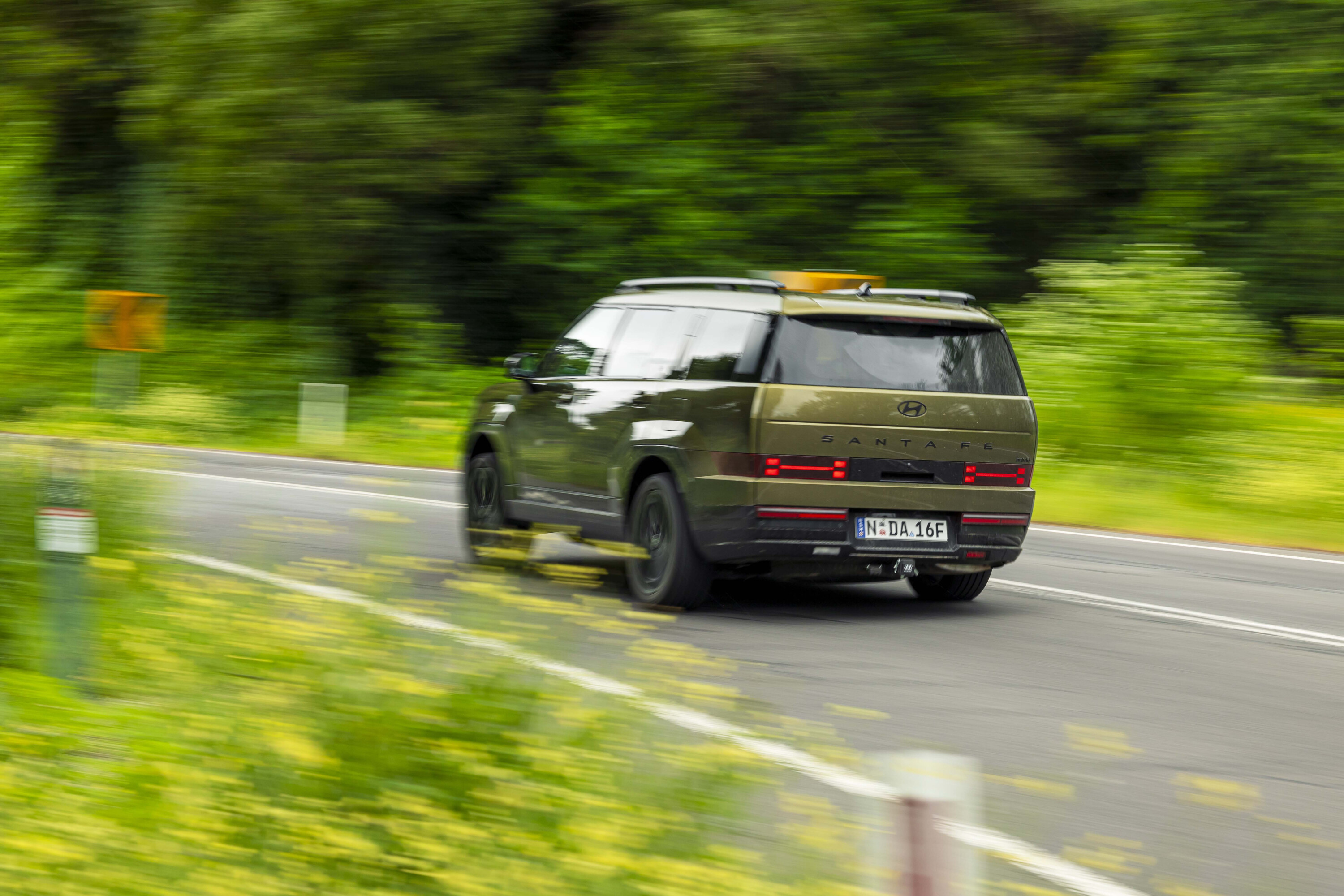
The 1.6T-GDI powerplant is the sole engine being imported currently, with a 2.5-litre non-hybrid version expected later in the year. The Santa Fe offers a palette of 10 colours, with premium paints available at additional costs.
What’s the interior like?
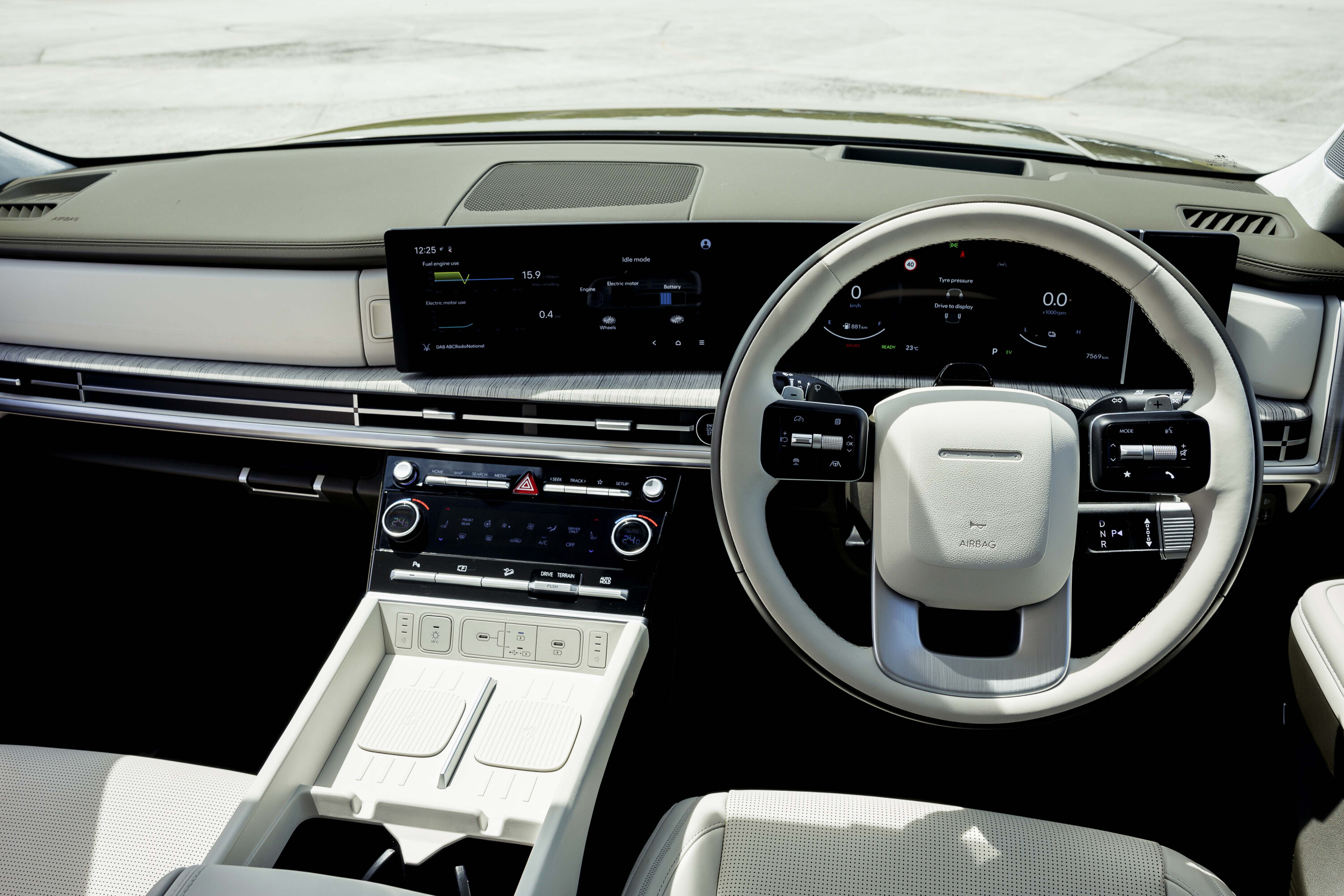
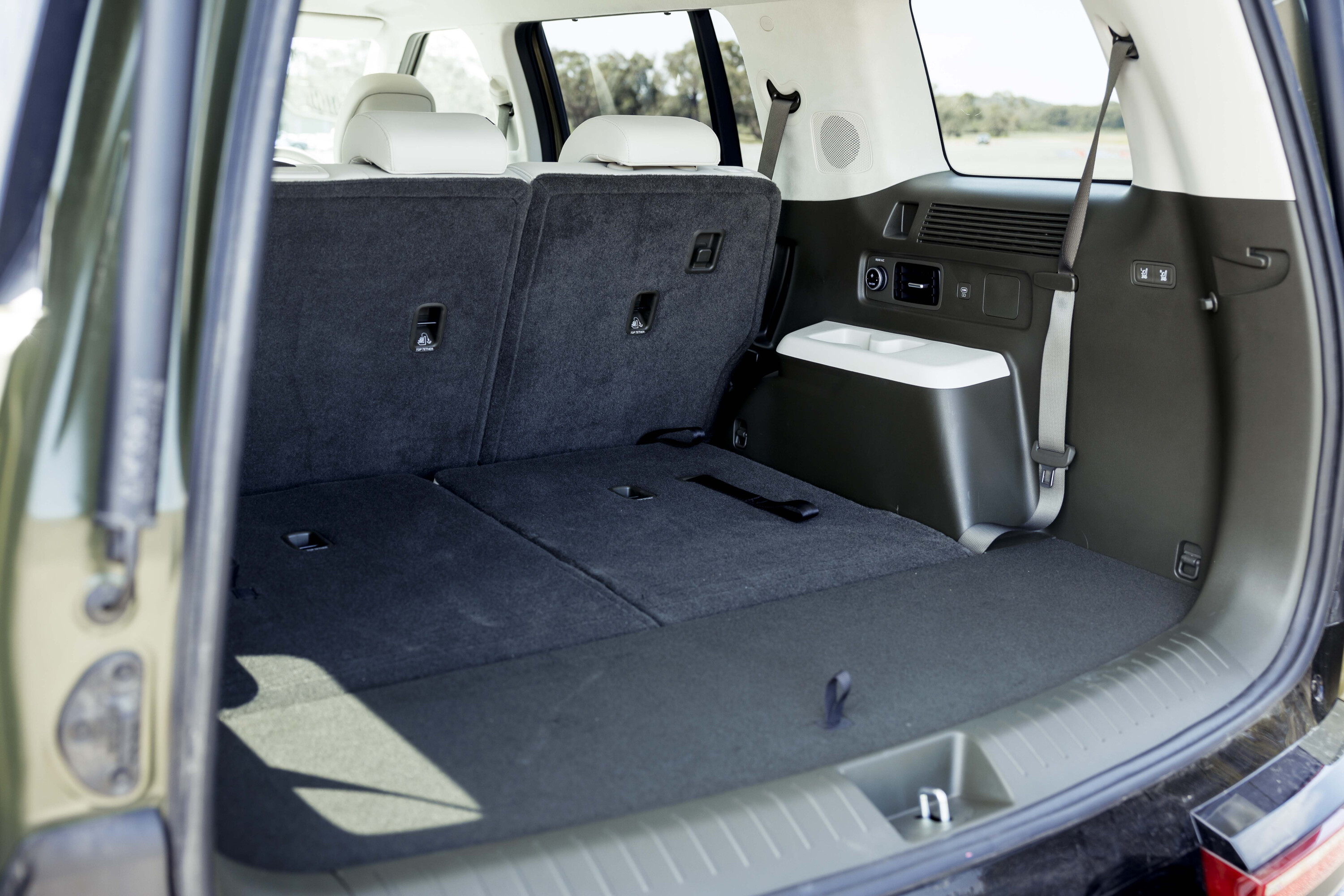
The interior varies significantly between the base model and the top-spec Calligraphy version. The Calligraphy, with pale leather and a beautiful dash finish, features a Panoramic Curved Display housing twin 12.3-inch screens, first-row relaxation seating, a dual-pane sunroof, and a UV-C sterilization tray.
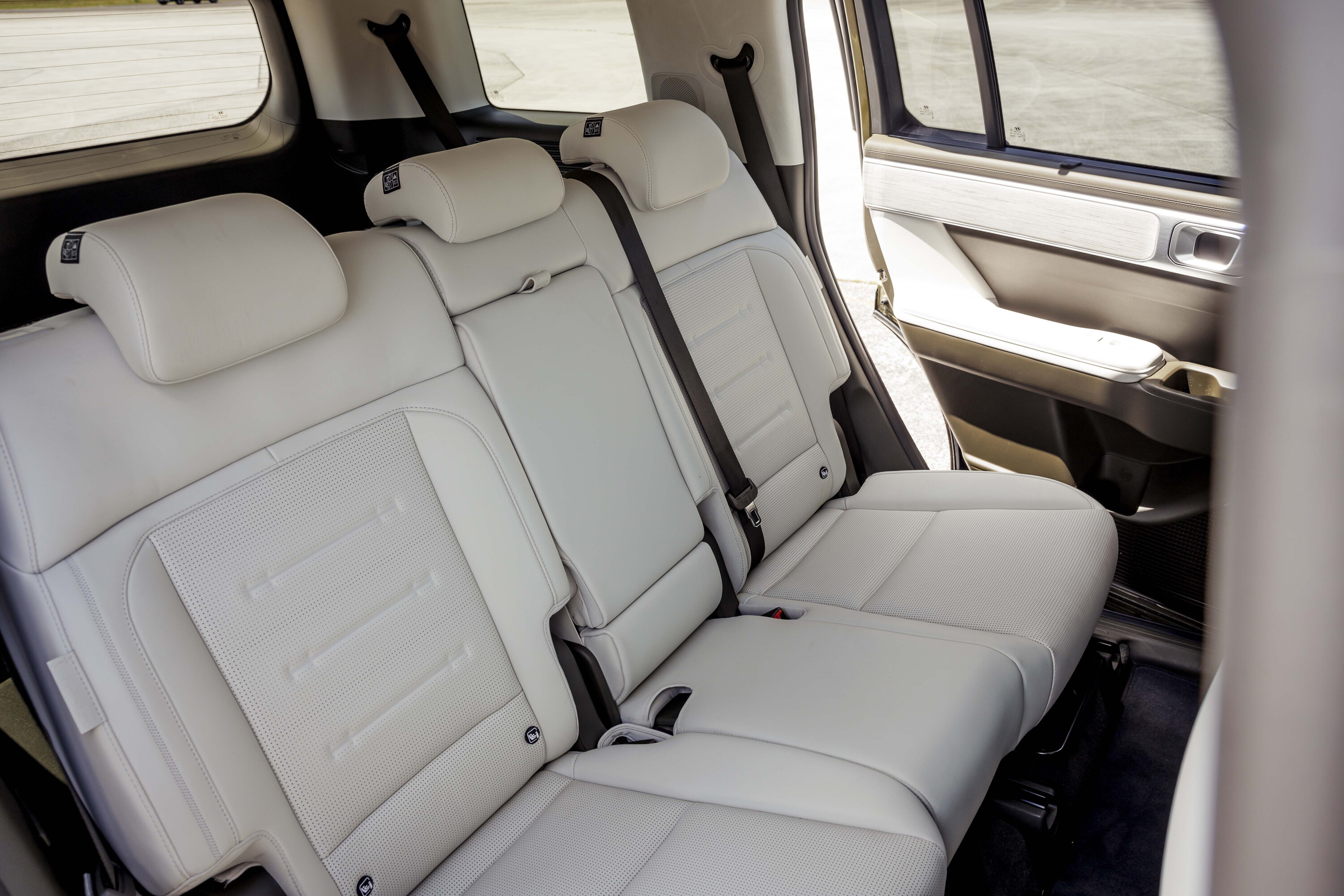
The captain’s chairs in the second row provide comfort but limit seating to six and don’t fold flat. The base model is more utilitarian, lacking native sat-nav and featuring a lesser quality stereo compared with the Calligraphy.
All models have a powered tailgate, a low floor, and straightforward third-row seats with USB-C outlets and dual cupholders.
What powers it?
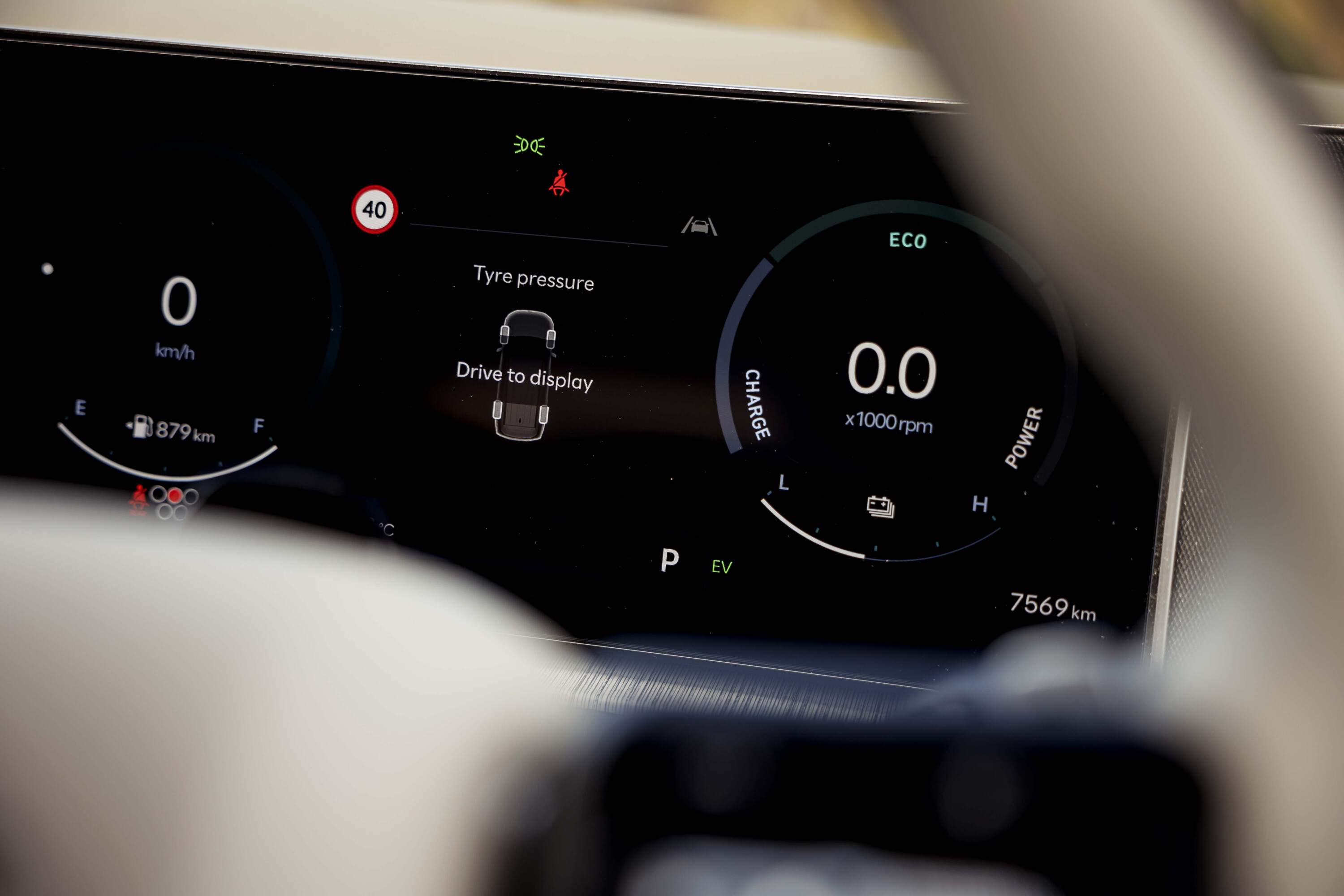
The Santa Fe is powered by a 1.6T-GDI engine, producing 172kW, mated to a six-speed automatic gearbox. The vehicle offers decent fuel economy, averaging 6.2 litres per 100km on long runs. The hybrid system augments the petrol engine, providing the feel of a larger capacity unit without driving purely on electric power.
What’s it like to drive?
In Eco mode, the Santa Fe feels a bit lethargic, with the engine defaulting to low revs and rising slowly.
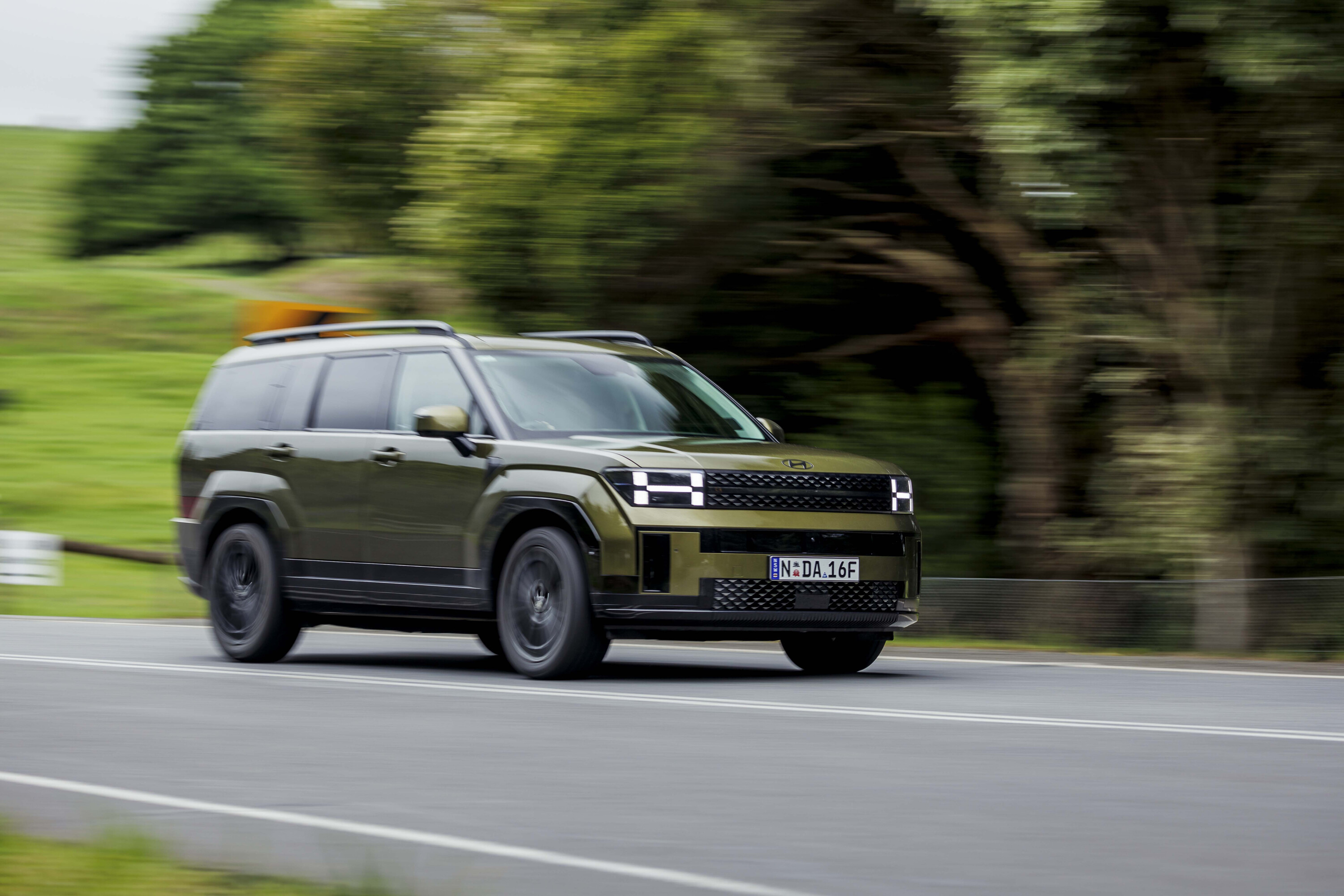
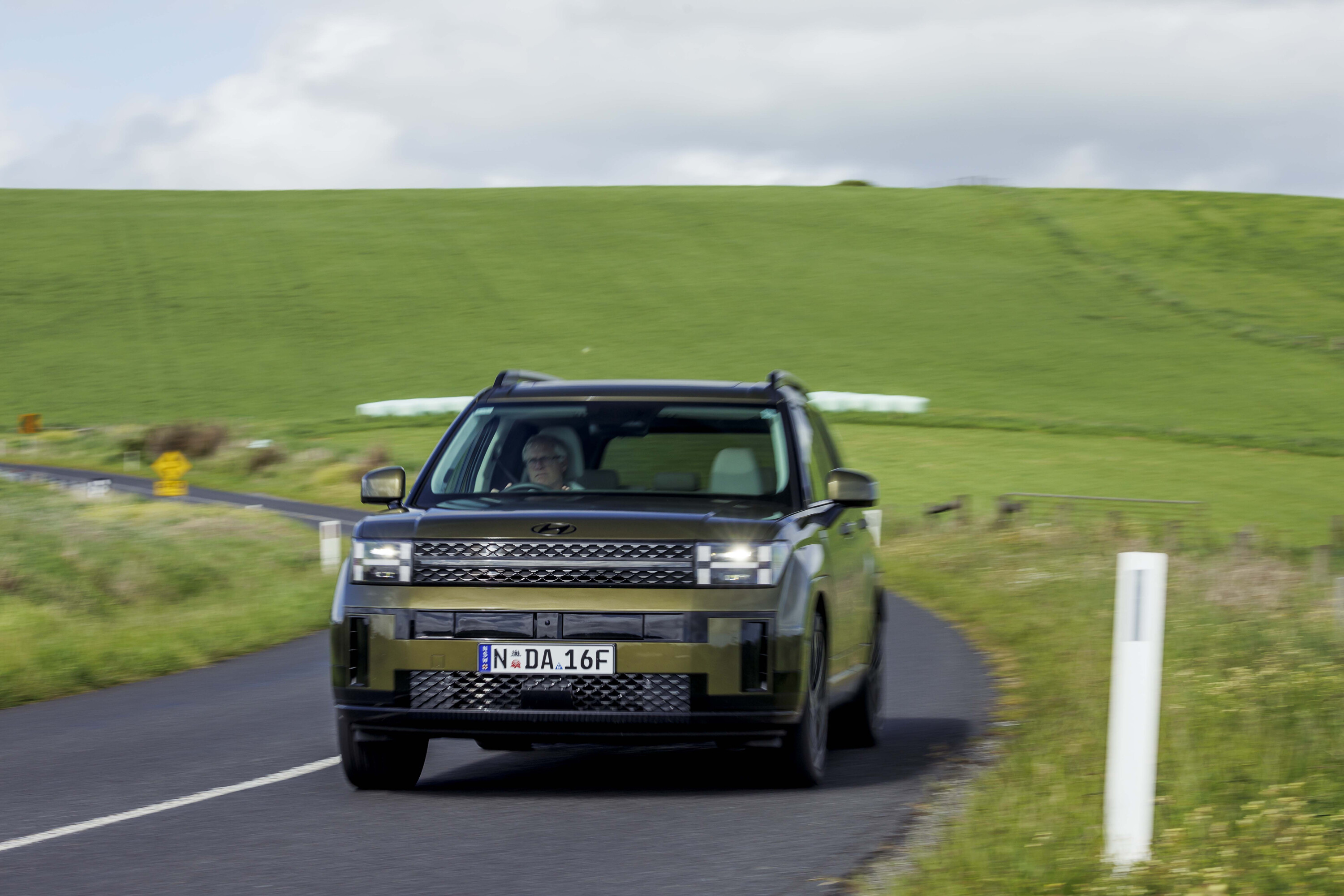
There’s noticeable road noise, and the ride, while not harsh, doesn’t deliver a pillow-topped experience. However, the chassis shows talent on fun roads, with strong grip and good body control. The steering gains heft in Sport mode, and the handover between regenerative and friction braking is smooth.
The six-speed automatic gearbox, while not as quick as a dual-clutch, suits the Santa Fe’s typical use case. Off-road capabilities are limited by ground clearance and road-oriented tires, but terrain modes help optimise traction.
How safe is it?
Hyundai expects the Santa Fe to earn a five-star rating in EuroNCAP testing. It comes with 10 airbags and Hyundai’s SmartSense safety suite, including forward collision avoidance, lane change monitoring, driver attention warning, and more. Higher trims add features like Highway Driving Assist 2 and rear occupant alert.
What we like about it and is it for you?
The 2024 Hyundai Santa Fe stands out with its spacious and practical cabin, bold styling, and comprehensive safety features. It offers decent fuel economy and a thoughtful execution of a family vehicle. The styling may take time to get used to, but the overall package is a significant leap forward from its predecessor.
The Santa Fe feels like a car you can recommend without caveats, competing strongly with the Kia Sorento and other rivals. While the price for the Calligraphy model is high, the base model provides excellent value, making the Santa Fe a versatile choice for various needs and preferences.
| Santa Fe Pricing (All prices exclude on-road costs) | |
|---|---|
| Santa Fe Hybrid FWD | $55,500 |
| Santa Fe Hybrid AWD | $58,500 |
| Santa Fe Elite Hybrid AWD | $65,000 |
| Santa Fe Calligraphy Hybrid AWD u2013 seven-seat | $75,000 |
| Santa Fe Calligraphy Hybrid AWD u2013 six-seat | $75,500 |
| 2024 Hyundai Santa Fe (base) features | |
|---|---|
| 20-inch alloy wheels | LED tail-lights |
| Full-size alloy spare wheel | Electric tailgate |
| 12.3-inch CCNC infotainment system | Rear privacy glass |
| Wireless or wired Apple CarPlay and Android Auto | Three drive modes (Eco, sport, individual) |
| Six-speaker audio system | 360-degree camera system |
| Hyundai Bluelink telematic system | Rain-sensing wipers |
| Over-the-air software updates | Tyre pressure monitoringu00a0 |
| 12.3-inch digital instrument cluster | Autonomous emergency braking (vehicle, pedestrian, cyclist, motorcyclist, intersection, head-on) |
| Single wireless phone charger | Lane-keep assist |
| Dual-zone climate control | Lane departure warning |
| 6.6-inch touch-type air-conditioning controls | Blind-spot monitoring |
| Black cloth upholstery | Blind-spot view camera |
| Leather-wrapped steering wheel | Rear cross-traffic alert |
| 10-way power-adjustable driveru2019s seat | Safe exit assist |
| Heated front seats | Adaptive cruise control |
| Keyless entry and push-button start | Intelligent speed limit assist |
| Remote start (via key fob) | Rear occupant alert |
| Reflector-type LED headlights & LED DRLs | AWD only: Three multi-terrain modes (snow, mud, sand) |
2024 Hyundai Santa Fe Elite features
| In addition to Santa Fe | |
|---|---|
| 12-speaker Bose audio system | Ambient interior lighting |
| Built-in satellite navigation | Auto-dimming rear-view mirror |
| Dual wireless phone charger | Acoustic front door glass |
| Standard black leather upholstery | Solar control windshield and front door glass |
| Projector-type LED headlights | Suede headlining |
| Optional supersonic grey leather upholstery (+$295) | Remote smart parking assist |
| 10-way power-adjustable passenger seat | Semi-autonomous highway driving assistu00a0 |
| Heated steering wheel | Sensor-type rear occupant alert |
I feel like I need an apology from someone. I’m not sure who, but someone. About 15 or 20 years ago, the road toll in Australia remained stubbornly static. It was someone’s job to get it down, and they weren’t doing it. Even as the world’s automotive engineers innovated to make cars safer, the same amount of people were sadly dying on Australian roads.
After yet another head-scratching, taxpayer-funded ideas session, it was seemingly decided that ‘hoons’ were to blame, and a type of war was declared.
In NSW, generating worldwide interest was the 2007 ‘pinkie’ campaign from the then Roads and Traffic Authority. A series of high-profile advertisements depicted members of the public wagging a pinkie finger at people engaging in ‘hoon’ behaviour.

In 2008, Victorian Police took things a step further, dressing in literal camouflage and hiding in the bushes with speed cameras by the beautiful Black Spur road east of Melbourne, targeting ‘hoons’. Expending god knows how much time, energy and money policing, with militaristic zeal, what is fundamentally a quiet country road.
Of course, it was perfect material for programs like A Current Affair and Today Tonight which joined in on loudly vilifying what would have represented a tiny percentage of miscreants within the overall population.
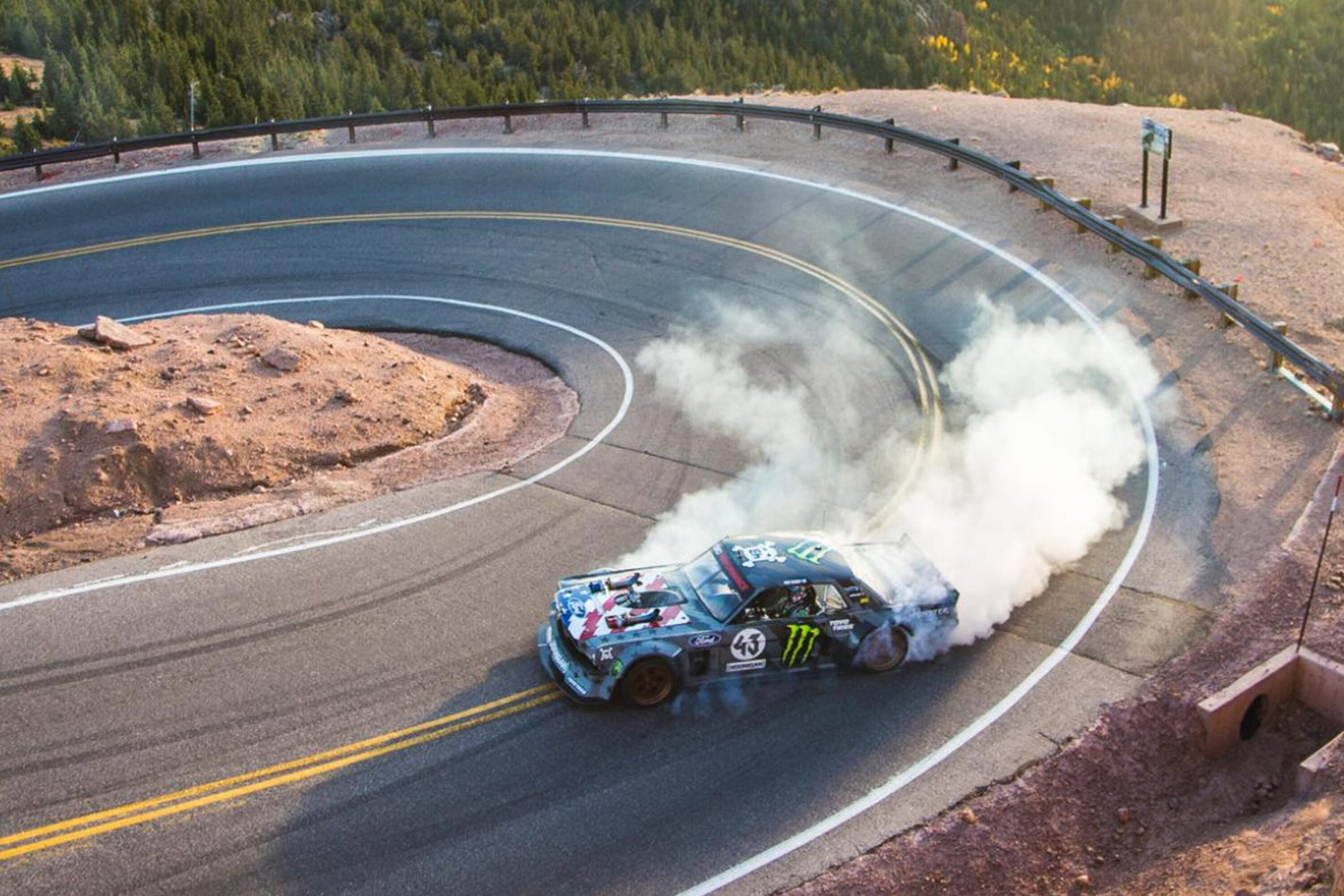
The war continued and in 2011, stern-faced leaders of Victoria Police introduced the state’s new “Anti-Hoon” legislation, giving them the power to impound or immobilise a vehicle for up to 90 days, or even confiscate it permanently. “Hooning” included drag racing, speeding or “creating unnecessary disturbances.” Other states followed. Queensland even has a hotline for dobbing drivers in – “13-HOON”.
Yet sadly, 15 or 20 years later, despite the outsized focus on ‘hoons’ the road toll remains stubbornly static once again.
As I write this just before Christmas 2024, the year is shaping up as a shocker for the Australian road toll – despite cars that are safer than ever (1,300 people died on Australian roads in 2024, up from 1,258 in 2023 – Ed).
It’s the Australian car enthusiast who has been left with a bill of sorts. I’ve no doubt that there’s been a cultural shift that’s prevented many a red-light drag race, but caught up in the failed war on ‘hoons’ – like a dolphin in a dragnet – has been the responsible, law-abiding, tax-paying car enthusiast who just loves going for a spin in their performance car on a quiet country road. Me and most likely you, in other words.

Once, anybody could appreciate a nice sports car – someone’s pride and joy. Now, such a car could equally advertise you as some devilish ‘hoon’, destined to head to an industrial estate later that same night, someone who enjoyed pulling the wings off flies as a child.
Don’t get me wrong, I’ve no pity for the cretinous few who continue to tear down suburban streets like they’re on the front straight of Albert Park. But I resent the looks I get, and the feeling I have, when I’m driving a busy street in a sporty car.
It’s made all the more worse that 15 or 20 years later, the head-scratching continues.

In Victoria, the solution to a stubborn road toll seems to be lowering speed limits. Rural roads that were previously 100km/h are now 80km/h. And if you’re a local, do 25km/h over – on a road you’ve probably been driving every day for 10 years – and you lose your licence for three months. Punitive.
I get why so many Australians have spurned the sports car with aftermarket wheels and a nice exhaust in favour of the off-roader with raised springs and mud tyres, because a government hasn’t spent an inordinate amount of taxpayer money painting their pastime as a shameful, societal problem.
Let’s hope that’s never the case – I wouldn’t wish it on them.
