Features

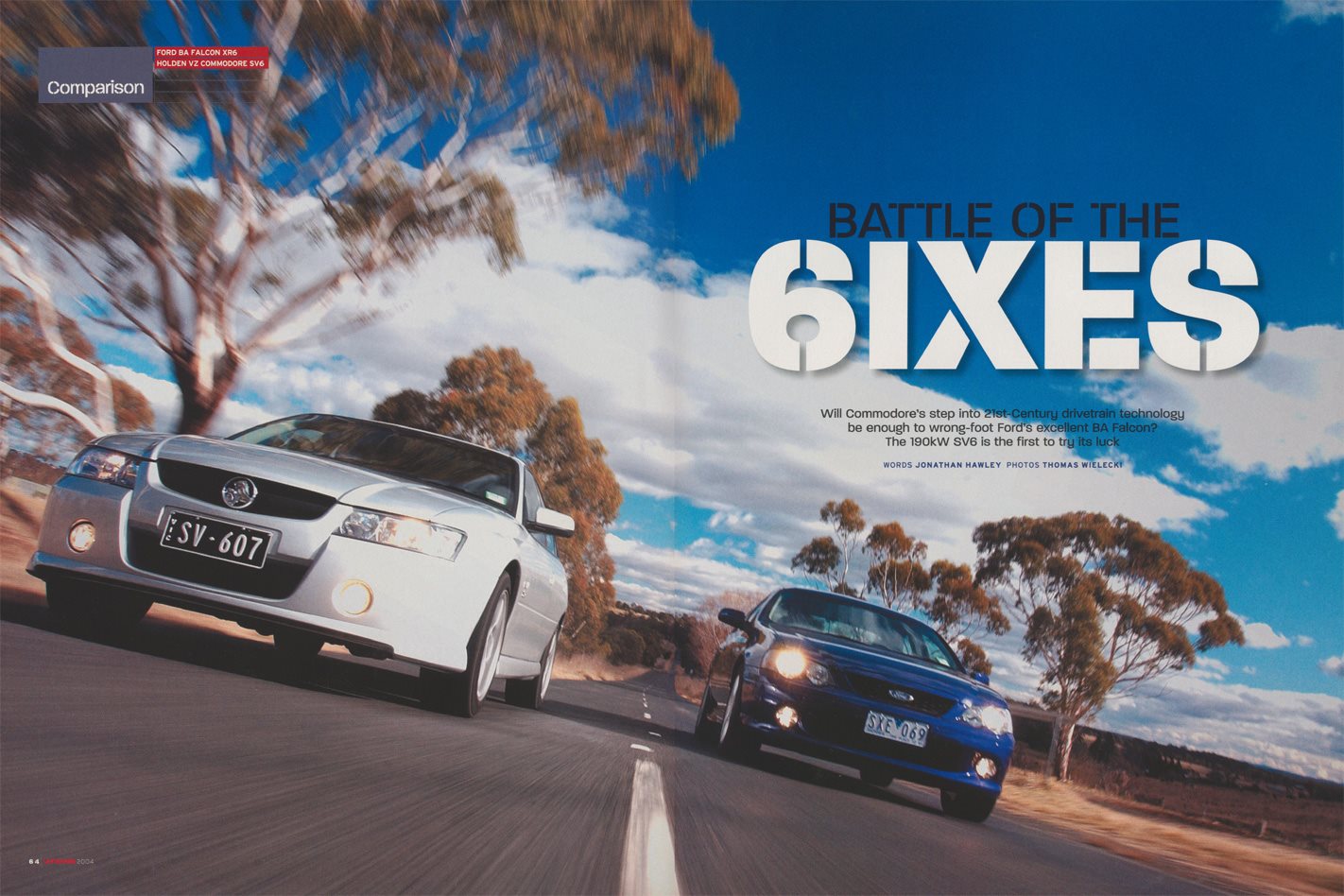
Gallery 1
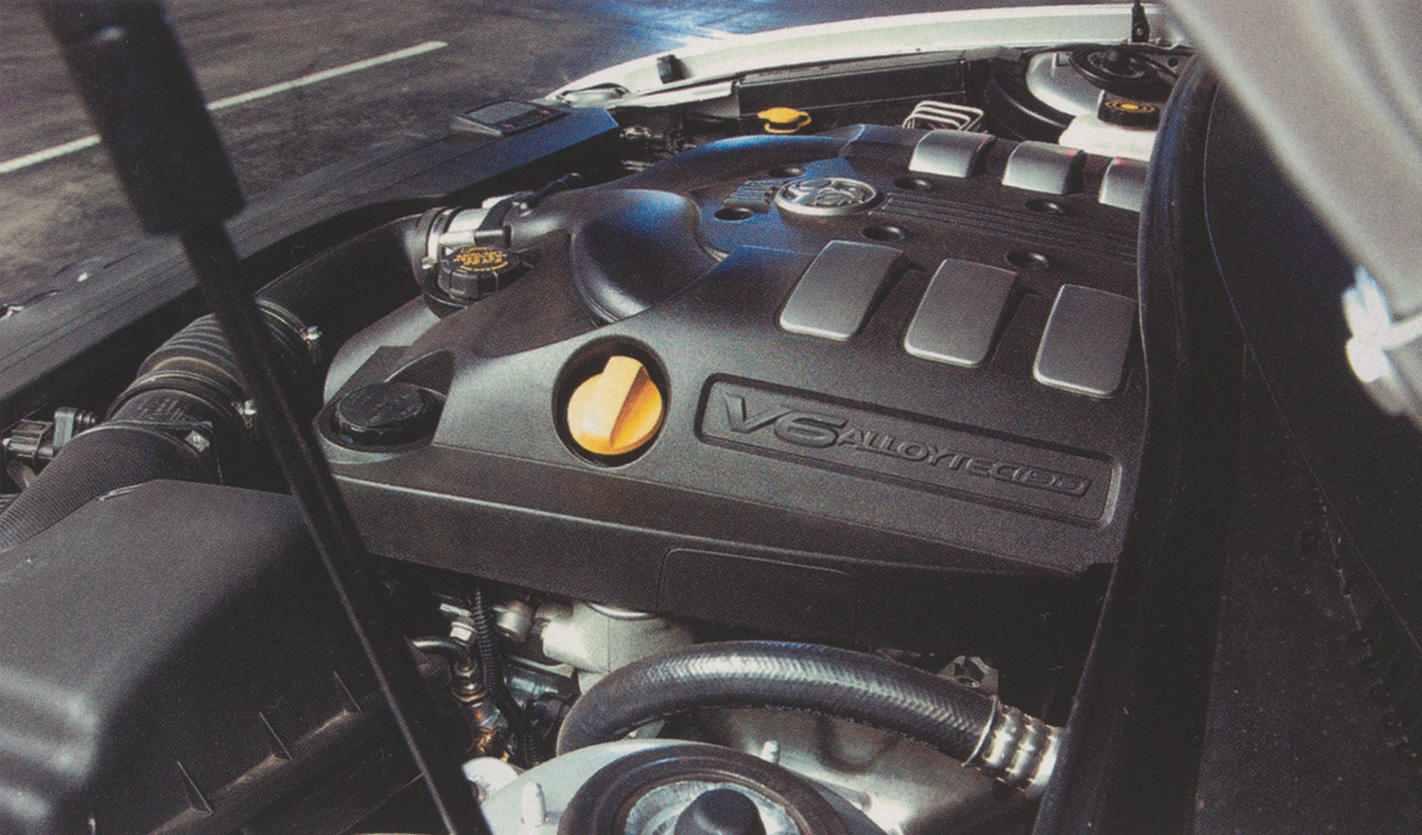
IF ANY doubt existed about Holden’s long and expensive quest to replace the ageing, uncouth Ecotec VG with the cutting-edge power of the quad-cam Alloytec, it is dispelled in a single burst down the quarter-mile drag strip.
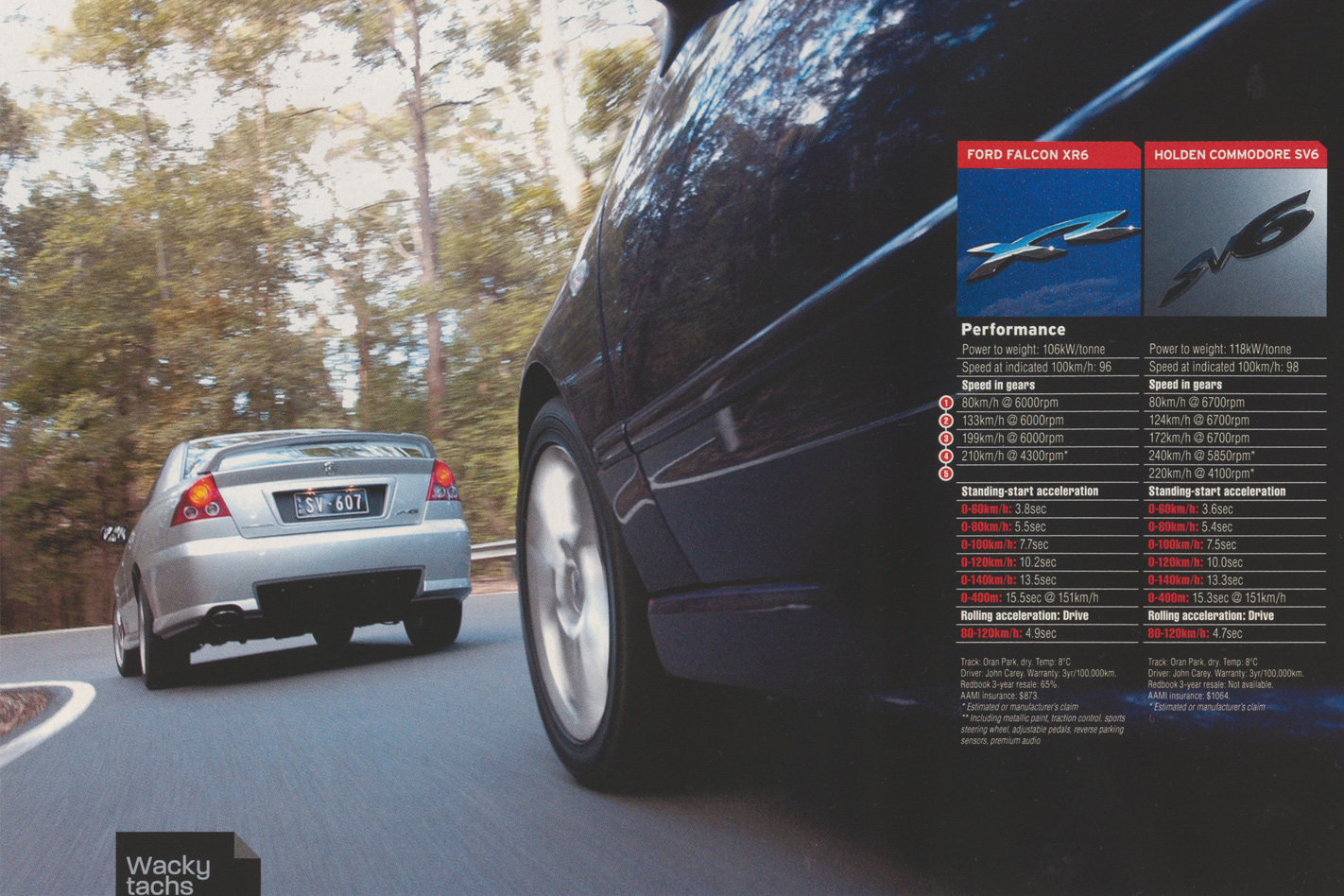
The last time we tested an automatic Commodore it had 152kW, a four-speed automatic, ran 16.2 seconds over 400m, and took 8.8 to hit 100km/h. Already, without seeing the Correvit’s display, we’ve no doubt the VYII‘s numbers are about to go out with the rubbish.
Now, in the VZ SVG, the Alloytec 190 has gained no less than 38kW over the Ecotec, not to mention a five-speed automatic, and, quite apart from any other driveability, refinement, fuel consumption or emissions improvements, it’s a much quicker piece of gear. That 400m time has dropped by almost a full second to 15.3, and no less than 1.3 seconds has been lopped off the dash to 100km/h.
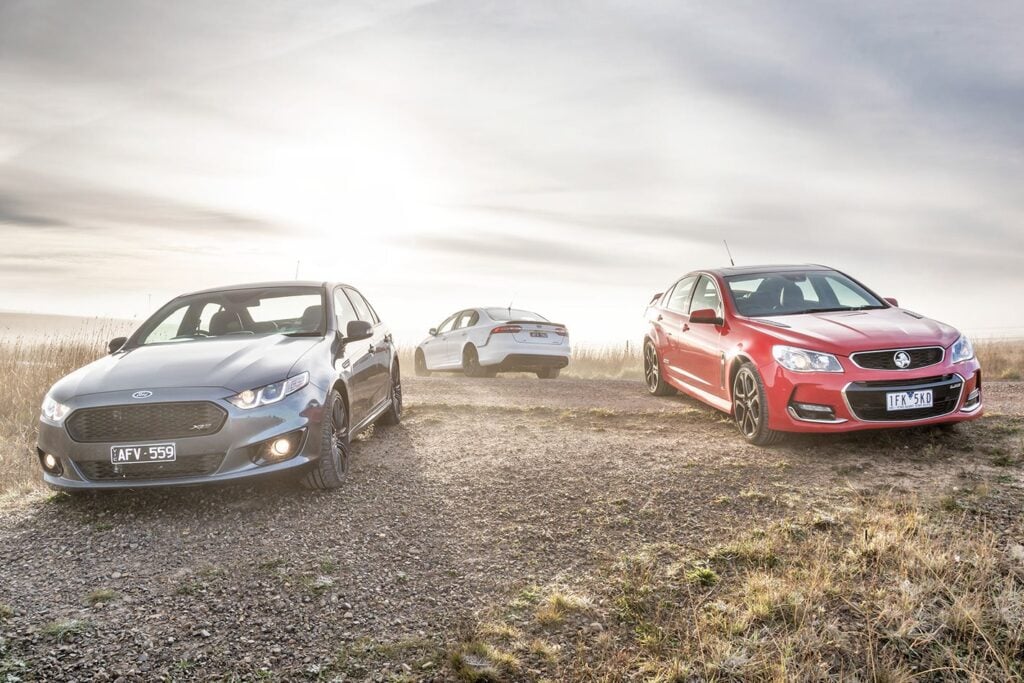
Reason for celebration itself and fine in isolation … if only there wasn’t a big, purple, throbbing BA Falcon XR6 already sitting here, hungry to try and steal the SVG’s thunder.
Heavier, less powerful, and with one less ratio than its new Holden rival, the XRG has the odds stacked against it. And so it is no surprise the Falcon is slower in a straight line, even if the margin isn’t by as much as it should be, and an awful lot closer than you’d expect.
You want complications? How about the model line-up offered by each manufacturer.
The SV6 Commodore is Holden’s clear six-cylinder performance leader, being one of only two models in the range to get the 190kW version of the Alloytec apart from the softer, pricier Calais. If it’s a six-speed manual you’re after, there is no other choice, and the additions of FE2 suspension and an SS-style body-kit leave little doubt of the SVG’s intentions.
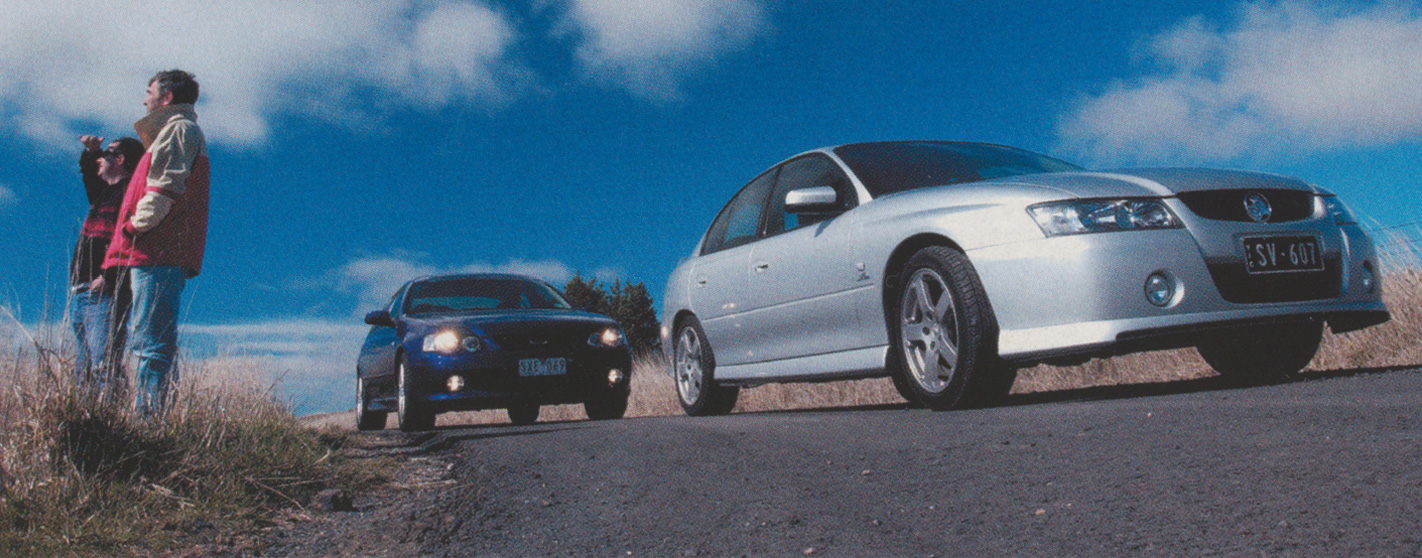
Clearly, SV6’s natural enemy is the naturally aspirated XR6, hence the face off.
Pricing seems closely aligned, but look a little closer and the SV6 is better value. It costs $38,990 as either six-speed manual or five-speed auto, which is a little more than a manual XR6 at $38,G55 or a little less than the $39,575 auto. The Holden offers more power and an extra gear ratio, but the mechanical package is also sweetened by standard traction control and comfort by four-way power windows against the Falcon’s fronts-only.
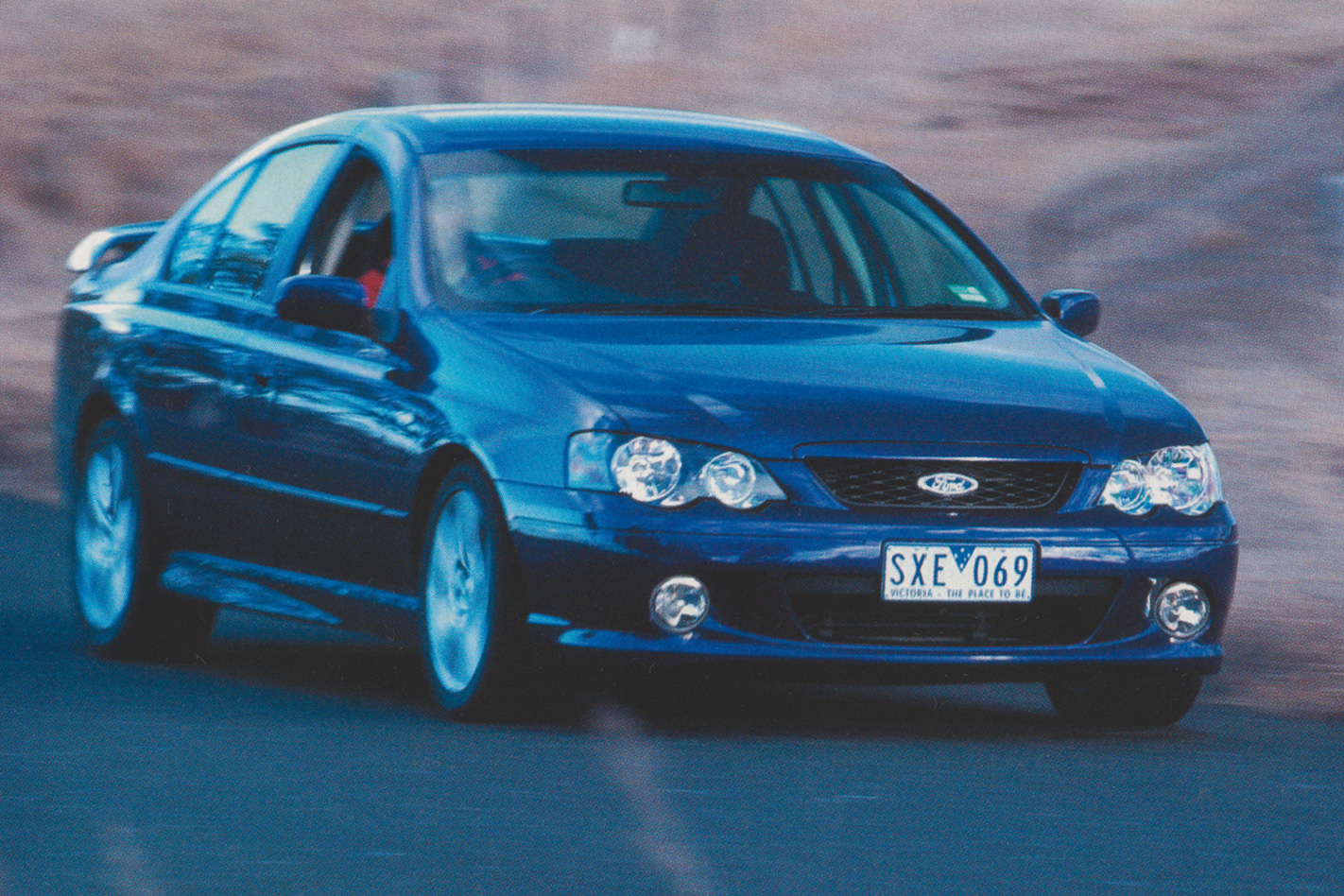
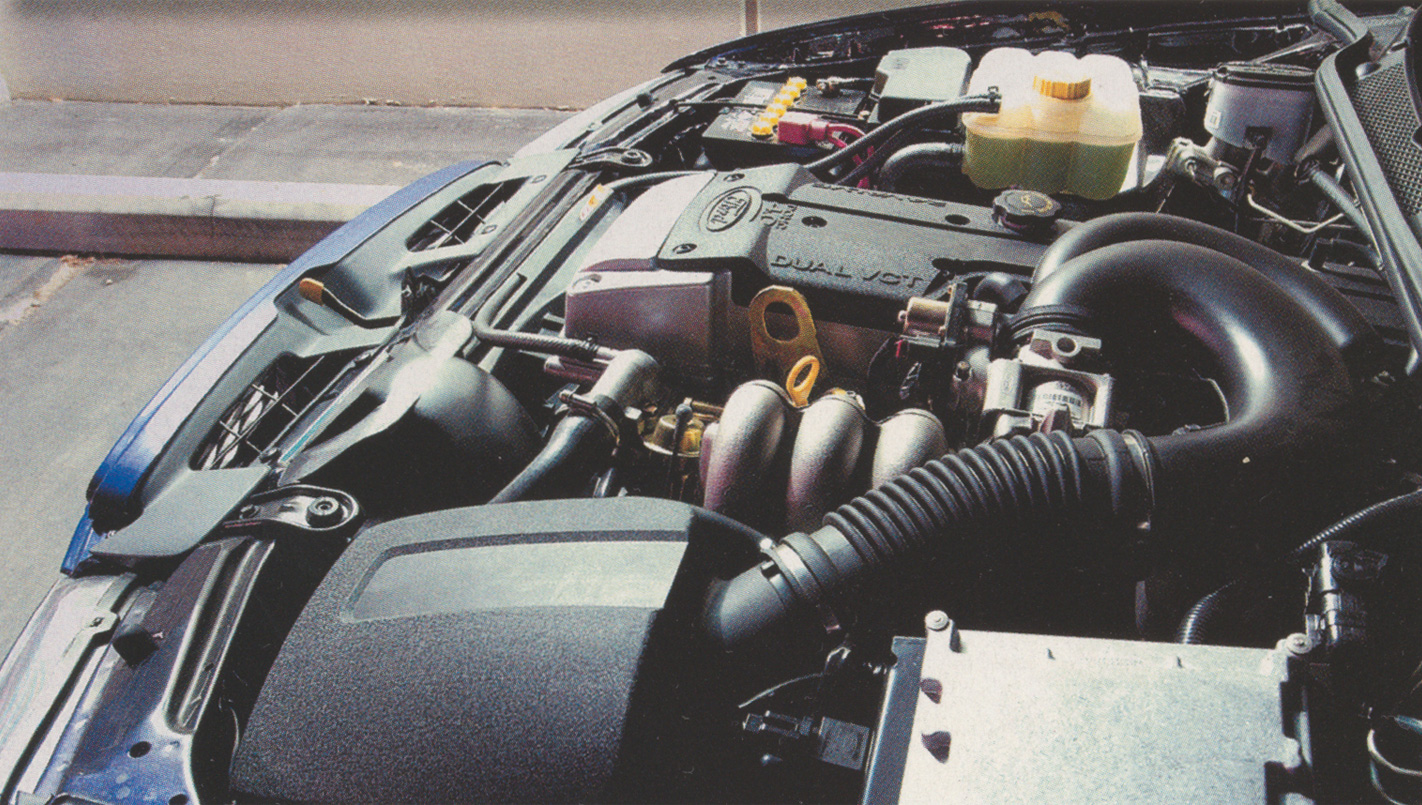
We covered Holden’s new V6 extensively last month, but the lowdown is that the 3.6litre, all-alloy, quad-cam, 24-valver delivers all the power you’d expect, with 190kW at 6500rpm and 340Nm at a commendably low 3200rpm. The BA Falcon’s larger-capacity in-line six delivers its 182kW lower down, at just 5000rpm, and, while peak torque arrives at a similar 3250rpm, there’s more of it, with 380Nm reflecting the extra cubes.
Not surprisingly, then, the engines are of distinctly different characters. The Holden V6 uses revs to achieve power from a smaller capacity, and with a larger bore than stroke is happy to get there. Gearchanges at full throttle occur at around 6700rpm while the Falcon’s undersquare six stops well short of that with 5800rpm being the absolute shift point.
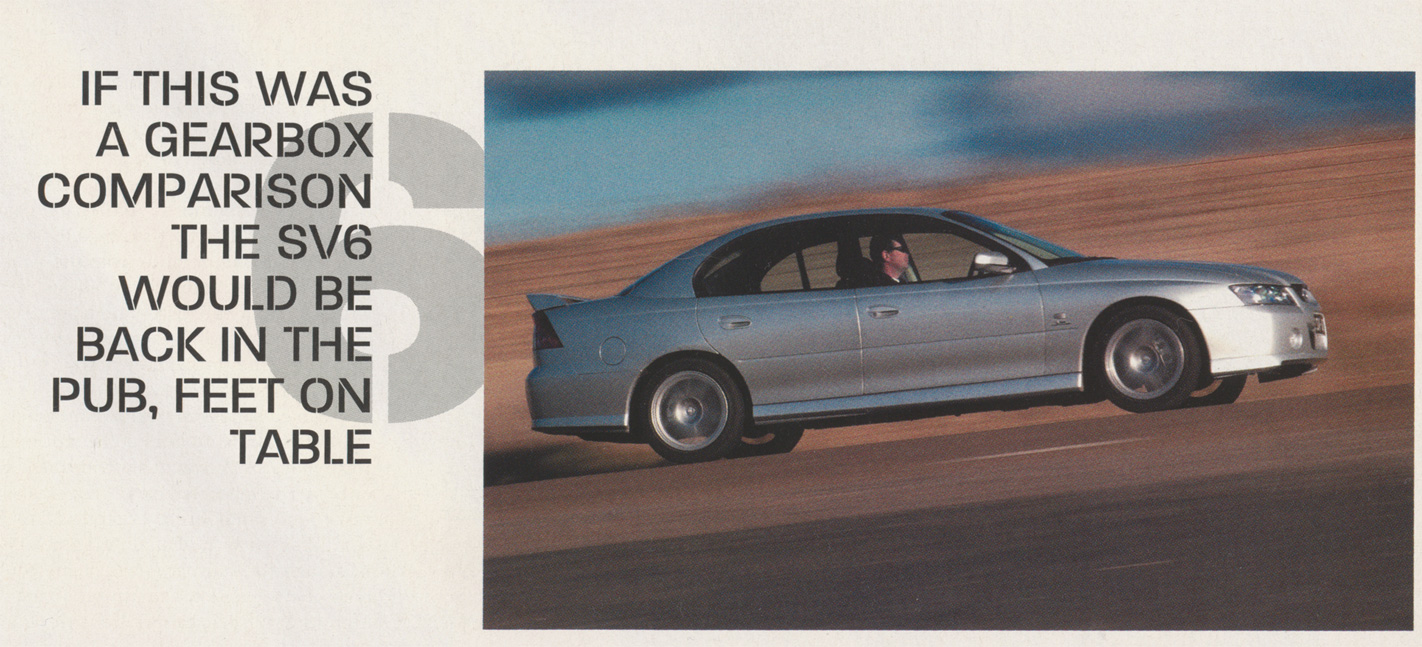
Both launch strongly from standstill. While the Commodore might not match the Falcon’s pulling power, Holden’s claim that 90 percent of the Alloytec 190’s torque is produced between 1630 and 5460rpm seems entirely believable – it’s just that there’s less of it. What can’t be denied is the absolute superiority of the SV6’s five-speed auto to make the most of what’s there; it’s the gearbox as much as anything that separates these cars.
Shift quality is one thing – and the Holden’s five-cogger only gives a brief pause between ratios before getting back on the power – but how it improves driveability is another. On a winding, hilly road, for instance, with the driver on and off the throttle, the XR6 will hold third only for as long as necessary before dropping way back to second, then straight back again as the driver lifts off for the next corner. The SV6 is more likely to hold a lower gear no matter the throttle position as its intuitive software correctly guesses the driver’s intentions. With closer ratios, any kickdown is far less dramatic in terms of increased noise and revs, and the shift itself is smoother.
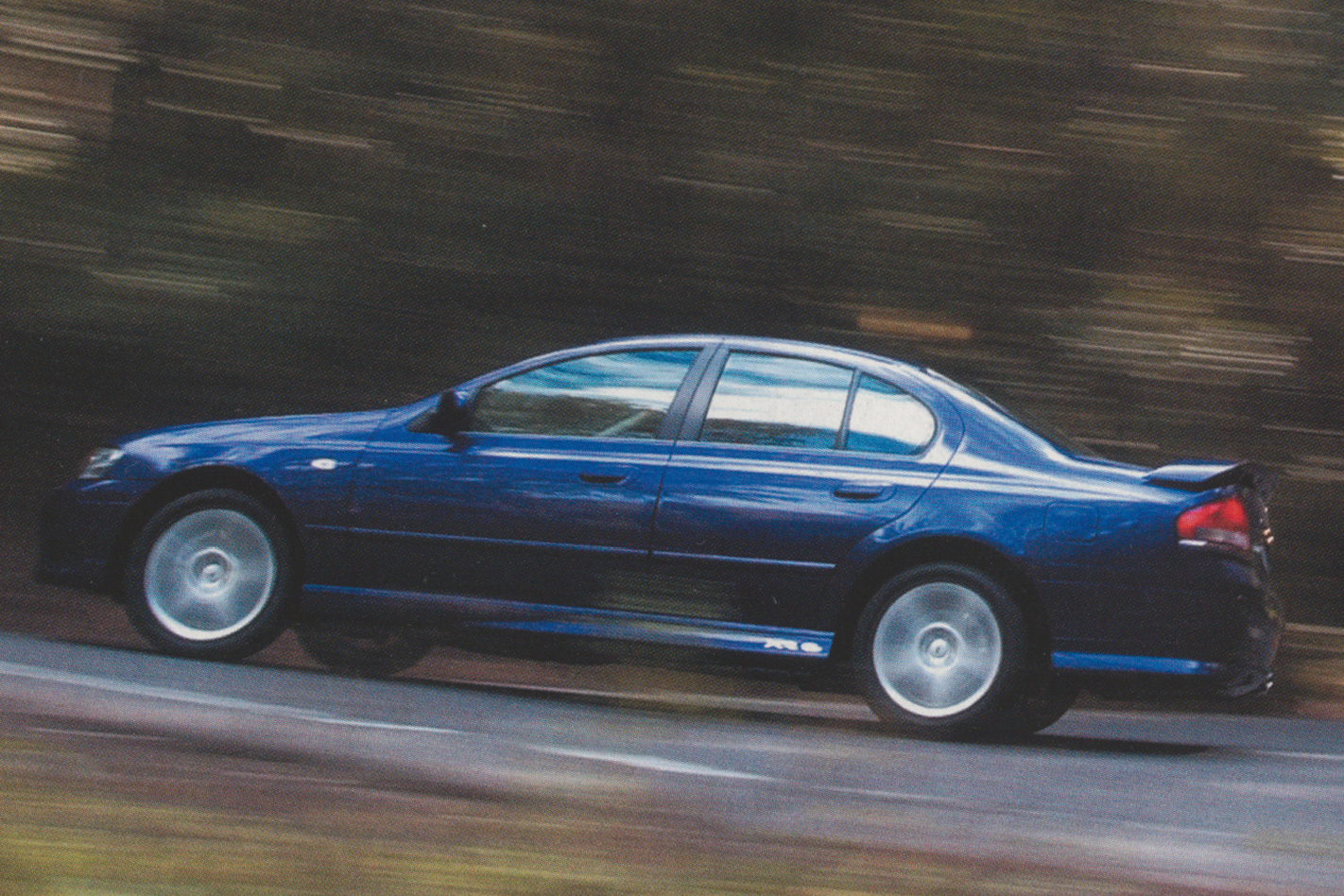
There’s not much to pick between the two when it comes to noise levels. The XR6 might have marginally more tyre roar on coarse surfaces, but that’s off-set by a disappointingly uninspiring engine note from the Alloytec 190 – it’s all hissing induction noise as revs rise, without much exhaust – and a small amount of gearbox whine. The Falcon six is gruff as ever, but wind down the window and the extra exhaust growl seems worthwhile.
If the closeness in performance between the two was surprising, fuel consumption figures were more so. Again, it’s a win to the SV6, but only by the most narrow of margins. Over the test the Commodore averaged 12.3L/100km compared with the Falcon’s figure of 12.5.
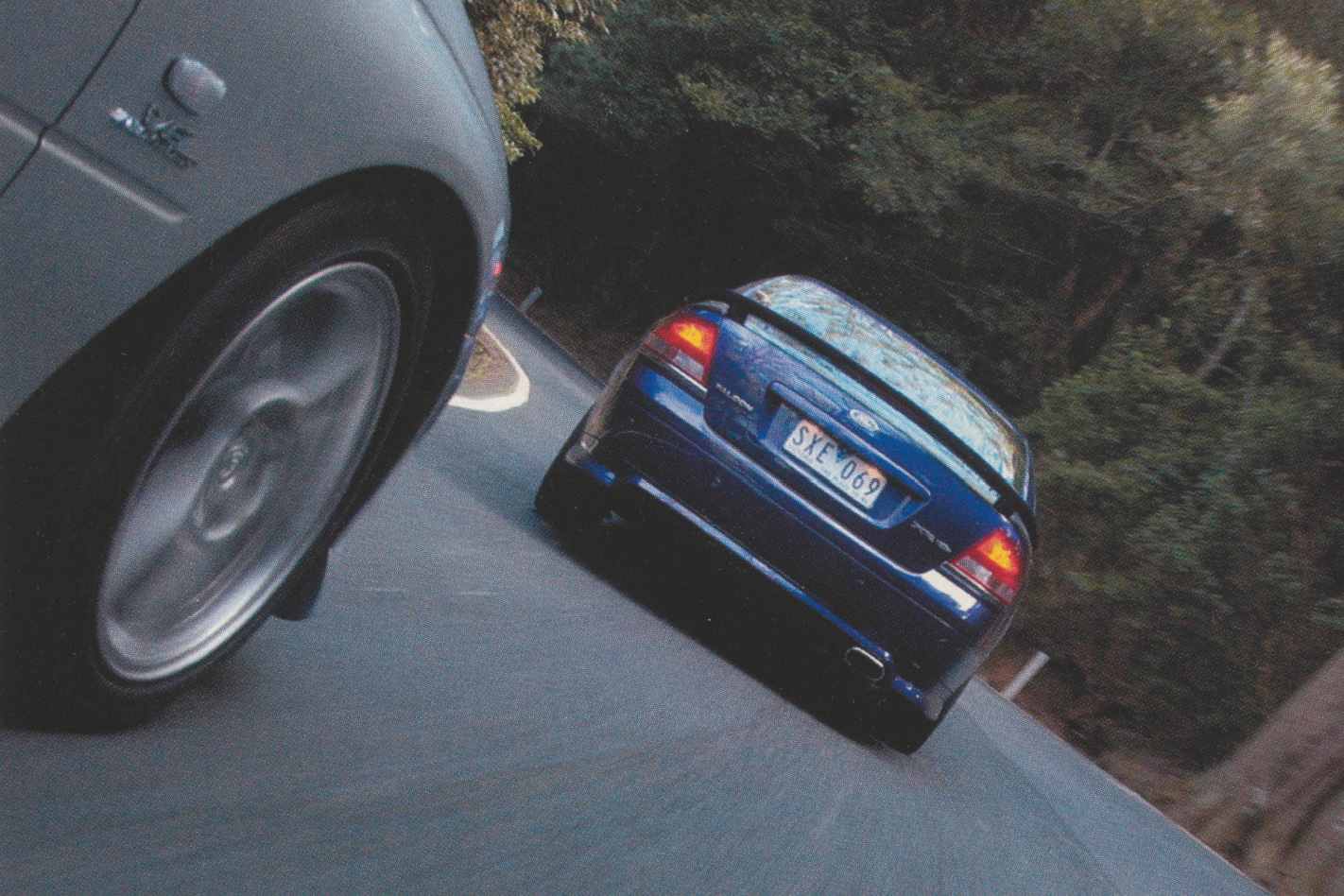
These twisting, lumpy roads put the difference in chassis philosophy between the two companies into stark contrast, and highlights that for invigorating rear-drive handling in what are basically family-sized and low-cost commuter cars, nothing comes close to the best an Australian six can offer.
The SV6 has a firmer suspension tune with stiffer springs and damper rates that inhibit roll and improve grip, but at the expense of comfort. The ride quality stops short of being harsh, but over anything but the smoothest of surfaces, it’s always busy. When the road degenerates into dips and humps, anything encountered is transmitted back to the car with interest, especially from the especially stiff front end that seems out of kilter with the rear.
Far from cumbersome, either. The Ford might weigh more than the SV6, and that weight can be felt during directional changes, but with a longer and wider footprint on the road, it is also immensely stable and less likely to be thrown off-line by mid-corner bumps than the stiffer Commodore.
The Falcon also steers better, despite the new power-assistance pump on the VZ Commodore and stiffer mounting of the Holden’s front stabiliser bar that makes the most marginal of differences. The XR6 gives terrific feedback off-centre, and a linearity of assistance lacking in the SV6. The Holden, however, has the Ford’s measure in road holding (and both wear same-size 235/45R17s) even if there’s a more front-heavy tendency towards understeer that’s a counterpoint to XR6’s better balance.
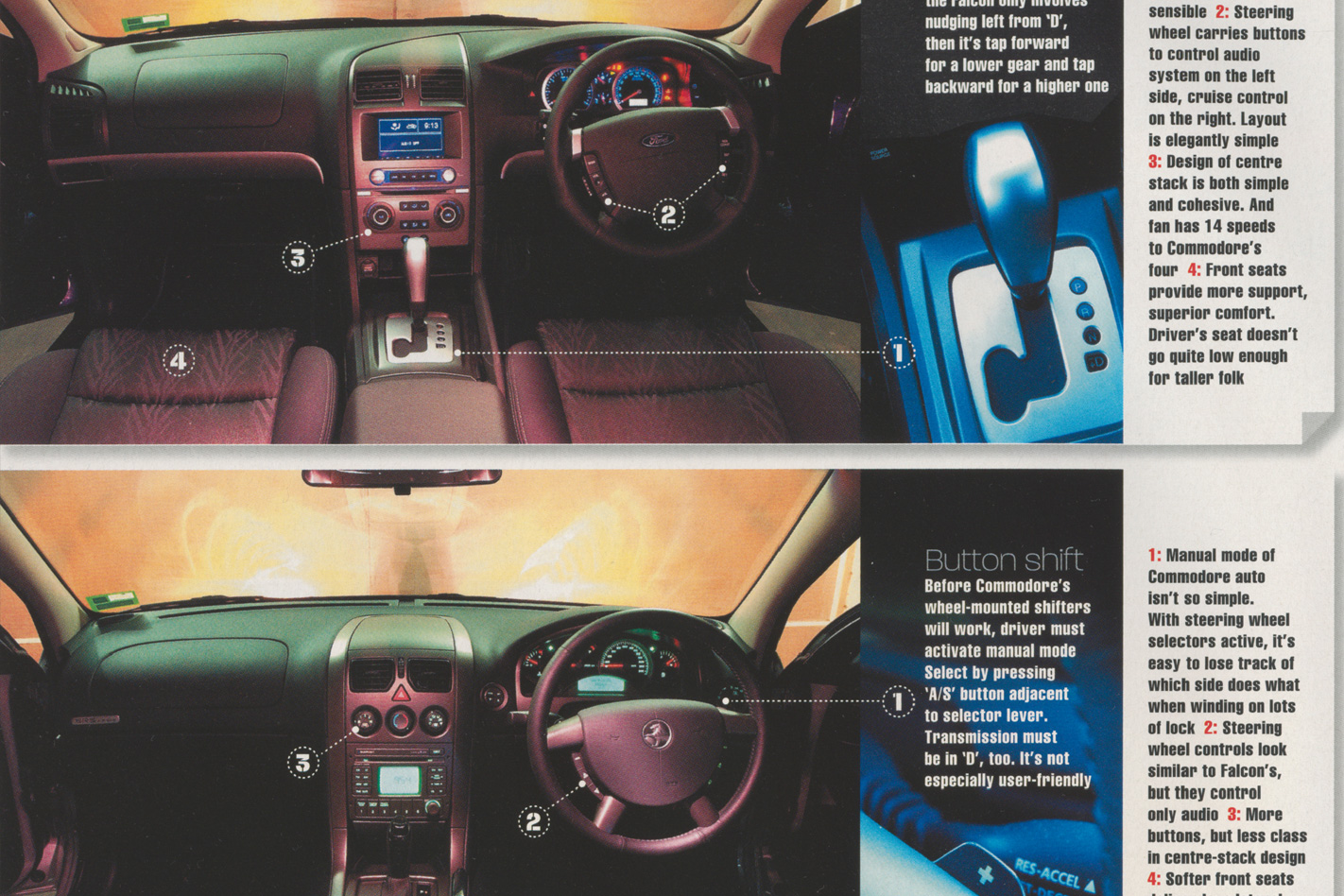
Otherwise, the interiors hold no surprises for anyone who’s been in a Falcon or Commodore. The XR6 has the BA’s centrally mounted information display for stereo and ventilation control; the SV6 more conventional controls. Storage space near the driver is virtually identical with permanent cupholders and a shelf ahead of the gearshift, but Falcon’s centre-armrest bin is bigger.
Choosing a winner between these two is not easy, and far more difficult than at first seems obvious given the huge advances the VZ Commodore has made in performance and refinement with its new drivetrain.
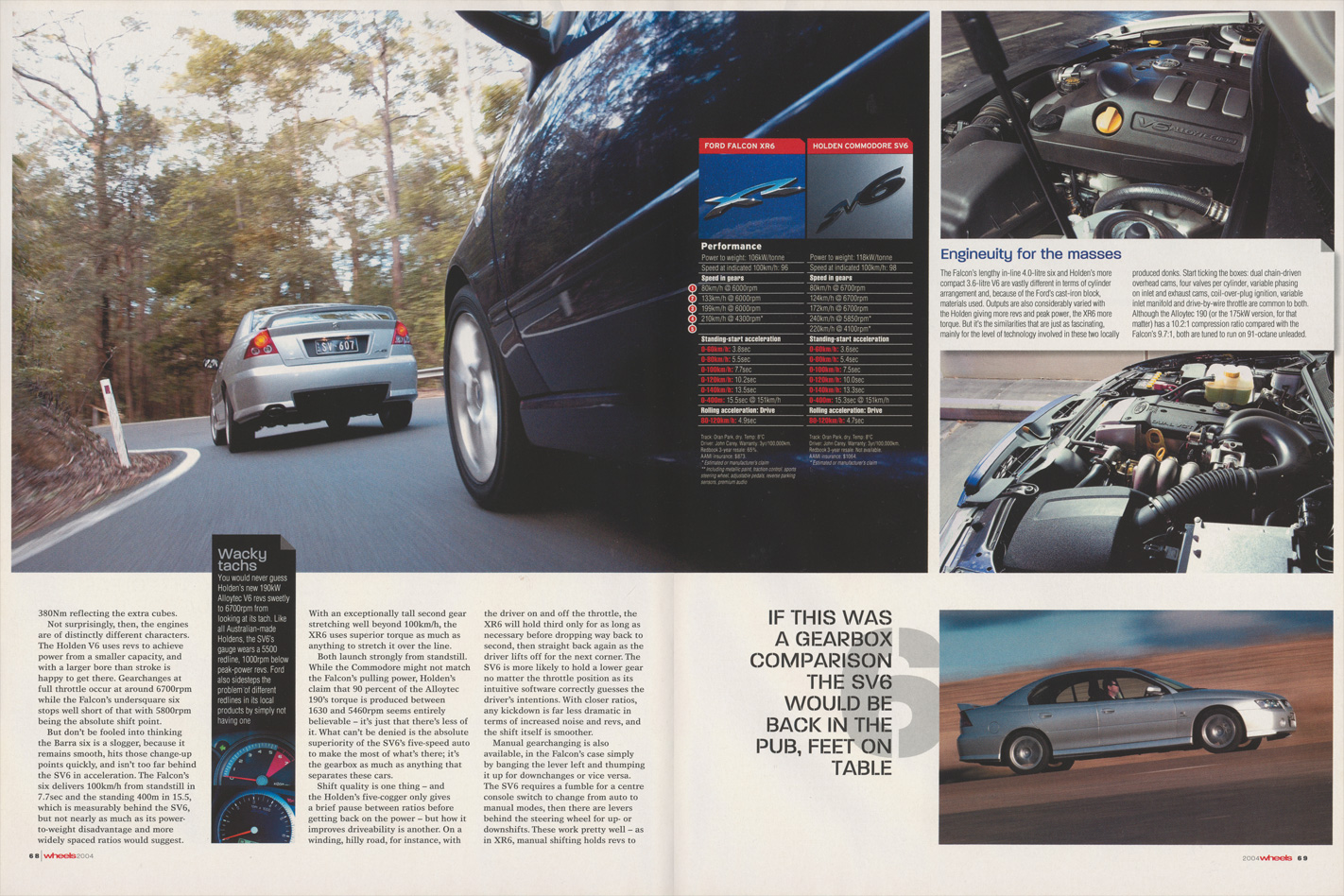
For all its 190 kilowatts and extra ratio in the automatic, SV6 only just manages to better XR6 in acceleration and fuel economy. If this was a gearbox comparison, the SV6 would be back in the pub, feet on the table, telling everyone where it went right. The added driveability and intuitive way the SV6 picks up and holds gears makes it subjectively superior to the Ford’s four-speed, even if there’s not much in the measurable numbers.
But the XR6 is the more complete car, with its compliant suspension making it easier to live with day to day, and the pulling power of its big six largely making up for its less adept – but by no means unrefined – four-speed automatic. And while it might feel softer, it is by no means slower or less agile than the SV6 point-to-point.
Little design details such as gas struts to hold the boot open instead of space-consuming springs, a gearshift for manual changes instead of a compromised wheel-mounted system, and even its more supportive seats all add up. That the XR6 manages to be this impressive without any major mechanical advances over an XT Falcon marks it as a remarkable car, and able to hold its head high against Holden’s latest technical onslaught.
Follow WhichCar/Wheels on Google
Click the button below to make WhichCar by Wheels a preferred source for your news.