News

Gallery 1
Australia’s new car market enjoyed a record year in 2025, with Aussies buying 1,241,037 new cars last year. That’s according to end-of-year data compiled by the Federal Chamber of Automotive Industries (FCAI) and Electric Vehicle Council (EVC). That 1.24 million eclipses the previous record of 1.237 million sales and registrations in 2024.
While those numbers are encouraging, pointing to a buoyant new car market, not every manufacturer can boast gains over the last 12 months.
Analysing the numbers reinforces a trend that has been slowly emerging over the last two decades or so – buyers are deserting the once traditional passenger car in favour of SUVs and dual-cab utes.
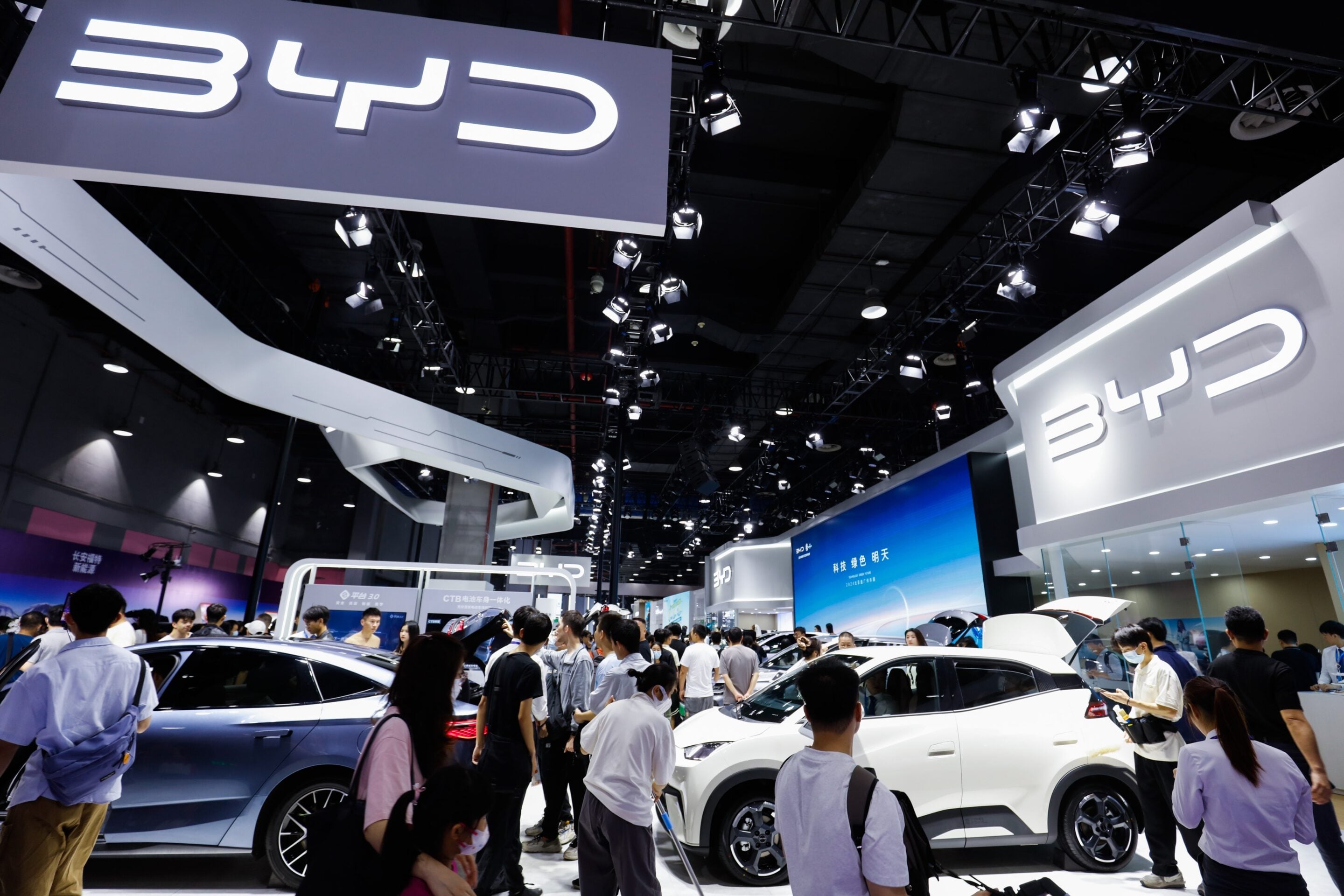
But another trend is emerging, and it’s one legacy car makers are increasingly fearful of – China. Last year, cars made in China overhauled those produced in Thailand to claim second spot on the table of Country of Origin. Just over 252,000 of the new cars sold in 2025 hailed from China (source: FCAI and EVC), edging out Thailand’s 249,958 (where two of Australia’s most popular models – the Ford Ranger and Toyota HiLux – are built). Only Japan produces more cars for the Australian market, with 358,981 sales.
1
Unsurprisingly then that some Chinese car brands have enjoyed tremendous growth, a surge in sales that has come at a cost to legacy auto makers.
So who are the winners and losers of 2025? We’ve compiled the data from both the FCAI and EVC to find out.
The biggest winners
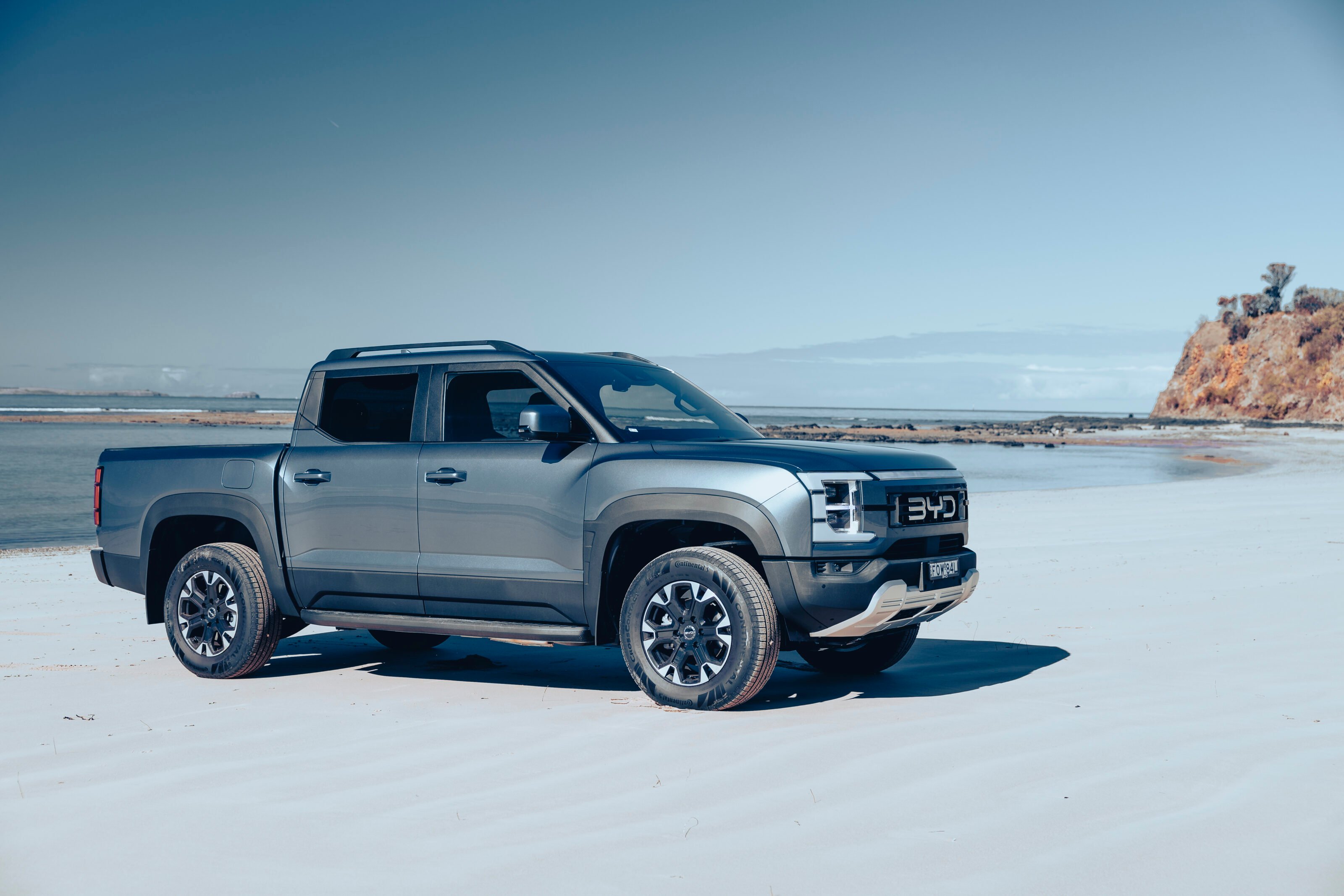
BYD up 156.2 per cent (52,415 against 20,458)
Over half of BYD’s 2025 sales came from two new models, the pioneering Shark 6 plug-in hybrid dual-cab ute and the Sealion 7, a Tesla Model Y rivalling electric SUV. The Sealion 6 SUV tapped into the plug-in hybrid zeitgeist to enjoy strong growth in 2025, up 46.1 per cent over the previous year.
1
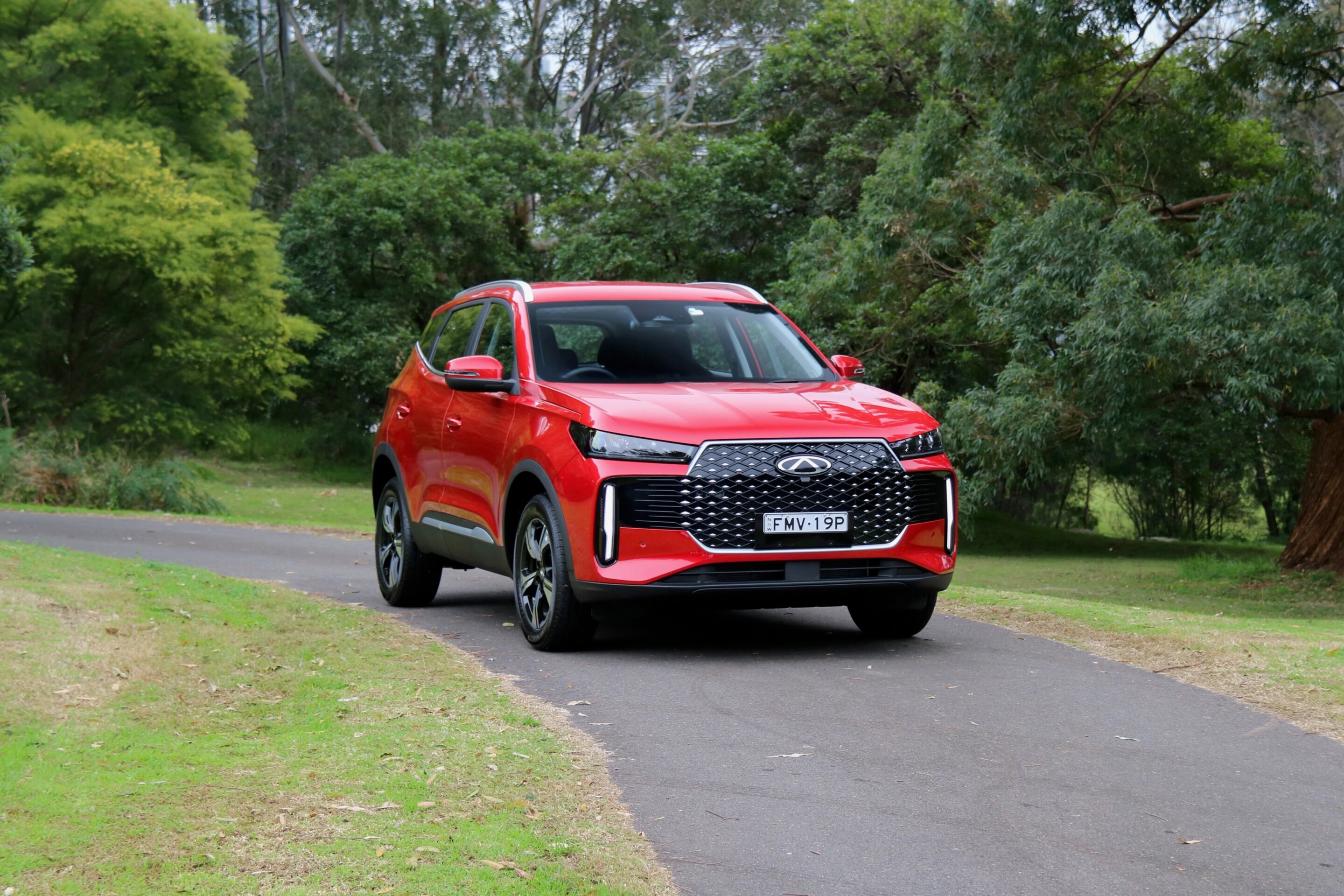
Chery up 176.8 per cent (34,889 against 12,603)
Chery witnessed growth across its range with the Tiggo 4 Pro doing the bulk of the heavy lifting, up an astonishing 950 per cent year-on-year (20,149 against 1918). Other winners included the Tiggo 7 Pro (up 107.8 per cent) and Tiggo 8 Pro (up 99.6 per cent).
1
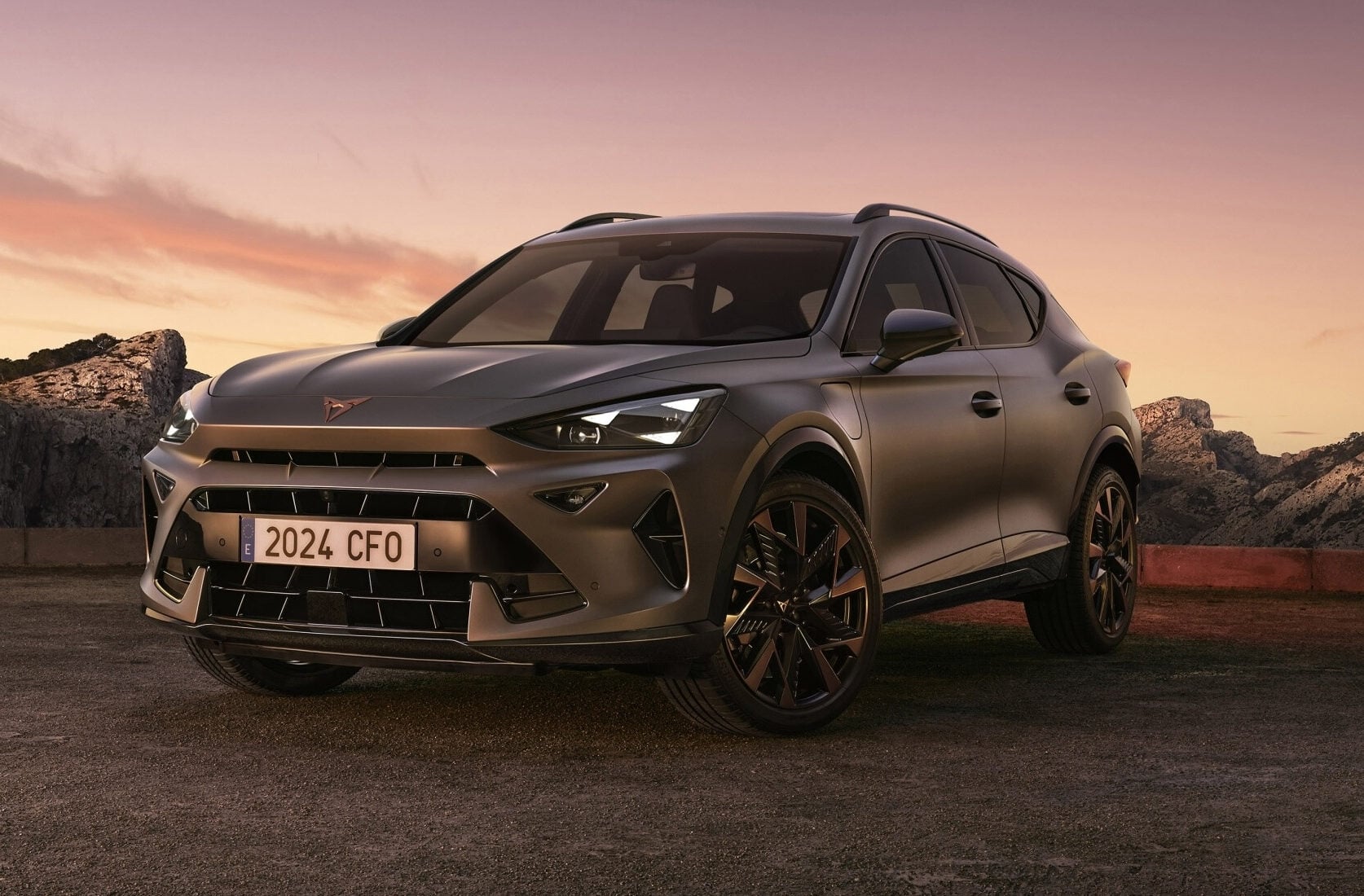
Cupra up 21 per cent (2830 against 2339)
While the overall numbers remain modest, they are pointing in the right direction for the Spanish off-shoot of the Volkswagen Group. And it’s the Formentor small SUV leading the way, sales of 1490 representing a 17.8 per cent increase. The addition of two new models last year – Tavascan and Terramar – further bolstered the bottom line.
1
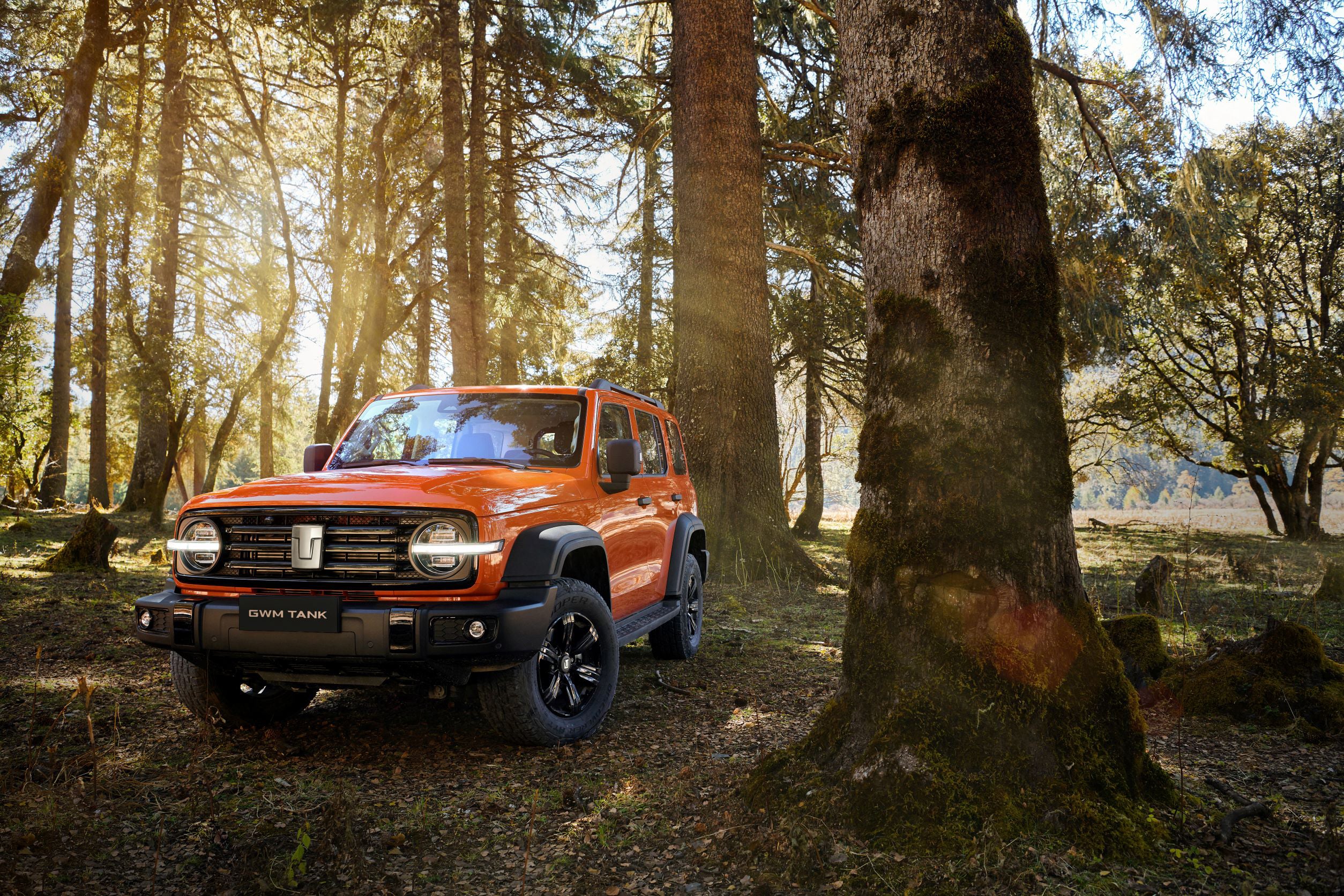
GWM up 23.4 per cent (52,809 against 42,783)
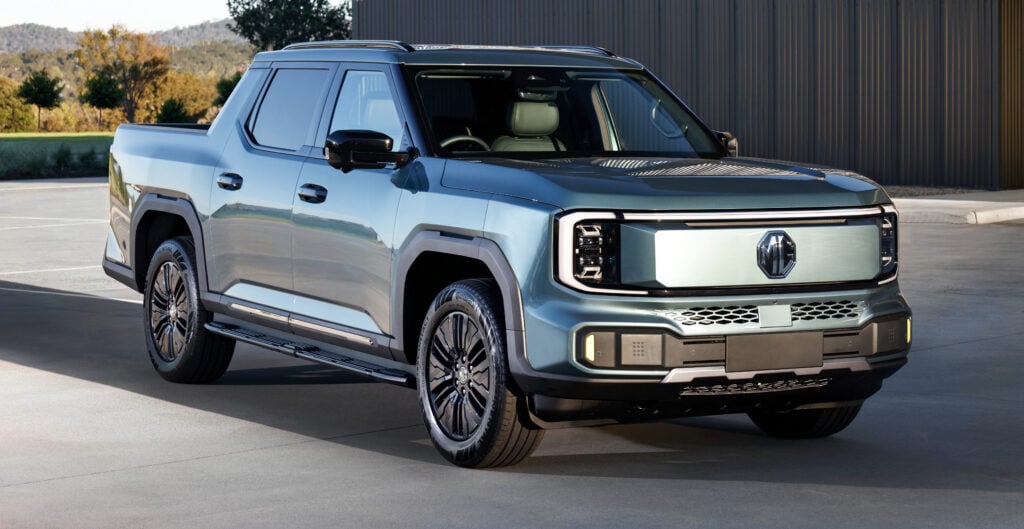
Massive growth, both in terms of percentage and raw numbers, helped along by the arrival of the Cannon dual-cab ute which added 7800 to the Chinese brand’s tally. Sales of Tank 300 and Haval Jolion also enjoyed double-digit increases, up 26.9 and 36.3 per cent respectively.
1
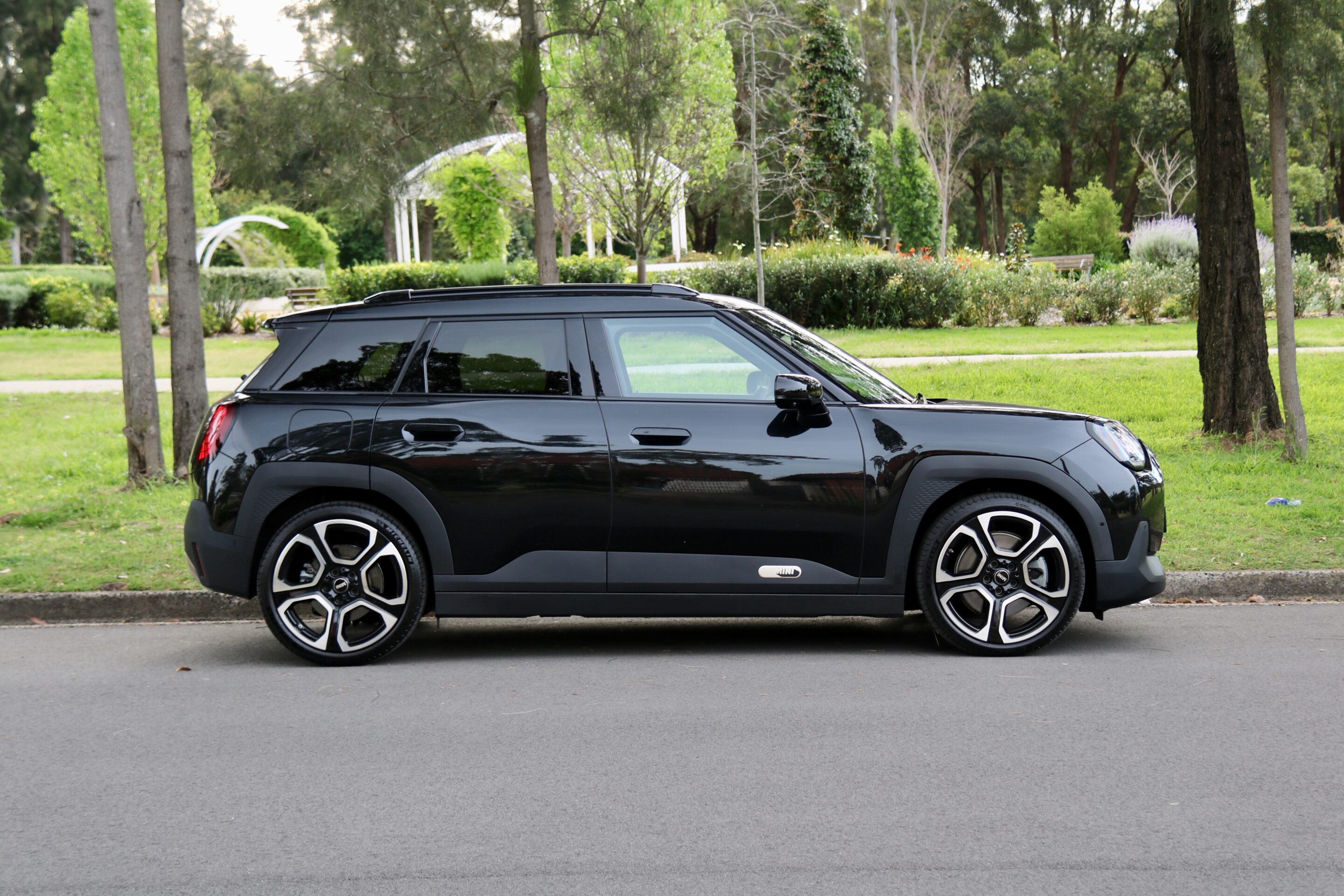
Mini up 37.7 per cent (5484 against 3982)
A refreshed model line up resulted in a sales surge for the BMW-owned ‘British’ icon. The top-seller race is a tight one, with Cooper (2263, up 45.2 per cent) just edging Countryman (2235, up 19 per cent) on Mini’s spreadsheet.
1
The biggest losers
Fiat down 22 per cent (411 against 527)
Sales of the 500, the only model in Fiat’s local line-up slipped, from 527 in 2024 to 411 last year. What’s next for the fun-and -funky Italian brand in Australia?
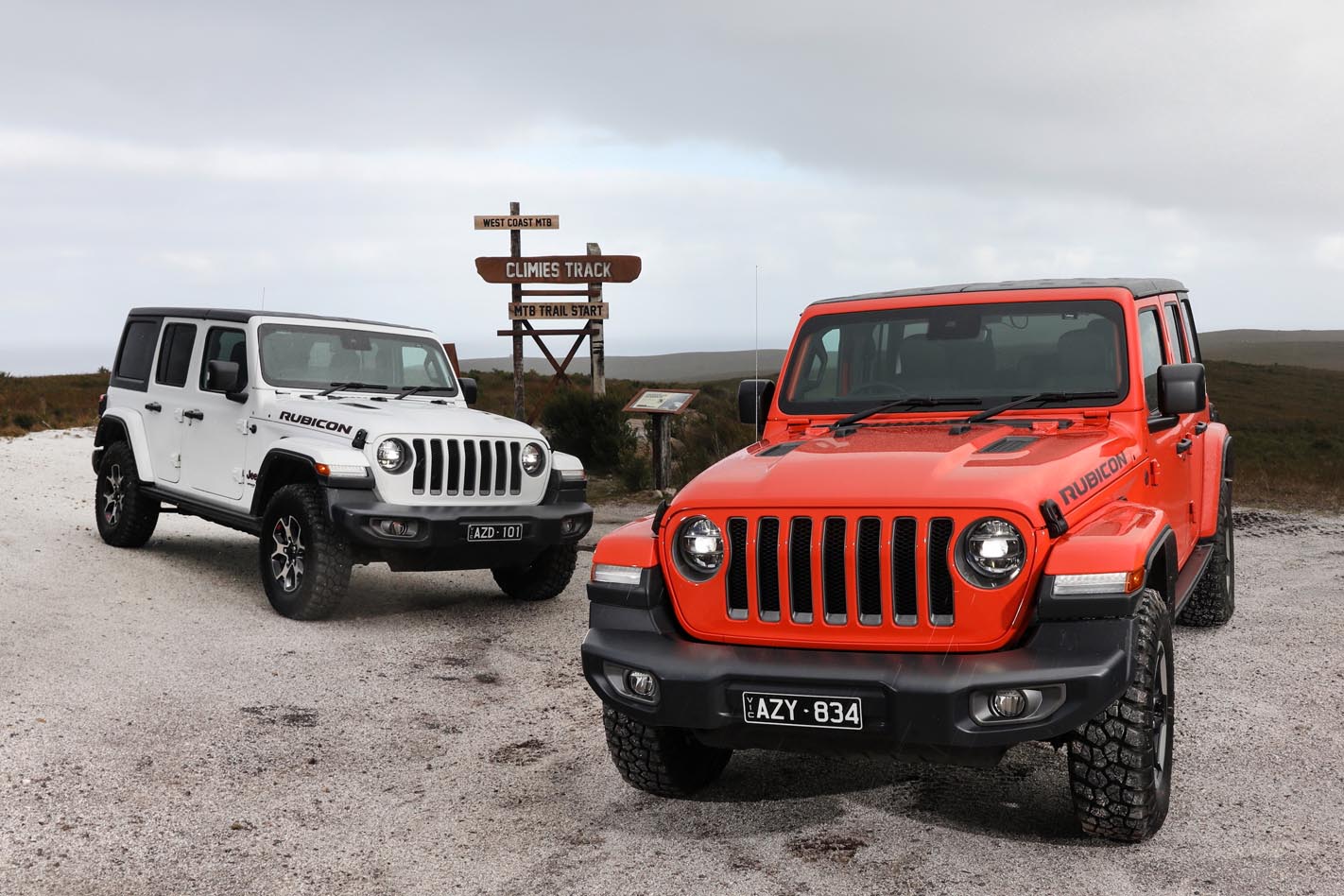
Jeep down 33.3 per cent (1585 against 2377)
Jeep’s four-model line-up accrued big losses in 2025, with only the flagship Grand Cherokee showing any resistance, up 4.3 per cent year-on-year, albeit with modest sales of 673. It remains the US brand’s best-seller in Australia.
1
KGM down 23.7 per cent (4116 against 5393)
Korea’s forgotten car brand struggled to replicate its 2024 success, sales down across the range, with only the relatively new Torres SUV showing some green shoots, its 288 sales in 2025 up 78.9 per cent over the previous year.
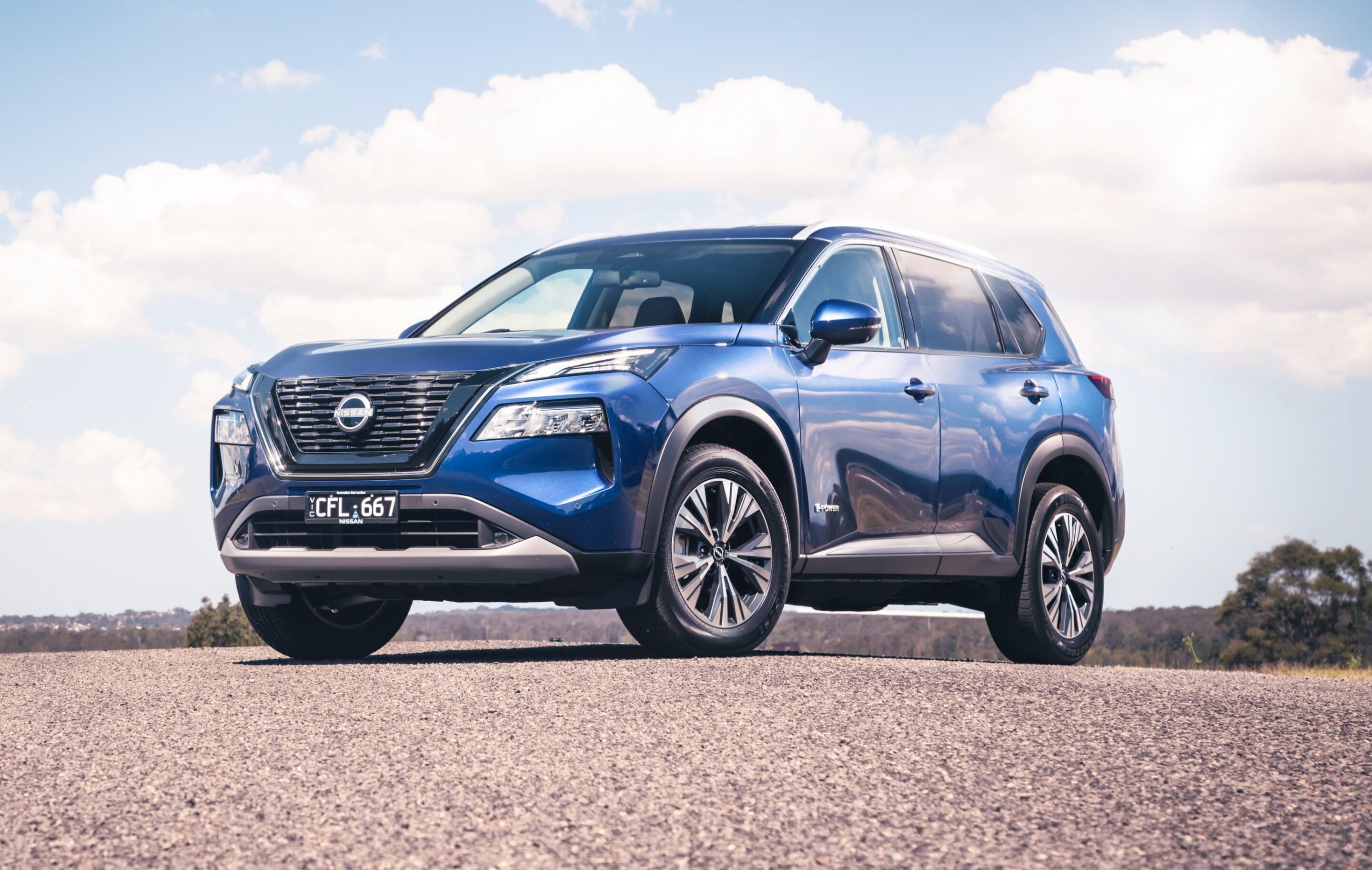
Nissan down 21.3 per cent (35,511 against 45,284)
The Japanese giant, a brand with such a rich heritage in this country, has seemingly lost its way in Australia, recording a 21.3 per cent drop in sales compared with 2024. Only the Pathfinder offered a glimmer of hope, up 40 per cent, although the raw numbers remain low, 732 sales in 2025. Nissan’s best-seller remains the X-Trail, 15,708 sold in 2025, a drop of 10.2 per cent over the previous year.
1
Peugeot down 28.8 per cent (1350 against 1896)
If you’re struggling to see new Peugeot passenger cars on our roads, you’re not alone, the French brand selling just 673 passenger cars in 2025, the balance of its 1350 sales total made up of light commercial vans.

1
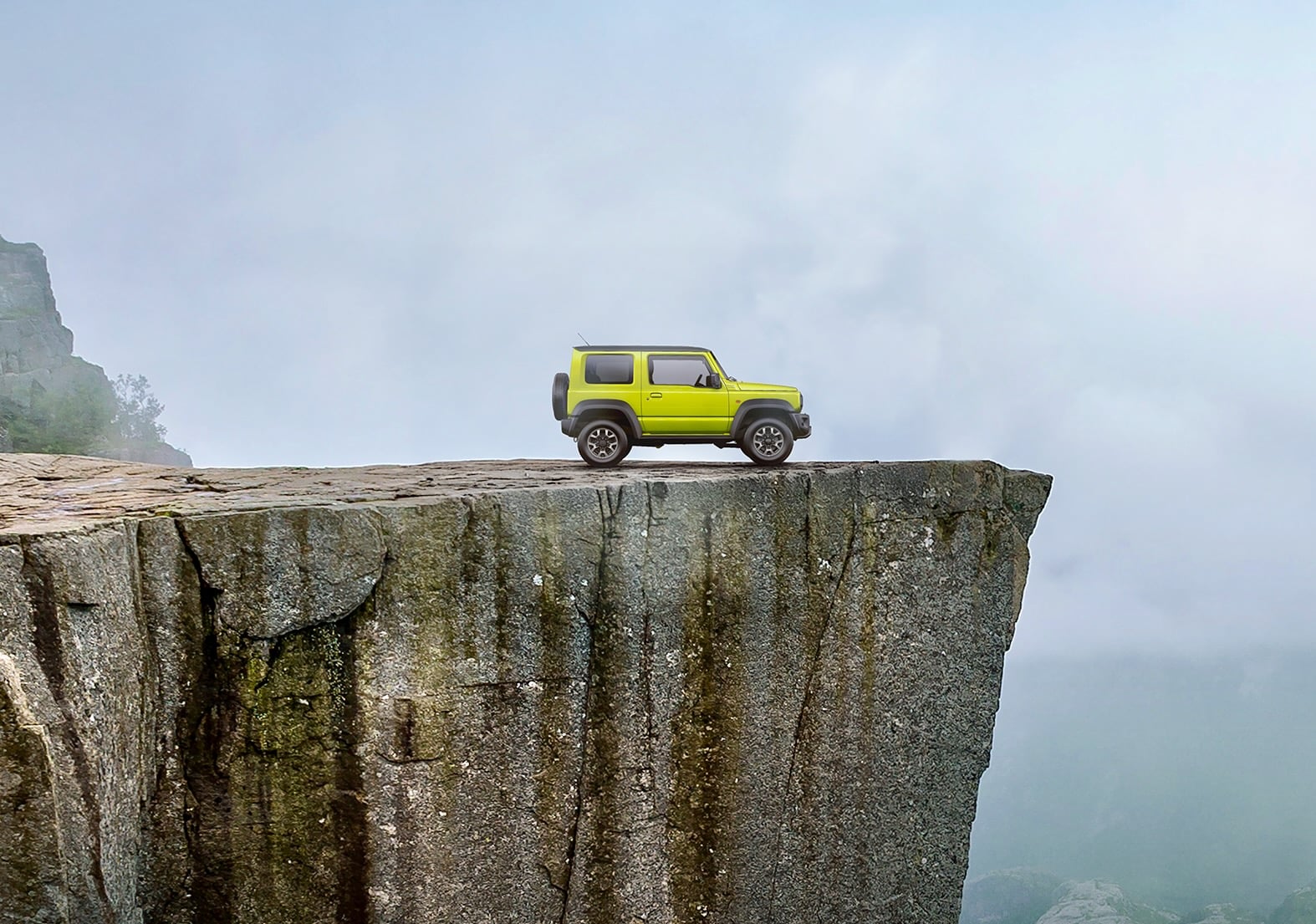
Suzuki down 27.7 per cent (15,378 against 21,278)
The addition of the Fronx compact SUV to Suzuki’s line up bolstered an otherwise gloomy year on the sales charts, the brand down 27.7 per cent overall against 2024’s numbers. The gloom continued in December with the Fronx awarded a one star safety rating following ANCAP crash testing which revealed poor occupant protection and a seatbelt failure. That prompted a major safety recall of affected vehicles, something that is bound to hurt 2026 sales.
1
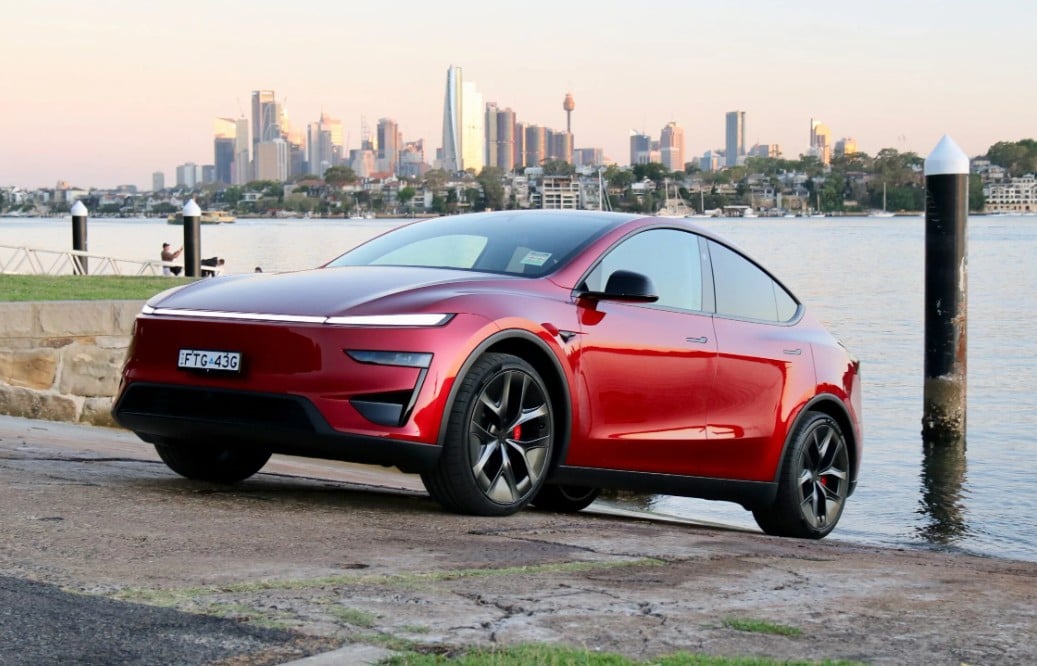
Tesla down 28.1 per cent (28,856 against 38,347)
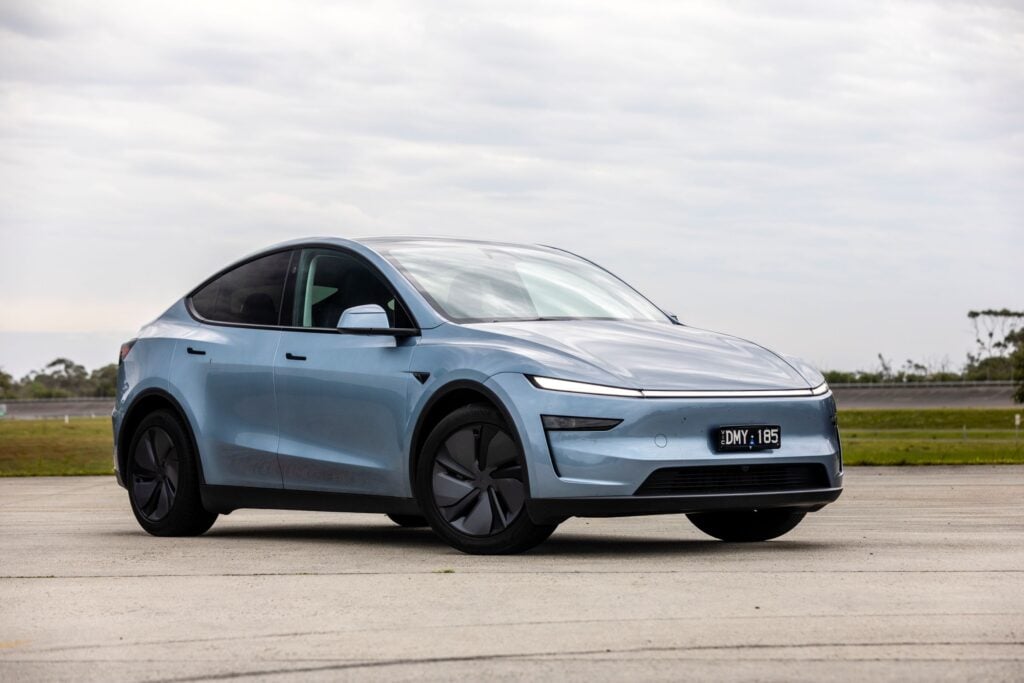
Whether it’s the Musk factor or whether buyers were awaiting the arrival of refreshed Model 3 and Model Y, Tesla’s sales slipped by almost 10,000 vehicles compared against 2024. An influx of new electric cars, mostly from China, has also had an impact, with buyers increasingly spoilt for choice when making their EV purchasing decisions.
1
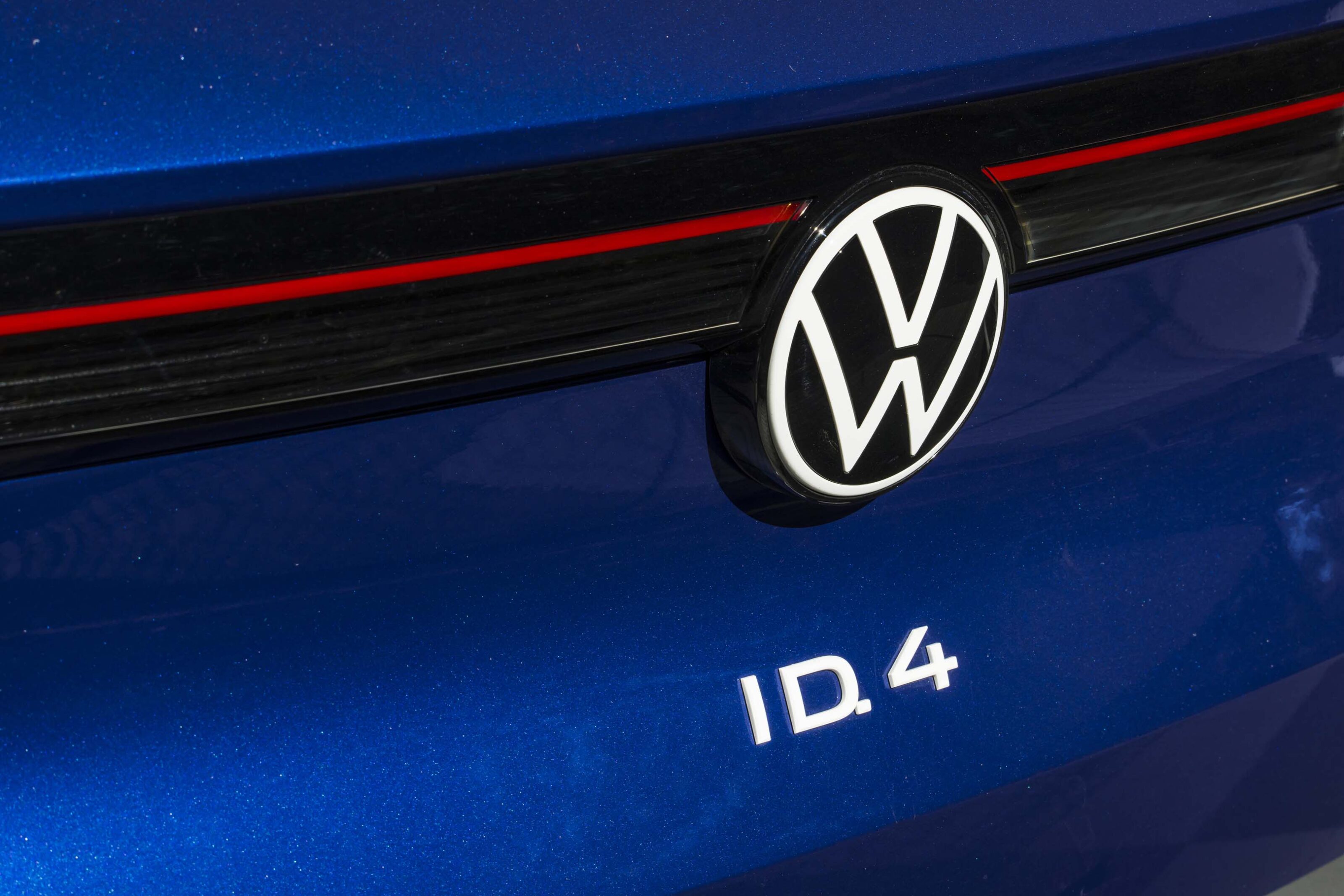
Volkswagen down 20.6 per cent (28,970 against 36,480)
The German giant was down across its entire line-up with only Golf (up four per cent) and Caddy Cargo Van (up 18.6 per cent) bucking the downward trend. Of the new models, the ID.4 electric SUV fared best adding 1196 to Volkswagen’s tally in 2025. The brand’s best-seeler remains the Amarok dual-cab ute, with a total of 5392 sales across 2025, down 35.8 per cent over the previous year.
1
The top end of town
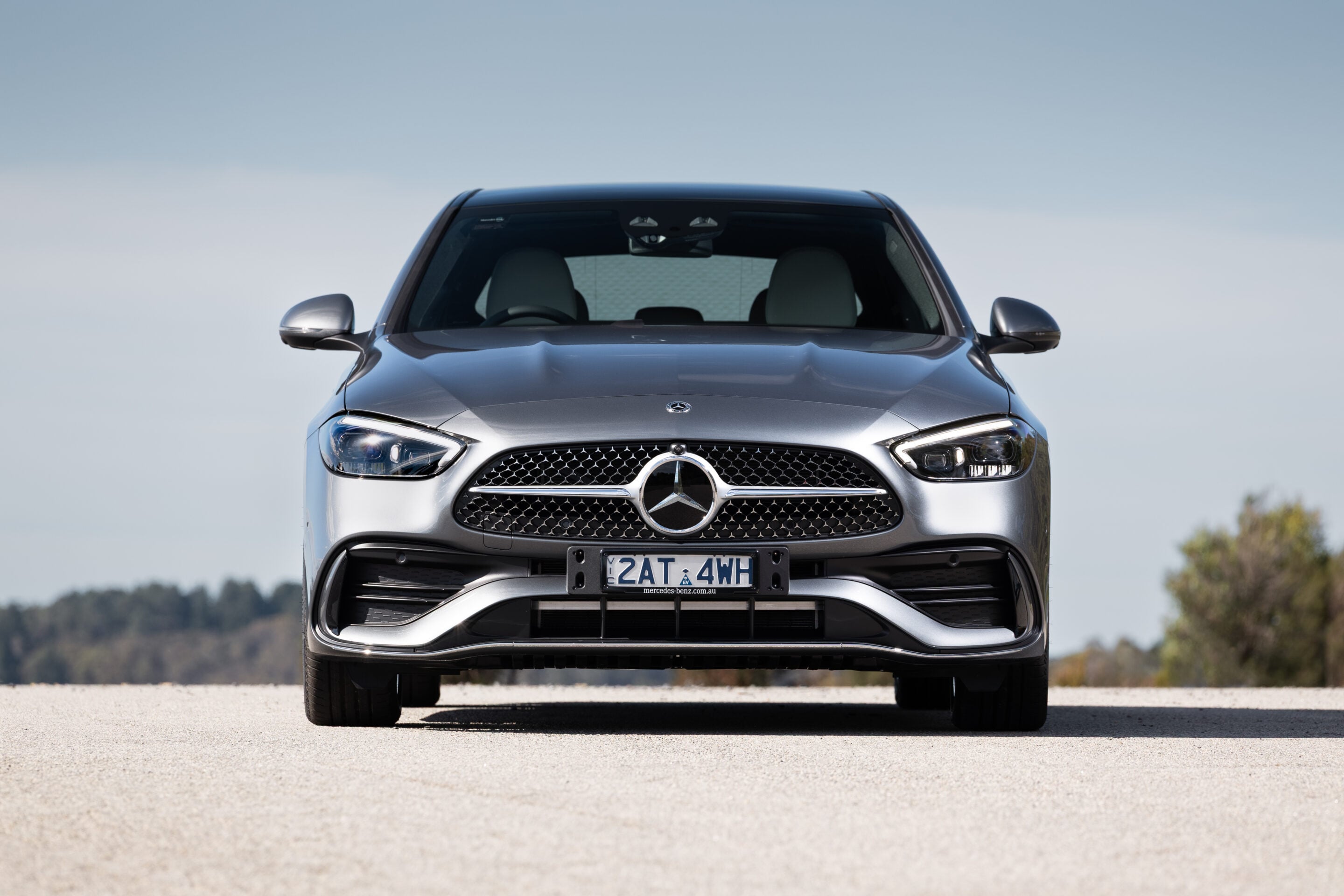
Luxury car makers enjoyed a mixed bag in 2025. Mercedes-Benz enjoyed 14.3 per cent growth year-on-year while BMW’s upswing proved more modest, a 1.9 per cent increase. Audi was up 4.4 per cent while Lexus enjoyed a 6.7 per cent gain over 2024.
1
Aston Martin up 20.1 per cent (185 against 154)
Jaguar down 30 per cent (520 against 743)
Lotus down 53.5 per cent (72 against 155)
Maserati down 30 per cent (264 against 377)
McLaren down 28.4 per cent (68 against 95)
Porsche down 27 per cent (5133 against 7029)
Rolls Royce up 24.1 per cent (67 against 54)
How the top 10 fared
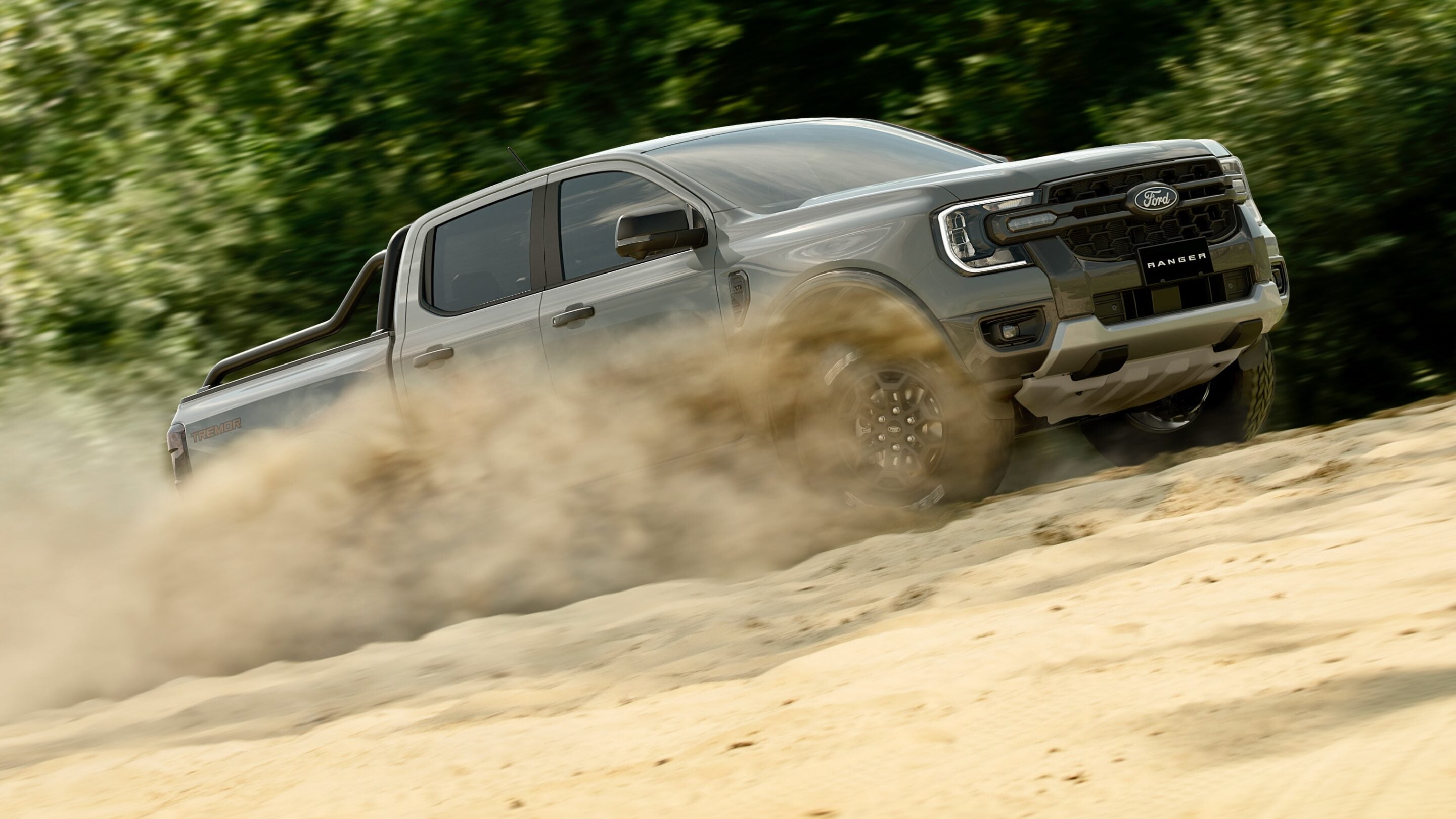
Of the top 10 brands in Australia only four enjoyed an uptick in overall sales, the remainder recording modest decreases. Toyota held largely steady with a drop of just 0.6 per cent while Mitsubishi and MG endured the biggest losses, down 17.9 and 18.4 per cent respectively.
1
Toyota down 0.6 per cent (239,863 against 241,296)
Ford down 5.8 per cent (94,399 against 100,170)
Mazda down 4.2 per cent (91,923 against 95,987)
Kia down 0.4 per cent (82,105 against 81,787)
Hyundai up 7.7 per cent (77,208 against 71,664)
Mitsubishi down 17.9 per cent (61,198 against 74,547)
GWM up 23.4 per cent (52,809 against 42,782)
BYD up 156.2 per cent (52,415 against 20,458)
Isuzu Ute down 12.2 per cent (42,297 against 48,172)
MG down 18.4 per cent (41,298 against 50,592)
… and the segments
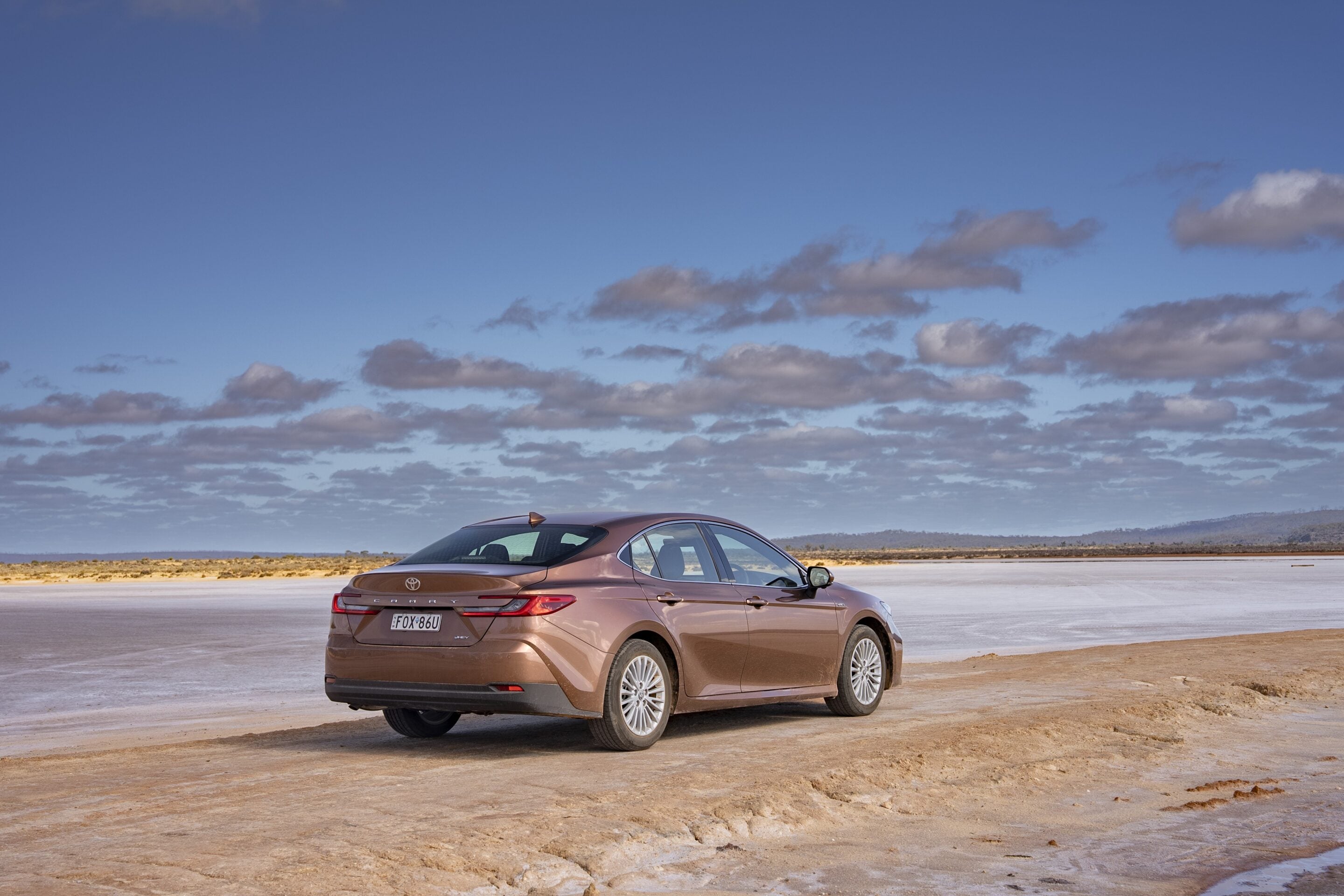
Passenger Cars
Micro up 19.3 per cent (7577 against 6349)
Light down 20.4 per cent (24,826 against 31,189)
Small down 22.3 per cent (72,222 against 92,964)
Medium down 49.8 per cent (23,175 against 46,146)
Large up 6.2 per cent (2285 against 2151)
Upper Large up 15.2 per cent (348 against 302)
People Movers up 9.2 per cent (14,907 against 13,654)
Sports up 14.3 per cent (12,144 against 10,629)
1
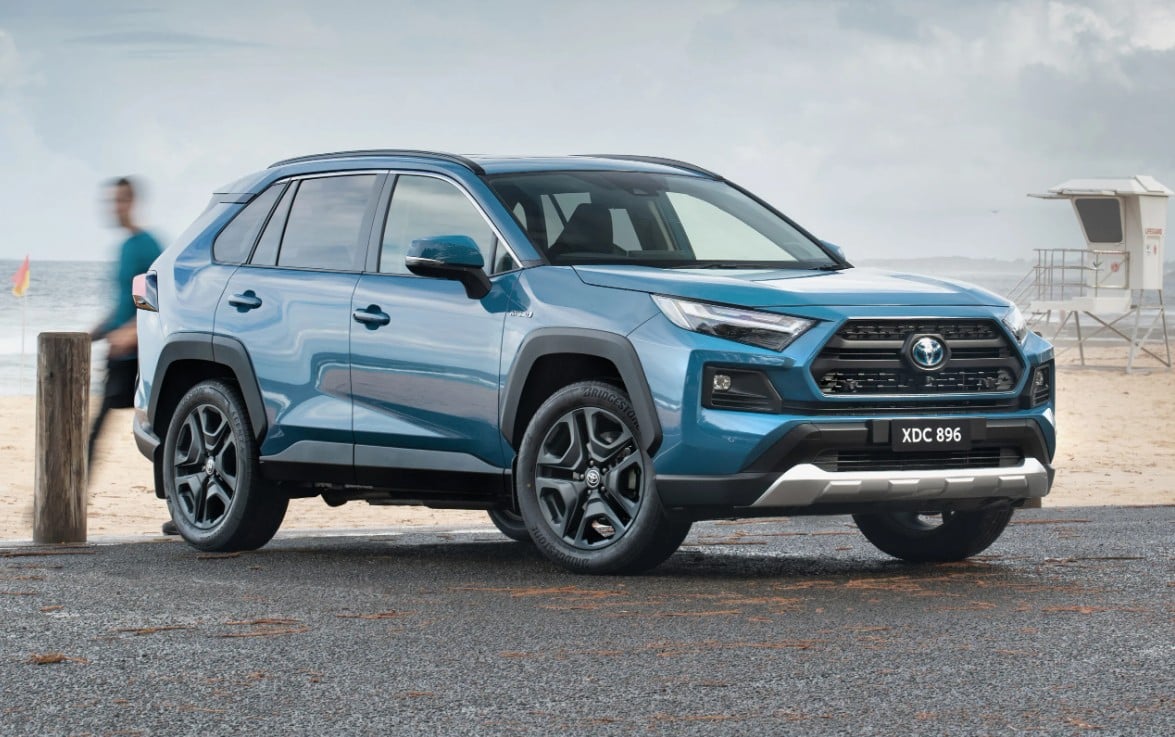
SUVs
Light SUV down 5.0 per cent (53,292 against 56,089)
Small SUV up 10.9 per cent (202,643 against 182,724)
Medium SUV up 4.2 per cent (288,875 against 277,190)
Large SUV up 9.4 per cent (164,226 against 150,178)
Upper Large SUV down 15.6 per cent (24,795 against 29,385)
1
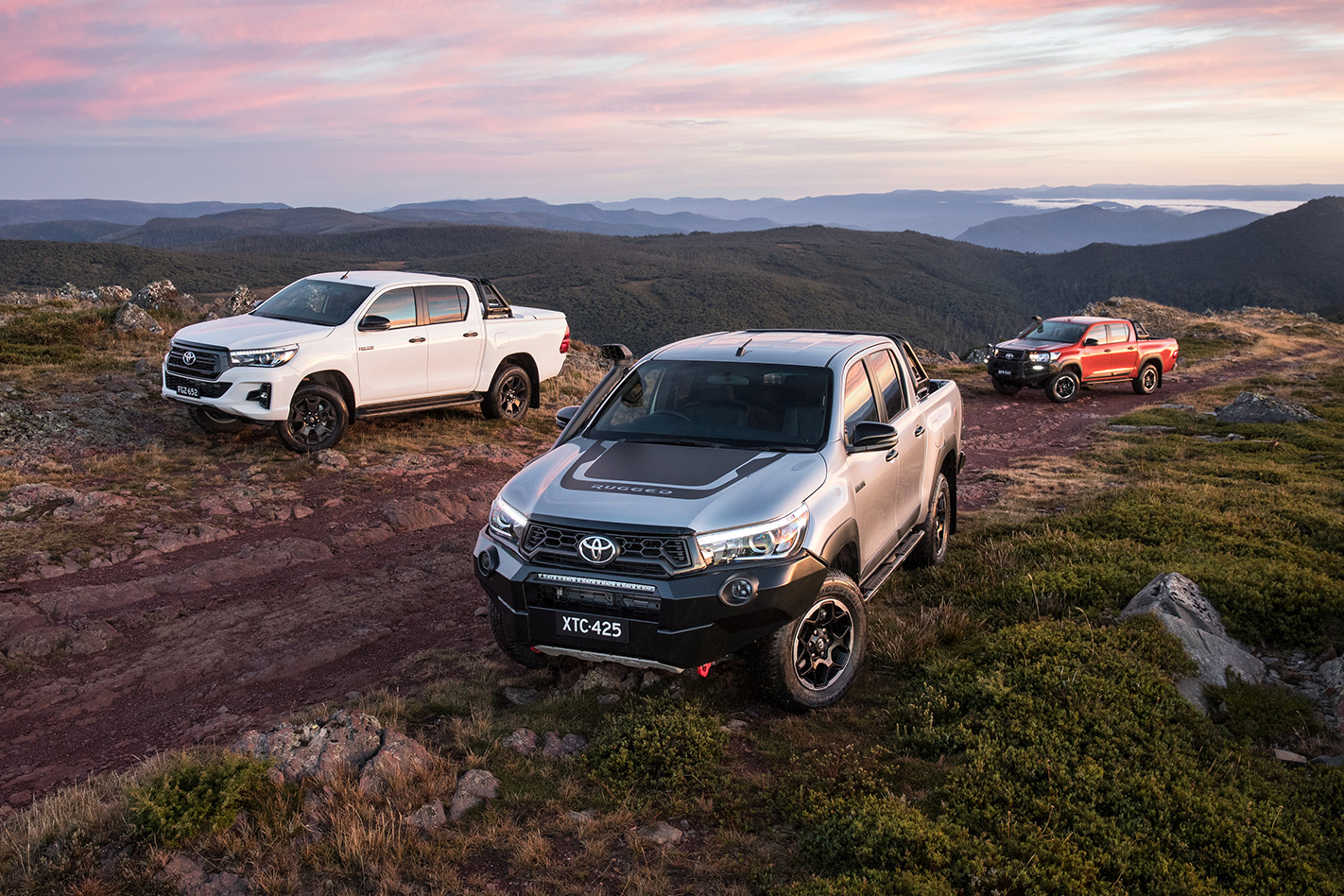
Utes
Utes 4x2 down 12.1 per cent (23,101 against 26,269)
Utes 4×4 up 4.7 per cent (212,513 against 202,950)
Pick-up over $100k down 17.4 per cent (8763 against 10,611)
1
Follow WhichCar/Wheels on Google
Click the button below to make WhichCar by Wheels a preferred source for your news.

We recommend
-
 News
NewsVFACTS December 2025: Australian new-car sales hold firm over the year, as hybrids grow and SUVs dominate
Total vehicle sales topped 1.2 million last year, with plug-in hybrids posting record growth and China strengthening its role in the local market.
-
 News
NewsNew car calendar 2026: All the new cars coming to Australia
Here’s the WhichCar by Wheels guide to all the new cars that will launch in Australia in 2026. Check back in regularly for updates...
-
 News
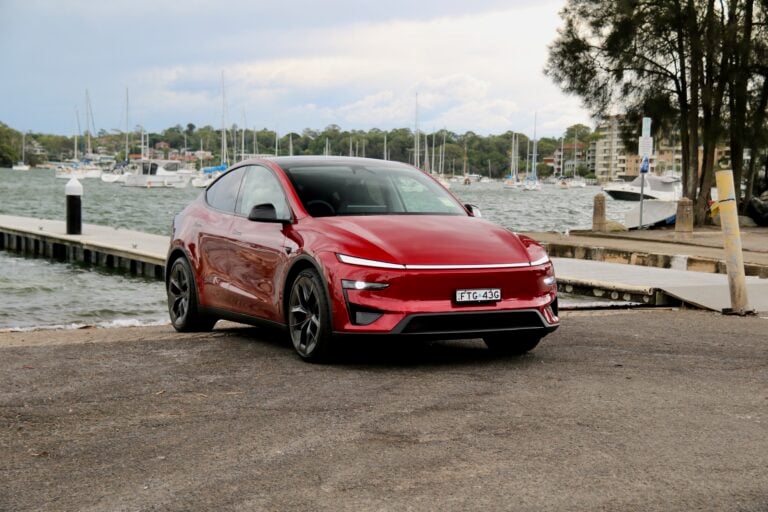
NewsEV sales show sharp Tesla drop in Australia – as Polestar rises
New Electric Vehicle Council data shows strong growth for Polestar, softer year for Tesla, and Model Y finishing 2025 on top.