
Audi Australia has announced pricing and specifications for its new Q3 small SUV, which will go on sale locally in the second quarter of 2026. Priced from $61,100 plus on-road costs, the new Q3 asks $2400 more than the previous model, but is larger and more richly equipped across the range. A new, more powerful 195kW variant has joined the range, while better equipped Launch Edition models will also be available.
As before, the Q3 will be available locally in both front- and all-wheel drive forms, with a 110kW model forming the entry to the range and a more powerful 2.0-litre all-wheel drive car sitting above it. For the first time as well, a more powerful 195kW version will also be sold locally, while a plug-in hybrid will also arrive at some stage, and the entry-level engine is now a mild-hybridised 1.5-litre turbo-petrol, replacing the former non-hybrid 1.4-litre engine.
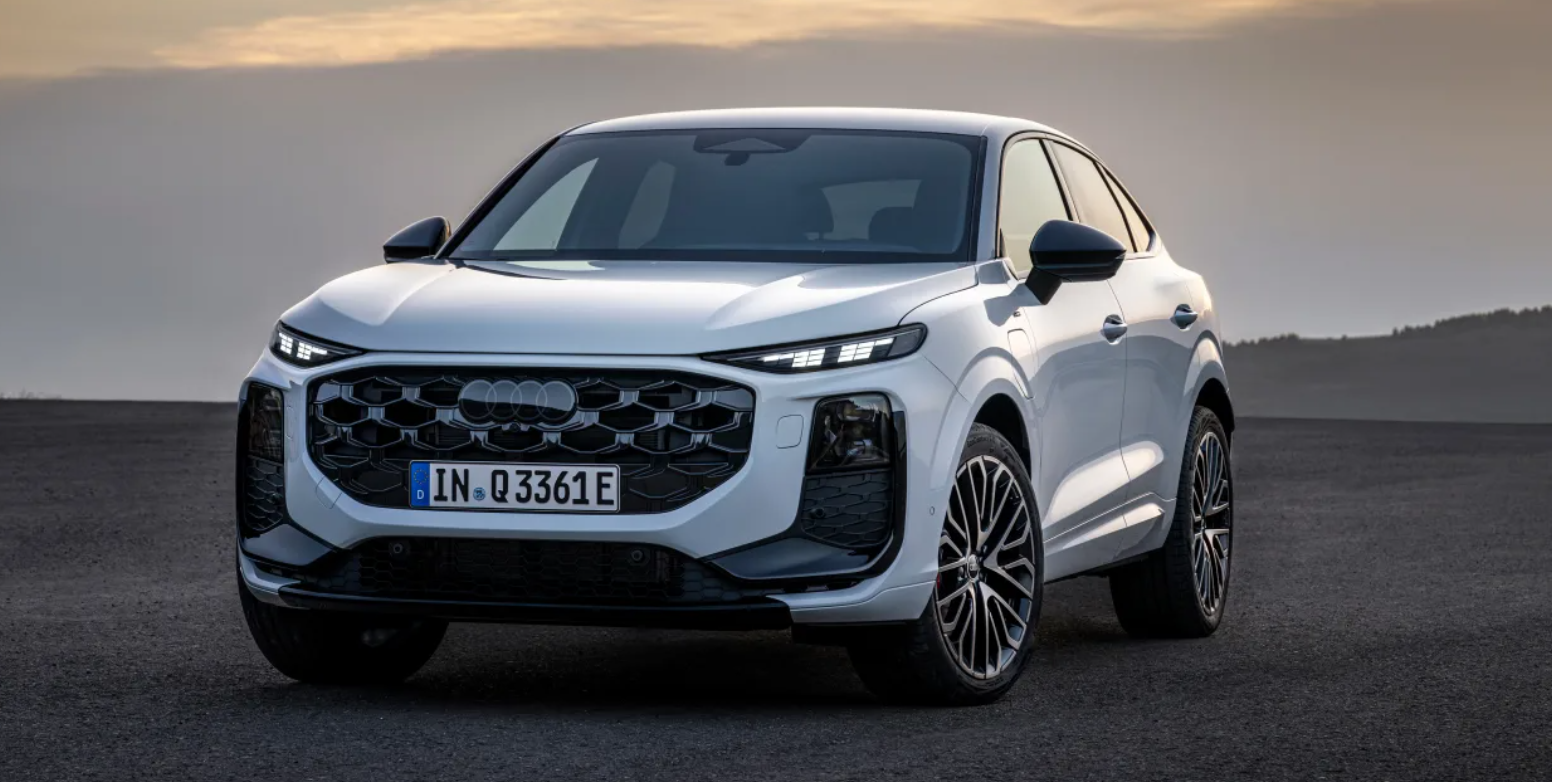
Standard features on the Q3 110kW include LED exterior lighting with an illuminated rear Audi badge, heated, auto-dimming and auto-folding mirrors, keyless entry with push button start, leather upholstery, heated front seats with electric adjustment and driver’s memory settings, tri-zone automatic climate control, an 11.9-inch digital driver’s display, a 12.8-inch touchscreen, a 260W 10-speaker sound system and configurable ambient lighting.
Standard safety equipment includes adaptive cruise assist with active lane assist, active front assist, speed sign recognition, 360-degree cameras and the latest generation park assist plus, which can automatically retrace up to 50 metres of the previously driven path.
The Sportback bodystyle further adds larger 19-inch alloy wheels, sportier-looking bumpers and removes the roof rails.
The Launch Edition, available on both bodystyles, further adds S Line exterior styling for the SUV, 19-inch Audi Sport wheels, adaptive dampers, black exterior detailing, a sound actuator, metallic paint and red brake callipers.
Above the 110kW variants sits the 150kW S Line Quattro, which uses a more powerful 150kW/320Nm 2.0-litre petrol engine mated to Audi’s Quattro all-wheel drive system. The 150kW variants add S Line exterior styling and 19-inch alloy wheels standard across both SUV and Sportback bodystyles, as well as sport front seats with integrated headrests and hill descent control.
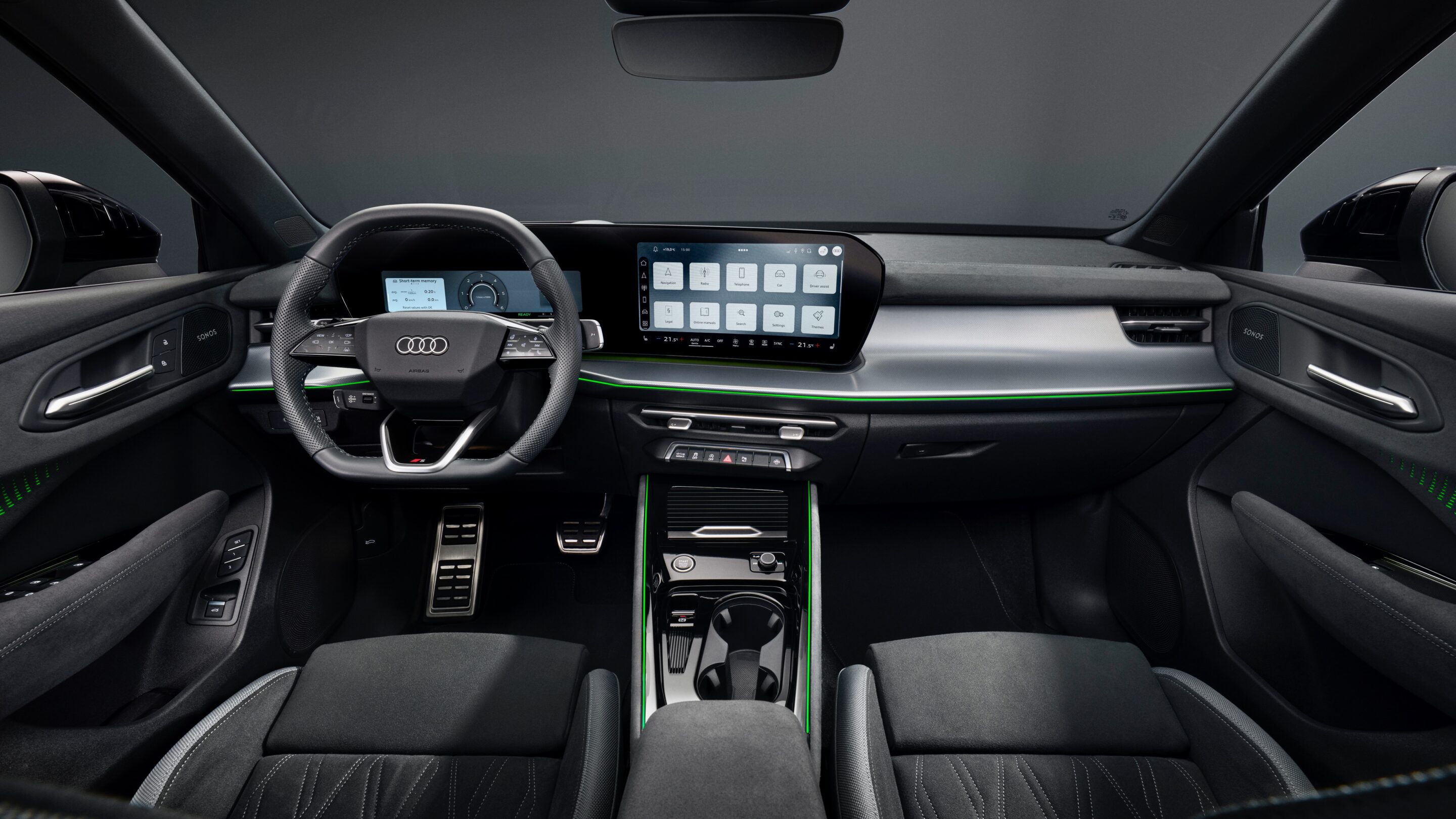
For now, atop the Q3 range is the 195kW Quattro variant. It introduces a higher-output version of the 2.0-litre turbo-petrol engine, this time making 195kW of power and 400Nm of torque for a quick 5.7-second 0-100km/h time.
Q3 195kW variants add 20-inch Audi Sport alloy wheels, adaptive dampers, a panoramic glass sunroof, red brake callipers and privacy glass. Inside, the S Line interior package introduces aluminium inlays, stainless steel pedals, a heated sport steering wheel, black headlining, ‘pro’ ambient cabin lighting, a head-up display, Sonos audio and enhanced USB charging capability.
2026 Audi Q3 pricing (plus on-road costs):
| 110kW | $61,600 |
|---|---|
| 110kW Launch Edition | $67,000 |
| Sportback 110kW | $64,600 |
| Sportback 110kW Launch Edition | $69,000 |
| 150kW S Line Quattro | $70,200 |
| 150kW S Line Quattro Launch Edition | $74,600 |
| Sportback 150kW S Line Quattro | $72,700 |
| Sportback 150kW S Line Quattro Launch Edition | $77,100 |
| 195kW Quattro | $81,900 |
| Sportback 195kW Quattro | $84,400 |
Mazda Australia has confirmed that the sharp-looking CX-6e electric mid-size electric SUV will launch locally later in 2026. Recently revealed at the Brussels Motor Show, the CX-6e is the SUV sibling to the Mazda6e electric mid-size sedan and has been developed as part of a joint venture between Mazda and Changan Automotive. In Europe, it will feature a 78kWh battery for up to 484km of range, while a 190kW rear-mounted motor provides propulsion.
Closely related to the Deepal S07, which launched in Australia in 2024, Australian details for the Mazda CX-6e are yet to be confirmed. In Europe, the CX-6e will be available with a 78kWh lithium iron phosphate (LFP) battery shared with the 6e for up to 484km of range (WLTP) and it can be fast charged at up to 195kW for a claimed 10-80 per cent charge in as little as 24 minutes.
The CX-6e will be sold in Europe with a rear-wheel drive chassis using a 190kW/290Nm motor, good enough for a claimed 0-60mph (0-97km/h) time of 7.9 seconds. It’s not yet known if quicker or longer range versions are planned.
Measuring 4850mm long, 1935mm wide and 1620mm tall with a 2902mm long wheelbase, the CX-6e is larger, but narrower and lower, than the Tesla Model Y. It’s also slightly larger than its ICE-powered CX-60 sibling. In Europe, the CX-6e’s boot measures between 468 litres and 1434 litres, plus an 80-litre front boot, and it can tow a 1500kg braked trailer.
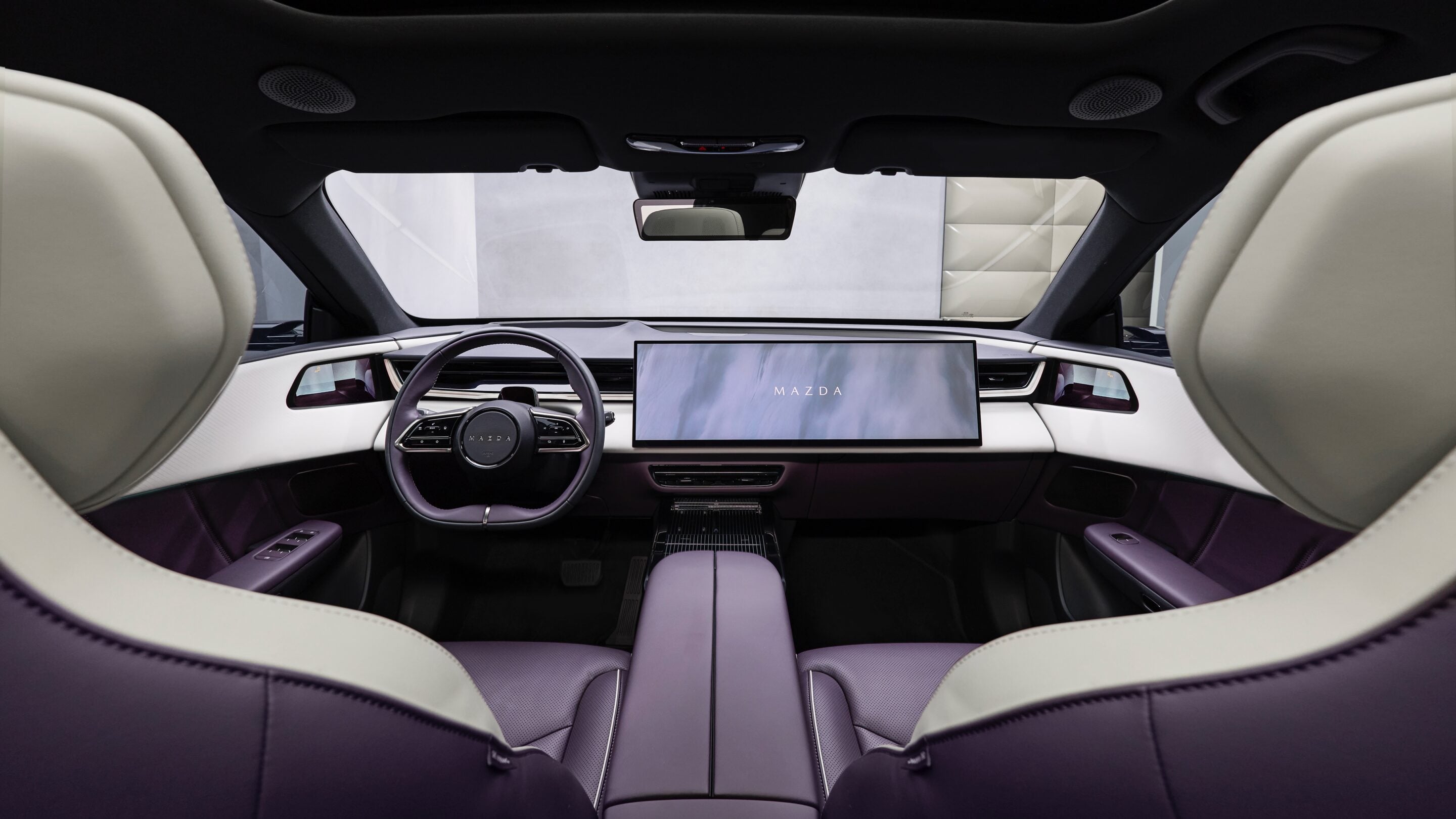
Inside the CX-6e are features such as a huge 26-inch touchscreen display, a head-up display, a wireless phone charger on the centre console and a 1280W 23-speaker sound system that features speakers in the headrests.
Mazda Australia is yet to confirm any other details about the CX-6e such as pricing or availability, but it’s likely to cost more than the 6e sedan, which the brand is targeting a $55,000 “or less” price for when it arrives.
There’s little doubt that MG Australia has succeeded in an other wise saturated new-car market, to an extent few predicted when the brand relaunched under new ownership. How would a classic, British sports car brand succeed in a market that had drifted to SUVs and 4WDs, consigning the once traditional sports car staples to the back of the class?
Sales not far off 60,000 in 2023, followed by a strong 50,592 in 2024 indicated that MG’s bullish approach to pricing, warranty, servicing, and standard inclusions was already winning a battle the manufacturer had no right to be in. It has meant that, whether it’s electric, hybrid, performance or daily-driver, MG has become a legitimate big-time player in the Australian new-car market and a start met with scepticism has quickly changed the minds of the Aussie buying public.
It’s why the release of the car we’re testing this month in Wheels – the MG7 – is so fascinating.
Crediting MG with reinventing the medium sedan segment would be a stretch, but on paper alone it’s fair to say MG might have reignited a segment that was otherwise withering on the vine.
You know the story – Australia was once the playground of medium and large performance sedans. Our own homegrown Commodore and Falcon led the charge, but over the decades, Toyota had a crack, as did Mitsubishi, Honda, Nissan and the Euro brigade. If there was a performance variant of a sedan on offer, manufacturers wanted to find a way to get it to Australia, such was the enthusiasm for products in showrooms around the country.
If you factor in small sedans and hatches, the pastures of Australian showrooms were rich with variety. Cars were interesting, hot or warm under the skin, lightweight, fun to drive, while retaining the practicality we expected from what was usually a daily driver. The rising tide of SUVs killed all that though – or so we thought.
China – with all its manufacturing might – can seemingly turn its focus to anything it wants, and
execute that plan in fast forward, but it’s not just the new brands making hay while the sun shines. Driving is fun again, if you’re happy to sidestep the SUV rush, and perhaps most importantly, it’s affordable, too.
Drive any of the current crop of grin-inducing small or medium cars, and all of a sudden an SUV
feels heavy, dull, slow to respond, and nowhere near as engaging. I’d go so far as to say these cars remind us of the simple joy of driving that was once evident in so many otherwise simple cars.
The Wheels Car of the Year winning Honda Civic is an example, as is Hyundai’s i30 Sedan N, or Sonata N Line. Skoda’s Octavia RS is a mainstay, and the more primo European options remain. If you accept that a liftback like the Civic or the MG7 is a ‘sedan’, there’s a lot to like about the current crop that, depending on your budget, offer varying degrees of warmth from the driving experience. Some are hotter than others, but all of them put a smile on your face. Which is best is less important than which one aligns with your financial ambition, because in regard to enjoyment per dollar spent, all deliver the grin factor you’re looking for.
It’s why the 2026 MG7 is such an important car for MG in Australia. It’s one thing to offer affordable and value-packed small cars, SUVs and electric vehicles. Think MG’s more affordable MG5, for example, which fights head-to-head with other challenger brands. It’s a different game entirely to enter a segment dominated by traditional brands, with deep, rusted-on loyalty. On paper at least, the MG7 has the chops to take the fight right up to the established brigade.
Pricing first, then, and MG has opted for one trim grade only, well specified as you’d expect. It will be priced from $44,990 before on-road costs, meaning you’ll likely be driving out of the dealer beneath the $50,000 threshold. MG7 gets the same seven-year/unlimited kilometre warranty as other offerings from the brand, extending out to 10 years/250,000km if you service it within the MG dealer network and drive it for personal use only. Wheels got its hands on the keys early, and the capped-price servicing plan hadn’t yet been announced, but expect it to be competitive.
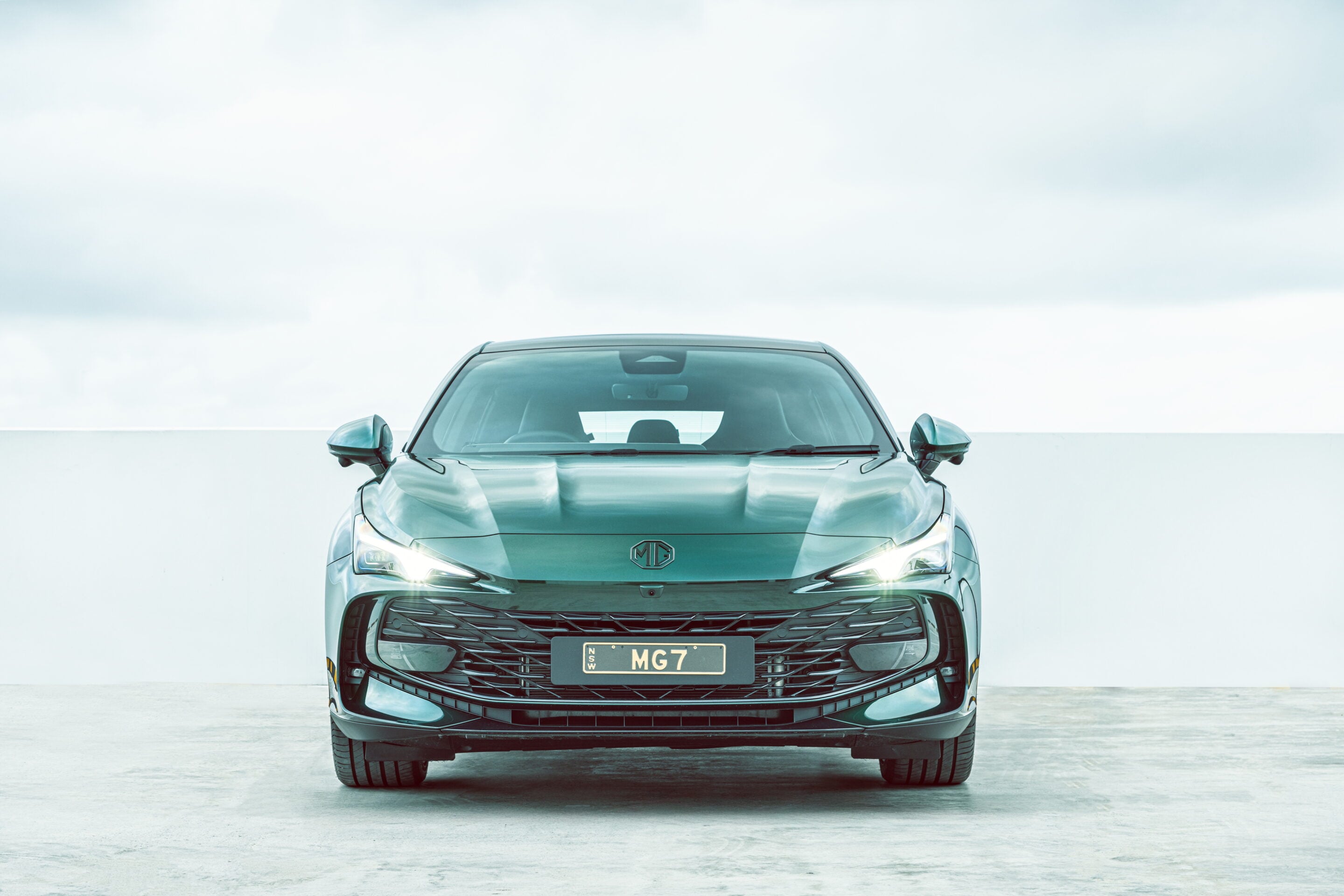
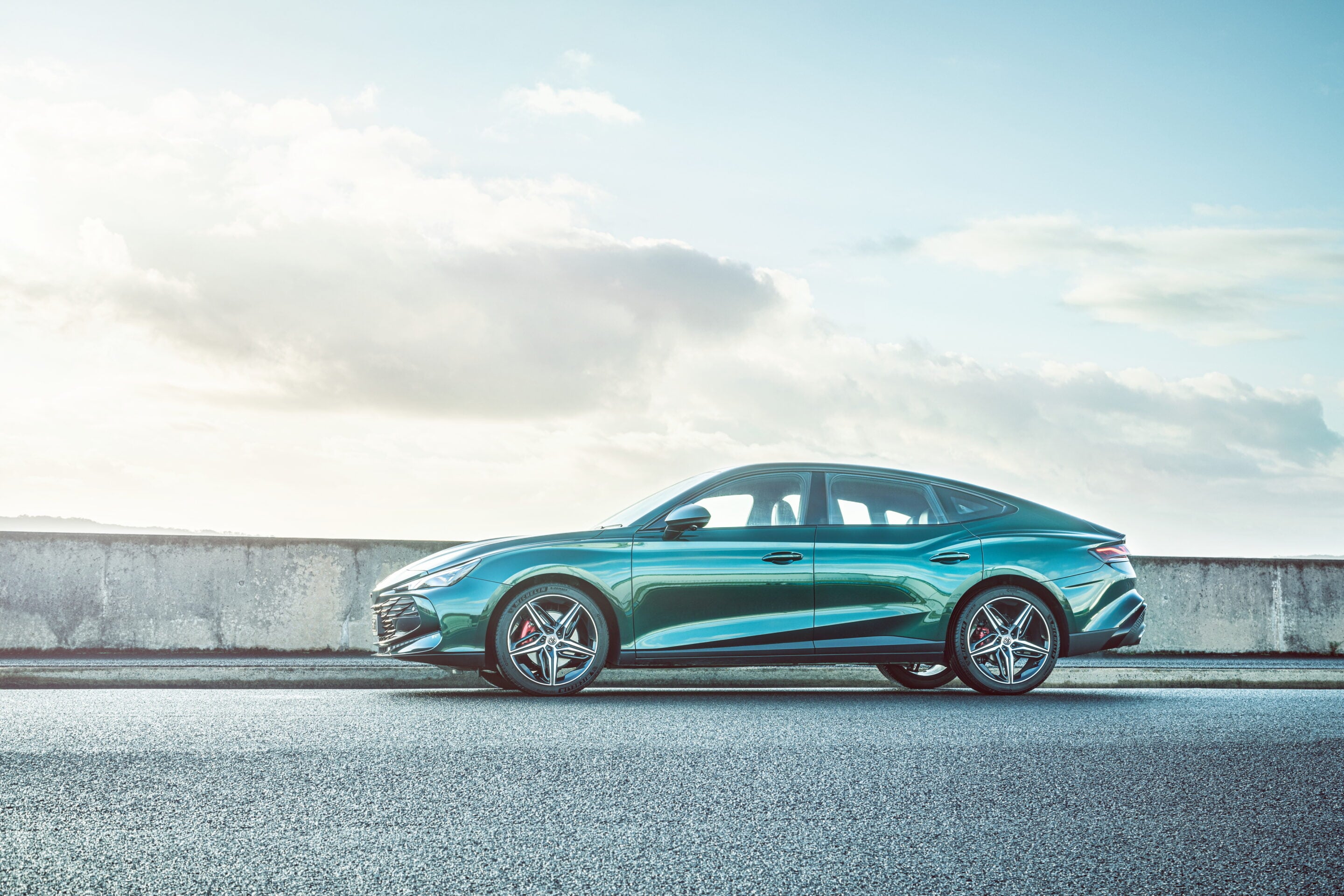
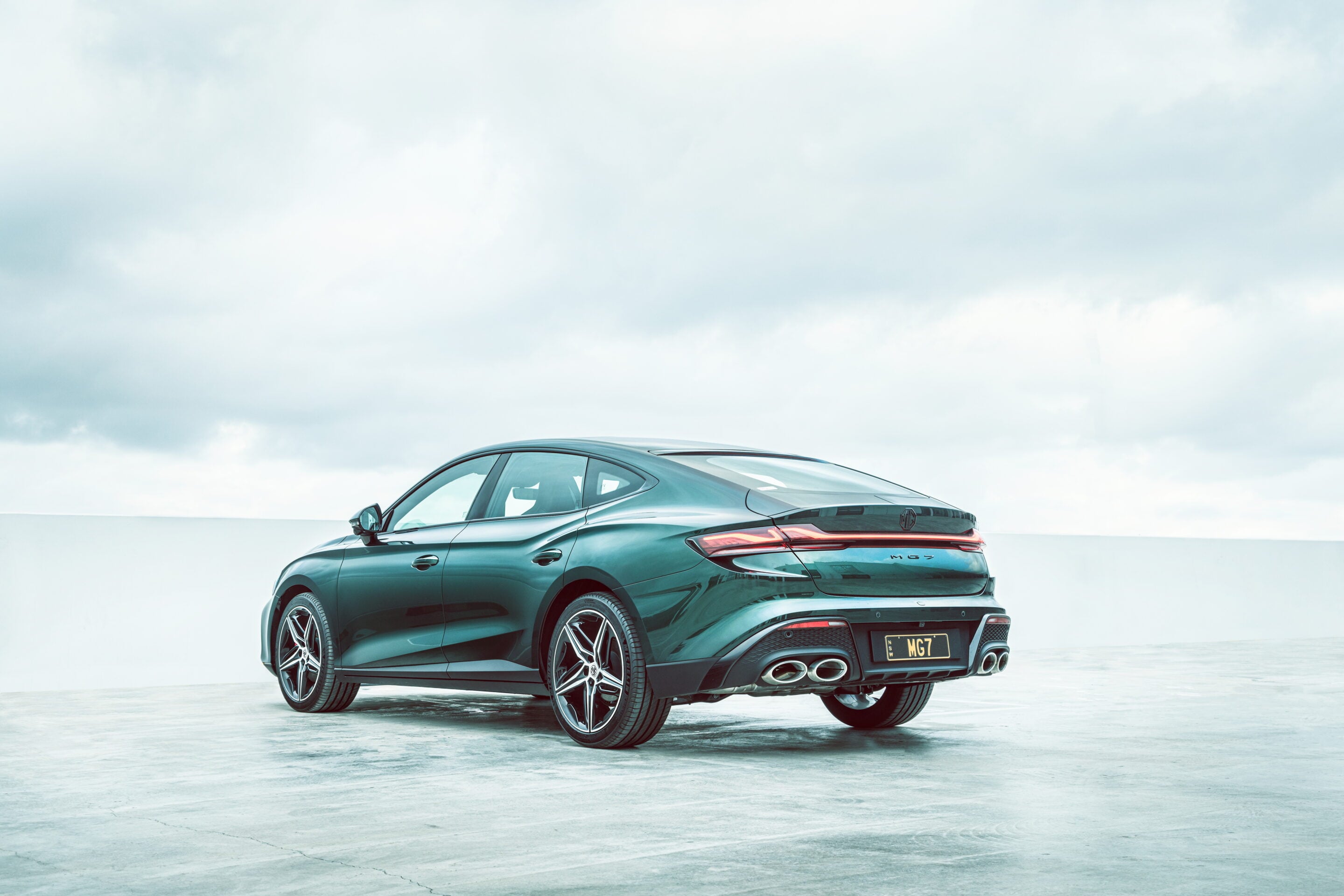
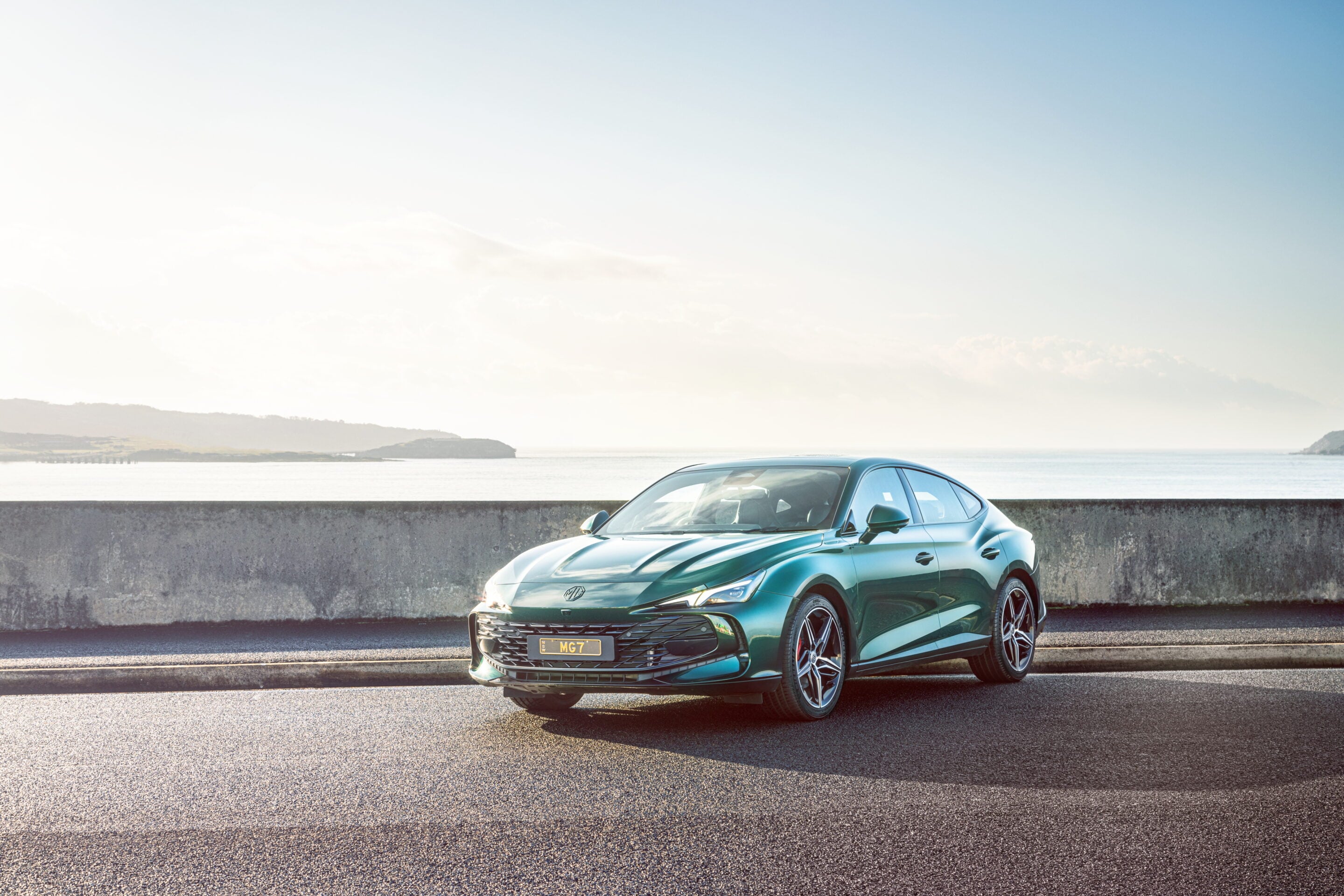
The single trim grade will be called Essence, and starts with an attractive, sleek exterior, especially in the deep Emerald Green Metallic that announces the presence of our test car.
If you’re wondering about street presence, let me regale you with this story. I had to run into a part of Sydney where the average income is significantly higher than the rest of Australia, where house prices require a lottery win, and where you’re more likely to see a circa $300,000 European badge crawling through traffic.
If you’re picking up where I’m going with this, it’s not a part of Sydney I have any business being in, but I needed to collect something for someone else, so I parked the MG7 – green paint sparkling in the summer sun – and ran across the road. When I returned to the car, four people – out for their morning walk – were standing on the footpath admiring it. “That’s a stunning car,” one of them said. “It’s an MG?” And then another. “I didn’t know MG sold expensive cars.”
I wonder if I should have told them they could park one in their absurdly expensive garage for less than 50 grand? Beauty – and appeal – is more than skin deep, but if you’re convincing the upwardly wealthy that your car costs more than it does, you’ve won half the battle.
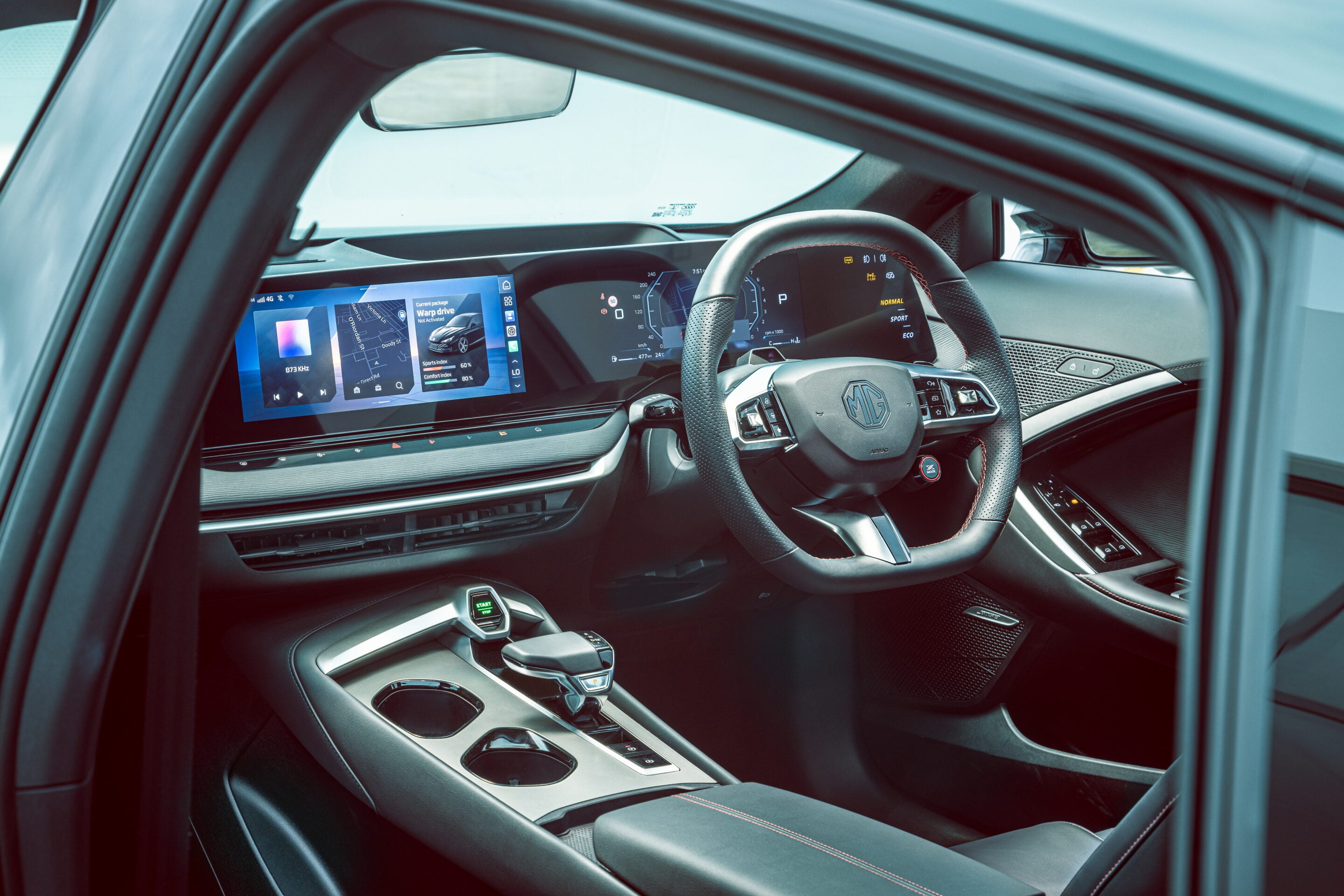
We’ll get to the driving in a minute, but one element that builds the crucial appeal of a sports sedan is the cabin experience, and once you take your seat in the MG7 and thud the door closed, it’s obvious MG has delivered in style. This is not a six-figure car, but it feels (and looks) premium and well-executed inside the cabin. We’ve written before in Wheels that MG raises the bar with every new car it releases, and the MG7 once again lifts the expectation of what we now demand from the brand.
The huge panoramic sunroof for example, doesn’t just let light into the cabin adding to the sense of space and comfort. It also lends an expensive air to the driving experience, whether it’s open or closed. The leather and suede trimmed seats are sculpted enough that you don’t feel like you’re wedged into a GT3 car, but are adequately supported when you hook into a corner – which you will absolutely do in this car, such is its sporting nature. The driver’s seat is six-way adjustable, the passenger’s four-way, both front seats are heated, and the leather-trimmed steering wheel has that chunky, sporty feel to it. Some of you might naysay the 265 different colours you can choose from for the ambient interior lighting, but they add to the premium air of the experience.
I loved the head-up display, which was clear even in harsh sunlight, but does what good HUDs do and disappears into your subconscious when you don’t actually need it. You can turn it off, too, but it’s a good one when you do want to pay attention to it.
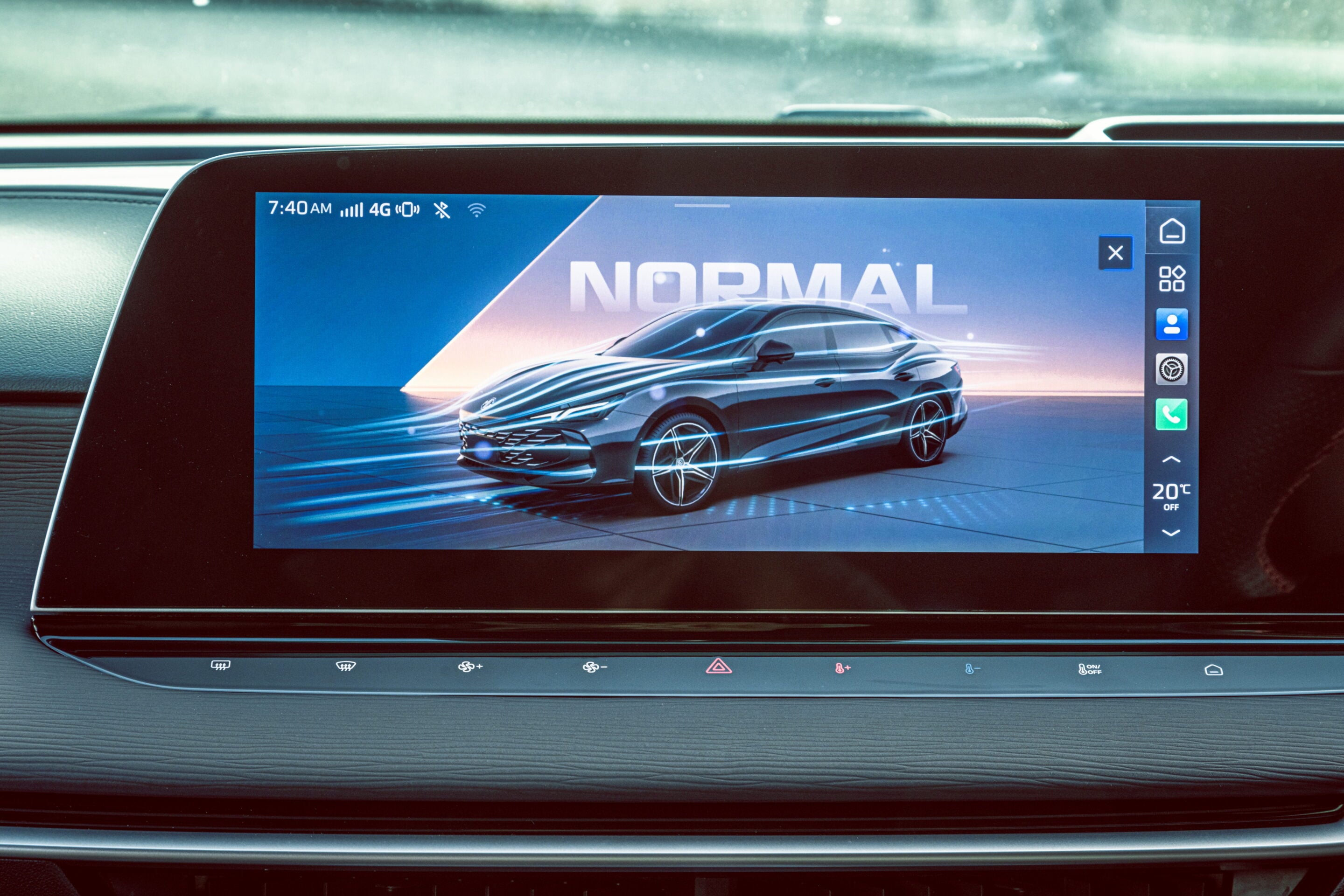
Crucially, the technology inside the cabin, which is now non-negotiable in the mind of the modern buyer, works and works well. The driver gets an interactive 10.25-inch digital cluster as part of this, which is customisable to show the information you want to see. The central infotainment touchscreen is a clear, 12.3-inch widescreen, and there are enough physical buttons and controls that you don’t tear your hair out (or what’s left of it, in my case) trying to work out how to adjust a simple function on the move.
You can access wireless smartphone connectivity if you want, but I prefer a wired connection and the charging it brings, rather than the wireless charging pad and the heat it brings, but the wireless
connection was rock solid on test. MG’s proprietary satellite navigation also worked well, but like me, I suspect most of you will prefer to use the mapping on your smartphone. The 14-speaker Bose audio system provides a meaty soundtrack to any cruise, and makes for a high-quality soundstage when you want to get your favourite album cranking.
The medium sedan segment is interesting in that it needs to offer a credible alternative to a medium SUV if it wants to attract buyers back to its fertile ground, and this is another area where the MG7 shines. Second row space, even for tall adults, is excellent, meaning a longer road trip is well within reach and you won’t need a visit to the chiropractor at the other end. The sloping roof line – so attractive from the outside – doesn’t eat into second row headroom as much as appearances might suggest, and at 184cm tall, I was comfortable behind my own driving position.
An element of practicality is also added to the equation in the form of a large, easy to access boot, as is the hallmark of the best liftback designs. It’s a powered tailgate, too, and fast enough to open or close that you won’t look like a drowned rat in a downpour. It’s the small things…
If Camry is the segment benchmark, it’s worth quoting its 524-litre boot space, making the MG7’s 375-litre boot a worthy challenger from what is a decidedly more svelte rear profile. Fold the rear seats in the MG7 though, and you liberate up to 1040 litres of space.
Now it’s worth noting that a sedan you have to climb out of, with a lower seat height, and a smaller,
not-quite-as-easy-to-access boot, is the argument put forward by those who favour SUVs. And it’s true, there’s some practicality in an SUV that a sedan doesn’t get. But – and it’s a big but – SUVs don’t deliver the same engagement as a sedan, unless you’re digging a big hole in your bank balance.
If you’re a committed Wheels reader, the page of the specification sheet you’re most interested in is the one where we can dig into the performance potential. MG itself would tell us that this isn’t meant to be – or trying to be – a hardcore performance sedan. But to describe it as a stylish cruiser with a touch of performance spice is to undersell it somewhat. It’s better than that, but to judge it by the numbers alone, and not take into account the elegant design, would be just as shortsighted.
The 2.0-litre, four-cylinder turbocharged petrol drinks premium fuel, and makes what feels at all times to be an effortless 170kW between 5500-6000rpm and 380Nm between 2500-3500rpm. The smooth way it works away under the bonnet means you barely even notice it, unless you open the exhaust up to extract maximum audio hilarity. The engine is mated to a nine-speed auto and front-wheel drive, and while the power and torque figures won’t make your eyes water, they are required to move just 1647kg, which is less mass than you’d find in the SUV brigade.
The 65-litre fuel tank and 8.0L/100km fuel use claim mean you’ll get a solid cruising range when you do hit the open road, and we saw 8.8L/100km on the highway, and 9.2L/100km in town in heavy traffic, which is quite reasonable for a car of this type and performance ability.
Regardless of the driving mode you choose, or the settings you work through in ‘X-Mode’, the engine is snappy and enthusiastic whenever you prod the throttle. Moving away from the lights, accelerating from crawling speed, or winding up to highway speed with some urgency, it doesn’t matter what you ask the engine to do, it does without any fuss, except the slight whistling of the turbo. Which we like, in this type of car. It adds to the theatre, even if we should be a little more mature. We’re not, so we love it.
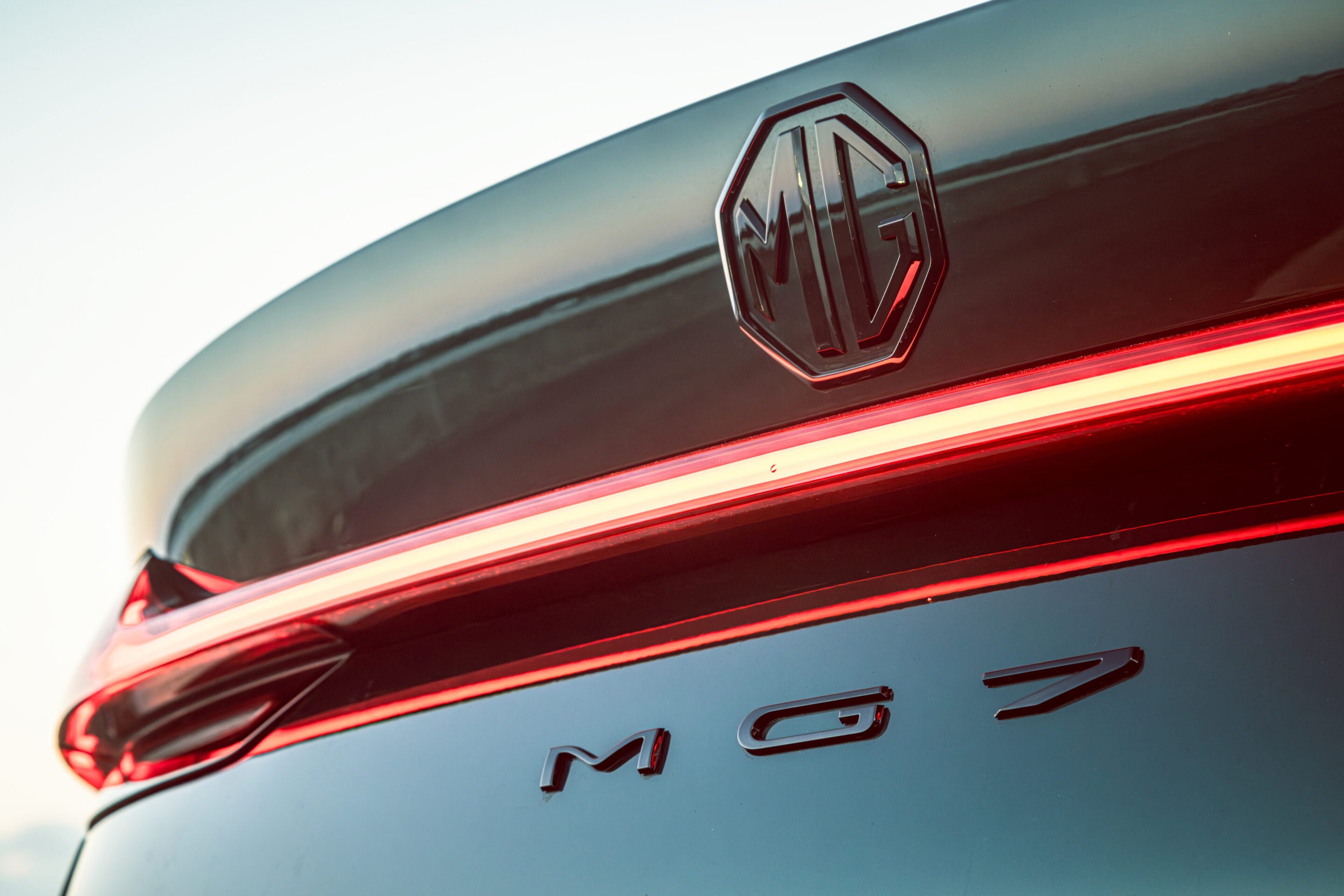
Select the aforementioned X-Mode, the exhaust opens and the note deepens, and there’s a futuristic swooshing noise inside the cabin. From there, you can customise all sorts of settings through the
touchscreen. These include the rear spoiler, which deploys electrically, the suspension firmness, the
electronic diff, steering settings and power delivery via throttle sensitivity. While there’s some complexity to unpack, this customisation allows you to set the MG7 up exactly as you like, and enhances your level of connection to the car if you own it. This sort of stuff was a pipe dream not long ago, but is, for the new buyer at least, a crucial part of the appeal.
The engine keeps working enthusiastically, even right up to redline, in such a way that it doesn’t feel like it’s running out of puff, or tailing off higher up in the range. Under-tuned it might be, perhaps there’s more power to be extracted, but we liked the understated, easy nature of what is a smooth powerplant.
On the move, whether you’re at parking speed or pushing through your favourite twisty section of B-road, the MG7 feels light and responsive. The 2778mm wheelbase helps to sharpen up the response and drive experience, and there’s absolutely no doubt that this is a fun car to drive and a safe way to explore the limits of the road up to the speed limit. I reckon it would be a hoot on a twisty race track, too.
Repeated corners that require you to get the brakes working don’t overeat the system or tax it to the point of losing efficacy. Like the steering, the brake pedal has enough meat to it that it feels sporty without being infuriating when you’re not wound up behind the wheel. Ultimately, if you really push the MG7 hard into corners, it is prone to understeer, but that’s the case with just about anything front-driver. Only the very best sidestep this character trait.
Point the MG7 down the highway and even long sections of coarse chip surfacing can’t upset the
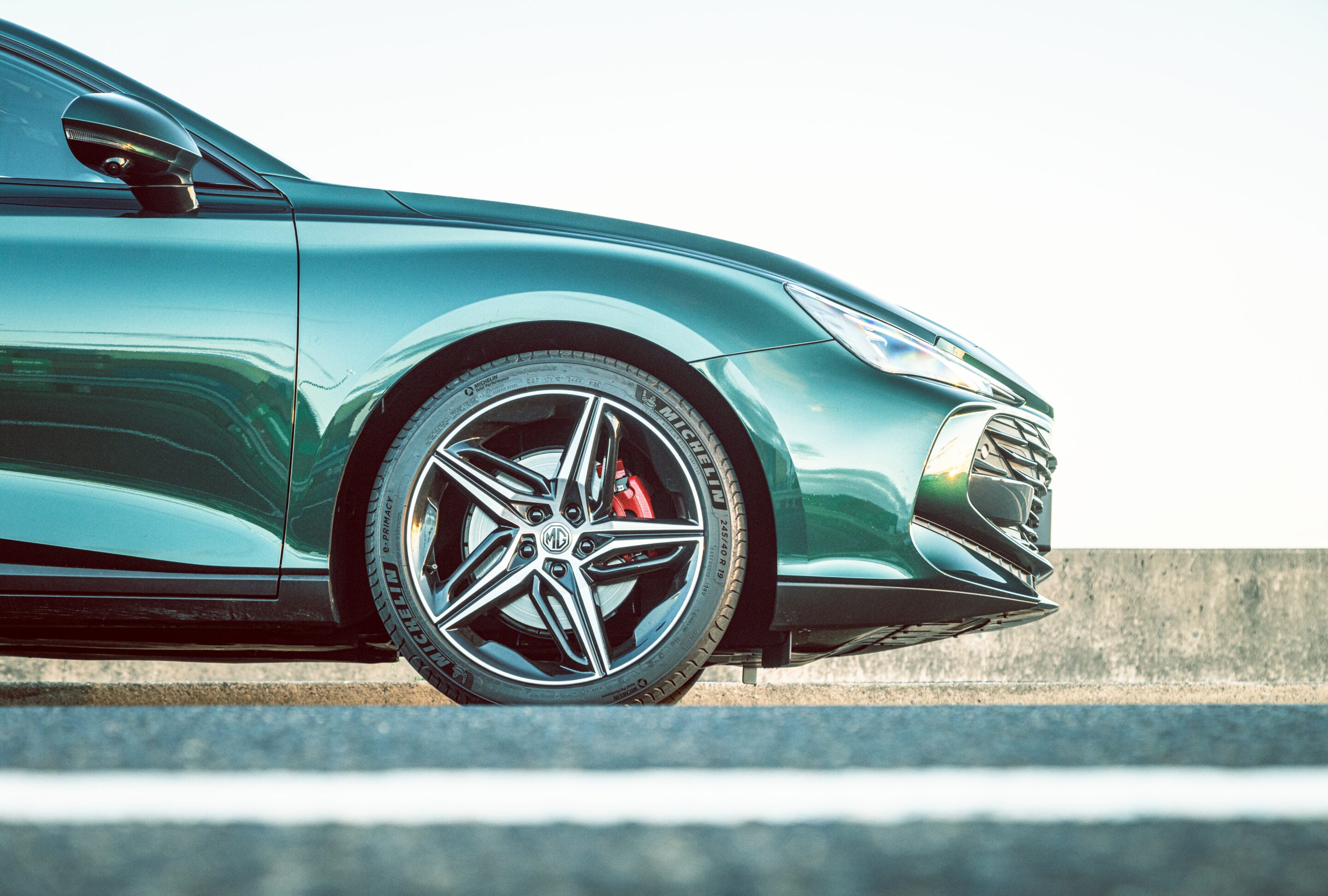
quality of the cabin experience. The MG7 is quiet and refined, with a minimal amount of tyre and wind noise making its way into the cabin. In the softer comfort settings, the suspension easily deals with the worst of our urban road network. Stylish 19-inch rims shod in 245/40/R19 Michelin tyres are a good choice and sidestep the oftentimes too big wheel/tyre package some manufacturers opt for in the name of aesthetics.
Gripes are few in regard to the drive experience. The nine-speed auto doesn’t quite nail the balance
between comfort and performance. In ‘Normal’ or ‘Eco’ modes, it’s a little slower to react than we’d like, and in ‘Sport’, it’s a little too enthusiastic to hold gears and therefore the revs sing higher than we’d like.
Using the paddle shifters is undoubtedly the surefire way to extract the best from the 2.0-litre when you’re having some fun. All round though, the driving experience you will get from the MG7 matches the attractive styling that you notice as soon as you spot one in the wild.
Wheels’ take on the MG7 is that a brand on the rise has once again reset the bar of what we expect from its next new car. This is a solid, sporty sedan that’s fun to drive, provides just enough silliness without being immature, and looks the part, which is arguably as important as anything to most buyers. The fact you can have this much car, and this experience beneath a $50,000 ceiling, is once again proof you don’t need to re-mortgage the house to have fun behind the wheel.
Attractive styling, as hard as that might seem to access, is only one part of the equation. Backing that up with a cabin and driving experience of substance is another thing entirely. And MG has done exactly that. Next we’ll see how the MG7 compares to the other sporting sedans on sale.
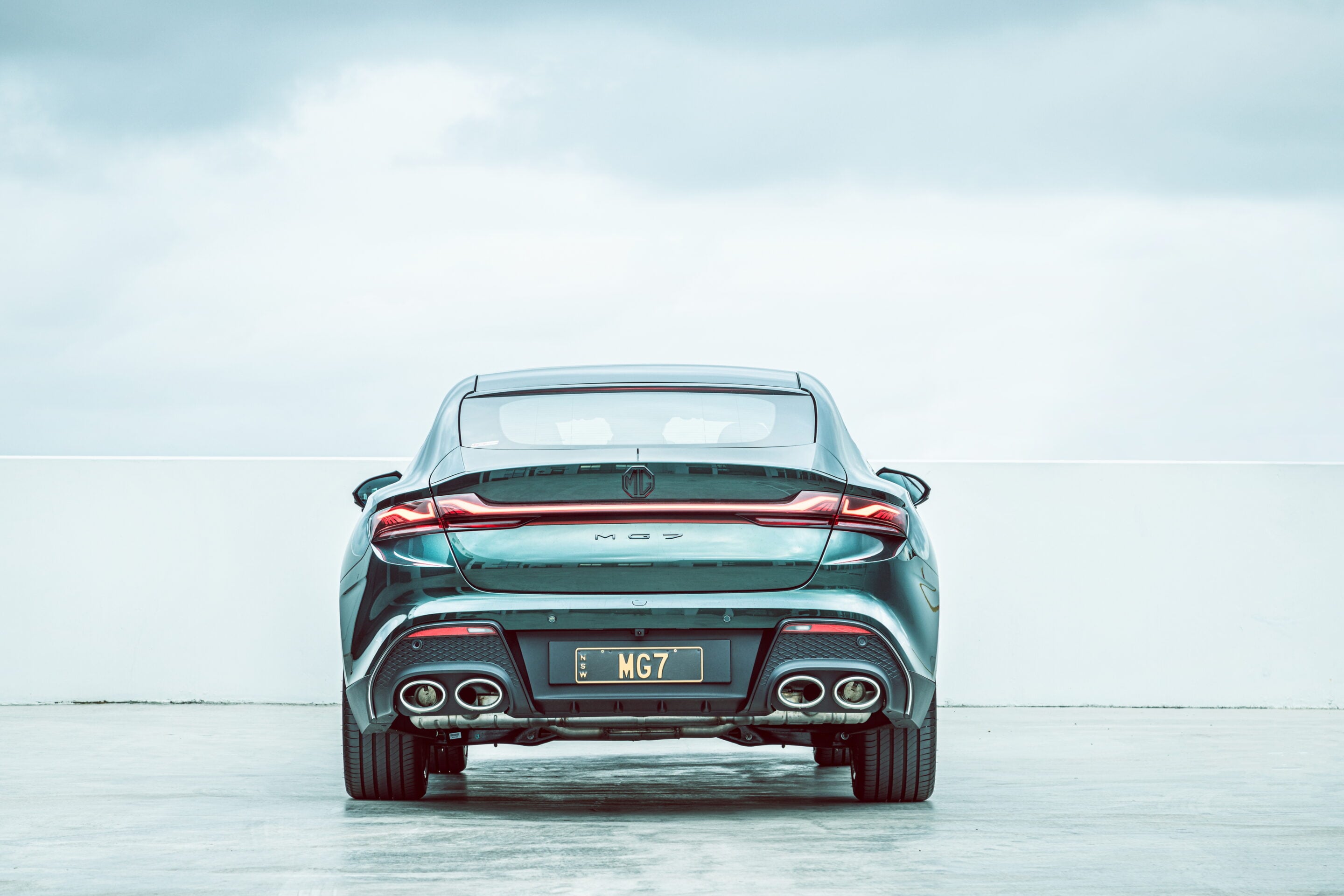
Specs
| Price | $44,990 before on-roads |
|---|---|
| Engine | 2.0-litre turbocharged four-cylinder petrol |
| Power | 170 kW at 5500-6000rpm |
| Torque | 380 Nm at 2500-3500rpm |
| Transmission | Nine-speed automatic, FWD |
| 0-100km/h | NA |
| Weight | 1647kg |
| Fuel consumption | 8.0L/100km (claimed) |
| Fuel tank | 65L |
| L/W/H/WB | 4844/1889/1447/2778mm |
| Warranty | 7yrs/unlimited km or 10yrs/250,000km if serviced with MG |
| Overall rating | 8/10 |
This story appears in the January 2026 issue of Wheels, on sale now.
The January 2026 issue of Wheels kicks off the new year by turning its full attention to a car that will have people talking – the all-new MG7, a sleek, low-slung sedan that feels almost rebellious in an automotive landscape dominated by SUVs. Trent Nikolic takes to the streets in MG’s bold new four-door, and the reaction is immediate. From curious onlookers to double-takes at traffic lights, the MG7 proves there’s still appetite for stylish sedans. The big question: is this the beginning of a fightback against SUV sameness?
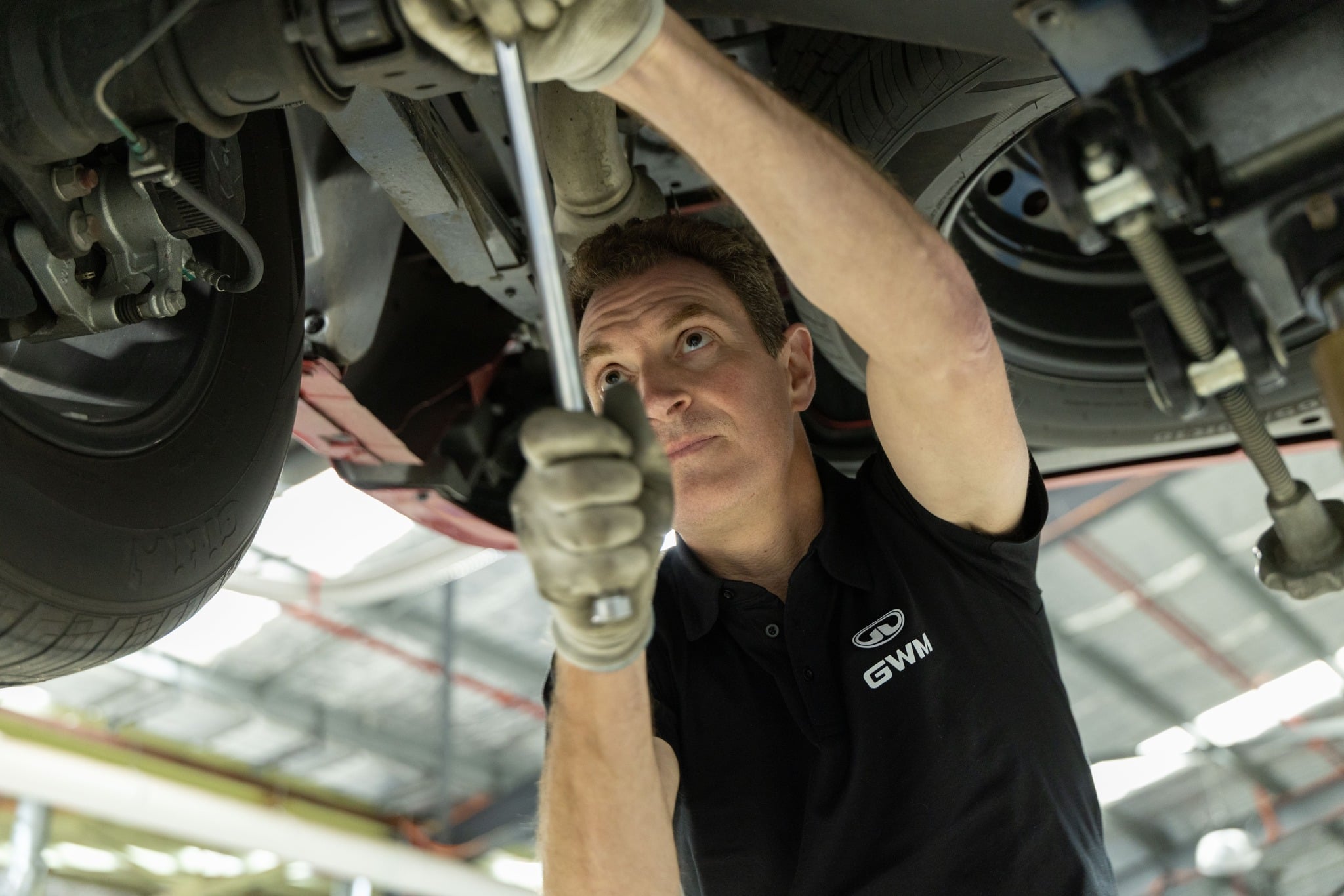
Elsewhere in this issue, Wheels chats with one of the people shaping how our cars handle unique Australian conditions, Rob Trubiani. Best known for his automotive engineering work at Holden, Trubiani now applies his tuning expertise to GWM’s Chinese-built vehicles, adapting them for Australia’s harsh road conditions. It’s a fascinating insight into how global cars are localised – and why it matters.
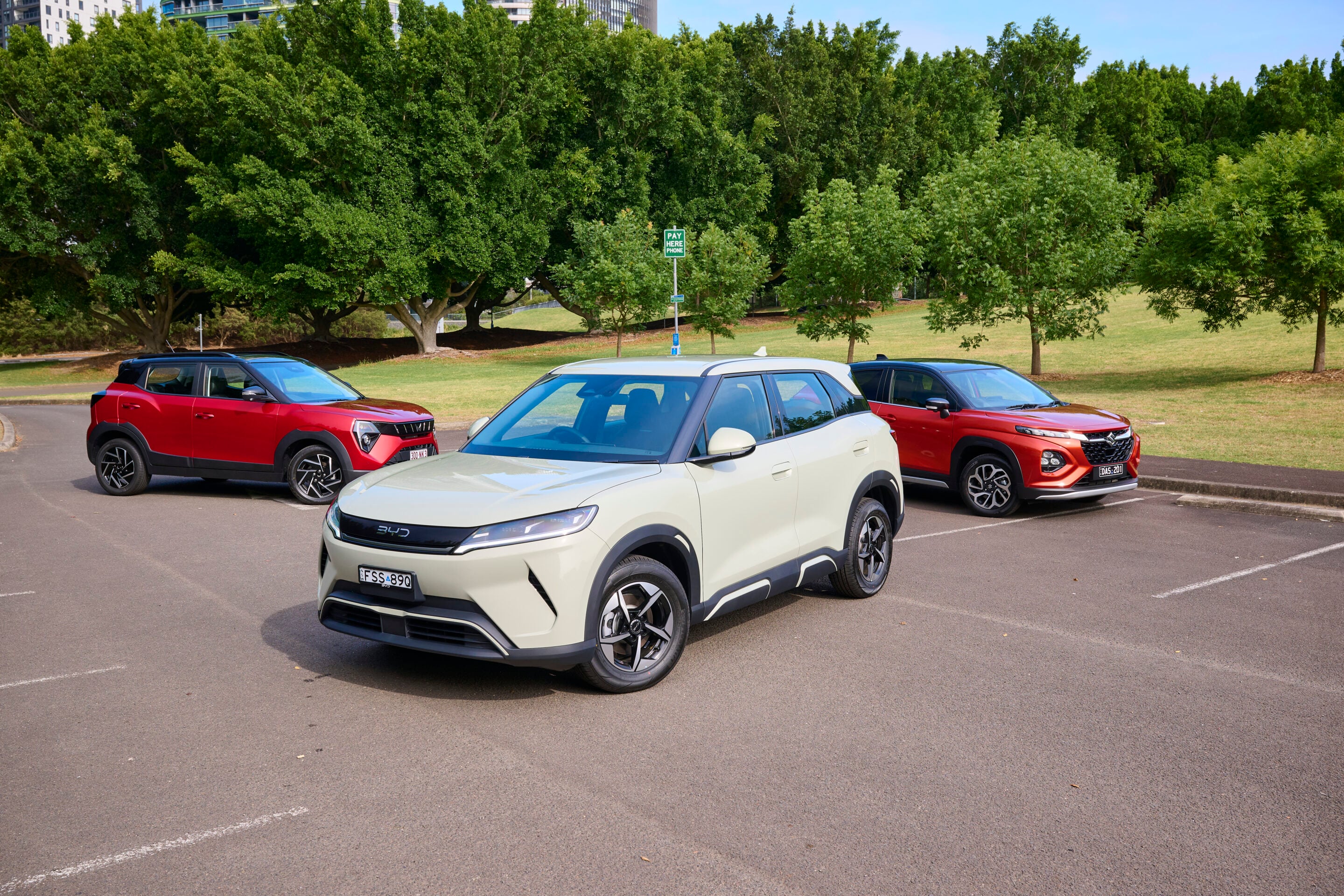
Value is also under the microscope in a hard-fought budget SUV comparison, where three of the cheapest small SUVs on sale – the BYD Atto 2, Mahindra XUV 3XO and Suzuki Fronx Hybrid – go head-to-head. Which delivers the most for the money, and which cuts corners where it hurts most? The results may surprise.
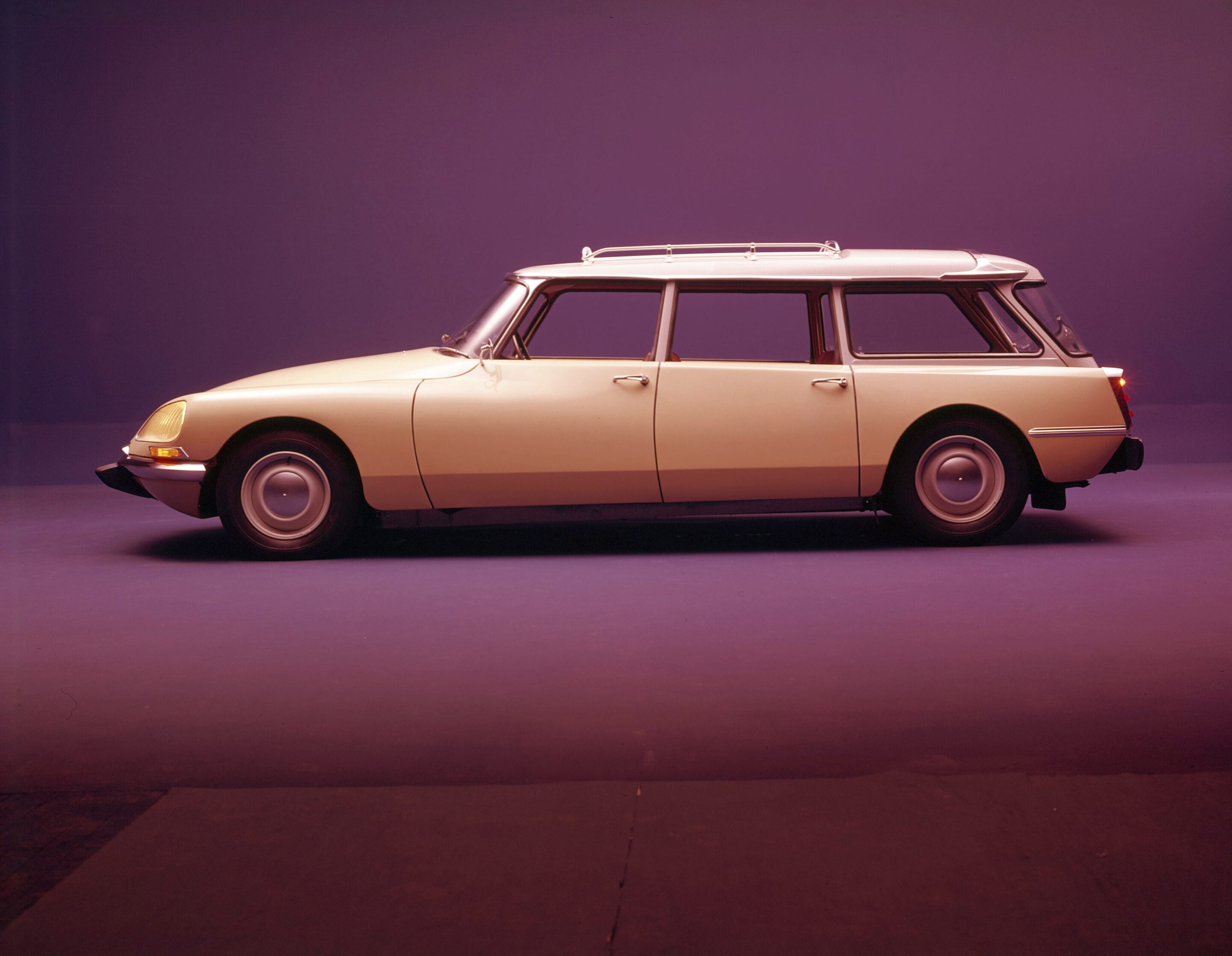
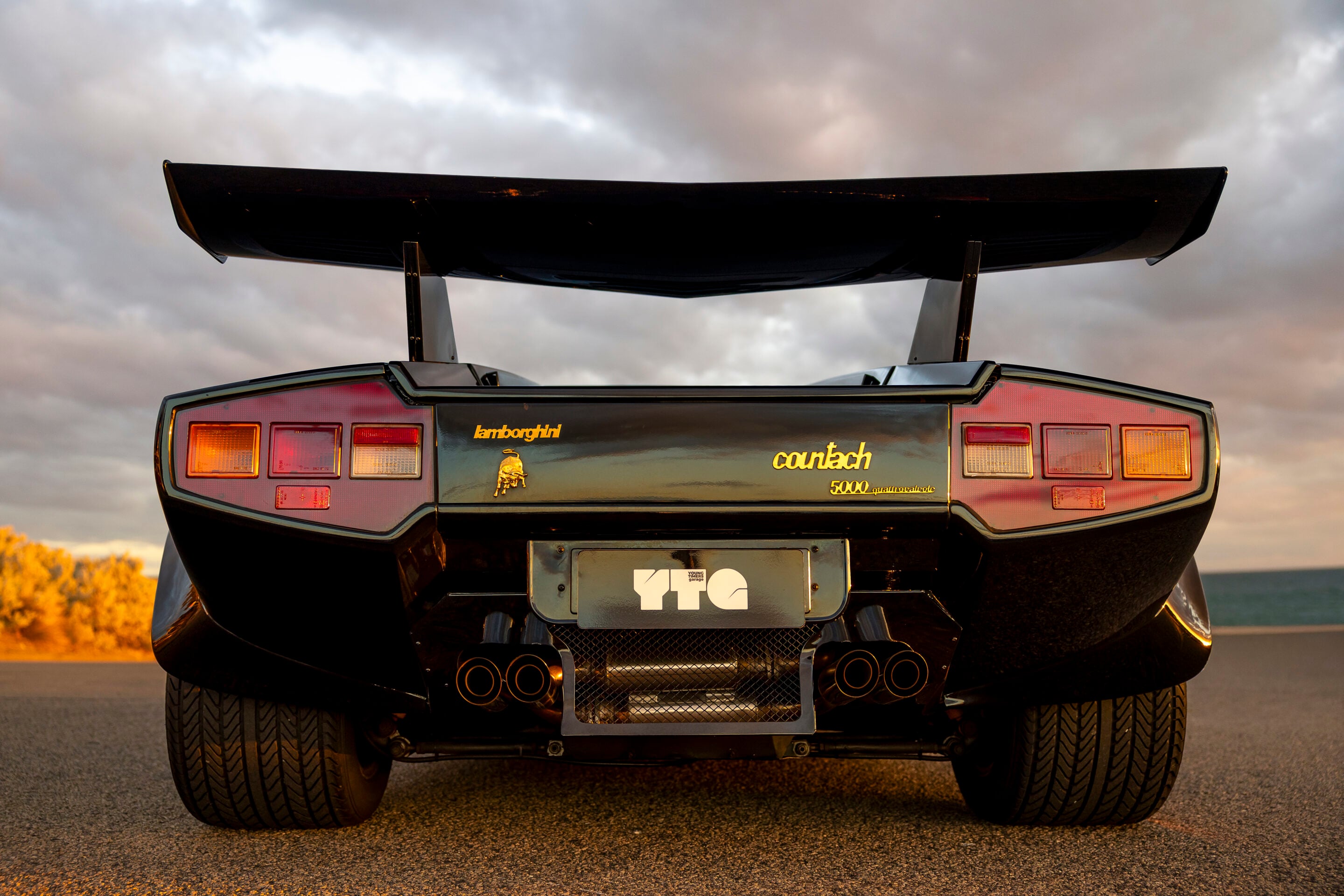
Rob Margeit celebrates 10 of the greatest station wagons ever made, revisiting the golden era of family haulers that combined space, speed and style long before SUVs took over the world. Meanwhile, the Modern Classic feature looks at the extraordinary story of the Lamborghini Countach, complete with stunning photography by Ellen Dewar that captures the drama of one of the most iconic supercars ever built.
The issue is rounded out by an extensive First Drives section, covering everything from the Mercedes-Benz C 350e and Tesla Model Y Performance to the updated Toyota HiLux, third-generation Volkswagen Tiguan, locally tuned Kia K4 and Nissan’s freshly Aussified Navara.
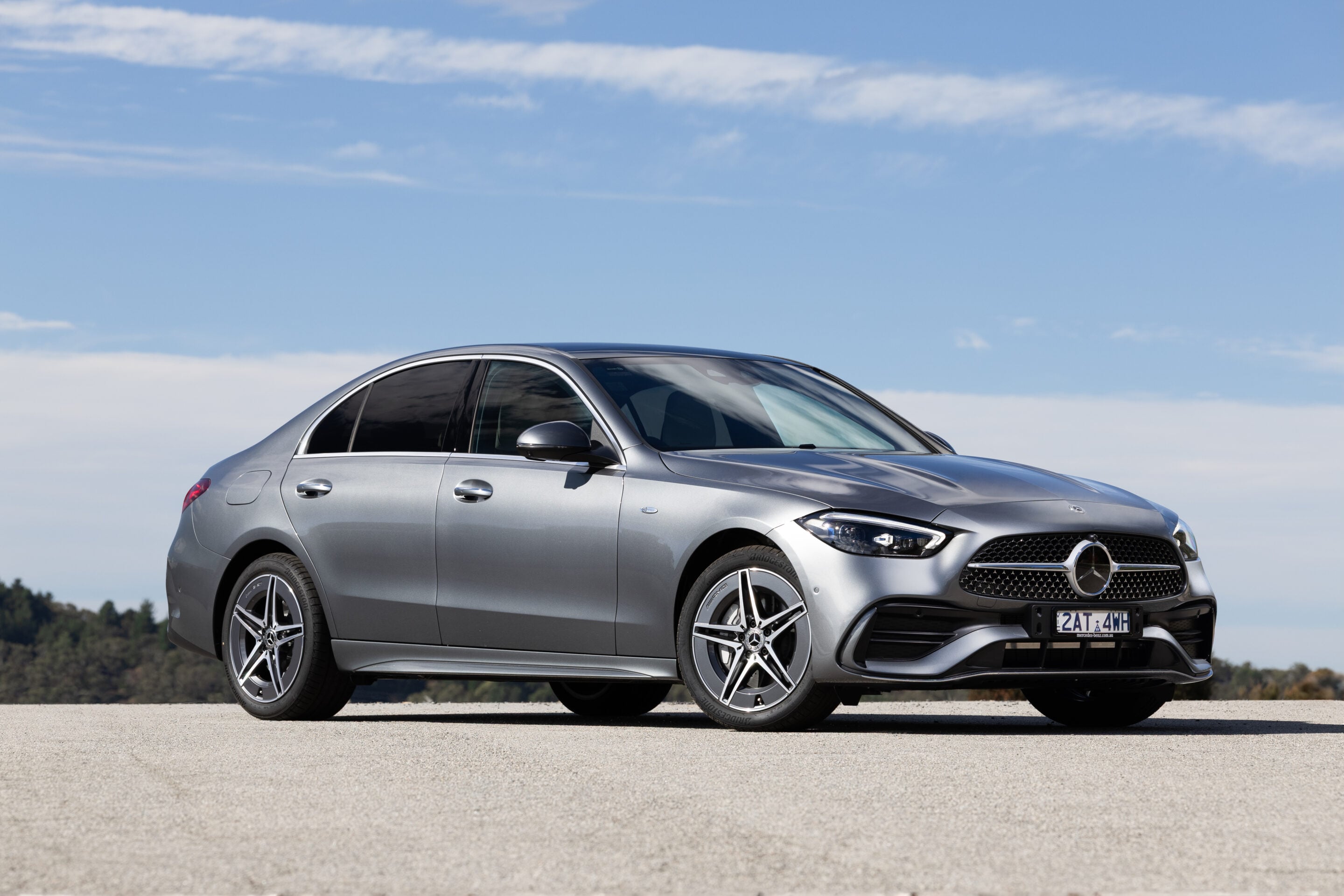
The January 2026 issue of Wheels goes on sale Monday, January 12 – don’t miss it.
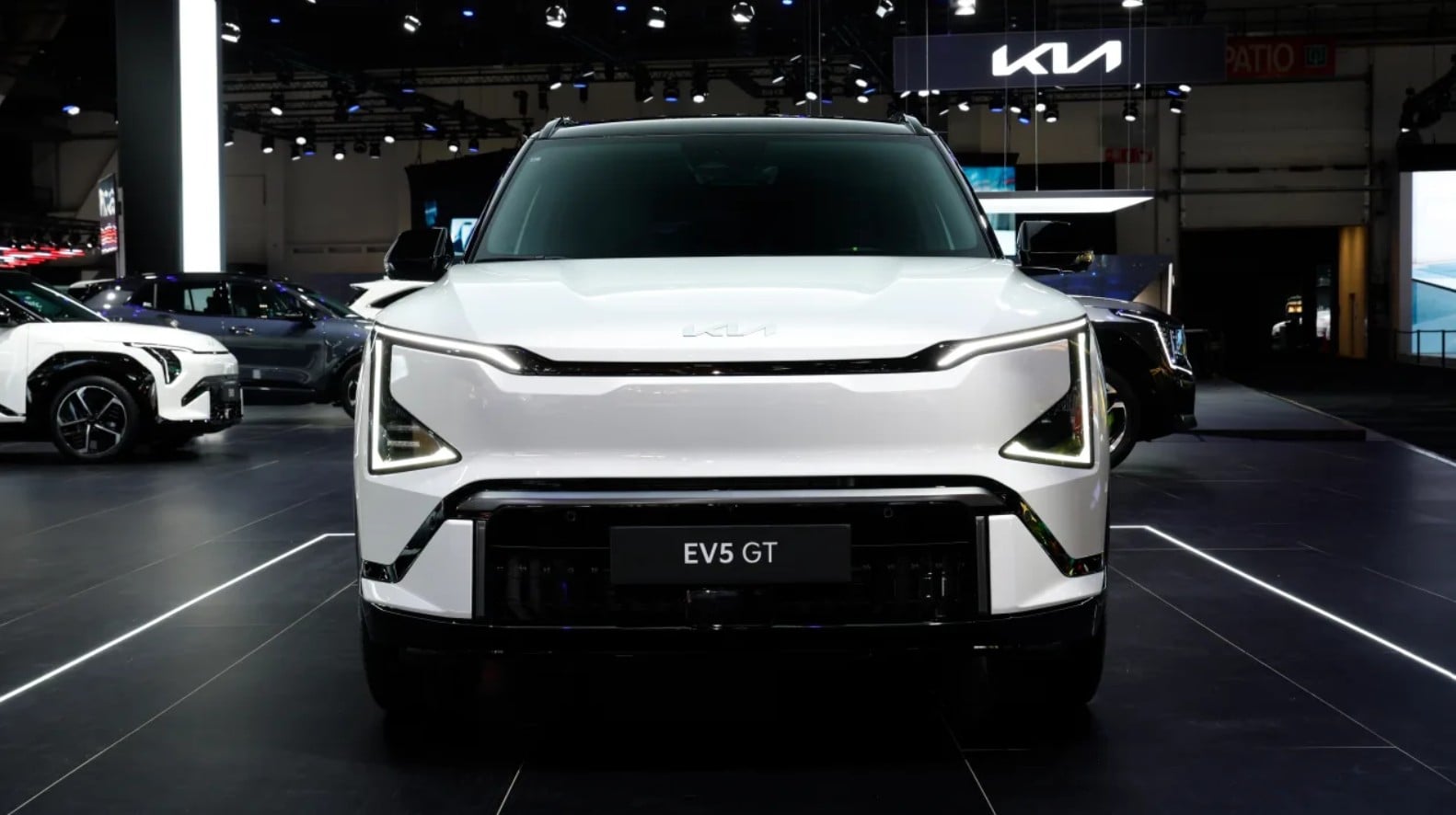
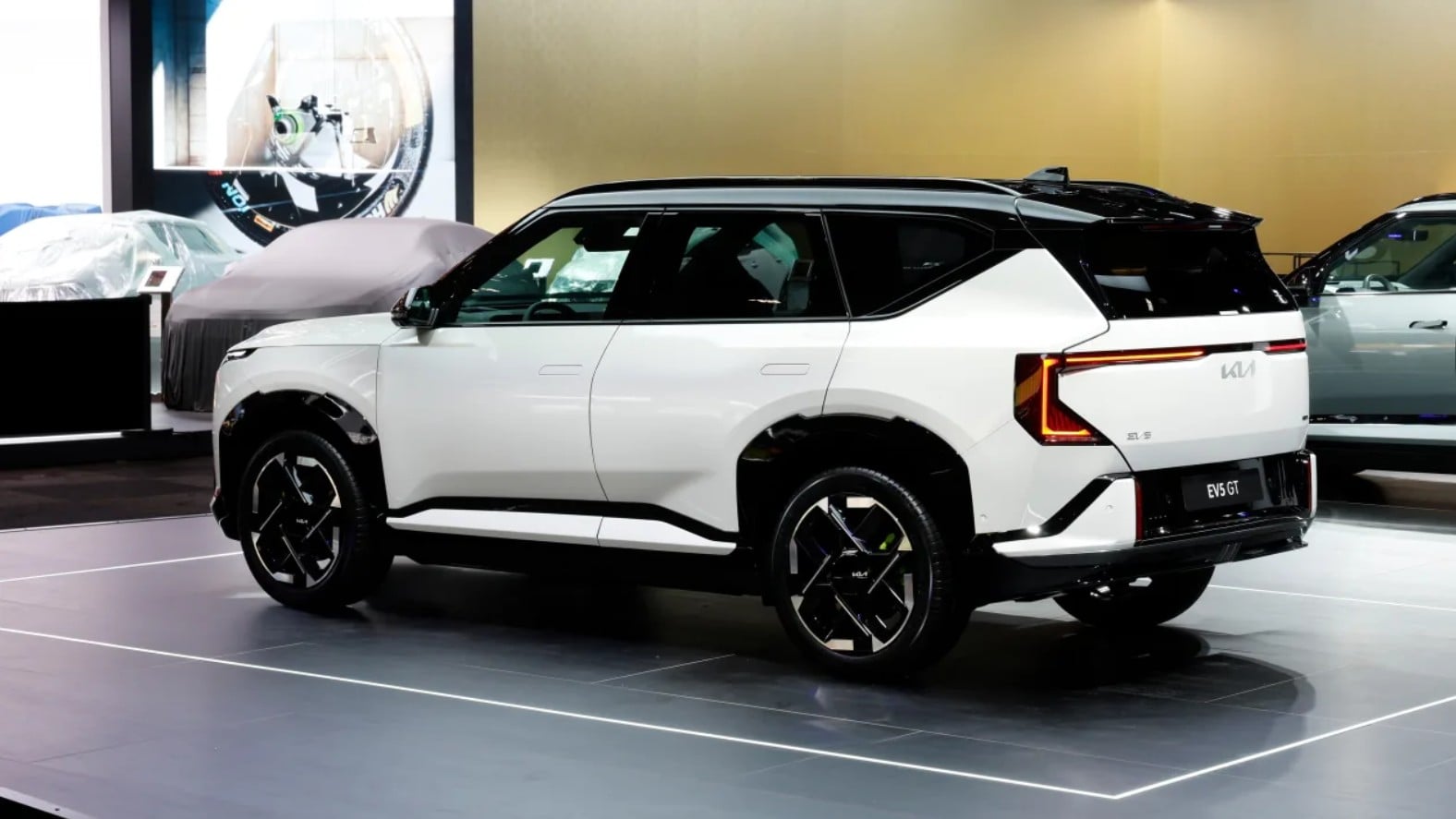
Kia has unveiled a new flagship version of its mid-size electric SUV, revealing the EV5 GT at the 2026 Brussels Motor Show. The new variant introduces all-wheel drive to the EV5 line-up for the first time, positioning it as a more premium and capable option rather than an outright performance-focused model.
The EV5 GT is one of three new GT-branded electric models Kia is rolling out in Europe, joining the smaller EV3 GT and EV4 GT. As with those models, the GT badge here signals a range-topping specification with added traction and features, rather than a full-blooded high-performance rival to dedicated performance EVs.
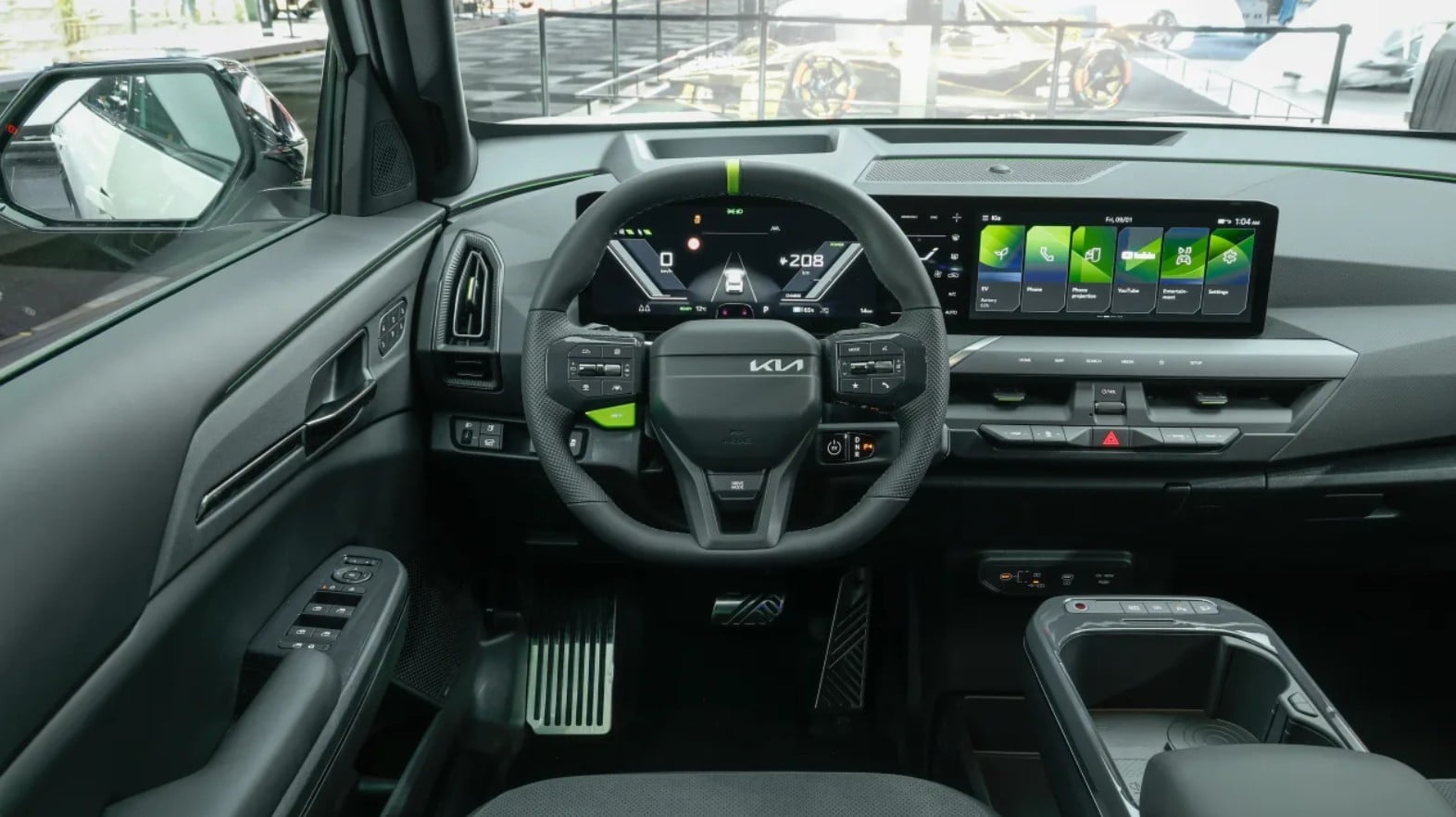
Power comes from a dual-motor all-wheel-drive setup producing around 225kW in total, roughly 65kW more than the standard single-motor EV5. While that output puts it broadly in line with rivals such as the Volkswagen ID.4 GTX, Skoda Enyaq vRS and Peugeot E-3008 Dual Motor, it trails more aggressive options like the Tesla Model Y Performance and twin-motor Volvo EX40.
The EV5 GT uses the same 81.4kWh battery pack as other EV5 variants, with Kia quoting a 0–100km/h sprint of approximately 6.2 seconds. While official range figures haven’t been released, expectations are for a driving range of around 480 kilometres, roughly 10 per cent less than the rear-wheel-drive version due to the added weight and power of the second motor.
One notable addition is Kia’s Virtual Gear Shift (VGS) system, which simulates stepped gear changes with corresponding throttle response and synthetic sound, giving drivers a more familiar, engaging feel behind the wheel. A dedicated GT drive mode has also been added, alongside adaptive suspension, larger 20-inch alloy wheels and performance-focused tyres.
Visually, changes are restrained. Subtle exterior tweaks, GT badging and revised wheel designs distinguish the flagship model, but the EV5 GT largely retains the clean, understated styling of the standard SUV.
Kia has yet to confirm pricing, but AutoExpress suggests it will sit only slightly above the current GT-Line S. Translated to Australian conditions, that would likely place the EV5 GT in the low-to-mid $80,000 range before on-road costs, should it be offered locally.
Australian availability has not been confirmed, but the EV5 GT signals Kia’s ongoing push to broaden its electric SUV portfolio with more choice at the upper end of the range.
Mazda has once again delayed the arrival of its first electric vehicle built on the brand’s all-new, in-house scalable EV architecture, with the long-awaited model now not expected to launch until at least 2028. According to reporting from AutoExpress, the new timeline pushes the project further back than originally planned, though Mazda insists the delay is deliberate rather than reactive.
The Japanese manufacturer is nevertheless pressing ahead with its electric push in the near term. The Mazda 6e sedan (below) and CX-6e mid-size SUV are both due to launch this year in key global markets, positioning them as rivals to vehicles such as the Tesla Model 3 and Model Y. However, both models are based on Changan’s EPA1 platform rather than Mazda-developed underpinnings, highlighting the brand’s reliance on partnerships during its EV transition.

Mazda first announced plans for its own dedicated EV platform – officially called the Mazda EV-scalable architecture – back in 2021. At the time, it said multiple models would be launched on the architecture between 2025 and 2030. That schedule was later revised to a 2027 debut, before being pushed back again to 2028, according to internal material seen by AutoExpress.
Deputy General Manager of R&D at Mazda Europe, Christian Schultze, said the rapidly evolving nature of EV technology has been a major factor behind the delays. “EV technology is not something stable,” he explained. “While you’re developing, things are changing and advancing.”
Schultze also pointed to resource and expertise constraints, particularly for a smaller independent manufacturer like Mazda that isn’t backed by a large automotive group. Using partner platforms in the short term, he said, gives Mazda “relief and the ability to do it right” when it comes to developing its own architecture.
While the Changan-based platform limits Mazda’s freedom in terms of vehicle size and layout, the company believes it delivers the right products for the current market. Mazda also noted that moving too quickly with EV platforms can backfire, citing examples of architectures from other manufacturers that proved too heavy, expensive or short-lived.

Mazda says its new scalable EV platform will eventually support a wide range of vehicle sizes, similar in philosophy to Volvo’s SPA architectures or Volkswagen Group’s MEB. The first model is expected to be an electric SUV, though not directly comparable in size to the CX-6e to avoid internal overlap.
Despite the delays, Mazda insists future EVs will remain true to the brand’s character, with product planners emphasising continuity for loyal customers while gradually expanding to new buyers.
Nissan has revealed a striking new performance concept that could soon make the jump from show stand to showroom, as the brand prepares to launch five new high-performance Nismo models. Known as the Aura Nismo RS Concept, the aggressive hatchback signals Nissan’s intent to push its motorsport-inspired sub-brand in bold new directions.
Based on the Nissan Note Aura – a compact hatch sold exclusively in Japan – the RS Concept takes an already warmed-up Nismo variant and turns the intensity dial sharply upward. While the standard Aura is unfamiliar outside Japan, the concept’s technology and intent are very much global, pointing to what could be a new wave of compact performance cars from Nissan.
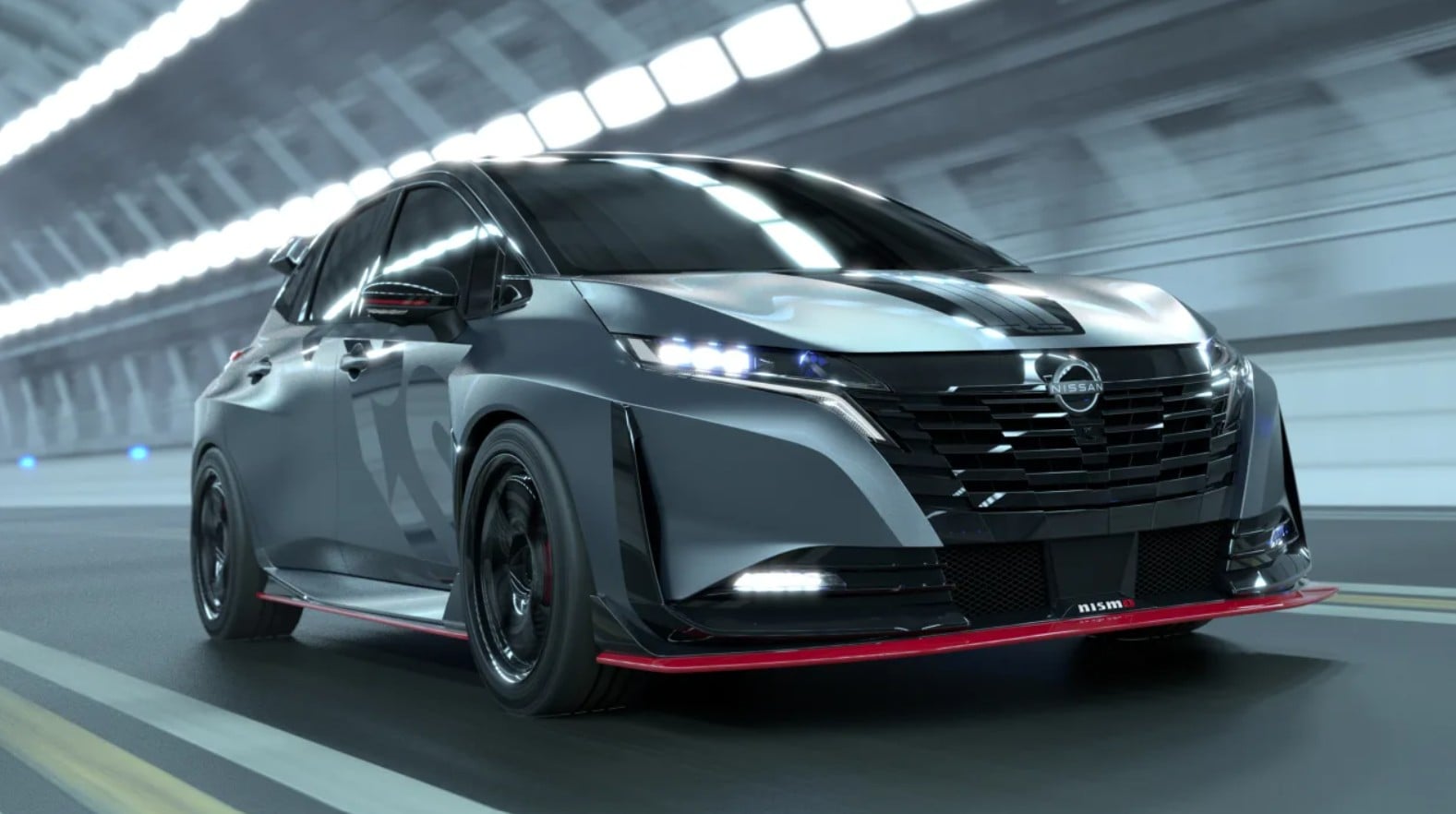
The biggest upgrade lies beneath the bodywork. Nissan has transplanted the all-wheel-drive hybrid system from the larger X-Trail Nismo, pairing a 1.5-litre three-cylinder petrol engine with two electric motors and a small 2.1kWh battery. As with Nissan’s e-POWER systems, the petrol engine acts primarily as a generator, while the electric motors drive the wheels.
Total system output is rated at around 150kW, but torque is the real headline figure, with up to 525Nm available. Combined with instant electric motor response and Nissan’s retuned e-4ORCE all-wheel-drive system, the Aura Nismo RS Concept promises explosive acceleration and exceptional traction, even if outright power doesn’t match larger hot hatches.
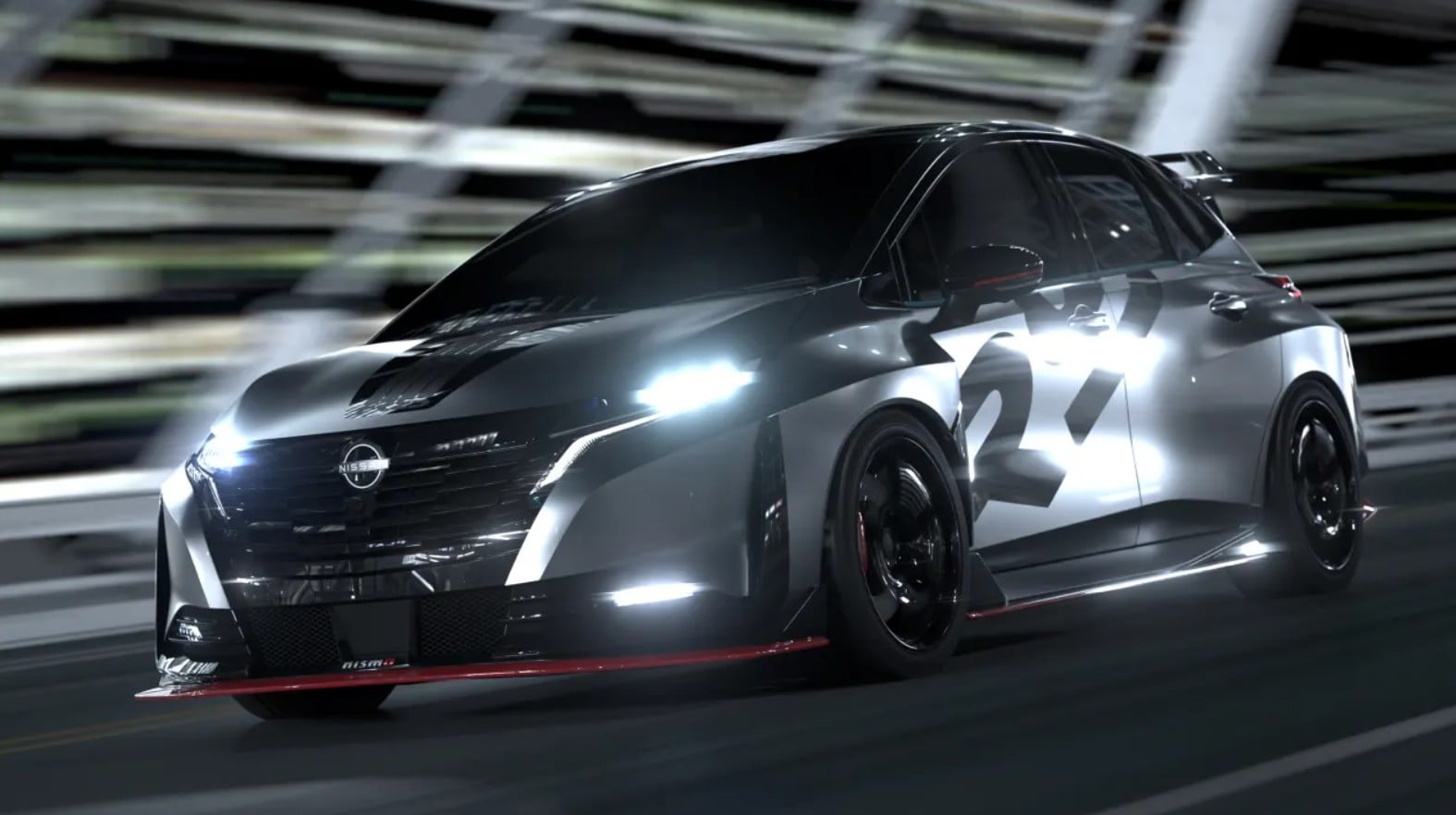
Chassis upgrades are extensive. The concept features uprated brakes with larger four-piston front and two-piston rear calipers, while grip comes courtesy of Michelin Pilot Sport 4 tyres. Nissan says suspension tuning and all-wheel-drive calibration have been sharpened to deliver higher cornering limits and improved balance.
Visually, the Aura Nismo RS Concept looks ready for the track. The wheelarches are widened by a dramatic 145mm compared with the standard car, while ride height has been lowered by 20mm to enhance stance and handling. Aggressive bodywork includes a deep front splitter, extended side skirts, a pronounced rear diffuser and Nismo’s signature red accents. The finishing touch is an oversized rear wing that leaves no doubt about the car’s performance intent.
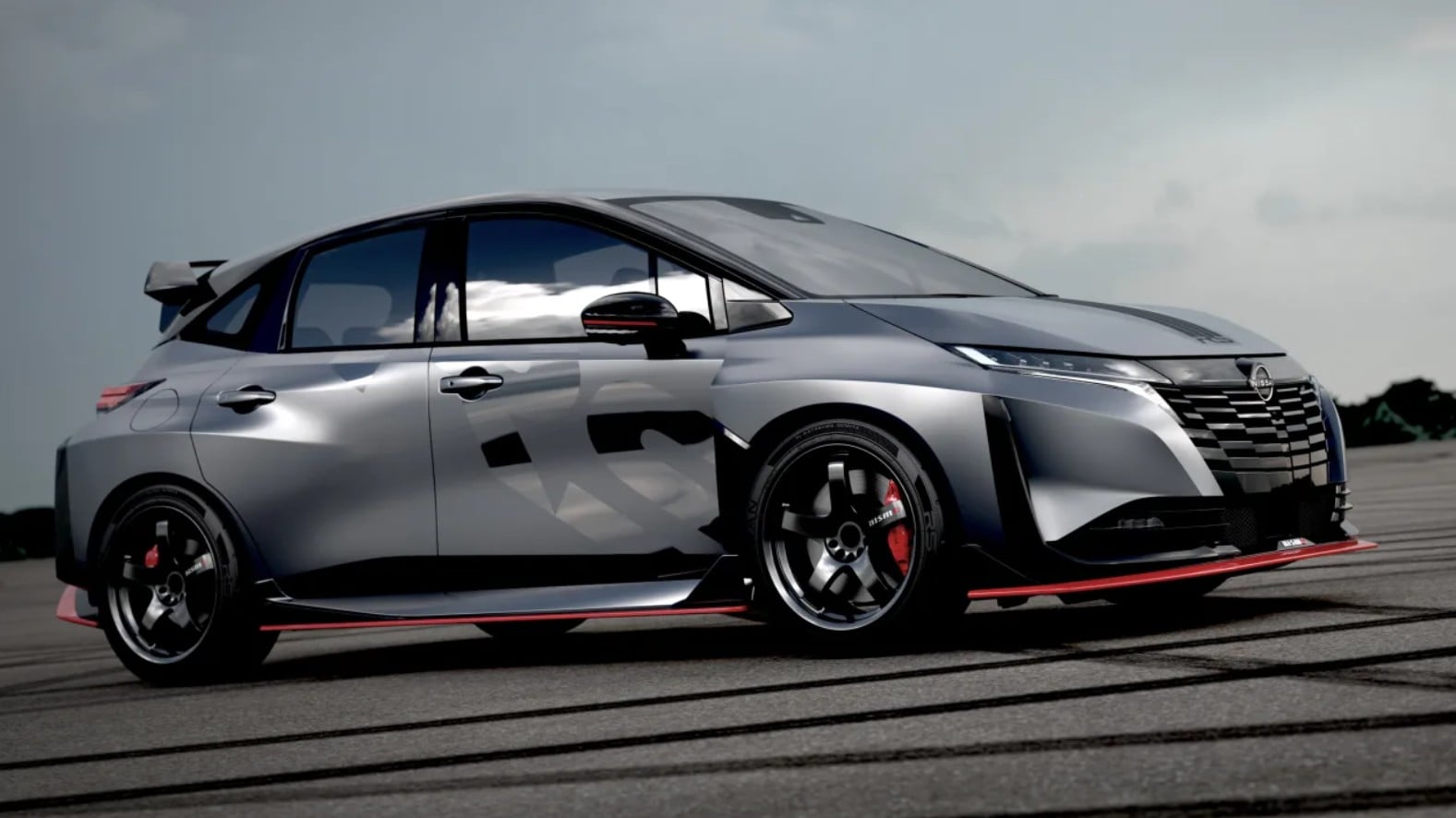
Nissan has not confirmed production approval, but it has stated it is actively considering bringing the Aura Nismo RS to market. If it does, the model could be joined by other new Nismo offerings, including a performance version of the next-generation Micra and, potentially, a future GT-R.
Together, the Aura Nismo RS Concept and Nissan’s broader Nismo plans suggest the brand is serious about rekindling excitement across multiple segments – not just at the top end.
Honda has lifted the curtain on a striking new Prelude HRC concept at the Tokyo Auto Salon, offering the clearest indication yet that the iconic nameplate could return in a far more performance-focused form. Developed with input from Honda Racing Corporation (HRC), the concept blends motorsport-inspired styling with hints of future high-performance hardware.
The Prelude HRC concept sits alongside a separate Prelude HRC GT race car, which has been confirmed for competition in Japan’s Super GT series. While the GT car is destined exclusively for the racetrack, the road-focused HRC concept is the one turning heads – and raising questions about Honda’s long-term plans for its performance line-up.
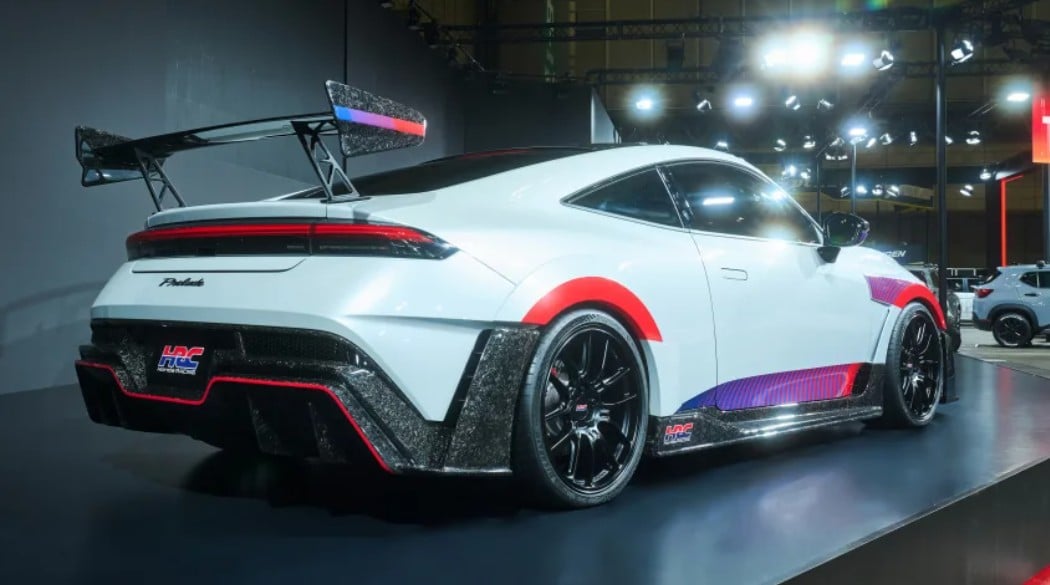
Honda has confirmed it is actively developing a range of “HRC Performance Parts” for the all-new Prelude, designed to enhance driving performance by drawing directly on technologies and expertise gained through racing. Significantly, the company says the HRC concept is equipped with these parts, suggesting they could eventually be offered to buyers as factory-approved upgrades or accessories.
Visually, the Prelude HRC concept looks every bit the part of a track-ready coupe. It features a far more aggressive front bumper, prominent side air intakes, flared wheelarches and extended side skirts. Lightweight HRC-branded wheels sit over what appear to be upgraded brakes, while a towering rear wing and large rear diffuser hint at a focus on aerodynamic downforce rather than subtlety.
While Honda has stopped short of confirming any production intent for the HRC concept, its arrival comes at a pivotal moment for the brand. With the Civic Type R recently exiting some global markets, speculation is growing that Honda could shift its flagship performance focus to a new-generation Prelude – potentially reviving the spirit of a Type R coupe.
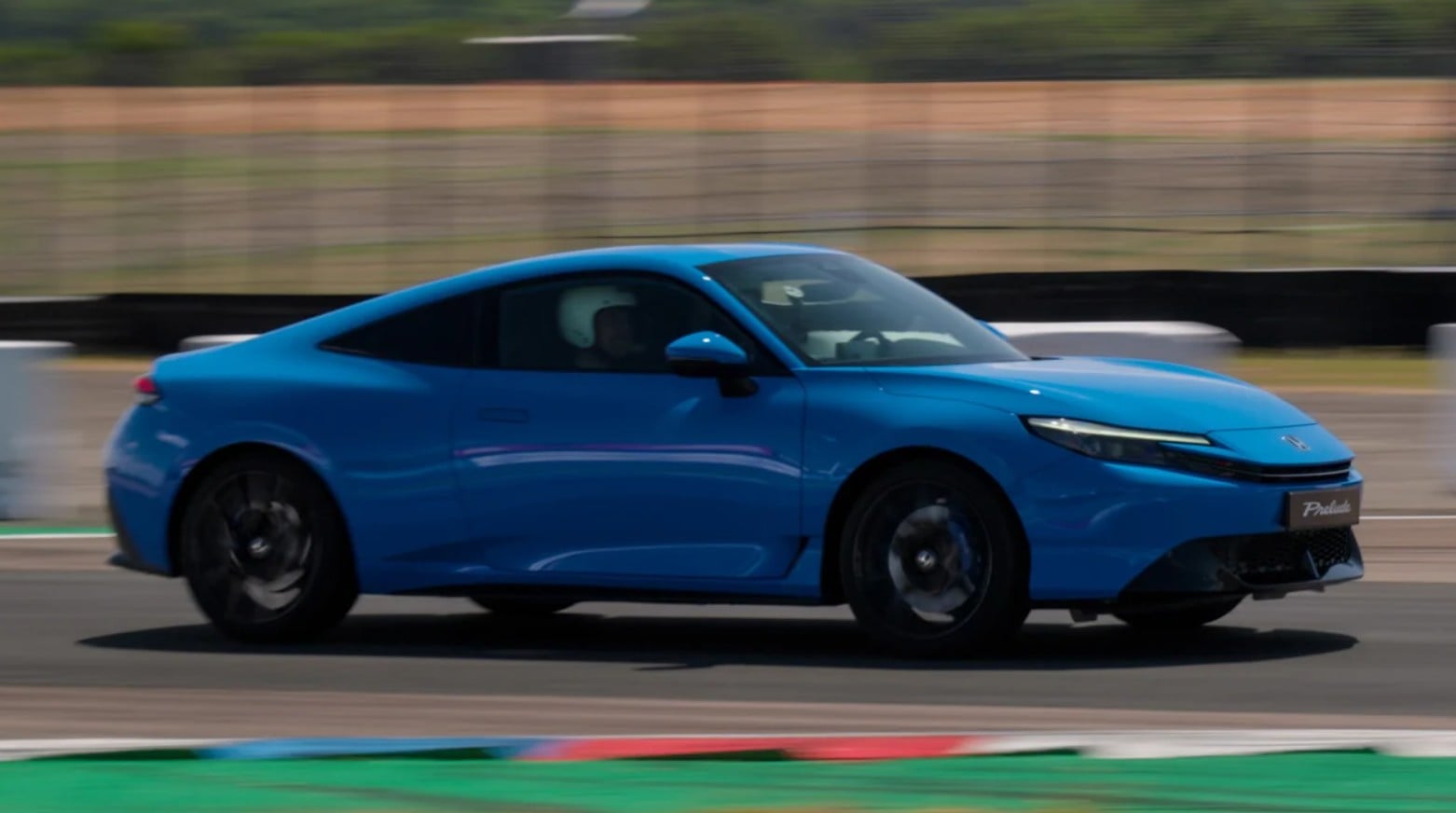
Honda has stated it plans to broaden its range of “exciting sport-type models” in the coming years, and the Prelude HRC concept appears to be a strong signal of that intent. Whether it leads directly to a production Prelude Type R or influences future performance variants, the concept demonstrates that Honda’s performance ambitions are far from over.
For enthusiasts, the message is clear: the Prelude name is back – and it may soon carry some serious racing DNA.
Korean carmaker Kia has axed V6 variants of its Sorento large SUV and Carnival people mover, citing Australia’s newly-enforced New Vehicle Efficiency Standard as, partially, the reason behind the range cull.
Kia’s Australian website states petrol [only] variants of Sorento and Carnival are being run out and “are now limited to dealer stock”.
Wheels reached out to Kia Australia where a spokesperson confirmed that “these variants will end sale in early 2026. Yes, this is due in part to NVES. Regarding existing stock, we anticipate V6 stock will be depleted within Q1 2026.”
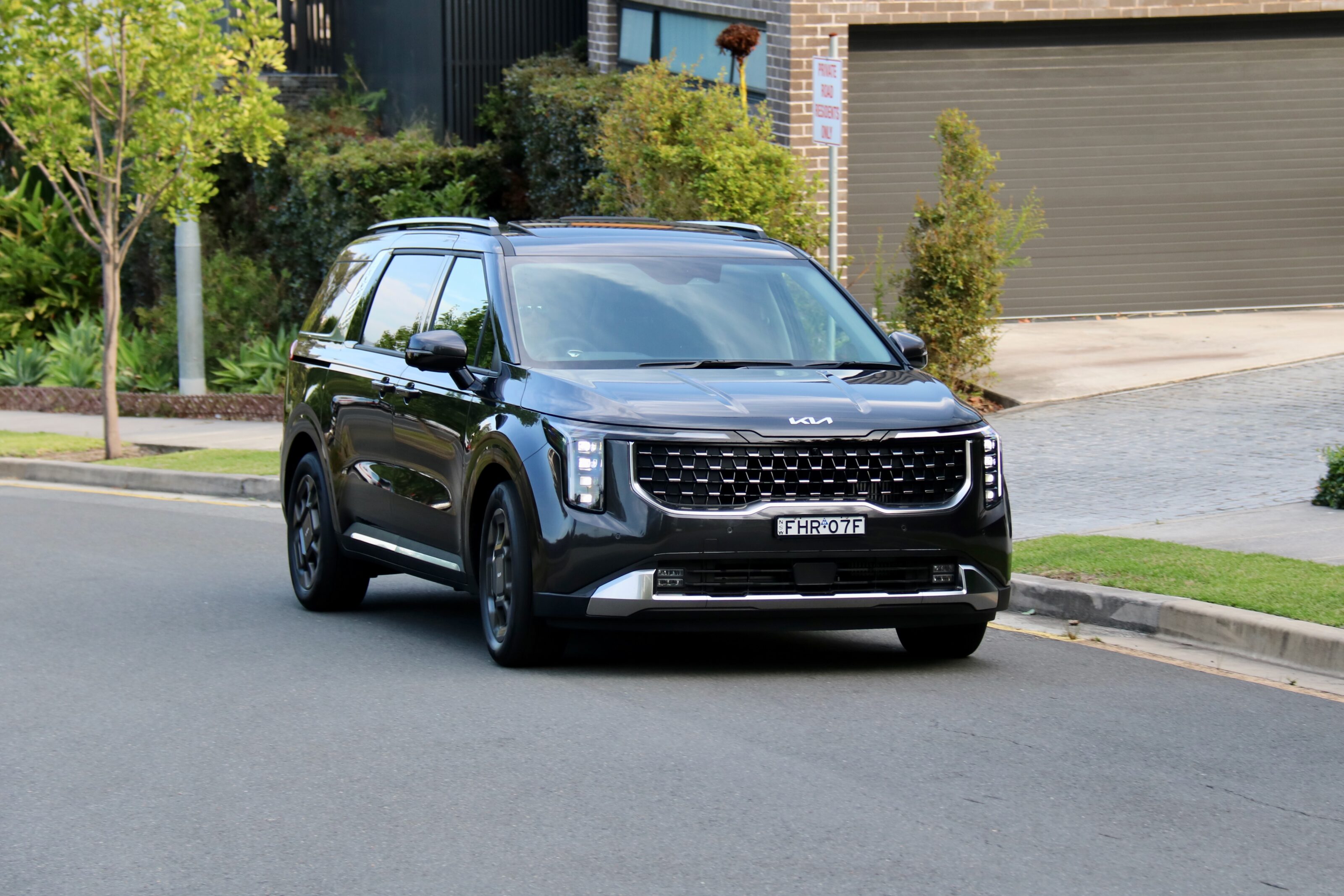
The move comes amid an expanding line-up of more efficient and lower-emitting hybrid variants across both ranges. Additionally, Sorento welcomed a plug-in hybrid variant to its local line-up in 2025.
The 3.5-litre V6 was the highest emitting engine in Kia’s Australian line-up, with claimed CO2 emissions of 222 grams per kilometre for the Sorento and 220g/km for Carnival. That’s far in excess of the 2.2-litre diesel option, which remains available across both ranges, rated at a claimed 170g/km for Carnival and 158g/km for Sorento.
The 1.6-litre petrol-hybrid engine, unsurprisingly, improves CO2 emissions even further with the Carnival claimed at 132g/km and Sorento at 158g/km. The Sorento PHEV claims an emissions rating of just 36g/km.
Under Australia’s NVES, which came into full effect on July 1, 2025, the CO2 emissions of Type 1 vehicles such as the Sorento and Carnival are measured against a government-mandated target of 117g/km.
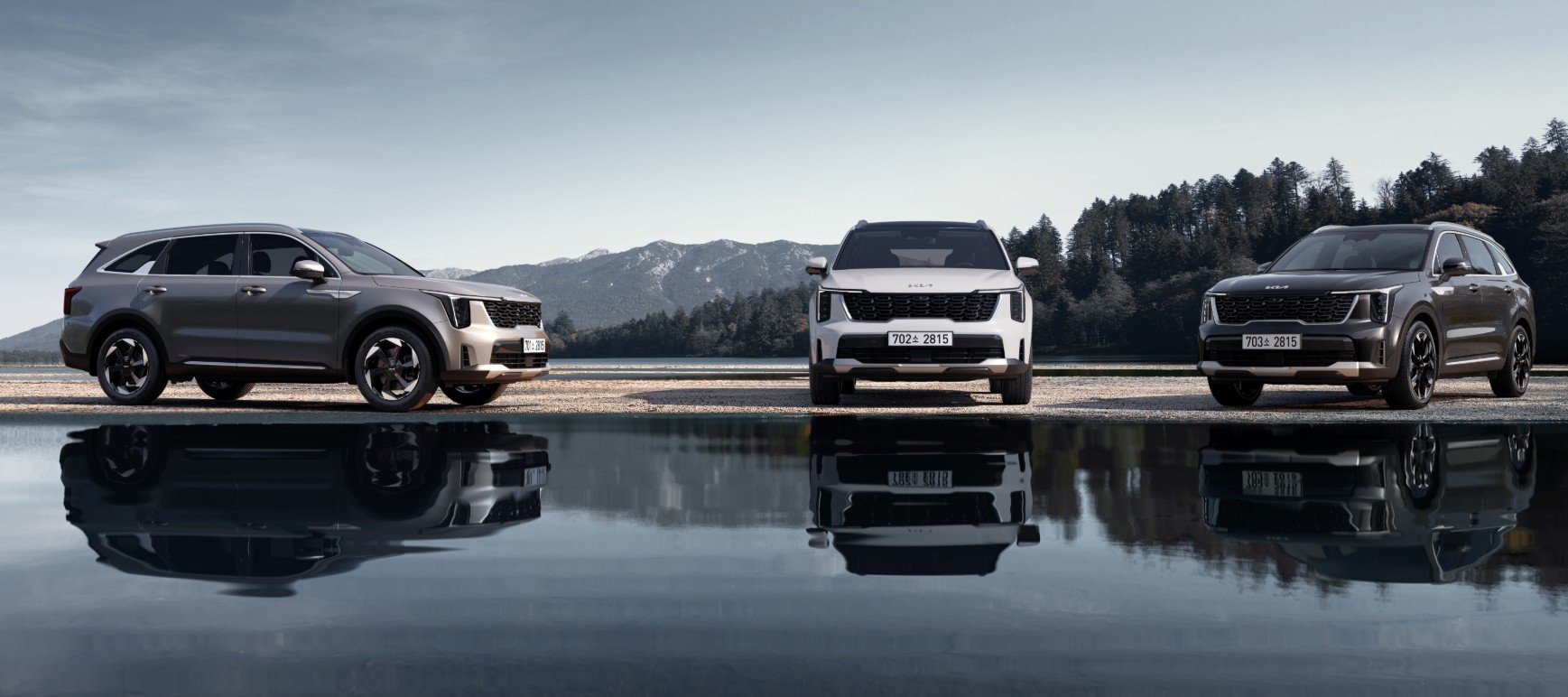
However, while the stricter emissions rules are in now in force, and can potentially lead to penalties and fines levied at the manufacturer, car makers can offset the higher emissions of those vehicles that exceed the target (such as Sorento and Carnival) with sales of lower-emitting vehicles (such as PHEV and full battery-electric). Reducing the number of higher-emitting models (such as V6 Sorento and Carnival) in their line-ups, strengthens the ability of car makers to meet the government-enforced targets.
The Federal government is set to name and shame those manufacturers that have – and have not – met its newly-enforced emissions targets after the first reporting period, called the ‘interim emissions value’, ran from July 1 to December 31, 2025. The results will be released to the public in February.
BMW Australia has confirmed the return of its popular BMW Opera for All concert to Melbourne’s Fed Square, teaming up once again with Opera Australia to deliver a free evening of world-class opera to the public. The 2026 event marks the fourth time the initiative has been staged in Melbourne and forms part of a global program presented in major cities such as Munich, Berlin and London.
The open-air concert will take place on Saturday, March 14, from 6:30pm to 8:00pm, transforming Fed Square into a grand outdoor opera house in the heart of the city. Admission is free, with audiences encouraged to arrive early to secure a spot for what has become a highlight of Melbourne’s cultural calendar.

This year’s performance will feature a completely new line-up of four acclaimed Australian opera singers, who will perform a selection of some of the most recognisable and beloved arias in the operatic repertoire. The evening will be hosted by Greta Bradman AM, an award-winning soprano, writer and ABC broadcaster, who will act as Master of Ceremonies throughout the event.
In a special addition to the program, First Nations opera singer Shauntai Abdul-Rahman will deliver a Welcome to Country, marking the significance of the land and setting the tone for the evening’s celebrations.
Musical direction will once again be led by renowned conductor Brian Castles-Onion, returning to the podium to guide the performance. The concert will be supported by 20 musicians from Orchestra Victoria, providing live accompaniment as the sun sets across Fed Square. The Australian Girls Choir will open proceedings with a 20-minute prelude, warming up the audience ahead of the main performance.
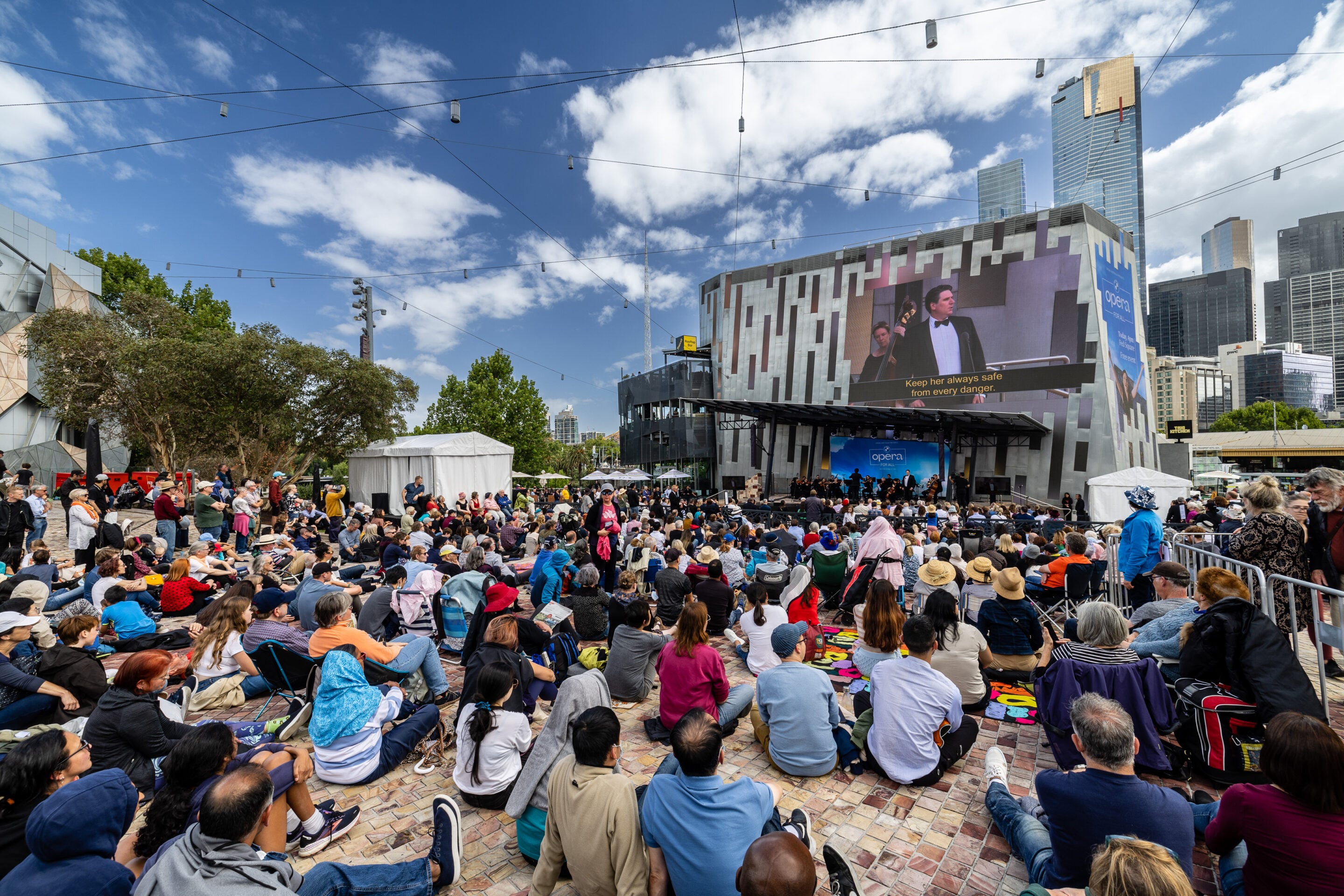
BMW Opera for All is part of BMW’s global commitment to Corporate Social Responsibility, with the initiative designed to make high-quality arts and culture accessible to broader audiences. By removing cost barriers, the program aims to create shared cultural experiences in public spaces.
BMW Group Australia CEO Vikram Pawah said the event reflects the company’s broader social responsibility. “Music is a powerful way to unite communities, spark joy and create shared experiences,” he said, adding that BMW Opera for All ensures world-class performances are available to everyone.
Opera Australia CEO Alex Budd said the partnership aligns with the organisation’s mission as it prepares to mark its 70th anniversary in 2026. “Whether it’s someone hearing their first aria or their fiftieth, our goal remains the same – to make opera vibrant, relevant and accessible to all,” he said.
