Features

Gallery 1
One fault of modern cars is that some don’t offer a level of connection with the driver that many of their predecessors used to and as such, finding non-performance cars that are satisfying for keener drivers is difficult. That’s especially true with the influx of SUV models, which can exacerbate the problem thanks to their higher centres of gravity and carrying more weight.
Thankfully for some, there are some small SUV options that drive as nimbly and responsively as cars. Here’s the WhichCar by Wheels guide to five of the best:
Mazda CX-3
3
Price: From $30,670 plus on-road costs
Drivetrains: 110kW 2.0-litre petrol, six-speed auto, FWD
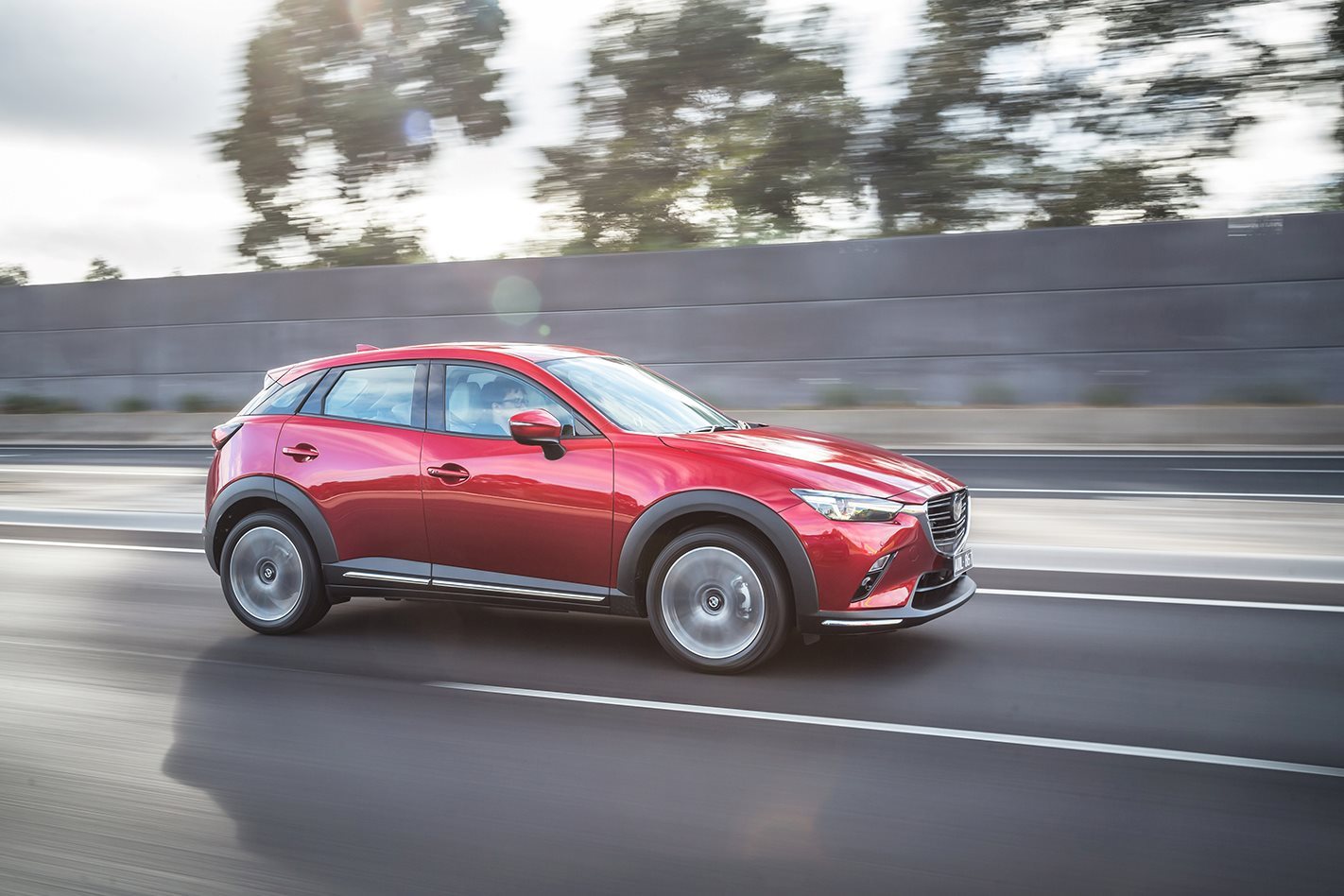
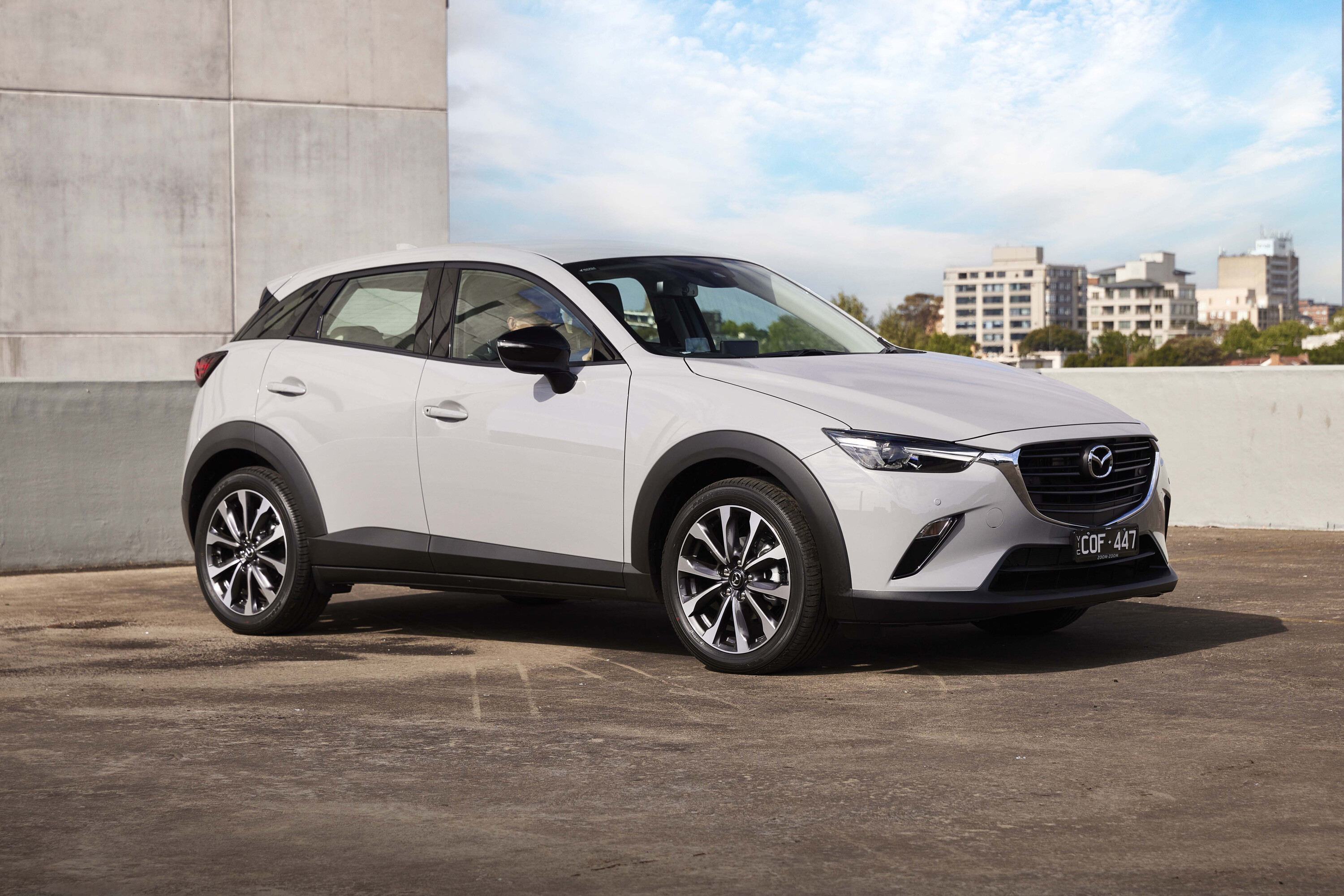
With the dynamic Ford Puma no longer sold in Australia, the Mazda CX-3 has taken over as the most car-like small SUV to drive. Of course, it’s not the newest kid on the block – in fact, it’s over a decade old, but that means that unlike a lot of its competition, its steering actually offers feel and its chassis is sharp. Its ride quality is also sharp – it could be a bit softer in urban driving – but it’s quite fun to drive, like the Mazda2 on which it’s based. The CX-3 doesn’t score well for practicality, but if you’re after a non-performance small SUV that still rewards the driver, it should be at the top of your list.
Mazda CX-30
3
Price: From $34,360 plus on-road costs
Drivetrains: 114kW 2.0-litre or 139kW 2.5-litre petrols, six-speed auto, 2WD (2.0L) or AWD (optional on 2.5L)
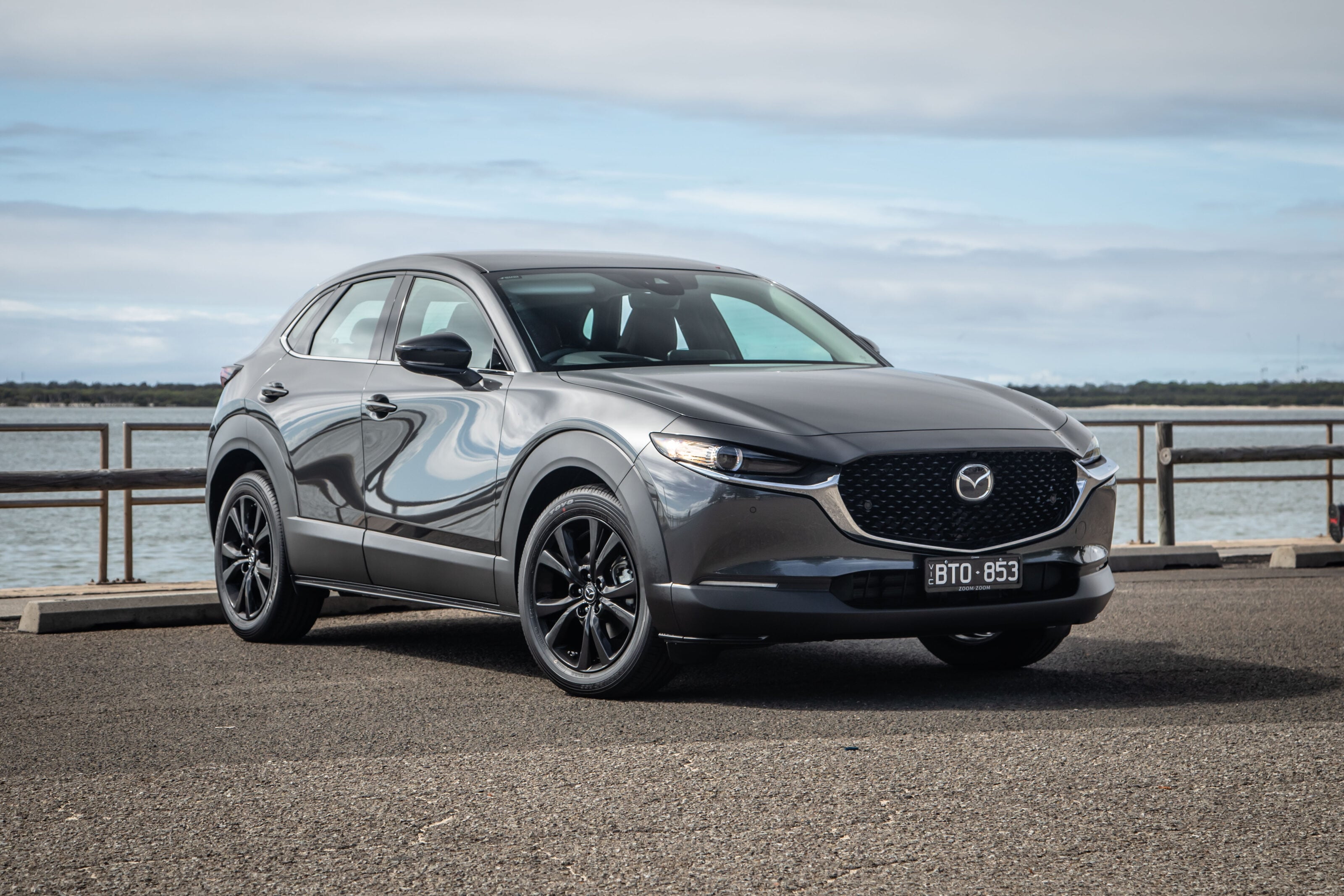
Take what we said above about the CX-3 and also apply it to the slightly larger CX-30, though add a touch of extra comfort at the slight expense of driving fun. Like the Mazda3 with which it shares so much, the CX-30 is great to drive with a communicative chassis, keen steering and revvy petrol engine. In addition, the CX-30’s quality is excellent with luxury-like materials throughout the cabin and even in the base model Pure, a long list of standard features.
Toyota C-HR
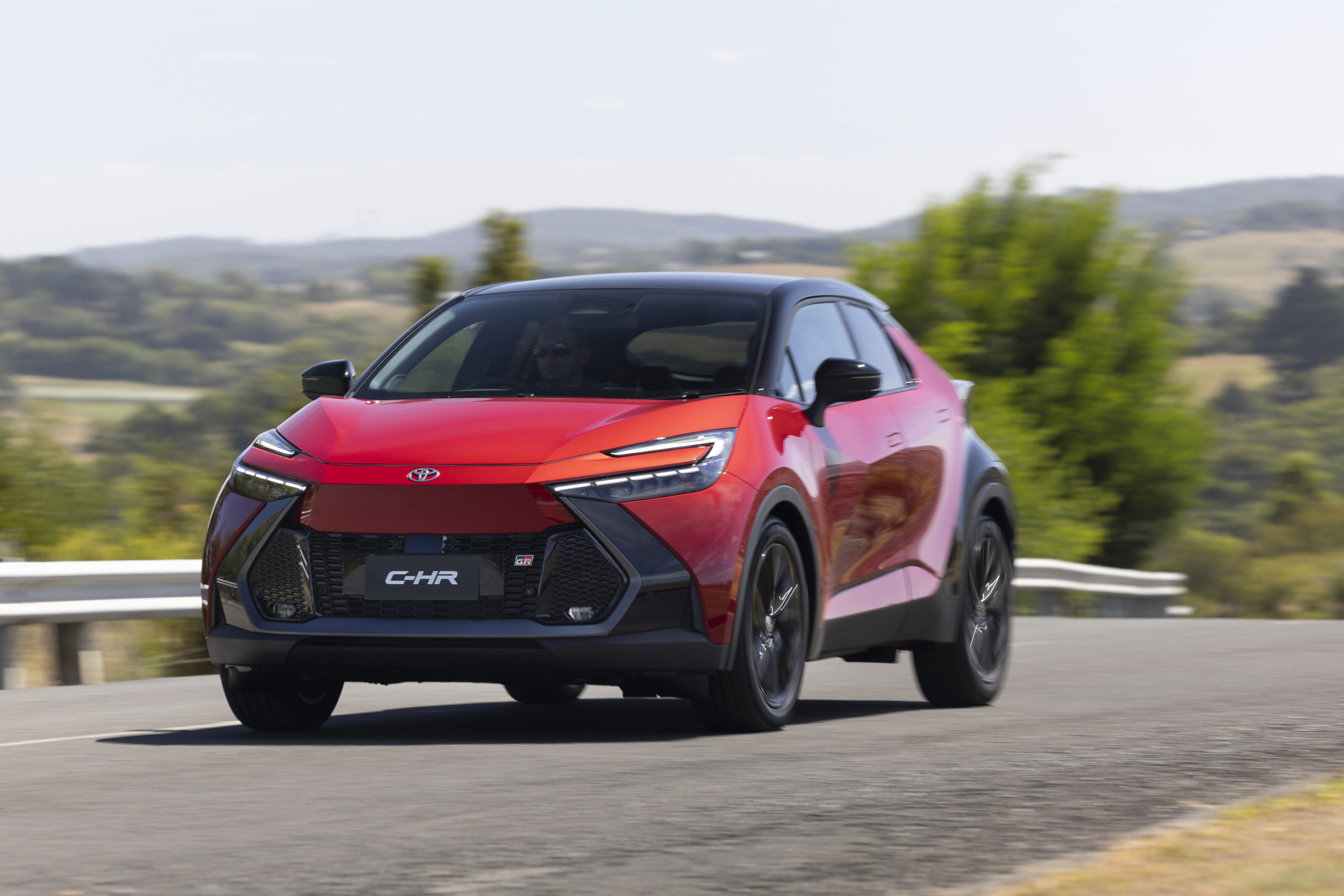
3
Price: From $46,940 plus on-road costs
Drivetrains: 103kW 1.8-litre hybrid or 146kW 2.0-litre hybrid, eCVT, FWD (1.8L) or AWD (2.0L)
Believe it or not, the previous C-HR was actually one of the first Toyota products that was developed with a newfound sense of dynamism for the Toyota brand. That was largely thanks to the then-new ‘TNGA’ platform, which the C-HR was the first SUV to use. It meant that even a base model Toyota small SUV was far more dynamic than you’d ever have expected. The second-generation C-HR is even better thanks to more power to compliment the excellent chassis and yet, it’s also very comfortable, as you’d expect from a Toyota.
Kia Stonic

3
Price: From $28,180 plus on-road costs
Drivetrains: 88kW 1.0-litre turbo mild-hybrid, seven-speed dual-clutch, FWD
The Stonic is heavily based on the last-generation Rio hatchback, which was a tidy car to punt around, and that shows in the driving experience. Of course, the Stonic is slightly higher off the ground but it’s still a comfortable and fun car to drive. Kia’s local tuning operation has achieved impressive results – all of its products drive quite well, and the Stonic is no different as it’s nimble and fun. The new mild-hybrid drivetrain also makes more grunt than before, so it now has more performance to better match its fine chassis.
Toyota Yaris Cross
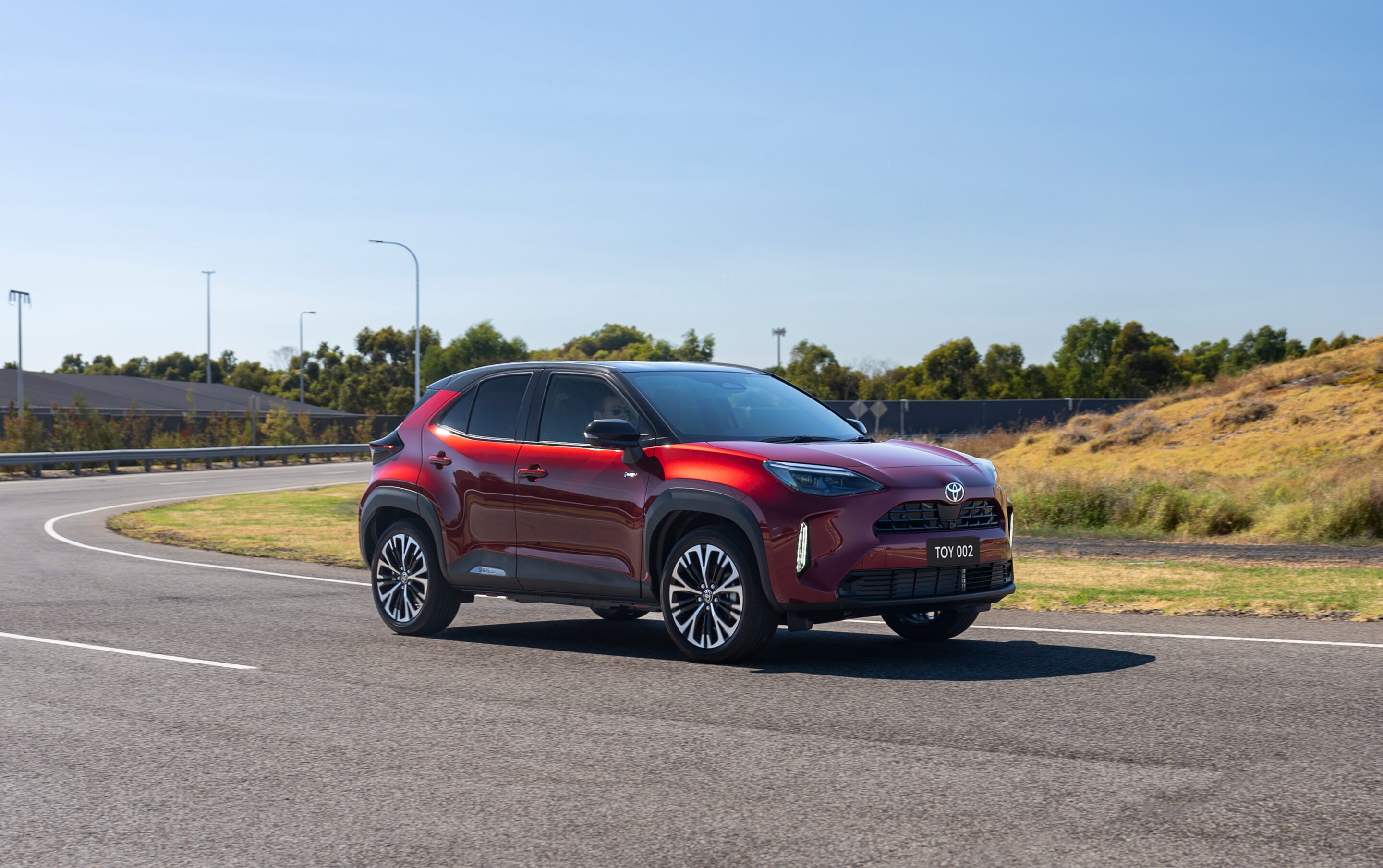
3
Price: From $31,790 plus on-road costs
Drivetrains: 85kW 1.5-litre hybrid, eCVT, FWD or AWD
Like its C-HR sibling above, the Toyota Yaris Cross is a small SUV that drives like a car but it’s actually not overly sporty. Instead, like the Yaris hatchback, it’s quite comfortable and handles bad roads with ease. That’s not to say that it can’t be fun to drive – it can – but performance is not its purpose, even the sporty-looking GR Sport model. Surprisingly, all-wheel drive is available and it adds a more sophisticated, independent multi-link layout for even better ride quality. The Yaris Cross’ 85kW hybrid drivetrain is hardly going to set the world alight for performance, but its sub-4.0L/100km combined fuel consumption is impressively low.
Follow WhichCar/Wheels on Google
Click the button below to make WhichCar by Wheels a preferred source for your news.


We recommend
-
 News
NewsHyundai Australia launches web portal for ‘Nthusiasts’ to attend dedicated events
Hyundai Australia has added more support for its Nthusiasts by launching a new web portal for members to find community events.
-
 Features
Next SUVs we’re looking forward to in 2026
From BMW to Nissan, Toyota and Cadillac, the next batch of SUV launches we're excited to drive in 2026....
-
 Features
Best small SUVs for first-time buyers in 2026
Being a first-time new-car buyer can be daunting so to help you on your journey, we've cut through the noise with our picks of the bunch.