
The Volkswagen Group has approved a major restructuring that will halve its model line-up and ultimately cut around 100,000 jobs as the German automotive giant attempts to reduce costs and improve profitability.
Under its Future Plan 2030, Volkswagen intends to cut the number of model variants by 50 per cent and reduce product complexity by 75 per cent, eliminating numerous trim levels, options and low-volume derivatives across its brands.
The group, which includes Volkswagen, Audi, Porsche, Skoda, Cupra, Bentley and Lamborghini, is targeting a nine per cent operating margin and annual operating profit of €31 billion ($A54bn) by 2030.
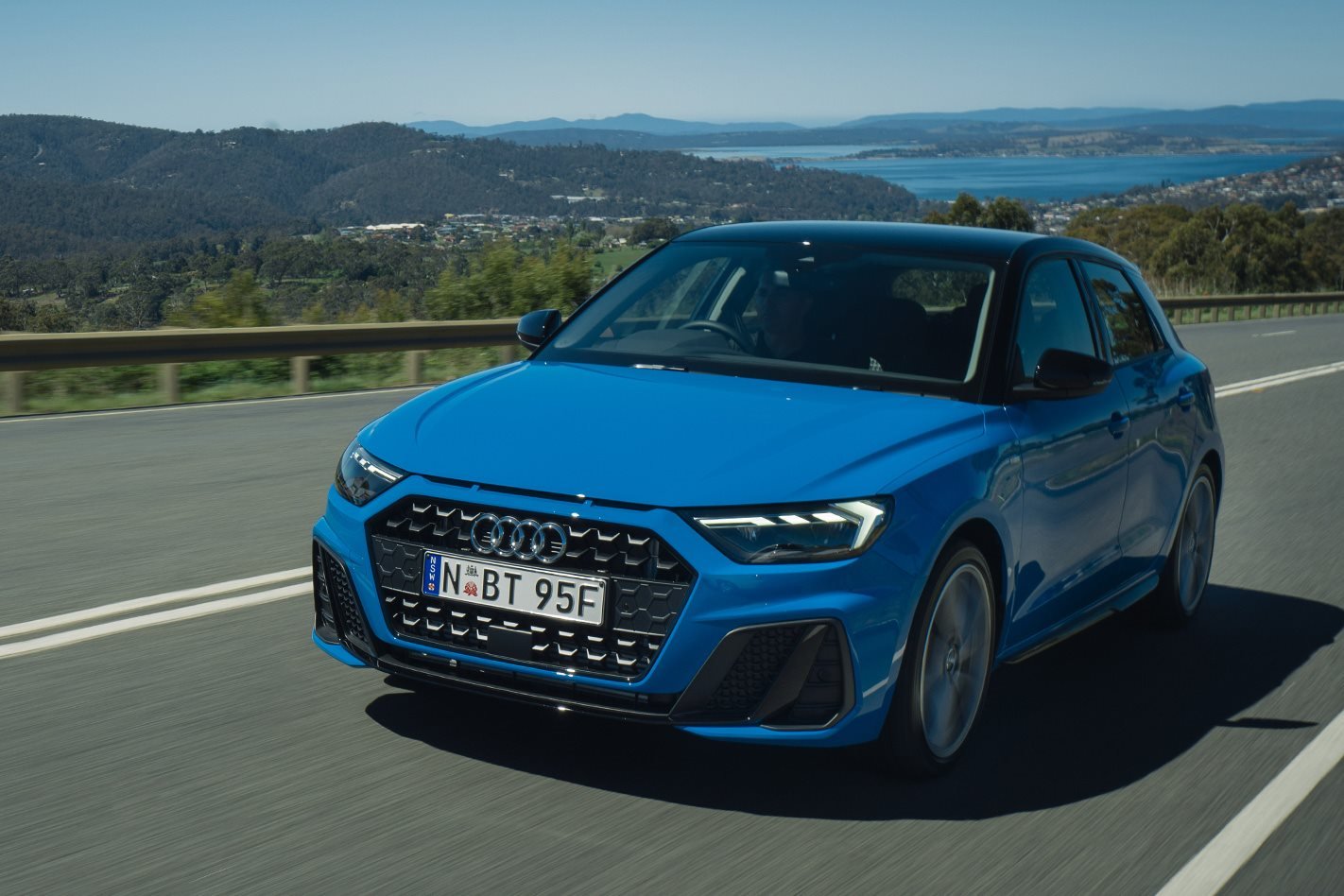
Some rationalisation is already evident. Audi has ended production of its A1 (above) and Q2, while Volkswagen Group brands are increasingly concentrating resources on higher-volume and more profitable vehicles rather than niche derivatives.
The strategy will also reduce the number of vehicle platforms, electronic architectures and software systems used across the group. Volkswagen says greater commonality should eliminate duplicated development work while freeing resources for key models and expansion in China and North America.
Production capacity is also being targeted. The group wants its global manufacturing footprint aligned with annual output of around nine million vehicles by 2030, compared with post-pandemic capacity of about 12 million.
Several German factories face uncertain futures, with Volkswagen acknowledging that its domestic manufacturing capacity currently exceeds demand by around 500,000 vehicles annually. Plants at Emden, Zwickau, Hanover and Neckarsulm are among those under scrutiny as the company investigates ways to improve utilisation.
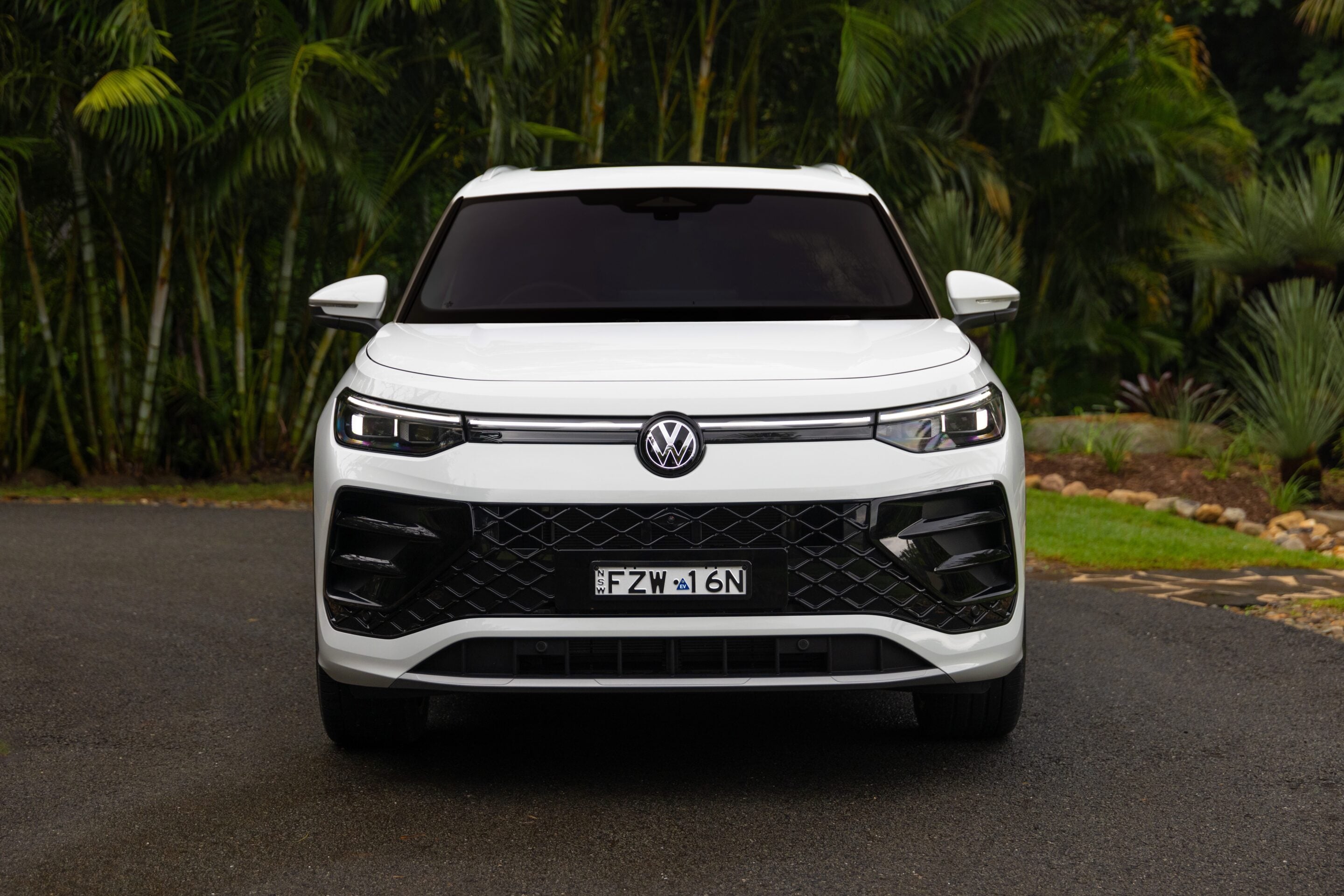
One possibility reportedly being considered is European production of vehicles originally developed for China, potentially using Volkswagen’s growing partnerships with Chinese manufacturers.
The restructuring will have a significant impact on employment. Volkswagen had already agreed to reduce its German workforce by around 50,000 positions, but says approximately another 50,000 jobs, including management roles, will need to go, taking planned reductions to around 100,000.
Group CEO Oliver Blume said Volkswagen had already reduced costs by more than €1 billion ($A1.75bn) compared with last year.
The company says the overhaul has become necessary as traditional European manufacturers confront weaker demand, US tariff costs, geopolitical uncertainty and increasingly aggressive competition from Chinese carmakers.
For Australian buyers, the full impact remains unclear, but the strategy raises the prospect of fewer niche models and variants as Volkswagen Group brands concentrate on their strongest-selling products.
An American man has been billed an astounding US$418 ($580) for charging his car for 44 minutes at a Hyundai dealership – and when he queried the amount, assuming it was a “glitch”, he got another shock.
Stanley Kpenkann was driving his rental Chevrolet Bolt last month when he noticed that the battery only had 20 minutes of power. He looked for a charging station on his EVgo app, which directs drivers to the nearest outlet and offers lower rates, and was sent to a Hyundai dealership in Macomb Township on Detroit’s north-eastern outskirts.

After the 44-minute refill, he noticed he’d been hit with that astronomical fee. “I was flabbergasted. Never in my wildest dreams did I think I would be saddled with a bill of $418 for a charging session,” Kpenkann told local news outlet WXYZ Detroit.
When he inquired about what he assumed was an error, EVgo informed him that the amount was correct. The dealership displayed pricing on the charging machine’s screen, with rates set at $5 per kilowatt-hour and $5 per minute.
A representative from the dealership told WXYZ that the prices are so high because the charger is only meant for its own customers and vehicles, and the high cost is meant to prevent other use. An EVgo spokesperson explained that “all pricing is set by the dealership as the station owner”.
That, of course, didn’t sit well with Kpenkann, who said, “You don’t go into a gas station where the average price of gas is $4 [a gallon] expecting they’re gonna charge you $25 … It makes no sense for you to have it on the app, but say we don’t want anyone to use it because of private use.”
There is a happy ending to the tale, however: EVgo gave Kpenkann a “goodwill refund” of US$405, and said the remaining US$13 represents what he would usually have paid under his subscription plan.
To be a serious player in the Australian new-car market, you must sell a large seven-seat SUV – and until now, Chery’s premium arm Jaecoo has lacked one.
That changed recently, however, when a new seven-seat plug-in hybrid variant of the brand’s J8 large SUV was launched here.
As a refresher, the J8 originally launched locally in May 2025 with two five-seat variants, powered by a turbocharged 2.0-litre petrol engine. Fast-forward more than 12 months and while sales of Jaecoo’s smaller models have taken off, the J8 has not, likely because it does not feature an in-vogue third row
of seating or a hybrid drivetrain.
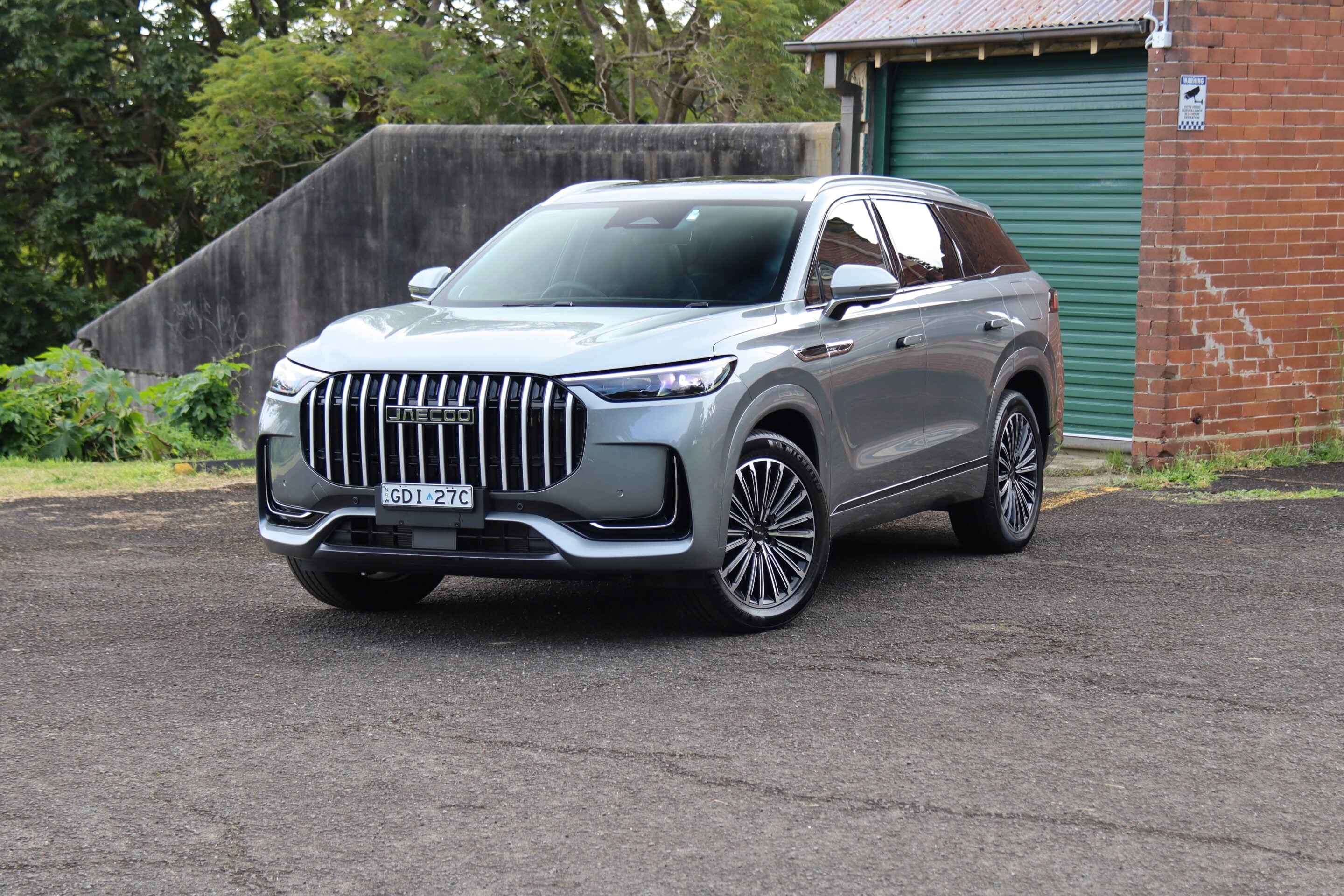
The new J8 SHS-P changes that, with two extra seats in the boot and the same tri-motor plug-in hybrid drivetrain as its twin-under-the-skin, the Chery Tiggo 9.
Pricing for the new SHS-P Summit starts at $59,990 plus on-road costs, which is almost $10,000 more expensive than the next-rung-down J8 Ridge AWD (driveaway). Thankfully, there is a boatload of standard equipment, with features including 20-inch alloy wheels, a panoramic sunroof, power tailgate, quilted leather upholstery, heated and ventilated front seats with massaging, a head-up display, 14-speaker Sony audio and a 50W wireless phone charger.
Inside, there are plenty of soft-touch surfaces, even on panels like the centre console. The seats feel suitably expensive and offer a wide range of adjustment, and the overall presentation is convincing enough to support Jaecoo’s premium aspirations.
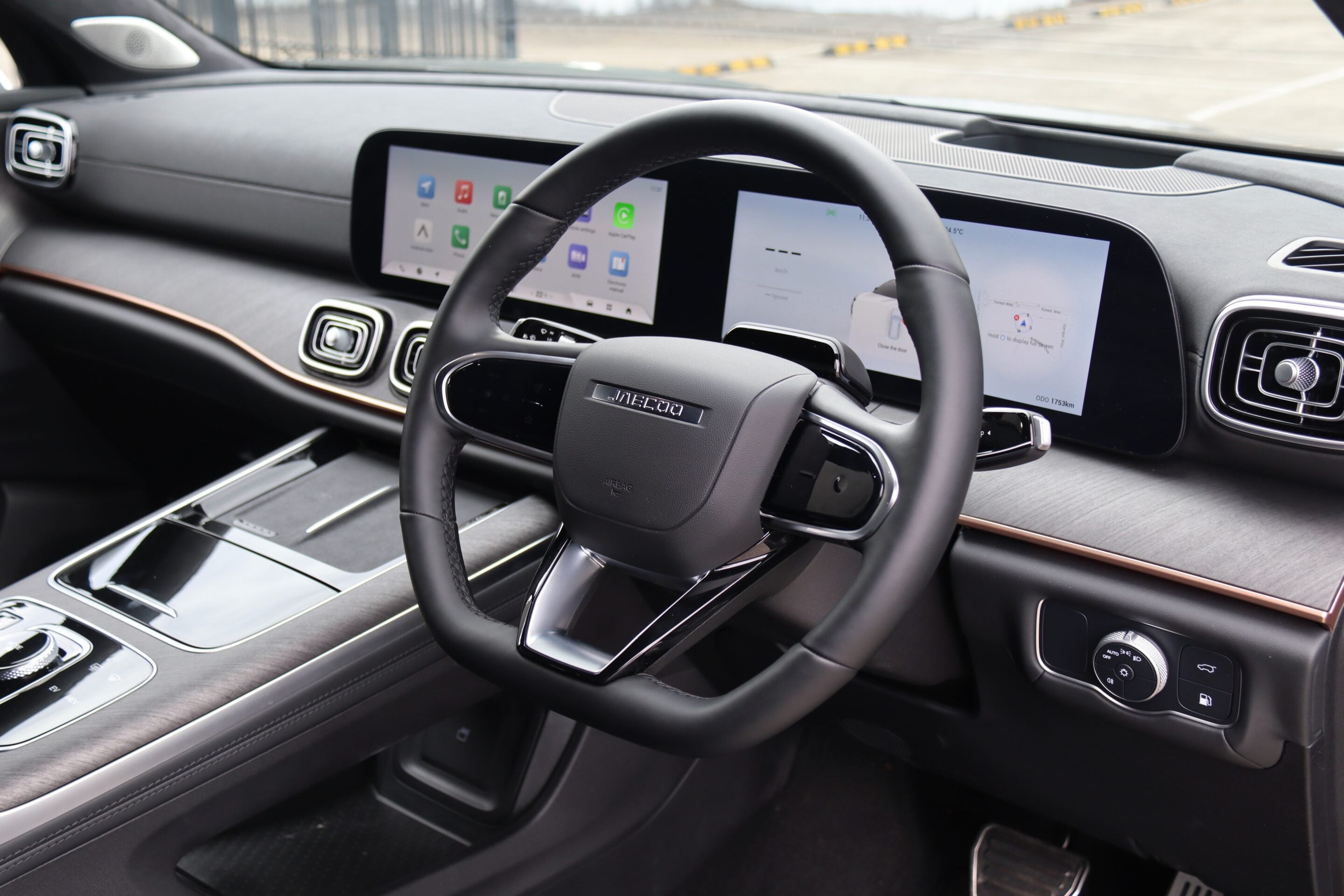
Up front, the dual 12.3-inch displays are perfectly functional but already look a generation behind the latest systems emerging from China. The infotainment interface, in particular, feels dated alongside something like the new Chery Tiggo 9, which is slightly awkward considering how much the two SUVs share underneath.
Packaging also leaves you wondering where some of the J8’s considerable exterior size has gone. Second-row accommodation is tighter than expected, particularly for legroom, while the third row lies firmly in occasional-use territory – if you’re six-foot or above, don’t even bother. The boot capacity is 200 litres with all seven seats erected, expanding to 738 litres with the third row folded.
It’s the drivetrain that provides the J8 SHS-P with its major point of difference. A 1.5-litre turbo-petrol engine works with three electric motors – two at the front and another at the rear – to produce a substantial 315kW and 580Nm.
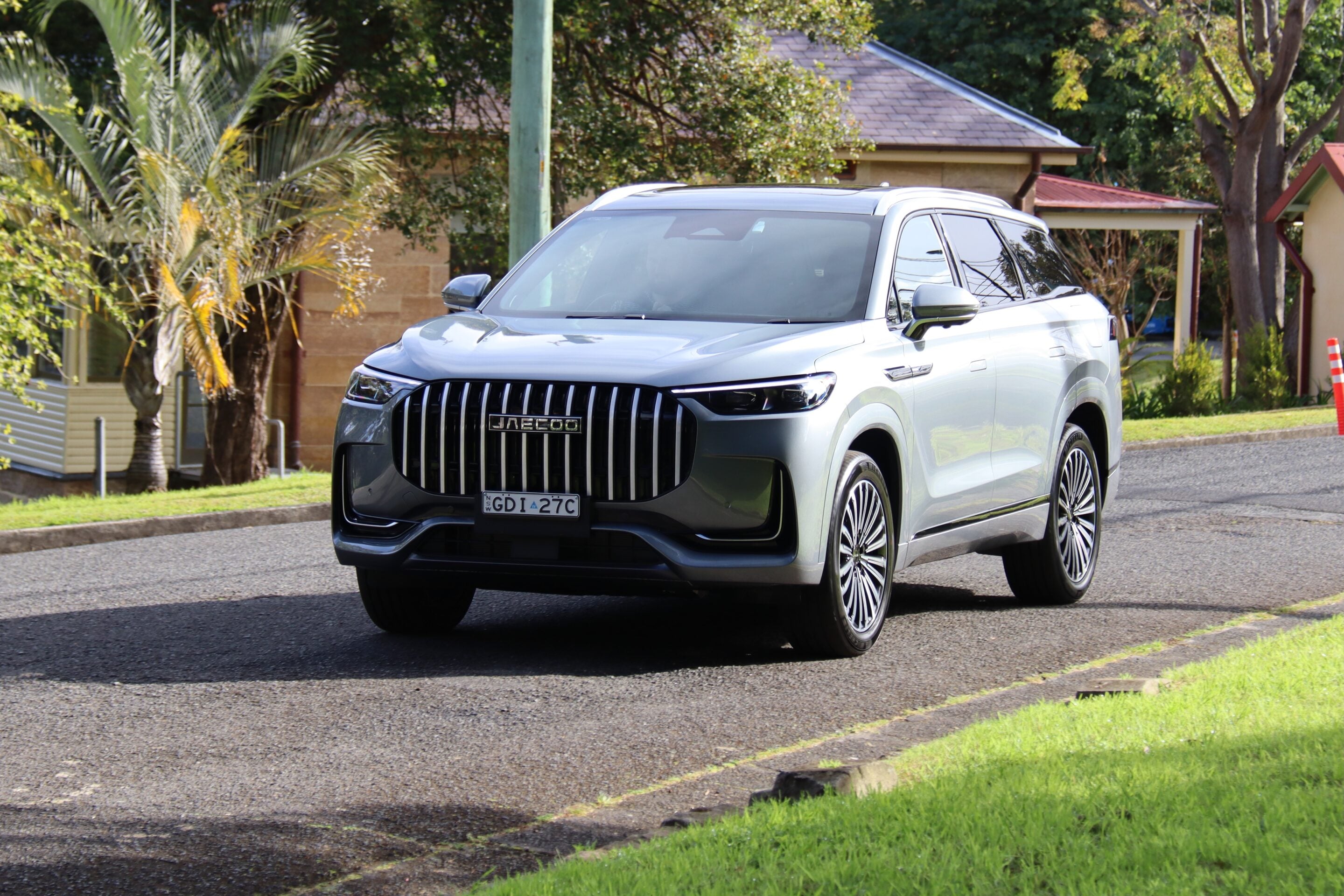
The J8 is quick, with a claimed 0-100km/h time of just 5.8 seconds, impressive for a 2320kg (kerb) large SUV. It’s effortless rather than dramatic, but there’s no questioning the available grunt. Unfortunately, the chassis doesn’t share the drivetrain’s enthusiasm.
Jaecoo has prioritised comfort, but even in its firmer setting, the suspension is too soft. The J8 floats and wallows over even smaller bumps, taking too long to settle after larger movements, while faster direction changes introduce plenty of body roll. Combine that with its light steering and there’s very little fun to be extracted from the J8 SHS-P on a winding road.
We don’t expect a seven-seat SUV to perform like a sports car, but extra firmness would inspire more confidence. Around town and on the motorway, however, the soft suspension, quiet electric running and low road noise make the J8 SHS-P a relaxed cruiser.
Efficiency is another strength. The large 34kWh battery offers an electric range claim of 169km on the optimistic NEDC cycle, but we managed an impressive 148km from a full charge in real-world driving. Across our testing, combined consumption settled at a solid 3.8L/100km. It can also DC fast charge at up to 70kW for a 30-80 per cent charge in 25 minutes.
Ultimately, this J8 is a head-over-heart buy, but one that makes a lot more sense than other J8 variants. It offers strong performance, useful electric range, low fuel consumption and a huge equipment list for around $65,000 driveaway.
The SHS-P Summit has a lot of power, equipment and electrification for the money, and it’s definitely the J8 to choose. But, like the petrol models, a little more polish – particularly underneath – would turn a stacked spec sheet into a strong case for a purchase.
Jaecoo J8 SHS-P Summit standard features:
- 20-inch alloy wheels (with a tyre repair kit)
- Dusk-sensing automatic LED exterior lighting
- Rain-sensing automatic wipers
- Keyless entry and start with remote start
- Rear privacy glass
- Heated/auto-folding mirrors
- Auto-retracting door handles
- Electric tailgate with easy-open functionality
- Roof rails
- Panoramic sunroof
- Quilted leather upholstery
- Synthetic leather-wrapped steering wheel with electric adjustment
- 8-way driver/6-way front passenger electric front seat adjustment with massaging
- Heated and ventilated front and middle outboard rear seats
- Dual-zone automatic climate control
- Dual 12.3-inch displays
- Wireless Apple CarPlay and Android Auto
- Satelite navigation
- AM/FM/DAB+ digital radio
- 14-speaker Sony sound system (including two speakers in the driver’s headrest)
- 4x USB charging ports
- 50W wireless phone charger
- Head-up display
- Eco, normal, sport, snow, sand and offroad driving modes
- 10x airbags
- Automatic emergency braking
- Lane keeping assistance with adaptive lane guidance
- Adaptive cruise control with traffic jam assist
- Blind-spot monitoring with rear cross-traffic alert
- Door open warning
- Driver monitoring
- Auto high beam
- Front and rear parking sensors
- 360-degree camera
- Anti-theft alarm
- Tyre pressure monitoring
Jaecoo J8 SHS-P specifications:
| Price | $59,990 plus on-road costs |
|---|---|
| Powertrain | 1499cc turbocharged four-cylinder petrol + three electric motors |
| Battery | 34kWh |
| Peak power | 315kW |
| Peak torque | 580Nm |
| 0-100km/h (claimed) | 5.8 seconds |
| Electric range (claimed) | 169km (NEDC) |
| Combined fuel efficiency (claim) | 1.2L/100km |
| Max AC charging rate, claimed 30-80% charge time | 70kW, 25 minutes |
| Dimensions (L/W/H/WB) | 4820/1930/1715/2820mm |
| Boot capacity | 200 litres (third row of seats up), 738 litres (third row folded) |
| Kerb weight | 2320kg |
| Warranty | Eight-year/unlimited km (covering both the car and EV battery) |
| Five-year service cost | $2315 ($463 per year) |
| On sale | Now |
Wheels Car of the Year isn’t a title that’s granted lightly. Over decades, the judging panels have tested and tortured winners to ensure only the best new cars come out on top. Among those, some became icons, and some became heroes. There are some esteemed names within this very select group, like the Mercedes-Benz S-Class in 1981 and 1999, and local heroes like the Holden Commodore, which took the title in 1978, 1988, 1993, 1997, and 2006.
There are also some cars that, while no less deserving of the title, aren’t always given the same credit. These are the forgotten winners of Wheels Car of the Year.
Morris 1100 – 1964
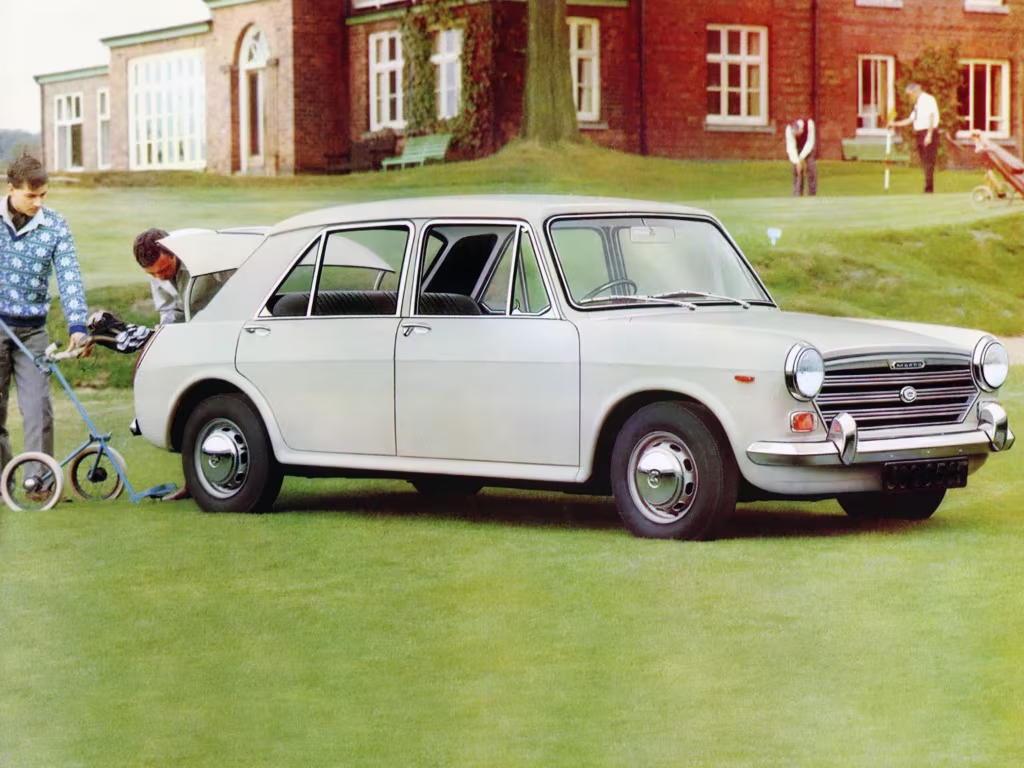
Much of what made the iconic Morris 850 (aka the Mini) so successful was transferred over to the Morris 1100, upsized to make it a better fit for Australian buyers. At a time when a transverse, front-wheel-drive family car was still a rarity, the 1100 proved what was possible.
The Morris’s time in the spotlight was, of course, only temporary. The XP Falcon took the 1965 Wheels COTY title, followed by the XR Falcon in 1966, and they became much more memorable cars by which the 1960s were defined.
Volkswagen Passat – 1974
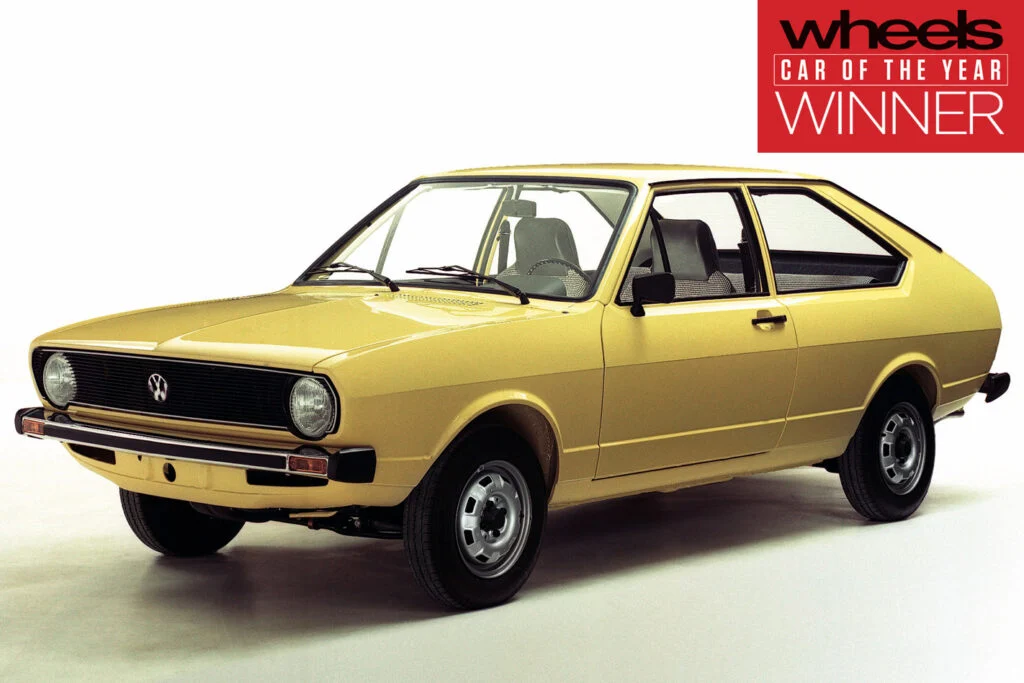
The Valiant Charger and Leyland P76 won before it, and the Holden Commodore won after it. Those cars stood out in the long run. In 1974, the Volkswagen Passat earned plenty of praise, but didn’t have the legs to remain memorable.
The Passat marked a new era for Volkswagen, moving away from air-cooled, rear-engined models to the thoroughly modern layout still used across the VW range today. A switch from local assembly to fully imported in the late ’70s saw Passat sales collapse, and the attention it received fell with them.
Mazda 323 – 1980
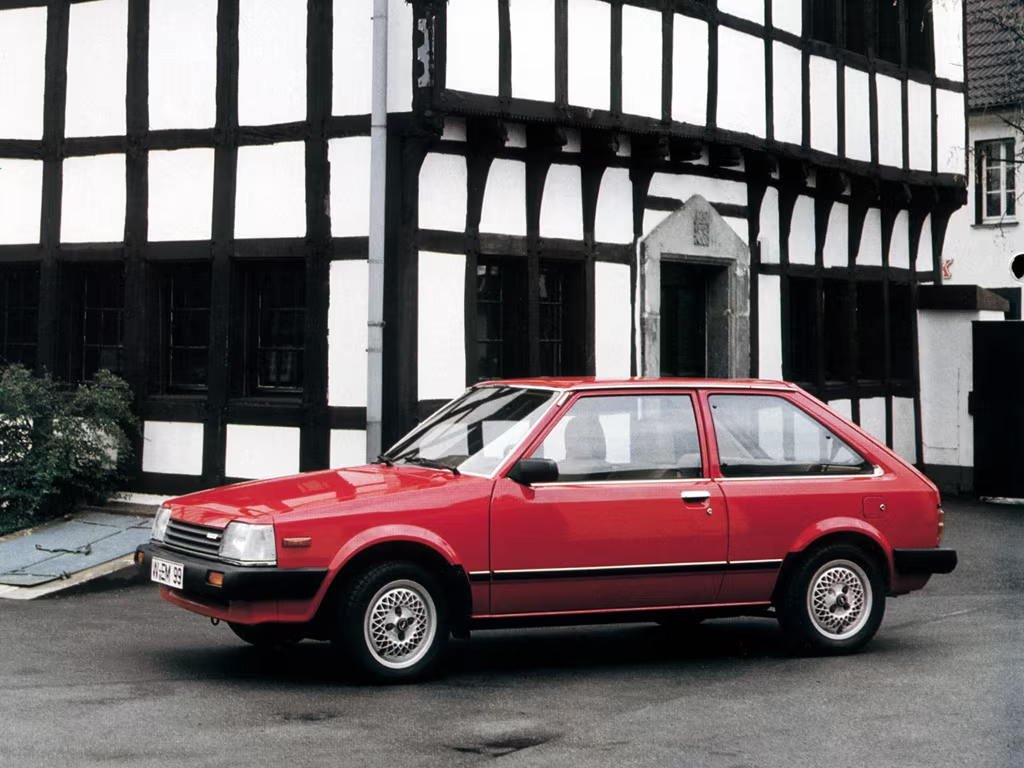
The second-generation 323 introduced such a broad range of changes and improvements to the nameplate that it almost deserved a fresh start. COTY judges looked past the name and praised the 323’s performance and handling.
The simple, boxy 1980s lines were commended at the time, but could be one of the reasons the 323 is hard to recall today. Subsequent generations of the model didn’t hit the same high-water mark again in the eyes of Wheels’ judging panel, although Mazda would add eight more COTY wins to its cabinet over the years.
Ford Telstar/Mazda 626 – 1983
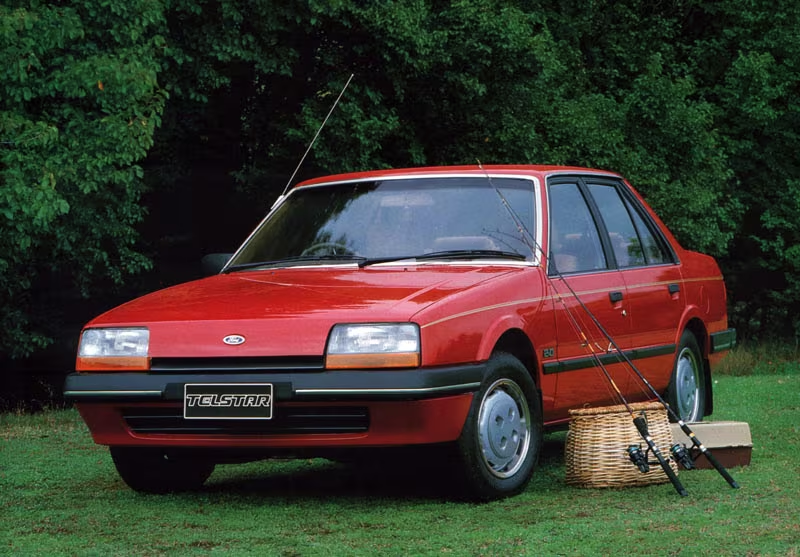
Because they were essentially the same car under the skin, the Ford Telstar and Mazda 626 shared their 1983 Wheels award. While Ford built the Telstar in Australia, Mazda imported the 626, but the differences weren’t enough to separate the two.
The duo was praised for all the same reasons the smaller 323 won in 1980: handling, packaging, and quality. The reassuring longevity and tame styling also made them less memorable over the longer term.
Mitsubishi Nimbus – 1984
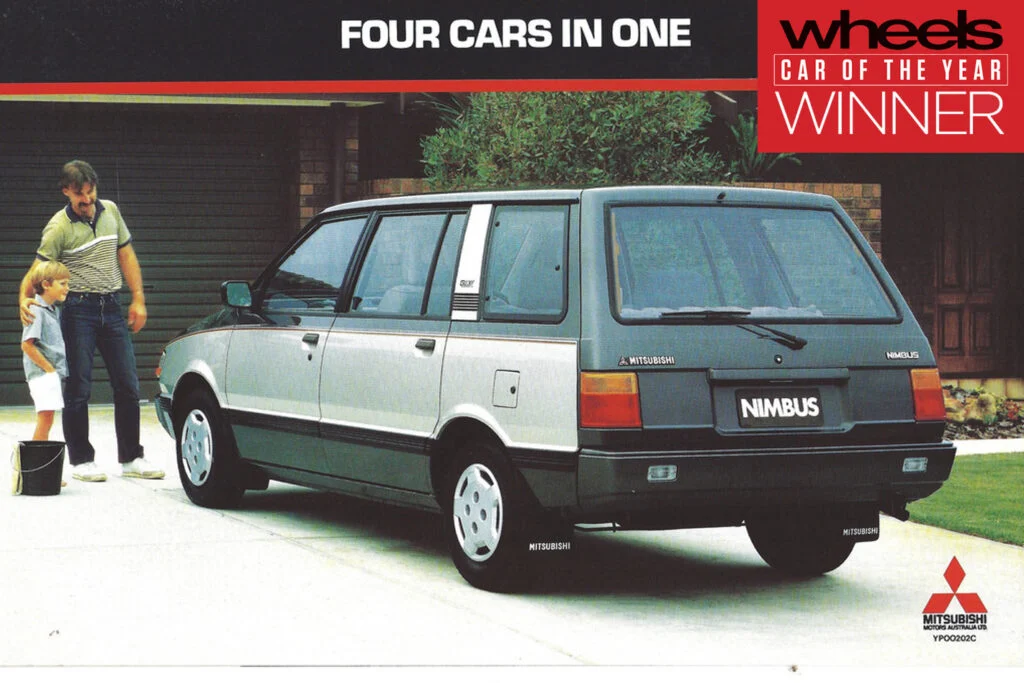
Despite their clever packaging and multi-functional practicality, only two people movers have ever taken home a COTY award. The first of those was the Mitsubishi Nimbus in 1984, the second was the Honda Odyssey in 1995.
At the time, the people-mover concept was new and still finding its feet. While rivals still favoured commercial vehicle underpinnings, the Nimbus felt more polished. Thanks to a car-derived platform, its refinement and dynamics were high points.
Nissan Pulsar – 1991
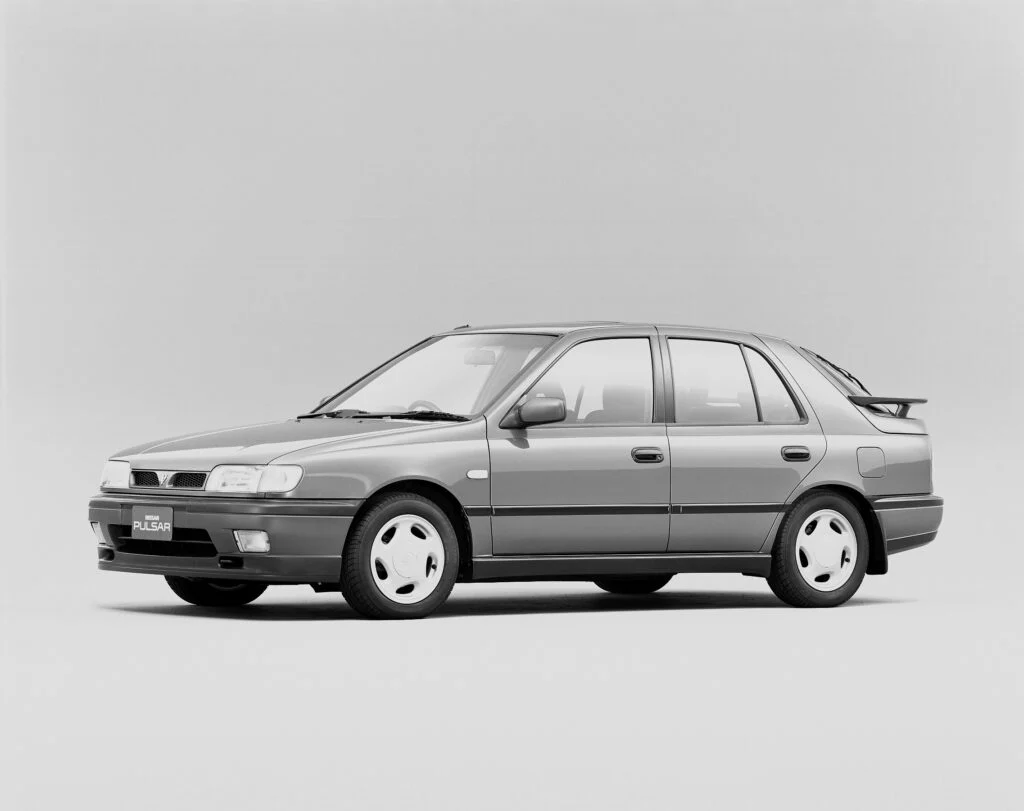
The 1991 award was split between two winners. One was the unforgettable Honda NSX, while the other – while no less worthy – was the far more inconspicuous N14 Nissan Pulsar.
Wheels judges were impressed with the Pulsar’s dynamic performance relative to its peers, but it was value that pushed it to the win. As a pair, the two winners couldn’t be more different, and only one could carry the title of a legend.
Subaru Liberty – 1994 and 1998
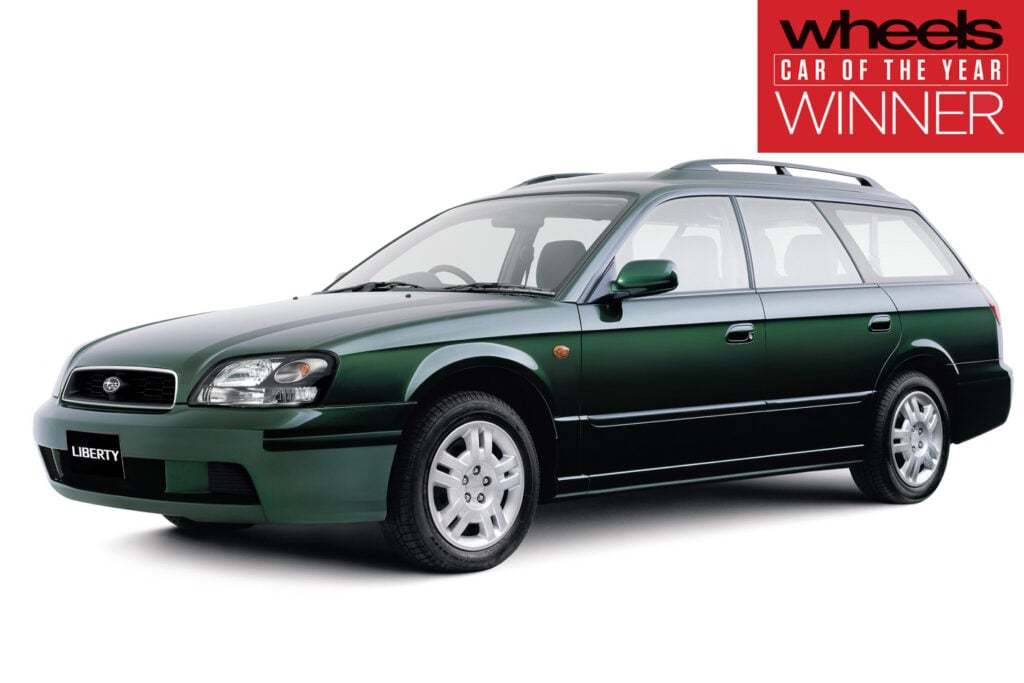
The Subaru Liberty presented so well that it won Car of the Year titles in 1994 and 1998 and somehow still managed to fly under the radar. In a repeating pattern, 1994’s victory followed that of the VR Commodore, and 1998’s followed the VT’s success.
And that could be where the problem lies. Local heroes stay memorable, but the sensible winners of the COTY trophy, those that rose to the top thanks to family-friendly packaging and stable all-wheel-drive handling, don’t always carry the same aura.
Holden Barina – 2001
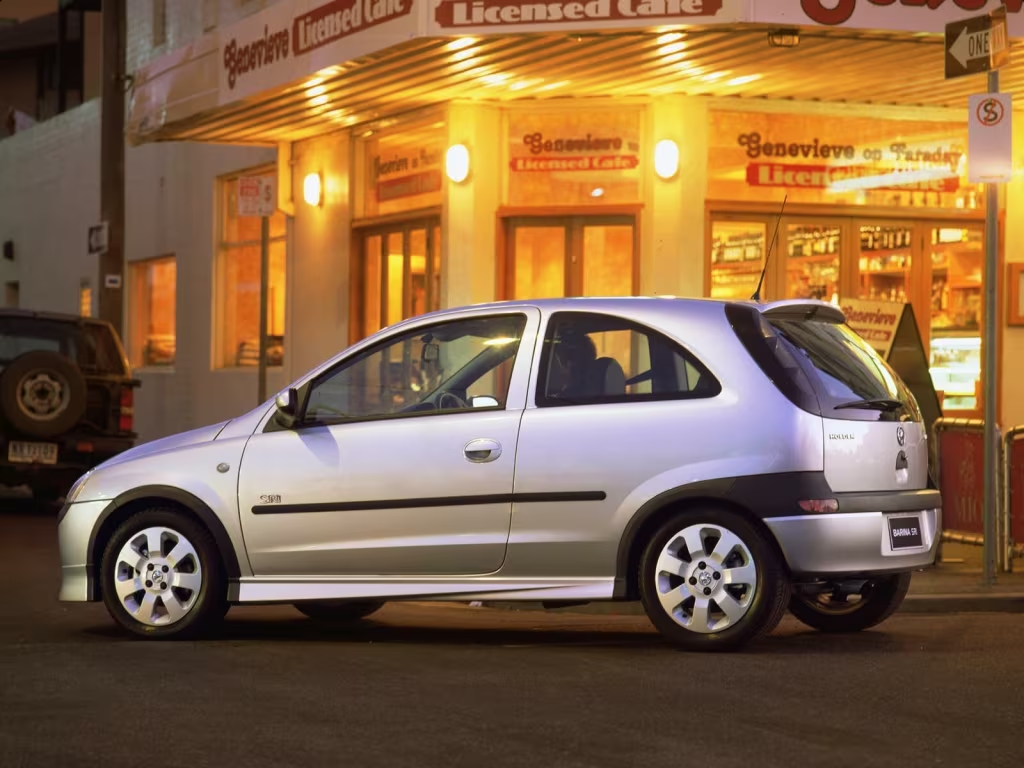
In a modern context, giving the humble Holden Barina a COTY win might seem like an anomaly. In 2001, the Euro-sourced hatch pushed the envelope with keen handling and premium presentation.
The cost would come as the generations of Barina that followed slid in terms of quality and handling. They tarnished a lineage that, until that point, had actually been quite strong. It became easier to forget the Barina was once one of the best cars you could buy than to face the reality of what Holden let it become.
Volkswagen Polo – 2010
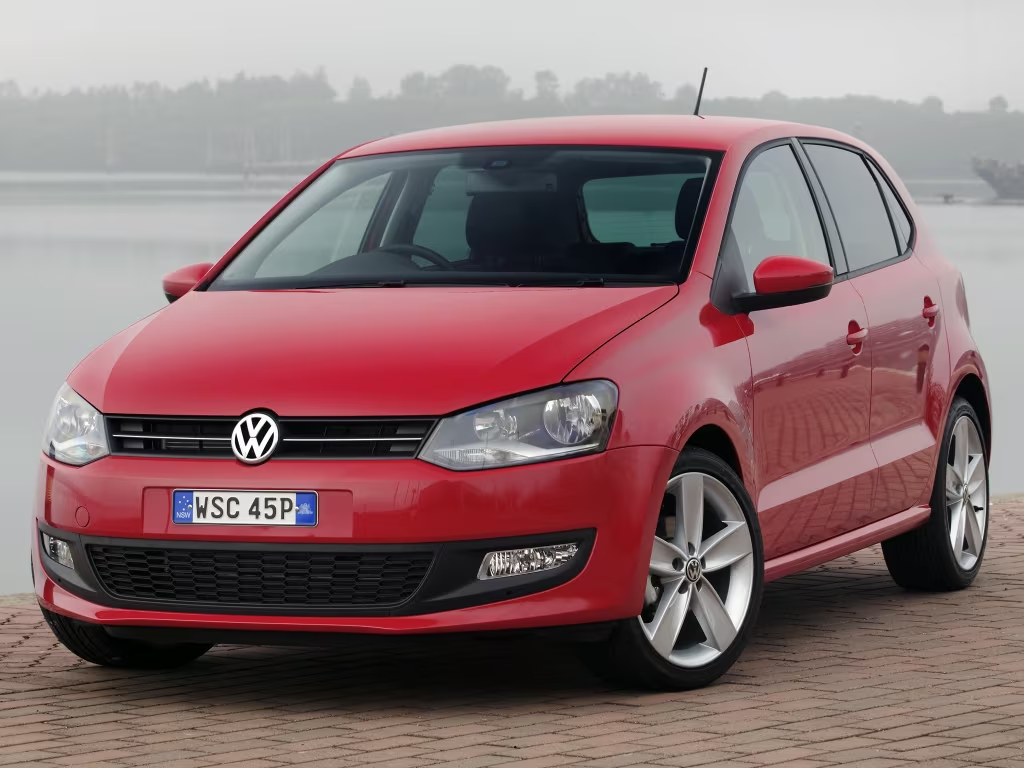
The Golf was crowned 2009 Car of the Year, and in 2010 the smaller Polo gave Volkswagen a second tilt at the award. It was no great surprise, given the premium feel and impressive handling of the Golf had filtered down to its stablemate.
The top three for the award also included the Nissan Micra and Renault Megane, so perhaps 2010 wasn’t the most memorable field overall. Still, it’s not hard to see how the Polo’s Golf-lite approach was a successful move.
Mazda CX-30 – 2021
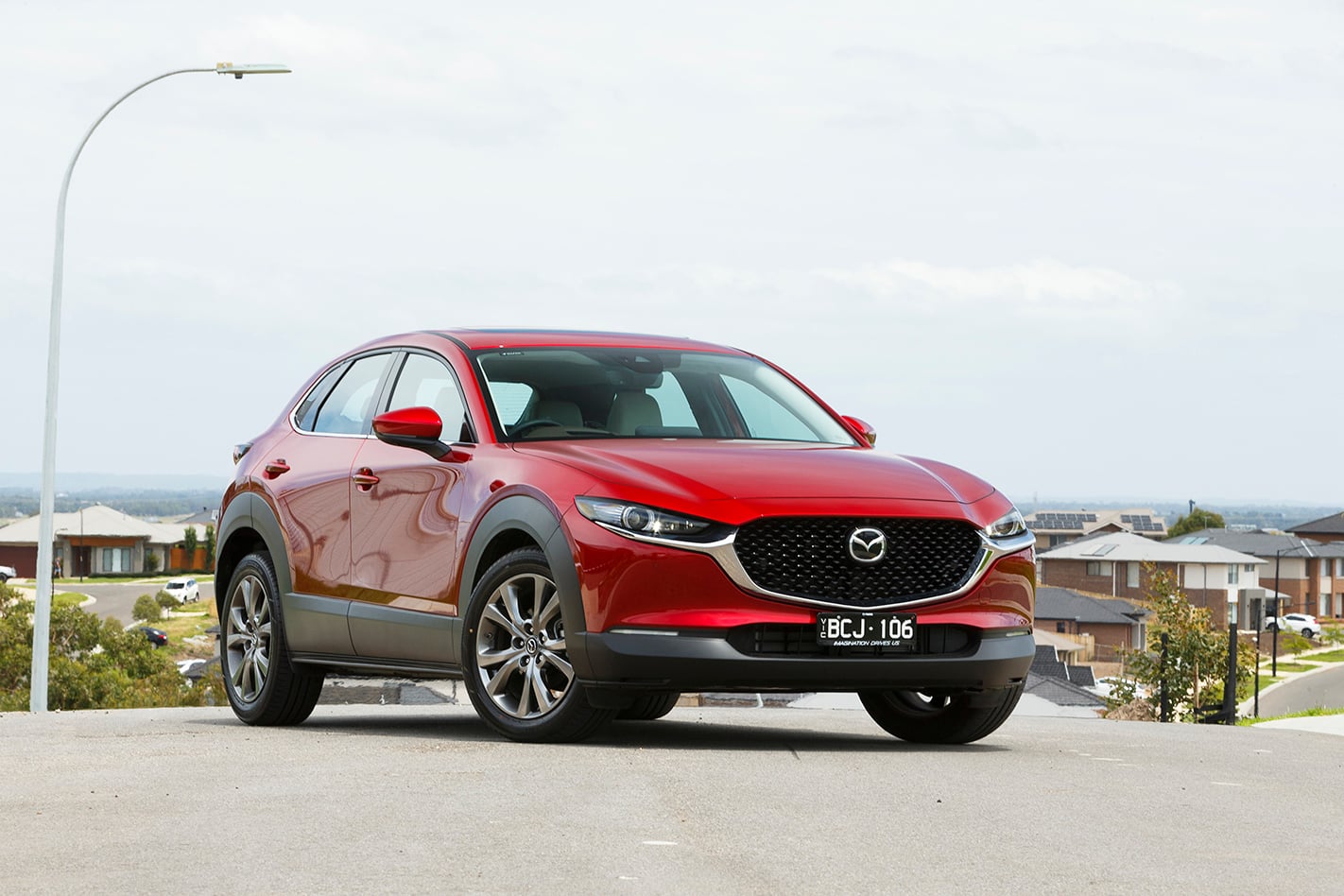
The 2010s saw the COTY silverware go to some incredibly noteworthy cars, like the Honda CR-Z in 2011, the BMW i3 in 2014 and the Mazda MX-5 in 2016. By 2021, a much more sensible winner was crowned in the CX-30.
Rather than outright technical innovation or extreme environmental credentials, it won unanimously because of how it elevated an otherwise uninspiring vehicle class. With a luxurious interior, dynamics that were more connected than they probably needed to be, and a sensible commitment to safety, Mazda understood what Aussies needed – even if it wasn’t the most defining car of the decade.
Once upon a time, Australian roads were filled with sedans, wagons and hatchbacks… and then SUVs came along and hit them with something close to an extinction-level event. Perhaps that’s being slightly dramatic, but there’s no denying that the extraordinary rise of the SUV has changed the cars we buy and, more importantly, the cars manufacturers want to sell us.
Today, SUVs account for well over half of all new vehicles sold in Australia, and that number is only increasing. Buyers can choose from seemingly endless variations: small, medium, large, coupe, electric, performance – even models that are essentially hatchbacks wearing plastic wheelarch cladding are now marketed as SUVs.
The success of the SUV has inevitably come at the expense of traditional passenger cars. Sedans have almost disappeared, wagons are endangered and the once hugely popular hatchback has been abandoned as manufacturers chase customers into higher-riding alternatives.
SUVs aren’t solely responsible for every death on this list; changing regulations, profitability, electrification and individual product decisions have all played a role. But each of these cars represents something we’ve lost in the huge market shift. Here are 10 cars that we miss the most…
1. Holden Commodore
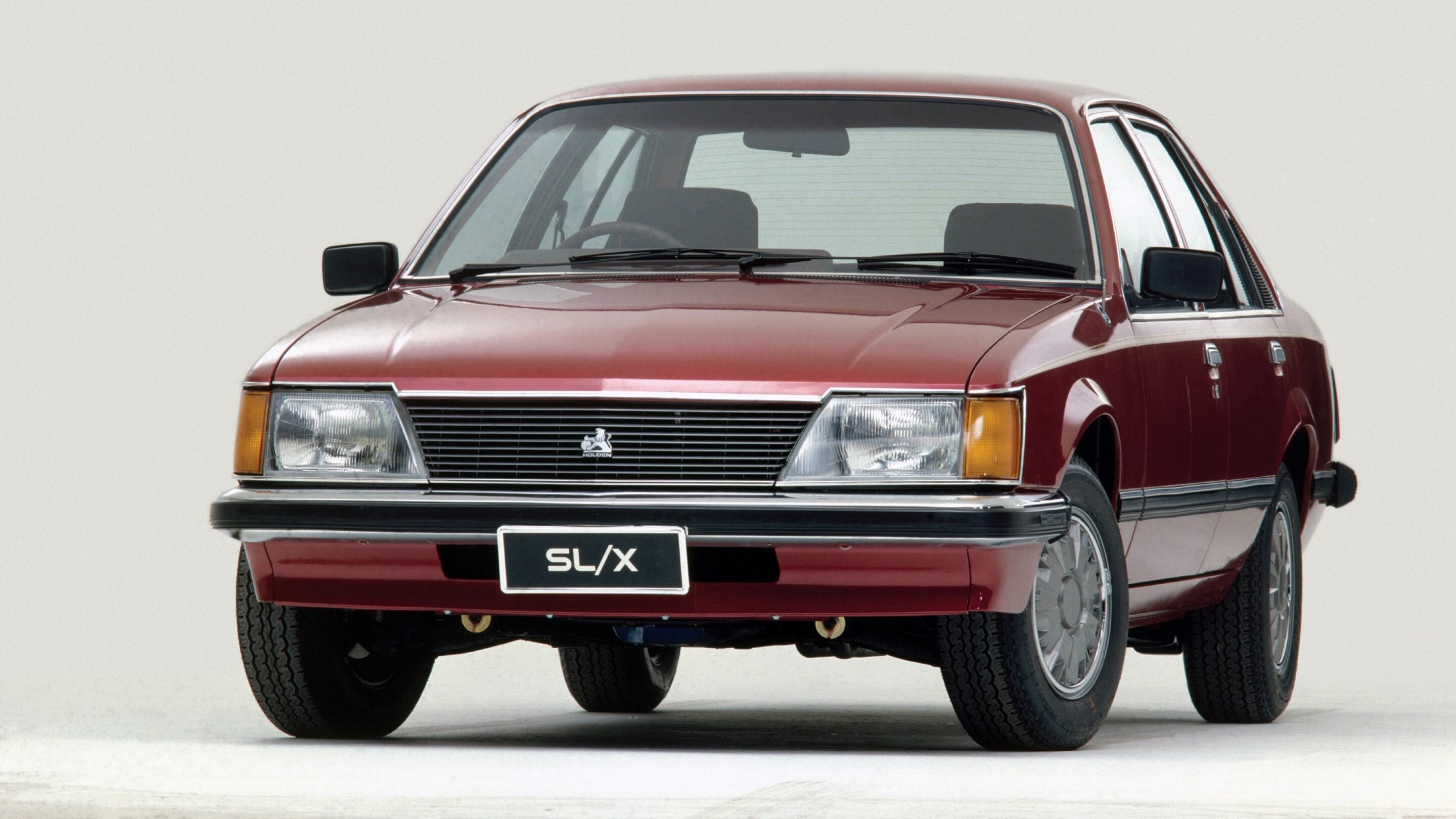
If there’s a car that singlehandedly demonstrates Australia’s changing automotive tastes, it’s the Commodore . For much of its life, it wasn’t merely popular, it was a huge part of Australia’s culture. Sedan, wagon, ute, V6 or V8, manual or auto, luxury, performance, police car, taxi cab… the ‘dore could be almost anything you wanted it to be.
Local production ended in 2017, but Holden attempted to keep the name alive by rebadging the imported Opel Insignia which, as we know, was a commercial failure.
The imported Commodore disappeared at the end of 2020, just as Holden itself was being retired. Meanwhile, buyers who might once have owned a Commodore wagon were flocking towards SUVs. It’s difficult to imagine a better illustration of the market’s transformation than the disappearance of Australia’s own family car.
2. Ford Falcon
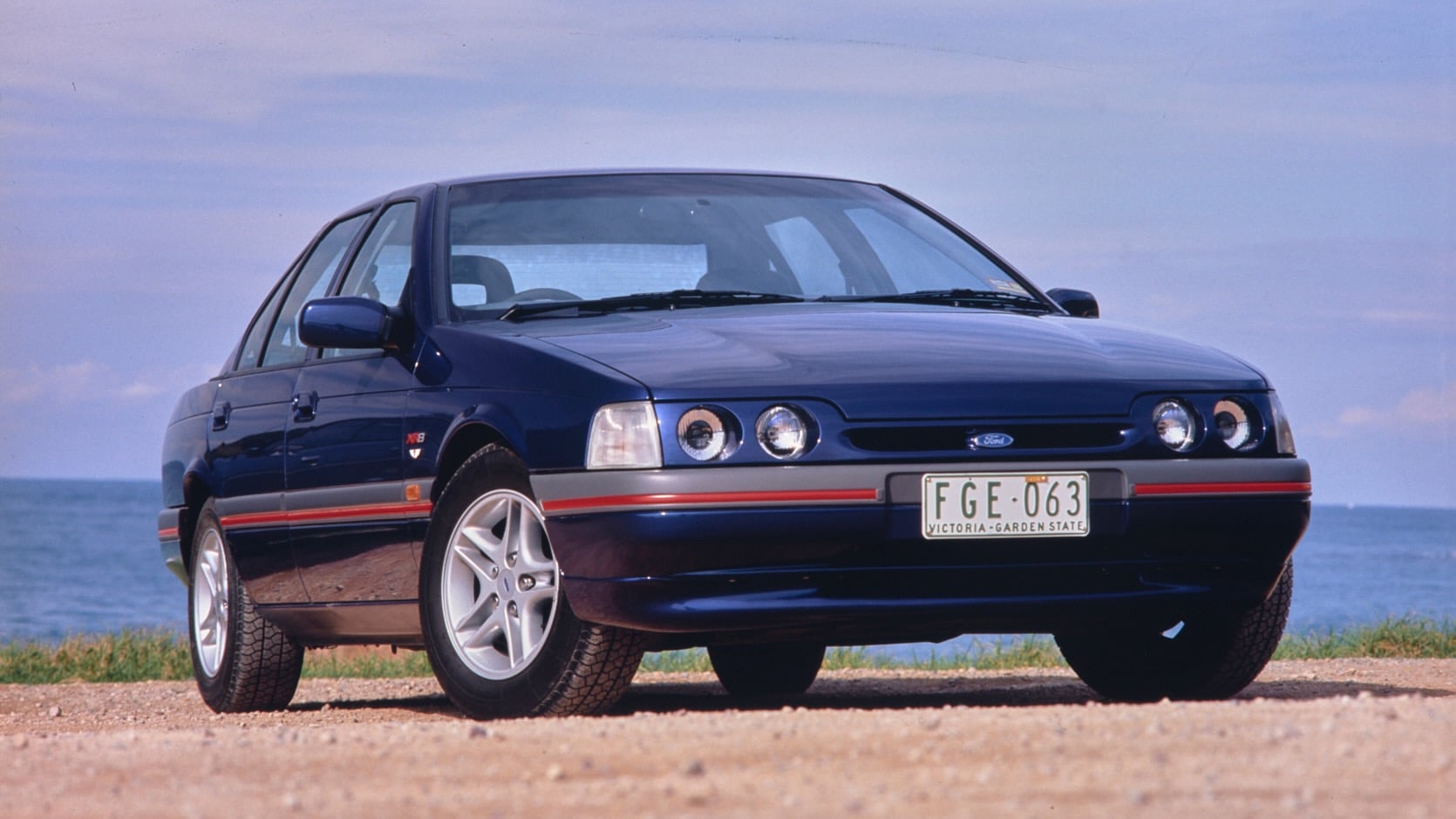
Like the Commodore, the Falcon was a default Aussie family car. You could buy it as a sedan, wagon or ute, while performance versions wearing XR6 Turbo, XR8 or FPV badges provided enormous bang for your buck.
By the end of its time, however, Australians were increasingly walking past large sedans and over SUVs in the showroom. Ford ended Australian manufacturing in 2016, killing the Falcon after more than half a century. Today, the spiritual family-car role once occupied by Falc has effectively been taken by the Ranger-based Everest SUV.
That Ford Australia now sells essentially no conventional passenger cars tells you everything you need to know. How did we let the country become a wasteland for locally made icons?
3. Mazda6
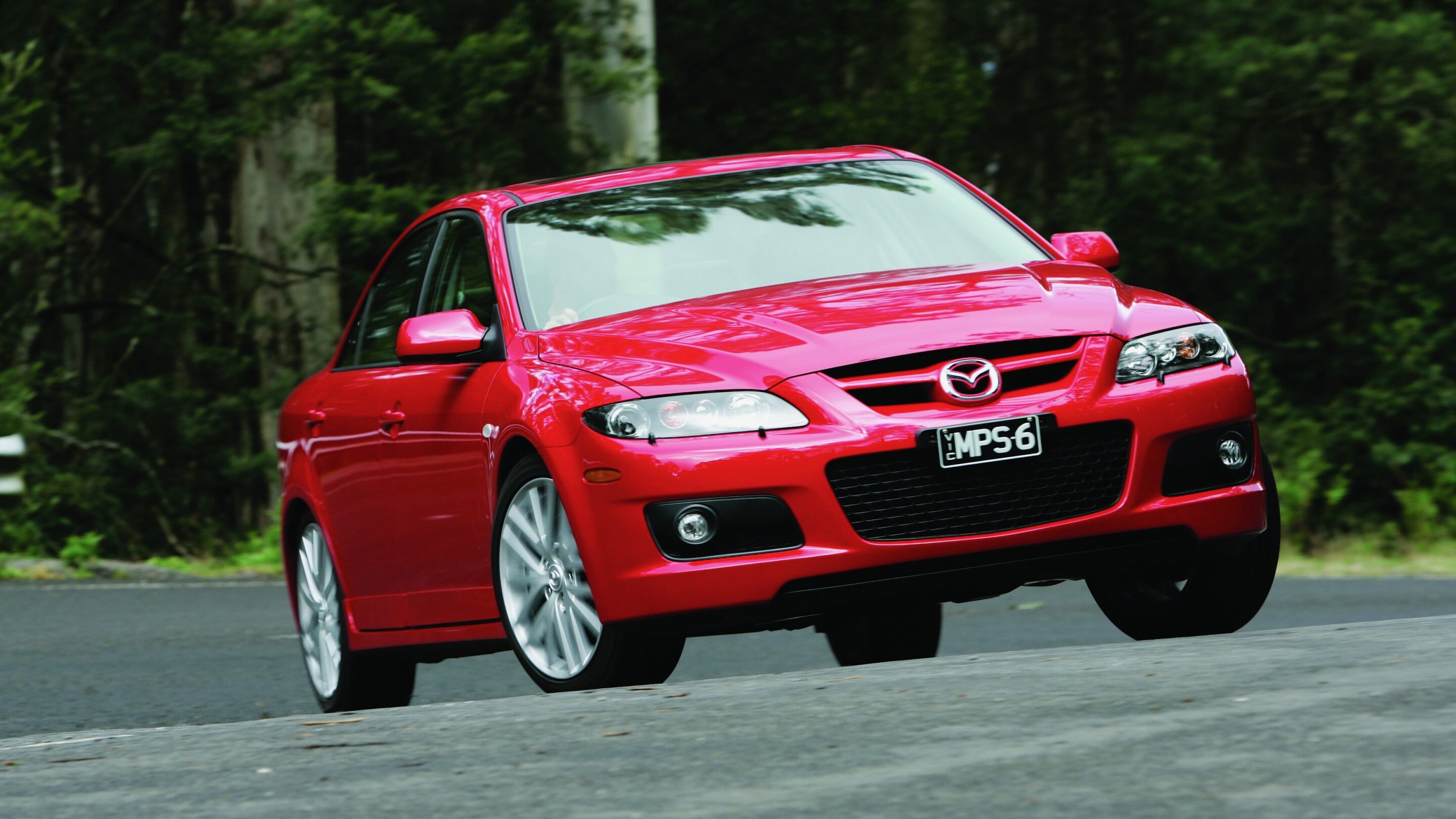
The Mazda6 is notable in that survived longer than most. Introduced in 2002 as the replacement for the 626, it became one of the defining medium cars of its era, particularly in handsome wagon form, and played a big role in launching Mazda’s ‘zoom zoom’ era.
But when Mazda’s SUV range exploded with CX-branded models like the CX-3 and CX-5, sales of the 6 dwindled. Australian sales finally ended in 2025 after 22 years, leaving the smaller Mazda3 as the brand’s only conventional passenger car down under.
Mazda perhaps best demonstrates the changing market. Its Australian range now stretches from CX-3 and CX-30 through to CX-5, CX-6e, CX-60, CX-70, CX-80 and CX-90. At this rate, the brand will stop running out of numbers to add to the CX prefix.
4. Ford Mondeo
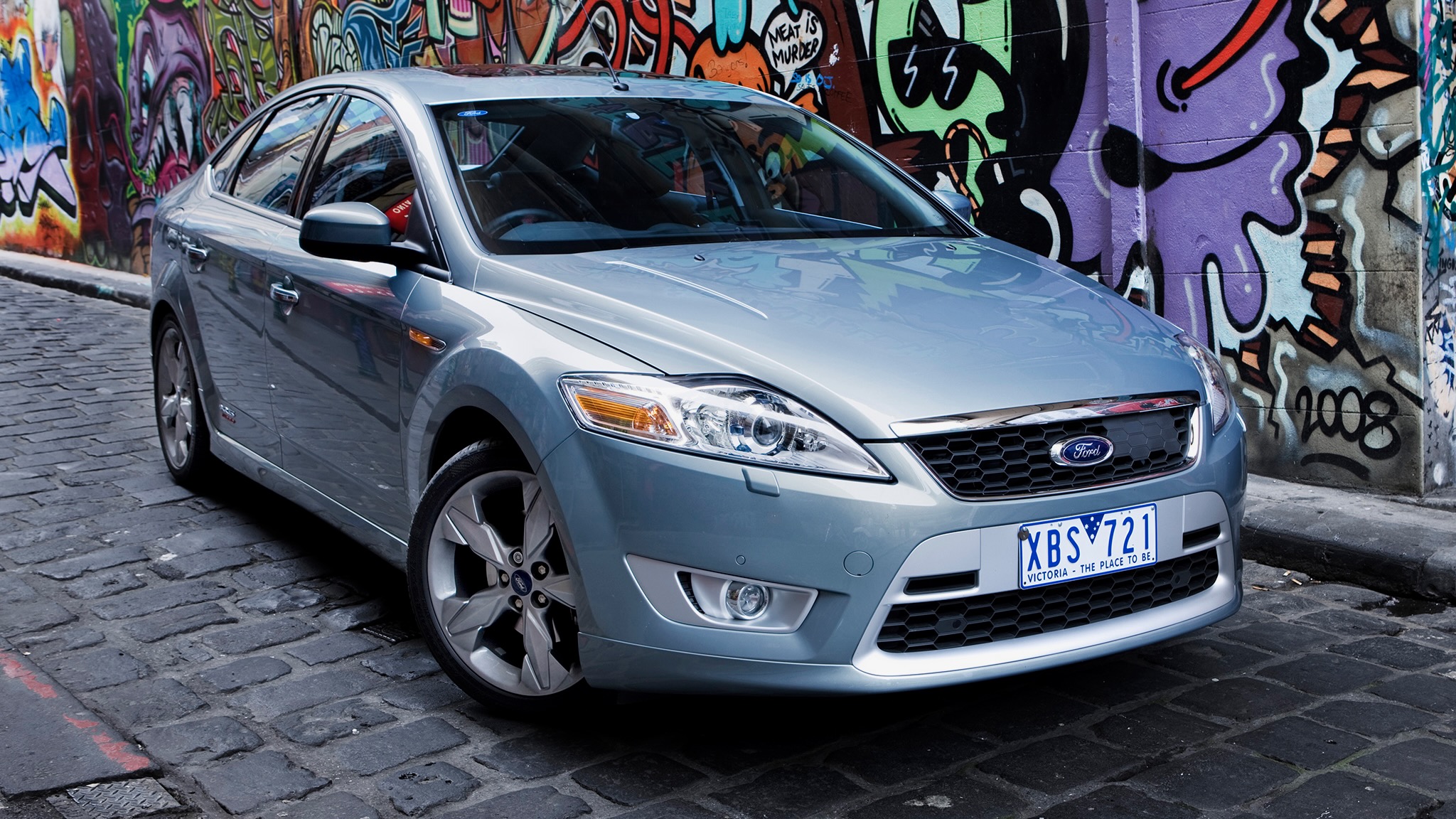
Remember when medium-sized family cars were a completely normal thing to buy? We certainly do, and the Mondeo was one of the best ones you could own. It competed with cars such as the Mazda6, Volkswagen Passat and Toyota Camry, offering plenty of space and impressive dynamics without making its occupants sit half a metre higher than necessary.
Australia received the final Mondeo in hatchback and wagon forms, but neither could compete with the SUV invasion. Ford withdrew it locally in 2020, while European production ended completely in 2022. You can still get a Mondeo in markets like the Middle East, but that model will sadly never be made in right-hand drive form.
In fact, Ford Australia has pulled out of passenger cars entirely and now sells nothing but commercial vehicles and SUVs. If a Mondeo owner wanted a modern equivalent, the Mustang Mach-E or Everest would be the closest thing available. They’re both solid products, but you can’t help but feel a touch of sadness.
5. Volkswagen Passat
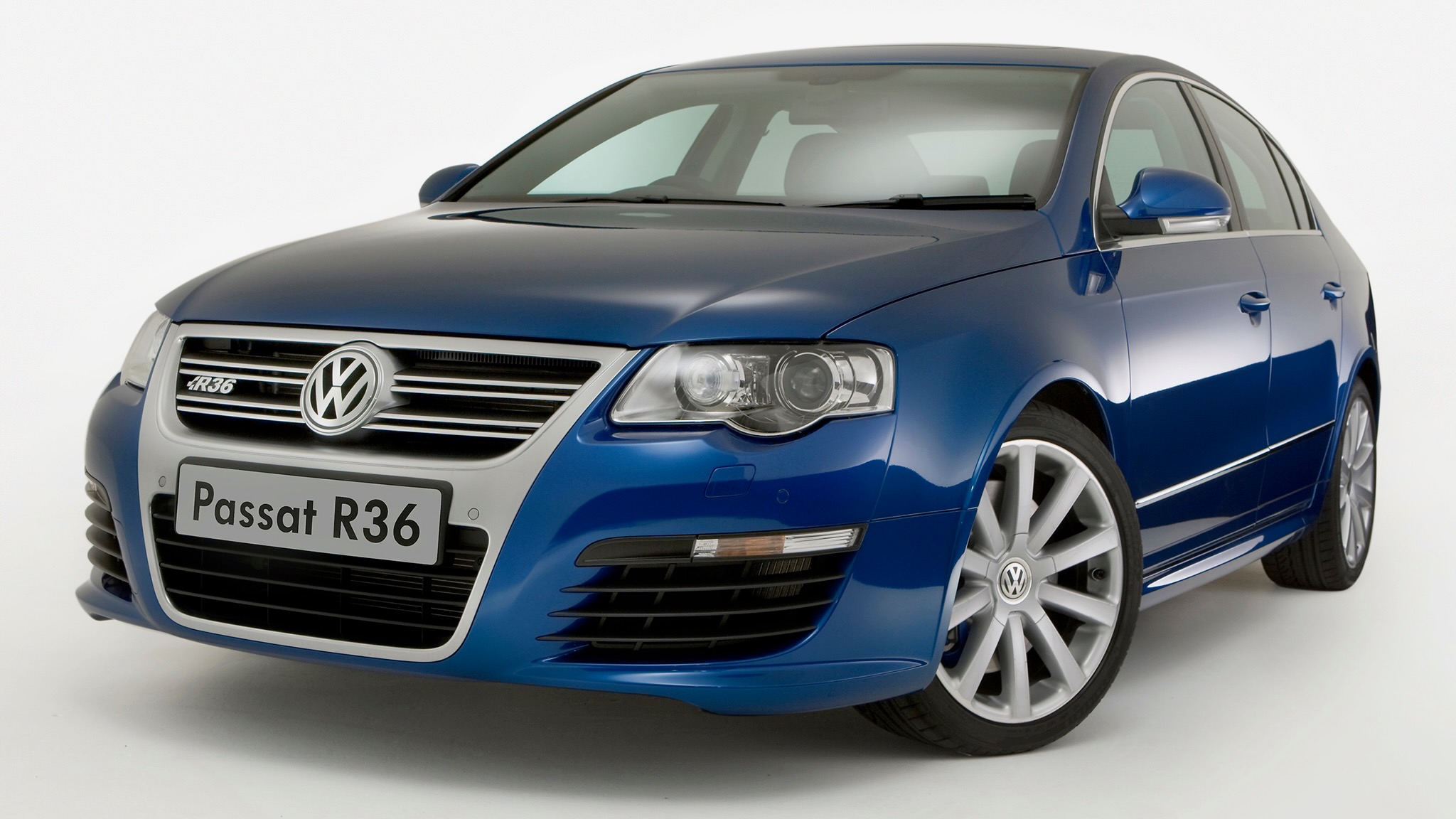
For decades, the Passat was Volkswagen’s sensible grown-up family car. While the Golf and Jetta were for smaller households, the Passat was larger with more rear space and a massive boot, particularly as a wagon. It was also a flagship in more ways than that, as the 220kW 3.6-litre R36 model proved.
However, buyers increasingly gravitated to the Passat’s Tiguan medium SUV sibling instead. The sedan eventually disappeared globally, with the whole Passat range disappearing entirely from Australia, while Europe moved to a wagon-only new generation that now shares almost everything with the latest Skoda Superb.
It’s a crying shame, especially when Volkswagen Australia once offered three wagons in its range. Thankfully, Volkswagen’s Skoda and Cupra sub-brands still offer wagons locally in the form of the Octavia, Superb and Leon Sportstourer, so those who want some Volkswagen Group wagon goodness still have a few options.
6. Honda Accord Euro
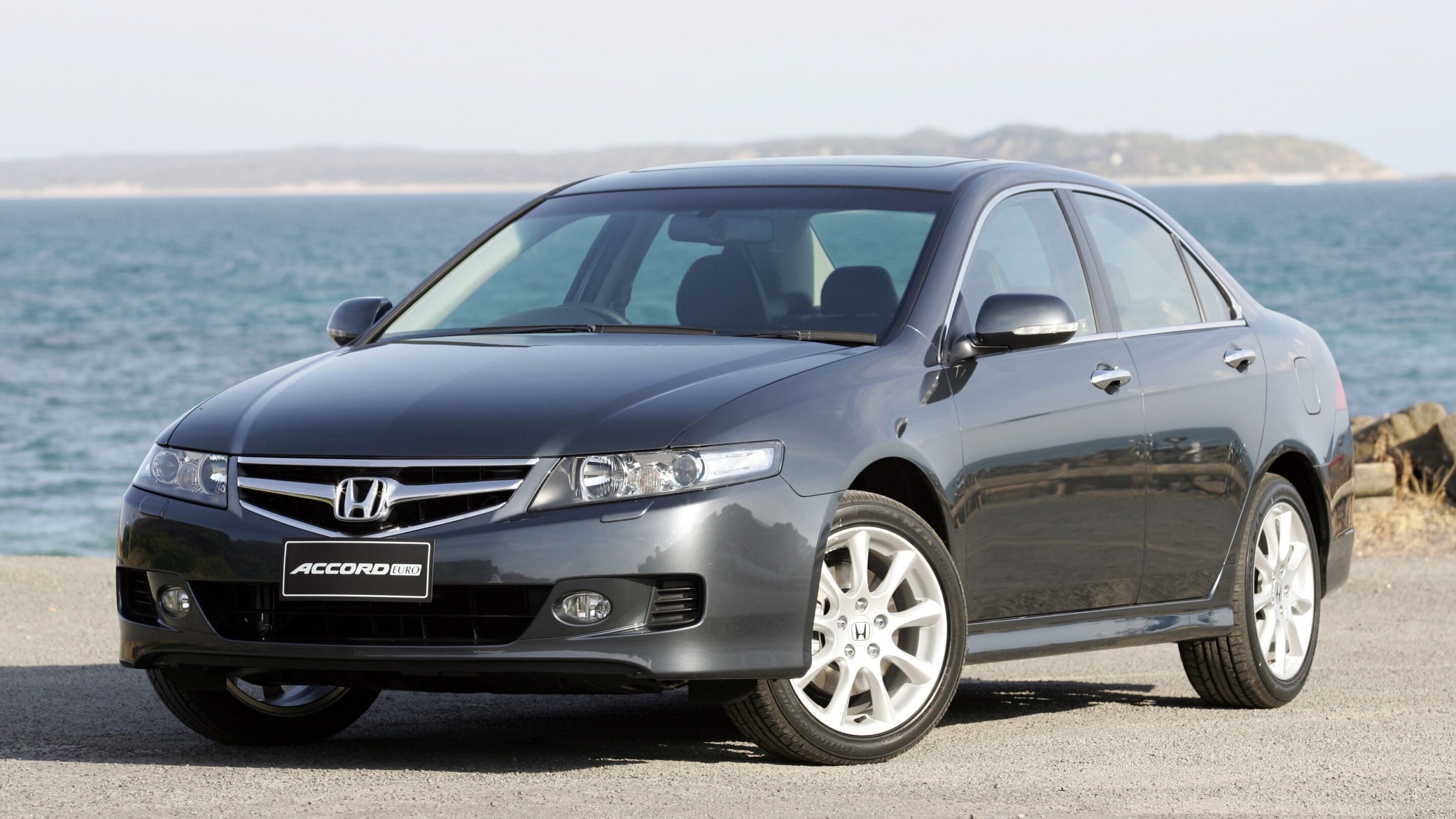
There was a time when Honda sold not one, but two different versions of the Accord in Australia and New Zealand. There was the larger version aimed at North America – Wheels famously dubbed that one the ‘Accord Seppo’ – and then there was the smaller model for markets like Japan and Europe, which was marketed locally as the Accord Euro.
The Accord Euro was the smaller, sportier and arguably more desirable of the pair. Launched locally in 2003, it combined handsome styling, excellent build quality and a rev-happy 2.4-litre four-cylinder engine with the sort of polished dynamics that helped build Honda’s reputation for sporty, well-engineered cars.
The second-generation Accord Euro arrived in 2008, but it would be the last. Production ended in 2015 without a direct replacement, leaving a hole in Honda’s Australian range that was never really filled.
By then, medium sedans were losing favour while SUVs such as Honda’s own CR-V were becoming the default family choice. The Accord Euro was exactly the sort of car Honda once did brilliantly and today, making a business case for another one would be very difficult.
7. Honda Odyssey
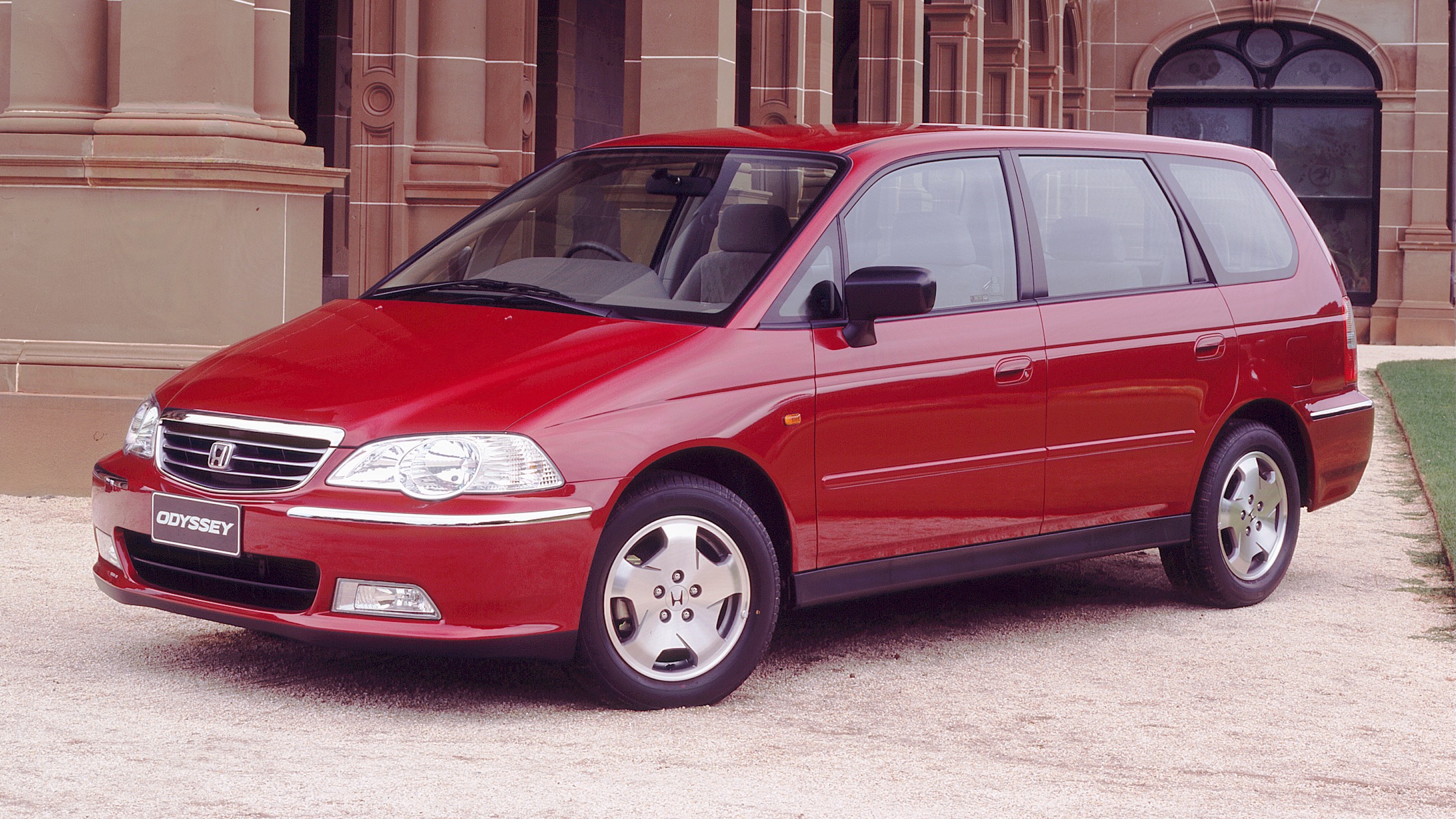
In case you haven’t noticed, SUVs haven’t only claimed sedans, hatchbacks and wagons – they’ve also helped push the traditional people mover towards extinction. The Honda Odyssey is one of the most interesting examples because it never really felt like a van. Lower, sleeker and more car-like than rivals such as the Kia Carnival, it combined seating for up to eight with a driving experience closer to what you’d get from a large wagon.
It made an enormous amount of sense for families but unfortunately, buyers increasingly decided that three-row SUVs were an even better fit… or at least looked cooler on the school run. Honda ended Australian Odyssey sales in 2022 after production of the Japanese-built model ceased, leaving the brand without a people mover locally. It returned to some markets like Japan not long afterwards, but remains off-limits down under.
Today, buyers who are after a large Honda family vehicle are directed towards the CR-V, while the broader market has embraced large car-based SUVs like the Toyota Kluger and Kia Sorento. The SUV didn’t completely kill the people mover, but it certainly made life much harder for one of the cleverest examples. In Australia, it’s really only the Carnival that still sells in meaningful numbers.
8. Subaru Liberty
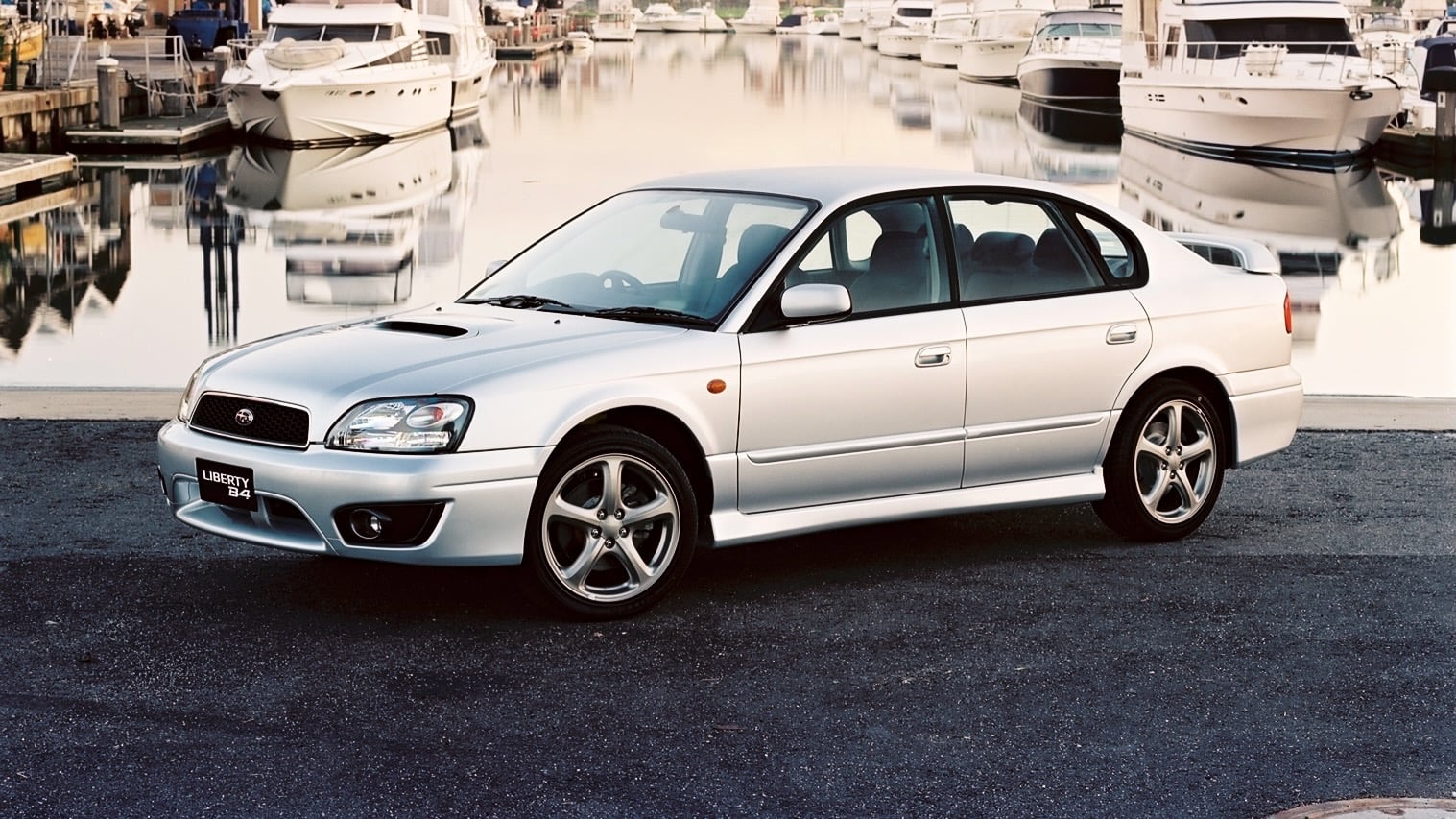
The Subaru Liberty seemed to be everywhere in the early-to-mid 2000s. Comfortable, practical and equipped with all-wheel drive as standard, the Liberty – particularly in wagon form – provided many of the supposed benefits of an SUV in a far more streamlined and sleek package.
All of which makes what happened next particularly ironic: the Liberty wagon gradually gave way to the Outback, which has evolved from a jacked-up Liberty wagon into a proper SUV with its latest generation.
As a result, Subaru dropped the Liberty from Australia after 2020, leaving the Outback to carry the family-car torch, and it no longer makes the Legacy, as the Liberty was named overseas. The SUV didn’t so much kill the Liberty as the Liberty became the SUV.
9. Honda Jazz
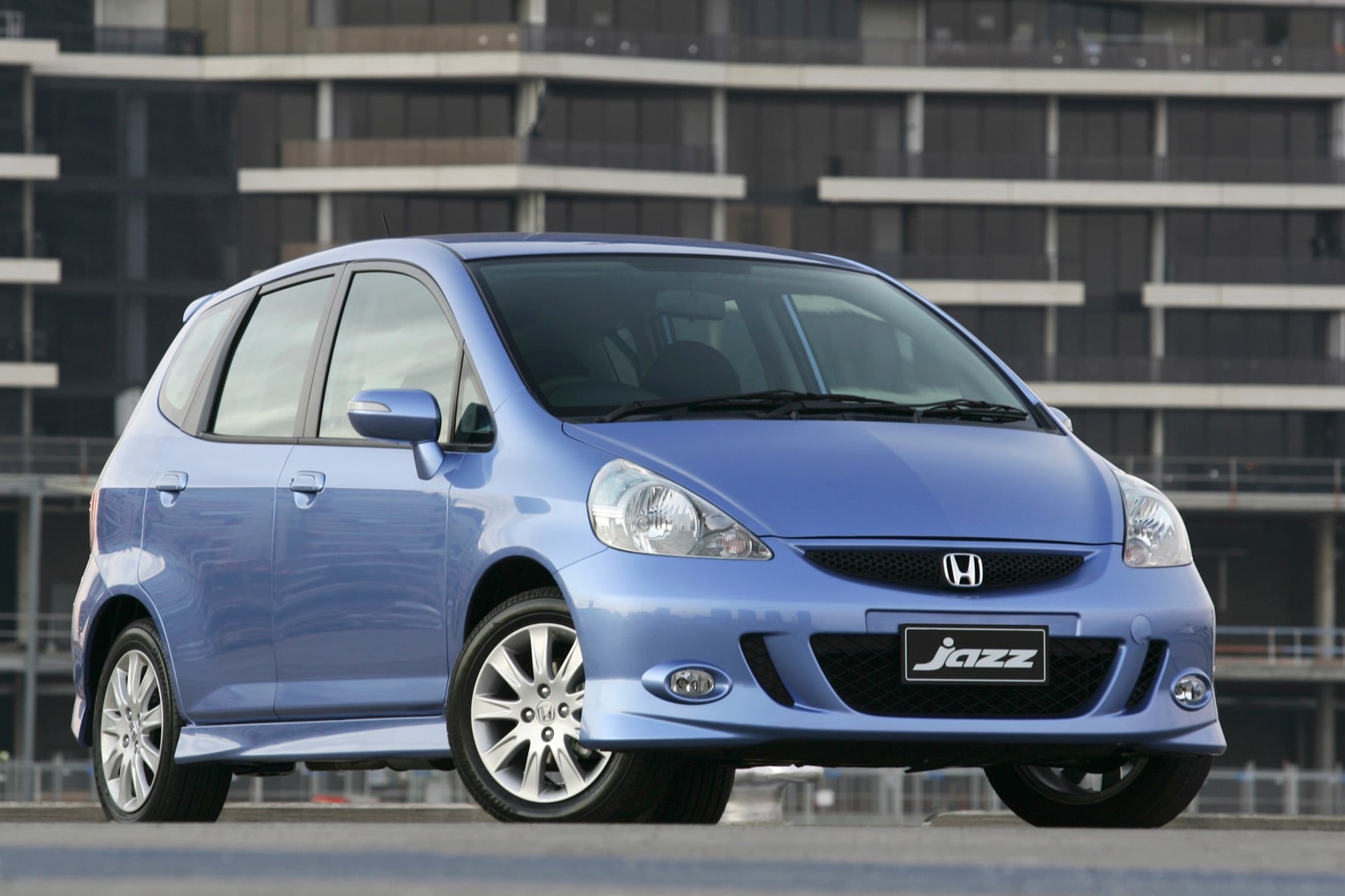
Few small cars are more practical than the Jazz. That’s the way it’s been since 2002, when the original was introduced locally, and it’s the same story today. They have a fierce following among owners because, at the time, no car delivered as much pragmatism for the money. You’d struggle mightily to find a model that demonstrates the difference between what buyers say they need and what they’re actually need quite like the Jazz.
Despite being sized like a conventional light hatchback, it was insanely versatile. Its clever centre-mounted fuel tank enabled Honda’s brilliant ‘Magic Seats’, with the bases of the rear pews flipping upwards so the seatbacks fold almost completely flat. Even now, many larger SUVs can’t match its usefulness.
It was also affordable, starting at comfortably under $20,000, economical thanks to its 1.3- or 1.5-litre petrol engines, easy to drive and amazingly spacious for something so small. Yet none of that could save it from Australia’s growing obsession with SUVs.
Honda discontinued the Jazz locally in 2021 as part of a major overhaul of its Australian business, despite a new generation being available overseas. Its role has effectively been absorbed by the HR-V – a small SUV that’s both larger and more expensive than the Jazz ever was. That’s the most frustrating part: we haven’t stopped needing practical small cars, we just decided that they needed to look a lot bigger.
10. Volvo V60 and V90
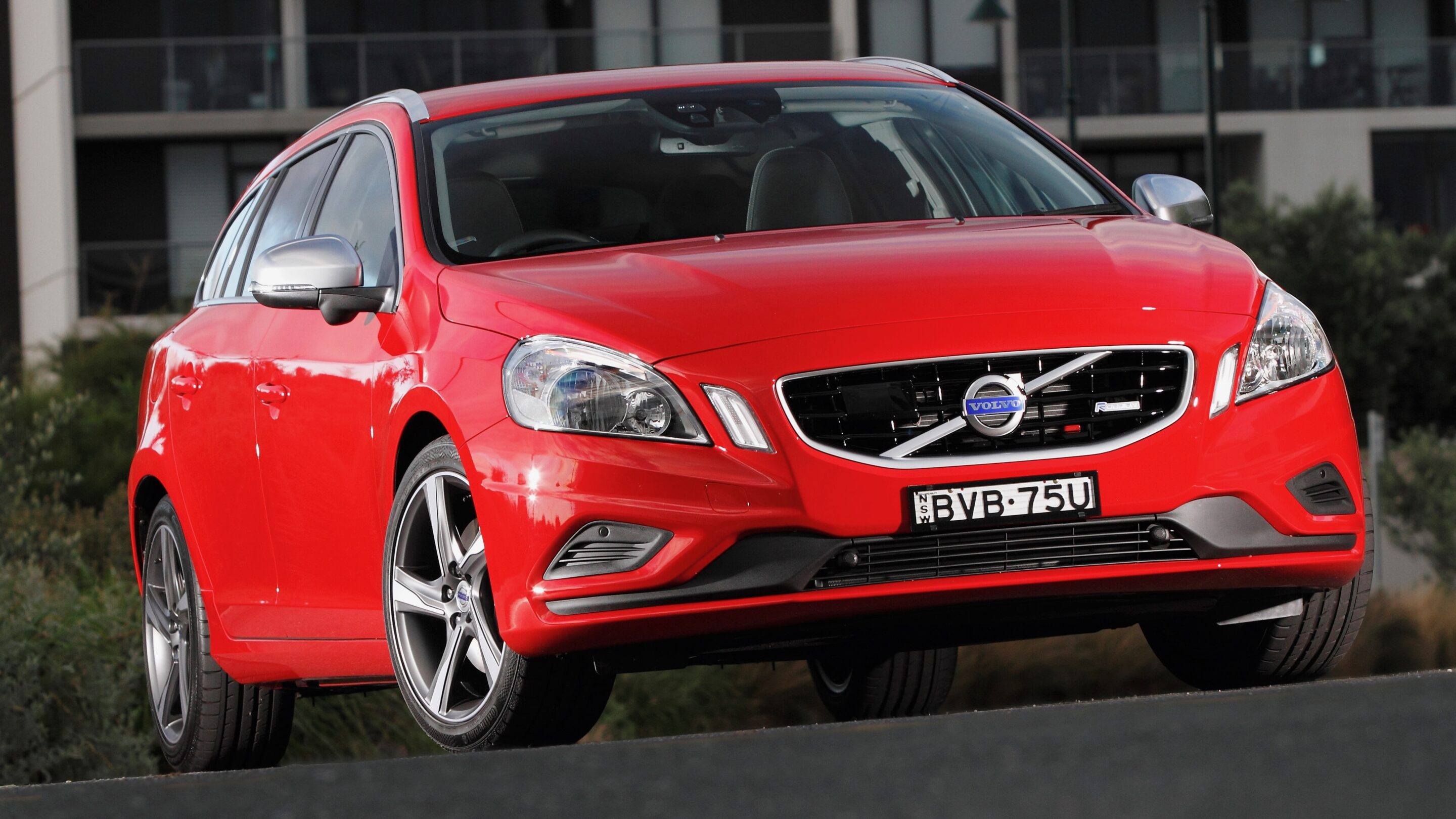
If there’s one body style the SUV boom has treated particularly cruelly, it’s the wagon, and few companies were more synonymous with wagons than Volvo. The iconic Swedish brand built its reputation on boxy, uber-practical versions, and recently reached the end of the wagon line with both the V60 and V90.
But even Volvo couldn’t resist the SUV and as we saw earlier this year, its XC60 mid-sizer became the most popular Volvo product of all time, eclipsing the 240 wagon. Locally, Volvo stopped selling the V60 in early 2025, with local stock cleared by the middle of the year, while the V90 stopped being imported in 2021.
Its XC40, XC60 and XC90 models have become increasingly successful, and now the brand that was partly built on wagons doesn’t offer one in its entire range. As an illustration of just how complete the SUV takeover has become, this takes some beating.
Is the traditional car really dead?
Thankfully, not quite, they still sell in reasonable numbers. The Toyota Corolla and Camry remain, as do the Mazda3, Volkswagen Golf, Skoda Octavia and Honda Civic. Electric newcomers have also breathed unexpected life into traditional body styles, with cars such as the Polestar 2, BYD Seal, Mercedes-Benz CLA and Tesla Model 3 proving there’s still demand for sedans.
More wagons are in development as manufacturers discover that an efficient EV doesn’t necessarily need to be shaped like an SUV, while we’ve also seen new small hatchbacks from China breathe new life into the cheaper end of the market. But there’s no escaping what’s happened over the past two decades both locally and around the world.
SUVs offer genuine advantages: they’re easy to get in and out of, provide the high driving position buyers love, accommodate families well and, increasingly, aren’t much more expensive or thirsty than equivalent passenger cars. We bought them in enormous numbers, so manufacturers built more of them, and then we bought those too. The result is a new-car market with greater choice than ever… provided the car you want happens to be an SUV.
The Falcon, Commodore, Mondeo, Liberty, Passat also fell victim to age, lack of profitability and other reasons entirely beyond changing consumer tastes. But the shift towards SUVs helped create a world in which replacing them no longer made sense.
For those of us who still appreciate a low seating position, or a wagon or a sedan that doesn’t pretend it’s preparing to cross a desert, our roads are significantly less interesting because of the change.
It’s May 2006, and Aussie touring car legend and Holden hero Mark Skaife has just completed the second of his two runs along a deserted 1km stretch of tarmac in what is known as the Woomera Restricted Area, deep in the heart of the South Australian desert.
Skaife’s terminal velocity over the rolling kilometre was 277.16km/h, around 12km/h faster than his first run over the same stretch of road, run in the opposite direction and, as per Guinness World Record rules, within an hour of the first run.
Skaife’s two-run average of 271.44km/h shattered the existing world record for a ute or pick-up truck – 248.783km/h set in 2004 by NASCAR racer Brendan Gaughan in an 8.3-litre V10-powered Dodge RAM SRT-10.
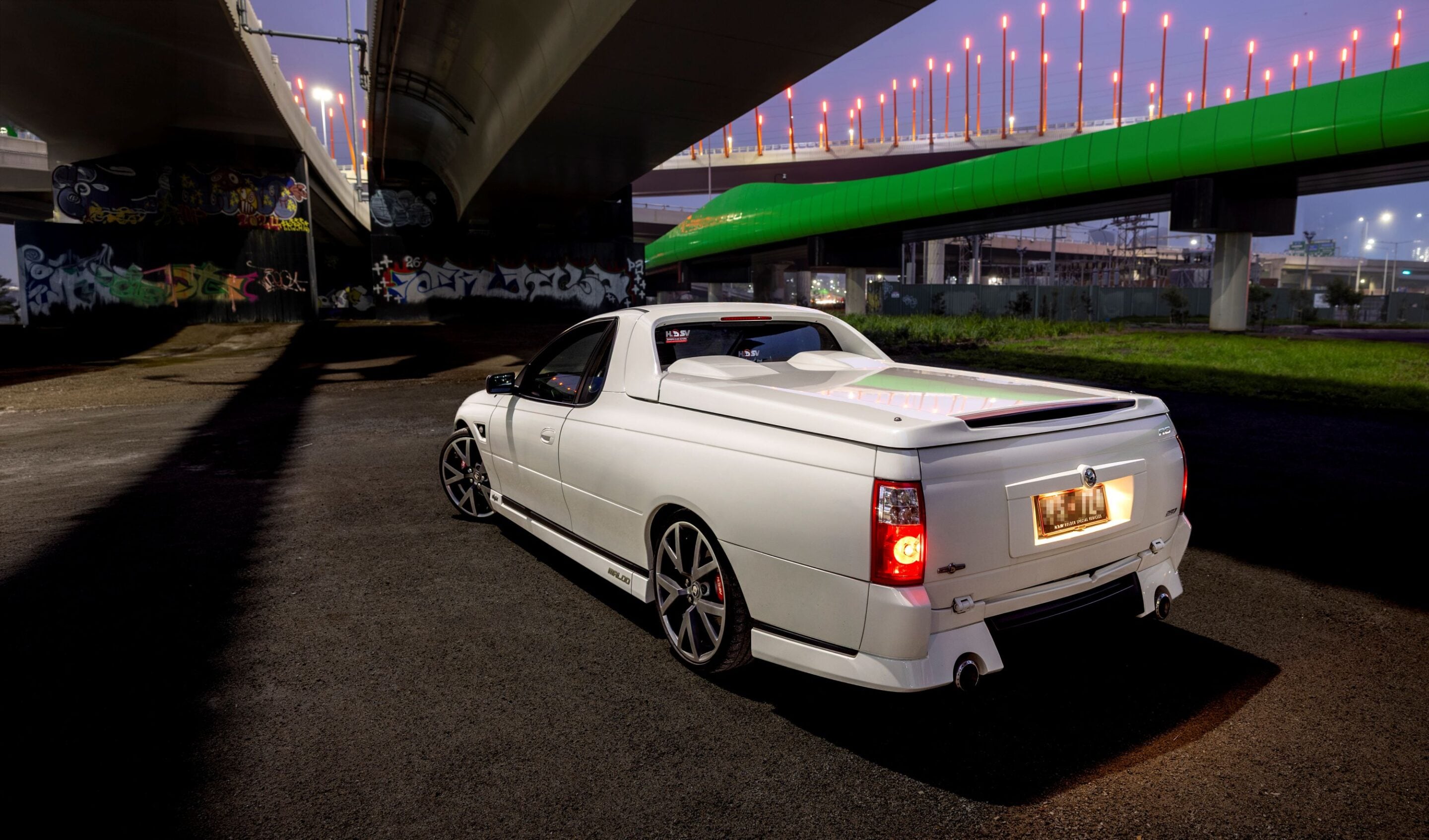
Skaife didn’t need the extra two cylinders, the 6.0-litre V8 in his HSV Maloo was plenty powerful enough to set a new benchmark. Yes, the HSV VZ Maloo officially became the world’s fastest ute on that sunny day in 2006. It still is.
Rewind to 1990 and Holden Special Vehicles – the still-fresh performance arm of local car giant Holden – was looking to expand its portfolio beyond its line-up of brawny Commodore-based sedans. The launch of an all-new Holden ute (VG), the first in six years and the first-ever Commodore-based utility, provided the perfect canvas.
HSV didn’t stray too far from its already well-established formula. Body enhancements added muscle car kerb appeal, while tinkering with the 5.0-litre Holden V8 under the bonnet boosted outputs to 180kW and 400Nm, up 15kW and 15Nm respectively on the donor engine.
Available with either a five-speed manual gearbox or a recalibrated four-speed auto for crisper shifts, HSV’s ute could dispatch the sprint from 0-100km/h in a tickle over seven seconds, pretty handy for the time.
HSV softened the springs at the rear while up front, the suspension from HSV’s SV5000 sedan found a new home in the VG Maloo.
The end result? A ute that drove and handled like a performance sedan, all while having the ability to haul a payload of 592kg in the tray out back.
As for the name of the new model? That reportedly came from HSV’s supremo John Crennan, who went with an Aboriginal word for ‘thunder’ – Maloo. A legend was born.
HSV stuck with the Holden 5.0-litre mill through successive generations of the Maloo – from VP to VS – but in 2000, the launch of the new VU-based Maloo brought American iron to the performance party. HSV ditched the old workhorse Holden lump, and instead packed the legendary 5.7-litre LS1 Chevrolet V8 under the hood of its latest powerhouse workhorse.
Now making 255kW and 475Nm, the VU Maloo posted sub 6-second 0-100km/h times while the
standing 400-metre drag was over in 14 seconds flat. Not bad for what was ostensibly a tradie’s vehicle but was rapidly becoming a practical ‘supercar’.
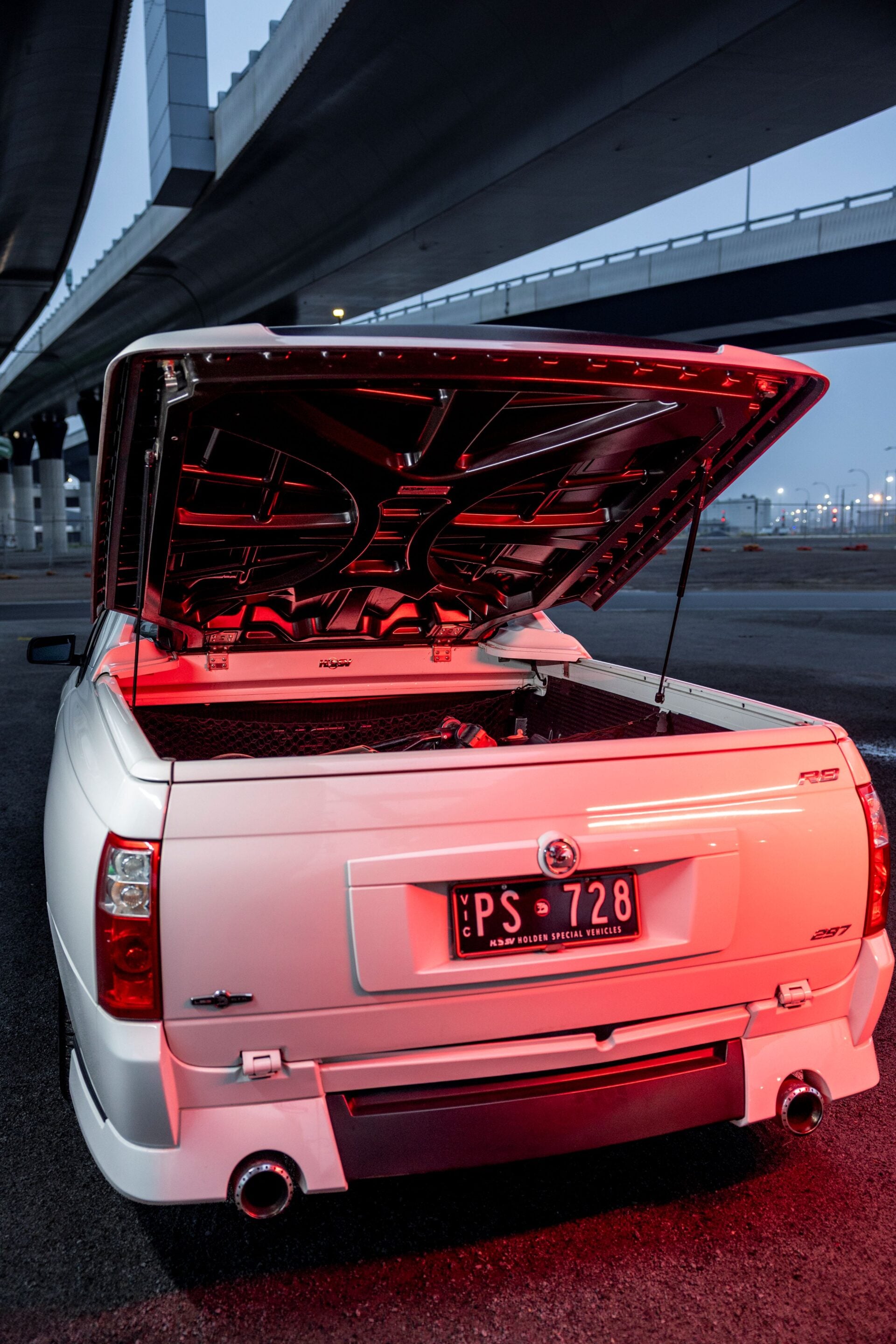
An upgraded R8 model made its debut with the VU Maloo, and while engine outputs remained the same as the ‘regular’ Maloo, larger brakes, distinctive 18-inch alloy wheels, a hard tonneau cover and interior upgrades distinguished the flagship.
But the LS1’s tenure at HSV was short-lived, and in 2004, the new VZ Maloo introduced a new hero to the line-up – the 6.0-litre LS2 V8 pumping out 297kW and 530Nm. For context, the all-new Ferrari F430 launched the same year as the VZ Maloo produced 360kW and 465Nm from its 4.3-litre V8.
But it wasn’t just about cramming a bigger, more powerful V8 into the Maloo and calling it a day.
HSV went to town on the VZ Maloo which now featured larger 19-inch alloys, shod in 245/35 ZR19 Pirelli P Zero Rosso rubber, traction control (a first for any Holden ute), and a new multi-link rear suspension setup.
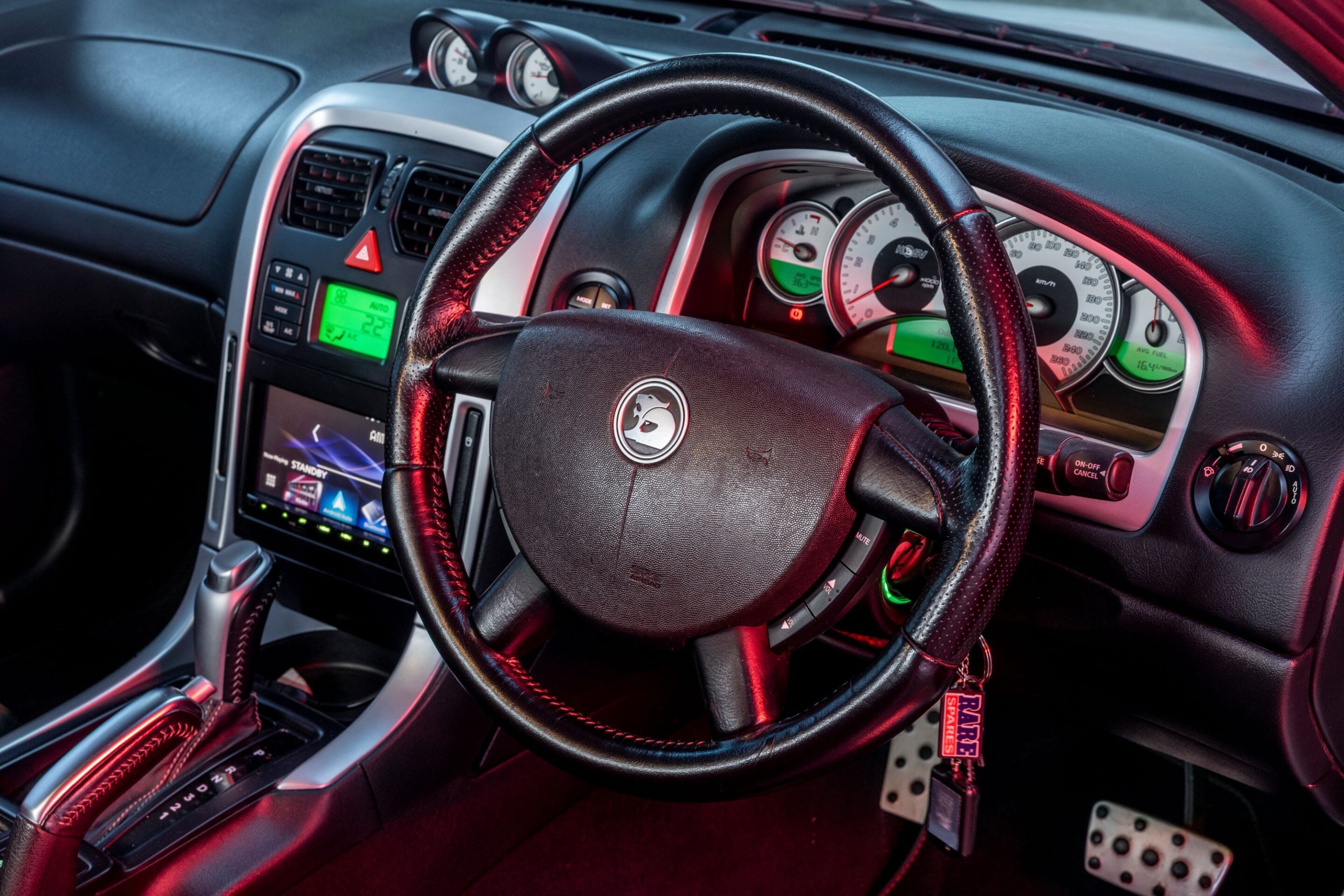
A revised Tremec M12 six-speed gearbox was an improvement over the older-gen Tremec T56 ’box, with a shorter throw making for crisper gear changes. A heavy-duty clutch, borrowed from the C6 Corvette, helped put power to the rear wheels, although it did err on the side of being heavy under-foot.
Cross-drilled rotors with four-piston calipers provided the stopping power, with braking managed by a Bosch ABS system.
The new multi-link suspension out back improved the Maloo’s handling considerably, bringing increased stability to the hi-po ute’s dynamic package even if – as Wheels described in its June 2005 review – the presence of those thin sidewall Pirellis gave “a stiffer ride over small bumps”.
A big tray, hidden under a hard, lockable tonneau cover, garnished with a big spoiler, paid lip service to ute practicality.
The changes inside the cabin weren’t as pronounced. Yes, full-leather seat trim played into HSV’s upmarket positioning, but the overall design of the cabin closely matched the regular Commodore.
The LS2 V8 addressed one of the biggest shortcomings of the old Maloo – a great big torque hole. Where the VU’s LS1 5.7-litre V8 didn’t hit peak torque until 4000rpm, HSV claimed that around 87 per cent of the new LS2’s 530Nm came on song at just 1600rpm before doling out the balance all the way to 6000rpm.
As Wheels noted in June 2005, “Torque, the Achilles heel of the previous generation’s 5.7-litre V8, is abundant and accessible from this larger, lustier 6.0-litre unit. Whether down low or at the upper end of its bellowing, 6750rpm rev band, the Maloo shows steely resolve.
“Nail the launch and the Maloo cracks 60km/h in a mere 3.2 seconds after leaving the line. A single, crude gearchange later and the needle brushes 100km/h, the V-Box recording 6.1 seconds. Two more arm-wrestles with the slow, deliberate six-speed and the Maloo stamps its authority on the 400-metre run with a teeth-sucking 14.2 at 165km/h.”
Heady stuff for any car, let alone a ute, even if Wheels’ tester couldn’t get close to HSV’s claimed 0-100km/h times which sat on the spec sheet at 5.2 seconds for the manual, and a tenth faster for four-speed auto variants.
The Maloo story continued through VE and VF generations of Commodore-based utes, each with successively larger and more powerful engines.
The unquestionable apex predator of the Maloo badge was also the last version – the GTSR Maloo and its monstrous supercharged 6.2-litre Generation IV LSA V8. Tuned to make 435kW and 740Nm, the GTSR hurled itself at the 100km/h horizon from standstill in a Wheels-tested 4.14 seconds, while the standing-to-400m jolly was over in 12.19 seconds with a V-max of 189.17km/h.
That should have been the end of the road for the Maloo, but HSV had one more party trick up its sleeve,
a swansong farewell both to the nameplate and HSV.
HSV had already made a splash with the GTSR W1, a limited run of 300 VF Series II Commodore-based sedans powered by the LS9 supercharged 6.2-litre lifted from the C6-generation Corvette ZR1. With outputs of 474kW and 815Nm, the GTSR W1 earned the distinction of being the most powerful Australian production car ever.
But behind closed doors, HSV was secretly working on one final hurrah – the HSV GTRS W1 Maloo. Just four of the ultra-exclusive utes, powered by the same LS9 supercharged V8 as its W1 sedan sibling, were made. All were built by hand, and none made available to the public, reserved instead for a select group of HSV top brass and loyal customers. Instant classic. Build #E001, the only Maloo finished in ‘XU3 Yellah’ pale yellow, sold last year for $1.2 million.
The legacy of the Maloo cannot be understated, HSV transforming the humble Aussie utility into a genuine cultural icon, with muscle car looks backed by bellowing supercharged performance and a swagger on the road few cars, and definitely no ute, could match.
And yet, there’s a compelling argument to be made that the VZ Maloo is the high point of the nameplate. No, it’s not as powerful as the later LSA- and LS9-powered Maloos. And no, its HSV bodykit add-ons lacked the outright brawn of those that followed. But there’s a purity to the VZ’s profile that’s hard to ignore, its lines not all that far removed from the Holden VZ ute that spawned it.
Sure, HSV’s designers had embellished the utilitarian body of the VZ donor car to create a handsome muscle ute, but they’d done so with a subtlety and finesse that showcased Aussie engineering as right up there with the world’s best. And it remains, to this day, officially the fastest ute in the world.
Our Maloo
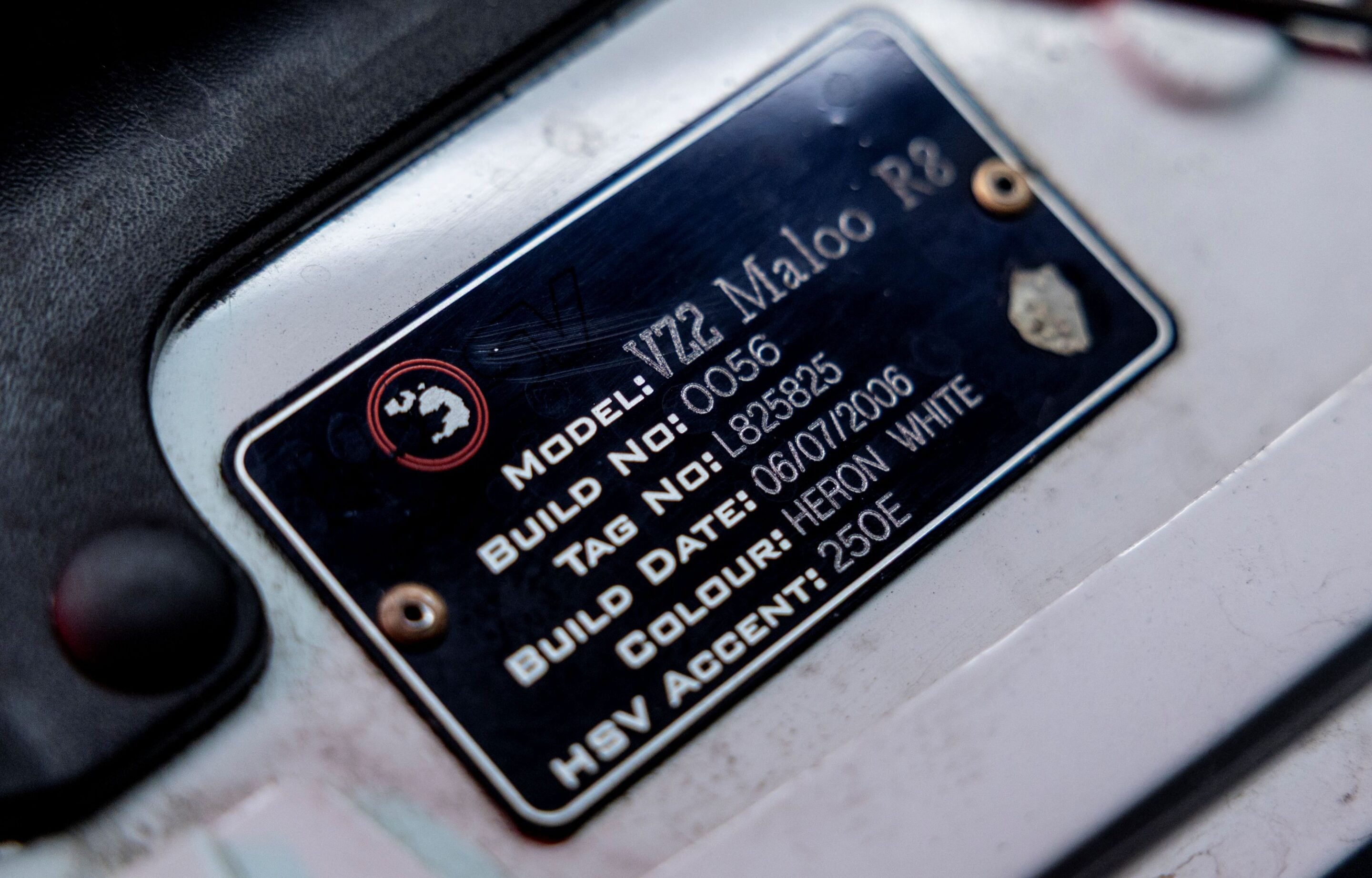
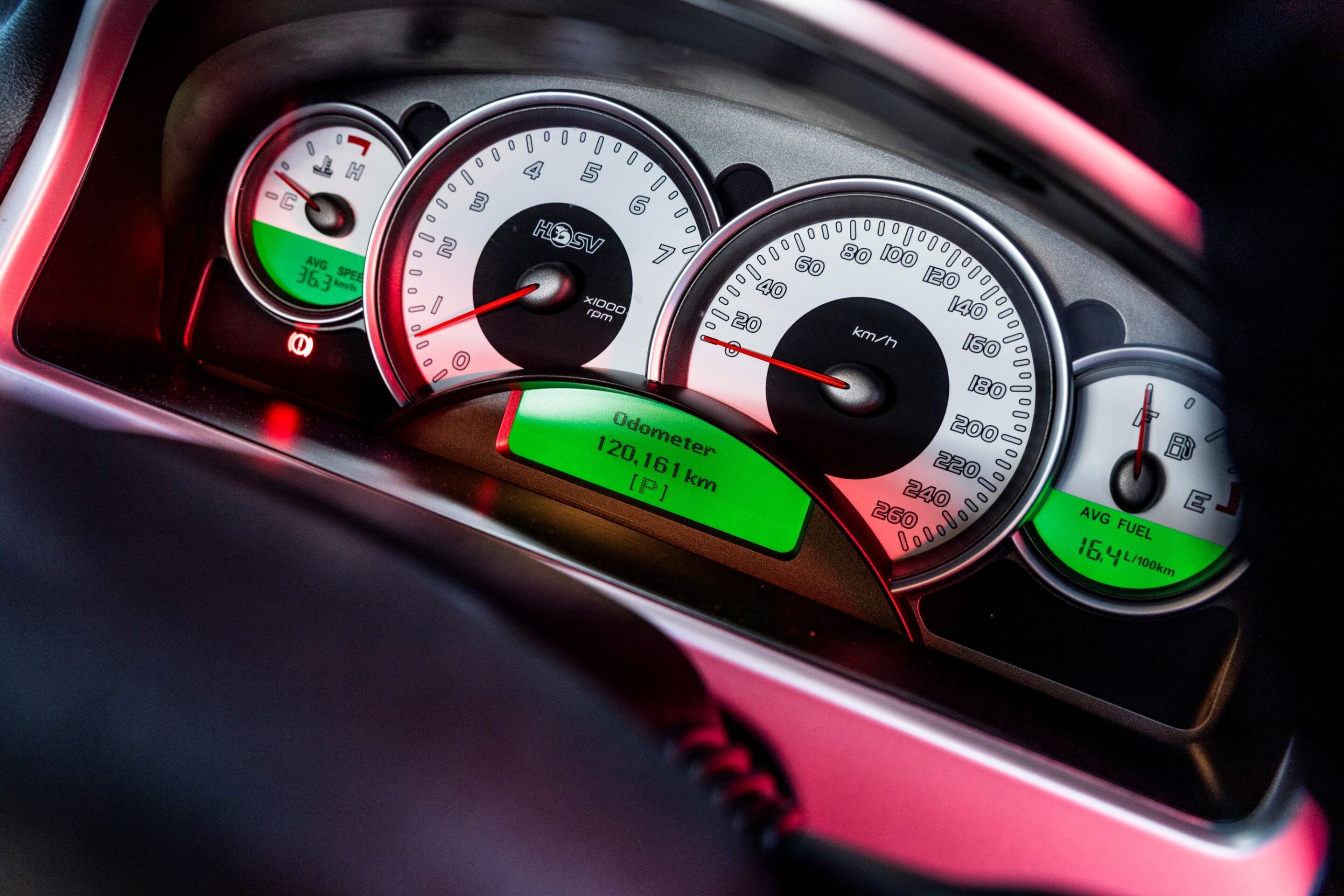
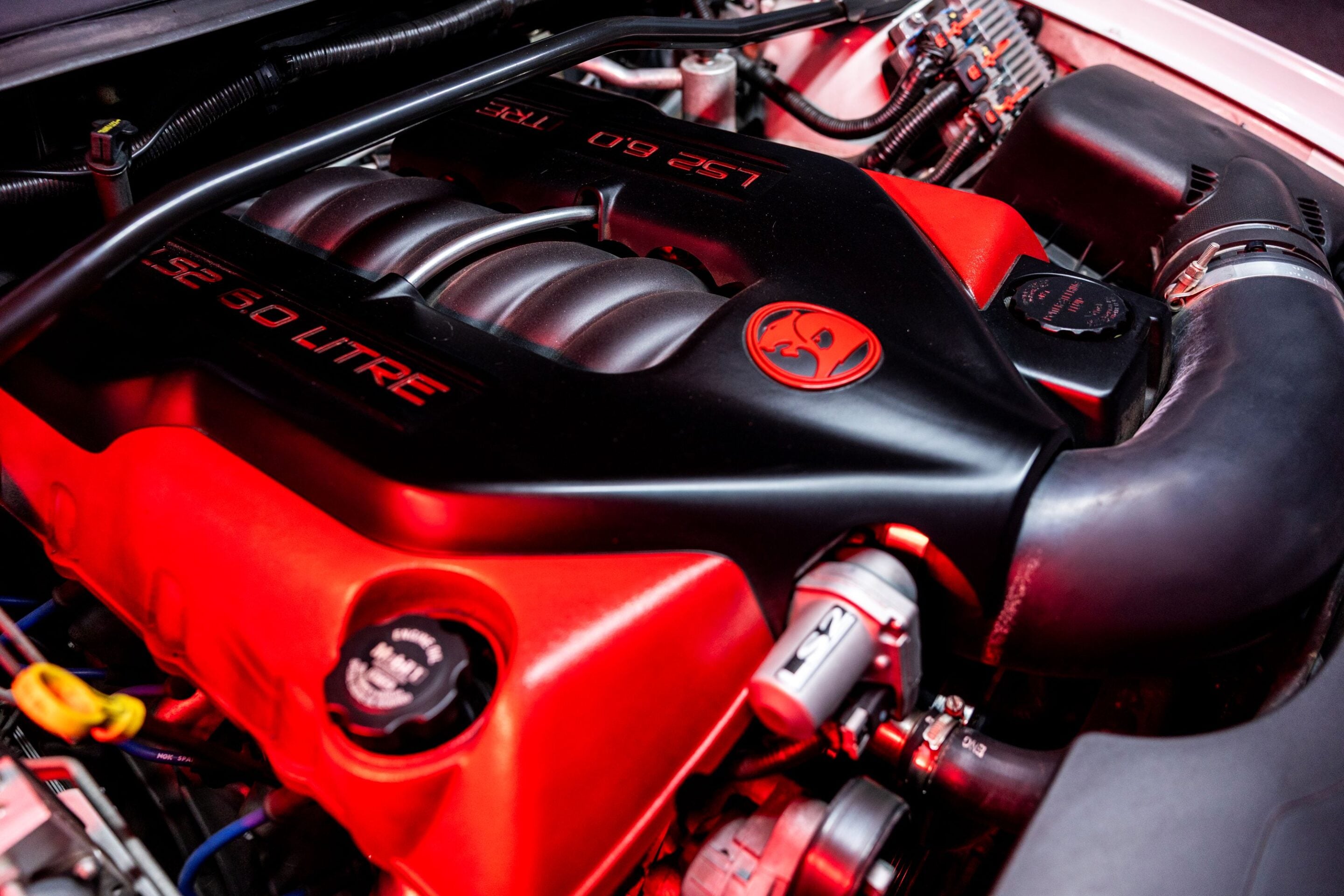
The white HSV Maloo seen here is a 2006 VZ Series 2 R8 owned by self-confessed Holden nut, Paul Vella.
Paul has owned his Maloo for around eight years, having bought it off his nephew. It arrived in Paul’s care with about 85,000km on the odo. He’s since added another 35,000km, using his Maloo only on special occasions.
Paul’s relationship with Holden extends way beyond his Maloo.
“Holden for me is all about the legacy,” he tells Wheels. “I have four brothers that all worked at GM-H, three on the tools and one as a design draftsman. My father worked at GM-H when he migrated here in 1948 and was the shop steward at Fishermans Bend.
“My first car was an EH Holden and I have owned several Holdens along the way. I think Holden is in our family’s blood and I was genuinely sad when GM-H took the decision to leave Australia in 2020.”
The connection to the now-defunct Aussie icon was behind his decision to buy the VZ Maloo.
“I wanted a Holden that I could keep, and something that would be useful as a second car. The Maloo was perfect,” he says.
Owning a 20-year old car does come with some commitment and Paul’s HSV hasn’t been immune to the march of time. A new automatic was installed at around 123,000km followed by a complete engine rebuild after the LS2 V8 dropped a valve, bent a push-rod and damaged a piston. Earlier this year, he treated his Maloo to a new radiator.
Costly repairs or not, Paul wouldn’t have it any other way.
“It is hard to explain,” he says, “but I feel happy any time I take her out for a run.”
Specs
| Model | 2006 HSV VZ Maloo R8 |
|---|---|
| Engine | 6.0-litre LS2 Gen-IV V8 |
| Power | 297kW @ 6000rpm |
| Torque | 530Nm @ 4400rpm |
| Transmission | 4-speed automatic, RWD |
| 0-100km/h | 5.1 seconds |
| 0-400m | 13.3 seconds |
| Wheels | 19-inch alloys |
| Dimensions (l/w/h/wb) | 5109/1846/1462/2939mm |
| Weight | 1655kg (kerb) |
| Price (new) | $61,850 (plus on-road costs) |
This story first appeared in the September 2026 issue of Wheels magazine, now on sale. Subscribe here and gain access to 12 issues for $109 plus online access to every Wheels issue since 1953.
August was an historic month for new car sales. For the first time ever, full battery-electric vehicles outsold every other form of propulsion – petrol, diesel, plug-in hybrid, and even the darling of our roads, hybrid.
New car sales data from the Federal Chamber of Automotive Industries and the Electric Vehicle Council revealed that Australians bought 27,078 new electric vehicles in August, a 24.9 per cent share of the overall new car market, which totalled 108,760. Sales of petrol-powered vehicles amounted to 25,824 (23.7%), while diesel accounted for 23,608 sales (21.7%). Hybrids (18,662) and plug-in hybrids (10,591) made up the balance.
It’s a similar tale looking at the year-to-date figures. Petrol-powered vehicles are still the dominant force on our roads, with sales to the end of August hitting 243,673. Diesel options remain in second place with 207,541 units shifted over the first eight months of the year. But in third place, and for the first time, electric vehicles are outselling hybrids – 143,850 against 142,210. Plug-in hybrids trail the field with 75,206 sales so far in 2026. Special mention goes to the lone hydrogen-powered car, a Hyundai Nexo, that found a new home in June.
While raw numbers point to petrol’s dominance, it’s the buying trends that provide a clearer picture of growth in our new car market.
Electrified vehicles – electric, hybrid and plug-in hybrid – are enjoying significant growth compared with last year. EVs alone are up over 170 per cent year-on year, while buyers are finally beginning to understand the benefits of plug-in hybrids, up 124 per cent compared against 2025. Sales of hybrids continue to grow, albeit at a slower rate, up 10.3 per cent year-on-year.
Sales of petrol and diesel vehicles meanwhile, continue to plummet, down 25.7 and 126.2 per cent respectively.
The growth of battery-electric vehicles in Australia is the result of a perfect storm: the US’s military strikes against Iran in February that throttled fuel supply and drove up prices; and the steady arrival of a flotilla of ever-more affordable EVs, mostly from China.
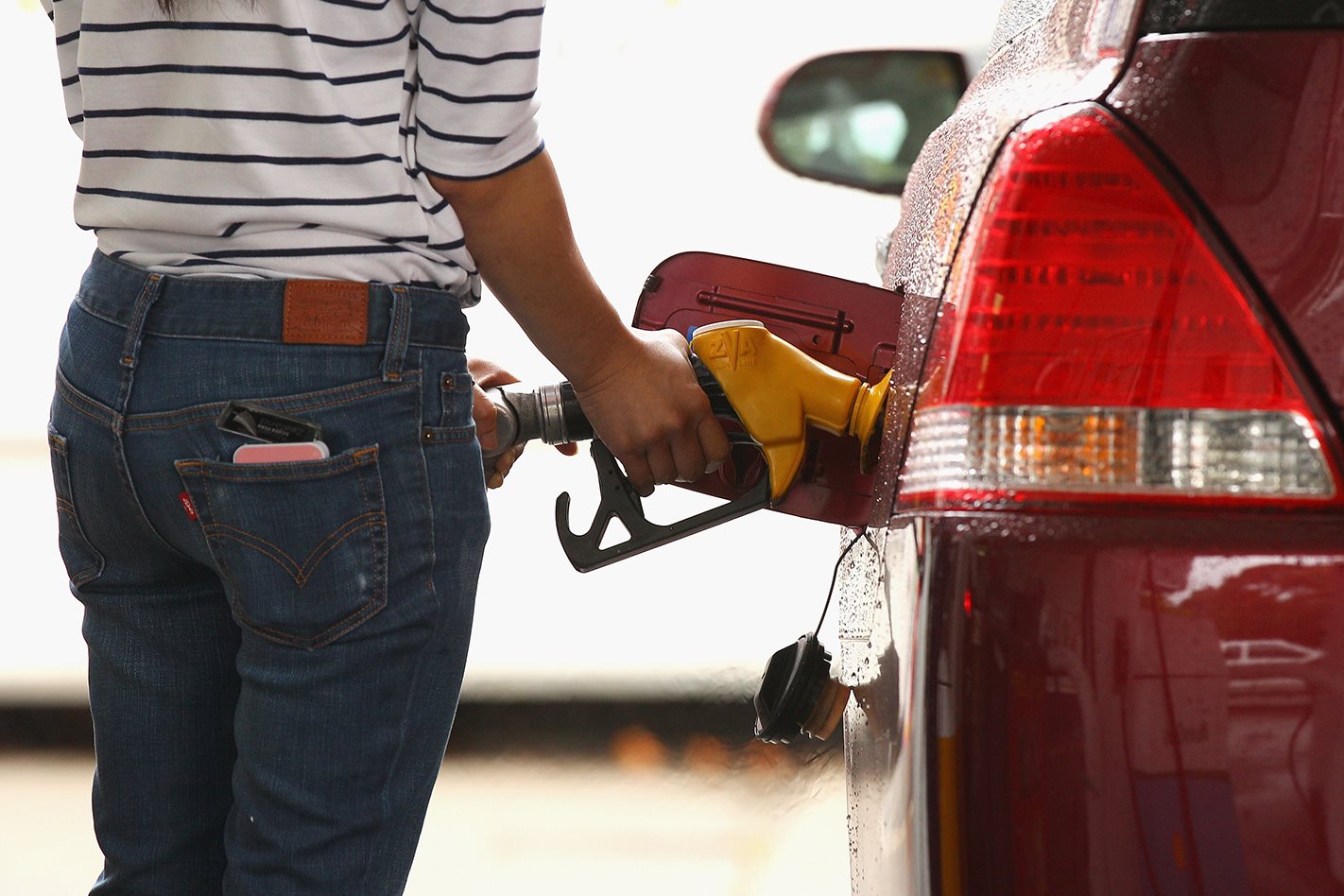
Aussies have never enjoyed more choice when it comes to EVs. And in the face of uncertainty and skyrocketing fuel prices, buyers are embracing what was once a niche offering like never before. It’s a seismic shift in buyer sentiment, one that has pushed EVs into the mainstream, leading many to ask if the growth is sustainable.
There are some predictions that once the situation in the Middle East calms down (and when that might be, no one really knows, not even the man responsible for the conflagration) sales of electric vehicles will trend downwards as fuel supplies return to normal and prices ease.
Others suggest that EV infrastructure, such as public charging facilities, can’t keep pace with the booming growth of electric vehicles, potentially leading buyers to abandon their EV plans.
Yet according to the latest data from Open Charge Map, a global database of EV charging infrastructure, as of July 2026 there were 1361 public chargers in Australia with a total of 4144 charging ports. Further, according to OCM’s data, 88.4 per cent of Australians live within five kilometres of a public charger, increasing to 93.5 per cent within 10km.
While those numbers don’t hold a candle – yet – to the estimated 6700-8000 service stations dotted around the country, they are growing. ABC News, citing data obtained from independent Australian EV database, Carloop, is predicting that an additional 2000 charging ports will have been added by the end of the year.
But the focus on public charging infrastructure represents only a handful of pixels of the bigger picture. The reality in Australia, according to surveys by the Electric Vehicle Council industry lobby group, is that around 92-93 per cent of EV owners have the ability to charge their cars at home, suggesting that there is no over-reliance on public charging stations to keep our growing fleet of EVs on the road.
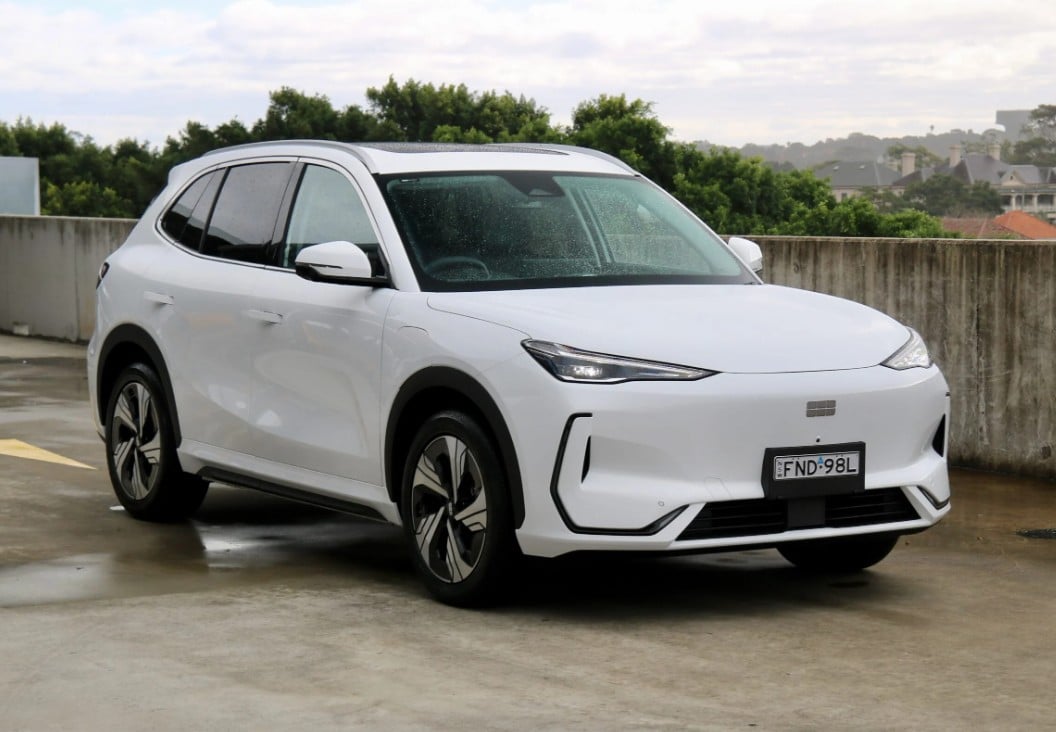
Further, according to the Australian government, around 80 per cent of EV charging occurs at home, placing less demand on public chargers, leaving them free for those owners who have limited or no access to home charging. But having to use the public charging network isn’t as fraught as one might imagine. Carpool’s data suggests that the time-based utilisation rate in Australia’s major centres sits at 14 per cent – that is, public chargers are being used just 14 per cent of the time (around 3h20m) in any given 24-hour period.
Australia’s growing appetite for electric cars shows no signs of abating. Yes, infrastructure needs to keep up with an ever-expanding EV footprint, but the laws of supply and demand should take care of that. After all, there’s no larger motivation for Big Energy than turning a profit.
But the real clincher shoring up Australia’s EV future is the availability of ever more models at increasingly more affordable prices, opening up EV ownership to more Australians than ever before.
Lepas has released the specifications for its L6 EV SUV, which will become the brand’s first Aussie product when it launches in October. The mid-size newcomer is built on the same platform as the Chery Tiggo 7 and Jaecoo J7 but unlike those two cars, will be offered in electric form with a 65kWh battery for up to 440km of WLTP-rated driving range.
Full plans for Lepas’s entry to Australian market are still under wraps, but both a larger L8 PHEV and smaller L4 EV are confirmed for Australia on the company’s local website.
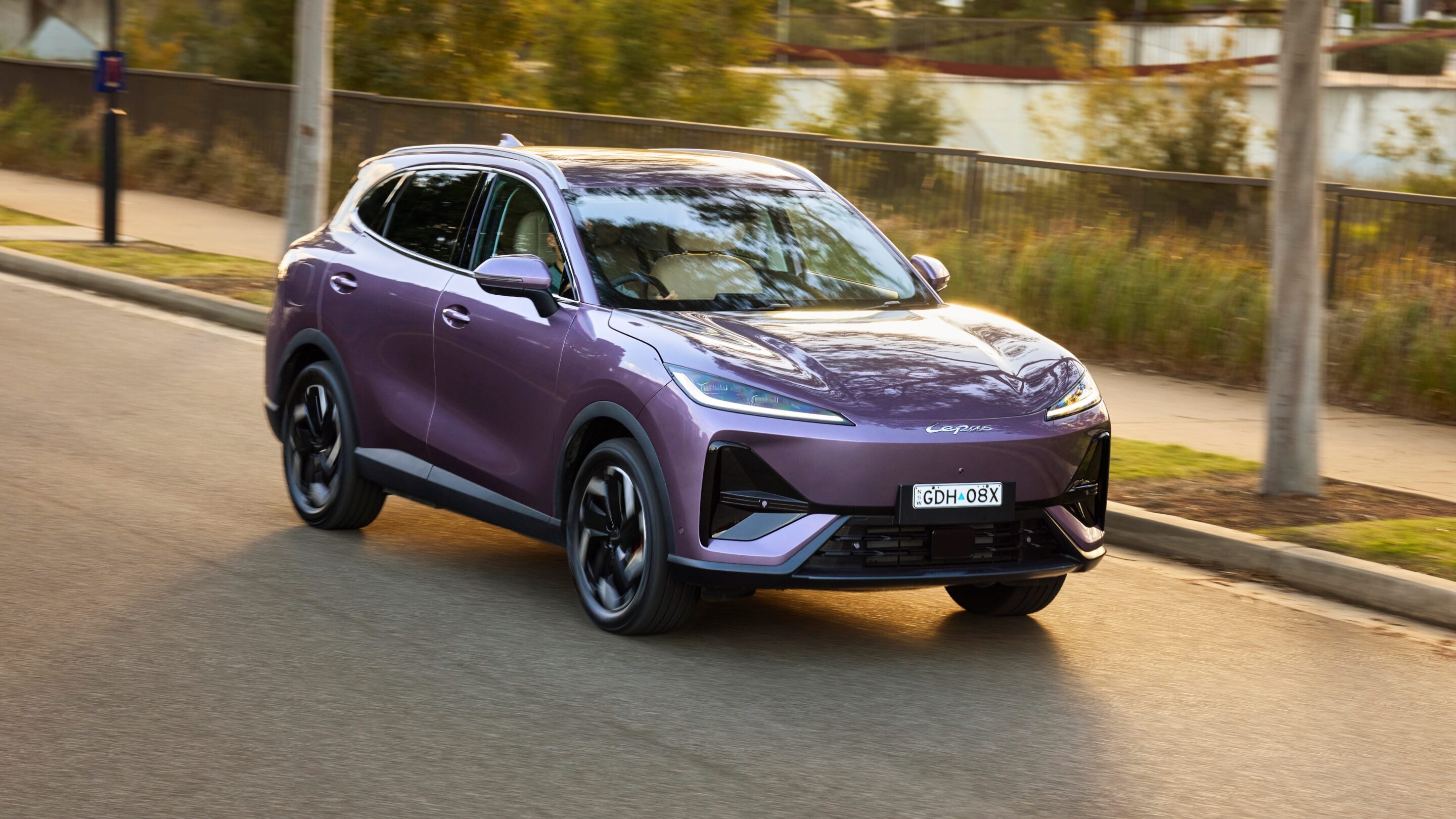
Differentiating itself from other Chery Group products through its bolder use of colour and “more emotional” styling, the Lepas L6 EV will feature a 65kWh LFP battery that can be DC fast charged from 30 to 80 per cent in as little as 22 minutes, although exact claimed times are yet to be confirmed. That battery powers a 165kW/275Nm e-motor on the front axle, and its WLTP-rated efficiency is 17.5kWh/100km.
As we’ve come to expect from a Chery Group product, the safety features on offer in the Lepas L6 EV are extensive, and include:
- Seven airbags
- Adaptive cruise control
- Autonomous emergency braking
- Lane Departure Prevention
- 360-degree camera
- Automatic parking assistance
- Remote parking assistance
That’s in addition to the other standard features:
- 19-inch alloy wheels
- LED exterior lighting
- Panoramic sunroof
- 8.88-inch LCD digital driver’s display
- 13.2-inch LCD infotainment touchscreen
- Wireless Apple CarPlay and Android Auto
- “Hello LEPAS” intelligent voice command
- Eight-speaker Sony sound system
- 50W wireless smartphone charging
- Heated and ventilated front seats
- Synthetic leather upholstery
- Colour selectable ambient lighting
- Powered tailgate
- Puddle lights
Further details about the Lepas L6 will be announced closer to its October launch date, with the brand showcasing itself for the first time locally at the Everything Electric show at Sydney Olympic Park between September 18 and 20.
Qantas will trial a chauffeured transfer service between Sydney Airport terminals for selected First Class passengers, using Mercedes-Maybach vehicles to move customers between international and domestic flights.
The service will operate from September to November 2026 for invited passengers travelling on a Qantas First fare and connecting between Terminal 1 International and Terminal 3 Domestic.
Qantas says the trial is intended to reduce the time First passengers spend moving between terminals and follows customer research indicating premium travellers place a high value on faster, simpler connections and more time in lounges.
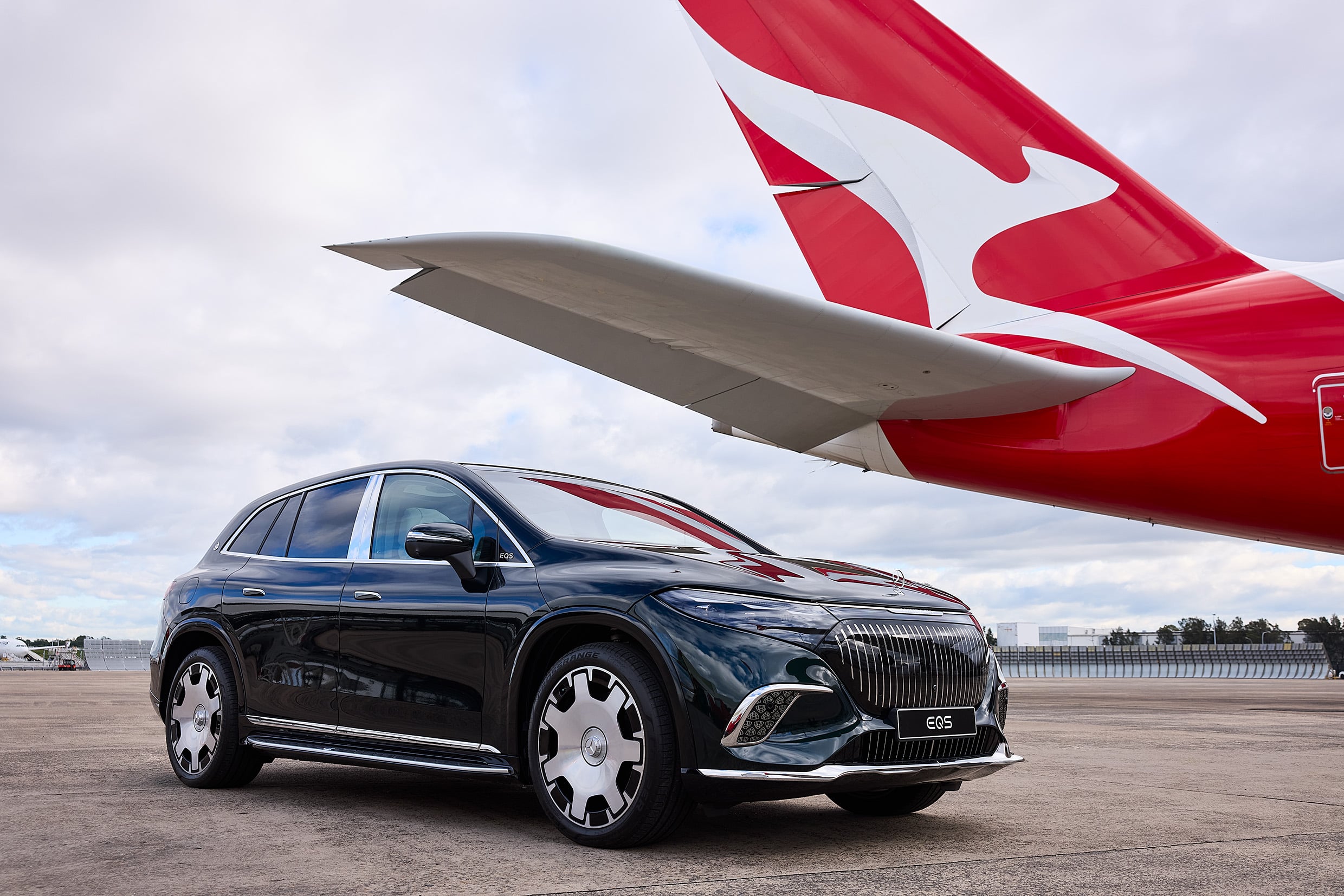
Under the arrangement, a Qantas host will meet eligible passengers on arrival and escort them through the airport to a waiting Mercedes-Maybach. The transfer will then take place airside rather than requiring passengers to make their own way between terminals.
The trial is being run in partnership with Mercedes-Benz Australia/Pacific and Sydney Airport and is described by Qantas as the first chauffeured terminal-to-terminal transit service of its kind in Australia.
Qantas Executive Manager Product and Service Sarah Udy said the airline wanted to make international-to-domestic connections easier for First passengers, particularly after long-haul flights.
The service will sit alongside other First Class benefits including priority check-in, priority security, priority boarding and access to Qantas First lounges.
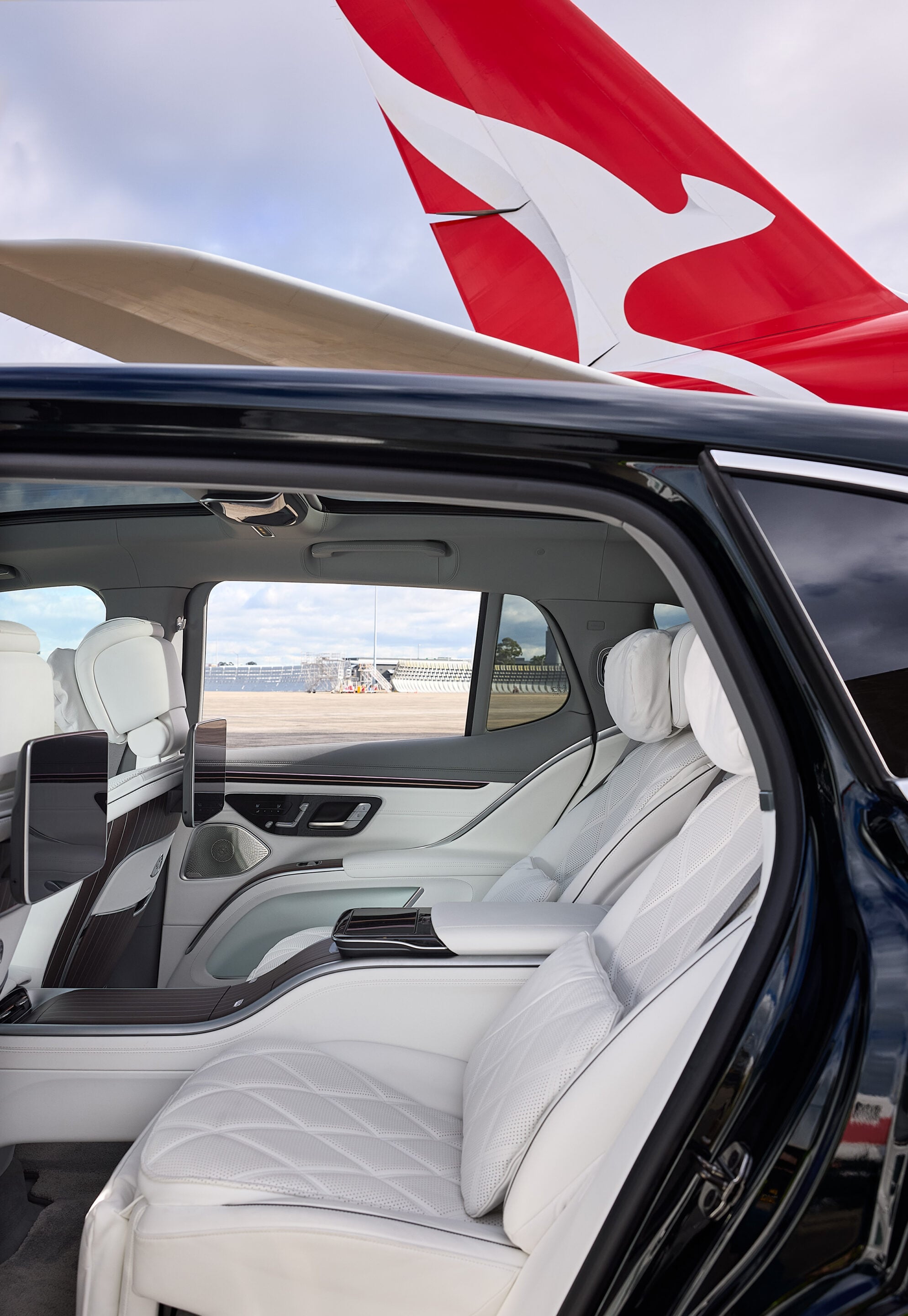
Sydney Airport General Manager Passenger Experience Leanne Geraghty said the initiative forms part of the airport’s broader effort to make passenger transfers more efficient, particularly for long-haul travellers connecting onto domestic services.
Mercedes-Benz Australia/Pacific CEO Homero Becerra said the partnership would use Mercedes-Maybach vehicles as part of the ground transfer experience.
Qantas has also recently updated other parts of its First Class offering, including dining, Aesop amenity kits, Bollinger champagne and redesigned pyjamas for passengers travelling in the A380 First cabin.
Qantas currently offers First Class on selected Airbus A380 services to destinations including Singapore, London, Los Angeles, Johannesburg and Dallas.
The airline says customer feedback collected during the September-November trial will help determine how the transfer service develops beyond the initial period.
Australian pricing and specifications for the second-generation Mercedes-Benz GLB have been announced ahead of local arrivals later this month. Now offered in both mild-hybrid and fully electric forms – replacing the former EQB – the new model sits on a new platform and offers up to 570km of WLTP range in EV form. Pricing starts at $65,400 plus on-road costs, making it $2900 cheaper than the last petrol model and $15,010 less than the EQB.
Originally revealed in late 2025, the new GLB sits on the same new ‘Mercedes-Benz Modular Architecture’ (MMA) platform as the CLA sedan and is available with both mild-hybrid petrol and fully electric drivetrains. The mild-hybrid variants use a turbocharged 1.5-litre four-cylinder petrol engine making either 120kW/250Nm (GLB 200) or 140kW/300Nm (GLB 220 4Matic) and hit 100km/h in either 8.7 seconds (200) or 7.5 (220 4Matic).
Both petrol drivetrains are teamed with a 48-volt mild-hybrid system that can add 22kW/200Nm of boost. Unlike most mild-hybrids, it can drive at low speeds on electric power alone. Both petrol variants use an eight-speed dual-clutch transmission – the 200 is front-wheel drive, the 220 is all-wheel drive.
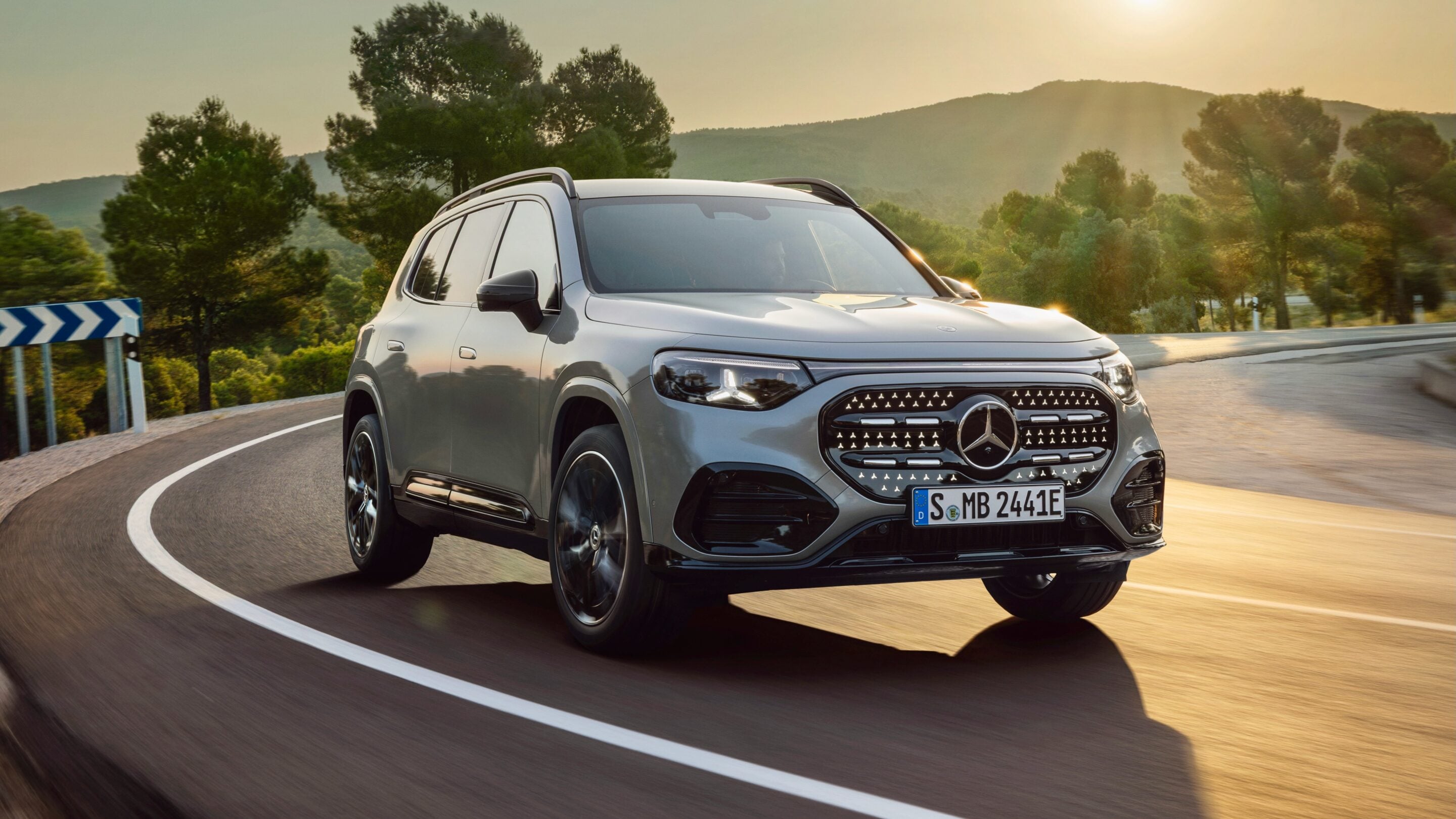
On the electric side, the 250+ and 350 4Matic both run an 85kW NMC battery for either 570km (250+) or 554km (350 4Matic) of WLTP-rated range. The 250+ features a 200kW/335Nm rear-mounted motor and the 350 4Matic adds a second motor on the front axle for 260kW/515Nm total outputs. DC fast charging of up to 320kW is supported thanks to the 800V architecture.
The new model is 98mm longer, 27mm wider and 60mm longer between the wheels than the car it replaces, making it more spacious throughout. Like its predecessor, seven seats will be standard equipment in Australia. Folding the third row provides 480 litres of boot capacity, expanding to 1605 litres with the second row folded as well, and there’s a 127-litre front boot in EV variants.
Standard features across the range include 20-inch alloy wheels, a panoramic glass roof, hands-free power tailgate, 10.25-inch digital driver’s display, 14-inch touchscreen with the MBUX virtual assistant, Google features like Gemini AI and Google Maps navigation, ‘Artico’ synthetic leather upholstery and heated/electrically adjustable front seats.
Safety kit includes autonomous emergency braking, adaptive cruise control, lane-keeping assistance, blind-spot monitoring, intelligent speed limit assist, driver attention monitoring, auto high beam, front and rear parking sensors, semi-autonomous parking functionality and a 360-degree camera.
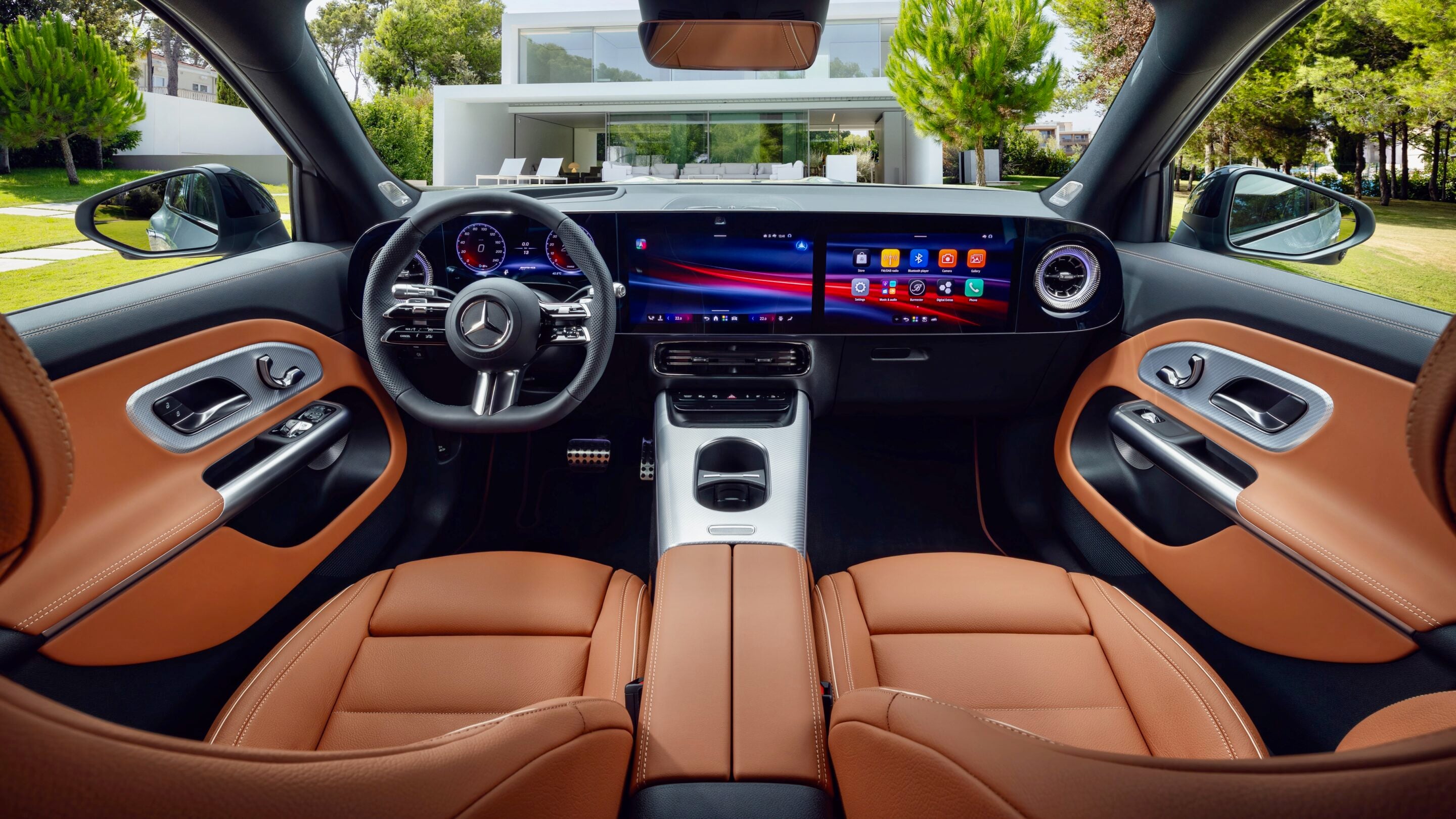
The AMG Line Package sits above the GLB 200 with adaptive dampers, 20-inch alloy wheels, a Nappa leather-wrapped steering wheel, AMG floor mats and carbon grain aluminium inlays as standard. It’s a $3200 option on the GLB 200.
A $4000 Premium Plus Package is also available across the range, which adds upgraded lighting with adaptive high beam and a joined tailight strip, Burmester 3D audio, ambient lighting with the Mercedes-Benz star projection and the MBUX Superscreen touchscreen with a passenger display.
2027 Mercedes-Benz GLB pricing (excluding on-road costs):
- GLB 200: $65,400
- GLB 250+ Electric: $74,990
- GLB 220 4Matic: $76,100
- GLB 350 4Matic Electric: $86,200
GLB options:
- AMG Line (GLB 200 only, standard on other models): $3200
- Premium Plus Package with Digital Extras: $4000
The new Mercedes-Benz GLB is now available to order ahead of the first deliveries commencing later in the month.
