
In the 104th running of the Pikes Peak International Hill Climb – the annual invitational motorsport event held in Colorado Springs, USA and first run in 1916 – it wasn’t a mega dollar, one-off race car that stole the show. Rather it was a production Chevrolet Corvette in the hands of an IndyCar driver that set a new record.
US reports at the time of its release called the Chevrolet Corvette ZR1X a ‘legitimate hypercar’, and while that claim might seem lofty, the numbers on paper certainly back that notion up. Power comes from a twin-turbo 5.5-litre, V8 engine, and a 400-volt electric motor that powers the front wheels. Peak power is a monstrous 932kW and Chevrolet quotes the 0-60mph dash as taking just 1.68 seconds. Capable of covering the quarter mile in 8.675 seconds, the ZR1X is effectively a race car straight off the showroom floor.
And now it’s got a Pikes Peak record to add to its list of achievements. With IndyCar veteran JR Hildebrand behind the wheel, the ZR1X put down a new production car record of 9 minutes, 30.104 seconds on the iconic 20km mountain climb.
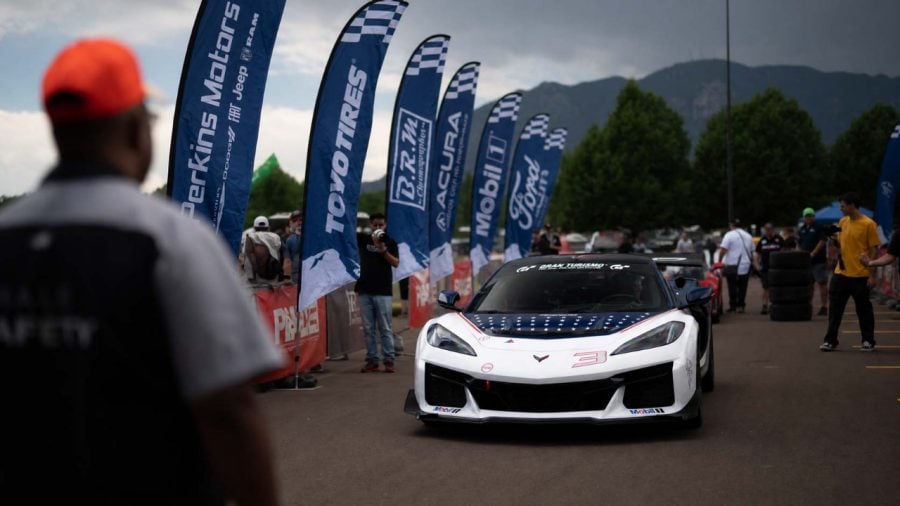
It was initially thought that GM would have a crack at the record last year with the non- hybrid ZR1, but GM’s executive chief engineer for global Corvette and Performance Cars, Tony Roma, explained that the manufacturer wanted to separate the achievements of the ZR1 at the Nurburgring, and the ZR1X at Pikes Peak.
“We talked about running the ZR1 last year,” Roma told US media. “Really, the ZR1X is a better match to the mountain. The electrification, with 186 horsepower, is still there all the way up to the top of the hill. Even though our turbochargers do a really, really good job of compensating, it doesn’t quite make up for that much.”
Given the AWD underpinnings of the ZR1X, it is significantly better suited to the demands of the Pikes Peak course than the RWD ZR1. With so many tight hairpins, Pike Peak rewards the traction afforded by an AWD platform, not to mention the crippling effect that altitude has on internal combustion engines. At the summit, Pikes Peak is 4302 metres above sea level. Its why the outright record is still held by Volkswagen fully-electric ID.R prototype.
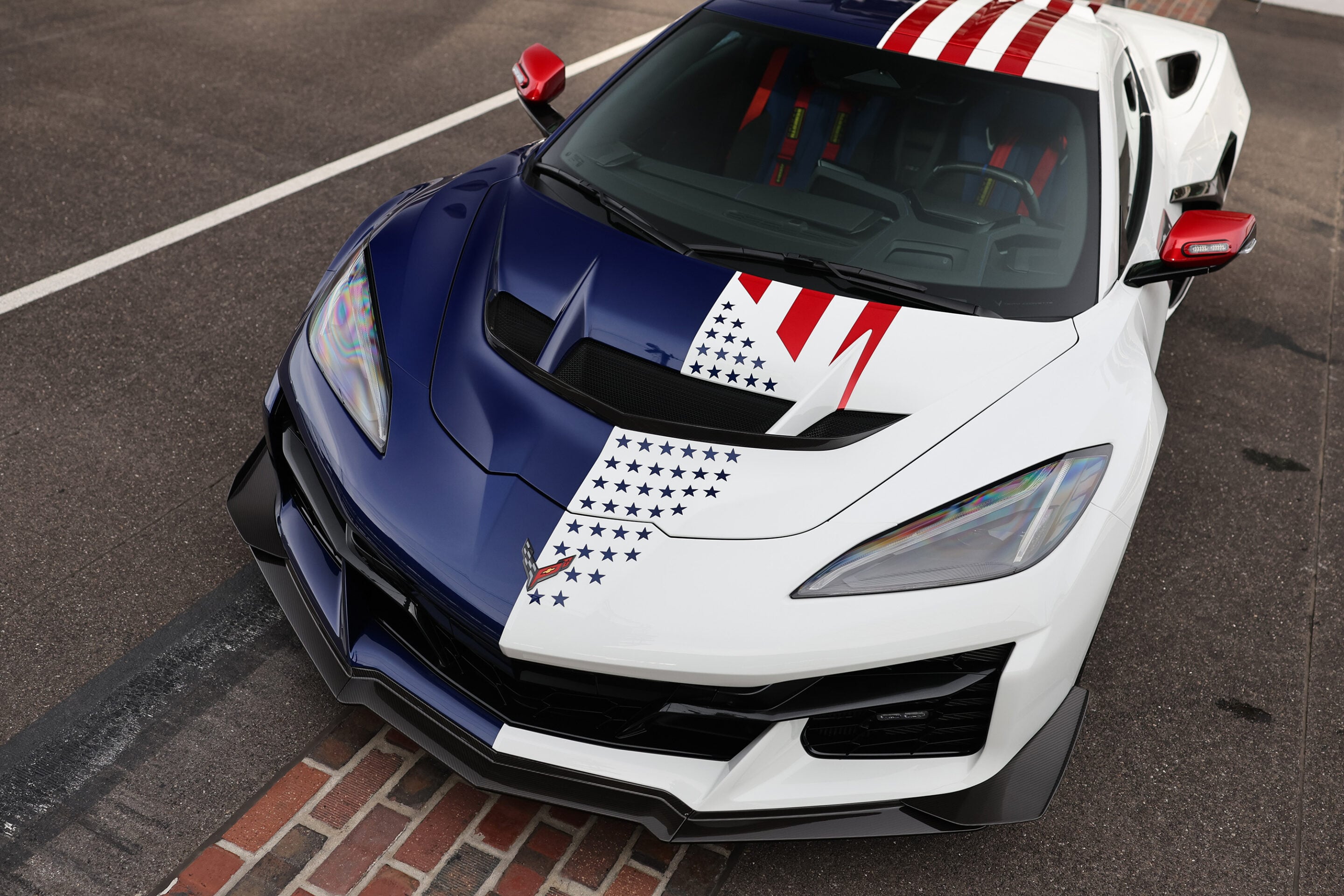
Driver Hildebrand was blown away by the way the Corvette worked on the mountain. “I’ve been really impressed throughout the whole process of running the car, how much we’ve been able to just treat it like a race car,” he said. “I don’t think I’ve ever driven a car that has this type of setup, this type of system going on, that’s so well integrated.”
There was plenty of strategy taken into the run, derived from testing before the event. For instance, Hildebrand used ‘Endurance’ mode, which maintains battery power – deployed at higher elevation – relying on the huge turbos to speed up the run through the early phase. That same mode also allowed the ZR1X’s regeneration system to feed power back into the relatively small 1.9kWh battery pack.
Once the Corvette reached a certain elevation point, Hildebrand then started using the ‘push to pass’ feature as often as he could, while the suspension was set for the full run in ‘Track’ mode. Hildebrand even told journalists he kept the traction control activated.
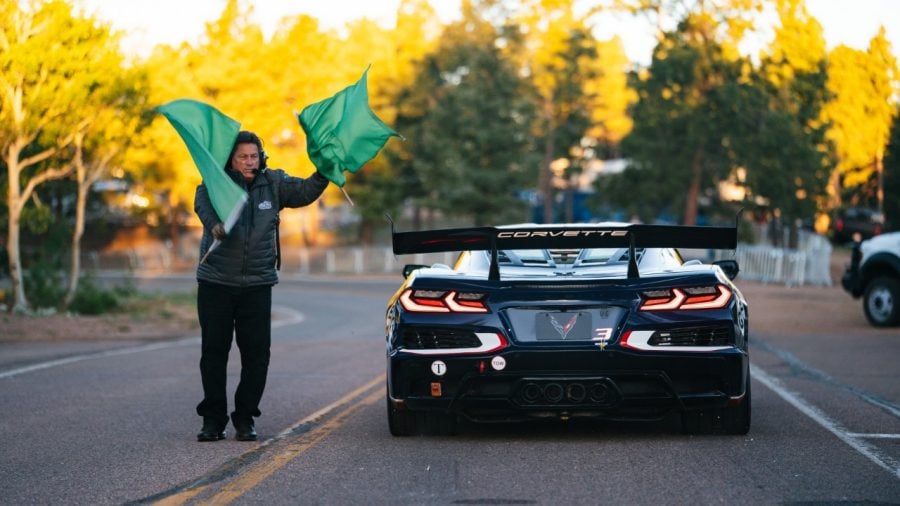
Interestingly though, questions have been asked as to how ‘stock’ the ZR1X really was. The VIN indicates its a pre-production test mule, the interior had been stripped out, a roll cage fitted, fire suppression and kill switches included, and it was running a fuel cell in the boot. Even if the time isn’t ratified as true production car, it does go to show just how formable a production car can be now at the highest level.
Nissan’s e-Power hybrid system has always been unique in the Australian new car market because it delivers an EV-like driving experience without the need to plug in and because the engine never drives the wheels, delivering superior refinement to many other hybrid drivetrains.
Now the updated Qashqai e-Power has arrived in Australia with improvements aimed at boosting efficiency, reducing emissions and adding performance, which Nissan hopes will keep it competitive in an increasingly crowded hybrid small SUV market. Here’s a look at whether the updated Nissan Qashqai e-Power is worth consideration for compact SUV shoppers.
How much does the Qashqai e-Power cost to buy?
Pricing for the updated Qashqai range starts at $45,640 plus on-road costs for the entry-level ST-L and tops out at $54,140 +ORC for the top-spec N-Design (in name at least, it strangely doesn’t get all the fruit of the one-rung-lower Ti-L tested here). In the middle are the Ti and aforementioned Ti-L tested here, and unlike the pre-updated Qashqai, there’s no longer a pure petrol model on offer. The whole line-up now uses the updated e-Power hybrid system, helping Nissan achieve NVES compliance by emitting just 92g/km of CO2.
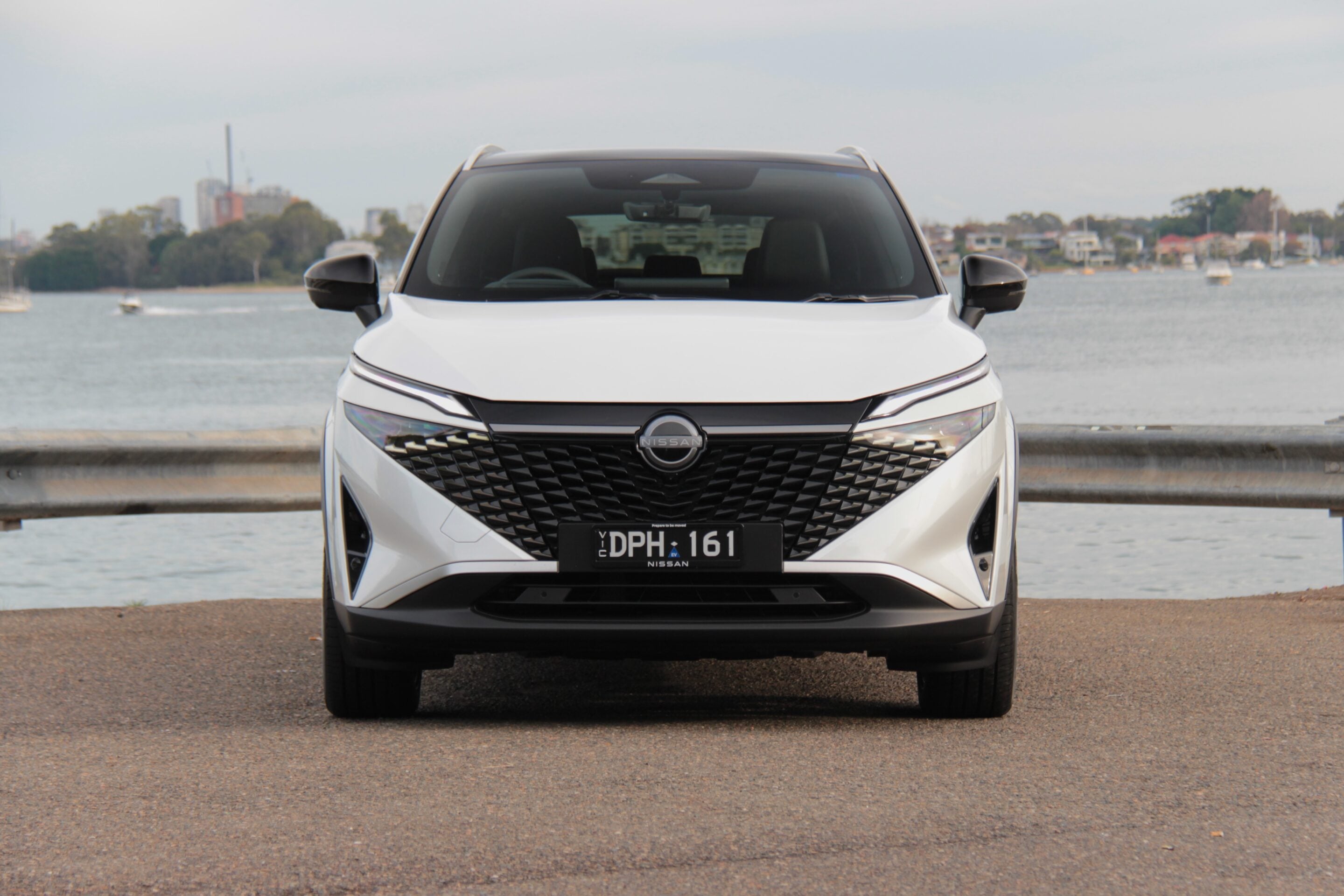
2026 Nissan Qashqai pricing (excluding on-road costs):
| ST-L | $45,640 |
|---|---|
| Ti | $49,640 |
| Ti-L | $53,640 (tested for this review) |
| N-Design | $54,140 |
There’s plenty of competition for the Qashqai e-Power, including the Toyota Corolla Cross, Mazda CX-30, Hyundai Kona, Honda ZR-V, Subaru Crosstrek, Volkswagen T-Roc, Skoda Karoq and Kia Seltos. Most of them offer hybrid power at least optionally, while there are also fully electric options such as the BYD Atto 3, MGS5 EV, Kia EV3 and Skoda Elroq.
The Qashqai is one of the pricier options in the small SUV segment. Including driveaway costs and depending on location, it’s almost $50,000, which is around $8000 more than the Corolla Cross. Like-for-like, yep, the Qashqai is definitely better equipped, much higher quality and it’s also built in the UK, which is more expensive to source cars from for the Australian market compared with Japan where the Corolla Cross is built.
While it isn’t the cheapest in the segment, the Ti-L grade of the Qashqai is at least quite well equipped, including features such as 20-inch wheels, a panoramic glass roof, quilted leather upholstery, heated and massaging front seats, 12.3-inch displays, a 10.8-inch head-up display, 10-speaker Bose audio, a wireless phone charger and a full suite of safety features, including adaptive high beam, a 360-degree camera and Nissan’s ‘ProPilot’ semi-autonomous adaptive lane guidance and adaptive cruise control driving capability.
How fuel efficient is the Qashqai e-Power?
The e-Power system is unique in the Australian market in that the 1.5-litre turbocharged petrol engine is used purely as a generator for the battery. Unlike a Toyota or Honda hybrid system, it never powers the wheels, leaving that job to the electric motor. This means that aside from the quiet hum when the engine is switched on, the Qashqai e-Power feels more like an electric car to drive because it’s not switching between fuel sources.
It’s also punchier than you’d expect, with the full 311Nm of torque hitting from 0rpm (and now with 11kW more power in sport mode at 151kW). Nissan doesn’t quote a 0-100km/h time, but we guesstimate it in the 7.5-8.0 second bracket, which is quick for the segment.
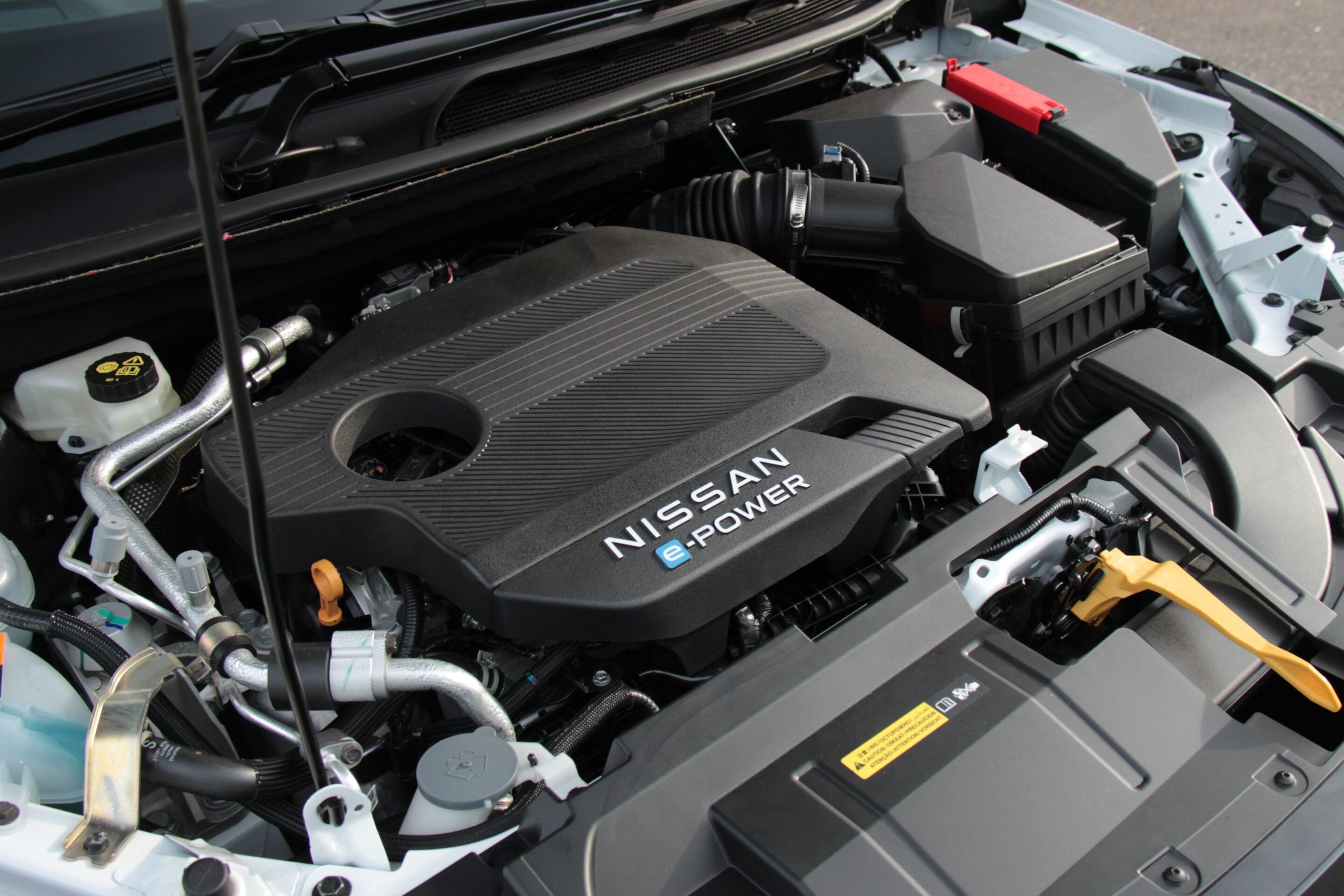
The Qashqai e-Power used to be rated at 4.8L/100km on the combined cycle, but thanks to improvements to the e-Power system, its rating has been lowered to just 4.1L/100km, which is 0.1L/100km less than an equivalent Corolla Cross and only 0.2L/100km above the smaller/36kW less powerful Kona Hybrid.
In the real world, we ended up on 4.9L/100km, including a decent amount of highway driving, which is at least 1L/100km less in the real world than the pre-updated model. It’s great to see a car maker genuinely improving its drivetrain for real world fuel consumption but not taking away any performance in doing so.
What is the Qashqai e-Power like to drive?
The Qashqai has always been a product designed in Europe for European tastes, and because of that and the Ti-L’s standard fit 20-inch wheels, it’s a bit firm when it comes to Australia’s mixed road quality. It’s far from uncomfortable and settles nicely at highway speeds, but around town, the ride is constantly fidgeting and making noise.
That said, the wheels themselves look fantastic, so it’s up to you whether you think that’s a fair trade – cheaper Qashqai models use smaller wheels and would likely ride better, but don’t look quite as sharp. Otherwise, the Qashqai is refined in terms of road noise, while the engine generating power for the battery is also quiet.
The Qashqai is not a sporty handler like a CX-30 or even a Corolla Cross, but it does drive well. Its 1701kg kerb weight makes it one of the heavier small SUVs, but its grippy tyres mean that you can chuck it into a corner at reasonably high speeds and it will recover well. The steering isn’t as direct or connected as a CX-30, but it’s nicely weighted for urban use, and makes parking and manoeuvring easy.
Nissan’s active safety features are also quite well tuned and barely reacted in our week with it – a nice contrast to some models that it will be compared with, which seemingly do not trust your ability to drive.
How practical is the Qashqai e-Power?
One way where the Qashqai might prove its cost is inside because it feels far more expensive than something like a Corolla Cross. That’s thanks to its lovely material choices, from the quilted leather on the seats to the suede on the dashboard and doors, and even the depth of the plastics. You can tell that Nissan has been putting more effort into its interiors of late and the Qashqai – plus the X-Trail, it must be said – is a great example of that. By comparison, the materials in the aforementioned Corolla Cross feel quite cheap, though it does cost a lot less.
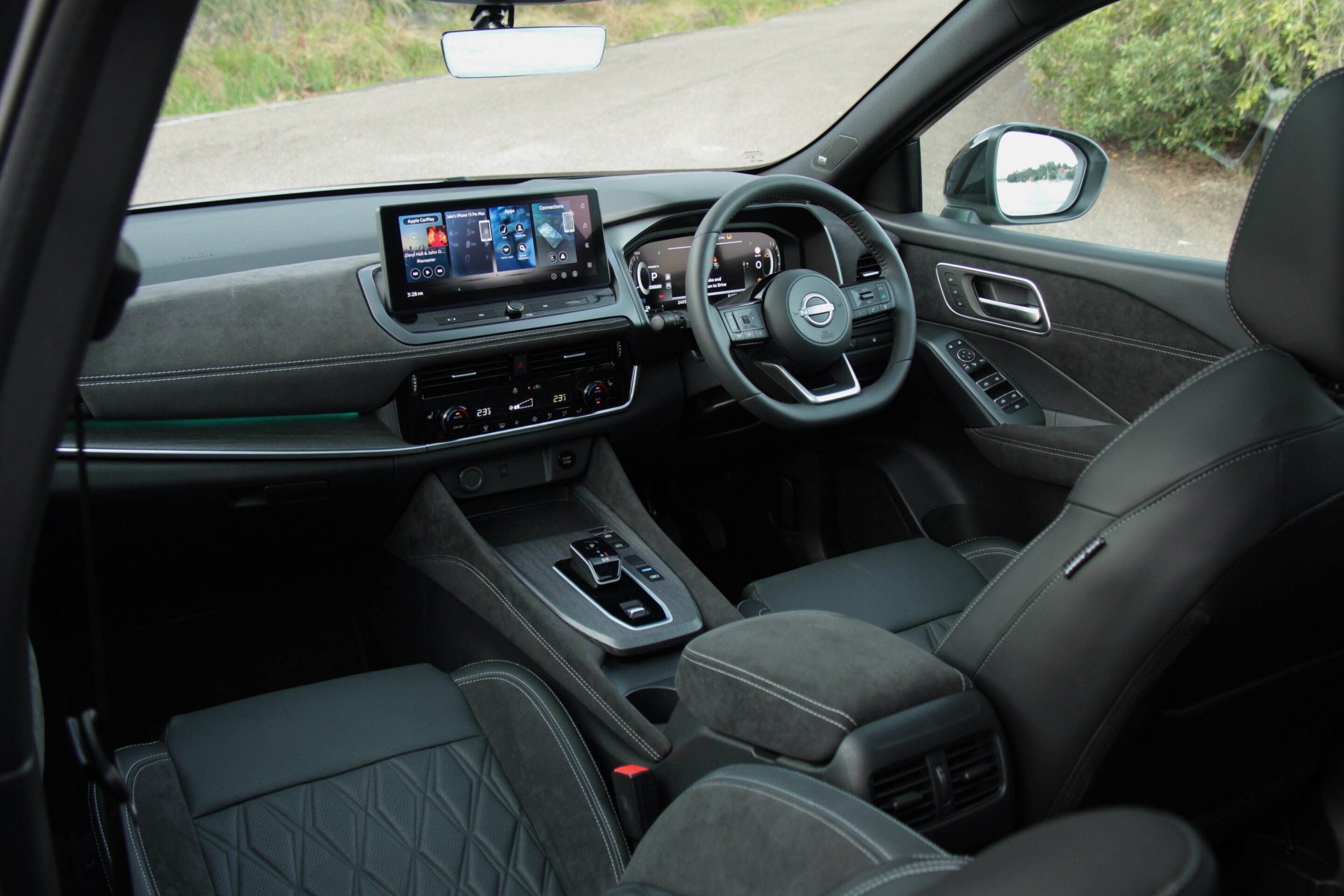
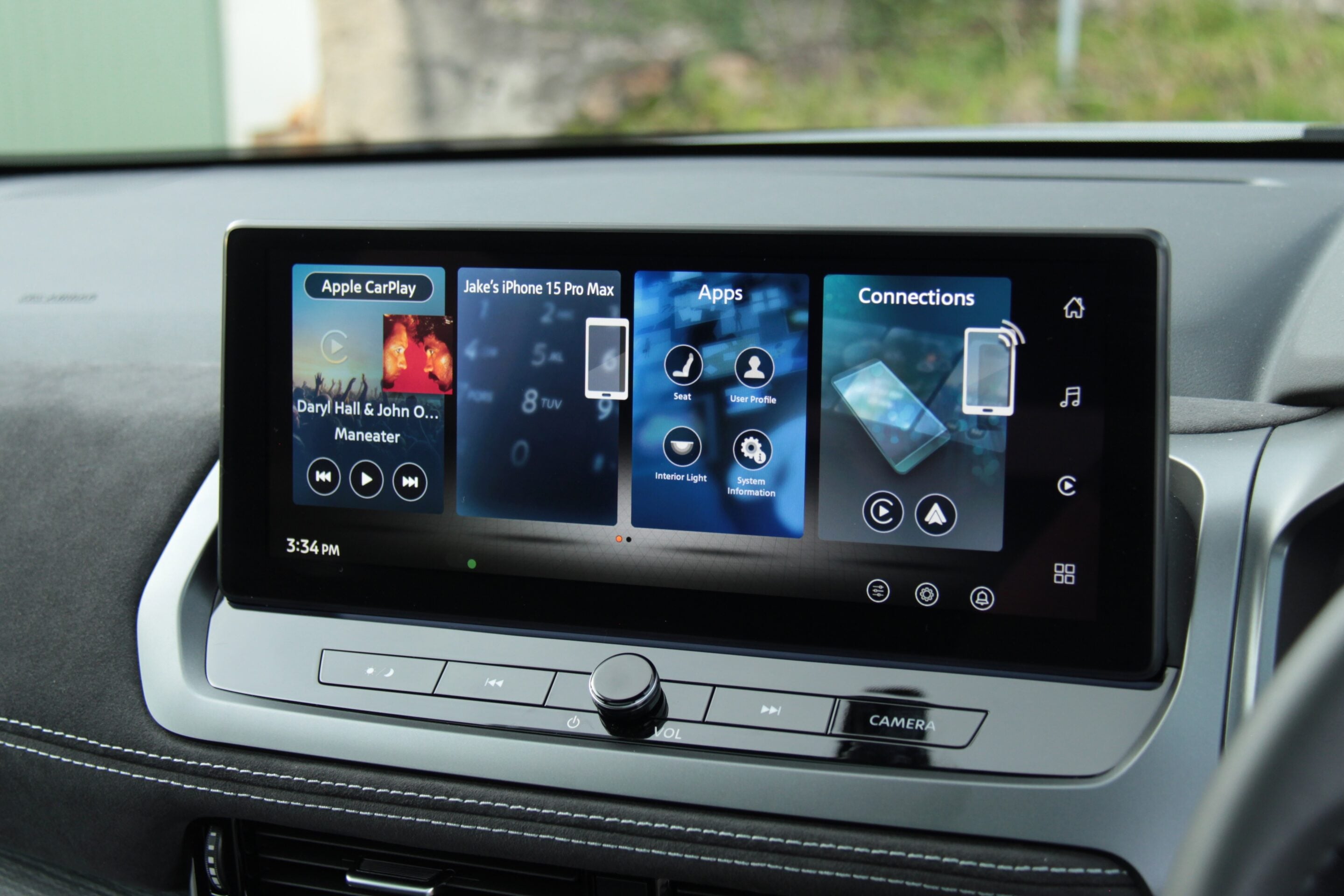
A 12.3-inch touchscreen is fitted as standard across the Qashqai range and it’s quite easy to use, though feels a touch dated in that it is a bit slow. Australian Qashqai models also miss out on the inbuilt Google features of the European model, so we don’t receive any inbuilt navigation or access to an app store to download more. Wireless Apple CarPlay and Android Auto are standard, easy to connect and proved reliable in our time with the car. A 10-speaker Bose sound system provides punchy audio quality.
There could be more storage space inside the Qashqai though, it must be said. The cup holders are a good size, as are the bottle holders in the door, but thanks to the large transmission selector panel and wireless charger tray, the only centre console storage is the reasonably-sized bin under the suede-covered central armrest.
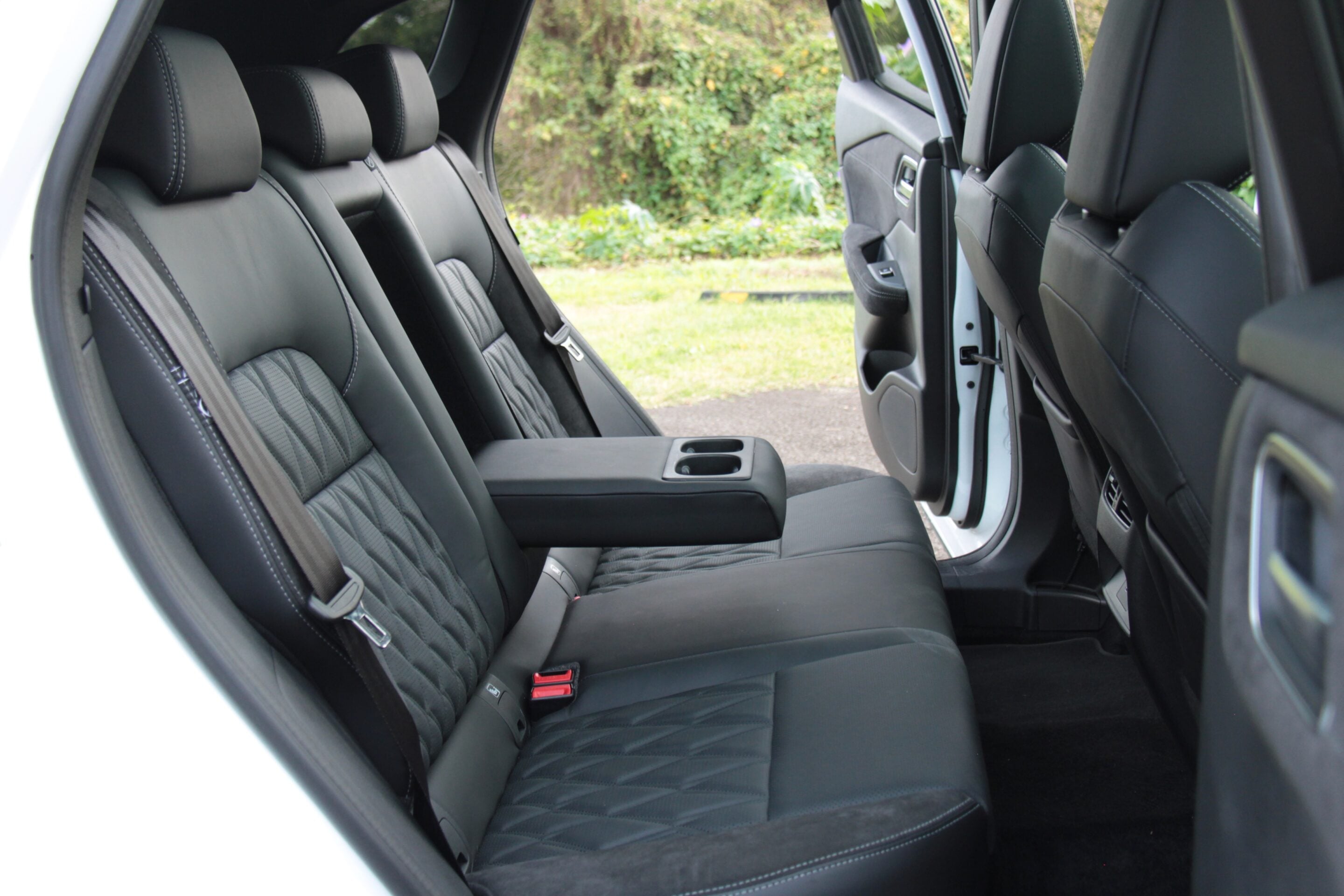
Two taller adults will be quite comfortable in the rear seat of the Qashqai thanks to comfortable seats, a good amount of space and plenty of amenities. The panoramic glass roof adds extra light and space into the rear cabin as well. Features include map pockets, bottle holders in the doors, a centre armrest with cupholders, two USB-C charging ports and air vents, though no heated seats. The Qashqai’s ISOFIX points are easily accessed, and like the larger X-Trail, the rear doors open 90-degrees, which is quite helpful in entering and exiting the rear cabin.
The boot in the Qashqai e-Power Ti-L specifically measures 452 litres with the rear seats up and 1376 litres with the rear seats folded, which sits it in the middle of the range for capacity (the base ST-L can carry 504/1440L and the Ti and N-Design 404/1328L respectively). That’s because it features a subwoofer in the lower boot floor as part of the Bose set up, but the Ti-L is also the only model not to feature a spare wheel of any kind. It’s an otherwise practical space with a dividing boot floor, hooks to hang bags off and the seats lie almost flat when folded.
How much does the Qashqai e-Power cost to service?
The entire Nissan range features capped price servicing and the total cost for the first five years/75,000km of servicing is $1995, or $399 per year. That’s affordable in the segment, and if you service at a Nissan dealership, its warranty is one of the best in the industry.
The standard warranty is five years/unlimited km for the car and eight years/160,000km for the hybrid battery, but again, if you service through a Nissan dealership, you can unlock up to 10 years/300,000km of warranty coverage.
Should I buy a Nissan Qashqai e-Power?
If you can swallow the price, the updated Qashqai Ti-L e-Power is a strong option in the small SUV segment. It does everything at least reasonably well, from its high quality and practical cabin to its long standard feature list, and appealing, potentially very long aftersales program. The updated e-Power system is also more fuel efficient than before, yet more powerful in sport mode too.
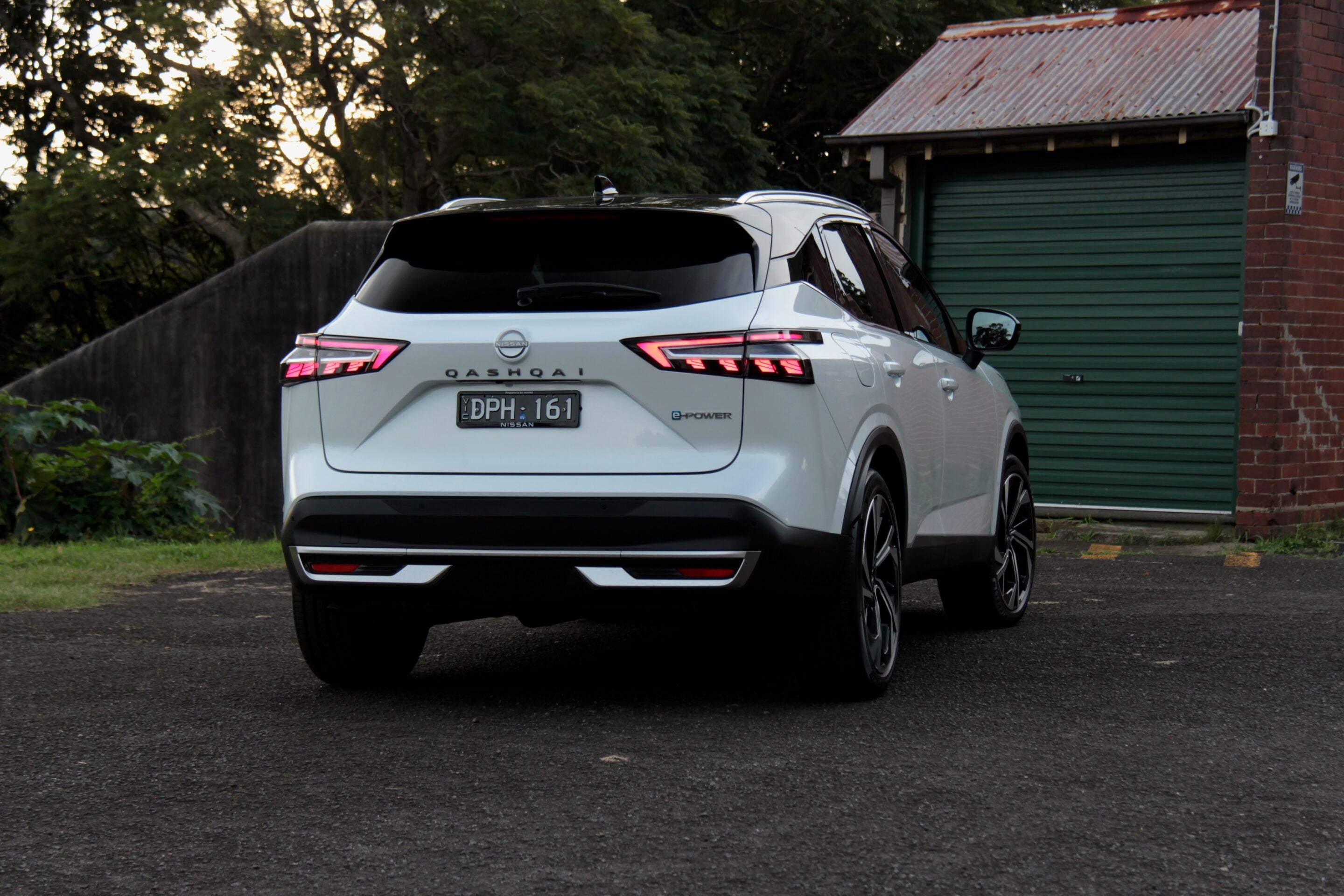
Some buyers may baulk at its pricing, being one of the more expensive options in the small SUV segment. Where the Corolla Cross starts at around $43,000 including on-road costs, the Qashqai starts at close to $50,000, and the Ti-L we had on test is around $60,000 driveaway, which is not only more expensive than the Toyota but not far off the top-spec larger X-Trail. But if you can look past the price, we think the Nissan Qashqai Ti-L e-Power is a worthy small SUV option.
Qashqai Ti-L e-Power standard features:
- 20-inch alloy wheels (with tyre repair kit)
- Dusk- and rain-activated automatic LED exterior lighting with scrolling indicators
- Rain-sensing automatic wipers
- Keyless entry with push button start
- Heated/auto-folding mirrors
- Roof rails
- Panoramic glass roof with power sunshade
- Rear privacy glass
- Electric tailgate with easy-open functionality
- Quilted leather upholstery with suede dashboard and door inserts
- 12-way electric front seats with driver’s memory
- Heated and massaging front seats
- Heated leather steering wheel
- Dual-zone automatic climate control with rear air vents
- 12.3-inch digital driver’s display
- 10.8-inch head-up display
- 12.3-inch touchscreen
- Nissan Connect live services
- Wireless Apple CarPlay and Android Auto
- AM/FM/DAB+ digital radio
- Bluetooth calling and audio streaming
- 10-speaker Bose sound system
- 4x USB-C ports
- Wireless phone charger
- 12x 12V sockets
- Colour-selectable LED cabin ambient lighting
- 7x airbags
- Autonomous emergency braking with pedestrian, cyclist detection and junction assist
- Adaptive cruise control with ‘ProPilot’ adaptive lane guidance
- Lane keeping assistance
- Blind-spot monitoring
- Rear cross-traffic alert
- Automatic low-speed rear braking
- Traffic sign recognition
- Driver attention monitoring
- Adaptive automatic high beam
- Front and rear parking sensors
- 360-degree camera
- Tyre pressure monitoring
- Anti-theft alarm
Qashqai Ti-L e-Power specifications
| Price | $53,640 plus on-road costs |
|---|---|
| Drivetrain | 1498cc turbocharged three-cylinder range-extender hybrid |
| Combined peak power | 140kW (@ 4900 – 5900rpm) (151kW in sport mode) |
| Combined peak torque | 311Nm (@ 0 – 3600rpm) |
| Transmission | Single-speed, front-wheel drive |
| Claimed 0-100km/h time | 7.5 – 8.0 seconds (est.) |
| Claimed combined fuel consumption | 4.1L/100km |
| Claimed CO2 emissions | 92g/km |
| Fuel type/tank size | 91 RON regular unleaded, 55 litres |
| Dimensions (l/w/h/wb) | 4425/1835/1625/2665mm |
| Boot capacity | 452 litres (rear seats up), 1376 litres (rear seats folded) |
| Kerb weight | 1701kg |
| Warranty | Five-year/unlimited km (car – extendable up to 10 years/300,000km with dealer servicing), eight-year/160,000km (battery) |
| Five-year service cost | $1995 ($399 per year) |
| On sale | Now |
Ian Callum, the former head of Jaguar’s design department from 1999 until 2019, has revealed his thoughts on the brand’s new direction.
In an interview with Motor1.com, Callum described Jaguar’s Type 00 concept, the concept that previews the British brand’s radical design overhaul, as both brutal and lacking beauty.
Callum’s words weren’t all negative, however, but there’s a sense that the former Jaguar designer, who led the brand’s last major design relaunch in 2006 – a styling language still in use until 2025 – sees room for improvement.
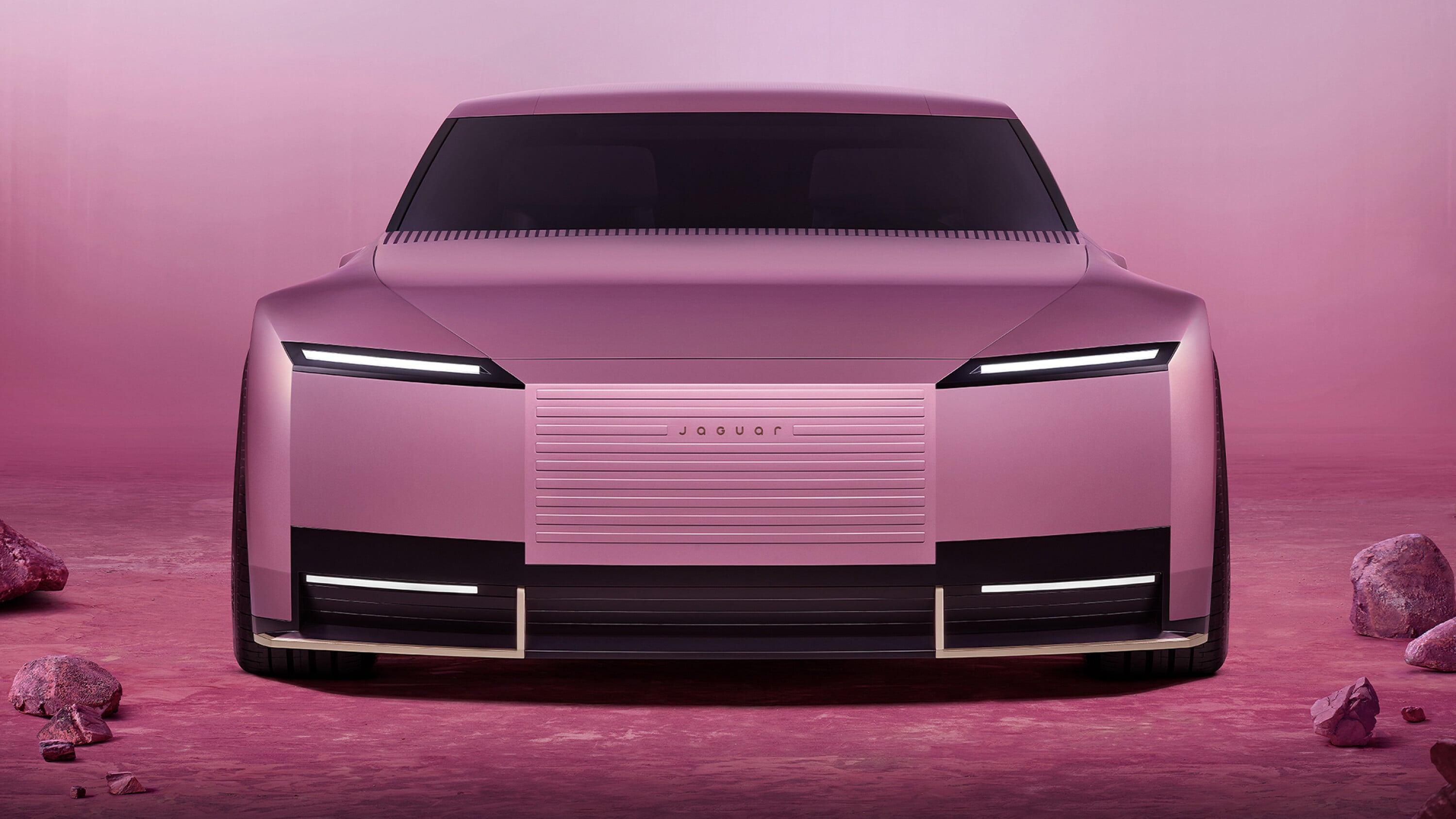
“The [concept] is very bold, and it’s very dramatic. It lacks beauty. I won’t deny it’s bold and it’s dramatic; it’s a very extreme proportion.” Callum said when asked about Jaguar’s new design approach.
“For me, the proportion is too retro… but the extremity is brave. It’s brutal, but it lacks beauty, and I think a criteria of Jaguar is to be beautiful. Not to say it’s a bad design, it just lacks that very important element of Jaguar design.”
During his time at Jaguar, Callum was responsible for the design of cars, including the 2007 XF, which adopted a contemporary style almost as controversial at the time as the Type 00 is today, owing to its near-complete departure from Jaguar’s retro-dominated styling themes.
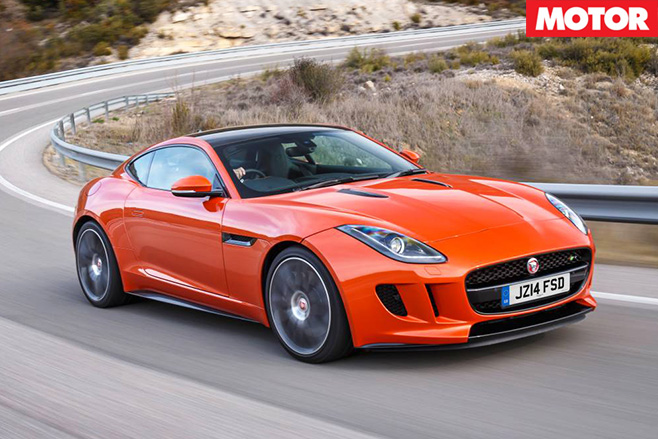
Other Jaguar designs overseen by Callum include the XJ in 2010, F-Type (below) in 2013, XE in 2015, the second-generation XF in 2015, and the F-Pace SUV and I-Pace EV in 2016 and 2018, respectively.
Ian Callum now heads up his own design firm, with in-house design and engineering capabilities, a range of restomod and all-new automotive projects, and forays into furniture and a line of boutique Scotch whisky.
Callum also suggested that Jaguar’s move to an all-electric brand, starting with the Type 01 four-door, the first production model based on the Type 00, could hamper the relaunched brand’s chances at success.
“’I think where the biggest challenge will be is the fact that it’s electric. That’s not an opinion on my part; that’s just a fact of life.” He said.
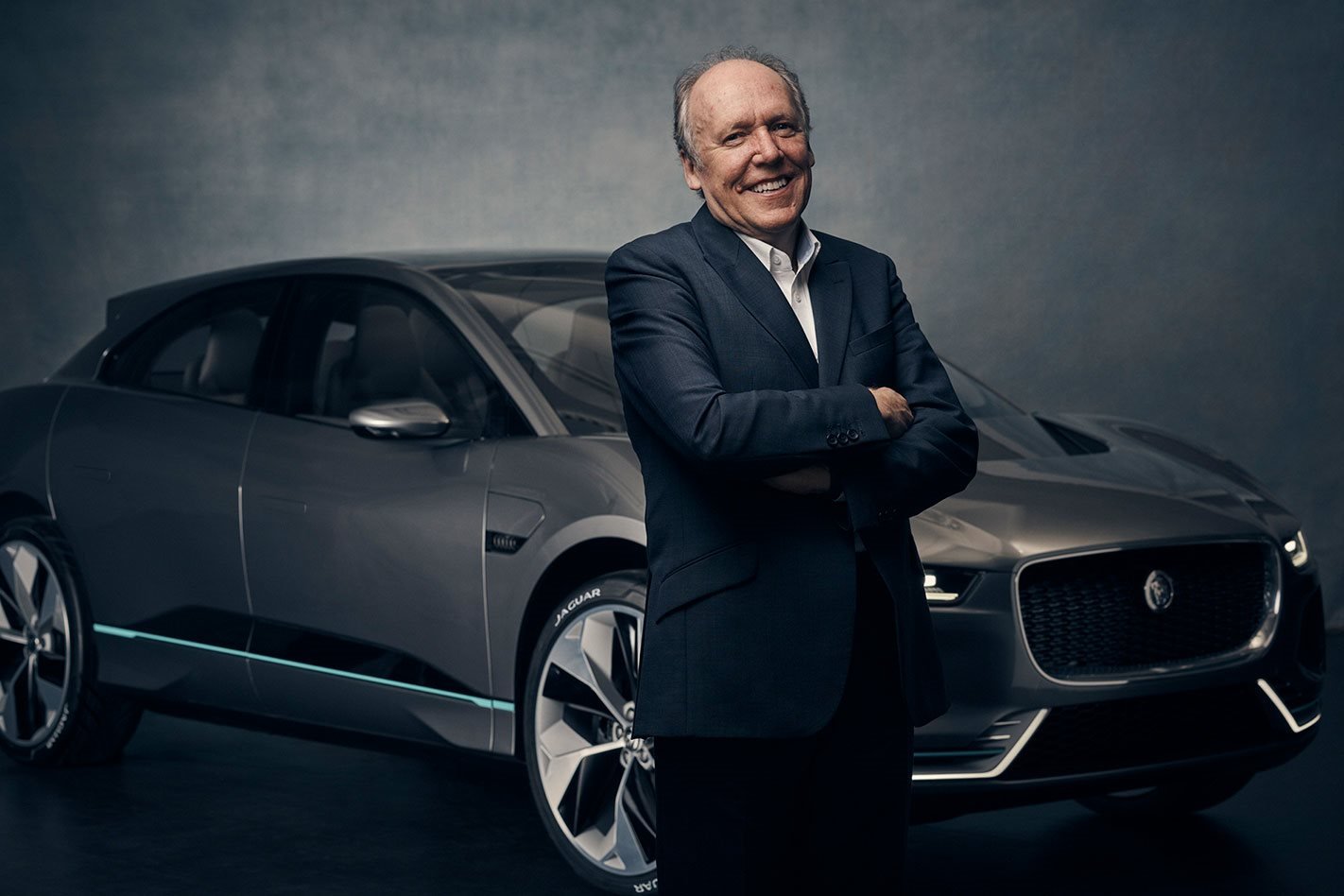
“If you look at all the electric supercars, nobody seems to want any. People who buy supercars aren’t going to worry about fuel consumption; that’s for sure.”
Jaguar Land Rover’s chief creative officer, Gerry McGovern, credited with the design of the Type 00, stepped down from his role in March 2026 after much speculation regarding his future at JLR in the aftermath of the Type 00’s reveal.
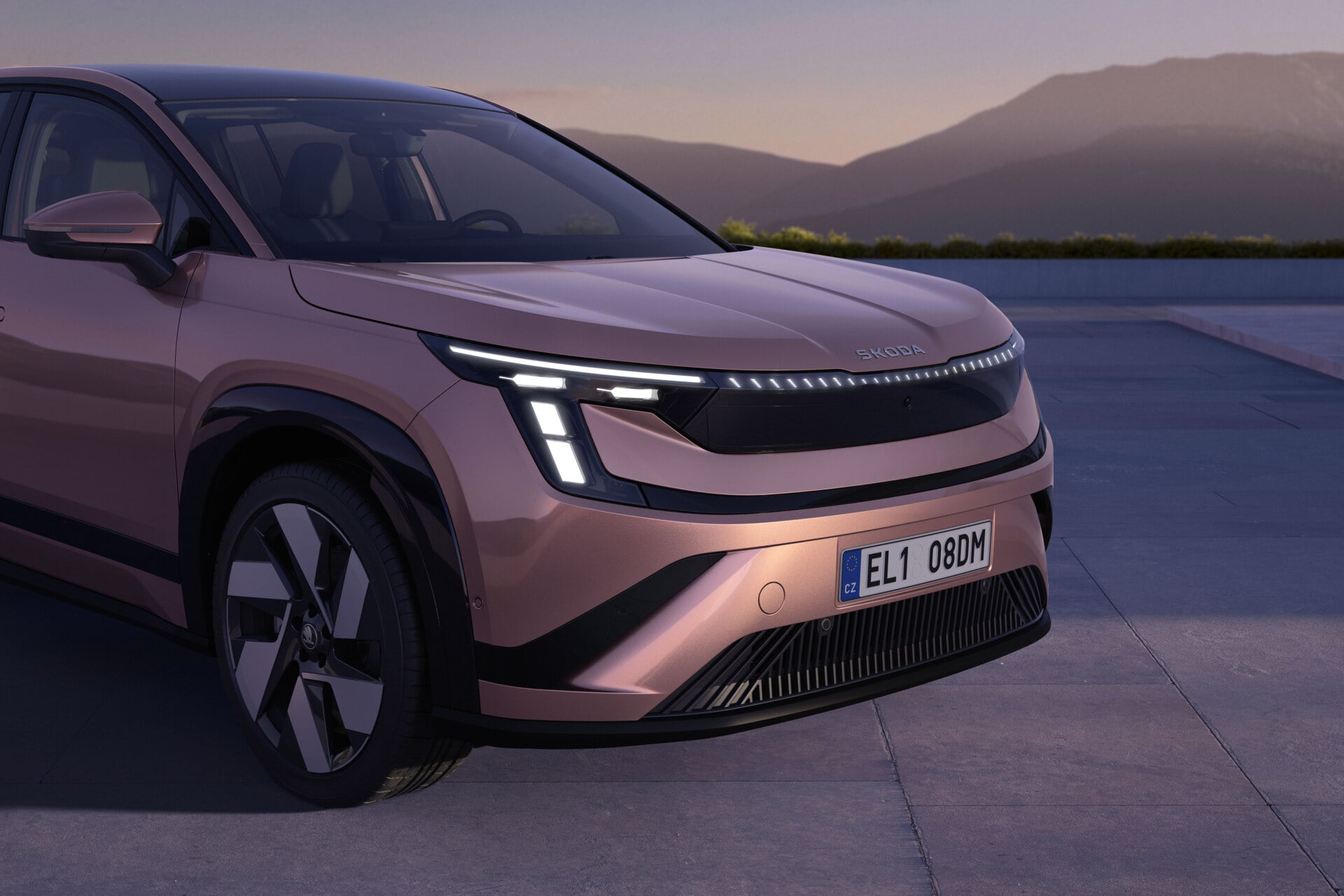
The 2027 Skoda Peaq has been unveiled as the Czech brand’s new flagship model.
The seven-seat electric vehicle (EV) is larger than the Kodiaq seven-seater, but slightly smaller than the Superb wagon, as well as being smaller than key rivals, the Kia EV9 and Hyundai Ioniq.
Skoda detailed three variants of the Peaq at the new model’s reveal: Peaq 60, Peaq 90, and Peaq 90x. The Peaq 60 features a single 150kW motor and 59kWh (usable) battery, the Peaq 90 ups power to 210kW with an 86kWh battery, and the Peaq 90x offers a dual-motor all-wheel-drive powertrain with 220kW combined, coupled with the larger battery.
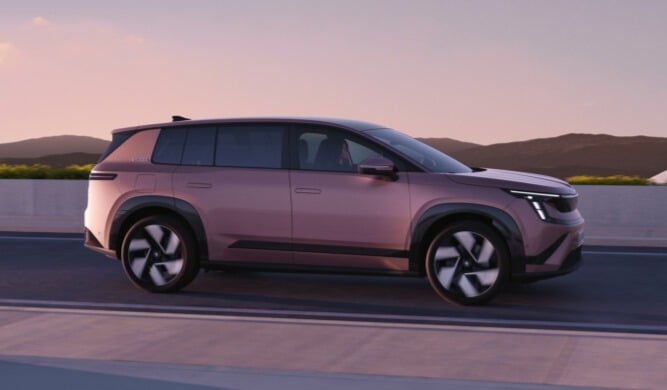
Acceleration from 0-100km/h ranges from 8.5 seconds in the Peaq 60 down to 6.8 seconds for the Peaq 90x.
As with other Skoda EVs, the Peaq is based on the Volkswagen Group’s ‘MEB’ modular electric platform, which is also used for the Skoda Elroq and Enyaq, plus the Curpa Tavascan, and Volkswagen ID.4, ID.5, and ID. Buzz.
Driving range for the Peaq 60 is rated at 459km, the single-motor Peaq 90 can cover 647km, while the dual-motor 90x drops back to 613km, based on WLTP testing.
All three are 11kW AC-charging compatible, with 160kW maximum DC charging for the Peaq 60 and 199kW for the Peaq 90 and 90x. Skoda claims 10-80 per cent charging is possible in 27 minutes for the 60 and 28 minutes for the 90 models.
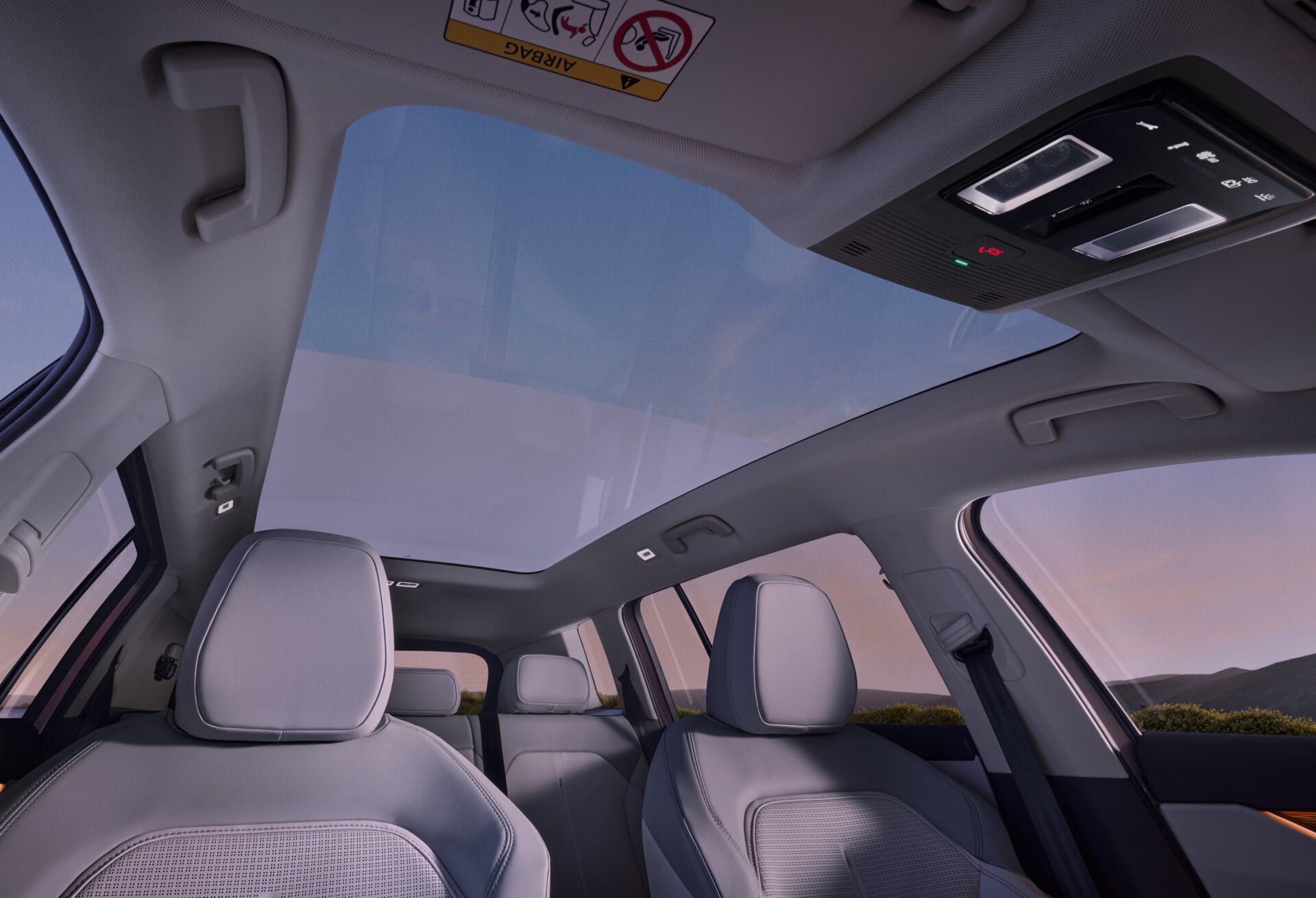
With all three rows in use, Skoda claims 299 litres of luggage capacity, rising to 890 litres with the third row stowed. Folding the second row liberates 2075 litres of cargo space, with an additional 37-litre storage space under the bonnet. A five-seat version is also available with 935 litres behind the rear seats.
Interior trim is based around sustainable materials, with Skoda claiming 50kg of recycled materials used in each vehicle. Interiors are trimmed in fabric, or fabric and ‘Technota’, a faux-leather material, with the availability of partial leather and Technota trim on range-topping models.
A 10-inch driver’s display and a 13.6-inch vertical infotainment display will be available from launch, with an augmented reality head-up display being added later in 2027. The interior includes a pair of 25-watt wireless chargers, physical buttons for climate controls, and physical buttons for the steering wheel controls.
Other available interior equipment includes an electrochromatically-dimmable panoramic sunroof, Relax Package reclining front seats with massage, a 16-speaker Sonos-branded audio system, and a power-retractable cargo blind.
In terms of size, the Peaq measures 4874mm long with a 2965mm wheelbase. That makes it longer than the Kodiaq seven-seater in both dimensions (4758mm/2791). The Skoda Superb wagon is longer overall, but with a shorter wheelbase (4902mm/2841mm).
Key seven-seat EV rivals outstretch the Peaq, with the Ioniq 9 claiming 5060mm overall on a 3130mm wheelbase, and the Kia EV9 measuring 5010mm with a 3100mm wheelbase.
Australian availability for the Peaq has yet to be confirmed, but with right-hand production for the UK confirmed for later in 2026, one of the major roadblocks to seeing the new model here has already been overcome.
As Nissan’s global restructuring continues, plans for an electric version of the Qashqai SUV have been shelved.
The Qashqai EV would have introduced an electric version of the brand’s top-selling model in the UK and Europe, but Reuters has published a report from company insiders revealing the cancellation of the project.
To be built at Nissan’s underutilised Sunderland factory in the UK, the Qashqai EV has been in development since 2023, and was to be manufactured alongside two other EVs, the Leaf and recently revealed next-generation Juke.
Those two models appear safe for now, but plans for the Qashqai EV have been shelved as Nissan looks for cost savings across its operations.
Sources indicate that pressure from ultra-competitive Chinese EVs, and proposed changes to European taxes that could lock UK-manufactured vehicles out of duty exemptions designed to level the field for European brands against Chinese-built vehicles, have shaped the decision.
The British Government is currently consulting with car manufacturers to reframe the country’s EV targets. A move that could assist Nissan as it pivots to an expansion of electrified (hybrid) rather than fully-electric vehicles.
The full cancellation, rather than a simple development pause, for the Qashqai EV means that Nissan would need to restart the program if it decided to push ahead with an electric Qashqai. The resulting timeline would mean an introduction sometime after 2030, instead of the forecast 2027 launch.
The Qashqai EV joins two planned electric crossover SUVs for the North American market on Nissan’s list of recent cancelled projects. Vehicles like the electric Micra and Ariya are set to continue.
In June, Nissan announced that it had entered discussions with Chinese brand Chery to use one of two production lines at Nissan’s Sunderland factory as a contract manufacturing line for Chery vehicles.
While not yet fully approved, Nissan announced that its current production of Juke, Leaf, and Qashqai would be consolidated onto a single line at Sunderland.
Official specifications for the 2026 BYD Sealion 08 SUV reveal some barely believable numbers. The figures recorded by China’s Ministry of Industry and Information Technology (MIIT) reveal that BYD’s newest flagship model features some outrageous specifications.
The new Sealion 08 is positioned as the top-tier model for BYD’s Ocean Series of cars in China, which itself is positioned slightly downmarket from the Dynasty Series. The Sealion 08 is the latest in a growing field of large, luxurious three-row SUVs from Chinese brands.
Despite the similar name, the Sealion 08 is not related to the plug-in hybrid Sealion 8 sold in Australia.
Details for three versions of the Sealion 08 have been published, as reported by Car News China, and it’s towards the top of the range that things get most interesting.
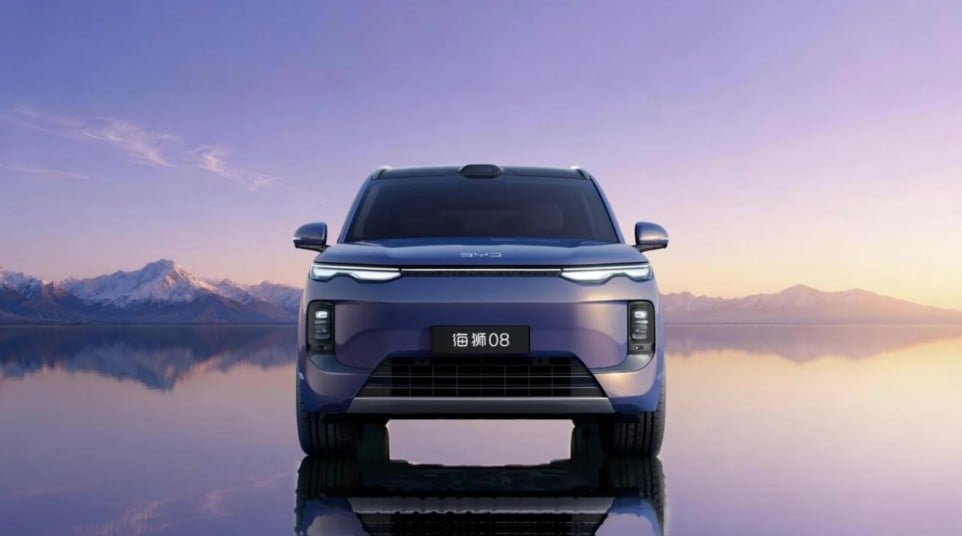
The entry-level version features a 92.1-kilowatt-hour battery, enabling a claimed 710km driving range according to Chinese efficiency standards. It also features a single motor driving the rear wheels with a maximum 320kW output.
The longest-range model, however, moves the game on with a larger 115.1kWh battery, unlocking a claimed range of 900km. To get there, the massive battery pack weighs in at 810.5kg by itself.
To give that figure some heft, the lightest new car sold in Australia, the Suzuki Swift, has a tare weight of 890kg, just 79.5kg more than the Sealion 08’s battery pack.
The lightest version of the Sealion 08 has a kerb weight of 2420kg, of which 633kg is battery weight. The longest-range model – which retains a single motor but bumps power to 370kW – pushes up to 2595kg.
Above that sits the range-topping Sealion 08 AWD with a 585kW dual-motor setup that pushes kerb weight to 2710kg with the 810.5kg battery on board. Range for the AWD model drops to 800km under CLTC testing.
In Australia, Hyundai lists the heaviest version of the seven-seat Palisade hybrid at 2294kg, around 416kg lighter. BYD’s own Sealion 8 PHEV, as sold in Australia is closer, however, at 2580kg.
Although not confirmed for Australia, the Sealion 08 has reportedly been developed with export markets outside of China in mind as the brand looks to increase sales volumes away from its domestic market.
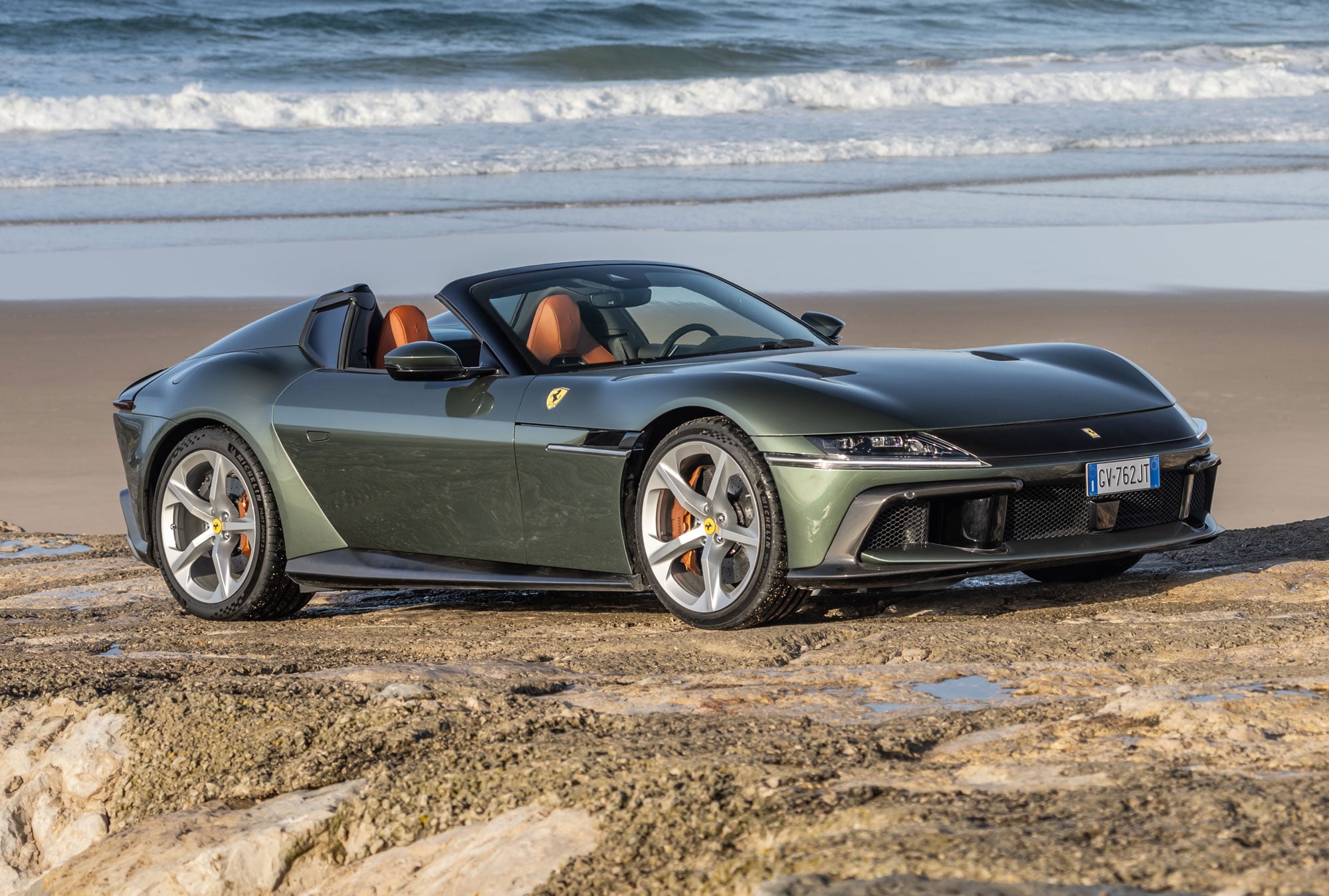
Last month, while the world’s sports car manufacturers were busy trying to win the Le Mans 24-Hour race, rumours heated up around trademark filings that suggested there was going to be the reveal of a Ferrari with a manual transmission. It’s a development that has fans of the prancing horse salivating, and hints to the Italian manufacturer embracing the concept of the driver being more in control of what its sports car is doing.
Initial rumours and reports had suggested the announcement might come during the race itself, but that came and went, and since then, Ferrari CEO Benedetto Vigna has revealed a little more, along with the uncovering of a patent filing which indicates that a reveal may still be close.
As reported by Autocar, Vigna, while speaking to US Ferrari dealers at a convention in Las Vegas, reportedly told them cryptically that “the public will see something new where we put together something from the past with eyes on the future”.
While that comment from the boss doesn’t detail what would be an all-new car, impetus behind rumours a manual transmission is about to return certainly adds up.
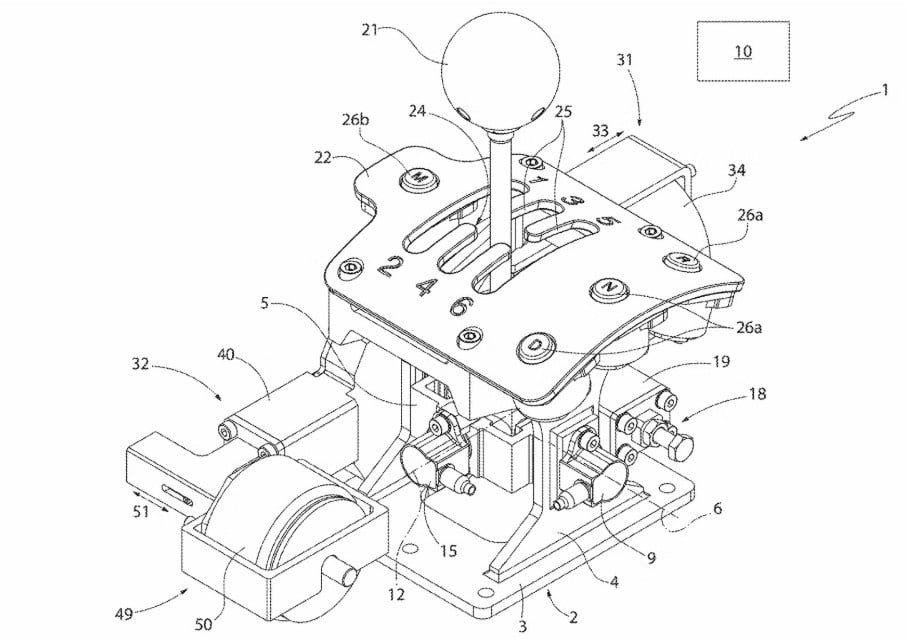
First uncovered by CarBuzz, the patent filing is significantly more likely to indicate the impending arrival, with the filing being for ‘a control tower of a gearbox for road vehicles’, submitted by Ferrari and published on the 11th of June. The patent filing shows a clear and detailed line drawing of a manual gear shifter.
The drawing of a conventional H-pattern, gated shifter seems to point to a remotely operated system that might control an existing dual-clutch or automated gearbox, given no physical connection is shown. The shifter features six gated slots, as well as buttons marked ‘M’, ‘R’, ’N’ and ‘D’.
A second patent application, filed by Ferrari on the 14th of May, described ‘an electronic clutch for road vehicles’, which would also indicate a third pedal in the footwell. It would be electronic, but in theory would operate like a conventional clutch pedal. In relation to the operation of the clutch pedal, the patent wording included a ‘detection device’ that would ‘supply an electrical signal to an electronic control unit… configured to control the operation of the electronic clutch itself’.
Australia is soon expected to have a new titleholder as cheapest plug-in hybrid SUV in the land in the form of the BYD Atto 2 DM-i. Already on sale in fully electric form, the Atto 2 is also available as a PHEV in overseas markets such as the UK and it’s just been approved by the government for local sales, suggesting that a local launch is due within a few months.
Unlike the fully electric Atto 2 already on sale, which features a 130kW/290Nm motor and a 51.3kWh battery for a WLTP-rated range of 345km, the plug-in hybrid Atto 2 DM-i pairs a 72kW/122Nm naturally aspirated 1.5-litre petrol engine paired to a 145kW/300Nm electric motor making a combined 122kW/300Nm outputs. A 7.8kWh LFP battery also features, with a claimed 40km of EV-only range.
There’s also a larger 18.3kWh battery option that increases claimed WLTP range to 89km, and it increases the power output to 156kW with an unchanged 300Nm of torque. Both battery sizes can only be AC charged, the former at up to 3.3kW for a claimed two hour and 42 minute 15-100 per cent charge time and the latter at up to 6.6kW for a 15-100 per cent charge of a claimed three hours and 15 minutes.
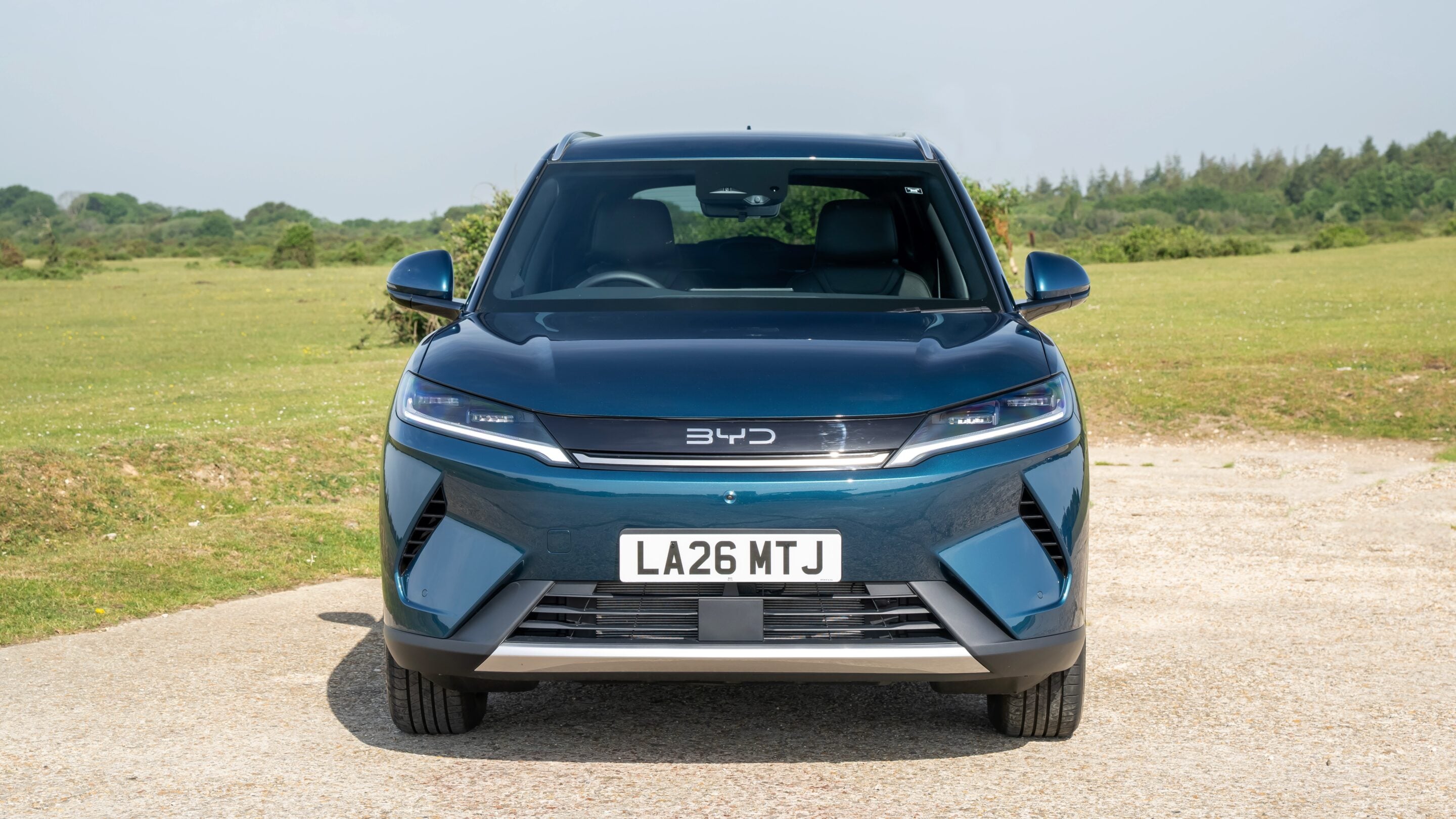
The Atto 2 DM-i will find itself in a crowded price point in BYD showrooms as the electric Atto 2 starts from $31,990 plus on-road costs and larger plug-in hybrid Sealion 5 is priced from $33,990 +ORC. Therefore, the Atto 2 DM-i could be priced from under $30,000, making it Australia’s cheapest plug-in hybrid vehicle and stealing the title from the Chery Tiggo 7 Super Hybrid.
Compared to the electric Atto 2, the plug-in hybrid sports a revised front bumper design for extra cooling for the petrol engine, as well as different alloy wheel designs. Inside is identical except for the button to switch between EV and hybrid power, while UK models also feature Google Built-In software and Google Maps integration into the 12.8-inch touchscreen.
The BYD Atto 2 DM-i is expected to go on sale in Australia from later this year, perhaps in the third quarter.
Volvo has launched a new feature that “makes public charging simpler and more convenient”, according to the brand. Called ‘Plug & Charge’, Volvo’s new charging feature allows EX90 and upcoming EX60 owners to start charging without needing to open an app or swipe a bank card, which makes EV charging both easier and more convenient.
Only available in the U.S. so far, Plug & Charge will allow drivers to plug their car in to a charger and start charging at participating public charging stations without the need to open an app, swipe a credit card, or initiate a charging session manually. Once activated, authentication and payment happen automatically between the vehicle and the charging network.
Plug & Charge is available for existing Volvo EX90 drivers with the updated NVIDIA software today and will be available for upcoming EX60 drivers when U.S. deliveries begin later this year. Across participating charging networks, including Tesla Superchargers and IONNA locations in the United States, EX90 and future EX60 drivers can “spend less time managing charging and more time on the road.” Additional charging partners will come online later.
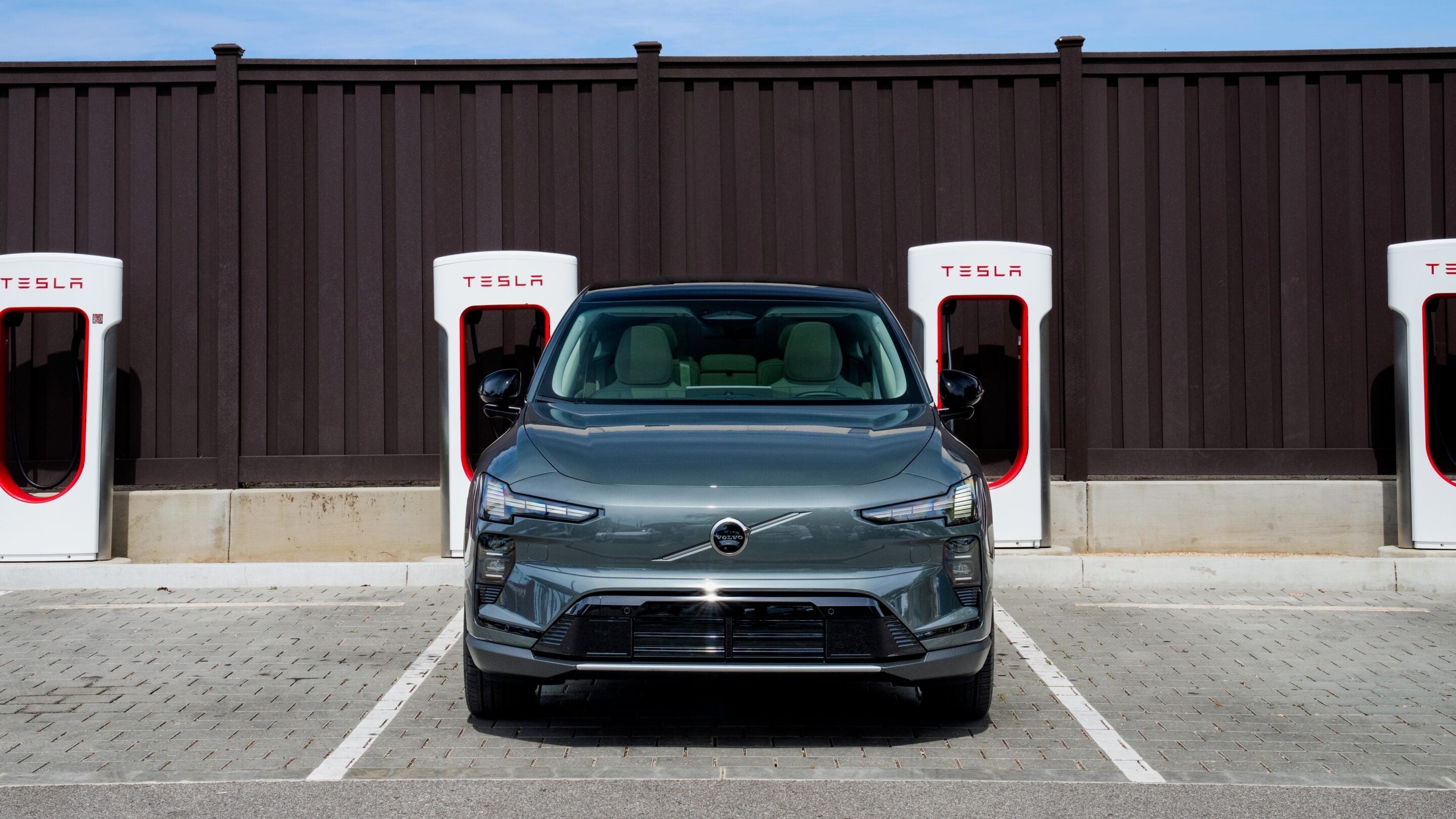
Volvo says that drivers will have the ability to access over 35,000 chargers across the U.S. and can easily locate compatible charging stations through the cars’ built-in Google Automotive System and Volvo Cars app, with charging stops added seamlessly into routes when and where needed.
“The EX60 and EX90 reflect Volvo Cars’ vision for the future of mobility—vehicles that combine safety, sustainability, and human-centric technology,” said Jim Nichols, Head of Product, Technology & Consumer Offer, Volvo Car Americas. “With the addition of Plug & Charge, Volvo drivers can enjoy an even more seamless ownership experience, making public charging as simple as plugging in and walking away.”
Plug & Charge availability outside the U.S. is yet to be announced, though it would be great if such a feature were to be sold in Australia. Stay tuned to see if it will launch locally.
Renault’s Megane E-Tech electric small SUV has been facelifted for the 2027 model year with an even sharper design, updated in-car tech and a new larger 67kWh LFP battery for more driving range, now rated at 500km (WLTP).
Set to go on sale in Europe later in 2026, Australian availability is yet to be confirmed, though we’d say that it’s likely to lob sometime in 2027.
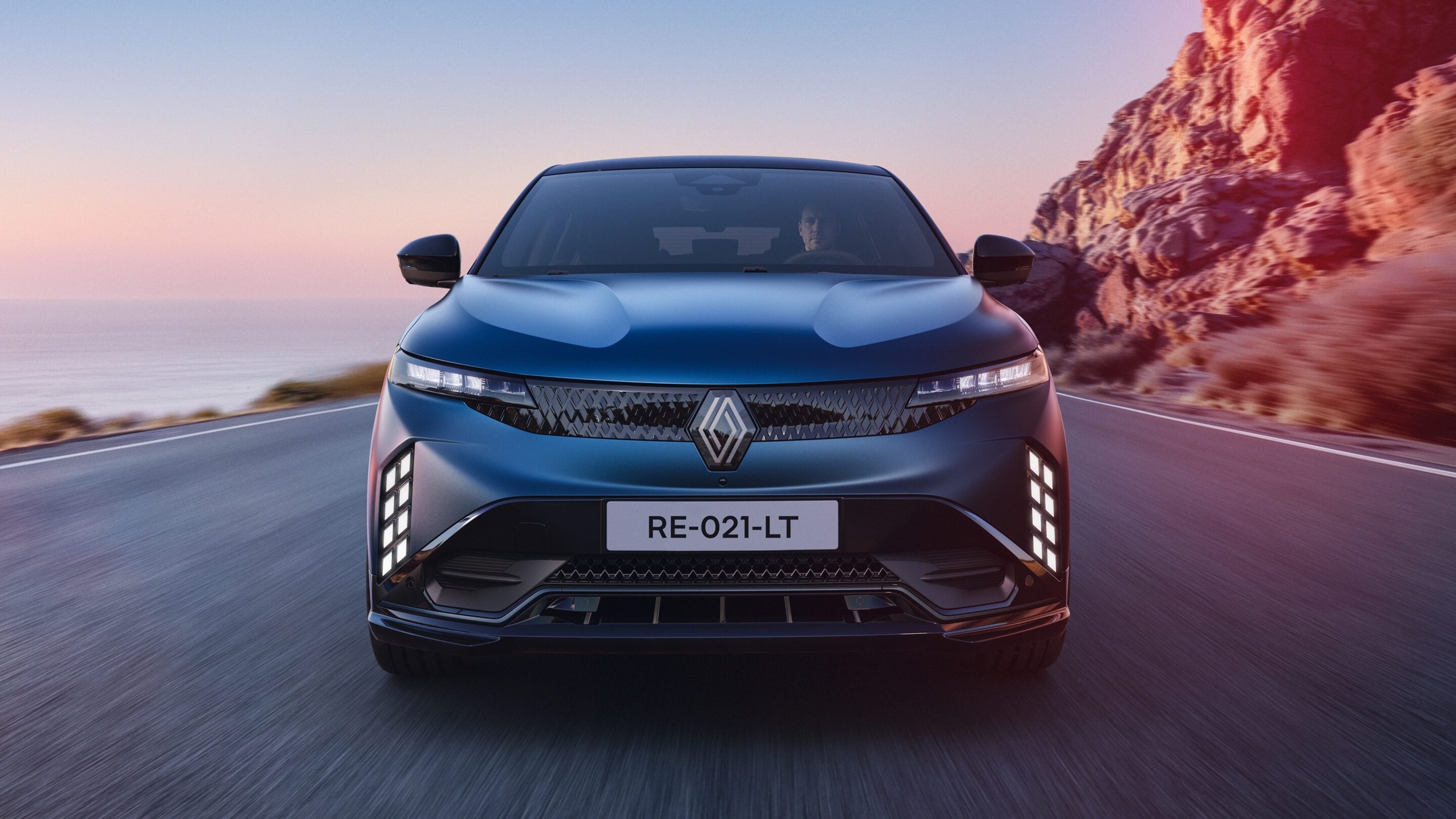
On the outside, the Megane E-Tech has been given sharper styling with a new more sculpted bonnet, a redesigned grille and new LED daytime running lights. There are new alloy wheel options up to 20-inches in size and at the rear, the tailights have introduced a more 3D look and the rear bumper is also new.
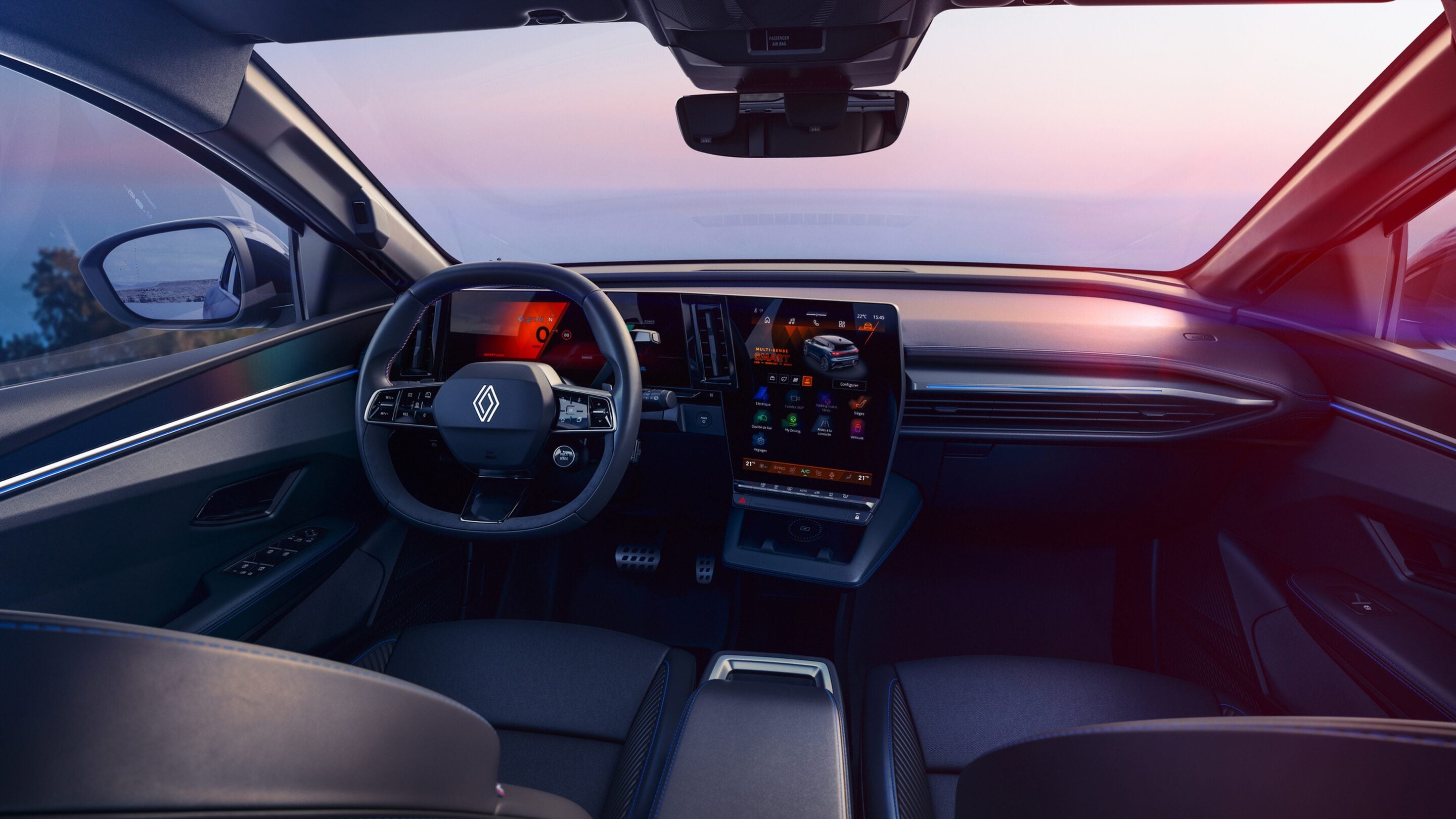
Inside, the Megane E-Tech now features a larger 12.3-inch touchscreen with a 12.3-inch digital driver’s display as standard, with the current model’s 9.0-inch touchscreen no longer available. The new screen uses Renault’s ‘OpenR’ software, which is based on Google’s Android Automotive set up, which also includes features such as Google Maps and access to the Google Play Store to download apps.
Elsewhere in the cabin, there’s a new driver fatigue monitoring camera that can be set to recognise the driver and automatically set their driving position, while there’s also a new redesigned centre console for greater practicality, including a wireless charger fitted with Qi2/MagSafe to magnetically lock a phone for more efficient wireless charging.
Slightly larger (by 7kWh) than the previous battery, the Megane E-Tech’s new 67kWh LFP battery makes for a 46km-longer driving range than before at 500km (WLTP), which is healthy among its competitor set. In addition, the battery itself can now charge 35kW faster at 165kW on a DC fast charger, which has reduced its 15-80 per cent charge time to 24 minutes.
The Megane E-Tech’s 160kW/300Nm front-mounted motor remains the same and because of the extra weight of the larger battery, the claimed 0-100km/h time is now 0.2 seconds slower at 7.6 seconds. One-pedal driving is now available, and a heat pump is standard equipment, with both new features aimed at making the Megane E-Tech more energy efficient.
Finally, the Megane E-Tech’s active safety systems have been upgraded with an improved adaptive cruise control, while it can also automatically stop itself if it detects that the driver is unresponsive.
Australian timing is yet to be announced for the updated Renault Megane E-Tech range, but we’d say that we’re likely to see it sometime in 2027.
