Mount Panorama became more like Munich on the first weekend of February, as BMW went all-in on the first major Australian motorsport event of the year.
It created a Forrest Gump event with an automotive ‘box of chocolates’ where you never knew what was coming next.
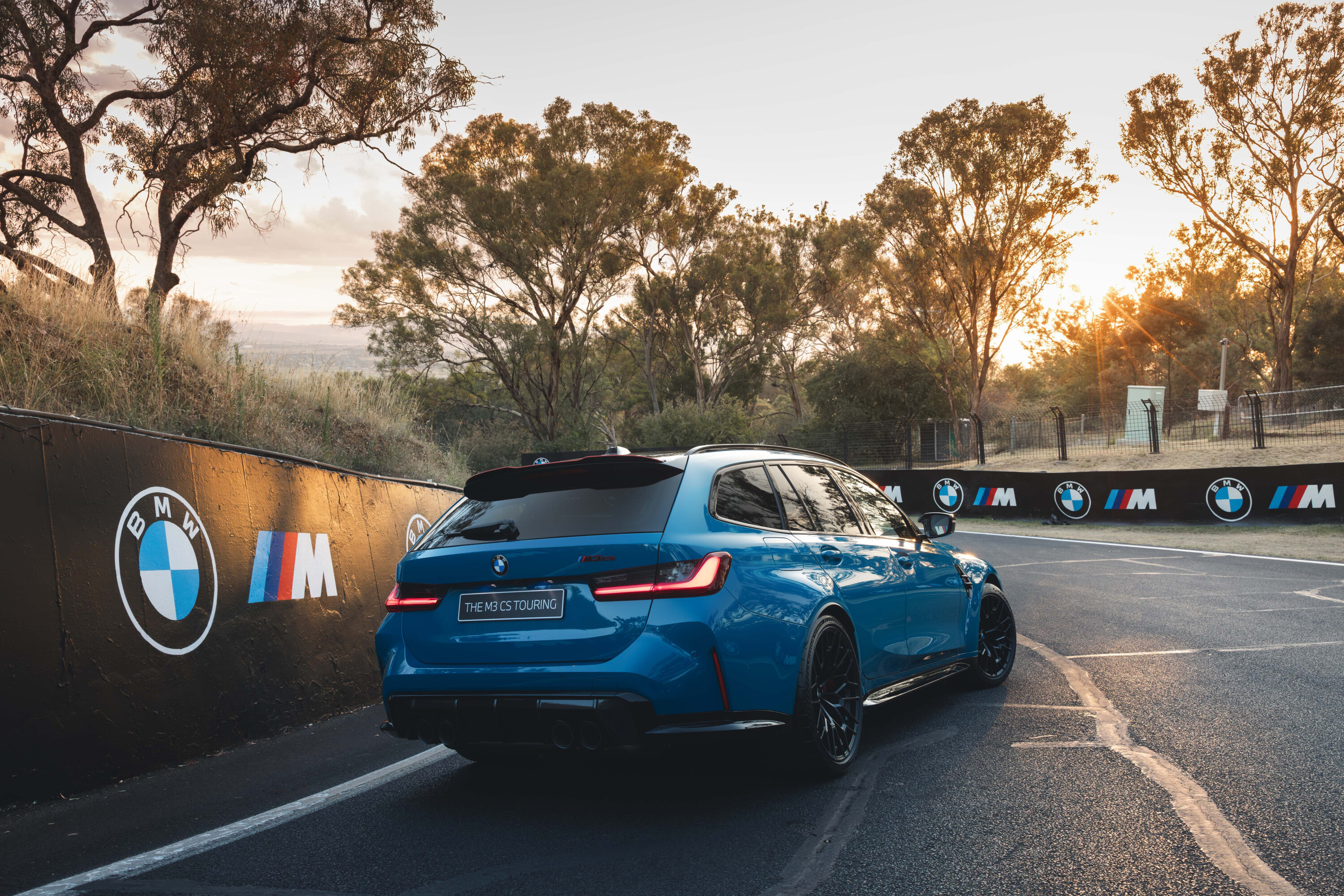
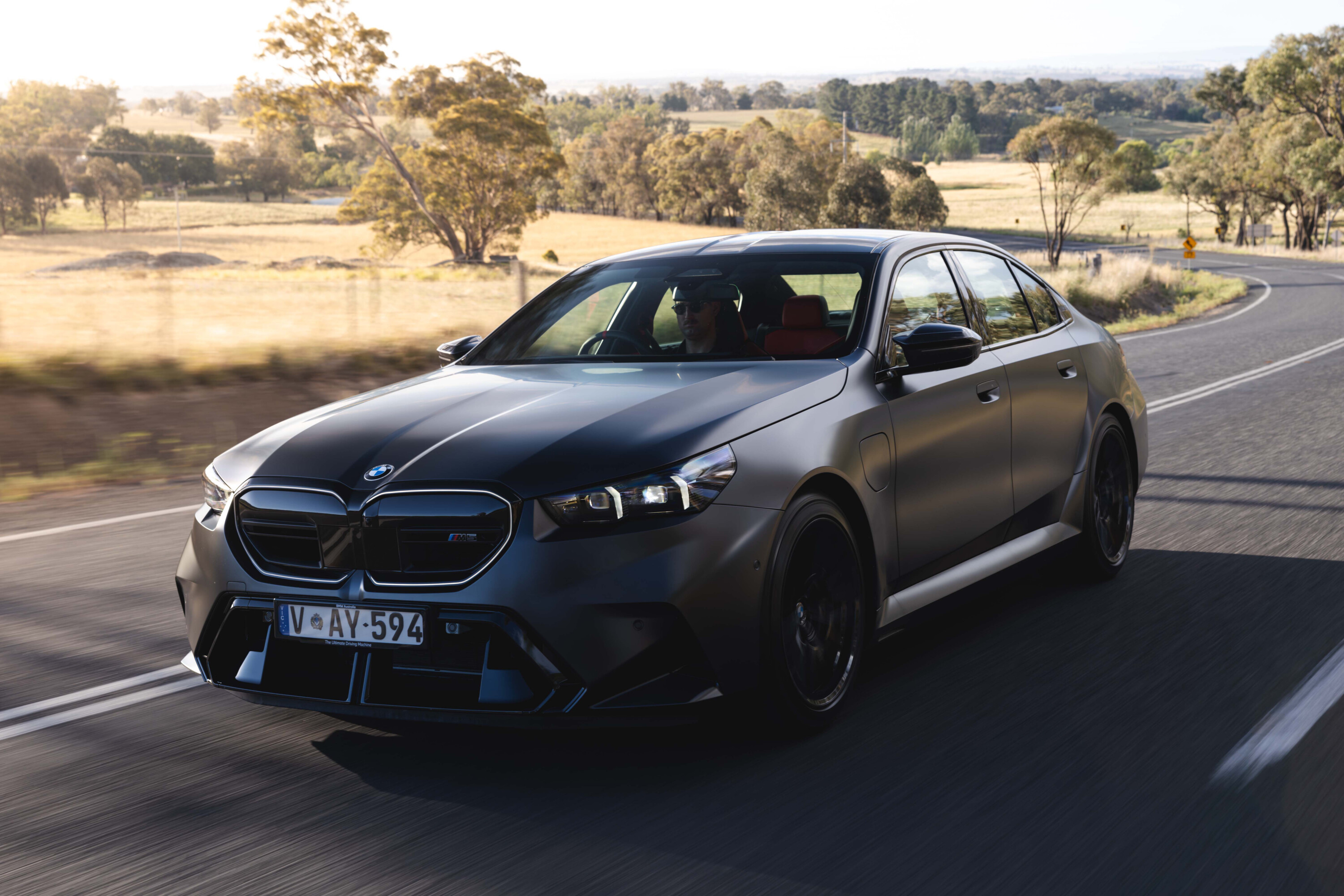
It began with the global unveiling of the latest M3 CS Touring, wrapped around a two-car entry with the M4 GT3 EVO in the 12-Hour contest, and finished with a preview drive of the all-new M5 V8 hybrid.
The Bavarian blast at Bathurst was one of the most impressive automotive executions in recent years, even without a landmark one-two sweep at the end of the 12-Hour.
Gambling on success in motorsport is never a smart move for a carmaker, as there can only ever be one winner – with lots and lots of losers.
That’s why most brands have given up on the old-fashioned ‘Win on Sunday, sell on Monday’ mantra to justify their involvement in motorsport. It’s now about polishing the badge, technology transfer, and creating special experiences for owners and hopefuls.
Yet the ‘other’ Bathurst race – created for exotic sports cars and not the old-school Ford Mustangs and Chevrolet Camaros that wrestle like dinosaurs each October – has a growing relevance and increasing impact.
It’s not just in Australia, either, as competition for showroom-based GT3 racers is booming around the world and Bathurst is one of the signature events. It’s not Le Mans but drivers rate it among their very favourite circuits.
BMW has been fast in the past as a 12-Hour contender, famously having the turbo boost turned down on its M6 racer in 2019 when it was too fast for the opposition – but this time, it was back to write a record.
It arrived with a pair of M3s in very different competition colours, one with a black backdrop and the other on white, fielded by the Belgian-based MRT team which had won the 12-Hour with Audi in the past.
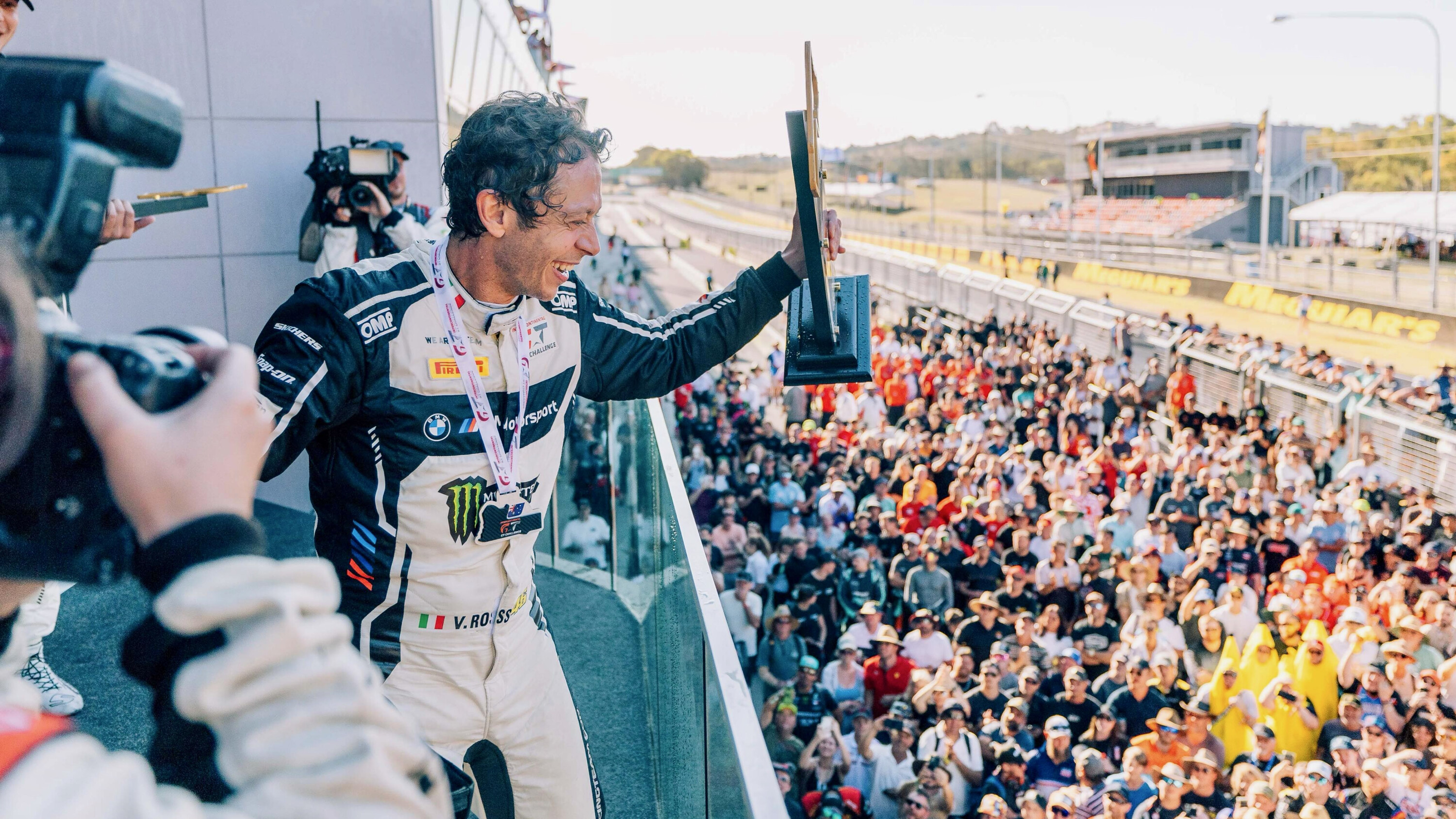
Five of its drivers were GT specialists and the other was ‘The Doctor’, legendary MotoGP racer Valentino Rossi. He is less known as a four-wheeled racer, but once tested for a place with Ferrari in Formula 1 and has become a regular and respected GT3 driver with BMW.
His star power was reflected in the giant queues of fans who rivalled the glory days of Peter Brock, with hour-long waits for an autograph and a near-constant honour guard for Rossi on his walk between the BMW compound and the pit garage.
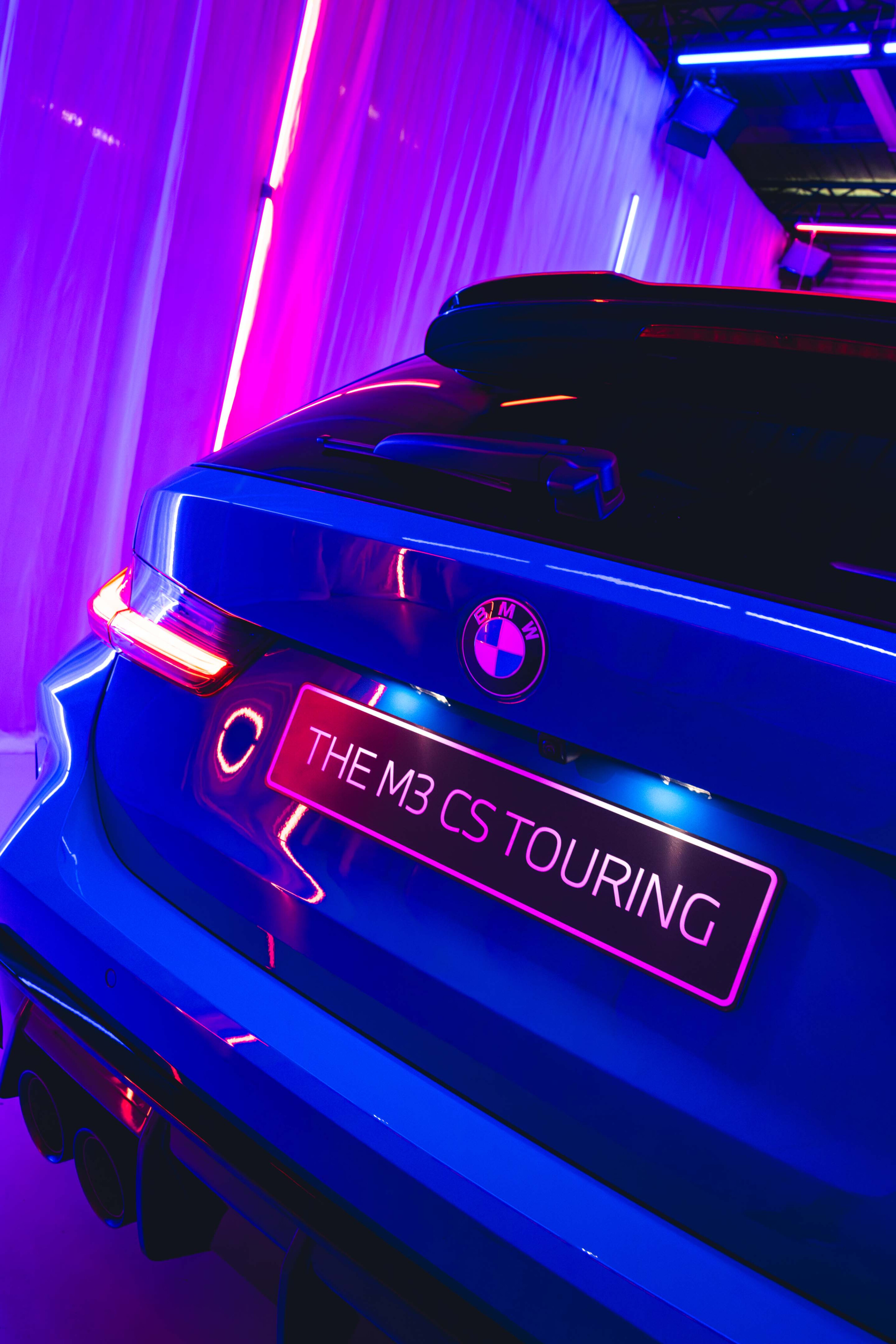
While Rossi was creating memories through practice and qualifying, BMW Australia had already scored its first hit with the global unveiling of the M3 CS Touring.
It was the first time any worldwide reveal had been staged in Australia, with the circuit itself serving as the backdrop. Touring wagons are on the slide globally, and Aussies have migrated to SUVs for family work over more than 20 years, but the M3 CS is still special.
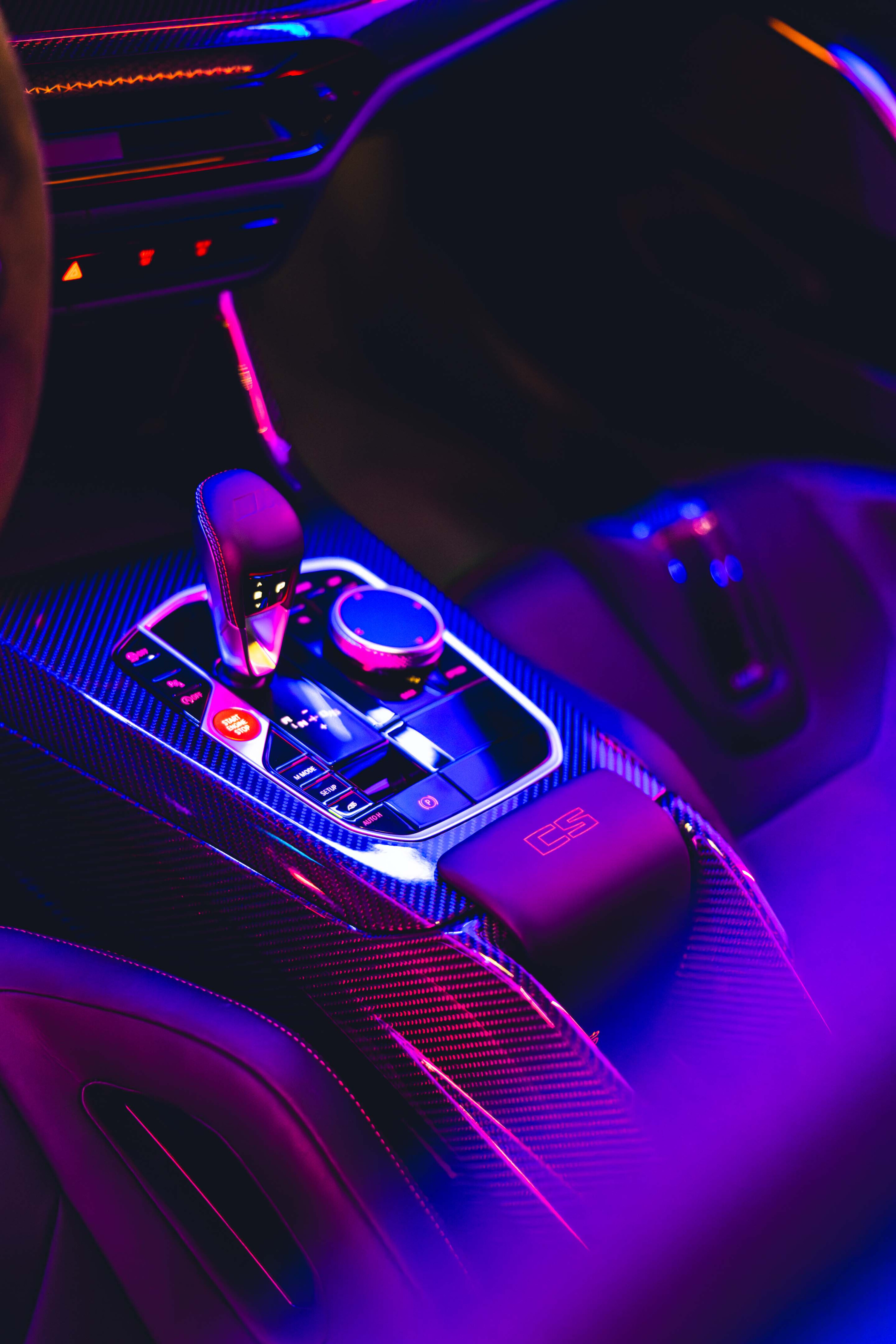
It packs 405 kiloWatts and 650 Newton-metres for a 0-100km/h sprint in 3.5 seconds and a top speed of 300km/h. Apart from the wagon tail to set it apart from the M3 sedan and M4 coupe, the list of equipment runs to splashes of carbon fibre, forged alloy wheels, a strut brace and M Carbon brakes.
Only 55 are set for Australia, priced from $253,900.
With the first course out of the way, attention turned to the main course and the pre-dawn start with the BMWs sitting fourth and 12th on the starting grid.
There was torrid action from the get-go, with contact and crashes – including a very rare mistake by Craig Lowndes, who took his Mercedes-AMG out of action when he hit a concrete wall.
It was shaping as a hare-and-tortoise battle, with a Ferrari 296 setting the pace – with Supercars drivers Chaz Mostert and Will Brown driving – and the BMWs advancing steadily with stealthy tactics. The M4 drivers were easing into the braking areas, not going full throttle, to save fuel as they set themselves for the run to the finish.
The smart tactics at BMW became the winning move when Mostert peeled into the pits for a late top-up of fuel and the M4s ran home for a landmark one-two finish.
Kelvin van der Linde completed the final 34-lap run to the flag, but it was close, even for the BMWs.
“I had a fuel surge on the way to the podium ceremony, so it was very, very tight,” said van der Linde, who shared the winning car with his brother Sheldon and Augusto Farfus.
Rossi was one of the second-placed pilots, sharing with Charles Weerts and Raffaele Marciello, in a car wearing his signature #46. He was ecstatic.
Hometown hero Kenny Habul – who owns a house on Conrod Straight after building a billion-dollar solar panel business in the USA – anchored his Mercedes-AMG GT3 EVO for third place and an exuberant podium celebration including another ‘shoey’ for the former race winner. Ferrari was fourth and Porsche only sixth.
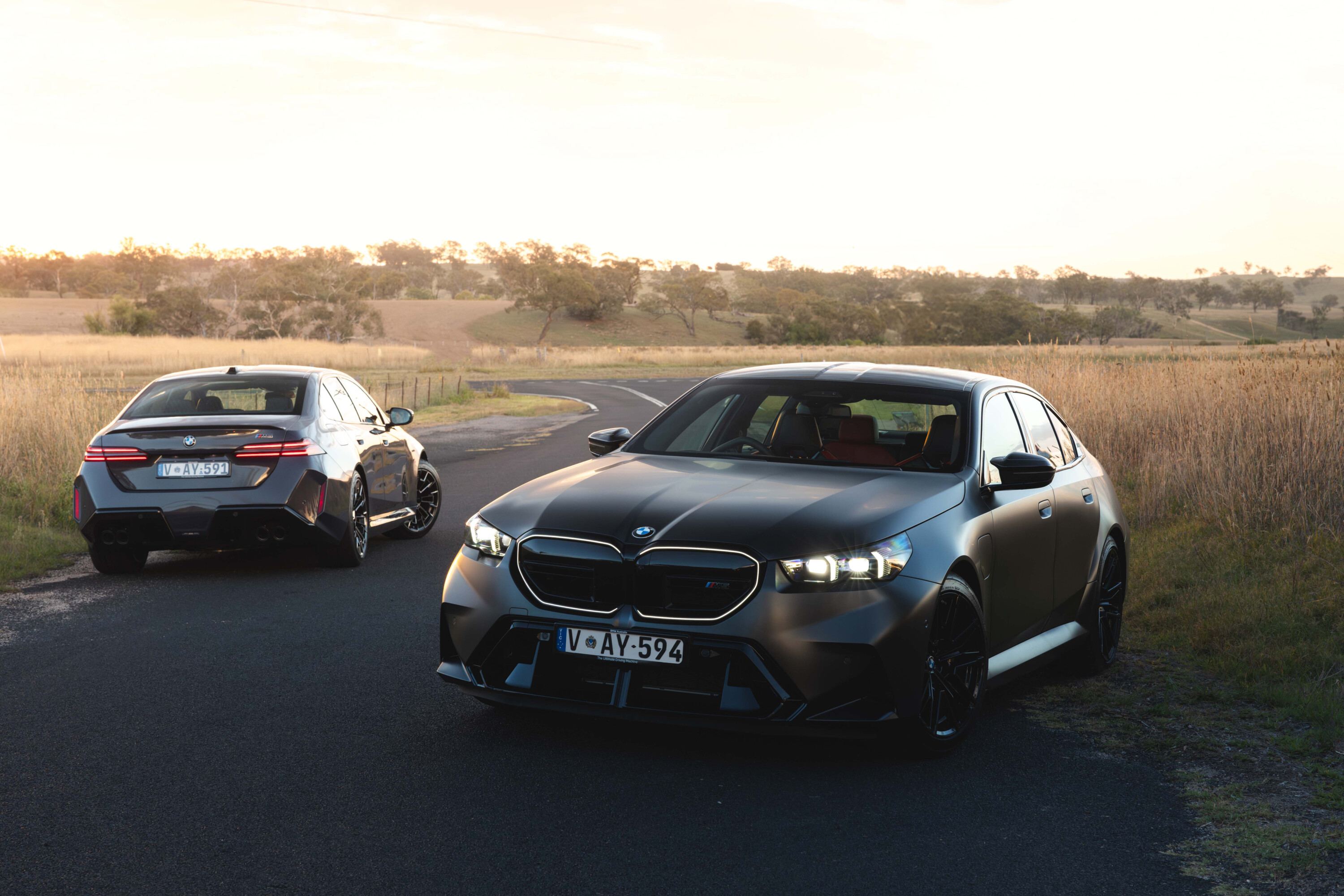
With the 12-Hour done, Mount Panorama was deserted but still challenging on Monday for brief track laps in the new M5. It’s a landmark car, still a V8 but also a plug-in hybrid, and there are plenty of questions about its weight of 2436 kilograms and a $259,900 price tag.
On the track, the car’s 535kW and 1000Nm rapidly overpower the heft and it is a surprisingly sharp tool. It can hustle while it hurtles over the top of the mountain, before winding out down Conrod at speeds which are 10km/h faster than the GT3 racers.
With the weekend done the focus is already shifting to 2026.
“I want to come back. I think I will come back – yes,” said Rossi, reflecting the thinking of everyone on team BMW.
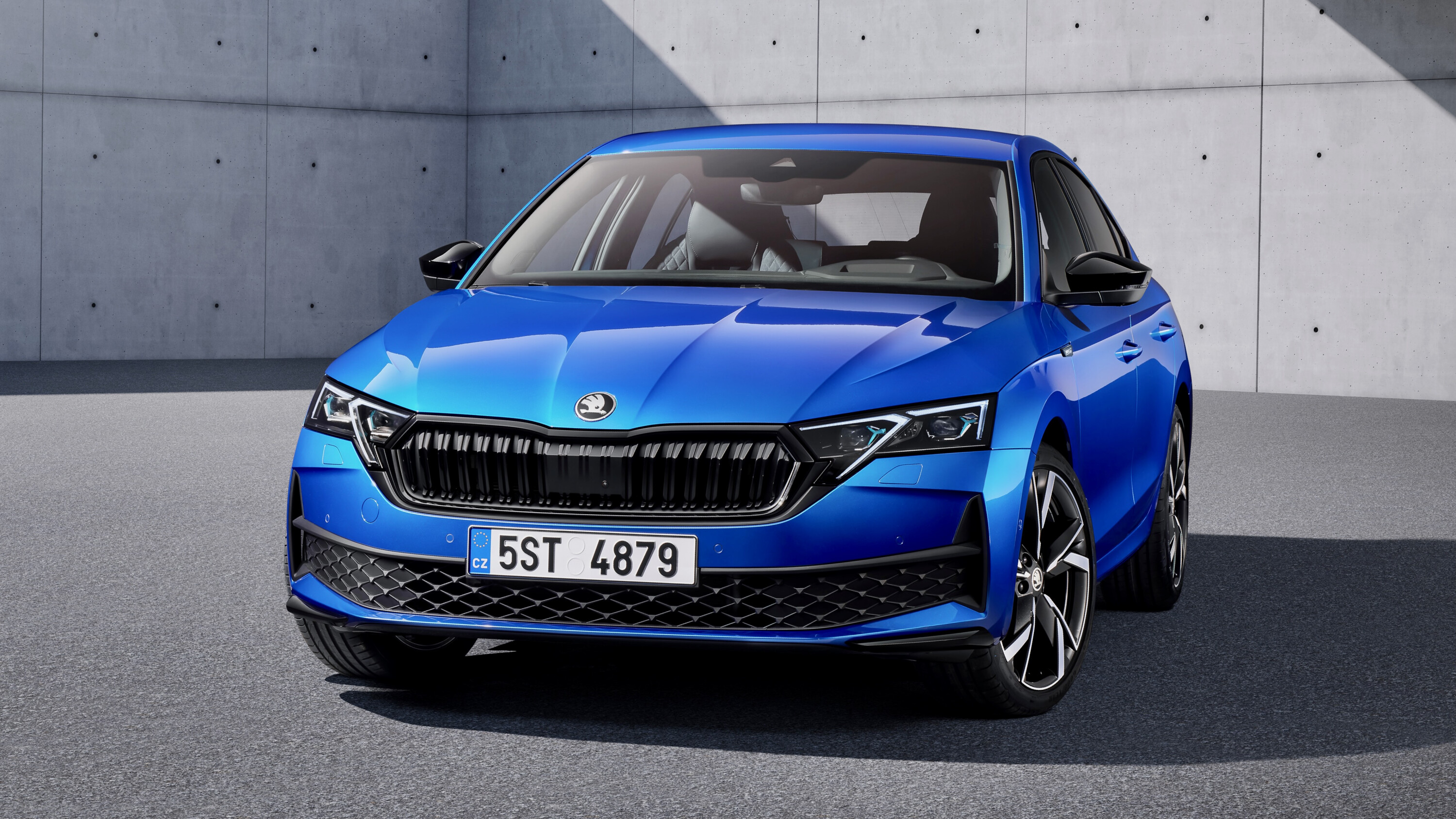
Skoda Australia has announced that a new mid-grade Octavia Sportline will be added to its local lineup priced from $44,490 plus on-road costs. Using the same drivetrain as the entry-level Octavia Select, the Sportline adds new features such as larger wheels, Matrix headlights and sportier styling.
Additional new features on the Sportline’s exterior are gloss black trim pieces on the grille, mirrors and window surrounds, a hands-free electric tailgate, Sportline badging and a rear lip spoiler.
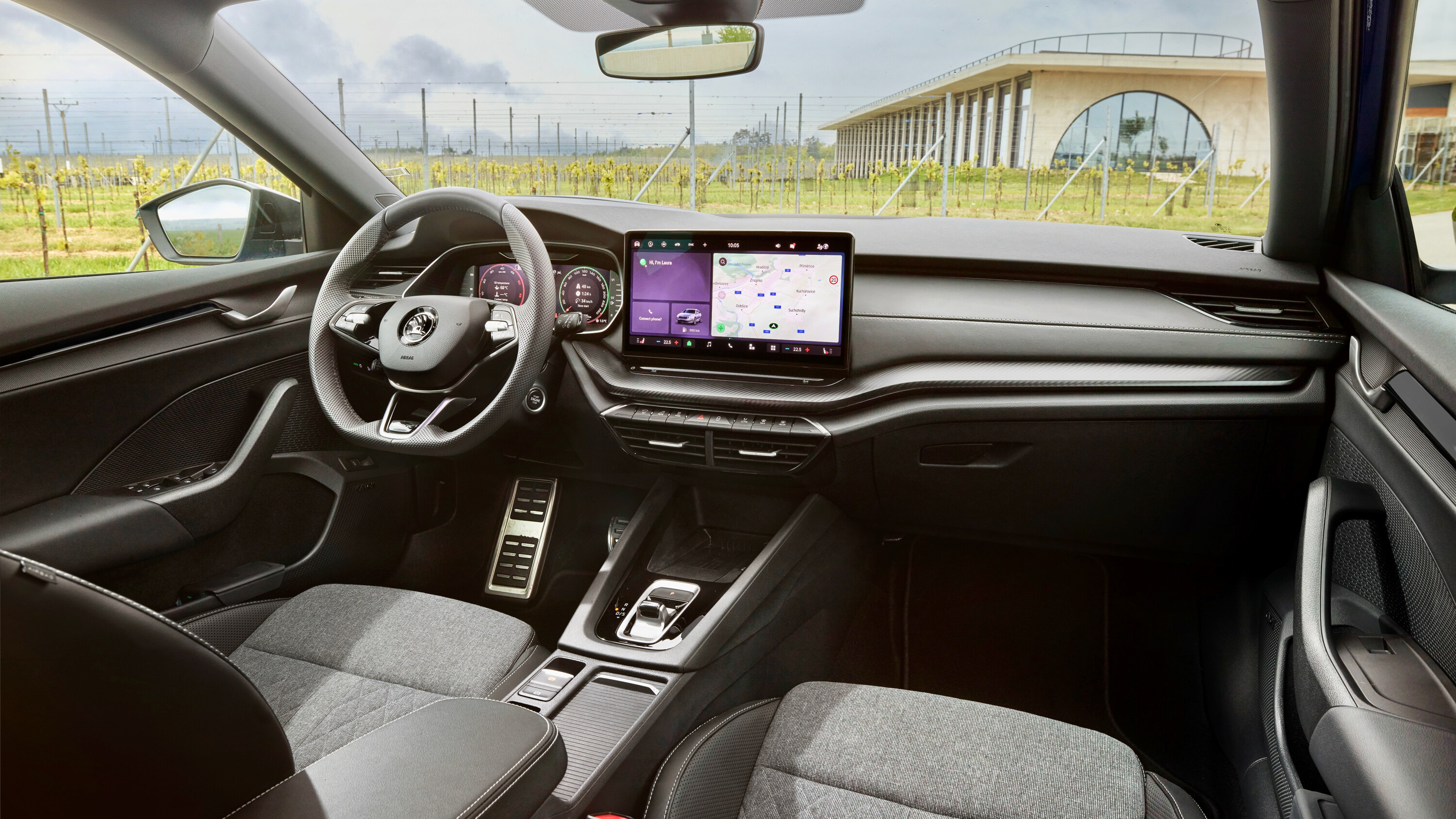
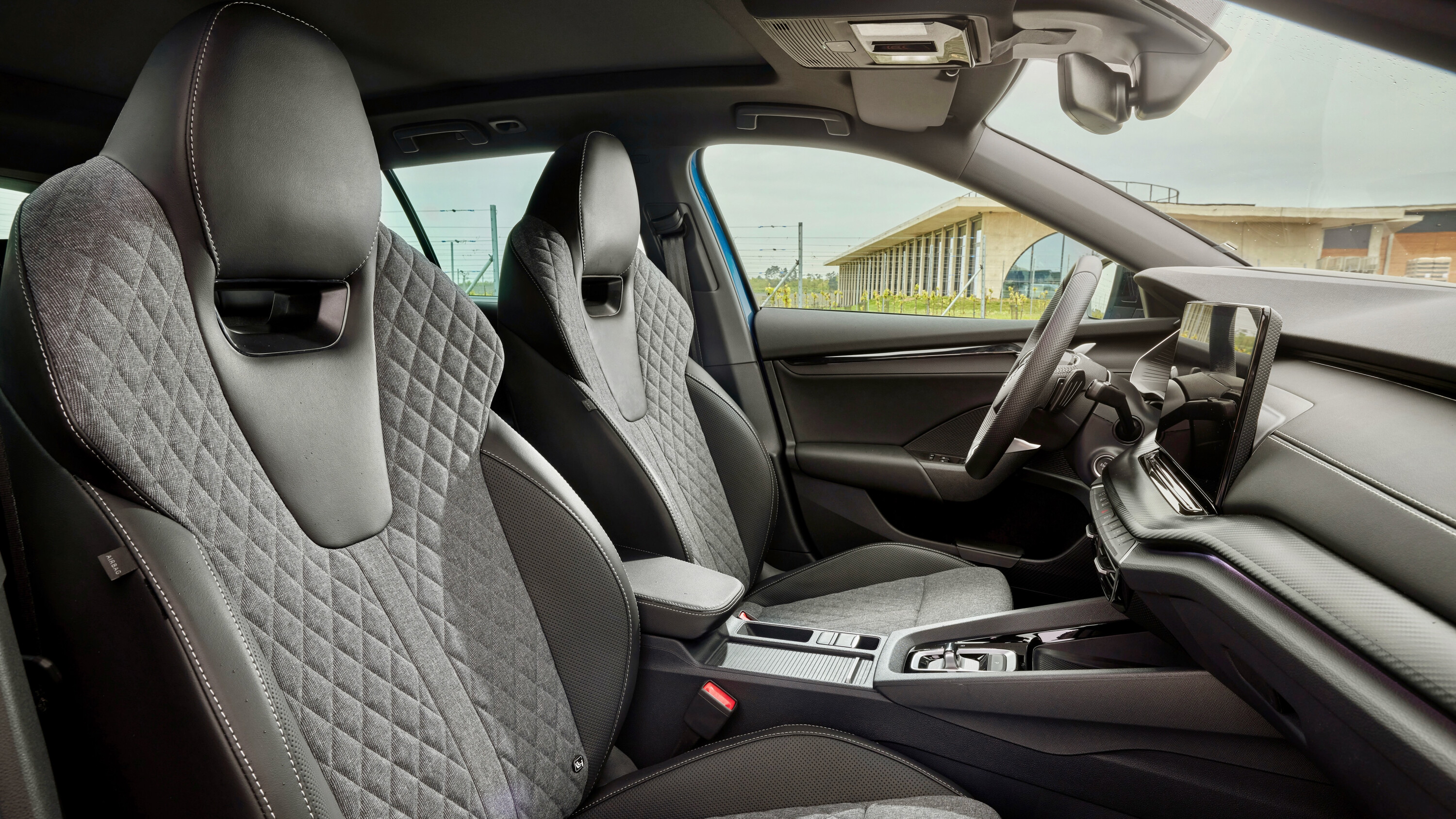
On the inside of the Octavia Sportline are new sports seats with heating and fabric and leatherette upholstery, a black headliner, a leatherette dashboard trim with grey stitching, carbon effect trim, stainless steel pedal covers and unique Sportline graphics for the digital driver’s display.
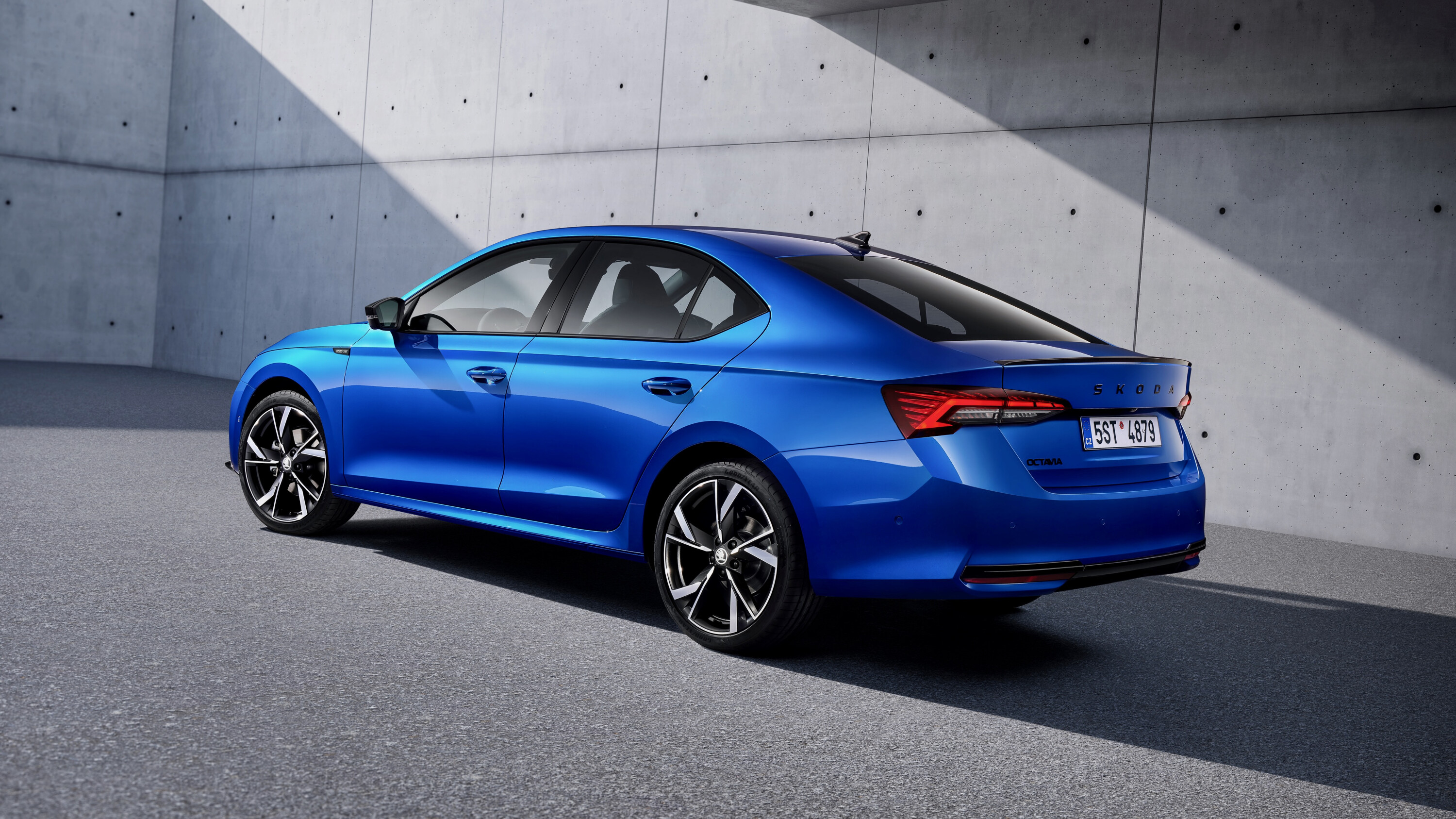
The Octavia Sportline uses the same 1.4-litre turbocharged petrol engine as the Octavia Select that it sits above, which produces 110kW of power (from 5,000rpm to 6,000rpm) and 250Nm (between 1,500rpm and 3,500rpm). That’s mated to an eight-speed torque converter automatic transmission and sends power to the front wheels.
The Octavia Sportline hits 100km/h in 8.7 seconds, while its fuel consumption is rated at between 6.1L/100km (liftback) and 6.2L/100km (wagon) on the combined cycle. It runs on 95RON premium unleaded and features a 45-litre fuel tank.
Measuring 4,705mm long, 2,003mm wide, 1,470mm tall and riding on a 2,686mm long wheelbase, the Octavia’s boot measures between 600-litres (liftback) and 640L (wagon) with the seats up and 1,555L (liftback) and 1,700L (wagon) with them folded.
| 2025 Skoda Octavia pricing (drive away): | |
|---|---|
| Select liftback | $41,490 |
| Select wagon | $43,990 |
| Sportline liftback | $46,490 |
| Sportline wagon | $47,990 |
| RS liftback | $62,990 |
| RS wagon | $64,490 |
| Octavia Sportline standard equipment: | |
|---|---|
| 19-inch alloy wheels | Rear privacy glass |
| Sports steering rack | Suede and leatherette seat upholstery |
| Dusk- and rain-sensing automatic all-LED exterior lighting | Heated sports front seats with height and lumbar adjustment |
| Matrix adaptive high beam | Dual-zone automatic climate control with rear air vents |
| Rain-sensing automatic wipers | 10.25-inch digital driveru2019s display |
| Keyless entry with push button start | 13.0-inch touchscreen with satellite navigation |
| Hands-free power tailgate | Wireless and wired Apple CarPlay and Android Auto |
| Heated and auto-folding mirrors | Eight-speaker sound system |
| Gloss black exterior trim | 5x USB-C ports (2x front, 2x rear, 1x in the rear mirror housing) |
| Rear spoiler | Wireless phone charger |
| Black roof rails (wagon only) | Umbrella and waste bin in driveru2019s door |
| Leather-wrapped steering wheel with paddle shifters | |
| Octavia Sportline safety features: | |
|---|---|
| Eight airbags (including a front centre unit) | Exit warning |
| Autonomous emergency braking (AEB) with pedestrian and cyclist detection | Driver fatigue monitoring |
| Adaptive cruise control | Emergency assist |
| Traffic jam assist | Front and rear parking sensors |
| Travel assist | Reversing camera |
| Lane keeping assistance with adaptive lane guidance | Tyre pressure monitoring |
| Blind-spot monitoring with rear cross-traffic alert | Alarm |
| Low-speed rear automatic braking | Electronic child safety lock on rear doors |
The Skoda Octavia Sportline will hit local Skoda dealerships soon.
I had a school friend who went to university and became a vet because his parents insisted. But instead of a long and fulfilling career, what ensued was an expensive five years of study followed by a few months of miserable employment before Tom decided tree surgery was actually his calling.
It’s not that veterinary practice is a bad job, but it is fair to say that committing to something as important as an education and career should probably come down to the individual’s preferences, with only a minimal reliance on the opinions of others. It’s the same for most big decisions.
All the real estate agents in Australia might claim that Berias Road, Werribee is the next Bitcoin of property, but you’d probably think twice about putting in a bid for your first bricks and mortar when you found out it’s downwind of Australia’s largest sewage treatment plant.
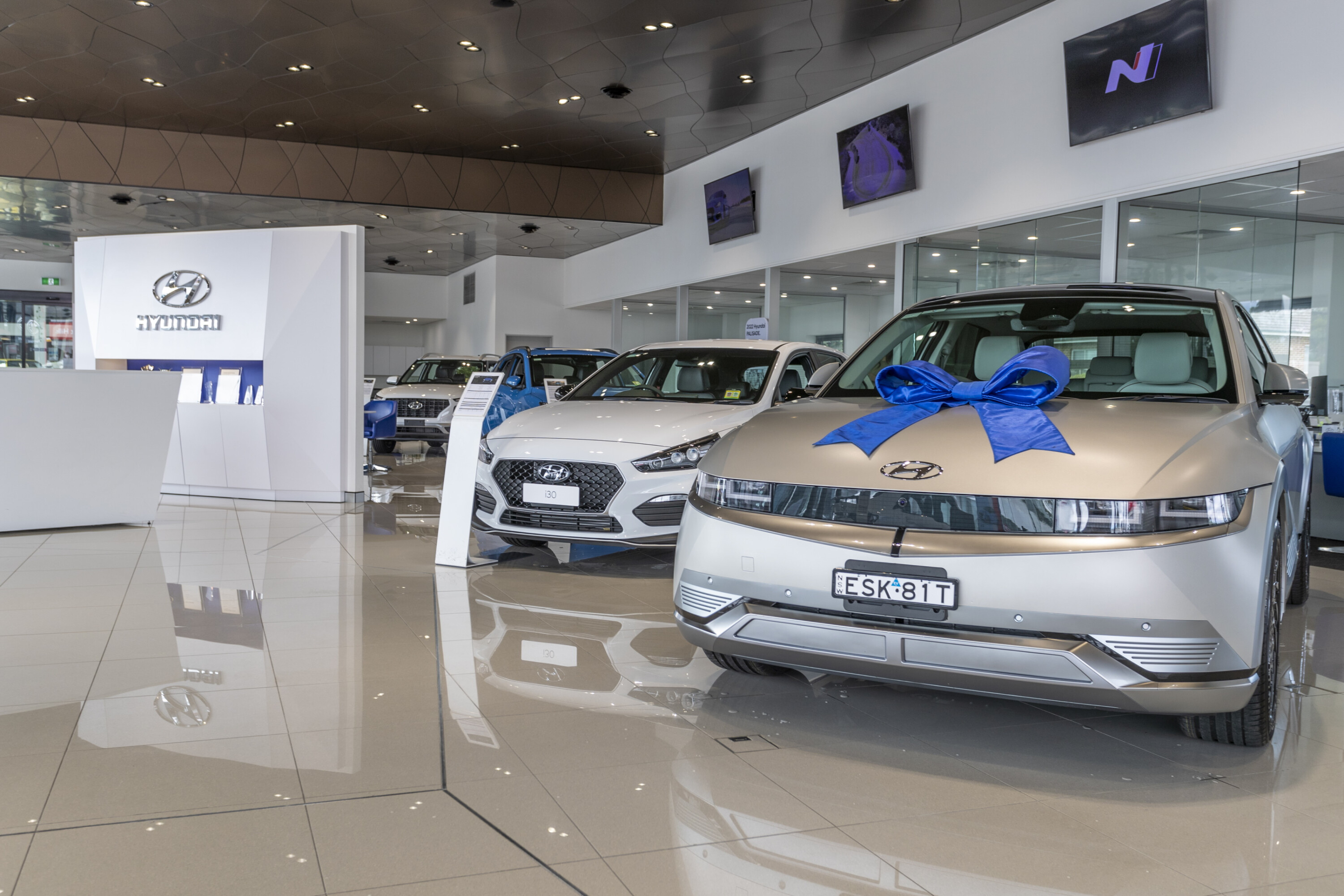
It seems fairly obvious that big decisions should be yours, and yet it’s astonishing how many people buy cars according to what other people think and want. I don’t want to put too fine a point on it, but buying a car based on how easy it will be to sell down the line is stupid.
I’ve lost count of how many times I’ve recommended a Skoda, Genesis, Cupra or Volvo, to name a few, and, despite the vehicle ticking virtually all the prospective buyer’s boxes, they mutter something about resale and immediately buy a Toyota. Buying a car based on what other people want is rather like asking your friends and family to chose who you marry with a vote, rather than shacking up with the person that makes your heart feel as though it’s been aced over the net by Kyrgios.
Also, consider this: Australians keep their cars for an average of more than 11 years, so if you’re buying a car based on who will want it, you’ll need to be an auto market Nostradamus to make an educated guess.

Eleven years ago, the best-selling car was a small hatchback and today it’s a one-tonne dual-cab ute. So, I’m sorry, I don’t believe you if you claim you know what the average Australian will be buying in 2035.
The exception to this is shopping for electric cars, in which case you’d be forgiven for worrying about the next buyer eight years down the line when the battery warranty has expired and the $30,000 lithium-ion brick holds as much charge as a four-pack of Duracell AAA. But for virtually anything else, my advice is this – buy the car you want, not the one you think a majority of people will want in a few years’ time.
You might even choose a future classic. A colour that seems a little esoteric today could be the sought-after hero tone when you come to sell it. The same applies to a level of specification or drivetrain, or even an entire model that sold poorly when new but becomes a must-have unicorn thanks to its rarity.
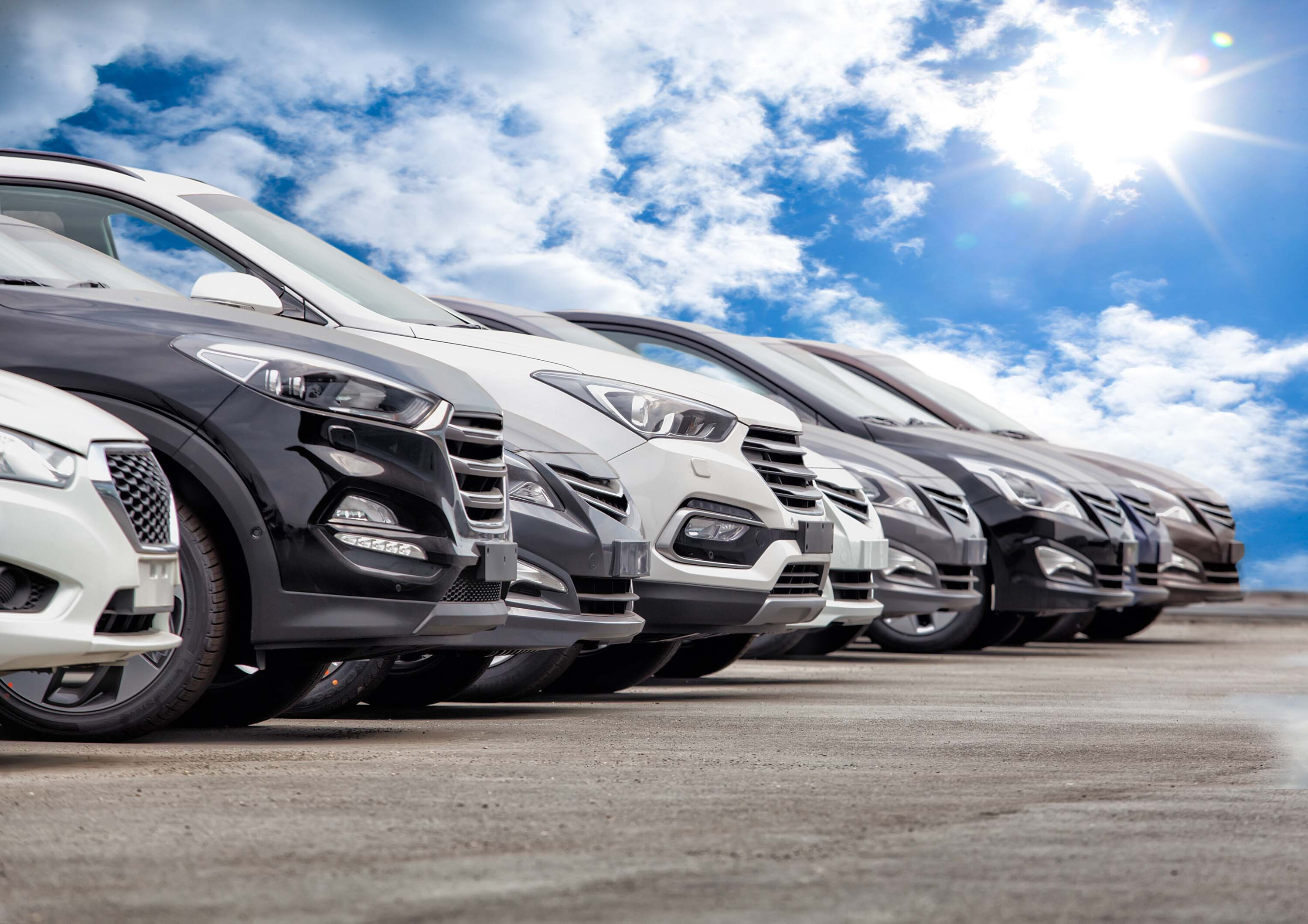
If, a few years back, you bought an automatic Porsche 911 because ‘it’d be easier to move on when the time came’ you’ll be kicking yourself with your withered left leg. BMW’s E46 M3 CSL was a tricky sale due to the lack of air-conditioning and its SMG gearbox, while people said the Dino wasn’t a proper Ferrari. Don’t listen to these kind of people.
When considering which car to buy next, think about who it is you’re really buying it for. If the model in question makes your tummy flutter like an old flame, it’s possible you’re gambling on a little more legwork when it’s time to sell in exchange for years of motoring joy and living with the car you love.
But if it’s a sensible-coloured, mid-range variant from a mainstream manufacturer, you’re probably buying it for the next guy.
Sales of hybrid vehicles continued to exceed those of electric vehicles in the last three months of 2024 despite losing market share across the nation, according to the Australian Automobile Association.
While the market share of hybrids fell from 16.70 per cent in the third quarter to 14.83 per cent, or 42,618 units in the fourth quarter, they still outsold EVs, which increased their market share to 7.42 per cent of sales, or 21,331 units – up from 6.59 per cent.
Light vehicle sales in the fourth quarter of 2024 were the slowest in the new car market since the January quarter of 2023, with a 0.62 per cent fall from 289,098 to 287,294 units.
As expected, medium SUVs remained the most popular type of vehicle in Australia and dominated hybrid, EV and PHEV markets, though among ICE vehicles they were the fourth-most popular segment behind 4WD utes, small SUVs and large SUVs.
In the fourth quarter of 2024, more than half of all SUVs sold were ICE – about a fifth (19.34%) were hybrids, 6.61% were EVs and 4.10% were PHEVs.
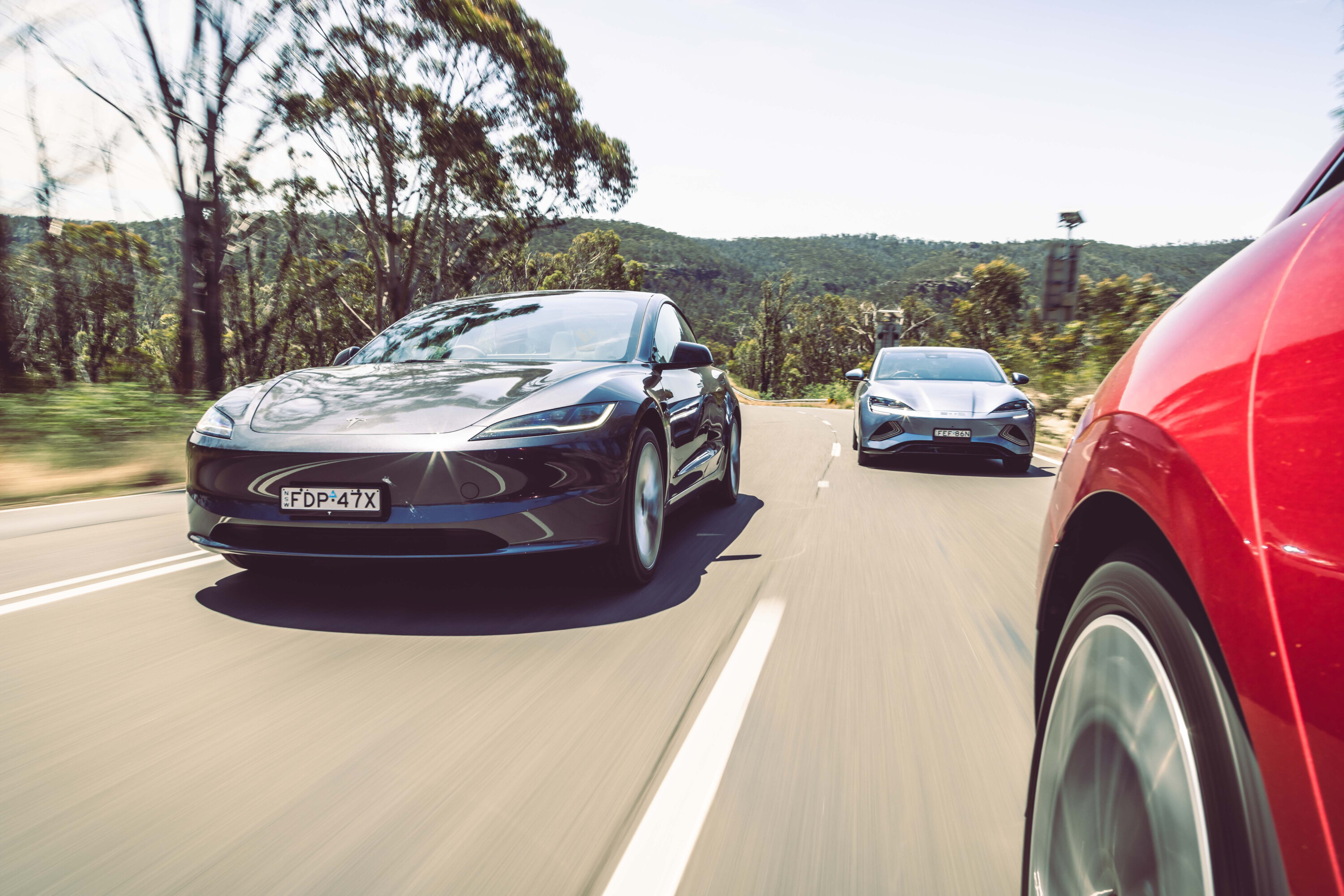
ICE vehicles dominated all market segments except for medium cars, where more than half were electric thanks to cars like the Tesla Model 3 and BYD Seal.
New vehicle sales data from January 2025 shows that the market has continued to cool with a total of 86,804 new vehicles registered – 2,978 fewer than January 2024.
But in a surprise turn, both hybrid and plug-in hybrid sales increased significantly; hybrids from 9,791 to 14,836 units (+51.5 per cent) and PHEVs from 1,012 to 1,908 (+88.5 per cent).
Further increases of battery-powered vehicles are likely this year as the Federal Government has implemented its New Vehicle Efficiency Standard, which is designed to drive greater sales of EVs and more fuel-efficient vehicles. The scheme took effect on January 1, 2025, and reporting of its effects will start in July.
BMW has been pushing its upcoming Neue Klasse electric platform to the limit, showing off a new “Heart of Joy” control unit at its Spartanburg Performance Driving Center.
Snapshot
- New control unit promises faster response and improved efficiency
- Prototype showcases advanced energy recuperation
- Technology to feature in upcoming Neue Klasse electric models
Let’s get the bad news out of the way first:
BMW says the camouflaged Vision Driving Experience shown here isn’t any type of new M3 and it’s not destined for showrooms.
We merely hope it is, but really, with those extra-massive guards and front air damn, there’s more of a DTM look here than a roadgoing consumer model. A future CS? We wouldn’t say no…
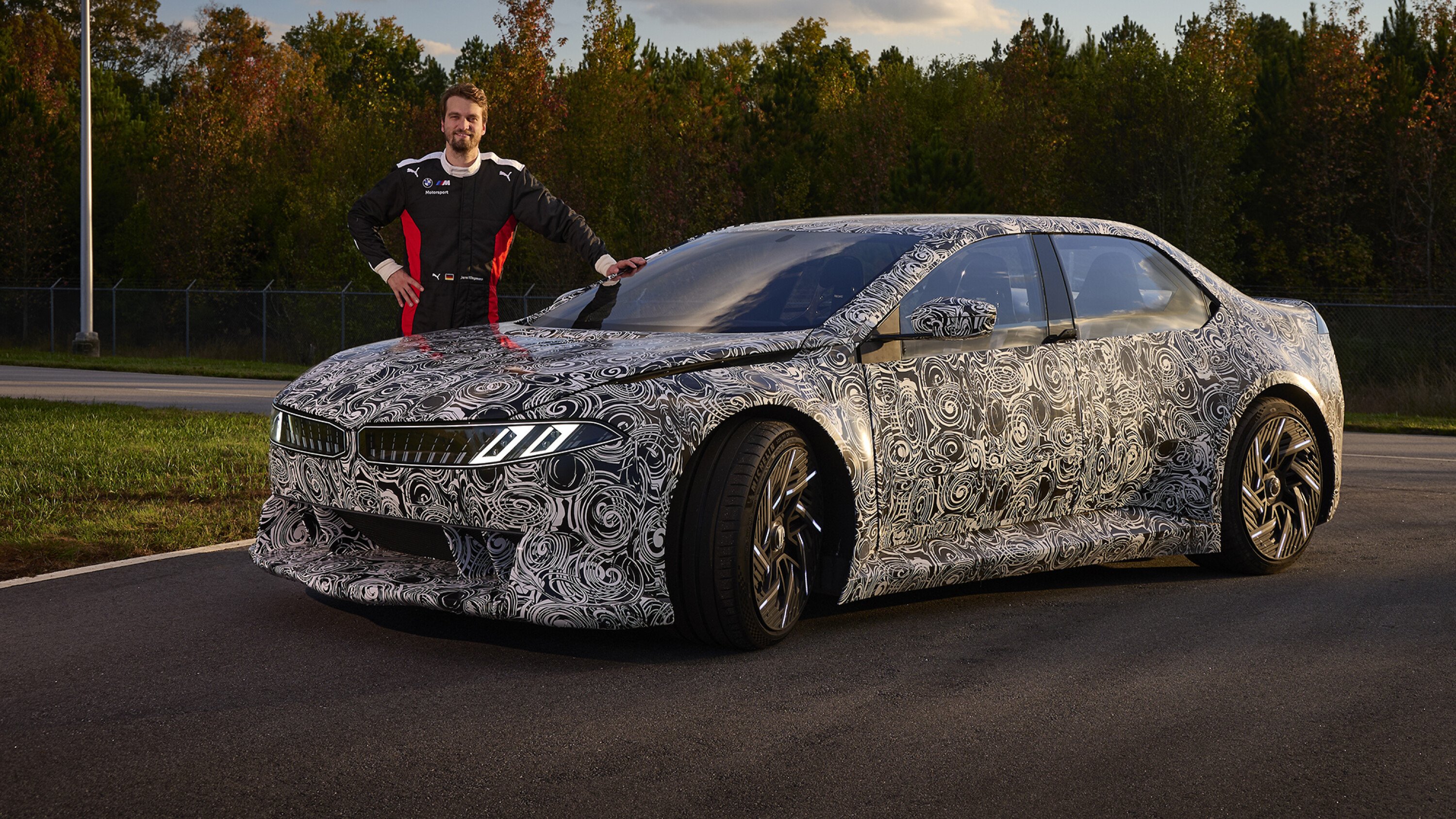
On the bright side, the technology it showcases hints at a future where electric vehicles could deliver the kind of driving experience typically associated with high-performance internal combustion models.
Of course, if you ask Hyundai and its Wheels COTY-winning Ioniq 5 N, EVs are already there. Porsche probably has similar feelings.
Whatever the case, here are the basics on the evocatively named ‘Heart of Joy’ system, which acts as the key to everything from drivetrain response to braking and energy recuperation.
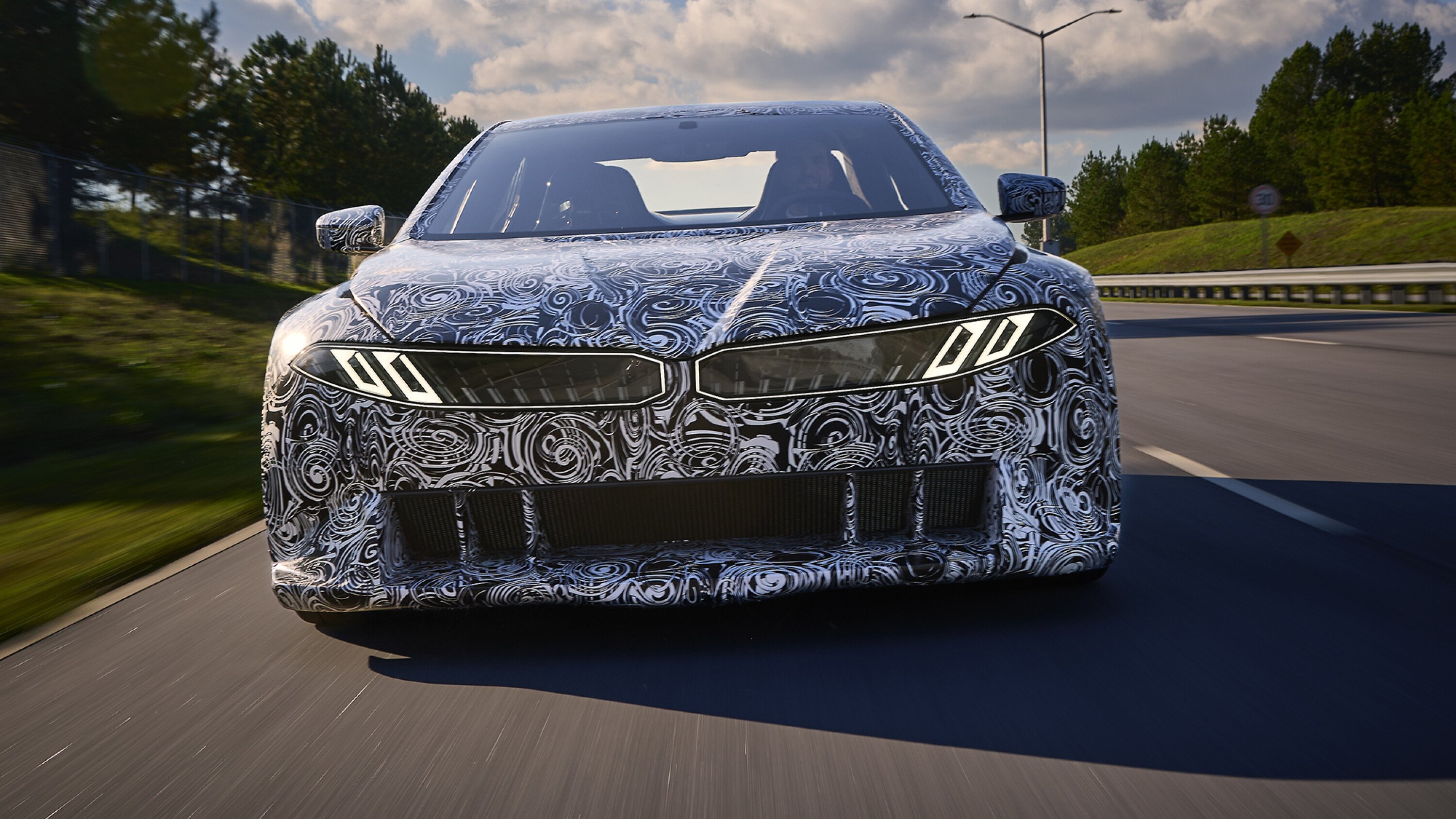
BMW engineers have designed it to process data ten times faster than previous systems – and before you ask what that means: it all translates to quicker reactions and more precise control. Crucial for, let’s say, an electric M3.
The Vision Driving Experience test vehicle, while a prototype, reportedly produced a staggering 18,000Nm of torque to stress-test the control system’s capabilities.
When the electric M3 does eventually appear, let’s say you can probably wipe at least 17,000Nm off that for the torque figure it’ll sell with.
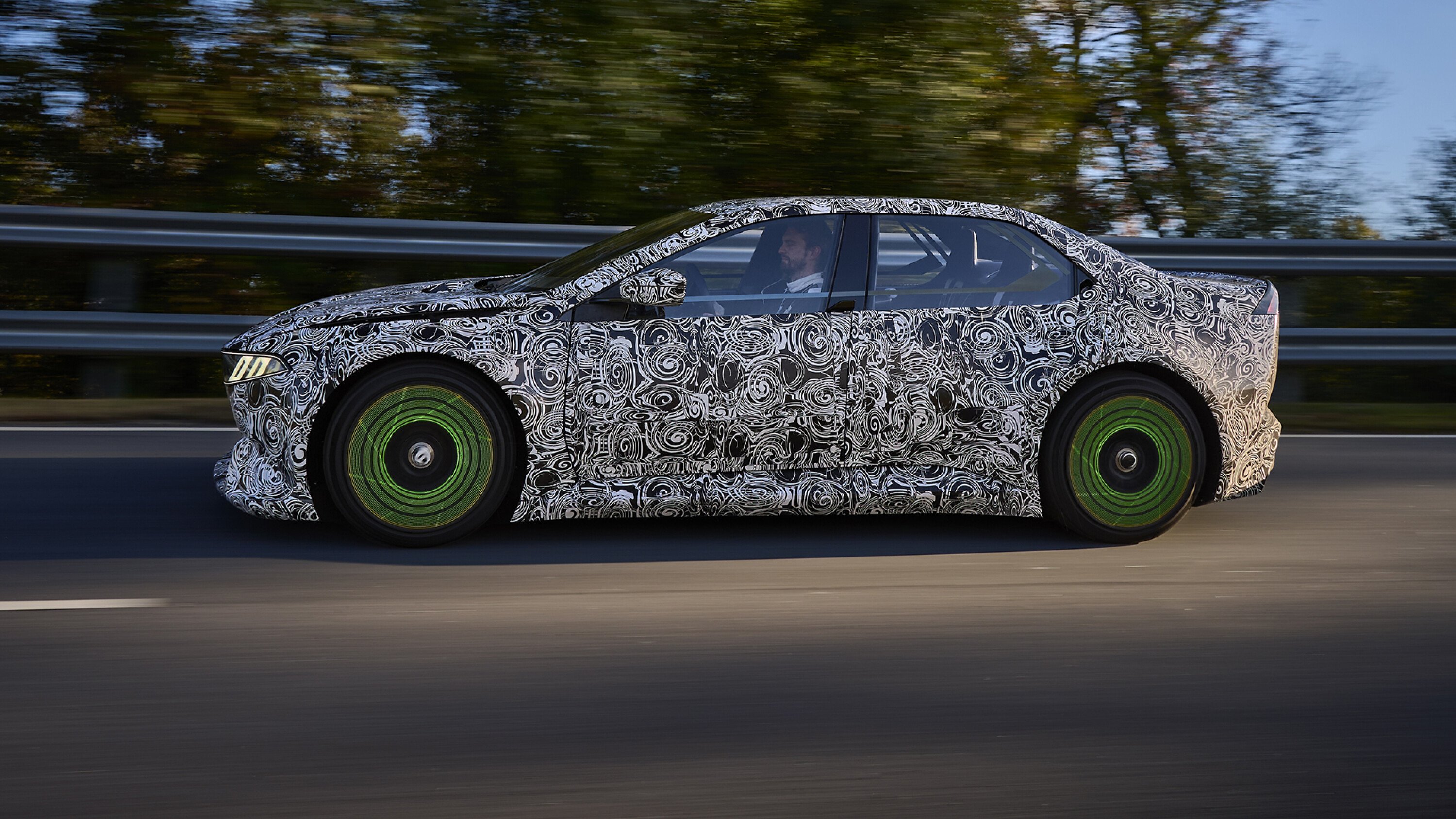
A key piece of the Heart of Joy philosophy looks to be driving range, with BMW claiming its systems can use regenerative braking to handle around 98 per cent of anchor needs in normal driving – boosting overall energy efficiency by around 25 per cent.
As a package, the Heart of Joy unit is one of four central control units that will underpin the Neue Klasse – a project name for the all-electric version of the upcoming new-gen 3 Series, the BMW i3.
It’s designed to minimise latency, with millisecond-level response times, ensuring the car reacts instantly to driver inputs. This focus on responsiveness is what has always separated a good car from a great one (albeit historically in a mostly mechanical sense rather than computerised), and it’s what BMW appears to be targeting.
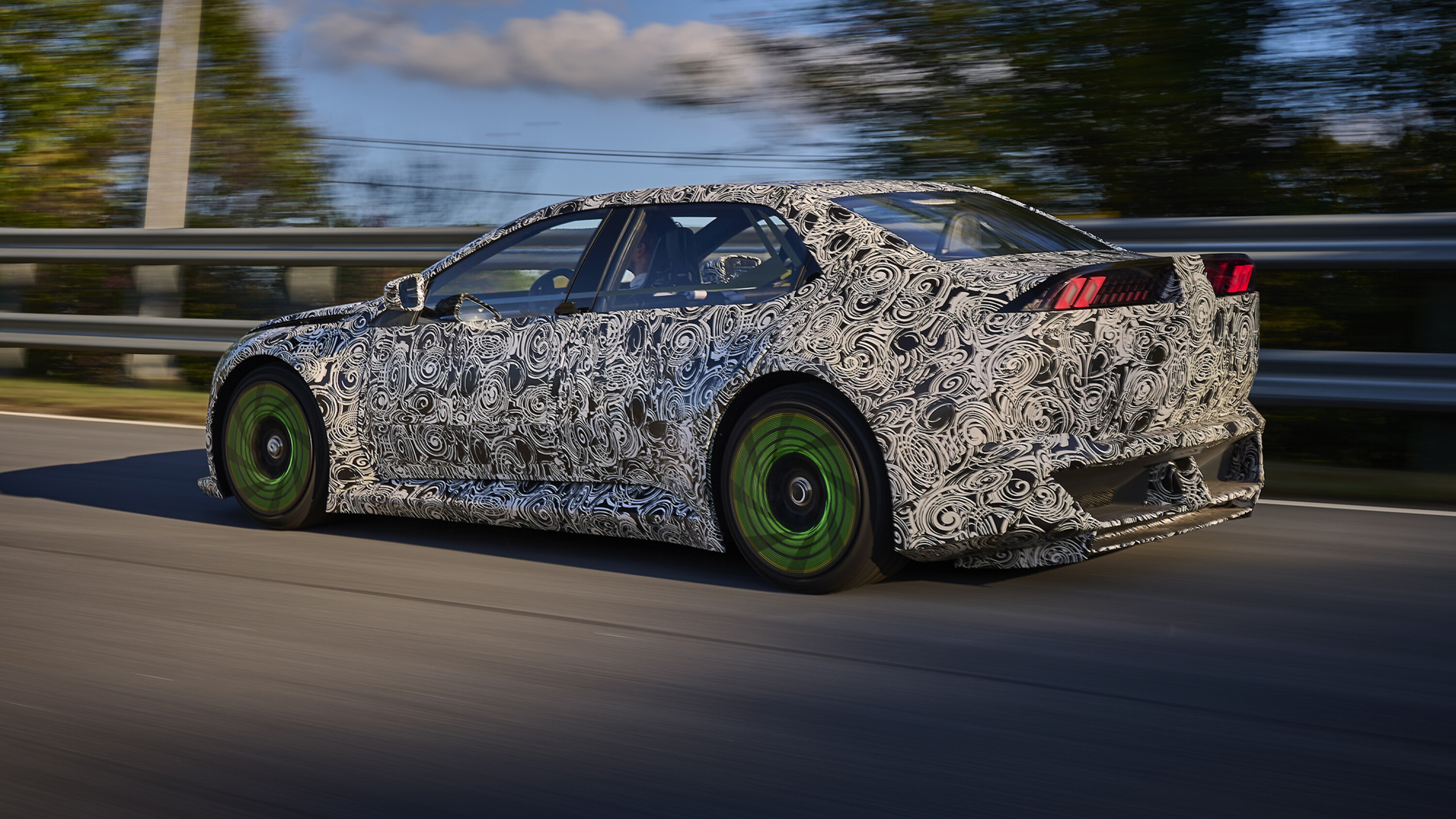
The Vision Driving Experience prototype features colour-coded wheel rims to indicate system activity, a visual representation of the technology at work.
While the prototype itself won’t reach production, the technology it houses will feature in all fully electric Neue Klasse models, with the first production vehicle rolling off the line in Hungary later this year.
That’ll probably be the new iX3 electric SUV, however, with the i3 not due until 2026.
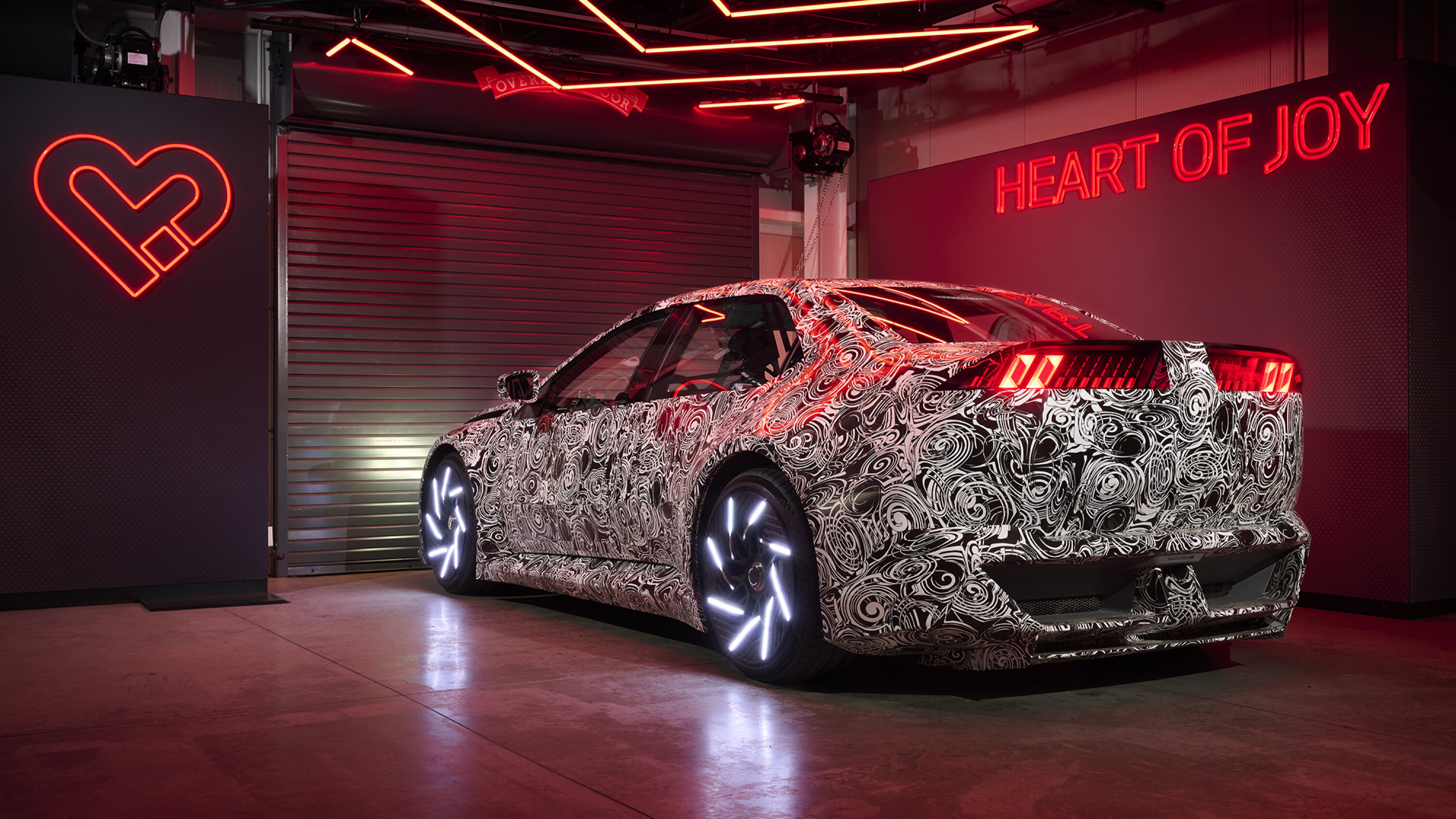
We’ll get our first proper look at the Vision Driving Experience at Auto Shanghai 2025.
While it’s not the next M3, the “Heart of Joy” system suggests that BMW is serious about delivering electric vehicles that are just as engaging and rewarding to drive.
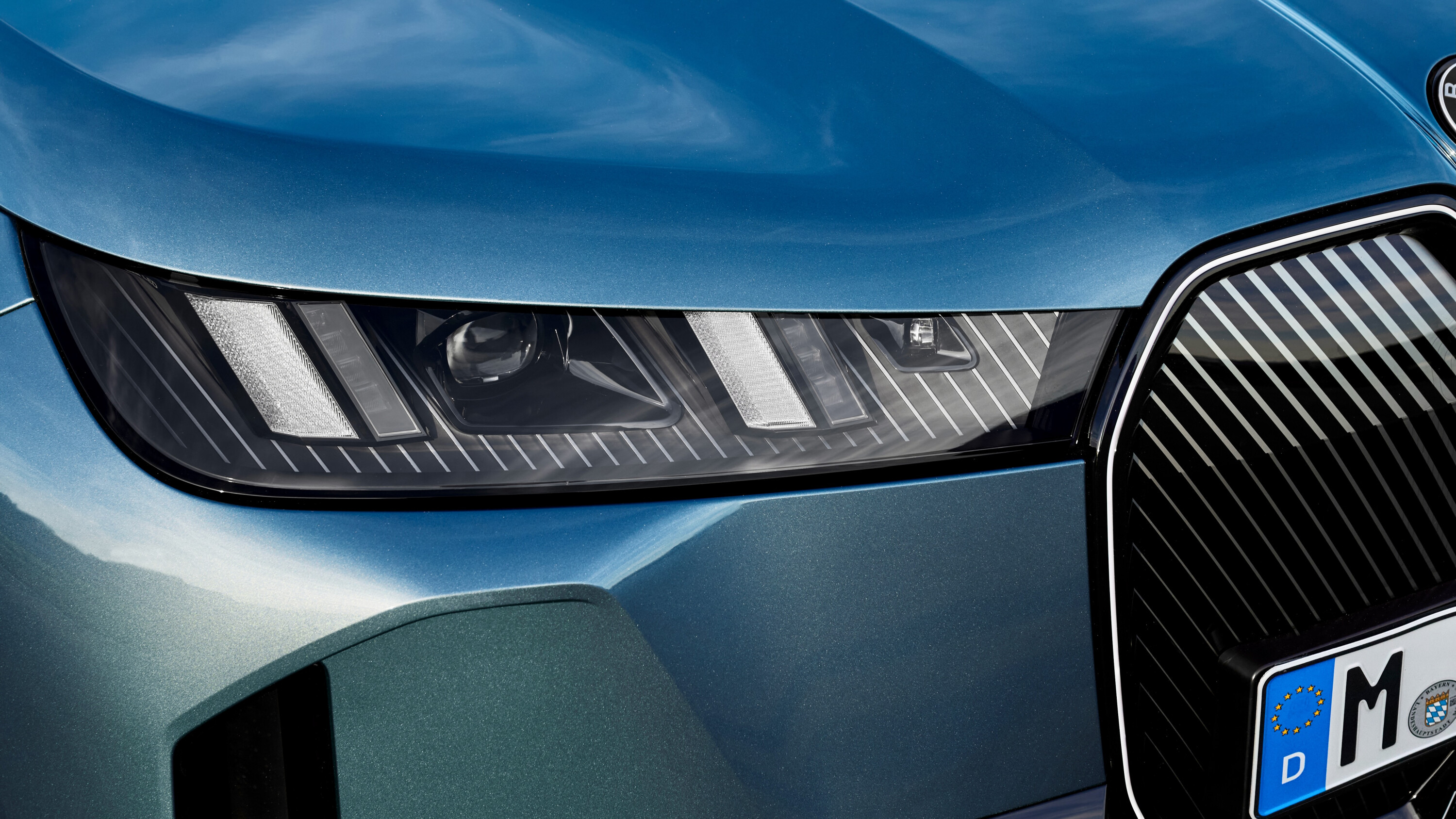
BMW Australia has announced local pricing and specifications for the updated iX electric SUV, which is due locally mid-year and will arrive with a 30 per cent larger battery, and more powerful motors for increased range and performance.
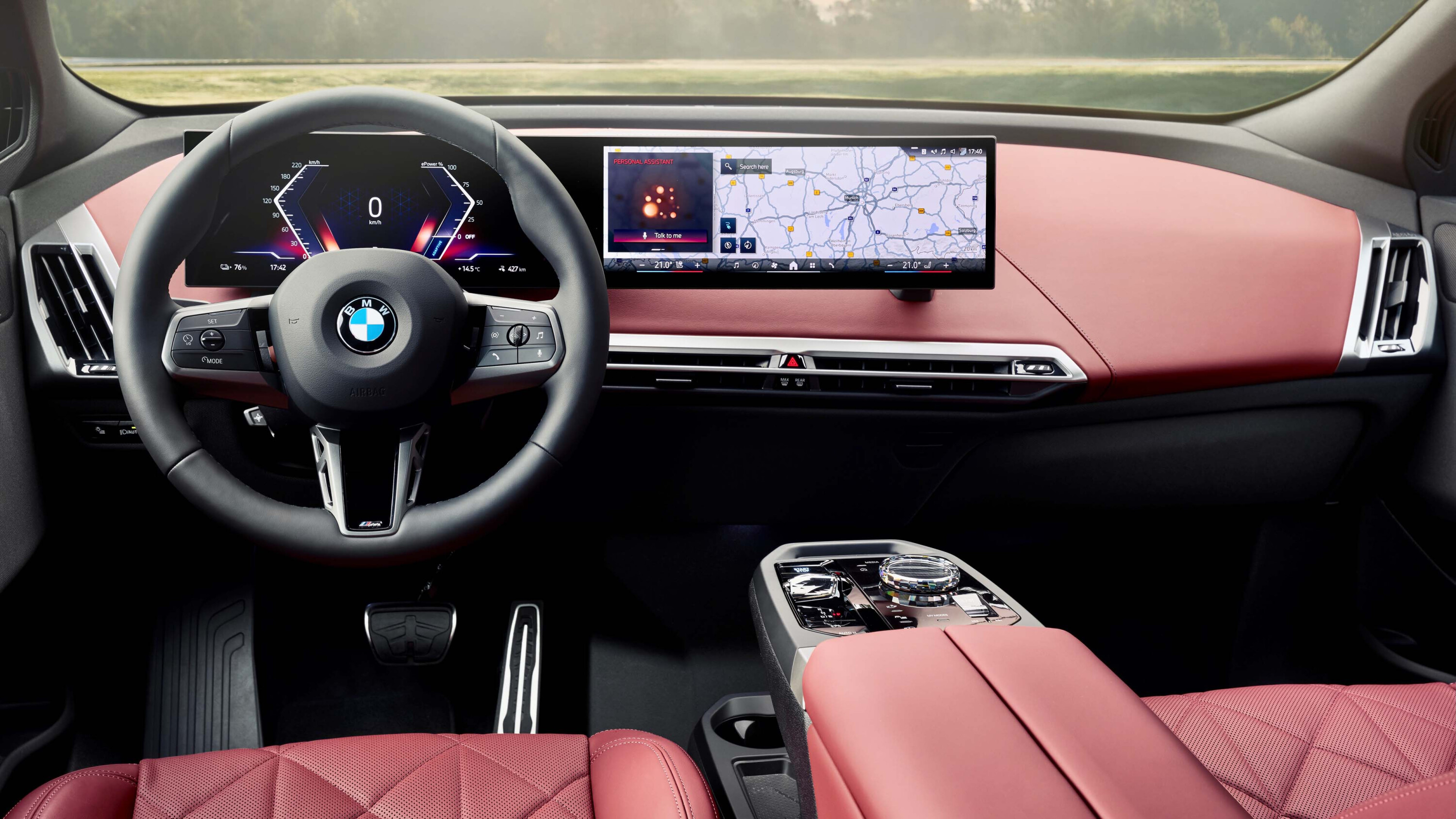
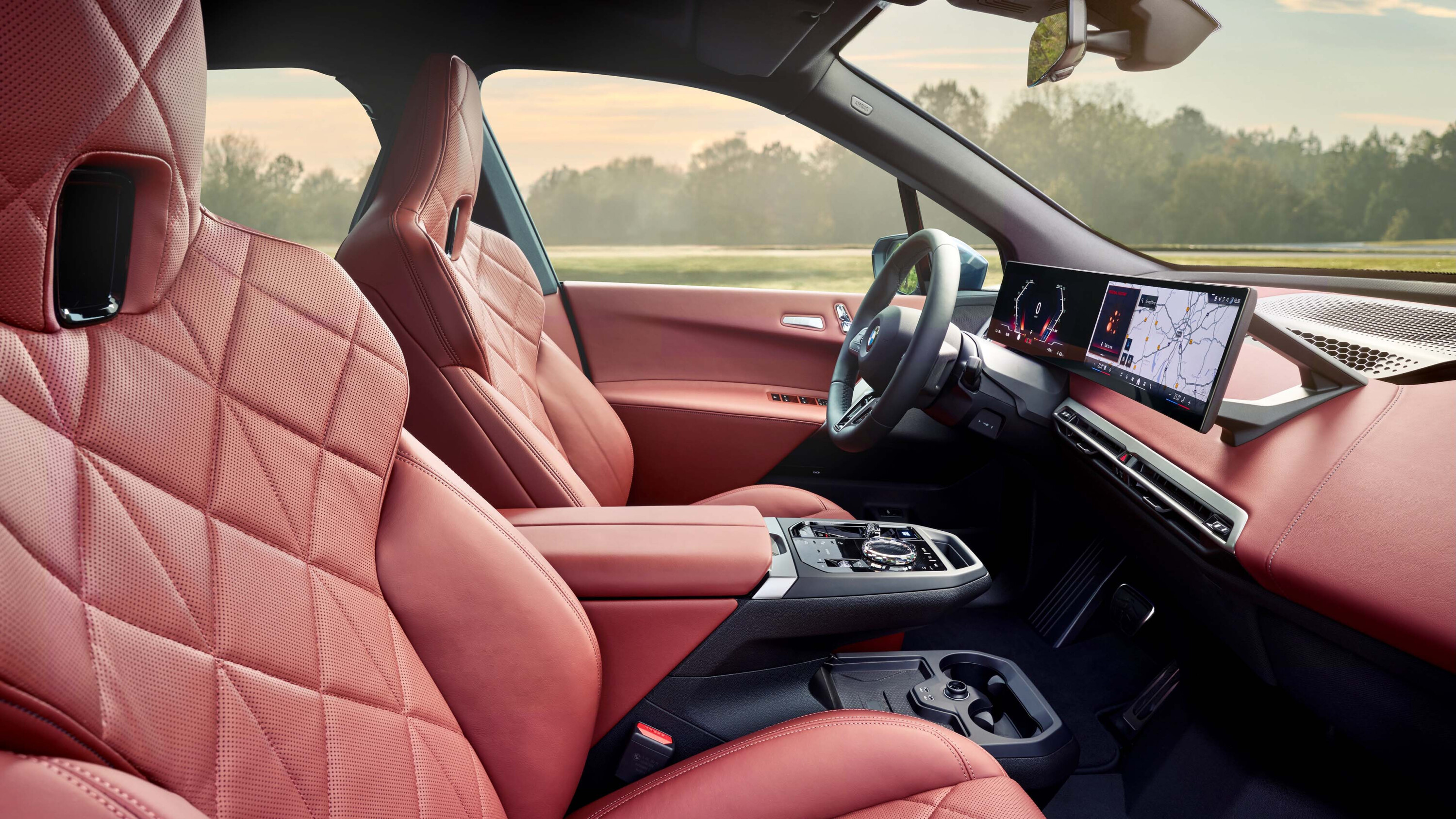
Priced from $142,900 plus on-road costs, the iX xDrive45 M Sport is the only model announced for Australia so far and replaces the former xDrive 40 Sport. Its pricing makes it $6,000 more expensive than the pre-updated model, but it now offers greater range thanks to a larger battery and more standard equipment like a panoramic glass roof and heated steering wheel.
Under the body of the iX is a new 94.8kWh battery, giving a claimed 602km of range on the WLTP cycle. That’s a big increase on the former xDrive40 and its 77kWh battery and 425km range.
That sends powers to a dual-motor all-wheel drive system making 300kW of power and 700Nm of torque, allowing the 2,525kg iX to sprint to 100km/h in just 5.1 seconds. Compared with the xDrive40, it’s added 60kW of power and 30Nm of torque, while its 0-100km/h time has been slashed by a second.
The iX’s claimed efficiency is 21.8kWh/100km and it can be DC fast charged at up to 175kW – formerly 150kW – for a 34-minute 10 to 80 per cent charge time.
| BMW iX standard equipment: | |
|---|---|
| 21-inch alloy wheels with a tyre repair kit | Four-zone automatic climate control |
| Dusk- and rain-sensing automatic all-LED exterior lighting | 12.3-inch digital driveru2019s display |
| Rain-sensing automatic wipers | 14.9-inch touchscreen with eSIM for live services |
| Keyless entry and push button start | Wireless Apple CarPlay and Android Auto |
| M Sport Package with sportier exterior styling | DAB+ digital radio |
| Illuminated grille | 18-speaker Harman Kardon sound system |
| Panoramic glass roof | Wireless phone charger |
| Vegetable-tanned leather upholstery | Ambient lighting |
| M multifunctional electric front seats with heating and massaging functionality | Mode 2 and mode 3 charging cables |
| Heated leather-wrapped steering wheel | |
| BMW iX safety equipment: | |
|---|---|
| Autonomous emergency braking (AEB) with junction assist | Automatic speed limit assist |
| Adaptive cruise control with stop and go functionality | Front and rear parking sensors |
| Blind-spot monitoring with rear cross-traffic alert | 360-degree parking camera |
| Lane keeping assistance with adaptive lane guidance | Semi-autonomous parking |
| Adaptive high beam | Tyre pressure monitoring |
| Traffic sign recognition | Alarm |
The pre-facelifted iX scored a five-star ANCAP rating in 2021.
| BMW iX options: | |
|---|---|
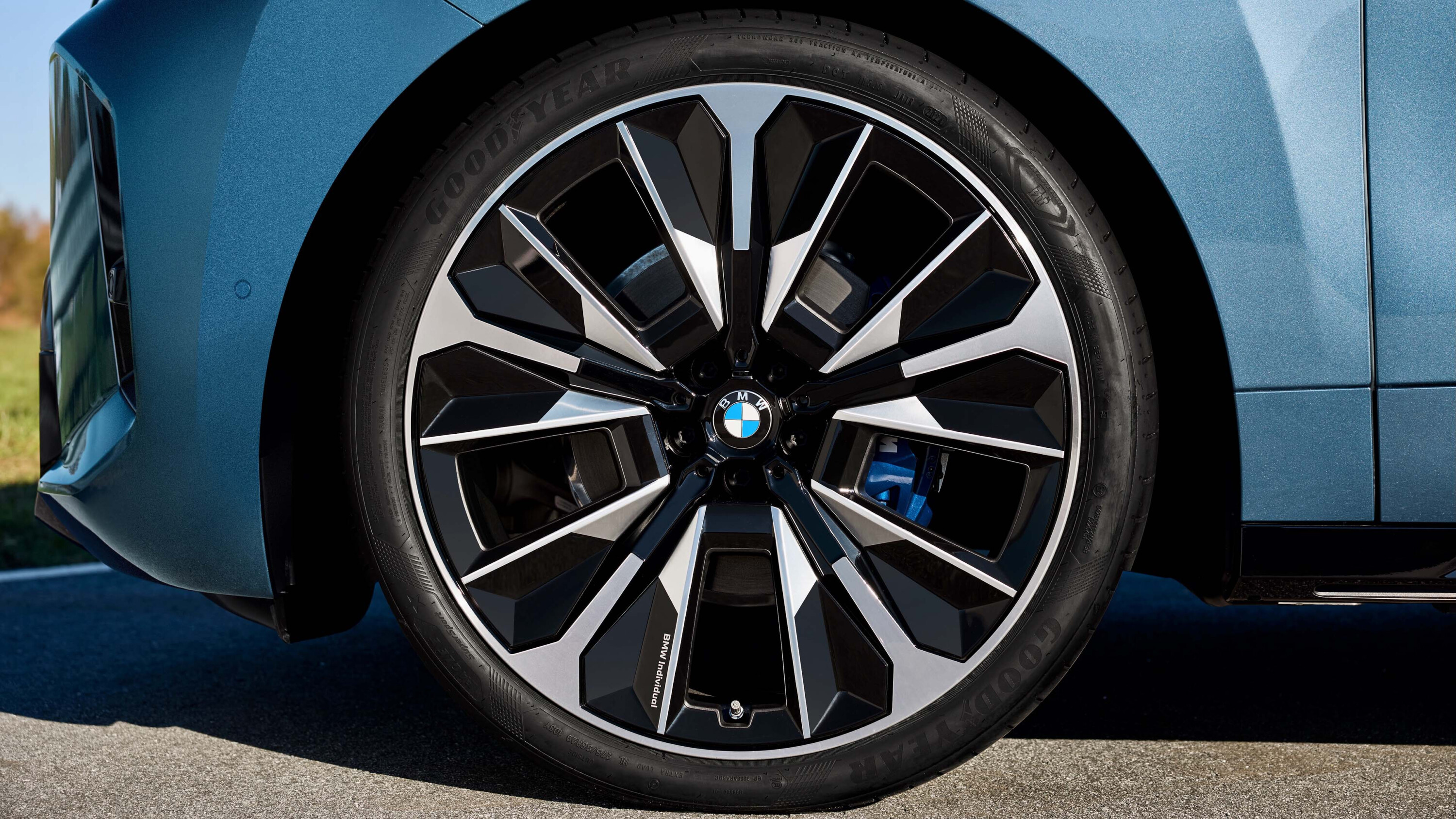
| Executive Package with soft-close doors, privacy glass, heated and ventilated front seats, heated rear seats, heated upper door panels, heated instrument panel lower section, heated centre console, interior camera and polished crystal glass interior trim | $6500 |
| Integral active steering | $3000 |
| Adaptive air suspension | $4000 |
| 30-speaker Bowers & Wilkins Diamond 1,615W sound system | $9,500 (only available with Executive Package) |
| 22-inch alloy wheels | $2500 |
| 23-inch alloy wheels | $3000 |
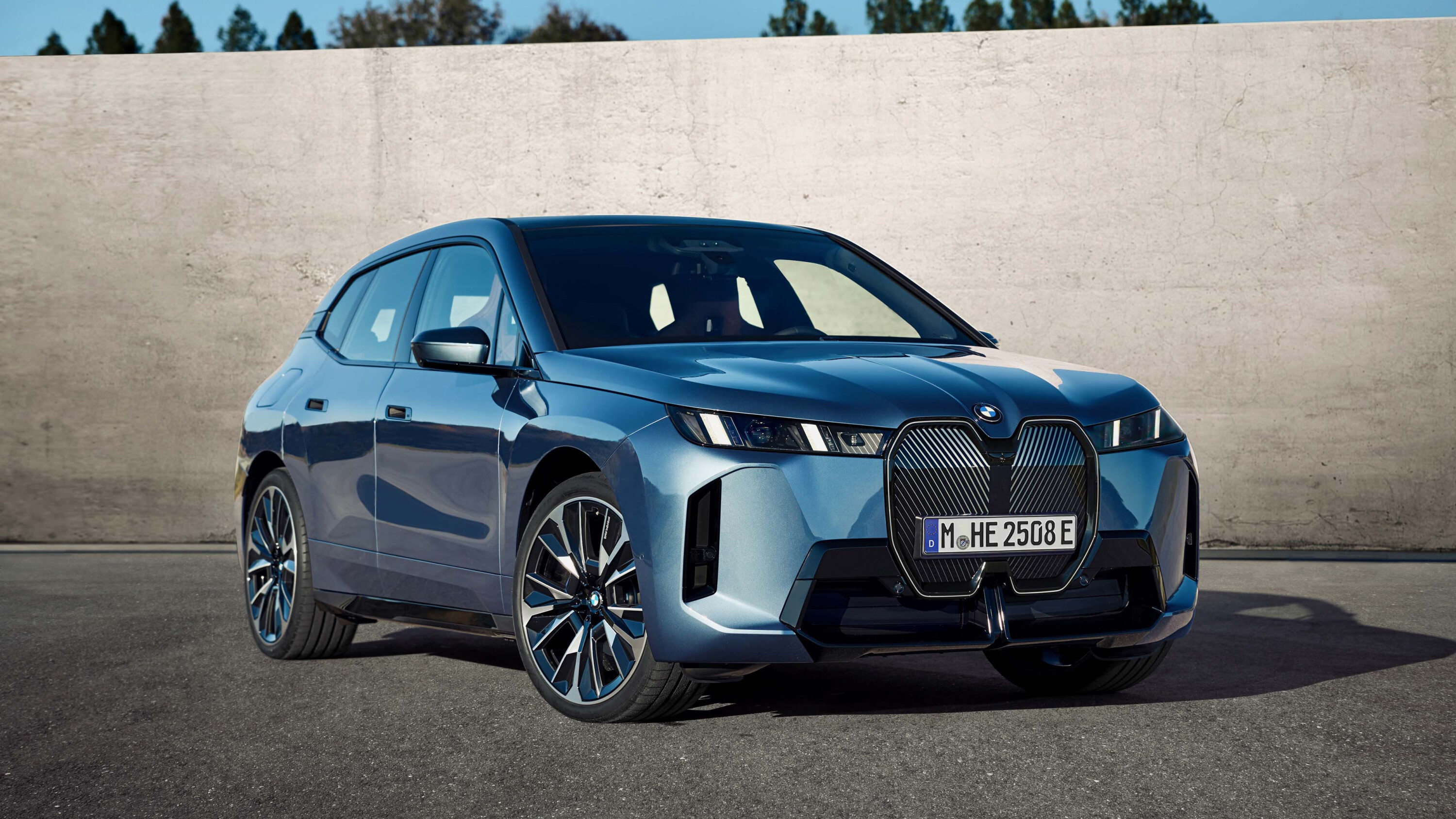
| 2025 BMW iX colours: | |
|---|---|
| M Carbon Black | Standard |
| Black Sapphire | Standard |
| Mineral White | Standard |
| Arctic Race Blue | Standard |
| Dune Grey | Standard |
| Aventurine Red | Standard |
| Storm Bay: $2,400 | $2400 |
| Frozen Deep Grey matte: $5,500 | $5500 |
| Tanzanite Blue: TBD | TBD |
The updated BMW iX will hit local BMW showrooms in around July.
BMW Australia has announced two new models to the 1 and 2 Series lineups, with the 150kW 120 and 220 now on sale locally ahead of the first deliveries due in July.
Centre of the 120 and 220 is a 2.0-litre turbocharged four-cylinder petrol engine making 150kW of power and 300Nm of torque – a considerable jump on the lower-spec 118 and 218’s 115kW/230Nm outputs.
Like the 118 and 218, the 120 and 220’s engine is paired to a seven-speed dual-clutch automatic transmission and both cars remain front-wheel drive. The claimed 0-100km/h time is 7.2 seconds for the 120 and 7.3 seconds for the 220.
In addition to the engine, the 120 and 220 add more standard equipment, including adaptive cruise control with stop and go functionality, while all 1 Series and 2 Series variants will also add an illuminated grille from March 2025 production.
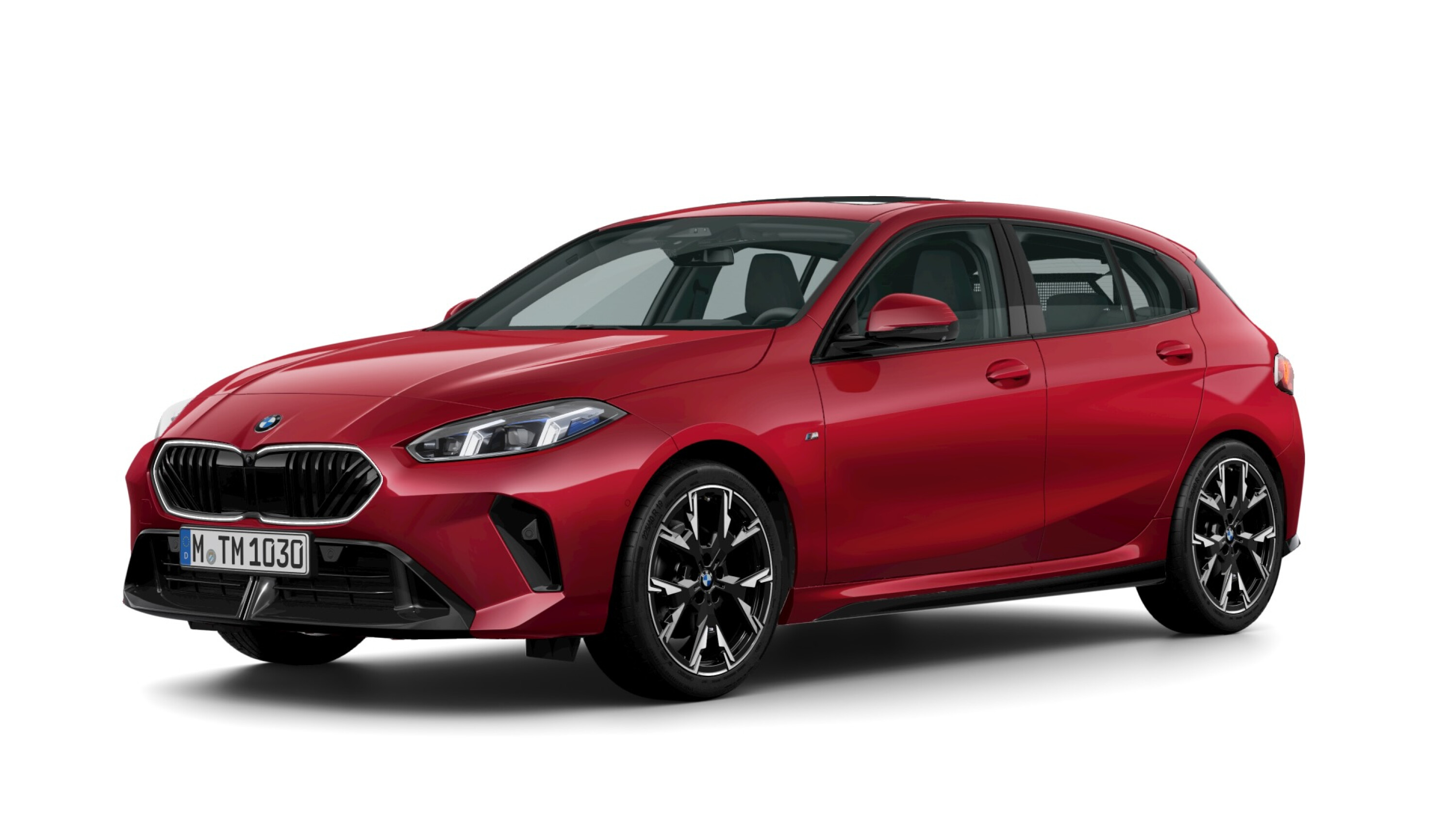
| BMW 120 and 220 standard equipment: | |
|---|---|
| 18-inch alloy wheels with a tyre repair kit | 10.25-inch digital driveru2019s display |
| M Sport Package with sporty exterior elements | 10.7-inch touchscreen with BMW Operating System 9 |
| Dusk- and rain-sensing automatic all-LED lighting | eSIM for live services |
| Rain-sensing automatic wipers | Wireless Apple CarPlay and Android Auto |
| Keyless entry and start with phone key functionality | Satellite navigation with live traffic |
| Heated and auto-folding mirrors | DAB+ digital radio |
| u2018Veganzau2019 synthetic leather upholstery | Head-up display |
| Electric front seat adjustment including heating and driveru2019s memory functionality | Electric tailgate (120 only) |
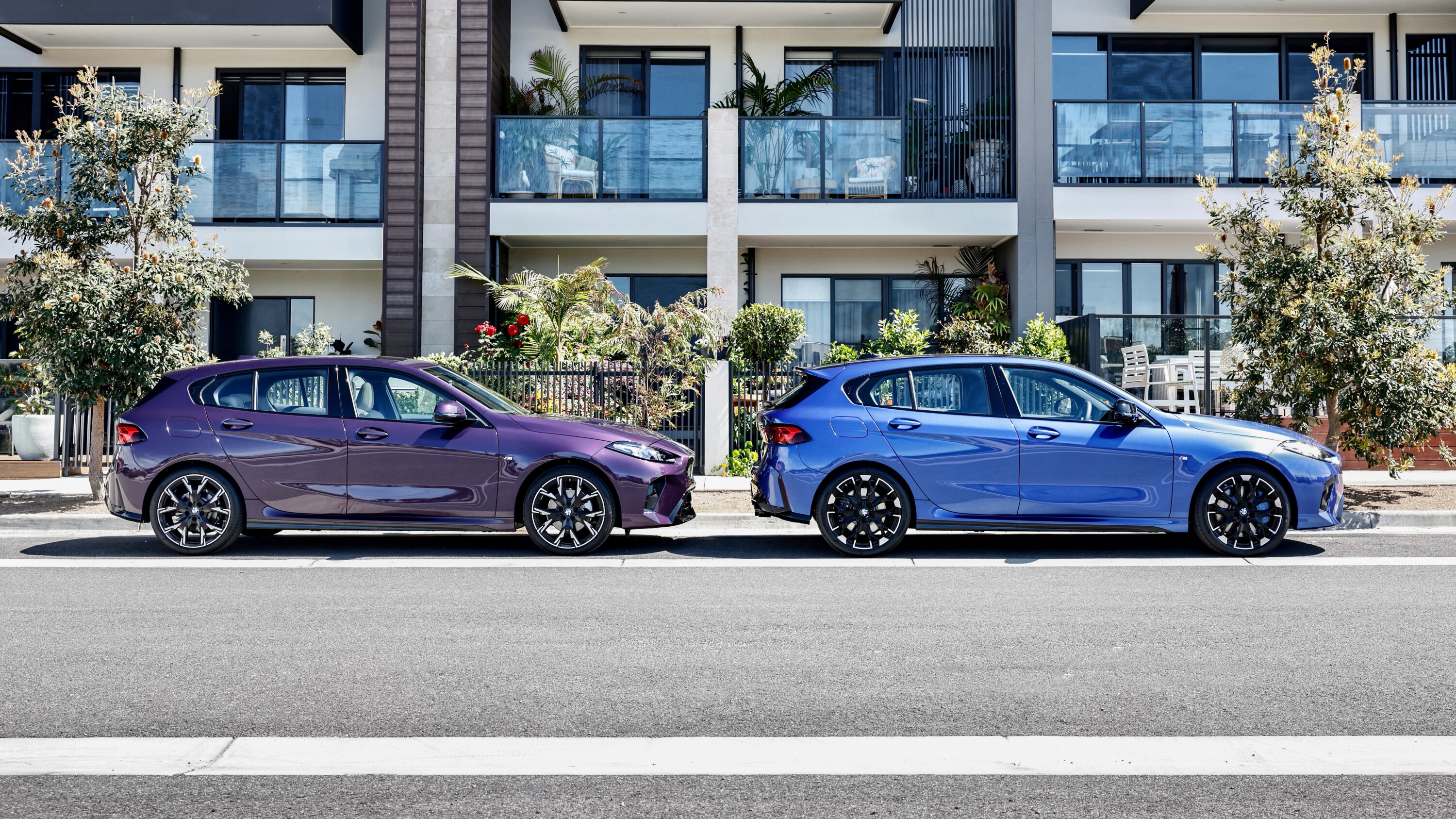
| 2025 BMW 1 Series and 2 Series pricing (plus on-road costs): | |
|---|---|
| BMW 118 | $57,600 |
| BMW 120 | $60,600 |
| BMW M135 xDrive | $83,600 |
| BMW 218 | $59,900 |
| BMW 220 | $62,900 |
| BMW M235 xDrive | $86,600 |
| 2025 BMW 120 and 220 safety equipment | |
|---|---|
| Autonomous emergency braking | Automatic parking |
| Adaptive cruise control with stop and go functionality | 360-degree camera |
| Blind-spot monitoring with rear cross-traffic alert | Front and rear parking sensors |
| Lane departure warning with lane keeping assistance | Drive recorder |
| Exit warning | Auto high beam |
| Speed limit information | Tyre pressure monitoring |
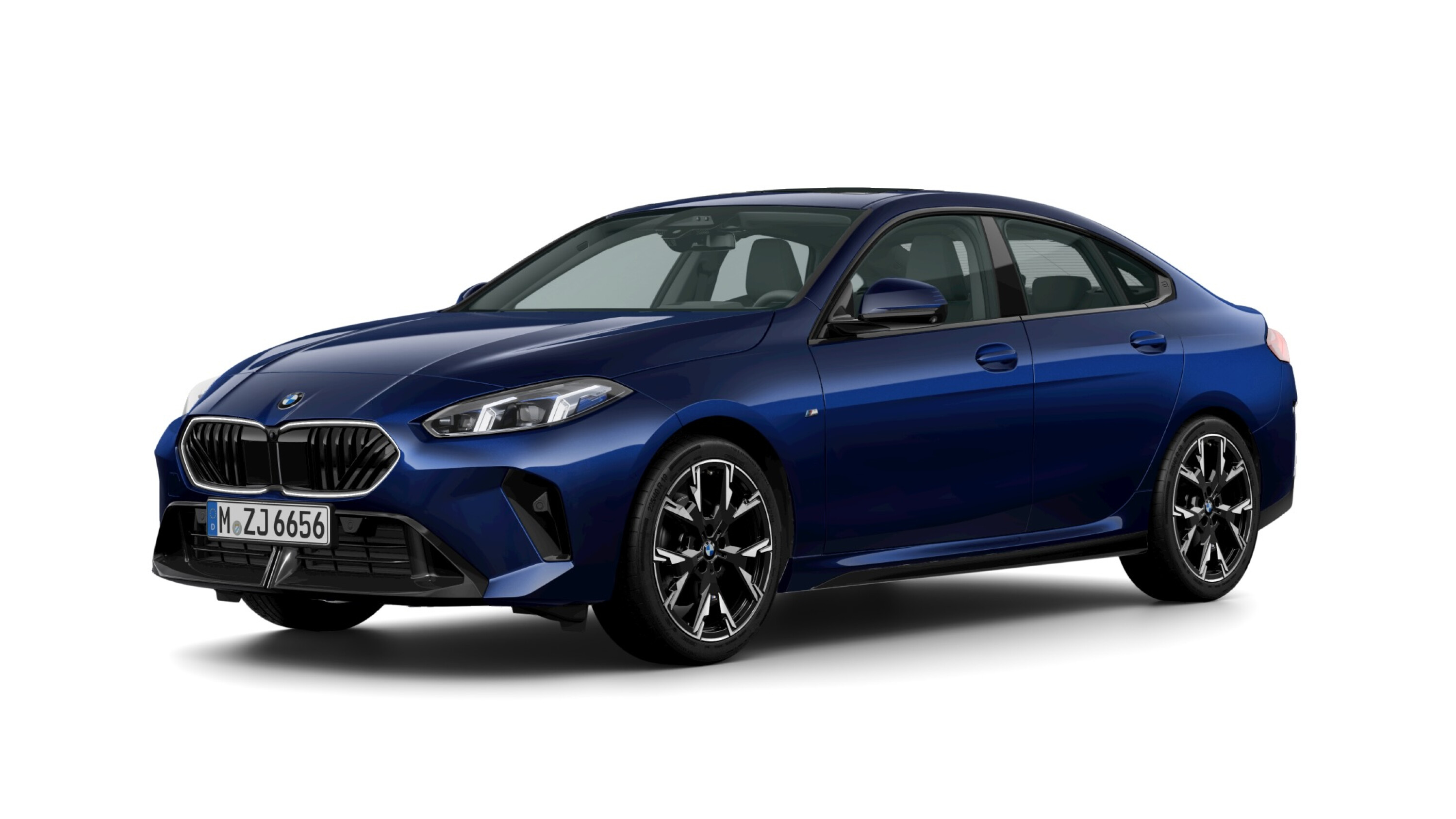
Options:
| Option | Features | 120 | 220 |
|---|---|---|---|
| Enhancement Package | Metallic paint, 19-inch wheels, steering wheel heating, panoramic sunroof, massaging front seats, traffic jam assist and Harman Kardon sound system | $6500 | $6700 |
| M Sport Package Pro | Red M Sport brakes, dark exterior detailing, M Sport seats, M rear spoiler | $3200 | |
The BMW 120 and 220 are available to order now, with the first units due to hit local BMW dealerships in July.
UPDATE: New photos and specs added
We’ve added important powertrain and dimensions details to this story, but a full look at the AWD 85X model is still to come.

OCTOBER 2024: Elroq revealed as Karoq’s electric successor
The Elroq will be Skoda’s second EV available in Australia, following the Enyaq, with a planned Australian launch in July 2025.
Snapshot
- Electric SUV replaces petrol-powered Karoq
- Arrives in Australia mid-2025
- Four international drivetrain options, Australian specs still to be announced
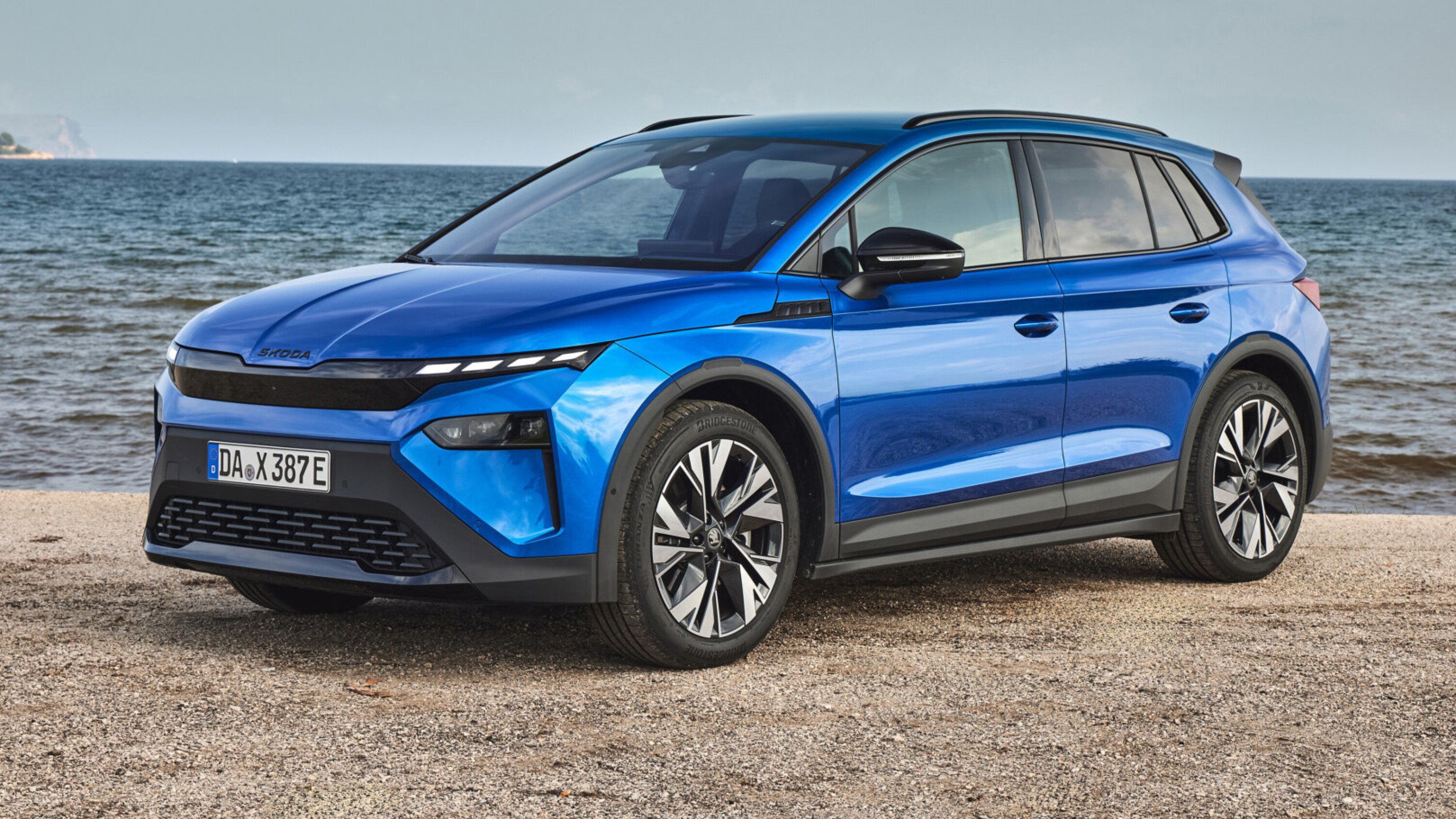
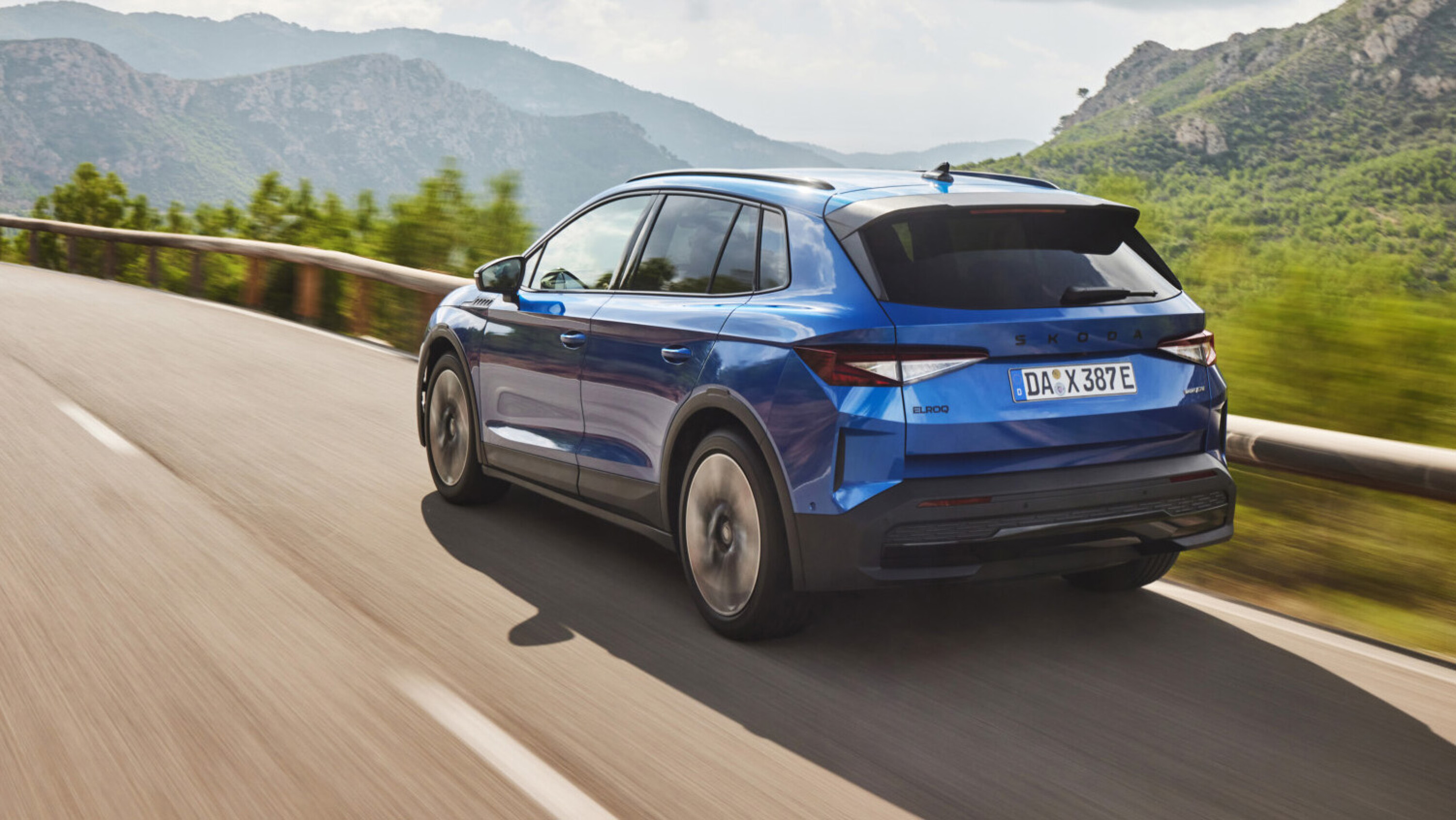
The Elroq is the first new Skoda model to showcase Skoda’s updated ‘Modern Solid’ design language.
The front features a redesigned ‘Tech-Deck’ face, incorporating a slimmer grille with the recently re-styled Skoda font across its width.
Standard Matrix LED headlights are included, along with a full-width ‘Light Band’ across the grille offered as options in some markets. The rear features a more familiar look, revealing a broad design connection to the Karoq it’ll replace.
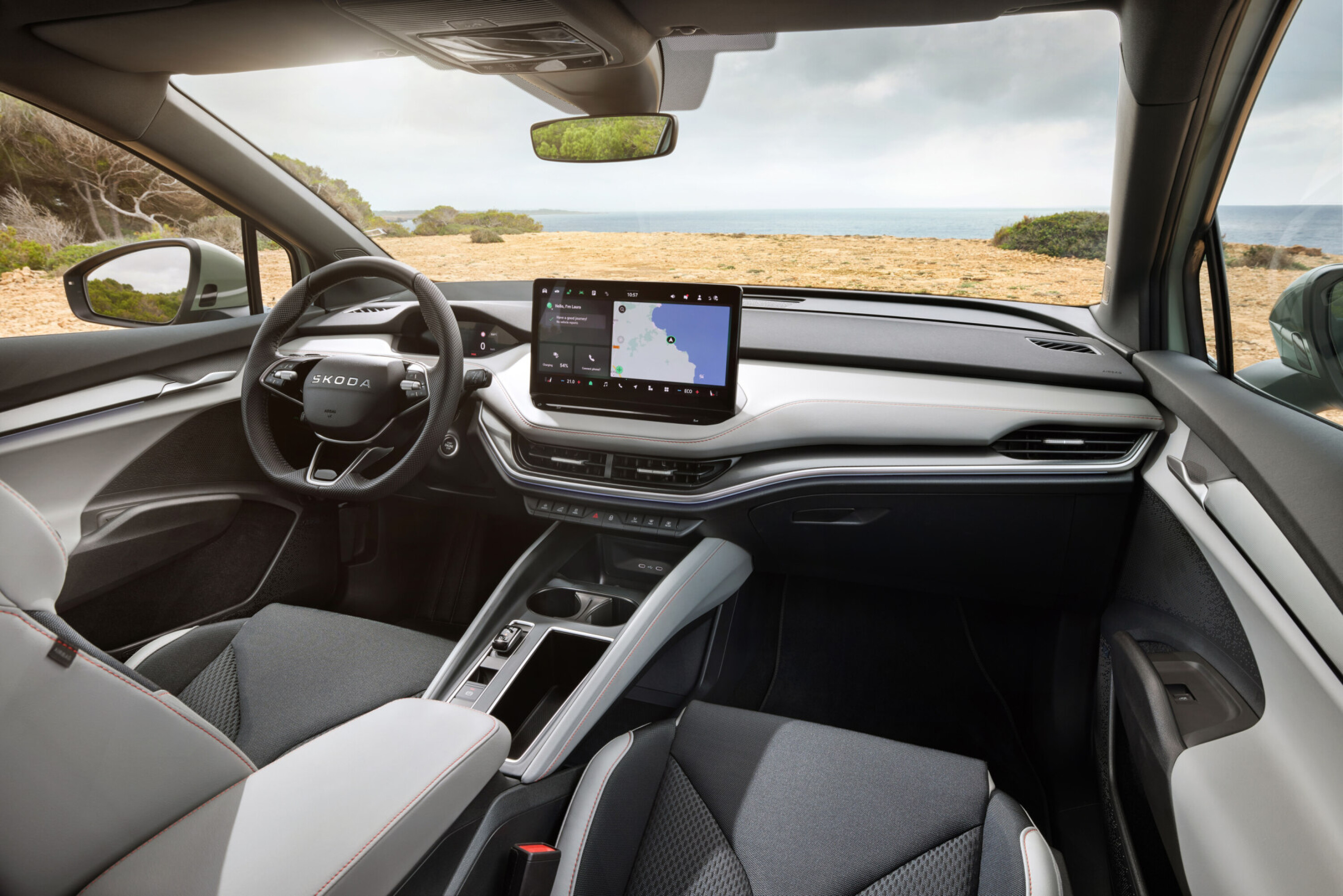
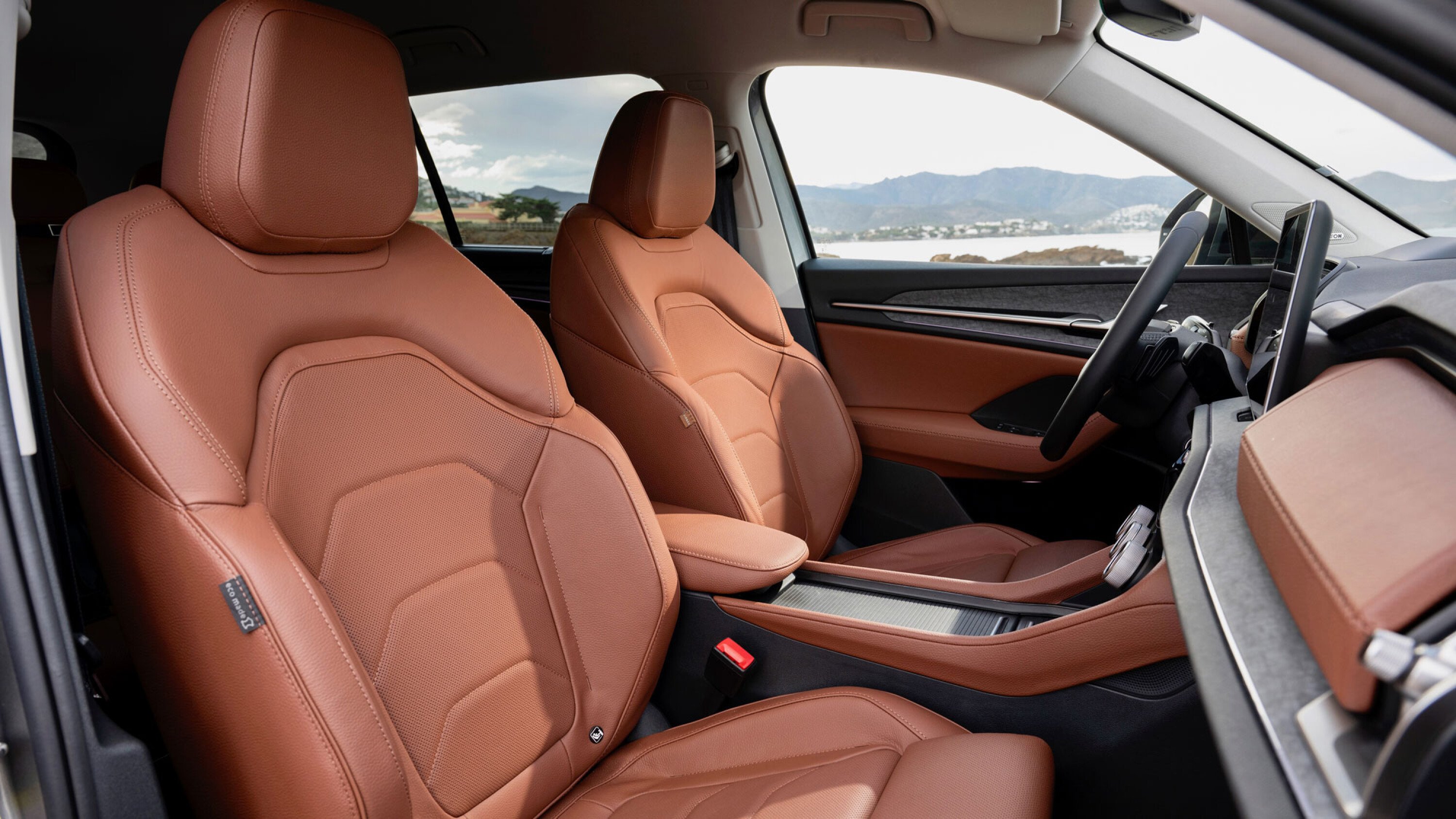
Overseas, four interior themes are available: Studio, Loft, Lodge, and Sportline. Studio interiors feature black fabric upholstery. Loft interiors include anthracite grey leatherette with Moss Green stitching and dark blue recycled fabric.
The Lodge theme uses grey TechnoFil material with orange accents. The Sportline package comprises sportier exterior styling, a lowered ride height, carbon-look interior trim, and suede sports seats with integrated headrests.
A 13-inch infotainment touchscreen with Skoda’s ‘Laura’ voice assistant and ChatGPT is standard. A 5.0-inch digital instrument cluster and a head-up display are also included.

Standard safety features consist of nine airbags, adaptive cruise control, lane assist, emergency assist, side assist, and European-mandated Intelligent Speed Assist with traffic sign recognition.
The Elroq’s boot capacity is 470 litres with the rear seats up (51 litres less than the Karoq) and 1580 litres with the second row folded (230 litres less than the Karoq).
Built on the Volkswagen Group’s MEB platform, the Elroq will offer four drivetrain options internationally. Rear-wheel drive models will be released first, with a flagship all-wheel drive version following next year.
Skoda Elroq: Electric motor and battery details
Australian motor and battery specs are still to be announced, but here is what Skoda announced for Europe this week:
A 125kW rear-wheel drive variant Elroq 50 opens the range, claiming 0-100km/h in 9.0 seconds and a top speed of 160km/h. This model uses a 52kWh battery, providing a WLTP-rated driving range of 375km.
A 150kW rear-wheel-drive Elroq 60 will sit further up in the range, cutting the 0-100km/h time by a hair to 8.5 seconds. Its slightly larger 59kWh battery allows for a WLTP-rated range of over 400km.

Heading into performance territory, the more powerful 210kW Elroq 85 will reduce the 0-100km/h time to 6.6 seconds and increase the top speed to 180km/h. This variant uses a 77kWh battery, providing a WLTP-rated range of over 560km.
A more powerful all-wheel drive Elroq 85X will follow, and while full details are still to come, it’s expected to offer a combined output of 220kW and around 560km in driving range.
A flagship Elroq RS variant is also expected, although details on that hero variant are still to be confirmed.
In the larger Enyaq, a 250kW AWD variant stands as the hero RS model. Given the somewhat negligible gap between 210kW and 250kW in this application, it’s likely we could expect that configuration for any upcoming Elroq RS.
DC fast charging capability is standard across the range, with maximum charging capacities of 145kW for the 125kW model and 175kW for the 150kW and 210kW variants.

Elroq: European spec breakdown
| MY25 Skoda Elroq | Elroq 50 | Elroq 60 | Elroq 85 | Elroq 85x |
|---|---|---|---|---|
| Motor | Single, RWD | Single, RWD | Single, RWD | Dual, AWD |
| Power | 125kW / 310Nm | 150kW / 310Nm | 210kW / 310Nm | 220kW |
| Battery (Li-Ion) | 52kWh net | 59kWh net | 77kWh net | TBC |
| Range (WLTP) | 375km | 400km+ | 580km | 560km+ |
| Efficiency | 15.8 kWh/100km | 16.6 kWh/100km | 15.2 kWh/100km | TBC |
| DC charging | 145kW | 165kW | 175kW | 175kW |
| 0-100km/h | 9.0 seconds | 8.5 seconds | 6.6 seconds | TBC |
| Skoda Elroq dimensions | |
|---|---|
| Length [mm] | 4488 |
| Width [mm] | 1884 |
| Height [mm] | 1625 |
| Wheel base [mm] | 2765 |
| Boot capacity [l] | 470 |
| Boot capacity (rear seats down) [l] | 1580 |
| Skoda Elroq weights and towing | |
|---|---|
| Kerb weight (incl. driver) [kg] | 1949-2256 |
| Max. trailer load (no brakes) [kg] | 750 |
| Max. trailer load (brakes, 12%) [kg] | 1000 |
| Max. trailer load (brakes, 8%) [kg] | 1200 |
| Max. nose weight [kg] | 75 |
When will the Elroq come to Australia and how much will it cost?
Pricing and specs for the Australian market will be announced closer to its July launch date.
Skoda Australia has announced local specifications for the second-generation ‘NG’ Kodiaq SUV, which is due in local Skoda dealers next month – with the vehicle extended in length and given more kit.
The only available drivetrain for the Kodiaq range so far is a 140kW/320Nm 2.0-litre turbocharged four-cylinder petrol engine that’s mated to a seven-speed dual-clutch automatic transmission and all-wheel drive. While local fuel consumption is yet to be announced, the Kodiaq hits 100km/h in 8.2 seconds.

The Kodiaq RS will launch later this year, which ups the performance ante to 195kW, as well as adding sportier suspension to match the RS badging.
Measuring 4,758mm long, 1,864mm wide, 1,678mm tall and riding on a 2,791mm long wheelbase, the second-generation Kodiaq is 59mm longer, 18mm narrower, 8mm shorter and riding on the same wheelbase as the previous model.
The Kodiaq’s boot measures 289 litres with all seven seats in use, 794L with the third row folded and 2,035L with the second row folded as well – increases of 19L/29L/30L compared with the last car, respectively. That makes it more capacious than main rivals like the Kia Sorento, which offers up to 1,966L of space, and the Mazda CX-80 with its 1,971L maximum.

The entry-level Kodiaq, now called Select, has seen a big increase in equipment with features such as leather trim, tri-zone climate control, traffic jam assist, DAB+ digital radio, metallic paint, heated front seats and an electric driver’s seat now featured as standard.
Kodiaq Select standard equipment:
- 19-inch alloy wheels
- Dusk- and rain-sensing automatic all-LED exterior lighting
- Rain-sensing automatic wipers
- Auto-folding/heated/driver auto-dimming mirrors with memory
- Keyless entry with push button start
- Power tailgate
- Roof rails
- Rear privacy glass
- Black leather upholstery
- 10-way electric driver’s seat with memory functionality
- Heated front seats
- Leather-wrapped steering wheel with paddle shifters
- Tri-zone automatic climate control
- 10-inch digital driver’s display
- 13-inch touchscreen
- Satellite navigation
- Wireless Apple CarPlay and Android Auto
- AM/FM/DAB+ digital radio
- Nine-speaker sound system
- 5x USB-C ports
- 2x wireless phone chargers with ventilation
- Metallic paint
- Umbrella and waste bin in driver’s door
- Floor mats
- Boot mat
Kodiaq safety equipment:
- Nine airbags (including a front centre unit)
- Autonomous emergency braking (AEB) with pedestrian and cyclist detection
- Adaptive cruise control with stop and go functionality
- Traffic jam assist
- Lane keeping assistance with lane departure warning
- Adaptive lane guidance
- Emergency assist
- Blind-spot monitoring with rear cross-traffic alert
- Safe exit warning
- Traffic sign recognition
- Front and rear parking sensors
- Reversing camera
- Alarm
- Tyre pressure monitoring

Kodiaq Sportline model adds:
- 20-inch alloy wheels
- Gloss black exterior elements
- Matrix adaptive high beam
- Scrolling rear indicators
- Heated steering wheel
- Aluminium pedals
- Suede and leather upholstery
- Front sports seats
- Driving mode selection
- Upgraded sound system
Kodiaq Launch Edition model adds:
- Massaging front seats including electric front passenger seat adjustment
- Adaptive dampers
- Automatic parking
- 360-degree camera
- Panoramic sunroof
- Heated outboard rear seats
- Hands-free electric tailgate
- Canton sound system
- Head-up display
- Illuminated grille
- Cognac or black leather upholstery

Kodiaq options:
- Sunroof (Select and Sportline)
- 20-inch alloy wheels (Select)
- Ultimate Package with adaptive dampers, sport steering rack, hill descent control, Canton sound system, heated rear seats, head-up display, automatic parking, 360-degree camera, hands-free power tailgate (Sportline)
Colour options:
- Steel Grey solid
- Graphite grey metallic
- Brilliant Silver metallic
- Moon White metallic
- Bronx Gold metallic (Select)
- Race Blue metallic
- Black Magic pearlescent
- Velvet Red (Sportline)

LDV MIFA is now available with an eight-seat layout, taking the fight in the segment to the top-selling Kia Carnival and Hyundai Staria.
Priced from $47,990 drive away, the new eight-seat layout is only available on the entry-level MIFA Mode and is priced from $1,019 more than the seven-seater.
That makes it $6,700 less expensive than the entry-level Kia Carnival S V6.
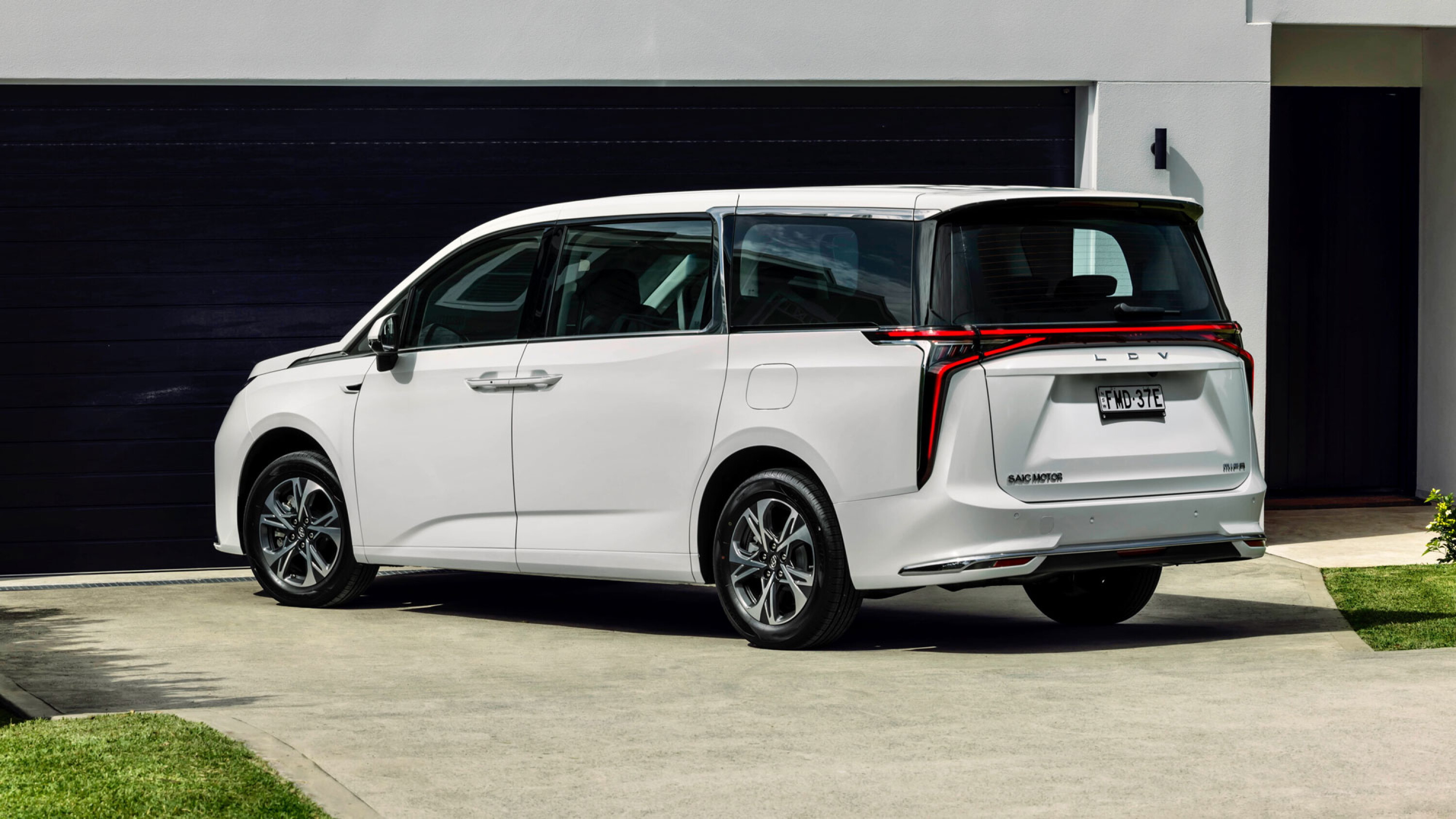
“Value is extremely important in the family-car market and we are proud to be able to offer a full-size eight-seat people-mover for $47,990 drive-away,” said Dinesh Chinnappa, the General Manager of LDV Australia. “We have been working with the factory on an eight-seat option for some time and we are delighted that we can finally deliver this option to our customers.”
All MIFA models are powered by a 2.0-litre turbocharged four-cylinder petrol engine making 160kW of power (between 5,000rpm and 5,500rpm) and 360Nm of torque (between 1,500rpm and 4,000rpm). That’s mated to an eight-speed automatic transmission and power is sent to the front wheels.
LDV claims combined fuel consumption of 9.3L/100km with claimed CO2 emissions of 220g/km. It uses minimum 95RON premium unleaded and a 70-litre fuel tank. The MIFA can tow a 2,000kg braked trailer.
LDV MIFA pricing (drive away):
- Mode: $46,971
- Mode 8-seat: $47,990
- Executive: 55,671
- Luxe: $63,501
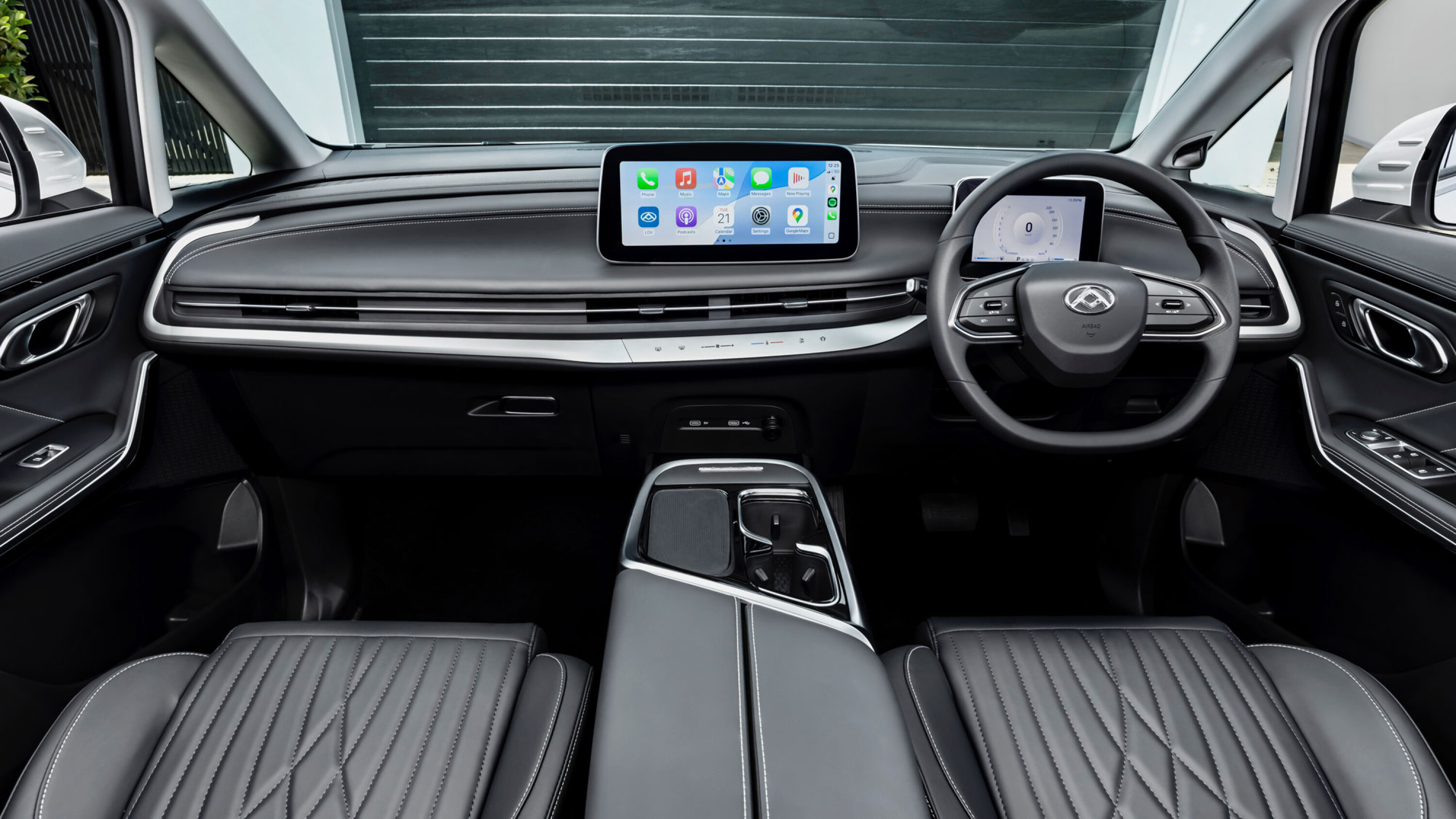
LDV MIFA Mode standard equipment:
- 18-inch alloy wheels
- Dusk-sensing automatic LED exterior lighting
- Synthetic leather upholstery
- Tri-zone automatic climate control
- 12.3-inch touchscreen
- Wired Apple CarPlay
- 7.0-inch digital driver’s display
- Six-speaker sound system
MIFA safety features:
- Seven airbags (including a front centre unit)
- Autonomous emergency braking (front and rear)
- Adaptive cruise control
- Auto high beam
- Lane keeping assistance
- Driver fatigue monitoring
- Blind-spot monitoring with rear cross-traffic alert
- Safe exit warning
- Traffic sign recognition
- Reversing camera
- Rear parking sensors
MIFA Executive model adds:
- Dual power sliding doors
- Power tailgate
- Rain-sensing automatic wipers
- 19-inch alloy wheels
- Auto-dimming rear mirror
- Eight-way electric front seat adjustment
- Eight-speaker sound system
- Wireless phone charger
- Multi-zone automatic climate control
- Front and rear sunroof
- 360-degree camera
- Front parking sensors
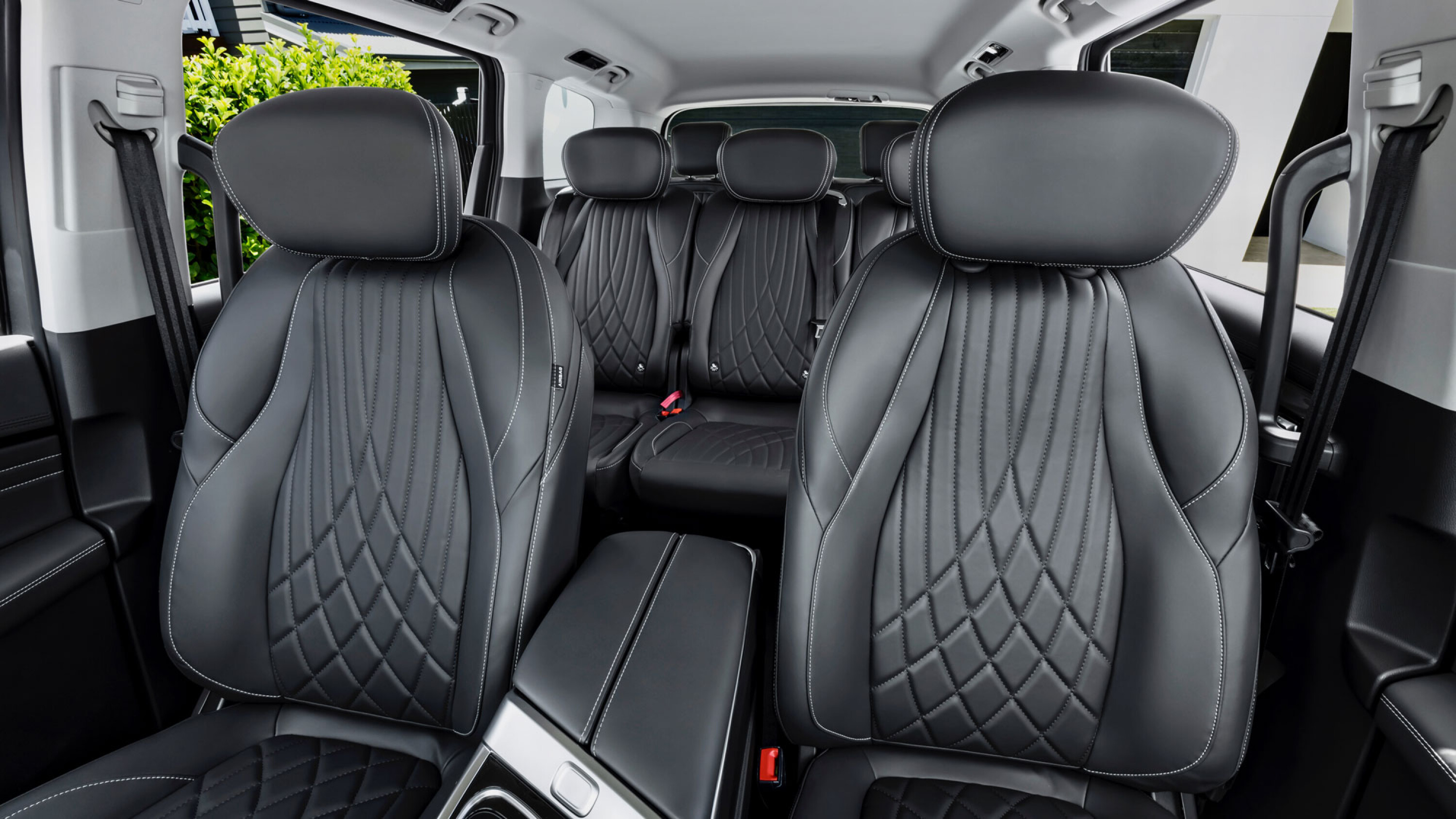
MIFA Luxe model adds:
- 12-speaker sound system
- 64-colour ambient lighting
- Leather upholstery
- Heated, ventilated and massaging front seats with driver’s memory
- Second row captain’s chairs with four-way electric adjustment, heating, ventilation and eight-mode massaging
MIFA colours options:
- Blanc White: no-cost
- Pearl White: $500
- Mica Blue: $500
- Dynasty Red: $500
- Metal Black: $500
- Concrete Grey with black roof (Executive and Luxe only): $2000