
This story was first published in 2013. As the 2024 Australian Grand Prix draws close, now’s the time to revisit those racing driver dreams.
Christmas feels like it was just yesterday as we pull into an early Easter long weekend – and, as always, families are gearing up for some time away.
If that includes you, or even if it doesn’t, it’s more important than ever to be wary of busy roads as people get to hurrying towards their relaxing time away.
Check out our story above for tips on keeping your cool on that long drive, but if you do get pinged, below are the sorts of penalties you can expect around Australia.
NSW, ACT and Western Australia
Double demerits – for speeding, mobile phone use, seatbelt offences and riding without a helmet – will be in force from Thursday March 28 to Monday April 1 – no foolin’.
The bill won’t be any bigger in most cases, but a double tap to your points could be enough to take you off the road for a while.
Queensland
The sunshine state won’t be running any Easter-specific points or fines, but…
If you’re not local, it’s worth noting that Queensland has a year-round double demerits system that applies to any second-time offenders in any 12-month period.
Victoria, Tasmania, South Australia, NT
Victoria, despite being popularly known as a ‘police state’, doesn’t run a double demerits program – and neither do South Australia, Tasmania or the Northern Territory.
That doesn’t mean the police in those regions won’t be out in force, of course. And, as Victorian off-roading enthusiasts learned in 2022, we might see a blitz or two.
Toyota was one of the first Australian brands to make the decision about the future of the small car positioning.
The choice was either to offer a cheap and feature-light vehicle, or fill the car with integral safety and features required to meet ANCAPs requirements, and up the price.
Ultimately the brand facelifted the Yaris range in 2020 which saw prices hiked almost $7k, pushing it well out of the sub $20k space the car was once comfortably in.
The update saw the all-new model come with a host of additional safety features compared to its predecessor.
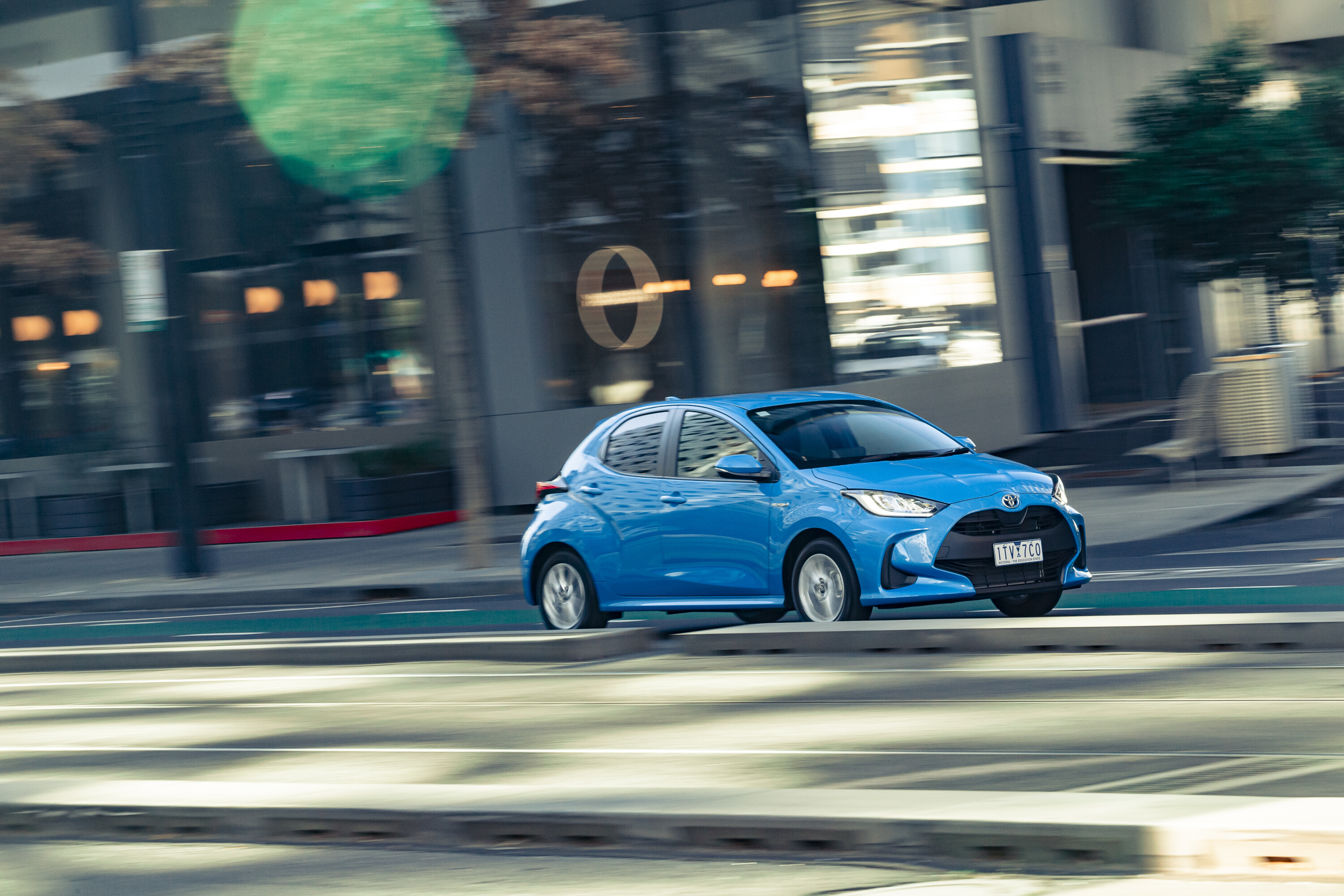
Now in 2024, the Yaris has gone hybrid only, which of course can only mean, another increase in starting price. So let’s see what the ‘cheapest’ Yaris available brings to the table.
1
Pricing and features
Without an entry-level available, the Yaris range starts at the SX grade for $30,190 before on-road costs.
There is a higher spec ZR variant available as well.
Within the Toyota range, shoppers might consider the Corolla Ascent Sport hybrid ($32,110 before on-road costs) and the Yaris Cross 2WD hybrid ($30,000 before on-road costs).
1
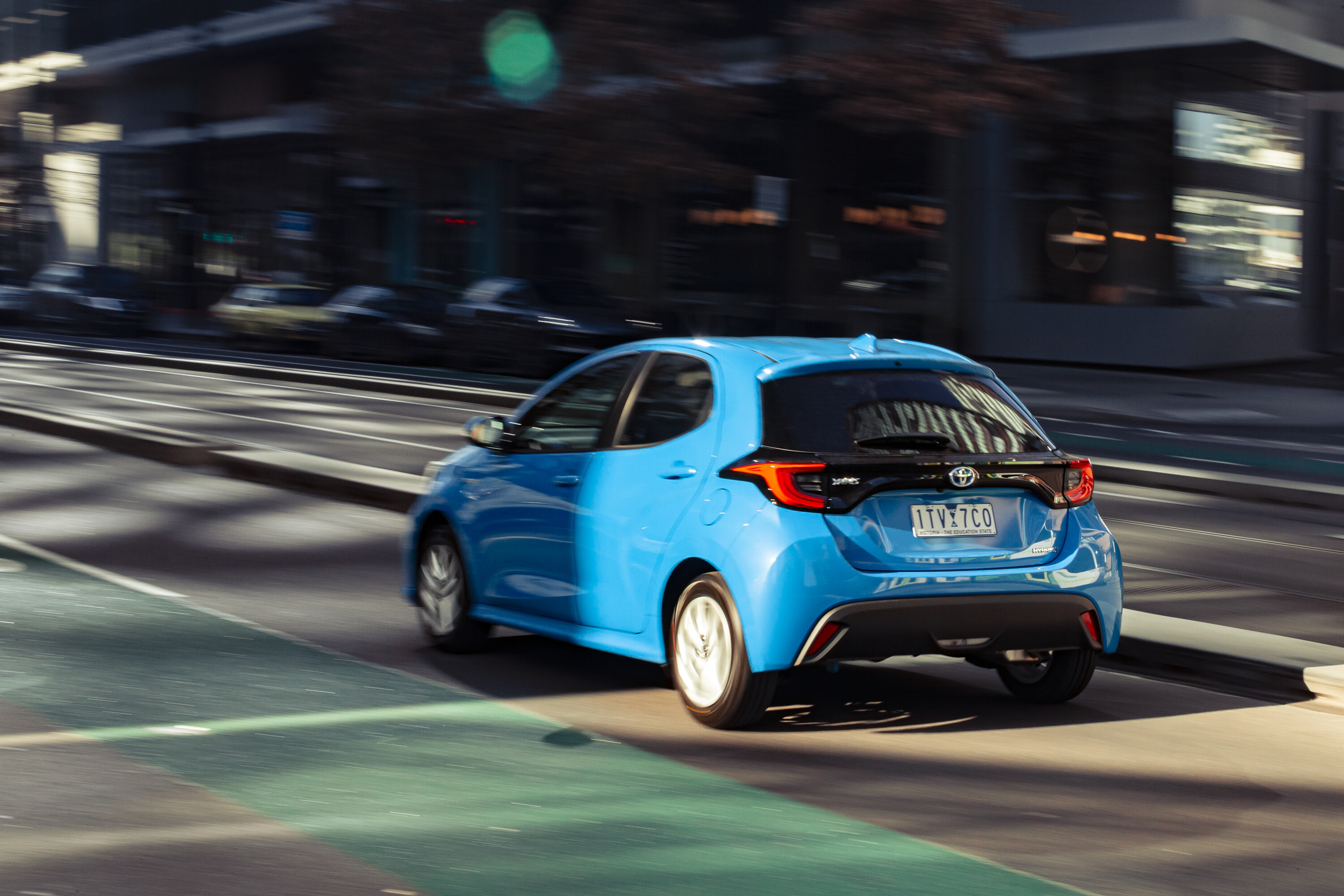
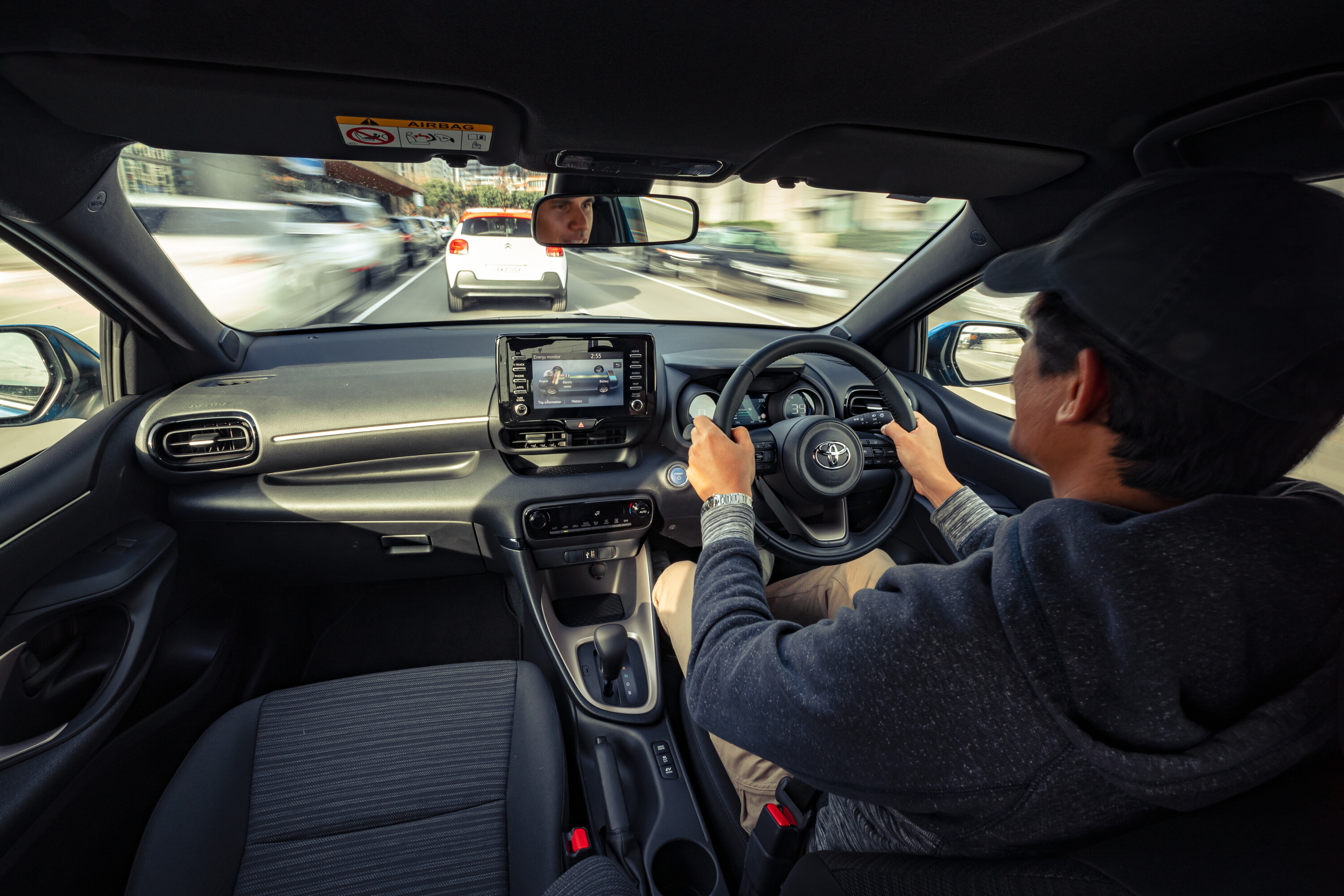
The Yaris SX includes 15-inch alloy wheels, a 7-inch infotainment system, Apple CarPlay and Android Auto, active cruise control, leather-accented steering wheel, fabric seats, keyless entry and start and LED headlights and daytime running lights.
It’s a zippy little runabout that sips just 3.3L/100km. That’s one of the lowest hybrid fuel consumption figures in the country.
In terms of colours, Yaris buyers have the choice of ten individual colours with eight adding an extra $600 to your drive-away price.
1
Safety
The Toyota Yaris was awarded a five-star ANCAP rating with testing conducted around launch in 2020.
This is constituted by an 86% score for adult occupant protection, and 87% for children.
1
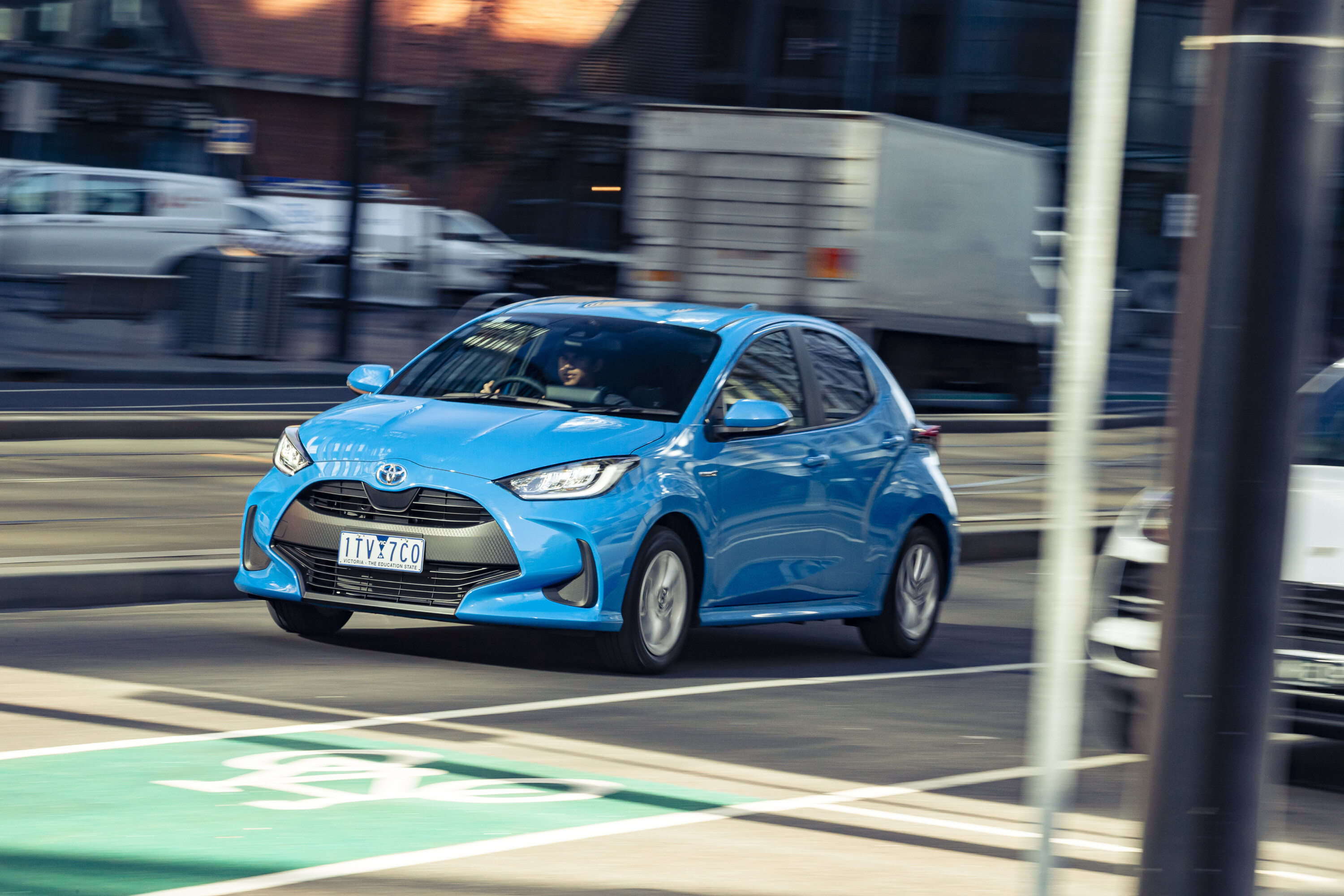
All variants of the Yaris receive 8 airbags and plenty of additions in terms of safety.
The Toyota Safety Sense suite of features is available across the range, including active cruise control, autonomous emergency braking, intersection turn assist, lane keep assist, lane-departure warning and fatigue reminders.
If you’re after systems like blind spot monitoring and rear cross traffic alert, you’ll need to step up to the ZR grade next in line.
Key rivals
With the small segment shrinking in size, due to the popularity of small SUV and the trend towards larger cars in general, there have been a number of withdrawals from the segment.
Players that remain include the popular:
The MG3 is notably leading the segment due to its current competitive pricing meaning it’s the last sub 20k new car available. This is set to change when the MG3 is updated this year.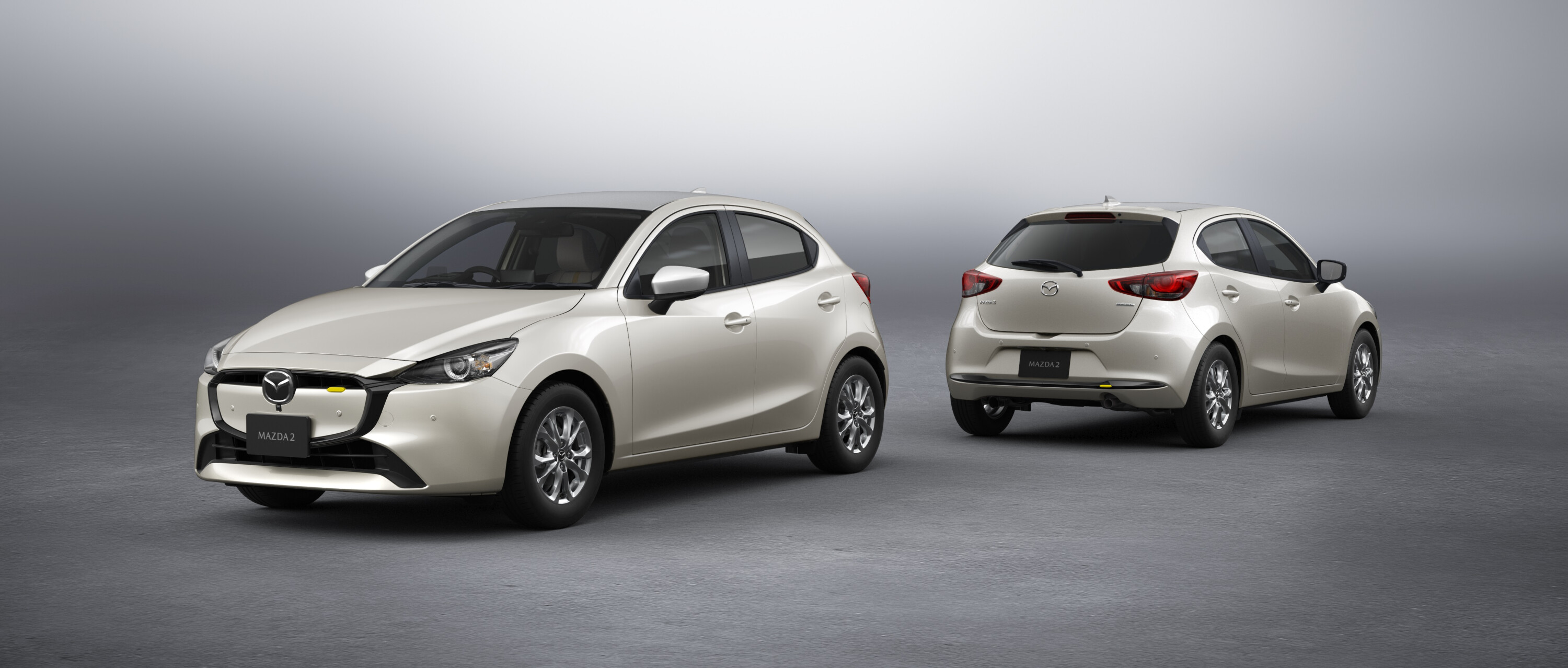
1
Should I put it on my shortlist?
As a hybrid offering, the Yaris presents an attractive option for urban commuting, boasting stellar fuel economy and compact dimensions.
However, it comes with a significant price premium compared to its competitors, many of which offer petrol alternatives. Particularly in a segment where some rivals are available for under $20,000 drive-away, justifying the Yaris purely on a financial basis can be challenging.
Buyers also used to have the option of a cheaper petrol alternative, which differed by just 1.6L/100km on a combined fuel cycle. So the hybrid premium used to take a fair while to justify the initial purchase price. But this is no longer an option for the Yaris.
Overall, a brief test drive reveals the joy of its driving dynamics and the reassurance of its robust safety features. If you’re willing to invest, the Yaris might just be the perfect fit for you.
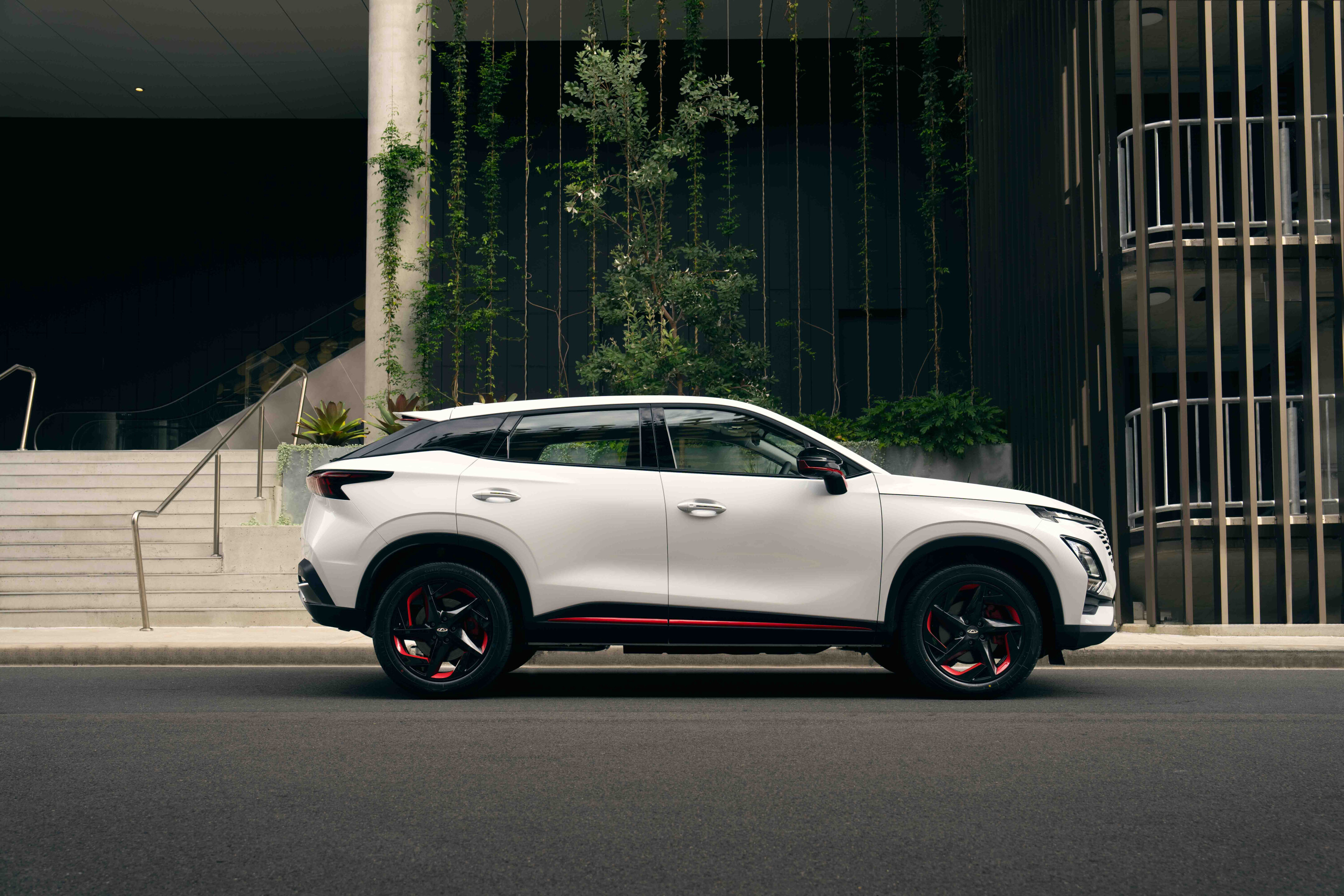
When the Chery Omoda 5 hit Australian shores nearly 12 months ago it collected justified criticism for its poor calibration of safety systems – most prominently the lane-keep assist and driver monitoring features.
At the reveal of the new Omoda 5 GT and electric Omoda E5, Chery Australia managing director Lucas Harris acknowledged the shortcomings and how they came to be.
“When we first launched the Omoda 5 in March last year, I’d be the first to admit that in that car, there was extremely little local testing and extremely limited local validation. And so obviously, we’re not very happy about that, and we’ve taken some fairly dramatic steps to resolve it”, Mr Harris told media.
“It’s unfortunate that’s the way it went, but we can’t change history”
1
Speaking to Wheels, he also noted the differences between roads in China – where Chery’s based – and Australia.
Specifically, the variance in road markings. The road network in China, on which the Omoda 5’s systems were tuned, conforms to a more uniform standard than ours.
Australian roads vary significantly, with inconsistent lane widths, marking styles, colours, and other factors. Still, other automakers have succeeded where the Omoda 5 didn’t. When probed further, Mr Harris said the issue wasn’t perhaps testing but rather implementing fixes before heading to market.
“Maybe a slight correction would be, that there was a fair amount of time spent testing prior to launch but what we didn’t do enough was the adaptability tuning. It’s unfortunate that’s the way it went, but we can’t change history”, he said.
1
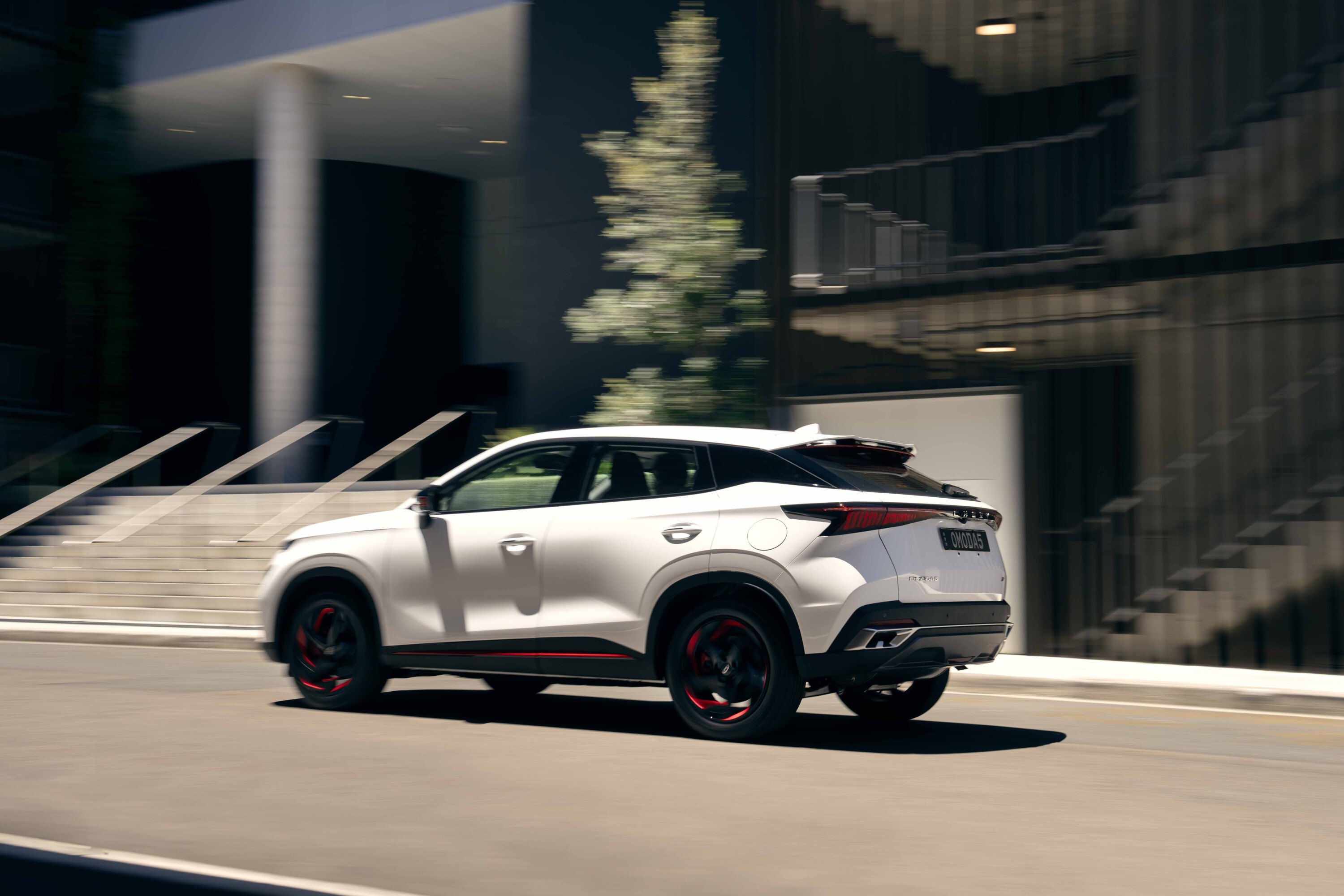
Since the Omoda 5’s lukewarm critical reception, Chery engineers from head office have been working in Australia nearly every day, according to the brand.
It’s culminated in a set of revisions that launch in tandem with the more powerful Omoda 5 GT variant (priced between $38,990-$40,990 drive-away). Existing Omoda 5 owners can have software revisions loaded onto their vehicles at dealers.
“Moving forward into the future, it [won’t be] just a ‘quickly solve it now, and then forget about it’, it’s really become a big part of how we come to market. For any new model, there’s extensive lengths of time spent driving the car in local conditions and extensive amounts of data taken on local roads.
“Do I think that we have the system perfect yet? No, of course not. Am I confident that we’ll get there in the near future? Absolutely”, said Mr Harris.
1
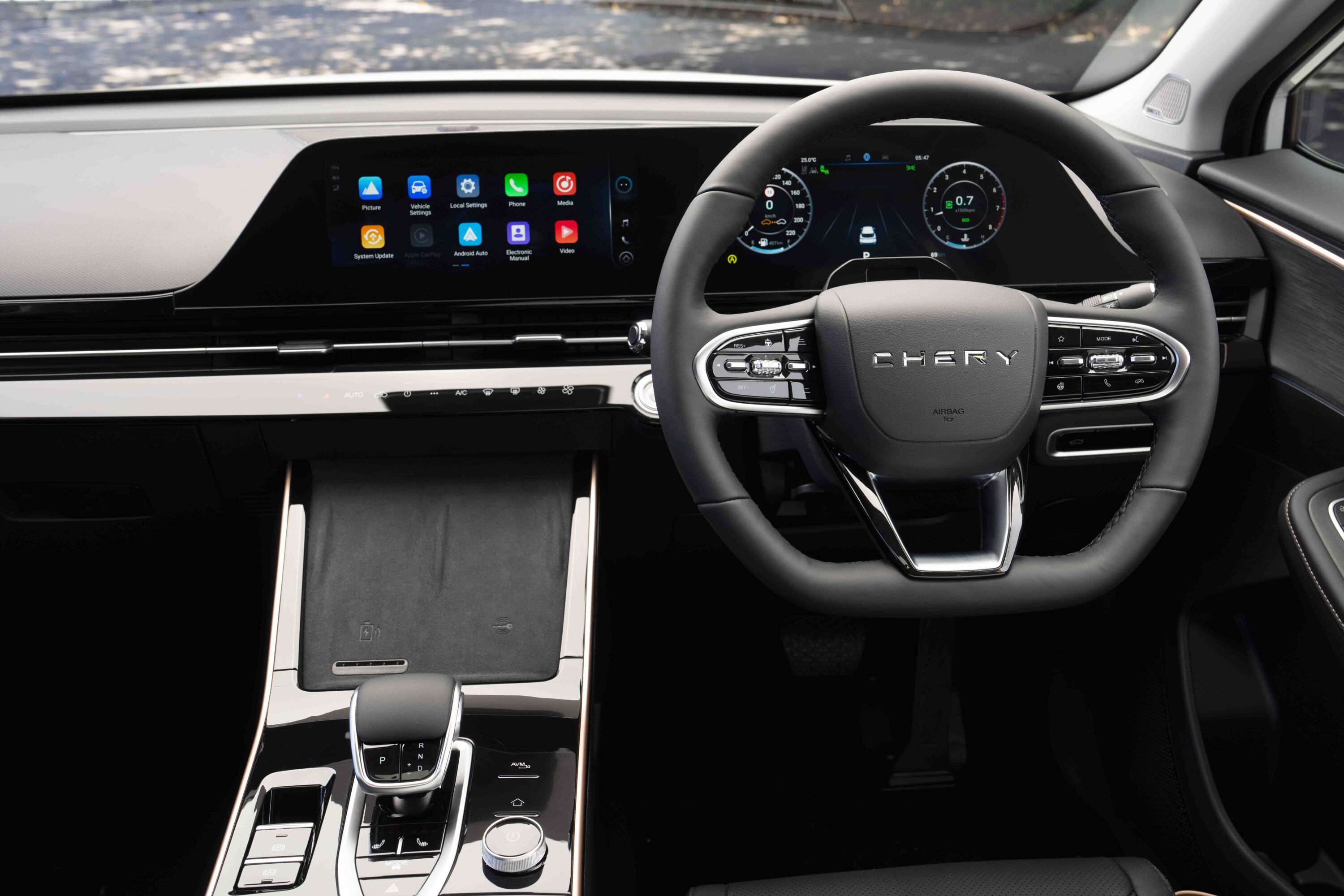
That’s fighting talk that we can only confirm after sampling the GT’s updated lane support systems. We’ll report back on whether the changes have improved the driving experience shortly.
Alongside the Omoda 5 small SUV, Chery also sells the medium-sized Tiggo 7 Pro. A three-row Tiggo 8 Pro and a battery-electric version of the Omoda 5, are due this year.
Chery’s more rugged sister brand, Jaecoo, was recently confirmed for Australian launch with the J7 medium SUV. The brand has registered 9202 vehicles since launching locally.
MORE
Everything Chery
Snapshot
- 2024 Chery Omoda 5 updates confirmed
- Flagship GT variant added with 1.6-litre turbo, multi-link rear & dual-clutch auto
- Price rises of between $1000 and $1500 for existing 1.5-litre turbo variants
The 2024 Chery Omoda 5 small SUV is due in Australia this month with more equipment and a new flagship variant – but with price rises to match.
Joining the existing Omoda 5 BX and EX variants, the new range-topping Omoda 5 GT is fitted with a 1.6-litre turbo-petrol engine matched to a seven-speed dual-clutch automatic transmission from the Tiggo 7 Pro mid-size SUV in place BX/EX’s 1.5-litre turbo and CVT automatic.
Outputs are up by 29kW and 65Nm to 137kW and 275Nm, while the GT also swaps the standard car’s torsion beam setup for independent multi-link rear suspension.
1
Fuel consumption is rated at 6.8L/100km for the front-drive GT variant, down from 6.9L/100km for the 1.5-litre turbo.
The all-wheel-drive Omoda 5 GT has a combined fuel consumption of 7.4L/100km. Both models are in dealers now, with customer deliveries commencing imminently.
All variants will receive DAB+ digital radio, a frameless auto-dimming rear-view mirror and a faster 50-watt wireless phone charger, while GT variants have unique badging on the boot lid, a different suspension tune, and larger brake rotors (15mm larger up front and 30mm in the rear).
Prices are up between $1000 and $1500 for existing Omoda 5 models, while the Omoda 5 GT is priced at $38,990 drive-away for the front-drive variant and $40,990 drive-away for the AWD. All variants are available to order now.
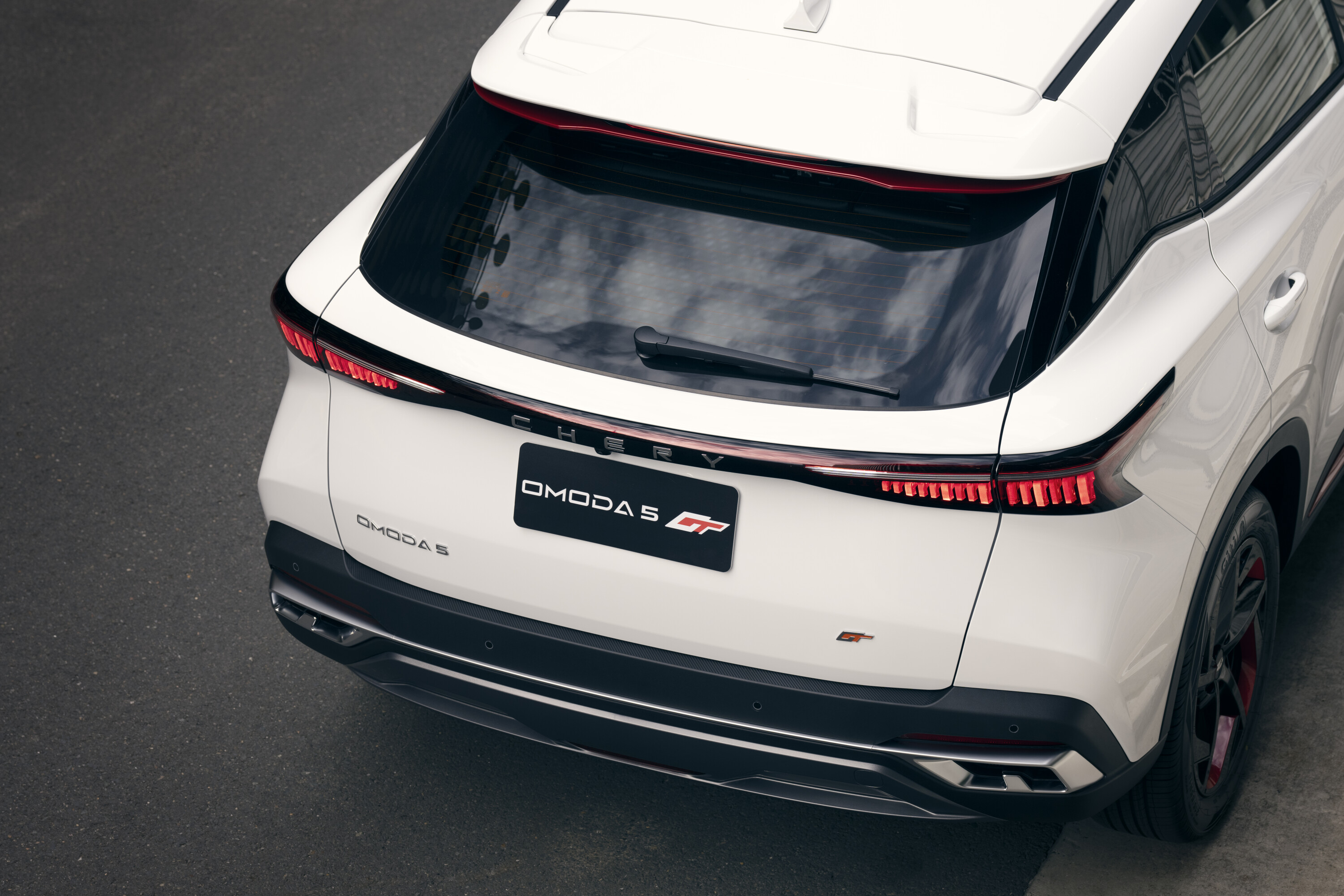
1
VFACTS new-car sales data reveals 5370 examples of the Chinese-built Chery Omoda 5 were registered here in 2023, outselling the Toyota C-HR (4786), Honda HR-V (2182) and Skoda Kamiq (1985).
An all-electric version of the Chery Omoda 5 small SUV is due in Australia mid-year.
2024 Chery Omoda 5 pricing
All prices are drive-away.
| Model | Pricing | Change |
|---|---|---|
| BX 1.5T FWD | $34,490 | up $1500 |
| EX 1.5T FWD | $36,990 | up $1000 |
| GT 1.6T FWD | $38,990 | new |
| GT 1.6T AWD | $40,990 | new |
MORE
Everything Chery
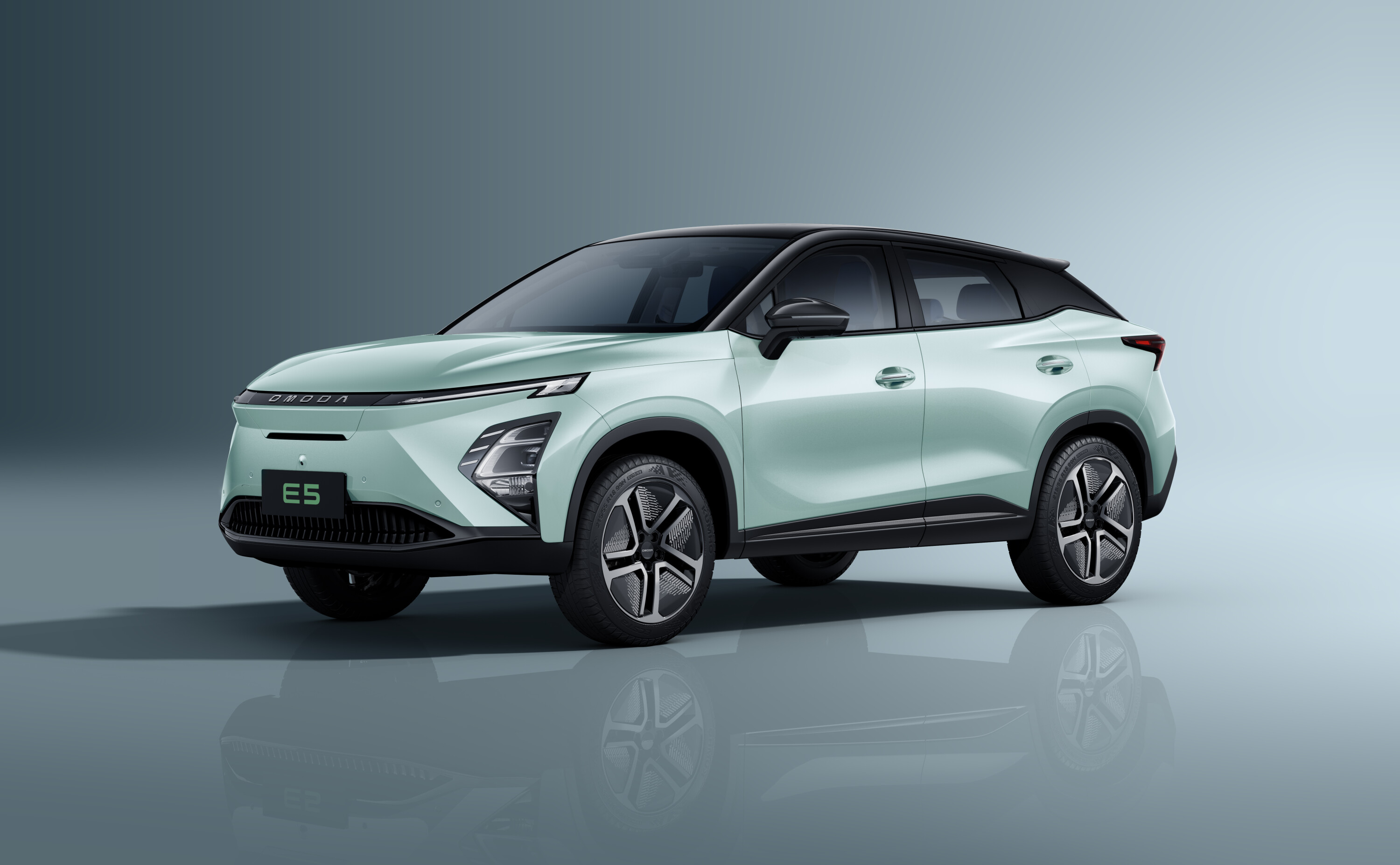
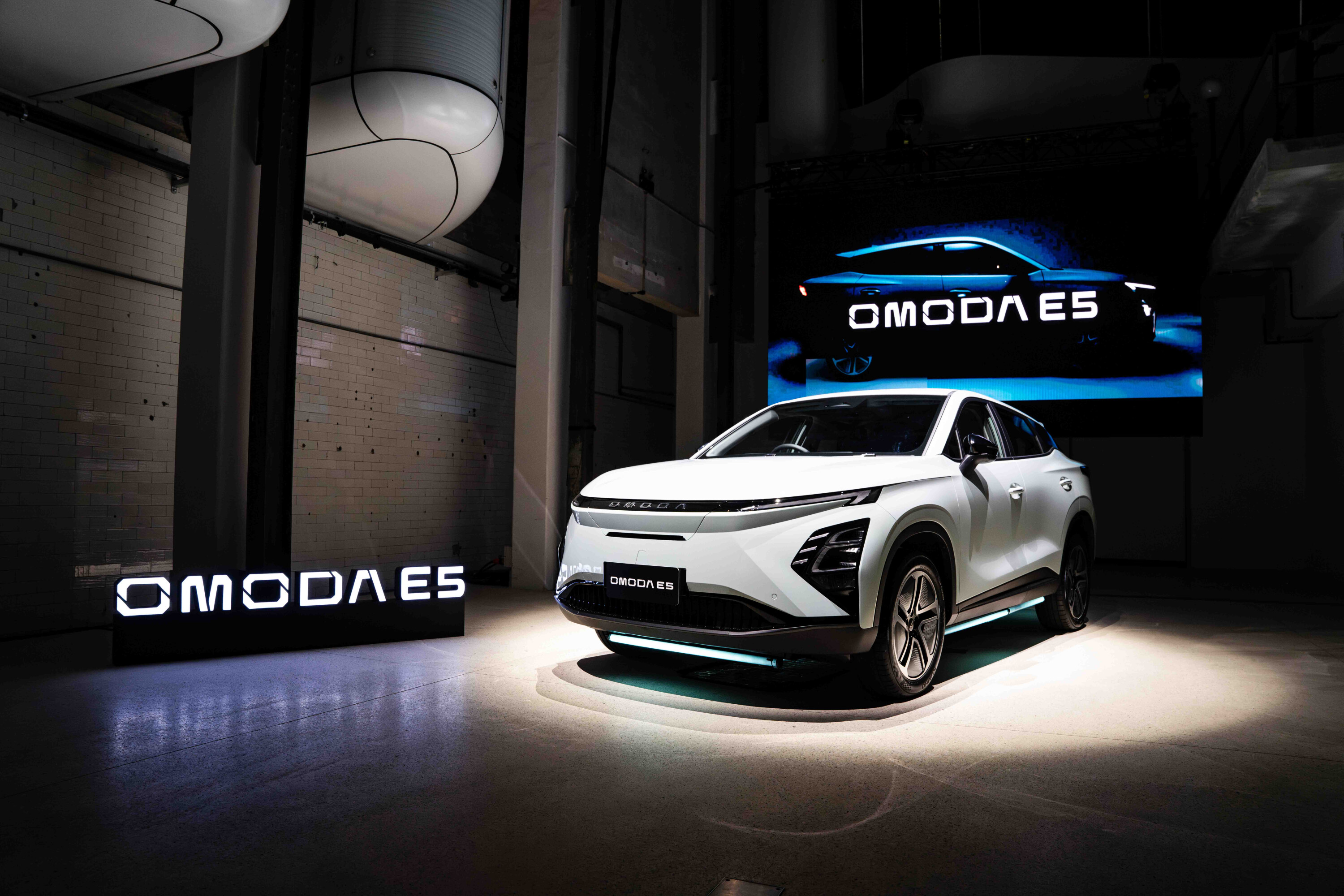
The 2024 Chery Omoda E5 – an all-electric version of the Chinese brand’s small SUV – is due in the second half of the year to rival the BYD Atto 3 and MG ZS EV.
Chery Australia has confirmed it’ll offer the Omoda E5 in two variants – Standard and Premium – with a front-mounted 150kW/340Nm electric motor and a 61kWh lithium-iron-phosphate (LFP) battery pack.
The Omoda E5 has a WLTP-rated driving range of up to 430 kilometres (15.5kWh/100km), and a claimed 7.6-second 0-100km/h acceleration time. The Chinese-made electric SUV can charge from 10 to 80 per cent in 30 minutes at up to 110kW DC.
This article, originally published on 19 February, has been updated with new information.
1
Speaking to Wheels at the Omoda E5’s reveal, managing director Lucas Harris did not reveal the price of the new electric SUV.
However, the brand reinforced its ethos and indicated where the fleet-oriented base E5 might start. When asked whether Chery is likely to engage in price wars as BYD did with its Dolphin, Harris was quick to rule this out as an option.
“Chery has never really been about providing cheap cars, and we’re certainly not interested in being cheap and cheerful. For us. It’s really about making sure that what we’re doing is good value”, said Mr Harris.
As a reference, the BYD Atto 3 Extended and MG ZS EV Long Range with similar performance and battery sizes list at between $50,000-$55,000 before on-road costs.
1
We therefore expect the base Omoda E5 to start a little above $50K, with the flagship priced closer to $60K.
Like its combustion-engined models, Chery wants to have drive-away prices though with varied incentives and taxes across each Australia state, Mr Harris admitted this may prove challenging.
“Certainly for a new brand like [Chery], we think it’s quite important to have that drive-away pricing, which gives the maximum transparency for customers”.
1
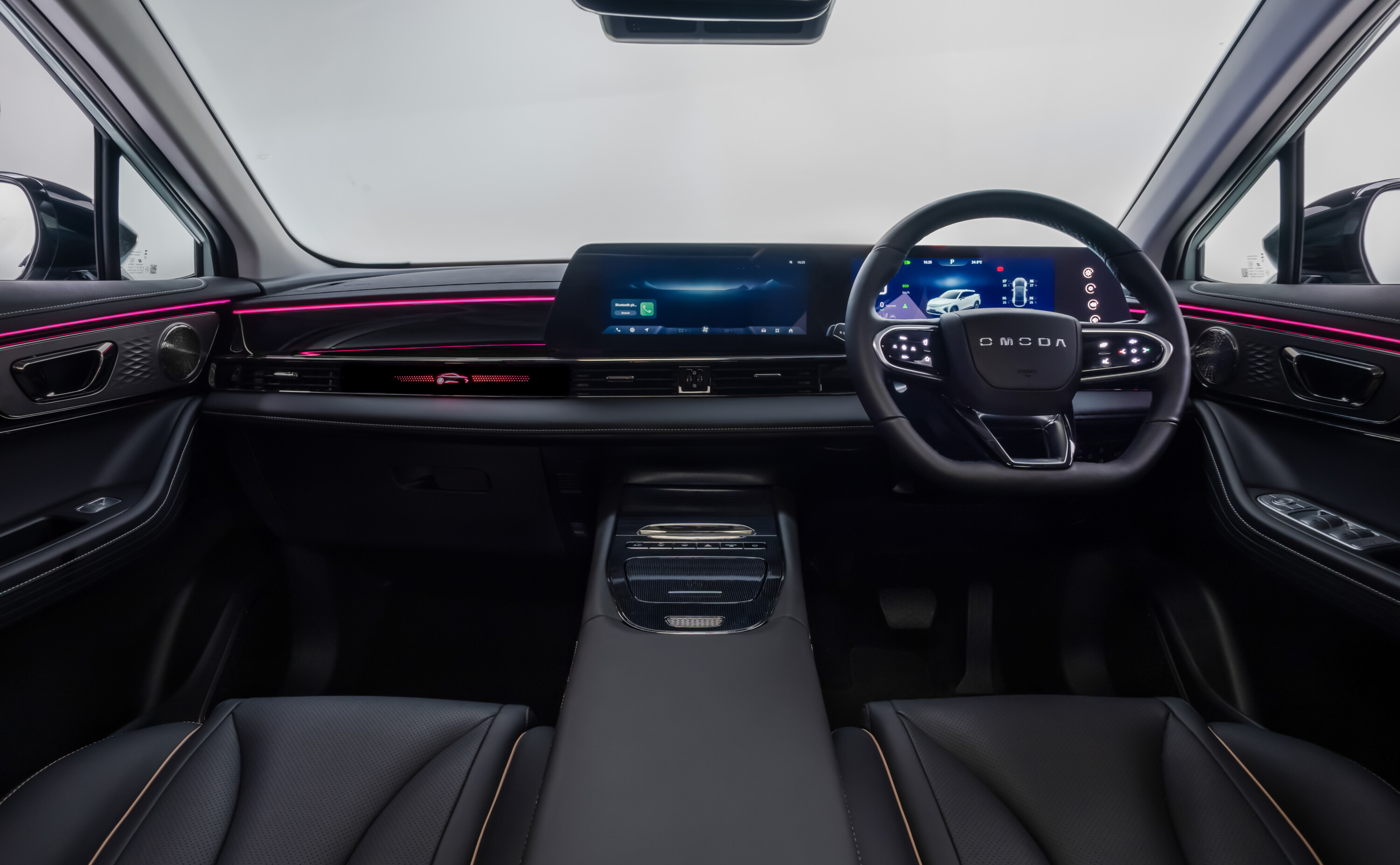
Confirmed equipment for the Omoda E5 includes a 12.3-inch curved infotainment system, a digital instrument cluster, a panoramic sunroof, and a “wealth of exterior and interior colour options”.
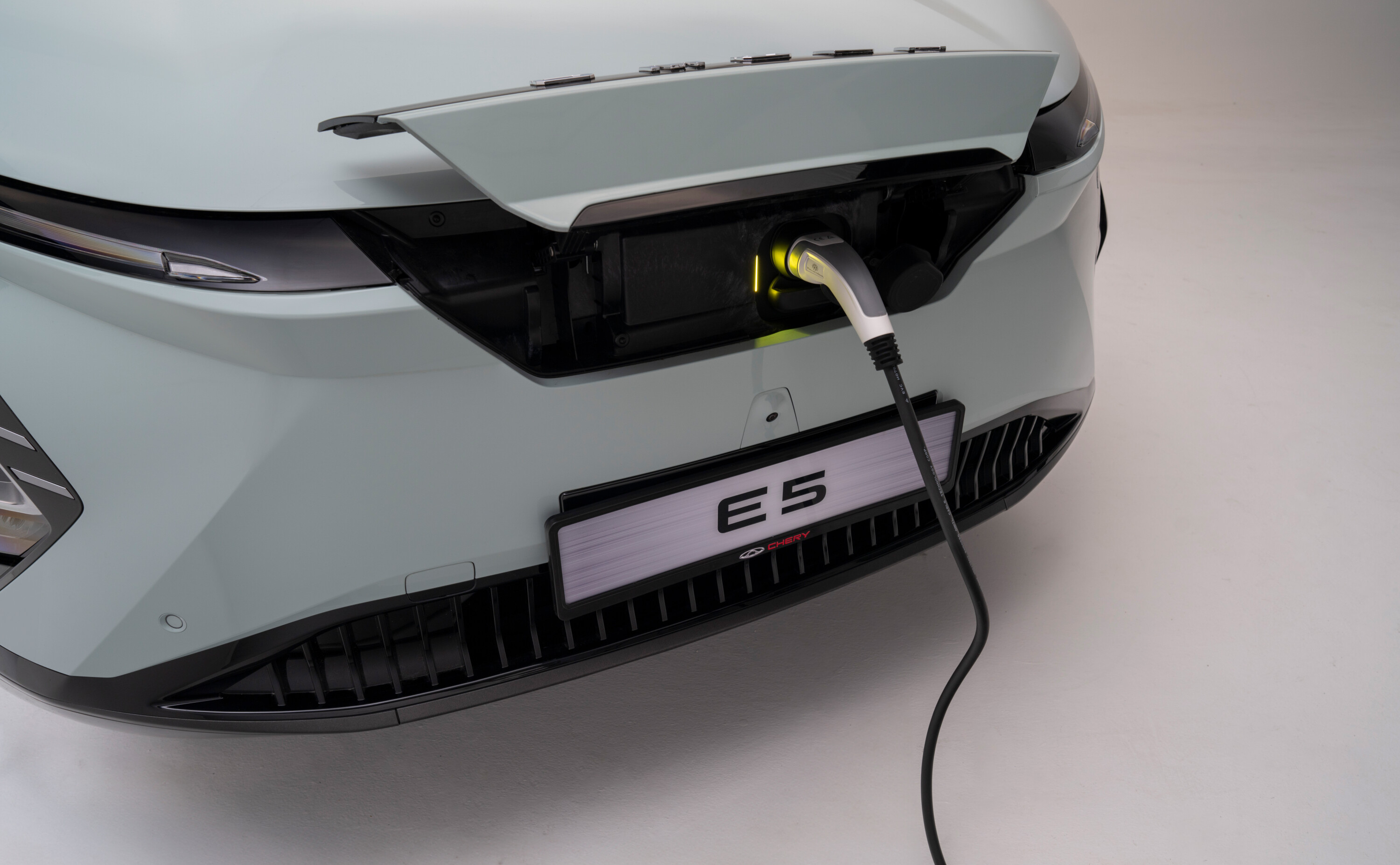
Like its MG ZS EV rival, the Omoda E5 sits on a converted internal-combustion engine platform – sharing the same underpinnings as the petrol Omoda 5 available in Australia since early 2023.
This makes the Omoda E5 different from other, value-oriented Chinese-built EVs including the BYD Atto 3, MG 4 and Tesla Model 3, which use dedicated electric vehicle architectures.
1
Design differences compared with the petrol Omoda 5 include a smoother front end with longer and more angular LED daytime running lights and restyled headlights.
It also features more aerodynamic-looking wheels and a different rear bumper without fake plastic exhaust tips.
Inside, the Omoda E5’s architecture is distinctly different from petrol models with the brand saying around 90 per cent of the cabin parts are new for the EV.
Chery re-launched in Australia in 2023 with the petrol Omoda 5 small SUV, which is priced from $32,990 drive-away. Its line-up has since expanded with the five-seat Tiggo 7 Pro and seven-seat Tiggo 8 Pro Max medium SUVs, as well as more powerful and all-wheel-drive versions of the Omoda 5.
Details of the 2024 Chery Omoda E5, including local pricing and features, will be confirmed closer to its launch in the second half of the year.
MORE
Everything Chery
Snapshot
- Kenneth Lu appointed as MG Australia’s new Aftersales Director
- Variety of other positions and key individuals revealed
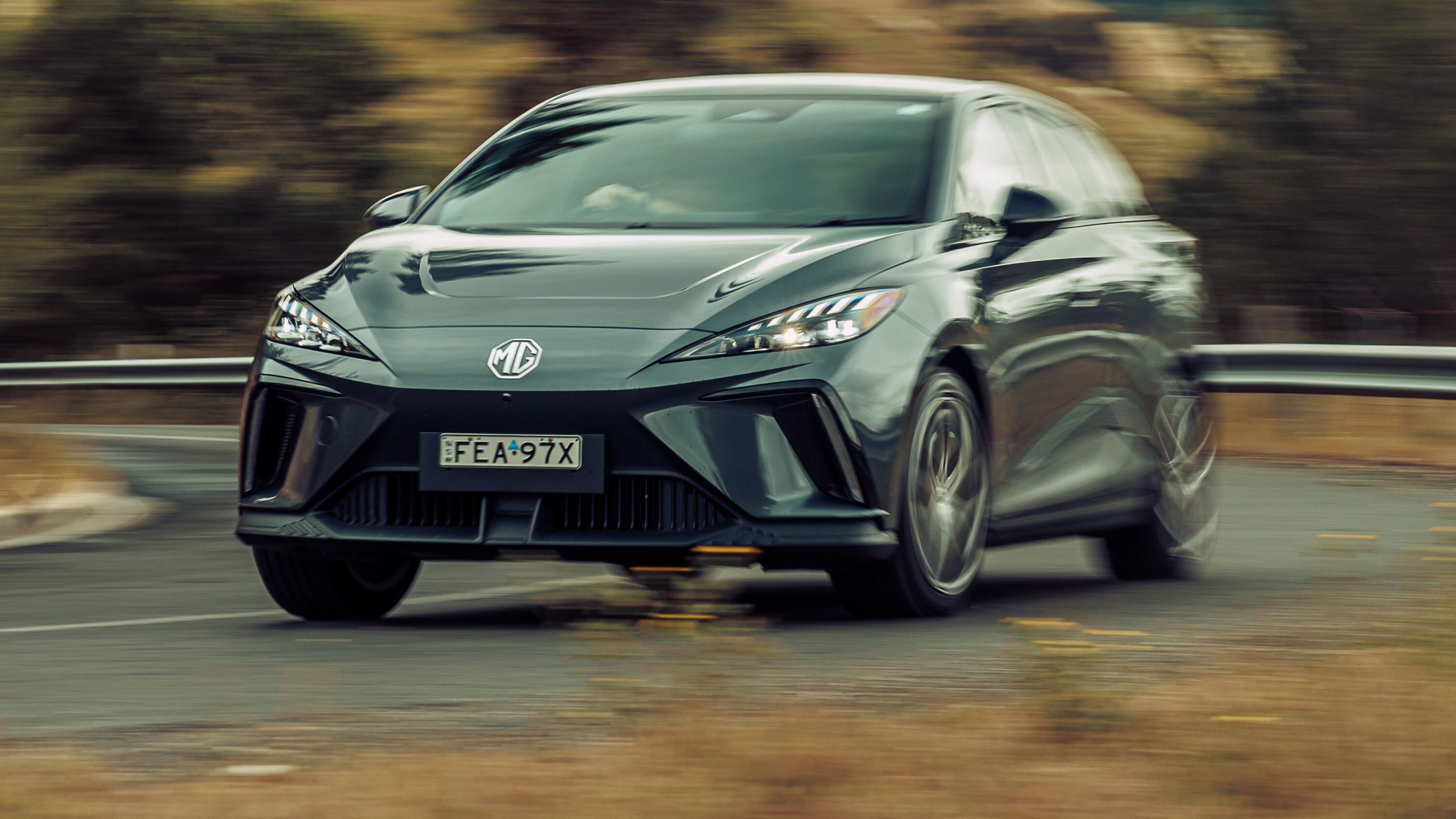
As part of its ongoing transformation and EV development, Kenneth Lu has been appointed as the new Aftersales Director for MG Motor in Australia and New Zealand.
In this role, Mr Lu will be tasked with delivering a thorough customer experience from the purchase point and through their ownership journey.
“Kenneth has a focus on implementing operational excellence paired with solutions-focused customer centric service,” MG Motor said in its announcement. “He brings a wealth of knowledge and experience after heading up several roles in automotive over his 15 years in the industry.”
1
MG Motor Australia and New Zealand have also appointed further staff in key management positions.
These changes have been part of MG Motor Australia and New Zealand’s plan to prepare for upcoming electric vehicles and other models.
MG Motor’s new positions in Australia and NZ
- Kim Nguyen – Sales Director
- Peter Coorey – Director of Network Development
- Mark Roberts – Director of Human Resources
- David Hearty – National Marketing Director
- David Giammetta – PR and Communications Manager
- Brad Chruszcz – National Sales Manager
MORE
Everything MG
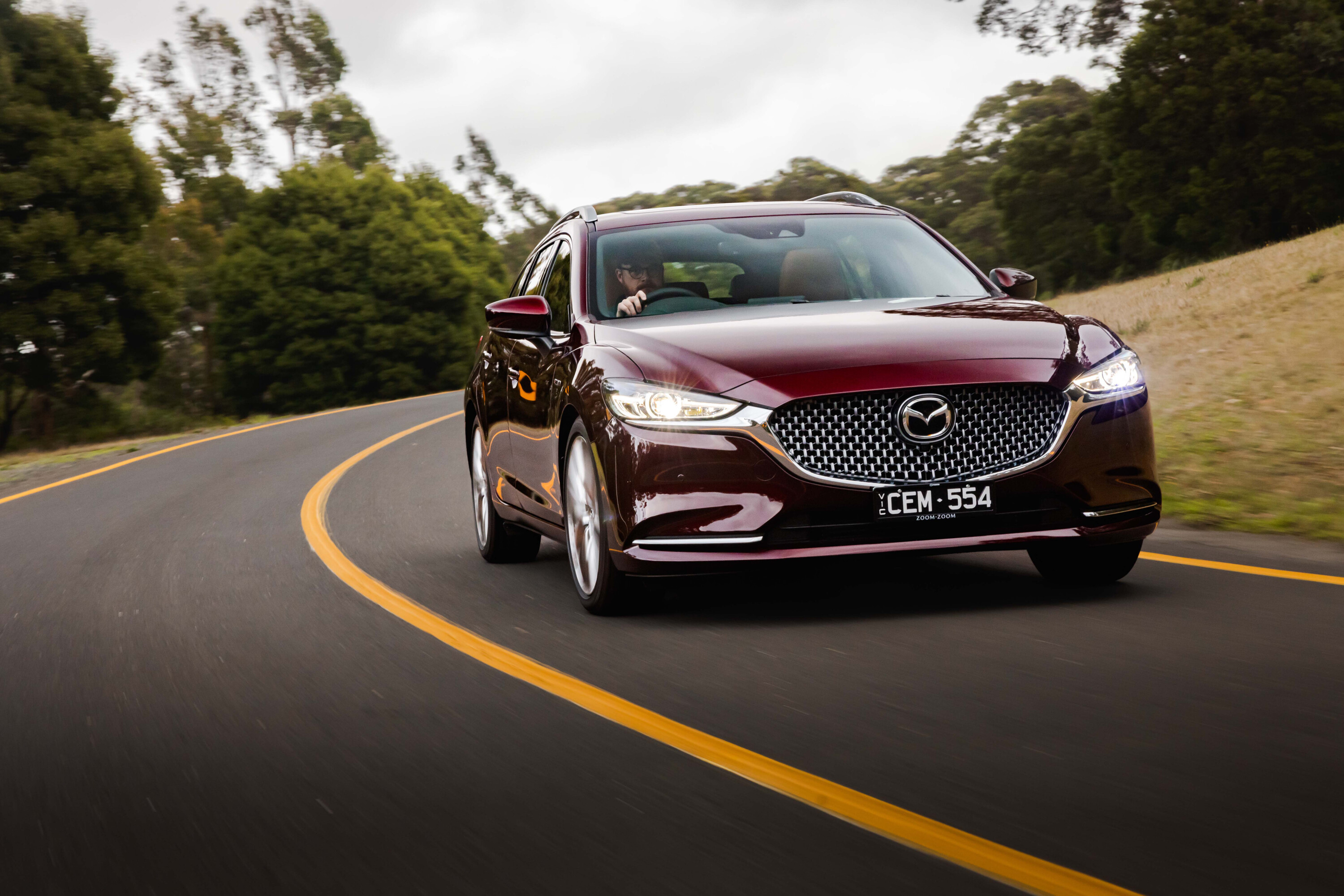
The Mazda 6 sedan and wagon could live on with all-electric power.
Mazda applied to trademark the ‘Mazda 6e’ and ‘6e’ names with the European Union Intellectual Property Office on March 18, 2024, to protect its use for “automobiles and their parts” and “electric cars and their parts”.
The brand has not confirmed a new-generation version of the Mazda 6 – and the current model has been axed in North America, Europe, the United Kingdom and Japan due to dwindling midsize passenger car sales.

1
However, an electric successor to the current Mazda 6 – which has been on sale for 12 years – would provide Mazda with a rival to the Tesla Model 3, Polestar 2 and BYD Seal.
It would also compete with premium midsize electric cars like the BMW i4 and soon-to-arrive Mercedes-Benz CLA EV.
Mazda currently offers two electric vehicles – the MX-30 EV and the China-only CX-30 EV.
The MX-30 Electric was axed in Australia in late 2023 due to “Mazda Corporation’s strategy to welcome a range of new electrified models between now and 2025 – including hybrid electric vehicles, PHEVs and BEVs”.
1
Mazda North America CEO Tom Donnelly told Automotive News [↗] last year that the brand would launch a new EV in the United States in 2025 with an existing nameplate – but it will be an SUV like the CX-5 or CX-50.
While the Mazda 6 lives on in Australia for now, its future remains unclear as buyers move into SUV models including the CX-30, CX-5 and CX-60 – along with the one-size-smaller Mazda 3 sedan.
In 2022, Mazda executives told Wheels a new 6 is a low priority as it would require a different platform to the rear-biased Large Architecture that underpins the CX-60, CX-70, CX-80 and CX-90 models.
“The vehicle height [of a Mazda 6] will be lower than the SUVs, so I don’t think we can apply exactly the same platform for those vehicles. This Large Architecture is designed mainly for SUVs,” said Mazda’s head of design Akira Tamatani.
Mazda’s Chinese division has teased two mystery sedans that will offer battery-electric and plug-in hybrid options – one of which could replace the current Mazda 6, at least in that market.
Both vehicles could be based on Mazda’s ‘SkyActiv Multi-Solution Scalable Architecture’ – or a unique China-specific platform shared with Mazda’s partner Changan Automotive.
Autohome [↗] reports Mazda recently applied for two additional trademarks in China: ‘EZ-6’ and ‘EZ-60’.
The first model, codenamed J90A, could debut at the 2024 Beijing Auto Show late next month with all-electric or extended-range petrol-electric options.
It is currently unclear if this new model will be offered outside of China, as Autohome states it’ll be based on Changan’s ‘EPA hybrid platform’ rather than one of Mazda’s own architectures.
MORE
Everything Mazda
These are the cars that, under neon lights and to the sound of synth, changed the world forever.
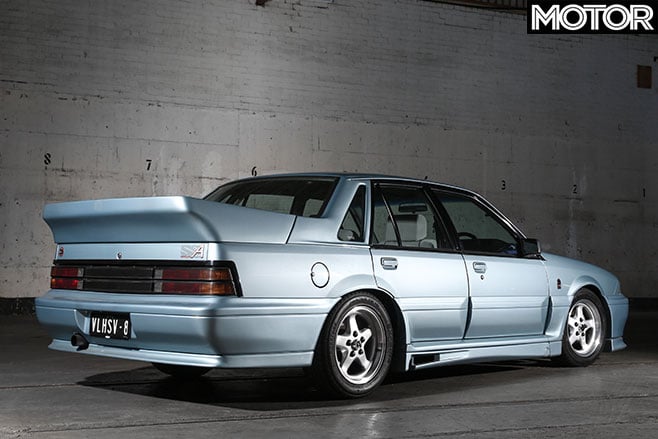
HSV Group A Walkinshaw
- Produced: 1988-’89
- Engine: 4987cc V8, N/A
- Output: 180kW/380Nm
1
While the VL Turbo was arguably more important to the masses, Holden never took up the idea of a turbocharged Commodore for the future.
But the VL ‘Walky’ is the car that launched HSV and helped create a company that it set to outlive the brand it ‘piggybacked’ on.
Sure, the Calais-based SV88 came first, but the Walkinshaw remains one of HSV’s biggest departures from the car on which it’s based. Call it a plastic pig if you like, but we dare you to find one for cheap these days.
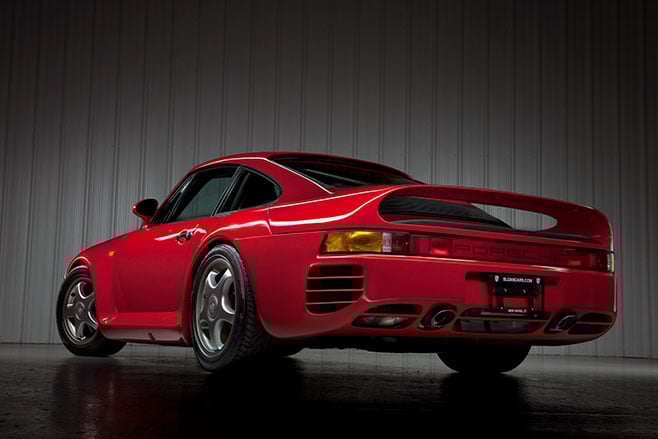
Porsche 959
- Produced: 1986-’93
- Engine: 2849cc, F6, turbo
- Output: 331kW/500Nm
- Number built: 337
1
Not only was the 959 a dramatic departure from tradition for Porsche, it was also an incidental prediction of the future of supercars.
Though it was developed for rallying, the road version was wildly expensive at the time its German price being an estimated A$650,000 in today’s money.
The 959 had no problem selling due to its status as the fastest production road car in the world. It was able to top 338km/h. Of course, its all-wheel drive paved the way for supercars of the next three decades.
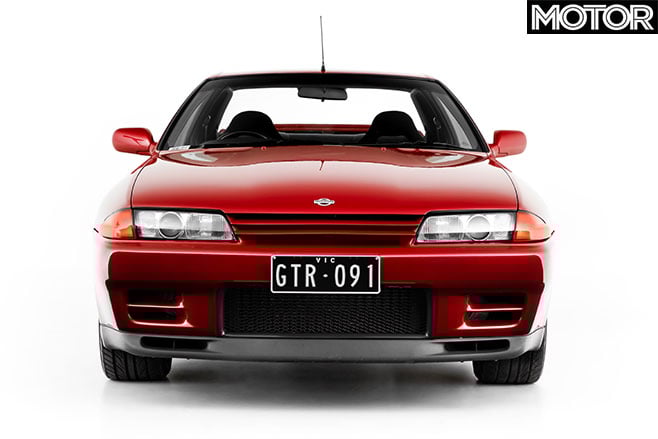
Nissan R32 Skyline GT-R
- Produced: 1989-’94
- Engine: 2568cc I6, turbo
- Output: 206kW/355Nm
1
Just sneaking into the 1980s is a car that Nissan hoped would launch it to the top of Japan’s automotive manufacturing industry.
Alongside Zed cars and Silvias, the return of the hallowed GT-R badge on the latest version of the Nissan Skyline, the BNR32, marked what might still be Nissan’s high point to many.
With the malleable RB26DETT under the bonnet putting power to four wheels via Nissan’s ATTESA AWD system, the GT-R was a properly high-tech and brutally capable car, both on the road and on the circuit (in Oz as a Group A racer… Godzilla), while its ride and handling are still impressive today. Its “206kW” were only claimed as such to keep official outputs within the agreed restrictions at the time.
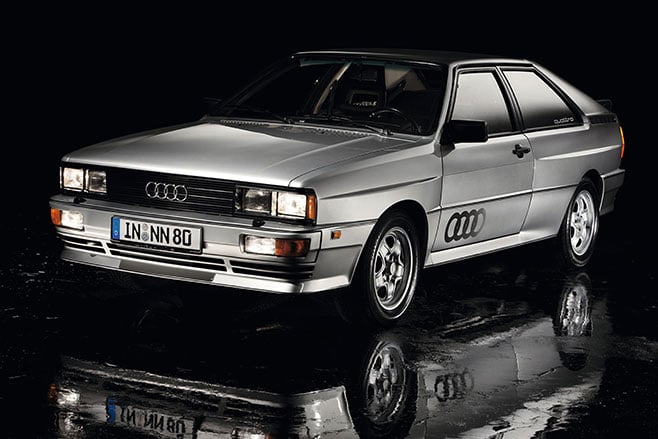
Audi UR quattro
- Produced: 1980-’91
- Engine: 2226cc I5, turbo
- Output: 164kW/309Nm
1
This is arguably the car to which Audi (and perhaps VW as its parent company) owes its modern success both as a brand and as a maker of capable sports cars.
In 1980, at the Geneva Motor Show, Audi revealed its five-pot Quattro, now referred to as the ‘Ur Quattro’ (ur meaning original in German).
The idea of an AWD sports car wasn’t new, Jensen’s FF was a less successful example of one, but the Quattro AWD systems have over the years become the primary point of difference for Audi’s range, while other brands have gone on to adopt the use of AWD. The Quattro itself was also one of the first cars to use a dual-clutch gearbox in motorsport, in wicked S1 Group B guise.
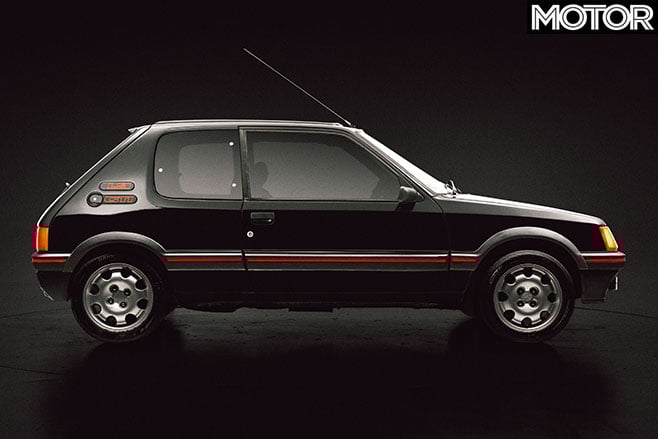
Peugeot 205 GTi
- Produced: 1984-’93
- Engine: 1905cc I4, n/a
- Output: 89kW/150Nm
1
Okay, the Golf GTI was the first truly popular hot hatch. This we know, but one successful hot hatch a war does not make. With France’s return fire, a hot hatch feud began and it continues today.
At the time, the 205 was considered more lively than its German rival, a trait that the 208 GTi still carries.
The 205 began life as a 1.6-litre four, fondly remembered for being rather peppy, though the 1.9-litre version built from 1986 has become the more highly regarded version of the GTi. After the 205, Peugeot continued to create lively hot hatches, though most are seen in the 205’s shadow. The legacy of the 205 GTi is so strong that well-maintained models have sold for many times their original prices.
Ferrari 288 GTO
- Produced: 1984-’87
- Engine: 2855cc V8, turbo
- Output: 294kW/496Nm
- Number built: 272
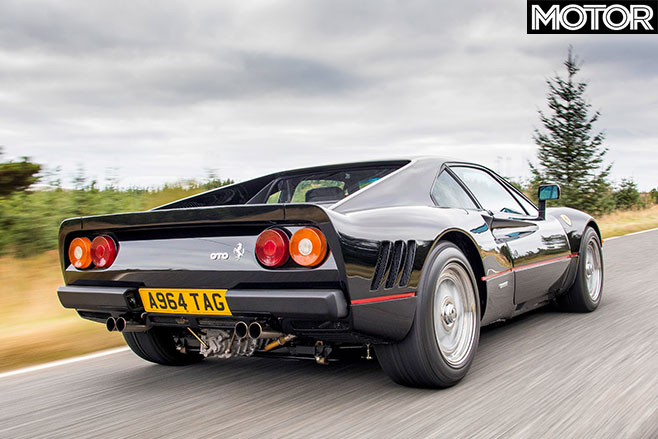
1
A list of 1980s sports cars that doesn’t include the Ferrari F40? How can this be? Well, no 288 GTO, no F40. Without the groundwork laid out within the GTO, cars like the F40, Enzo, and even LaFerrari probably wouldn’t exist.
Its badge pointing to the fact it’s a spiritual successor to the legendary 250 GTO, the 288 GTO is considered by many to be Ferrari’s first proper supercar. Its twin-turbo V8 was good for 294kW and 496Nm, and its 1160kg dry weight is well below that of the average car built in the 21st century.
Just 271 288 GTOs were built, 71 more than homologation required, but not as many as the F40. While the F40 might be the more iconic car to many, it can’t compete with the car that helped create it.
BMW E28 M5
- Produced: 1985-’87
- Engine: 3453cc I6, n/a
- Output: 210kW/340Nm
- Number built: 2000 (approx)
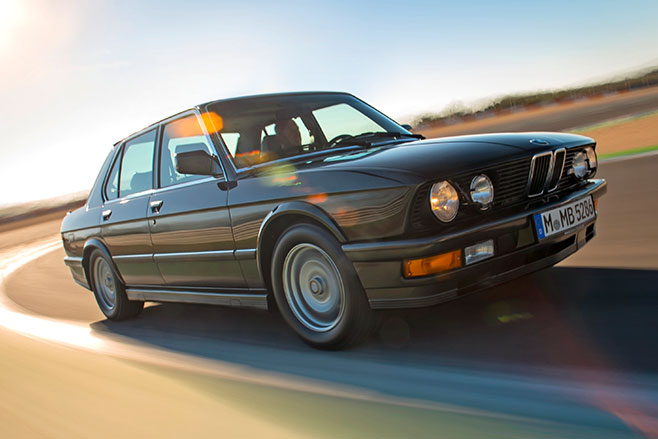
1
Had there been a couple more places on this list, the E30 M3 might’ve made it. But the M3 was an improved version of an existing formula; the M5 created a whole new one.
Big, fast sedans weren’t really sports cars until the M5 arrived, with an inline six engine borrowed from the BMW M1 and a title as the fastest sedan in the world.
Its 210kW was plenty at the time, the M5 able to top 250km/h, hitting 100 in 6.1sec along the way. Now fast executive sedans are plentiful, with Mercedes, Audi, Jaguar and even HSV having thrown their hats in the ring, though the M5 has held its place at the top, or at least near it. The current M5, for example, hits 100km/h in a claimed 3.3sec, or 0.5 off a GT2 RS, but with five seats.
Mazda NA MX-5
- Produced: 1989-’97
- Engine: 1598cc I4, n/a
- Output: 85kw/135Nm
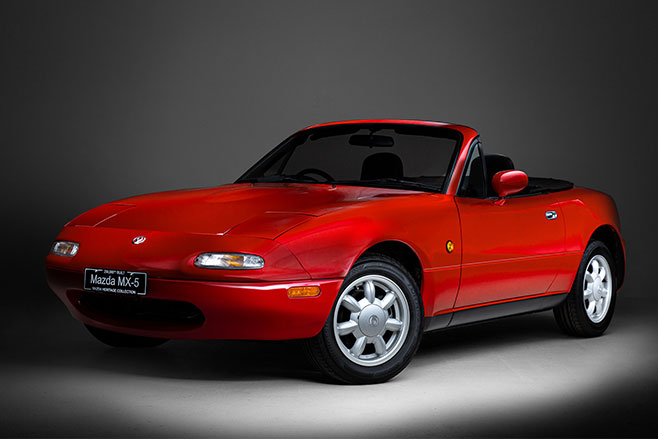
1
The secret to creating a simple, convenient, and affordable sports car had eluded British carmakers for decades but Mazda managed to do it in 1989.
The idea for a Brit-style roadster with Japanese reliability was exactly what buyers wanted. Less than 1000kg, a twin-cam 1.6-litre four, natural aspiration, and a manual gearbox… and pop-up headlights.
Its tech wasn’t ground-breaking, but its simplicity made it affordable, easy to maintain, and not intimidating to drive. This didn’t stop it from being a very well-regarded handler, the NA still a benchmark today. The MX-5 has been on sale for more than 30 years and is one of the world’s most popular sports cars. In 2016, the millionth MX-5 was built, a red ND.
Lancia Delta HF Integrale
- Produced: 1986-’93
- Engine: 1995cc I4, turbo
- Output: 158kW/314Nm
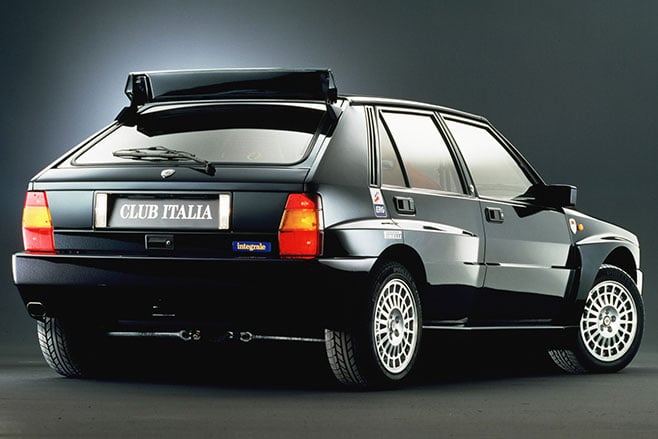
1
Turbocharged all-wheel drive hot hatches are plentiful these days, some even out-gunning high-end sports cars in terms of outright speed, but it had to start somewhere, and the Integrale HF was there for the beginning.
Based on the Delta of 1979, the HF Integrale appeared in 1986 as the road car sibling to the Group B rally car which used a different engine and layout.
The HF would itself go on to be a wildly successful rally car, winning the World Rally Championship’s Group A six years in a row. The HF Integrale lasted until the 1990s, at which point its ultimate form, the Evo II, was putting out more than 155kW from its 2.0-litre turbo four, able to hit 100km/h in less than six seconds – quicker than the car on the opposite page. Not bad for a hatchback.
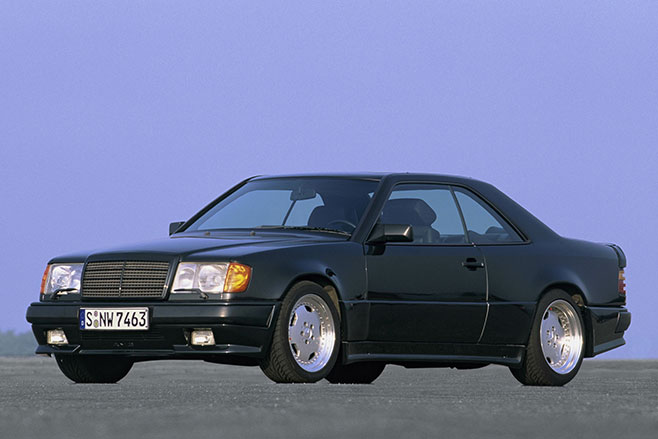
Mercedes 300CE 6.0 AMG – ‘The Hammer’
- Produced: 1986-’92
- Engine: 5953cc V8, n/a
- Output: 283kW/566Nm
1
Before AMG was officially part of Mercedes, it was… well it was still making Benzes faster. But this one was the pinnacle. It’s called ‘The Hammer’ for a reason.
A top speed of more than 300km/h and a grunty V8, 6.0 litres as the name suggests, making 283kW/566Nm and allowing 100km/h to be reached in five seconds flat.
Only twelve are believed to have been built in peak ‘Hammer’ widebody coupe spec, with those who’ve had the pleasure of driving one calling it an actual pleasure. The Hammer is reportedly somewhat refined, which is perhaps why Mercedes-Benz eventually decided to extend an offer to AMG in 1990 to cooperate before eventually making AMG part of Merc in 1999.
Wheels thanks Chris Thompson for the original version of this story.
Mercedes-AMG has announced Australian pricing for a new limited edition of the G 63, the Grand Edition.
Production will be limited to 1000 examples worldwide, with a “strictly limited number of vehicles” available to Australia. Mercedes has not said what that number looks like.
Snapshot
- Gold-coloured exterior and interior details
- 1,000 to be sold worldwide
- $413,561 (exc. on-road costs and dealer delivery)
1
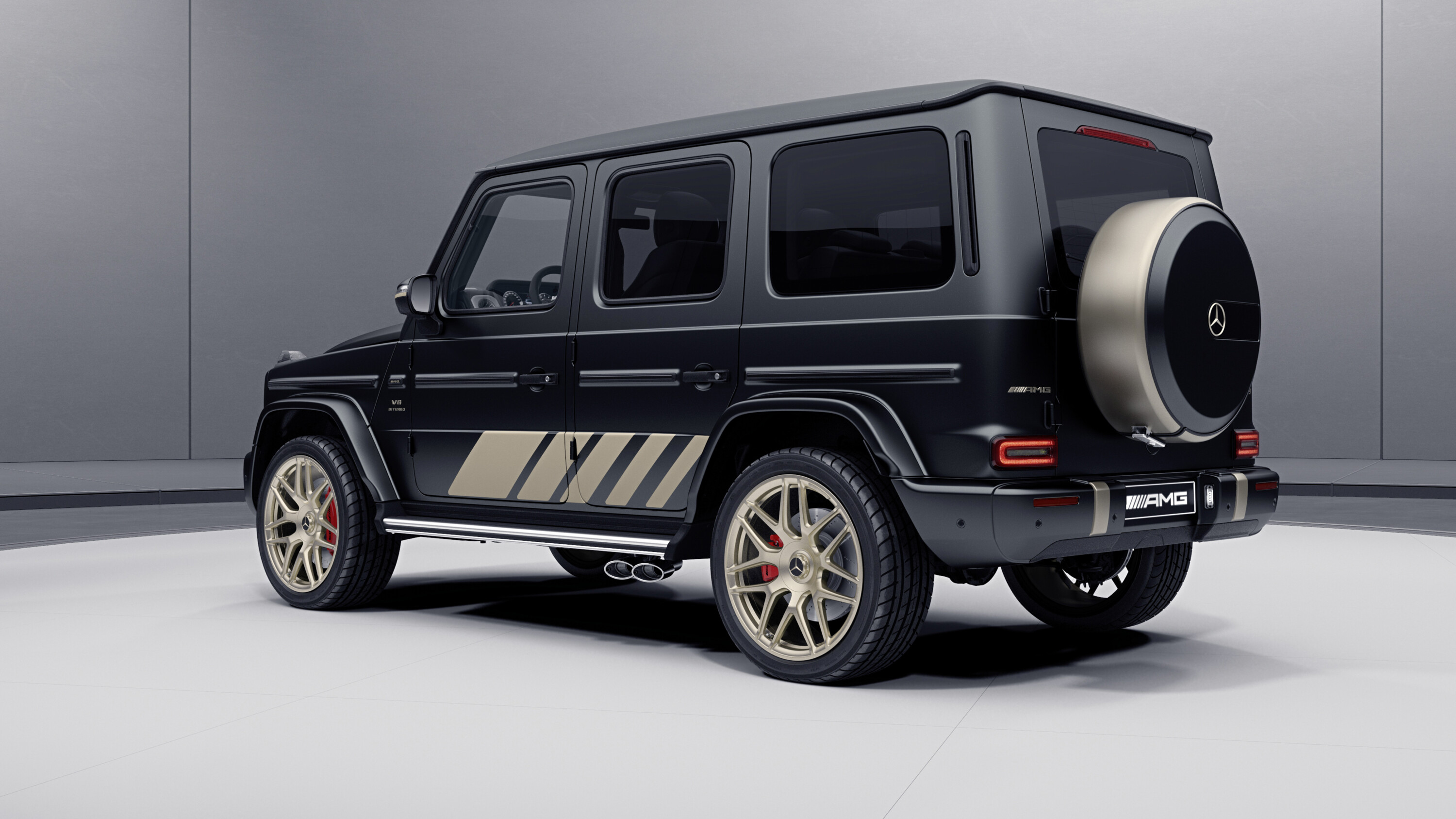
The AMG G 63 Grand Edition celebrates “the success story of the G 63”.
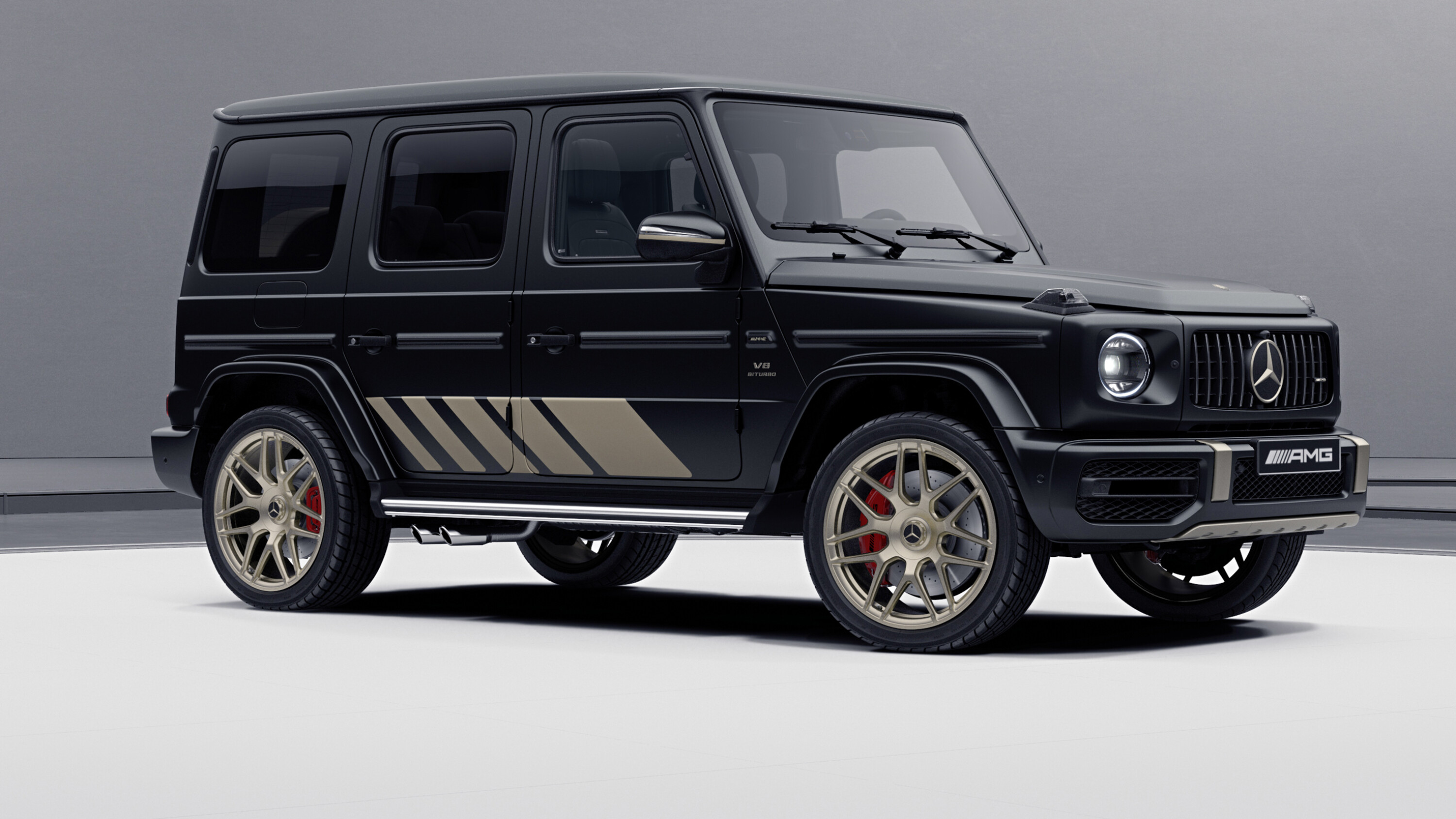
The Grand Edition features aesthetic rather than mechanical changes, centred on Manufaktur night black magno (Mercedes-speak for matte) paintwork paired with “distinctive” Kalahari gold magno exterior and interior details. As the ‘regular’ AMG G 63 is rarely criticised for lacking power, revisions to the appearance are probably sufficient.
The gold-coloured design elements have been chosen to highlight the direct lineage of the modern Mercedes-AMG G 63 back to the first G model released in 1979, according to Mercedes-AMG. This is the first time the G-Class is available from the factory with gold star and AMG logo on the grille.
1
| Exterior details finished in Kalahari gold magno: | |
|---|---|
| Mercedes-Benz star on the grille | Front optical underride protection |
| AMG grille logo | Side foiling |
| Mercedes-AMG bonnet badge | Mercedes star in the spare wheel inlay |
| Front and rear bumper inlays | Spare wheel ring |
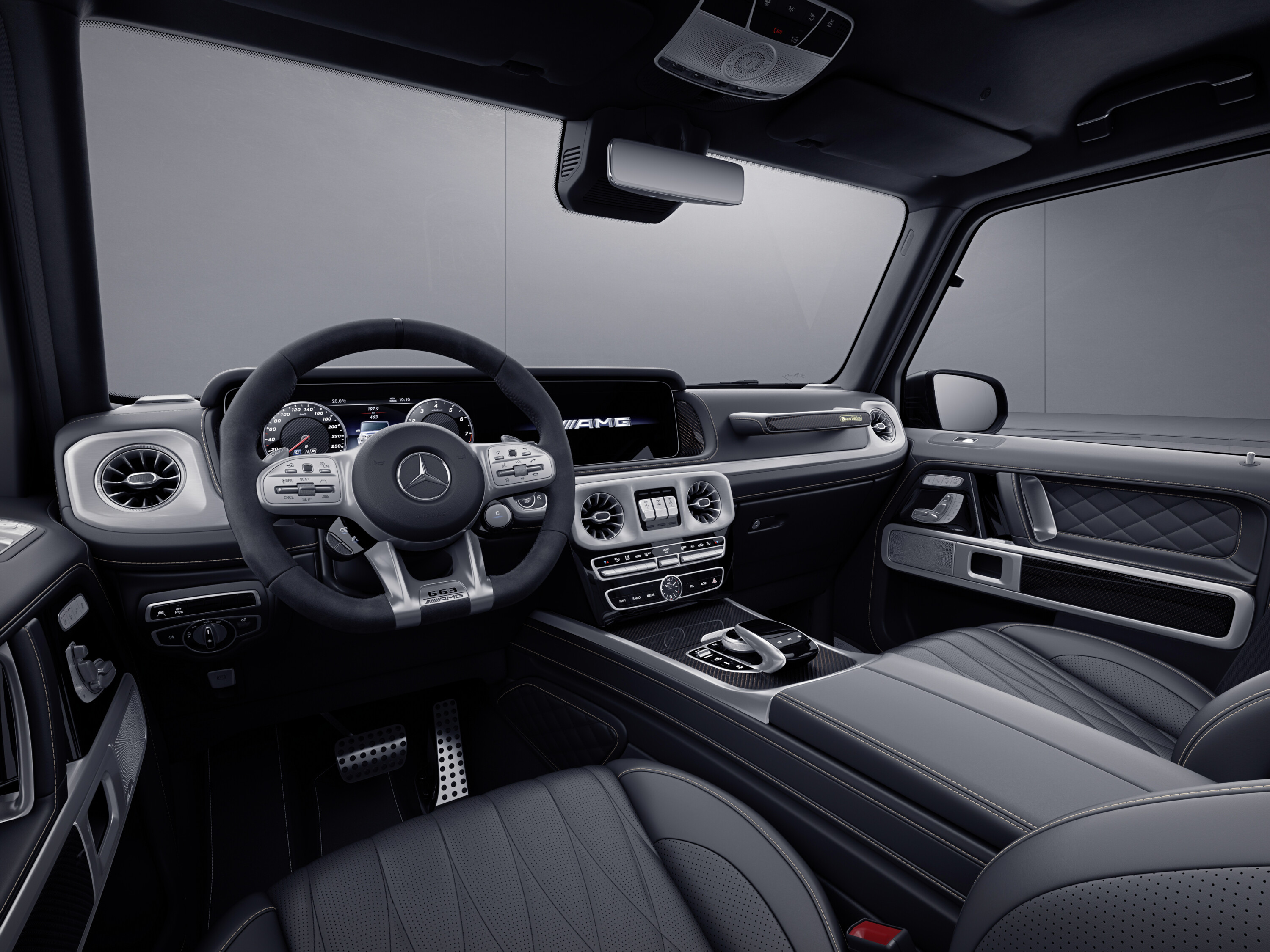
Styling is further enhanced with 22-inch AMG-forged alloy wheels rendered in tech gold, secured by matte black central locking nuts set with Mercedes stars in tech gold. The exterior theme is continued inside with contrasting classic black trim and gold-coloured highlights.
The AMG Performance steering wheel is clad in DINAMICA microfibre and features a steering wheel clasp with aG 63 plaque.
1
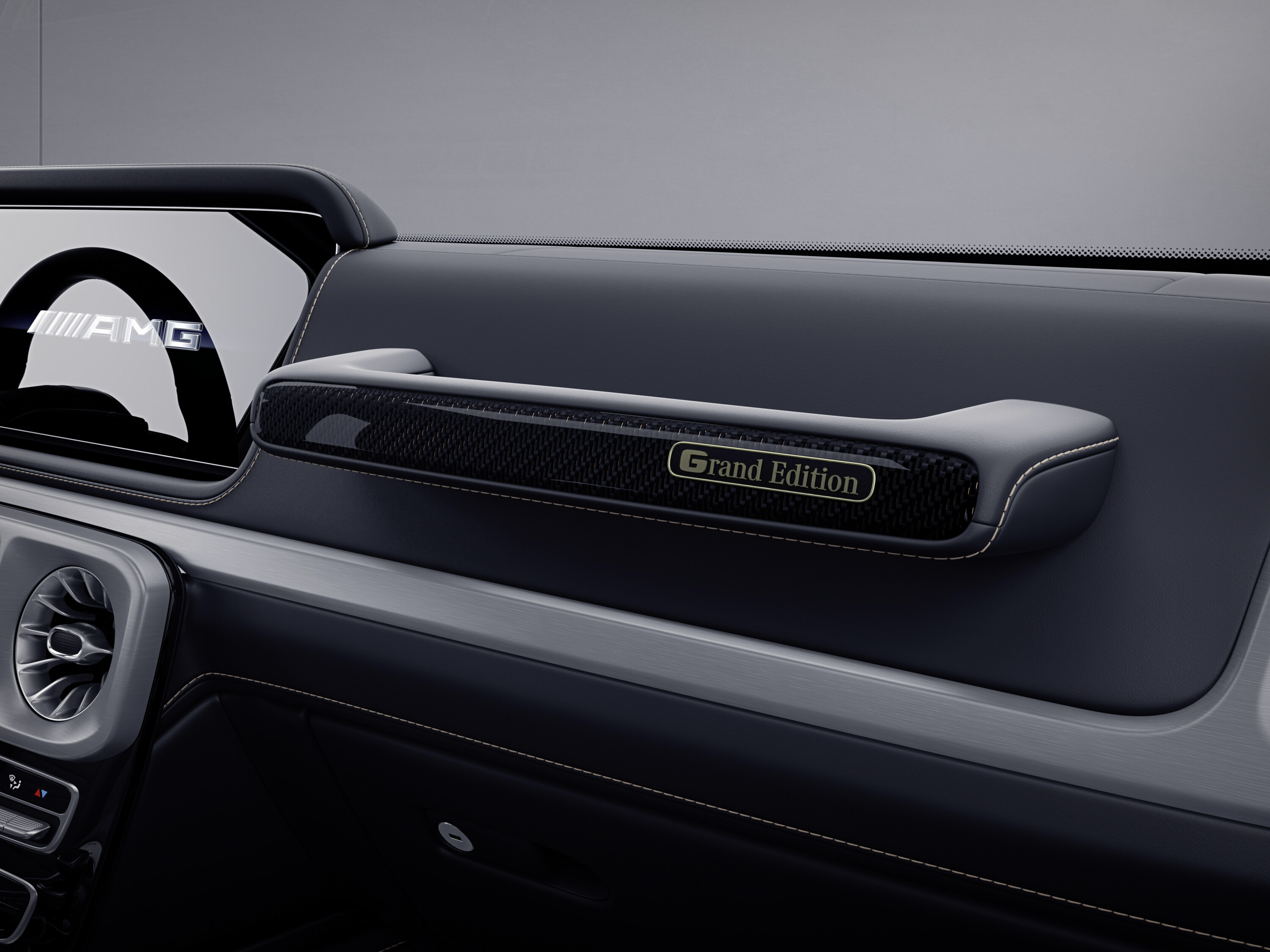
| Kalahari gold magno interior features: | |
|---|---|
| AMG emblems (on black door sill trims with illuminated border) | Front optical underride protection |
| Gold stitching on seats finished in G MANUFAKTUR black Nappa leather | Side foiling |
| Plaques bearing a gold AMG logo and gold edging set into the backrests | Mercedes star in the spare wheel inlay |
| Black floor mats decorated with gold stitching | Spare wheel ring |
| Passenger side roof grab handle Inlay trim piece is carbon with copper thread | |
1
Pricing
The Mercedes-AMG G 63 Grand Edition package in Australia is priced at $50,000 over the $363,561 vehicle purchase price (excluding on-road costs and dealer delivery).
Some people talk about athletes exuding a presence, an aura, when they walk into a room.
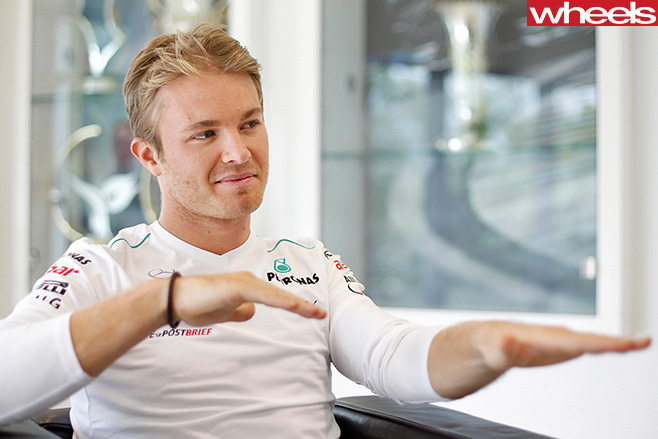
I’ve never bought that, but Nico Rosberg does have a fat-free, lean tautness that’s the physical hallmark of his trade as he enters the lobby of the Mercedes AMG F1 plant in Brackley, Northamptonshire, where we begin our chat before being ushered towards a waiting Mercedes-Benz S-Class.
It’s today’s interview location, taking us to the Mercedes engine facility in Brixworth, where Rosberg is needed for a TV feature. It’s 50 kilometres away. Far enough, I’m hoping, for him to tell me what it takes to make a Formula 1 car go as quickly as possible.
To explain to me the techniques needed to get the best out of it. Not that you or I could do it, you understand – but in the way that a surgeon might explain the procedure he has just accomplished, I’m hoping to comprehend the theory.
So, Nico, can you disseminate the skills you’ve learnt in a 17-year karting and single-seater career into less than an hour, please?
I’m not sure he thinks he can, but he’s prepared to have a go.
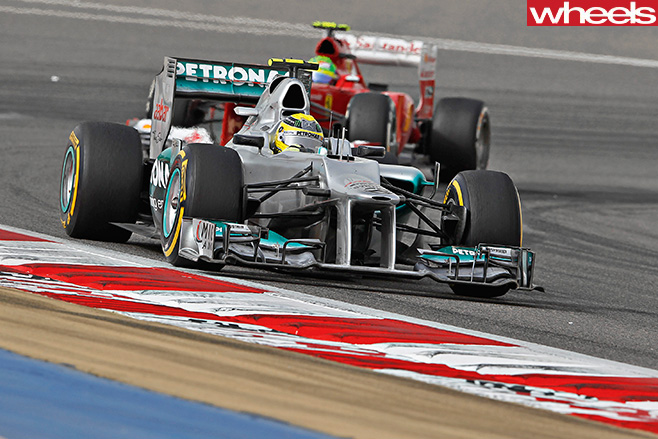
I start by asking what the driving environment is like and what he can see from his F1 car’s cockpit. “You can see the top of the tyres,” he says. “You can see maybe 20 metres ahead, and nothing before that. But you don’t notice that because you’re travelling so fast.”
The HANS device doesn’t restrict your head movement at all, he says. “You can turn your head as much as you want to.
But there is quite a big blind spot because you can’t see a car until very late.”
The pedals are the same size, the brake unassisted and the throttle relatively heavy. The seating position is tight, narrow and leant backwards. The steering is direct and fast.
“There’s 180 degrees [of lock] one way and the other way, more or less,” Rosberg says. “But you never use that, other than in Monaco. Usually, you’re using a little bit – up to 90 degrees both sides.”
And the weight? “You can set it up as you want – you need to keep some heaviness to keep some feel to it, but it’s quite light in general. You need feedback through the steering wheel, because it’s very sensitive to when you’re locking up and turning. There’s more feel [than in a good road car] – loads more.”
So what about these corners, then? They’re the only things that separate one driver from another, aren’t they?
A braking point, Rosberg says, is “literally a specific point. It can be markings on the road, bumps, the 100-metre boards, all sorts of things like that.”
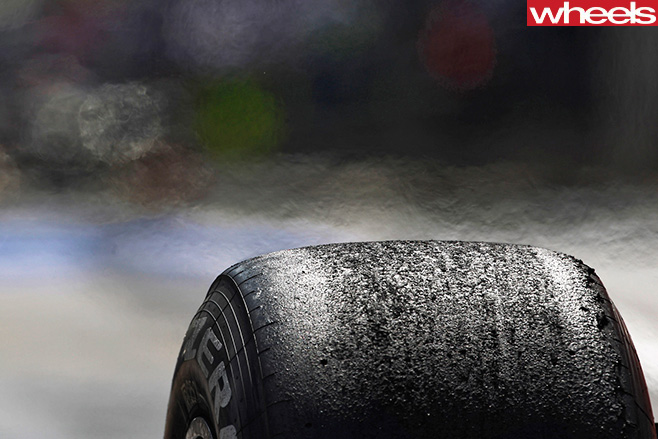
Unhelpfully, however, depending on fuel load and tyre wear, this point “changes all the time”. And particularly so given the sensitivity of last season’s tyres. Rosberg says that even at very high speeds it’s possible to lock the wheels under braking, which surprises me.
Nevertheless, he suggests that it’s best to hit the unassisted left pedal “very hard”. And while there’s a big weight transfer in an F1 car, unlike a road car, “It’s not in pitch movement, just in straight-ahead movement. You have to push against the steering wheel hard, otherwise you fall [down] into the seat.”
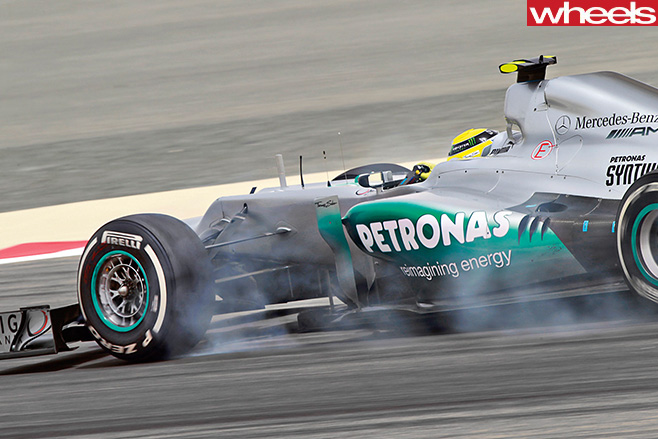
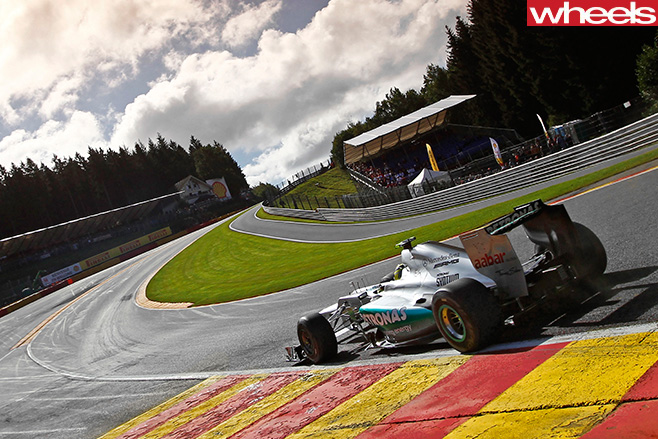
Braking, Rosberg explains, is where the big difference between race cars and road cars lies. “In the first part of braking, you hit it as hard as you can. There’s so much grip because there’s so much downforce.
But then, as you’re slowing down, the grip of the car is reducing at the same time. So you have to ease off the brakes to get maximum deceleration.”
Do F1 drivers trail the brakes into the corner, gradually easing them off even as they turn? “Yeah, a lot. All the way to the point where you go on to the throttle, you’re holding [the brakes] in,” Rosberg says.
But it’s those tyres again. “If you steer and brake, it’s a longitudinal deceleration and a lateral acceleration. It can easily overload the front tyres,” Rosberg says.
All being well, you’re on the way to the apex. “We accelerate at the apex, but you have to be very careful feeding in the throttle,” says Rosberg. “As soon as you feel the rear going, you have to wait again.”
Is any lateral slip at all advantageous? “Yeah, yeah, of course,” he says. “You just need to find the right balance. There comes a point where you lose too much, so it’s finding the right amount.”
I wonder if that means a neutral steer point, where the steering wheel is straight and the car is effectively slipping across the track. It’s what I’ve been told is fast. “That is the fastest way to drive,” says Rosberg. “It’s like the rally guys: always driving on the rear. Because with understeer, you have to wait and wait and wait and wait until the car drives around the corner. Whereas with oversteer … it’s just the fastest way.”
Wonderful news.
And on top of that theory, “You always have little secrets everywhere, definitely,” says Rosberg.
“And it’s very small things. Often one driver is finding it here, and the other is finding it there, and you look at the others and take bits and pieces and try it yourself. There’s many, many small pieces happening all the time.”
Which all sounds fine. If, that is, you’re driving to your preferred style, and drive as fast as you can. But, curiously, for drivers who will mostly have spent their careers taking part in races that last 20 minutes, perhaps half an hour or so, in F1 they’re usually not driving flat out.
The tyres are “very sensitive”, says Rosberg, particularly in their softest form. It added an intriguing unpredictability to lasts season’s racing. “You really have to drive so carefully; don’t put any aggressive steering inputs into it because you lose time straight away. That’s a very recent thing. It didn’t used to be like that. You used to be able to just push and drive fast.”
Which, I think, deals with the theory about as well as we’re going to during a conversation across the seats in an S-Class. So one more thing: it must be incredible fun. “Oh, yeah, for sure. It’s amazing!” says Rosberg. “Especially the qualifying lap, when you can go for all the limits. Because nowadays you can’t do the push, flat out [all the time], so it’s different.
“But for qualifying you can go flat out. And as Mario Andretti said, if it all feels under control, you’re not going fast enough.”
?
Nico Rosberg’s 10 steps to driving like a professional
STEP ONE: Throttle timing
“We accelerate at the apex all the time,” says Nico. “You have to be careful feeding the throttle. And as soon as you feel the rear going, you have to wait again.”
STEP TWO: Precision
Modern F1 tyres are very sensitive. “You have to drive so carefully,” says Nico. “Don’t put any aggressive steering inputs into it.”
STEP THREE: Never stop learning
“To be fast takes me quite a while,” admits Nico. “Right up until qualifying, because you’re adapting all the time, to a new car, to new lines, and you’re analysing how you can do better. It’s a process that continues.”
STEP FOUR: Fitness in the seat
Under braking there’s a big forward weight transfer. “You have to push the steering wheel very hard,” says Nico. “Otherwise you fall down into the seat.”
STEP FIVE: Brake brake brake!
Rosberg says the braking points for his F1 Mercedes change all the time. “It’s like every lap in this racing car is different. No two laps are the same.”
STEP SIX: Know your car
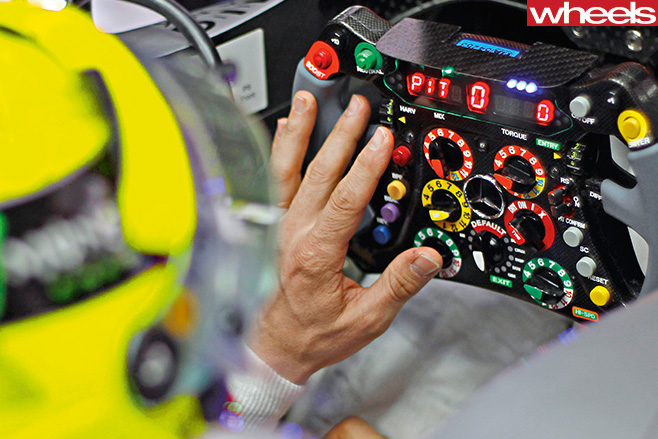
Engines spin right up to 18,000rpm. There’s no rev counter, only shift lights, and a bewildering array of additional switchgear.
STEP SEVEN: Did we mention tyres..?
The new tyres wear quickly. Nico says it makes driving “like long-distance racing, where you have to take it easy and make no mistakes. It’s very, very difficult to get that right.”
STEP EIGHT: Clutch
There’s no clutch pedal, just a lever on the steering wheel. Travel is only about 10mm and, says Nico, “there’s no feel”. No wonder Webber struggles.
STEP NINE: Mind the field
It’s no easier to follow other cars closely than it used to be in F1. However, Nico believes that “much bigger speed differentials” between cars have made it look that way.
STEP TEN: TYRES!
Tyre degradation means that drivers can only push really hard in qualifying. The race is all about managing wear.
