
Ford’s involvement in Supercars as a factory-backed manufacturer hinges on the sport’s ability to secure another brand for the Blue Oval to compete against.
That’s the position of Ford’s global head of motorsport, Mark Rushbrook, who has told Wheels that Ford’s appetite to compete in Supercars is dependent on the brand’s ability to measure itself against other manufacturers.
Holden’s impending departure from the Aussie new-car marketplace means the Commodore will also disappear from the Supercars grid at the end of next year, effectively ending the decades-long Blue v Red rivalry that has been so central to the sport.
“Competing against other manufacturers is very important for us, that is part of our story,” Rushbrook told Wheels.
“We want to show what we are capable of against other manufacturers, and if they are not there, then that part of the story falls away.”
If Ford was to retract its factory support of the category, it would leave Supercars with no official manufacturer involvement as the sport looks to reinvent itself ahead of introducing new ‘Gen 3’ regulations from 2022.
While Ford’s stance is likely to put Supercars on notice, Rushbrook added the formula he uses to decide whether Ford competes in any given category is multi-faceted.
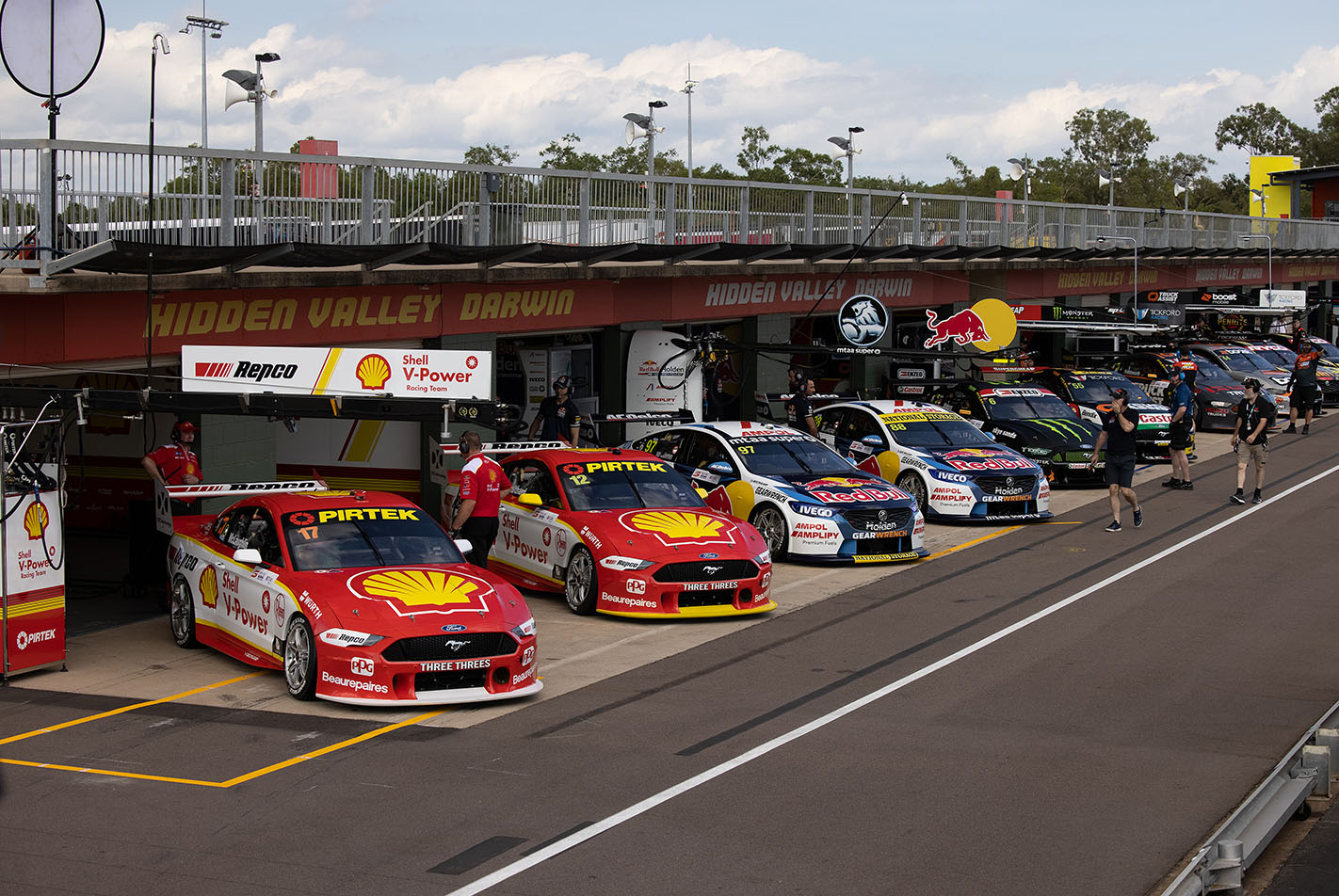
Having suitable competitors on track is just one aspect, as is the ability to deploy its knowledge in areas of technical advancement, the latter being something it did to great success with the latest Ford Mustang racer.
“It is not a simple recipe, we have some pillars that we look for in everything that we do in motorsport,” Rushbrook explained. “We also want to be in races, in championships, and winning those races and championships that matter.
“It has got to be a series or race of significance.”
In Rushbrook’s eyes Supercars, and particularly the Bathurst 1000, remains a significant championship and race for Ford.
MORE ON THE FUTURE OF SUPERCARS
- New engine regulations for Supercars from 2022
- Examining Gen3 Supercars rules in detail
- Where to next for Supercars
Finding a new manufacturer will be a challenge for Supercars and its teams, as global car companies scramble to reassess their priorities amidst a global pandemic. Committing money to a factory racing program in Australia is harder to justify than ever.
However, there are some silver linings. Triple Eight boss Roldan Dane has told Race News his team will not race Holden Commodores in 2022 and will bring a new manufacture to the sport.
“We have another manufacturer. We know what we’re doing,” he said.
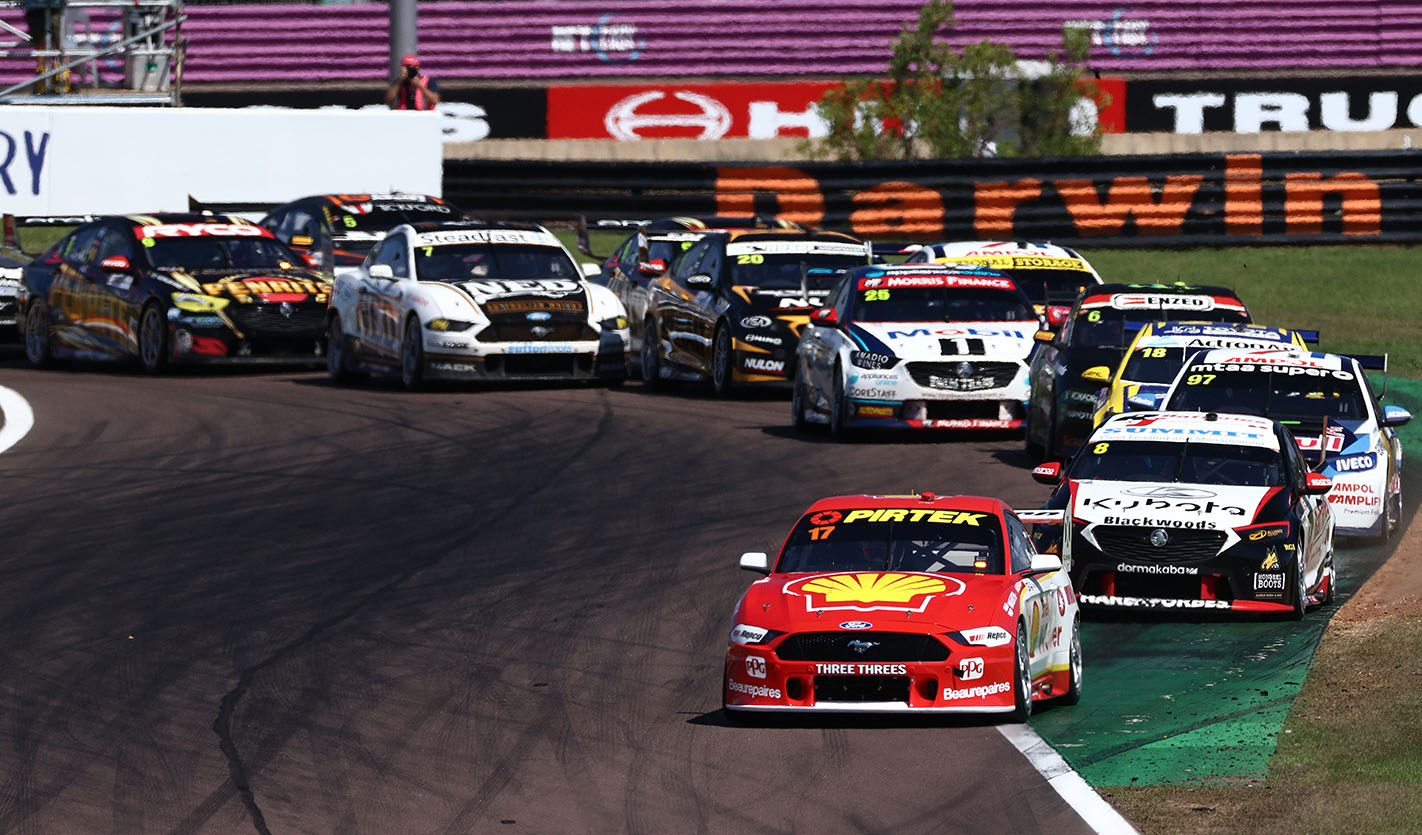
Similarly, Walkinshaw Andretti United team co-owner Ryan Walkinshaw remains bullish about his ability to replace the Commodores his team currently races.
Walkinshaw’s long-term partnership with GM as part of the newly formed GMSV provides the team with at least one direct line of communication to a major manufacturer.
Walkinshaw was confident at the start of the year his team would not be racing Commodores in 2021, however COVID-19 has forced him to adjust the timelines of a future manufacturer switch.
“We are anticipating that we will have a new manufacturer hopefully for 2022 or 2023,” he told The Loud Pedal podcast.
“We actually had two manufacturers competing with each other for our team to become a new factory team for 2021 and sadly with the impact of COVID-19, both of those negotiations collapsed, which was really disappointing. One of them we were at contract stage.”
Both Walkinshaw and Dane will need to get deals signed, confirmed, and announced swiftly to placate the Blue Ovals desire to have a rival locked-in by 2022.
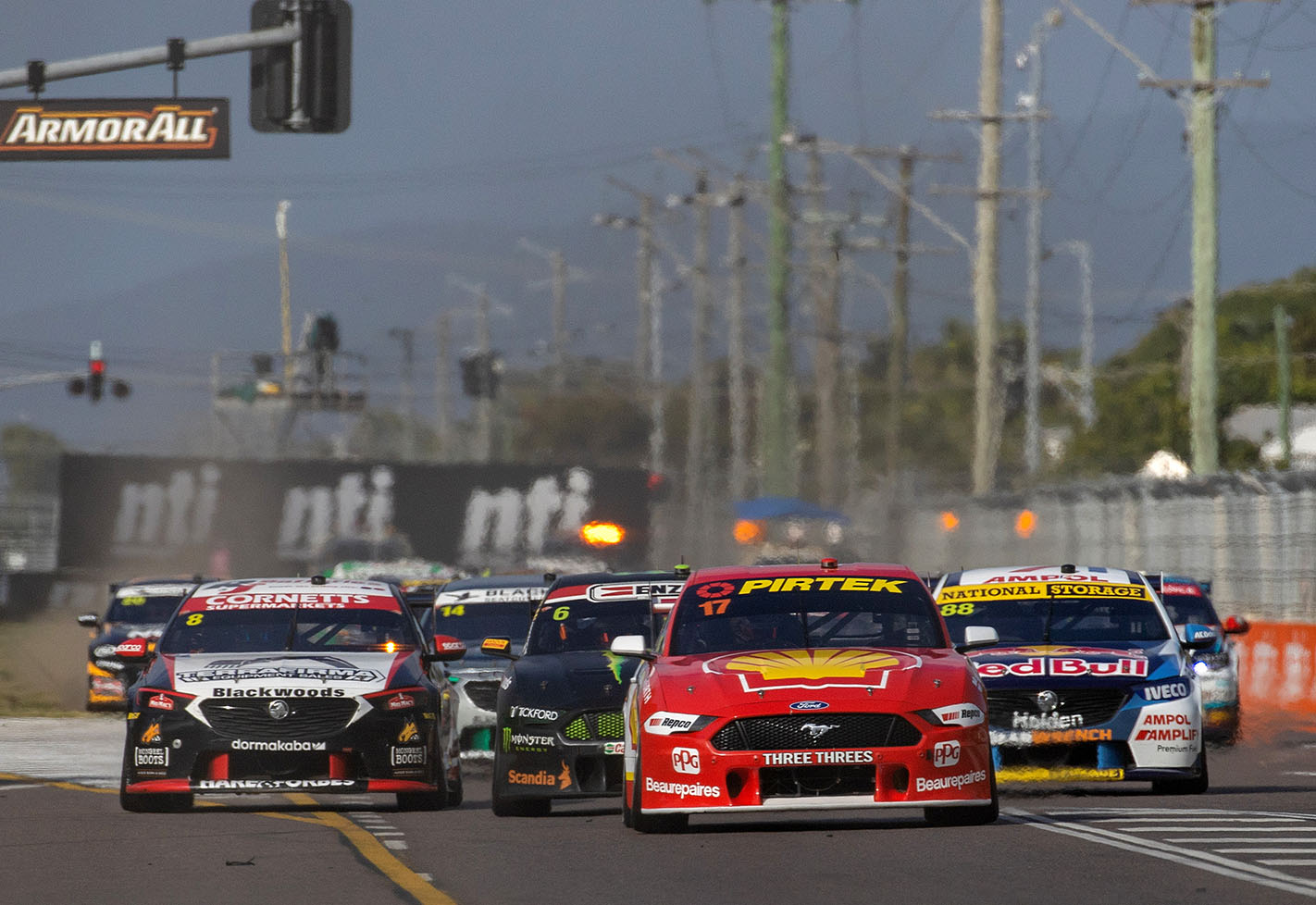
Have you ever come across the footage that showed a diesel Volkswagen Amarok V6 pulling a 747 on runway? Naturally, you take that sort of stunt with a grain of salt but after driving one, the picture starts to make a lot more sense.
What is it?
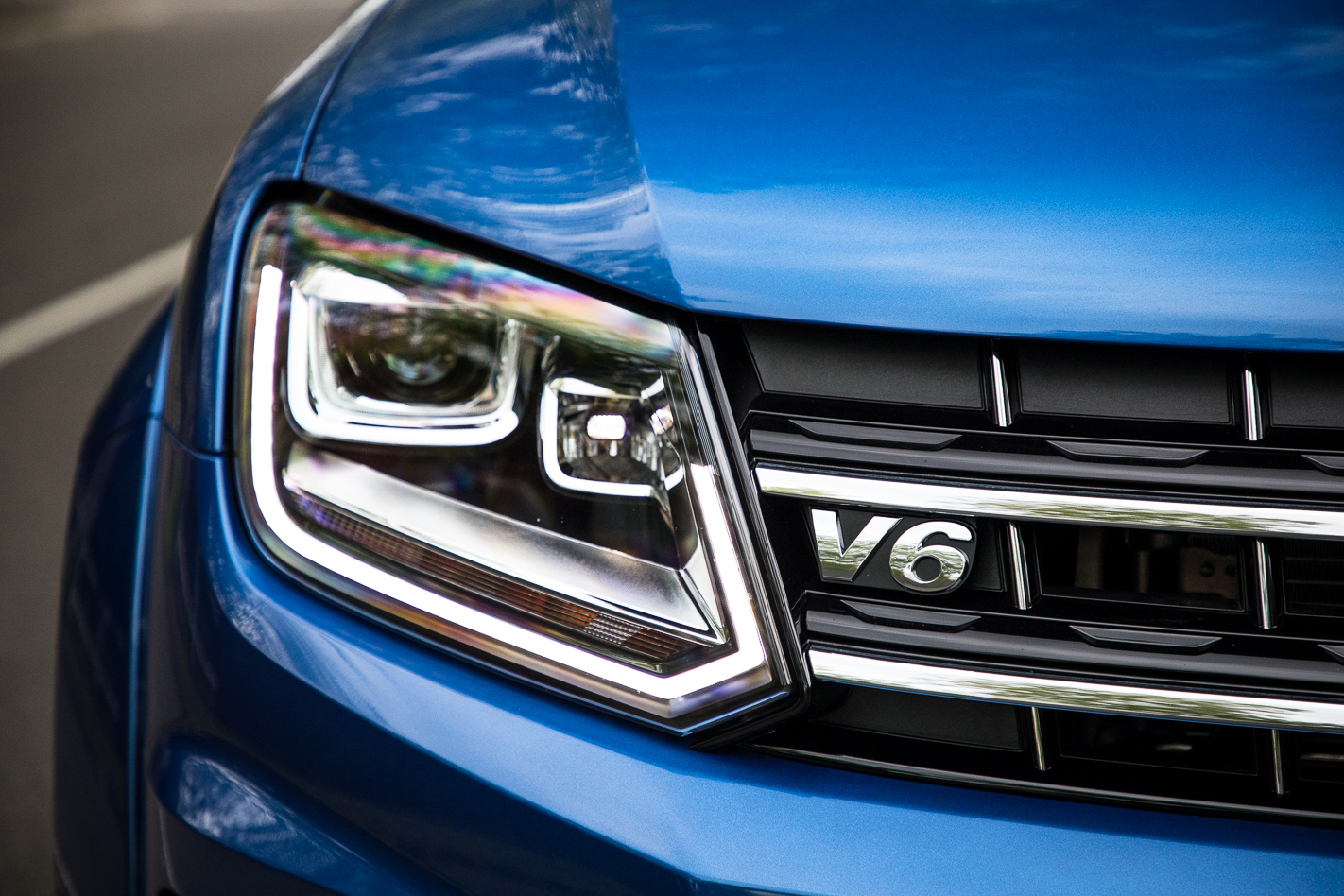
The 2020 Volkswagen Amarok V6 TDI580 Highline is the second highest specification Amarok you can buy, and is one of the few dual-cab utes that’s powered by more than four cylinders.
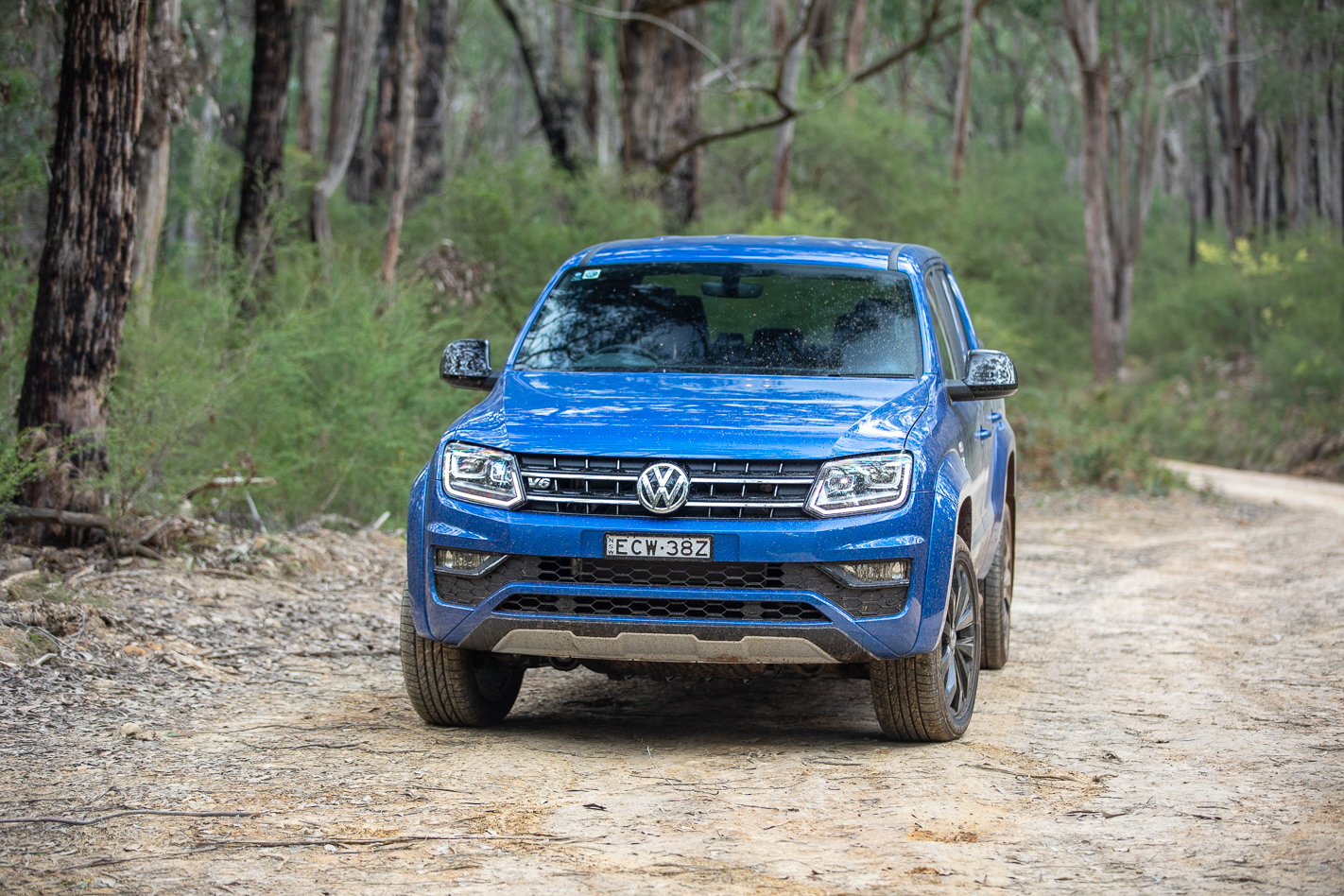
That last point is a unique point of difference for dual-cab offerings, as the market is so heavily contested there’s becoming fewer ways to differentiate products against their competitors. Having a 3.0-litre V6 powerplant is a sure-fire way to appeal to the testosterone fuelled market though.
One rung below the range-topping Amarok TDI580 Ultimate, you can tell the two apart by noticing the black highlights (instead of silver) evident on the $64,990 (before on-roads) Highline and 20-inch black wheels. Almost $8000 separates the two big brute utes.
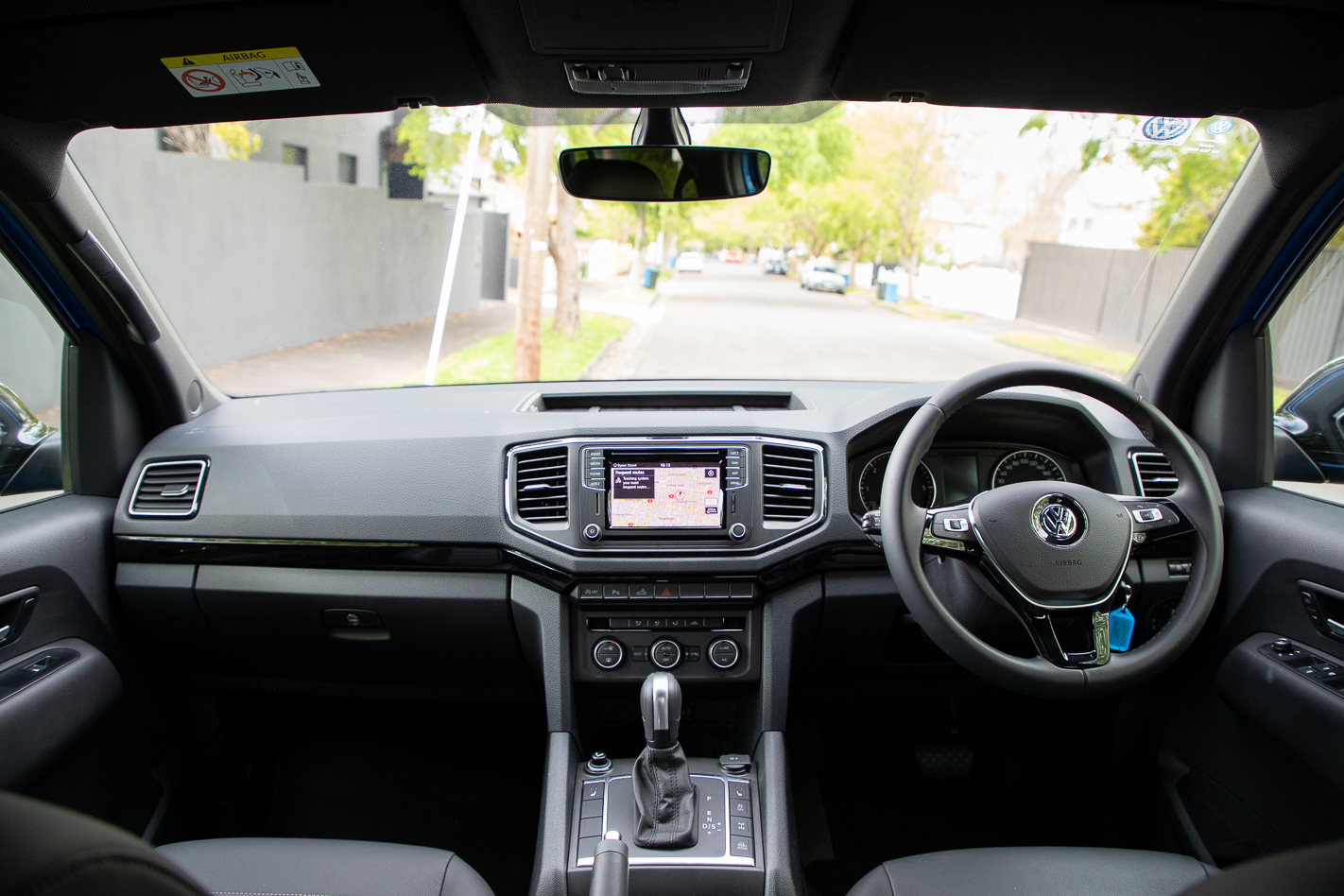
Despite reality telling us that the Amarok is actually quite old (touching 10 years now), it seemingly isn’t so as Volkswagen has been particularly clever in updating its entire range. In addition to supplying the whomping great engine that headlines the range, the Amarok V6 is brimmed with some cool features and tech that makes the interior feel a lot more palatable in 2019 than it should.
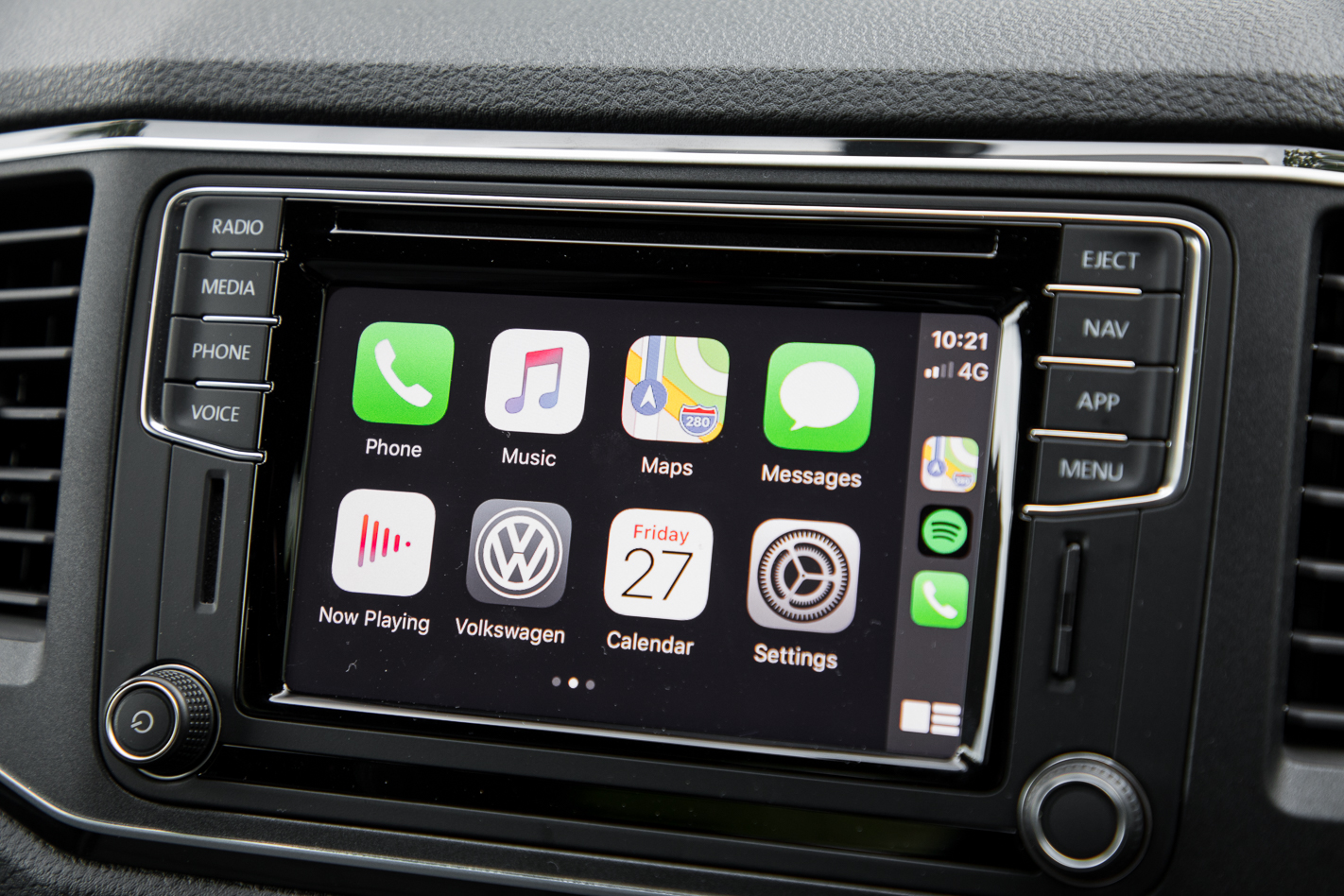
Highline highlights include bi-xenon headlights, tyre-pressure monitoring, dual-zone climate control, a 6.3-inch infotainment system with smartphone mirroring technology and native sat-nav. Our car was fitted with an additional leather pack which adds heated seats for the first row and leather-appointed upholstery.
What is it like to live with?
If there’s one thing you might expect to become accustomed to with the move to a dual-cab ute, it’s the utilitarian interior.
While the Amarok is still obviously a ute in nature, there’s plenty of luxury-like appointments that help bring the cabin ambience to a level above its rivals.
Plastics still feature heavily throughout the interior, but it does feels more ‘sturdy’, in a sense, than as if they were selected with cost-cutting in mind. At the end of the day, you can’t ask too much of a dual-cab interior but the Amarok presents nicely.
While the infotainment and dash layout itself is simple and easy to read, it does feel at least a generation behind where Volkswagen is at currently. It does still rate well, in terms of functionality and connectivity, against some of the other miserly infotainment units found in ute rivals, despite having a small touchscreen.
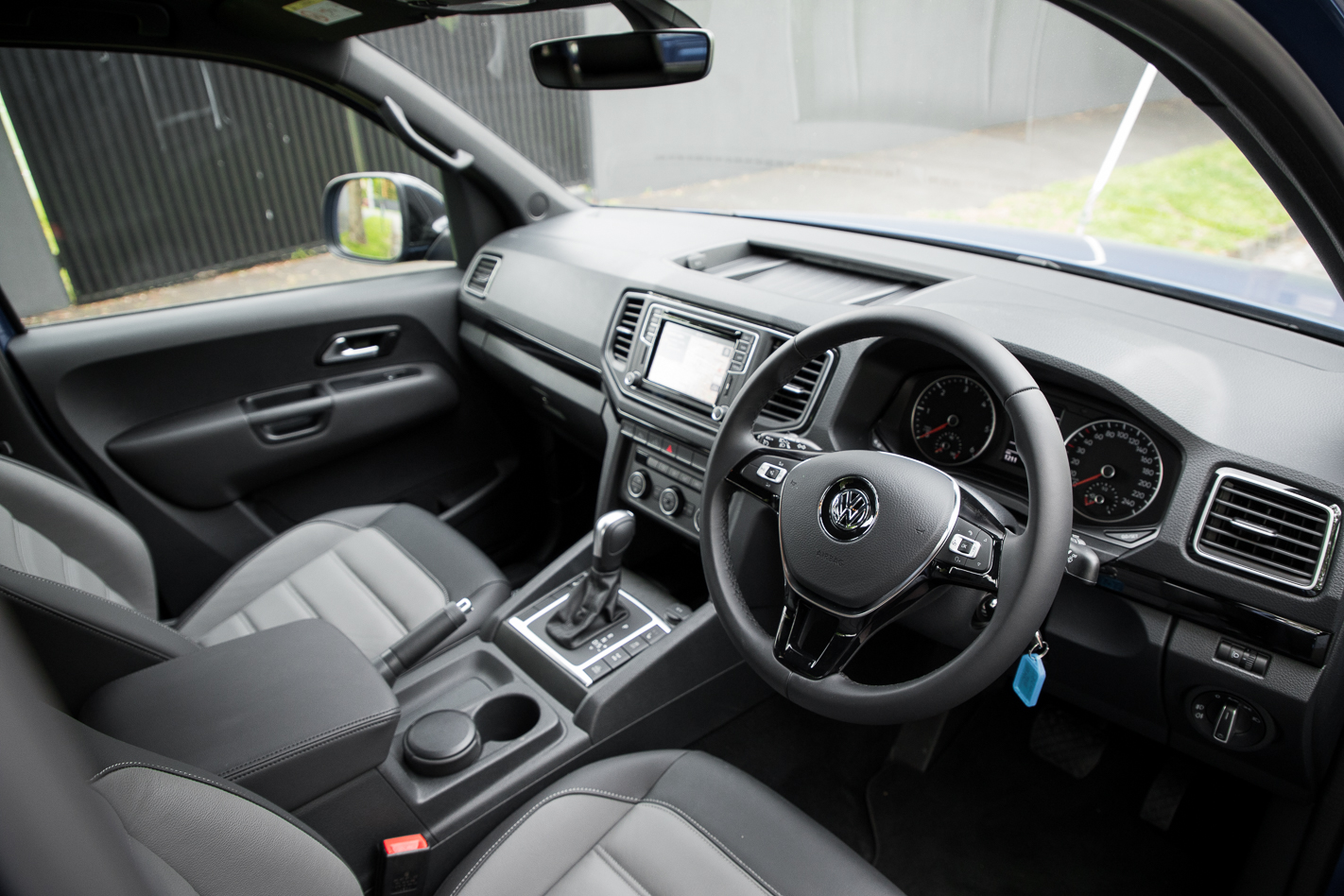
The leather-style seats are plush and easy to clean, and there’s room enough for a family to jump in and not feel cramped, even after a decent sized drive.
What is it like to drive?
The one thing that tends to dominate the Amarok V6 drive experience is, of course, its great big engine. Having a torquey V6 is such a novelty in this segment that you can’t help but put your foot down everywhere – it just pulls and pulls like a freight train. Imagine a performance-based variation of the Amarok ala Golf R, and you’re kind of on the money for engine ability.
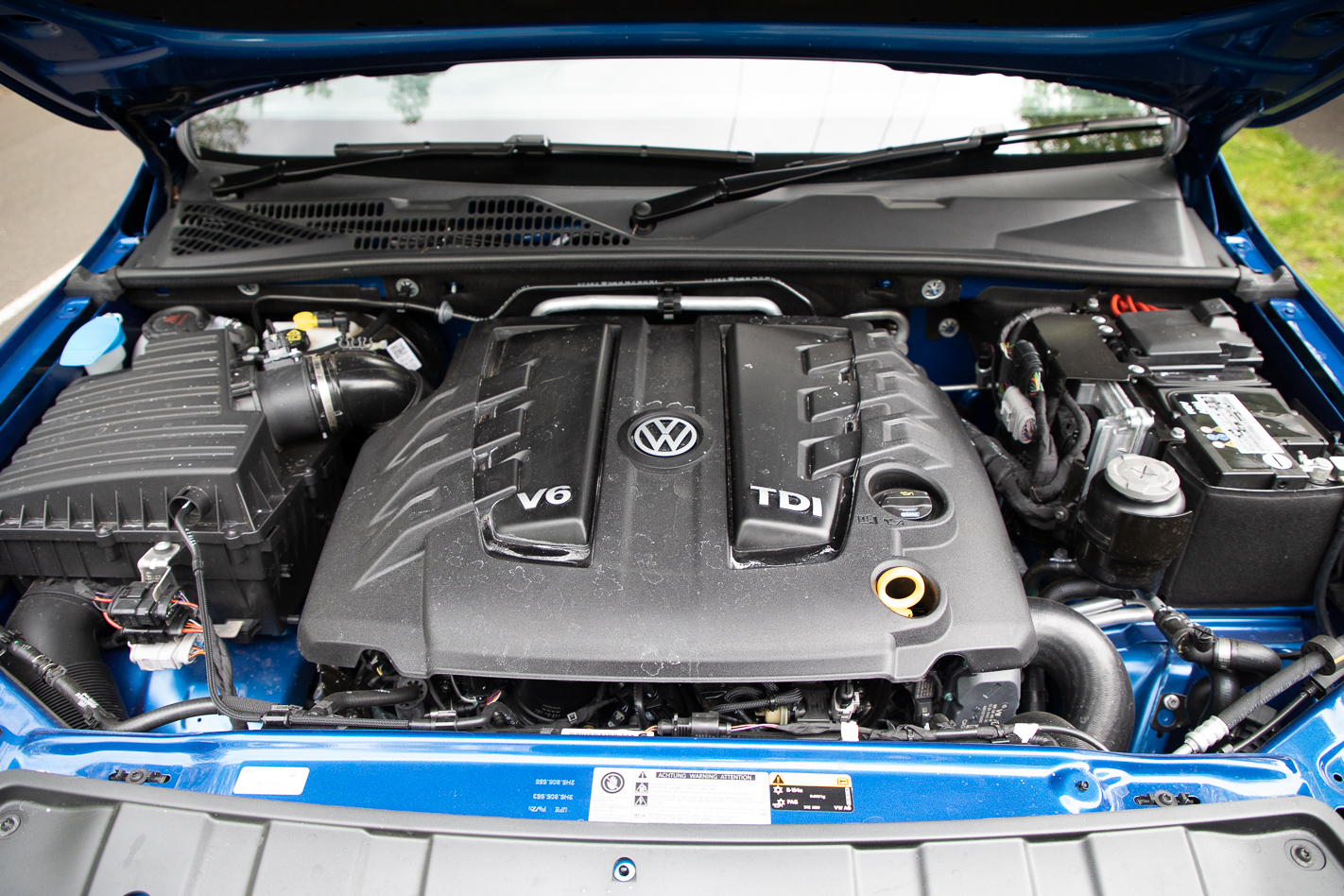
The engine regularly produces 190kW/580Nm but is capable of an ‘Overboost’ function that’ll temporarily up the power output to 200kW which is good enough to launch the Amarok from 0 to 100km/h in a very un-ute-like (claimed) 7.3 seconds. It also comes equipped with a permanent four-wheel drive system and an eight-speed automatic transmission.
In practice, the Amarok V6 performs well off-road with more than enough grunt to get it out of trouble. We stuck to the relatively simple surface stuff but the Amarok remained extremely sure-footed on gravel and through small ruts, with the off-road mode handily engaging hill descent control down hills itself and smartly using the gearbox to steady itself up and down inclines.
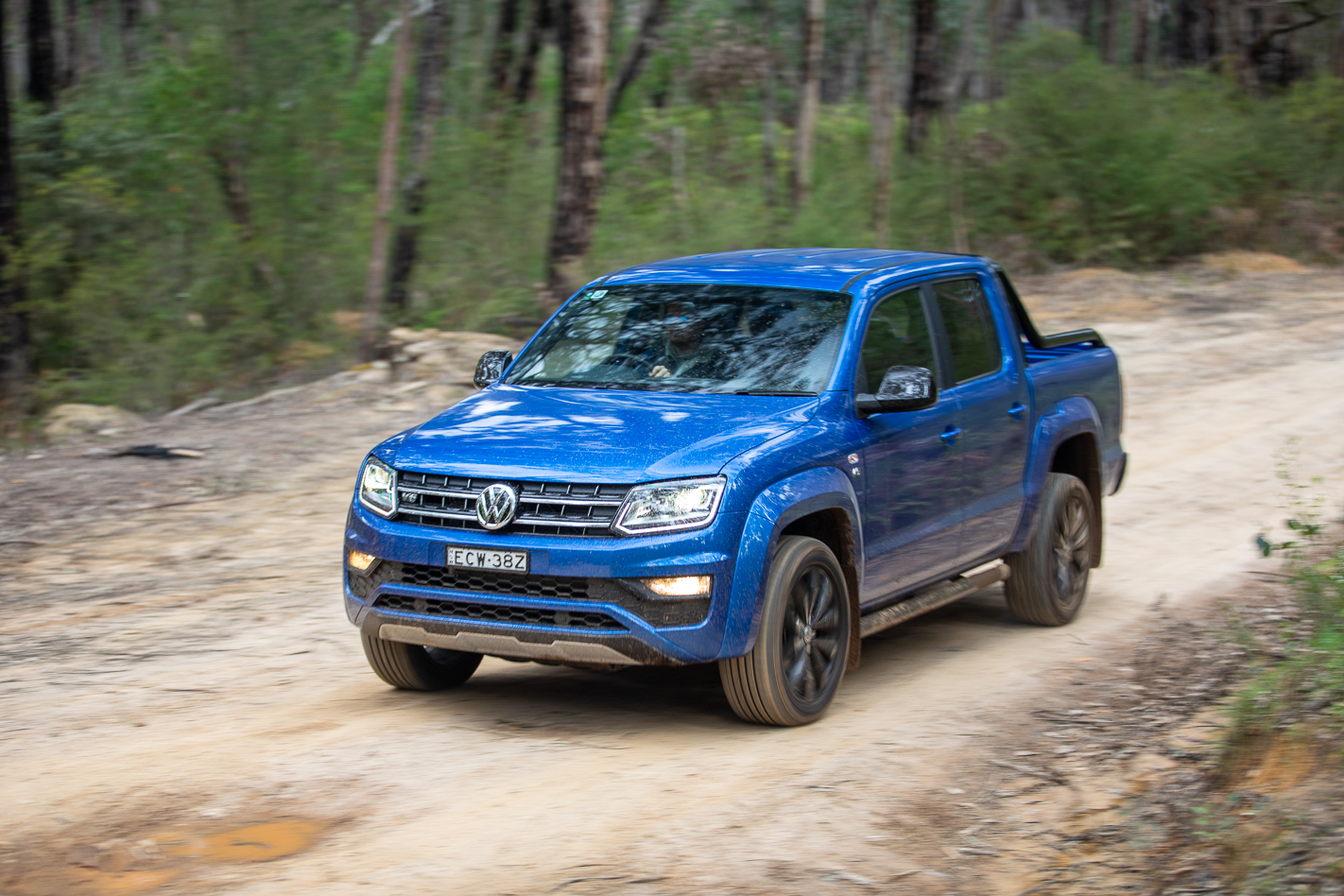
It doesn’t have low-range a like a number of rivals, instead using off-road mode technology to navigate obstacles as mentioned above. It does have a mechanical rear differential lock for getting going on particularly difficult sections, however.
It never felt like we were even touching the sides of the off-road ability the Amarok can muster, we’ll have to have another go at some point.
The Amarok took care of overtakes with ease and managed its 2209kg heft well through winding bends on the way back to the city, with less body roll than you’d expect from a ute while still remaining incredibly comfortable for a dual-cab ute.
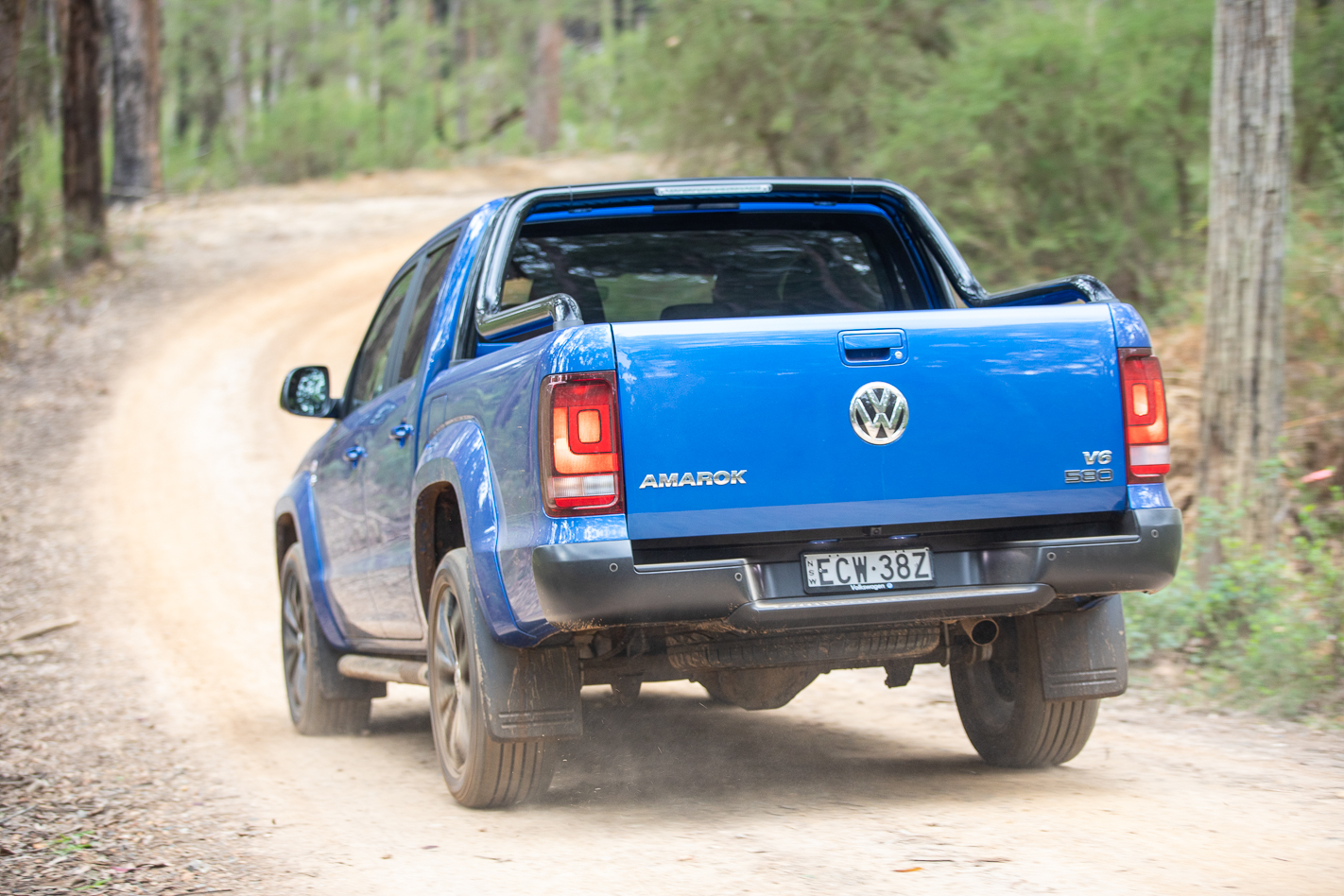
The gearbox loves to short shift which might ordinarily annoy some people but the effective torque means that you can still easily climb hills in sixth or seventh gear. It’s very well paired to the engine, in that regard. In addition to being ridiculously powerful, the diesel V6 is uncannily refined and smooth.
It wouldn’t be conceivably difficult to hit the Amarok V6’s claimed consumption of 8.9L/100km – and the performance is a hell of a trade off.
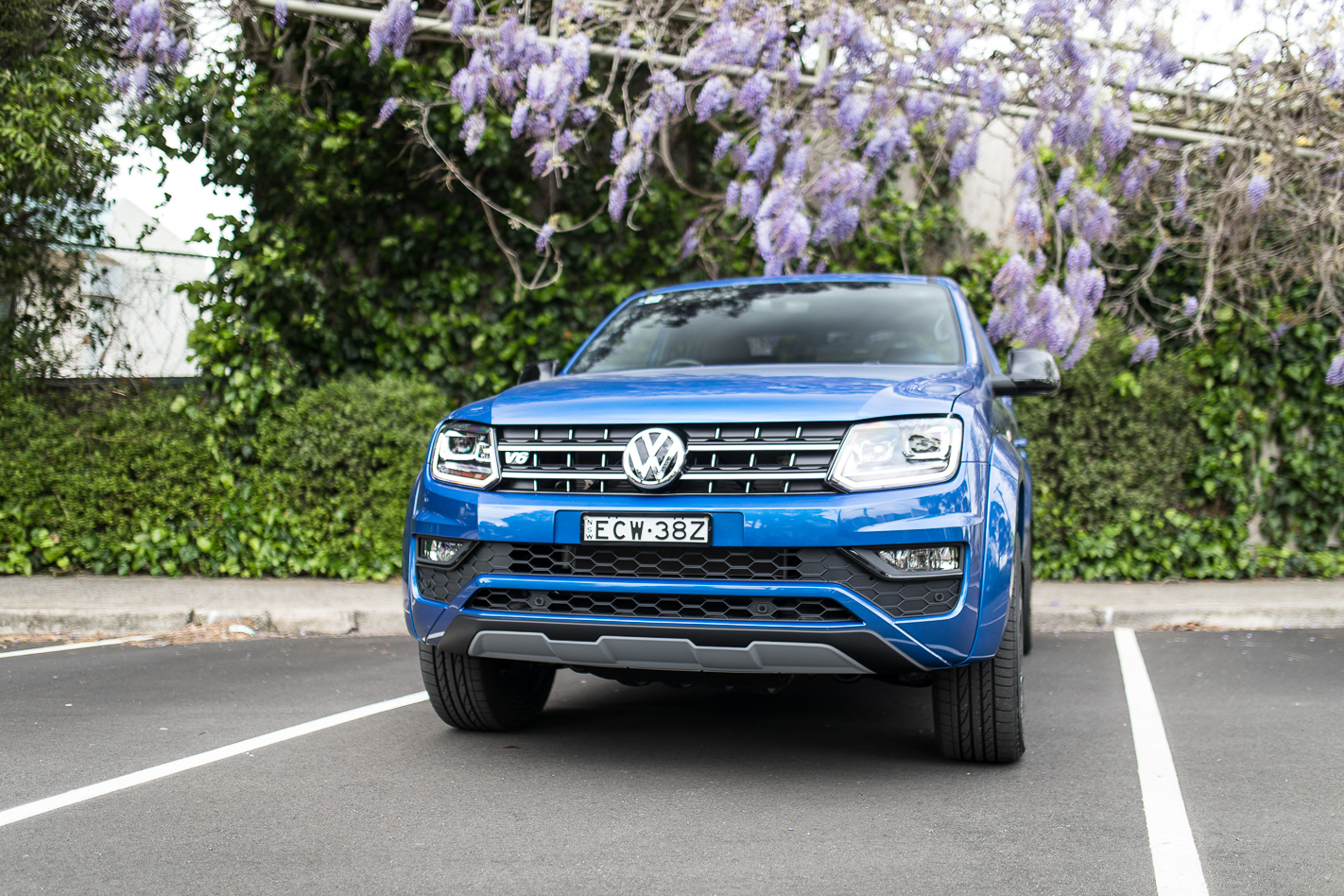
Once back in town, it’s quite easy to thread through traffic and manoeuvre about surface roads, and it is even fairly simple to judge its size when parking, for example. It’s more like an SUV to steer and ride in than a dual-cab ute, and that’s high praise for something can equally get down and dirty off-road as well.
Is it worth the money?
Volkswagens come with a five-year, unlimited kilometre warranty and VW also offers capped price servicing with yearly intervals.
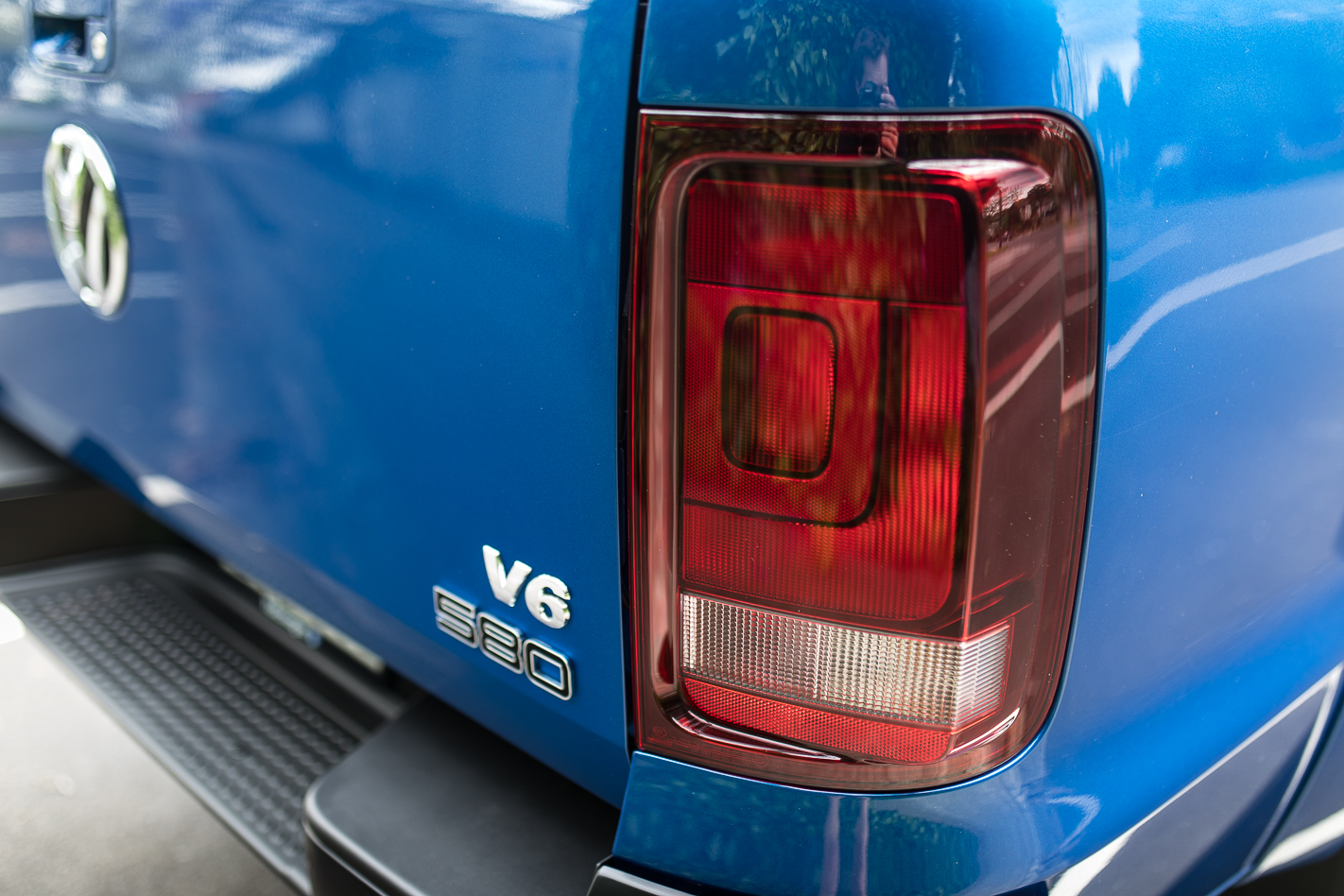
Something to consider is the fact that the Amarok V6 hasn’t been tested by ANCAP, and the airbags it does have only cater to the front row passengers.
Despite that being a pretty sizeable con in the ultimate weigh-up of values, if this is destined to be used primarily for work or only for two passengers – it mightn’t matter a whole lot anyway.
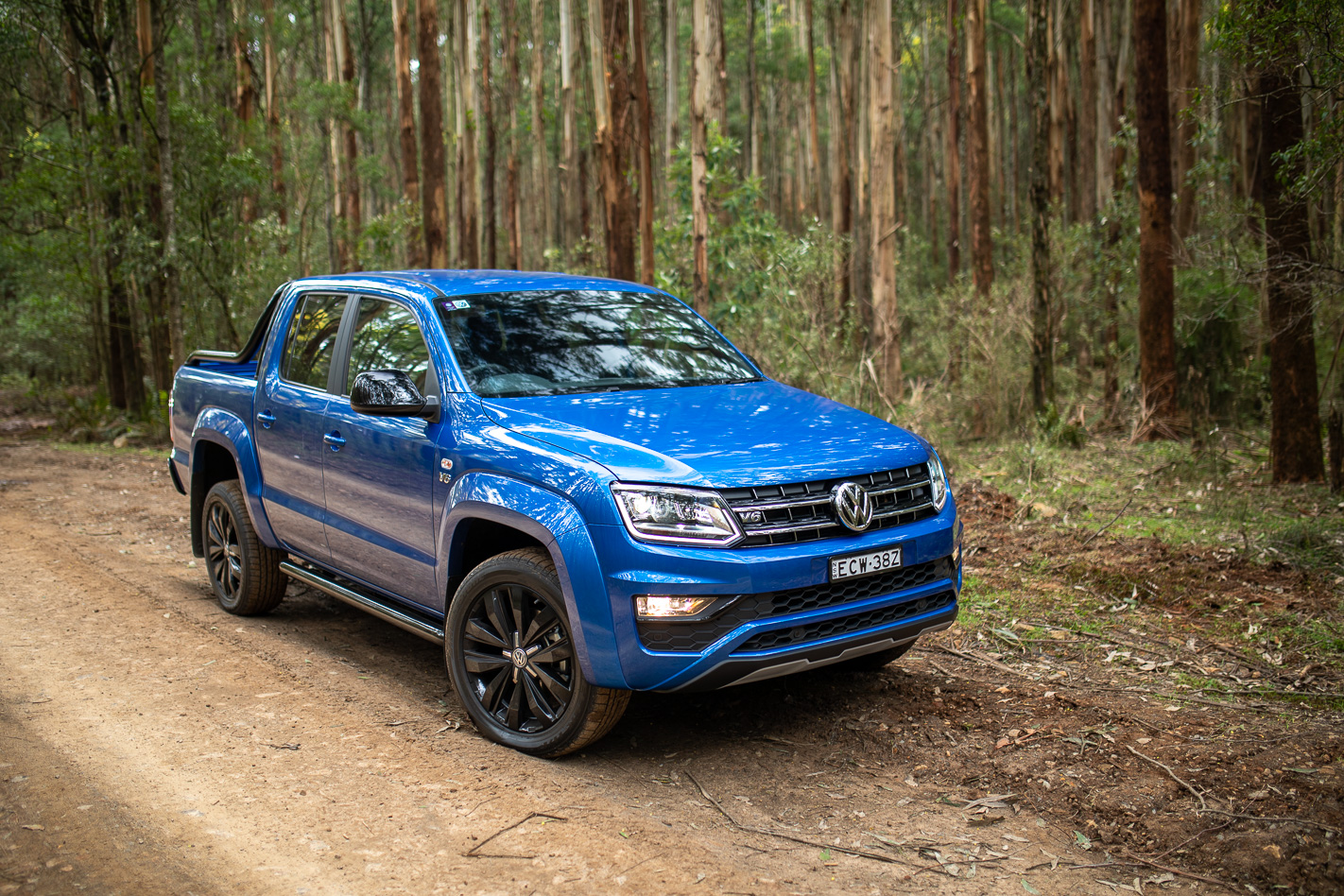
But for a product that’s so capable both on and off-road, is nicely appointed and roomy enough for even a family, we reckon the $64,990 (before on-road costs) Volkswagen charges for the Amarok V6 TDI580 Highline is very fair.
Pros: Strong, smooth V6 engine, car-like on-road behaviour, quality interior Cons: Lack of rear airbags
Rating: 4/5
Click on the photo at the top of the article for a photo gallery of the Volkswagen Amarok V6 by Tom Fraser.
Australia has just been hit with a brace of new utility vehicles that usher in a new era of design, features and abilities for one of the most popular classes of cars on sale.
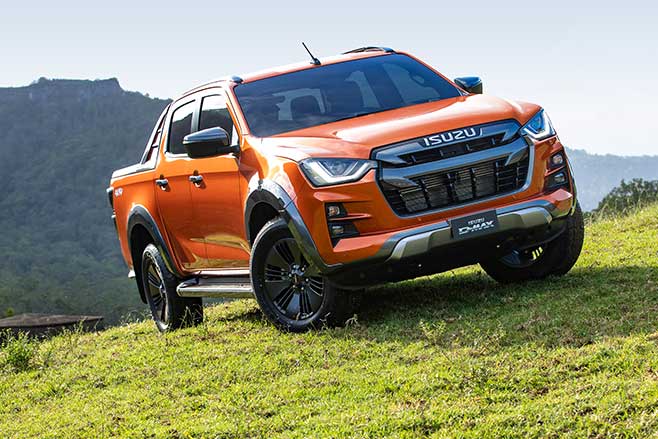
Two of the most anticipated are the new Toyota HiLux, as well as the updated Isuzu D-Max.
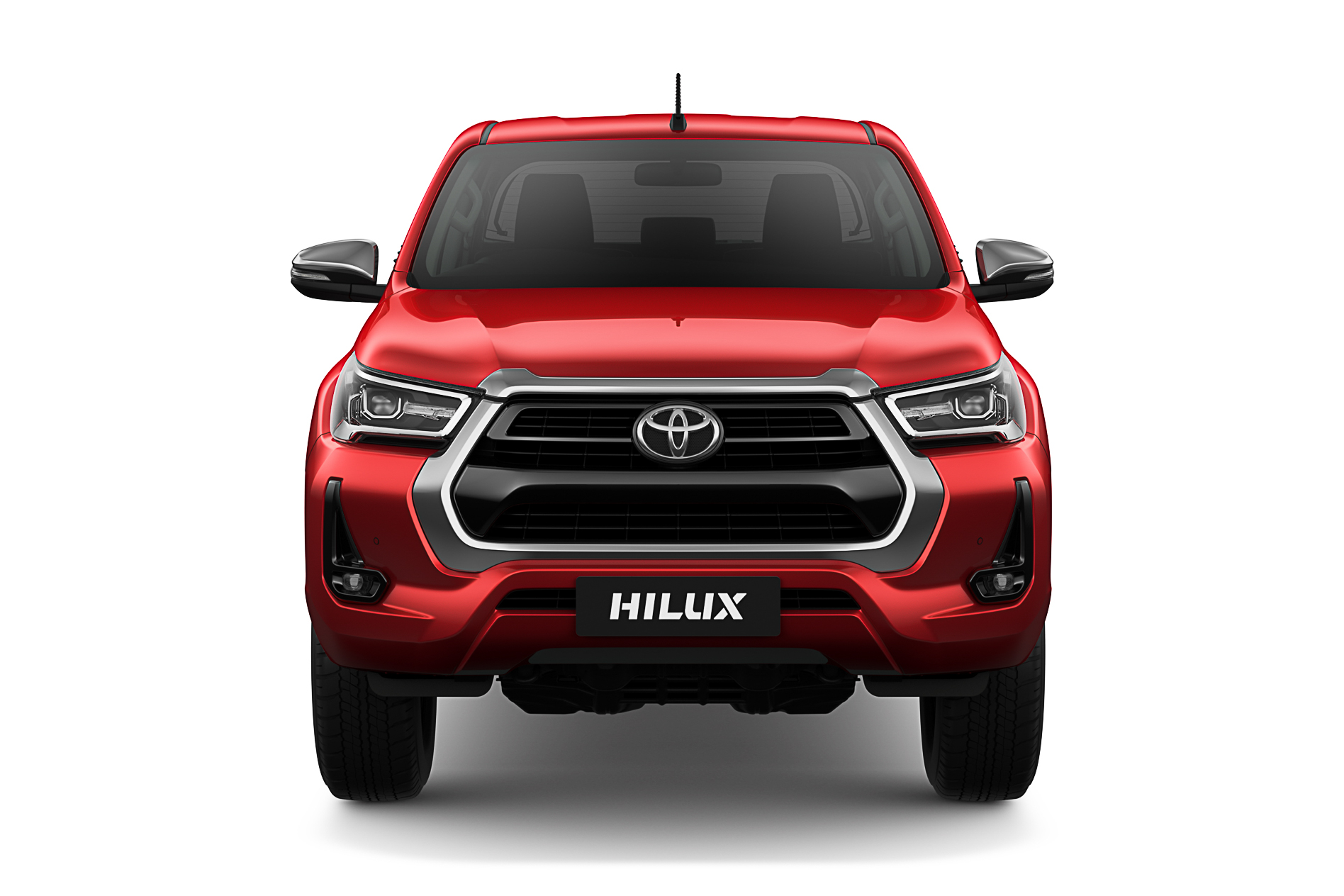
One is a sales star, coming in at number one on the Australian new car sales chart month after month, while the other is a stalwart of the ute market that earned a favourable reputation for its reliability and strong powerplant.
But both have gone a number of years without significant update, leaving the ute buyers of Australia frothing at the thought of a new generation.
Combine the fact that the government has just extended it instant asset write off plan until the end of the year and we reckon these two heavyweights will become hot property.
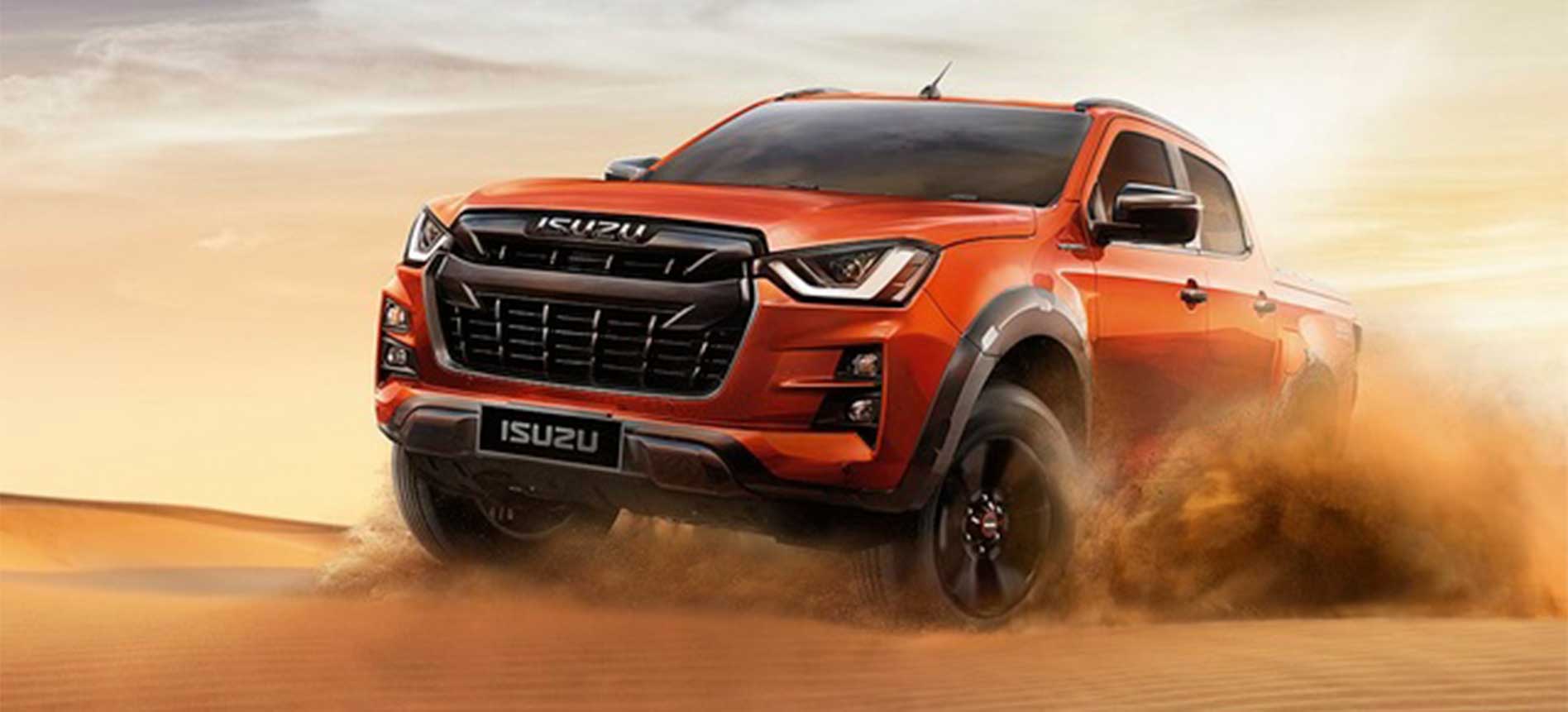
So what are we waiting for? Let’s take a look at how these two utes stack up against one another.
Engines
The 2021 Isuzu D-Max retains a 3.0-litre turbocharged diesel engine, though does come with a few revisions. Power and torque is now up by 10kW and 20Nm respectively, totalling 140kW/450Nm, and while the unit has minimal fuel efficiency savings, it is at least said to be quieter.
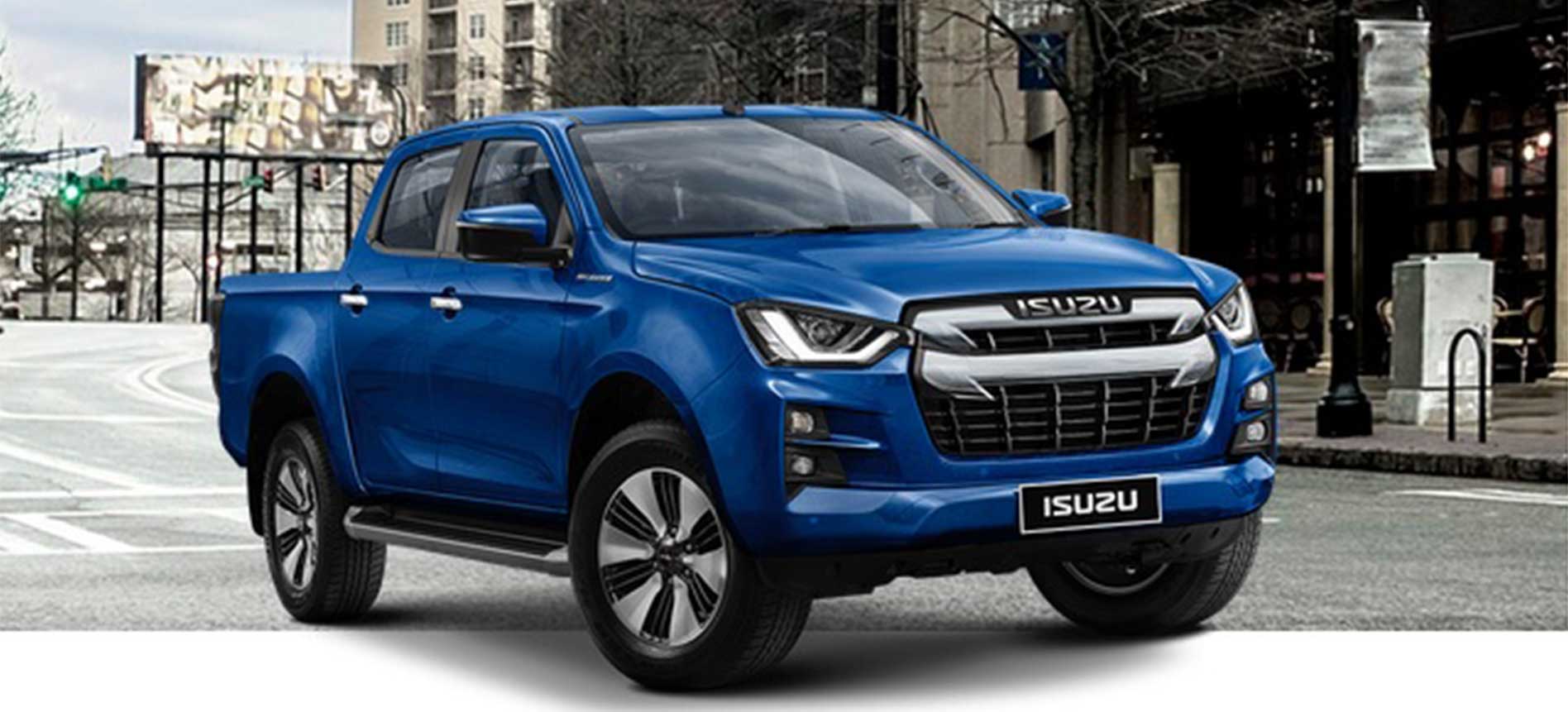
That’s good news for D-Max fans, as the tried and true powerplant – sourced from the company’s light truck division – was a highlight of the previous generation.
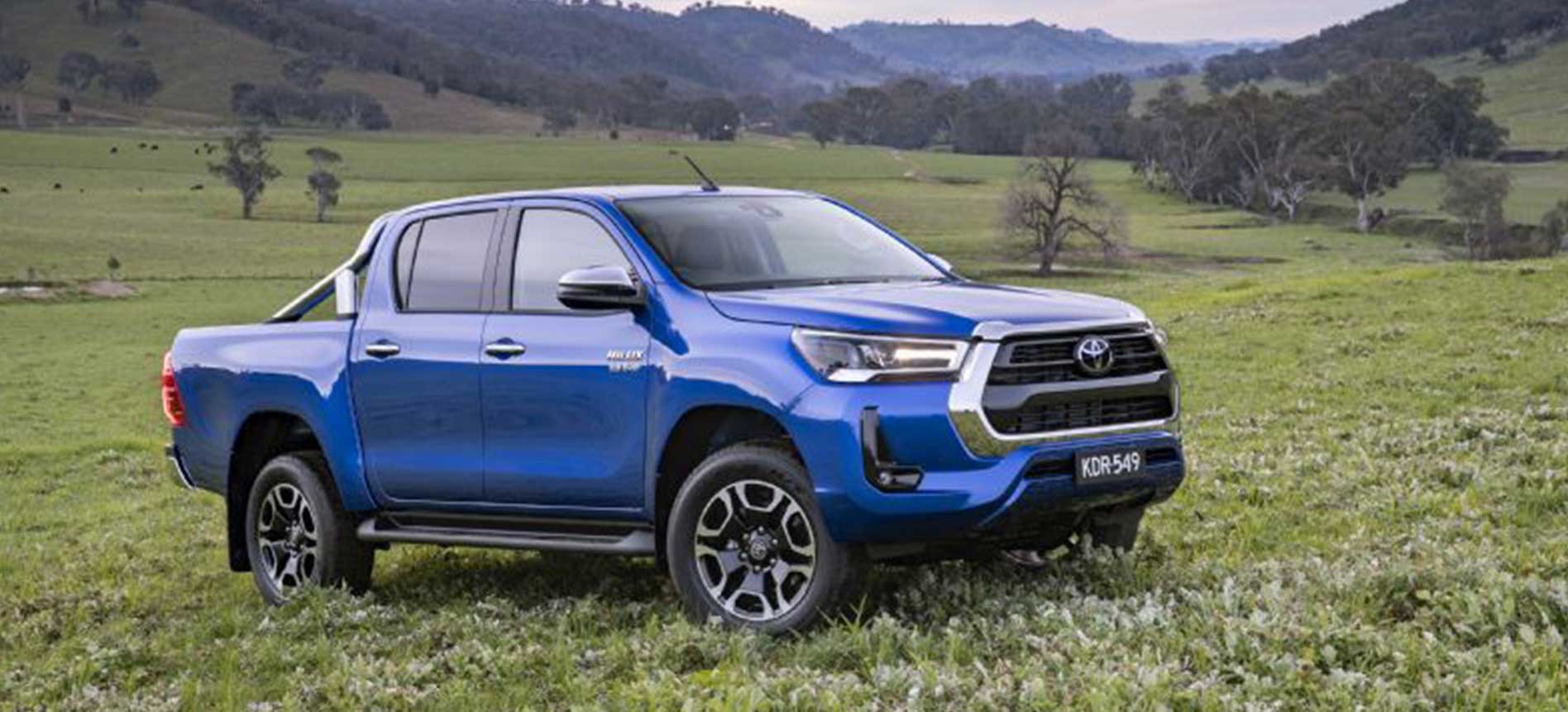
Meanwhile, the HiLux receives a similar arrangement in that the 2021 model will use the same 2.8-litre four-cylinder turbo diesel engine, though numbers are now bumped to 150kW/500Nm which gives it a decent edge over the D-Max.
Toyota reckons its updates to the powertrain have permanently fixed the troublesome diesel particulate filter issues that have plagued the HiLux, which have previously resulted in a class action against Toyota in Australian courts.
Platform technology
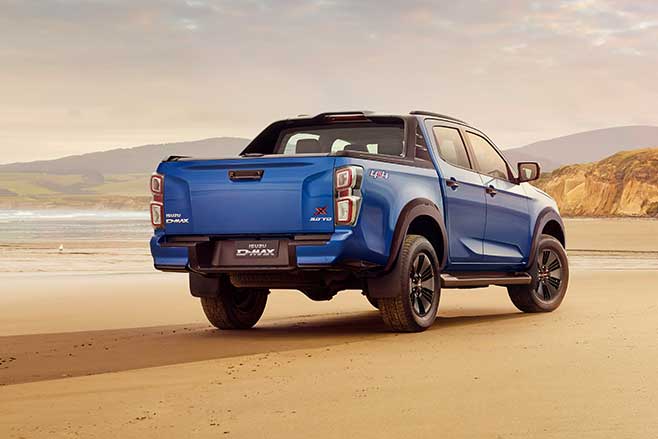
New for D-Max is an electromagnetic rear differential lock to make things that little bit easier off-road, while Isuzu has also made some changes to shorten the time spent switching between 2WD and 4WD modes.
Both 4×4 and 4×2 versions continue to be offered, as will the choice of manual or automatic transmissions. Wading depth is up 200 millimetres to an 800mm total and hill descent control and hill start assist is now added for those actually keen to turn away from the bitumen.
The new D-Max retains a ladder chassis and a live leaf-sprung rear axle and independent coil front suspension that are standard fare for the class of ute.
Isuzu has beefed up the strength of the chassis with extensive use of high strength steel in key areas for added safety and improved dynamics. Some weight was saved with the use of new materials, but those weight savings haven been cancelled out with standard equipment additions and noise insulation.
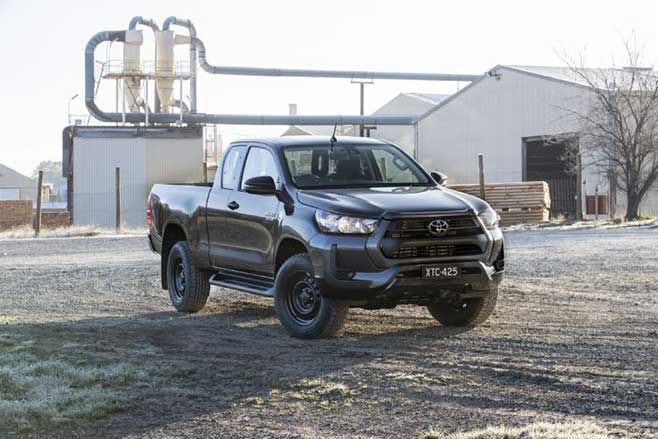
Suspension changes are on the way for HiLux, with updates coming for shock absorbers, new bushings and an improved leaf spring suspension set up. These updates are said to improve the HiLux’s low-speed and unladen ride quality.
The suspension and power steering changes have been made while maintaining the load-carrying capacity and ability, which has always been a strong point for the model.
Toyota has fitted an additional traction control function to 4×4 HiLux models equipped with downhill-assist control, which reroutes torque in 2WD mode to provide more grip.
Towing
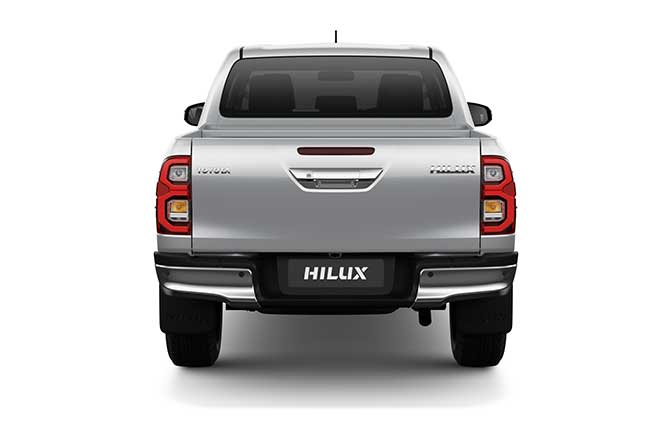
All 4×4 D-MAX models will retain a 3500kg towing capacity.
Toyota says the automatic HiLux will now be able to tow with the best of them at 3500kg, a lift of 400kg over the outgoing model.
Interior
Coming off a very old base, the improvements for the 2021 D-Max interior are promising. The whole design now presents much more car-like, and a bump in specification will see the D-Max’s interior thrust into the current decade.
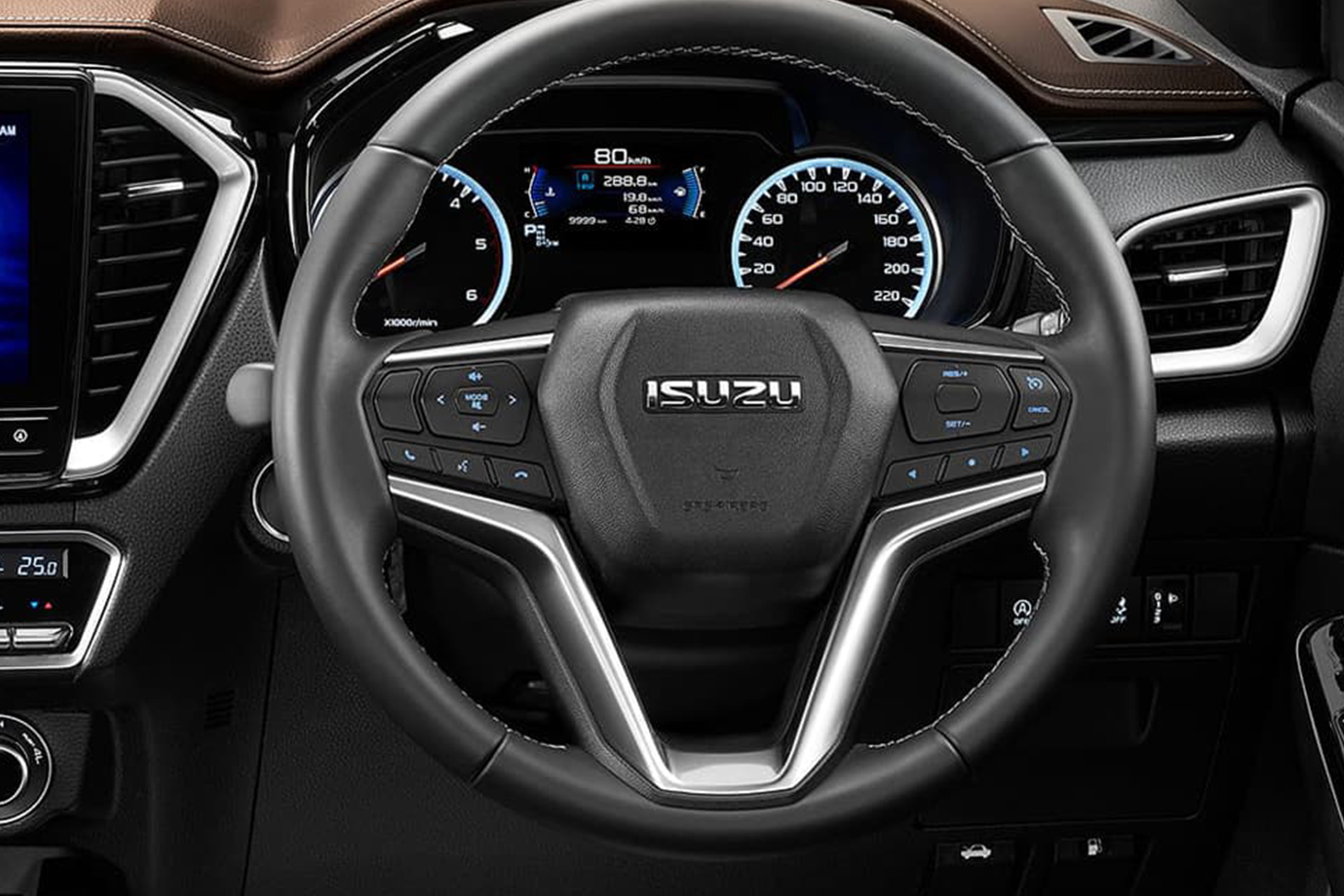
It gets a 9.0-inch touchscreen that now runs both Apple CarPlay and Android Auto for the first time, and a smaller digital read-out finds itself nestled within the instrument cluster to provide key vehicle information.
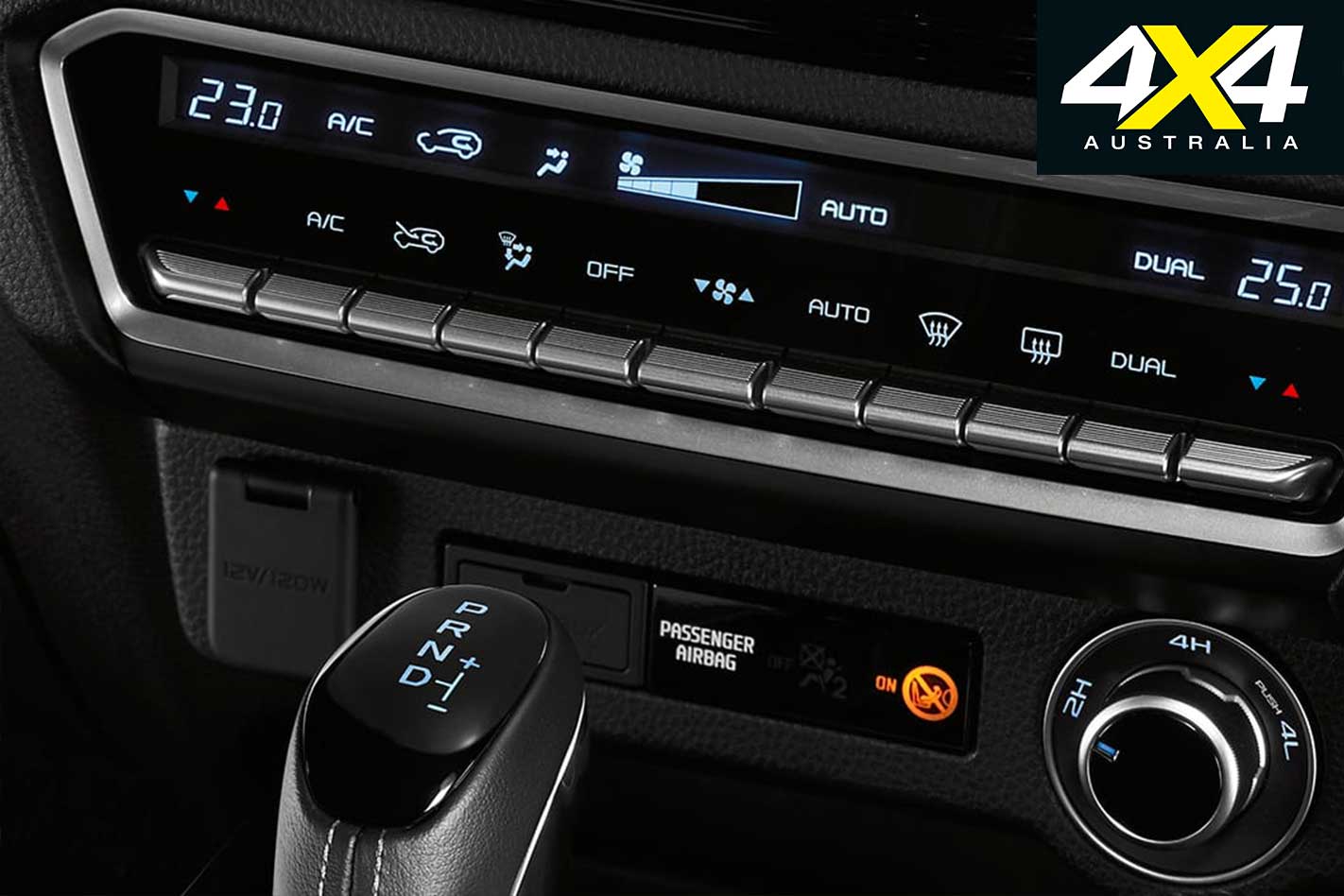
Dual-zone climate control, rear air vents, leather-appointed seats and keyless entry are some other hallmarks of the updated specification.
Read next: Fernando Alonso gets first thrash of the 2021 Toyota HiLux
Less is changed with the Hilux, but new additions include an 8.0-inch touchscreen (with knob audio controls rather buttons) with smartphone mirroring for Apple CarPlay and Android Auto and safety inclusions such as active cruise control, lane keep assist and pedestrian detection return.
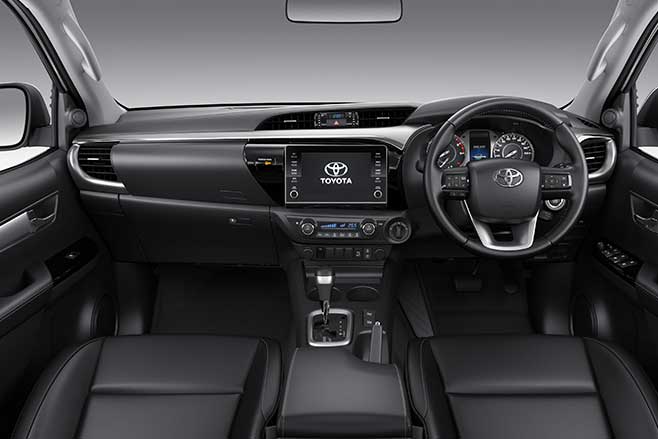
It’s hard to tell which will be a nicer mobile office without spending some quality time inside but the D-Max’s interior improvement is promising.
Pricing
There doesn’t seem to be a lot in it when looking at pricing between the incoming Isuzu D-Max and Toyota Hilux. Judged like-for-like, the D-Max X-Terrain costs $62,990 (before on-road costs) while the range topping Toyota Hilux SR5+ costs $62,420 (before ORCs).
Look down the range and compare models such as the entry-level D-Max SX dual-cab 4×4 auto ($49,900 before ORCs) and the entry-level Workmate 4×4 dual-cab auto ($48,790 before ORCs) is at a slight price advantage, but it does get a less powerful engine.
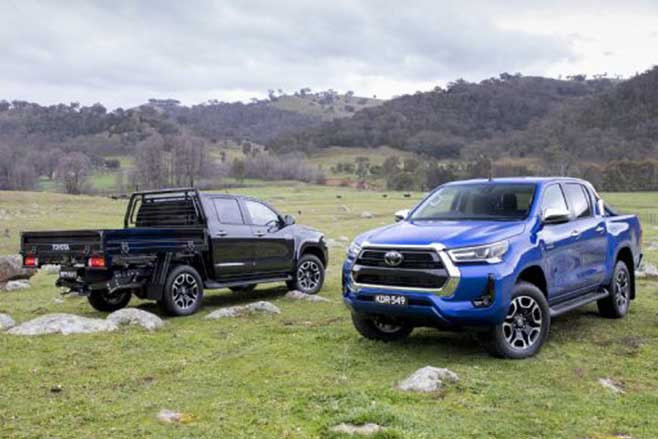
Exterior
Much like its substantial interior improvement, plenty has been changed on the exterior of the new D-Max. It now receives LED headlights and taillights, a stylised grille design that’s incorporated into a heavily-revised fascia and some black accenting as well.
There’s not a whole lot different with the 2021 Hilux’s looks, but if it ain’t broke… It does get a slightly larger grille, new headlights and taillights as well as some new wheels, bringing it closer to the looks of the Tacoma ute of the United States.
While this is just a quick look at what we’re expecting from just two of the utes to get refreshed this year, we won’t have to wait too long to put both of them together in real life for a look-in later this year.
What stands out?
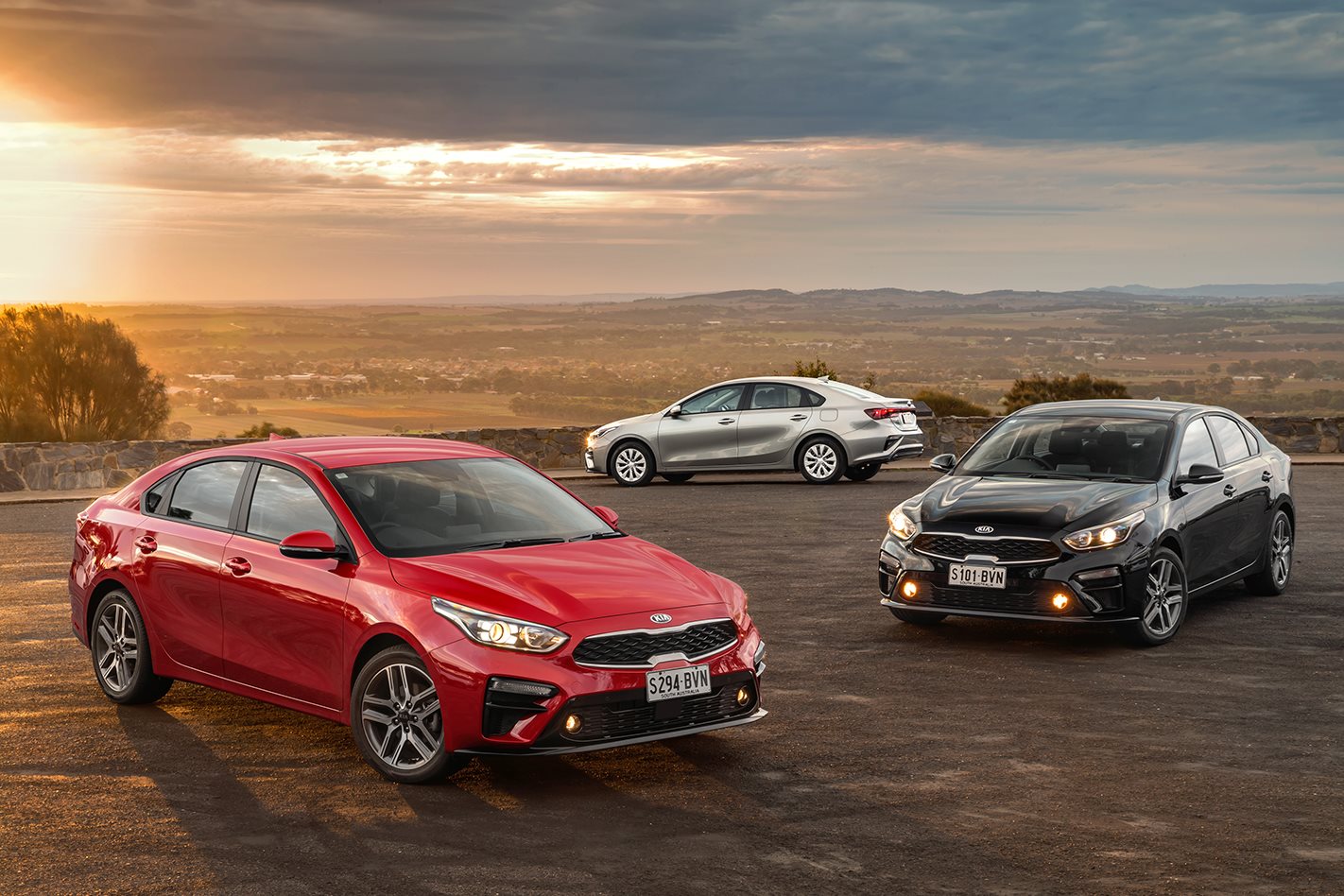
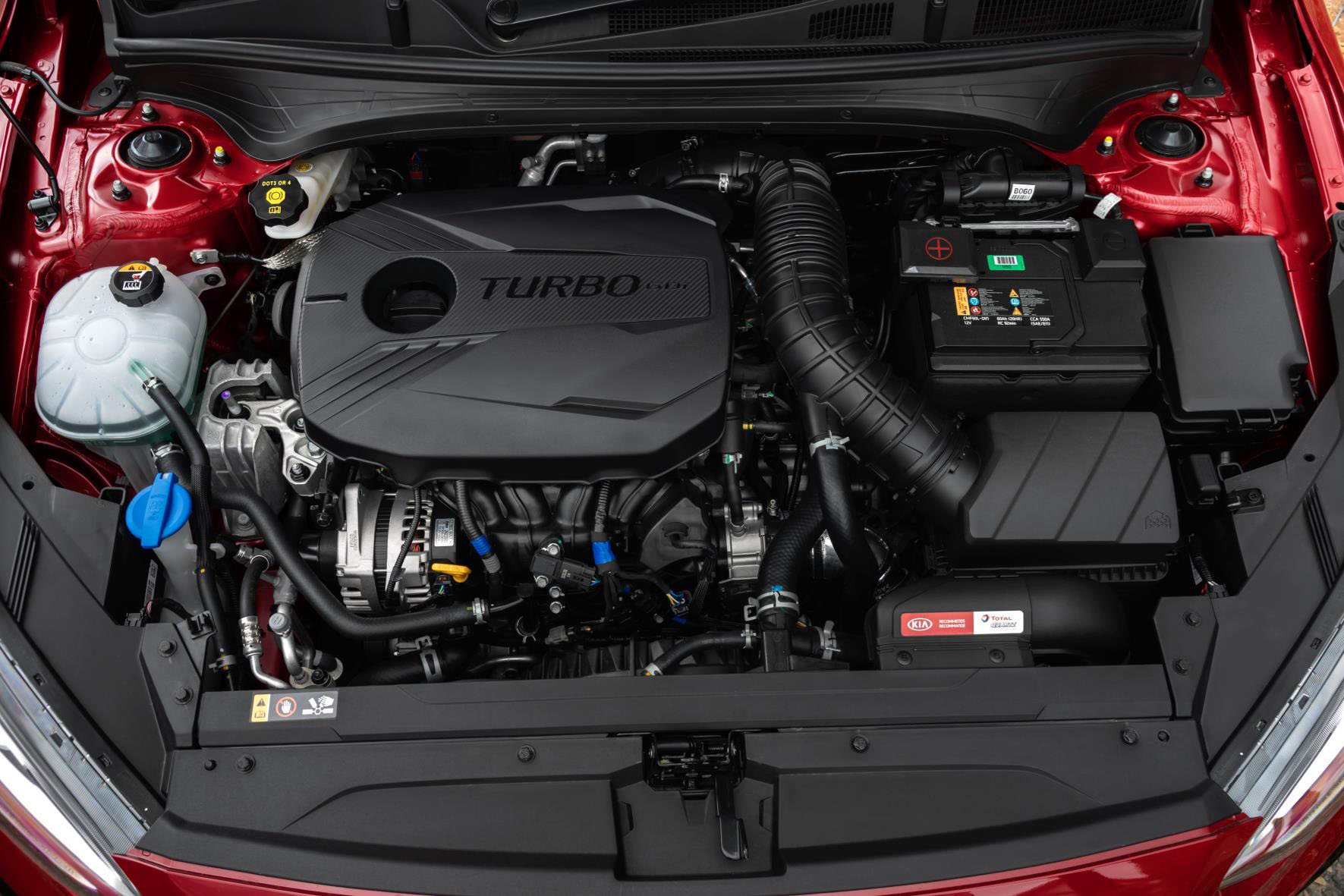
The Kia Cerato hatch and sedan have stylish cabins, strong infotainment suite, and drive nicely, with all versions featuring some kind of autonomous emergency braking and seven-year warranty. The range is topped by a fun-driving GT version powered by a punchy 1.6-litre turbocharged engine.
What might bug me?
Wishing Kia had installed a not-so sluggish engine in the non-GT versions than simply carrying over the old 2.0-litre powerplant from the previous model. The new model is 19kg heavier than its predecessor, resulting in reduced performance and fuel economy; up from 7.2 litres/100km to 7.4 litres/100km.
Feeling fatigued after long drives in a Cerato GT thanks to the hard suspension tune that makes it great for handling but a harsh over less than perfect roads such as country highways.
What body styles are there?
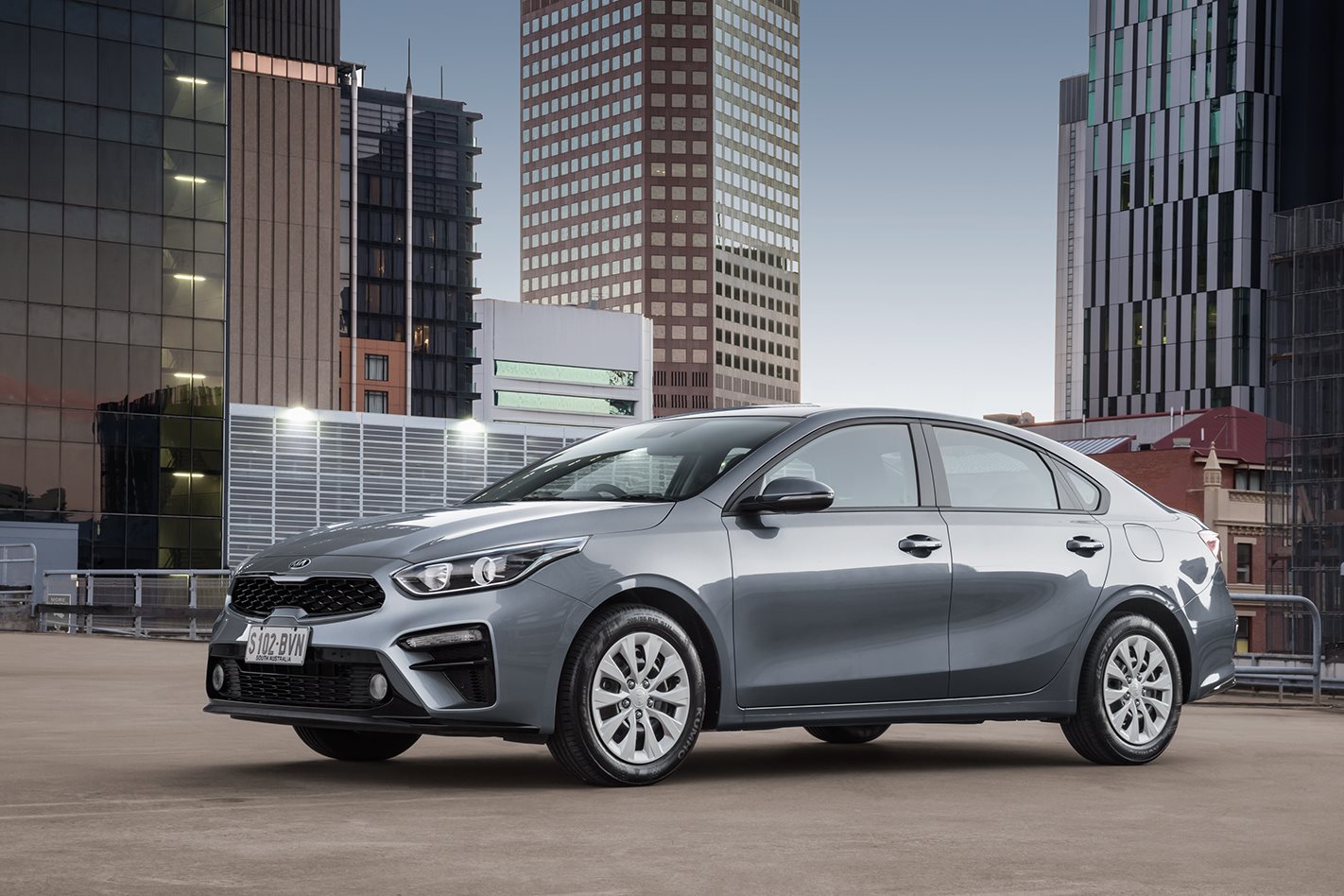
Five-door hatch, and four-door sedan.The Cerato drives the front wheels, and are classed as a small car, lower priced.
What features do all Cerato versions have?
- An 8.0-inch infotainment screen with Apple CarPlay/Android Auto smartphone paring, and Bluetooth connectivity for phone calls and music streaming. Sound system with six speakers (except the GT which has eight speakers).
- Reversing camera with parking guidelines.
- Front and rear parking sensors that help you judge how close you are to obstacles.
- Autonomous emergency braking that detects, and prevents or mitigates a collision with a vehicle in front of your Cerato.
- Cruise control.
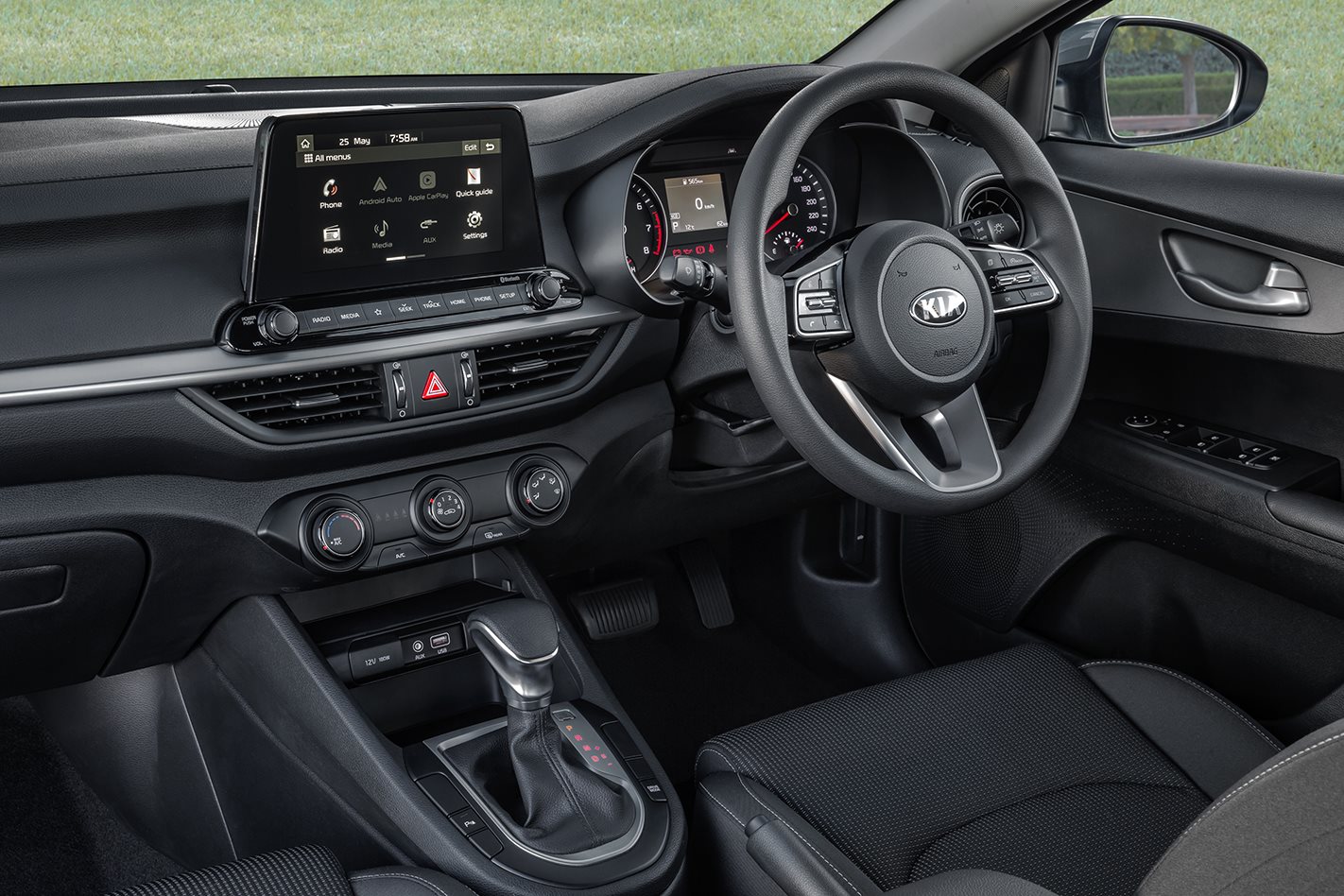
- Lane-keeping assist that helps steer the Cerato within the lines on a highway.
- Dusk-sensing headlights, daytime running lights and rear fog lights.
- Height and reach adjustment for the steering wheel, and height adjustment for the driver’s seat.
- Controls on the steering wheel for the cruise control, the audio system and your phone.
- Seatbelt reminders for all five seat positions.
- Tyre pressure monitor.
- Space-saving spare wheel and tyre,
- Hill-start assist, which controls the brakes automatically to help you start from rest on an uphill slope.
- Anti-lock braking system (ABS) and electronic stability control (Esc), which can help control a skid or slide. All new cars must have these features.
- Six airbags: two at the front; one on each side to protect front-seat occupants in side crashes; and a curtain airbag down each side to protect heads in a side impact.
Which engine uses least fuel, and why wouldn’t I choose it?
The 1.6-litre turbocharged engine in the Cerato GT hatch and sedan has an official economy rating of 6.8 litres/100km (city and country combined) through its seven-speed dual-clutch automatic gearbox. Our real-world testing has seen that figure rise to about 8.4 litres/100km.
What key features do I get if I spend more?
Spending as little as possible on a Cerato will get you a Cerato S manual, which has cloth seat trim, halogen daytime running lights, manual air-conditioning and 16-inch steel wheels with plastic covers.The manual gearbox is standard, with the automatic transmission a $1500 option. A Safety Pack is also available that adds autonomous emergency braking, blind spot detection, rear cross-traffic alert, and power-folding door mirrors,The Cerato Sport also comes with a six-speed manual gearbox as standard, cloth seats with sportier-looking trim, premium steering wheel, softer-touch door trims, satellite navigation, and better looking 17-inch aluminium alloy wheels. Tyres are lower in profile and slightly wider, for a bit more cornering grip and precision.
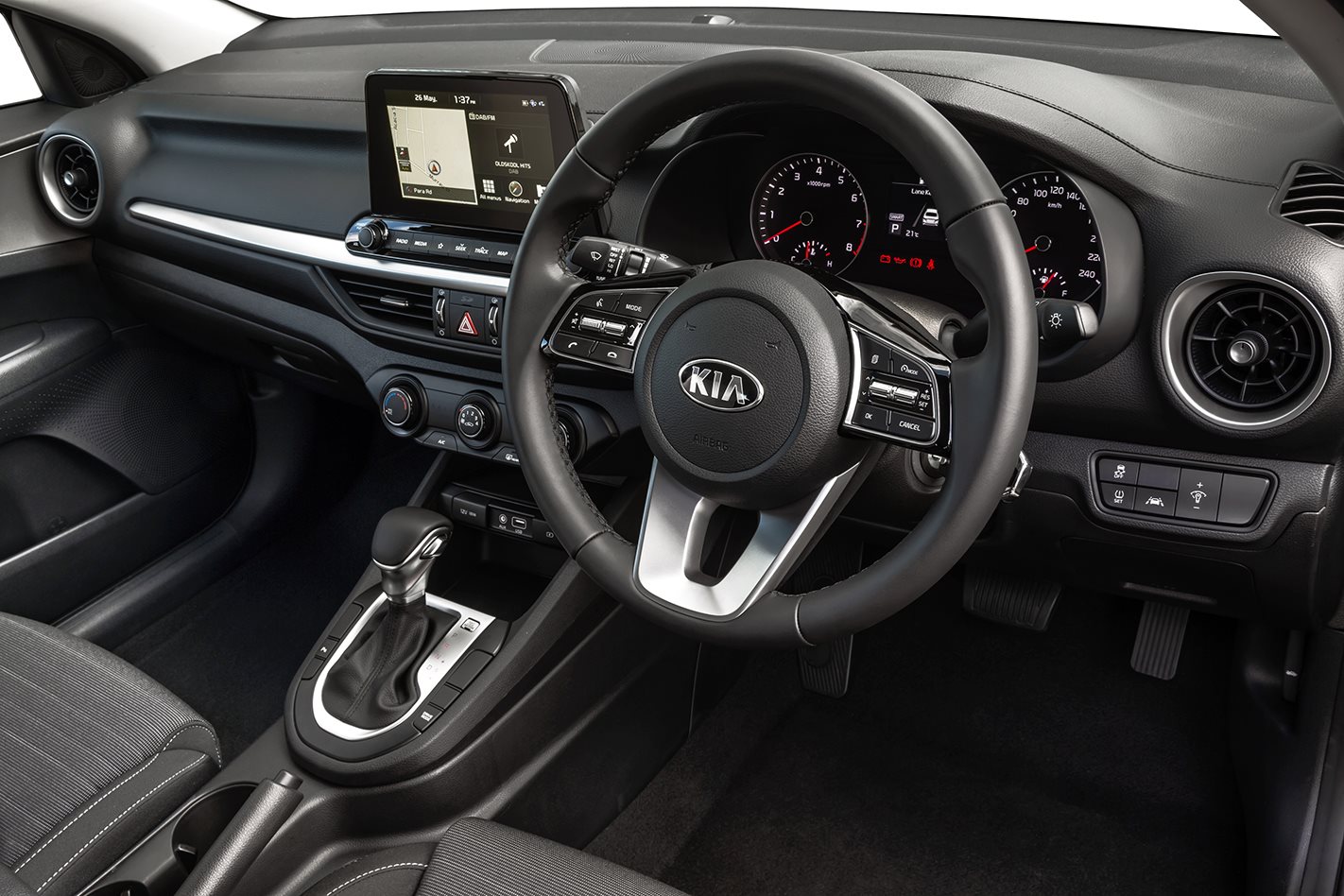
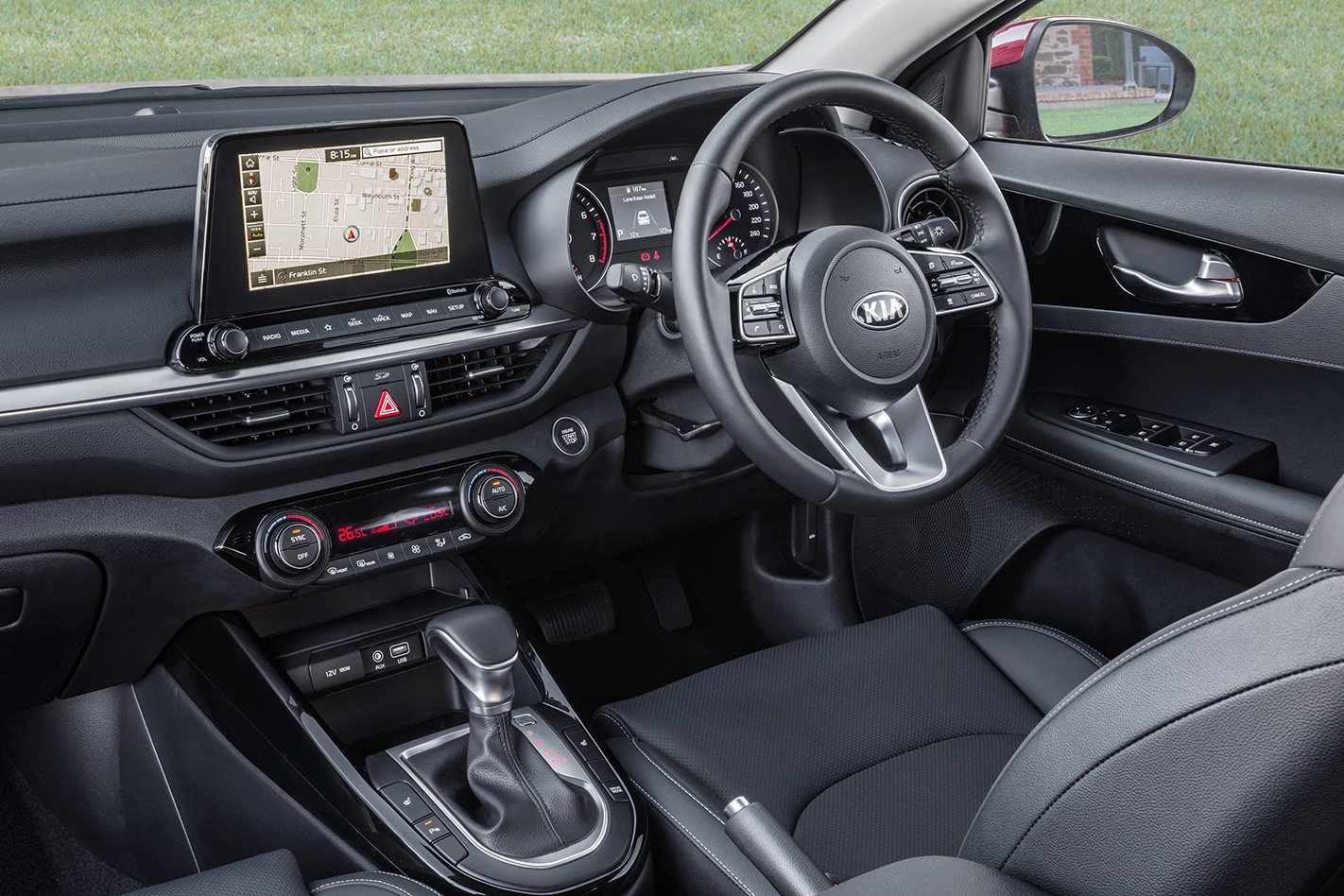
It also features more advanced multi-link rear suspension for superior handling, aided by bigger 18-inch wheels with wider and lower profile tyres that provide more grip.
Does any upgrade have a down side?
The lower-profile 17-inch tyres on the Cerato Sport and Sport+ and 18s on the GT don’t smother bumps quite as well, because there is less air between the wheel and the road. They could also cost a bit more to replace.You don’t have an option of a cheaper manual transmission if you upgrade to the Cerato Sport, Sport+ or GT.Clear White is the colour that doesn’t come with a surcharge. All other colours cost extra.
How comfortable is the Cerato?
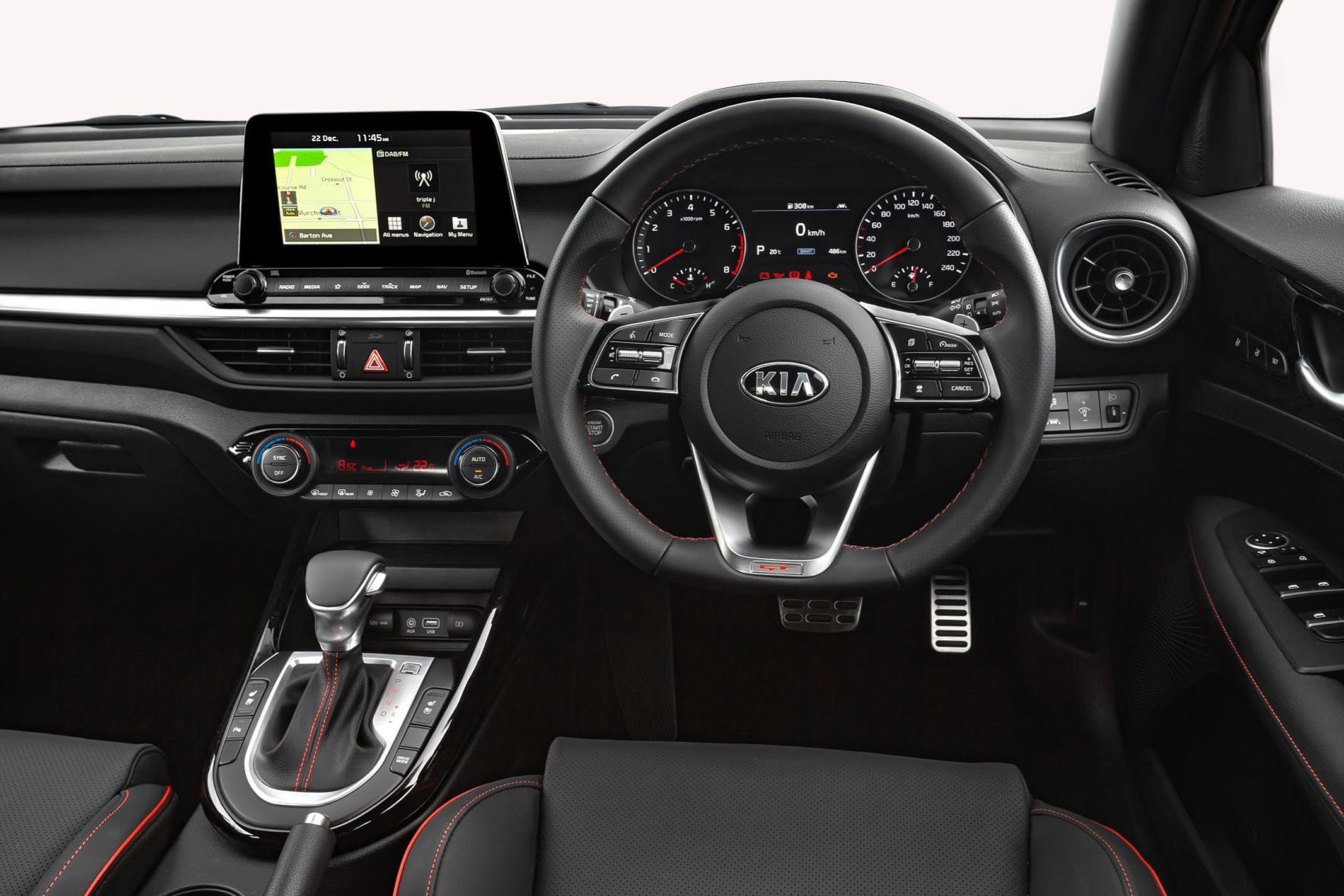
The Cerato interior design is clean and elegant, with crisp instruments and a large central touchscreen that looks premium. It’s also ergonomically friendly, from the buttons and switches on the steering wheel to the main audio and ventilation controls placed quite high on the dash.Storage is good for a small car, with a centre console tub, map pockets with bottle holders in all four doors and two cupholders each for the front and back seats. The centre console also has two USB ports, though only the high-grade Cerato Sport+ and GT have a seatback pocket and rear-seat air vents.
MORE: Kia Cerato GT sedan long-term reviewThe Cerato GT’s front seats are far more deeply bolstered than the other versions, meaning much better lateral support through corners, and greater comfort and support overall.In terms of climate control, seat ventilation or heating, space to drop your phone and wallet, the Sport+ and GT score top marks.
What about safety in a Cerato?
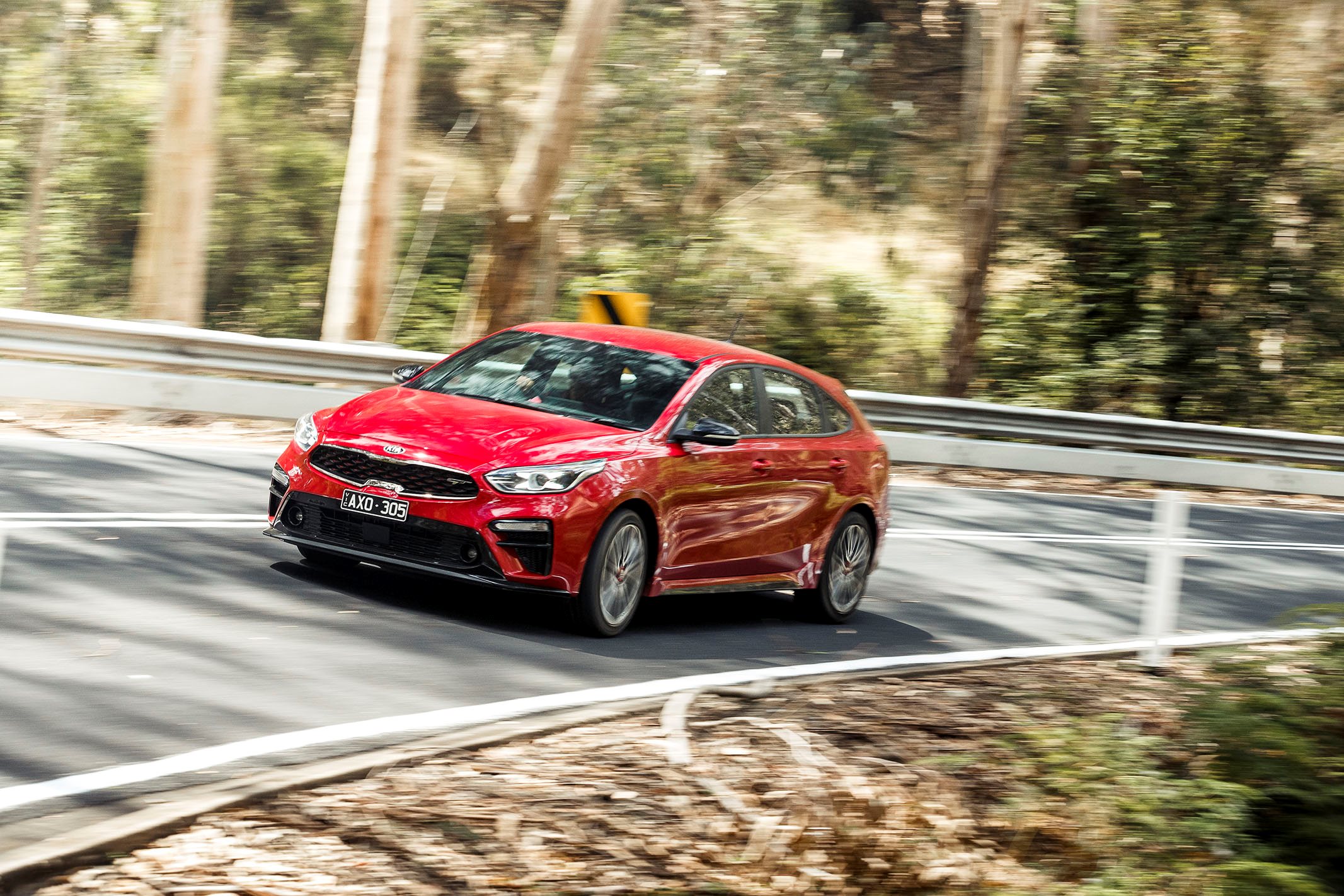
Six airbags, including two front, two side and two curtain inflators, contribute to good occupant protection in a crash, and rear-seat seatbelt reminders add security for people travelling with children or forgetful adults.The reversing camera improves rear vision, while front and rear parking sensors provide further assistance when manoeuvring in tight spots. Auto headlamps can switch on before the driver notices they’re required, enhancing visibility.All Cerato sedans are equipped with autonomous emergency braking (AEB). In the S and Sport this detects vehicles in front and if necessary stops the Cerato to avoid or mitigate a collision. Lane-keep assist is another range-wide standard.The Sport+ has a more advanced AEB system that also detects pedestrians and cyclists. This is also available, along with adaptive cruise control, in the S and Sport as an optional safety package.Blind-spot detection, and rear cross-traffic alert that detects a vehicle or pedestrian coming from either side behind you when reversing, are available at extra cost for all three Cerato variants.The Cerato GT comes standard with all the above safety features.
All versions have three child-seat restraint anchorage points and two ISOFIX positions.The Australasian New Car Assessment Program (ANCAP) has given two different ratings to the Cerato. The S and Sport versions were given a Four Star rating in May 2018 because they lack active certain active safety features including the advanced AEB, though they scored well for crash protection. The Sport+ and GT come with a Five Star rating.
I like driving – will I enjoy this car?
The Cerato S, Sport and Sport+ provide a solid driving experience. The steering feels light but direct and the ride feels stable and tied-down in most regular driving conditions. It grips fairly well, but its cornering performance is typical front-wheel-drive Korean – safe, but unexciting.The suspension, which has been specifically tuned to handle Australian roads, feels at home soaking up bumpy roads and handles corners with good grip and a satisfying sense of balance.
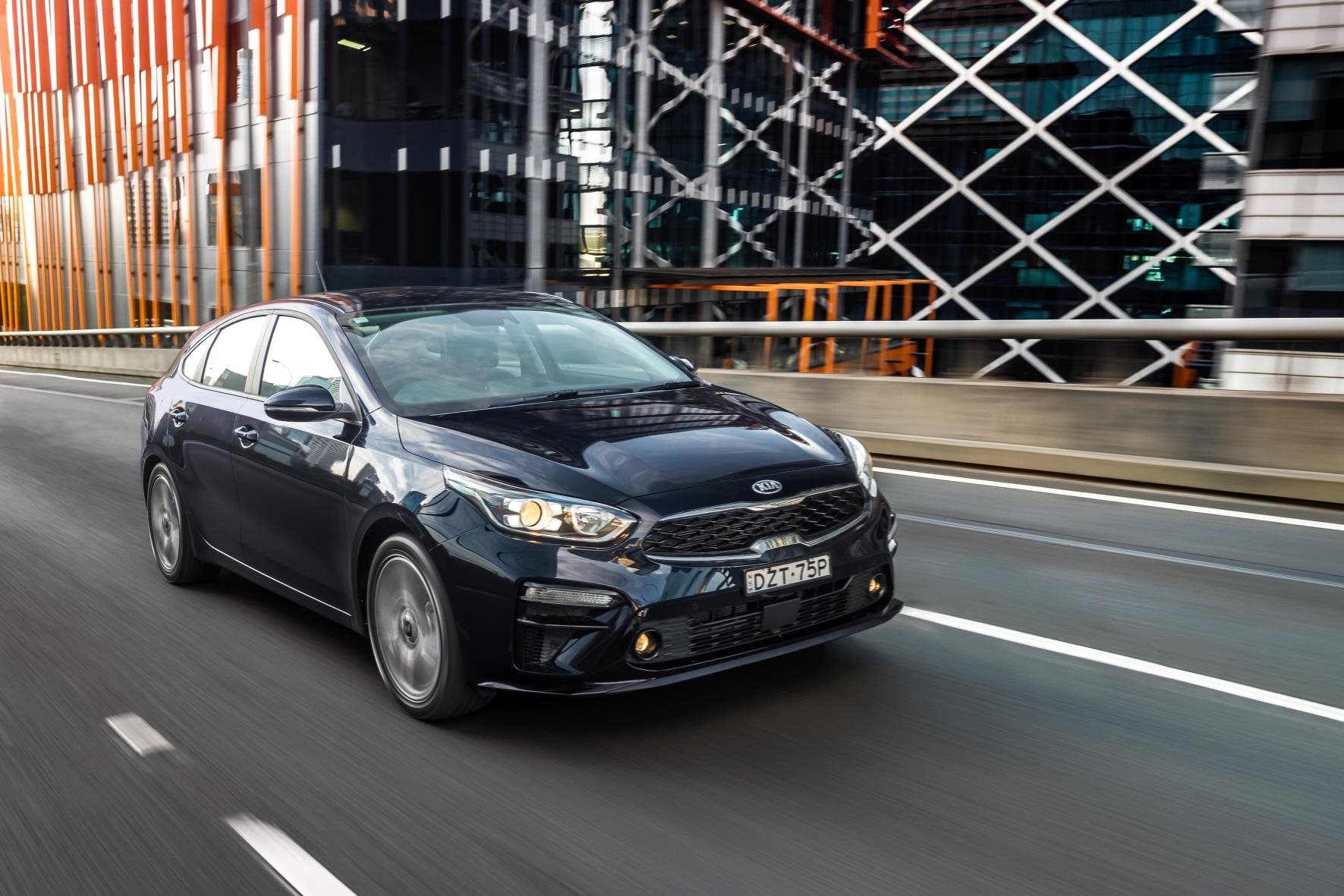
The 2.0-litre engine is a willing worker, even if it is not an inspiring element of the Cerato driving experience. It gets vocal when you ask for all of its performance, and up steep hills or with passengers aboard it can feel short on power and torque.The six-speed automatic transmission is smooth and decisive.The six-speed manual available in the Cerato S and Cerato Sport is an agreeable gearbox with a light shift action and is quite enjoyable to drive.
The Cerato GT’s more responsive powertrain, revised chassis tune and improved wheel and tyre package result in a big step forward in terms of driver enjoyment.
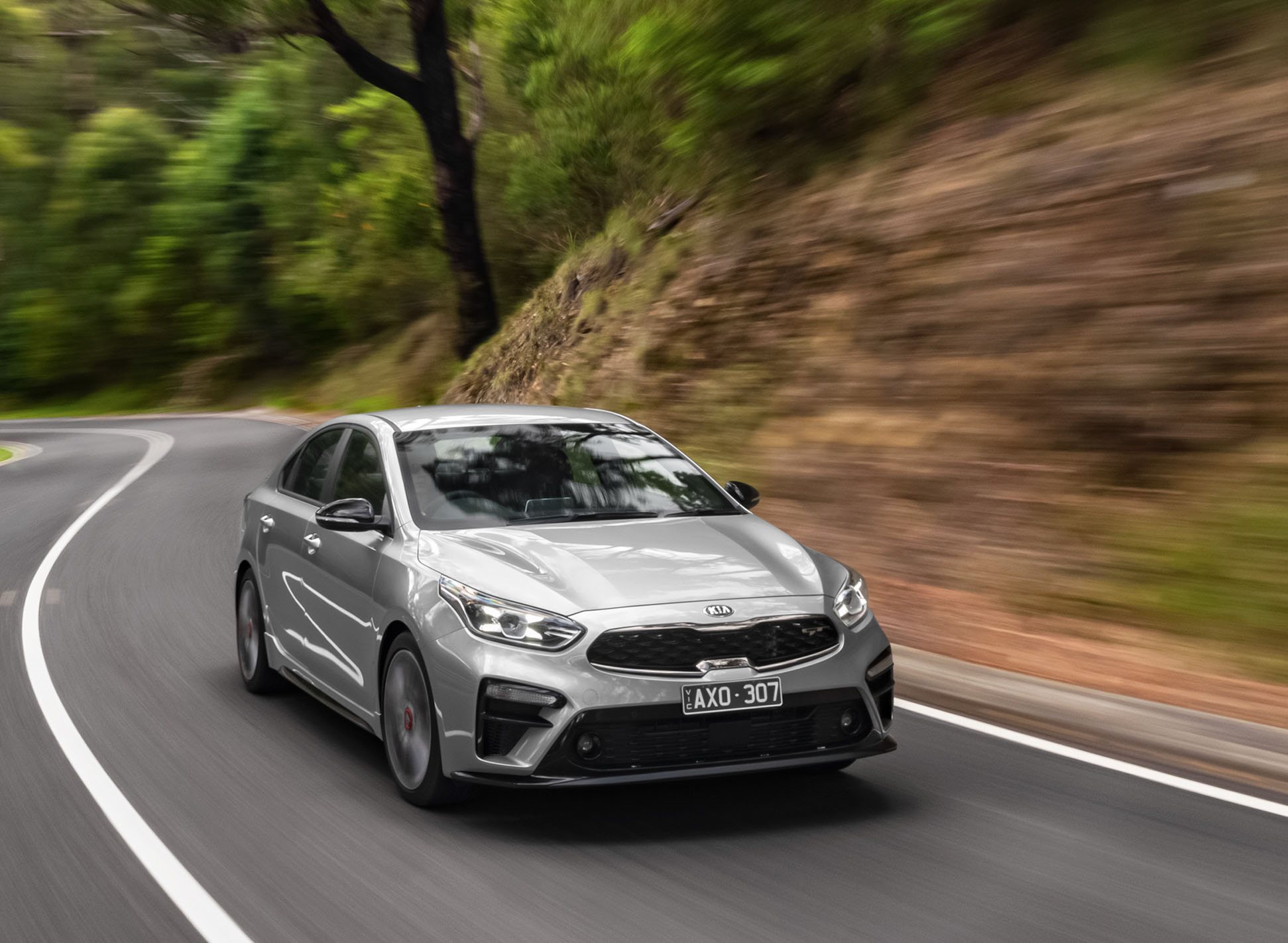
The 1.6-litre turbo-petrol four makes a world of difference to how the Cerato drives. It digs in early and feels eager and strong and doesn’t sound strained at higher revs like the 2.0-litre. It responds well to accelerator inputs aided by the seven-speed dual-clutch transmission.Further driver satisfaction comes from the tauter chassis tune and improved wheel and tyre package resulting in an unashamedly firmer ride that’s felt around town but pays off on open roads where you’ll appreciate the better body control.Apart from the Stinger, we reckon the Cerato GT could just be the best-driving Kia in the range.
How is life in the rear seats?
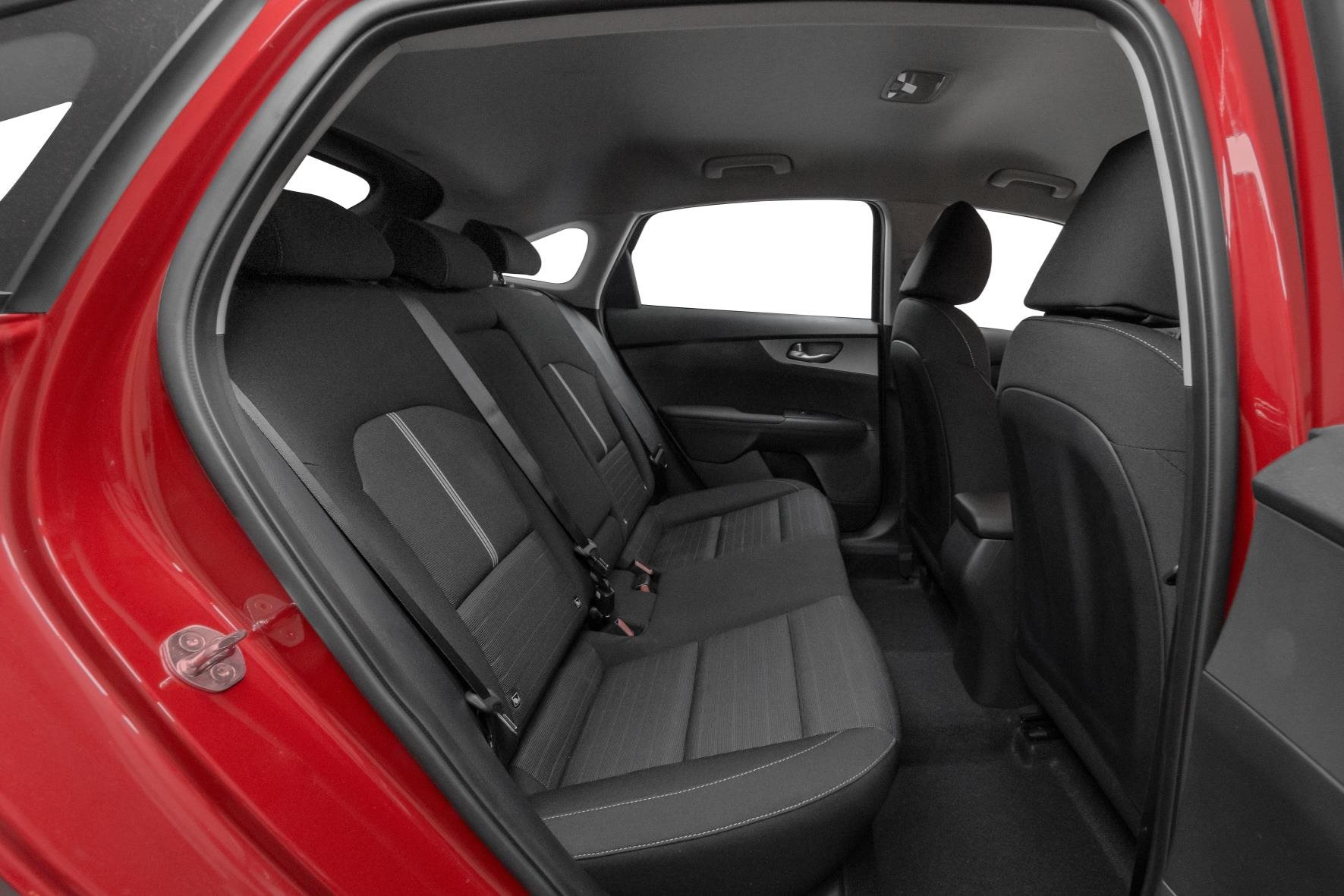
The Cerato has a spacious back seat that’s welcoming for two – or for three small people. Headroom is adult-friendly and legroom very good, too.For times when only two passengers are in the back, there is a fold-out armrest with a pair of cup holders.
How is the Cerato sedan for carrying stuff?
The Cerato hatch has one of the biggest boot spaces in its class, which expands from 428 litres below the cargo cover, while the sedan holds up to 502 litres.
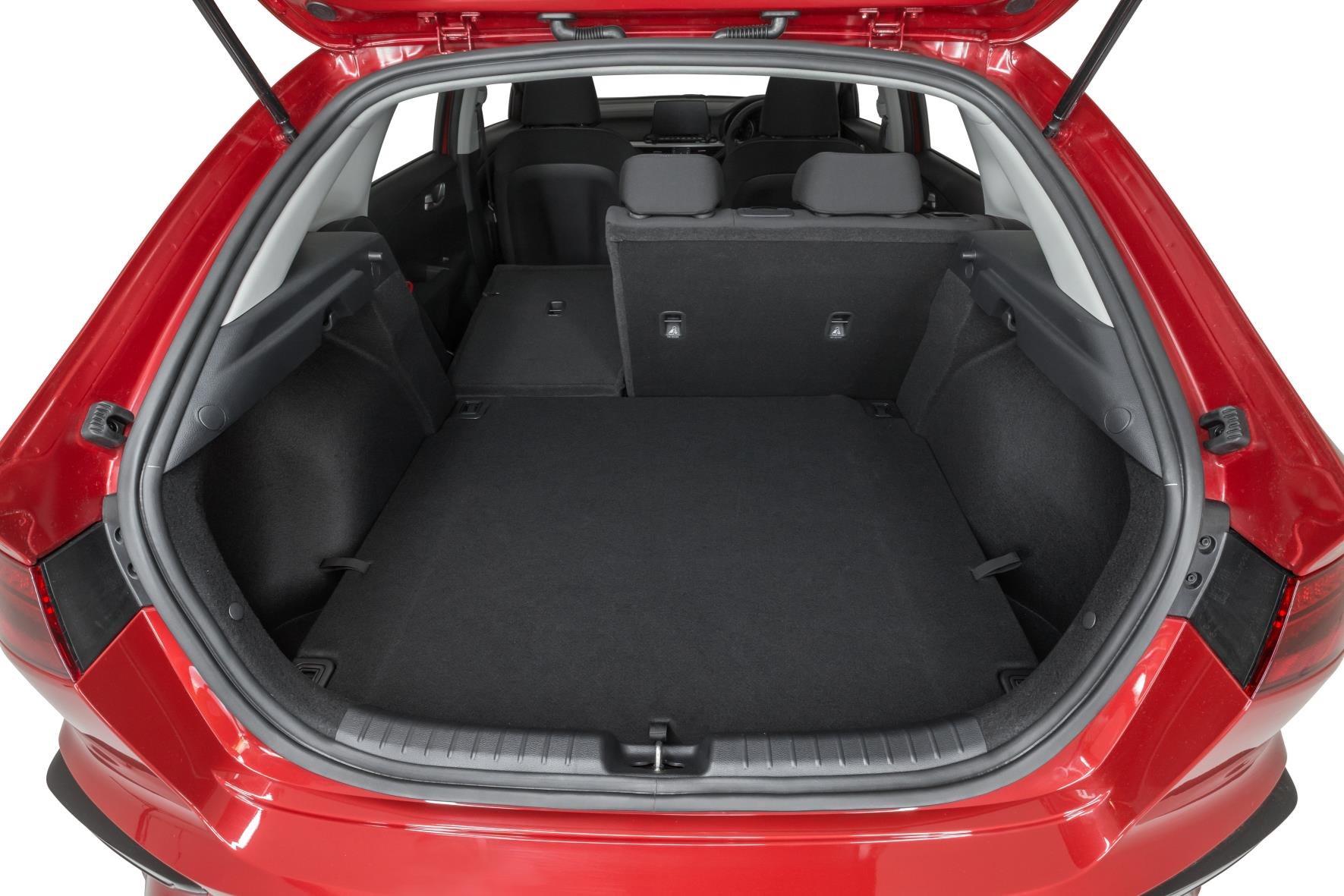
Both versions have split 60:40 seats to increase capacity when trying to shift longer loads.The Cerato hatch has a braked towing capacity of 1100kg and the sedan 1200kg, which are both handy if you need to haul a small trailer.
Where is the Kia Cerato sedan made?
The Kia Cerato is produced in South Korea.
What might I miss that similar cars have?
In the non-GT versions, perhaps the stronger response to the accelerator that you might enjoy in a turbocharged small sedan such as a Ford Focus, some Honda Civics, Hyundai i30, Renault Megane or Skoda Octavia.Or the greater security in slippery conditions of all-wheel drive, which is standard on a Subaru Impreza.Other small cars you might consider include the Mazda 3, Hyundai Elantra, Toyota Corolla and Mitsubishi Lancer.
I like this car, but I can’t choose which version. Can you help?
The Cerato GT the most impressive version, given its considerably superior performance and handling, sizable list of standard equipment and more upmarket presentation courtesy of leather upholstery.
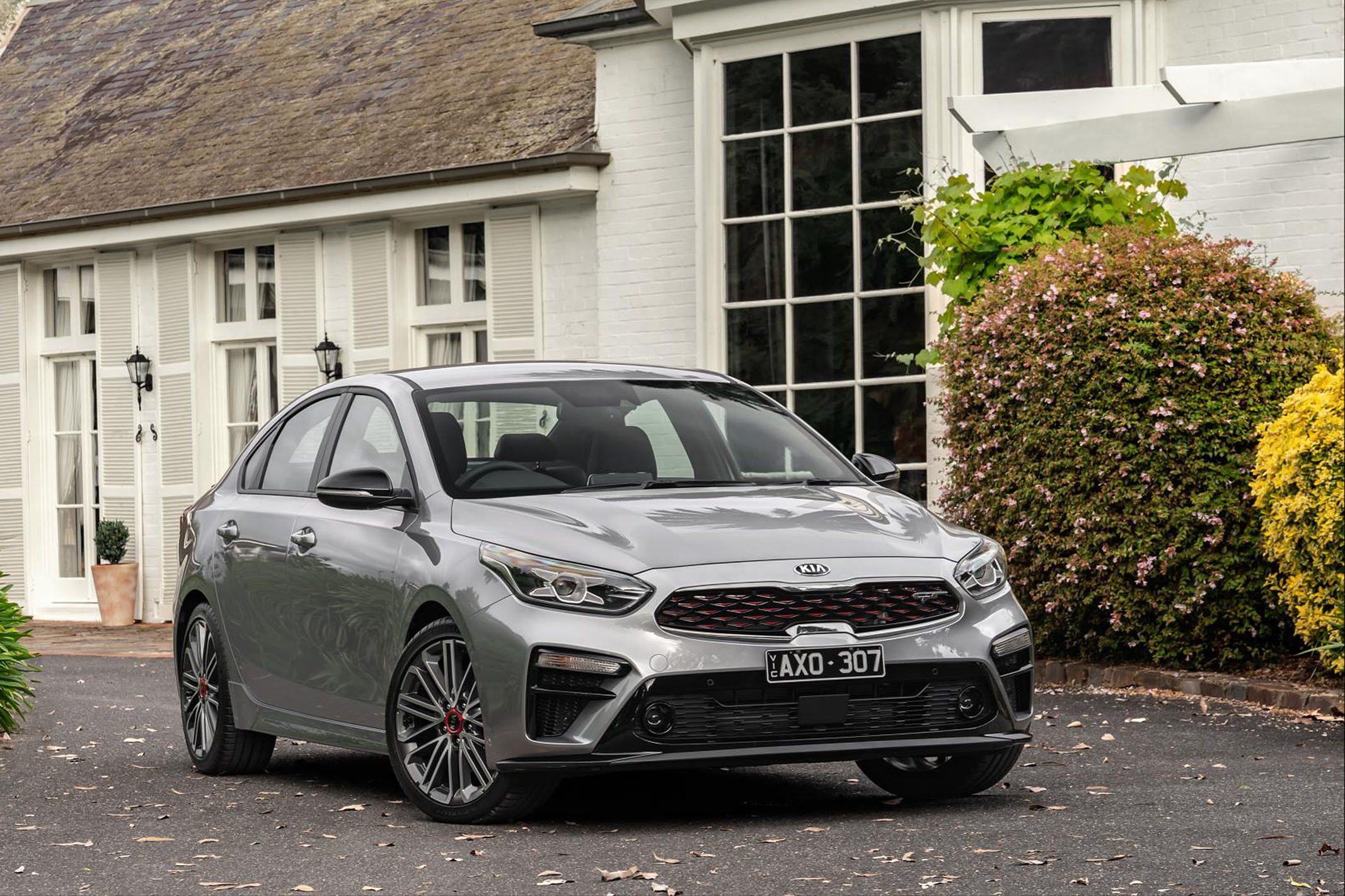
It’s not all glitter, however, given that variant also packages a more capable AEB system for better safety, along with rear-seat air vents, dual-zone climate control and heated front seats – features most buyers would be keen to have.If you’re not too fussed about having the GT’s extra oomph than you can opt for the Cerato Sport+ which brings most of the GT’s equipment levels and about $4000 in change.
Are there plans to update the Cerato sedan soon?
The fourth-generation Kia Cerato sedan arrived in Australia in June 2018 and for the rest of the year was sold alongside the previous-generation Cerato hatch.The all-new hatch arrived at the beginning of 2019, along with the first-ever Cerato GT in both hatch and sedan body styles.In October 2019, Kia added a manual version of the Cerato Sport for the 2020 Model Year and also threw in adaptive cruise control for the automatic Sport with the optional safety pack option.Expect a light upgrade sometime in 2022.
- 73km battery range
- 1.6L/100km fuel economy
- First Benz PHEV equipped for DC fast charging
Available in hatchback and sedan versions, the A250e is the latest Benz to gain the brand’s EQ Power tech and is the fourth plug-in hybrid available here alongside the C300e and E300e luxury sedans and the GLC300e SUV.
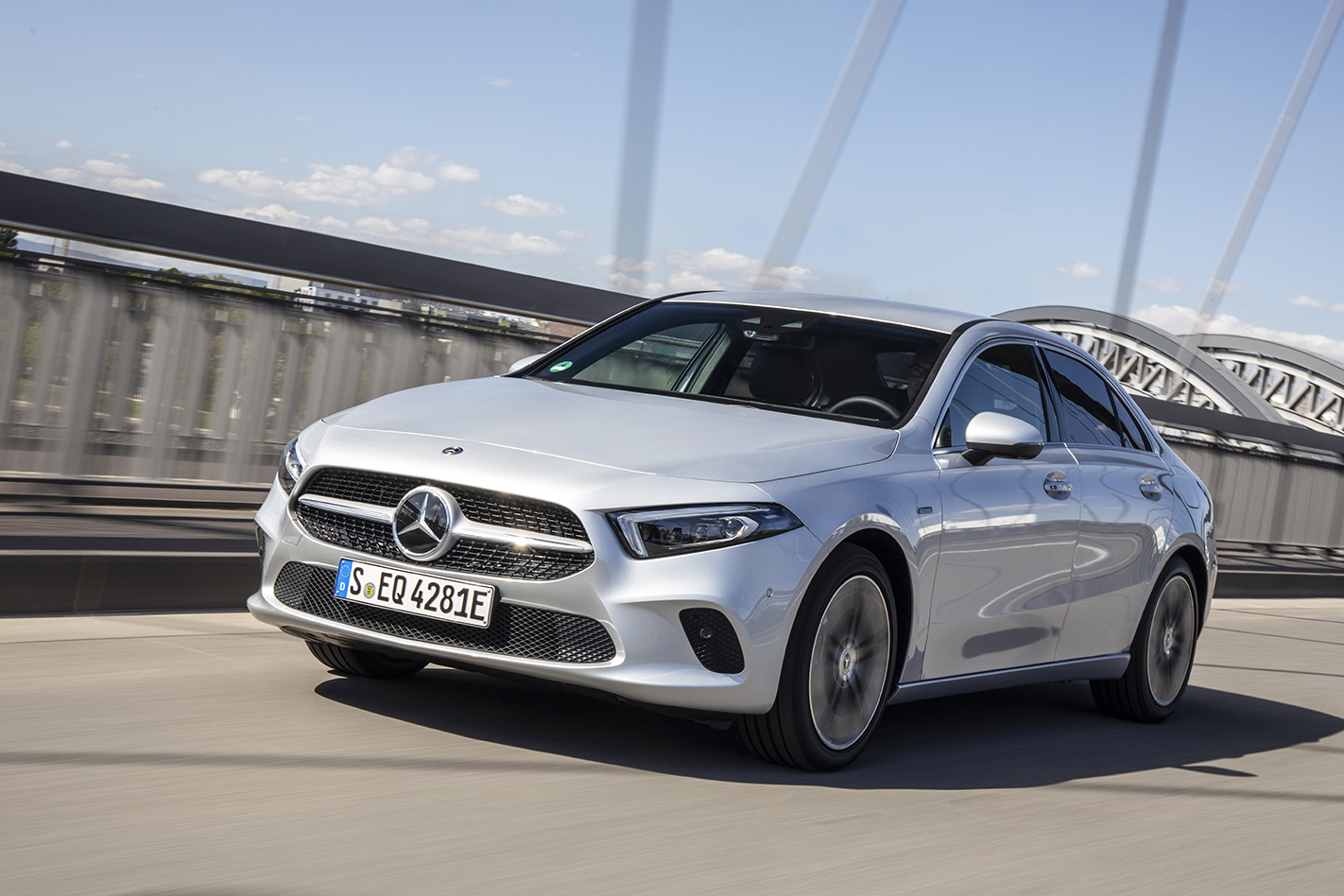
The front-wheel-drive hybrid powertrain consists of a 118kW/250Nm 1.3-litre four-cylinder petrol engine coupled with 75Kw/300Nm electric motor and 15.6kWh battery, which combine to produce 160kW/450Nm – that’s a modest power output but it has more off-the-line oomph than the 2.0-litre turbo 165kW/350Nm in the standard A250.
Used in conjunction with the all-electric mode, the A250e will sip premium unleaded petrol at just 1.6L/100km.
The A250e does not have a separate 12-volt starter and its combustion engine is started by the same electric motor that adds assistance to the drivetrain.
Apart from the dusting of unique equipment and displays that come with the hybrid powertrain, the A250e is similarly equipped and styled to the A250 and is packaged so you’ll barely notice the difference.
One notable difference, however, is a reduction of boot space that’s occupied by the water-cooled lithium-ion batteries. In the hatchback, cargo area is reduced by 60 litres to 310 litres while the sedan boot shrinks from 410 litres to 355 litres.
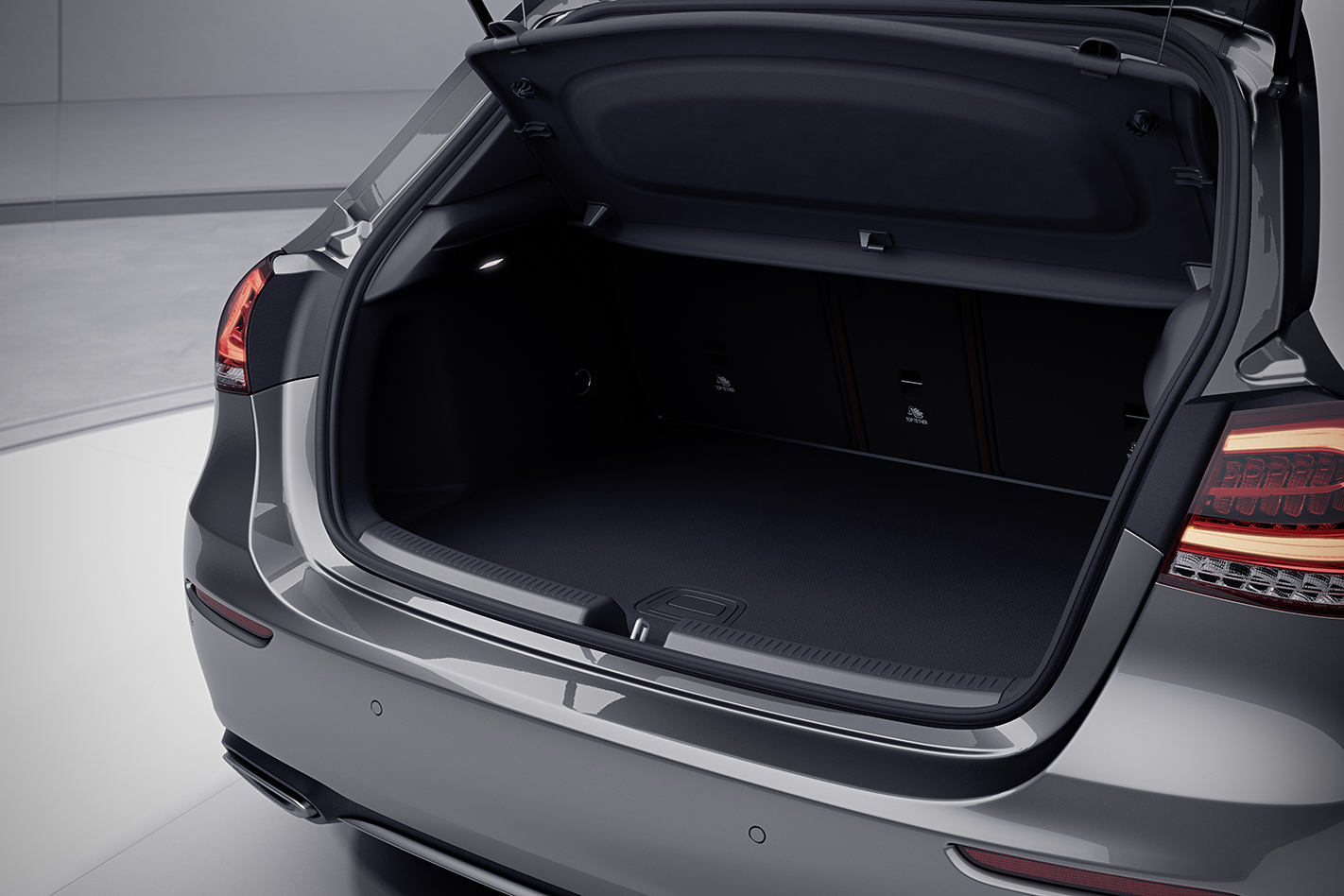
Engineers managed to prevent more boot space being lost by installing a smaller 35-litre fuel tank and a centrally positioned exhaust outlet under the floor.
Charging
The A250e is equipped with a standard Type 2 plug, and is capable of delivering charge via a 240v power point at a rate of up to 3.7 kW.
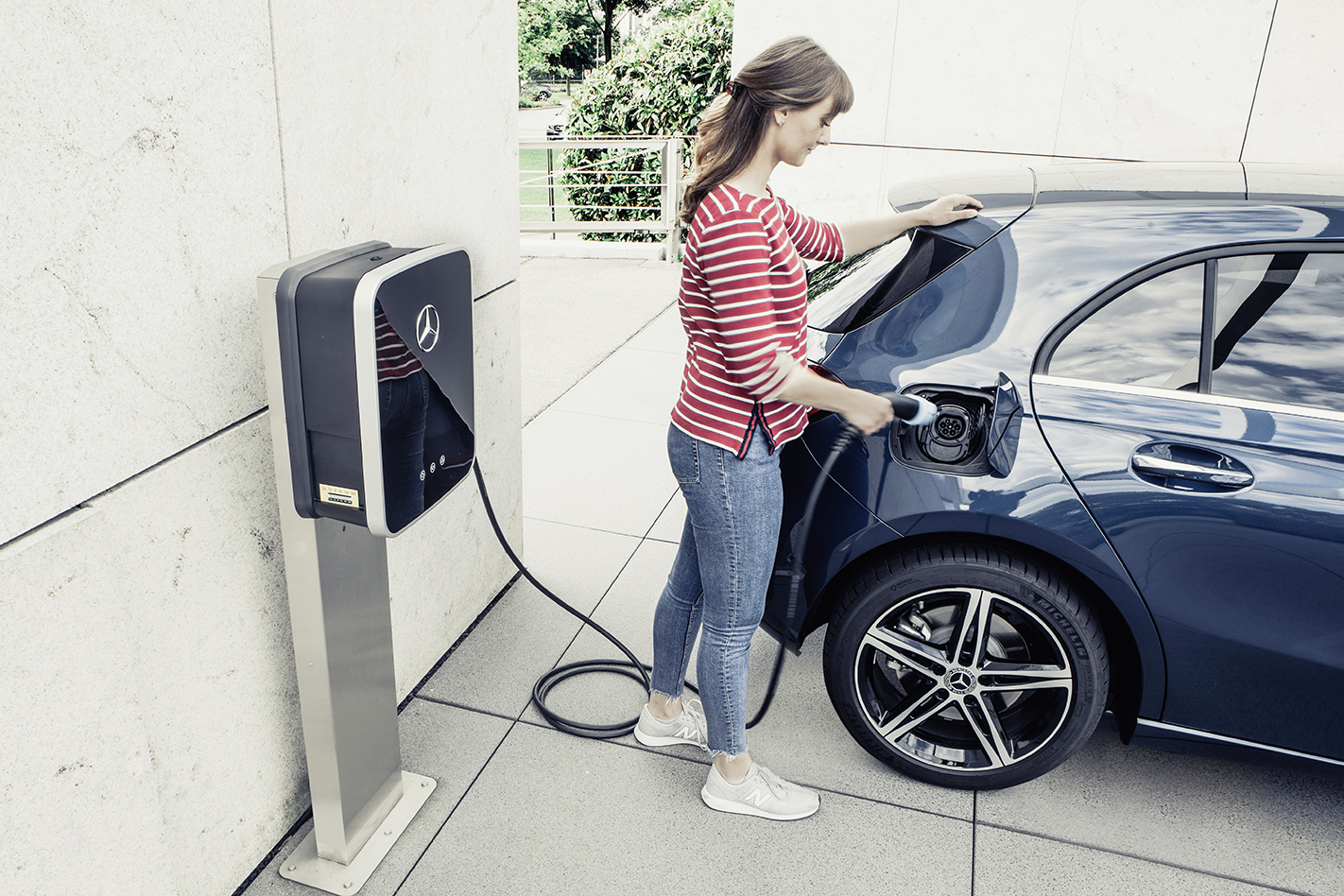
Alternatively you can buy a Mercedes-Benz Wallbox Home for about $1250 that will boost 240v charging to 7.4kW or up to 22kW with 415v three-phase power for the fastest home charging.
A 24kW DC Charging Package that can charge the A-Class from 10 percent to 80 percent capacity in as little as 25 minutes is also available for $1490. This is the first time this feature has been made available on a Mercedes-Benz PHEV passenger vehicle.
Standard equipment
The hatch and sedan versions feature 18-inch Aero alloy wheels, the MBUX infotainment system with voice control and a fully digital widescreen cockpit, ARTICO upholstery, smartphone integration including wireless charging and LED headlights.
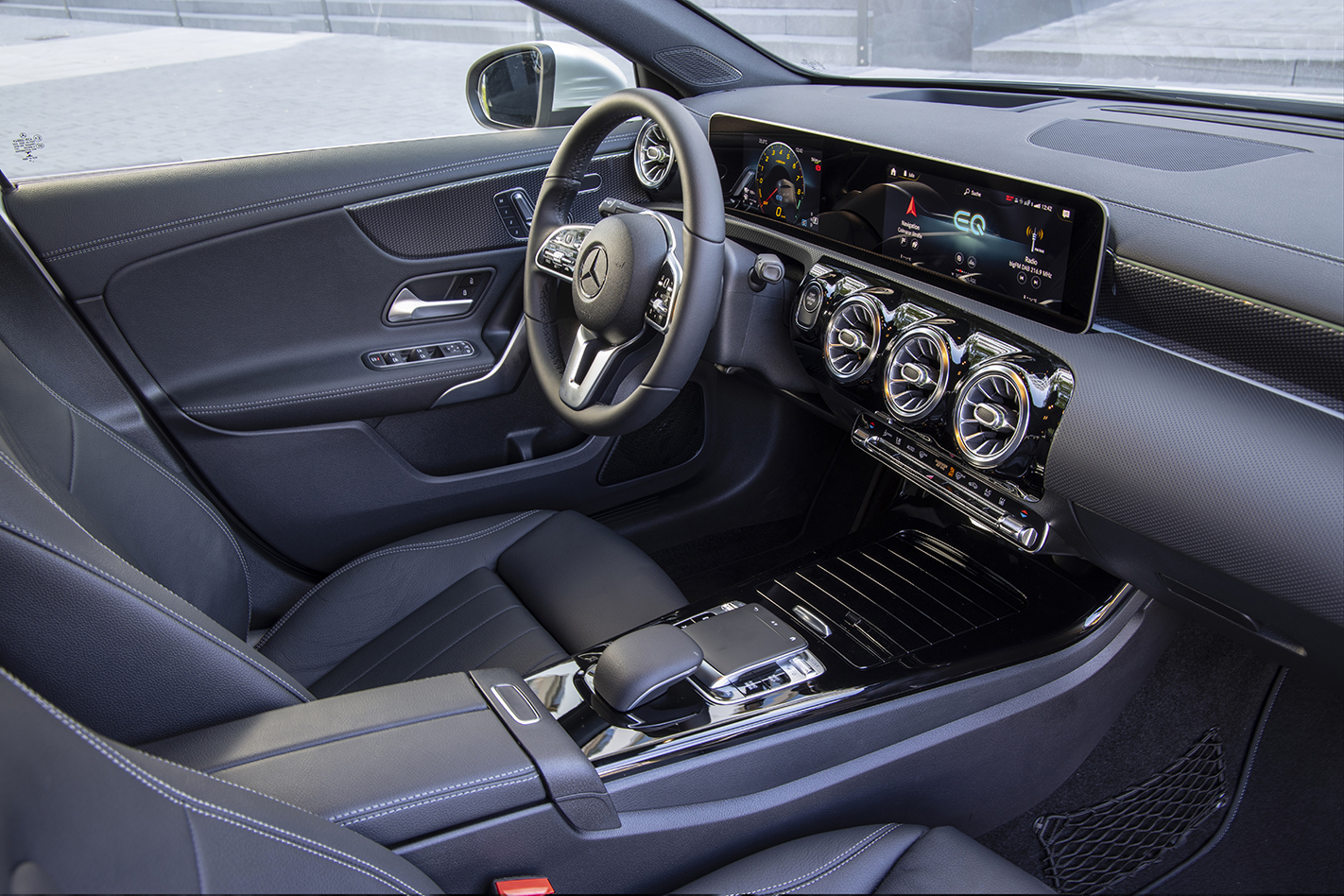
Standard safety equipment includes autonomous emergency braking, blind-spot monitoring, lane-keeping assist, traffic sign recognition, and nine airbags.
The A250e also has an electric refrigerant compressor, which means you operate the climate control without the vehicle being started and before you hop in the car on a hot day via the Mercedes me Connect suite app.
2021 Mercedes-Benz A250e pricing
The Mercedes-Benz A250e hatch and sedan are on sale now with the following manufacturer recommended retail (MRRP) pricing:
- A250e hatchback – $63,400
- A250e sedan – $66,000
By trying to lower the barrier of entry for new manufacturers, Supercars could inadvertently endanger the involvement of Ford in the championship.
Supercars is currently working on its 2022 ruleset, dubbed Gen3, and is brainstorming ways to make it easier for new manufacturers to get involved in the sport.
Currently teams or manufactures are responsible for the development process of homologating a body to compete in the series. One of the options being considered by Supercars is to take process (and associated cost) in-house with its own technical team.
The purpose of doing this is to reduce the development costs that a new manufacturer would need to invest if it joined the championship (effectively making it more affordable to compete).
The Gen3 regulations will see a tweak to the rules around bodies currently used in Supercars – with the intention to make the road cars more visually representative of their road-car equivalents.
Supercars chief strategy officer John Casey spoke to Wheels recently for a lengthy discussion about the new Gen3 regulations. During which, he revealed what the category intends to do with the race car’s bodies in 2022.
“Obviously if we are representing a car or a brand on the grid, we need to make sure that we do that in a faithful way, returning to road car dimensions where panels and glass houses are interchangeable, etcetera,” he explained. “That will give [manufacturers] comfort.”
“But I think we need to be asking them for approval to run the car on the track, but not asking them for money to do so.
“I think what you will find moving forward is Supercars will take on the cost of homologating cars. That doesn’t mean we won’t welcome manufacturer participation in the sport, but we don’t necessarily rely on it either.”
When asked for clarification around Supercars taking on the cost of homologation, Casey explained that the category would do this by developing the panels and aero itself, leaving the manufacturer to simply sign-off on the use of its intellectual property.
“It would literally just be the approval to represent their product on track,” he added.
MORE ON THE FUTURE OF SUPERCARS
- Ford could leave Supercars if Holden isn’t replaced
- New engine regulations for Supercars for 2022
- Where to next for Supercars
When Wheels spoke to Ford Perfomance’s global chief Mark Rushbrook, he was adamant that Supercars’ proposed plan would jeopardise the Blue Oval’s participation in the sport if it goes ahead. Wheels spoke to Rushbrook following discussions with Casey, and shared Supercars’ idea with the Ford Performance director.
“In our experience [body homologation] cannot be done separately, and nor would we want it to be done separately,” he said to Wheels.
“That is why we are racing, for that innovation, development, and technology transfer. If the series wants to do the body, then it is not our body, and we wouldn’t be in the sport.”
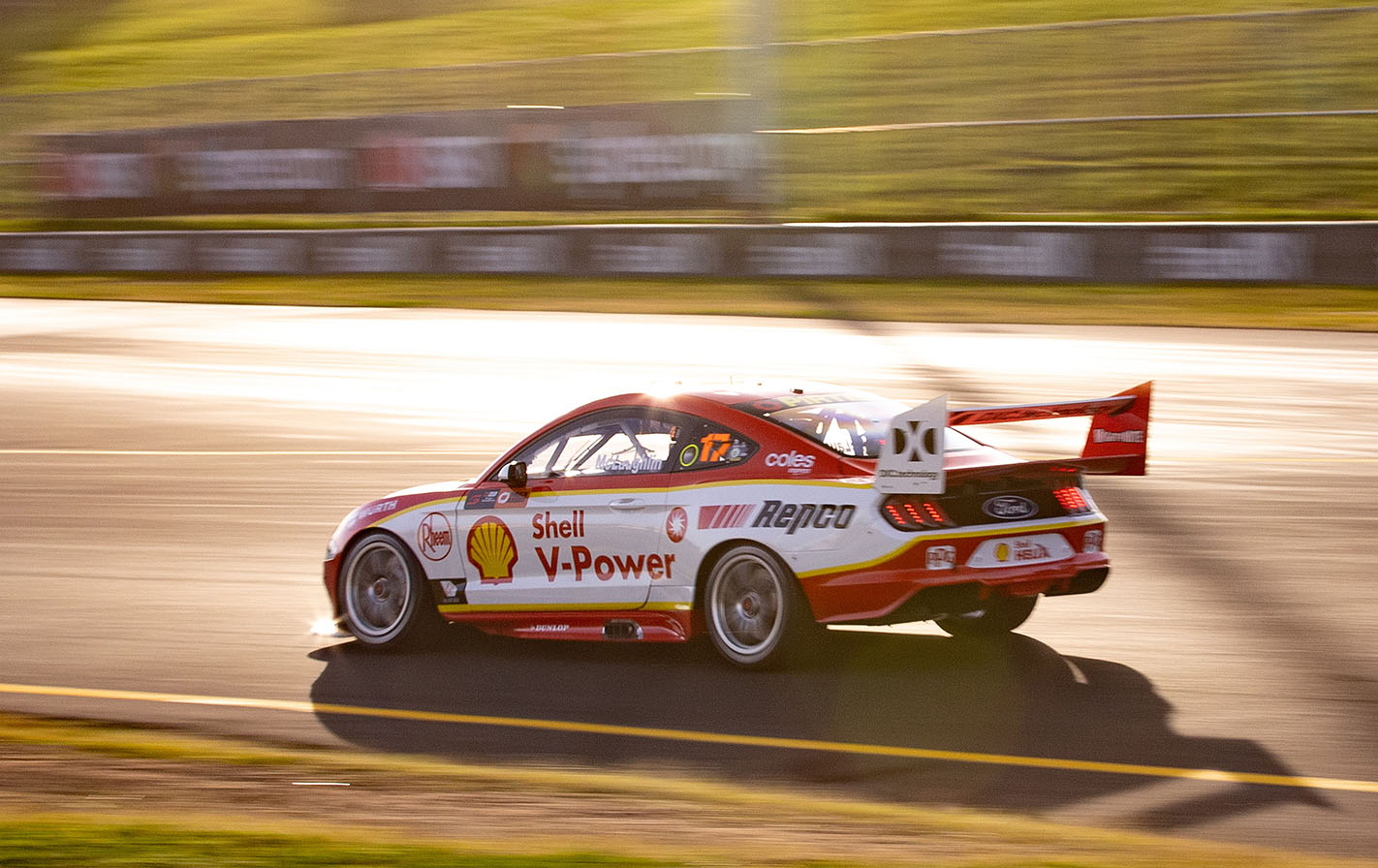
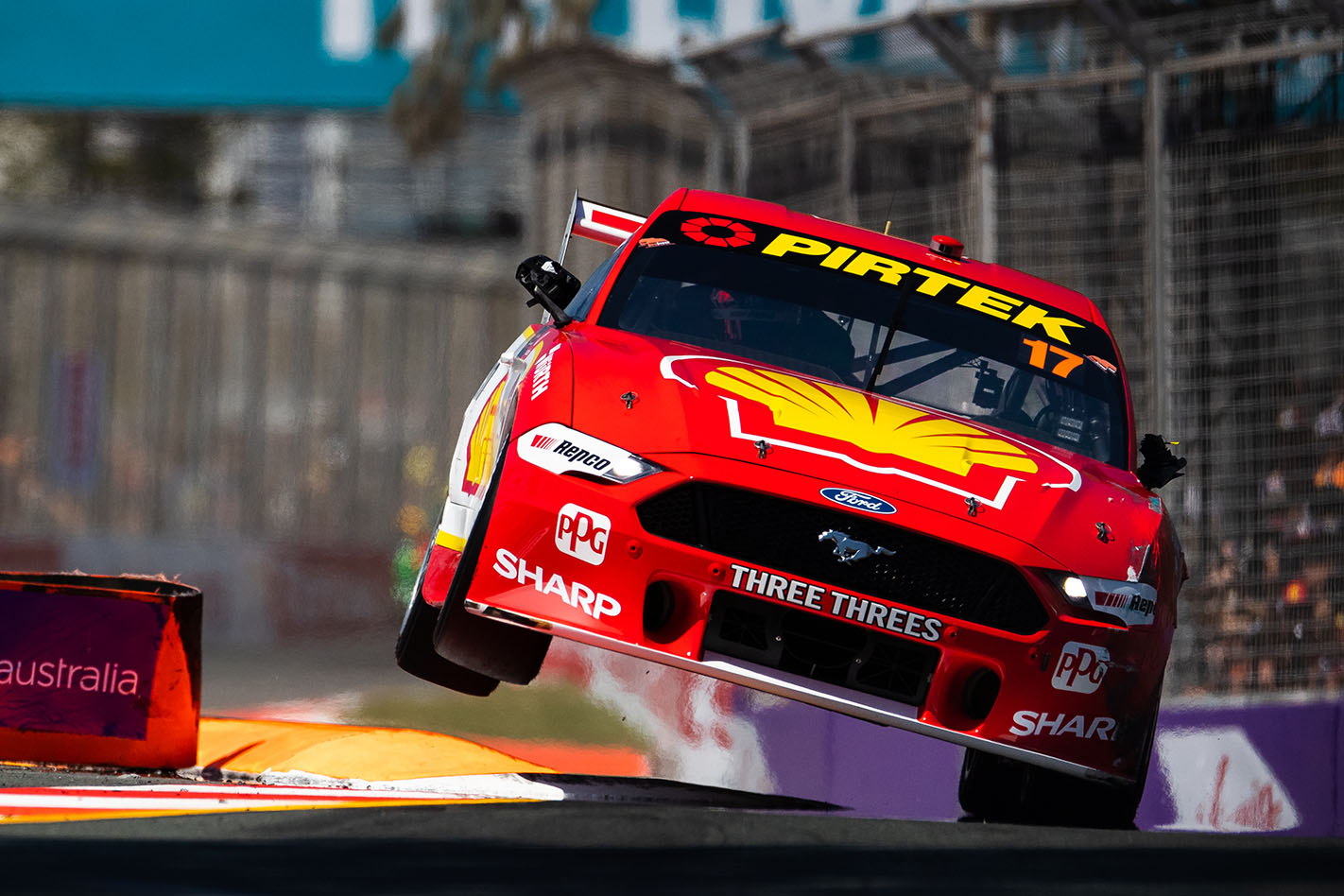
Ford Performance utilised its teams both locally and overseas during the development of its Mustang racer, which joined the Supercars grid in 2019.
When it was introduced, the Mustang set a new high watermark for technical development in the category.
Casey recognises that Supercars’ proposed system will not be for everyone.
“Some [manufacturers] will want to get involved, and some wont. That’s the way things are,” Casey said.
“We need to move into a position where we aren’t reliant on the support and participation that they have in the past.
“Some manufacturers will choose to not be represented on the race track, and that is totally their call.
“For some brands we will be a good fit, and for some brands we won’t.”
Insiders at two different manufacturers rumoured to be interested in joining Supercars told Wheels they would decline a request for their vehicle to be raced in the category under the proposed plan, even if it was cost-free.
New body homologation processes aren’t the only threat to Ford’s involvement in the category, with a new ‘crate’ engine plan that is also being considered failing to appease Mark Rushbrook, the global director of Ford Performance Motorsports.
More modern engine technology looks set to be implemented in the category as part of the Gen3 update, with one proposal being considered for Supercars to create a ‘one-size-fits-all’ control engine used by all the teams.
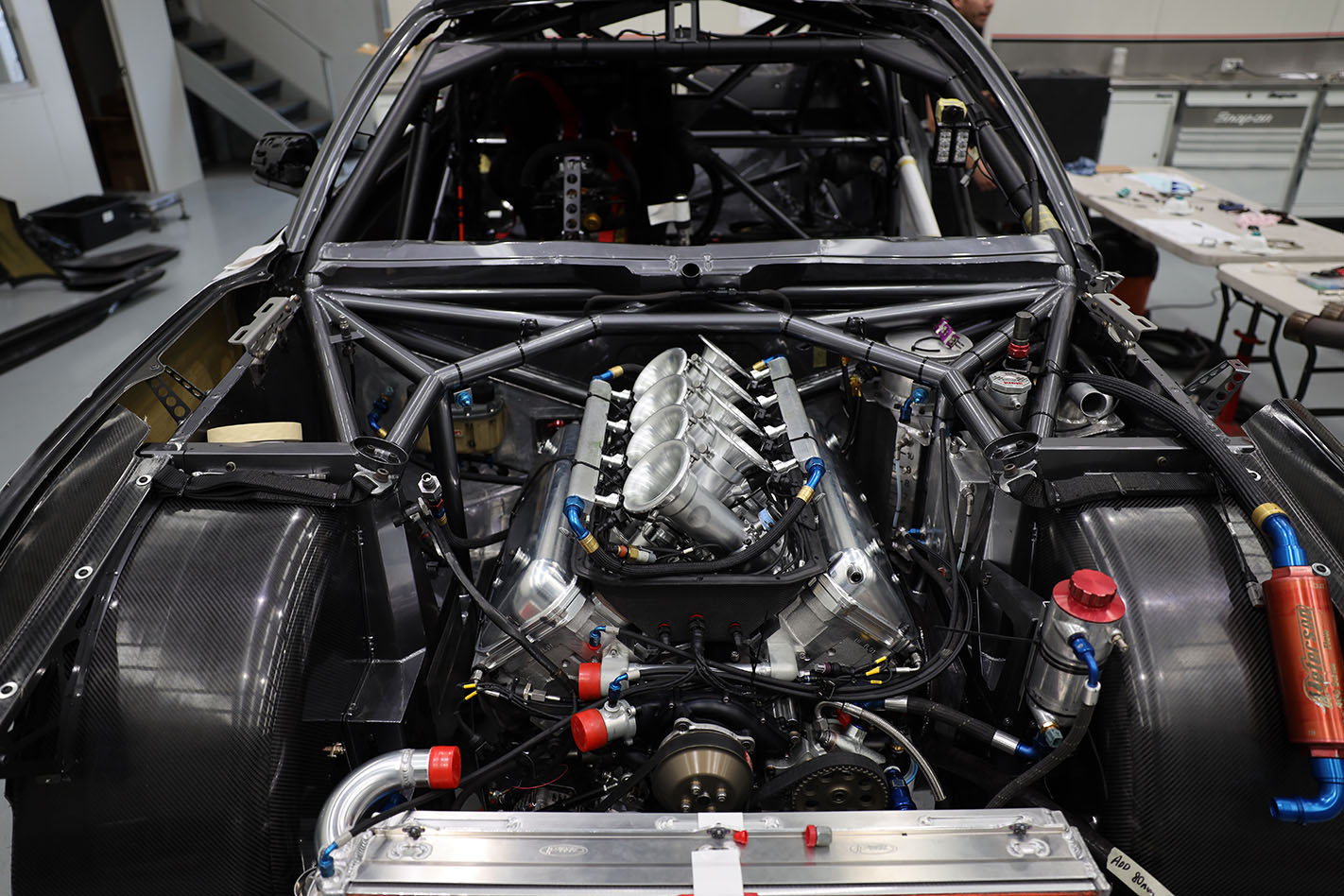
It is understood that if this were to happen, Ford’s Coyote 5.0-litre V8 is a frontrunning candidate.
However, again, Ford’s global motorsport boss was displeased by the proposal.
“We think that brand identity is very important for us, and our competitors, and we think it would be confusing for the sport, for the fans, if there was a Ford or Ford-based engine in another brand’s body,” Rushbrook told Wheels. “We would not be in support of doing that.”
Supercars will have to tread carefully if it intends to keep Ford happy, with the Blue Oval the only manufacturer currently committed to competing in the championship from the end of this year.
The widespread use of hydrogen fuel cell-powered cars in Australia has taken another step closer to reality, with the first of a series of hydrogen production facilities given the green light for Queensland.
Costing an estimated $300m, the Bundaberg Hydrogen Hub will be constructed in the Queensland city and will eventually ramp up to produce 6000 tonnes of the gas each year for use in industrial applications and, more significantly, as a fuel for electric vehicles.
The agreement to build the facility was signed this week by Elvin Group Renewables and Denzo Pty with the support of fledgling Australian FCEV vehicle manufacturer H2X, forming the Green Hydrogen Australia Group (GHAG).
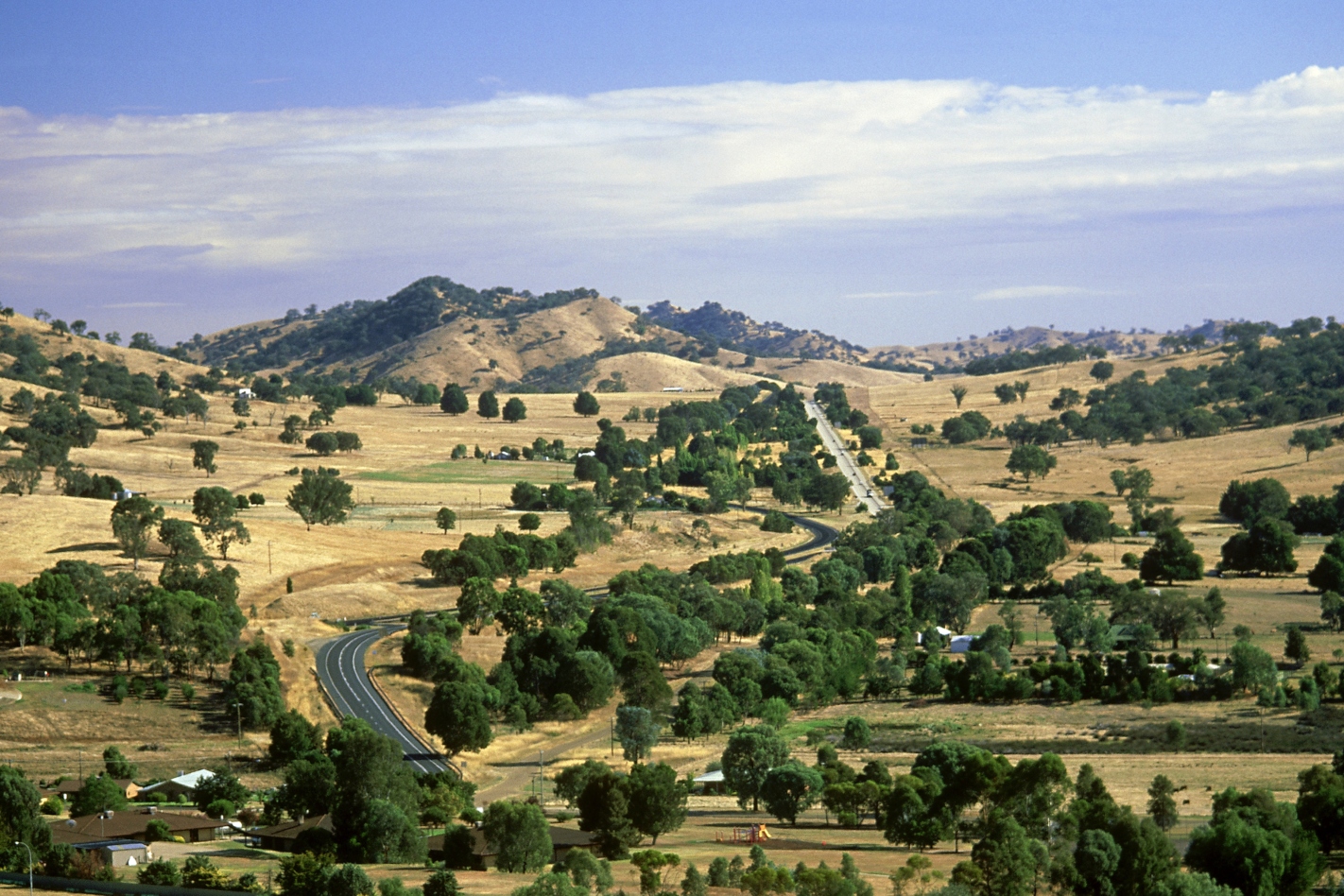
The agreement is to construct an 80-megawatt electrolyser in two 40-megawatt stages but will ultimately include the completion of a number of other production sites along the east coast with Port Kembla the next on the horizon. A total of three facilities are believed to be the current goal with the third also likely in NSW.
Crucially though, the network of factories potentially solves one of hydrogen vehicle power’s biggest challenges.
While manufacturers such as Hyundai and Toyota are providing compelling models that will run on hydrogen, the infrastructure to manufacture and distribute the fuel is not yet at a tipping point in Australia.
However, with a network of electrolysis stations along the nation’s busiest transport channels, delivering hydrogen to refueling points becomes a much simpler and cost-effective task – not just for private and passenger vehicles, but for large commercial transport too.
A public hydrogen filling station is imminent in Canberra and it will be joined by others at key points around the country. The main production facilities form the tip of the infrastructure pyramid and will spur the creation of more hydrogen-friendly fuel stations.
The GHAG stakeholders
H2X
In June this year, Australian startup H2X announced its ambitious plans to restart local vehicle manufacturing with a range of hydrogen powered fuel-cell electric vehicles.
The company draws expertise and vision from a team of industry heavyweights and the site of its headquarters in New South Wales’ Port Kembla is the same rough location as the next hydrogen electrolyser station planned after Bundaberg. No coincidence.
Elvin Group Renewables
A branch of ACT concrete contractor, Elvin Group Renewables brings the electrolyser knowhow to the consortium. With investment in USA-based renewables company Hydrostar, Elvin has access to cutting edge hydrogen production technology that is efficient and scaleable.
The company has already built and tested electrolysers up to 50kW in ACT and is pioneering small-scale containerised hydrogen production systems. For the production scale required at the Bundaberg hub and into megawatt territory, Elvin will need some extra firepower.
Denzo Pty
That’s where Denzo comes in. Not to be mistaken for automotive development and testing specialist Denso, The Matthews Family Trust trustee will supply the first hydrogen facility in Bundaberg, drawing on its investment sources and its connection to the automotive world through dealer networks.
Denzo’s involvement in Queensland solar electricity generation is also no coincidence which raises the next obvious question.
While the consortium of companies is touting the fuel it produces as clean and green – which it doubtless is as a vehicle fuel – there is no mention how the production facility intends to power the operation.
Charging electric vehicles or producing hydrogen from fossil fuel-generated power is the biggest sticking point for EVs as environmental champions. While Queensland relies on coal power for a majority of its energy needs, there are seven solar farms proposed in the Bundaberg region that could potentially provide renewable energy for the new hydrogen plant.
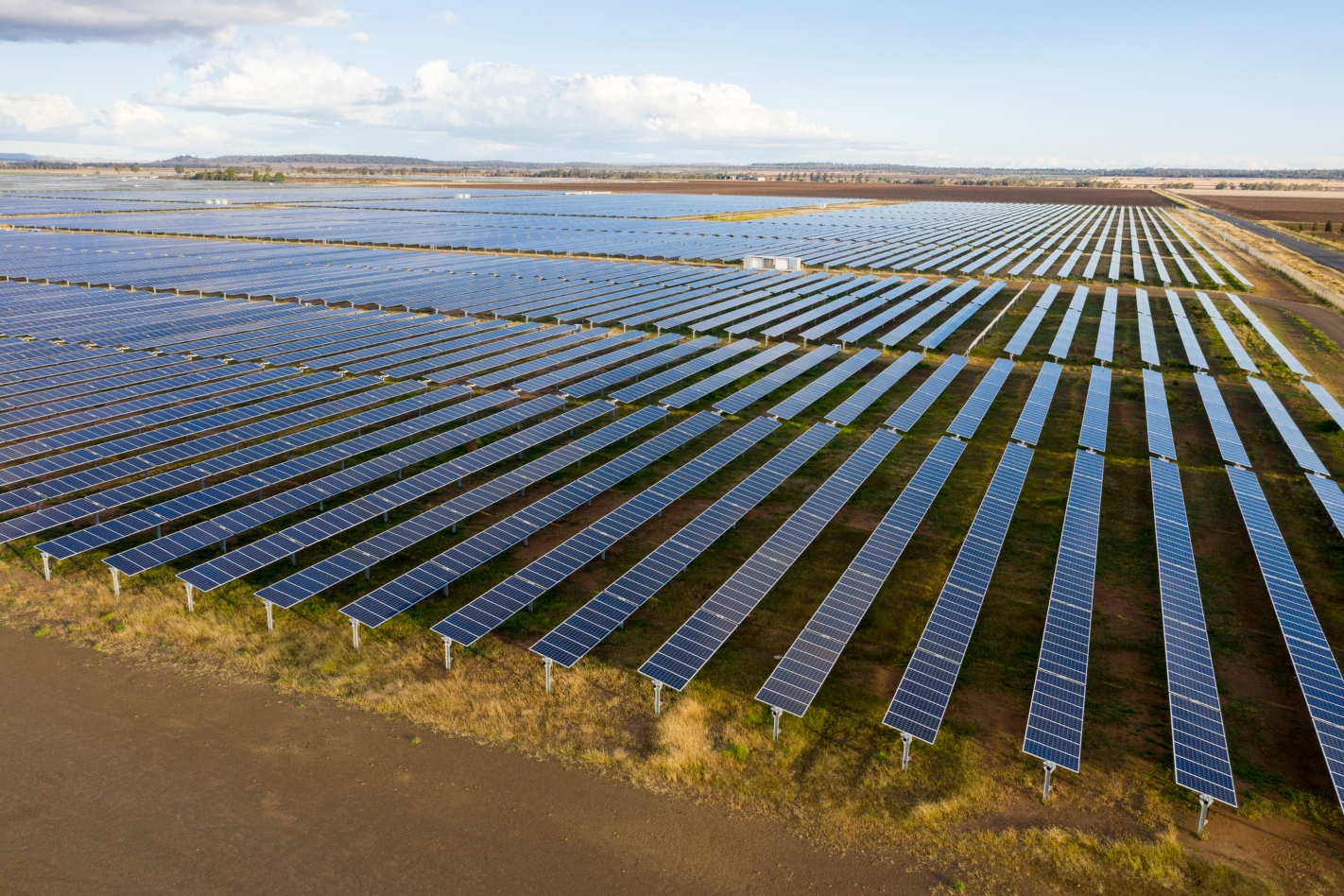
Ultimately, non-renewable power can be switched over to sustainable generation at a point in the future and, regardless of where the BHH gets it power, an emerging hydrogen production network for Australia has the potential to solve the chicken and egg standoff for FCEVs.
“As part of an organisation pursuing Green Hydrogen activities confirms our choice of Australia as the best place in the world to start a sustainable transport revolution,” said Denzo managing director Ken Matthews.
“We see incredible opportunity going forward with GHAG and working together with Mathews family and Elvin Group is further affirmed as a great cooperative team for Australia’s future”.
Early Subaru WRX STi prices are on the up, big time.
We have a bit more evidence this phenomenon isn’t exclusive to Australia now, as we saw a two-door STI Version 6 Type R, sell for ¥7,035,000, which directly converts to a smidge over AU$91,000.
That’s before auction fees, transport, registration, or any other costs. In fact, a Facebook page dedicated to Japanese classics estimates €83,500 for the pleasure of having the car on the road in Europe, which is almost AU$136,000. The page, SHOWA Racing, claims it’s a record price for a GC8 at auction.
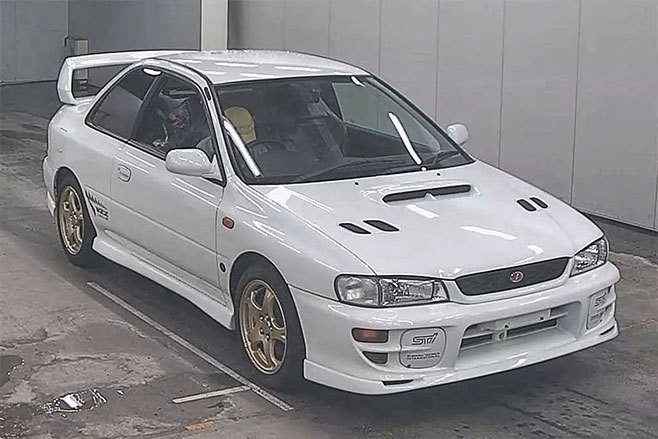
We’re not saying the GC8 Ver 6 isn’t desirable (after all it’s an evolution of the Ver 4, the car the STI 22B was based on), but six figures for an early STi felt a while away yet, especially for one selling in Japan.
This particular car is very well presented, which absolutely helped drive the auction result up (bidding began at ¥2,750,000/AU$35,600 yen for the record).
It’s had just one owner, who’s driven it a total 8785km, leaving the car in what Japanese auctions grade as ‘4.5’. Essentially, near new condition with some very minor use.
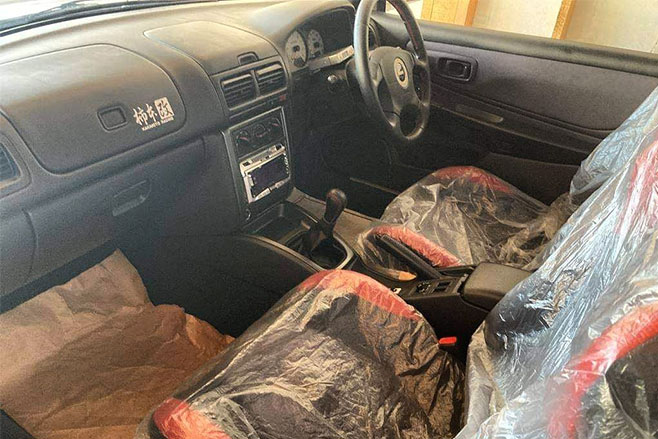
In photos, plastic and paper coverings protect the seats and floors, though whether these have been retained by the owner for storage or simply applied for the auction isn’t clear.
Locally, early WRX STi prices span a pretty broad spectrum based on conditions but four similar Ver 5s are up for sale, from a 122,000km car asking $69,500, to a car with 112,000km up for $98,880. Good luck to them…
What’s on WhichCar TV this week?
The high life!
This Sunday it’s all about the high life. We begin the episode at Lorbek Luxury Car’s Melbourne showroom, filled with some of the most lust-worthy cars on sale, to launch a series of stories about dream machines. Come with us as we explore how the other half live.
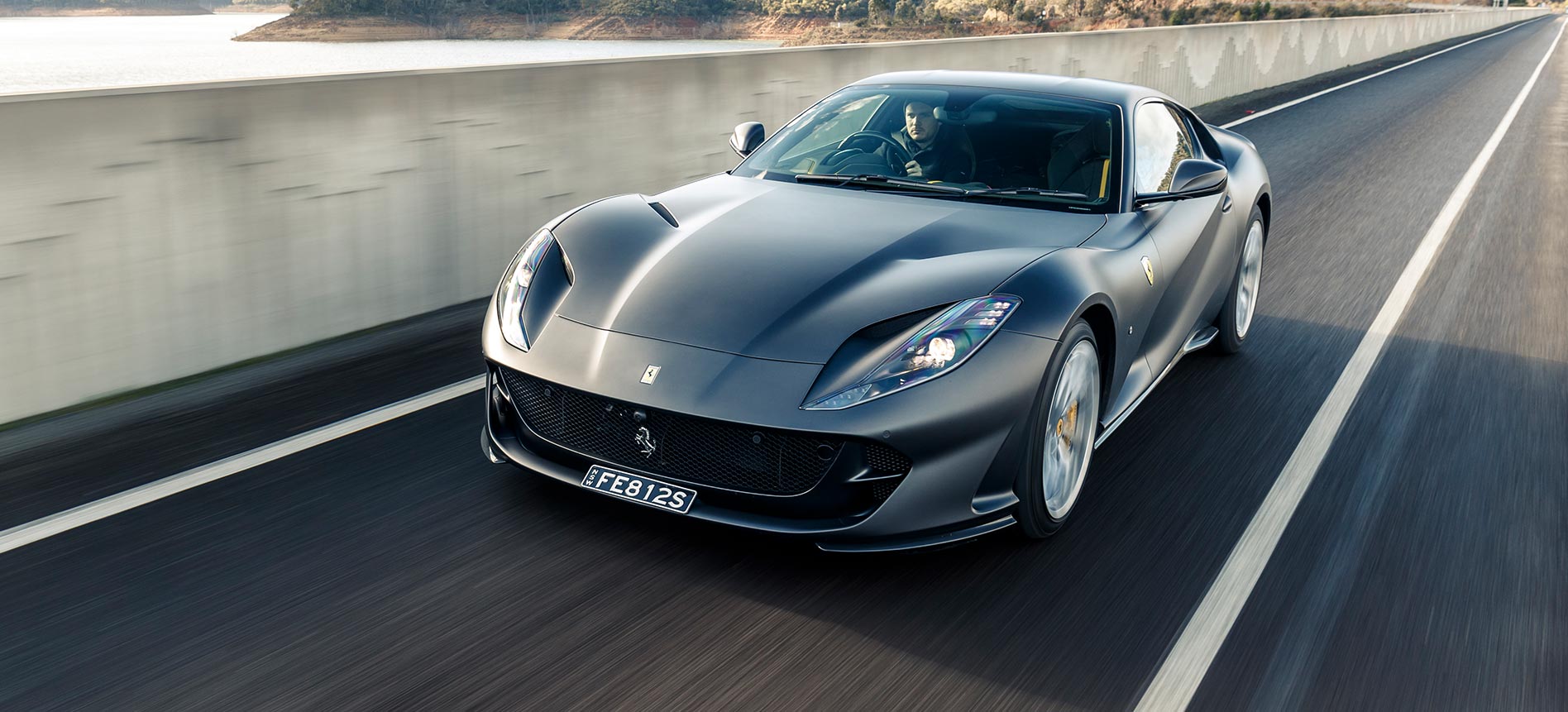
Ferrari 812 Superfast
Few other cars ignite such strong passion and desire than a V12-engined Ferrari grand tourer. Scott takes sinister-looking matte black 812 Superfast for a blast through the Victorian hills to kick off the episode.
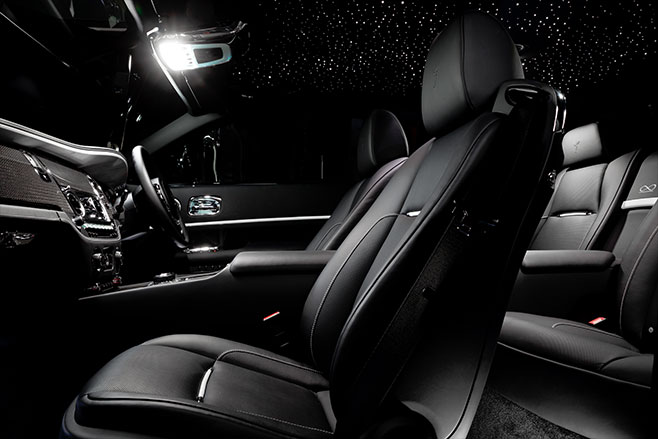
Up all night in a Rolls-Royce Wraith
When manufacturers turn their attention to class and comfort just as much as they do technology and speed, you get a Rolls-Royce. Dan and Emma take a spin in the 2020 Rolls-Royce Black Badge to explore its Dr. Jekyll and Mr. Hyde duality.
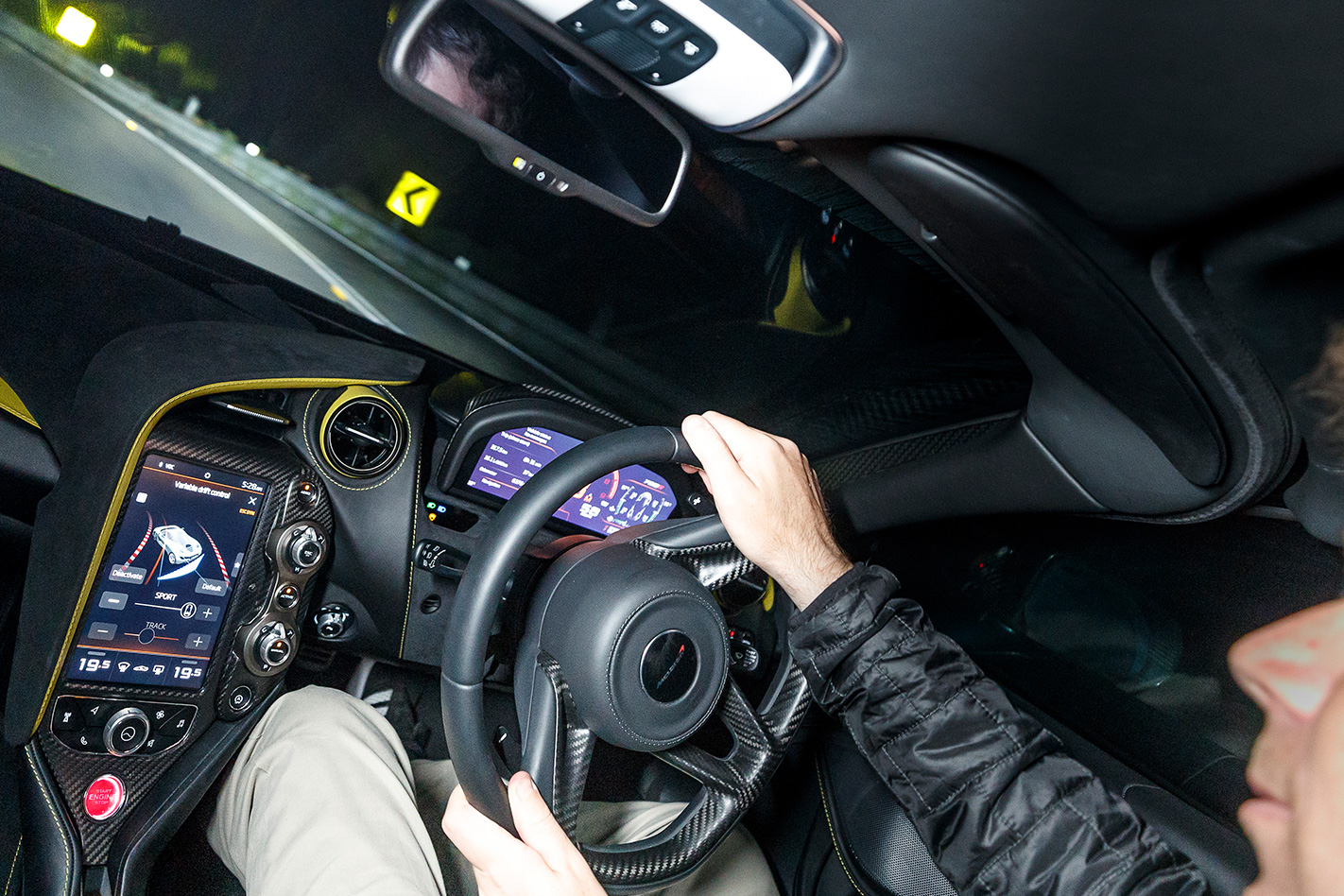
Mac attack
There’s something of the night about the McLaren 720s. In that vein, Andy takes a tour of the Great Ocean Road in pitch black darkness to explore the car’s terrifying spirit.
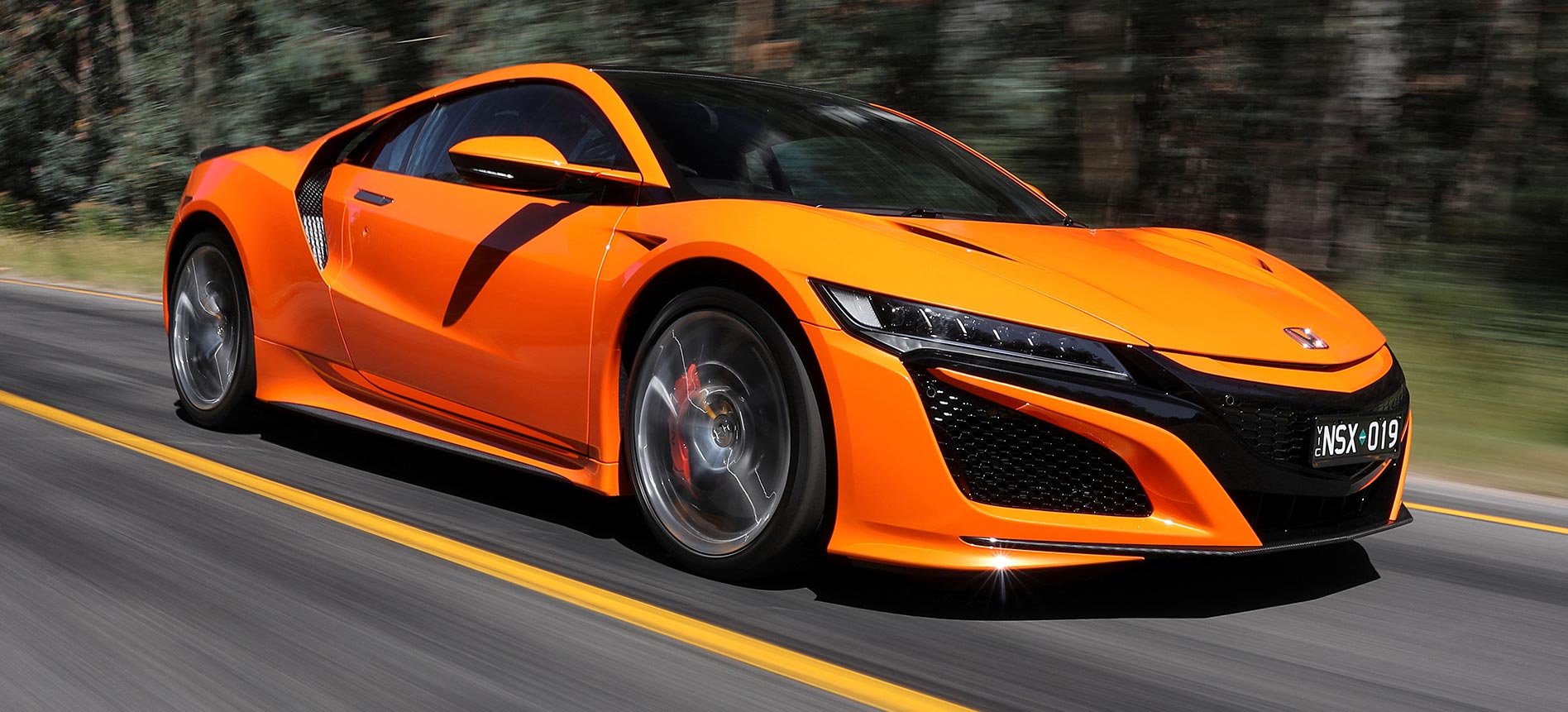
Game changer
Honda’s original NSX forced other supercar brands to lift their game in areas often overlooked. So it’s fair to ask today, two decades later, if new NSX can rock the establishment.
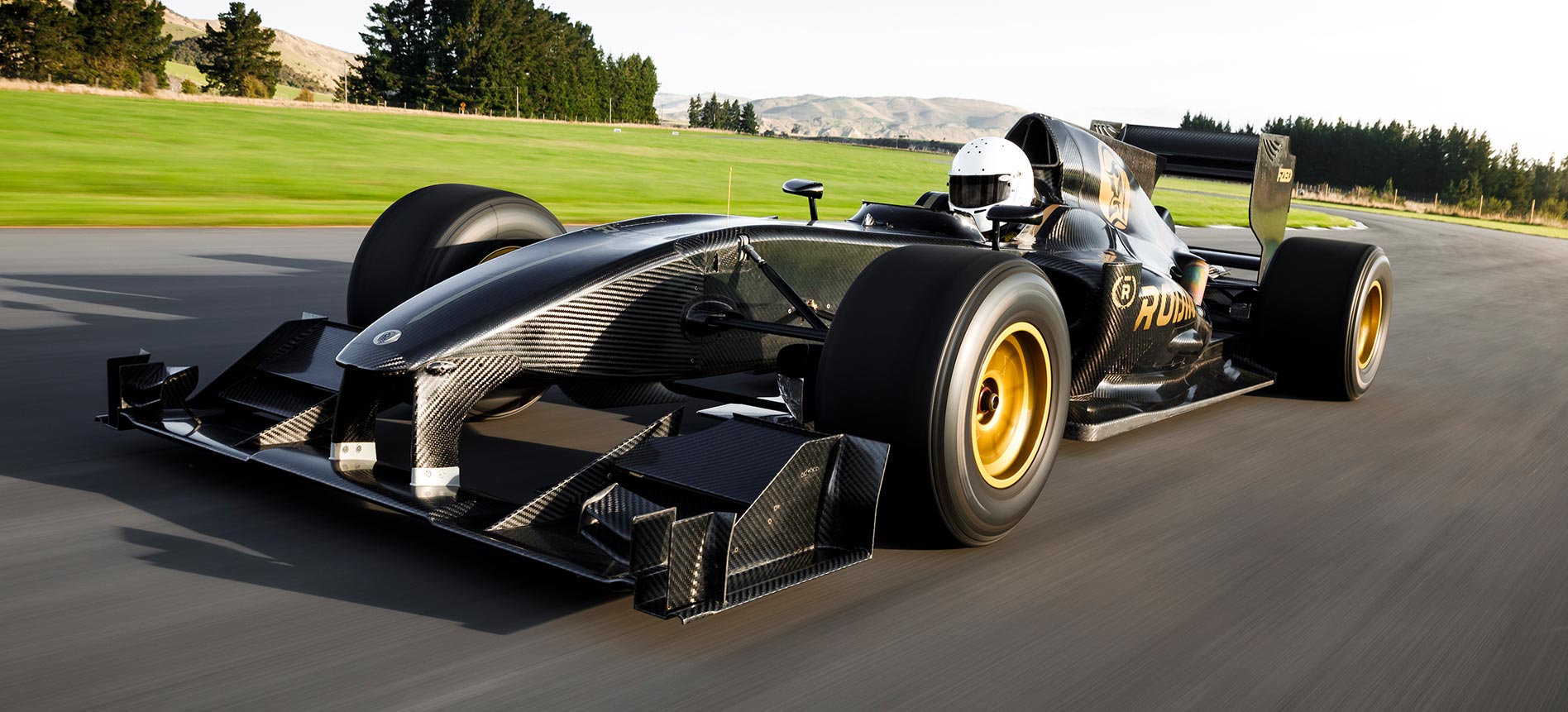
F1 car for the masses
Ever dreamt of suiting up and jumping into a single-seater? It’s a fantasy that few people get to realise. But one outfit from New Zealand is trying to change that…
WhichCar TV Season Two Episode 28
4:00pm Sunday September 13, Channel 10
WIN A TRIP TO THE MALDIVES WITH WHICHCAR
For season two, we’re also offering an amazing prize for our viewers. How does a trip to the Maldives sound? Pretty awesome, right?
The competition is open NOW so make sure you tune into WhichCar TV on Channel Ten at 4pm Sunday AEDT.
And, if for some reason you can’t (and it had better be a good reason!) then there’s a host of ways to catch up on the show, check out behind-the-scenes stuff and find out more about the cars Aussies want to buy.
For example, our weekly podcast, our Facebook page and our YouTube channel are standing by 24/7.
