
EV disruptors Tesla may be on the brink of a breakthrough that could slash the price of electric vehicles overnight.
A five-year study into a new type of lithium-ion battery construction, designed by a team of experts employed by Tesla and brought to life with the help of a Chinese tech company, will result in a battery – known as a lithium iron phosphate battery – that is cheaper, longer-lasting and capable of being effectively ‘re-lifed’ in traditional energy grids once or even twice.
Founder Elon Musk has been promising investors that the company would host a so-called ‘battery day’ in May to reveal the new technology, news of which began to surface late last year – though the current COVID-19 pandemic may delay the event.
A life span of up to 1.6 million kilometres for the new battery has been forecast by Tesla’s battery experts, led by a scientist credited with the development of the original lithium-ion battery, Professor Jeff Dahn.
New chemical compounds used in the construction of the batteries is thought to be the key, with a reduction – or in some cases the elimination – of the most expensive element in a Li-ion battery, cobalt.
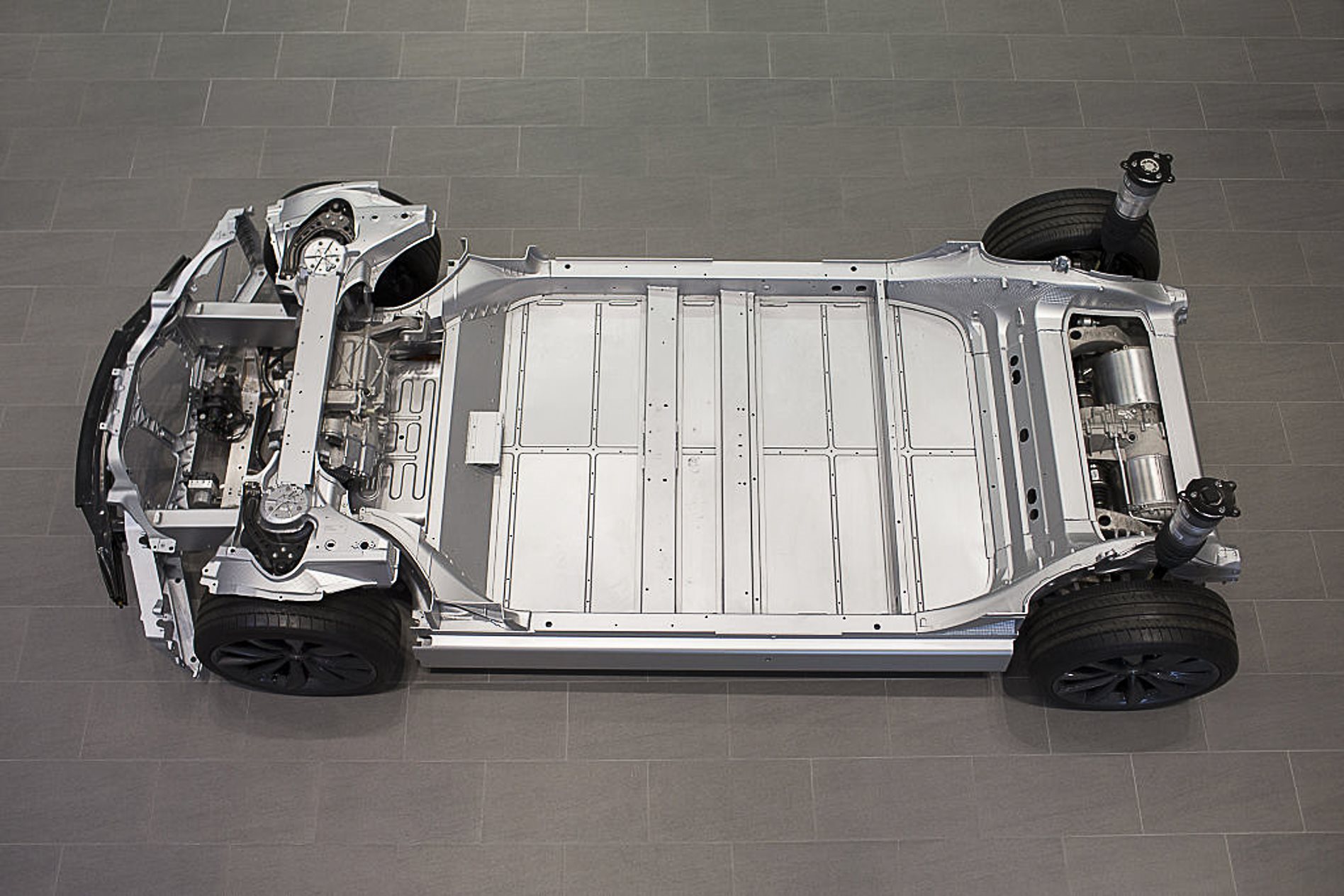
A Tesla chassis before battery pack fitment. All Model S and X platforms are built to swap batteries quickly, though Tesla never followed through with quick-change technology
Vastly simplifying the exhaustive studies conducted by Dahl’s team, it appears that cobalt can be replaced by other, cheaper elements like nickel without affecting the battery’s recharging rates or stability.
“Several different electrolytes are considered in this LiNi0.5Mn0.3Co0.2O2/graphite chemistry, including those that can promote fast charging,” reads a paper published by the team in the Journal of The Electrochemical Society.
“The reasons for cell performance degradation and impedance growth are examined using several methods. We conclude that cells of this type should be able to power an electric vehicle for over 1.6 million kilometres (1 million miles) and last at least two decades in grid energy storage.”
New methods of assembling the battery cells in the car will also help to pack more cells into a given space, which will also increase the range of the respective car.
Traditionally, battery cells are built into modules that can be easily swapped if one cell within the module goes bad, but both Tesla and General Motors are known to be working on eliminating the module model.
The issue of recycling EV batteries is a growing concern, because an EV battery needs to be swapped out of a car even though it still has up to 70 per cent of its capacity remaining.
However, this new battery appears to have a greater ability to be reused in energy storage arrays similar to the one built by Tesla for the South Australian power grid in 2018.
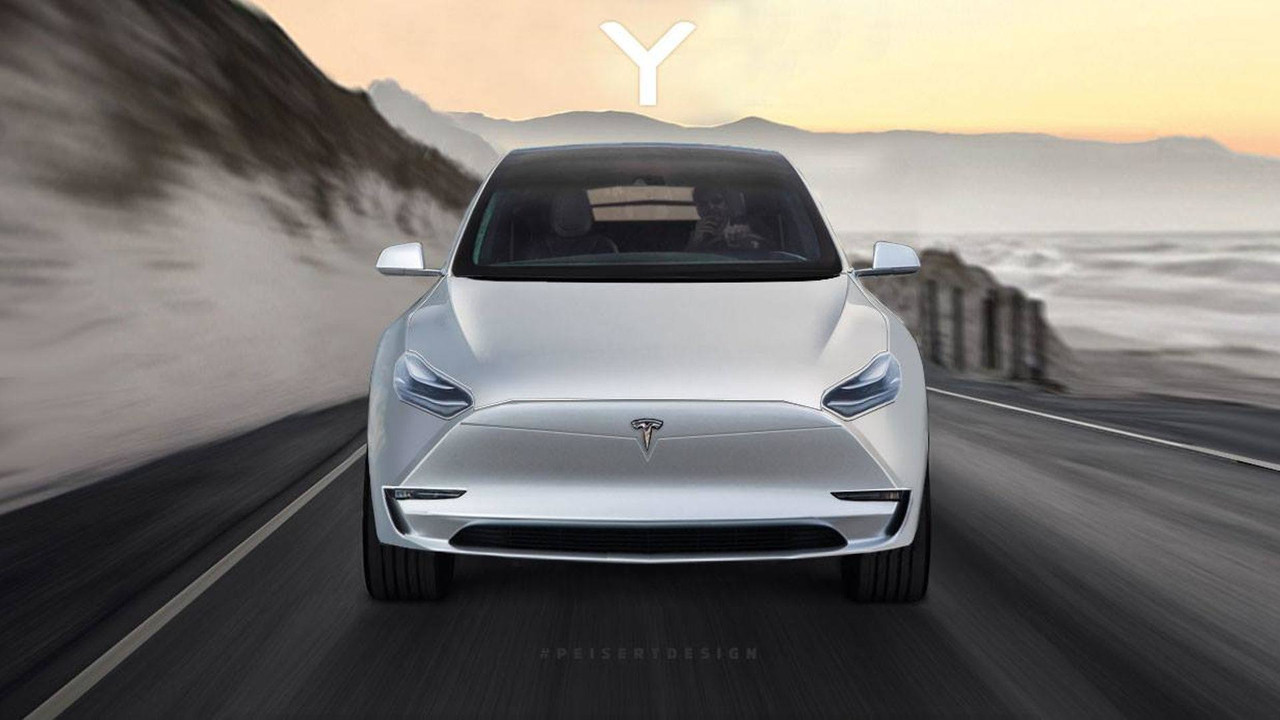
The new battery technology is expected to roll out aboard Tesla Model 3 sedans and Model Y SUVs built in the company’s Chinese factory from later this year.
Reports suggest that other markets like the US, Europe and Australia will have to wait longer for the new technology to be rolled out – but it will be even more energy-dense and cheaper than the first-generation battery currently under development.
The holy grail is to reduce the cost per kilowatt-hour to a figure of US$100 ($170), down from its current level of $US150. The hundred-dollar figure is considered by the industry as the crossing point where electric vehicles are at price parity with ICE-powered cars.
The Nissan Skyline GT-R is one of the world’s most iconic performance cars so when we were offered the opportunity to drive not just a very special 2020 anniversary version, but also an original example of a classic GT-R, we thought it would make a wonderful story to tell through the TV series.
The Japanese model has become a legend globally, revered by generations of car enthusiasts, not only for its groundbreaking ability in standard form but also the ease with which it’s possible to extract supercar power and performance (and beyond) via the aftermarket.
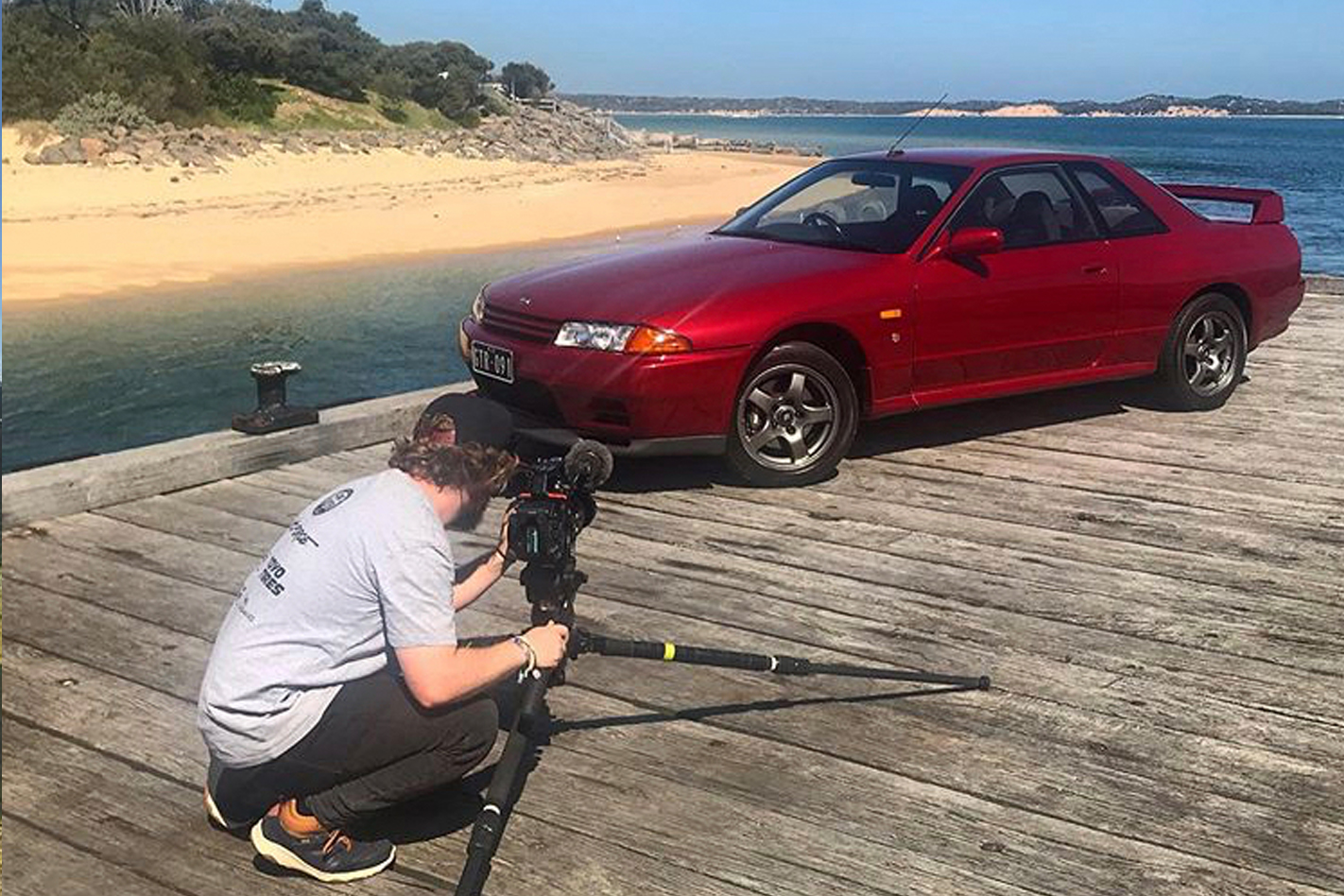
Nissan’s GT-R has had a tumultuous history in Australia. It was chosen to be Nissan’s challenger in the Australian Touring Car Championship and utterly dominated the category, winning both the title and the Bathurst 1000 in 1991 and 1992, at which point a regulation change forced it into obsolescence.
To capitalise on this success, Nissan Australia imported 100 road-going examples and adapted them to local design rules to sell to the public. Unfortunately, there were a couple of issues. The race cars were hated by the V8-loving fans, culminating in the winning drivers famously being booed and heckled on the podium in 1992.
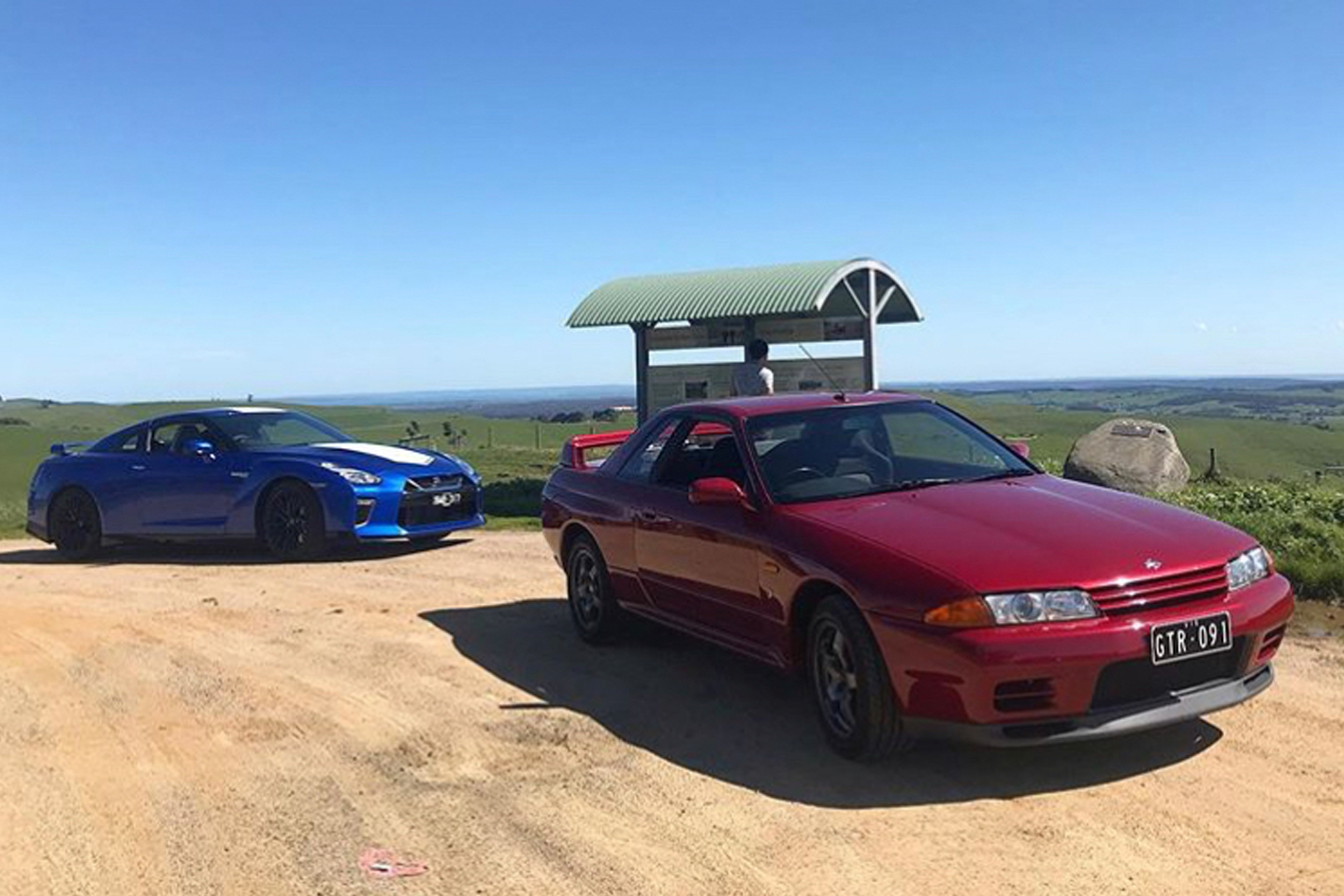
The road cars fared little better. While the R32 was pretty much the fastest thing you could buy with number plates in the early ’90s, not many people were lining up to pay $110,000 for a Nissan; as such, shifting the 100 cars took a very long time.
Nevertheless, it’s a story worth telling and the arrival of the MY2020 GT-R (the Skyline name having been dropped for the R35 generation) on the 30th Anniversary of the R32’s introduction into Australia provided the perfect excuse.
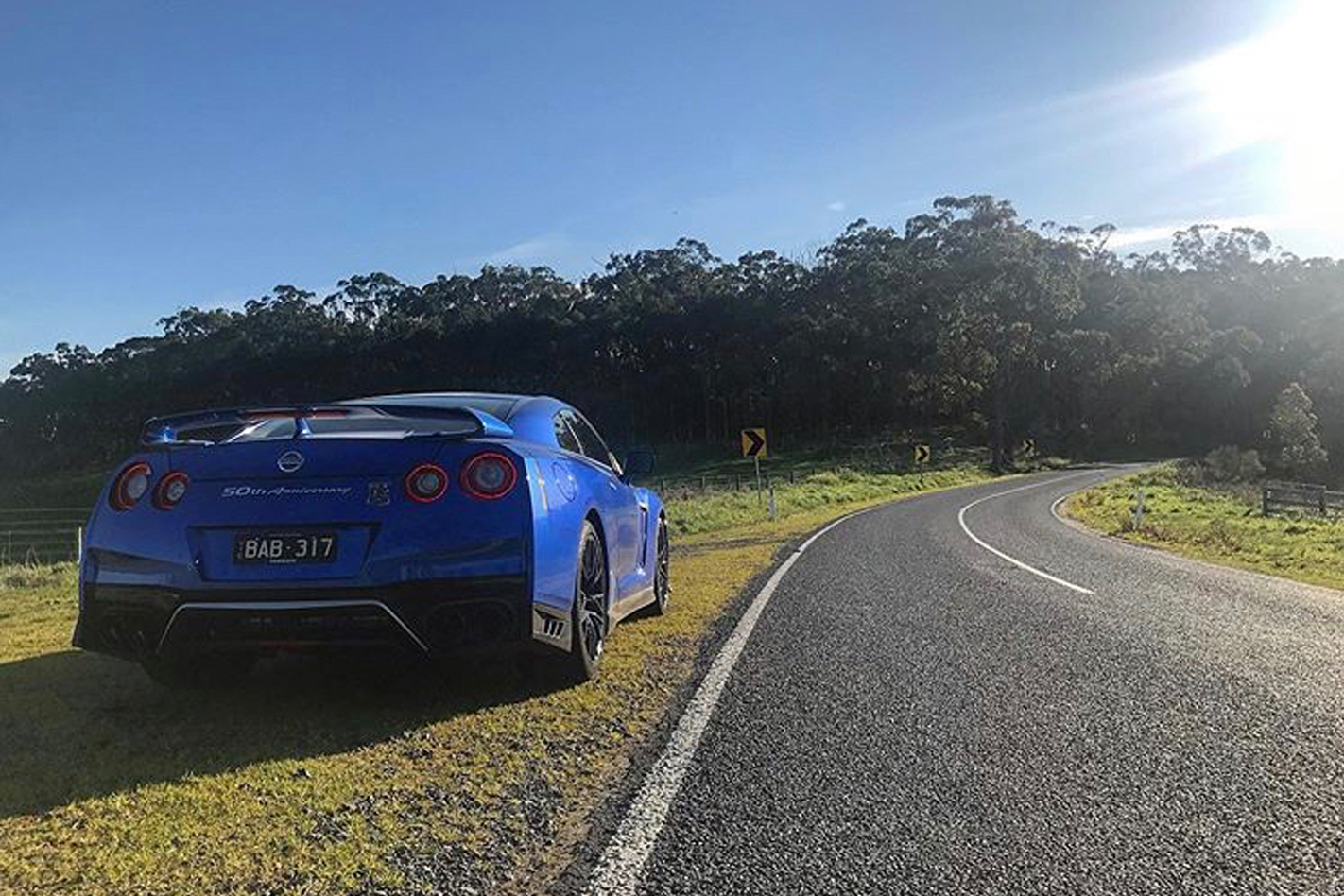
The R35 used is somewhat special being a 50th Anniversary special, celebrating half a century since the GT-R nameplate first appeared on the Japan-only KGC10 GT-R.
Its older sibling is even more special – a genuine Australian-spec R32 GT-R owned by Nissan Australia. Well used but in incredibly good condition, it’s as close as you’ll get to driving an as-new example 30 years later and it’s still utterly incredible to drive.
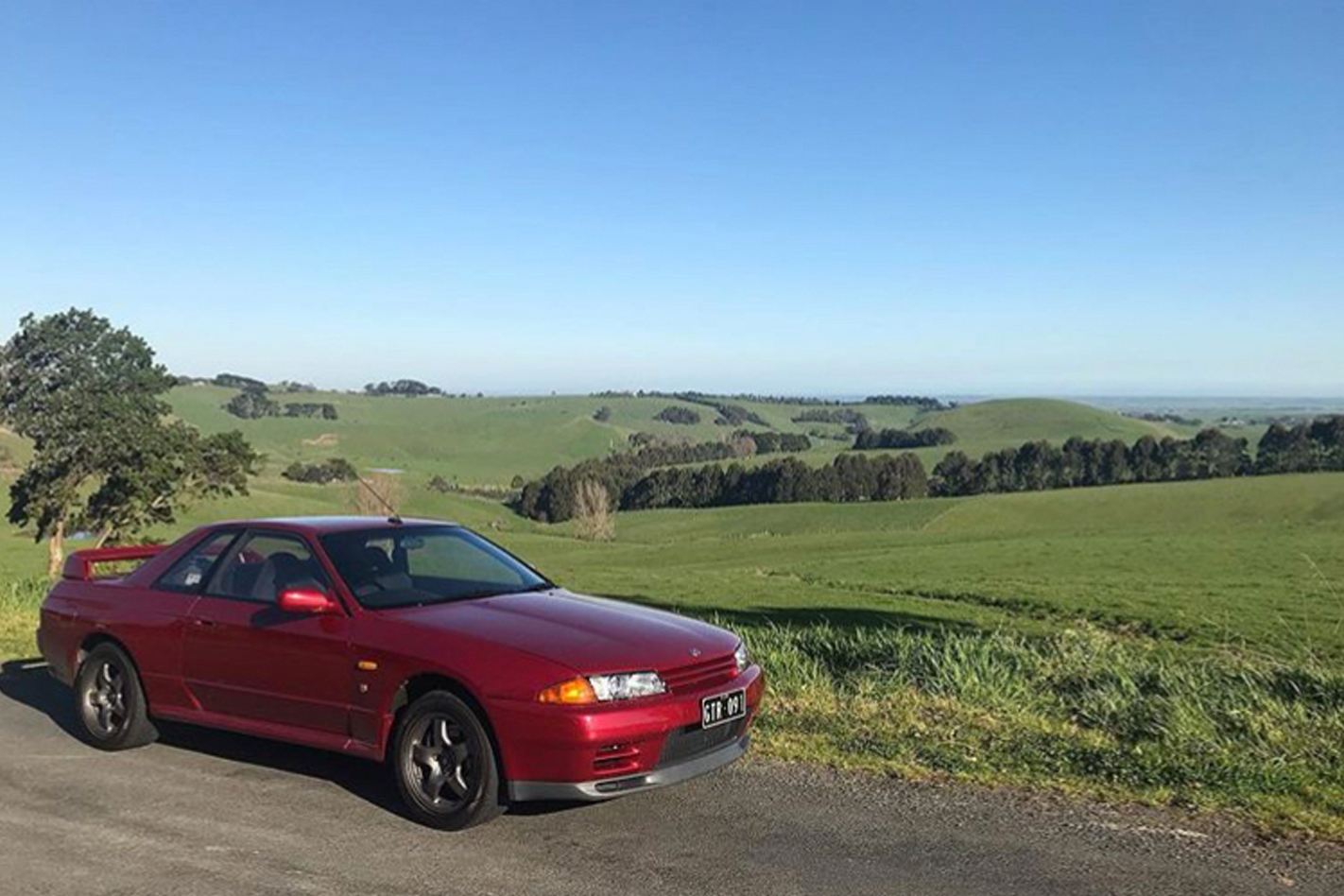
The performance is no longer shocking in this day of super-fast hot hatches and rocketship supercars, but the way it drives – its steering, handling and the way it delivers its power – is unlike anything currently offered. It’s simply brilliant.
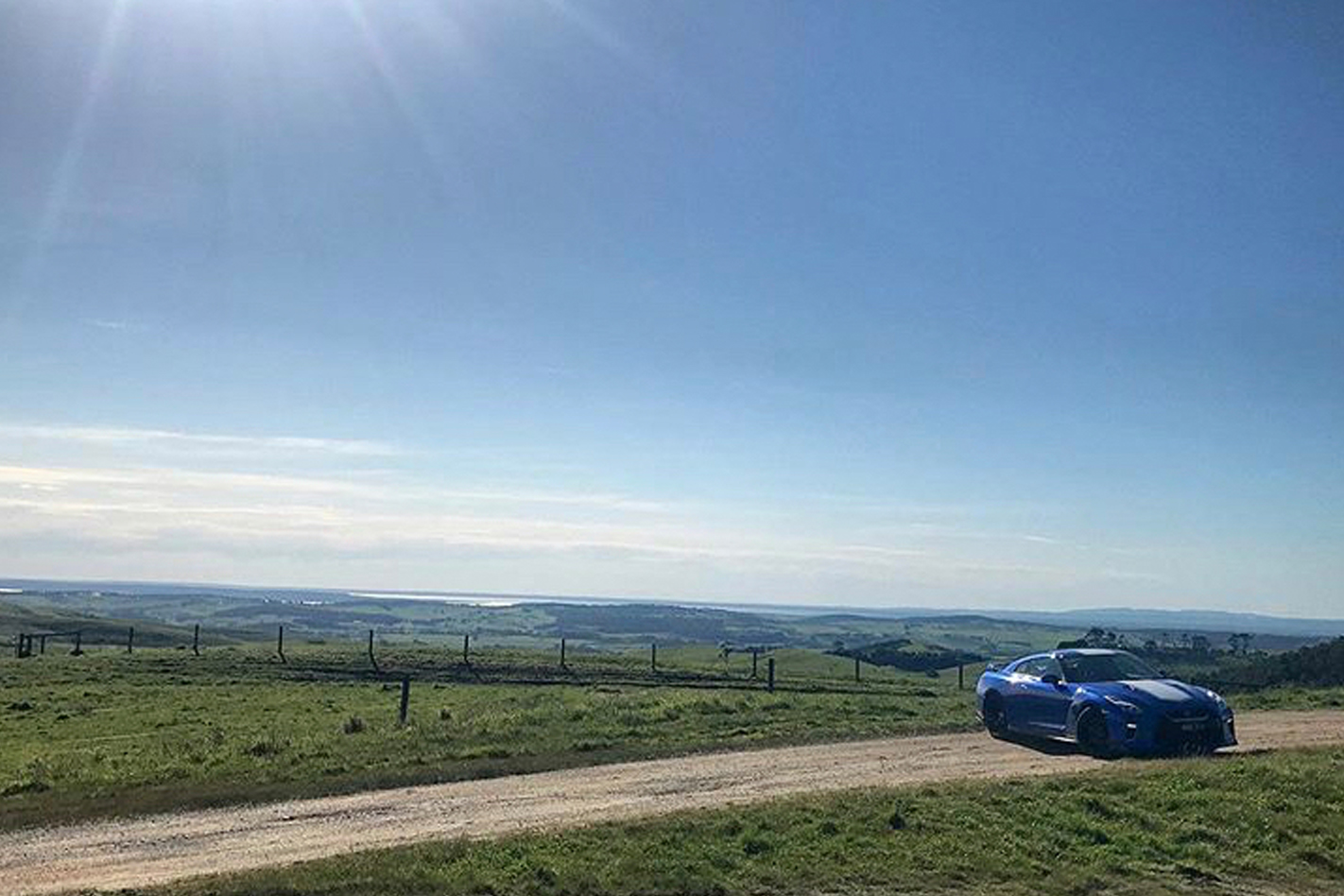
This was a great couple of days on great roads in great cars with great scenery – simply great! – and ably captured by Josh and JP the video crew.
You expect to experience all sorts of sensory assaults after a long, hard drive. The nose-wrinklingly acrid smell of brake pads, the ring-ting-ding three-piece of hot metal contracting and expanding, and the sight of feathered tyres and spots of fluid overflow. However, those spots are now slowly but surely spreading into an unusually large stain on the tarmac. It’s also red-tinged and slightly oily to touch. Coolant.
Identifying the cause doesn’t require the detective skills of Horatio Caine, because it’s still embedded in the radiator. A piece of wood has ricocheted off the front splitter, punched through the protective wire mesh and wounded the Cayman. Game over. The nice people at Porsche are very understanding, though understandably want to know what I hit. Sadly, I’ve no idea; something substantial enough to flick up and over the GT4’s ground-scraping snout, yet not big enough to register from behind the wheel.
It’s the last time the car will move under its own power today, but thankfully everything bar the static photography is done and to get to this point has meant covering 60km of unrelenting mountain road. It should have provided ample opportunity to get beneath the skin of Porsche’s latest motorsport division product, but instead I’m left with as many questions as answers, for reasons that will become apparent.
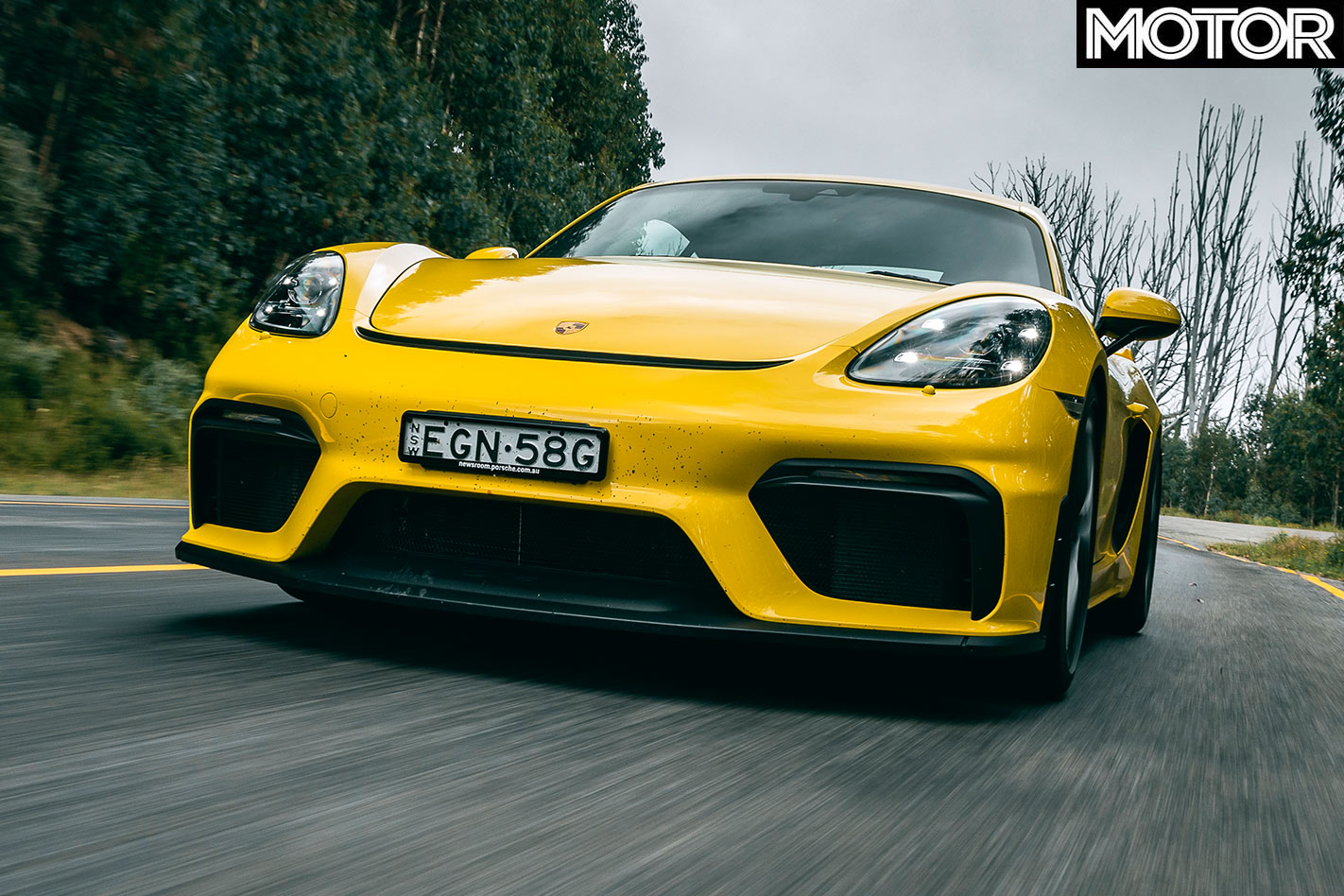
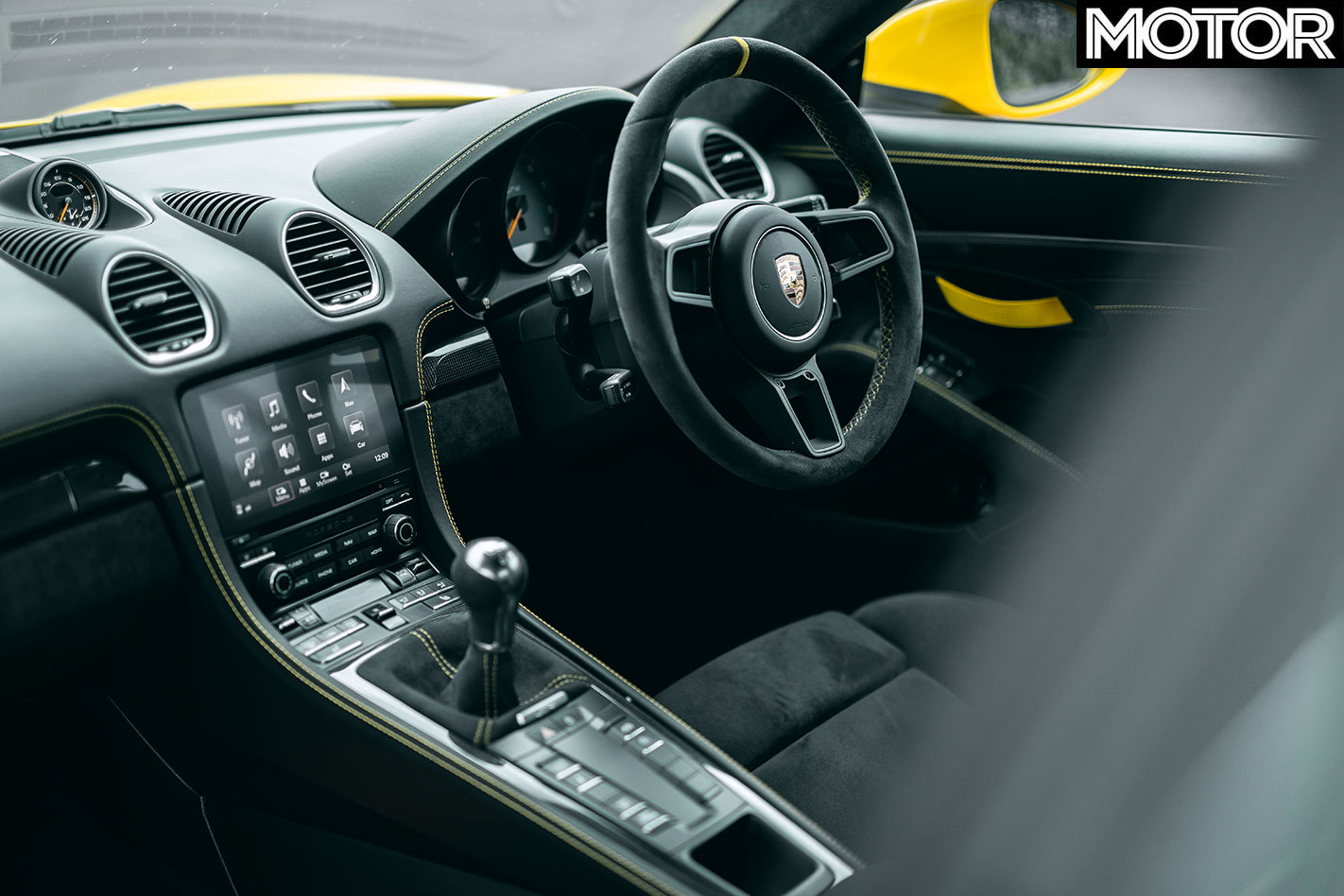
Rewind a couple of hours and the Cayman GT4 is waiting at Porsche HQ. With the paperwork signed and keys handed over, it’s time to hit the road. No keyless entry and go here, but inserting and turning a key feels appropriate in such a focused car. Compared to Porsche’s latest tech-laden interiors (911, Cayenne, Panamera), the Cayman’s feels a bit dated, but pleasingly so with the right mixture of digital (infotainment touchscreen with smartphone mirroring) and analogue (well-sited buttons for major functions).
The first surprise is the every-which-way electric seat adjustment, enabled thanks to the fitment of optional Adaptive sports seats that account for $5150 of the $23,730 of extras fitted to this test car. None are particularly essential, the seats, contrast stitching ($6160), Bose audio ($2470) and LED headlights ($2320) accounting for most of the spend, the rest is trinketry like yellow seat belts ($570), high-gloss black model designation ($540) and Alcantara sun visors ($860). Of course, if you really want to go silly, there’s always a pair of ‘special colours’ (Miami Blue and Crayon) at $6750, sport bucket seats for $11,250 and $16,620 carbon-ceramic brakes.
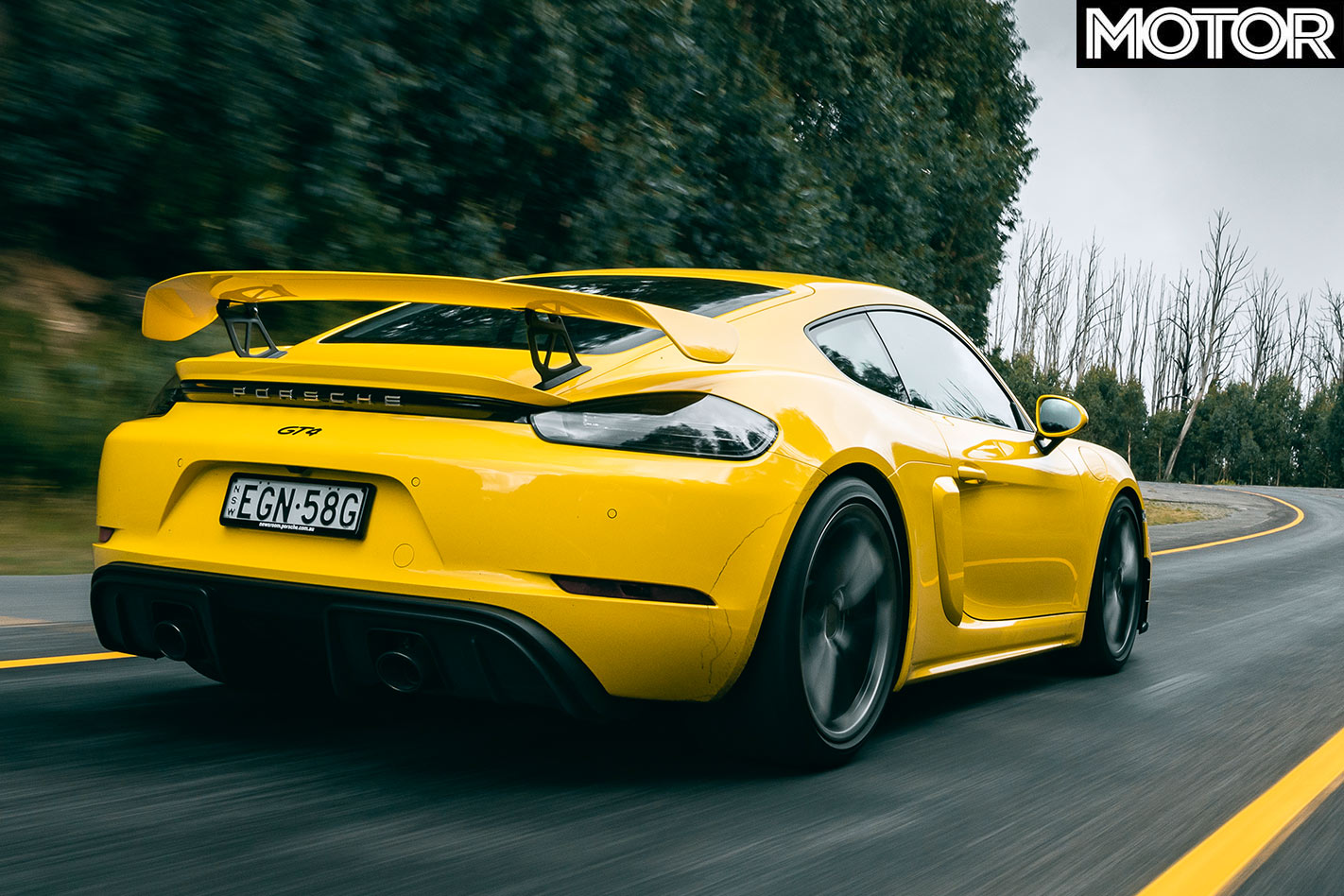
The seat sinks lower and lower and lower until my bum must be virtually on the floor, but when I turn the key nothing happens. Oops, too many automatics recently. Dip the clutch, try again and the 4.0-litre flat-six growls into life. Like its 981-series predecessor, the 718 GT4 uses a large-capacity naturally-aspirated six-cylinder to produce power, but despite similar capacities the two engines are unrelated.
The newer car’s 4.0-litre is technically a derivative of the 9A2 Evo found in the back of 992 911s as a 3.0-litre twin-turbo unit, but by the time you’ve deleted the turbos, increased the bore by 11mm and the stroke by 5.1mm, lifted the compression to 13.0:1 and redesigned the crankcase, crank, pistons, conrods, cylinder heads and intake, you’re effectively left with a bespoke engine. Pleasingly, it’s compliant with future emissions regulations, so atmo ain’t dead yet, baby.
A quality common to all brilliant cars is they feel ‘right’ in the first couple of minutes, and the Cayman GT4 is no exception; it raises a smile by the end of Victoria Parade, a distance of no more than a couple of hundred metres. It’s the beautifully light and progressive steering, the instantaneous response of the engine to throttle inputs, the solid brake pedal and the accuracy of the six-speed manual gearbox.
It impresses further with genuine compliance. Adaptive dampers help, as do rear helper springs, but while the ride is taut and body control absolute, bumps are absorbed by the suspension and not transmitted to your spine. The gearshift requires some effort; it’s slightly notchy but not in the sense of inaccuracy, more the feeling of moving bits of metal around. Both the clutch and throttle are long in travel, so some coordination is required for smooth upshifts. You could always cheat and turn the ‘auto blip’ function on, but even at slow speeds heel-toe downshifts are a breeze, as the revs flare with the slightest roll onto the throttle.
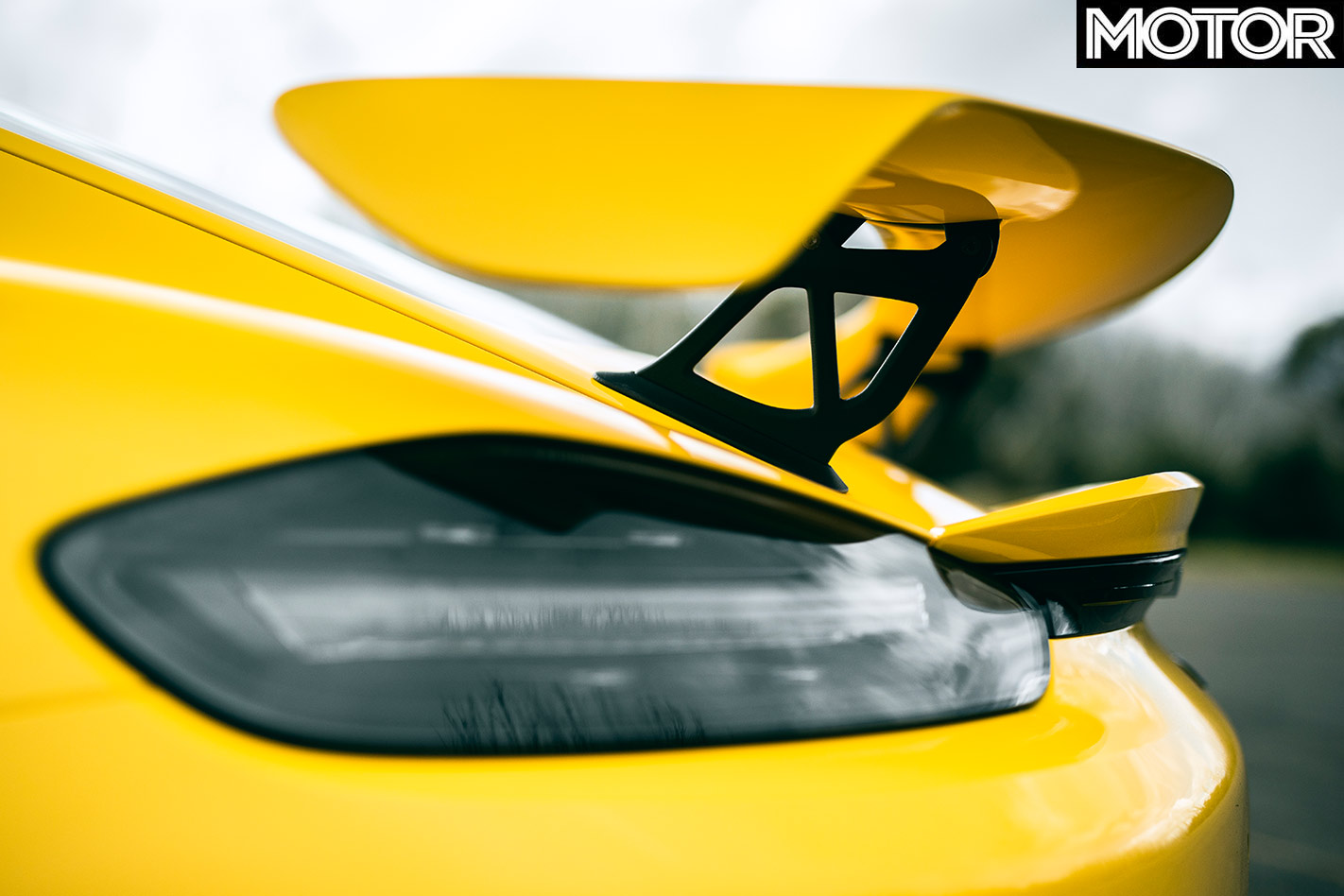
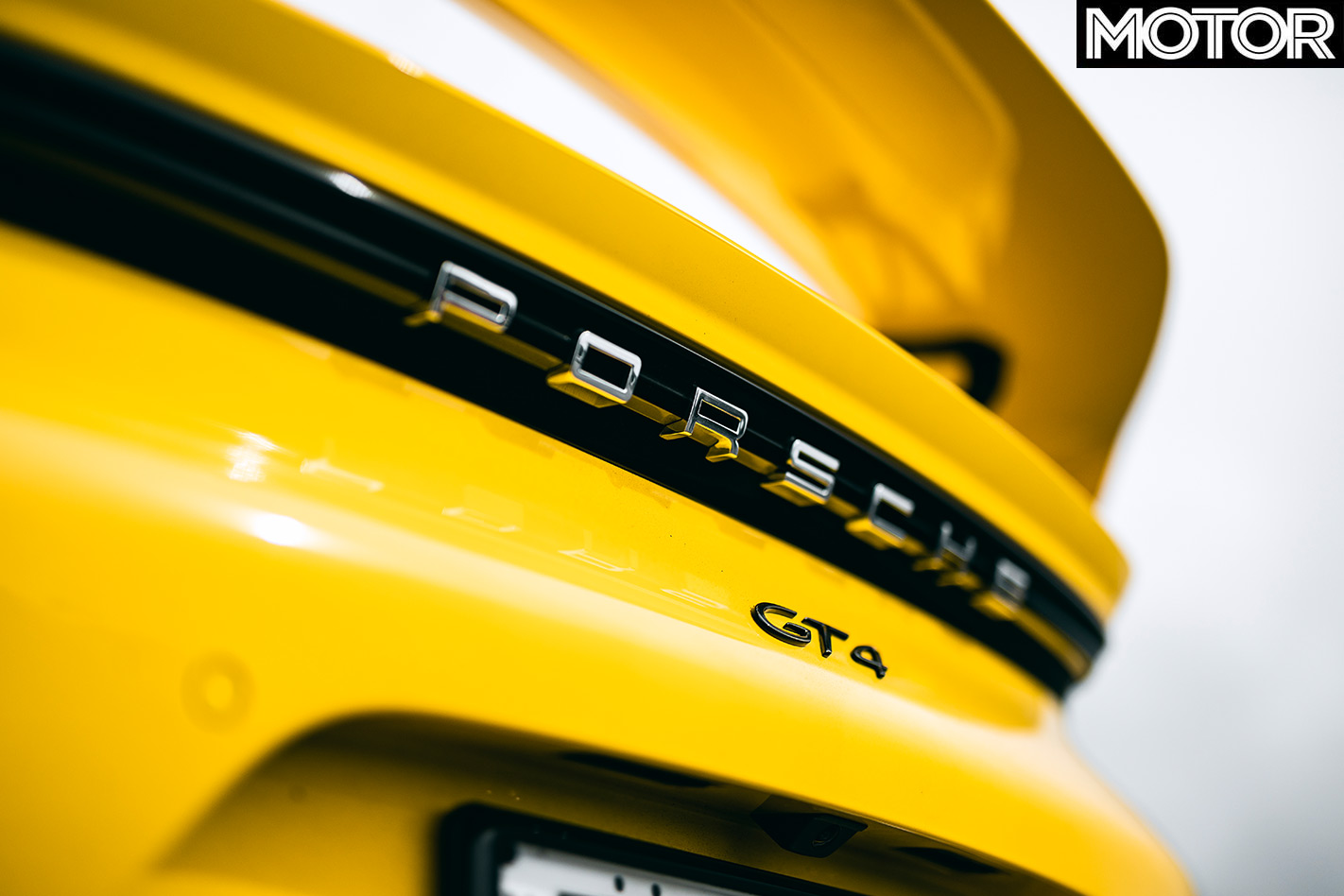
A quick word on looks; subjective of course, but almost perfect in my eyes. The proportions, the stance, the obvious aero devices like the massive rear wing and jutting front spoiler and the less obvious ones like the air curtains ahead of the front wheelarches, the rear ducktail and the substantial rear diffuser that necessitates the split exhaust. They aren’t just affectations, though, with the 718 GT4 generating 72kg of downforce at 200km/h, or roughly double that of its predecessor.
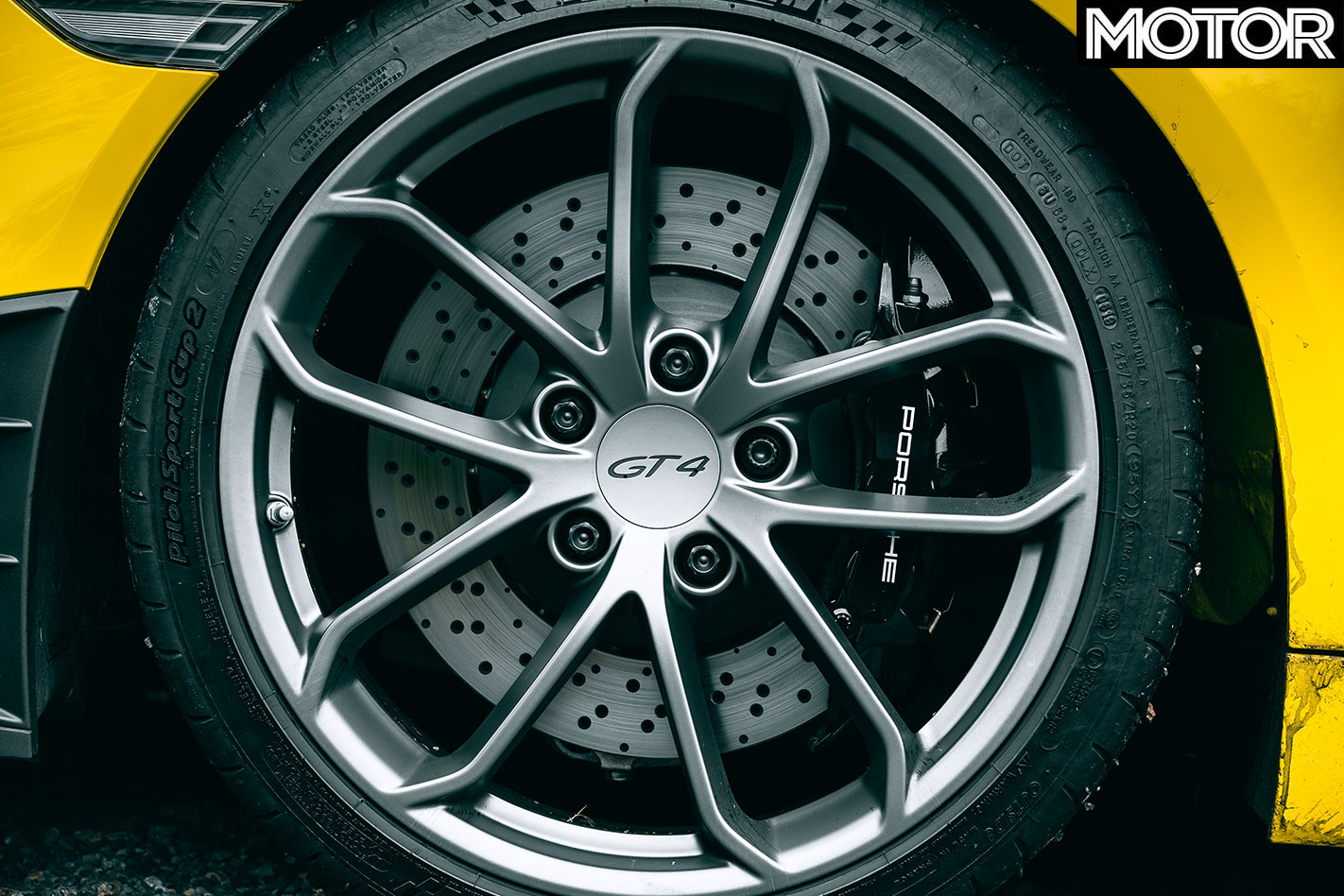
That was no doubt helpful in shaving 10 seconds off the lap time at the super-fast Nurburgring, but through the constant second-gear twists and turns of Reefton Spur the GT3 suspension components (adjustable for camber, toe and ride height) and Michelin Pilot Sport Cup 2 tyres (245/35 front; 295/30 rear) are more relevant.
Can a car be too capable? There’s an argument the Cayman GT4 falls into that category on the road. The cornering speeds are simply absurd. There seem to be inexhaustible reserves of grip; every time you think you’re at the limit, adding a few km/h proves that not to be the case. It’s like hiking in the Himalayas: cresting one enormous mountain only reveals another, even more vertiginous peak to scale. It’s clear a track is required to really probe the outer edges of the GT4’s dynamic envelope.
Nevertheless, there are hints, as the chassis is beautifully reactive to throttle input. Easing off quells any slight understeer, lifting sharply tucks the nose in, though there is too much traction – blame the wide, grippy Cup 2s and mechanical locking diff – for it to be truly throttle steerable. Helping those rear tyres stick to the road is incredibly tall gearing, a bugbear from the previous GT4 (and manual Porsches in general) that’s sadly carried over to this new model.
Second gear stretches beyond 130km/h and third to more than 180km/h; with each successive gear the gap narrows, so it’s perfect for a fast, flowing track, but on the road you’re essentially stuck in second with the very occasional foray into third. It’s frustrating because the gearbox itself is divine, getting better the faster you move your hand until it feels like you barely need to dip the clutch to engage the next ratio. As sacrilegious as it will be to the purists, the forthcoming dual-clutch version of the GT4 will make better use of the engine.
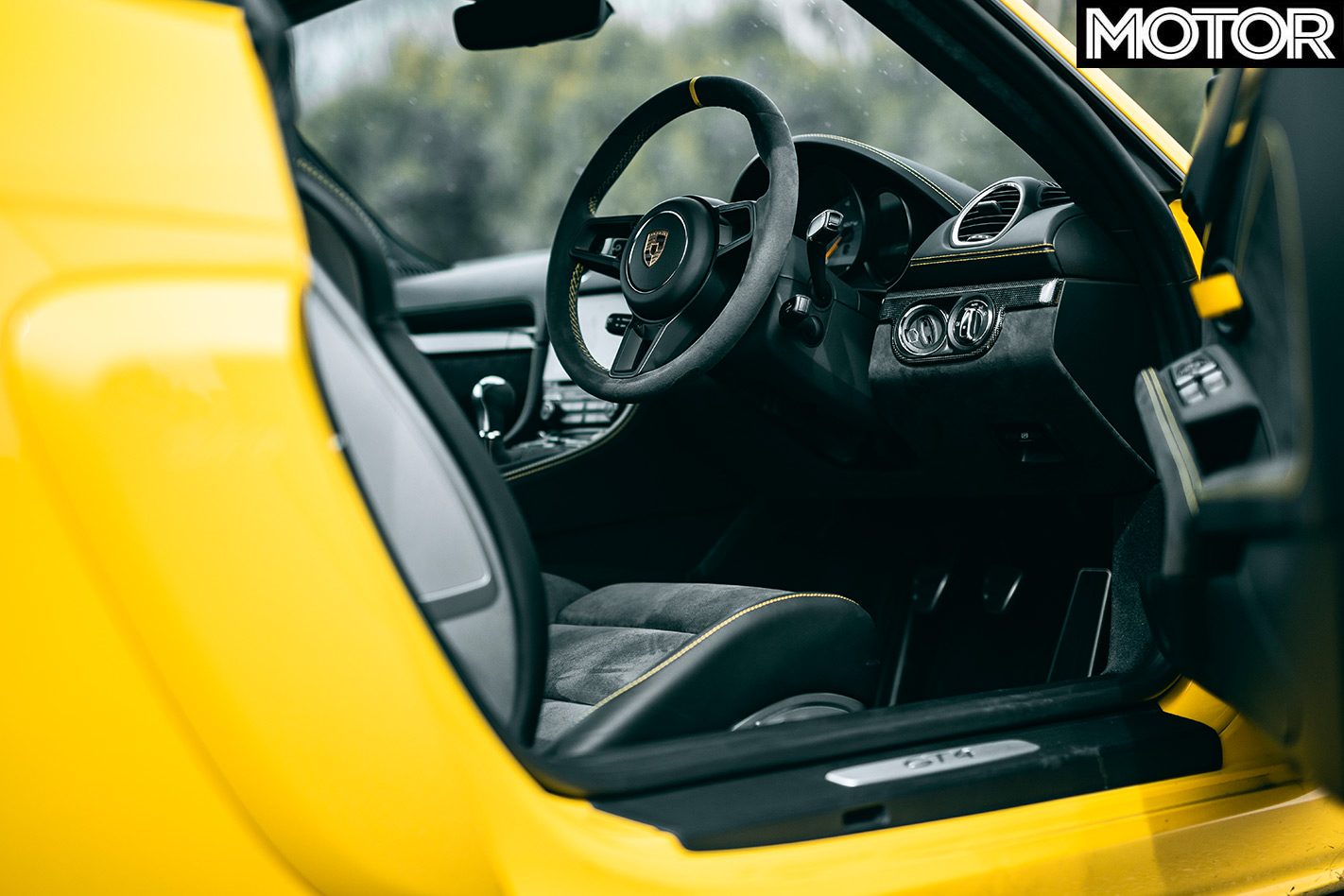
It’s a cracking engine, too. The old GT4 engine was great, but it was clearly from a regular 911 rather than a bespoke GT unit; the new 4.0-litre straddles the gap between the two. It doesn’t have the manically ferocious top end of a 911 GT3, but it now sings to 8000rpm (up 200rpm), the extra 26kW over its predecessor providing a greater incentive to chase the redline. At first the noise seems a little subdued, but a press of the exhaust button unleashes the sort of howl we’ve come to expect from Porsche’s motorsport models.
Our mechanical malady prevented us from performance testing the GT4, but it would be atypical of Porsche to enhance the claims of 4.4sec and 304km/h.
The only real question mark surrounds the brakes. The pedal is nice and firm and their stamina impressive, but they also feel slightly wooden and large inputs don’t seem to slow the car with the severity you expect. Apply any steering lock during the process and the ABS seems to trigger quite early, further eroding confidence. It’s not really a fault as it’s easy to adapt to, more a case of one piece of the package not quite reaching the dizzying heights as the others.
It’s clear that a track is required to truly experience the Cayman GT4 at its best. There’s plenty to enjoy on the road – the razor-sharp engine, the impeccable handling and surprisingly supple ride – but there is so much grip that corners become a game of ‘How quickly dare I go?’. And then there’s the gearing issue. Put simply, the public road is too small a canvas for the Cayman GT4 to paint its best work. Ideally, for road use you would sacrifice some of that grip for greater involvement, which happens to neatly describe the new Boxster and Cayman GTS 4.0. Once the world rights itself, experiencing the GT4 in its intended environment is a high priority. There’s plenty of evidence to suggest it will be one of the world’s great driving experiences, not least because there aren’t any sticks on a racetrack.
PORSCHE 718 CAYMAN GT4 SPECS
Body 2-door, 2-seat coupe Drive rear-wheel Engine 3995cc flat-six, DOHC, 24v Bore/stroke 102.0 x 81.5mm Compression 13.0:1 Power 309kW @ 7600rpm Torque 420Nm @ 5000-6800rpm Power/weight 218kW/tonne Transmission 6-speed manual Weight 1420kg Suspension struts, adaptive dampers, coil springs, anti-roll bar (f); multi-links, adaptive dampers, coil springs, anti-roll bar (r) L/W/H 4456/1801/1269mm Wheelbase 2484mm Tracks 1538/1534mm (f/r) Steering electrically assisted rack-and-pinion BrakeS 380mm ventilated discs, 6-piston calipers (f/r) Wheels 20.0 x 8.5-inch (f); 20.0 x 11.0-inch (r) Tyres 245/35 ZR20 (f); 295/30 ZR20 (r); Michelin Pilot Sport Cup 2 Price $207,000
PROS Special engine; beautiful dynamics; looks; ride CONS Gearing too tall; too grippy to exploit on the road
While the world prepares itself for life after COVID-19, car companies around the globe are hurriedly trying to put plans in place to safeguard themselves for the immediate term.
The current global pandemic has been devastating for the automotive world’s financials, with huge first quarter losses being reported, and some companies having to resort to taking out billion dollar loans to stay afloat.
Unfortunately, this means that the red pen has been wielded liberally by accounting departments, killing off the sort of high profile but low margin vehicle programs that appeal to enthusiasts.
Locally, the highest-profile scalp is from the Blue Oval, with Ford’s secret V8 Ranger Raptor project being put on ice.
Read next:
The V8 Raptor is seen as an ‘indulgence’ project, and while it’ll be a nice model for enthusiasts and marketing departments, it won’t be bolstering the bottom line any time soon.
When a company is bleeding money globally, anything that doesn’t help keep things afloat is thrown overboard.
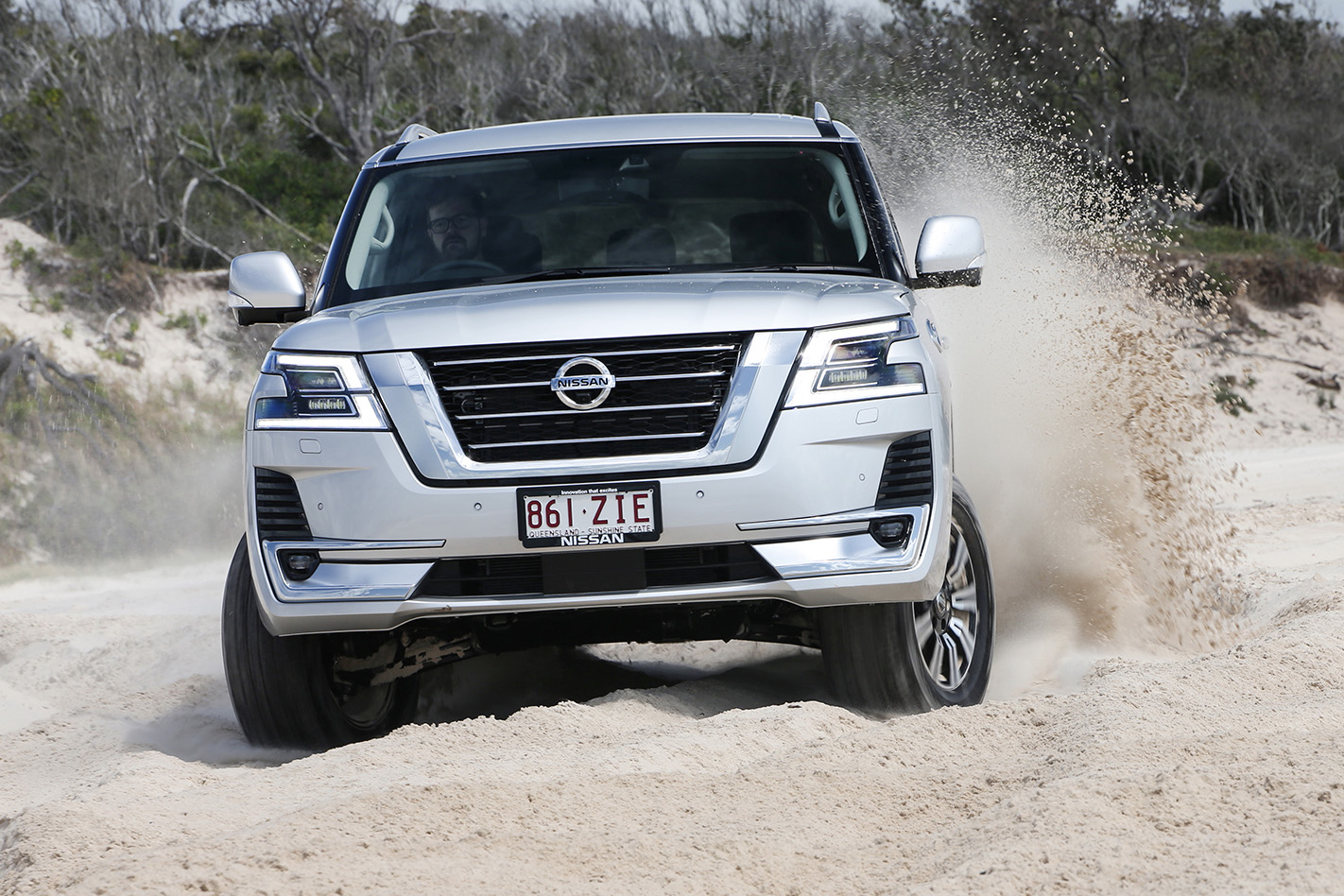
Wheels also understands that Nissan Australia’s tough Patrol N-Trek Warrior program has been put on hiatus, though this is largely due to supply issues.
Internationally, the most immediately identifiable victim is factory-supported racing.
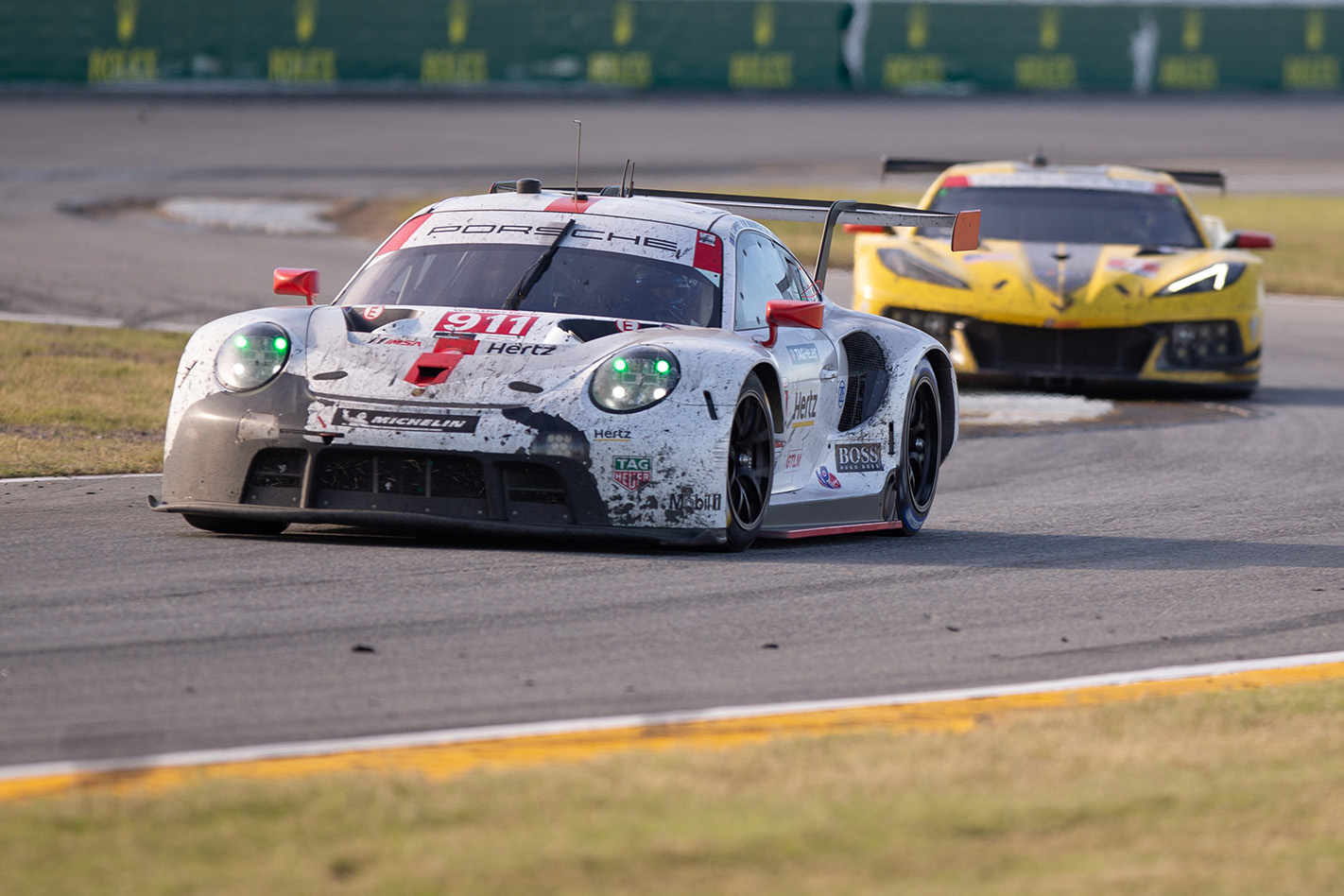
Porsche, possibly the most motorsport-focused car company in the world has already removed two of its 911 RSR GTE race cars from the 24 Hours of Le Mans entry list.
Similarly, Chevrolet has cancelled the entry for its new C8 Corvette from the endurance classic.
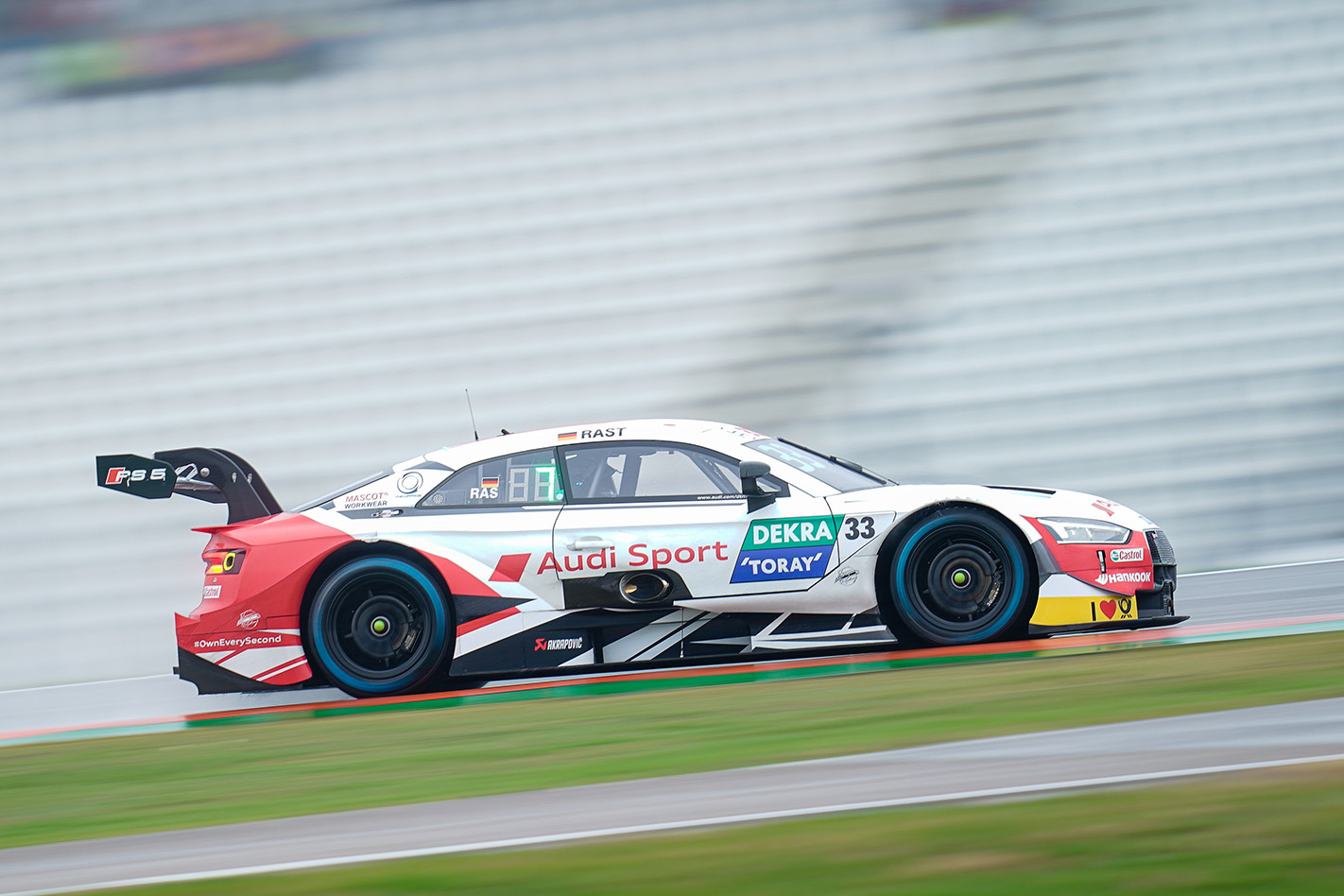
Audi has done the almost unthinkable and abandoned the German DTM touring car series – leaving BMW as the sole manufacturer left standing in that category.
A factory racing program isn’t cheap – unless you want to compete in Formula E – and in austere times it’s hard to justify the hundreds of millions of dollars needed for what is essentially a glorified marketing exercise.
But it’s not just motorsport that has suffered, right-hand drive production for the C8 Corvette has been put under a cloud of doubt as GM told suppliers to hold fire after it temporarily shut the door on its factories in the US.
When production recommences, it’s likely that only left-hook Corvettes will be rolling out of Bowling Green for the foreseeable future.
That’s only the programs that we know about. There are going to be some very high-level discussions going on in automotive board rooms around the world right now, with tough decisions being made to pull the pin on what enthusiasts would see as ‘fun’ projects – sports cars, motorsport, and concepts.
The next couple of months are going to be rocky for automotive enthusiasts. Bean counters at major car companies will be looking to save money anyway they can, and cancelling marginal product programs will be high on the chopping block.
It’s likely that the true toll of production projects that have been put on ice won’t be fully known for some time.
But there is a silver lining, with some projects already far enough down the pipeline to be saved from any falling budget axe.
The Toyota GR Yaris is still en route to Australia, the Porsche 911 Turbo is locked in, Audi’s stonking RS6 uber-wagon is coming to terrify your local dog park, and the Ford Focus ST has just landed on our shores.
Take solace in these vehicles, because fun times could be hard to come by in the future.
Car design is growing ever more complex. But, as the world leans more and more on new technologies to innovate, digital tools and raw computing power can be used to the advantage of modern car designers.
Take Volkswagen, for example: its latest Golf hatch was almost entirely designed using computers and programming rather than a sketch pad. Klaus Bischoff, head of design for the Volkswagen Group, describes to us how new technologies have sped up, simplified and even enhanced the car design process from the very early stages.
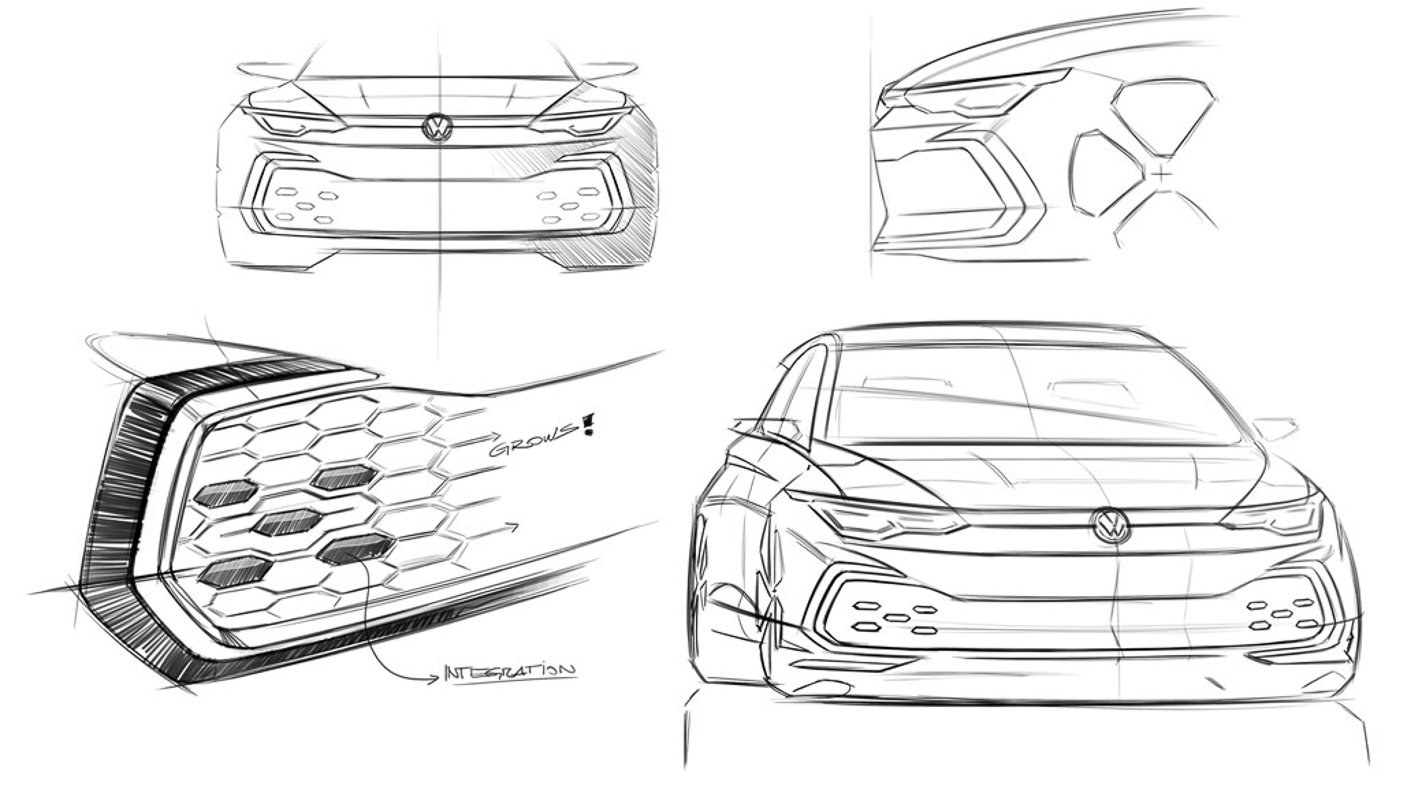
Sketches, for example, are almost entirely done using digital sketch pads with tablets and computers rather than old fashioned pencil and paper. ‘The advantage in digital sketching is that you can erase, colour, zoom in and out and use multiple tools in a single workflow to create what you’d like to show,’ Bischoff says, ‘I myself work with digital sketchpads to draw up ideas quickly and share them. What, a few years ago, took hours can now be done in minutes.’
So it’s all digital now?
Of course not – designers in the VW Group still sculpt clay models, for example, but computer programs have allowed design teams to test out ideas and try new perspectives much faster.
‘Data is not tangible so, up to a certain degree for the final touches of the product, you need to have physical representations,’ adds Bischoff, ‘a model is still a very valued instrument.’
These tools are also hugely collaborative. Bischoff explains that, because the Group has around 415 designers of 30 nationalities across the world, telecommunications equipment has meant teams can work together around the globe. ‘Everyone can see what their colleague is doing and you can show whatever you like or dislike,’ he points out, ‘comments can be implemented and shown. For us, as we work on different continents, this is a very useful tool.’ It also has put the Group’s design teams at an advantage when it comes to the ongoing coronavirus pandemic.
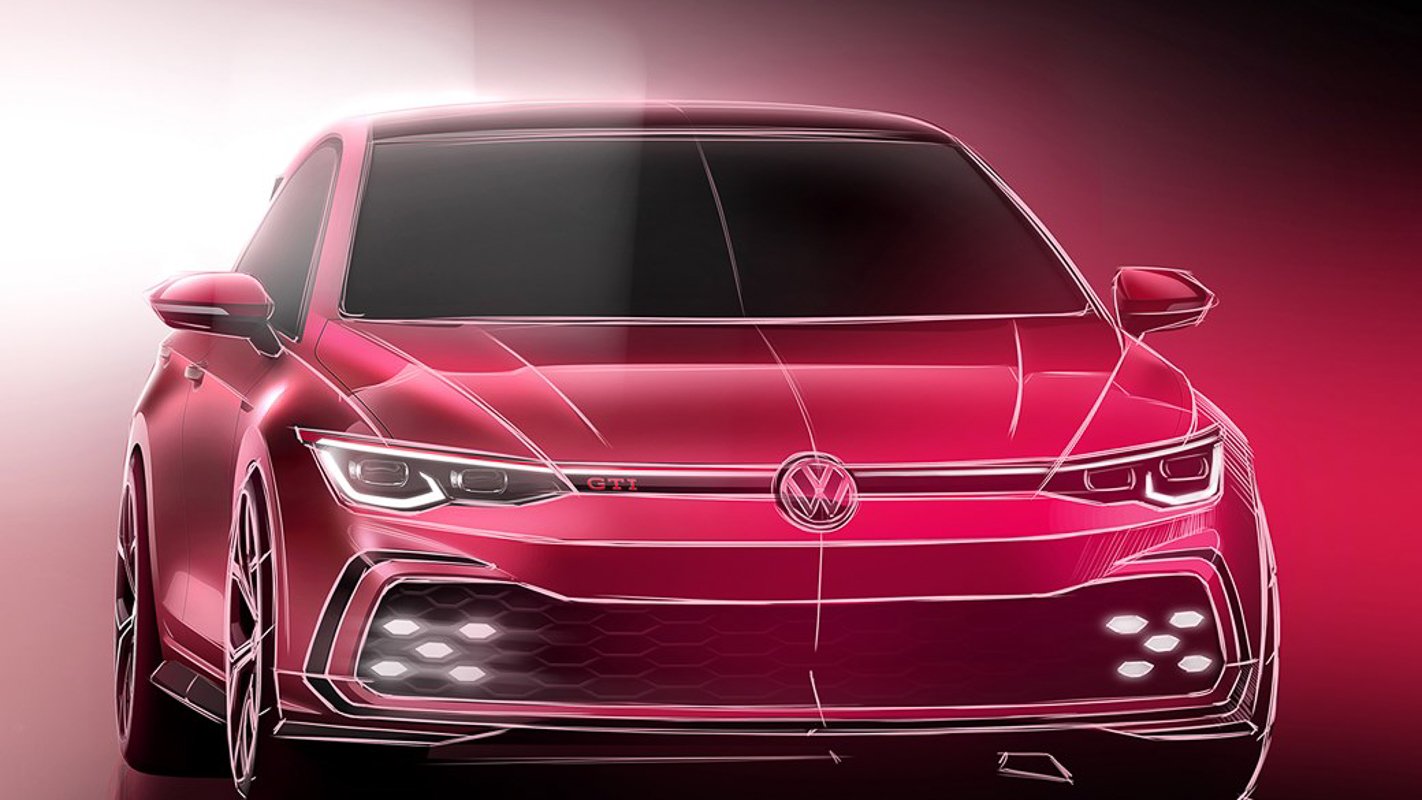
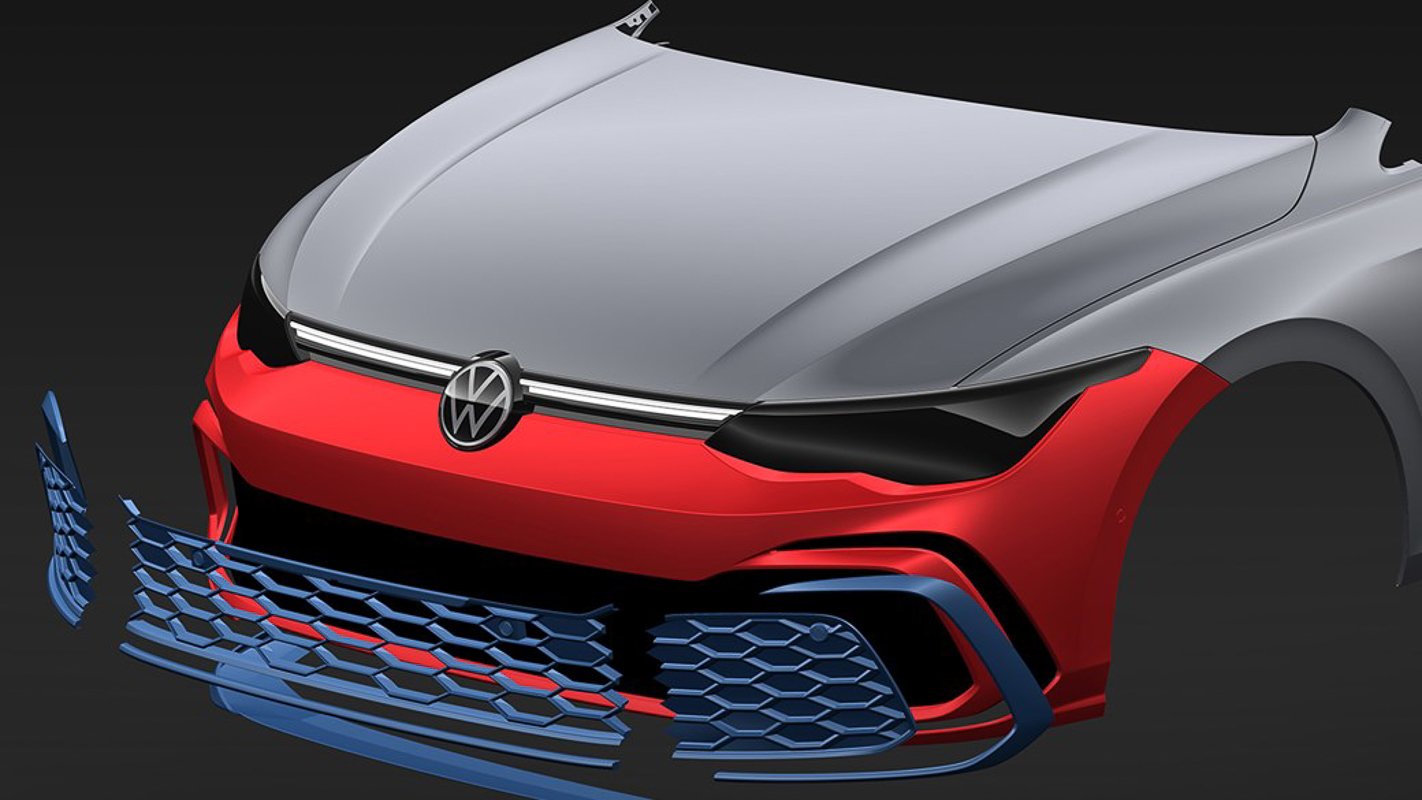
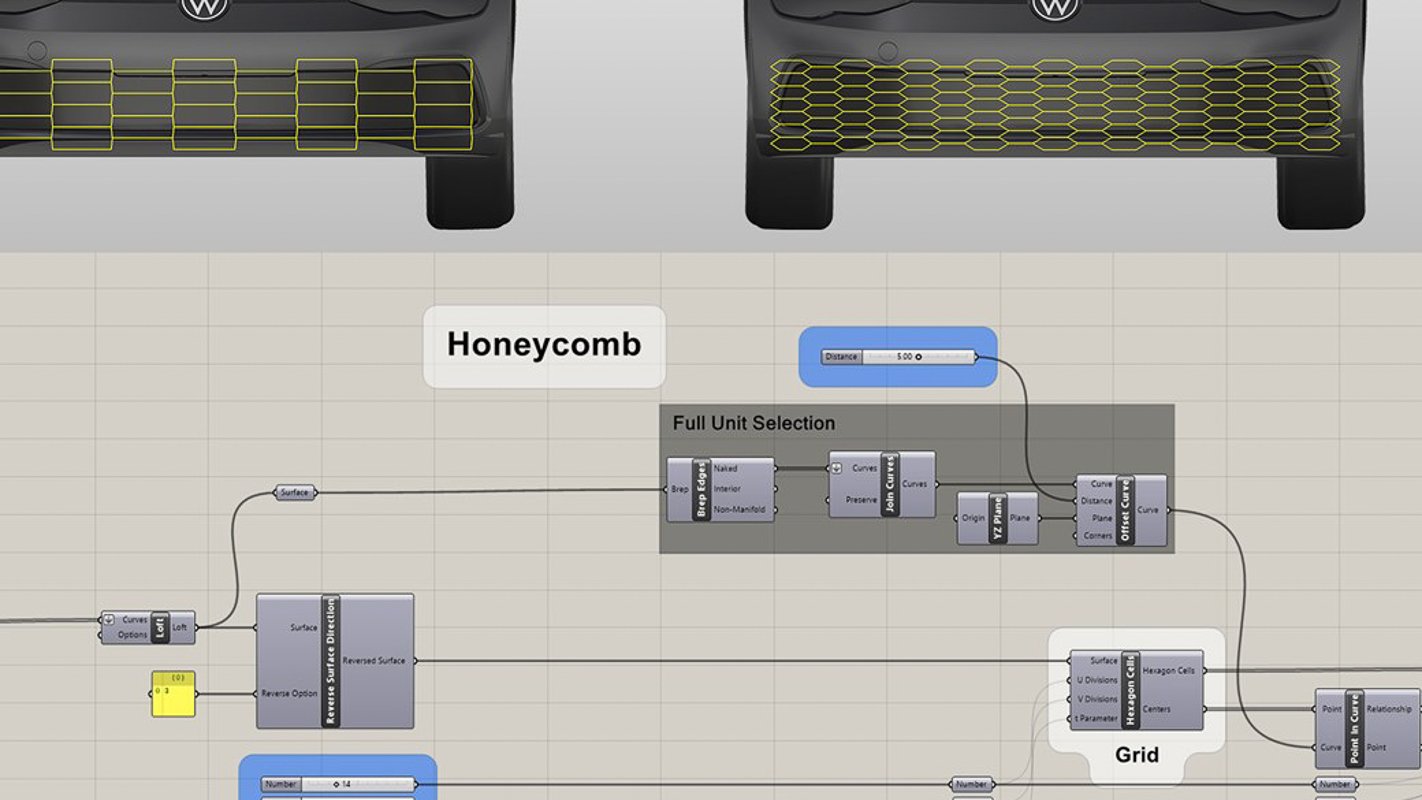
And because cars are getting more complicated in terms of design, these tools are almost necessary in order to finalise intricate details. Take the grille on the latest Golf GTI: that honeycomb layout is entirely computer generated. Designers input certain parameters to create the honeycomb and can then adjust the shape and size of the ‘holes’ infinitely, then graft it onto a 3D model of the front end. What would have taken months of minor tweaks to bring to life is done in seconds.
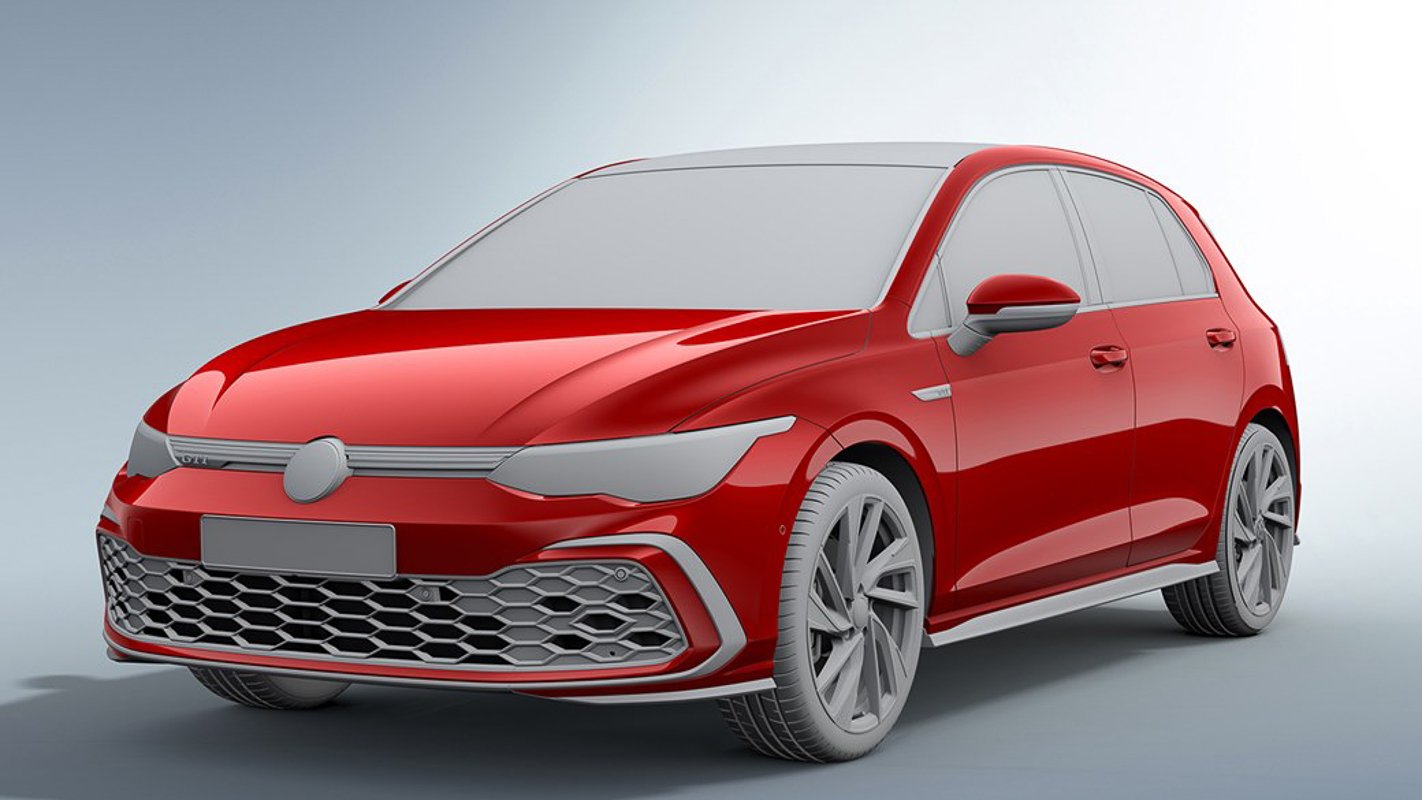
When a 3D model is created, there are also programs that can simulate certain times of day or night, and colleagues can even render said model in virtual reality for a slightly more tangible experience.
So, it’s all just one big happy family…
Not entirely. While Bischoff describes modern car styling as ‘team play’, design teams effectively compete with each other when it comes to pitching a design for a new model.
‘When we begin our design processes, we always have pitches that are worldwide. We do invite third party designers [there is, of course, Italdesign – a VW Group subsidiary], pitching against each other in a very challenging design contest, so to speak. from there we choose the best and then we go for three, then two and one.’ The final design is then decided by the VW Group board.
How much is VW relying on this, then?
The current systems the brand and Group are using have been utilised for the past five years after a slow rollout over a decade. ‘The generation six and seven Golfs were partly designed with these tools; the Mk8 is a truly digital design, as well as all the I.D. family members,’ says Bischoff.
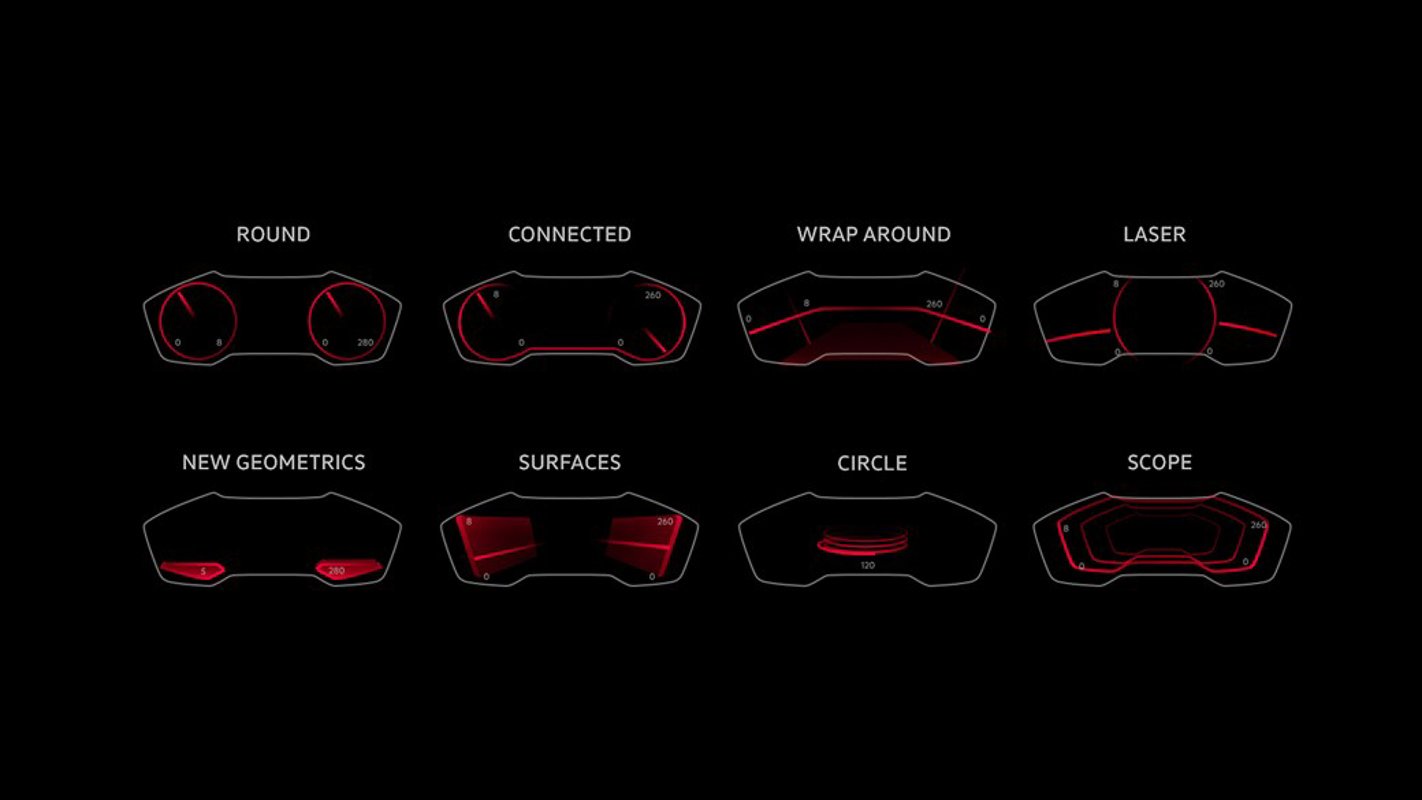
And they’ll only become more essential to the design process. ‘Complexity [in car design] has grown but team size has also grown,’ says Bischoff, ‘in about 30 years the team size has tripled but the product portfolio has gone through the ceiling.’
This article was originally published at carmagazine.co.uk.
If you need to get to the work site in a hurry, there’s one dual-cab that stands above the rest in terms of straight-line performance: the Chevrolet Silverado 1500 LTZ.
Wheels recently had the Silverado in for our regimented independent performance testing, and the results are very impressive for a two-and-a-half-tonne beast.
Powered by a 6.2-litre naturally-aspirated EcoTec V8, the 1500 sends 313kW and 624Nm to all four wheels.
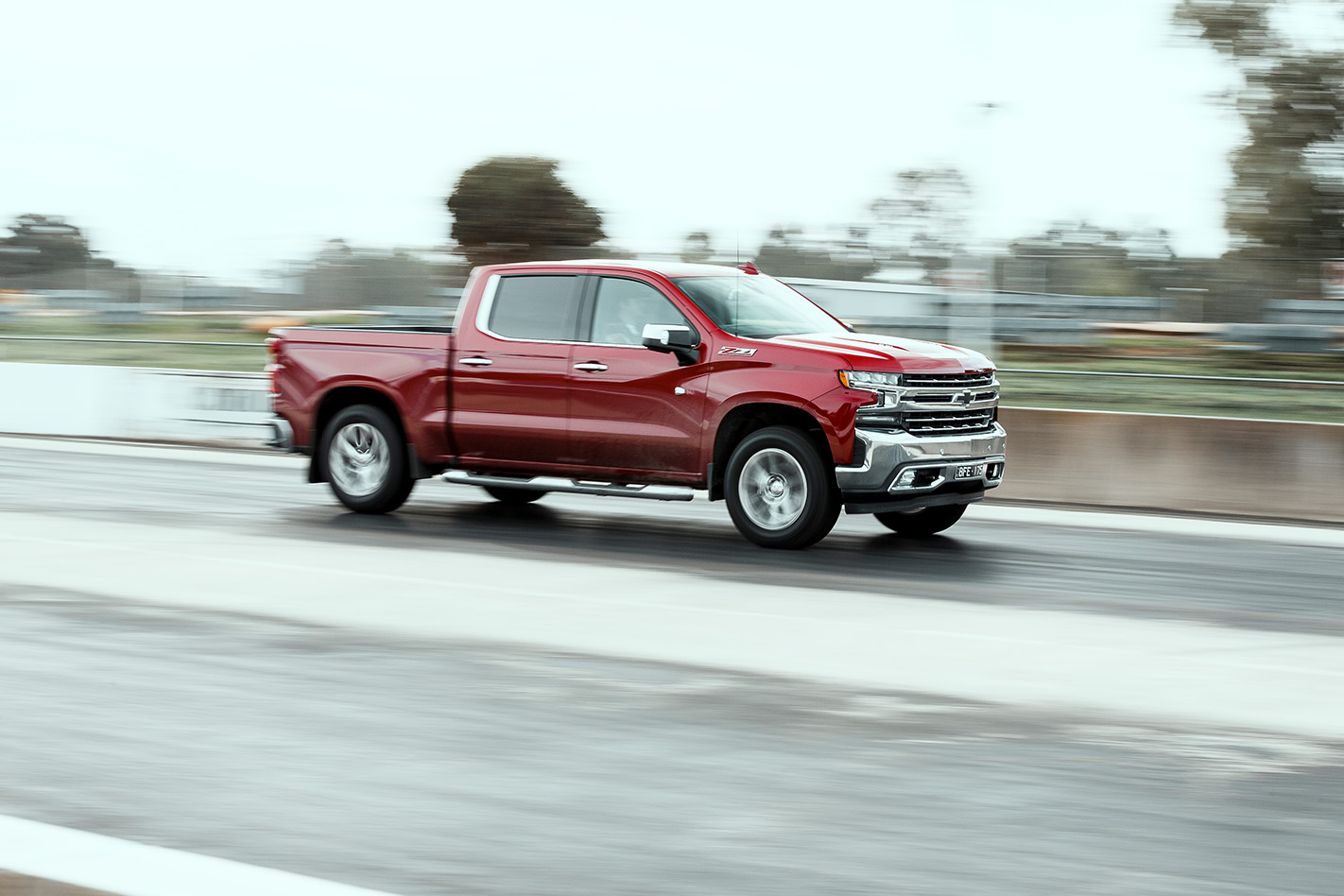
Using a VBOX GPS data recorder to log times, the Silverado cracked 100km/h from a standstill in 6.4 seconds.
Not only does this make it the quickest dual-cab that you can buy right now, it’s also quicker than a surprising number of passenger cars.
The Alfa Romeo Giulia Super, Ford Fiesta ST, Hyundai Veloster Turbo, four-cylinder Kia Stinger, and Volkswagen Polo GTI would all lose to the Silverado at a traffic light grand prix.
From our independent testing, the monster American pick-up and Hyundai i30 N hot hatch hero are perfectly matched to 100km/h, despite the former hauling more than extra tonne of mass.
The speed is all down to the petrol V8 and 10-speed automatic gearbox combination, with the latter keeping the big bent-eight in the thick end of the power band as it revs toward the 6600rpm redline and cut-out.
Our test vehicle was fitted with all-terrain Goodyear Wrangler Trailrunner AT rubber, in beefy 275/60 R20 115S specs.
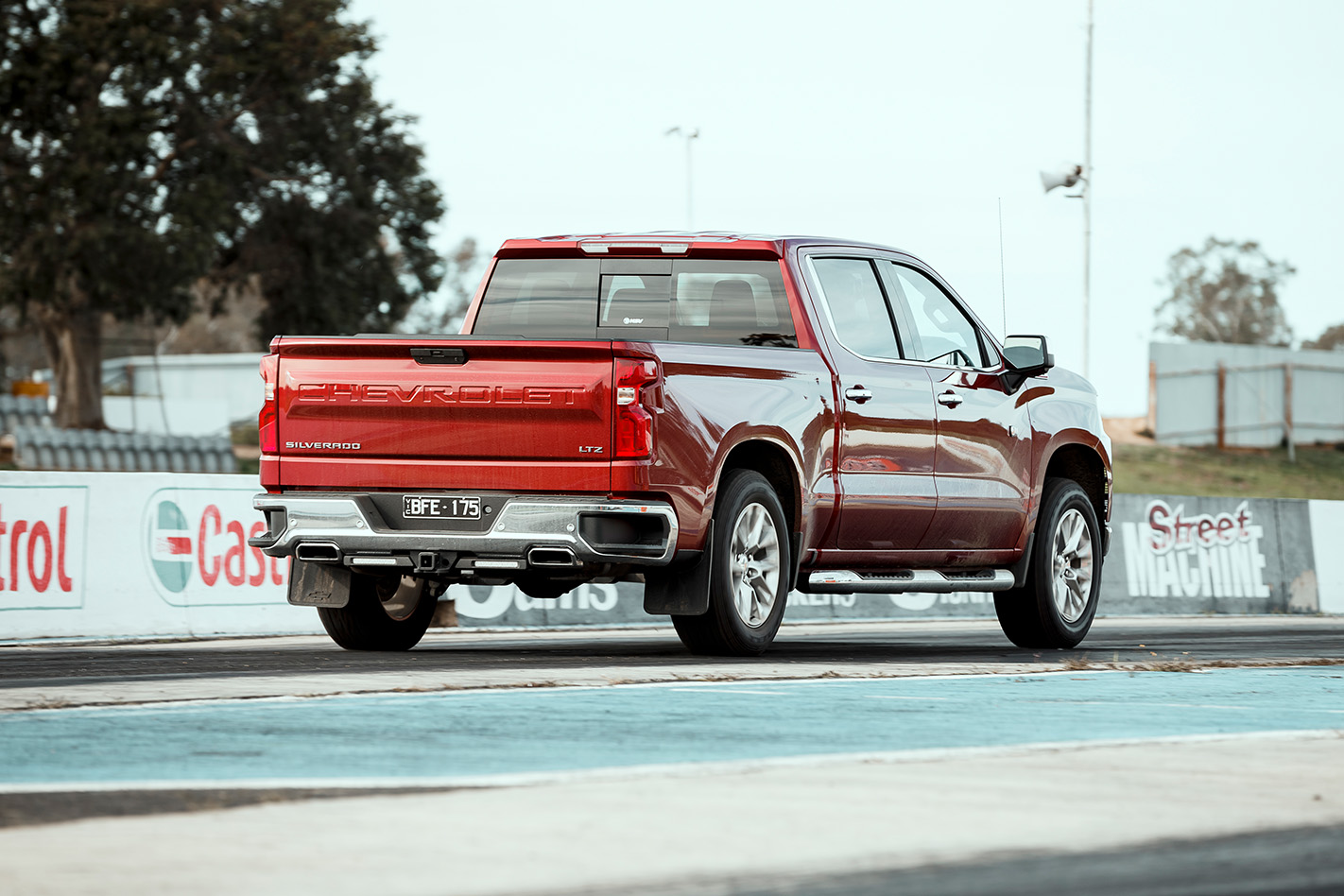
The tyres do an impressive job in hauling the 2588kg beast to a standstill, stopping from 100km/h in 40.4 metres. While not a match for smaller, lighter cars, it is an impressive feat considering the weight and speed involved.
To get the best time out of the Silverado, it is best to leave the transmission in its automatic setting. When locked into both two-wheel drive and four-wheel drive the 1500 recorded a 0-100km/h time closer to seven seconds.
By leaving the everything in automatic, the clever electronics on board the HSV-converted pick-up are able to manage power as it sees fit.
Keep your foot in the accelerator and you’ll roll past 150km/h and 180km/h at 13 and 20 seconds flat respectively.
The quarter mile is dispatched in 14.5 seconds, crossing the finish line at 158km/h.
Where the Silverado 1500 really shines compared to regular diesel dual-cabs is its top end muscle. Although it’s not the most relevant for road users, the 100-180km/h increment is taken car of in 10.9 seconds. The Volkswagen Amarok 580 Ultimate takes almost eight seconds longer.
For a full rundown of the pick-up’s incremental performance, read on.
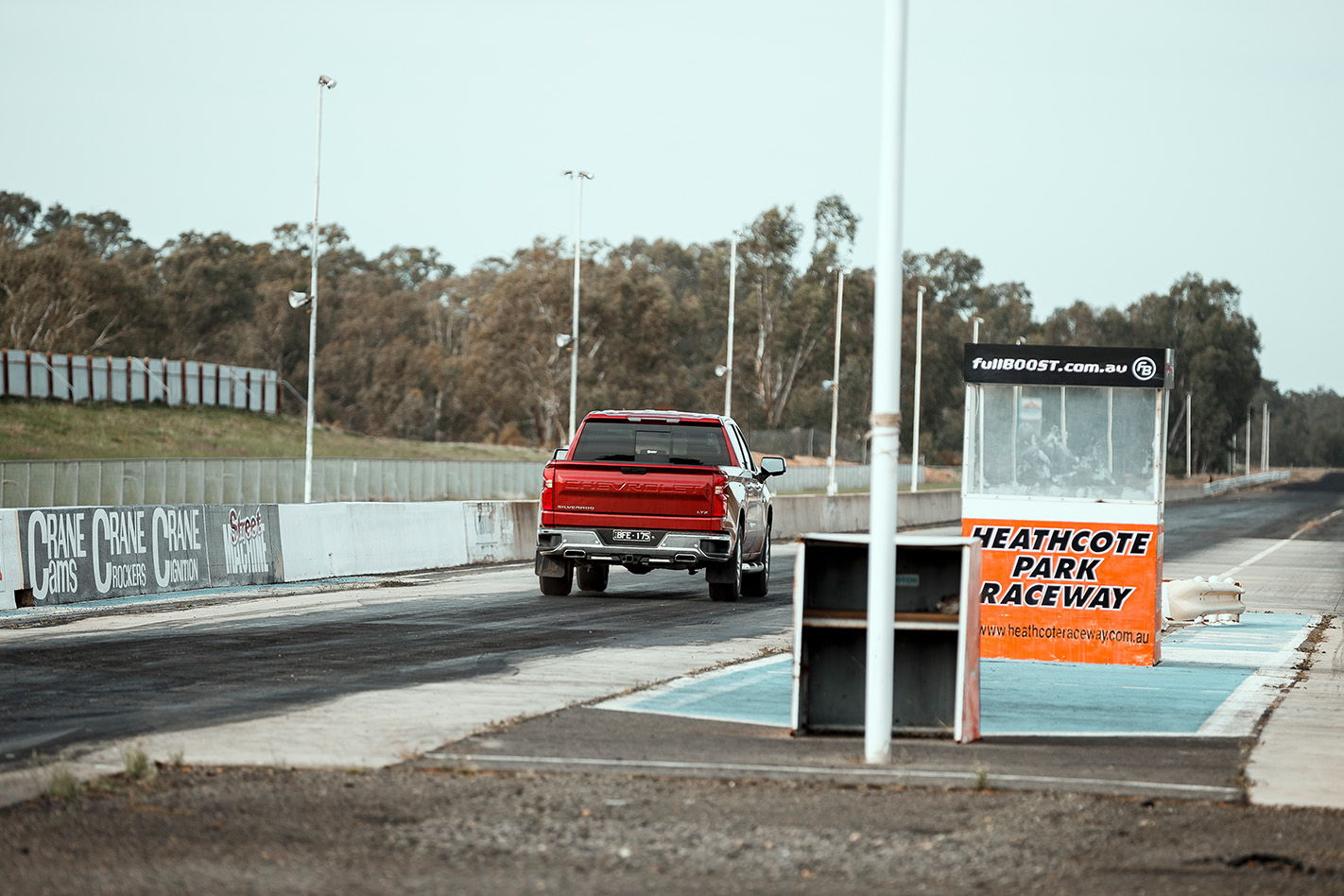
Chevrolet Silverado 1500 LTZ performance figures:
- 0-10km/h: 0.4
- 0-20km/h: 0.8
- 0-30km/h: 1.3
- 0-40 km/h: 1.8
- 0-50 km/h: 2.4
- 0-60 km/h: 3.1
- 0-70 km/h: 3.8
- 0-80 km/h: 4.6
- 0-90 km/h: 5.4
- 0-100 km/h: 6.4
- 0-110 km/h: 7.4
- 0-120 km/h: 8.6
- 0-130 km/h: 10
- 0-140 km/h: 11.4
- 0-150 km/h: 13
- 0-160 km/h: 15
- 0-170 km/h: 17.3
- 0-180 km/h: 20
- 400m: 14.5 seconds @158km/h
- 100-0 km/h: 40.4 metres (3 seconds)
Unlike HSV’S forlorn supercharged XU6, FPV cracked the six-cylinder muscle car thing straight off the bat in 2004 with the F6 Typhoon. And it’s easy to see why. Ford had built a beast in the Falcon XR6 Turbo, a car that shook Australia off the idea that Ford muscle cars had to have eight cylinders, and then FPV injected a whole lot more attitude – big brakes, fatter tyres, significant power increase and a complete restyling inside and out.
The BA Mk II version was short-lived before the lightly updated BF version arrived in late 2005, but even the former’s infamous twin-plate clutch recall debacle couldn’t put a dampener on the birth of an instant performance icon that hung around until FPV’s demise.
Punters swooned over its optimal layout, enveloping turbocharged torque and seemingly limitless tuning potential. However, this is exactly why you should now be diligent when seeking out one for yourself, with a crucial checklist to review before buying this performance hero.
FPV F6 Essential checks
Engine
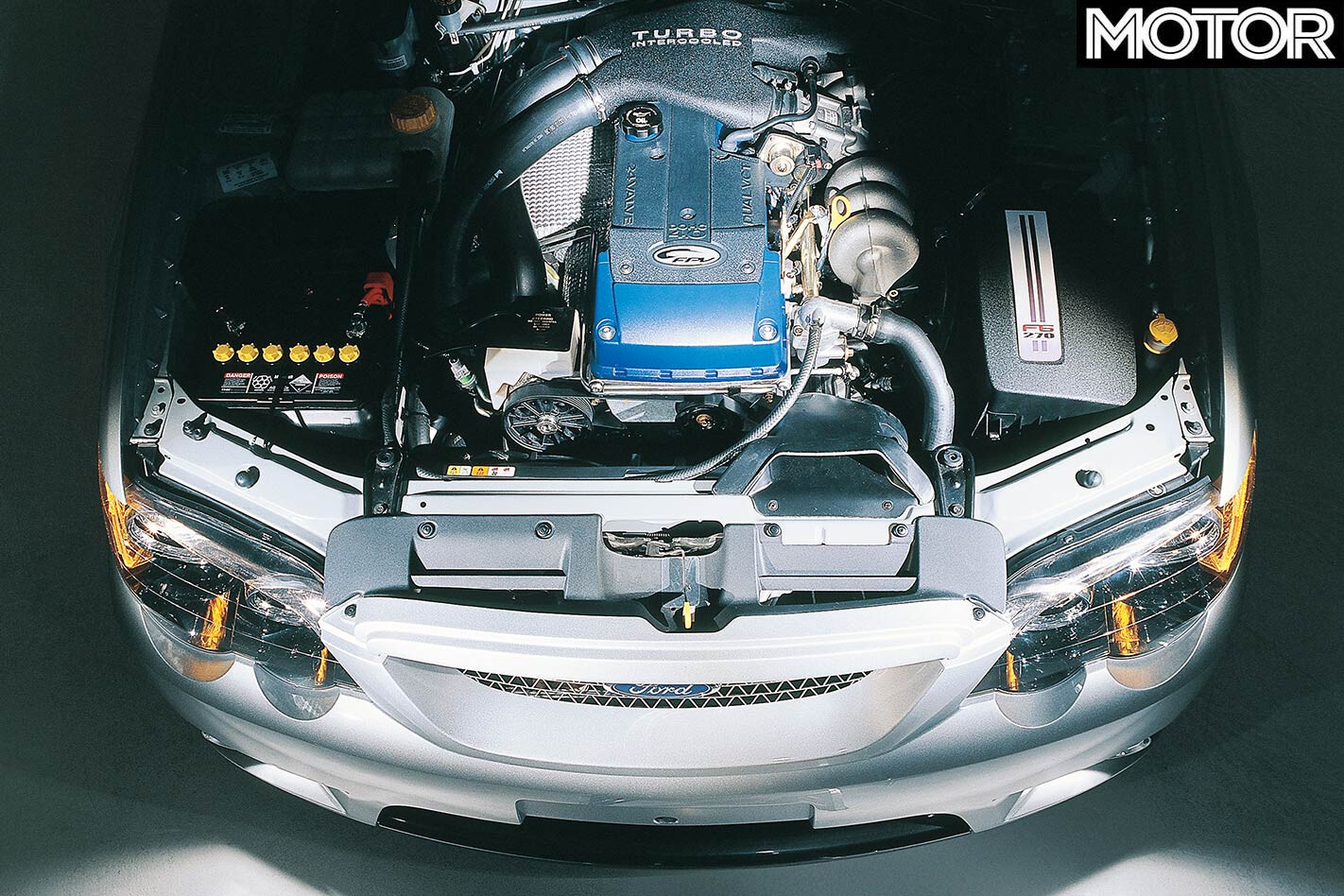
Arguably the crown jewel in the F6’s arsenal, the ‘Barra 270T’ 4.0-litre inline-six unlocked 270kW/550Nm through its revised pistons, stronger rods, freer-flowing dual-entry airbox and larger intercooler. Now, 15 years down the track, the things to look out for are leaking main seals and timing cases. The latter is more of an issue with BF versions, while a leaking main can wear out harmonic balancers, which cost $400 to replace. And, though F6s had strong valve springs, look for a rough engine idle, which might suggest they’re going soft – it’s $850 for a new set. Also listen to the turbo after switching off the engine, since a metallic sound indicates oil starvation and a blocked oil feed line.
Transmission
While the prototype BA II Typhoon F6 was fitted with a T5 manual, the production model came with a heavily revised Tremec six-speed manual mated to a twin-plate clutch. An automatic wasn’t added until the BF arrived in late 2005. Although the flaws in the BA F6’s original clutch are well documented and FPV undertook a full recall, the upgraded AP-Racing unit is relatively bulletproof – good for more than 400kW at the wheels. If there’s any problem, you will notice it during a test drive; it might pop out of second gear if it’s had a particularly hard life.
Suspension
The BA II F6’s suspension was upgraded with stiffer rear coil springs and 10mm-wider tyres over the standard XR6 Turbo. The damper struts last a while and only need attention if you can spot leaking oil, but check out the front upper control arm bush; you will hear a knock under braking or see the front wheel move in the wheel well, but this is easily fixed with polyurethane items. Also inspect the rear control blade bushes and front swaybar brackets, as they’re also known to perish under hard driving.
Body and structure
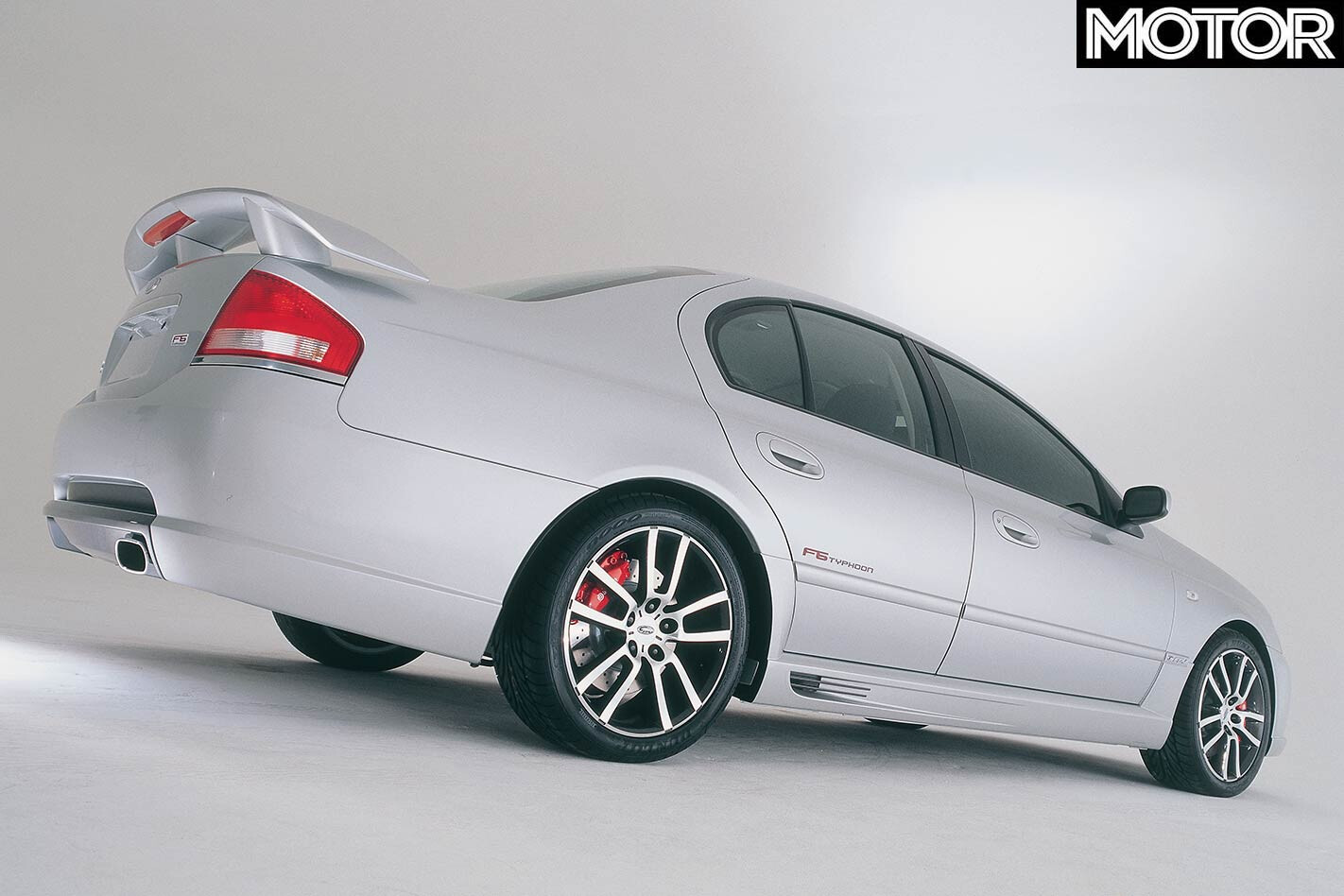
In terms of rust, there are a few spots to keep an eye on, like the bottom of the driver’s door, where a rust bubble can form. Apart from the boot seal, the only other spot, and perhaps more common, is where the firewall meets the inner guard along a filler join. This can be inspected by simply poking your head under the bonnet. Soft rear diff bushes are known to wear, and if not replaced in time the wobbly diff can wear out centre tailshaft bearings or even crack the rear K-frame under hard launches. Inspect all three.
Brakes and steering
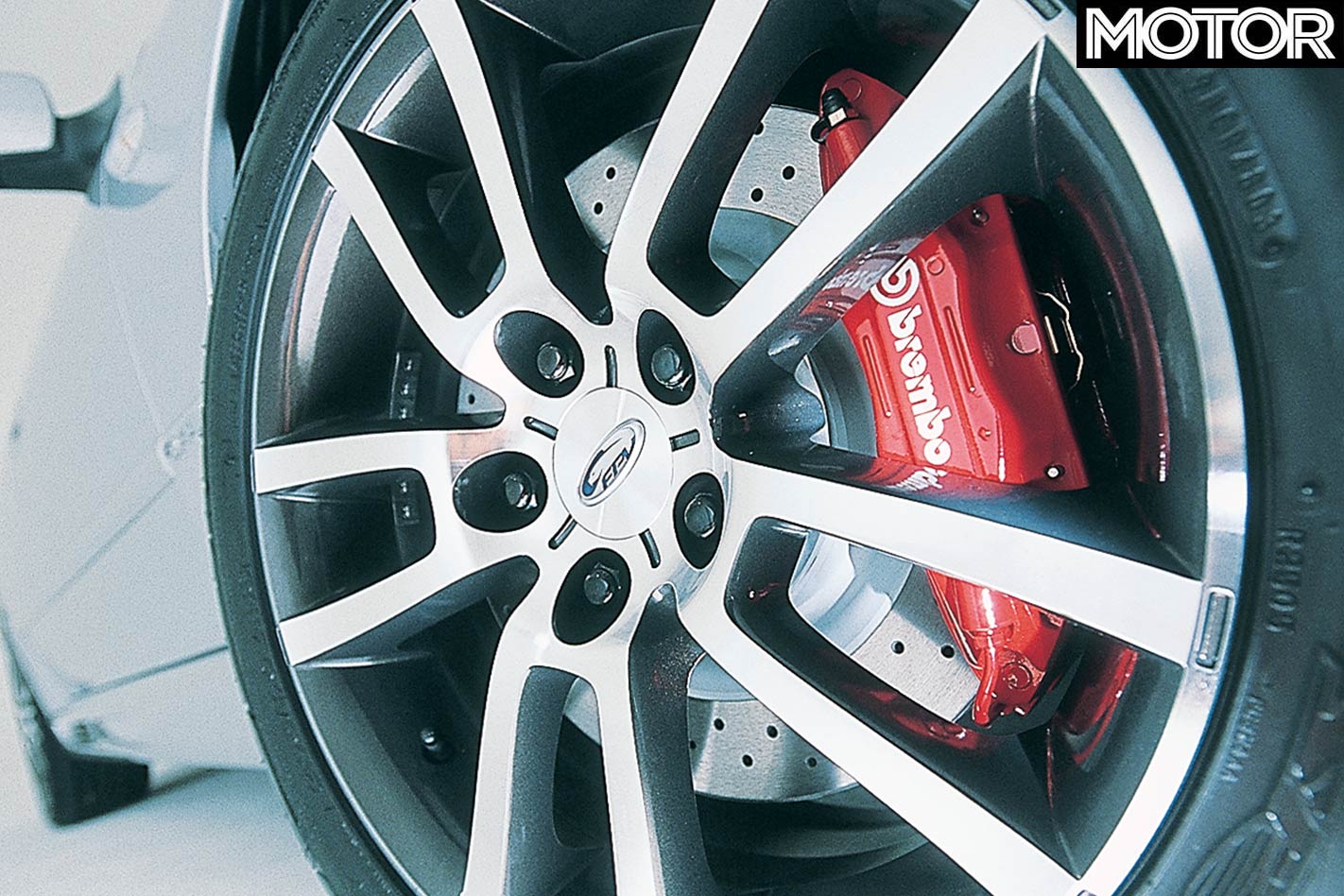
BA II Typhoons scored a PBR two-piston sliding set-up or optional (at a whopping $6K, or about $8500 in today’s money) Brembos with four-piston calipers up front. The PBR system is reliable and you can expect a decent life out of the grooved discs. It always pays to check pads and fluid when inspecting a car to potentially save you a couple hundred bucks. Steering-wise, the pumps are known to make noises after 50,000km, but an underdrive pulley that slows them by around 20 per cent can help extend their life.
Interior and trim
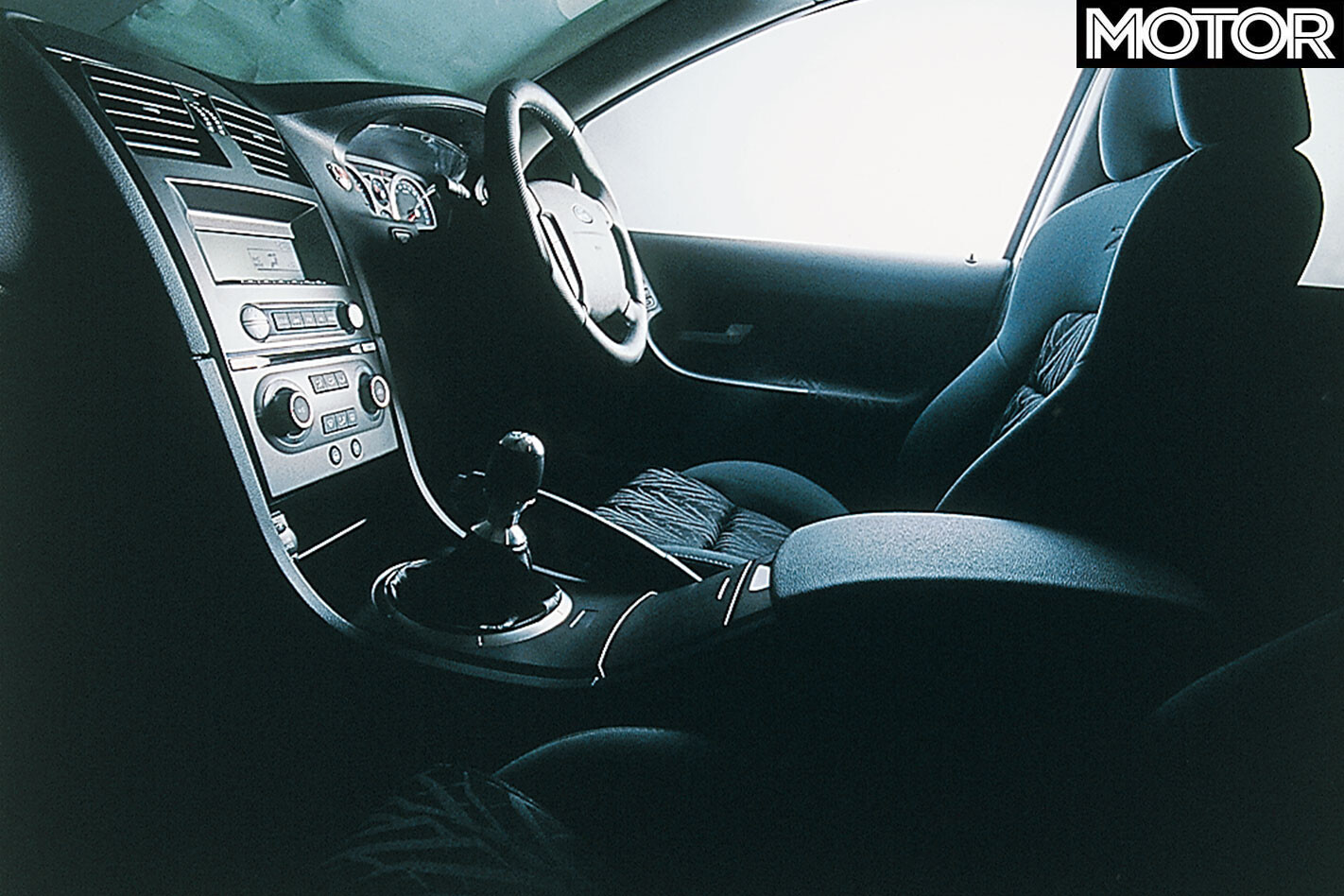
The F6 Typhoon’s interior is a hard-wearing and comfortable affair, with dash and plastics that hold up well even today. However, it wasn’t immune to the well-known saggy roof lining problem on the driver’s side, which can cost as much as $600 to replace. Both leather and cloth seats have stood the test of time, with only the bolster tending to collapse. The leather wrapped around the manual gearknob loosens with use and can be a good indicator on how hard a life the car has had.
Improving the breed
This is the fun part, since the F6’s larger intercooler, freer-flowing intake and stronger engine welcome a fiddle. Injectors, fuel pump, higher-flow cat, high-flow air filter, plugs and an engine tune at a reputable tuner like Melbourne’s Maxx Performance will set you back around $3K but will take power from around 200kW at the wheels to 280-300kW. Upgrade the valve springs next, as well as the intercooler and exhaust, and after porting the stock Garrett 3582R turbo while upgrading its wastegate flap, you’re looking at 350-380kW. Using E85 will push you to 440kW. And there’s just as much potential in the chassis. A good set of coilovers and polyurethane suspension bushes go a long way to sharpening the car’s responses and maximising grip.
OTHER OPTIONS YOU MAY CONSIDER:
1. HSV Clubsport manual
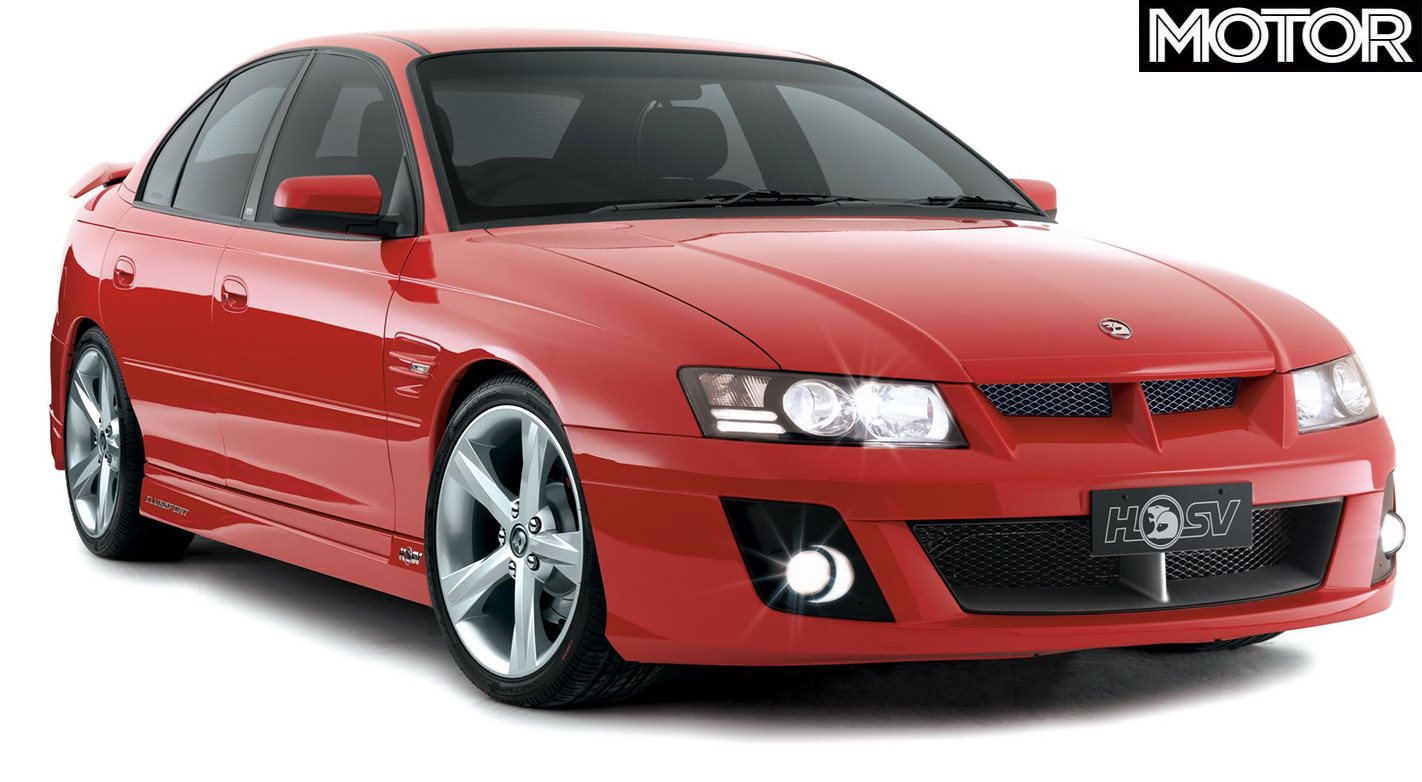
The F6’s natural rival in the day was the VZ-based HSV Clubsport. Its 6.0-litre LS2 V8 had the F6’s measure on power, with 297kW, but its 530Nm was out-grunted, and contemporary reports say its chassis played second fiddle to the F6 as wel
2. BMW E60 M5
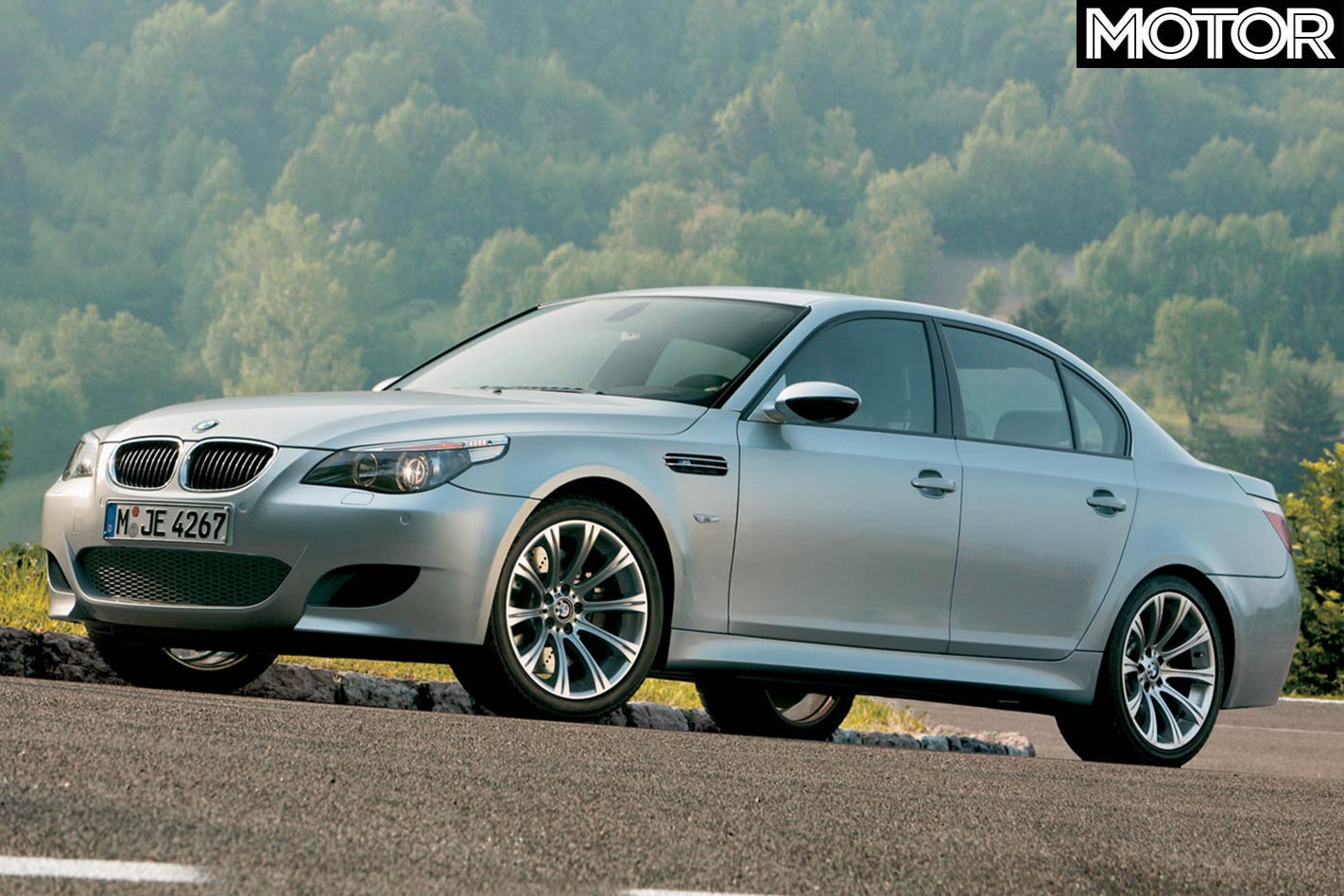
There’s much more chance of an overlap in price between the BF F6 and the E60 M5 these days than back in 2007. The V10-powered executive express was a much more exotic option, but you would have to settle for a semi-auto.
3. BA FPV GT
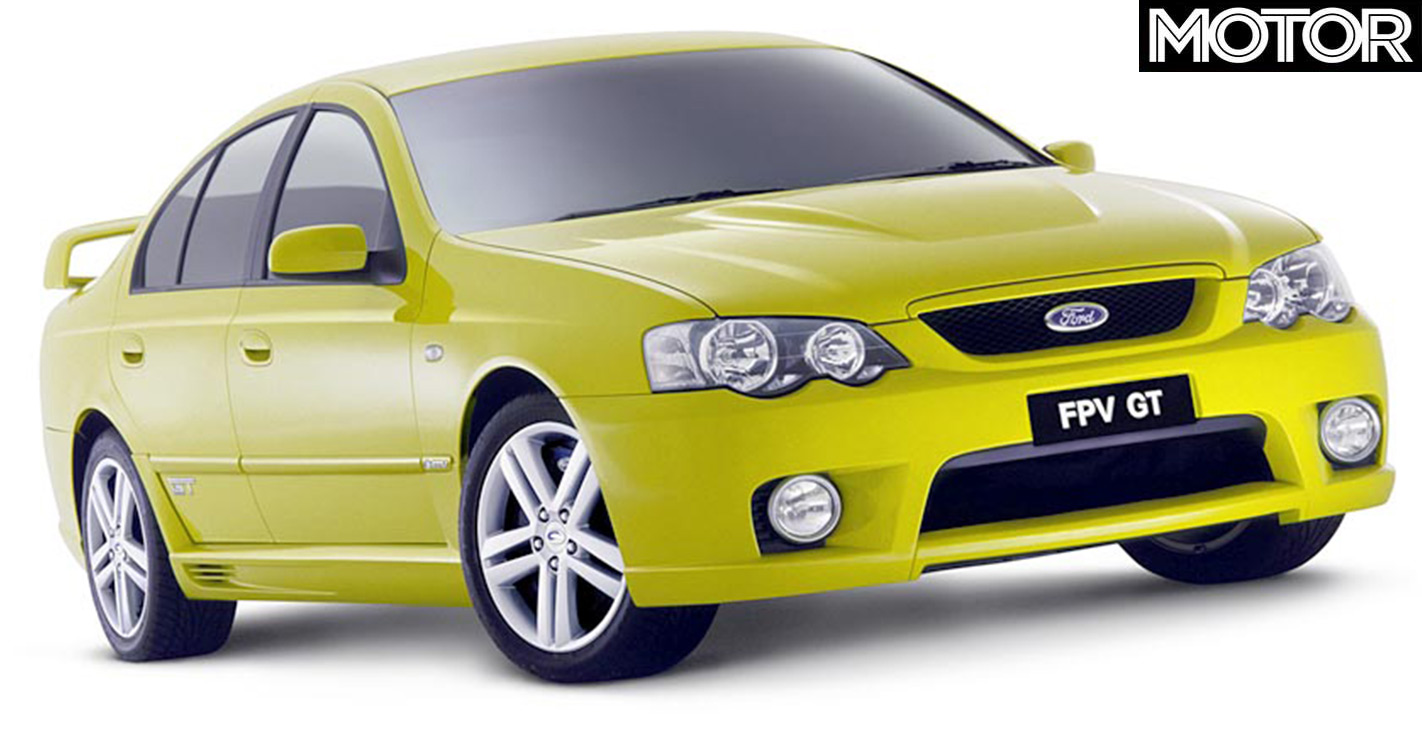
For those who can’t bring themselves to buy a six-pot muscle car, there remains the V8-powered GT (original concept pictured). It’s a sweeter steerer, by a fraction, but it must be said its 5.4-litre ‘Boss’ DOHC V8 can’t match the F6 for in-gear punch.
2004 FPV F6 TYPHOON SPECS
Body 4-door, 5-seat sedan Engine 4.0-litre inline-six, DOHC, 24-valve, turbo Power 270kW @ 5250rpm Torque 550Nm @ 2000-4250rpm Transmission 6-speed manual (6-speed auto optional) Used Range $15,000 to $30,000
These are dangerous times. Fires. Extreme weather. Supermarket fight clubs. And, of course, the relentless march of the coronavirus.
Which is very serious, but also gives me a guilty glimmer of joy every time I hear the word, since it reminds me of my very first car, a 1976 Toyota Corona that, much like the projected spread of the virus, terrorised the world for 18 months before I wrote it off in an accident that I still maintain was everyone else’s fault.
Anyway, dangerous times for us all. Unless you’re rich. Most things are a little less dangerous when you’re rich. Because you can hire underlings to shake hands for you, or to break into the Strategic Toilet Paper Reserve and heist a year’s supply of Quilton for you.
But while being rich can spare you from many of the world’s perils, money can bring its own pitfalls as well. Like being trapped inside your 2020 Lamborghini Aventador SVJ.
Lamborghini Aventador SVJ driven!
The SVJ and SVJ Roadster have been recalled in the US because a new employee at the Lamborghini factory installed the Bowden cable pin in the interior door handles wrong, and they might fail and leave you trapped inside the car. Truly.
A car that costs almost a million bucks is assembled in part by the work experience kid who didn’t read the instructions first. If you get into a Lambo in the next 12 months and find the seat leather appears to have teen acne and a Bologna FC tattoo, you’ll know what happened to the hapless workie.
So it seems the Super Veloce Jota (which is Italian for ‘Super Mario Bros’) is effectively a 350km/h humane mousetrap designed to live-catch billionaires. It’s one step above propping up a box with a stick on a string, laying a trail of Faberge eggs to it and lying in wait.
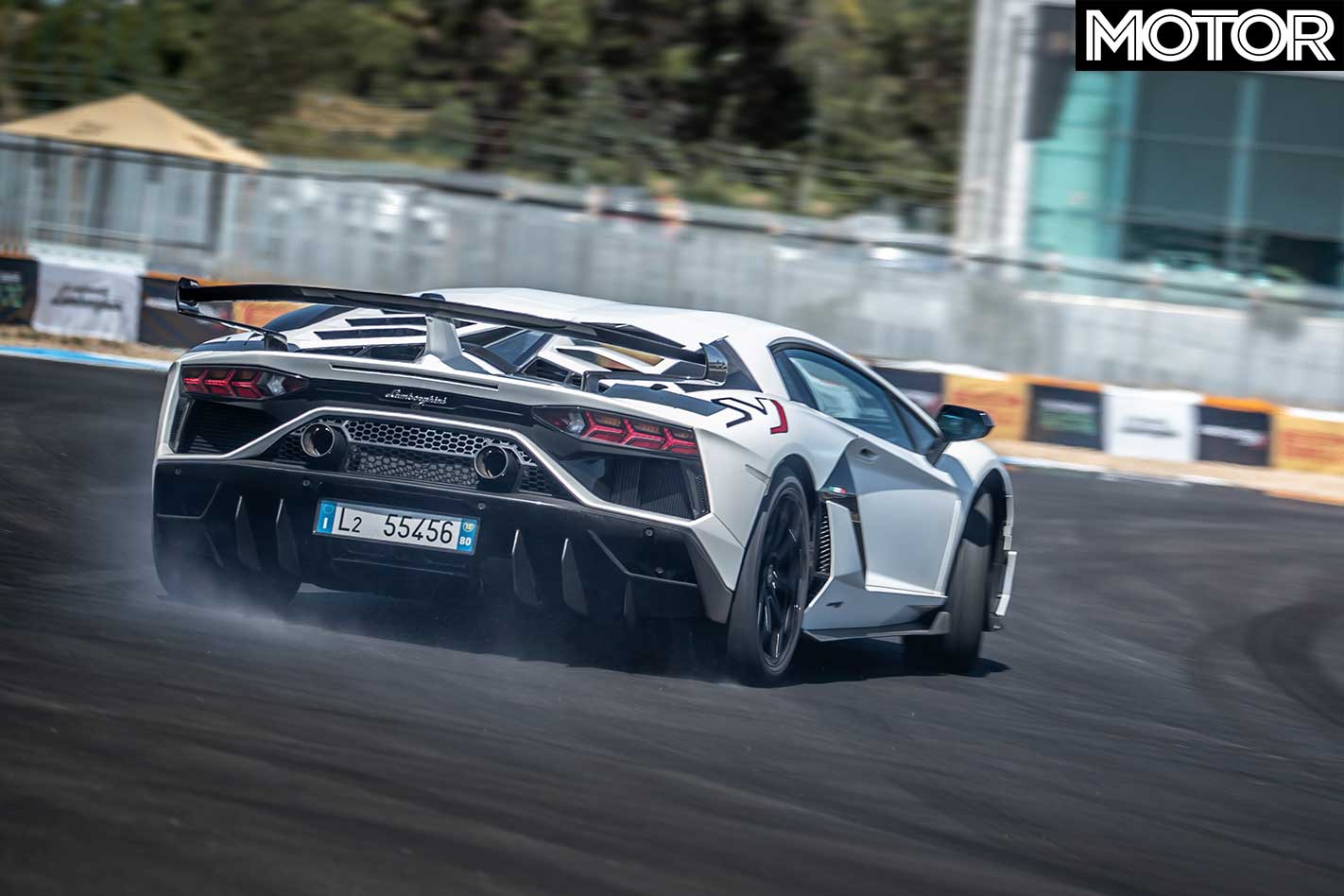
You may scoff at the idea of being trapped ‘inside’ a Roadster. And if you’re a double-jointed gymnast, then you could probably slide up and out like Magnum PI. But I’ve climbed out of Lamborghinis, and it’s more like playing Twister than hopping out of a regular car. Not as tight as getting out of a Lotus, which is like taking off a wetsuit inside a coffin, but more challenging than climbing out of the family Commodore.
It does make me appreciate our family car a bit more. If I ever got trapped inside our Kia, I could probably survive for two days on half-eaten chocolate bars and Baby Mum-Mums, with another three days’ worth of water in half-finished bottles rolling around in the footwells.
Maybe Lamborghini should start including emergency rations inside every Aventador, just in case you get involuntarily self-isolated in your gilded alcantara cage: a little box of prosciutto and champagne to keep you from wasting away, until you can summon the butler from the lobster pantry to the parking wing, to open the door from the outside.
Why supercars catch fire so often
Lamborghini’s rogue Bowden cable pin does highlight how critical even the smallest component can be. The Ferrari 458 Italia had to be recalled because the glue used in the wheelarch assembly could catch fire when the brakes got too hot. And the GPS in the Rolls-Royce Phantom accidentally included suburbs filled with poor people, causing elitist nausea and crushing existential guilt for the owner.
So now you can add ‘starving to death’ to the list of all the ways your car is trying to kill you. Ferrari has the California, now Lamborghini has the Hotel California – you can check in anytime you like, but you can never leave.
Stay safe until next worldwide pandemic, which I can only hope will be called the 1988 Nissan Skyline GXE virus. At least that one will make me smile while I’m in quarantine as well.
Queensland senator James McGrath has offered to buy the entire Holden brand from General Motors for the sum of one Australian dollar, in response to the car giant’s treatment of dumped Holden dealers.
In a federal parliament tirade, QLD Liberal senator McGrath accused GM of using the coronavirus crisis as a smokescreen to “disappear in the night” and reiterated his previous statements describing the company as having “the ethics of a granny-smacking, purse-snatcher”.
The senator has been vocally critical of GM’s decision to axe Holden and its management of the exit since it was announced in February this year, but says the company has recently stooped to a lower level by using a global pandemic to obscure its underhanded dealings.
“To put it bluntly,” said McGrath, “General Motors are trying to sneak out under the cover of COVID-19, disappear in the night and leave Australian businesses stranded after an 89-year one-night stand.
“This is an unforgivable stance for General Motors to be taking, particularly at a time when the Australian economy and businesses are managing the economic shock of the current pandemic.”
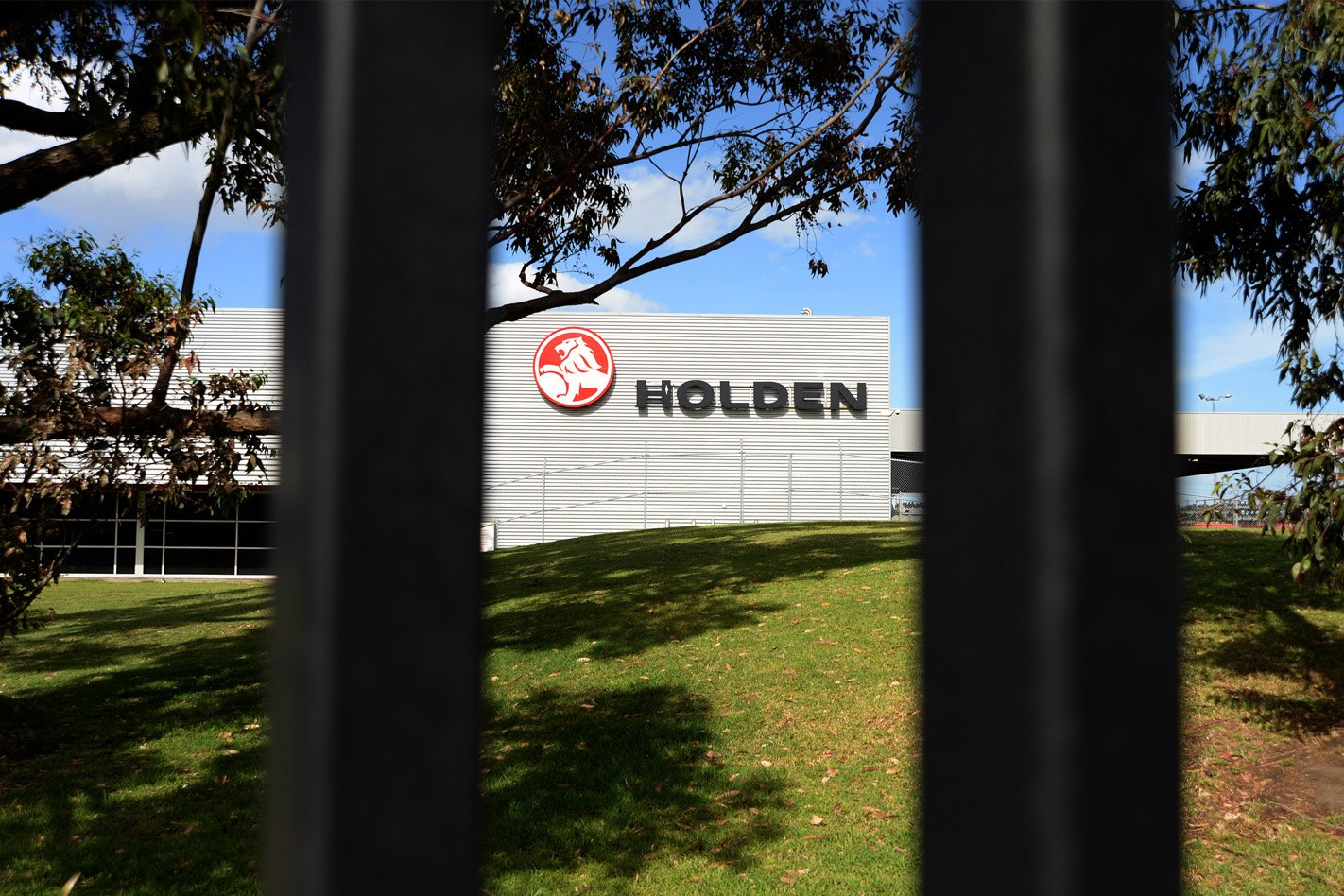
The MPs speech concluded with an offer to purchase the Holden brand, which will be retired entirely from Australian and New Zealand by the end of the year, so that the iconic lion badge can be given back to the dealers, he said.
McGrath personally blamed GM chairman and CEO Mary Barra claiming one of the world’s most powerful automotive figures for “sending Australian families to the wall” while highlighting Barra’s salary, which is reported to be just shy of US$22m (A$34m).
In his speech, McGrath said he had seen no evidence that GM was adequately looking after the more than 200 dealers that are impacted by the shock announcement that Holden will be no more.
The angered Queenslander went on to accuse GM not only of inadequately compensating dealers, but also of spending many years planning the violent exit and “subverting the franchise code”.
Fair price?
His offer to purchase Holden from GM for the very affordable price is intended to highlight how little GM apparently values the company, compared with how much the brand and its heritage means to its native country and Australian fans alike.
“General Motors may think the rich history of the Holden brand in Australia is worthless, but I think it’s priceless. If General Motors think the brand is worth nothing, then hand the brand back to Australia”.
Although McGrath’s offer of just $1 may seem a little undervalued, it is not unheard of for car brands to change hands for tiny figures of cash and, in 2000, BMW flogged off Rover for a symbolic sum of just £10 Sterling (about A$11).
Motorsport has a long history of being associated with law breakers and outlaws – NASCAR is built on the empire of illegal alcohol smuggling – but these ten individuals and teams take things to a new level.
Pablo Escobar – Cocaine in the fuel tank
Ol’ Pablo doesn’t really need much introducing. However, to put his drug empire into context, at its peak, Pablo and mates were smuggling 15 tonnes of cocaine worth more than half a billion dollars into the United States every day. This required purchasing US$2500 worth of rubber bands each week just to wrap the stacks of cash the cartel was raking in.
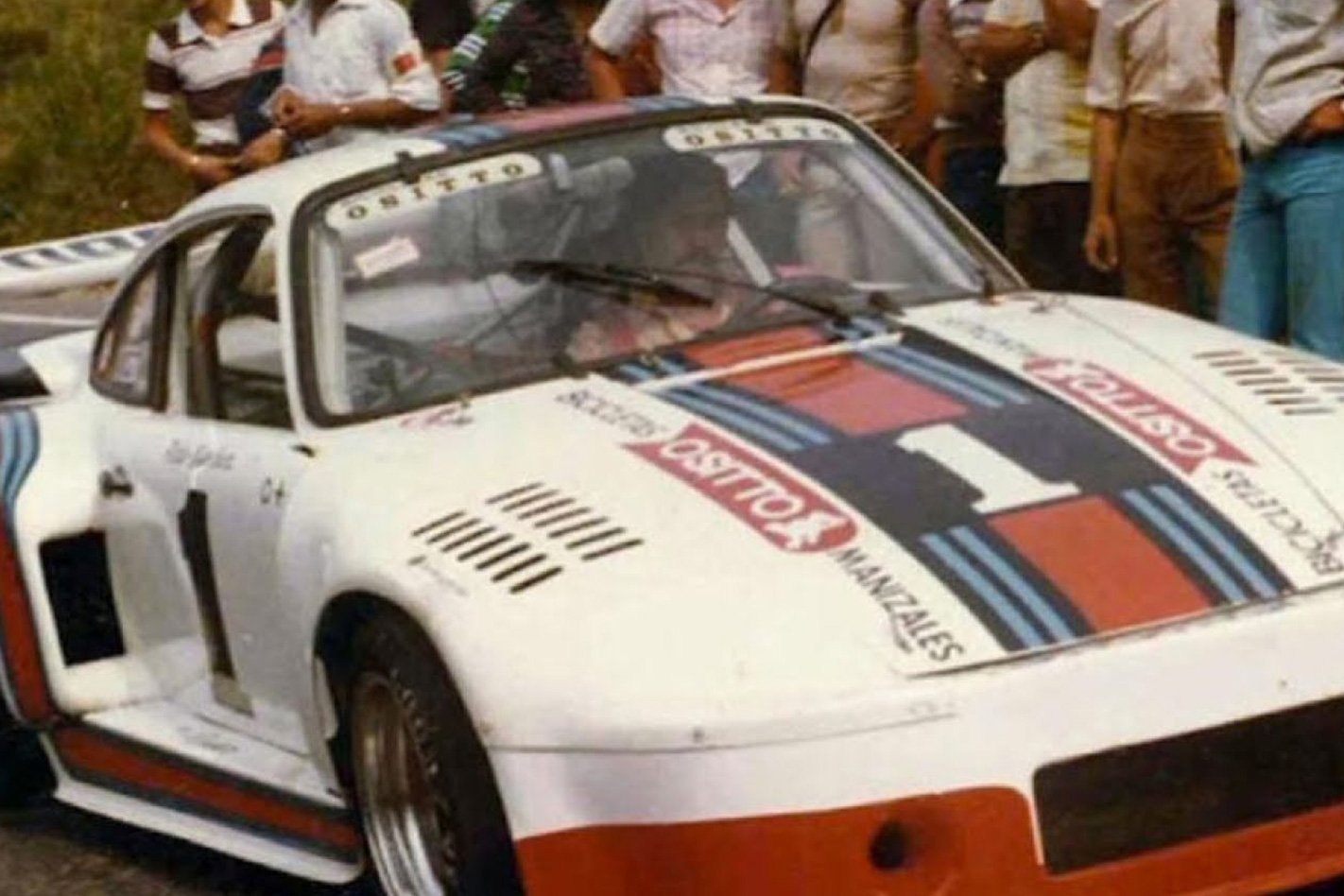
Turns out the world’s most famous drug kingpin also had a bit of oil running in his veins. Escobar started racing in a one-make Copa Renault 4 championship. The drug lord’s little Renault mysteriously had a clear advantage in a straight line compared to his rivals, and yet the stewards turned a blind eye. I wonder why…
Then Escobar decided he needed to step it up a level, buying a 1974 Porsche 911 RSR once raced by Emmerson Fittipaldi. This was modified with 935 slant nose bodywork, before Escobar’s day job caught up to him, ending his racing career.
IMSA in the ‘80s – A.K.A. The International Marijuana Smugglers Association
If you were competing in American sportscar racing in the 1980s, there was a good chance one of your competitors on the track was involved in drug smuggling.
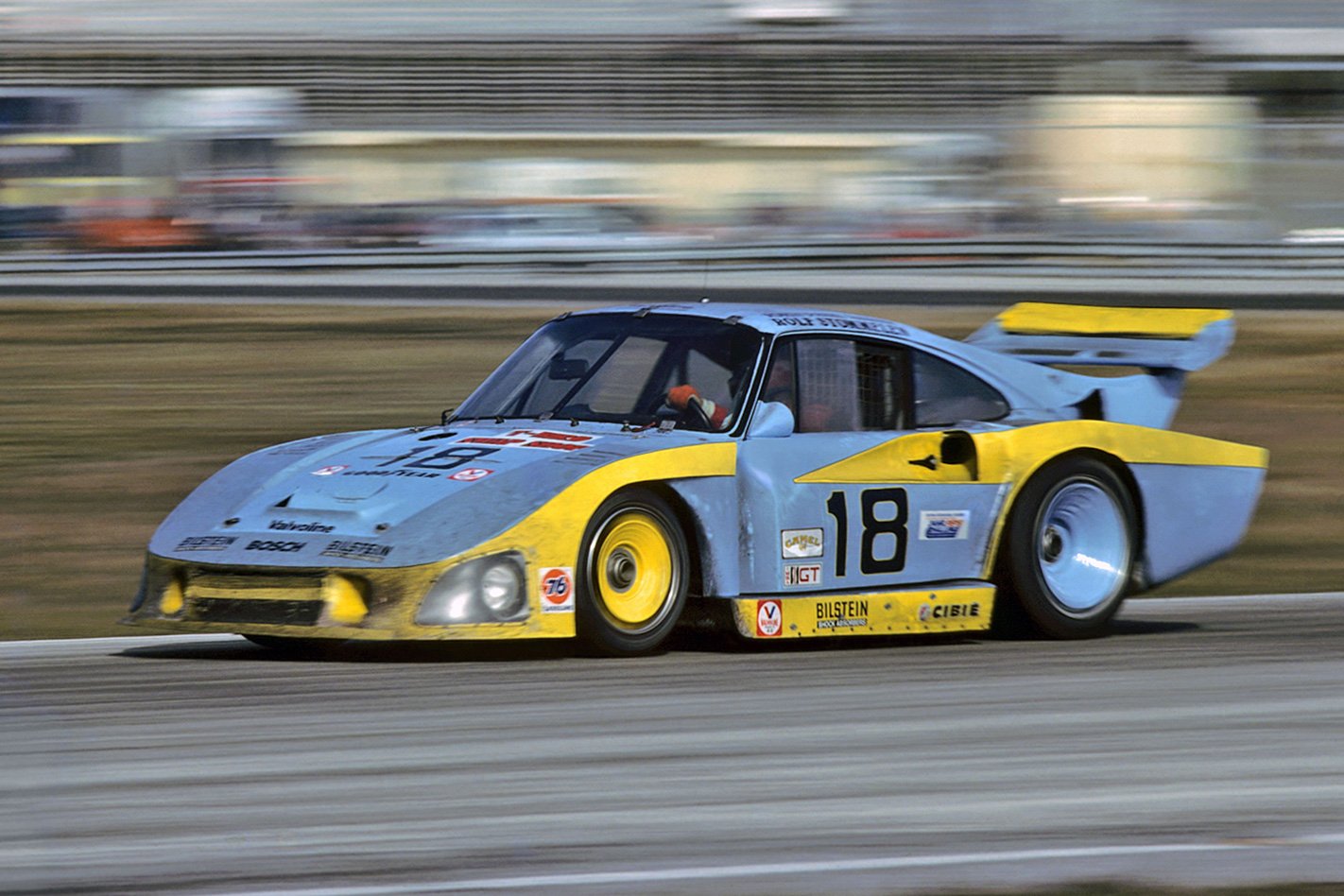
So many former competitors were eventually convicted of drug running that IMSA earned the nickname The International Marijuana Smugglers Association.
Randy Lanier won the 1984 IMSA championship as an independent team, beating factory efforts, seemingly without sponsors. This was because Lanier was funding the team through a sophisticated marijuana smuggling scheme that involved speed boats and a specially modified barge.
The ’84 champ was convicted to life without parole in ’88, but was eventually released in 2014 for reasons undisclosed under sealed motions.
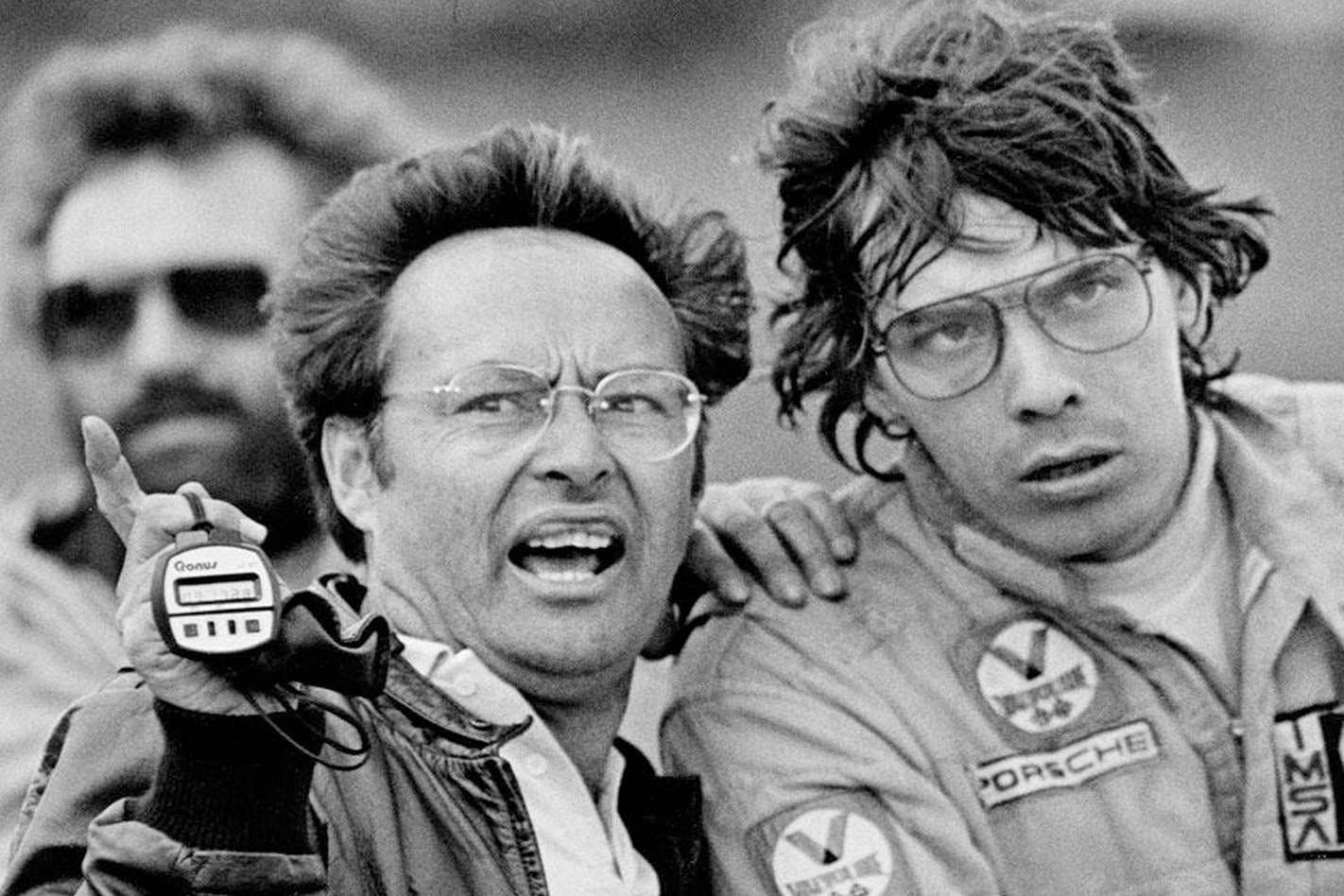
The Whittington Brothers, Don and Bill, are famous for winning the 1979 24 Hours of Le Mans outright in a Kremer K3 Porsche 935, alongside Klaus Ludwig. They too were involved in Lanier’s operation, and were eventually put in the slammer.
John Paul Sr was another IMSA champion that found himself on the wrong side of the law. Almost worthy of his own spot on this list, Paul Sr spent 15 years in prison for crimes varying from drug smuggling to shooting a Federal witness. In 2001 he disappeared on a boat while being sought for questioning by police over the disappearance of his ex-girlfriend. Where he is today remains unknown.
Robert Boston – Either the best dad ever, or the worst
Parents spending exorbitant amounts of money on their children’s racing careers is nothing new, but Robert Boston takes that mindset to the extreme.
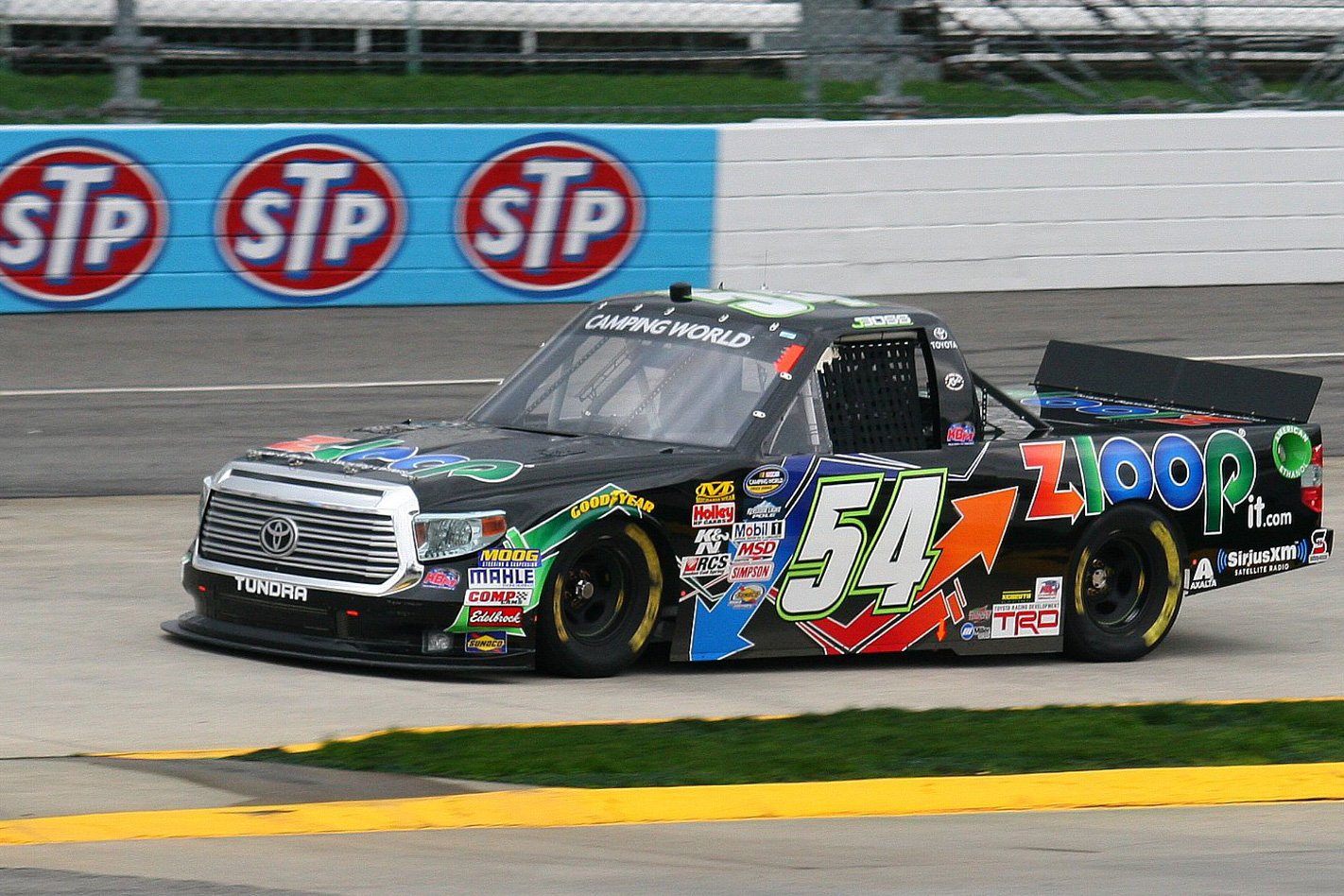
Boston was the co-founder of an electronics recycling business called Zloop. Boston started slinging million-dollar cheques to get his son Justin a drive for teams like Joe Gibbs Racing. Turns out, the teams should have asked where Boston was getting all that cash as he was defrauding his business partners to fund Justin’s racing career.
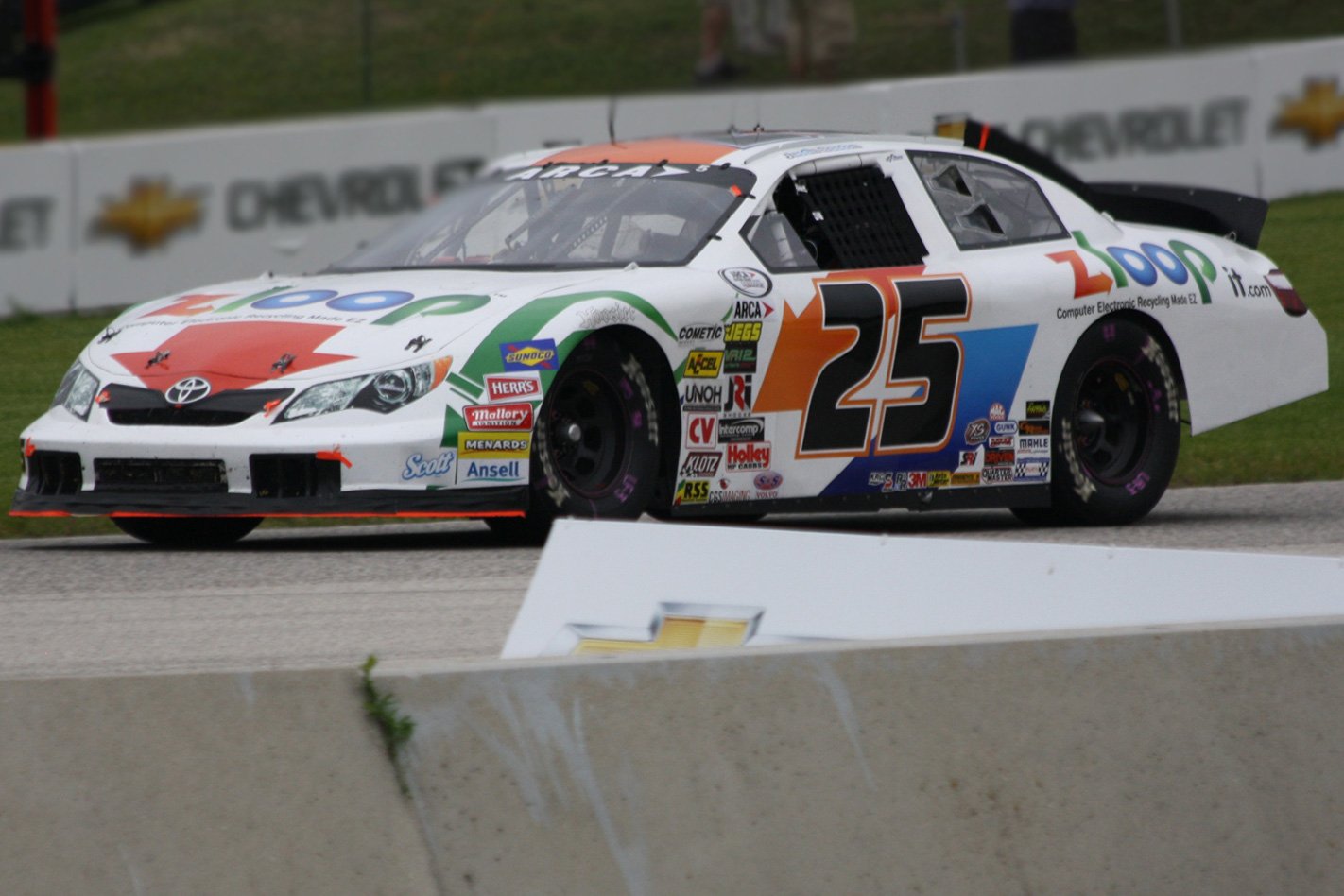
In 2018 Robert was sentenced to 10 years in prison for wire fraud, securities fraud and money laundering. Of Zloop’s US$33 million revenue, Boston spent $25 million on his son’s racing, at a rate upwards of $5 million a year.
Scott Tucker – A not so gentlemanly racer
Scott Tucker built an empire on the debts of others, and used it to fund a decidedly average racing career.
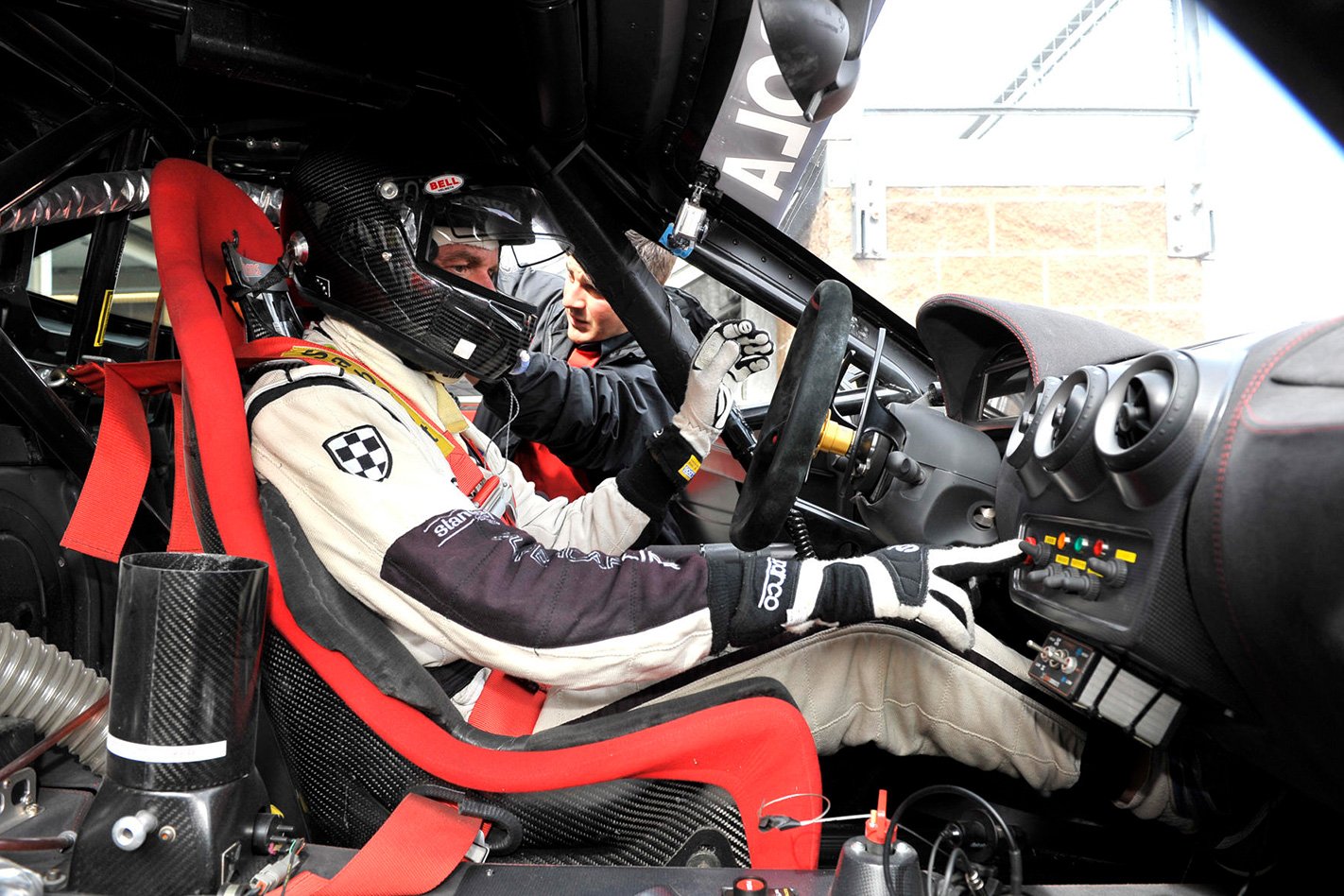
Tucker ran a payday loan scheme that took advantage of some of the most vulnerable members of society, with predatory lending that included interest rates of up to 700 percent.
It’s estimated Tucker personally profited to the tune of US$380 million from the scheme. He then used this to fund his vanity project of sportscar racing.
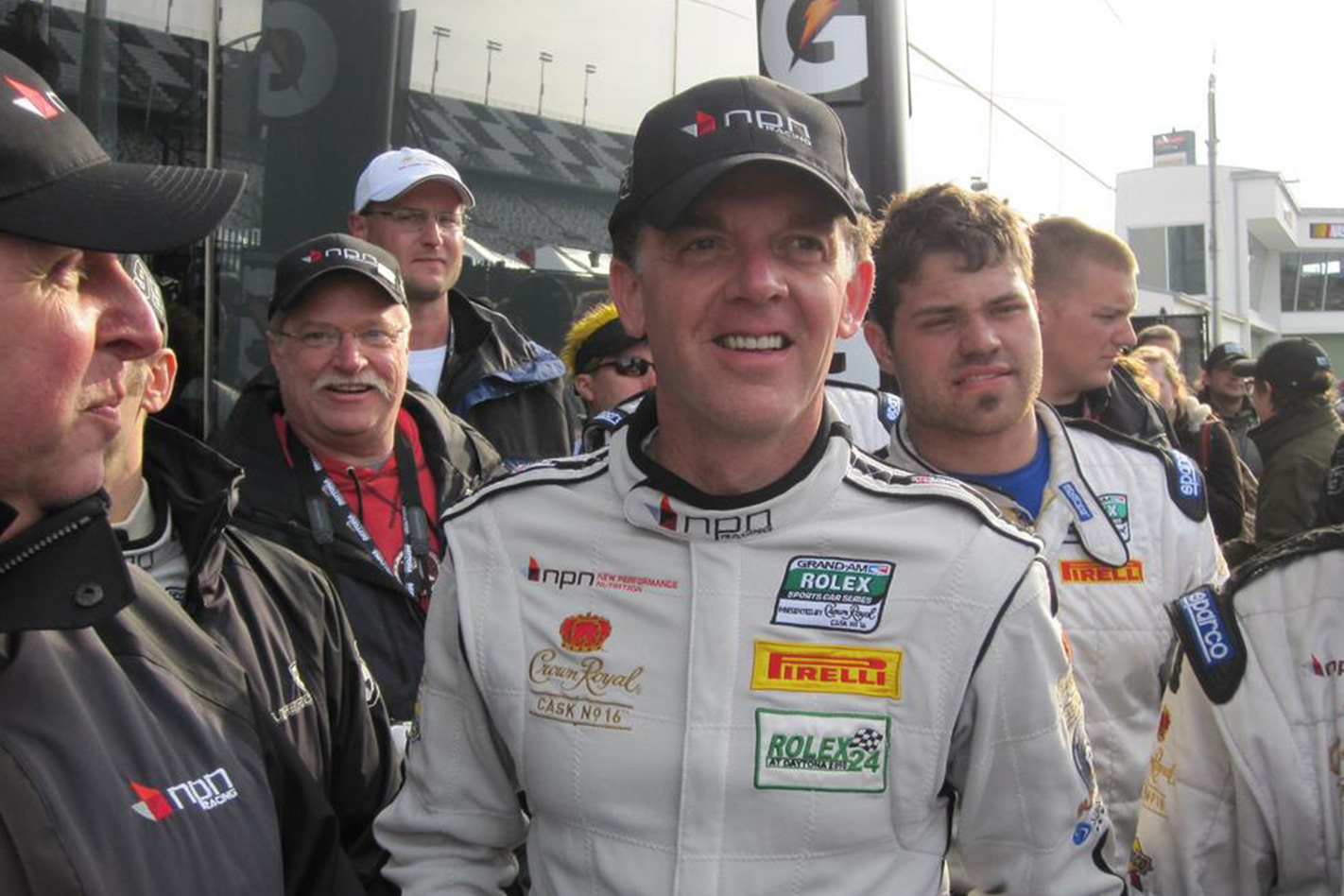
Tucker was sentenced to 16 years and 8 months in jail for racketeering, wire fraud, money laundering, and violations of the Truth In Lending Act.
James Munroe – The accountant that raced a McLaren
James Munroe decided to race in British GT in 1998, launching his campaign with much fanfare, and fielded a McLaren F1 GTR for the season.
Everything seemed to be going well, until a senior executive at the publisher McGraw-Hill noticed one of their accountants racing a multi-million-dollar car on TV.
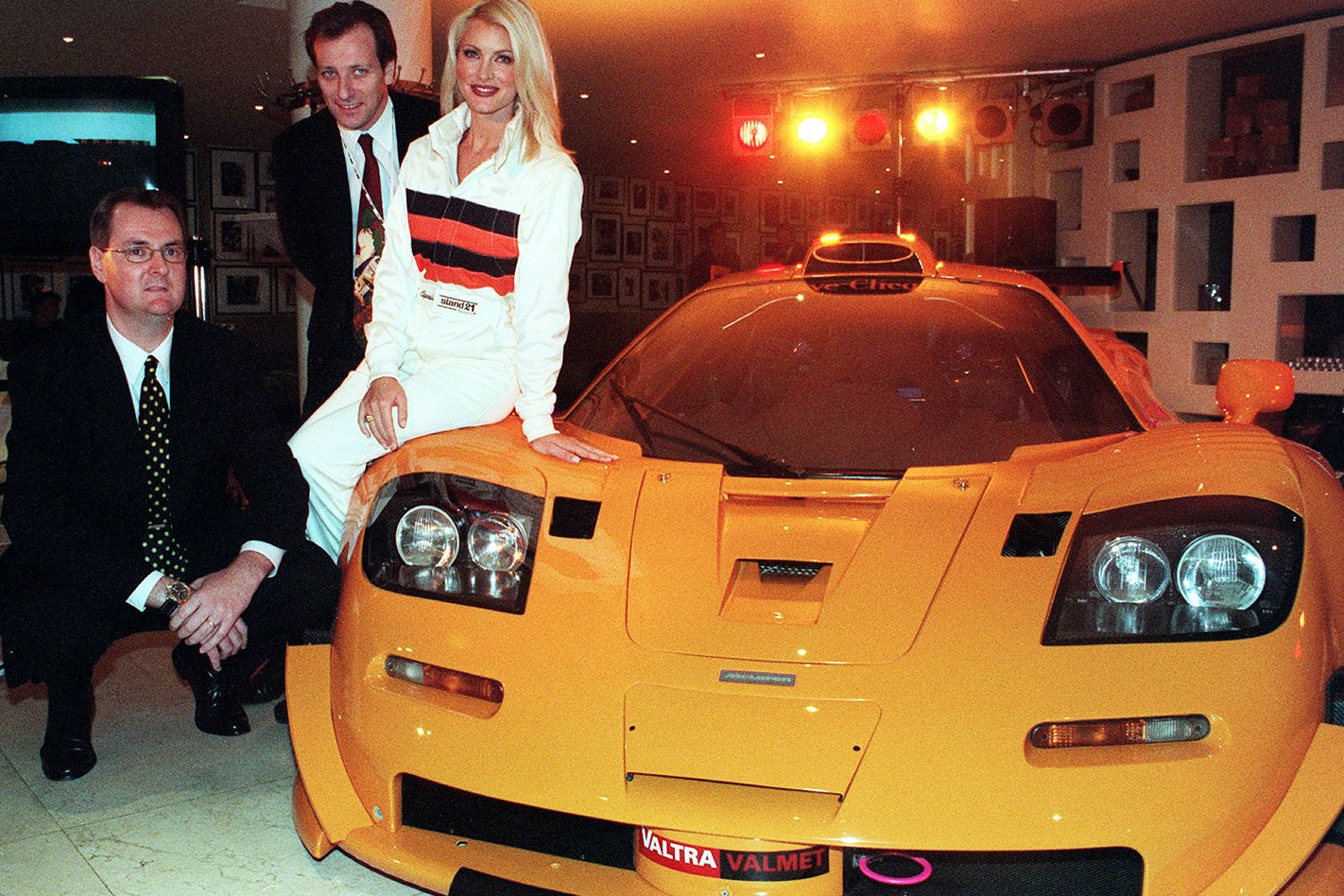
It turns out Munroe had embezzled almost $8 million from his employer, resulting in him spending time in jail.
Upon release, Munroe did it again, defrauding his new employer to fund a luxury lifestyle, while trying to sell a rags-to-riches story about his life.
Vic Lee Motorsport – There’s always cocaine in the race truck
Vic Lee Motorsport, run by the eponymous Victor “Vic” Lee, competed in the British Touring Car Championship in the ‘90s.
VLM earned a reputation for testing at Zandvoort in the Netherlands regularly, which was strange for a British team competing in a British championship.
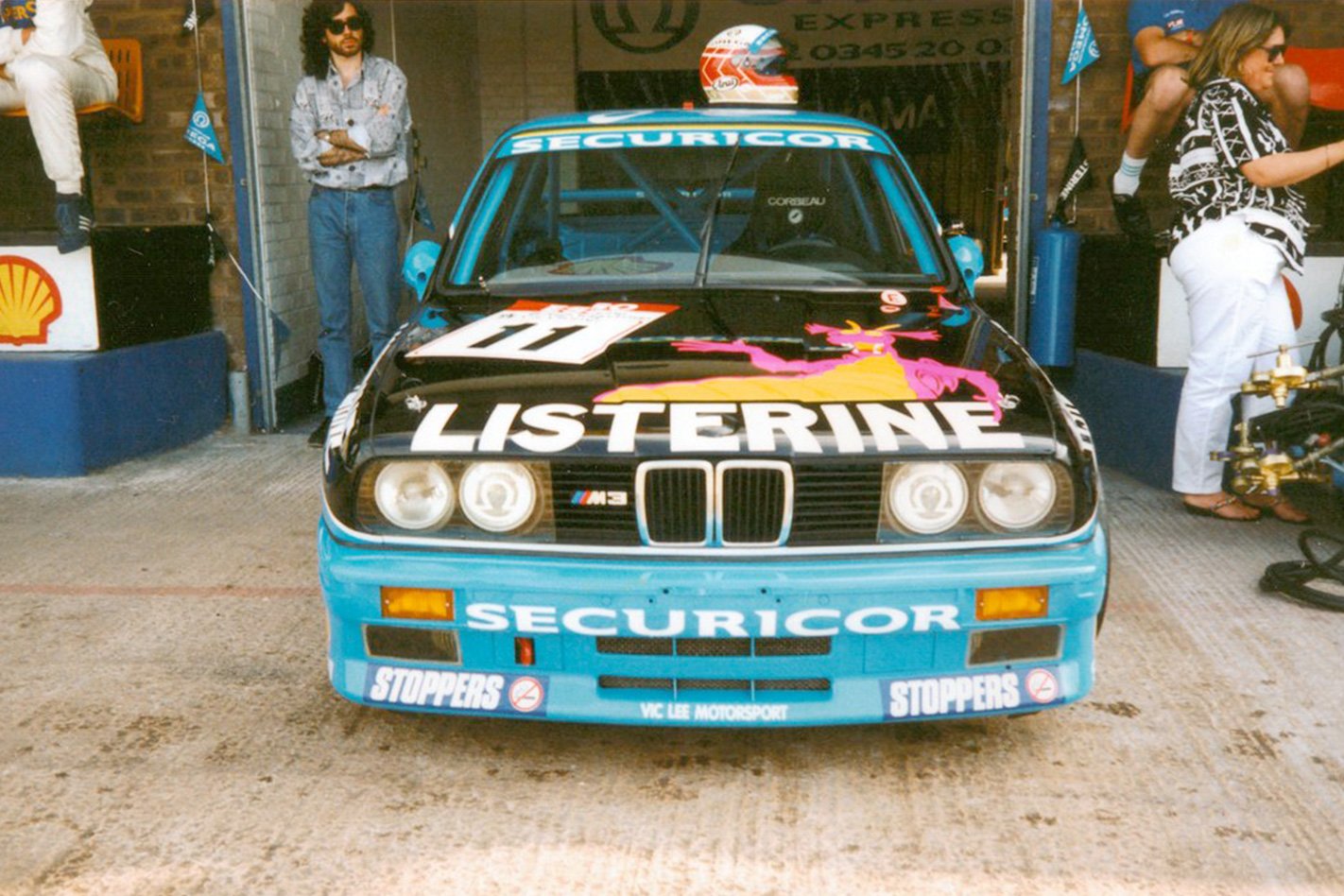
Turns out Vic Lee was using the team as a way to smuggle cocaine from the European mainland into the United Kingdom.
VLM would smuggle the cocaine by hiding it in nitrogen gas cylinders used to inflate tyres. The team would travel to the Netherlands, cut open the cylinders, fill them with bundles of cocaine, weld them shut, finish testing, and then return home.
In the end, Lee had smuggled almost $10 million worth of cocaine, earning himself a 12-year stint in jail.
Greg Loles – Jesus built my racing car (with stolen money)
The Farnbacher Loles racing team was on a roll in 2008. Fielding a Porsche in ALMS GT2 category, the squad were class champions that year, but by the end of the ’09 season they had disappeared.
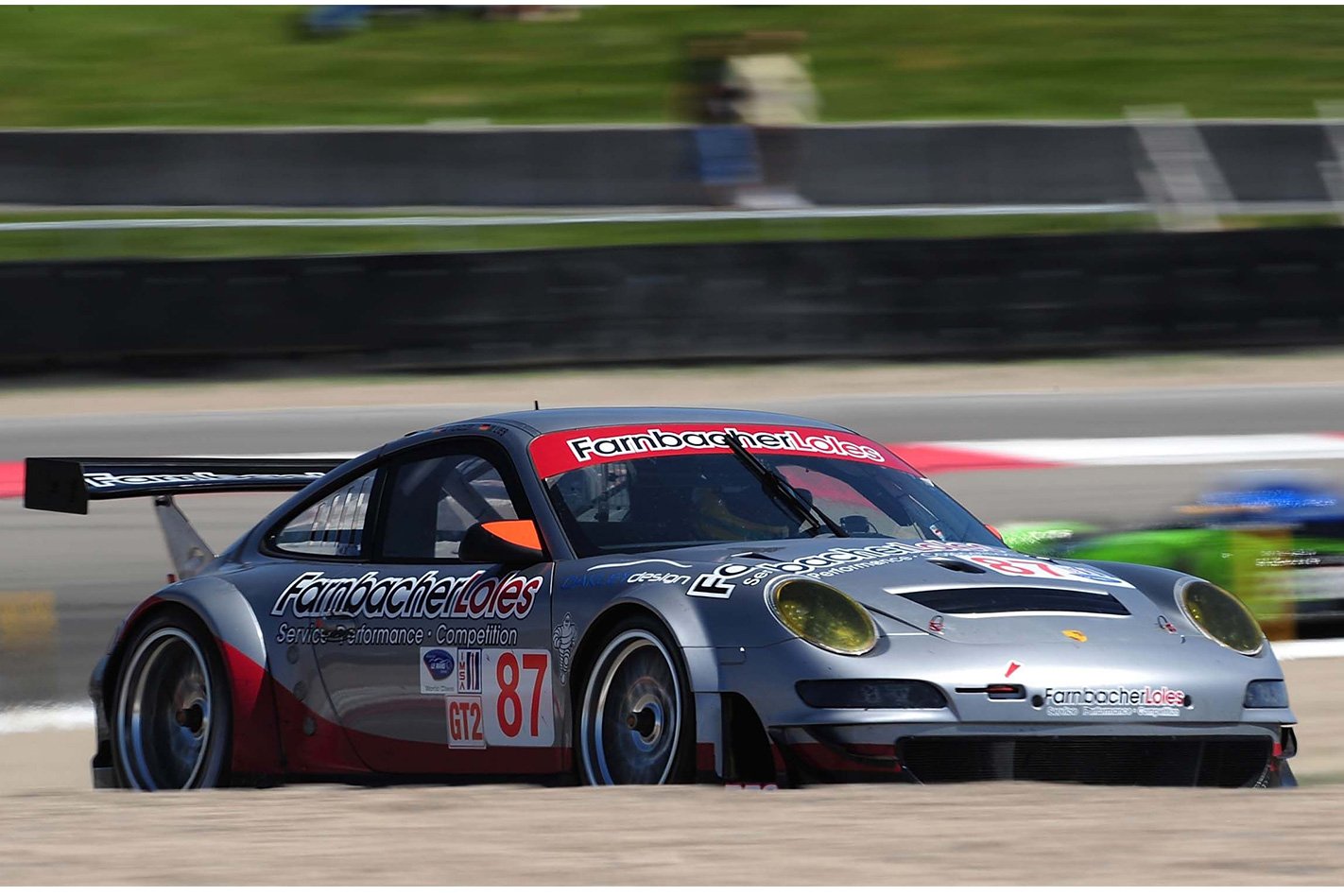
Turns out the team co-founder Greg Loles was thrown in jail for 25 years. His crime? Duping a church and its congregation into a ponzi scheme to the tune of $27 million.
Loles stole as much as $14 million from a single family, using the money to fund his racing team.
Assistant U.S. Attorney Michael S. McGarry was brutal in his assessment of Loles. “What he did wound up ruining lives like a cancer eats away from someone’s insides.”
Jeremy Mayfield – Fast racing, fast theft
A five-time winner in NASCAR’s top tier, Jeremy Mayfield was suspended indefinitely from the sport in 2009 for testing positive for methamphetamine.
But that’s not where it ends. A DEA investigation discovered over $100,000 worth of stolen goods at Mayfield’s home. Amongst the items was audio equipment reported stolen by Red Bull Racing, surface plates from Fitz Motorsports, and heavy machinery stolen from Lee Family Real Estate.
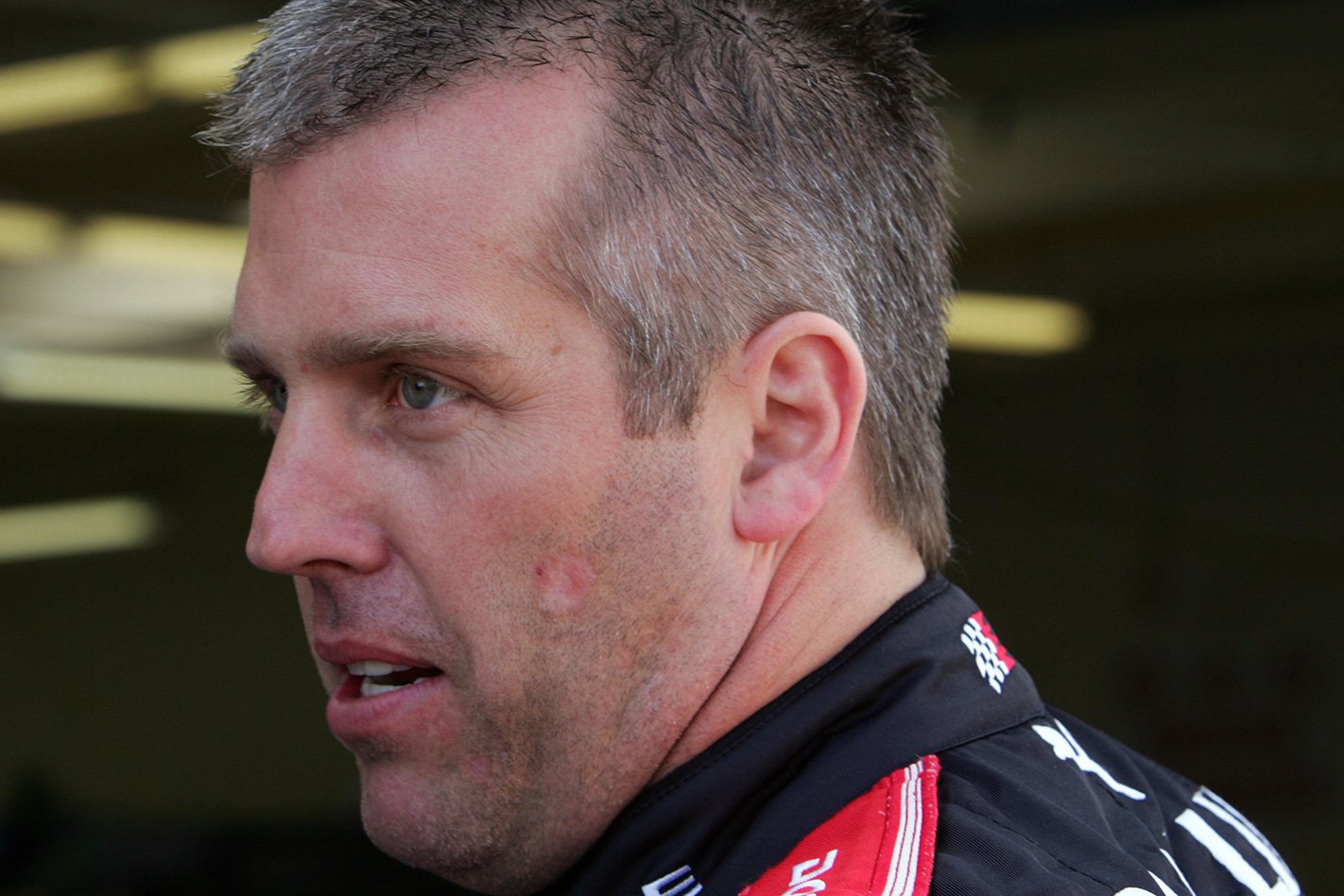
For a period, the former NASCAR driver was facing 14 years in jail, but a number of charges were dropped with Mayfield pleading to two counts of misdemeanour possession of stolen property and one count possession of drug paraphernalia in 2014.
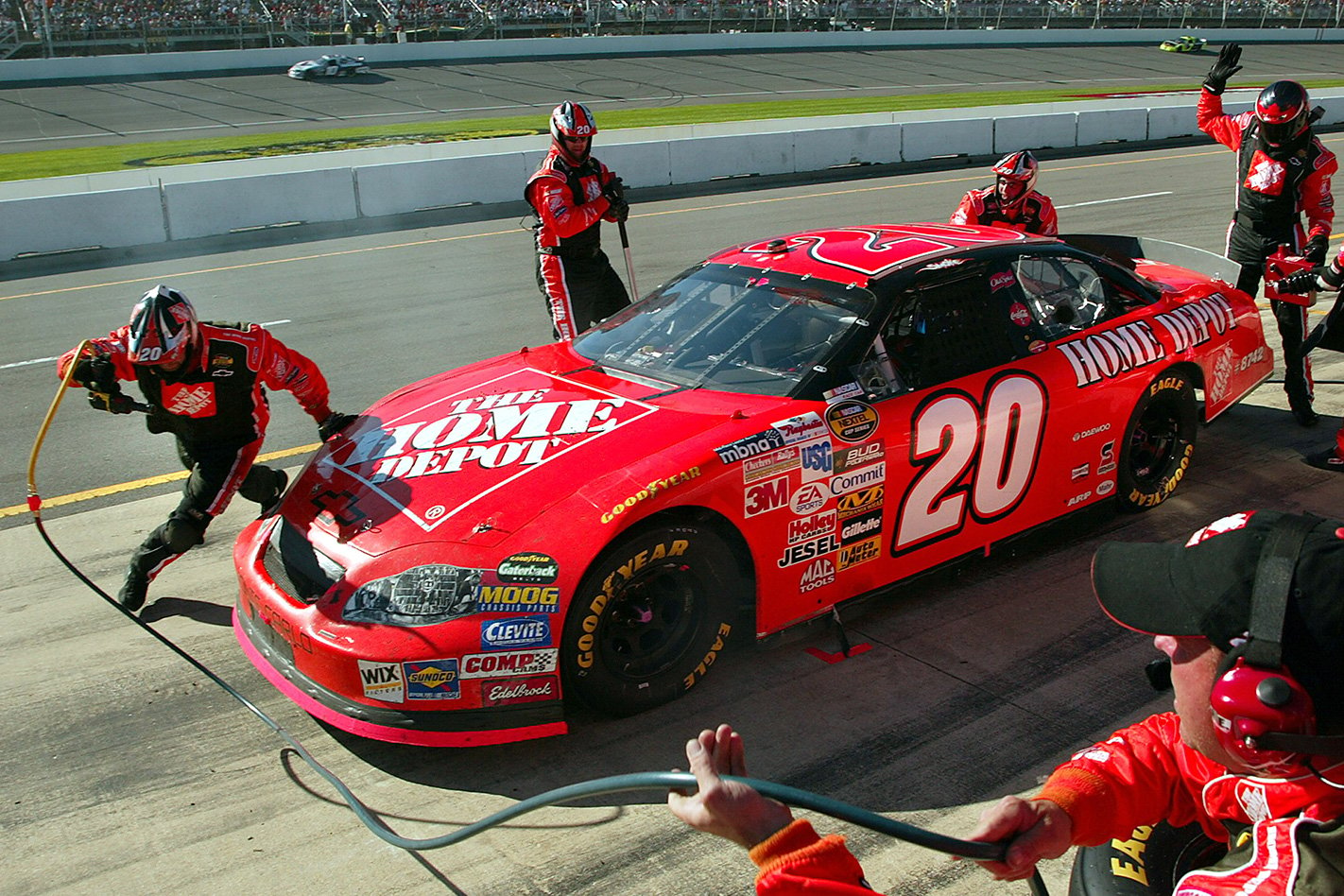
L.W. Wright – A free drive in NASCAR
While everyone else funded their racing through crime, or used racing as a front, L.W. Wright turned the very act of racing into a crime.
In 1982 a mystery driver from Nashville Tennessee wanted to compete at that year’s NASCAR Winston Cup race at Talladega. He was a 33-year-old named L.W. Wright, who claimed to have completed 43 races in NSASCAR’s premier category.
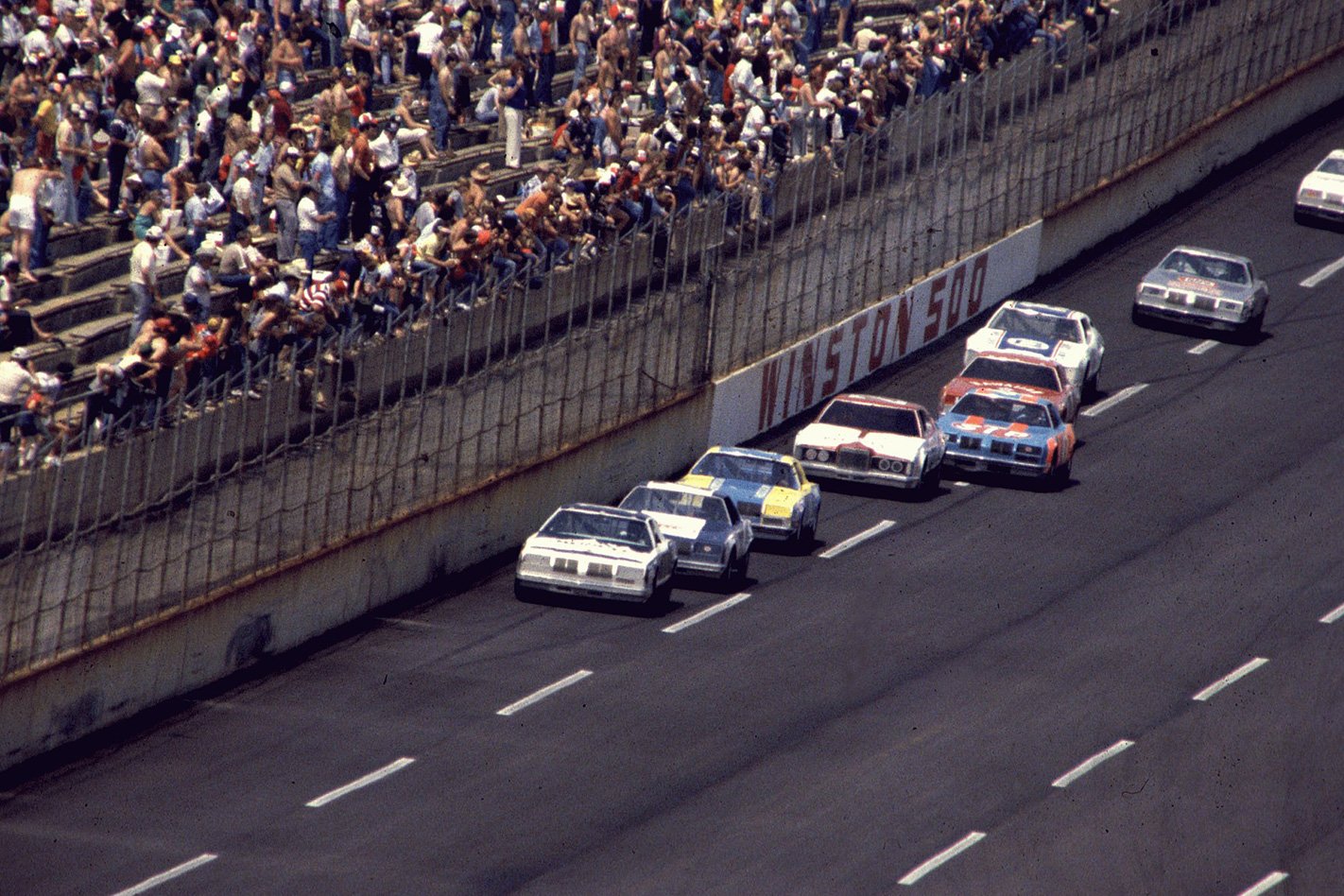
L.W. Wright wrote a number of cheques in order to secure a car and racing license before qualifying at 187mph for a race that saw a driver score pole at over 200mph for the first time. Mr Wright spun and crashed on his second lap, raising suspicions with the man who had sold him a car for $20,000, Bernie Terrell.
Turns out, L.W. Wright wasn’t the racing veteran he was made out to be. “He kept asking questions any driver should have known,” Terrel said.
L.W. Wright’s engine would expire by lap 13, but by the time the race ended, he was nowhere to be seen. All the cheques he had handed out to get himself into the race bounced, and multiple arrest warrants were issued.
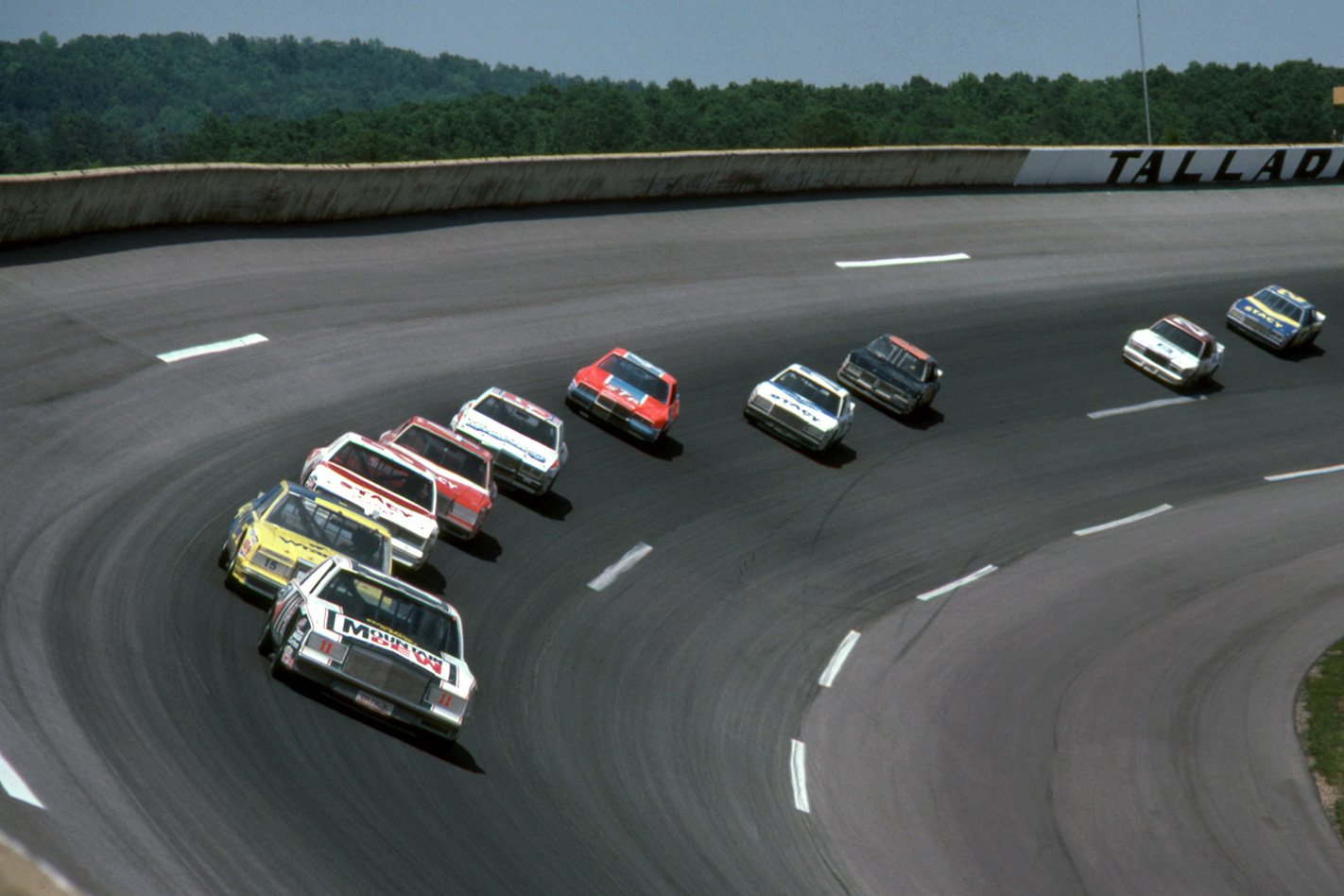
Over 35 years later no one knows who L. W. Wright is, or where he is hiding out.
