
IN MY IDEAL WORLD the sun would be shining and there’d be a warm spring breeze when gifted the keys to a new Mazda 3 G20 Evolve hatch. I assume that’s the kind of experience buyers would also like to receive when taking delivery of their new pride and joy. But then I remember I’m in Melbourne. It’s cold. It’s raining. And the keys to ‘my’ 3 slide across my desk as if it’s any other night at Wheels HQ.
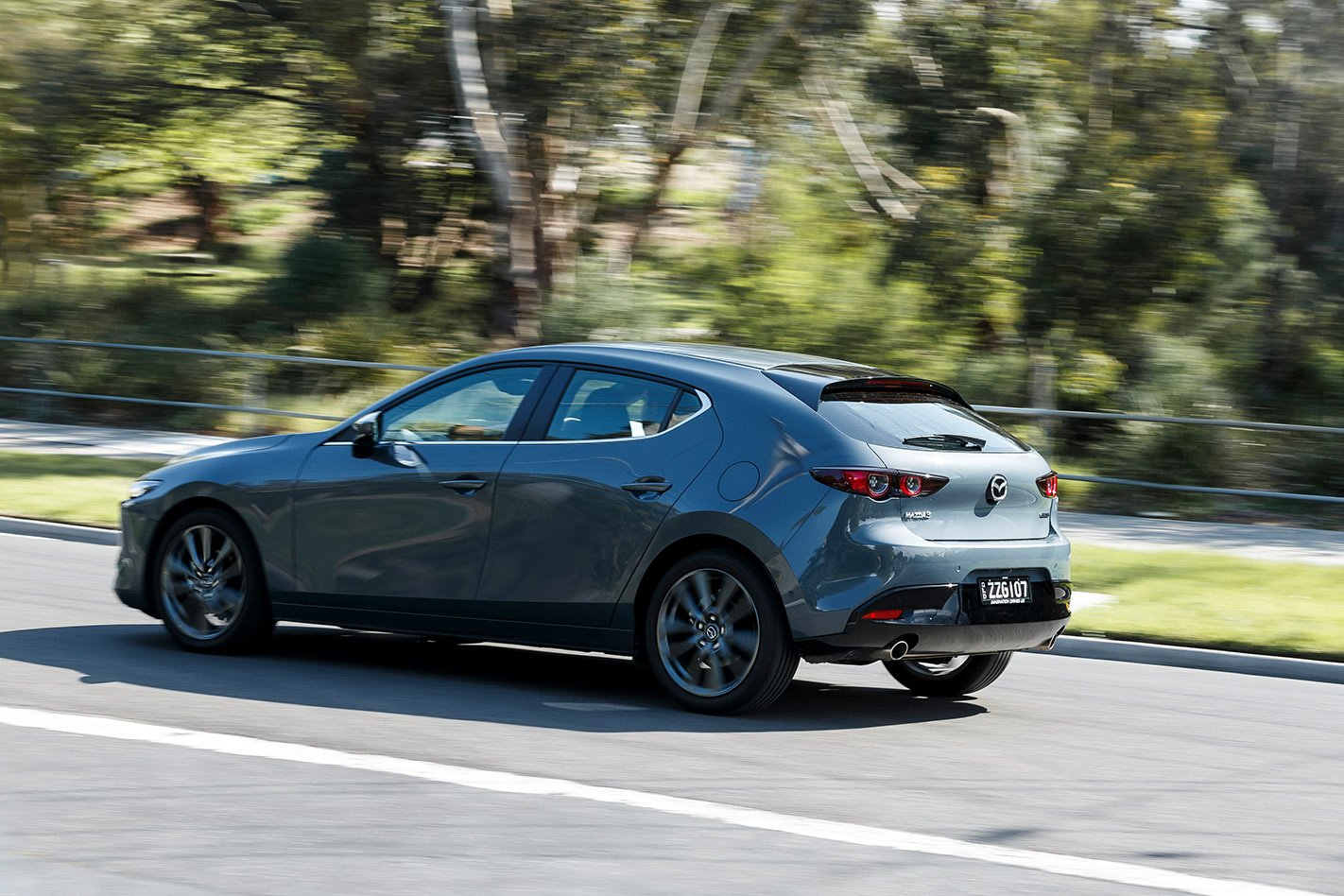
Call me precious, but I wanted the new-car fanfare. Instead, I walk up to a very grey ZZG107 (there’s no hint of the sparkly metallic blue some sunshine extracts), hop inside and head home.
This ‘privileged motoring journalist mentality’ lasts all but a few moments. Luxurious and unexpected are two adjectives that describe the 3’s cabin to a T, while bemoaning price increases (between $3500 and $4500 depending on the model) compared to the old car seems an exercise in futility once you experience the upmarket vibe.
At $27,690 you’d expect the goal posts to have moved significantly from the outgoing range, and it’s clear Mazda sees its future heading in a premium direction. Don’t forget that the 3, in range-topping G25 Astina guise, has already won a Wheels comparison test against VW’s venerable Golf, the new Ford Focus and the Holden Astra.
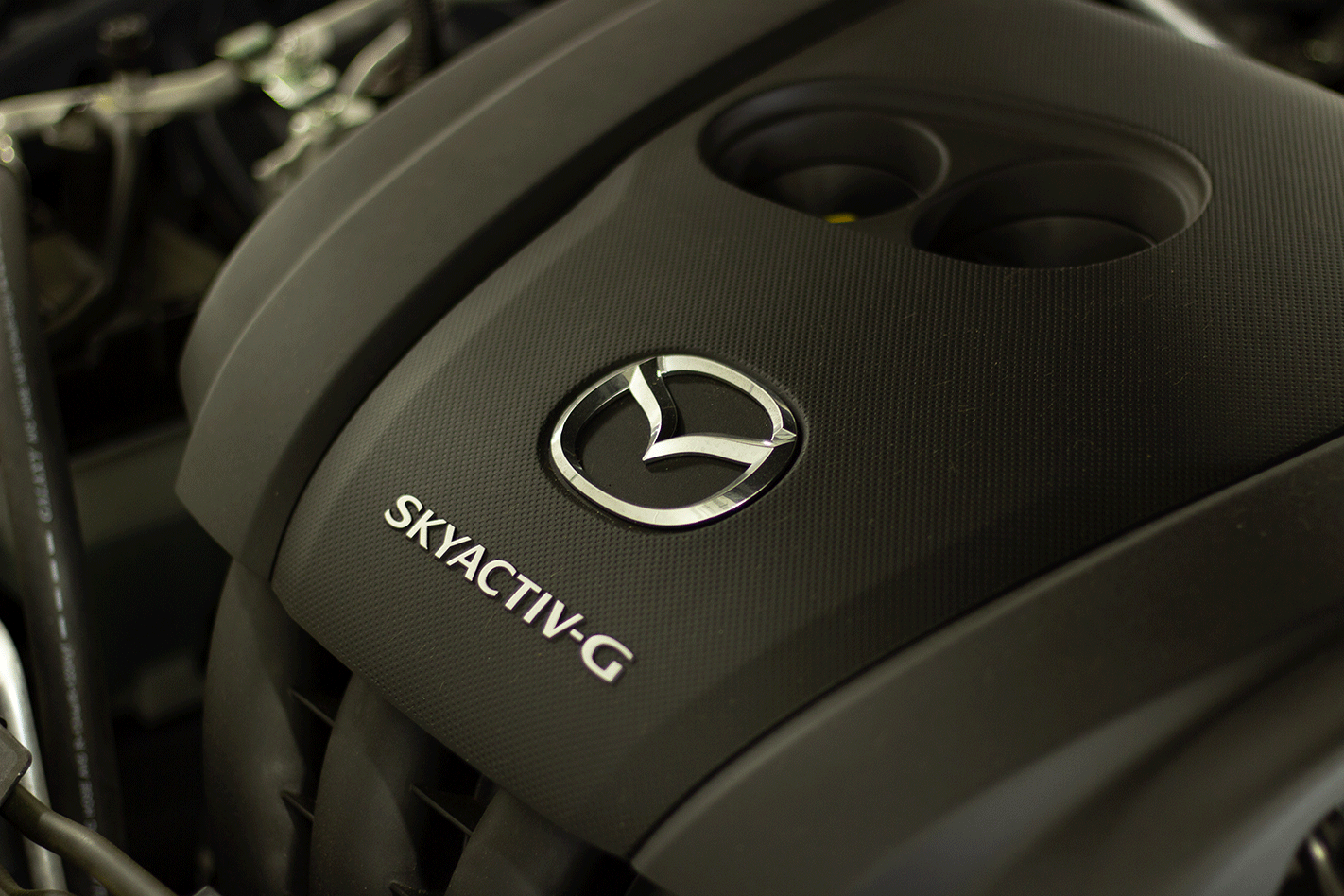
So, what am I getting for ‘my’ $27K? G20 refers to the SkyActiv-G 2.0-litre four-cylinder engine, which produces 114kW at 6000rpm and 200Nm at 4000rpm. There’s a conventional torque converter six-speed automatic with steering wheel-mounted paddles. Mazda’s naturally aspirated four goes against the downsizing, turbocharging grain, but still achieves a claimed combined fuel consumption of 6.2L/100km – which I got close to with an average of 7.7L/100km for the month.
The 8.8-inch infotainment display is a big step forward over the usurped MZD Connect system. However, it’s no longer touchscreen. Luckily the control wheel is intuitive. The instrument cluster has been updated to a digital screen, while everything is crisp and concise with crystal-clear lighting at night. Design wise, the climate controls are aesthetically pleasing and also satisfyingly tactile.
Further justifying its higher price is the list of standard features. Safety kit includes items like AEB (with pedestrian and cycle detection), lane-departure warning, lane-keep assist, rear cross- traffic alert, blindspot monitoring, radar-guided cruise control, reversing camera and sensors. There’s more to list, but it’s impressive to see just about all the safety systems offered as standard.
A few of the 3’s qualities I already like are the head-up display (it’s clear and doesn’t impede your vision), high-beam assist and traffic-sign recognition. Plus, you wouldn’t really expect to see these items in a variant placed one rung from the base.
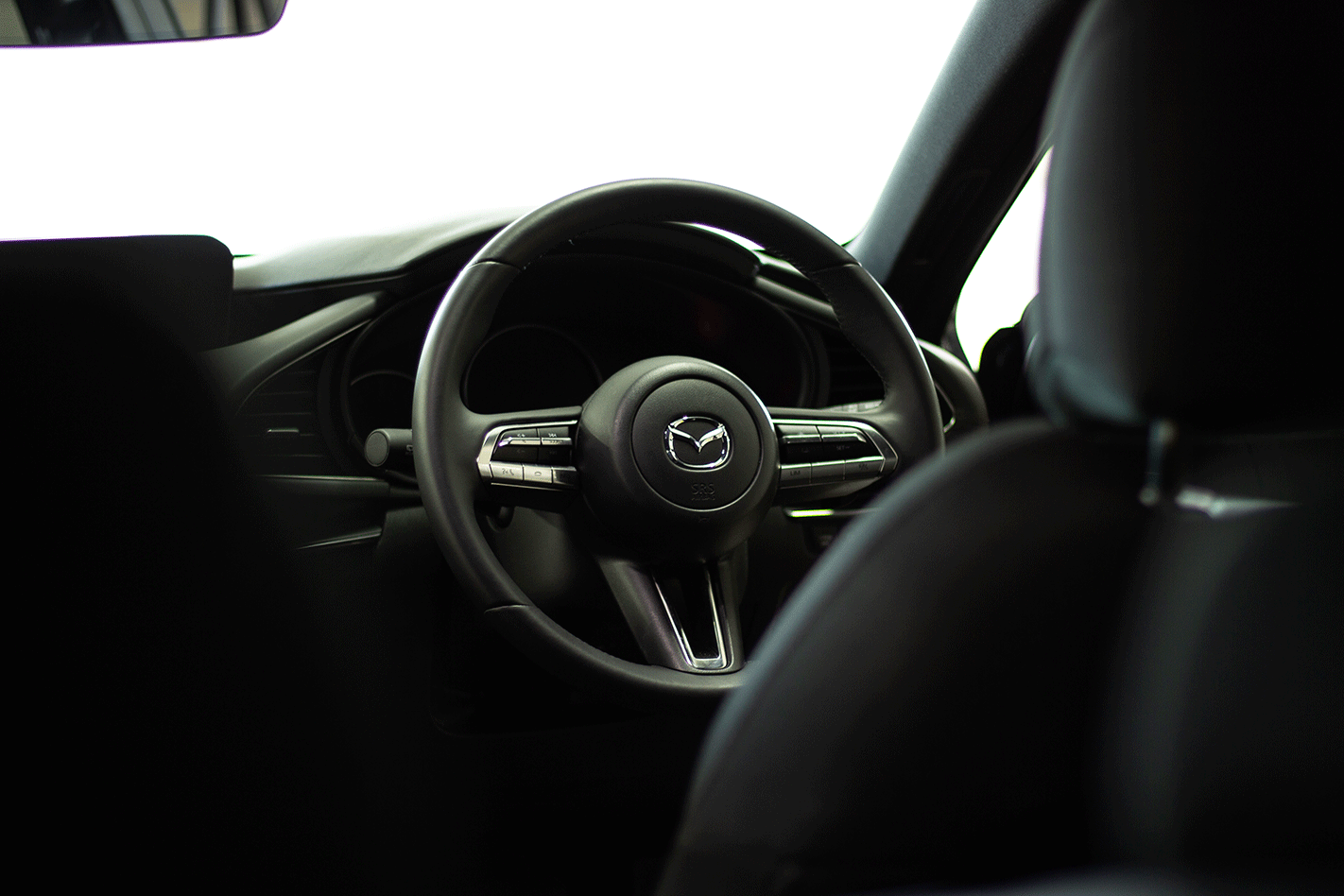
The must-have smartphone mirroring works well and the easy-to-find USB points make accessing Apple CarPlay (or Android Auto) straightforward. The steering wheel feels nice in hand and employs just the right amount of buttons – all with an underlying level of quality. I also quite enjoy the honest and comfortable nature of the cloth seats – they’re a far better option than fake leather that reeks of pretentiousness.
There are few initial signs of conflict, yet I’ve muttered a couple of terse words when exiting the cabin due to the forward positioning of the B-pillar – the space between it and the steering wheel can be tight for … rotund bodies. And call it a first-world problem, but a lack of proximity key is a bit frustrating considering the Evolve has push-button start and rivals like the Hyundai i30 Elite have both features. The hatch bodystyle also raises vision concerns.
In the coming months the relatively small boot (295L) will be put to the test on a long trip up the Hume Highway, as will the overall cruising economy and Mazda’s improved NVH levels. I’m looking forward to building a rapport with a much-loved model. Private Aussie buyers have traditionally lapped up the 3, so I’m keen to see how my relationship with it, ahem, Evolves…
Update 2
Food for thought
- This month: 1533km @ 6.3L/100km
For those who don’t know, Melbourne’s Chadstone shopping centre is huge; often referred to as the biggest shopping centre in the southern hemisphere. For me, that spells parking hell – 10,000 spaces awaiting cars piloted by drivers of differing levels of incompetence.
Said dinner acquired, I return to ‘my’ Mazda 3 to be confronted with a mangled front bumper bar. No note on the windscreen. After just a handful of weeks with ZZG107, it has been rendered imperfect by a careless Chadstone shopper. Profanities ensue.
After a few apologetic emails to Mazda HQ and the completion of an insurance form (for which I had to draw the incident – really), the 3 was replaced with a G25 GT sedan for the interim; a happy bonus, as I got to experience the big-boy 2.5-litre four-cylinder and the booted bodystyle.
If anything, it made me appreciate the 2.0-litre more. Okay, it’s a bit lax off the line as it struggles to climb out of a bit of a torque hole, but otherwise, it’s proving economical (6.9L/100km overall) and relatively refined. Interestingly, stepping up to 2.5 litres wasn’t the torque antidote I thought it’d be. Yes, there’s more grunt and overall pulling power (25kW and 52Nm respectively) in terms of raw figures, but it doesn’t translate to enough of a difference on-road. Ultimately you’re better off with the cheaper, smaller engine and splurging on a higher level of spec.
What did make a difference was the sedan bodystyle, which lifts boot space to 444L from 295L. Also, I no longer had a rear three-quarter blindspot I could lose a truck in, and back-seat passengers didn’t feel so claustrophobic.
My Evolve hatch returned as new again, with a repaired and painted front bumper and the centre grille replaced, and all for a little more than $1000. But for damage I didn’t inflict, it’s a pain. Since then, ZZG107 has been on the Hume Highway for a long stint in the country, far, far away from danger-filled shopping centres. Although it wasn’t scare-free. Stay tuned.
December 2023: Cybertruck pricing and specs
You might be glad, or you might’ve hoped it wouldn’t happen – but Elon’s teenage wet dream, the Cybertruck, is actually real and finally in customer hands.
Story continues…
Enigmatic Tesla boss Elon Musk has let slip a few more details of the hotly anticipated Cybertruck, which is still set for launch in 2022.
In exchanges with some of his Twitter follows, Musk revealed that the electric pick-up will be slightly smaller than first planned.
As well, the controversial styling will be slightly tweaked.
Most interestingly, Musk confirmed that the company is working on an all-new, more off-road capable air suspension system with longer travel in order to, as Musk put it, “kick butt in Baja”.
This is a reference to desert racing, and more specifically the Baja desert classics like the Baja 500 and Baja 1000, which are amongst the toughest off-road races on the planet.
Is this a clue as to Musk’s launch plans? He’ll need a few more batteries to take on the 1600km classic, even though the triple-motor Plaid spec drivetrain would have the mumbo to tackle it.
As well, Musk said that the Cybertruck will be three per cent smaller, while the lines on the angular pick-up’s flanks will be altered.
This will have the effect of reducing the Cybertruck’s overall mass and increasing the rear window size.
We wait in anticipation for a revised render of the world’s most hotly anticipated truck, which will start manufacture in a bespoke US plant next year.
/Tim Robson
EARLIER: Cybertruck revealed
In typical Tesla style, the Californian brand has revealed its hotly-anticipated all-electric utility – dubbed simply Cybertruck – by unleashing it alongside a barrage of impressive tech specs.
And the numbers are indeed attention-grabbing. Towing capacity in excess of 6.35 tonnes, an available three-motor configuration, 2.9 seconds to go from zero to 96km/h, a maximum range of over 800km, and a starting price that’s almost the same as a base Tesla Model 3.
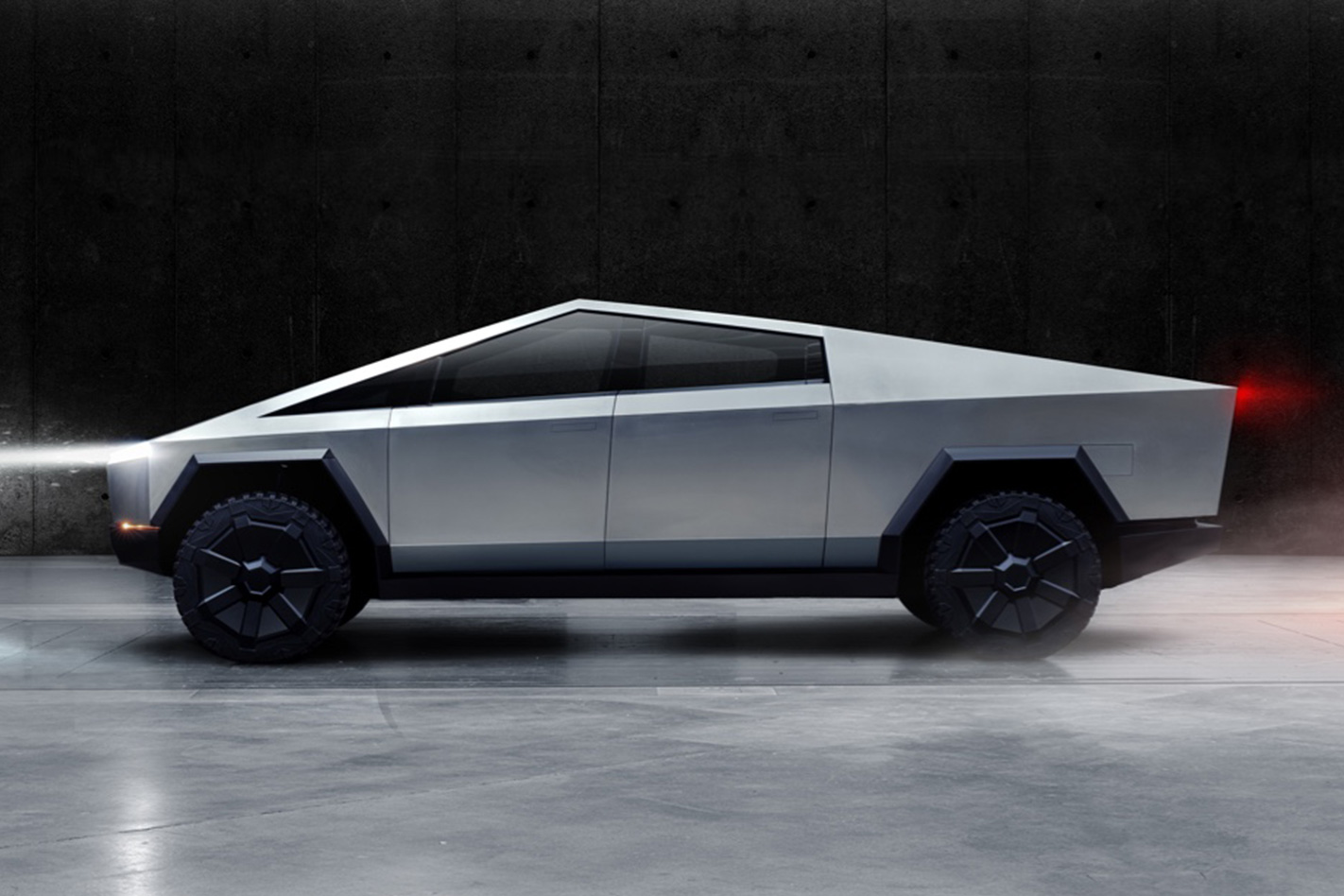
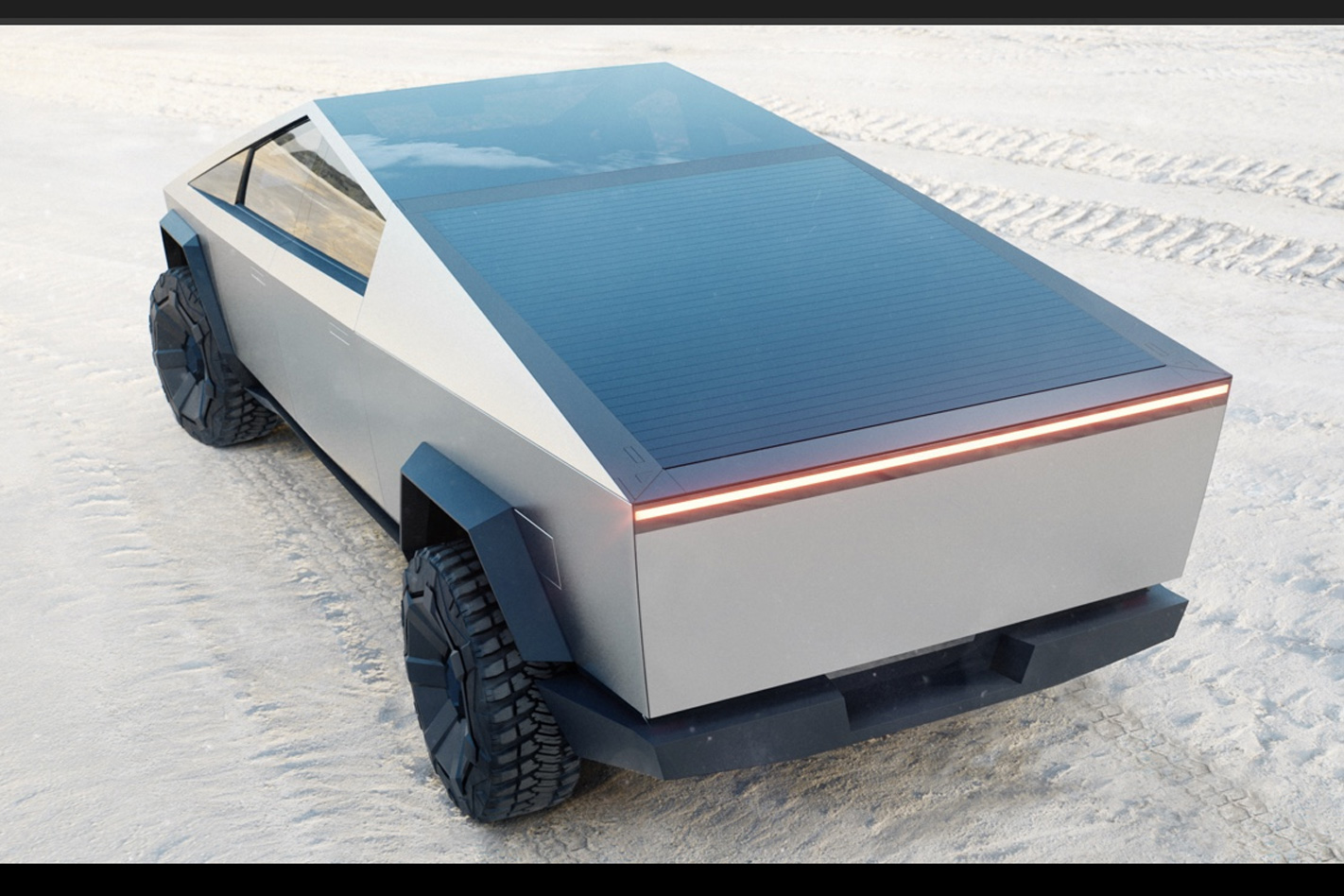
But then there’s the styling. Built around an unpainted stainless-steel body (the 3mm-thick material being chosen for its resistance to damage and corrosion), the Cybertruck looks more like a low-polygon rendition of an actual dual-cab ute than something designed for peak worksite practicality.
The first question most tradies will likely ask of Elon Musk would surely be, “how do I put a tray on it?”.
Building on the theme of ruggedness, Tesla has also equipped the Cybertruck with so-called Tesla armoured glass.
However, an on-stage demo saw two large steel ball bearings create sizable craters in both side windows. Musk’s reaction suggests that wasn’t the intended result, but to be fair the average ute driver doesn’t normally have to contend with fist-sized lumps of metal being hurled at their vehicles.
https://www.instagram.com/p/B5KEGO-ndKN/?utm_source=ig_embed&utm_campaign=loading
Armoured or not, the design is certainly adventurous. And with Musk opening the Cybertruck’s reveal by describing other full-size American trucks as being indistinguishable when the badges are removed, there will be no mistaking Tesla’s deliberately (and literally) edgy dual-cab when it eventually hits the road in 2022.
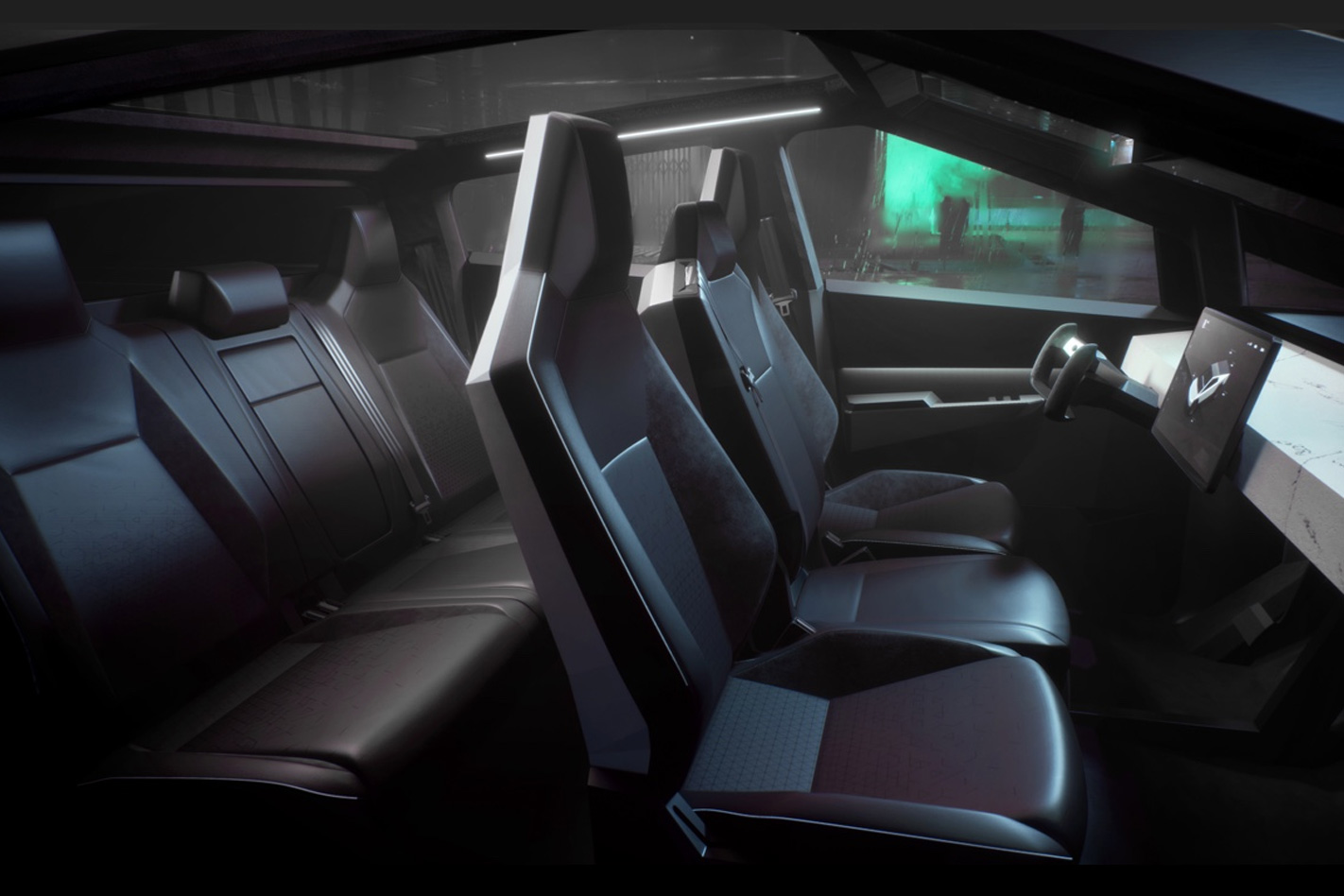
Those stealth-fighter angles mask its size, too. It’s pitched as an alternative to US-market trucks like the RAM 1500, Chevrolet Silverado and Ford F-150, and its capacious cabin has room for six adults.
Between its frunk (or front trunk), its 1.9-metre long cargo bed and stowage compartments in the sail panels, the Cybertruck will provide up to 2831 litres of capacity and a 1587kg payload.
And that’s for all models in the three-variant Cybertruck range. The range opens with the rear-drive, single-motor Cybertruck that has a battery big enough for 400km of single-charge range and a respectable 0-96km/h time of 6.5 seconds.
Next rung up the ladder is the dual-motor variant with a 480km range and a brisk 4.5-second sprint time, but the range-topping Cybertruck tri-motor not only adds another electric motor to the back axle, but boasts a scarcely believable 2.9-second 0-96km/h sprint and an 800km+ range.
All of them will also offer up to 406mm of ground clearance and approach/departure angles of 35 and 28 degrees respectively, and tow capacity will be generous.
The single motor will be able to haul a decent 3400kg off its towbar, while the dual-motor and tri-motor have claimed tow ratings of 4535kg and 6350kg respectively.
Production will start in late 2021 with local deliveries expected sometime in 2022. Want the tri-motor configuration? You’ll have to wait a little longer, with production on that model not slated to commence until late 2022.
Unlike the Model 3, placing a deposit for a Cybertruck will only cost a modest $150 in Australia, which is fully refundable should you change your mind.
Australian pricing is yet to be released, but in the USA the single-motor RWD variant will retail at US$39,900, followed by the dual-motor AWD at US$49,900, then capped off by the tri-motor AWD at US$69,900.

With Tesla generally maintaining price parity across all of the markets it sells cars in, that means we should expect the Cybertruck range to open in Australia around the $66K mark, in line with the Model 3 Standard Plus.
So… what do you think of the Tesla Cybertruck? An eye to the future, or the indulgent whim of a publicity-savvy tycoon? Let us know below!
In our new Fast Facts series, WhichCar delves deep into the history of automotive brands to bring you fascinating facts and intriguing information.
Here we focus on Audi, a brand that has woken from two dormant periods to become one of the design and technology powerhouses of the automotive industry.
Listen up
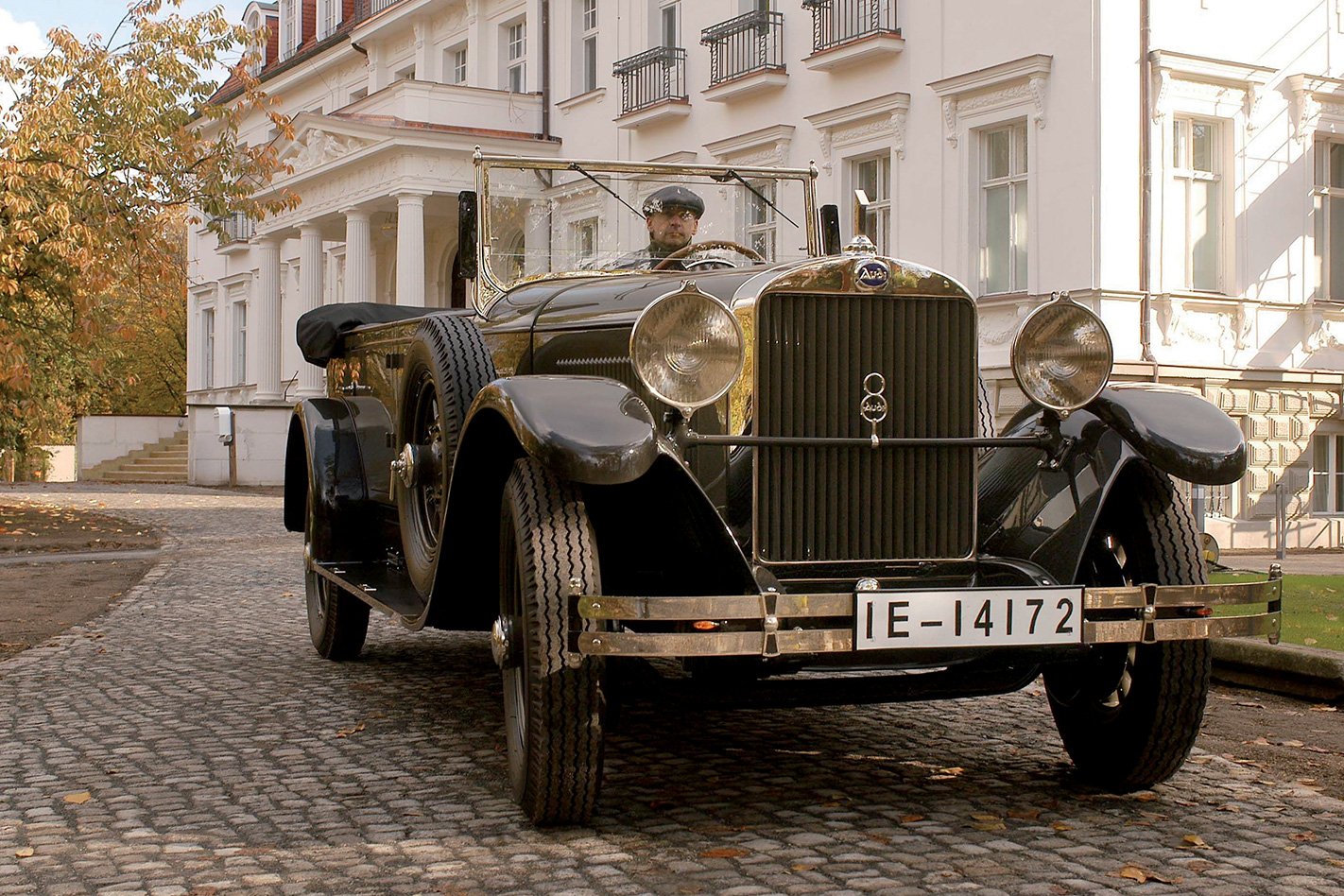
August Horch formed Audi Autombilwerke in 1910 after leaving his eponymous company owing to a disagreement with partners. Barred from using his surname elsewhere, he used Latin inspiration. Where Horch is related to the basic verb horchen – to ‘listen’ – Audi is also a truncated version of the Latin translation of horchen: ‘audire’.
Union/Reunion
In 1932, the Audi and Horch brands were brought together along with companies called DKW and Wanderer to form the Auto Union. DKW had been a motorcycle manufacturer that had taken a controlling interest in Audi four years earlier. The four brands covered a breadth of the market, with DKW focused on lower budgets, Audi and Wander responsible for mid-range models, and Horch taking the high end. Horch himself was invited onto the supervisory board, passing away in 1951 aged 82.
Four rings
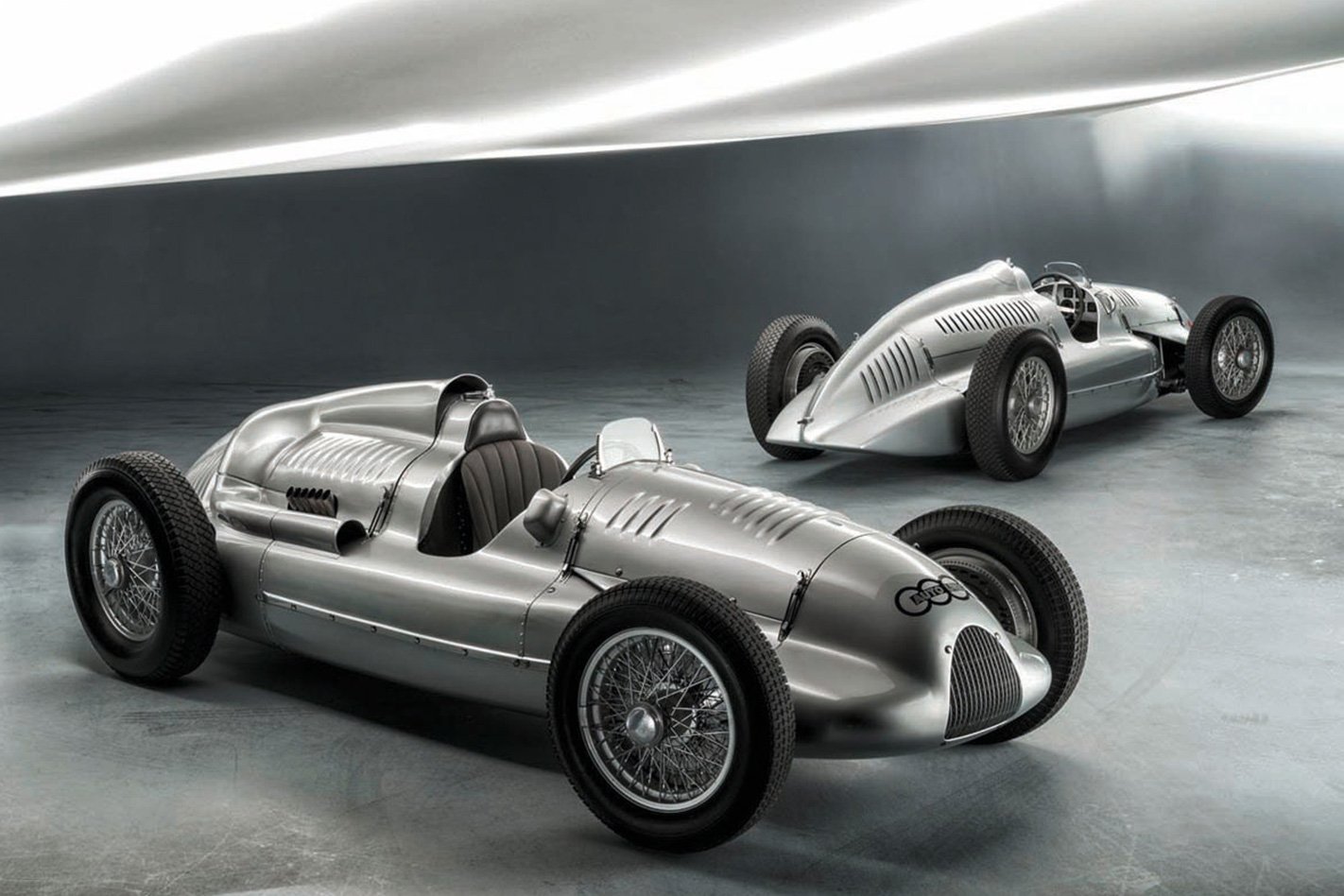
The four interlocked rings of Audi’s famous badge are retained from the days of Auto Union racing cars, with the rings representing each of the previously independent marques. The emblem first appeared on the Auto Union racing cars from 1934 onwards that, together with the rival Mercedes cars, would be dubbed the Silver Arrows. The first vehicles to wear the badge didn’t come until after the Second World War and were actually DKW models.
Olympic battle
The International Olympic Committee – somewhat belatedly – decided to sue Audi for trademark infringement in 1995, claiming the four-ring badge was too similar to the famous five rings associated with The Games. Today’s Audis reveal the winner of that court battle.
From Daimler-Benz to Volkswagen
The parent company of great rival Mercedes-Benz once owned Audi, taking a majority shareholding in the Auto Union conglomerate in 1958. Having done little with its acquisition, Daimler sold on to Volkswagen six years later. In 1965, the modern-day Audi was born as VW planned to take on BMW – starting with the Audi 60 that was based on a DKW F102 sedan and used a new VW 1.7-litre four-cylinder engine. The 60 was the first Audi passenger car in 25 years.
“Vorsprung durch technik” slogan older than Audi AG
Audi’s famous advertising slogan – which translates as “progress through technology” – was introduced in 1971, yet Audi only became a company name again in its own right in 1985 – following yet another merger, in 1969, when VW purchased the NSU brand and formed Audi NSU Auto Union.
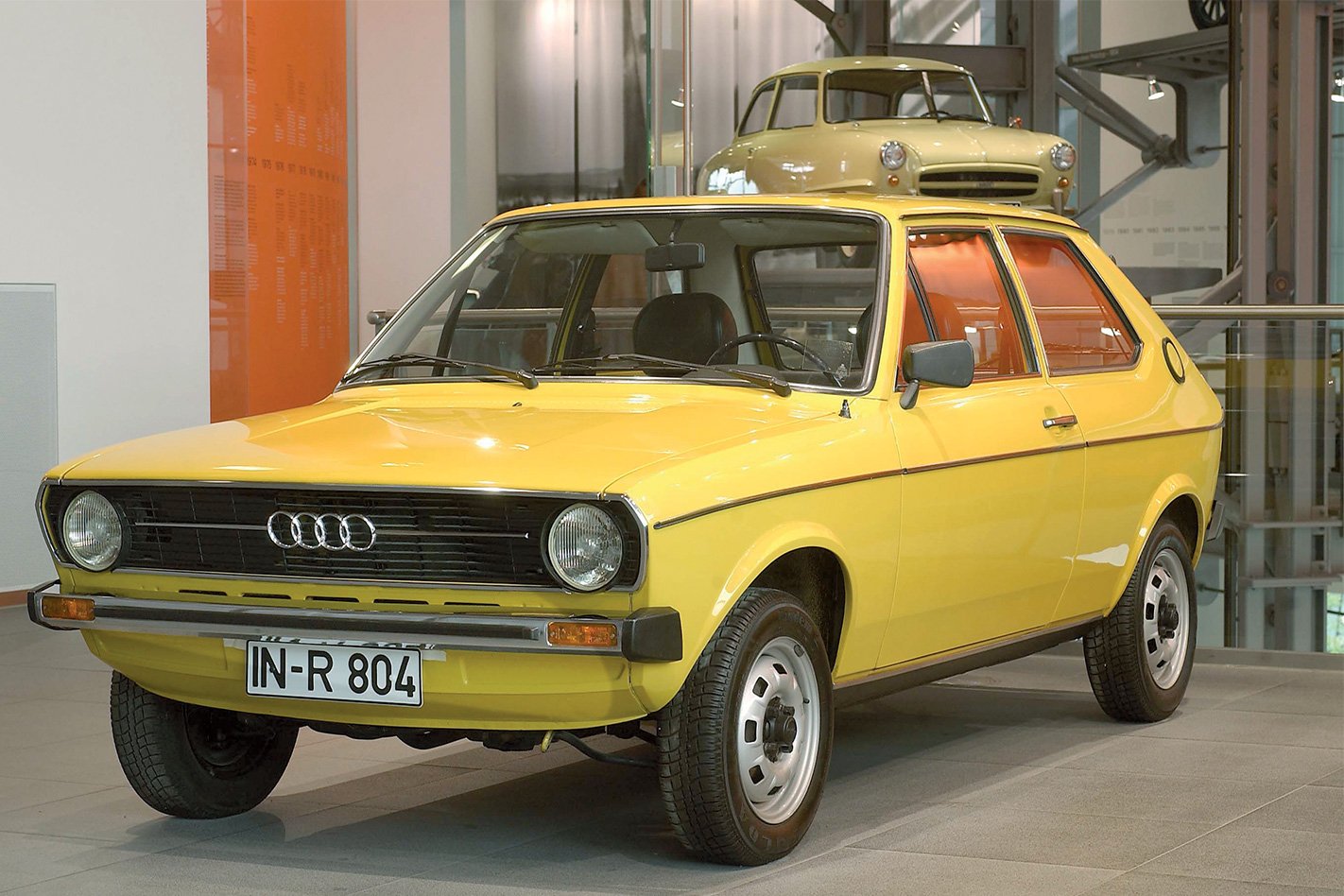
Audi inspires VW product revolution
After decades of rear-wheel-drive models such as the Beetle and its derivatives, Volkswagen followed Audi’s front-drive lead from the 1970s onwards. The first key model was the 1973 VW Passat, and a year later came the world’s most famous hatchback: the VW Golf.
Porsche connection
Audi’s ties with fellow VW Group company Porsche date back to 1933, when Ferdinand Porsche helped build the Auto Union grand prix racers. His grandson Ferdinand Piech would also become an instrumental player in varying roles within Audi and the VW Group between 1974 and 2015. The 1976 Porsche 924 entry-level sports car featured a fuel-injected VW 2.0-litre engine from the Audi 100, while Porsche was involved in the development of Audi’s first RS performance model – the RS2 (which even featured the same wheels as the 911 Turbo of the time).
Quattro gets traction
Audi’s birth as a progressive, aspirational brand can be traced to the 1981 Monte Carlo rally. After an Audi 80 won the 1979 Trifels Rally, the brand developed a motorsport version of its 1980 Quattro featuring the same drivetrain combination of turbocharged five-cylinder engine and all-wheel drive. On that 1981 rally debut, the Quattro caused a stir when it overtook a rear-wheel-drive Lancia Stratos after just 10km despite starting a minute behind.
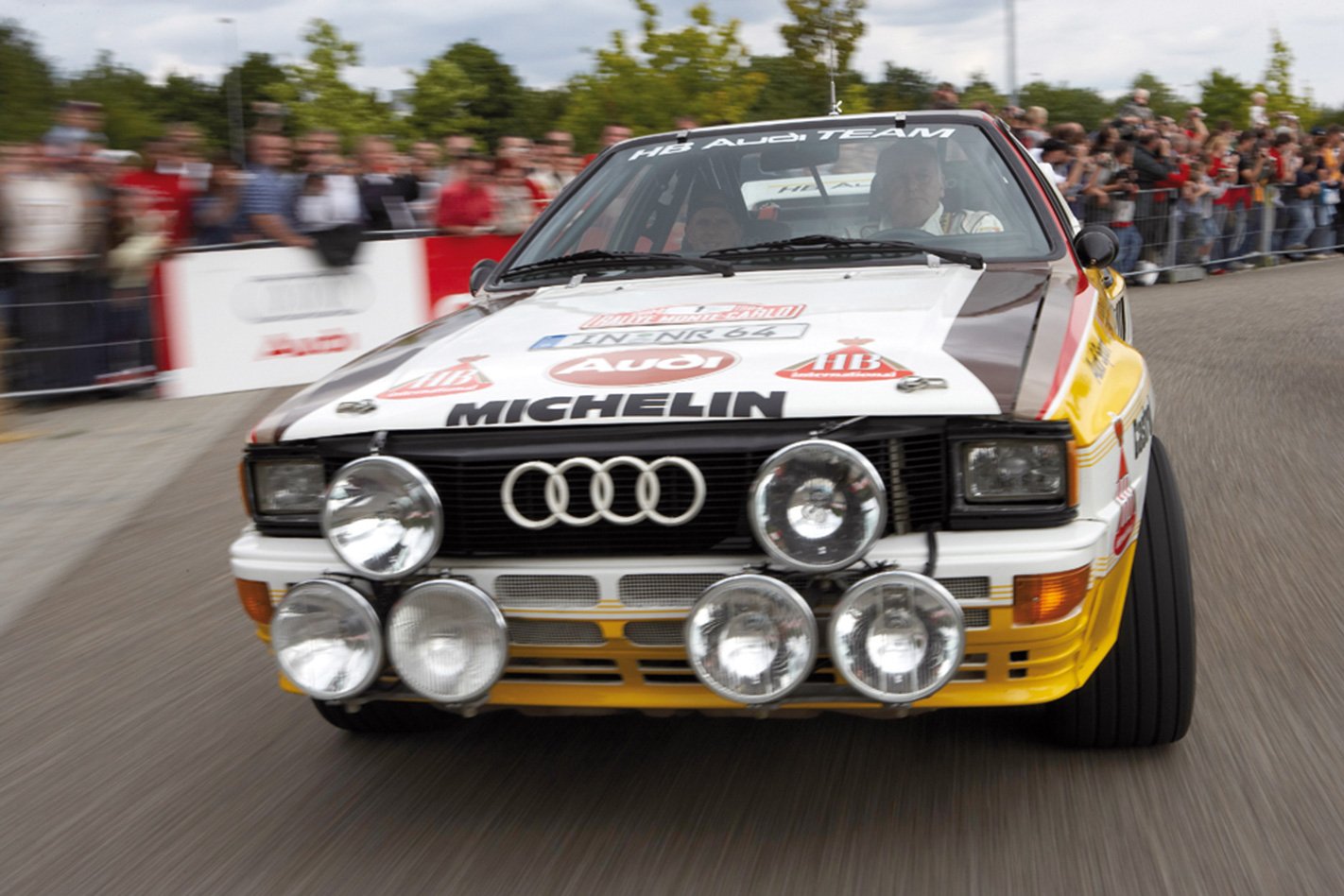
The Audi Quattro went on to dominate the World Rally Championships the following three years, with constructors’ victories in 1982 and 1984, and drivers’ titles in 1983 and 1984. The company’s all-wheel-drive systems today adopt the ‘quattro’ name, while the performance subsidiary responsible for Audi’s RS models and R8 supercar is called Quattro GmbH. Just in case you’re wondering why Audi marketeers chose the Italian word for ‘four’, the German translation is ‘vier’. Not quite as attractive, we think you’ll agree.
Enduring success
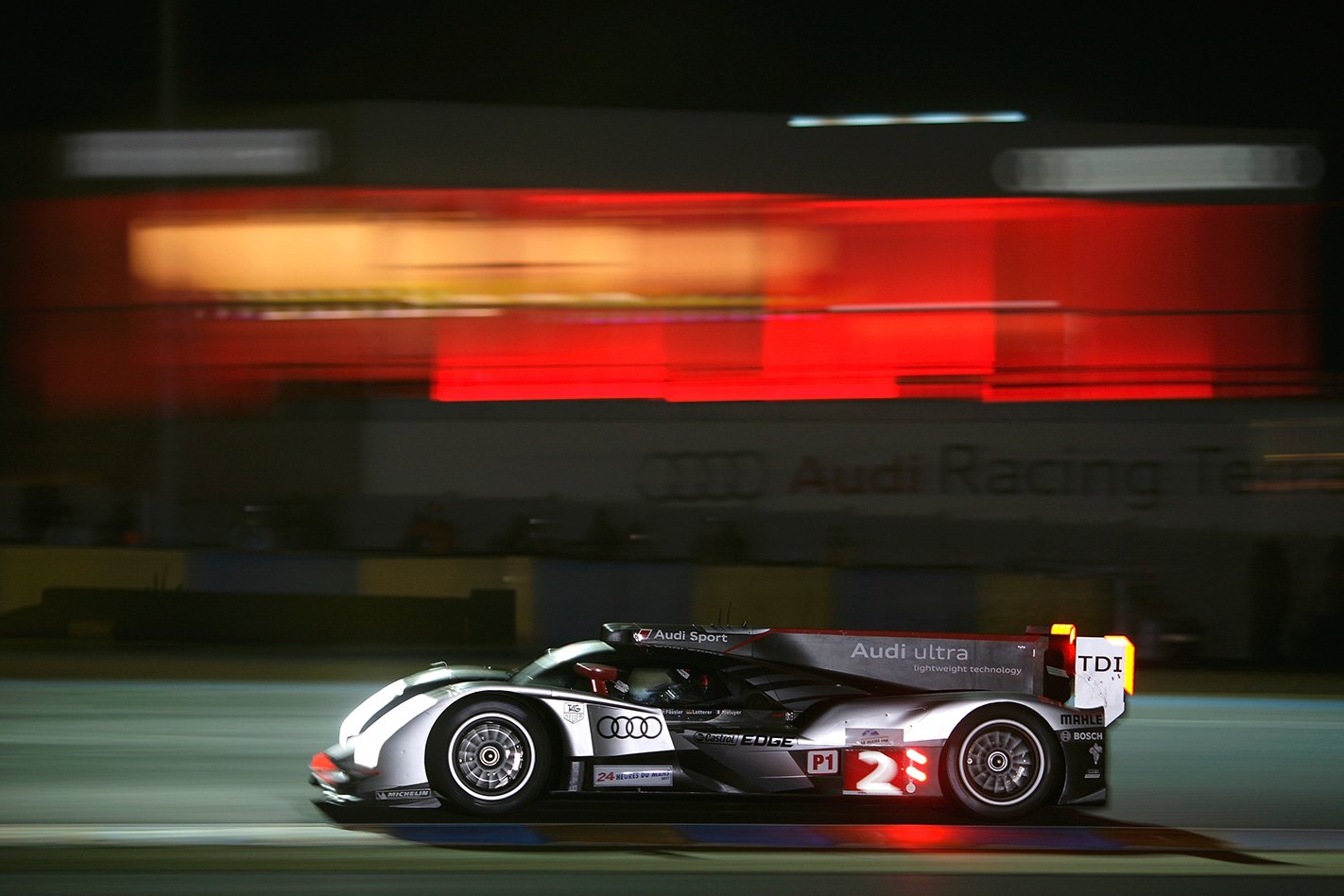
Audi’s success in motorsport may have started in rallying but its entry to the famous Le Mans 24 Hour endurance race is a story of remarkable domination. The company has won 13 of the past 18 events, having first won with the R8 in 2000. It has most recently competed with the R18 e-tron petrol-electric hybrid, though It’s most notable race car is arguably the R10 TDI that pioneered diesel engines in an endurance race context – cunningly taking advantage of the fuel’s slower-burning characteristics to crucially limit the number of (time-consuming) pit-stops required during the race.
Aluminium
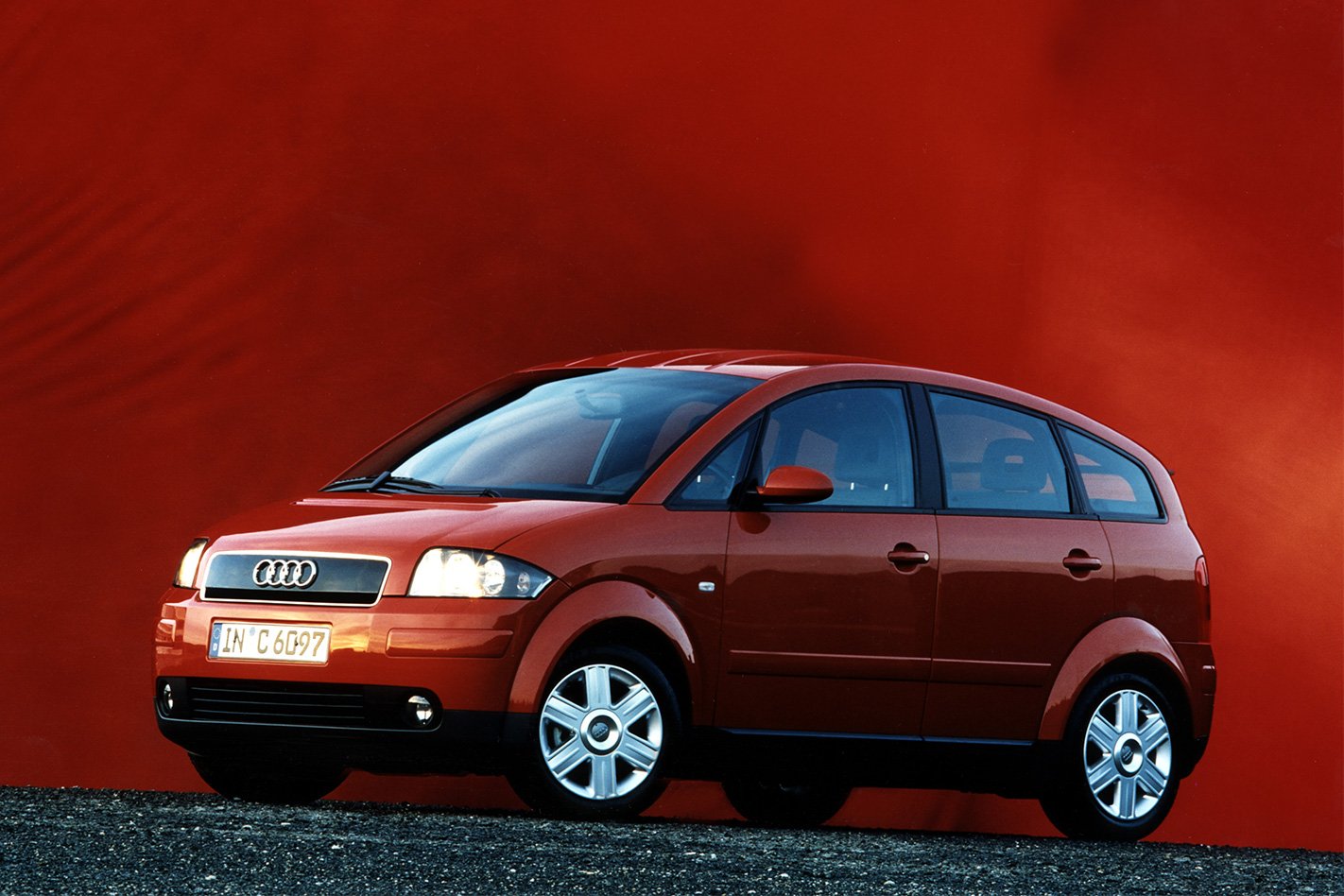
Audi has been one of the leaders in aluminium usage in car manufacturing, appreciating early the lighter metal’s many benefits that include improved fuel efficiency, safety and driving dynamics. After presenting two high-profile concept cars in 1991 – the Quattro Spyder and Avus Quattro – made from the more advanced material, the Audi A8 limo debuted in 1994 with an all-aluminium body. In 2000, Audi made the bold move to introduce an aluminium city car called the A2. Its relatively high price for it segment – forced by its production costs – meant sales struggled, though many regard it as a car before its time.
Lamborghini link inspires first supercar
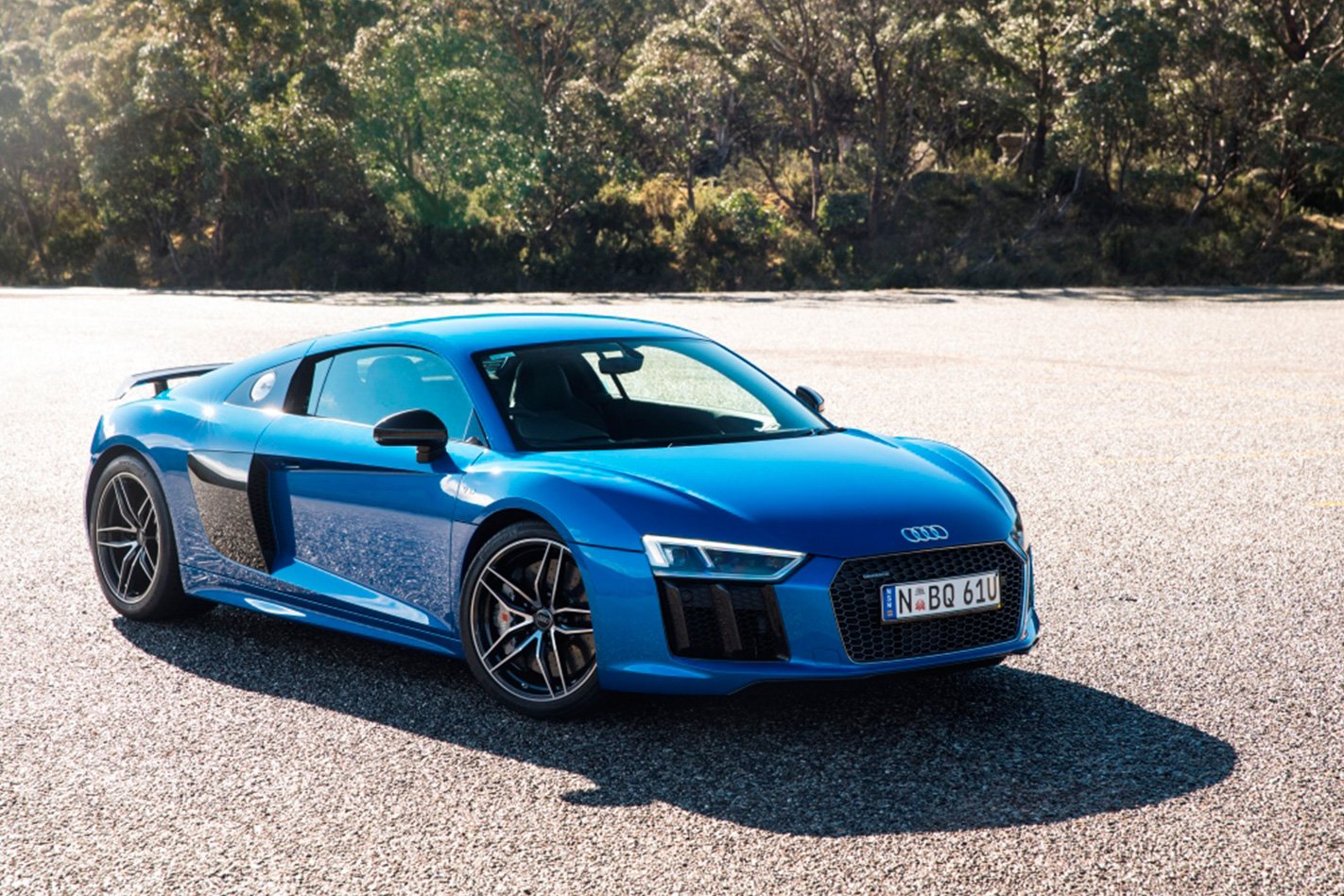
Audi bought Italian supercar brand Lamborghini in 1998, and the quality of Lambos since has never been higher. The tie-up, however, also helped Audi finance its very first supercar – the R8 that emerged to critical acclaim in 2006. It shared its fundamental architecture and engines with the Lamborghini Gallardo, while the second-generation R8 launched in 2017 is twinned with the Gallardo’s successor, the Huracan.
First to five
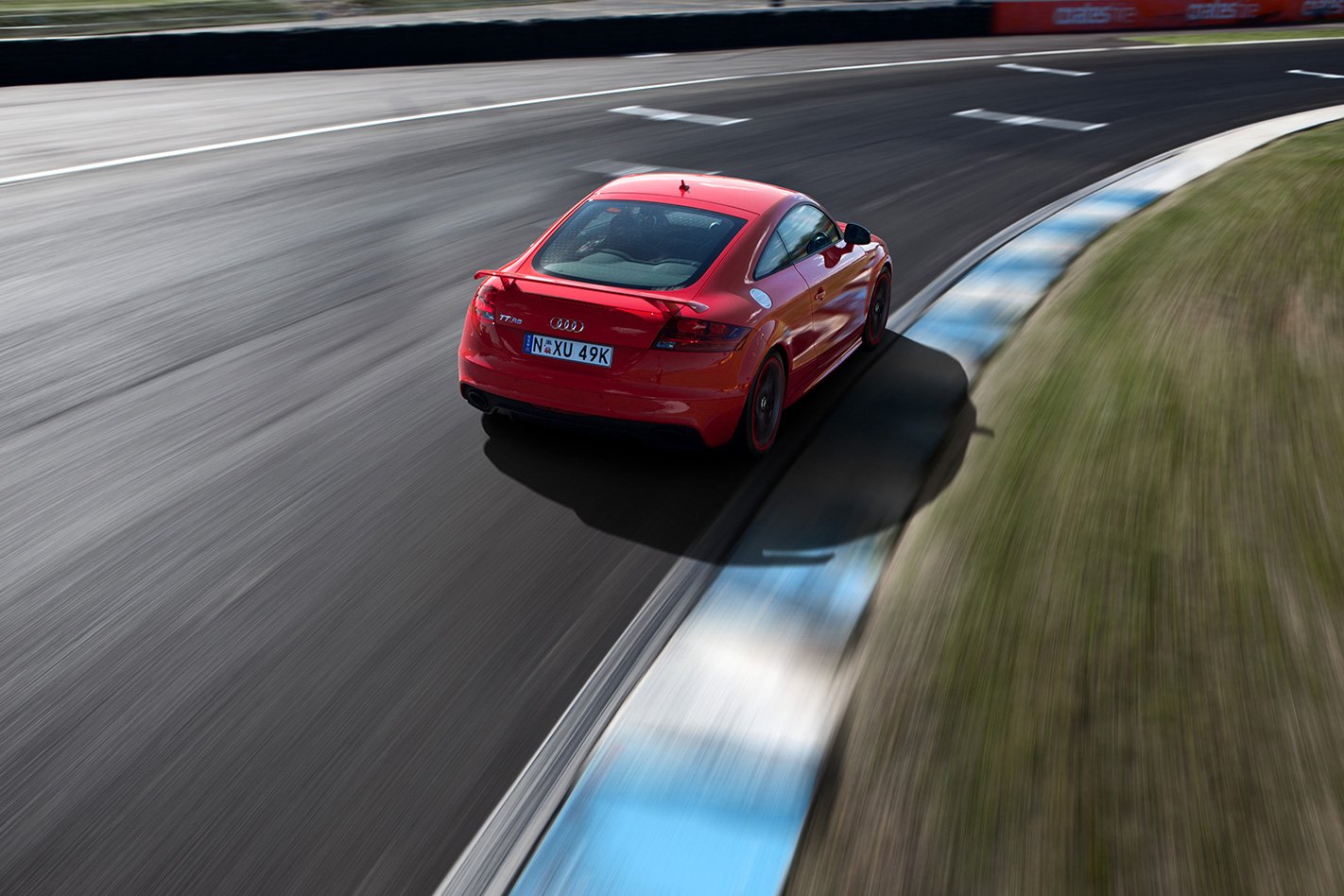
The 1977 Audi 100 introduced the world’s first production five-cylinder petrol engine, and the brand would make the distinctive configuration famous with the aforementioned Quattro three years later. The Audi TT RS, the fastest version of the company’s iconic sports car, and Audi RS3 and RSQ3 are three of the few models in the world to still feature a five-cylinder engine.
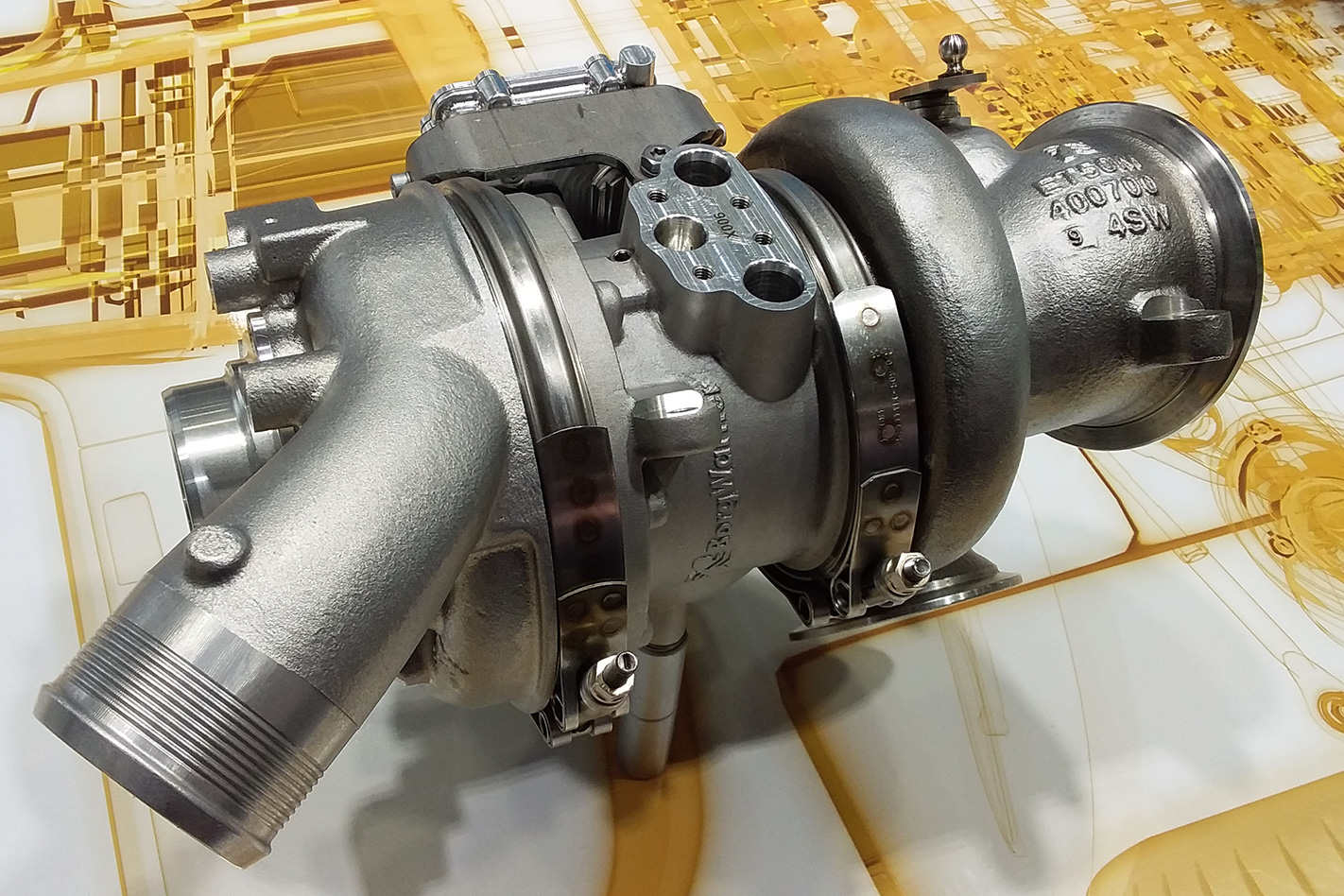
Unplugged, BorgWarner’s new eTurbo works exactly as a conventional turbocharger does.
Connect the power, however, and an electric motor located on the central driveshaft brings significant advances to an old idea.
At low engine revs, the energised motor can spool the turbo up to speed almost instantly, eliminating lag.
Once the engine is running at high revs, the motor takes a back seat and allows exhaust gasses to take over.
In a conventional turbo, a wastegate bypasses excess exhaust to prevent overboosting.
Instead, the eTurbo switches polarity to turn the motor into a generator, and the load applied to the driveshaft precisely limits its maximum speed.
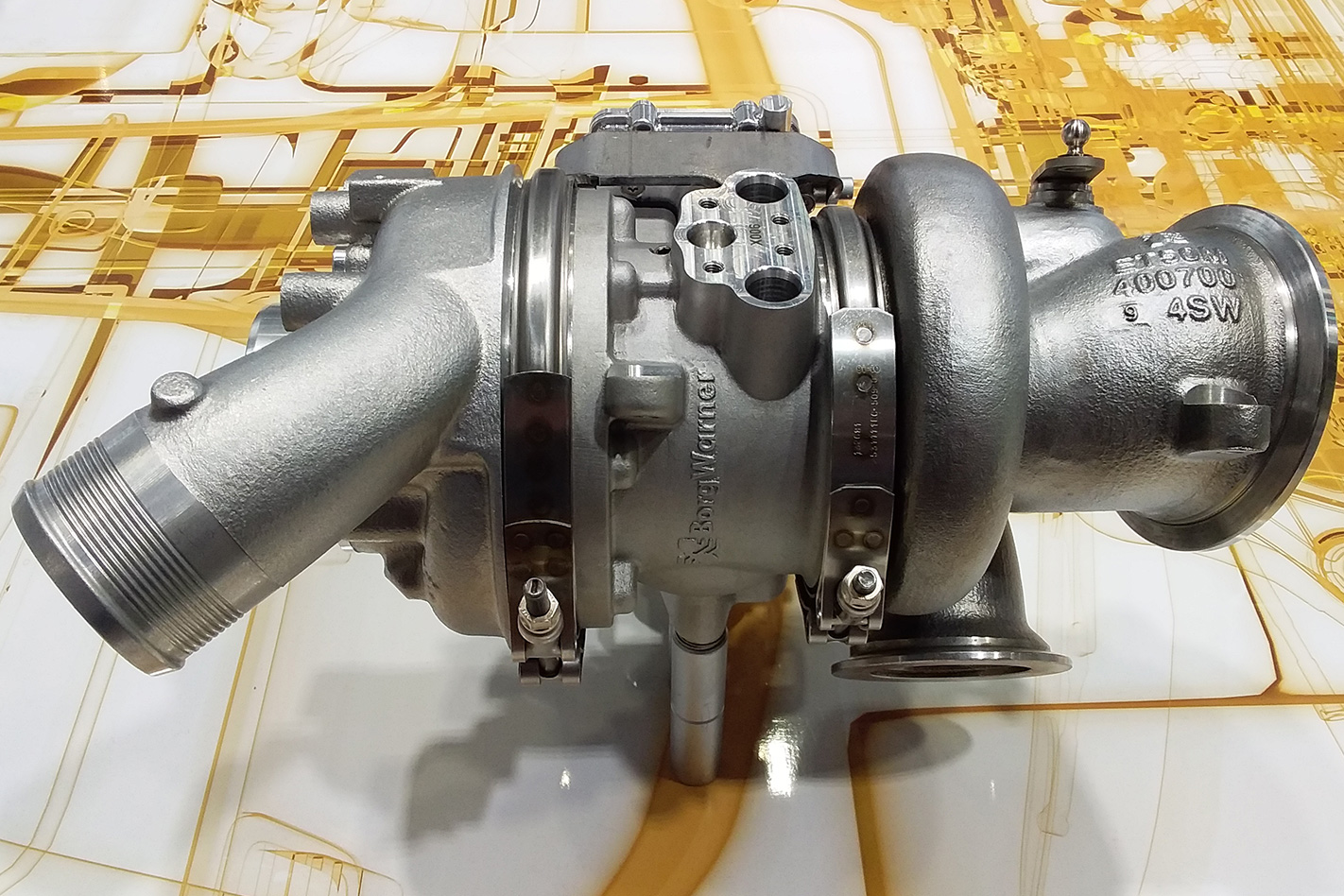
Regenerated power is stored in an electrical sub-system to power the anti-lag function or any other high-power electrical systems the vehicle may have. In hybrids, the extra power extends battery range.
Complex boost control systems such as variable vanes are redundant with this innovation, while the electric turbo also has the potential to reduce emissions.
When an engine starts, its cold turbo absorbs a large amount of heat from the exhaust, delaying the catalytic converter’s ‘light-off’ point.
The eTurbo’s bypass valve directs gasses directly to the cat, slashing cold-start emissions. While diverted, the electric motor looks after boost duties.
The same principle is proving itself in Formula 1, boosting the efficiency of the 1.6-litre V6 race engines without compromising power. The first production vehicles with electrified turbos are expected by 2022.
Boost menu
Four models have been developed by BorgWarner, from the eB40 for small passenger vehicles to the eB80 for the largest non-commercial applications. They can be integrated into light 48-volt systems or more potent 400- and 800-volt hybrids.
To E or not to E
eTurbos are not the same as the electric compressor technology used by Audi in its SQ7, in which a high-power motor drives a centrifugal compressor but has no exhaust-driven turbine. It switches off at higher engine speeds, allowing conventional turbos to take over. Since it has no turbine, it’s not an electric turbo.
Horse power
BorgWarner is not revealing which companies it is working with for the first e-turbocharged production car, but the automotive tech giant has confirmed it’s partnering with a “supercar manufacturer”. The wise money is on Ferrari, which filed a patent for an electric turbo application in 2018.
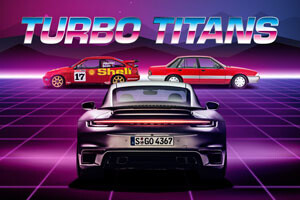 Turbo Titans
Everything you’ve ever wanted to know about the humble turbocharger and its miraculous power-boosting abilities.
Once upon a time, BMW was like your favourite pizza place. It may have only made one thing in various sizes – in this case, rear-wheel drive sedans, coupes, etc – but boy did it do it well. Since then it has successfully diversified its offerings, but in doing so took its eye off the ball a little in terms of its core offering.
Following the universally accepted excellence of the E46 3 Series, the E90’s runflats ruined the ride and the F30’s standard suspension was all over the shop. BMW’s latest attempt at a small premium sedan, the G20, is much more like it, a real return to form, and adding a bit of extra sheetmetal in the form of a wagon body does it no harm at all.
It adds a fairly substantial 105kg to the kerb weight, though BMW claims that increases the 0-100km/h sprint by just 0.1sec to a still brisk 5.9sec. The upside of this extra heft is an additional 30 litres of boot space (510L) and an expansion to a useful 1510L with the 40:20:40 split-fold rear seats stowed.
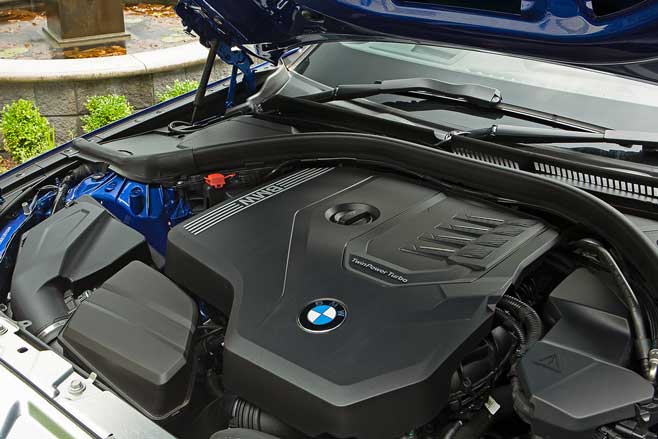
As an everyday car, the BMW 330i Touring couldn’t be more appropriate. The 190kW/400Nm 2.0-litre turbo four is frugal, with enough zing to plug gaps in traffic, the eight-speed ZF auto is completely unobtrusive, and the steering thankfully lacks the syrupy weight of some of BMW’s other recent efforts.
Even with adaptive suspension being standard, the ride is quite firm. It pays dividends once the pace is upped and the corners arrive thick and fast, but will any buyer subject this family wagon to a weekend thrap? Possibly not, but they should.
The car I kept thinking of while driving the 330i Touring was the M135i hatch sampled recently. Don’t judge a book by its marketing; the non-performance model steers far more sweetly, displays better balance and is much more responsive to throttle and brake inputs. Gentle understeer is the prevailing characteristic at the limit but it’s easily adjusted to.
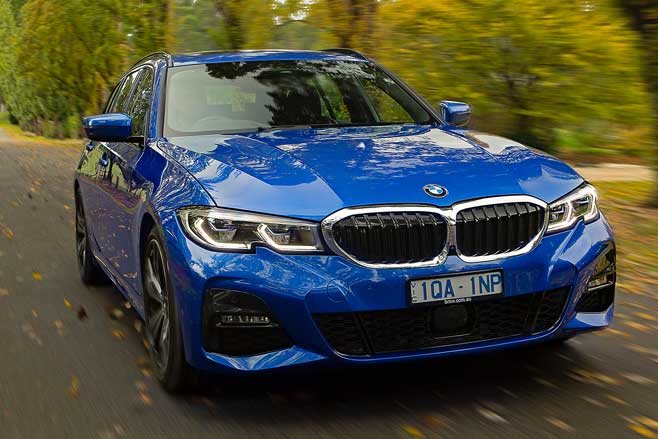
However, so capable is the chassis that it’s crying out for more power and the B48 in its ultimate guise has more to offer, producing 225kW/450Nm in the M135i. That would separate the 330i Touring from its competitors while still leaving plenty of space up to BMW’s six-cylinder ‘40i’ models.
It would also help justify a price tag that’s a little on the steep side. The 330i is well equipped, but is a tough sell for family duties when the similarly powered X3 30i offers (slightly) more space and all-wheel drive for a couple of grand less. Of course, the wagon is quicker, more fuel-efficient and better to drive, which makes choosing from the traditional menu a no-brainer.
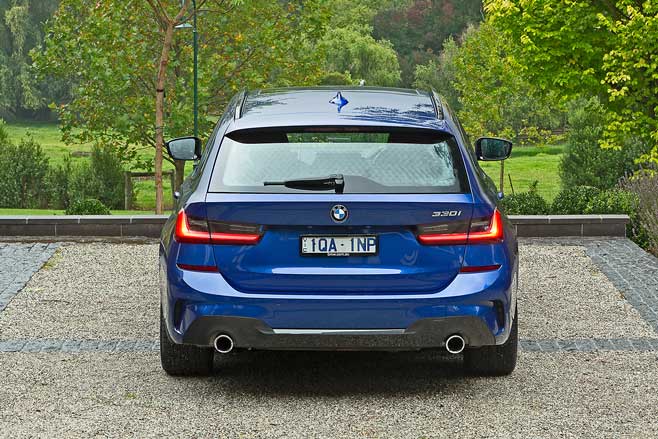
2020 BMW 330i TOURING SPECS Engine: 1998cc inline-4, DOHC, 16v, turbo Power: 190kW @ 5000-6500rpm Torque: 400Nm @ 1550-4400rpm Weight: 1575kg 0-100km/h: 5.9sec (claimed) Price: $75,900
Likes: Quick; frugal; the practicality of a wagon; enjoyable to drive Dislikes: Could use a bit more grunt; a little pricey; slightly firm ride
Rating: 4 out of 5 stars
Scott has a bee in his carbon-fibre bonnet. Apparently, WRC fans have decided who is the world’s best rally driver in history and, according to our resident rally expert, they are wrong.
Andy attempts to provide some other possibilities from his encyclopaedic tomes and a little extracurricular reading, while the extent of Dan’s Raleigh experience is a 1990 Lizard that he really wanted when he was 10.
Watch next: Molly takes Dan for a blast in her daily drive
So what better way to settle the argument than by welcoming 2016 Australian Rally champion Molly Taylor to the WhichCar Weekly chat, to discuss who she feels deserves the title as the best rally pilot of them all?
Join the WCW team plus a rally legend to hear Scott’s revised top-ten best rally drivers to date and see if Molly agrees.
Later, the chat turns to future rally heroes and heroines, and what change we might see in the top three.
You can find WhichCar Weekly on all manner of podcast apps including iTunes and Podbean. Please rate, subscribe and leave a review!
And if you want yet more WhichCar action whether it be behind the scenes insights or the very latest from the automotive front line, follow the day-to-day happenings of the WhichCar team on Facebook, Twitter and Instagram @whichcar
Listened to or watched the WhichCar weekly podcast? Help us out!
- Leave a note in the comment section below
- Leave a review on Apple Podcasts/iTunes
- Subscribe to our podcast
Far below, Cap Ferrat juts into the Mediterranean. The water sparkles brightly in the clear, late-morning light. Down there somewhere is a fabulous early 20th-century villa built by Beatrice Rothschild, of the famed international banking family. I squint against the glare, but fail to spy the pink-painted place.
Around 20 years ago Mercedes-Benz staged a new-model launch there. I can’t recall for sure what it was. It may have been that bob-tailed abomination, the C-Class SportCoupe. Whatever it was, it was clearly forgettable.
What I do remember with absolute clarity is the spare-no-expense flavour of the event. Mercedes-Benz during the reign of Jürgen Schrempp – CEO of Daimler-Benz from 1995 to 2005 and mastermind of the disastrous DaimlerChrysler merger – was often like that.
One sight in particular remains very vivid. It’s the image of the costumed performer suspended in a harness beneath a balloon, her manoeuvres aided by tether-holding assistants hiding in the shrubbery. The sole aim of this graceful routine was to provide a few moments of visual entertainment for the guests as they walked through the villa’s extensive gardens in the gathering dusk. But that was long ago…
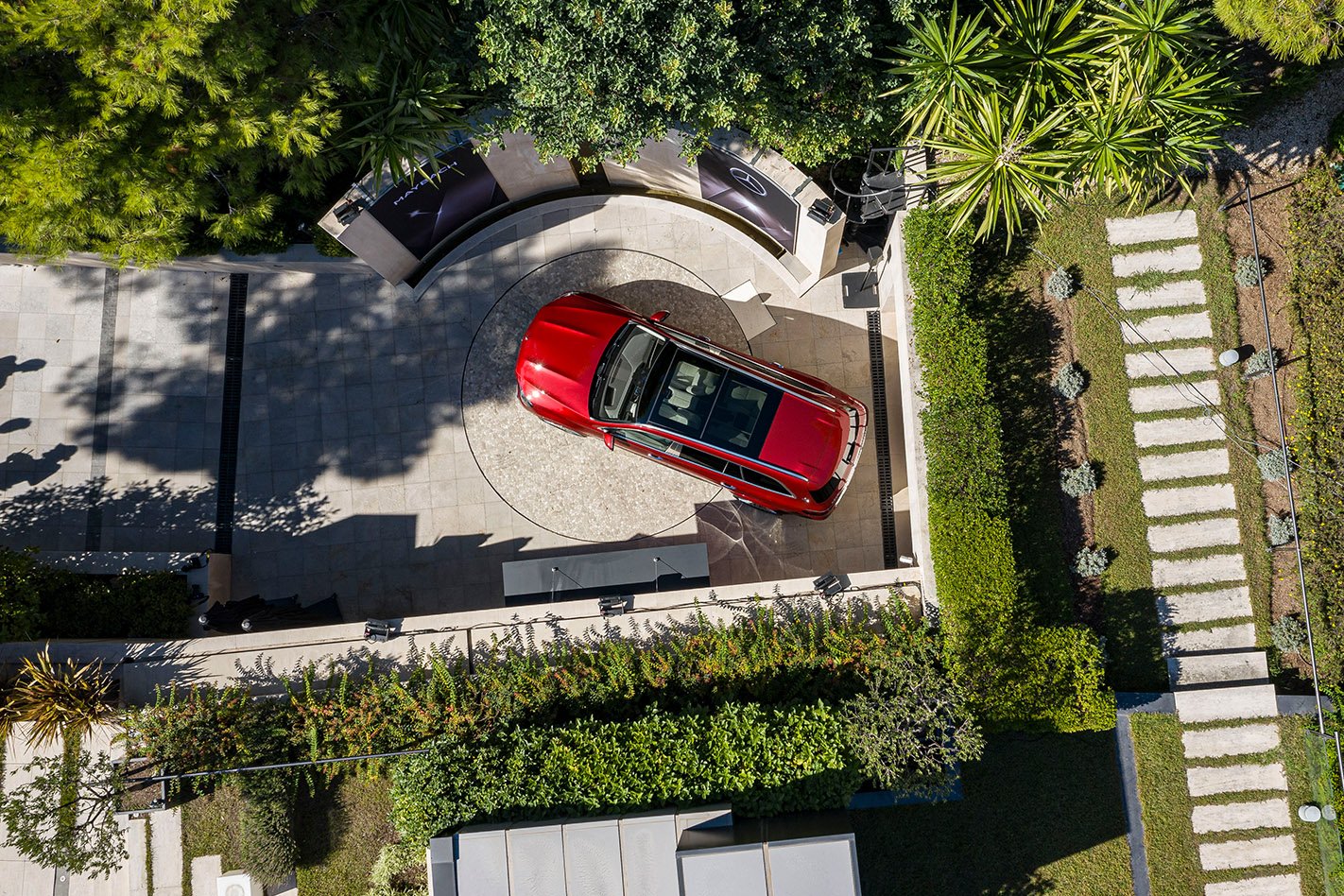
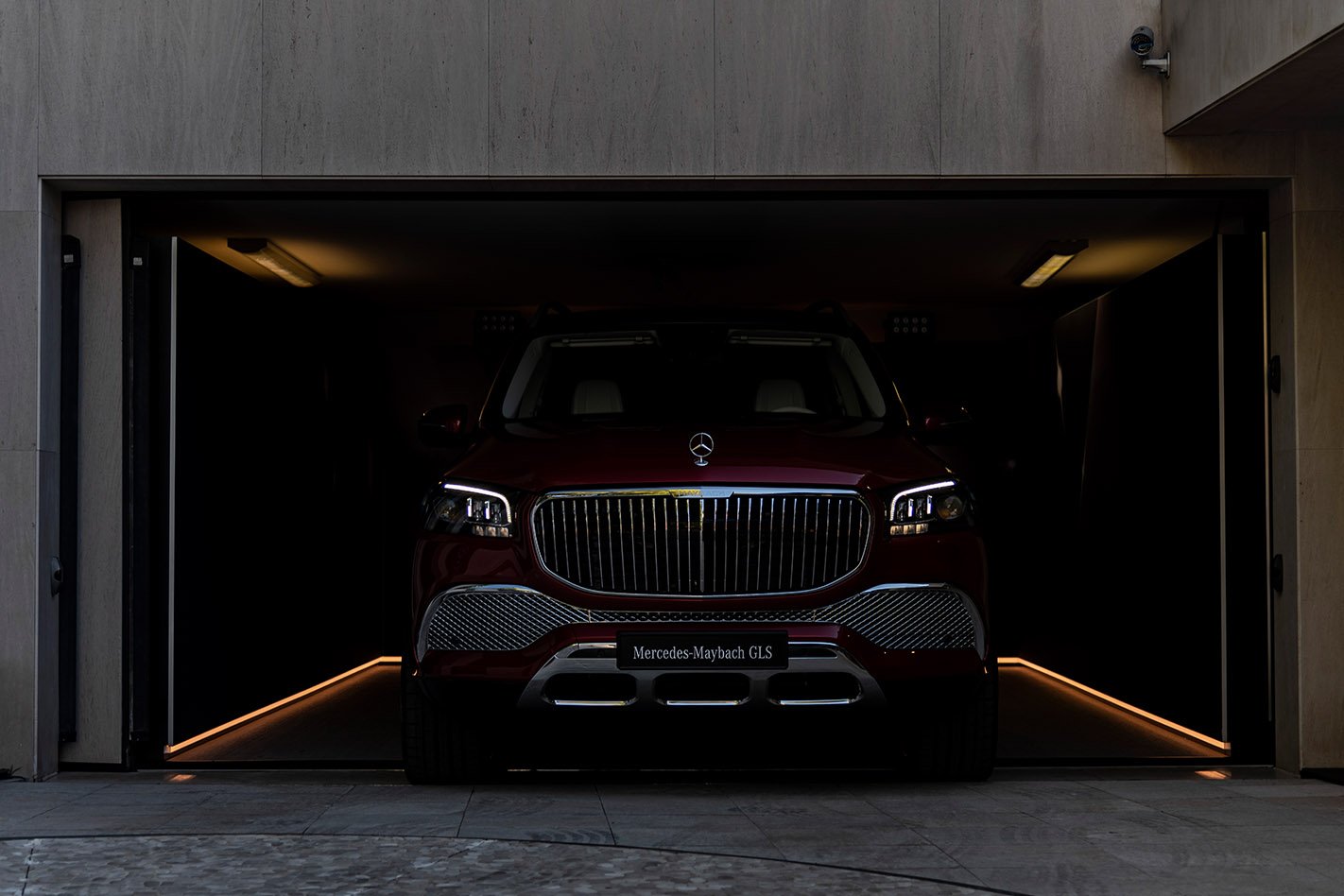
This time we’re at the modern Villa Bayview in Villefranche-sur-Mer, just to the east of Nice. Again it’s a Mercedes-Benz event. We’re here for a preview, under strict embargo, of the Mercedes-Maybach GLS 600. I step onto the villa’s terrace and scan the sky, but there’s no-one twirling in a tutu overhead.
Ultra-expensive mega-SUVs for the super wealthy aren’t things that excite or interest me in the slightest. They’re ostentatious , inefficient and, for the vast majority of driving humanity, utterly irrelevant. Still, the event wasn’t a complete waste of time.
In a downstairs room at Villa Bayview, Sabine Engelhardt is hosting a workshop. She’s a futurologist who, for the past 20-plus years, has analysed the social forces and cultural trends that will shape the car industry in coming years. Her work guides decision making on overall strategies and product plans for all Daimler’s brands.
But she’s here to talk about her sideline activity in the arena of aroma. Engelhardt works with perfumers to design car scents, including the 11-strong range developed specifically for Maybach. It’s a well-known fact that the rich are very picky about what goes up their nostrils, after all.
It’s a topic well outside my zone of interest, but Engelhardt is the kind of specialist who can make their subject accessible. She’s able to outline, in language I can understand, the basics of scent design. It’s more complicated than you’d think, partly because the perfume industry works constantly to develop new synthetic molecules with previously unsmelt aromas. Some are so powerful that they can only be used in minute proportions.
As a futurologist, Engelhardt has ideas which way the scented wind is blowing. Expect a revival of ’70s favourites like patchouli and musk, she tells me.
In the meantime, I’ve taken to checking what’s in the aroma dispensers found in the test cars I drive at launch events. The names are often much less subtle than the contents. My favourite so far? ‘Gingery Mood’, found in a Mercedes-Benz GLE 53 Coupe at the international unveil in Austria.
Let’s be honest… the labour market is a pretty tricky place at the moment, and one where you’d be best to avoid smashing up the boss’s car. Not this guy.
Reports are coming in from overseas of a US truck driver who’s taken liberties with his boss’s Ferrari GTC4 Lusso T by using it as a chock for the front wheels of his large Volvo prime mover.
The details are reasonably sketchy, but what’s clear is that this wasn’t a case of leaving the handbrake off.
Our villain has actually just started work with the Chicago freight company the week previous, but it seems that the terms and conditions of his hire weren’t quite to his liking.
However, after just one job with the company, it appeared that Old Mate was less than a stellar employee, and he – for reasons that will become pretty obvious – was also reluctant to submit to a compulsory drug test.
A key to his grievances appears to be that the one-year-old rig he was assigned was not the 2020 model that he was promised.
Which, in all fairness, seems like a pretty minor grievance.
Unfortunately, his boss saw things differently, and had apparently made the decision to lance the boil quickly and send him packing on full pay.
This is where it got ugly.

According to reports, Old Mate – despite being paid for his work to date, and being offered a plane ticket home – lost the plot after (allegedly, it has to be pointed out) no one at the freight depot would give him a ride to the local WalMart.
He expressed his displeasure in a singularly destructive manner, leaping into the cab of the Volvo rig and making a beeline for the boss’s Ferrari, with the company owner almost going under the truck’s wheels in an effort to stop the truckie, according to witnesses.
No dice… the front end of the Fezza was toast.

Local law enforcement agencies are aware of the situation, apparently, so we’d suggest Old Mate is in more than a little trouble… if the Ferrari owner hasn’t already tried to use his head to fix the GTC’s bonnet.
Truck driving in the USA is one of the few industries where the number of jobs exceeds the number of drivers, so our man probably thought he was in the catbird seat when it came to terms and conditions.
We’d suggest, though, his days behind the wheel of ANYTHING are pretty numbered.
A massive federal government investment into national hydrogen industries could enable Australia to leapfrog Europe, Japan and South Korea as the world’s clean hydrogen authority and a fuel-cell transport leader by 2030.
The $300 million Advancing Hydrogen Fund has been announced to primarily boost production and exports of the gas, but the government’s most significant hydrogen handout to date is available to finance any projects that align with the National Hydrogen Strategy.
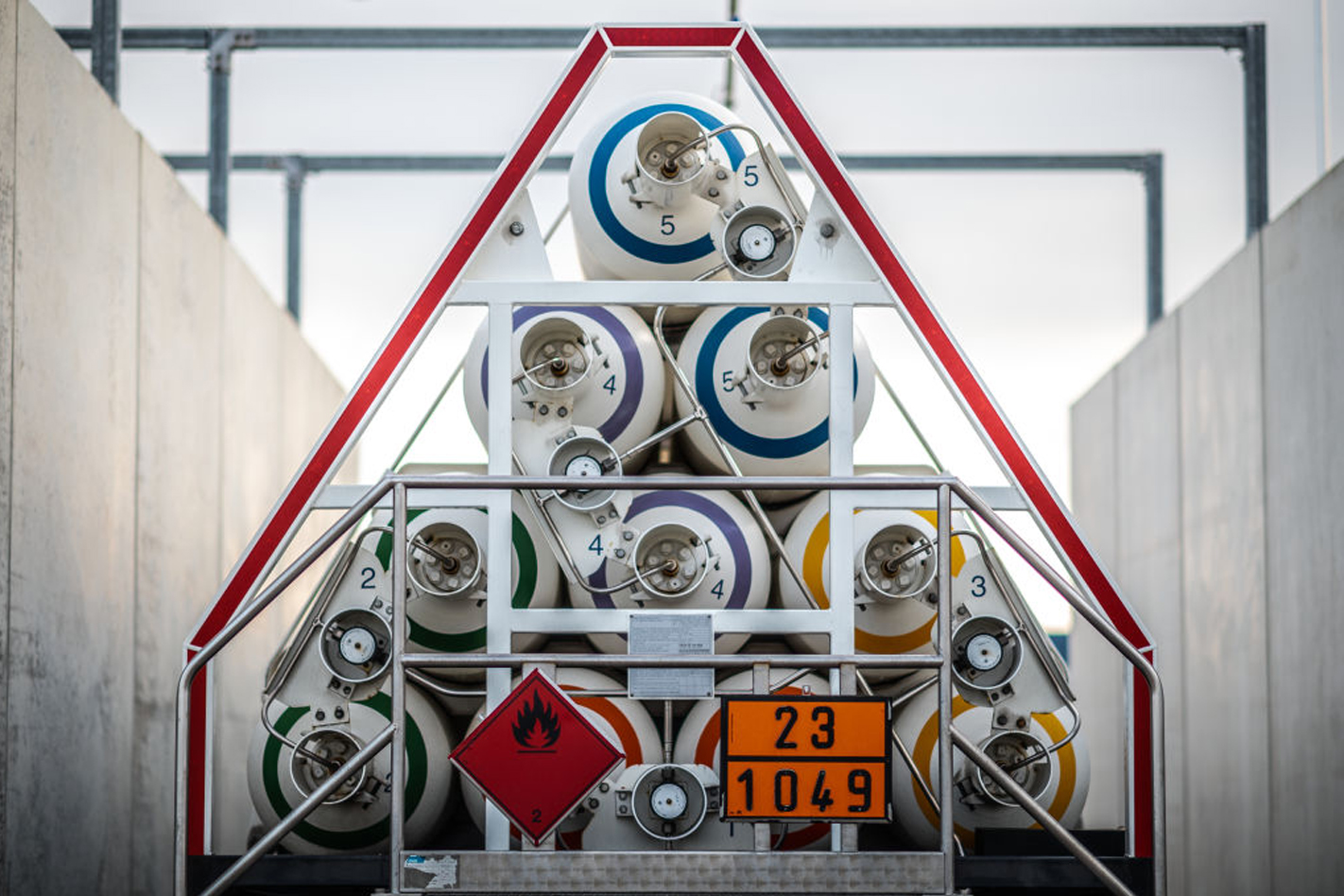
That adaptive strategy aims to support technology and businesses that provide demand for hydrogen produced in Australia, including the infrastructure necessary for widespread fuel-cell-powered vehicles, as well as its large-scale production using renewable and clean resources.
Australia is already well equipped to rapidly morph into a global hydrogen heavy-hitter with a thriving liquid natural gas production and export industry that lays a solid foundation for hydrogen handling.
But the nation is also already one of the world’s largest hydrogen producers. The key difference with the government’s latest funding and initiative is that it’s intended to fund the transition to a clean hydrogen industry – zero-carbon hydrogen is both marketable and perfect for transport.
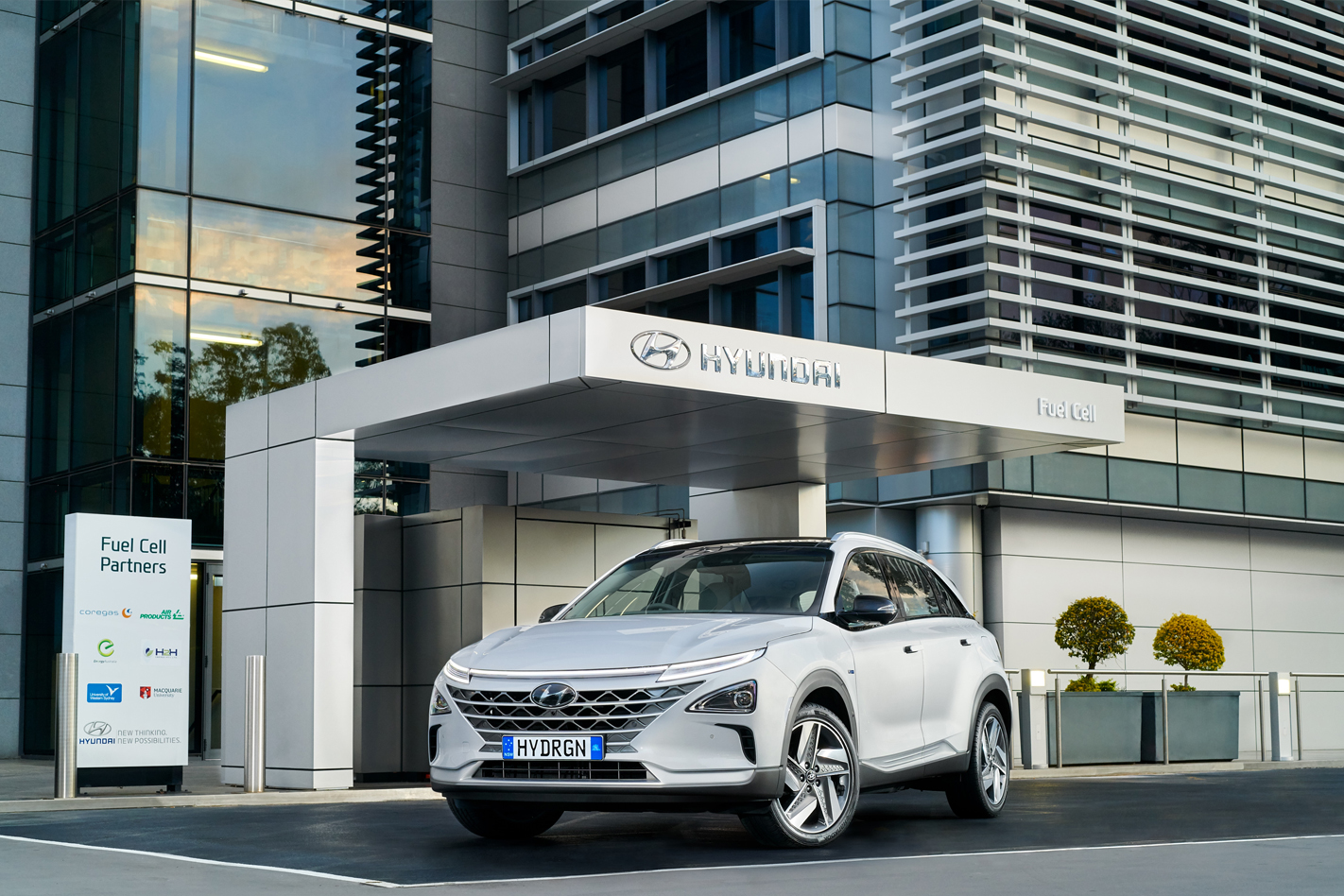
Hyundai Future Mobility and Government Relations senior manager and Australian Hydrogen Council director Scott Nargar explained how the latest investment had enormous potential to elevate Australia’s hydrogen status.
“Definitely, the world is looking for Australia to be a leader here. The work we’ve done and the conversations we’ve had around the world with different parties, we’ve got the best assets and resources in the world to do this,” he said.
“Across states and territories, everyone is looking at the opportunity for hydrogen and this money pushes that along, generates jobs, generates exports and establishes Australia as an eco powerhouse for the future.”
With large-scale production from solar and wind power, Australian-made hydrogen has numerous advantages. Initially, the energy is very attractive to other nations looking to reduce overall carbon emissions and a source of revenue as mining and traditional mineral exports wind down over the coming decades.
“Our neighbours around the Asia Pacific region are transitioning their transport and energy options to something cleaner and greener,” said Nargar.
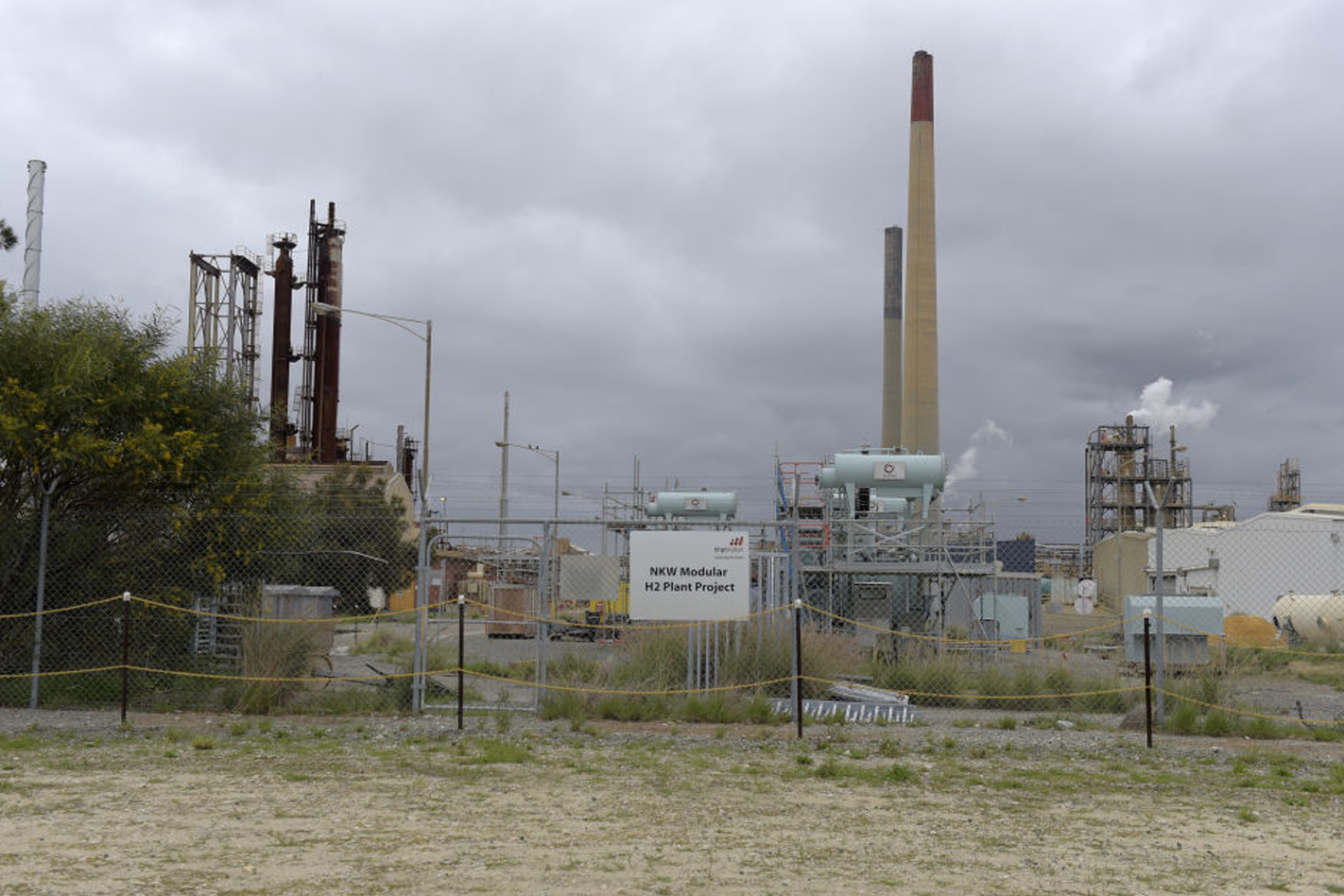
“People aren’t asking to buy dirty hydrogen, they want clean hydrogen but for that you need space. You need solar or wind resources and there’s nowhere better than Australia.”
Ultimately, though, the clean energy source would be readily available to fuel a fleet of fuel-cell cars on local roads, and recent government strategies paint a very promising picture for transport too.
A recent ‘H2 under 2’ target to reduce the cost of hydrogen production to about $2.00 per kilogram would present an incredibly cheap way to fuel a private light vehicle such as Hyundai’s Nexo.
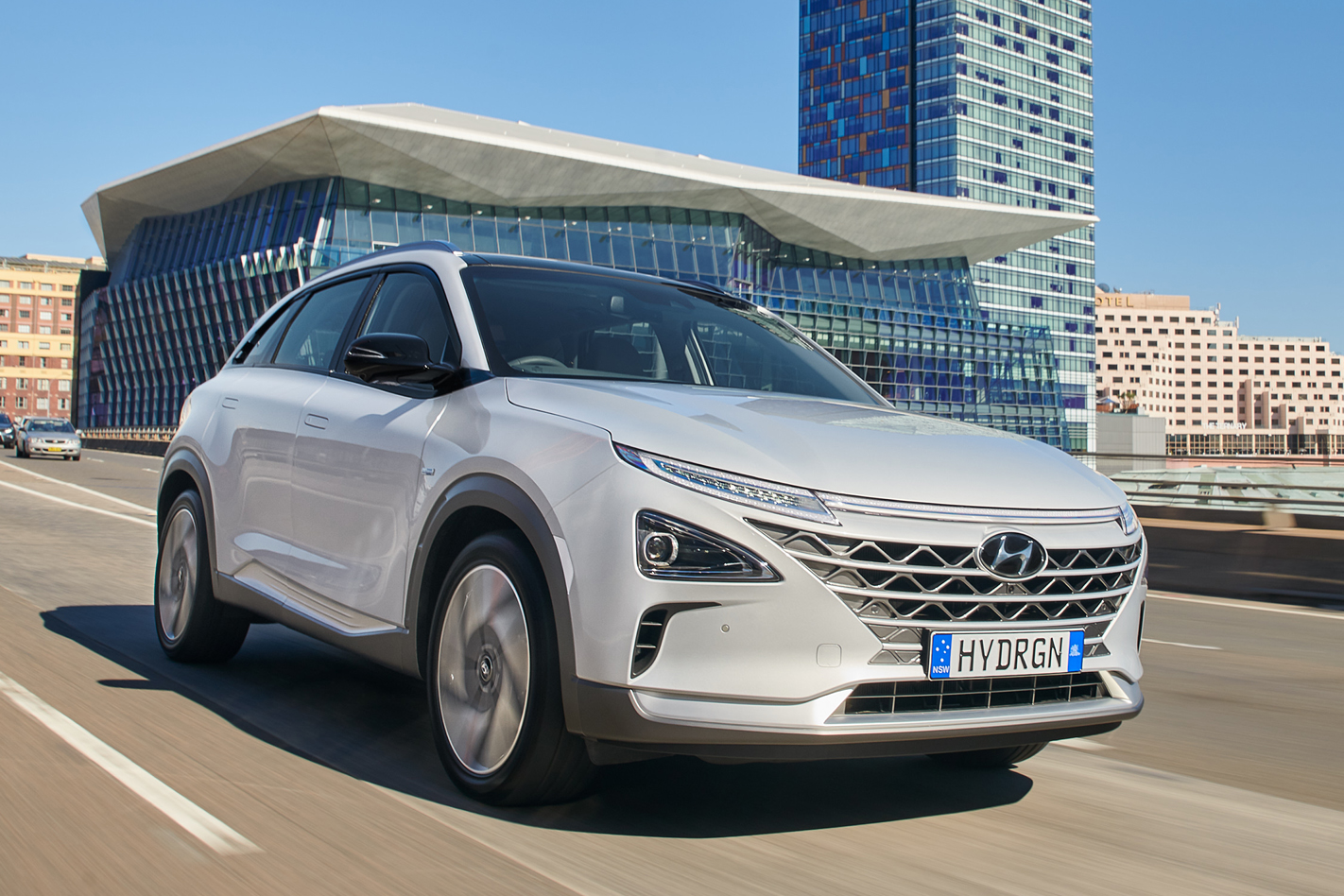
If Australians were charged $5.00 per kilo at the pump, filling the Nexo’s high-pressure tank would cost just $30 – enough to travel 666km, says its manufacturer.
But hydrogen-powered cars need places to refuel – and Australia’s current infrastructure is essentially nonexistent. However, a number of fuel-cell servos are already under construction and the government funding will spark more, says Nargar.
“People who are doing power-to-grid applications, they’re coming to us and our competitor (Toyota) and saying ‘we’re looking at a hydrogen station off the back of what we’re injecting into the grid; it’s a great opportunity to show off the technology when will vehicles be available?’”, said Nargar.
Refuelling stations will soon go live in Western Australia, western Sydney, Canberra, Brisbane and Melbourne, while Hyundai is “looking to deploy vehicles with some of our biggest partners in the government and industry”, according to Nargar.
“Most of these projects are in association with local and state governments – the first thing they say is, what’s going to benefit us is lowering our emissions within our fleet … if they’re investing in a project which is manufacturing hydrogen it’s natural to look at a station option for that area,” he said.
As more organisations jump on the zero-emissions bandwagon and look to fill fleets with cars including the Hyundai Nexo and possibly Toyota’s Mirai, you can expect the number of refuelling options to grow with it.
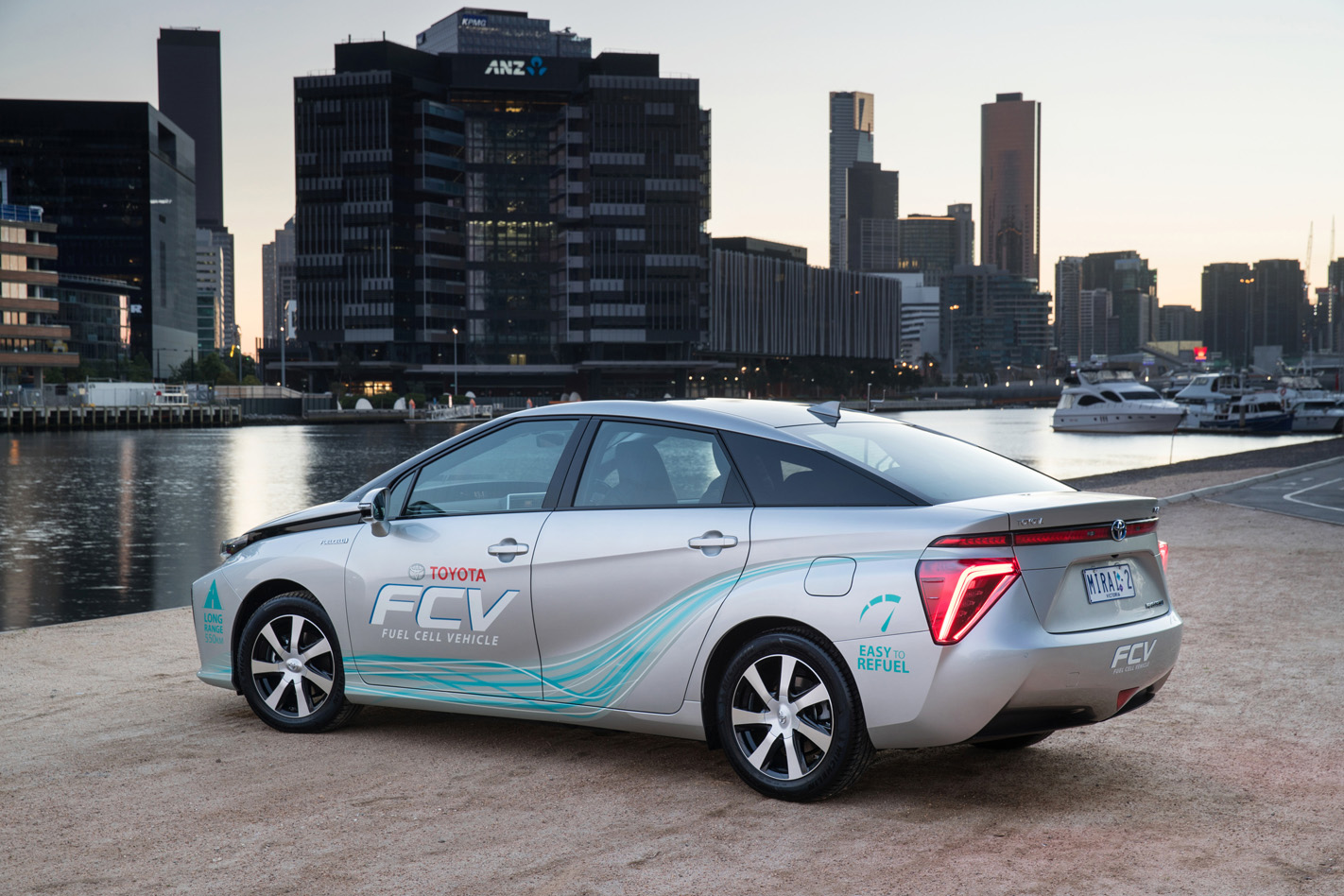
“We’re getting a lot of enquiries and progressing negotiations with multiple government and non-government customers for the future. We’re really excited about the level of interest so we congratulate the government on their investment into the industry. It’s been a long road to get the conversation to this point,” said Nargar
The $300 million allocation follows a recent $70 million Renewable Hydrogen Development Funding Round administered by the Australian Renewable Energy Agency.
As i write this (and I have to say that, as the lockdown situation in Australia seems to change on a daily basis at the moment), 98RON is plummeting towards $1/litre and roads everywhere are largely empty. Sounds like a dream, right? And yet the car must stay in the garage, no driving allowed, unless ‘essential’.
It’s frustrating, particularly when you can’t see a loved one you don’t live with, yet shopping at Woolies is like trying to leave your seat at the MCG after a packed cricket match. And what’s the harm in going for a drive? You’re by yourself, in a contained petri cell of your own fetid effluvium. No harm to anyone but yourself, right?
We get why it’s not allowed and honestly we’re in the camp of ‘stay home if you can’ at MOTOR. It’s only a month or two, or three, hopefully – hardly a sacrifice if it means all the people you know over the age of 65 or thereabouts don’t catch some horrendous virus, surely?
In fact, while things were looking frightfully exponential we even went so far as to suspend all road-testing at MOTOR. We felt that was the responsible thing to do. Thanks to some careful planning, you won’t be able to notice.
With the economy still ajar and business encouraged where it’s able to be done ‘safely’, we’re about to fire things up again. With a whole lot of hand sanitiser, it must be said.
And what an odd time it is. I write this literally from a tiny desk in my bedroom, like a teenager (I was in the garage, but there’s a very petrol-smelling 205 GTi in there and it just wasn’t happening).
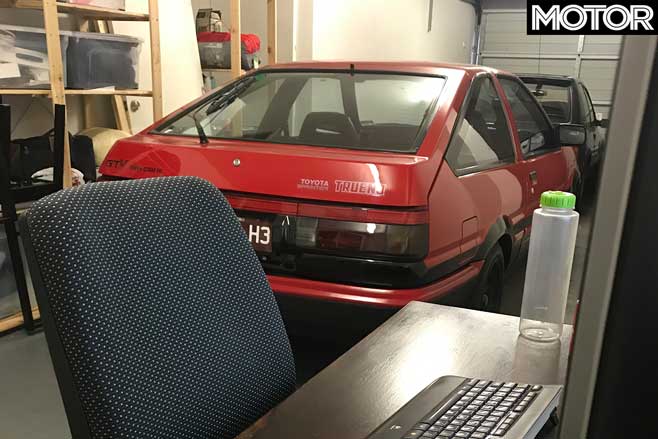
The MOTOR crew are all bailed up at home, going slightly nuts not being able to drive anything, and having to look at each other through a computer monitor (as little as possible, I hasten to add). And without a test car at the moment, my grocery-getter is my Toyota AE86 Sprinter. Driving it once a week is just plain bizarre too; I’ve half-forgotten how to drive (some might say I never knew to begin with) and every drive is like rediscovering the car anew.
I desperately miss driving, if anything just as a thing with which to engage one’s mind. I certainly will not be taking it for granted again after all this is said and done. And my oh my, the first few weeks the roads are going to be a circus when everybody’s allowed back out on them after not having driven for however long…
