
Have you ever seen a Ferrari 458 that’s literally burned to the ground up for sale online? We hadn’t until we stumbled upon the wrecked supercar hell that is Copart’s online auction site.
We were alerted to the nature of some of Copart’s listing by a Bloomberg article on the company founder, but we don’t really care too much about him. Instead, we’re mesmerised by the state of some of the cars up for sale… and their prices.
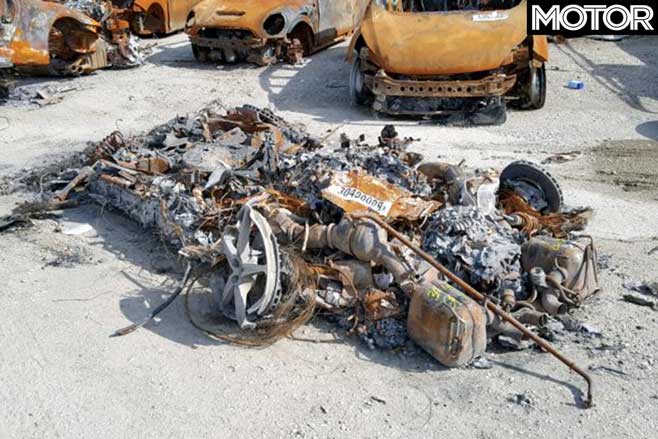
If you want that burned up Fez, we’re sorry to say it already sold. Yep someone bought a pile of Maranello ash. Don’t worry, they would have known what they were getting into – the listing says ‘this vehicle is being sold as is, where is.’
Why do supercars catch fire? We explain!
Interestingly, the paint colour is listed at ‘burn’. Actually, it’s interesting there are any details listed at all – it’s certainly no longer rear-wheel drive, or an ‘enhanced vehicle’. There are no miles on the odometer, though. Bonus!
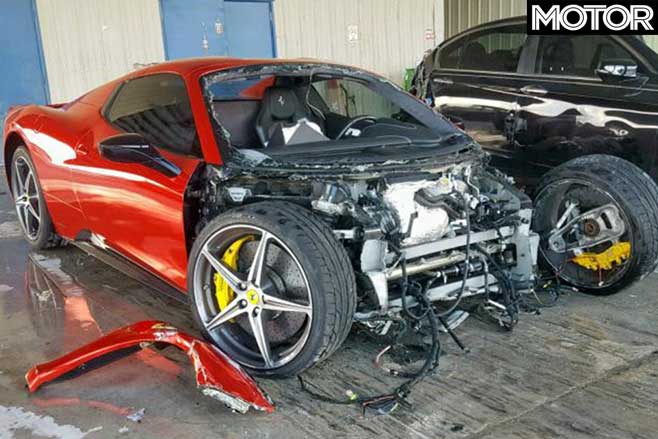
There’s a Ferrari 458 in Slightly better condition if you’re after one, though it is missing pretty much all of its front end. And it has damage to the rear left. It’s currently sitting on a USD$200 bid though, and that’s not bad given it still has the engine.
If you really must have a car that’s still got most of its parts, there’s a McLaren 650S with your name on it, even if most of those parts have been damaged in various ways. There are also random bits of wood throughout. Its current USD$325 doesn’t sound bad for what it is, though.
There are plenty more bizarre listings, even one Lotus Esprit (main image) that’s been rolled and is also a “biohazard/chemical” write-off. We don’t even want to know why.
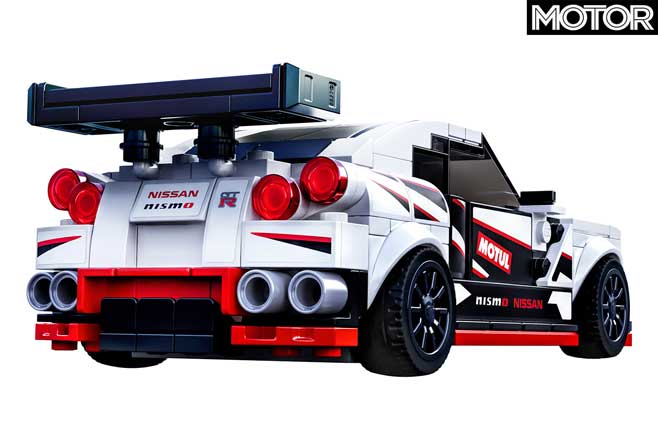
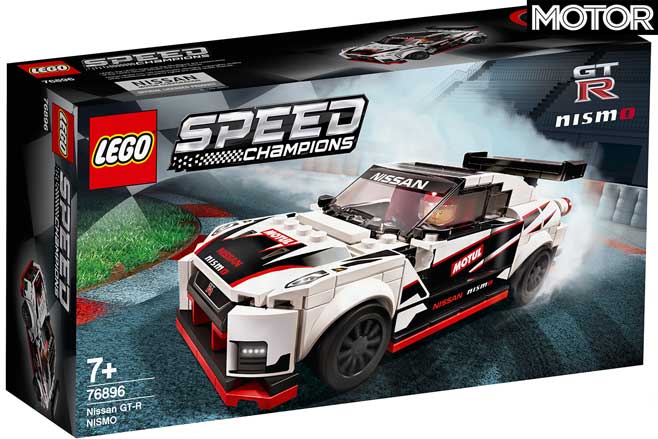
Nissan has become the first Japanese car manufacturer to officially partner with Lego to release a model, the Lego Speed Champions Nissan GT-R Nismo.
The model is directly inspired by Nissan’s 2016 GT-R Nismo drift record car, which was driven by Masato Kawabata in the world’s fastest drift. The speed? 304.96km/h.
The man behind the modern GT-R, Hiroshi Tamura, or Mr GT-R as he’s also known, said he felt like a kid again in developing the Lego model.
“The GT-R has been part of my life since I was 10 years old. Working with the Lego Group was like awakening my inner 10-year-old self to rediscover what makes the GT-R so special to me. It’s amazing how much the Lego Group’s attention to detail reminds me of our own craftsmen.”
Nissan executive vice president Asako Hoshino says the link between automotive enthusiasm and Lego’s car models is clear, making this an important product for both brands.
“With this partnership, everyone can be a `takumi’ – the specialized craftsmen that build the GT-R. And, it’s the GT-R’s 50th anniversary this year, so what better way to celebrate than to share the GT-R with Nissan and Lego fans around the world!”
In the spirit of good humour, the brands release a specs sheet (below) comparing some ‘key features’ of both the real Nissan GT-R Nismo and the Lego model.
The Speed Champions GT-R will be available in Q1/Q2 2020.
| u00a0 | Nissan GT-R NISMO | LEGO Nissan GT-R NISMO |
| Development time | 10-plus years | Approximately 12 months |
| Parts | More than 90,000 | 298 |
| Assembly time | Approximately 8 hours for the vehicle, plus additional hours for the takumi-built engine | Expert LEGO builder: 20 minutes Normal LEGO builder: 1 hour |
| Top Speed | 315+ km/h | Hand-driven |
| Gears | 6-speed dual-clutch | 1 forward, 1 backward |
| Development time | 10-plus years | Approximately 12 months |
| Weight | 1720kg | 193g |
| Building instructions | Not included | Included |
| Fuel | Premium gasoline | Creativity |
| Range | 550+ km | Unlimited |
| Hours of fun | Endless | |
The Wheels Verdict: We’re not afraid of an unpopular verdict at Wheels and the Audi TT S is one of those sports coupes that ‘real drivers’ find unfashionable. Drive the latest car back to back with its key rivals and you’ll discover that most of the time it’s quicker, just as capable, nearly as much fun and a whole lot better inside. If you’re not afraid of thinking a little outside your lane, there’s a lot to like here.
WHAT IS IT?
Put simply, the Audi TT S quattro coupe could well be the most convincing sports car Audi makes with an engine at the front. Pitching into the market at a squeak below $100K, the TT S coupe significantly undercuts the Porsche 718 Cayman but is quicker and better finished. So why doesn’t it sell like hot cakes? Read on.
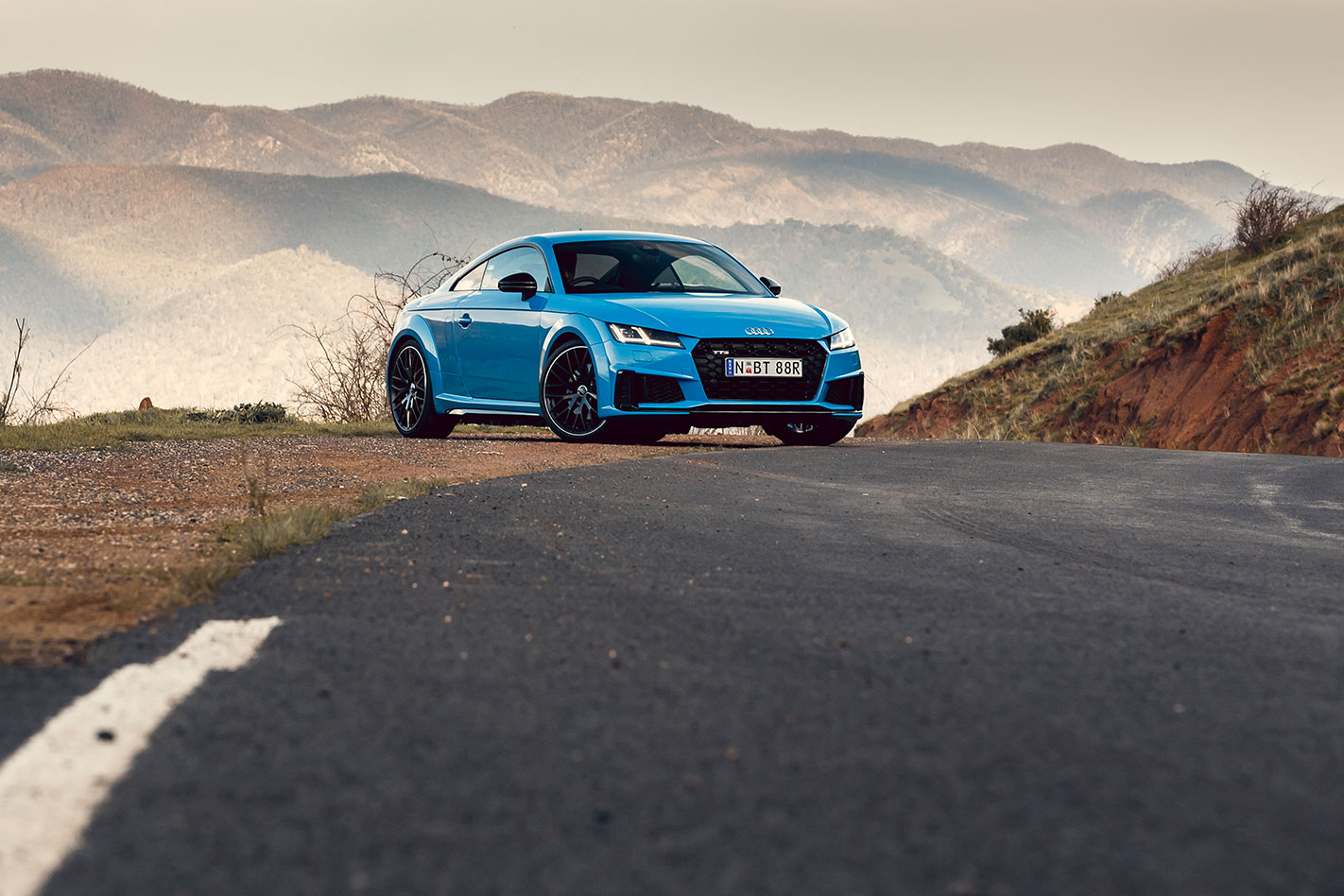
Audi has refreshed the TT S for the 2020 model year, and we managed to grab the very first one in the country. We drove it on some of Victoria’s finest mountain roads and flogged it down a drag strip to bring you the definitive news on the hottest four-pot TT.
THE WHEELS REVIEW
It’s easy to get a little conflicted about the Audi TT S quattro coupe. Part of you figures that it shares its underpinnings with a VW Golf R, a well-regarded driver’s car, so why does the TT get saddled with the image of a coupe for people who just don’t get it? Then, convinced that Audi has been done a disservice, you begin to wonder why the ‘coupe version of a Golf R’ should cost almost double the price. This was never going to be straightforward.
The TT S is a nameplate that first appeared on the second-generation TT back in 2008. It became familiar over time as playing second fiddle to the slightly deranged TT RS sports flagship, always powered by a 2.0-litre four-cylinder engine with all-wheel drive. The third and final-generation TT debuted in 2014, with the TT S powered by a 210kW turbo four.
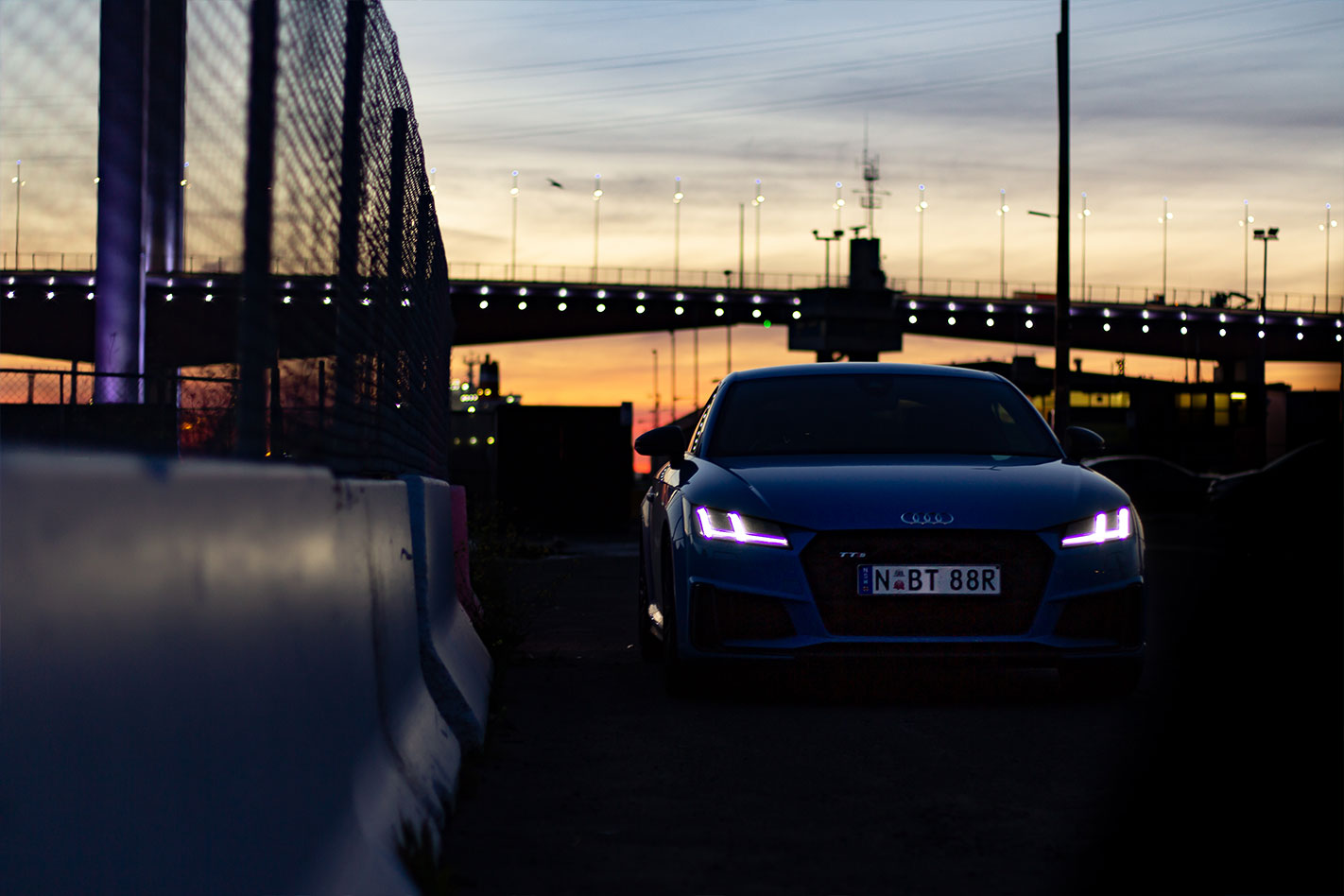
That hasn’t changed with this updated model. So what has? The front end looks a bit sharper, with a three-dimensional single-frame grille, and Audi has ladled on a stack of extra equipment to sweeten the deal. It claims that $8500 worth of gear that previously resided on the options list are now standard fare, including metallic paint, red brake calipers, heated front seats, Nappa upholstery and a punchy 680W 12-speaker Bang & Olufsen stereo.
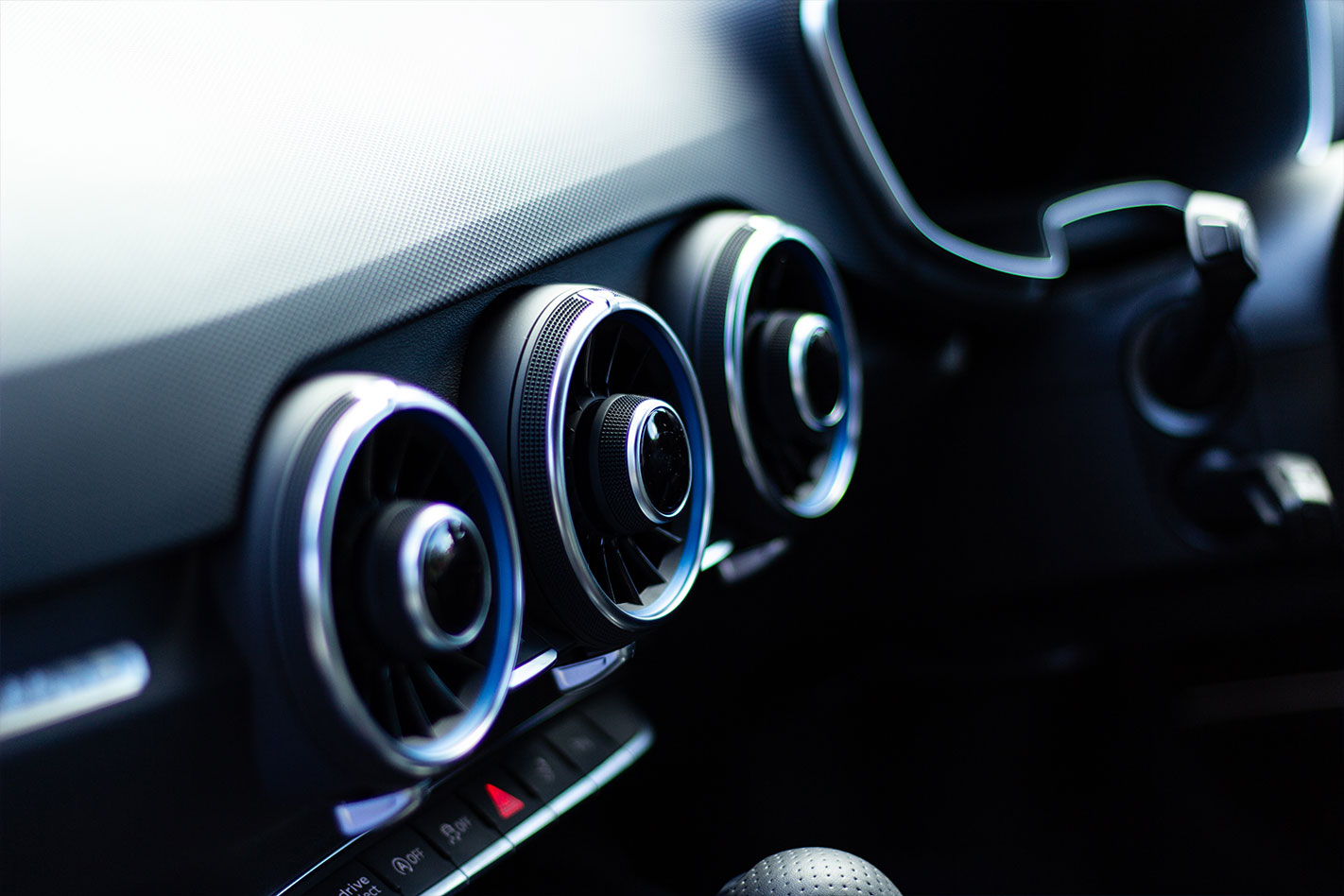
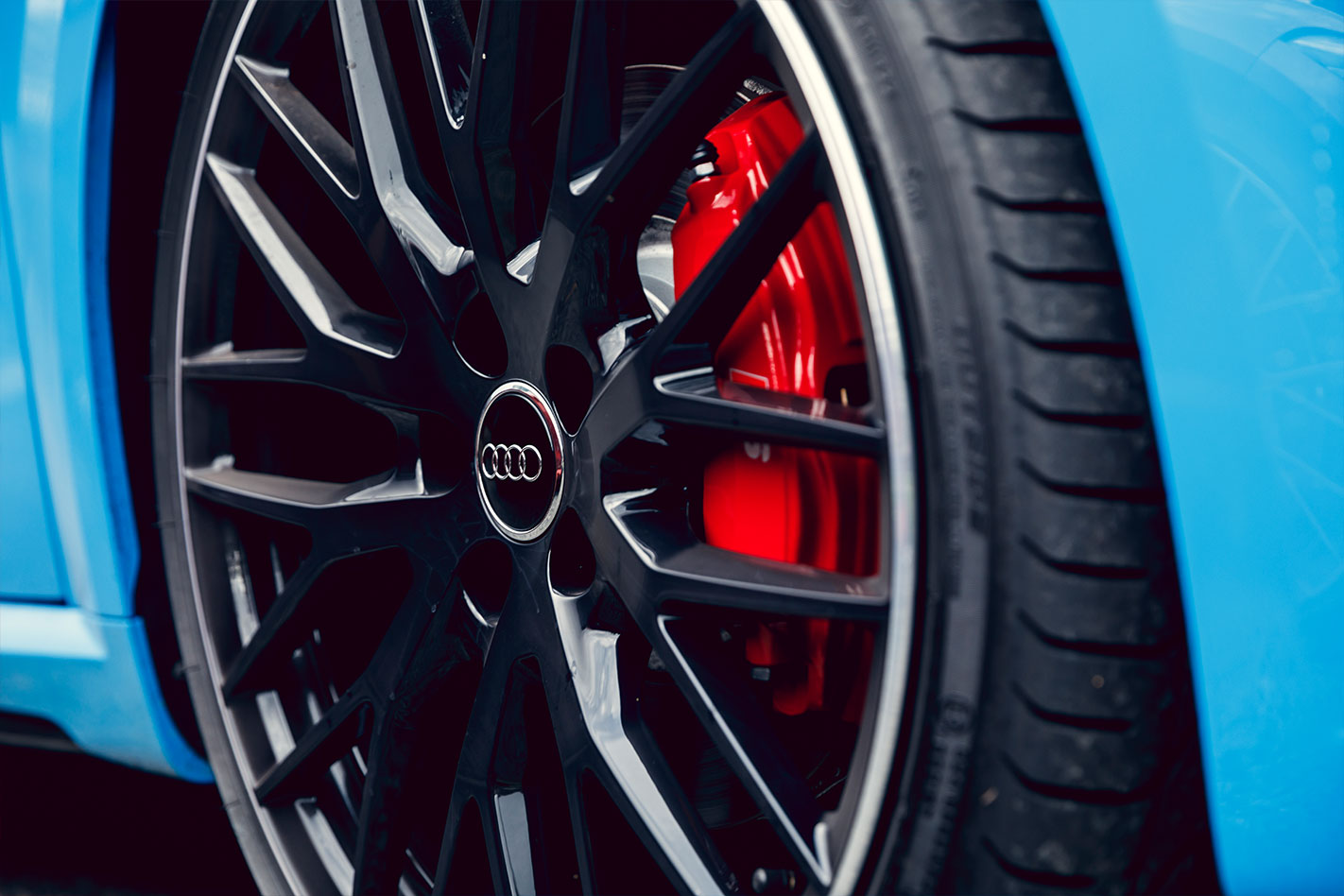
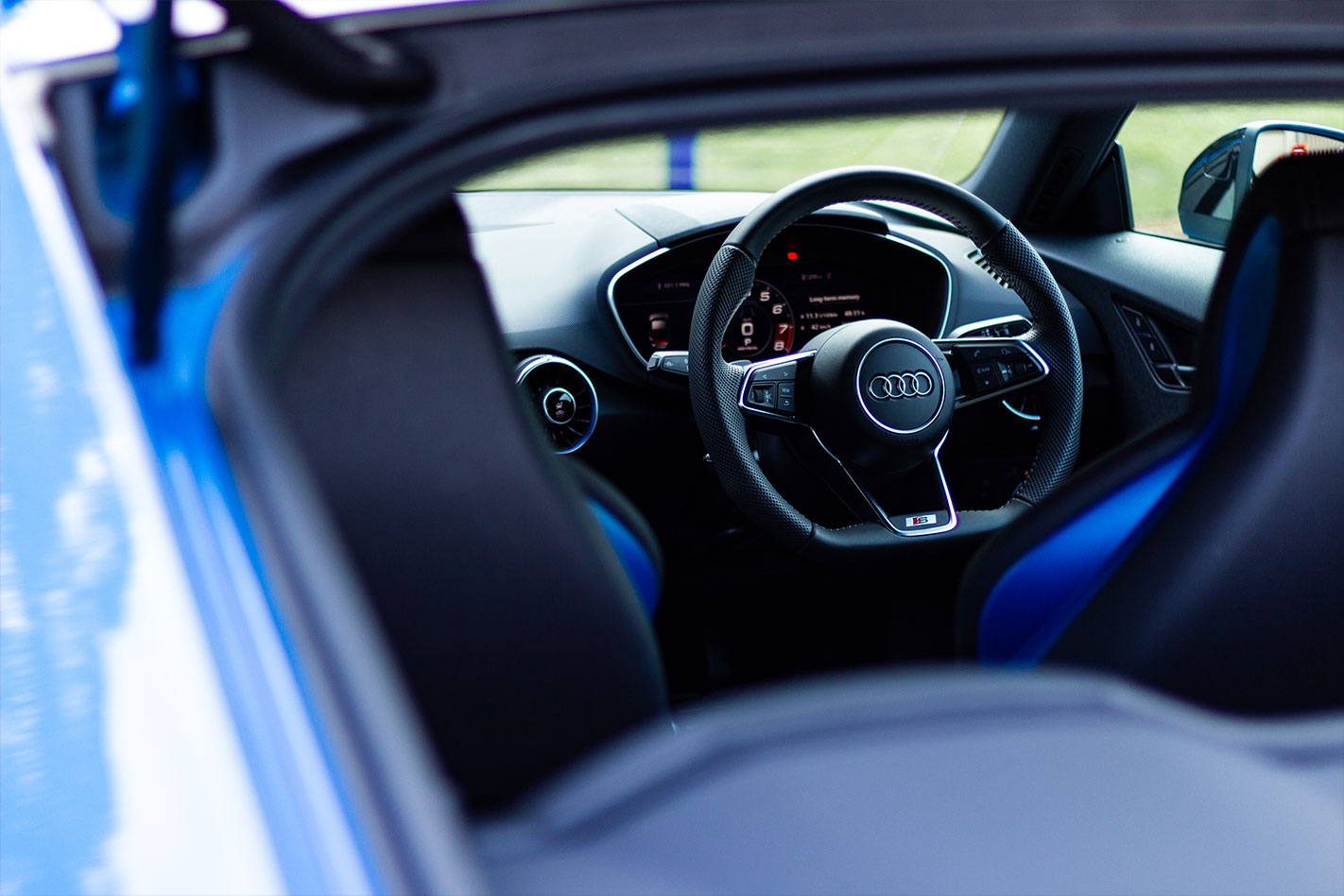
First impressions of our test car are of beautiful paint and questionable wheels. Both are options. The Turbo Blue paint finish will set you back another $550 and the 20-inch Audi Sport 10Y alloys are part of the $4900 S Performance package, which also includes matrix LED headlights, black high-gloss exterior bits, carbon twill seat inlays and interior elements in satin-finished body colour. Opinion was divided among the test team on whether the latter inlays looked great or dreadful. The rest of the cabin is beautifully finished, with some of the prettiest HVAC controls around and, unusually for a modern car, no centre screen. All of the digital displays are incorporated into the fully virtual 12.3-inch dash, and while it rewards some familiarity in order to seamlessly flick from music controls to nav and then car functions, a programmable hot key on the steering wheel helps speed things up.
Thumb the starter button and the engine fires up into an inoffensive thrum. Click the Drive Select switch over into Dynamic mode and it transforms into an eerily convincing facsimile of the five-cylinder 2.5-litre lump found in the TT RS. It’s uncanny. It’s also seriously quick out of the blocks. At Heathcote Park, we timed the TT S from 0-100km/h and the 4.5 second figure was 0.2sec better than Audi’s claim. In other words, if you’ve just splashed out for a 250kW Toyota Supra GTS and find a TT S next to you at the lights, we’d advise you not to bother getting all Dominic Toretto.
The TT has often raised more questions than answers when pointed at a seriously challenging stretch of bitumen though. We found the perfect hill route to put the TT S through its paces and came away broadly impressed. The ride quality has come in for some criticism but there’s an individual mode in the Drive Select system which allows you to set the adaptive dampers into their more comfortable setting and wick up the rest of the car’s responses.
It corners flat and hard, the big 255/30 ZR20 Pirelli P Zeros finding plenty of purchase in the dry. The steering at first feels disappointingly light, but get used to the weighting and it’s a very high-quality electrically assisted set-up. Too many such systems attempt to artificially inject weight and fake feedback. The Audi’s steering feels clean, despite the front wheels always being driven, and allows you to concentrate on the important job of positioning the front end. When you do overcook it and push the front into understeer, there’s enough early warning coming through the wheel rim to prompt you to trim the line a little.
The front end of the TT S turns in sharply, the four-cylinder engine making the nose latch onto a line far more adroitly than the weighty five-pot in the TT RS. In the wet, it’s an absolute weapon. Brake late, ride the split second of scrub and then just give the throttle the treatment as you sight the corner apex. We ran the TT S against a Supra and a BMW M2 Competition for a forthcoming Wheels feature and, without issuing too much in the way of spoilers, it utterly demolished the pair of them when the heavens opened.
Unlike certain rear-biased coupes, the TT S isn’t about managing traction on the way out of a corner. Instead, you need to monitor the available grip on the way in. Get it right and you can pivot the rear end neatly on the brakes, pointing the nose exactly where you want to go. One complaint was that the 338mm front brake discs lacked the cooling required to stand up to some serious abuse. After one run down the hill into our test venue, the smoking brakes were registering over 300 degrees on an infra-red thermometer.
The six-speed DSG transmission of the test car shifted as crisply as you’d expect, although the drive logic, even in Dynamic mode, was a little off. You’ll want to take control of the paddles yourself on a truly challenging route. And that ride quality? You tend to notice it when you’re not actively driving the car, but attack a challenging road and it settles into a flow. Leave the dampers in their comfort mode and the TT S will brake cleanly into a corner without the front end bucking noticeably.
So are we convinced by the TT S as a genuine sports coupe. Almost. There are still a couple of issues, such as the transmission calibration and the underspecified brakes that still betray a hint of Audi not quite understanding what demanding drivers want from a sports coupe. It’s hard to argue with the TT S’s speed and poise on a challenging road. Anyone who feels that this car lacks involvement probably thinks that ‘involvement’ and ‘doing powerslides’ are Venn circles that totally overlap. Real world? Thanks to all-wheel drive, it’s quicker than its similarly priced rivals.
The longer we spent with the TT S the more we appreciated its other charms too. The interior is beautiful, and easy to live with on a daily basis. It has (small) rear seats for bags and jackets. There’s decent headroom inside and even a useful 316-litre boot. If you buy a sports coupe for what it can do for you rather than what it can do for a road tester on a closed circuit, the TT S merits serious consideration.
RIVALS
Alpine A110; BMW M2 Competition Pure; Ford Mustang GT; HSV Camaro 2SS; Nissan 370Z Nismo; Porsche 718 Cayman; Toyota Supra
PRICE AND SPECS
- Model: Audi TT S quattro coupe
- Engine: 1984cc 4cyl, dohc, 16v, turbocharged petrol
- Max power: 210kW @ 5300-6200rpm
- Max torque: 380Nm @ 1800-5200rpm
- Transmission: 6-speed twin-clutch auto
- Weight: 1460kg
- 0-100km/h: 4.5sec (as tested)
- Economy: 7.0L/100km/h (claimed)
- Price: $99,900
- On sale: Now
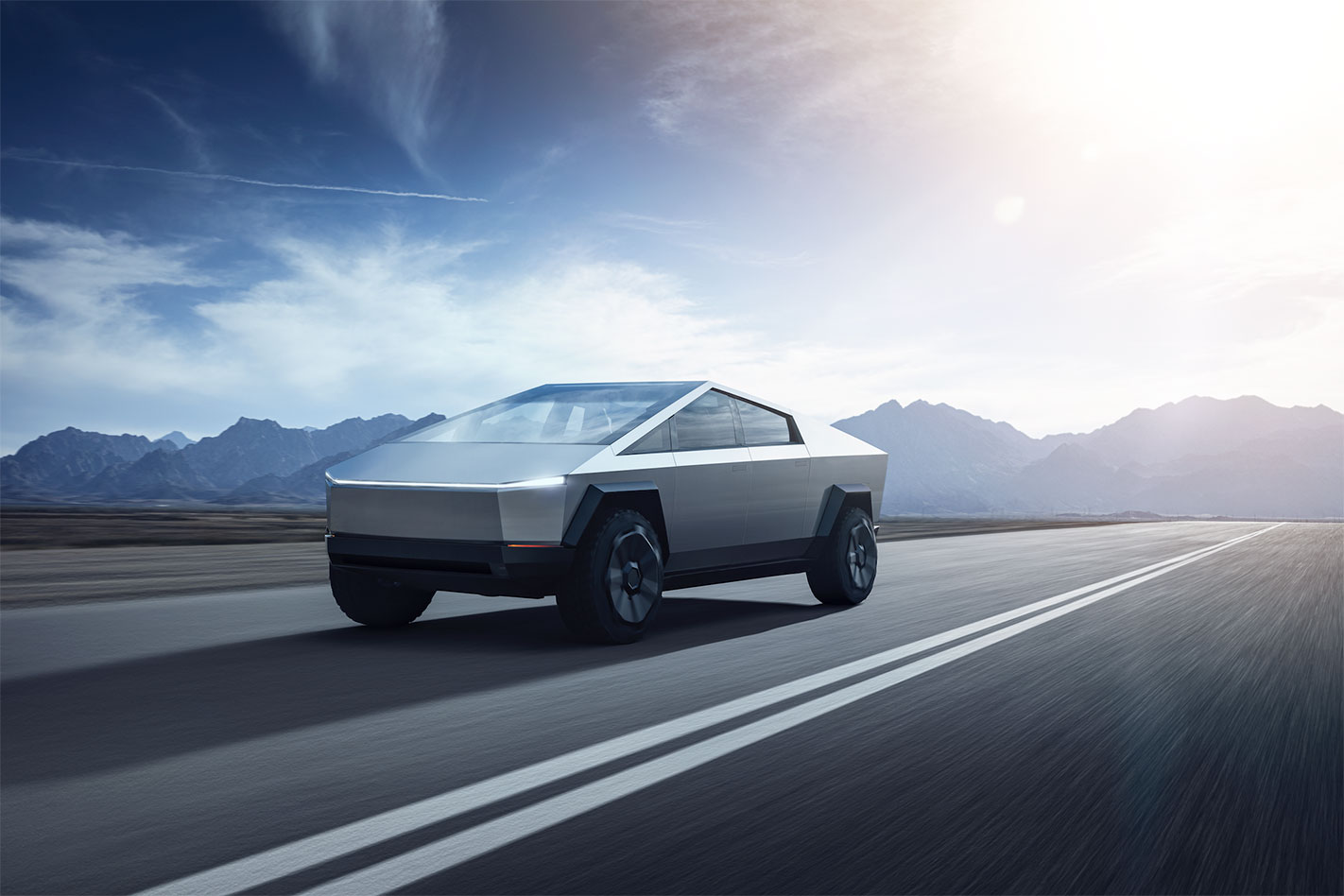
In typical Tesla fashion, the recently revealed Cybertruck is one of, if not the, most polarising new car reveal of the year – possibly the decade.
There are two distinct camps surrounding the all-electric pick-up concept, you either love it or hate it. And one of those camps just bristled at my use of the term concept.
Thing is though, it is a concept car, as there are a number of features that indicate this electric utility is a while away from being production ready, despite Tesla taking pre-orders at the moment (at a cost of A$150K).
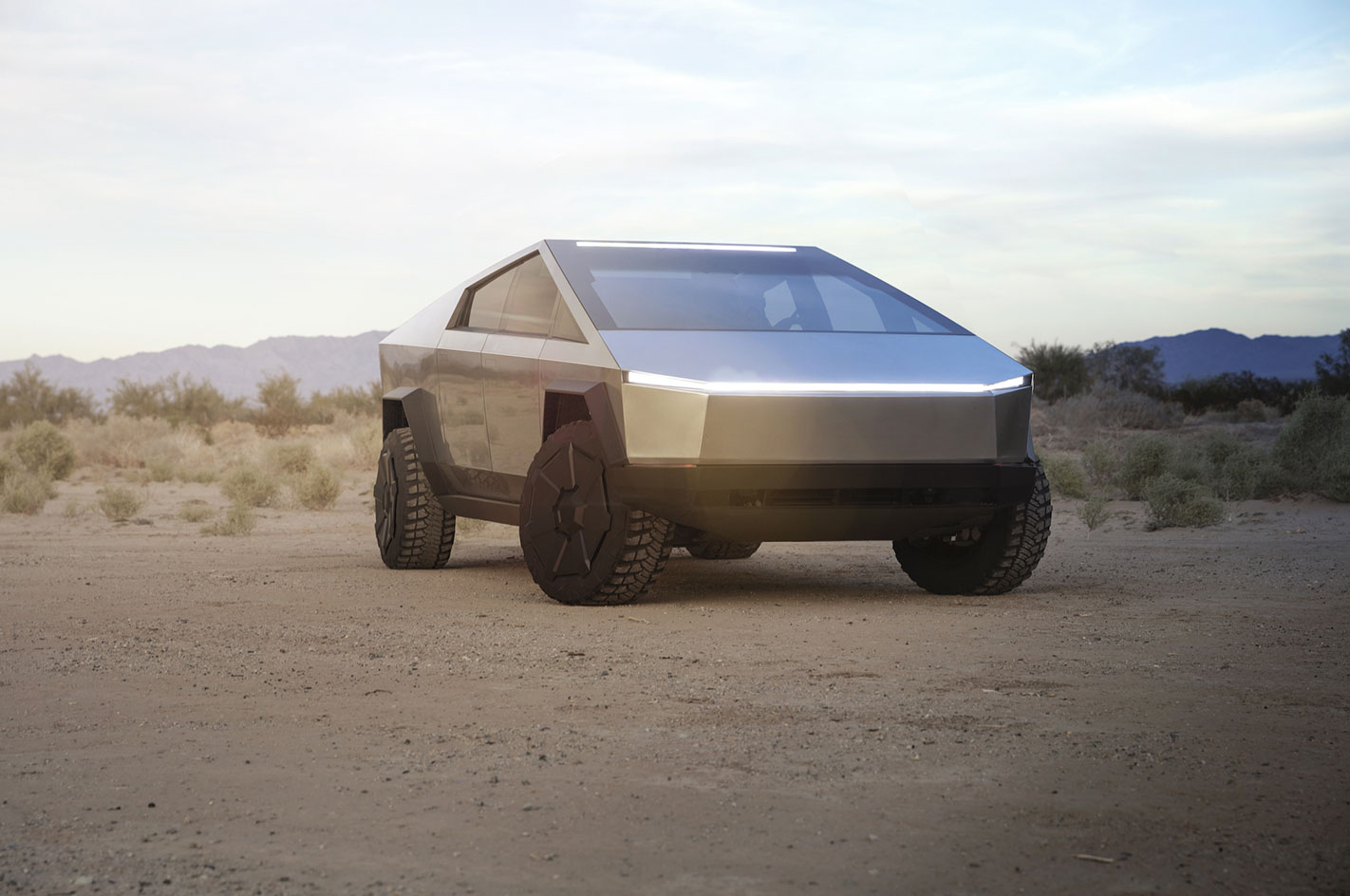
The first, and most obvious, part of the Cybertruck that needs to change before it can be sold to the public is the lack of side mirrors. Currently it is illegal to sell a vehicle without side mirrors in the United States.
Then there is the absence of a third brake light, which like the side mirrors would need to be rectified before the vehicle goes on sale.
In certain images, it appears that the tyres on the Cybertruck protrude outside the fenders, which is illegal in some countries, including Australia.
Other basic functions, like side indicators, and windshield wipers, are also missing.
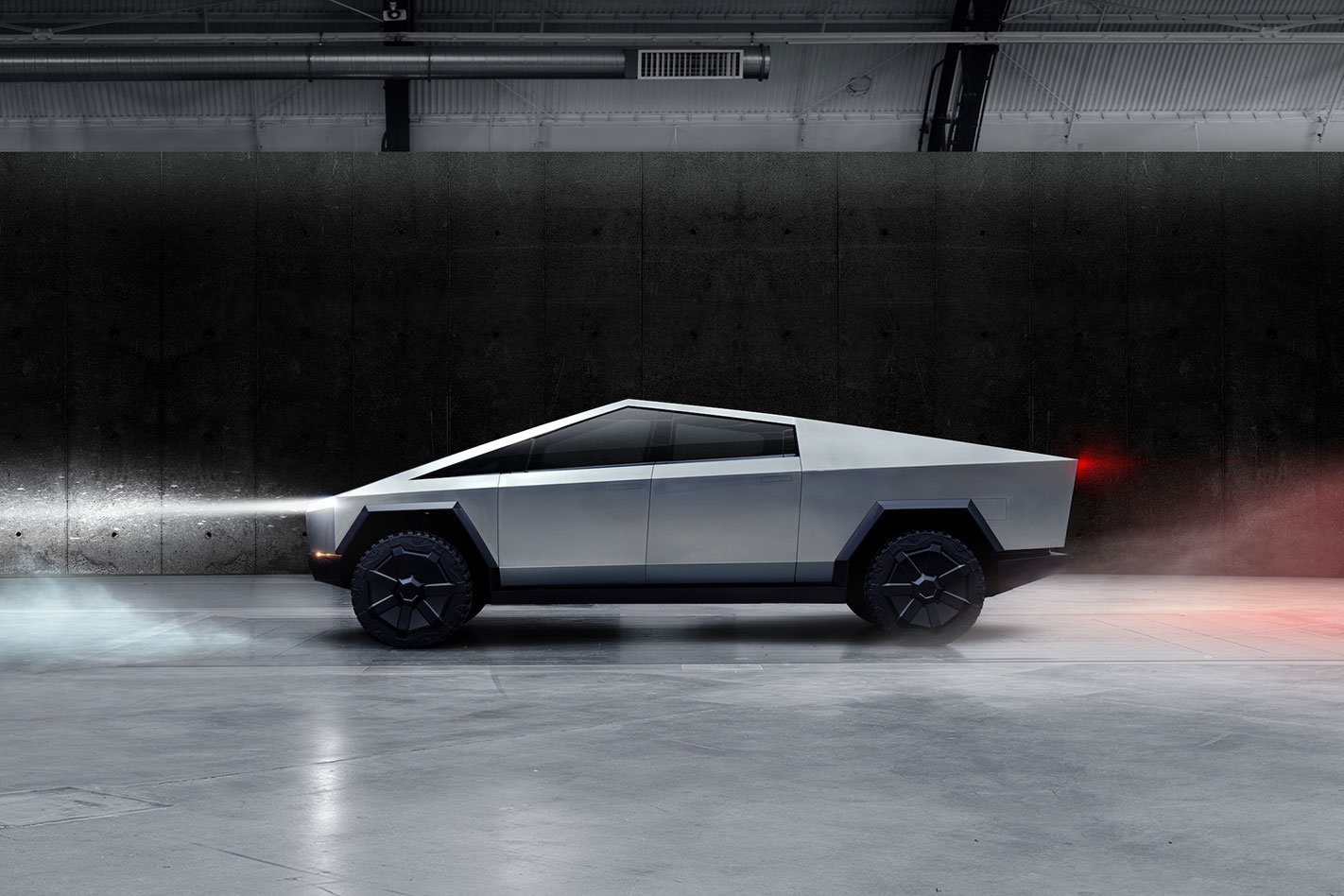
Perhaps more discreet though is the issue of how the Cybertruck is designed, and its pedestrian safety.
All vehicles need to take into account the safety of not only its occupants, but the safety of other road users and pedestrians.
The sharp lines which give the Cybertruck its distinctive and polarising look are likely illegal. A United Nations agreement states “no protruding part of the external surface [of a car] shall have a radius of curvature less than 2.5mm.” When or if the Cybertruck makes production, the sharp edges will need to be softened.
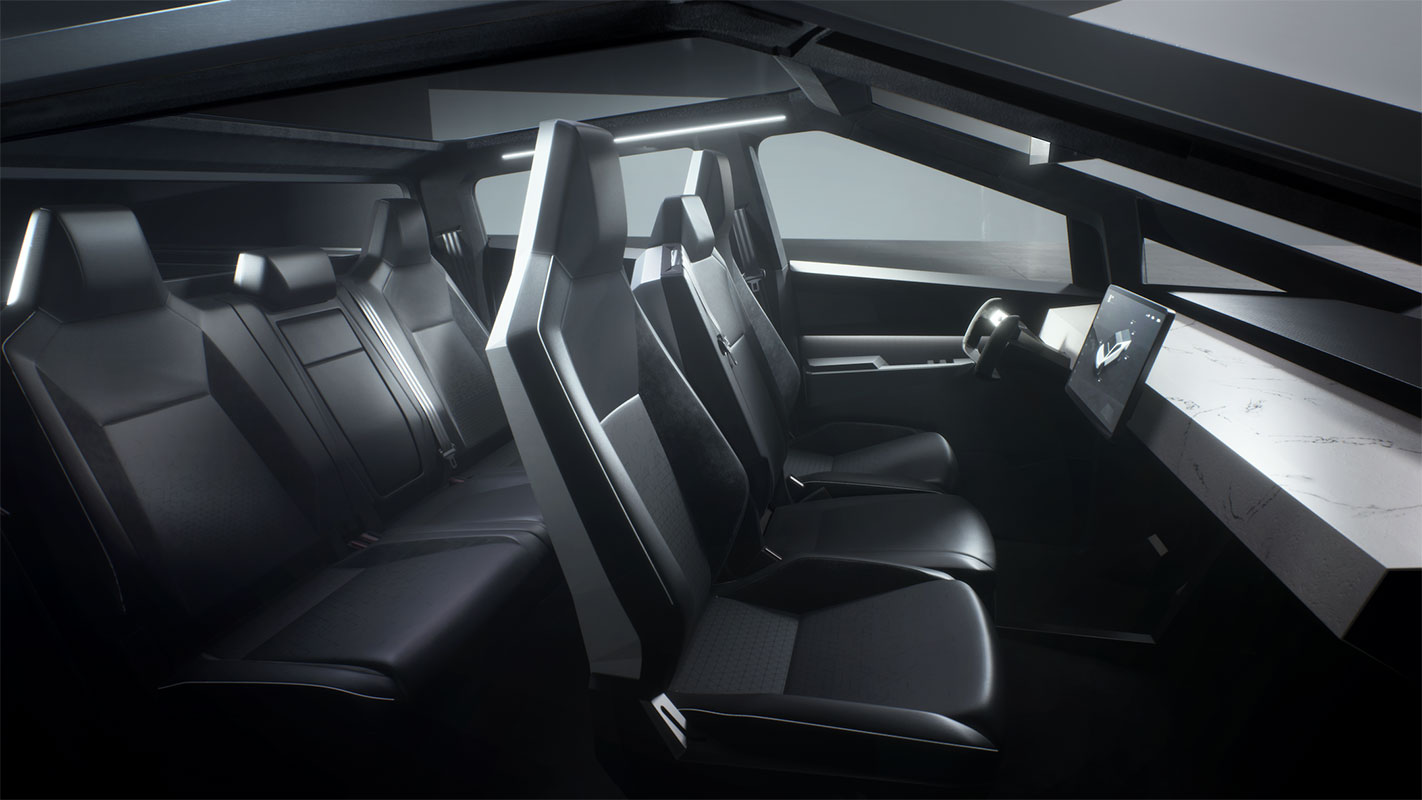
Then there is the issue of the exterior panels and glass, both of which Tesla claims are incredibly strong, giving the Cybertruck an armoured quality.
Elon Musk claims the exterior panels are constructed from ultra-hard 30x cold-rolled stainless steel that is so tough it breaks stamping presses. No other vehicle has its exterior panels built from this kind of material for good reason, as you want the crumple zones of the car to, well, crumple and dissipate energy in the instance of a crash.
New NCAP crash regulations to be introduced in 2020 will reward cars that keep their occupants safe, without inflicting undue damage to other road users. This will be measured during the offset barrier test, with the impacted structure now mobile, and able to record the amount of kinetic energy delivered by the vehicle. While the Cybertruck has an undisclosed weight, it’s likely to weigh deep in the two-tonne range, and with its ultra-hard exterior, will be transferring an immense amount of energy in an impact.
The fact that the doors didn’t deform when slammed by a sledgehammer seems cool and all, but panels on modern cars crumple for a reason. If the metal doesn’t take that energy, the body and bones of a pedestrian will.
And we all had a good chuckle when Tesla claimed the Cybertruck’s glass was unbreakable, before they were promptly cratered when a metal ball was hurled at the window. Thing is, you want glass to break under that kind of impact, to help dissipate energy from say, a pedestrian’s head making contact.
Also, there’s a good reason why armoured vehicles from the likes of BMW need to be specially ordered. The doors on our Prime Minister’s armoured 7 Series for example are so heavy that they are classified as a weapon in some jurisdictions.
Once you identify these issues, it becomes clear that the Cybertruck is simply a concept vehicle, and not production ready. This is the third model from Tesla that has been revealed, with the ability to ‘pre-order’, without a reasonable production version in sight. That’s even before you count Tesla’s Cyberquad electric ATV that was unveiled alongside the truck and which, Musk said, will be offered as an option for it.
Production of the Cybertruck is expected to start in late 2021, with Australian deliveries slated for some time in 2022. We won’t hold our breath for its arrival, and expect a more realistic design if and when it does land.
The high-speed Estoril circuit in Portugal is pure bliss for testing grown-up sports cars like the McLaren Senna, but it’s a bit of overkill for the Alpine A110, which will take some of the 13 corners dotting its 4.1km lap without even lifting the throttle. Even this latest A110S model, which gains 30kW over the base model, simply cannot muster the raw grunt to challenge the wide radii and grippy surface.
Like all new Alpines, the 2020 model is invariably crowned king of power-to-weight in its segment. Tipping the scales at a featherweight 1114kg (1108kg with carbonfibre roof and forged Fuchs alloy wheels), the ultimate Alpine has some 193kW per tonne.

That’s why it can hurl itself from rest to 100km/h in an impressive 4.4sec, matching the 309kW Porsche Cayman GT4, which weighs some 300 kilos more. At the same time, top speed climbs from 250 to 260km/h, but perhaps the most exciting number is for the in-gear acceleration from 80-120 in third, which is over and done with in a time-warp 2.6sec. Bravo!
At the other end of the love-hate chart sits the asking price, which in Europe is a hefty 16 per cent more than the lesser-equipped 185kW base version. Expect to pay at least $110,000 for the car in Australia – about $7000 more than the more highly specified Legende version of the base model available here.
The main mechanical change concerns the uprated 1.8-litre four, which gets a higher boost pressure (up 0.4bar) and a higher redline (up 400rpm) to produce a feistier 215kW at 6400rpm. The unchanged maximum torque of 320Nm is available over a broader range, from 2000 to 6400rpm, so almost permanently in real life.
As you would expect, the engineers also did a fair bit of chassis tuning. The hollow anti-roll bars are now twice as rigid, the springs are 50 per cent stiffer, the shock absorbers tuned accordingly, and the car sits 40mm closer to the ground.
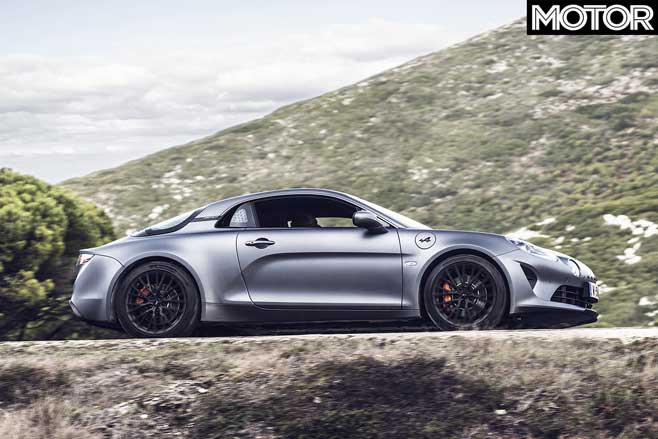
Michelin composed a new super-sticky compound for the 215/40 ZR18 and 245/40 ZR18 footwear. In addition, the Renault software specialists dialled in a more aggressive ESP setting for Track mode. Last but not least, the Sport version boasts larger-diameter Brembo disc brakes.
Even painted in this depressing gunmetal grey and without any extras, I simply love the Alpine for its airy and roomy cabin. The French contender offers more room for long limbs and necks than its German and Japanese rivals, the trim made largely of black synthetic fibres is durable and inoffensive, and the steering wheel and pedals are positioned perfectly.
Dislikes? The seats are only adjustable in reach, not in width and height, and the backrest is fixed at an odd angle. The radio is a joke – poor reception and concealed controls only a watchmaker could love – the infotainment is simply too basic for a brand-shaper, and the sub-standard headlights are unchanged from the lesser version.

The A110S is better tied down than its more humble stablemate, it rolls less, pitch and yaw are even harder to provoke, cornering grip is up a fraction, the sports exhaust sounds louder and gaudier above 4500rpm, and the brake calipers and discs communicate with enhanced enthusiasm. But these differences are frankly nuances rather than fundamental improvements.
Despite the allegedly tauter chassis software, the ride is thankfully still reasonably compliant even on lesser roads and the more direct steering is still well damped. While the stronger brakes are still easy to modulate, a bit more initial bite wouldn’t hurt.
A key dynamic asset is the seven-speed DCT, which shifts the focus one step away from efficiency and closer to excitement. And even though the drag coefficient of 0.32 was secured without the support of any visible wing work, there is enough top-speed downforce to rivet nose and tail to the ground.
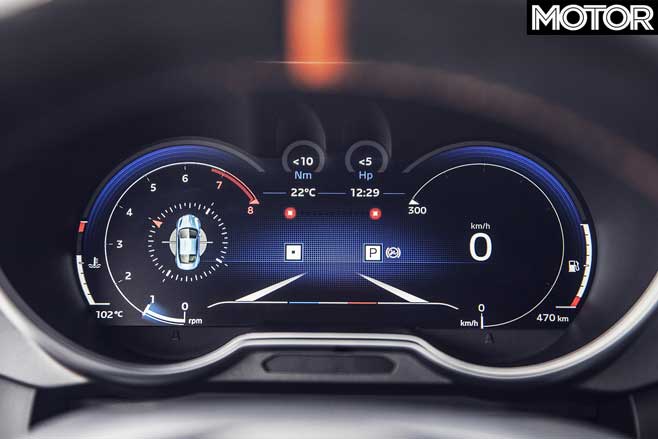
Since the essentially mass-produced engine is neither haunted by the faintest trace of turbo lag nor by the remotest unwillingness to rev, the S model puts on quite a show as soon as you floor the loud pedal.
Sport mode is where the fun starts. In this program, the steering firms up, the dampers prick their valves and the shift speed increases by a kick in the butt, but any died-in-the-wool Alpinist is ready for even more involvement. So let’s select Track mode, which turns up the spicing to vindaloo.
Twenty minutes later, even that’s not hot enough anymore, so you reach for the ESC off button, knowing full well that off means off, without a safety net. This is great on the track but for the fact that the Alpine runs out of grunt halfway through Estoril’s faster corners, which are coned off to prevent high-speed slides.
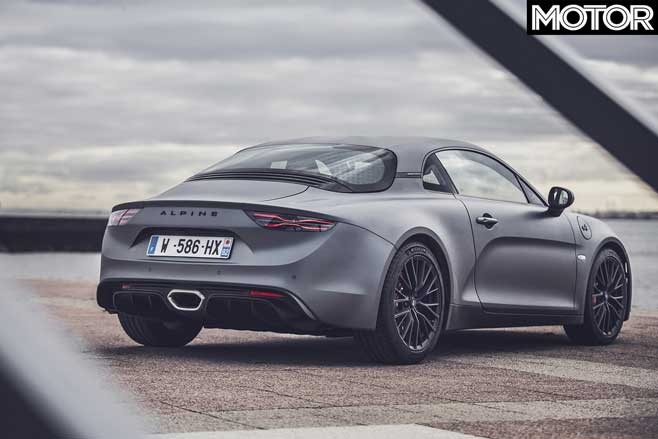
Second-gear bends, on the other hand, are hilarious. A timely downshift, a flick at the wheel paired to a stab at the throttle and the mid-engined coupe tap-dances through the Esses.
The roadholding on public roads is not nearly as tenacious, with momentary understeer, sudden tramlining, a brief shouting match between gearbox and electronic diff, short-shifting for a smoother torque transfer, snap oversteer and impromptu traction issues.
Then it starts raining and the Alpine feels like it’s travelling across an ice rink, forcing you to scale back the inputs. But with time to adjust, the angst gives way to ambition again. True, hustling from A to B is not about absolute speed anymore, it’s now about how to best maintain the flow. Since the front tyres are still hot enough to trust their turn-in grip, pressing on delicately without understeering or oversteering into trouble is the new order for the afternoon.
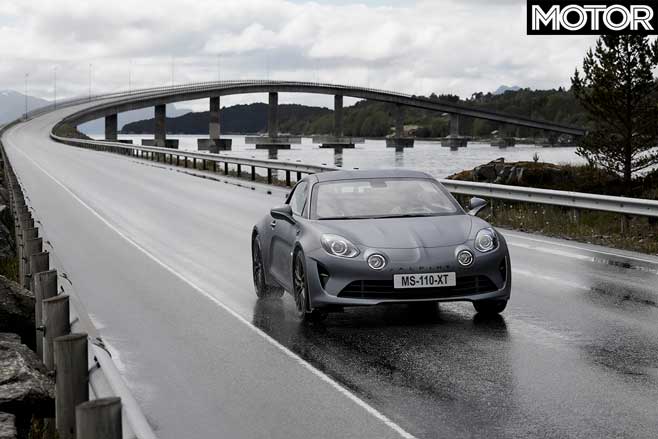
Soaked but smiling, I finish this launch drive with sizzling exhaust and smelly brakes, pondering the final verdict. Would I fork out the extra dough to be one-tenth quicker to 100km/h and 10km/h faster overall than the guy in the base model? Probably not.
While I would definitely pay a premium for the bigger brakes, you need to rev that 1.8-litre hard to 5000rpm and beyond to actually feel the extra power, which is more a matter of opportunity than inclination. I envisage a long debate raging about the chassis upgrades, which are of undisputed value on the track but much less so (and occasionally even counter-productive) on the road.
At the end of the day, trading compliance and control for cornering speed and crisper handling does not seem to be such a super deal. The good thing is that both this and the base models benefit from an awesome power-to-weight ratio no direct contender can surpass.
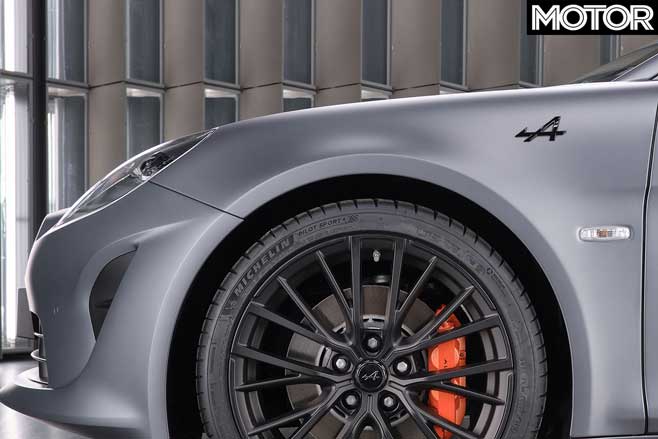
ALPINE A110S SPECS Engine: 1798cc inline-4, DOHC, 16v, turbo Power: 215kW @ 6400rpm Torque: 320Nm @ 2000-6400rpm Weight: 1114kg (dry) 0-100km/h: 4.4sec (claimed) Price: $110,000 (est)
Likes: Light weight; extra power and track ability; lively response; still a great sports car Dislikes: Looks the same; audio controls; seat backrest angle; questionable extra value
Rating: 4.5 out of 5 stars
Let’s face it… who buys a car that doesn’t look or feel cool?
Deep in a converted warehouse in Melbourne, a brace of judges from a world beyond kilowatts and newton-metres will converge this week to decide the winner of the 2020 WhichCar Style Award.
They are disruptors and innovators in their respective categories – including an upstart watchmaker, a real estate maven and style influencers from across the fashion and technology spaces – who will bring a unique perspective to our search for Australia’s coolest car.
And what are they looking for? Technology, innovation, a certain x-factor… in short, our team is looking for a car that goes above and beyond when it comes to making their owners proud of their purchase.
Eight cars have been shortlisted for this most unique of prizes, which is now in its fifth year of celebrating the notion of form, beauty and design across the automotive sphere.
Taking out the gong in its inaugural year, Alfa Romeo’s 4C Spider wooed the judges with its svelte Italian lines and unapologetic flair, Audi took the 2017 award with its A4, while the Mercedes-Benz E-Class Coupe was victorious in 2018 thanks to its arresting elegance and understated aesthetics.
Our most recent champion, the Audi A7, wowed a tough audience in 2019 with its effortless, timeless style and firm nod at the future of integrated on-board technology.
For 2020, the eight finalists represent the full gamut of the automotive landscape from a humble hatchback to a genuine off-roader and all the way up to a full-blown supercar. The future is now, as well, with the inclusion of one of the most intriguing cars we’ve yet judged in WCSA.
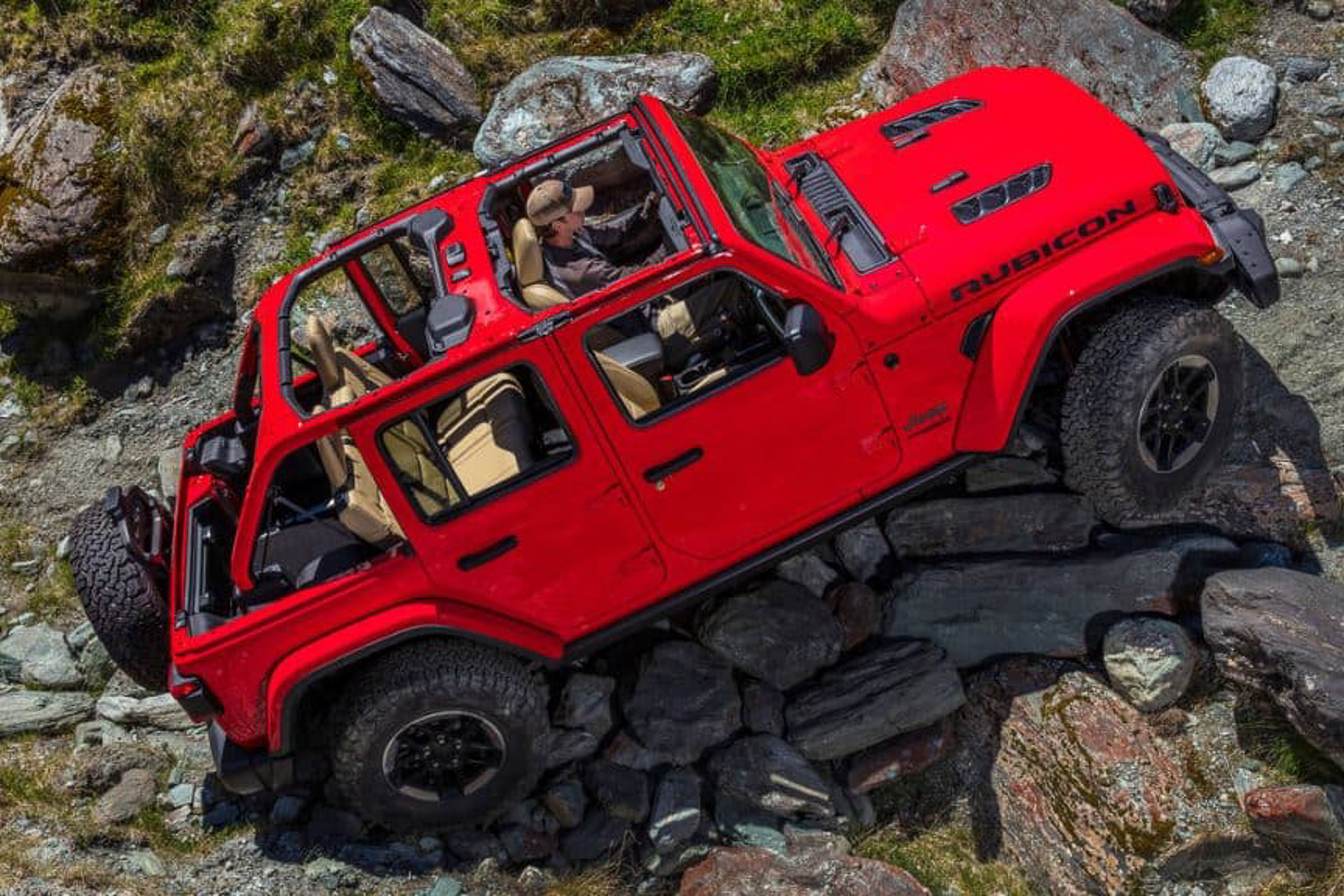
The new Jeep Wrangler Rubicon banks a place in WCSA thanks to its dogged connection to its 1950s roots balanced with the need to be relevant in a modern environment, where it needs to be king of the school run while holding true to its dirt origins.
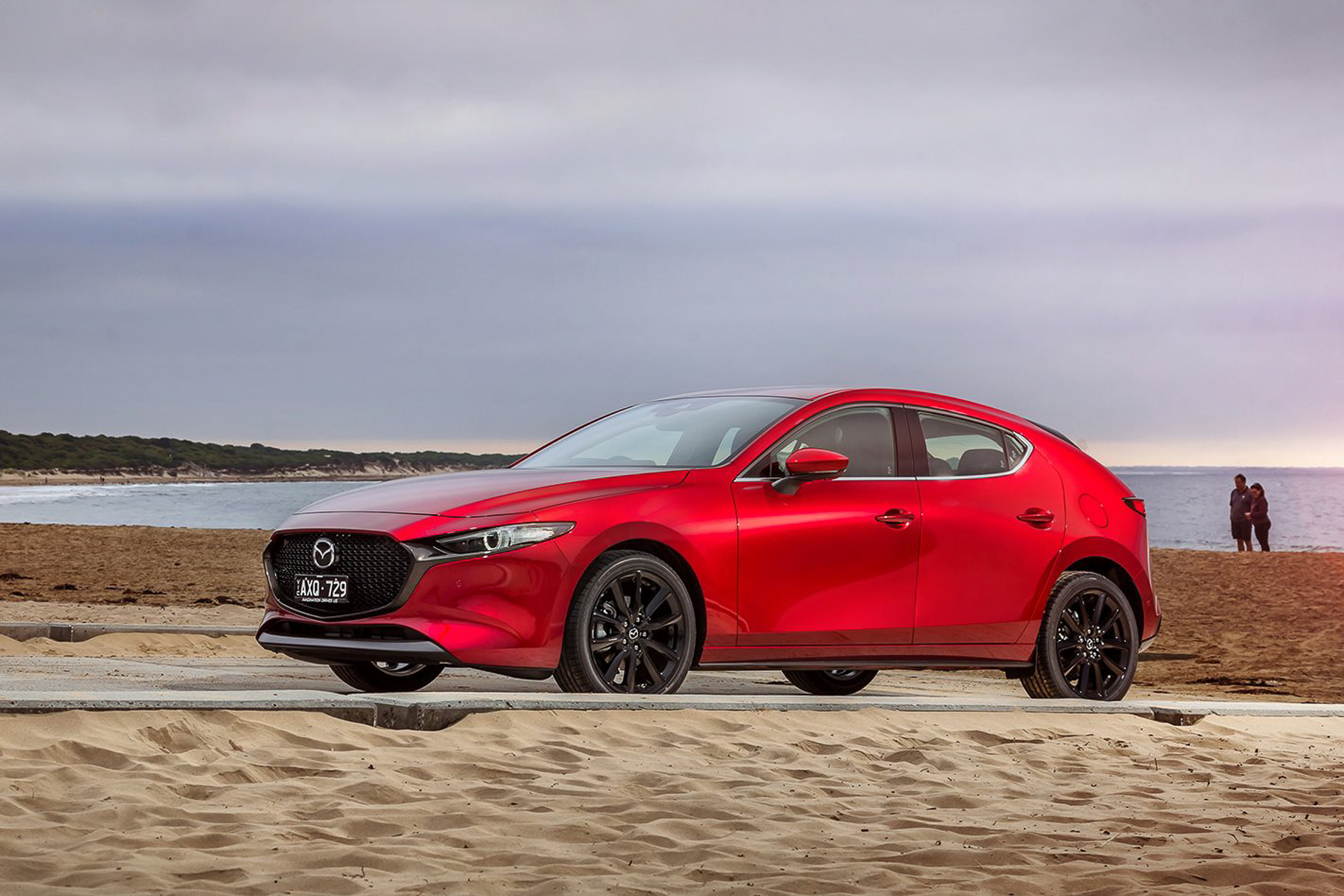
Mazda has all but mastered the art of effortless, affordable cool for the masses, so the new Mazda 3 hatchback has big tyres to fill.
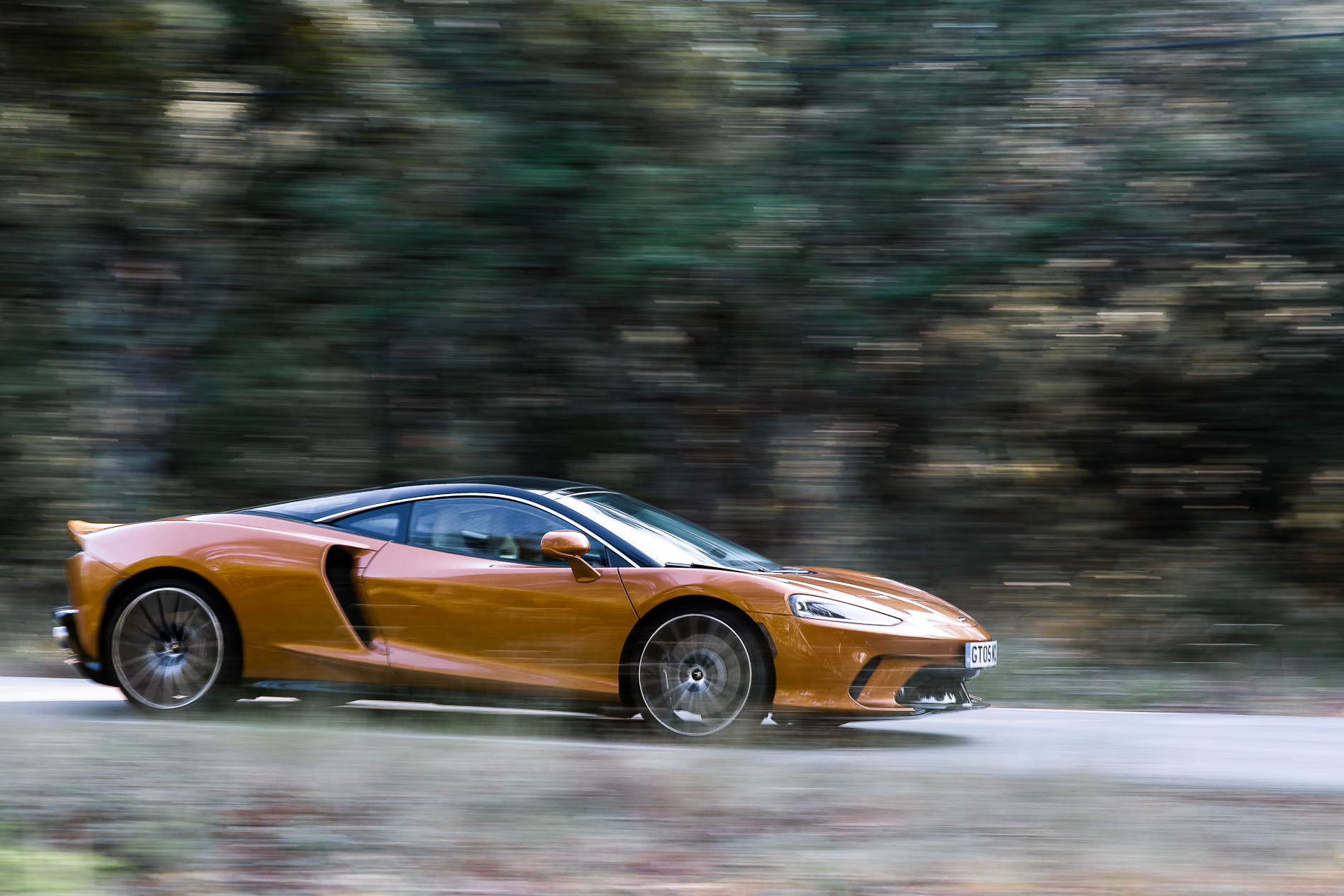
At the other end of the affordability scale, the brand new McLaren GT is the first attempt by the storied British company to marry real-world practicality to a purebred high-performance machine.
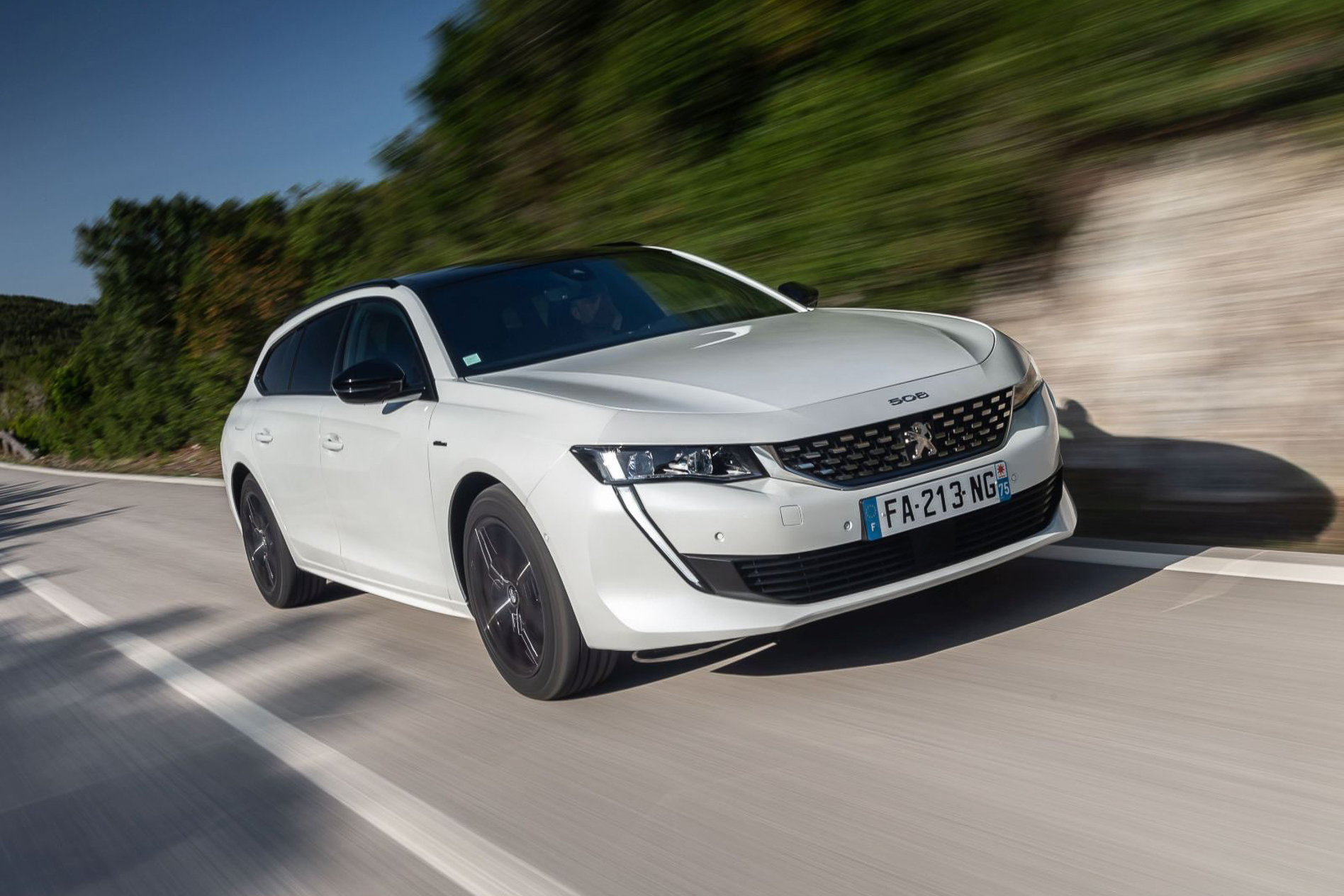
Long regarded as the gurus of mass-consumption innovative style, Peugeot has swung for the stylistic fence with the 508 Touring wagon, which flies in the face of conventional SUV wisdom with a combination of clever tech and artful aesthetics that appeal to both head and heart.
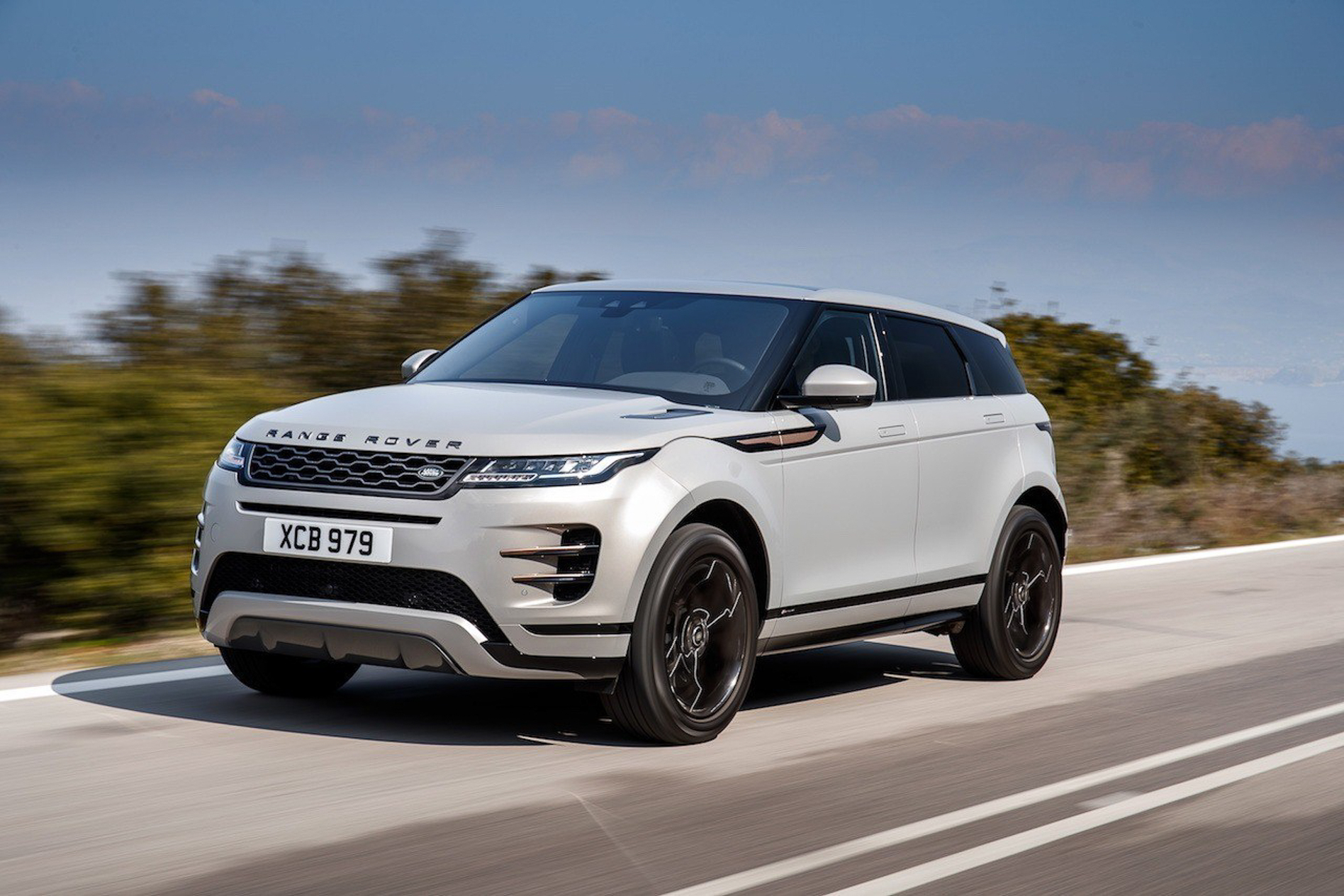
The Range Rover Evoque, meanwhile, is perhaps the epitome of the WCSA vanguard; the smallest member of the Rangie family exudes new-age style and high-end tech in an all-new visage that’s intended to reinvent the notion of the small SUV.
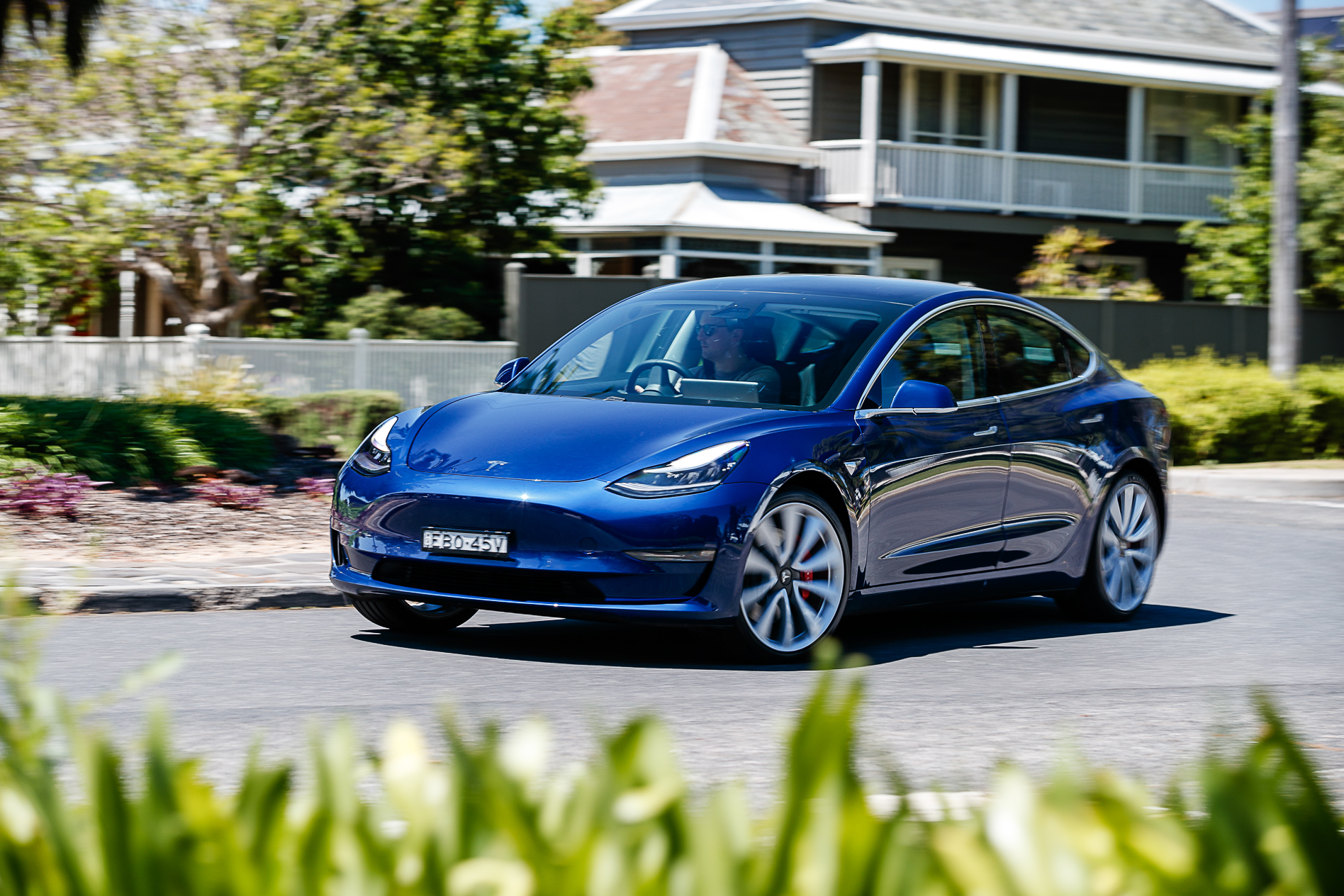
A car that’s sure to tweak the interest of our judging panel is the deliberately provocative Tesla Model 3 Performance, which attempts to marry its proudly anti-industry stance to the question of electric mobility.
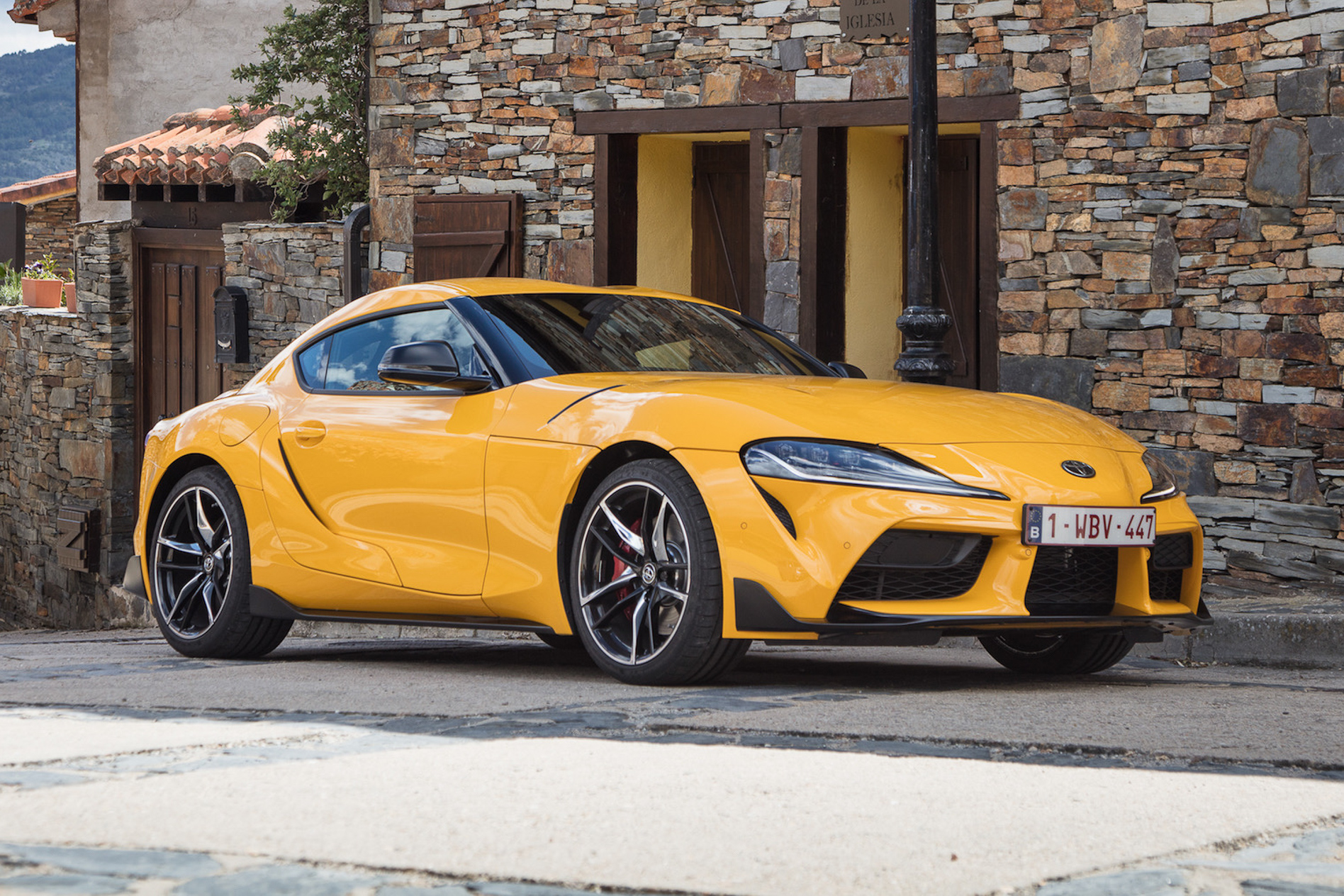
On the other side of the coin is the Toyota Supra. Its heavily massaged exterior combines with a most un-Toyota like approach to interior design in an effort to attract more premium fans to the world’s biggest car company.
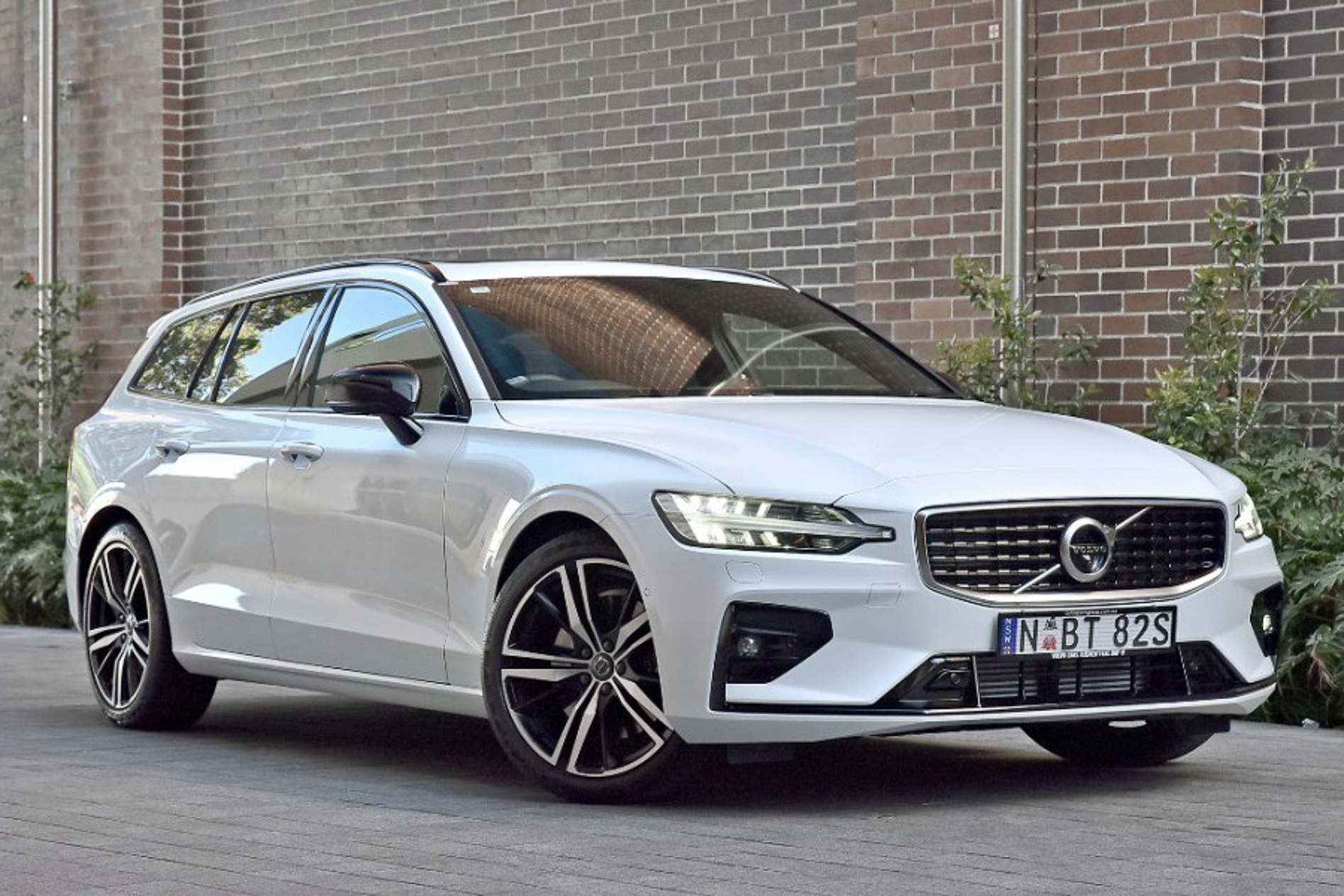
Finally, the Volvo V60 T5 R-Design smashes the notion once and for all that the Swedish brand eschews elegance and appearance for safety and technology, alongside industry-leading interior design and real-world practicality.
Keep an eye on our Instagram, Facebook and Twitter feeds in the coming days as our judges reveal their thoughts across the social sphere, ahead of the reveal of the 2020 WhichCar Style Award winner at the Australian Motoring Awards in January.
What do you bring to the biggest party in town? When the party’s the Bathurst 1000 and the star guest’s the locally assembled 2020 Ford Mustang R-Spec – all 522kW/827Nm of it – there’s only one answer: the Chevrolet Camaro ZL1, re-engineered here by HSV for Aussie buyers.

It couldn’t be scripted better: Scott McLaughlin powering his way to the first victory for a Mustang in Australia’s premier endurance race as fans lap up the spectacular pre-production R-Spec on the sidelines.
We poke the bear that is Holden vs Ford rivalry and live to tell the tale. And we get down to details with Herrod Performance boss Rob Herrod on his project to crank out 500 right-hand-drive manual R-Specs for the Australian market at Ford’s Broadmeadows plant. It’s car production back in Oz, Jim, but not as we know it…
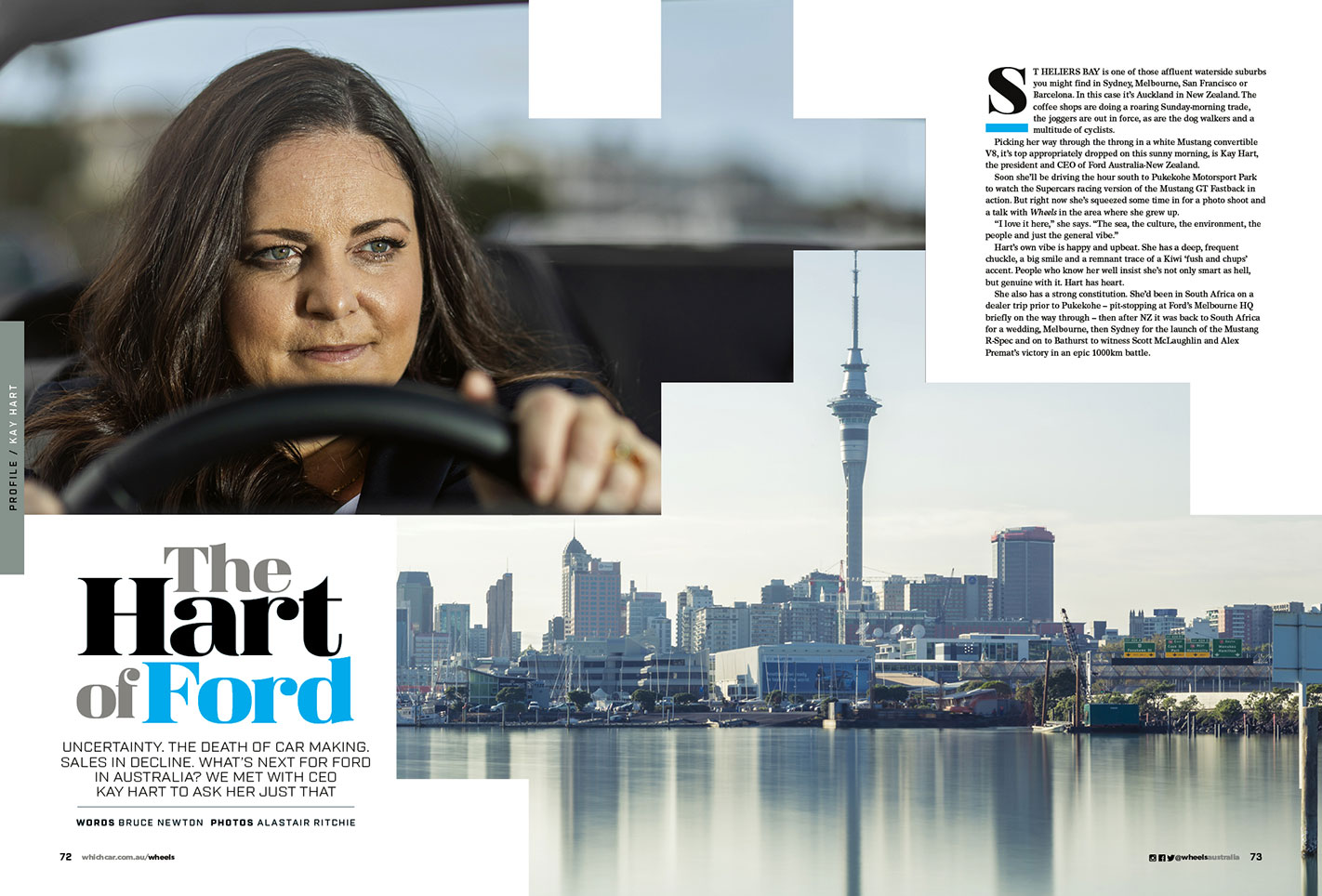
Also on the Mountain, we catch up with Ford Australia boss Kay Hart for her take on the future of the Blue Oval down under, and it’s a lot more involved than just flogging more Rangers. Although she’ll take that too, thanks very much.
On a different note, Alex Inwood buckles up near Berlin for a serious hitout in the Porsche Taycan EV, and asks the question: Can Porsche’s scythinigly quick yet quiet electric offering really embody the spirit of Stuttgart? He has answers, too, but hey, it’s not our job to spoonfeed you.

It’s 100 years since Captain Walter Owen Bentley formed his eponymous car company just weeks after the armistice that ended World War I. Mel Nichols embarks on a personal quest to the battlefields of Europe, his tour in a Bentley Continental GT Convertible making for a poignant tribute to the fallen.

In those dark days, tanks fought decisive battles, and today it’s Yank tanks of a different nature on the move as Australia shapes as the new frontier for some of the beefiest dual-cabs from the US and Japan. We’ve got the lowdown on what’s heading our way, and when.
We spread our net wide with drives including Hyundai’s funky four-door fun machine the Hyundai Veloster, and the Lexus RX range, Mercedes’ new A250e hybrid, the second-gen Audi Q3 35 TFSI and Koreas’s promising Kia Seltos.
If it’s SUVs that float your boat, we’ve got you covered with reviews of VW’s T-Cross three-pot and T-Roc SUVs, and not one but two comparison tests. Citroen C3 Aircross and Skoda Karoq fly the flag for small SUVs while Toyota RAV4, Mazda CX-5 and Hyundai Tucson face off in a contest of entry-level mid-sizers.
As year’s end approaches, we look ahead to 2020 Wheels Car of the Year and lift the lid on changes that will keep Australia’s most prestigious motoring award as leader of the pack.
Strap in for a great read!
Anyone who tells you that electric powertrains are going to ruin modern cars is wrong. How do I know this? Because today we have news that the Corvette C8 ZR1 will pack a reported 671kW punch, thanks to hybrid power.
It does this with an electrified powertrain that is solely focused on power, not economy, which is fantastic news for all the Florida lawyers that will buy one to escape angry ‘gators in the bayou.
Wheels first reported that the C8 Corvette flagship would be a hybrid in 2017, and news has emerged overnight from the United States that we were bang on the money.
Motor Trend, is making the most recent claim, reporting that electric power will aid a twin-turbo flat-plane crank V8 in producing a not-insignificant 671kW – or a neat 900hp if you are talking Yank.
Our sources told us that due to the compact nature of the new platform, the only location available for the batteries to be located was under the bonnet, paving the way for electric motors to be placed on the front axle, giving the C8 ZR1 all-wheel drive. Motor Trend claims a third motor could be placed between the engine and transmission.
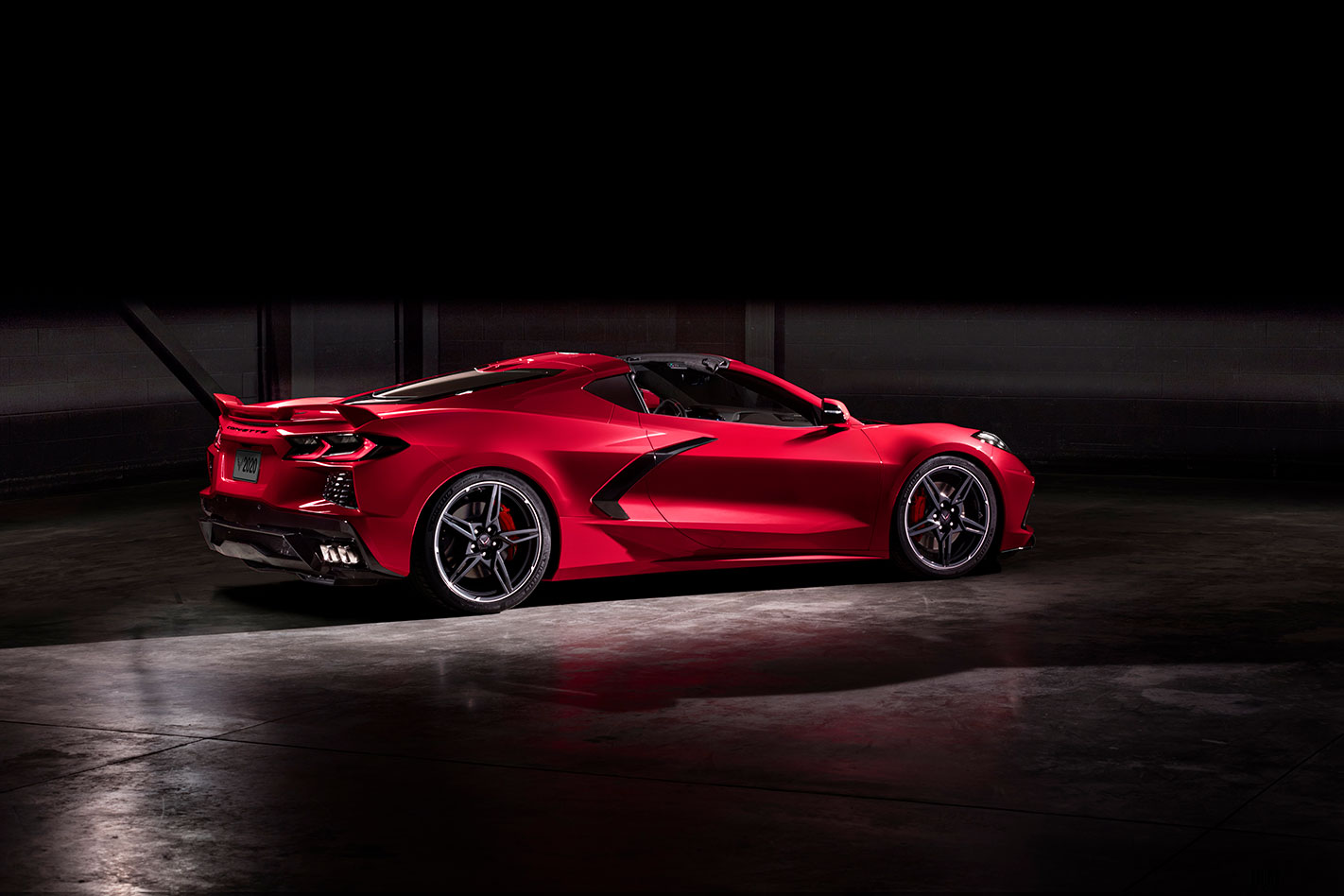
This would result in a similar hybrid powertrain to that seen in the Honda NSX, and would allow the C8 ZR1 to have torque vectoring electric power up front on corner exit, while the electronically controlled limited-slip differential delivers conventional combustion power to the rear treads.
The battery pack is likely to be on the smaller side to save weight, but also because its focus is solely on short power boosts, not maintaining full-electric drive ability. There is no word on whether it will be a plug-in system allowing for overnight charging.
While a lot of focus has been placed on the hybrid aspect of the ZR1, the V8 is also very exciting, and is speculated to be a more powerful version of the all-new engine which will debut in the Z06. Motor Trend reports suggest the twin-turbo V8 will produce power figures in the ballpark of 600kW and 950Nm.
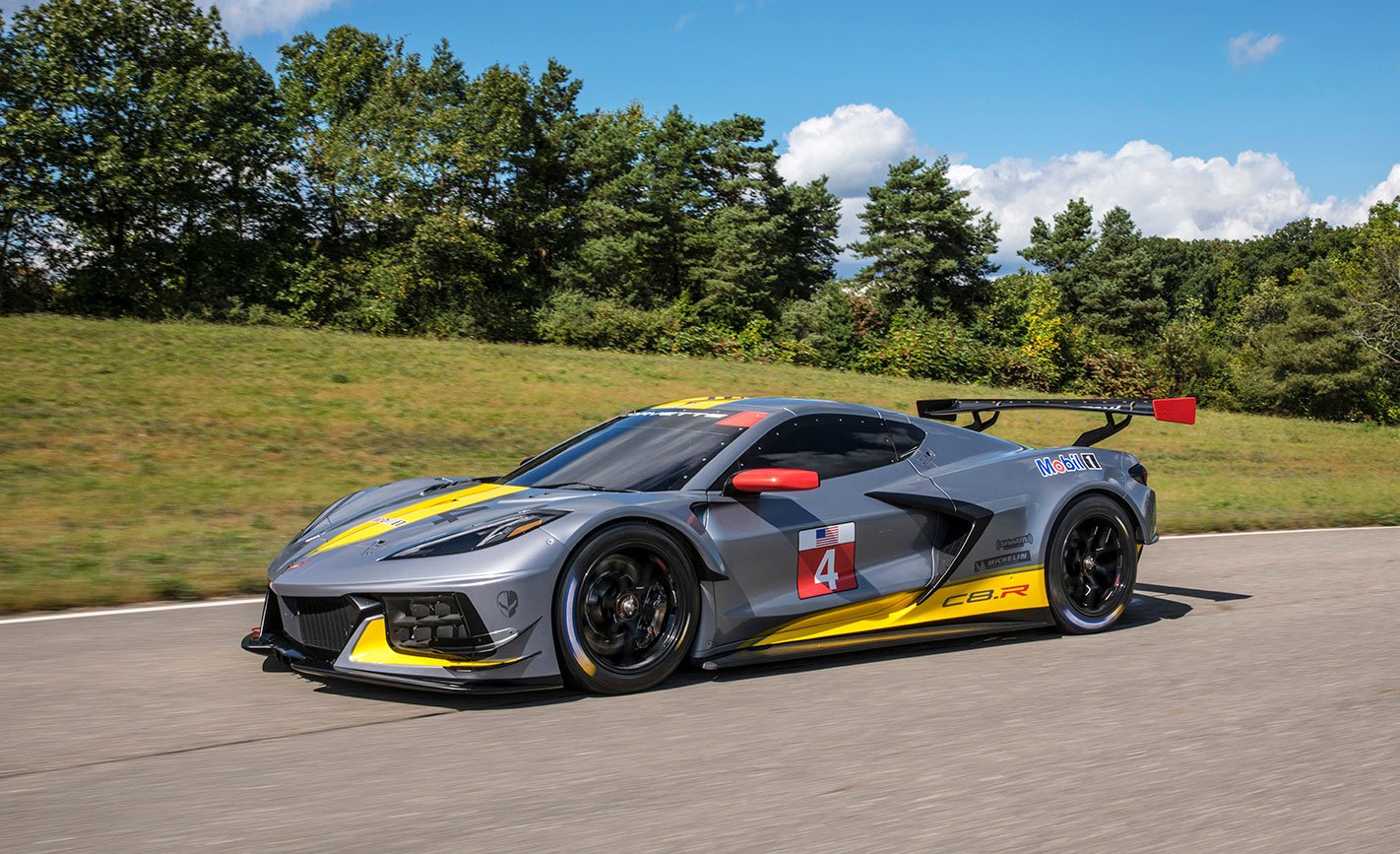
A racing version of the new Corvette, the C8.R, is fitted with a 5.5-litre twin-turbo flat-plane crank V8, which produces a BoP-restricted 373kW and 651Nm. While the road and track units will be mechanically similar, it is unclear if they will share the same displacement.
A hybrid Corvette seemed inevitable once the mid-engine project was first discovered, and with an all-new electric-ready platform, the C8 was the perfect candidate for an electrified halo.
“[Chevrolet] Bolt technology and electrification really has applications in performance cars. You see it at Le Mans … it’s going to happen,” then Chevrolet design boss John Cafaro told Wheels in 2017.
YOU EXPECT a certain sort of thoroughness from Mercedes-Benz, which is why its EQC 400 4MATIC electric SUV has taken some time to come to market. To put some meat on those bones, the Tesla Model X has been with us since 2017 and the Jaguar I-Pace since 2018, but from early next year, as the Germans say, “Electric now has a Mercedes”.
Ditching the internal-combustion engine is quite a step for the company that owned the patent for the technology, with papers stamped back in 1886.
Mercedes-Benz Australia-Pacific CEO and Managing Director Horst von Sanden said Australia was among the first countries in the world to receive the EQC, a key component in the company’s EQ division, which has been established to guide the transition to electric mobility. “The EQC is a game-changer for Mercedes-Benz, but also it imposes a more luxurious standard of electric vehicle ownership,” he said.
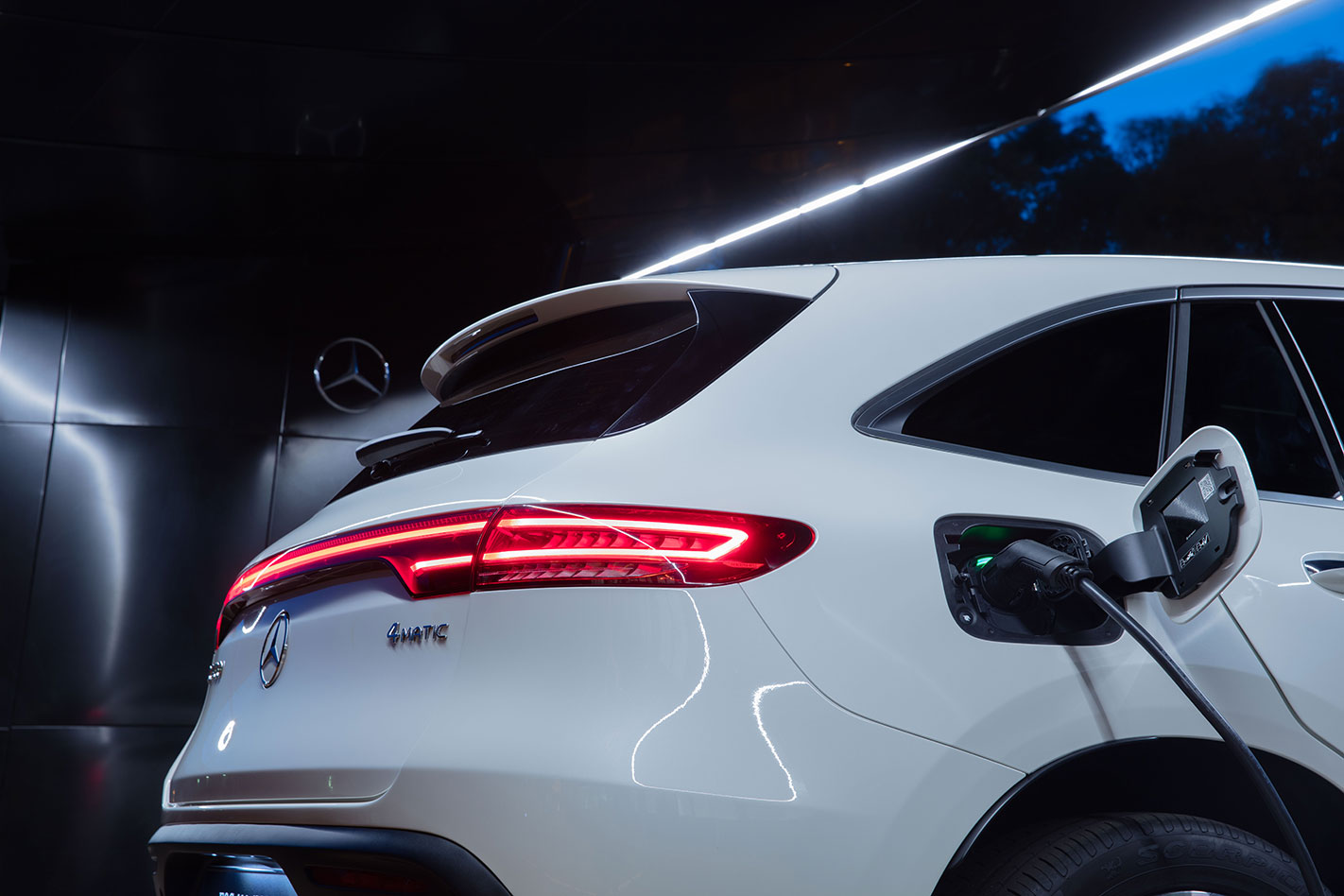
Based on a modified GLC platform, the EQC presents a reasonably conventional silhouette, but its underpinnings are unlike any Benz you’ve driven. Powered by a pair of asynchronous 150 kW electric motors generating a total of 300 kW of power and 760 Nm of torque, it’s properly quick. Mercedes claims 0-100km/h in 5.1 seconds but, if our early experiences are anything to go by, it feels even quicker.
The 405-volt, 80kWh lithium-ion battery sits below the flat floor, lowering the centre of gravity and realising handling benefits. The battery pack is covered by an eight-year, 160,000km warranty and can charge on a DC ultra-rapid charger at a rate of approximately 220 kilometres per 30 minutes (at a rate of 110kW). On a normal DC fast charger, that blows out to 100km per 30 minutes.
With a quoted range of 434km and free Chargefox network use for the first five years of ownership, range anxiety ought to be minimised somewhat. Should you stay more local, a Mercedes-Benz Wallbox Home can be installed on regular single-phase power to deliver up to 7.4kW, translating to 15km of range per 30 minutes. Go for three-phase power and the Wallbox steps up to 22kW AC charging capability.
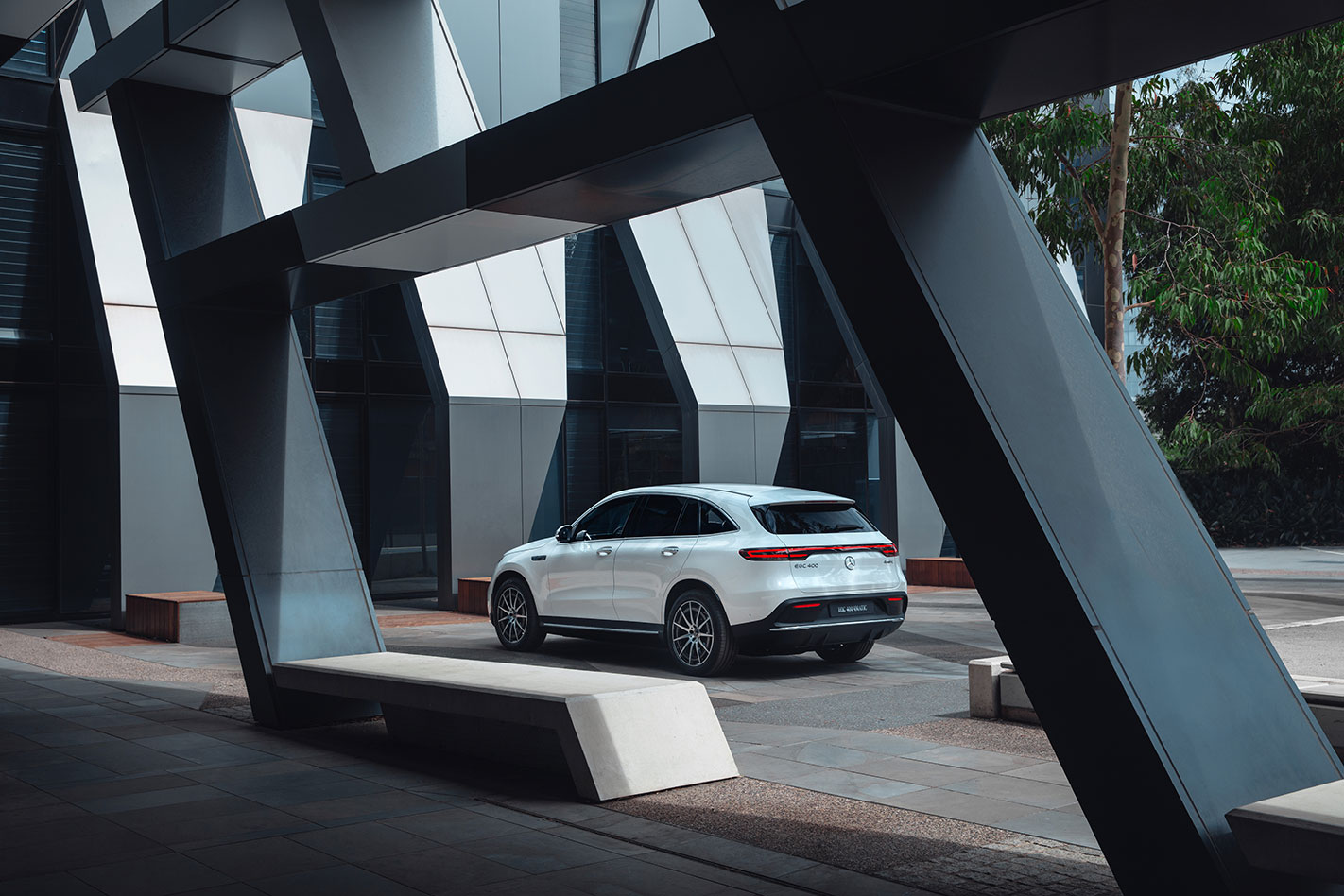
In terms of performance, the EQC feels somewhere between the petrol-powered GLC 43 AMG and GLC 63 AMG models, and that’s pretty much where it’s priced. The $137,900 asking price before on-roads compares to $109,900 for the GLC 43 and $161 for the GLC 63. It’s also right in the same ballpark as the Jaguar I-Pace HSE ($140,800) and the Tesla Model X Long Range ($135,000) but feels slicker inside and better appointed than both these existing family EV rivals.
Should you have a little more money to spend on a state of the art electric SUV, Mercedes can dangle a few tempters. Just 25 examples of the Edition 1 package will be offered which features 21-inch AMG multi-spoke alloy wheels, two-tone designo Nappa leather with diamond-stitched platinum white pearl inserts, heated and cooled front seats, tri-zone climate control, MBUX navigation with augmented reality, and ‘Edition 1’ badging on the B-pillar. That’s yours for a $6900 premium if you choose Graphite Grey metallic paint or $8600 should you prefer designo Diamond White paint.
The other option is the Electric Art Line package for $5900 which introduces rose gold top stitching, a dashboard with metallic silver grey texture, the Energizing Package Plus wellness program, an air ioniser, multi-contour front seats with adjustable bolsters and massage function, heated and cooled front seats, and a choice of leather finishes.
The Reader: Nathan Bee The Car: 2017 Audi RS3 Sportback The Mileage: 38,700km The Ownership period: 15 months
This feature was originally published in MOTOR’s August 2018 issue
What came before this? When I moved to Western Australia I had to get a tray – a ute. I thought, why not get a Maloo and supercharge it and all that… big cam, etc. Coming back to Melbourne I’d turn into the car park for a customer’s appointment and the whole office would shake. It was awesome in a straight line, but whenever I hooked up with old friends and we went into the mountains, I could easily keep up, but I didn’t trust myself.
Why didn’t you wait for the alloy five-cylinder? I didn’t know that it had a larger turbo, but as soon as I found it was an aluminium block, the structural integrity and tensile strength, I knew it’s not going to work with my plans. I always wanted to upgrade the turbo and be a bit different. Sort of like the Maloo and the supercharger. The turbo’s been high flowed and there’s still a standard manifold there because I still want driveability. The wife drives it now and doesn’t know it has any modifications. It actually spools 200rpm quicker than stock, it’s about 220kW at the wheels stock and this is 360 (awkW).
Must be a monster in a straight line I got five 11 flats in a row, but it was at 219km/h. A guy in the States did a 10.3 at 216km/h. He was running slicks and the 60 foot was 1.5sec. I got my 60 foot down from a 1.9 to a 1.7, so there’s still a bit more to go. All the V8 boys come over and can’t believe it. I tell everyone it’s stock. It’s got launch control and is idiot proof.
You’ve got track plans for Winton, right? I was doing 1min 38sec laps in my Golf R, that’s just with coilovers and stage II type of things. I’ve done it a dozen times. We have a private track day coming up. The other guy who’s organising it has bought the facelift RS3, his is completely stock. There’s a bit of competing and he wants a four-second head start, and I’m like ‘nah’, there’s not that in it. Winton’s all about technique and handling!
