
Andy Wallace has done some wild things in his life, like jumping a Bugatti Chiron at 447km/h. But one of the craziest has to be the time he broke his ribs by taking a corner flat-out in a Le Mans race car.
Breaking bones in a race car isn’t completely unusual, but it traditionally comes as a result of a massive shunt – just ask Chaz Mostert.
What makes Wallace’s story so unique is that he was driving normally when he cracked a pair of ribs while in the hot seat.
Wheels got the opportunity to sit down with Andy Wallace at the Frankfurt Motor Show, and we just had to ask him about the infamous bone-breaking incident.
“The video on YouTube is mega, if you haven’t seen it, you have to watch it,” he enthuses the moment we raise the topic. We’ve put a link to said video up top if you want to watch – make sure to turn your volume up to hear the glorious 3.5-litre V10 soundtrack.
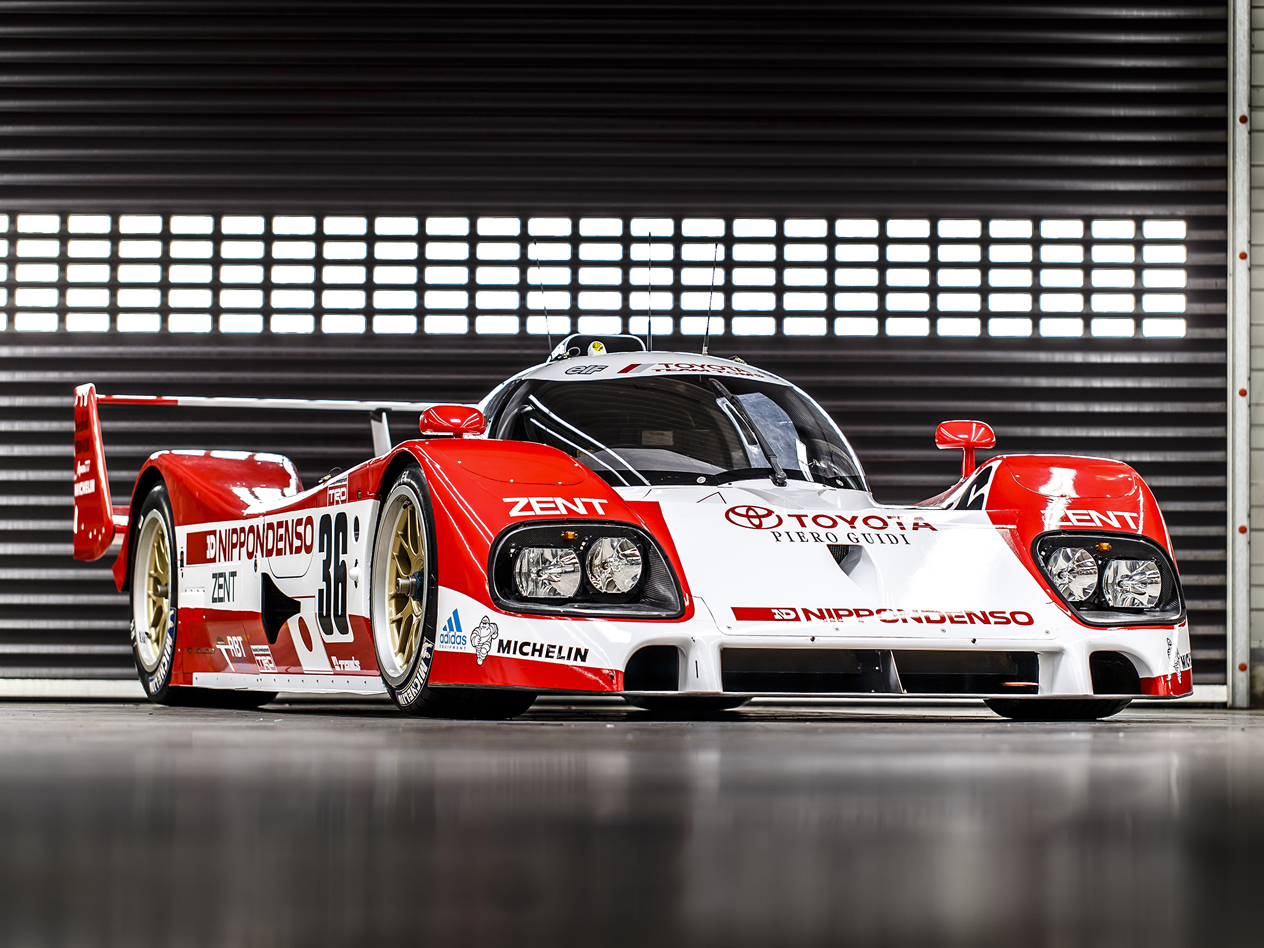
“That Toyota, still to this day, is one of the best race cars I ever drove – it was amazing. It’s just unfortunate that Peugeot went and built one that was slightly better.”
Andy had been recruited as a factory driver for Toyota following four years with Jaguar, which included winning the 24 Hours of Le Mans on debut in ’88.
“We were testing for Le Mans and trying to decide where we could go,” he explains. “It was in February 1992 and Australia isn’t that far from Japan, so we camped out at Eastern Creek and did a nine day consecutive test.
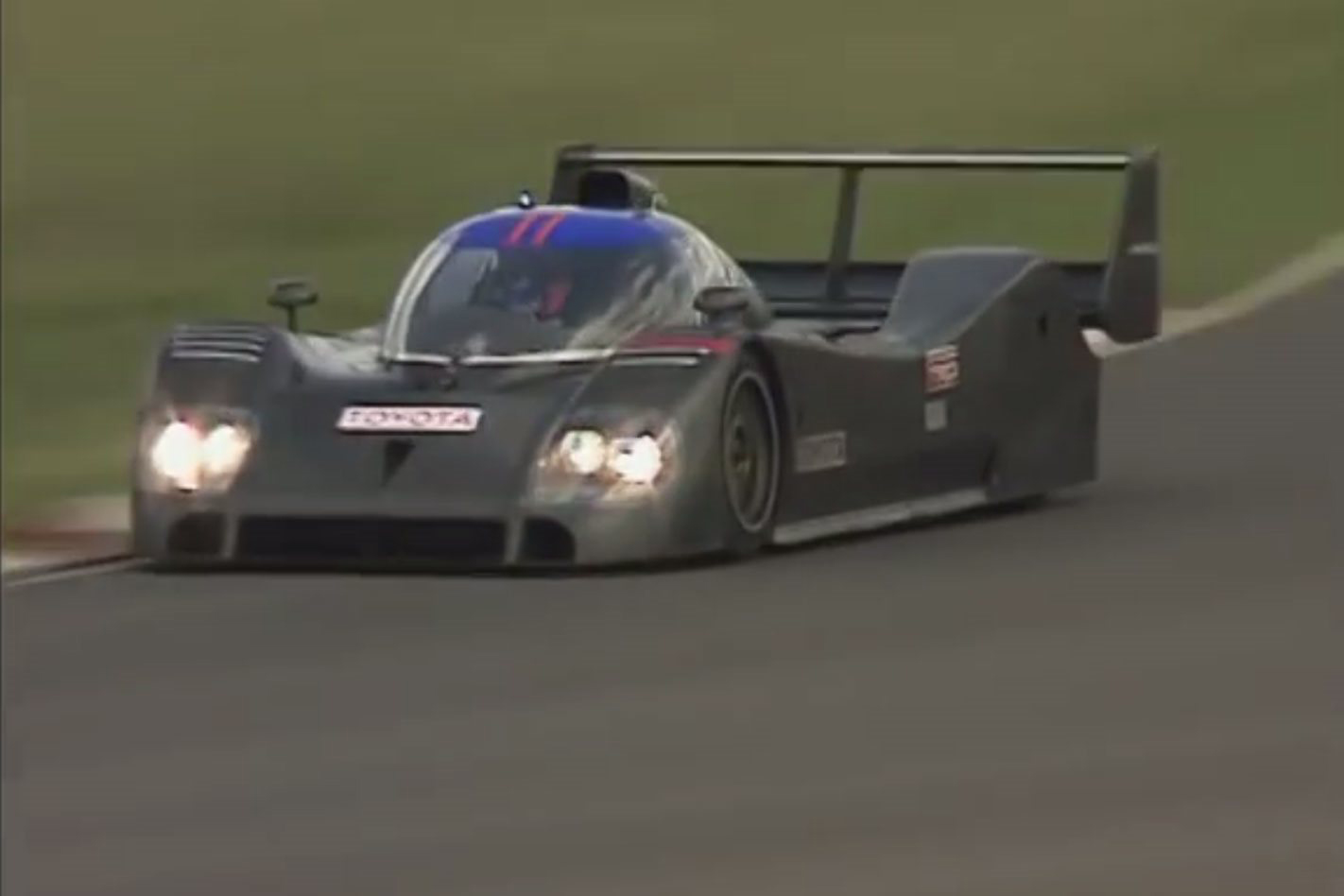
“Every day from eight in the morning until six at night – we couldn’t run through the night as we weren’t allowed due to the noise – one car was doing development work with speed testing, and the other one was the endurance car.
“I drew the short straw and got in the endurance car, so we were doing two hours each, constantly, every day for nine days.
“It was the last day, and I went out in the morning. To set the scene the track has a long straight past the pits, into turn one which is a 310km/h left-hand corner, and right in the middle is a big bump. It is taken at absolutely wide-open throttle.
“I had two or three laps to go before the end of my first hour, and then I needed another hour’s worth of fuel to be put in the car.
went through the corner and just felt this massive crack, and two ribs were broken instantly from just driving the car.
“As I came into the pits I knew how much trouble we were in, because we had been doing this for so long. If I had just bailed out of the car then it puts the whole mess onto someone else, so I came into the pits and they started refuelling. I tried to put myself into a different place in the seat so it wouldn’t hurt so much, and then I started my second hour.
“But I never made it through the second hour, I got out and said ‘I’m sorry but I am done’. So they put the next guy in, Hitoshi Ogawa, a really talented guy.
“He drove, and then just near the end of his hour the exact same thing happened. We had done the same amount of running and then pop, he broke his ribs.
“All the Japanese engineers were very happy; they said ‘the car is stronger than the driver’.”
While an epic story on its own, that’s not where Andy’s experience ends. The British driver was competing in the American IMSA series for the All American Racers squad. The factory-supported American team was fielding Eagle MKIII cars in the GTP class, which were powered by turbocharged 2.1-litre Toyota engines.
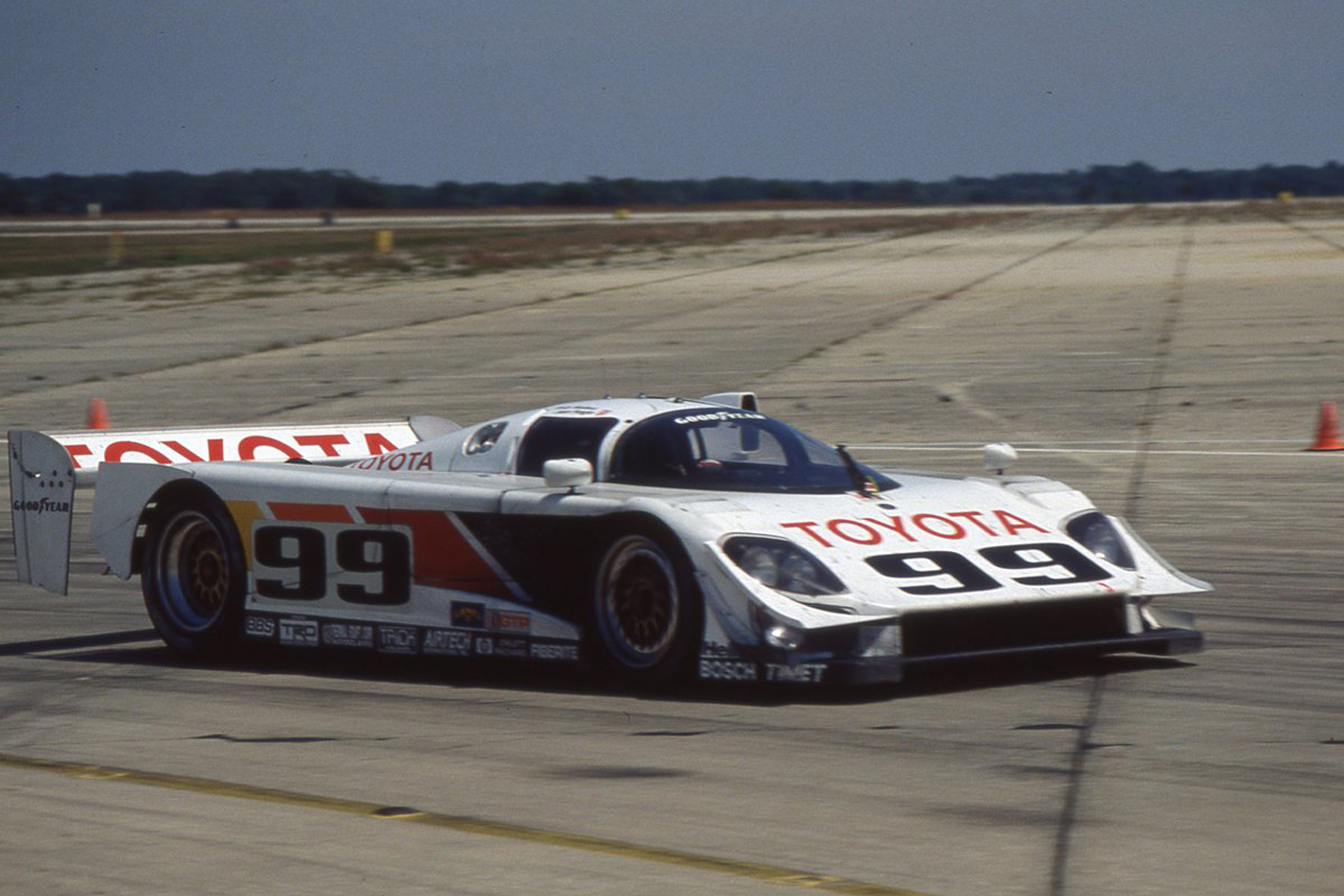
It is one of the most dominant racing cars of all time, winning 21 of the 27 races it entered, and all but killing the GTP category through its crushing performance.
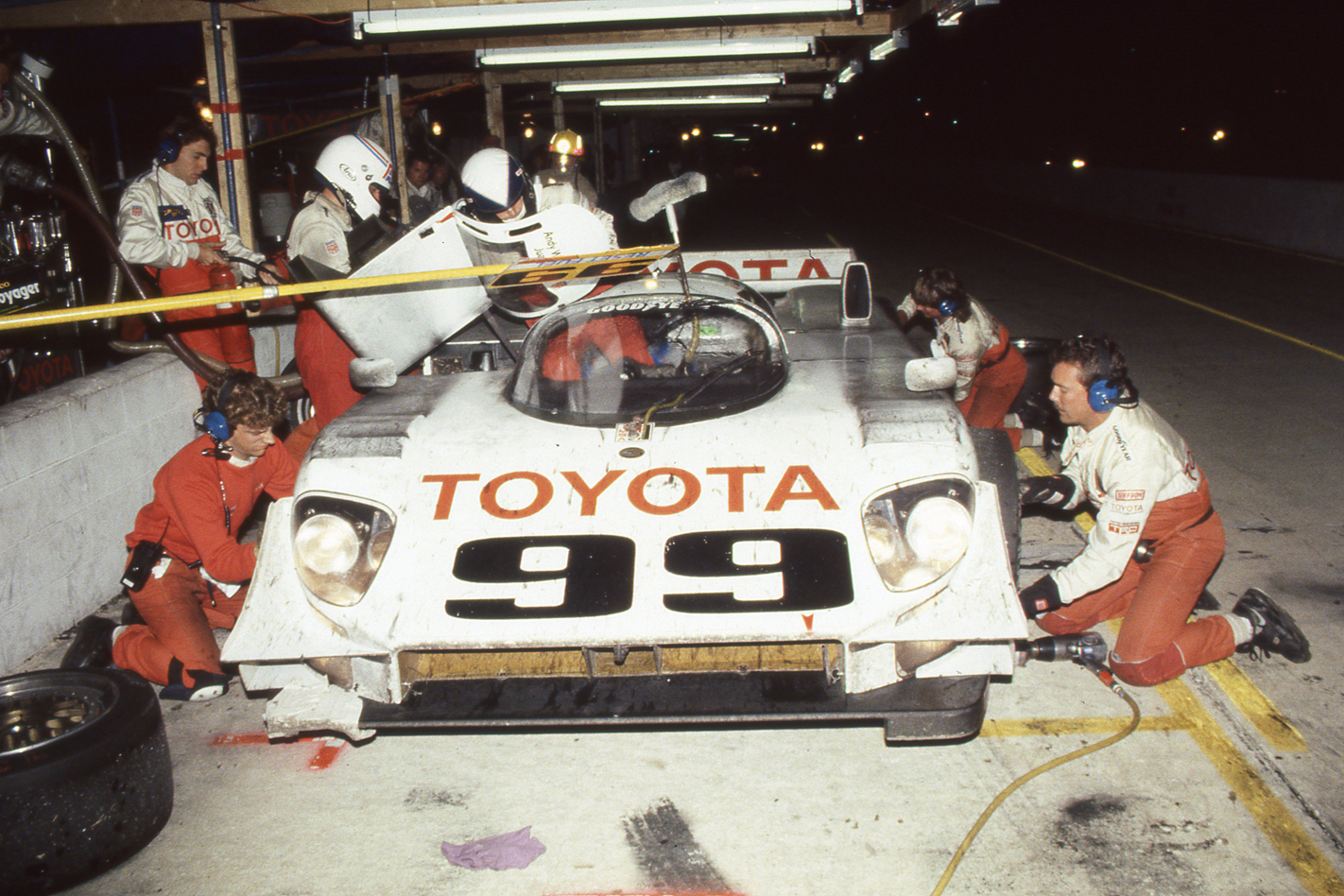
Andy had been recruited to drive for the squad as the factory hot shoe from Toyota.
“The broken ribs happened on February 29, and the Sebring 12 Hour was March 21. It’s not long,” he continues.
“I knew that if I told the team what I had done, they would find a replacement for me – so I didn’t tell them.
I visited a few doctors, got a few things for the pain, and then went to Florida.
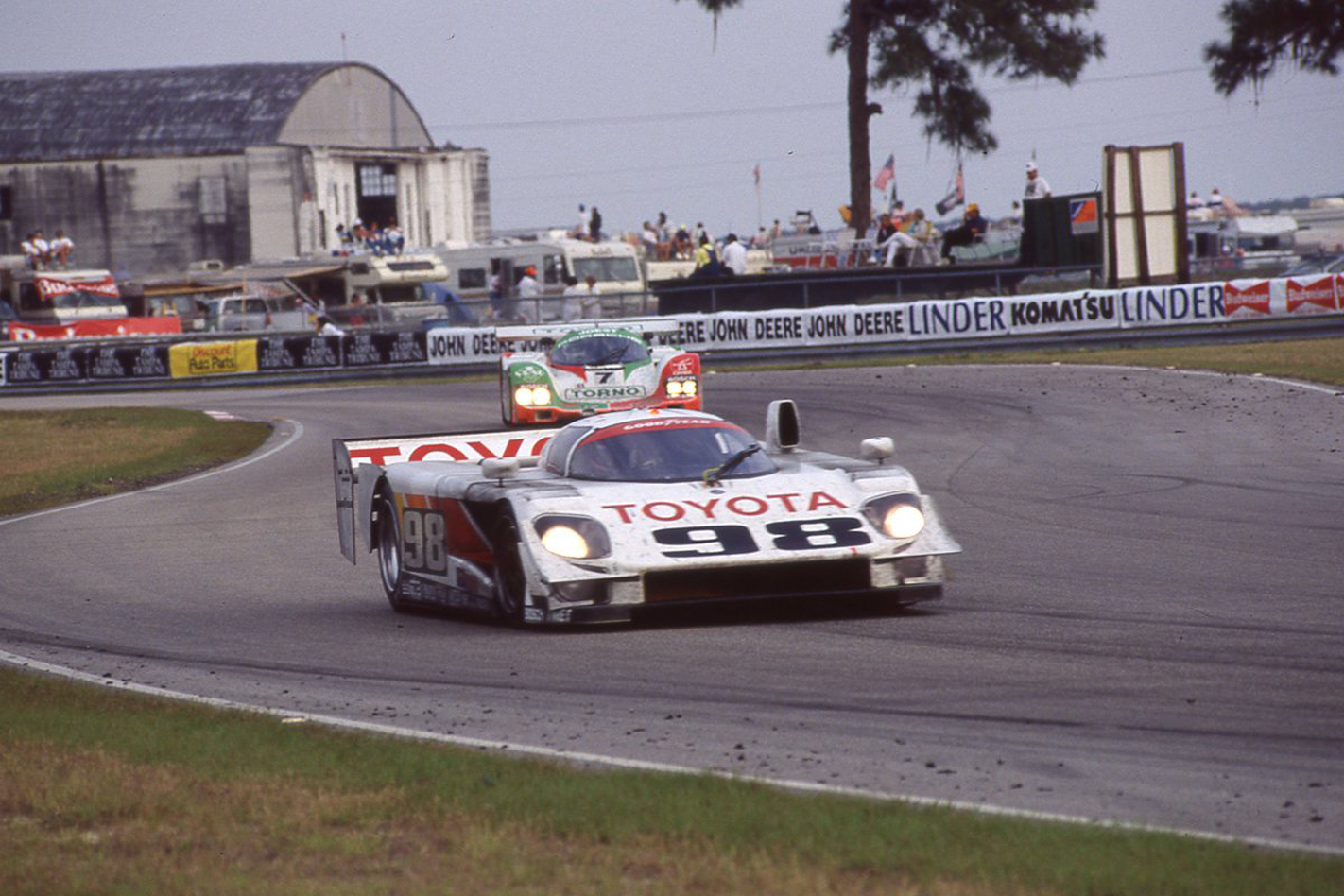
“Now, Sebring is the bumpiest race track on the planet, and we did the 12 hour race with just two drivers – Jan Manuel Fangio II and myself – and we won somehow. It hurt like hell.”
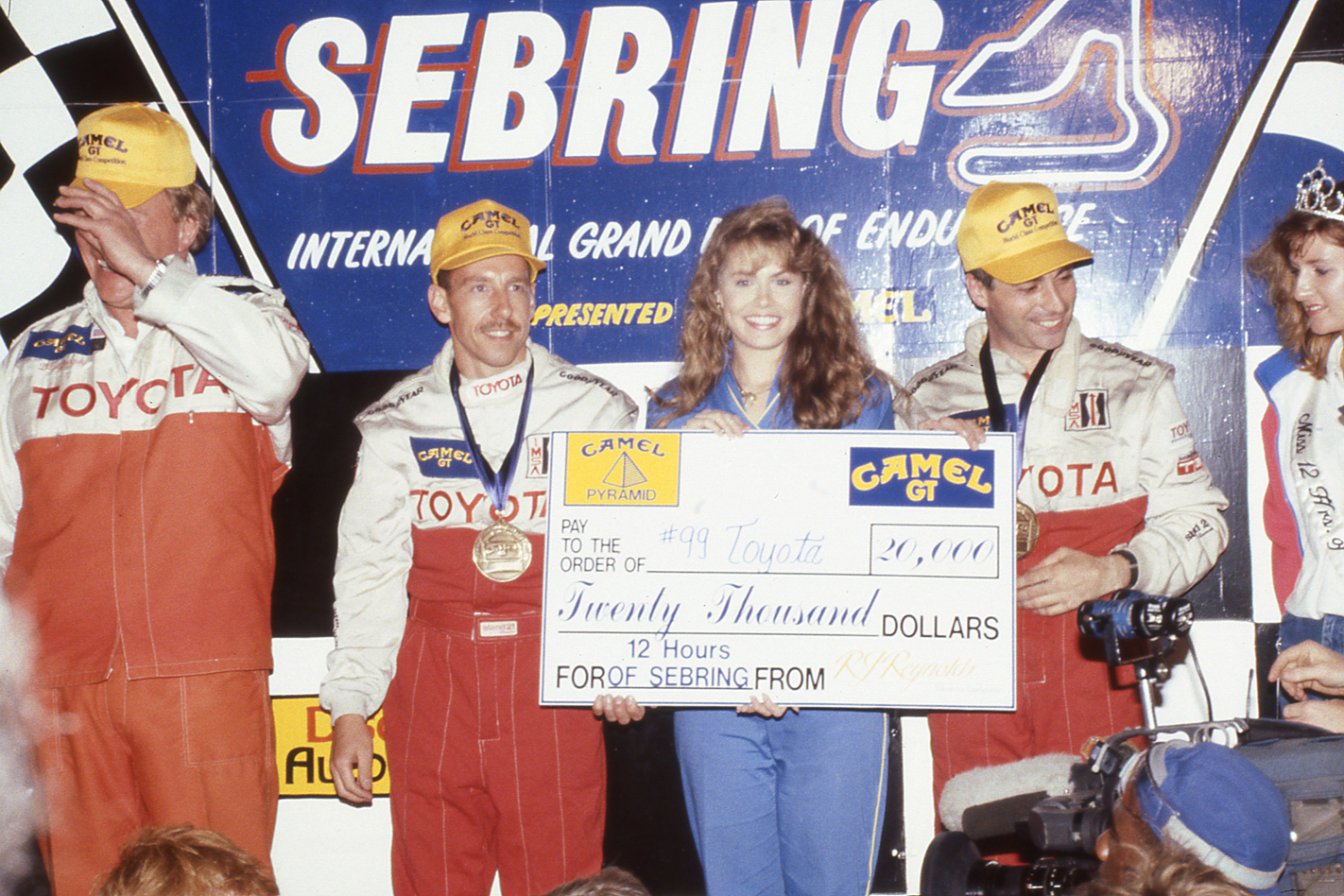
We don’t doubt that at all, Andy.
History is a catalogue of communism’s failings, which in the automotive world have congealed in the form of the Trabant 601.
It was this smoking, two-stroke, garbage-bodied small sedan that first rattled into the consciousness of many westerners with the fall of the Berlin Wall in November 1989, bearing wide-eyed East Germans who, like their cars, had been frozen in time since the 1950s.
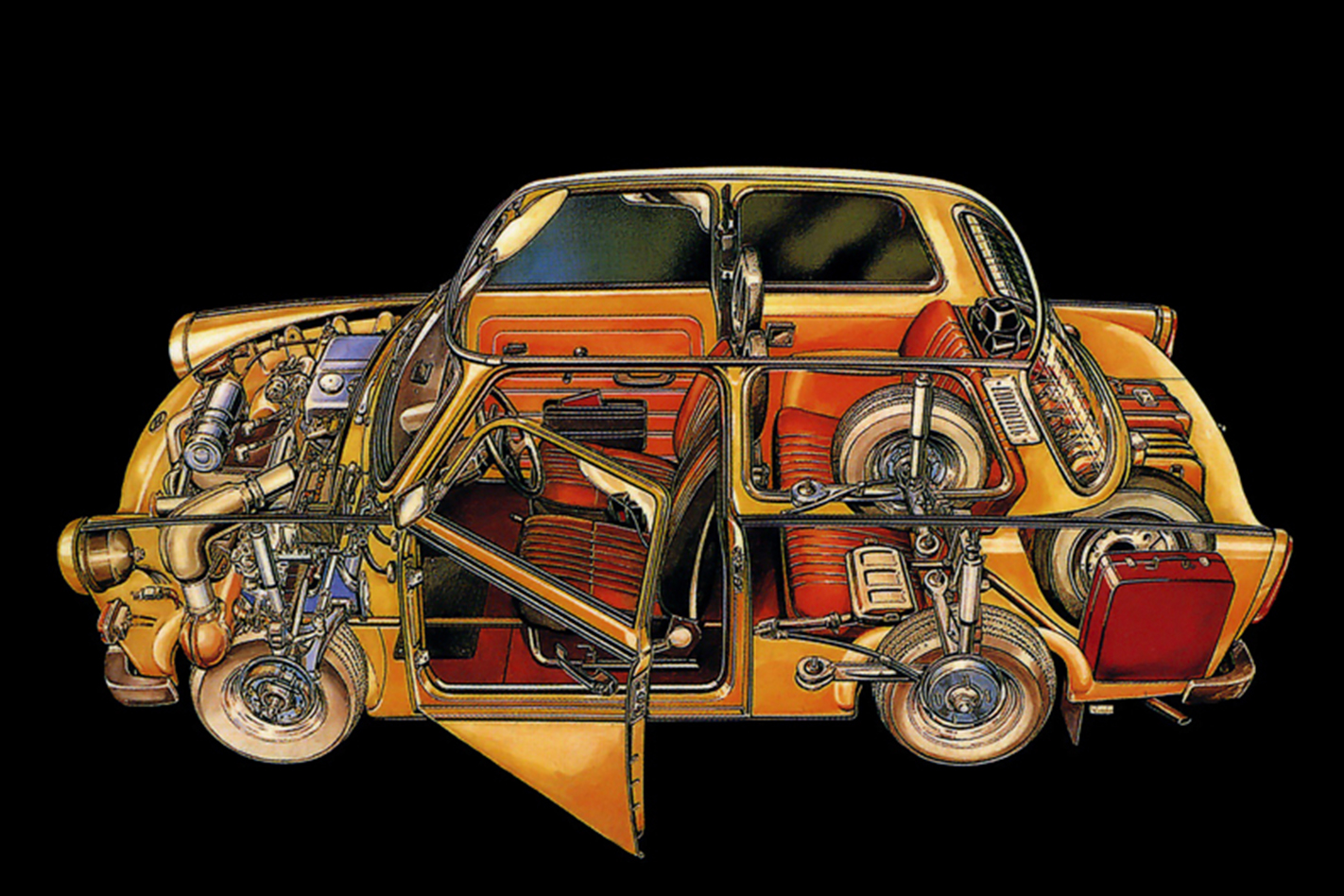
For even getting mobile, the Trabant has the capitalist West to thank. In 1949, VEB AWZ (Volkseigenes Betrieb Automobilwerke Zwickau, or ‘Zwickau Automobile Works Company Owned by the People’) occupied the war-ravaged plant in which Audi had been founded by August Horch in 1910 and where the Auto Union grand prix cars of the 1930s were also built.
The Soviet enterprise began assembling the pre-war DKW F8, a 600/700cc two-stroke, front-drive model and developed a three-cylinder version, the F9.
By 1955, a scarcity of steel contributed to the launching of the AWZ P70, clothing the familiar 700cc twin in a more modern body of pressed ‘Duroplast’, a wool-fibre-reinforced phenol resin.The P70 was produced as a two-door sedan and wagon and a surprisingly attractive coupe (later to inspire the Nissan Figaro).
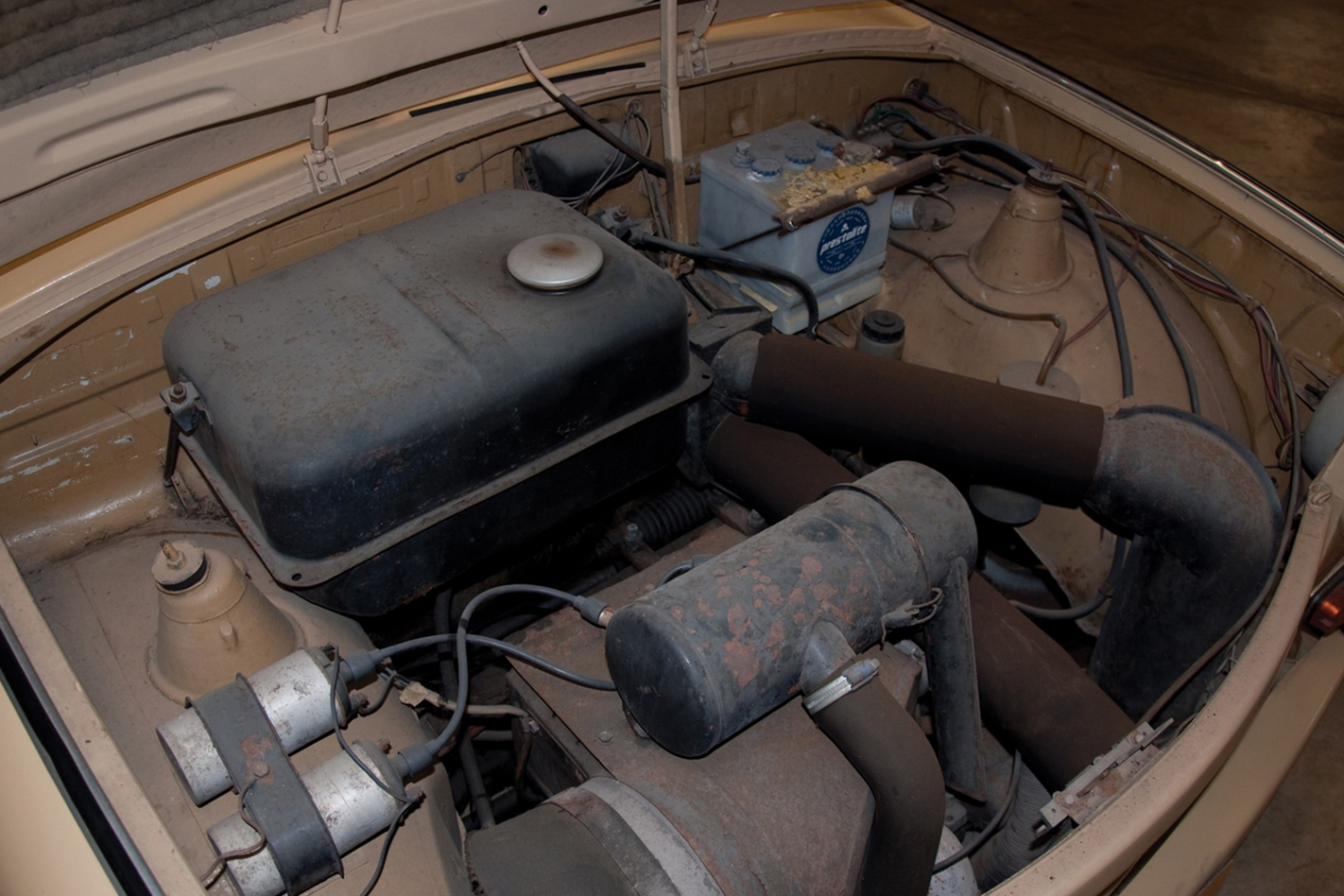
The P70 was joined and soon superseded in 1957 by the P50, a small, austere two-door sedan and wagon of 500cc, its Duroplast body now using waste cotton fibres and mounted on a pressed steel chassis. In 1962 came a 600cc version, the Trabant 600, which in 1964 was rebodied to become the long-running Trabant 601. Ongoing mechanical upgrades to the initially 17kW, air-cooled 594cc drivetrain would include needle-roller con-rod bearings, a two-stage carburettor, a four-speed gearbox and synchromesh, and in 1983, 12-volt electrics.
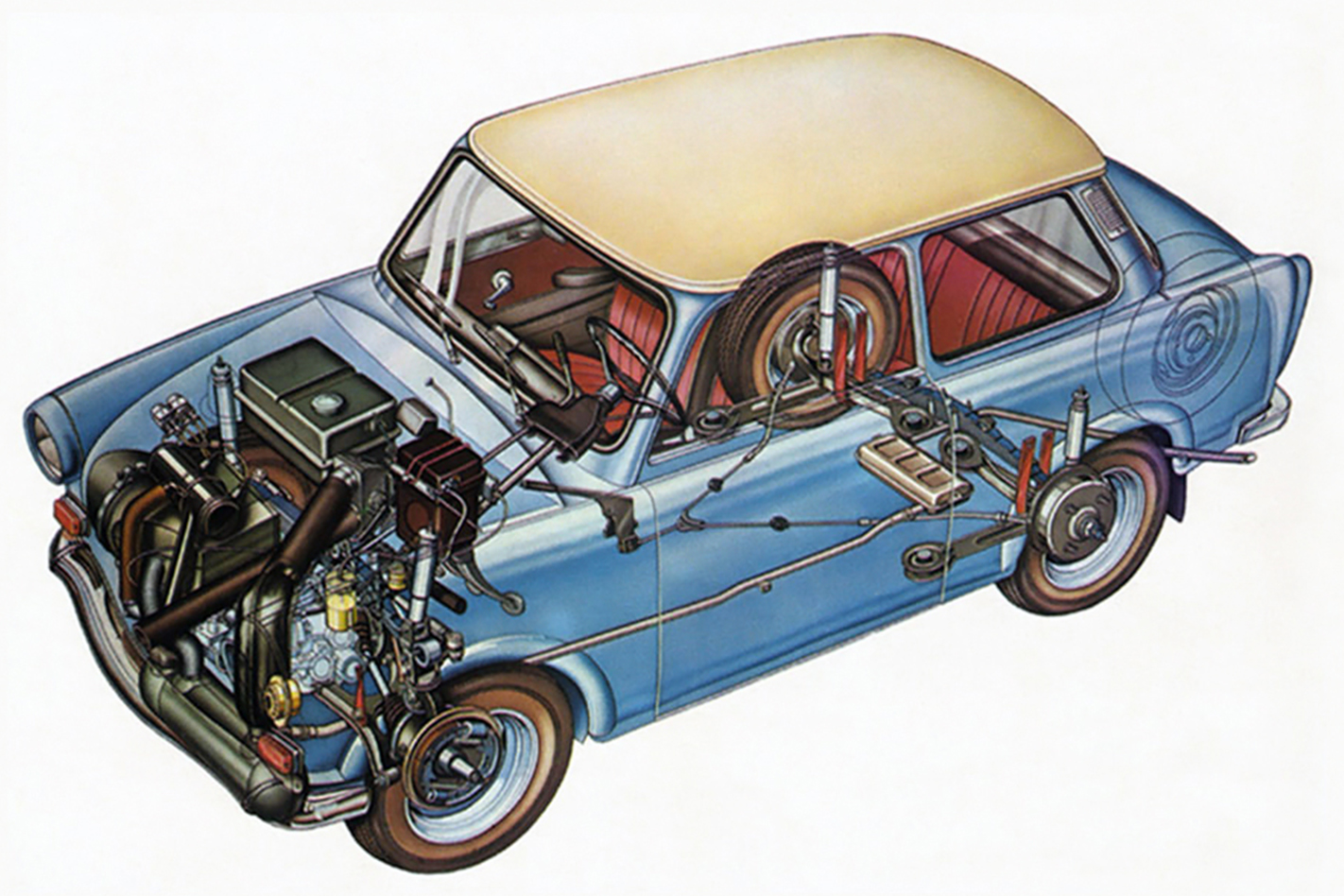
The ‘Trabi’ was available in two-door sedan or wagon bodystyles, and even a capitalist-running-dog ‘Universal S de Luxe’ spec with community-dividing chrome bumpers. Waiting lists often exceeded 10 years, and for colour choice, the sheeple took whatever they were bloody-well given.
In 1990, perestroika-tech wed the Trabant 601 to the 1.1-litre four-cylinder engine and five-speed floor shift from the VW Polo. However, within a year the Trabi would wither like a vampire in the sunshine of a market economy. The last Trabant 601 was produced in July 1990, by which time 2,818,547 had been built.
Not safe for recycling
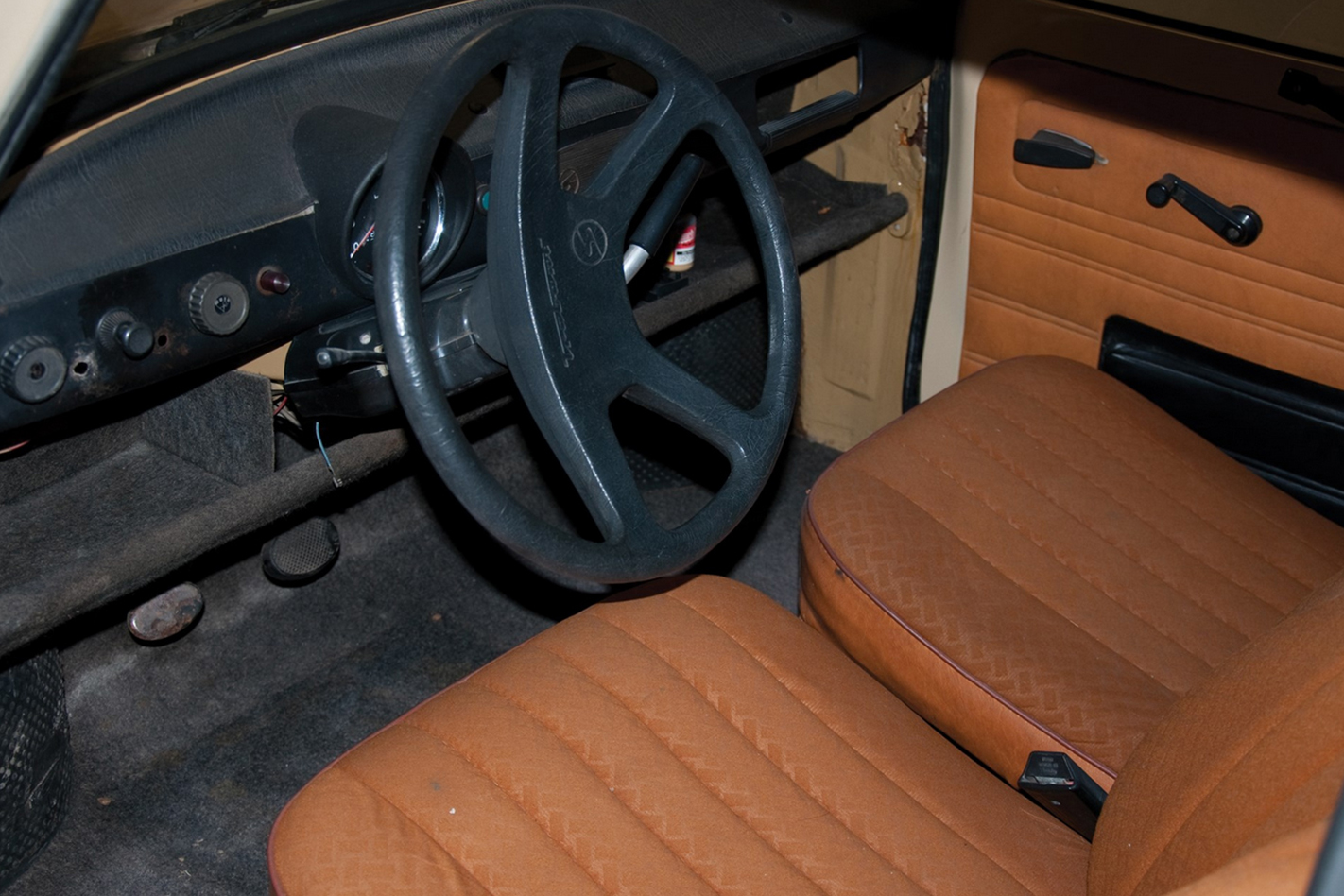
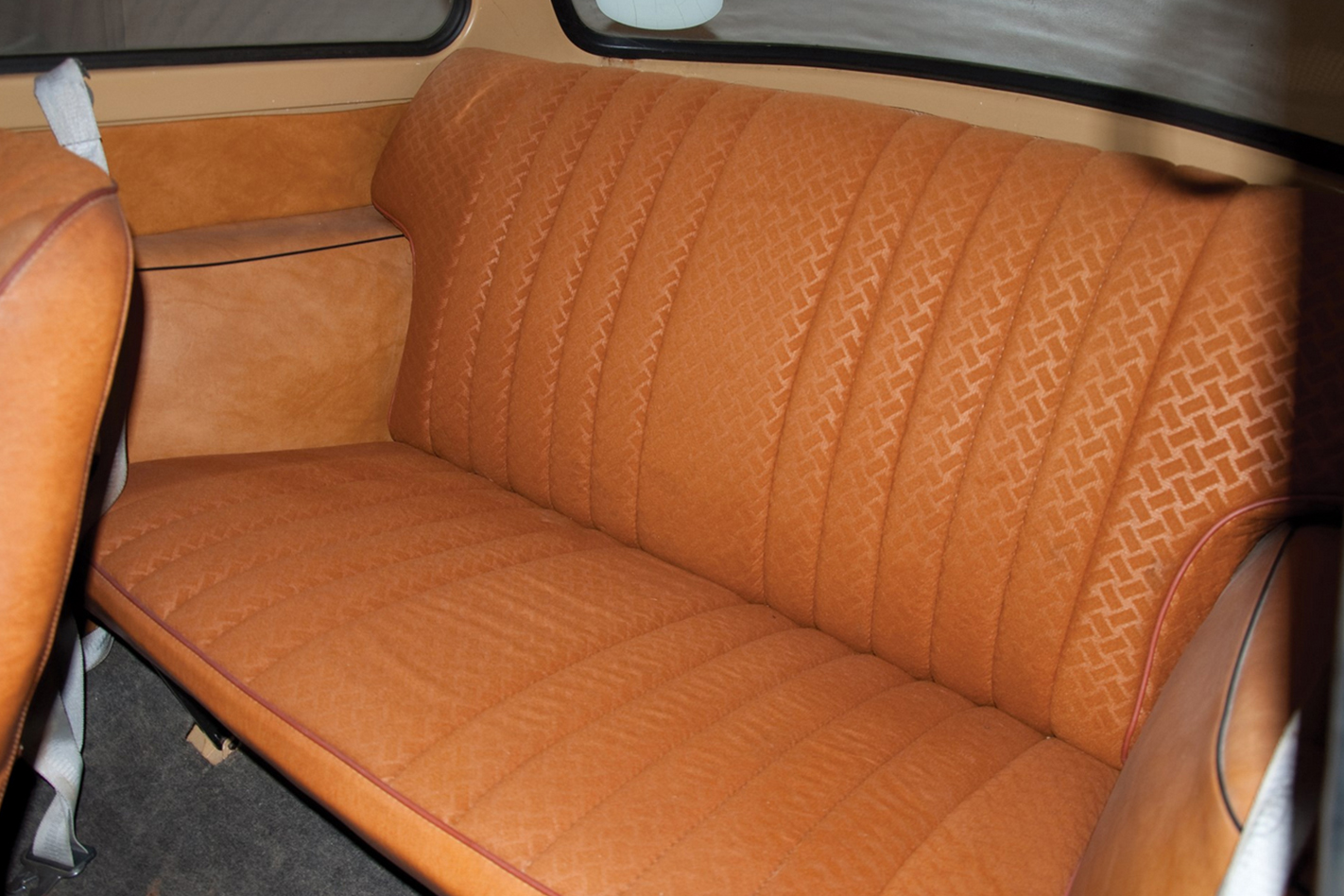
The Trabant 601, with its tight-for-four interior, was a study in Eastern Bloc austerity, dull design and crap plastics. Non-recyclable, toxic Duroplast bodies were a disposal nightmare. Chemists developed a car-eating bacteria, and the Trabi factory found a new business in shredding them for use in cement pavers.
An engine in a bag?!
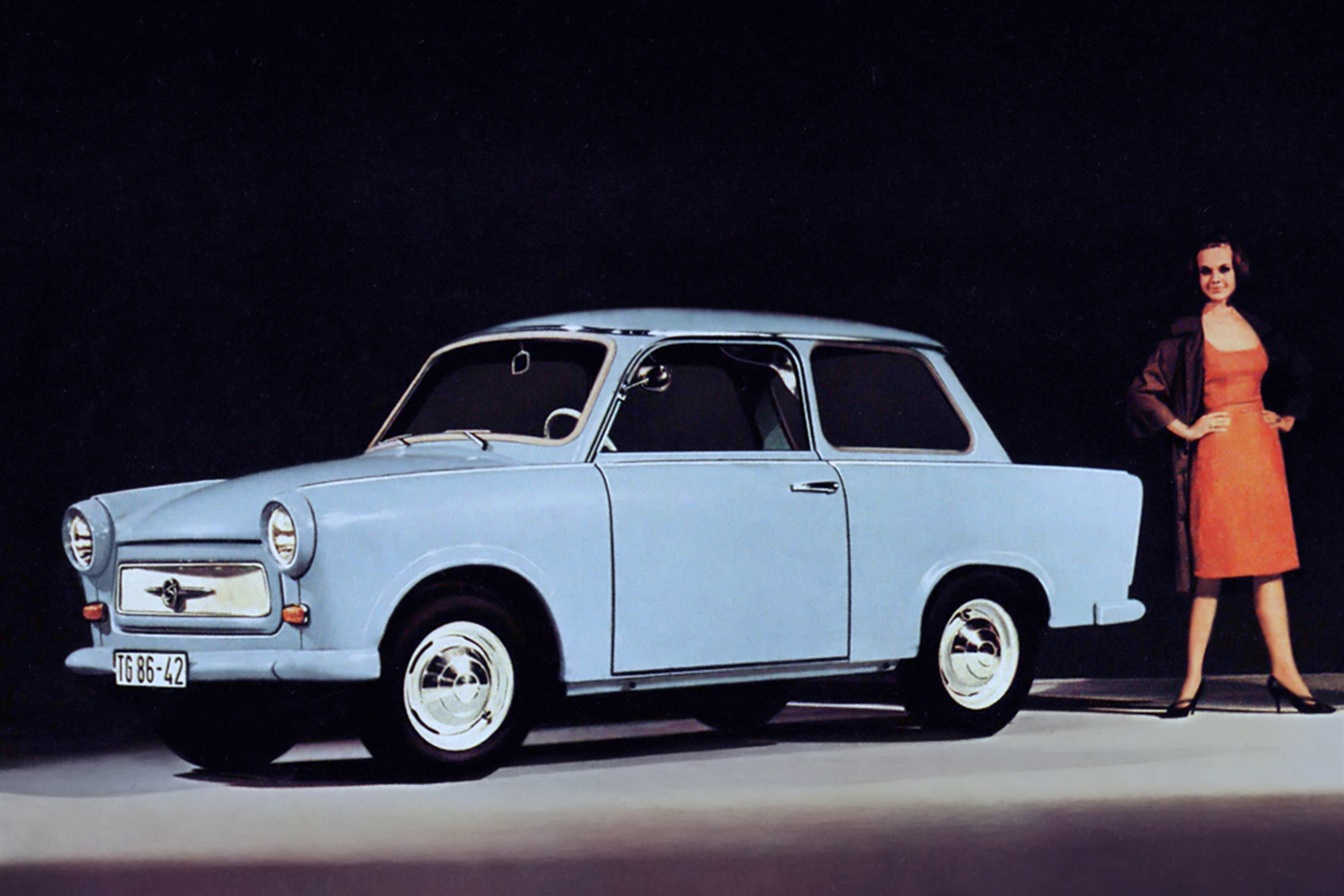
The two-stroke, 594cc two-cylinder sent 22.4kW at 4200rpm to the front wheels via a four-speed column shift (with optional Hycomat automatic clutch) and could drag the 615kg car to 80km/h in 23sec en route to 100km/h. The engine was shrouded in a leather bag to duct cooling air and cut noise.
1964 Trabant 601 in numbers
- 3555mm: overall length
- 28 years: said to be the typical Trabi lifespan
- 8500: price in Deutsche marks in 1985, a typical 12 months’ wages
- 10kg: biomass remaining after bacterial breakdown of a Trabi body
A performance diesel SUV – classic oxymoron, right? Perhaps, until you consider there have been some decent examples of this very thing. The latest Audi SQ7 can crack a smile, for example. And next year there’ll be more when the Skoda Kodiaq RS arrives.
The Kodiaq is the Czech brand’s seven-seat SUV, and its RS division has poked it with a stick.
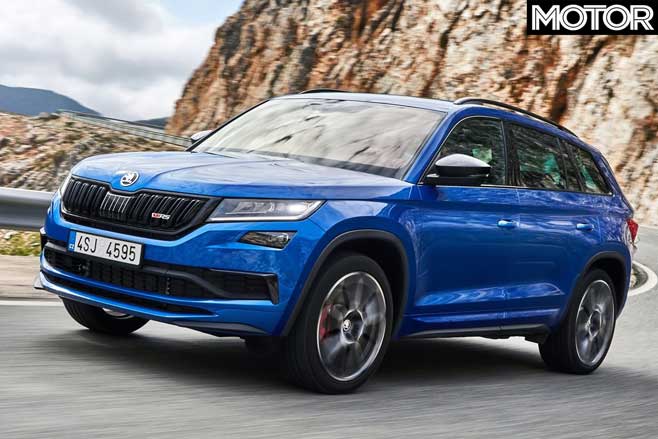
The RS rides on a front-biased all-wheel drive platform and the adaptive suspension is tuned to claw into the road at higher limits than its brethren. The steering is quicker as well. Catapulting it between corners will be a diesel four-cylinder, codenamed EA288, that sucks air from two turbochargers working in sequence. Skoda promises it will sound good, too, since it’s equipped with an engine sound generator…
But we believe there’s a simpler, more authentic way to ferry around five people and a dog with a great soundtrack. HSV’s Gen-F Clubsport R8 Tourer should do the trick, with its 6.2-litre LS3 V8 tickled to 340kW and 570Nm in the 2015 model.
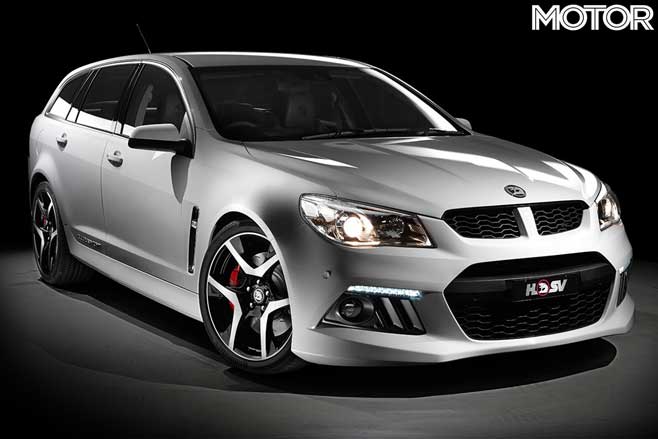
We haven’t yet driven the Skoda, but based on its specs the HSV will wipe it in any way you want to cut a performance test (at least on bitumen), thanks to an engine in the front, rear-drive and lower centre of gravity. Yeah, it might use more fuel in the process, but with used prices hovering around $55K for well-kept 2015 cars, you’ll have plenty cash left over to splurge at the bowser.
Either way, you’re getting a lot for your money.
| 2019 Skoda Kodiaq RS | vs | 2015 HSV R8 Tourer |
| 1968cc inline-4, DOHC, 16v, twin-turbo | ENGINE | 6162cc V8, OHV, 16v |
| 176kW @ 6500rpm | POWER | 340kW @ 6100rpm |
| 500Nm @ 1750-5000rpm | TORQUE | 570Nm @ 4650rpm |
| 1880kg | WEIGHT | 1821kg |
| 6.9sec (claimed) | 0-100KM/H | 4.9sec (estimate) |
| $65,990 | PRICE | $55,000 (used) |
Classies Watch
Modern classic tempters we found on tradeuniquecars.com.au
2008 Cayenne GTS – $29,888
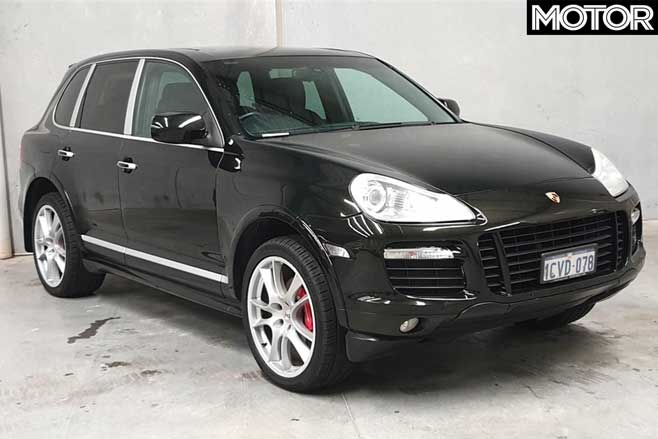
4.8L V8, 298kW/500Nm, 155,200km, Perth, WA Snarling V8, wagon body and sweet dynamics make this old GTS a sweet deal.
2003 Subaru Impreza WRX STI Spec C – $59,900
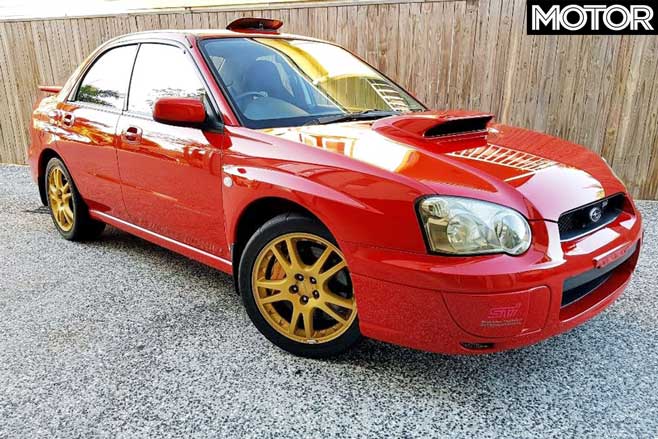
2.0 F4T, 206kW/394Nm, 9700km, Redcliffe, QLD Hits 8000rpm. Lighter, stiffer. A mint example of a very special STI.
1991 BMW 850i- $27,980
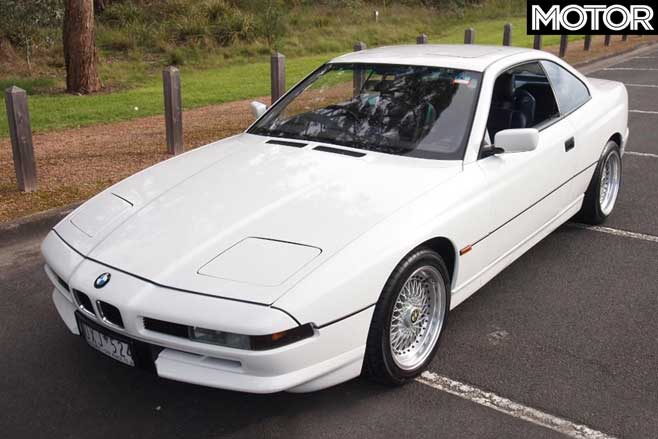
5.0L V12, 270kW/500Nm, 122,422km, Mitcham, Vic A V12 coupe with full service history. No rego, but low kays for its age.
1999 Honda NSX T – $209,900
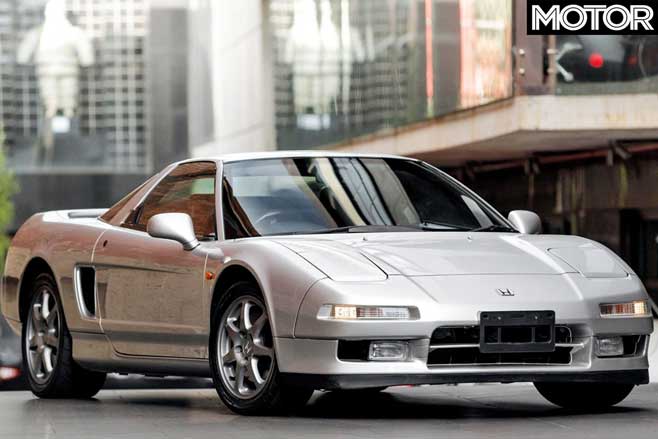
3.2L V6, 206kW/298Nm, 26,600km, Melbourne, Vic Expensive but Aussie-delivered, completely original. And manual.
If there’s one thing that can remind us of how quickly this year is ending, it’s the arrival of a sunny 27 degree day we just experienced in Melbourne – summer will be here in no time!
Unfortunately the warm weather was over just as soon as it started, with the mercury dropping to a measly 15 degrees on Friday. Can’t win ‘em all – at least it gives us a taste of things to come.
If you are in Melbourne, we hope you didn’t come into contact with this fail that brought the city’s transport system to a halt yesterday. Yes, it’s as though this truckie is trying to dethrone the infamous Montague Street bridge as the biggest threat to our nation’s heavy haulers.
But enough fails, let’s catch you up on what WhichCar has been up to this week.
We first learned that a nation whose road toll is increasing will trial giving drivers a “timeout” instead of fining them for exceeding the speed limit. Innovative, but will it work? We also recapped the fashions on the field from the 2019 Goodwood Revival, and explored whether the days of making a quick buck on classic cars are over.
Another win, one of our photographers stumbled upon a brand new SUV from Lynk & Co while on holiday in Europe – there’s nowhere in the world you can hide from WhichCar!
On the other side of the Atlantic, Arnie lent a hand to climate activist Greta Thunberg’s North American mission by supplying her with a zero emissions Tesla Model 3 to travel around in, Toyota USA went retro with its Heritage Edition Land Cruiser and we told the story of Australia’s role in creating the Land Cruiser legend.
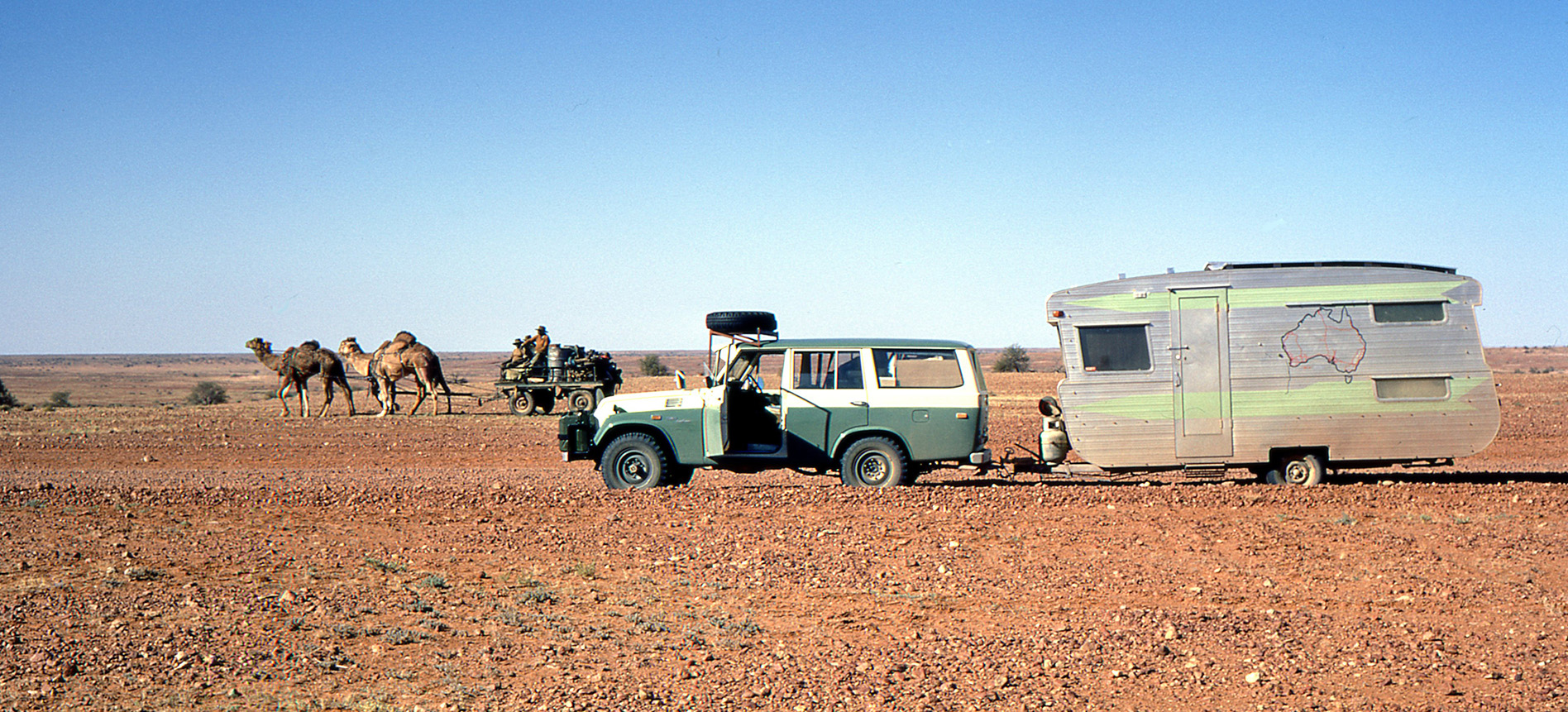
In our own locale, we set a blisteringly quick 0-100 time for the Lotus Exige, put a high-riding Lamborghini Urus and more conventiconventional Huracan Evoonal Huracan Evo through their paces, compared a pair of Godzillas and had a date with the Demon killer, the Hennessey Exorcist.
It wasn’t all performance cars though; we spent time in Holden’s Acadia LT, had a run in Audi’s diesel-powered S4, tested the 2020 Hyundai i30 range, enjoyed our first spin in its Veloster counterpart and experienced the newly-updated Peugeot 308 GT.
It was a busy week in terms of reveals too: WhichCar covered off the new BMW X5 M and X6 M twins, Toby Price lent his name to a Mitsubishi Triton, Toyota added a hybrid powertrain to the facelifted its C-HR, Mazda revealed its race-ready Mazda3 TCR, Chevrolet dropped the top on its new Corvette and Porsche celebrated 10 years of the Panamera.
Leading into the weekend, we took a look at 20 of the weirdest car names (we would have loved to be a fly on the wall during product planning) and of course, we fired a new quiz at our readers to test whether they’ve been paying attention.
To keep in touch over the weekend, make sure you follow the WhichCar and 4×4 Australia Facebook page, the Wheels and MOTOR Instagram accounts and Street Machine’s amazing YouTube channel.
Have a nice weekend, stay safe and we’ll see you on the other side!
If you’re after a four-door, rear-drive sedan that caters for fun and family, then these two offer differing flavours for around $50,000. Cue the broken record, but with no Aussies to choose from in the new corner, the default replacement falls to the excitable Kia Stinger. And with a boosted V6 up front and a rear-end that has a penchant for drifts, it isn’t a bad antidote. Although your $50K could also get you some ‘old-school’ Japanese muscle in the form of the Lexus IS F, which is sure to satiate the needs of those who lust after V8 firepower.
KIA STINGER
Timing is everything. And Kia couldn’t have got it more right when launching its rear-drive performance sedan down under. Yes, there’s no V8 under the bonnet like our now defunct Aussie heroes, but with a twin-turbo 3.3-litre V6 producing 272kW and 510Nm, the Korean replacement is no slouch. By the clock it checks out, too – a launch-control assisted 4.9 seconds to 100km/h is the claim on paper and it’s achievable in reality.
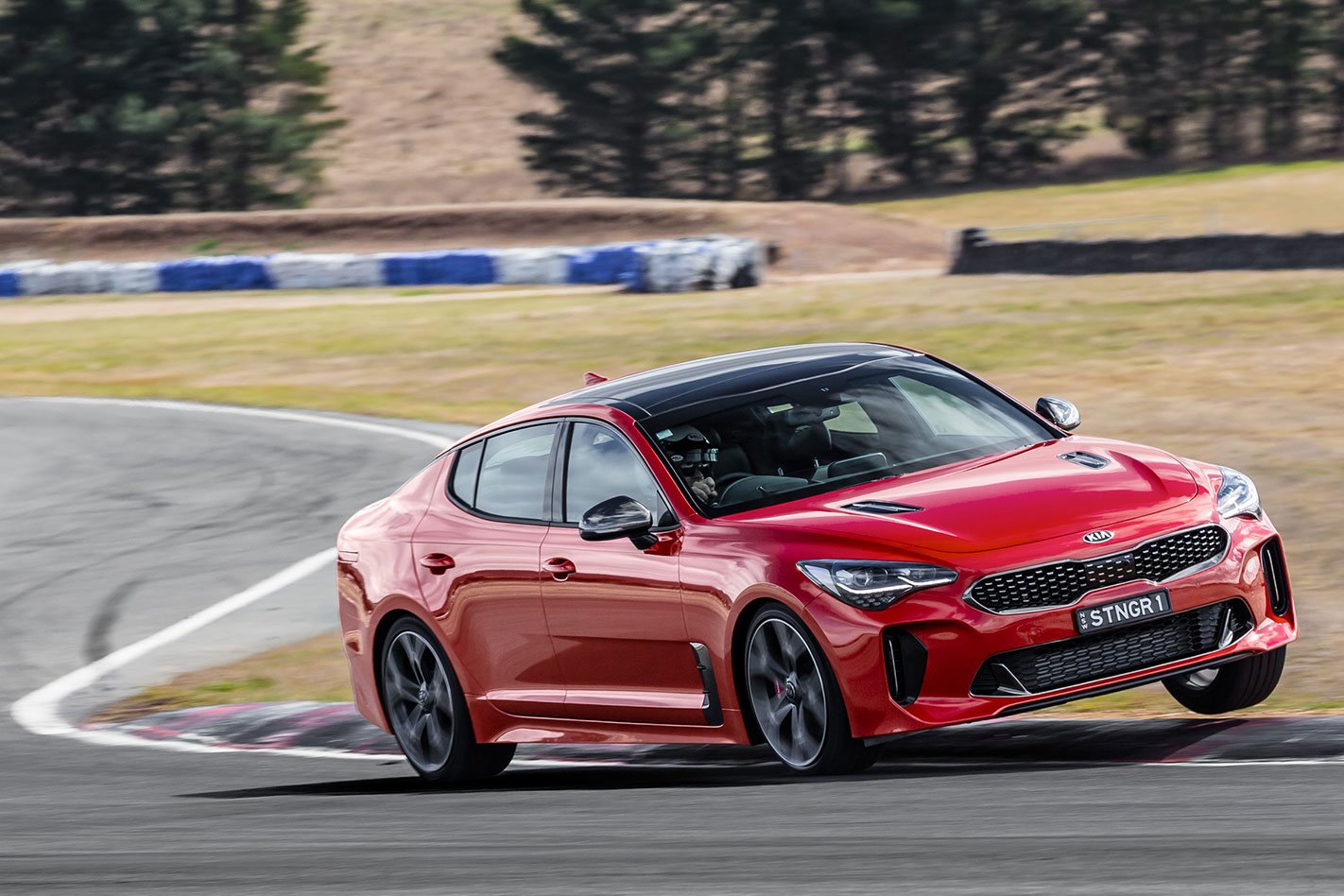
If you’re going for a spirited drive, you’d better be strapped in because the rear axle can be lively. Matched with ample grunt, it doesn’t take much to get significant yaw angles – wanted or not. However, that’s cutting the Stinger short, because it does display enjoyable rear-drive dynamics and, when you tone down the hooligan, it can be devastatingly quick. The steering is a bit of a letdown and the eight-speed auto offers no true manual mode. However, the Stinger is a satisfying car to drive, and it’s one that can cover mundane highways and flowing backroads in the same trip.
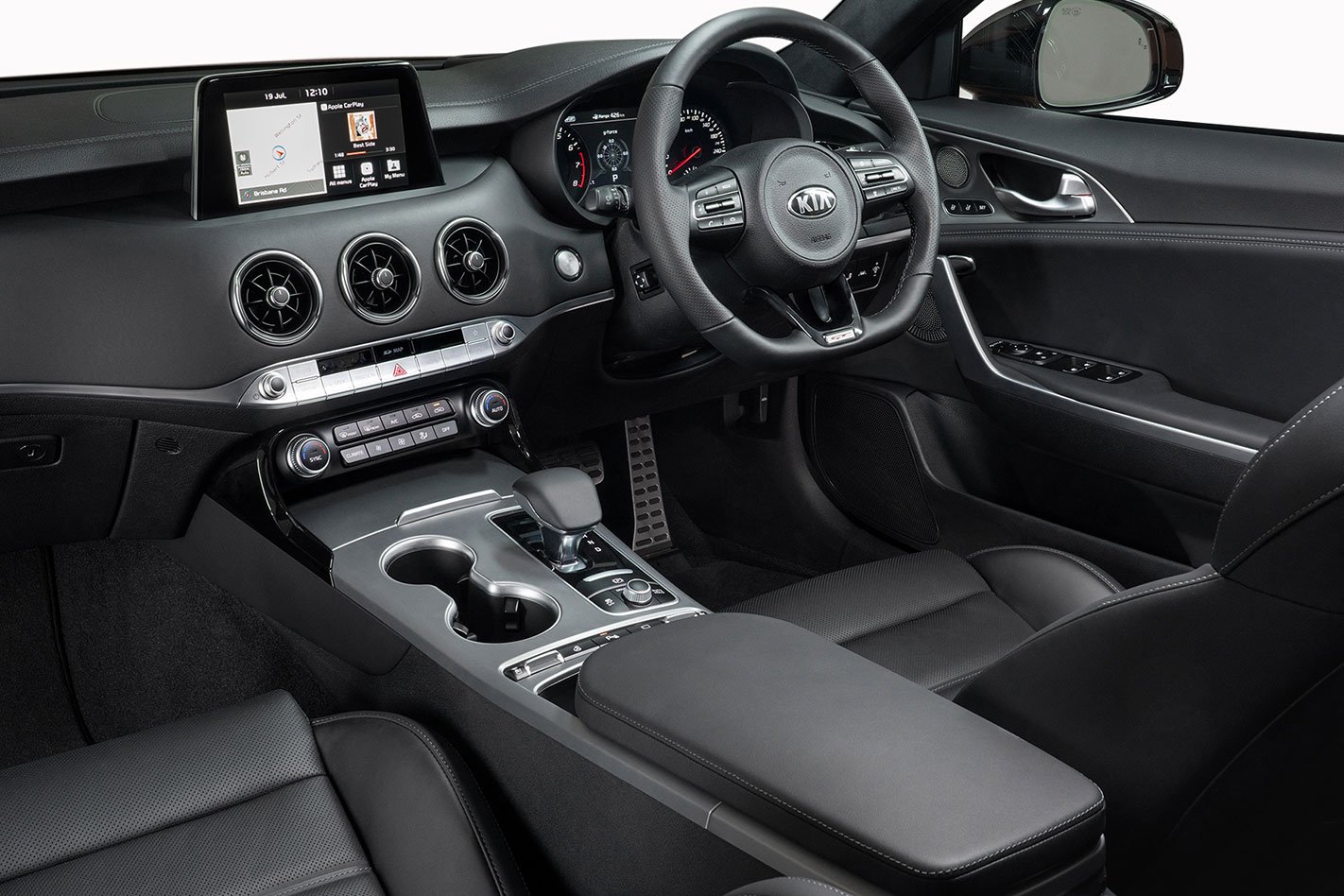
Inside the Stinger is a big step forward for the marque. It looks and feels premium, with turbine-style air vents and soft-touch plastics. It does the big, comfy cruiser vibe well. And it doesn’t skimp on standard features. It’s also quiet with commendable NVH levels. At 405 litres the boot is decent rather than capacious for the size of the car, but the liftback design makes access easy. Head and legroom in the back is enough for most body types.
LEXUS IS F SPORTS LUXURY
Sadly, the IS F, then and now, is overshadowed by its rivals. The German trio, Audi RS4, BMW M3 and Mercedes-Benz C63 AMG, have a way of overpowering the Japanese contender. Introduced in 2007, the IS F received a mid-life update before being discontinued. The refreshed version is the one you want as it gained a Torsen limited-slip diff among other styling and spec tweaks. The double-stacked tailpipes remained as a defined styling feature.
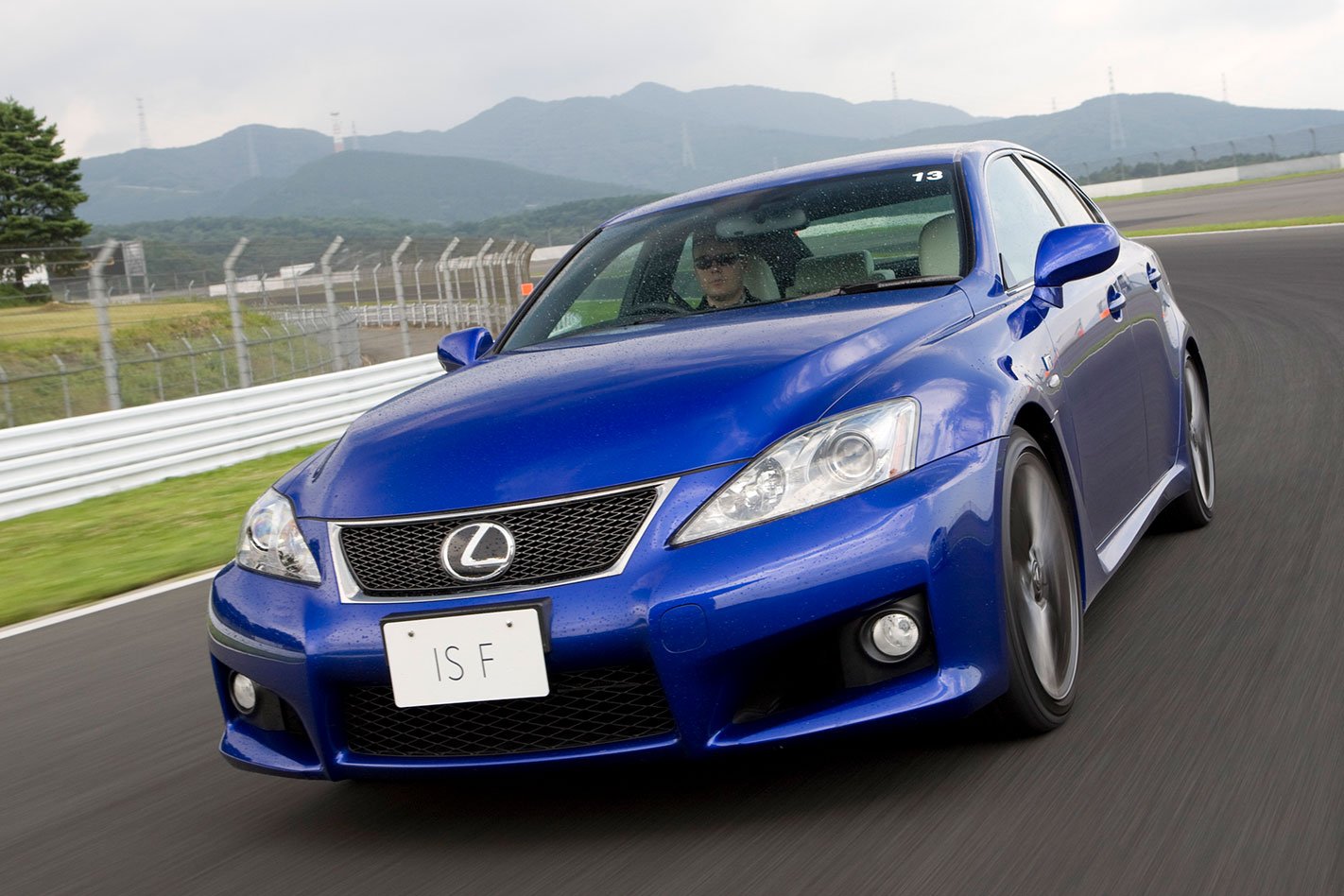
Developed with Yamaha, the naturally aspirated V8 does its best work up high in the rev range. So you need to keep the eight-speed auto shifting through the gears to keep the 5.0-litre on the boil. It certainly doesn’t have the meaty torque of the Stinger down low despite being endowed with only 5Nm less. The addition of the LSD increased the IS F’s dynamics, tying in with a chassis that offers decent grip and poise. However, it doesn’t quite reach the heights of its German rivals in this regard. Still, the feel-good factor is high in the Lexus.
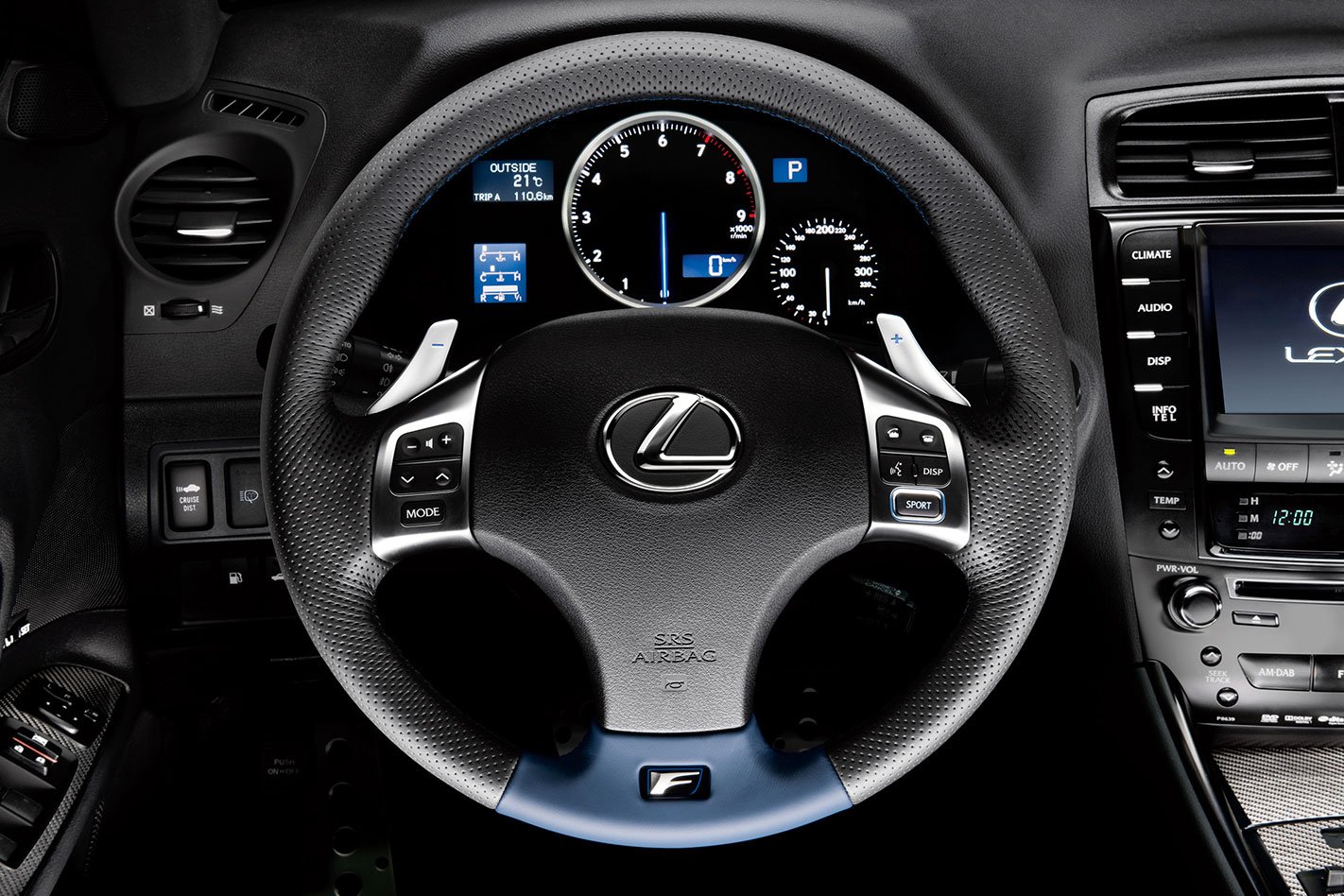
Inside, the IS F missed out on the updated interior of the current IS, so it’s starting to look dated. There’s buttons aplenty, but a large central screen deals with the infotainment, while the instrument cluster utilises traditional gauges. It does miss out on key tech features the Stinger gains as standard, a fact that highlights its age. There’s little to distinguish it from lesser IS variants, but the steering wheel comes with metal-finish shift paddles and there’s also an F motif on the lower rim. The IS F isn’t as big as the Stinger, so cabin space isn’t as capacious and the boot space is reduced to 378 litres.
Specs comparison
| u00a0 | KIA STINGER | LEXUS IS F SPORTS LUXURY |
| Price (new) | $50,190 (330S) | $45,990 |
| Engine | 3342cc V6, dohc, 24v, twin-turbo | 4969cc V8, dohc, 32v |
| Output | 272kW/510Nm | 311kW/505Nm |
| Transmission | 8-speed automatic | 8-speed automatic |
| 0-100km/h | 4.9sec (claimed) | 4.9sec (claimed) |
| Efficiency (combined) | 10.2L/100km | 11.4L/100km |
| Drivetrain | RWD | RWD |
| Doors | 5 | 5 |
| Seats | 5 | 4 |
| Wheel size | 18-inch | 19-inch |
| Country of origin | South Korea | Japan |
Wheels staff picks

Trent Giunco
Staff Journalist
I like the Stinger. Actually, I really like the Stinger a lot. It’s fun, scary, comfortable and practical all in one car. But for me, and somewhat surprisingly given the aforementioned list of attributes, it’s missing that last element of character. The IS F isn’t. And it’s pretty much a forgotten gem. The IS was the first to be adorned with the sporty F badge, and it’s yet another example of how Lexus doesn’t merely offer tarted-up Toyotas. While the V8 is the main event, with its sonorous soundtrack, it’s not the only reason to like IS F. It looks the goods and isn’t a numpty when you find some corners. The downside is that there’s no warranty (not that you should need it with a Lexus), the infotainment is very much outdated and you really need to be ‘on it’ to get the 5.0-litre V8 to boogie. Still, get one before everyone else remembers how good they are.

Andy Enright
Deputy Editor

Cameron Kirby
Staff Journalist
Regular readers of New vs Used would have figured out that I usually opt for the car that sounds the best. But it’s time to buck the trend, with the Kia Stinger winning for me. While the IS F and its V8 burble would make a fantastic soundtrack for daily commuting, the speed and competence of the Stinger sees me swinging in its favour. The Stinger is incredibly comfortable for daily duties, as well as for long hauls. While the sound is a tad insipid, it makes up for it with seriously impressive straight-line performance. A good set of rubber (like the Michelin Pilot Sport 4 items fitted to the GT) would be high on the priority list to replace the gumball Continentals.
Reckon we’ve got it right? Or are we way off the money (literally)? Find your best and let us know in the comments what you’d buy.
A technology almost as old as cars themselves, supercharging has left its mark on automotive history for good.
A humble way of forcing more air and fuel down an engine’s throat, superchargers essentially mean there’s a bigger bang which in turn means more power.
But sadly, superchargers are becoming rarer as new technology presses on.
So as an ode to the the supercharger, click through the gallery above to view our favourite supercharged cars in no particular order.
Are there any supercharged cars you’d add to our list?
Sign up here to get the free weekly WhichCar eNewsletter
We knew the day would come when EVs and SUVs would be considered as performance icons worthy of getting an official Lego Speed Champions treatment.
The models in question are Jaguar’s Formula E GEN2 and i-Pace eTrophy all-electric racers, which will get its mini Lego rendition in the Speed Champions 2020 product line-up.
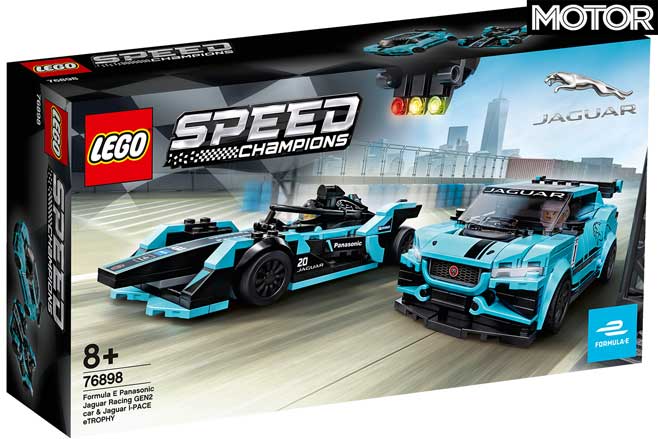
The duo will be part of a set that was revealed at the launch of Panasonic Jaguar Racing’s new Jaguar i-Type 4 racer, which will be raced in Season 6 of the Formula E championship that will commence on 22nd November 2019.
While neither Jaguar nor Lego has revealed exact details on the models, Lego enthusiast site The Brothers Brick has revealed that the two Lego models will be the first in the Speed Champions line to feature an “eight-stud-wide” design, rather than the “six-stud-wide” design that the series has been using.
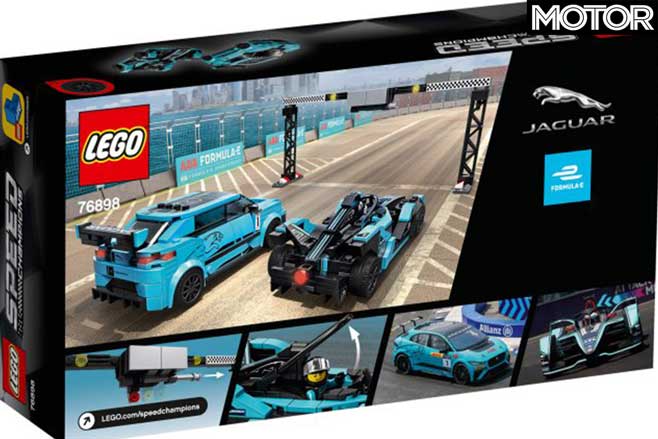
This expansion would allow for more details to be rendered in the model such as the open-cockpit racer’s suspension system. Adding to that, this larger format would allow for – as though it needs to be said – Lego to render an SUV in all its humongous dimensions.
This is further reflected with the use of a much larger floor piece to accommodate the i-Pace’s proportions. It wouldn’t be surprising that this floor piece would be utilised for more plus-sized creations down the line.
The Jaguar Formula E GEN2 and i-Pace eTrophy Speed Champions set is set to go on sale from January 1st 2020.
Mercedes-Benz Australia has confirmed local pricing for the Mercedes-AMG CLA35, with the 225kW/400Nm hot hatch sitting around the same price point as the previous generation A45.
With a base price of $83,400 before on-roads, the premium ‘coupe’ looks to indicate that a price rise for the new AMG A45 S should be expected, as the last version was a $78,315 offering.
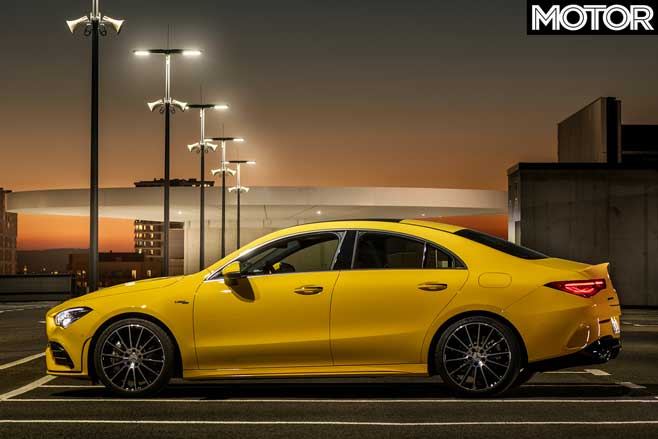
But this shouldn’t deter CLA buyers, AMG expects, as the brand’s CEO Tobias Moers says the CLA is a car for those focused more on the car’s style and design than its performance potential.
“With its iconic design and agile driving dynamics, the new CLA35 is an attractive offer for a young, active and lifestyle-conscious target group,” said Moers.
“These customers define their requirements very clearly: They expect exciting design from their vehicle alongside superior performance and inspiring handling characteristics.”
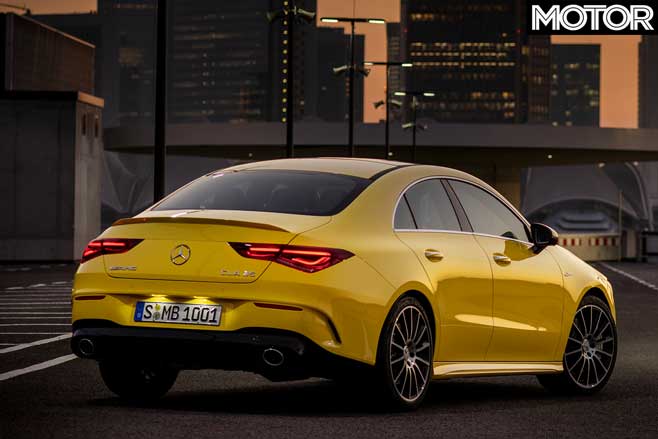
However, the performance and handling of the CLA35 shouldn’t be downplayed, with its punchy engine allowing the AWD system to launch the sleek CLA to 100km/h in just 4.7 seconds.
Additionally, for better ride quality, Australian-spec CLA35s score AMG Ride Control adaptive damping system as standard.
The CLA35 is to be available from “early 2020” followed closely by the AMG A45 S which is to have its pricing announced closer to its launch.
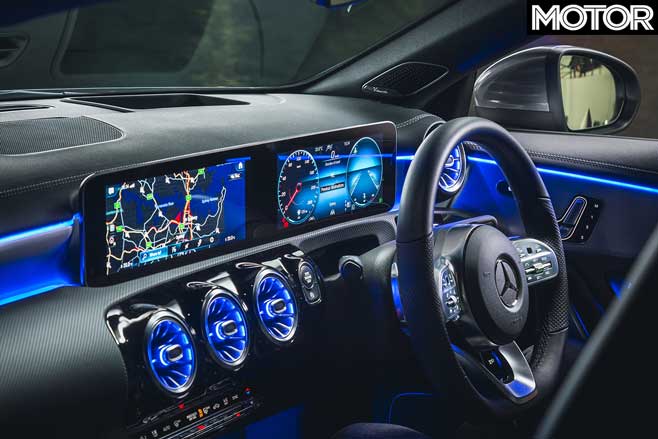
If the CLA35 is a little pricey but its performance sounds tempting, the A35 hatch is priced from $67,200, while its sedan variant is a $69,800 offering.
Also set to be available is the Mercedes-Benz CLA250, with a 165kW/350Nm 2.0-litre turbo four and a 7-speed DCT. Pricing for the CLA250 sits approximately where the last generation did at $68,800 before on-roads.
Owners of second-generation Lexus IS models may want to head to their nearest dealership ASAP, as the Japanese automaker has announced that 13,768 IS 250, IS 350 and IS F vehicles sold in Australia have been recalled to fix potentially dangerous airbags.
Cars caught up in the recall were manufactured between 2005-2012 for Lexus IS 250 models, 2010-2012 for Lexus IS350s and 2008-2012 for the IS F.
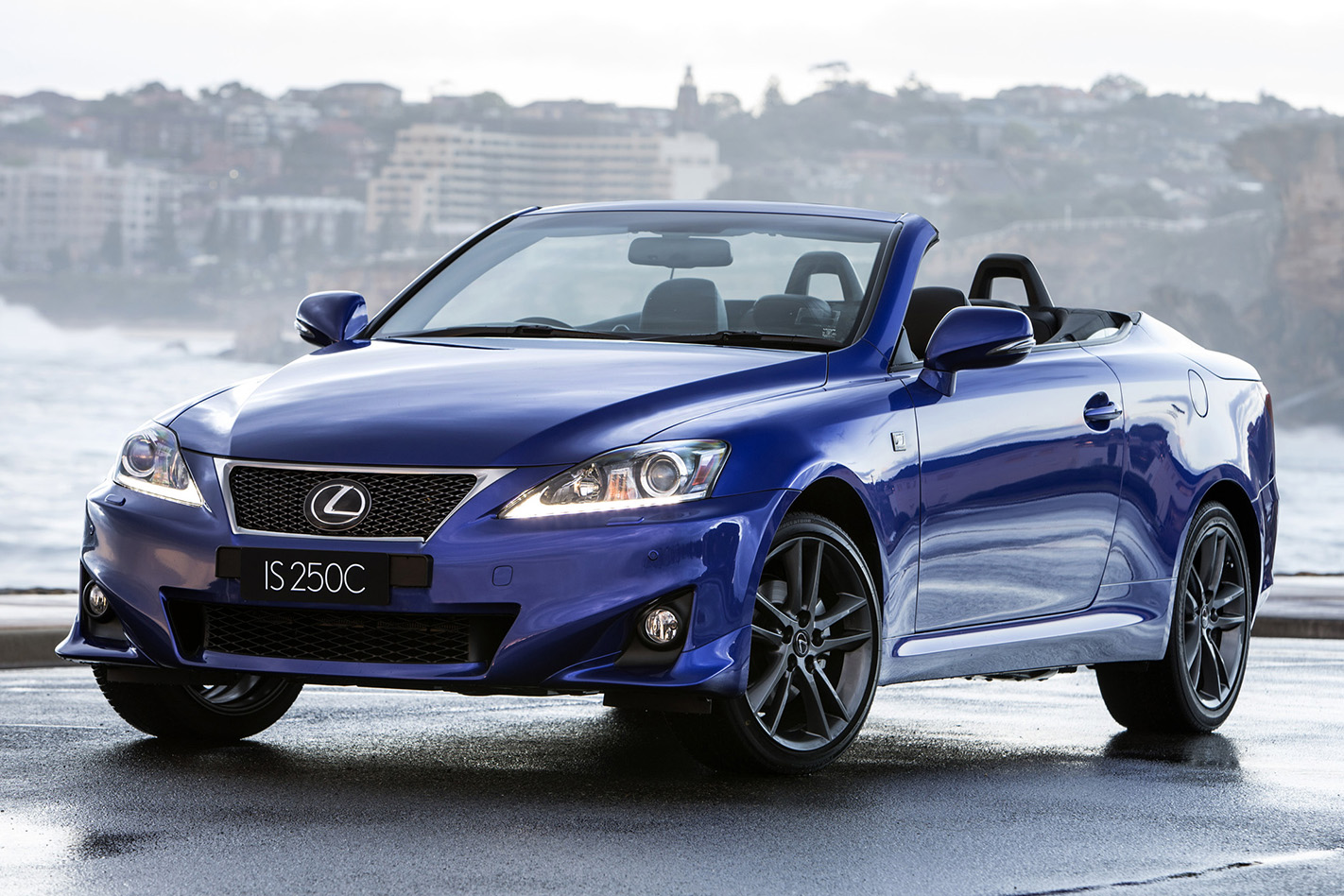
For owners of those cars, it will be the second visit they’ve made to a Lexus dealer to have airbags replaced. Ironically, the suspect airbags – all of which are fitted to the passenger side only – were installed as replacements for potentially deadly Takata airbags.
However this time around, the replacement airbags are dangerous for a different reason: they may not inflate rapidly or fully enough when triggered, and thus would not be able to cushion passengers against the force of a crash.
GETTING TOUGH: Car regos cancelled in latest Takata airbag blitz
The original Takata airbags were recalled for ejecting metal fragments towards vehicle occupants when deployed – a fault that has to date resulted in several fatalities overseas and in Australia.
According to Lexus’ recall, the cause of the fault has been traced to a manufacturing defect of the replacement airbags. The replacement airbags were also manufactured by the Takata Corporation.
Affected owners will be notified by Lexus Australia to make arrangements for replacement airbags to be installed at no cost to them. Concerned individuals can also contact Lexus customer assistance on 1800 023 009, or view the original recall notice to check the full VIN list of affected cars.
WhichCar has contacted Lexus Australia for comment.
If you’re a parent of a budding young driver, then you’re probably looking at ways to give them a leg up in the experience stakes. And if that youngster is keen on the motorsport side of the ledger, then you’ll also know that this is not a cheap exercise.
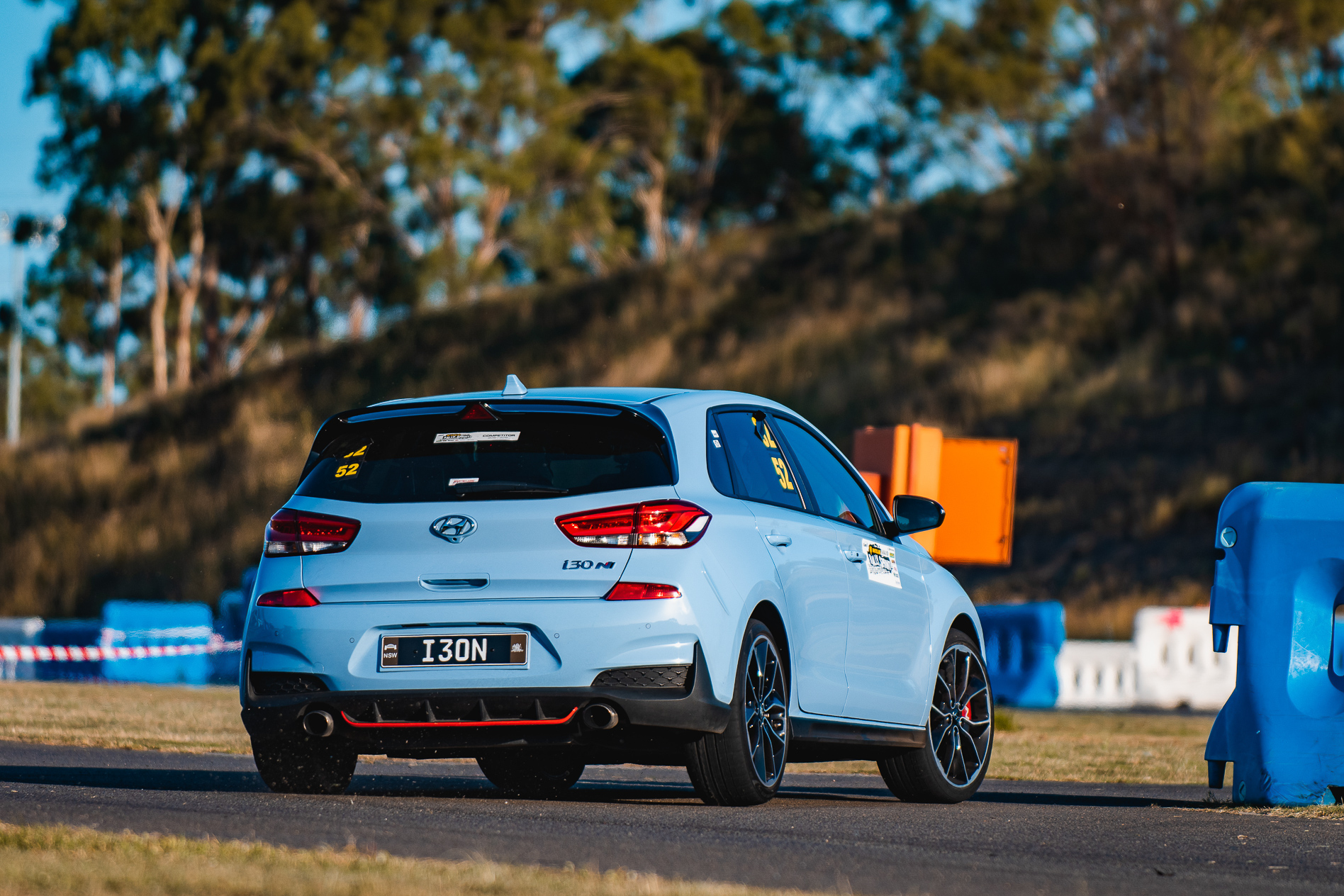
An interesting deal between the organisers behind the successful Twilight Tarmac Rally Sprint series in Sydney and Hyundai, though, goes a little way towards killing these birds with one stone.
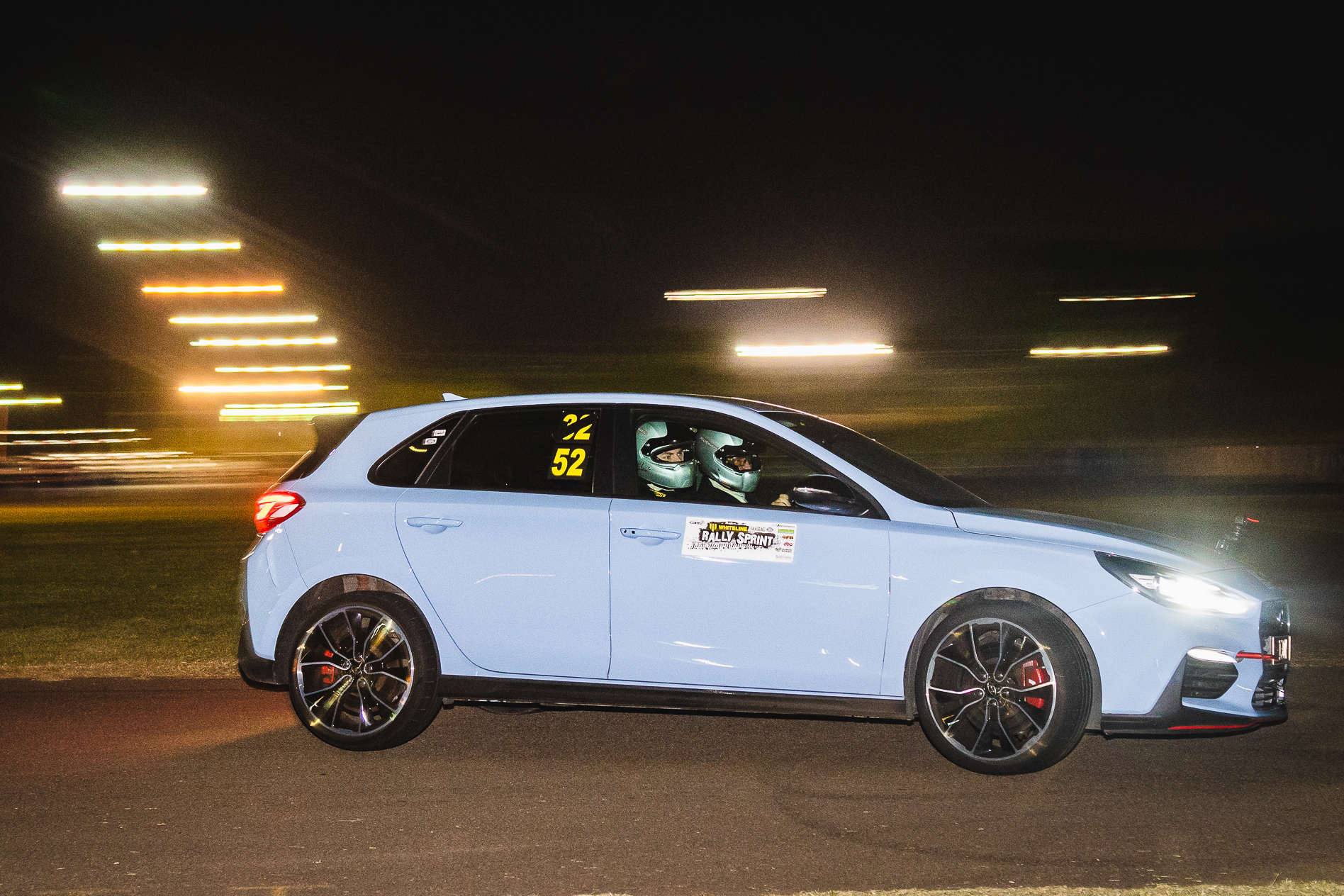
The series is held after hours during the week, and runs over a surprisingly long tarmac track in and around Sydney Dragway, with five rounds over the summer months. Each racer attacks the track one at a time, and depending on the day, up to six runs can be completed in a night.
It might not sound like a lot, but trust us… it’s plenty!
The club behind the series, the North Shore Sporting Car Club, has twisted the arm of Hyundai – which has previously used the event to test its Targa car and its amazing Kona EV skunkworks machine – to offer young drivers in its GFB-backed junior challenge a money-can’t-buy chance to use one of its i30N cars for a round, as well as receiving tutelage from Hyundai tarmac racer and rally ace Brendan Reeves.
A one-off entry fee for the entire five-race series, which kicks off in mid-October in Sydney, will include the use of an N Performance-supported Hyundai i30N for one of the rounds, with Brendan offering extra tuition and mentorship across the series.
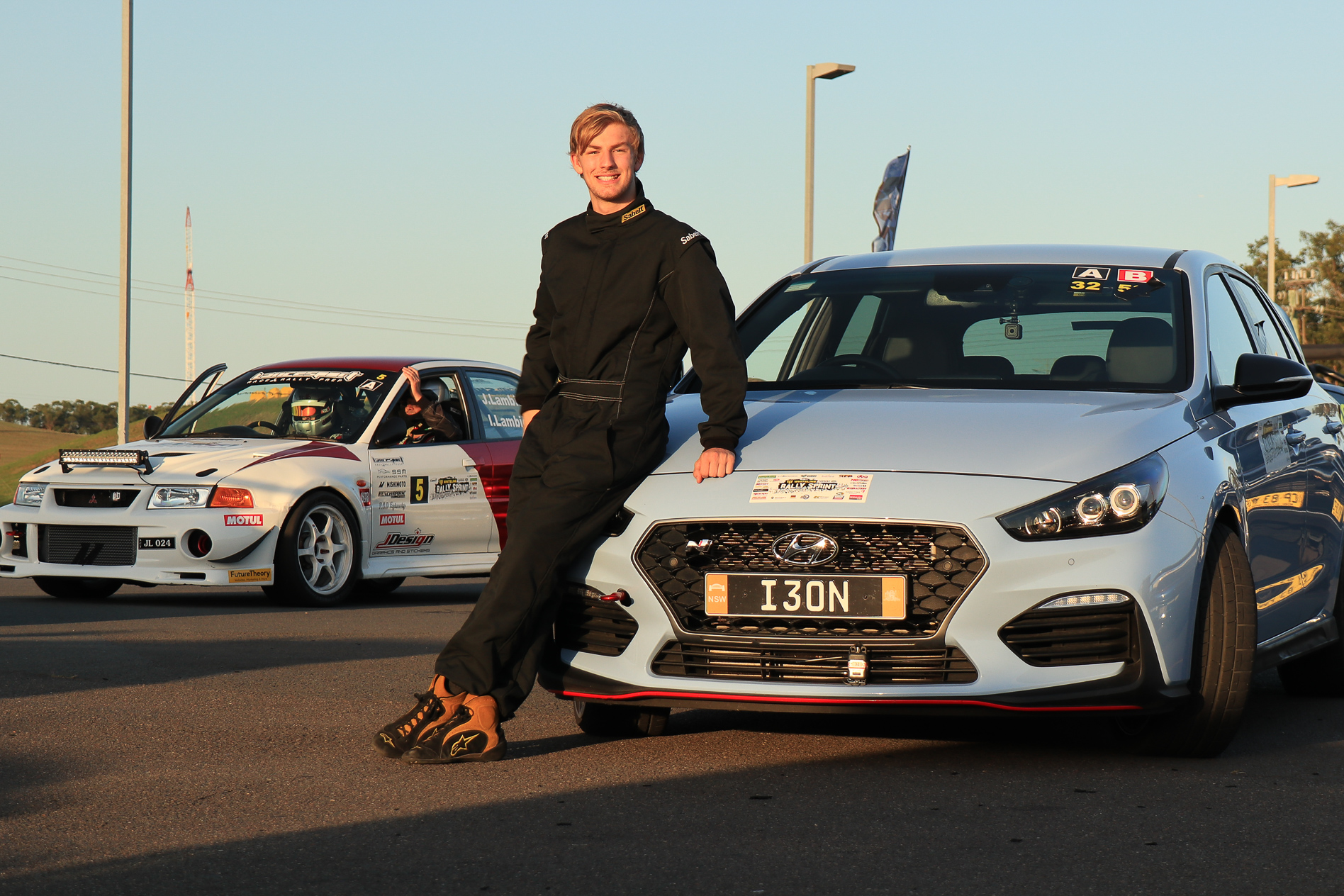
The only catch – the driver needs to be under 18 before the start of the first event. Drivers as young as 14 can compete with a CAMS junior licence.
“The primary reason we’re getting involved is we want to encourage the next generation of motoring enthusiasts,” said Hyundai’s marketing, PR, sponsorship and events senior manager, Guido Schenken. “What better way than to get them to experience motorsport at a young age, but importantly in a safe environment?”
Schenken believes the unique nature of the sprint event is a great springboard for aspiring tarmac jockeys.
“Young drivers need to learn about driving, particularly dynamic driving, in a controlled situation and the Twilight Rally sprint Series provides that,” said Schenken.
“Not only does the event take these kids off the streets to explore their limits but we’ll also have Australian rally star Brendan Reeves on hand to act as a mentor. He’ll be able to give them advice and answer any questions they have to hopefully send them home from the night a better, safer young driver.”
“The future of motorsport is juniors, and that’s a policy for both NSSCC and CAMS,” says club president and event organiser Brett Middleton.
“The bonus is the extra driver training before the kids get their Ls, or as they graduate to their Ps.” he said.
“The GFB junior driver program at the Whiteline tarmac rally sprint series is just one of our many programs. Having Hyundai involved with N Performance allows us to reach more juniors and to offer them a bigger carrot to get them involved.”
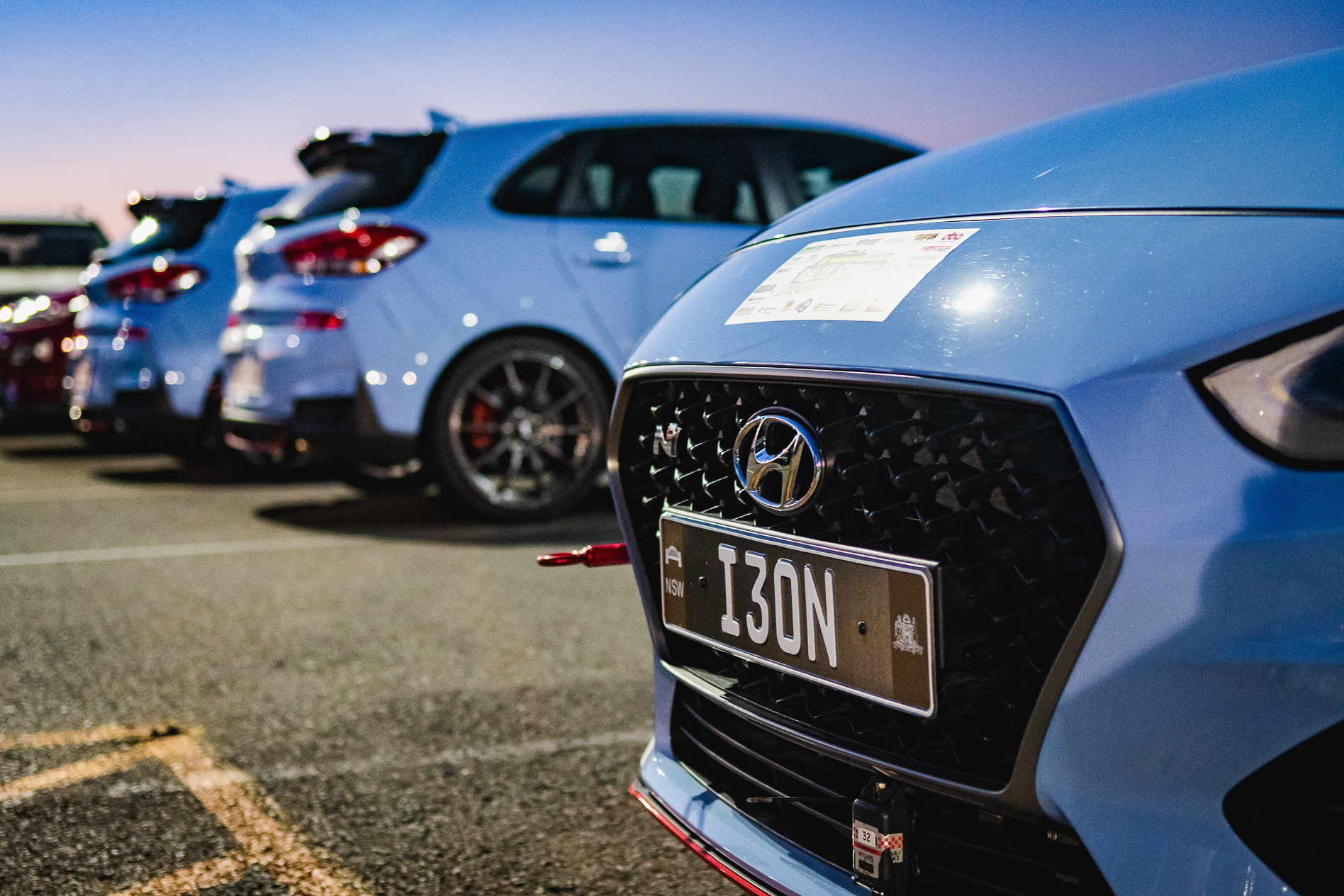
The cars will be standard i30Ns which can be driven to and from the event on the road, according to Schenken.
“The only changes required by the organisers are event sponsorship stickers,” he said.
“The rules are relatively open, however, and last year Reeves experimented with various tyre compounds and brake pads as part of the development program for our Targa Tasmania entry.”
This program is a terrific incentive for young drivers, from this racing dad’s point of view. While rustling up the entire entry fee at the beginning of the season ($880 at time of writing) for 17-year-old Max is proving to be a challenge, it represents a decent saving off a single-entry event.
As well, co-drivers – required for junior drivers and who need to be over 18 – don’t have to pay an entry fee, though they do need to have club membership and a CAMS licence for insurance purposes
Add to the fact that we also get to park our own car for a round, and we save on things like tyre wear, fuel and towing costs for that event.
Potential entrants will need to get their skates on, though, as the places on the event are limited.
