
The first fully electric Porsche is an object lesson in vehicle dynamics, repeatable performance and overall user-friendliness.
Boasting strong looks inspired by the 911 and a seriously advanced drivetrain, the high-end five-door Porsche Taycan EV is an evolution of the plug-in Panamera with the soul of a new-age sports car. And if the proof is in the pudding, the time has come to gorge on this technical tour de force.
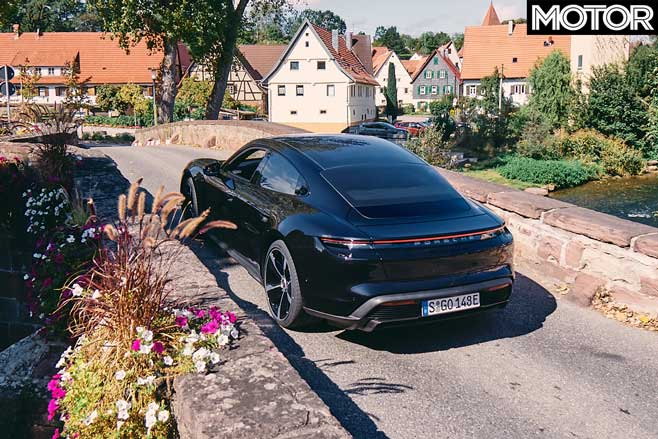
As I approach, my alter ego is busy scribbling down the first mental notes. The driver seat looks as if it is mounted a long way down, and is actually level with the 992 Carrera, so the bones must bend to a Z before they can stretch again.
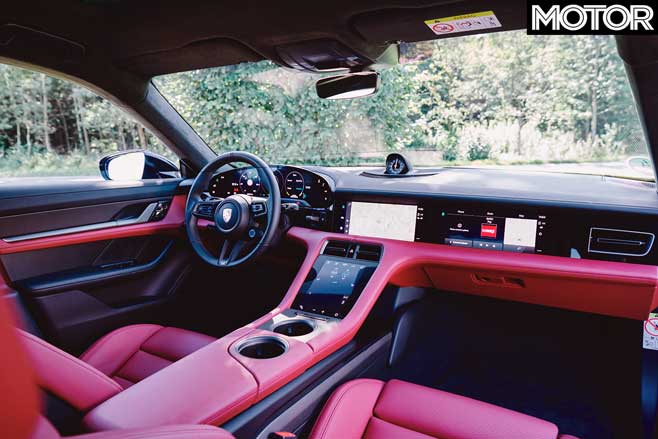
Where the ignition key used to be, a flush-fitting starter button impatiently awaits the first command of the day. To the right is a three-way gear selector that resembles a micro joystick; up for reverse, down for drive and in the middle for neutral.
The main instrument binnacle is a digital reinterpretation of Porsche’s first five-dial layout, the centre stack an iPad metamorphosis designated to access the climate control functions, the rectangular monitor right above an iteration of the marque’s generic touchscreen.
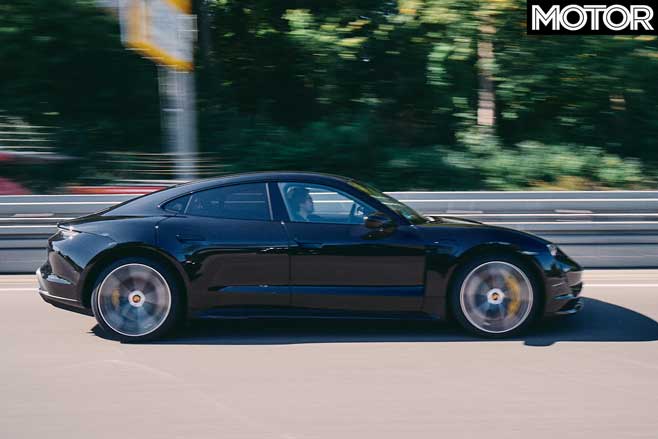
The first thing you notice when on the move is that this electric car is hush-quiet but by no means totally silent. Instead, it hums up to 30km/h to warn stray pedestrians; above 50 it invites the wind, the tyres and the suspension to join an improvised and constantly varying jam session; and, if you so desire, the street music can at the push of a button be accompanied by the virtual-reality Porsche Electronic Sport Sound back-up choir, which infiltrates the ears like a remix of Kraftwerk’s Autobahn and Mike Oldfield’s Tubular Bells.
In any other Porsche, noise works as a sure-fire aphrodisiac, but the Taycan merely plays a brief bi-vocal prelude, allows quadrophonic reticence to define the next movements, then lets an initially subdued crescendo herald the final furioso.
Blending in is the smacking of the sticky tyres, the metallic chirp of the carbon-ceramic brakes when still cold, the occasionally rumbling air suspension and that pitched full-throttle whir generated by two electric motors, two inverters and one limited-slip differential.
Unlike a 992 Carrera 4S, which happily produces its 331kW maximum all day long, this turbo-less Turbo S won’t be upset if you take the official performance figures with a pinch of salt. After all, the claimed peak of 560kW is exclusively available in overboost mode and only for 2.5sec. The ‘regular’ peak output of 466kW will start deflating after ten seconds, but by then you have reached 200km/h.
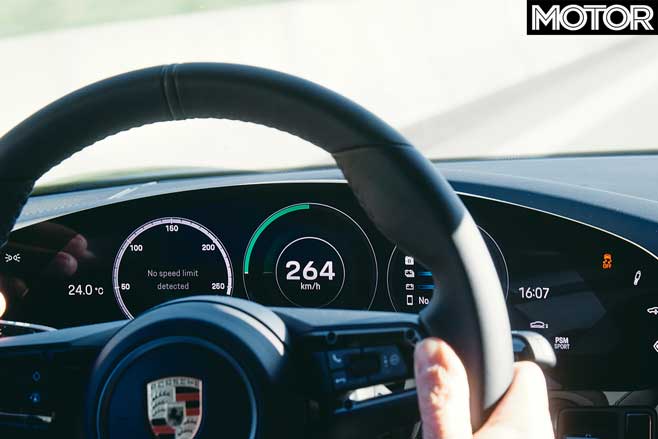
Key strengths against the equally quick Tesla S P100D are repeatability and consistency; it can do at least a dozen pedal-to-the-metal stints before dropping half a second, if that. At the same time, it’s perfectly capable of hammering along at 260km/h for miles on a clear stretch of autobahn.
While every bout of unbridled hooliganism is instantly reflected by the prominent range and state-of-charge readouts, the 800V system actively protects the batteries by making do with lower motor currents that have virtually no effect on the available power.
Depending on one’s driving style, Taycan passengers are either to be envied or pitied. Envy is the name of the game in full attack mode from a standing start, when this 2295kg neo-coupe sucks in and spits out the horizon.
Pity is due when an unassuming occupant is suddenly caught out by the whiplash effect 1050Nm of torque invariably has on the small of one’s back, and on the longitudinal g-force that staples earlobes to the skull.
The familiar Drive Select knob on the steering wheel offers a wide span of attitudes marked as Range, Normal, Sport and Sport Plus. Range saves energy while teaching the driver how to play his part; Normal is exactly that; Sport holds first gear as long as possible; Sport Plus stages ultra-quick upshifts to match Porsche’s own PDK transmission down to the millisecond. As always, all four also tweak throttle response, suspension, steering action front and rear, anti-roll bar setting and ESP intervention.
This car stretches the imagination to a point where the black box inside your head switches to overload and begs for a reset. While the acceleration may not qualify for a new world record, the seamlessly physical kick-and-rush experience between 100 and 200km/h is amazing.
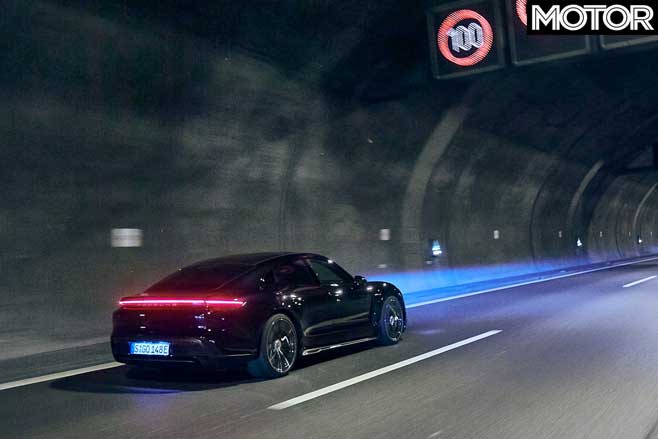
Roadholding, traction and grip are three more supernatural eye-openers. Helped by a centre of gravity that sits closer to the road than in a 911 – supported by a wide track and liquorice-compound 21-inch Goodyear Eagle GT tyres, aided by available adjustable sway bars, standard rear-wheel steering, forward-thinking torque-split system and megabyte master control unit – the Taycan Turbo S overwhelms with dizzying cornering speeds and cold-blooded composure.
It feels like an emission-free counterpart of the Audi RS7, generating a massive forward urge, putting the power down with fuss-free determination, and following the line as if guided by a super-precise master plotter.
In essence, that limit is defined by three parameters: the type of terrain about to be covered and the weather; the courage and skill of the driver; and the scary effect a hungry Taycan on the prowl might have on the law and on other road users.
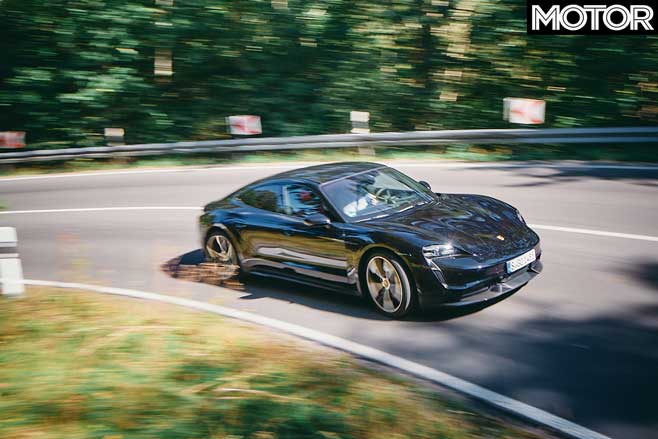
On a race track and in the snow, lurid slides are apparently as natural as clicking a finger. In traffic and on public turf, however, a heavy right foot and ESP in Dynamic Mode suffice to pop rivets off guardrails, peel white lines from the blacktop and make roadside posts bow in awe.
Thanks to an evenly balanced weight distribution, the purely electric AWD system and the sway bars’ ability to enhance or reduce oversteer and understeer, this Porsche seizes the road like a monorail.
Although it’s possible to dial in a more tail-happy attitude, catching the bulk before it answers the call of freedom requires little more than a quick flick at the helm. It’s an adamantly undemanding yet blindingly fast car low on fear and drama but high on efficiency and rapid ground-covering ability.
The sweet steering and strong brakes add more brownie points to the quickly consolidating grand total.
In contrast to every other electric car I’ve driven, it is impossible to decipher the exact moment when the Taycan’s stopping system switches from electric to hydraulic operation and back again. The brake performance is accordingly linear, pedal pressure is by and large in sync with the slow-down effect it triggers, and there’s always plenty of surplus strength on tap, either to reel it in or to feed the ever-peckish batteries with regenerated energy. The only minor criticisms concern a slightly wooden pedal feel above 200km/h and the extra final-yards effort it takes to bring this heavyweight to a full stop.
The rear-wheel steering reduces the turning circle by 0.5m to 11.2m and the electric rack-and-pinion is quick but not restless, relaxed but not wayward around the straight-ahead, communicative but not chatty, light but not vague. It puts all that weight, power and grunt into your palms in a manner that shouts reward rather than challenge, and precision without the faintest trace of overkill.
In terms of confidence-building ability, this Porsche scores a solid ten out of ten.
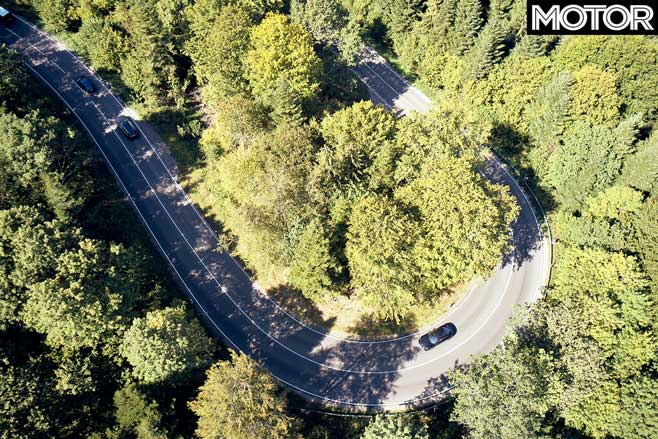
When Audi, BMW, Jaguar or Mercedes promote the benefits of their latest EVs, the notorious one-pedal feel pops up as a highly important asset. According to Porsche, however, the lift-off effect should never feel as brusque as if someone had pulled the handbrake.
While other EVs offer up to four energy regeneration modes, Porsche relies on a single program that is subtle enough not to disturb the forward motion and can easily be disengaged by pushing a button on the wheel.
If our test car is anything to go by, the official performance and range data are quite conservative. According to the on-board computer, there is a 56km distance-to-empty buffer hidden in the data sheet. The claimed average consumption of about 25kWh seems equally overcautious.
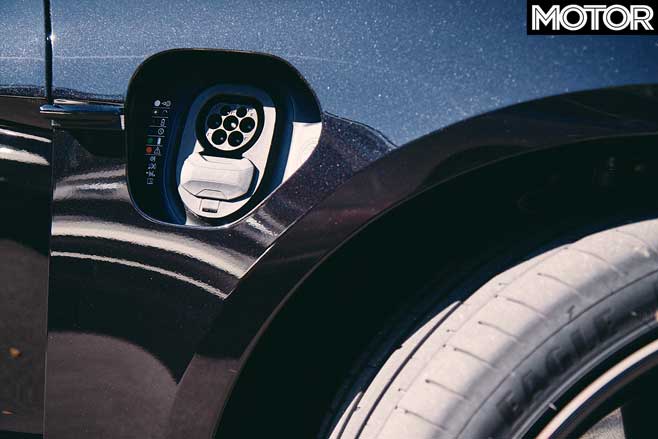
The instant you nail the accelerator and drive the Taycan like a petrol-fed Turbo S model, these projections are voided. But so what? Dawdling along at 100km/h with over 500kW on tap sums up the proverbial anti-climax experience. Instead, why not select Sport Plus, disconnect the silly here-we-come sound processor, lock stability control in play mode, put on the imaginary helmet and swallow a couple of bastard pills.
Zero to 200 in 9.8sec? Done that. Smokey burnout with ESP off? Check. Flat-out on the autobahn at an indicated 268km/h? Yep. Kick the instant consumption readout to 50kWh where the scale ends just for the heck of it? You bet. Monitor blood pressure and heart rate? Can’t do it on the move, but all the body’s own scanners, antennae and sensors are still operating well within their comfort zone.
How can this be when you’re flat-out in a Porsche that rips the tarmac, dishes up more combined instant torque than any other product of the brand, and has high performance written all over its black stealth body? The answer is, in blunt terms, because effortlessness and efficiency are prone to outweigh excitement and emotion.
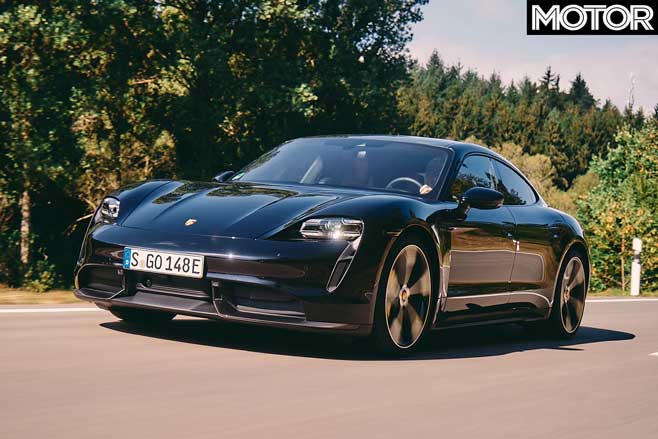
Although the Taycan Turbo S performs like a Porsche, its Porscheness does not always ring through loud and clear. Even compared to the Panamera with which it shares its three-chamber air suspension, the EV sister model feels somewhat softer-edged and slicker-moving. It turns high speed into an easily accessible property, juggles expertly its mass and weight, holds the road as if tied down by a set of magic magnetic fields.
It’s hard not to keep comparing this Porsche to the hottest Tesla Model S, which is on paper every bit as quick and just as fast overall, even though it can’t outhandle the Taycan. But is eclipsing a 10-year-old rival by not a huge margin really the milestone effort everyone expects from a brand new, potentially pace-setting Porsche?
There are several answers to this question. One could argue that long-standing parameters like power output, torque, acceleration times and top speed are not necessarily the defining must-haves of a modern EV. After all, the laws of physics prevent motor cars to catapult themselves from 0-100 in under, say, 1.6sec.
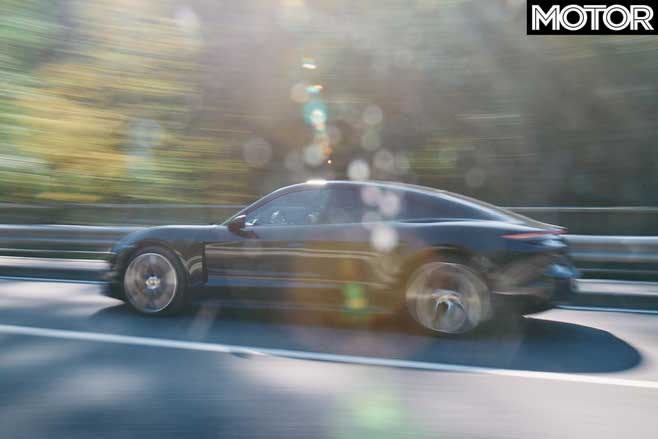
There is also very little 1500kW can accomplish that half as much would fail to fix. A similar deadlock applies to cell chemistry, range, consumption, energy density, battery life and charge times. Which leaves the character of the car in question and the scope of driving pleasure it provides as the major deal-making or deal-breaking qualities.
To broaden its appeal and sharpen its profile, Porsche could for instance develop a Range Plus version to close the evident gap in range – 414km for the Taycan Turbo S, a more calming 616km for the top-notch Model S. This difference is bound to hurt in markets like Germany where speed still matters.
Dedicated batteries, a low-drag body kit, narrower tyres, stronger motors and matching performance electronics could also work wonders in an environment where maximum range is more important than momentary peak power.
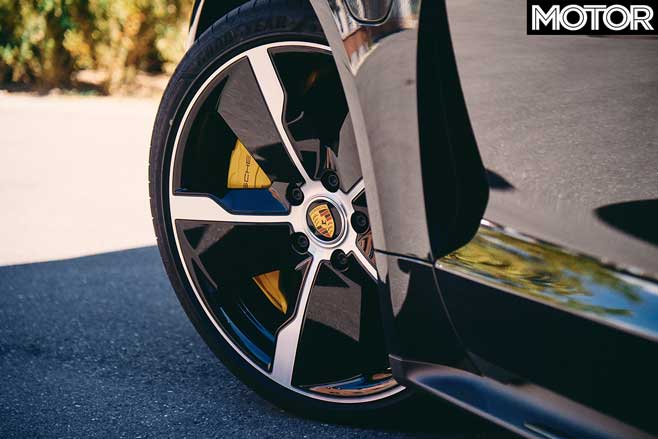
If speed is a drug, then the Taycan Turbo S gets you hooked in one easy lesson. But many industry observers believe that there are more facets to the ultimate driving experience than sheer velocity.
Qualities such as involvement and interaction, which put a stronger emphasis on car control at the highest level and on best-in-class handling. There is one sure-fire way to accomplish these goals, and that’s by signing off a lightweight rear-wheel-drive Taycan GTS that could perhaps even retain the decontented front axle of the Turbo.
A two-wheel-drive derivative would be less portly, a large portion of the weight would sit on the driving wheels, and by allocating one motor to each driveshaft, a combined output of 350kW-plus would be within easy reach. Such a less-is-more product would bring out the sports car genes, function as credible differentiator to the competition, and help redefine core brand values.
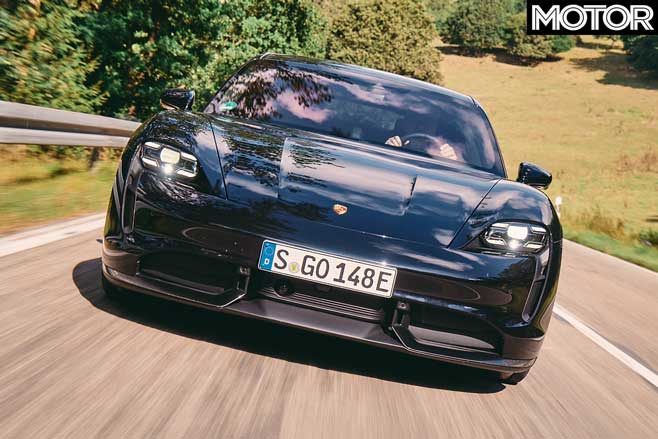
The Taycan is a very good car – and so it should be considering the 202,000 Euro ($A328,000) price of the black specimen shown here. The Turbo S is on an equal footing with the ludicrous Tesla as far as one-time performance goes, but it does carve out a progressively growing lead by repeating the action time after time.
Traction, grip and roadholding are also little short of sensational, steering and brakes leave almost nothing to be desired, the redesigned self-explanatory ergonomics are a big step in the right direction, cabin and luggage space are okay but not brilliant, the promised charge times are about to set a new industry standard, and even the ride is surprisingly supple.
Owners will probably spend the first few months marvelling with pride and delight at the explosive yet totally laidback torque deployment, the awesome punch packed by all that power, and the cocoon effect of this eco-friendly zero-emission weapon. But sooner or later there will come a point when mere perfection won’t suffice anymore, which is why Porsche may be well advised to spin a fresh yarn before Tesla introduces an even more colourful upgrade.
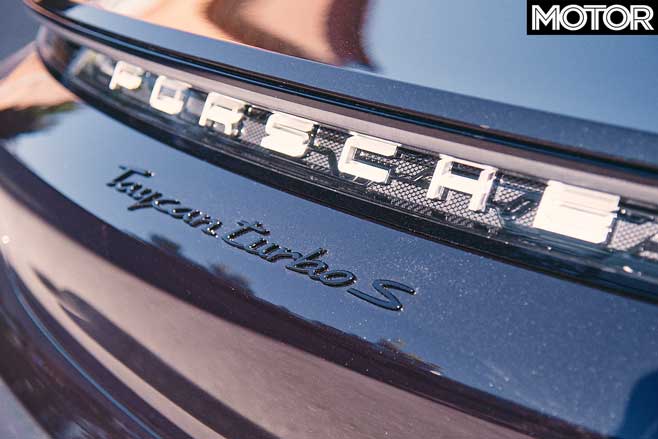
FAST FACTS 2020 Porsche Taycan Turbo S BODY: 4-door, 4-seat liftback DRIVE: all-wheel MOTOR: Two permanently excited synchronous BATTERY: 93.4kWh POWER: 560kW TORQUE: 1050Nm WEIGHT: 2295kg POWER-TO- WEIGHT: 244kW/tonne TRANSMISSION: 2-speed automatic SUSPENSION: double wishbones, air springs, adaptive dampers, active anti-roll bar (f); multi-links, adaptive dampers, air springs, active anti-roll bar (r) L/W/h: 4963/1966/1378mm WHEELBASE: 2900mm TRACKS: 1690/1655mm (f/r) STEERING: electrically assisted rack-and-pinion, rear-wheel steering BRAKES: 420mm ventilated carbon-ceramic discs, 10-piston calipers (f); 410mm ventilated carbon-ceramic disc, 4-piston calipers (r) WHEELS: 21.0 x 9.5-inch (f); 21.0 x 11.5-inch (r) TYRES: Goodyear Eagle F1; 265/35 ZR21 (f), 305/30 ZR21 (r) PRICE: €202,000 ($A328,000)
PROS: Huge repeatable performance, handling, brakes CONS: Fake sound, weight, battery range, price RATING: 4.5 out of 5 stars
A new Toyota 86 is under development, according to chief engineer Tetsuya Tada, who says it will be better to drive than the new GR Supra.
Speaking with MOTOR at the local launch of the Supra, Tada-san dropped the news that “We have a new 86 team”. While Toyota’s local PR representatives were keen to point out that having a development team doesn’t mean a new model will make production, it’s nevertheless encouraging news.
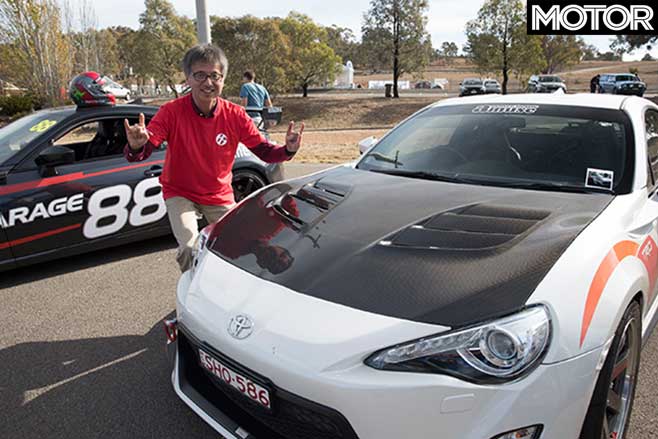
The future of the Toyota 86/Subaru BRZ sports car has been cloudy as global sales haven’t been stunning – the models’ popularity in Australia is an outlier – and the sports car market is shrinking, forcing partnerships like the Toyota-BMW alliance that spawned the new Supra/Z4, the Mazda-FCA deal with the MX-5/124, and the Toyota-Subaru tie-up that revived the 86 in the first place.
Despite local PR assertions, Tada’s comment that “we have to make a new 86 that surpasses the Supra… that is what the customer expects,” suggests work is well underway.In fact, Japanese motoring outlet Best Car has recently reported that the new-generation ‘Toybaru’ is set to make a shock appearance at next month’s Tokyo Motor Show.
Tada explained to MOTOR that, thanks to lessons learned during the Supra’s development, the A90 has a stiffer bodyshell than the all-carbon Lexus LFA and a lower centre of gravity than the current 86/BRZ, despite using a conventional engine rather than Subaru’s boxer. Tada would not be drawn on whether those lessons meant the new 86 could be made with a regular internal combustion engine.
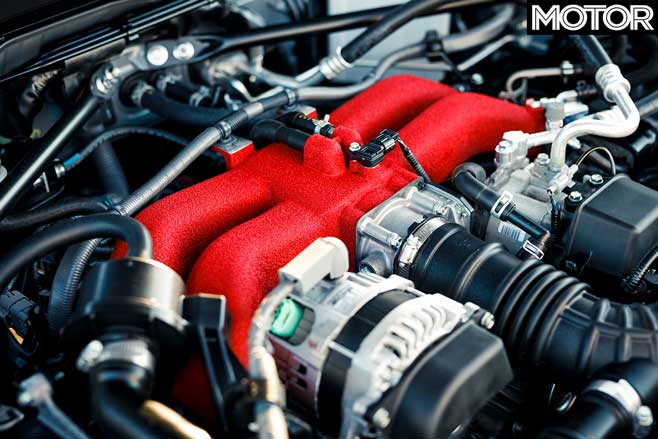
While details regarding the new 86 are scarce, there are a number of options readily apparent. The first is to continue the relationship with Subaru, which would make sense as all Toybarus are built in Subaru’s Gunma factory.
It could use a heavily revised version of the current platform or may migrate to a rear-drive TNGA (Toyota New Global Architecture) platform, which is expected to underpin the next-generation of Toyota and Lexus rear-wheel drive models.
Finally, and possibly related to the above, Japanese reports suggest Toyota and Lexus could share Mazda’s forthcoming rear-drive platform, a patent of which was discovered recently, showing a heavily braced double-wishbone front-end.
MOTOR’s take: If we were to speculate, the latter option makes the most sense, with Mazda perhaps even taking Subaru’s part in the development process. This would provide a platform for the next-generation Toyota Mark X and Lexus IS sedans, Lexus RC and Mazda ‘RX-9’ coupes, and Toyota 86 sports car. It could increase Mazda’s production and provide a key revenue source while preventing the need for Toyota to invest in development or production of models that are falling in popularity.
I’ve seen gear like this across the online space for a few years now; branded racing harnesses and other parts at prices 50 percent lower than what they should be.
At first glance, the parts appear to be pretty legitimate… but it’s what you can’t see that just might kill you.
A racer in the US has illustrated in the most graphic terms what fake gear – in this case, his racing harness – can result in. After a brake failure, the driver hits a barrier head on in his Mustang, resulting in a catastrophic failure of his harness.
A racing harness is designed to do two jobs; to hold a driver firmly in the seat so as to maximise the connection between driver and car and – more importantly – to secure the driver in the safest position possible in the case of a crash.
Ideally, it should be used as a part of a wider safety system that includes a fixed-back racing seat and a rollover protection structure, and when properly implemented, it should stop the driver from ‘submarining’ out from under the lap belt or ejecting up out of the shoulder belts.
In the case of the Mustang driver, he unfortunately does both, thanks to the failure of at least one of the harness’s retention clips.
The harness in question is branded as a Sabelt, one of the best known seatbelt manufacturers in the industry – but upon closer inspection, the belts themselves are nothing more than a cheap knockoff.
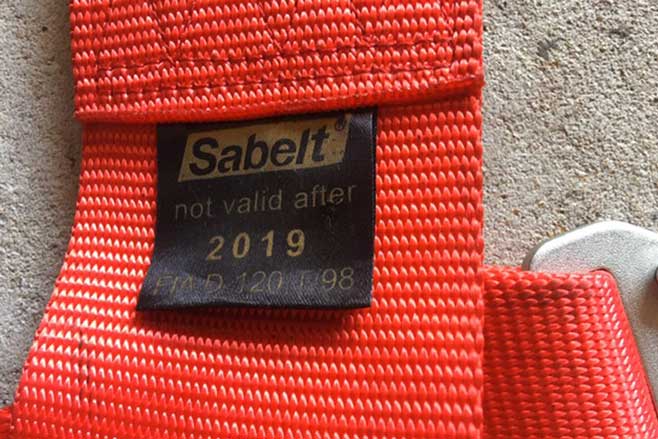
The harness clip that failed is visibly different to a factory item, for example, while other elements including the rotary buckle are also not the same as the factory item.
‘This isn’t a racing car website; why should I care?’ I hear you think. Well, I think education is key, and anyone who has an interest in performance cars should know enough to look after their own safety, or that of others.
You might, for example, blag a passenger ride in a track car, or think about building something of your own… and in both cases, your personal safety should be your absolute top priority.
The old adage of something that looks too good to be true absolutely applies in this instance. A harness is a primary safety device, and it could literally mean the difference between life and death. That people could even think to create a cheap knockoff of such a crucial part is beyond me.
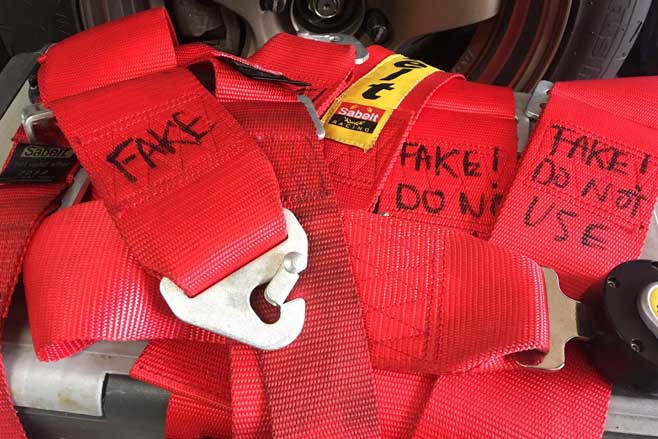
And it’s something that’s directly affected me. After watching the clip and seeing a few belts pass through trading sites online, I thought it would be best to check the passenger side ‘Sabelt’ harness of the little track car that I share with my 17-year-old son.
To my absolute horror, it was the same as the belt shown in the clip. Thankfully, our car has been sidelined for about a year, but the harness – supplied with the car when we bought it – was used by both Max and I over the course of a couple of track days.
I immediately yanked it out of the car. While I’ve labelled it as a fake, I (reluctantly) didn’t chop it all up as Max wants to use it for his racing simulator frame – but rest assured, that harness will be cut into several pieces before it ever leaves our house.
The scary thing is that I consider myself pretty cluey about this stuff – but I had absolutely no idea that our belt was a fake. Upon inspection, it’s easy to spot the differences; no hologram sticker on the label, for example, a much better made buckle and retention clips and much better executed logos and tags.
Racing isn’t cheap at all, and I’m always looking at ways to make our hobby more affordable – but buying fake safety gear is not one. In fact, between the seats, roll cage, helmets, HANS devices and other equipment, our safety has cost more than the actual car.
I’ve seen harnesses advertised second-hand by owners who were unaware of the fact that they themselves had bought counterfeit products, while vital items like quick-release steering wheels and even steering wheels themselves have been found to be fake.
No brand is safe, either; fake Sparco steering wheel quick release mechamisms, fake Momo steering wheels and fake Takata harnesses abound online.
The best way to protect yourself is to source your gear from reputable suppliers. A good harness, for example, costs no less than $300, which is why a $150 item that looks very similar is so appealing. I don’t know about you, but my life is worth a bit more than $150.
What is it?
Peugeot has brought its Expert van back to the Aussie market after a four-year break just in time to take on the all-new Toyota Hiace, and it gives the Japanese van a run for its money in terms of practicality and driver friendliness.
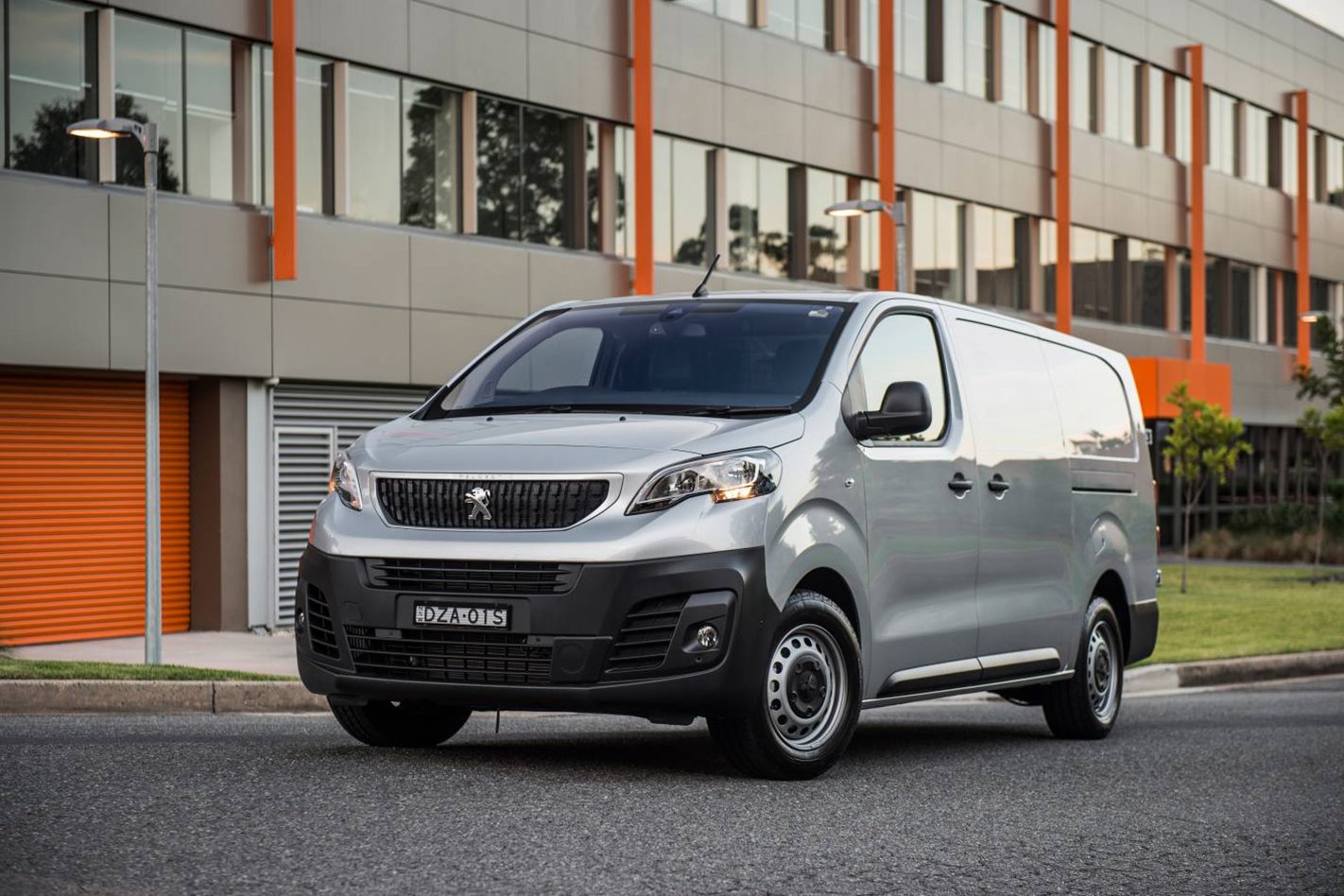
The Expert comes with a choice of standard and long wheelbases, and three turbo-diesel powertrains.
We drove the Expert Long 150 HDI that features stretched underpinnings and a 110kW/370Nm 2.0-litre engine, with six-speed automatic transmission, and retails for $44,190.
What’s it like to drive?
The Expert Long 150 HDI is the cheaper of the two long-wheelbase versions, with the pricier Expert Long 180 HDI ($45,890) coming with a more powerful 130kW/400Nm version of the 2.0-litre turbodiesel, along with the same six-speed auto transmission (the 150 and 180 denote their horsepower).
Manual gearboxes are only available with the standard length, though if you’re a tradie or driver who does a lot of city work you’ll probably appreciate not having to crunch gears all day.
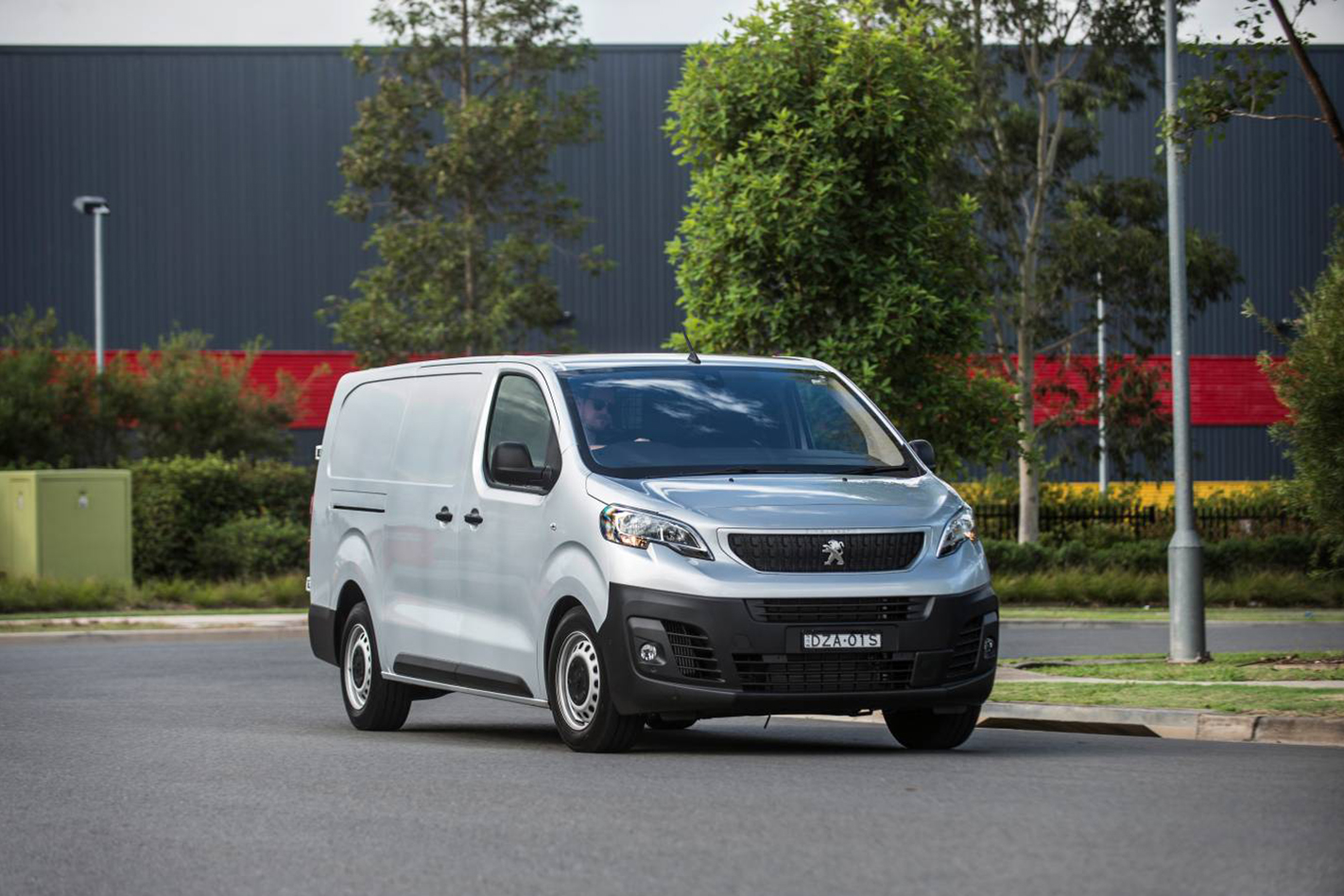
The automatic powertrain has the refinement you’d expect from a diesel SUV and plenty of power up its sleeve for freeway driving and overtaking.
The Expert shares a chassis with the Peugeot 3008 and 5008 SUVs resulting in a smooth and comfortable ride that manages bumps well even when the cargo area is empty. I used this to help my stepdaughter move house and we both noted how we never once heard the load shift or bounce around.
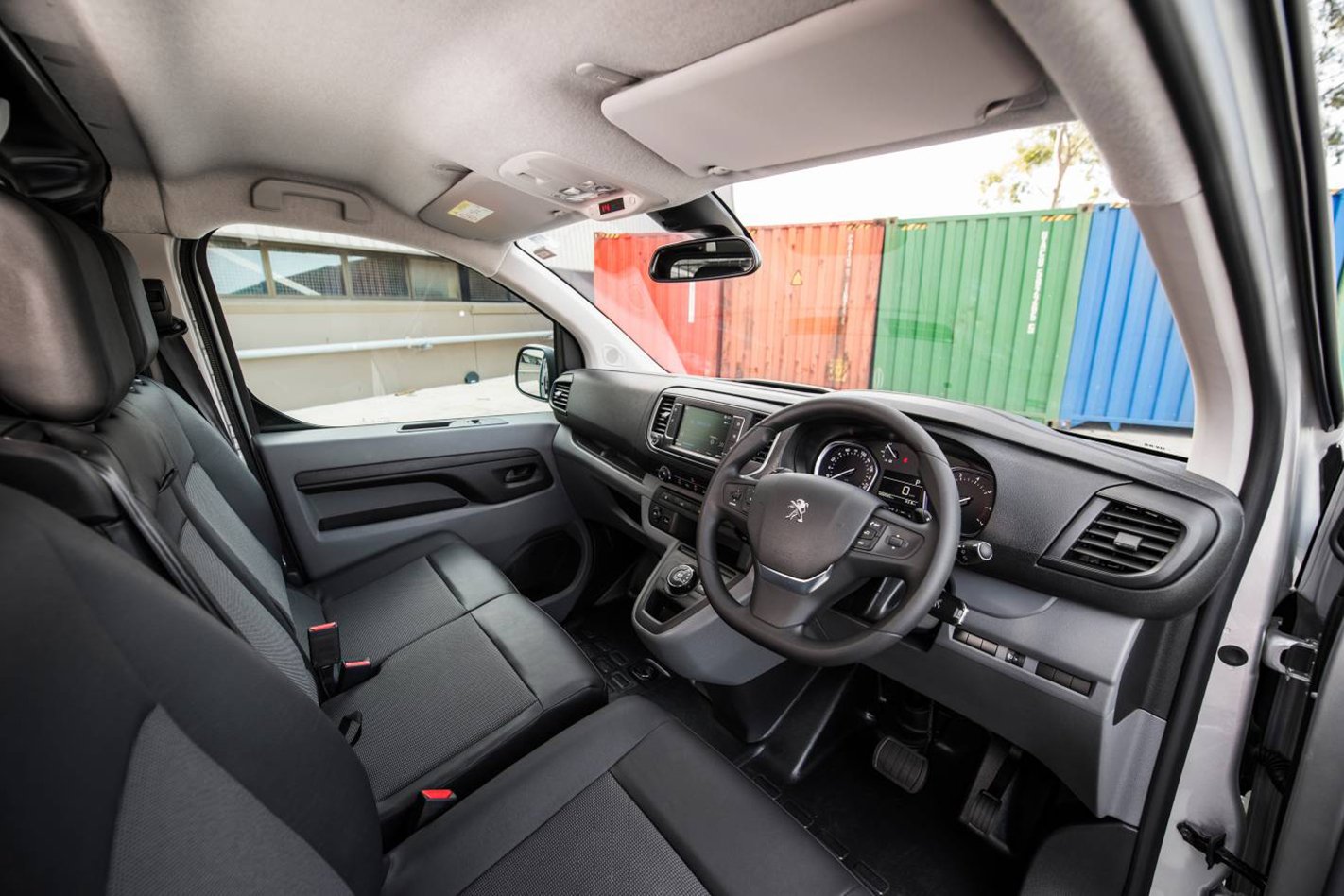
The driving position is comfortable for my average frame, helped by height and reach adjustable steering wheel. Taller drivers might have issues with the backrest, as the cargo barrier limits reclining when the seat is pushed back. Same goes with the two fixed passenger seats, which are a bit too upright.
Like any panel van, side and rear vision are limited, not helped by the centre seat headrests that restricts the view through the rear-view mirror.
However, the square door mirrors provide good down-the-side vision and are supported by blind-spot warning lights. Front and rear parking sensors and a parking monitor with reverse and top-down view prove invaluable for parking and getting into tight spots.
Frontal vision is excellent through the big windscreen and deep front-door windows that come down low enough for the window ledge to act as an armrest.
The above safety features are standard throughout the Expert range, along with autonomous emergency braking, forward collision warning, front and side airbags, and even adaptive cruise control.
What’s it like to live with?
The Expert Long is 5.31m in length, which makes things pretty tight in carparks, but you’re rewarded with a 2.86m-long cargo area. The passenger seat can be folded up to accommodate longer narrow items such as pipes or planking up to 4.2m long.
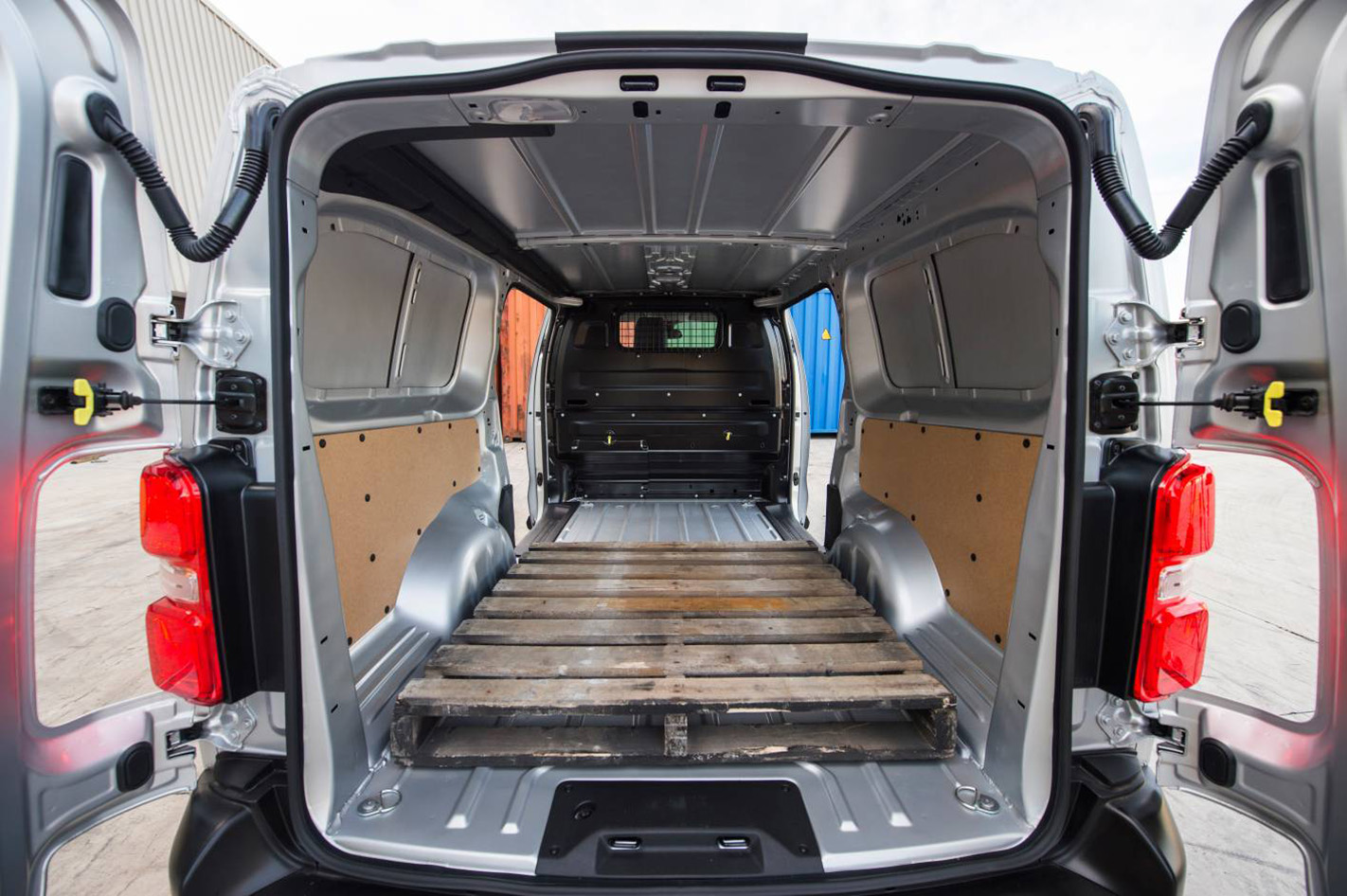
The load space is about 1.4m high and 1.64m wide, with 1.26m between the wheel arches that will easily fit a standard pallet that can be loaded directly with a forklift through the rear barn doors or left and right sliding doors. The low floor makes life easy if you’re loading and unloading by hand.
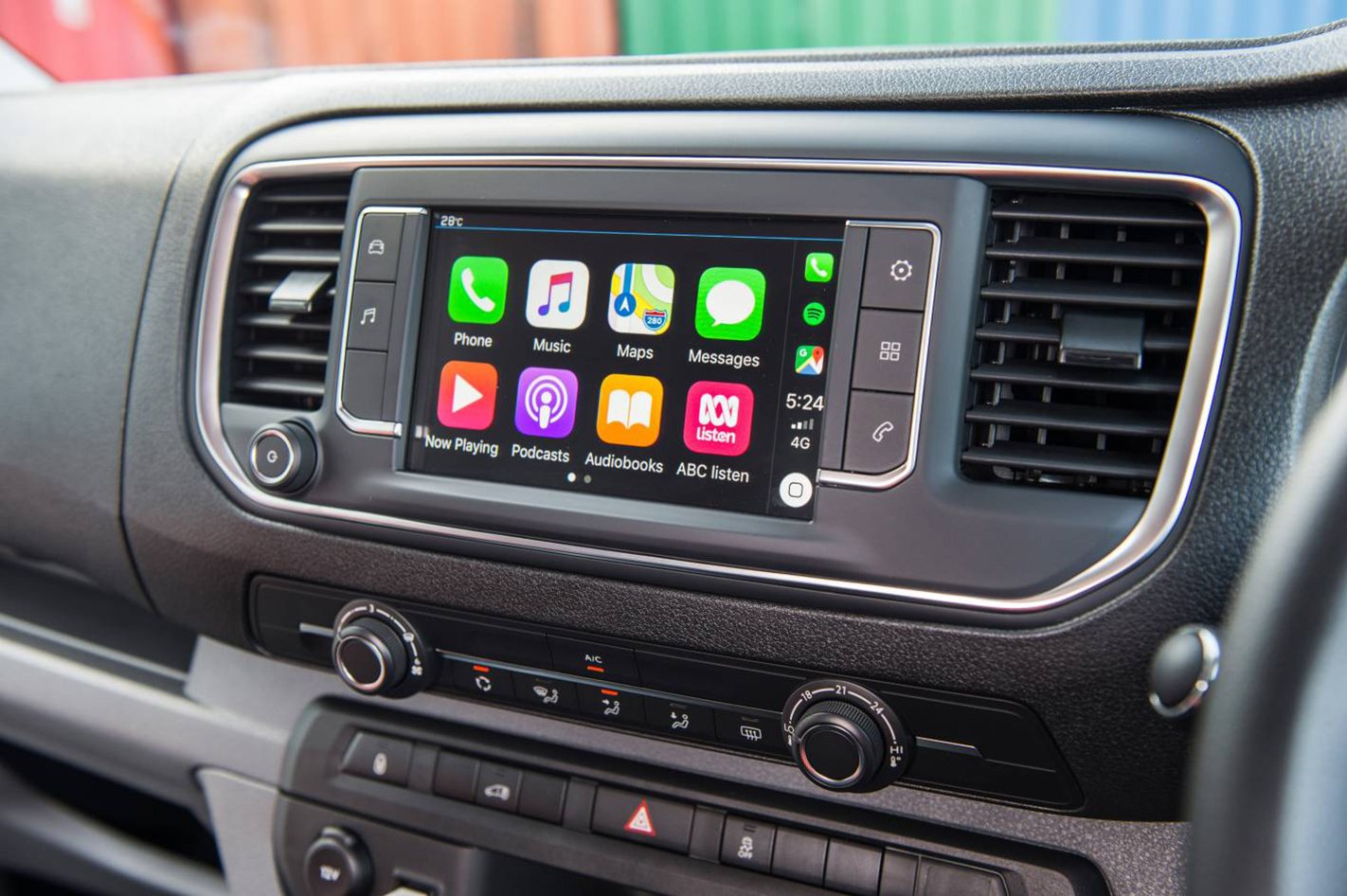
Up front, you could be forgiven for thinking you’re in an SUV. A 7.0-inch touchscreen with Apple CarPlay and Android Auto means you can easily use your favourite navigation app and send/receive text messages without risking a fine.
Other features include rain-sensing windscreen wipers, dusk-sensing headlights and power-folding door mirrors – a far cry from my previous life as a sparky when you were called posh of your van had any kit beyond an AM radio and cigarette lighter.
There are some thoughtful design touches too, such as the fold-down centre backrest that reveals a handy swivelling table on which to secure a laptop, tablet device or old-school writing pad to do some bookwork between jobs. There’s a little tub under the table to store pens and things, and there are three 12-volt sockets and a USB port to keep devices charged.
Lifting the centre seat reveals an insulated storage bin in which to keep your lunch, there’s plenty of storage nooks including a large glovebox, and the all-important cup holders are located at each end of the dashboard.
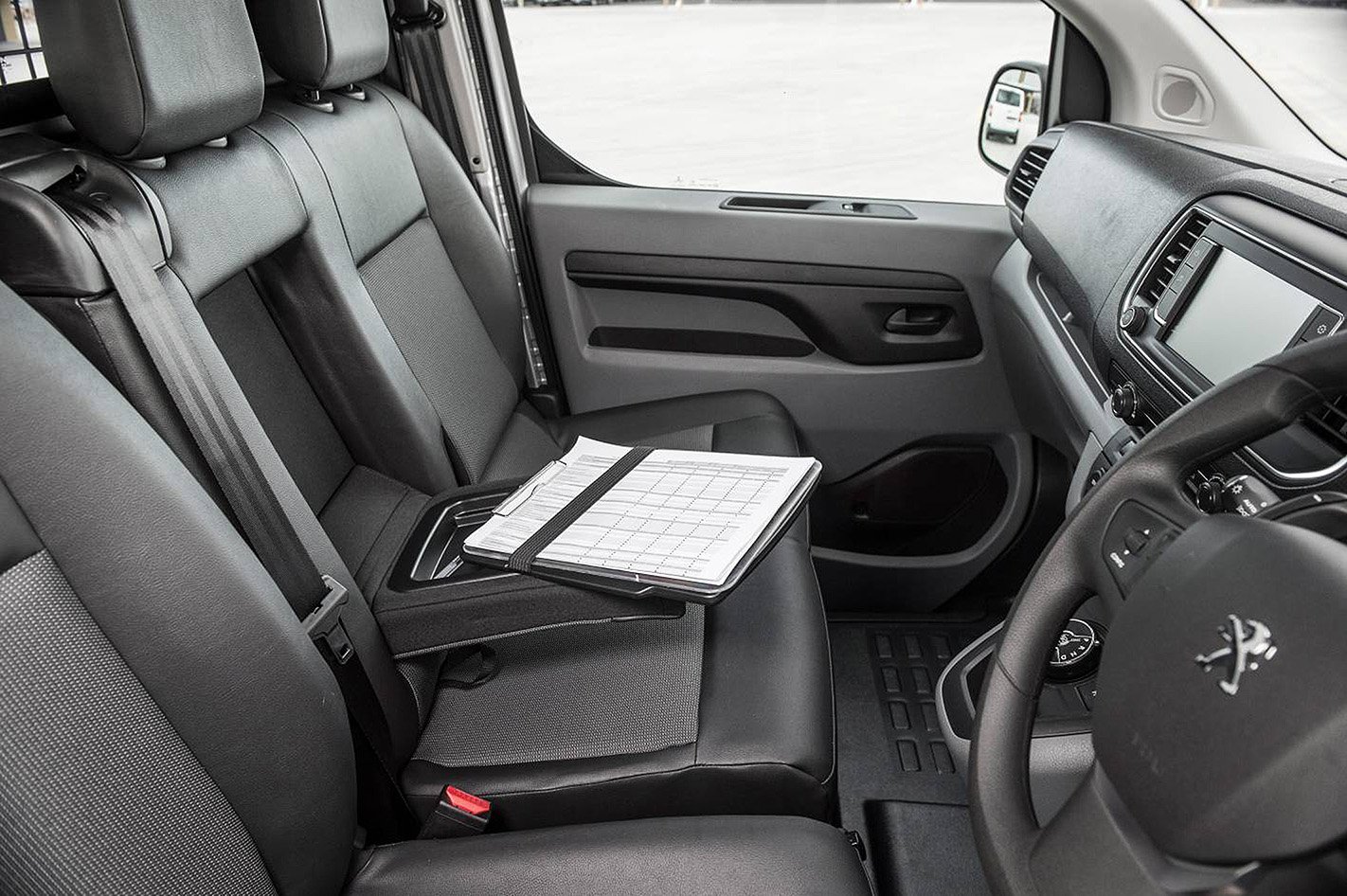
All-in-all this is quite a handy, comfortable and economical van, with a combined fuel consumption rating of 6.4L/100km which stretches out to about 7.3L/100km around town.
The diesel engine requires AdBlue exhaust fluid to help keep the particulate filter clean even if you do a lot of stop-start driving around town.
The Peugeot Expert is backed by a 5-year, 200,000km warranty, with 12-month/20,000km service intervals, which is pretty good for a diesel.
Is it worth the money?
The mid-$40K pricing compares very well to similarly sized and powered rivals, most of which don’t share all its active safety features, which until recently were unheard of in commercial vans.
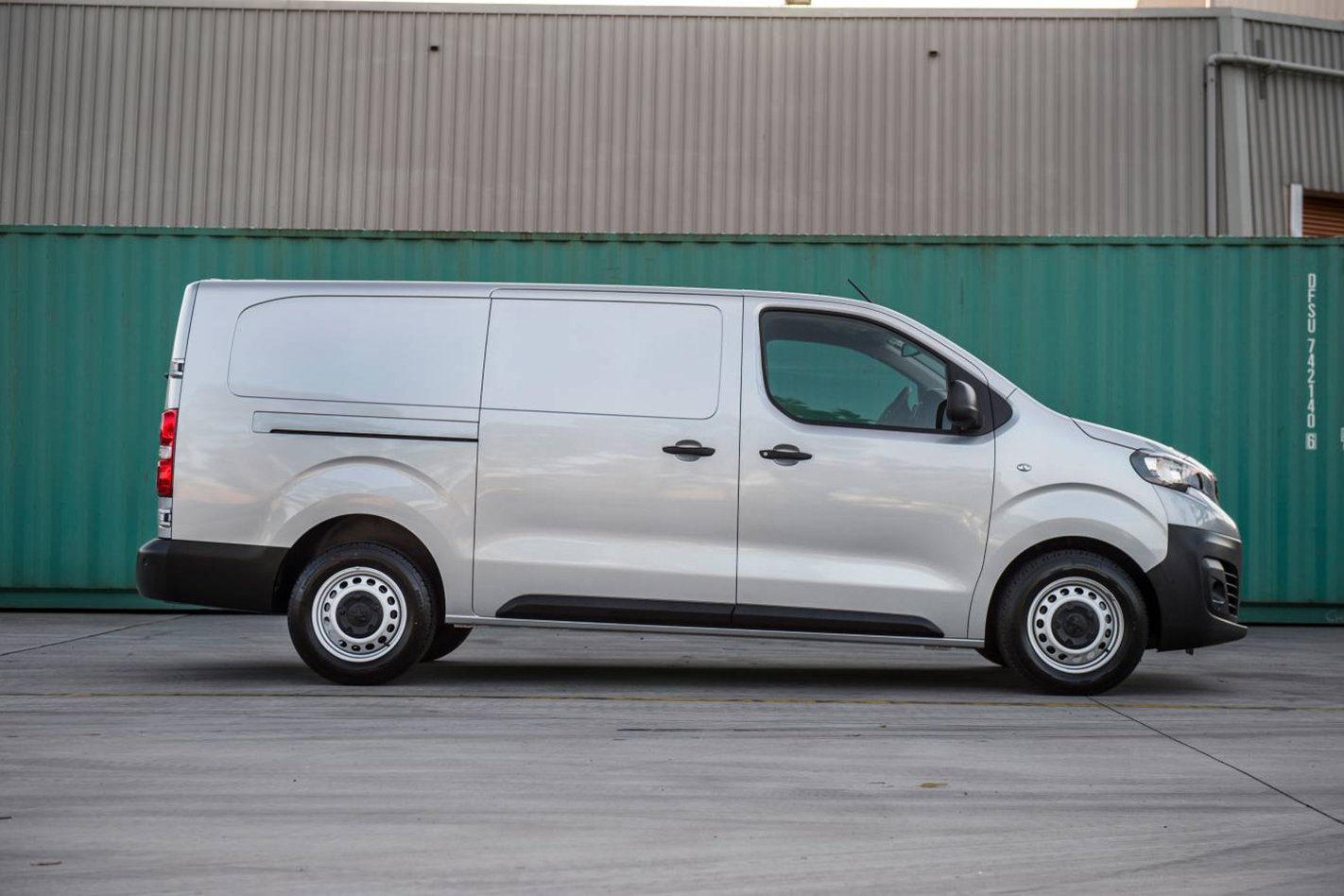
As well as being well equipped and reasonably comfortable it’s surprisingly enjoyable to drive. We get to drive some fancy cars in this job, but there I was looking forward to driving this nippy white French van whenever I had the chance. I reckon that appreciation would continue if I had to spend a big part of my working week in it.
PROS: Active safety features, refined ride and handling, turbodiesel powertrain
CONS: Passenger seats lack comfort
RATING: 4.5/5
It seems the Jaguar F-Type is due for replacement within the next few years, and the direction of Jag’s sport coupe might take a turn towards ‘super’. At least in its engine layout.
Ian Callum, formerly the man leading Jaguar’s design team, has revealed that he and his successor have laid out a road map for the brand’s next sports car.
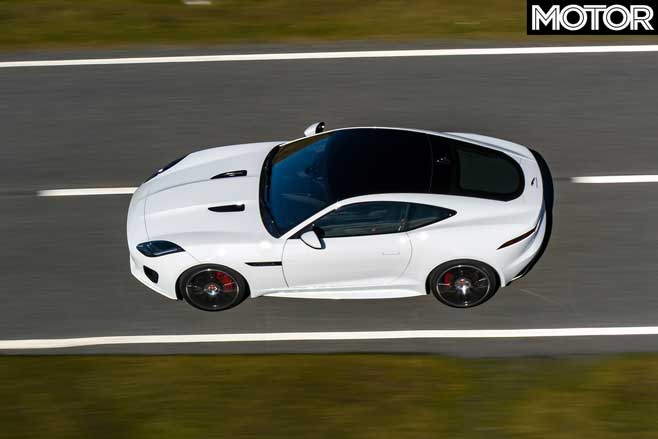
Callum and Jaguar’s new design director, Julian Thompson, had apparently set plans for the F-Type’s successor to be ‘quite close’ to the C-X75, Callum told British publication Autocar.
“There’s still a formula within Jaguar for a front-mid-engined car. I have a preference for mid-engined cars. It’s certainly something I would like to see.”
Though the F-Type’s current engine would be unlikely to survive a shift to a mid-engine layout, given the C-X75 was originally designed with a turbine-assisted battery hybrid system, then a twin-charged (turbo and super) 1.6-litre petrol four with two electric motors.
If the C-X75 is the direction Jaguar decides to take the ‘next F-Type’, it’s possible a fully electric drivetrain could even be on the cards.
But, for now, the same engine options remain, with very V8-sounding prototypes having been spotted testing at the Nürburgring numerous times within the last few months, and heavily camouflaged enough to signify a significant update is nearing completion.
Before the current generation F-Type wraps up in a couple of years (we expect), it’s also possible the coupe will run on BMW power in its V8 iteration.
A 4.4-litre twin-turbo F-Type? We’ll have to wait and see.
Hyundai will be bringing a new flagship model to Australian shores in the near future, with the Palisade large SUV confirmed for local sale.
Sitting above the Santa Fe, the Palisade will rival the likes of the Mazda CX-9, and Toyota Kluger for size, and offers genuine eight-person hauling ability just like the Toyota LandCruiser Prado.
The Palisade was previously only build in left-hand-drive, but after successfully lobbying head office, Hyundai Australia has now secured right-hand-drive production.
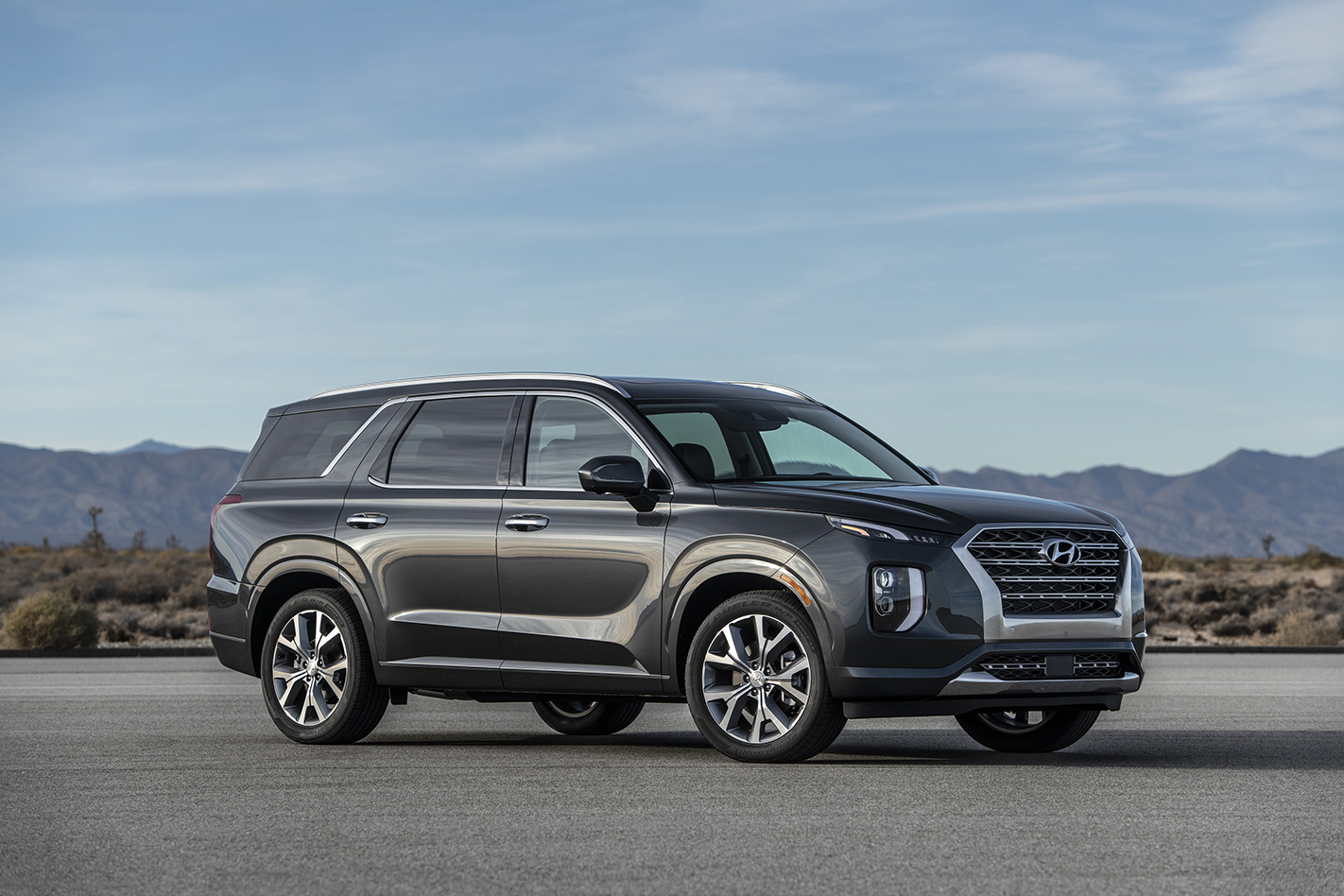
“We are looking at Palisade very closely,” Bill Thomas, Hyundai Australia’s public relations general manager, told Wheels. “That is an ideal range topper for us. We can get a hold of that car, and we will get it as soon as we can.
“It is a size bigger than the Santa Fe, it is an eight-seater. It is a big chunky vehicle.
“The interior quality and materials, fit and finish is really top notch. We are very interested in the Palisade.”
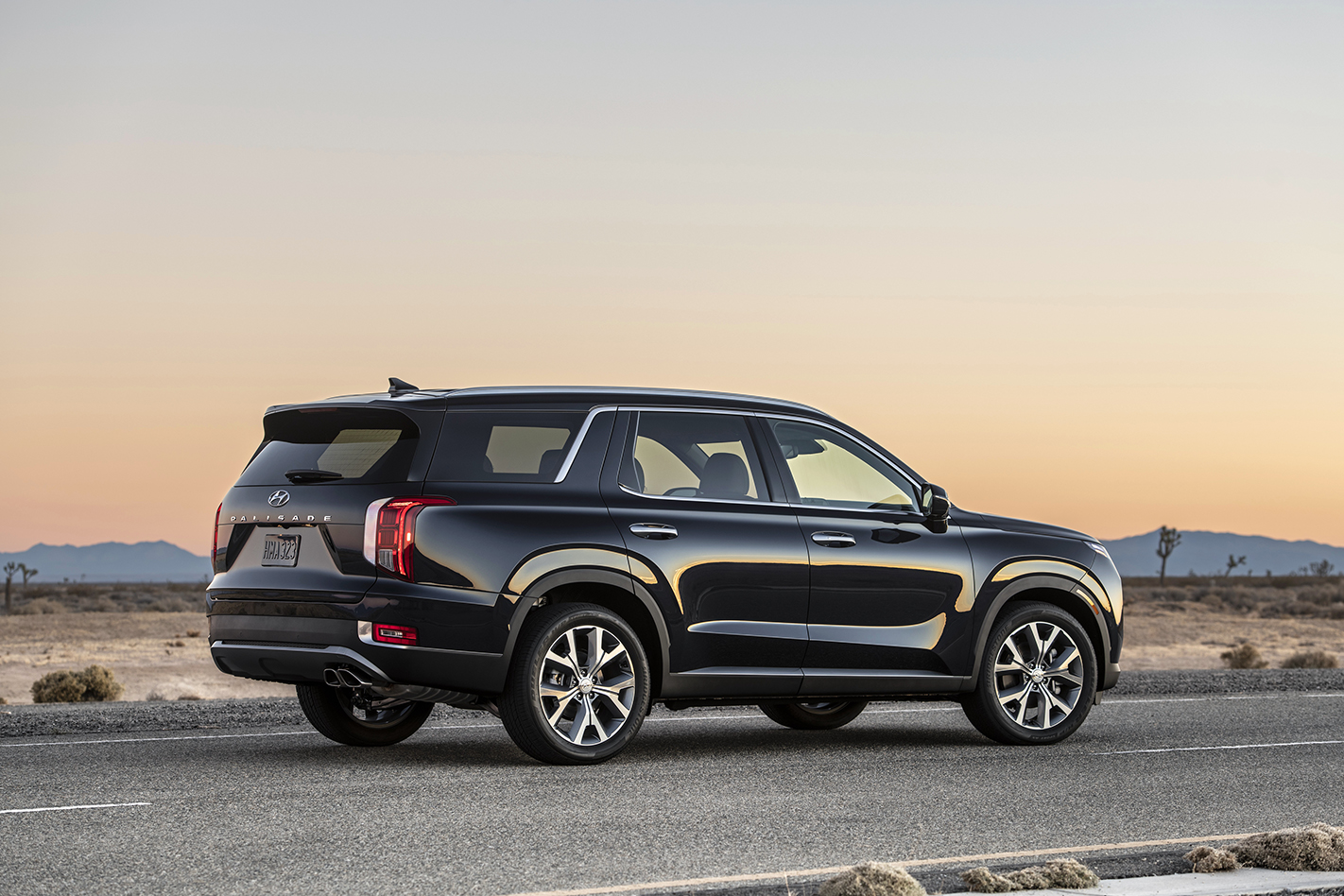
Revealed at the LA Auto Show in 2018, the Palisade measures in at 4980mm long, 1976mm wide and 1750mm high, making it slightly shorter and narrower than the CX-9, but longer and wider than the Kluger.
Despite being larger than the biggest car Hyundai offer, the Santa Fe, Thomas is confident the Palisade would suit local tastes.
“[The size] wouldn’t be a deterrent for Australian customers, not at all,” he explained.
“It’s a little bit bigger than a CX-9 maybe. The Santa Fe isn’t quite as big as the CX-9; it’s a bit smaller, so the Palisade is definitely a size up [from that].
“We have got the range to move into that area.”
The Palisades is likely to be offered with both a 220kW/355Nm 3.6-litre petrol V6 which propels the car to 100km/h in 8.2 seconds, and a 147kW/440Nm 2.2-litre diesel four-cylinder turbocharged unit, which can crack triple digits on the speedo in 10.0 seconds. Both are mated to an eight-speed automatic transmission, though the petrol delivers power to the front treads only, and the diesel transfers energy to all four wheels.
Capable of carrying eight passengers, the Palisade would be a logical rival for buyers who want the load carrying capability of the Toyota LandCruiser Prado, without the off-road concessions.
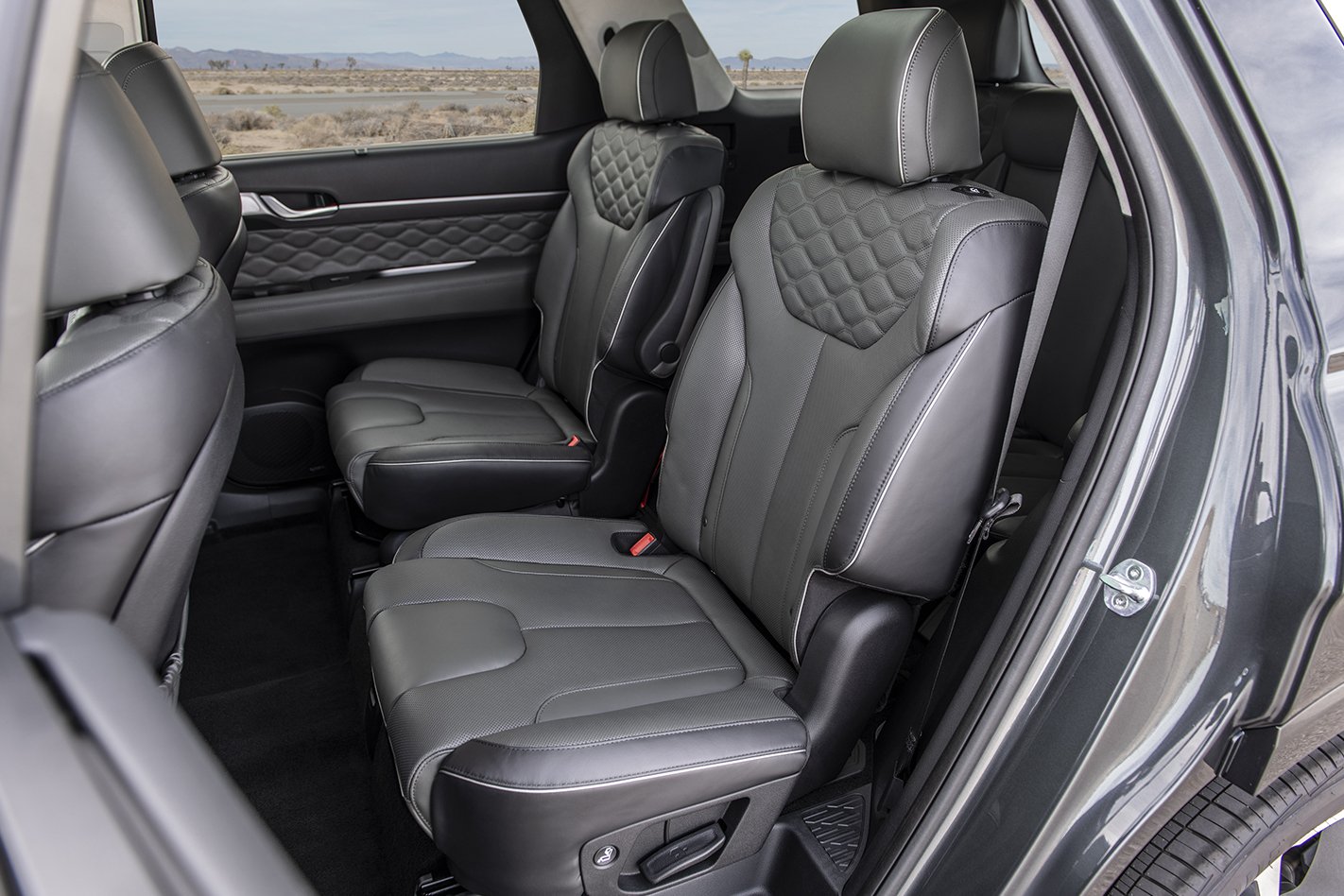
If you don’t want to carry as many people as possible, the Palisade can also be optioned with reclining captain’s chairs in the second and third rows, making it a six-seater.
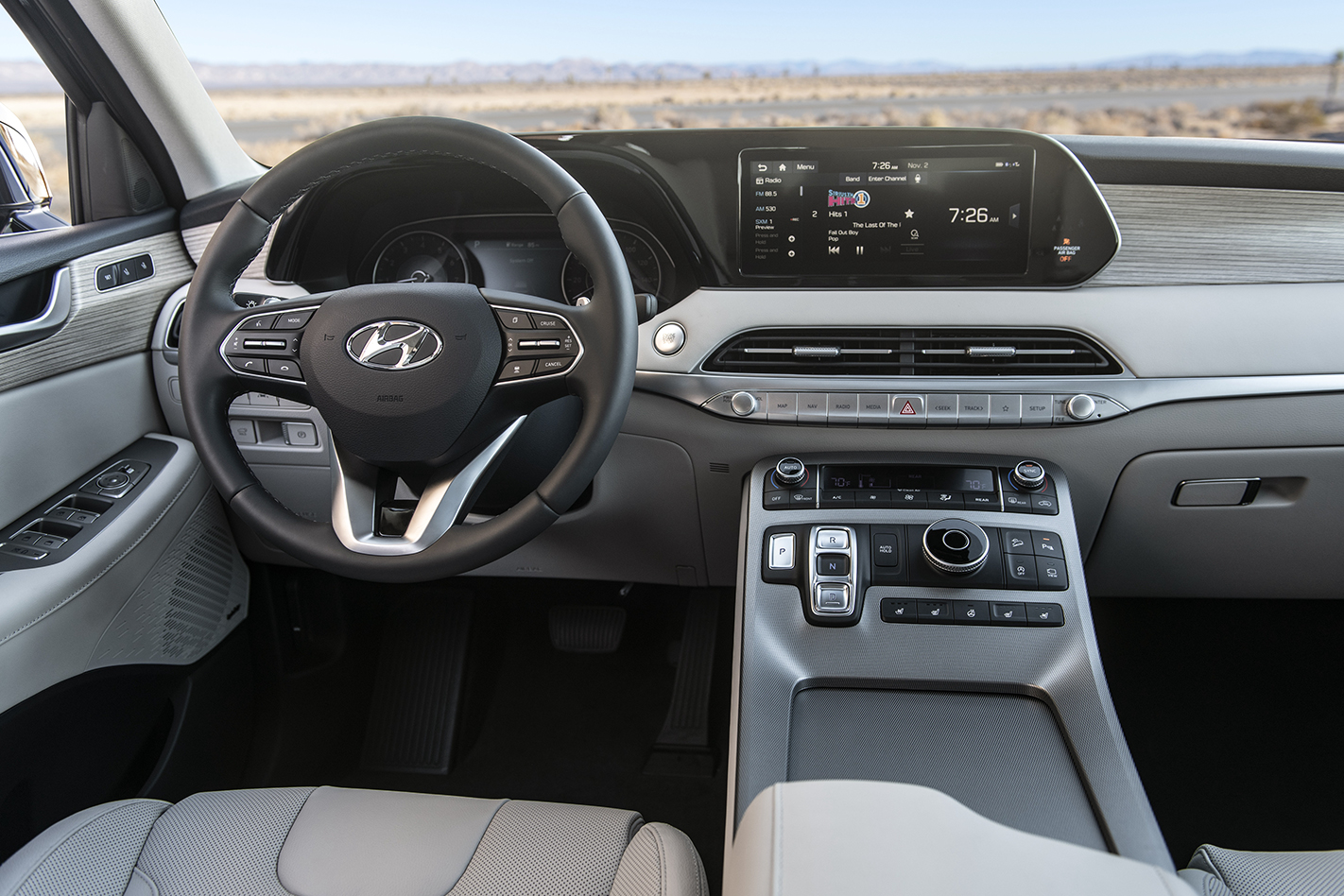
Inside the cabin is a 10-inch touchscreen infotainment unit, a 12.3-inch digital instrument cluster, three-zone climate control, head-up display, a whopping 16 cup holders, as well as seven USB ports and a wireless charge pad, and a ‘sleep mode’ that can mute the back speakers for snoozing passengers.
Hyundai claims the Palisade has 590 litres of cargo space with the third row still in place. This balloons to 1297 litres with the third row folded down.
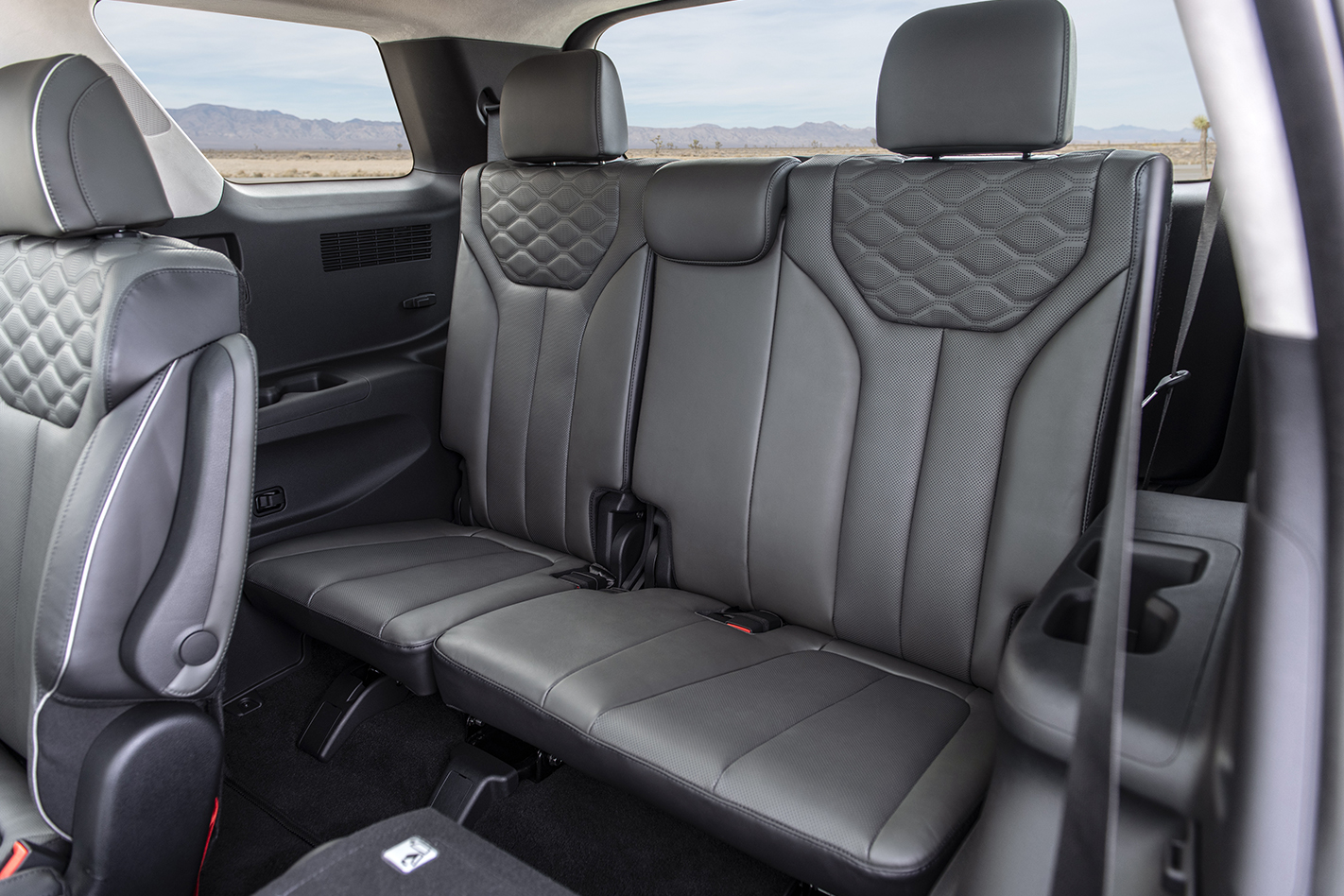
Palisade is built atop a stretched version of the monocoque chassis that sits underneath the Santa Fe.
According to Hyundai, the majority of Santa Fe models sold is the higher spec Highlander, priced at $60,500. This gives the company confidence that Australians would be willing to step up into a bigger, more luxurious, and pricier product.
Look into the soul of this race car only if you dare. It’s darker than an event horizon, deep, twisted and snarling.
So menacing was its tendencies, that it pushed two of Supercars’ most skilled drivers to the limit, James Courtney and Garth Tander.
Known as WR 021, the Holden VF Commodore Supercar racer is now for sale through Lloyds Auctions.
Starting life in 2014, WR 021 was the sixth chassis built by Walkinshaw – then the factory-supported Holden Racing Team – for Supercars’ Car of the Future regulations.
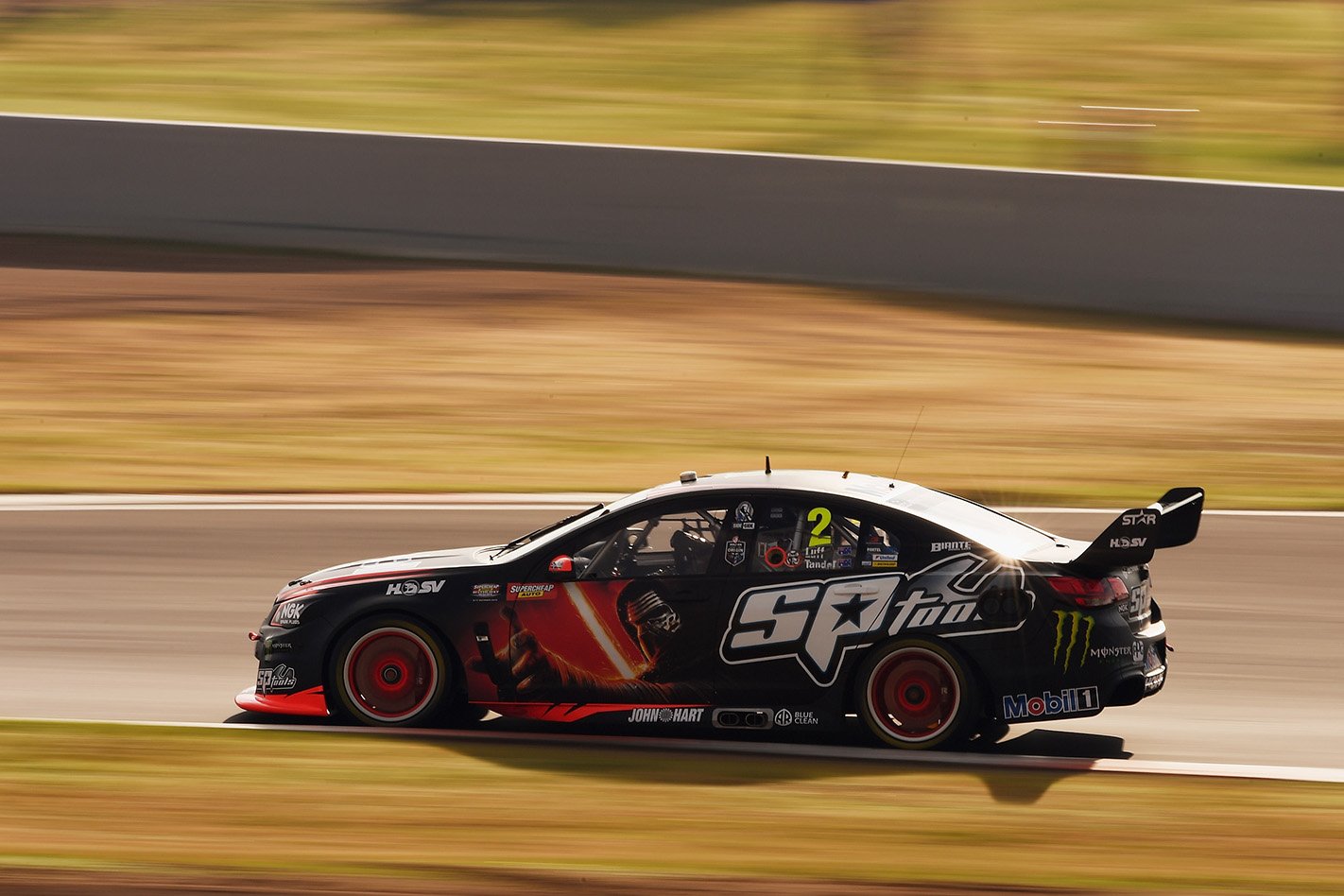
The car made its debut at the hands of Garth Tander at Sydney Motorsport Park that same year. At this point, it had not begun its turn to the dark side.
In its early racing career, WR 021 was just like any regular chassis, even claiming a podium at the 2014 Sandown 500. However, come October, things began to turn sour.
On the Saturday for that year’s Bathurst 1000, the chassis was involved in a big crash. Warren Luff was at the wheel when the car suffered a brake failure at the end of Mountain Straight, and he careened into Craig Lowndes. The significant damage meant the car was withdrawn from the Great Race.
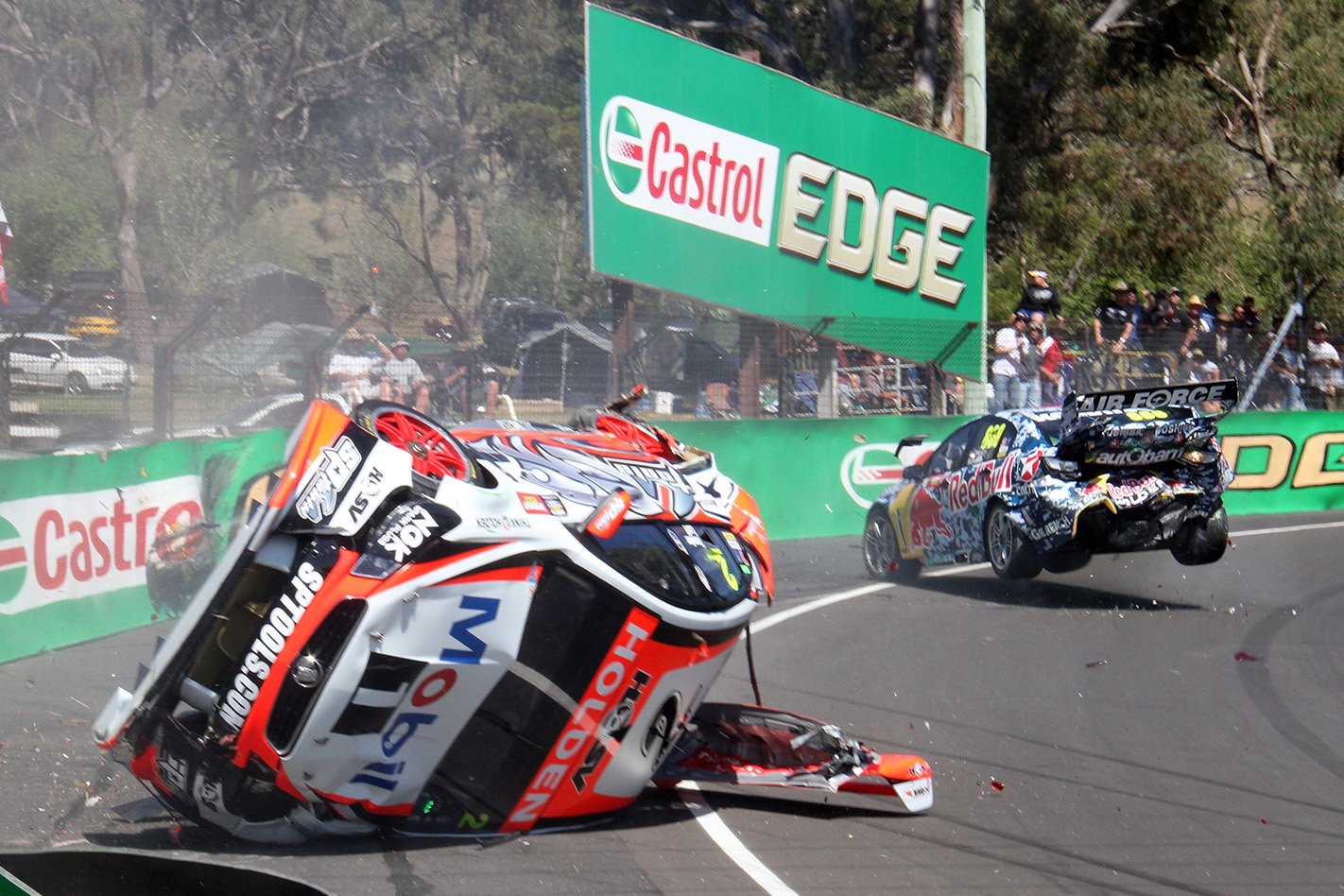
While it was thought that that chassis would be irreparable, it was eventually mended and returned to racing service. The next year it scored a Bathurst 1000 podium finish at the hands of Tander and Luff on the way to winning the 2015 Enduro Cup.
However, as its racing career continued into 2016, the chassis began to misbehave, and allegedly reacted unpredictably to set-up changes. It was then parked at the request of Tander, and relegated to duties as a spare chassis, and underwent a full rebuild in the ‘16/’17 off season.
When James Courtney’s primary chassis for 2017 (WR 022) was heavily damaged in a multi-car crash at Symmons Plains, the 2010 Supercars champion moved into WR 021.
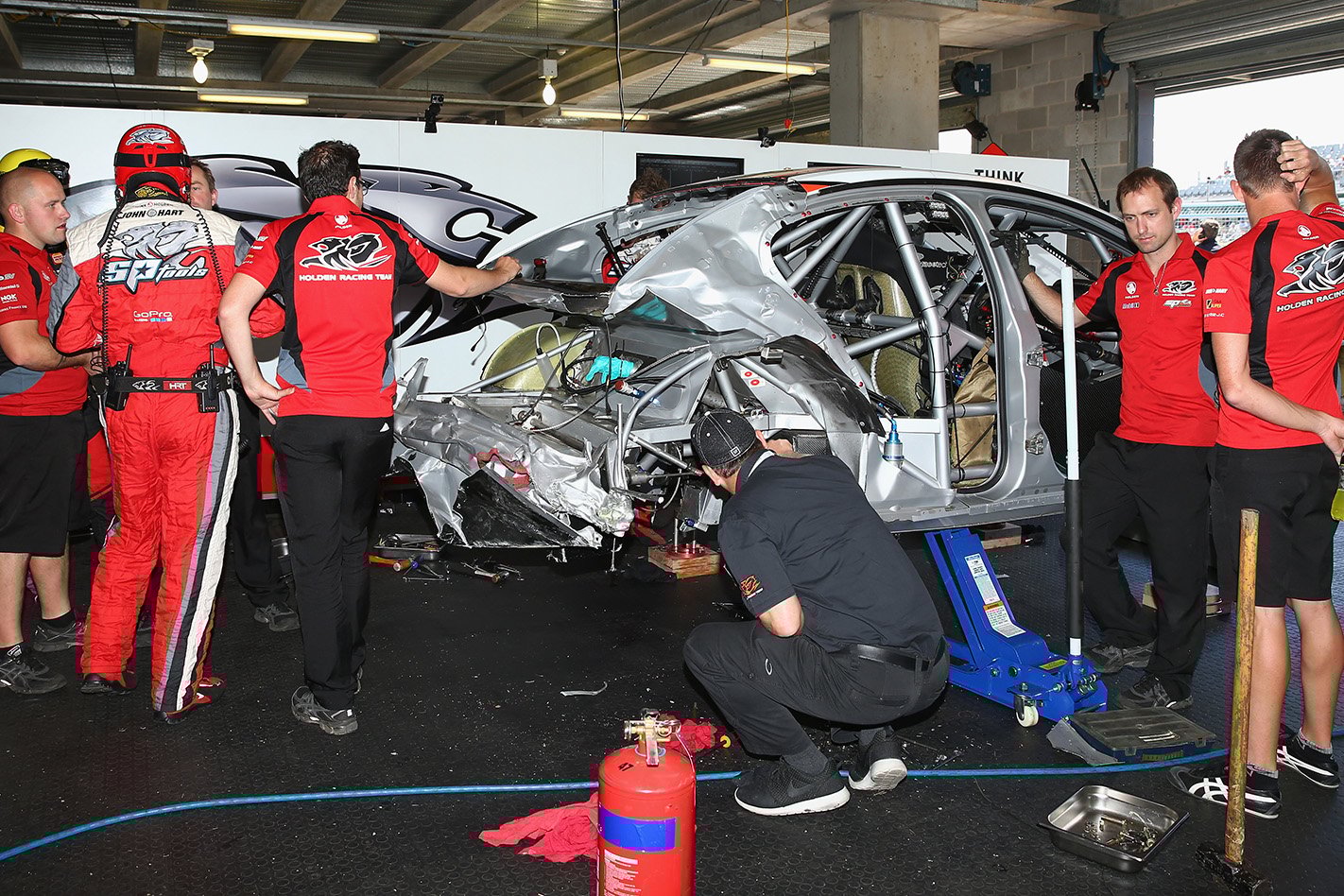
Courtney blamed WR 021 for a poor performance in Perth, stating “maybe Garth was right and maybe that car is possessed. Maybe someone here can come and perform an exorcism on it.”
Built when Walkinshaw was still the factory Holden Racing Team, WR 021 achieved five podium finishes during its Supercars career for HRT.
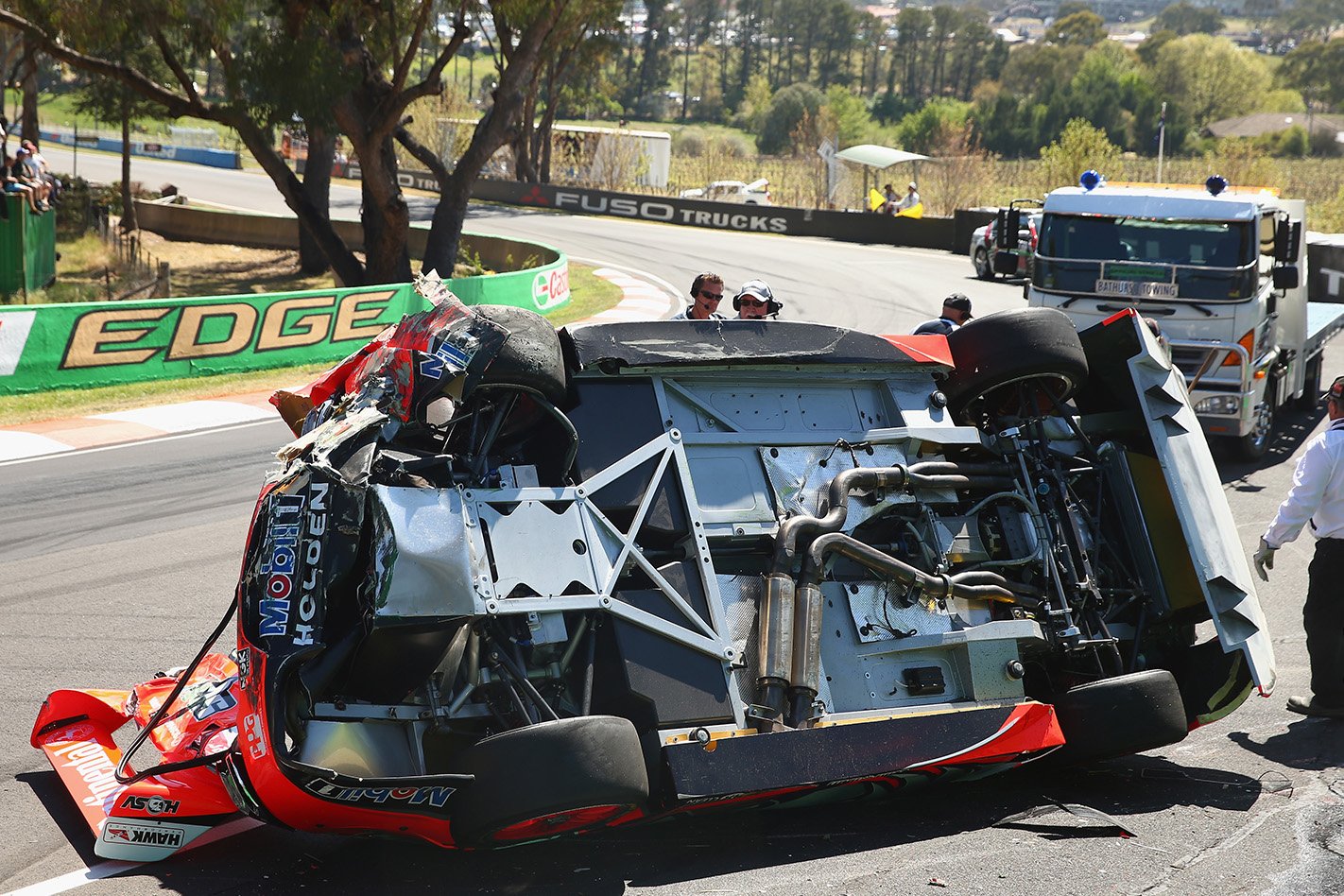
Walkinshaw will prep the car in any livery it raced in during its history, which included special colours for the Bathurst 1000.
The auction begins Monday 30th September at 6pm, though you can already start bidding online. At the time of writing the highest bid on WR 021 stood at $59,000.
If successful in winning the action, delivery for the car is slated for February 2020.
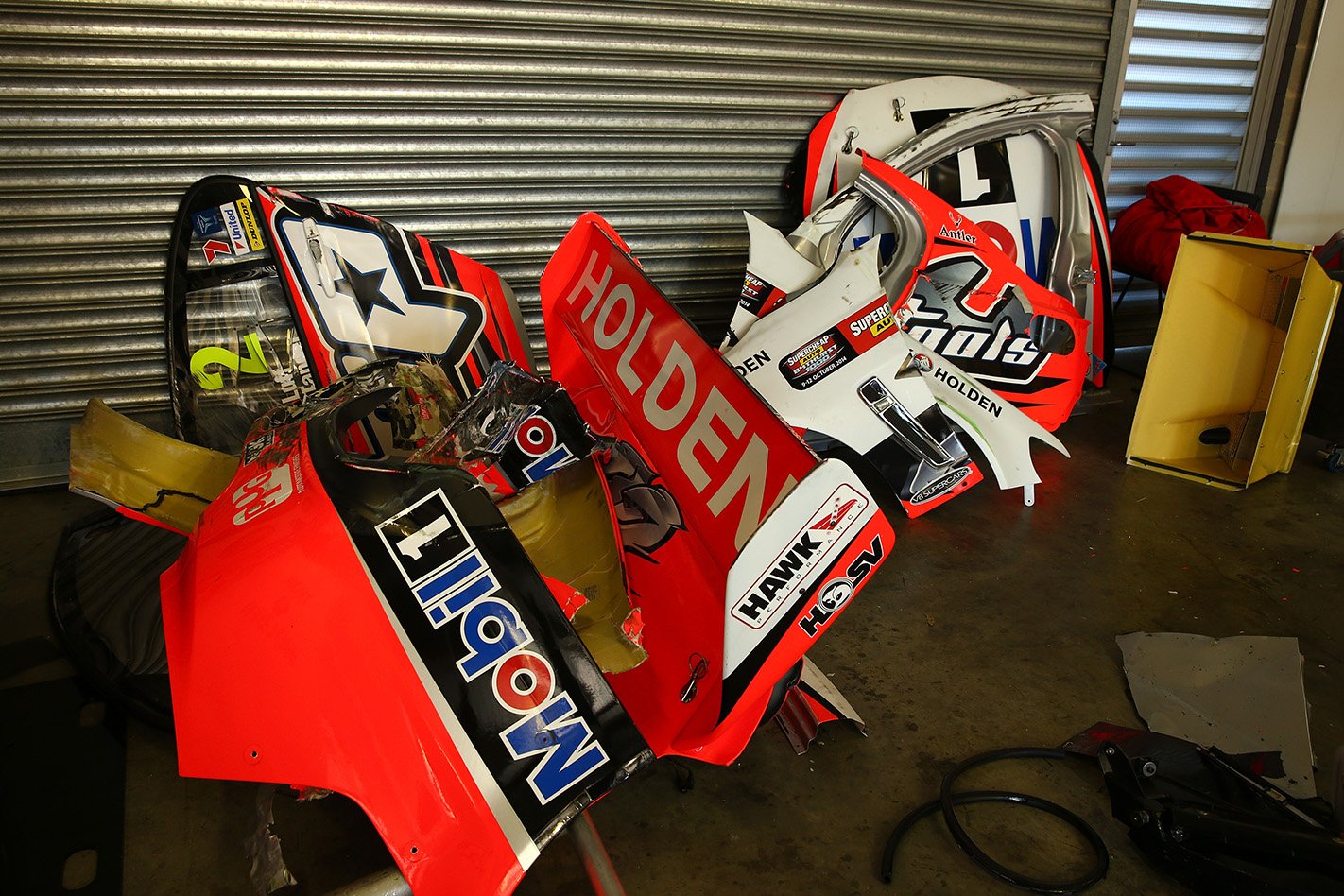
So, are you brave enough to buy this ‘possessed’ racer?
Those still thinking a ‘cheeky look’ at their phone while driving is harmless are now at a higher risk of being caught.
The New South Wales government is cracking down on illegal phone use with a world-first mobile phone detection camera program to be in place by the end of the year.
The rollout is set to cost taxpayers $88 million for the fixed and mobile cameras, however, unlike traditional speed cameras, there will be zero warning signs alerting drivers to their location.
A recent sixth-month trial, by tech company Acusensus, caught 100,000 drivers red handed and using their phones illegally, from 8.5 million vehicles checked.
Minister for Roads Andrew Constance said that the installation of the cameras is a positive move forward in the fight against phone use behind the wheel, but admitted there needs to be a different approach.
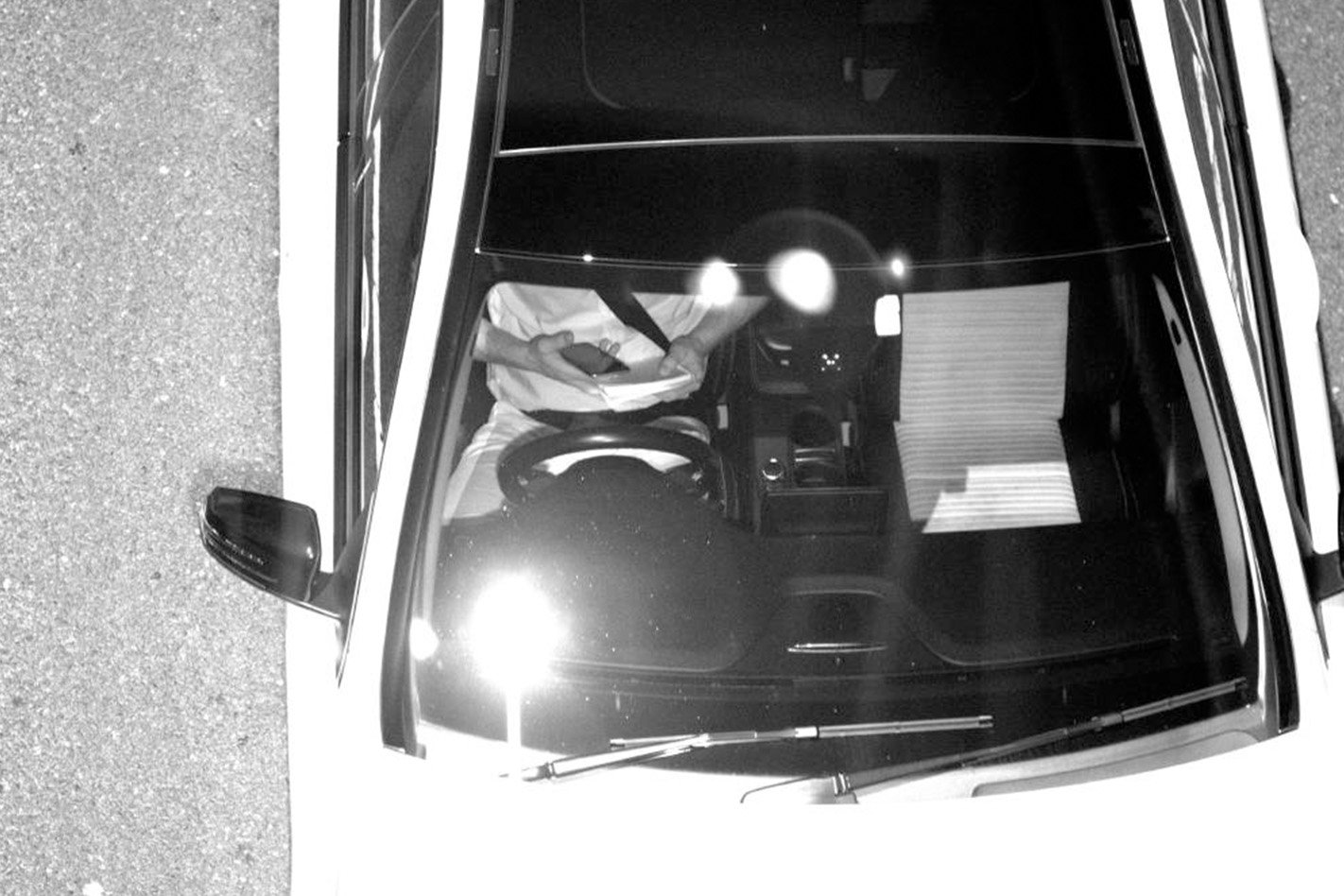
“We have to unfortunately use the element of surprise to get people to think ‘well, I could get caught at any time,” Constance said.
I want the behaviour to change and I want it changed immediately. It’s not about revenue – it’s about saving lives.”
Constance expressed that the reality is some of the community still aren’t getting the message that they’re putting the safety of themselves and everyone around them at risk. However, he added that other people want to see real change.
“There is strong community support for more enforcement to stop illegal mobile phone use with 80 percent of people we surveyed supporting use of the mobile phone detection cameras.”
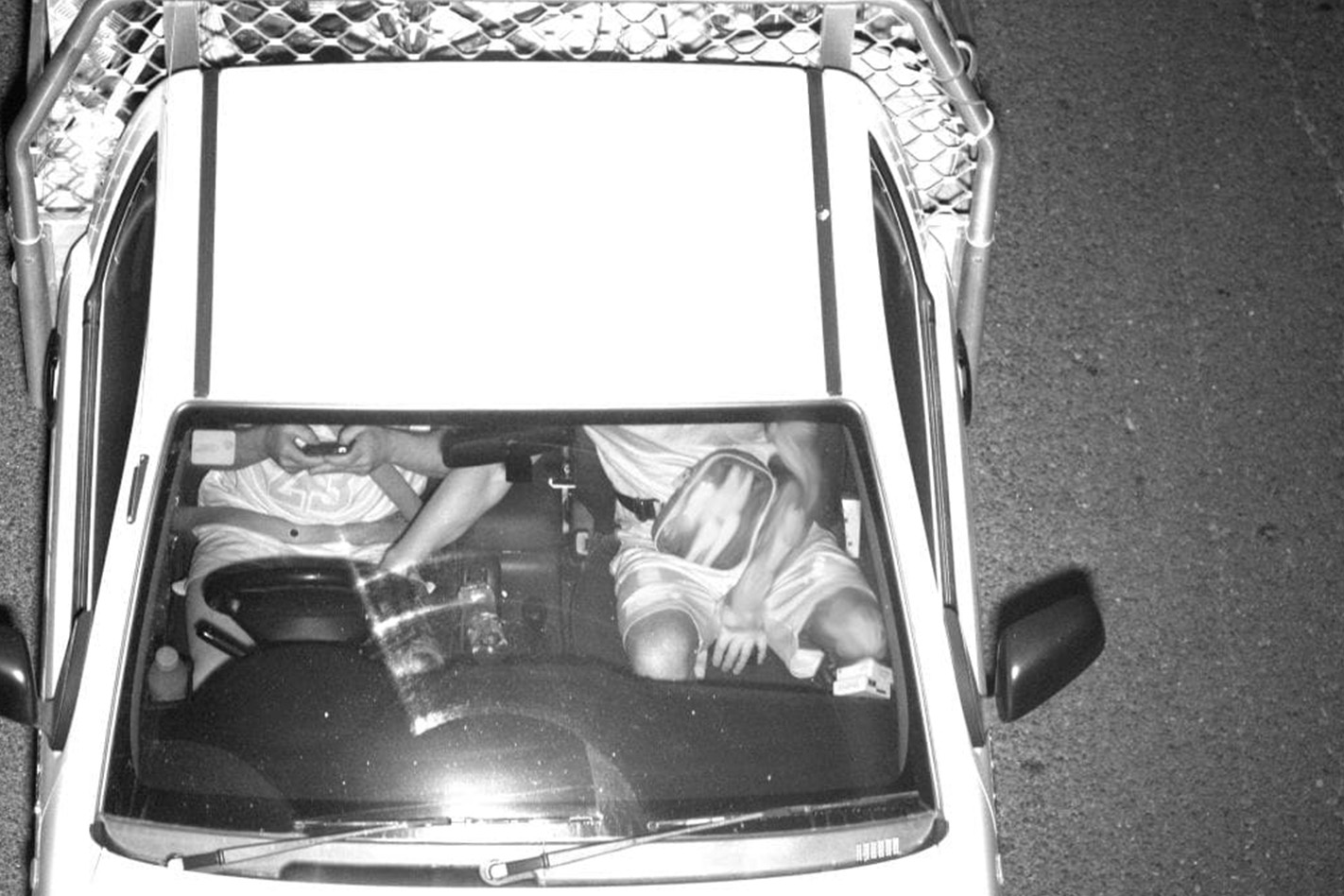
Wheels revealed in 2017 that, according to government figures, a staggering 60 percent of Aussie drivers admit to using their phones while driving. This is the mentality and behaviour the NSW government is trying to eradicate with the camera system.
The ‘get your hand off it’ message is the driving force behind the campaign, but only warning letters will be issued for the first three months. After that, offenders will be dished out a $344 fine and five demerit points.
Scenarios that won’t get you in trouble include using Bluetooth in conjunction with a phone mount as well as passing a phone to a passenger or when using a drive-through service.
The cameras are high definition and use advanced AI to catch drivers regardless of weather conditions or time of day and the NSW government plans to conduct 135 million vehicle checks by 2023. According to police, 16,500 drivers have been caught using their phones illegally to date this year.
Minister for Regional Roads Paul Toole moved to reemphasise the fact that using your phone while driving can have fatal consequences.
“It doesn’t matter whether you’re driving on a busy city motorway or on an isolate road in the bush – there’s no excuse for using your phone illegally,” Toole said.
“Independent modelling has shown that these cameras could prevent around 100 fatal and serious injury crashes over five years.”
Normally the idea of hiring a car is not particularly exciting, unless you drive a 30-year-old hatchback and you’re looking forward to using a Bluetooth connection.
But if you want to skip the econoboxes on your next trip Stateside, Hertz’s new fleet additions might do it for you.
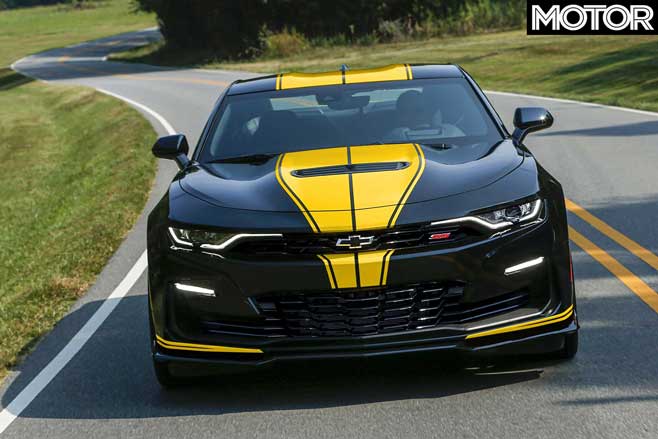
One of the models up for rent in the US is a Chevrolet Camaro SS with 358kW from its naturally aspirated 6.2-litre V8, which is not only a step up from the 339kW local SSs have, but it’ll sound even sweeter with a cold air intake and an upgraded cat-back dual exhaust.
You might think it’s a little irresponsible to hand the keys to a high-powered rear-drive V8 muscle car over to, well, most people, but you haven’t heard about the other car yet.
A huge 560kW of supercharged V8 sits under the hood of each of Hertz’s new Camaro ZL1s, dressed up in Hertz’s black and yellow branding, ready for use by whoever stumps up the dough to rent one.
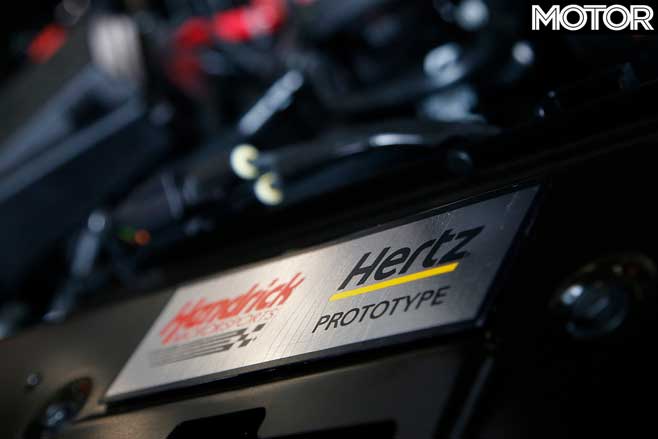
The work on the rental Camaros was undertaken by racing team Hendrick Motorsport, which is sponsored by Hertz and uses Camaro in its NASCAR campaign.
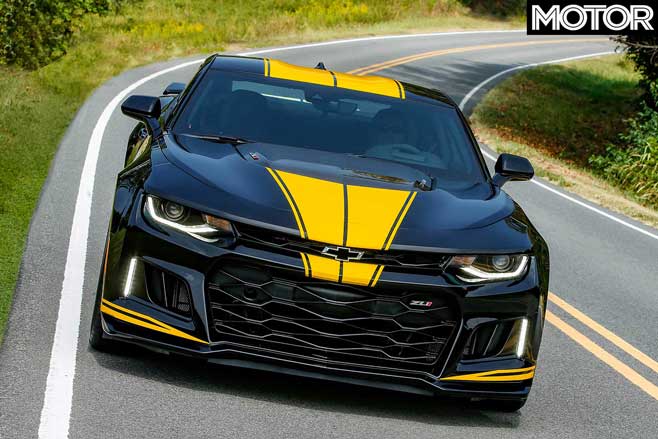
While 200 SSs have been assigned to duty, only 24 ZL1s will be available for rent through the company. The Zl1s are fitted with big ‘ol Callaway superchargers, custom Hertz-specific wheels, and embroidered headrests with Hertz-sponsored Hendrick Motorsports driver William Byron’s signature.
Hertz Senior Vice President Jayesh Patel says it fits with Hertz’s brand to allow customers access to high-performance vehicles like the ZL1, and not just because of the brand’s connection with Hendrick Motorsports.
“Both vehicles provide a powerful and exhilarating driving experience that we can’t wait to share with our customers.
“We have a rich history of providing custom high-performance vehicles for rent, and we’re thrilled to build on that legacy with this latest collaboration with Hendrick Motorsports.”
We wonder how many of the ZL1s will make it to five-digit odometer readings before they’re turned around mid-corner on a rainy day.
This story has us wondering what the best, weirdest, or worst hire car you’ve ever had is. Let us know in the comments below!
The appeal of the Ford Mustang Bullitt extends beyond its movie connection – it’s the most powerful car Ford Australia has ever officially sold in dealerships.
Tickford plans to increase that appeal with a power pack designed to extract a little more potential from the Mustang’s already highly strung 5.0-litre V8 engine.
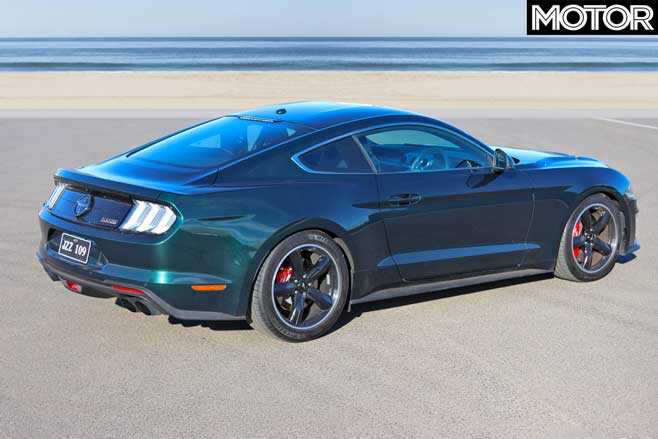
The current-gen Mustang’s 339kW and 556Nm outputs were already impressive, and the fact Ford Performance managed to bump that to 345kW for the limited-edition Bullitt is icing on the cake.
Now, up to 15 per cent more power (52kW more, or up to 397kW) can be had thanks Tickford’s Bullitt Mustang Power Pack.
The initial boost in power from standard GT to Bullitt comes thanks to the Shelby GT350’s air intake, and larger 87mm throttle bodies, but the Tickford boost comes from a naturally aspirated ECU recalibration.
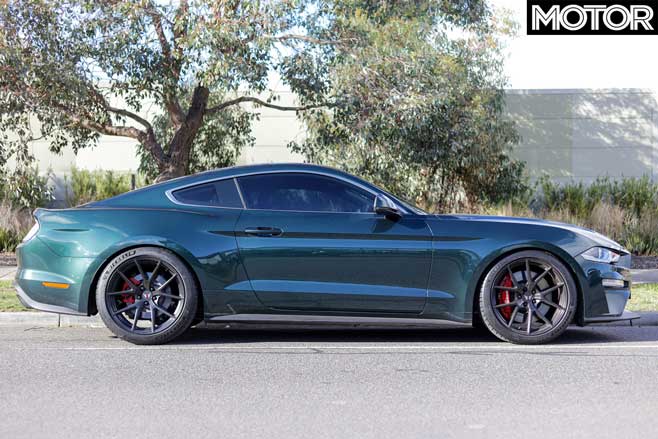
“Tickford has long admired the history and style of the original Bullitt and will now be offering a new Tickford Bullitt Power Pack for the impressive Bullitt Mustang,” The Melbourne-based tuner says.
“Playing tribute to Steve McQueen’s original Mustang, Ford designers have reimagined the legendary Bullitt in classic Dark Highland Green paint, with a distinguished chrome surrounds on the grille and windows.
“With these factory changes in mind and being conscious of the Bullitt’s heritage, Tickford has been careful not to break the authenticity and look of the legend, to provide three options to customers to modify their Bullitt.”
The three levels all feature the same power figures, but two of them also include a couple of neat extras.
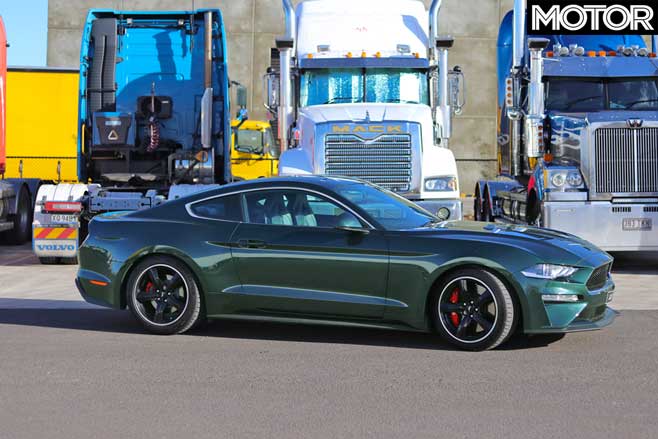
The first, at $2750, has the ECU tune backed up by a Tickford 3yr/100,000km Tickford driveline warranty and a 12 month/20,000km Tickford parts warranty, with ‘Tickford Enhanced’ badging and a unique build number.
The middle option adds a 25mm lowered suspension kit to this for $3729 all up, and the top option comes with a set of 20-inch Tickford wheels in black, shod with Michelin Pilot Sport 4S tyres for a total of $7249.
Of course, you’d need to supply the Mustang Bullitt. Tickford is taking enquiries about the kit immediately.
