
Remember the Audi S1? We do. In fact, we slid the turbocharged all-wheel-drive manual-only A1 across dirt in a way that would have made Stig Blomqvist proud of the little glorious oddball.
So you’d understand our disappointment for the absence of a successor in the incoming A1 range. Luckily, German tuner brand ABT has come to the rescue, sort of , to plug this gap, and injected the top-of-the-line A1 40TFSI with some much needed aggro.
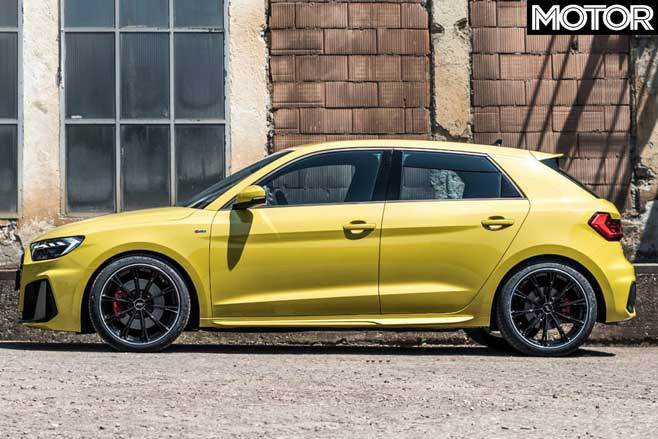
Starting with an ECU tune for its turbocharged 2.0-litre four-cylinder, which is shared with the Polo GTI, power and torque jumps from 147kW and 320Nm to 176kW and 360Nm. That’s about as much as the old S1, thanks very much.
This is all for the front wheels, though, so the little A1 will squeeze these outputs through an open differential and wheelspin a lot when it tries to improve the 40TFSI’s claimed 6.5-second 0-100km/h time. That’s with the exclusively equipped six-speed dual clutch semi-auto, too.
In lieu of front driveshafts, the exterior at least echoes the spirit of the original Sport Quattro from 1984. For instance, those three slits peering out from the bonnet’s end are complemented by the 40TFSI’s already mean looking skirts and bumpers.
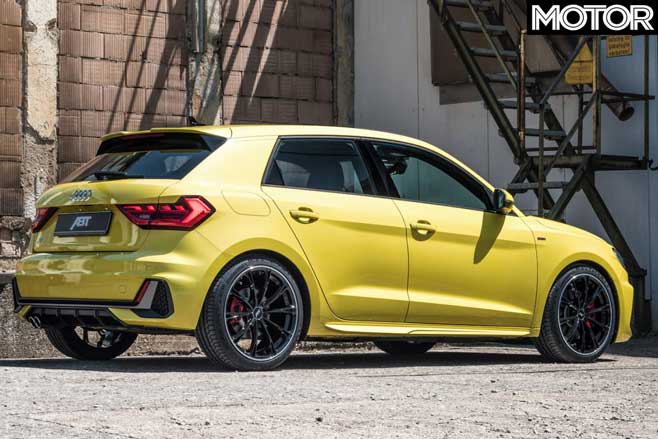
Oh, there are also a set of mean looking 18s that come wrapped with 215mm tyres. You can option them in either matte or gloss black. Lowering springs that drop the ride height 30mm also sweeten their stance.
We’ll need to wait for Audi’s new A1 range to land here before throwing ABT’s tuning package at the thing. But at least we know it’ll cost somewhere around €3,790 (AU$6130) if you want to make plans for your own ABT A1 at the end of this year.
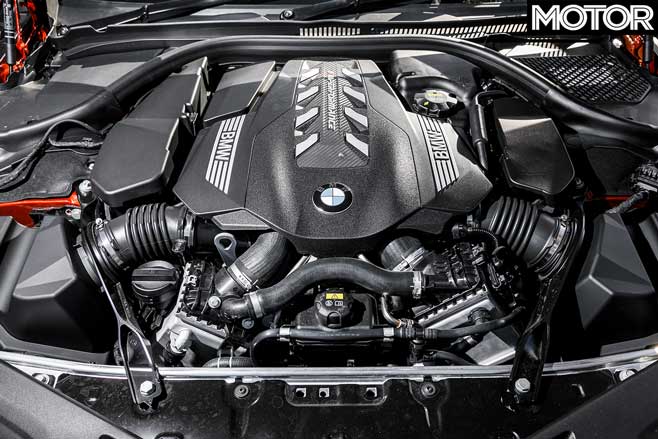
The BMW M850i is surprisingly fast. It shouldn’t be surprising, as there’s a potent 390kW/750Nm 4.4-litre twin-turbo V8 under the bonnet, massive numbers for a car that isn’t a dedicated ‘M’ model.
Add in an eight-speed automatic and foolproof all-wheel drive system and the result is a claimed 0-100km/h of 3.7sec, but we suspect few have clocked the fact that BMW’s current flagship coupe (until the M8 arrives) boasts of such savage acceleration.
Line up at Heathcote Park dragstrip, slowly bringing the revs up against the torque converter, release the brakes and the M850i reels off pass after pass precisely matching its 3.7sec claim. Impressive, but there’s more to come.
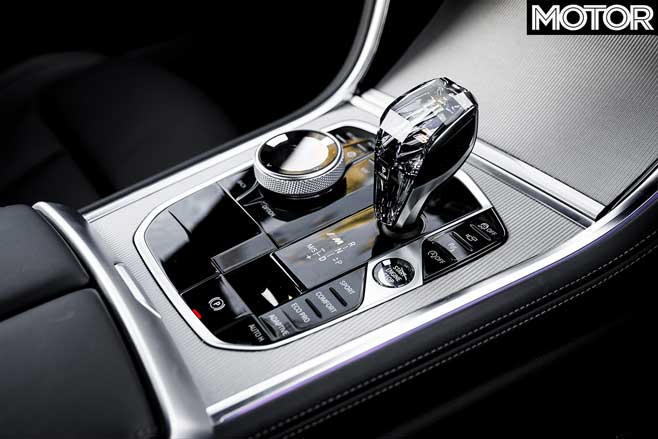
The M850i has a rudimentary launch control system. Once the powertrain is up to temperature, disengage stability control, move the Swarovski crystal gear lever to S, squeeze the brakes with your left foot and floor the accelerator with your right.
Revs rise to around 2800rpm, slightly more than can be achieved manually, and this makes the difference, the M850i rocketing off the line – aided by extremely short initial gearing – to hit 100km/h in 3.63sec.
It passes 160km/h in 7.90sec and the quarter mile in 11.68sec at 194.24km/h before breaching 200km/h in 12.45sec. Overtaking from 80-120km/h in Drive takes just 2.2sec. Remember, this isn’t the full-fat M8, but the ‘regular’ M Performance model.
Those numbers better the figures we achieved in the first-gen Audi R8 V10 Plus (3.82sec 0-100km/h; 11.71sec 0-400m), though the supercar gets to 200km/h quicker.
Regardless, it’s a remarkable result for a four-seat grand tourer which weighs nearly two tonnes with fuel and driver on board.
Check out the October issue of MOTOR for a comparison between the BMW M850i, the Jaguar F-Type SVR and the Porsche 911 Carrera 4 S.
The Ferrari 812 GTS has leaked from its official reveal.
The reveal is currently taking place at Maranello as part of Ferrari’s ‘Universo Ferrari’ event, at which the new F8 Tributo Spider is also expected to appear.
A roofless version of the 812 Superfast has been mooted for some time, with heavily camouflaged prototypes spotted around the Ferrari factory.
Previous open-top versions of Ferrari’s GTs have been special-edition, limited-run models like the 550 Superamerica and 599 SA Aperta, but ahead of the official announcement it’s not clear whether the 812 GTS will be a limited-run model or regular production.
As can be seen in the photo, the 812 GTS is not a traditional convertible but rather a Targa-style arrangement like the 488 Spider to help retain body rigidity and reduce the need for a heavy and complicated folding roof like the Portofino.
https://www.instagram.com/p/B2DJV4vJx3k/?utm_source=ig_embed&utm_campaign=loading
The mechanical specification of the GTS is expected to mirror that of the coupe, including a 588kW/718Nm 6.5-litre V12, seven-speed dual-clutch gearbox, rear-wheel drive with a suite of clever chassis technology and performance of 0-100km/h in 2.9sec and a 350km/h top speed.
The 812 GTS is the latest in Ferrari’s product onslaught which has already seen the release of the 488 Pista and associated Spider, F8 Tributo and SF90 Stradale with future cars to include a new GT model, a new mid-engined sports car and the ‘Purosangue’ SUV.
We’ll bring you more information as it comes to hand, with the official reveal expected on Monday European time.
* It’s important to note that while the picture above was from NZ Ferrari collector Grant Baker’s Instagram account, he was not the originator of the picture as photography from the reveal was strictly forbidden.
The enormous Takata airbag recall could take a more wide-reaching form in 2020, with more than 500,000 cars under threat of de-registration across Australia.
The Federal Chamber of Automotive Industries (FCAI), which is coordinating the recall across all affected brands, is calling for all states and territories to consider the de-registering of vehicles fitted with the so-called Takata ‘beta’ airbag, if their owners have not presented for recall remedy.
The deadline to process all Takata airbag recalls has been set as December 2020.
De-registering cars fitted with the most dangerous ‘alpha’ bags is already underway in almost every state and territory in Australia, though NSW and Victoria are not yet to go down that path.
MORE TAKATA NEWS
- Australians are still not heeding faulty Takata airbag warning
- The compulsory Takata recall – what’s next?
- Australian driver killed by Takata airbag
“We all know this is a serious issue,” he said. “Hundred million people worldwide, 26 fatalities worldwide, and over 300 people seriously injured. We always knew that we had to do something. And we’ve done a lot.”
Weber said that from three million affected vehicles, some 2.28 million cars have been rectified. Of those, 5400 cars with the extremely dangerous and unstable Takata bag – which, if deployed, could shoot metal fragments at supersonic speeds into the face and torso of the occupant – are still unaccounted for.
“We’ve phoned them, we’ve knocked on their doors, we’re sending them letters, we’re sending them SMSs, and they refuse to come in,” said Weber. “Those people have to be addressed.”
These cars will not be re-registered once their rego falls due. However, Weber said that owners of cars with the less unstable but no less deadly beta airbags will suffer the same consequence next year, if discussions with the ACCC are successful.
“That’s something we’re talking about with the ACCC and through them the states and territories,” said Weber. “We recognise that this isn’t the right point in time but it won’t be long before we’re into 2020, and that will have to have to happen if we are going to get these vehicles off the road by the end of December 2020.
A new advertising campaign is being rolled out in regional and lower social-economic areas in order to try and capture the last of the hold-outs, but Weber believes that de-registration of beta bag-equipped cars will be approved at a state and federal level.
“This is the first time that a recall has been made mandatory in this country, but it’s a substantial public health issue,” he said. “If we need to address it – and we do – deregistration is the only way we are going to get that universal approach that is needed.”
You can check the status of your car at www.ismyairbagsafe.com.au. It’s a free process to get your airbag changed, with manufacturers often going out of their way to make the switch simple.
Head to www.ismyairbagsafe.com.au to find out your car’s status, or check by texting TAKATA to 0487 AIRBAG (247 224).
Let’s answer the most obvious question first. No, the new Toyota GR Supra is not just a BMW in a Japanese tracksuit. Many of the ingredients may be similar, but Toyota’s sports car guru, chief engineer Tetsuya Tada, and his team have created a car that is both unique and extremely enjoyable to drive.
A quick recap if you’ve been living under a rock. In May 2012 Toyota and BMW first met to discuss the possibility of a joint sports car venture. After many meetings and a couple of false starts, the decision was made to collaborate on the new A90 Supra and BMW Z4. The two cars share their basic platform, powertrains, electronic architecture and are built side-by-side in Graz, Austria by Magna Steyr.
The Supra is slightly longer, narrower and lower in height than its BMW opposite number, the Z4 M40i, and at 1495kg carries a 40kg weight advantage. Where the two differ most is in price tag. Whereas the Z4 will set you back $124,900, the GR Supra GT starts at $84,900 with the GTS another $10K upstream at $94,900.
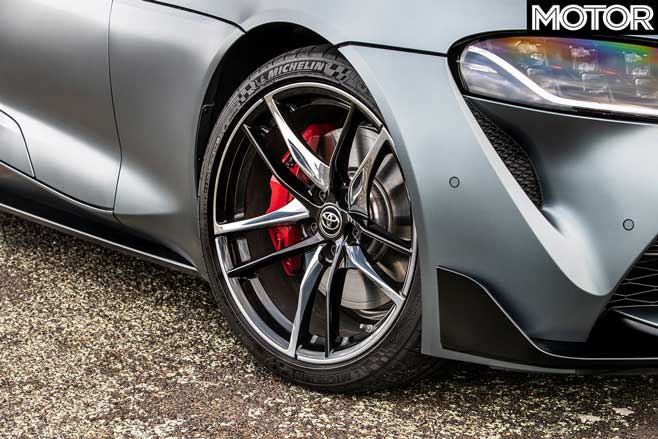
Both use a 250kW/500Nm 3.0-litre turbocharged straight-six for a claimed 0-100km/h of 4.3sec, an eight-speed automatic, adaptive dampers and an electronically controlled limited-slip diff, but the GTS adds 19-inch wheels (GT 18s), larger rear brake rotors, sports pedals, a head-up display, 12-speaker JBL stereo and the option of Alcantara upholstery and matte grey paint.
The GT isn’t exactly Spartan, with heated eight-way adjustable electric seats, keyless entry and start, dual-zone climate control, a 10-speaker stereo, sat-nav, carbon fibre-look trim, auto LED headlights, 8.8-inch digital instrument display, reversing camera, tyre pressure monitoring and a plethora of safety equipment, including active cruise, lane departure alert, automatic emergency braking, blind spot monitoring and rear cross-traffic alert.
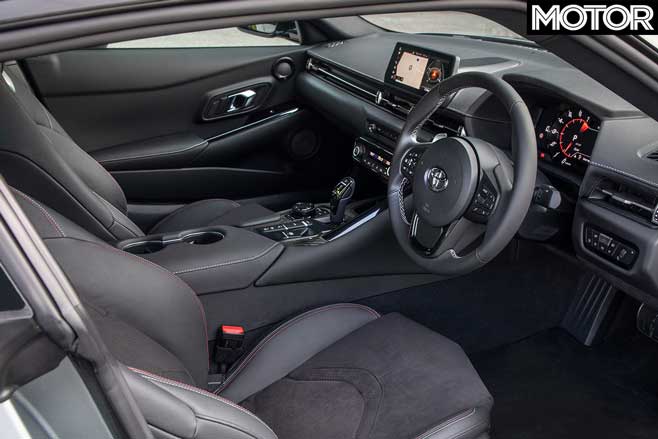
But enough with the specs. The only thing that really matters with the new Supra – as with any sports car – is it how it drives and, happily, the A90 heartily delivers in this regard. The B58 3.0-litre turbo six is a key contributor; yes, it’s instantly recognisable to anyone familiar with modern BMWs but Toyota could’ve spent tens of millions on a new engine (and plant to build it in) and still not made one as good as this.
Overseas dyno videos suggest the quoted 250kW/500Nm is wildly pessimistic and the local bum dyno agrees. This is a very fast car, clocking more than 230km/h down Phillip Island’s main straight and offering a serious shove in the back regardless of speed or gear thanks to its bulk torque.
The gearing is very short and tightly packed – 2nd is done by 80km/h, 3rd runs to 121km/h and fourth 152km/h – so you’re often a gear higher than usual but the throttle response and acceleration remains excellent.
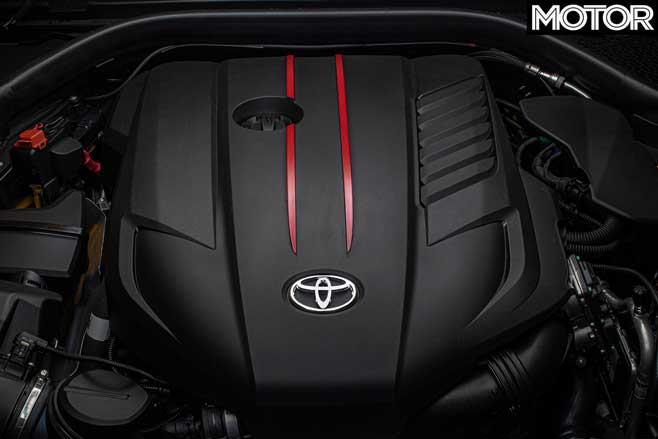
As does the soundtrack. Sadly, as is often the case these days, the noise is best enjoyed from outside, but from the cabin there’s still a smooth straight-six note to appreciate and backing off the throttle in Sport mode unleashes all manner of exhaust theatrics, from subtle pops and burbles to thunderous booms and staccato machine-gun fire.
Helpfully, drivers can individually tailor the engine, gearbox, suspension and steering setting choosing between Normal and Sport. Switching the powertrain to Sport is a no-brainer, injecting it with a welcome shot of adrenaline, but doing the same for the suspension on-road is ill-advised, introducing a level of stiffness and absolute body control that the nicely-judged standard setting doesn’t need.
Sport steering adds weight and effort for no reward and is therefore unnecessary, particularly as the normal mode is excellent, offering feedback and communication through the Toyota-specified thin-rimmed, 373mm diameter wheel that no modern BMW owner would recognise. It’s not as good as the 86, but it’s most easily identifiable difference between Toyota and BMW’s engineering philosophies.
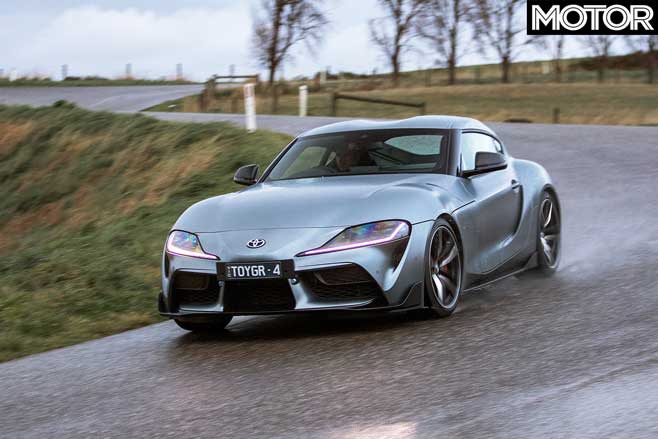
Toyota says two measurements are key to the Supra’s handling: the wheelbase-to-track ratio is a “golden”1.55:1 (it’s not clear who has decided this is the ideal measurement, but we’ll push on) and pushing the centre of gravity as low as possible. Sounds easy, but Toyota has a list of 2000 criteria each new car must meet, some of which are not conducive to making a sports car.
For example, one of them is that the running ground clearance must be 130mm – the Supra’s is just 119mm. It’s one of a number of rules that Tada-san broke (with permission) in his attempt to make the ideal sports car.
The hard work paid off – the Supra is balanced and grippy yet agile and adjustable. Through Phillip Island’s fast, flowing sweeps measured inputs are required not to upset the car and its relative softness means the weight takes a moment to settle, but once it does the specially developed Michelin Pilot Super Sports dig into the tarmac and the body roll makes the limit more of a slope than a sharp edge.
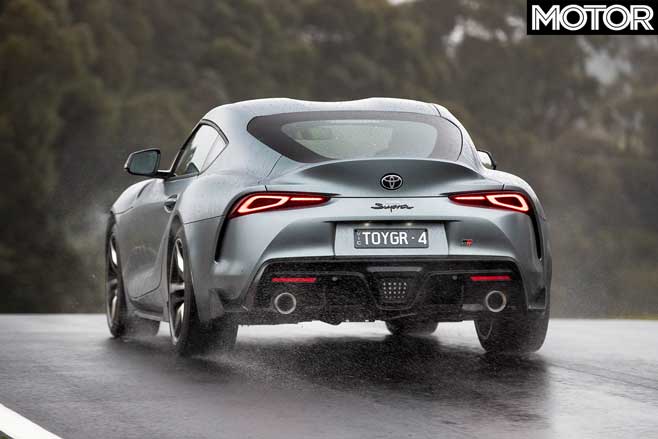
Oversteer arrives and needs to be caught quickly, but if you’ve got the skills the A90 is happy to play drift car. If you don’t the ESP is extremely well calibrated, lenient in its operation and subtle in its intervention.
On the road the traction-to-power ratio is such that it’s not throttle-steerable in the manner of, say, an M2 Competition, yet so tenacious is the front end that it doesn’t need the help. The nose goes exactly where you point it, refusing to wash wide even on track unless you’ve been drastically optimistic with your corner speed.
Only the brakes really stand out as needing improvement. While they hold up admirably on track, the dead, wooden feel during heavy braking applications on the road doesn’t inspire confidence, particularly as the gearbox often isn’t overly keen to downshift when requested. The ride is also quite firm and there’s plenty of road noise.
Inside is where the BMW influence makes itself most known with the infotainment and major switchgear a straight lift – how much that matters will probably depend on the individual buyer, but will anyone complain about finding BMW bits in a Toyota? There’s a paucity of storage space in the cabin and three-quarter vision is horrendous, but on the plus side the driving position is widely adjustable, the seats are supportive and iDrive is easy enough to navigate.
It’s difficult to know what to compare the new Supra to, so instead let’s just celebrate it for what it is. It’s a fast, entertaining, premium rear-drive coupe with a price tag well south of six figures and there aren’t many of those around, especially if you don’t buy into the Mustang/Camaro vibe. Perhaps it bothers you that an icon like the Supra shares so much with another manufacturer, but the other option is that it doesn’t exist, and I for one am very glad it does.
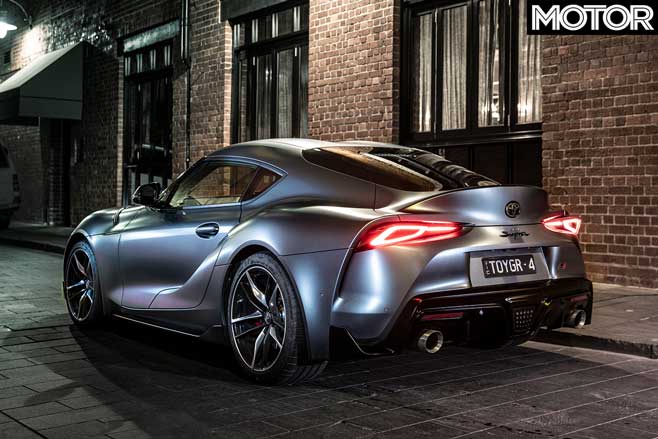
2019 TOYOTA GR SUPRA SPECS Engine: 2998cc inline-6cyl, DOHC, 24v, turbo Power: 250kW @ 5000-6500rpm Torque: 500Nm @ 1600-4500rpm Weight: 1495kg 0-100km/h: 4.3sec (claimed) Price: $84,900 (GT); $94,900 (GTS)
Like: Great engine; agile, entertaining handling; GT has plenty of kit Dislike: Brake feel; firm ride; road noise; slow downshifts
Rating: 4 out of 5 stars
Hyundai Australia’s unleashed its new Veloster Turbo, pegging it to enter showrooms this September, and we have all the details if you’re keen on the quirky four-door hatch.
As an all-new model, the changes include a new platform shared with the i30 and Kona that swaps the previous generation’s torsion beam rear suspension for a multi-link system. It also wraps its lop-sided door arrangement within a completely new exterior.
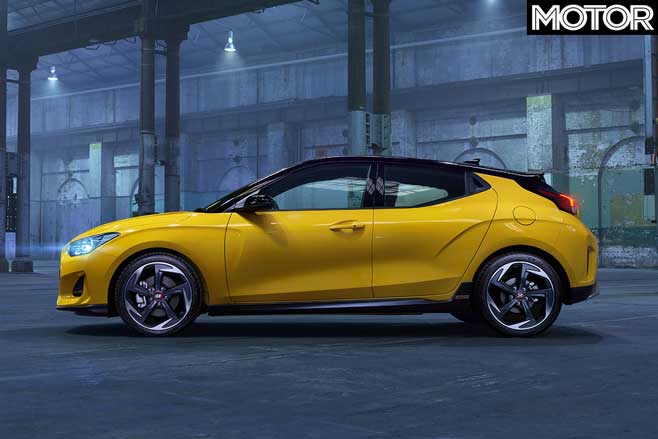
The base Veloster kicks off with an atmo 2.0-litre, pushing out 110kW and 180Nm, but you want the Turbo, which shares its engine with the i30 N-Line and Elantra Sport variants. Its 1.6-litre turbocharged four cylinder powertrain comes married to either a seven-speed dual clutch automatic or six-speed manual.
Outputs are set at 150kW and 265Nm, the same as with the previous generation, however it can now liberate another 10Nm on overboost. That’ll be channelled through an open front-differential and something Hyundai calls Torque Vectoring Control, or brake-based torque vectoring.
Thankfully, Hyundai’s engineers have paid a lot more attention to dynamics this time around by fitting a quickened electrically assisted steering rack and Michelin tyres. That’s right, the Turbo scores Pilot Sport 4 tyres wrapped around its 18-inch wheels.
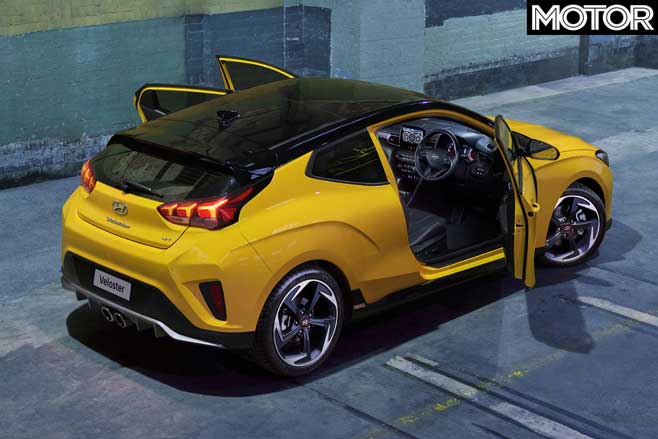
It also scores a fair bit of kit above the atmo version as Hyundai throws in radar-based safety systems, paddle shifters, LED lights, larger TFT screens, sportier body items and metal pedal ‘pads’. It’ll ask $35,490 with a six-speed manual transmission, while the dual-clutch adds another $3K to top out at $38,490. Add metallic paint for another $595.
But if you’re the fancy type, then $3500 upgrades equipment to Premium levels, including heated seats and wheel, a unique 18-inch wheel design, a heads-up display and leather trim on the sports bucket seats. It also includes gizmos like rain sensing wipers, a wireless charging pad and power on the front seats. You can also option a two-tone roof for $1000.
At most, before on-roads, a Veloster Turbo can top out at just over $40K. Stay tuned for our verdict on its performance value equation this October.
European-made cars could have their prices slashed by up to 38 percent under a new trade deal with Australia if EU trade negotiators get their way.
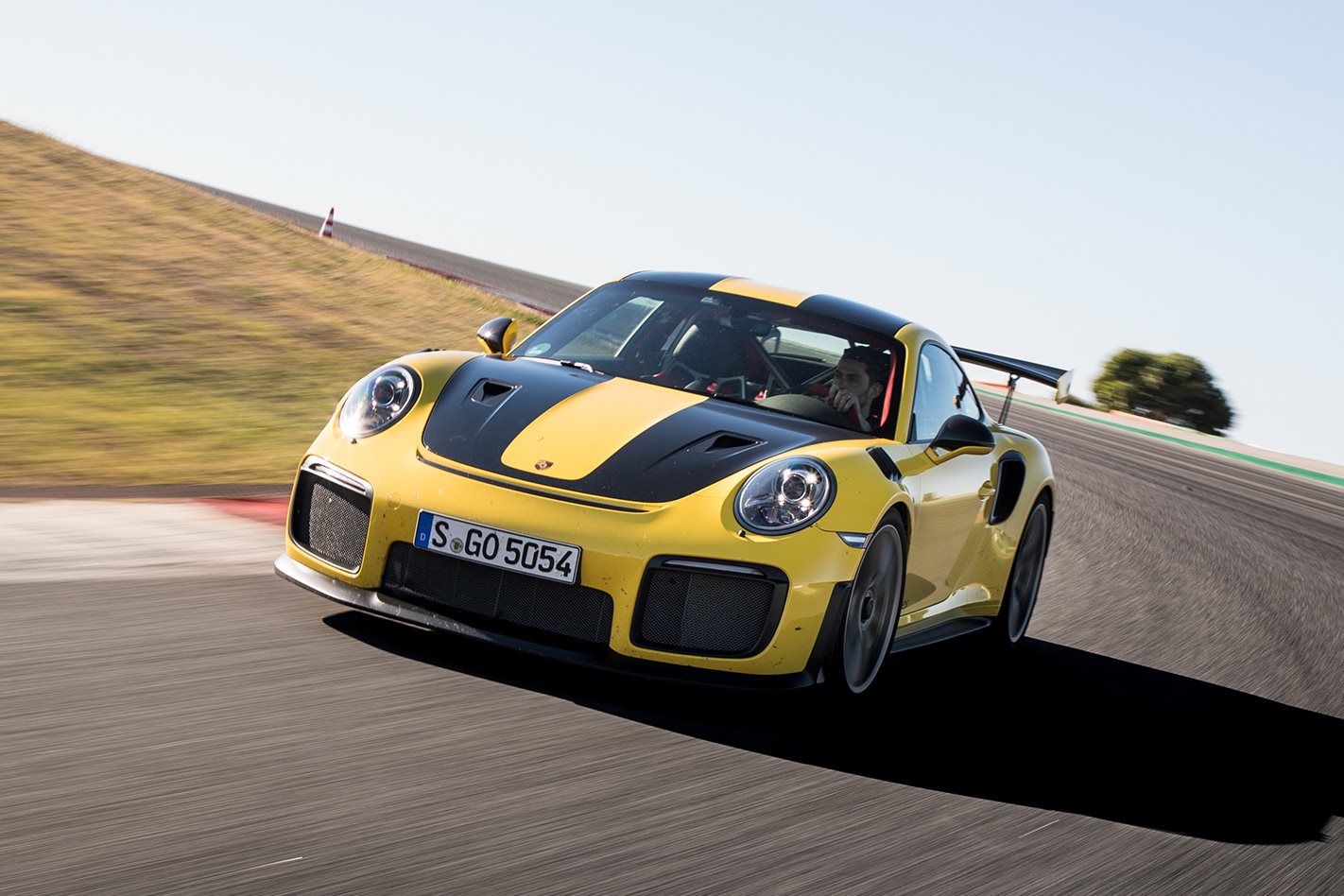
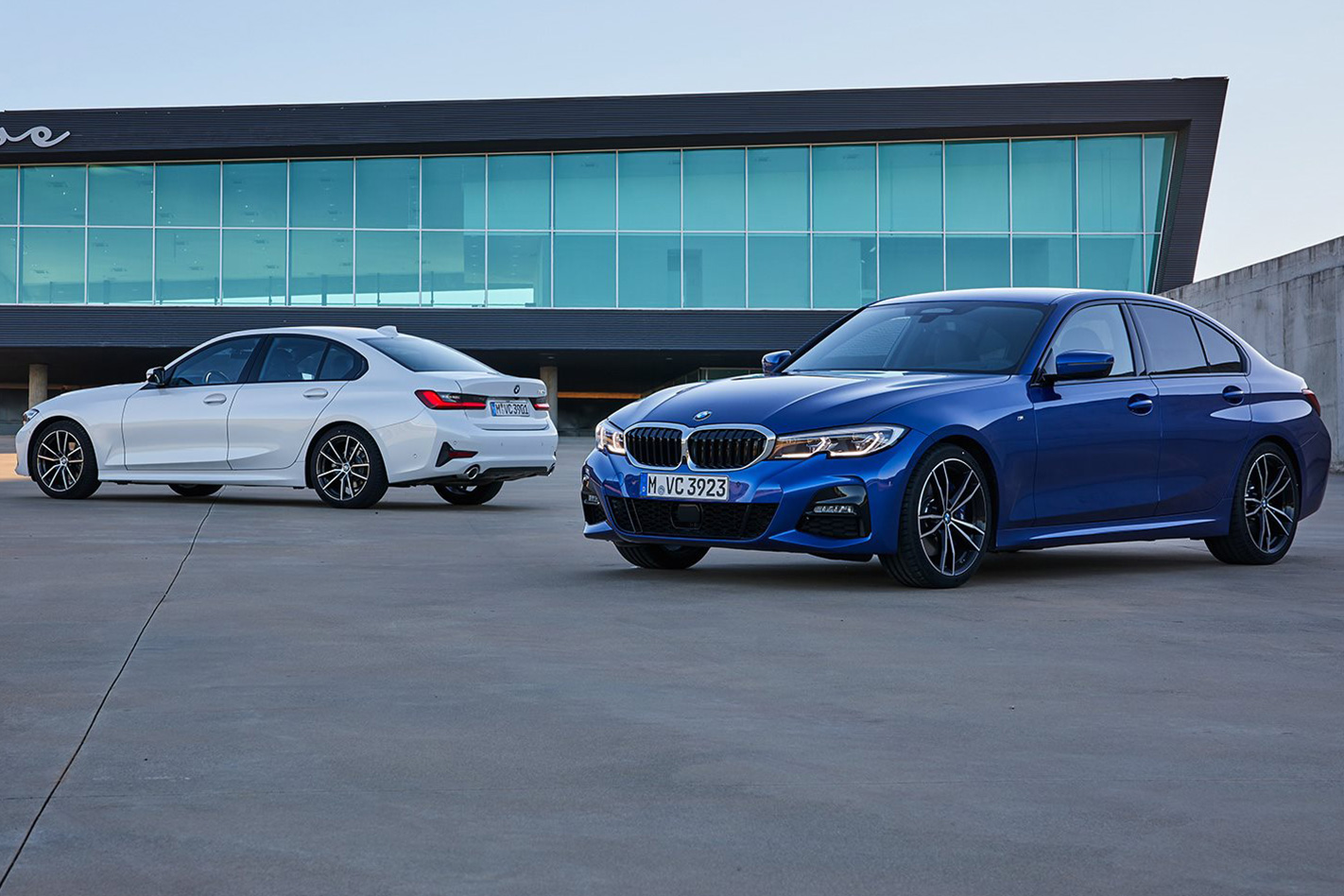
Slashing the 5 percent duty on imported luxury cars and the 33 percent Luxury Car Tax (LCT) on the more expensive models has been a key demand in the negotiations, according to a senior EU trade negotiator currently visiting Australia.
Cornelis Keijzer told Nine Media that Australia had agreed to discuss the removal of the automotive taxes.
Speaking in Melbourne, Keijzer said that the EU’s push for the removal of both taxes was “one of the key demands on our side”.
“You have all these taxes on top of each other, which is exactly the problem,” he said.
The EU’s Head of Trade and Economic Section reckoned the five percent import tax is likely to go, but while the Australian government said the Luxury Car was on the table “they’ve not made any concession on this so far”.
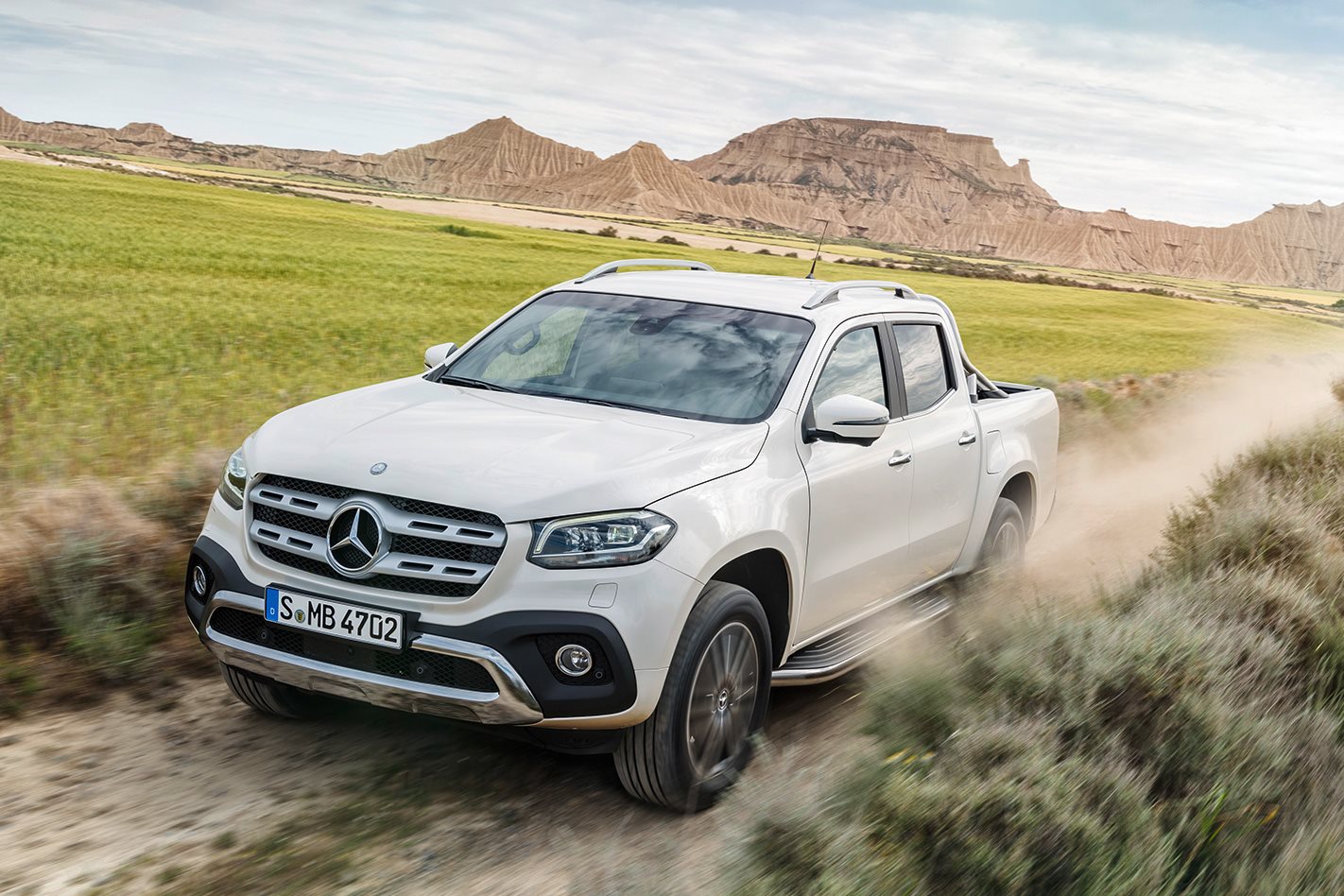
He pointed out that while European cars were slugged with a tariff, “all the other car exporting countries already have agreements with Australia so their exports enter at zero”.
Keijzer conceded that the LCT applies to US and Asian-built vehicles; however, it mostly affects European manufacturers and so acts “as an extra customs tariff”.
The Federal Chamber of Automotive Industries (FCAI) has long supported the immediate scrapping of the import duty on European vehicles, as well as the LCT, as part of any trade negotiations, and to create a level playing field for all vehicles regardless where they are manufactured.
Not surprisingly, FCAI chairman Tony Weber shared Keijzer’s views on the LCT.
“It’s a tax on a tax. We have the car, we have the GST, we have stamp duty, and then on top of all those, we have the luxury tax,” Weber said.
“It’s a tax on families, it’s a tax on safety, it’s a tax on technology, it’s a tax on emissions. It is a roadblock to our FTAs. It’s a drag on our market, and there’s also a question at the state level whether it’s constitutional.”
Weber said his organisation was in discussions with the Europeans and the UK about putting it on the agenda through the free trade agreements.
This isn’t the first time it has been suggested that the LCT could go as part of a new trade deal with Europe, though it is encouraging to hear it come from the European side of the negotiating table.
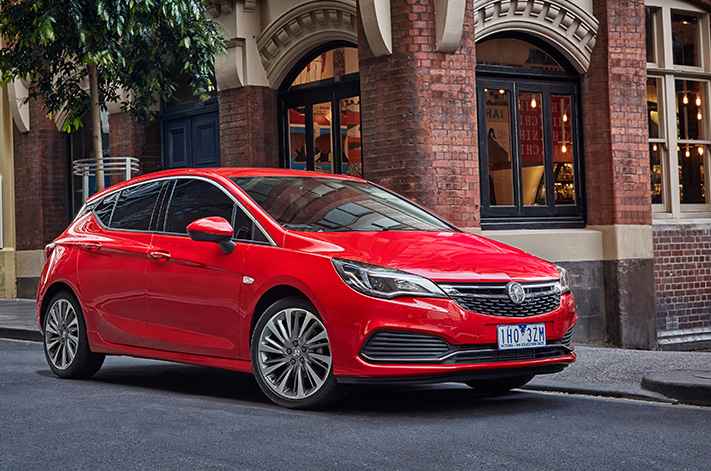
Last April, former Australian trade minister and deputy chair of the European Australian Business Council, Simon Crean, said that axing the import tariff is an inevitable consequence of the free trade agreement.
“As for the luxury car tax, I think the Europeans will continue to make that case [for it to be abolished], and I think they have got a strong case in that regard,” Crean said.
He added that it would be unlikely the tax would be immediately abolished in its entirety, adding that the preference is for it to be phased out over three years to prevent what he calls a “buyer’s strike”, resulting in a temporary sales decline until LCT’s axing takes effect.
Toyota drivers are receiving notices from the Environmental Protection Agency (EPA) for breaking emissions laws, which the EPA claims are due to Toyota vehicles’ beleaguered factory-fitted diesel particulate filters.
The claims come a month after it was revealed that Toyota has been hit with a class action that alleges that certain Hilux, Prado and Fortuner models fail to meet acceptable quality levels under Australian consumer law.

The number of vehicles involved could exceed 250,000.
The ABC has reported that some Toyota drivers have come forward after they received warnings after their relatively new vehicles were reported for blowing excessive smoke.
Sydney woman Kyle Kinchela told the ABC she was shocked on receiving a notice from the NSW EPA in June last year, alleging that her 2015 Hilux had excessive smoke issues and that she would be fined $2000 if it wasn’t fixed.
Ms Kinchela said the EPA was aware of the issue with diesel particulate filters (DPF) in Toyota vehicles, but said she would still be fined if she didn’t have her car repaired during a specific time frame.
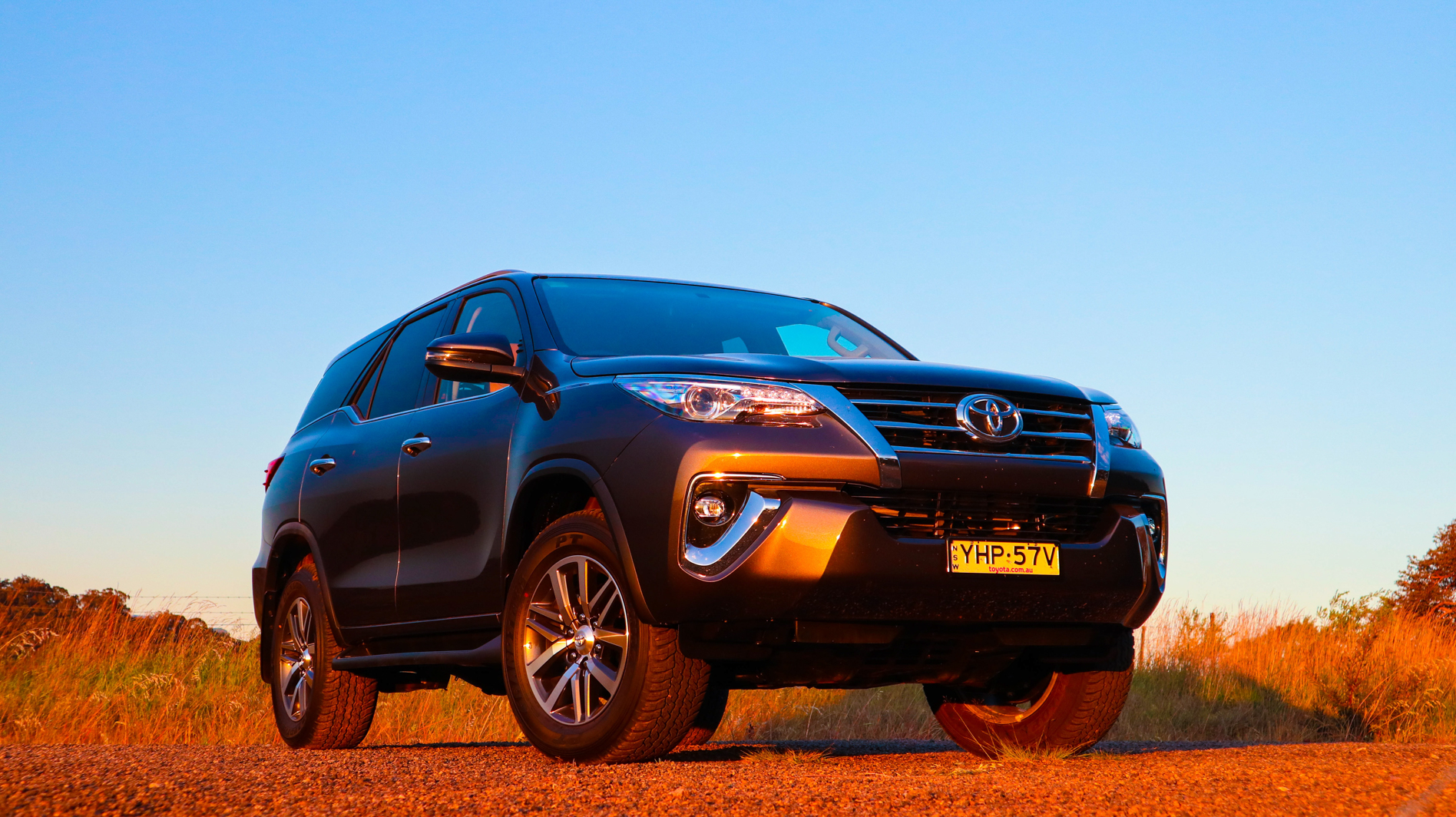
“I called Toyota and tried to get in for a service and I couldn’t get an appointment that suited within the EPA’s time frame, so I had to get the next best thing and call the EPA for an extension,” she told the ABC.
In NSW, and in other states, the vehicle owner is held responsible for emitting excessive air impurities (smoke), and are responsible for the maintenance of their vehicle. Failure to comply with an EPA warning about vehicle smoke can result in a fine ranging from $300 to $2000. A breach is deemed to have been committed if a vehicle emits visible smoke for more than ten seconds at a time.
While Toyota is contesting the class action that alleges its most popular diesel engine the 1GD-FTV 2.8-litre four-cylinder turbocharged diesel is fitted with a potentially poor quality DPF, it has taken action to fix the issue.
Toyota made a running change to 1GD-FTV-equipped vehicles from half-way through 2018, which added a manual override button to the HiLux, Prado (below) and Fortuner (above) to force the DPF to regenerate on demand.

Toyota also issued a service notification in January this year – in lieu of a recall – calling for 1GD-FTD owners to visit a dealership for repairs. This process included updated engine software and inspection of the DPF.
WhichCar also understands that the in-cabin switch is being retrofitted on-demand to older vehicles that use the 2.8-litre engine that are deemed to have DPF issues.
Is your Toyota affected?
Toyota Australia stated it is unable to comment on the latest matters as the issue is before the courts, but added that it is comitted to “helping our customers with any questions or concerns they have about their vehicle”.
Toyota owners with questions or concerns about their DPF can contact their closest or preferred Toyota Dealer or the Guest Experience Centre on 1800 869 682 (Monday to Friday 8.30am to 5.30pm AEST).
Alternatively, customers can find out more via a comprehensive DPF FAQ on the Toyota website.
Everybody relax – Holden is not going anywhere.
That’s the take-out from an interview with senior Peugeot-Citroen (PSA Group) executives in Sydney, who dismissed rumours of a Holden takeover by their Australian distributor that surfaced in February, insisting that it’s business as usual for PSA-owned brand Opel in terms of supply contracts for the Holden Commodore and Astra, both Opel-built vehicles.
The source of the original story was the Australian Financial Review (AFR) which published claims early this year that Inchcape, the UK-based distributor for Subaru, Peugeot and Citroen in Australia, was appraising the Holden business with a view to attempting to buy it from US parent company General Motors, and add it to its portfolio.
The story gathered momentum when both Holden and General Motors were slow to address the issue and Inchcape declined to comment.
In 2017, Peugeot-Citroen group (PSA) bought General Motors’ European brands Vauxhall and Opel, the latter of which supplies the Holden Commodore sedan and wagon and Astra small car, giving rise to speculation as to what it could mean for the Holden/Opel deal.
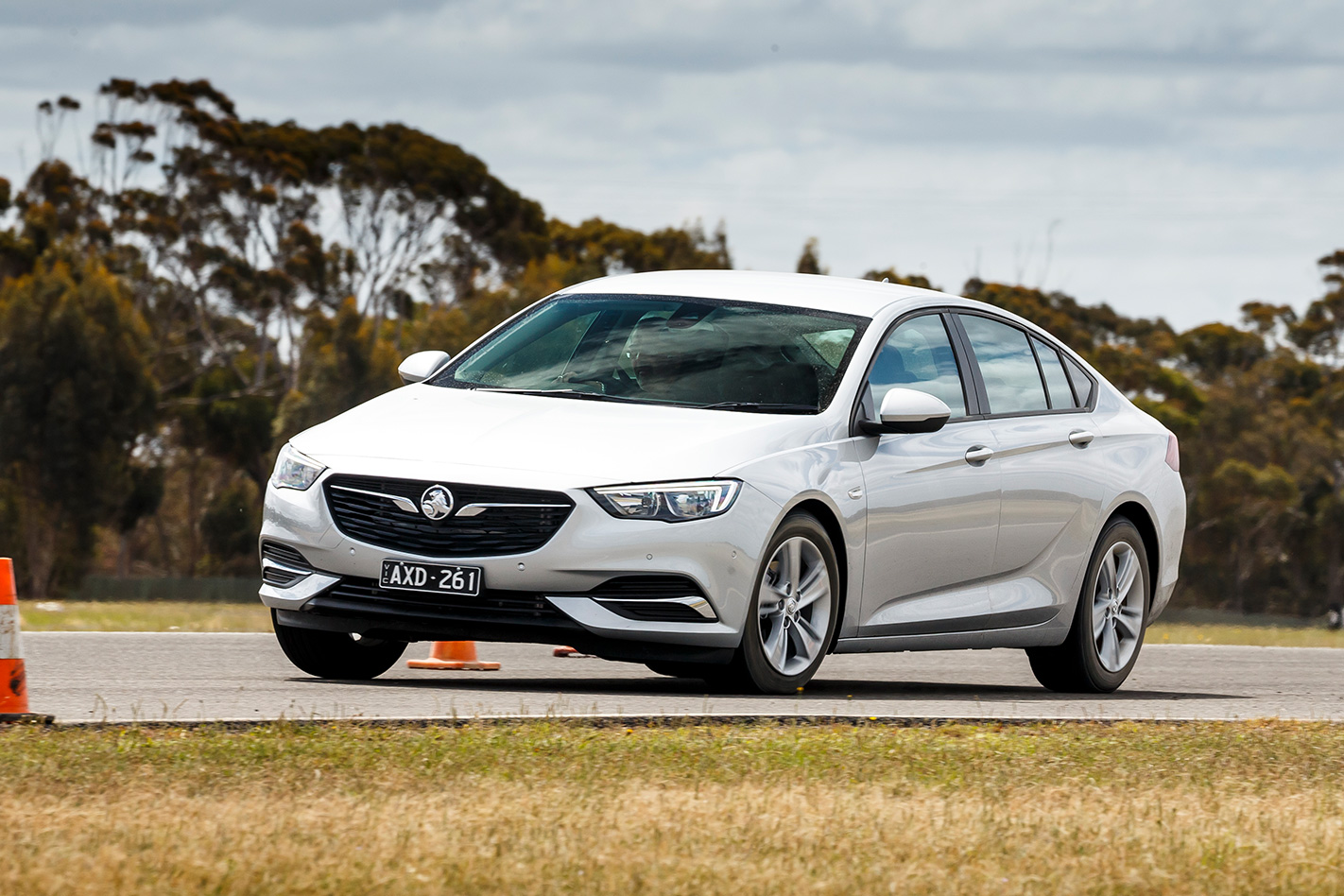
It wasn’t until nearly a week after the AFR article was published that Holden boss Dave Buttner told dealers that the report was “pure scuttlebutt”, adding that he “did not join the company to close Holden”.
Speaking with Australian press in Sydney, Emmanuel Delay, PSA’s executive vice president and operational director for India and the Pacific (below), assured WhichCar there has been no discussions regarding a takeover of the Holden brand, no plans for a reintroduction of Opel in Australia, and he saw no foreseeable interruption to Holden’s supply deal.

Emmanuel Delay
“Firstly, we should not tell you anything but the answer is no,” he said.
“We have a current supply contract selling Opel-made cars to Holden; [the] Astra and Commodore. That’s all that exists and this is just a result of the acquisition of Opel by PSA.
“Holden needed to continue supply and so they asked us to continue supplying those cars that they badge as Holdens. That’s all there is.”
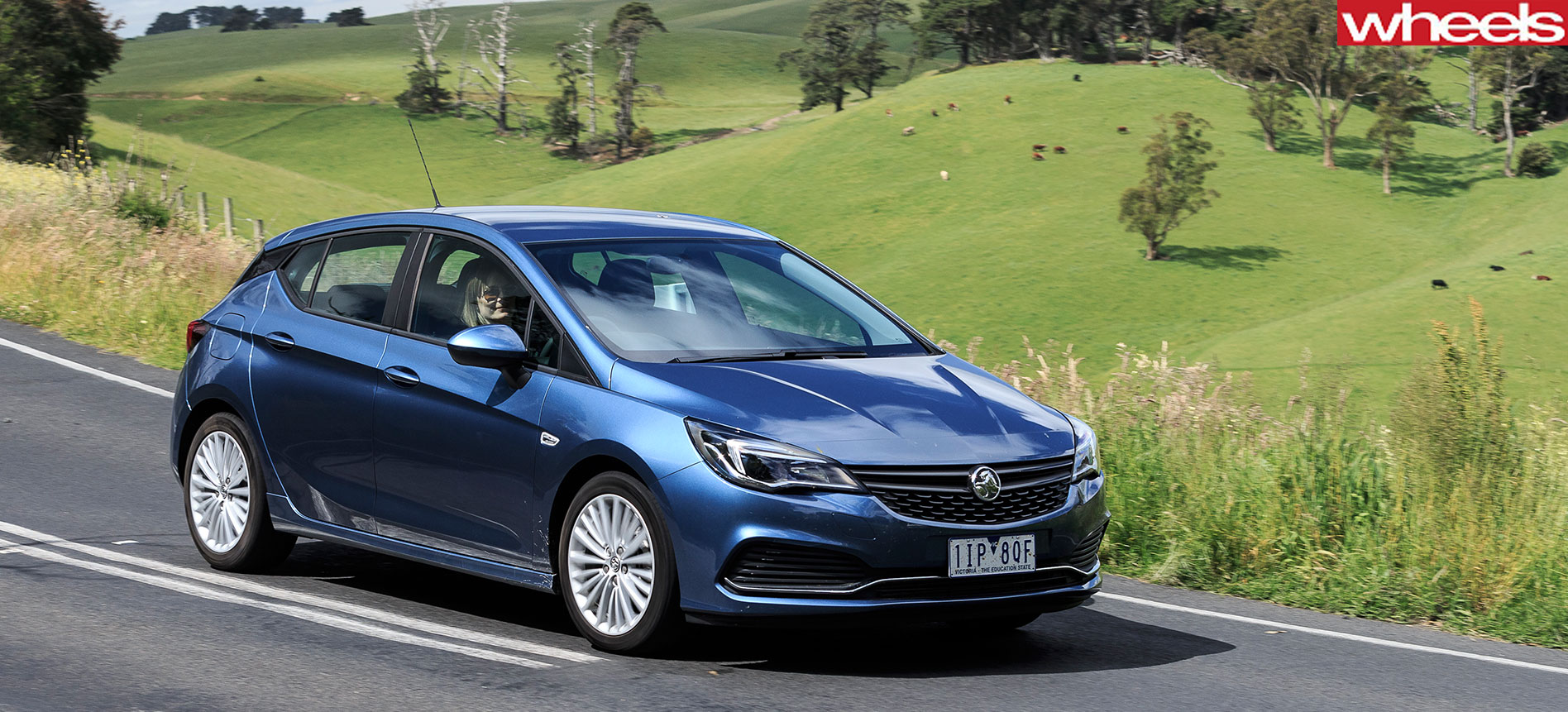
“There is a commercial agreement for a certain period. It doesn’t mean that after that period that you cannot extend that contract. It could go longer,” he said of the Holden deal.
Mr Delay said that he didn’t know the exact date of the expiration or potential renewal of the Holden deal, but “typically when you do these [type of] contracts you do it for two or three years.”
“It depends on the interest of the buyer [Holden]. If the buyer wants a long-term commitment from the supplier then they will ask for a long-term contract and they will define the quantities and so on,” he explained.
“The details I don’t have, but it’s very normal and it’s ongoing. It needs to be win-win,” said Mr Delay. “If the (buyer) of the cars needs the cars, they will secure cars and the supply quantity for a certain period. Normally the seller is always happy to sell cars and make (a profit).”
The Commodore, like the rest of its sedan-based competitors, is facing a stiff headwind when it comes to local sales, with the latest VFACTS sales figures recording a 25 percent slump in month-on-month sales and a 36 percent drop over the same time in 2018. It still heads the diminutive large car category with 4220 sales for the year, over the Kia Stinger’s 1266.
It’s expected that Holden will streamline the Commodore line-up before the end of 2019 in response to the softening demand.
The Astra is in a bit more strife, posting just 571 sales in August against the Toyota Corolla’s category-topping score of 3033. Its sales are off almost 34 percent month-on-month, and 35 percent year-on-year. Some 3630 Astras have found Aussie homes thus far in 2019.
Volvo needs this car to be good. More than good, in fact, because it doesn’t matter how many SUVs you can flog, if you choose to operate at the premium end of the mass market without a fighting-fit mid-size sedan, you’re headlining without a front man.
The third-generation Volvo S60 – the first American-built Volvo – is fresh, exciting and instantly desirable to behold, but nevertheless feels familiar, being built on the same platform as the S90 and the XC60 and XC90 SUVs.
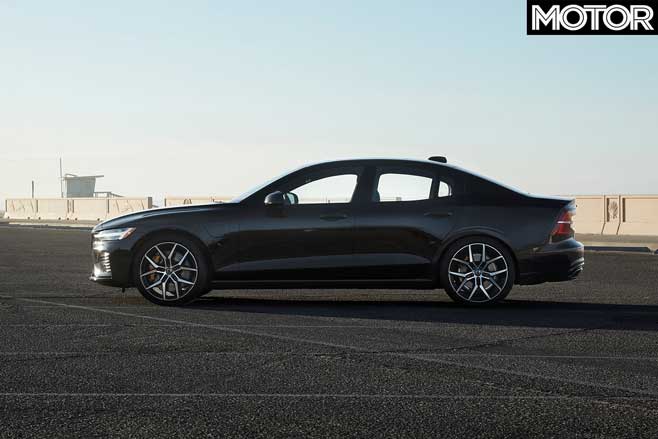
Missing is diesel power. In line with plans to electrify every new car it launches from 2019, the brand’s Scandi-pure aura is increasingly built on its ecological conscientiousness, so the S60 is the first modern Volvo offered exclusively with petrol engines. None displaces more than two litres via anything other than four cylinders, and if that sounds a bit dry, perhaps that’s because it is.
T4 and T5 models are turbocharged alone, with no less than about 140kW on offer, while the ‘Twin Engine’ T6 and T8 models will have that first level of forced induction respectively supplemented by an Eaton-built supercharger and that same supercharger plus an electric motor. The tasty T8 makes 287kW and hits 100km/h in under five seconds, so nipping at the heels of BMW’s M3.
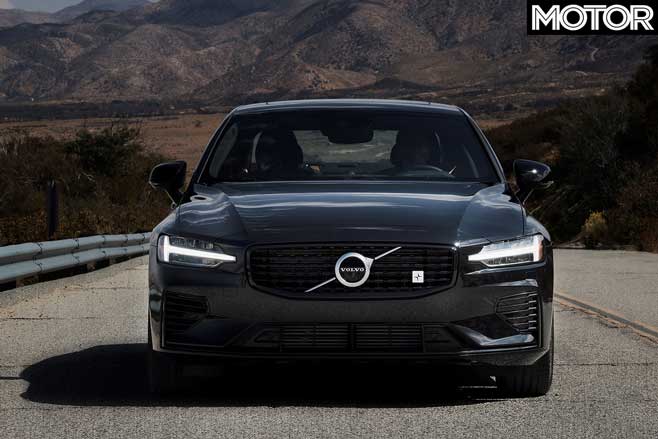
The S60 is broad-shouldered and, frankly, rather thuggish, yet there’s a subtle elegance. It is probably the prettiest sedan money can buy, and prettier still if you go for the T8 Polestar Engineered driven here.
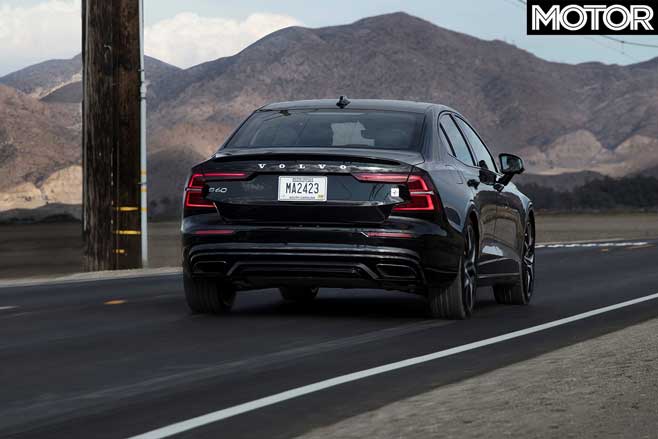
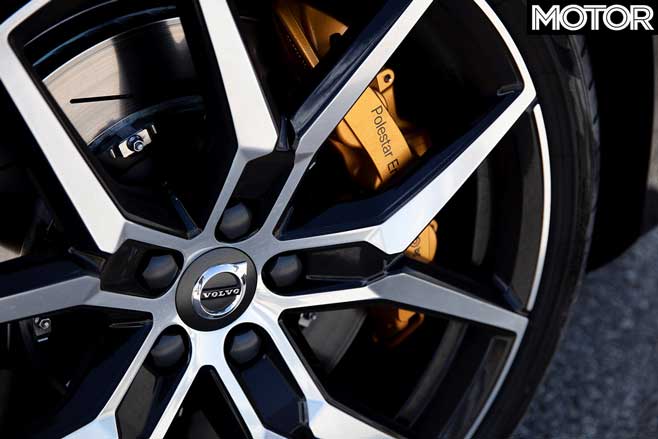
The flagship is distinguished from the standard T8 by gold brake calipers, a 12mm ride-height squat and a set of dazzling 20-inch Y-spoke alloys shod with 245-section Pirelli P Zero tyres. Power increases to 302kW, with roughly 67kW of that delivered by the rear-mounted electric motor.
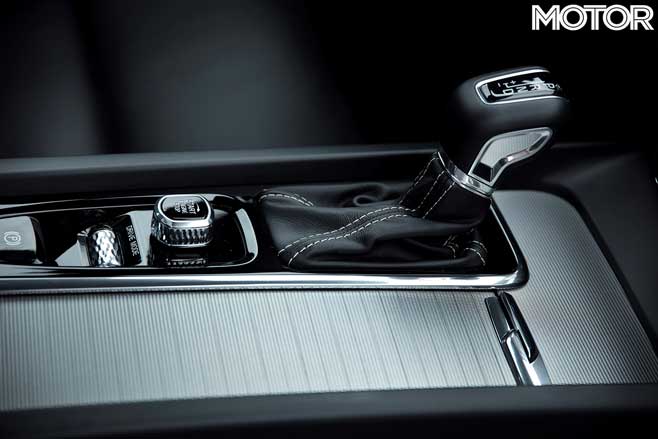
And it genuinely impresses, so long as you don’t pigeon-hole it as an M3 rival, tempting as that may be. With two distinct methods of propulsion and a 200kg battery pack, it weighs the thick end of two tonnes, so it never leaps forward with quite the urgency you’d like. Or the aural pleasure. The eight-speed automatic can also feel lazy by comparison to the BMW’s DCT, and it delivers most of its power to the front axle.
And yet there are things this Polestar-tickled S60 does superbly well. The manner in which the beefy body remains cushioned and controlled over almost any kind of undulation, resisting significant float but absorbing road ripples and the like, is conspicuously good. Breathtakingly so, in fact – as well it might be with Ohlins DFV dampers at each corner, which lend the S60 a composure unmatched in any car this refined.
Rarely will you push the T8 Polestar hard enough to call on the full force of the standard-fit six-piston Brembos and big discs, but do so and they’re effective to the extent you’ll instantly forgive their low-speed grabbiness.
But to drive the T8 everywhere in Power mode – with the EPAS steering weighted up, the throttle response sharpened, the gearshifts quickened and the electric motor permanently engaged – would be to tell only half this car’s story.
The other half begins with a car that steps off the mark in crisp silence thanks to 45km of pure electric range and then cruises with luxurious detachment. It’s that Ohlins witchcraft at work again, this time supplemented by minimal wind or tyre roar and the high-sided comfort, elegance and security of Volvo’s interior design.
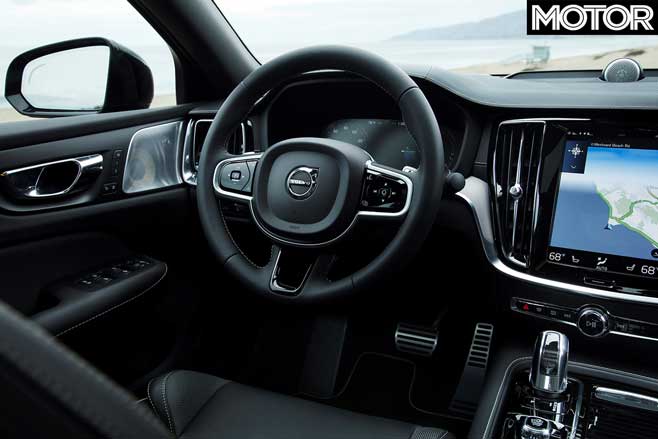
The S60 T8 Polestar Engineered won’t arrive here until at least late 2019, and when it does it’ll cost over $100,000. Depending on how you look at it, that’s rather a lot for an overweight, under-engined performance sedan, or absolutely fair cop for a broad-batted plug-in hybrid that’s enviably refined, satisfying to drive and distinctive.
Were the powertrain as inspiring to exercise as the bodywork is to behold and the handling more expressive, this car would be knocking on the door of five stars. As it is, the T8 Polestar Engineered sits comfortably among the ranks of its German peers and deserves to be regarded as more than a curio.
In fact Audi, BMW and Mercedes could all learn a thing or two from Volvo about fusing comfort with control. Design, too. Not a bad mix of talents, is it?
2019 VOLVO S60 T8 POLESTAR SPECS Engine: 1969cc inline-4, DOHC, 16v, hybrid Power: 302kW @ 5800-6100rpm Torque: 670Nm @ 4500rpm Weight: 2050kg (est) 0-100km/h: 4.7sec (claimed) Price: $110,000 (est)
