
There is no doubt that the Tesla Model 3 Performance packs some serious performance credentials, with a 0-100km/h boast of 3.4sec and a top speed of 233km/h.
However if you want to go one up, there is Model 3 Performance’s $6200 performance upgrade package that introduces 20-inch wheels wrapped in performance-oriented Michelin Pilot Sport 4S rubber, better brakes, a lowered ride, a 261km/h top end, and a ‘Track Mode’.
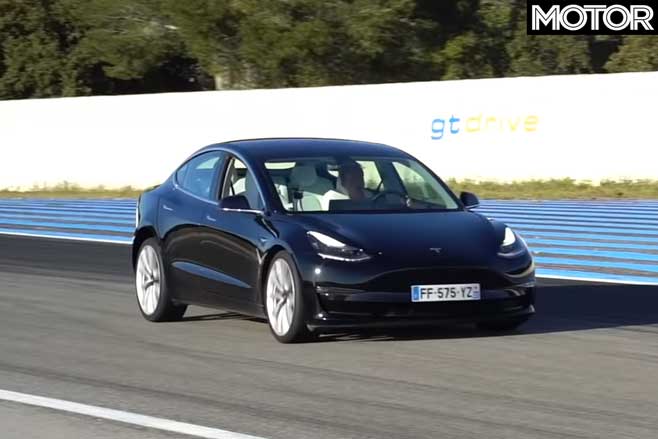
While Tesla teased the ‘Track Mode’ as an enabler of big smoky drifts, what it really does is merely adjust the car’s torque distribution, tweak the brake-based torque vectoring, and optimise the drivetrain’s cooling system.
Fancy technicalities aside, Nico Rosberg wanted to see what the vaunted ‘Track Mode’ can really do… on a track. For that he took a pair of Model 3 Performances to the 1.8km section of the Paul Ricard Circuit to put down a lap time.
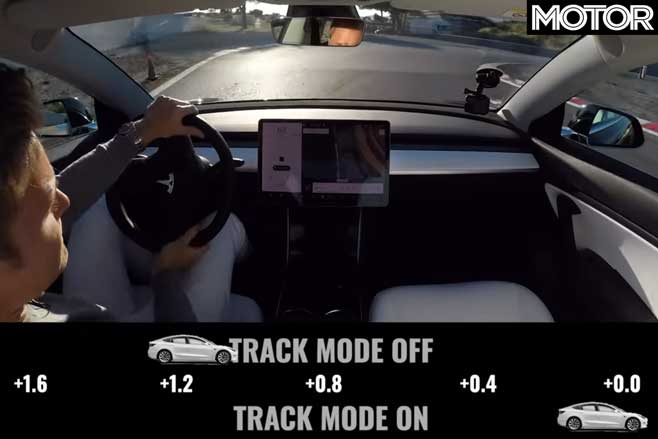
As it turns out the ‘Track Mode’ does bring a marked improvement to the Model 3’s handling characteristics. Around the corner packed circuit, the improved torque distribution not only meant that Rosberg could get the power down, but it kept the tyres from overheating too quickly.
That being said, the ‘Track Mode’ merely delayed the inevitable as a combination of immediate 639Nm torque delivery and its 1850kg mass eventually cooked the tyres towards the end of the lap.
Even so, the ‘Track Mode’ managed to deliver a 1.6 second improvement in lap times, which is a significant margin for a 1.8km-long circuit.
The slide seems unrecoverable. It’s one of those massively overcommitted drifts where the car has gone beyond perpendicular and you start scanning the side windows to see what you’re going to hit.
Of course, destroying a Porsche Taycan on an international press event would likely be a career-ender, and at that precise moment I have an empathy fail and feel a pang of relief it isn’t me flapping at the wheel and doing the subsequent explaining. I’m in the jump seat for this one.
The electric motors shriek and whinny, the Pirellis scrabble desperately at the wet surface of the Grevenbroich test facility and then it’s all gathered up, and rocketing towards the next apex. Yes, the Taycan is an electric vehicle, but above all else it’s unapologetically, joyously a Porsche.
It’s not Porsche’s first EV. The company developed an all-wheel drive EV – the System Lohner-Porsche – in 1898, but it’s fair to say that the prospect of Zuffenhausen belatedly getting back into the game has kept us intrigued. Just over a year ago, Porsche bought a 10 percent stake in Rimac Automobili, the Croatian company behind the Concept_One and C_Two electric hypercars. It supplies Koenigsegg, Hyundai, Renault and Jaguar, and also developed the battery system for the Aston Martin Valkyrie. Although the collaboration came too late for the Taycan’s development, it’s expected that Rimac battery tech will soon be found beneath future Porsche floors. So these are exciting times.
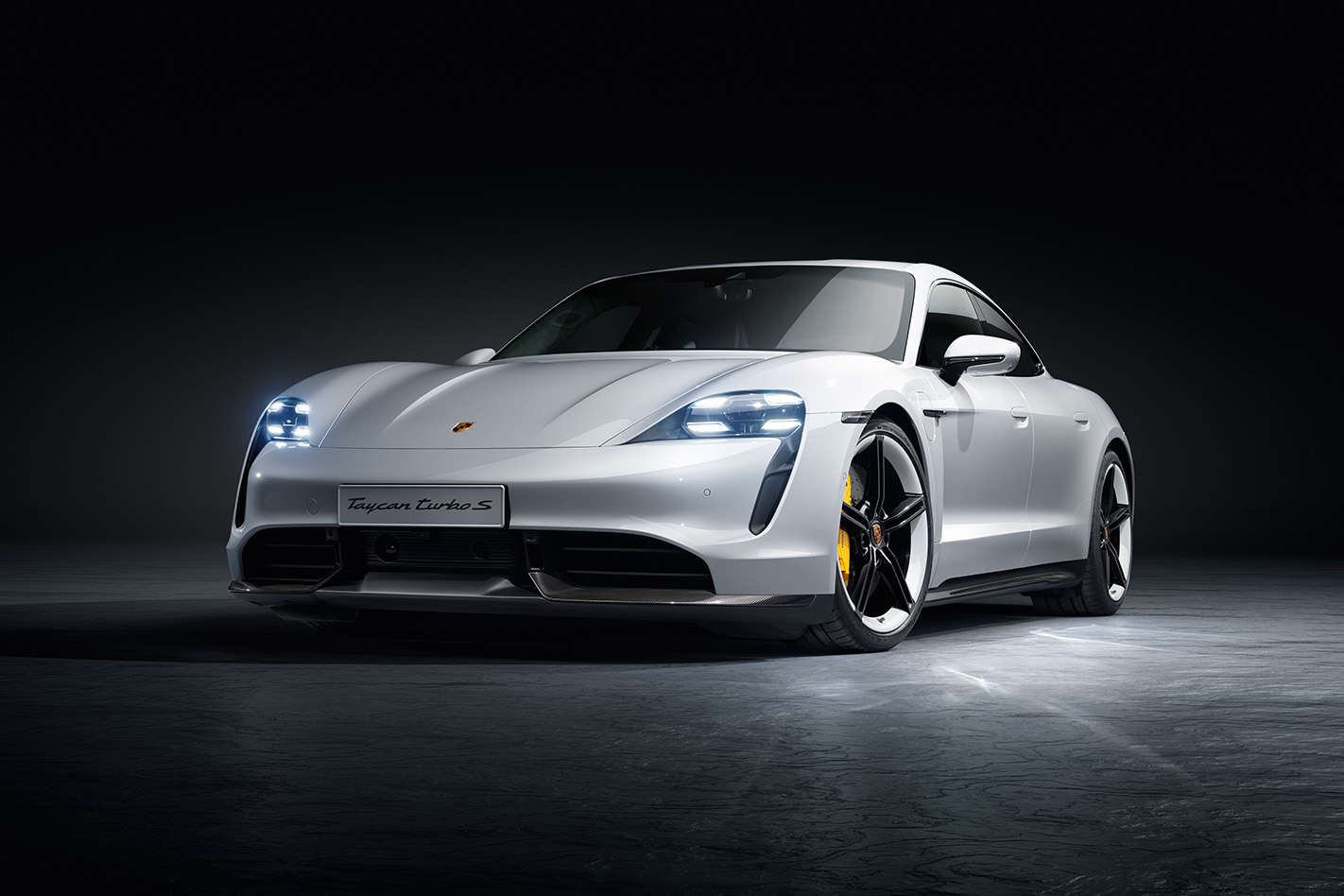
Were you a cynic, a Teslarati or both, you might well paint the Taycan as Porsche merely doing something that Elon Musk largely covered with the Model S in 2012, or that minus an internal-combustion engine, the Taycan is somehow commoditised; a generic skateboard draped in Zuffenhausen’s dress-up. Nothing could be further from the truth.
Australians can initially expect the Taycan in three distinct flavours. Come October 2020, the Taycan will slot into Porsche’s range somewhere just below the Panamera, but if you want one of the early cars, you’re too late. Porsche has already sold its entire first-year build run of 30,000 Taycans, and given that it sold 35,573 911s last year, the company is bullish that Taycan demand could outstrip that of the iconic sports car it’s built alongside at Zuffenhausen.
Expect the flagship Turbo S to be priced around $350K before on-roads here in Australia, with the Turbo just under $300,000 and the 4S pitching in at just under $200,000. Typical option spend will be around 15 percent on top of those numbers. A rear-drive entry-level car will debut in 2021, which could bring access to the Taycan range down to Cayman money. Also due in 2021 is the Cross Turismo shooting brake body.
The Taycan 4S, the Taycan Turbo and the flagship Turbo S all feature dual electric motors that drive all four wheels and a two-speed transmission at the back. The range-topping Turbo S was on hand for us to sample at the workshop in Grevenbroich. This features a crushing 560kW and 1050Nm system output, a range of 420km and a 93kWh battery (84kWh net) composed of 384 LG cells with a pulse-controlled inverter on both axles to convert the battery pack’s DC charge to the AC required by the permanently excited synchronous motors.
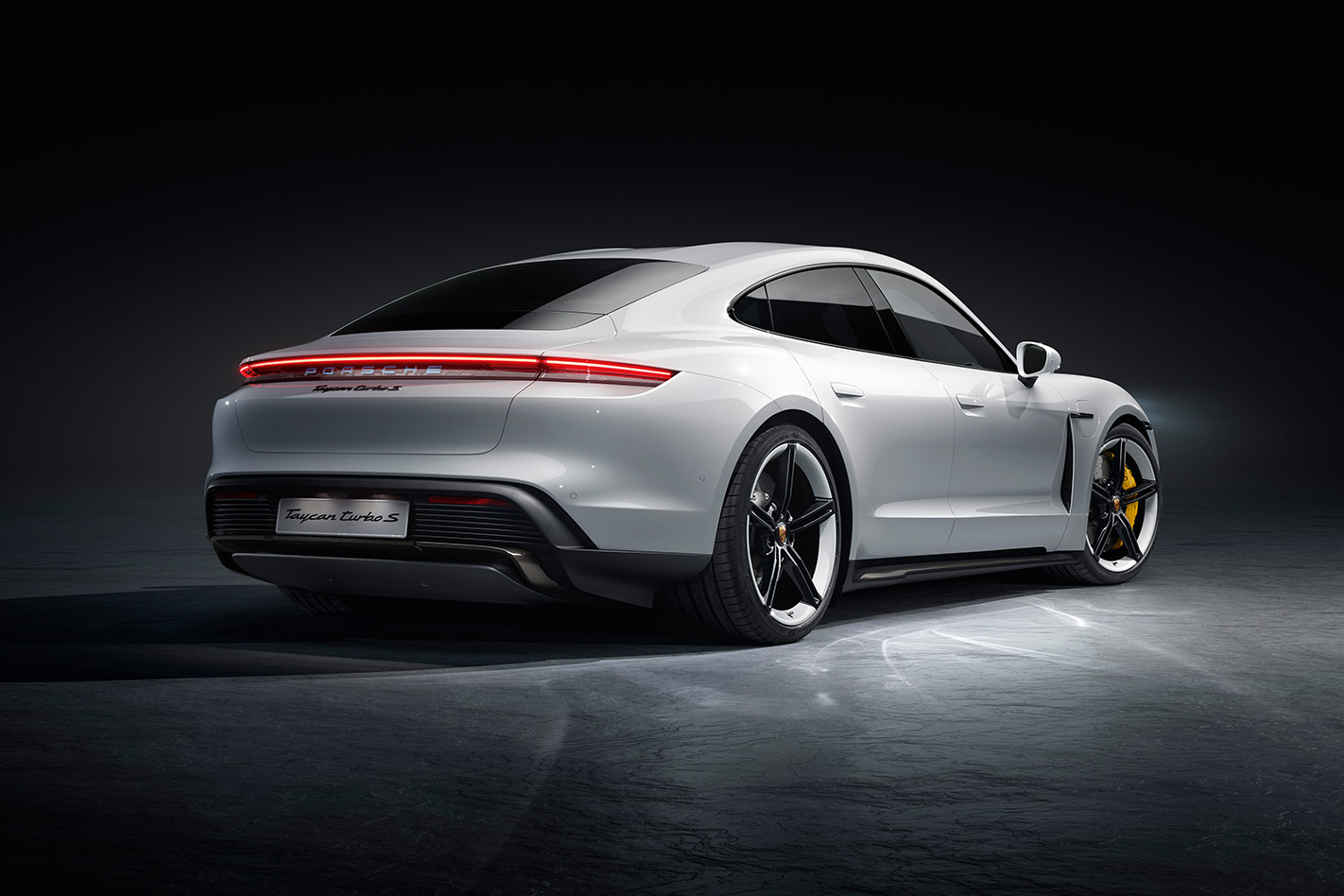
It’s monstrously rapid. Porsche’s 2.8-second 0-100km/h claim and 9.8-second sprint to 200km/h felt, if anything conservative. The 505kW/850Nm Turbo won’t be much slower at 3.2sec/10.6sec and delivers up to 453km of range. The key difference between the two models is that the Turbo S gets a second pulse inverter on its front axle and so can handle more torque. The pulse inverter is also employed as a traction control device, being able to cut and reapply power 10 times faster than Bosch’s traditional all-wheel-drive chipsets.
Unlike most EVs (apart from the Rimac C_Two with which it shares some technology), the Taycan has a two-speed transmission on the rear axle. The motor will spin to 16,000rpm, but the gearbox gives it added flexibility. In Sport and Sport Plus modes when, incidentally, launch control is offered, the transmission logic prioritises first gear for aggressive acceleration capability allied to an overboost function. In Range and Normal modes, the taller second gear is prioritised for efficiency. Weighing just 70kg, the transmission is subtle, but under full acceleration it’s possible to hear, if not feel, it snick up a gear.
Switch the Taycan into Sport or Sport Plus modes and the usual electric whine hardens into a more strident, but still notably electrical sound. “We wanted to modulate the natural sound of the e-motor,” explains Bernd Propfe of the (optional) Porsche Electric Sport Sound. “We will not make a V8 sound, and no cheap ‘ringtones’ will be available. Customers will not be able to change this.”
“It’ll lap the Nürburgring in significantly less than eight minutes,” said Dr Ingo Albers, the director of chassis engineering on the Taycan project. “It did an eight-minute lap without any braking,” he adds later, almost as an afterthought. All of the Taycan’s energy recuperation (up to an industry-best 265kW versus the 50-100kW of most competitors) comes via the brake pedal, and Albers claims that 90 percent of all braking events when you request the pedal are handled by energy recuperation, rather than troubling the brake discs. It’s but one mind-boggling aspect of the Taycan’s dynamics.
Helped by its active roll stabilisation system, Albers claims that in the Taycan, “bodyroll is reduced to zero”, with the only detectable roll coming via tyre deformation. Reducing roll oversteer tendencies is clearly desirable in a vehicle that weighs 2295kg.
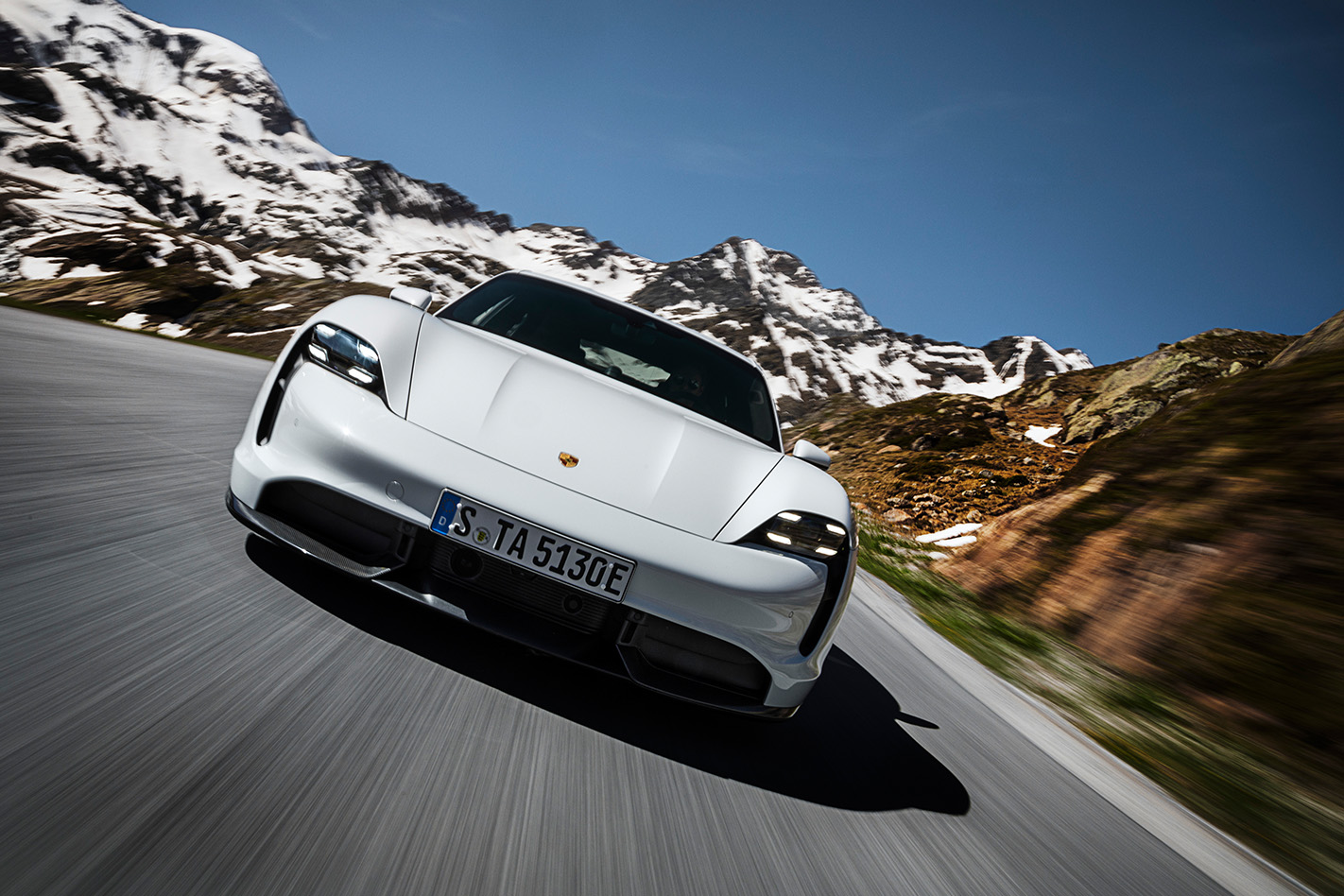
“We have PSM [stability control] with a Sport setting that offers a safety net, like a virtual rubber band, or there’s PSM off. And off means off with us,” grins Albers. It’s phenomenally adjustable, which is hardly surprising given the dynamic options at the car’s disposal. Drive can be shuffled back and forth and from side to side, there’s torque vectoring by braking, and a lock-up differential.
I’ll freely admit that my first glimpse of a Taycan provoked mild disappointment. Gone are the otherworldly proportioning and suicide doors of the original Mission E concept, replaced by a more practical – and taller – superstructure. Sit a Taycan next to a Panamera and the bonnet is lower, but the windscreen header rail much the same height, gradually tapering back into a characxteristic Porsche fly line, making rear headroom that bit tighter. “It reflects the genes of the Mission E,” claims Dr Bernd Propfe, the platform director. “We’ve done our utmost to bring this into production.”
It’s almost sensible. The obligatory pair of golf bags will fit into the 400-litre rear luggage bay, leaving the 82-litre frunk for your charging cables or a soft bag. The cabin is a marked departure from existing Porsche designs. The dash features no cowled binnacle, Porsche instead using a huge 16.9-inch freestanding curved glass display, treated with anti-glare coatings. A set of eared tabs sits at each end of this screen, with the lights on the left and functions for ESC, lifter and others on the right. There are also driver-assignable hot keys. Sitting on the upper dash, rather incongruously, is the knurled gearshifter tab, much as we’ve seen in the 992 version of the 911, while the Sport Chrono option features a neat little manettino mode dial on the steering wheel arm and the analogue clock front dead centre of the dash roll top.
The most striking aspect of the interior is the 10.9-inch optional screen that sits ahead of the passenger. This co-driver screen can be used to marshal sat-nav and infotainment, switching to a blank screen when the passenger seat is empty. In between these two displays is another 10.9-inch centre display, while the centre console houses an 8.4-inch haptic display. Wireless Apple CarPlay and over-the-air updates are supported, and there’s a now almost obligatory voice-activated assistant, summoned by saying “Hey Porsche”.
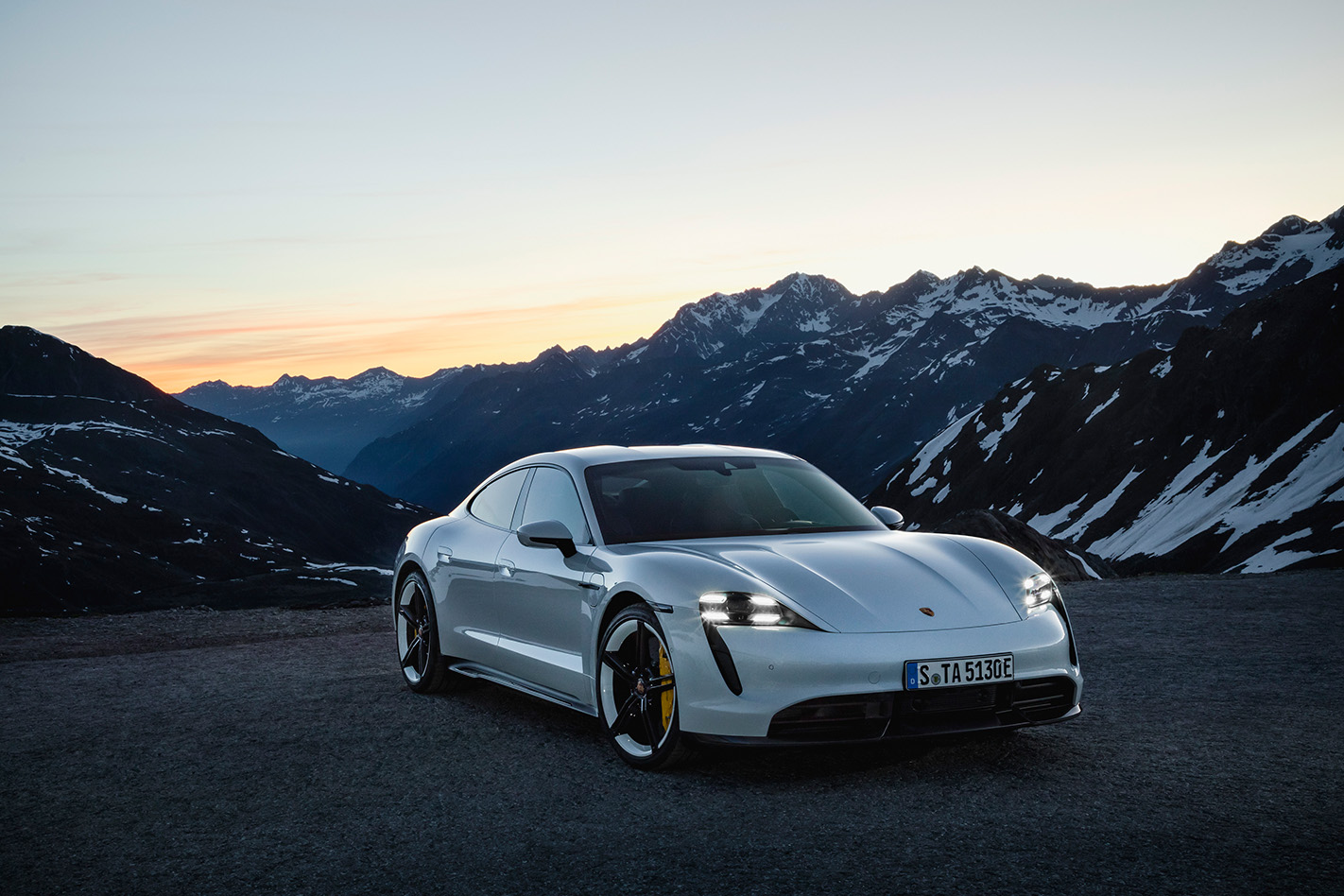
Much has been made of the Taycan’s 800V electrical architecture, Porsche playing heavily on the fact that a five-minute charge will secure you 100km, sucking on the car’s 270kW charging power. The problem, as it stands, is that there isn’t a network of 800V chargers for the Taycan to exploit this. The company readily admits that most will be charged overnight at the owner’s home, using the Porsche Mobile Charger Connect on a 240v AC plug at 11kW, which will take six to eight hours. In conjunction with the Porsche Home Energy Manager, it supports smart charging applications and provides overload protection for your domestic connection.
On a typical 400V public charger, the Taycan will charge at 150kW. Porsche is planning to install the 800V ‘Turbochargers’ at its main dealerships, and these will charge a warm battery from 5 to 80 percent in 22.5 minutes. JET Charge has also announced that it will roll out 800V chargers across Australia in due course.
For the time being at least, the Taycan will slot onto the progressive end of Porsche’s three-pillar strategy of internal combustion, plug-in hybrid and full EV. “How do we bring Porsche into the next generation? How can we bring the fascination of sports cars into the future?” asks Dr Robert Meier, Director Complete Vehicle, Porsche Taycan, yet the future strategy is unambiguous. “Make no mistake, the combustion engine will be superseded by the electric powertrain,” he says.
The Taycan is Porsche’s future. It may seem like sacrilege, but the rest is just detail.
The Porsche Taycan is finally out and details on the Stuttgart brand’s first all-electric production car are now official.
On inspection, they suggest the Taycan will inject itself into electric sedan territory near the top. Right where the current Tesla Model S Performance resides.
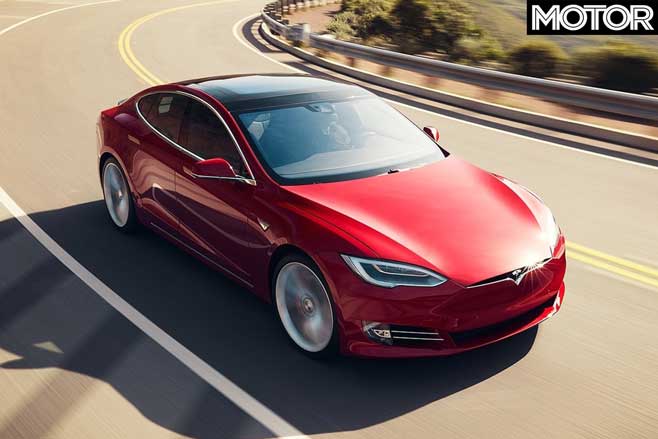
So to welcome Stuttgart’s silent assassin, we’ve compared it against its chief rival on paper on the stuff that matters: speed.
If you want a more comprehensive dive into all its juicy details, read Wheels’s extensive tech dive here. But this is the least we can do before introducing them at a drag strip when the Taycan arrives late next year.
So, without further ado…
POWER
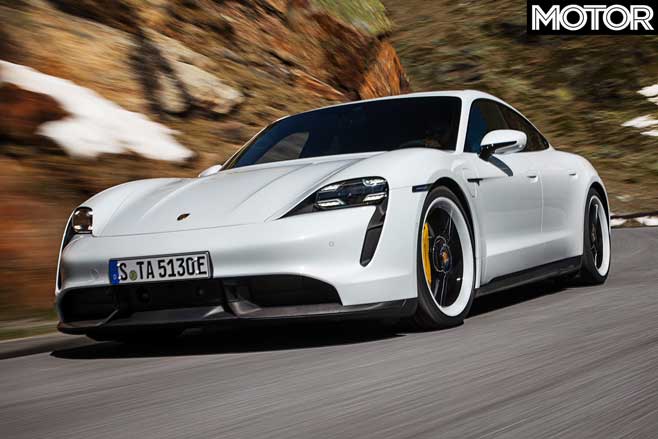
The Taycan will land as one of the most powerful Porsches on sale. That’s right, with a two-pronged range starting with the 500kW Turbo and finishing with 560kW Turbo S, the Taycan will pack Tesla-rattling performance and deliver the sort of acceleration reserved for its most potent 911s. Torque for the latter is 1050Nm. Guess that explains their names, then.
As for the Model S, the big daddy in its range has always been potent. But while the Taycan relies on a 93.4kWh battery to supply current to its two electric motors, the Tesla has a higher spec 100kWh battery. As a result, its dual motor combine to produce 568kW. Torque is also quoted at a massive 967Nm.
Let’s call the score even here.
ACCELERATION
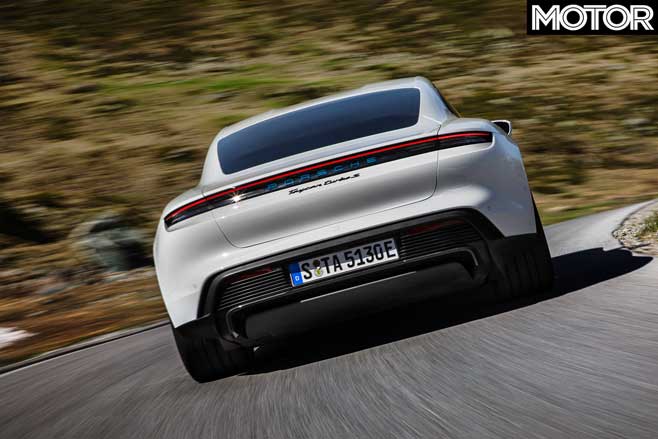
With ‘overboost’ and launch control, the Taycan is claimed to accelerate to 100km/h from rest in 3.2sec for the Turbo and 2.8sec in the Turbo S. That’s quicker than anything Porsche currently sells or we have previously tested.
If Tesla’s claims are anything to go by, a Model S Performance should outrun the Taycan – if it’s equipped with Ludicrous mode. Available as an $8300 option, it fits a higher spec capacitor to the battery that allows the Tesla to draw more current for longer, dropping its 0-97km/h time from 3.2 sec to 2.6sec.
But in the real world, well, we reckon things will go very different. Firstly, the Tesla’s times are measured to 60mph. Not 62. And they’re tested by MotorTrend in the USA who apply 28cm of rollout to the test, usually worth 0.2sec, whereas Porsche tend to underquote their acceleration data. Plus, we’re hearing from Andy Enright at Wheels the Turbo S feels much brisker than its claimed time.
For the meantime, though, we’ve only the manufacturer’s word. This one goes to Tesla.
TOP SPEED
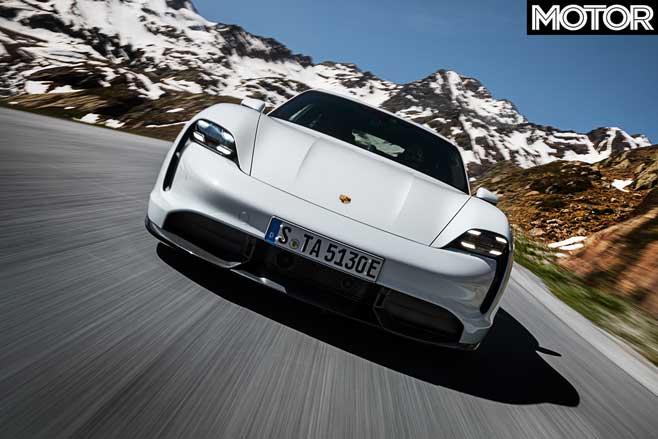
The Taycan’s wind-cheating shape, in either guise, and two-speed transmission on the rear motor let it run on to a 260km/h top speed. As for outright wind-beating ability, the drag co-efficient registers at a slippery 0.22 Cd while in ‘Range mode’, which is when ground clearance is low and the air cooling intakes are closed.
Tesla, meanwhile, limits its Model S Performance to 250km/h. Its transmissions are single speed instead and its four liftback body boasts a slightly rougher 0.24 Cd drag coefficient.
Porsche claws back a point by a very slim margin.
LAP TIMES
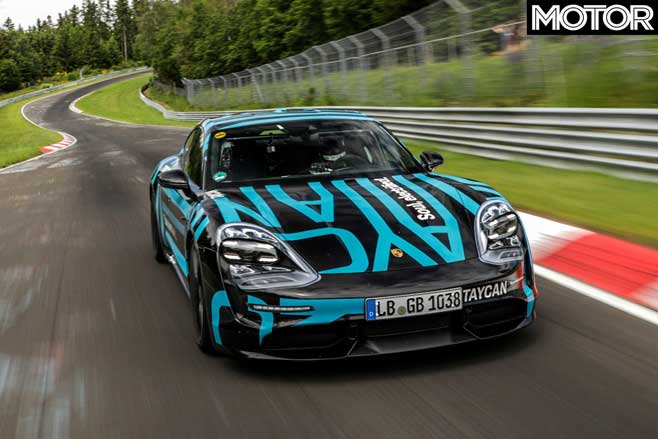
Handling wise Porsche lands some serious blows. It packs all the important acronyms, such as adaptive three-chamber air suspension with PASM, PTV and PDCC Sport. Essentially, that’s marketing speak for suspension modes, torque vectoring and active roll stabilisation. The latter is no doubt crucial for controlling the battery’s extra heft.
Whereas the Model S relies on inherent advantages, such as a low centre of gravity, double-wishbone suspension front, multi-link suspension rear. The rear differential is open. And little is uprated for the Performance model. Clearly, it’s outgunned in the dynamics department.
That might be why Porsche made an effort to lap Taycan around the Nurburgring Nordschleife. It’s time? A rather quick 7min 42sec lap. That’s now the standing a record for an electric four-door. Or as quick as a 997 911 GT3.
Porsche also claims that the car’s 800 volt electric system resists battery derate better than the 400 volt system in other cars like the Tesla. That’s when power decreases with battery levels. So, based on this, don’t expect Elon tweeting about the S breaking the Taycan’s record anytime soon.
Another one to Stuttgart.
PRICE
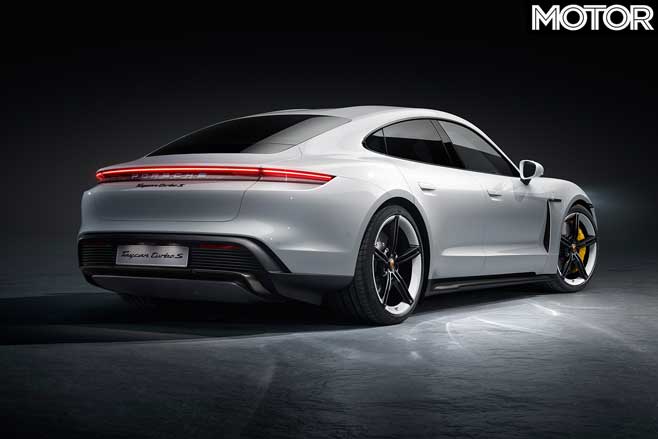
Porsche is being tight-lipped on local pricing until early next year, when formal orders for this Tesla-fighter open. Deliveries, meanwhile, are scheduled for the fourth quarter of 2020. Tesla has been on the front-foot, though, and recently slashed pricing to $142K drive away.
It’s going to be incredibly hard for Porsche to match that, especially when the only car currently on sale that comes close to the Taycan’s outputs, or forward thinking technology, is the Panamera Turbo S E-Hybrid that costs $469K. We doubt Porsche will price the Taycan lineball with a Boxster S around $140K and we are inclined to give a point to Tesla here, with hopes Porsche might prove us wrong.
So for now this head-to-head hangs in the balance. Stay tuned.
Ford’s all-important 2021 Ranger update is likely to answer the prayers of many enthusiasts, with both petrol and diesel turbocharged V6 engines to be used.
A source within Ford’s You Yangs proving ground has confirmed that along with significantly updated bodywork, the Ford Ranger’s engine line-up will be getting an extensive rework for its next update.
While the future of the 3.2-litre five-cylinder, and 2.0-litre four-pot that is currently fitted to the Ranger remains unclear, Ford will add a pair of V6 turbo engines to the range.
Wheels can reveal that both a 3.0-litre single turbo Power Stroke diesel and 2.7-litre twin-turbo ‘Nano’ Ecoboost petrol are currently being tested in Australia.
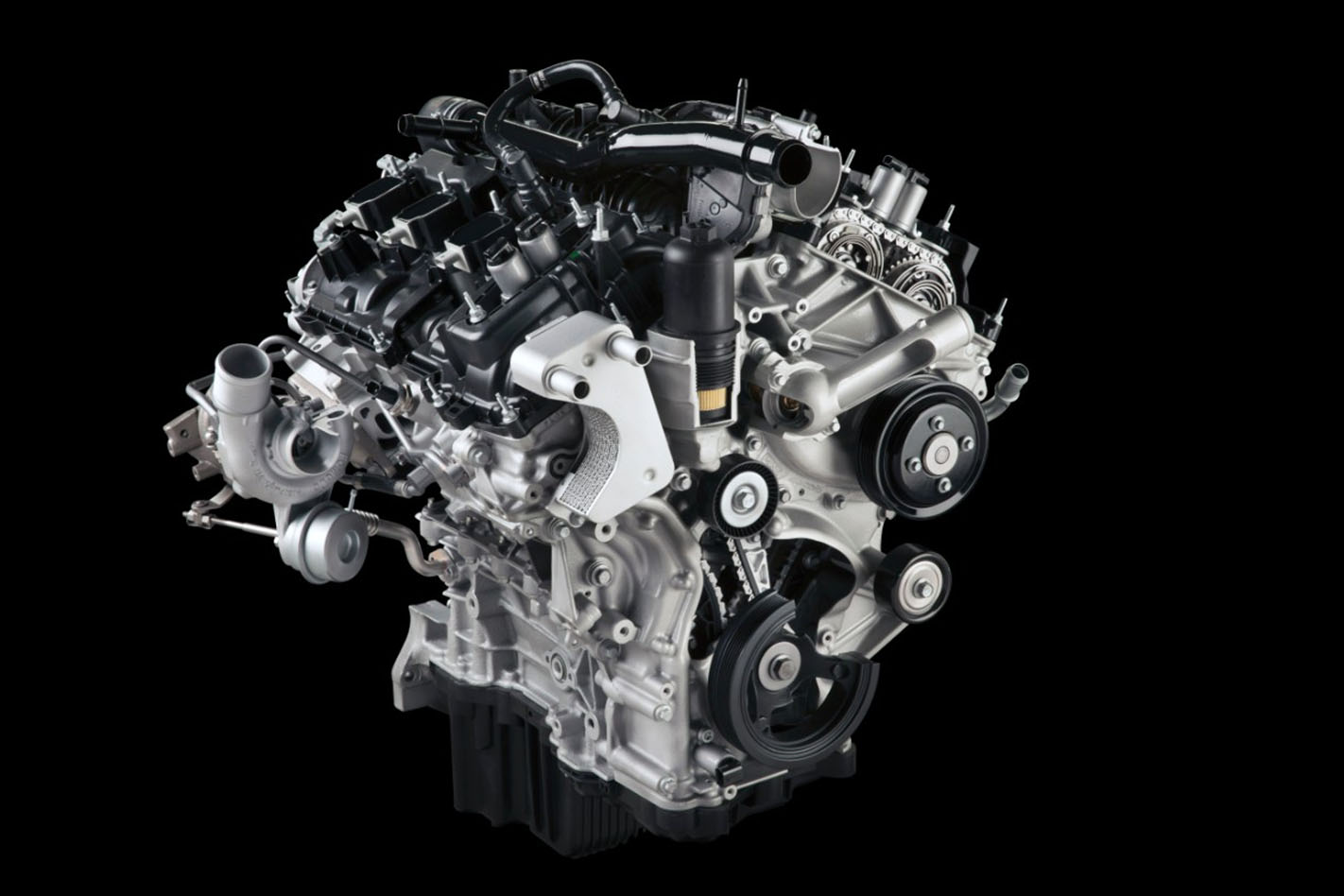
The second generation of the ‘Nano’ Ecoboost made its debut in 2018, and features a number of changes carried over from the 3.5-litre Ecoboost that is fitted to the F-150 Raptor.
When fitted to the regular F-150 the twin-turbo V6 produces its peak power of 242kW at 5000rpm, while all 542Nm worth of torque is delivered at just 2750rpm.
If Ford sells the petrol V6 Ranger in Australia, it would be the most powerful traditional dual-cab you can buy, by a significant margin.
However, it’s likely this engine is being developed with the North American market front of mind. That’s not to say that Australians will miss out, but a high-power petrol dual-cab has yet to be offered by any manufacturer locally.
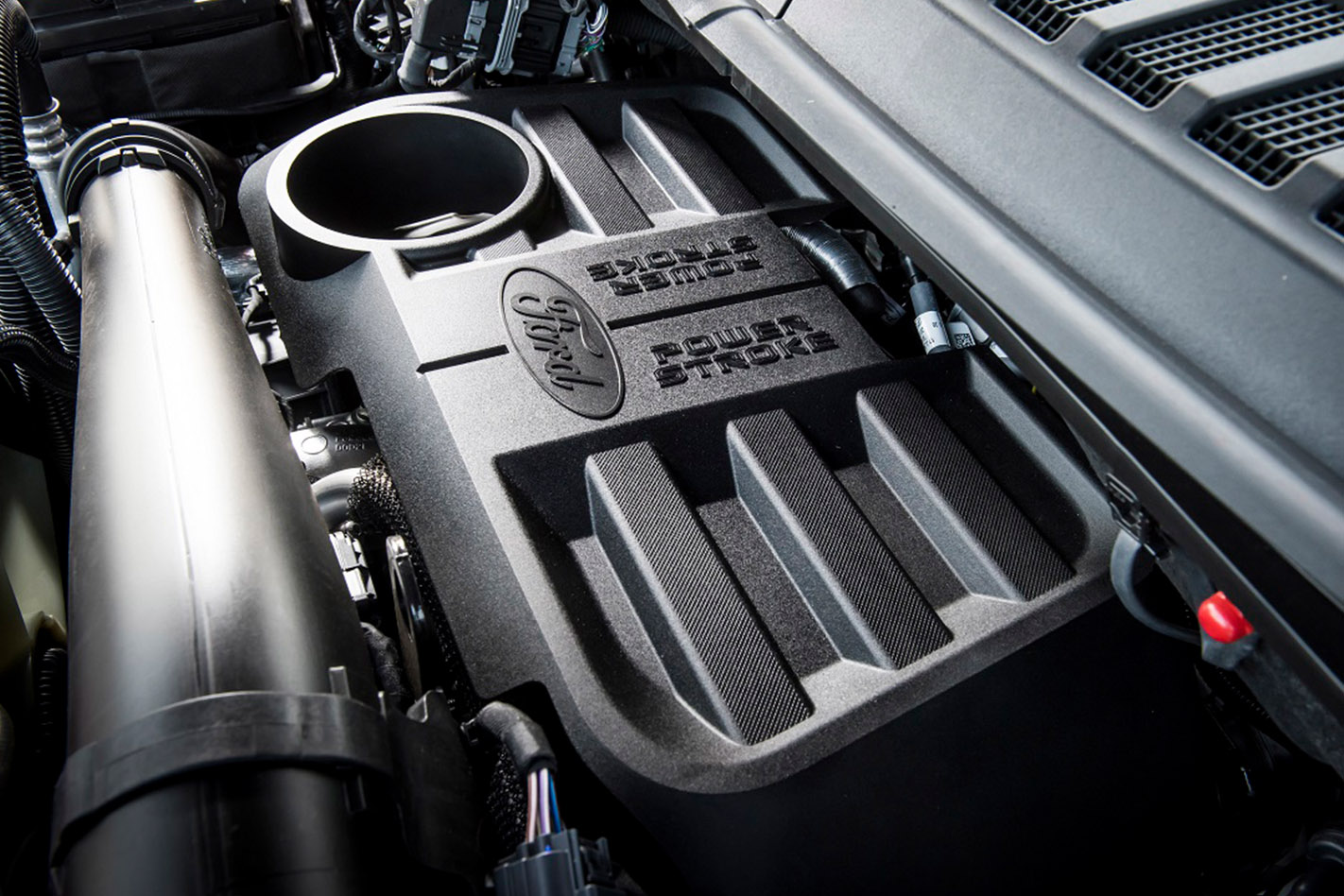
Much more likely to be offered in Australia is the 3.0-litre turbocharged diesel engine. The Power Stroke family of engines isn’t exactly in its youth, having first gone into production in 1994.
The 3.0-litre single-turbo V6 Power Stroke diesel was first introduced last year in the Ford F-150, generating 186kW and 597Nm. When fitted to the F-150, the engine has a claimed towing capacity of 5189kg.
With a graphite iron engine block and aluminium alloy cylinder heads, the 3.0 Power Stroke is designed to save weight.
Remember that Ford Ranger Raptor mule that was spotted earlier this week? One of the readers of our sister magazine, 4×4 Australia, claims to have seen the same vehicle being filled with fuel. The catch being that the Ford Engineer was pumping 98 octane petrol.
Originally it was believed that Ford was evaluating a tuned version of the 2.3-litre turbocharged four-cylinder Ecoboost engine as an option for US Ranger Raptors. However, it seems that the Blue Oval has put this on the backburner, instead opting for more cylinders in order to get the power levels it desires.
Wheels scooped the 2021 Ford Ranger earlier this year, when a design model was photographed while in transit, giving us a clear indicator of the dual-cab’s appearance.
Ford Australia refrained from confirming the news when contacted by Wheels, instead stating that the company is always looking to improve its vehicles.
“We’re really proud of how much Australians have embraced Ranger,” Matt Moran, Ford Australia Communications Director, said.
“We’re always looking to continuously improve the product – like the addition of the heavy duty suspension option and the FX4 for the MY2020 lineup. We have nothing to share just yet about what’s next.”
Renault has sweetened the deal on its Koleos medium SUV by offering an additional two years’ worth of unlimited-kilometre warranty, now totalling seven years across the range.
The servicing costs over the first three years of Koleos ownership will also be covered by the French manufacturer.
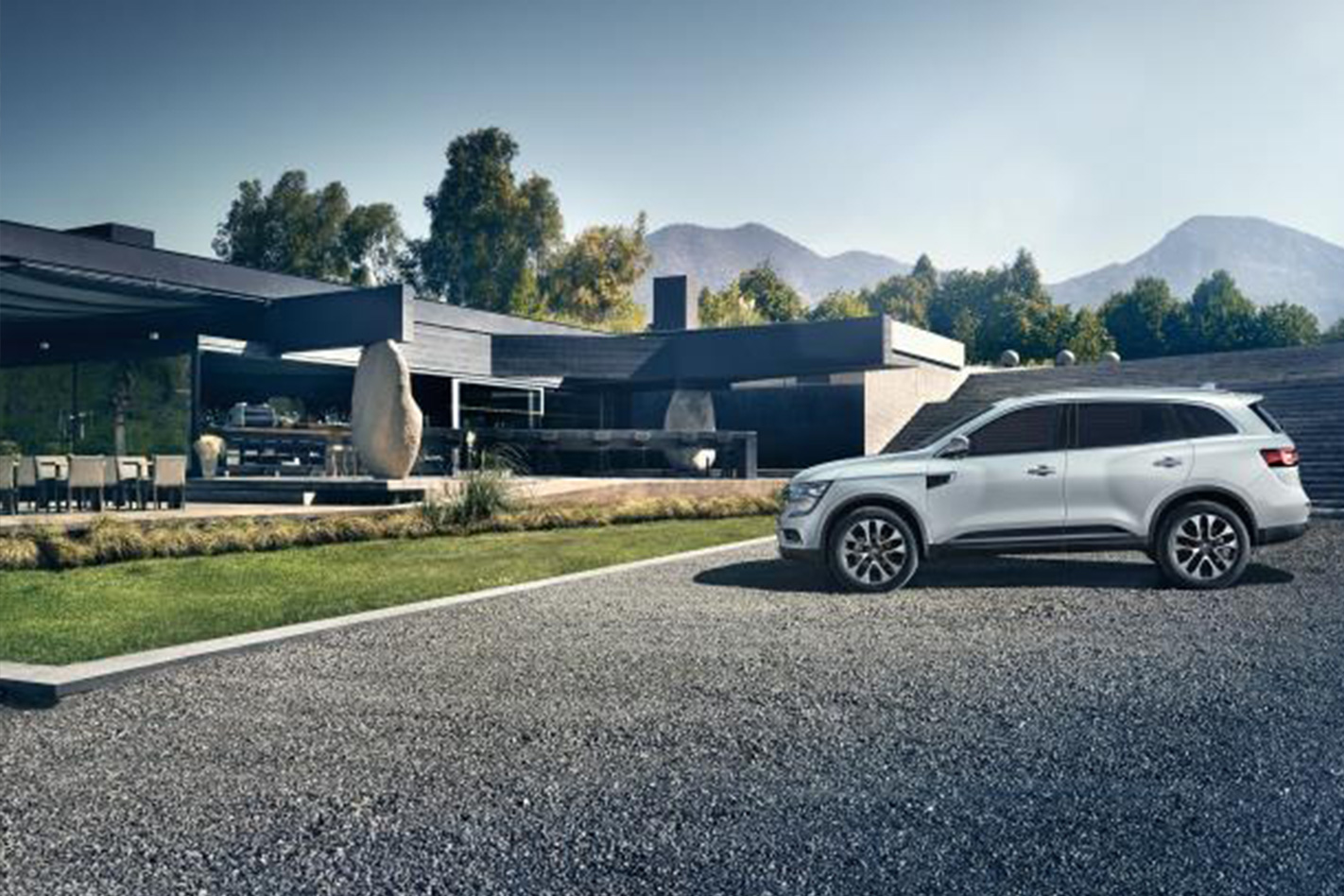
The offer represents a real world saving of $1107 on servicing costs over three years, with Renault Australia Managing Director Anouk Poelmann wishing for “more Australians to truly see the value of this exciting and attractive SUV” in the wake of a 35 percent slump in year-to-date sales compared to the same time last year.
The servicing covers the cost of its class-leading 12-month/30,000km service intervals for three years or 90,000km, but doesn’t include any wear and tear items or additional scheduled replacements like air or pollen filters.
However, the offer is extended to MY17 and MY18 cars (like dealer demonstrators), with a balance of the three-year servicing and seven-year warranty remaining from its initial registration date.
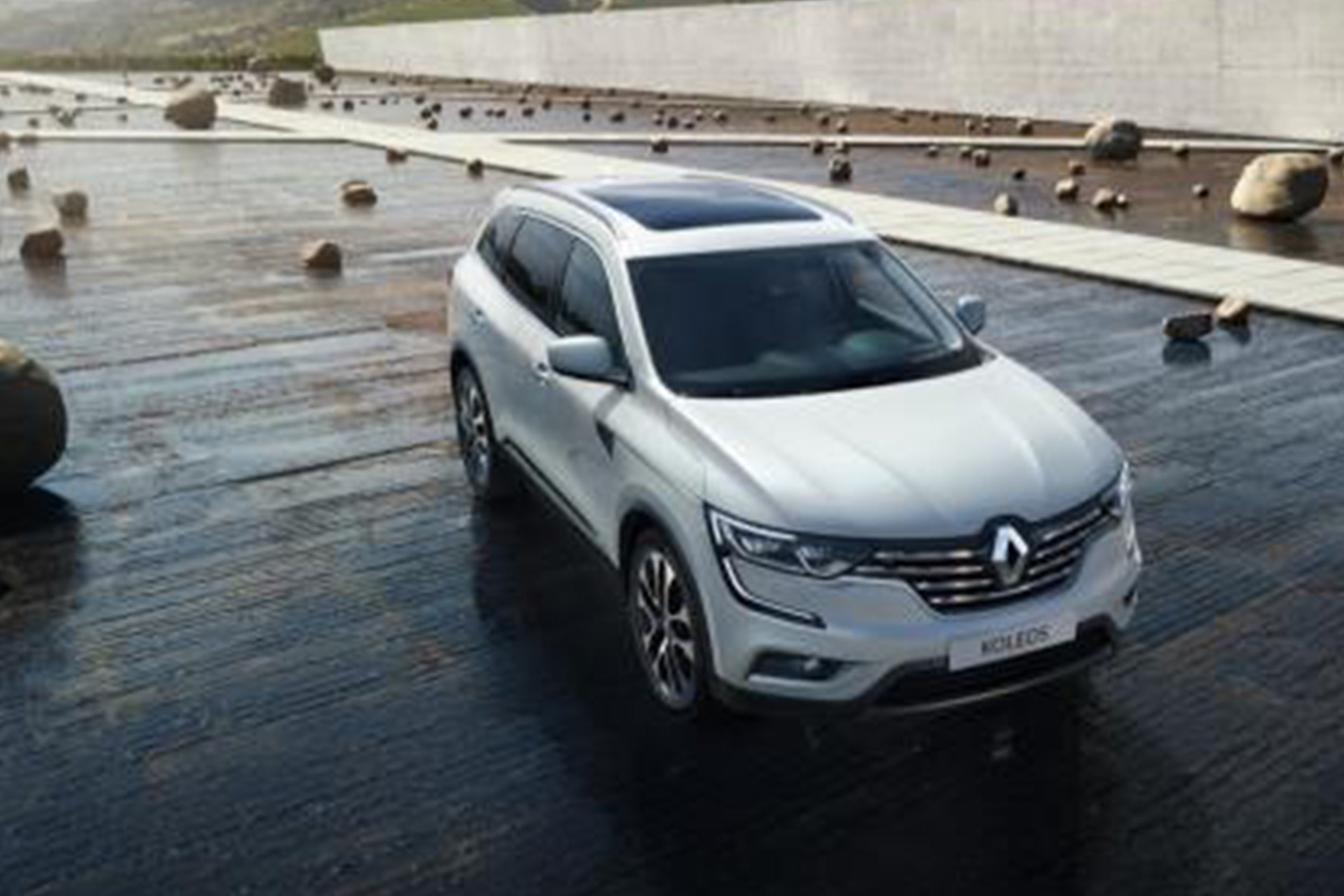
Consisting of six variants overall, the range starts from $30,990 (excluding on-road costs) for the 2WD Koleos Life petrol up to the range-topping AWD Koleos Intens diesel for $47,990.
Renault also started offering the Koleos Formula Edition ($35,990) in July which is inspired by Aussie hero Daniel Ricciardo’s Formula 1 career and Renault’s motorsport heritage.
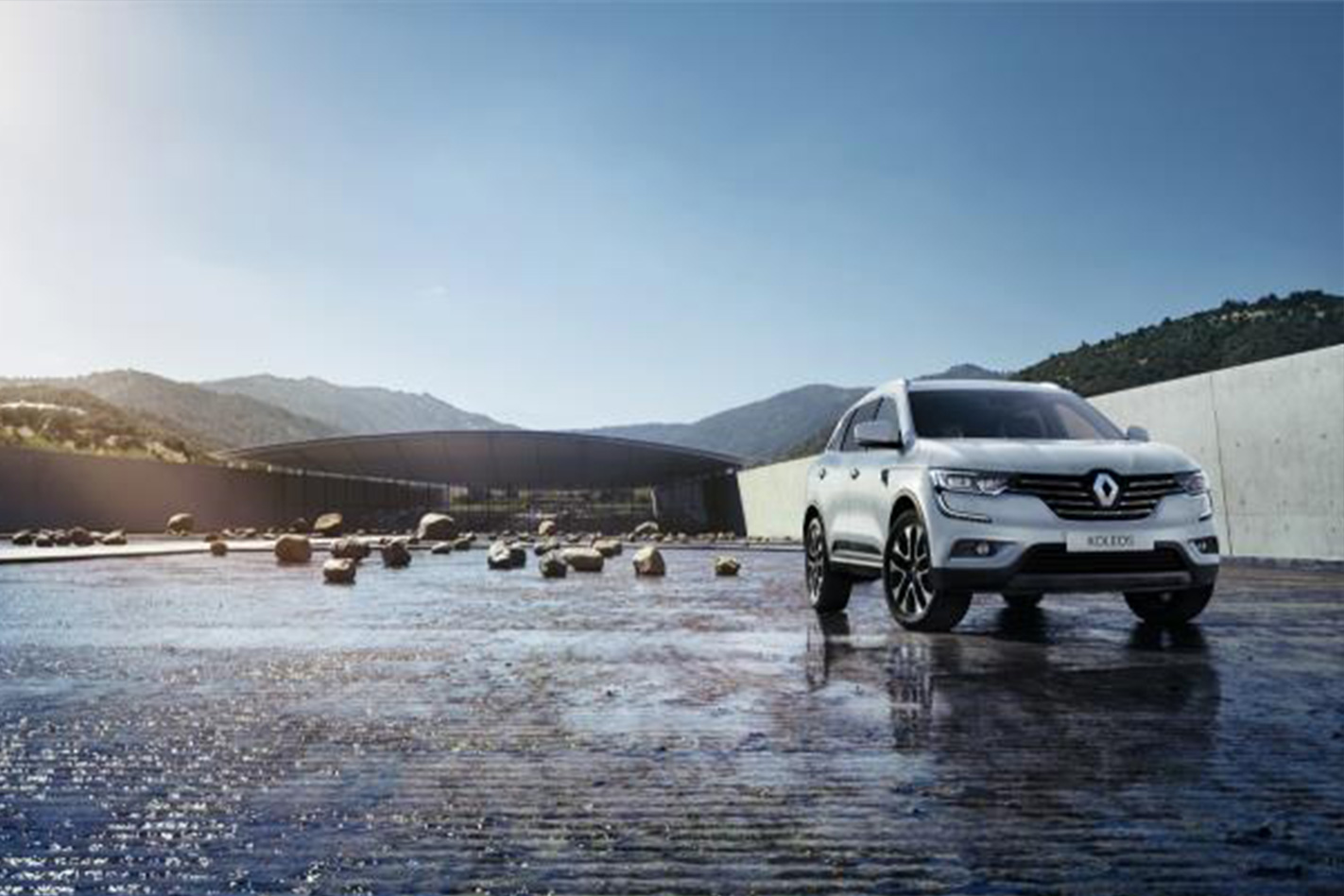
Renault Koleos pricing
- Koleos Life petrol 4×2 – $30,990
- Koleos Zen petrol 4×2 – $35,490
- Koleos Formula Edition 4×2 – $35,990
- Koleos Intens petrol 4×2 – $43,990
- Koleos Intens petrol 4×4 – $45,990
- Koleos Intens diesel 4×4 – $47,990
Pagani quietly unveiled a new limited-edition version of the Huayra at the Supercar Owner’s Circle event in Switzerland recently, and it has brought back some of the wild styling that Pagani was known for with its previous model, the Zonda.
Christened the Huayra Imola, after Italy’s most revered circuit, the car features a more aggressive aero package with a wider wing, centre fin, and a larger rear diffuser than that featured on the Huayra BC.
https://www.instagram.com/p/B11Pg3Fp7sb/?utm_source=ig_embed&utm_campaign=loading
Also making a return on the Huayra Imola is the overhead air scoop that was a feature on many of Pagani’s special edition and custom Zondas that followed the introduction of the Zonda Cinque.
Though not to everyone’s tastes, the Huayra Imola’s orange accents does highlight the additional aero modifications done to the Huayra package, which can be seen on the nose, side intakes, and side skirts.
https://www.instagram.com/p/B1yLT8VH4yN/?utm_source=ig_embed&utm_campaign=loading
It is unclear how much these tweaks to the bodywork have contributed to the Huayra’s performance, or if there have been any changes to the AMG twin-turbo V12 underneath; as Pagani has yet to release any official statement on the Huayra Imola.
What is certain, according to attendees of the event, is that Pagani has plans to build just five examples – similar in number to that of the Zonda Cinque – each of which will be priced at a cool €3 million.
Supercars driver Cameron Waters has designed a one-off Ford Mustang GT that’s set to be given away.
In a collaboration between Tickford and Enzed, the unique Mustang has been modified according to Waters’ wishes as the 25-year-old completes his fifth year of main game involvement with the Broadmeadows squad.
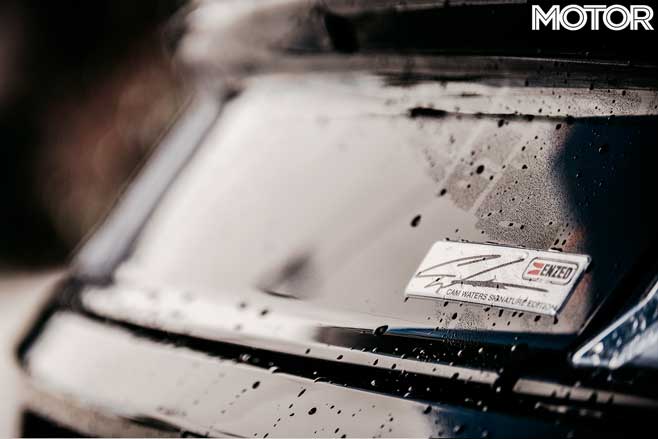
Waters rose to fame by winning the inaugural Shannons Supercar Showdown reality TV series and has matured into a Supercars front-runner, with a Sandown 500 win, two pole positions and eight podiums to his name.
The car is fitted with Tickford’s ‘400 Power Pack’ ECU tune, lifting outputs from the standard Mustang GT’s 339kW/556Nm to 375kW at 6125rpm and 620Nm at 4635rpm, the maximum Tickford offers in naturally-aspirated form in cars fitted with the 10-speed auto.
Tickford’s suspension upgrade includes H&R dampers and a 25mm ride height drop, giving the car an aggressive stance in conjunction with a new seven-spoke wheel and tyre package, 20 x 10.0-inch fronts and 20 x 11.0-inch rears wrapped in Michelin Pilot Sport 4 S tyres measuring 275/35 front and 295/35 rear.
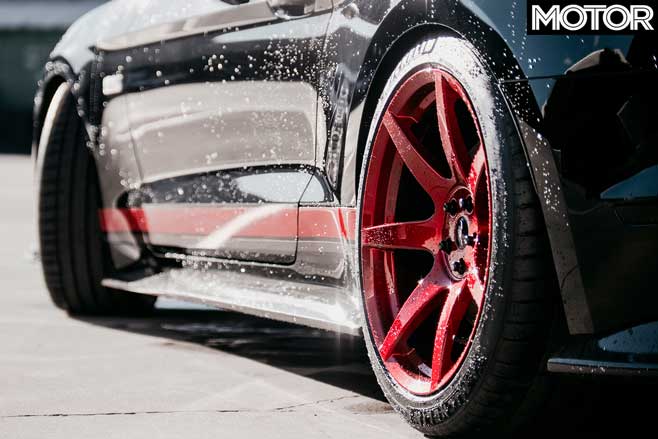
A full carbon fibre body kit takes care of exterior styling, along with a menacing FPV GT R-Spec style colour scheme, which continues inside with red highlights on the seats, doors, handbrake and gear lever gaiters and steering wheel.
The full leather interior includes a leather re-trim, upgraded seat foam, suede and leather centre console and ‘Cam Waters Signature Edition’ stitched into the seats and floor mats.
For those keen on being the lucky owner of this one-off Mustang, all the details are at the Enzed website.
“If I was a consumer this is the time to buy because you’re never going to get a better deal than now.”
That’s the key point according to chief executive of the Federal Chamber of Automotive Industries (FCAI), Tony Weber, when referencing the slide of Australia’s new-car market.

Sales continue to slump and the August FCAI results reveal the seventeenth-consecutive month of declining sales.
Total sales for August 2019 came in at 85,633 units, which is a drop of 10.1 percent over the 95,221 cars sold in August 2018.
Weber went on to explain that it’s not all doom and gloom, especially for those wanting to buy in the near future as manufacturers become more willing to negotiate for sales.
“There is extensive product – there are almost 400 models in the marketplace so competition is fierce and pricing is competitive,” he said.
However, Weber acknowledges that the current market conditions are unquestionably tough at the moment and that “despite the best efforts of the industry, the decline in sales continues”.

“It is well known that Australia is one of the most competitive markets in the world and with the current economic environment, it is also one of the most difficult markets in the world.
“This environment stems from a slow start to the year, with tight financial lending, State and Federal elections and a general lack of consumer confidence, both here in Australia and on an international basis.
“The question needs to be asked about whether the current regulatory approach to financing is appropriate, and if not, what harm it is doing to both the sector and the economy more broadly,” Weber said.
The top 10 selling brands for August 2019 also offers insight into the decline, with Kia being the only marque to increase sales over the same month in 2018.
Infiniti has successfully engineered KERS into its Q60 Project Black S concept, boosting its outputs from 298kW to 418kW. That’s a 40 per cent increase.
Infiniti’s Project Black S has been a working prototype concept featuring the Q60 Red Sport’s road going 3.0-litre twin-turbo V6 engine. Otherwise known as the VR30.
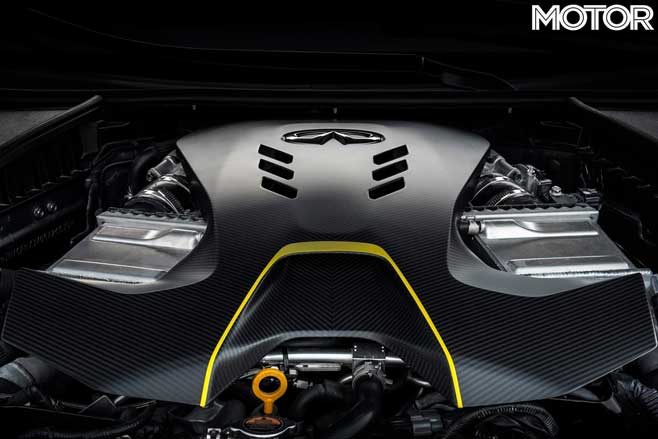
And in a move that broadens the overlap between the brand and its technical partner Renault F1, it has engineered the Black S’s powertrain with functioning kinetic and heat energy recovery systems, like the hybrid power unit in current F1 cars.
It harvests from a MGU-H (Motor Generator Unit Heat) and MGU-K (Motor Generator Unit Kinetic) that can either store the energy, deploy it to the rear wheels or the turbo shaft to quicken spool.
Nico Hulkenberg has personally signed off on two working Black S KERS prototypes he tested at Austria’s Salzburgring. And, like the F1 cars that inspired the project, the Black S KERS is claimed to be able to deliver lap after lap.
The two cars also featured multiple modes that change the behaviour and characteristics of its harvesting and discharge, named Road, Quali and Race.
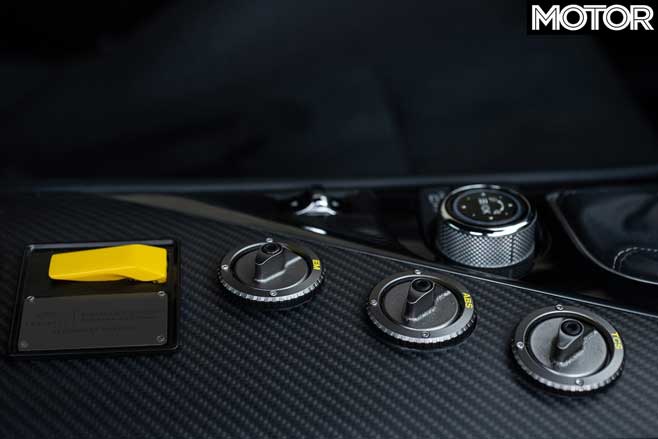
So, when can you drive one? Kinetic Energy Recover Systems were once the preserve of Formula One cars, or hypercars, but the brand’s deputy chairman, Mike Colleran, said it’s evaluating the technology for market.
“There is still work to be done,” he said, “now we have two completed prototypes we will fully evaluate the production potential of Project Black S.
“It is still too early to predict the outcome as we need a solid business case, but the latest rounds of testing have proved its unique performance and underlines our pursuit of electrified performance.”
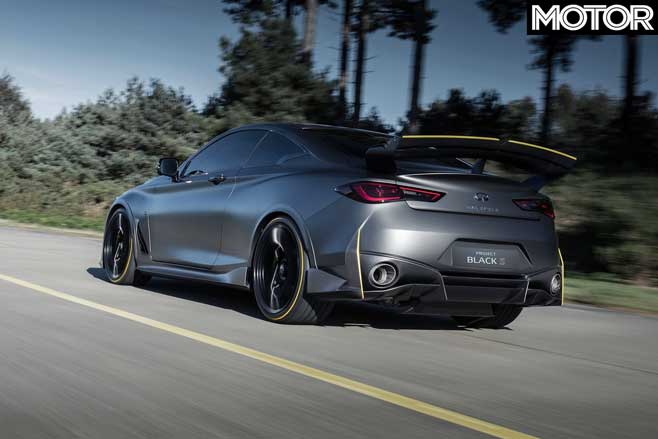
Australia is familiar with the Q60 Red Sport but we doubt we’ll see a road-going Black S before Infiniti exits the local market at the end of next year.
But if there’s anyone listening at parent company Nissan we’re sure, while being very speculative, a 40 per cent power jump would suit the next Nissan GT-R’s 421kW VR38 very well.
Here’s to hoping.
Get the latest performance car news and reviews by subscribing to MOTOR‘s newsletter
Infiniti
Hyundai’s box-fresh Venue compact SUV will have a sub-$20k starting price when it goes on sale in Australia later this month.
Smaller than Hyundai’s Kona crossover, the Venue range will feature three specification grades: Go, Active and Elite. All will be powered by a 90kW/151Nm 1.6-litre petrol engine with a choice of six-speed manual and automatic transmissions powering the front wheels, though the range-topping Elite will be auto-only.
The Venue range starts with the manual Go, priced at $19,990, making it one of the cheapest crossovers on the market alongside the equally priced entry-level Haval H2 City, with both bettered only by the pint-sized Suzuki Ignis that’s priced between $15,990 and $18,990.
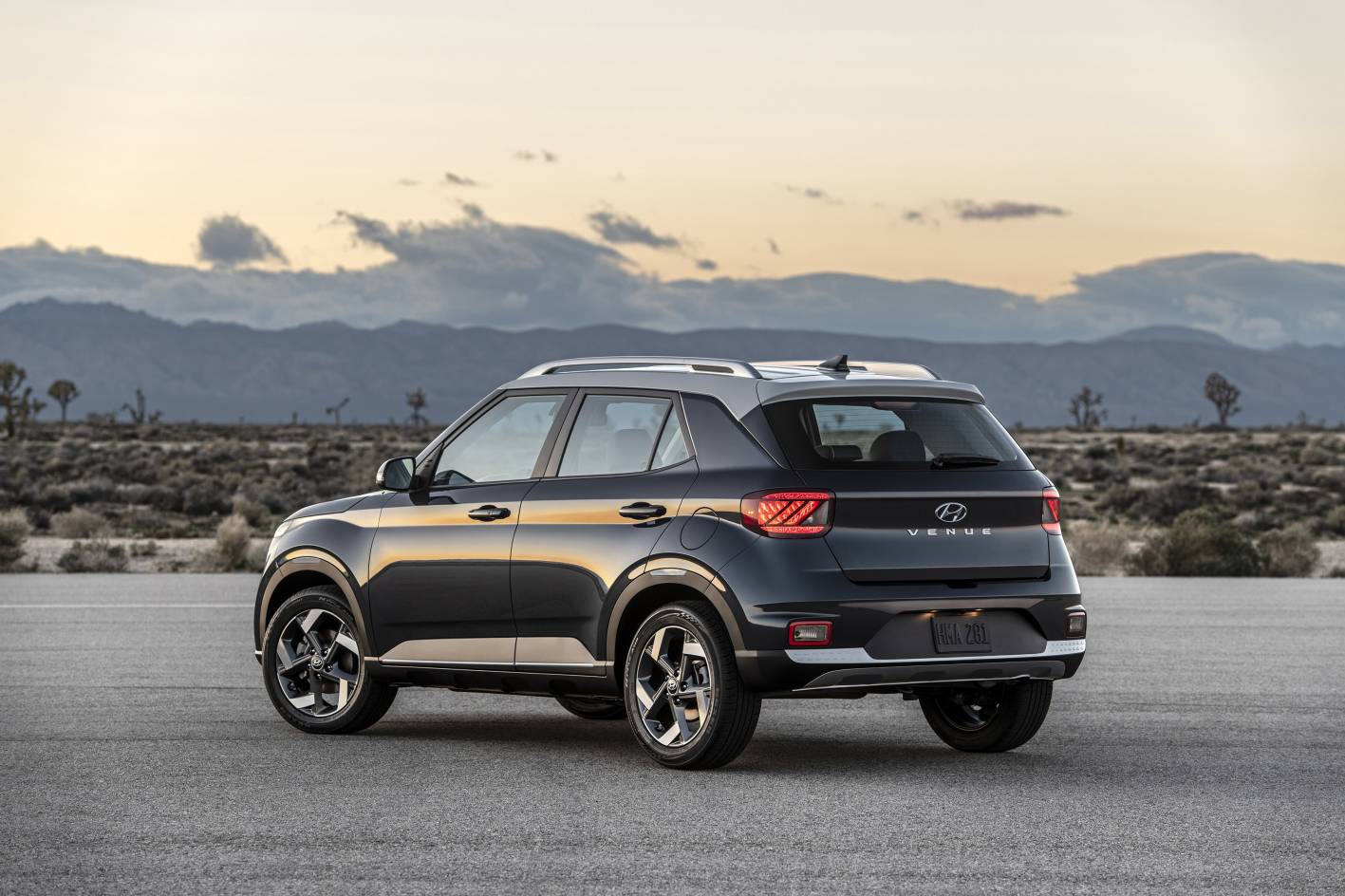
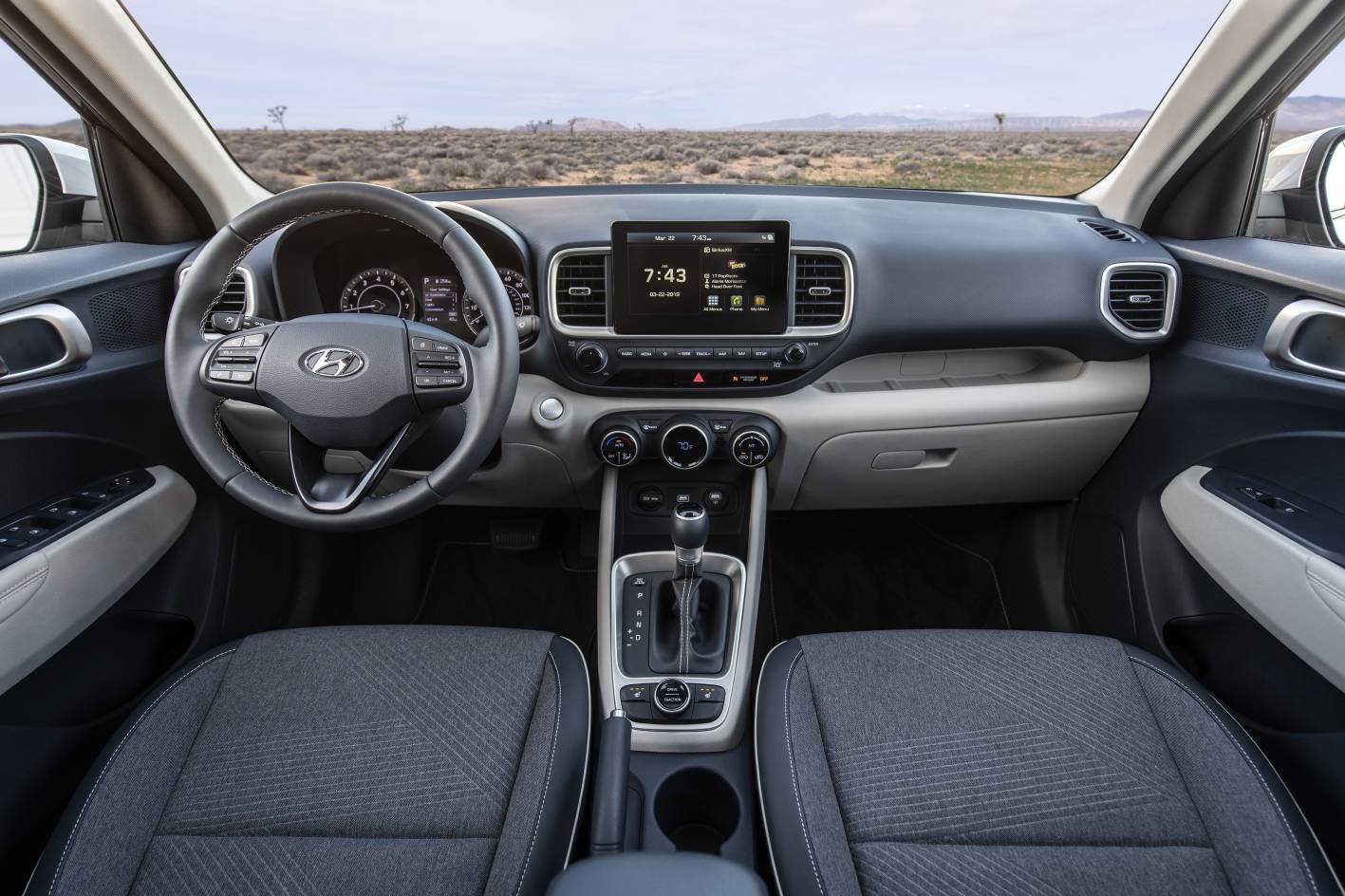
The Go comes standard with an active safety suite that includes autonomous emergency braking and lane keeping assist, cruise control, auto high-beam, daytime running lights, 15-inch steel wheels, reversing camera, 8.0-inch touchscreen, Apple CarPlay and Android Auto, and four-speaker audio. The six-speed auto gearbox attracts a $2000 premium.
The Active is priced at $21,490 and $23,490 for the manual and auto respectively, with the additional spend bringing alloy wheels, rear parking sensors, power-folding door mirrors, a leather appointed steering wheel and a better six-speaker sound system.
Priced at $25,490 the Elite tops the range and gains blind-spot warning, rear-cross traffic alert, 17-inch alloy wheels, two-tone paint, sat-nav, premium cloth seats, and climate control air-conditioning.
Metallic and mica paint ($495) is the only extra-cost option on any Venue.
Hyundai’s smallest SUV will come with a handy 355-litre boot, which only a few litres smaller than the Kona’s.
Auto versions will feature a choice of drive modes for different road surfaces and conditions including snow, mud or sand, though with no all-wheel drive system available it’s not pitched as a dusty trail-conquering SUV.
Like the rest of the Hyundai range, the Venue will benefit from an extensive local chassis and suspension tuning program to make it better suited to Aussie conditions.
The Hyundai Venue will officially launch in Australia on September 17. Look out for reviews and first-drive impressions here at WhichCar.com.au
