
- Update #1: Welcome to the family
- Update #2: Bound for South Australia
- Update #3: Suburban bliss
- Update #4: The not-so-softroader
Update #1: Welcome to the family
By Glenn Butler
Published May 23, 2019
I’ll come clean: I once owned a Nissan X-Trail. I was one of the 71,193 Australians who bought a first generation Nissan X-Trail (2001-08). I was attracted to the X-Trail’s ability to go off-road, and secondly because the cargo area had rubber instead of carpet which made my dog’s fur easier to deal with.Beyond that, I was prepared to compromise on elements like on-road driveability, ride comfort and manoeuvrability.
So when we I learned were evaluating the current Nissan X-Trail for a long term test, I wanted to see if its on-road manners had improved over the last ten years, and whether the car’s ruggedness had been retained or diluted.
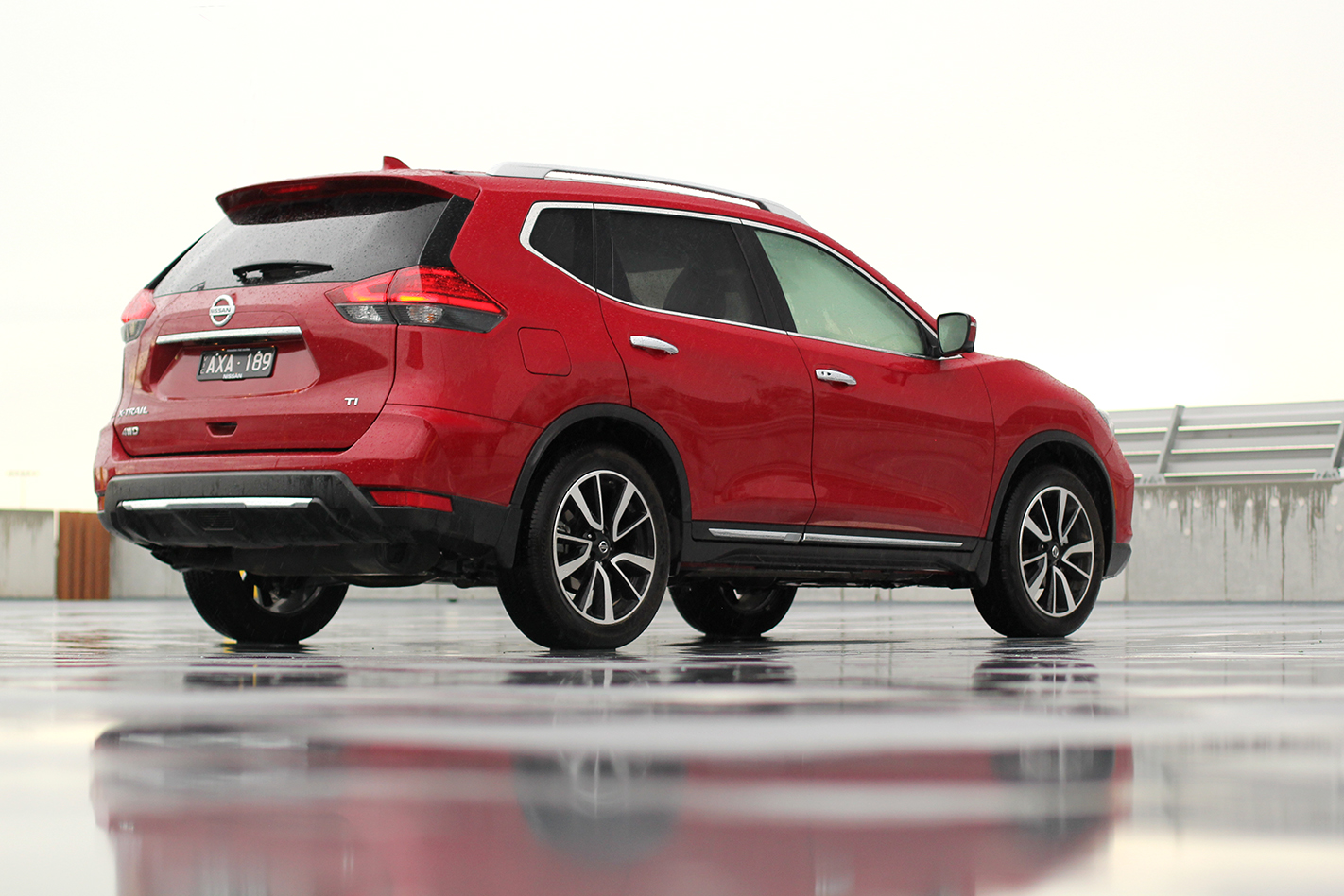
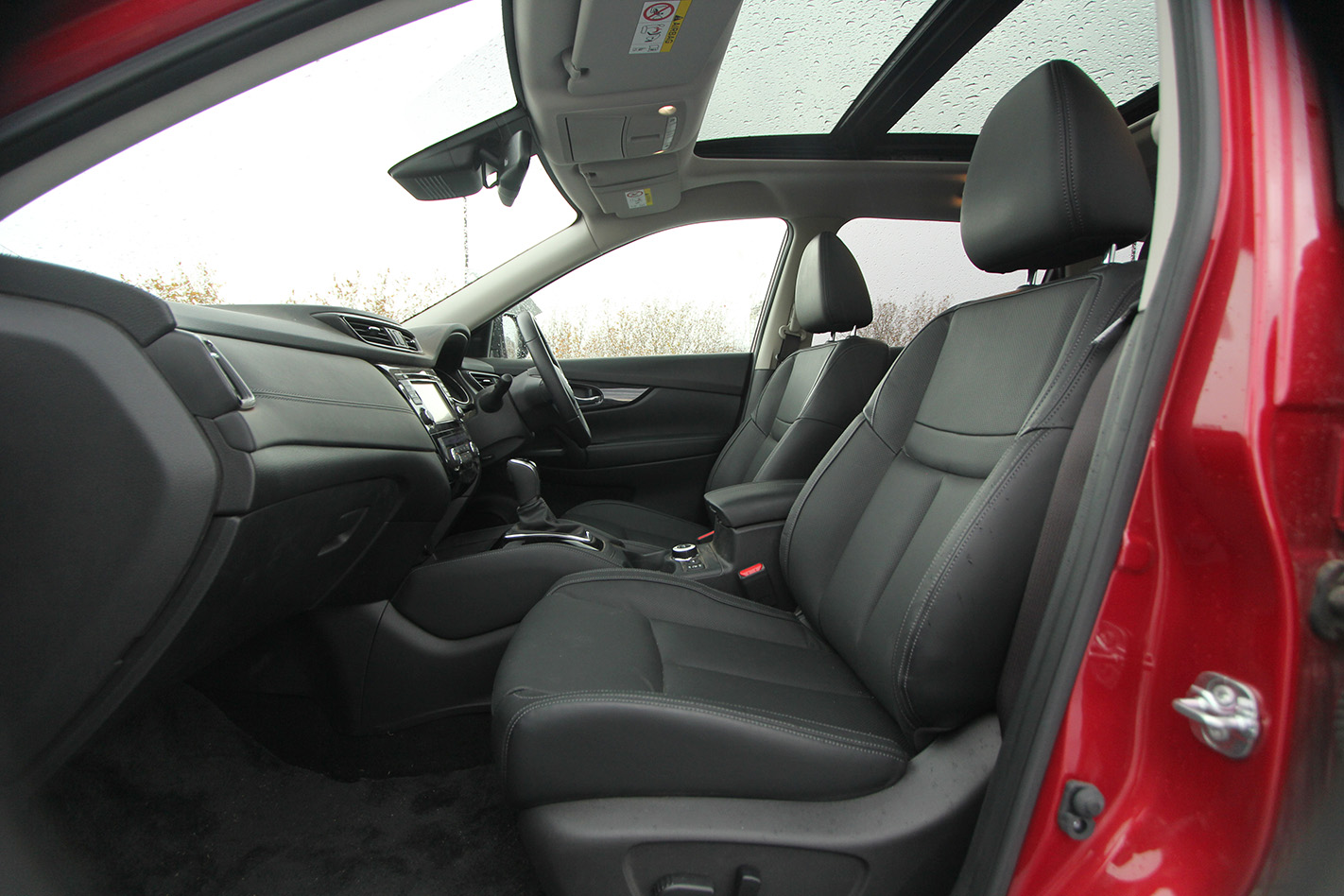
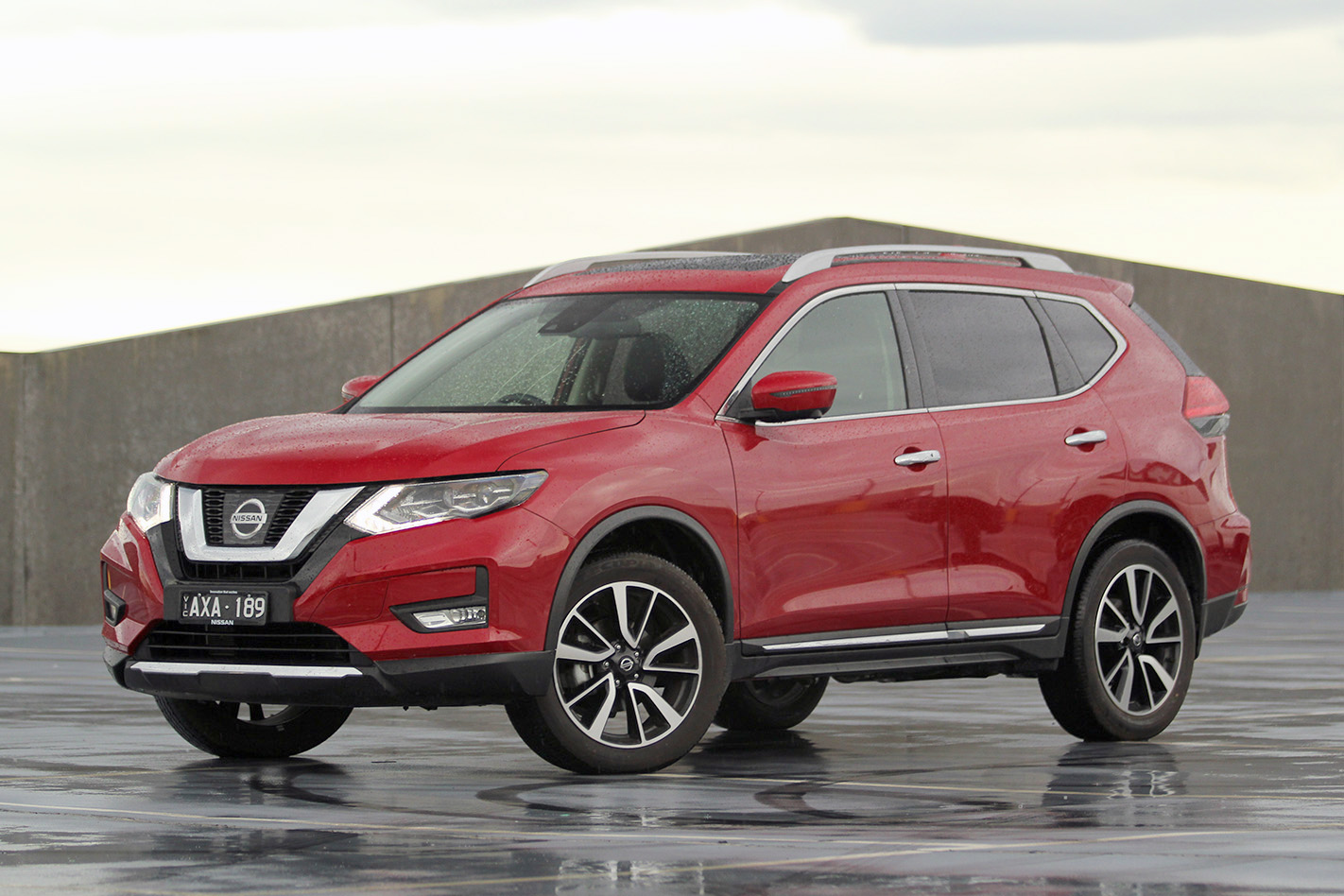
So far, so good. The 2019 Nissan X-Trail is considerably bigger than my 2005 model, so it’s a lot more spacious and comfortable, which makes it easier to live with. Up front, the driver’s seat and steering wheel are both multi-adjustable, and I’ve had no problem finding a good driving position.
I’m a bit confused as to why Nissan has gone for a foot-operated parking brake when a button would do the job just as well.
The infotainment system has all the features I’d expect of this price tag, but the graphics are starting to look a bit dated. This is an area where cars have leapt ahead in recent years, and the X-Trail is falling behind.
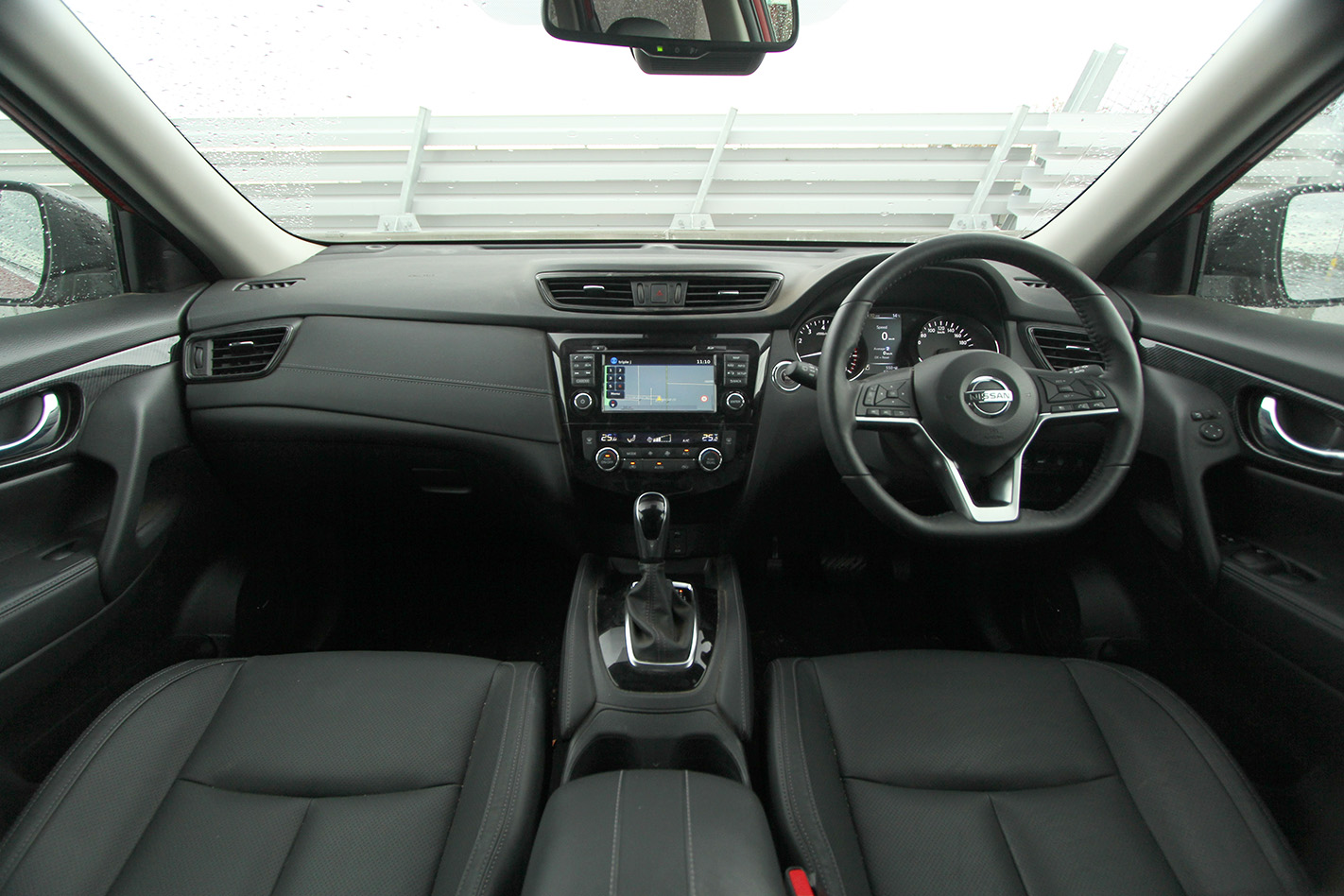
I’m also not a fan of the touchscreen’s demand that I agree to the safety message every time I get in the car, before being able to do anything.
The second row of seat has loads of legroom for passengers, and headroom too.
It’s also realistic for three adults, thanks to the X-Trail’s generous width, and air-conditioning vents in that row are a nod to comfort. Getting in and out of the X-Trail’s big door openings is easy, and the doors are relatively light for their size.
As for the cargo area. I was a fan of my old model’s rubber mat (easy dog hair removal, y’see), but must admit the carpet has a more premium look and feel. I’m sure Nissan has a rubber mat on the accessories list (will report back on that later).
I’m liking the big boot, and the split floor which can be used as a partition to secure smaller loads. The Ti model’s electric tailgate is another handy convenience.
In day-to-day driving the Nissan X-Trail Ti is a very easy machine to drive. This model’s 2.5-litre petrol engine feels responsive and energetic, and pairs well with Nissan’s very smooth Continuously Variable Transmission.
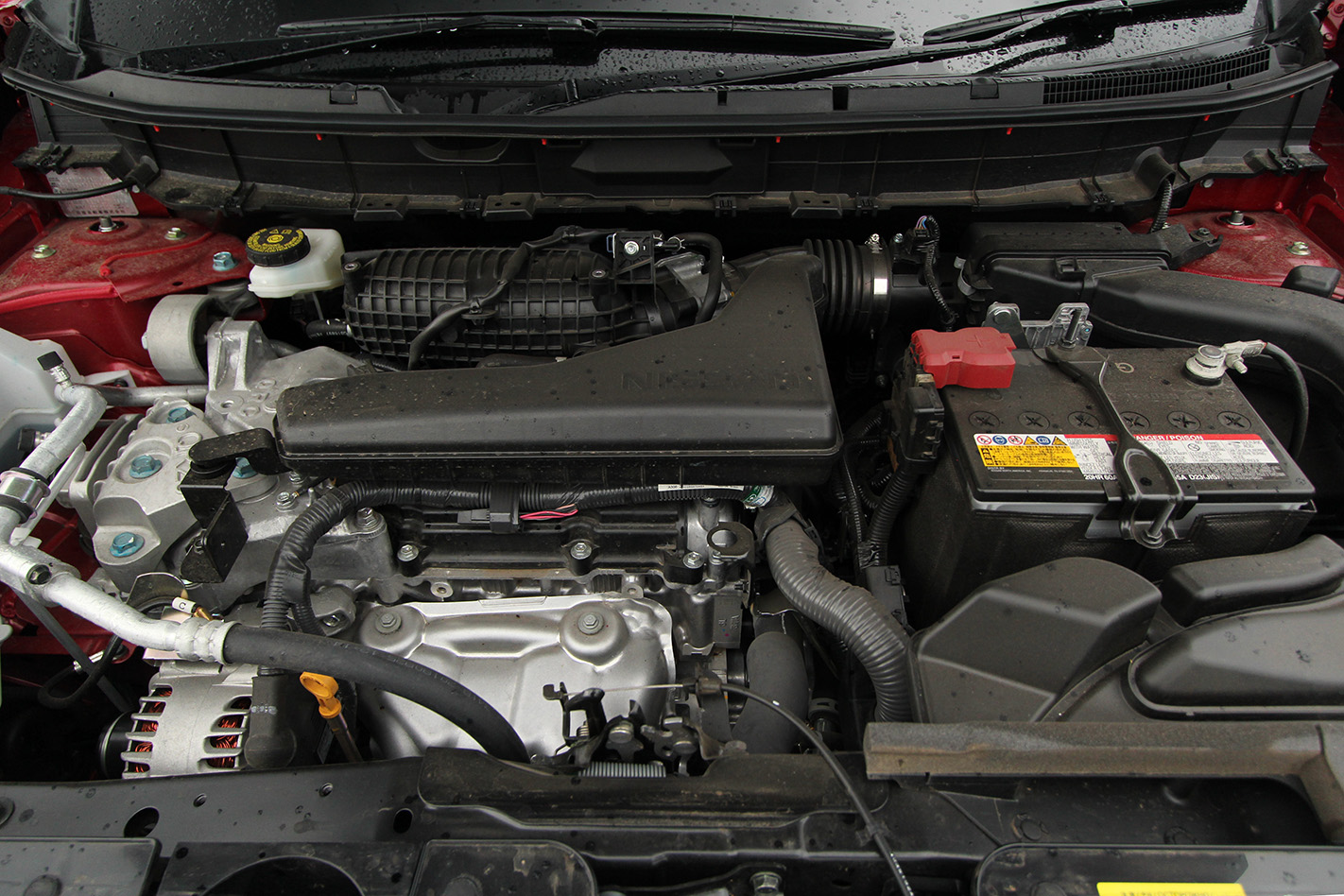
The engine’s stop-start functionality is a bit too eager to stop before the vehicle has actually come to a stop, and sometimes slow to start again. But it is saving fuel, so perhaps that lethargy is worth it in the long run. We will see.
No complaints about the X-Trail’s suspension, beyond the fact it’s set quite soft to absorb bumps which means the body leans a bit in corners. This may be a ‘Sports’ Utility Vehicle, but it’s definitely designed for utility over sports, so I’m fine with the suspension favouring ride quality instead of dynamics.
All in all, the new Nissan X-Trail has made a good first impression on me, and it’s certainly come a long way in the refinement and practicality stakes since my mid-2000s original. I suspect this new model won’t match the old one for off-road capability, but we’ll save that test for a later instalment.
Update #2: Bound for South Australia
By David Bonnici
Published June 2, 2019
I must admit the Nissan X-Trail wouldn’t be my first choice as an urban SUV. Even with the Ti spec’s creature comforts it still doesn’t feel quite as refined as some of its fresher rivals, like say the Mazda CX-5, Subaru Forester or the quirky Peugeot 3008.
On the plus side its lesser refinement translates to a sense of ruggedness that makes it great choice for families whose lifestyle involves plenty of country driving. I soon realise this after turning off the Western Freeway near Ballarat to take a more enjoyable route toward Dunkeld for a culinary detour on the way to South Australia’s Coorong region.
On the motorway, the top-spec X-Trail Ti’s 19-inch wheels generated considerable road noise on coarser surfaces and its active cruise control had trouble settling on the selected speed, which I reckon was due to it sensing cars in adjoining lanes on gentle curves.
But on the meandering C296 heading south-west of Ballarat, Nissan’s globally popular mid-sized SUV seems to be in its happy place. The 2.5-litre petrol engine is more than adequate for negotiating hills or overtaking, and the suspension handled road imperfections well and lapped up bends.
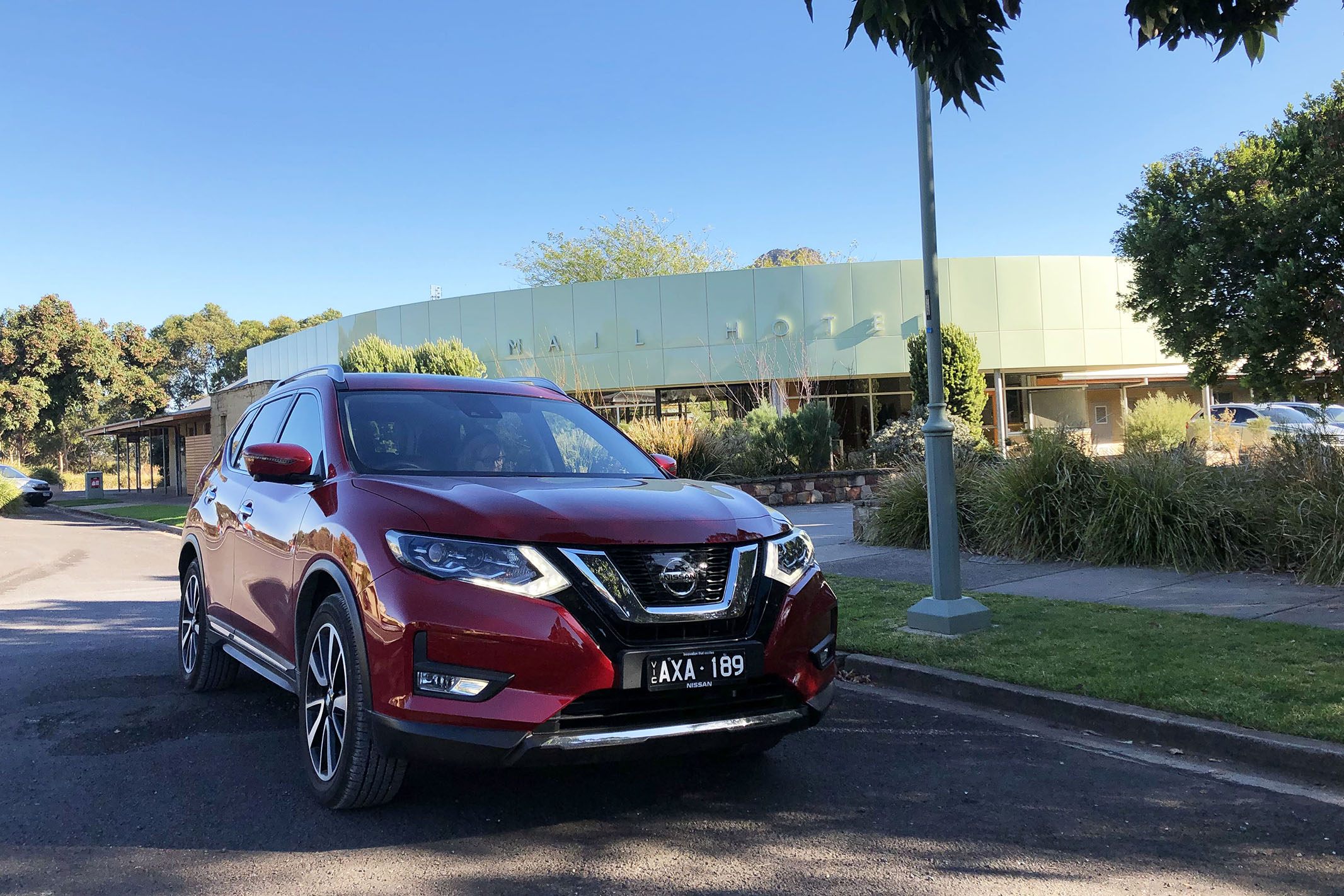
This is by no means the most direct way to South Australia’s Coorong region, but we had decided to book a night at Dunkeld’s Royal Mail Hotel, one of Australia’s premiere gourmet travel destinations – you can read more about our experience here.
Well-fed and watered, we wake to the sound of native bird life and prepared for the next leg of our journey.
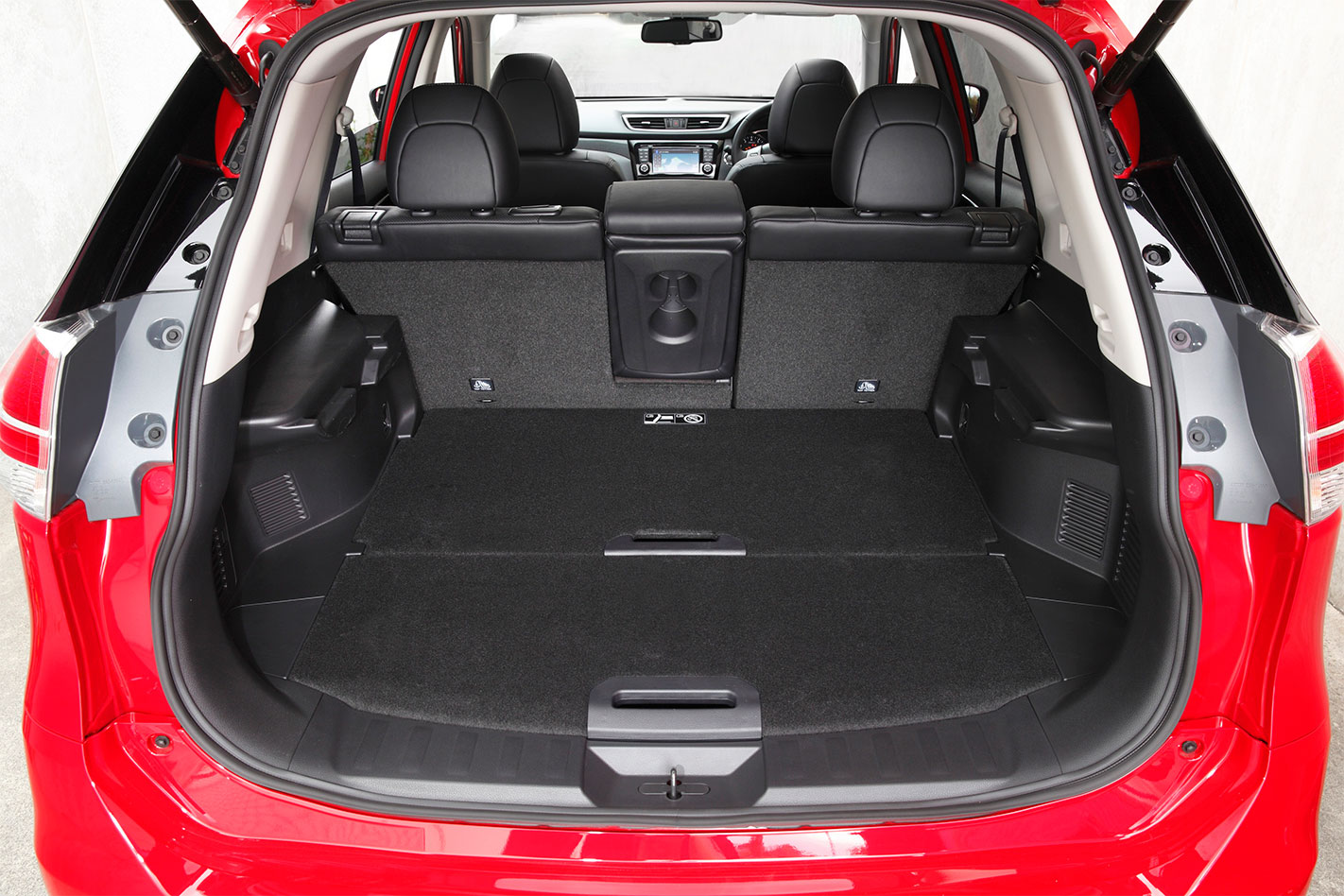
As with a suitcase, you can never repack a car as neatly as before you departed. We do tend to over pack but our luggage and extras including folding chairs and shopping bags filled with supplies were easily swallowed by the X-Trail’s capacious 565-litre boot, which is one of the biggest in its class.
Being able to slide the rear seats forward to eke a few extra litres of stowage can definitely be an advantage.
All packed, we head west, staying on the Glenelg Highway, which ultimately ends up at Mount Gambier, but turned on to the C198 at Casterton. The X-Trail is averaging about 9.0 litres/100km by this point.
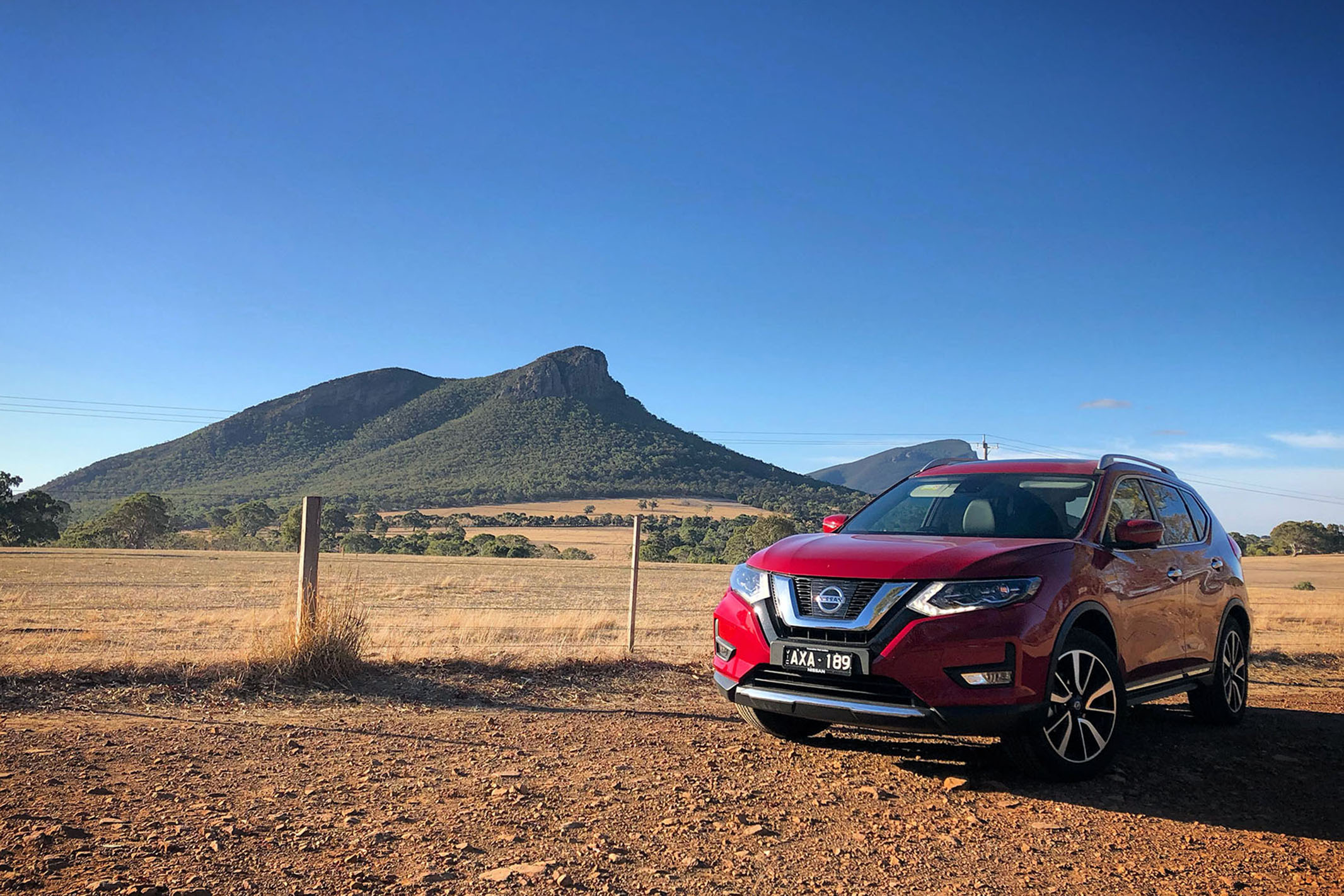
One good thing about South Australian rural highways is the 110km/h speed, limit even on single lane roads. The terrain is pretty featureless, though, as we head toward Kingston SE on the coast, via the Princes Highway which meant bypassing Robe.
The active cruise control works better here, co-operating well with the CVT gearbox that manages to find the right revs when negotiating the odd hill or slowing down behind slower traffic – which isn’t always the case in city traffic.
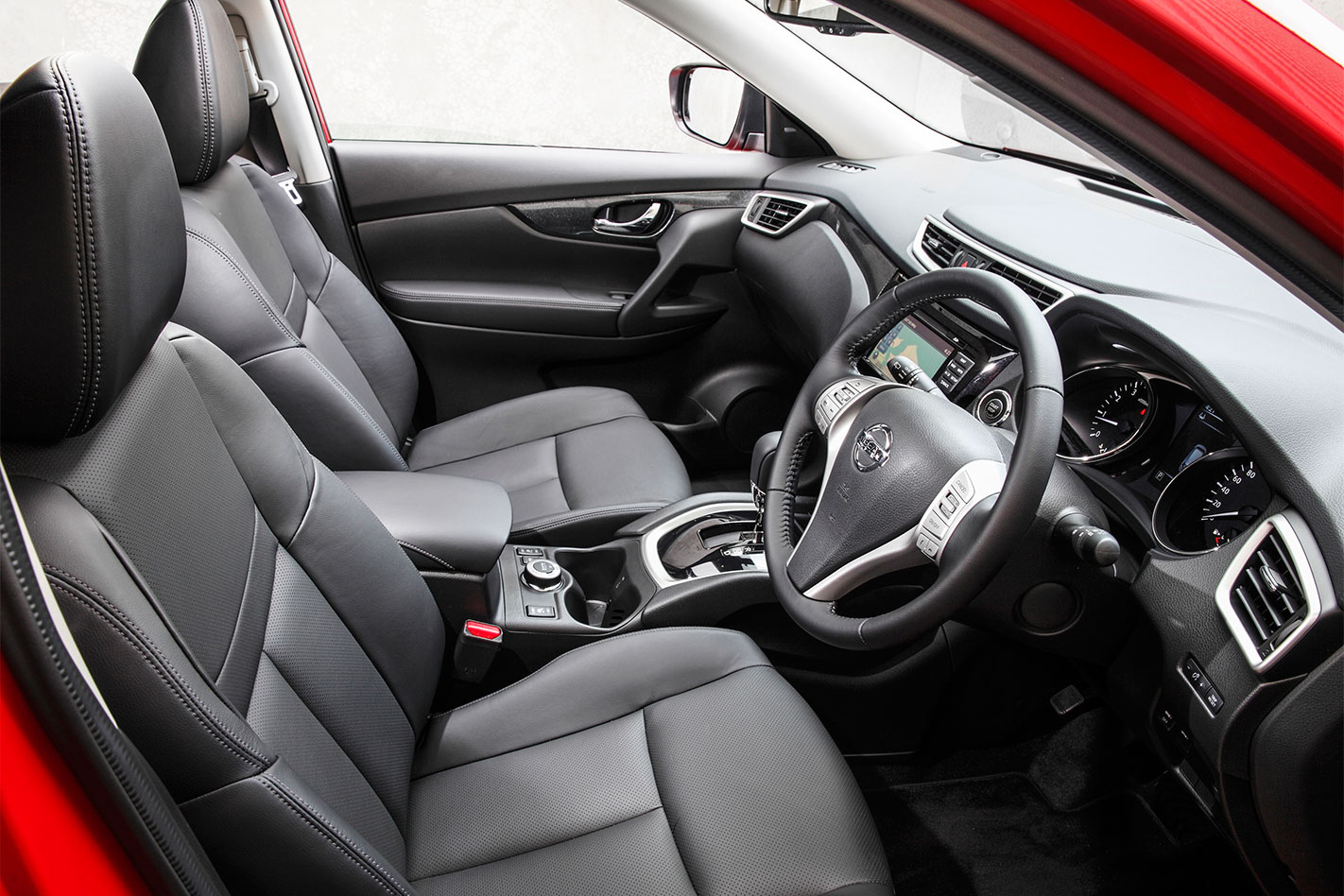
A few hours into the journey and I still feel good without a hint of saddle soreness. The Ti’s heated, power-adjustable and leather upholstered seats aren’t plush, but they’re comfortable, supportive and afford a good driving position.
We head further north west along the Princes Highway, finally capturing a glimpse of the lagoons of the stunning Coorong National Park, which are separated from the Southern Ocean by a 130km strip of sand dunes.
We soon arrive our ultimate destination, Meningie whose west-facing position on the Lake Albert makes for stunning over-water sunsets made all the more alluring by birdlife, including the pelicans that are synonymous with the region.

We stay at the Lake Albert Motel across the road from the lakeside park. It’s fair to say this isn’t as salubrious as the Royal Mail, but it’s very clean and a bargain for under $100 per night considering the location.
Woken early by the pesky corellas, we headed along Nurrung Road that encircles all but the north eastern end of Lake Albert and ended up a Long Point, which juts into the glassy lagoon close enough to the dunes to hear the surf pounding on the other side.
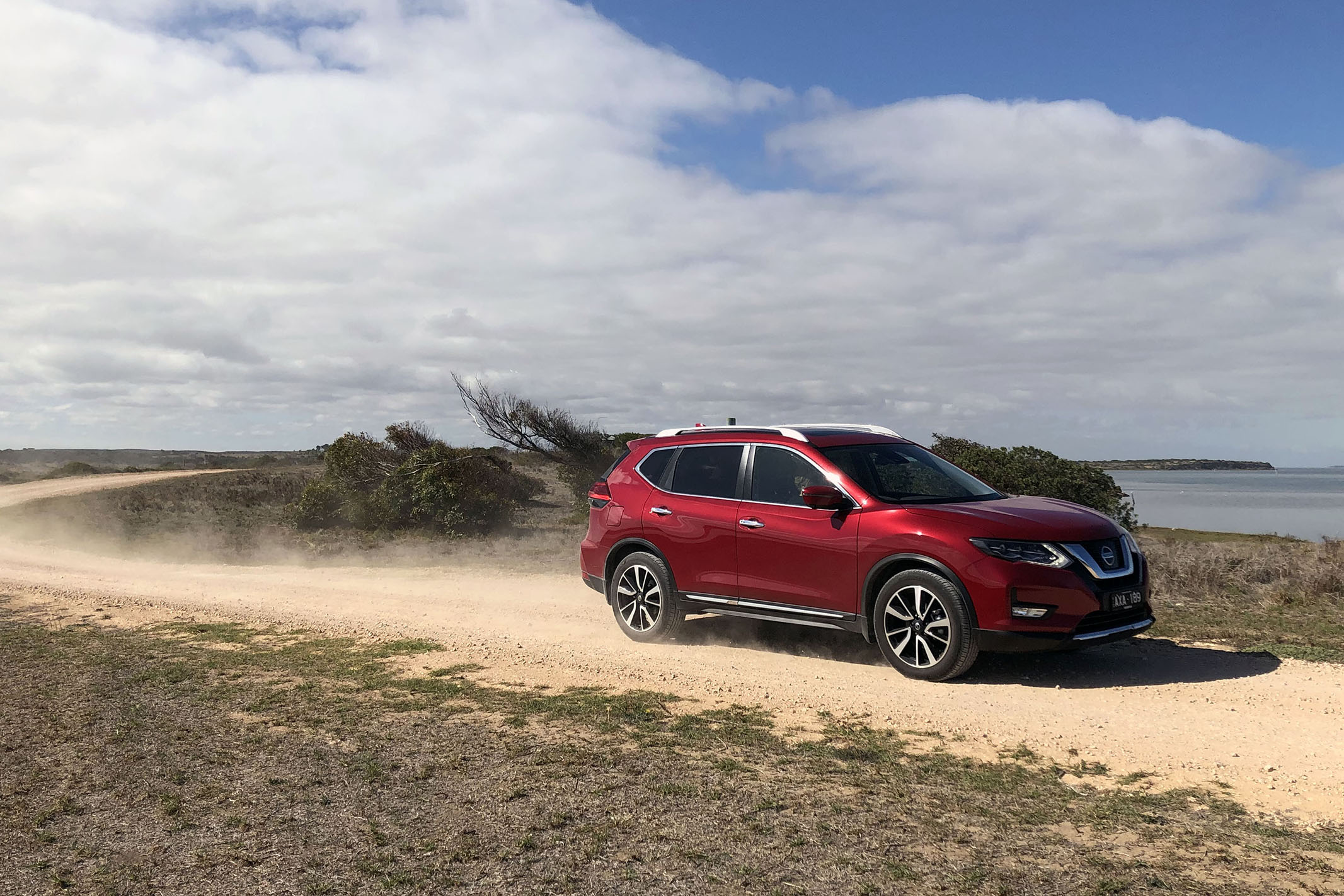
The X-Trail is in its element on the white limestone dirt road that leads to the Point, which we had to ourselves for most of the time, apart from the fur seals that use the little jetty to nap and dry off.
That evening, we head south a short distance from Meningie to McCallum Point, which has access to the lagoon beaches. The X-Trail’s AWD system (that distributes up to 50 percent of power to the rear wheels) allows for moderate off-roading that is sufficient enough to negotiate the wet sand with a bit more confidence than more road-focused SUVs.
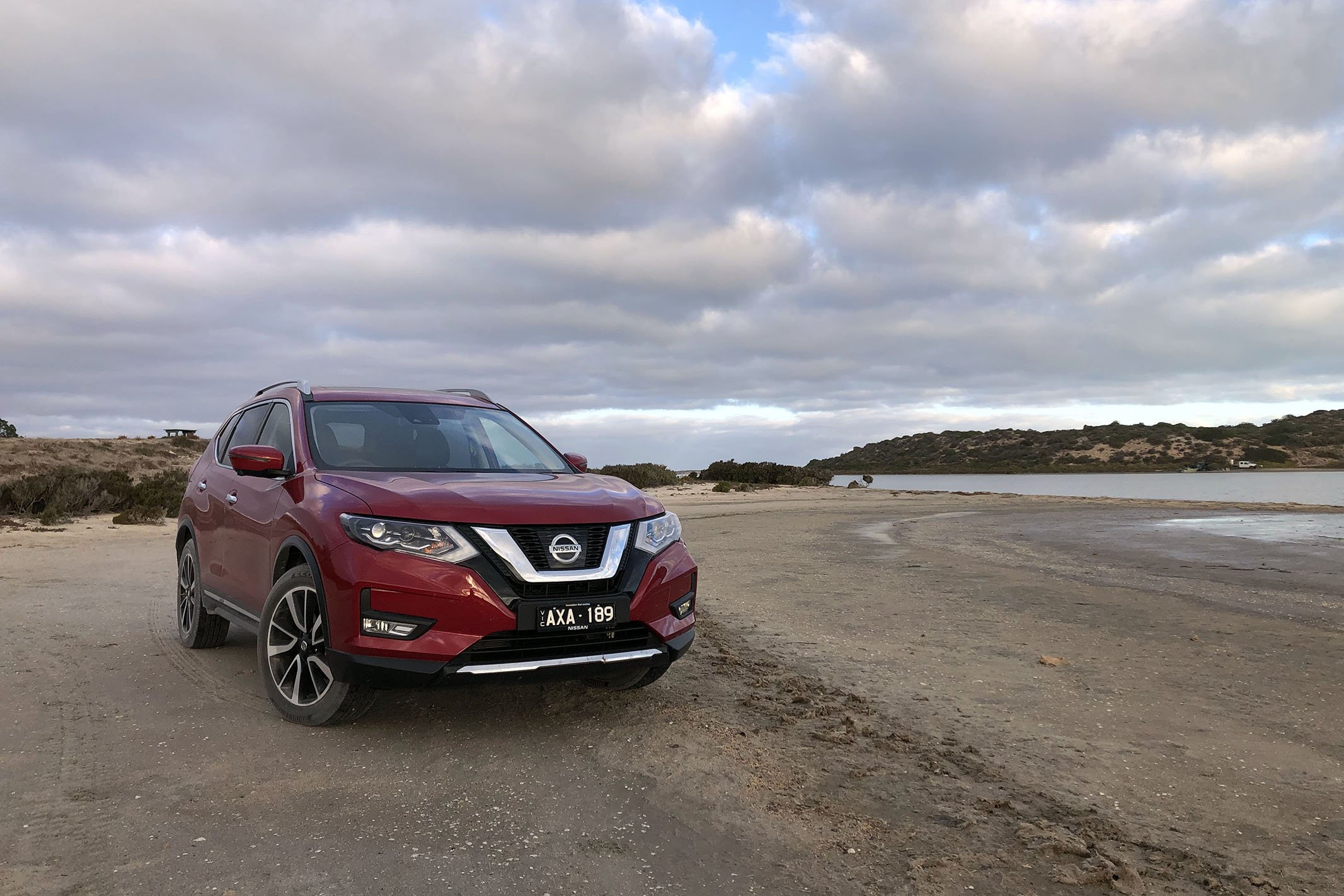
The Coorong is a mecca for serious off-roaders, with great fishing and plenty of campsites, but most of the dirt roads in the area are negotiable by normal cars in dry conditions, making it the perfect place for those who like driving around to discover spectacular views.
And the X-Trail proves a great ride to do all this in. It’s still not my first choice of urban SUV, but having travelled in it this far makes me appreciate its strengths as an open-road tourer with enough power, space and off-road capability to let you and your family get to places many of its mid-sized rivals can’t.
Update #3 – Suburban bliss
By Tony O’Kane
My younger self would be aghast to hear this, but these days I’m finding myself gravitating towards cars that are comfortable rather than cars that are fast, loud and exciting. Ergo, I found myself happily slipping behind the wheel of our X-Trail long-termer rather than fighting my colleagues for the keys to BMW’s oh-so-sexy M850i Coupe, which passed through our garage not that long ago.
Now I did eventually steal some time in BMW’s flagship two-door and it was an absolute blast, but did I regret preferencing the X-Trail over it? Not at all. Why? Because my life exists mostly in and around the suburbs, not on twisting coastal roads or race tracks. Often times, cars that are great fun on the latter just induce anxiety when driven within the former – especially when the price tag stretches deep into the triple digits.
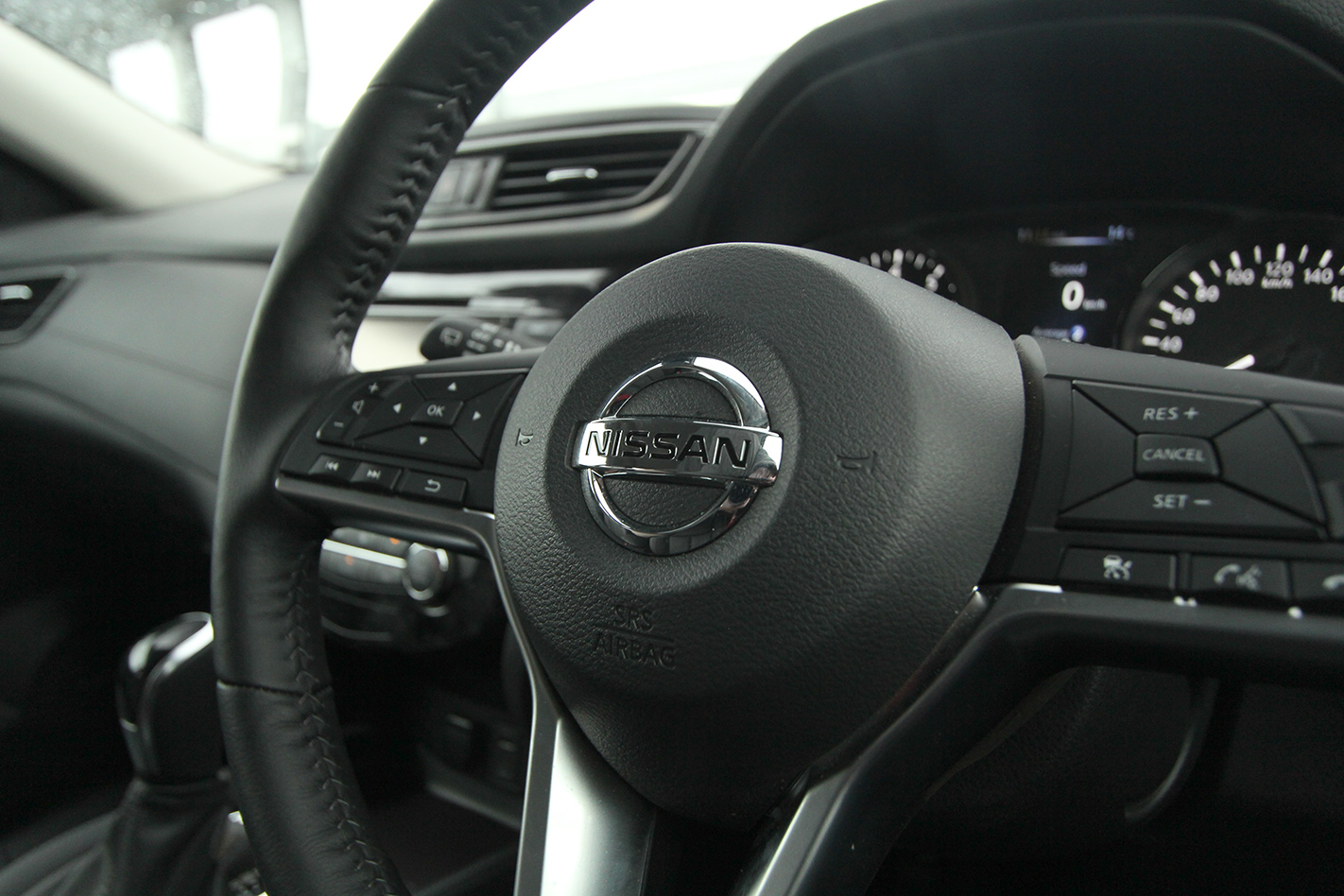
And to be honest, I’m glad I spent a bit more time behind the X-Trail’s wheel (which, I’ve got to say, I’m glad they remodeled as part of the X-Trail’s facelift back in 2017 – the old one was just dorky and uncomfortable). Though it’s one of the oldest cars in its segment, having launched globally six years ago, there’s still an honest charm about Nissan’s mid-size SUV that has enduring appeal. A lot of that, I reckon, comes down to how easy it is to drive.
Sure it’s got a CVT, the most reviled of all automatic gearboxes, but it rarely has that hyperactive rubber-band feel that some CVTs suffer from. In the X-Trail, you simply slot it into Drive and it does everything it needs to do almost imperceptibly – and very quietly – in the background. You don’t notice its ratio changes, and that’s a good thing.
Its engine, meanwhile, may be lacking technological sophistication in the form of turbochargers or hybrid assistance, but it has more than enough poke for the day-to-day commute and/or school run. A little bit dull, but easy and fuss-free. Same too with the ride, which is plush enough to smooth out most road imperfections but never floaty or unstable.
Hardly an adventurous or cutting-edge machine from an engineering point of view, but it’s definitely a good formula for a family wagon – no wonder it’s Nissan Australia’s most popular model. That said it’s far from perfect: I’m not a fan of the amount of rock-hard plastics on its centre console, nor am I impressed with Nissan’s infotainment suite. Infotainment is definitely one area where Nissan lags significantly behind the rest of the pack, and I wouldn’t begrudge anyone who turns up their nose at an X-Trail when they see that dinky screen and antique interface.
Good thing, then, that the rest of the package is so competent.
Update #4 – The not-so-softroader
By Tony O’Kane
One would be forgiven for looking at the Nissan X-Trail and thinking it’s a bit of a pretender, a jacked-up faux-4×4 whose only claim to off-road prowess is its ability to deal with damp grass when dropping the kids off at footy practice.
But that’s not so. Earlier this year we shot an SUV-centric episode of WhichCar TV where we pitted a selection of vehicles from the compact end of that class to discover their strengths and weaknesses. The X-Trail wasn’t part of the gang in front of the camera, but it was very much there in a behind-the-scenes role as our primary camera vehicle – a role that it excelled at.
And on day one of that particular shoot, it showed us that it had more than a modicum of talent when the asphalt ran out. We went to the Werribee 4×4 Proving Ground for the off-road portion of our ‘SUV Auto Games’, which saw the genuinely rugged Suzuki Jimny and Subaru XV go head-to-head on a moderately challenging dirt, mud and rock trail – with a water crossing thrown in for good measure.
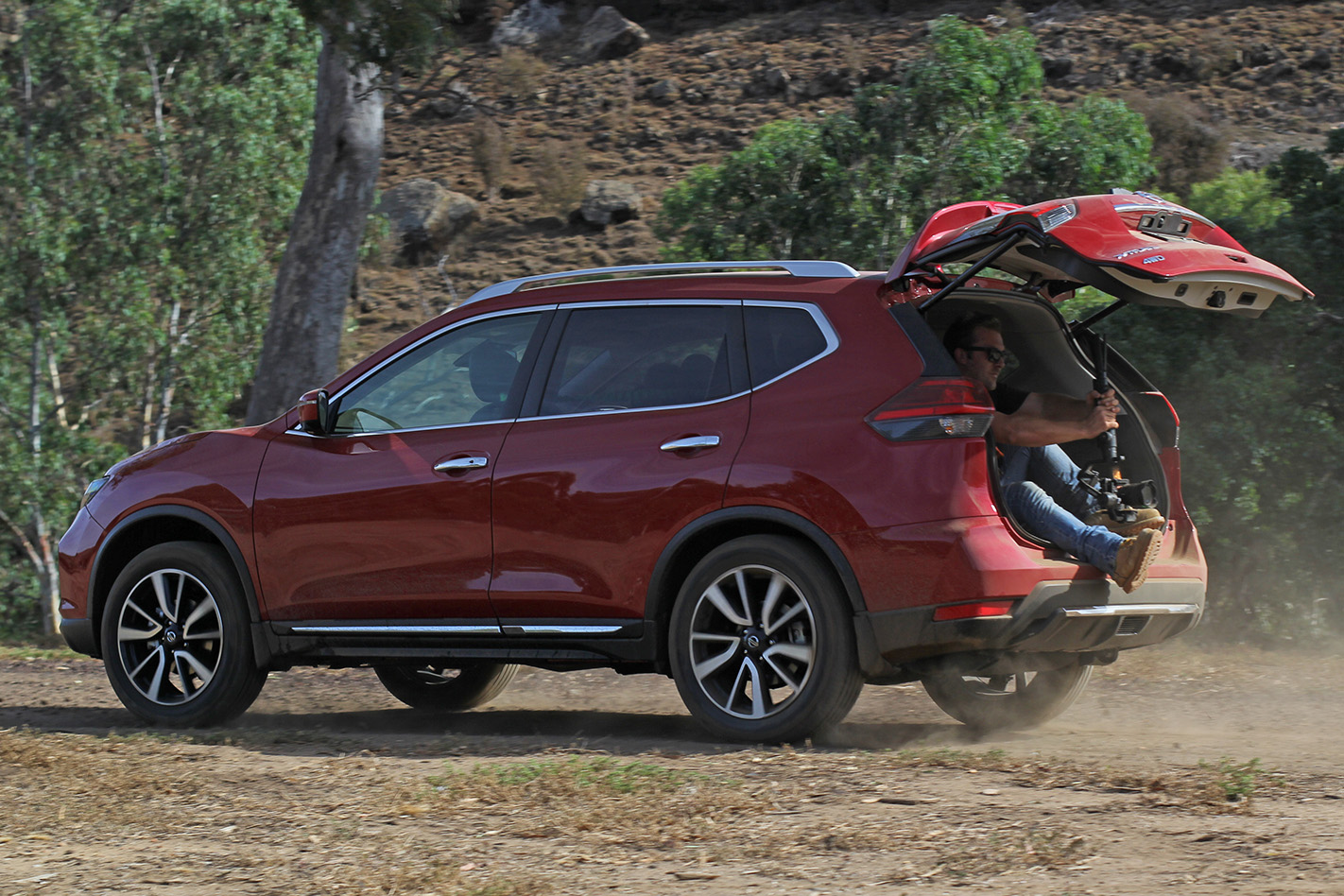
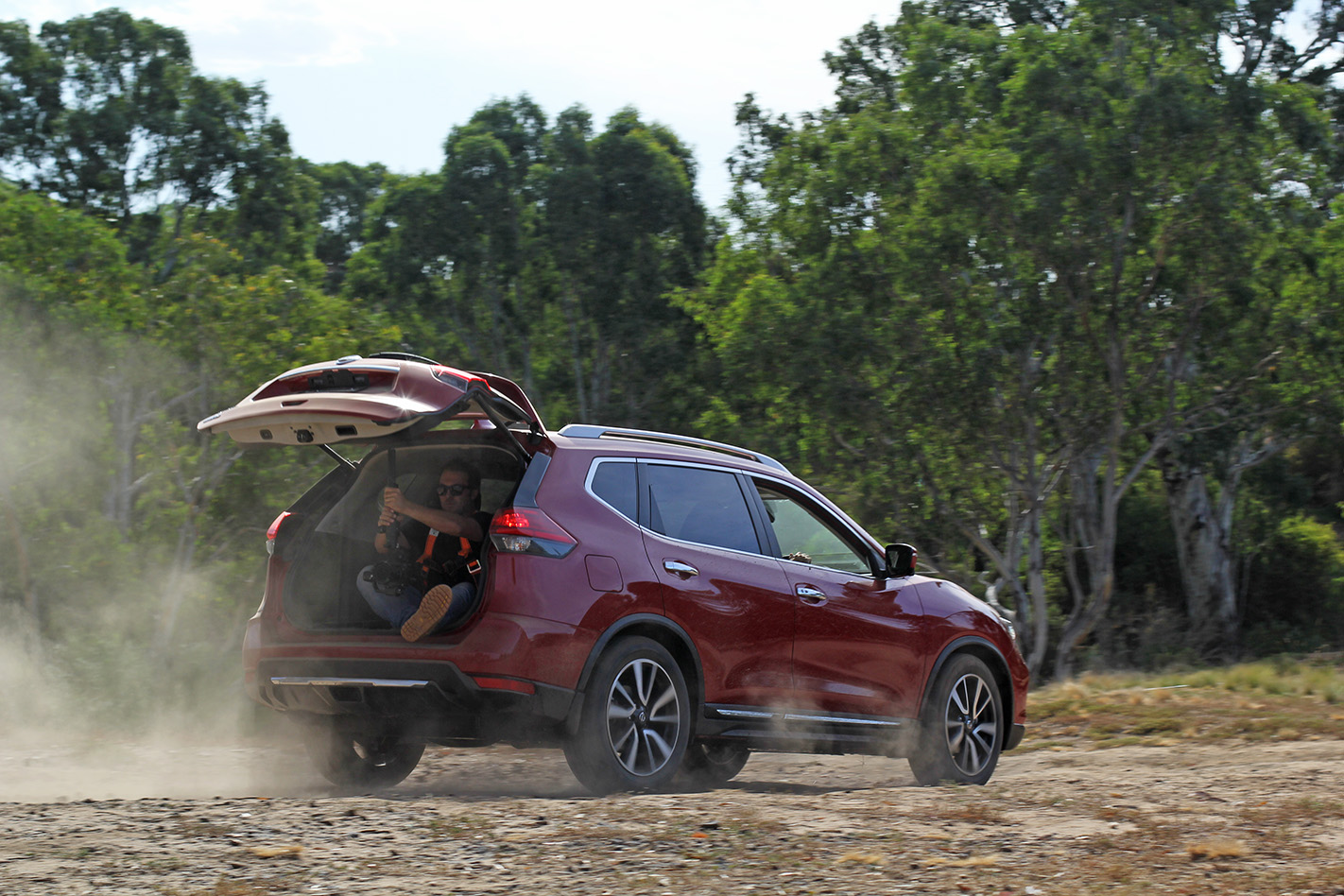
While you can see the Jimny and XV making light work of all that (well, except for the final challenge of an ultra-steep, ultra-slippery hill ascent), what you can’t see is the X-Trail being used for all of those car-to-car tracking shots. It traversed the exact same route as the Jimny and XV without ever getting stuck or being challenged for traction, except for one crucial difference – it did the route double the number of times as the Suzi and Subie.
And it did so with the tailgate up and a camera operator lashed into the luggage area. It also performed double the number of water crossings in a creek that was steadily getting deeper throughout the day, thanks to some upstream rain, with the torrent eventually rising well above the tops of the tyres.
Throughout all of this, the 4×4 mode switch was largely left in “auto”. Nissan’s electronics are apparently clever enough to figure out when the car’s being driven on dirt, adjusting the settings accordingly. More surprisingly, given it had a longer wheelbase and less ride height than the Jimny and XV respectively, it didn’t get hung up on dirt humps or rocks either.
While it’s obviously no rock-hopper, if you’re planning on doing some mild off-roading the X-Trail’s abilities will likely take you a lot further than you expect. It performance definitely won it the respect of the WhichCar video team.
WE’RE REALLY not sure where to start with this one. Perhaps the facts ought to just speak for themselves. Police in Dharruk, Western Sydney stopped a white Holden Commodore on Tuesday, ostensibly because the tyres were worn to a dangerous level.
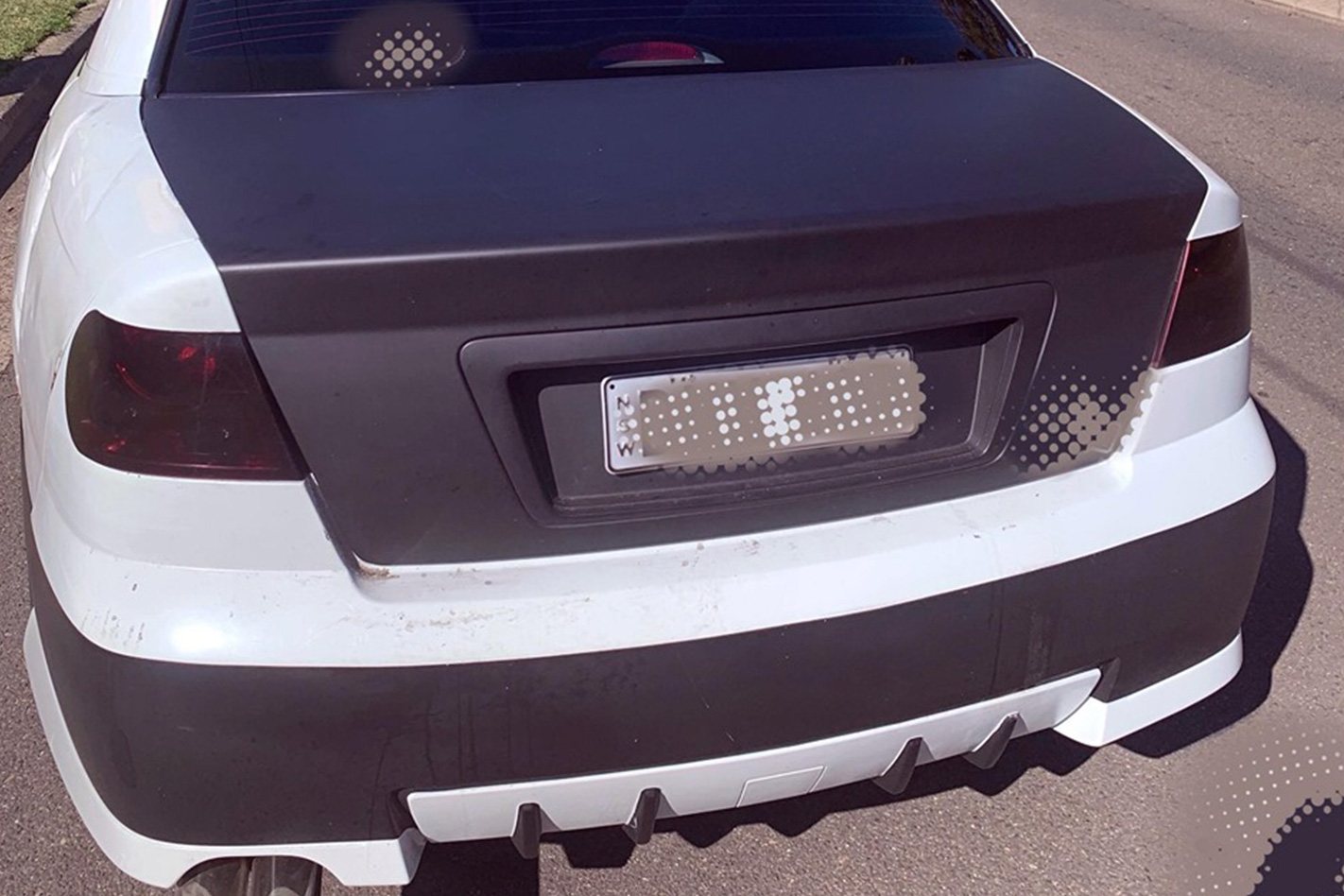
The 35-year-old driver from Whalan tested positive for methamphetamine and was issued with a 24-hour prohibition driving notice pending a laboratory drug test. That wasn’t the end of his problems though.
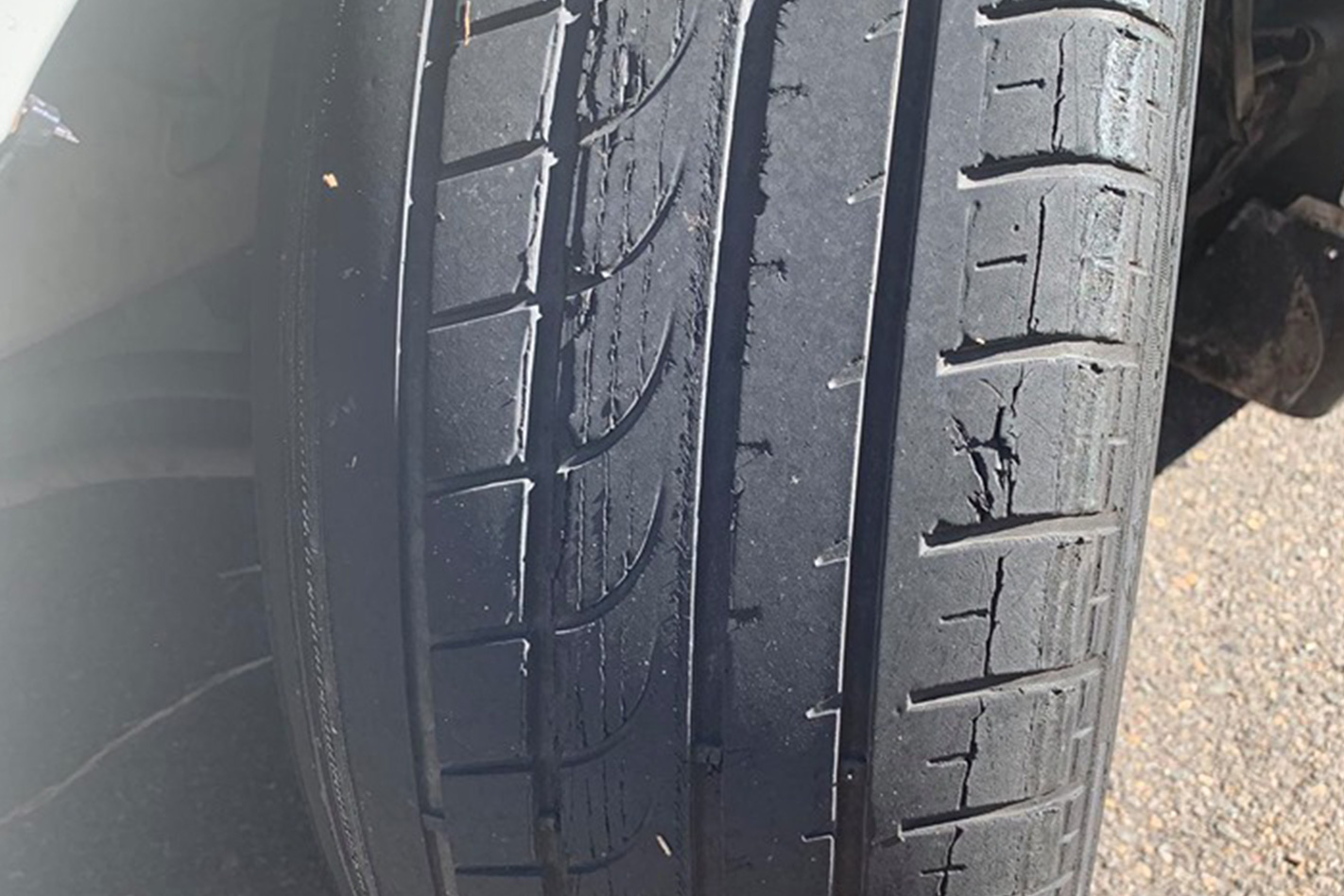
Upon closer inspection, the vehicle was fitted with a Black and Decker garden leaf blower under its bonnet, acting as some sort of ghetto supercharger system. Somewhat remarkably, this makeshift forced induction system could actually work. The Hot Rod Network did a test to see whether leaf blowers made any difference to dyno tests and discovered that when two were connected up, their 1985 Corvette C4 made an additional ten horsepower (7kW).
The police made no comment as to whether the ‘blower’ on this Commodore’s mighty V6 Alloytec was set to blow or suck. You may well have your own opinion on that one.
Hot on the heels of its hatch and coupe-sedan twins is the all-new Mercedes-AMG CLA45 S Shooting Brake.
Do you want the good news or the bad news first? You can probably guess the latter, so let’s start with the good news.
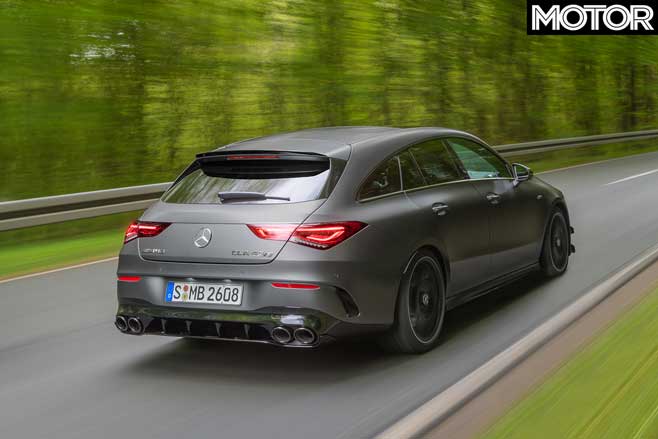
The baby wagon scores all the juicy upgrades found in the A45 and CLA45 models, including a high-boost 2.0-litre turbocharged four-cylinder producing 285kW/480Nm in the base version or a whopping 310kW/500Nm in the ‘S’ variant.
This power is fed through an eight-speed dual-clutch transmission to the trick new 4MATIC all-wheel drive system. In addition to being able to send power rearwards, a pair of electronically controlled multi-plate clutches in the rear differential have the ability to apportion torque to each wheel independently.
Select RACE mode, deactivate the ESP, pull both gearshift paddles back towards you and you activate Drift Mode, allowing controlled all-wheel powerslides. Yes, even the ‘sensible’ wagon version has Drift Mode.
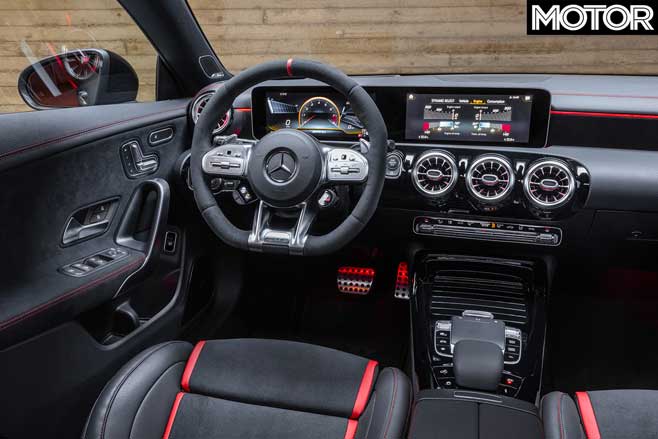
No weights have been announced for any of the three models, but presumably the Shooting Brake carries a slight weight penalty, though 0-100km/h takes just 4.0sec for the S with a limited top speed of 270km/h.
The bodyshell has been strengthened, but just as importantly for this segment of car, the boot opening is 236mm wider than the previous model making for easier access to the 505 litres of luggage space.
Three-mode adaptive dampers control a MacPherson strut front end and four-link rear, while tucked behind the 19-inch rims are large brakes with 360mm discs and six-piston calipers on the S model.
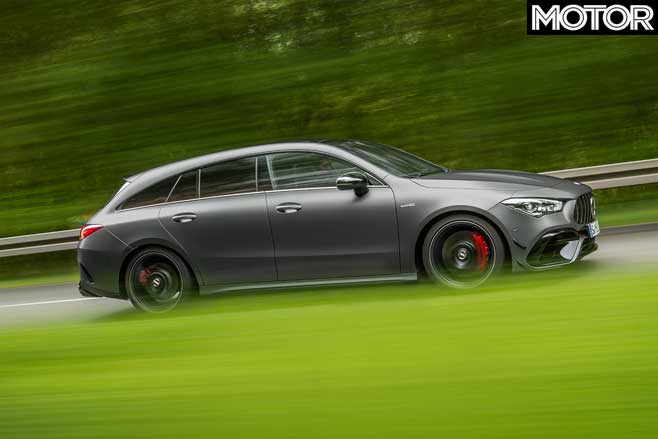
Now for the bad news. Sadly, unlike the previous generation the new CLA 45 Shooting Brake won’t be making its way to Australia. In fact, Mercedes Australia won’t be taking any Shooting Brake variants, citing a “business case decision”. Presumably this is PR-speak for “we won’t sell enough because everyone is buying small SUVs.”
This is a shame, but we still have the regular A45 S and CLA45 S variants to look forward to in the first quarter of 2020.
With the imminent arrival of the new Chevrolet Corvette, of which the C8 generation is to be mid-engined, we look at some of Chevrolet’s (and GM’s) concepts and designs that were gently nudging the ‘Vette towards its new layout.
As early as halfway through last century, before the Corvette had entered its second generation, the cogs were already turning.
1964 CERV II
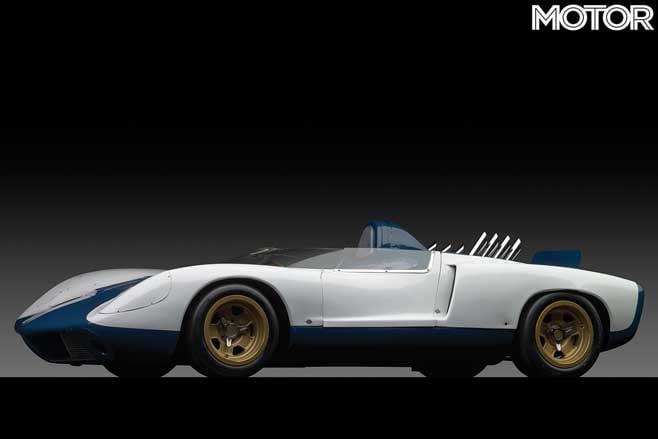
Zora Arkus-Duntov, ‘Father of the Corvette’, was an engineer who is credited with much of the Corvette’s success despite not being the one who originally designed it.
The CERV II (Chevrolet Engineering Research Vehicle… two) was his test bed and using it he played around with torque-vectoring all-wheel drive.
But more importantly, it had a V8 mounted between the driver and the rear-axle. Rumours of a mid-engine Corvette began to circulate, with Ford’s GT40 having so successfully used the recipe soon after the CERV II was built.
1968 Astro II
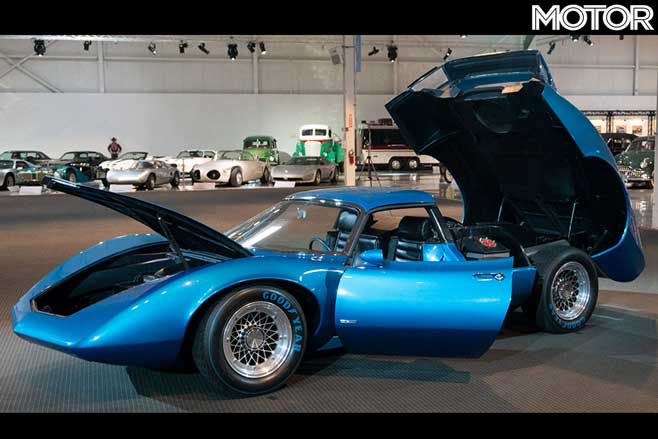
Furthering the rumours of a mid-engine ‘Vette was the second Astro concept, not to be confused with Chevrolet’s later van of the same name.
The Astro II actually looked like a road car, and did in fact the C3 generation eventually morphed to look quite a bit like it, but its engine layout remained a concept.
1969 Holden Hurricane
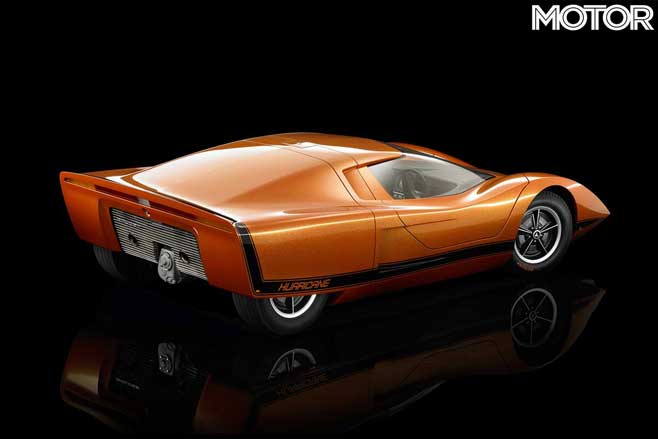
It’s possibly a little cheeky to include the Hurricane here, but it’s further evidence the GM as a whole wasn’t averse to trying a mid-engined car on for size.
Holden’s ‘spaceship-like’ concept was looking way ahead into the future and was using the same layout as supercars of its time – a mid-engine, transaxle gearbox setup.
Sure, it’s not wearing a set of flags on its badge like a Corvette would, but within the walls of GM the world over, mid-engined cars were on the mind.
Chevrolet XP-882
In the early 1970s, the idea of the mid-engined Corvette gained traction rather seriously, with several concepts and variations of each surfacing with different engines.
The XP-882 is one of these, with a mid-mounted V8 and a 1315kg kerb weight. In fact, it was the amount of detail (such as the kerb weight) released about the 882 that led US magazine Road & Track to claim the concept was guaranteed to become the next (1973) Corvette.
R&T obviously missed the mark, but the mid-engined concepts kept coming.
Chevrolet XP-895/ 1972 Reynolds Aluminium Corvette
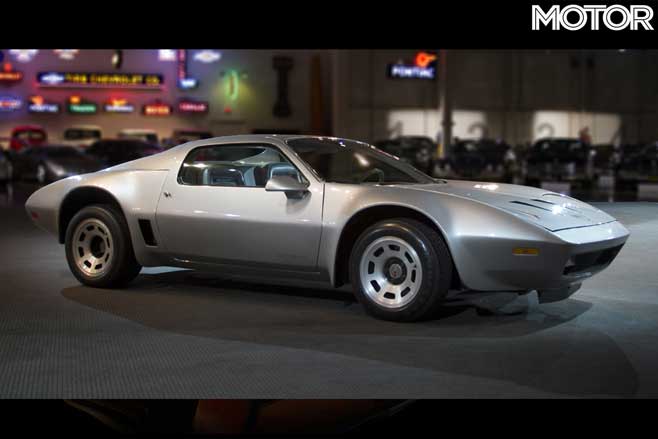
According to the GM Heritage Centre, there were actually two versions of XP-895 built, but the Reynolds Aluminium car is the more widely known of the pair.
“Two complete XP-895s were built, one with a steel body, and this one made of aluminium.
“The use of aluminium was intended to demonstrate the practicality of using this lightweight metal for car bodies.”
The other 895 was fitted with two twin-rotor engines which worked together as one four-rotor. That car later had its rotors replaced with a V8, but we’ll get to that later.
1973 XP-897 GT
The rise of the rotary as an alternative to traditional inline and vee engines had taken hold among GM engineers, and another twin-rotor car was created. This one was stylistically different, built on a Porsche 914 (with a shortened chassis) and therefore smaller than a normal Corvette.
It was shelved when GM abandoned its rotary experimentation during the oil crisis.
1973 Aerovette
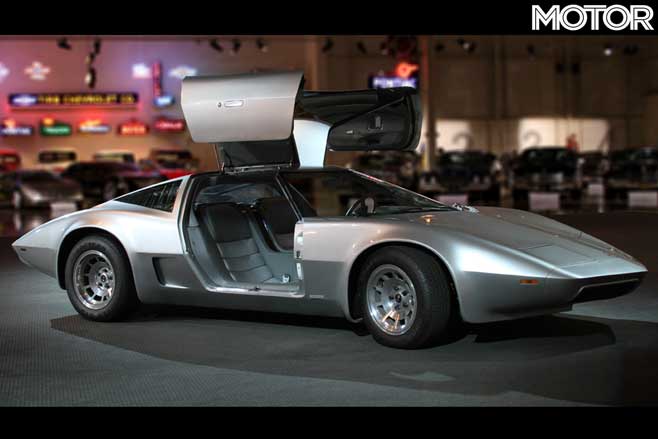
The Aerovette was born of the twin to the Reynolds Aluminium Corvette, the steel-bodied XP-895, though without the two twin-rotor engines.
Though it kept the almond shape, bi-fold gullwing doors and a clear large rear window over the engine compartment to show off the powertrain it held when known as the ‘Four-Rotor’, it housed a small-block V8 by the time it was called the Aerovette.
The GM Heritage Centre still possesses this car.
1986 Corvette Indy Concept
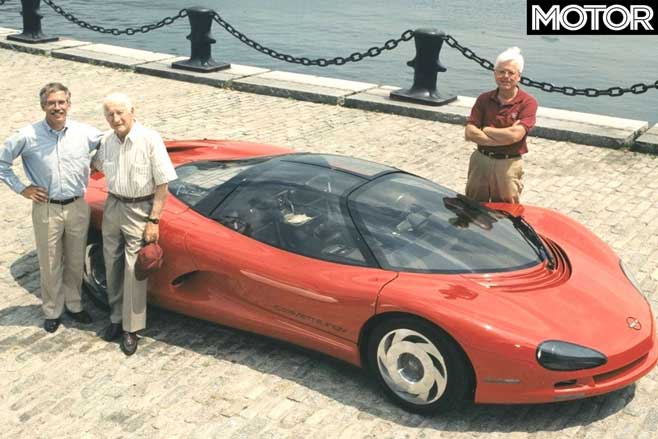
At this point in time, GM owned Lotus. Lotus had a relatively successful F1 team. A guy called Ayrton Senna was even driving for them.
So, Chevrolet wanted to play around with Lotus chassis and suspension expertise, and to do this created the Indy Concept, named as such for its Indy V8 engine. Mid-mounted, of course.
The car even had all-wheel steering, anti-lock brakes, and parts made from exotic lightweight materials like Kevlar and carbon.
1990 CERVIII
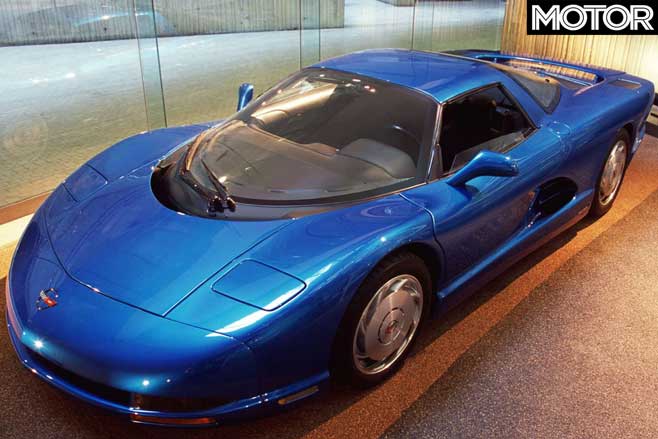
A more production-ready version of the Indy Concept, CERV III brought in some styling which would go on to be part of the C5 generation Corvette, and now housed a 5.7-litre twin-turbo V8, tuned by Lotus to make 485kW.
According to a report from Car and Driver, for which the US outlet spoke to GM president Mark Reuss, the car was a tester to find out if a production version was viable.
“We spent a lot of money trying to get it done, but it was too unwieldy, too heavy, too expensive, and not quick enough,” former Holden boss Reuss said.
“It was a great test bed, but we could never quite get there on the dynamics.”
2002 Cadillac Cien
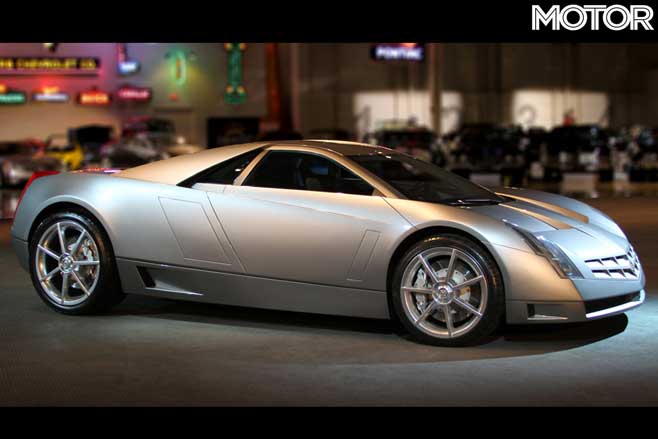
Another of GM’s non-Chevrolet concepts that add more clout to the company’s interest in mid-engined cars is this 559kW V12 Caddy.
The Cien was revealed at the 2002 Detroit Motor Show to celebrate the brand’s 100th anniversary, with a design reportedly inspired by the F-22 Raptor fighter jet.
BMW will add another option to the all-new G20 3 Series from October this year, when a single Touring wagon variety will join the initial line-up of two sedans. How does it stack up against the competition?
Based on the 330i sedan, the 330i Touring shares the same 2.0-litre turbocharged petrol four-cylinder and its 190kW/400Nm output, but promises to be a more practical proposition with its boot space expanded to 500 litres.
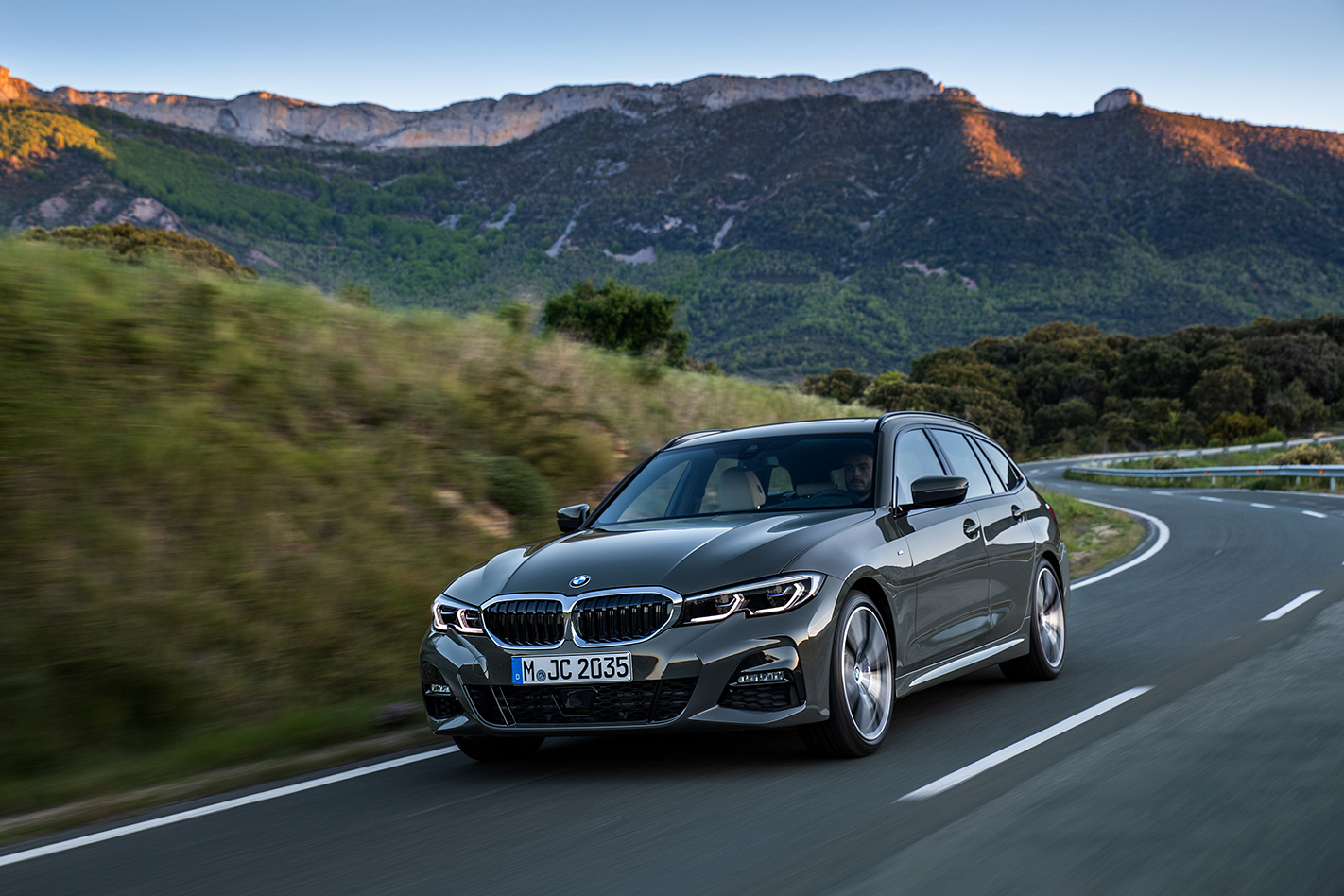
Pricing is yet to be confirmed but expect a similar, if not identical, pricetag relative to the last-gen 330i Touring of $75,000. With the new 330i sedan costing $70,900 – the same as the F30 model it replaced in March – we’re confident BMW Australia will adopt a similar strategy with its midsize wagon.
Other global regions are already being treated to a broader Touring spread with 318d and 320d diesels confirmed at launch, along with a more affordable 2.0-litre petrol that wears a 320i badge and a high-performance M340i hero that packs a six-cylinder under its bonnet.
It’s possible a selection of those variants will be trickled into the Australian market if BMW follows its traditional drip-feed approach to new models. It has already confirmed that a 320i and M340i will be added to the 3 Series sedan range from September as well as a 330e plug-in hybrid.
That said, relatively low demand for premium wagons will almost certainly prevent the full Touring line-up from making its way Down Under.
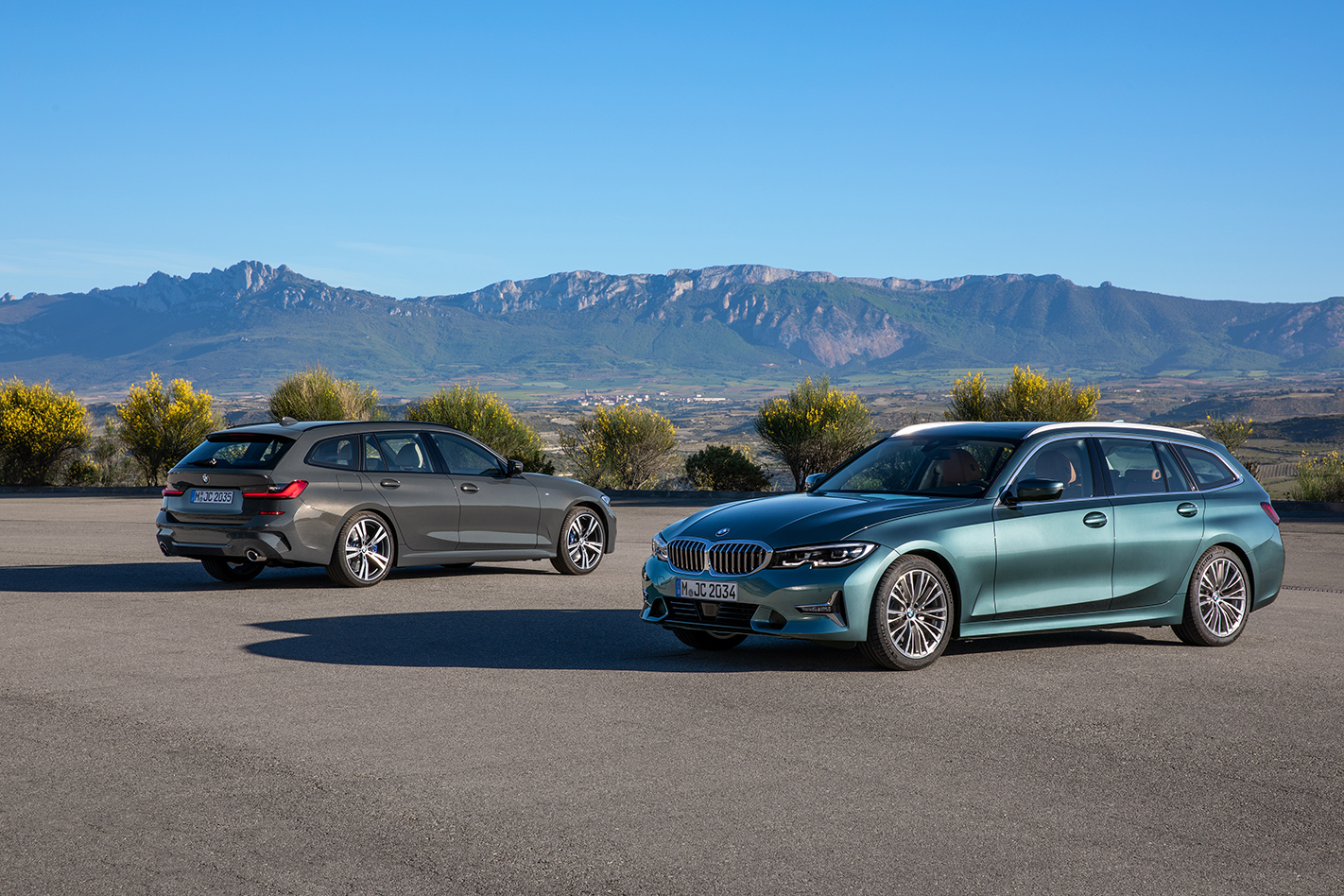
Fuel consumption figures are yet to be confirmed for the 330i Touring but a small increase is likely given the Touring’s slightly increased kerb weight over the sedan. Zero to 100km/h acceleration takes a tenth of a second longer at 5.9 seconds, versus the 5.8s benchmark of the 330i four-door.
The 330i Touring’s boot can be expanded to a healthy 1510 litres with the second row of seating folded away, or a combination of seating and boosted boot with 40:20:40 split folding options.
RIVALS
With a relatively small market for premium wagons, the 3 Series Touring enters a fierce battle. Here’s the competition that BMW’s handsome wagon will have to bump gloves with.
Audi A4
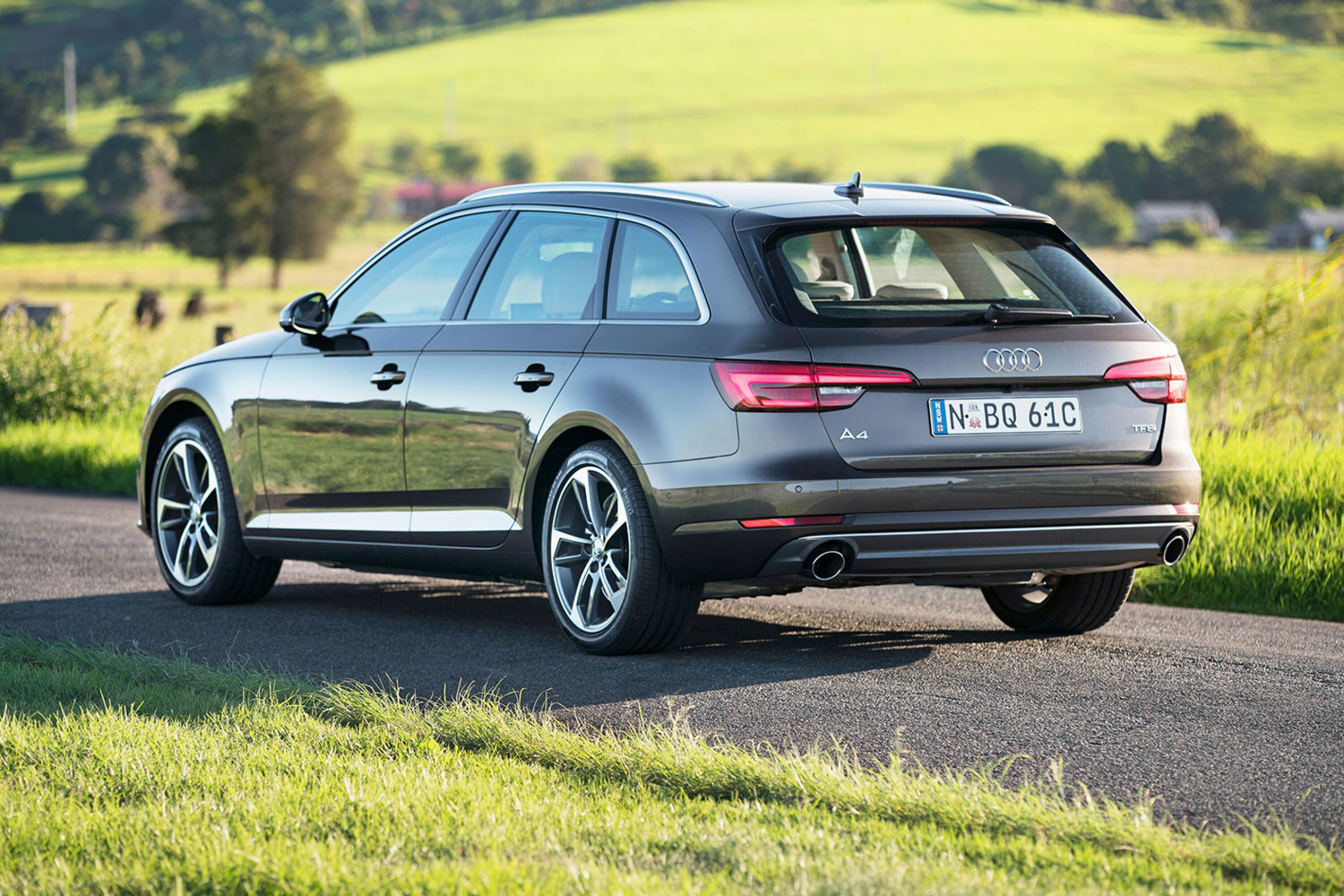
Priced from $73,300, the equivalent Audi A4 45 TFSI quattro Avant also has a 2.0-litre turbo four-pot petrol under its bonnet but produces a little less than the 330i with peak output of 185kW and 370Nm. That translates to slightly softer performance with zero to 100km/h coming up in 6.0 seconds flat.
That said, the Audi’s unique selling proposition is the company’s celebrated and esteemed quattro four-wheel drive system that will appeal to customers spending more time on slippery surfaces like snow or gravel.
At the back end, the A4 wagon offers almost exactly the same boot space as the BMW with 505 litres when rear seats are instated, or an identical 1510L when they are all stowed.
Mercedes C-Class
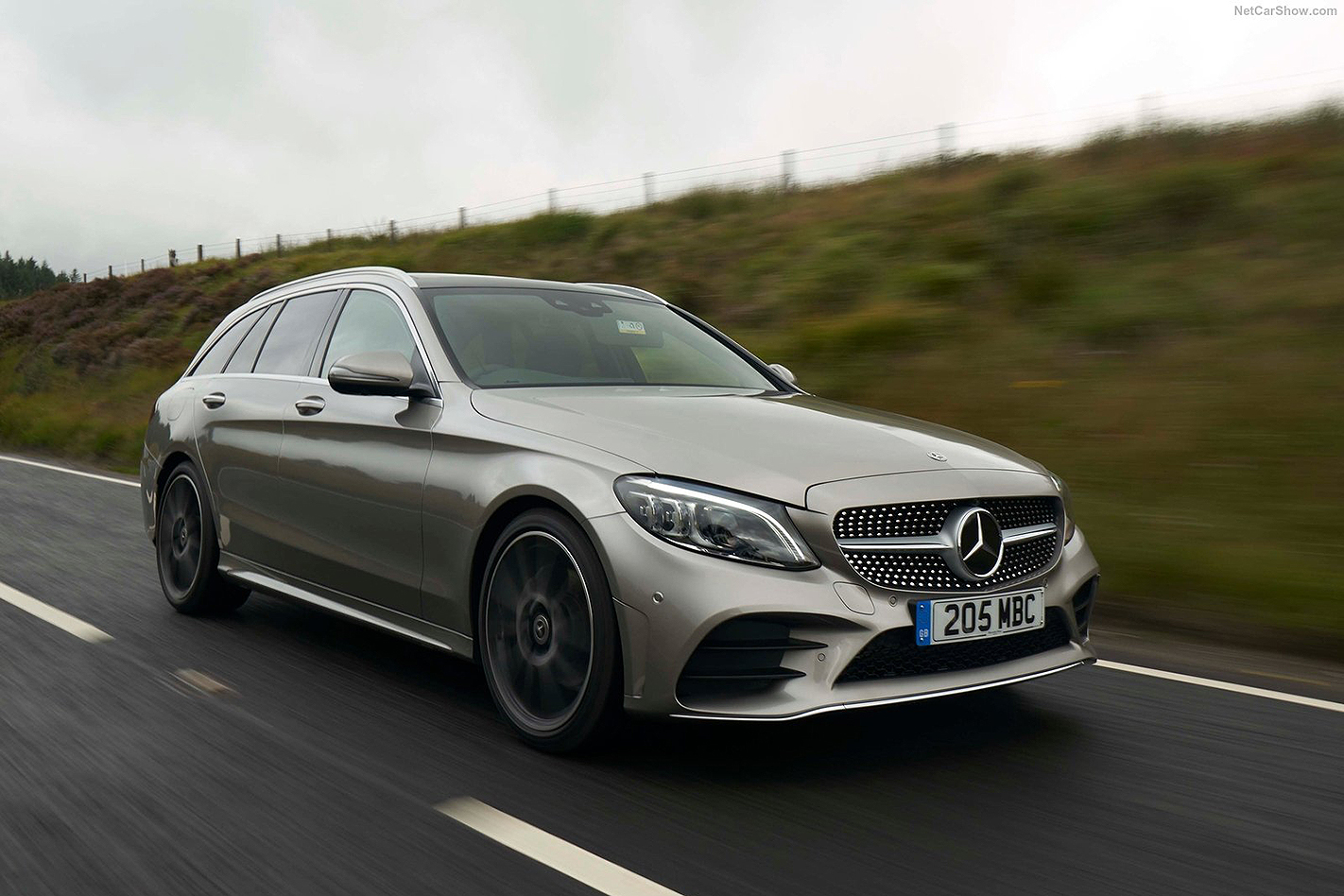
For a similar budget, Mercedes-Benz offers the C300 Estate, starting from $74,300. It too has a 2.0-litre turbo four-cylinder petrol that matches the BMW’s power, but falls short on handy towing torque with the same output as the Audi (190kW and 370Nm).
While the Audi and BMW have eight-speed automatic transmissions, the Merc has an advantage with an extra ratio, taking its auto up to nine-speed. Power, like the BMW is sent exclusively to the rear wheels.
With a zero to 100km/h dash of 6.1 seconds, the C300 wagon is not as spritely as the other two but its boot space is right on par offering exactly the same as the Audi’s load area – 505L and 1510L respectively.
Skoda Octavia

Here’s a wild card you might not be considering. Skoda offers its Octavia wagon with the fizzy RS245 2.0-litre turbo petrol engine tucked under the bonnet. With a zero to 100km/h time of 6.6s, it’s not quite as potent as the others here but it’s still fun and has a super sharp $46,990 price tag.
Power is sent to the front wheels via a seven-speed dual clutch automatic transmission, a sporty bodykit and wheels are standard, but its boot is the real icing. With 610 litres on offer with the rear seats in place or a massive 1740L maximum volume, the Octavia is practical and affordable with German build quality and Euro appeal – though without premium badge cachet.
ON ONE level, it could be argued that the Porsche 911 is a fundamentally boring car. Boring insofar as it’s predictably excellent, metronomically competent, an OCD ticker of dynamic boxes. It barely puts a foot wrong, so when Porsche brings us an all-new 911, we just know that it’s not going to be a duffer. So instead of putting it head to head with comparable rivals, we did something a bit different. We rounded up a bunch of coupes that offer decidedly different attractions to see whether it’d be stupid to spend your hard-earned on anything other than the new 911. Fireworks ensue.
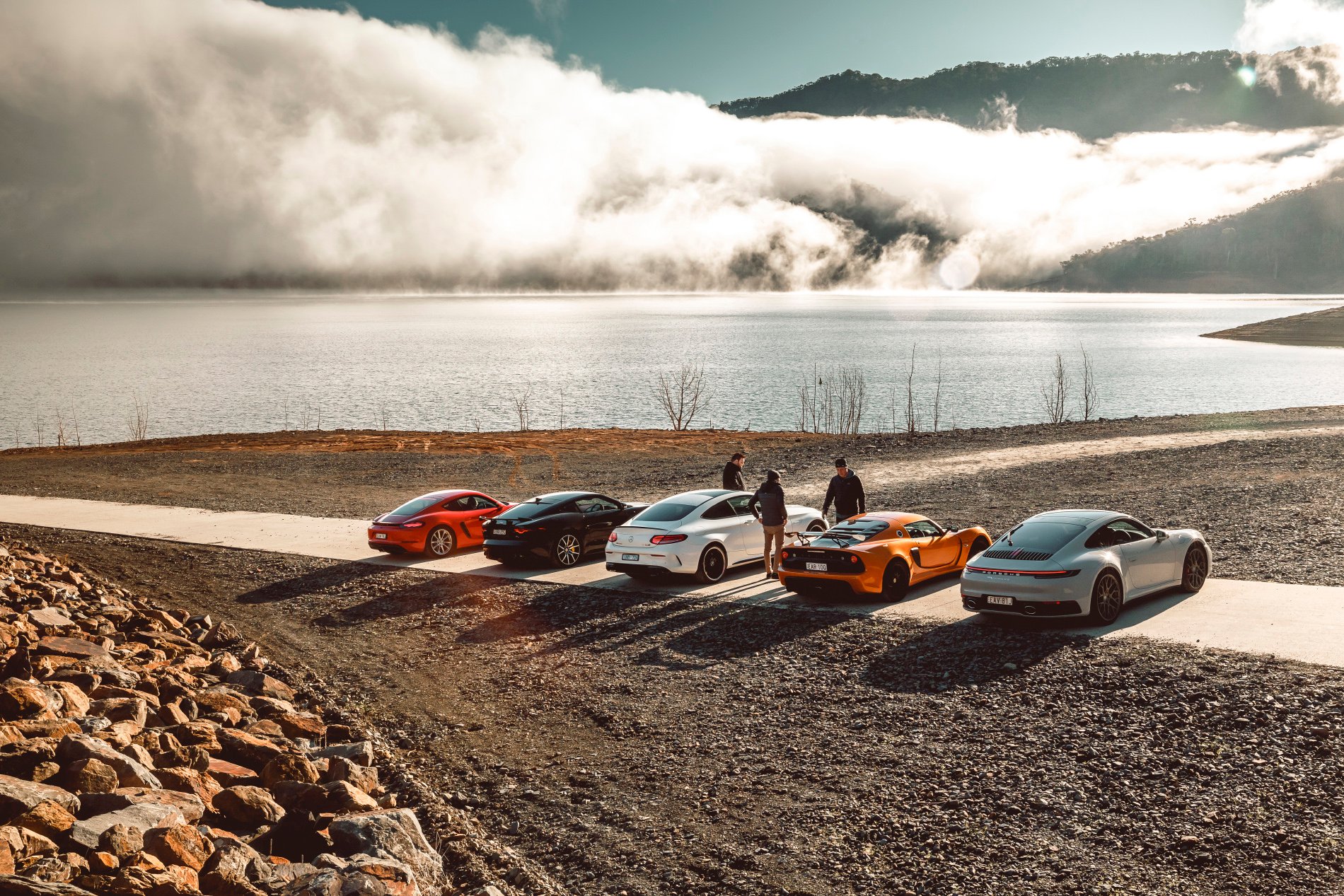
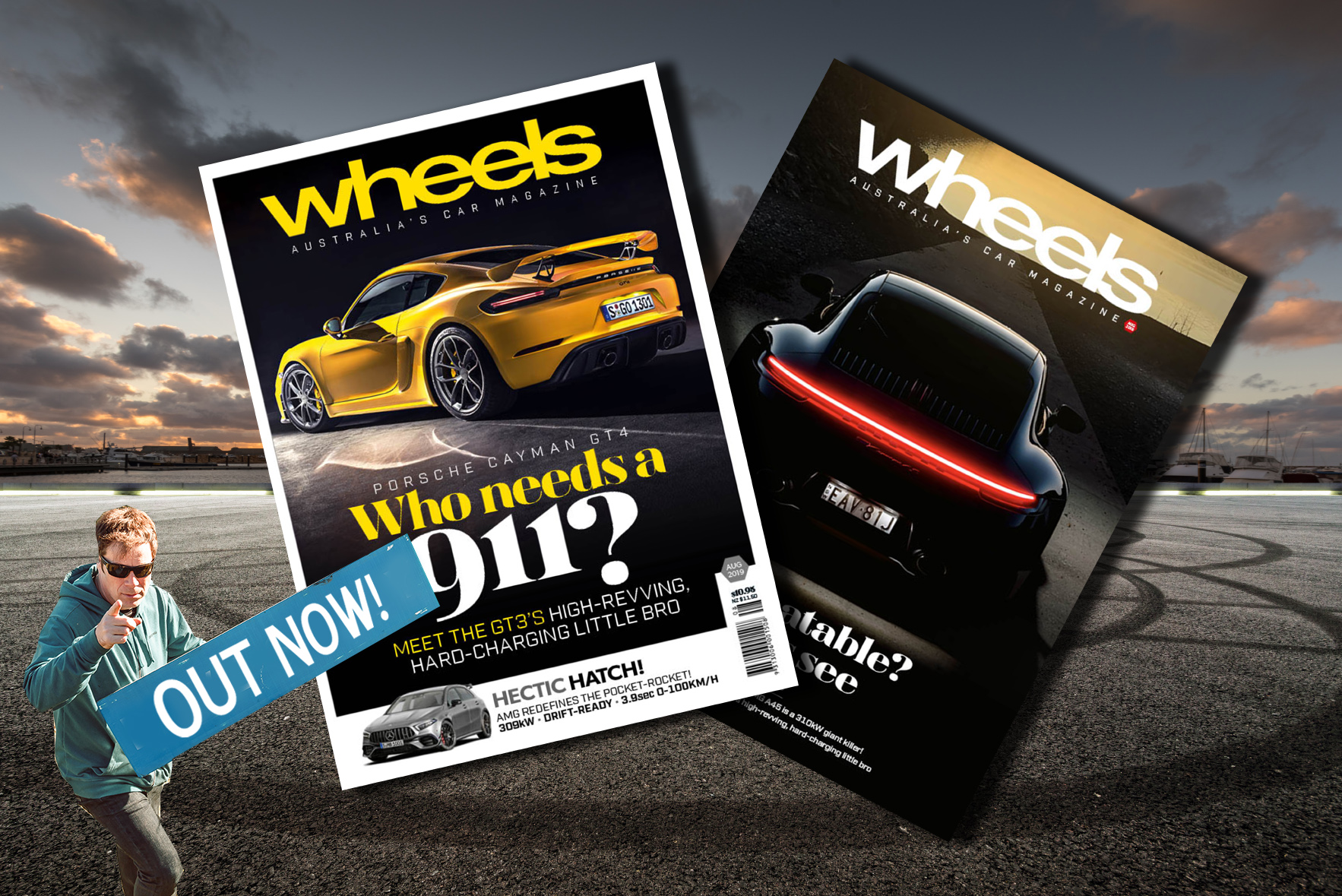
That’s just one of the stories appearing in the August issue of Wheels, due on the shelves July 18 – which is tomorrow if you’re reading this on July 17. If you really can’t wait, then click on the image above to flick through the teaser photo gallery – though the best pics are in the mag.
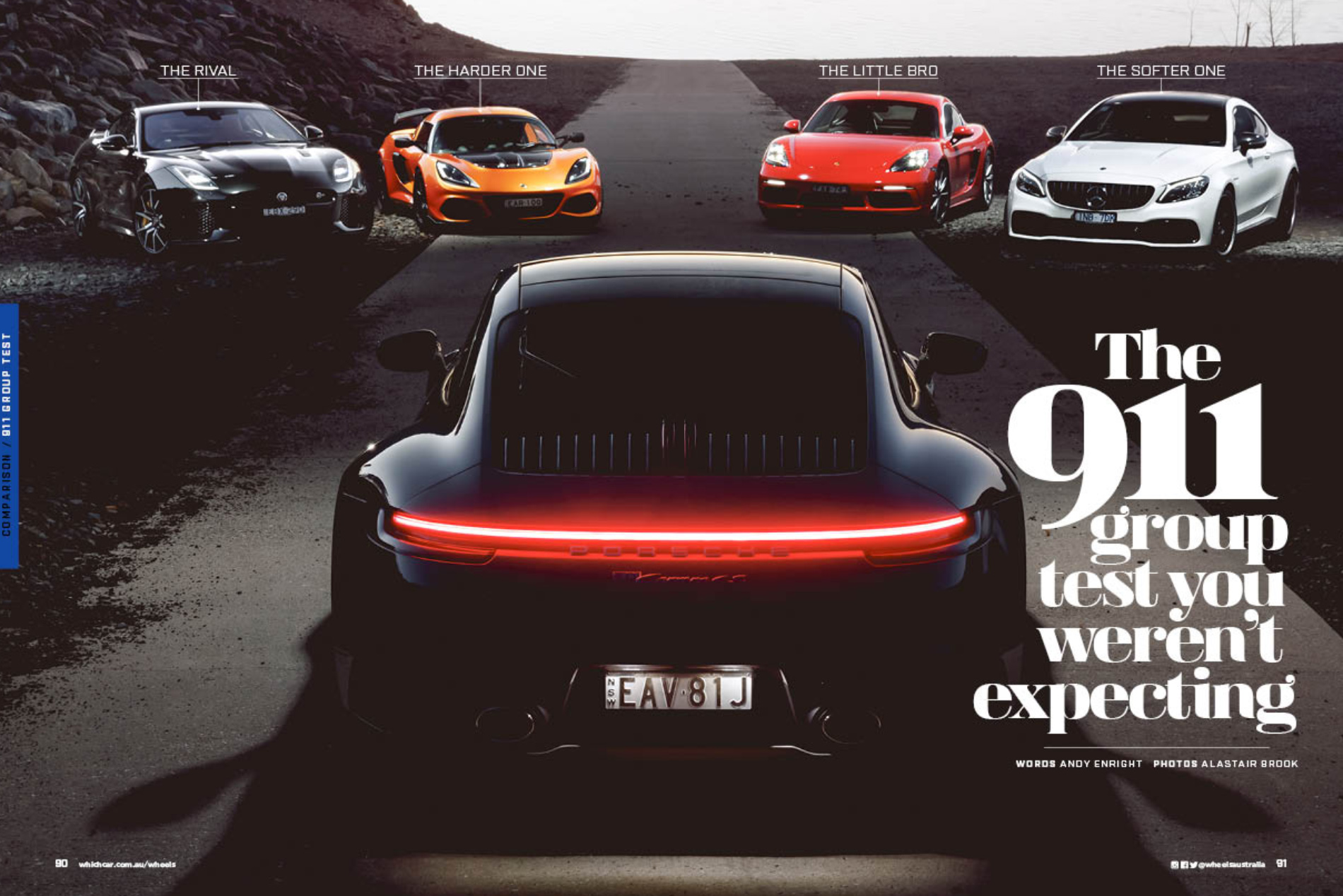
Most of us felt we’d done a pretty tidy job with that feature and would have gladly knocked off right there for the month, but editor Alex Inwood decided that you, demanding readers that you are, required more of the good stuff and put us to work producing it.
We have a story on the work that goes into building Lewis Hamilton’s all-conquering Mercedes-AMG Petronas F1 car, after a visit to their Brackley nerve centre in the UK. Imagine how you’ve managed to get this far in life without knowing that Brackley has a vending machine that dispenses F1 car parts instead of Snickers bars.
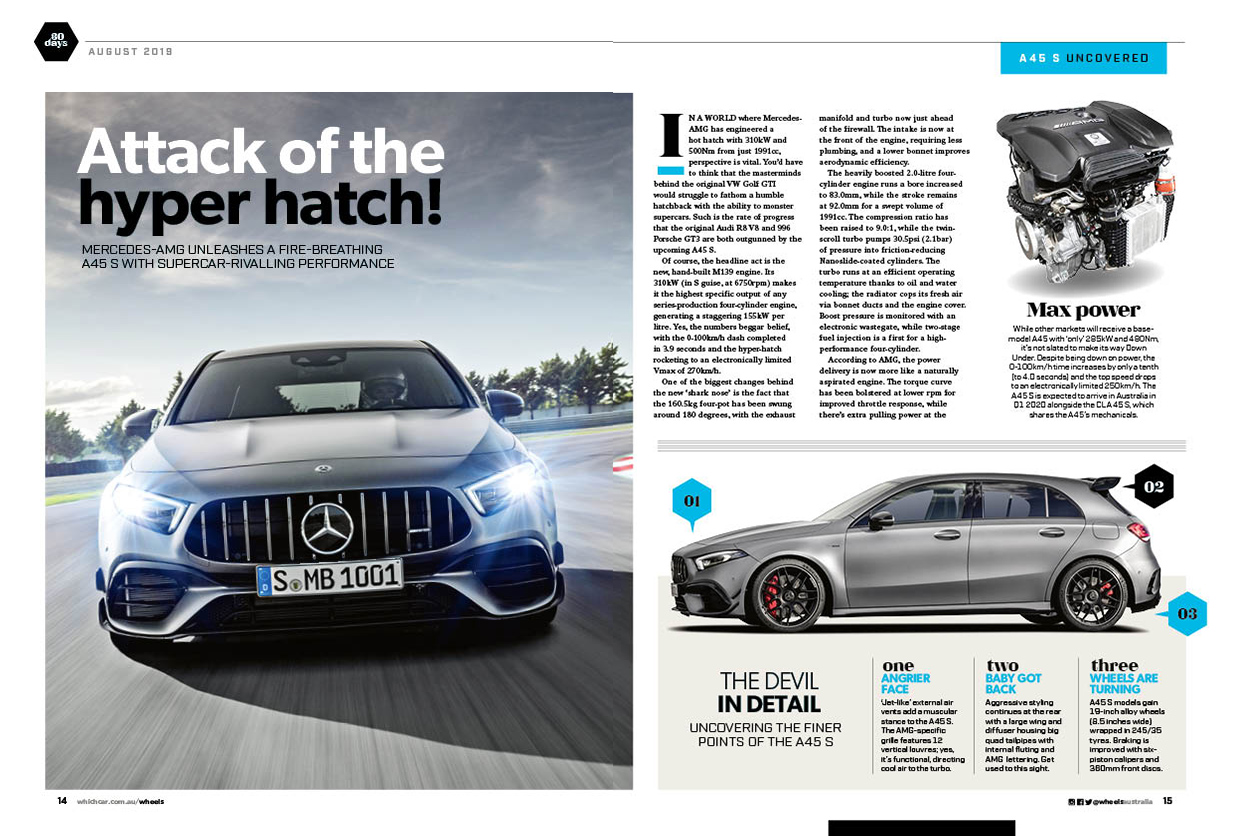
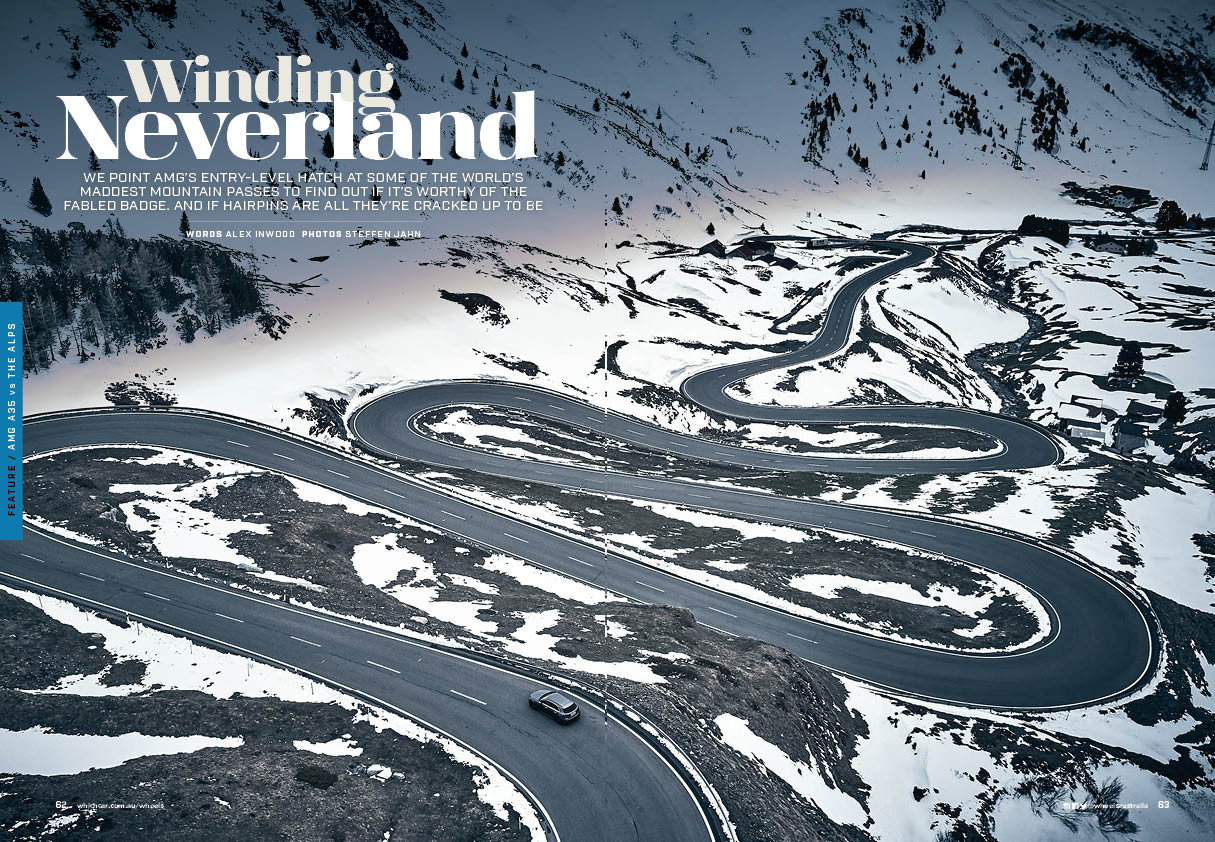
Staying with the three-pointed star, there’s also the full low-down on the berserk 310kW A45 AMG, a hot hatch that fronts up with more power than a Porsche 996 Turbo , a car that most of us called the fastest car in the real world not so long ago. I say ‘most of us’ when I should probably say ‘me’ but let’s not get too hung up on minutiae. If that all sounds a bit hectic, we sent Alex Inwood to Switzerland to drive its little bro, the A35 AMG on some of Europe’s most stunning mountain roads. He sent himself, in actual fact, but I’m deputy editor so when he’s away I get to overestimate the extent of my responsibilities.
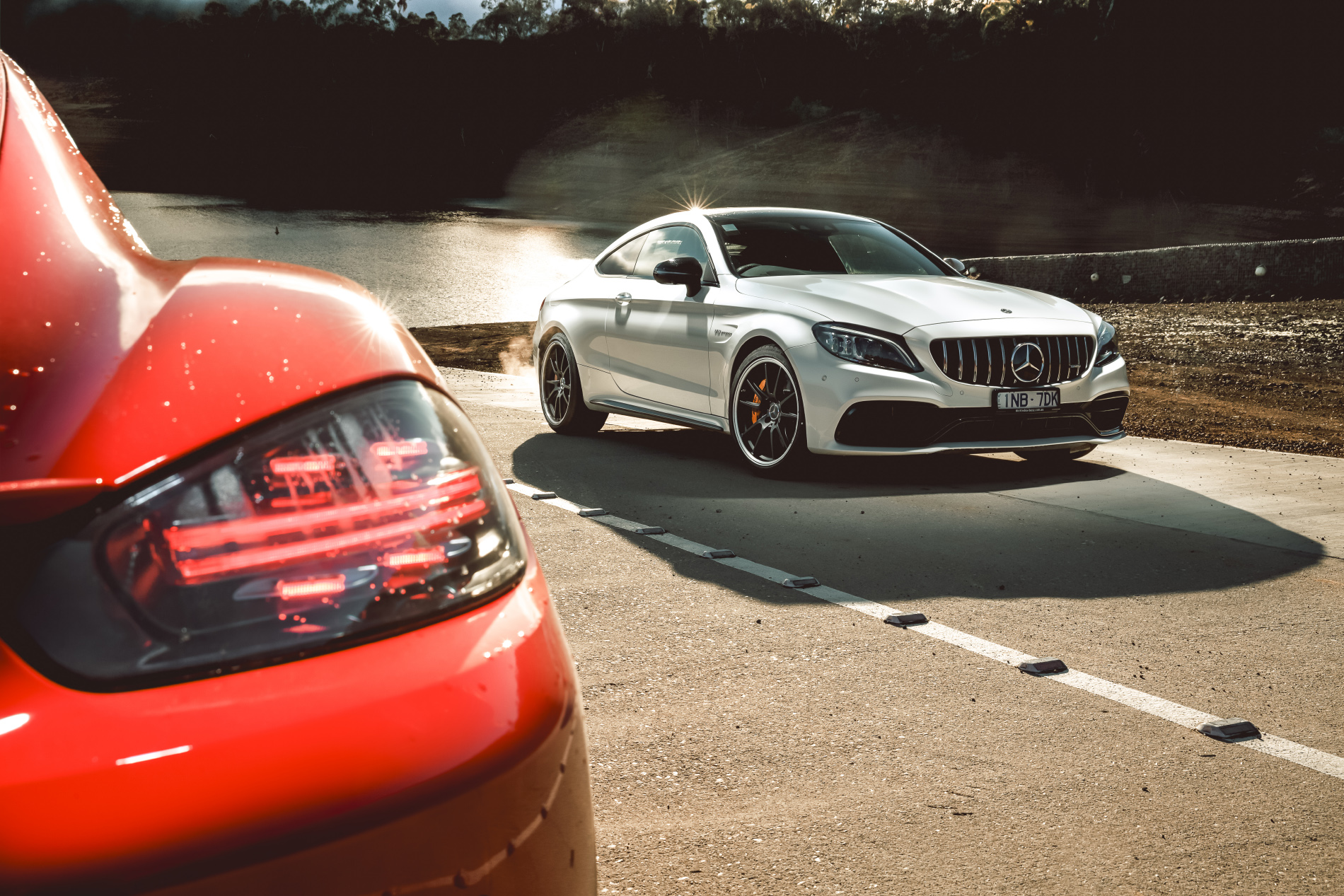
Should you prefer something without forced induction, that features a manual transmission and good ol’ rear-wheel-drive, how about an AU Falcon TS50? Or, if that doesn’t appeal, a Porsche Cayman GT4? The wholly lovely Cayman gets the full technical rundown in the August edition, Kyle Fortune giving us the backstory on why it got a new 4.0-litre powerplant (neither Tickford nor John Bowe weren’t consulted, sadly) and why the manual’s not dead.
Elsewhere, there’s Nathan Jacobs’ stunning photography of the Mazda RX-7 Bathurst R in ‘Modern Classic’ ; a comparison test of the finest $17k cheapies from Kia, Renault and Suzuki; our first taste of the game-changing Genesis G70; background on the what the Genesis marque means to Australians; Ford’s Ranger Raptor at maximum attack in South Africa; and I sign off with my final long term review of the McLaren 570S. All things have an end, and a sausage has two, as they say in Germany.
So do yourself a favour, get to a newsstand and buy the latest issue of Wheels. If you can’t do that, stand in a servo and just read it while somebody cleans unidentifiable goo out of the coffee machine’s milk pipe. But you’re not that much of a mooch, are you? Better still, click on the link below and subscribe. It brings down the price of each issue to less than that of a disappointing muffin and coffee combo deal. With mystery floating bits in the coffee. So you know what to do.
The Chevrolet Camaro faces an uncertain future in the wake of struggling sales and a shift in strategy for General Motors.
Chevy’s icon had a terrible 2018, a 25 per cent drop in US sales leaving it a distant third in the muscle car race. Just 50,963 were sold, compared to 66,716 Dodge Challengers and 75,842 Ford Mustangs.
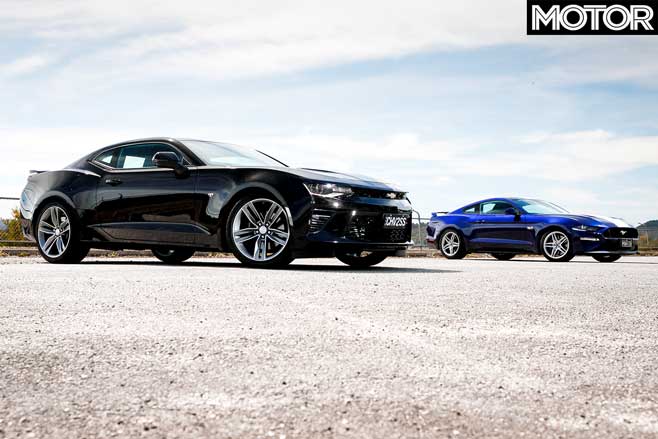
The situation worsens when you consider that exports (including 6412 to Australia) lifted the 2018 Mustang total to 113,066, while the Challenger numbers were heavily bolstered by 80,226 Chargers which share its platform and powertrains. With the Cadillac ATS and CTS now out of production, the Camaro sits alone on GM’s Alpha platform.
Chevrolet’s 2019 facelift, which has recently arrived in Australia courtesy of HSV, was poorly received, resulting in a hasty 2020 restyle and abandonment of the controversial ‘flow tie’ front end.
Nevertheless, the Camaro is in a tough spot, with US outlet Muscle Car and Trucks reporting development of the expected seventh-generation model had been cancelled. This is unconfirmed, with other outlets reporting the next-generation Camaro has merely been delayed.
To be frank, we don’t know, but with so much uncertainty surrounding the automotive industry at the moment, we suspect GM itself doesn’t know either. What we can do is examine GM’s potential paths, which you’ll find outlined below.
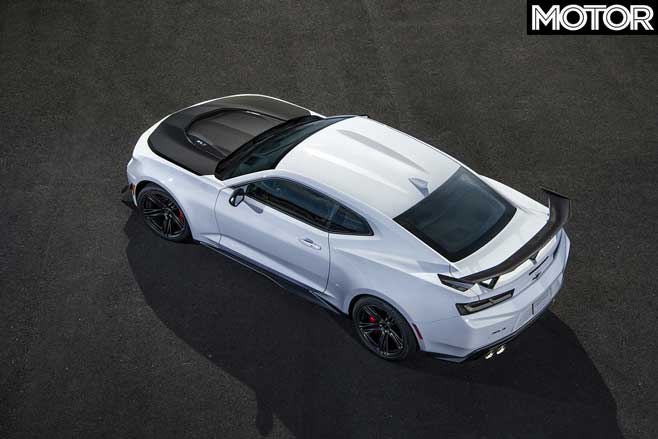
Regardless of the future, it’s believed the current sixth-generation Camaro is expected to remain in production until the end of 2022, but it’s from 2023 onwards that the situation becomes murky. The first but probably least likely option is the seventh-generation Camaro migrates to the revised Alpha II platform that underpins the Cadillac CT4 and CT5.
The reason this is unlikely is that it doesn’t fit with General Motors’ plan to build all its vehicles of just four platforms – or Vehicle Strategy Sets – by 2025, reducing production and engineering complexity and improving economies of scale.
It’s possible a seventh-generation Camaro will migrate to VSS-R, GM’s name for the platform that will underpin its future rear-wheel drive models, however such a move will require a short hiatus of the nameplate as the sixth-generation Camaro ends production in 2022 and VSS-R isn’t expected to be introduced until 2025.
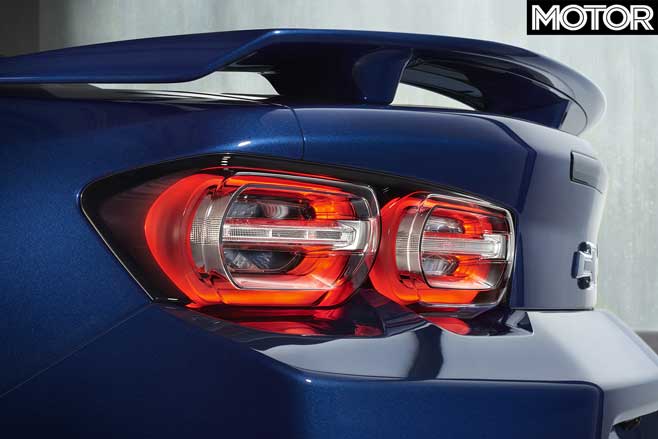
Could GM stretch production of the current Camaro out until 2025? Possibly, as the Lansing Grand River plant in which it’s built will presumably keep producing the Alpha II-based Cadillac products until that date.
The final two options are altogether more drastic. Chevrolet could discontinue the model altogether, something it did in 2002 before reviving it in 2009, but with the forthcoming C8 Corvette moving upmarket that would leave a sizeable hole in Chevrolet’s enthusiast portfolio.
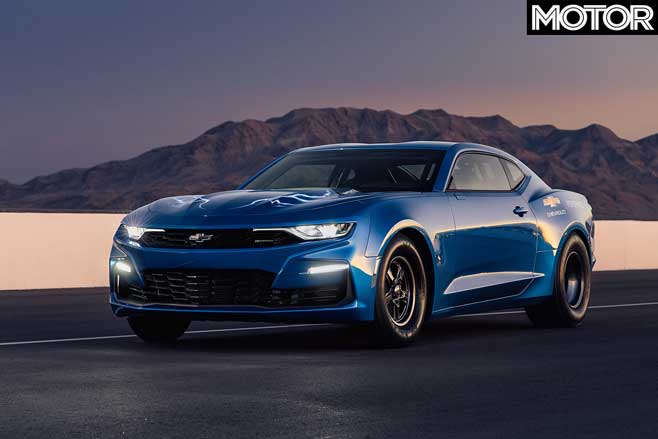
Lastly, there is the option of completely reimagining the Camaro concept, abandoning its V8, rear-wheel drive heritage to become an electric car, a move previewed by the eCOPO drag car concept unveiled at the 2018 SEMA show.
MOTOR’s speculation would be that Chevrolet is committed to a new Camaro, but has put development of the seventh-generation model on the backburner while General Motors substantially restructures its business for a predominantly electric future and waits for a clearer picture of both consumer tastes and the regulatory environment.
FOR MOST parents, ferrying their kids around is one of those time sucks that you just can’t get out of. Footy practice, calisthenics, sleepovers; you name it, they need you to drive them to it. Research by Allianz in 2018 showed that nearly two-thirds (61%) of Australian parents and carers report spending up to a full work day (eight hours) every week on ‘taxi duty’, with more than one in ten (12%) spending nine or more hours a week picking up and dropping off.
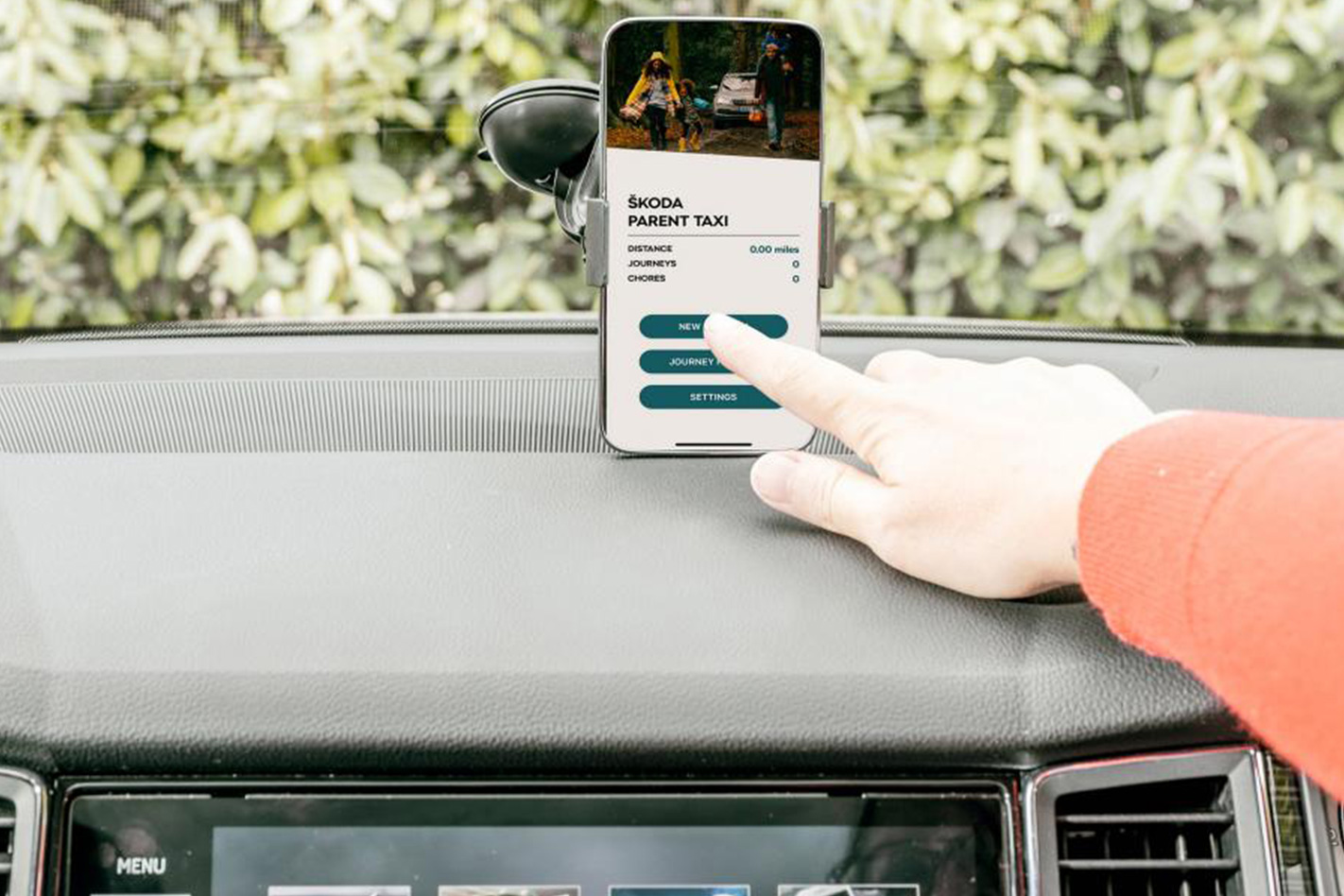
What’s more, it often becomes a thankless expectation. Even Uber drivers get occasional good feedback. Skoda thinks it doesn’t have to be this way and that kids need to offer something in return. That’s the premise behind the ‘Skoda Parent Taxi’ app. This uses GPS to track a car’s journey and then allows parents to set how many miles equals any one chore for the children to perform.
We’re not talking about cleaning chimneys or refurbishing weaving looms (but, as an aside, South Australia has no laws that regulate child labour), just the usual stuff like cleaning up their bedrooms, taking out the rubbish, a spot of light vacuuming, tidying the garden or cleaning the car.

Once a journey is completed, the app logs a total of the distance travelled and then suggests which chores should be performed in return. The secretly delighted parent can then send this via a receipt to their kids’ smartphones or tablet, preferably timed to ruin a crucial moment of Minecraft, and shame them on social media too. Parents can also monitor prior journeys, create bespoke chore receipts and track the total number of journeys completed.
Kids. Consider yourselves served.
Four-wheel-drive is one of those features on a car that will cost plenty to buy as an option, yet a lot of people don’t even know whether they need it or not.
In the old days, four-wheel-drive was fitted to off-road vehicles to give them the ability to crawl over rocks and power through bog-holes without becoming stuck. More recently, all-wheel-drive (it’s the same thing) has been fitted to performance cars to give them extra grip on loose surfaces.
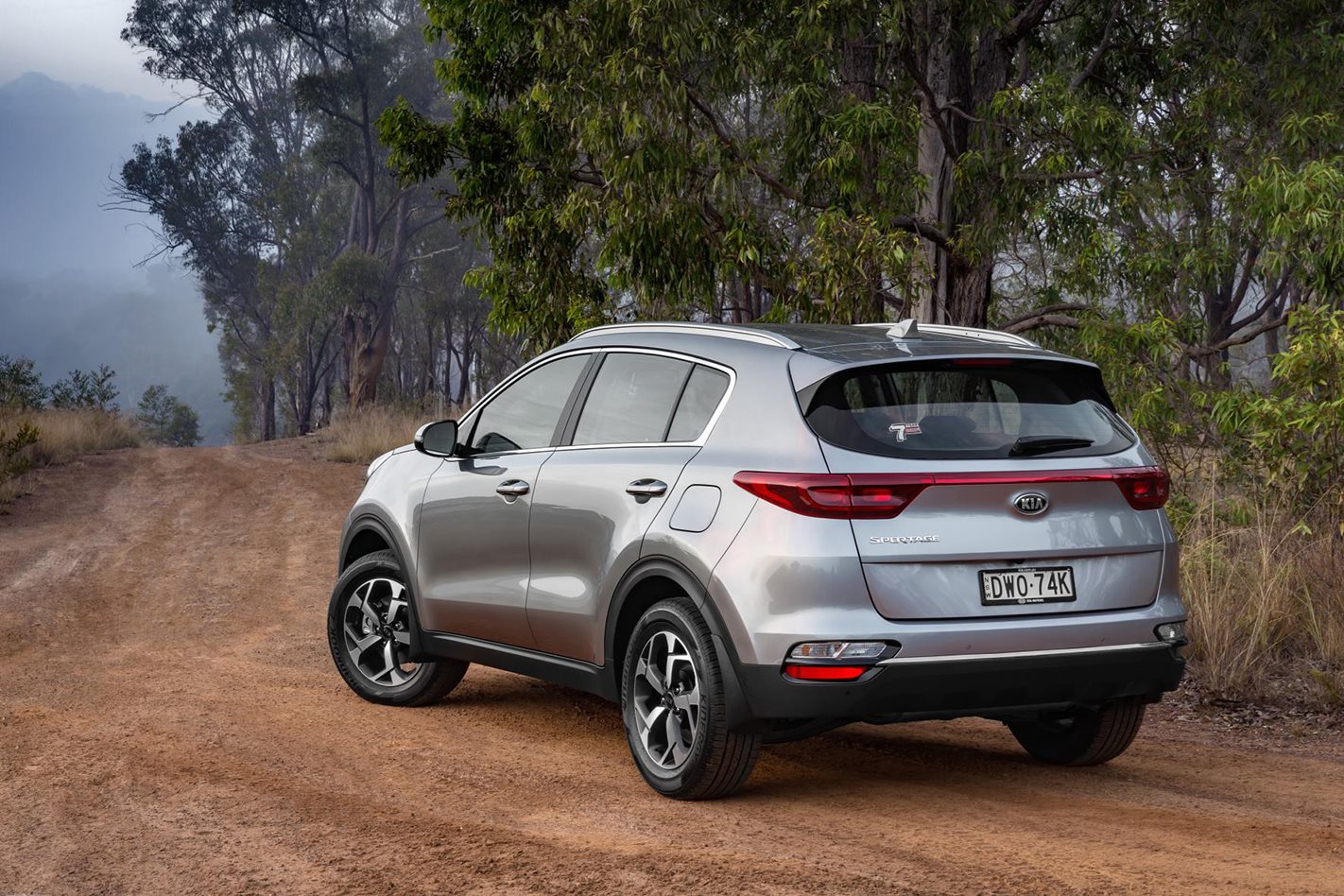
This is a hand-me-down from rally-cars, really. The point is, that unless you’re rock-hopping or rallying, all-wheel-drive is kind of wasted on the normal sort of urban driving we do. And because a four-wheel-drive vehicle will be heavier and has more driveline friction, it’ll also use more fuel than the same car without all-wheel-drive.
You may think that it’ll come in handy every now and then, but if you’re being honest with yourself it’s unlikely you’ll need an all-wheel-drive car.
They’re also more complicated, more costly to service and, like we said, dearer to buy. If you lived at the end of a long dirt road in a wet climate or you drive to the snowfields each year then, maybe, four-wheel-drive and its extra grip is for you.
At the end of the day, you’re the one paying for it. If you weigh up your circumstances and decide it would be helpful – go for it.
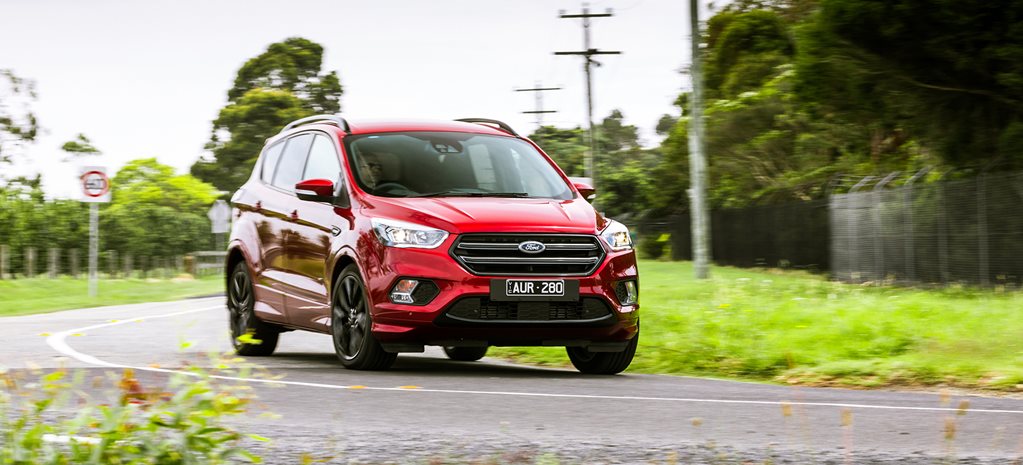
But the real answer can be seen in the way more and more SUV makers are offering a two-wheel-drive version of their cars alongside the traditional four-wheel-drive version. And the simpler, cheaper, two-wheel-drive versions are selling very nicely.
Here at Wheels we do a lot of performance testing on a range of cars. Anything and everything needs to be put up against its manufacturer’s claim.
One week it is the Lotus Exige 410 with our fastest manual 0-100km/h time of 3.9 seconds, and the next it’s a Suzuki Swift or a diesel dual cab that can’t crack 10 seconds to the all-important marker.
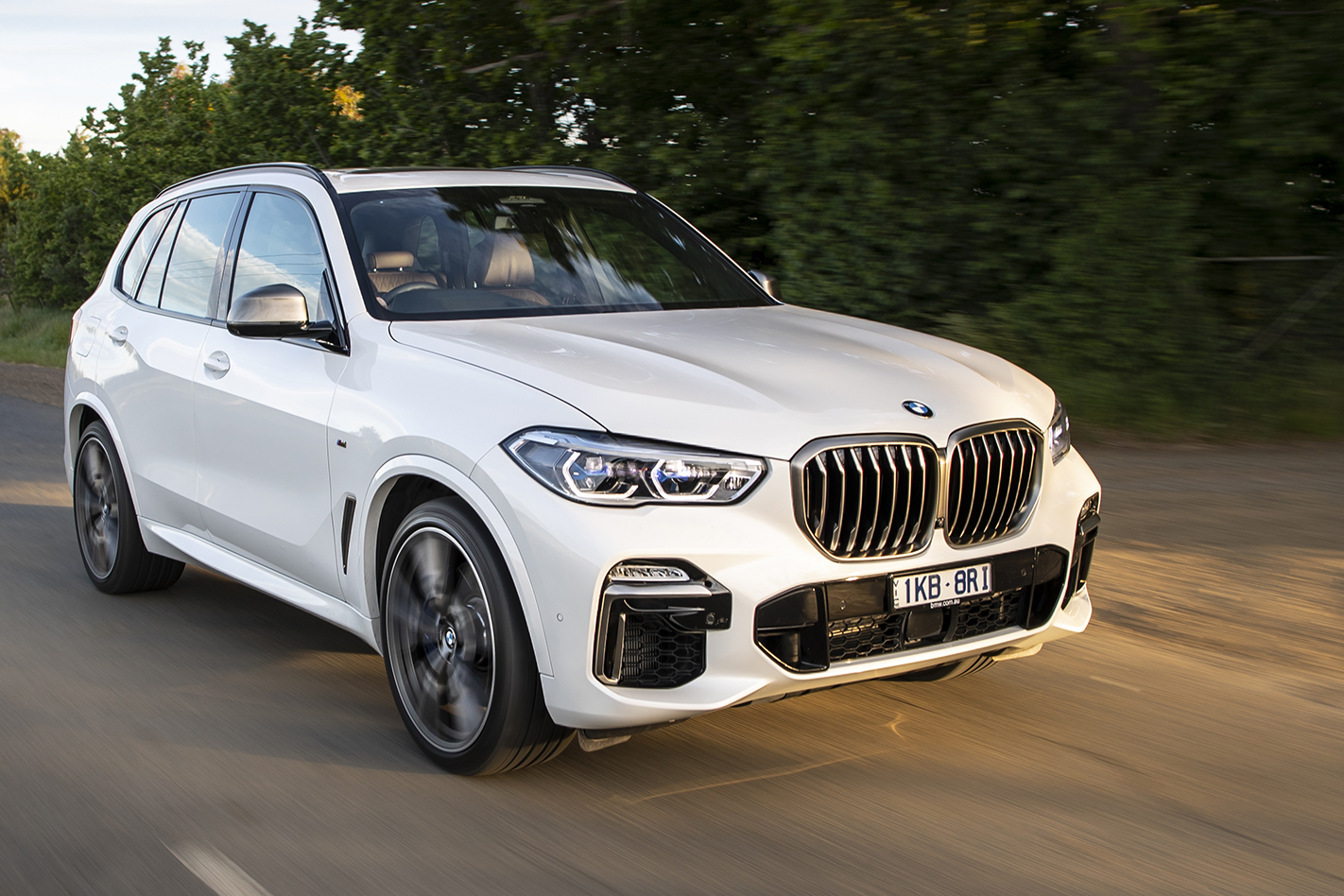
So stay with us when we mention the fact that the humble BMW X5 xDrive 30d recorded a 0-100km/h time of 6.6sec, a tenth slower than its claim, before going on to cover the quarter mile in 14.8sec at 147.4km/h.
Yes, in a world where the next Mercedes-AMG A45 S will dip below 4.0sec, that isn’t a crazy-fast group of performance figures. However, context is vital.
Remember, the $112,990 X5 is in no way marketed as a sporting diesel variant, there’s the M50d for that. Yet, the straight-line numbers place the TwinPower 195kW/620Nm inline-six diesel among esteemed company.
For example, the affordable pinnacle in terms of hot hatches, the Hyundai i30 N, reaches 100km/h in a claimed 6.2sec. However, sister publication MOTOR tested the i30 N repeatedly down the strip with a best of 6.24sec, admitting that the average run was more like 6.5sec.
In contrast, with the standard launch control system active (yes, the 30d has launch control), you simply press the brakes as hard as you can, wait for the 3.0-litre’s revs to build as the calipers clamp down, and then release the left pedal when you’re ready to go. And unlike the Hyundai, which can be tricky with its overzealous traction control, the X5 will do it on just about any tarmac.
Admittedly, the fuss-free affair is less exciting than trying to master the six-speed manual i30 N. There’s no rowing through the gears, timing shifts optimally or balancing wheelspin with revs. The reality is that the rear-biased xDrive system takes care of traction and the exemplary ZF eight-speed auto shifts appropriately when in Sport mode.
Of course, the X5 30d isn’t the fastest diesel SUV you can buy. The likes of the Audi SQ7, BMW M50d, Jaguar F-Pace 30d, Range Rover Velar and Mercedes-Benz GLE400d are all examples of other six-cylinder diesel SUVs that charge harder to 100km/h. Even the X3 30d claims 5.8sec to 100km/h.
However, it doesn’t take away from the fact that we’re in an era where an unassuming, 2.1-tonne diesel kid carrier can at least keep up, if not outrun, numerous hot hatches
